Dora Kallmus was one of the most skilled portrait and fashion photographers of the early 20th century. Born in Vienna, she developed a passion for photography at a young age. In 1905, she made history by becoming the first woman accepted into the Association of Austrian Photographers — a field that was almost entirely dominated by men at the time.
Her formal training took her to Berlin, where she completed an apprenticeship under the celebrated portraitist Nicola Perscheid. It was there that she met Arthur Benda, who would become her assistant and long-time creative partner. Together, in 1907, they opened a studio in Vienna called Atelier d’Ora, later known as Madame d’Ora-Benda. The studio quickly became the go-to destination for Vienna’s cultural elite.
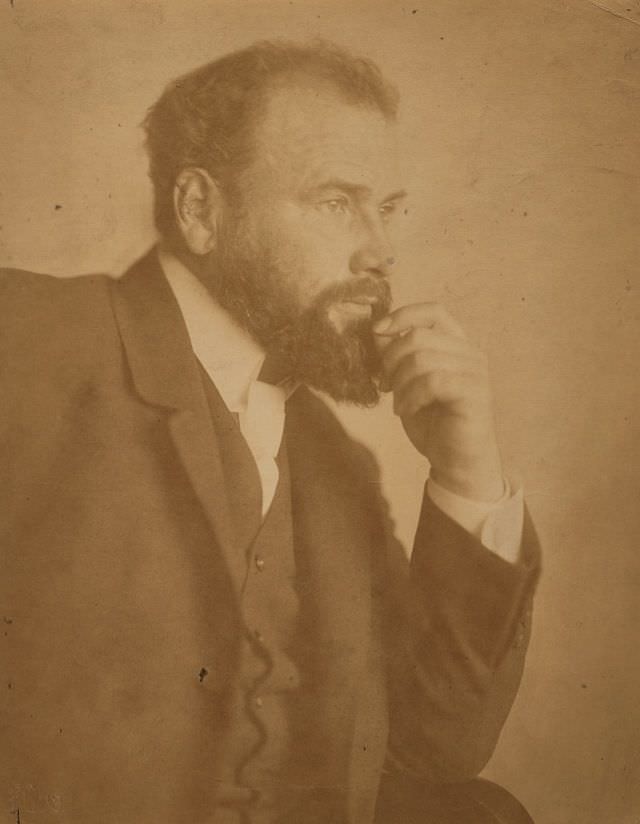
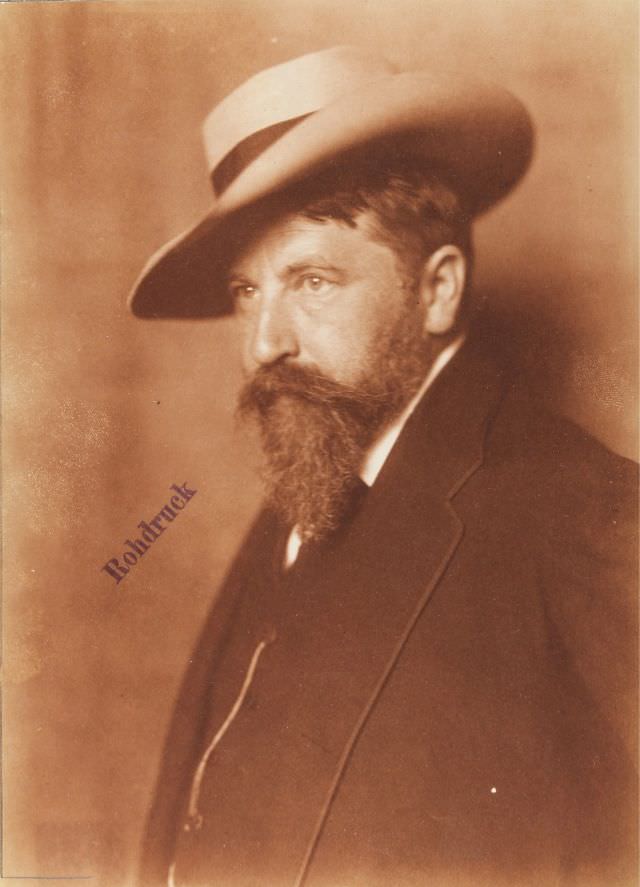
Among the first notable figures to sit before Kallmus’s lens was the painter Gustav Klimt, photographed in 1907 — the very year the studio opened. His portrait reflects the refined, thoughtful approach that would define her work for decades. She had a gift for capturing personality without stripping away the subject’s natural presence.
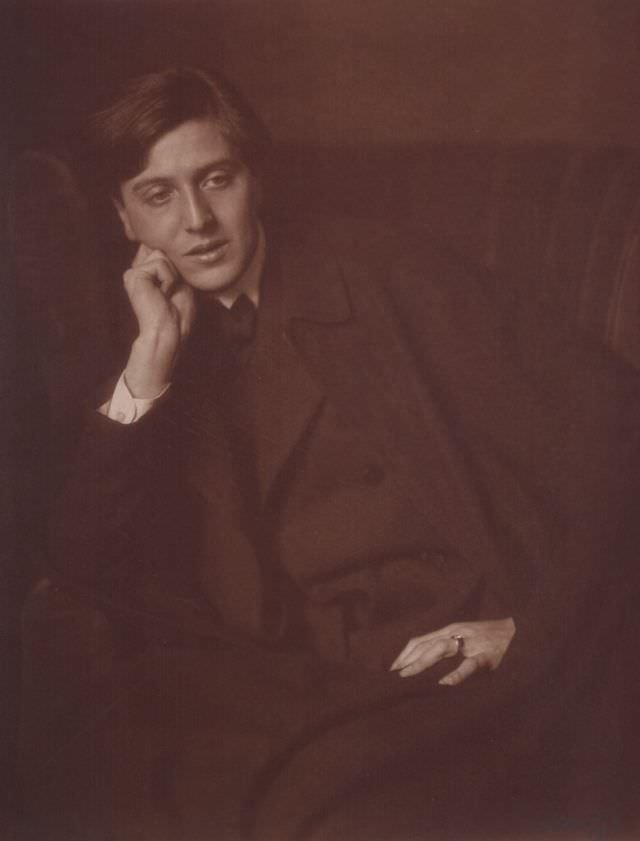
By 1909, the studio was photographing a wide range of Vienna’s intellectual and artistic community. Composer Alban Berg and Emilie Flöge — the fashion designer and companion of Klimt — both sat for Kallmus that year.
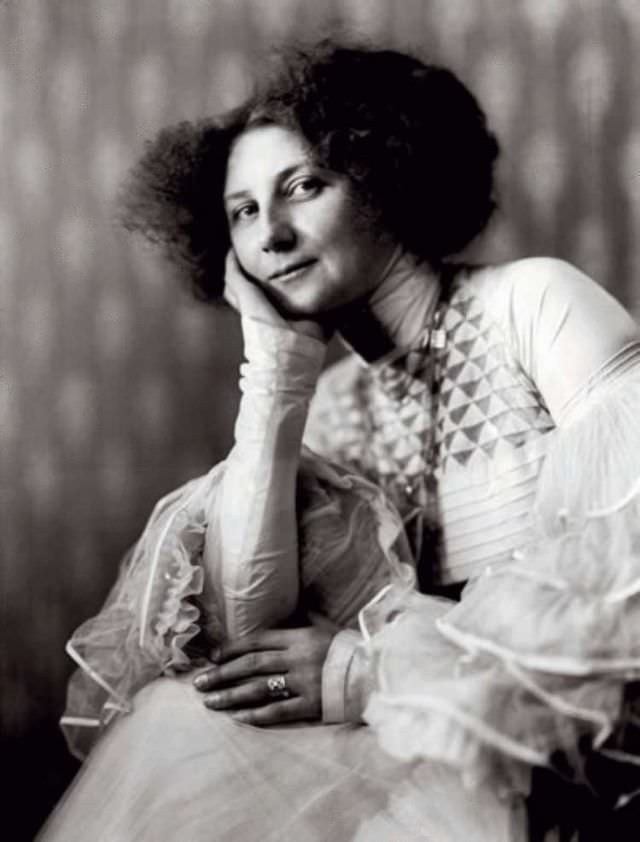
Kallmus also worked closely with the fashion world from the very beginning. In 1909, she photographed Helene Jamrich wearing a hat from the Zwieback fashion house — one of many collaborations that blurred the line between portrait photography and fashion documentation.
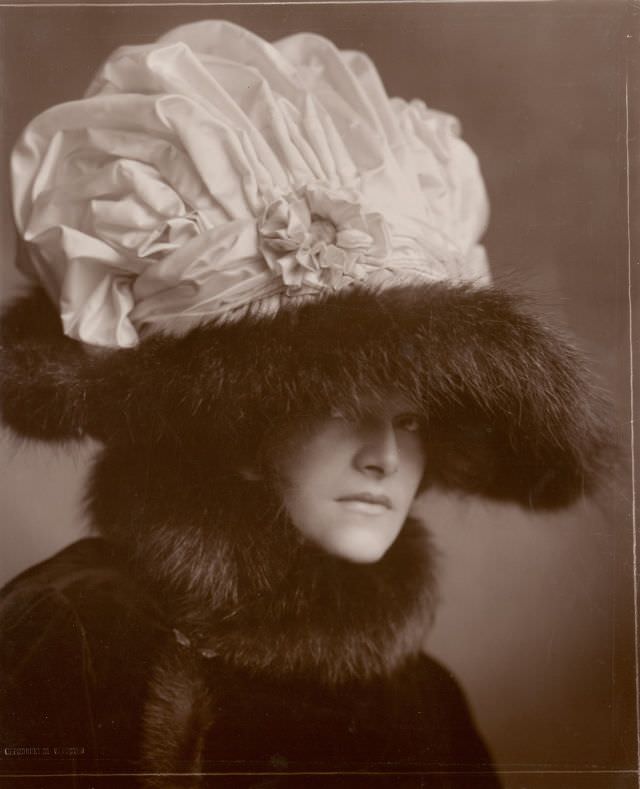
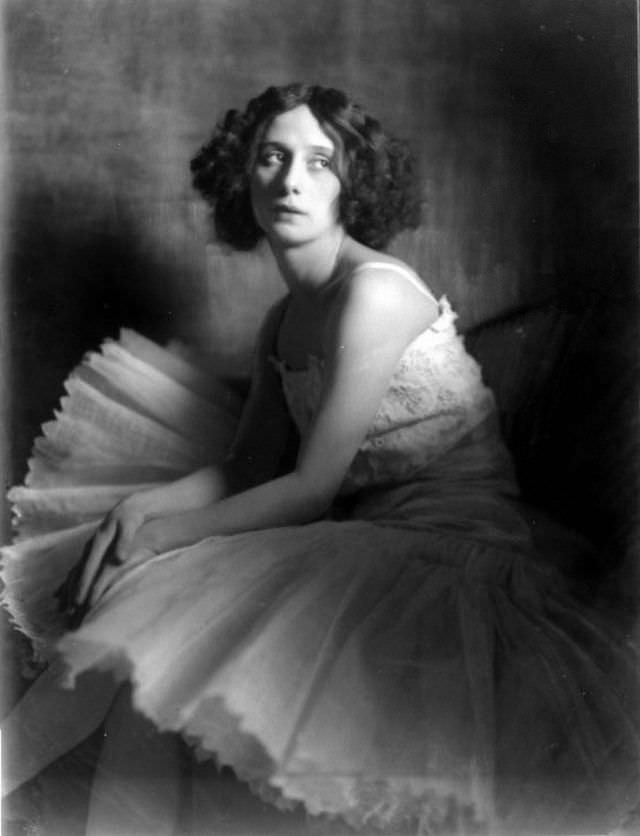
The Russian ballerina Anna Pavlova was among the international stars who passed through the Atelier d’Ora. Kallmus photographed her across multiple sessions, capturing the dancer’s grace both in the 1910s and again in 1913.
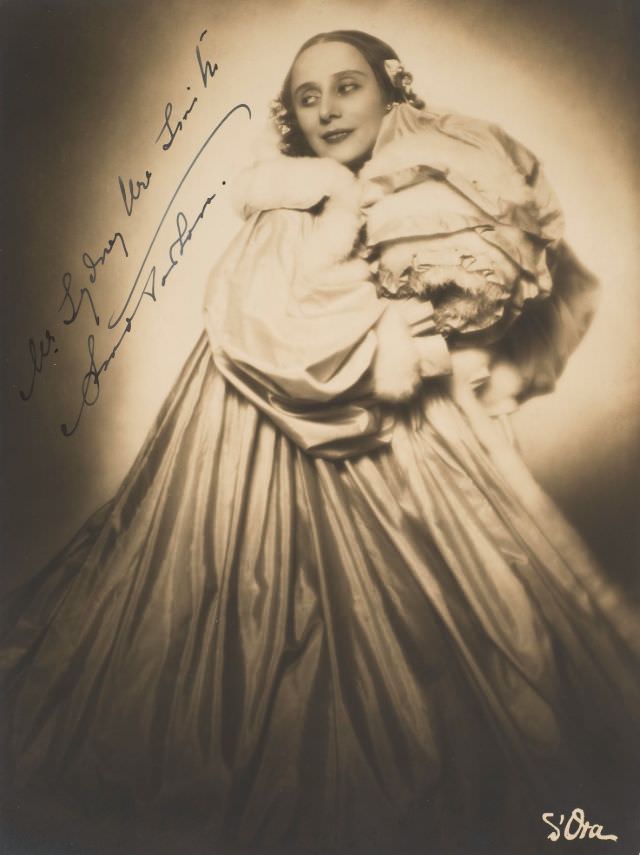
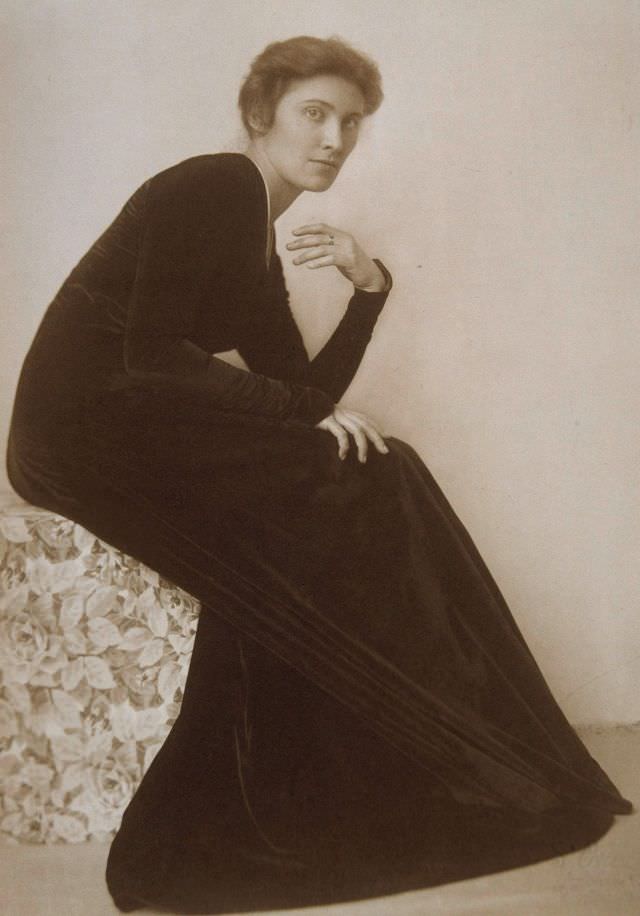
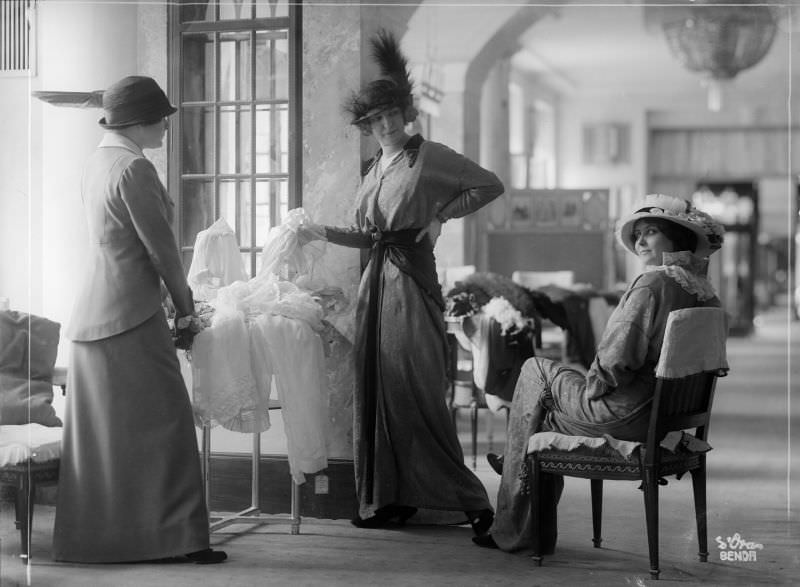
Beyond individual portraits, Kallmus photographed fashion directly. Her 1913 work inside the Zwieback Fashion House shows models in full dress, treating clothing itself as a subject worthy of serious photographic attention.
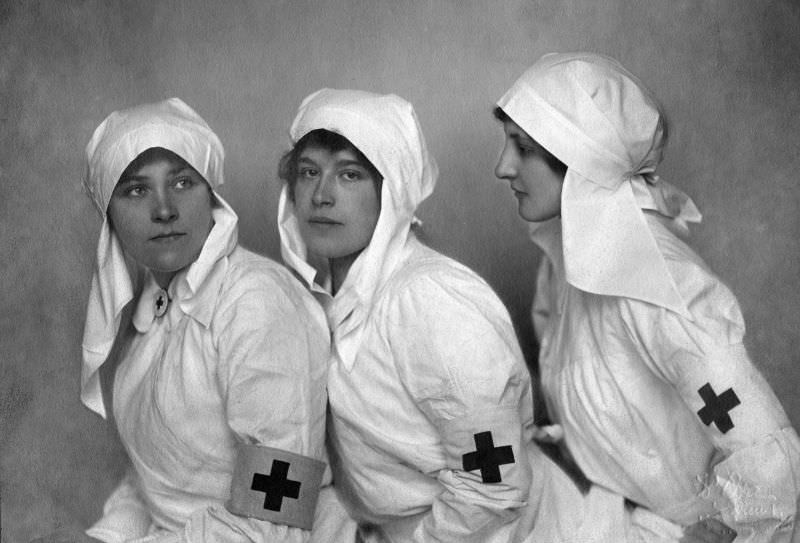
When World War I broke out in 1914, the Atelier d’Ora continued to operate. Kallmus photographed Countess von Haugwitz-Széchenyi, Countess Khevenhüller-Fürstenberg, and Countess Marie Choloniewska serving with the Red Cross — a rare documentation of aristocratic women in a wartime humanitarian role.
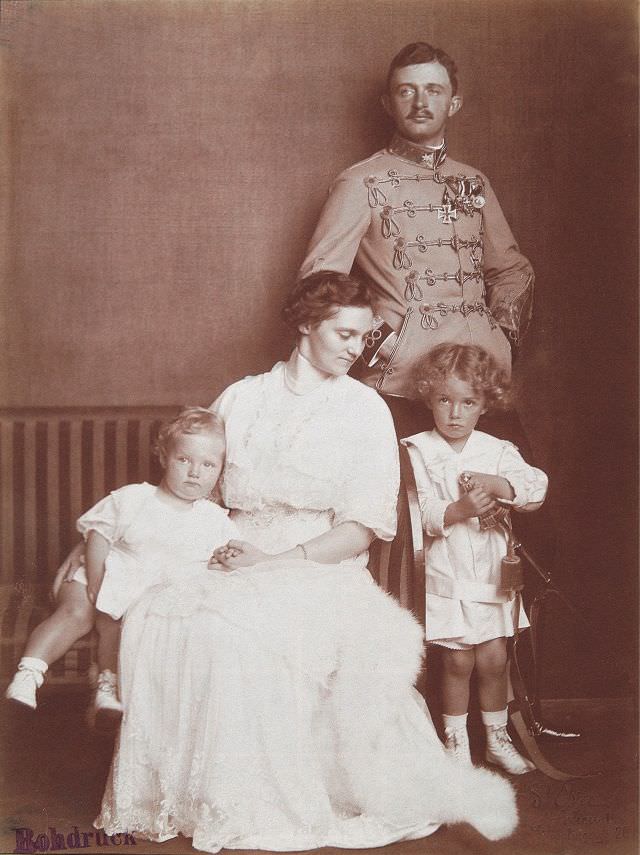
The Habsburg imperial family also came before her camera. In 1915, she photographed Archduke Karl and Archduchess Zita with their children Otto and Adelheid — a formal yet warm family portrait taken just a year before Karl became Emperor of Austria.
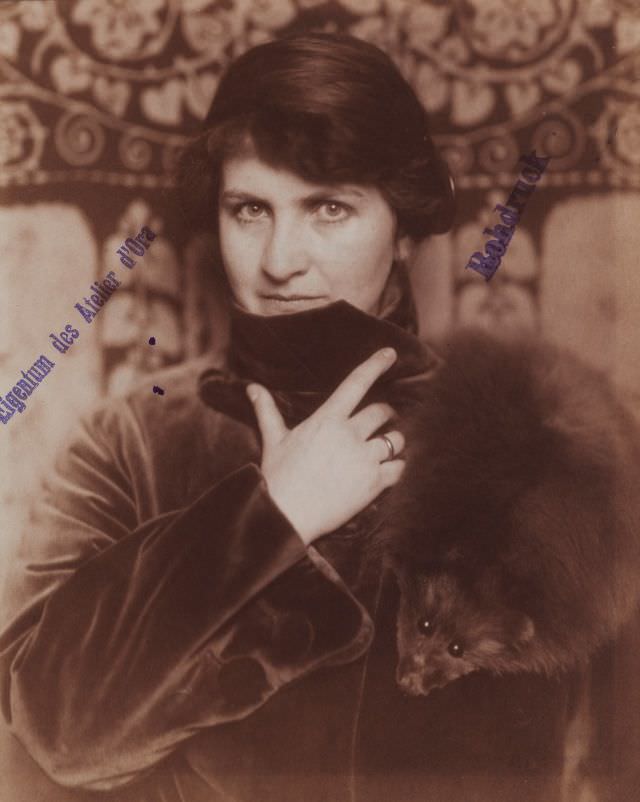
Writers, musicians, and socialites all made their way to her studio during the war years. Playwright Arthur Schnitzler was photographed in 1915, and Alma Mahler — widow of composer Gustav Mahler and one of Vienna’s most prominent social figures — sat for Kallmus in 1916.
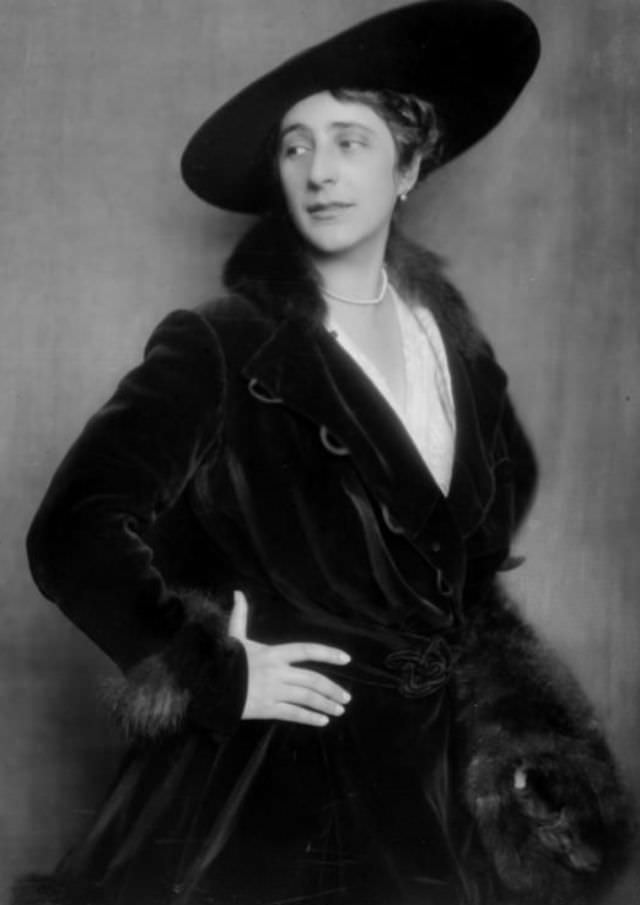
The 1920s marked a significant shift in the studio’s reach. Kallmus had relocated to Paris, where she operated under the name Madame d’Ora and entered the heart of European celebrity culture. Cabaret performer Anita Berber, known for her provocative stage work, was photographed by Kallmus in 1920.
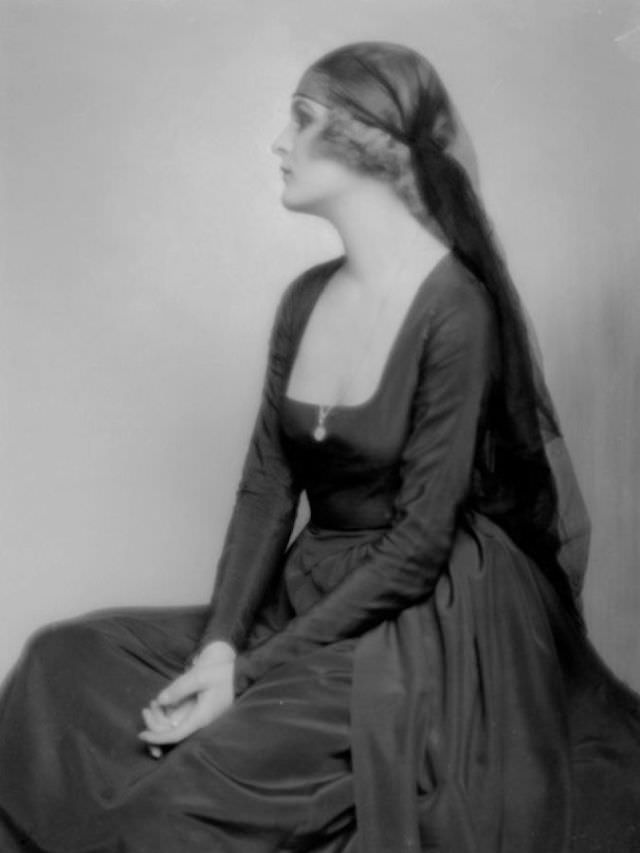
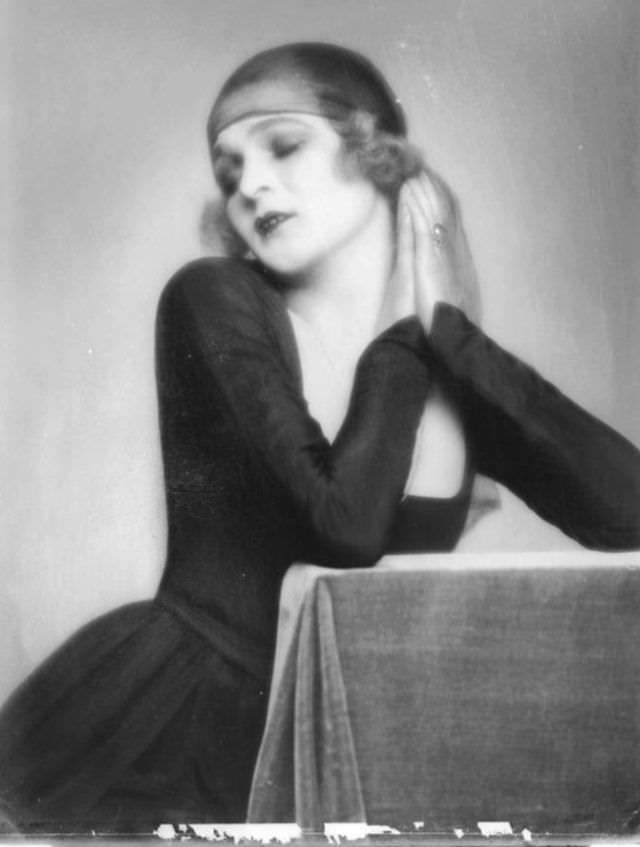
Throughout the 1920s, Kallmus photographed an extraordinary range of performers, actresses, and public figures. Her Paris studio drew the biggest names in European entertainment and fashion.
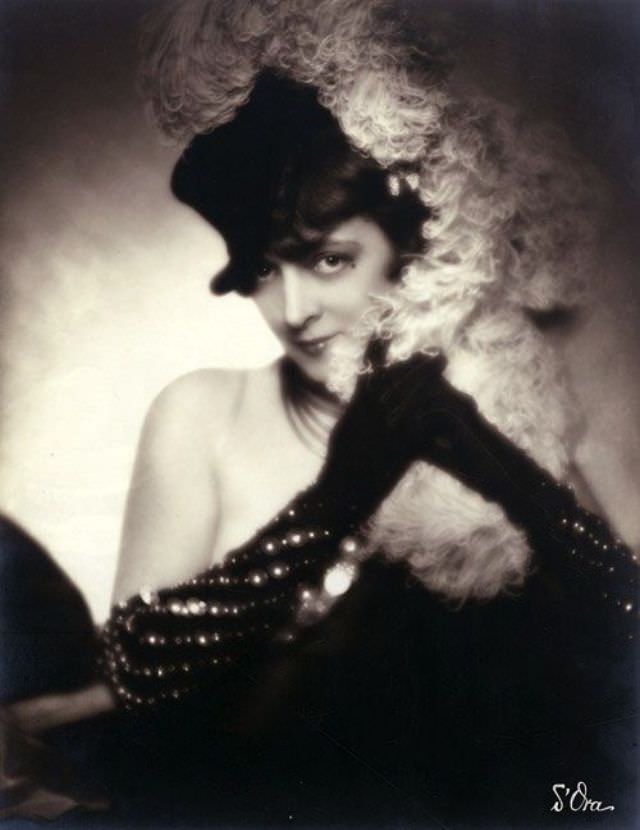
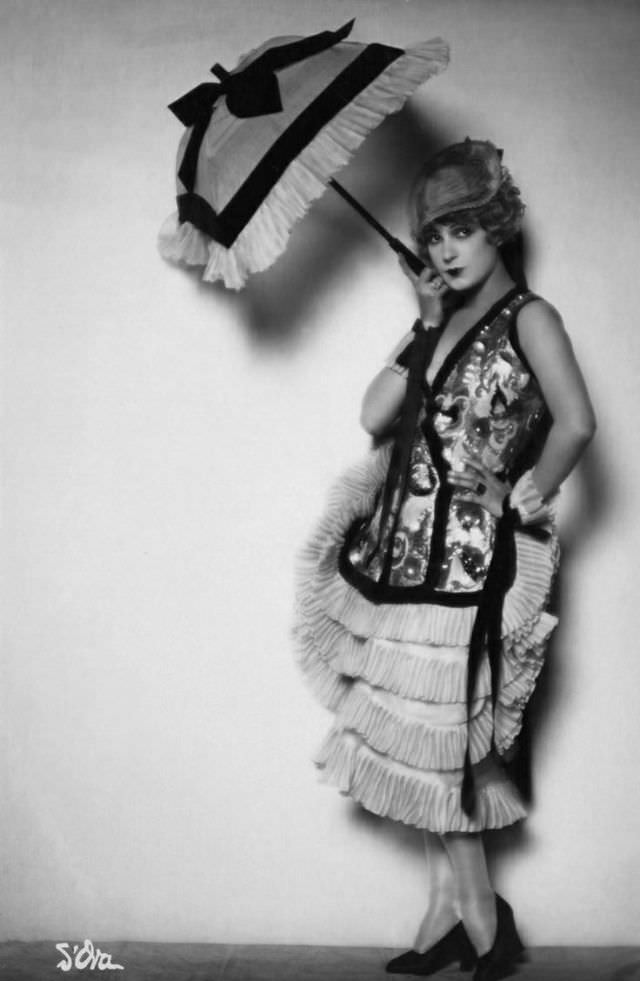
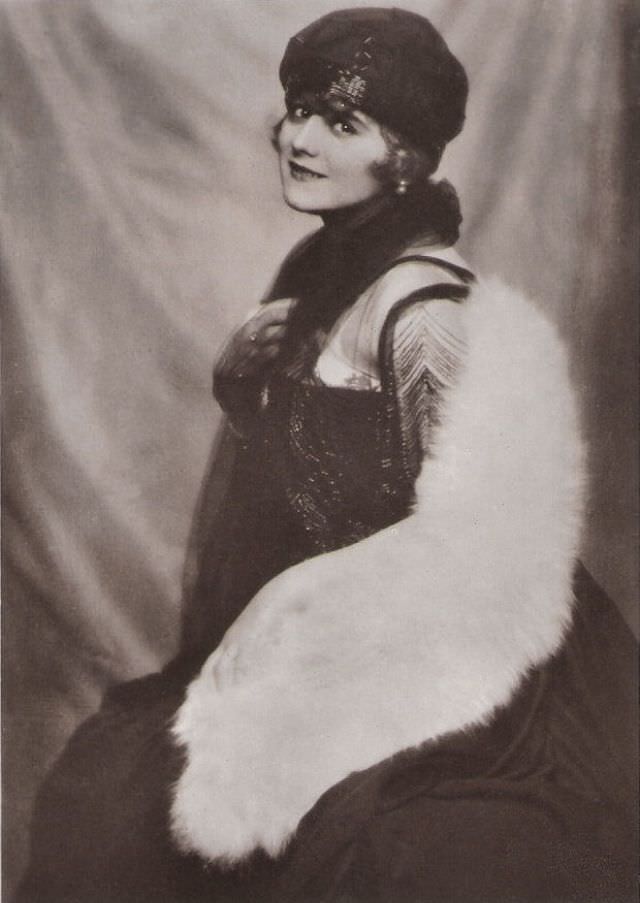
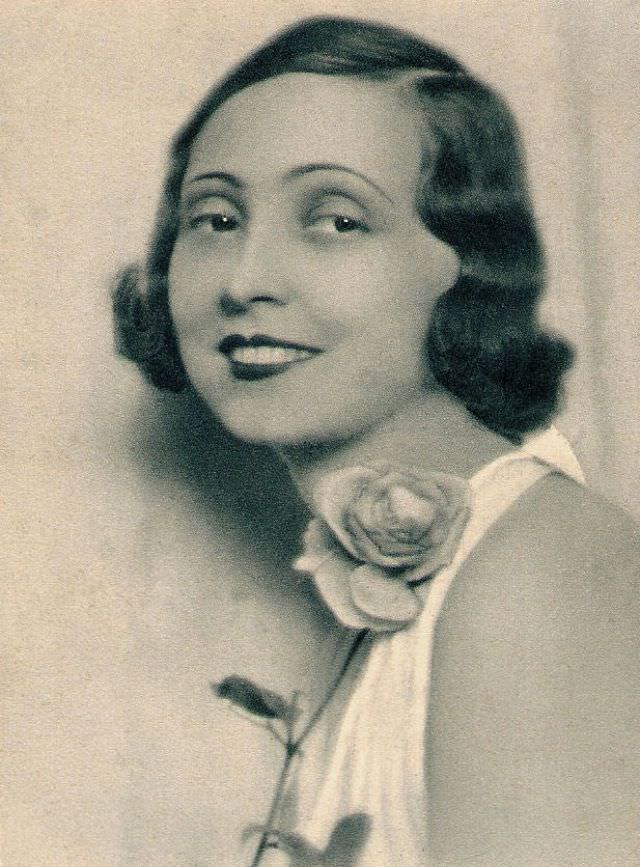
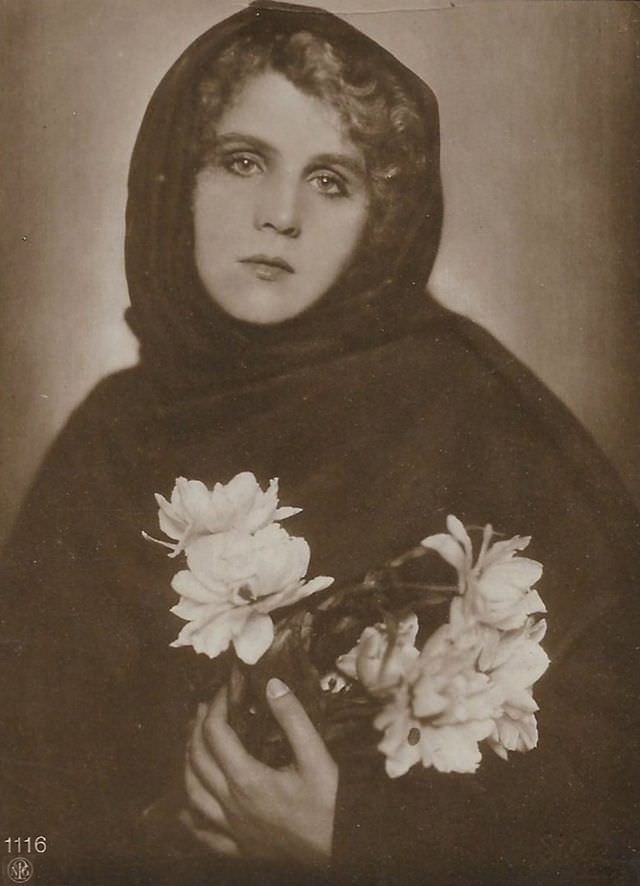
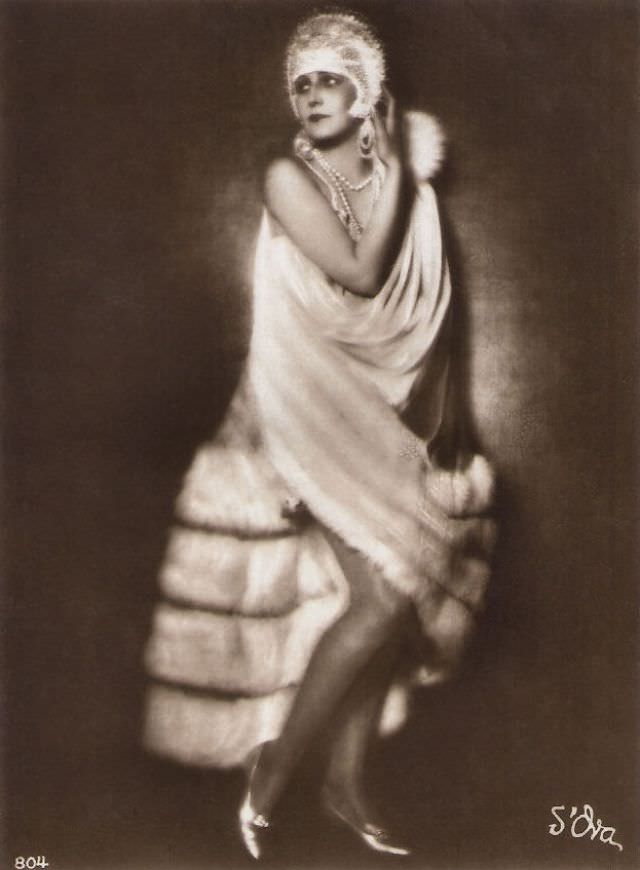
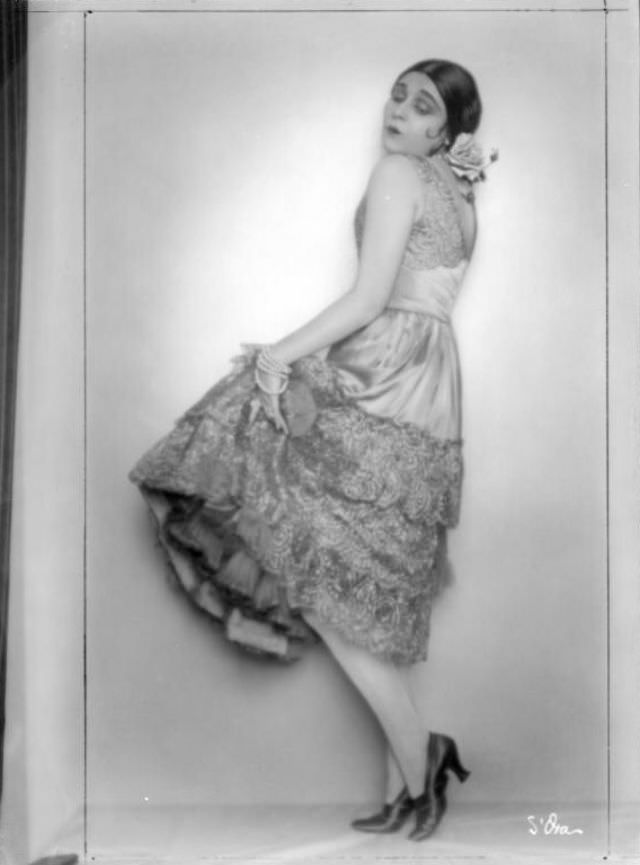
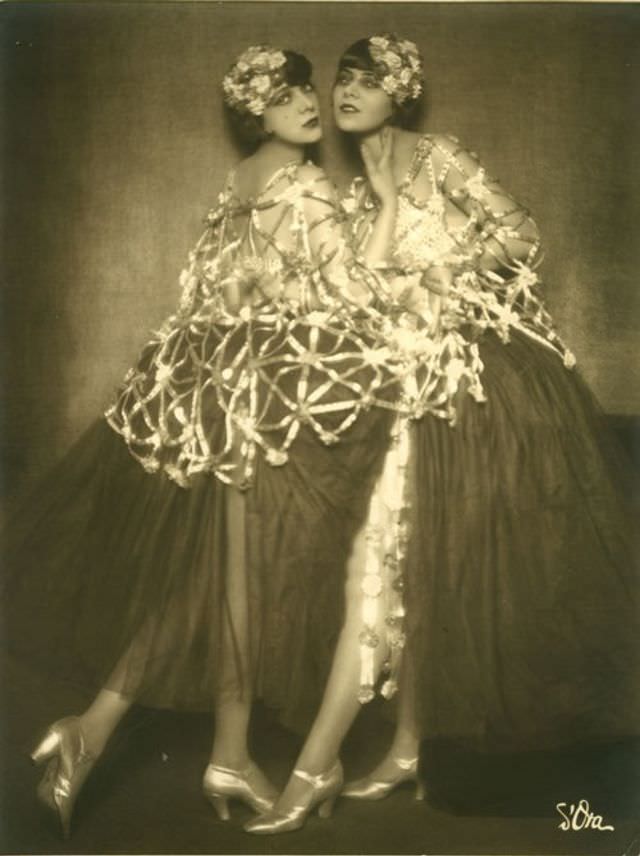
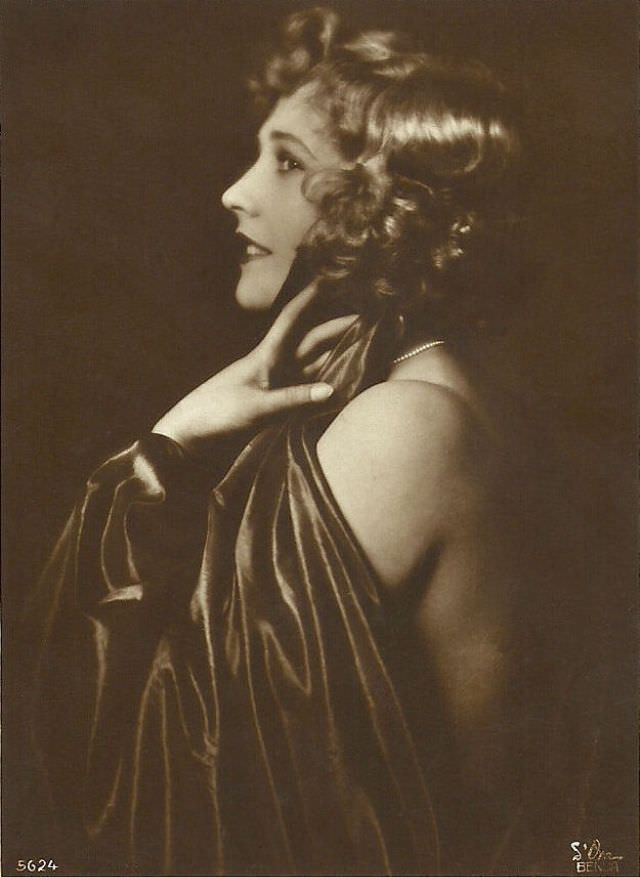
In 1923, fashion designer Coco Chanel sat for a Kallmus portrait — a meeting of two pioneering women who each reshaped their respective fields in the early 20th century.
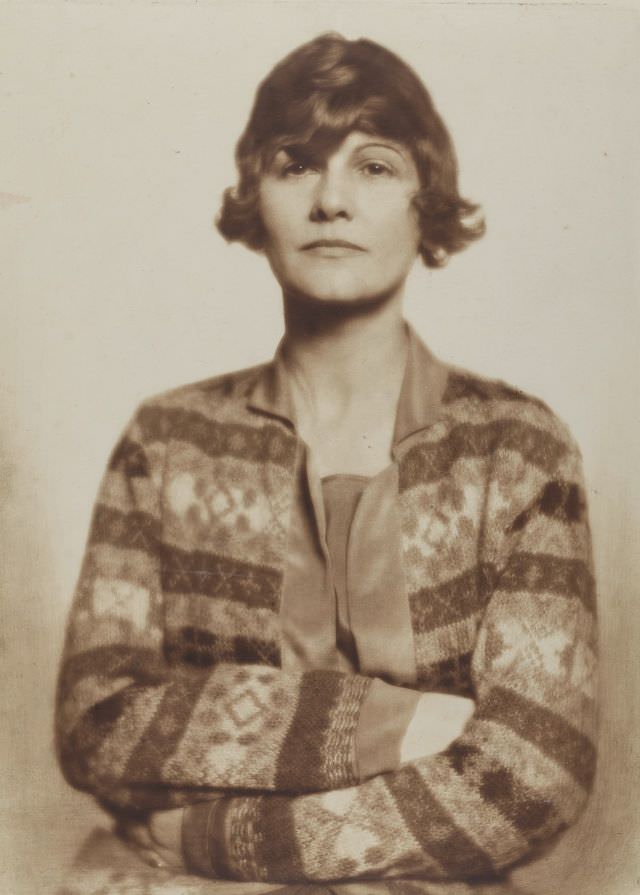
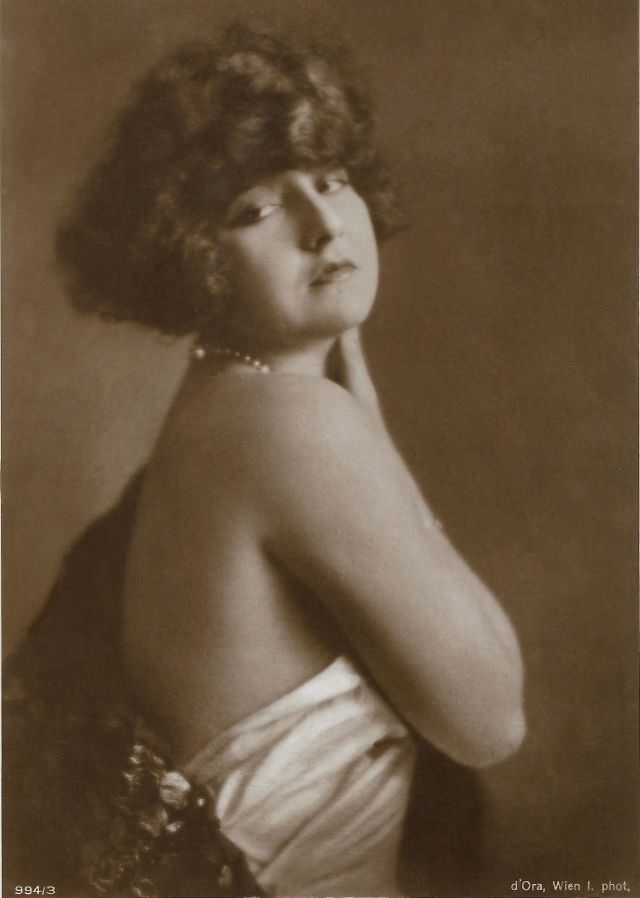
American acrobat and performer Barbette, who became a sensation in Paris for his cross-dressing stage act, was photographed by Kallmus in 1926. The following year, both Marlene Dietrich and Maurice Chevalier — two of the era’s biggest stars — sat for her.
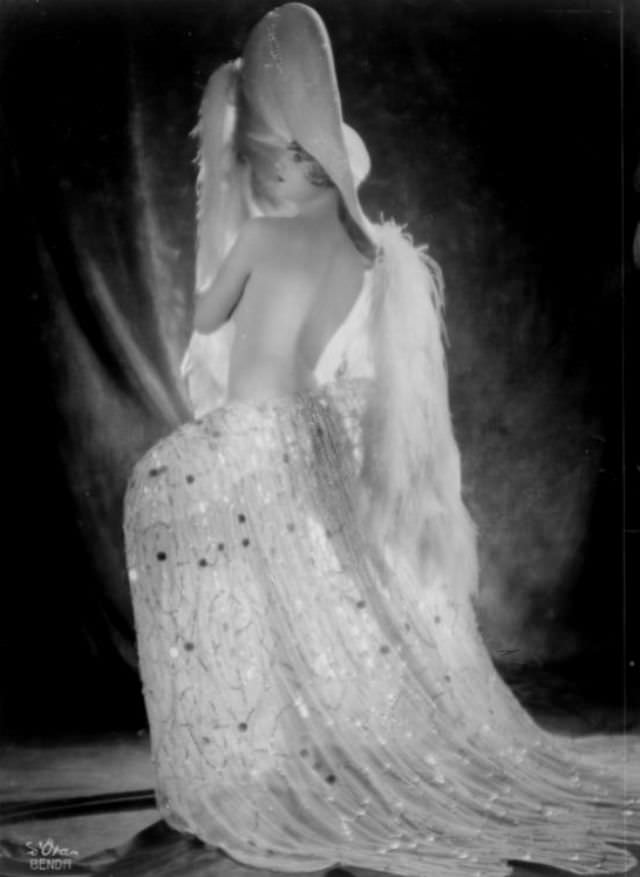
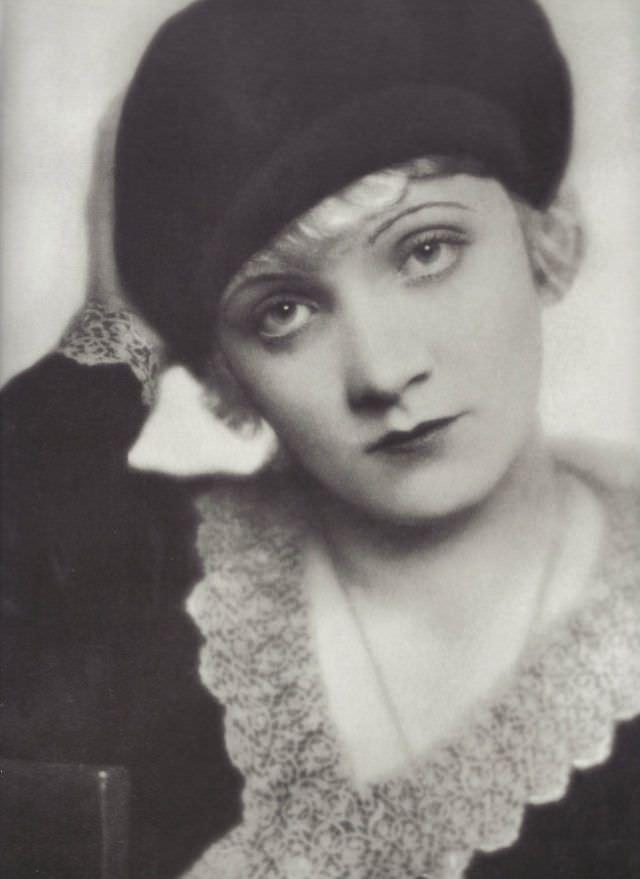
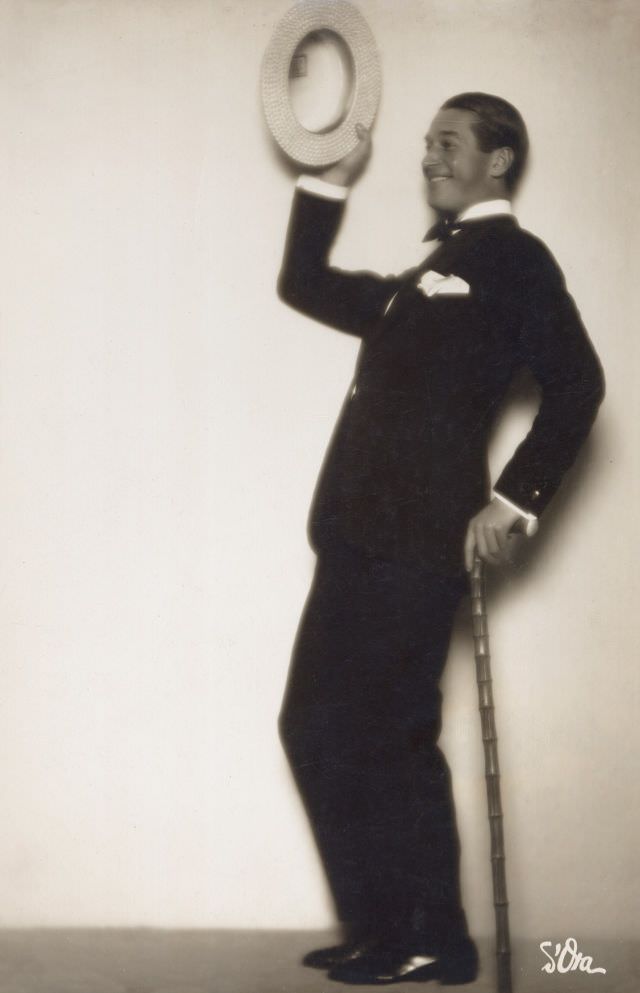
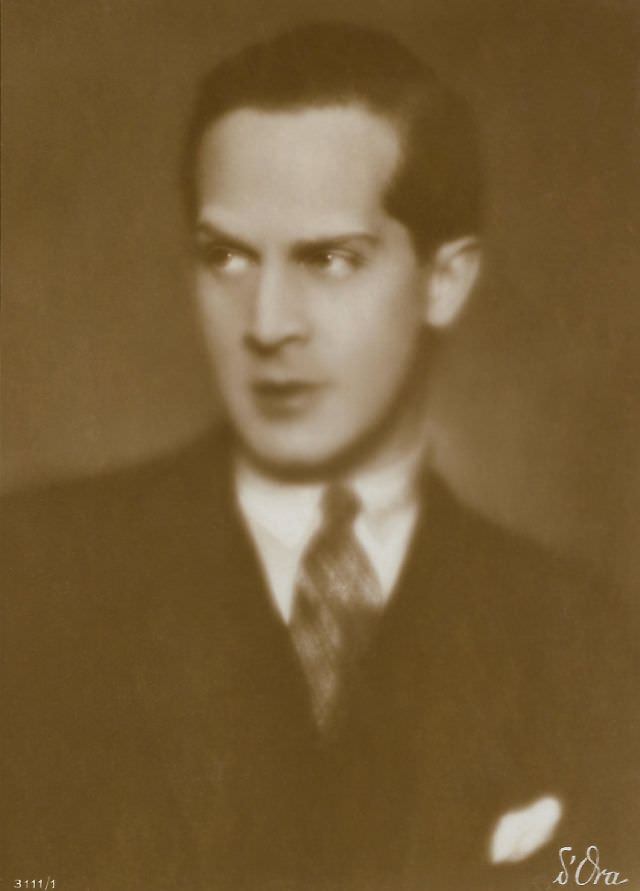
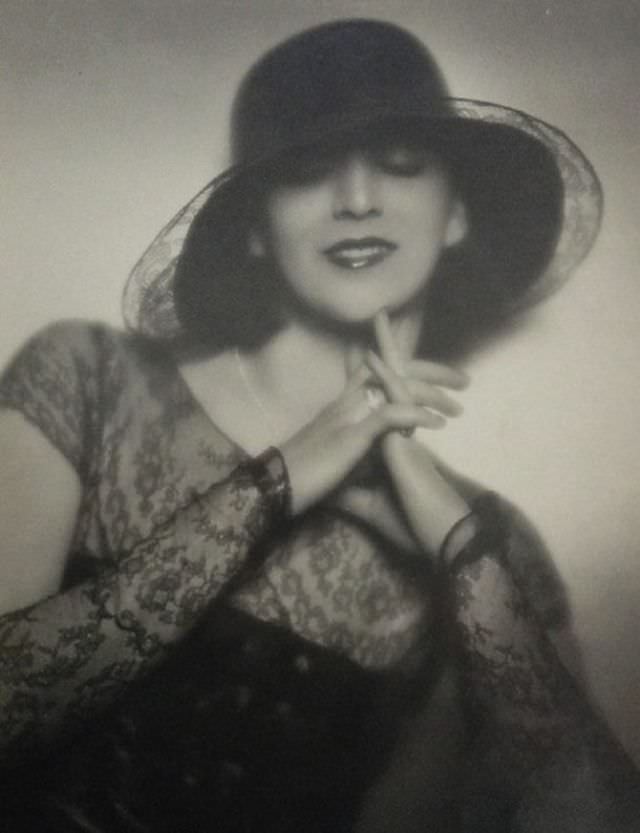
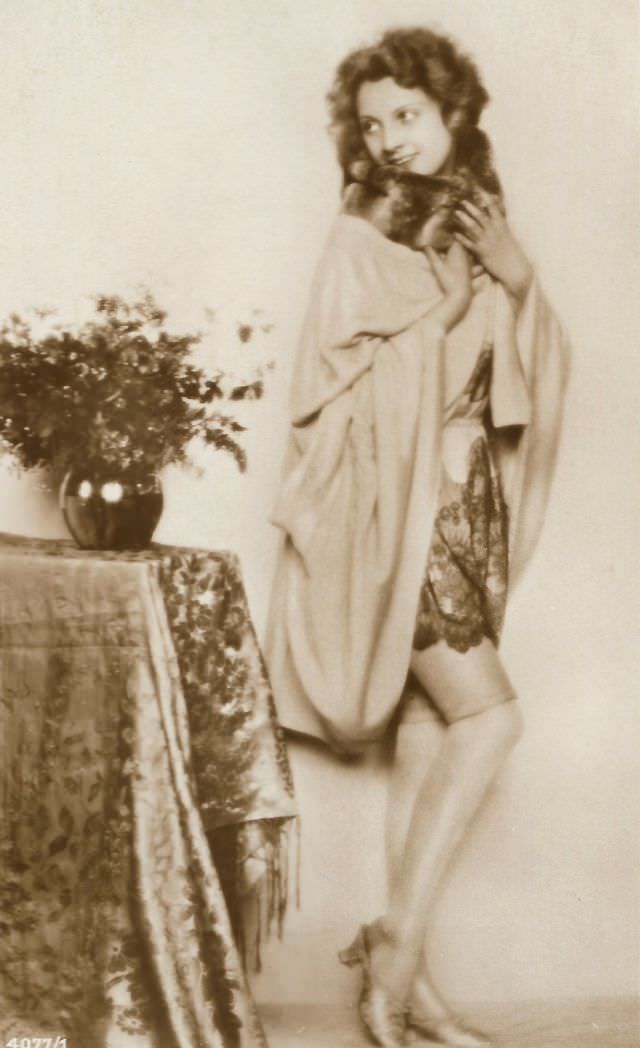
In 1929, Kallmus turned the camera on herself. Her self-portrait that year is a composed, direct image — confident and unhurried, much like her broader body of work.
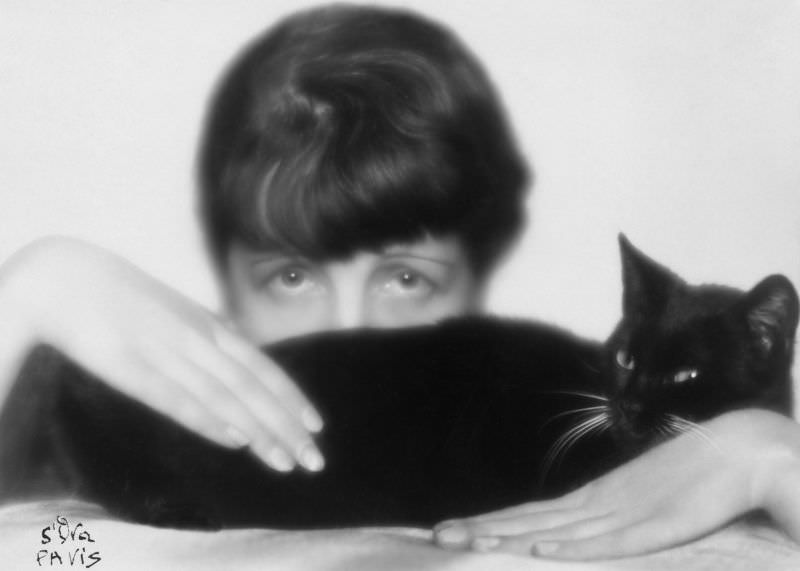
Into the 1930s, her subject list continued to expand. She photographed painter Oskar Kokoschka in Paris around 1930, and artist Tamara de Lempicka in 1933 — both major figures in the European avant-garde art scene.
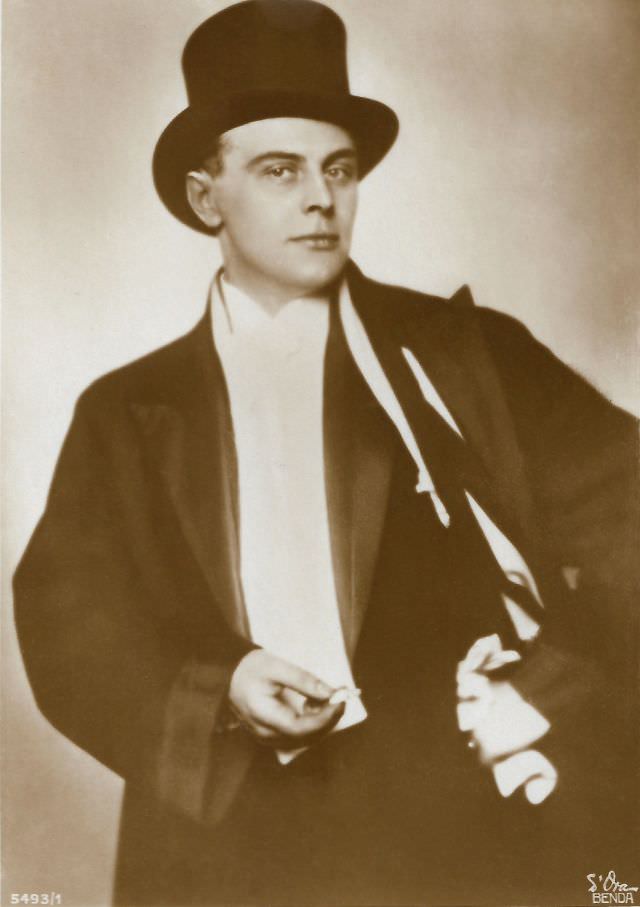
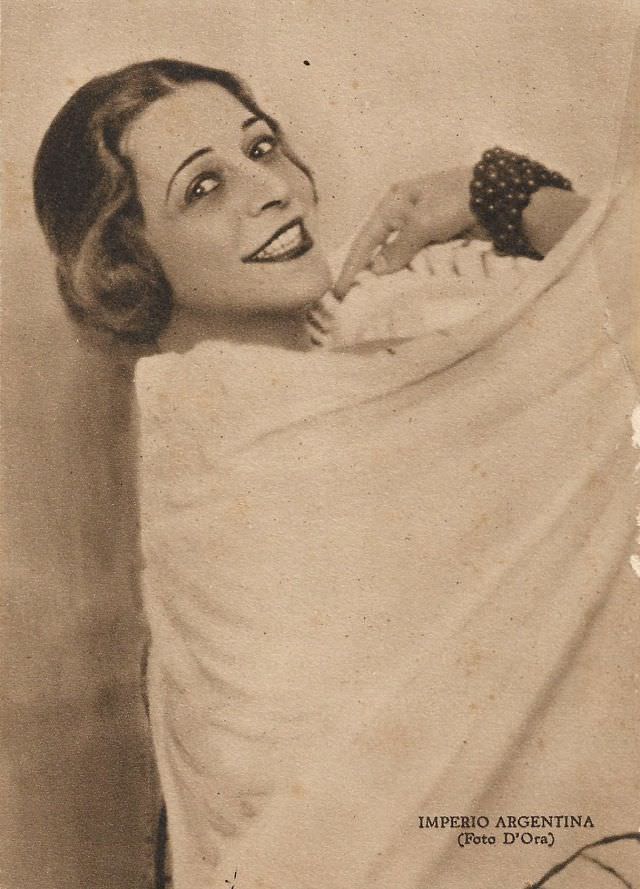
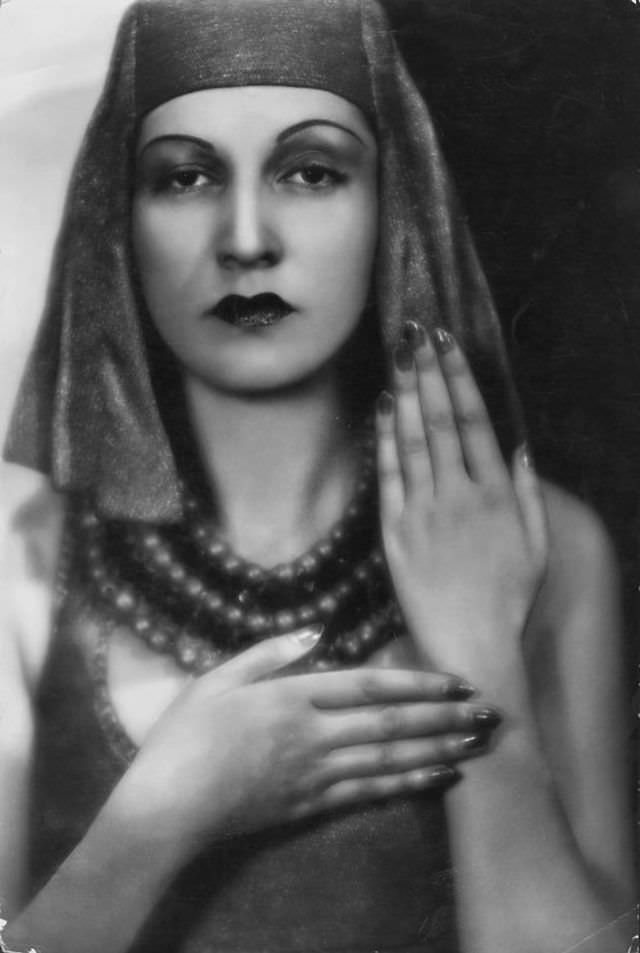
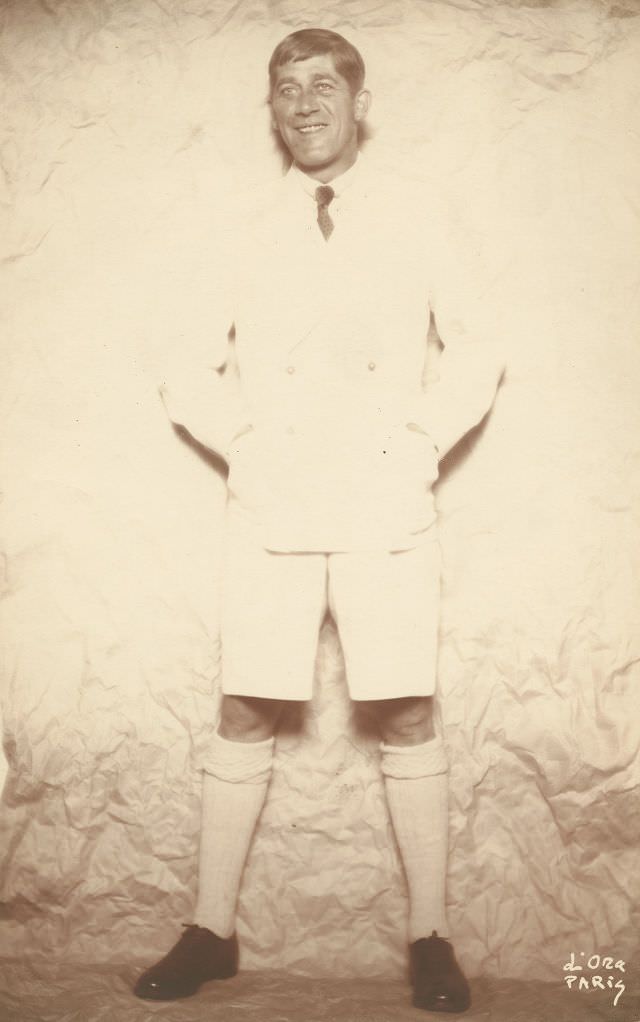
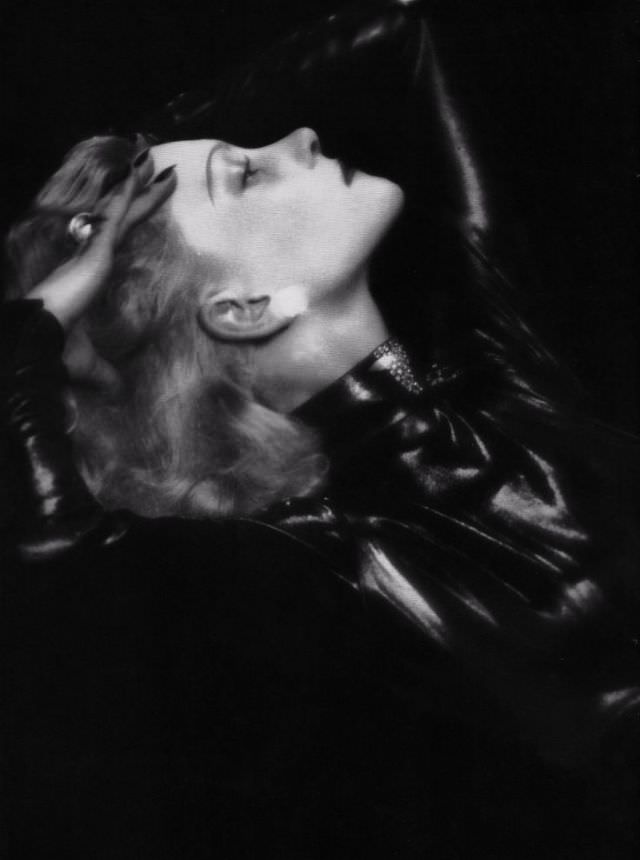
Tamara de Lempicka’s 1933 sitting produced one of the more striking fashion portraits of the decade. Kallmus framed her subject with precision, balancing personality and style in a single frame.
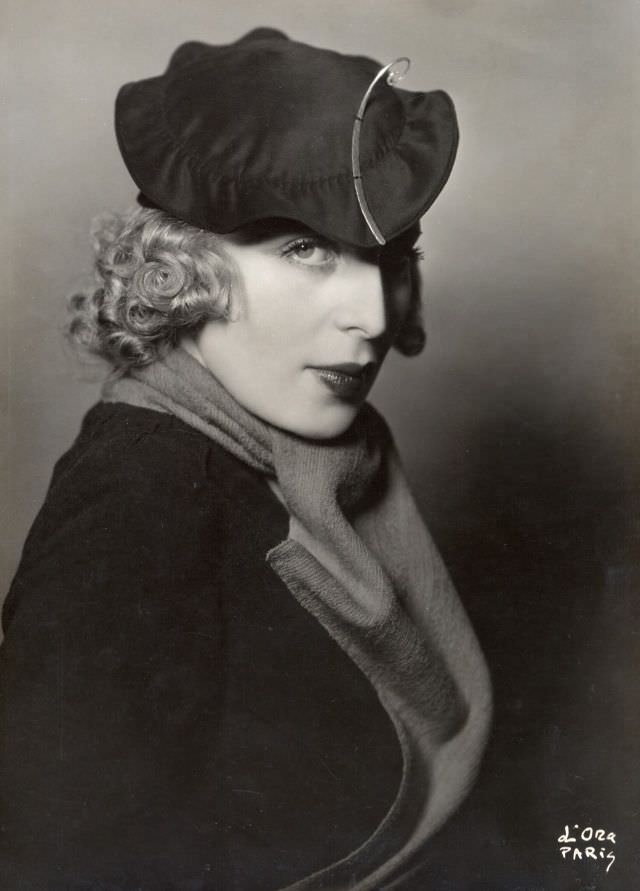
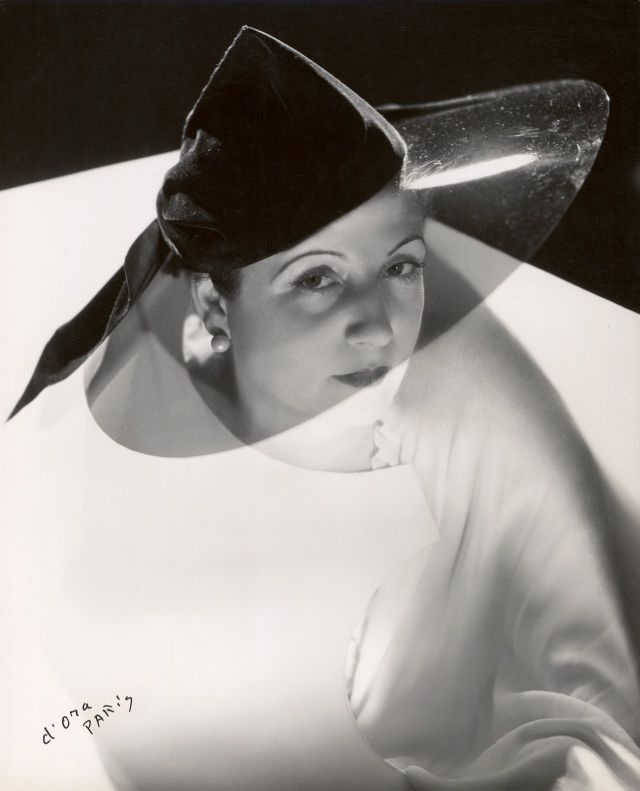
When German forces took control of Paris during World War II, Kallmus was forced to shut down her studio and go into hiding. She spent the war years living in a semi-underground existence in Ardèche, in the southeast of France. Her 1936 portrait of Madame Agnès — dressed in a velvet hat with a transparent brim — was among her last major fashion photographs before that chapter of her life came to a forced close.