
The 1940s and 1950s were a booming era for beauty pageants in America. Most of them traced their roots back to the Miss America pageant, which had been drawing crowds since 1921. But not every contest was about crowning a national symbol. Some were far more local, more lighthearted, and honestly, a lot more fun. Enter the Donut Queen — one of the most charming and offbeat titles a young woman could earn during the postwar years.
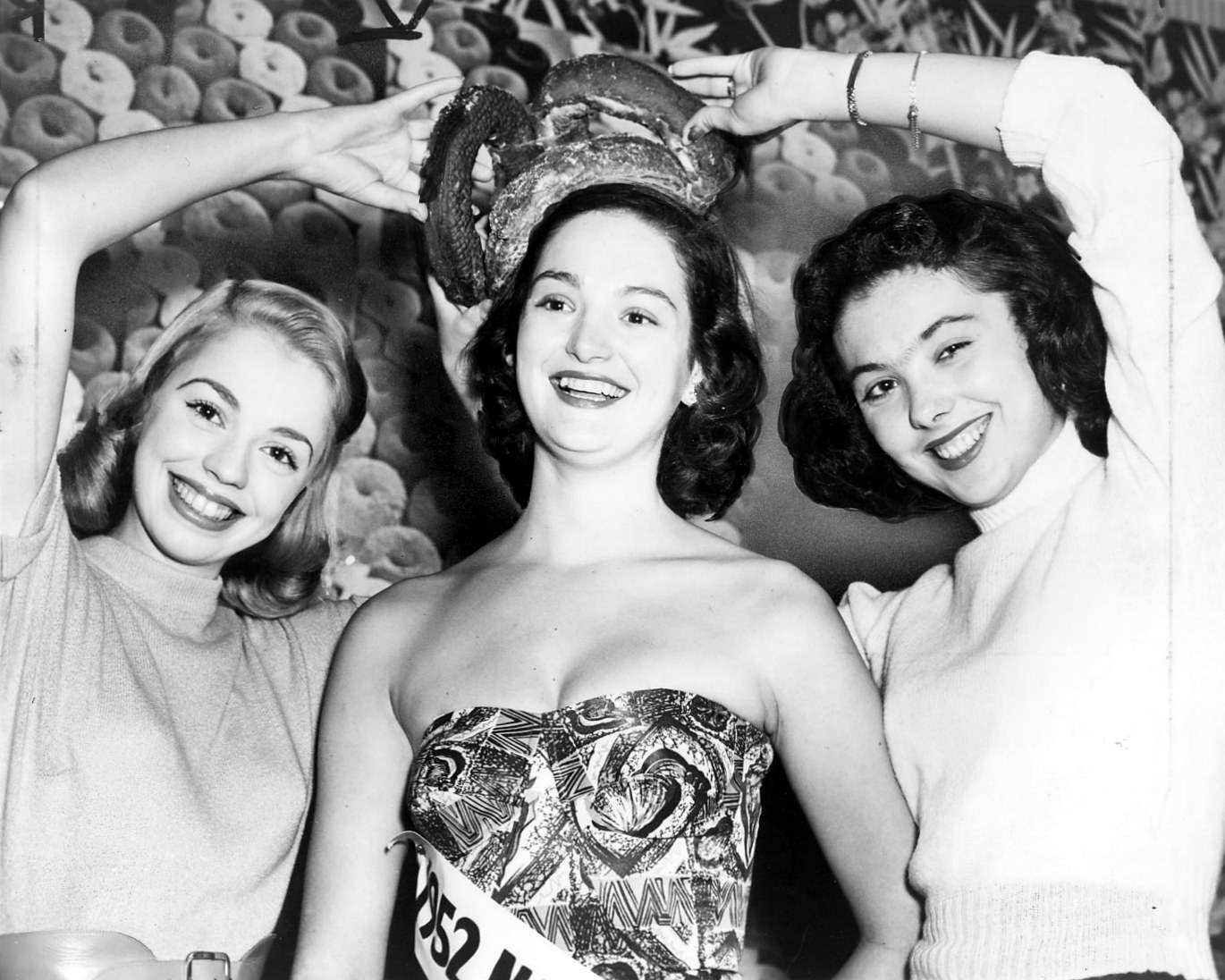
The National Doughnut Queen pageant never carried the political weight of something like Miss America. There were no platform speeches or evening gowns judged by senators. Instead, the contest celebrated something simpler — the beloved American doughnut, and the women chosen to represent it. Doughnut shops and bakeries were everywhere in postwar America, and promoting that culture with a smiling queen made perfect marketing sense.
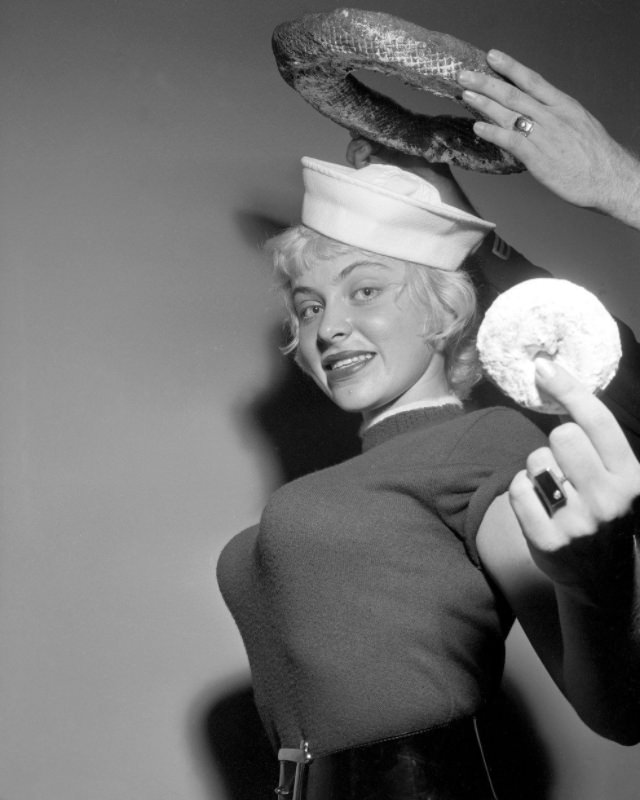
What made these contests stand out was the aesthetic the contestants projected. The women chosen as Donut Queens walked a very particular line — wholesome enough to appeal to families, but glamorous enough to turn heads. It was the classic 1950s ideal of femininity: bright red lips, polished hair, and a wide, genuine smile. Every photograph from these events radiates confidence and warmth in equal measure.
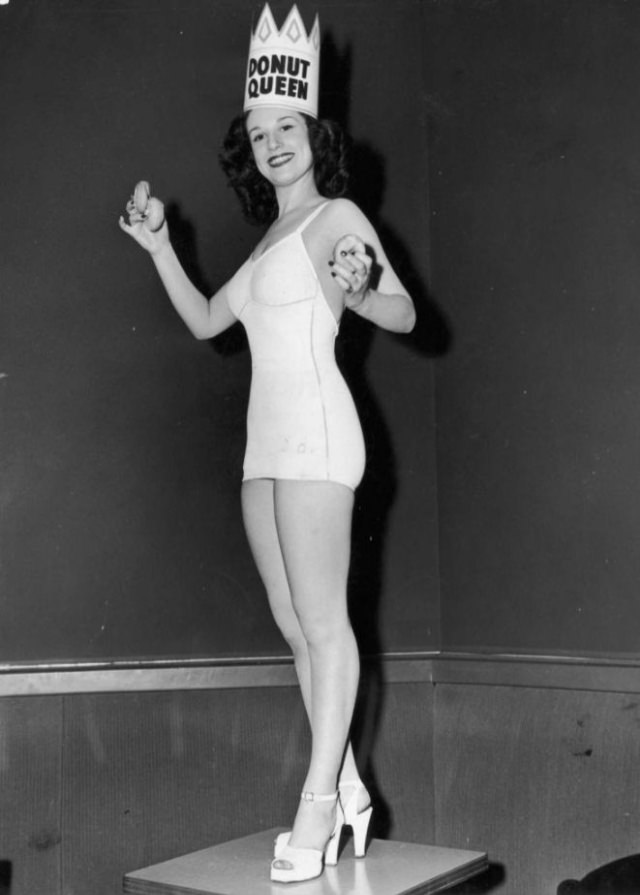
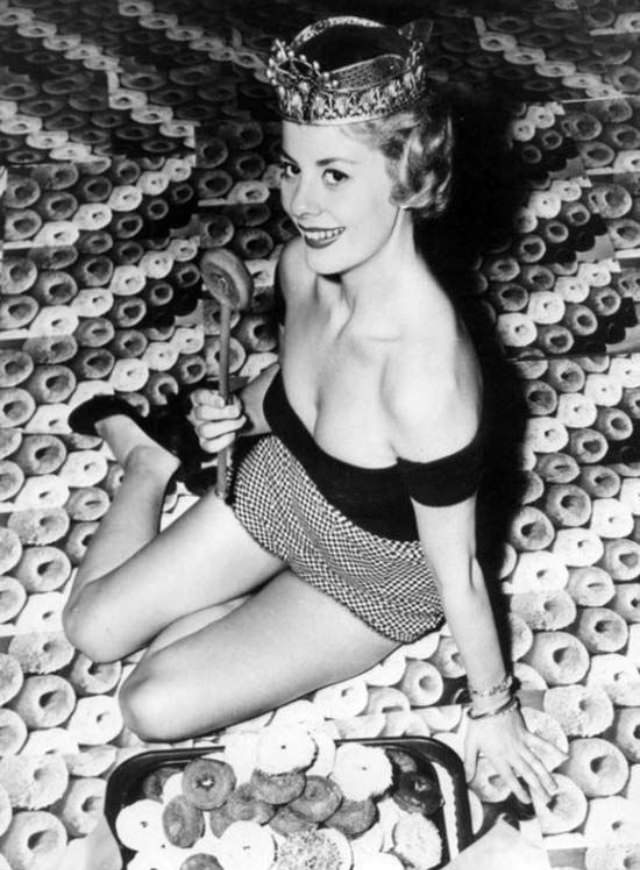
The prop of choice, naturally, was the doughnut itself. Queens were photographed holding rings of fried dough, wearing doughnut-shaped crowns, or posing beside giant display boards stacked with pastries. These were working promotional appearances — the queens showed up at bakeries, fairs, and trade events to draw attention to the doughnut industry. It was advertising dressed up as pageantry.
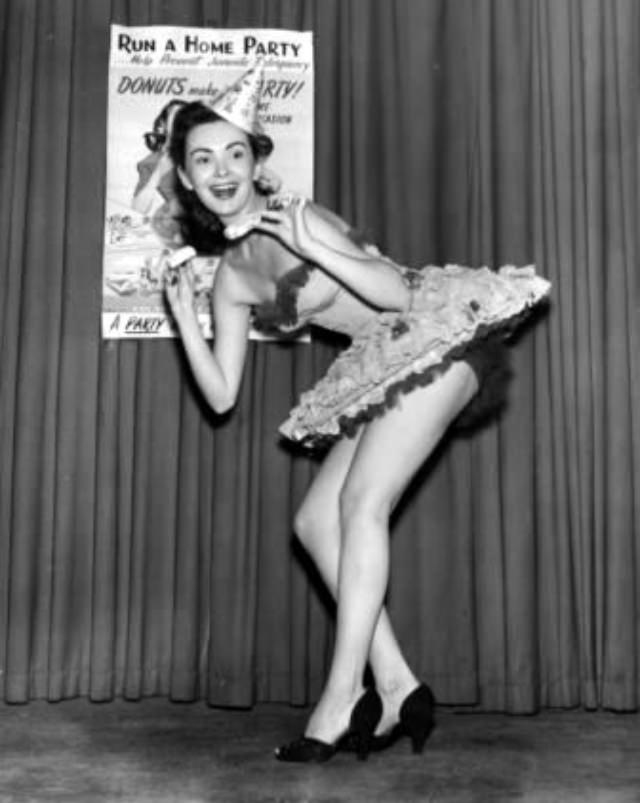
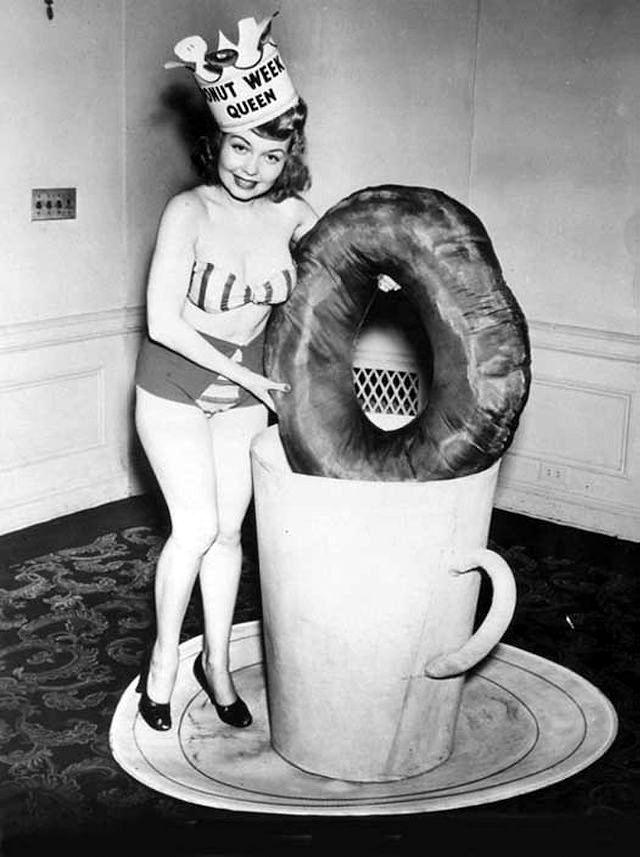
Local versions of the contest popped up across the country. A woman didn’t have to compete nationally to earn the title — many towns and cities held their own Donut Queen events tied to local bakeries, county fairs, or business promotions. This made the title surprisingly widespread. Hundreds of women across America held some version of the crown during the 1940s and 1950s.
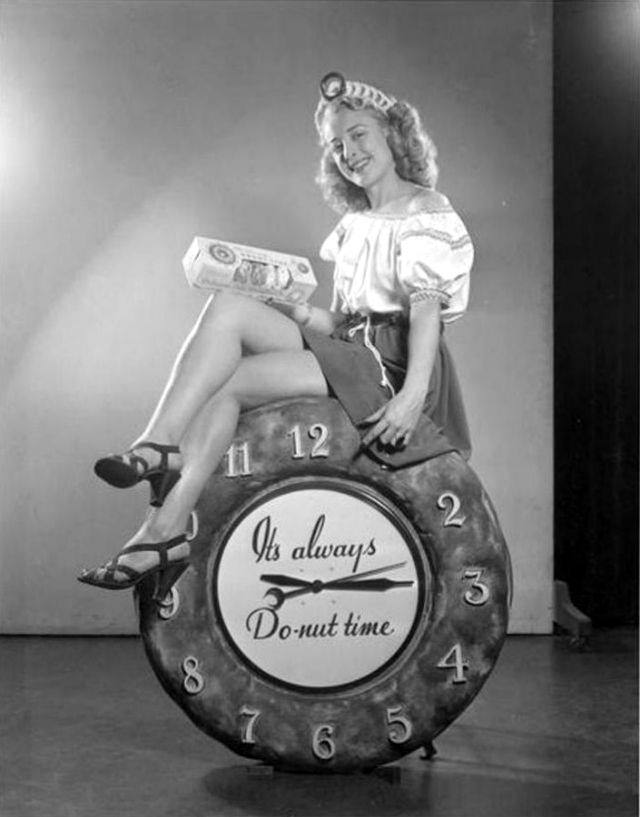
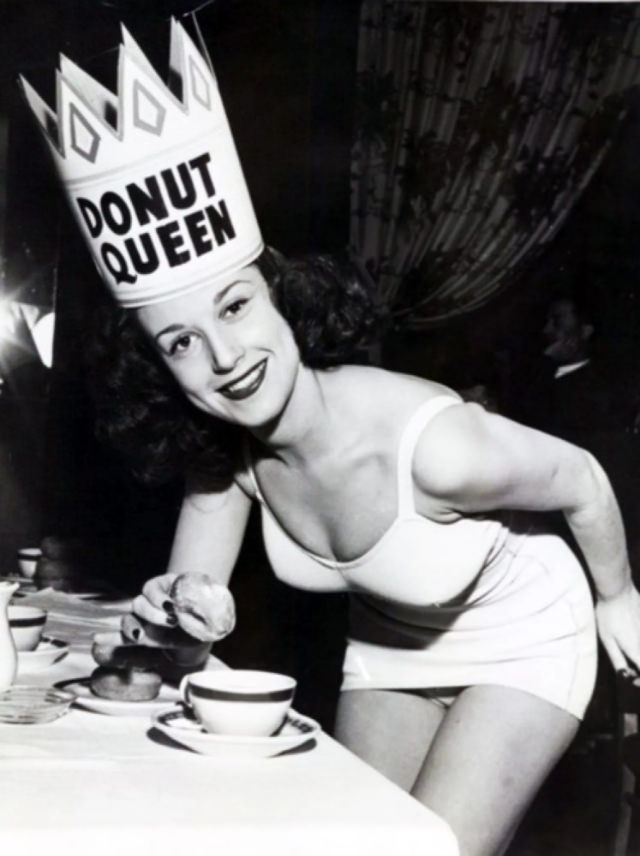
Every contestant shared one core motivation — the desire to represent something bigger than herself, whether that was her town, her bakery, or simply the cheerful spirit of the era. Beauty pageants of all kinds gave women a public stage at a time when few other platforms existed for that kind of recognition. Winning meant visibility, photographs in the local paper, and a brief moment of real celebrity.
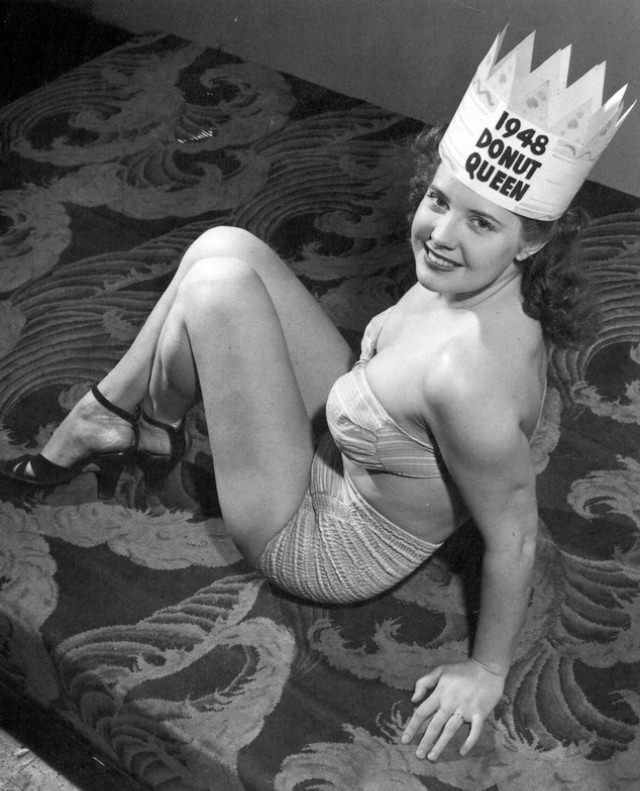
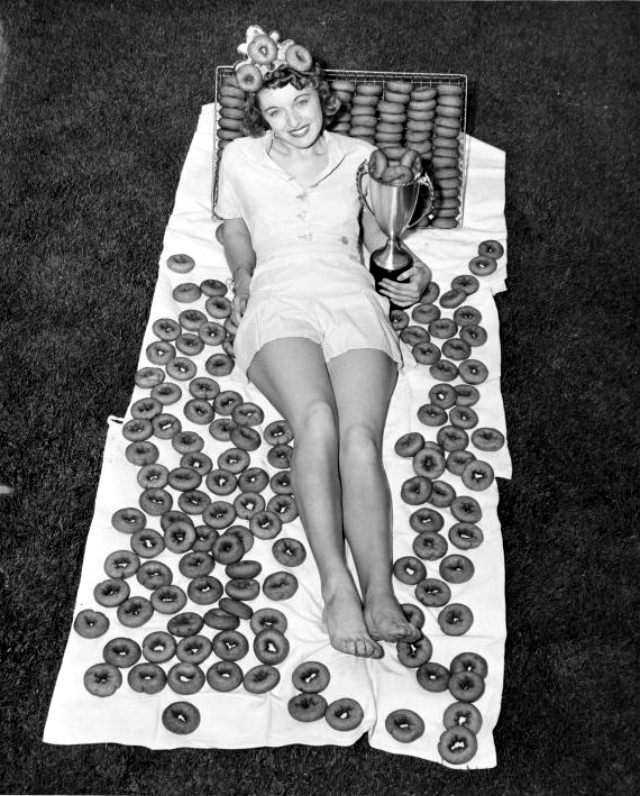
Looking back at the photographs from these events, the production quality alone tells a story. The images are sharp, carefully lit, and professionally staged. These weren’t snapshots — they were deliberate portraits meant to be printed, distributed, and remembered. The women in them clearly took the moment seriously, and the results show it.
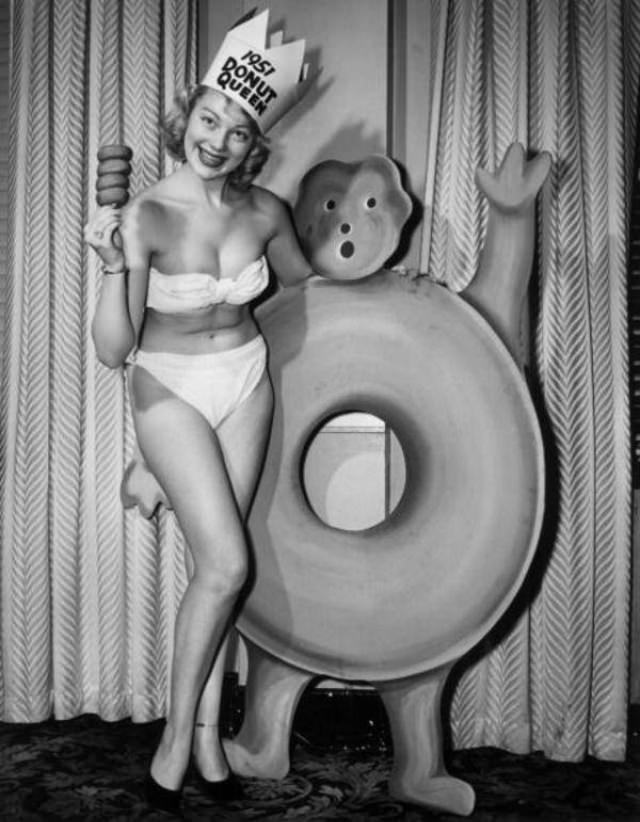
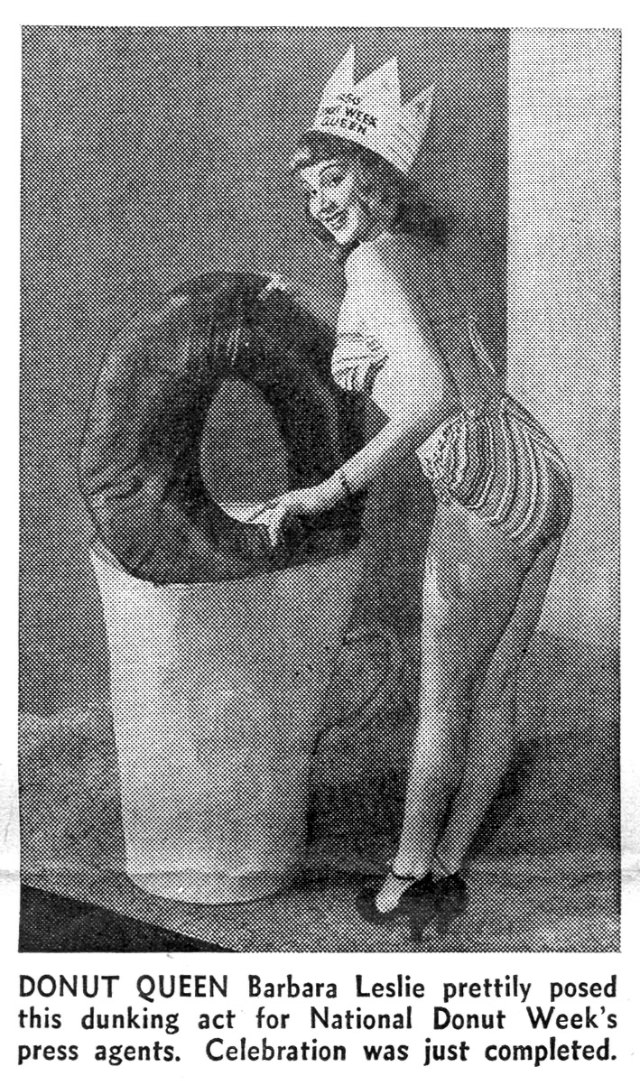


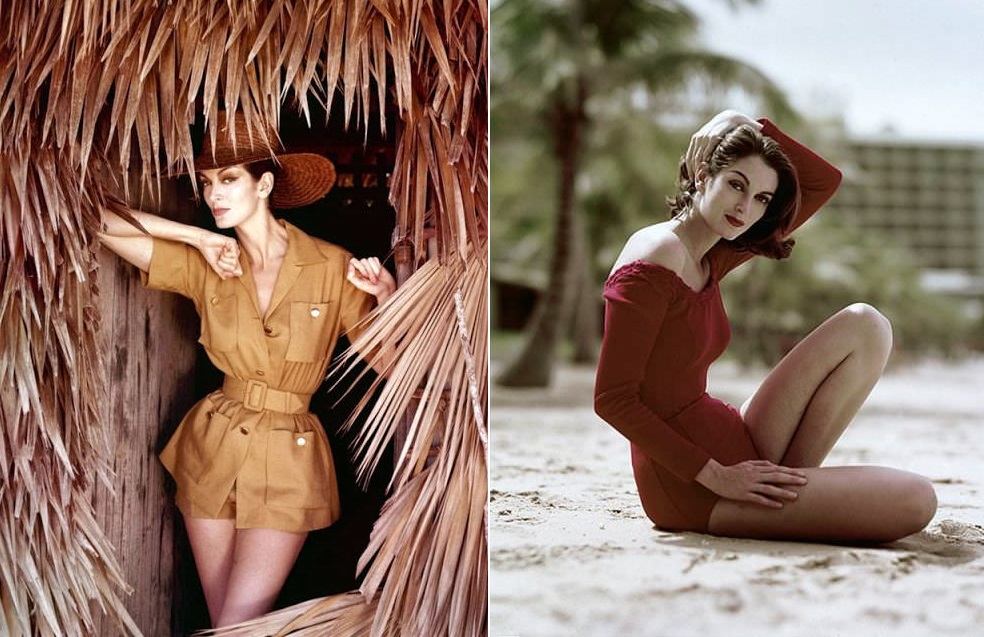
Pin-ups from this era were always really good.
Now I’m hungry for donuts