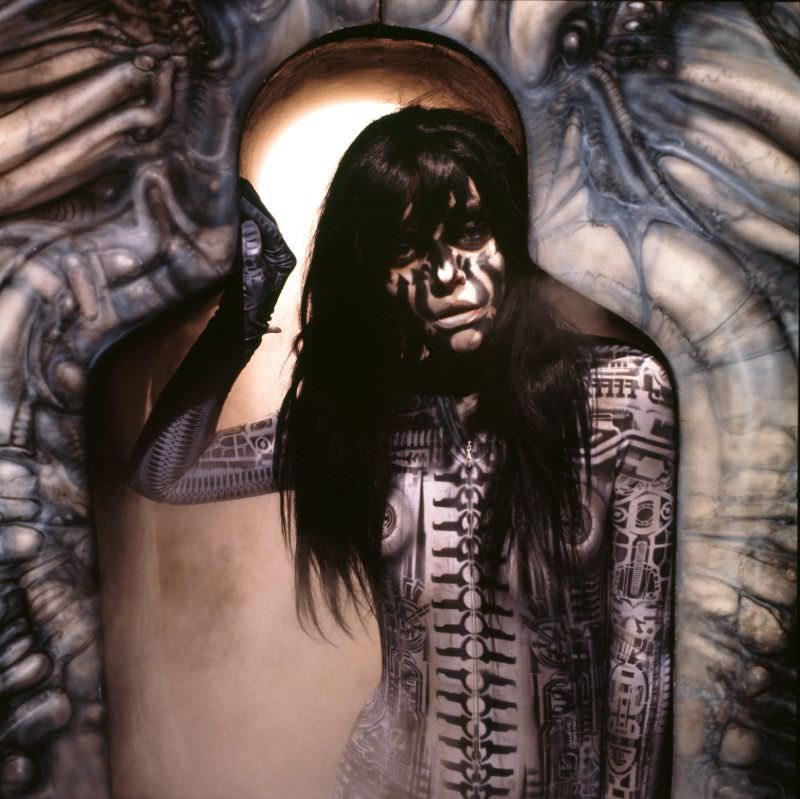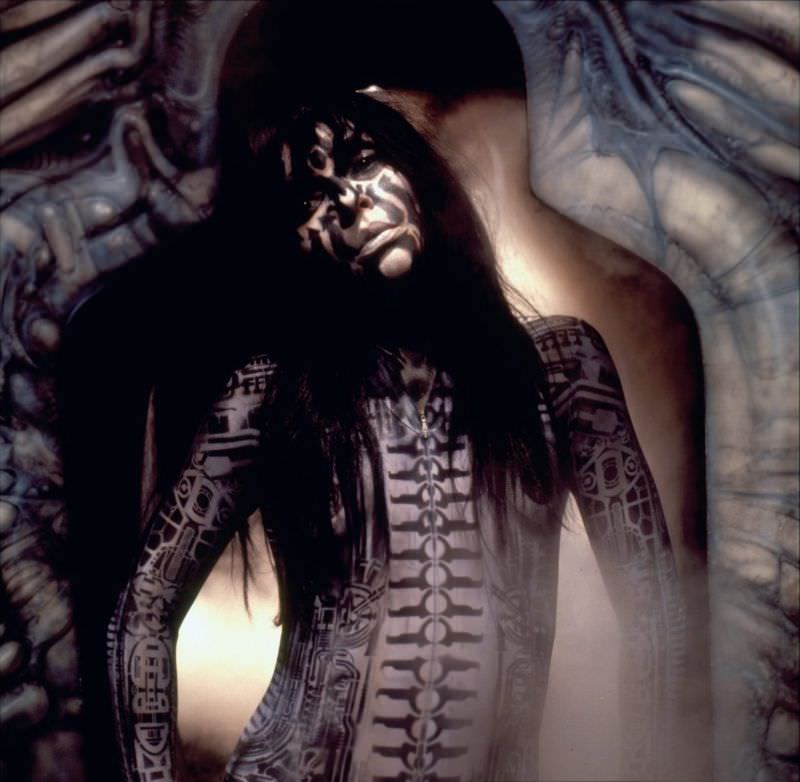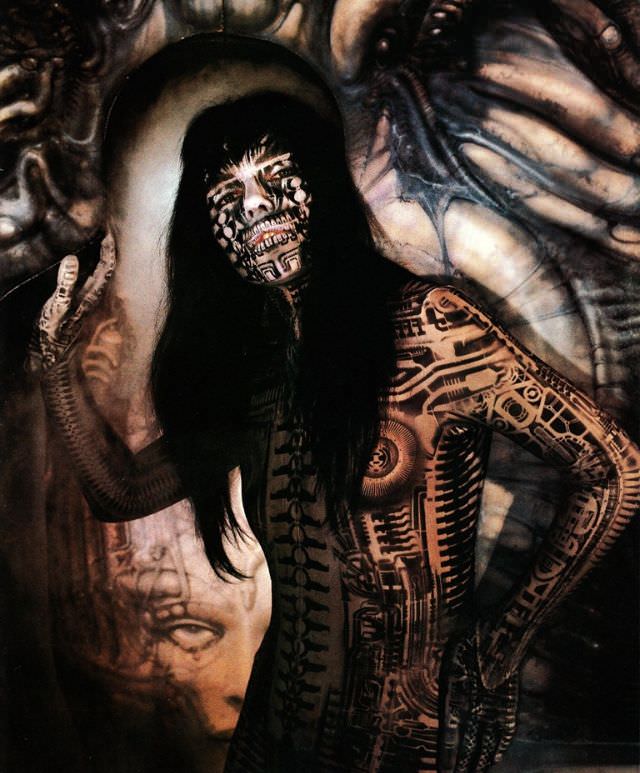
In 1980, two of the most distinctive creative forces of their era came together on a single project. Debbie Harry, the face of Blondie and one of punk’s most recognizable figures, commissioned Swiss artist Hans Rudolf Giger to collaborate on her solo work. The result was a striking alien transformation captured on the set of the music video for “Now I Know You Know,” a track from her 1981 debut solo album, KooKoo.
Giger is best known for designing the creature in Ridley Scott’s 1979 film Alien — arguably the most iconic sci-fi monster in cinema history. His visual style blends cold industrial machinery with dark, unsettling visions of the human body. It sits in a category all its own. No other artist of the 20th century produced work quite like it.
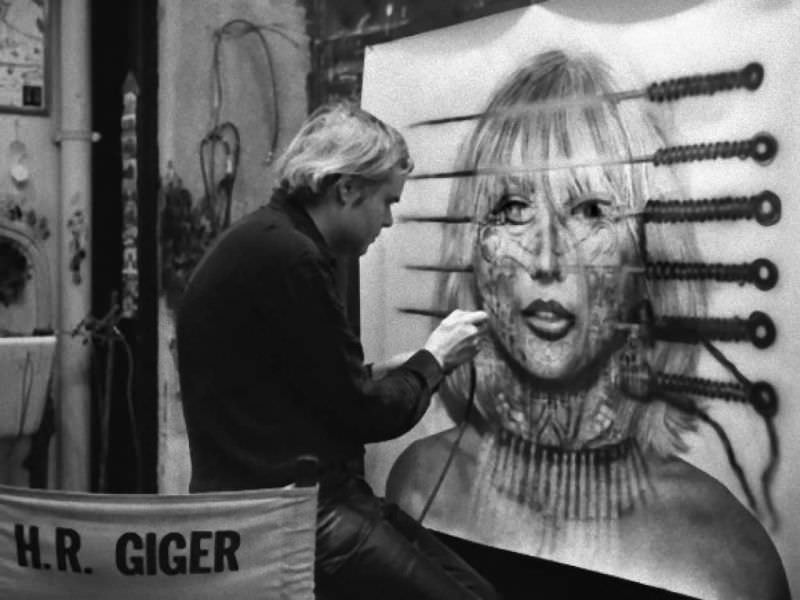
Giger’s reach extended well beyond film. He created album artwork for bands including Emerson, Lake & Palmer, Danzig, and Korn. Musicians drawn to dark, unconventional aesthetics found a natural partner in his work. When Harry approached him, it was a deliberate choice — she wanted something that pushed far past the boundaries of a standard pop album cover.
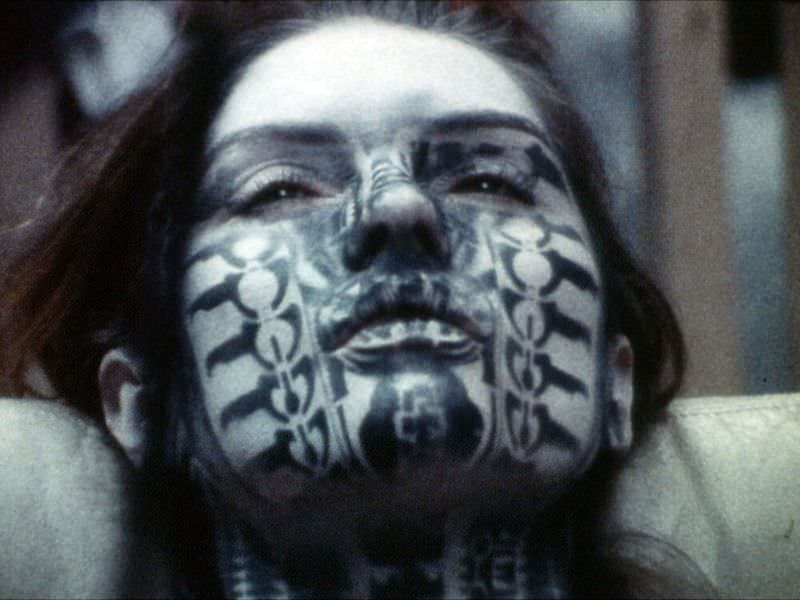
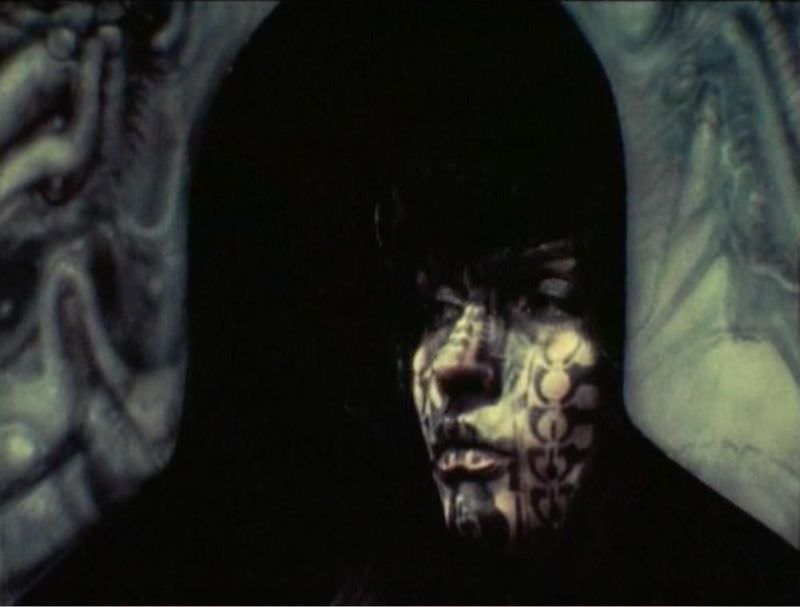
For the KooKoo project, Giger painted directly onto Harry’s body and face. Her signature disheveled blonde hair — one of her most recognized features — was stripped away for the shoot. Without it, the viewer’s full attention lands on her face, which Giger transformed into something alien and architectural. The effect is both mesmerizing and deeply unsettling.
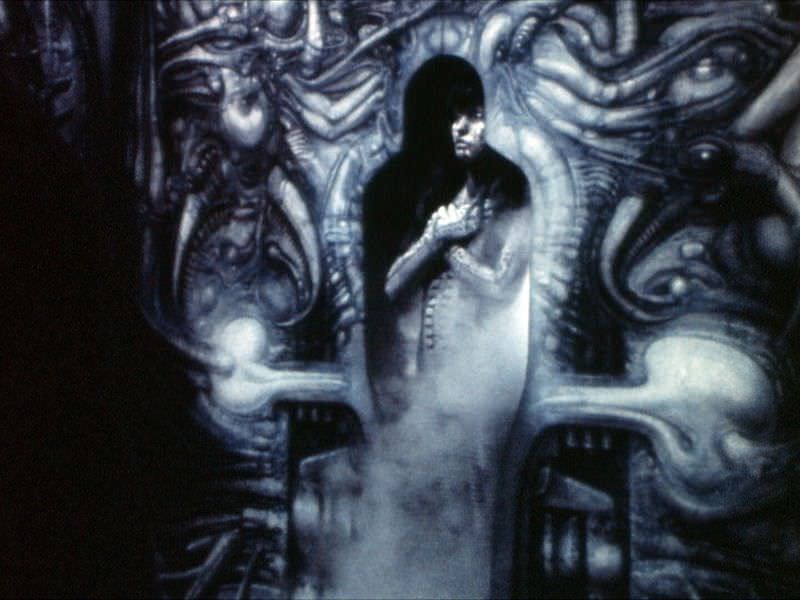
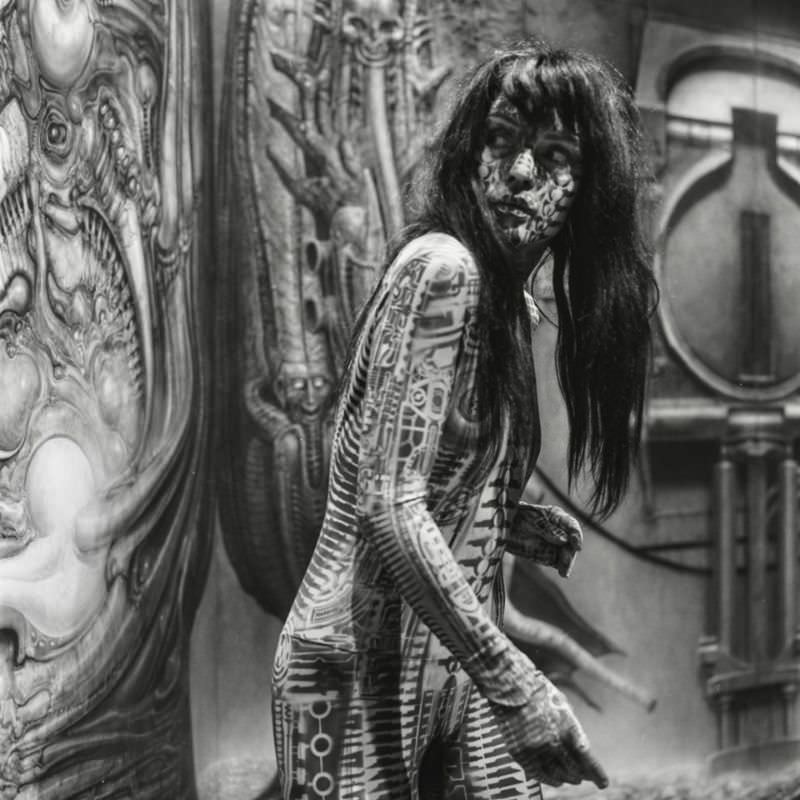
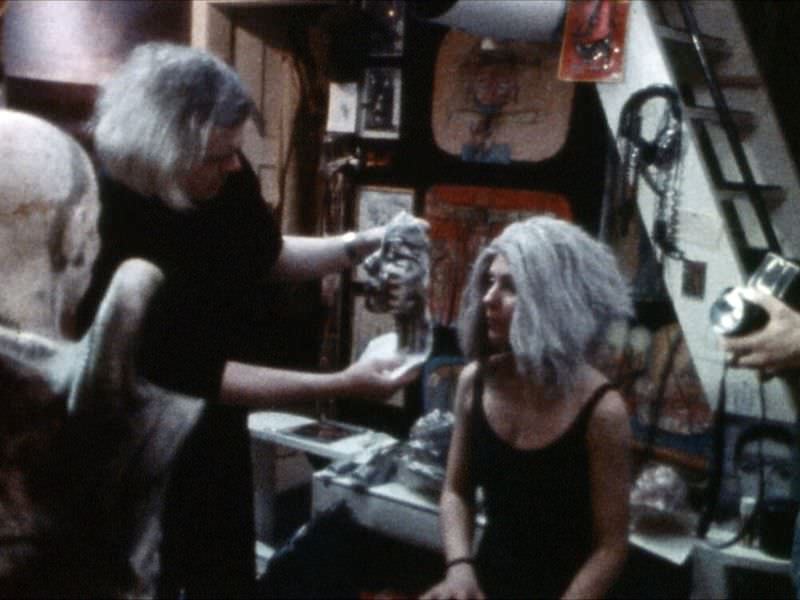
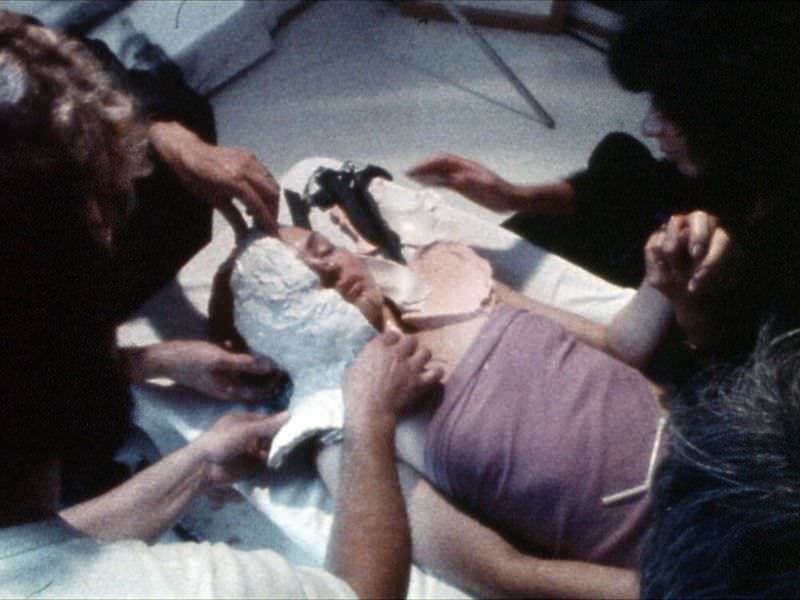
These photos were taken on the music video set during that 1980 shoot. They document the full process — Harry seated under studio lights, her skin painted with Giger’s trademark biomechanical patterns, her expression composed and otherworldly.
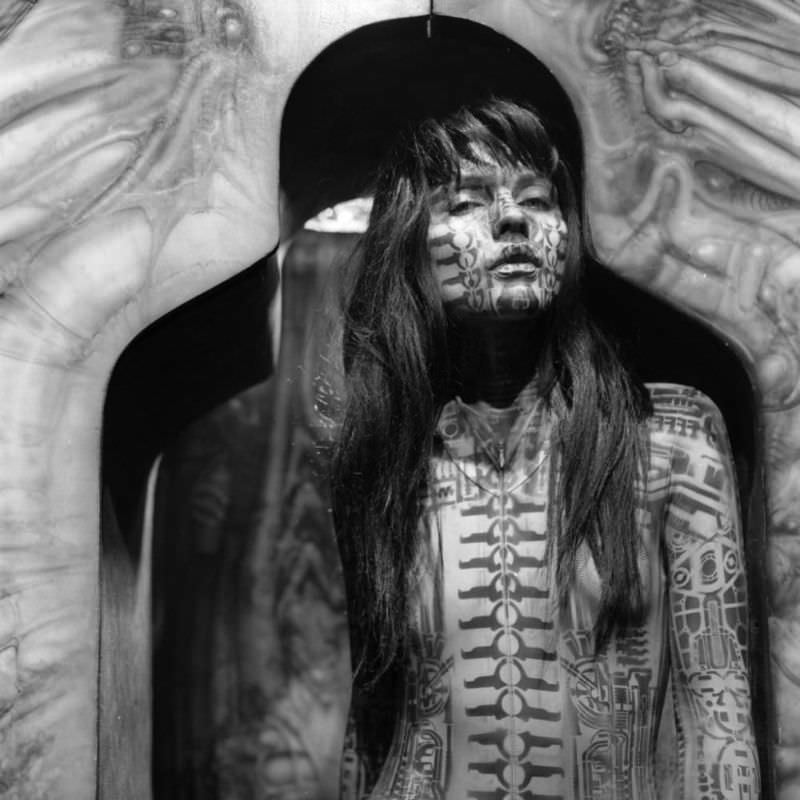
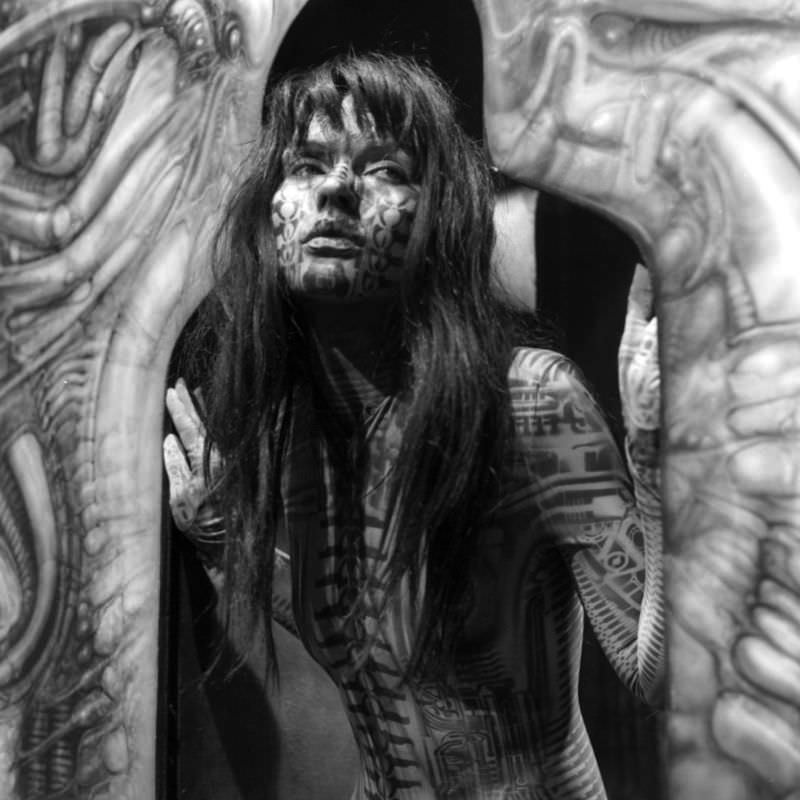
Giger’s designs for KooKoo carried the same weight as his film and canvas work. The imagery on the album featured needles piercing Harry’s face and neck — a visual pulled directly from the dark, body-focused themes that ran through all of his pieces. Beautiful and repulsive at the same time, the images were unmistakably his.
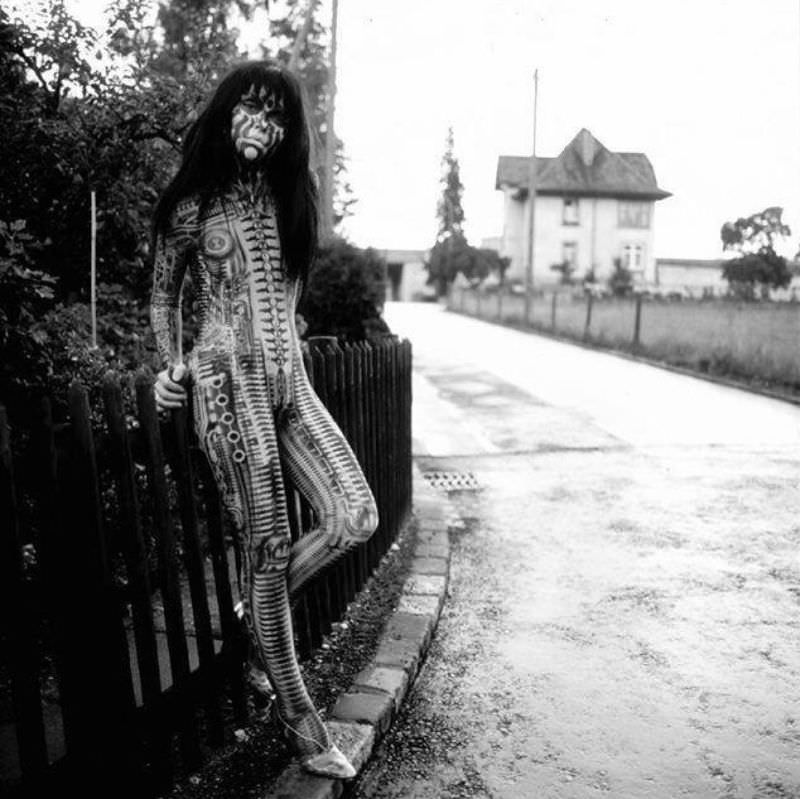
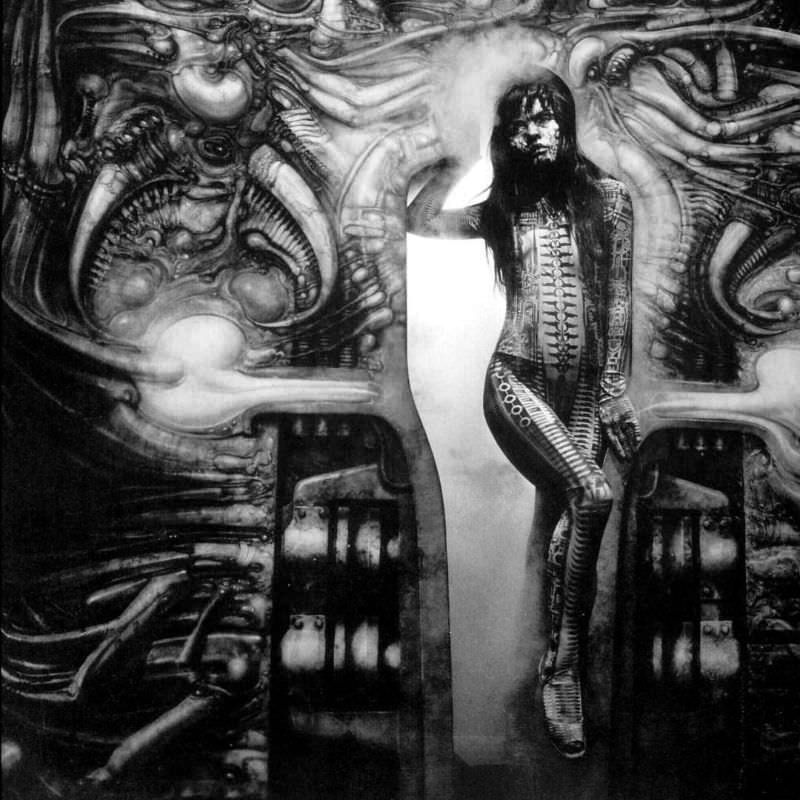
Harry was no stranger to bold visual statements, but working with Giger placed her in an entirely different world. The collaboration required her to sit for hours while the artist applied his work directly to her skin, turning her into a living version of his paintings.
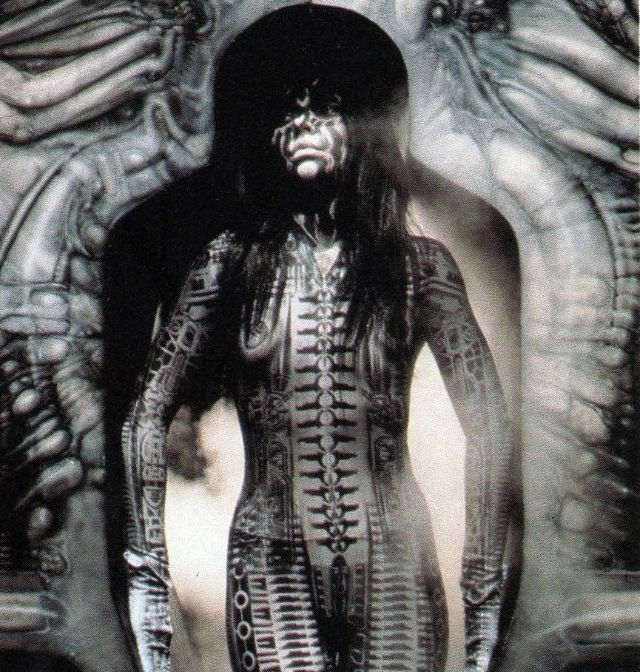
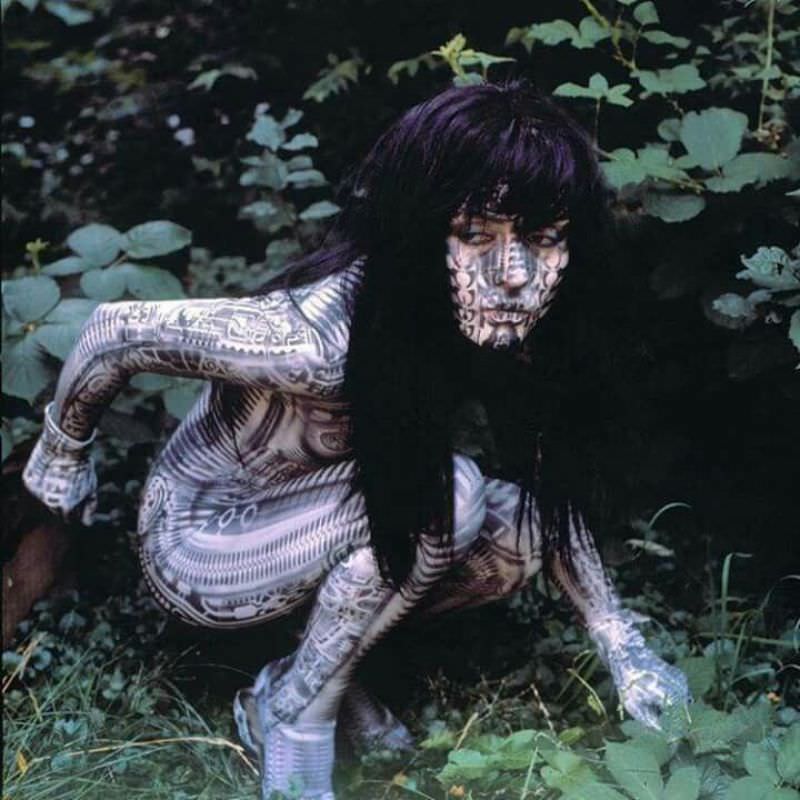
The behind-the-scenes photographs from this shoot are a rare record of Giger at work outside of a studio canvas. They show the physical reality of applying his vision to a human face — meticulous, time-consuming, and completely transformative.
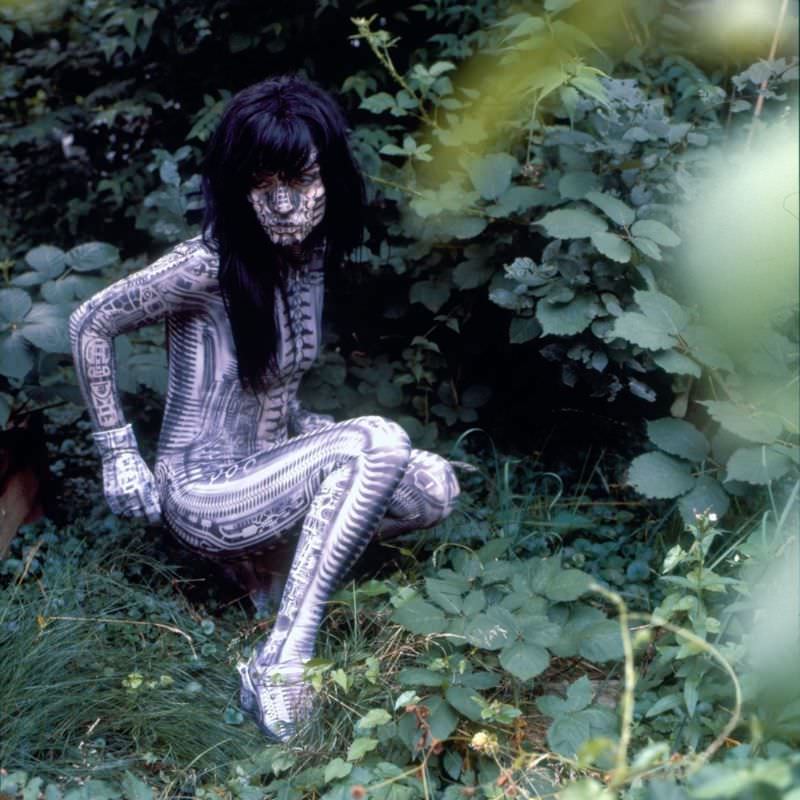
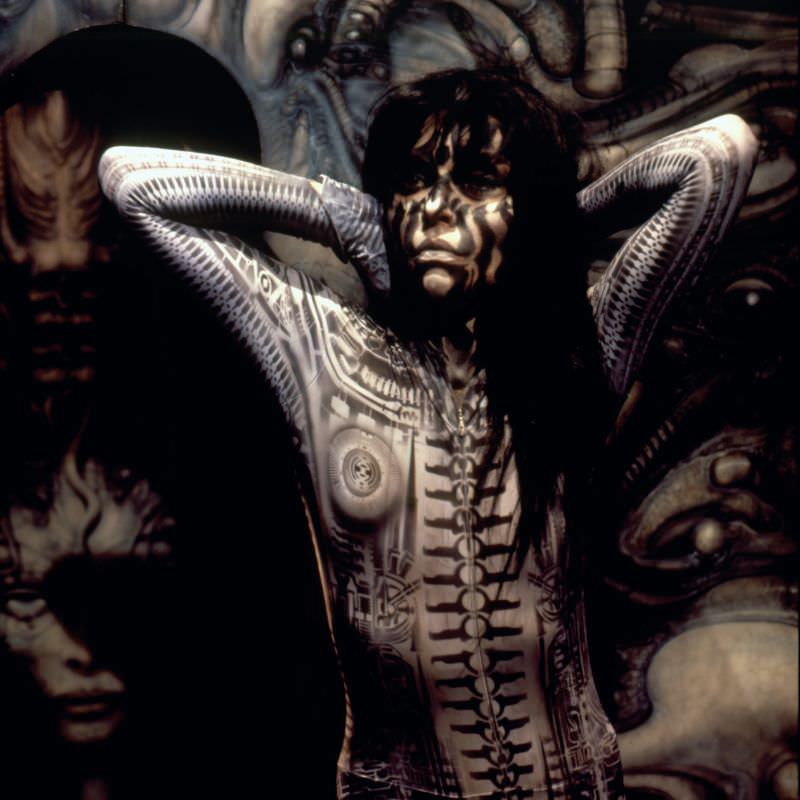
The finished look placed Harry somewhere between human and machine — a theme Giger returned to across his entire career. His art consistently asked where the body ends and the artificial begins, and on Harry’s face, that question was rendered with precision.