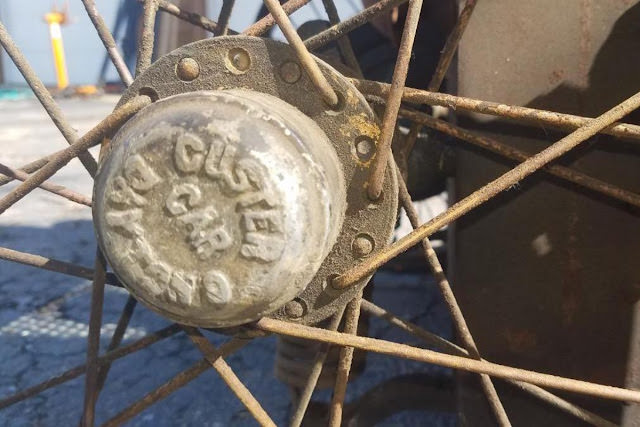
Levitt Luzern Custer of Dayton, Ohio, was not the type of man who sat still. After earning his degree from the Massachusetts Institute of Technology in 1913, he immediately set his sights on invention. His first major product was the Custer Bubble Statoscope, an instrument designed for aircraft. Demand grew fast, and by 1916, Custer had constructed a four-story building on Franklin Street to house the Custer Specialty Company.
World War I left a devastating mark on American soldiers. More than 4,000 U.S. servicemen returned home having lost limbs, and many were sent to the Dayton Soldiers’ Home for rehabilitation. Custer watched these veterans closely. Physical therapy could help rebuild strength, but it couldn’t hand a man back his independence. That gap stuck with him.
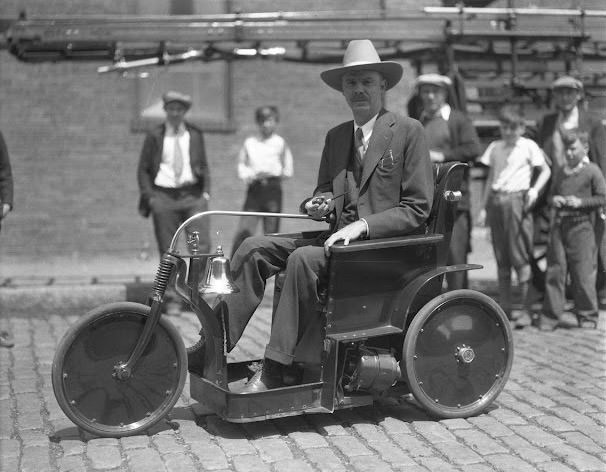
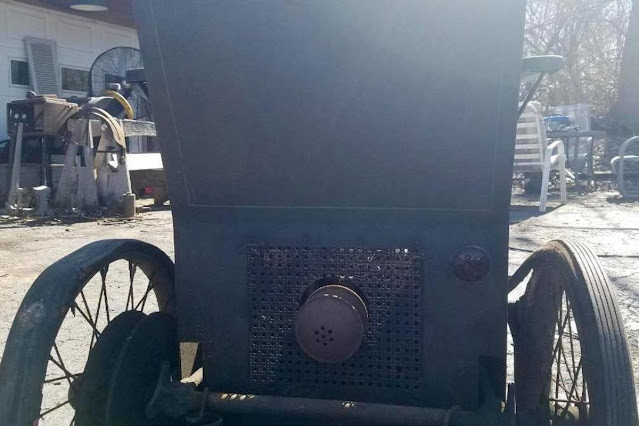
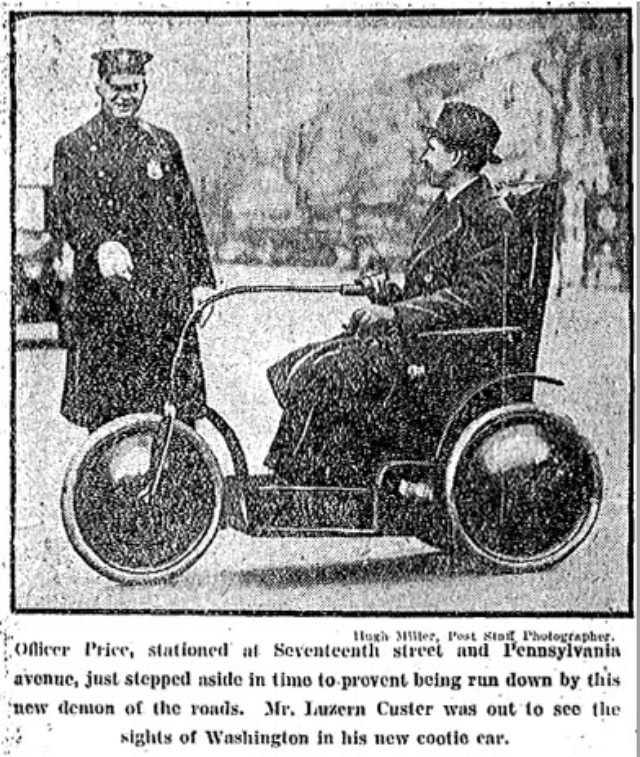
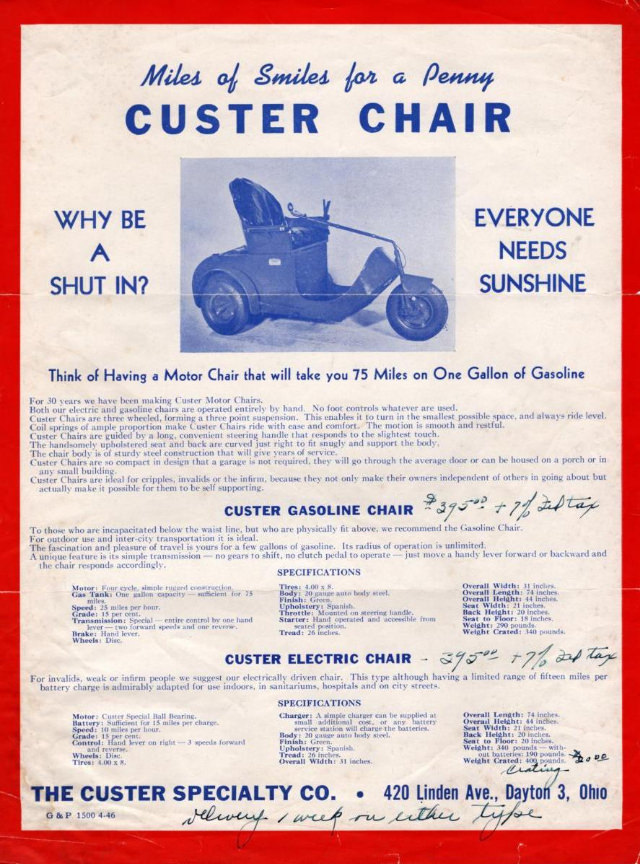
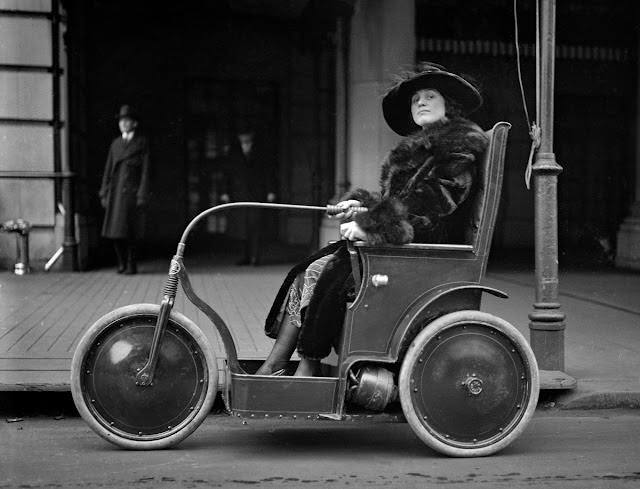
His answer was the Custer Invalid Chair — a three-wheeled, battery-powered vehicle that functioned as a self-propelled wheelchair. On a single charge, it carried amputees and other disabled veterans 10 to 15 miles. The design was practical, compact, and unlike anything available at the time. The U.S. Patent Office agreed, granting Custer patent #D53,891 in 1919.
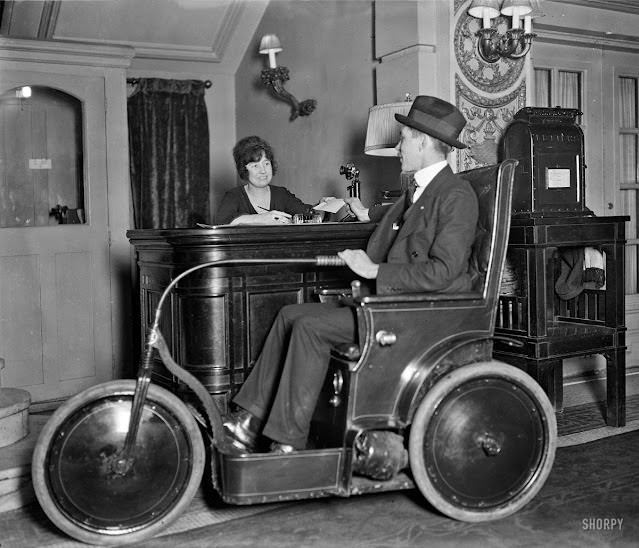
The Dayton Soldiers’ Home sat on top of a hill. Veterans who rode their chair cars down into town regularly ran out of battery power before making it back up the slope. It was a recurring problem that grounded men who had finally tasted freedom again.
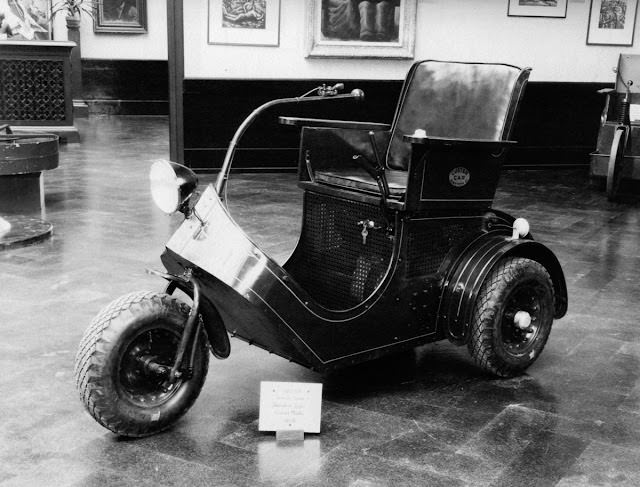
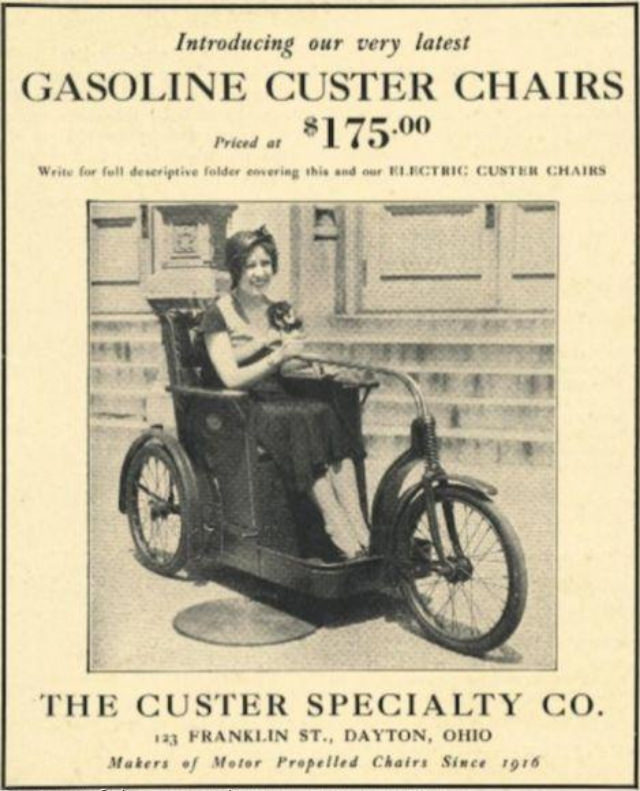
Custer went back to work. His solution was a gasoline-powered version of the Invalid Chair, which handled the uphill climb without draining a battery. This updated design earned him a second patent, #2,306,042, in 1942. The core mission remained the same — keep veterans moving.
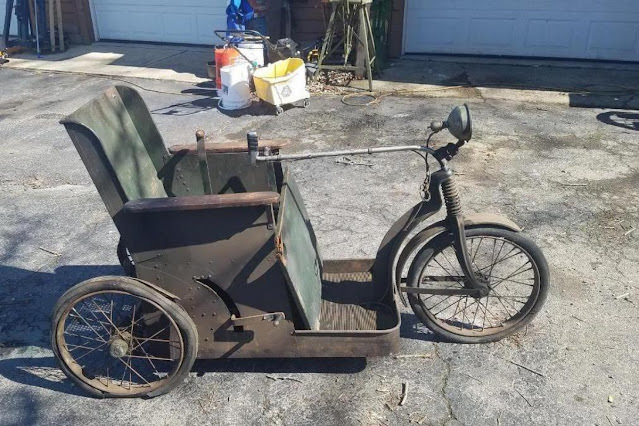
The chair car was never a flashy invention. It didn’t capture headlines the way radios or automobiles did during the 1920s. But for the men who used it, the ability to travel independently — to go into town, run an errand, or simply move without asking for help — was a major change in daily life.