Hey There! Before You Go. 😧
Get the best vintage content straight into your inbox!

Don't worry, we don't spam

Rare Historic Photos of China in the 1860s that Reveal the Landscape, Architecture, and People of a Distant Time

The 1860s were one of the most turbulent decades in Chinese history. The Qing Dynasty was fighting for its survival on two fronts — a massive civil war at home and military pressure from Western powers abroad. What makes this period uniquely accessible today is photography. A small number of photographers, many of them foreign, traveled through China’s cities, rivers, and countryside during these years and documented what they saw. The images they left behind show a country under enormous strain, yet still deeply rooted in centuries of tradition.
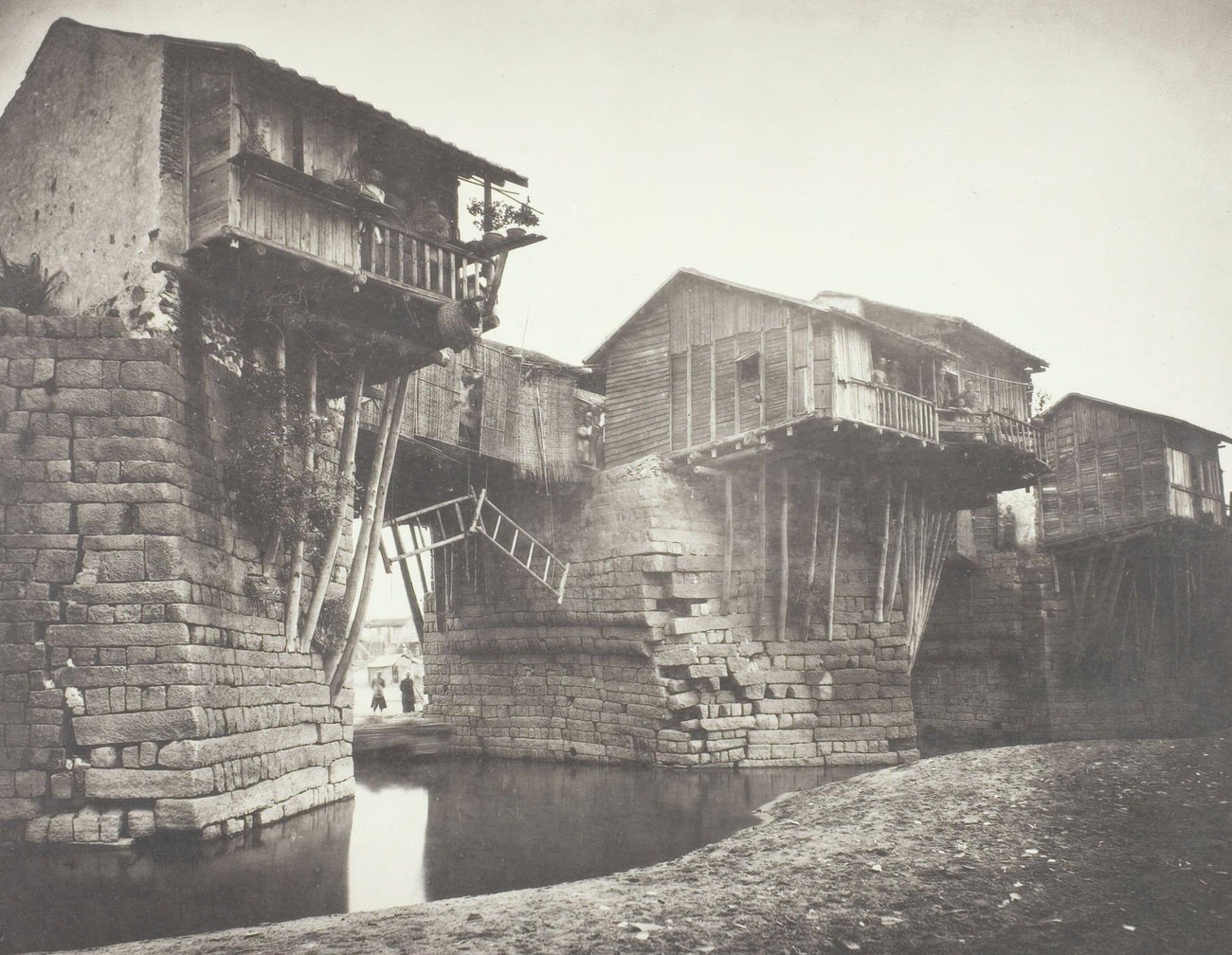
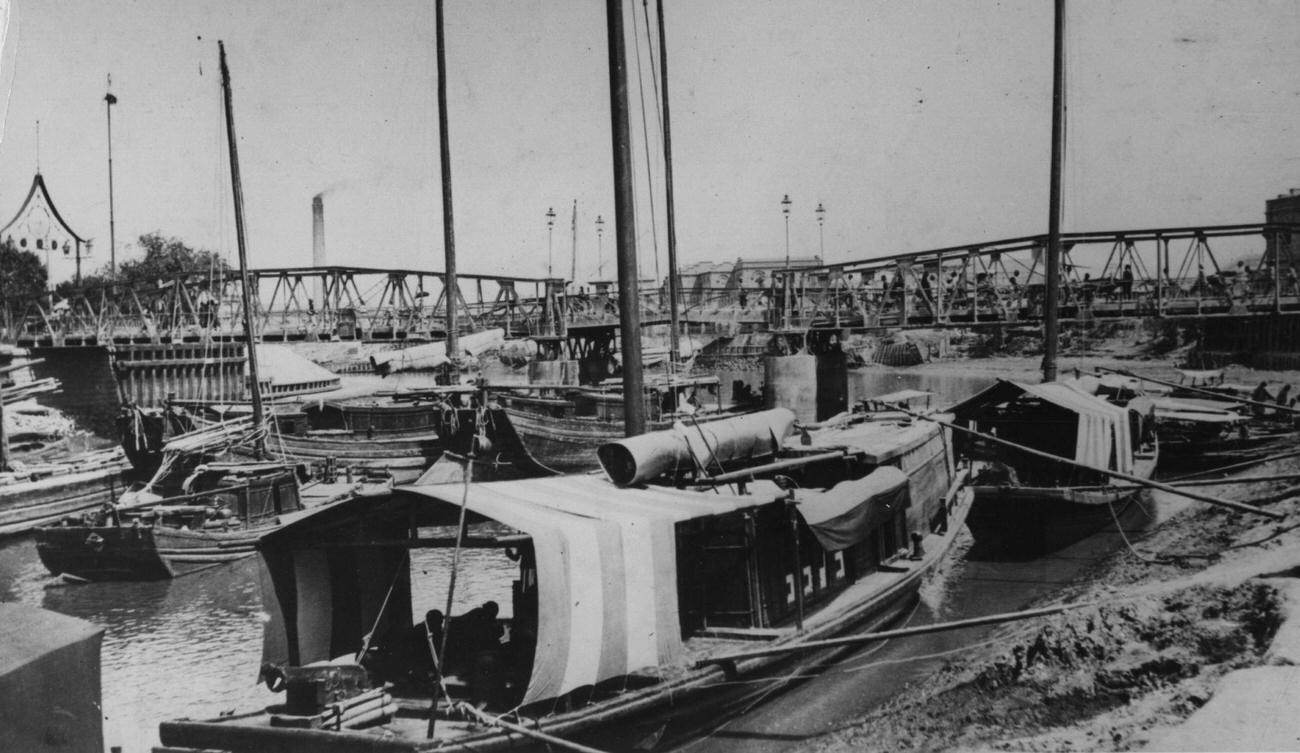
Chao-Chow-Fu Bridge, 1868

The Taiping Rebellion, which began in 1850, was still raging in the early part of the decade. It was one of the deadliest conflicts in human history, killing an estimated 20 to 30 million people. The Qing imperial army struggled badly against the Taiping forces. The dynasty’s traditional banner forces, built around Manchu soldiers, proved too weak and poorly organized to crush the rebellion on their own.
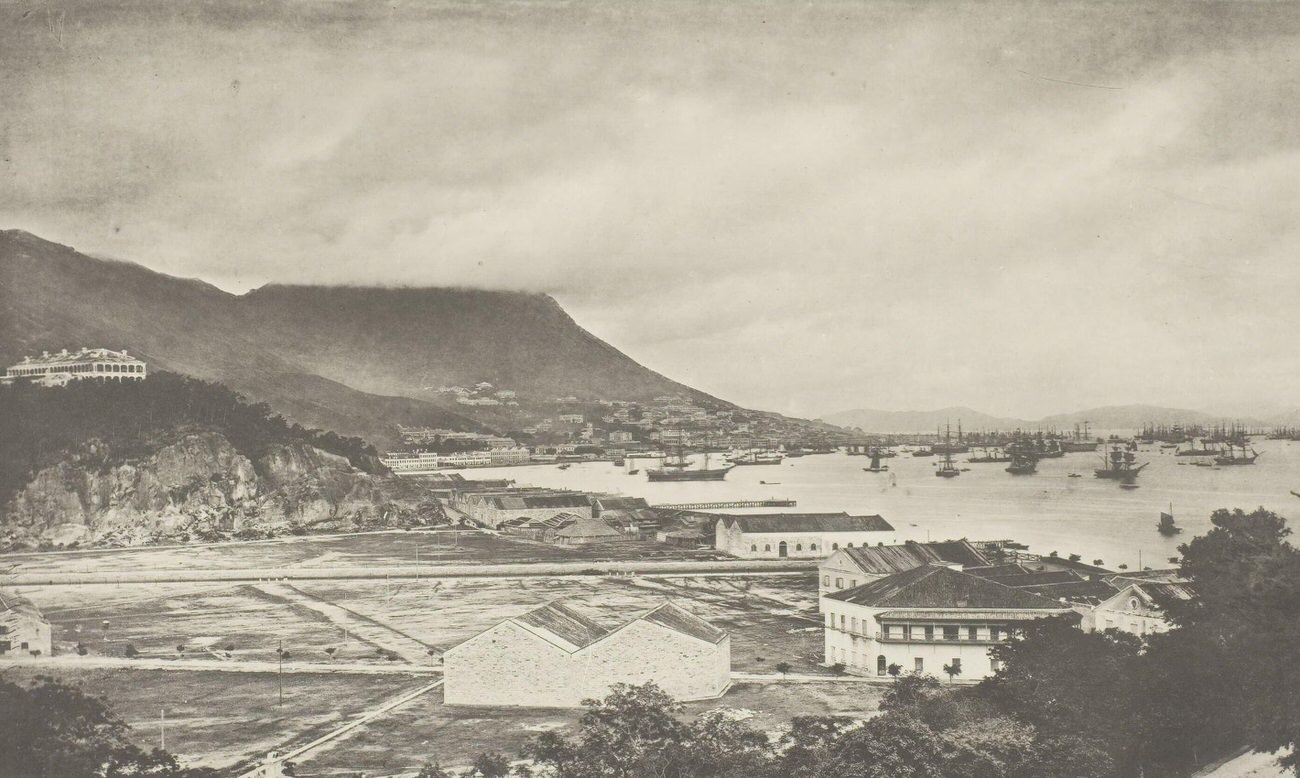
Hong Kong, 1868
Hong Kong, 1868

The Qing court’s solution was to turn to regional commanders. Zeng Guofan organized the Xiang Army, drawn largely from Han Chinese recruits in Hunan province. Li Hongzhang built the Huai Army along similar lines. Both forces were more disciplined and better led than the imperial banner troops. Together, they drove back the Taiping forces and finally crushed the rebellion in 1864. The cost, however, was enormous — the Yangtze River Valley, China’s agricultural heartland, was left in ruins.
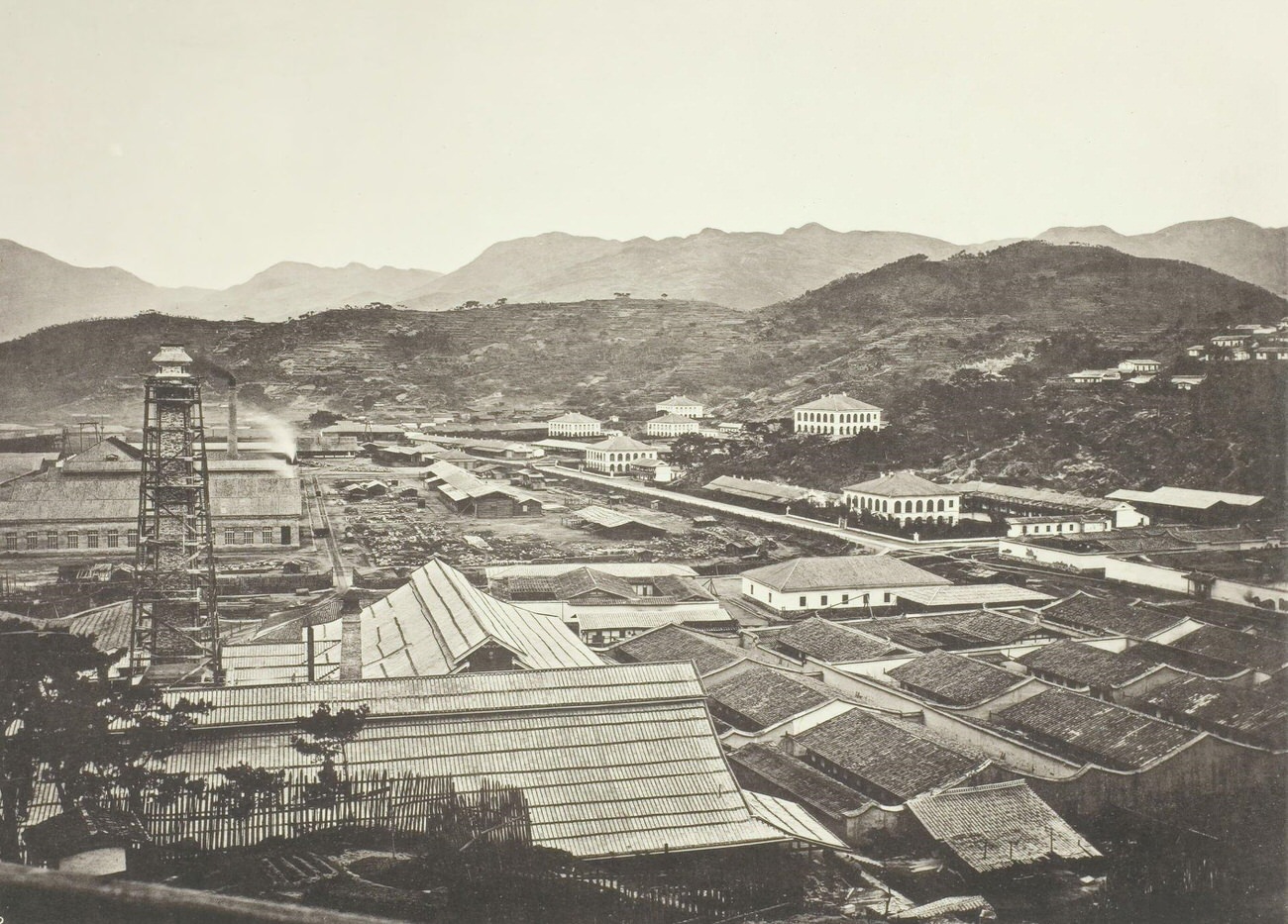
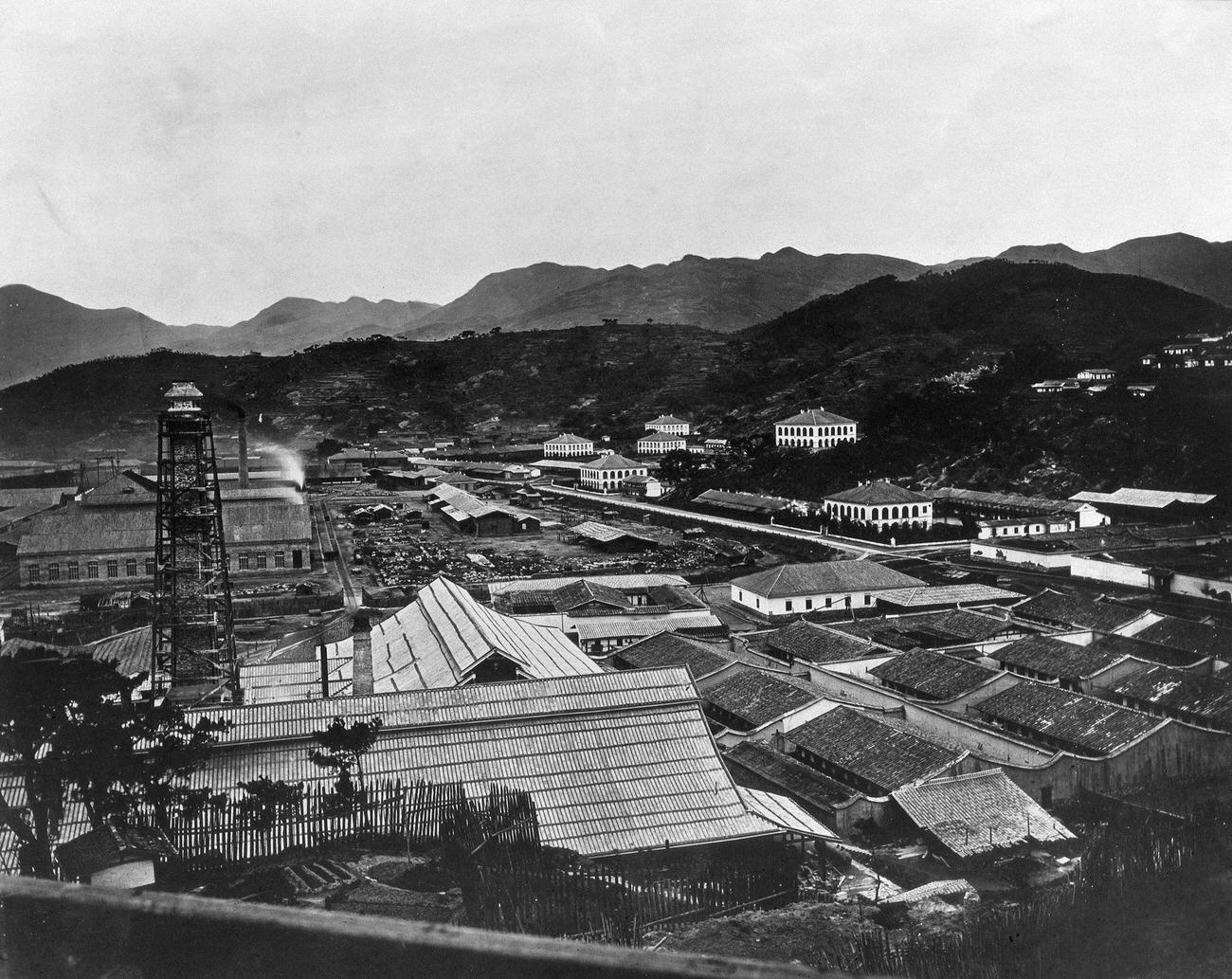
Foochow Arsenal, 1868

At the same time, China was dealing with the fallout from the Second Opium War. Fought between 1856 and 1860, the war pitted the Qing Dynasty against Britain and France. China lost decisively. The Treaty of Tianjin in 1858 and the Convention of Peking in 1860 forced a series of deeply unfavorable terms on the Qing government. Britain received the Kowloon Peninsula. Several new ports were opened to foreign trade. The opium trade was legalized. Foreign embassies were established in Beijing. These agreements became known as the “unequal treaties.”
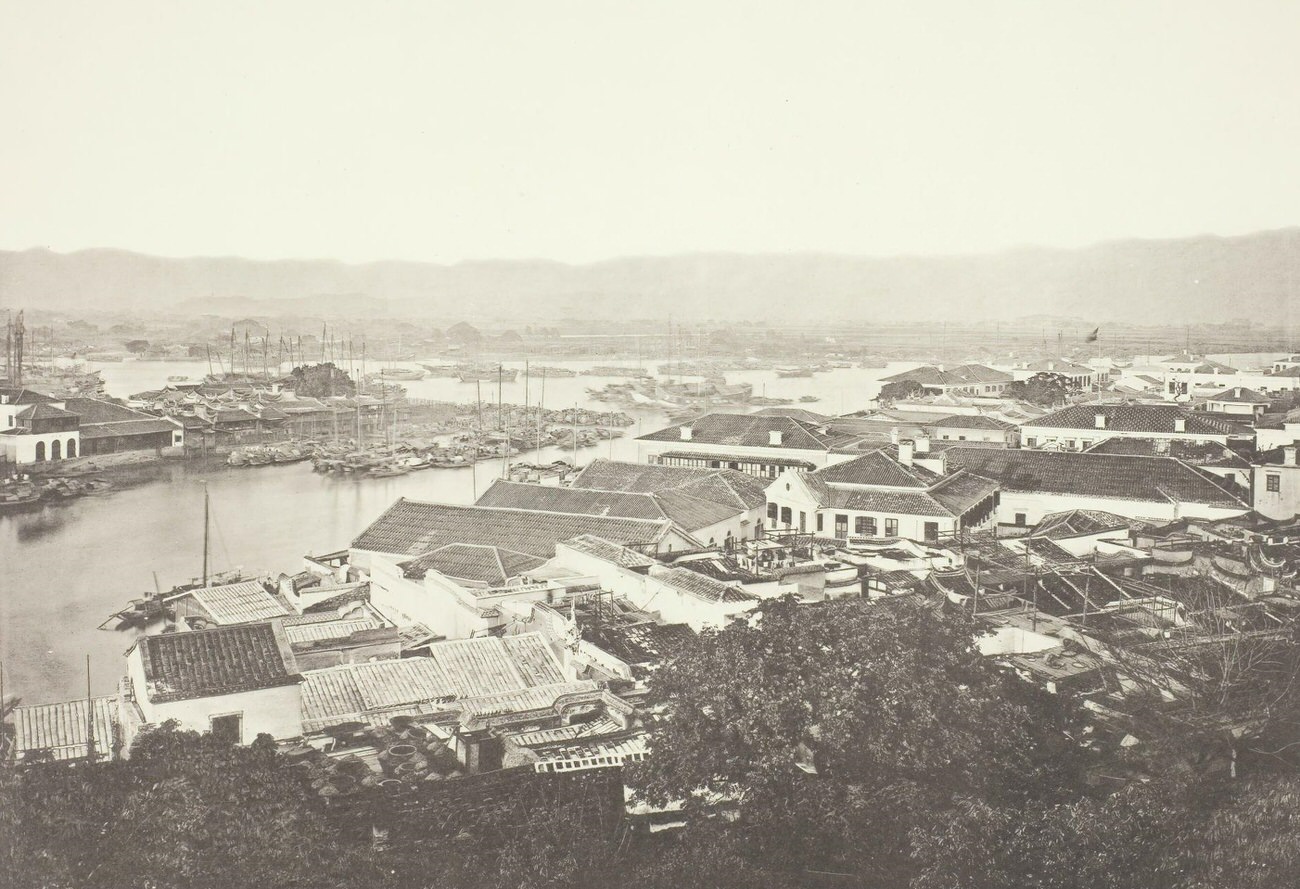
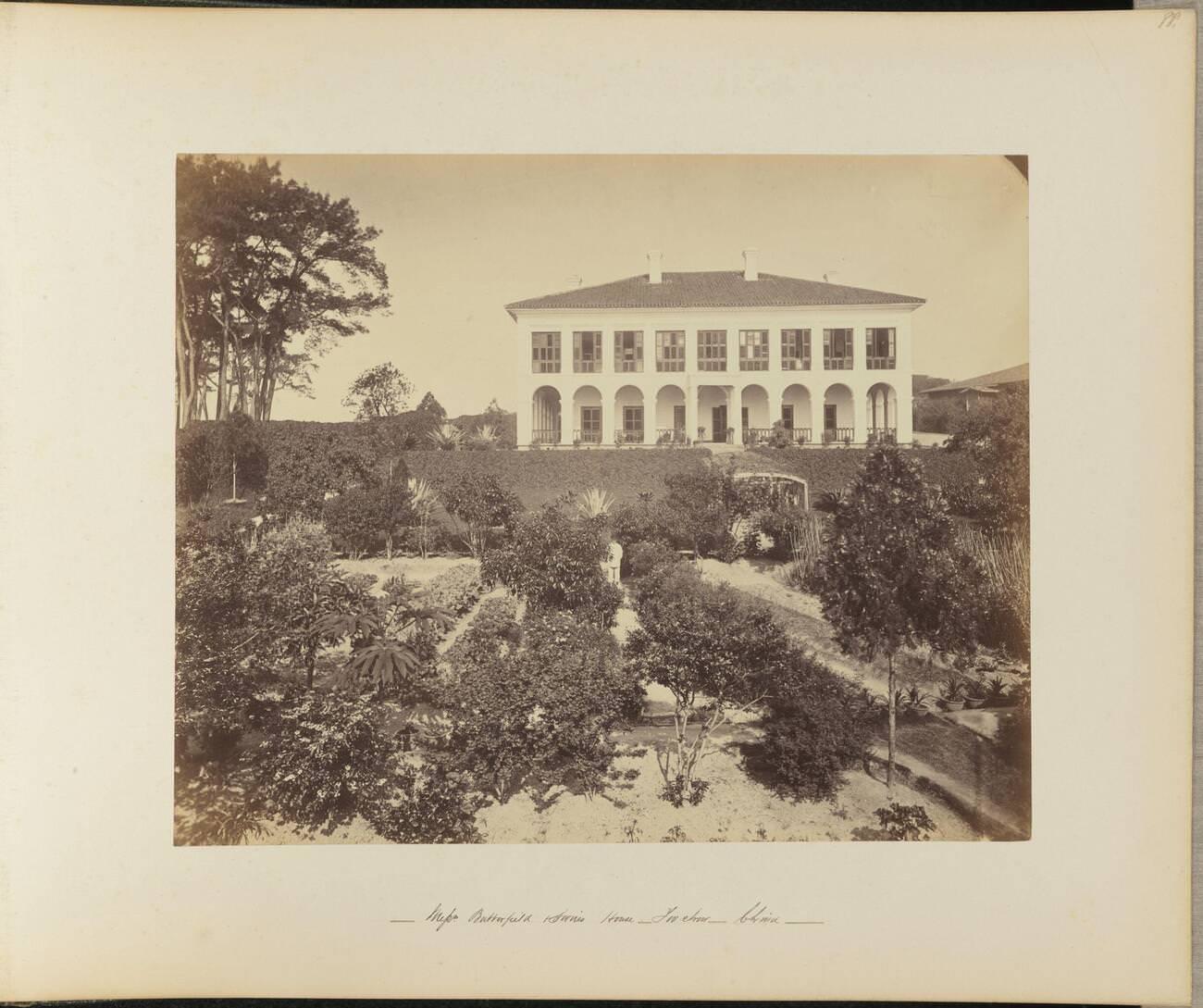
Foochow Foreign Settlement, 1868
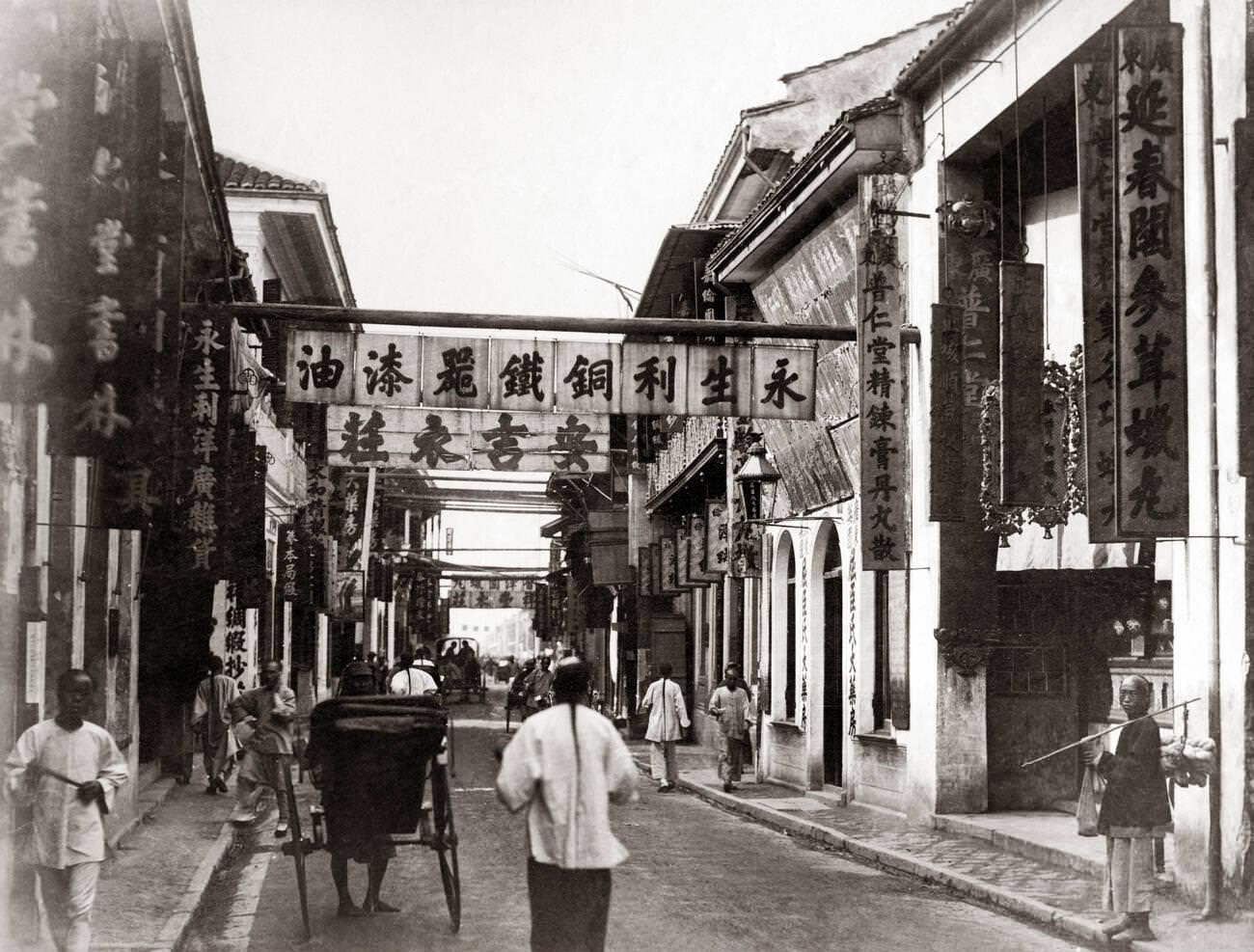
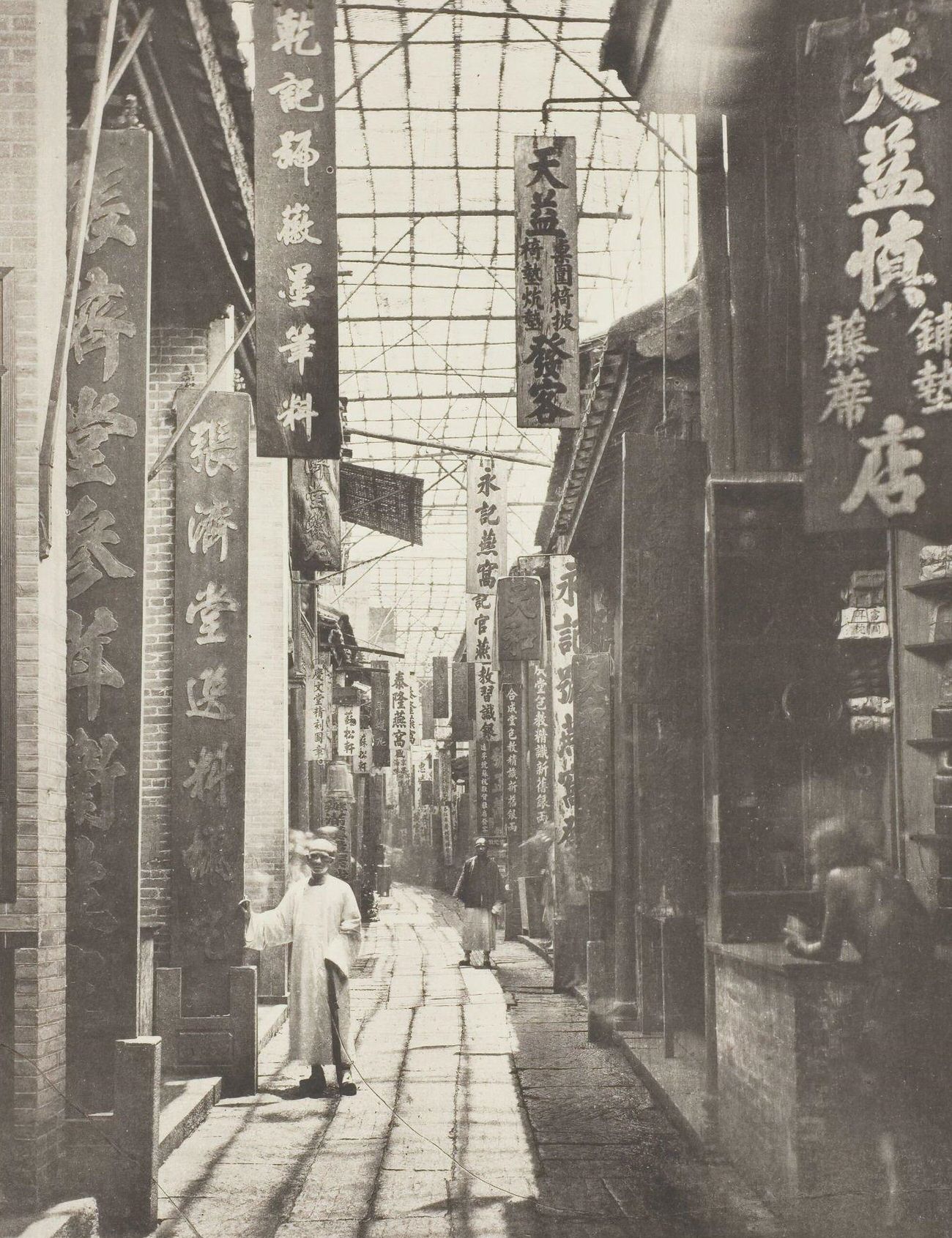
Physic Street, Canton, 1868

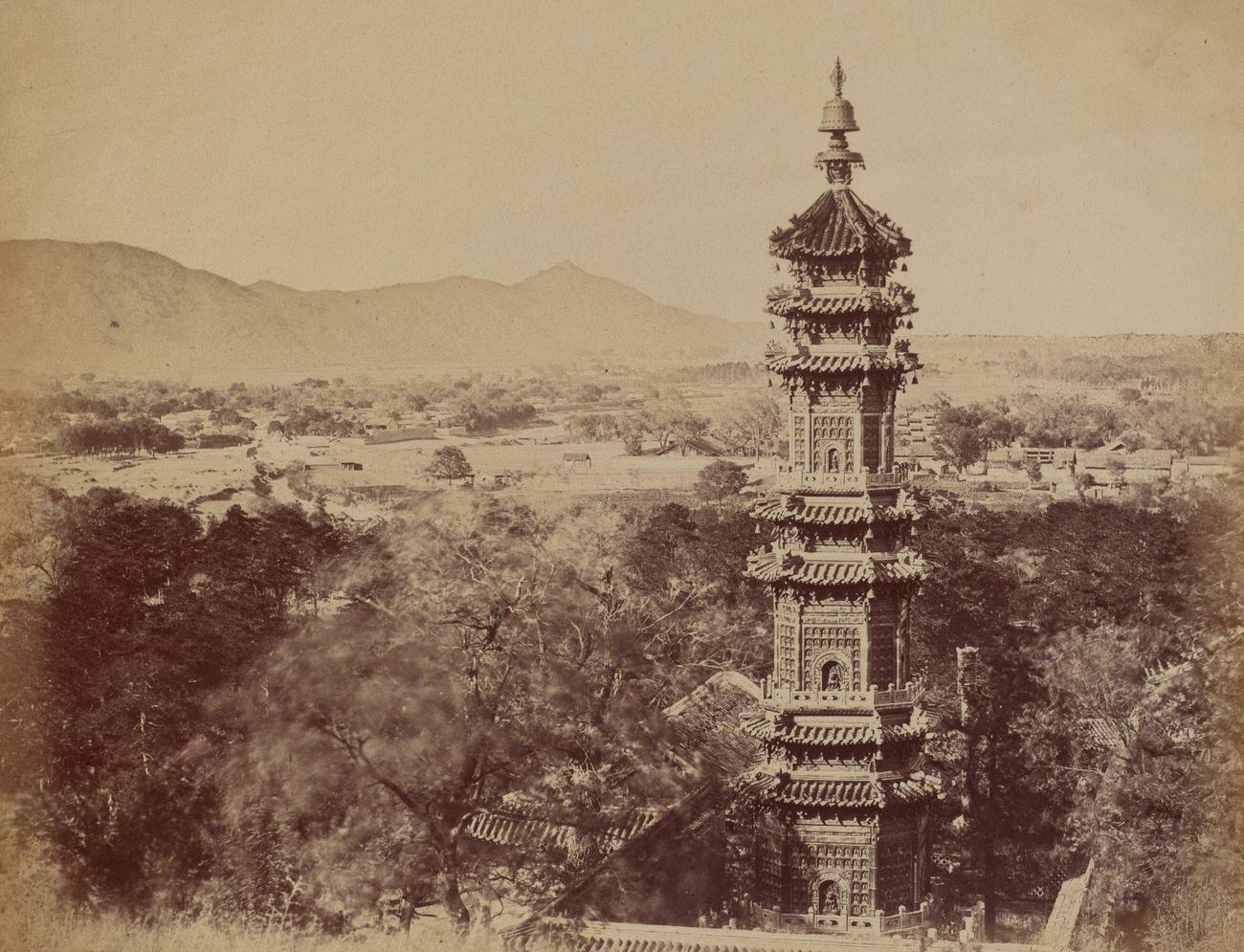
The war’s final act was particularly humiliating. In October 1860, British and French forces marched to Beijing and burned the Old Summer Palace — the Yuanmingyuan — a sprawling complex of gardens and imperial buildings that had taken over 150 years to build. The destruction was ordered by British high commissioner Lord Elgin in retaliation for the torture and execution of British and French prisoners. Photographs taken that month show the palace grounds just before the burning, giving us a rare glimpse of what was lost.
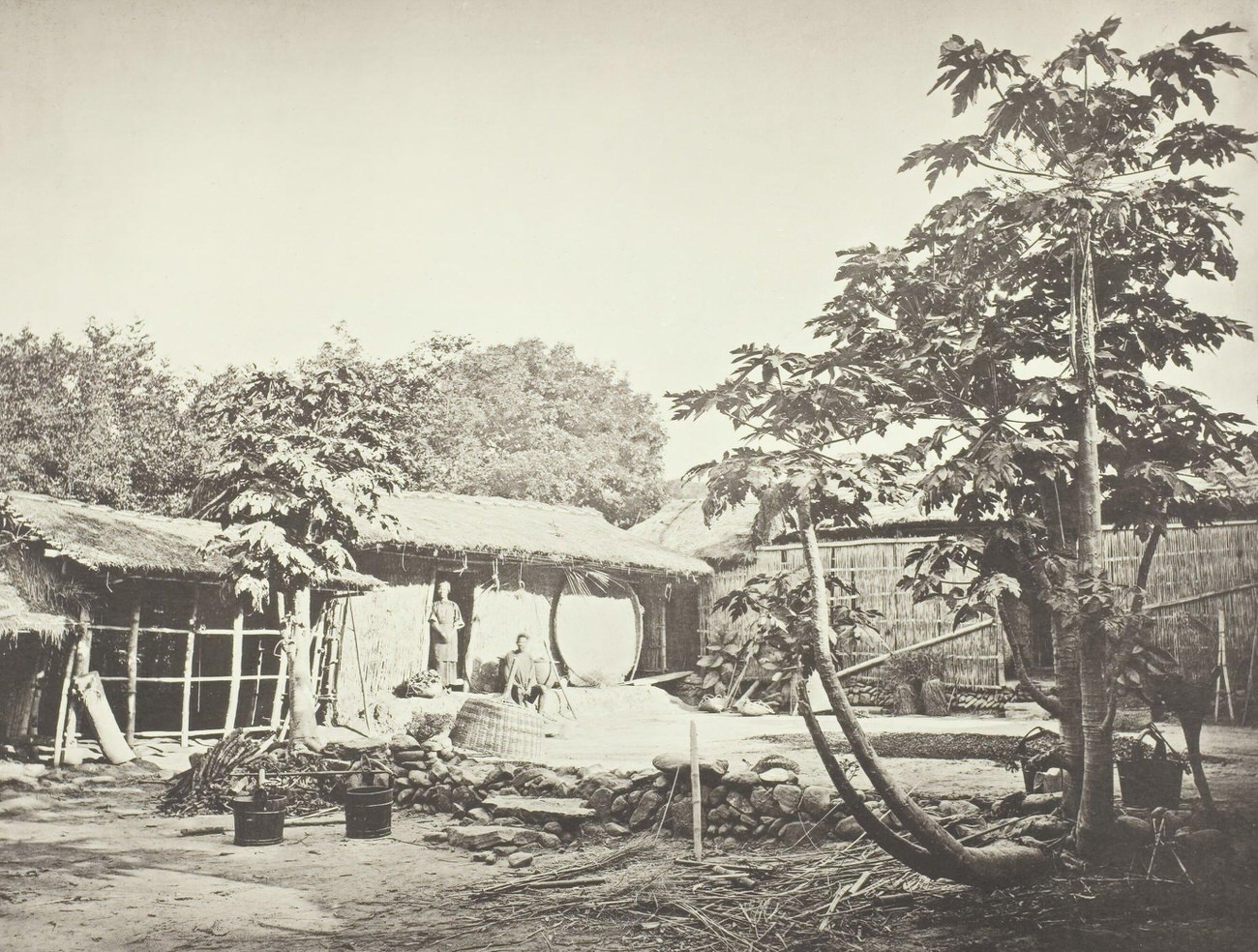
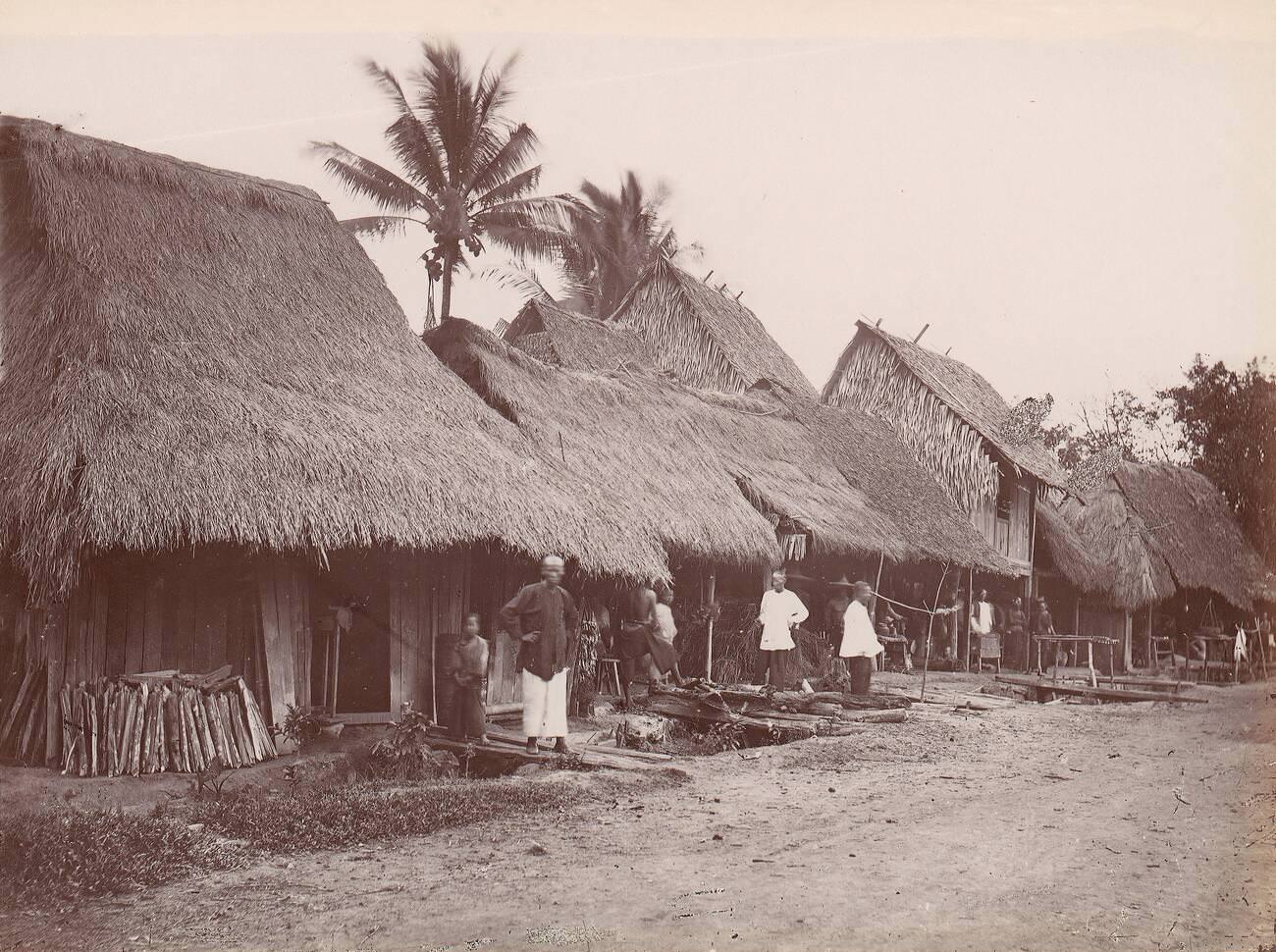
A Pepohoan Dwelling, 1868
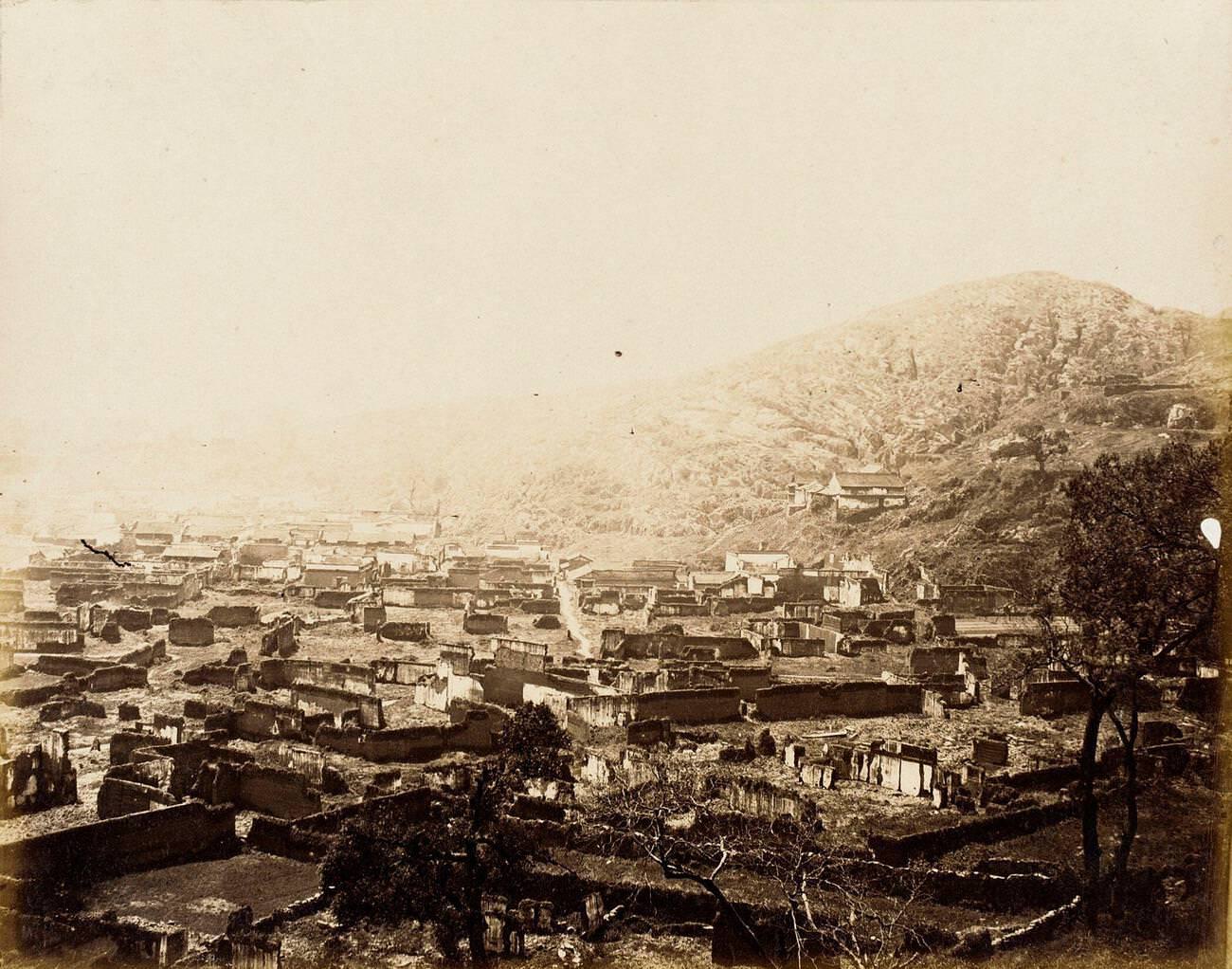
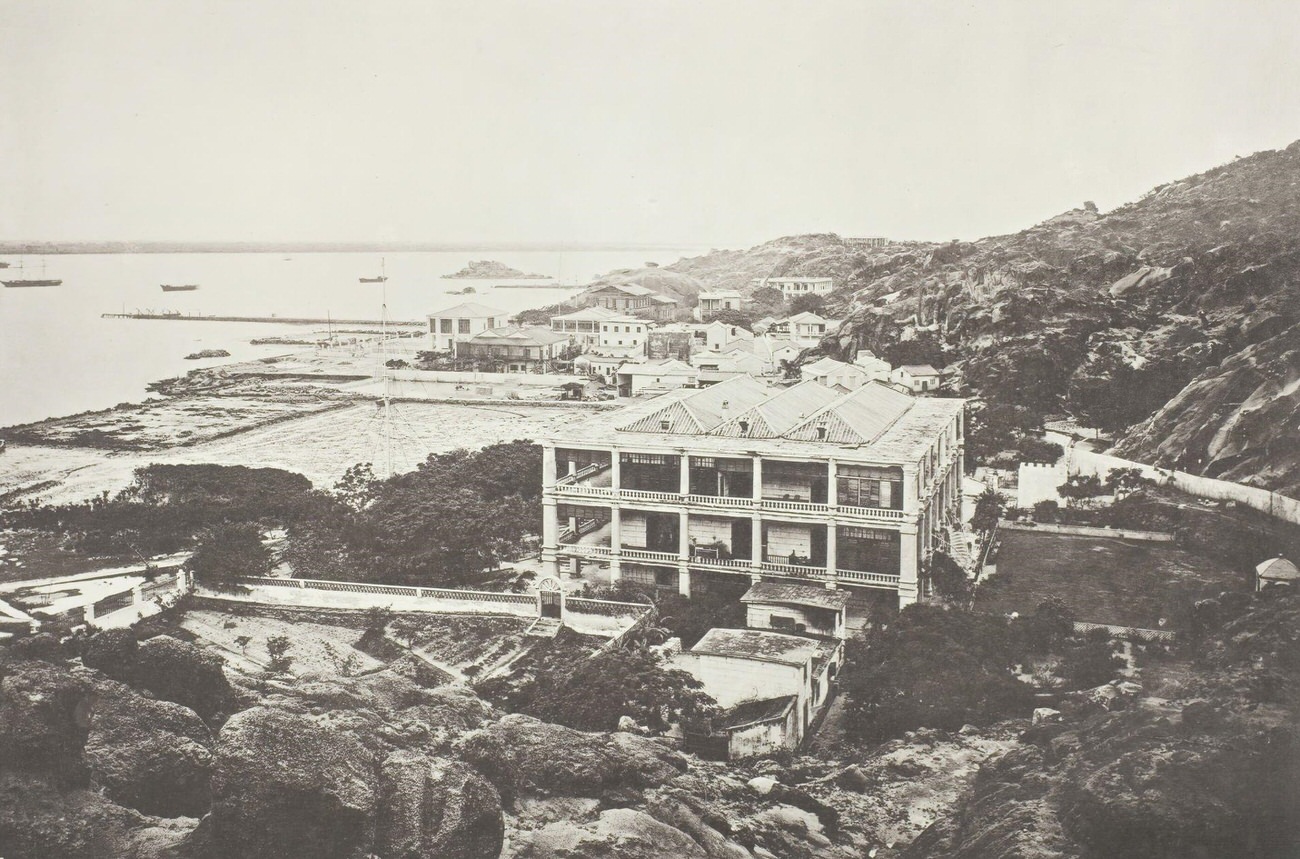
Swatow, 1868
Swatow, 1868

The Qing military’s weakness against Western forces sparked a serious debate inside the imperial government. A group of reform-minded officials, including Zeng Guofan and Li Hongzhang, pushed for what became known as the Self-Strengthening Movement. Their argument was straightforward: China needed to adopt Western weapons, ships, and industrial methods to defend itself. In 1865, the Jinling Arsenal in Nanjing opened under Qing direction. The Foochow Arsenal followed, producing China’s first modern naval vessels.
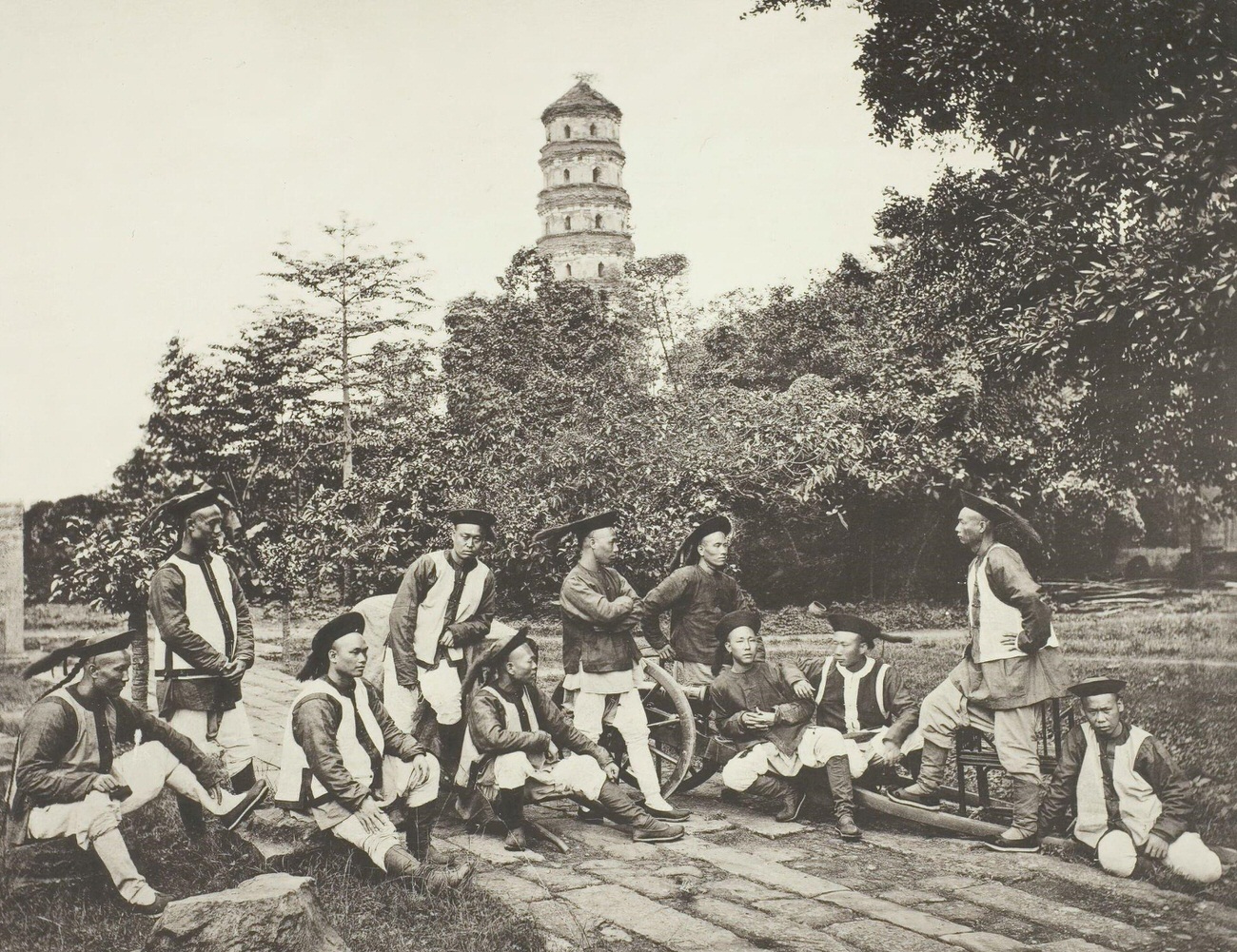
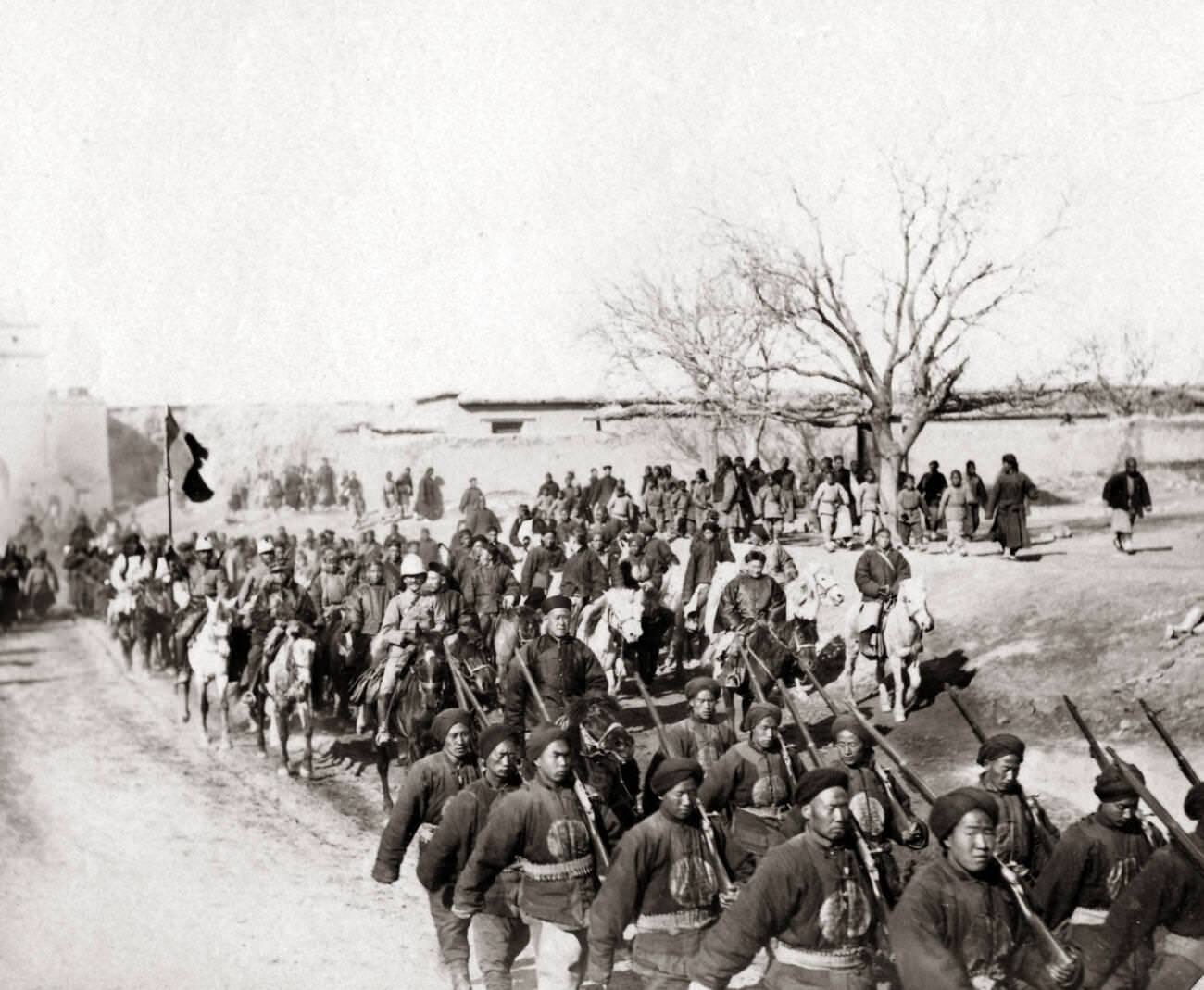
Tartar Soldiers, 1860s
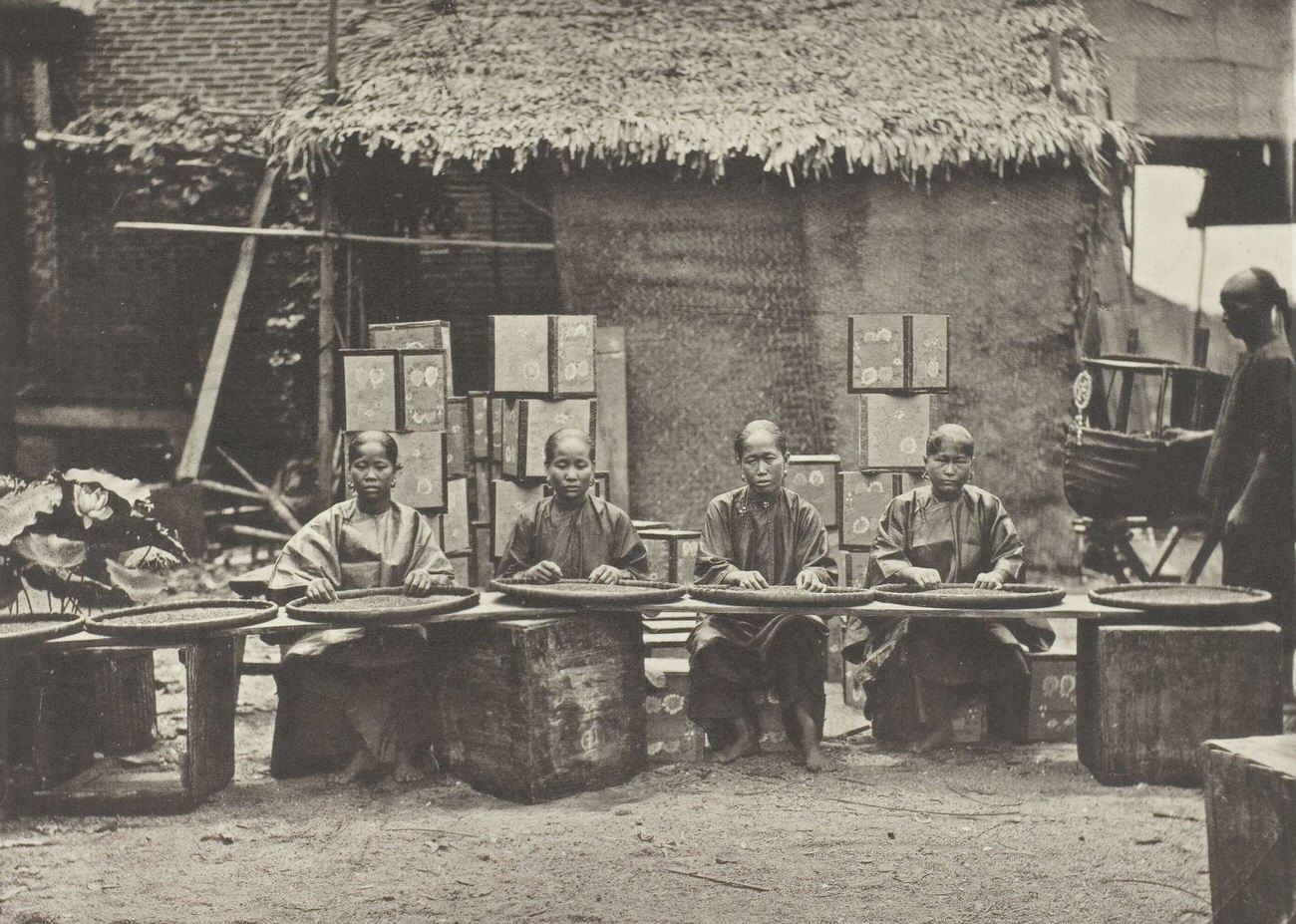
Tea-Picking in Canton, 1960s

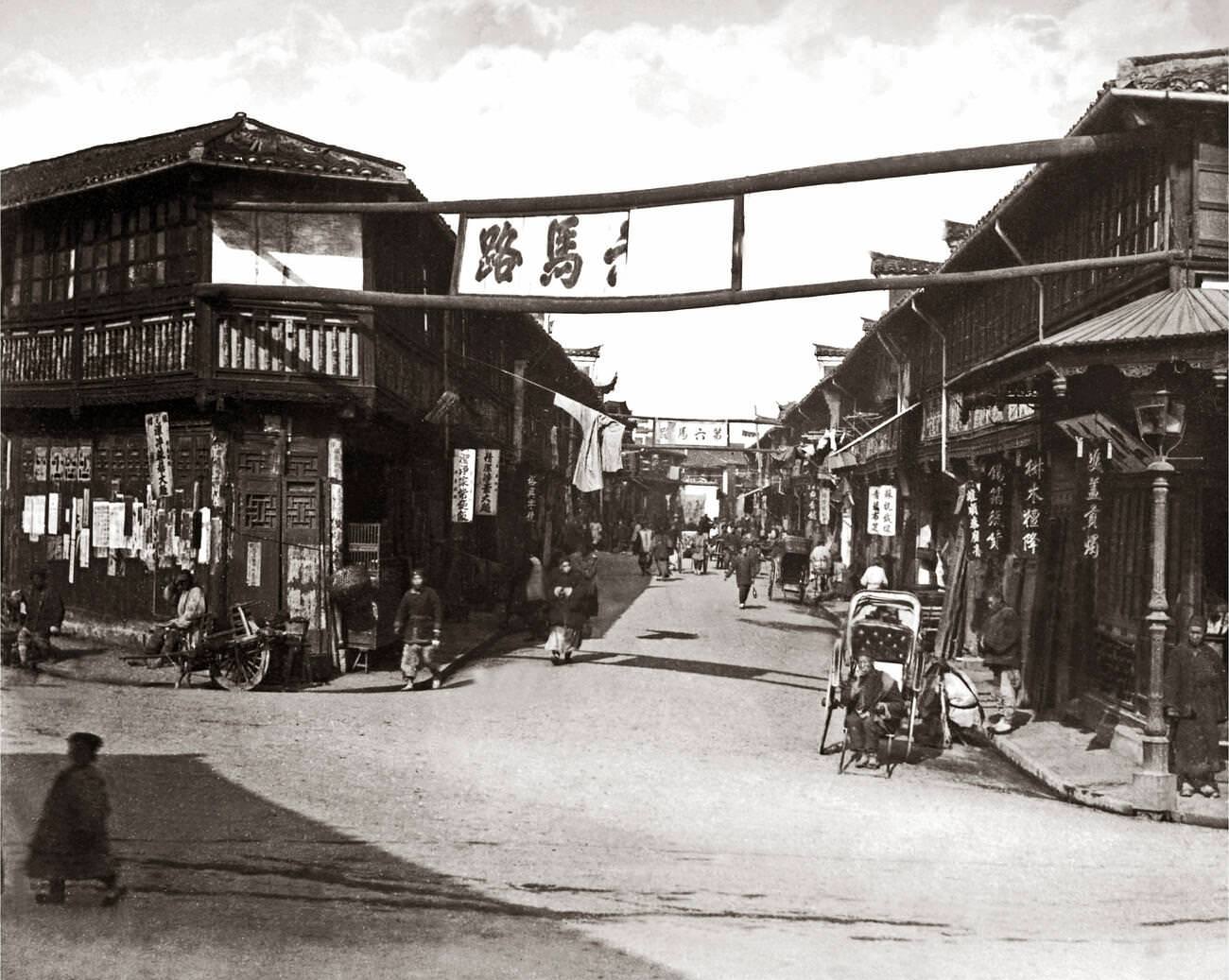
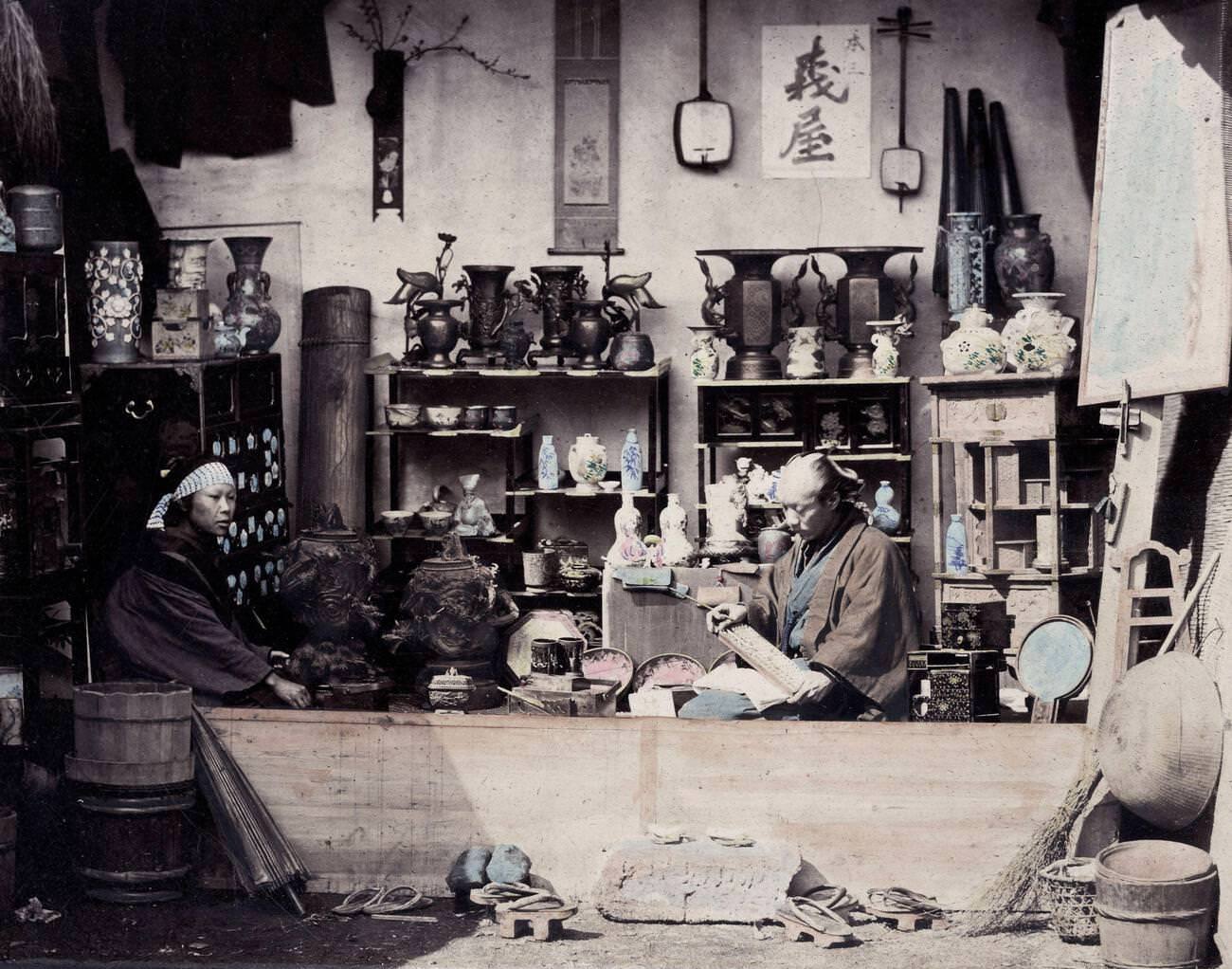
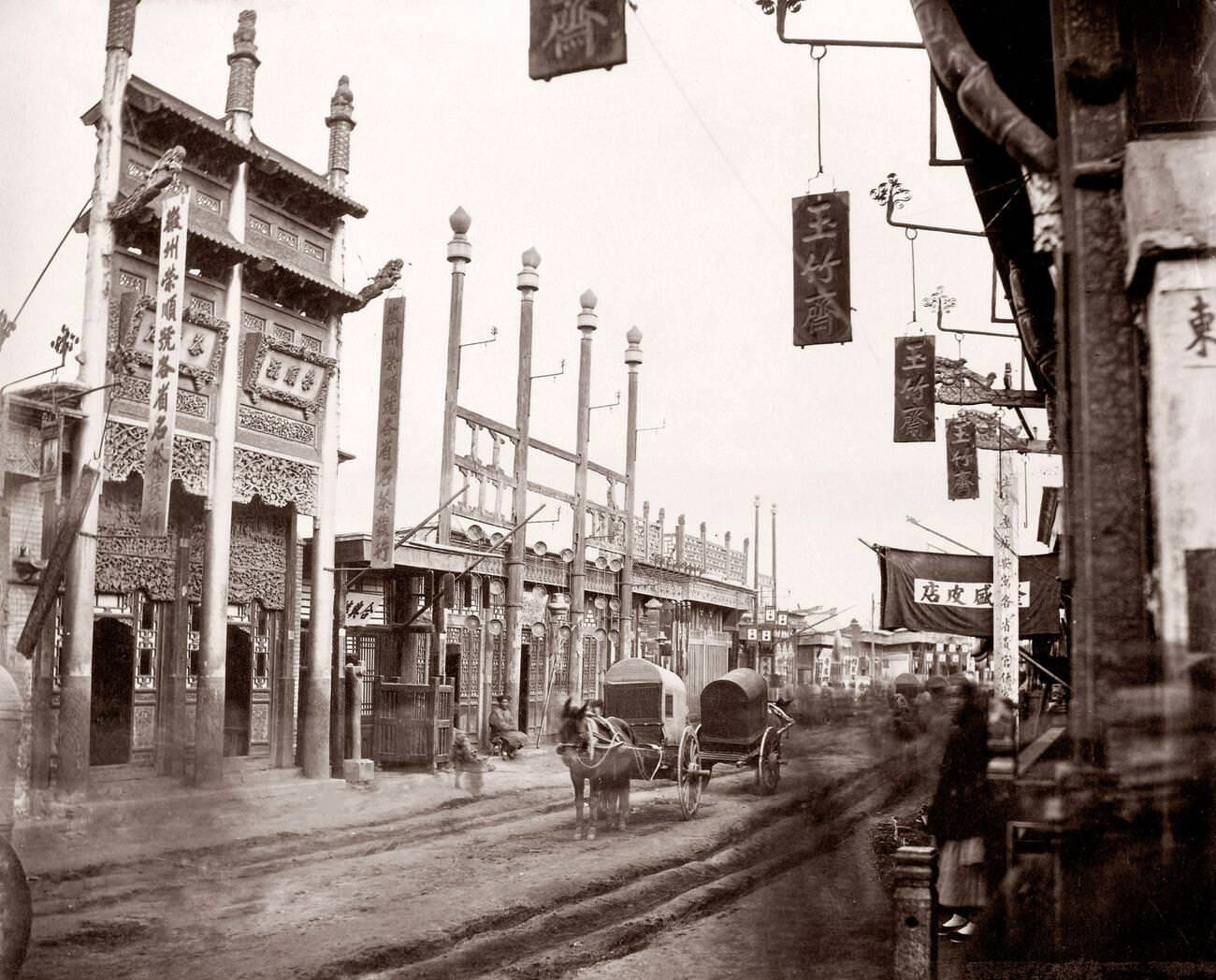
Life for ordinary Chinese people during this period was defined by hardship. Famines spread through provinces torn apart by the Taiping conflict. Millions were displaced. Trade routes were disrupted. In the cities, daily commerce continued — street vendors, tea merchants, duck markets, and curio shops — but the population carried the weight of years of war and uncertainty. Photographs from Canton, Foochow, and Shanghai show streets still busy with activity, even as the country around them was being reshaped by force.
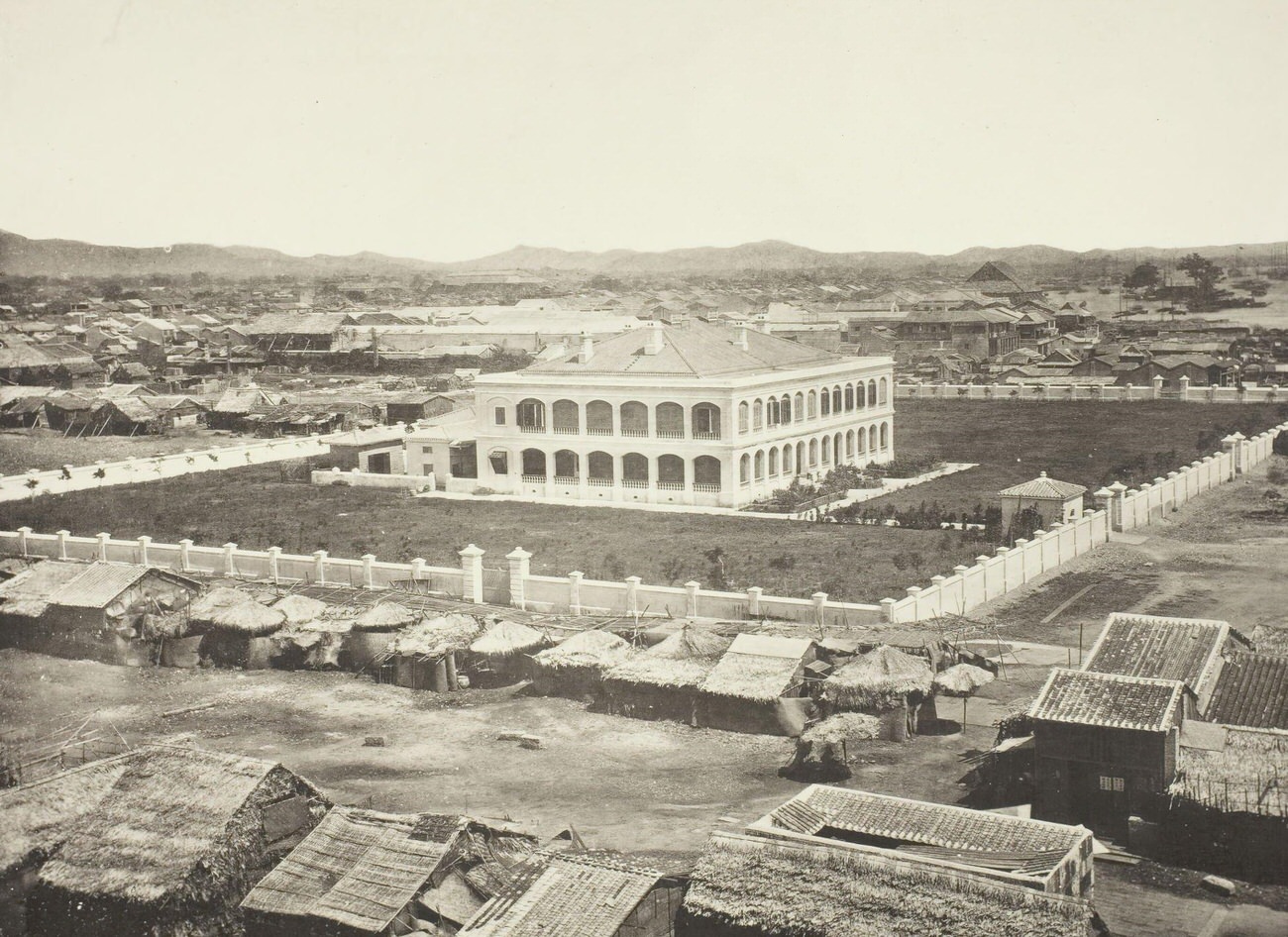
The Old Factory Site, Canton, 1960s
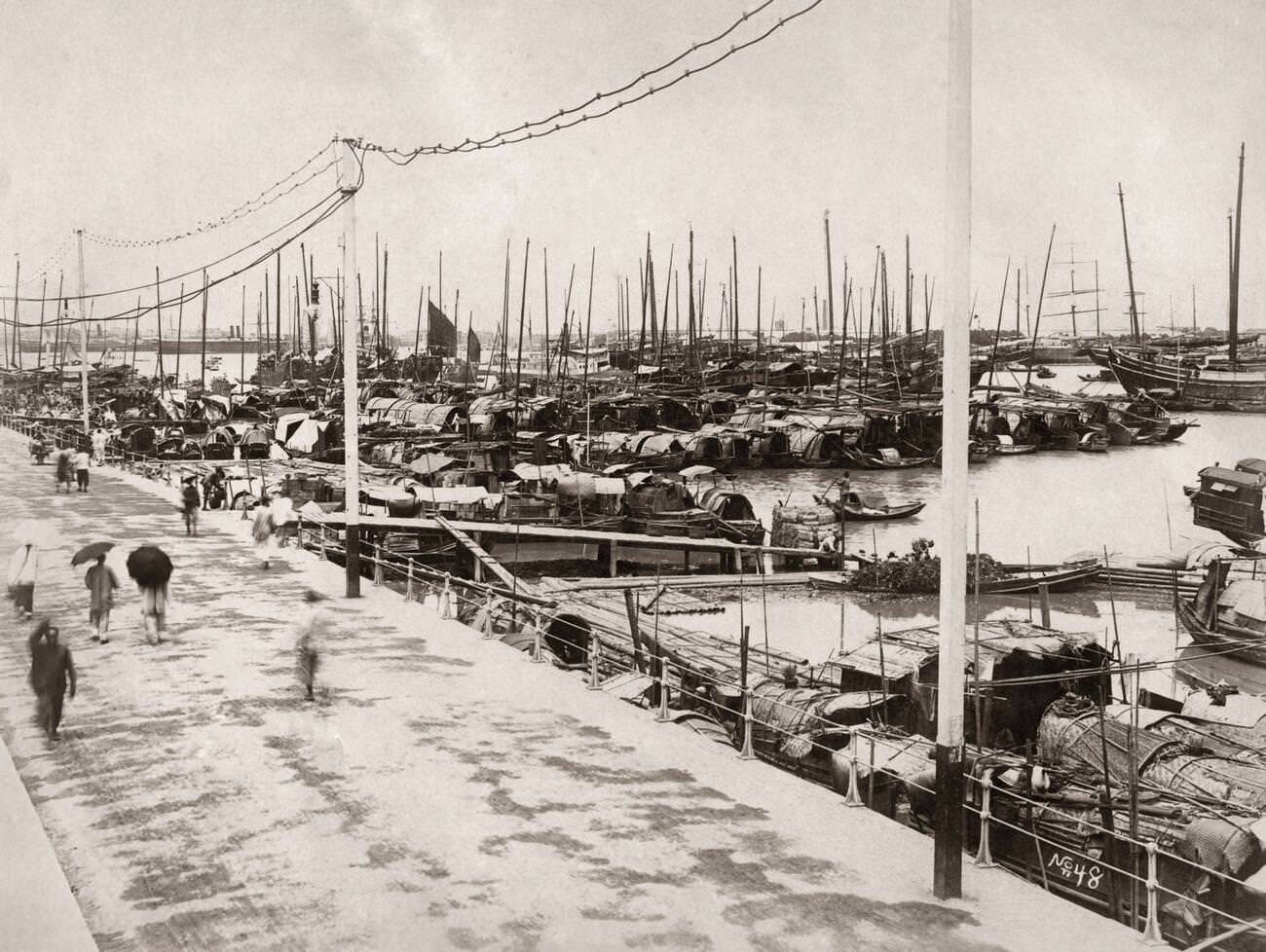
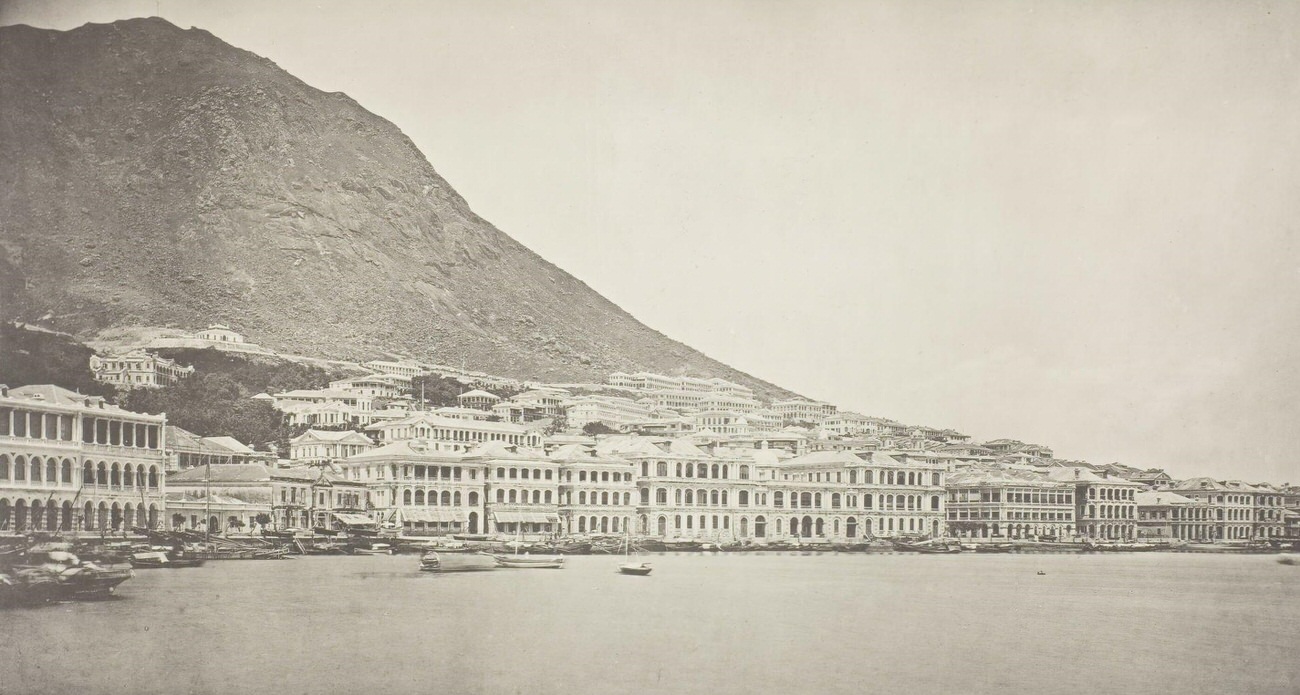
The Praya, Hong Kong, 1960s

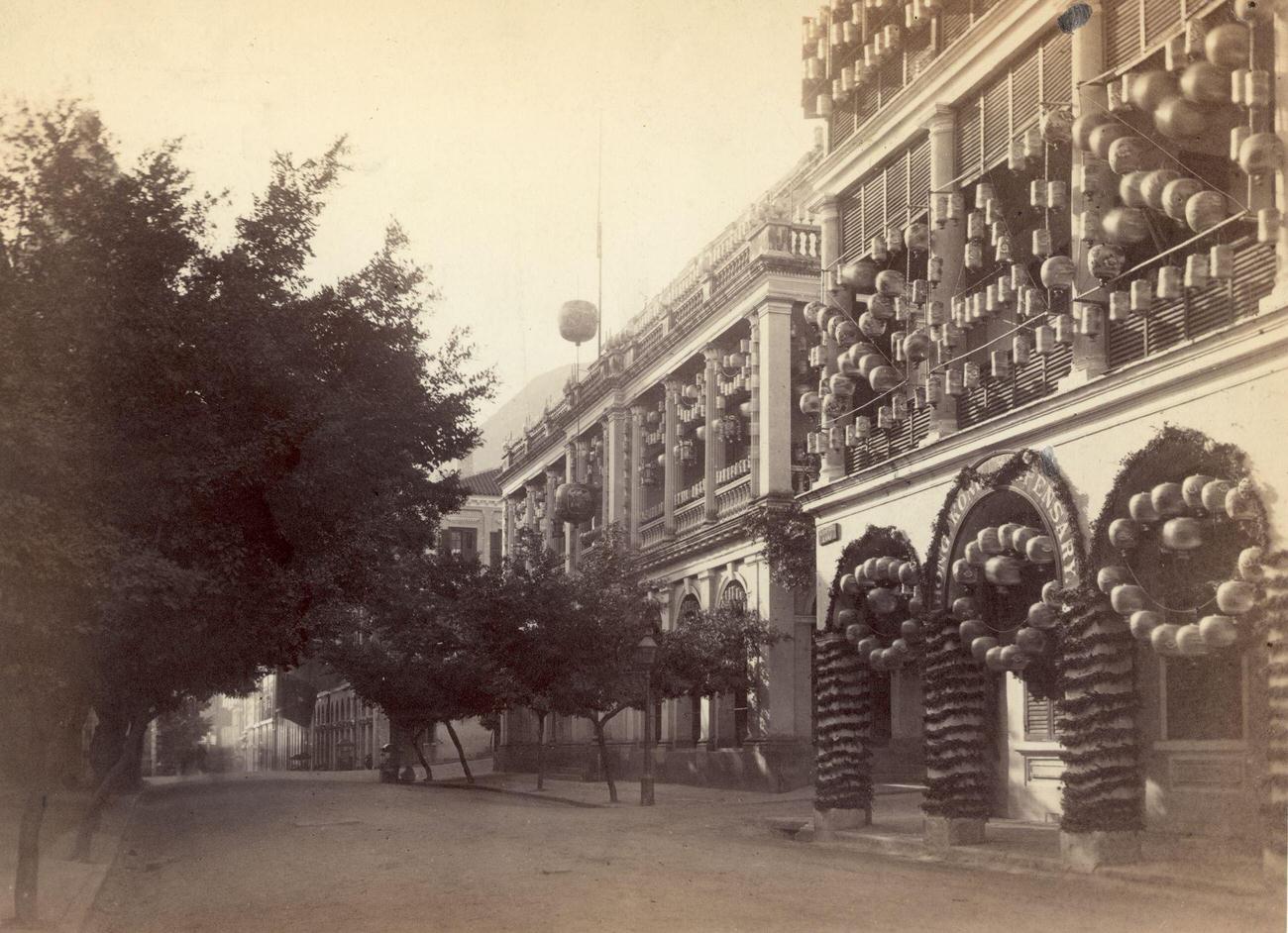
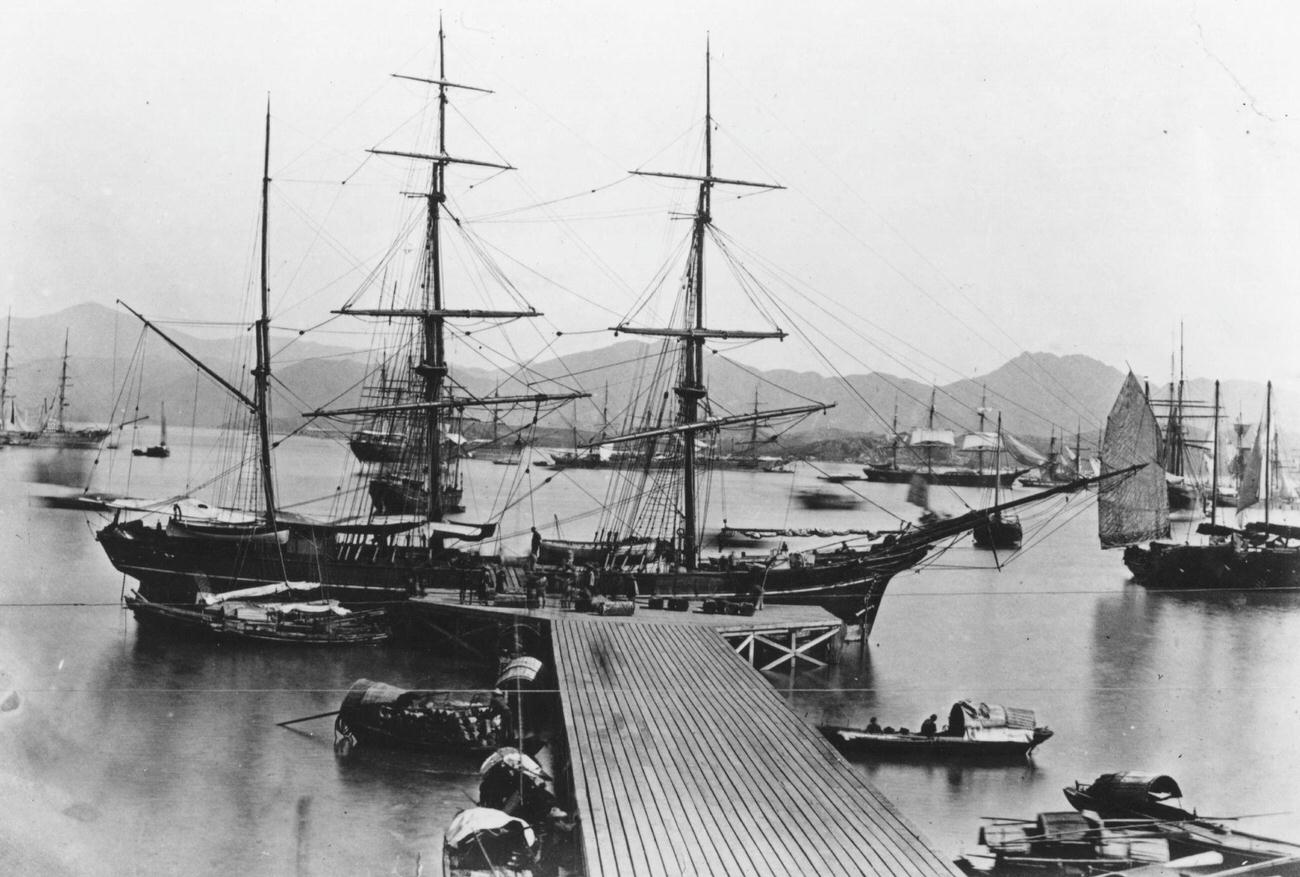
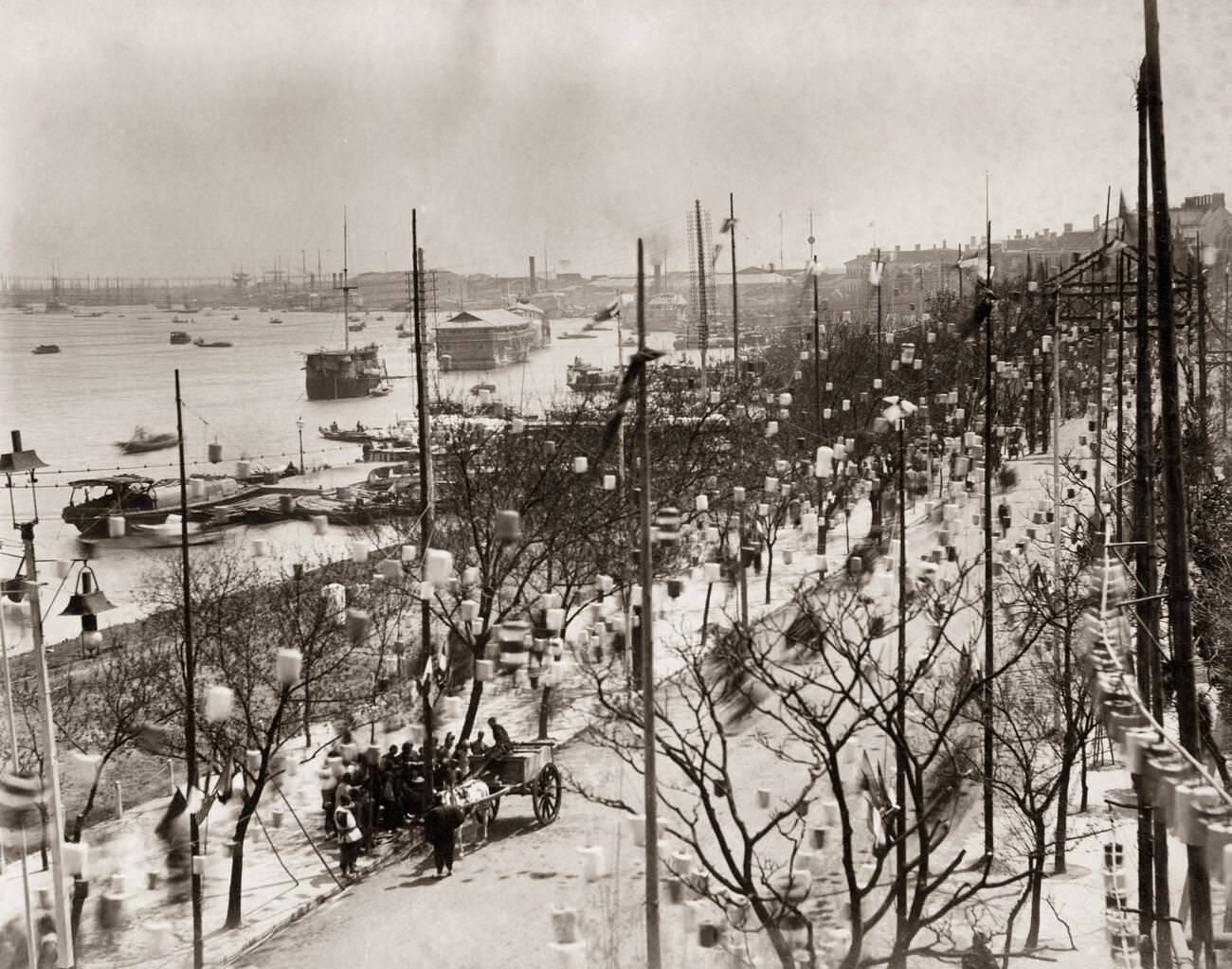
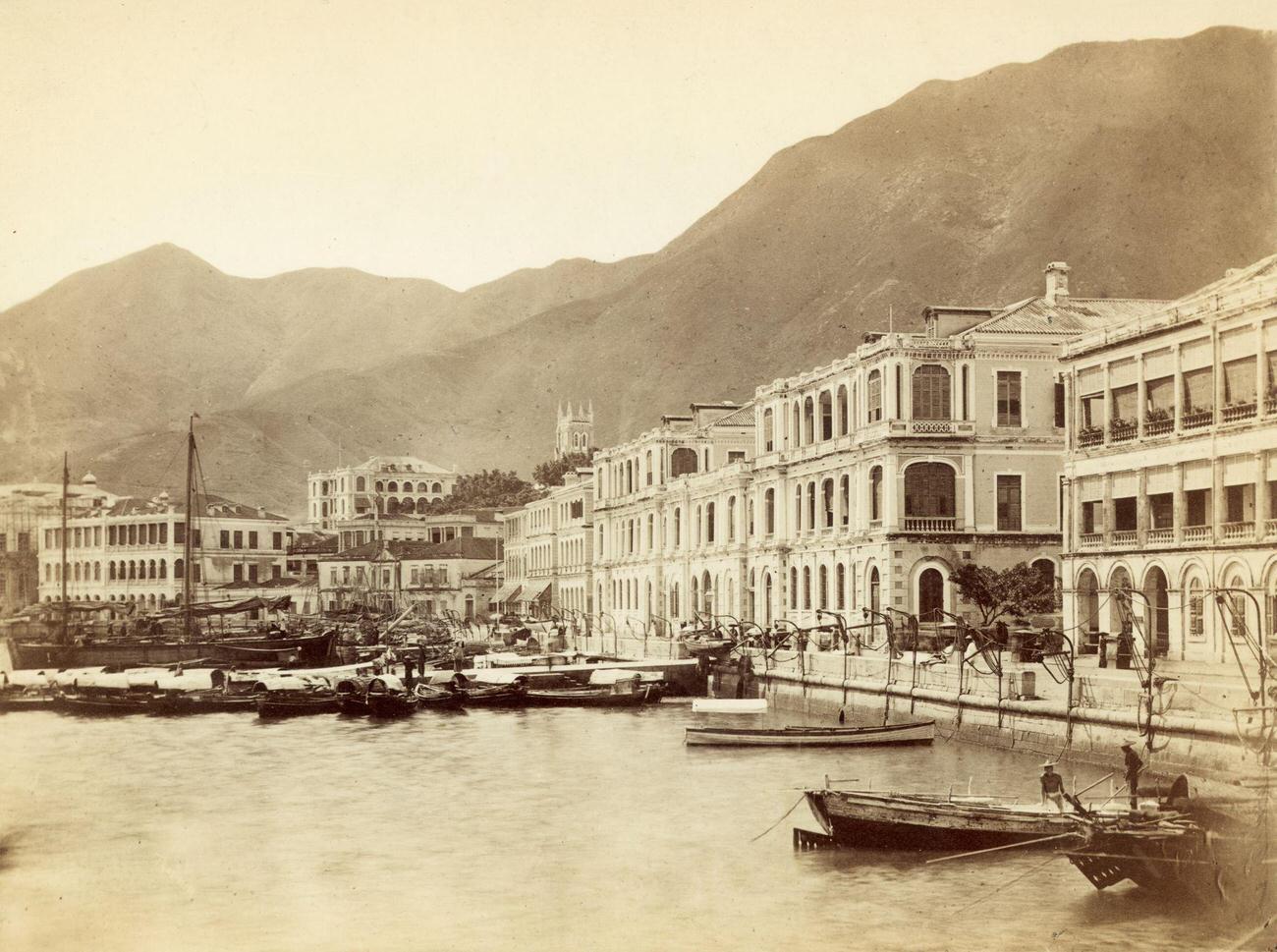
Hong Kong, ceded to Britain in 1842 and expanded by the addition of Kowloon in 1860, was growing rapidly. Photographs from the harbor show a busy port, crowded with sailing ships and early steamers. The Praya — the waterfront road — was already a hub of commerce. When Prince Alfred, the Duke of Edinburgh, visited in 1869, the streets were lit up to welcome him. Queen’s Road and the harbor were illuminated in an elaborate display, a moment captured by photographers on the scene.
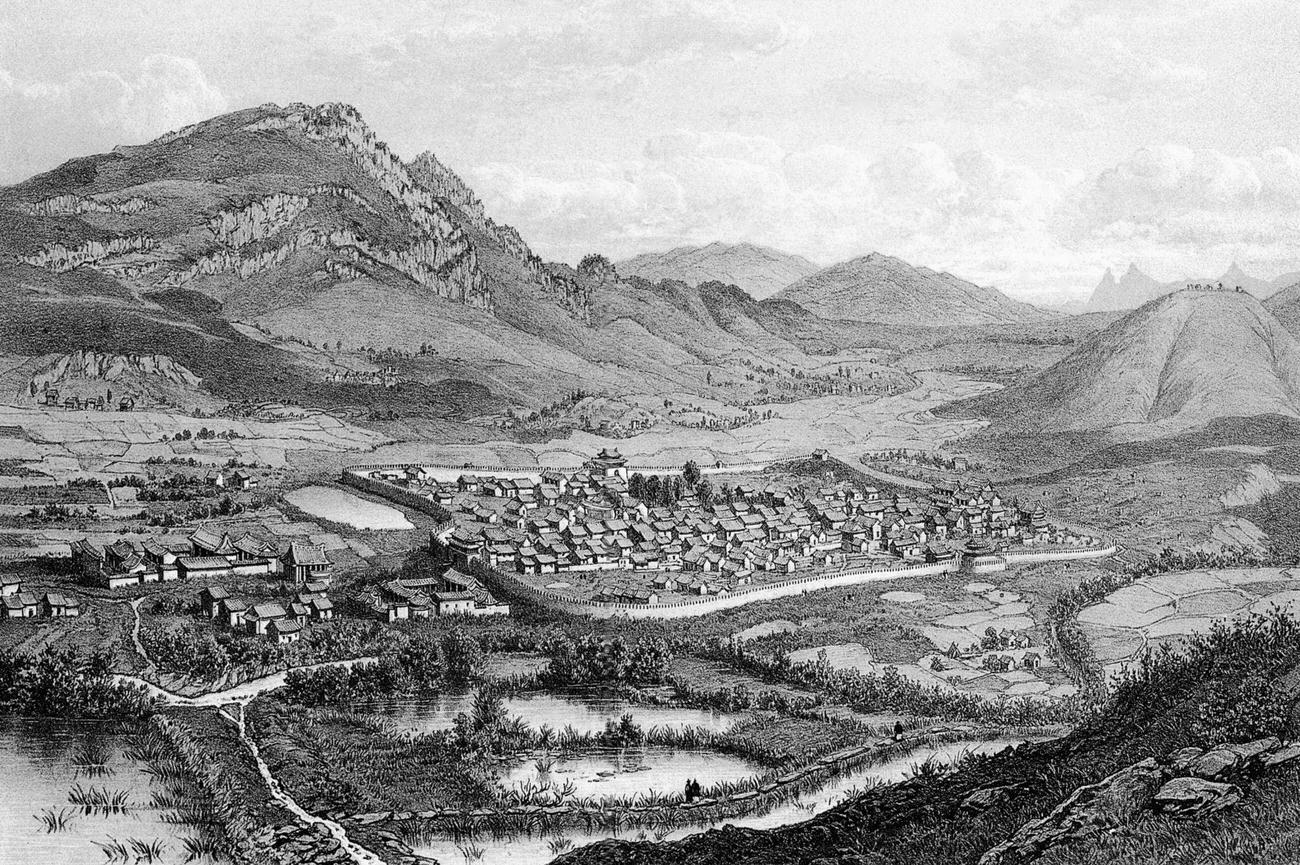
The Tea Horse Road (Cha Ma Dao), a historical trade network in Southwest China through Yunnan, Sichuan, and Tibet.
Hong Kong Harbour in 1869, during the Duke of Edinburgh's visit.
Hong Kong Harbour in 1869, during the Duke of Edinburgh’s visit.
Queen's Road, Hong Kong, illuminated for the Duke of Edinburgh's visit in 1869.
Queen’s Road, Hong Kong, illuminated for the Duke of Edinburgh’s visit in 1869.

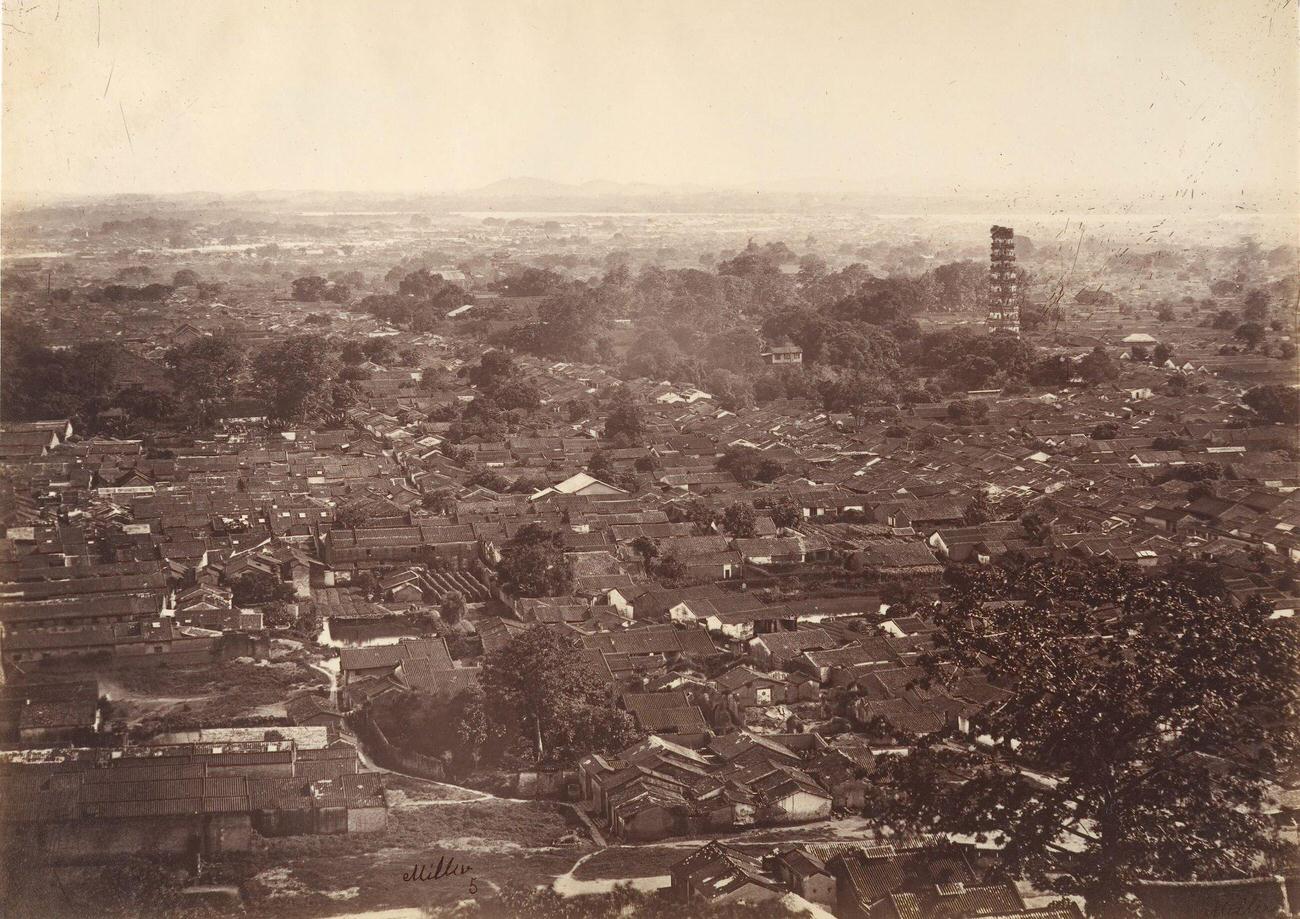
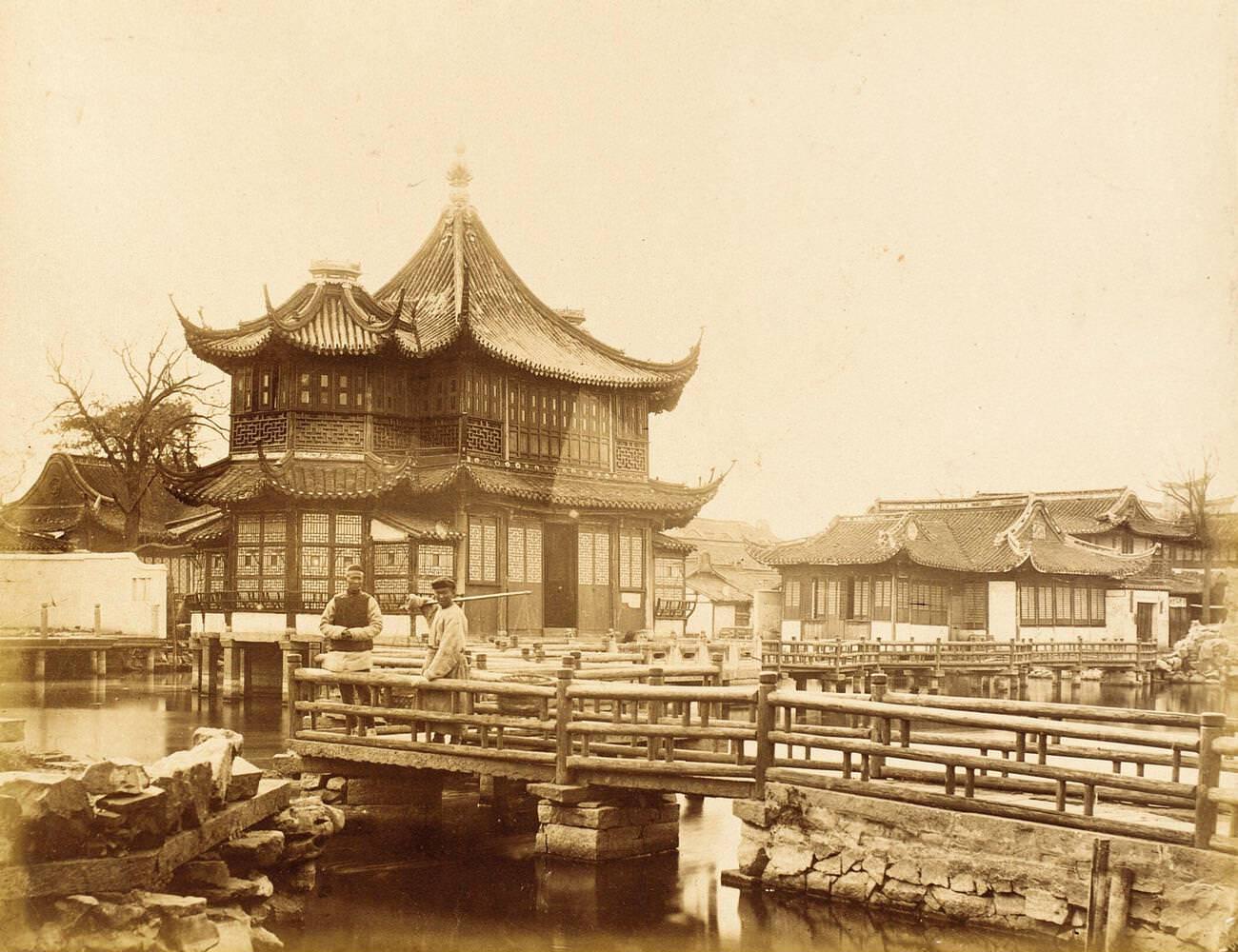
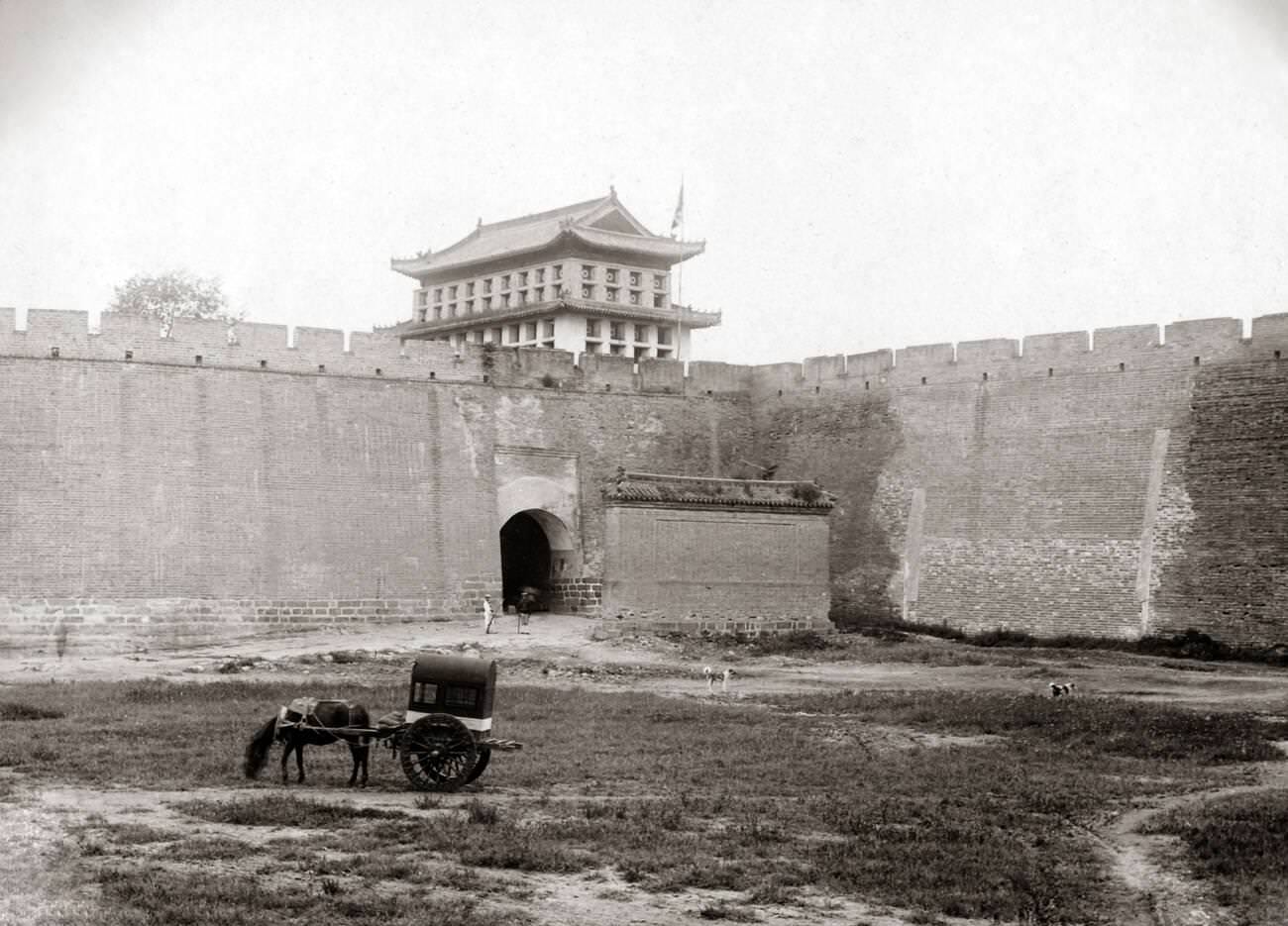
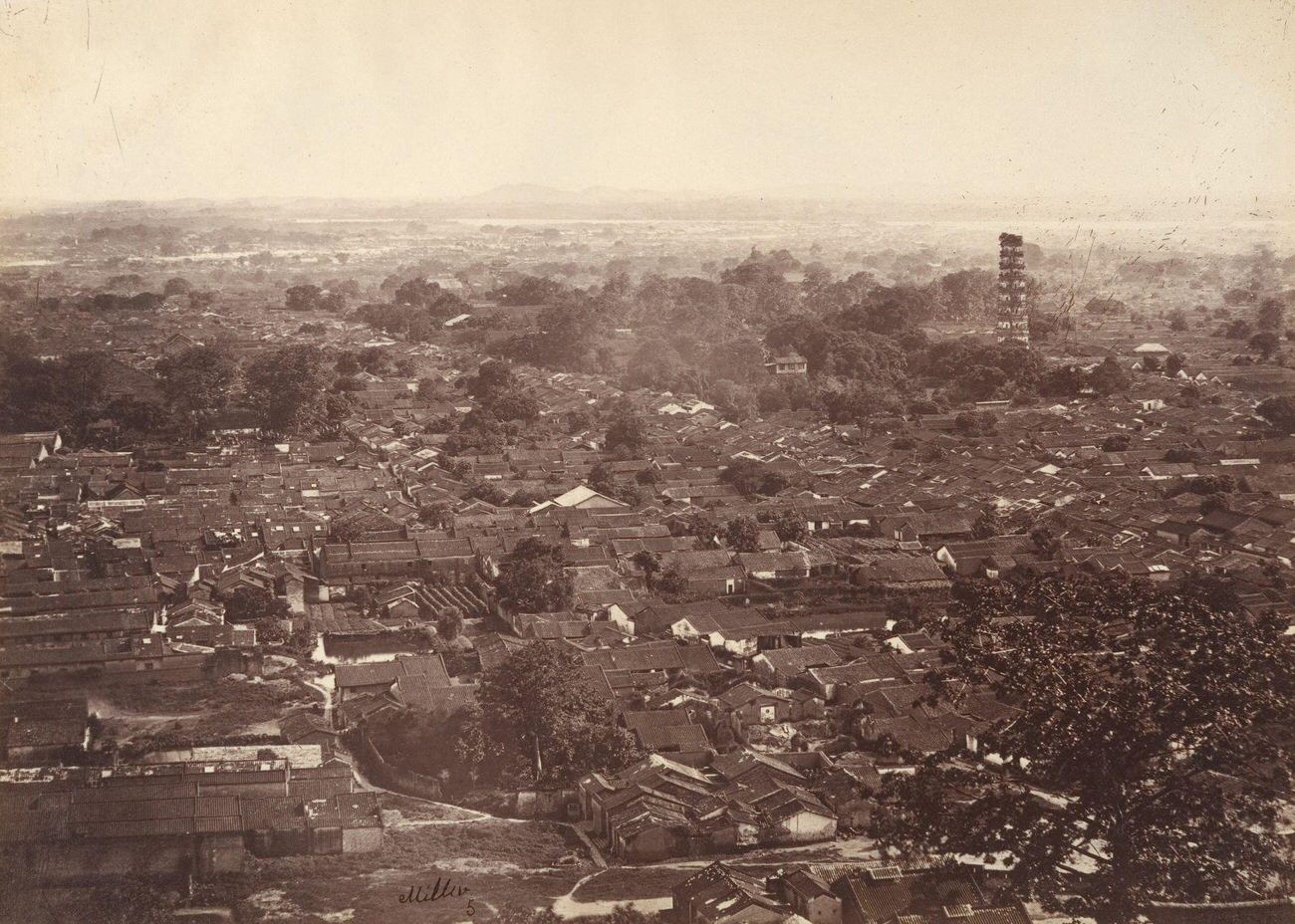
Canton — modern-day Guangzhou — appears frequently in these photographs. It was one of China’s most important trading cities and had long been a point of contact between Chinese merchants and foreign traders. Images from the 1860s show its pagodas, temples, city walls, and narrow commercial streets. One photograph records a public execution in Canton, a common form of punishment under Qing law, carried out openly in the street.
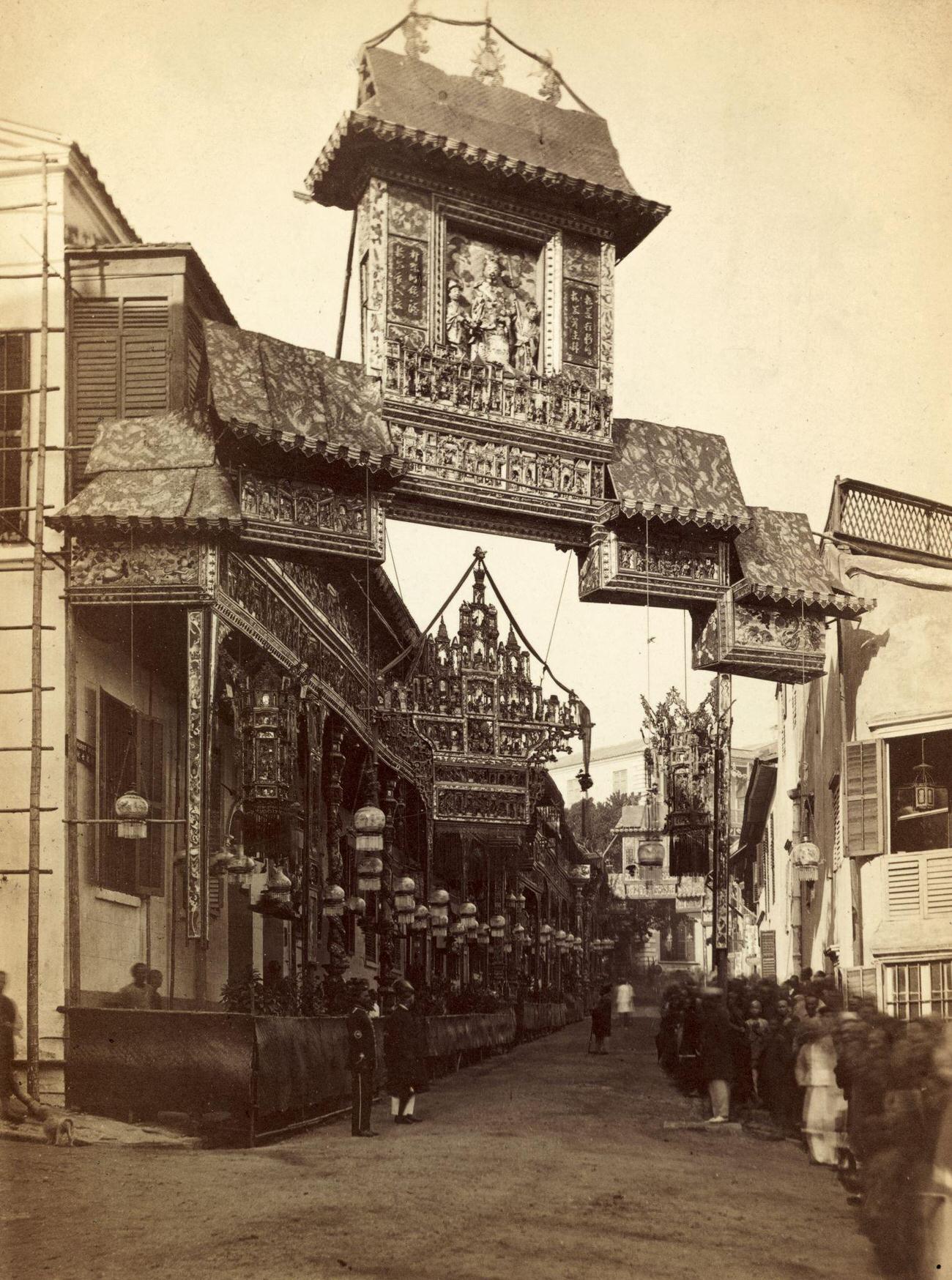
A street in Hong Kong illuminated for the Duke of Edinburgh's visit in 1869.
A street in Hong Kong illuminated for the Duke of Edinburgh’s visit in 1869.
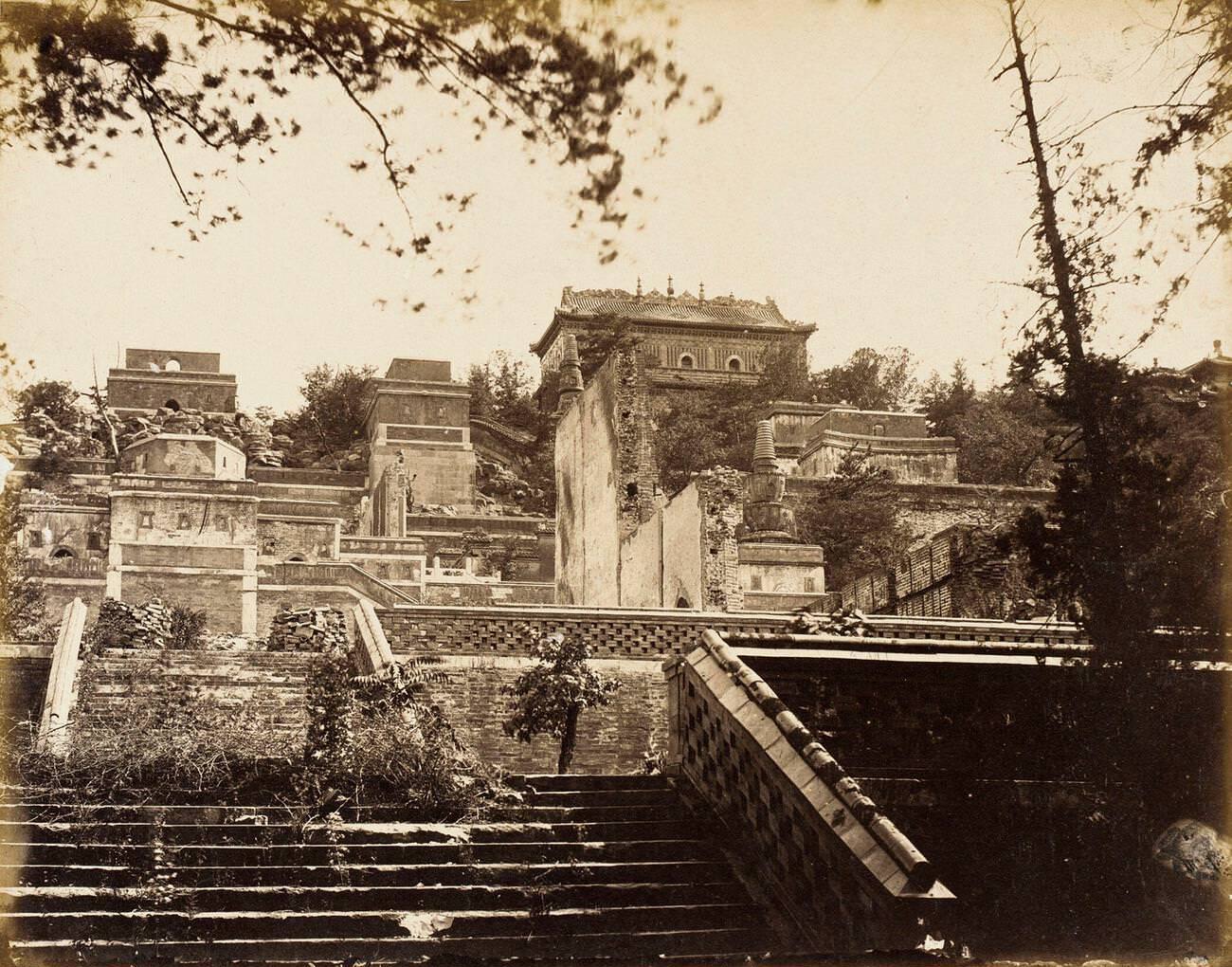
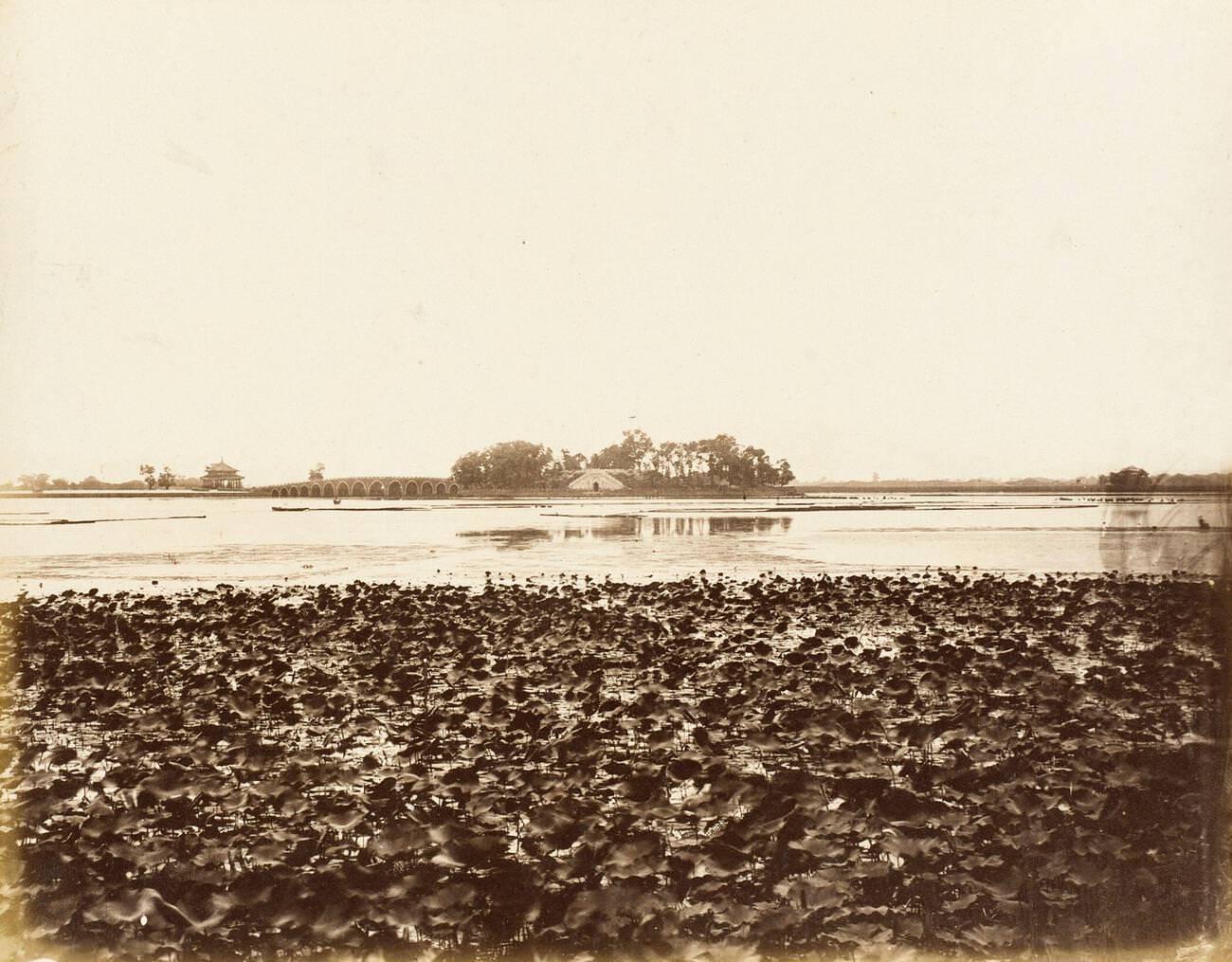
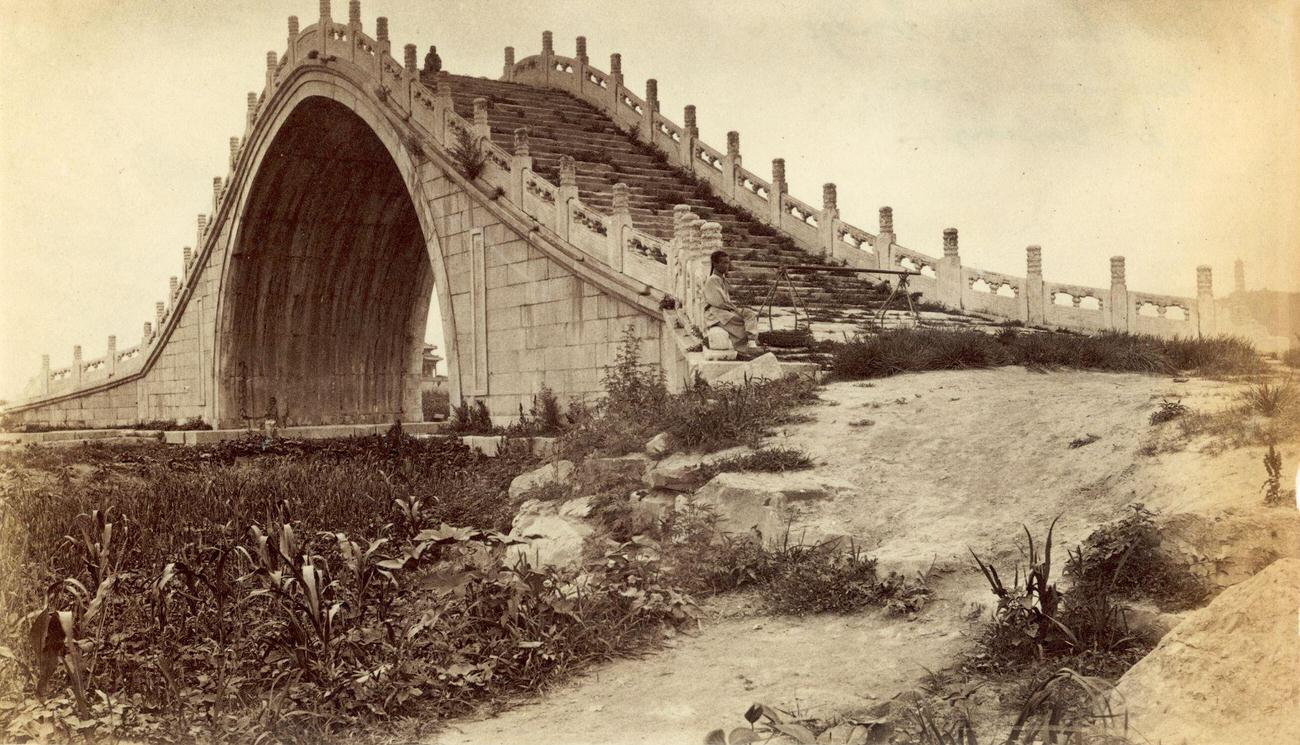
Liu-Kuo-Tzu Bridge in Wan-Shou-Shan, near Beijing, 1869.
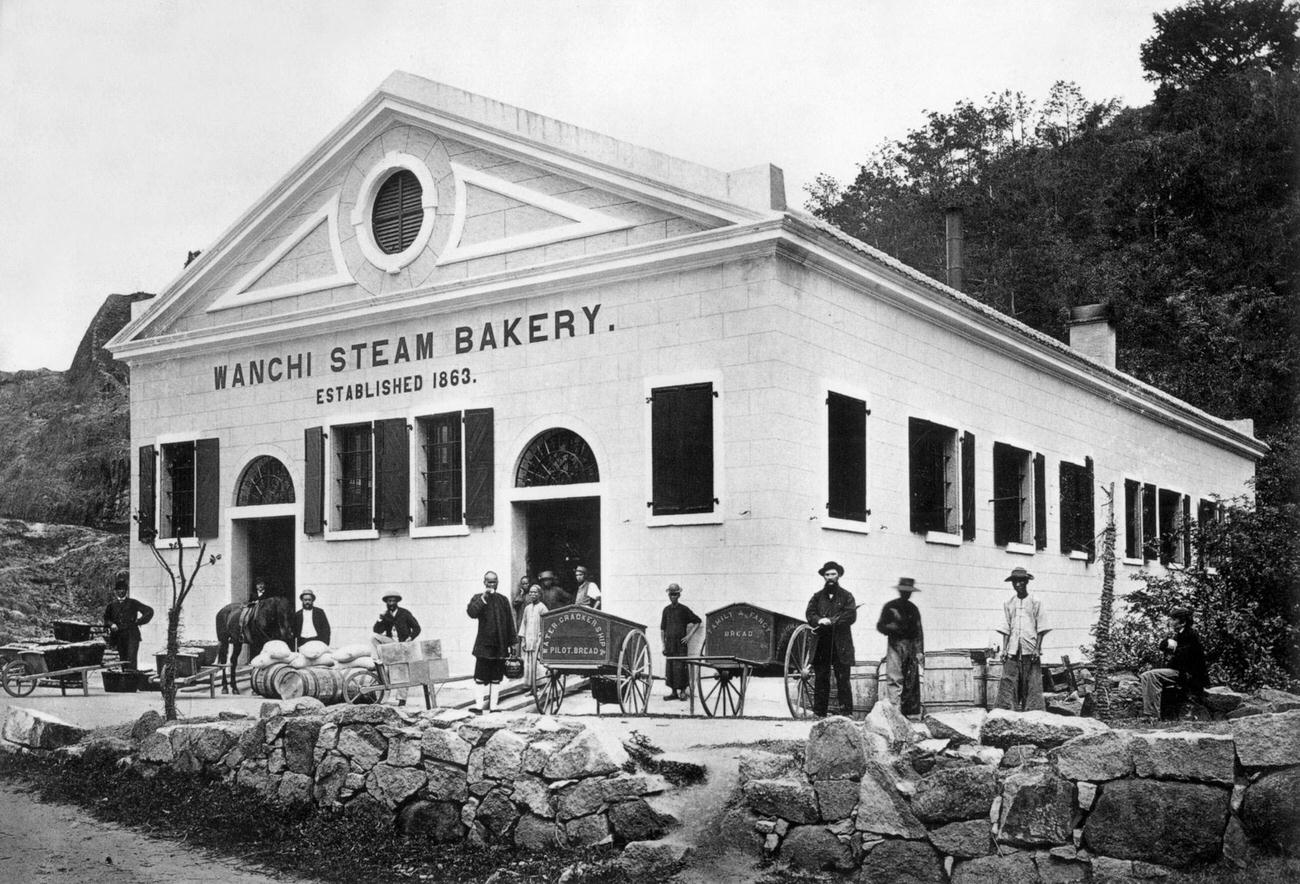
Wanchai Steam Bakery near Hong Kong, established in 1863, photographed in 1869.

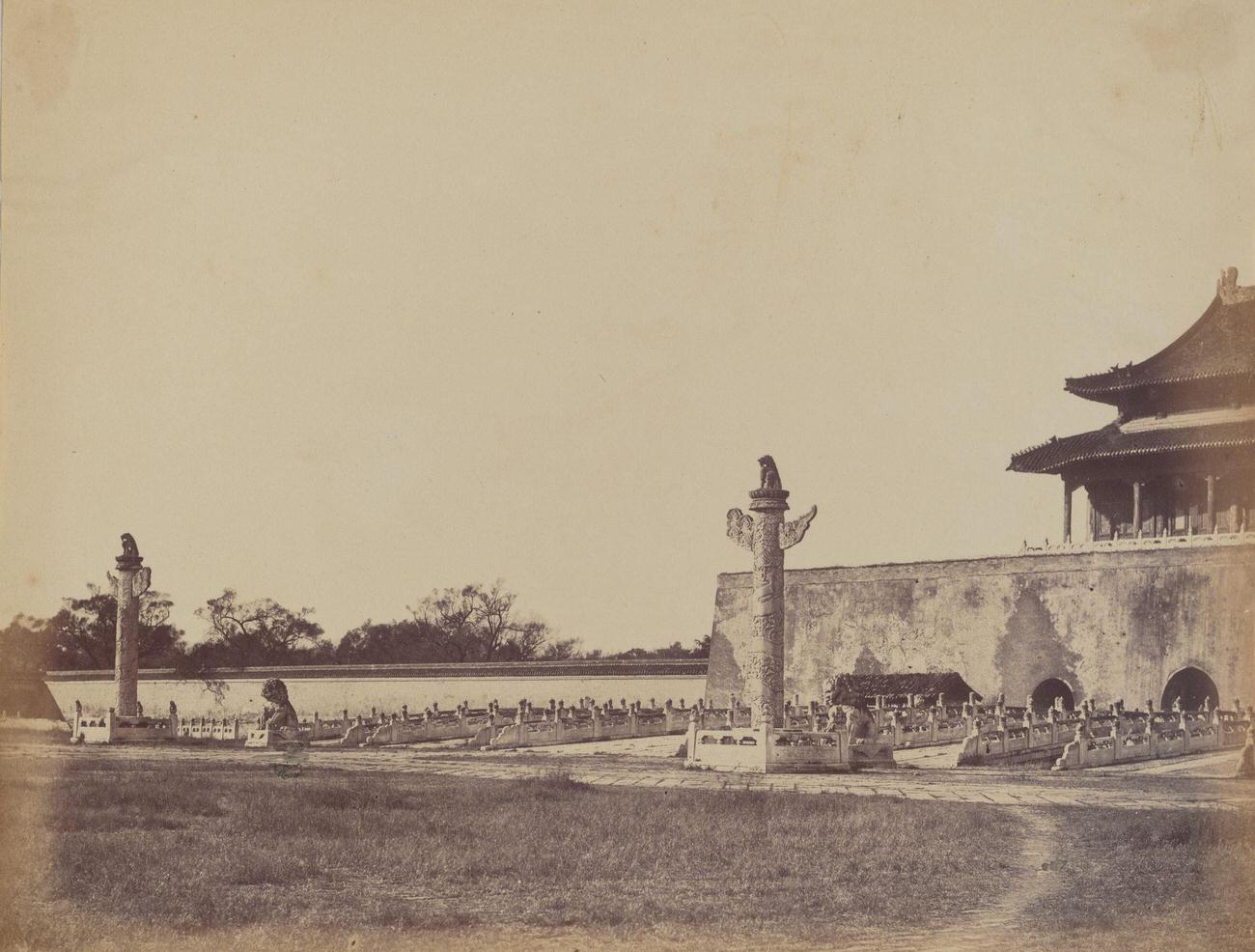
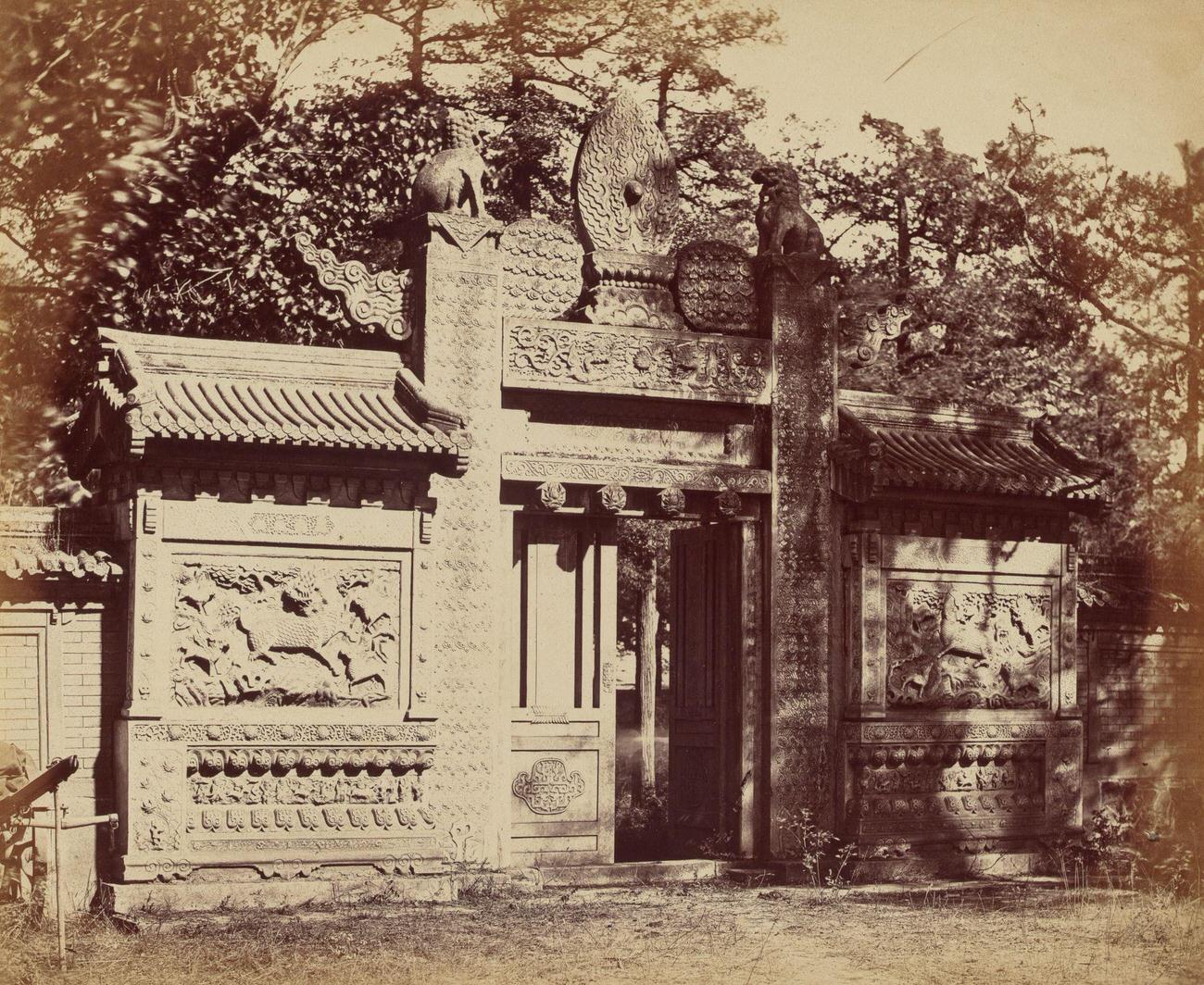
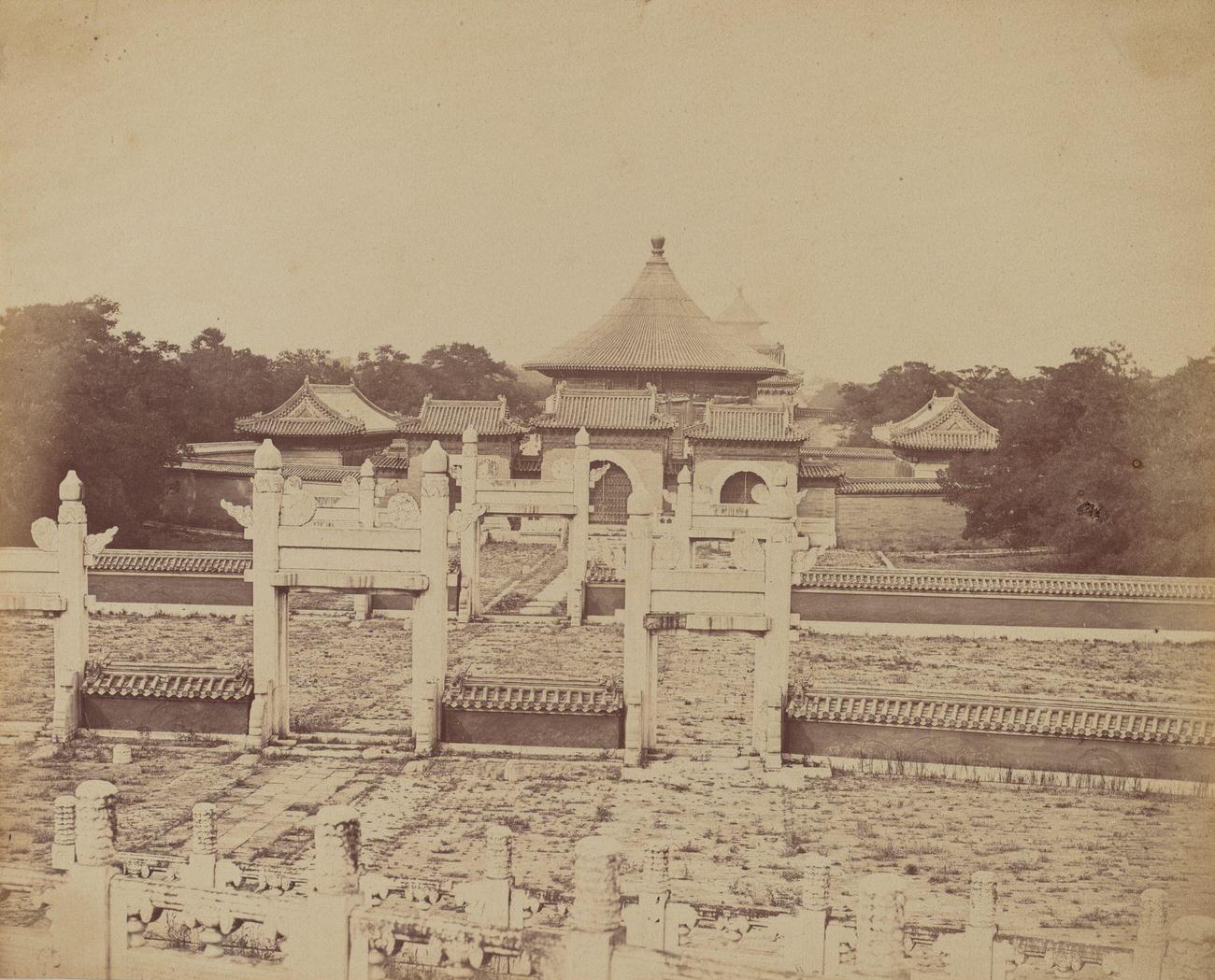
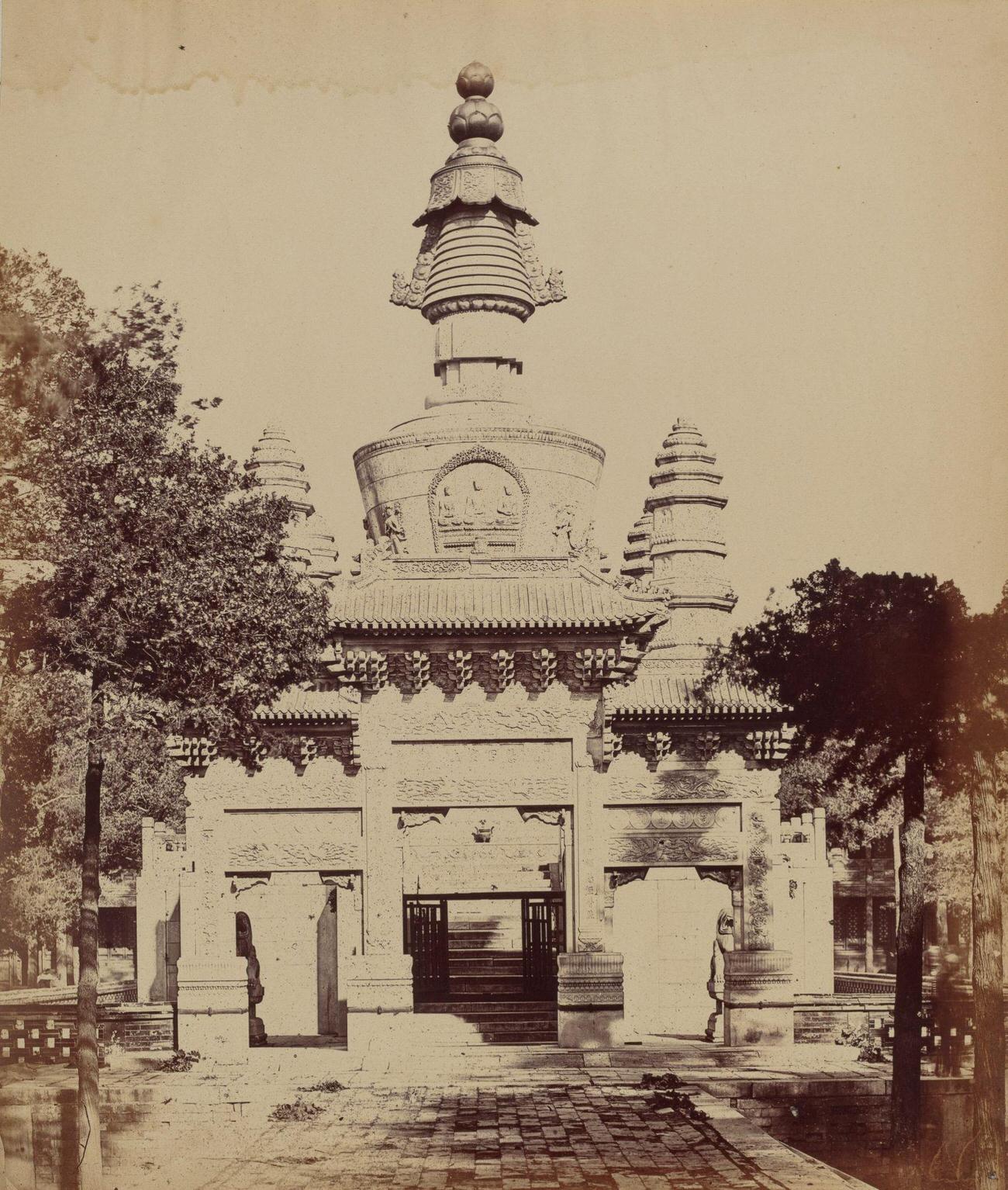
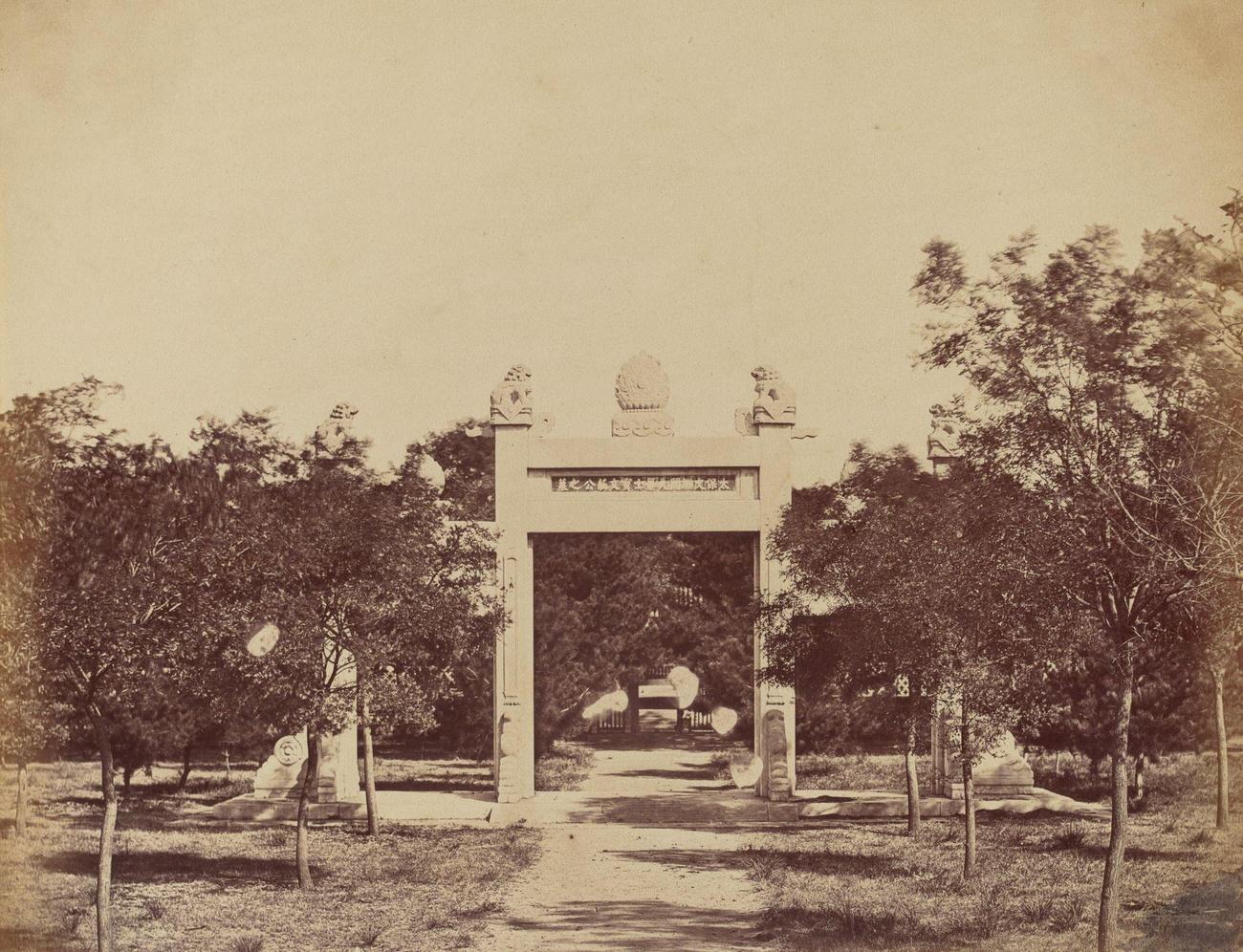
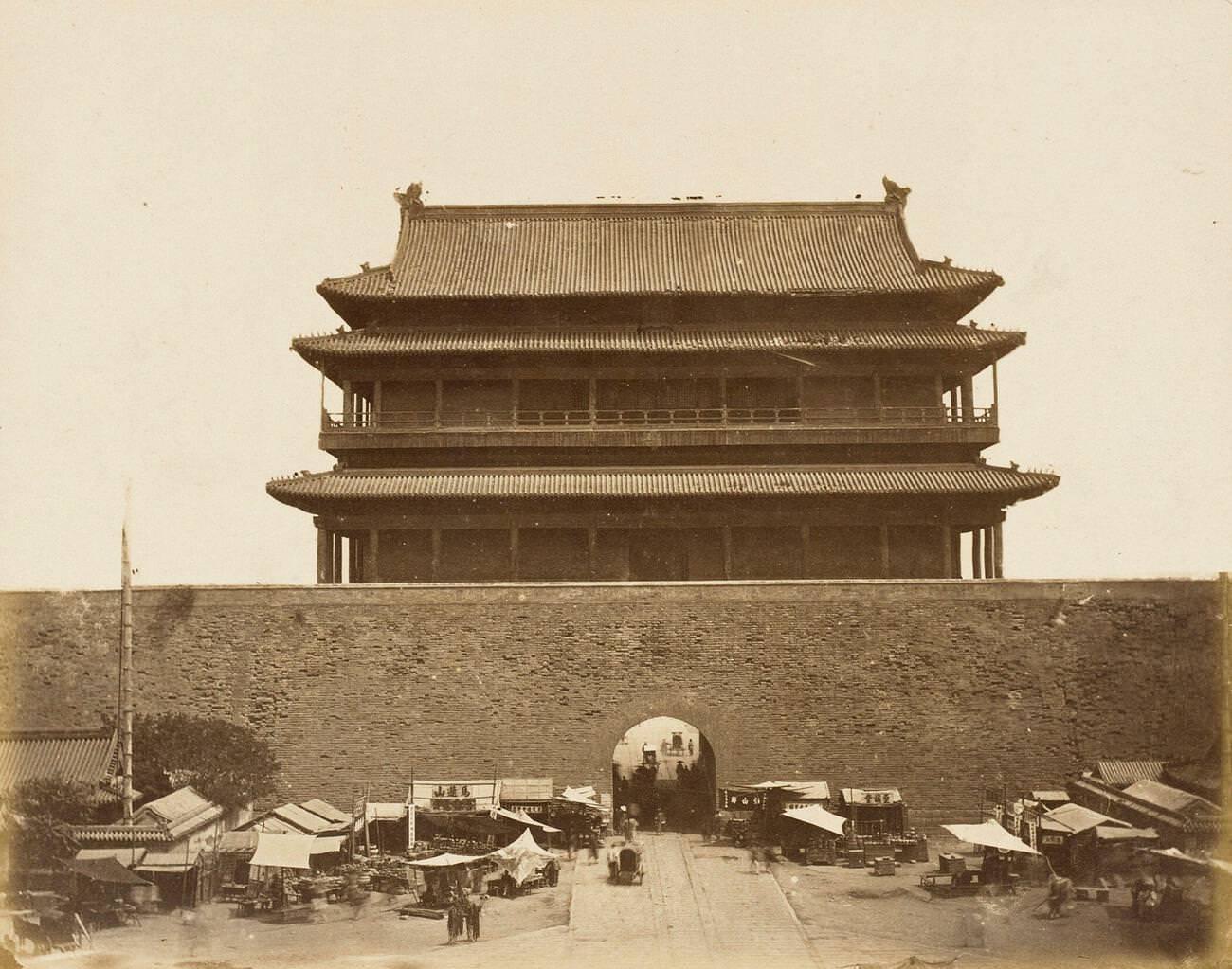
Beijing — referred to in many of these photographs as Pekin — remained the seat of Qing imperial power. Images taken in 1869 show the main entrance to the Forbidden City, the Lama Temple, the Temple of Heaven, and bridges near the Summer Palace. These photographs document structures that had stood for centuries, giving Western audiences their first clear visual record of China’s imperial architecture. Some of the buildings shown had been visited, and in several cases damaged or looted, by Allied forces just a decade earlier.
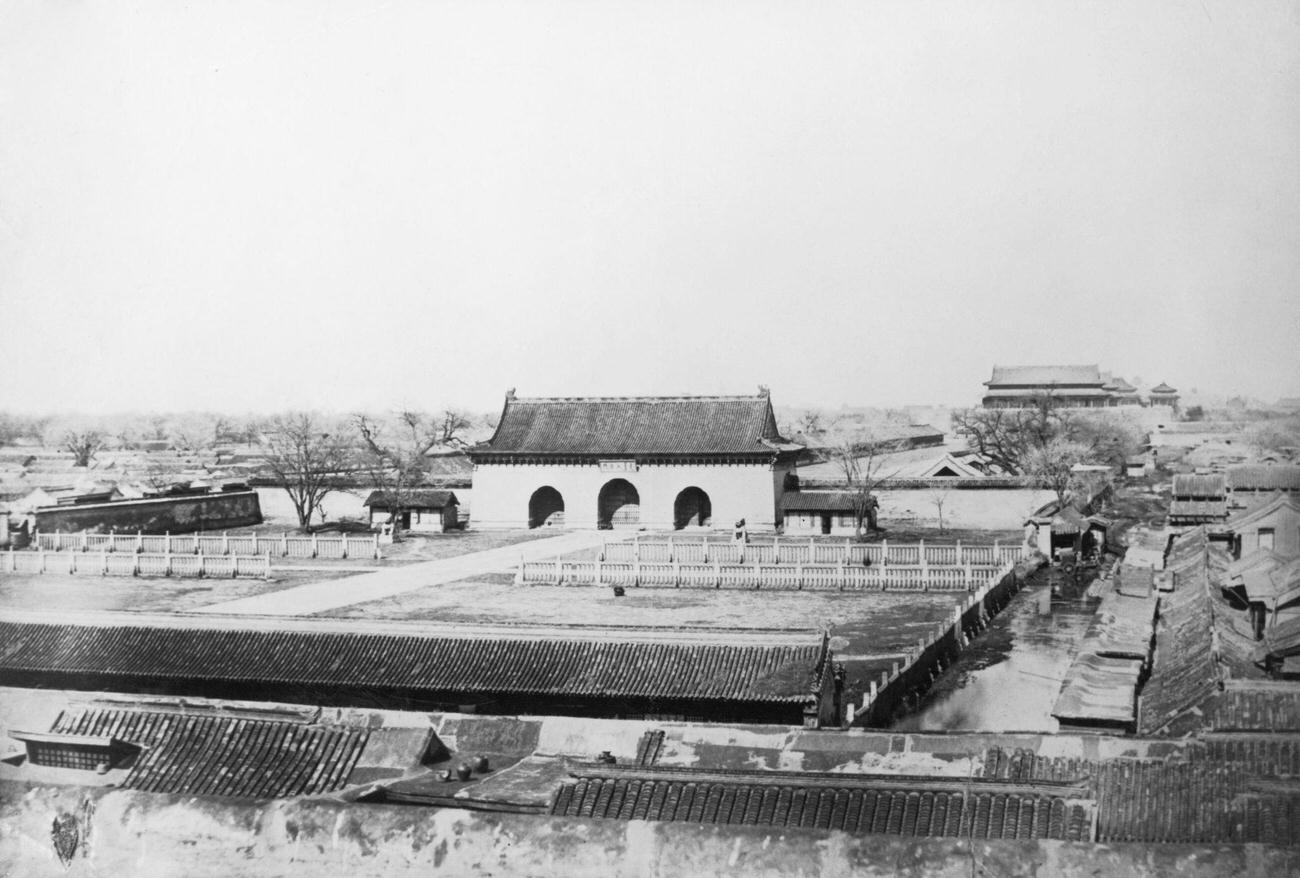
The main entrance to the Imperial Palace or Forbidden City in Beijing, 1869.
Canton City in 1869
Canton City in 1869
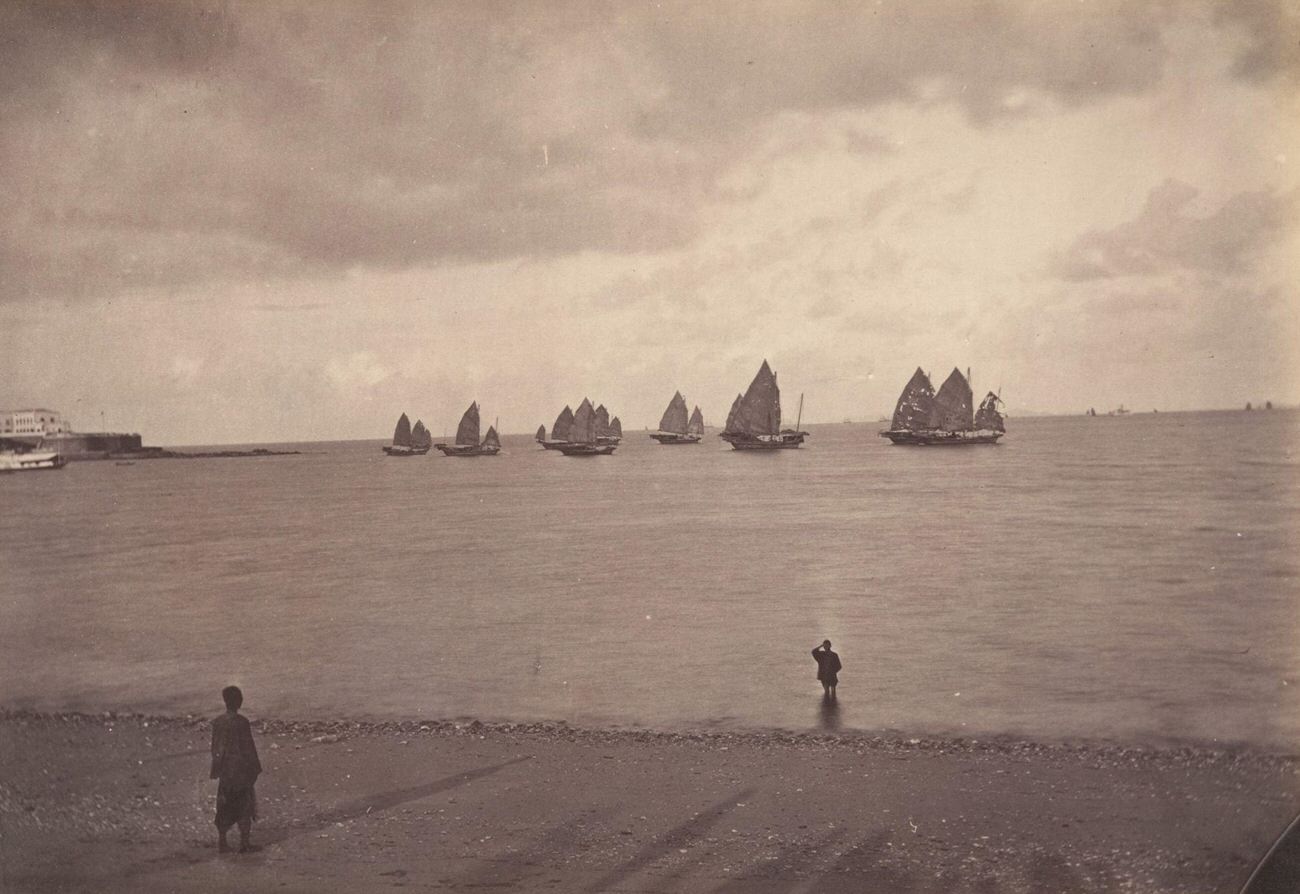
Fishing Boats going out of Macao, 1869

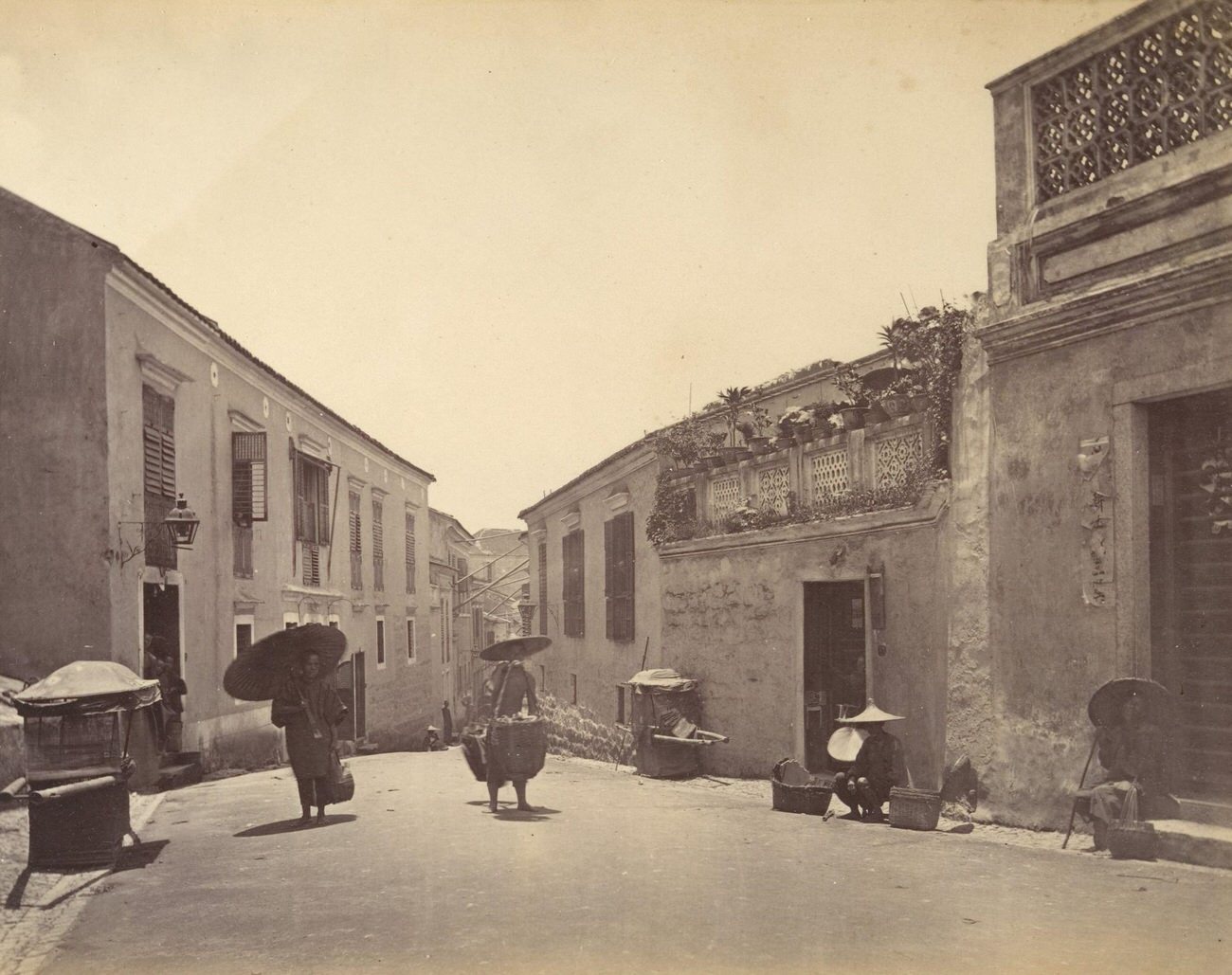
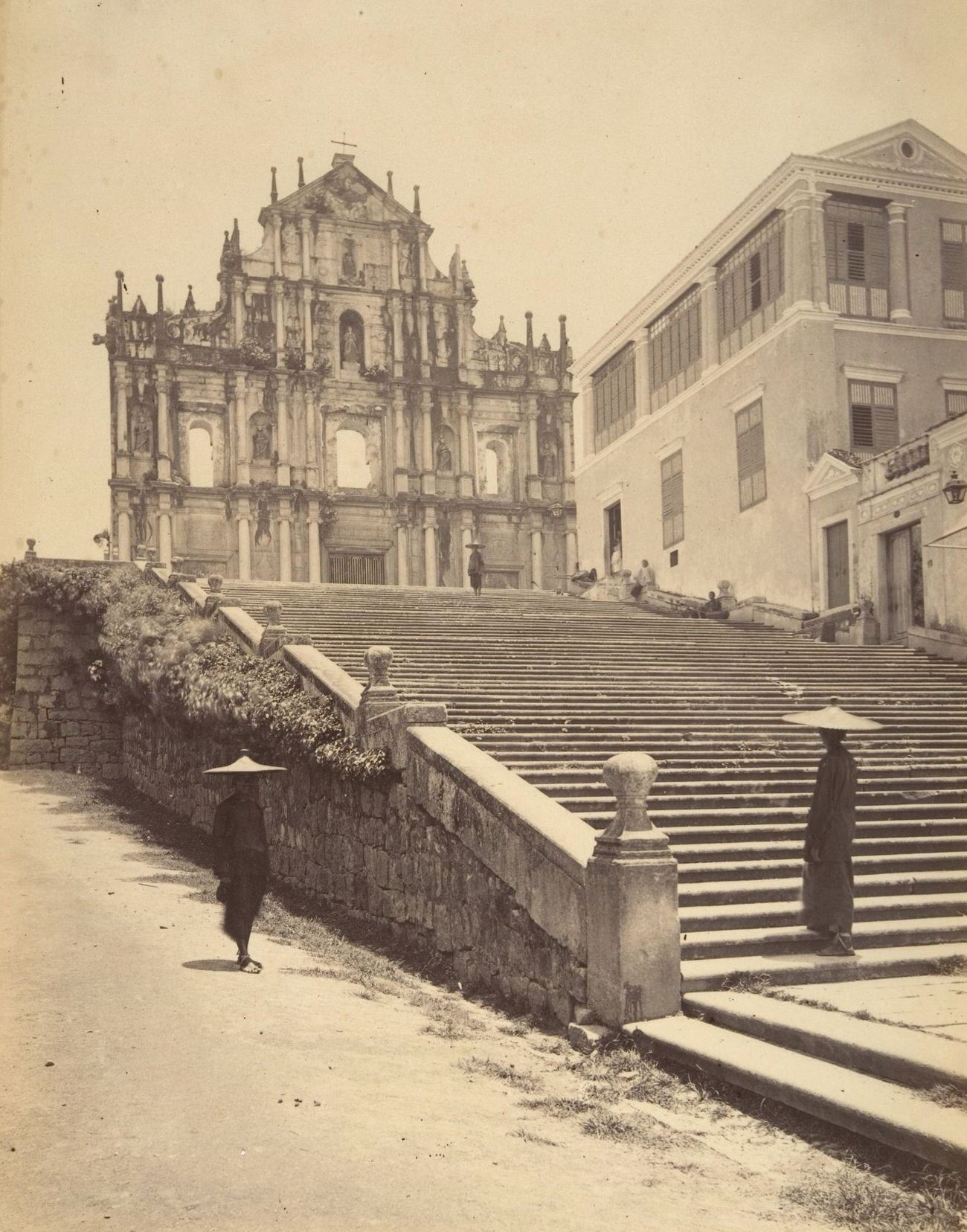
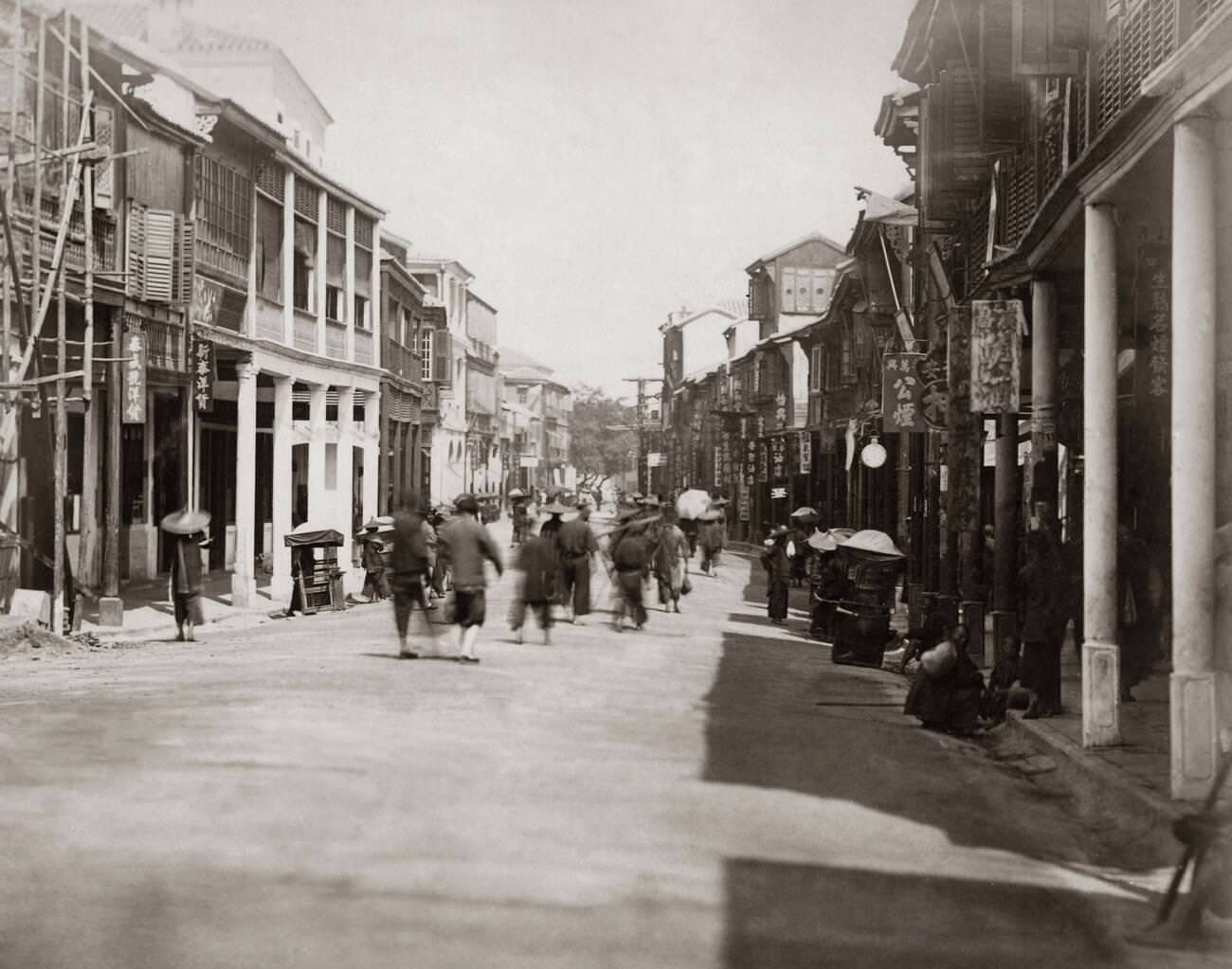
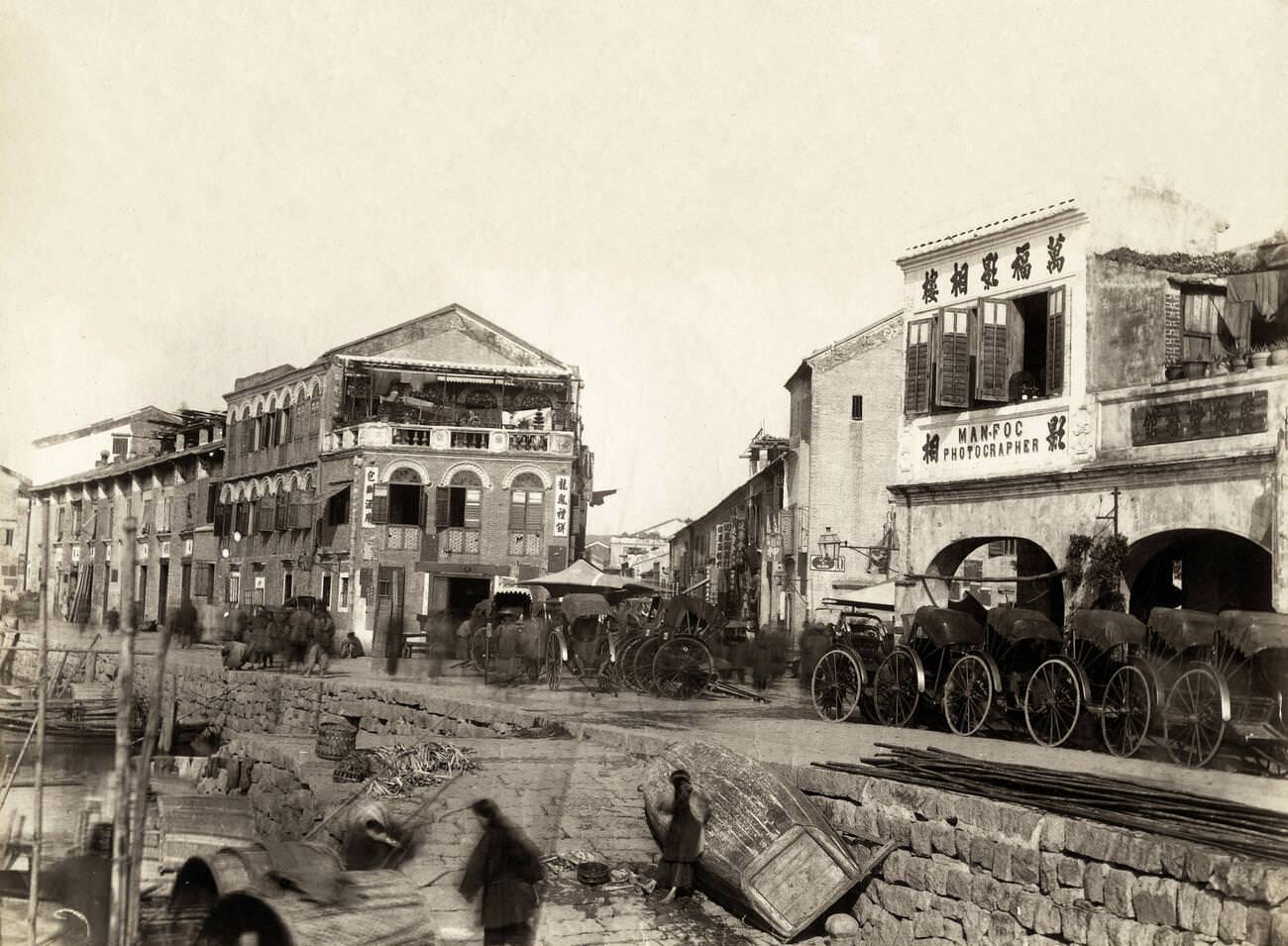
Macao, administered by Portugal since the 16th century, appears in several photographs from 1869. Its streets, harbor, and the famous ruins of St. Paul’s Cathedral — destroyed by fire in 1835 — were well-documented subjects for photographers. The city served as a gateway between China and the West for centuries, and by the 1860s it was home to a layered mix of Chinese and Portuguese culture visible in its architecture and daily life.
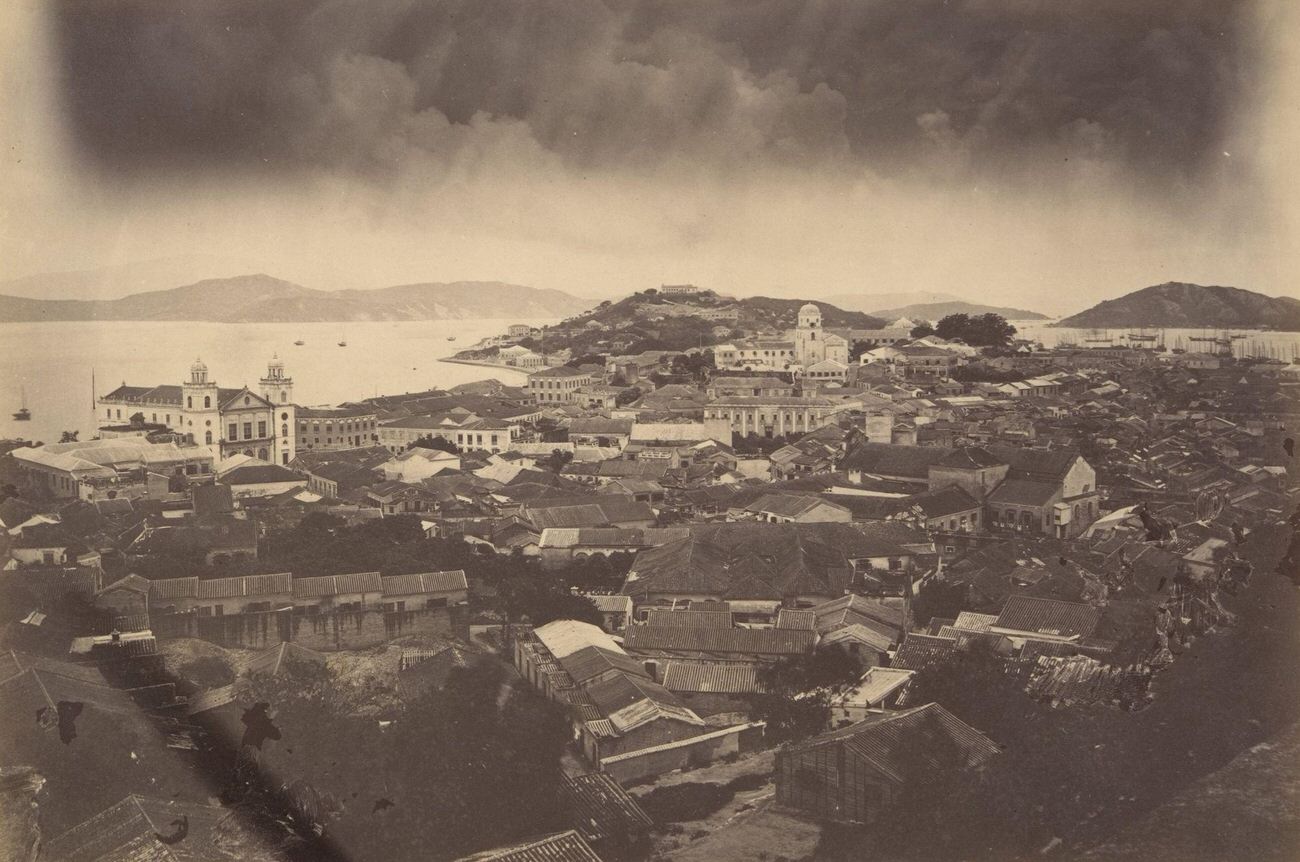
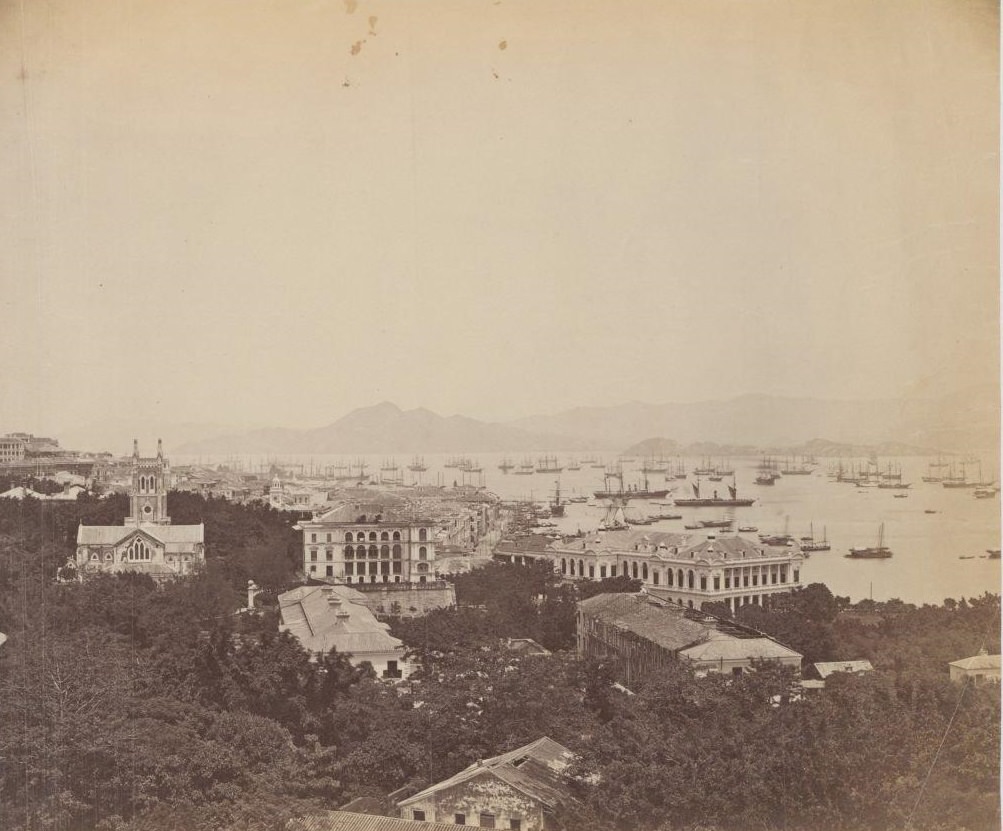
Macao in 1869
Macao in 1869
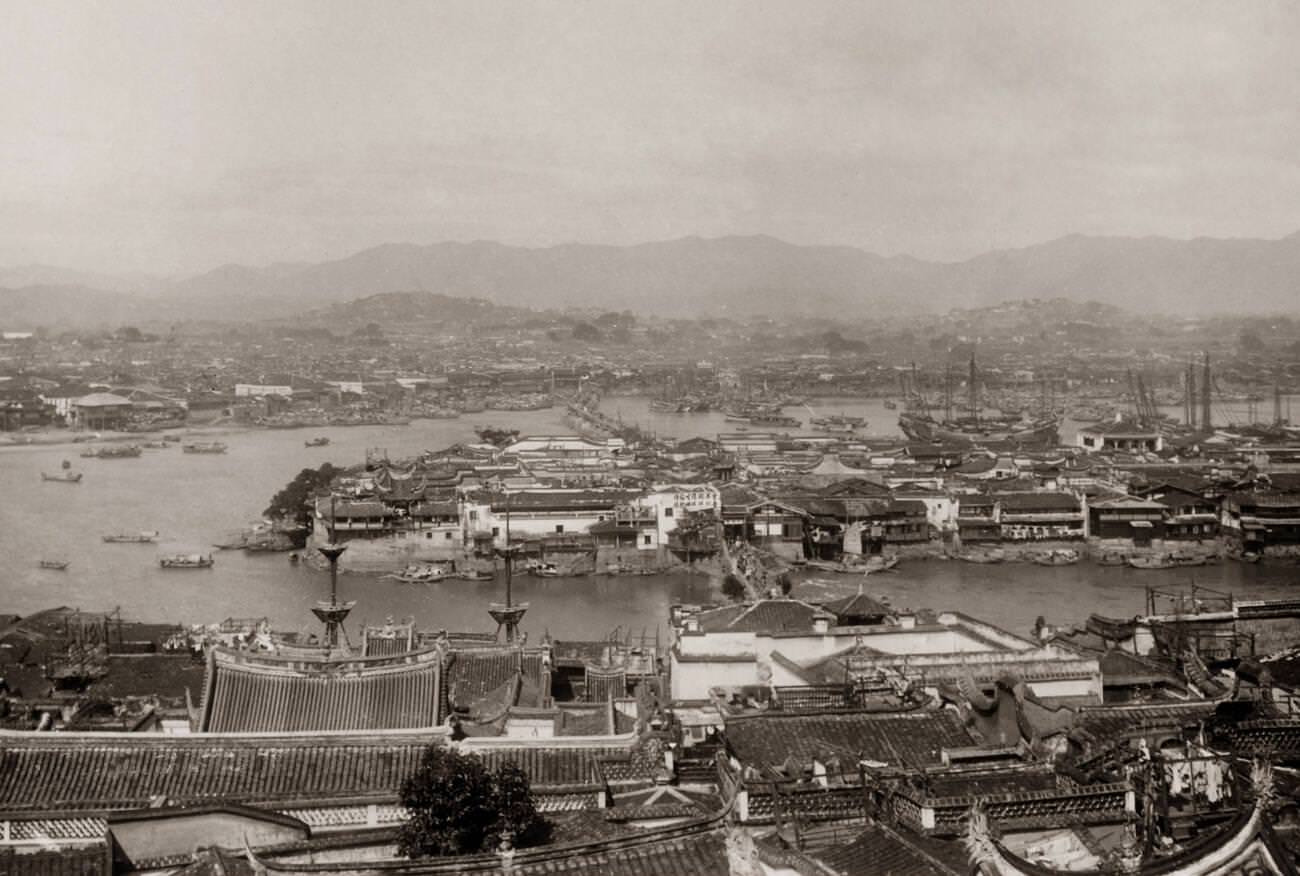
Panorama of Hong Kong, 1869
A street in Macao, 1869
St. Paul's Cathedral, Macao, 1869
St. Paul’s Cathedral, Macao, 1869

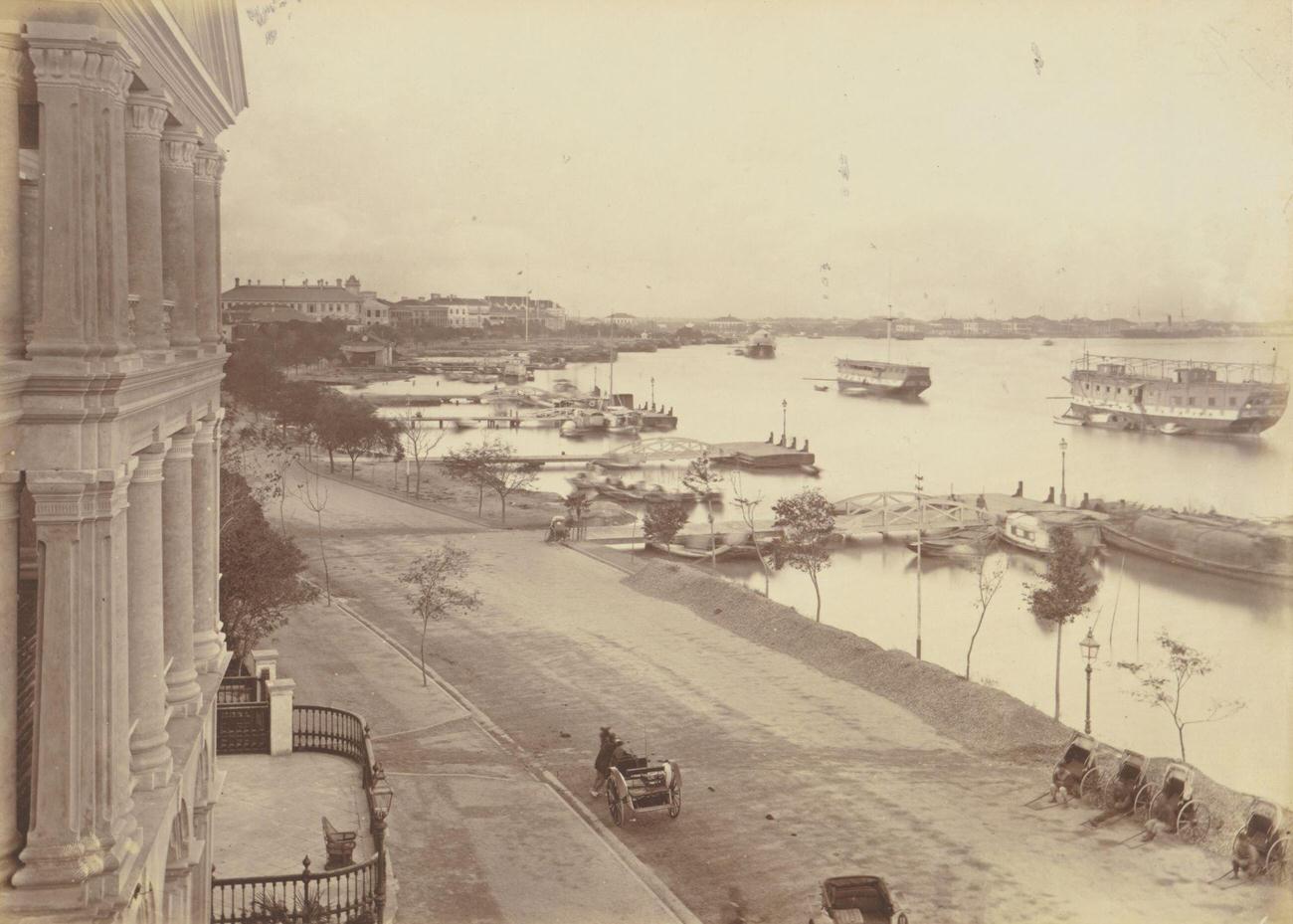
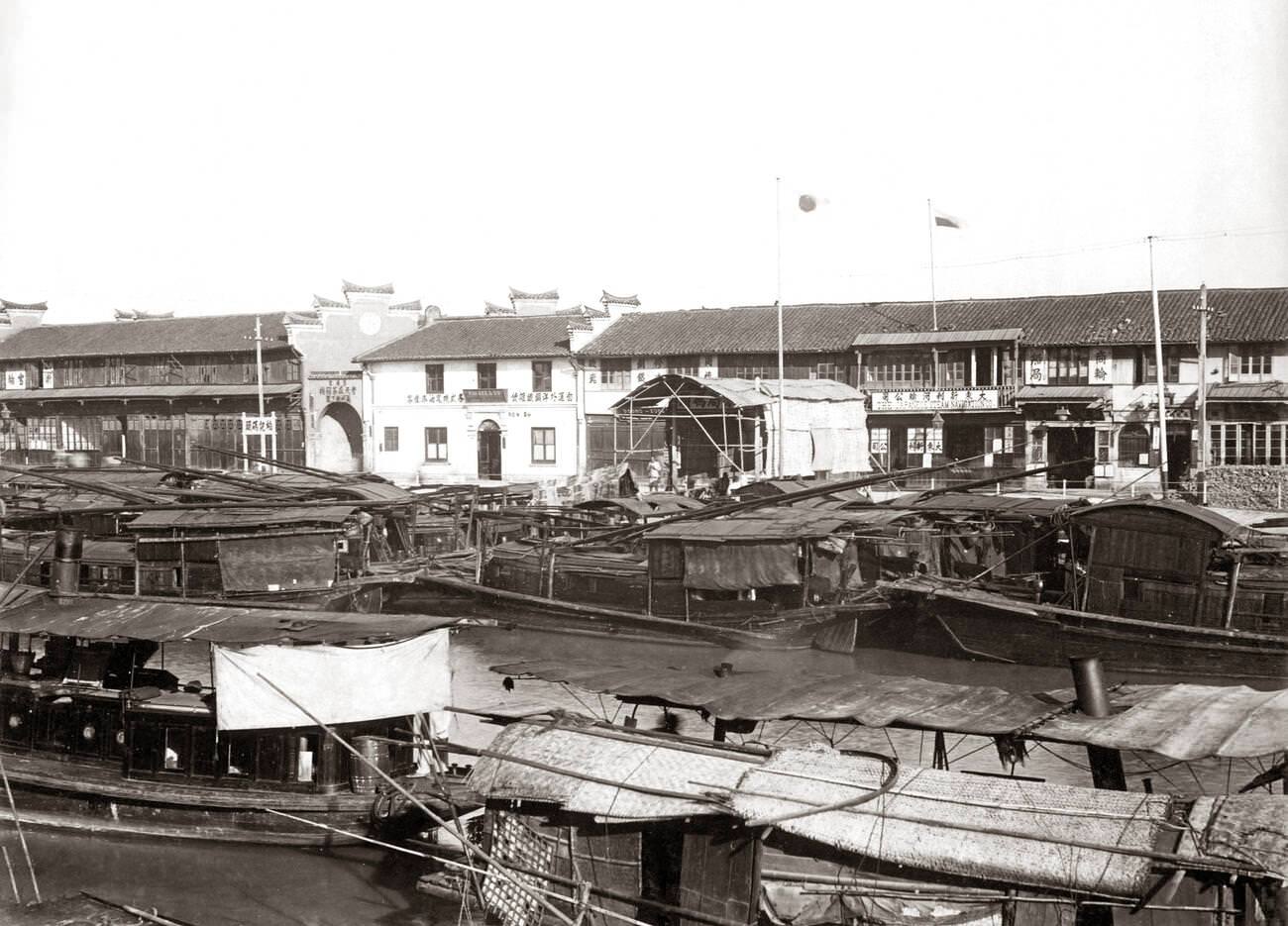
Shanghai was already becoming the most internationally connected city in China. The Bund — the waterfront boulevard along the Huangpu River — was lined with foreign trading houses and banks. Photographs taken from the American side of Soochow Creek show a city with a distinctly foreign quarter alongside its Chinese neighborhoods. The Club in Shanghai, photographed in 1869, was a gathering place for the foreign business community settled there under the treaty port system.
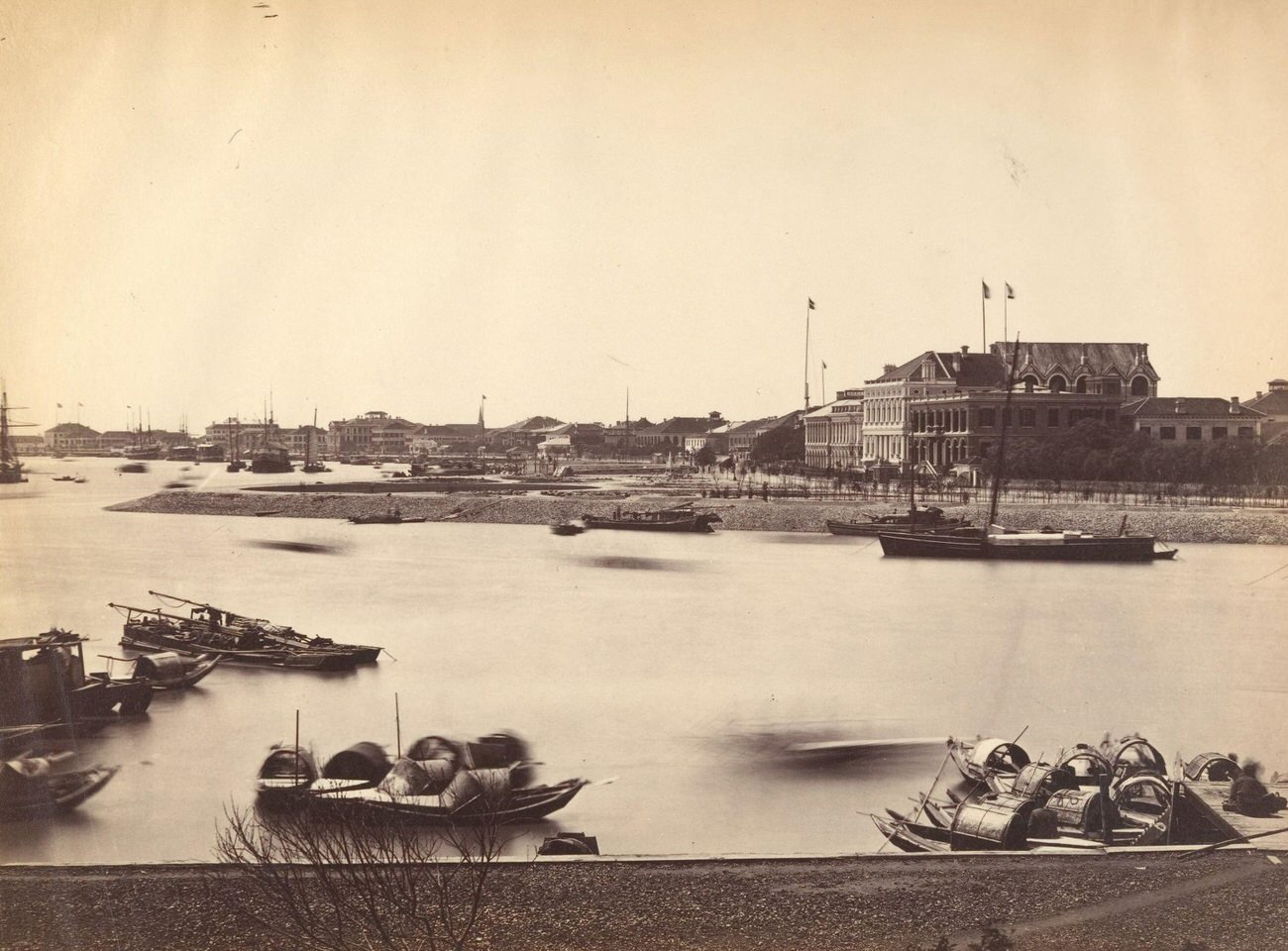
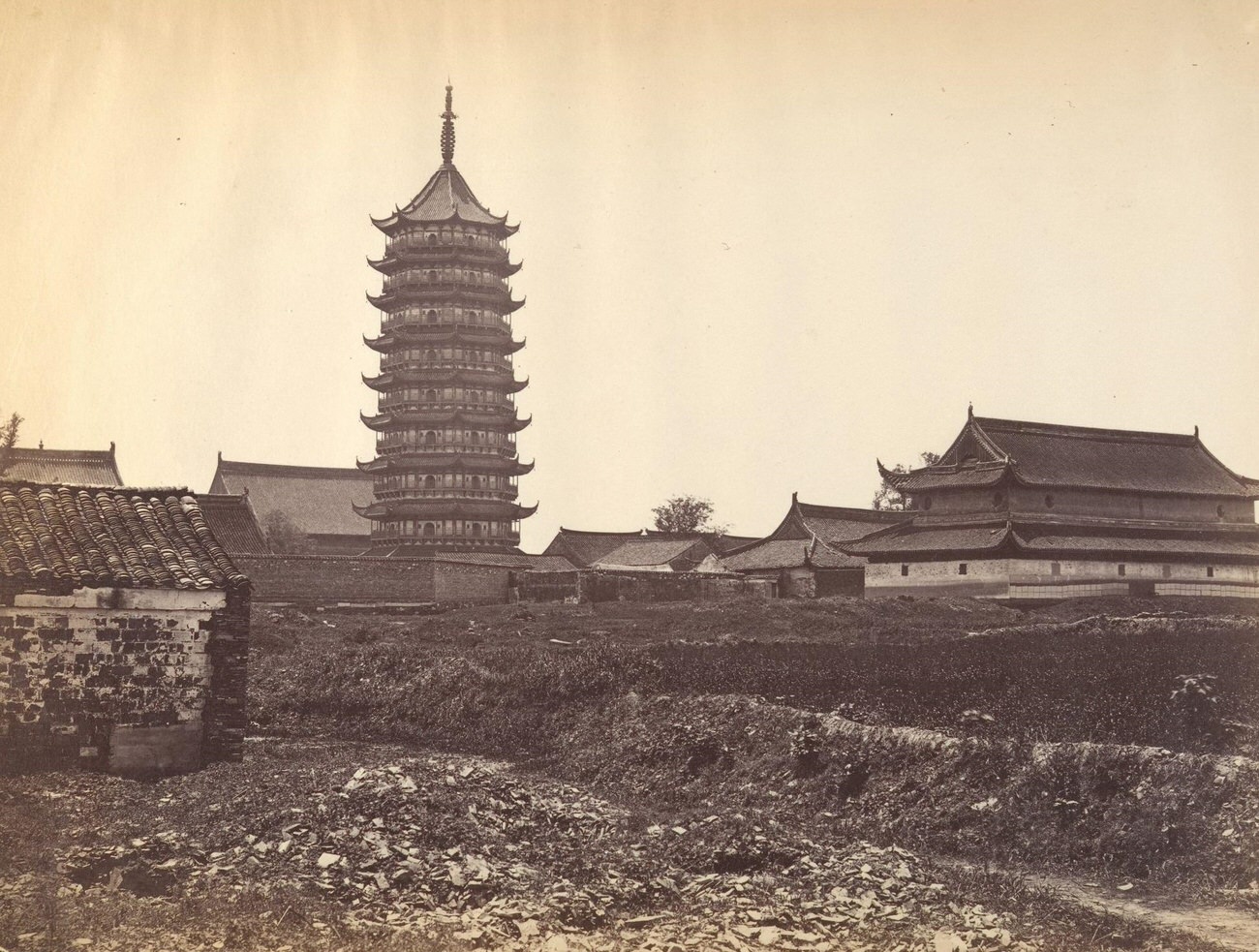
The Bund in Shanghai, 1869
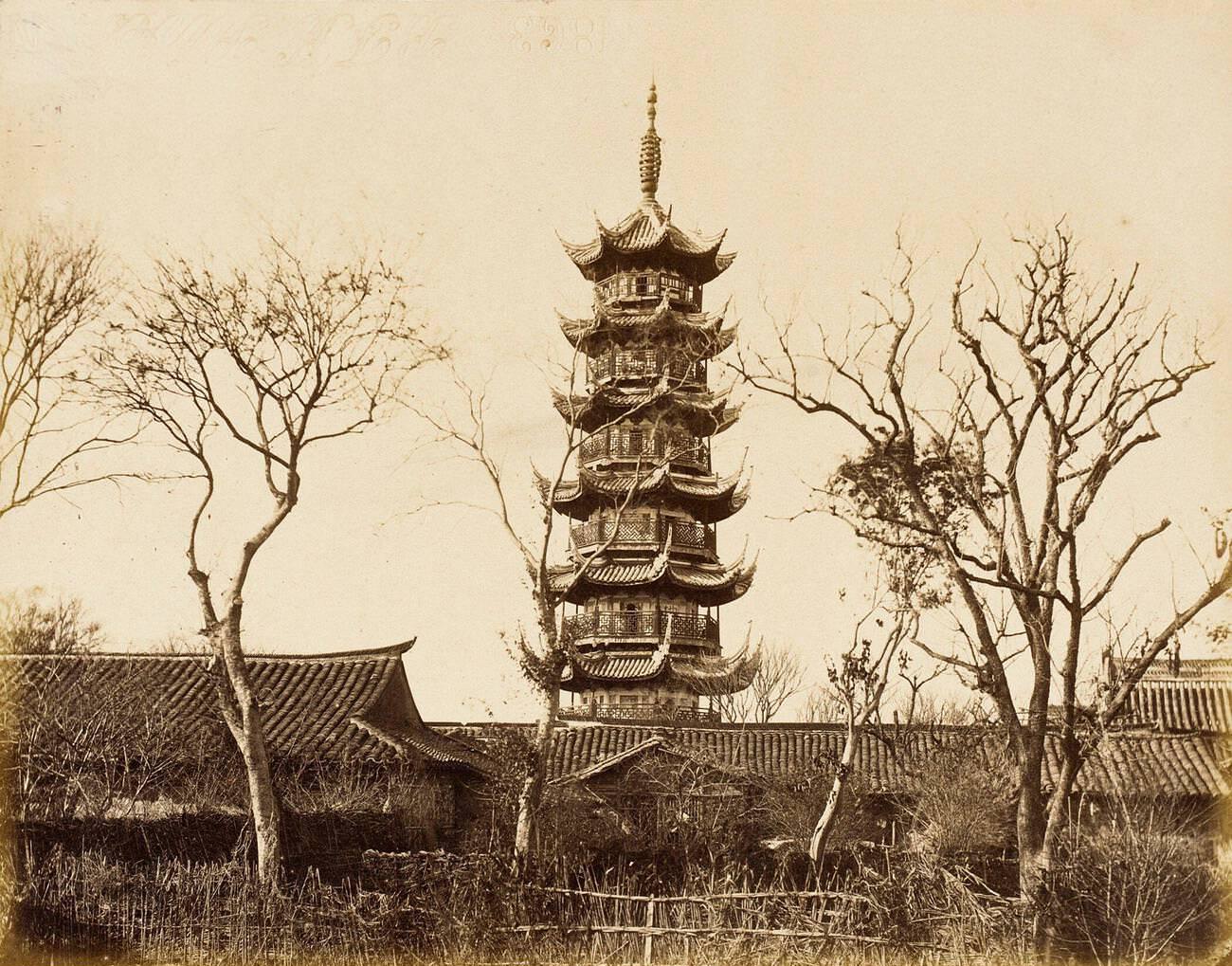
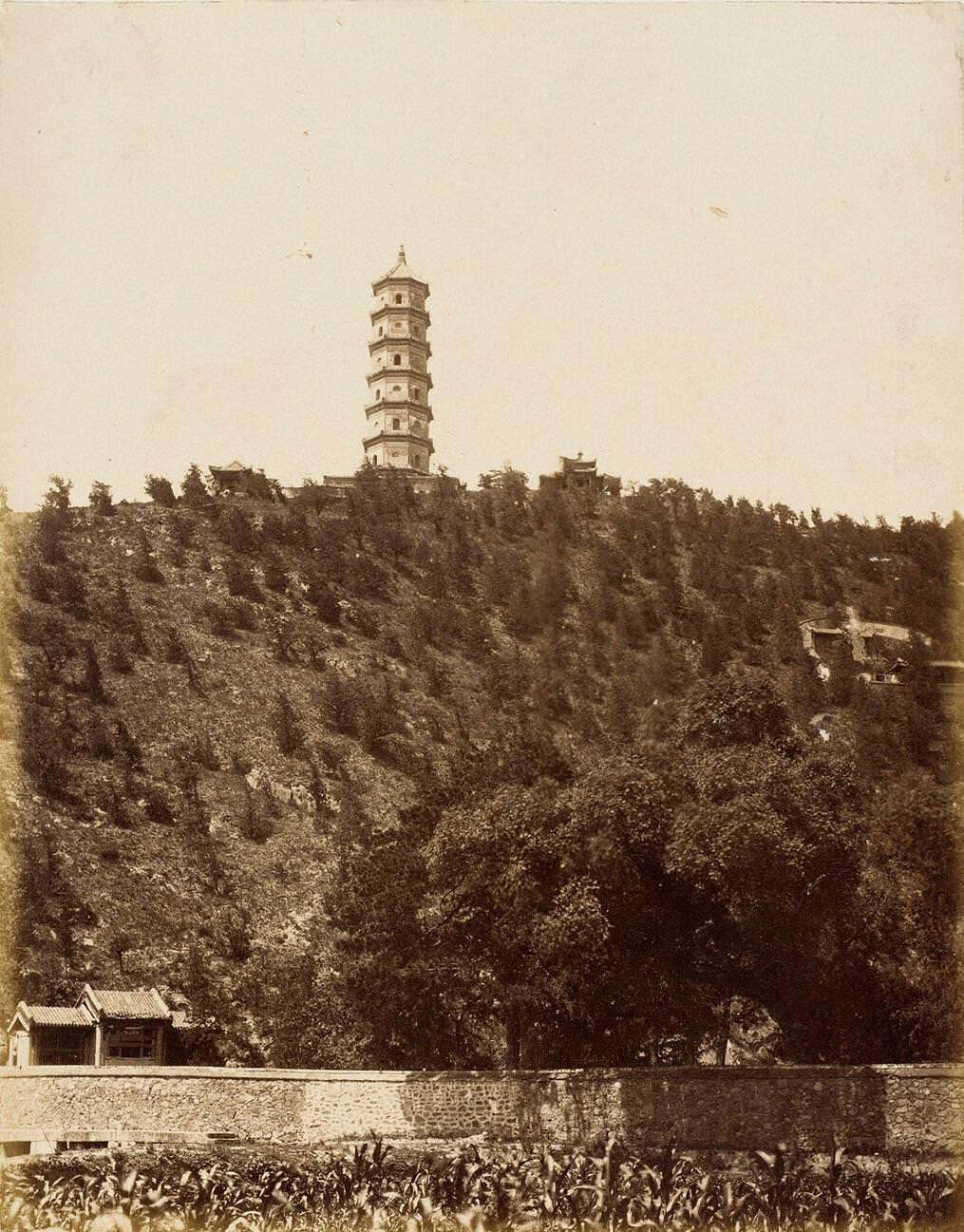
Great Pagoda at Foochow, the largest in China, 1869
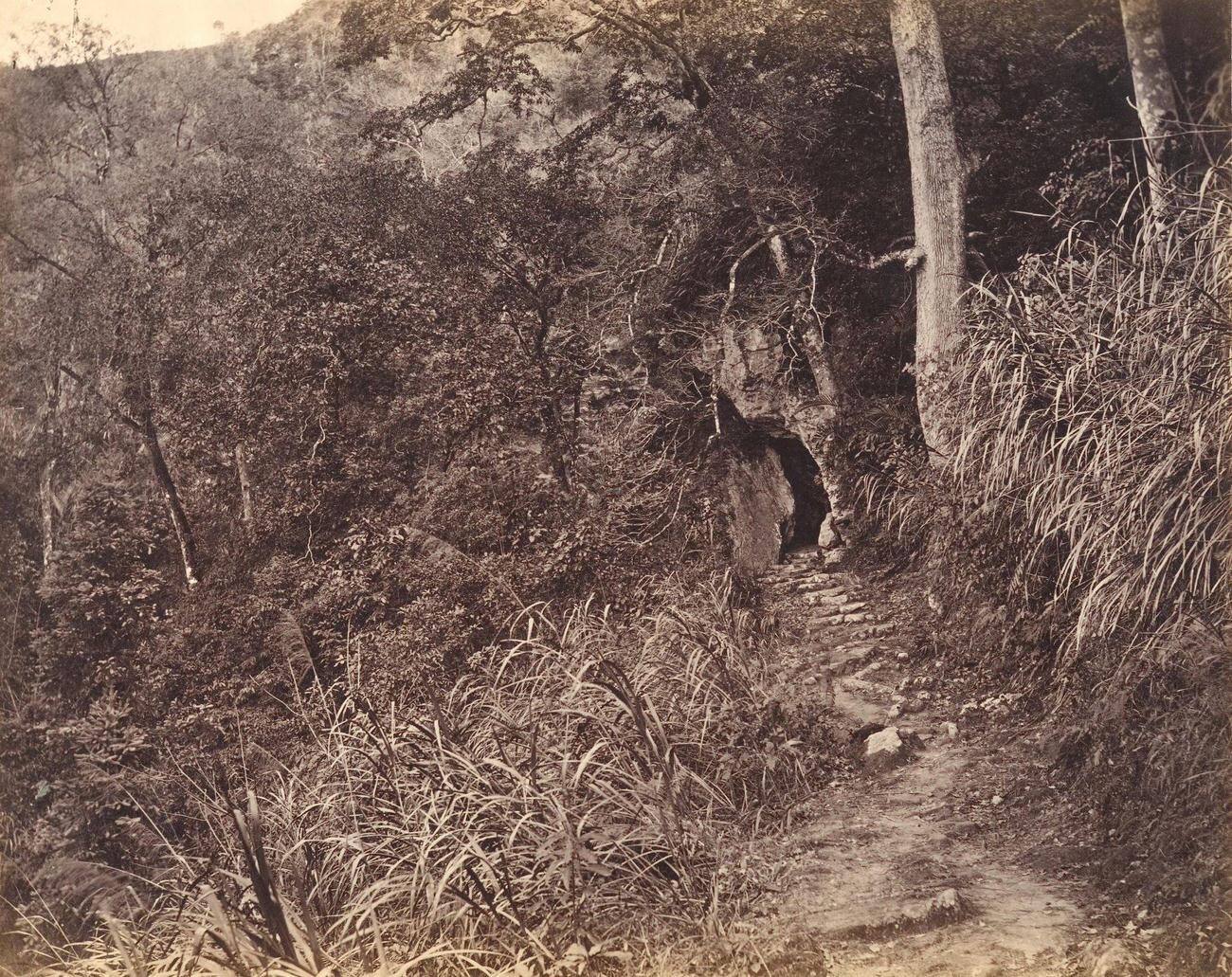
Left Road up to Yuen Foo Monastery, 1869

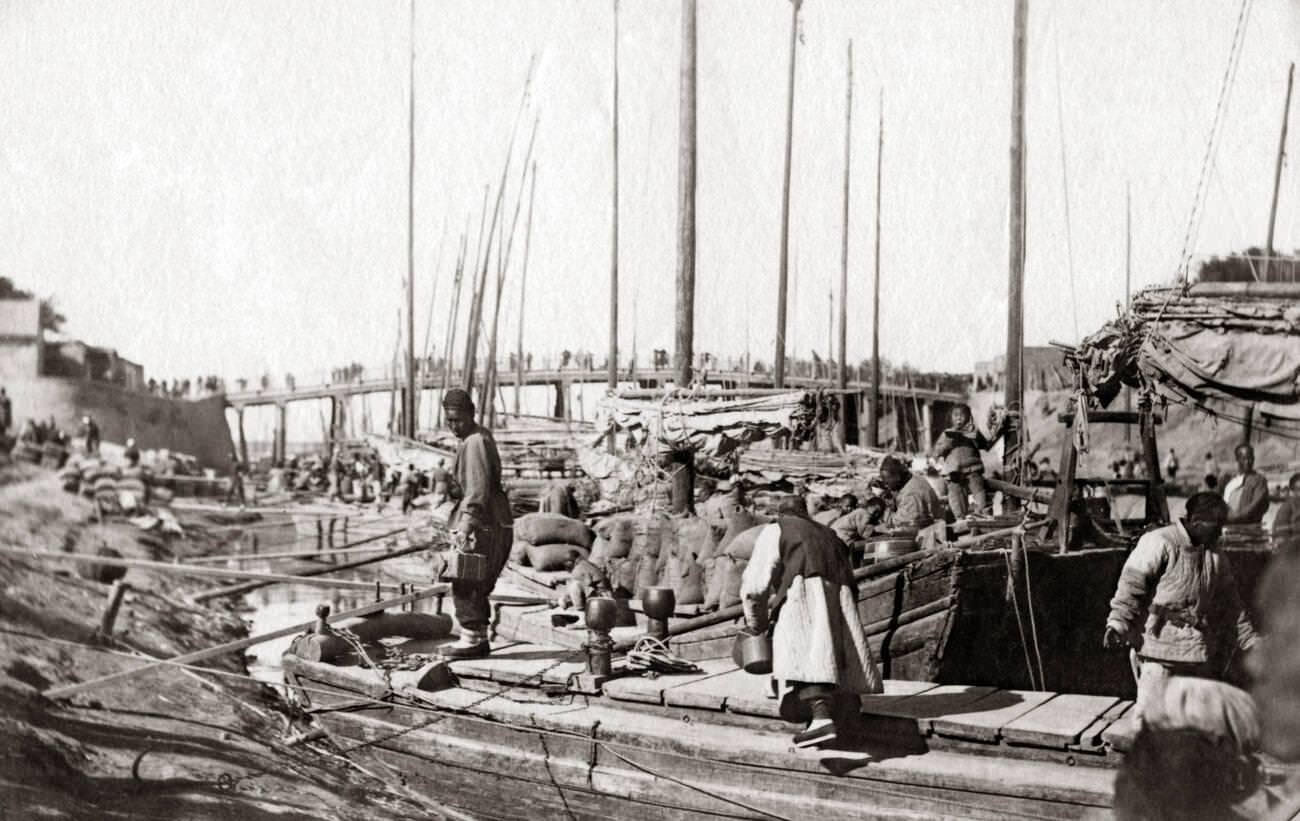
Tea was one of China’s most important exports, and the photographs from this era reflect its central role in the economy. Images show tea fields, tea-picking, and the careful process of sorting and culling leaves before they were prepared for export. The trade routes that carried tea out of Fujian and Canton to foreign markets were vital economic lifelines. One photograph, attributed to photographer Lai Fong, shows workers culling tea in 1869 — a rare example of a Chinese-born photographer documenting his own country during this period.
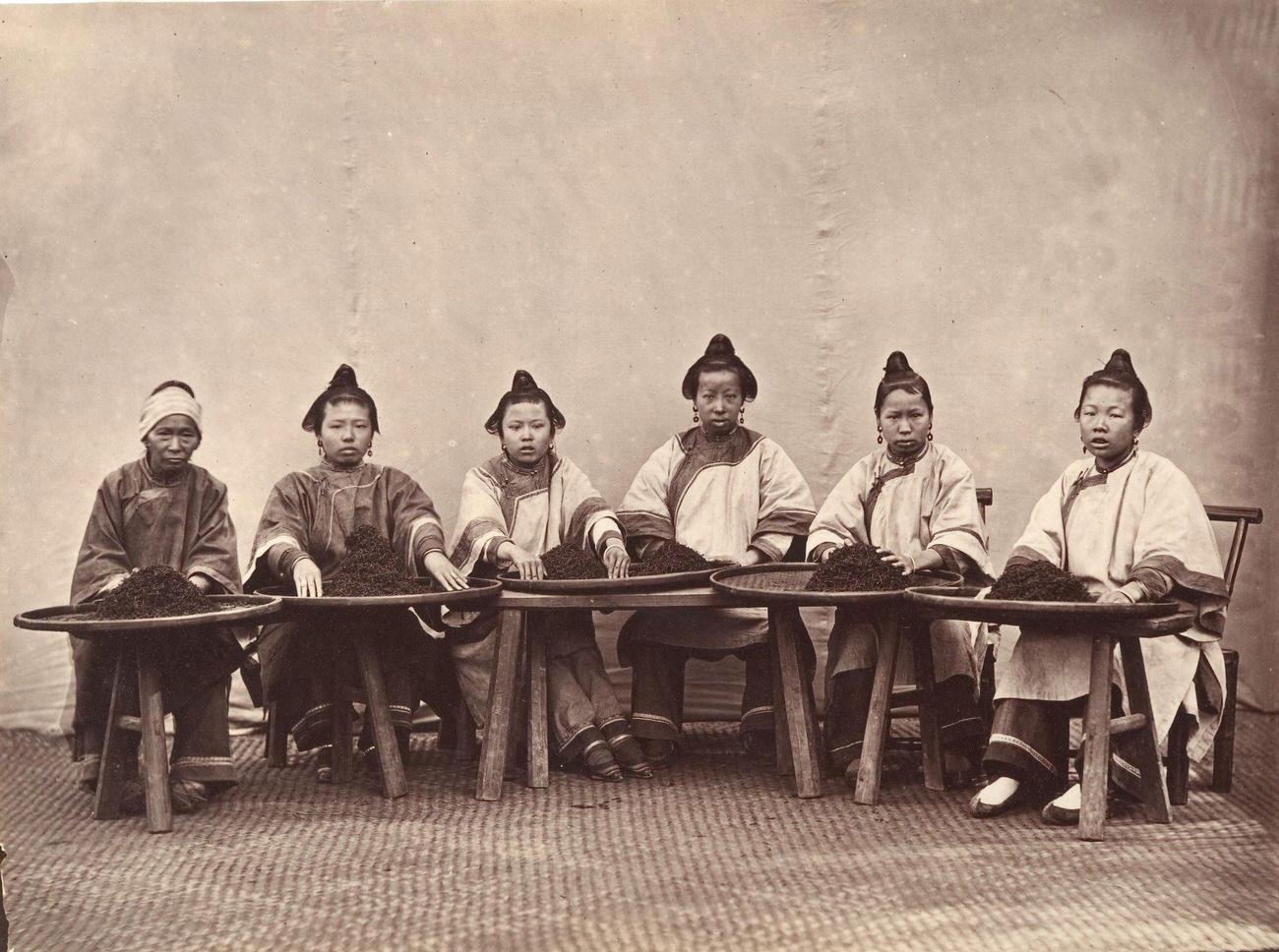
Culling Tea, 1869, a work attributed to Lai Fong.
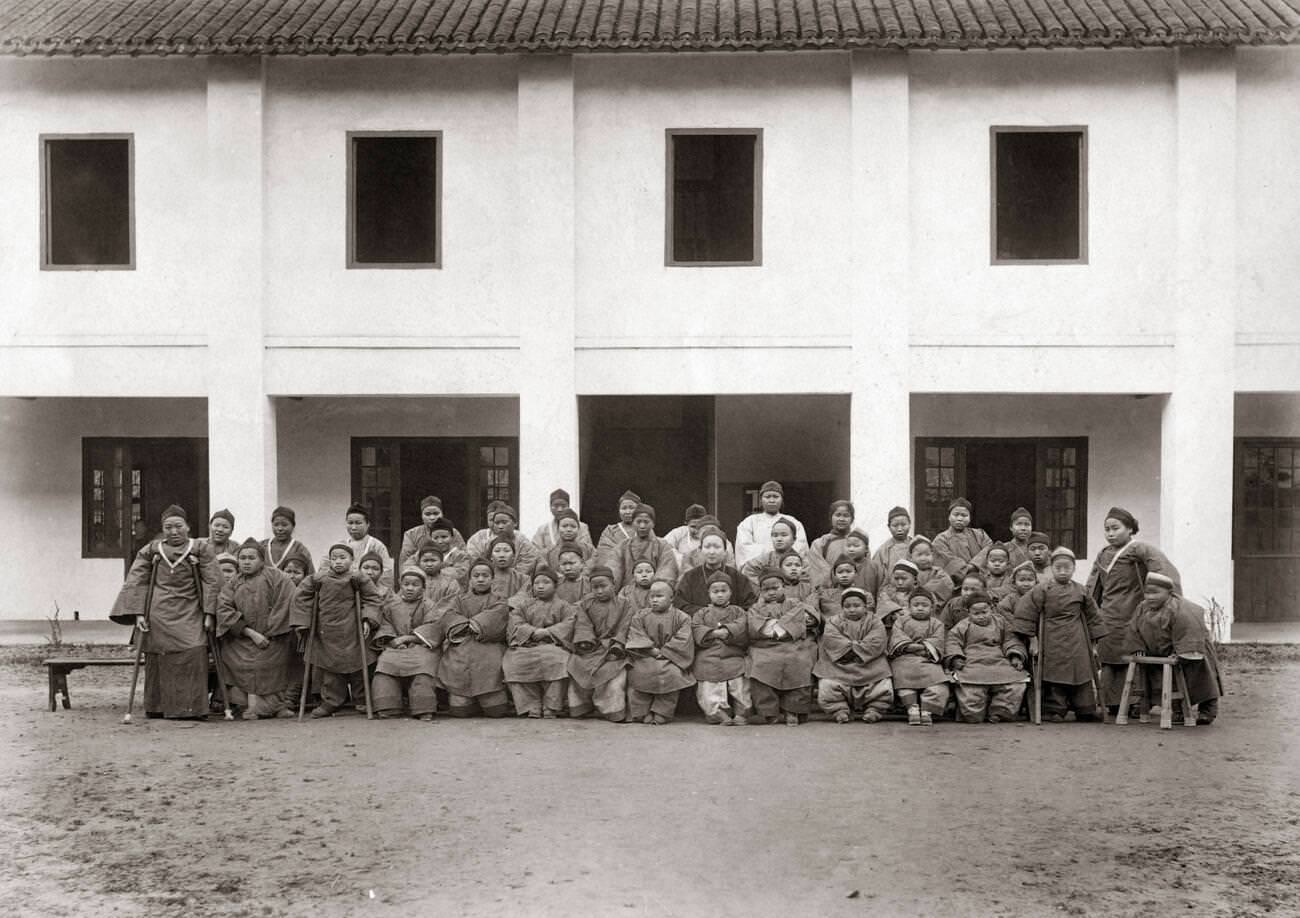
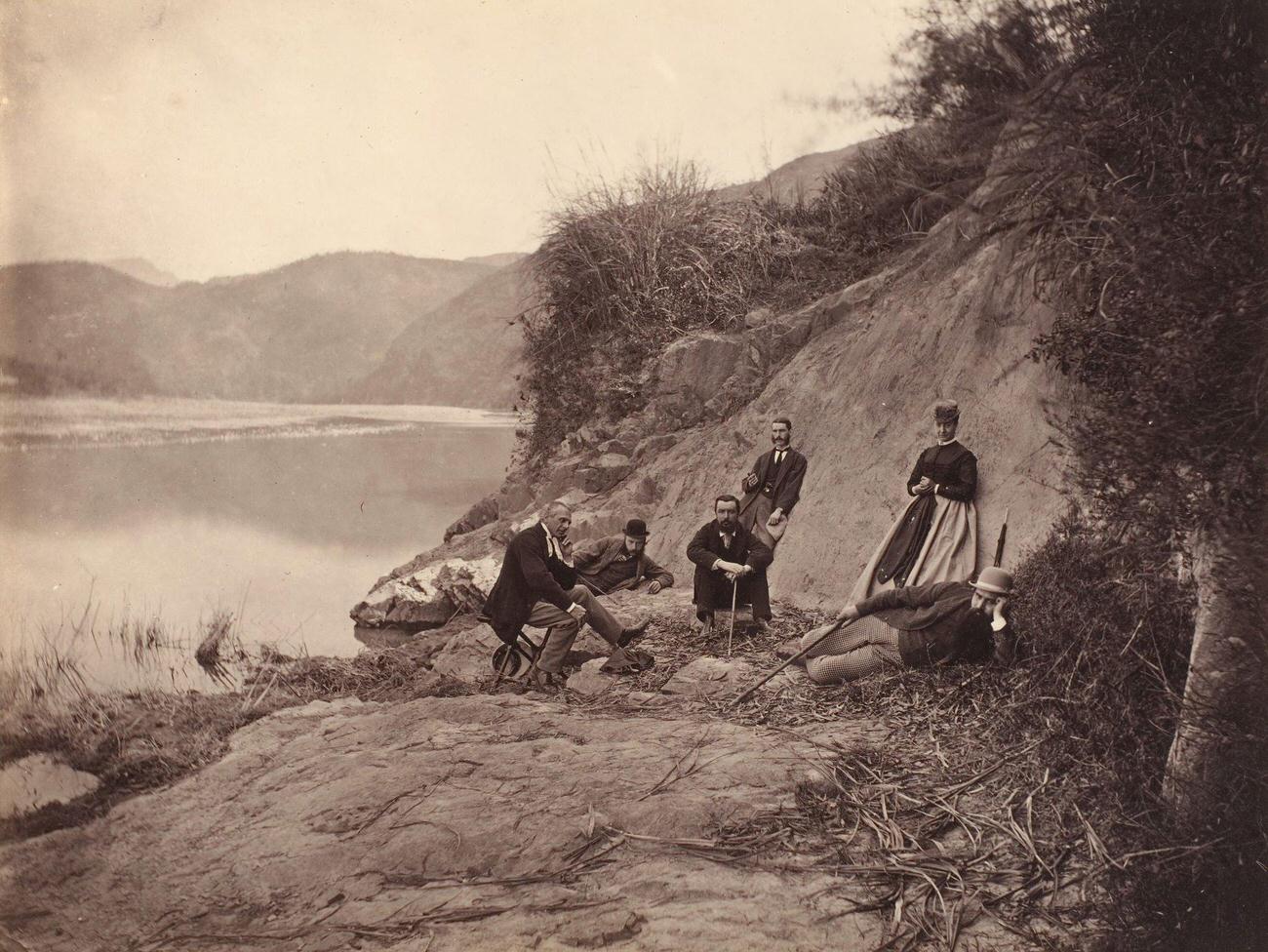
Group Portrait near Fangguangyan Monastery, Fujian, 1869
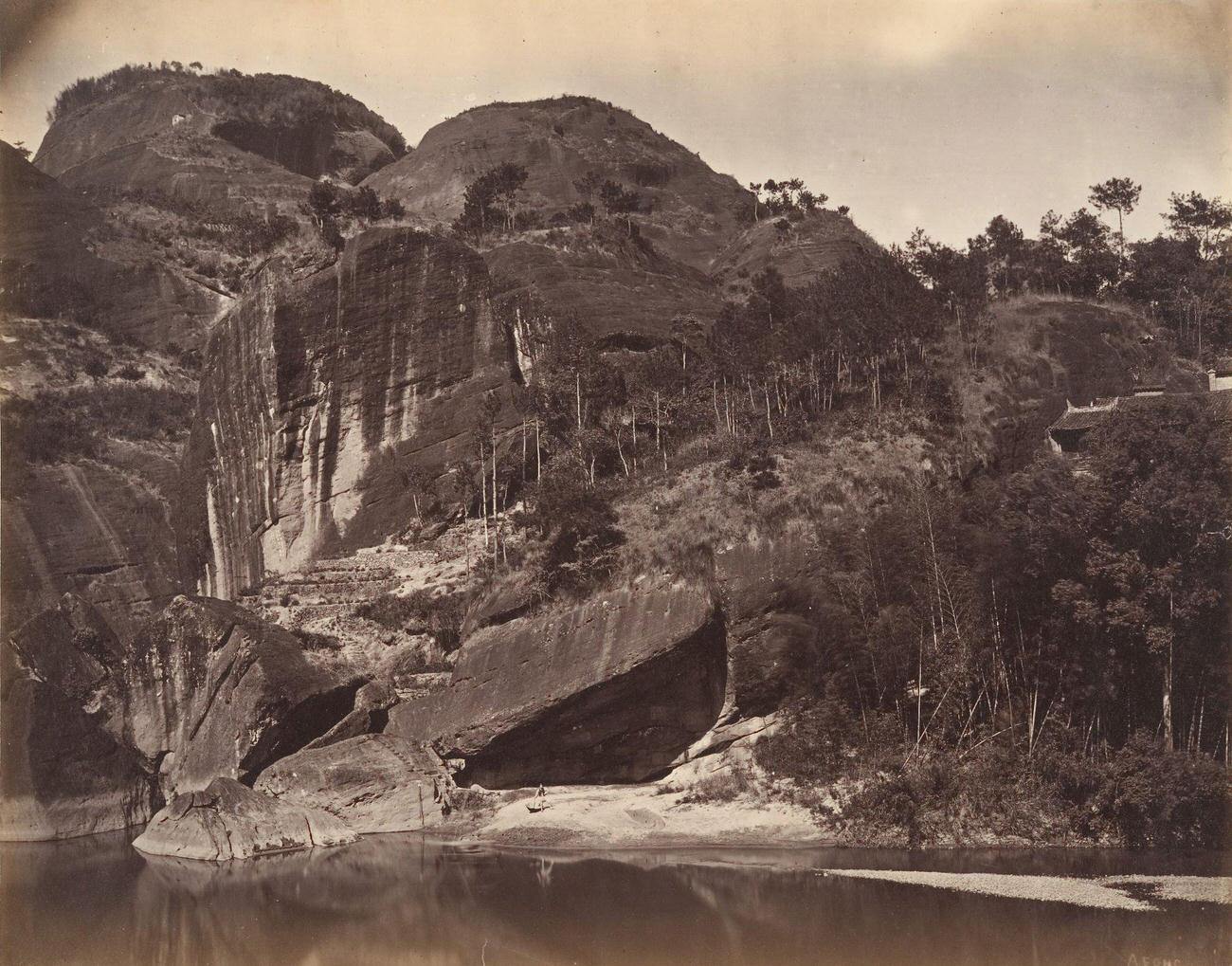
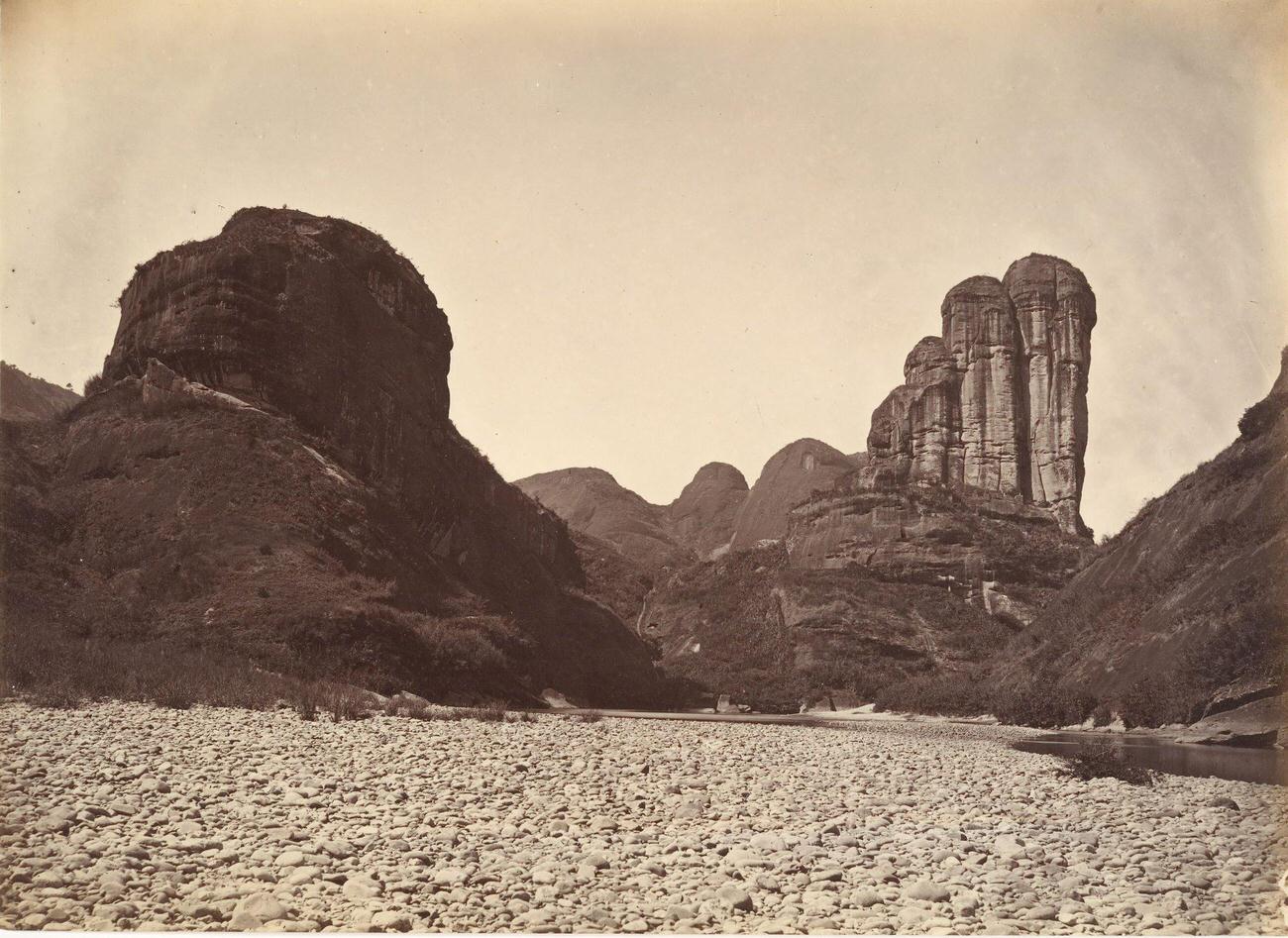
Hisiu Peak, 1869
Hisiu Peak, 1869
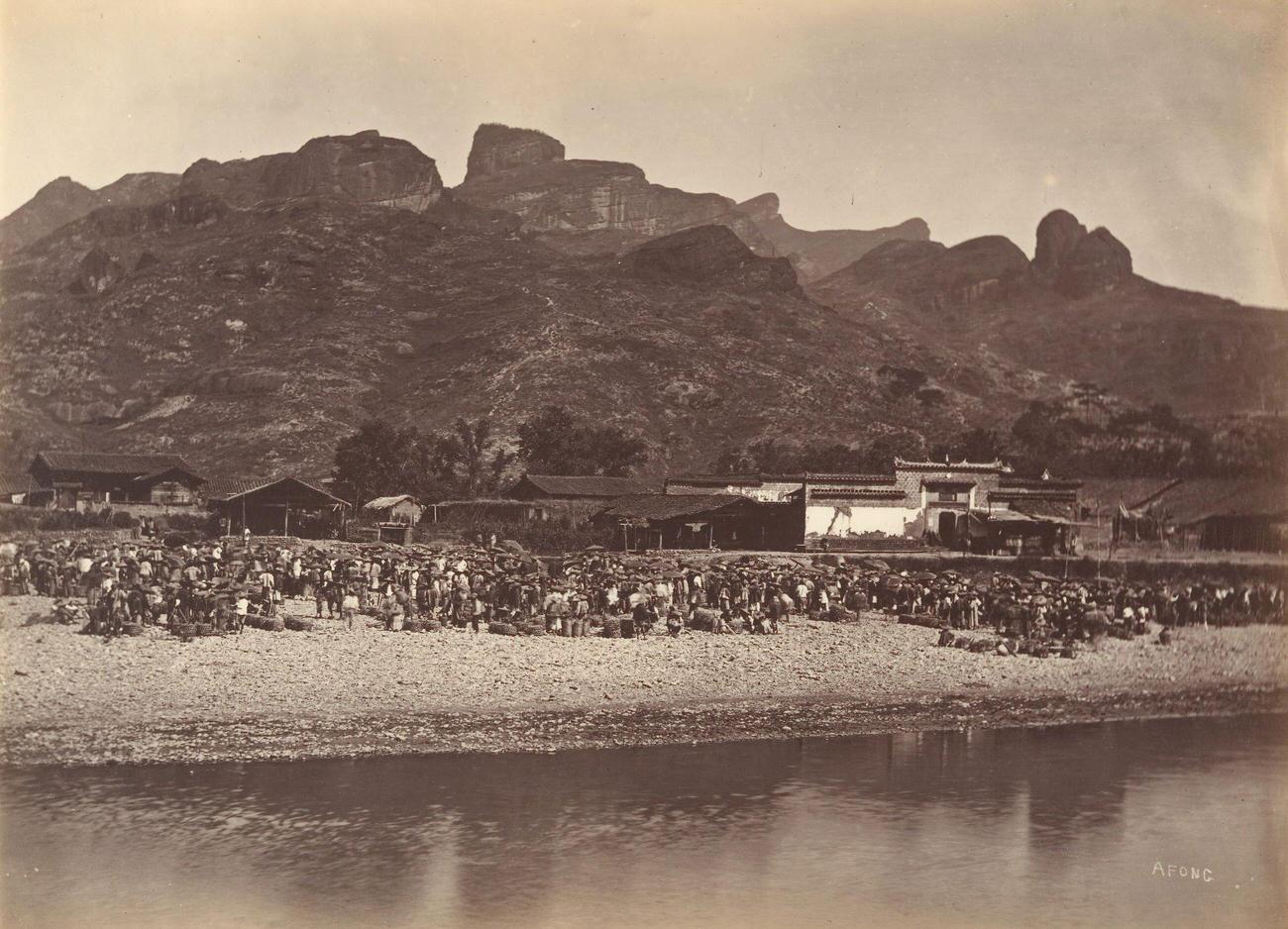
Duck Market, 1869
Duck Market, 1869

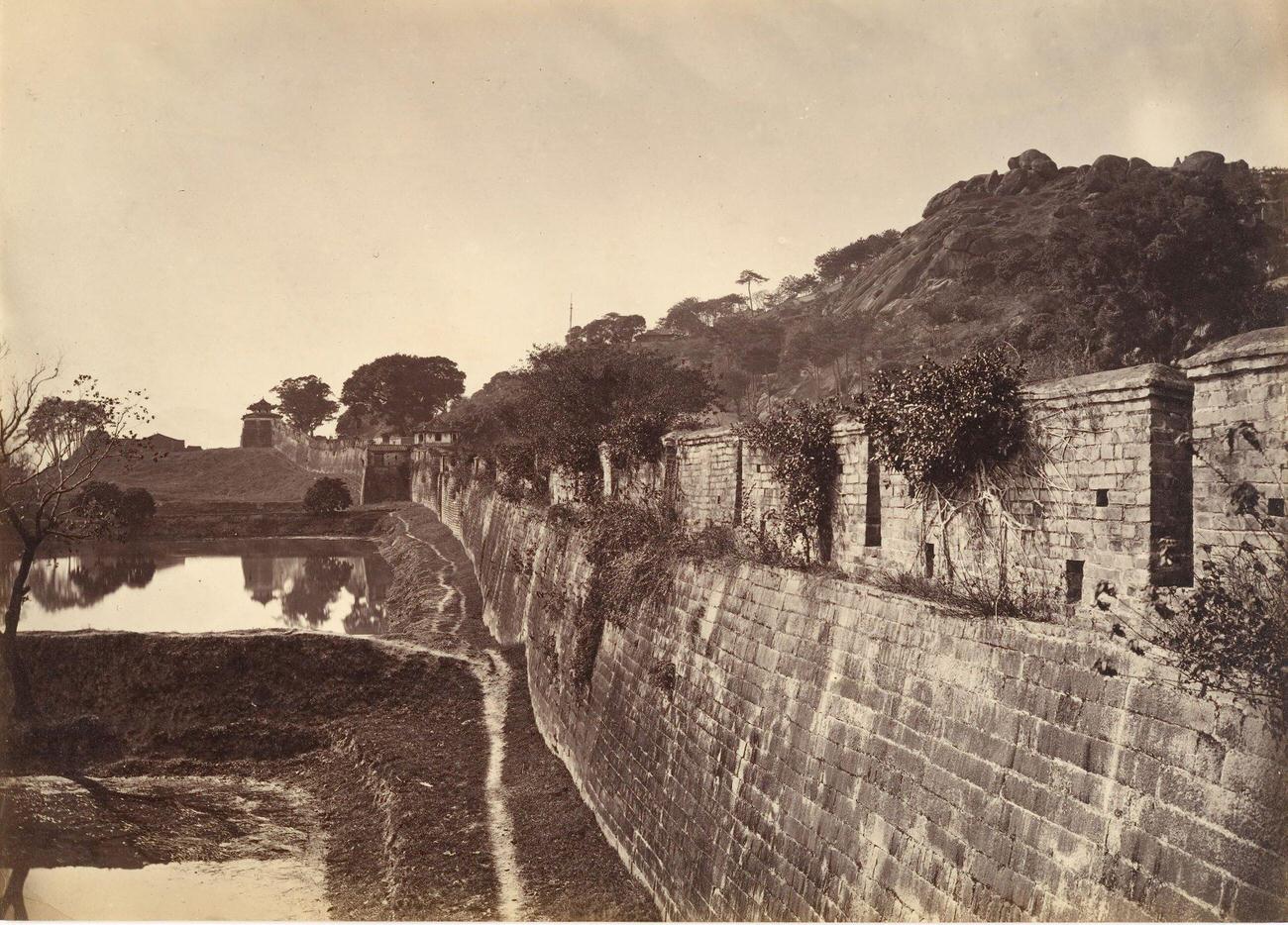
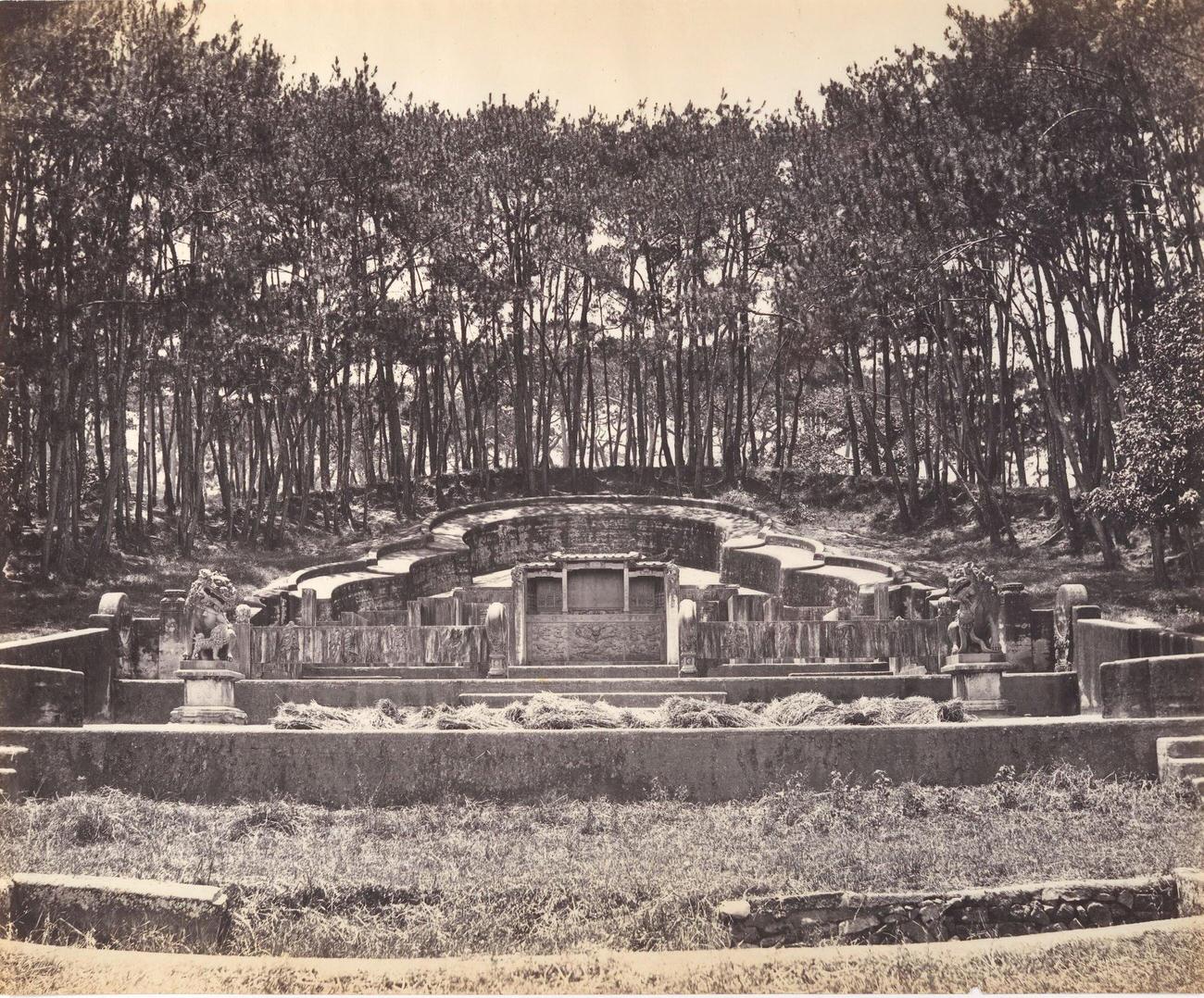
Foochow — modern-day Fuzhou — was a major center of tea trade and the site of China’s first modern naval shipyard. The Foochow Arsenal, built in 1866 with French assistance, was a direct product of the Self-Strengthening Movement. Photographs show the arsenal facilities, the city’s grand pagoda — reportedly the largest in China — its triumphal arches, city walls, and the graves of Mandarins. These images together paint a picture of a city that was both ancient and undergoing rapid, forced modernization.
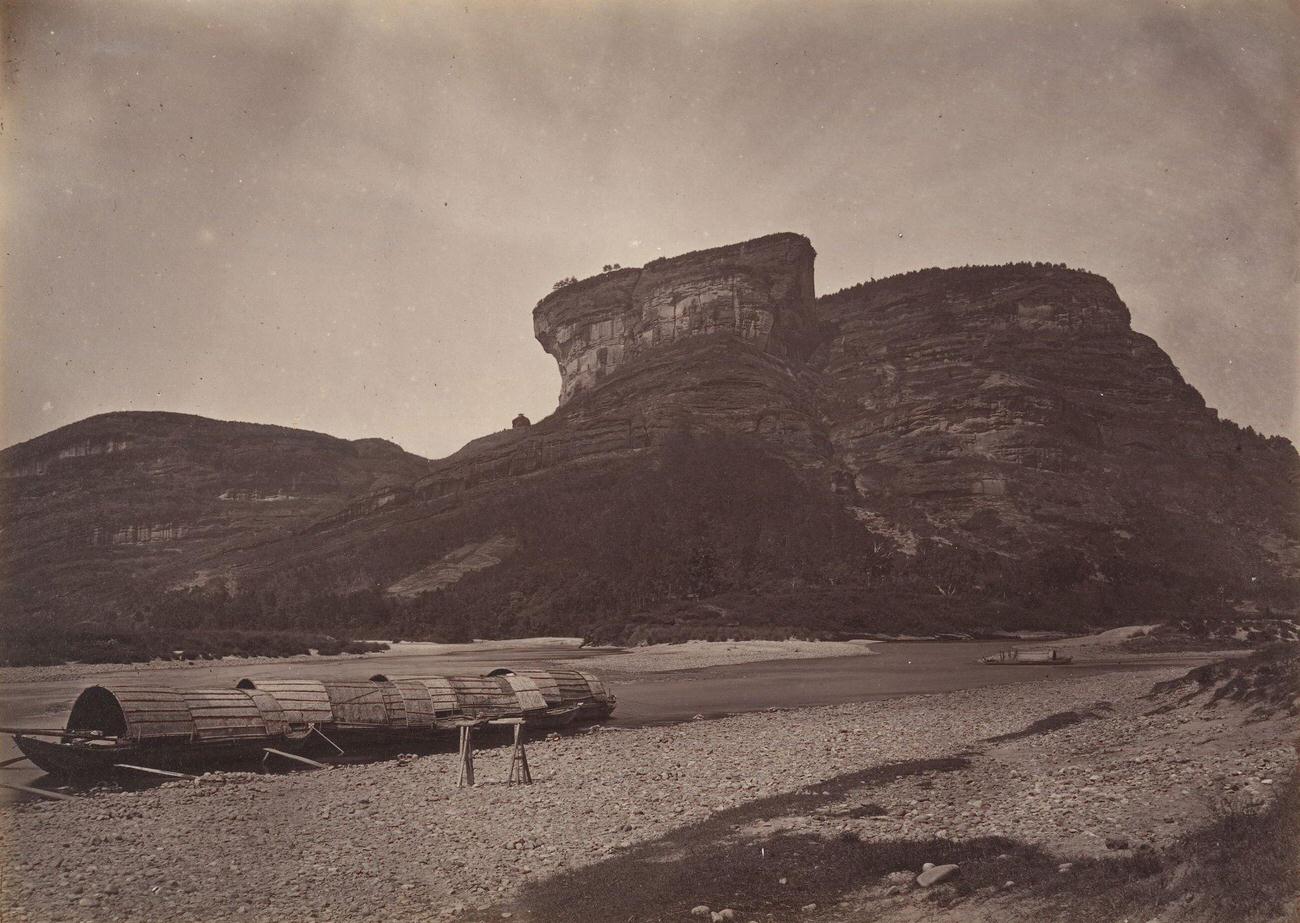
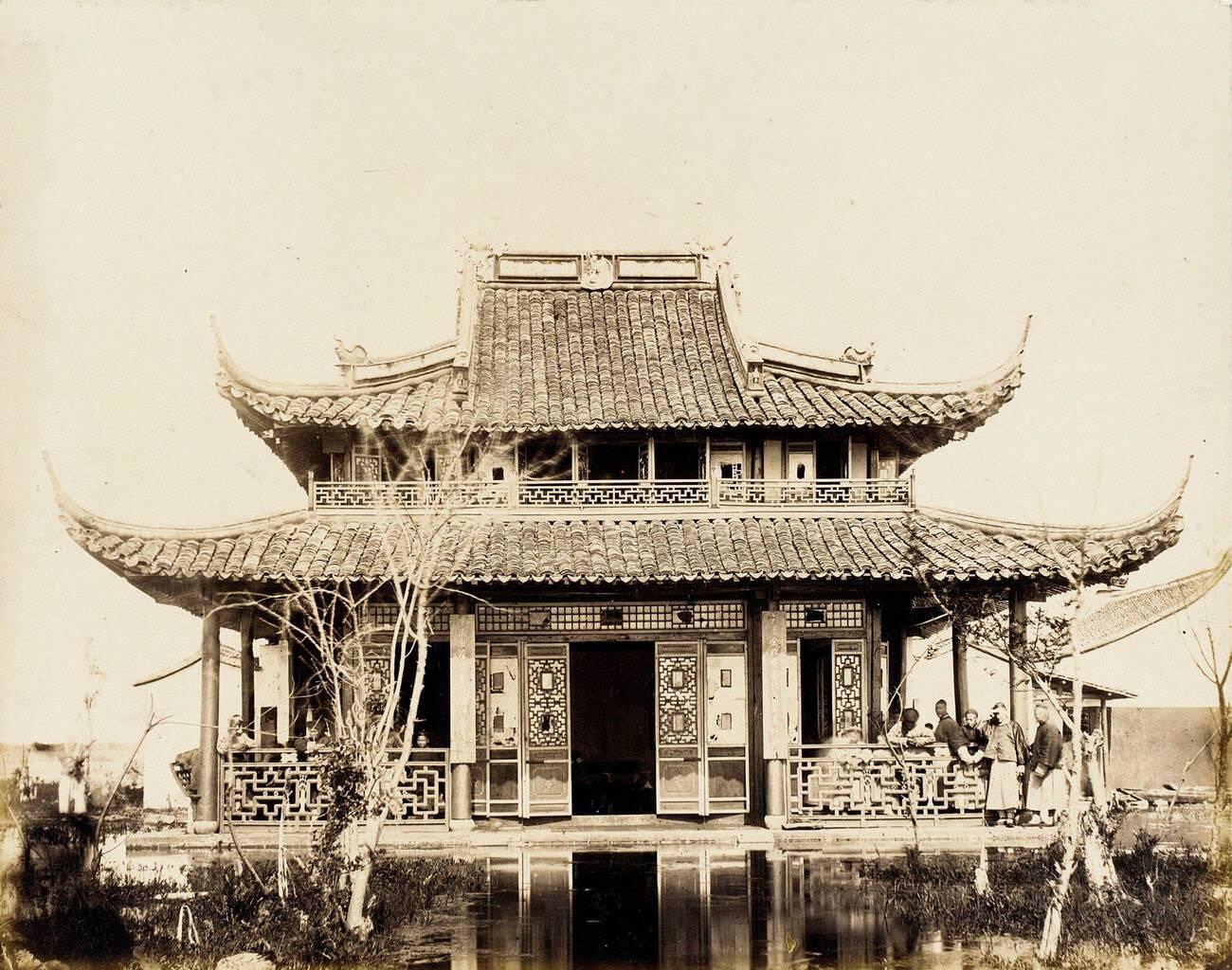
Temple of Tai-wang at Wu ü near Sing Chang Tea Mart, 1869
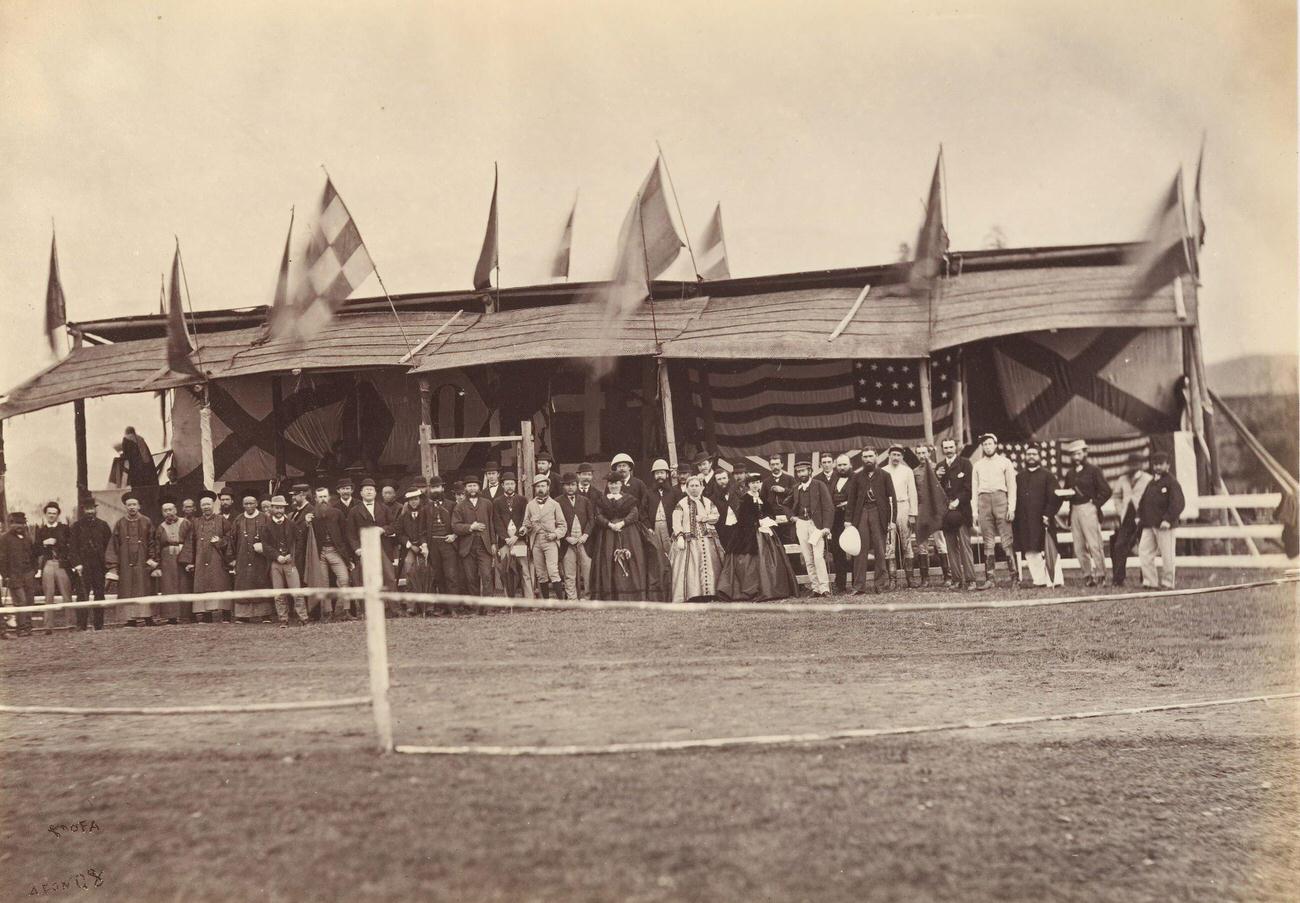
The Grand Stand, Foochow, 1869
Piled Stone Mountain Near Sing Chang, 1869
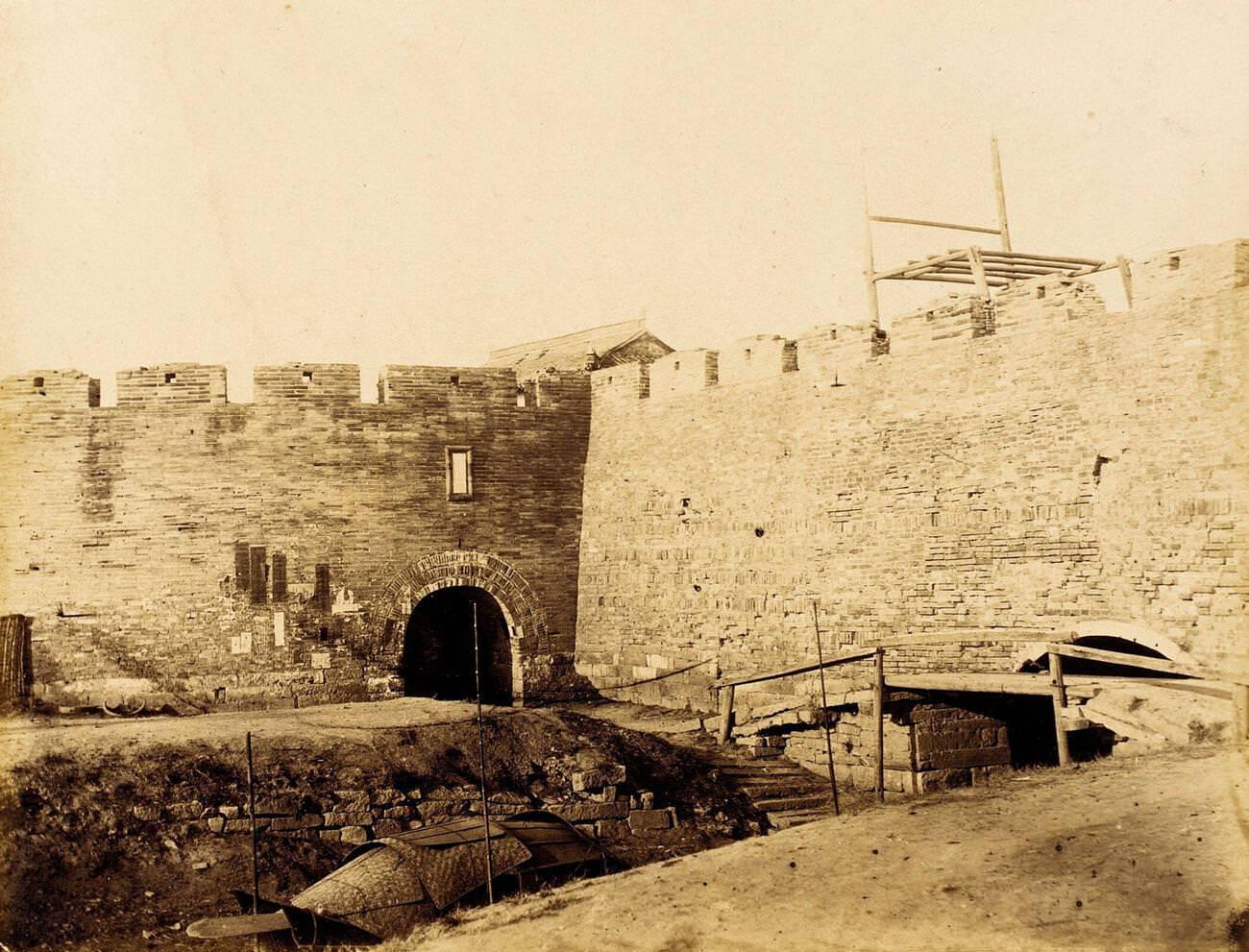
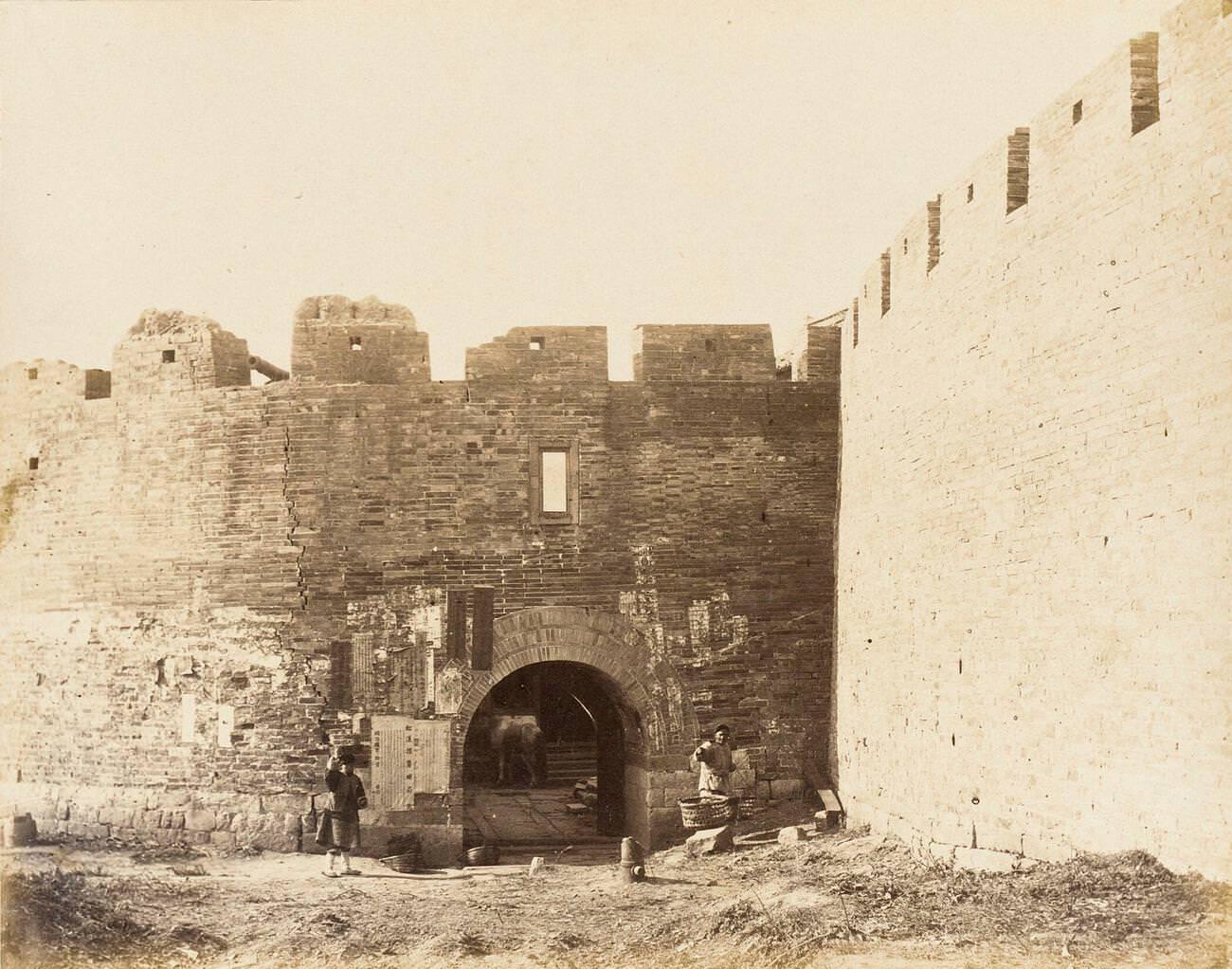
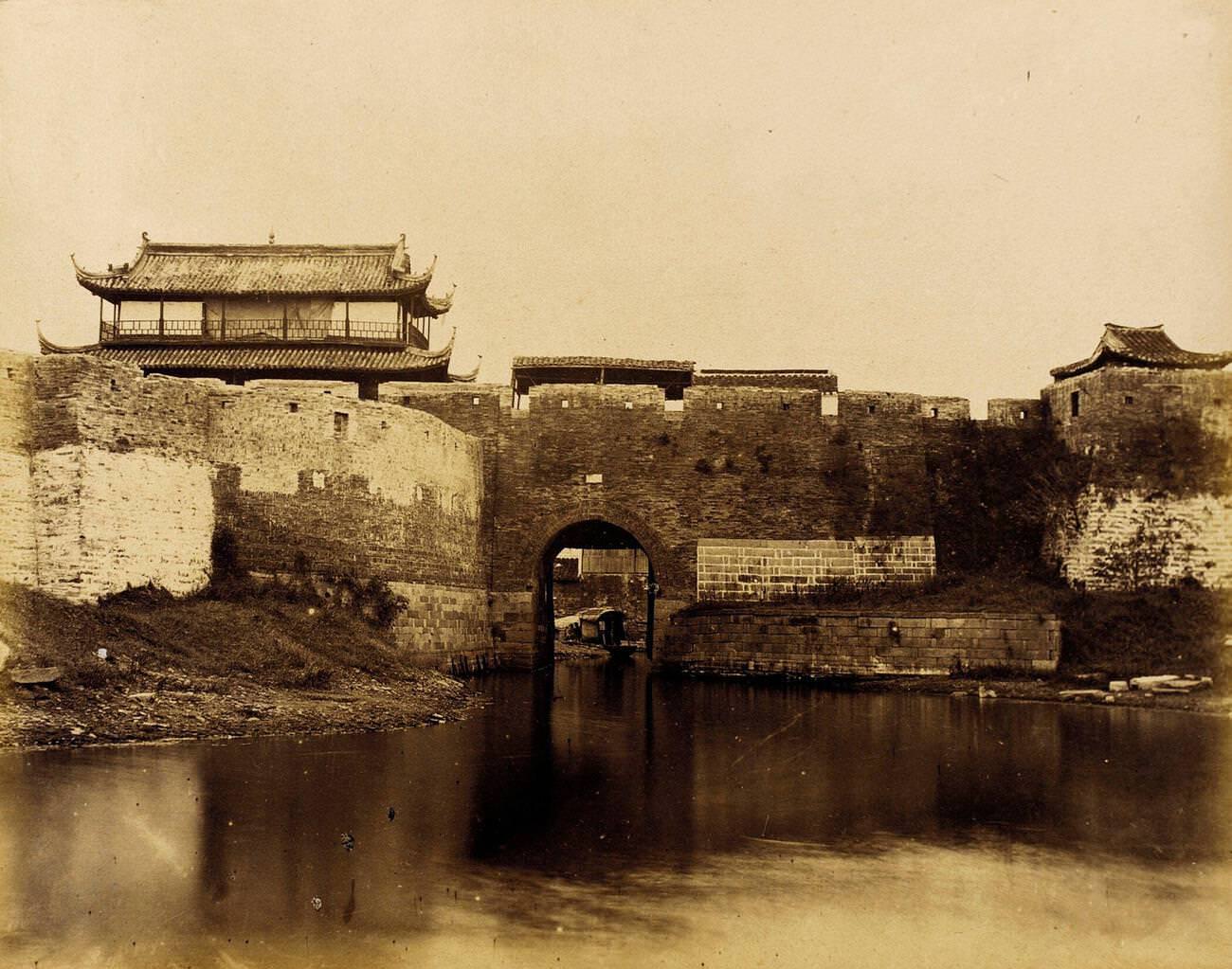
A Portion of the Citywall, Foochow, 1869
Canton City, 1869
Canton City, 1869
Mandarin Grave at Foochow, 1869
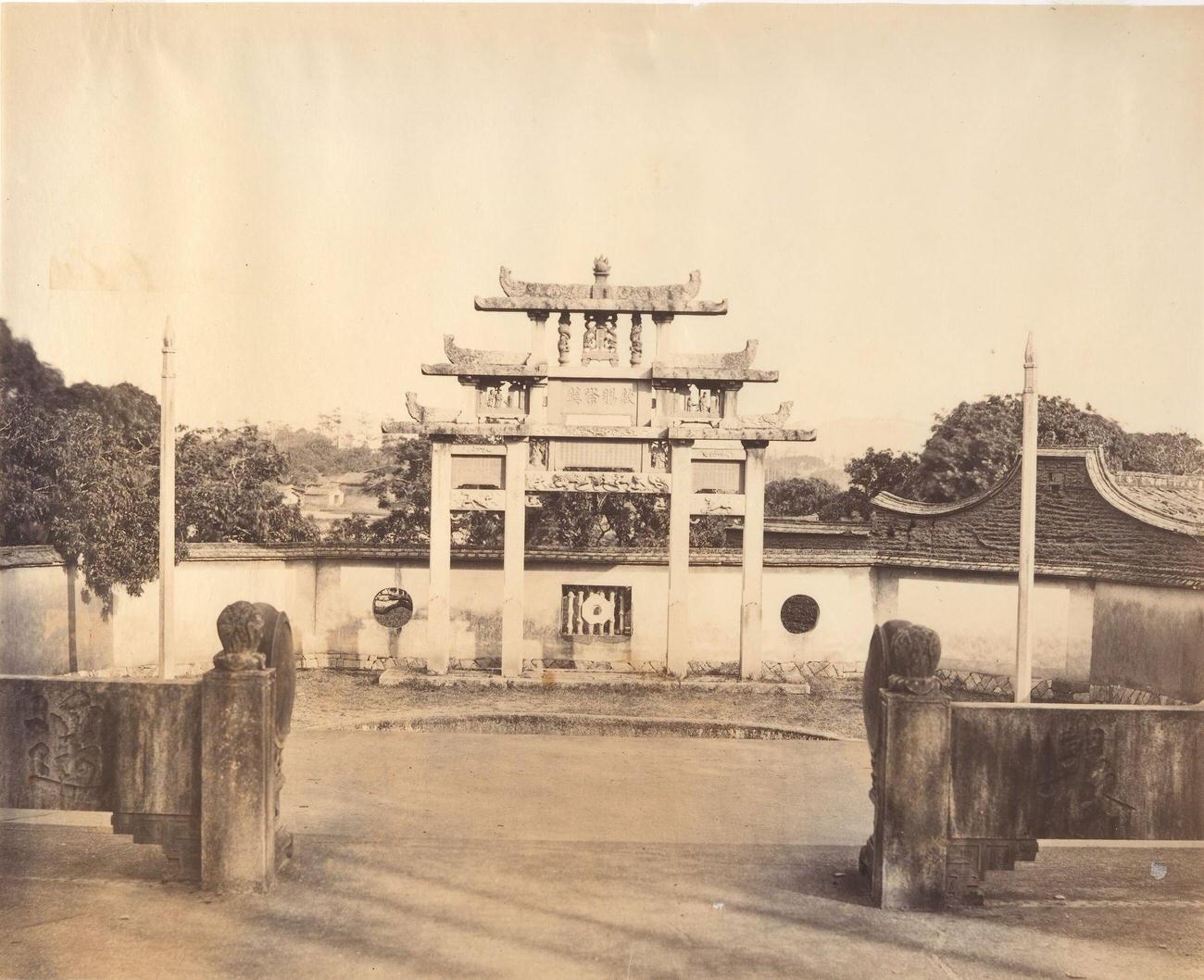
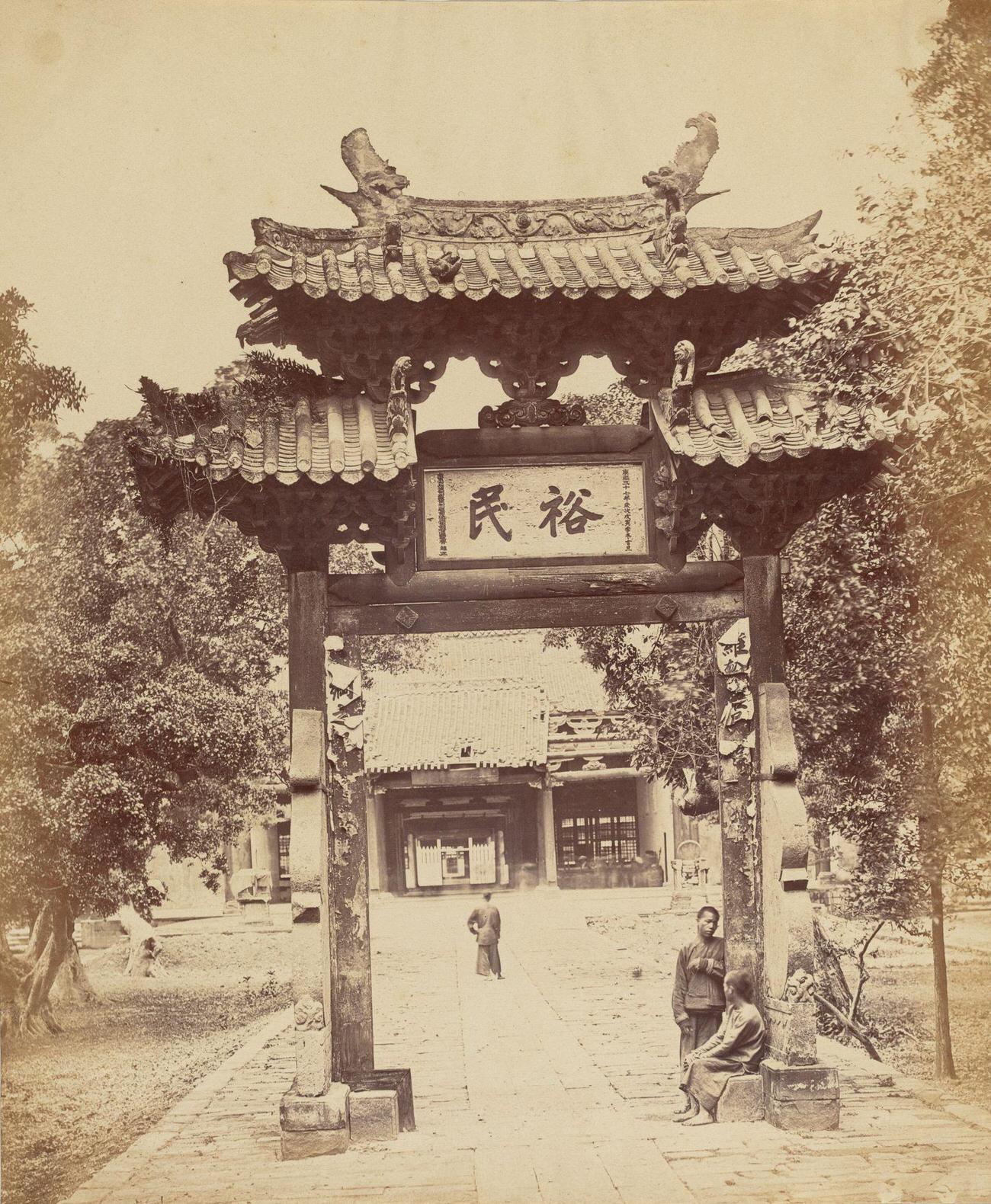
Triumphal Arche, Foochow, 1869
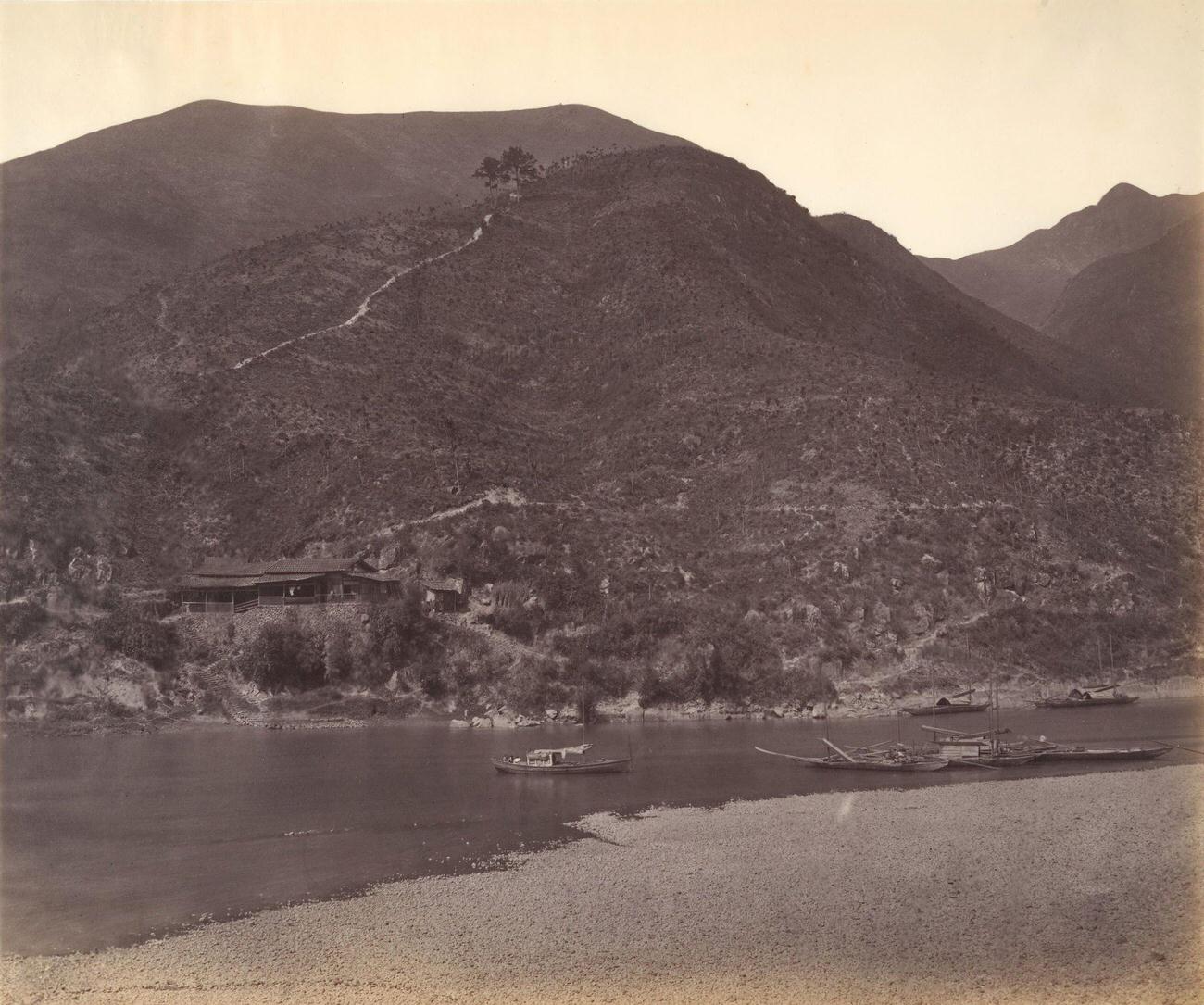
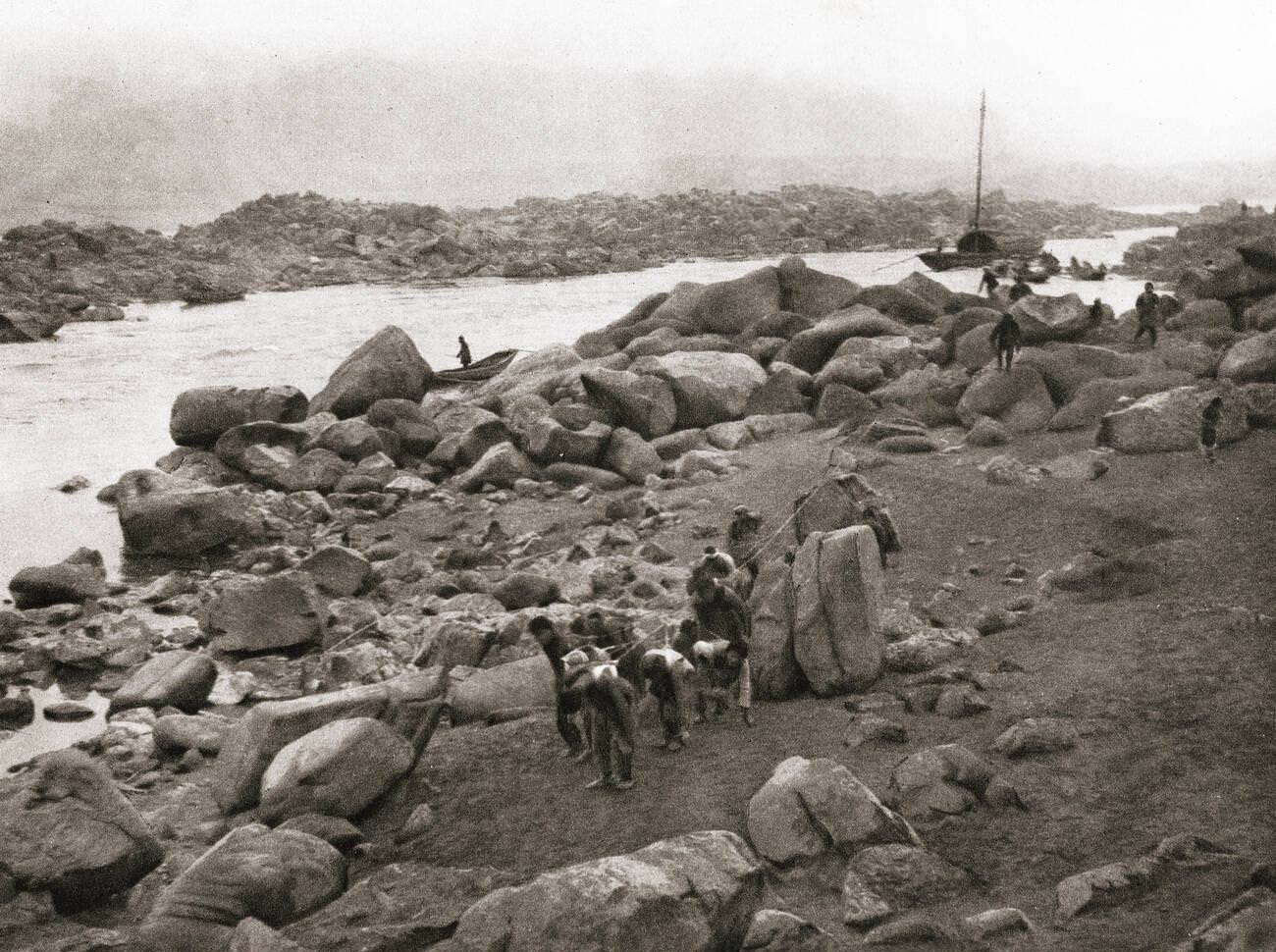
Ming Gam Pass River Min, 1869
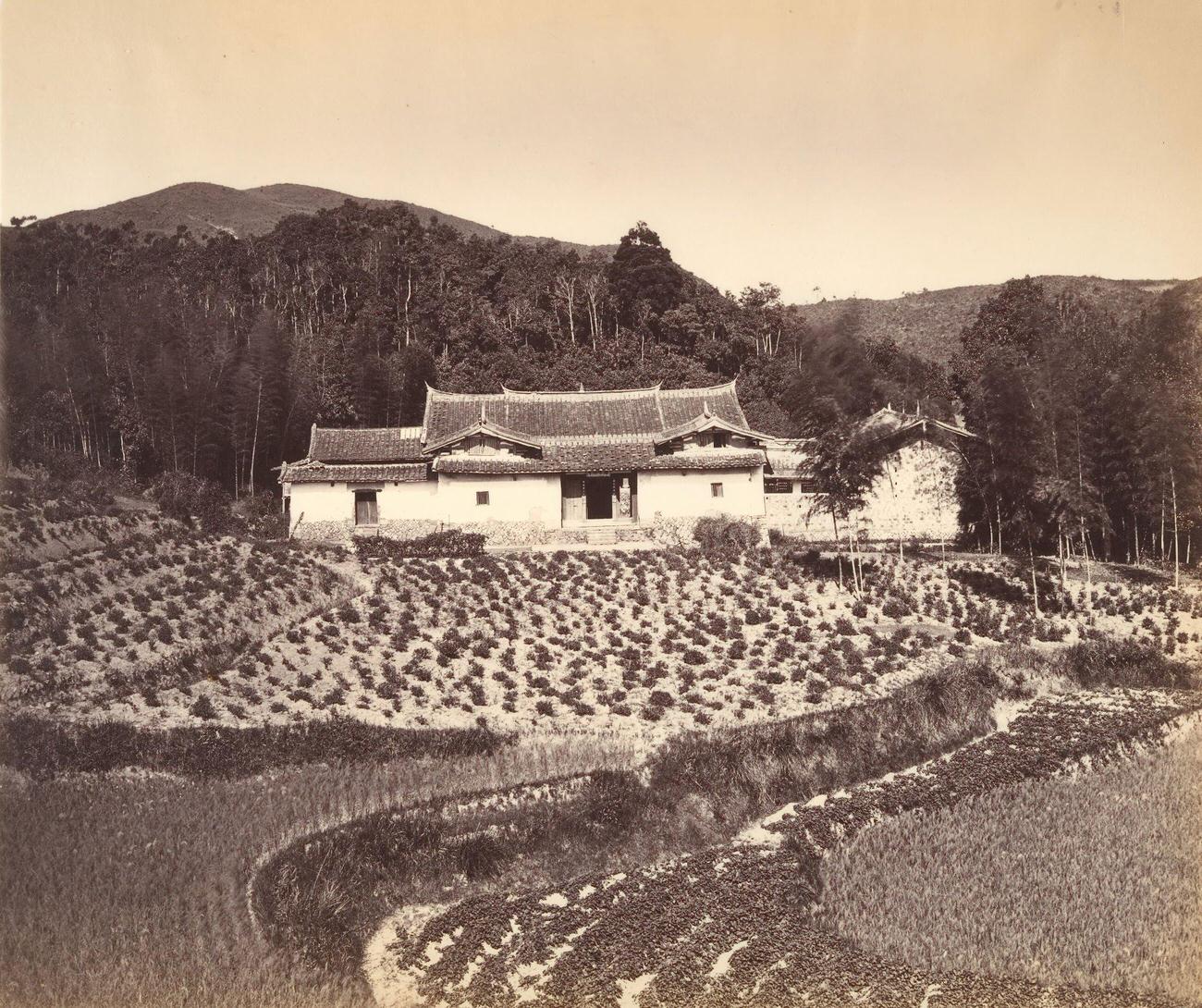
Teafield & Josshouse at Peling, 1869
Yung-Foo, 1869
Yung-Foo, 1869
The Club in Shanghai, China, 1869

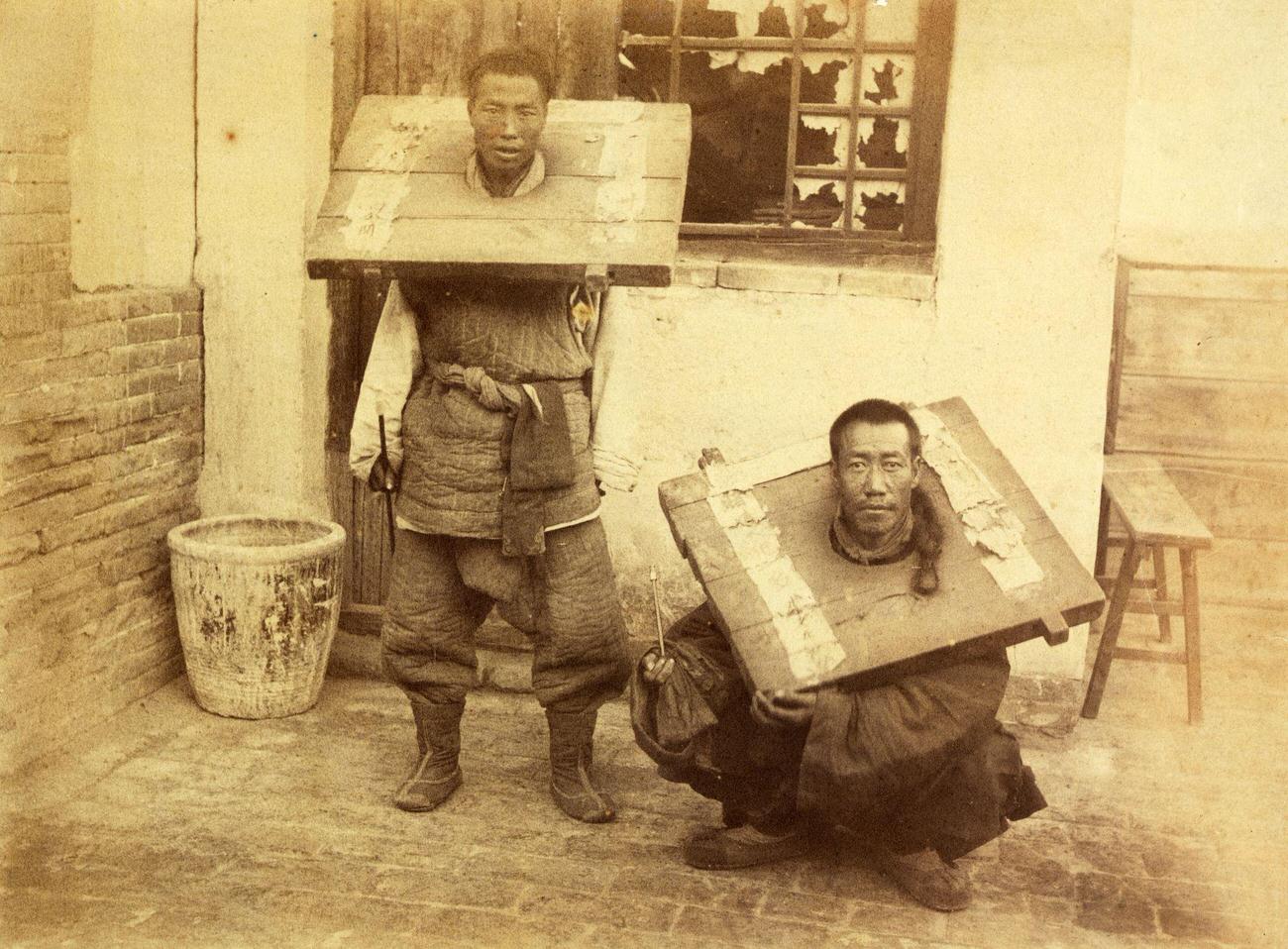
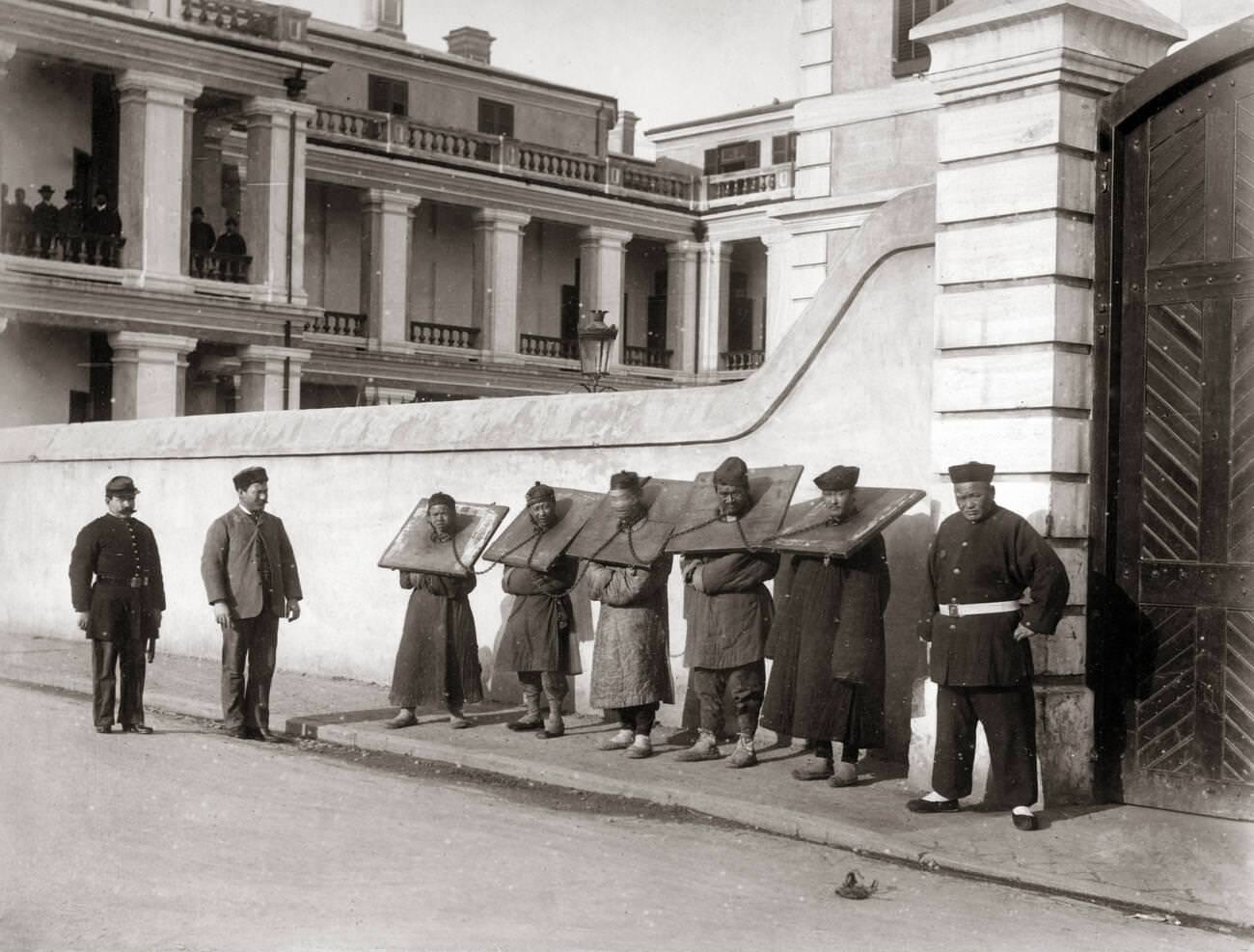
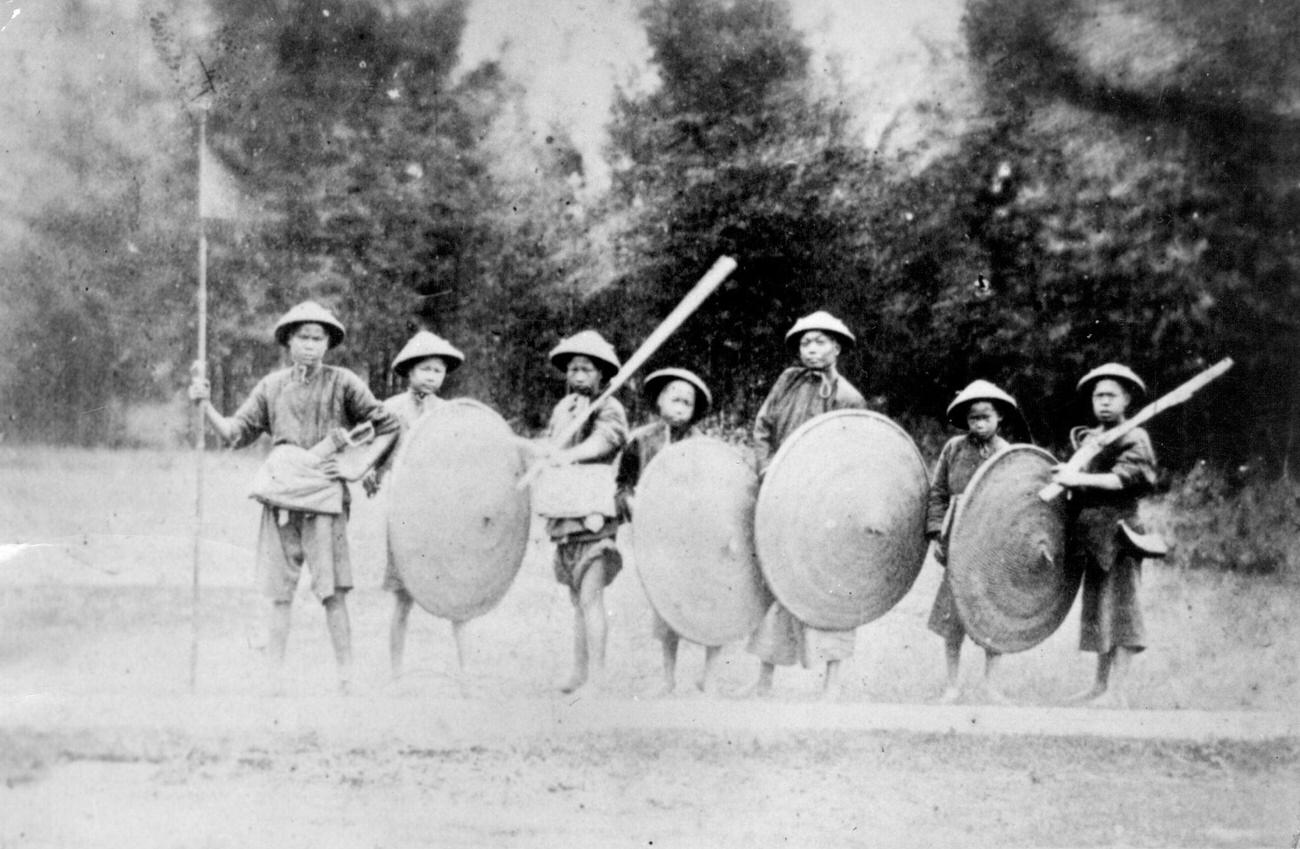
The photographs of soldiers, criminals in wooden stocks, and public executions document the harsher realities of Qing governance. Tartar soldiers — members of the banner forces — were photographed in the 1860s still carrying traditional weapons, a visual reminder of how outdated the imperial military had become compared to Western armies. Chinese militia photographed during the Second Opium War were armed with clubs and wicker shields against soldiers carrying rifles. The gap in military technology was total and obvious.
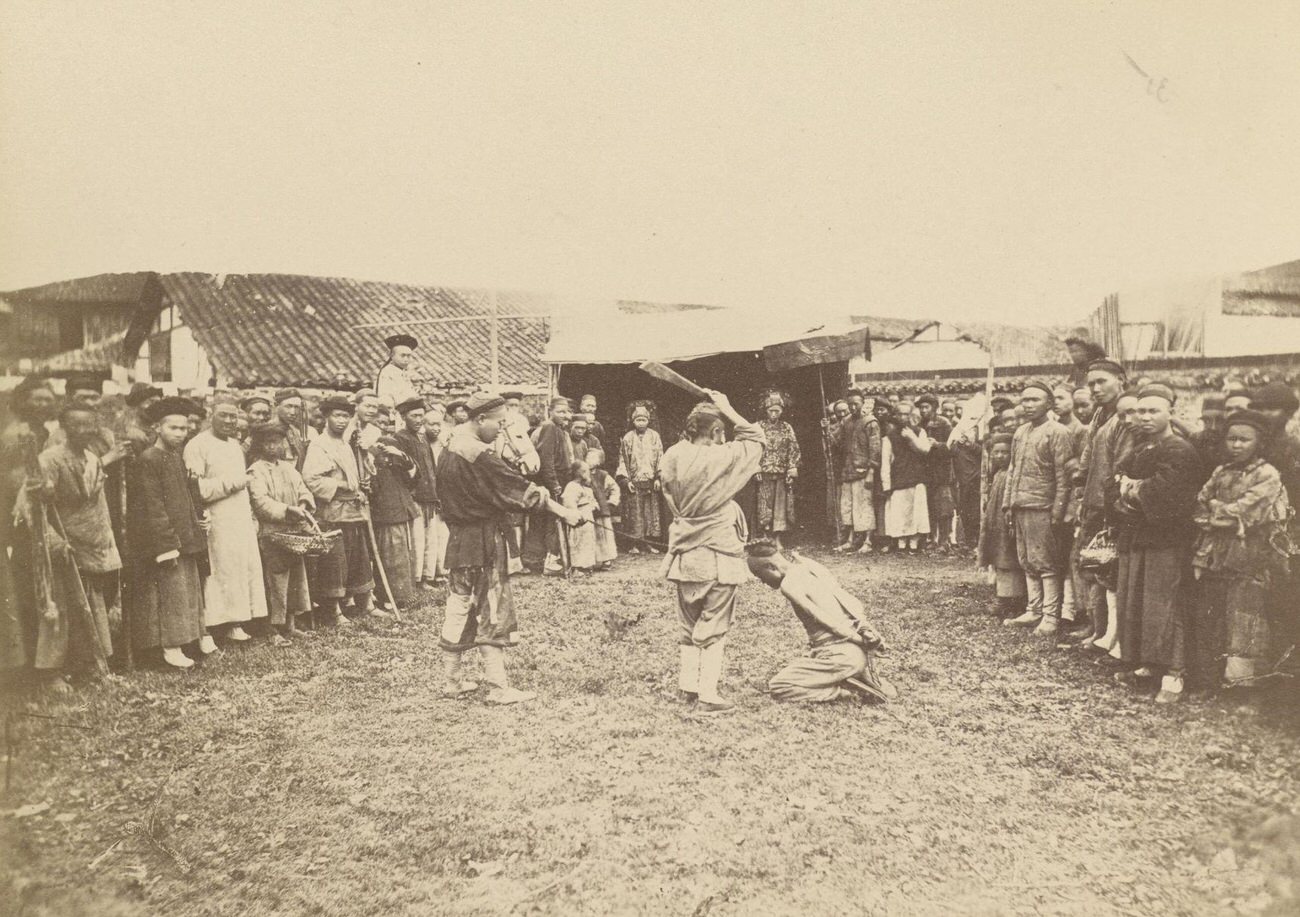
An Execution in Canton, China, 1860s
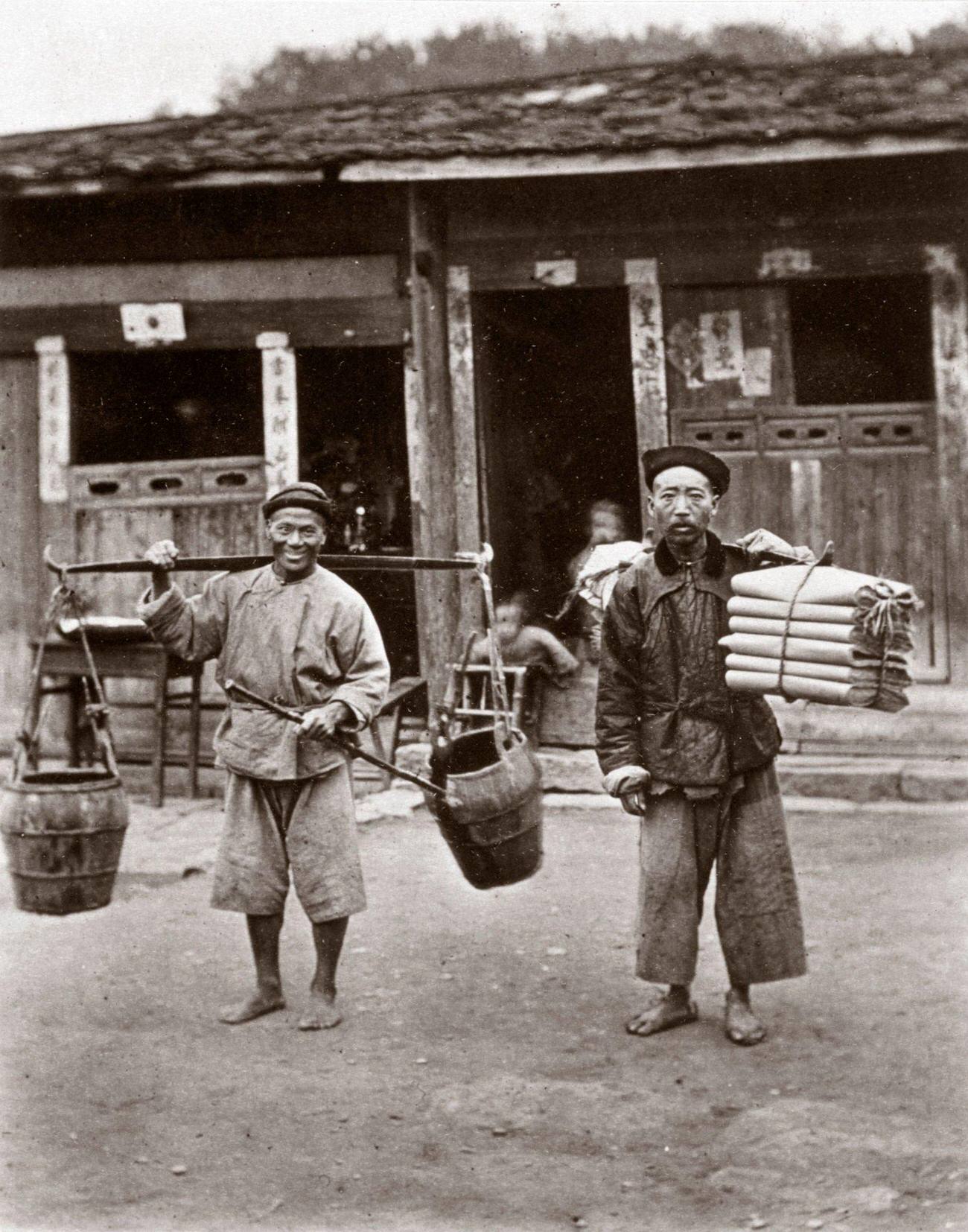
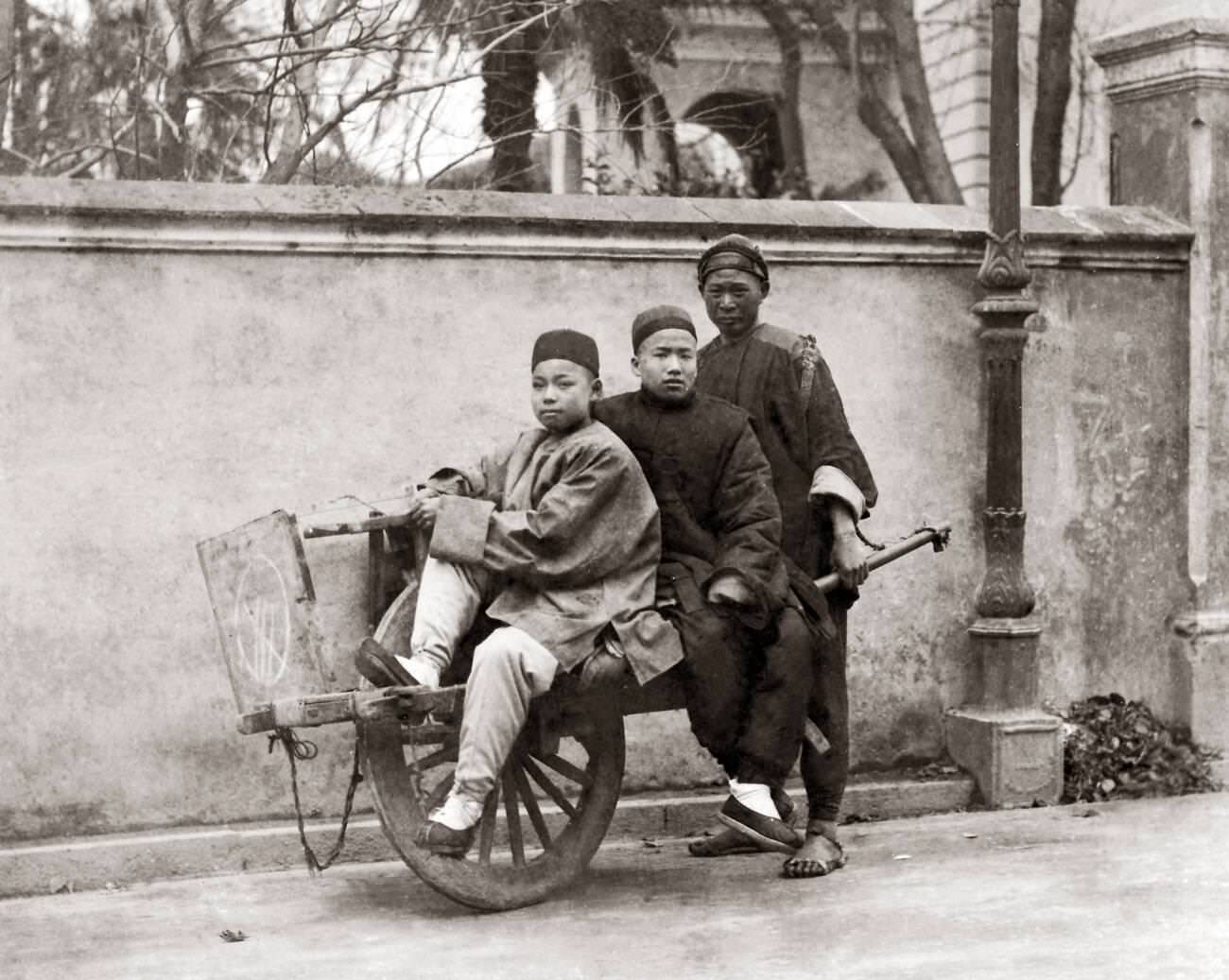
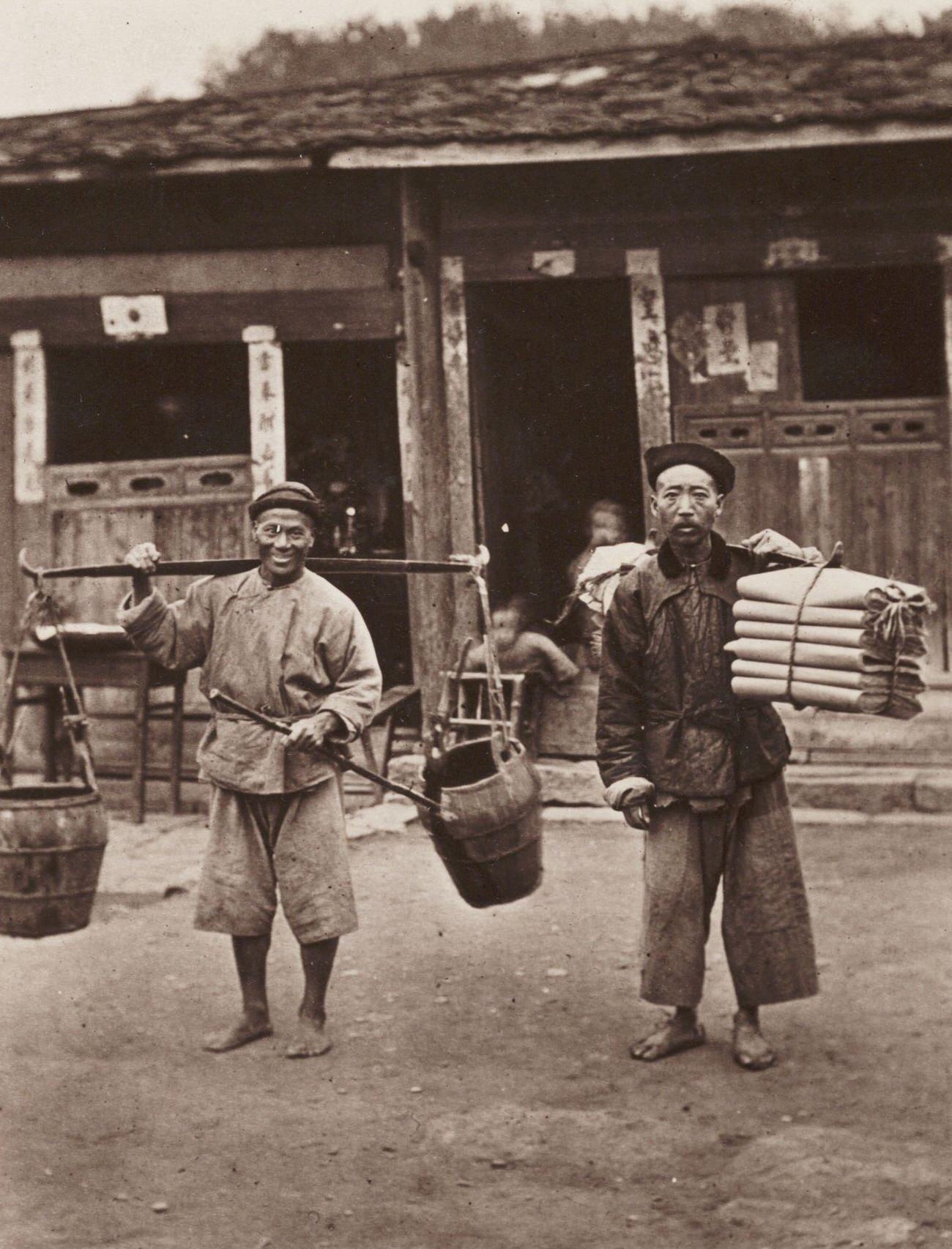
Two Chinese laborers in Fujian province, 1860s
Foochow Arsenal, China, 1860s
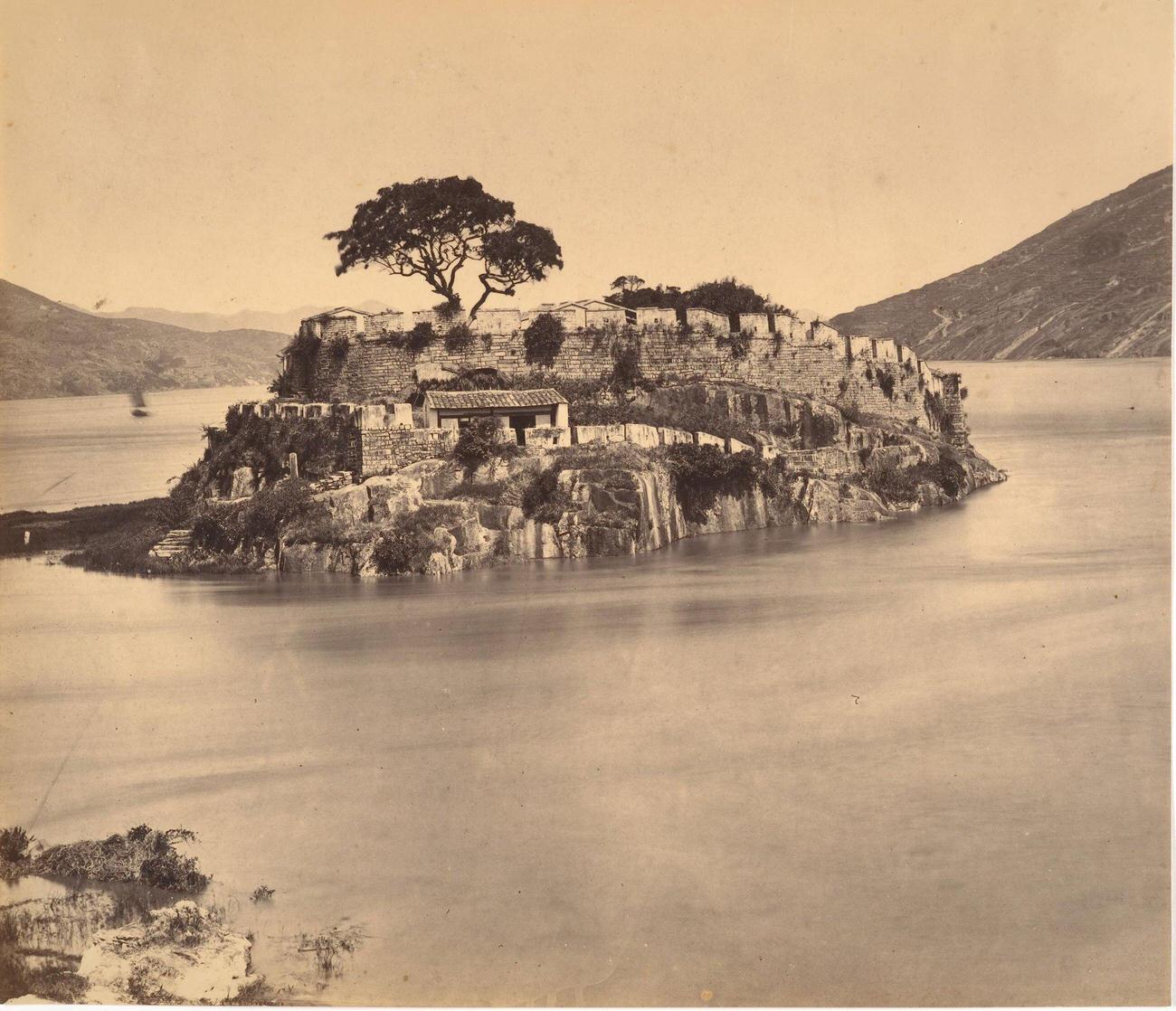
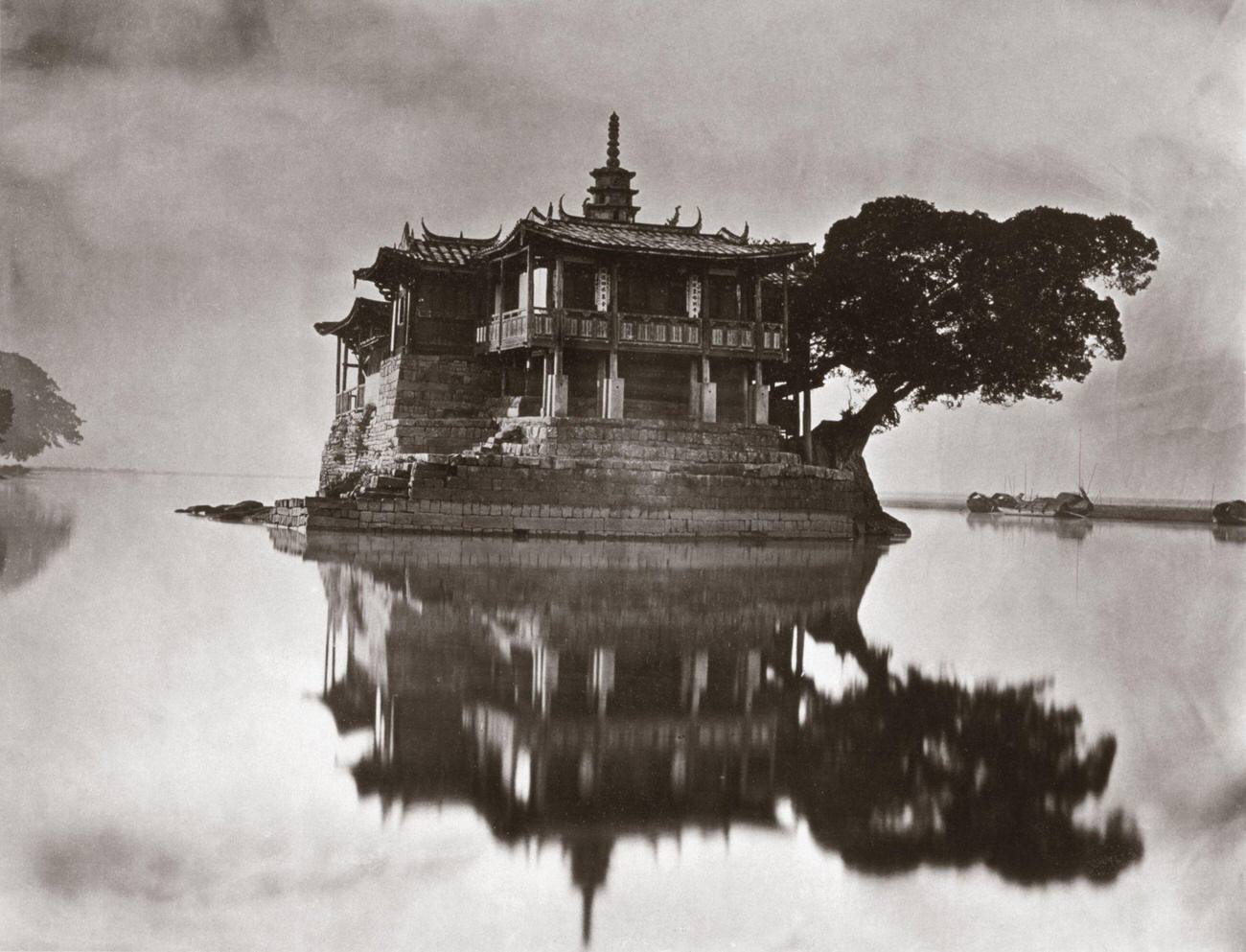
The Island Pagoda, China, 1864
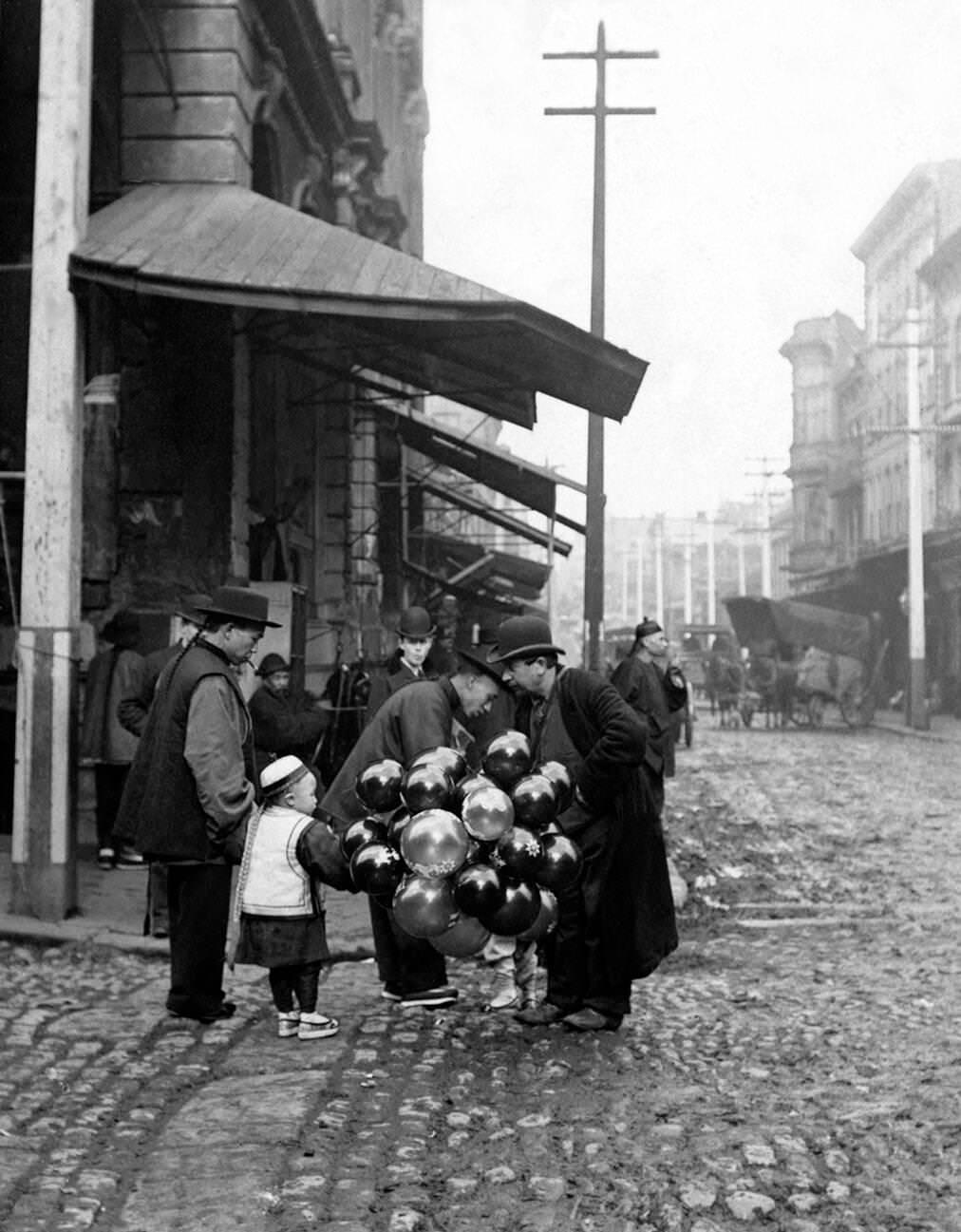
Two Chinese street vendors, 1864
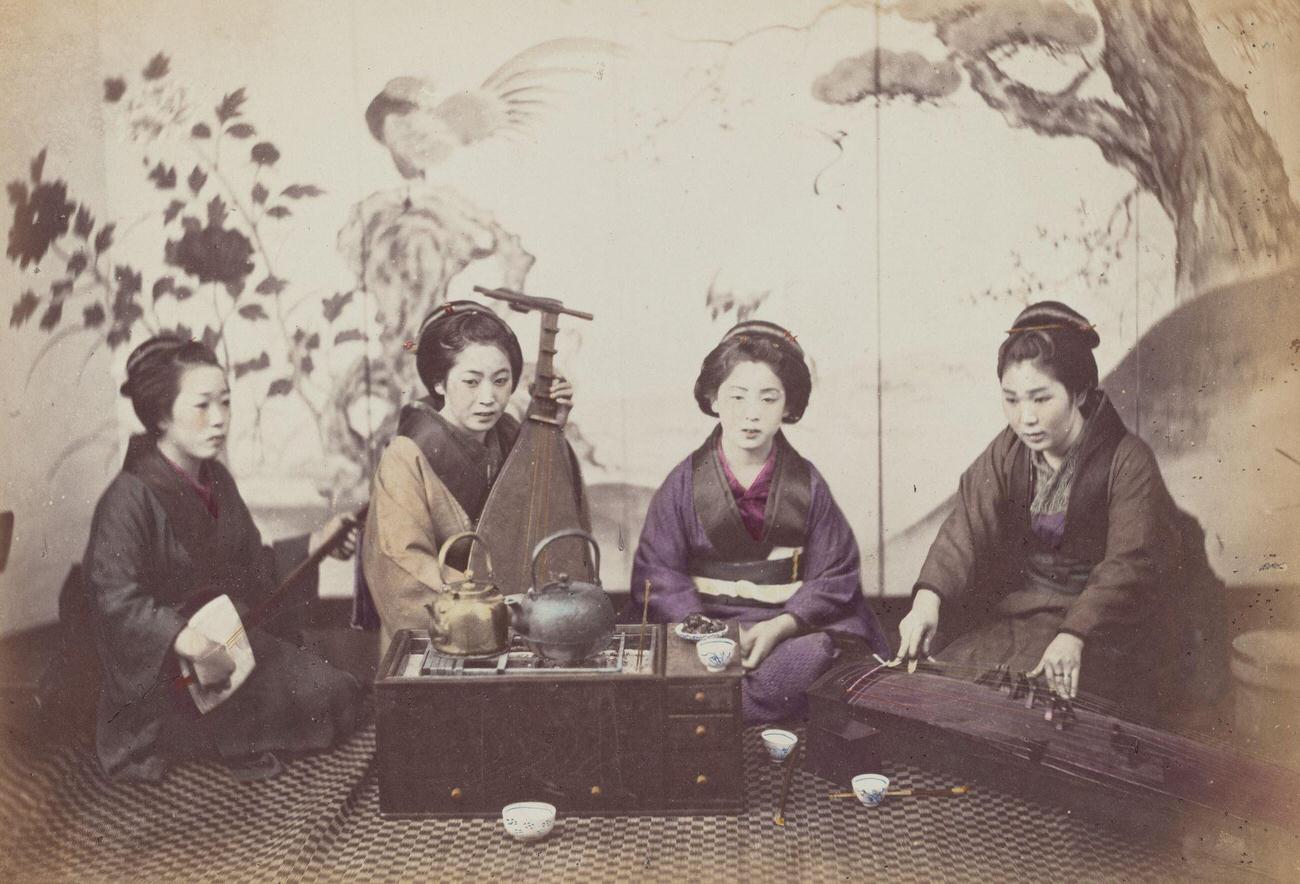
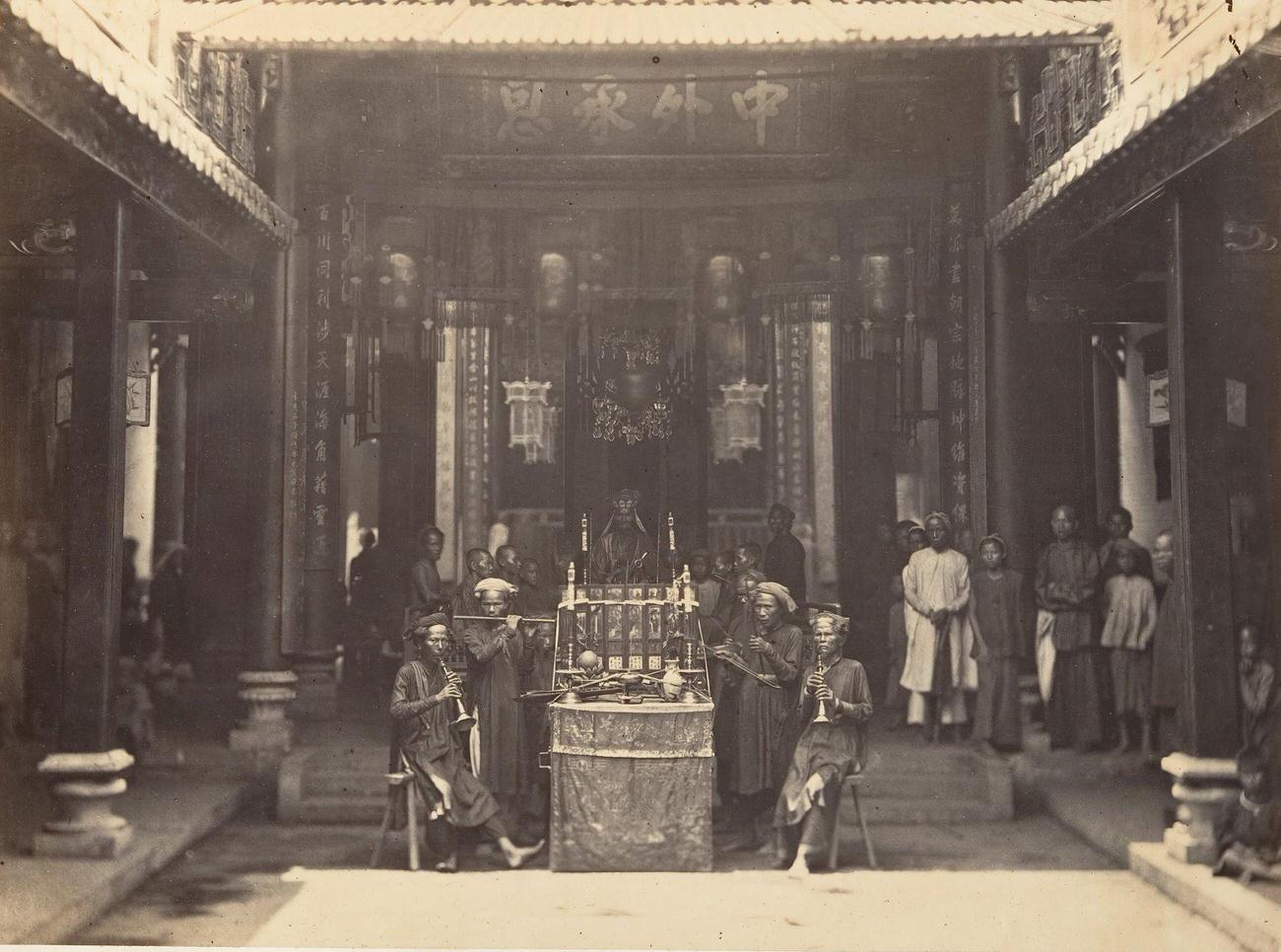
Musical Party, 1868
Musical Party, 1868
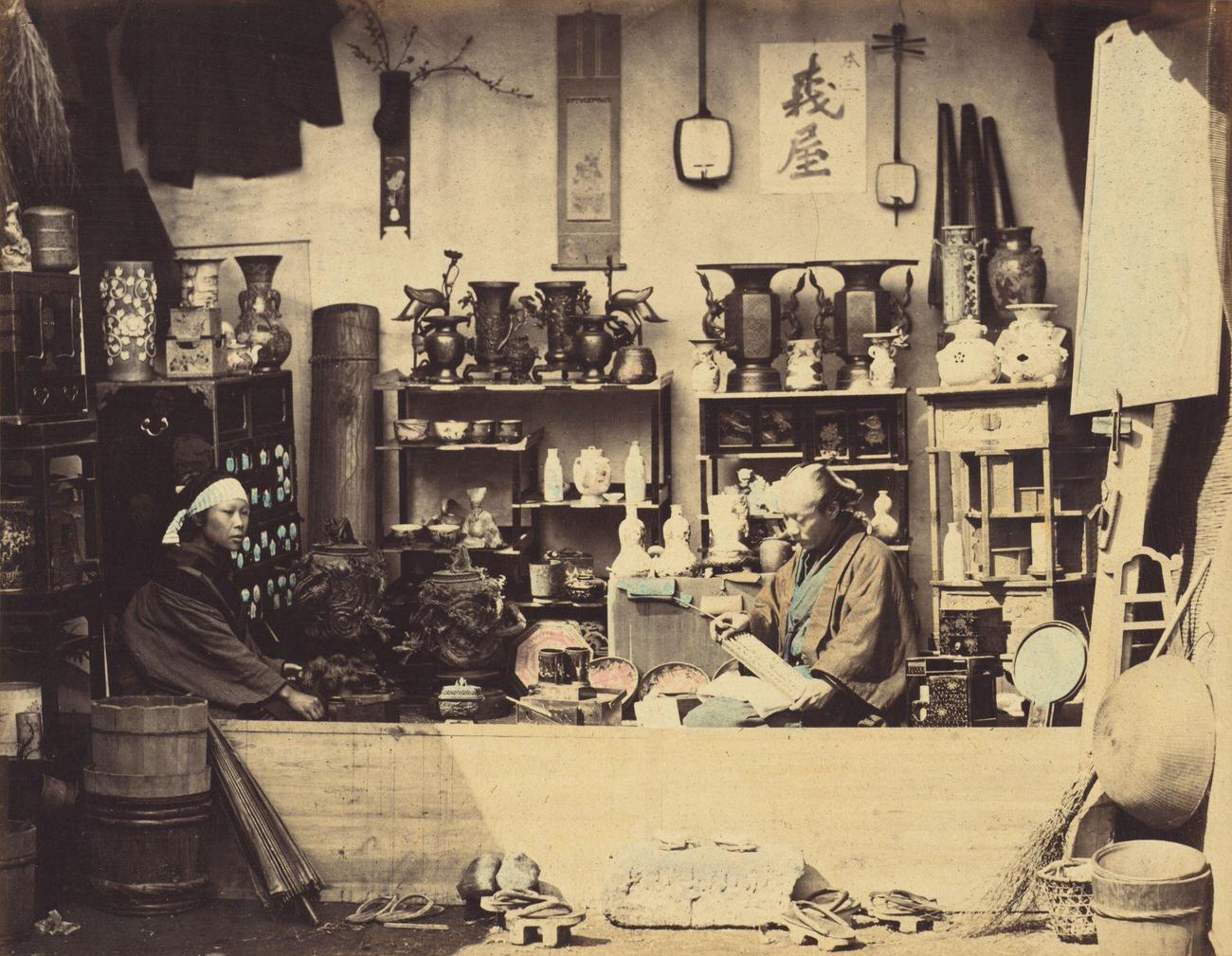
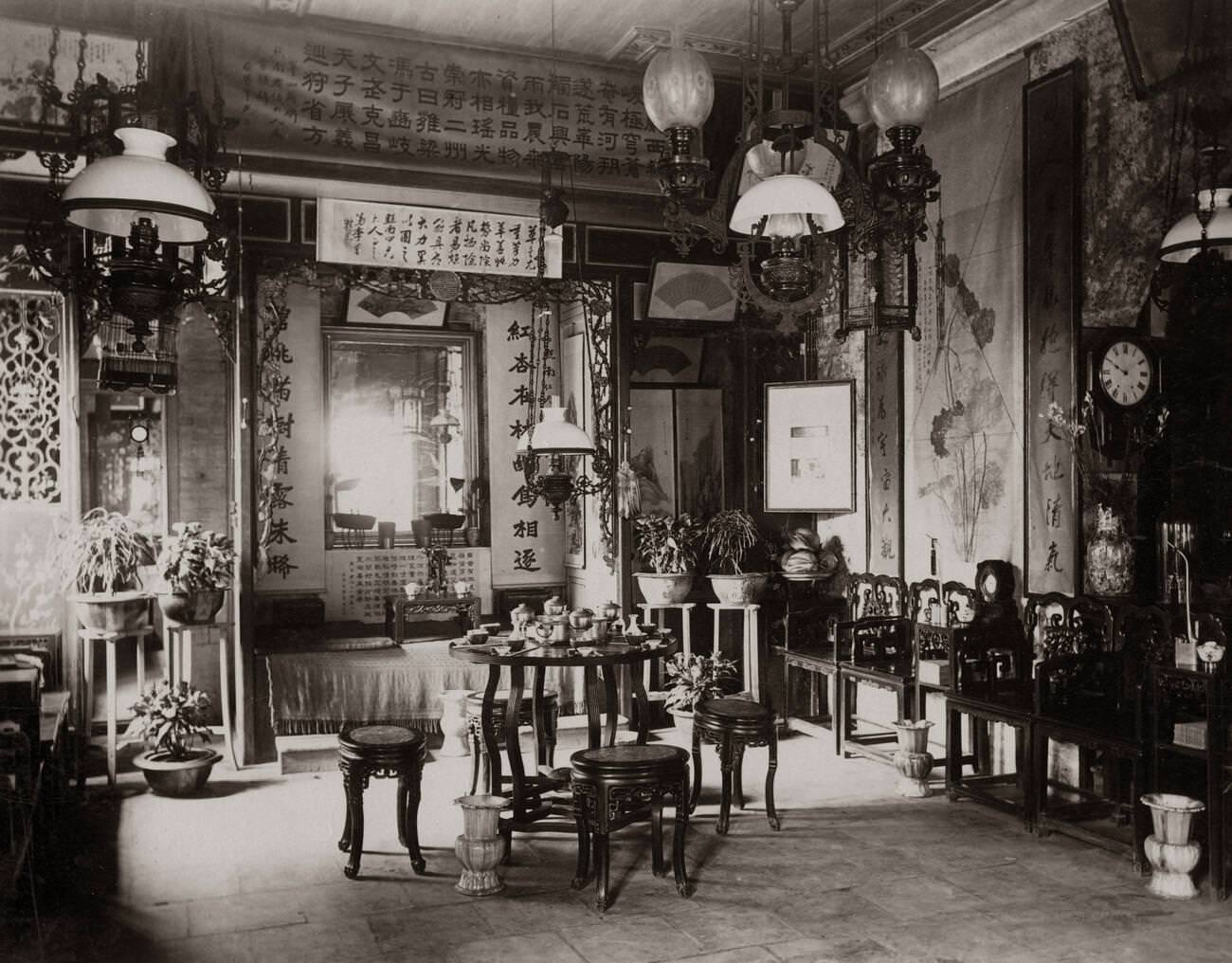
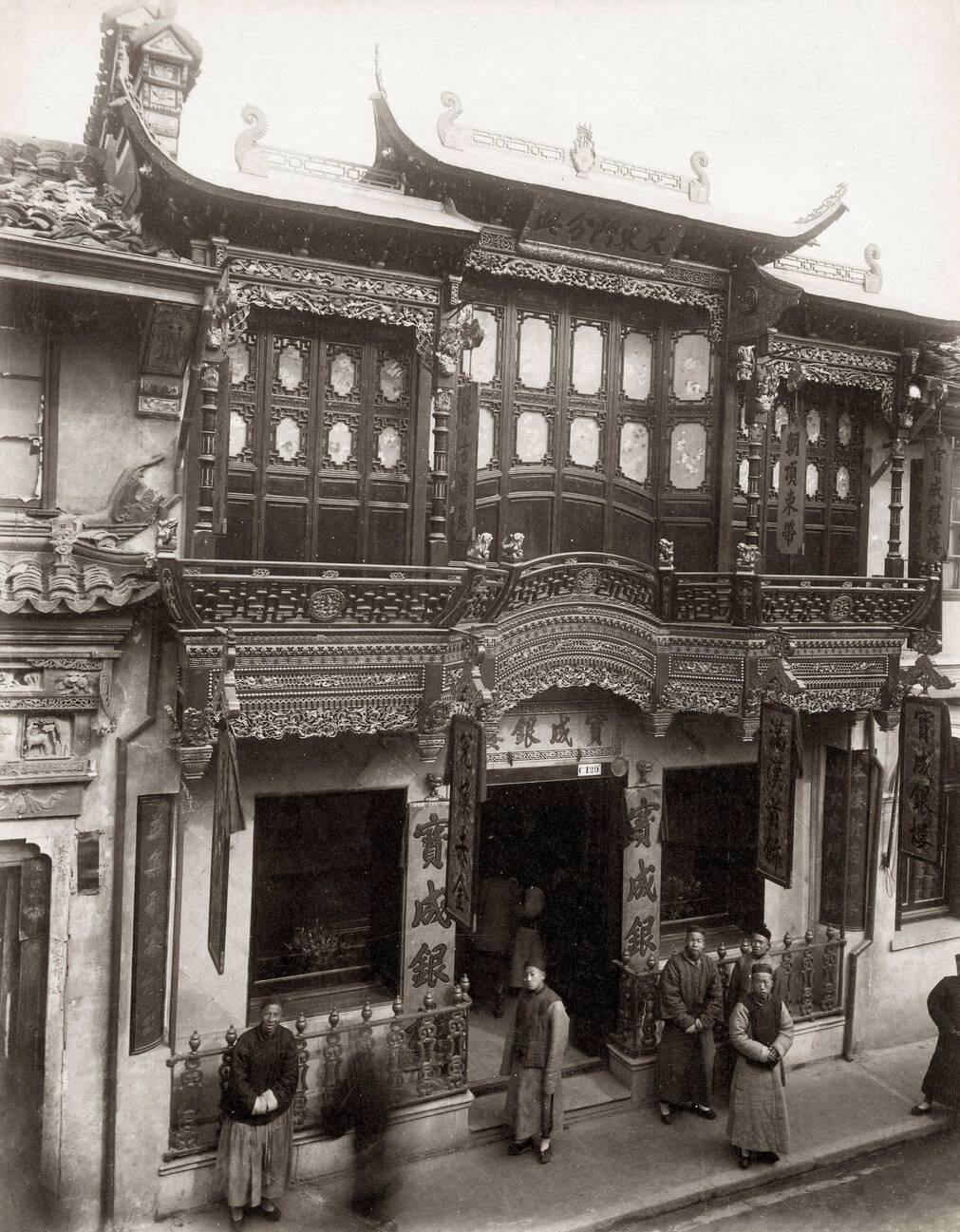
Curio Shop, circa 1865

The Nanjing Jinling Arsenal, built in 1865 under Li Hongzhang’s direction, was one of the earliest results of the Self-Strengthening Movement. Photographs of Qing officers at the arsenal show men in traditional dress standing in front of newly built industrial facilities — a striking contrast between old and new. These arsenals were not just factories. They were symbols of an empire trying to learn, under pressure, how to survive in a world that had changed around it.
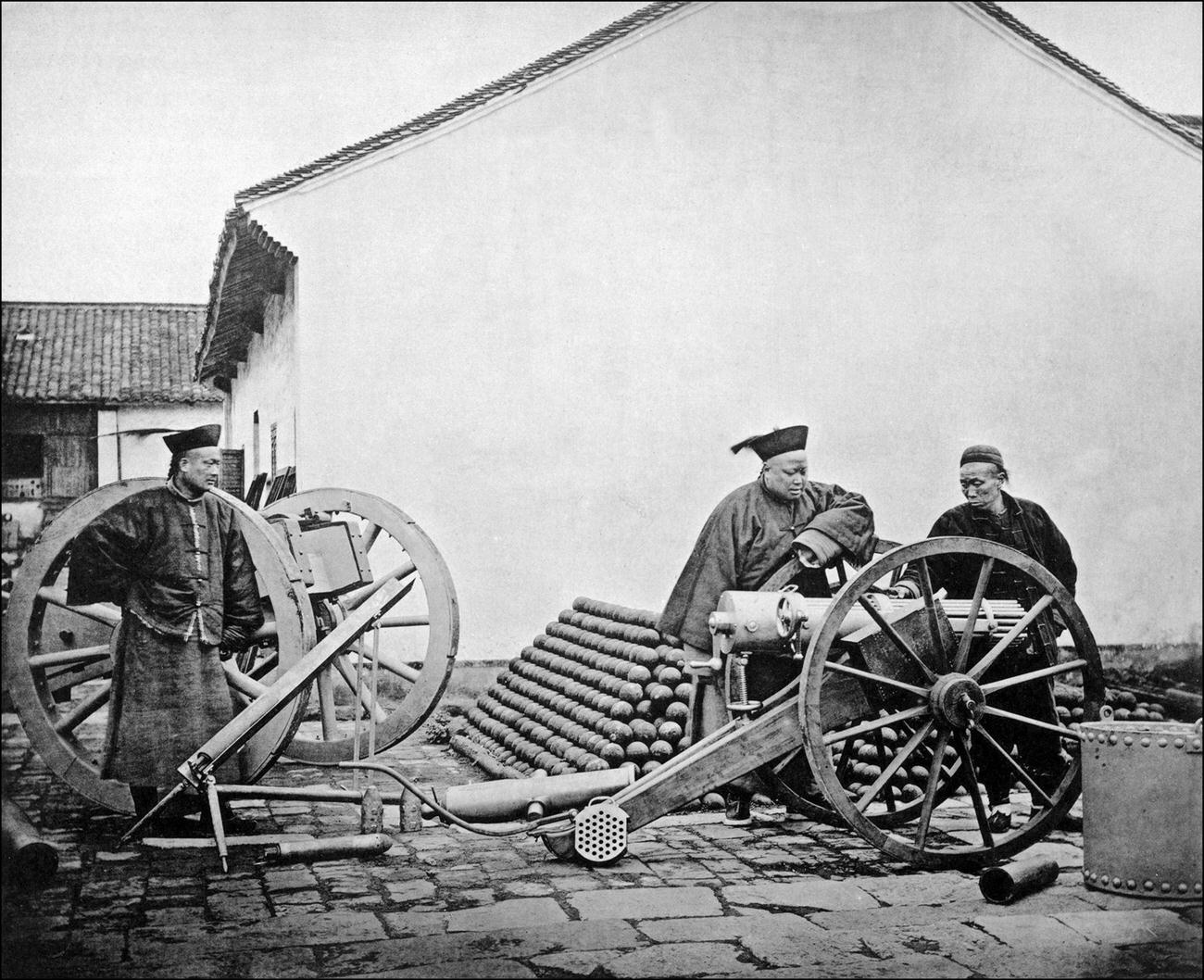
Qing officers at the Nanjing Jinling Arsenal, built in 1865
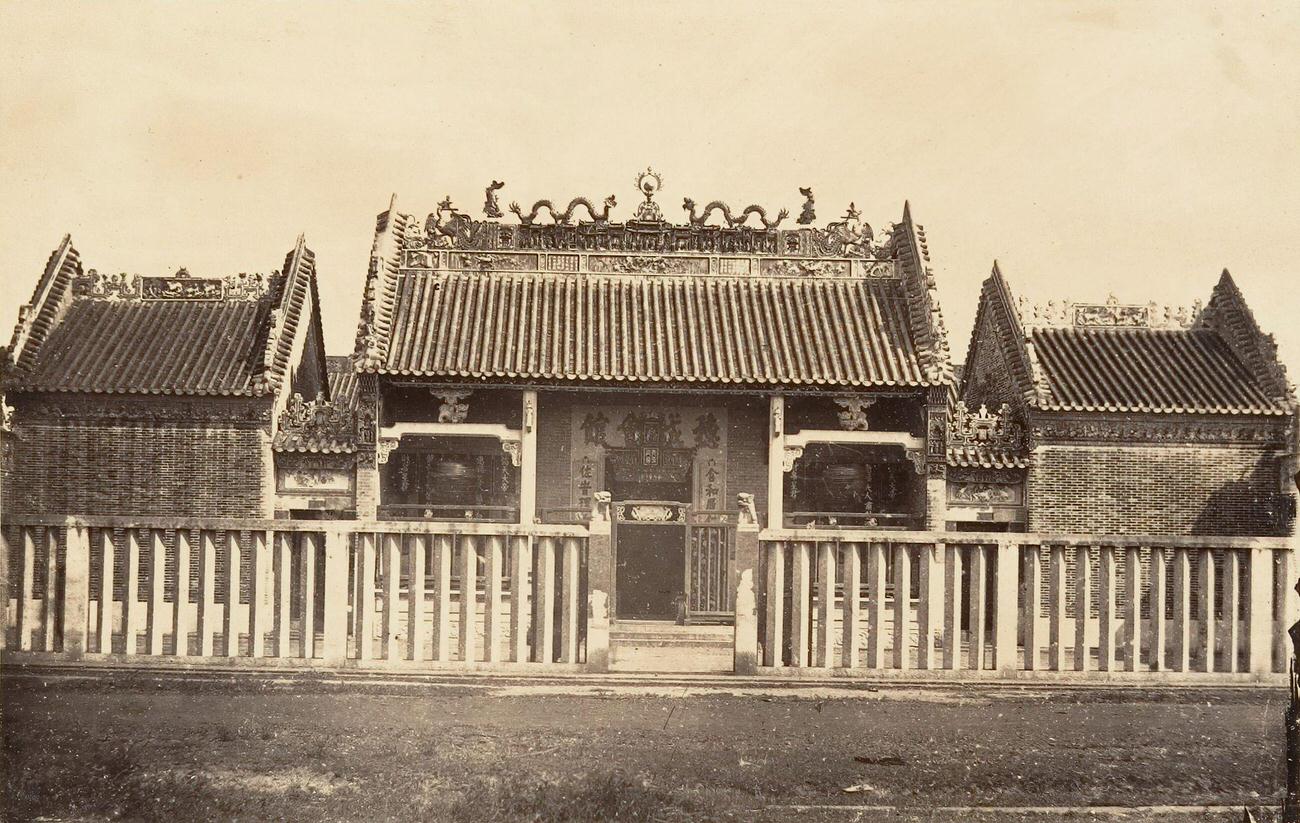
Religious ceremony in the Chinese Pagoda of Cholen, Saïgon, 1866
Pagode de la Ville Chinoise, 1866

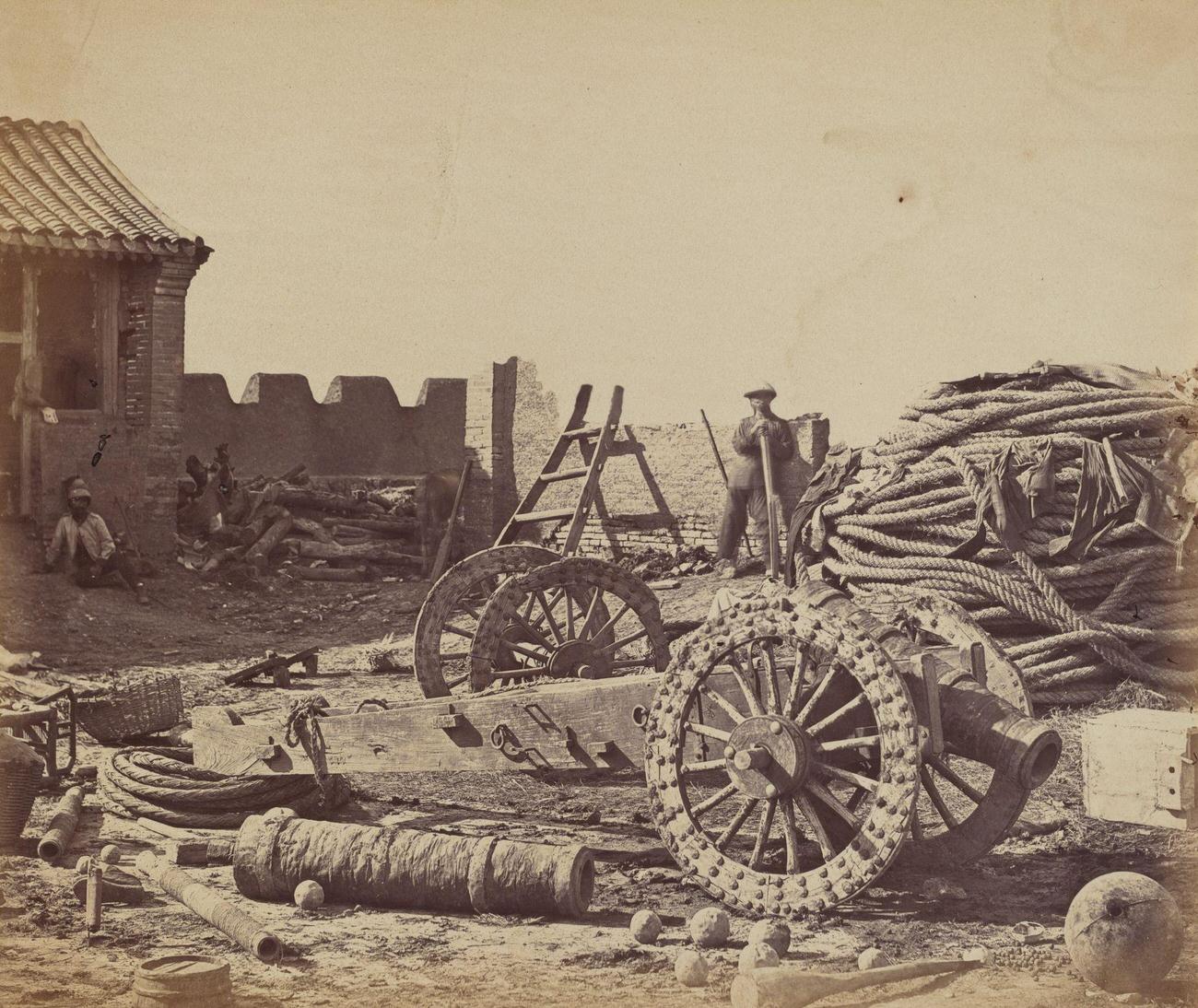
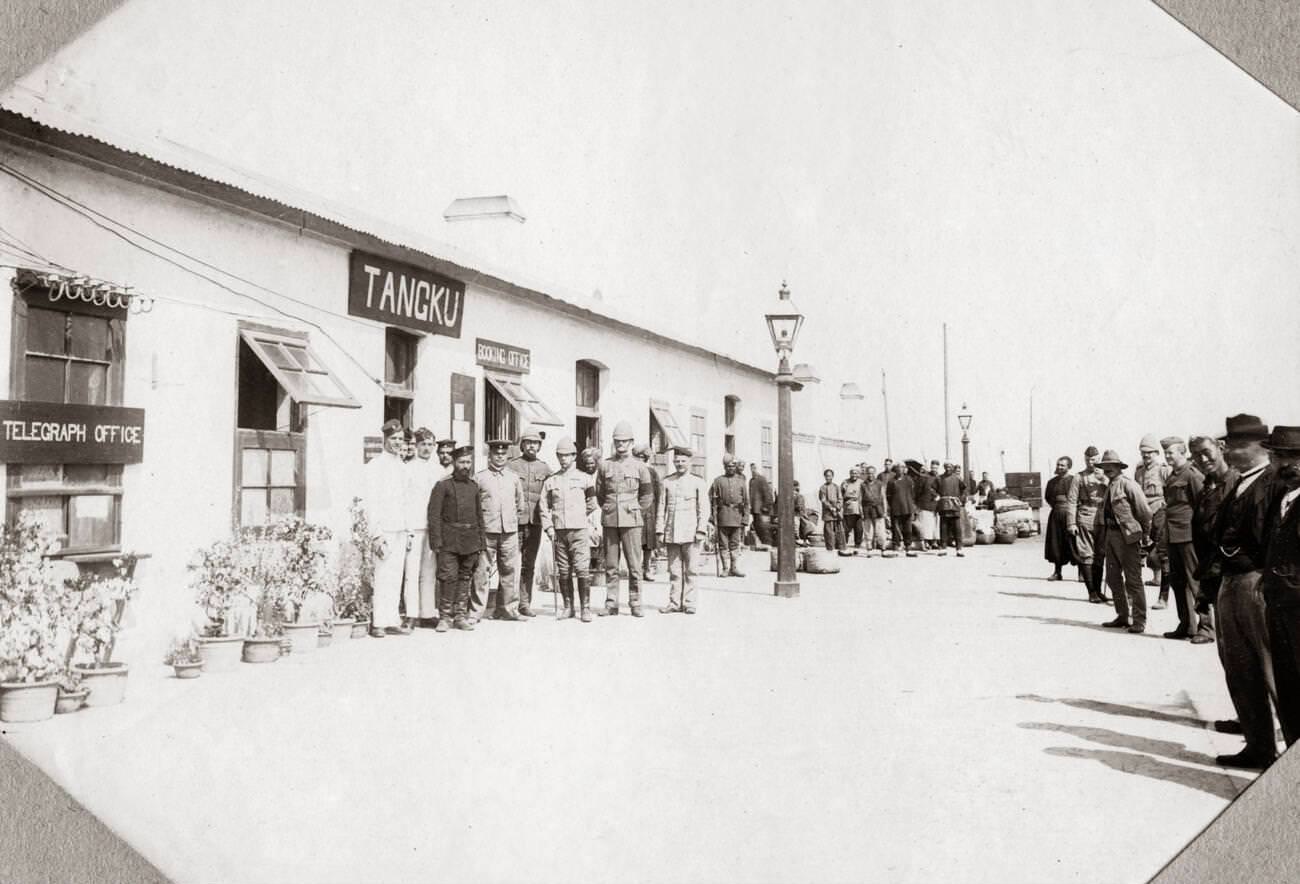
The photographs taken during and immediately after the Second Opium War in 1860 are among the most historically significant in this collection. British photographer Felice Beato accompanied the Anglo-French expedition and documented the Taku Forts after their capture, the approach to Beijing, and Beijing’s imperial buildings before and during the Allied occupation. His photograph of the Summer Palace taken just before the burning in October 1860 is one of the most important historical documents of the entire conflict.
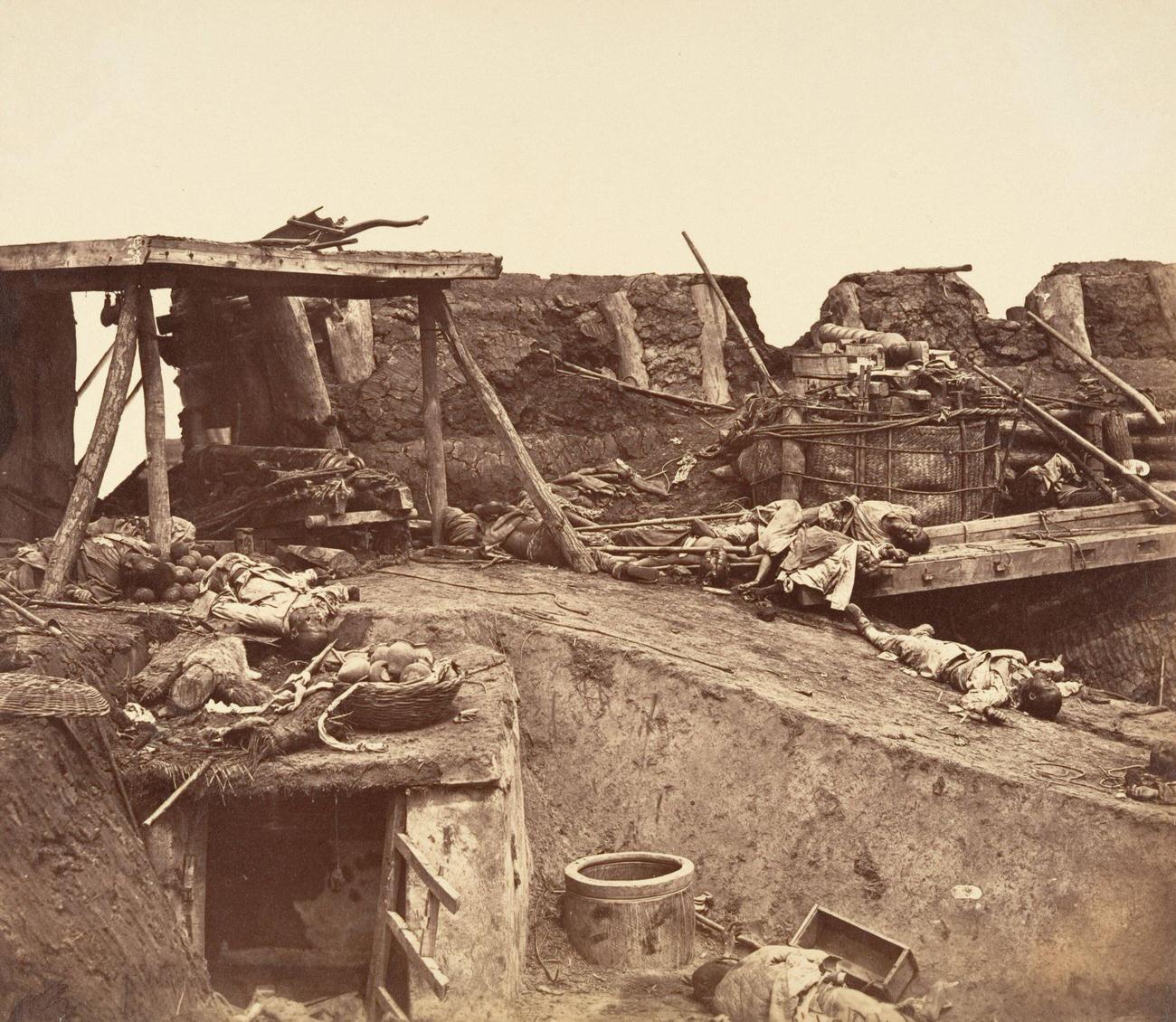
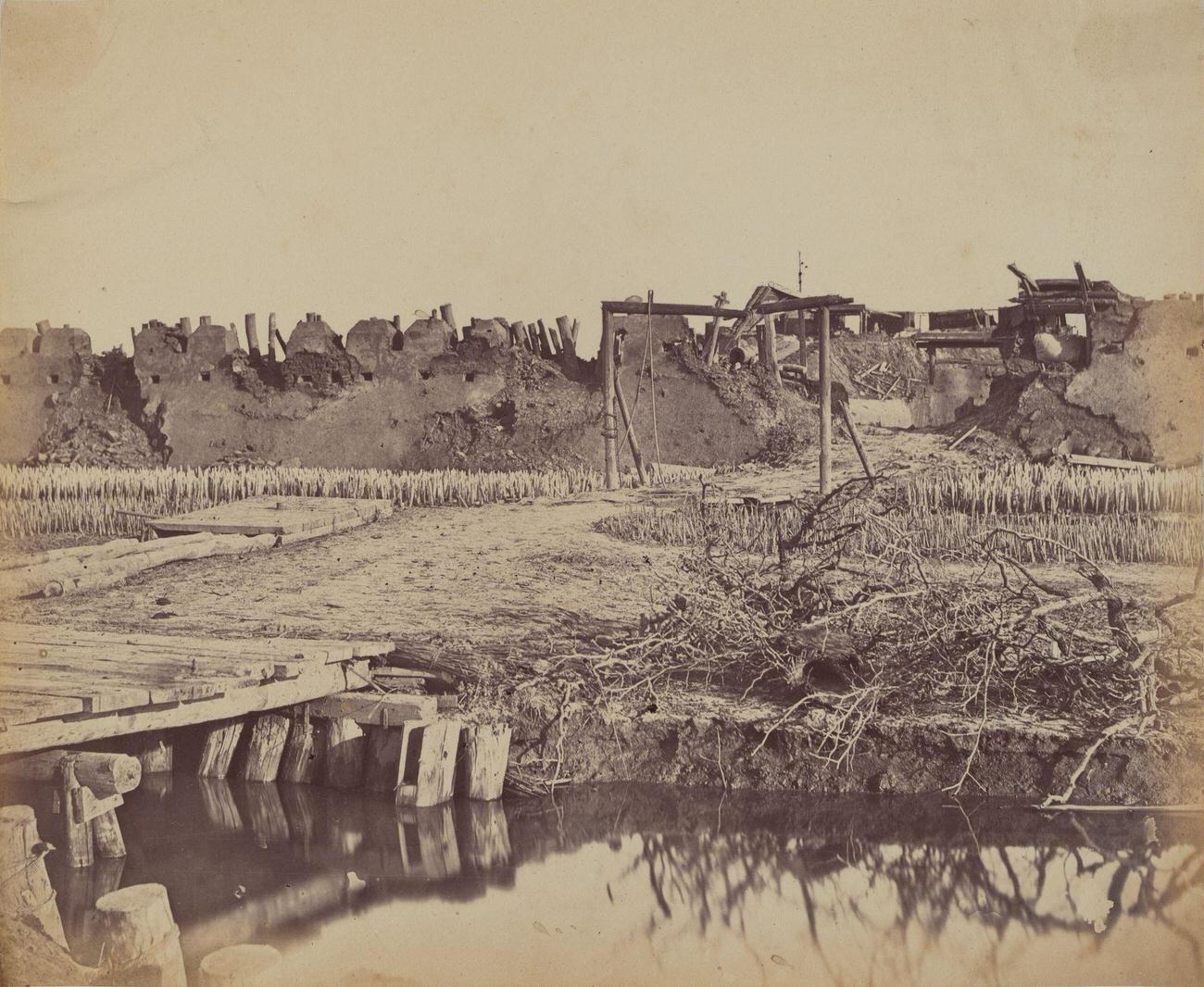
After the Capture of the Taku Forts, 1860
Chinese militia from up-country, armed with clubs and wicker shields, during the Second Chinese Opium War.
Chinese criminals restrained in wooden stocks.
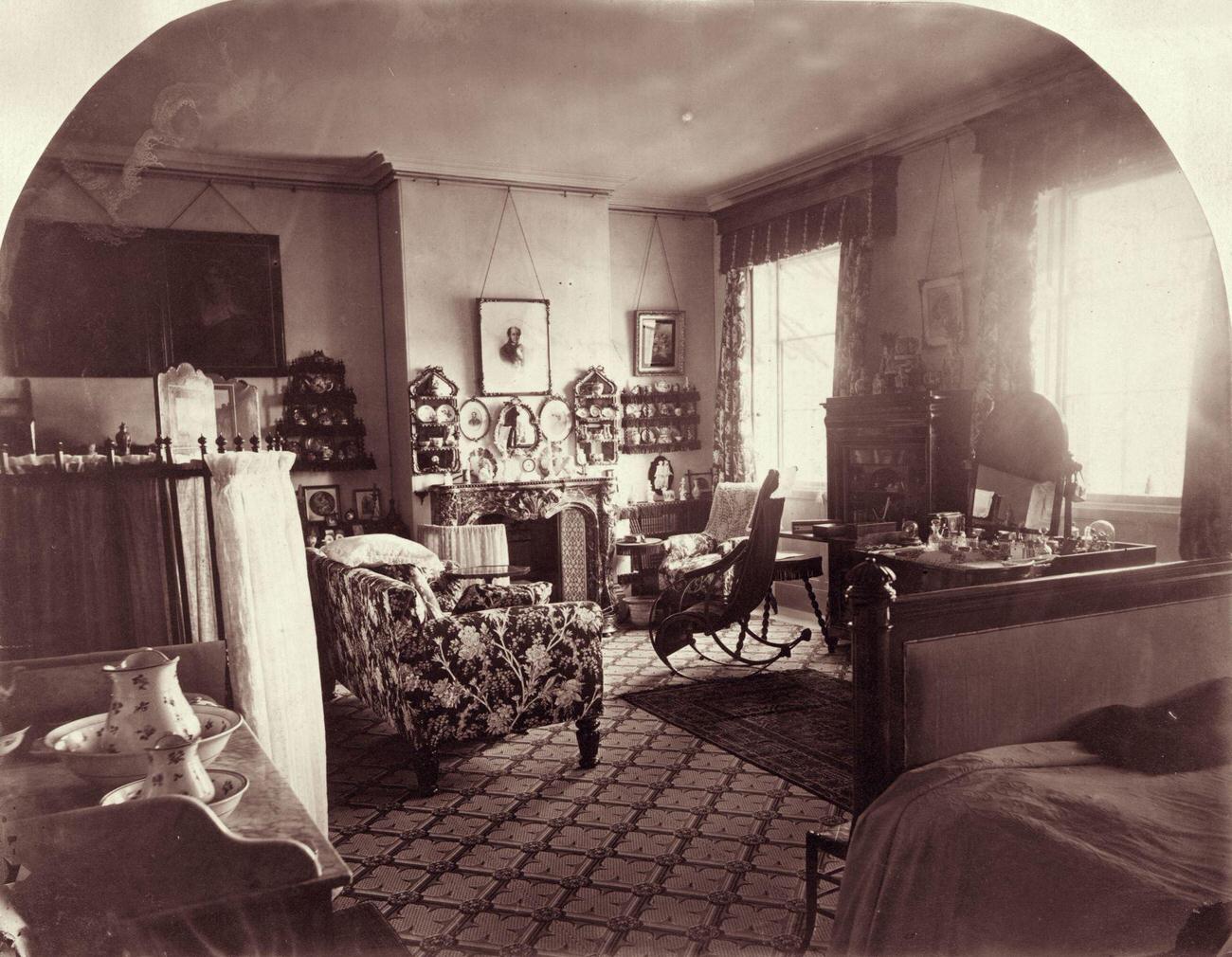
Interior of a living room in Norris Green, 1860, featuring a chintz sofa and shelves of china.
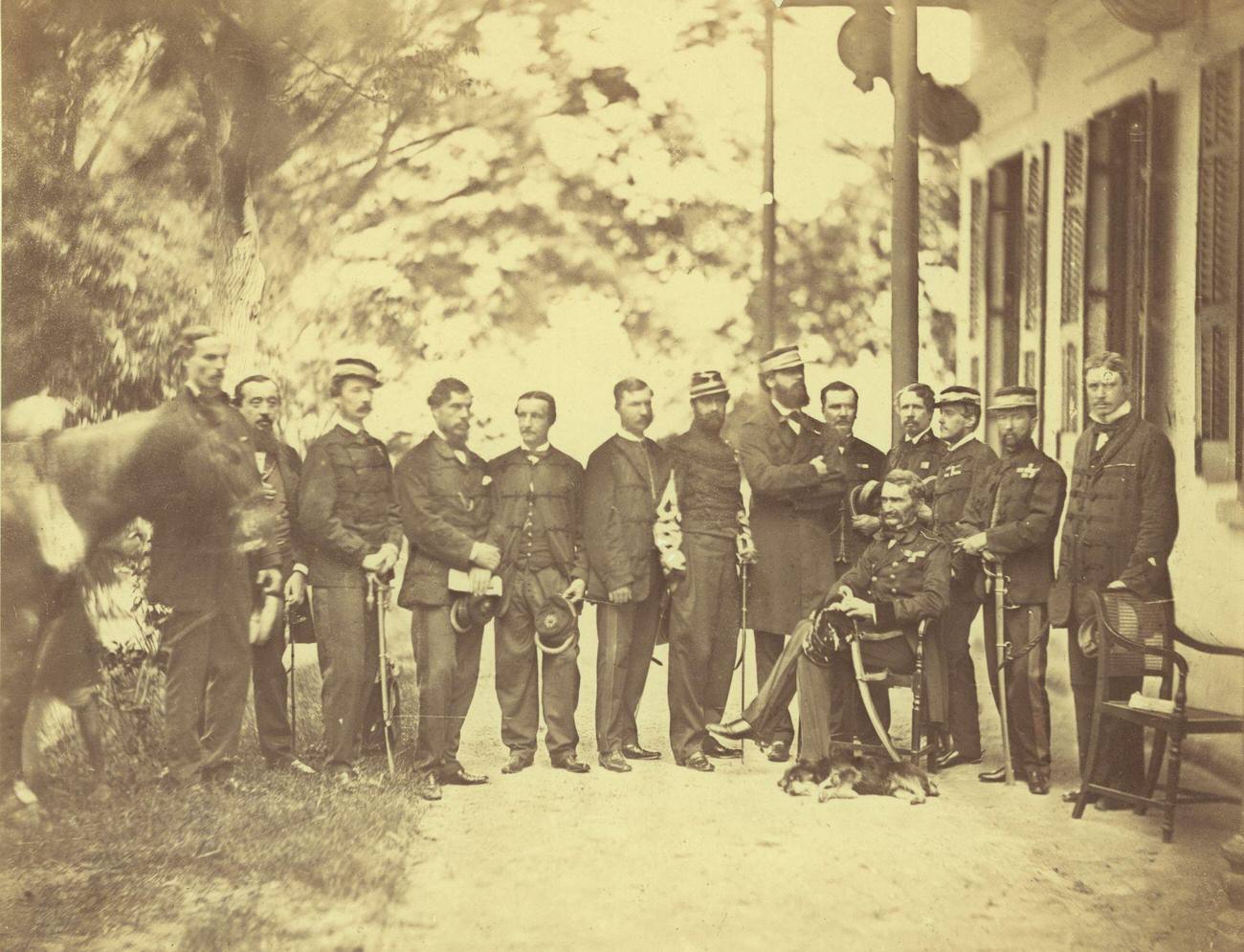
British officer Garnet Joseph Wolseley with Sir Hope Grant and staff in the Anglo-French expedition in China, 1860.
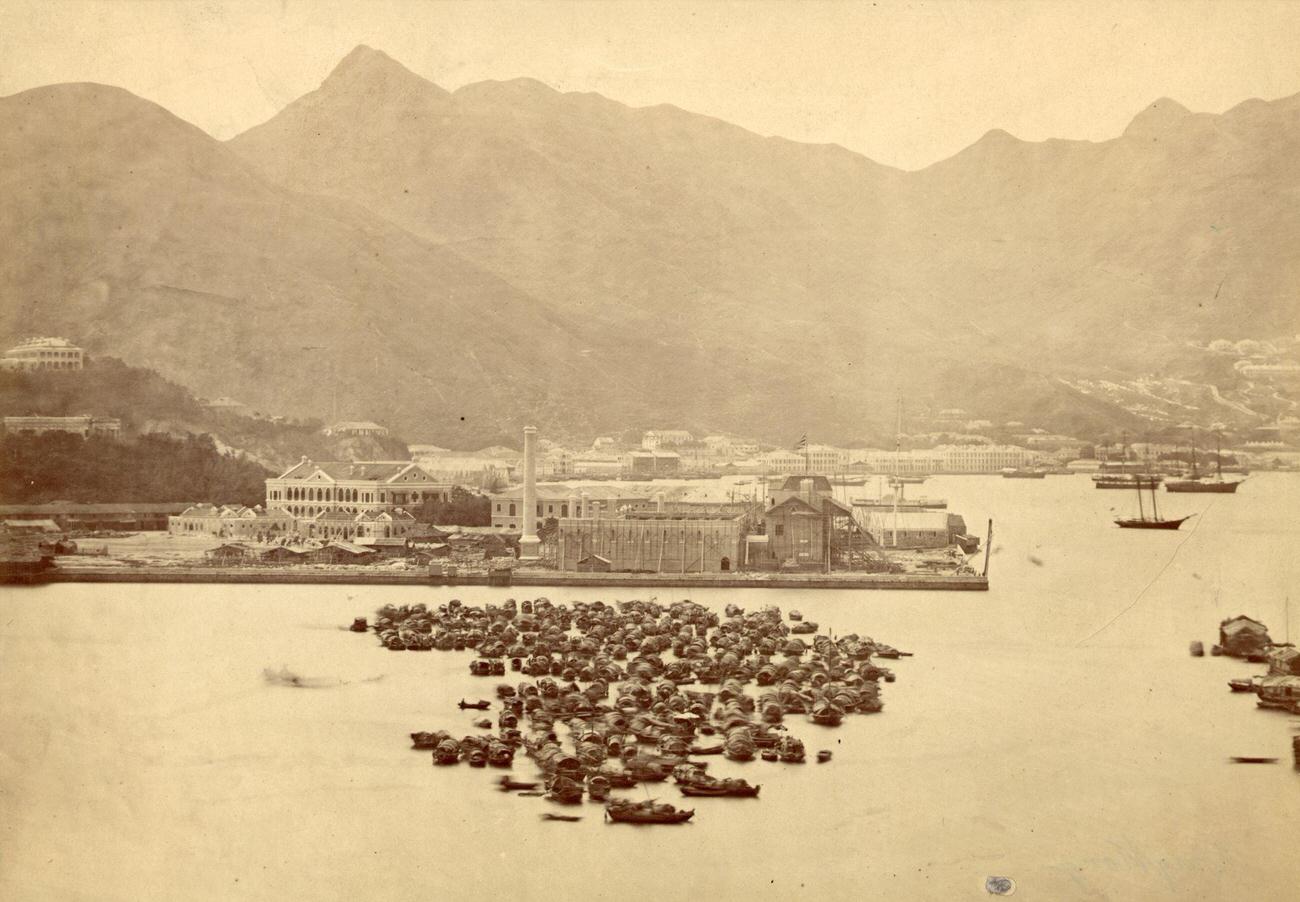
Hong Kong Harbour, 1860.
Gun boats in the Chinese harbor of Tientsin, circa 1860.
A sailing ship docked at a jetty in Hong Kong harbor, surrounded by other boats, circa 1860.

Shanghai in the 1860s was visible proof of how deeply foreign powers had embedded themselves in Chinese cities. Views taken from the American side of Soochow Creek show dense development along the waterfront, with foreign-style buildings sitting alongside traditional Chinese structures. The city’s international settlement operated largely outside Qing law. Western merchants, diplomats, and missionaries lived there under the protection of their own governments, an arrangement that was a direct result of the unequal treaties.
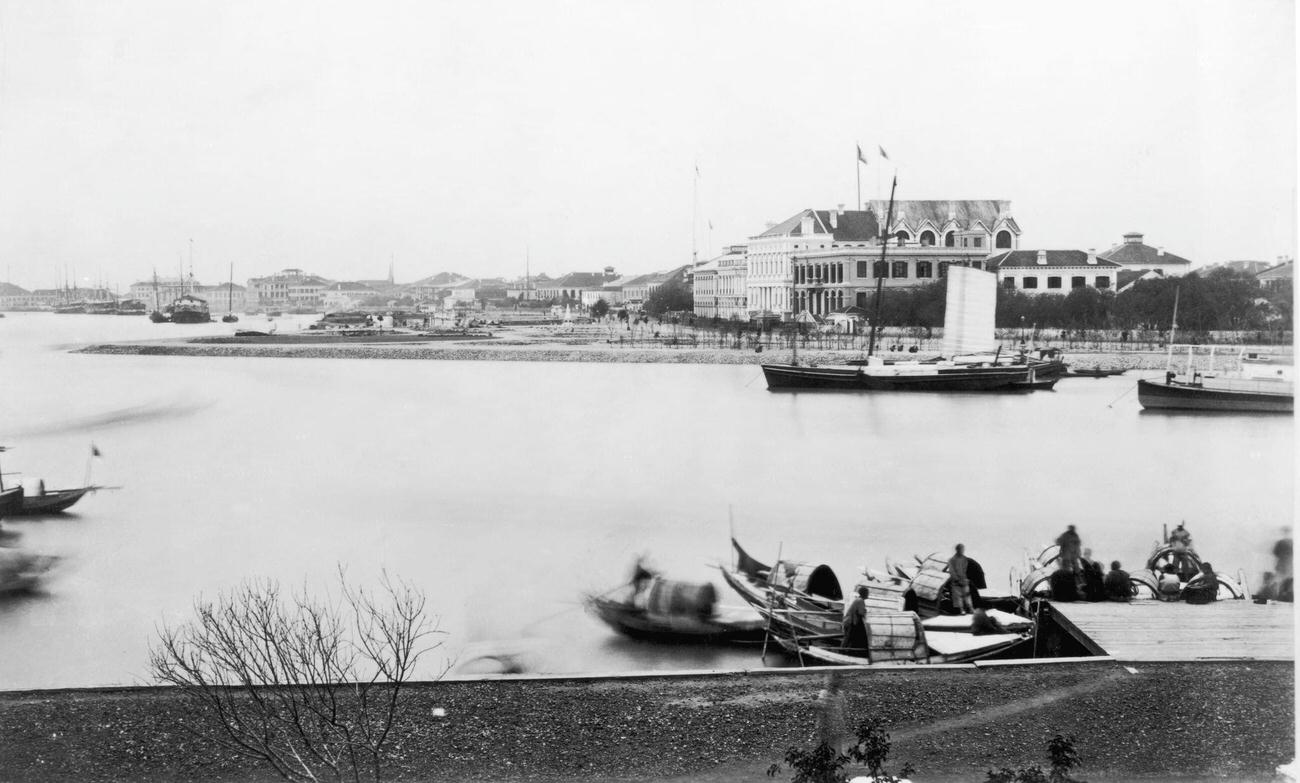
View of Shanghai in the 1860s, taken from the American side of Soochow Creek.
Another view of Shanghai in the 1860s, taken from the American side of Soochow Creek.
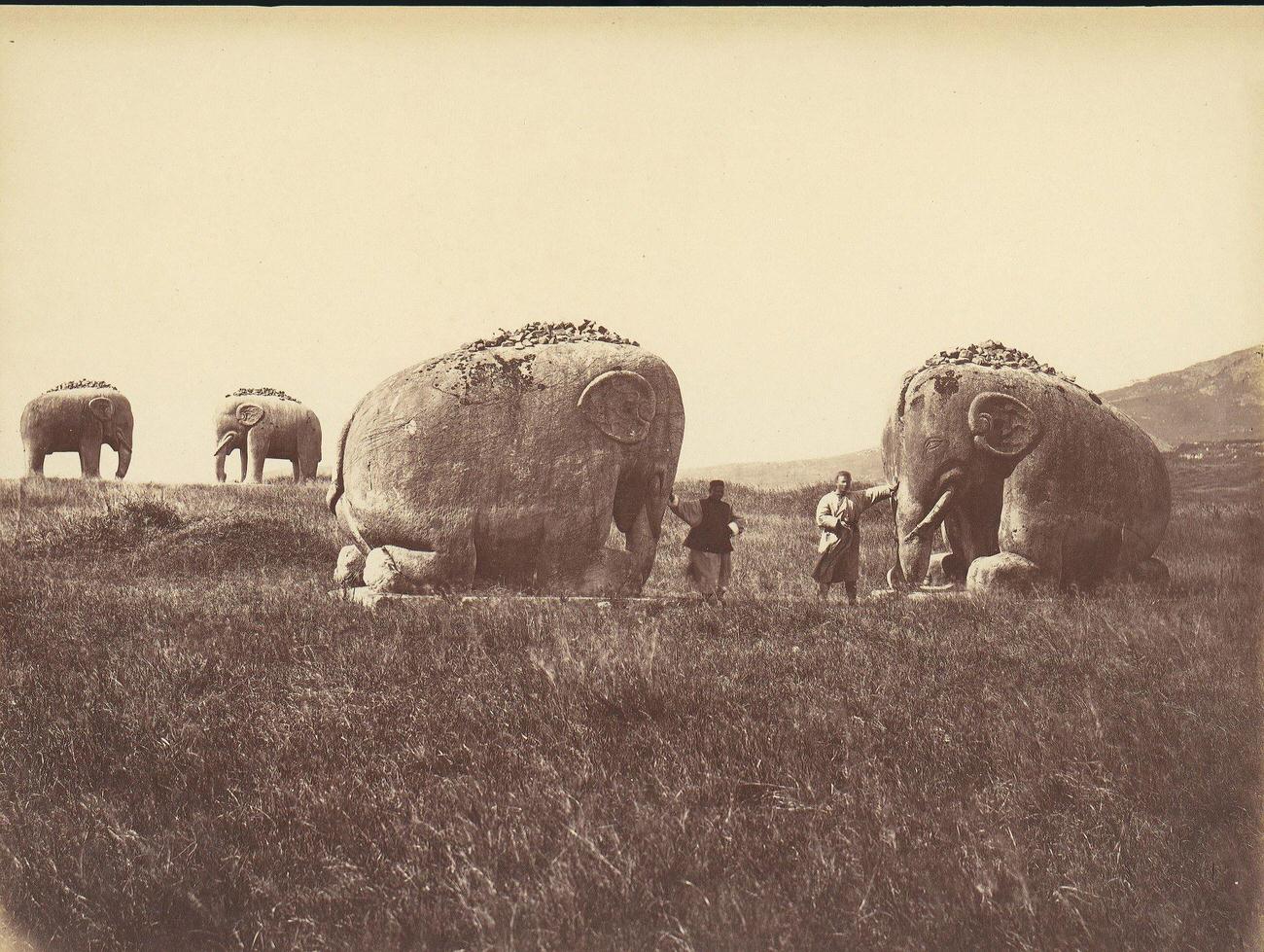
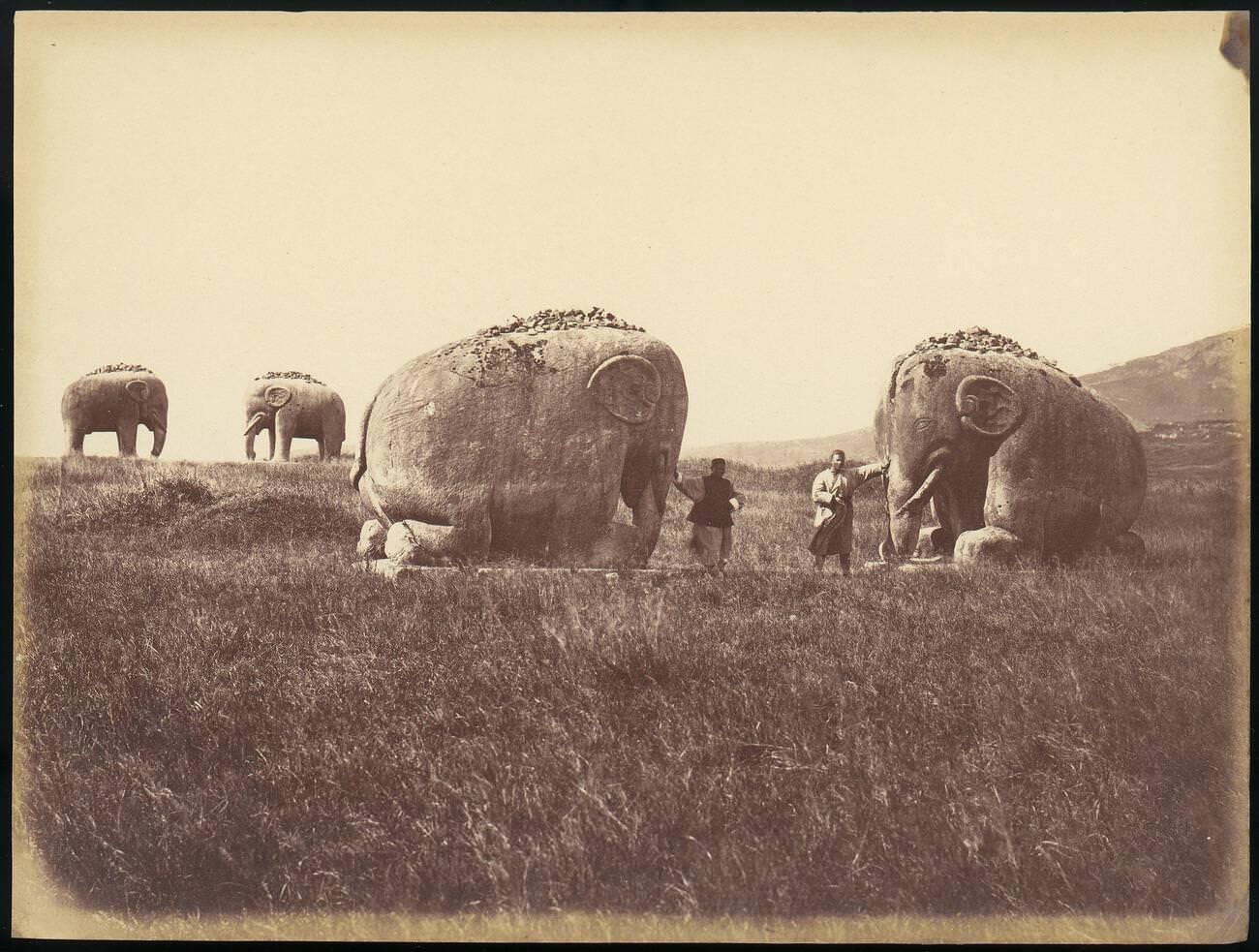
Two Men by Monumental Elephant Statues, China, 1860s
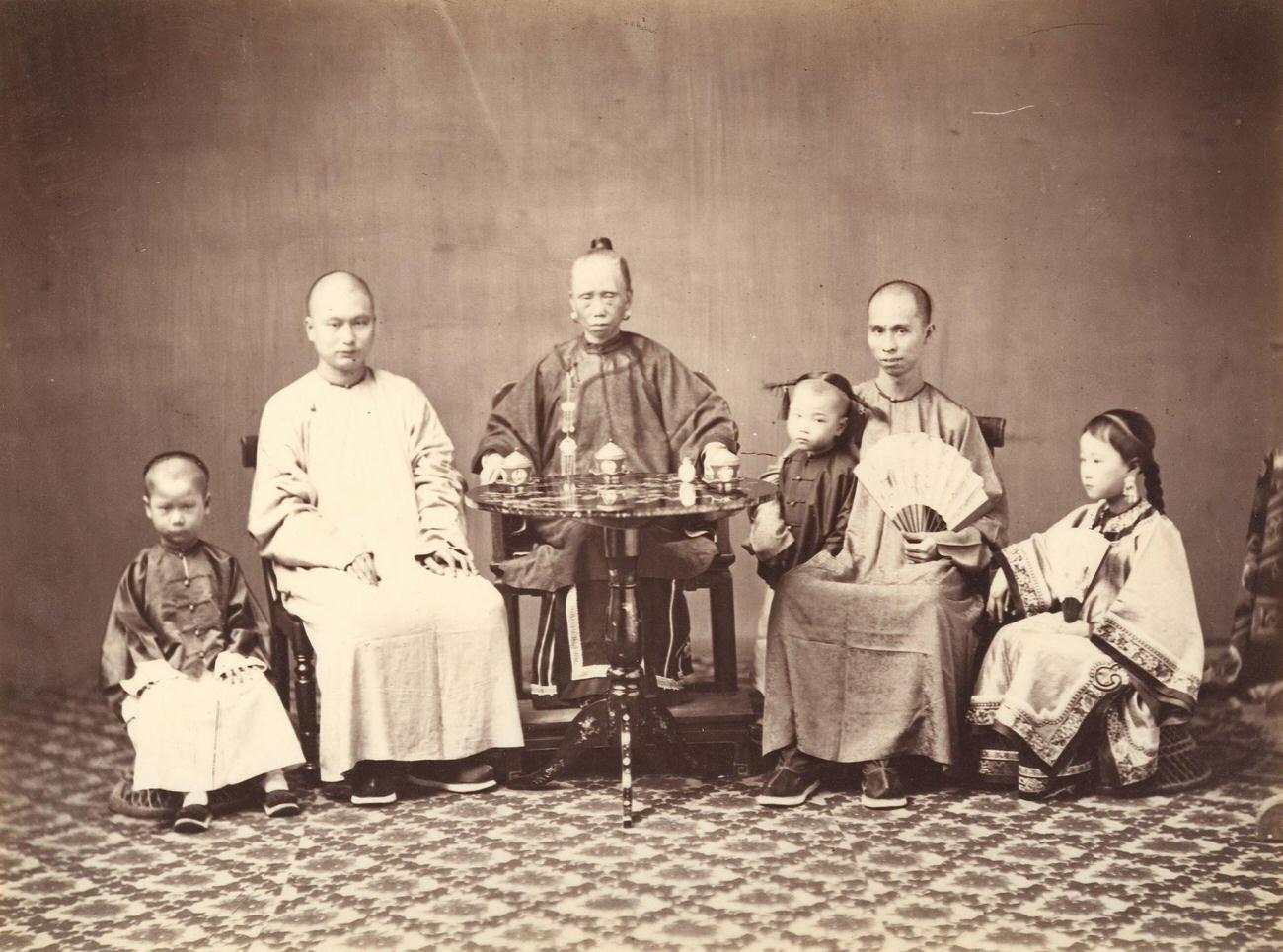
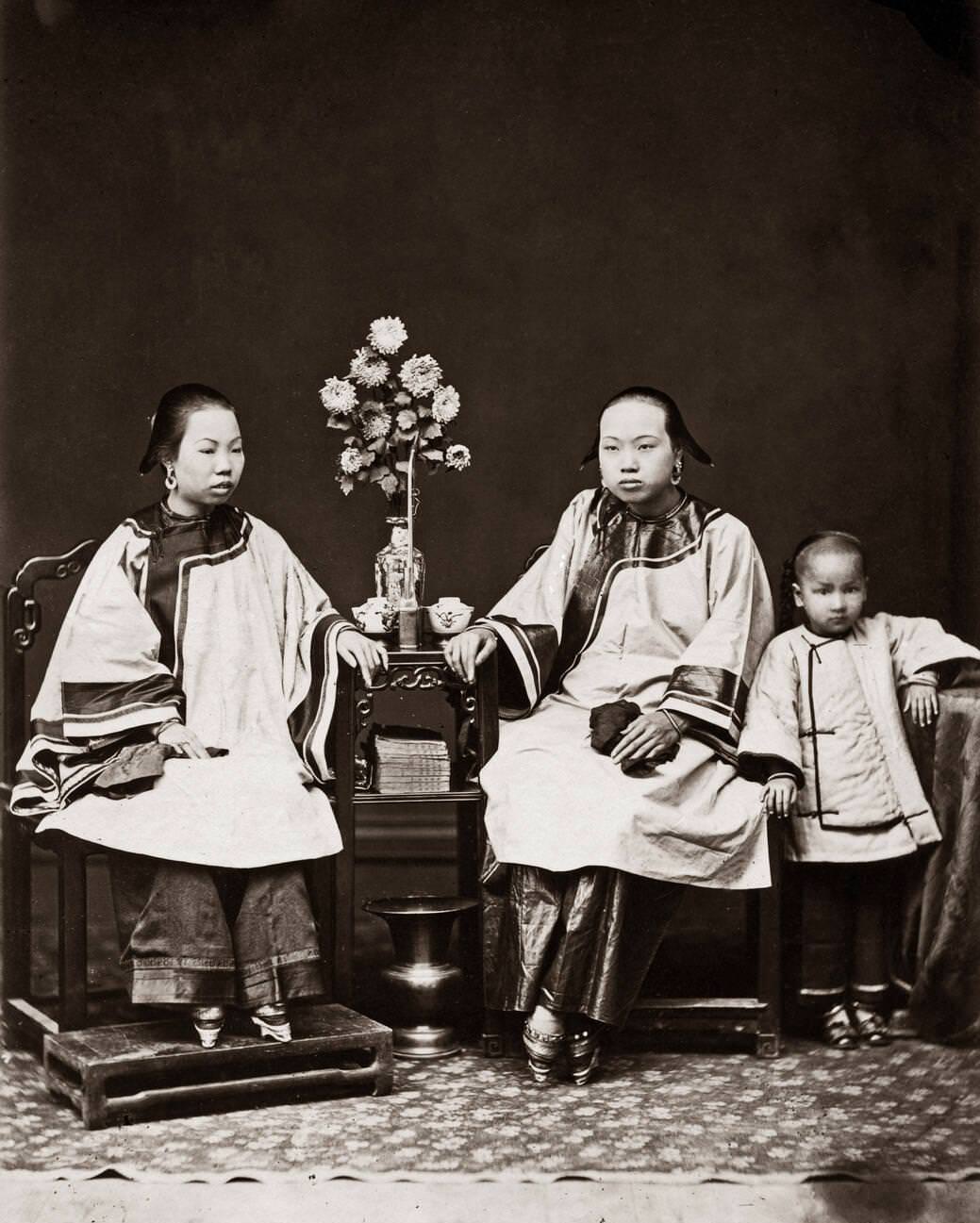
Mandarin with Family, 1863

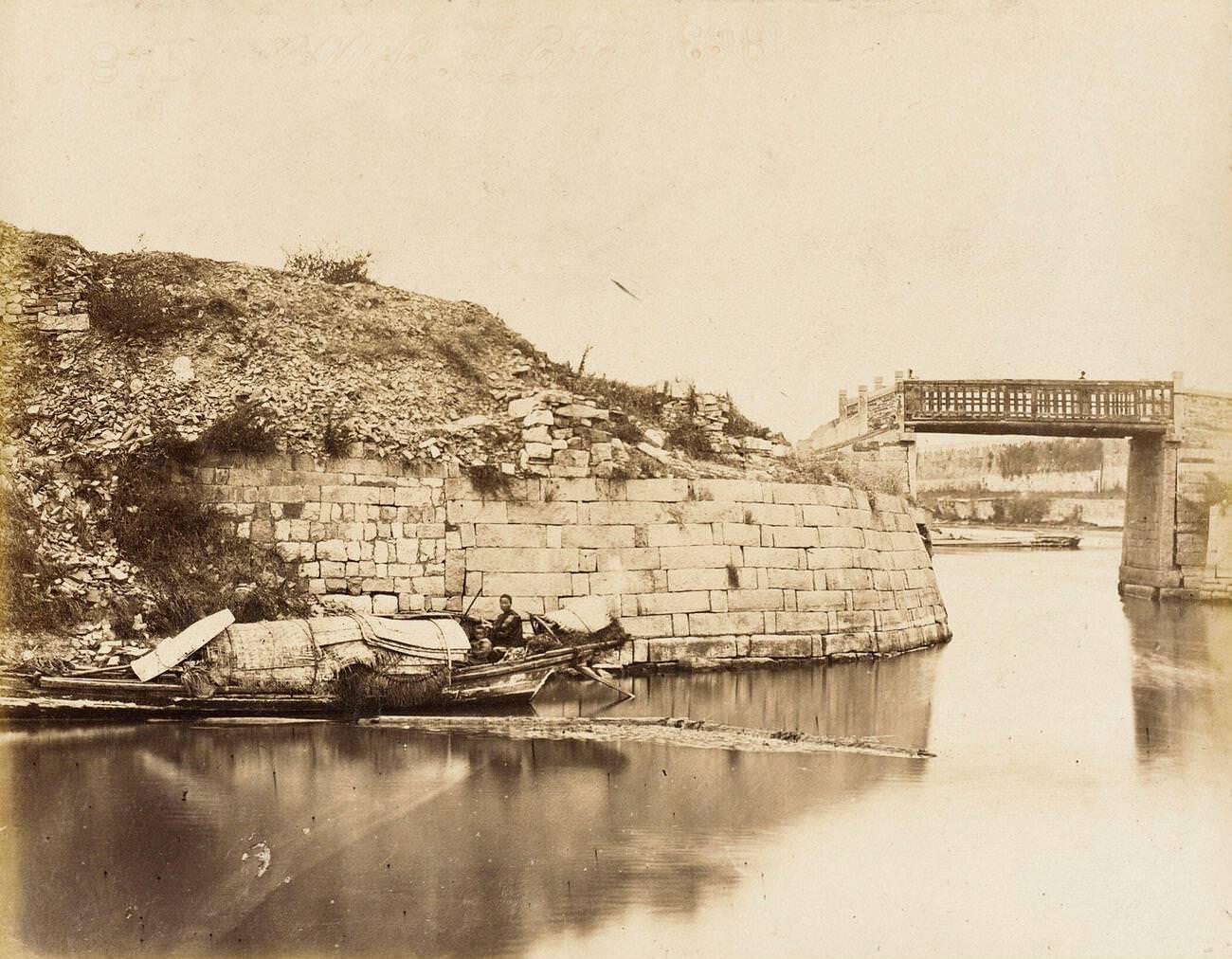
The Battle of Palichiao on September 21, 1860, was the last major engagement before Allied forces entered Beijing. French and British troops routed the Qing cavalry and infantry near the bridge outside the city. A photograph taken at the site shortly after the battle shows the bridge and its surroundings — a quiet, almost pastoral scene that gives little hint of the violence that had occurred there days before. The Qing forces suffered heavy casualties. The road to Beijing was open.
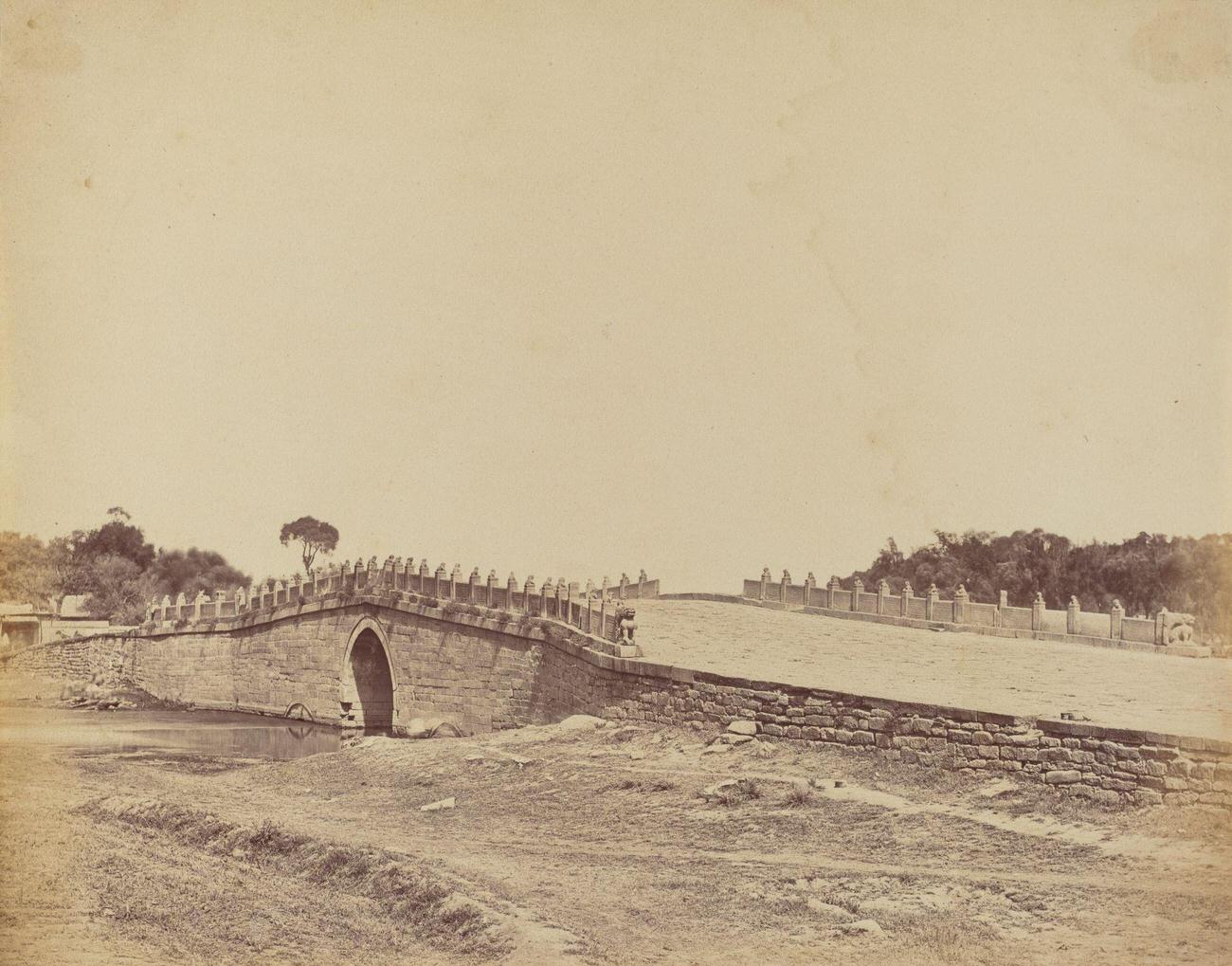
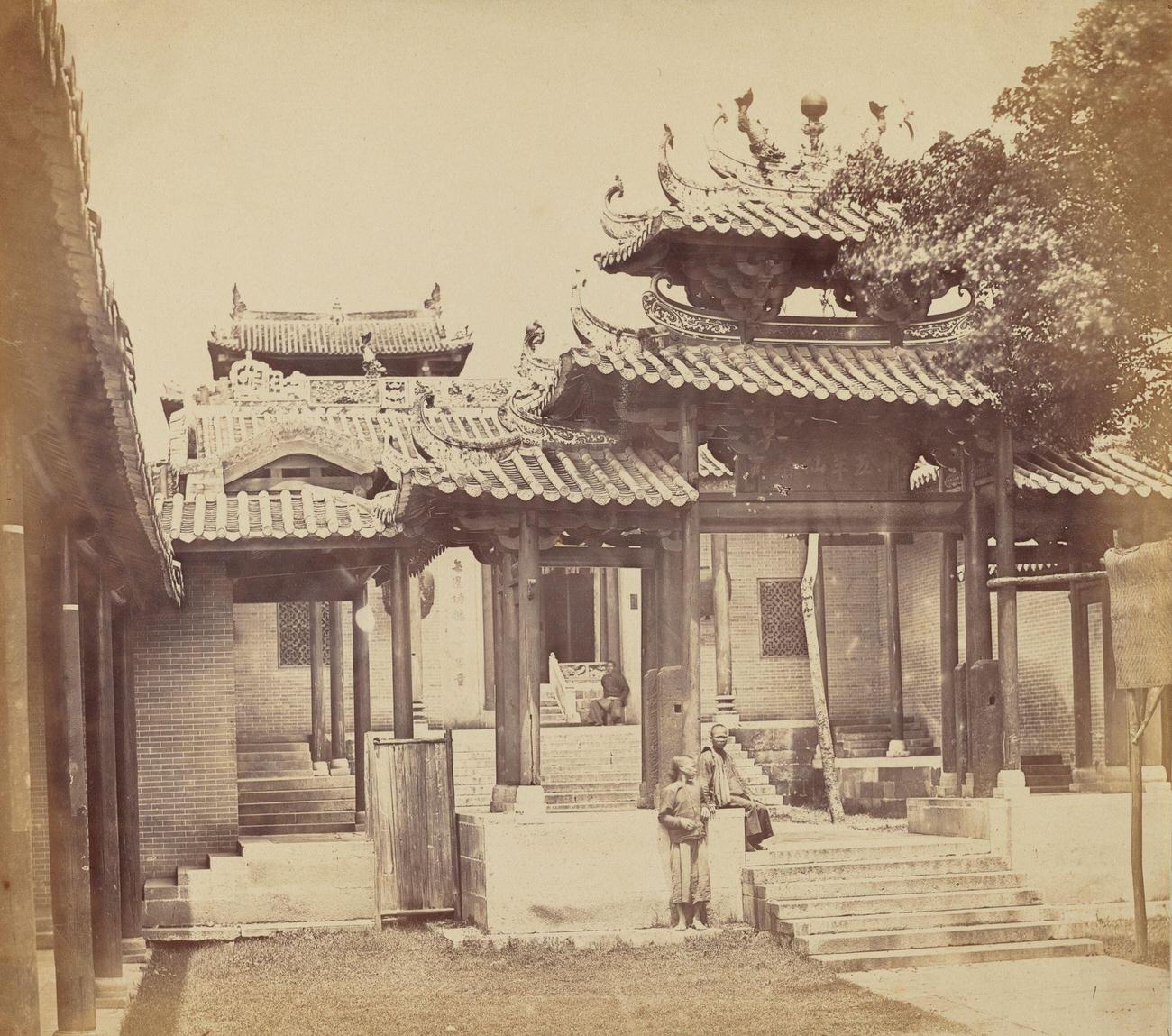
Bridge of Palichian Near Pekin, the scene of the fight with Imperial Chinese Troops, September 21, 1860
Entrance to the Five Genii Temple, Canton, April 1860
Entrance to the Treasury, Canton, April 10, 1860
Entrance to the Winter Palace, Pekin, October 29, 1860
Exterior of North Fort Showing the English Entrance, August 21, 1860
Exterior of the Tomb Depot Near Pekin, October 1860
Interior and Arches of the Temple of Heaven, Pekin, October 1860
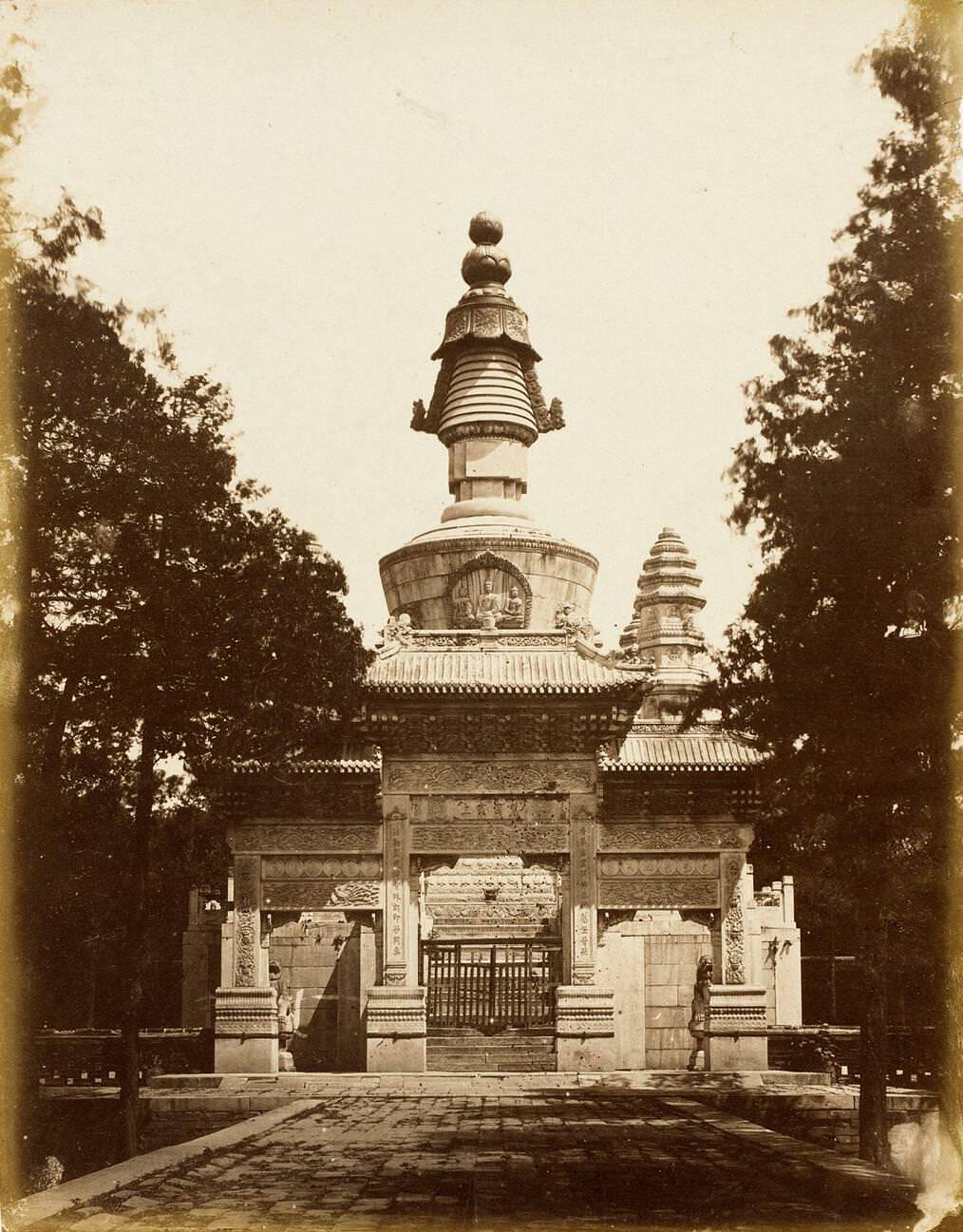
Thibetan Monument in the Lama Temple, Pekin, October 1860
Tomb Near Palichian, the scene of the commencement of the attack on September 21, 1860
View of the Summer Palace Yuen Min Yuen, Pekin, before the burning, October 1860
Interior of Pehtang Fort Showing the Magazine and Wooden Gun, August 1, 1860
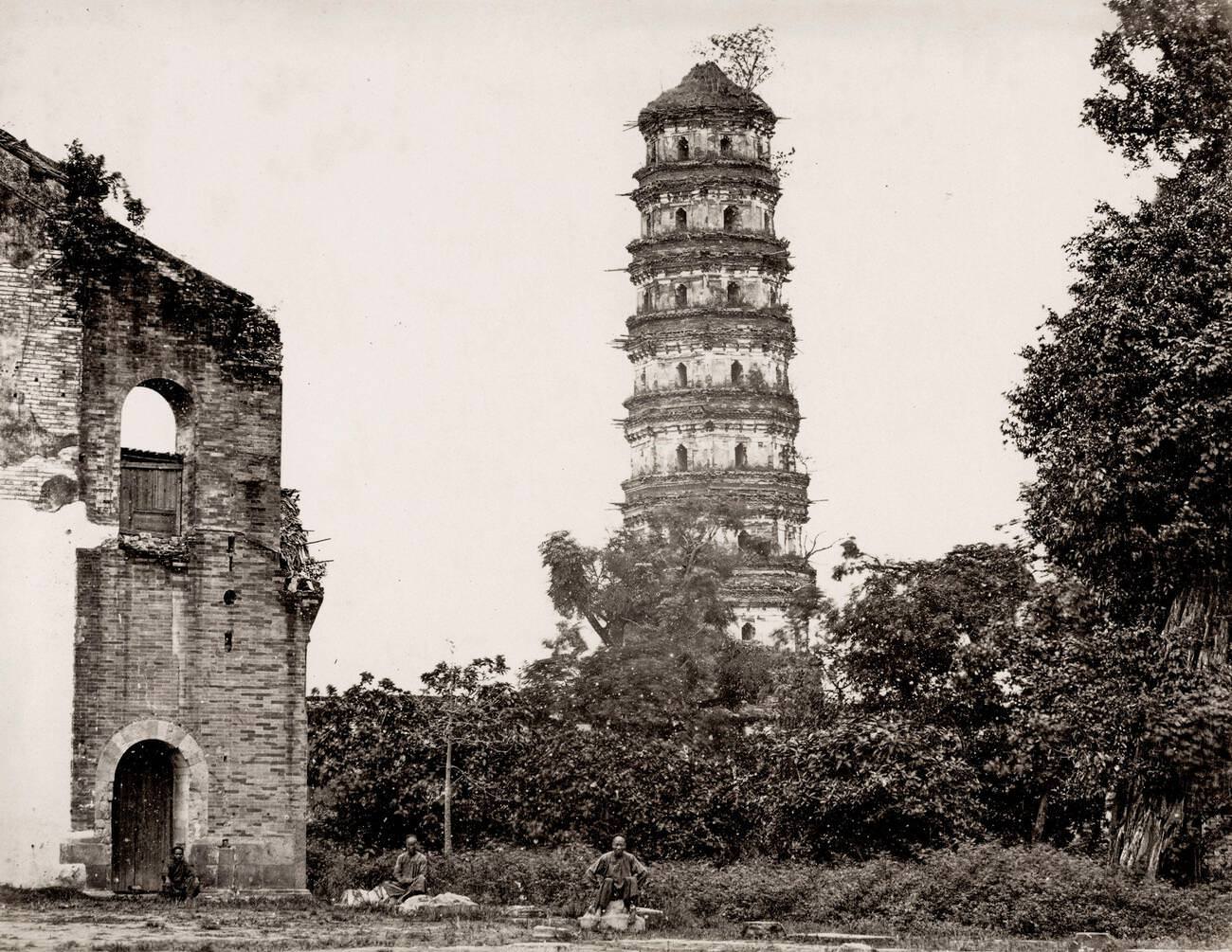
Pagoda and ruins in Canton, Guangzhou, China, 1860s
Rare Historic Photos of China in the 1860s that Reveal the Landscape, Architecture, and People of a Distant Time
Enjoyed this post? Get new ones in your inbox.
Leave a Comment

Your email address will not be published. Required fields are marked *

One Comment

Share this Post 🥺

Please take a moment to share this content. Your support is greatly appreciated! 🙌🙏

Share this Post 🥺

Please take a moment to share this content. Your support is greatly appreciated! 🙌🙏
Scroll to Top
 
Hey Friend, Before You Go.. Please like & follow for more interesting content