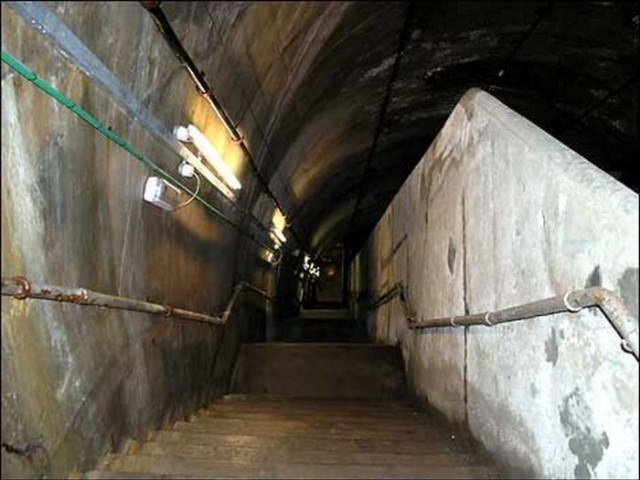
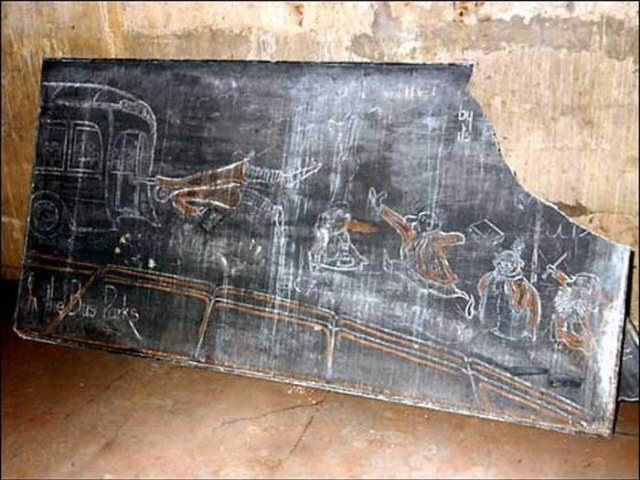
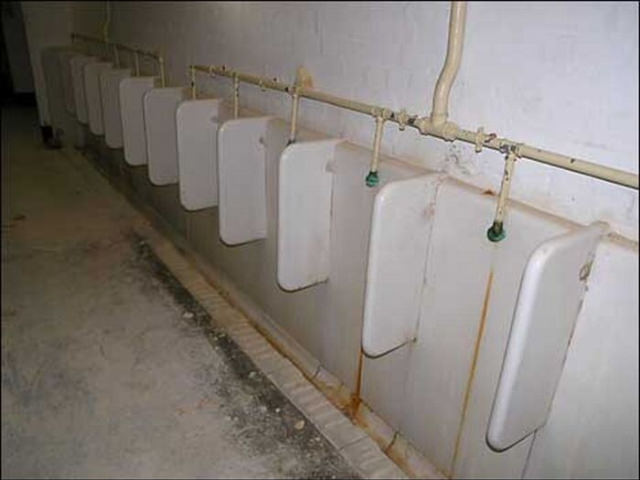
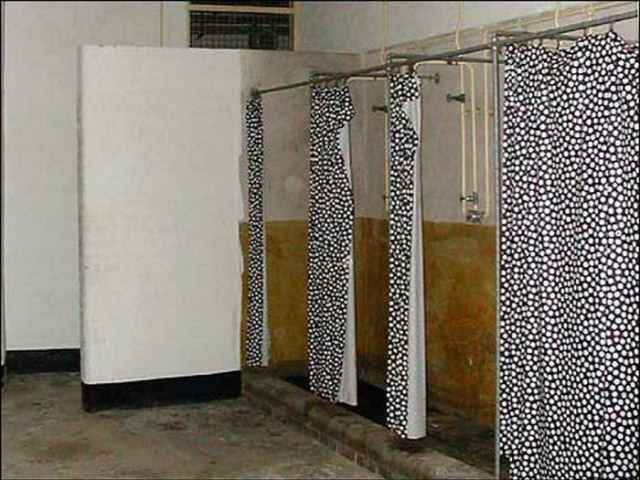
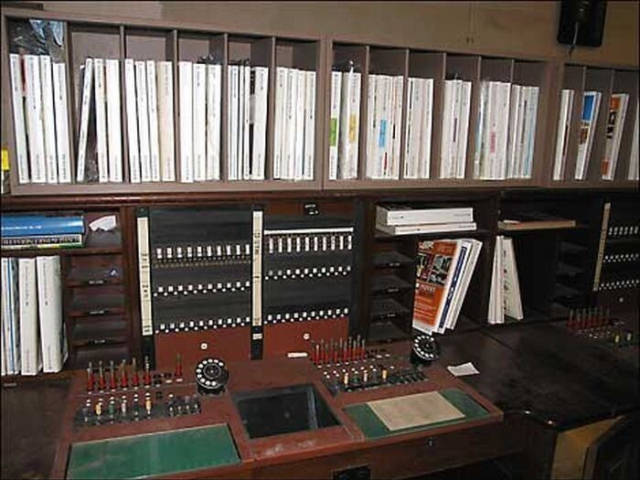
Buried 120 feet below the Wiltshire countryside in England sits one of the most extraordinary secrets of the Cold War. Known officially as Burlington — and nicknamed “Cold War City” — this vast underground complex was built in the 1950s to keep Britain’s government alive in the event of a Soviet nuclear attack. For decades, its existence was one of the country’s most closely guarded secrets. It wasn’t declassified until 2004.
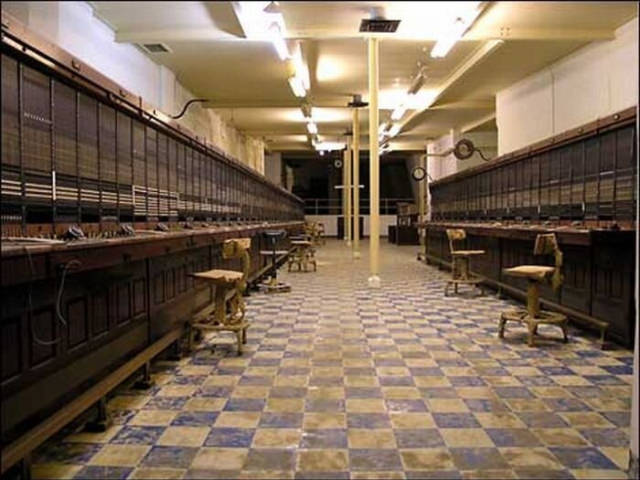
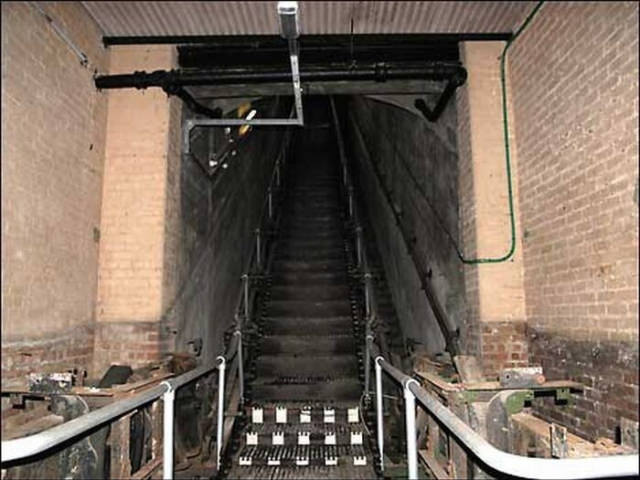
The complex covers 35 acres of tunnels, rooms, and corridors carved deep into the rock. It was designed to house Prime Minister Harold Macmillan’s cabinet and up to 4,000 civil servants. The goal was simple: if Soviet missiles fell on Britain, the government would retreat underground and continue to function from there.
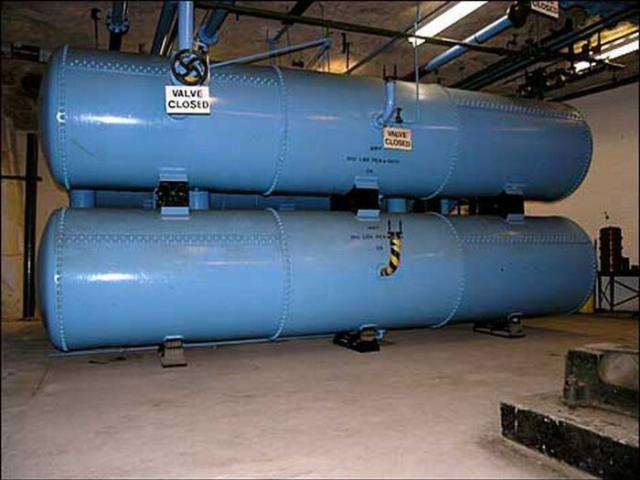
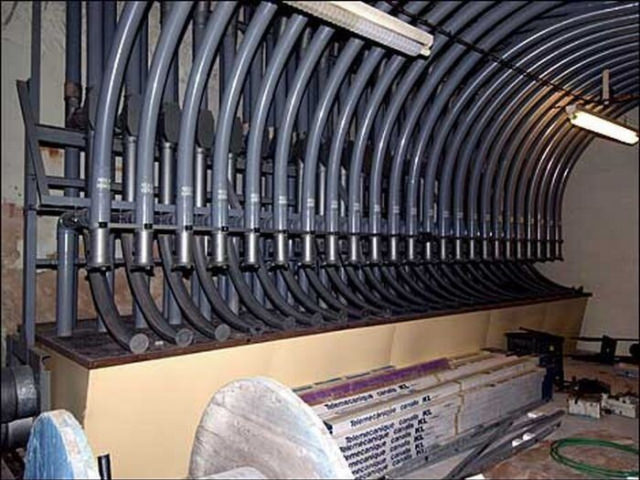
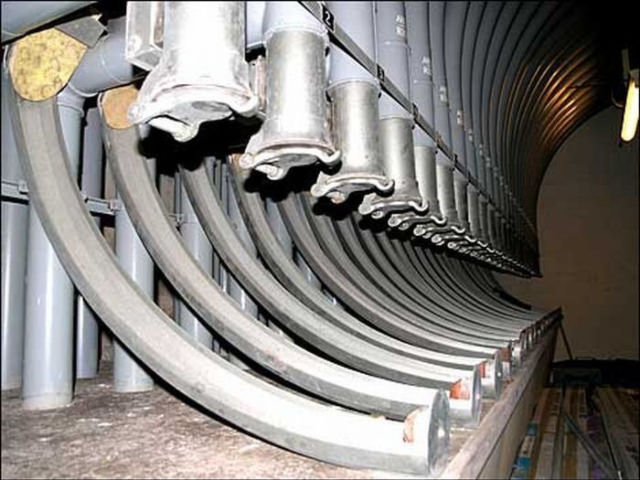
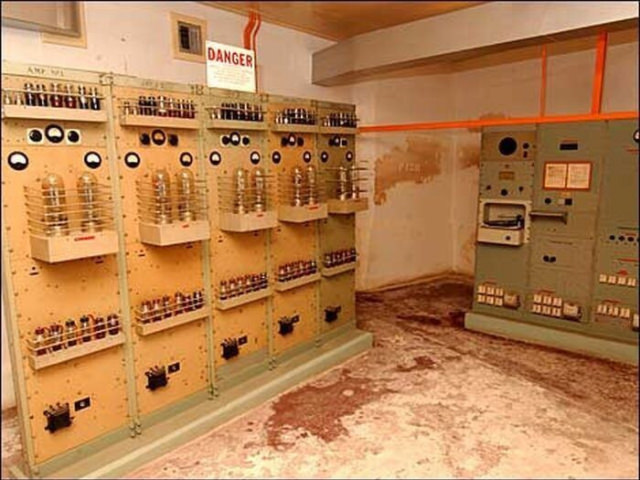
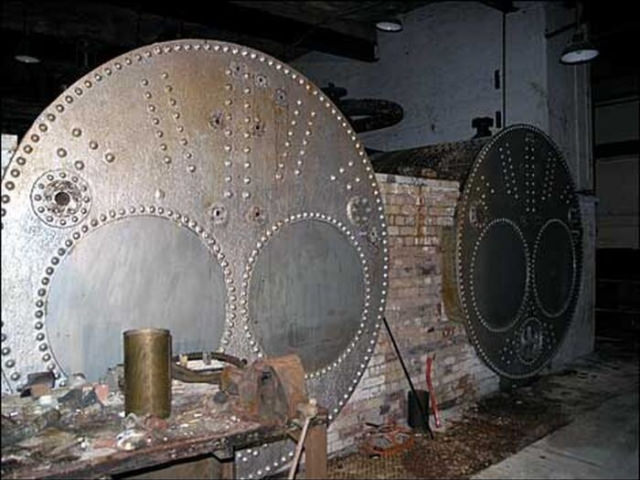
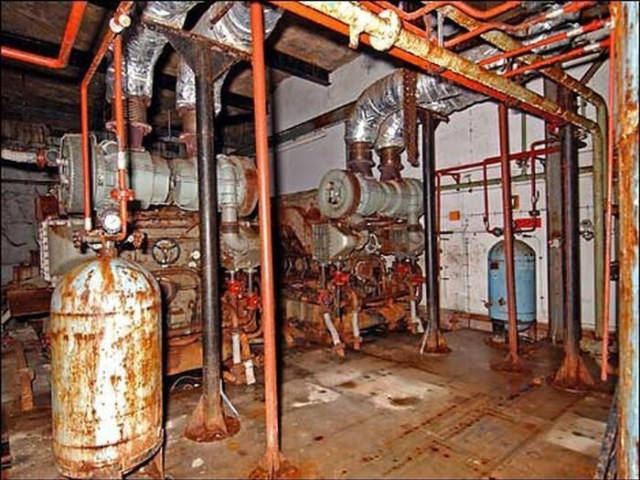
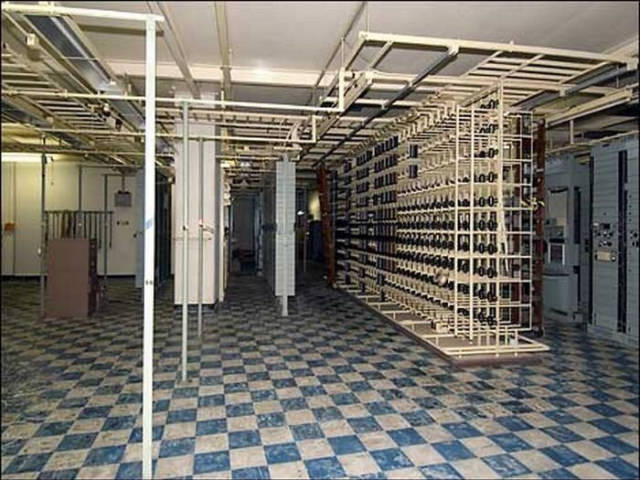
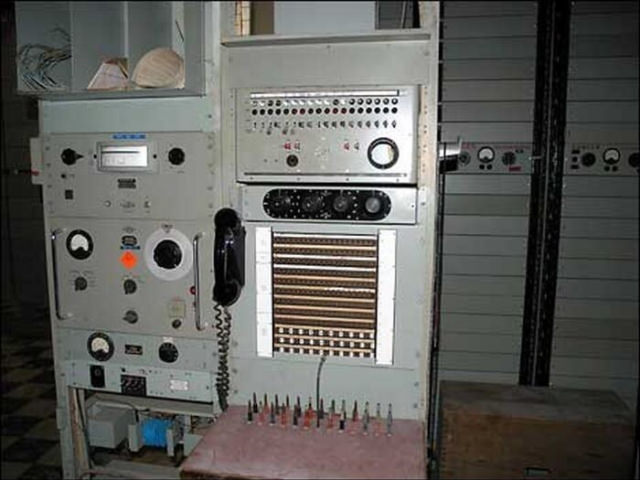
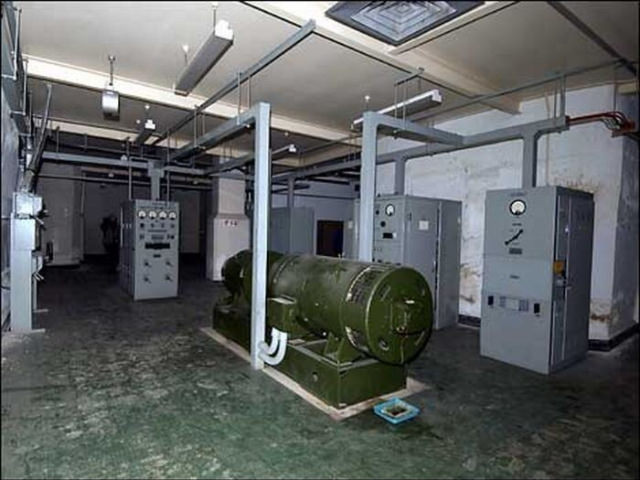
Burlington was not just a bare concrete shelter. It was built to operate as a functioning city. Over 100,000 lamps lit its underground streets. Engineers installed dedicated power stations to keep the lights on and the machinery running. The scale of the operation was enormous.
Even a pub was included. Modeled after the Red Lion in Whitehall, it gave the bunker a strange sense of normalcy. The idea was that civil servants living underground for extended periods needed somewhere to unwind. It stood as a deliberate reminder of the world above.
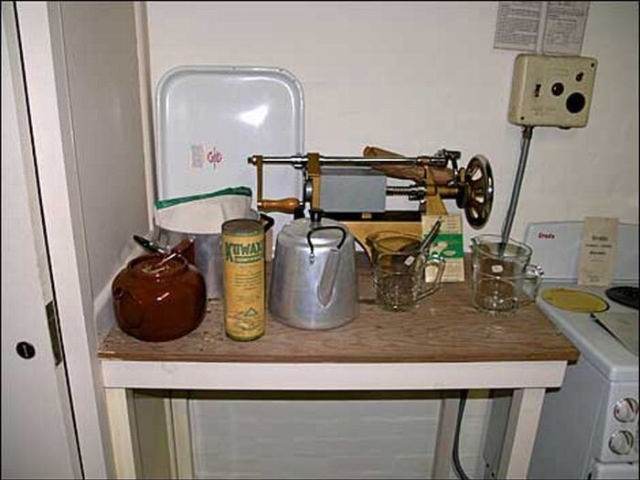
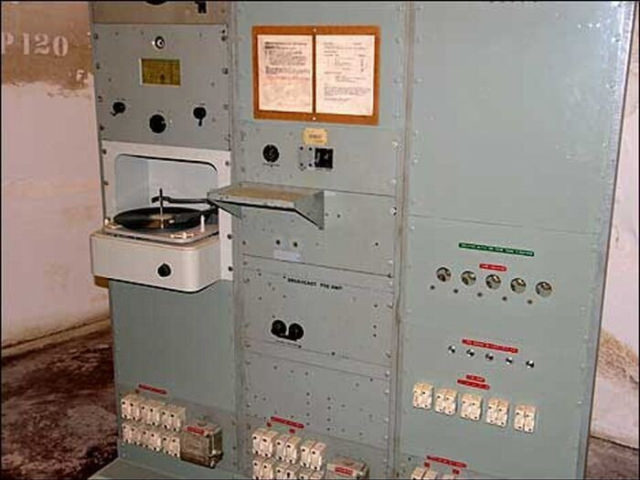
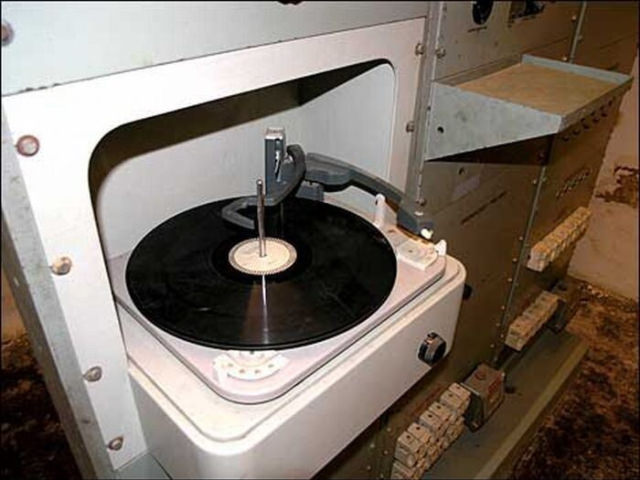
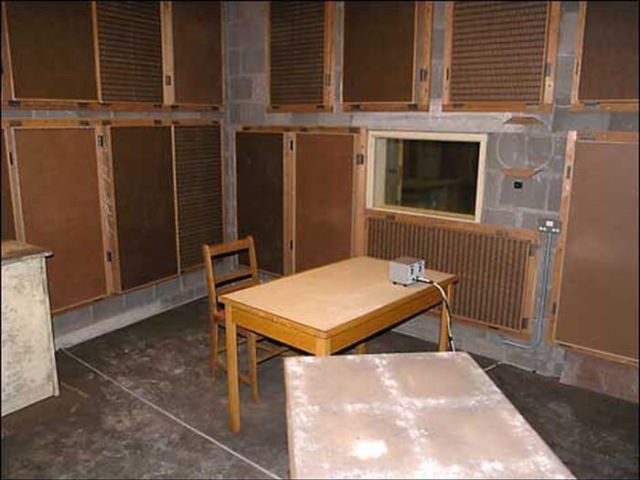
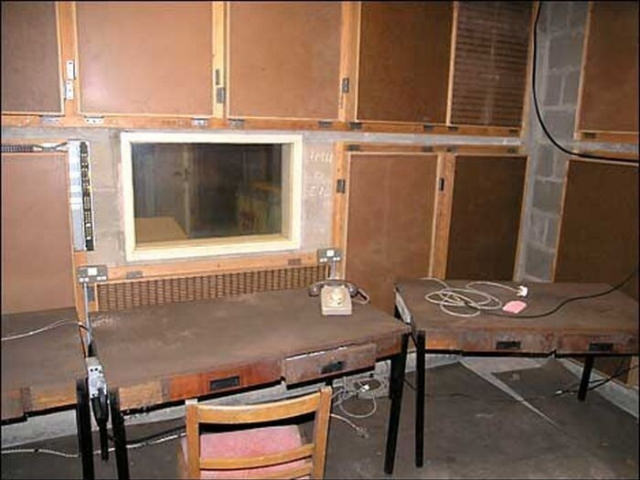
The bunker also included a BBC studio. From this room, the Prime Minister could broadcast directly to the British public — or to whoever remained alive after a nuclear strike. The studio was fully equipped and ready to transmit at a moment’s notice.
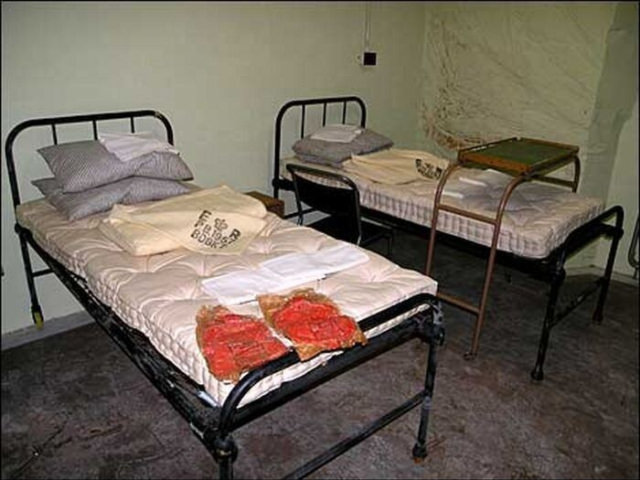
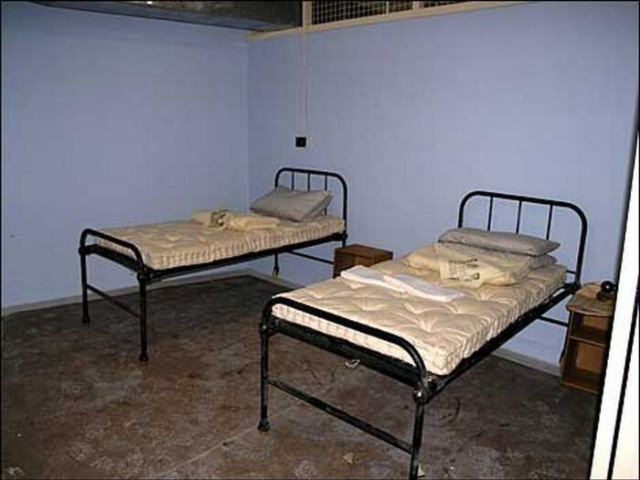
Getting there was planned carefully. Burlington was connected to the main London-to-Bristol railway line via a spur tunnel. This rail link served a dual purpose. It allowed supplies and personnel to reach the bunker quickly, and it was also planned as an escape route for the royal family in the event of an attack.
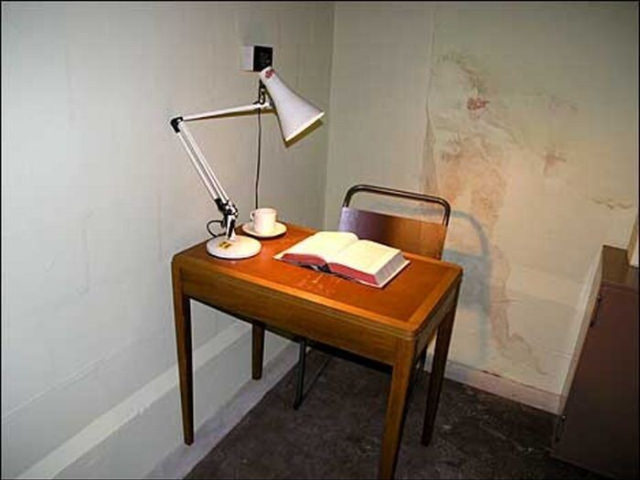
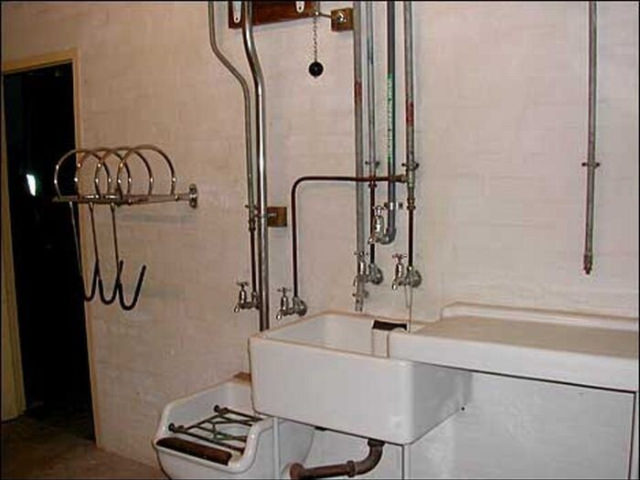
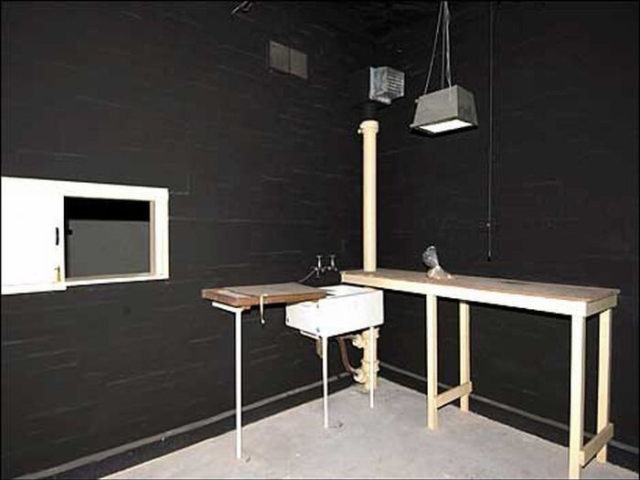
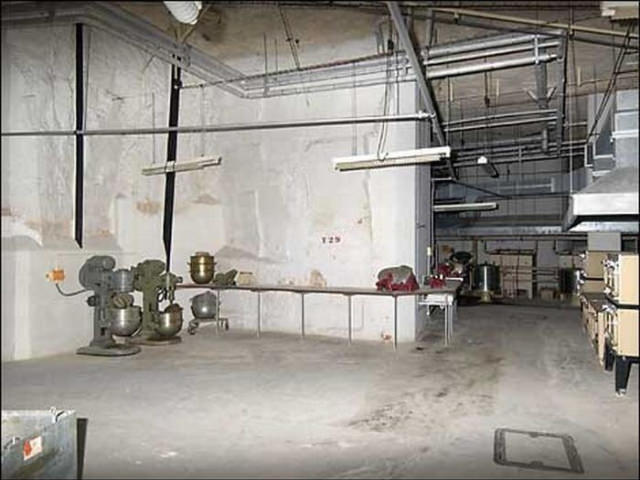
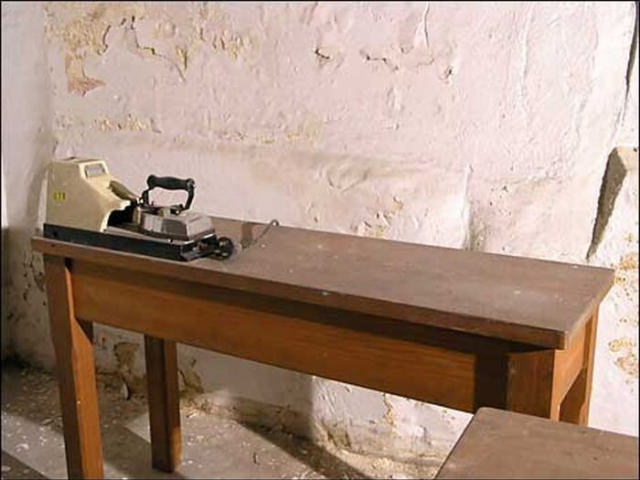
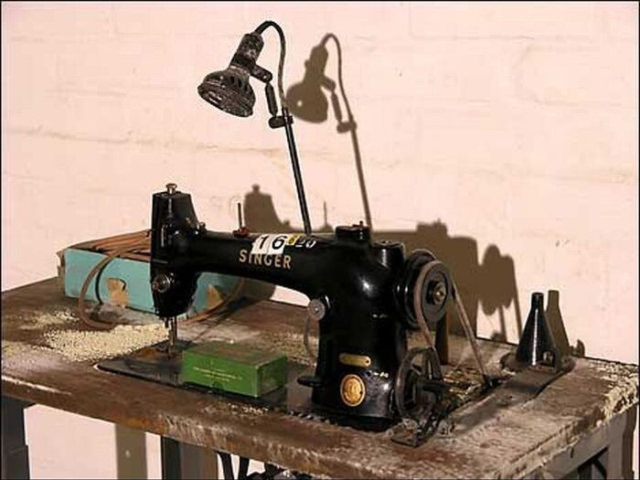
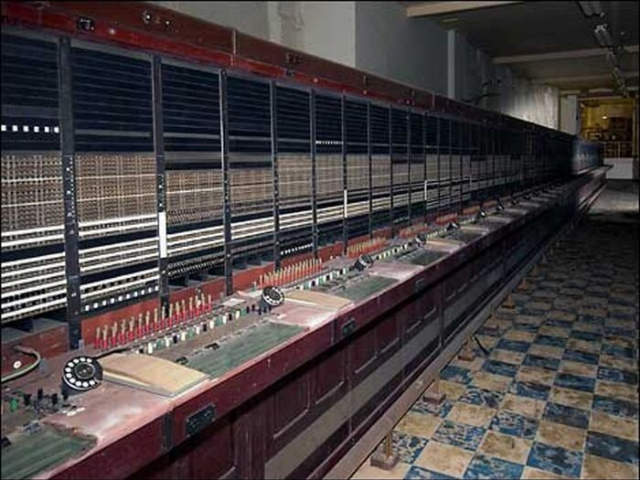
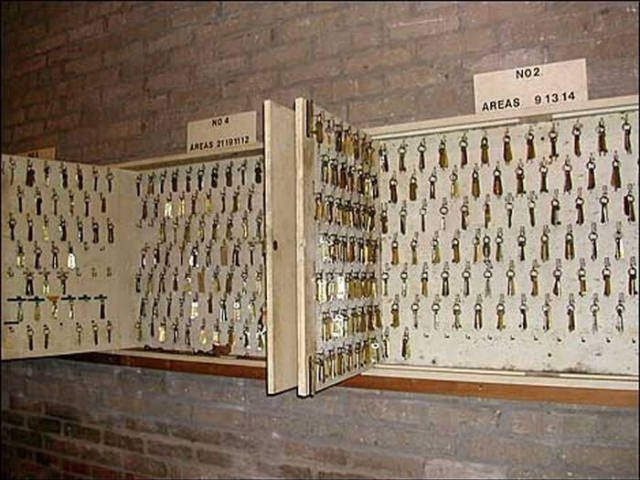
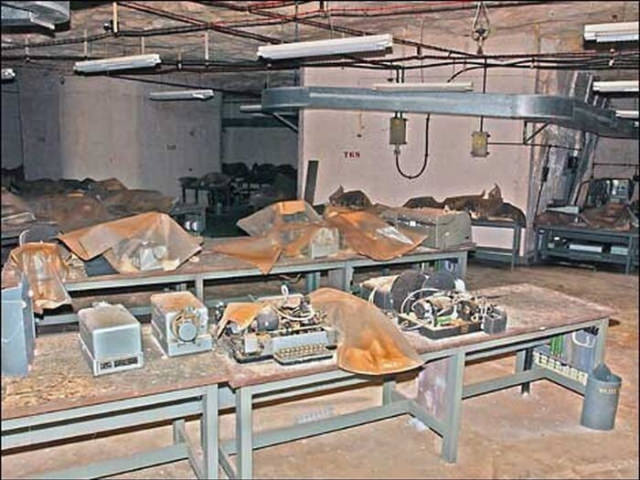
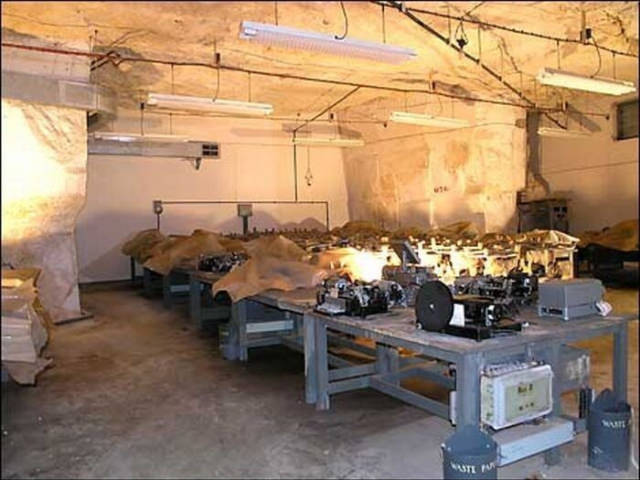
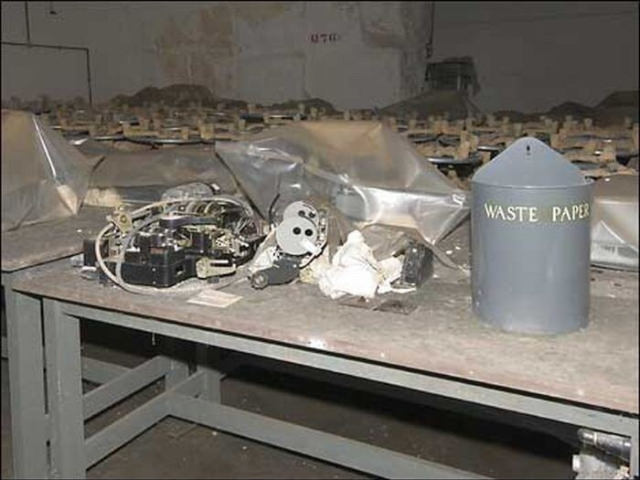
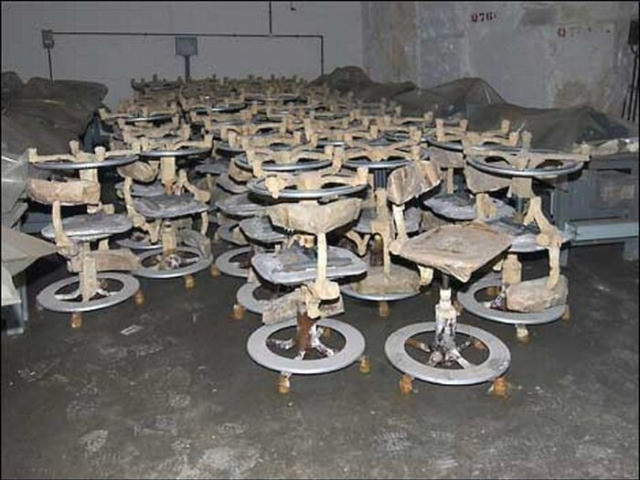
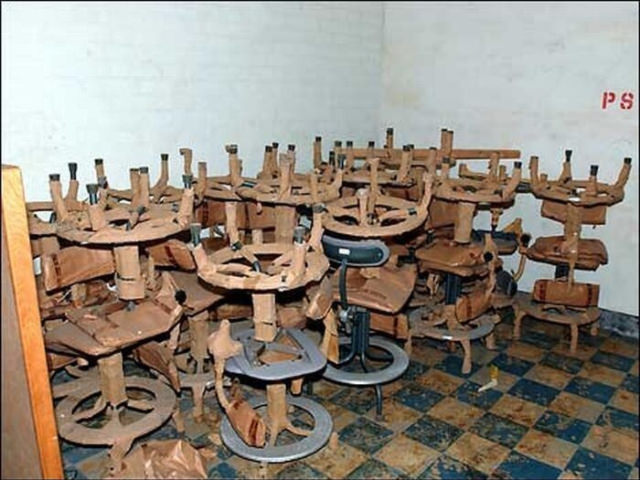
What makes Burlington particularly striking today is how frozen in time it remains. When visitors and officials entered after its decommissioning, they found the site almost entirely untouched. Swivel chairs delivered in 1959 were still in their original packaging, never once used.
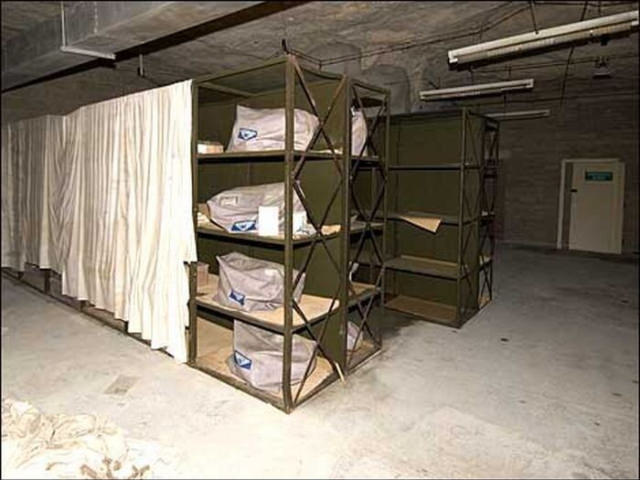
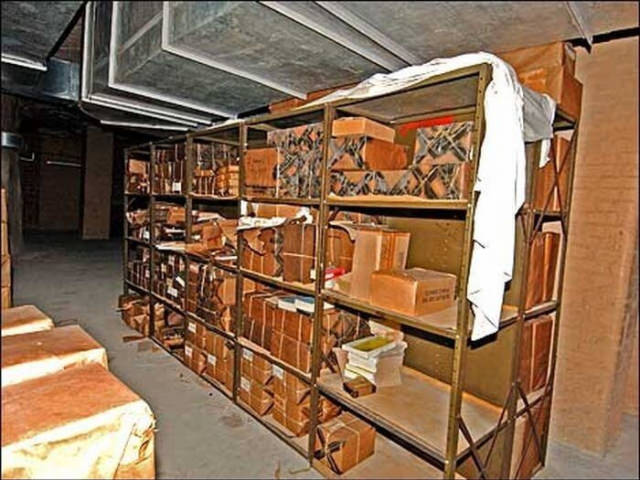
Boxes of glass ashtrays sat unopened. Civil service tea sets were still in their crates. Lavatory brushes were stacked exactly as they had been left. The bunker was stocked, sealed, and then simply never needed.
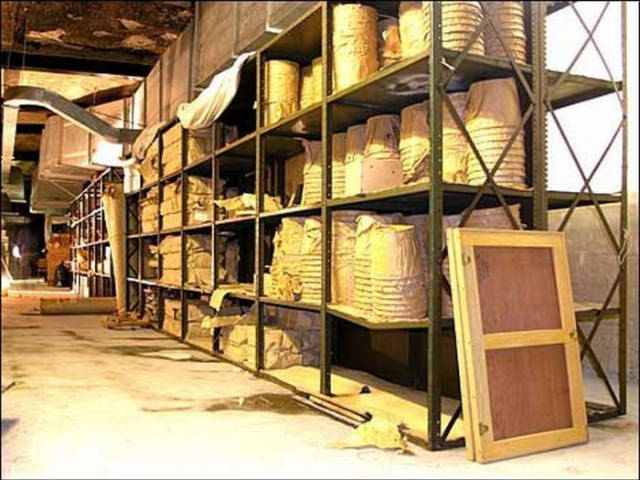
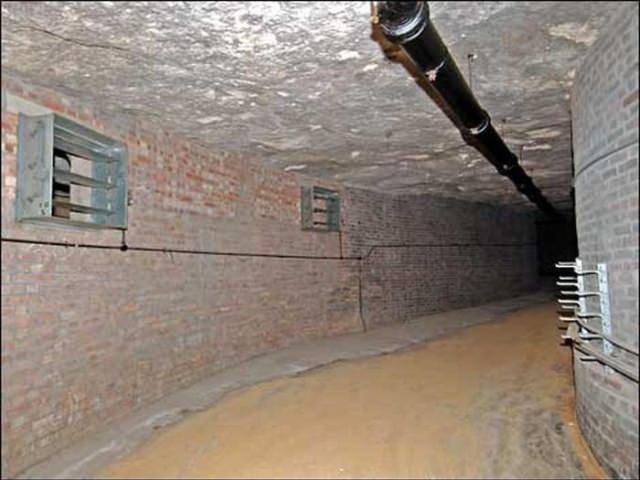
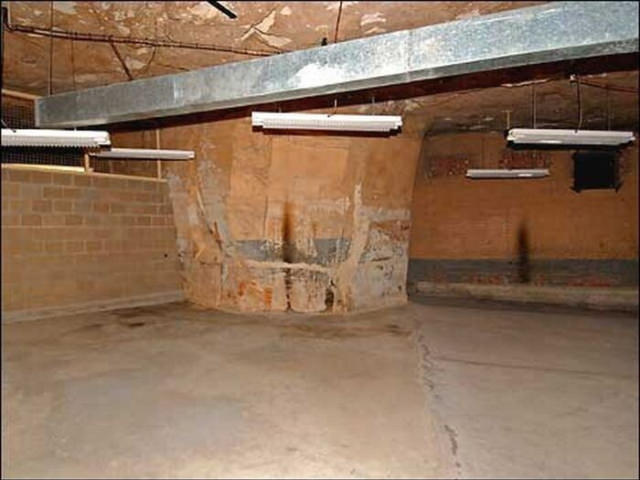
The walls of the complex were decorated with framed photographs of the Queen, Princess Margaret, and Grace Kelly. These images gave the sterile tunnels a human quality — a visual connection to the world outside that the occupants would have left behind.
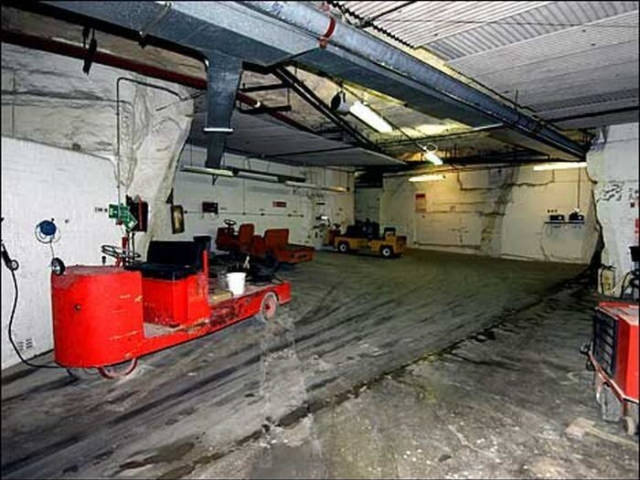
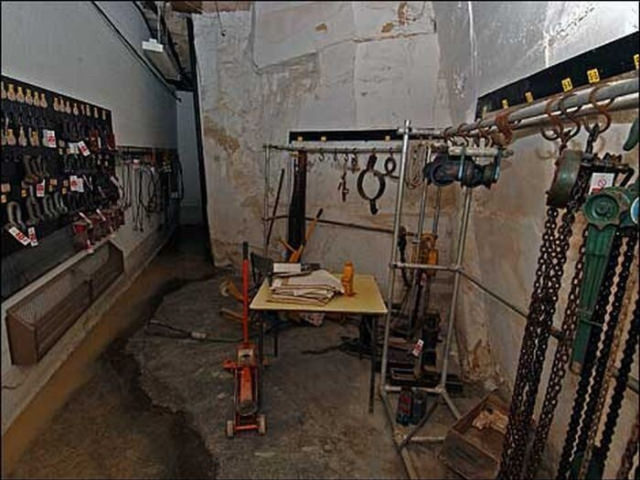
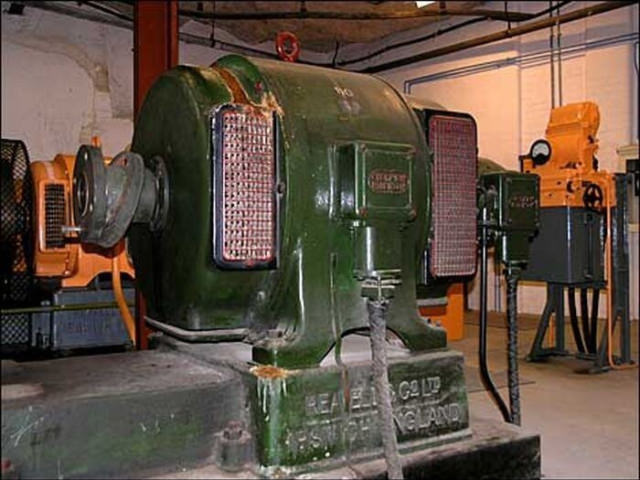
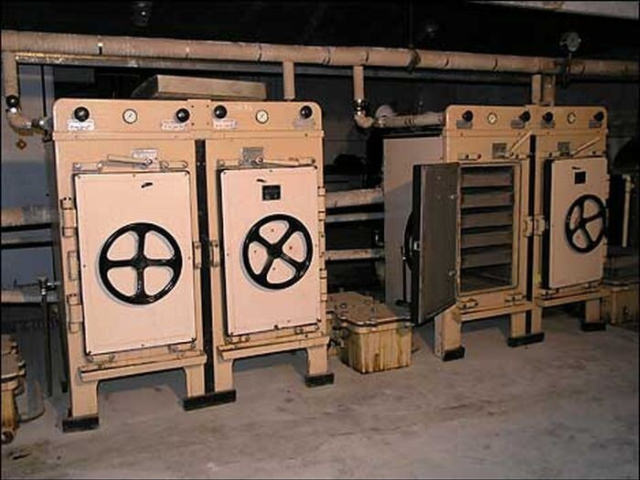
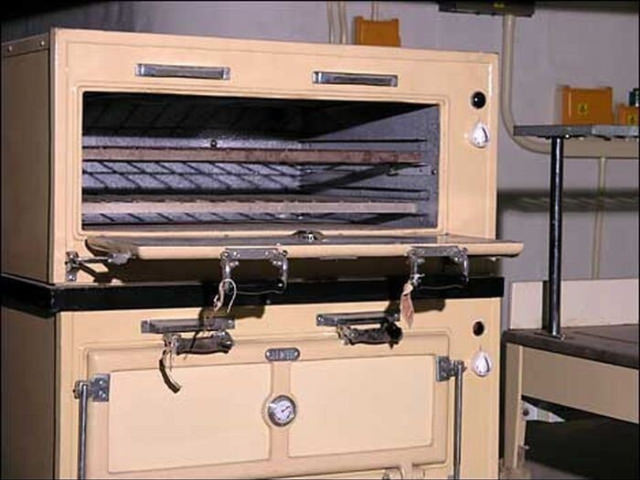
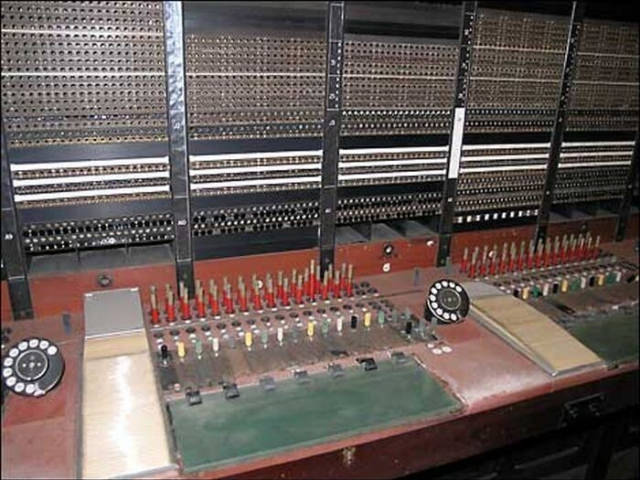
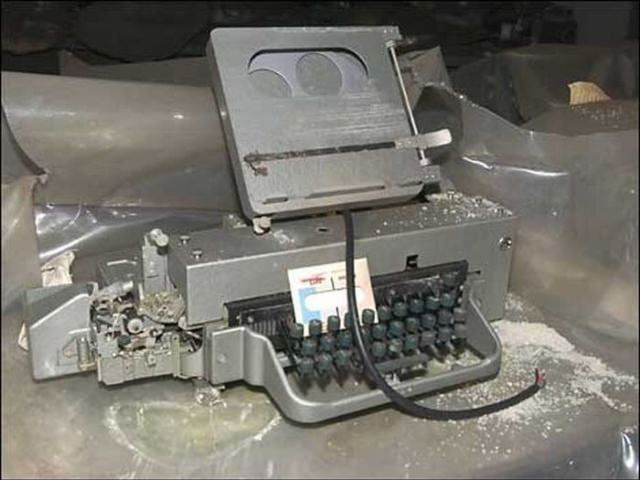
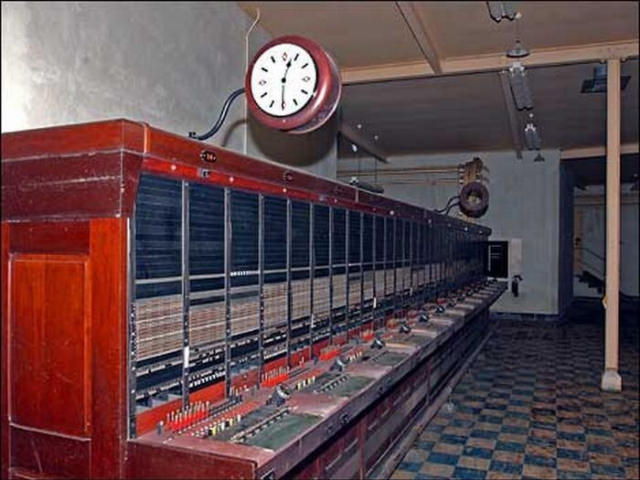
Walking through Burlington today is like stepping back 50 years. The furniture, the equipment, the supplies — all of it belongs to another era. Nothing was updated. Nothing was replaced. The complex was kept on standby status for decades, always ready but never activated.