
In the summer of 1978, Spanish photographer Manel Armengol walked the streets of the Bowery in Lower East Side Manhattan and pointed his camera at everything he saw. What he captured was a neighborhood in deep crisis — and completely alive. These photographs are a raw, unfiltered record of one of New York City’s most storied and troubled streets at one of its lowest points.
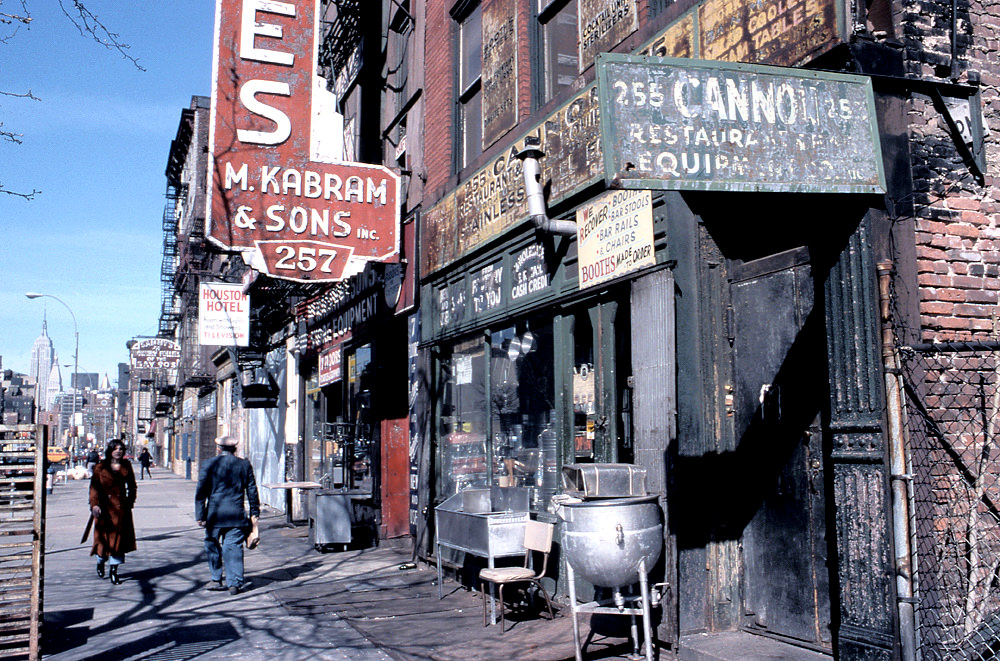
The Bowery in 1978 was defined by poverty, abandonment, and survival. Factories and warehouses that had once driven the local economy sat empty. Tenement buildings were neglected or boarded up. The men who lived on or near the Bowery were mostly homeless or very low-income, and many were dealing with addiction and mental illness. Flophouses — cheap rooming houses where a man could rent a bed by the night — lined the street and served as the only shelter many could afford.
Shelters, halfway houses, and social service agencies clustered in the neighborhood, drawn by the concentration of need. The Bowery had long been associated with down-and-out men, and by the late 1970s that reputation had only deepened. The city itself was in financial crisis during this period, and neighborhoods like the Bowery received little investment or attention from local government.
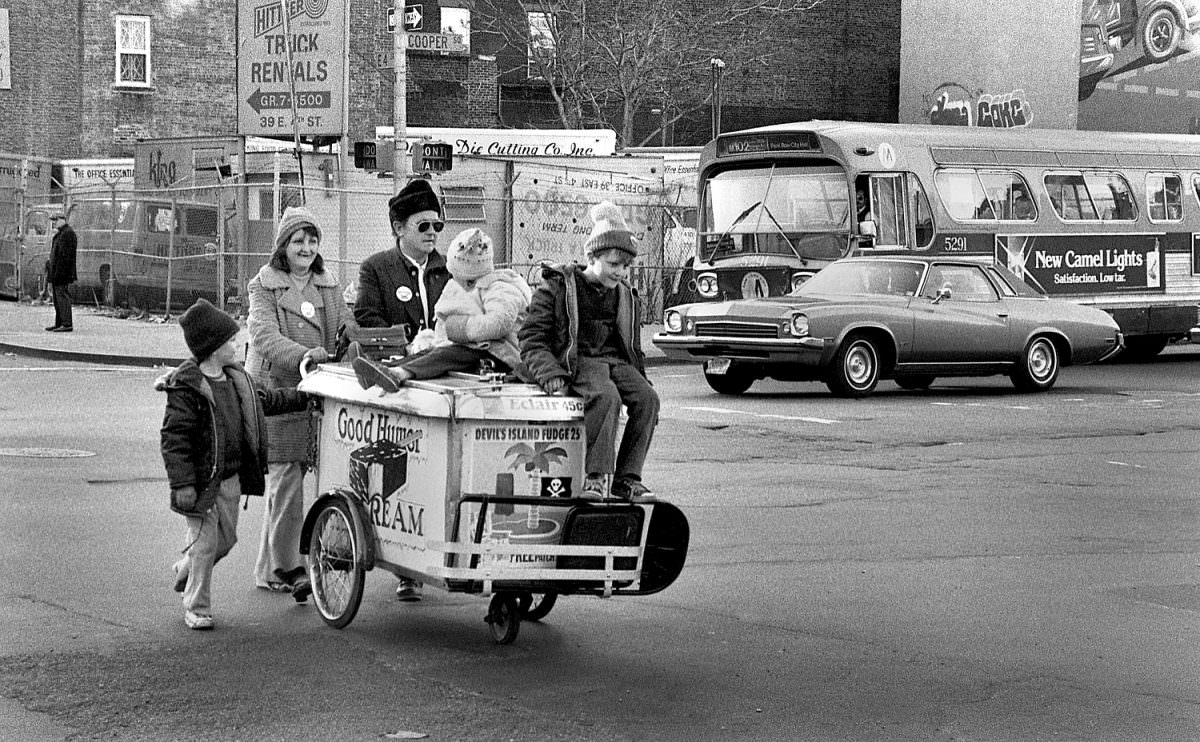
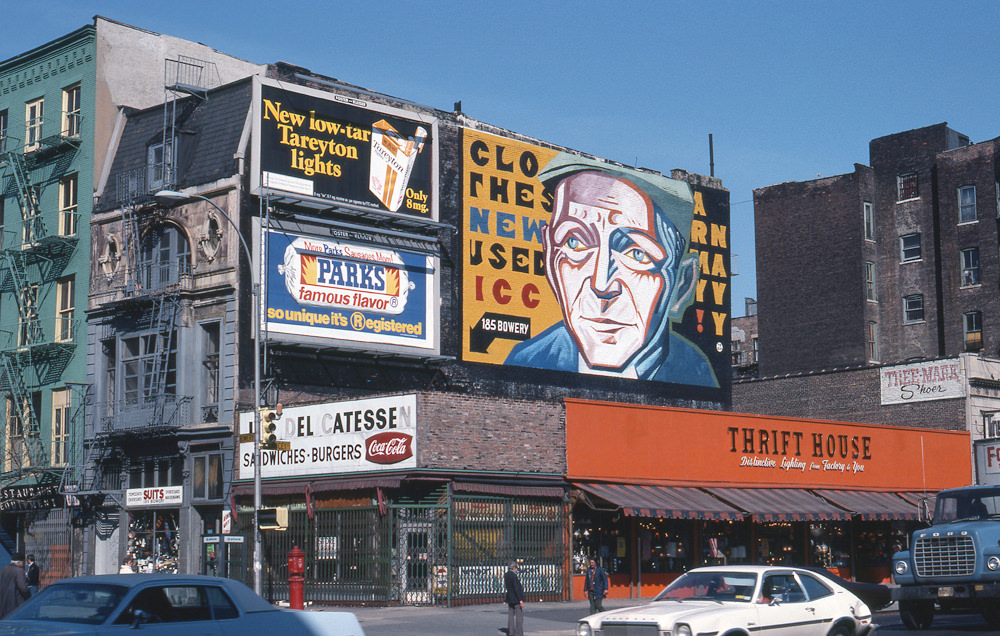
The street itself was a busy corridor cutting through the chaos. The intersection of Bowery and Delancey was a constant hub of movement — pedestrians, vendors, traffic, and the everyday grind of life in a dense urban neighborhood.
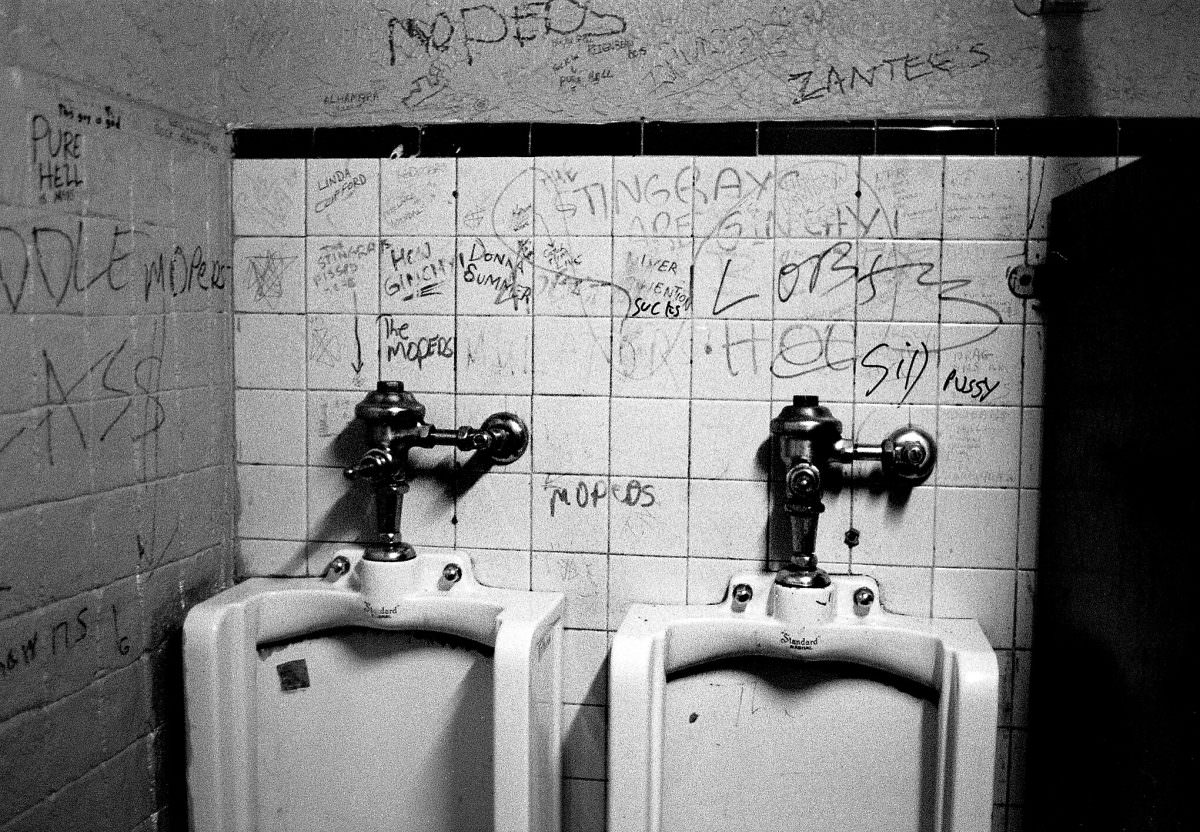
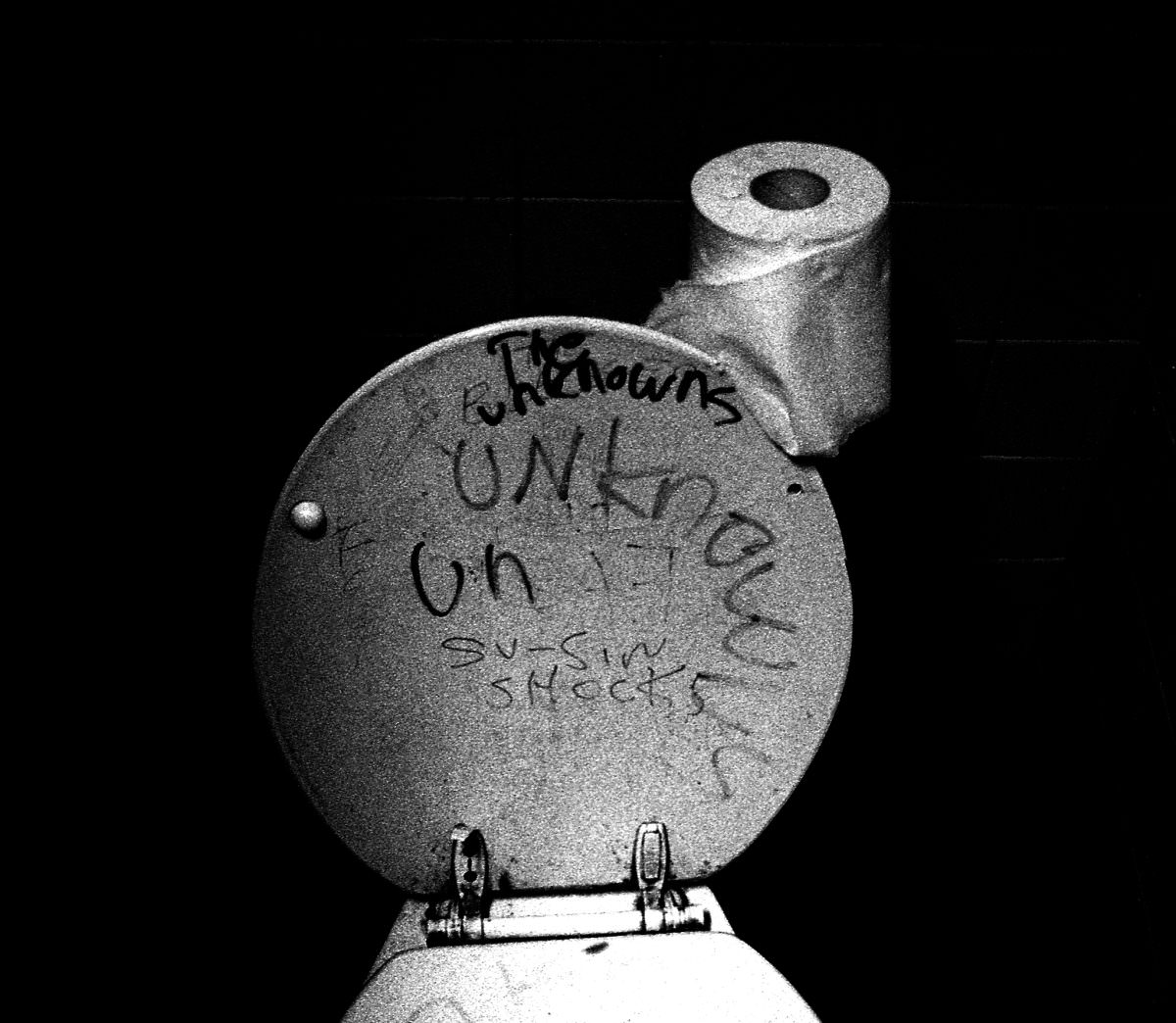
Not everything on the Bowery in 1978 was bleak. The neighborhood had become a major center for punk rock and new wave music. Bars and clubs hosted bands that were reshaping American music, drawing fans from across the five boroughs and beyond. The bathrooms of these venues became informal message boards, covered in handwritten scrawl — names, slogans, and declarations scratched into the walls by the crowds that passed through night after night.
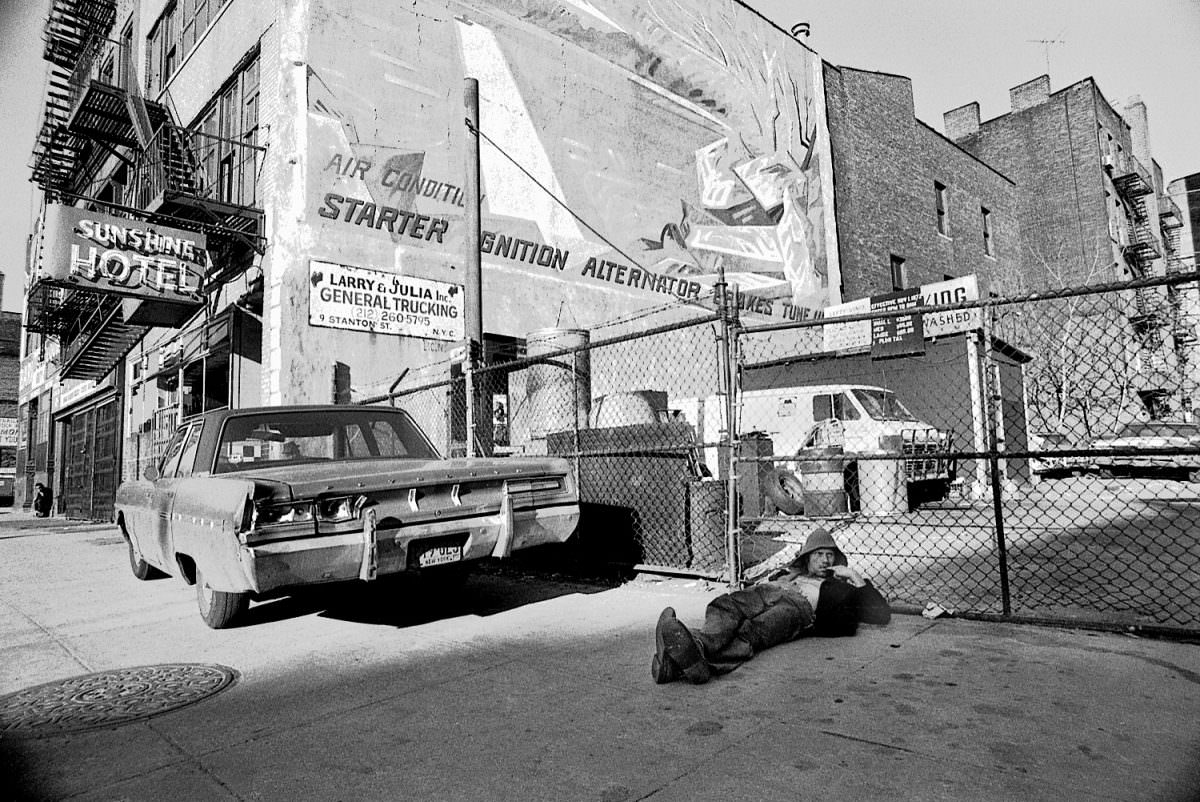
The Sunshine Hotel was one of the Bowery’s most well-known flophouses. It offered single-room occupancy beds to men who had nowhere else to go. Places like it were a last resort, but for hundreds of men they were a roof over their heads, however bare and worn.
The punk bars were a world apart from the flophouses just steps away. Their bathroom walls told their own story — layers of ink and scratches building up over years of shows, fights, and nights that blurred together.
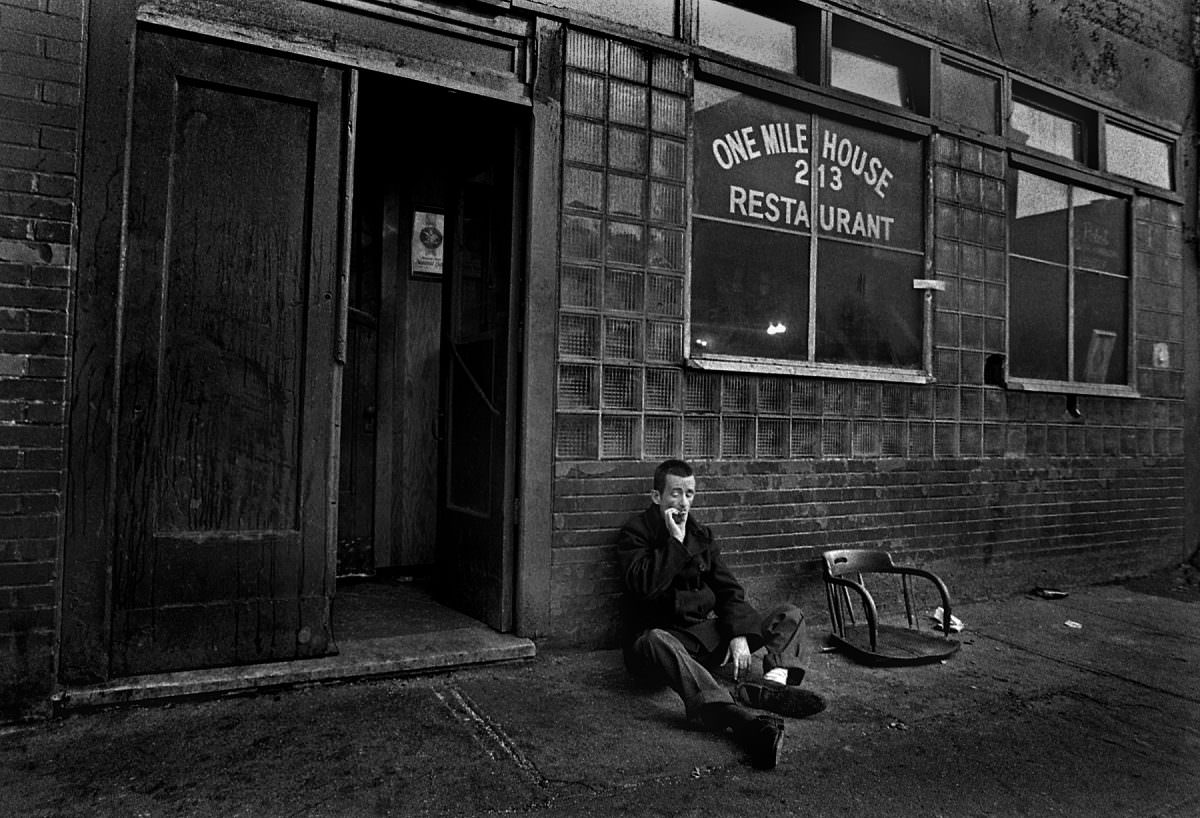
Amid the pawn shops and missions, places like the One Mile House Restaurant served the neighborhood’s working population — a reminder that ordinary daily life continued even in a street known for hardship.
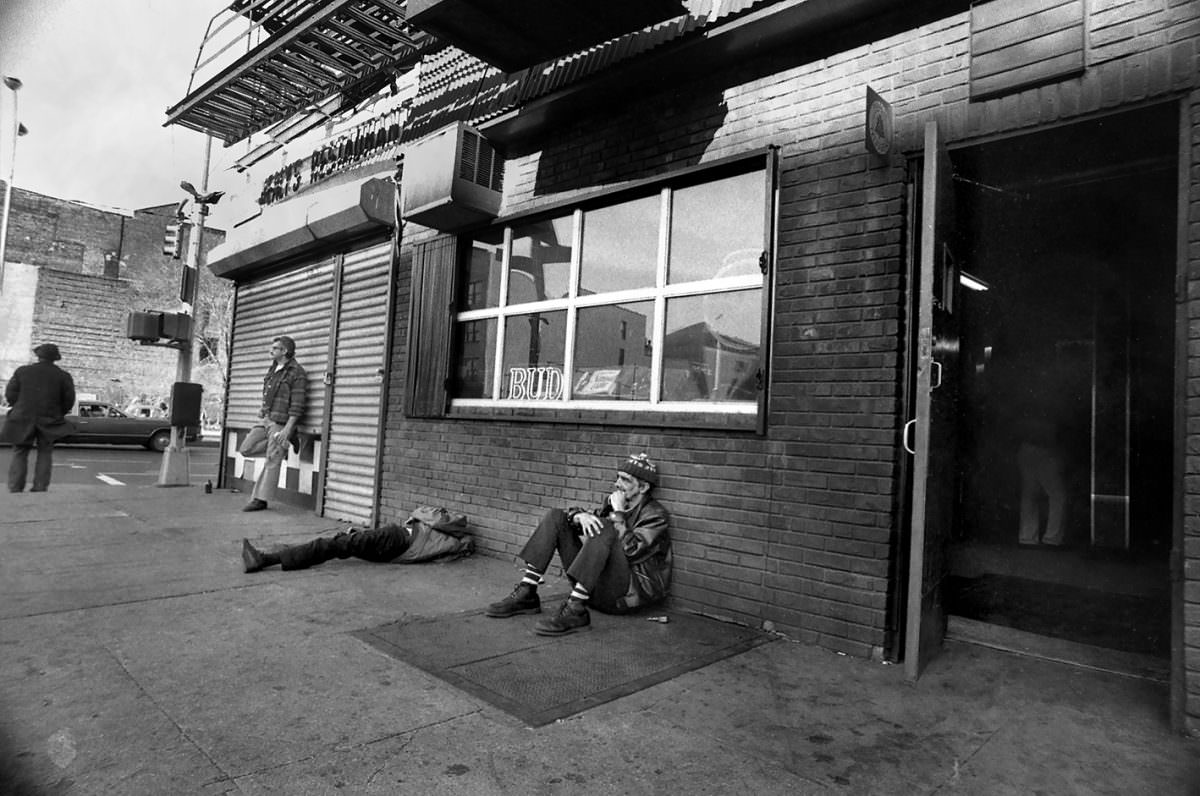
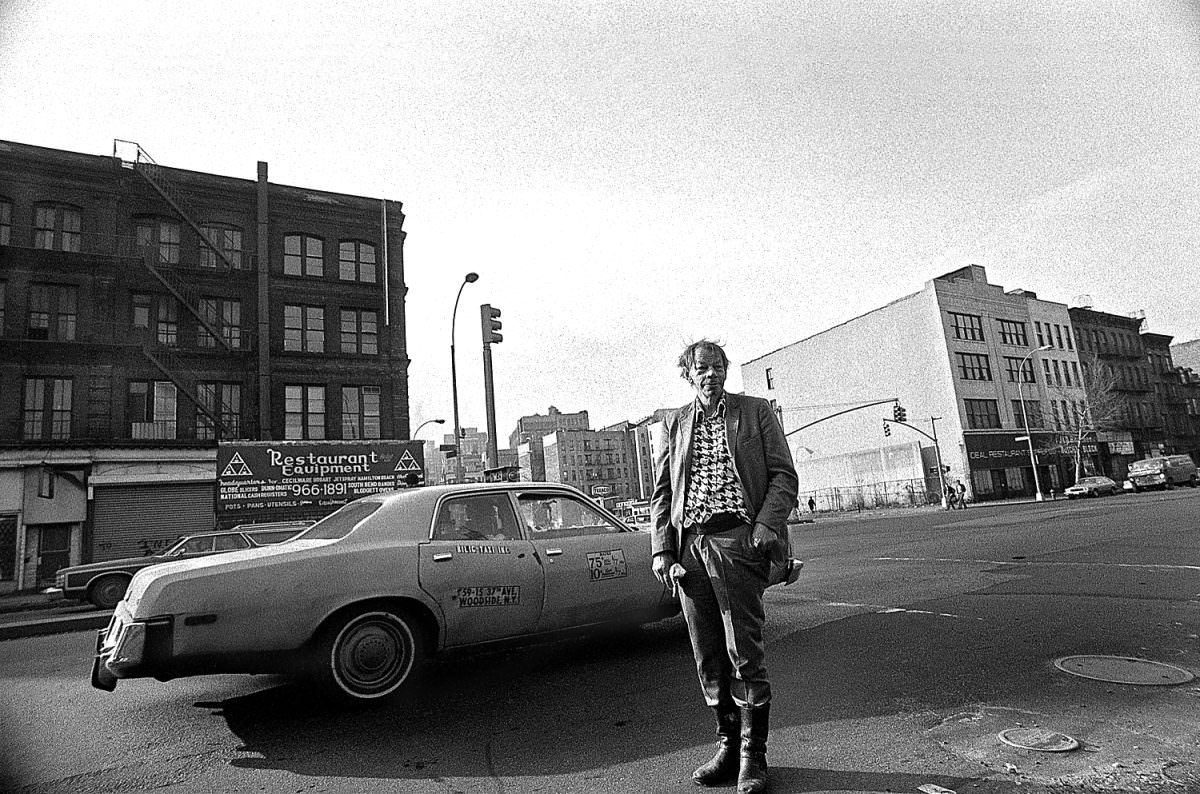
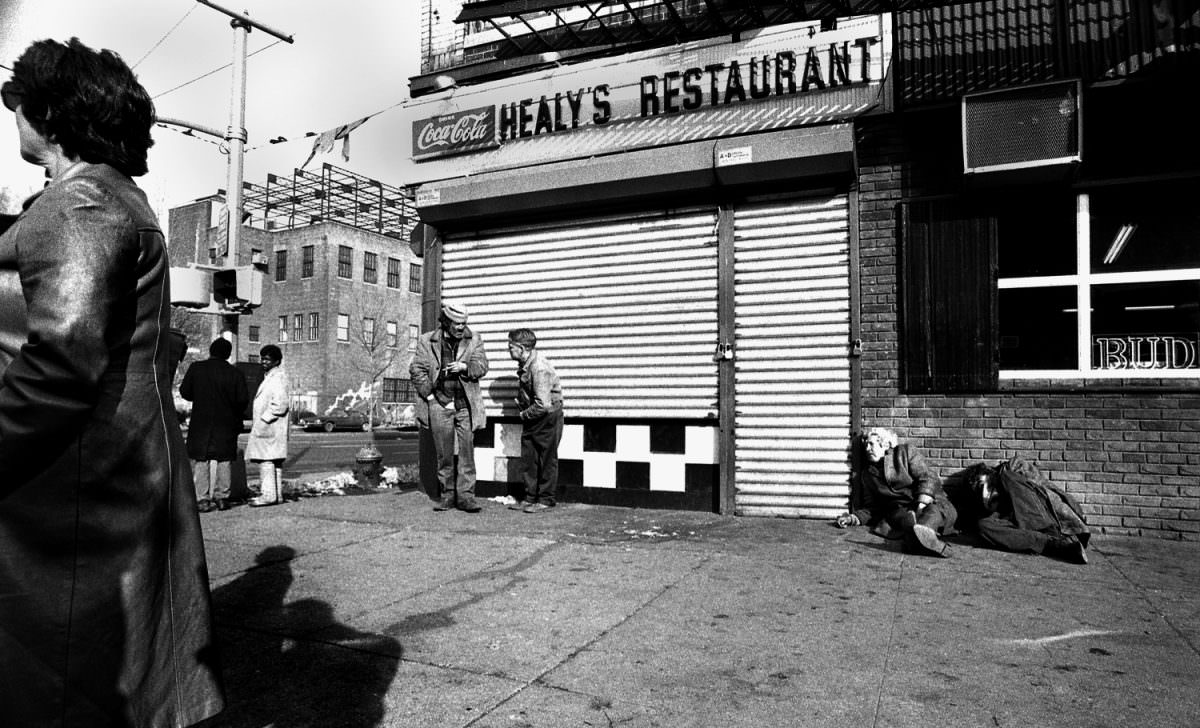
Armengol’s street photography captured the Bowery’s population directly — men standing in doorways, sitting on stoops, or simply moving through the day. There was no performance for the camera. These were people living their lives in a place the rest of the city largely ignored.
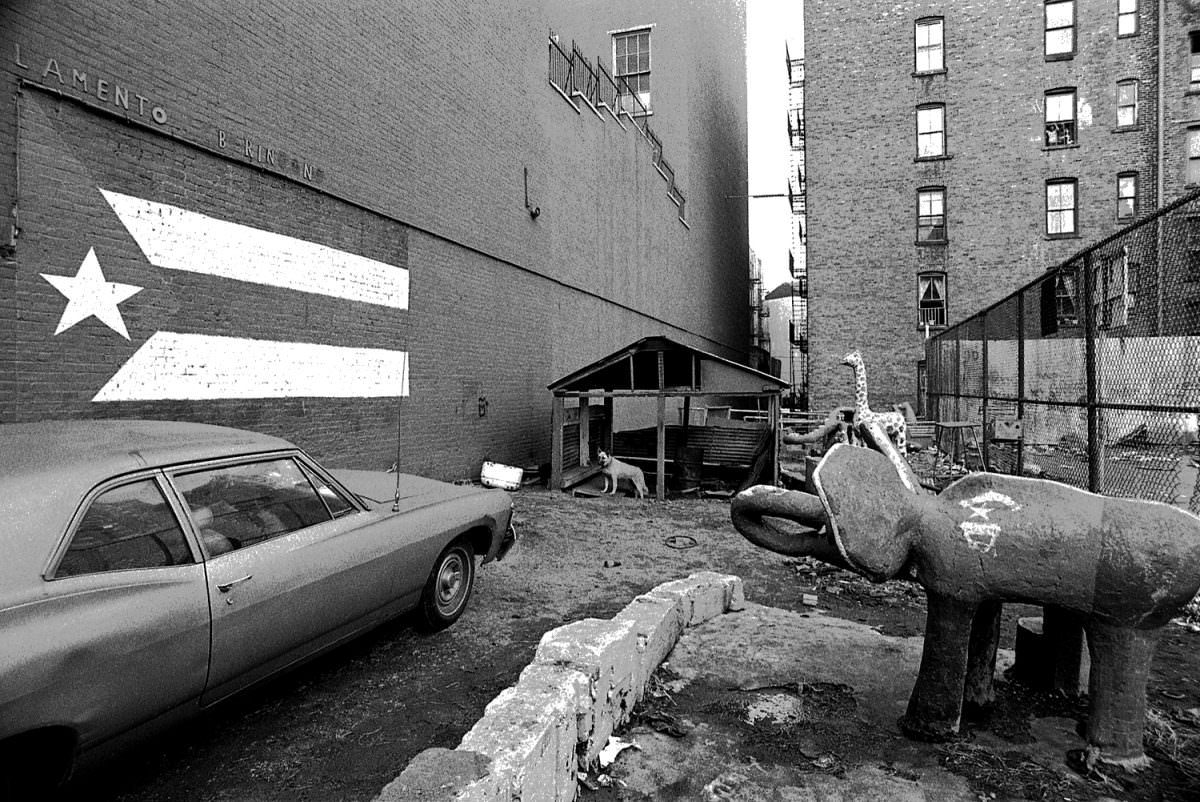
Residences specifically designated for men struggling with alcoholism were a visible part of the Bowery landscape. These facilities provided housing and basic structure for men who had cycled in and out of homelessness. They were run by nonprofits and religious organizations, operating largely without public attention.
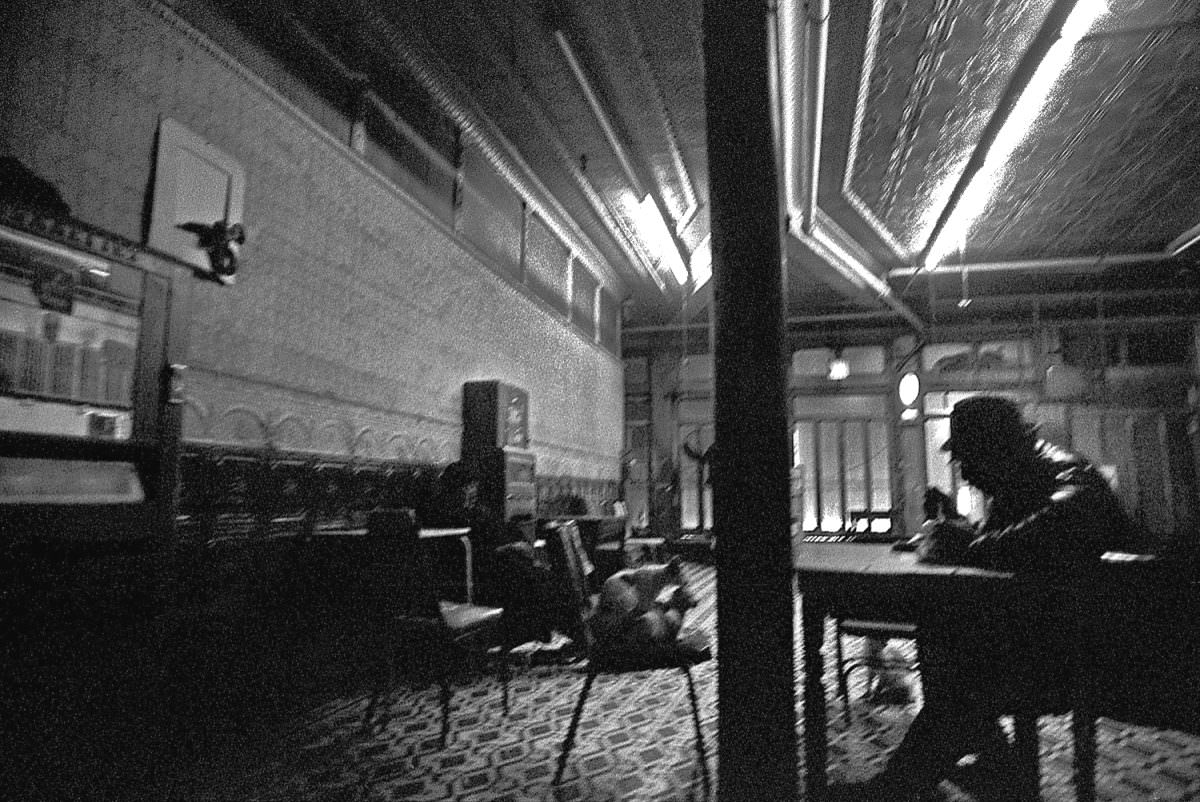
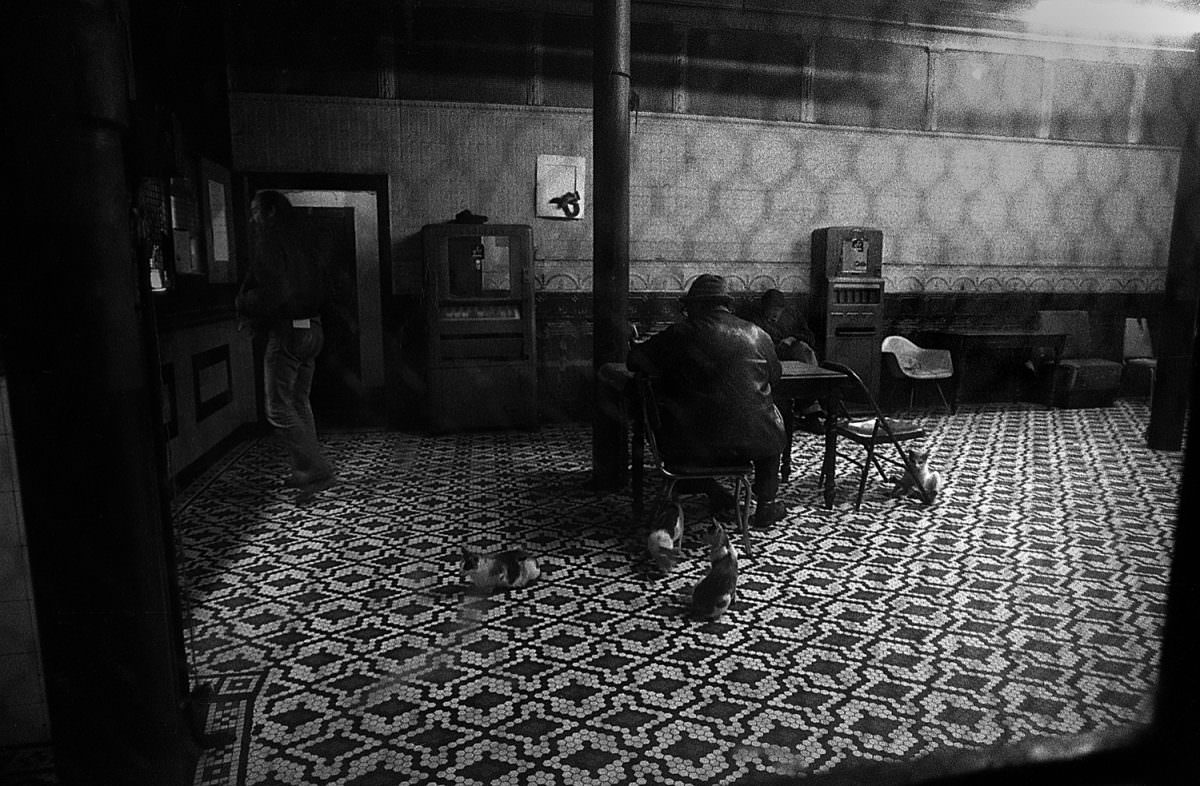
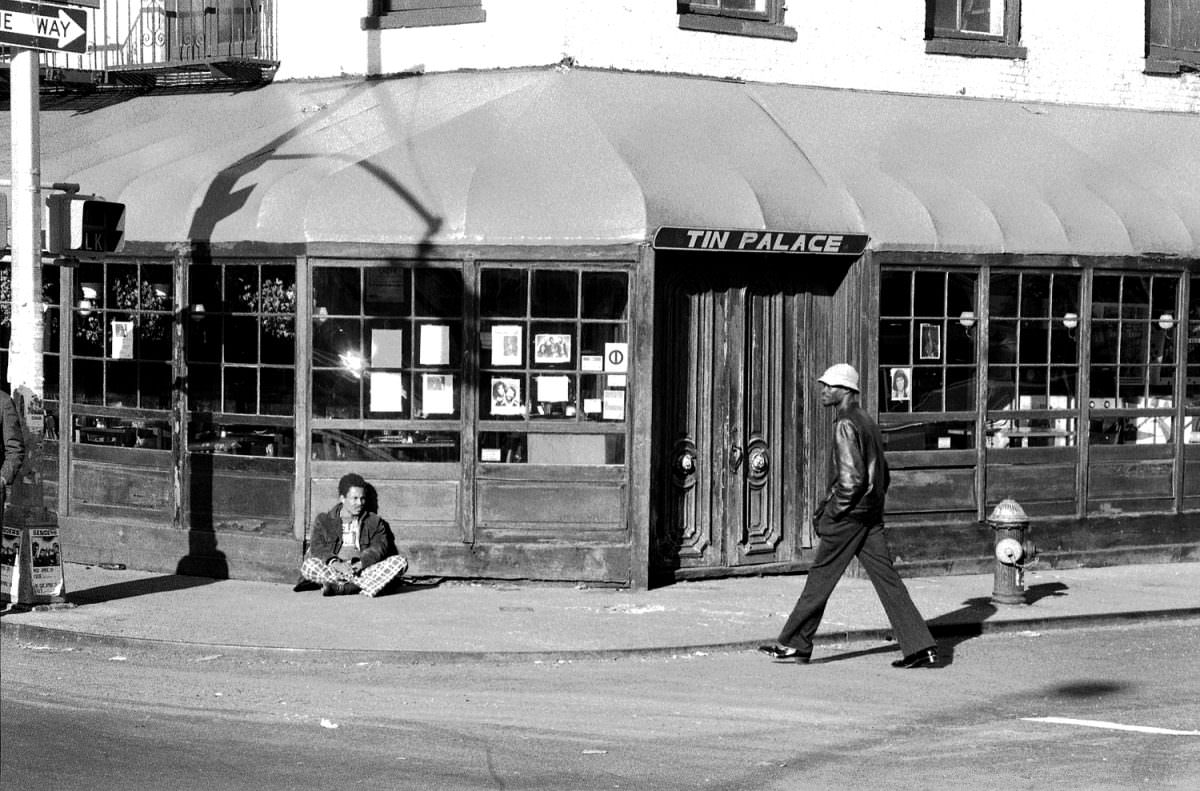
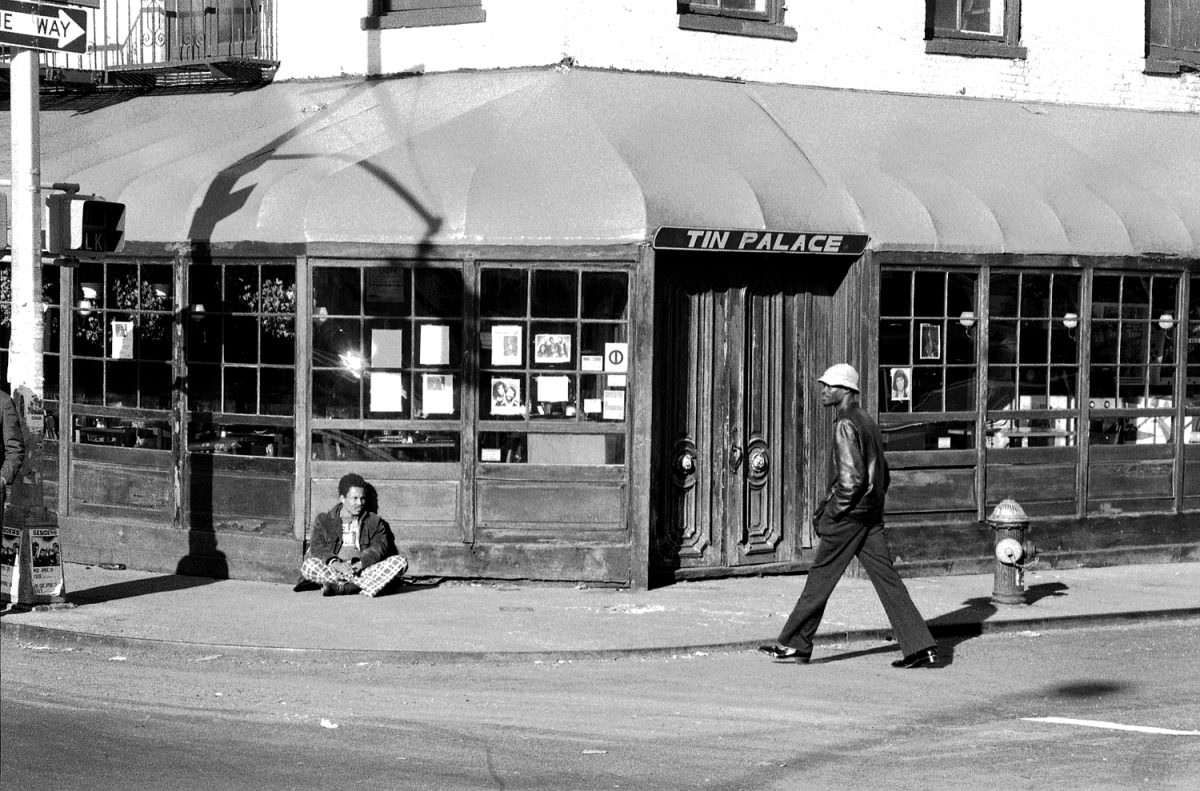
The Bowery wasn’t only about suffering and survival. The Tin Palace, a jazz nightclub at the corner of 2nd Street and Bowery in the East Village, brought a completely different energy to the block. Live jazz filled the space nightly, and it drew serious musicians and listeners to a street more often associated with misery than music. The Bowery held contradictions in close quarters.
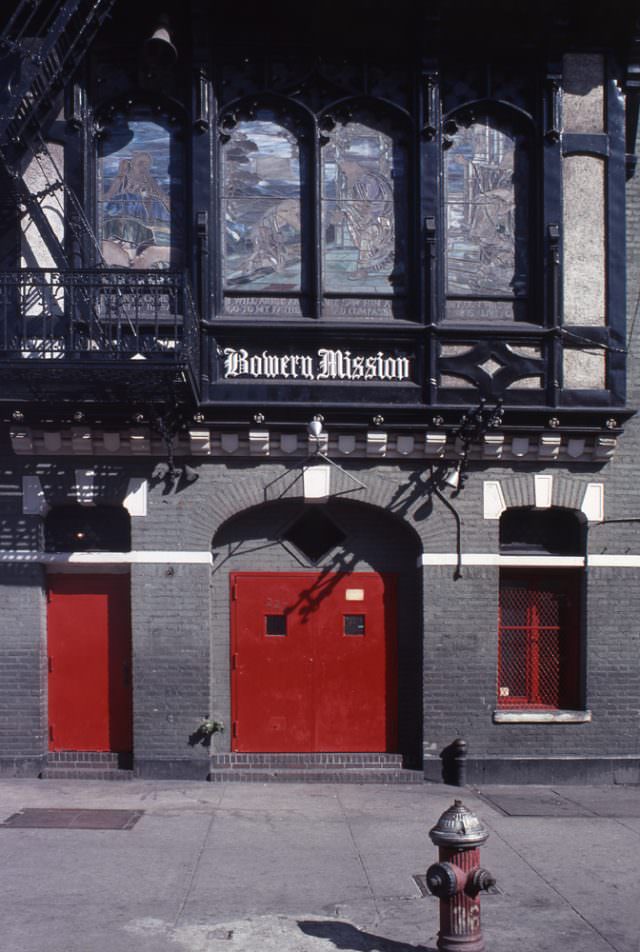
By 1978, the city was already discussing urban renewal plans for the Bowery. Rezoning proposals aimed to bring in new construction and redevelopment. Local residents and business owners pushed back, worried about displacing the low-income population and erasing the neighborhood’s character. The Bowery Mission, standing at 227 Bowery between Rivington and Stanton Streets, had served the area’s poorest residents since the late 1800s and remained one of the most enduring institutions on the block.





Nice pictures, but I’m confused. Does the article refer to the literal Bowery Street (which runs from the financial district to the east village) or the neighborhood?
Growing up, I always thought the Bowery extended south of CBGB’s. Around Cooper Square, I guess.
The pics are showing the lower east side though.
It was a disturbing amount sometimes
They would harass passers by for wine money
I Really like this photo. Ive heard lots of stories from bowery folks who are in recovery so its cool to see
is that rod stewart
Men used to just lie on the sidewalk like dead bodies 😳
I mean, there is plenty of that today as well. With people walking right by all day.
I still see that in some areas here in Houston.