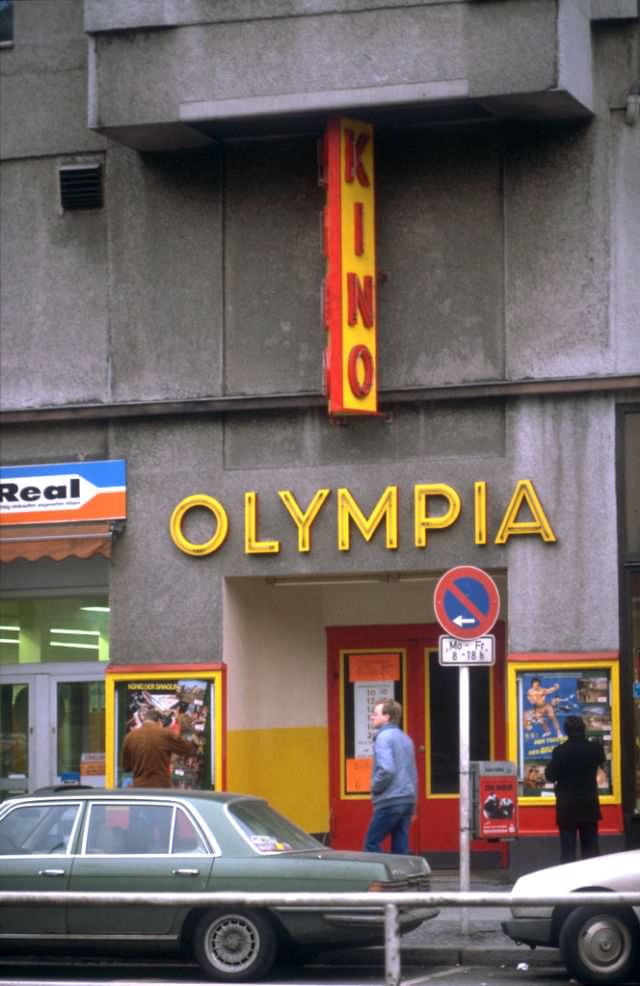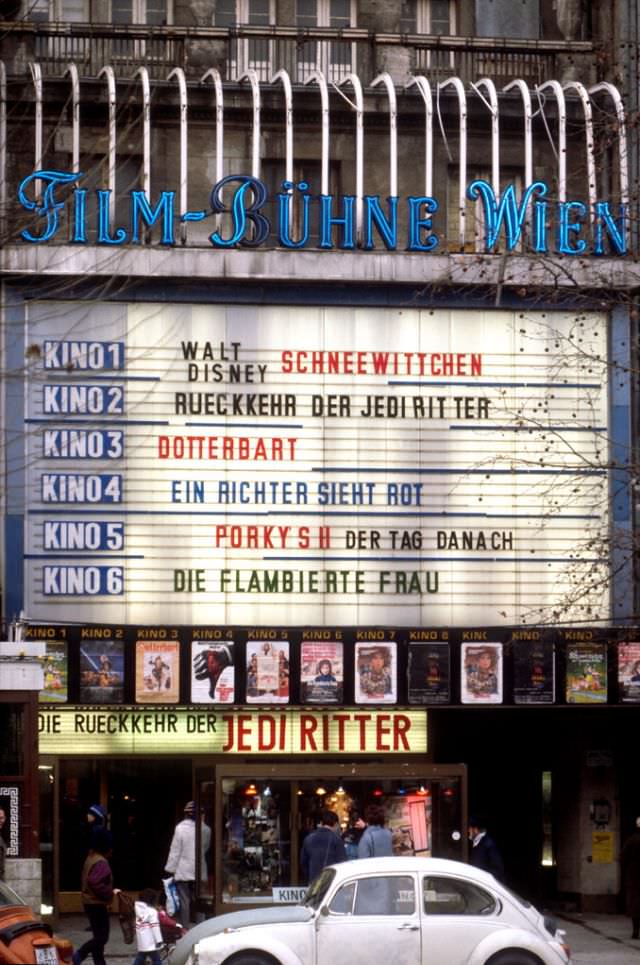
In the 1980s, Berlin was a city split in two — physically, politically, and culturally. The Berlin Wall didn’t just divide streets and families. It divided entire ways of life, including how people experienced film. On each side of the Wall, cinema meant something completely different.
In East Berlin, the state controlled what audiences saw. The DEFA studio, the German Democratic Republic’s official film production company, produced films that aligned with socialist values. Stories focused on working-class heroes, anti-fascist history, and the ideals of the Communist Party. Going to the cinema in East Berlin was, in many ways, a guided experience — the state decided what was worth watching.
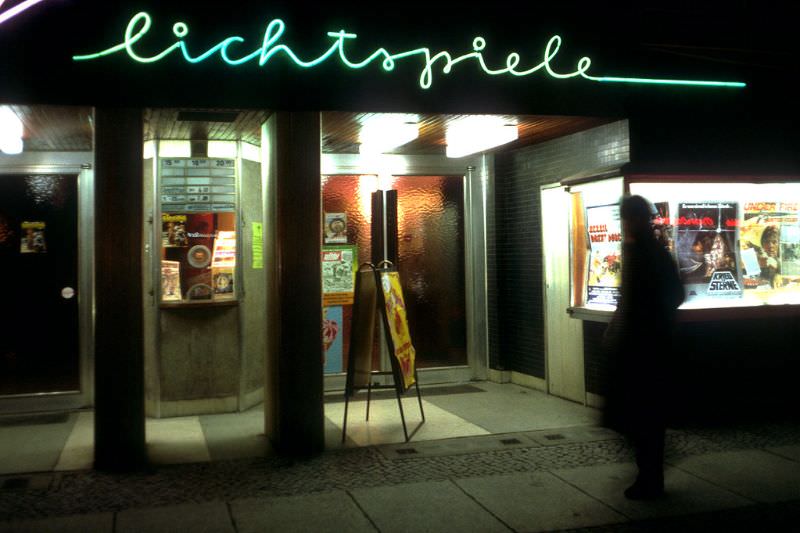
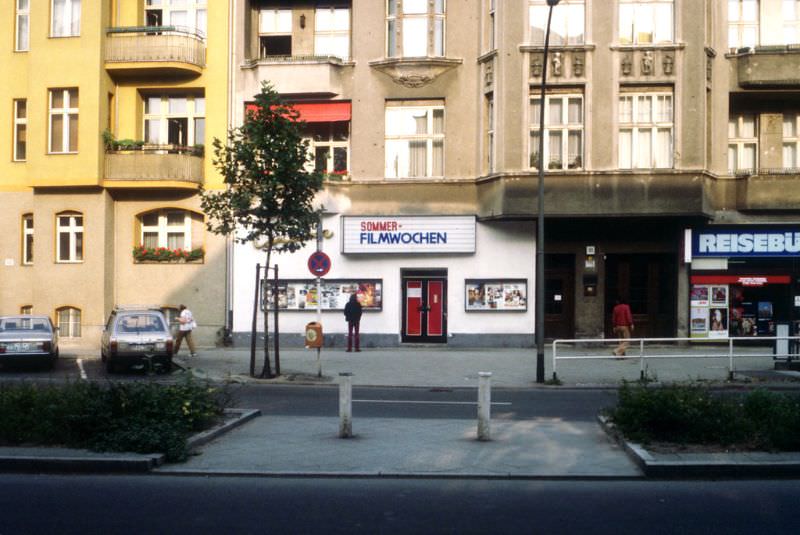
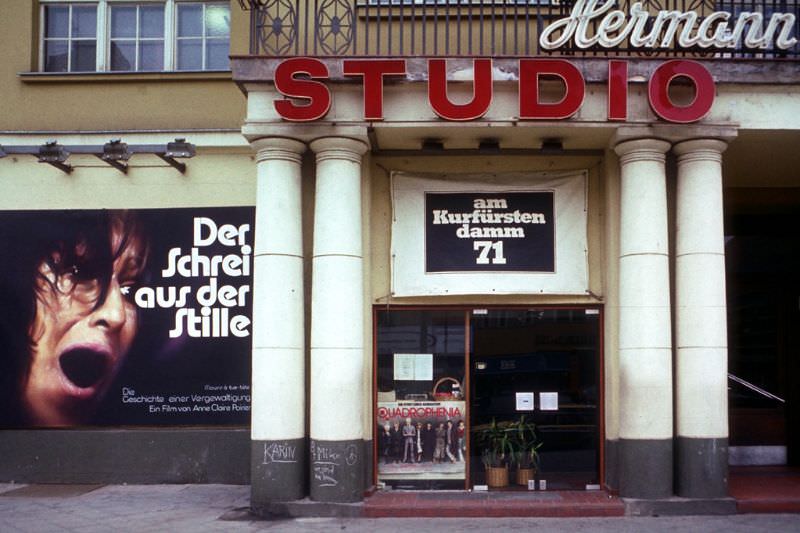
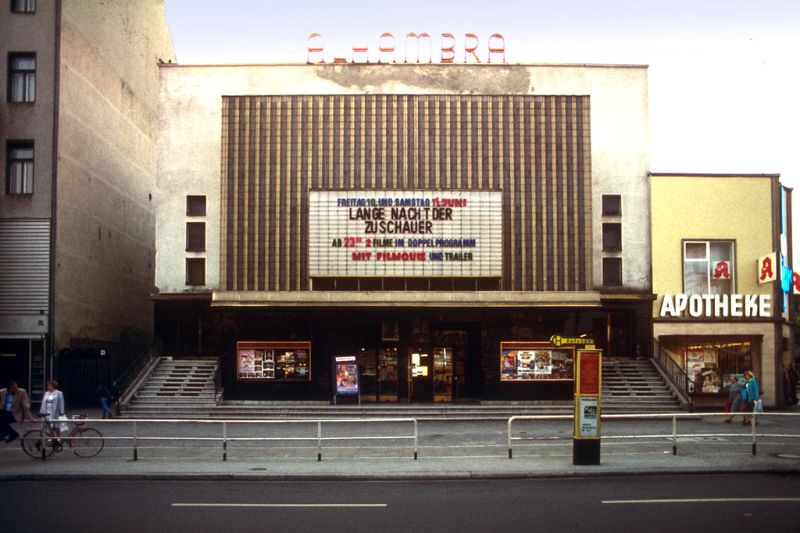
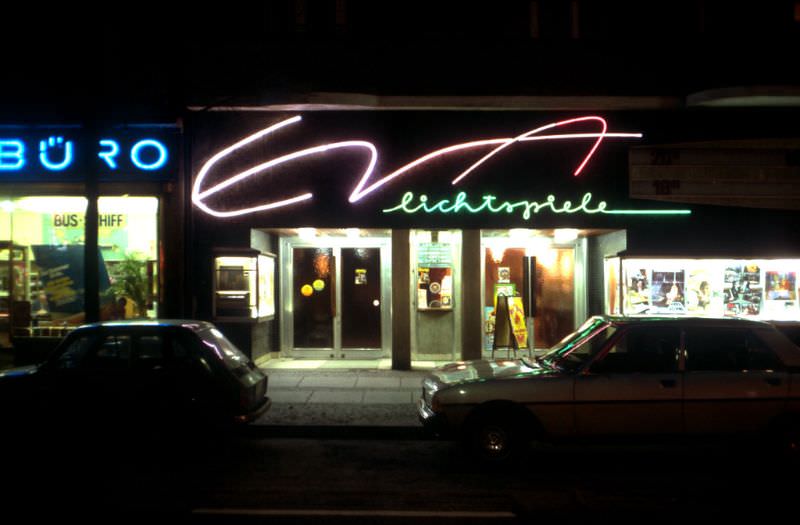
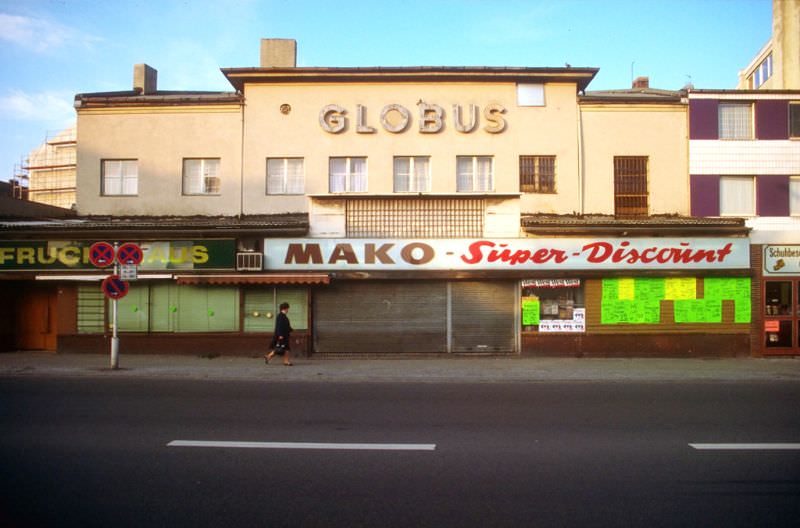
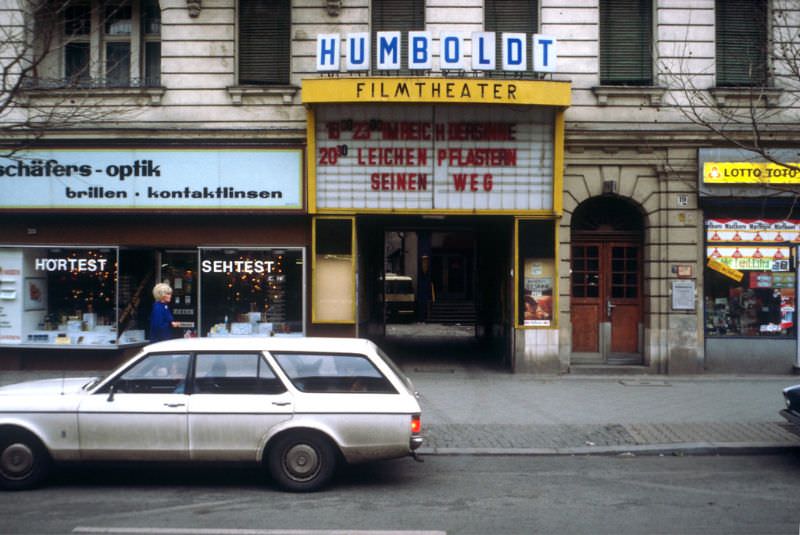
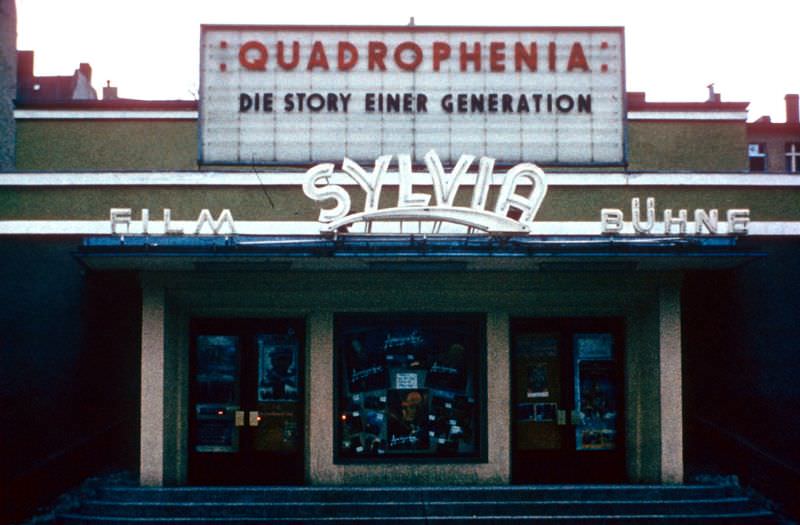
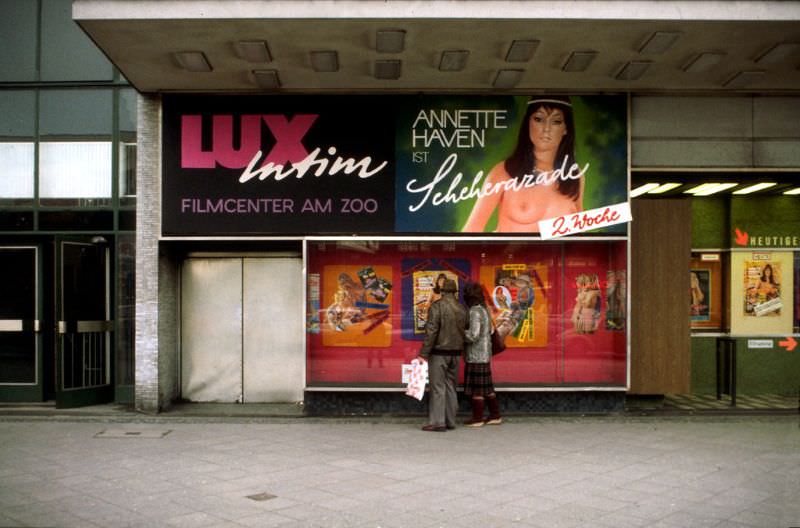
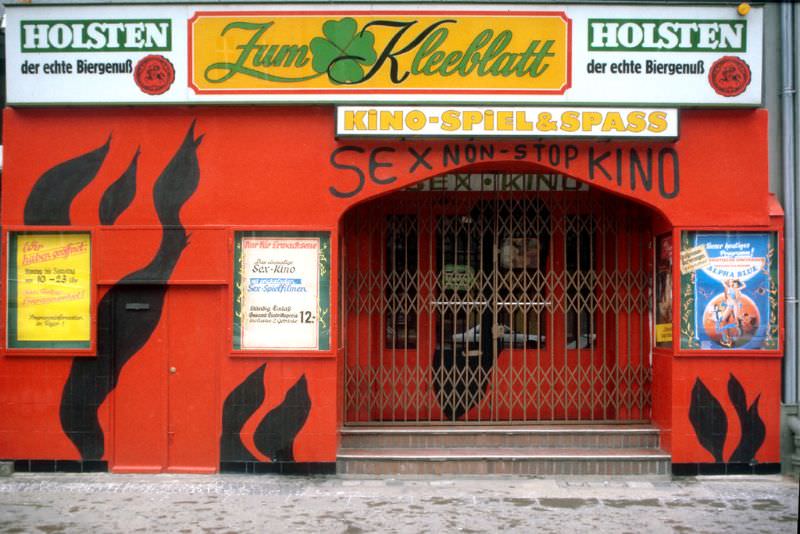
West Berlin told a very different story. The city was an island of Western culture deep inside East Germany, and that isolation bred a fierce creative energy. Independent cinemas flourished across the western districts, screening arthouse films, foreign-language features, and underground works that would never have been permitted on the other side of the Wall.
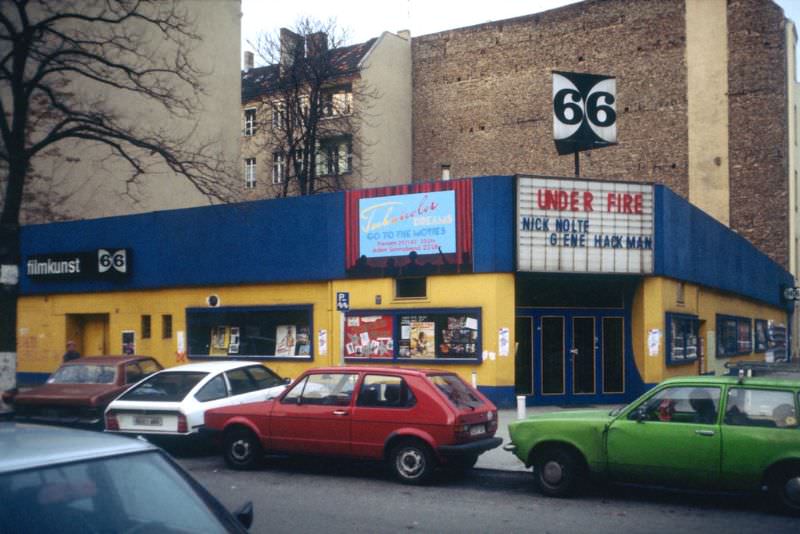
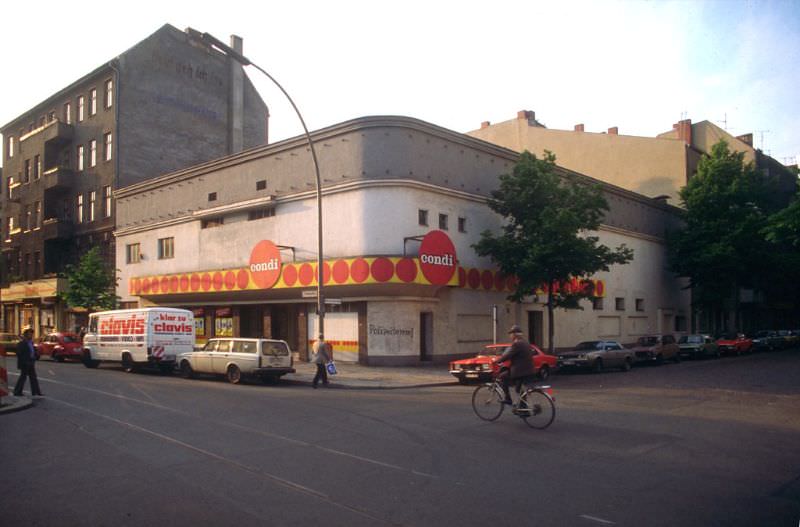
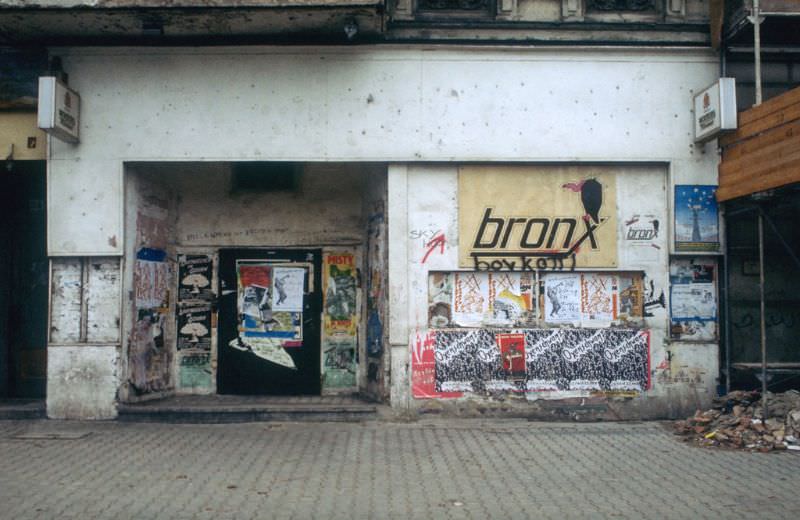
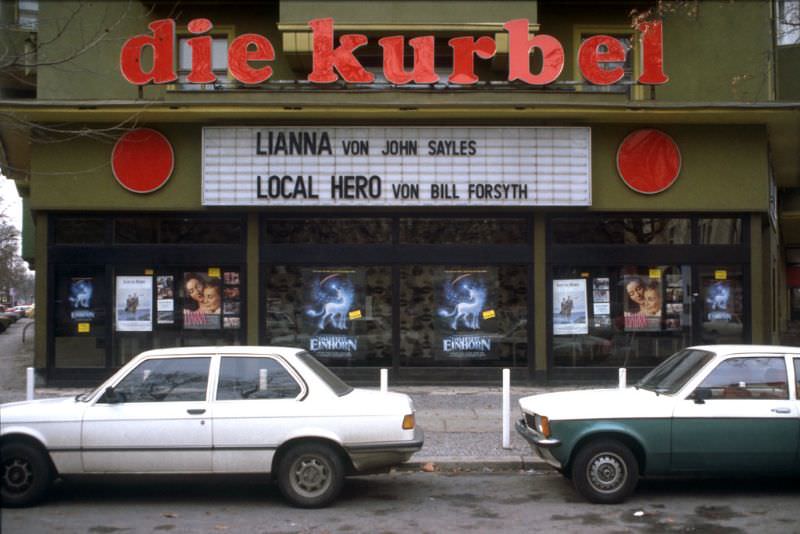
Many of West Berlin’s independent cinemas were more than just movie houses. They hosted political debates, film workshops, and community events. Cinemas in neighborhoods like Kreuzberg and Schöneberg became gathering points for artists, activists, and students. The screen was a starting point for broader conversations about society, identity, and resistance.
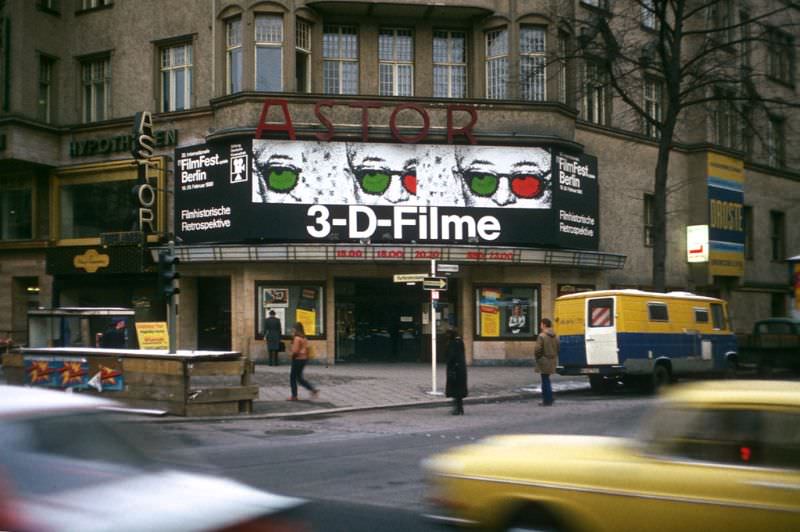
The Berlin International Film Festival, known as the Berlinale, also played a major role in West Berlin’s film culture. Founded in 1951, by the 1980s it had grown into one of the world’s most prestigious film festivals. It brought international directors, critics, and films to the city every February, reinforcing West Berlin’s status as a global cultural hub.
Back in East Berlin, cracks in the system did exist. Underground screenings took place in church halls, private apartments, and unofficial cultural spaces. Filmmakers working outside the state system created works that circulated quietly, out of reach of official censors. These screenings were small acts of defiance in a tightly controlled environment.
West Berlin’s cinema scene was also shaped by its large immigrant communities, particularly Turkish and Greek populations who had arrived as guest workers in previous decades. Cinemas catering to these communities screened films from their home countries, adding yet another layer to the city’s already diverse film landscape.
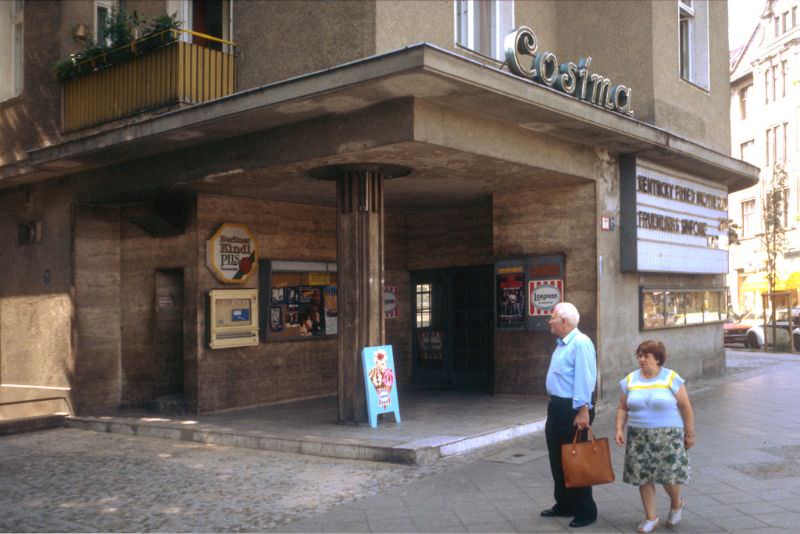
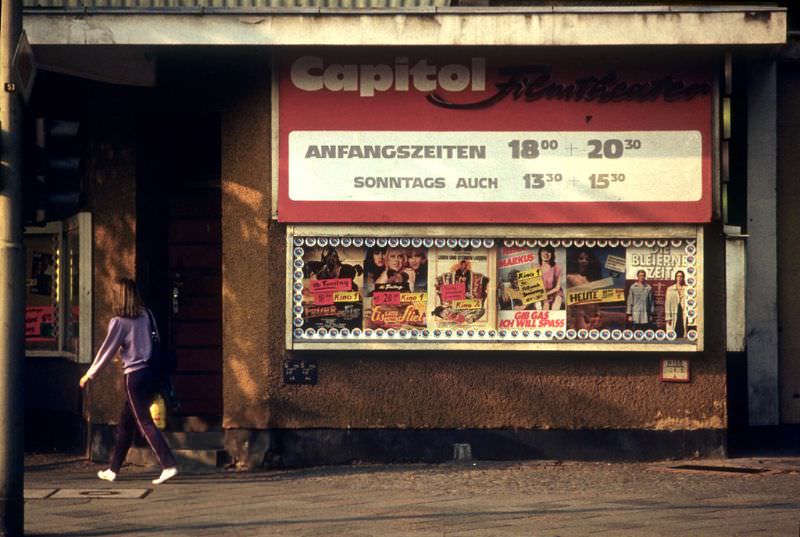
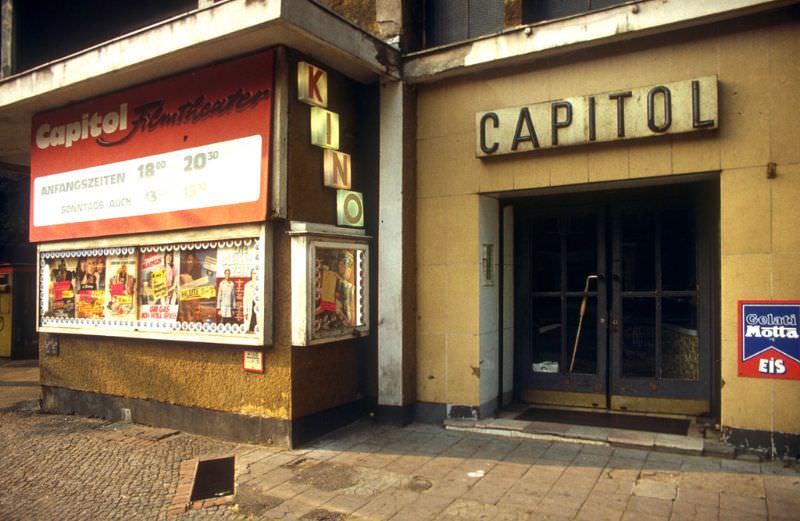
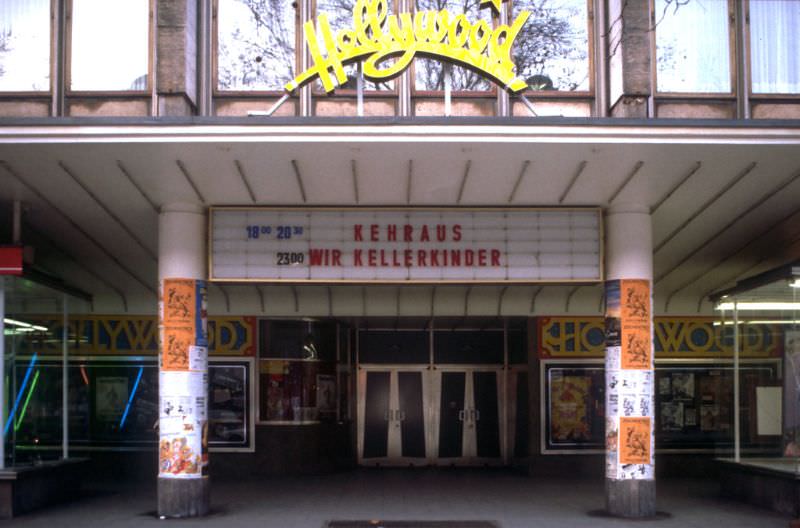
The contrast between the two Berlins extended to the physical spaces themselves. East Berlin’s cinemas were often large, state-built venues designed to seat hundreds. West Berlin’s independent theaters were frequently small, intimate spaces tucked into old buildings — places where the audience felt close to the screen and to each other.
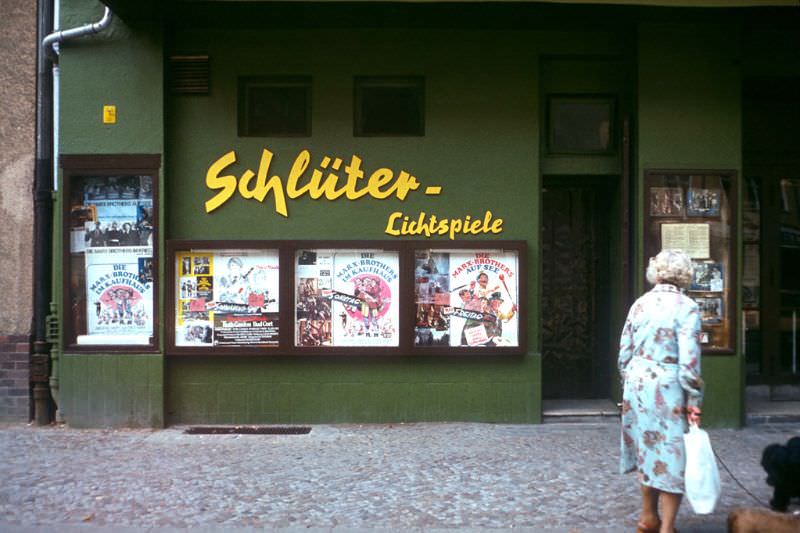
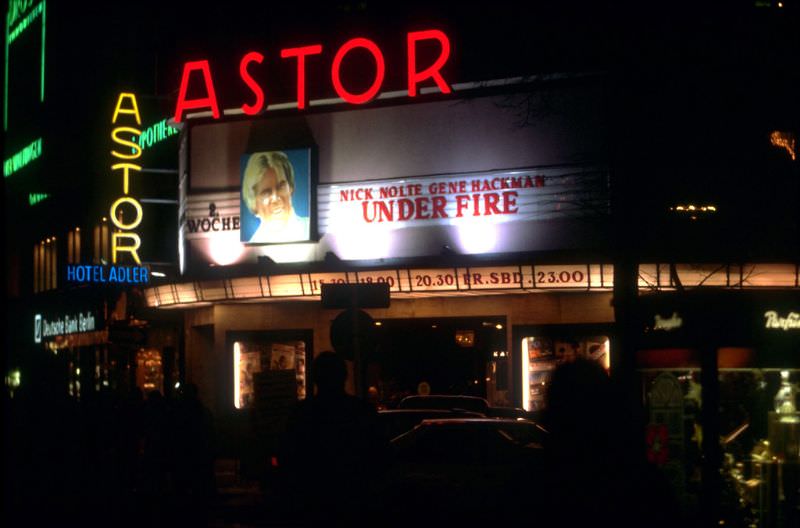
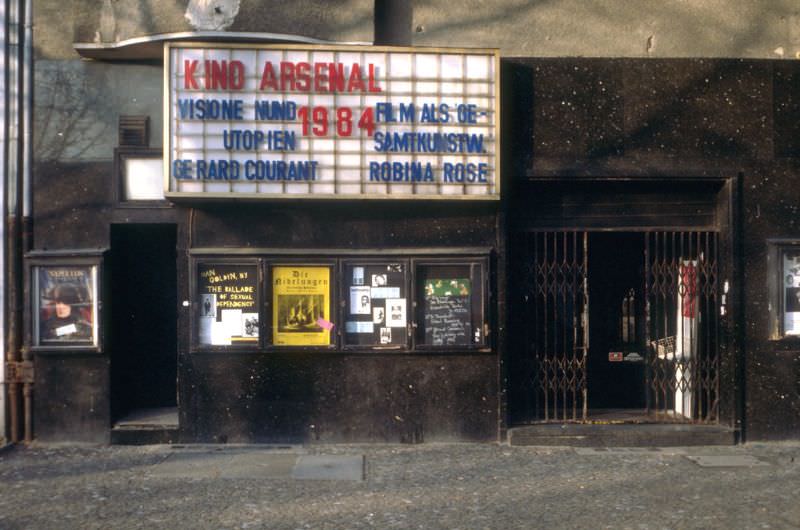
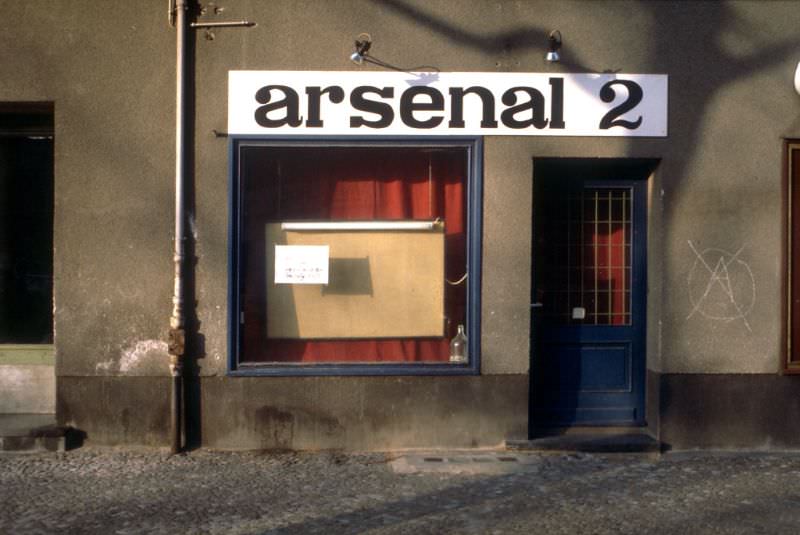
Some of West Berlin’s most iconic cinemas from this era include the Filmkunst 66 in Charlottenburg, the Babylon in Mitte, and the Arsenal cinema, which was closely tied to the Berlinale’s Forum section. These venues championed films that mainstream distributors ignored, giving audiences access to voices from around the world.
East Berlin’s flagship cinema venues included the Kino International on Karl-Marx-Allee, opened in 1963. With its modernist design and grand interior, it served as a prestige venue for East German premieres and state events. The Kosmos cinema, also on Karl-Marx-Allee, was another major East Berlin venue, seating over 1,000 people and regularly drawing large crowds.
West Berlin’s alternative cinema movement was also connected to the broader New German Cinema wave. Directors like Wim Wenders, Rainer Werner Fassbinder, and Werner Herzog were reshaping what German film could look like. Their works screened regularly in West Berlin’s independent venues, and the city’s film culture absorbed and amplified their influence.
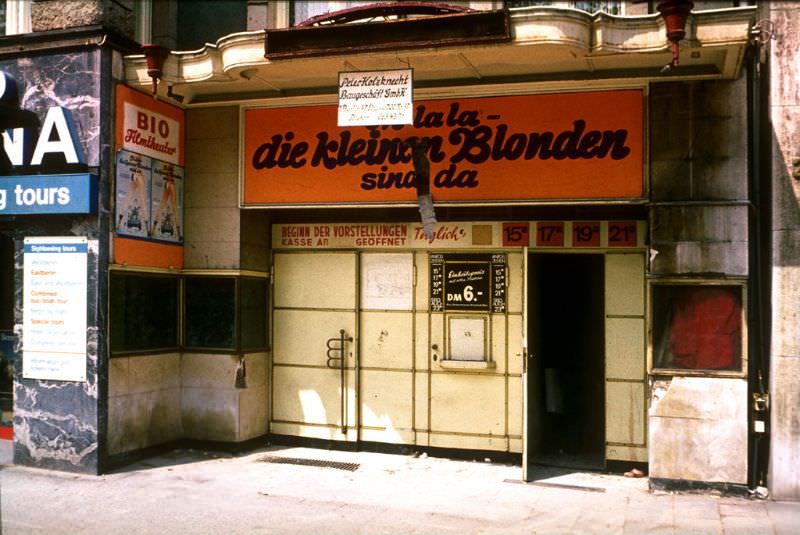
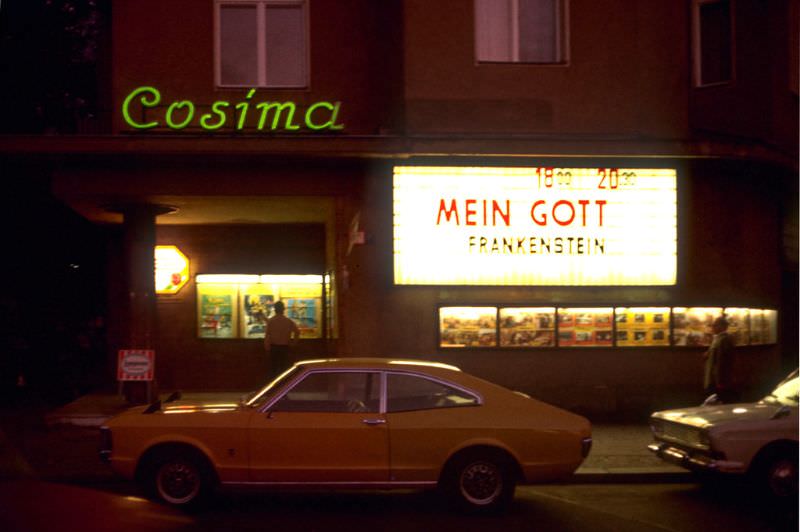
Film clubs were another important part of the West Berlin scene. These were membership-based groups that organized regular screenings of rare, classic, or politically charged films. They operated with a sense of mission — preserving cinematic history and keeping difficult films visible in an era before home video made everything accessible.
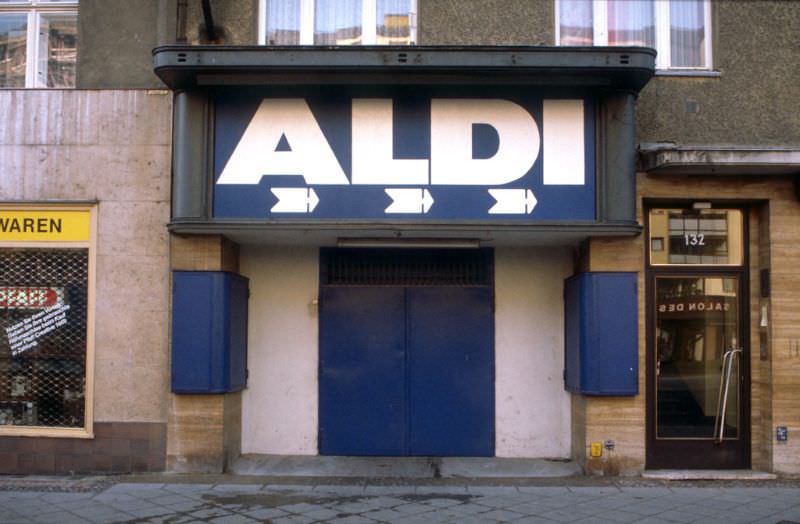
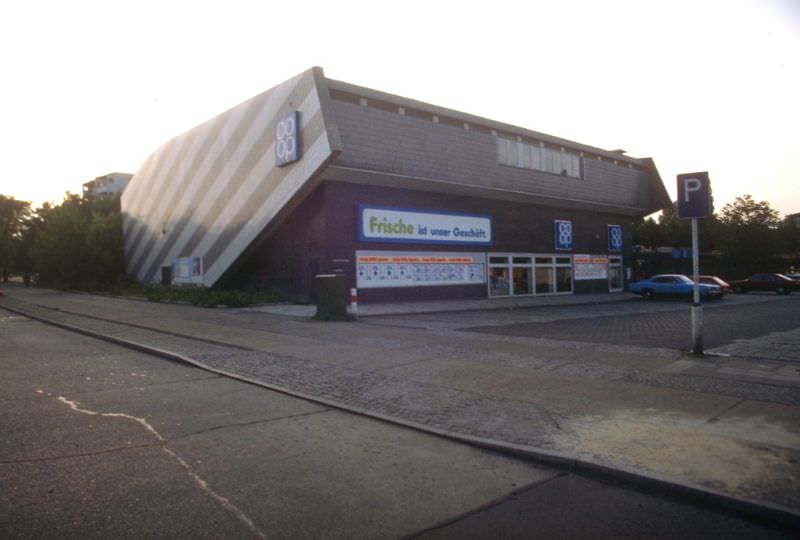
The Zeughauskino, located inside the Deutsches Historisches Museum in East Berlin, screened historical and documentary films tied to official state narratives. Programming there reflected the GDR’s view of history — particular emphasis on World War II resistance, the Soviet liberation of Germany, and socialist progress.
Despite the restrictions in East Berlin, DEFA films were not without artistic merit. Some directors pushed boundaries within the system, producing films with subtle social commentary that slipped past censors. The 1973 film “The Legend of Paul and Paula,” for example, dealt with personal freedom and desire in ways that resonated deeply with East German audiences.
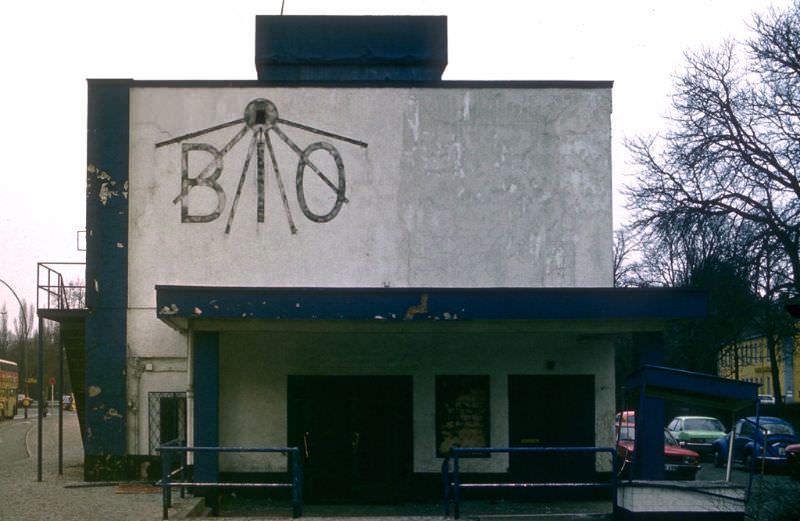
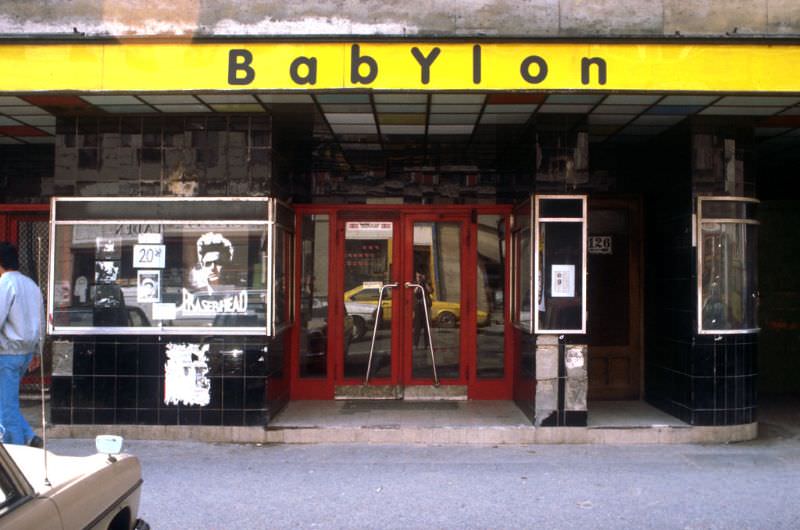
West Berlin’s cinemas also served a political function in a more direct sense. During the 1980s, the city was a flashpoint for Cold War tensions. Anti-nuclear protests, squatter movements, and student activism were all part of daily life. Cinemas frequently screened films that engaged with these struggles — works from Latin America, Asia, and Africa that documented resistance and revolution.
The Yorck cinema group, still operating today, was already an established force in West Berlin by the 1980s. It operated several theaters across the city, each with its own character. The group’s commitment to quality programming — avoiding blockbusters in favor of thoughtful, carefully chosen films — made it a trusted name among serious cinephiles.
Programming in East Berlin’s state cinemas followed a strict schedule set by the government’s cultural ministry. Soviet films held a prominent place in the lineup, as did East German productions and films from other socialist countries. Hollywood films were largely banned, though some Western European productions did make it through.
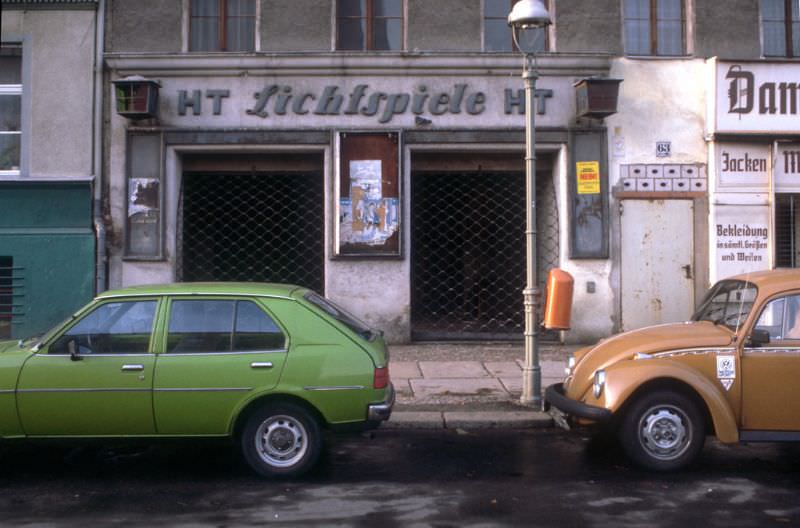
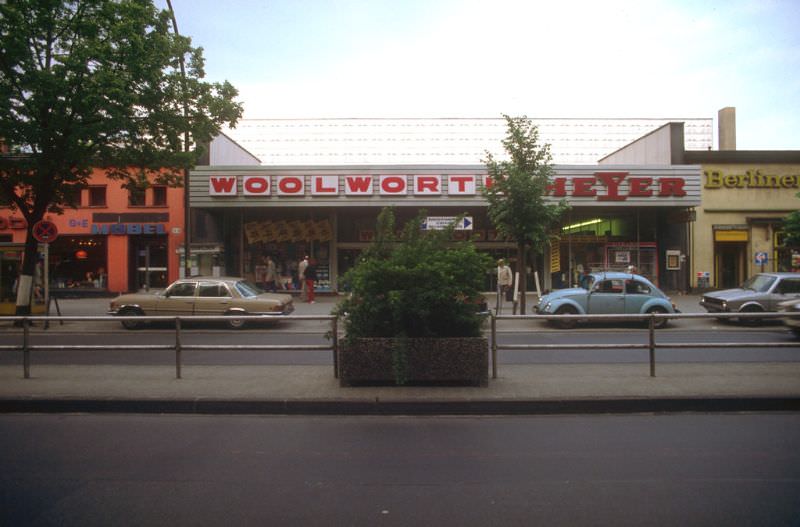
The Odeon cinema in West Berlin’s Schöneberg district became known during the 1980s for its English-language screenings. It catered to the city’s large English-speaking population — American soldiers stationed in Berlin, British expats, and international students. The Odeon offered a slice of Hollywood in a city that was otherwise dominated by European and independent film culture.
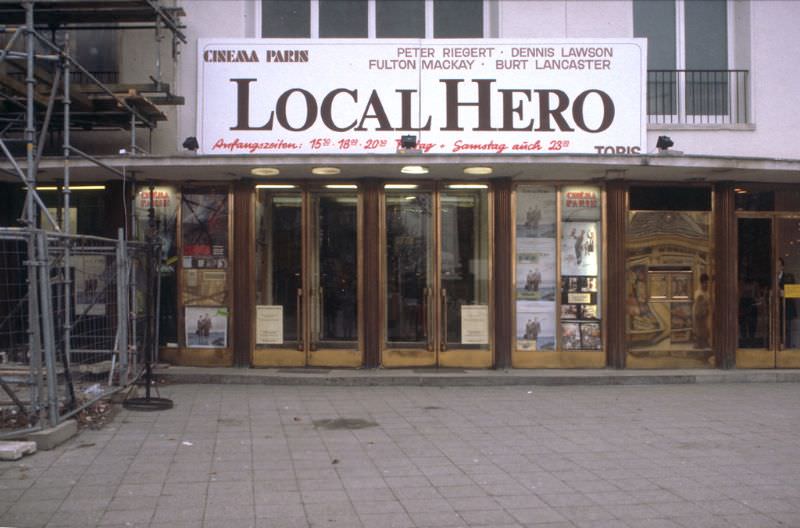
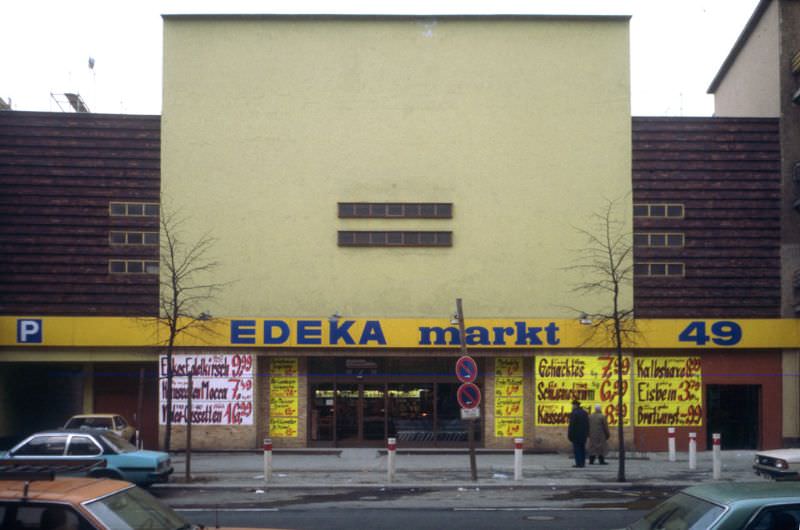
On the East side, attending the cinema was an affordable and common leisure activity. Ticket prices were kept low by state subsidies, and going to the movies was considered a normal part of socialist cultural life. Attendance figures at East Berlin cinemas were consistently high throughout the decade.
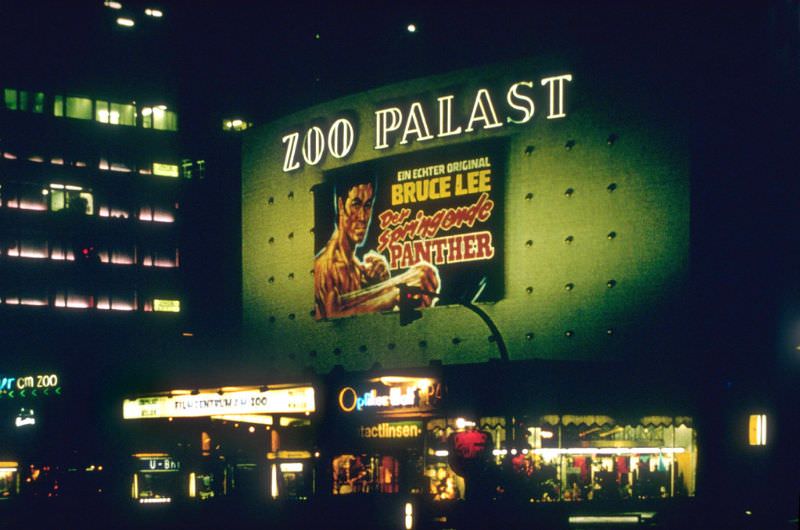
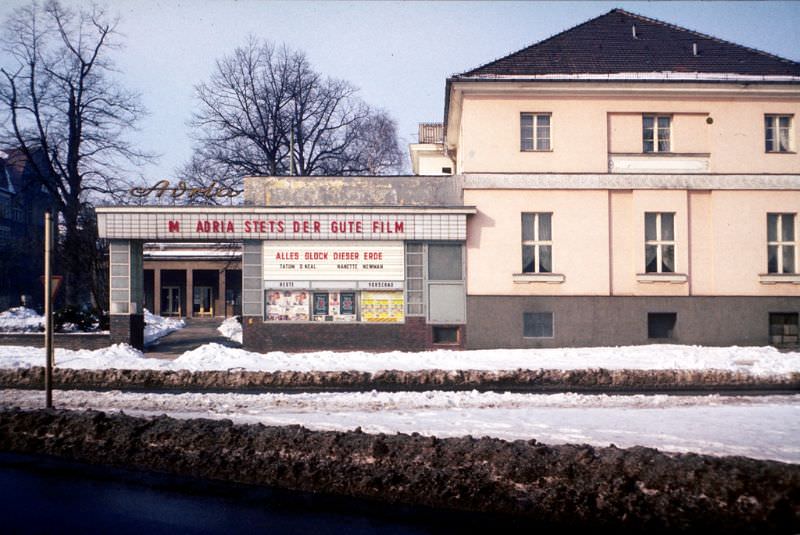
As the 1980s wore on, the contrast between the two film cultures became more pronounced. West Berlin’s scene grew increasingly experimental, embracing video art, expanded cinema, and multimedia events. East Berlin’s state-run cinemas, meanwhile, were beginning to show the strain of a system that was running out of energy and ideas.
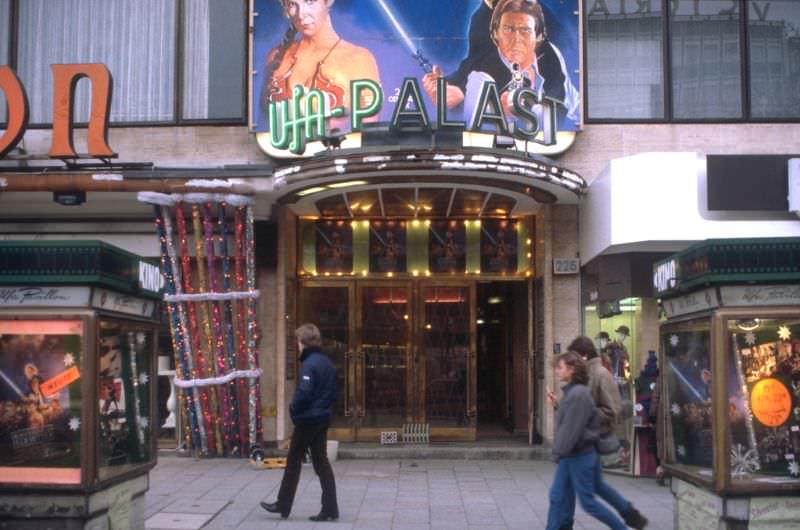
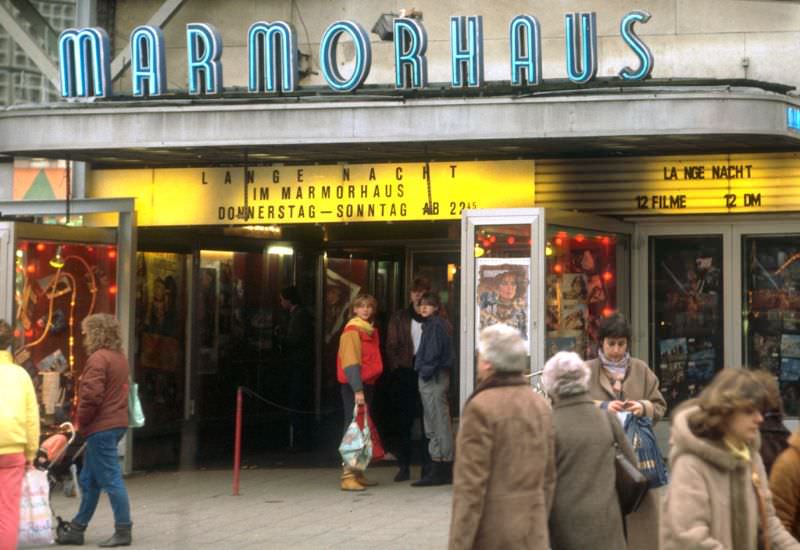
By the time the Wall fell in November 1989, the two Berlin cinema cultures had spent four decades developing in near-total isolation from each other. The venues, the audiences, the films, and the expectations on each side were worlds apart. That divide is one of the most striking chapters in the city’s cultural history.