
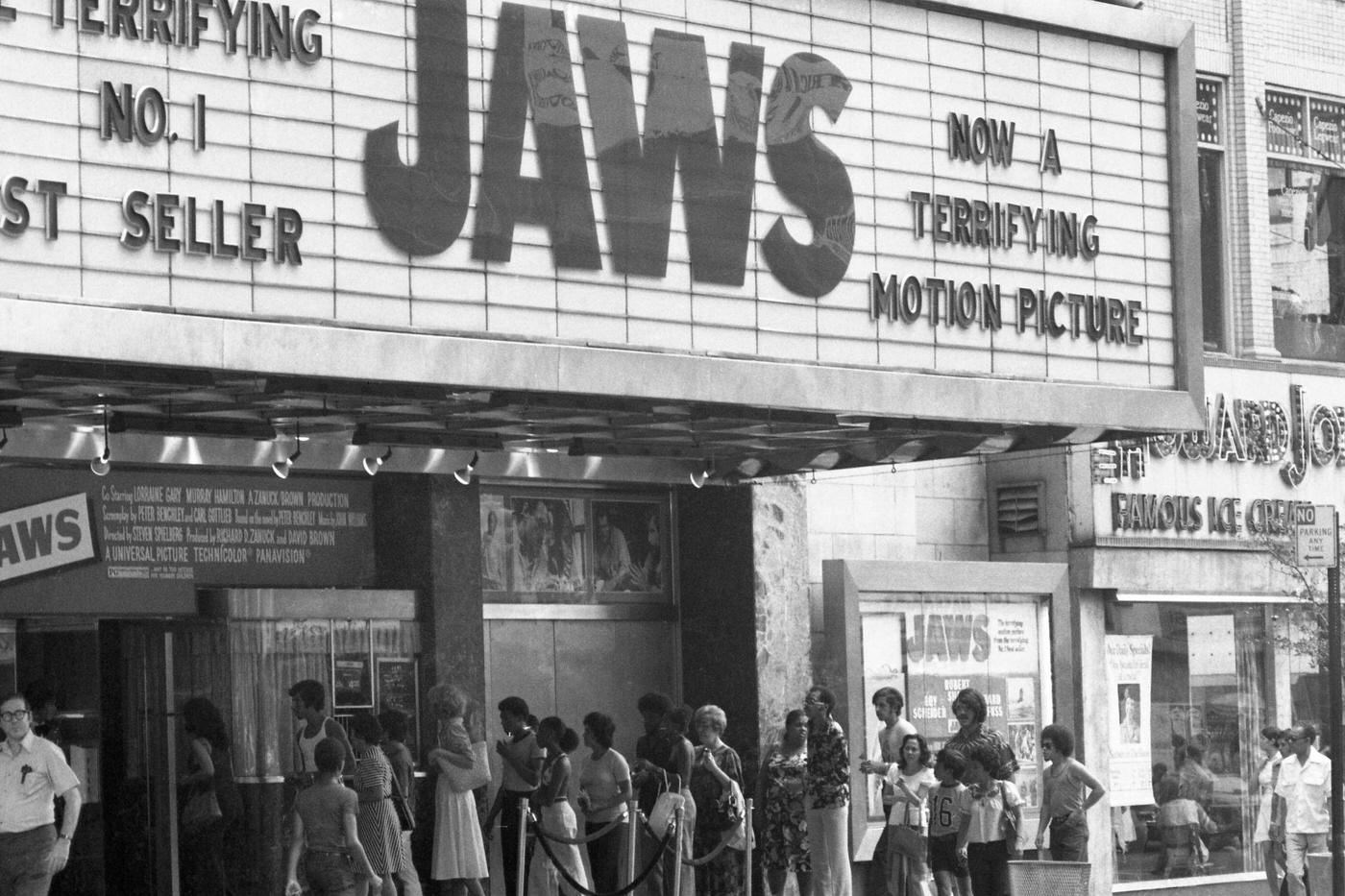
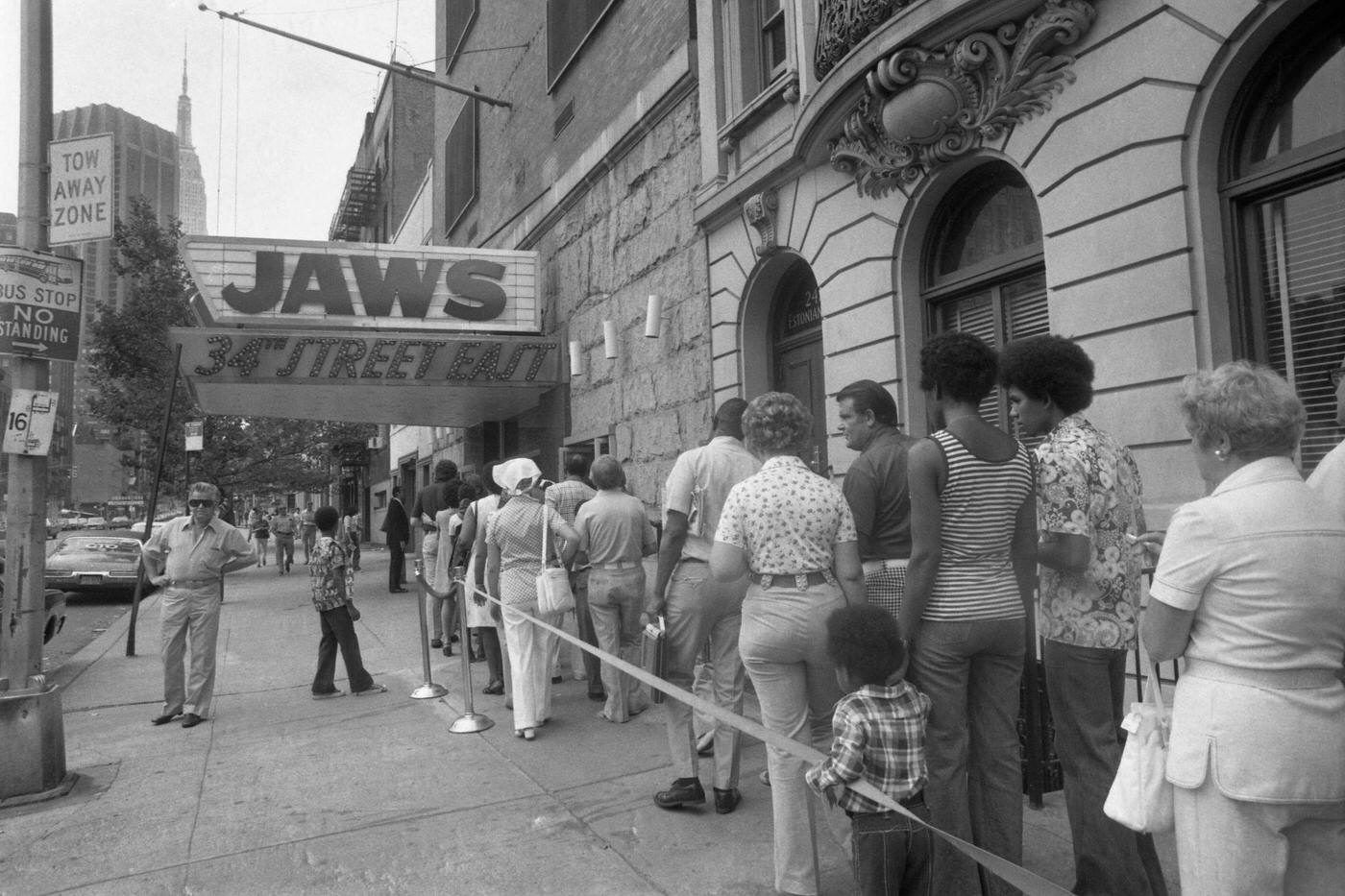
When Steven Spielberg’s Jaws opened in the summer of 1975, audiences lined up around the block to see it. The film, based on Peter Benchley’s 1974 novel, follows a great white shark terrorizing a New England beach town and the three men who set out to stop it. By the time it left theaters, it had earned $470 million worldwide — making it the highest-grossing film ever made up to that point. But the road to that record was anything but smooth.
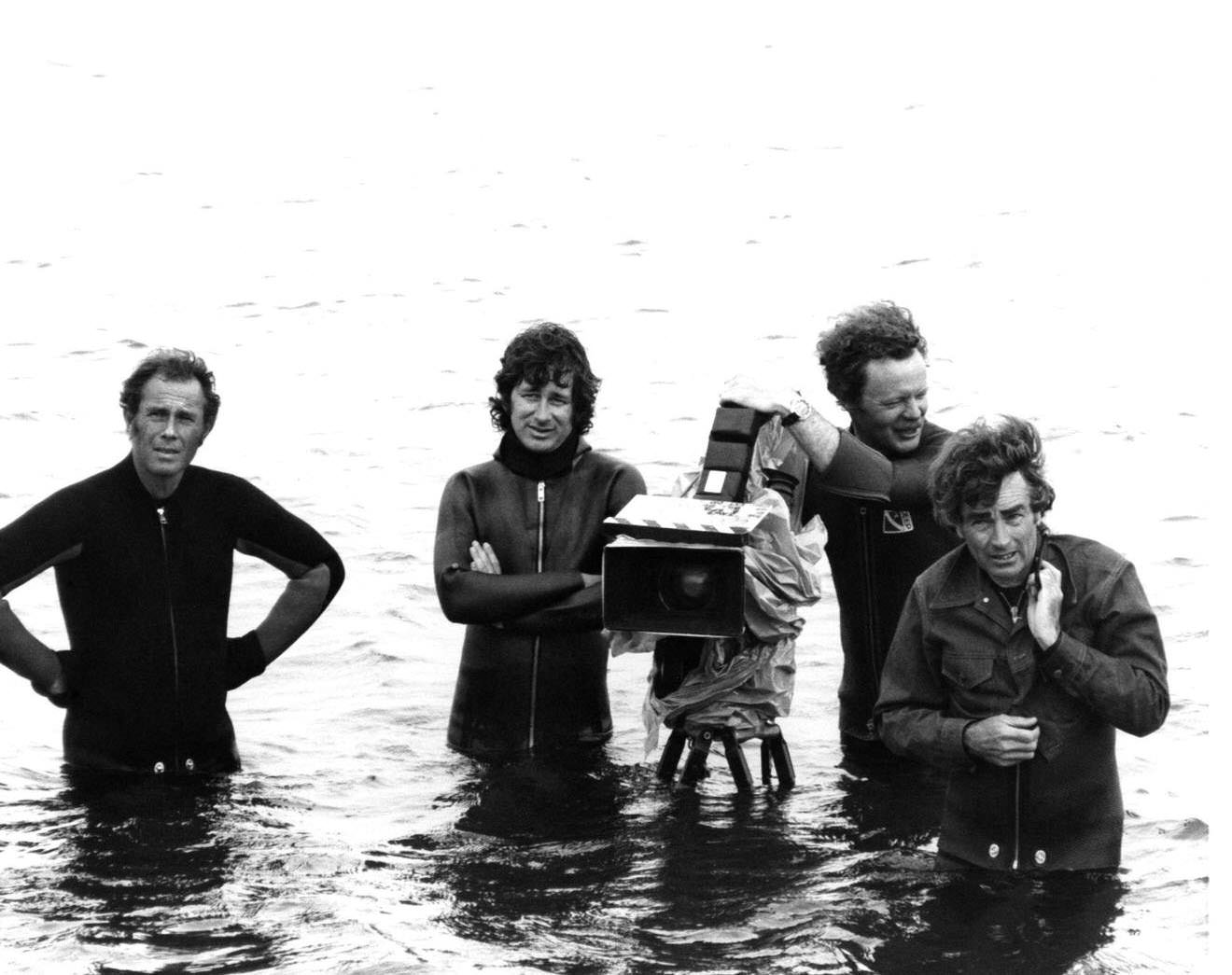
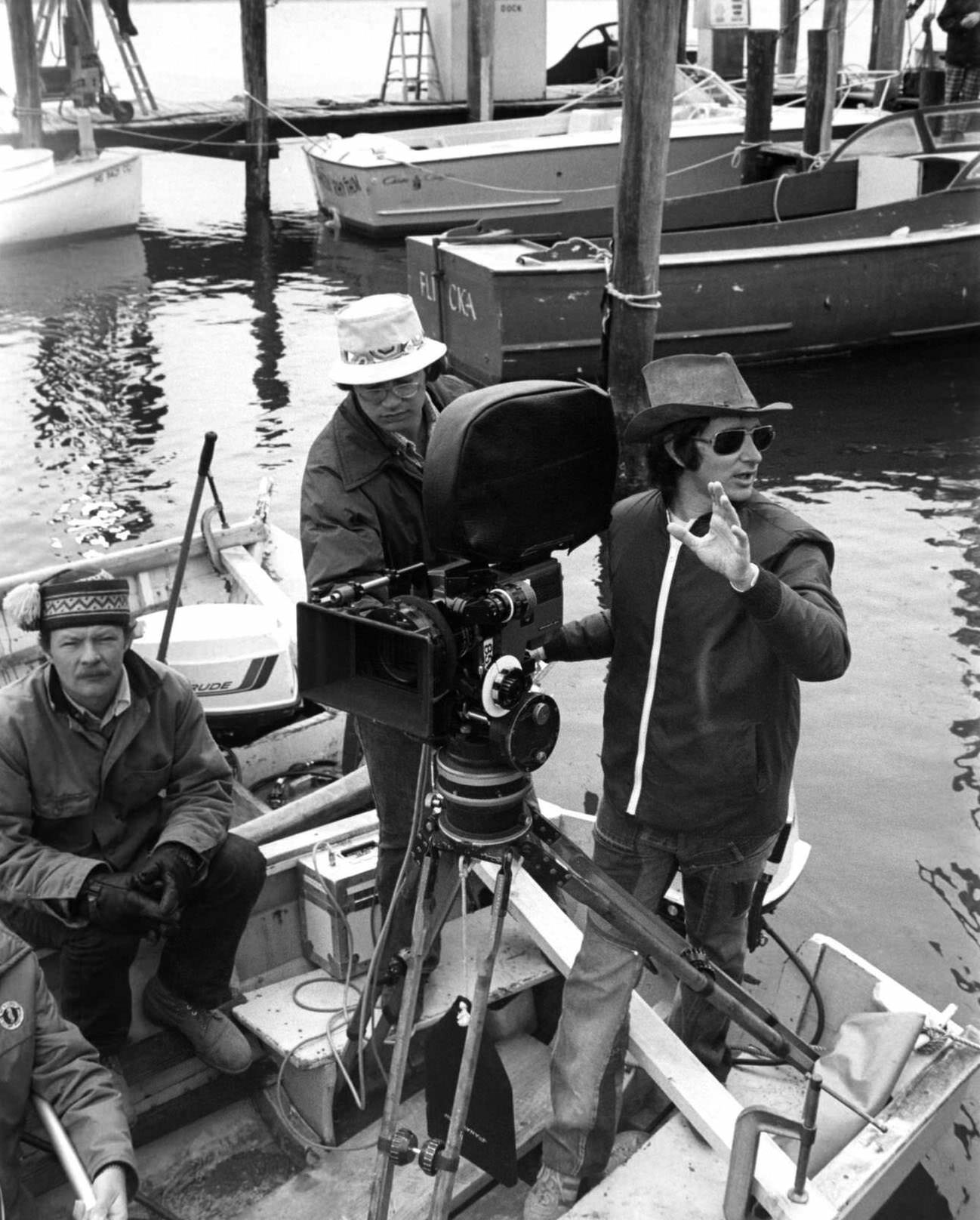
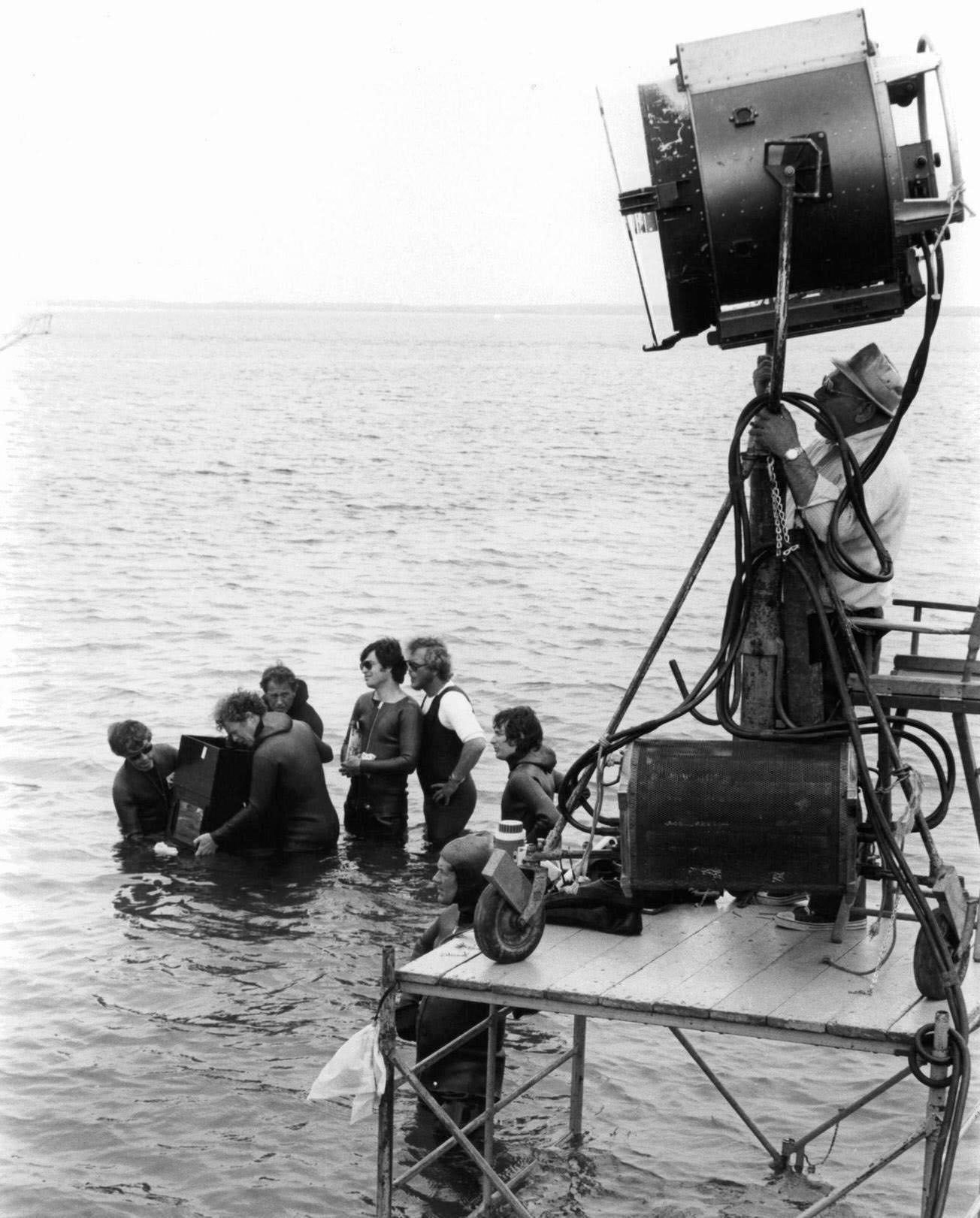
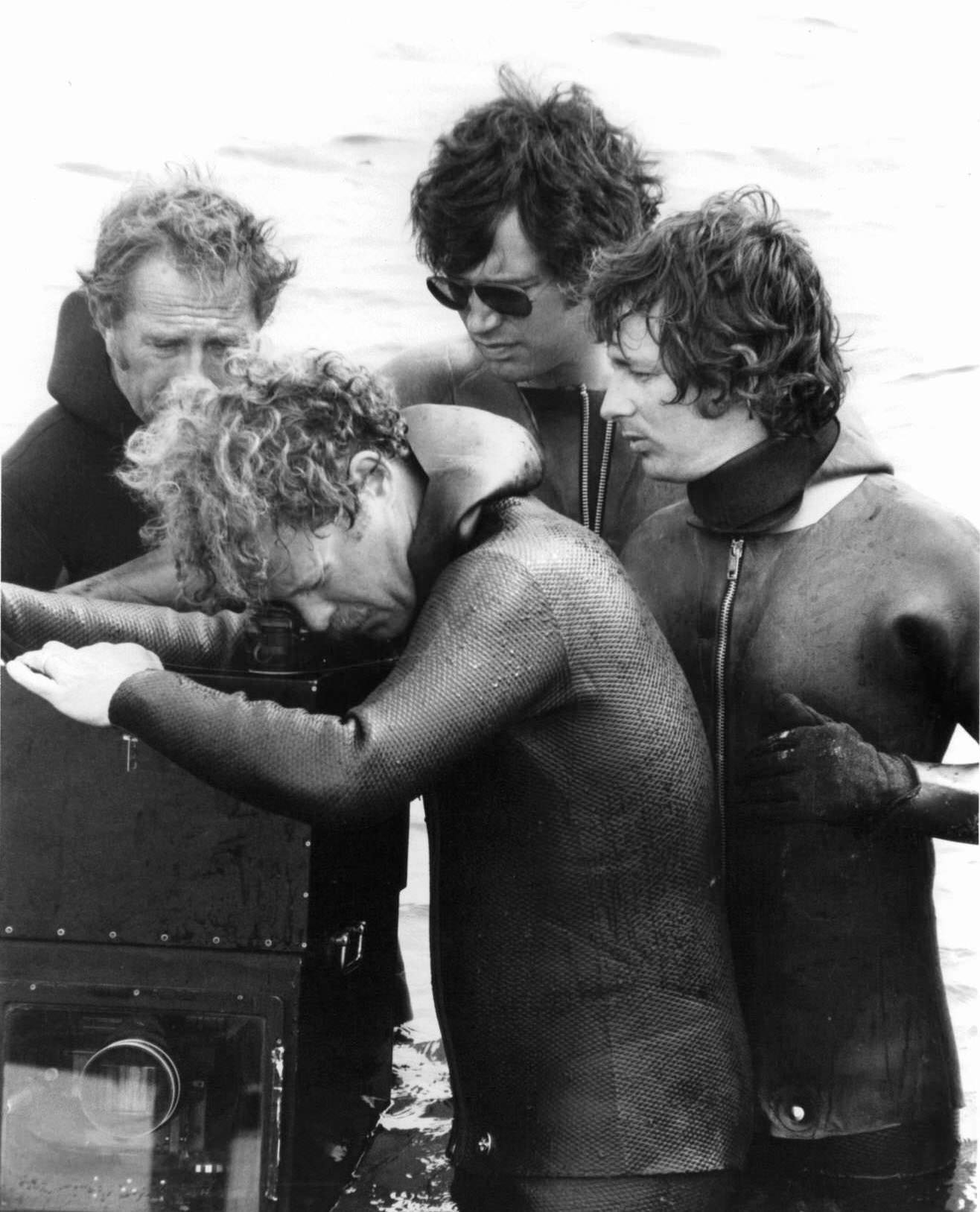
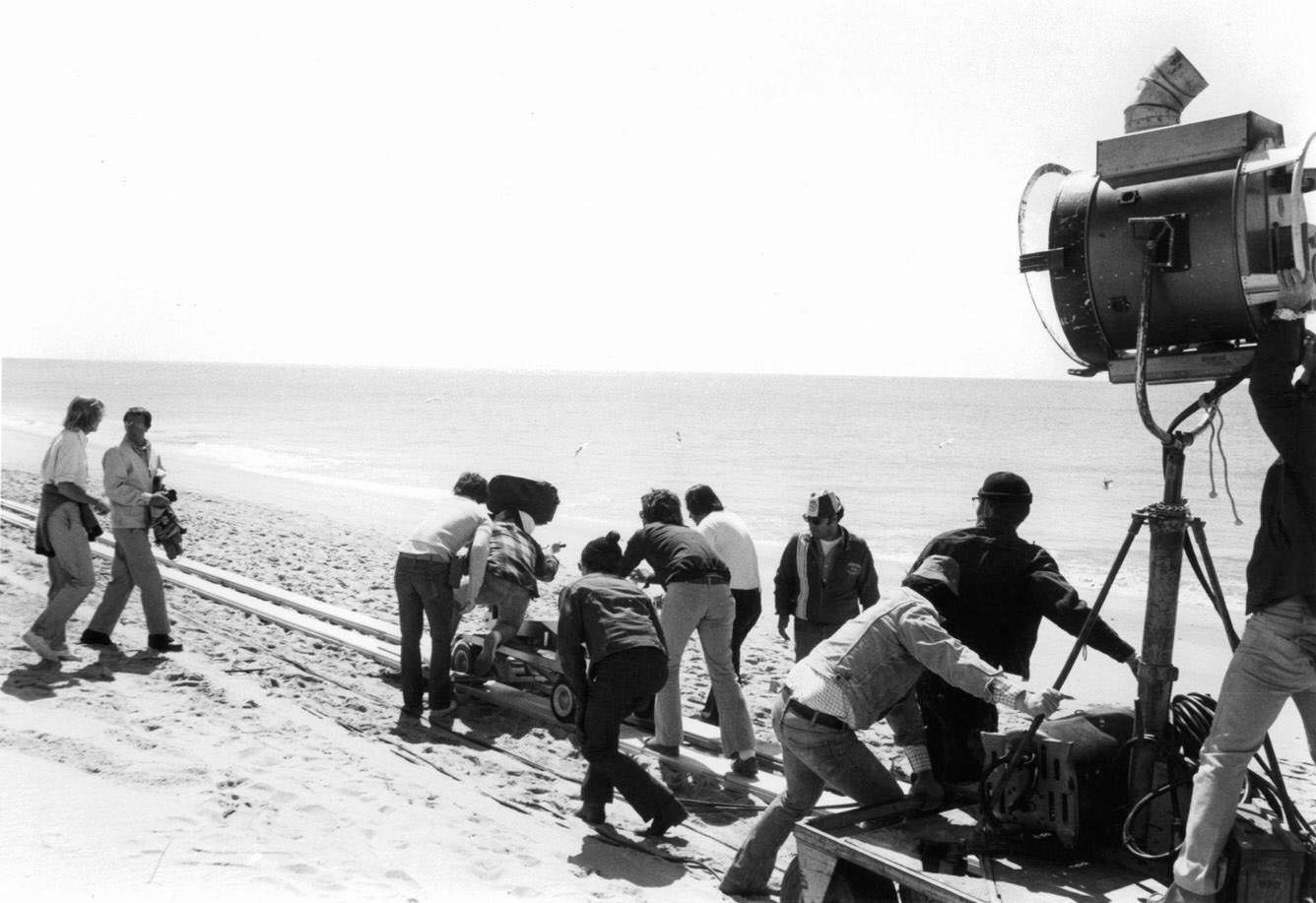
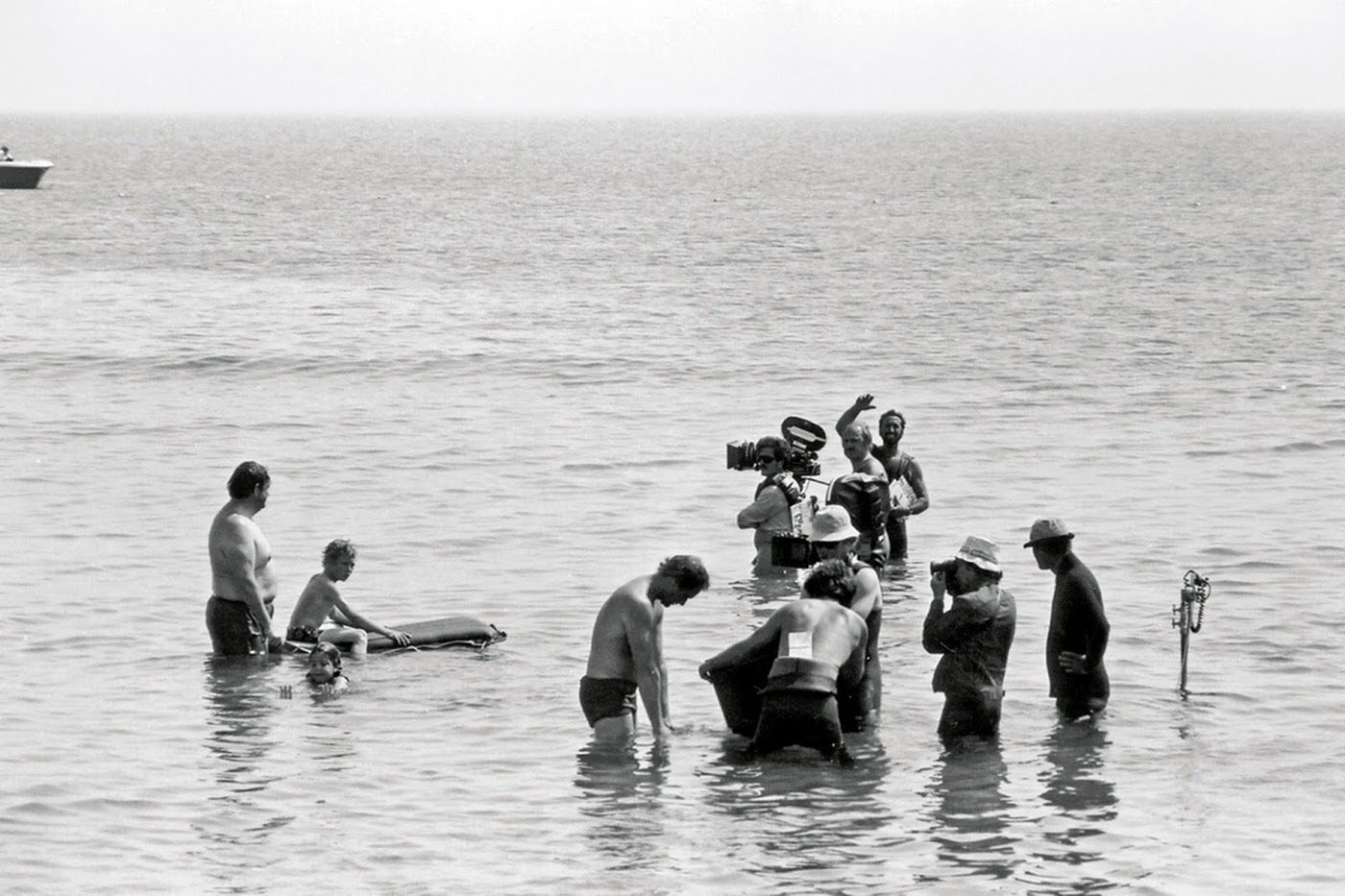
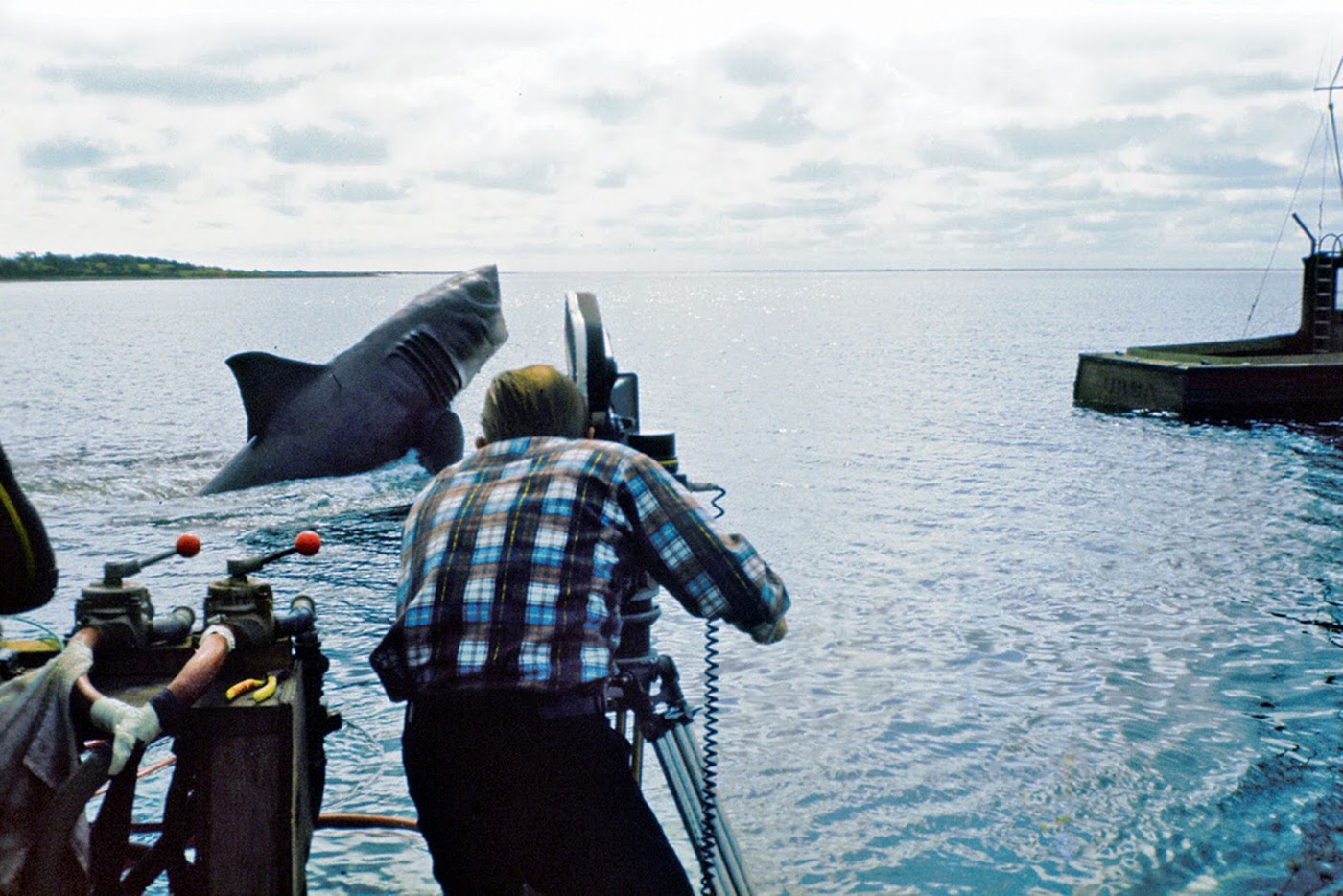
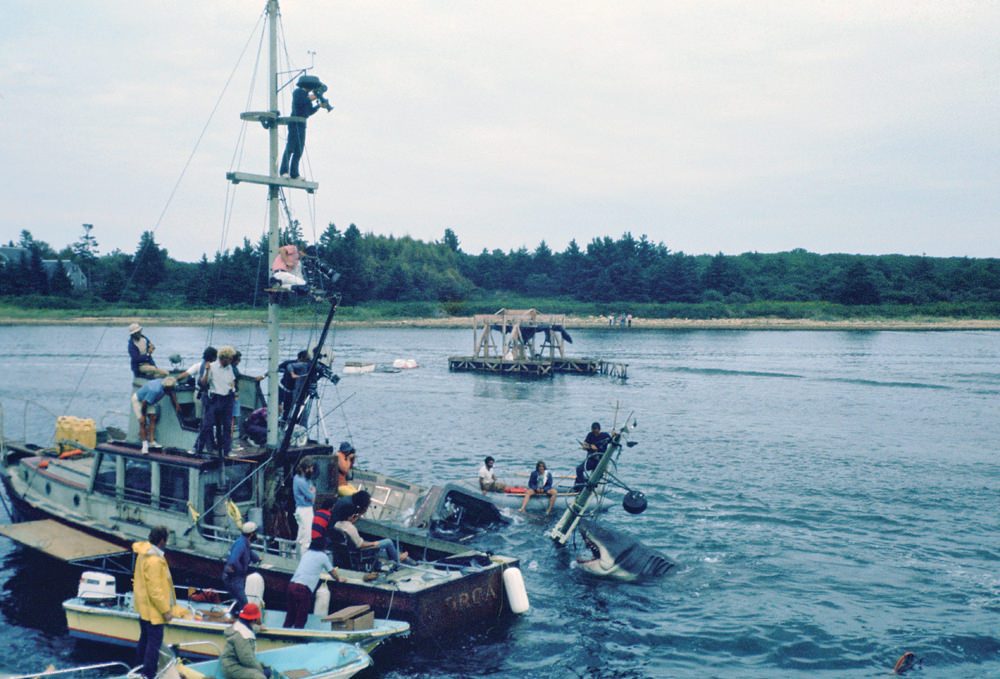
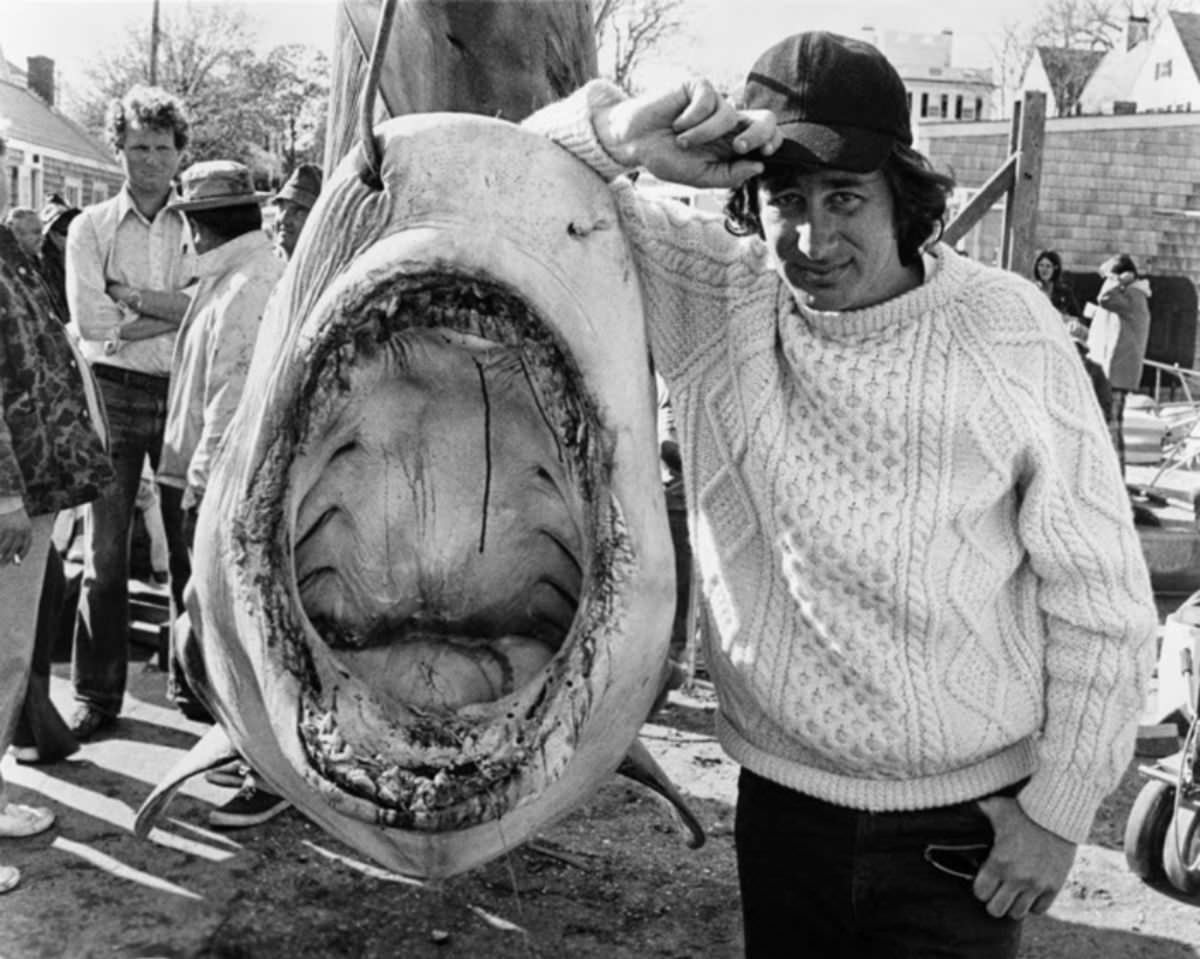
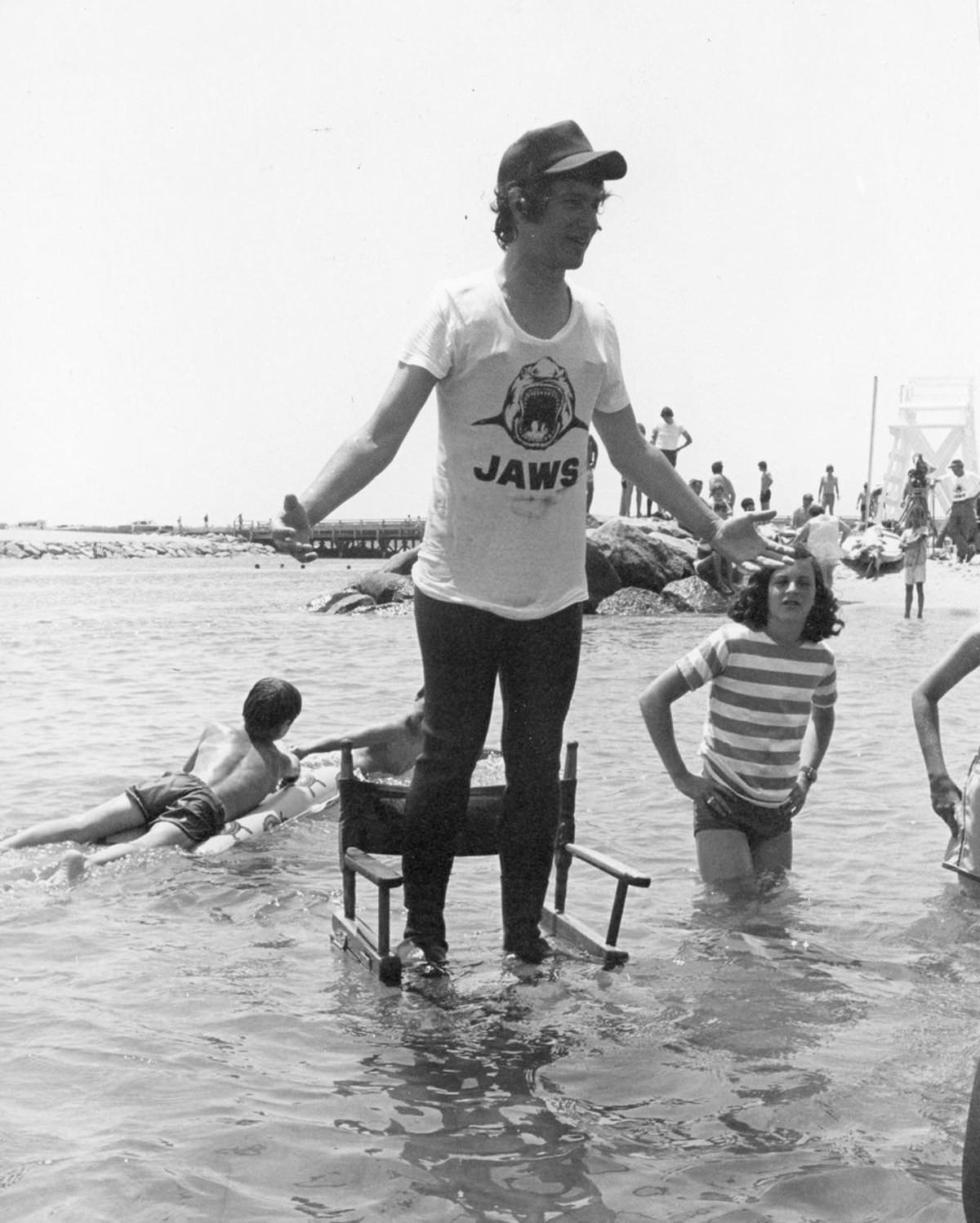
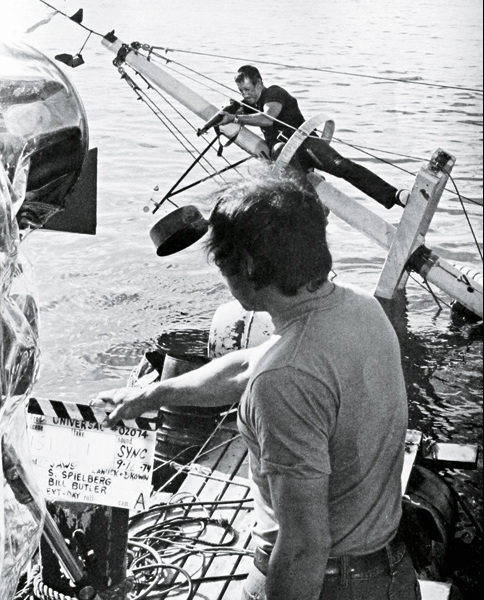
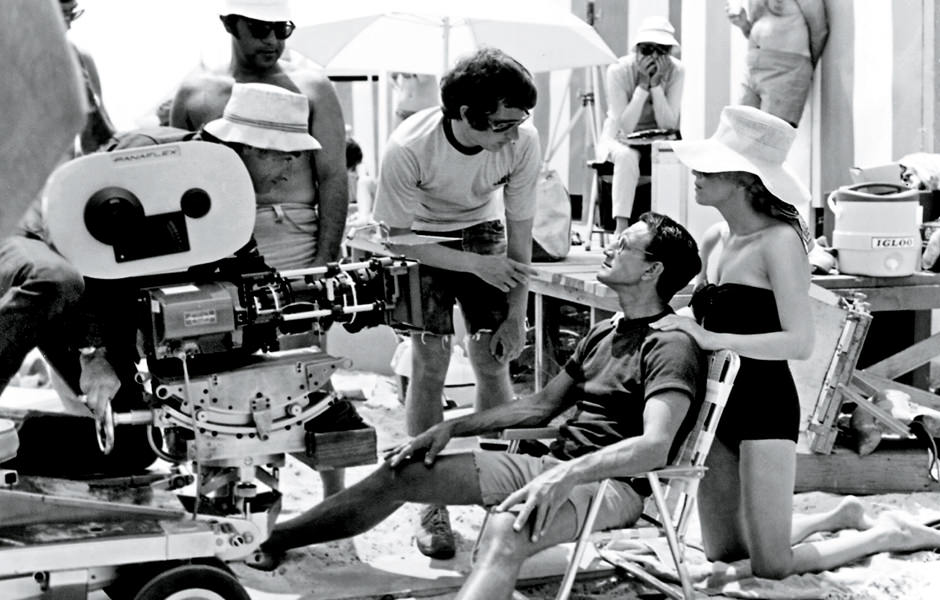
Filming began in May 1974 on location in Martha’s Vineyard, Massachusetts, a real island off the coast of Cape Cod that stood in for the fictional town of Amity. Spielberg, along with cinematographer Bill Butler and camera operator Michael Chapman, set up operations on and around the water. Shooting on the open ocean was a constant challenge. The unpredictable sea conditions made scheduling difficult, and the crew spent long stretches waiting for conditions to cooperate.
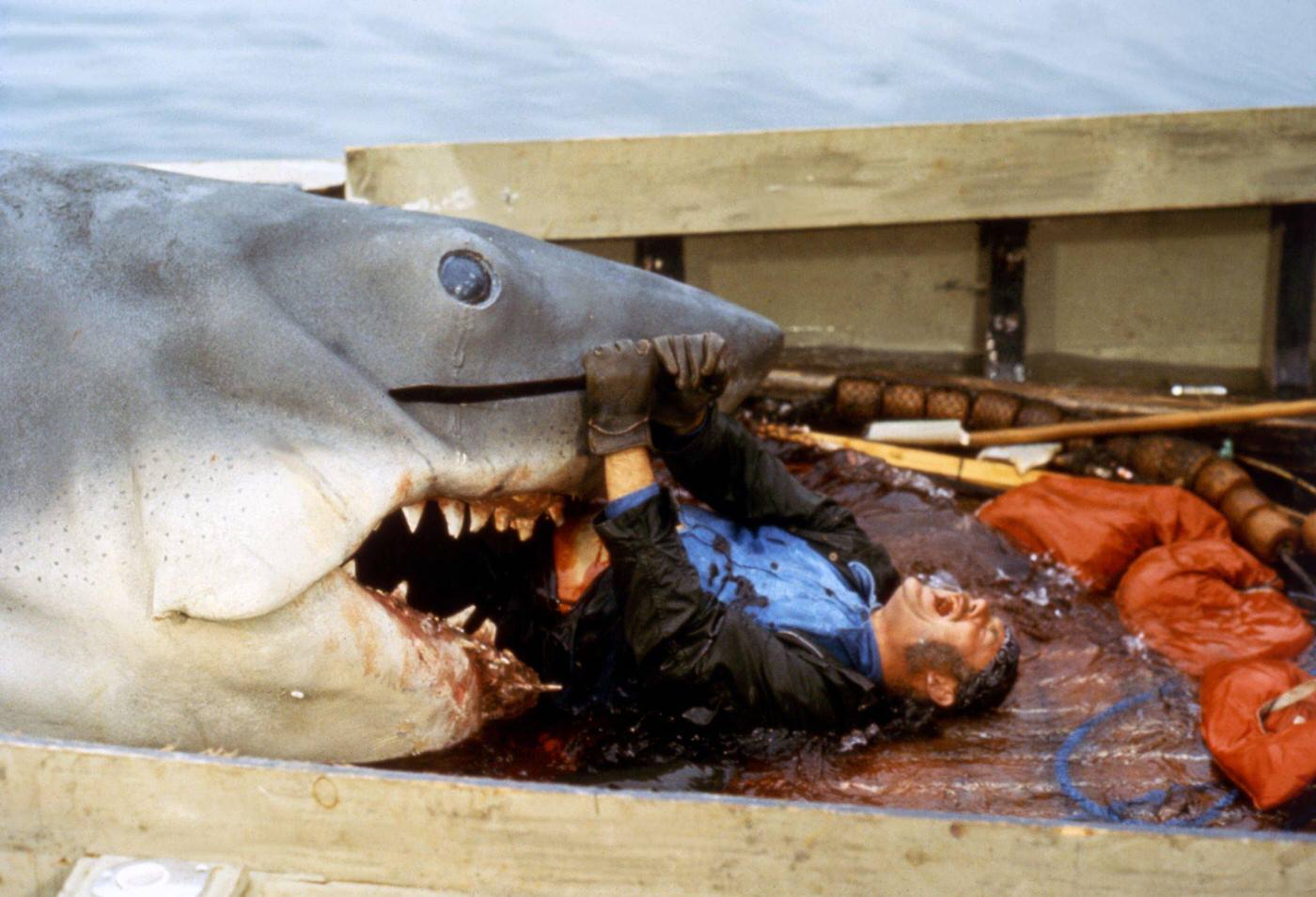
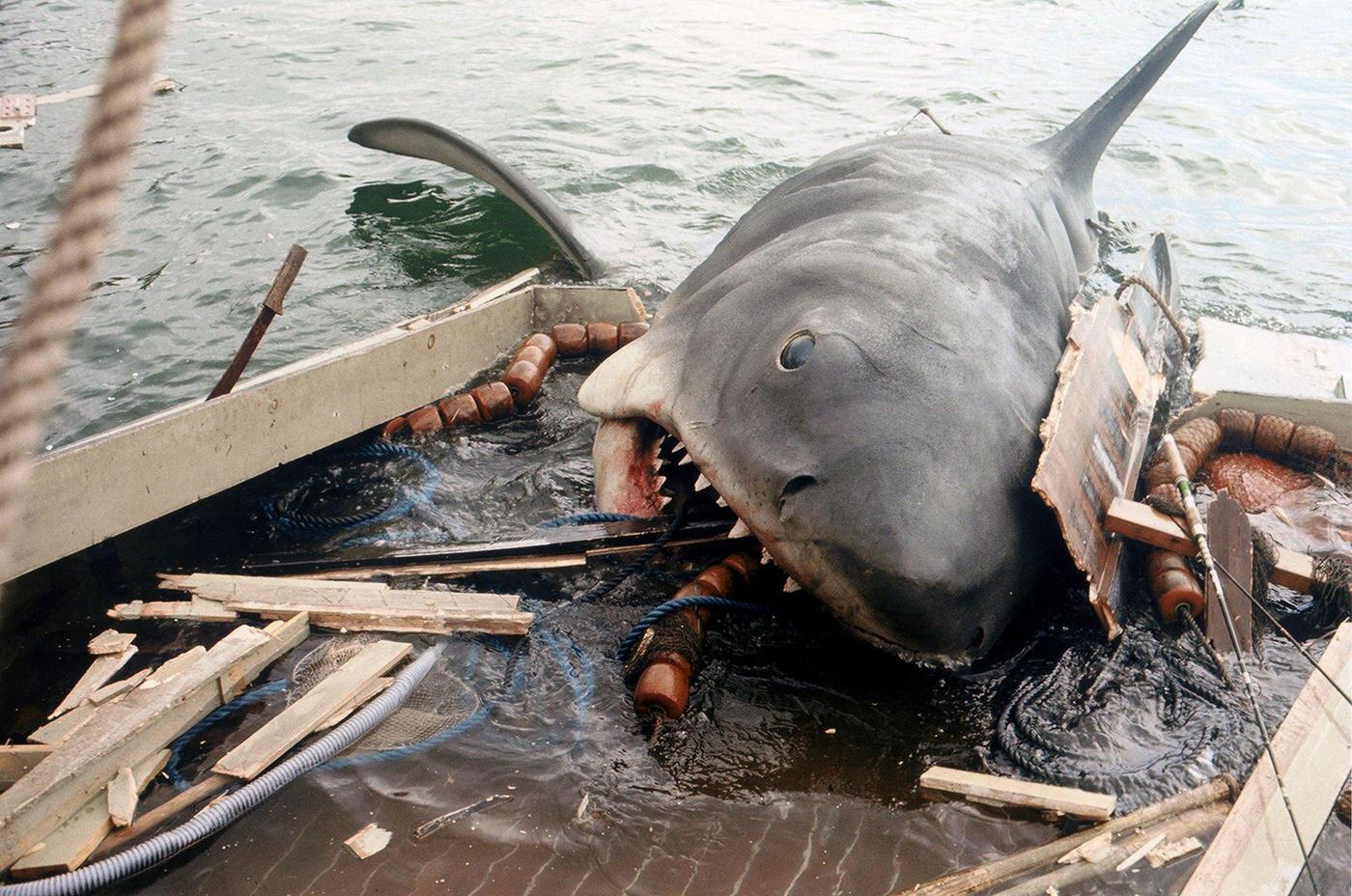
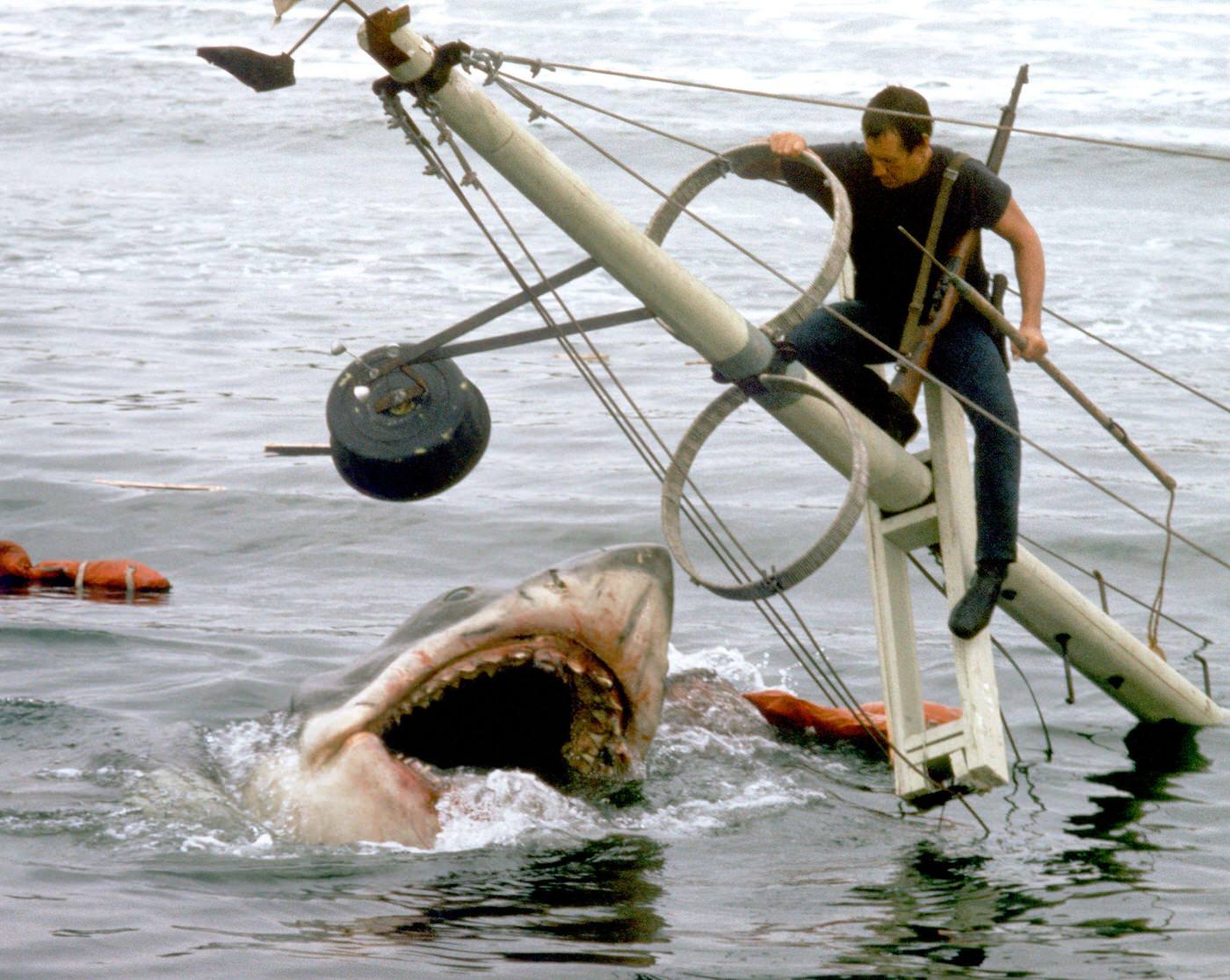
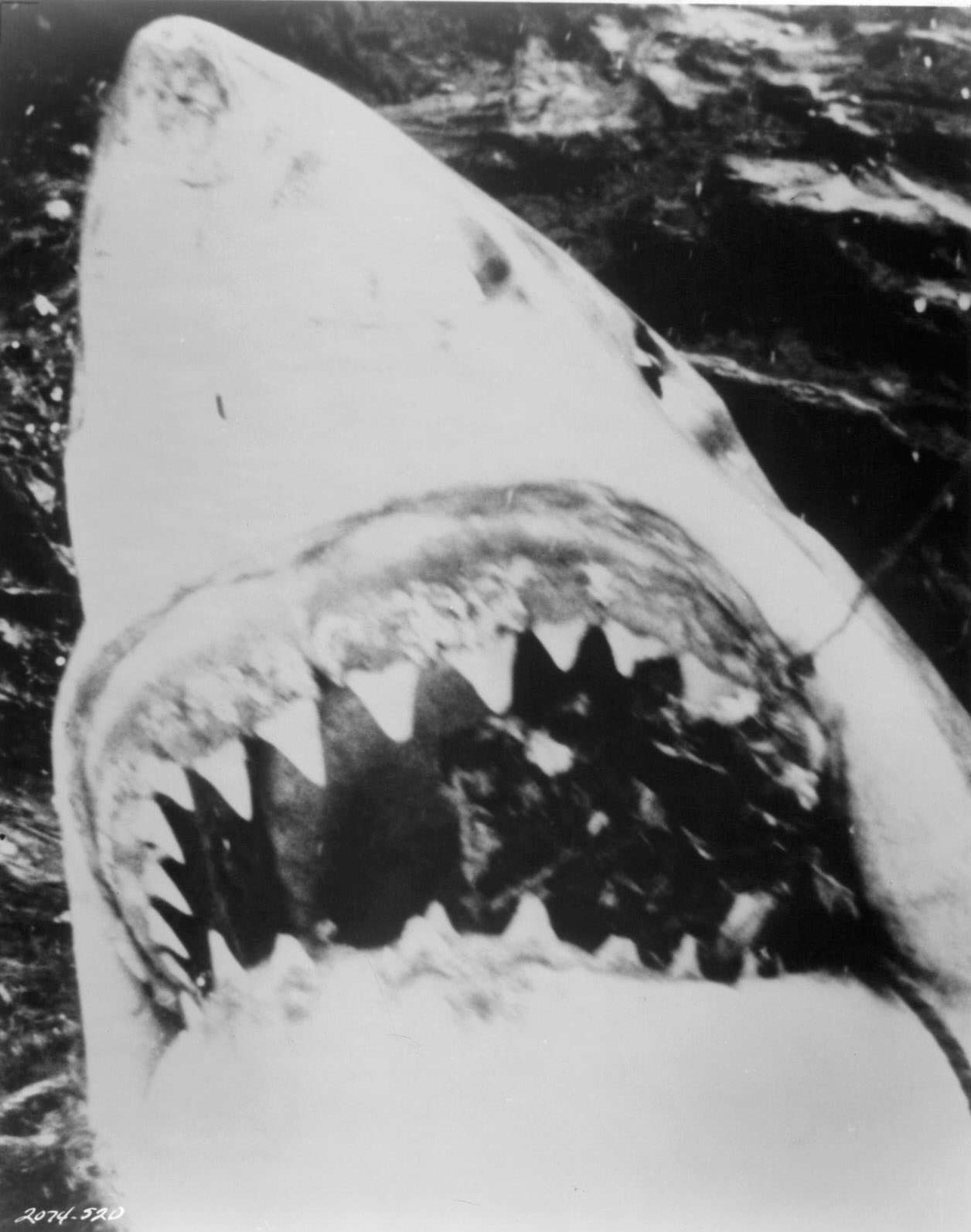
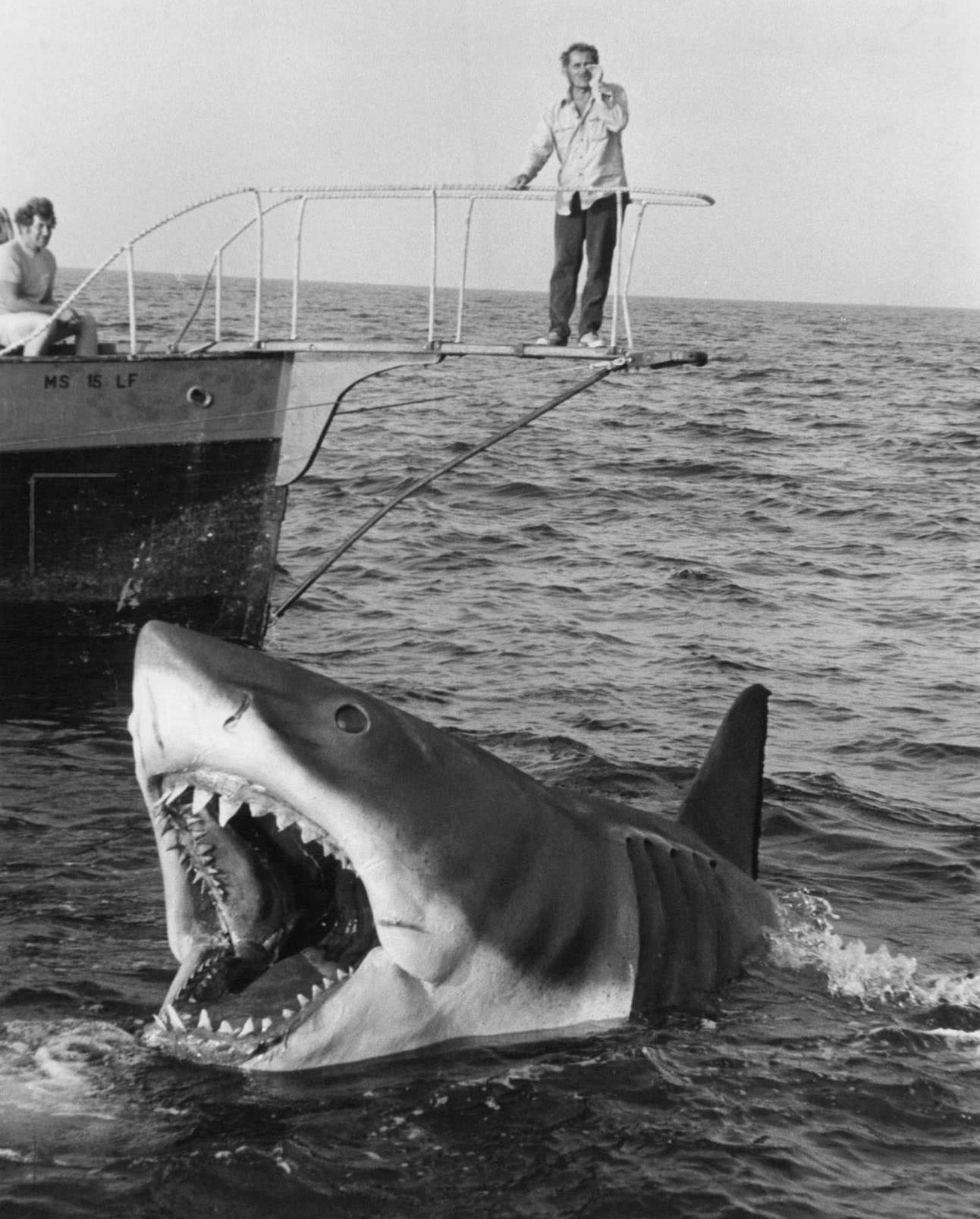
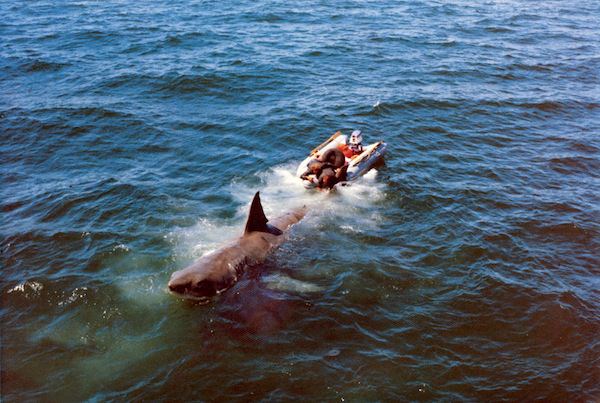
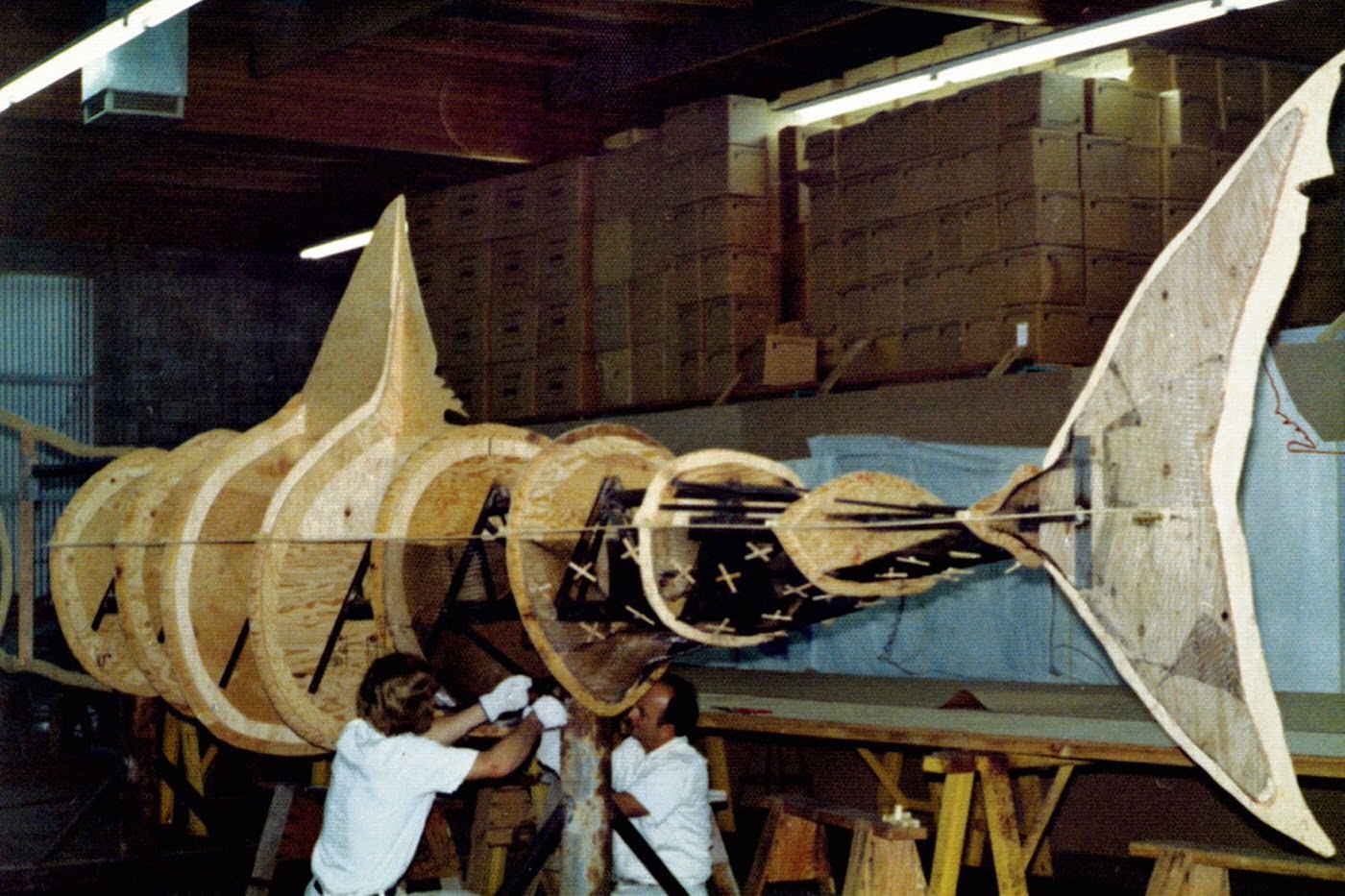
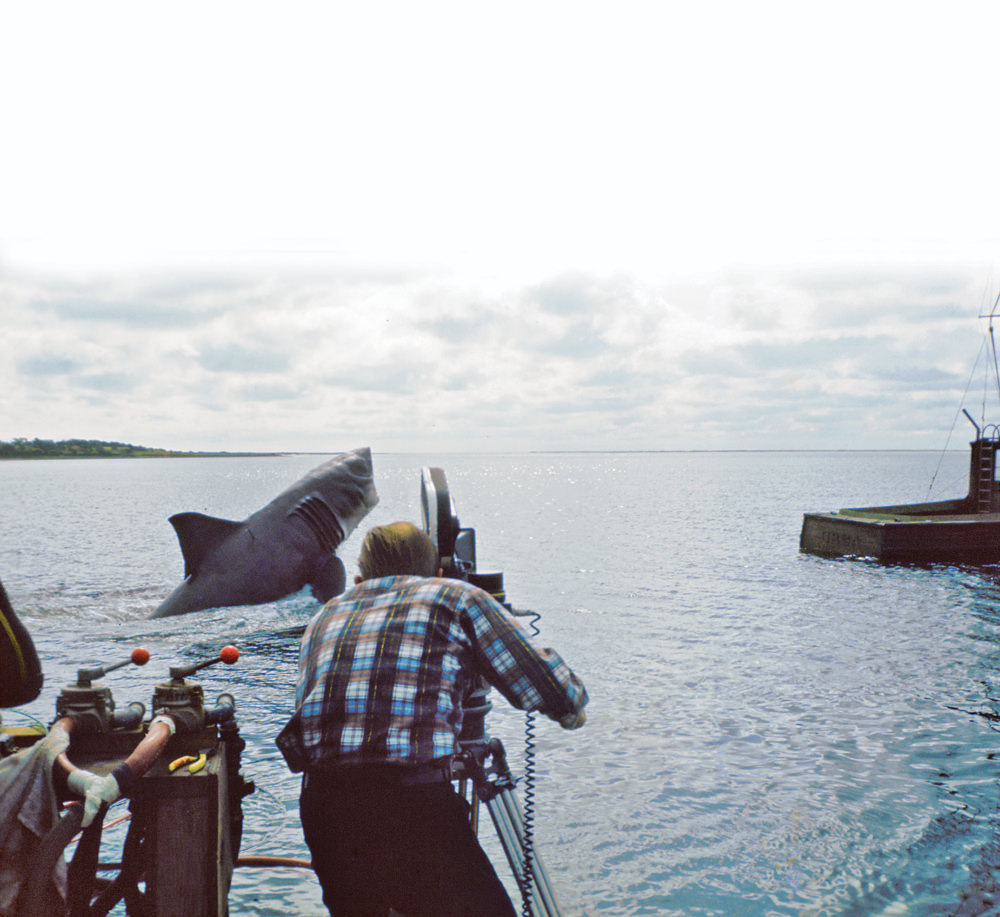
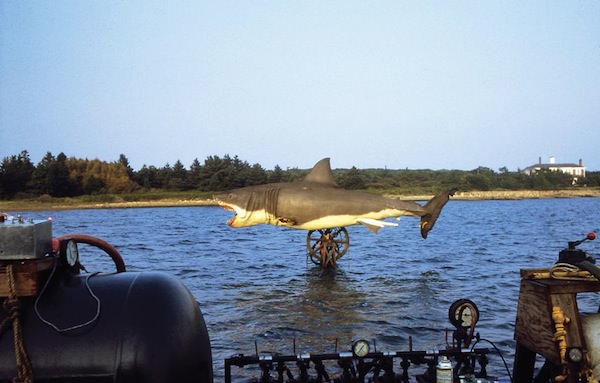
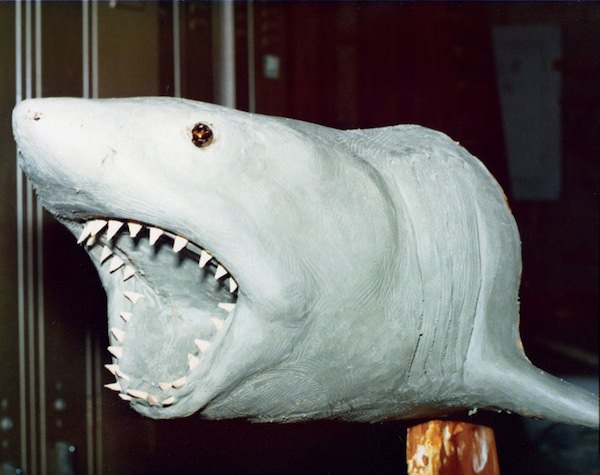
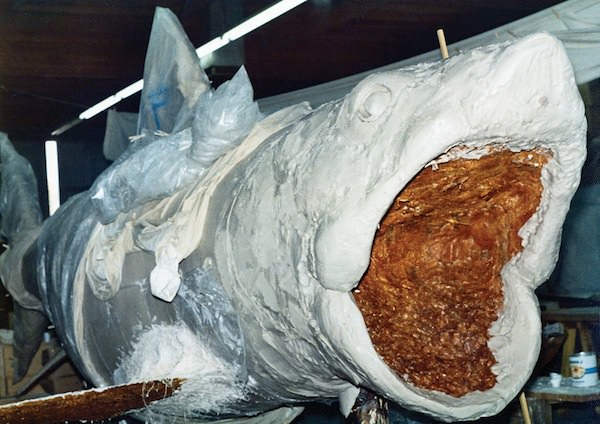
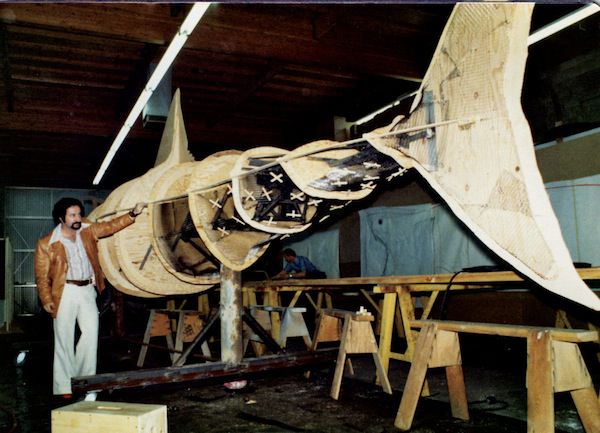
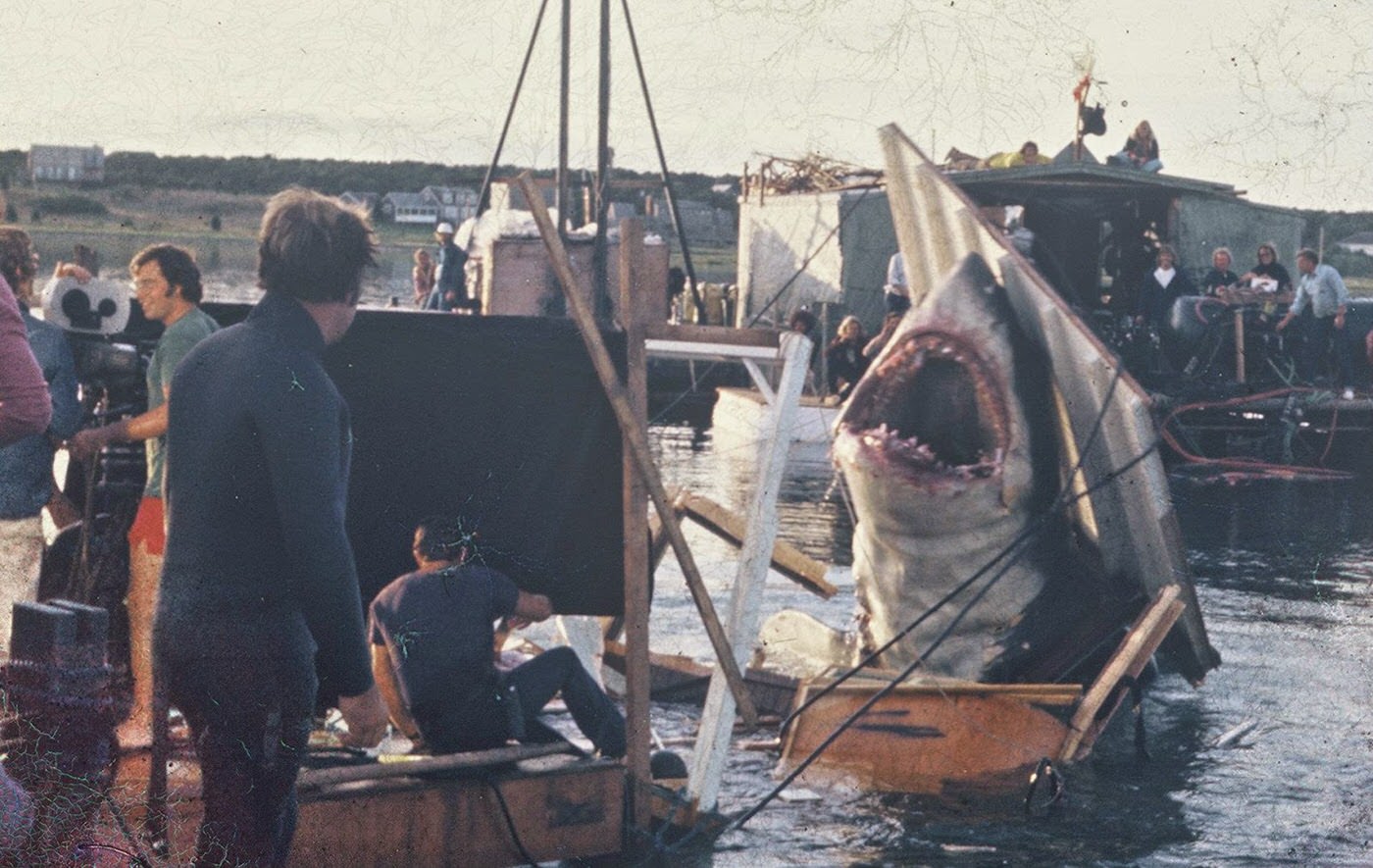
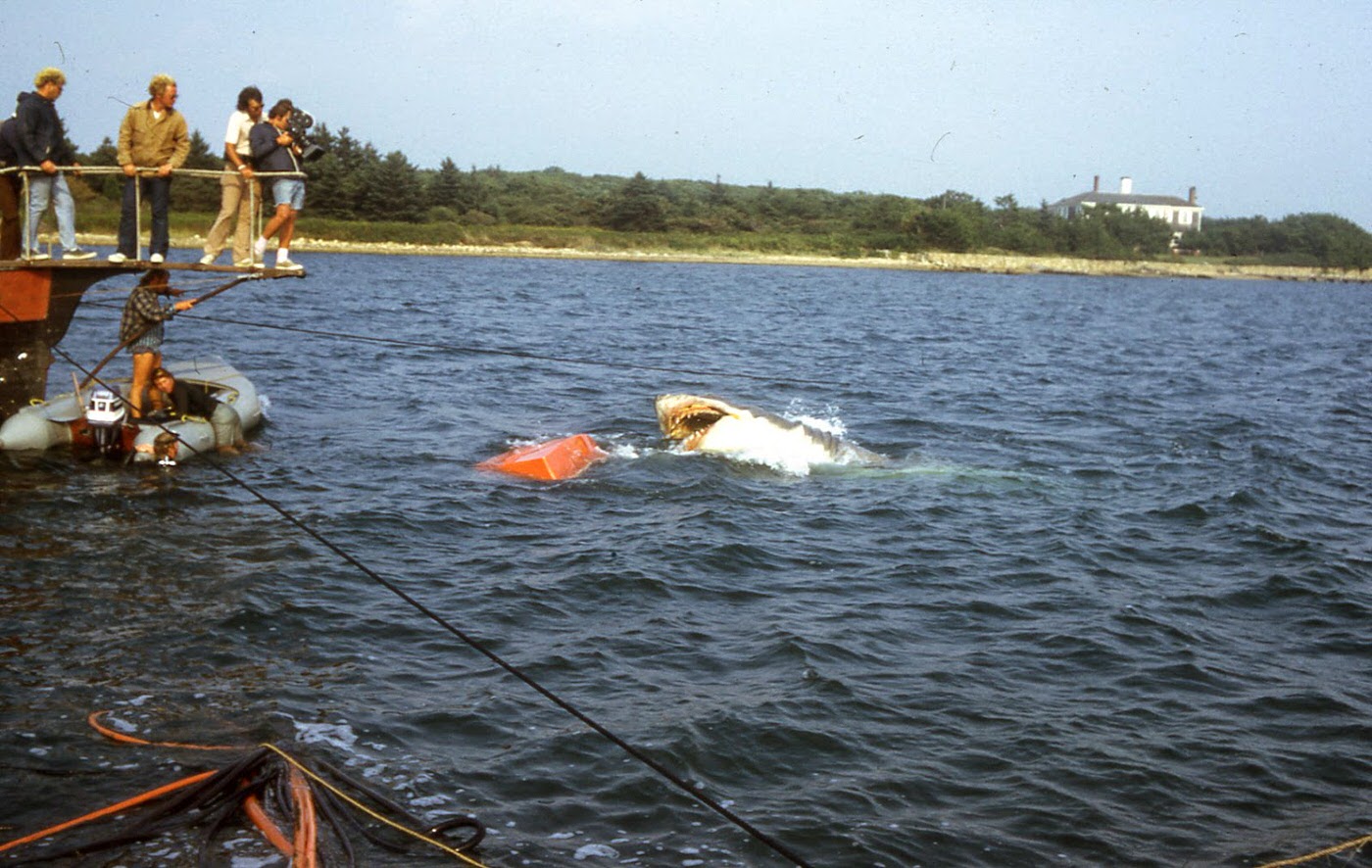
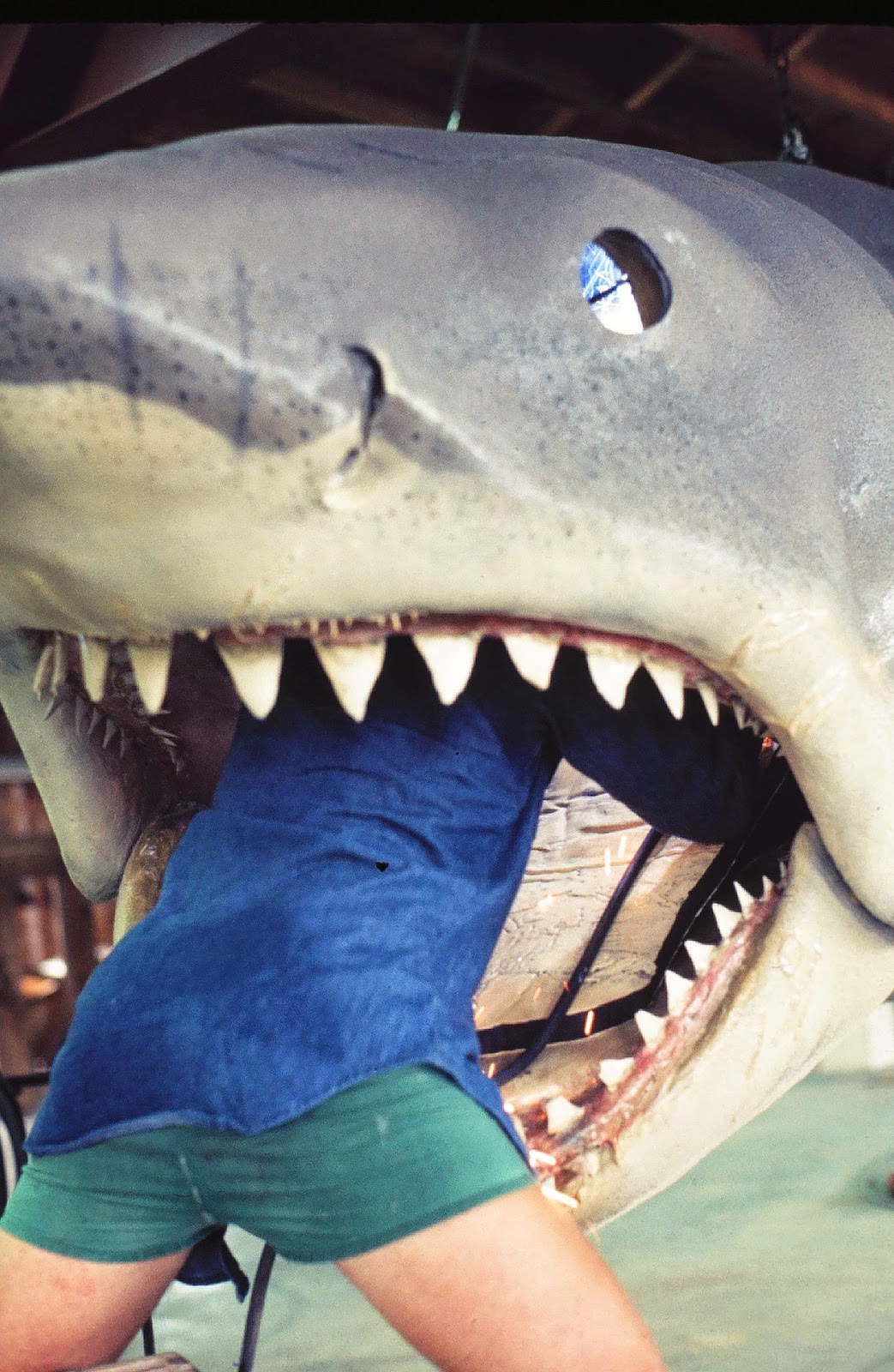
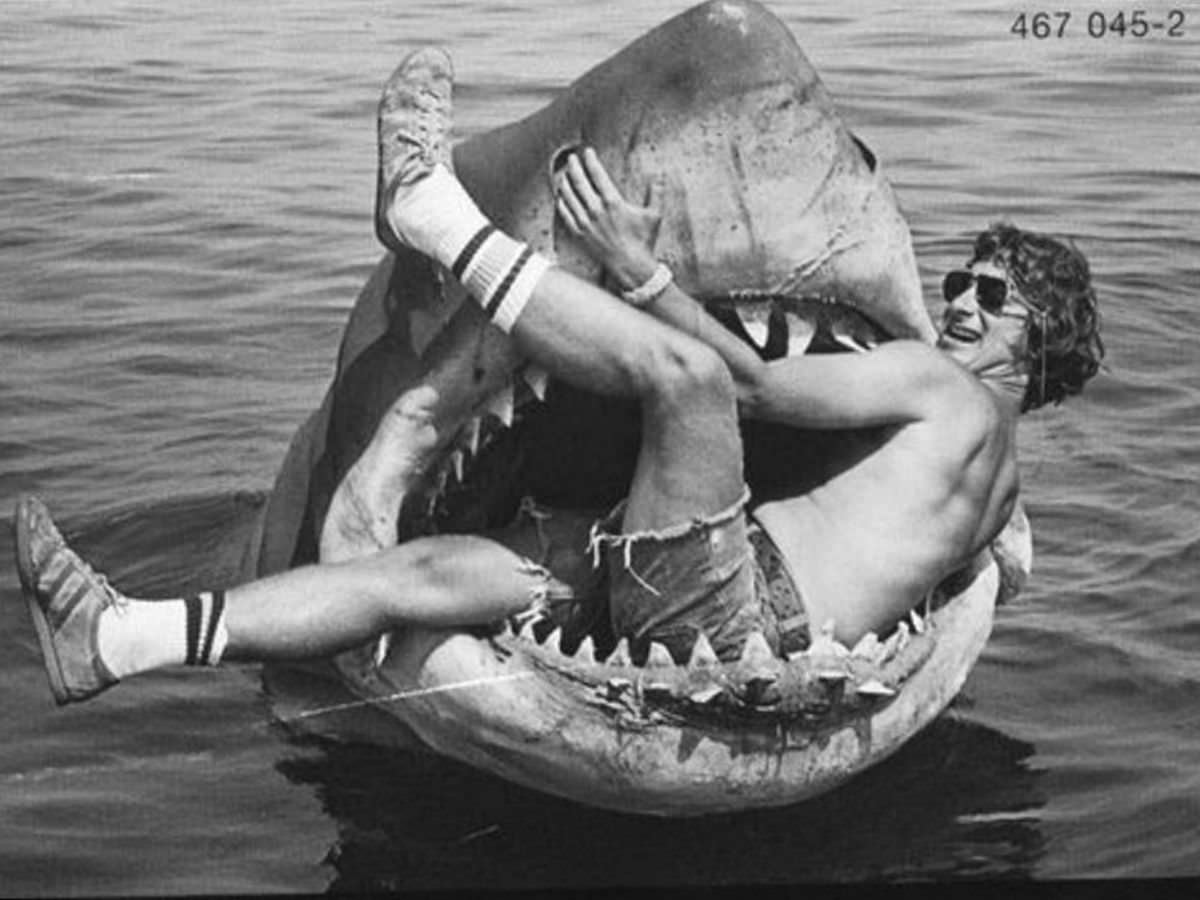
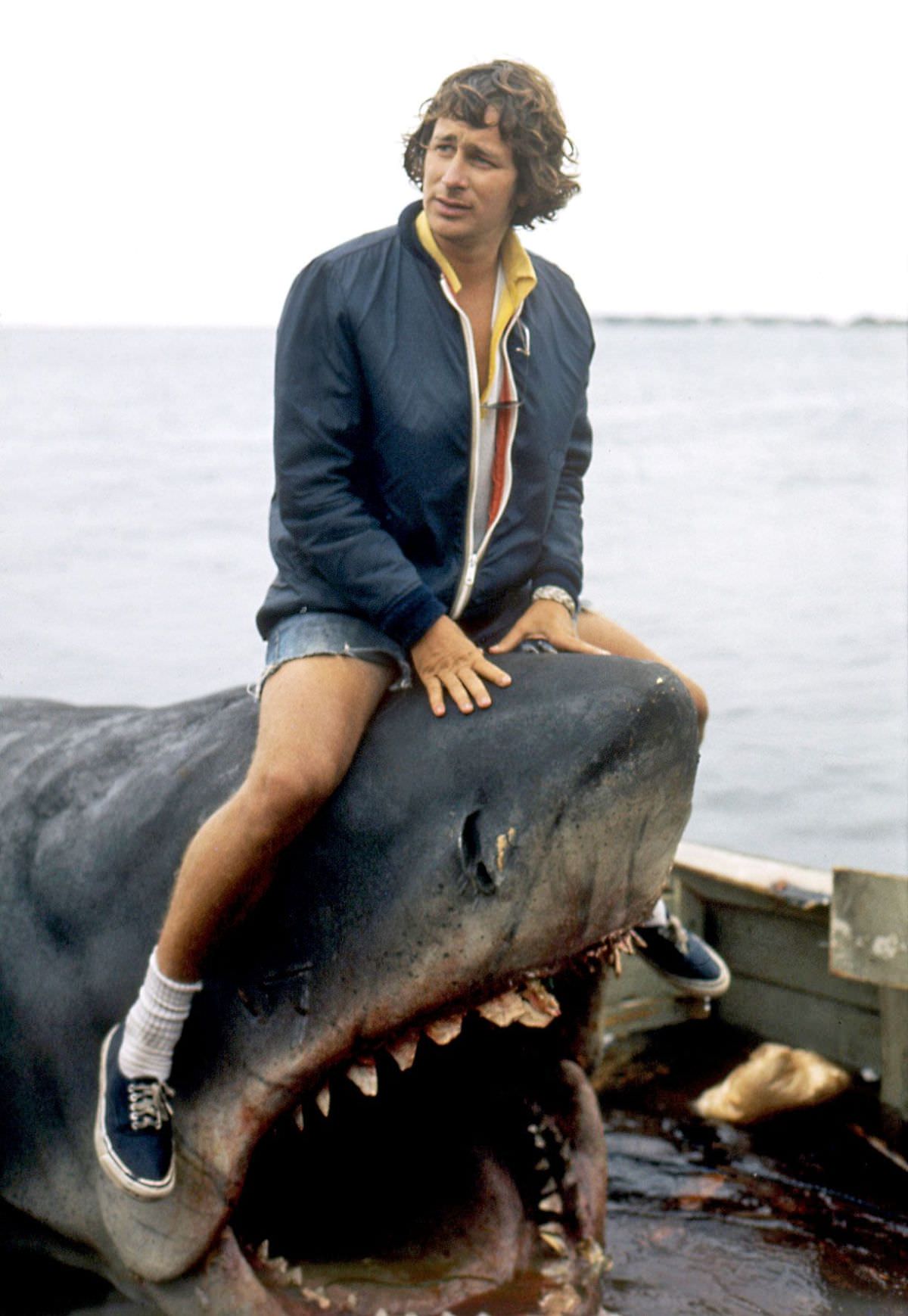
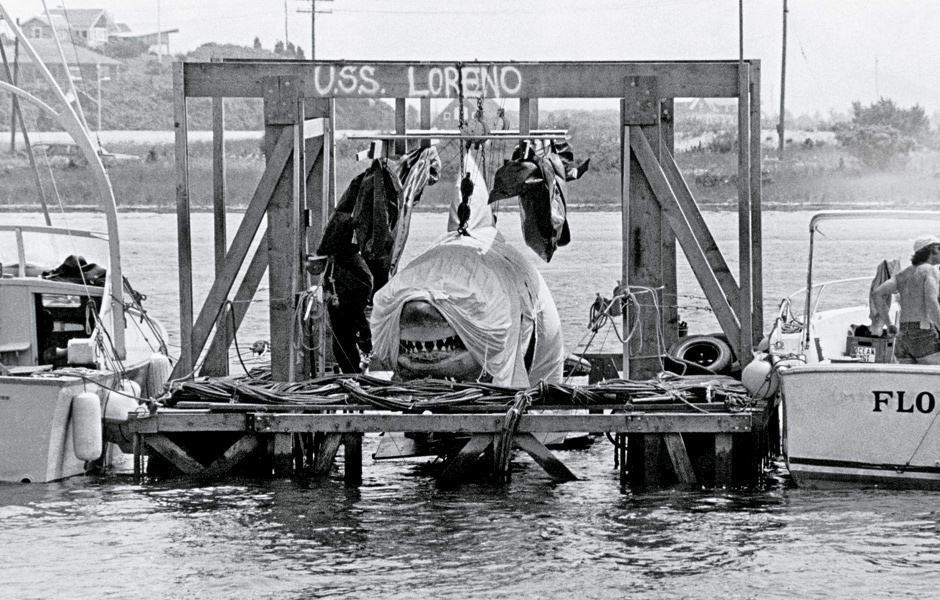
At the center of the production’s biggest headache was the mechanical shark, nicknamed ‘Bruce’ by the crew — a nod to Spielberg’s lawyer. Three full-scale mechanical sharks were built for the production, each measuring 25 feet long. The problem was that they were designed and tested in a freshwater tank. When they hit the saltwater off Martha’s Vineyard, the mechanisms corroded and broke down almost immediately. Bruce malfunctioned so often that the crew couldn’t rely on it for planned shots.
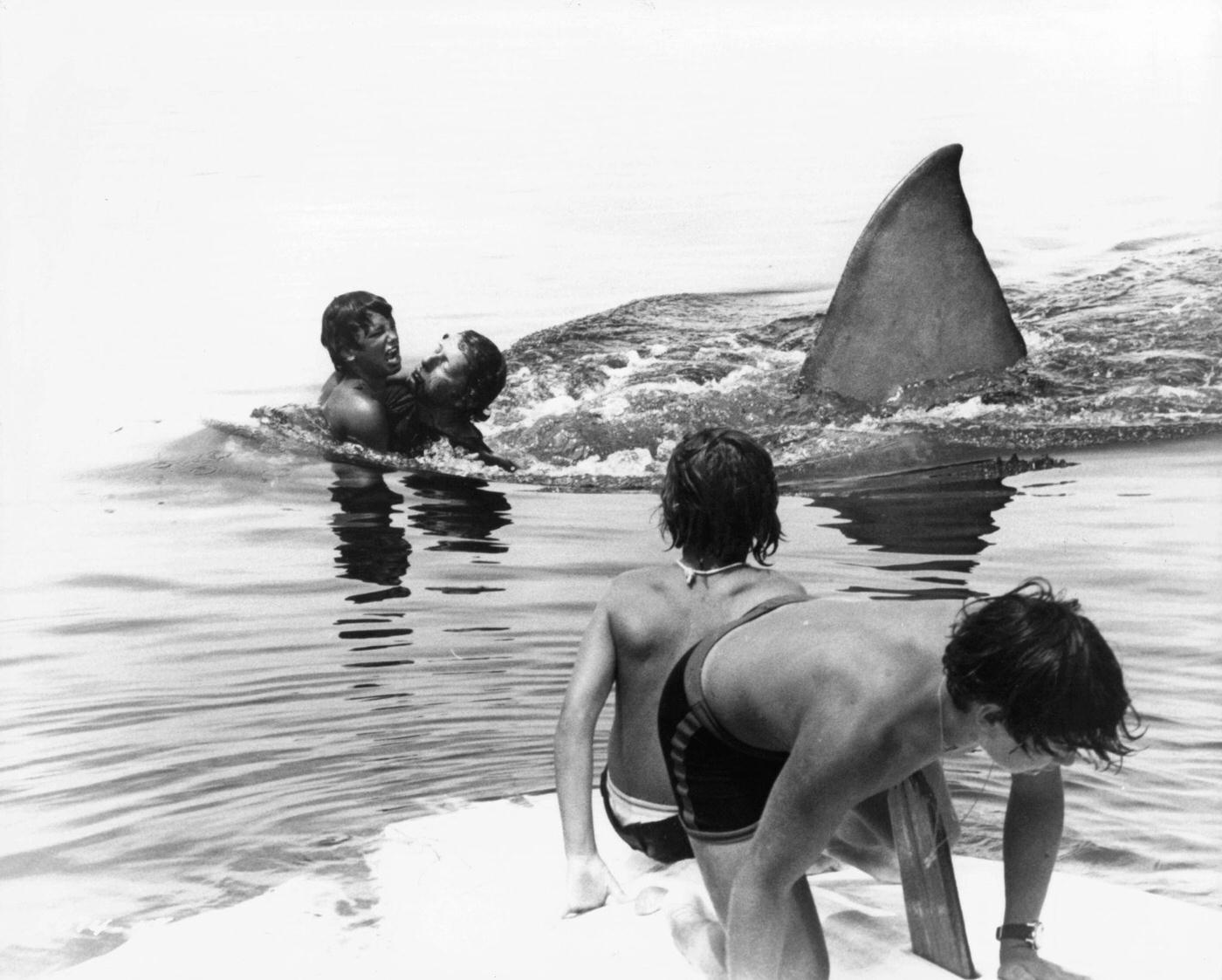
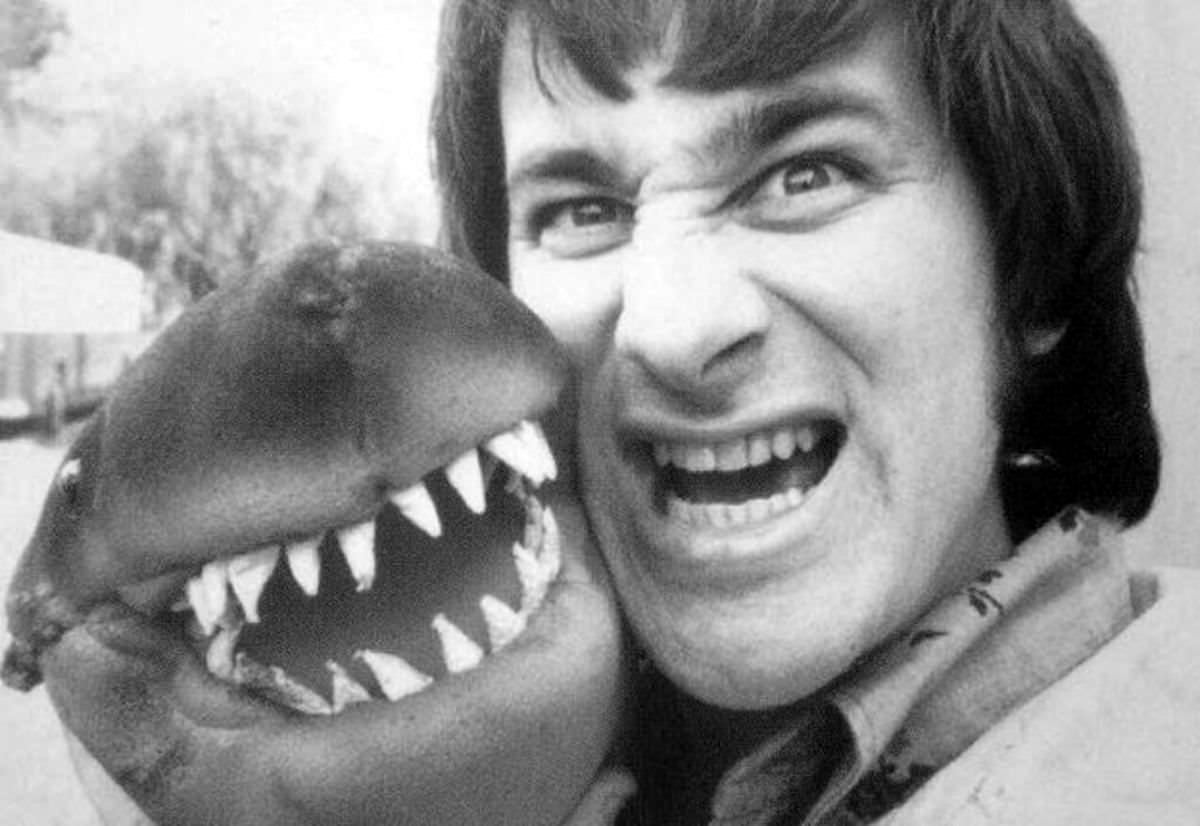
Rather than delay the entire production, Spielberg made a creative decision that ended up defining the film: he largely kept the shark off screen. He used a smaller shark for tight close-up shots and a miniature model for wider views. For many of the most terrifying scenes, the shark isn’t visible at all — only a fin, a floating barrel, or a trail of churned water signals its presence. The result was a level of suspense that a fully visible rubber shark could never have delivered.
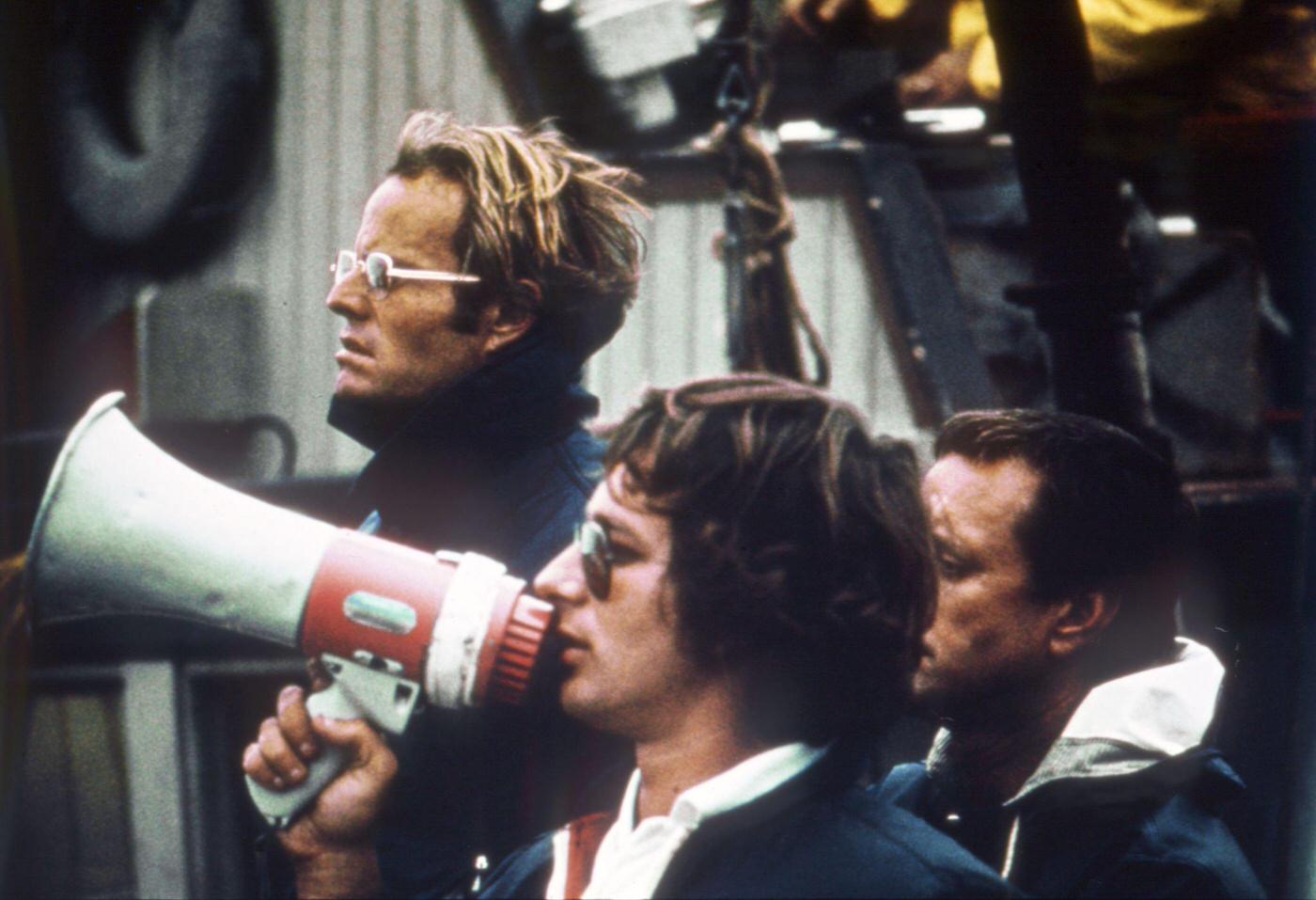
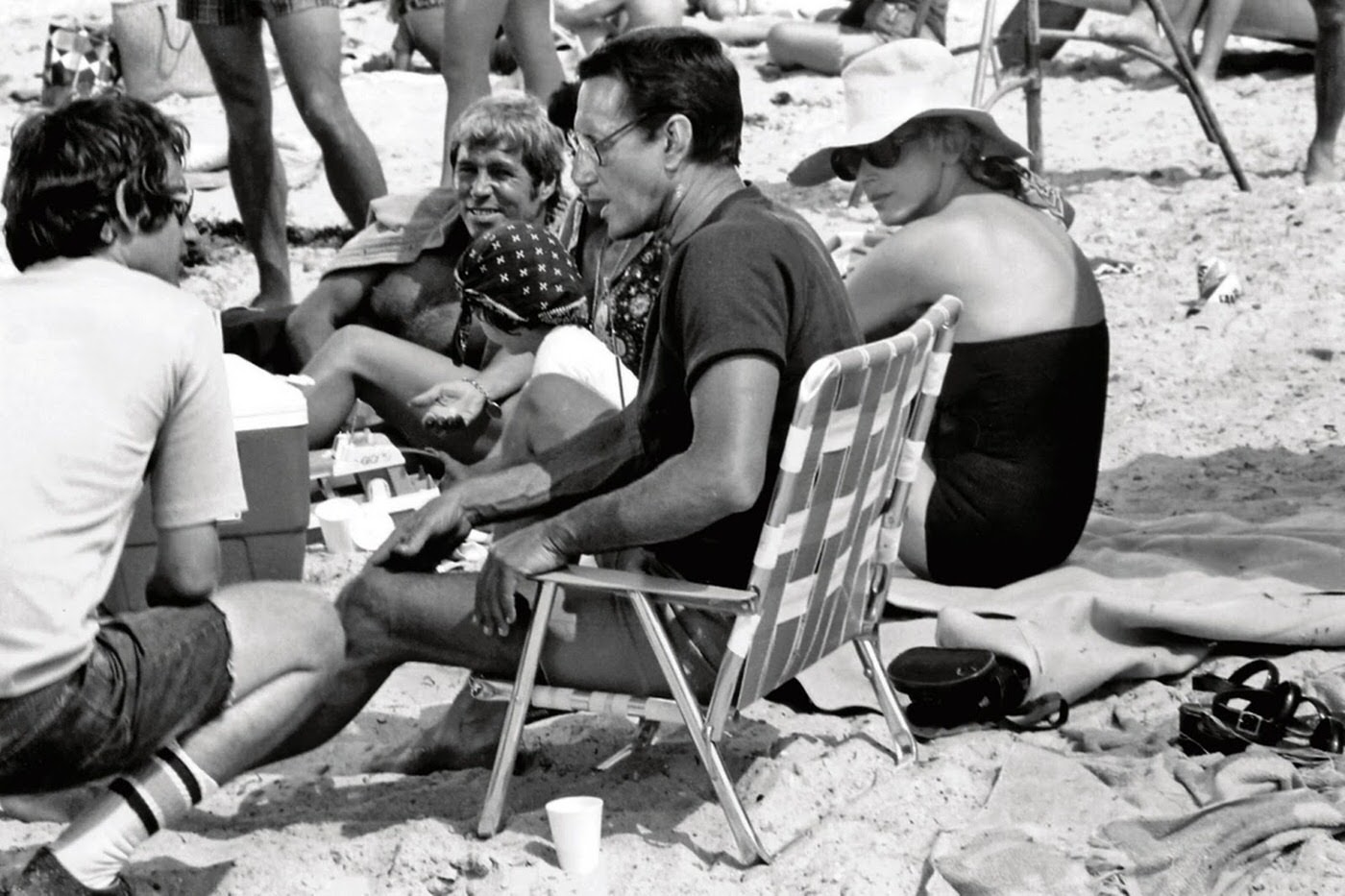
Producer Richard Zanuck worked alongside Spielberg throughout the shoot, helping manage a production that had ballooned well past its original schedule and budget. The two made key decisions together on the fly, including how to restructure scenes when the shark refused to perform. Their collaboration on location kept the film moving despite mounting pressure from the studio.
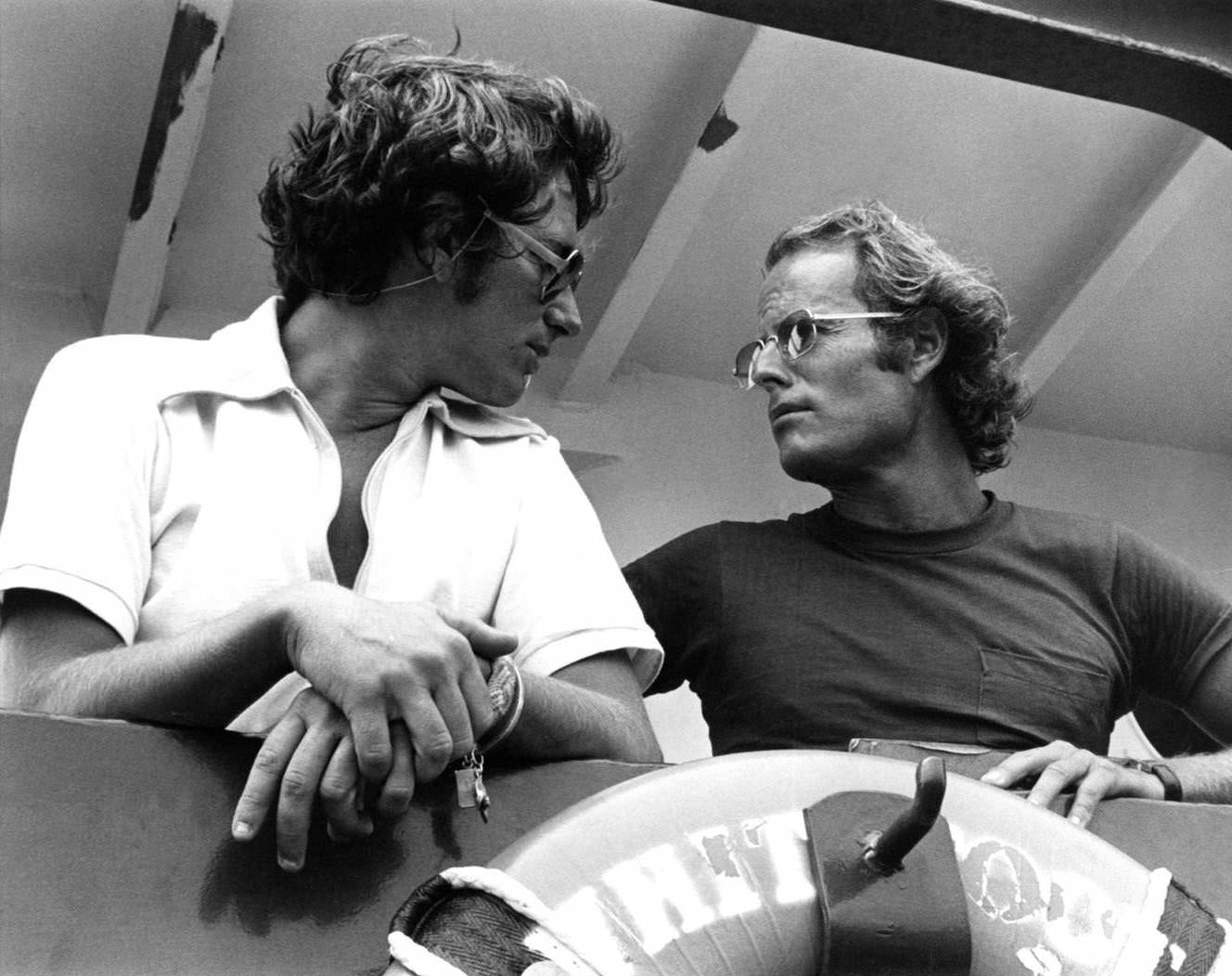
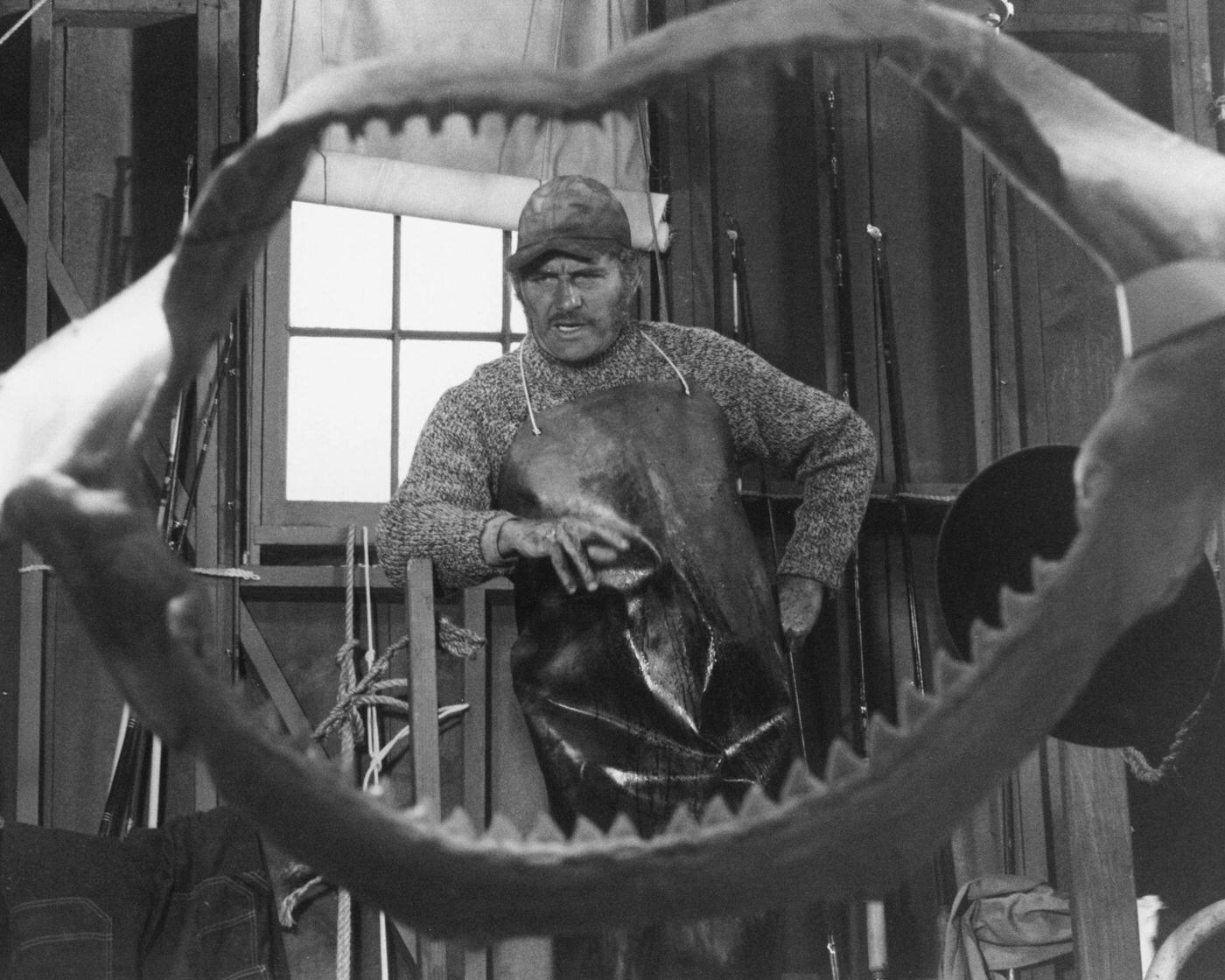
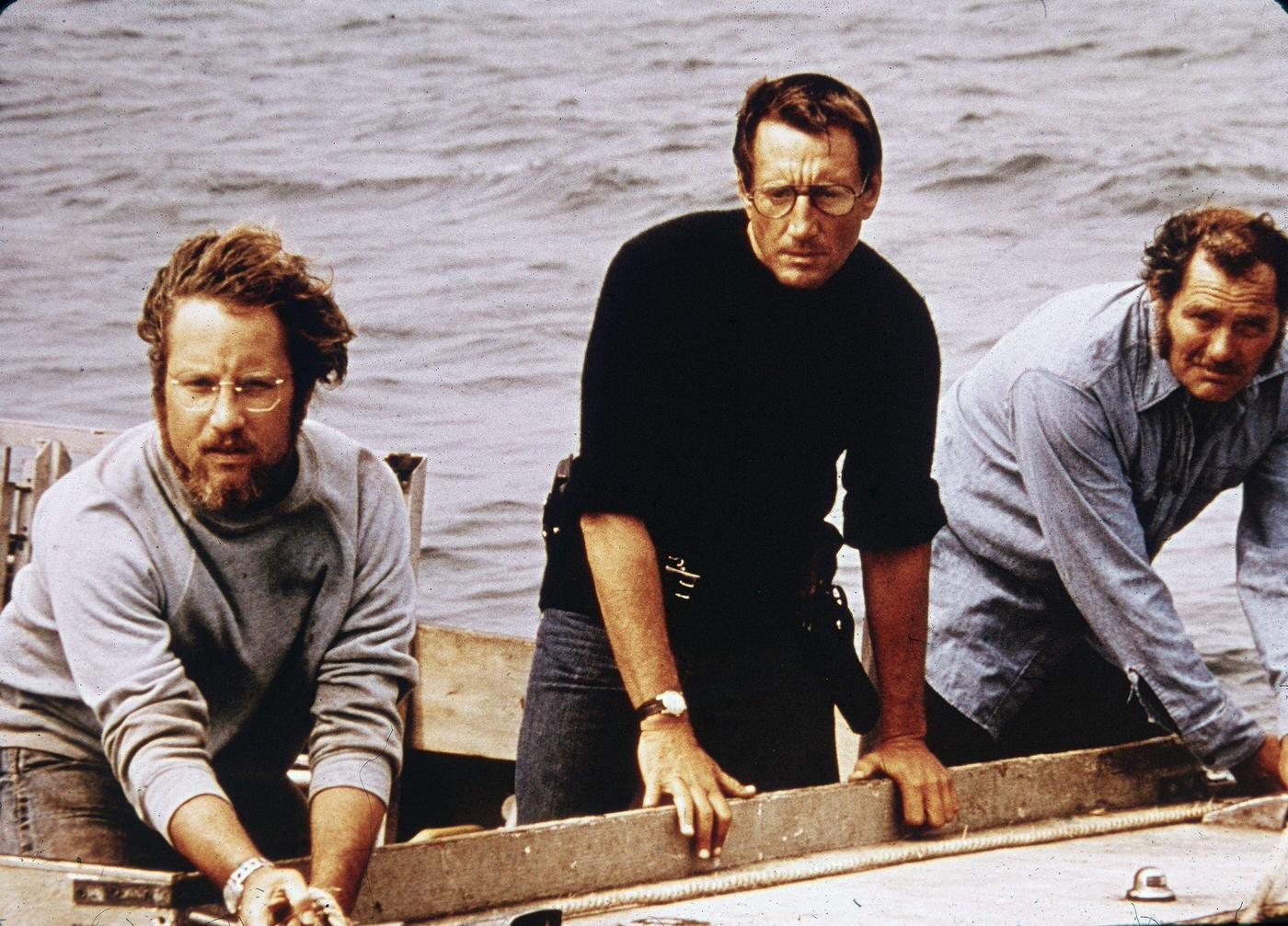
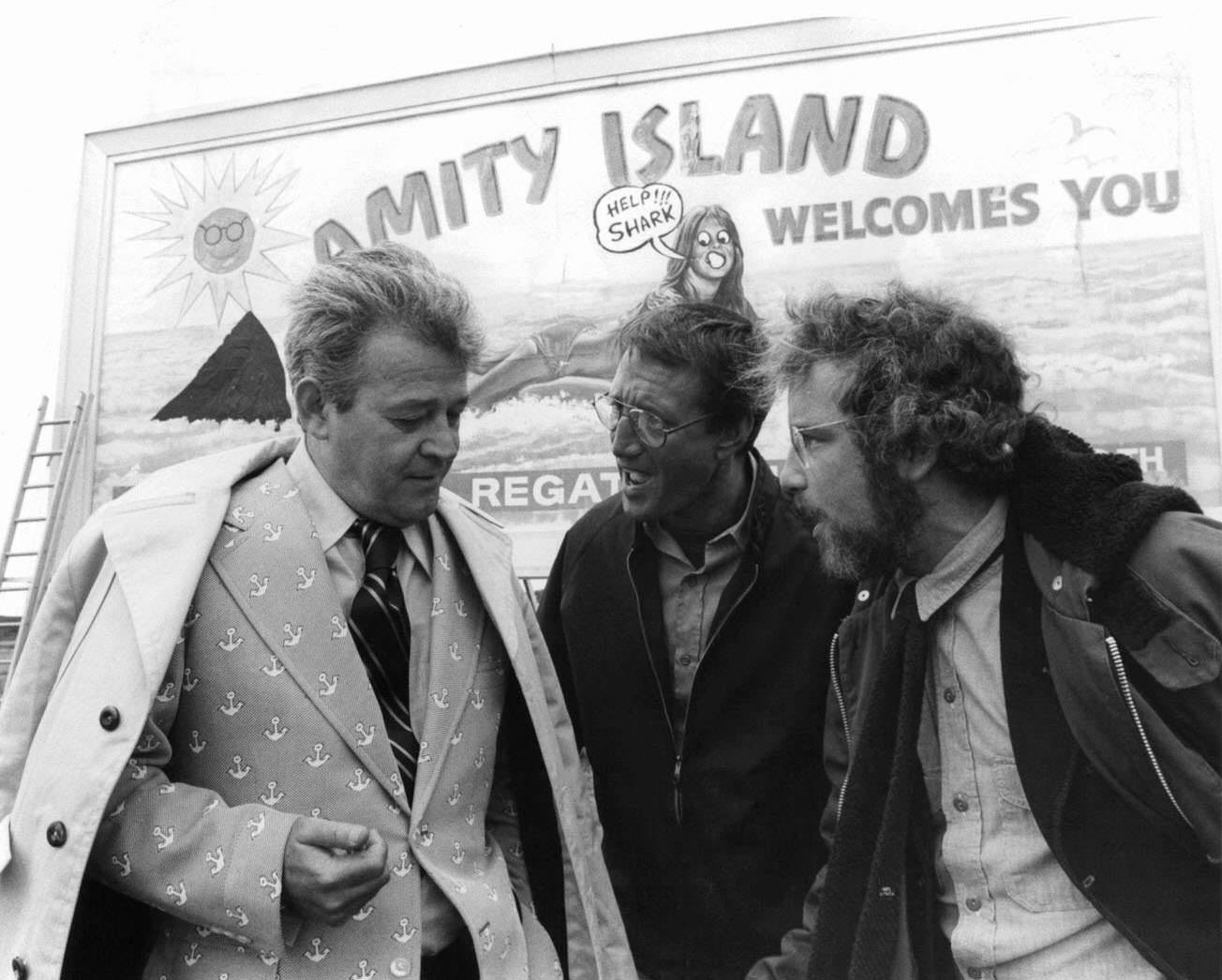
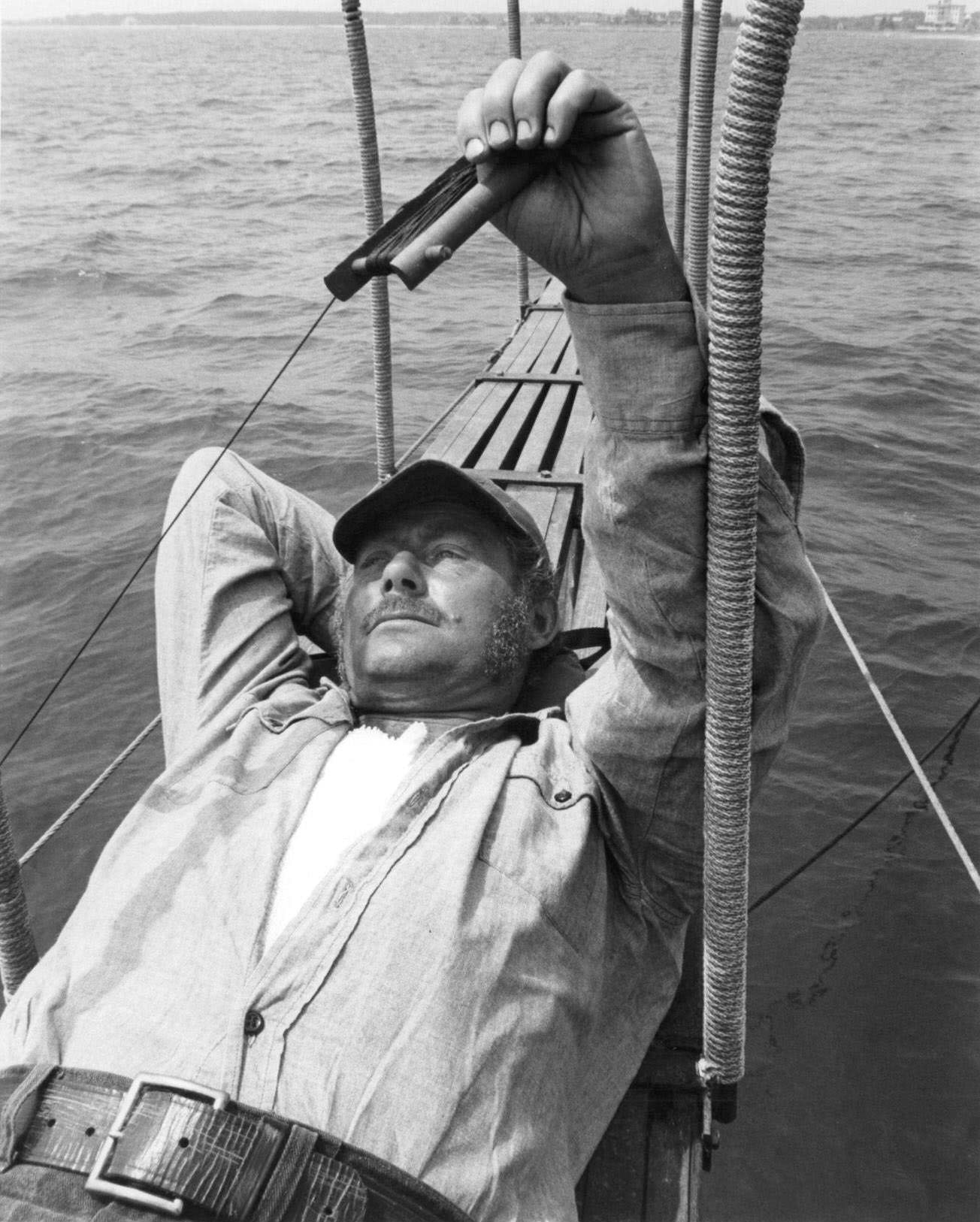
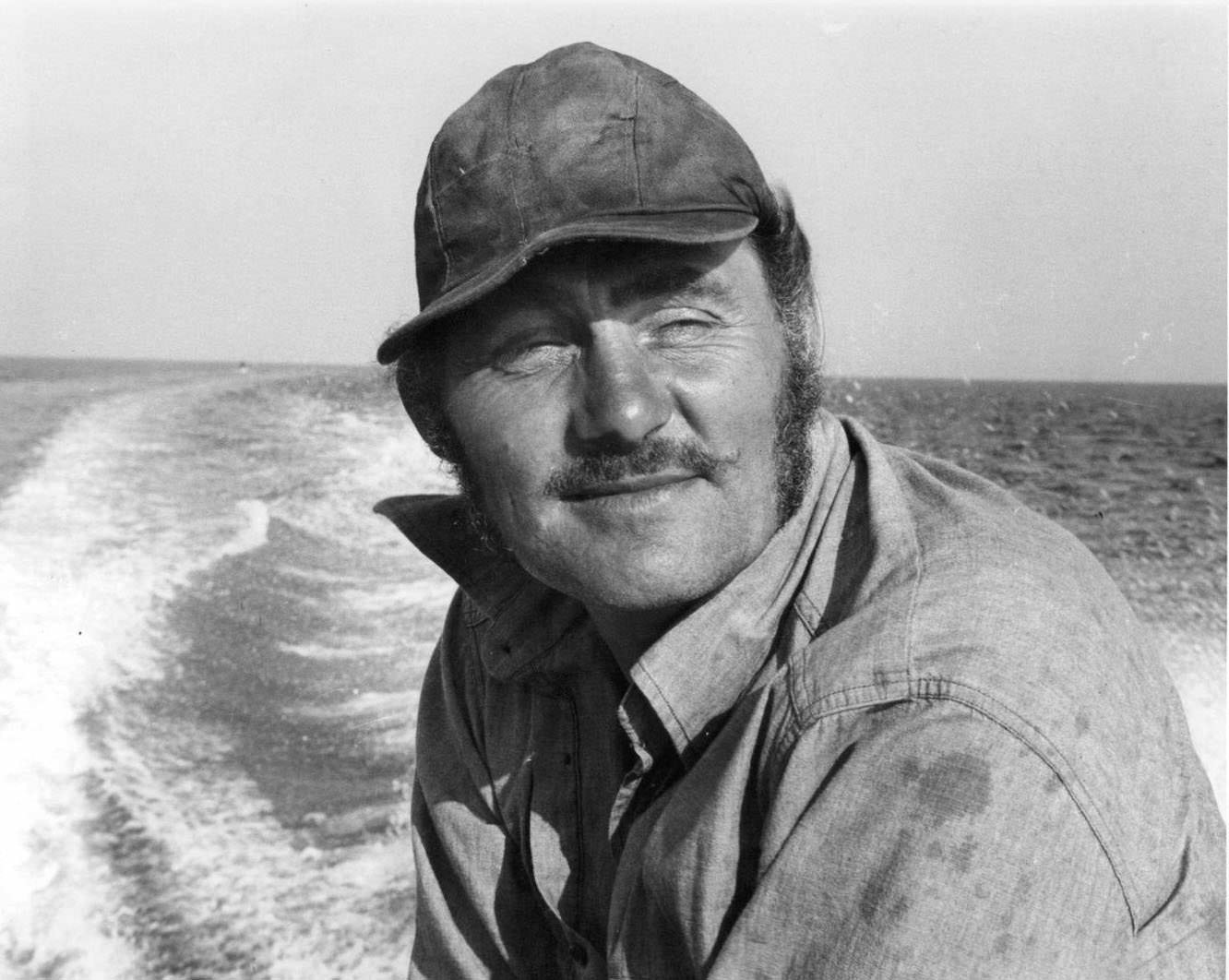
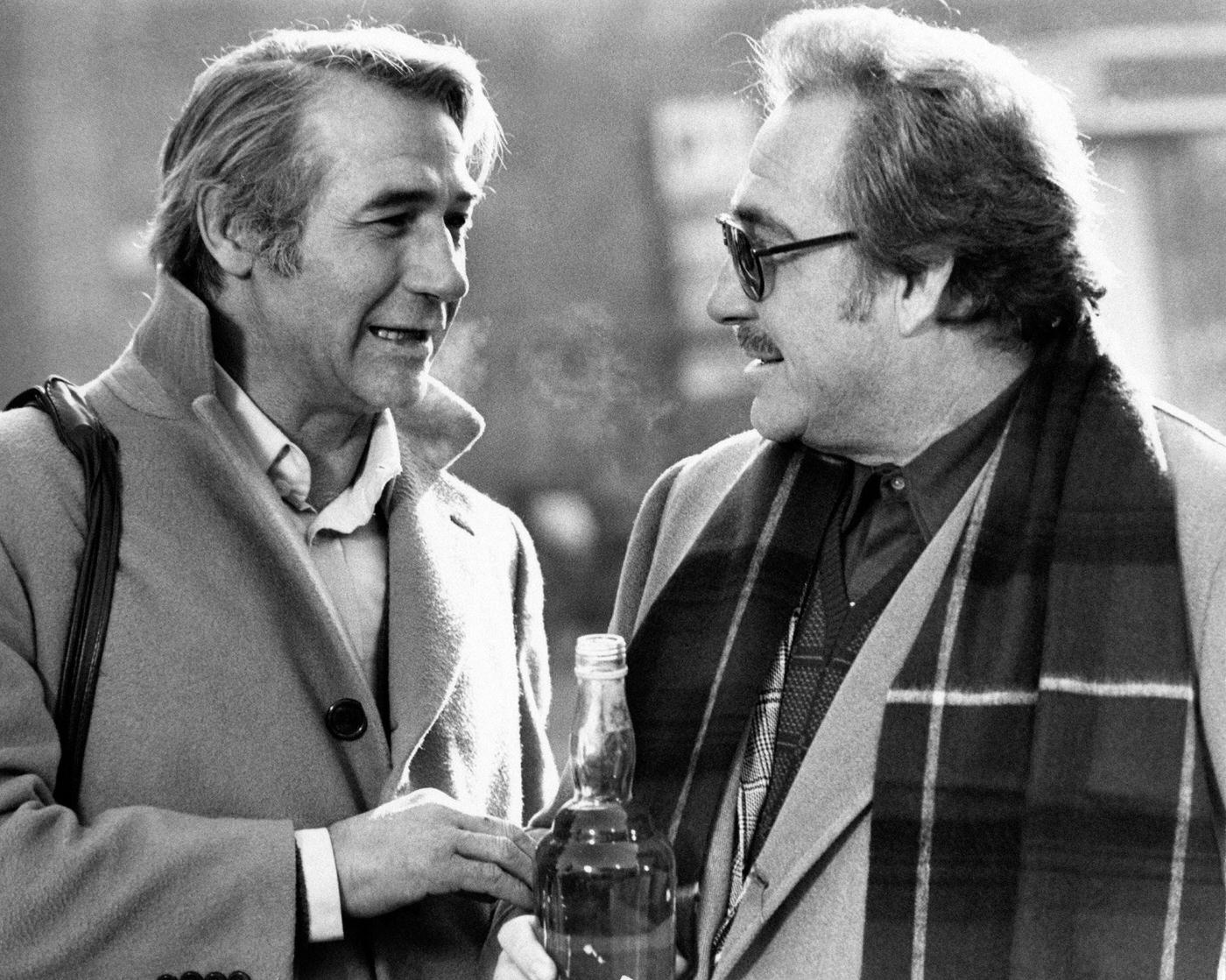
The cast brought their own energy to the difficult shoot. Roy Scheider played police chief Martin Brody, a man afraid of the water who is forced to face it head-on. Richard Dreyfuss took on the role of marine biologist Matt Hooper. British actor Robert Shaw played Quint, the obsessive shark hunter whose scarred past drives him to take the most dangerous risks. The chemistry between the three actors gave the film an emotional core that went beyond the action on screen.
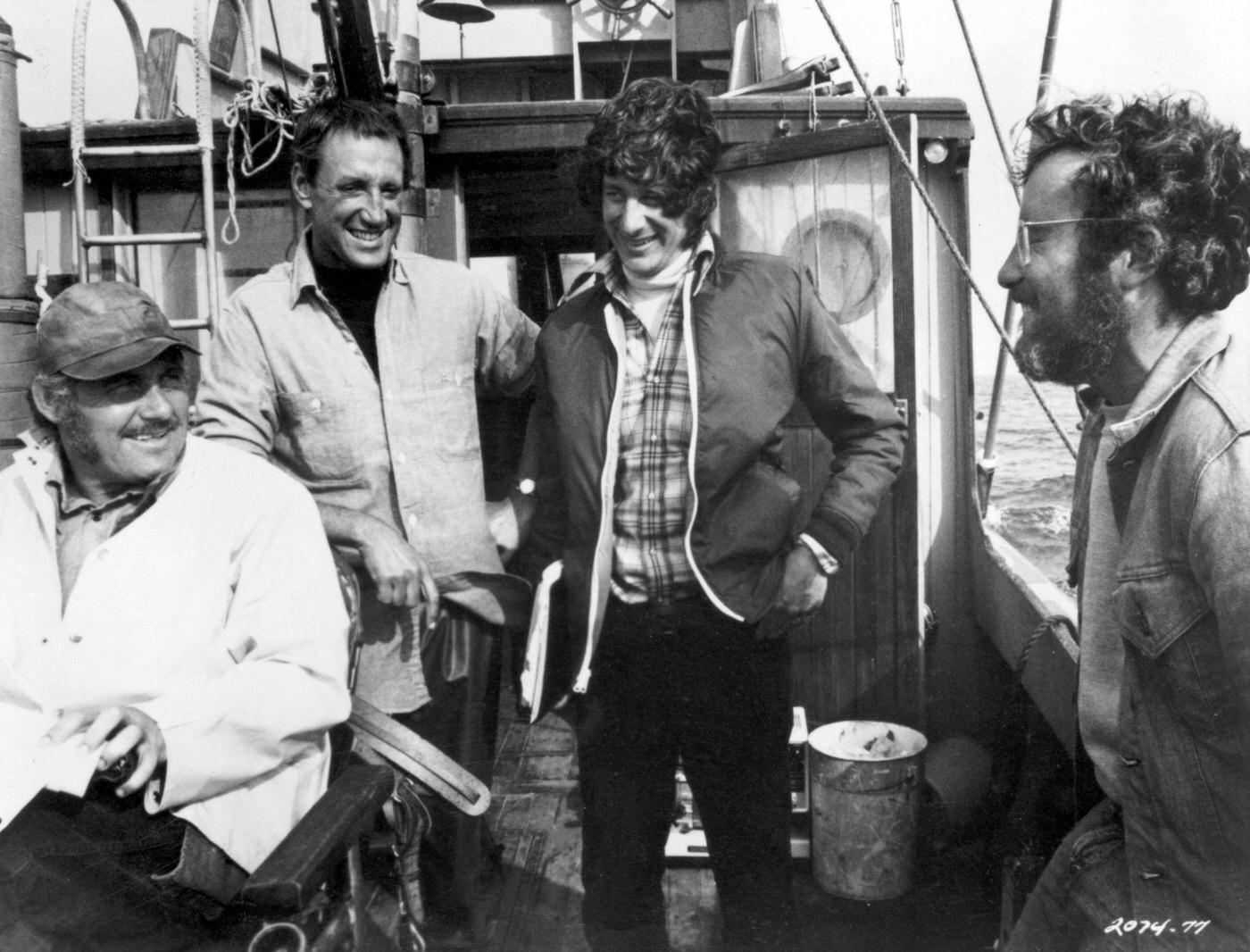
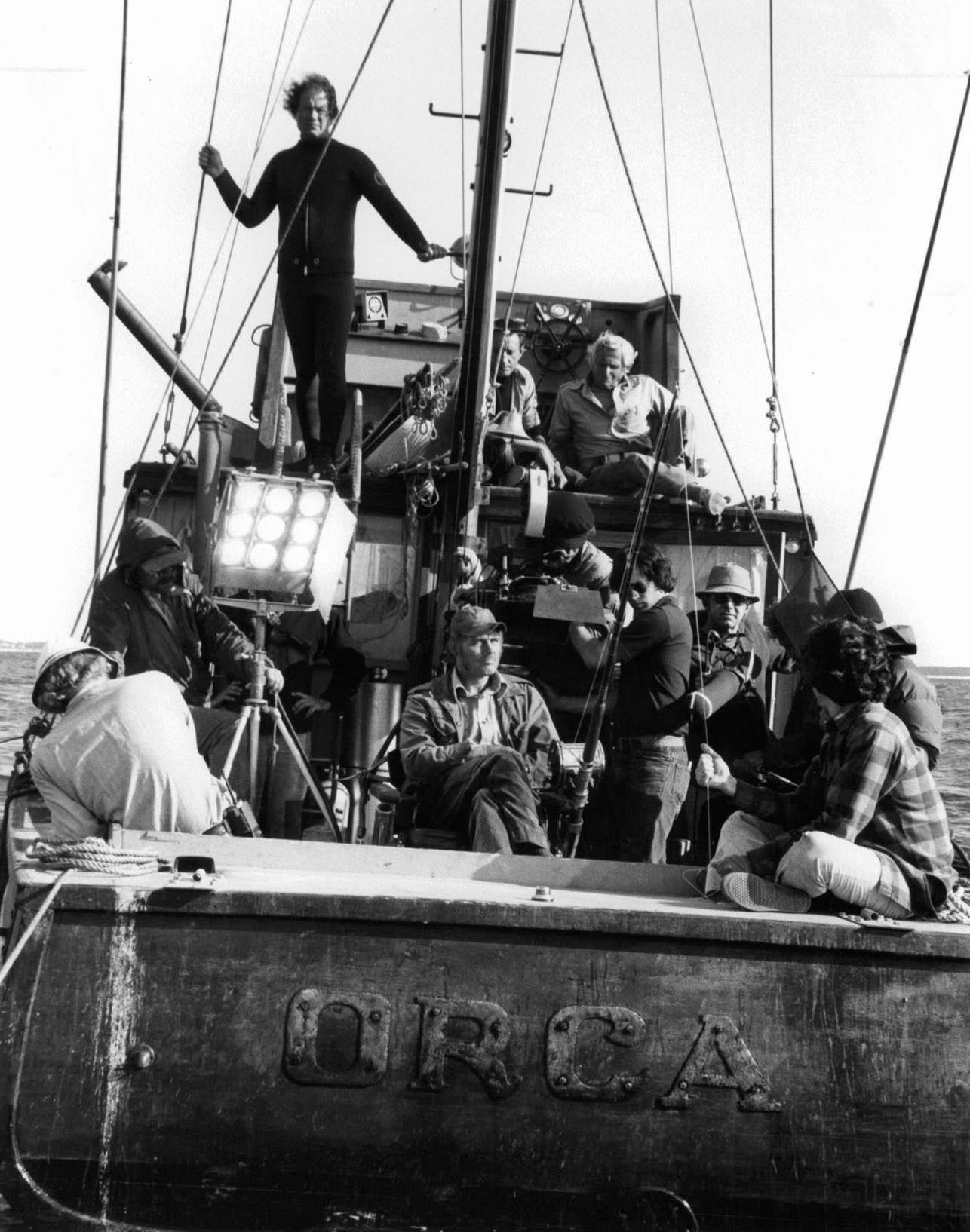
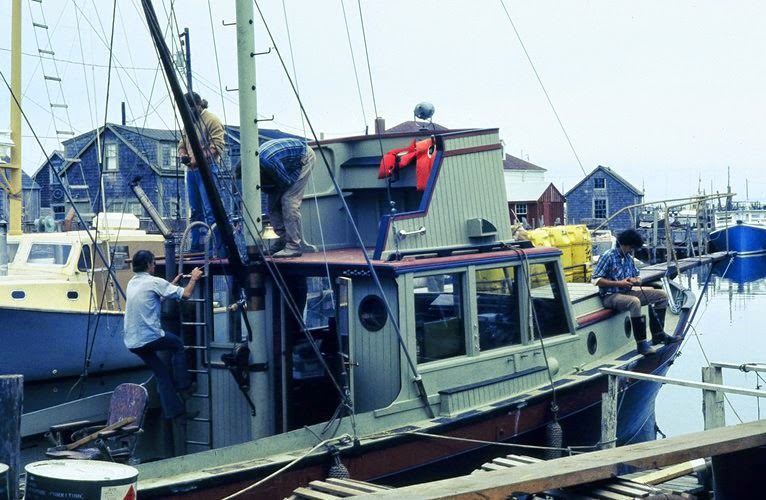
Scheider, Dreyfuss, and Shaw spent much of the shoot aboard the boat used in the film, cramped together on the open water for days at a time. Behind the camera, Spielberg and his crew were constantly adjusting their setups to account for sea swells, lighting changes, and the unpredictable behavior of the mechanical shark. Several shots required Spielberg to watch from a distance as his crew handled the camera work directly on the water.
The film’s score, composed by John Williams, became one of the most instantly recognized pieces of music in cinema history. Williams built the shark’s theme from a simple two-note pattern — alternating between E and F — played at a slow pulse that gradually quickened. The effect told the audience a threat was coming before anything appeared on screen. Spielberg initially laughed when Williams played it for him, thinking it was a joke. He quickly realized how wrong he was.
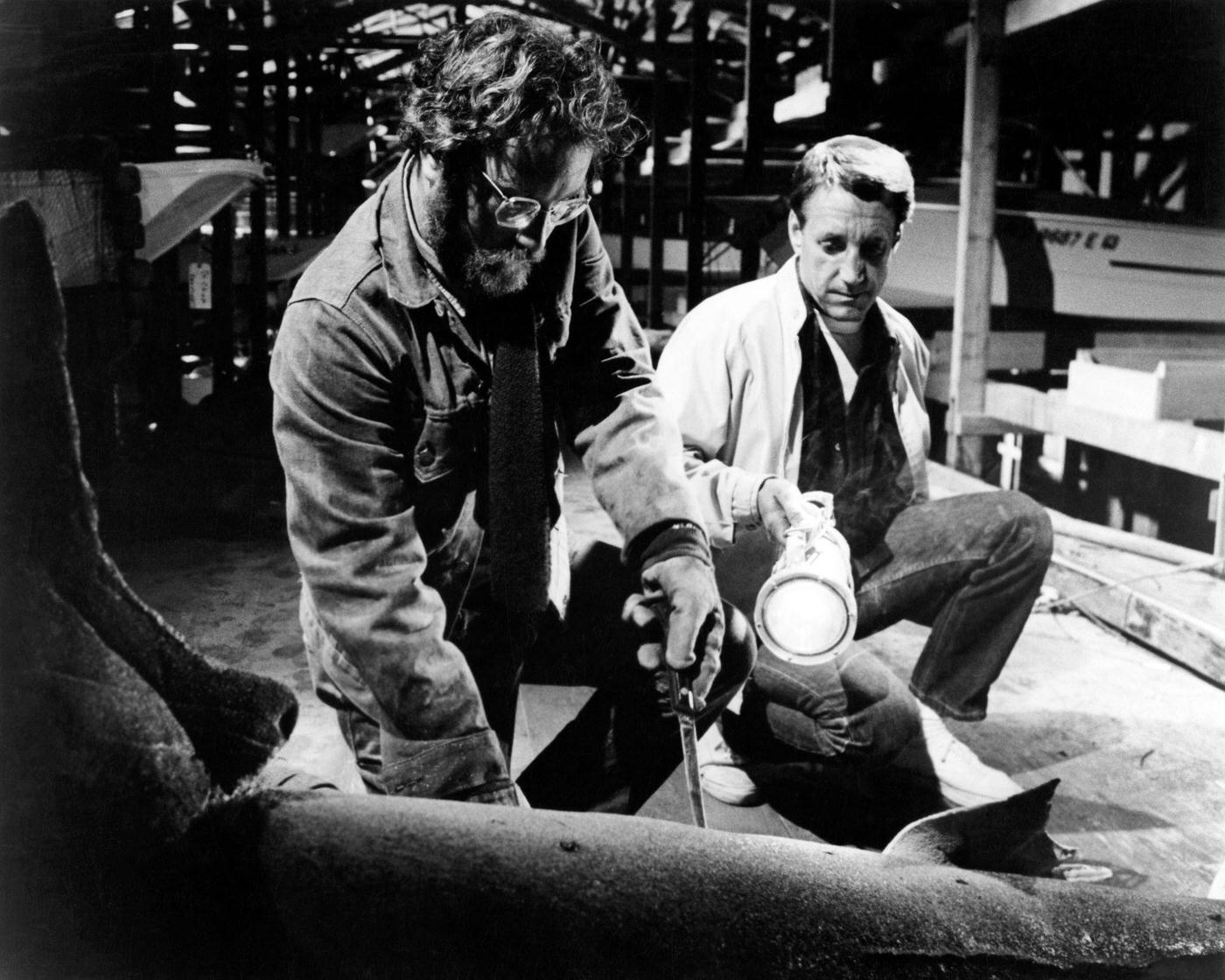
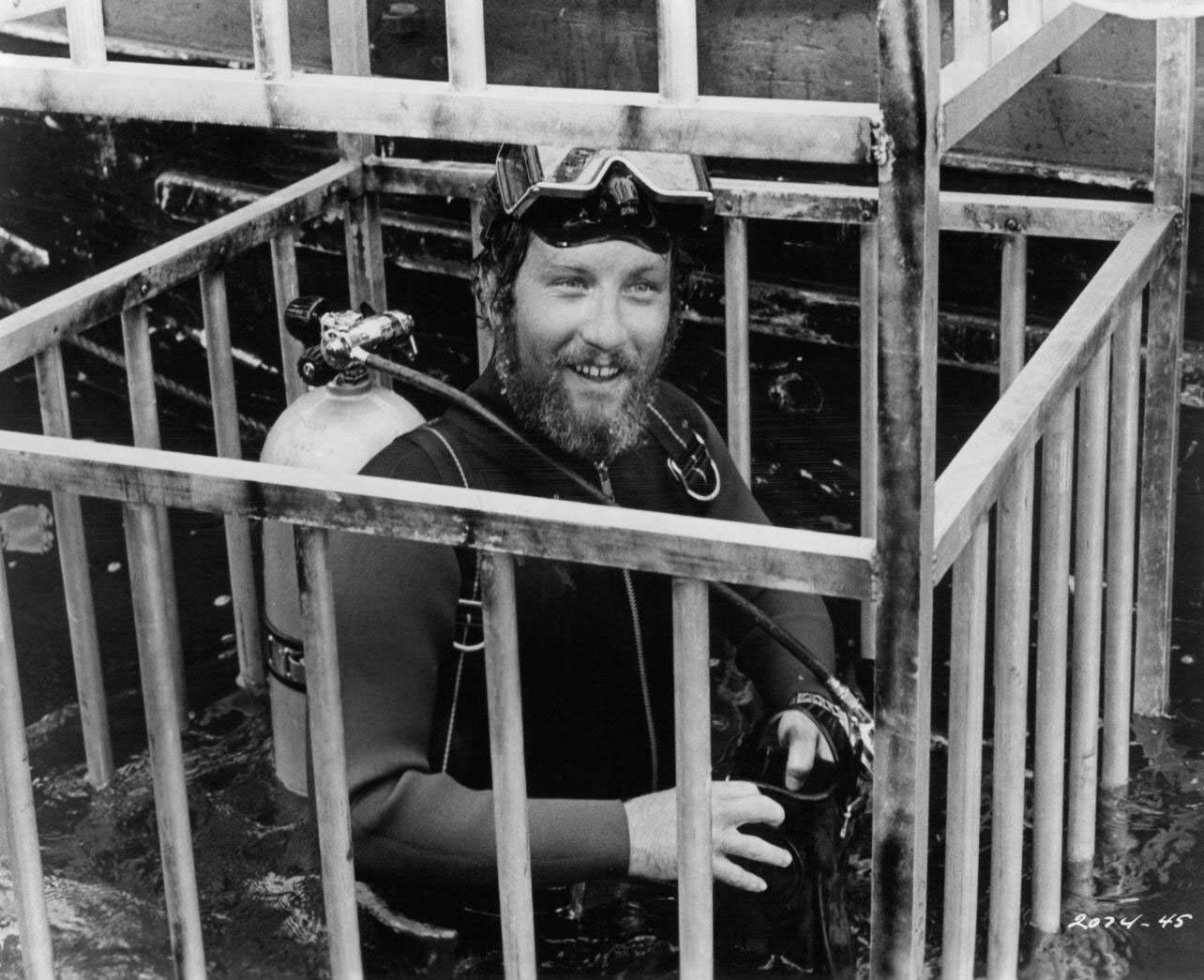
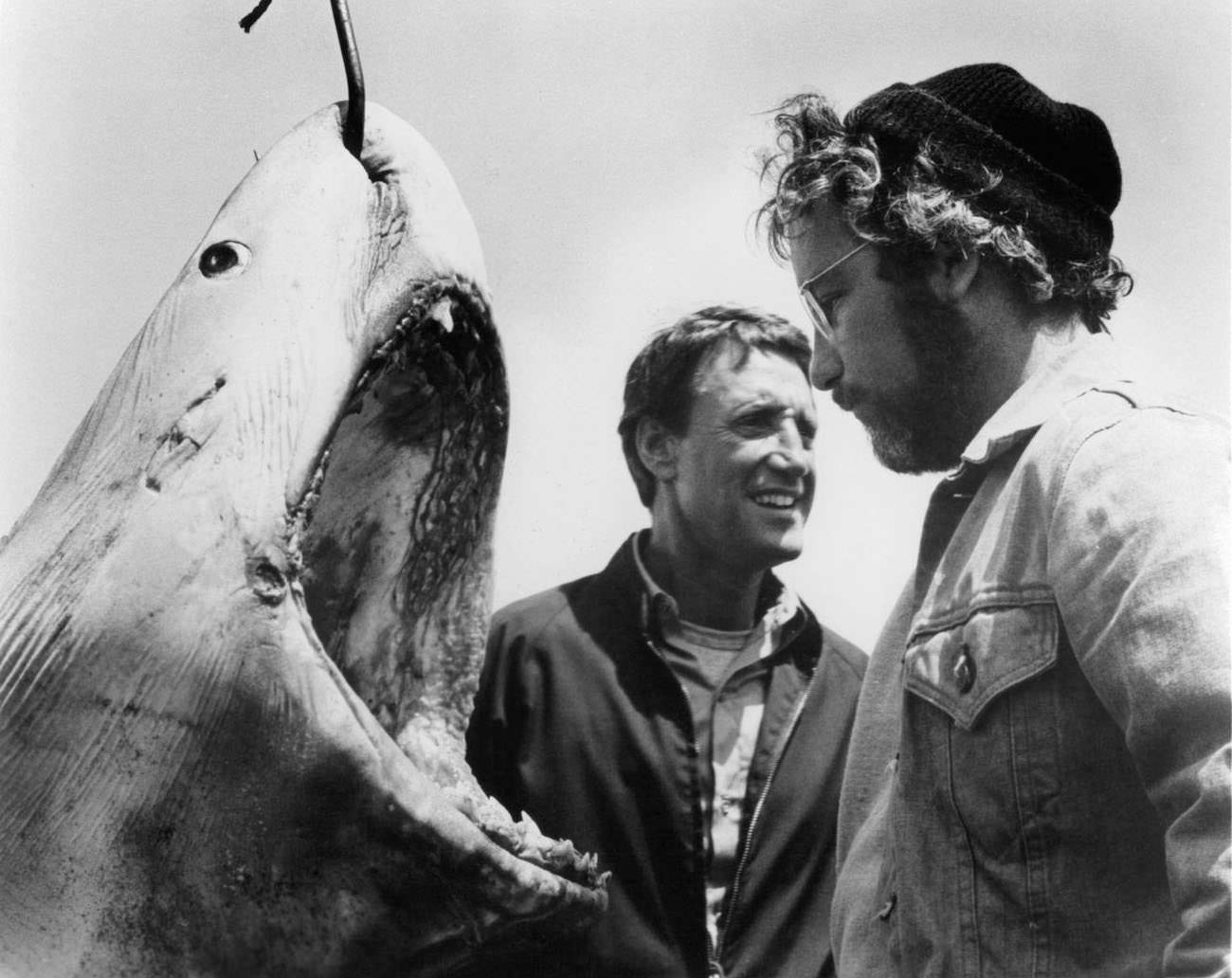
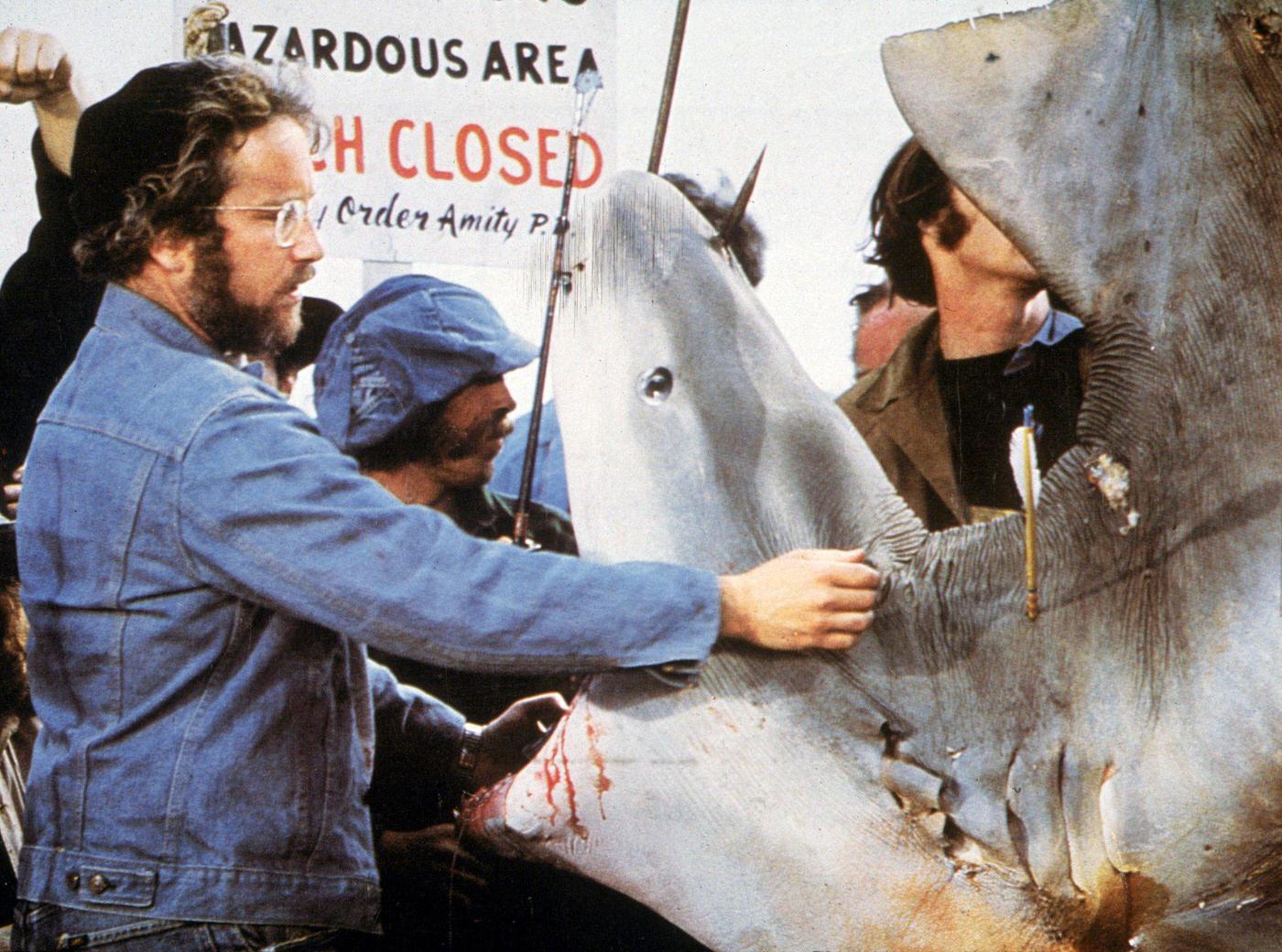
Key scenes were filmed both on location and at Universal Studios in California. The indoor tank work allowed for more controlled shots, particularly those involving the mechanical shark in close quarters. One of the film’s most discussed scenes shows Hooper cutting open the stomach of a recently caught tiger shark while Brody holds a torch and looks on — a moment that plays on both disgust and discovery as the investigation into the attacks deepens.
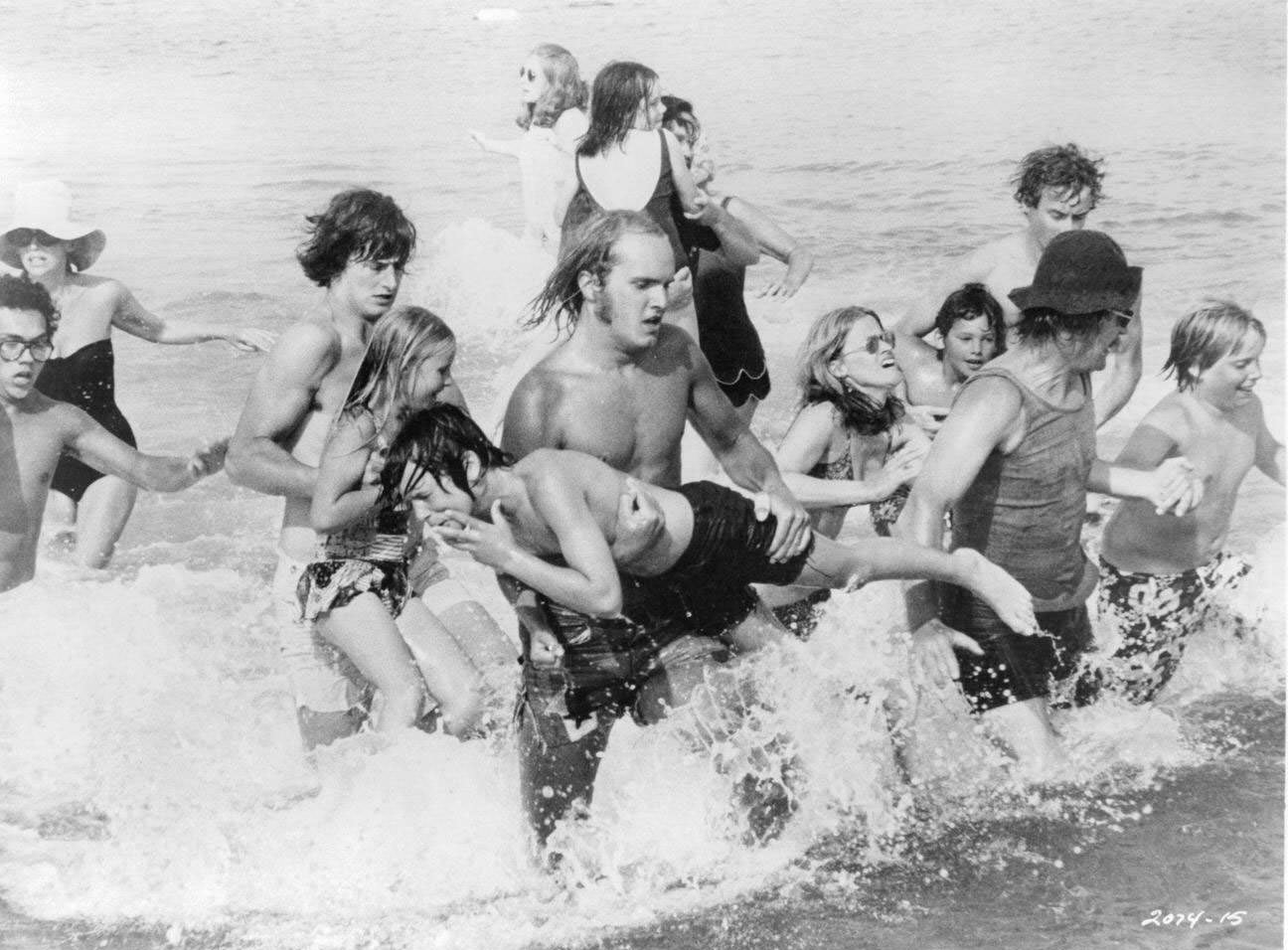
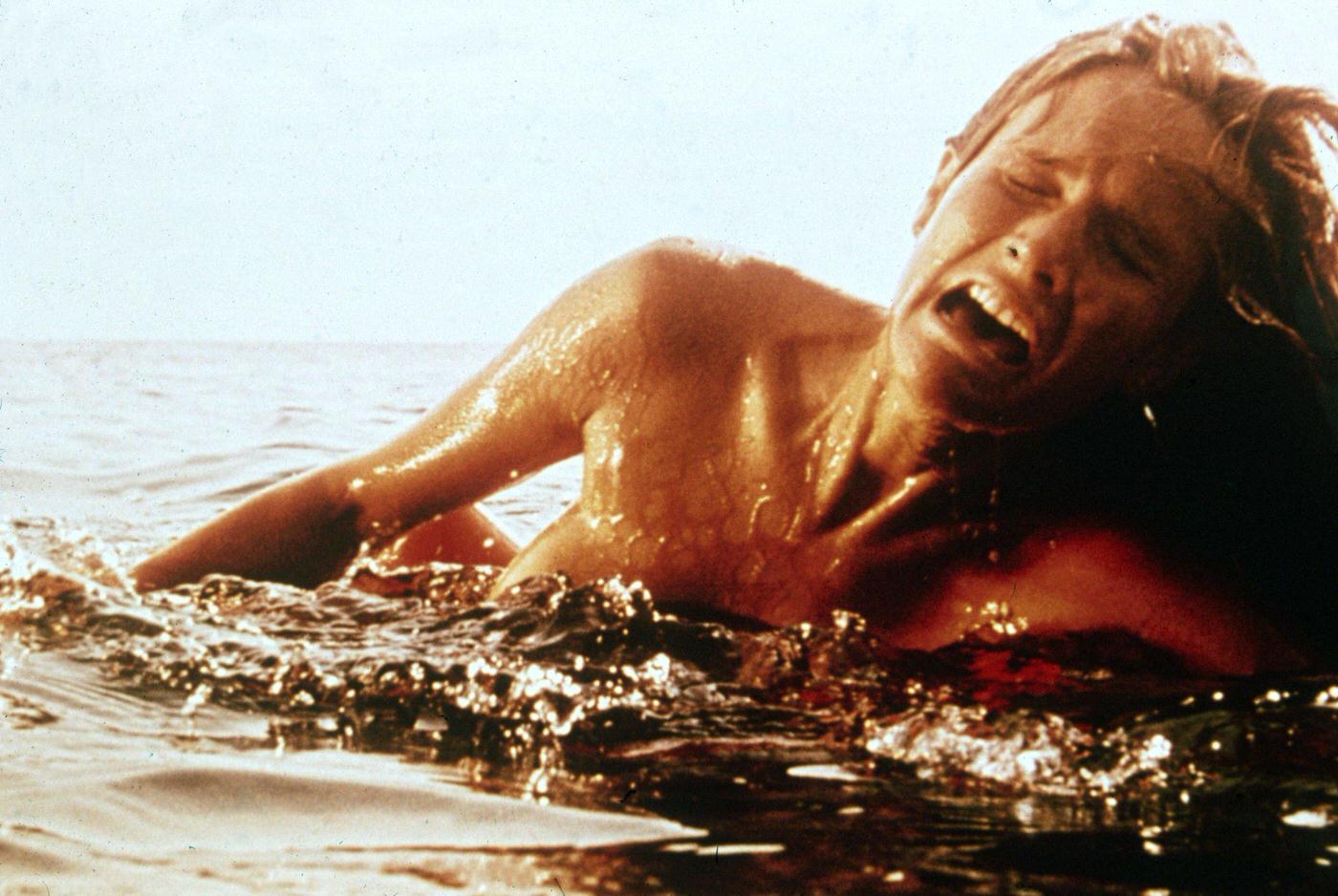
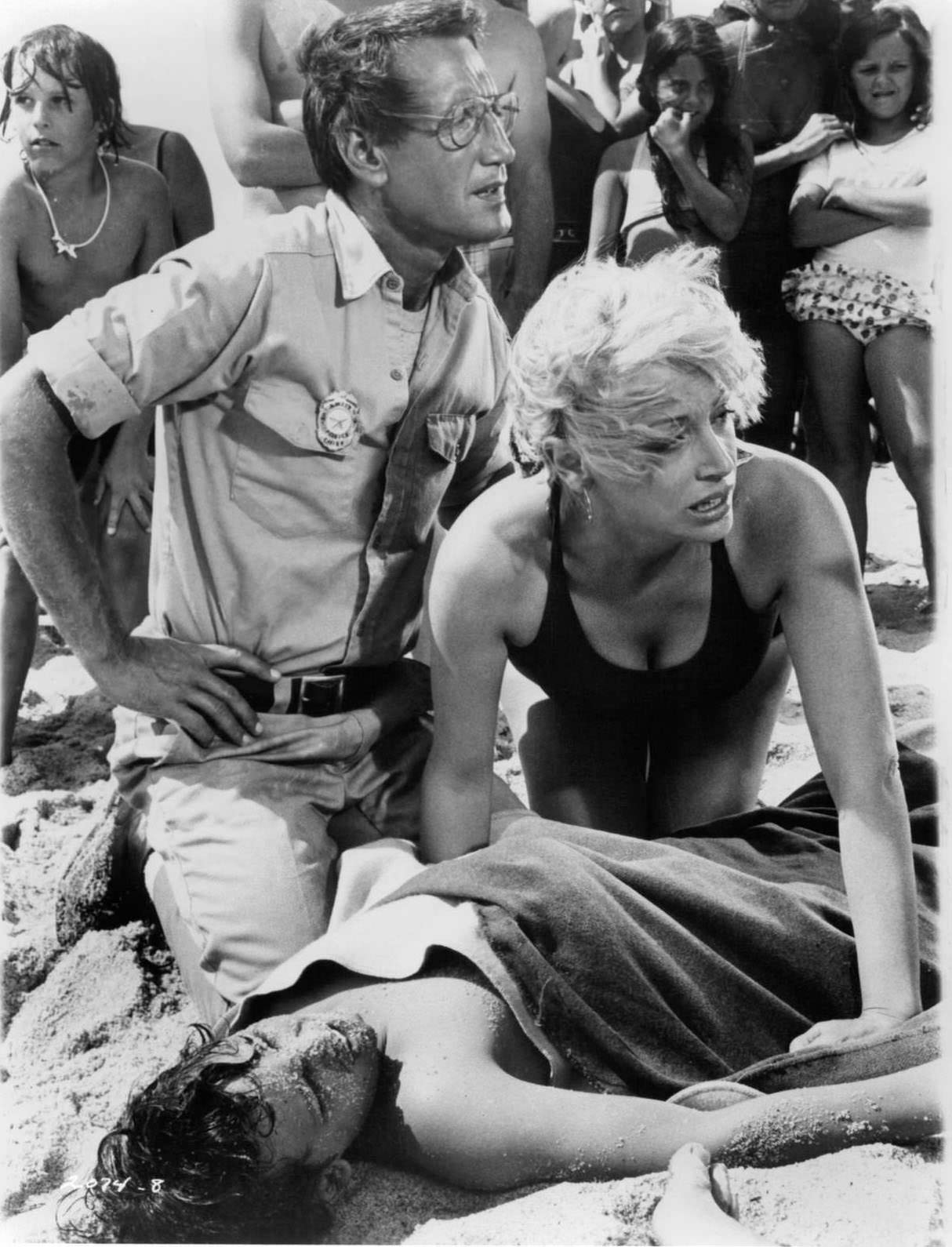
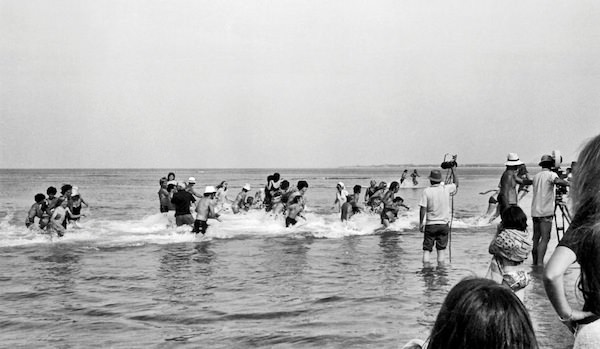
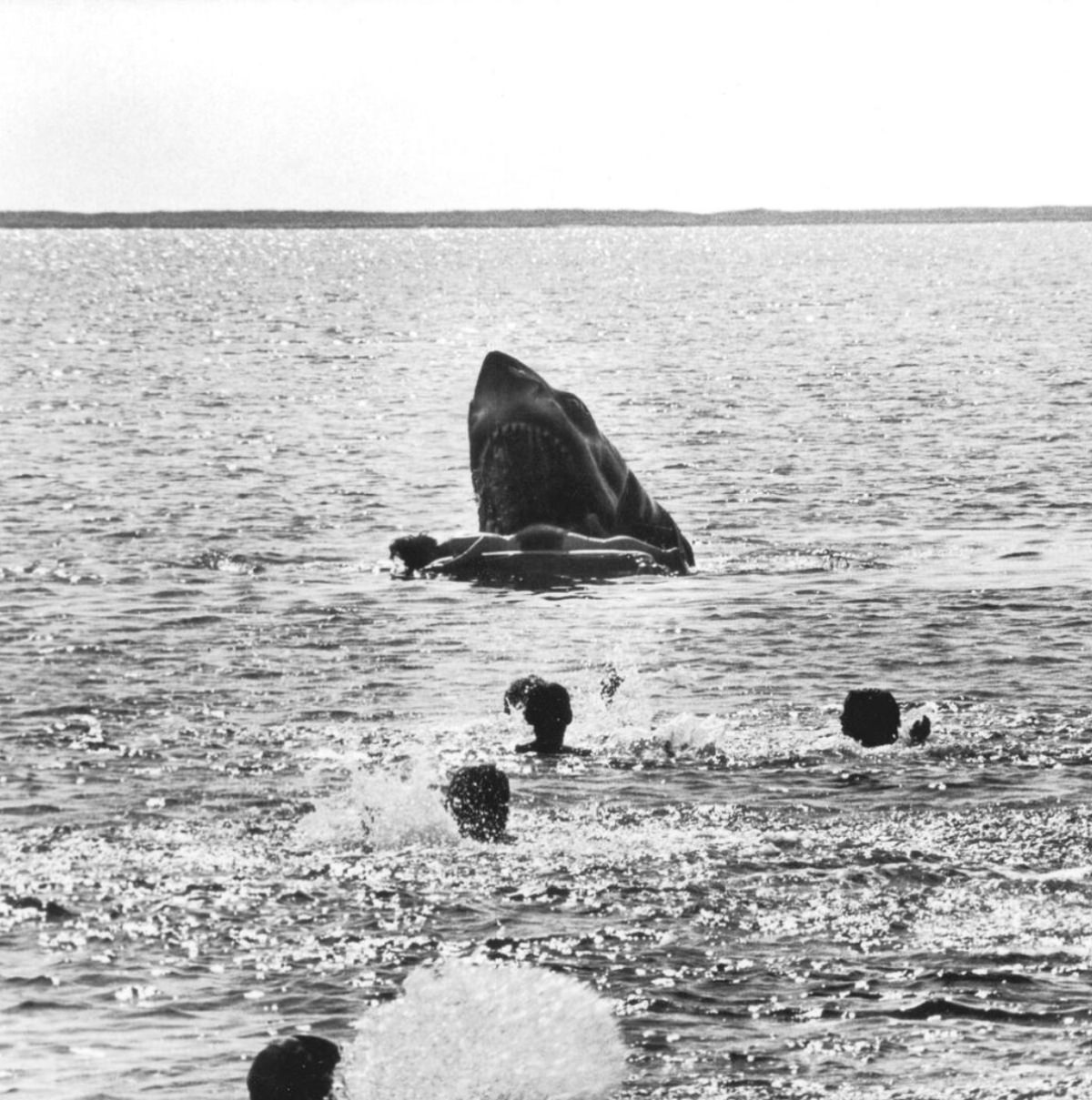
The shark attack sequences required careful coordination between the actors, stunt performers, and special effects teams. Panic scenes with swimmers fleeing the water were filmed with large groups of extras in the actual ocean off Martha’s Vineyard. These shots gave the film a raw, uncontrolled energy that studio tank footage could not replicate.
Once the three main characters head out to sea on Quint’s boat, the Orca, the film shifts into a tense, claustrophobic final act. Shaw, Dreyfuss, and Scheider were filmed in real ocean water, often with waves rocking the boat and little room to maneuver. Shaw’s Quint is ultimately pulled into the water and killed by the shark in one of the most brutal sequences in the film. The practicality of filming on open water made these scenes feel genuinely dangerous.
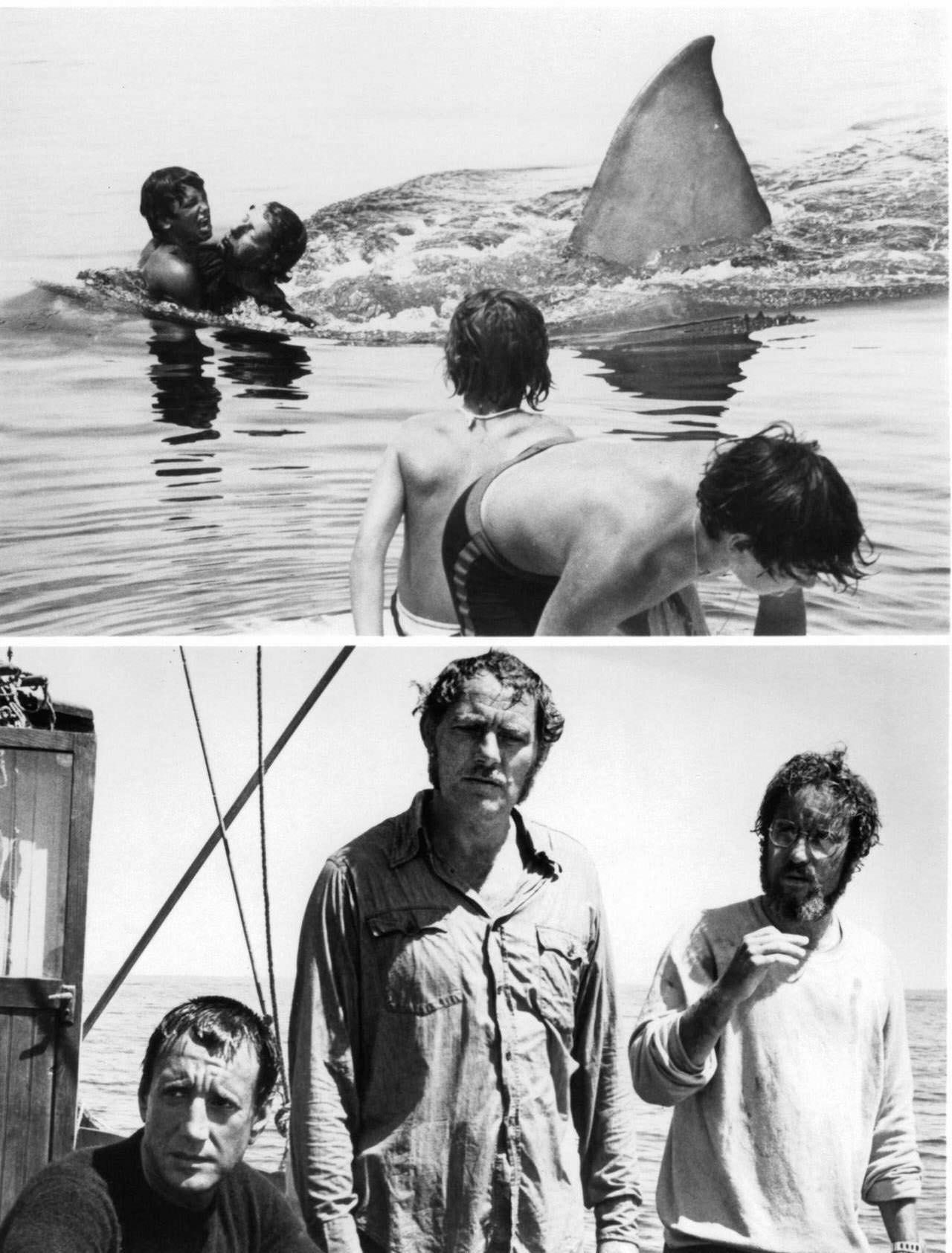
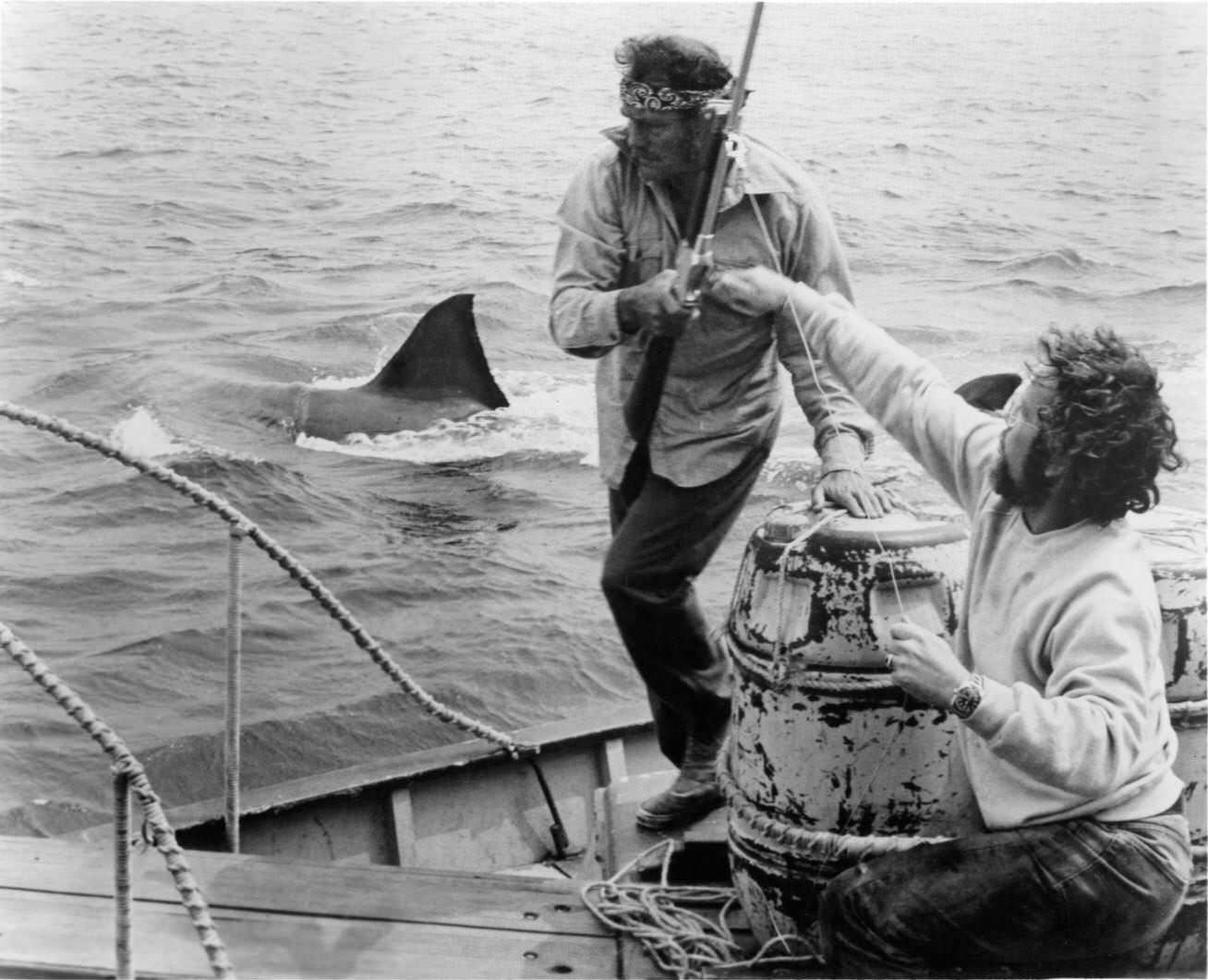
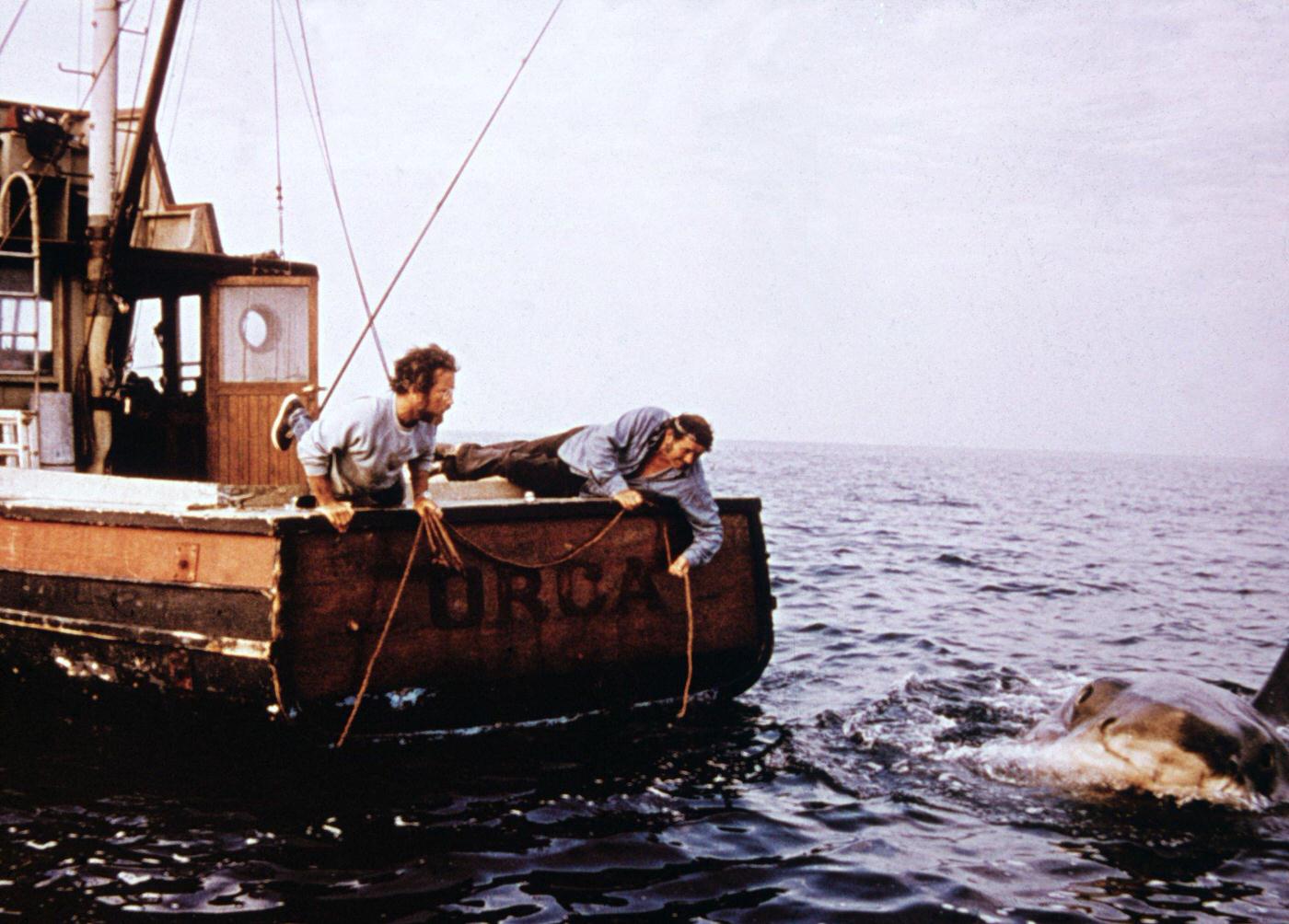
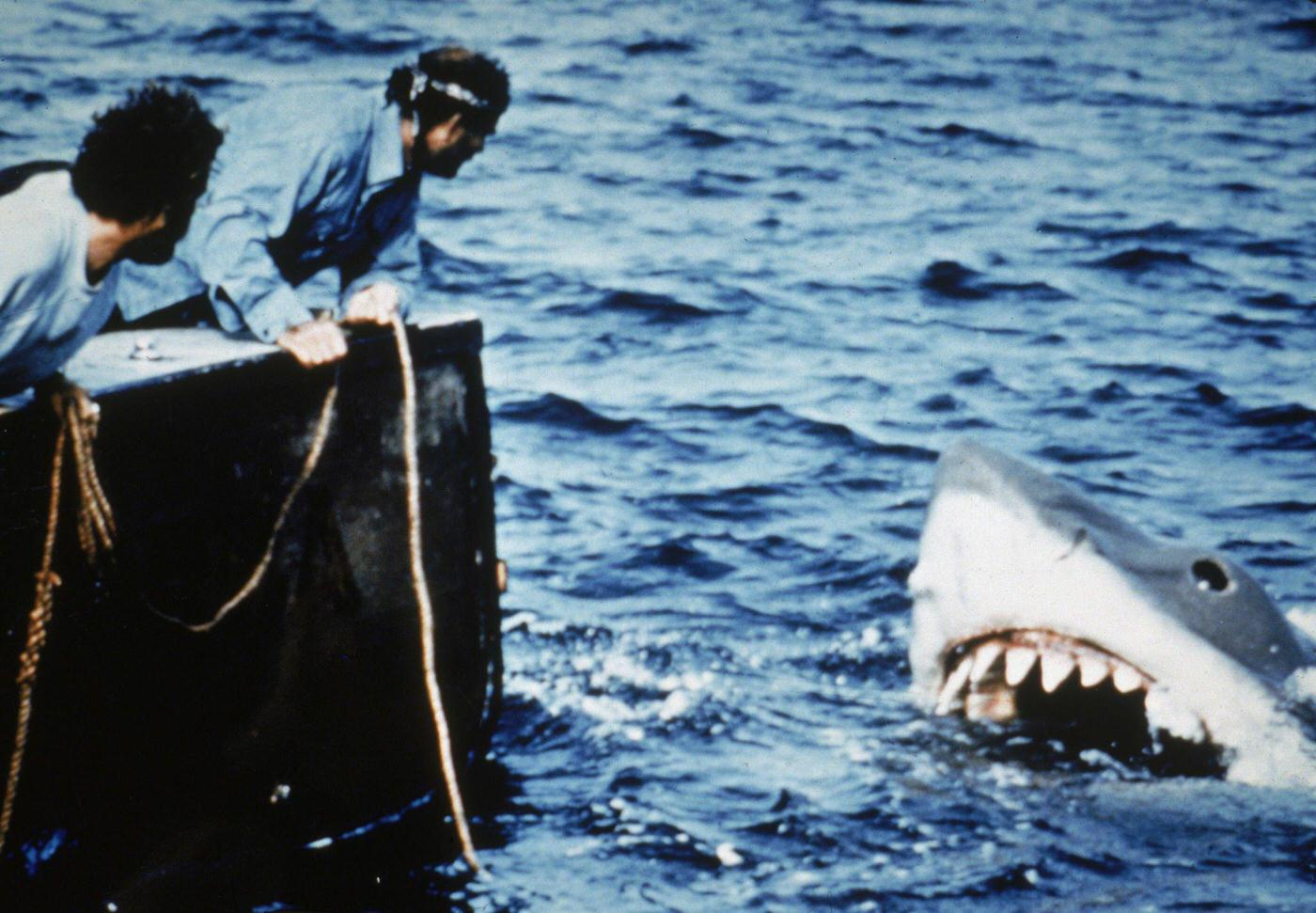
The mechanical shark finally appears in sustained, full-view shots during the climax, when the creature attacks the Orca. By that point in the film, Spielberg had built so much dread through restraint that even a mechanical prop coated in latex and paint felt terrifying. Brody ultimately destroys the shark by shooting a compressed air scuba tank lodged in its mouth, causing it to explode.
Away from the shark, the film also captured quieter, personal moments. Brody’s family life — including a scene with his wife Ellen, played by Lorraine Gary, and their son — grounded the story in something real. These beats gave audiences a reason to care about who the shark was threatening, not just the spectacle of the attacks themselves.
Jaws was nominated for several Academy Awards, including Best Picture, and won three — for Best Film Editing, Best Original Score, and Best Sound. The film received widespread critical acclaim and cemented Spielberg’s standing as a major directorial force in Hollywood. It also launched Richard Dreyfuss into leading-man status. The months of mechanical failures, ocean chaos, and logistical nightmares on Martha’s Vineyard produced one of the most carefully crafted thrillers ever put on screen.
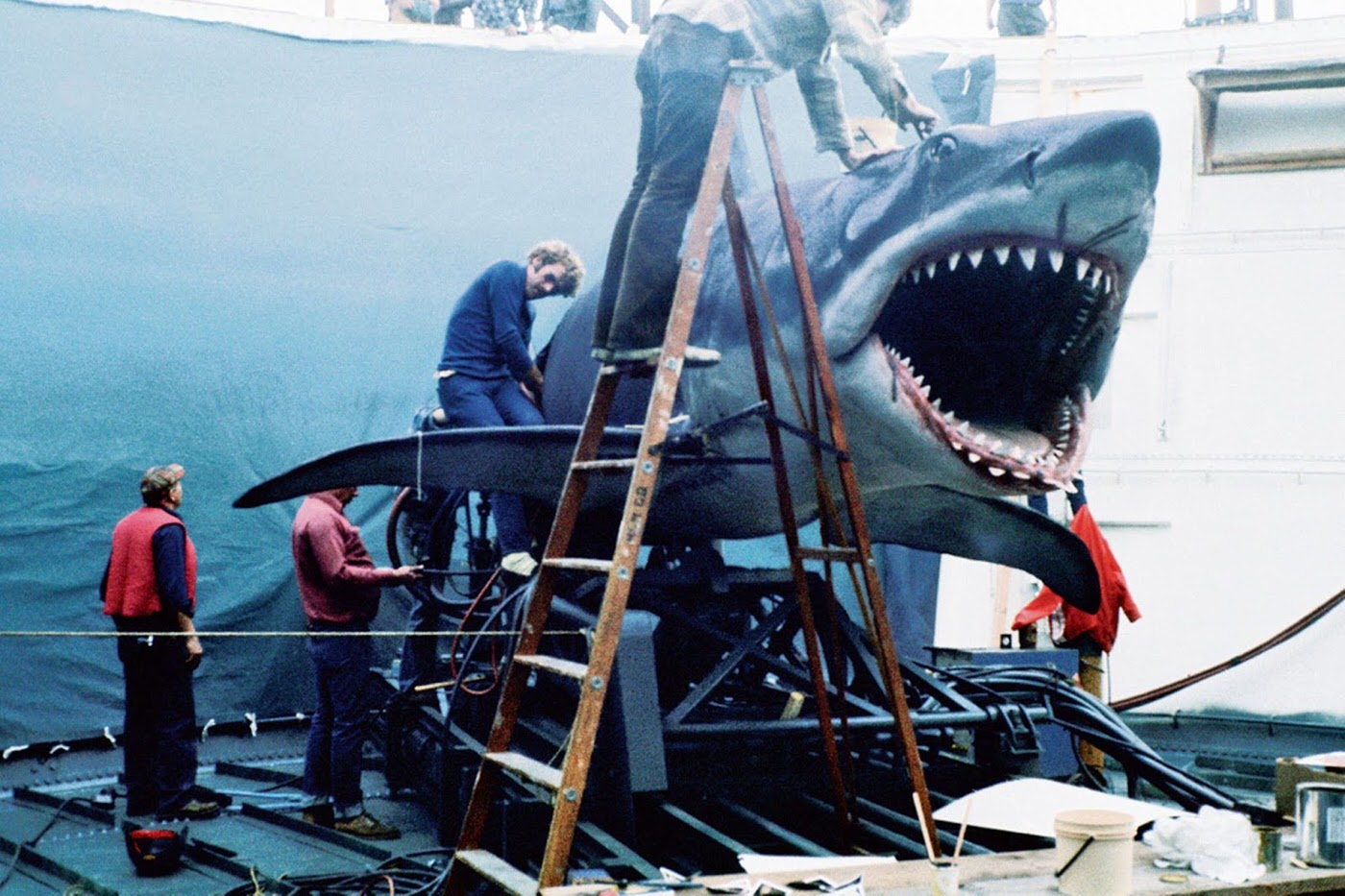
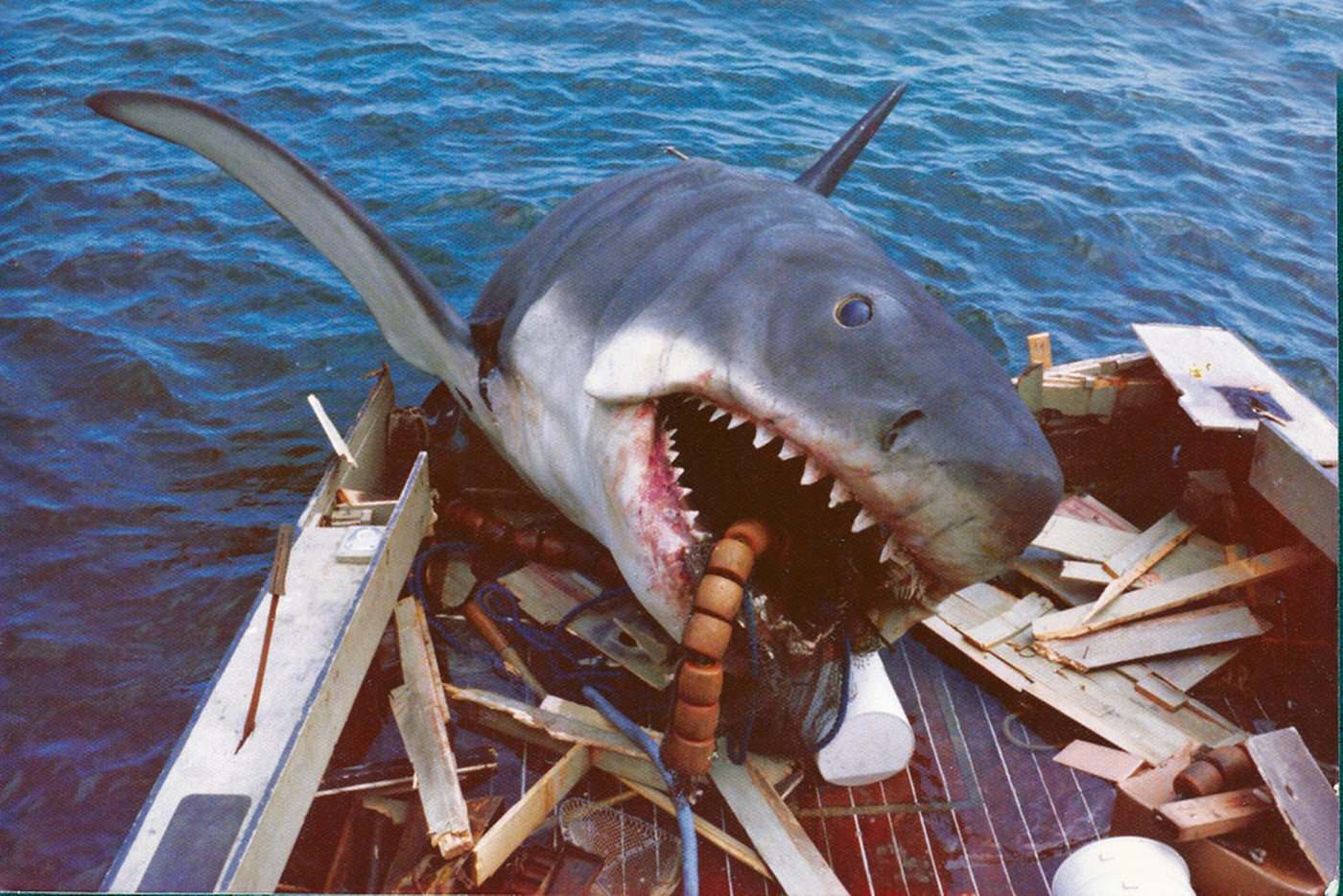
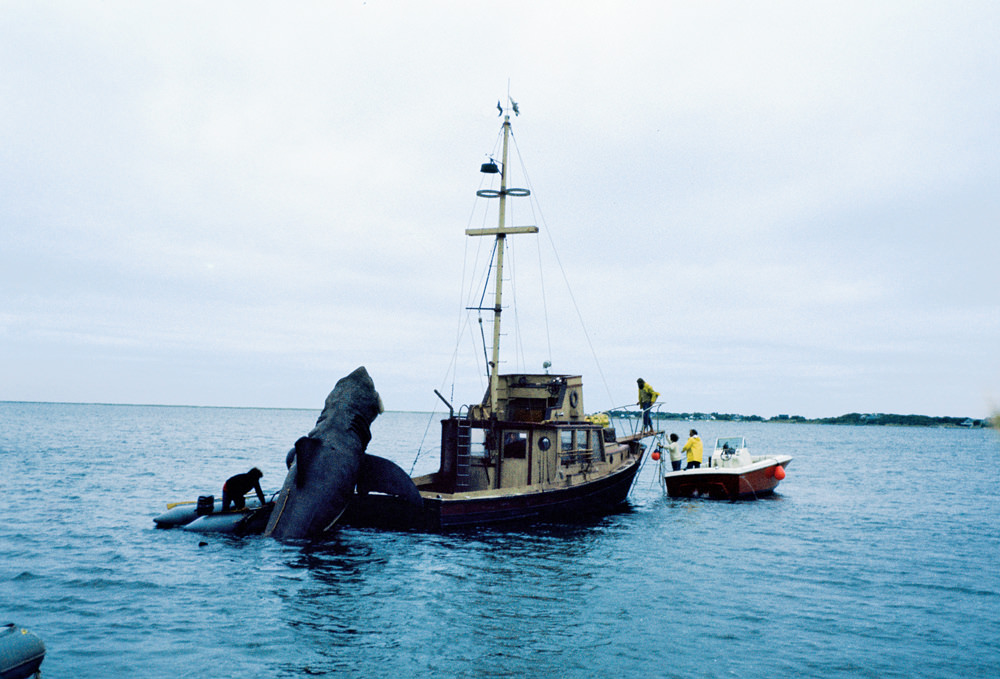
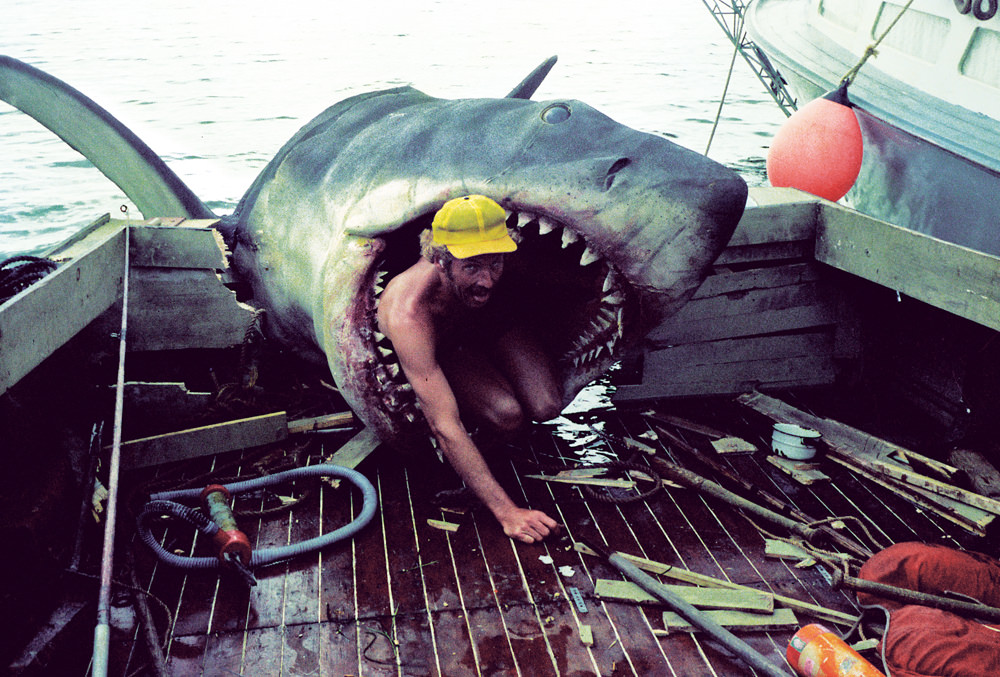
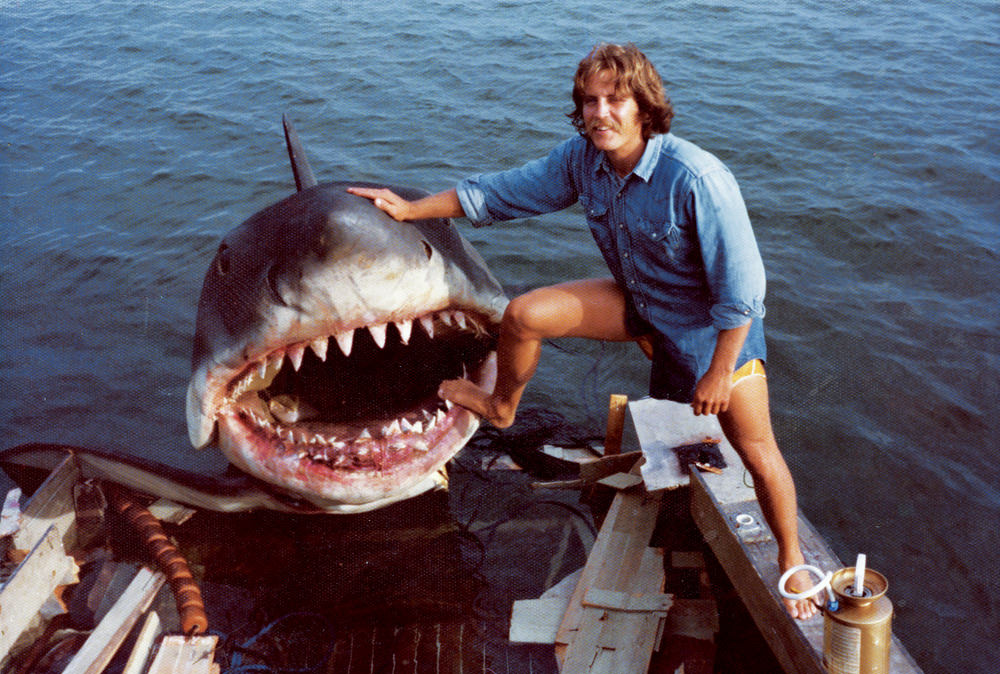
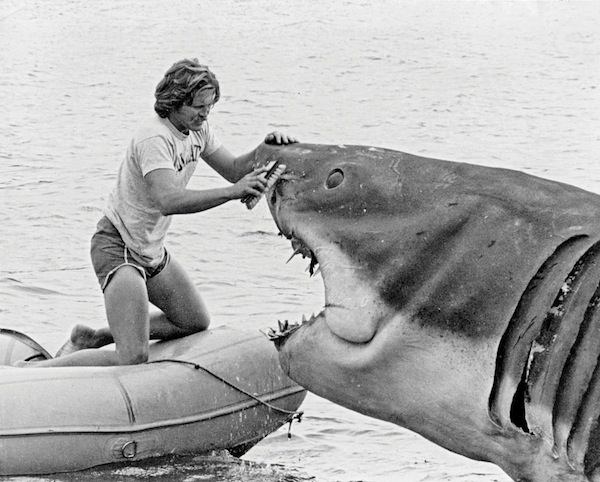
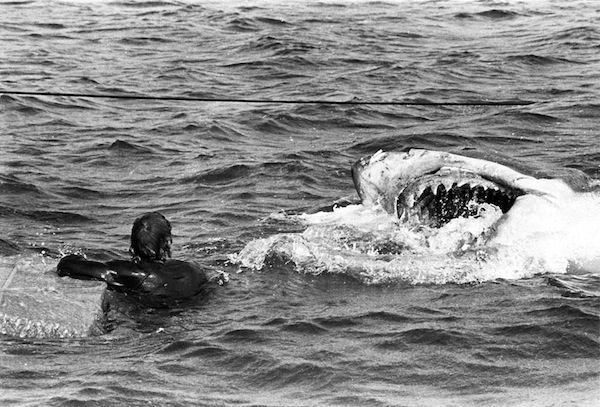
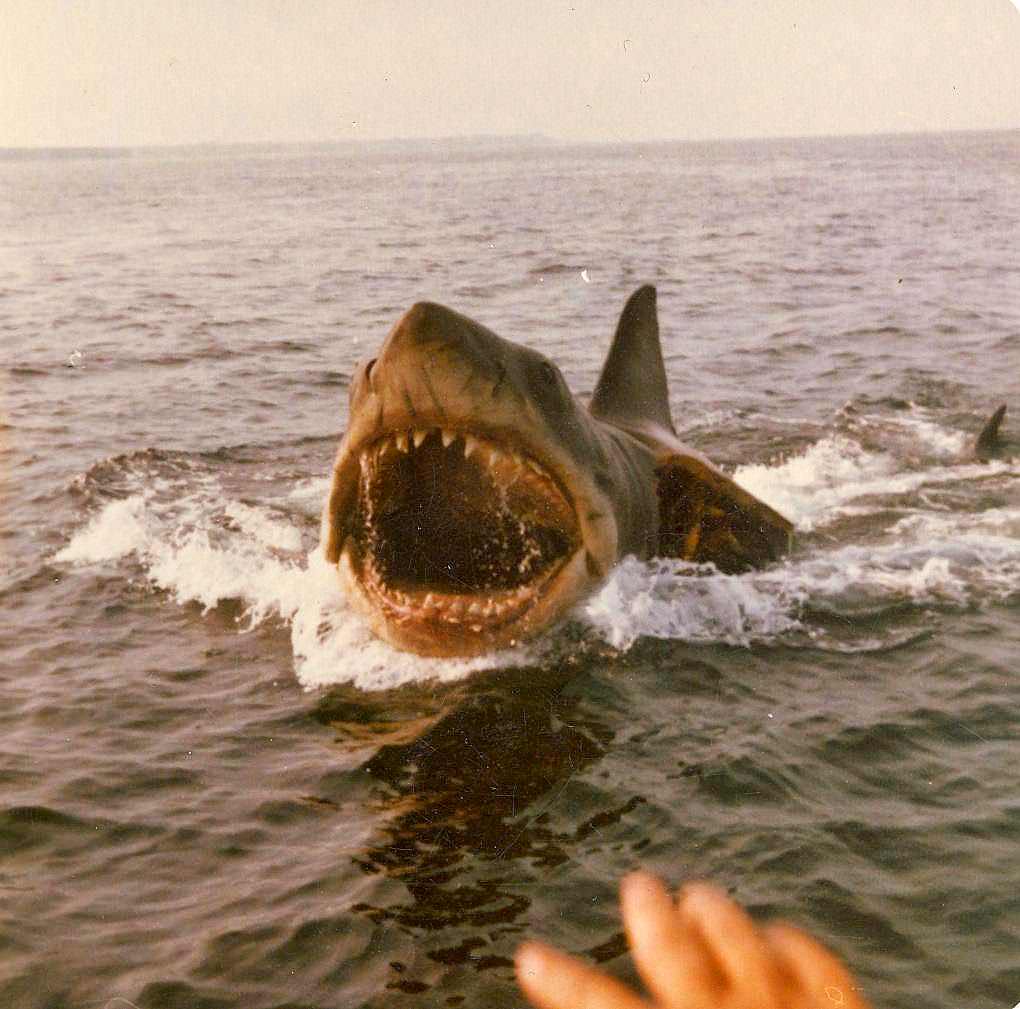
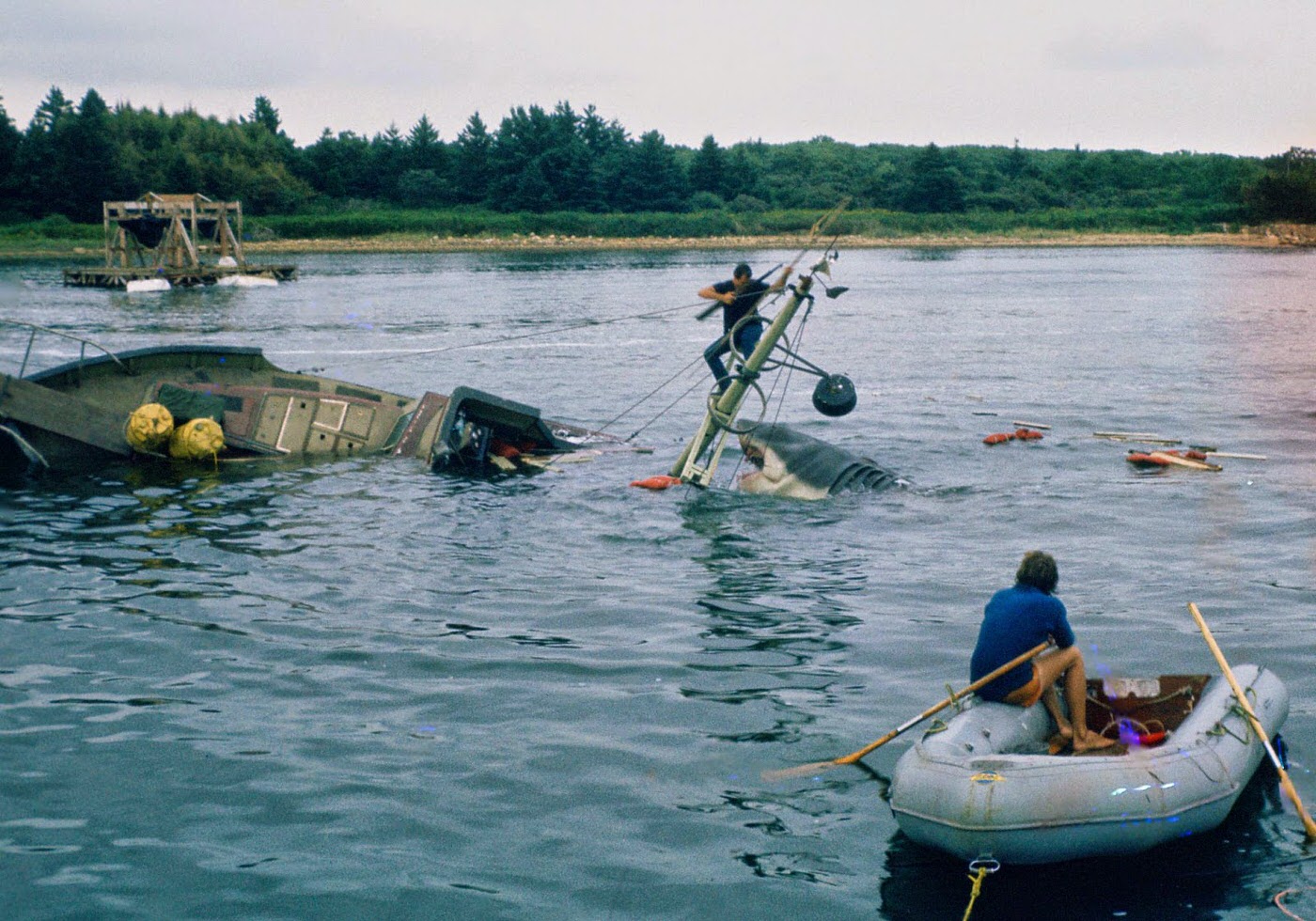
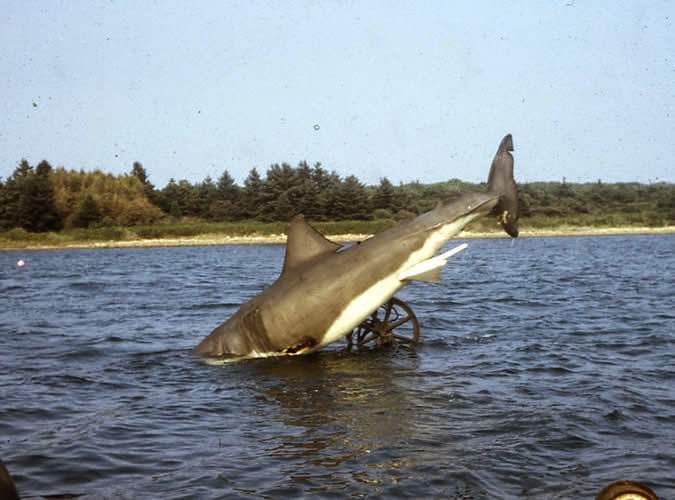
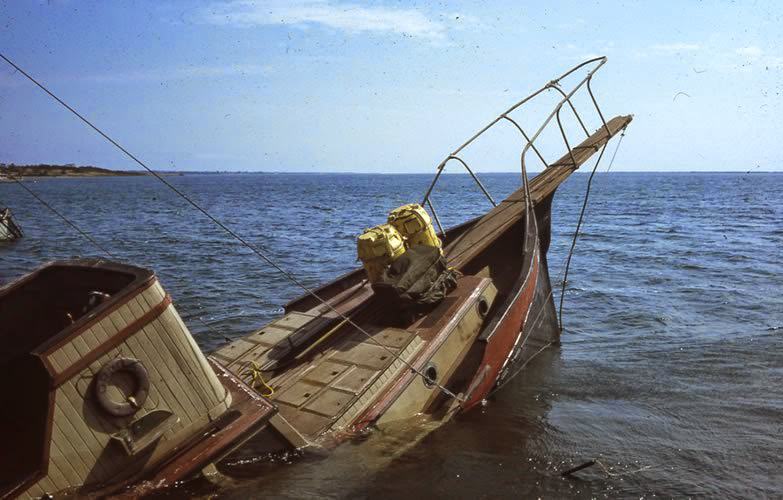
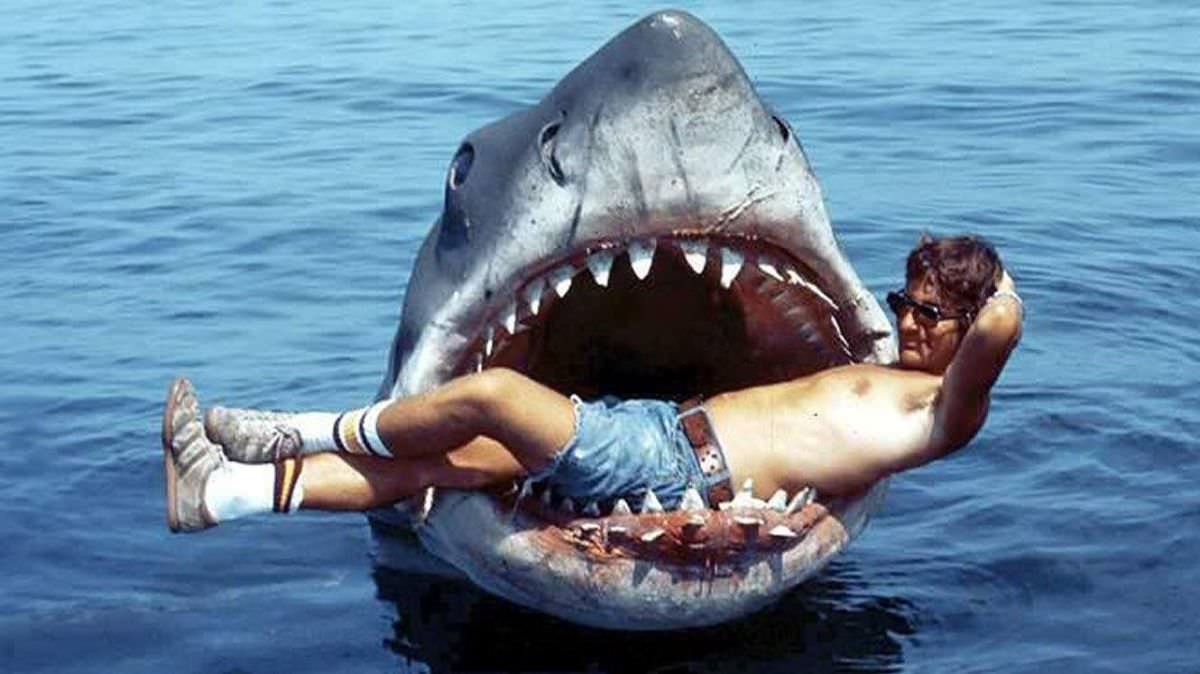
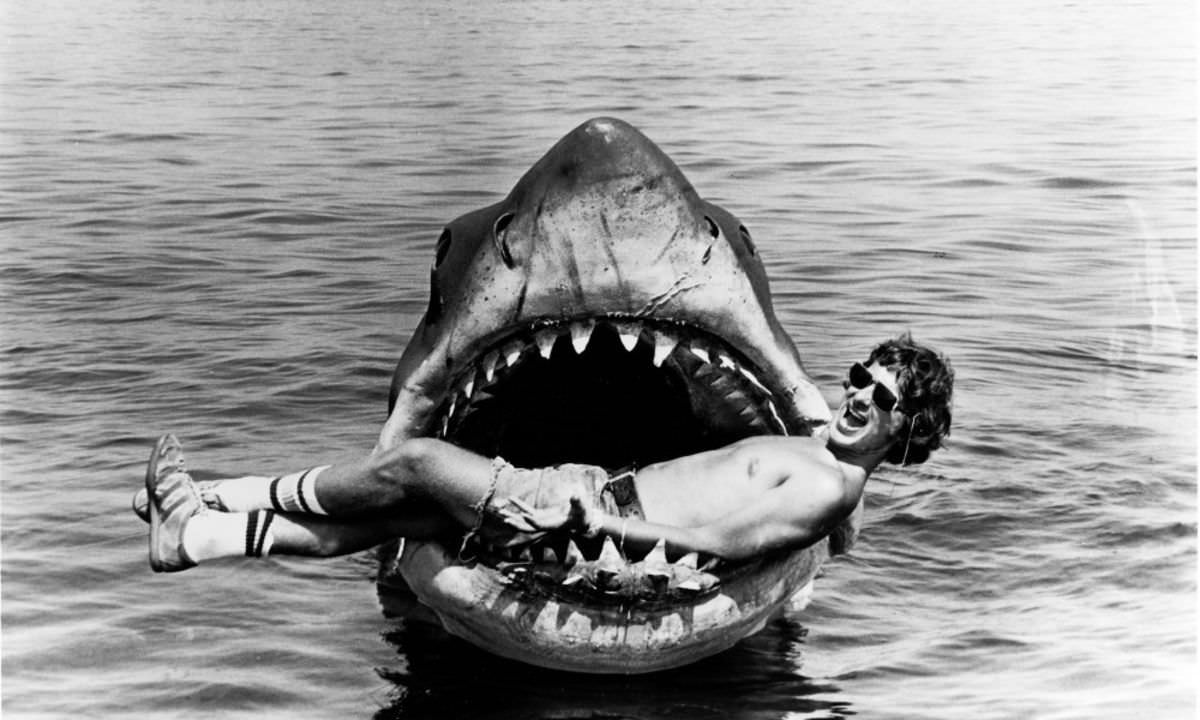

The scene of Jaws biting Robert Shaw appears to be more realistic in the movie compared to the still photograph.
On set, stars Robert Shaw (Quint) and Richard Dreyfuss (Hooper) did not get along, but director Steven Spielberg said their feud helped create the tension between the characters.