Hey There! Before You Go. 😧
Get the best vintage content straight into your inbox!

Don't worry, we don't spam

A Glimpse into the Asia of the Early 1950s through the Lens of U.S. Airman

Between September 1953 and August 1954, a U.S. Air Force serviceman stationed on the island of Okinawa, Japan, carried a camera everywhere he went. He wasn’t a professional photographer — just a young airman documenting the world around him. The result is a candid, ground-level portrait of Asia during a pivotal decade.
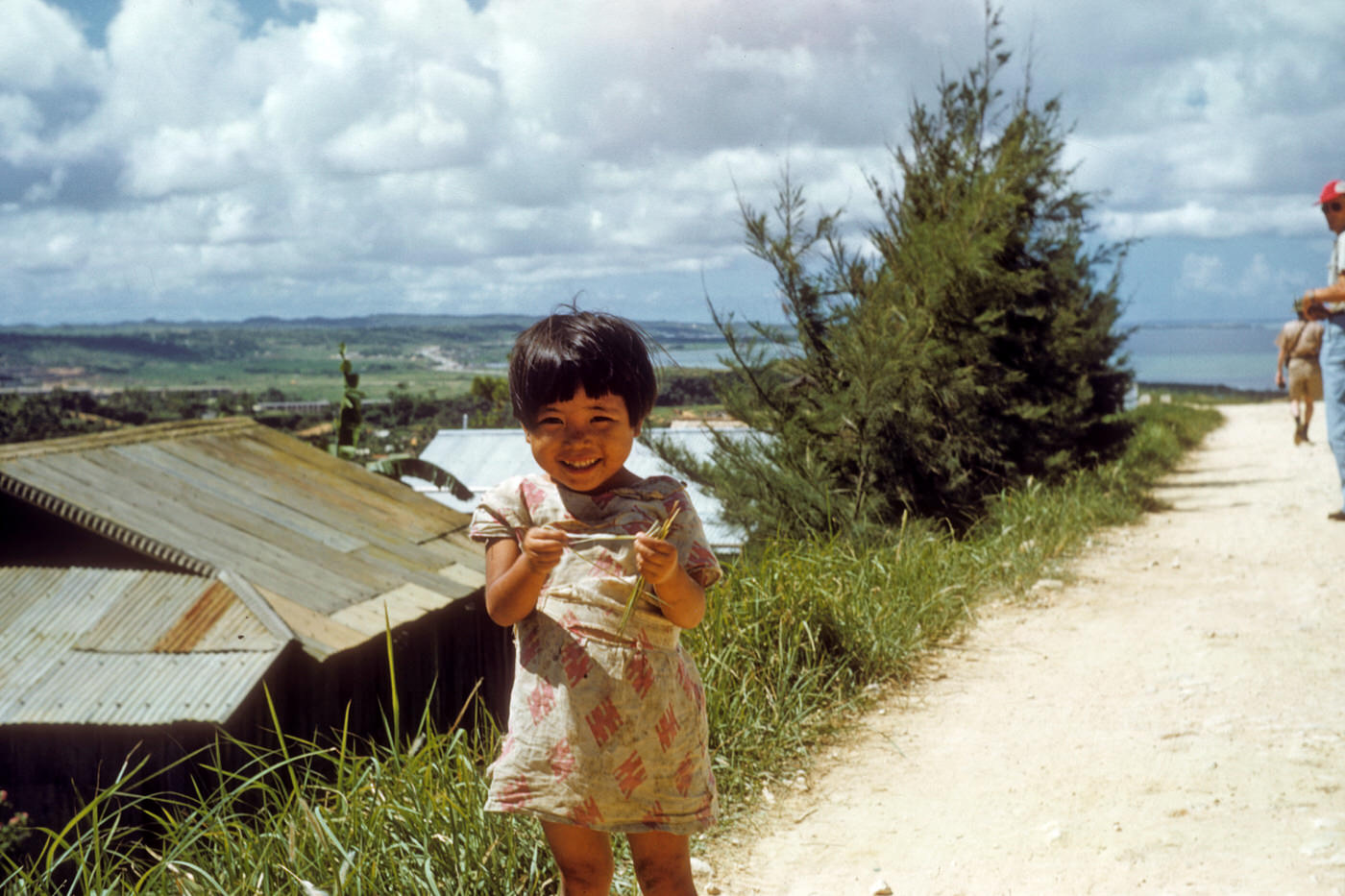
A cute Okinawan girl, 1953

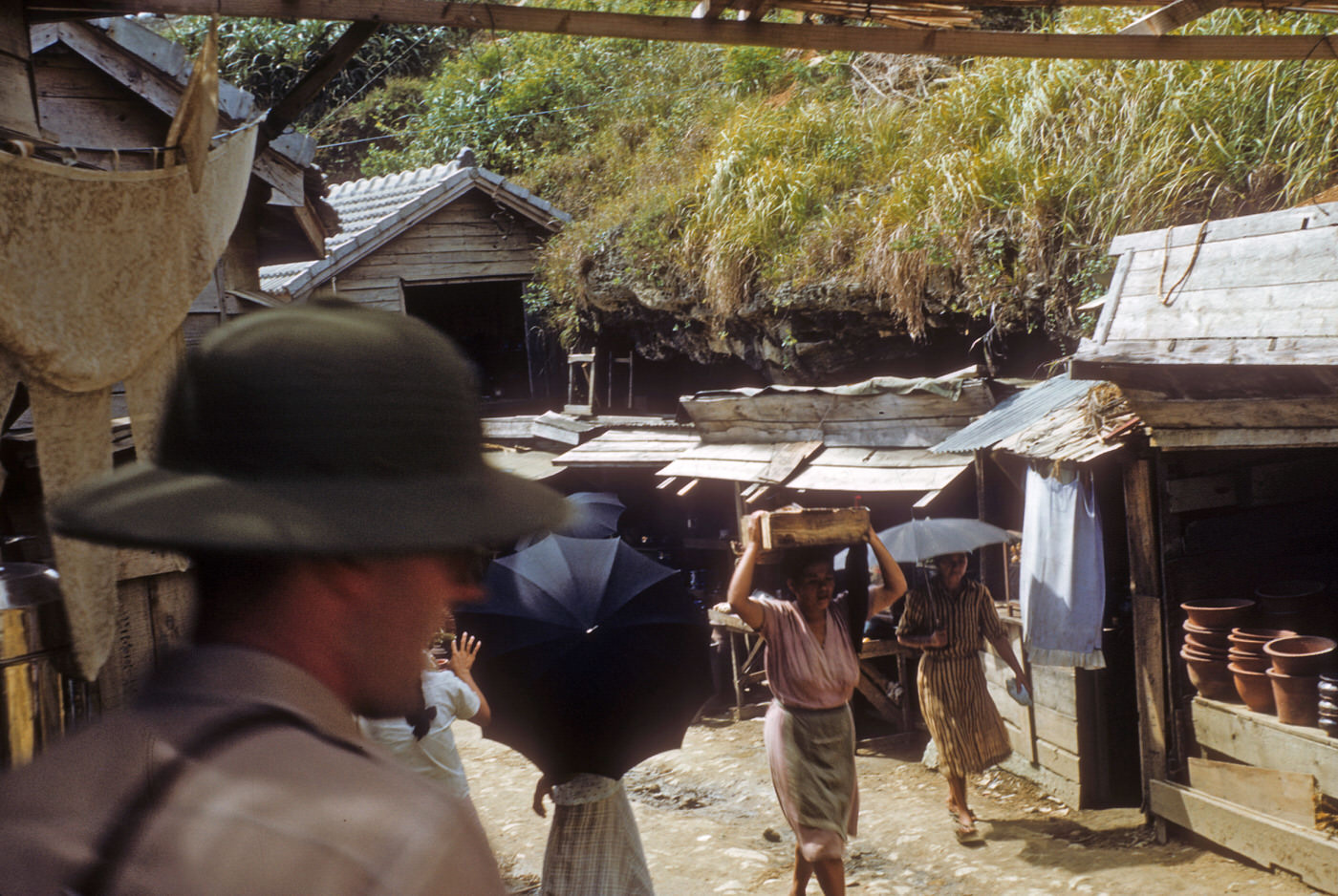
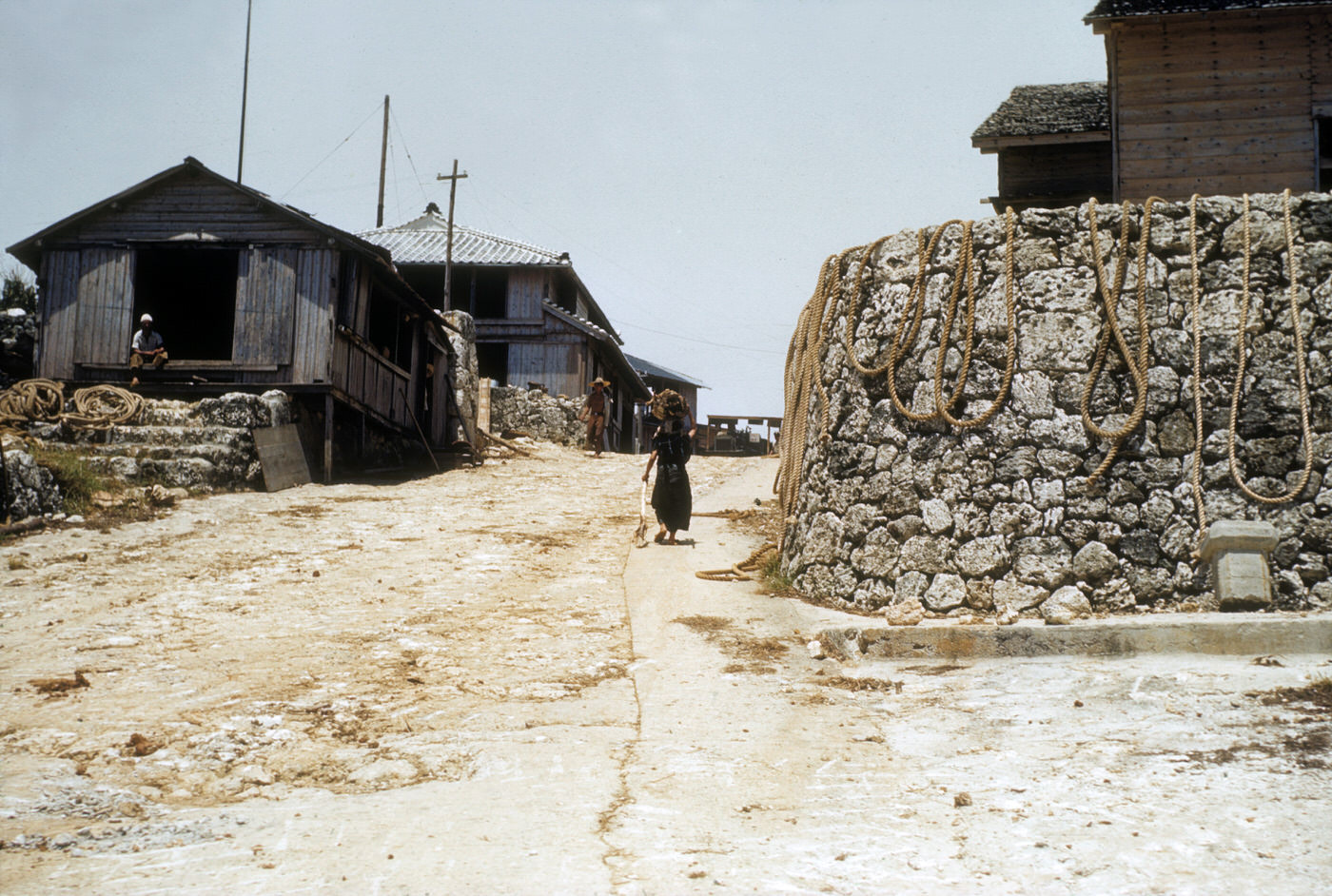
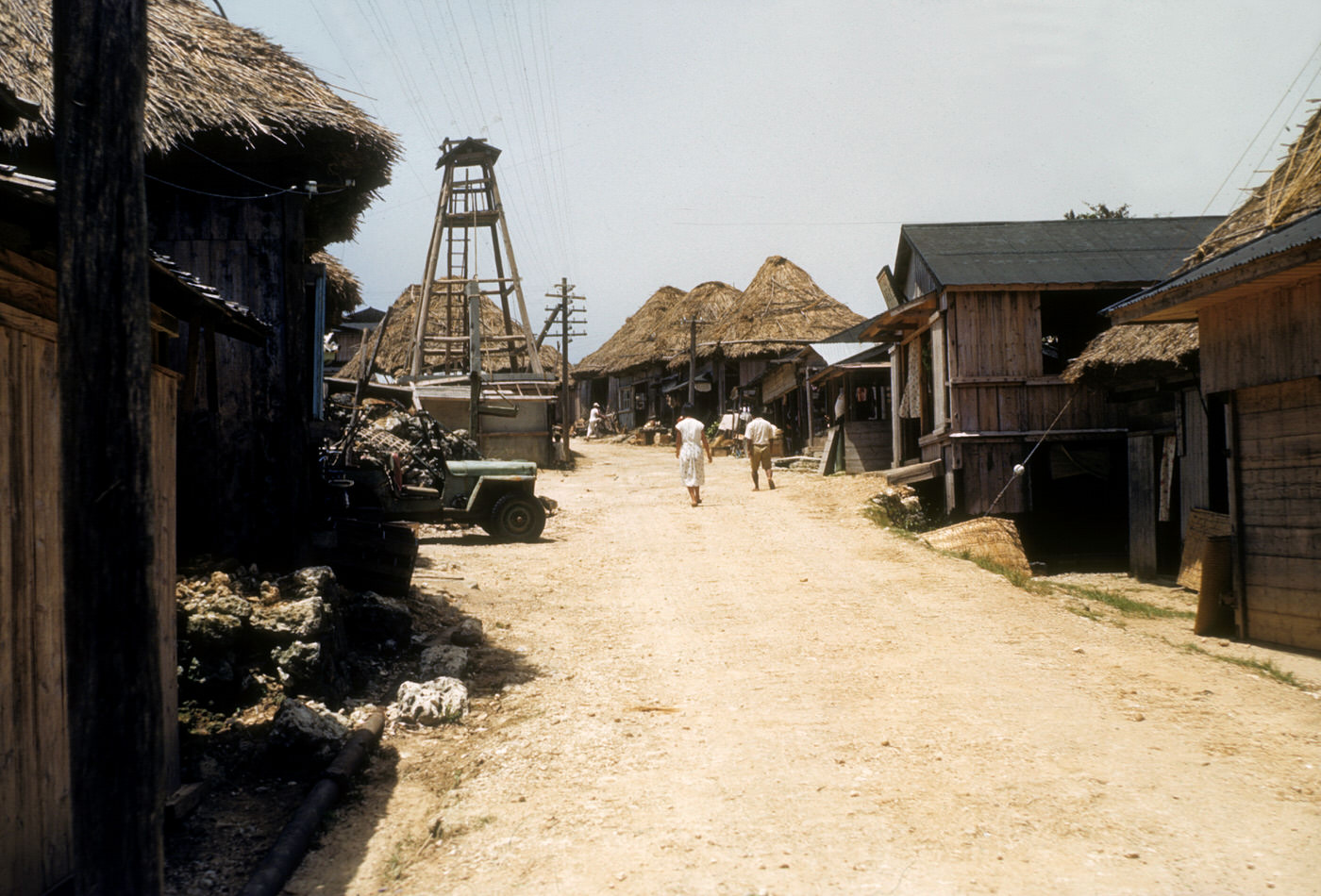
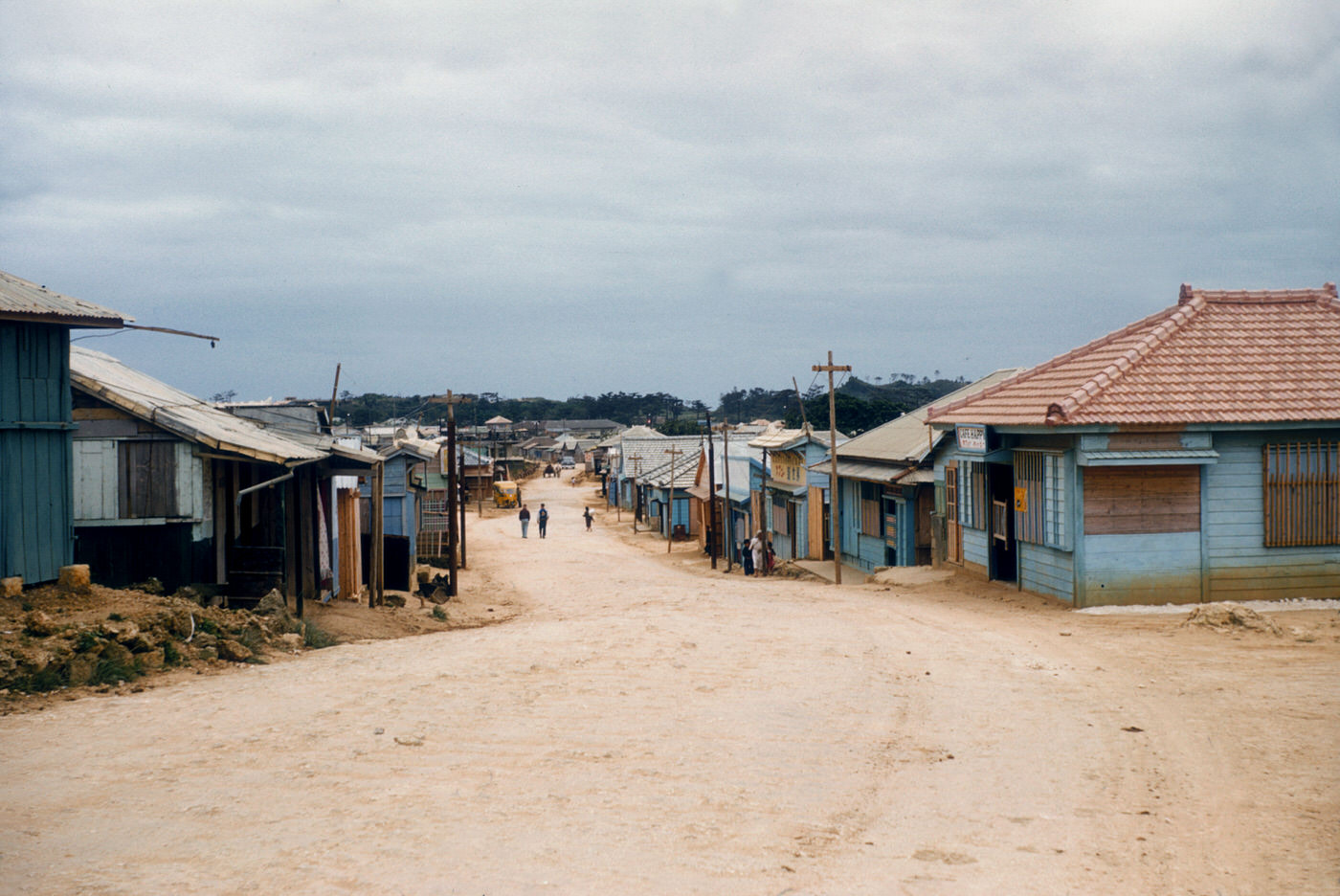
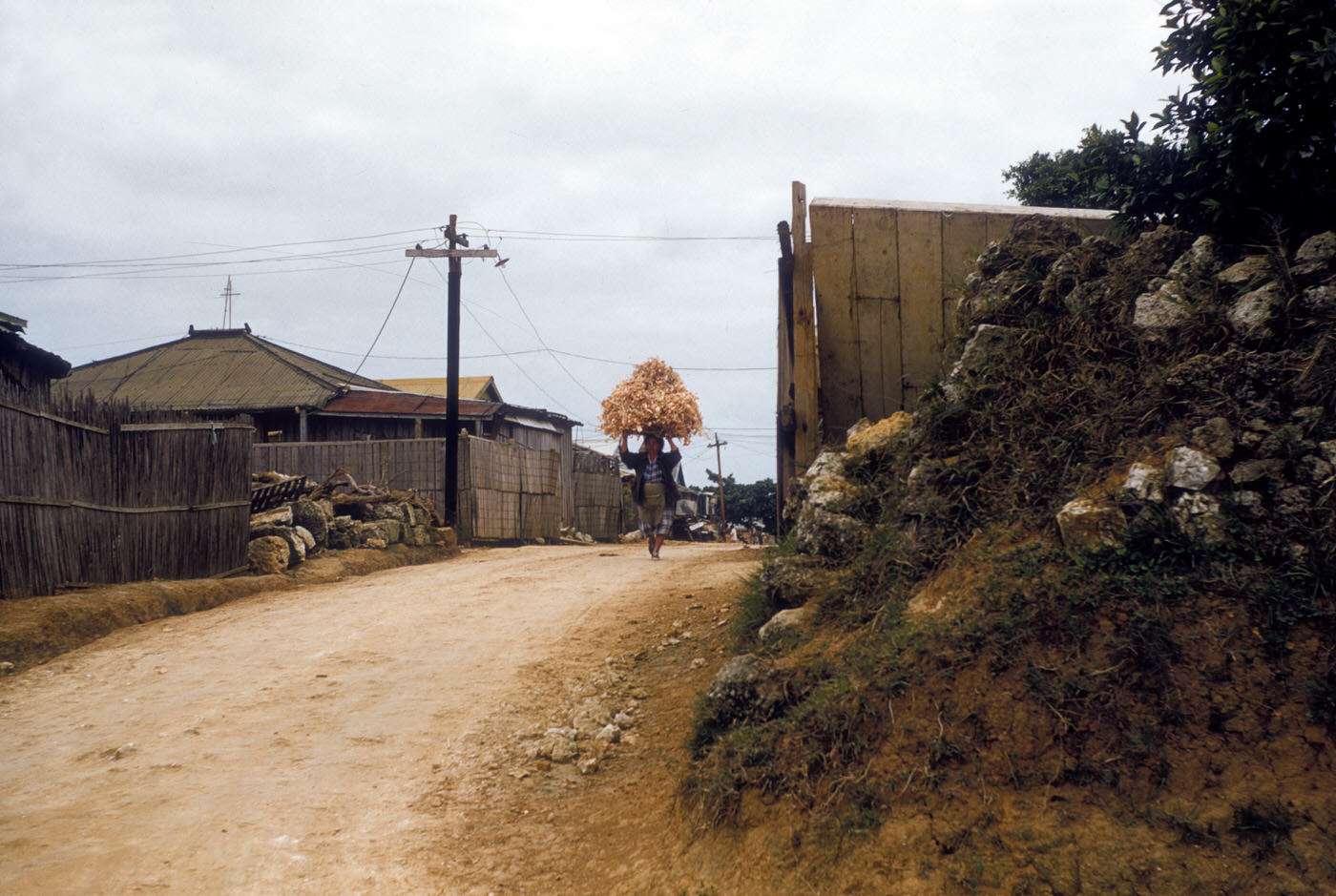
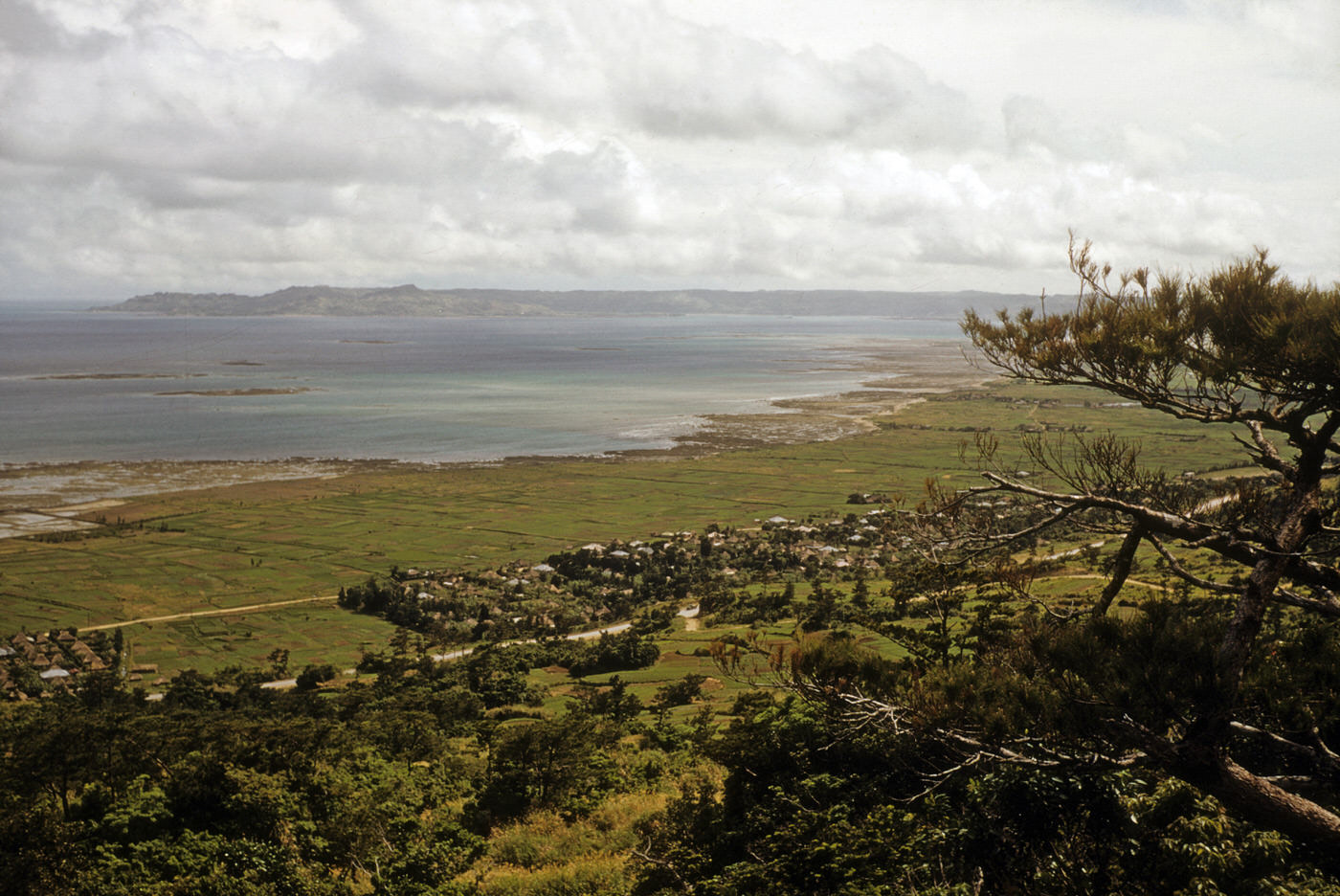
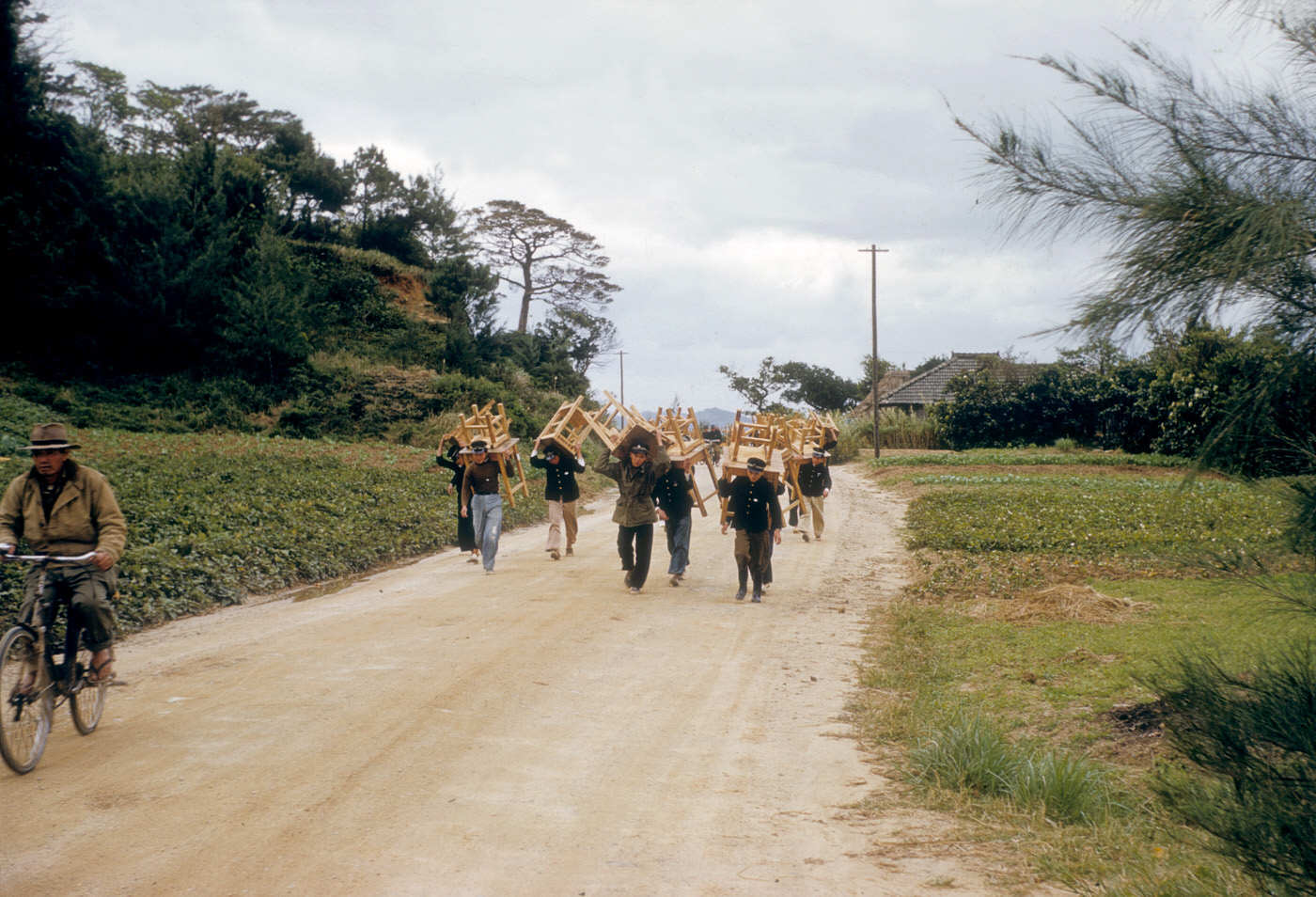
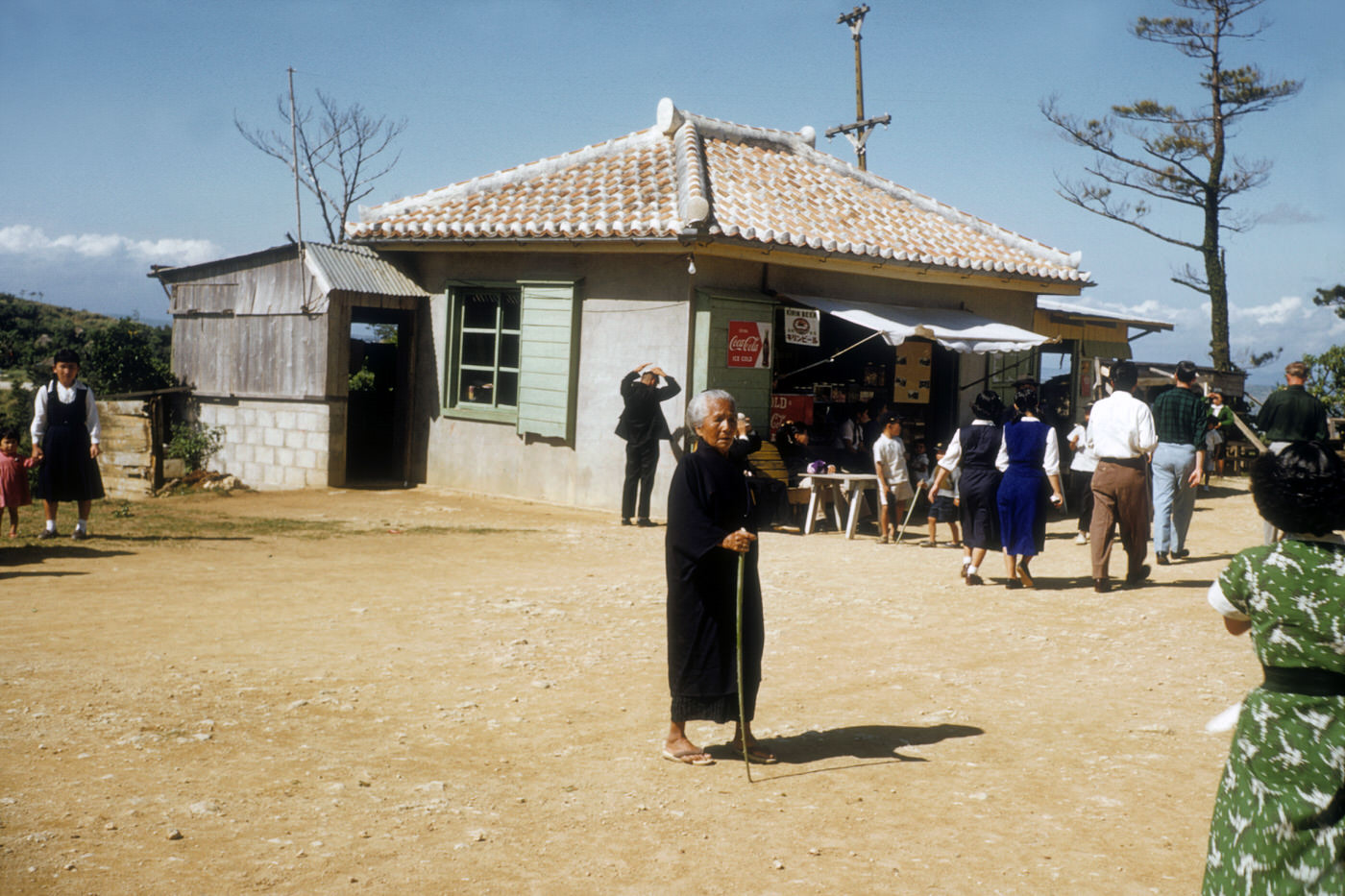
Okinawa was his home base. The island was still dealing with the physical and social aftermath of World War II while adjusting to a large American military presence. His photos there focused on village life — local people going about their daily routines, far from the official activity of the bases.
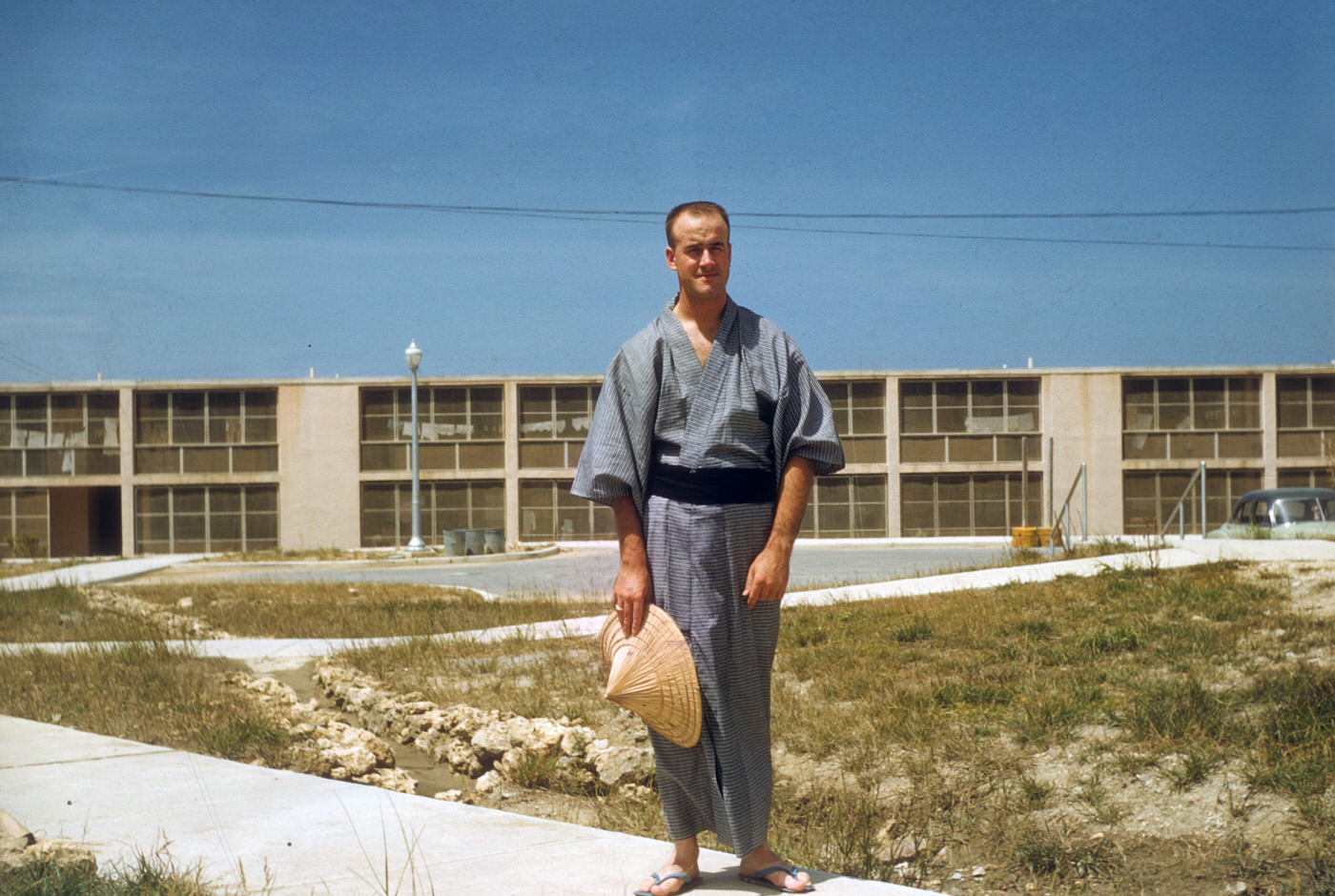
A native, 1954
A native, 1954
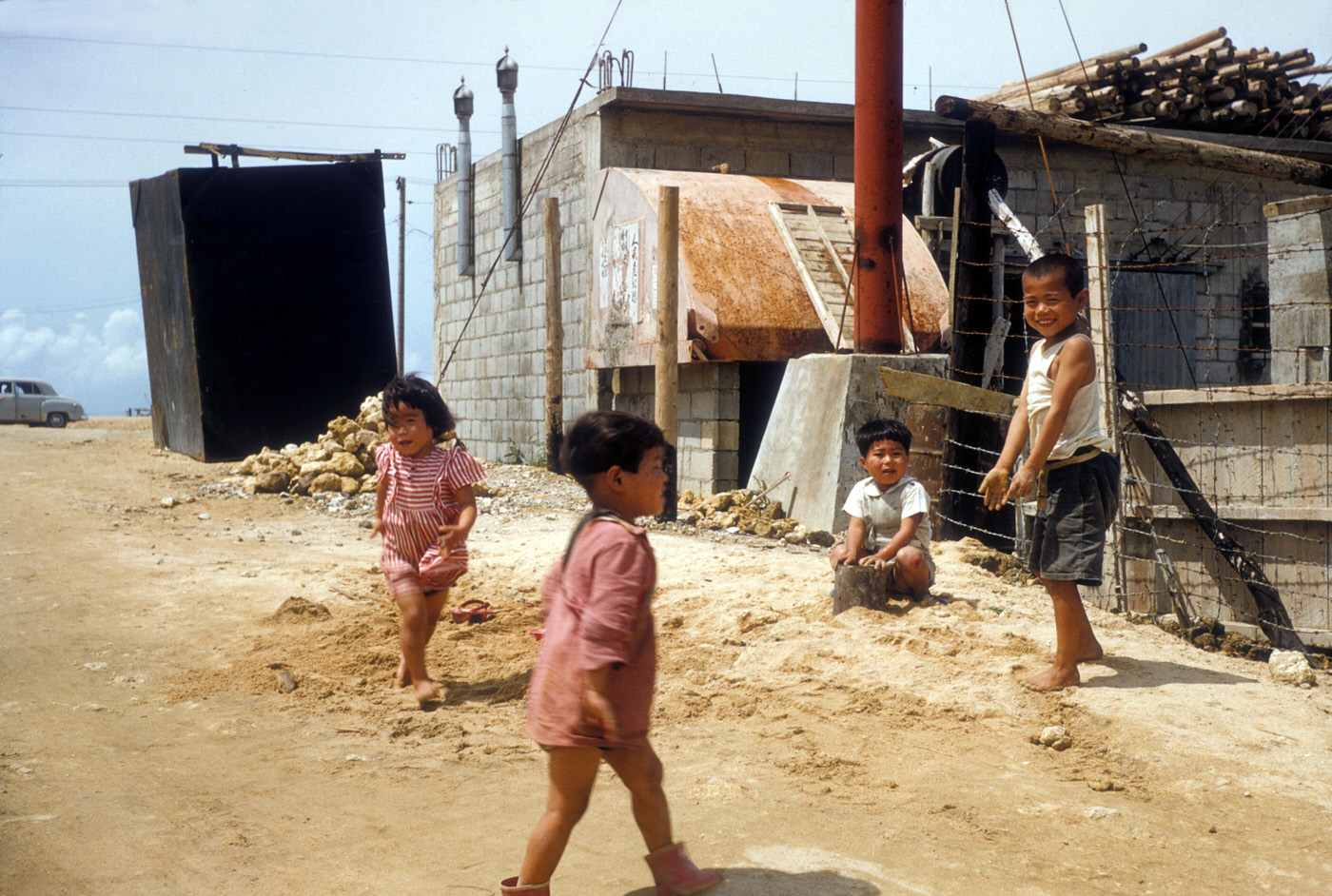
A sand pile, 1954
A sand pile, 1954
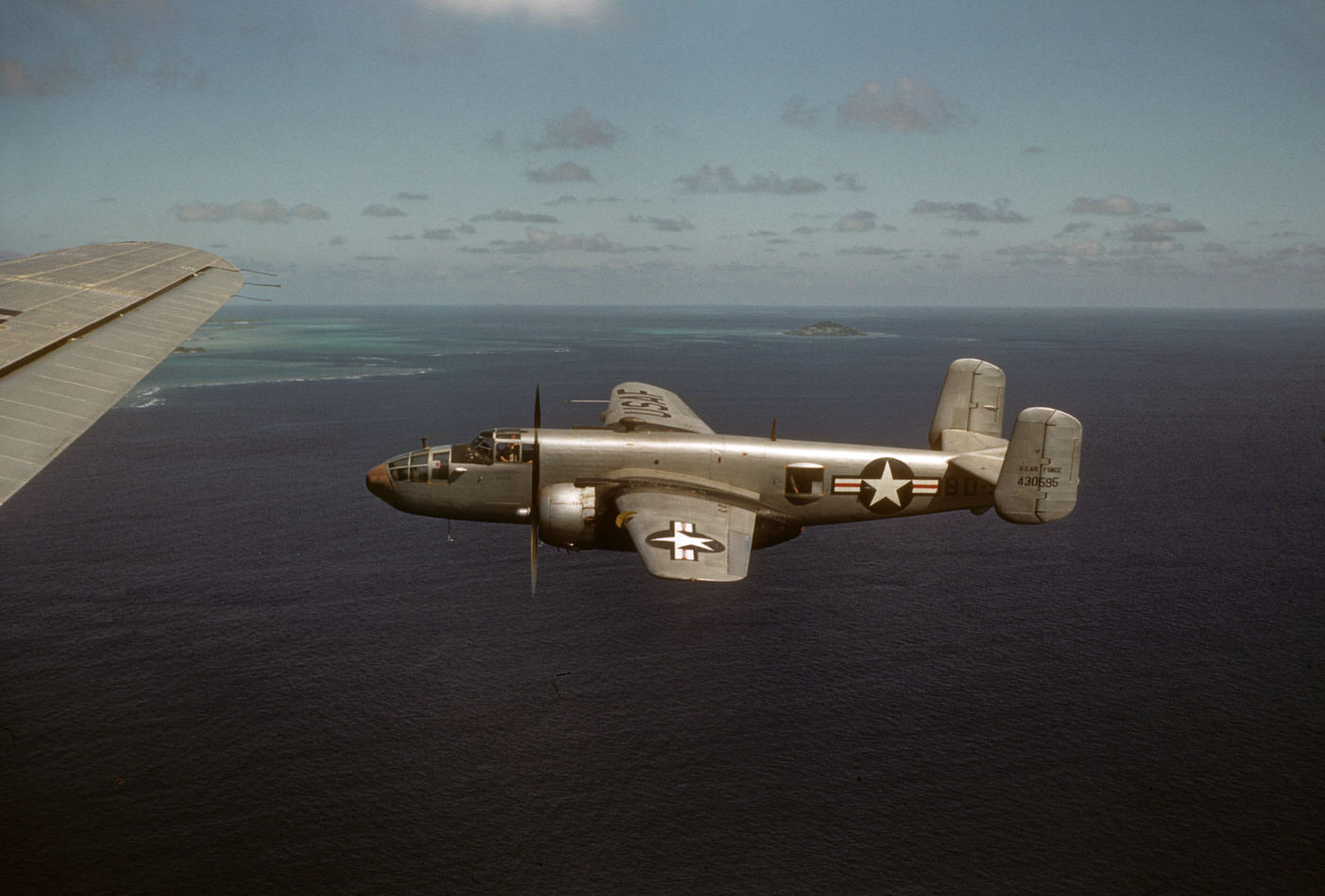
A B-25, 1954
A B-25, 1954
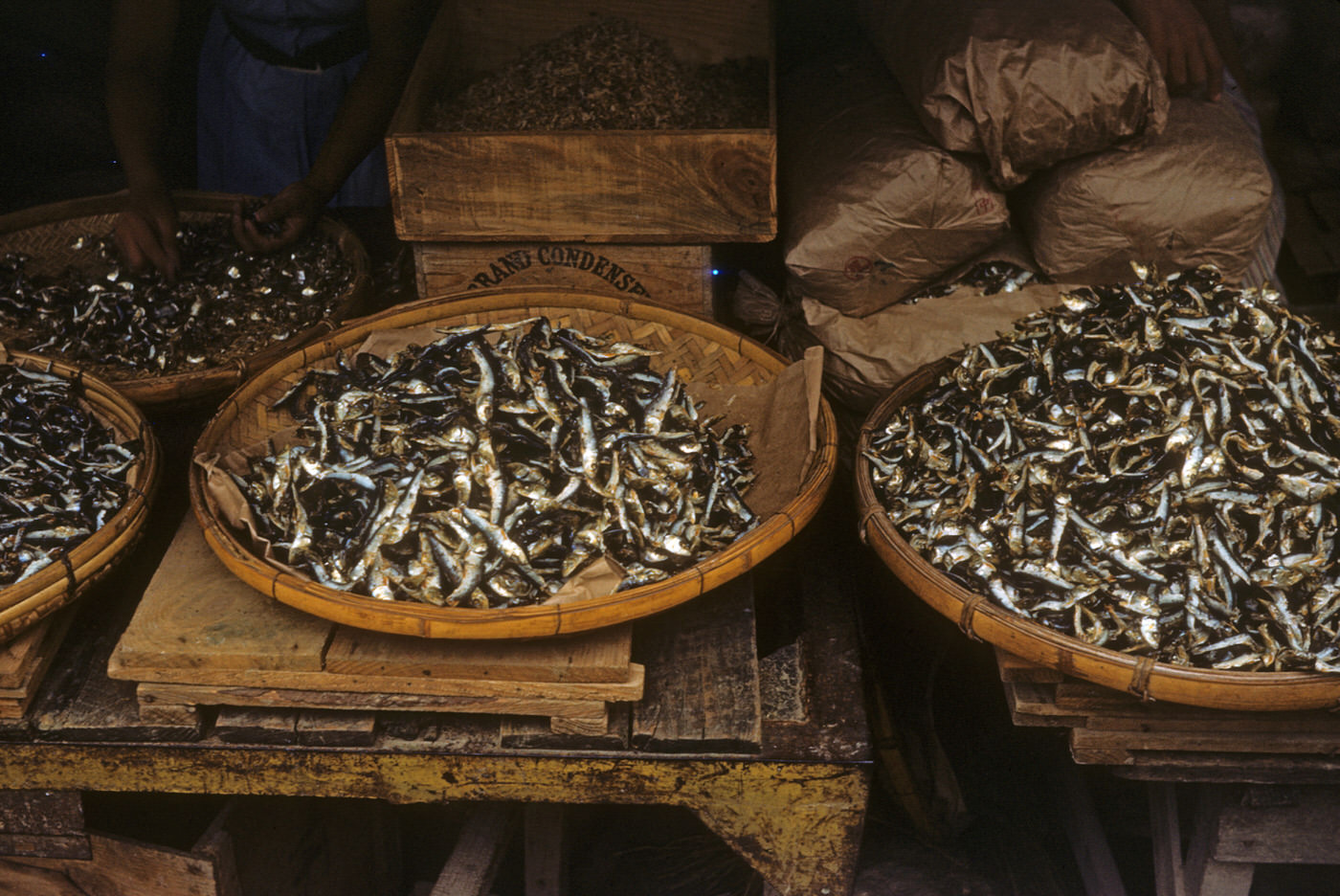
Baskets of dried fish, 1954
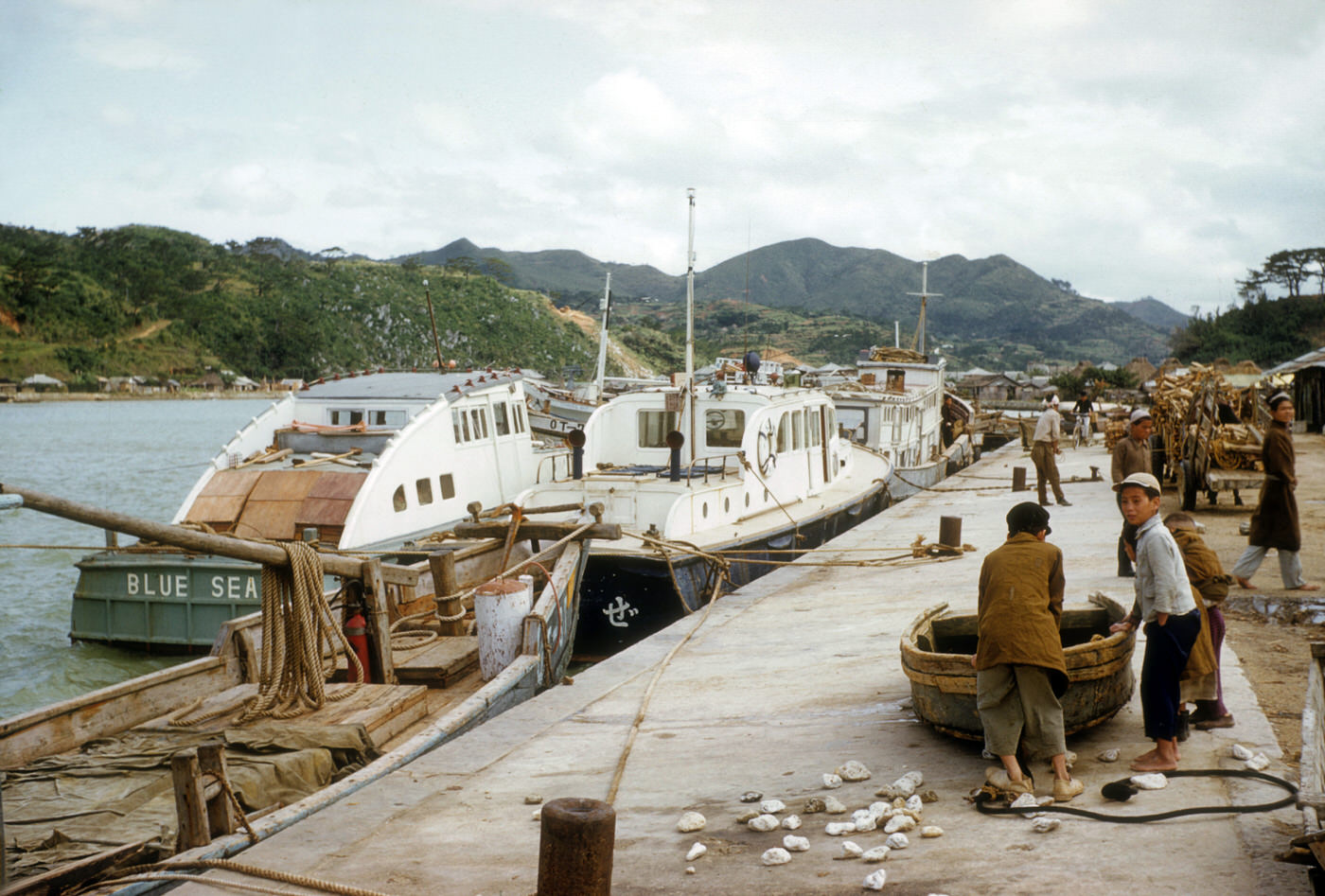
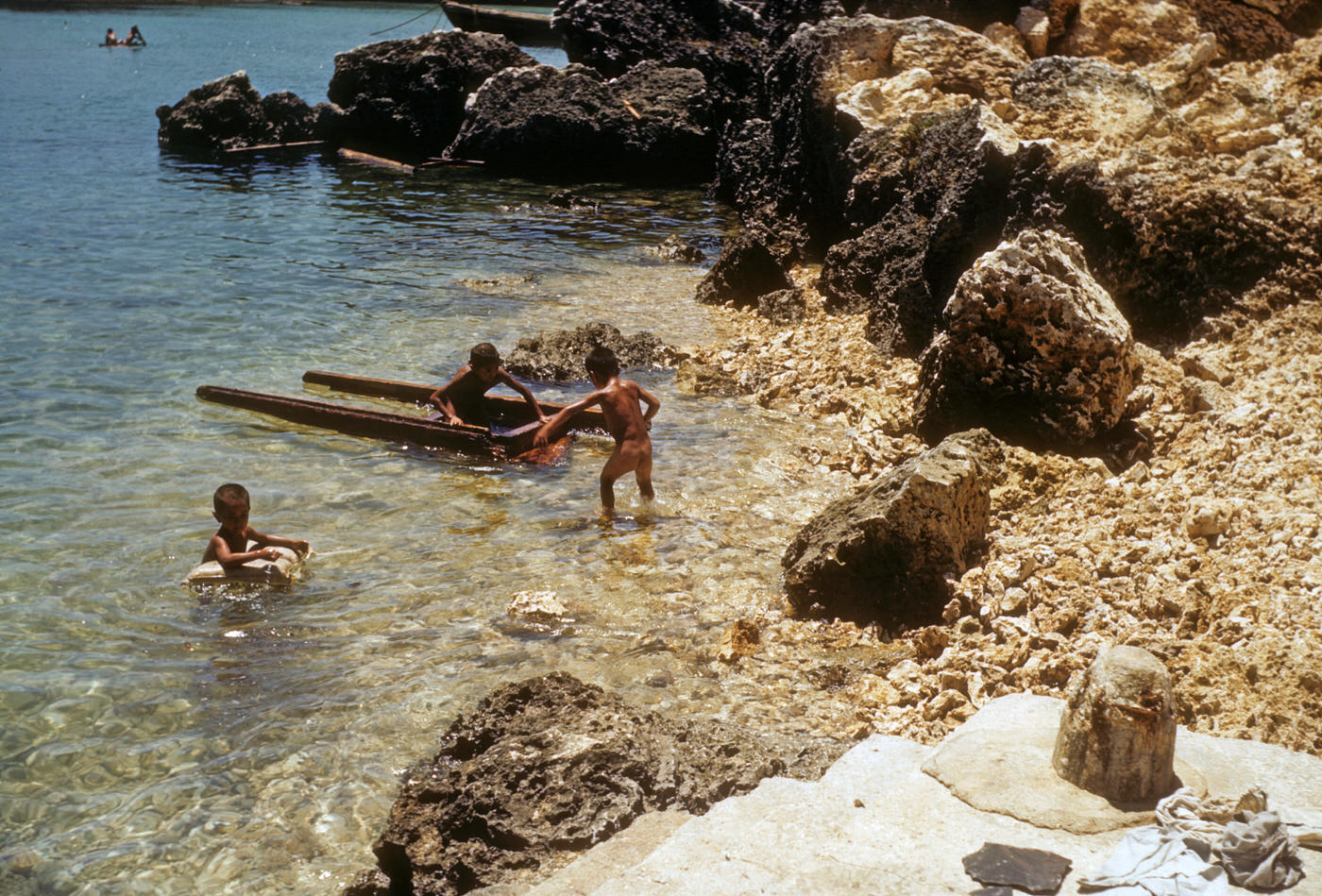
Boats at Taguchi, 1954

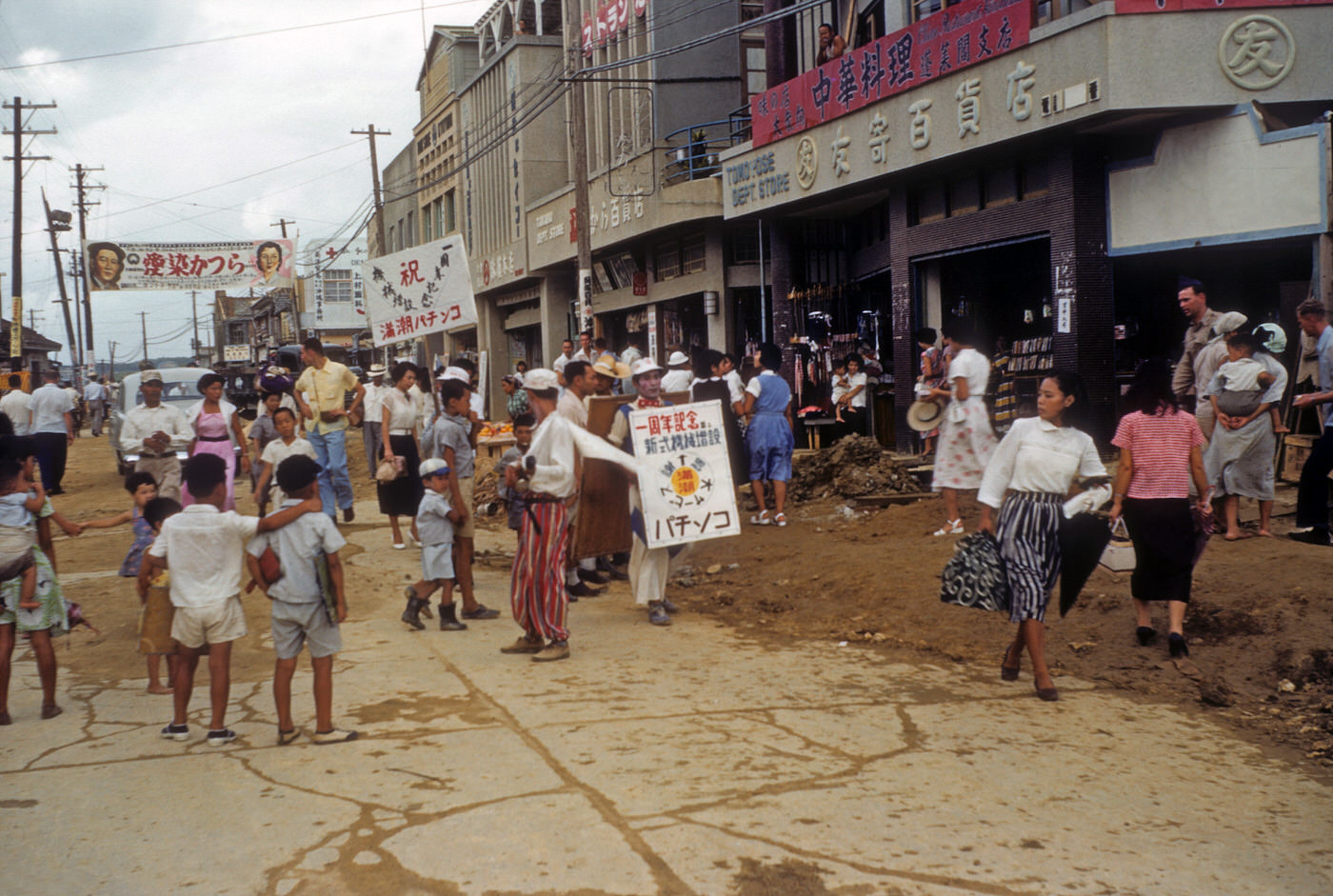
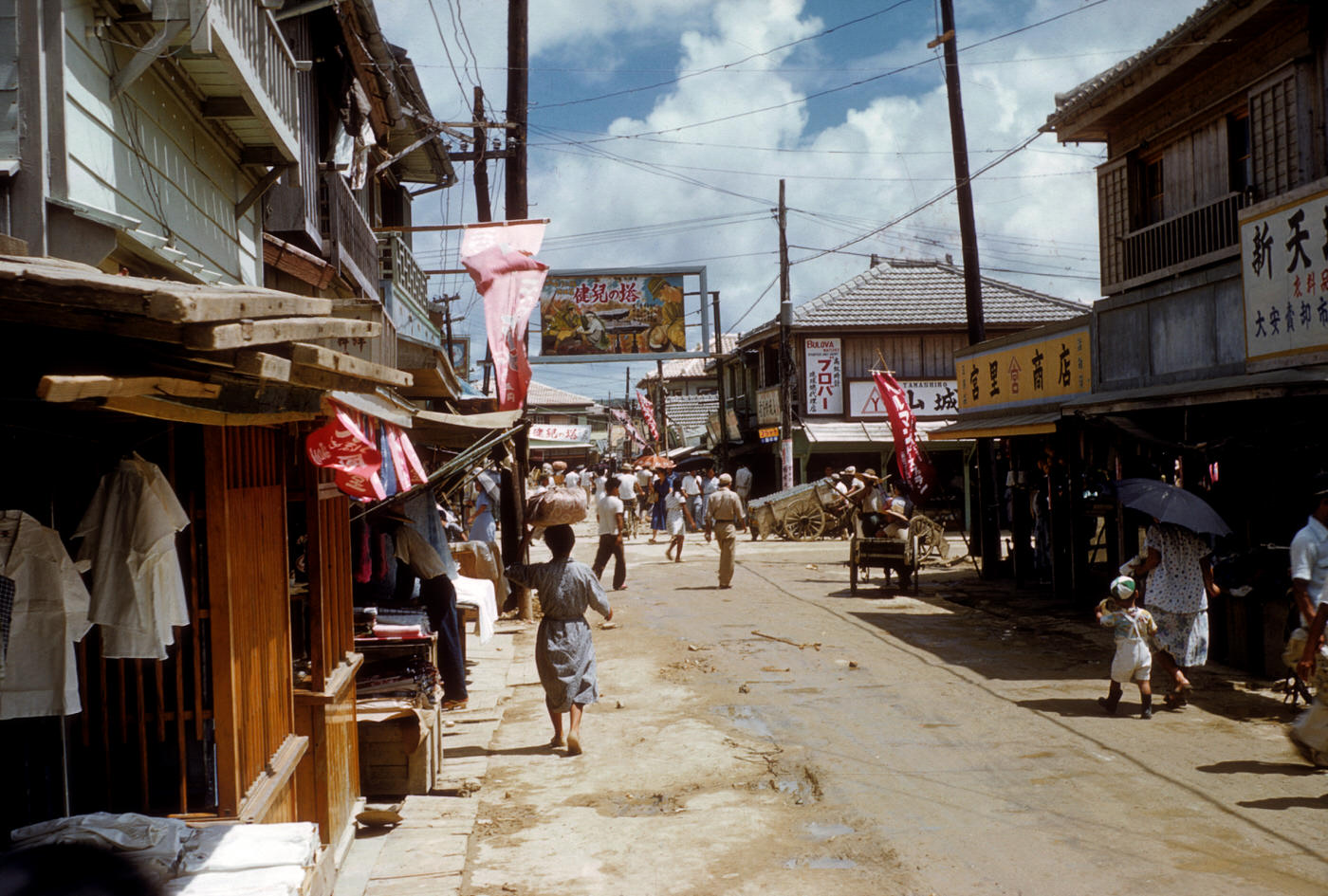
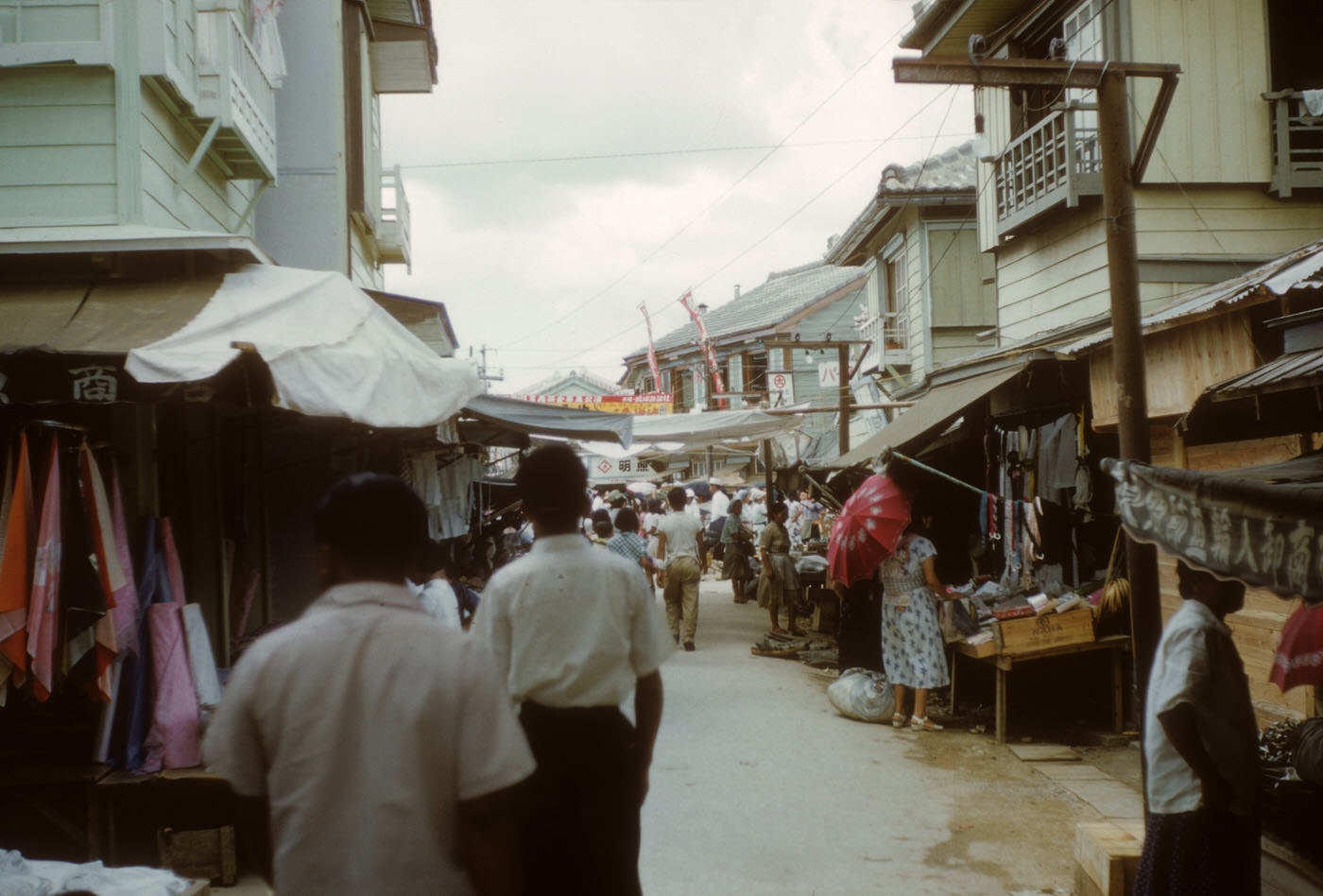
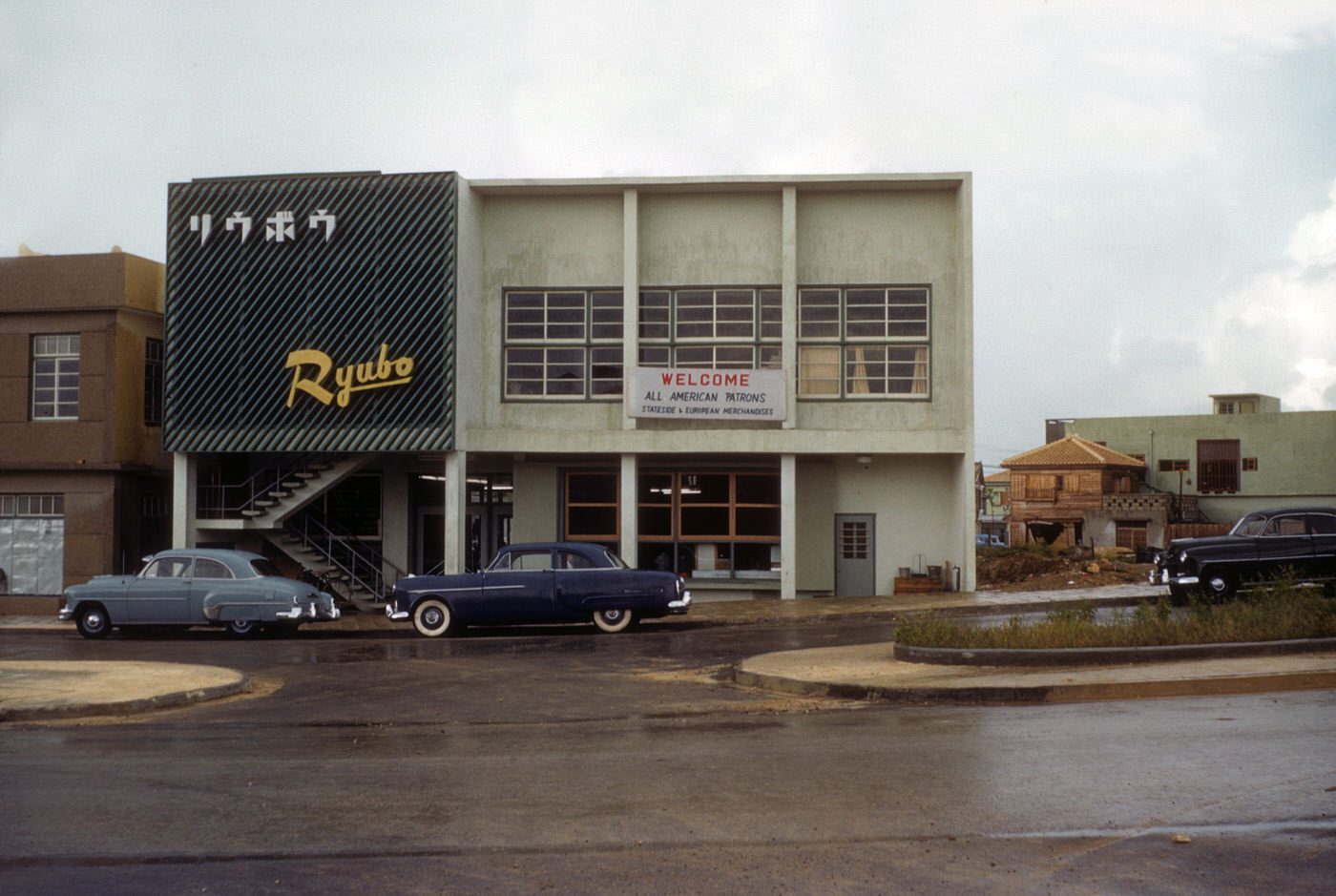
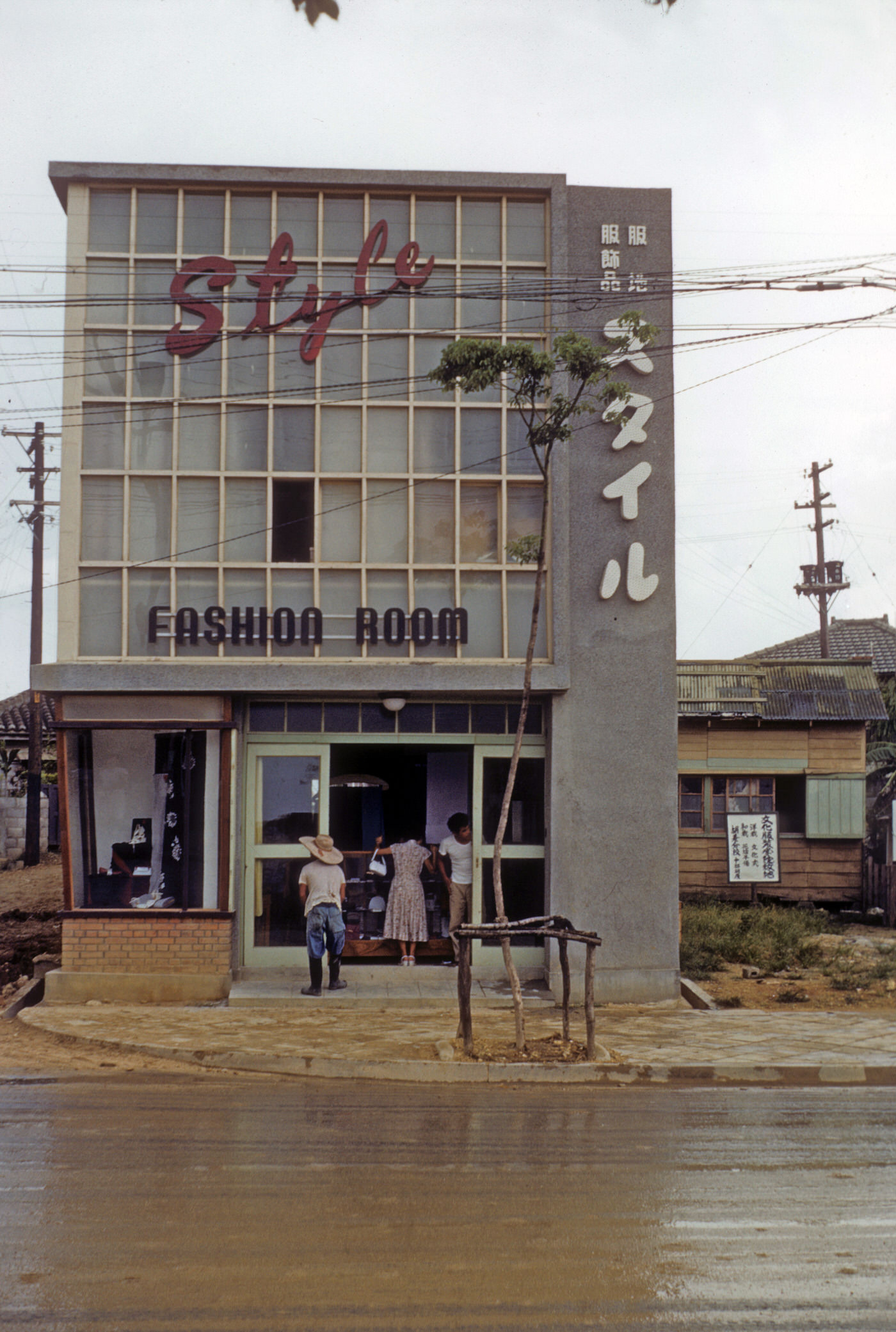
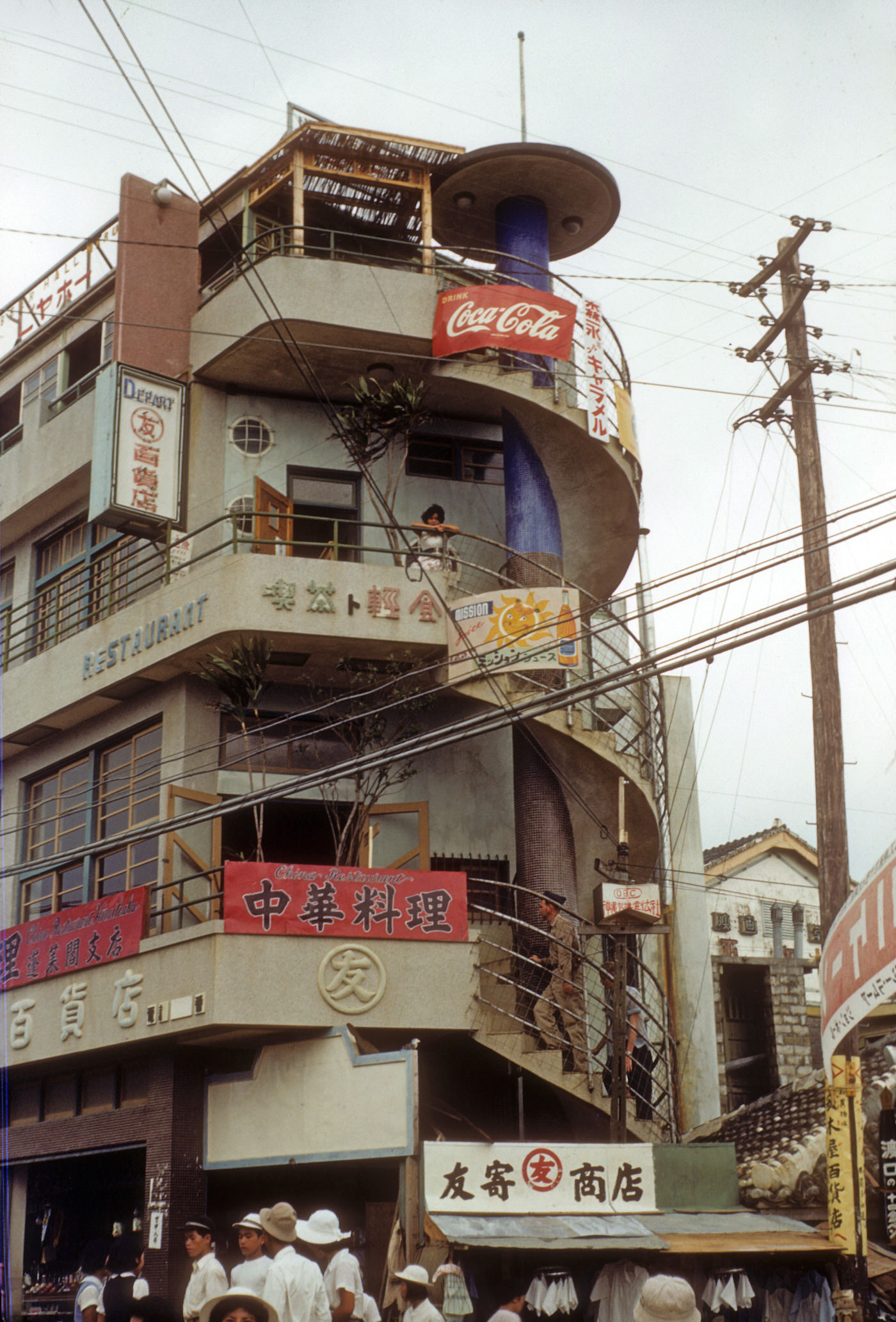
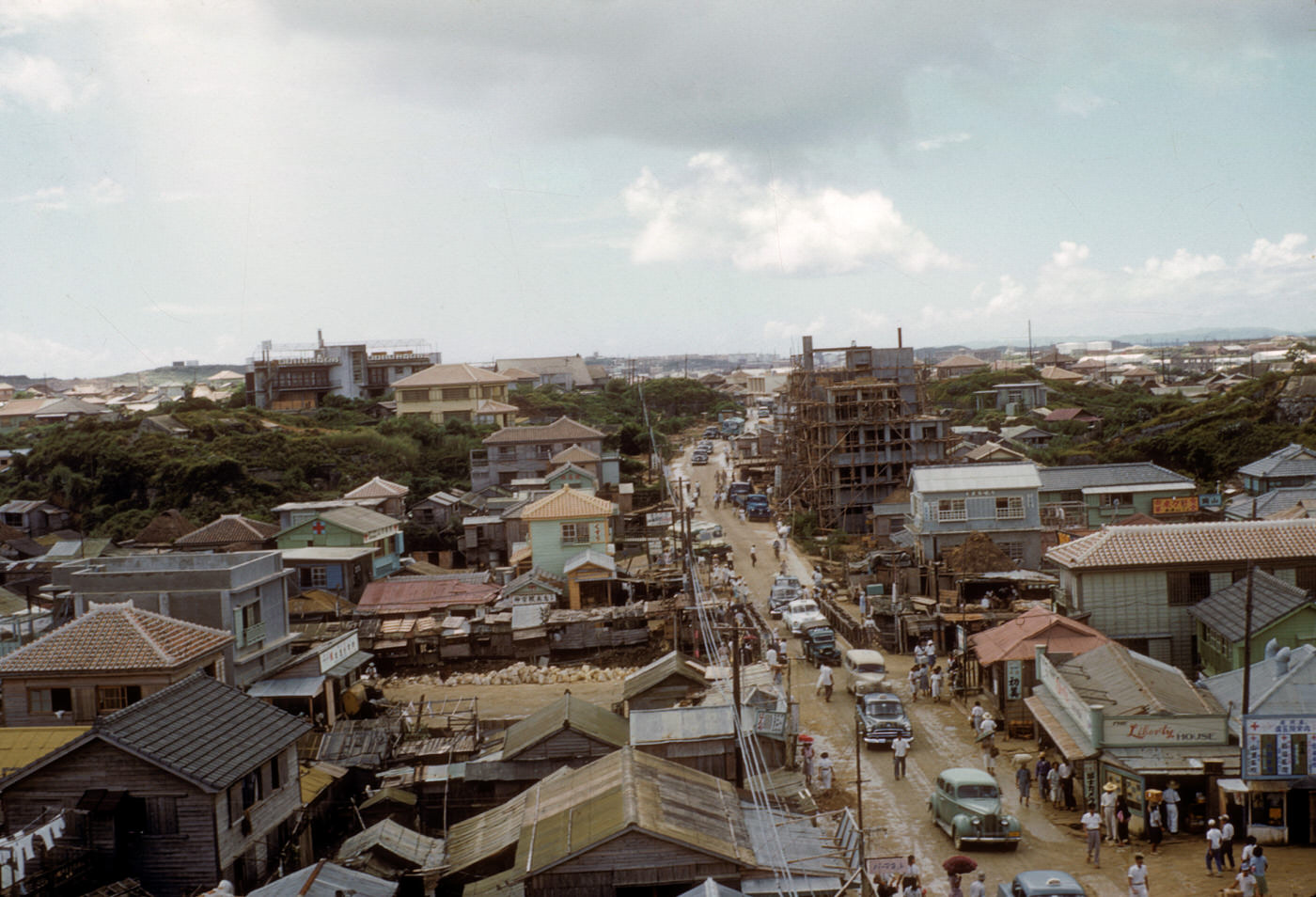
Naha, Okinawa’s main city, showed a fascinating mix of destruction and rebuilding. War damage was still visible alongside newly constructed shops and department stores. Ancient landmarks like the Nakagusuku Castle walls stood near growing commercial districts.
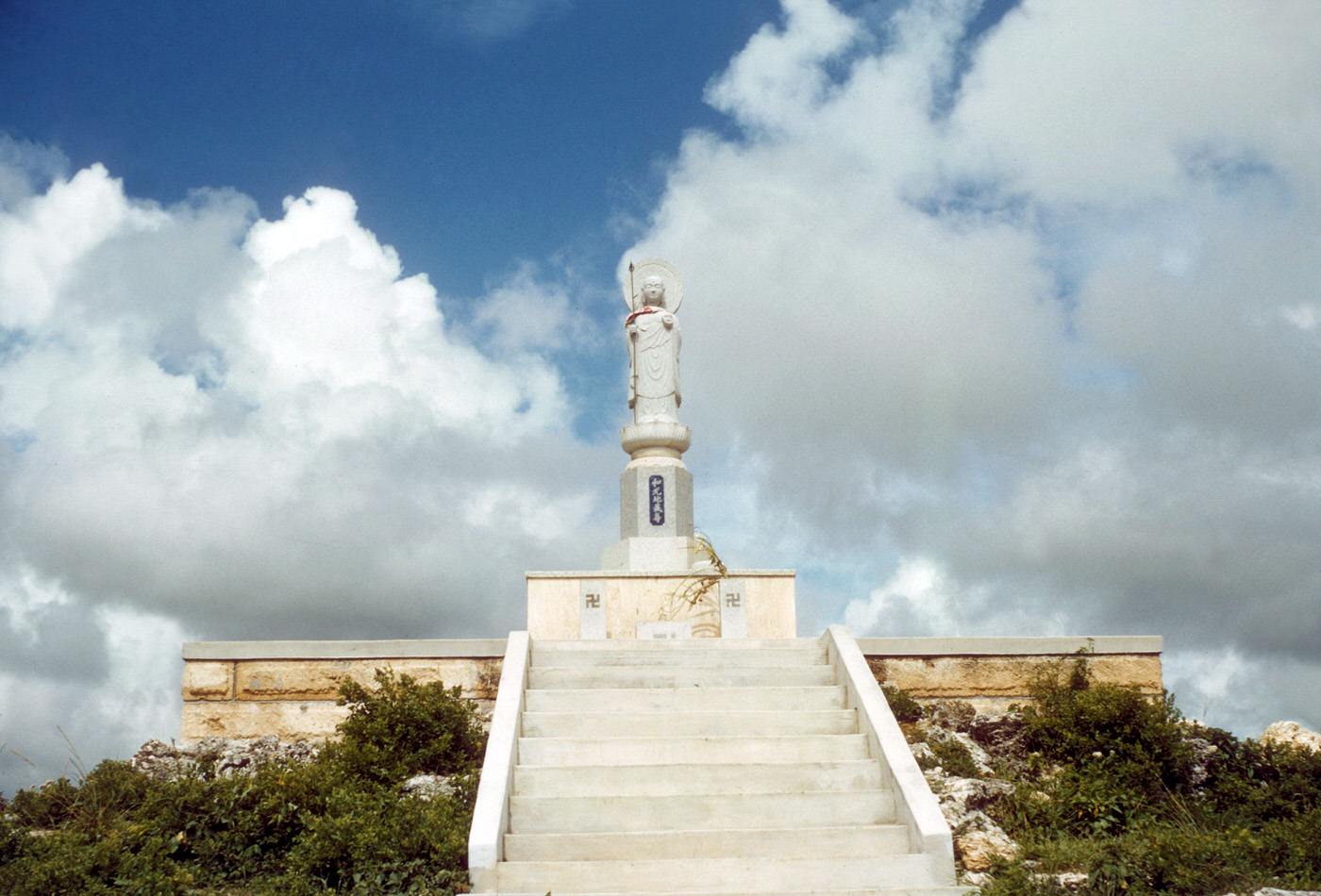
Buddha statue in Naha, 1954
Changes in schools in Nago, 1954
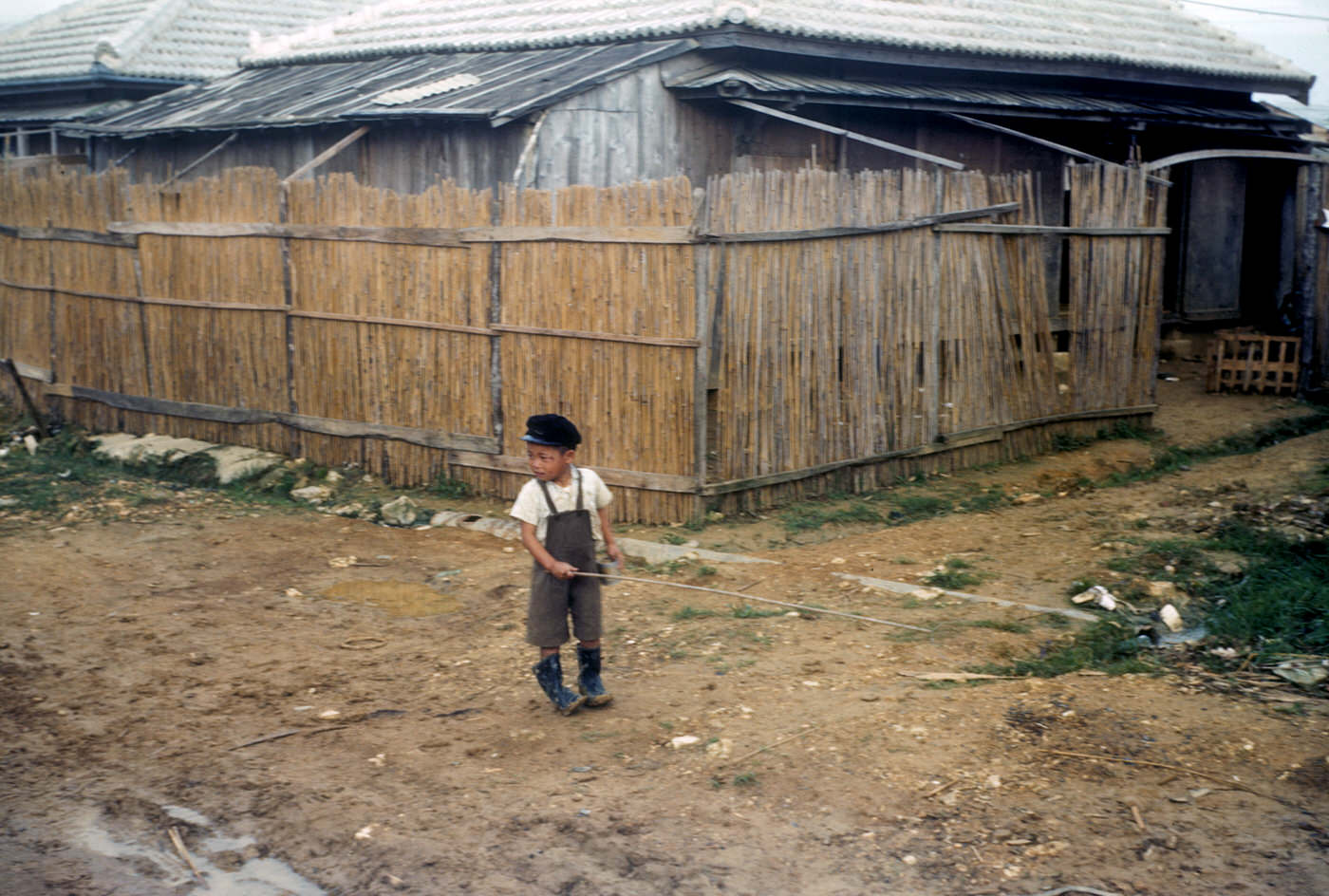
Chasing butterflies, 1954
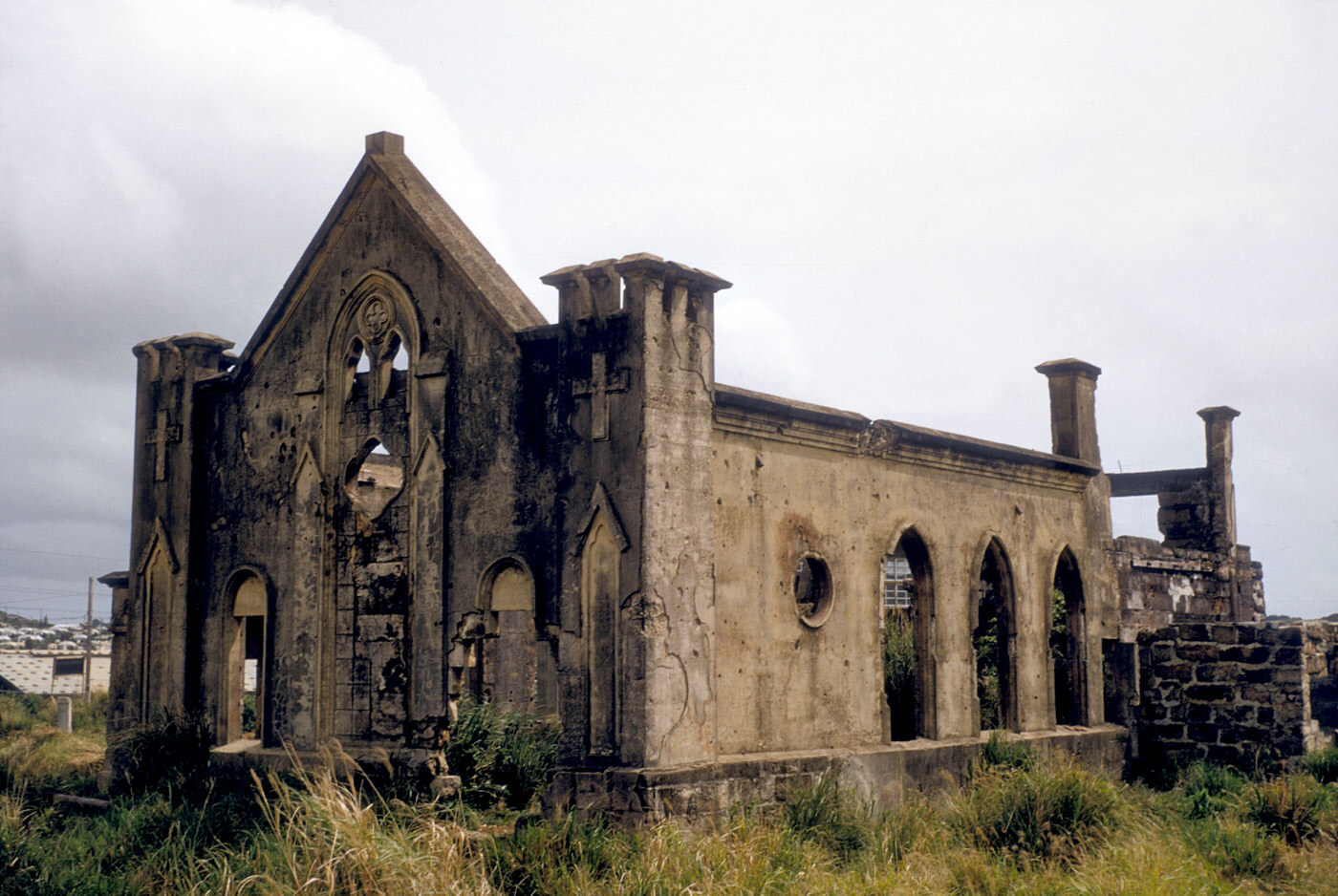
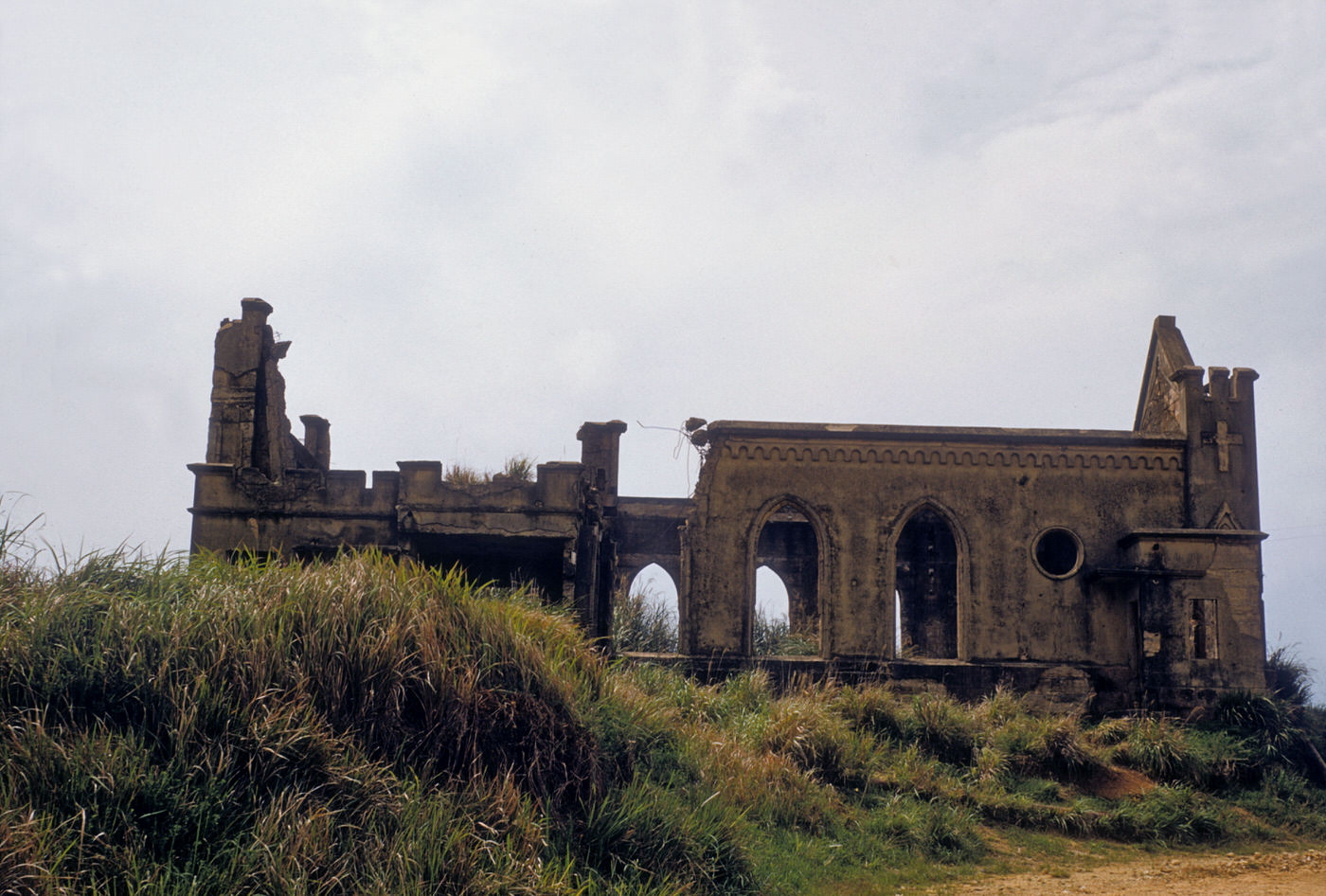
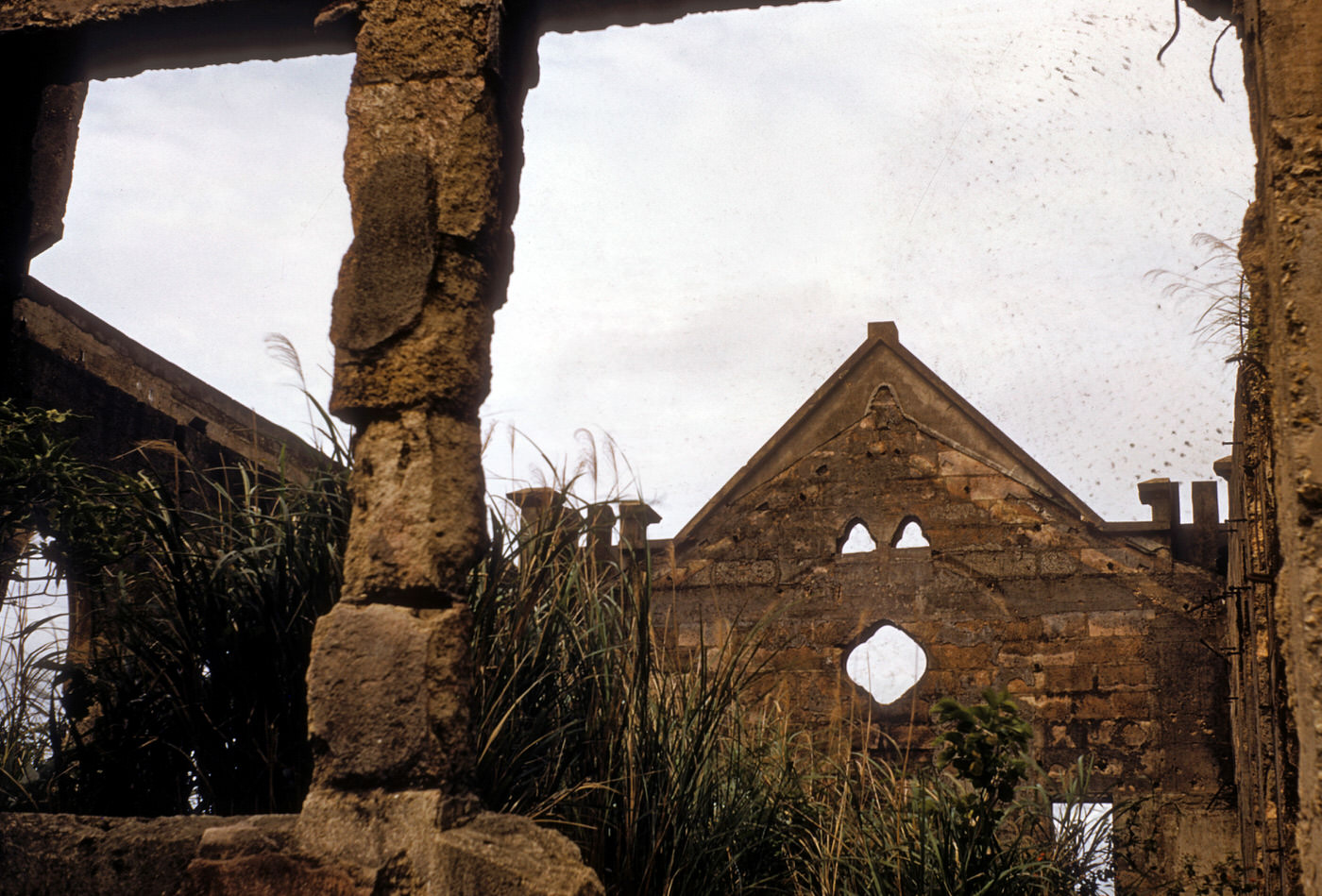
Church destroyed during the war, 1954
Clowns advertising, 1954

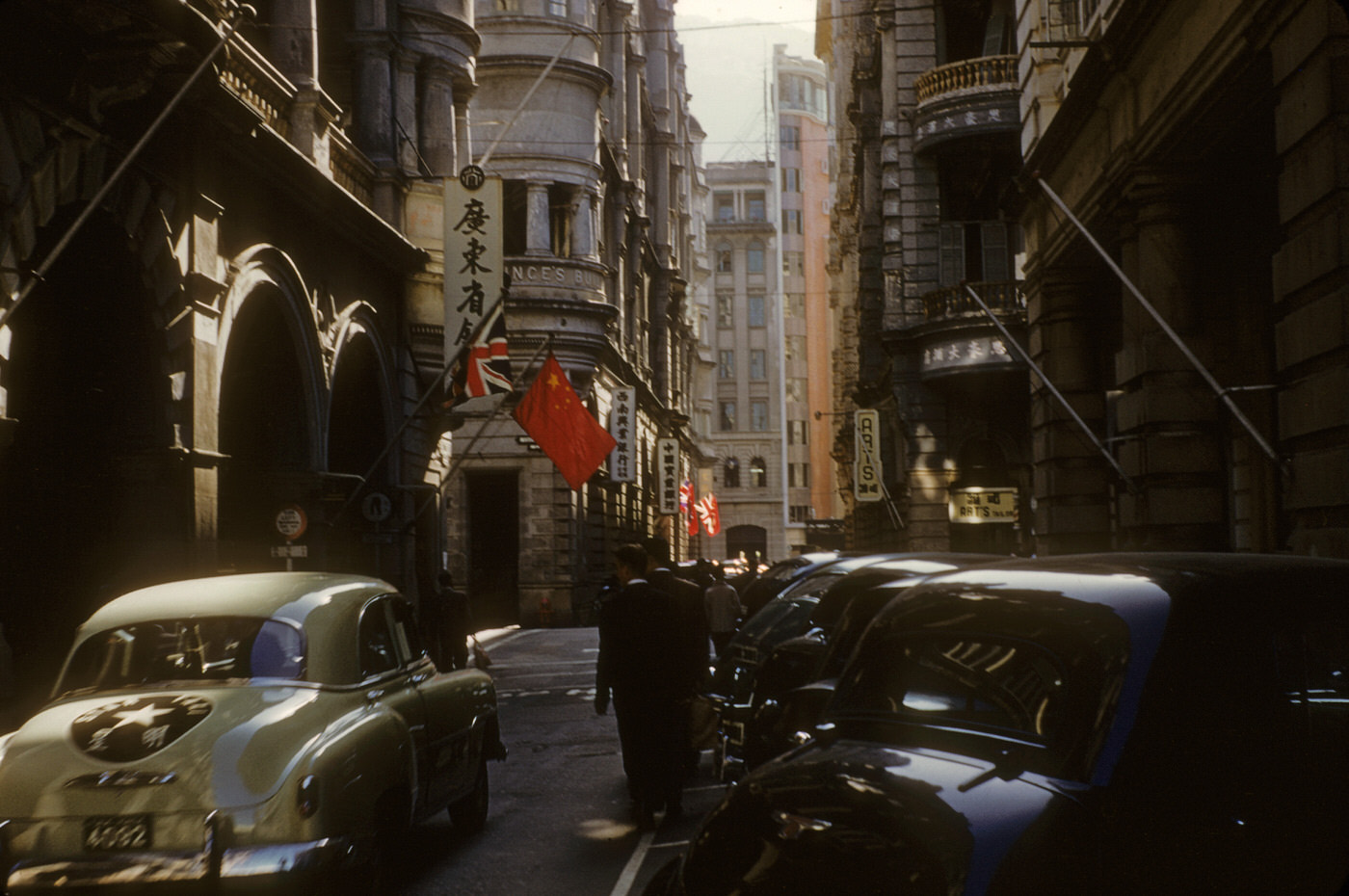
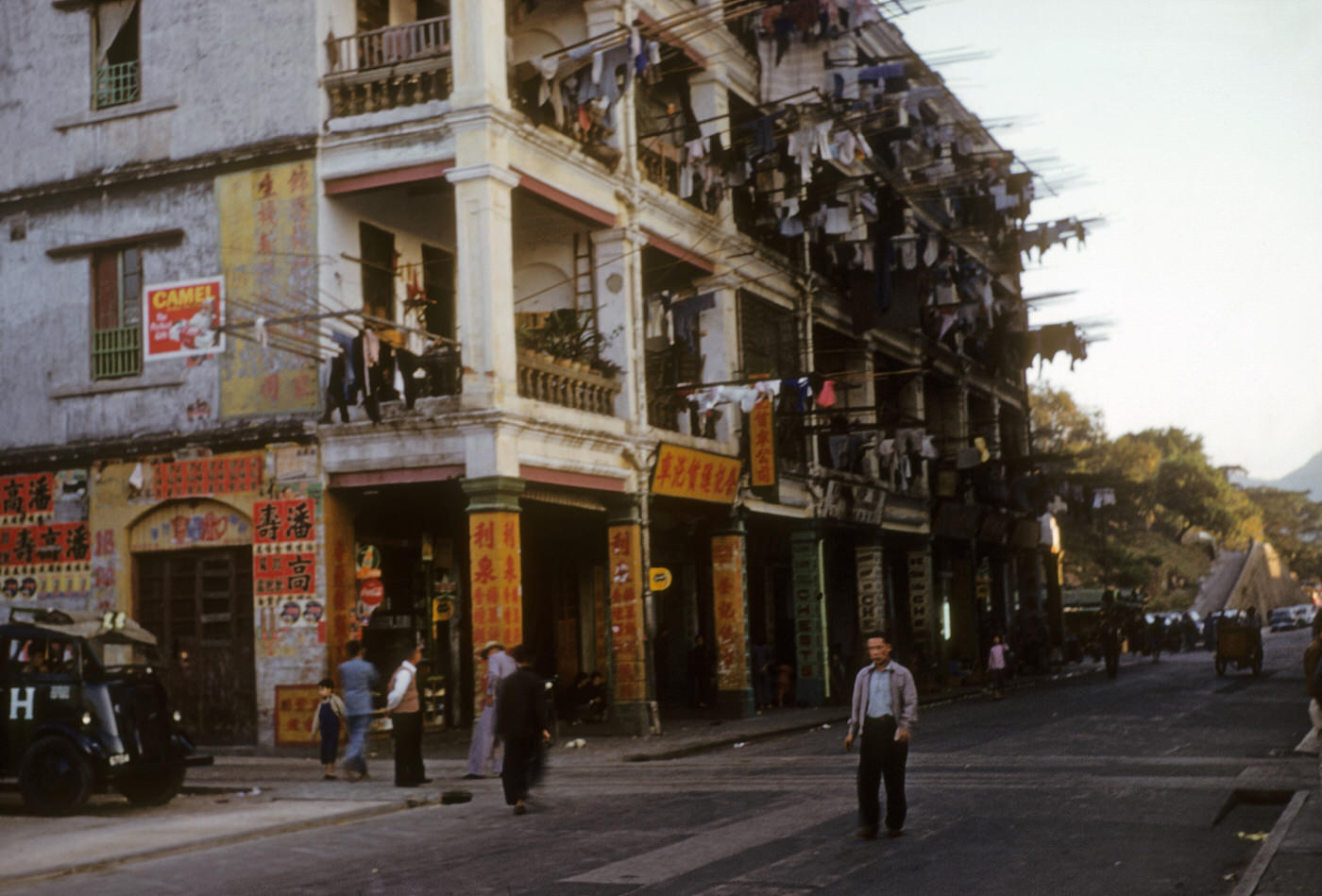
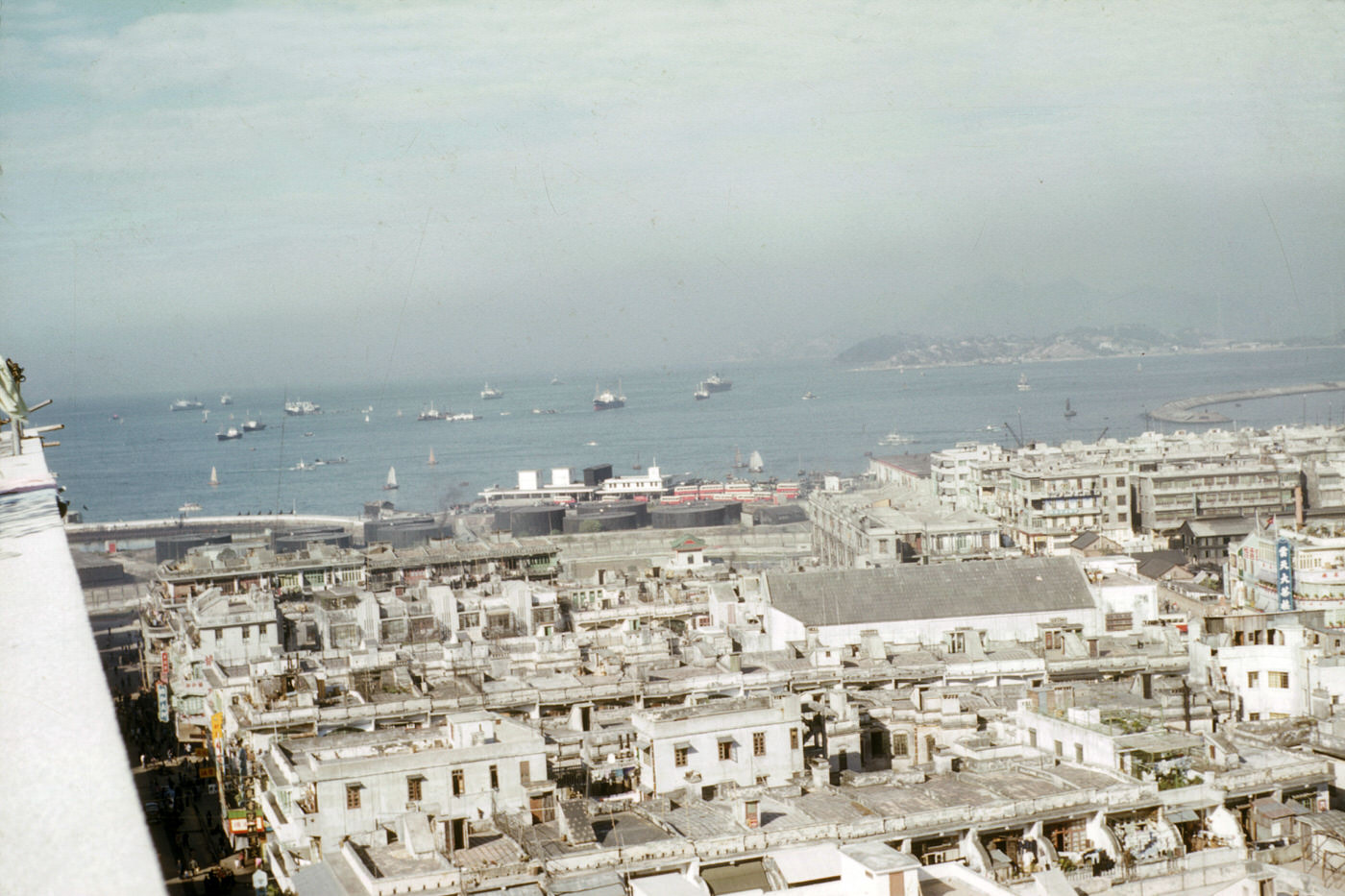
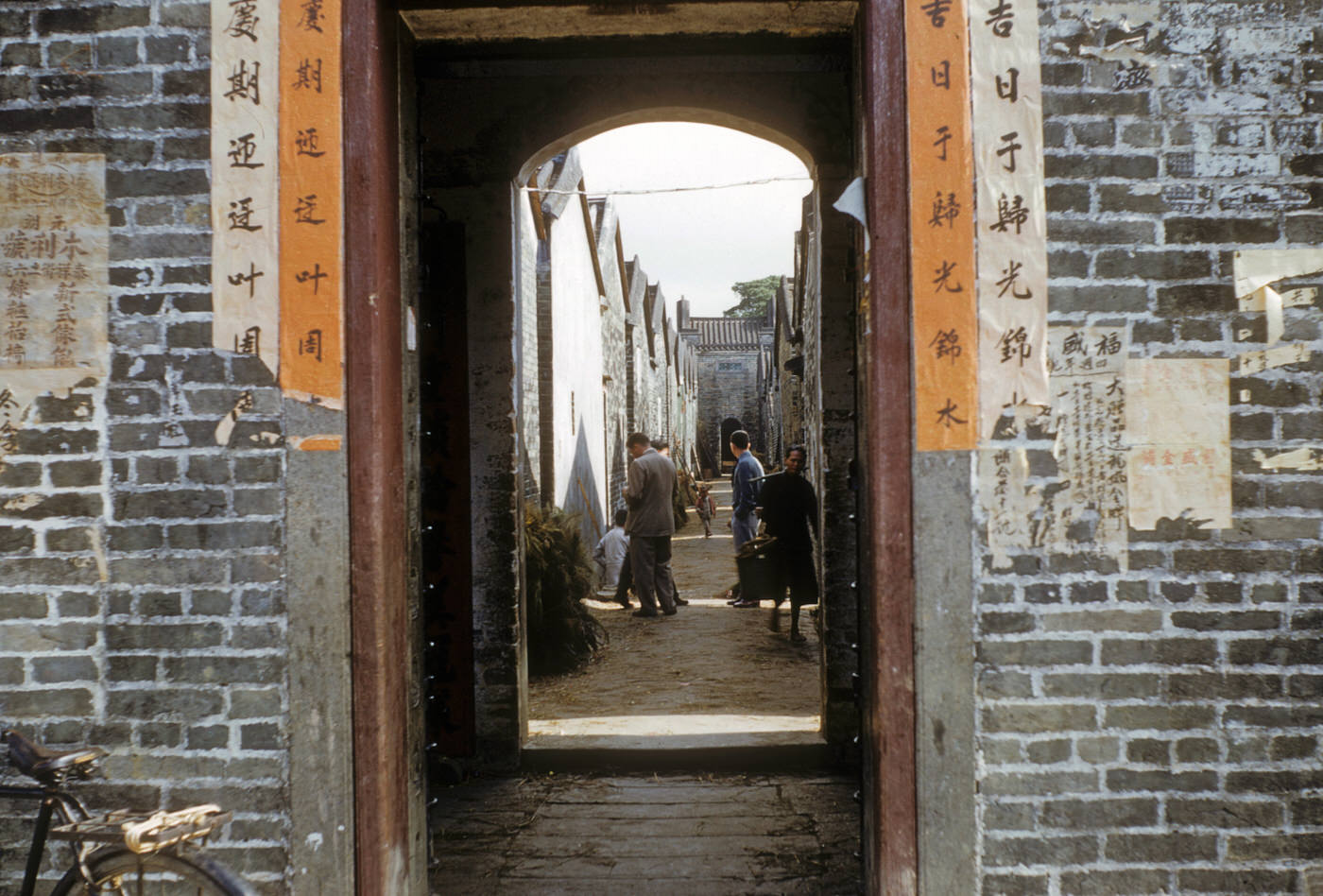
His travels took him to Hong Kong, then a British territory and one of Asia’s busiest ports. The city’s streets were full of energy — markets, dense crowds, and the unmistakable mix of British colonial architecture and Chinese culture. One photo even placed him near the border with mainland China.
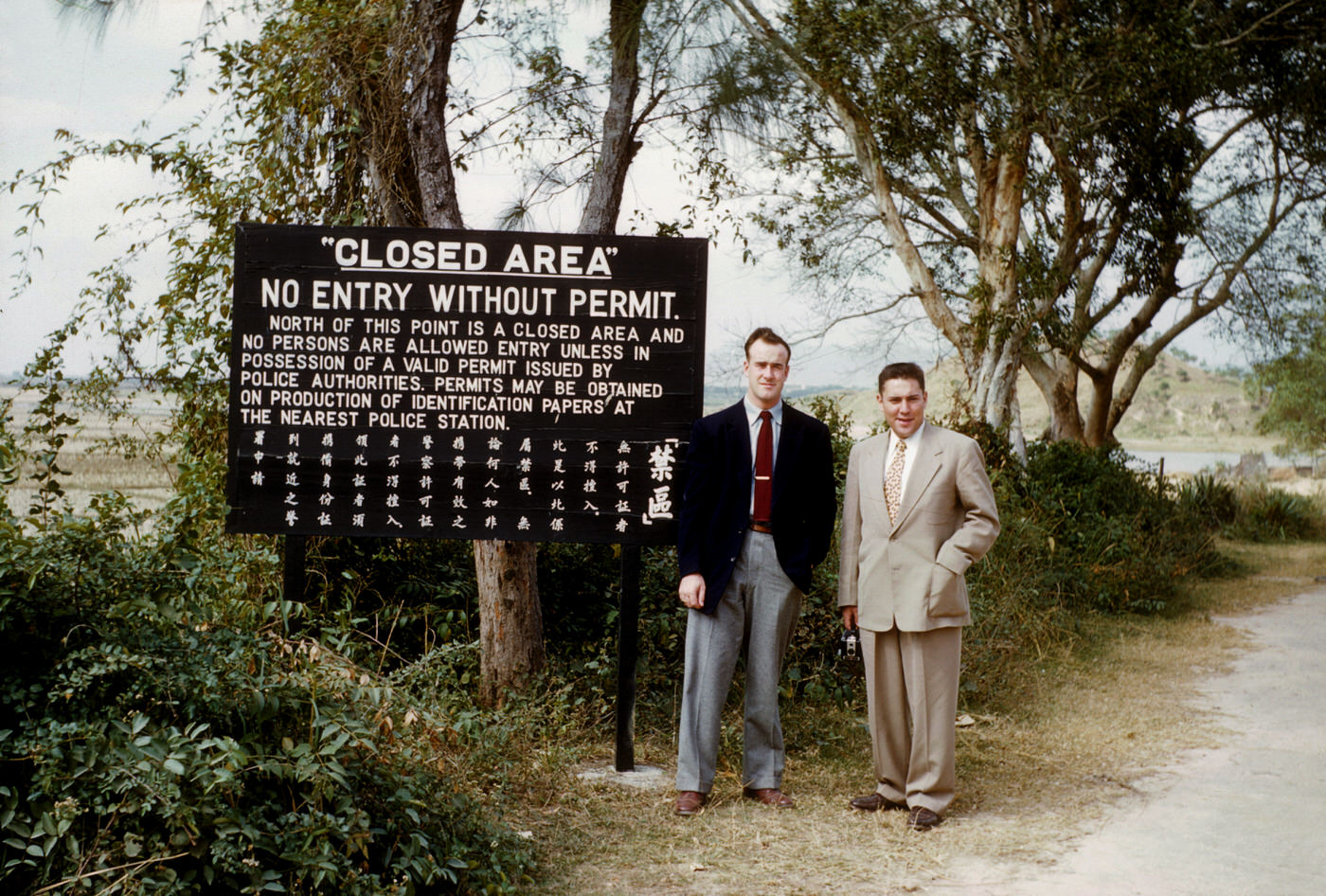
Charley and I near Red China, Hong Kong, 1954
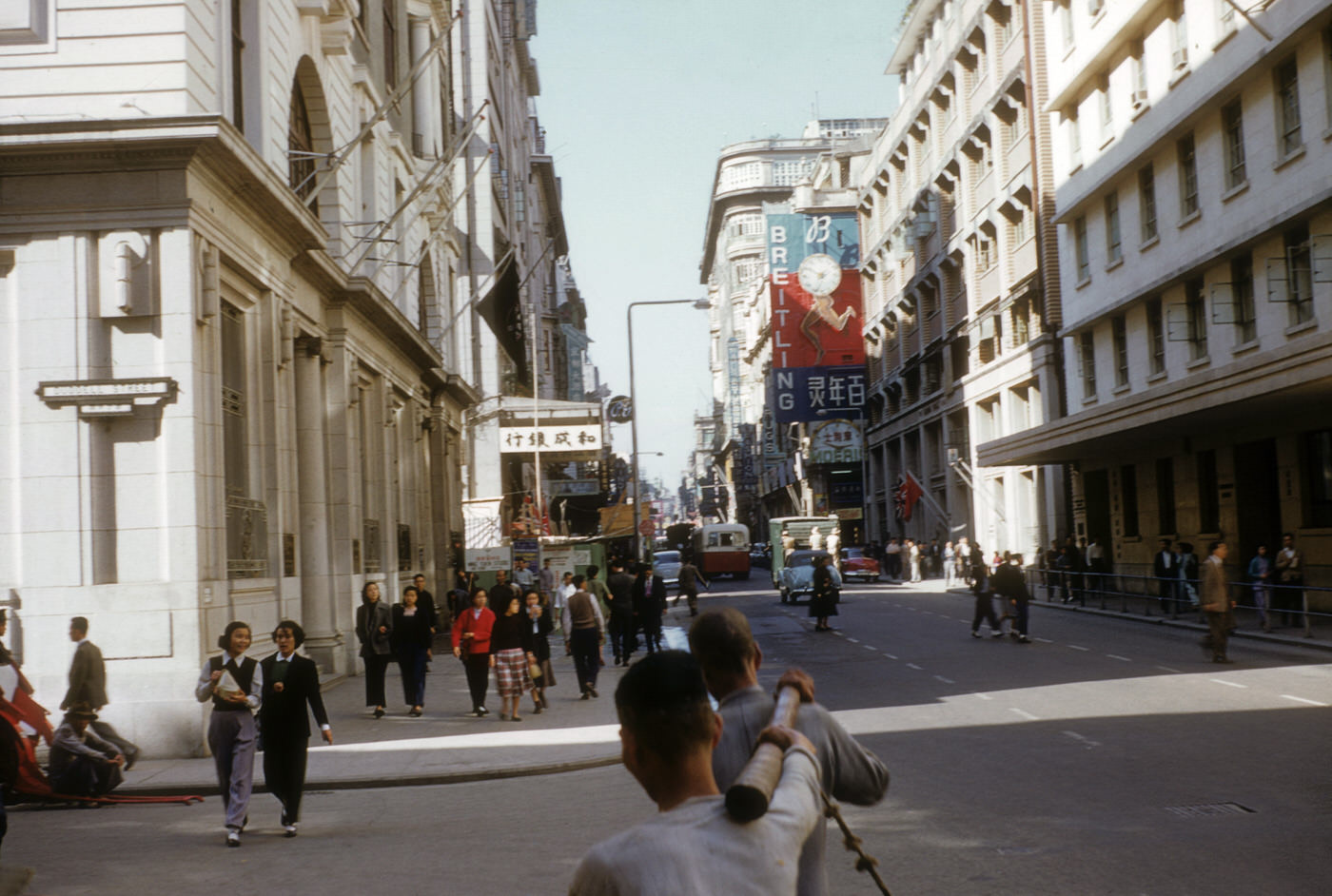
Kowloon, Hong Kong, 1954
Girls crusading for chastity, morals, and birth control, 1954
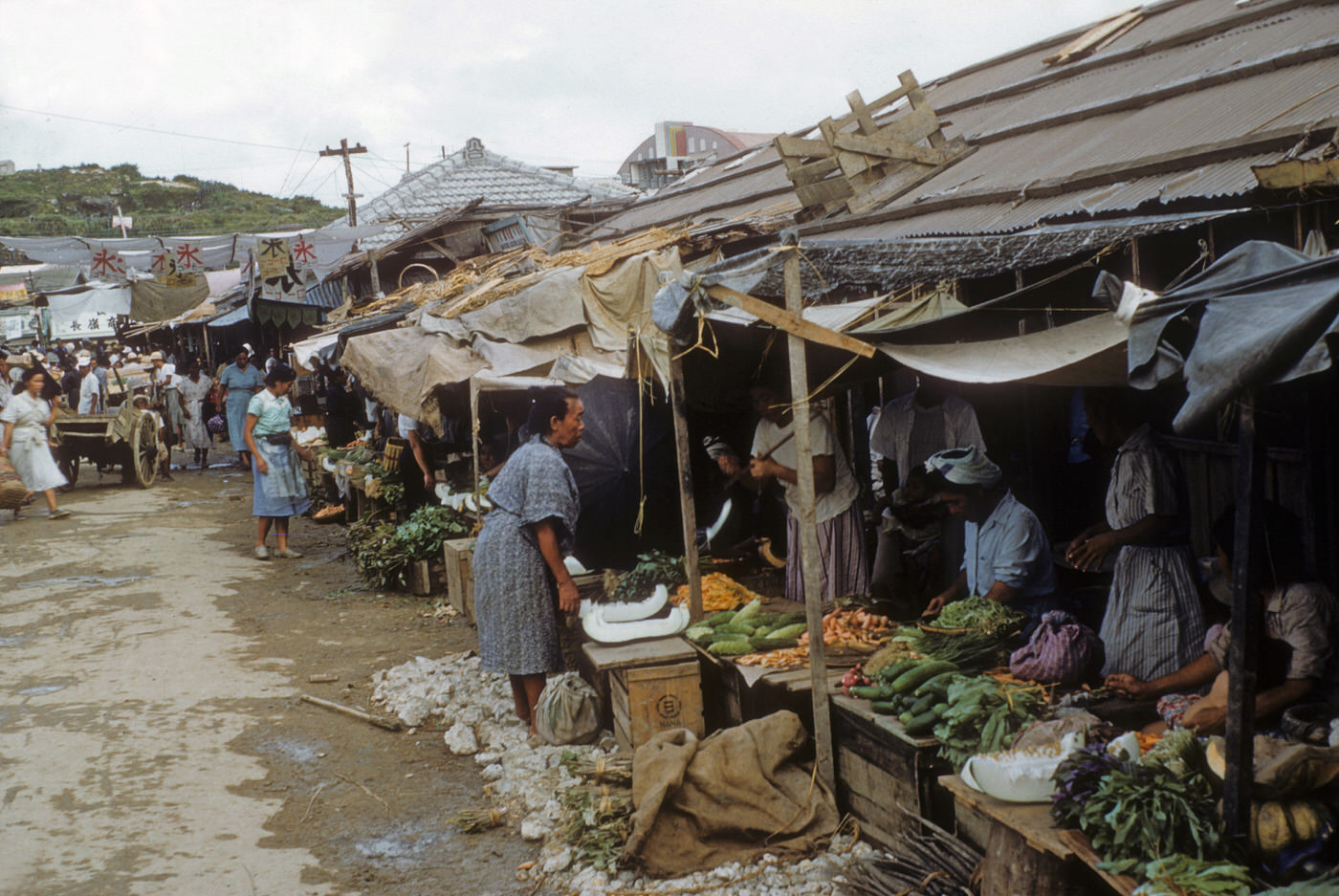
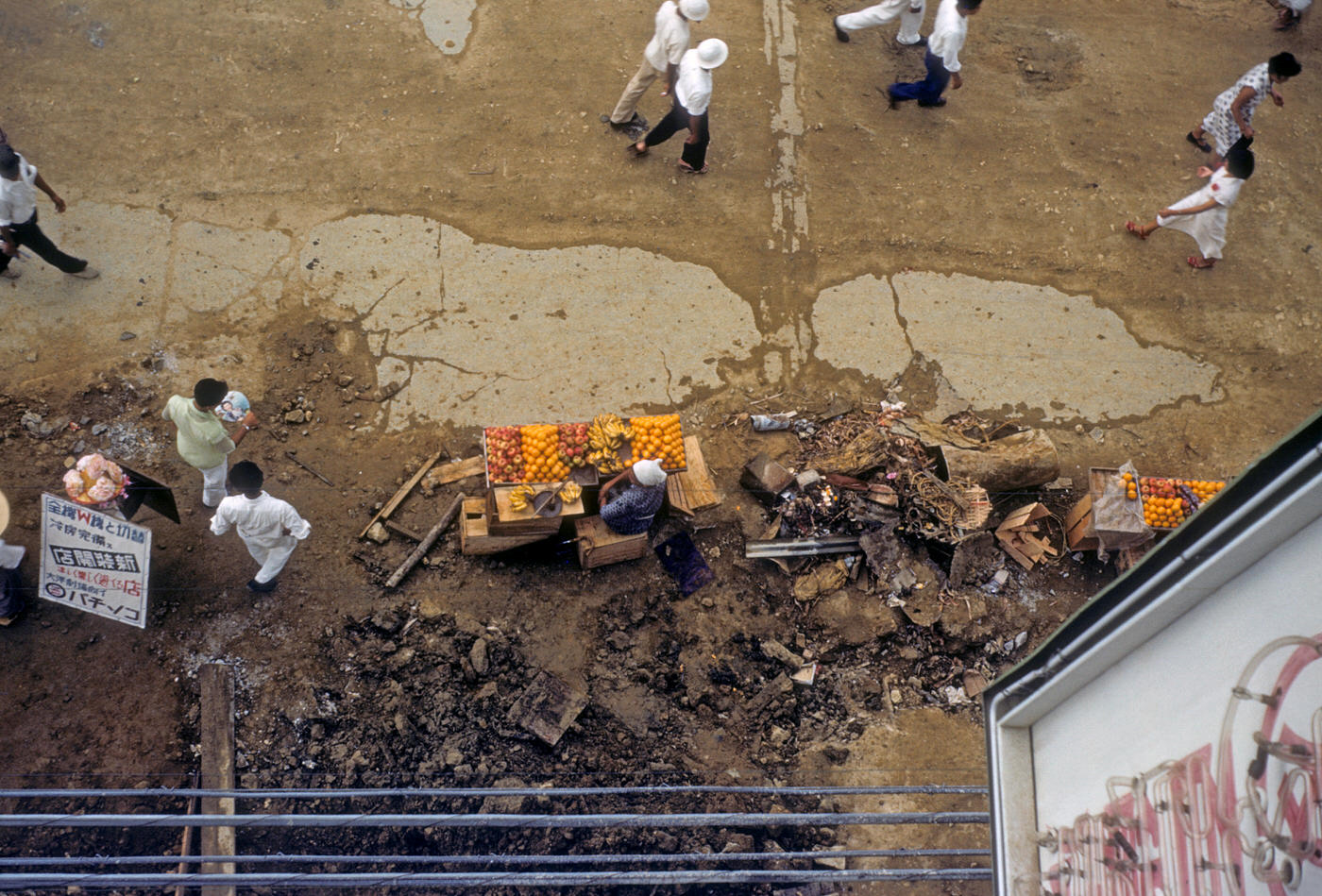
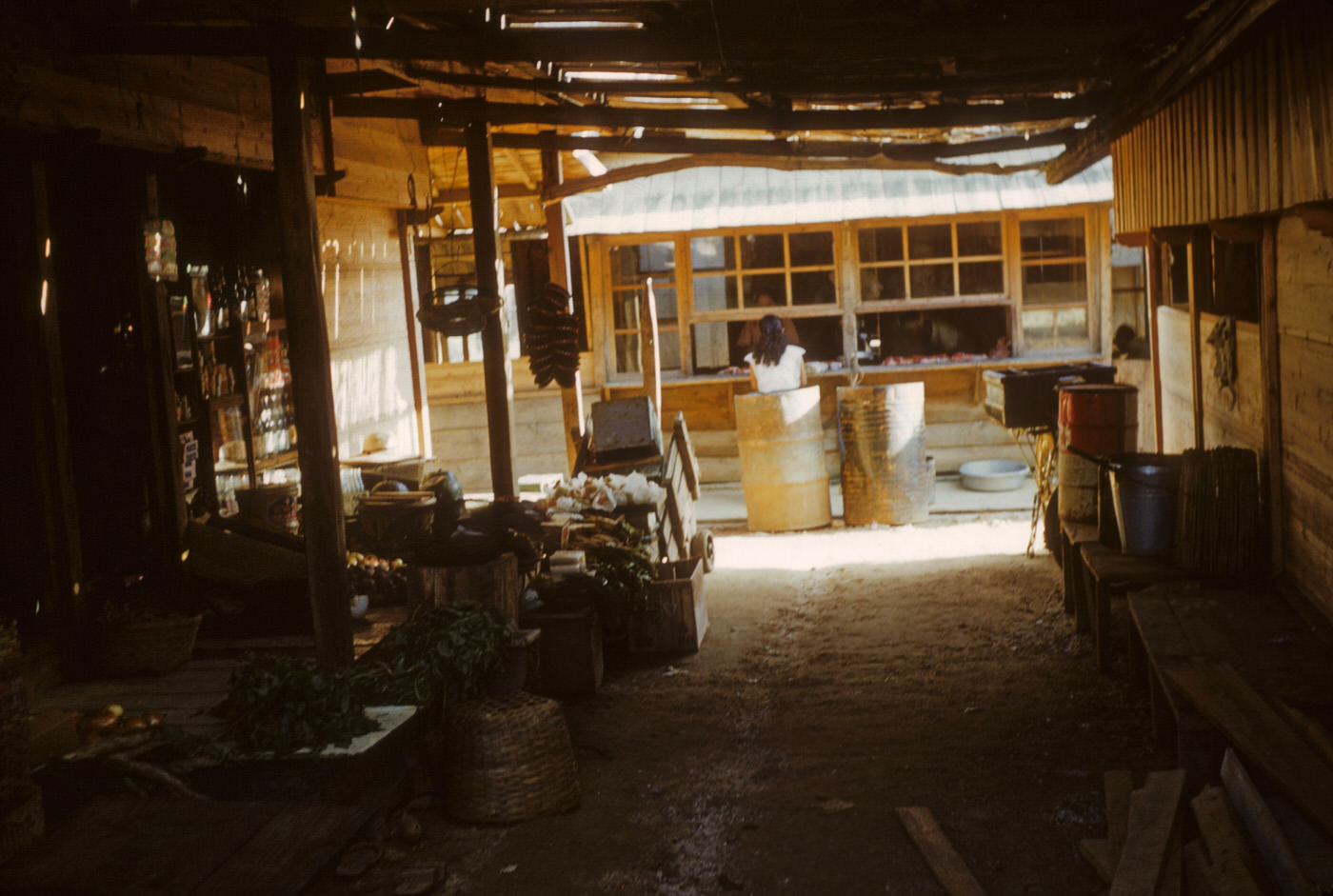
Fruit and vegetable market in Naha, 1953
Government of Ryukyu Islands building, 1954
Hong Kong, 1954
Hong Kong, 1954
Hong Kong, 1954
Hong Kong, 1954
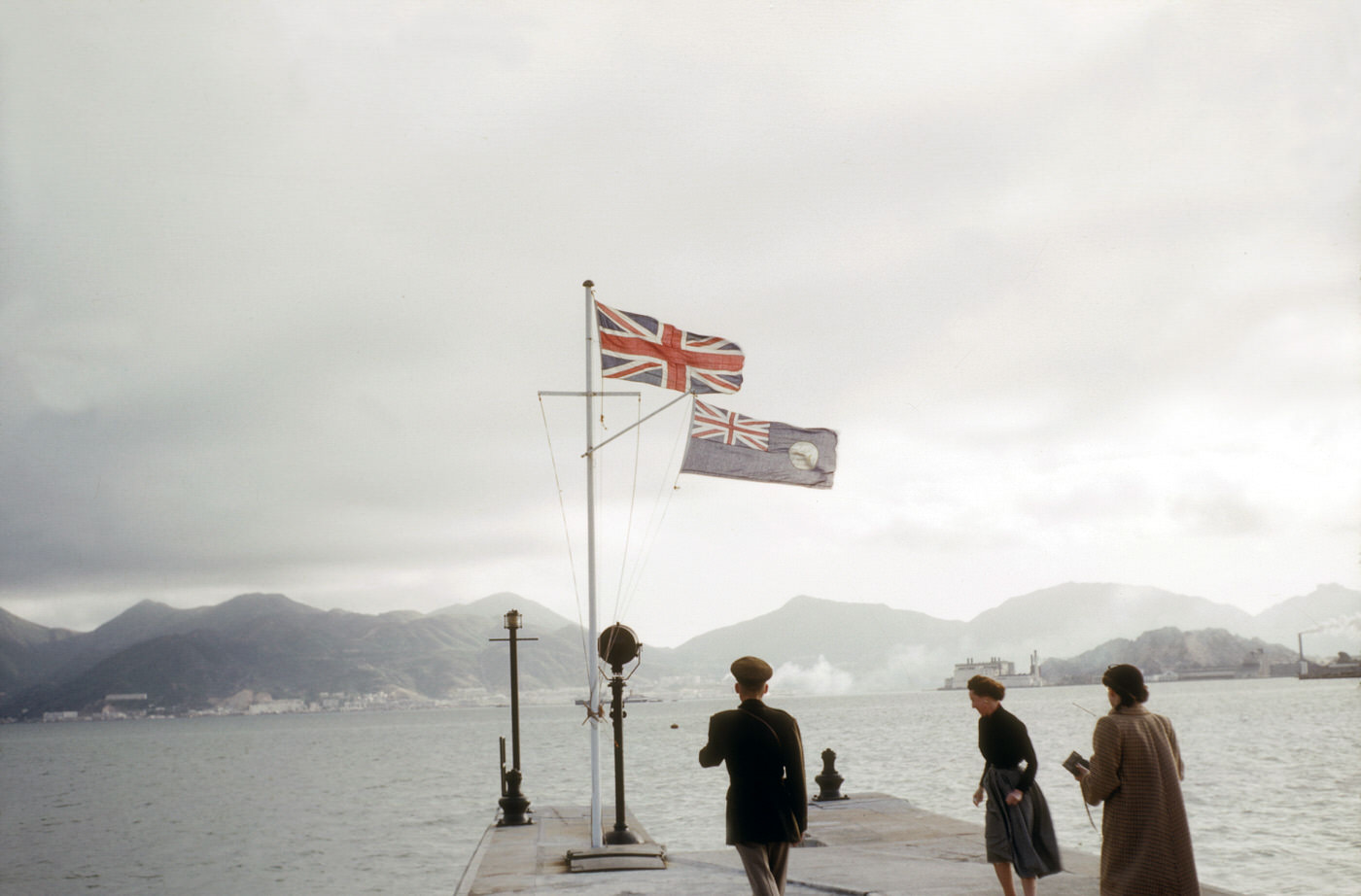
Hong Kong, British and Chinese flags, 1954

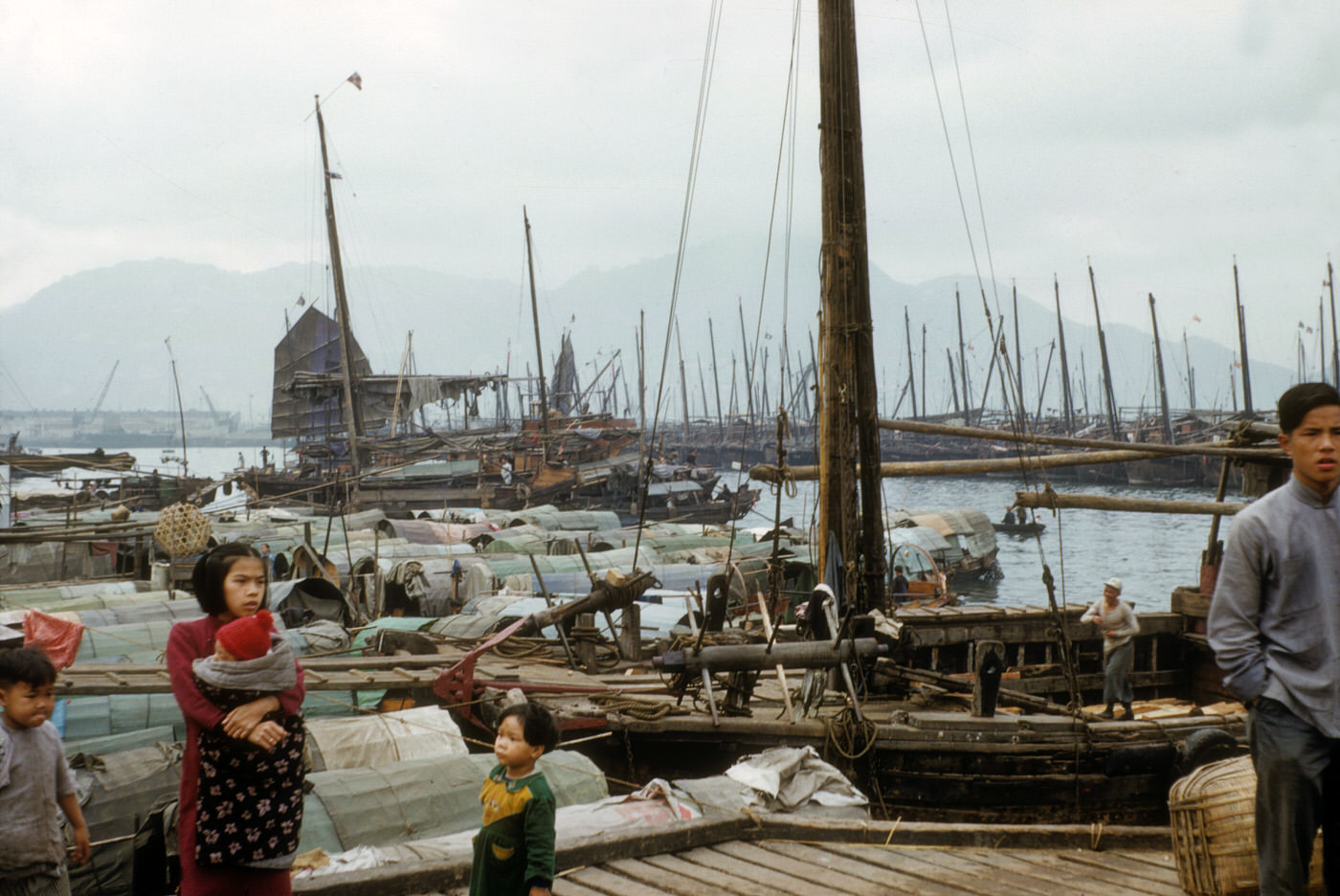
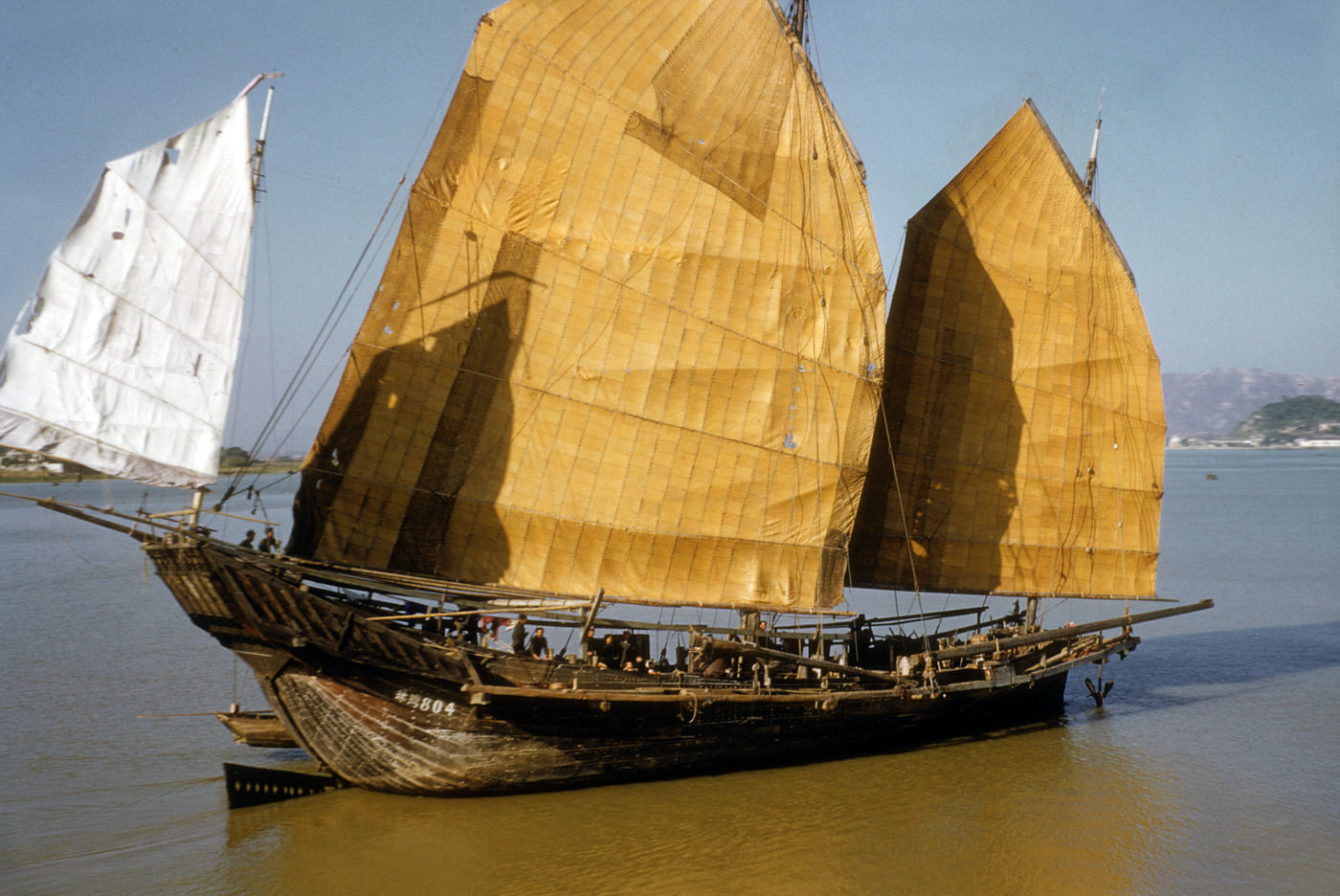
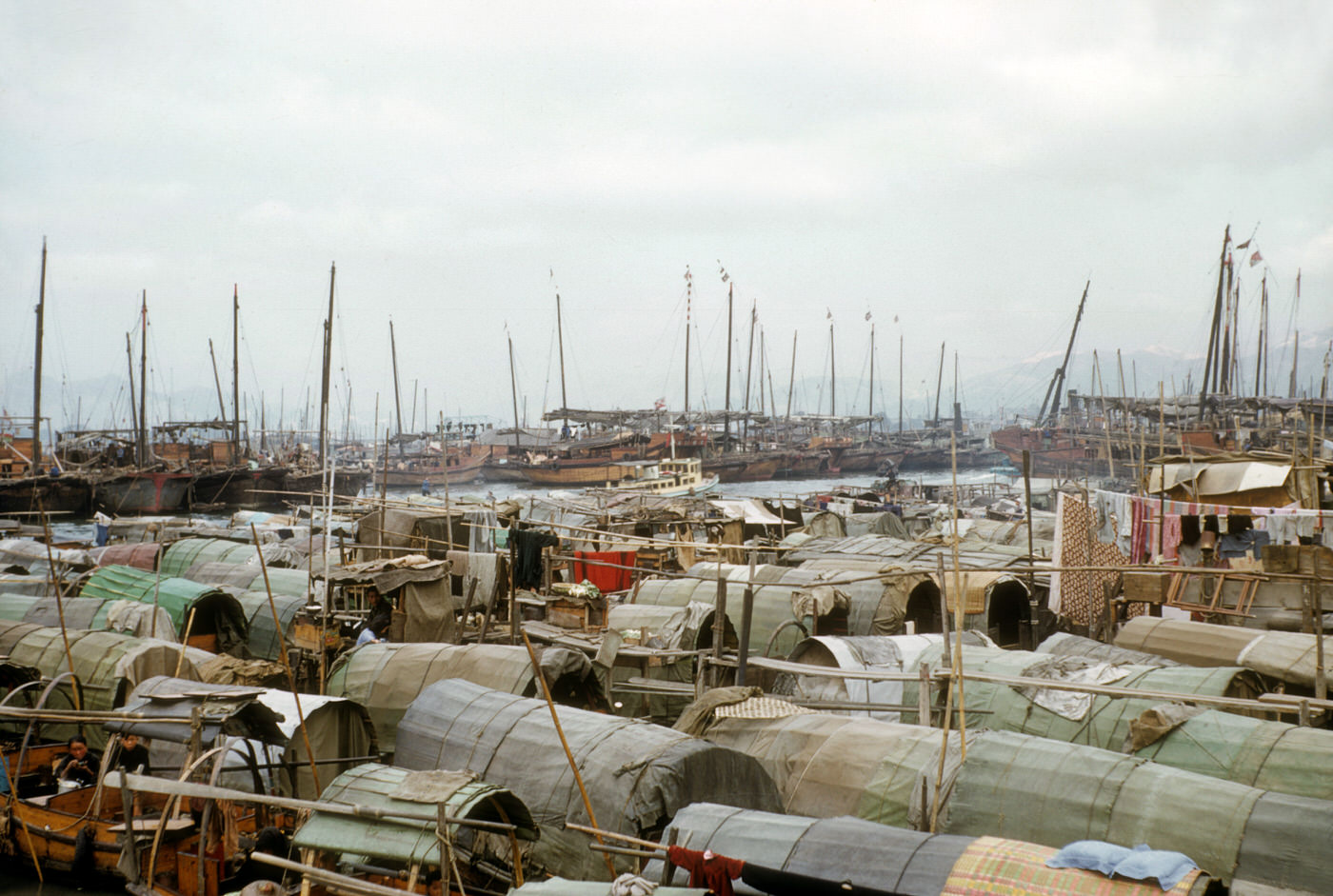
Hong Kong harbor was a hub of constant movement. Traditional Chinese junks unloaded cargo alongside modern vessels, and the city’s skyline glowed at sunset. Kowloon’s street scenes buzzed with vendors, pedestrians, and the noise of daily commerce.
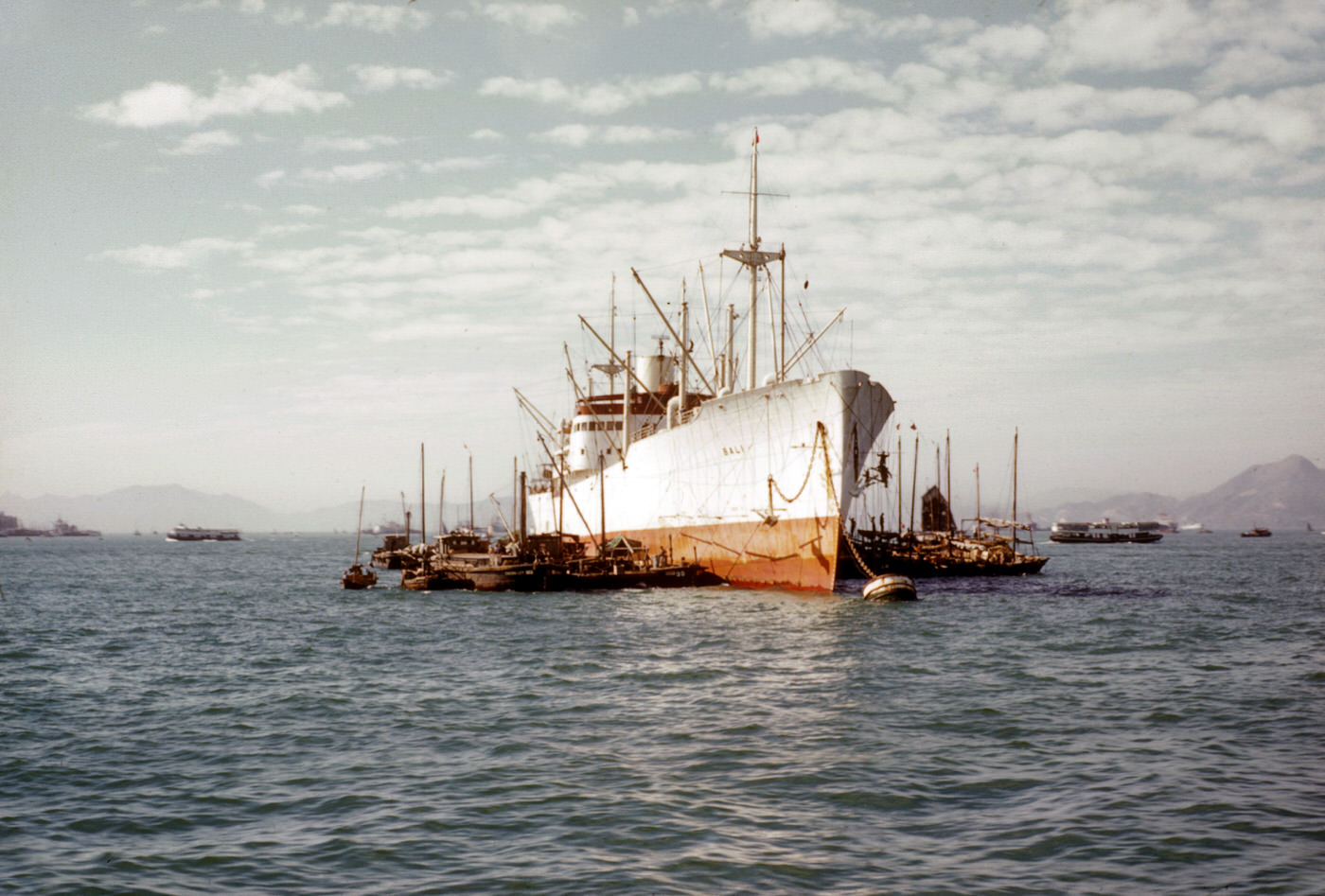
Hong Kong harbor, junks unloading, 1953
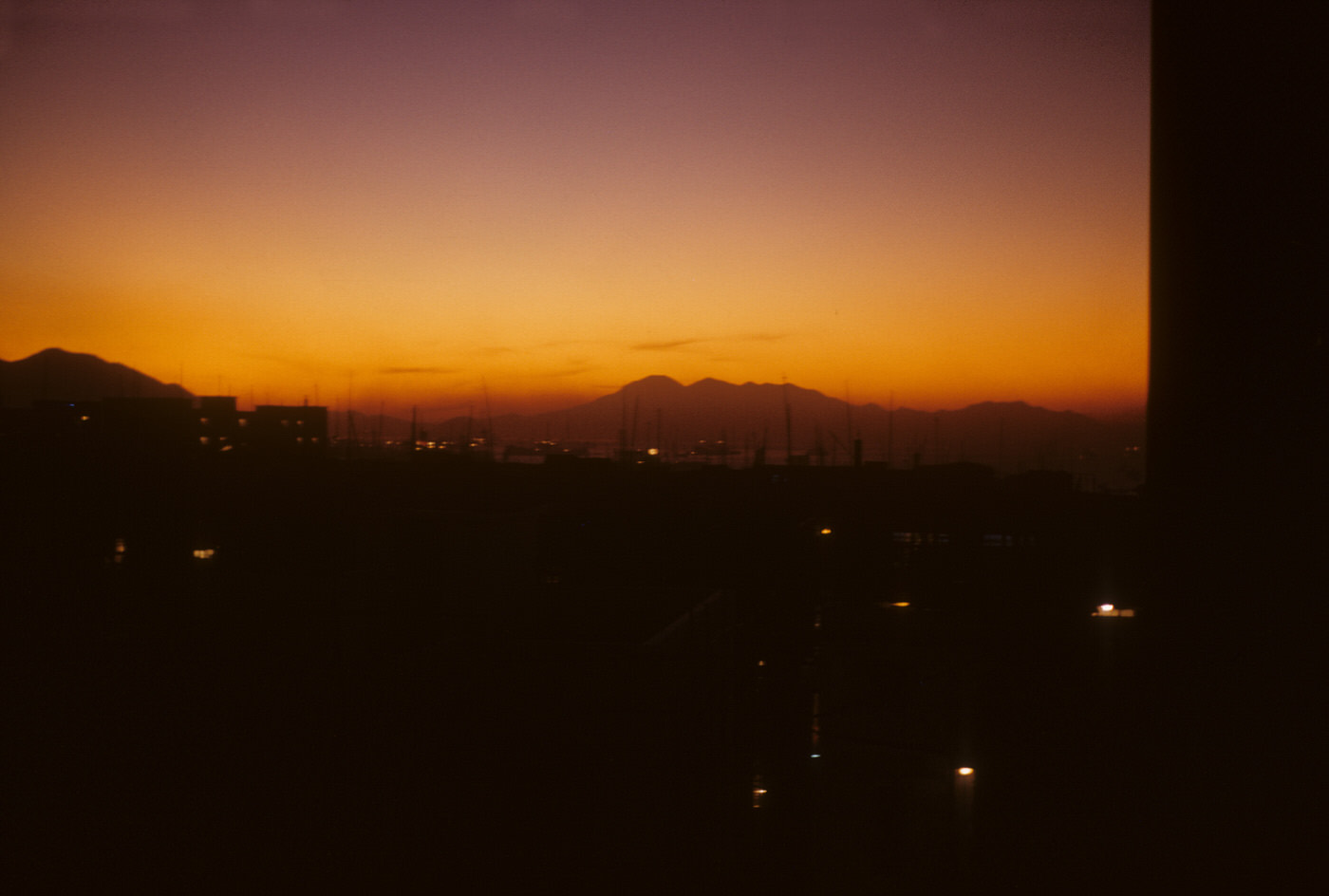
Hong Kong sunset, 1953
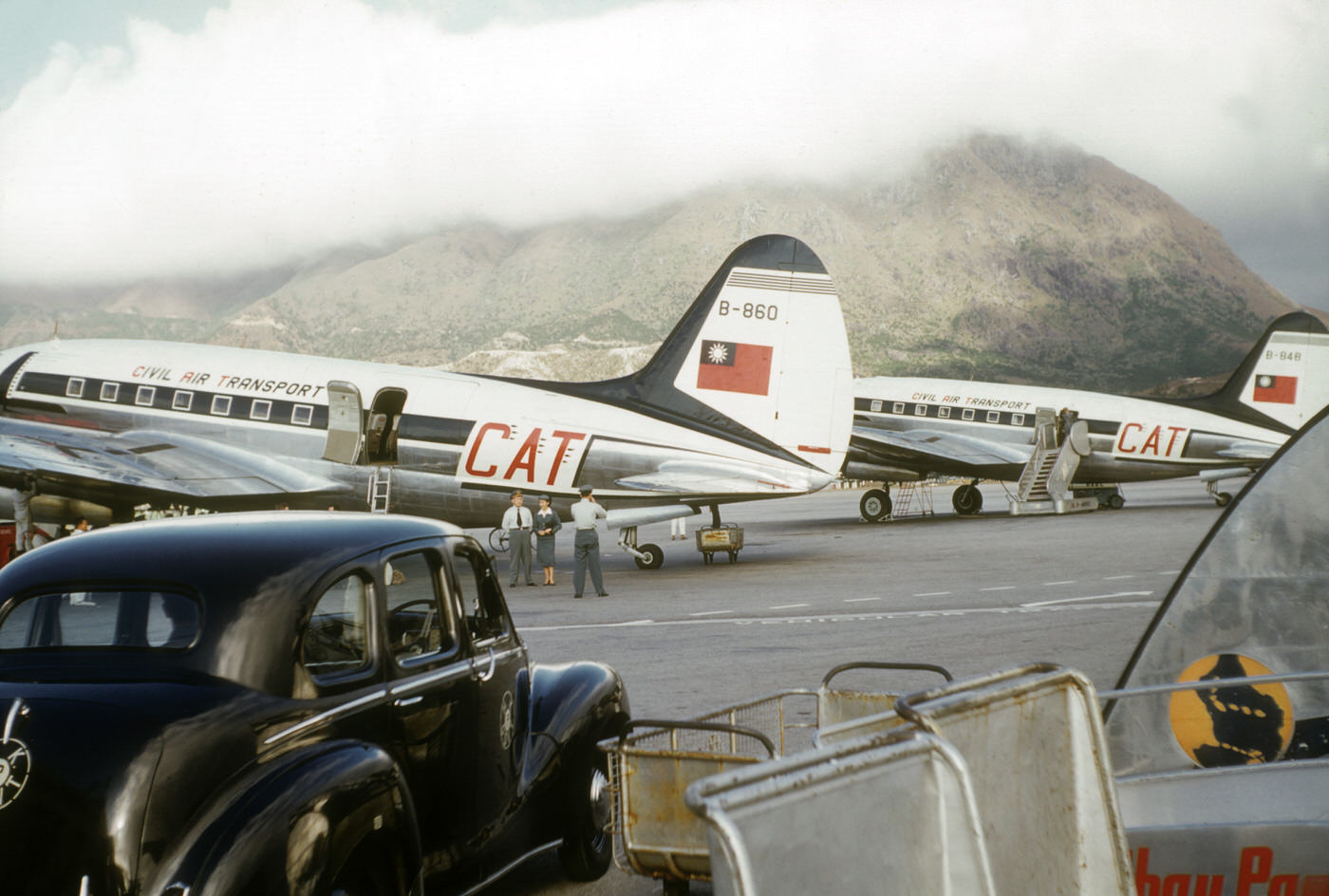
Hong Kong, plane ride to Okinawa, 1954
Junk at Macau, 1953
Junk at Macau, 1953
Kowloon, Hong Kong street scene, 1953
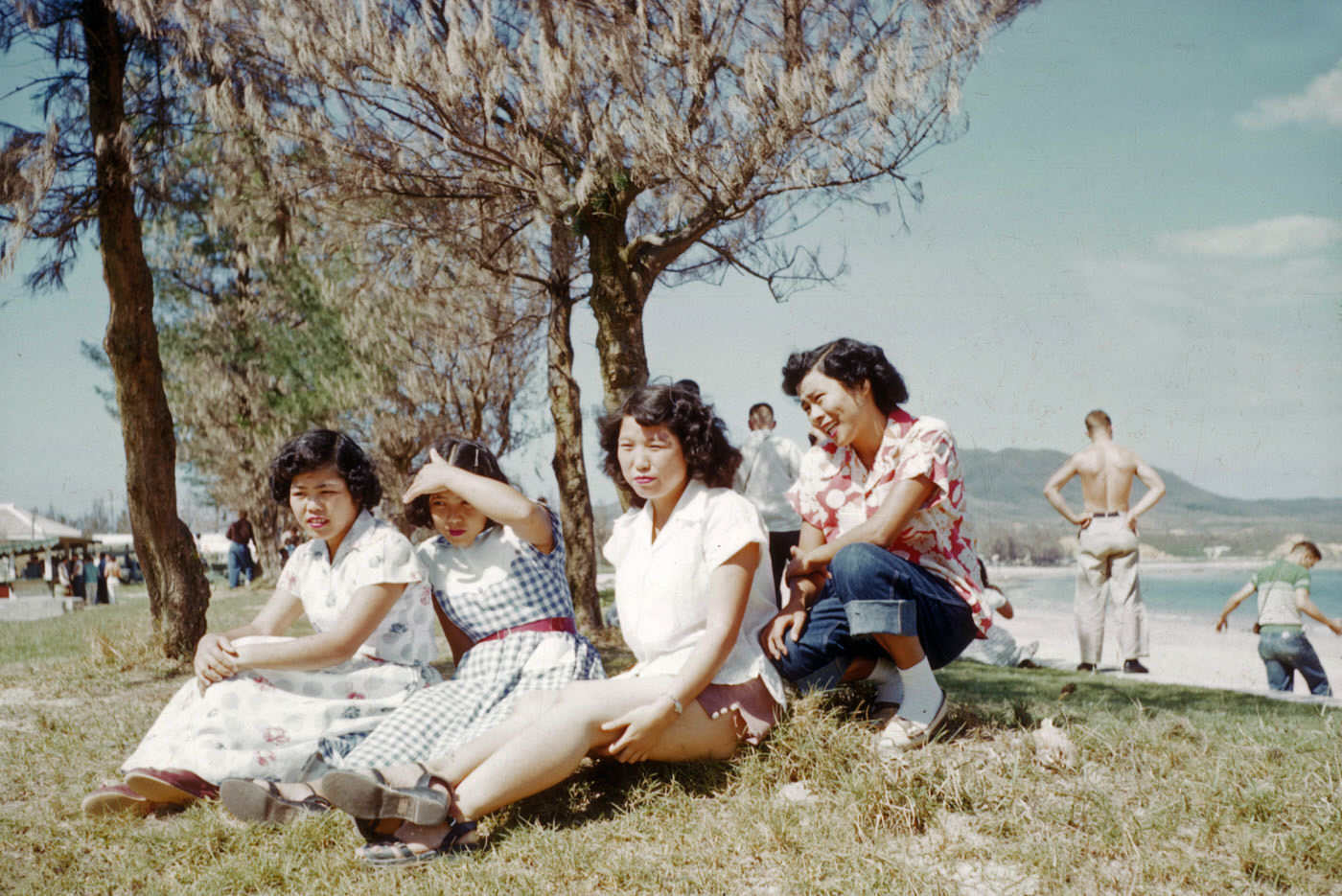
Fumiko, Eureko, Hideko, and Kazuko at Ishikawa, 1954

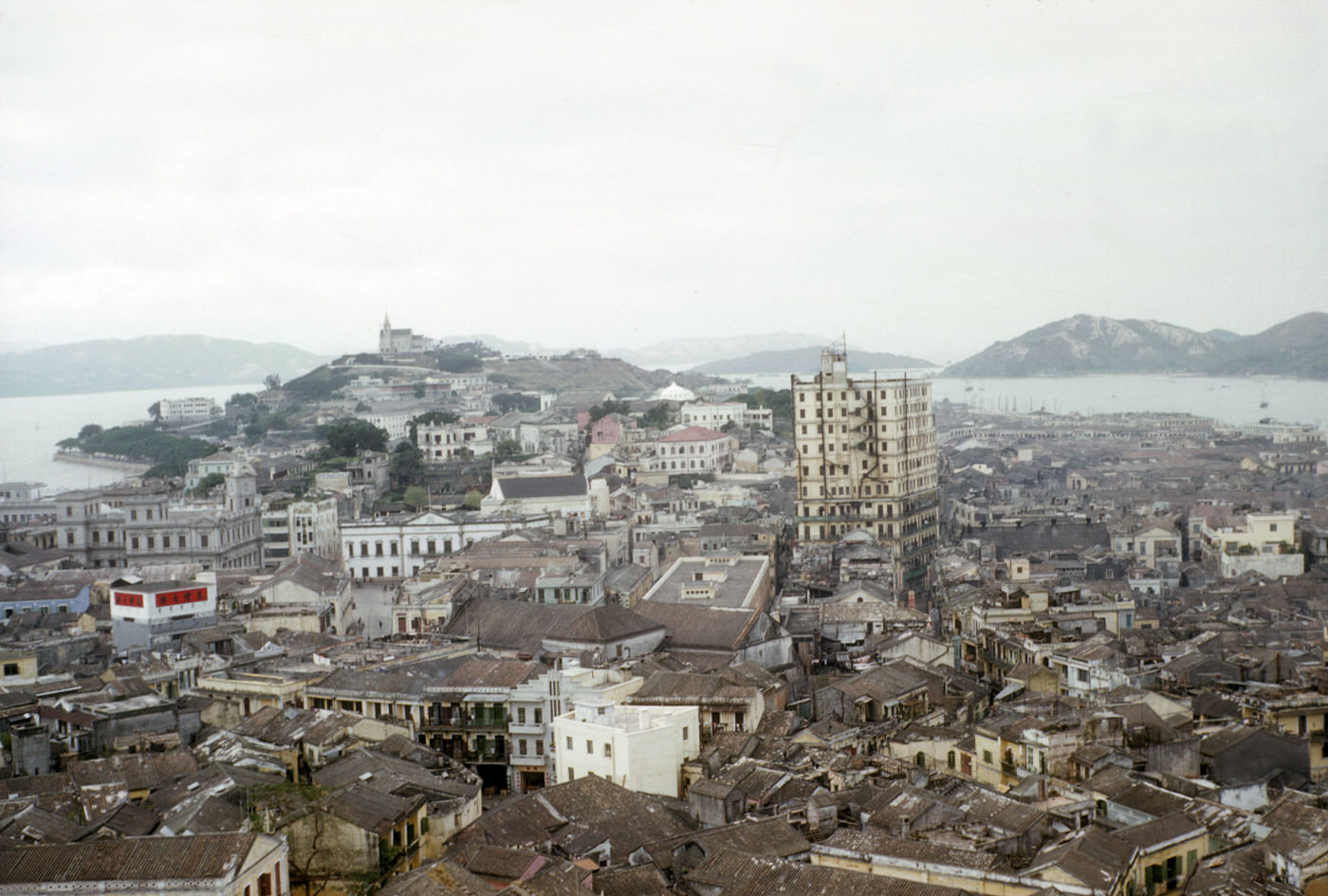
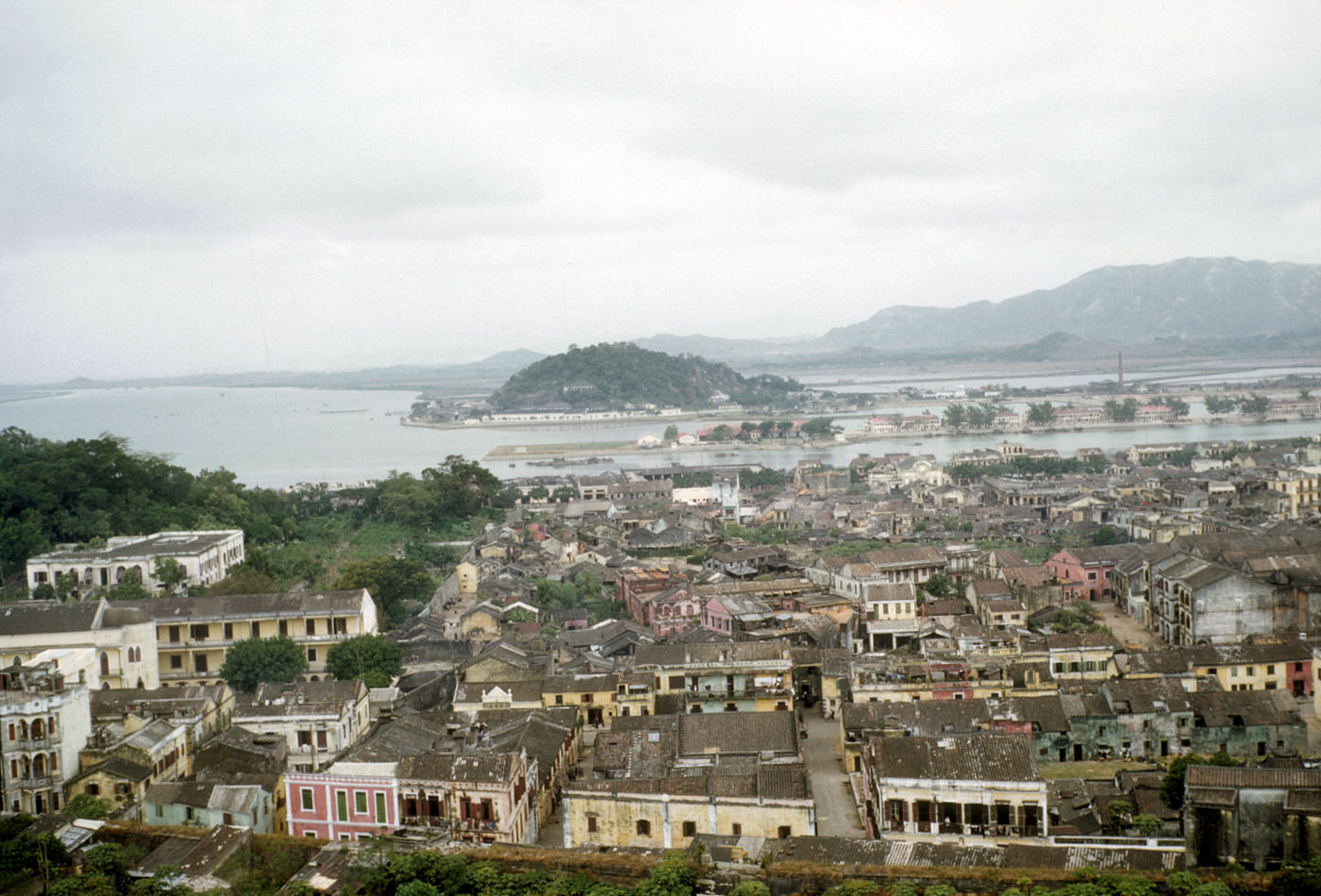
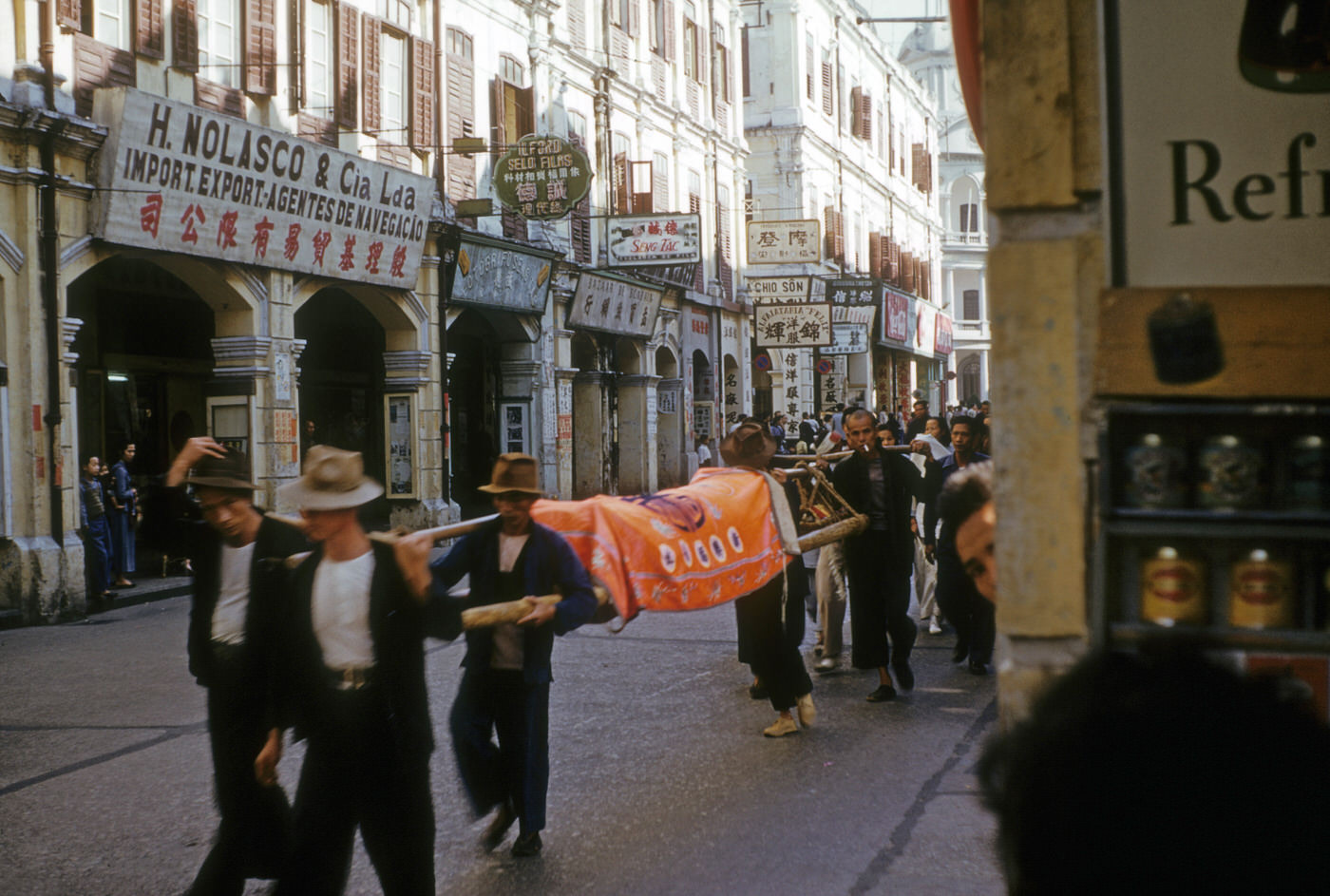
Just across the water from Hong Kong lay Macau, a Portuguese-administered territory with a quieter pace. European colonial architecture sat alongside Chinese temples and narrow lanes. The airman photographed a Chinese funeral procession with its coffin in the street — a direct and unflinching record of local tradition.
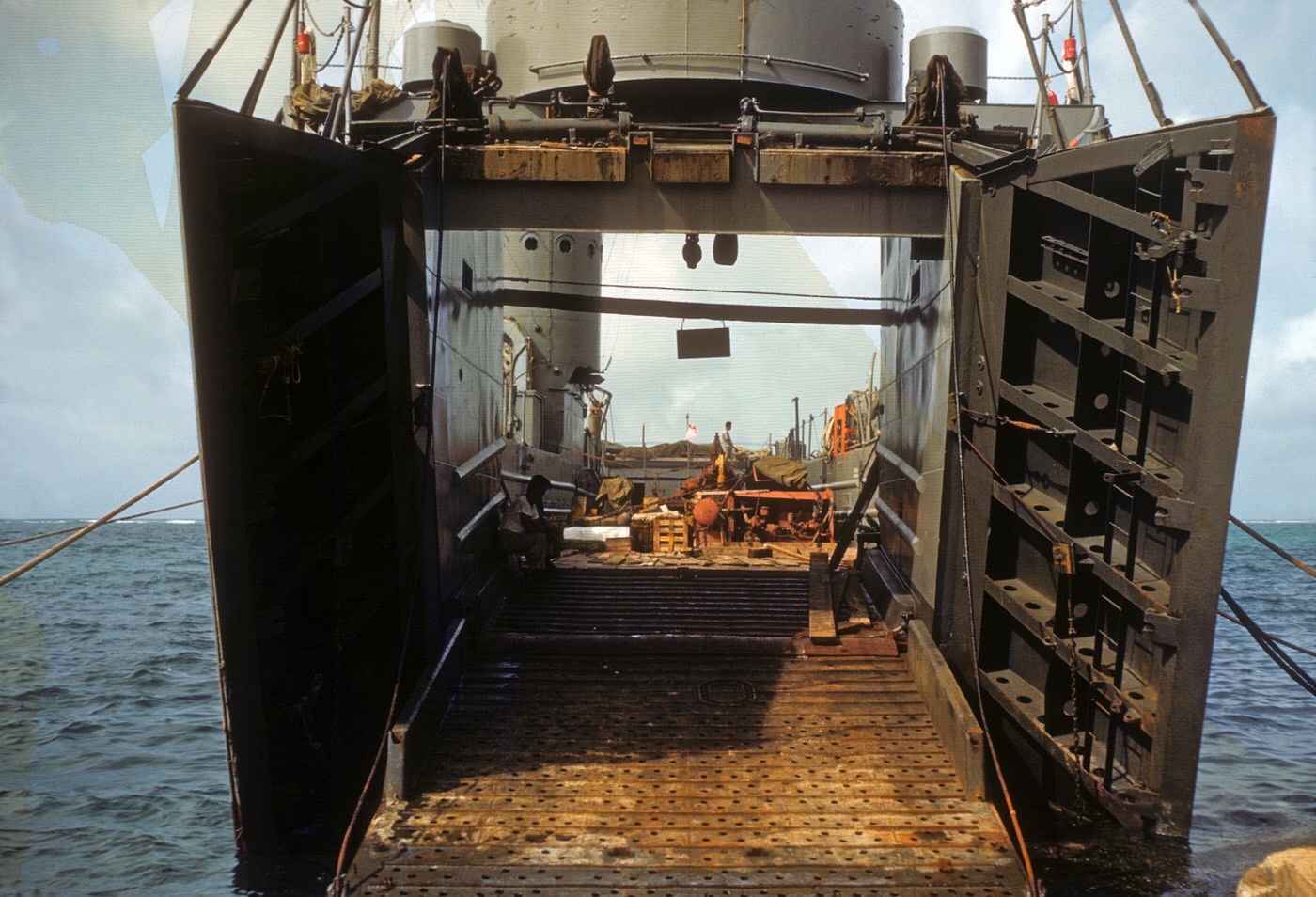
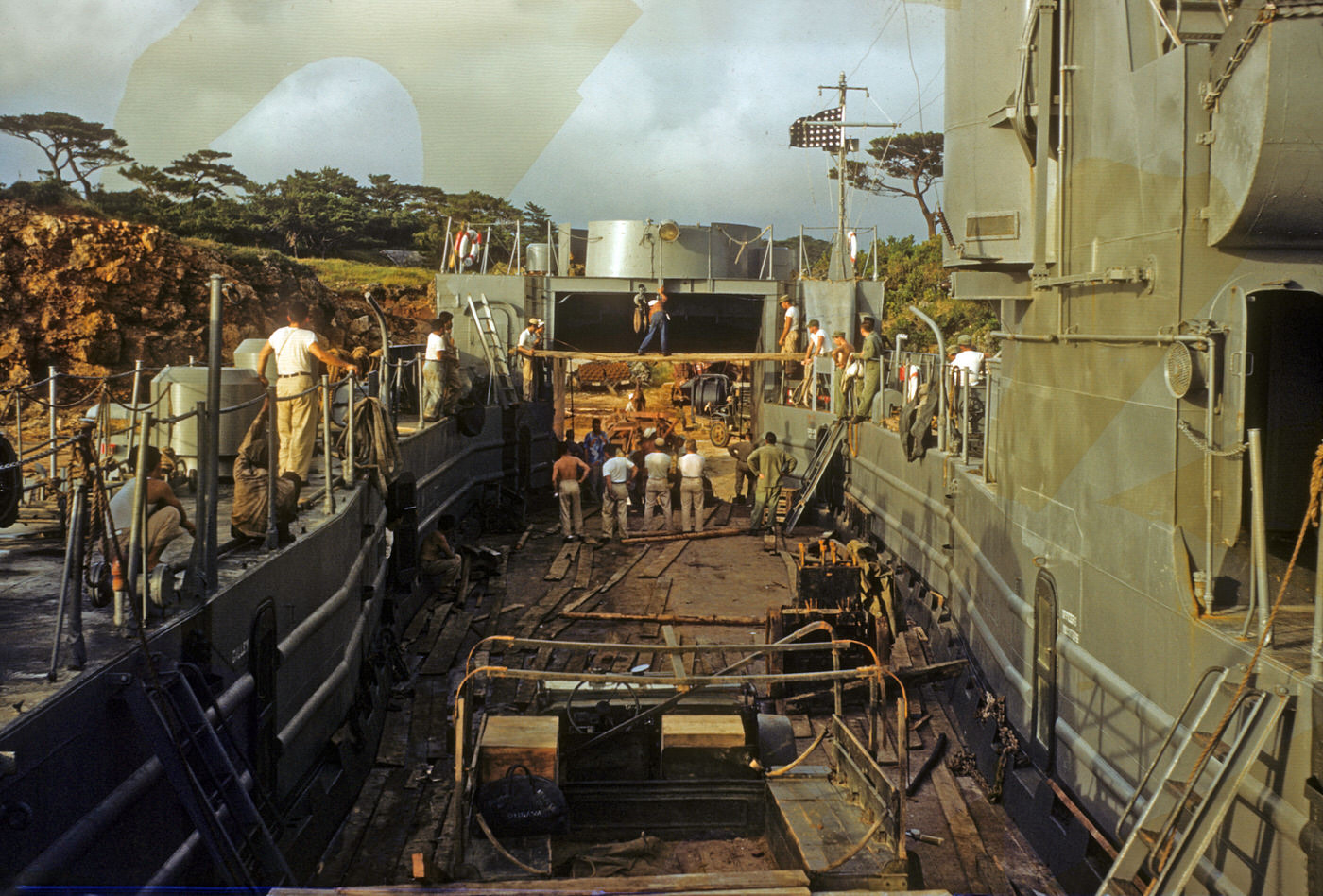
LSM-462, ride to Kume and Okinawa, 1954
Coffin at a Chinese funeral in Macau, 1953
Macau, from the old fort, 1953
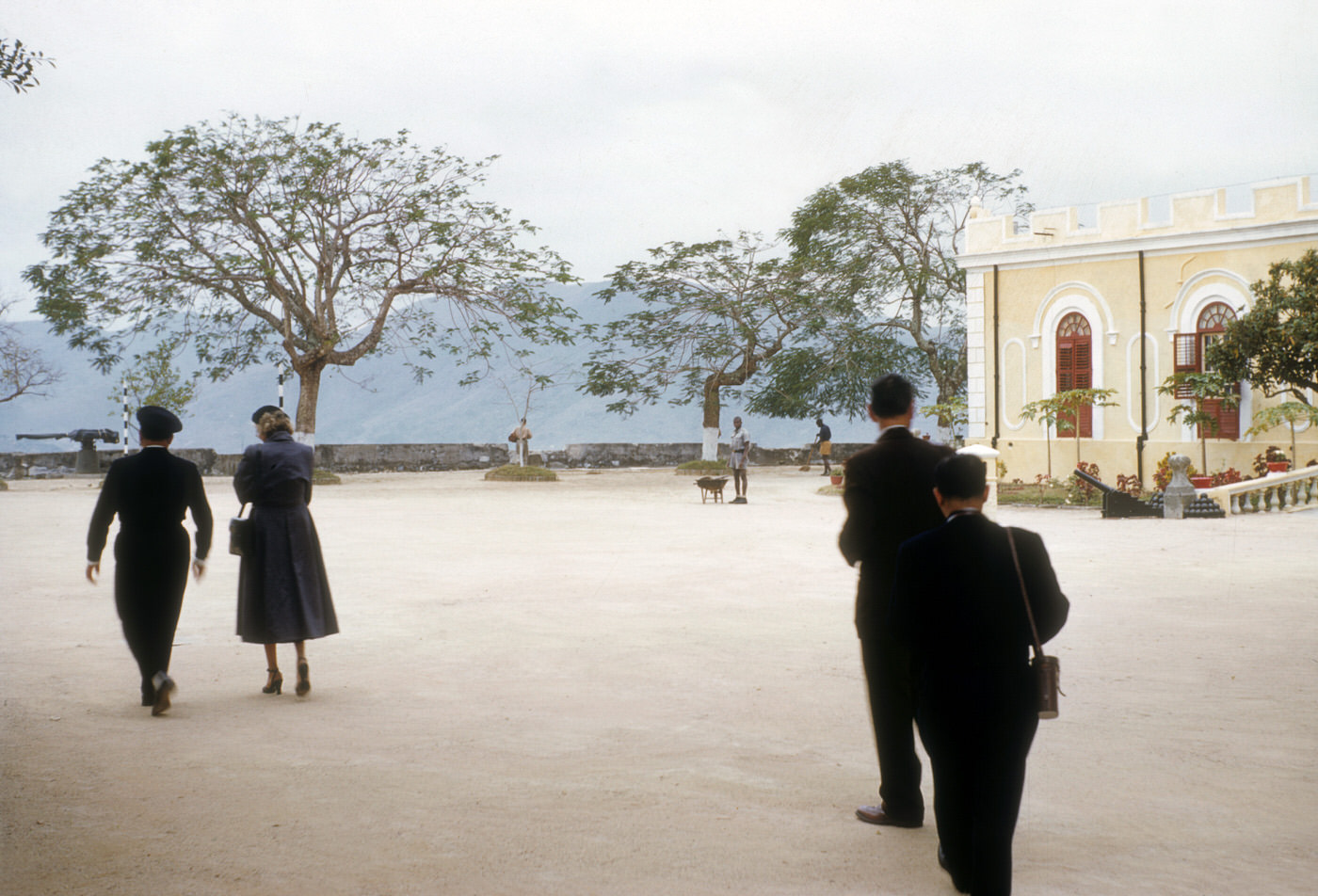
Macau, Portuguese garrison, old fort, 1953
Mamasan with package on head, 1953

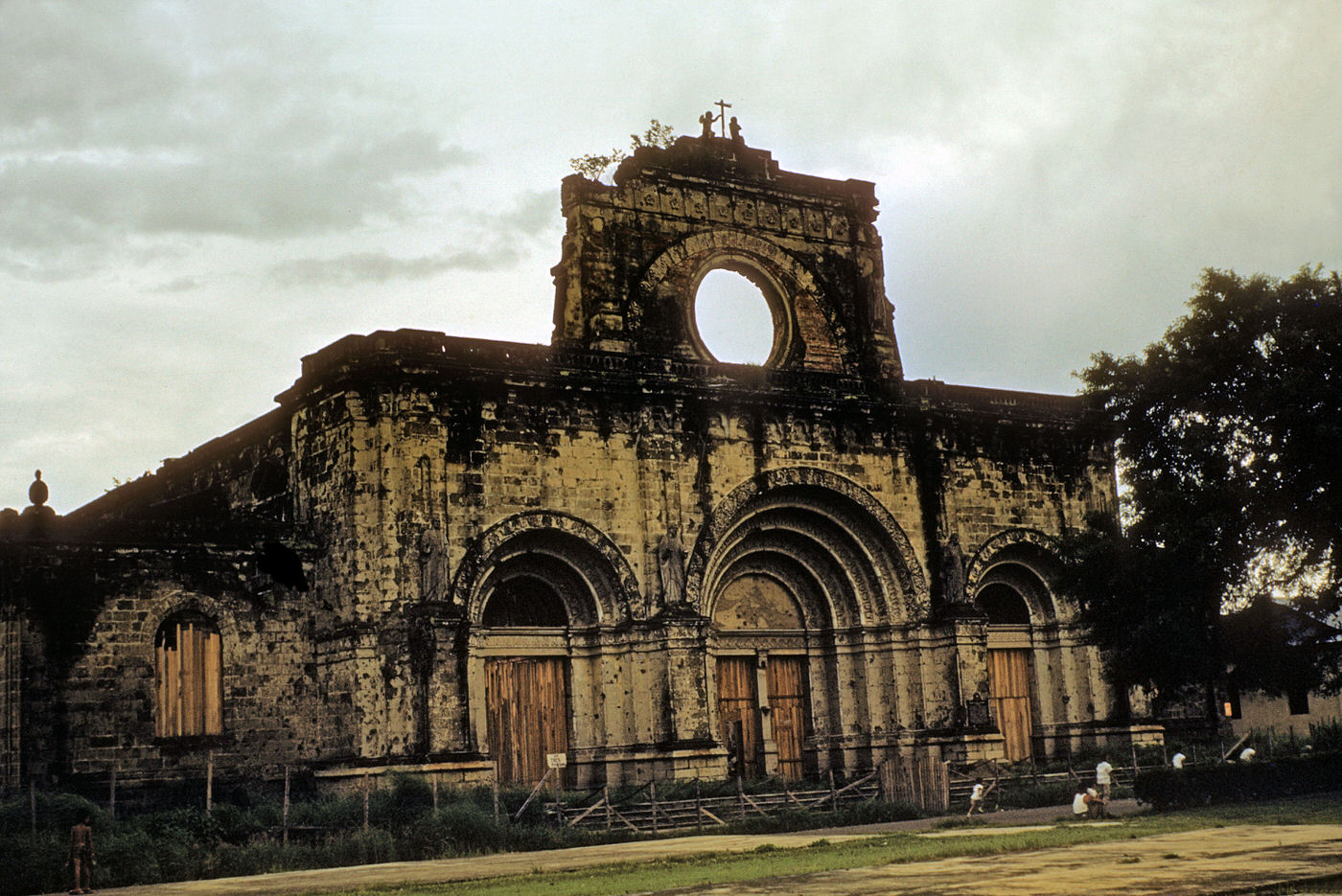
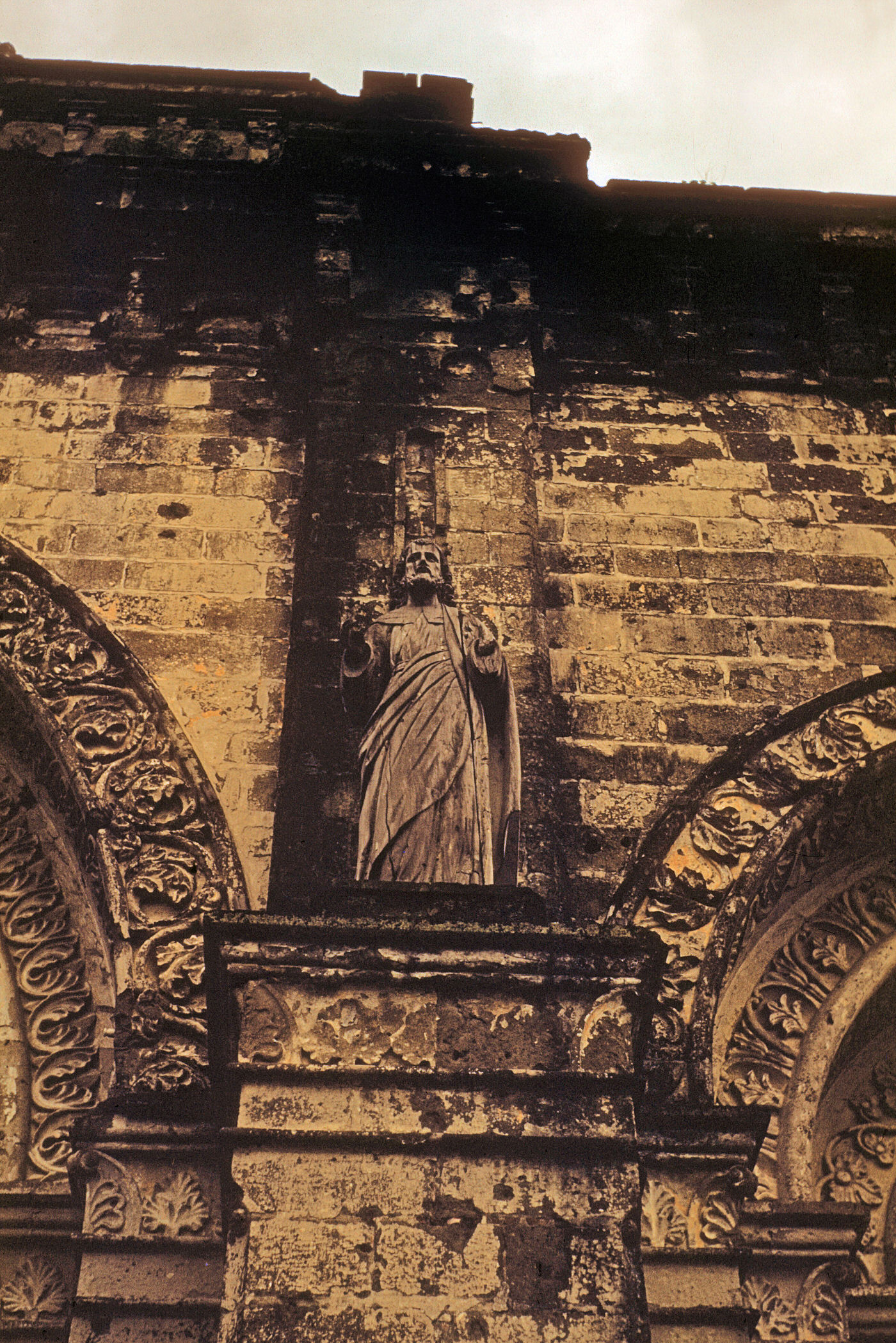
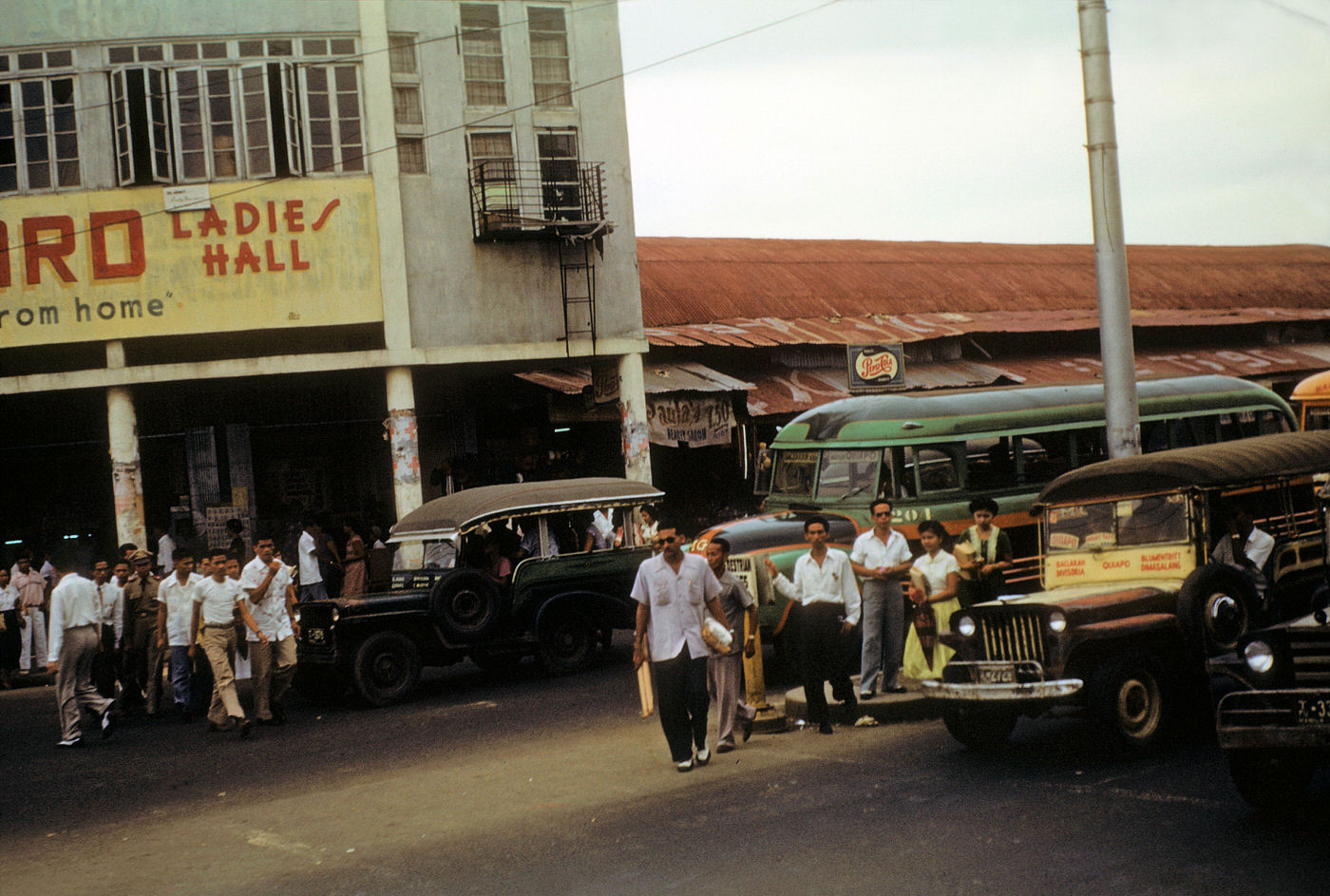
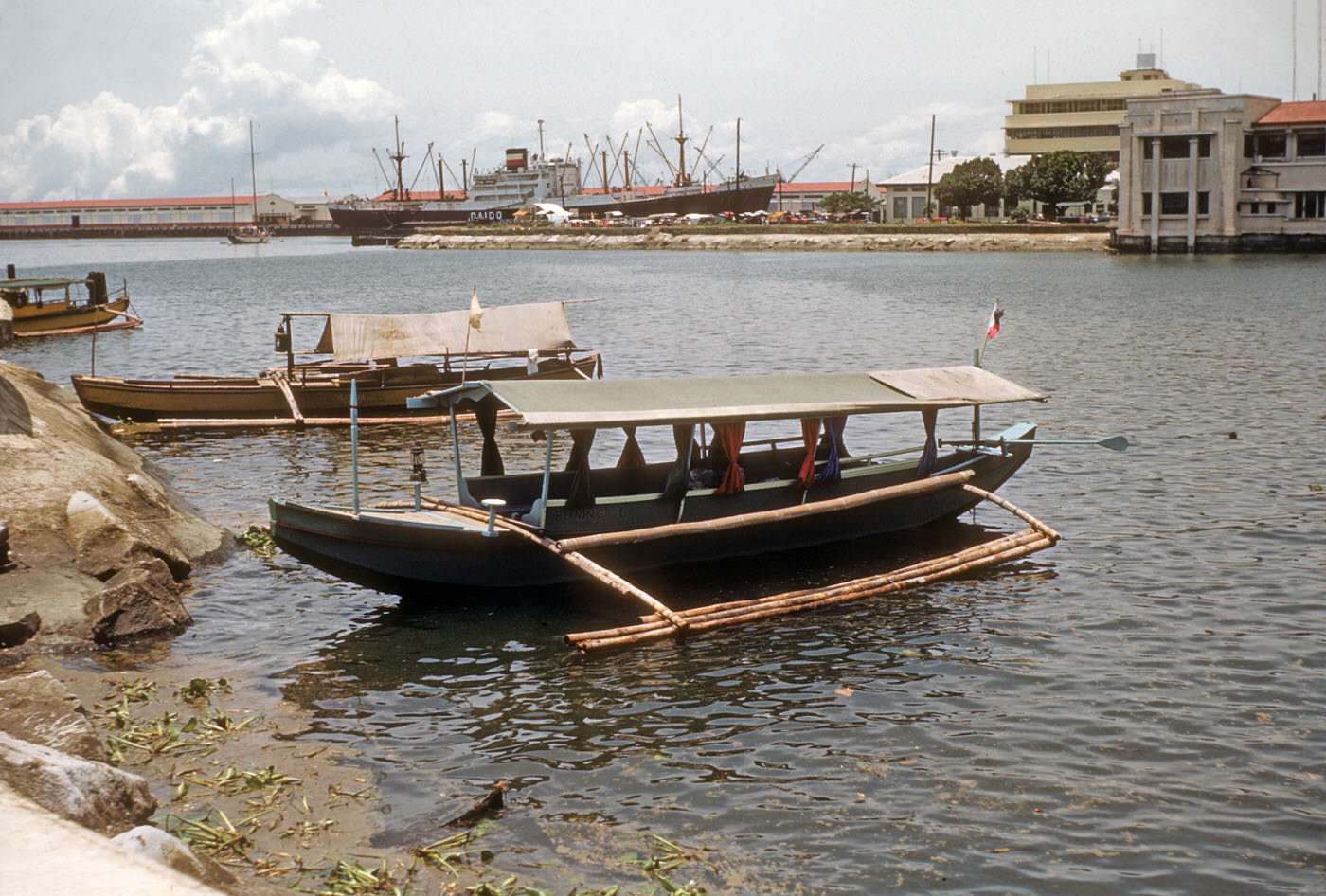
Manila, the capital of the Philippines, was another stop. The country had gained independence in 1946, and the city was rebuilding after wartime destruction. The airman photographed Manila Cathedral, the old walled city known as Intramuros, water taxis on the river, and the colorful jeepneys that had already become a symbol of Filipino street life.
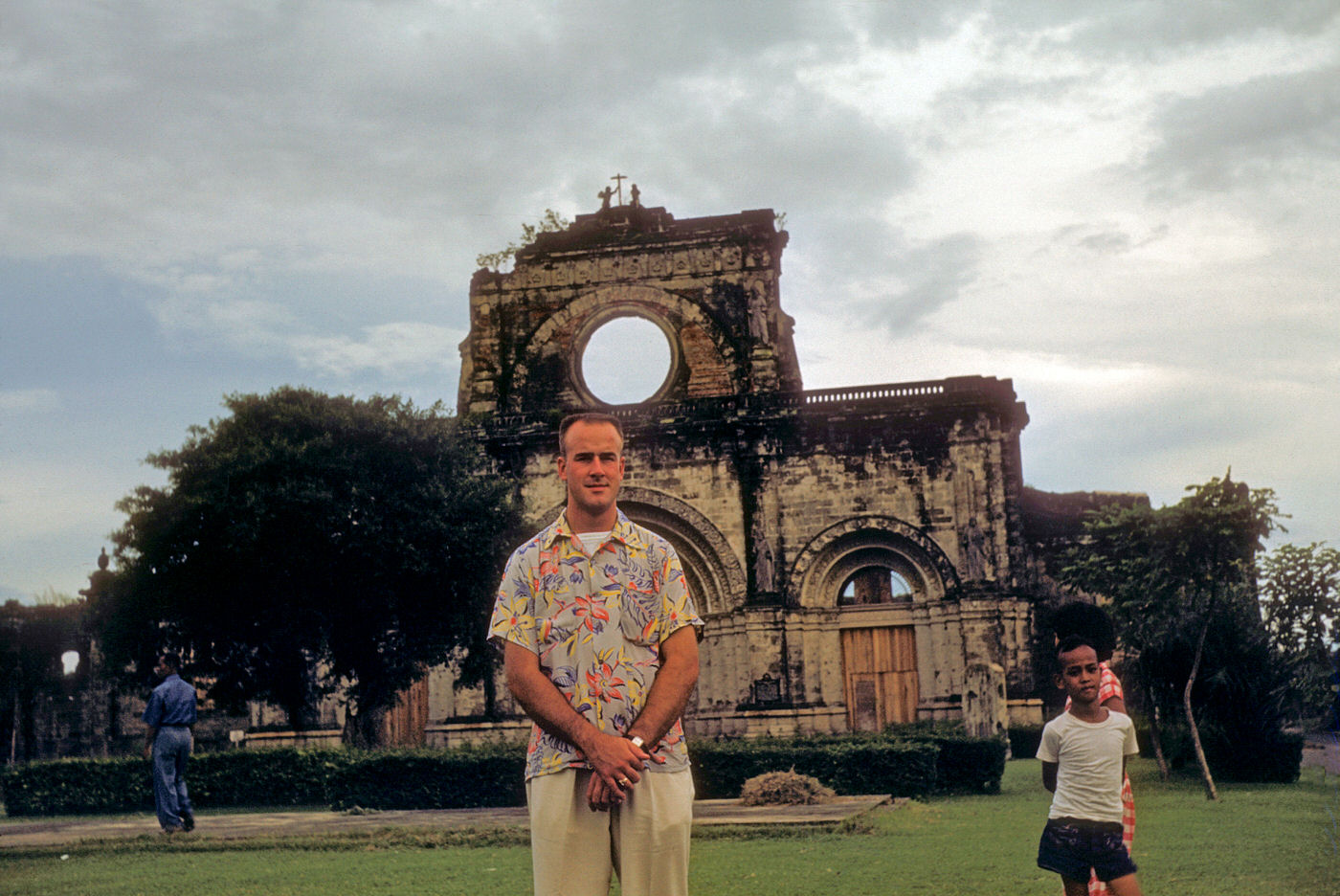
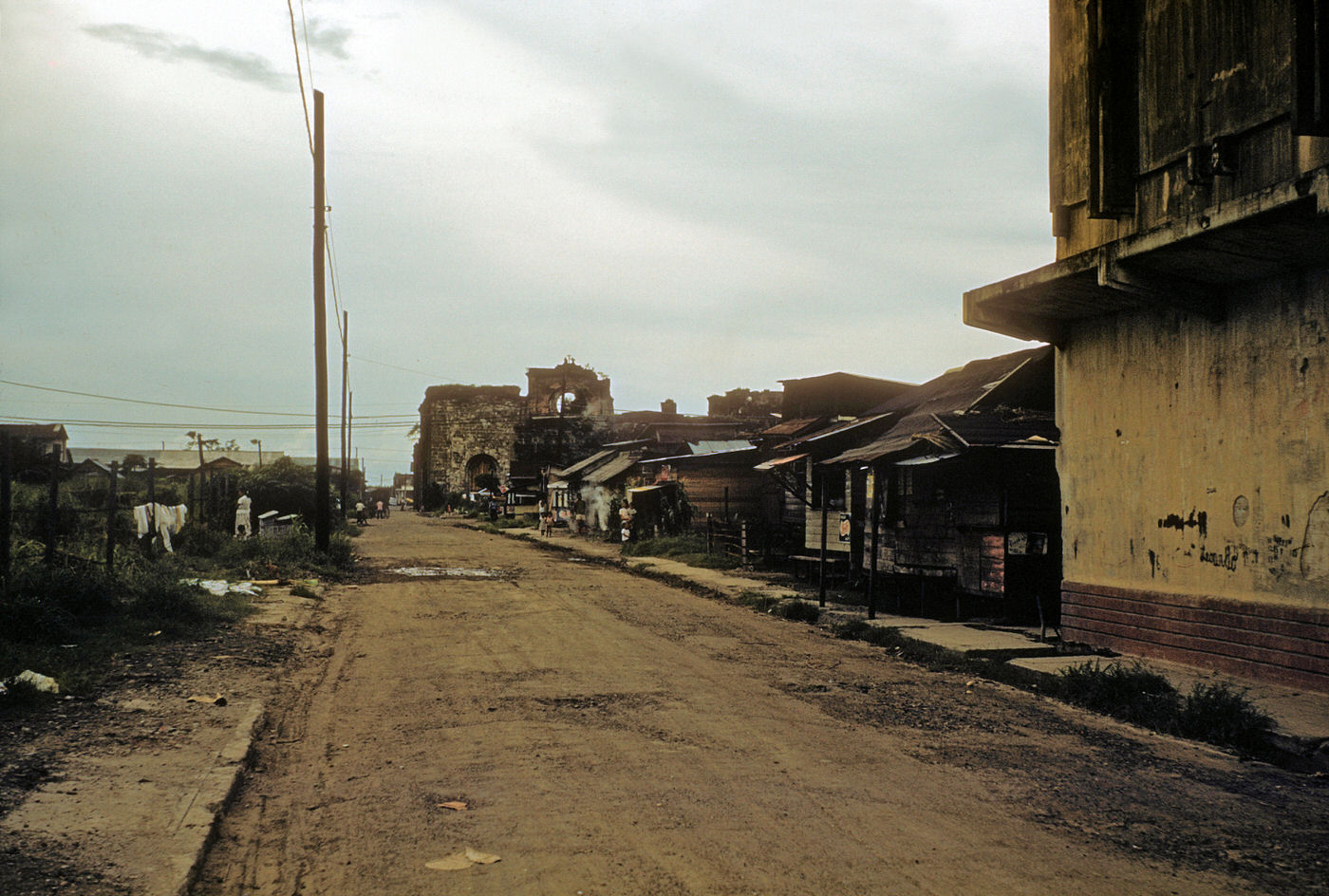
Manila Cathedral, 1954
Manila, pedestrians and jeepneys, 1954
Manila, walled city, 1954
Manila water taxi, 1954

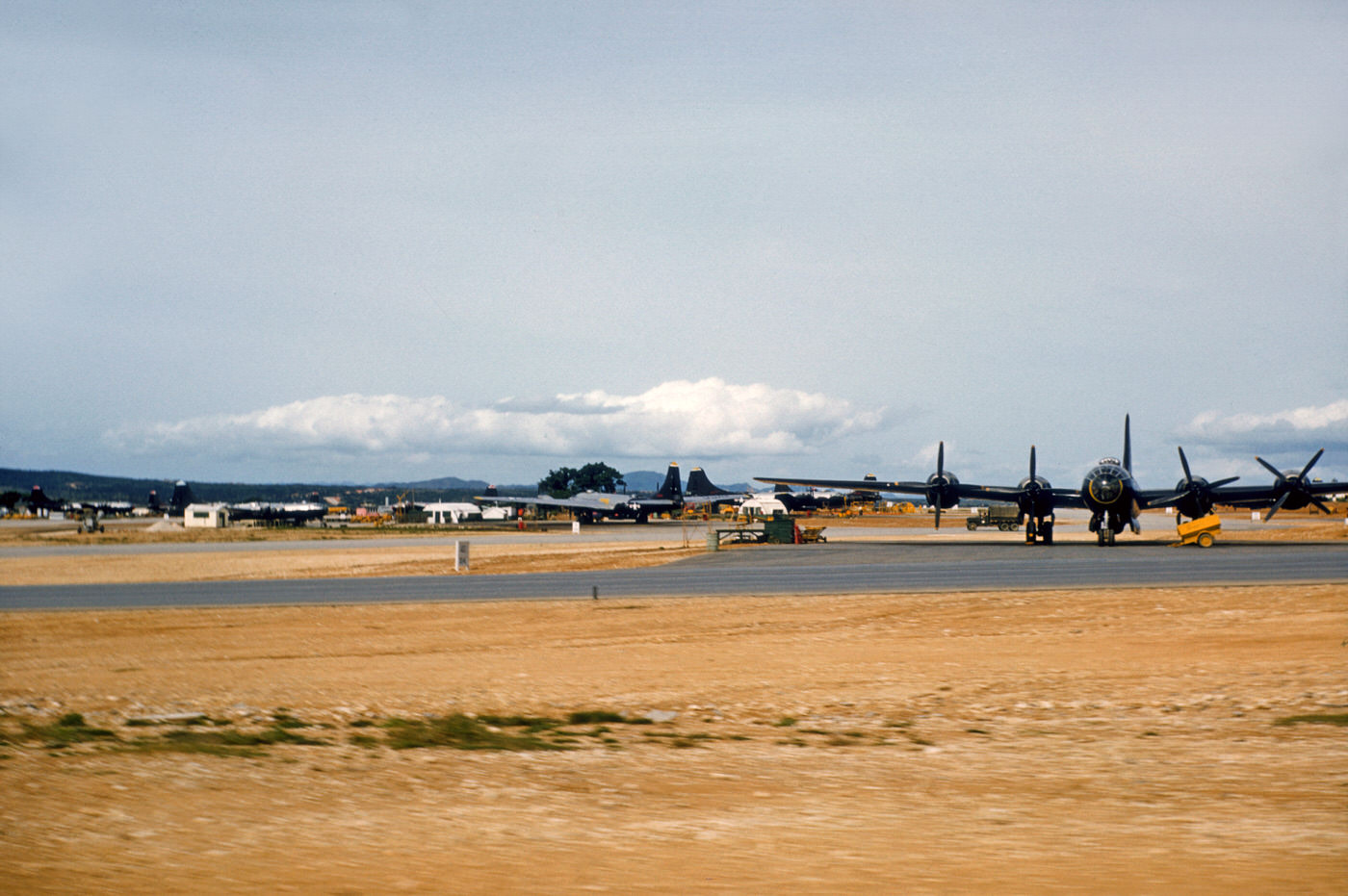
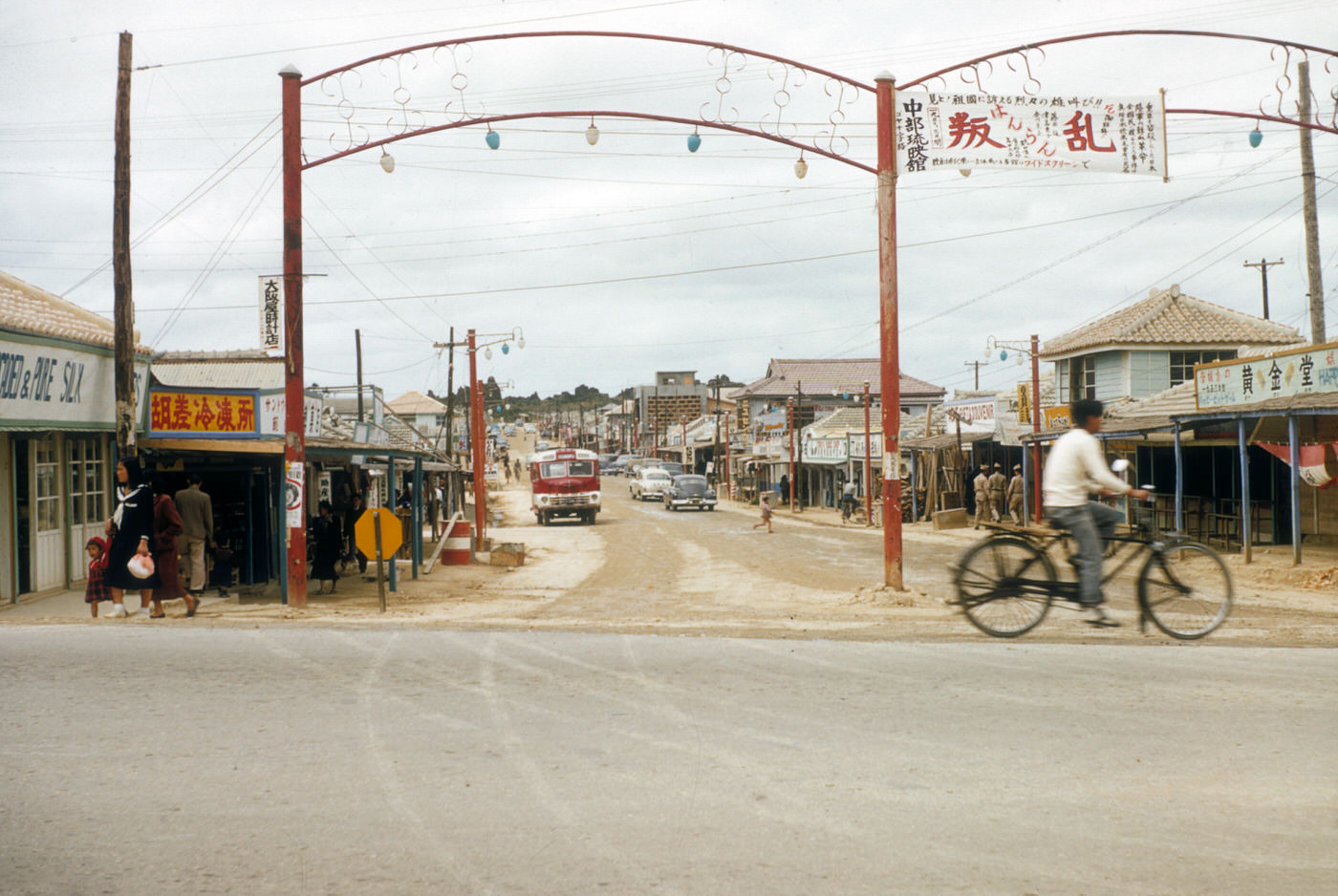
Back in Okinawa, the airman continued documenting both military and civilian life. Kadena Air Base hosted B-29 bombers, while nearby towns like Koza served as busy commercial centers for locals and servicemen alike. The ruins of the China Maru shipwreck and war-torn churches were sobering reminders of the battle fought there less than a decade earlier.
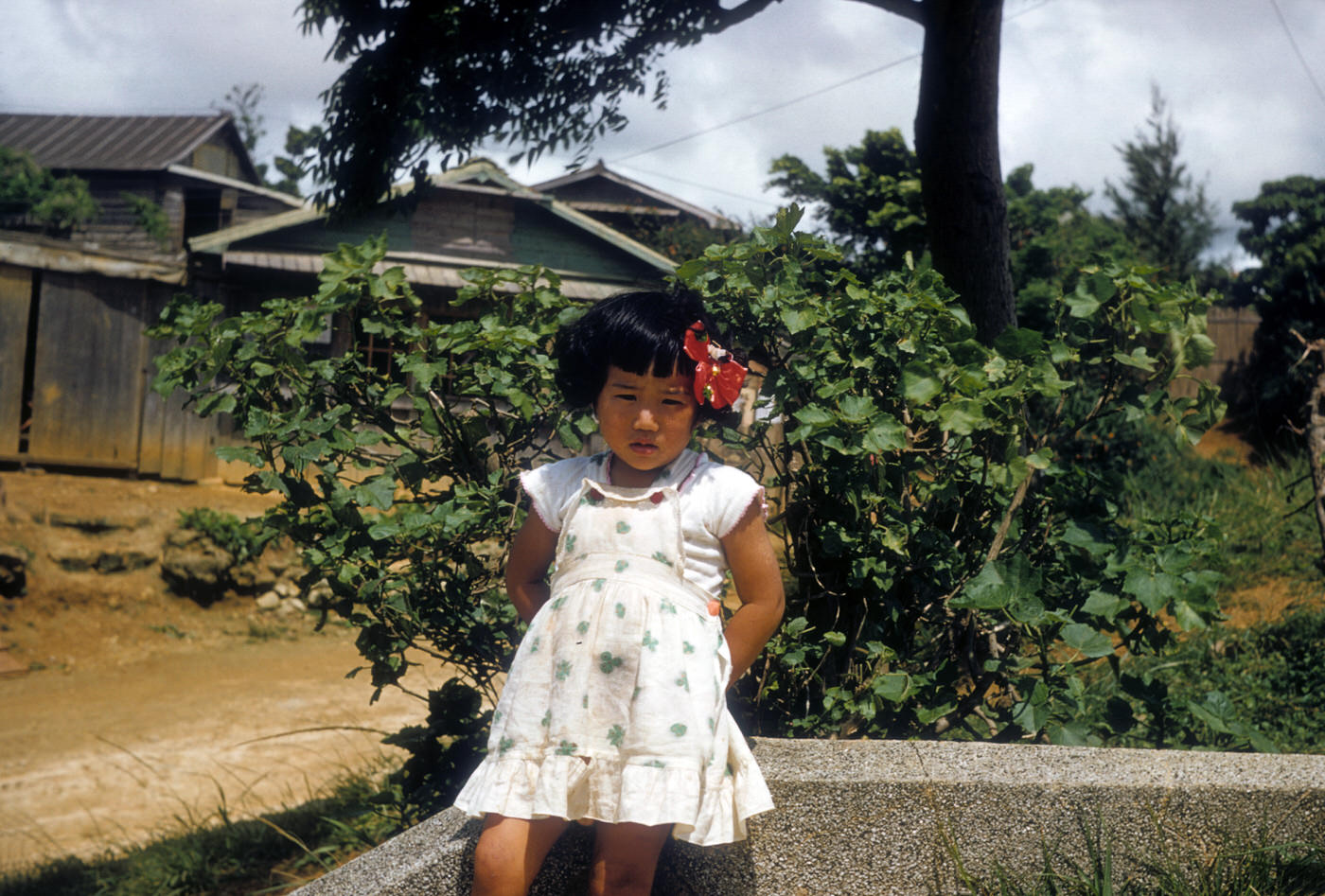
Another cute girl in Naha, 1954
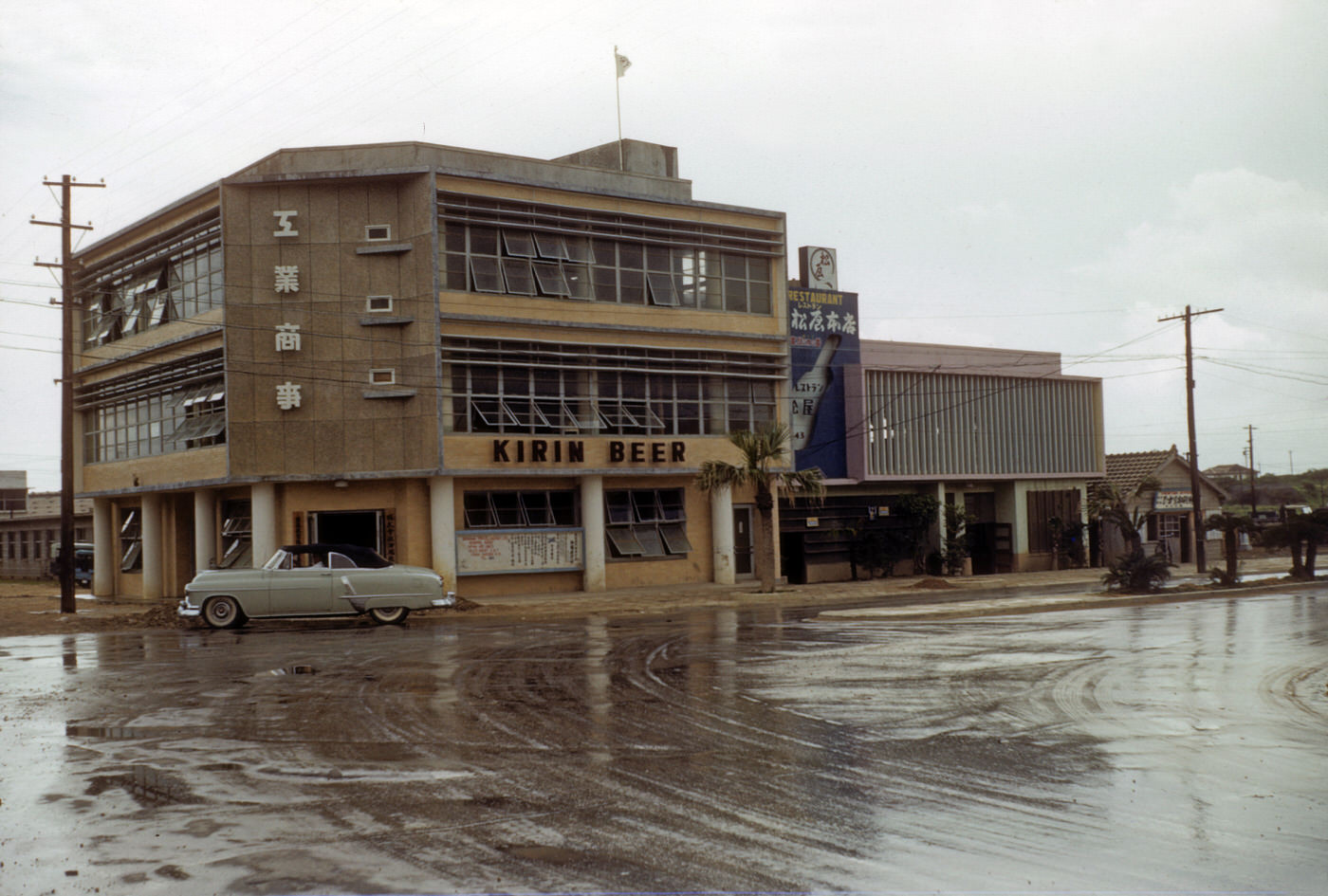
Naha, modern buildings, 1954
Naha, orange peddler, 1954
Naha, 1953
Naha, 1953
Naha, 1953
Naha, 1953
Naha, shops, 1953
Naha, shops, 1953
New Naha Department Store, 1954
New store in Naha, 1954
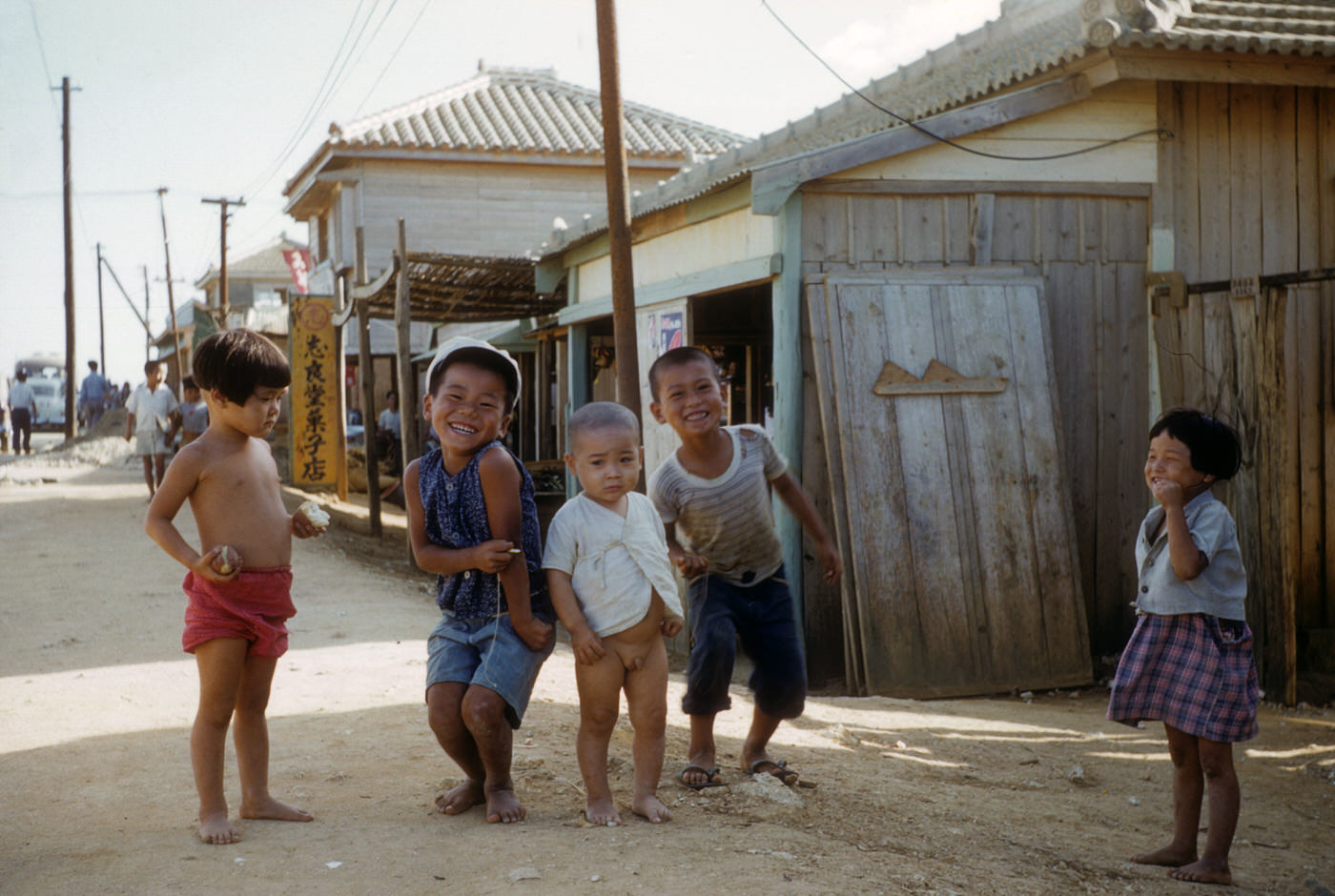
No pants on, 1954
No pants on, 1954
Okinawa, 1954
Okinawa, 1954
Okinawa, remains of the China Maru, 1954
Okinawa village, 1954
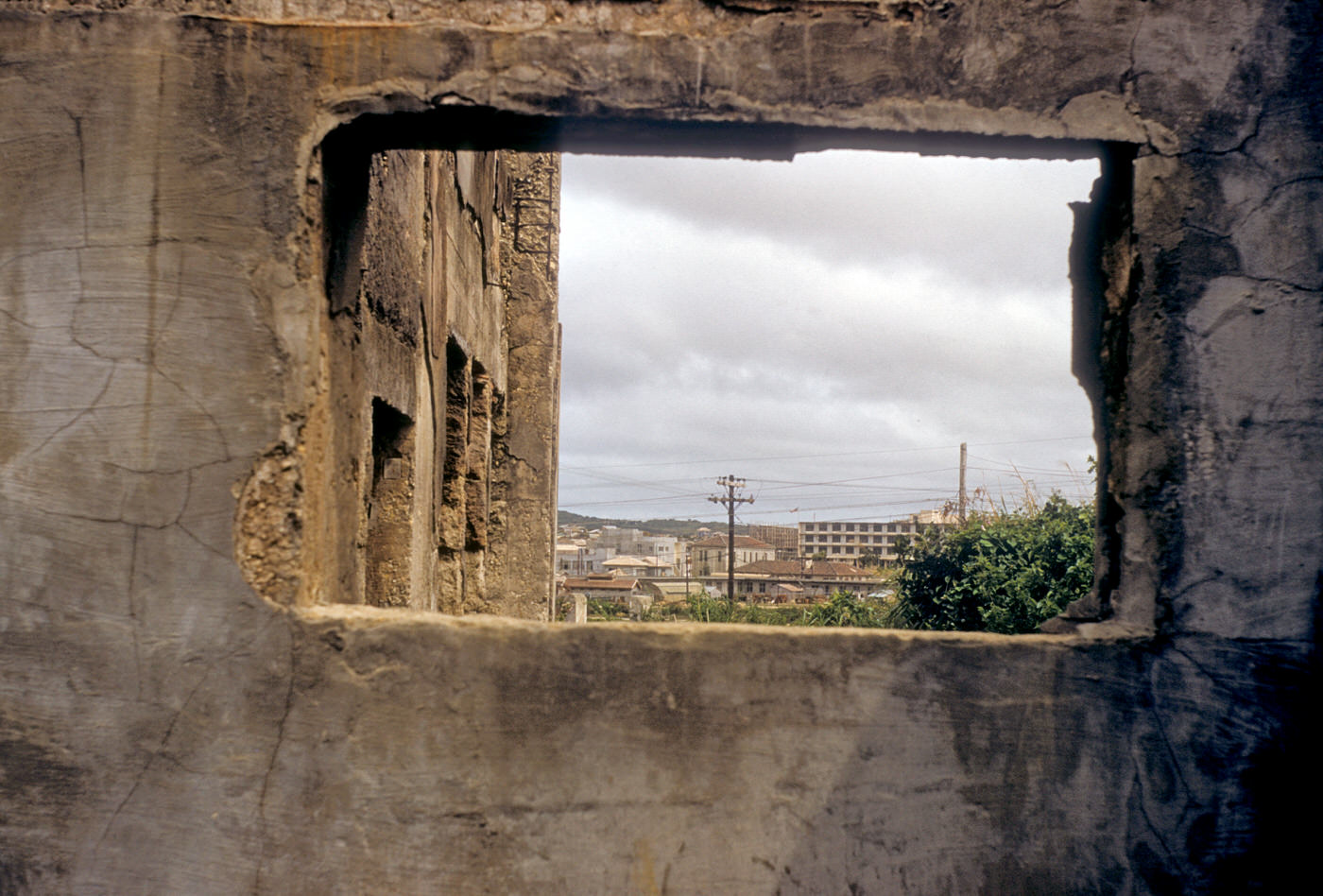
Ravages of war, 1954
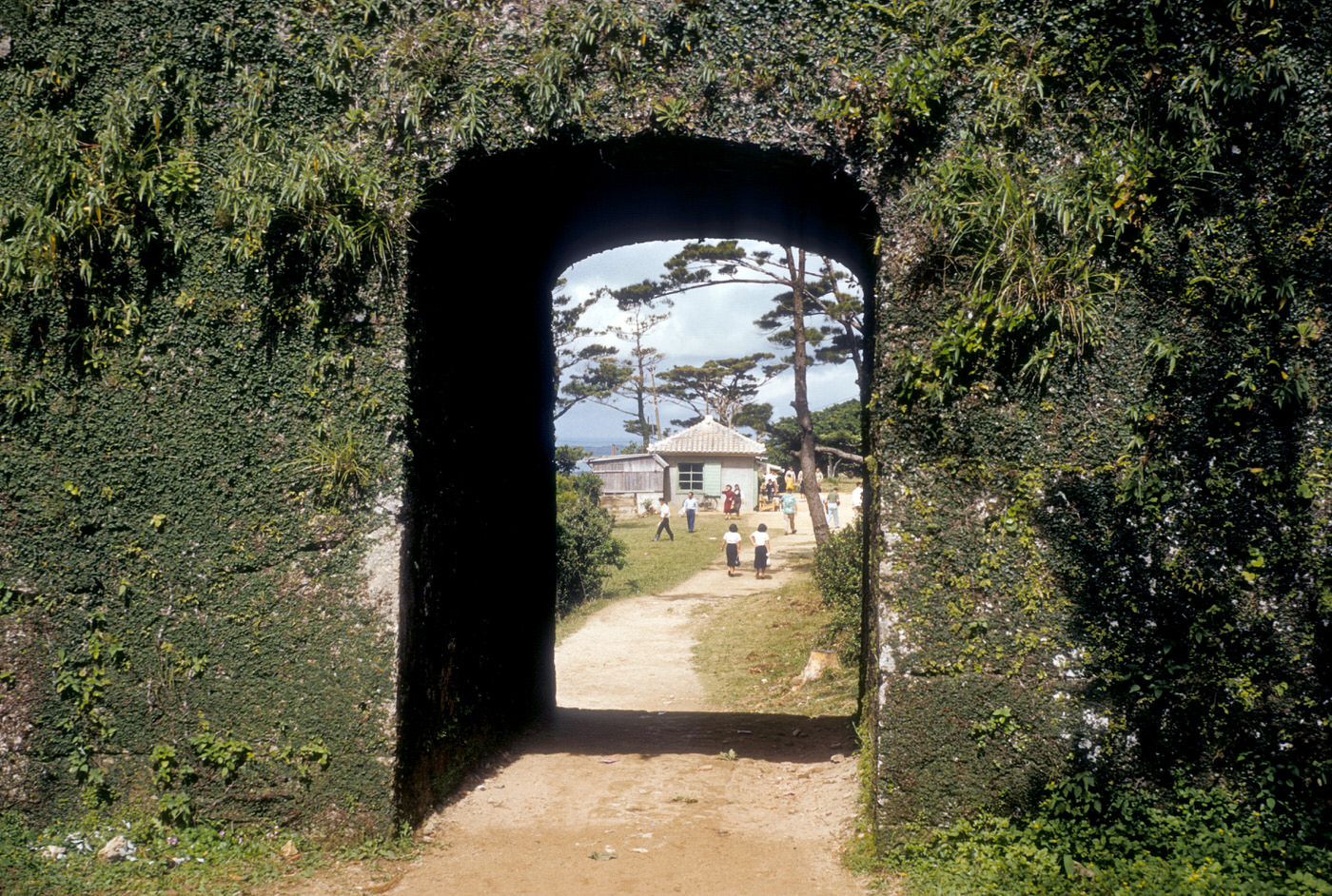
Nakagusuku Castle wall, 1954
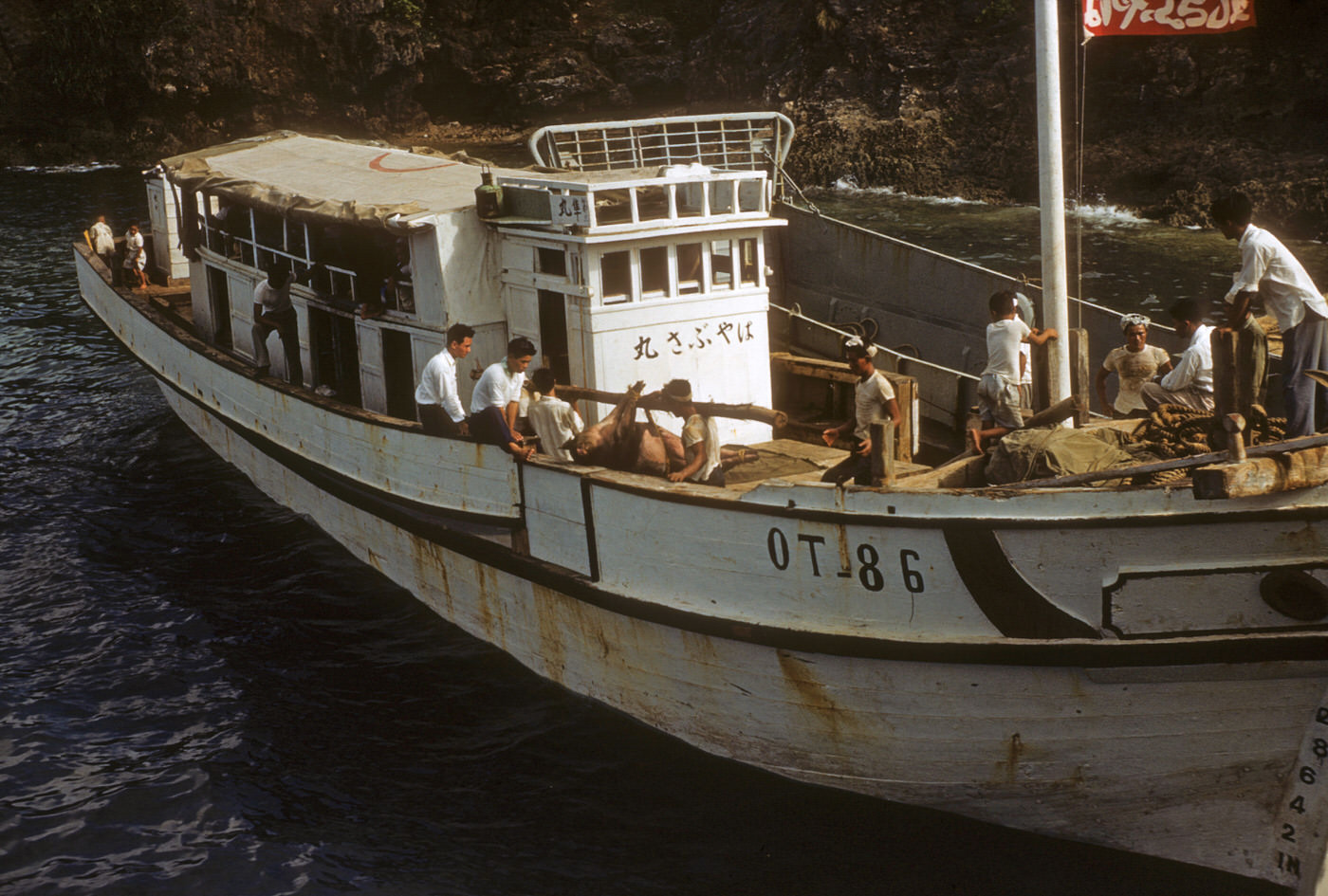
Pig going to market in Kume, 1954
Planes at Kadena Air Base, B-29s, 1954
Shops at Kadena, 1954
Spiral stairs in Naha, 1954
Sukahachi Lane, 1954

The airman also visited Taipei, where he photographed the headquarters of Chiang Kai-shek, the Nationalist Chinese leader who had retreated to Taiwan in 1949 after losing the Chinese Civil War. That single image places the collection squarely within the broader geopolitical tensions of the Cold War era in Asia.
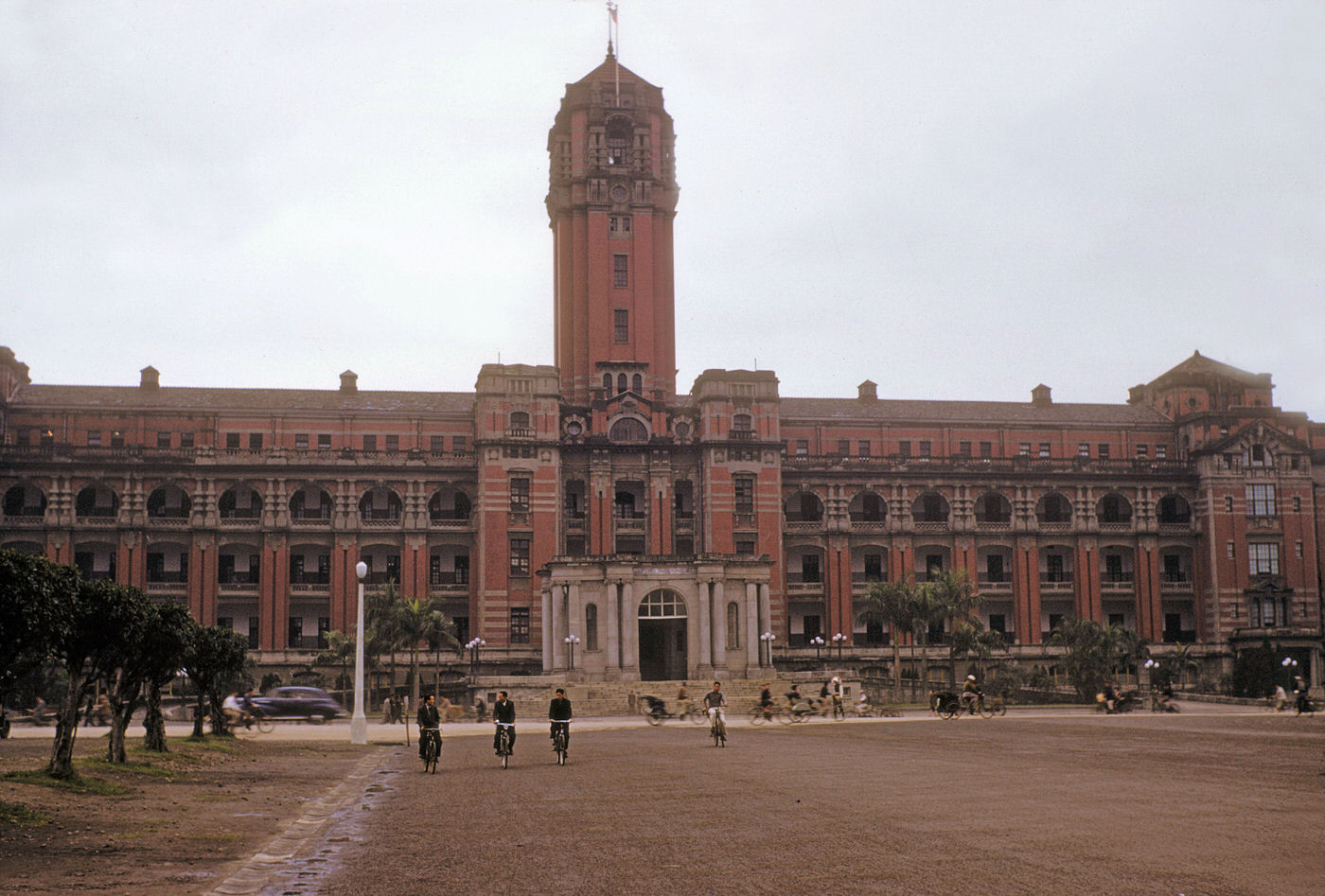
Chiang's headquarters in Taipei, 1953
Chiang’s headquarters in Taipei, 1953
Old and new at Nakagusuku, 1954
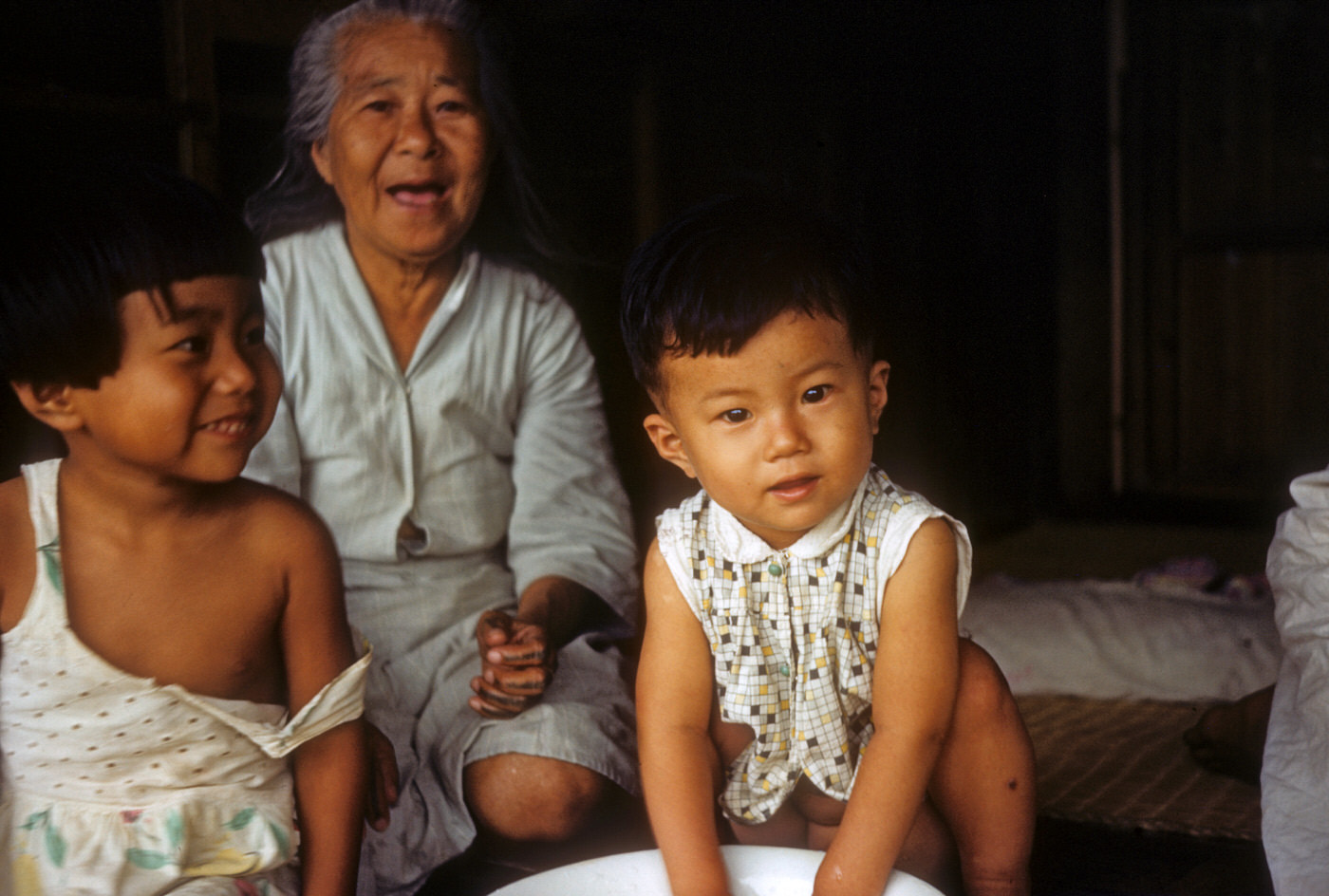
The very young and the very old in Naha, 1954
Unloading project at Kume, 1954
Using the old head at Koza, 1954
View from Nakagusuku toward Bucknerville, 1954
View from Shamrock, Kowloon, Hong Kong, 1953
View of Koza, Okinawa business center, 1954
Walled city through gate, 1954
War-torn church, 1954
Enjoyed this post? Get new ones in your inbox.

Leave a Comment

Your email address will not be published. Required fields are marked *

Share this Post 🥺

Please take a moment to share this content. Your support is greatly appreciated! 🙌🙏

Share this Post 🥺

Please take a moment to share this content. Your support is greatly appreciated! 🙌🙏
Scroll to Top
 
Hey Friend, Before You Go.. Please like & follow for more interesting content