
Asbury Park, New Jersey has one of the most dramatic histories of any seaside resort on the East Coast. James A. Bradley, a manufacturer from New York City, founded the town in 1871. He named it after Francis Asbury, the first bishop of the Methodist Episcopal Church of America. Bradley’s vision was a tidy, prosperous resort community — and for decades, that vision held.
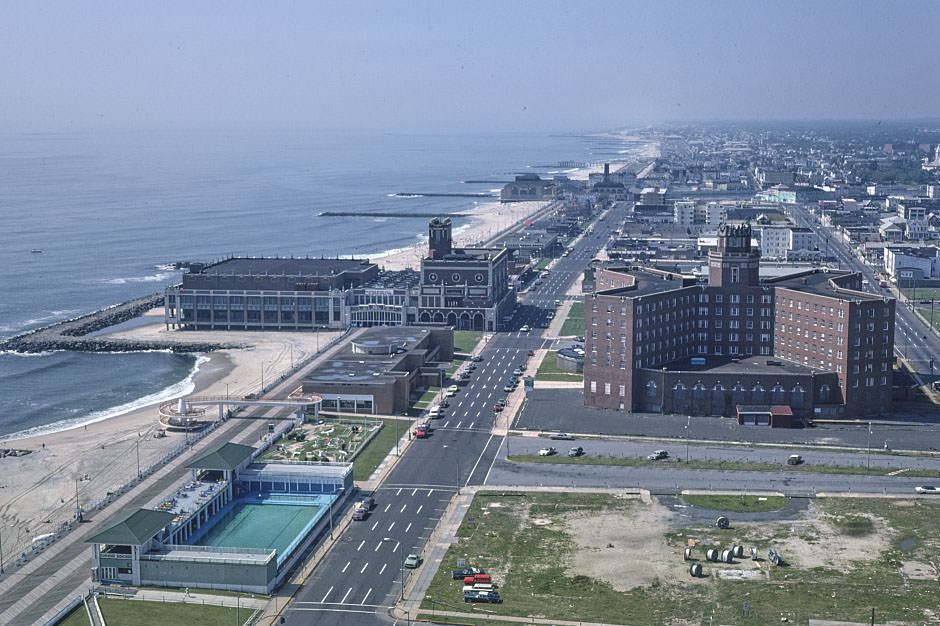
In 1888, German developer Ernest Schnitzler installed the Palace Merry-Go-Round, which eventually grew into Palace Amusements, one of the most recognizable landmarks on the Jersey Shore. Grand hotels like the Plaza Hotel and the Berkeley-Carteret towered over the waterfront, drawing well-heeled visitors throughout the early 20th century. Victorian homes filled the residential streets, and the boardwalk buzzed with activity.
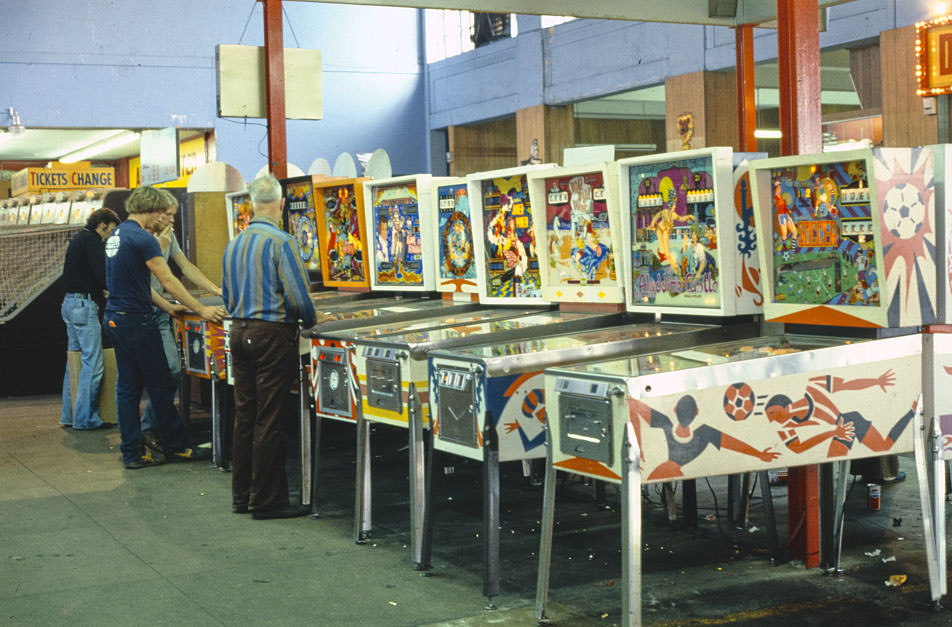
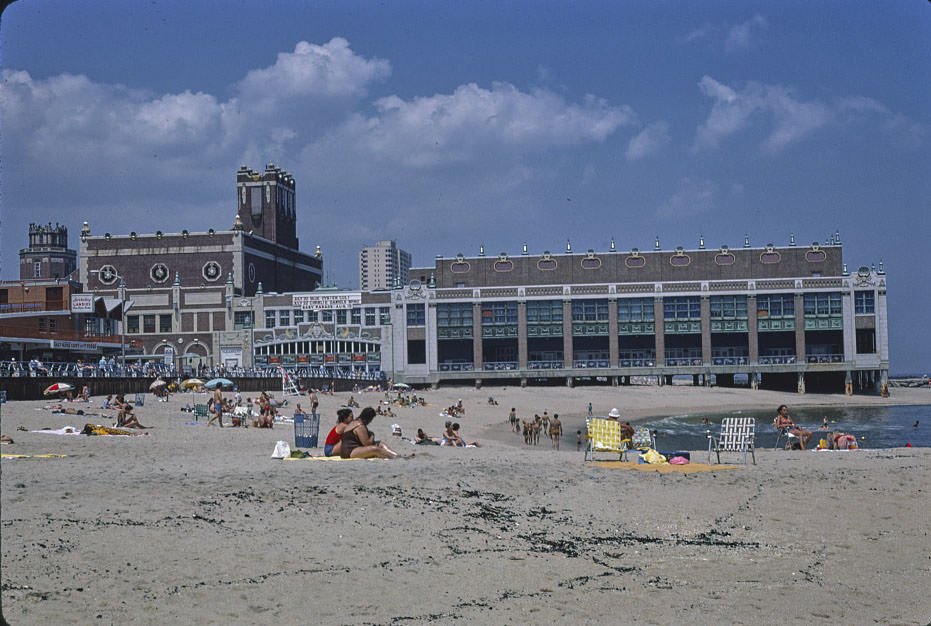
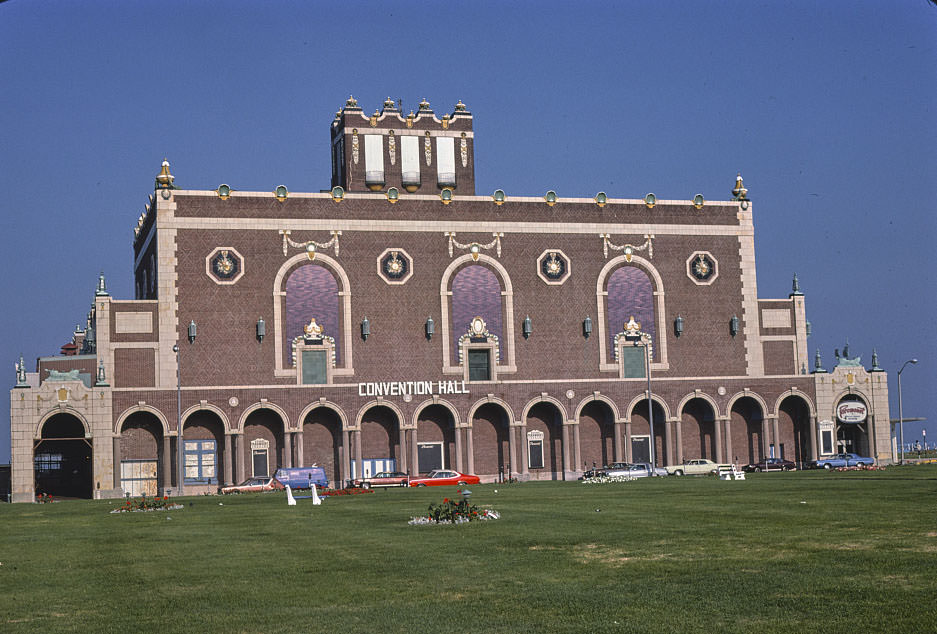
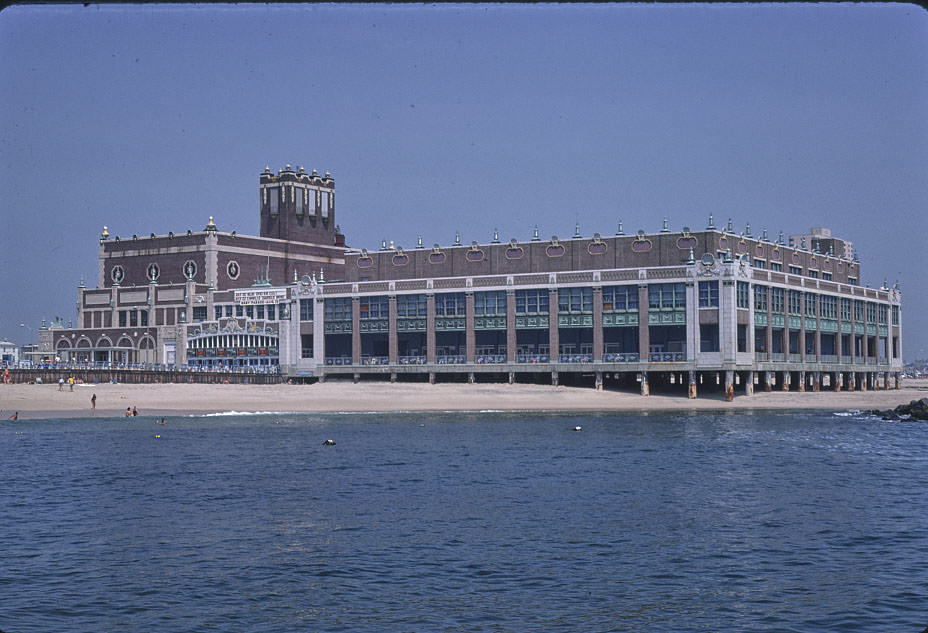
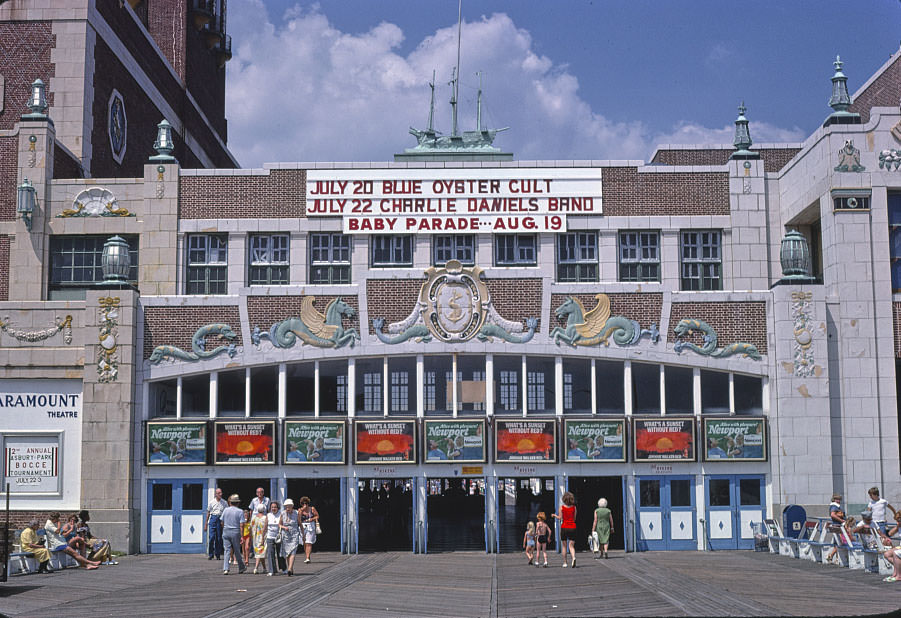
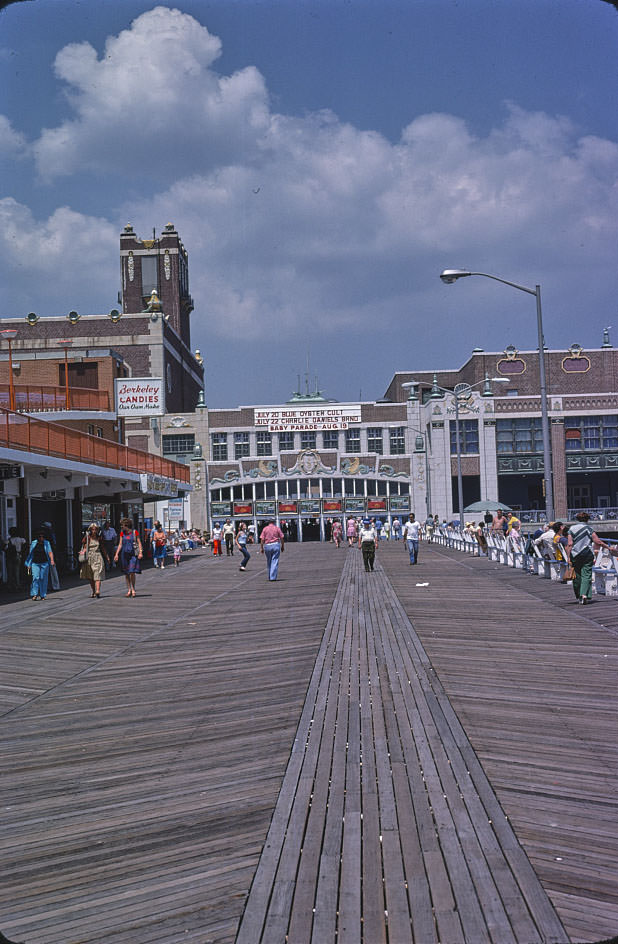
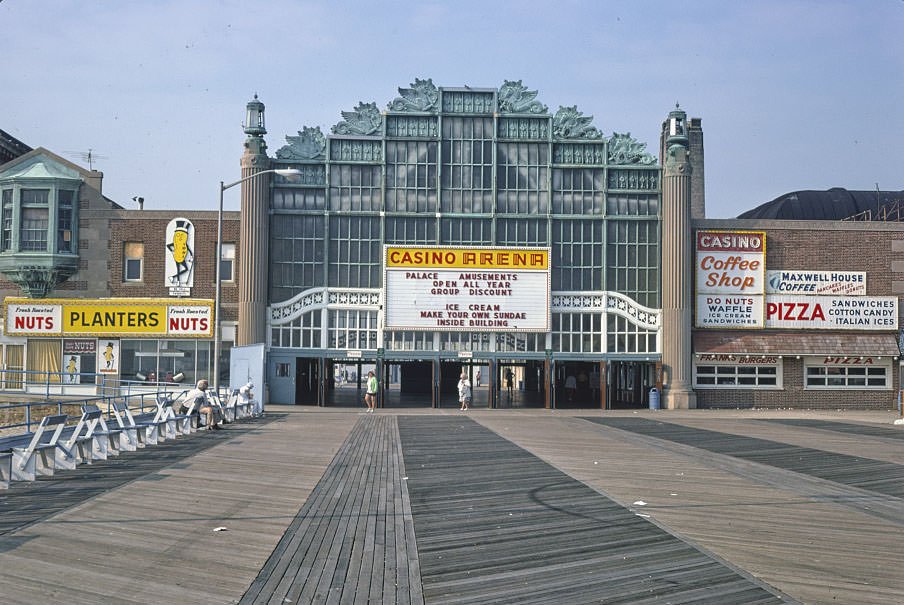
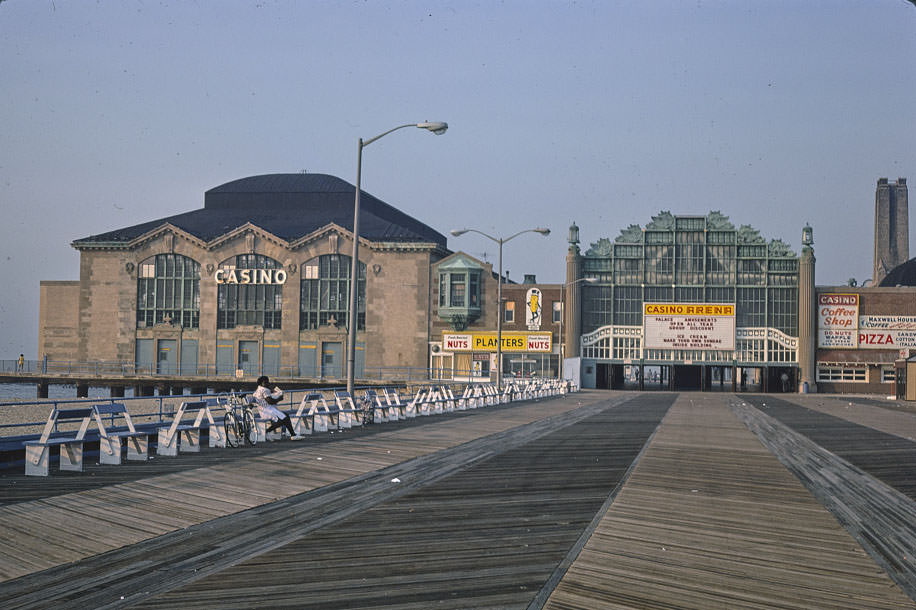
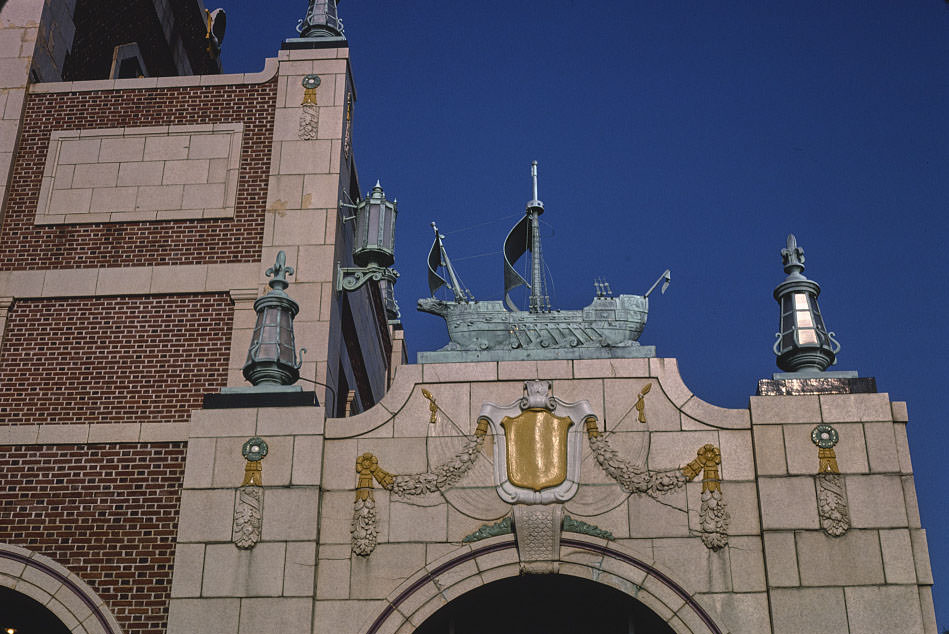
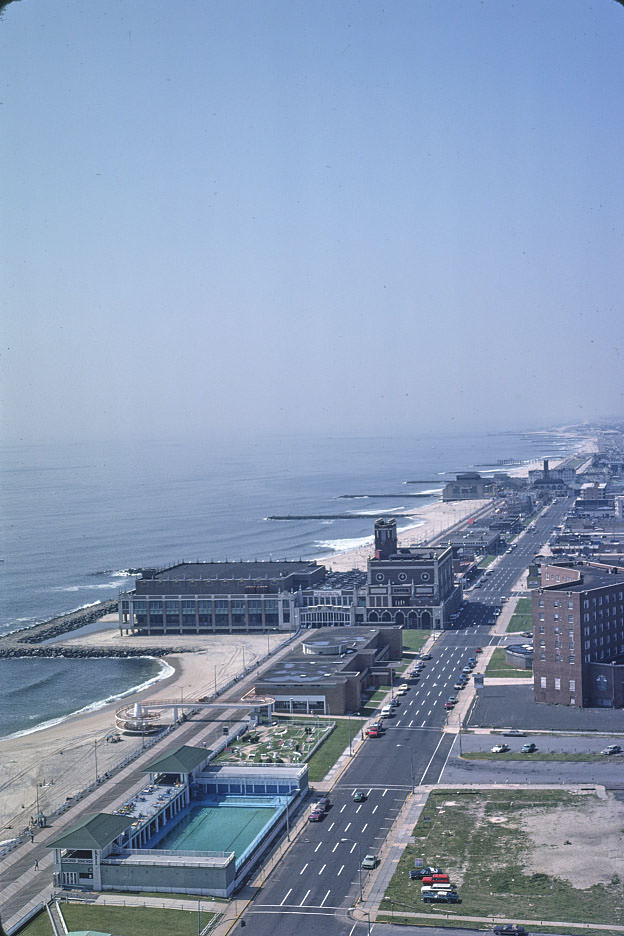
Convention Hall opened in 1930, anchoring the boardwalk with its massive structure. It connected directly to the Paramount Theater through a grand arcade, making it a central hub for entertainment. The Casino Arena inside Convention Hall hosted live music and drew crowds from across the region.
By the 1950s, the city’s makeup was shifting. Suburban development replaced older farming communities on the outskirts, and middle-class families — both Black and white — moved into newer homes with larger yards. At the same time, many of the professionals who had kept the downtown economy active relocated their offices to suburban office parks. The tax base weakened, and the city began to struggle.
On July 4, 1970, riots erupted in Asbury Park. The violence was concentrated along Springwood Avenue — the city’s main commercial corridor and a center of culture for the Black community. Buildings burned, businesses closed, and the avenue never fully recovered. The destruction left a visible scar on the city’s landscape that persisted for years.
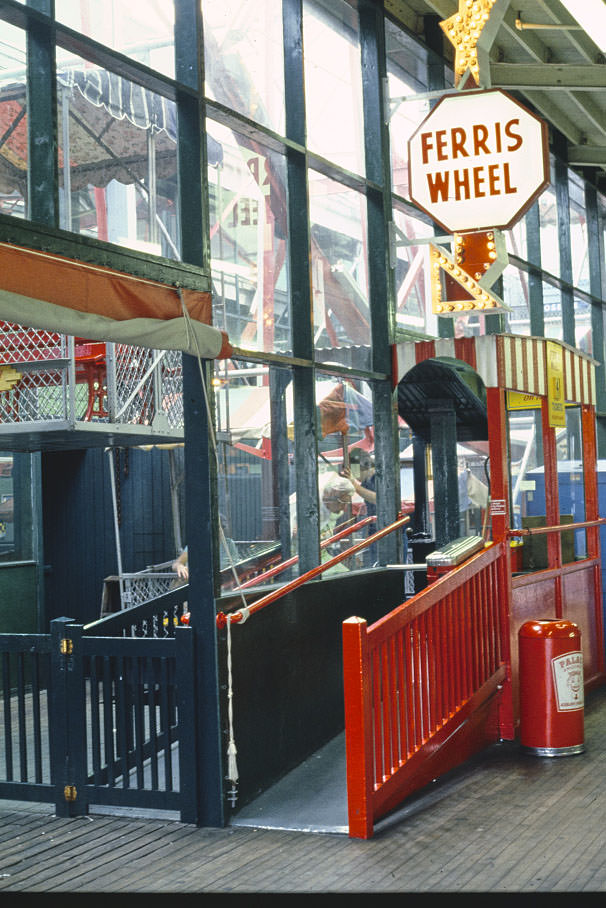
The boardwalk amusements faced their own challenge starting in 1974. When Great Adventure opened near a New Jersey Turnpike exit in Jackson Township on July 1 of that year, it pulled families away from the aging rides and attractions along Asbury Park’s mile-long stretch of boardwalk. The newer, larger park was simply more convenient and offered more.
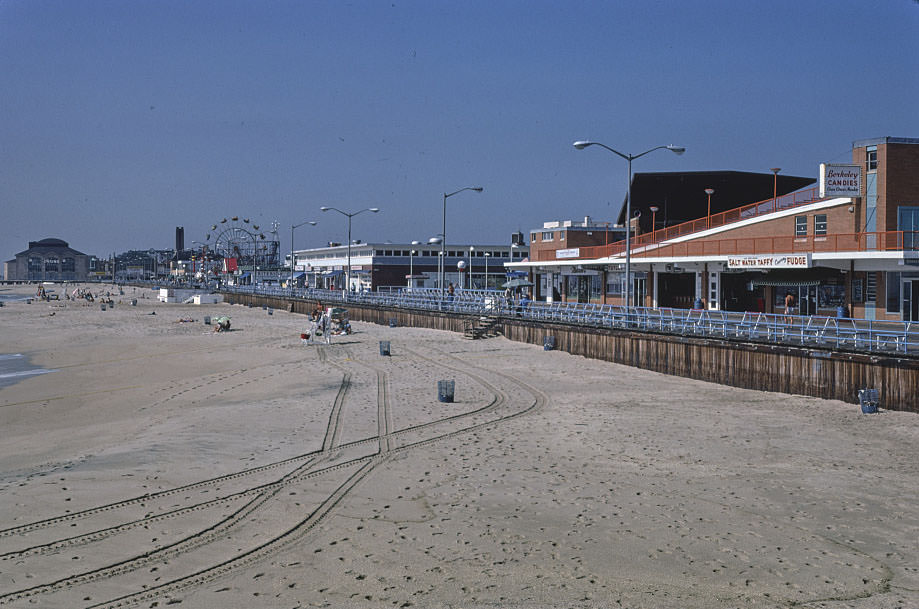
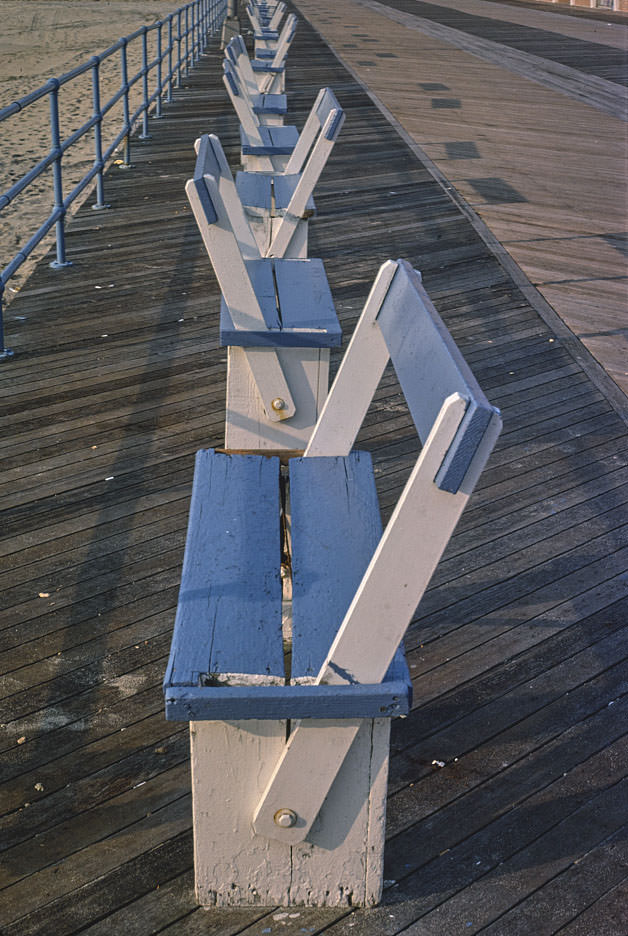
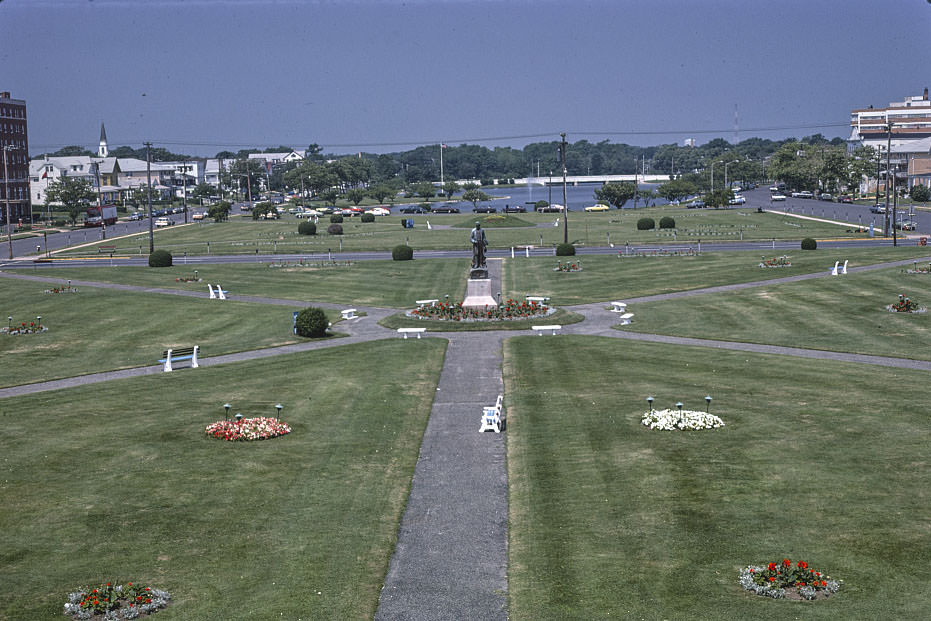
It was against this backdrop — a city still beautiful but clearly faded — that architectural critic and photographer John Margolies arrived in 1978. Margolies was known for documenting American roadside and commercial architecture before it disappeared. His eye for color, signage, and vernacular design made him the perfect person to capture Asbury Park at this particular moment.
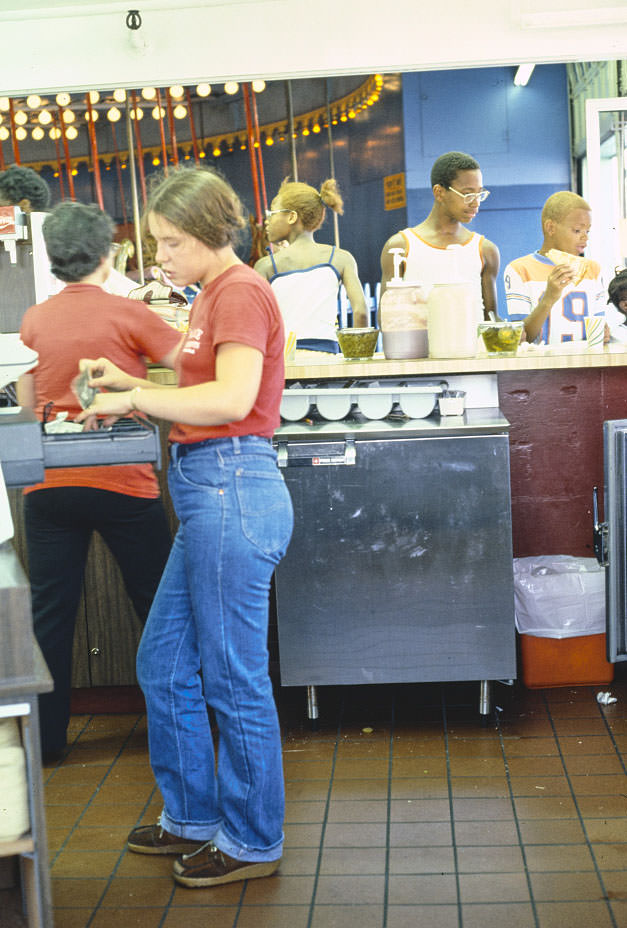
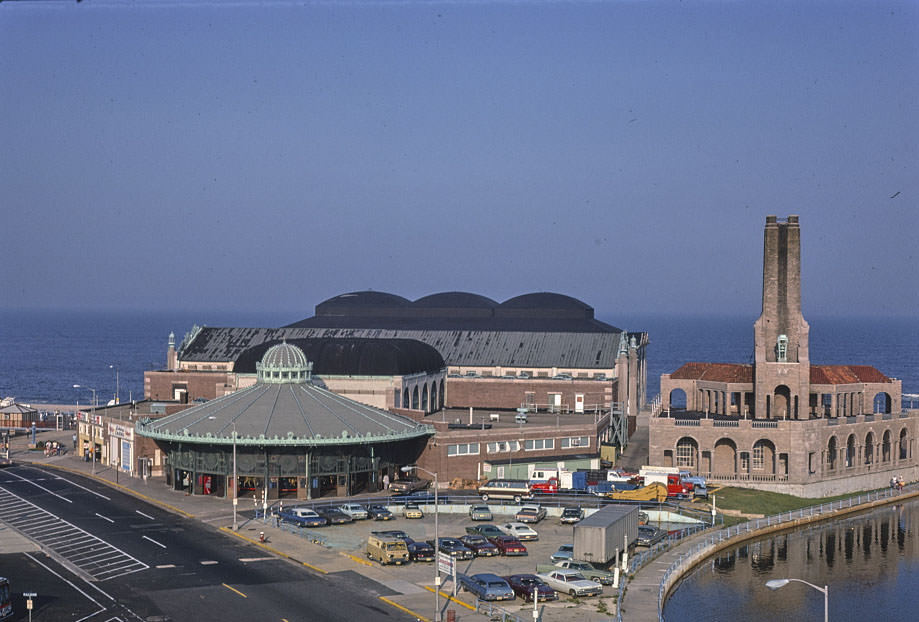
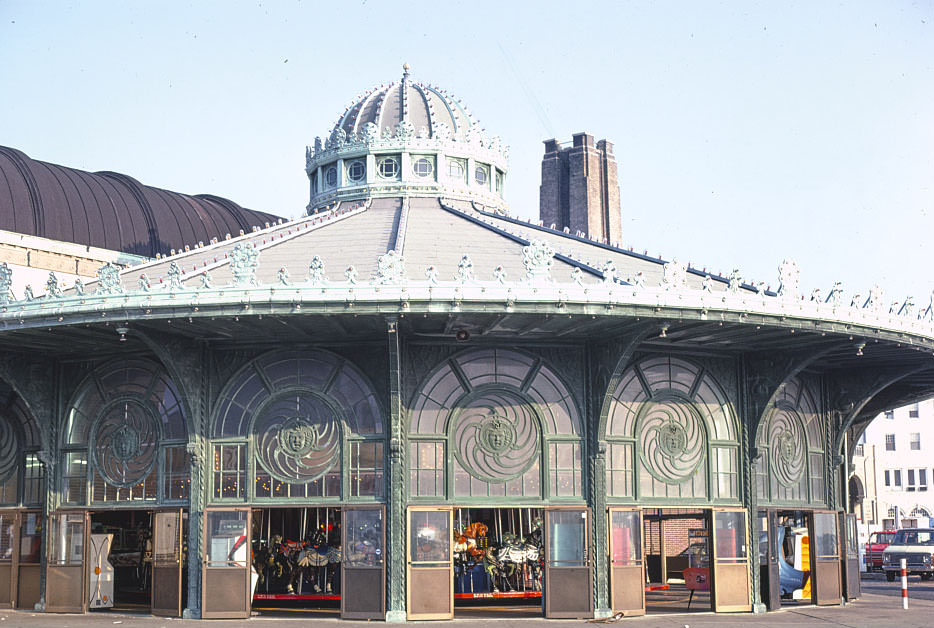
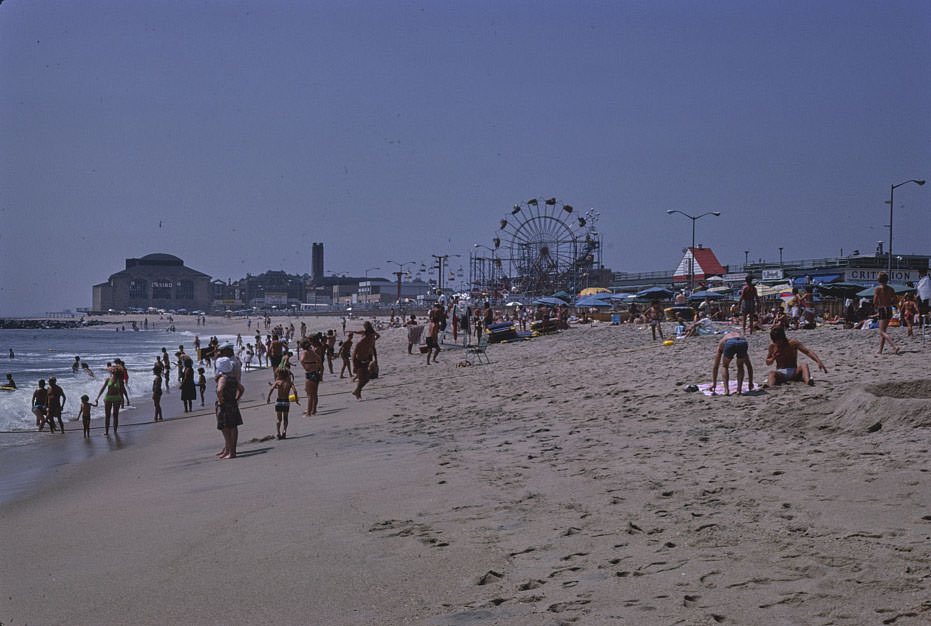
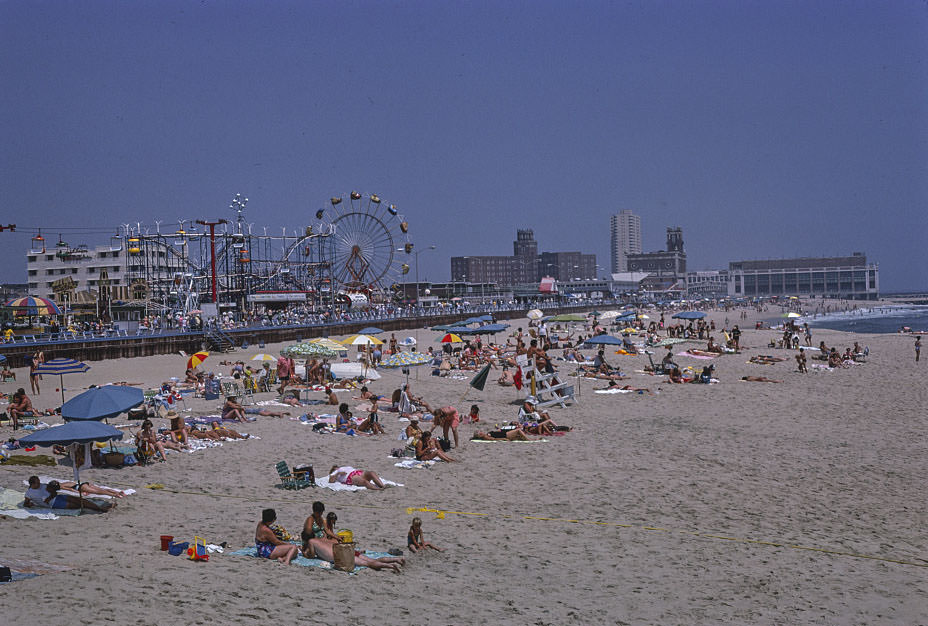
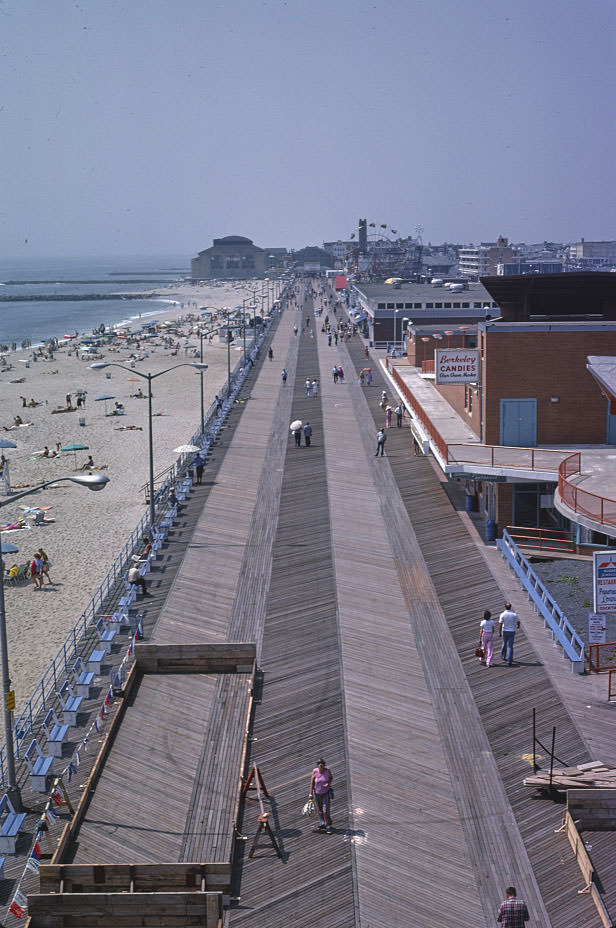
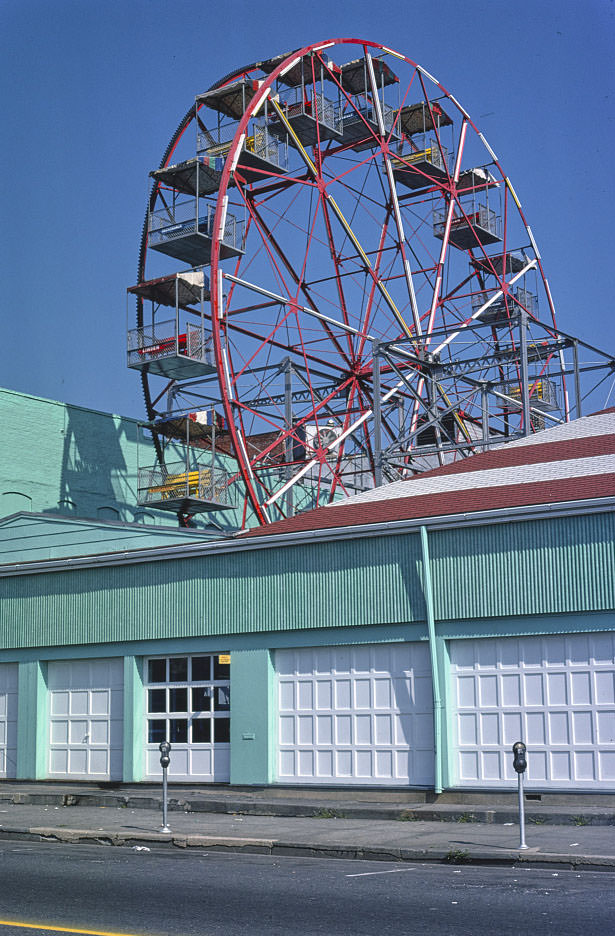
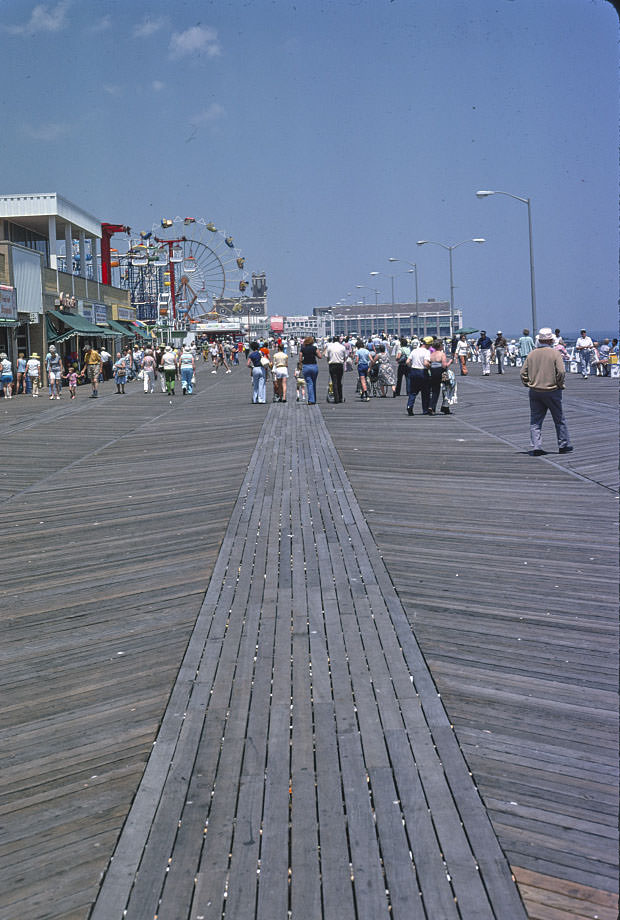
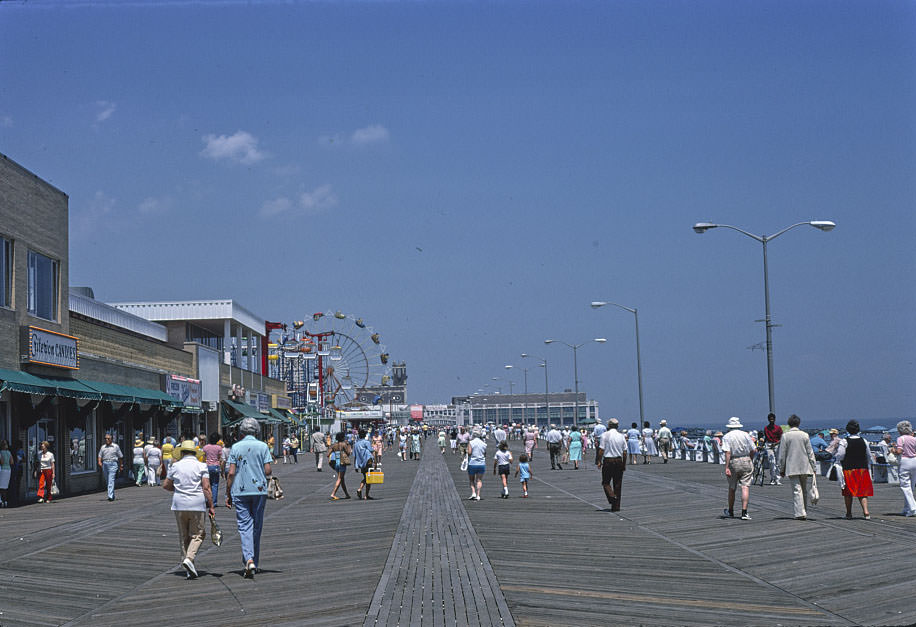
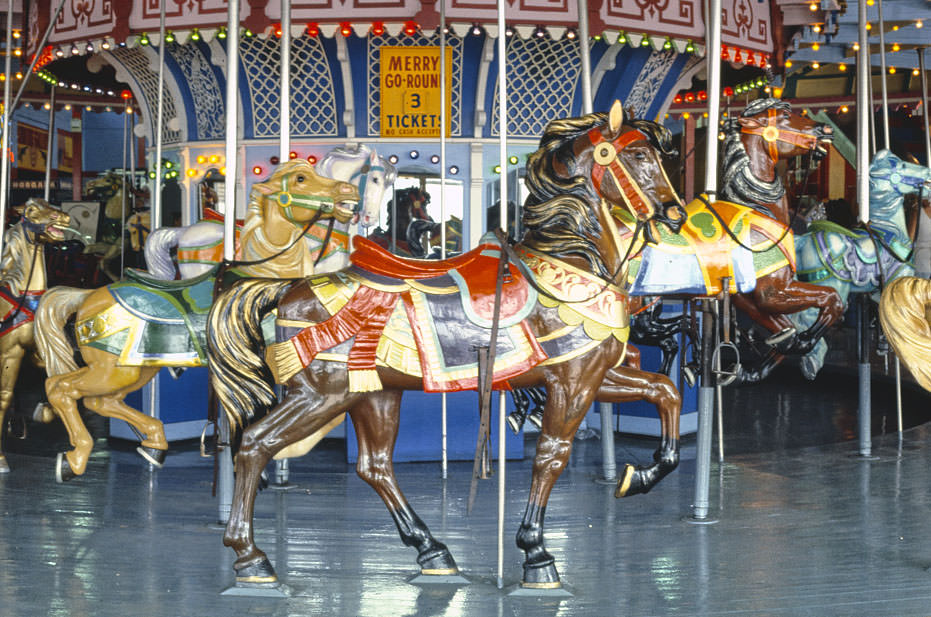
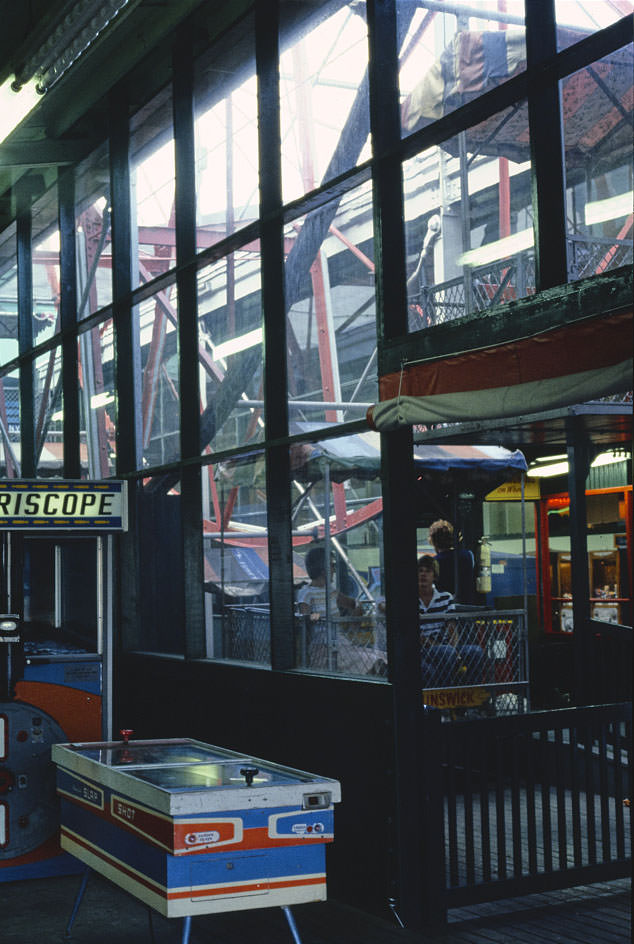
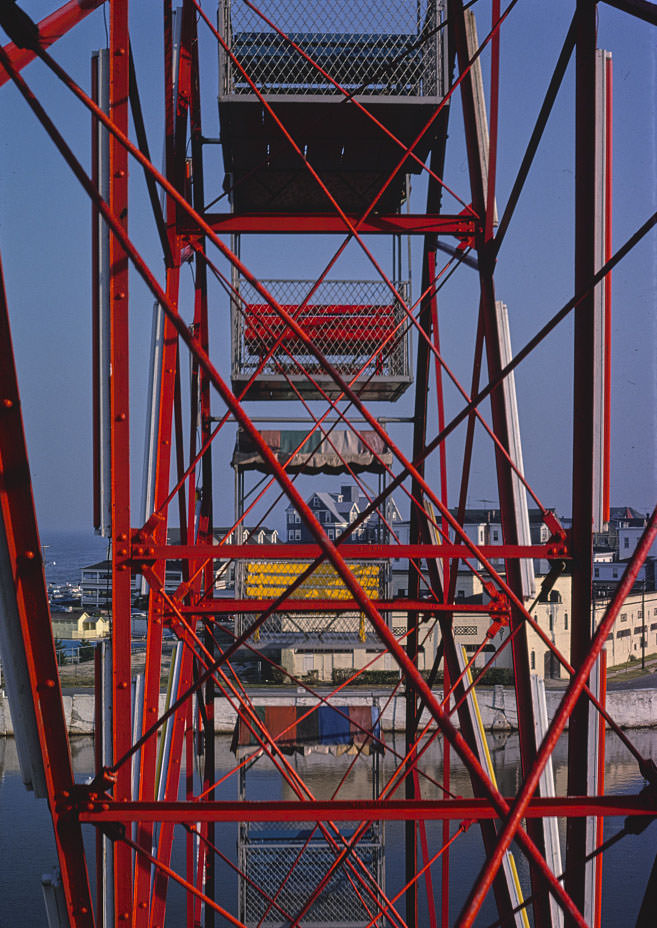
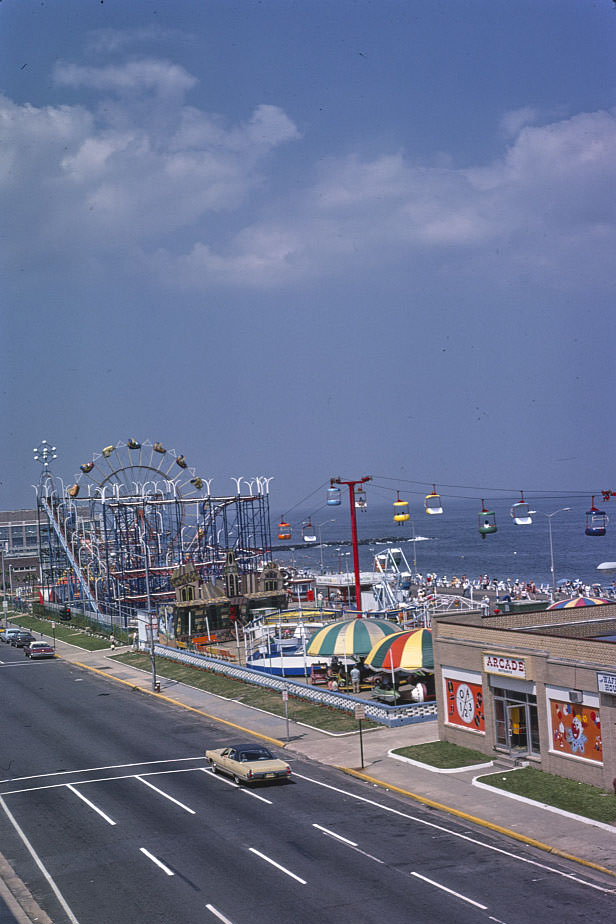
His photographs show a city that still had life in it. The carousel still turned. The Ferris wheel still rose above the rooftops. Palace Amusements still drew visitors with its bold colors and funhouse face painted across the facade. The boardwalk was worn but walkable, and the beach was open.
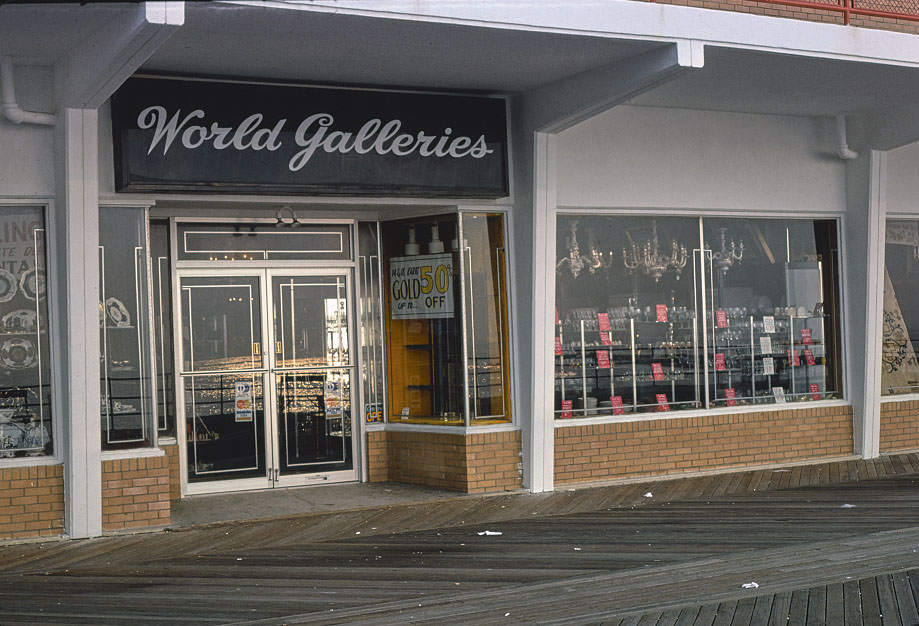
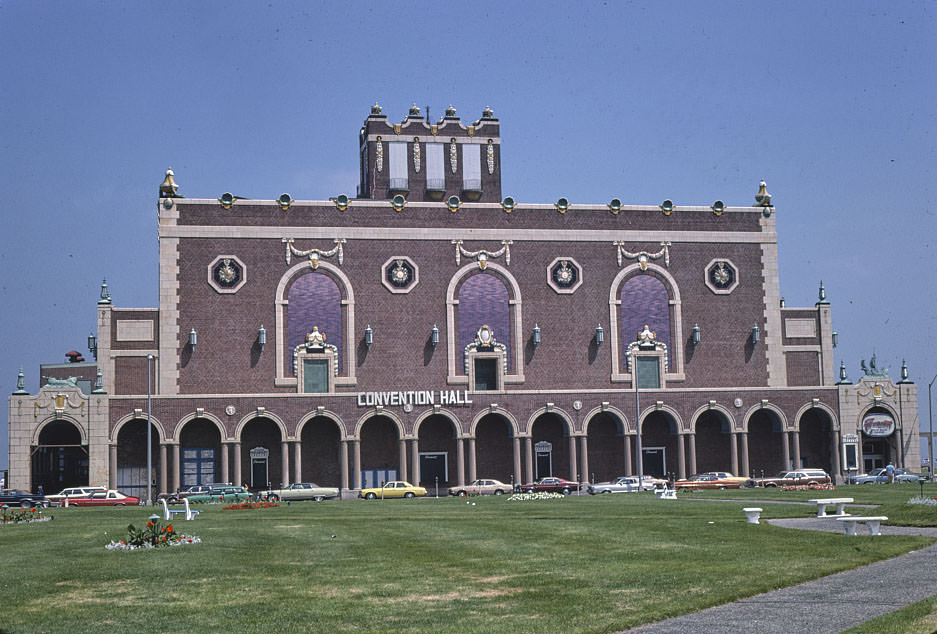
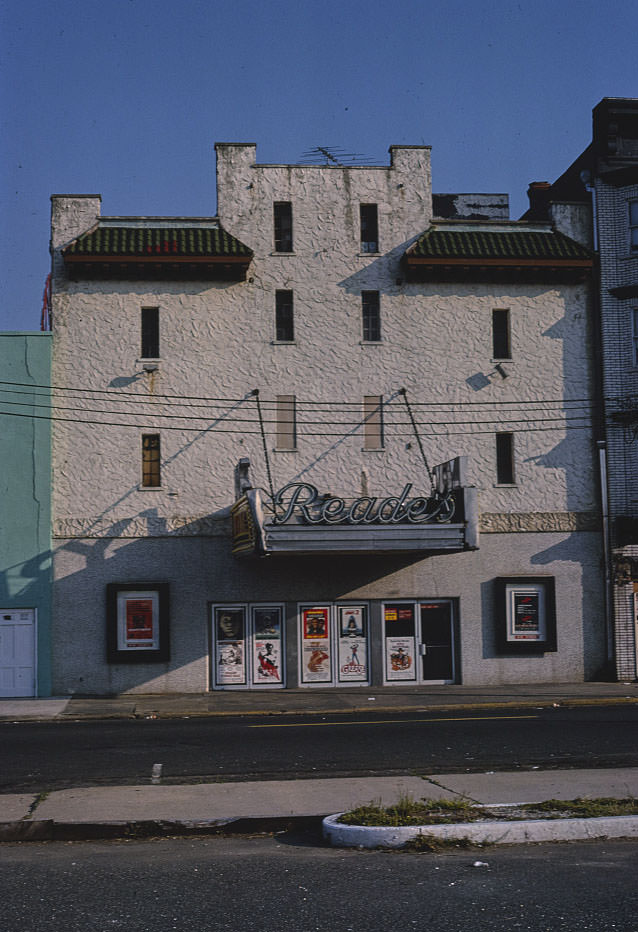
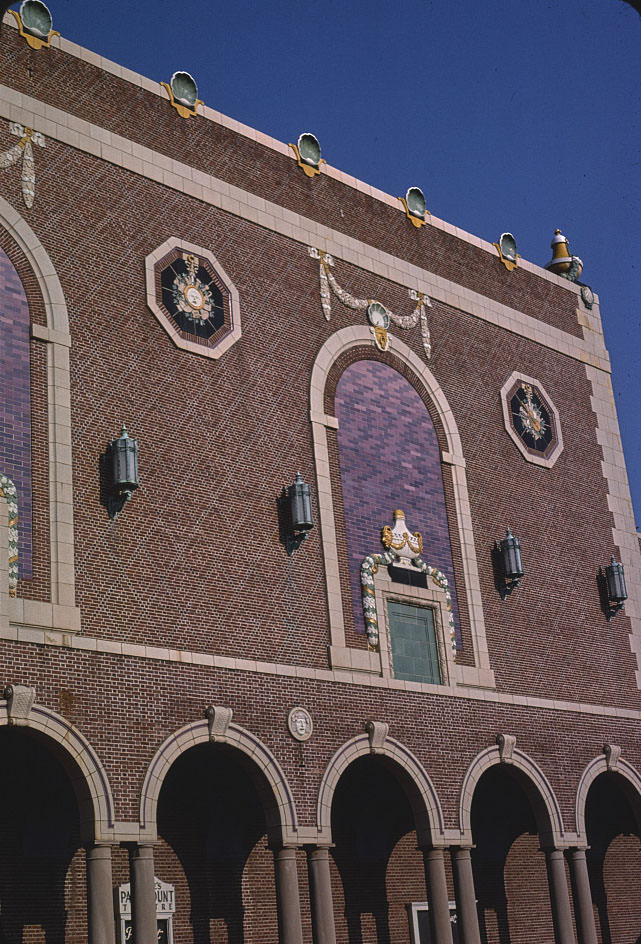
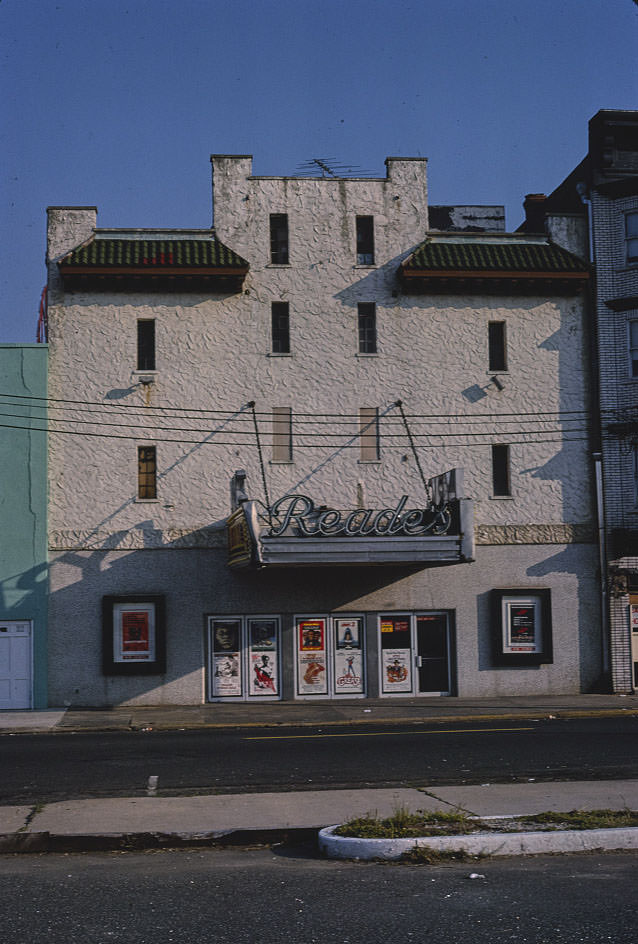
The Paramount Theater, connected to Convention Hall by its arcade, still stood in full view of the Atlantic. Reade’s Lyric Theater remained a fixture of the local entertainment scene. These buildings had been built to impress, and even in 1978 they still managed to do that, even if the crowds around them were thinner than in earlier decades.
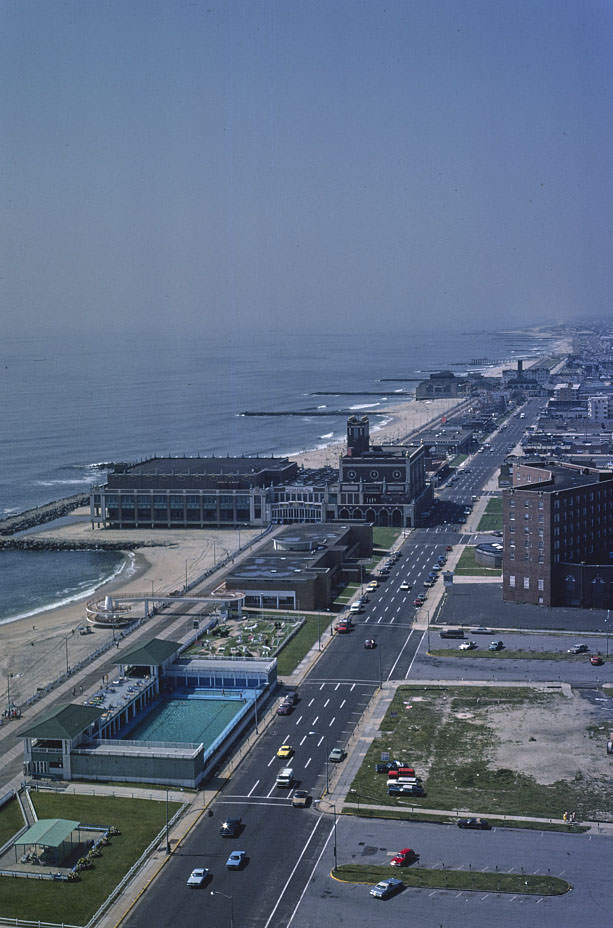
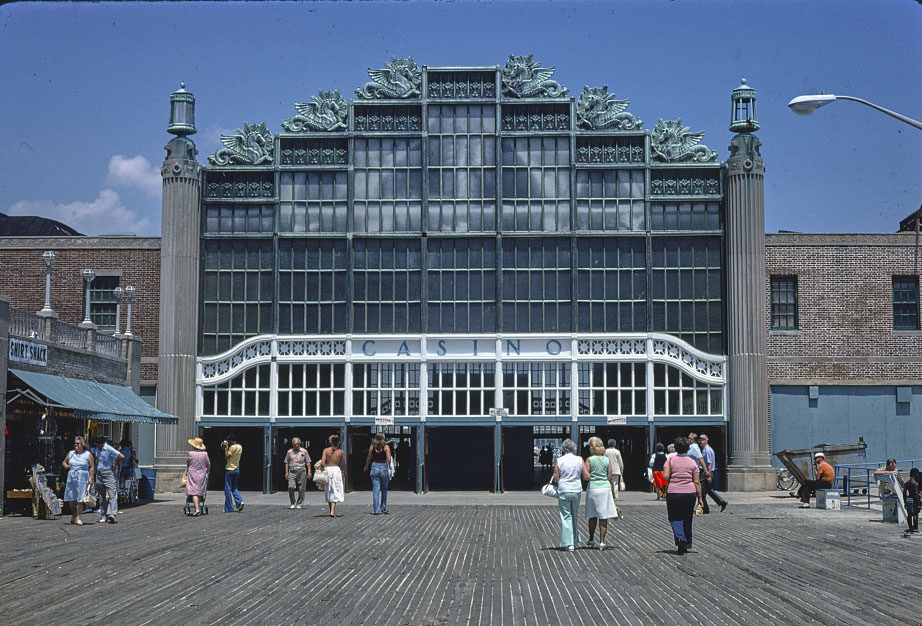
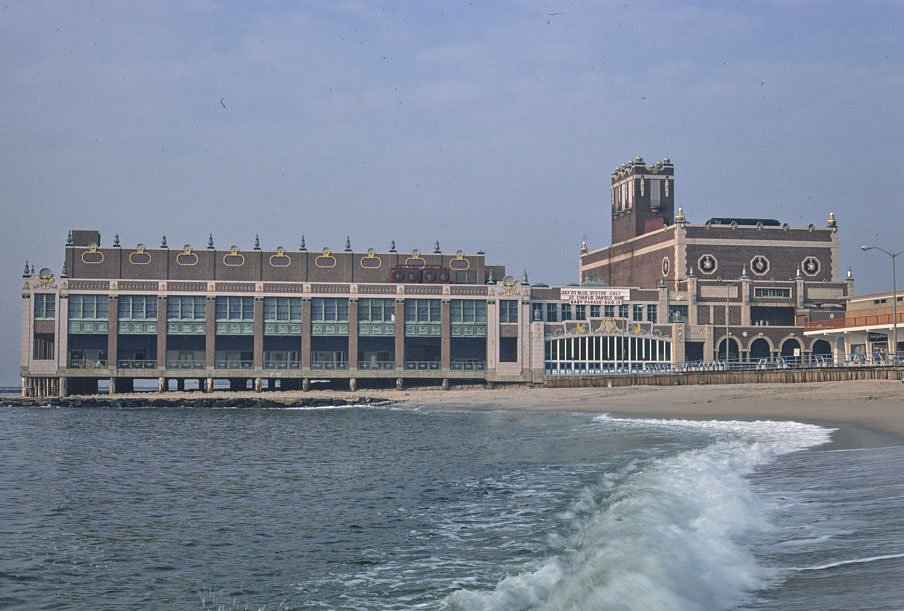
The carousel at Palace Amusements was a direct descendant of Ernest Schnitzler’s original 1888 installation. By 1978 it was nearly 90 years old and still operating. Margolies photographed it in detail, preserving a record of its ornate horses and spinning canopy in vivid color.
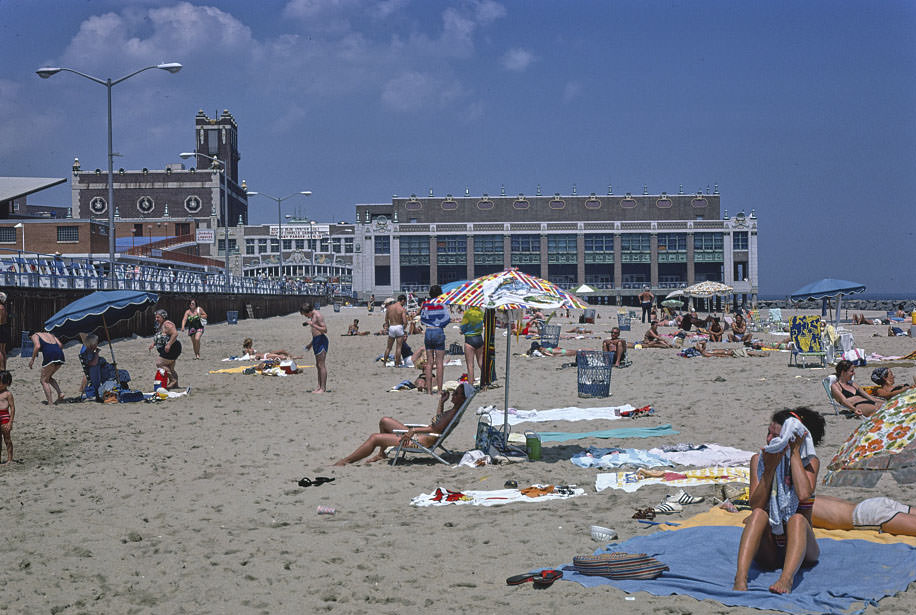
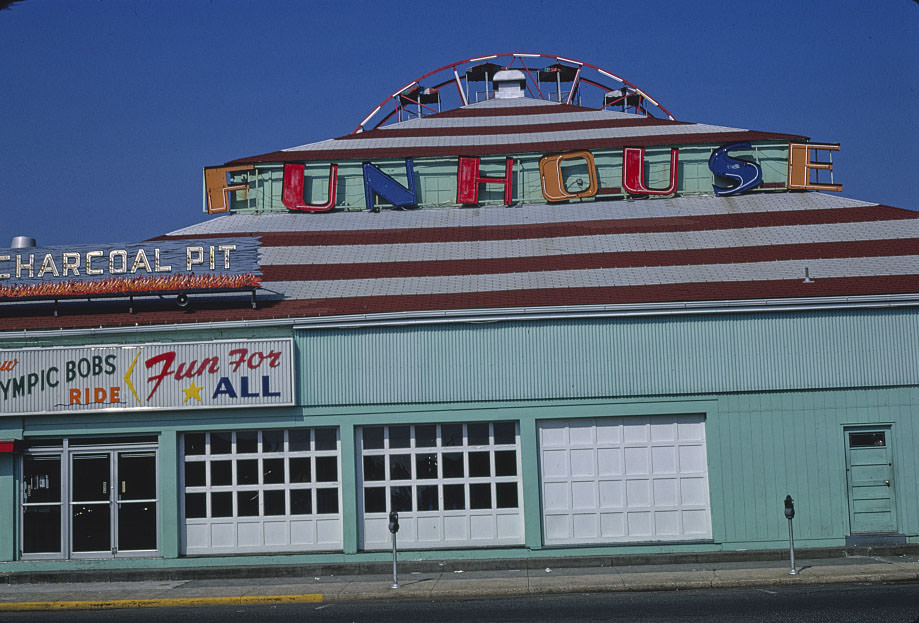
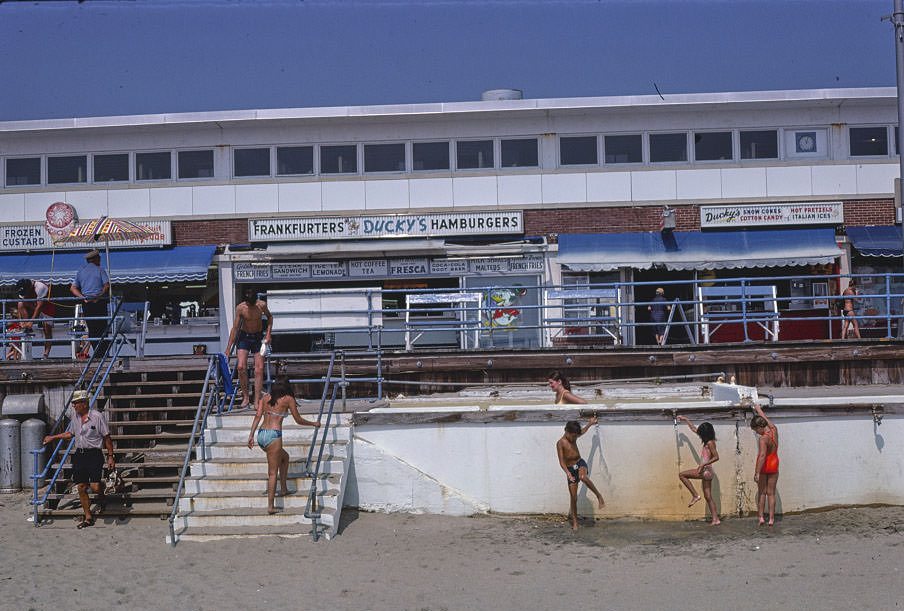
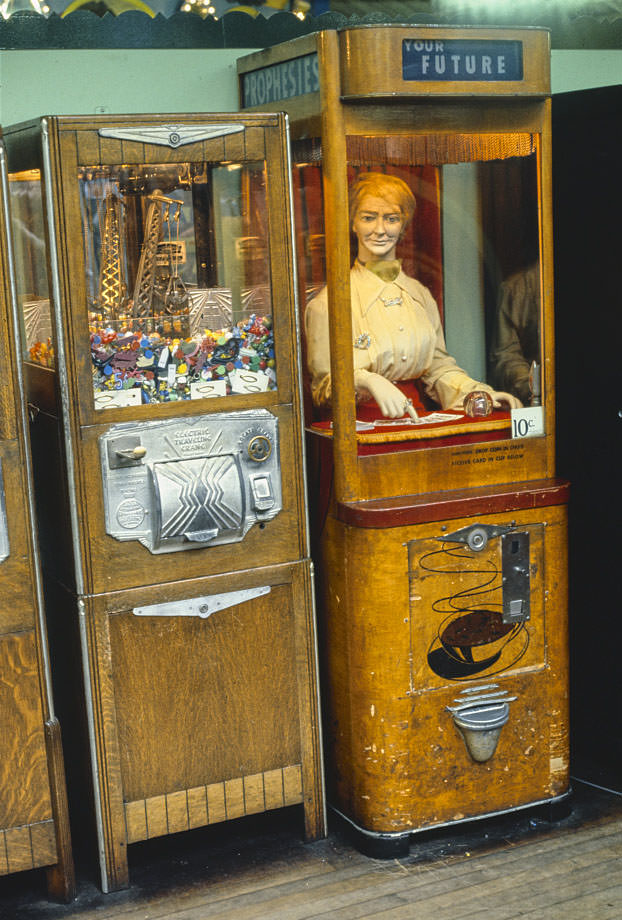
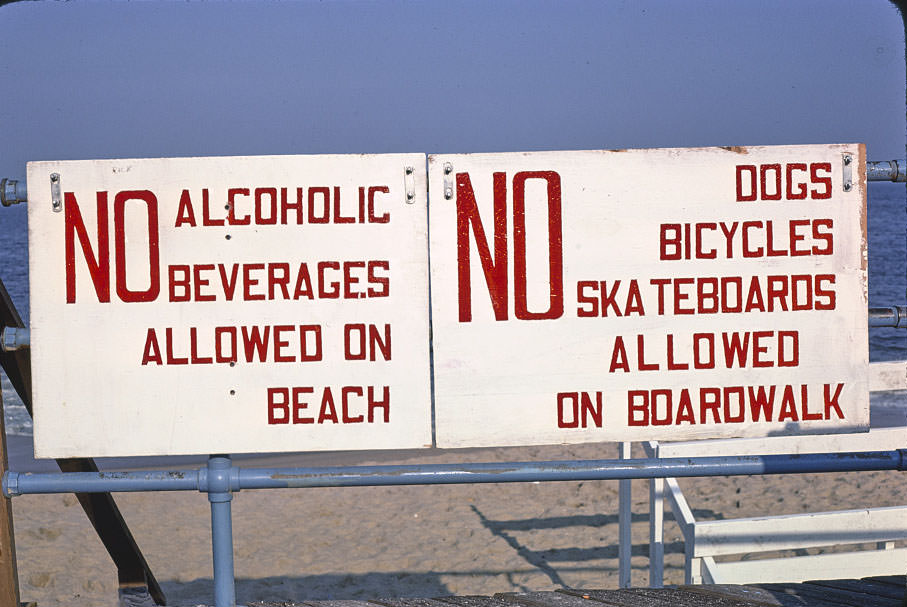
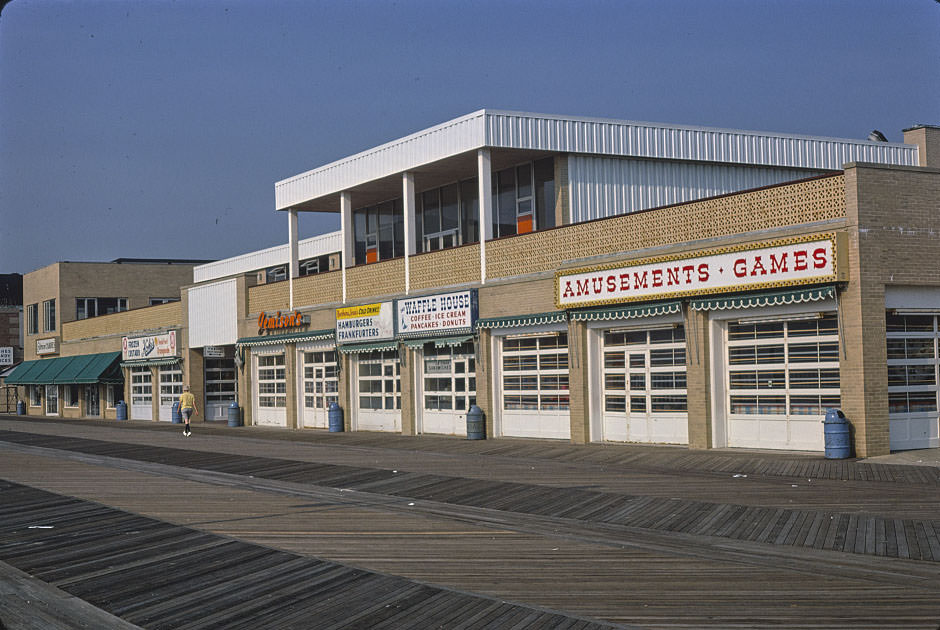
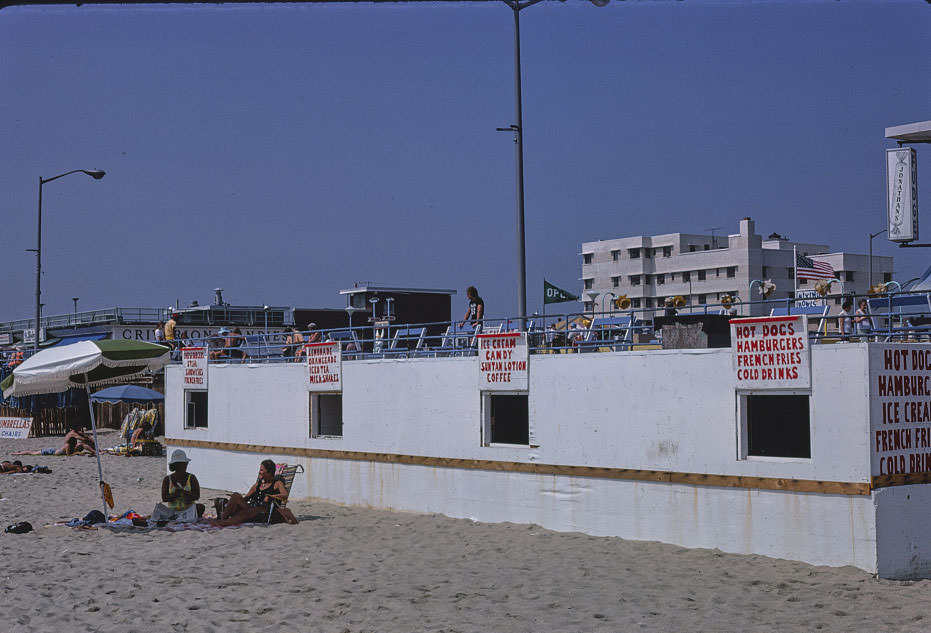
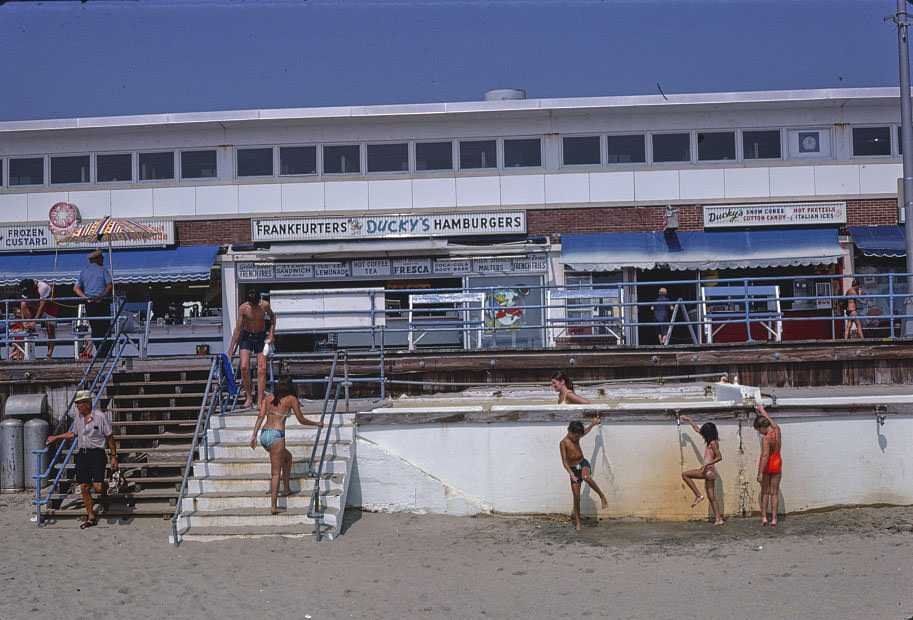
Margolies captured the smaller details too — beach showers, adjustable boardwalk benches, posted beach rules, and snack bars. These were the everyday elements of a resort town that most photographers overlooked. Together they paint a full picture of what it actually felt like to spend a day in Asbury Park in the summer of 1978.





Great pictures love the past in a photo