James Arthur built one of the most respected photography careers in late 19th-century America. Born in Montreal to Scottish immigrant parents who were financially comfortable, Arthur attended prestigious private schools where he developed a sharp artistic eye. That eye would later define his entire professional life behind the camera.
Arthur began his photography career at the well-known J. and J. W. Notman studio in Montreal. In 1881, he relocated to Detroit to work under photographer J. E. Watson. Two years later, in 1883, he became a senior partner at Arthur & Philbric, a studio he remained part of for eight years.
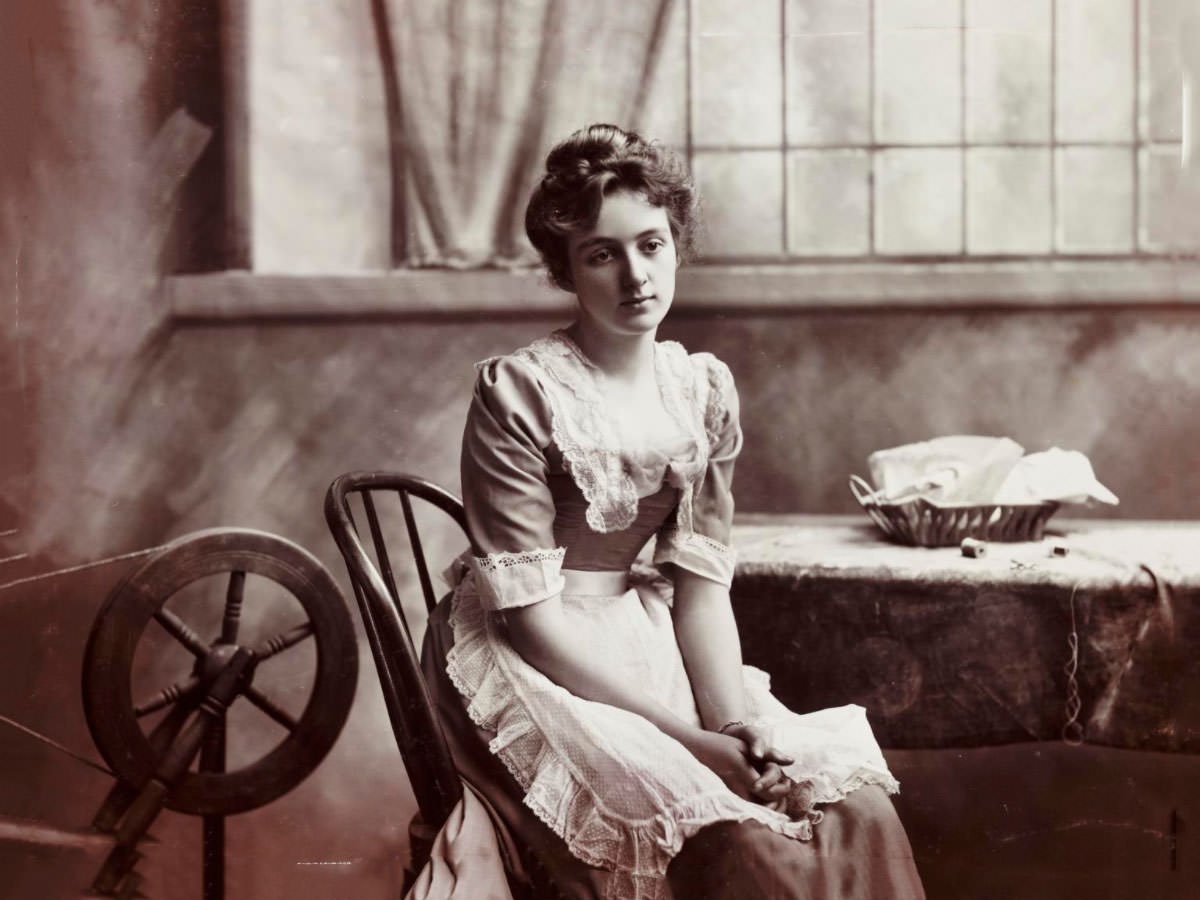
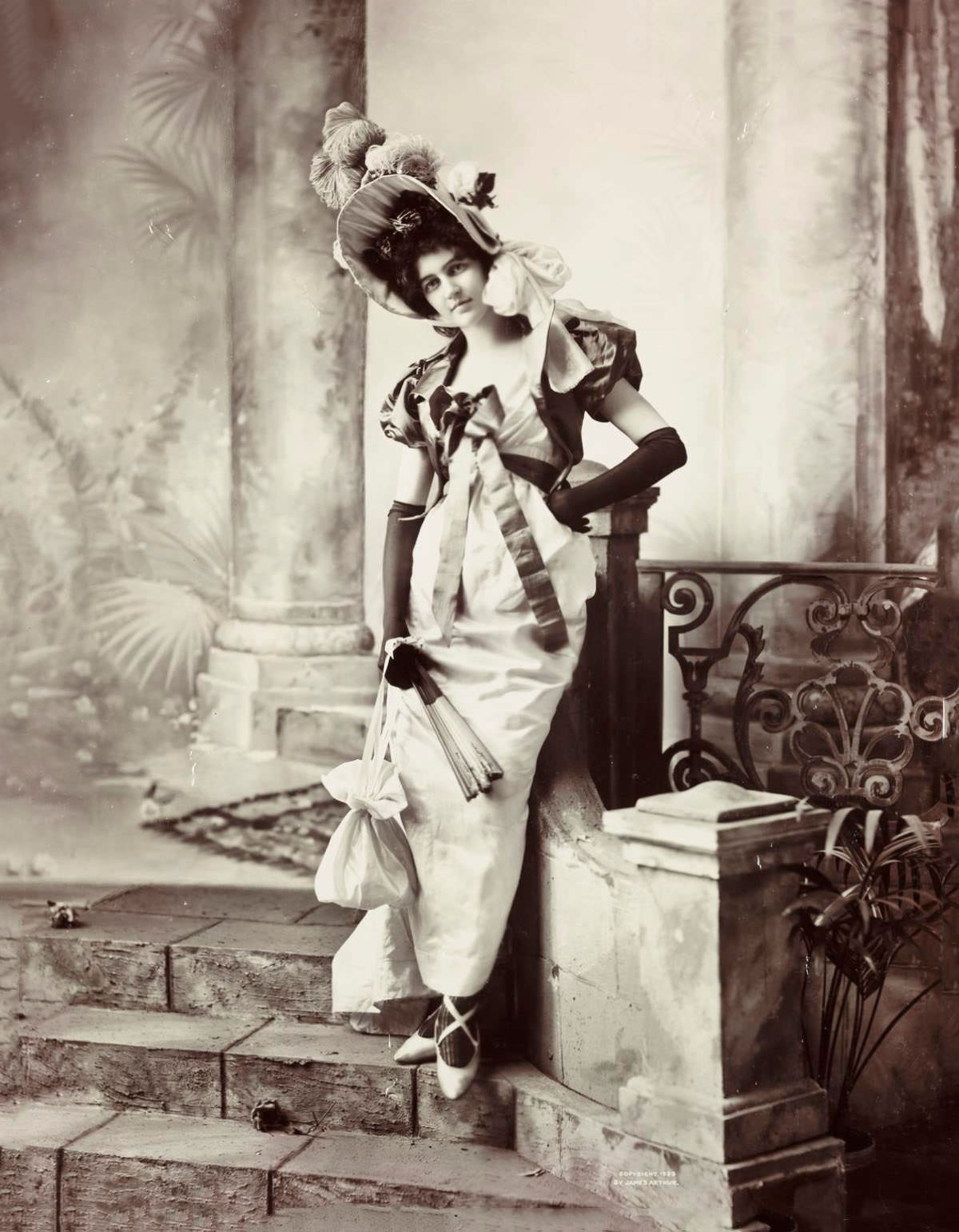
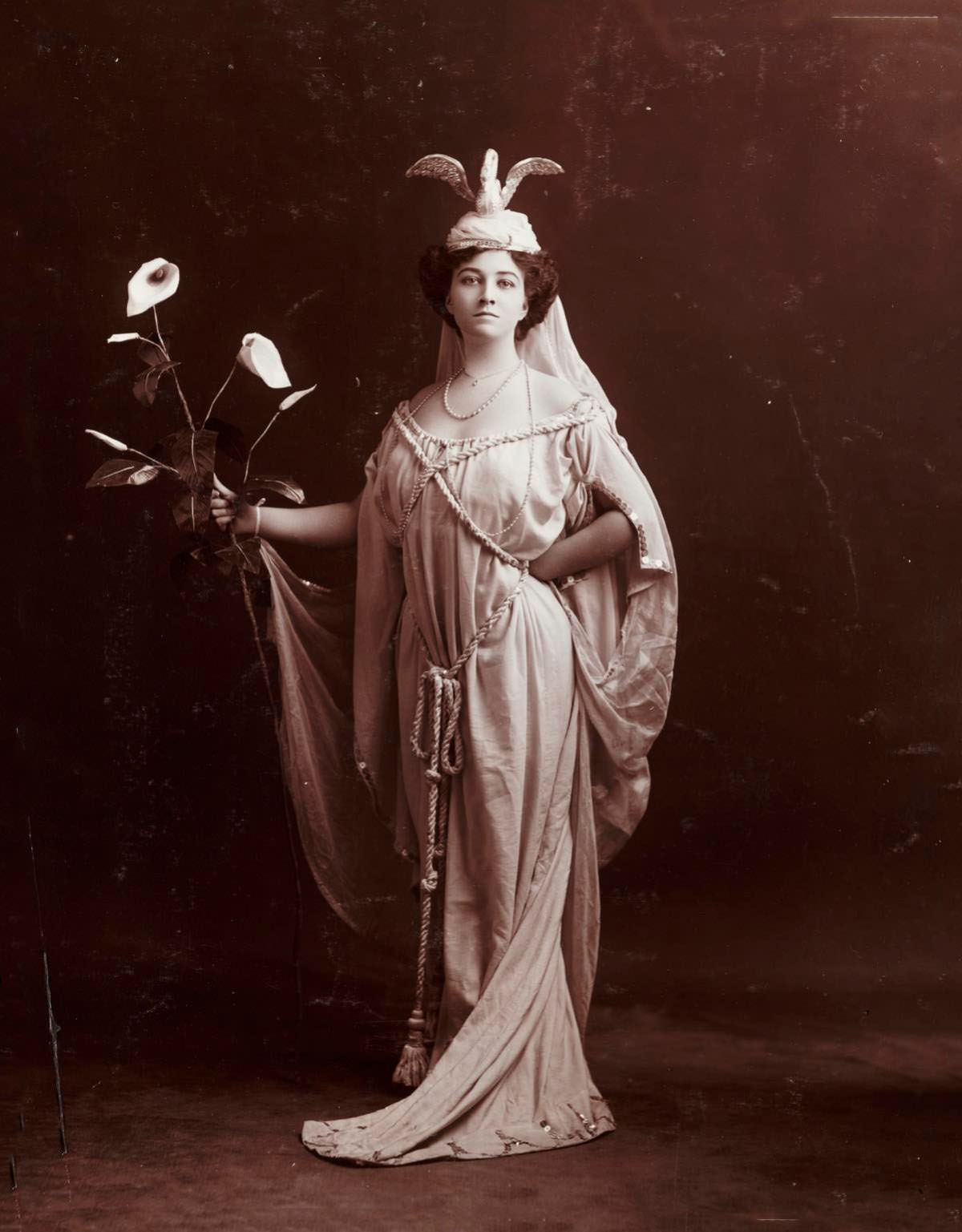
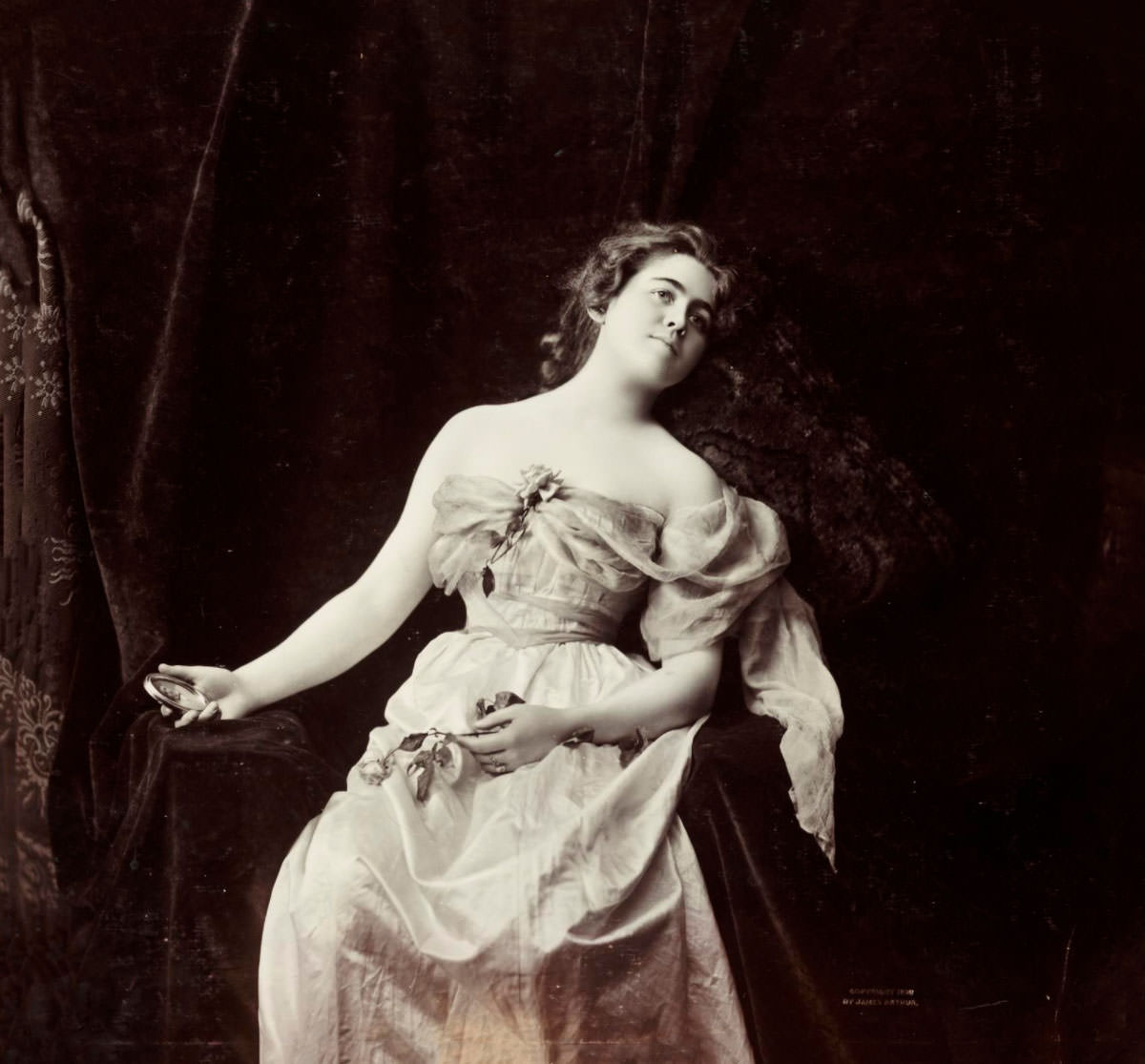
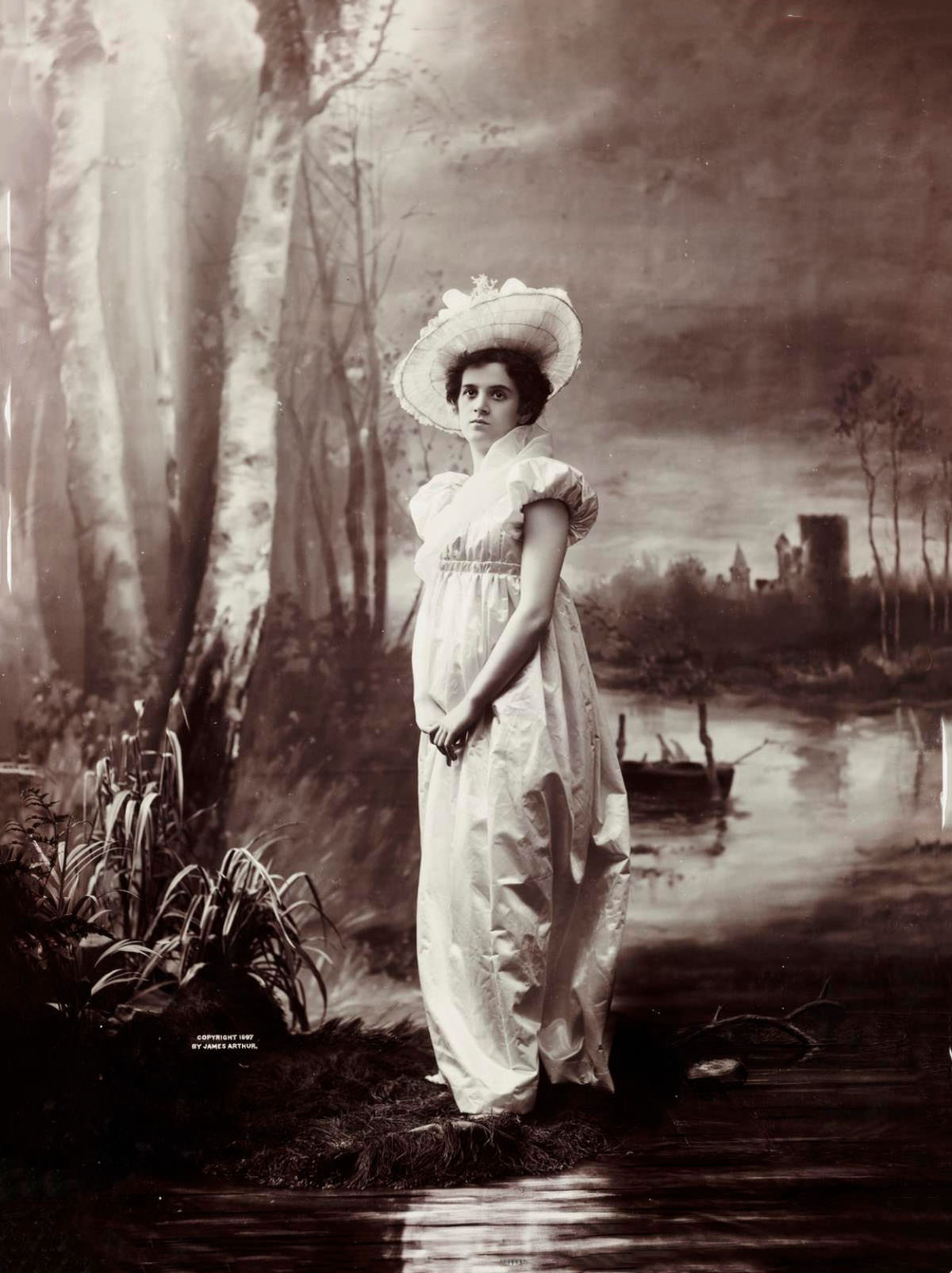
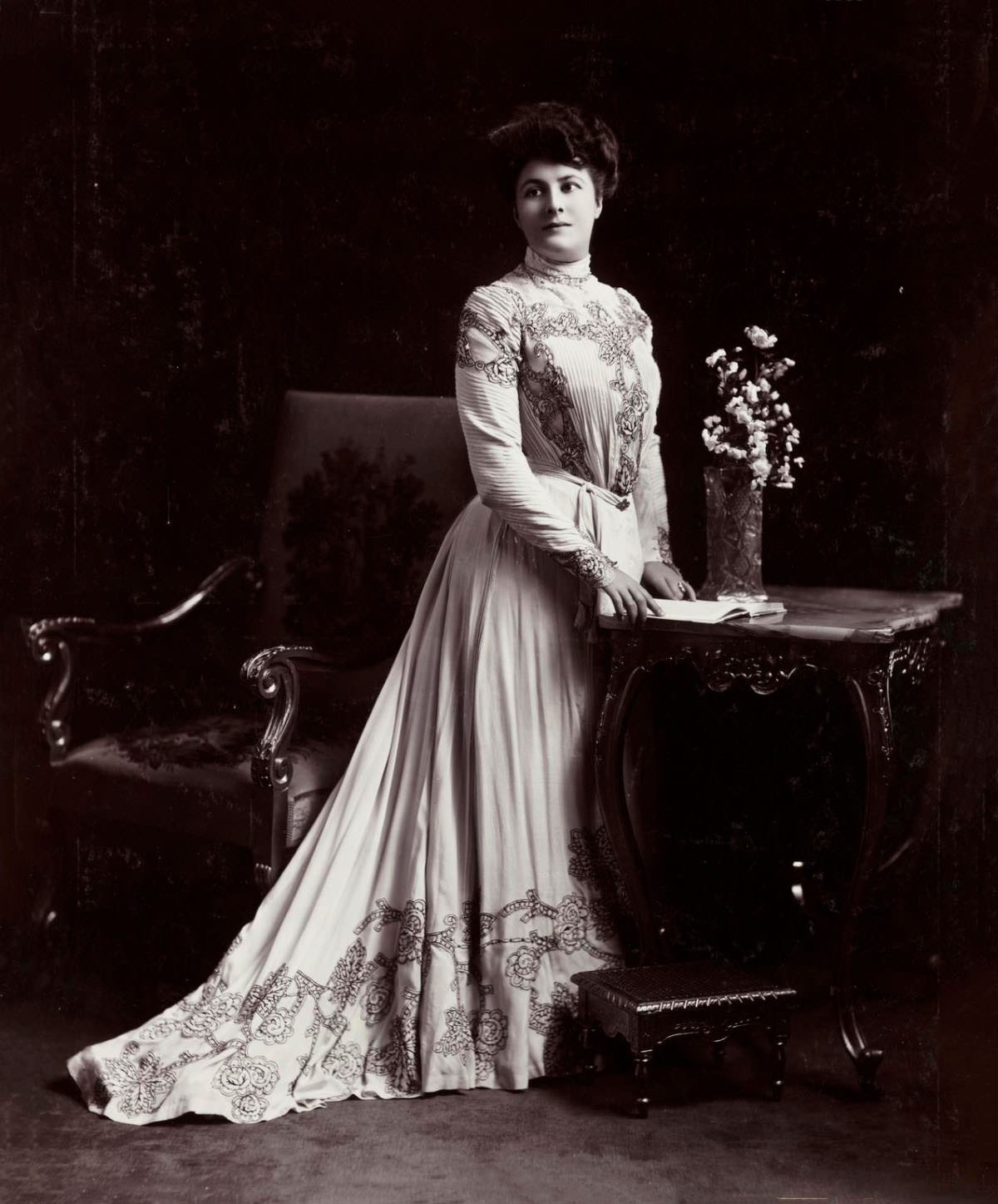
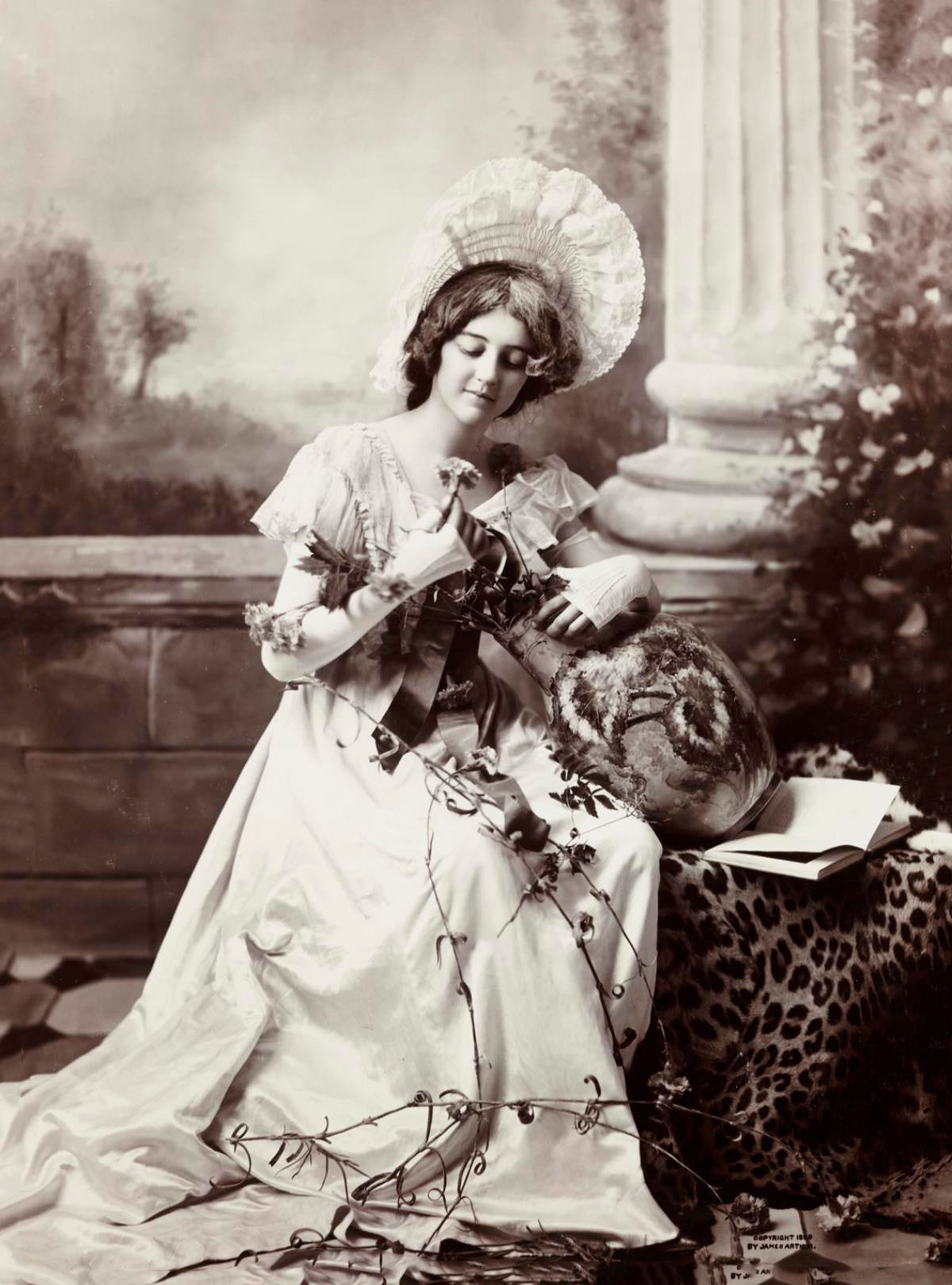
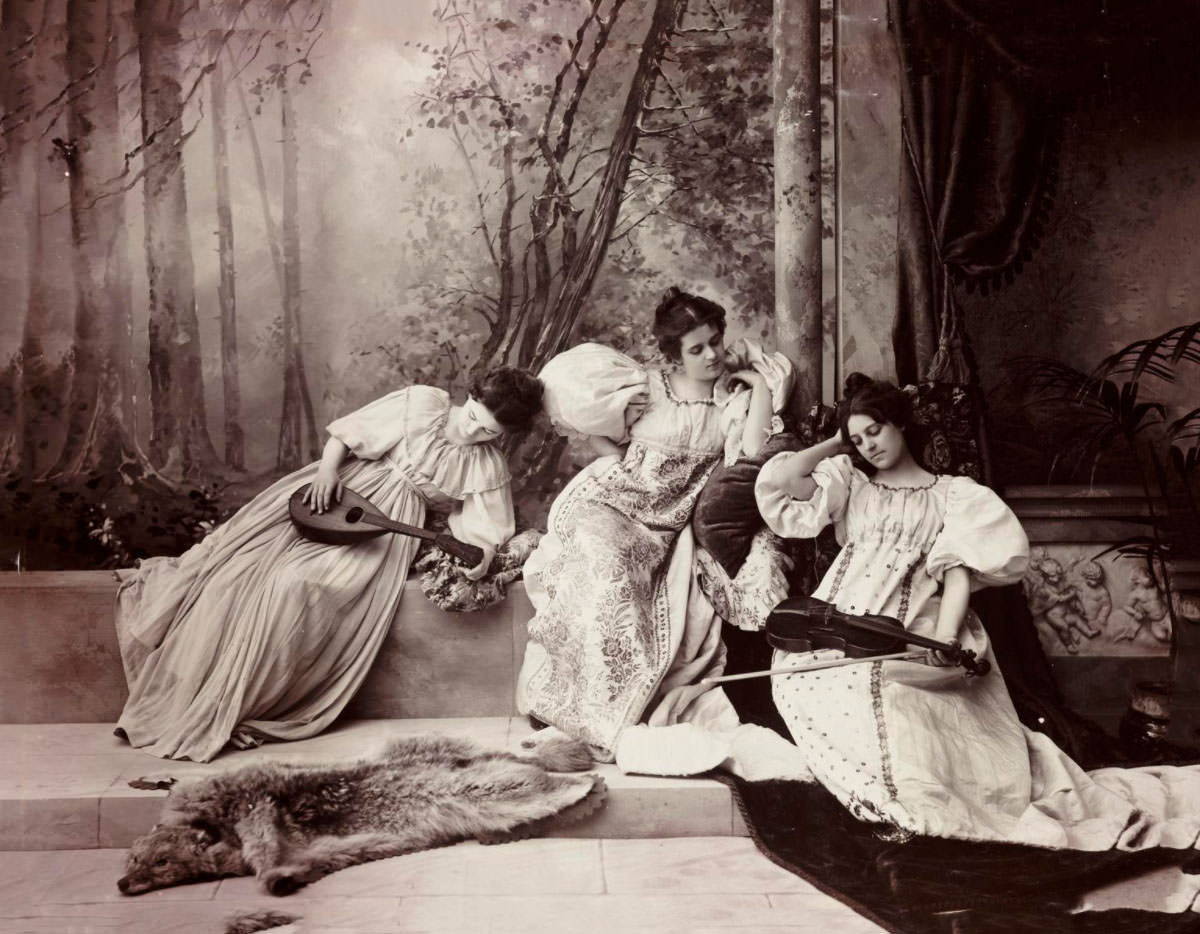
His partner at the studio was Helen M. Philbric, and together they produced portraits in Detroit, Michigan that captured the look and feel of American women during a fascinating period of change. After the partnership ended, Arthur went on to run Arthur Studios as the sole proprietor.
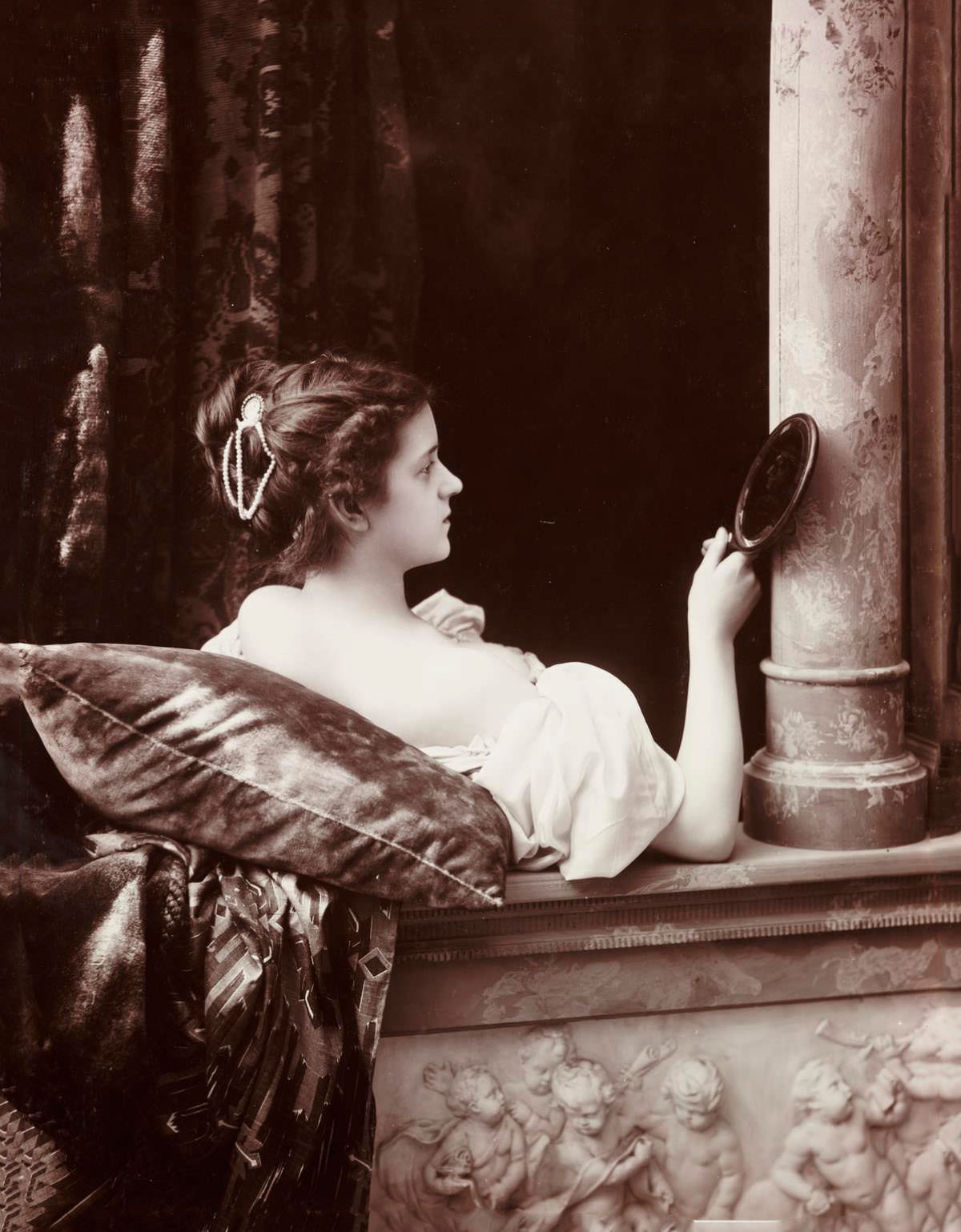
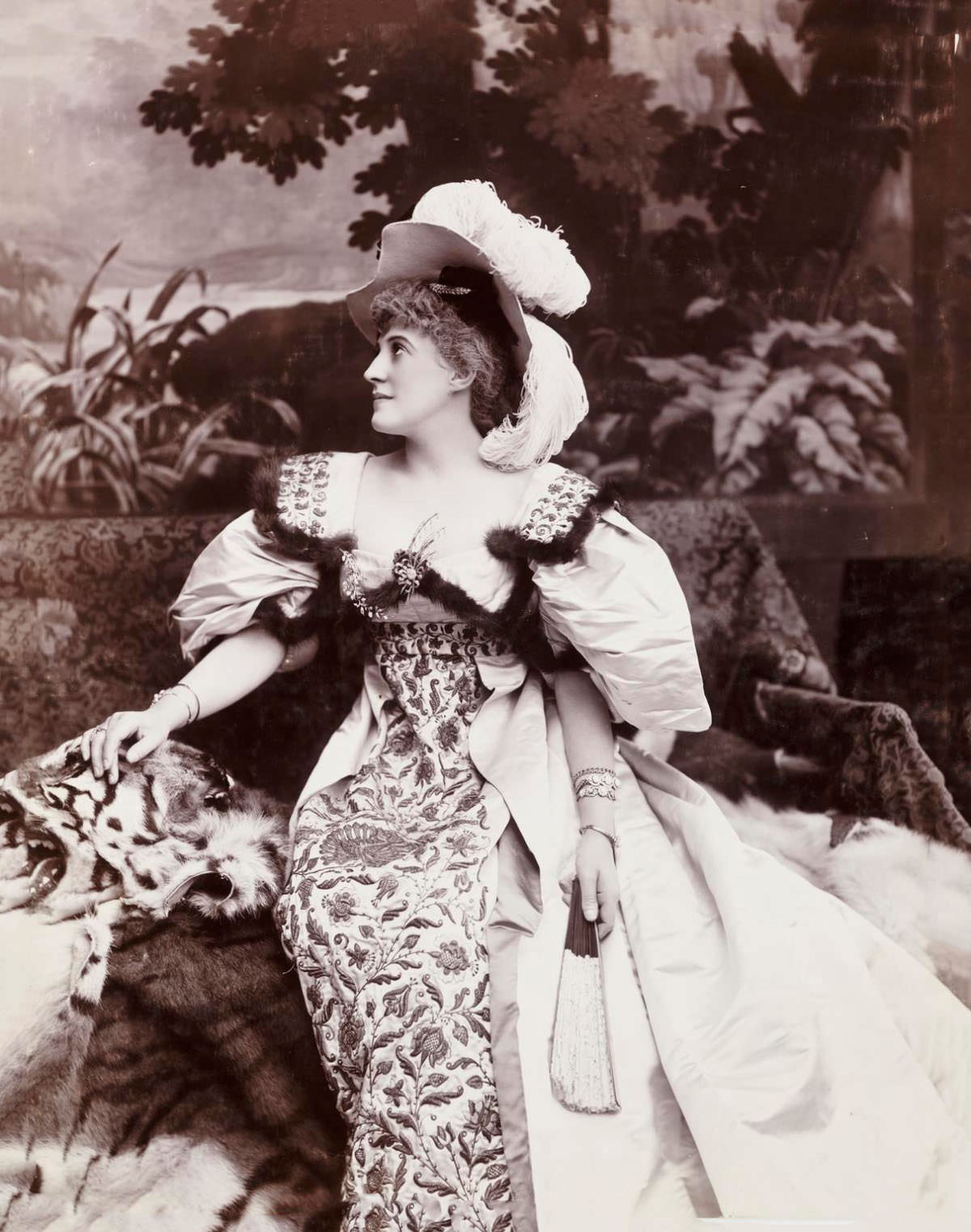
The portraits from Arthur & Philbric reflect the photographic style of the turn of the 20th century — carefully staged, formally posed, and technically precise. Women were photographed in their finest clothing, their expressions composed and dignified. Each image was a deliberate work of visual craft.
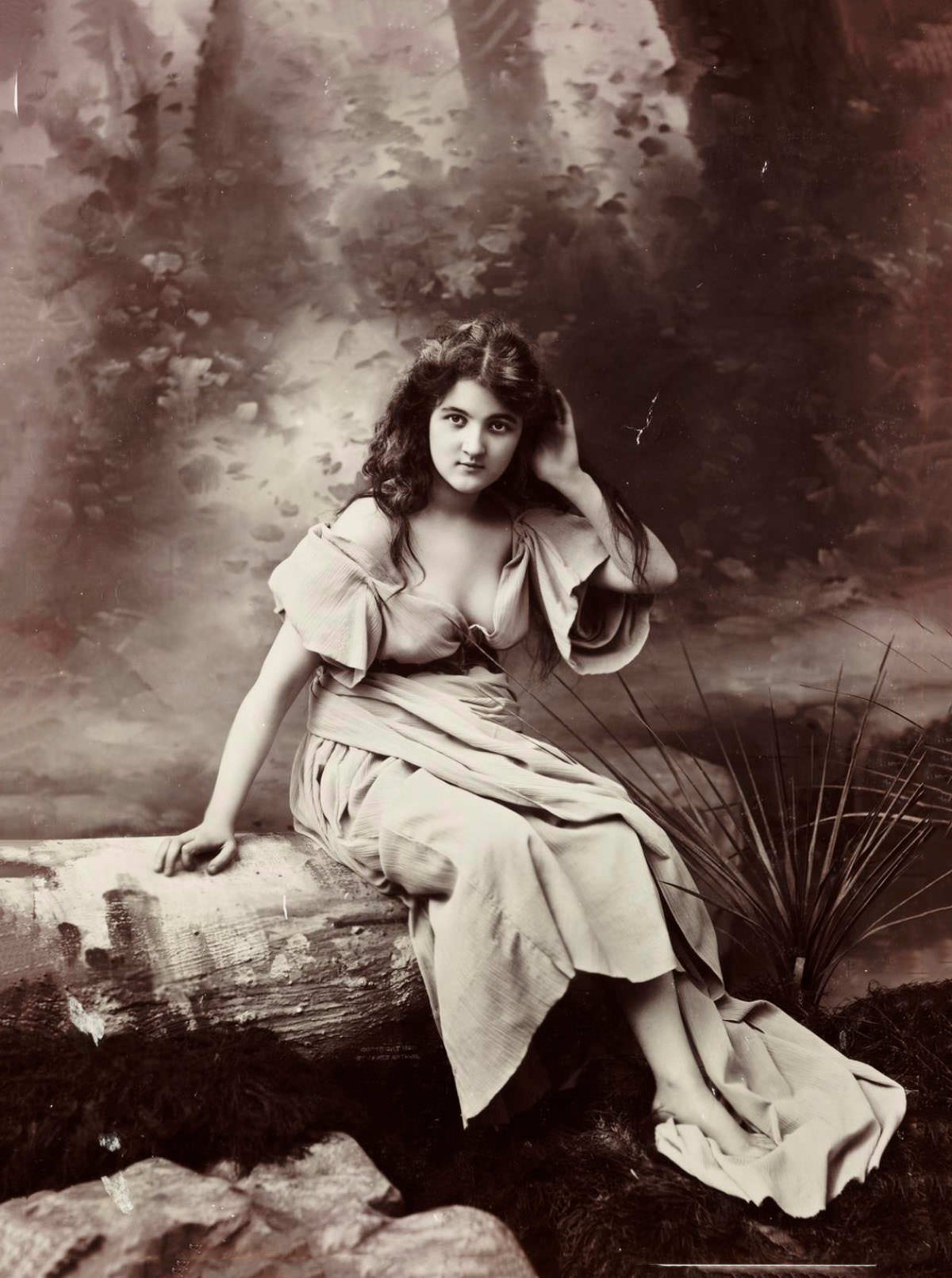
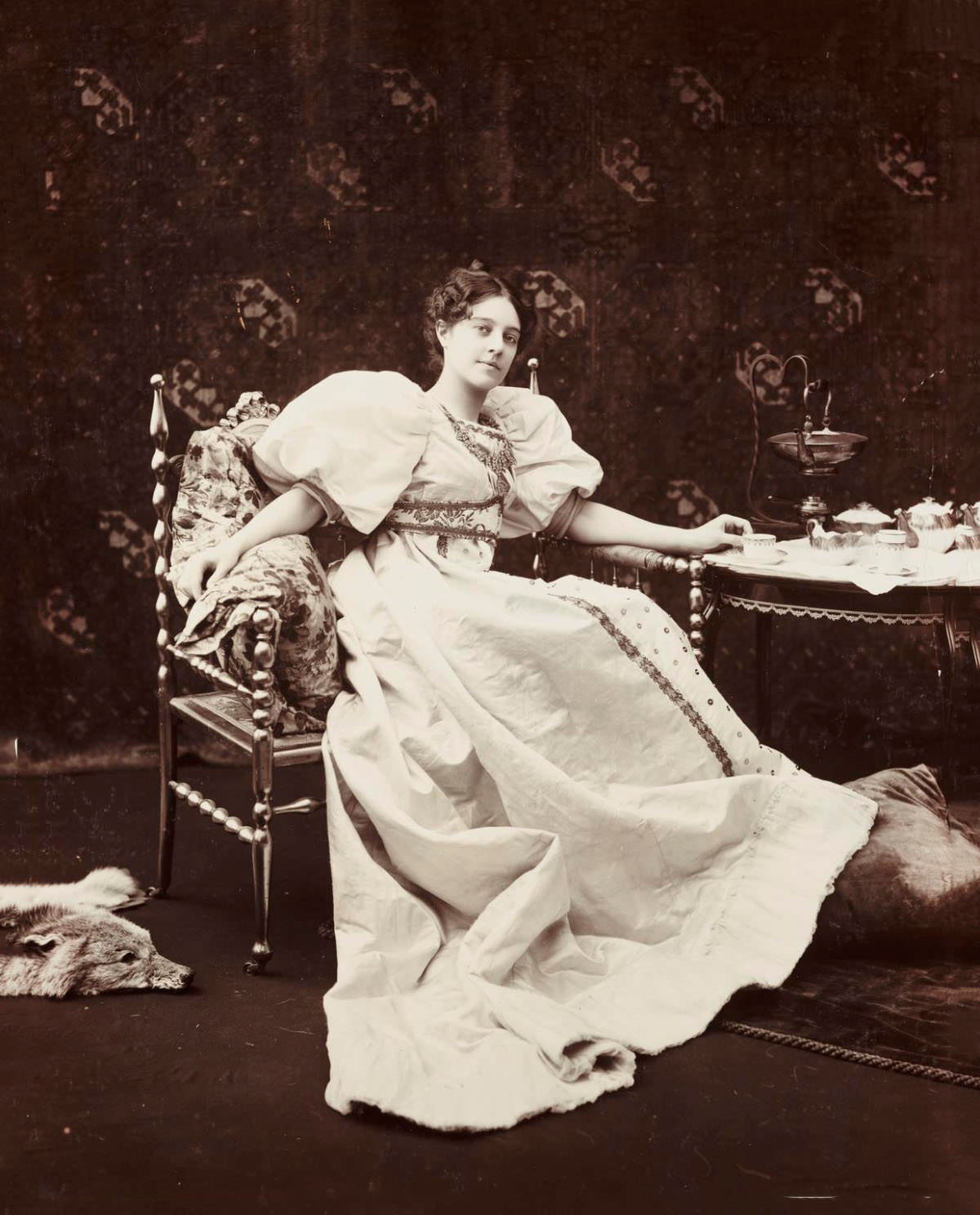
Detroit in the 1880s and 1890s was a growing industrial city, and portrait photography was one of the most popular ways for middle- and upper-class families to document themselves. Arthur’s studio became a go-to destination for that purpose, drawing clients who wanted images that spoke to their status and identity.
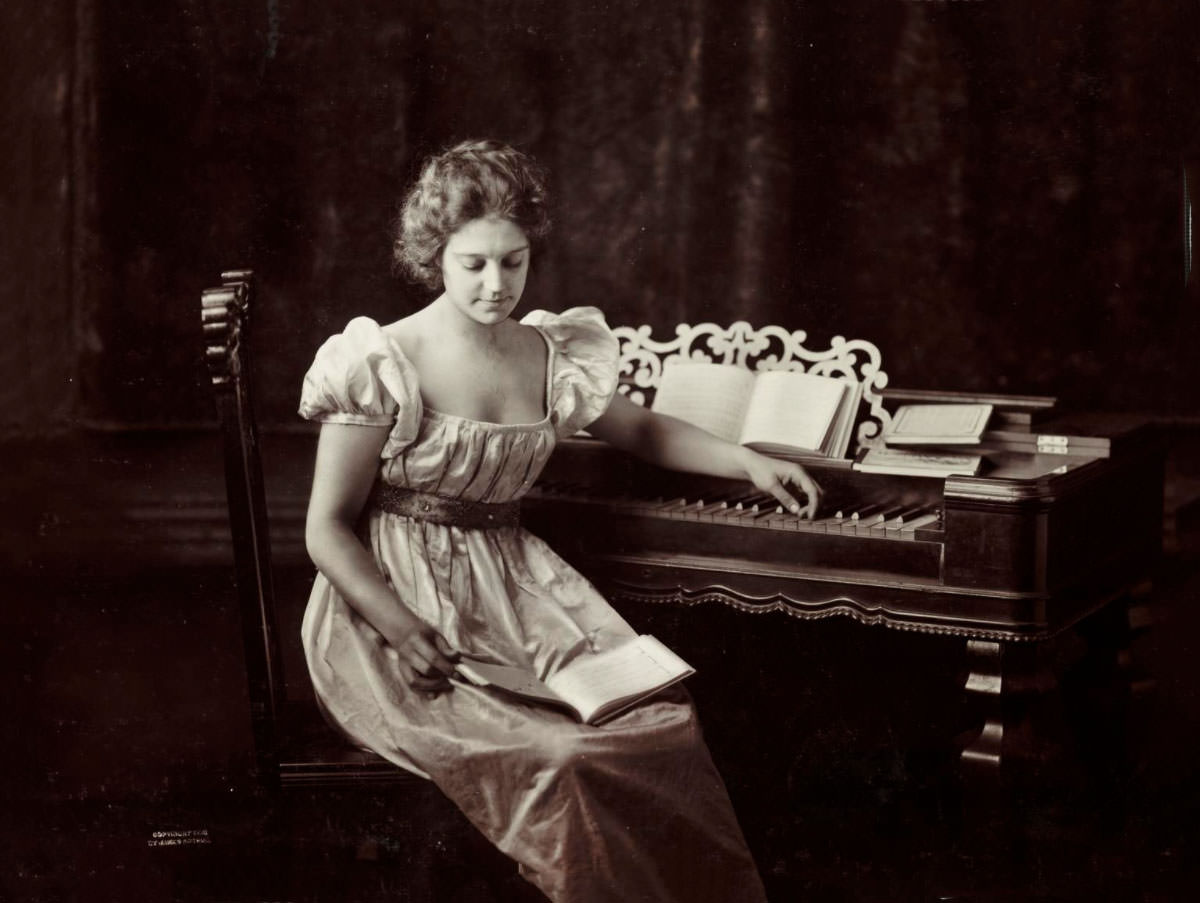
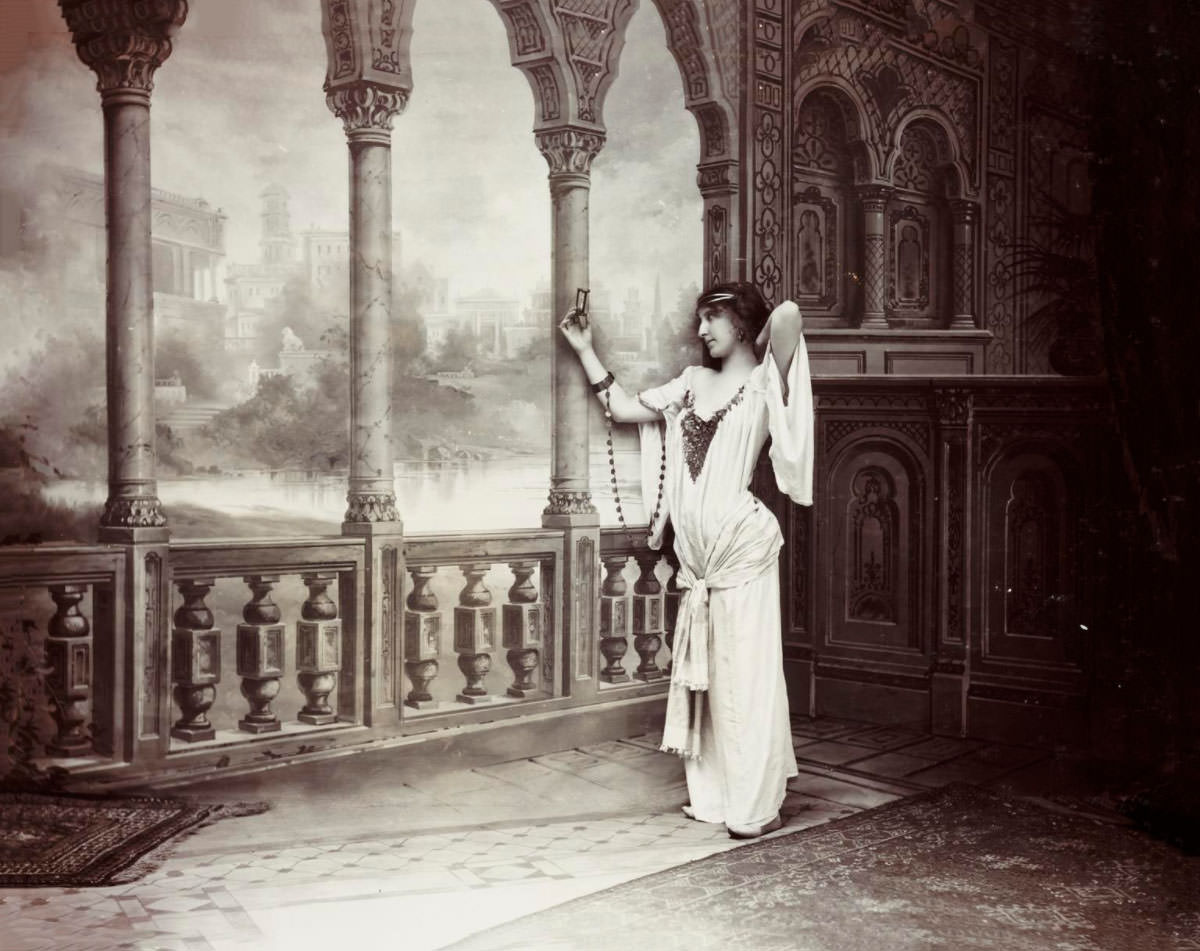
The technical demands of portrait photography at this time were significant. Photographers worked with large-format cameras, glass plate negatives, and long exposure times. Subjects had to remain still, and lighting had to be arranged with care. Arthur’s training at Notman’s studio — one of the most technically advanced of its era — gave him a strong foundation.
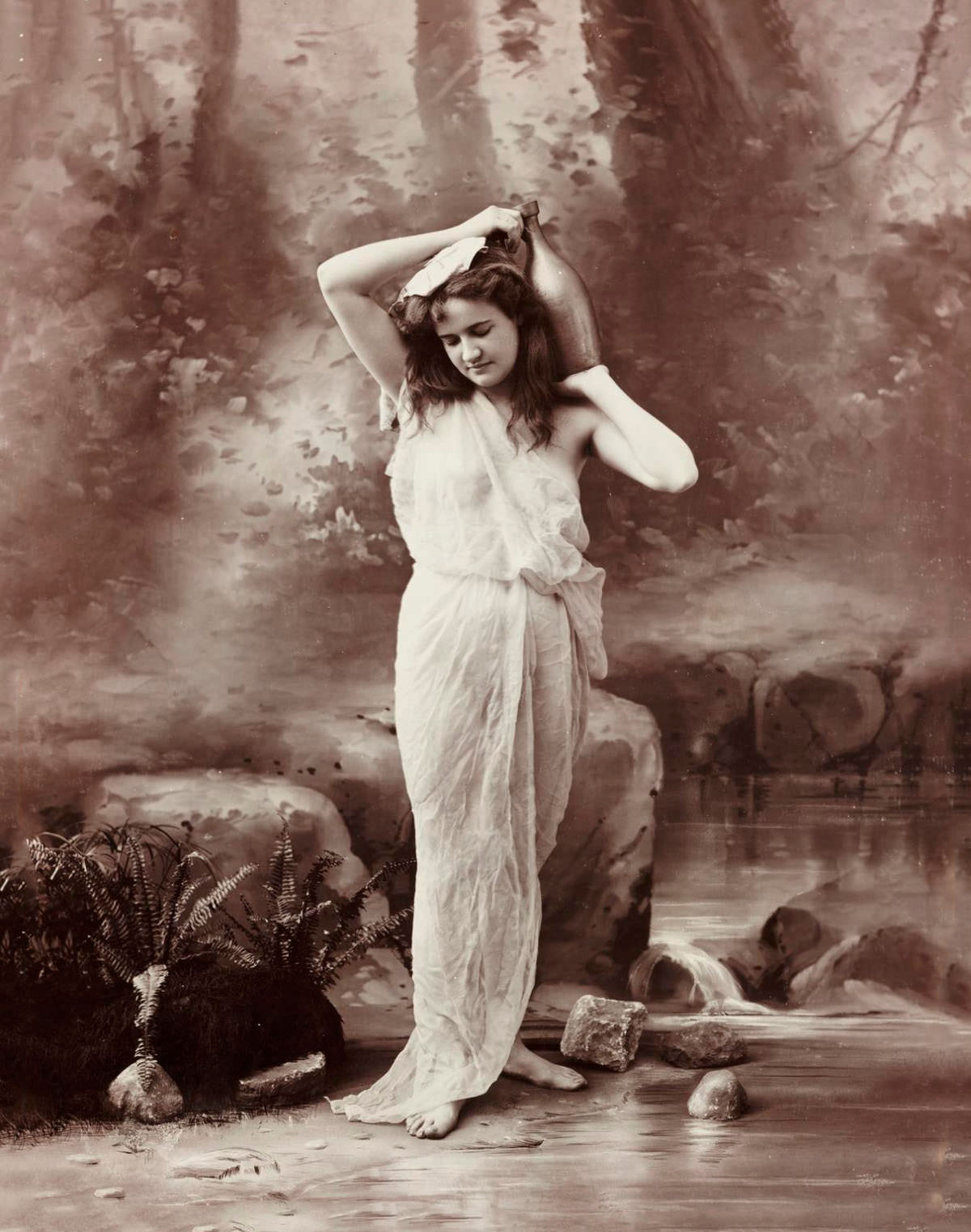
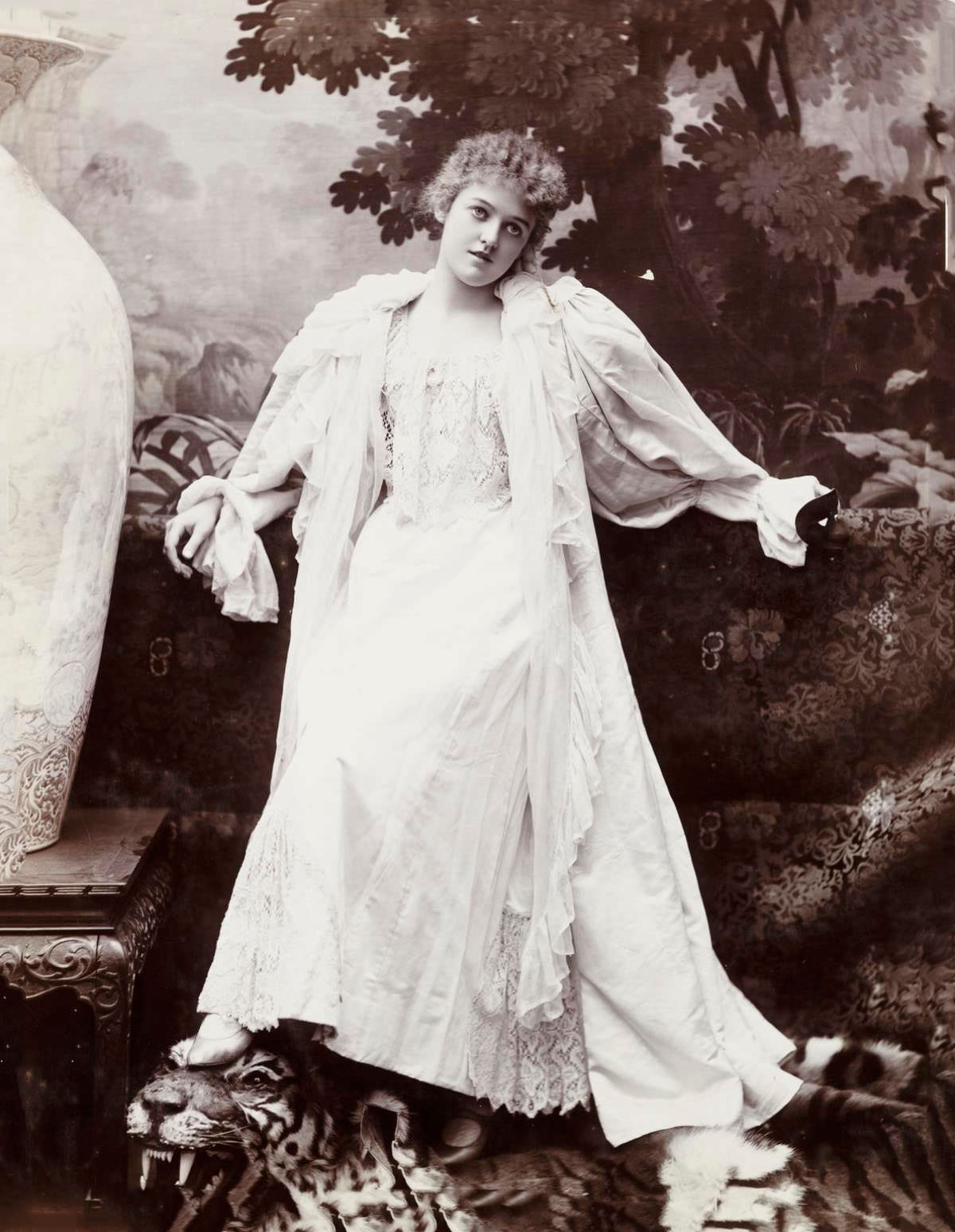
Arthur died at his Detroit home on January 12, 1912. He was remembered widely in the city’s professional and artistic circles. A history of Detroit written ten years after his death described him as one of the country’s foremost photographers — a lasting recognition of a career built on consistency and skill.
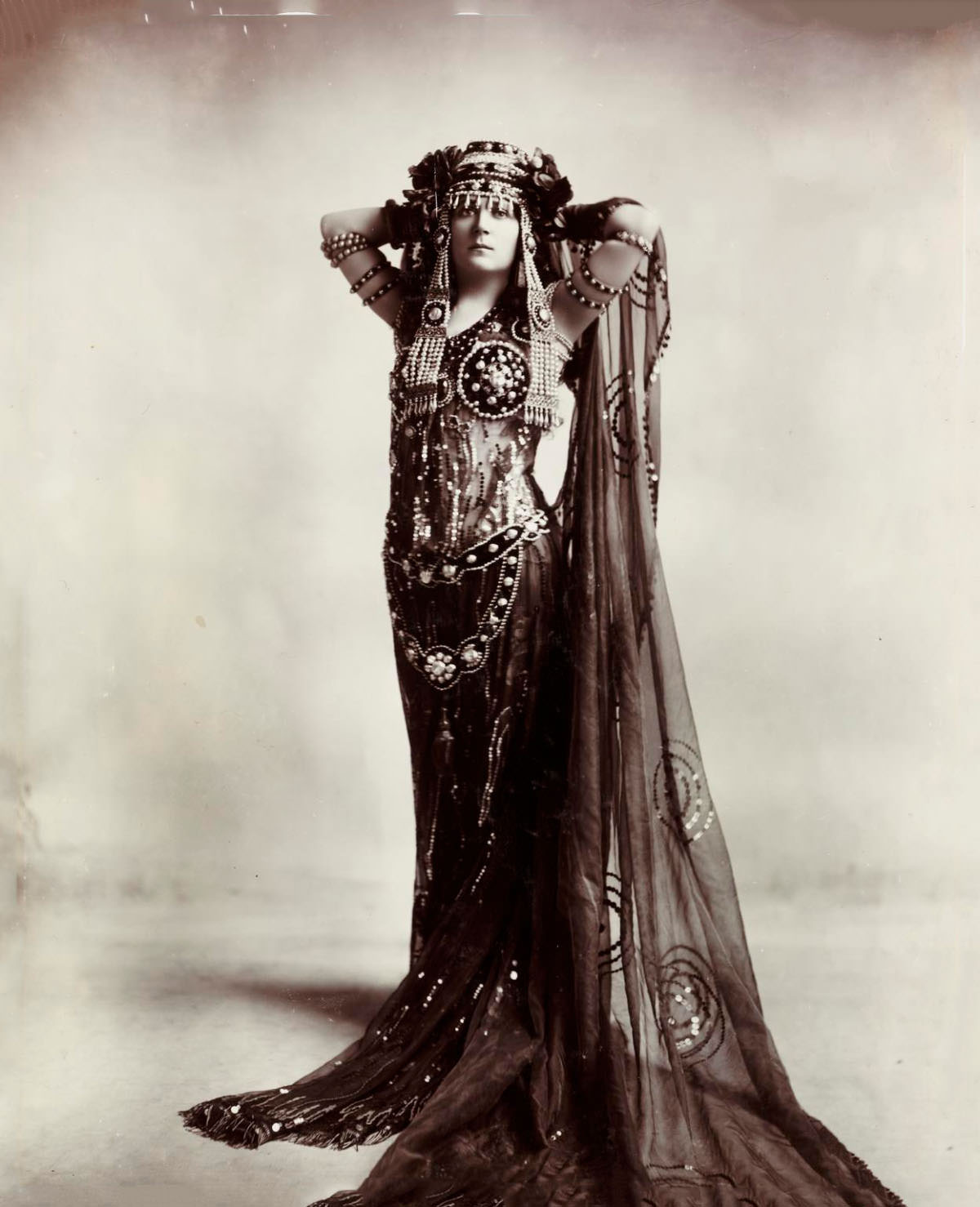
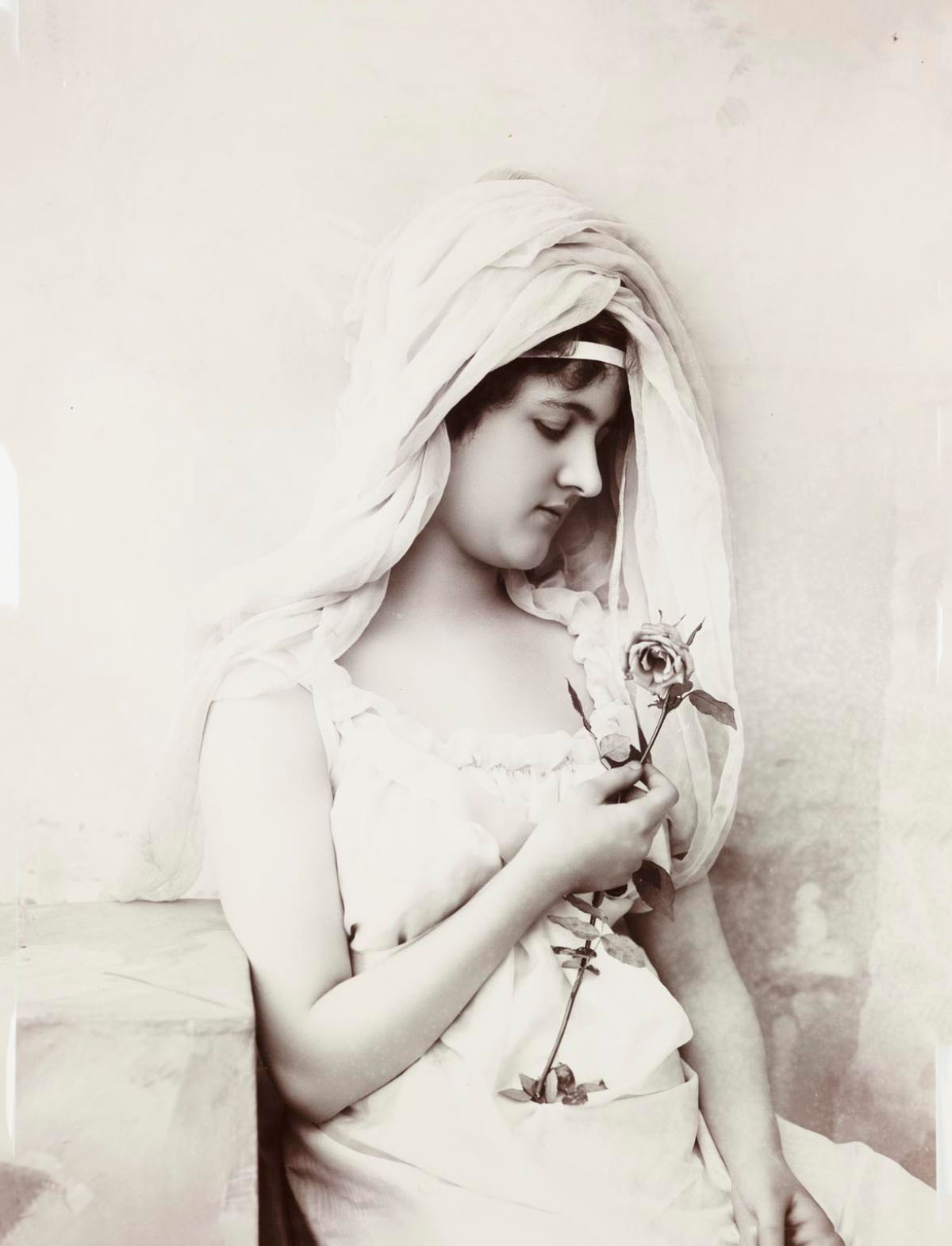
The women photographed by Arthur and Philbric represent a cross-section of Detroit society at a remarkable moment in American history. Their portraits are primary historical documents — records of how women presented themselves, what they wore, and how they chose to be seen by the world around them.