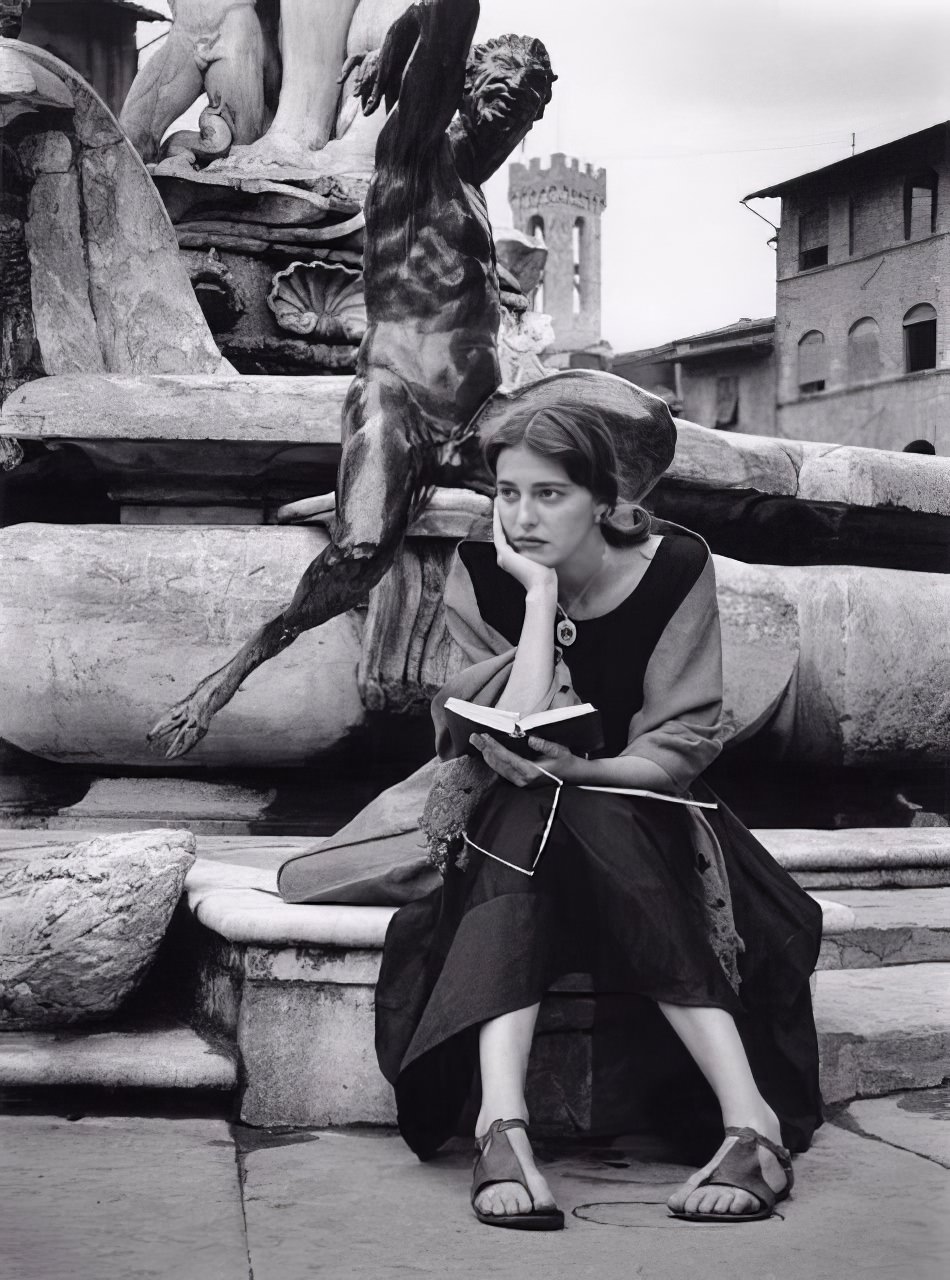
In the summer of 1951, photojournalist Ruth Orkin was making her way through Europe with a camera and a sharp instinct for human stories. Her work had already appeared in LIFE magazine, and she had built a reputation for photographs that felt honest and alive. Florence, Italy, became the setting for the most enduring image of her career.
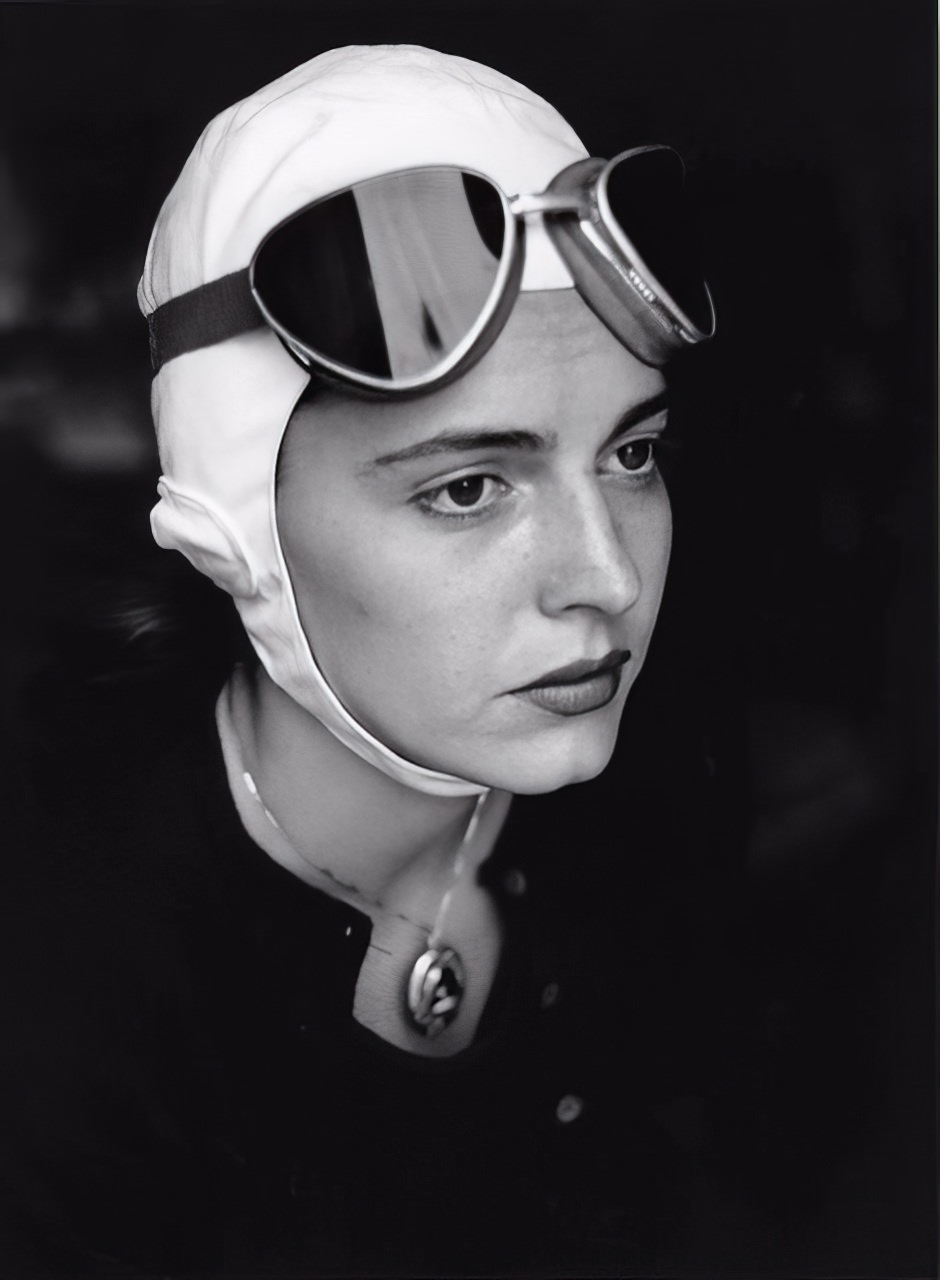
While in Florence, Orkin met Ninalee Craig, a young American woman traveling through Europe on her own. Solo female travel in 1951 was still uncommon, and Craig was doing it entirely by choice. The two women quickly connected and decided to collaborate on a photo project documenting what it actually felt like to be a woman moving through a foreign country alone.
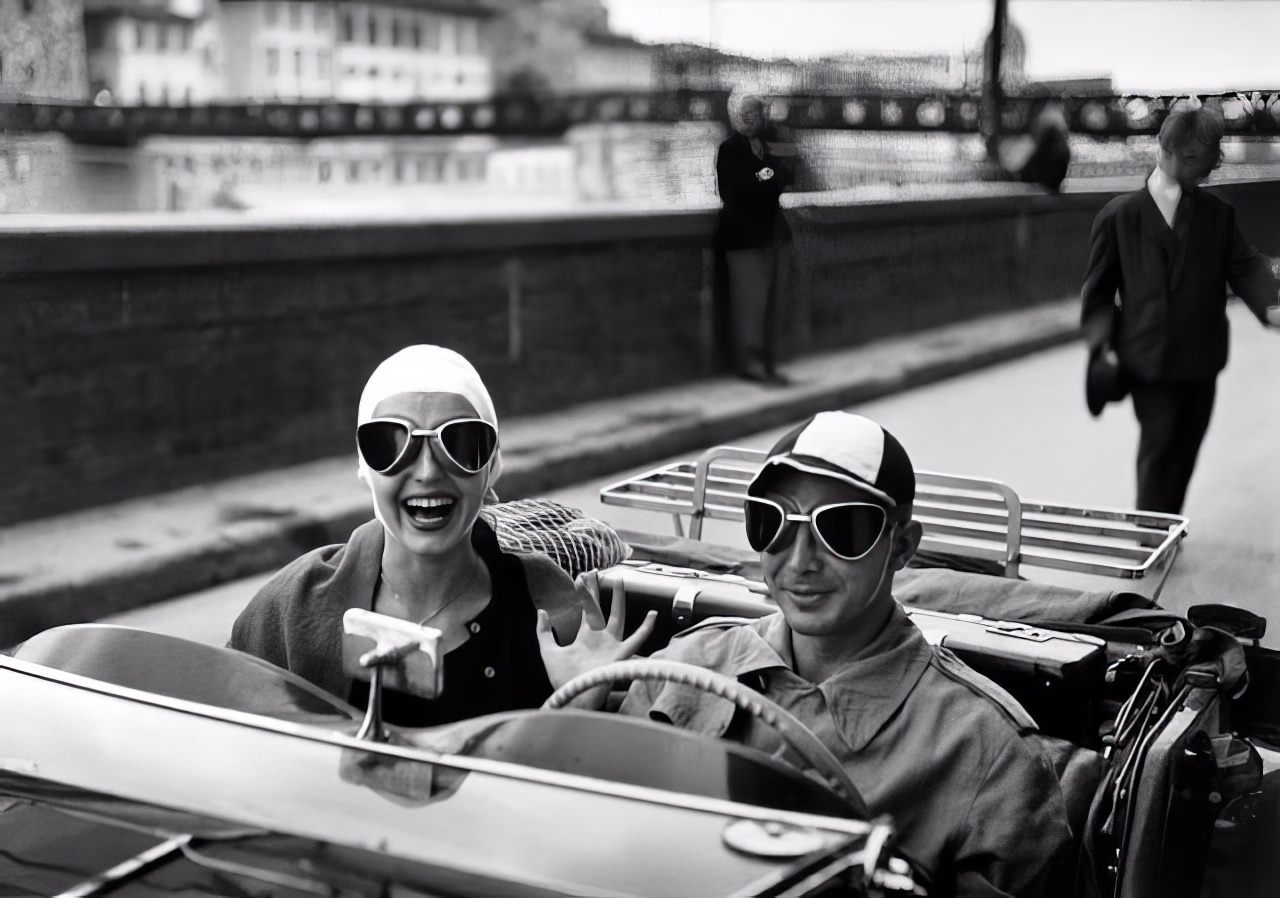
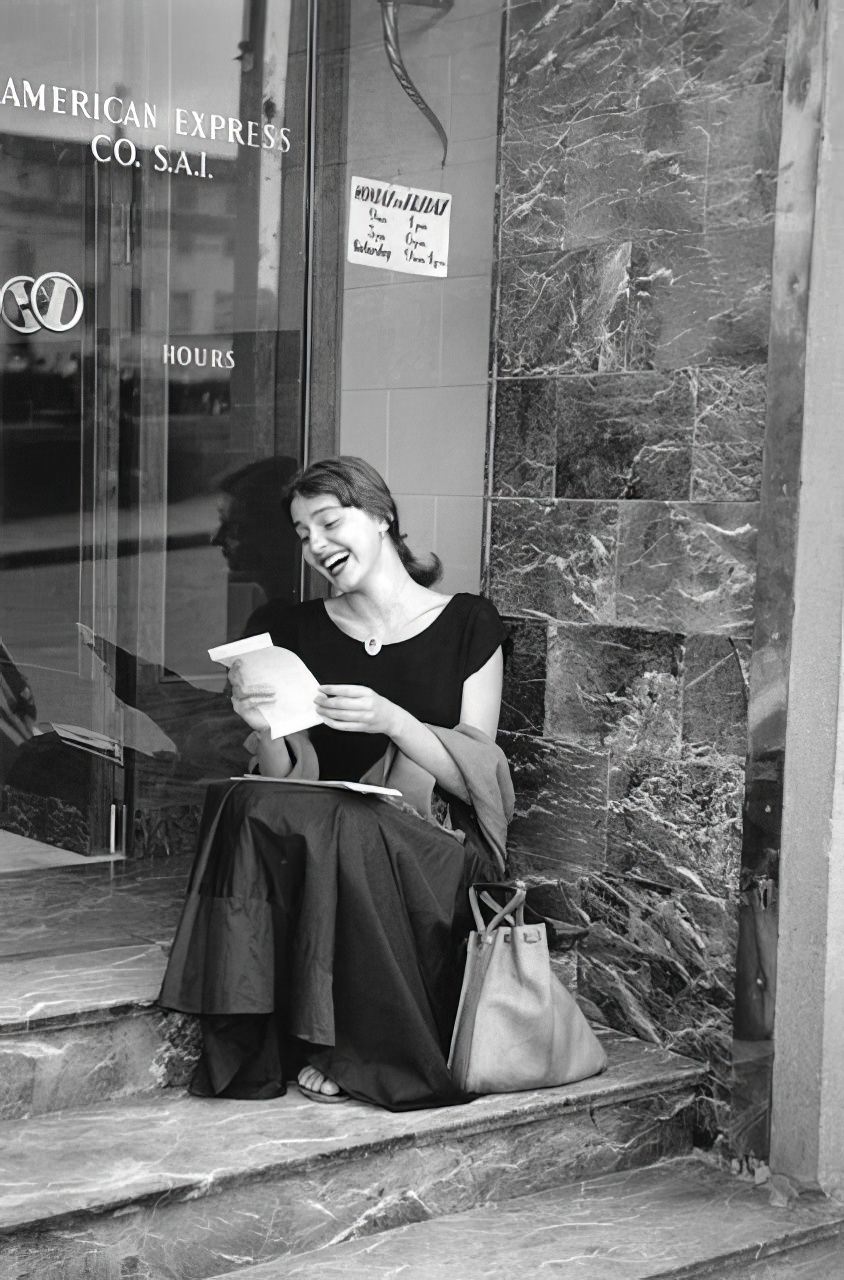
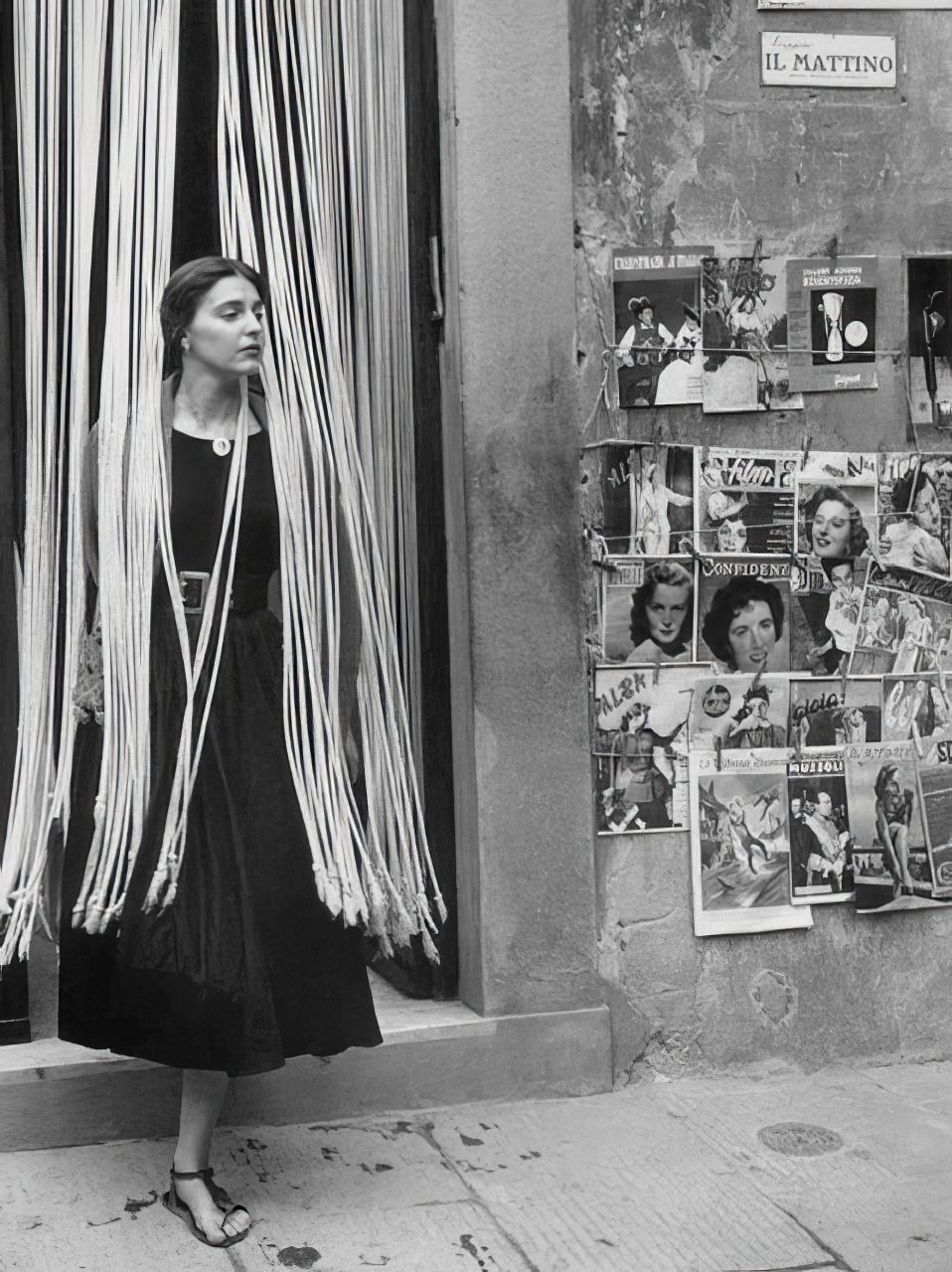
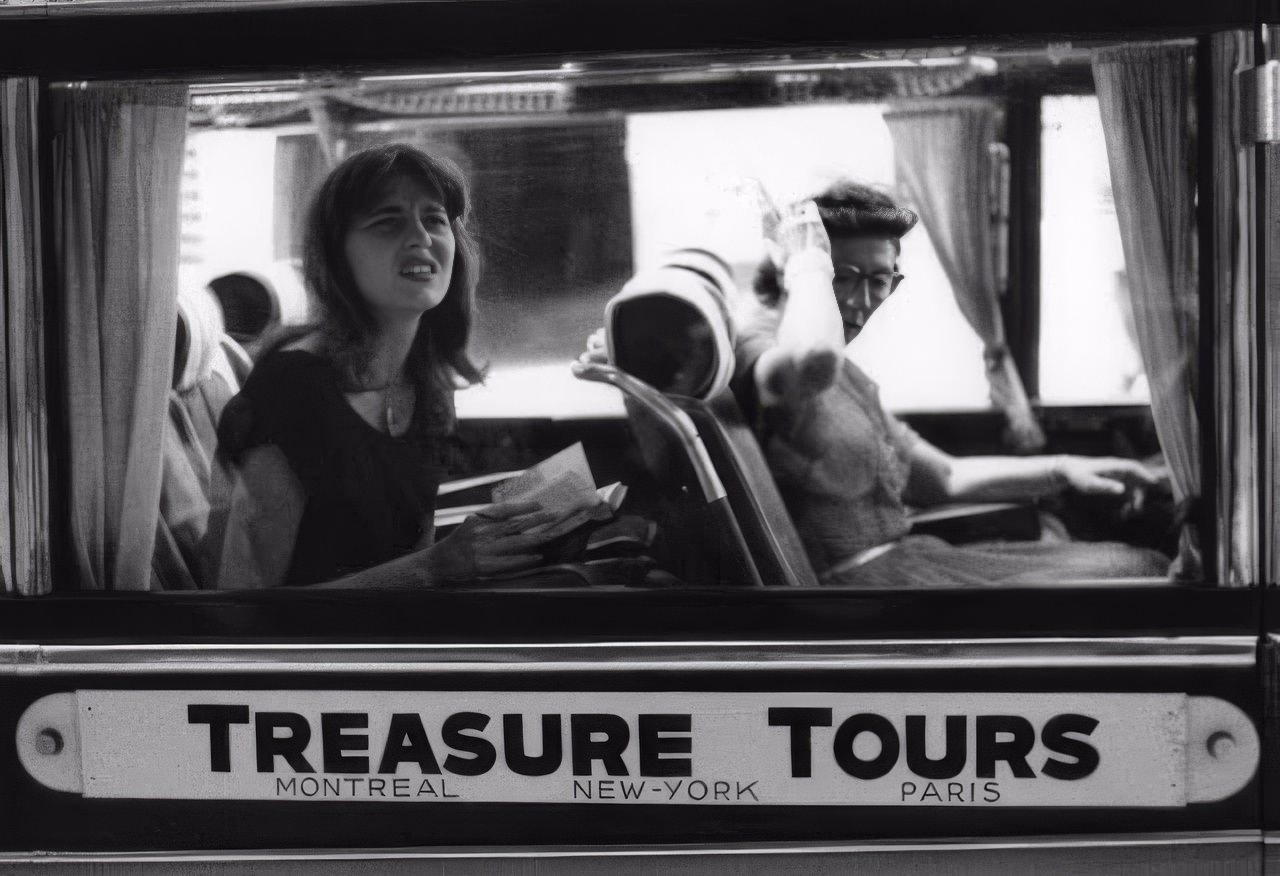
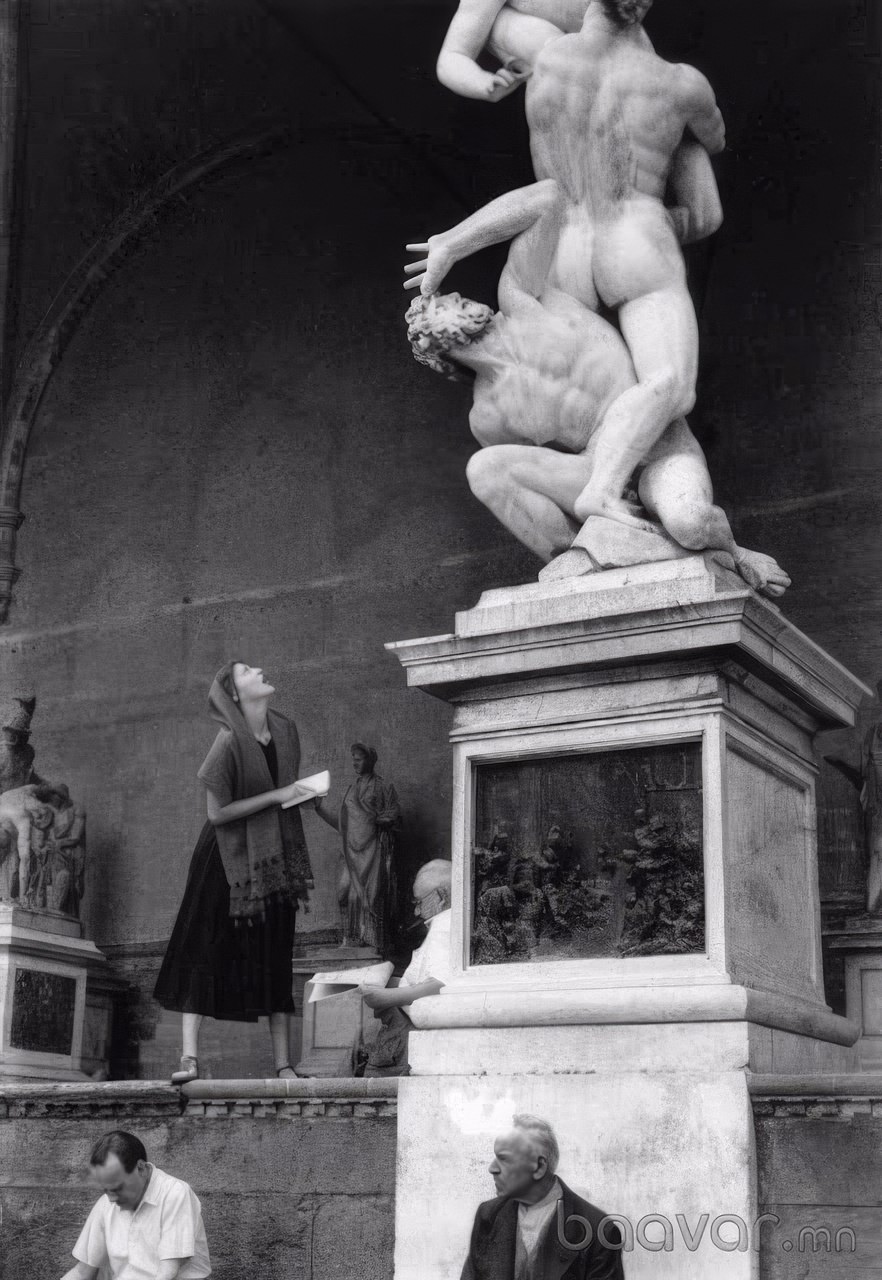
Together, they walked Florence’s streets, visited its markets, and took in the rhythms of daily Italian life. Orkin photographed Craig in unscripted moments — pausing at landmarks, watching locals, simply existing in a city that wasn’t her own. The project was candid by design. Nothing was staged for the sake of looking good.
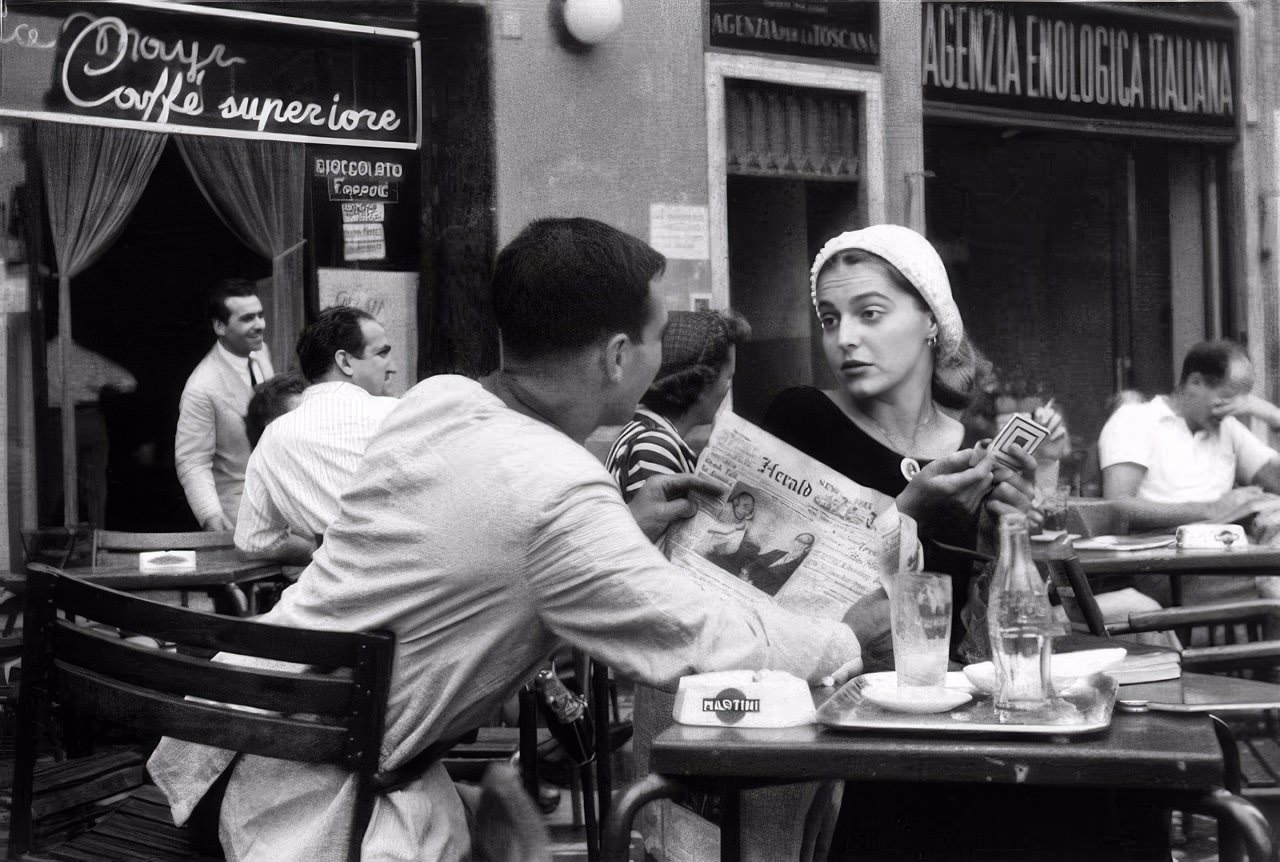
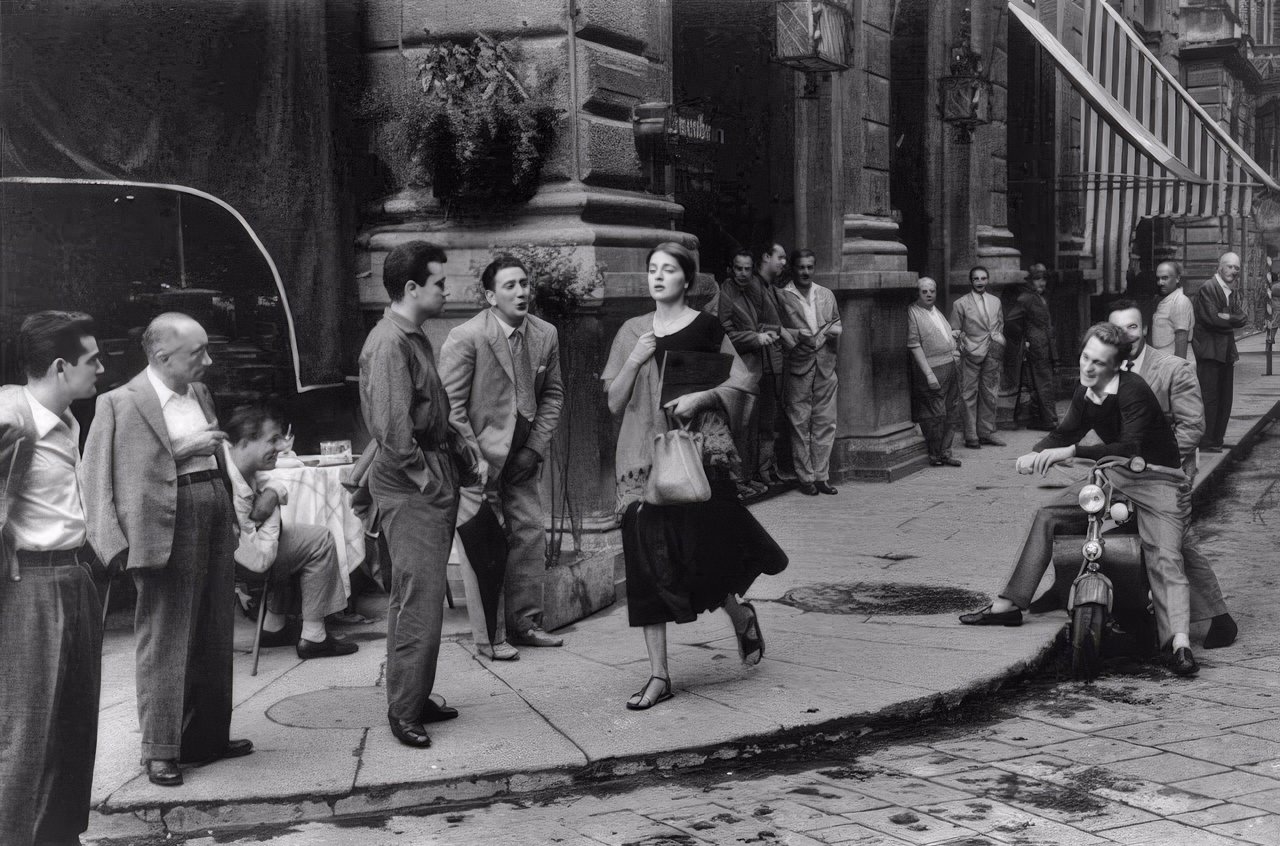
One afternoon, Craig walked down a narrow Florentine street lined with Italian men. Several turned to stare, whistle, and call out. Orkin had her camera ready. She raised it and fired the shutter at exactly the right moment, capturing Craig mid-stride, scarf over her arm, spine straight, eyes forward.
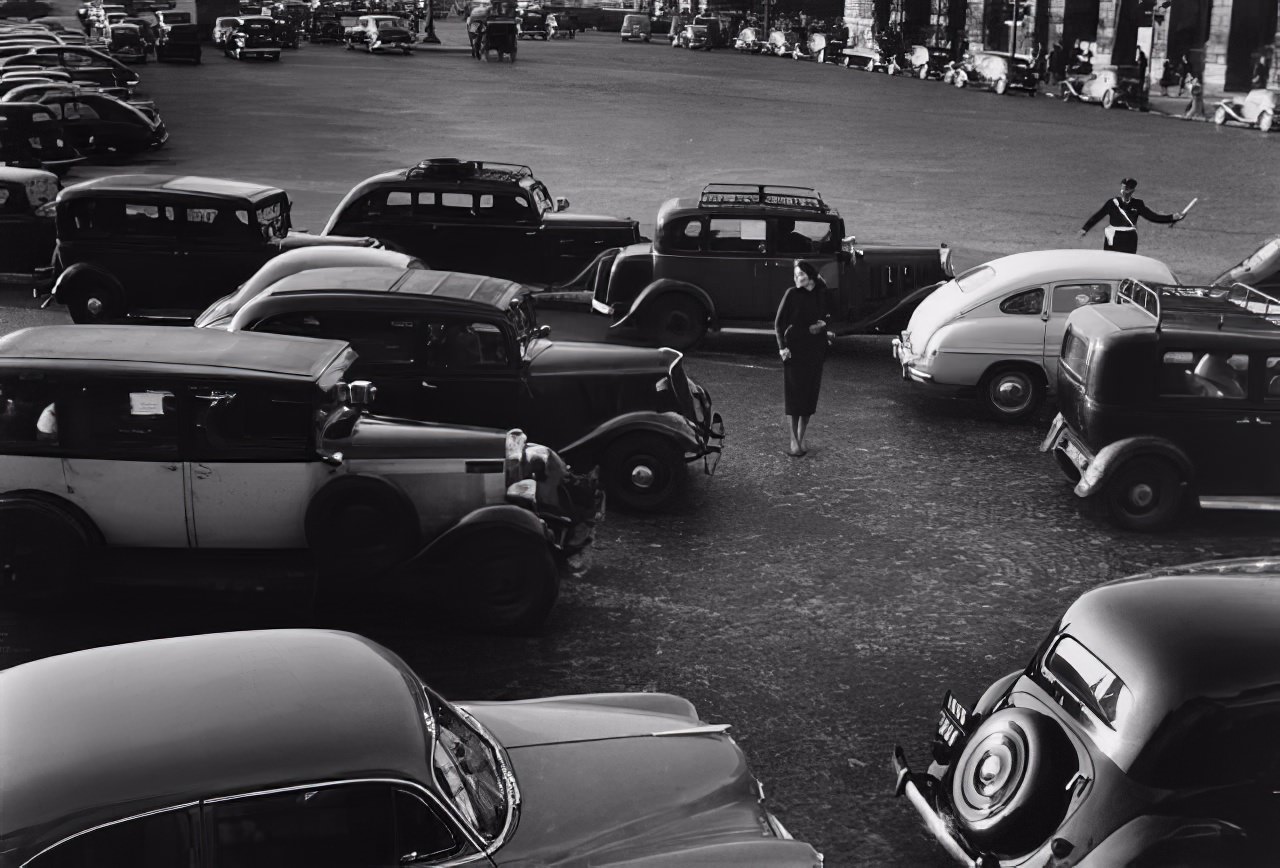
The resulting photograph, “American Girl in Italy,” shows Craig surrounded by men whose attention is fixed entirely on her. She does not break her stride. The image is unposed but precise — every figure frozen in a single, charged second on a sun-lit cobblestone street.
The photograph was published and spread quickly. Viewers across the United States and beyond recognized something real in it. Post-war America had produced a generation of women who were mobile, independent, and uninterested in staying home. Craig’s posture in that frame said exactly what many of them felt.
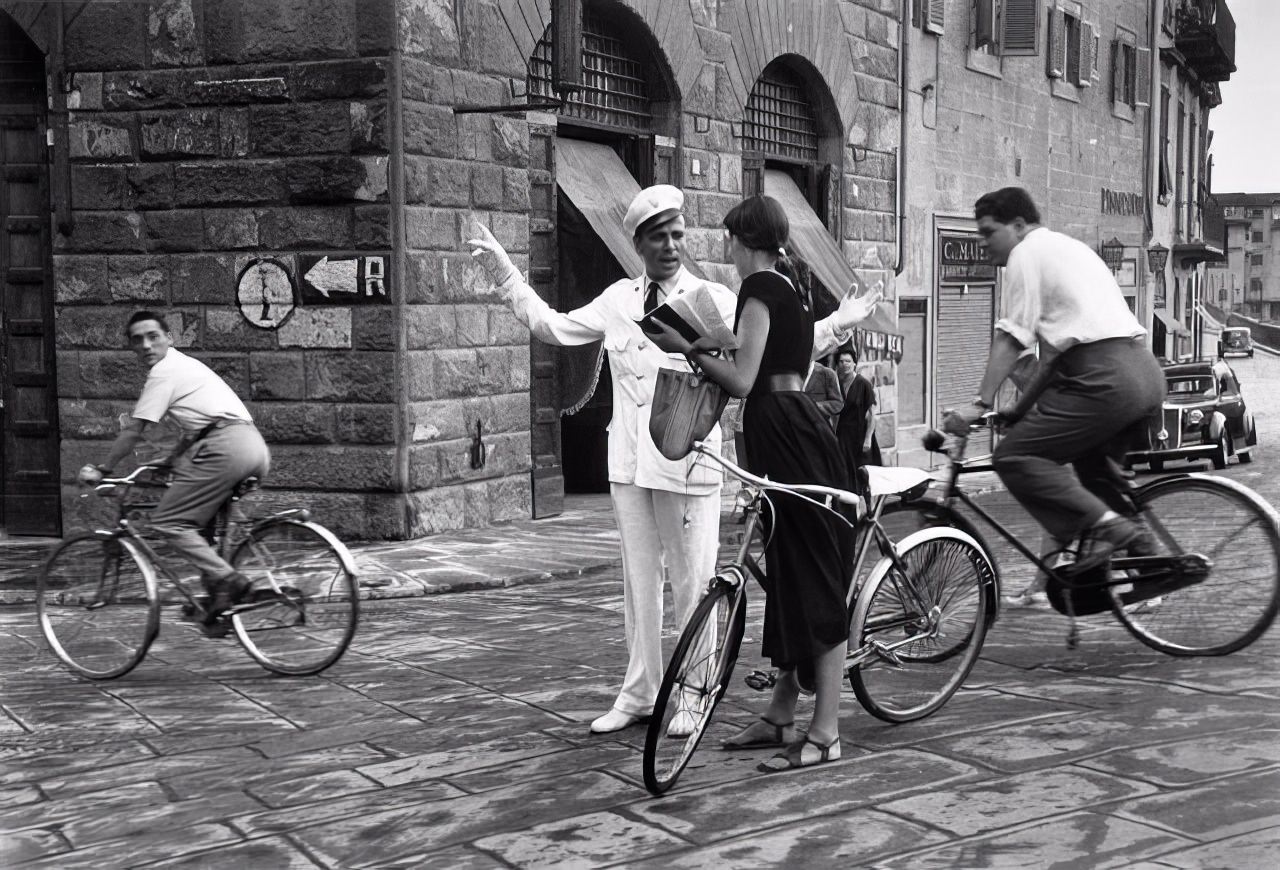
Ninalee Craig later spoke openly about the moment. She described the experience not as frightening but as something she handled with composure. She said she felt like a goddess walking through Rome — a detail that adds weight to what Orkin’s camera already makes visible.
Ruth Orkin took the photo in a fraction of a second. But the scene it documents — a lone American woman holding her ground on a foreign street in 1951 — made it one of the most recognized images in the history of photojournalism.