Hey There! Before You Go. 😧
Get the best vintage content straight into your inbox!

Don't worry, we don't spam

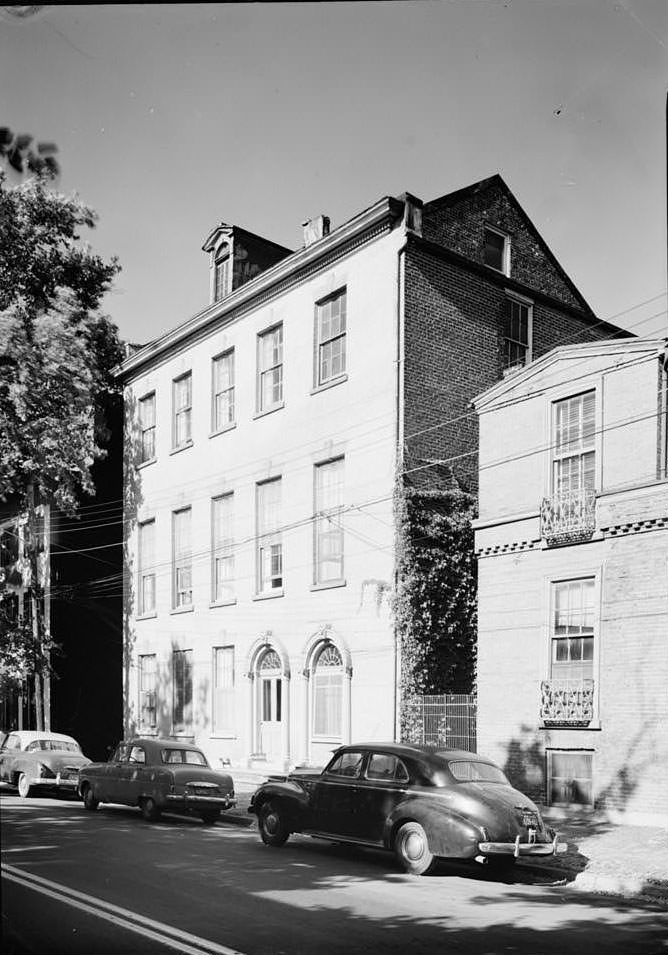
What Alexandria, Virginia looked like in the 1970s

Alexandria, Virginia, carries more than 10,000 years of human history within its borders, making it one of the oldest continuously inhabited places in the United States. Sitting just a few miles south of Washington, D.C., along the western bank of the Potomac River, Alexandria was formally incorporated as a city in 1749. Two hundred years later, in 1949, it became only the third city in the entire country to receive a national historic district designation — a title that recognized what anyone walking its streets could already see: this city had been exceptionally well preserved.
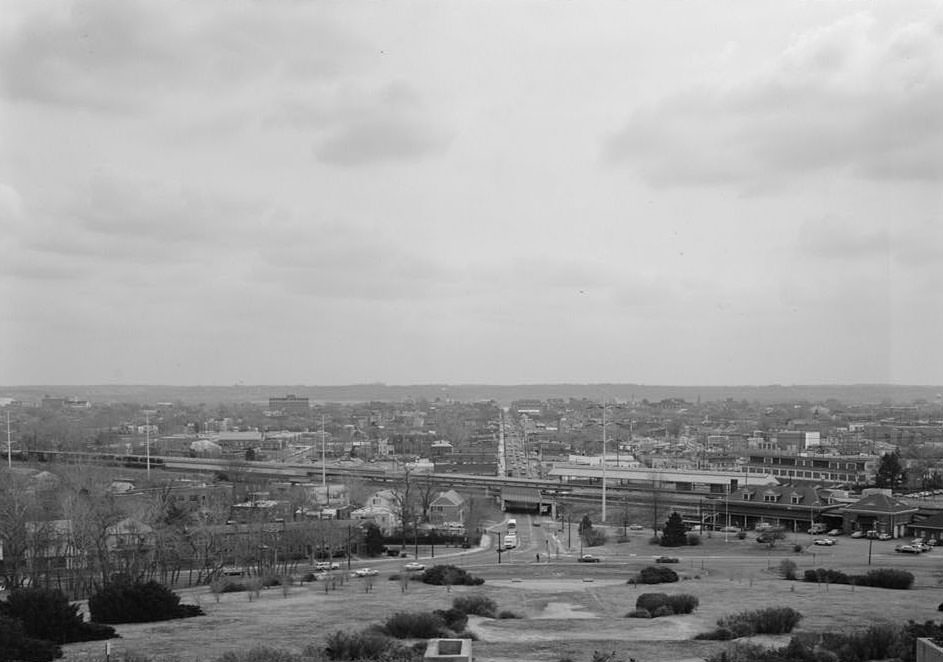
Alexandria, General View, Alexandria, 1970s

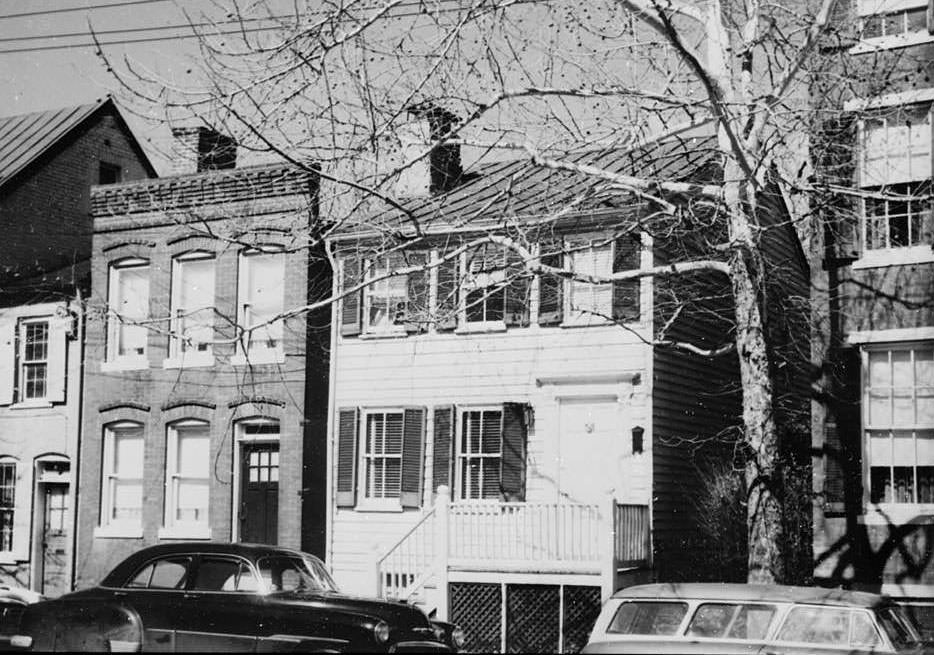
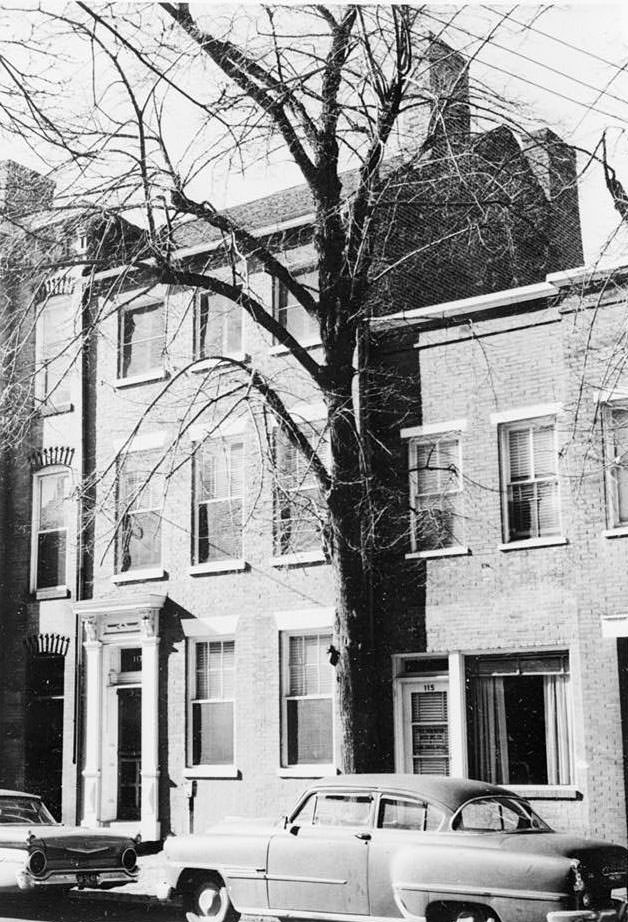
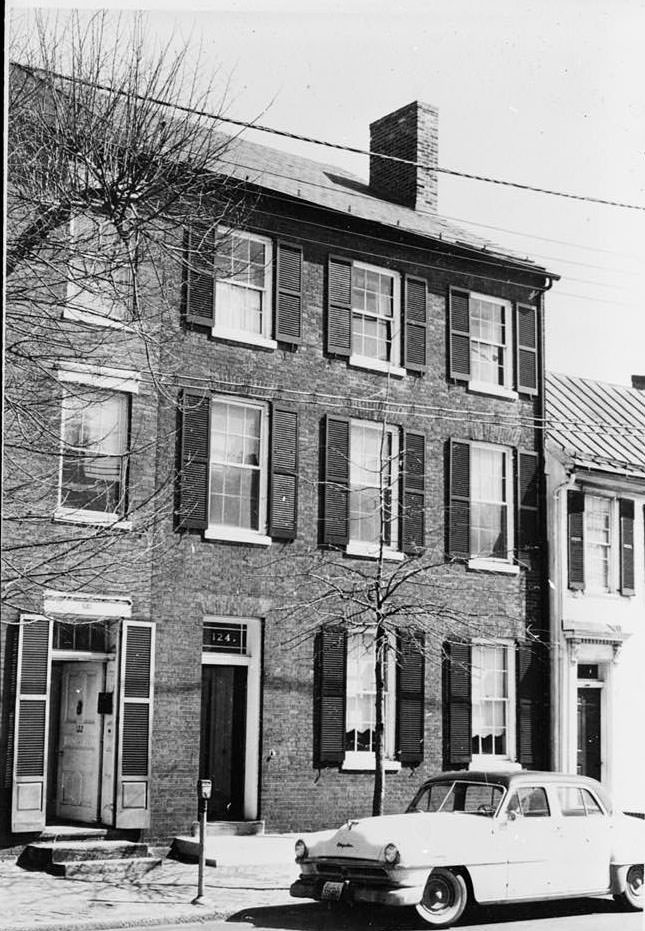
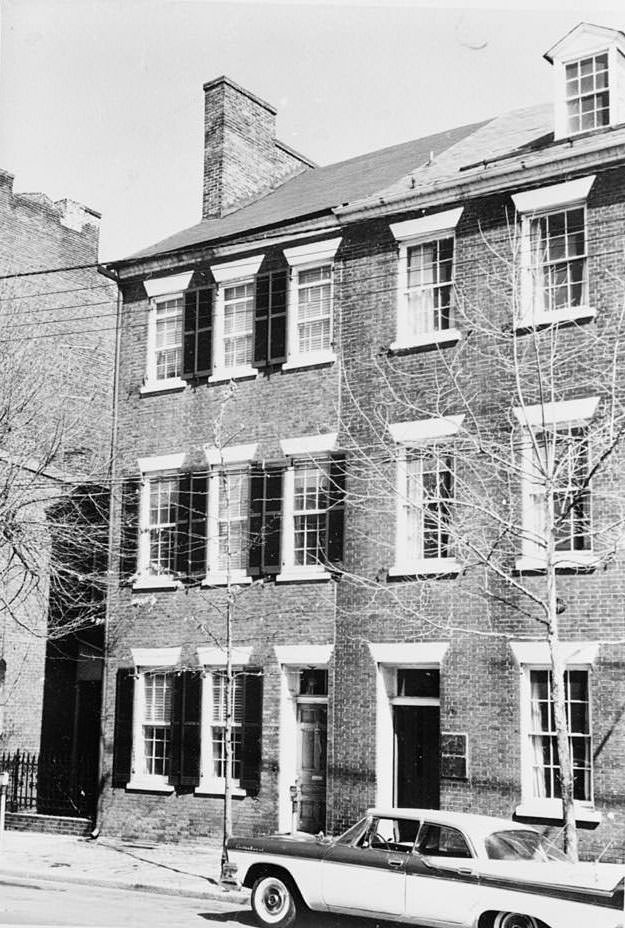
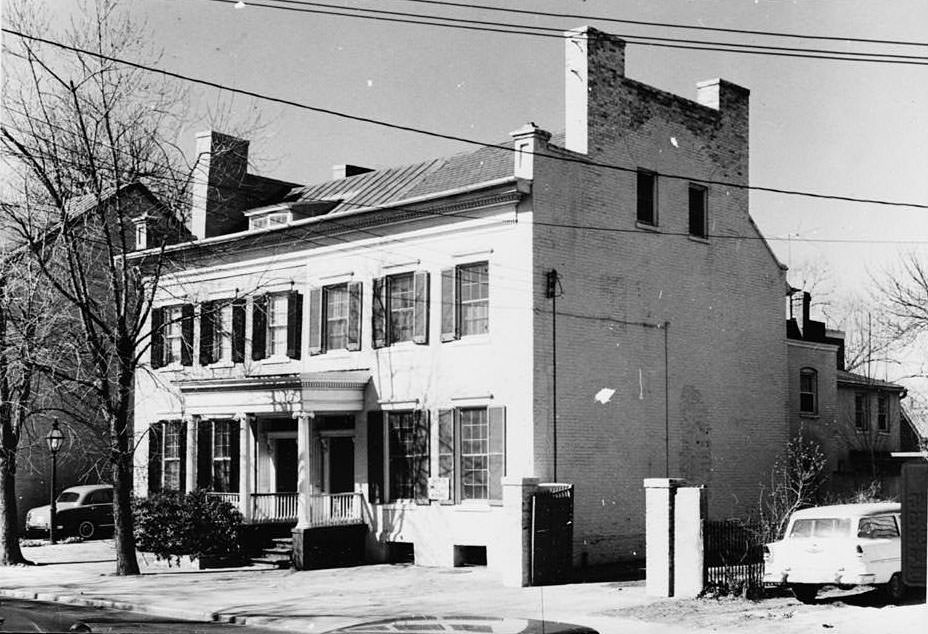
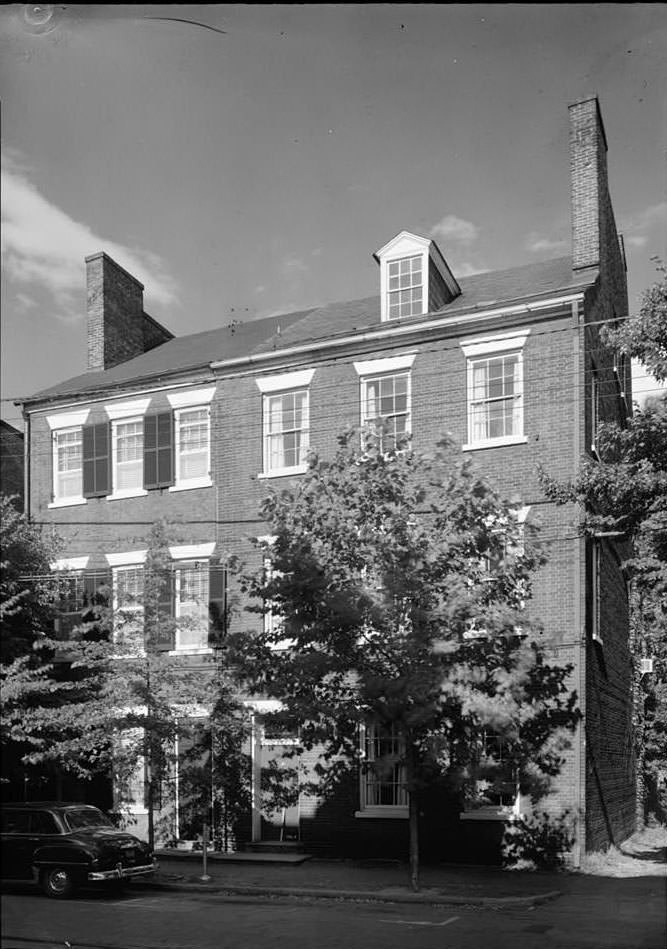
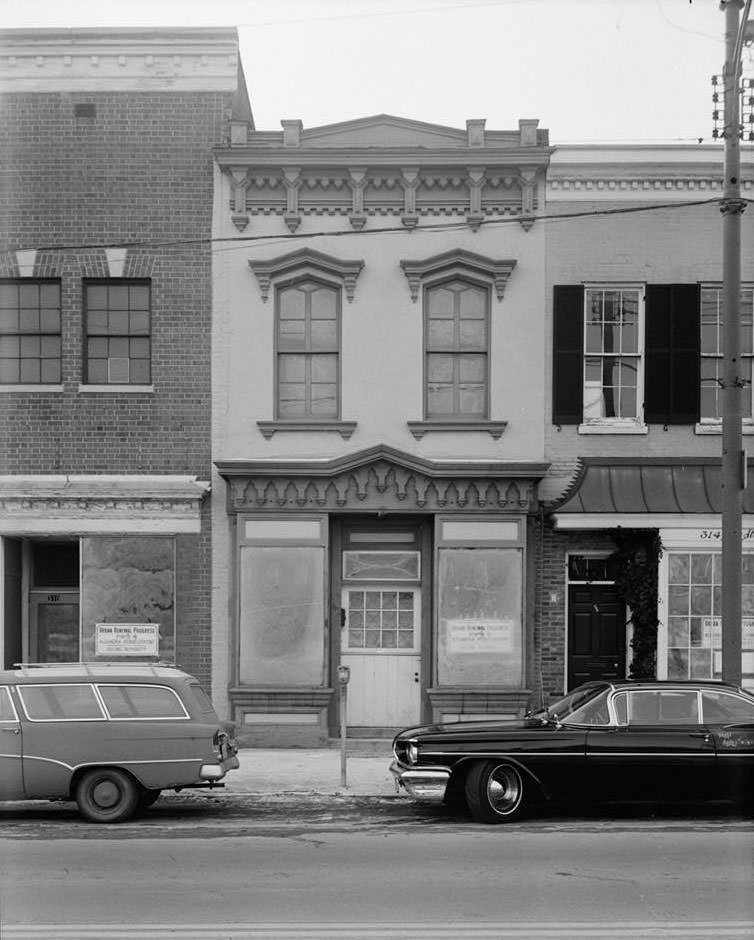
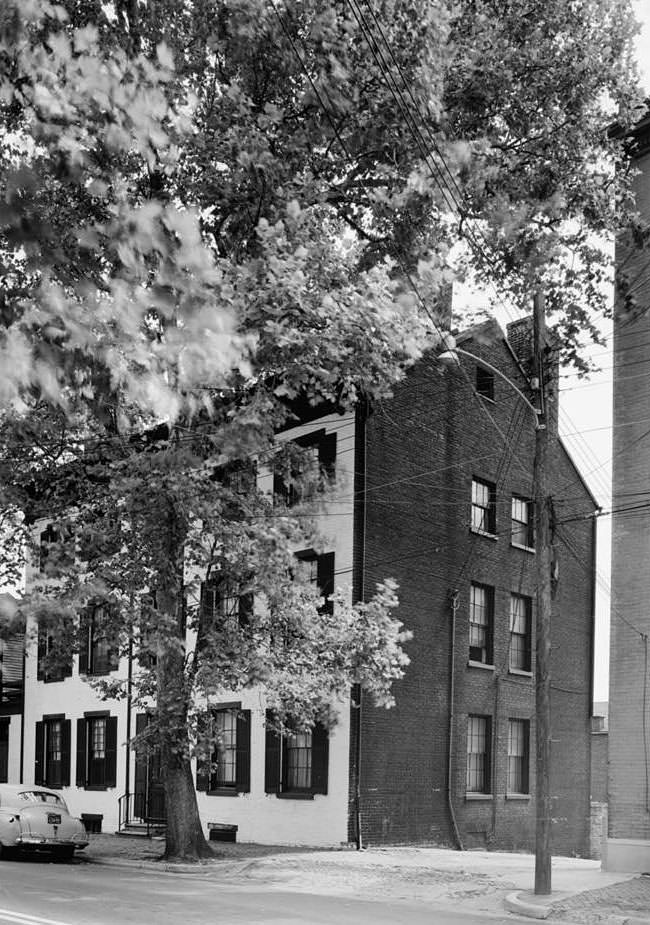
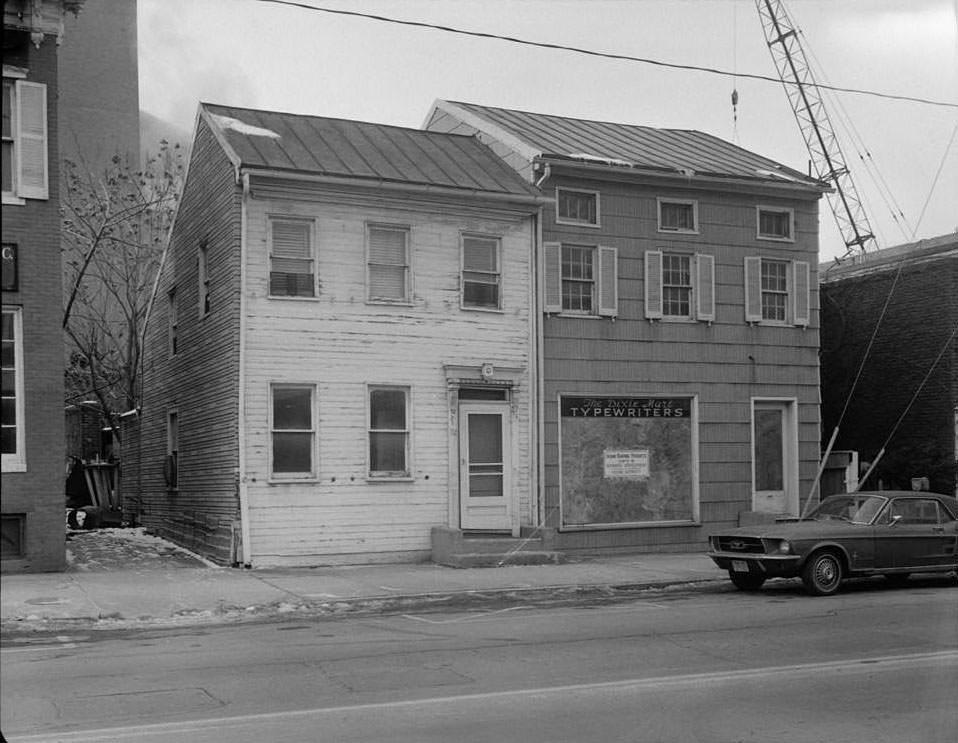
By the time the 1970s arrived, Alexandria had a population of around 110,927 residents, and the city was actively growing. Its tree-lined streets were packed with Federal-style architecture, row houses, churches, and commercial buildings that dated back to the 18th and 19th centuries. These vintage photographs, taken during that decade, document the city block by block — a street-level record of what Alexandria actually looked like during that era.
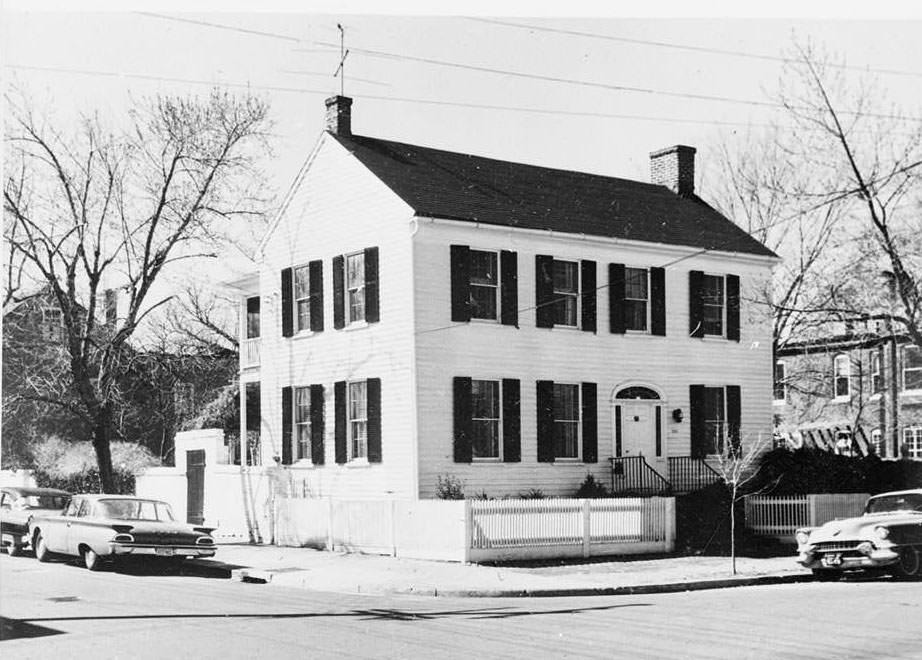
Duke Street Area Survey, 200 Duke Street (House), Alexandria, 1970s

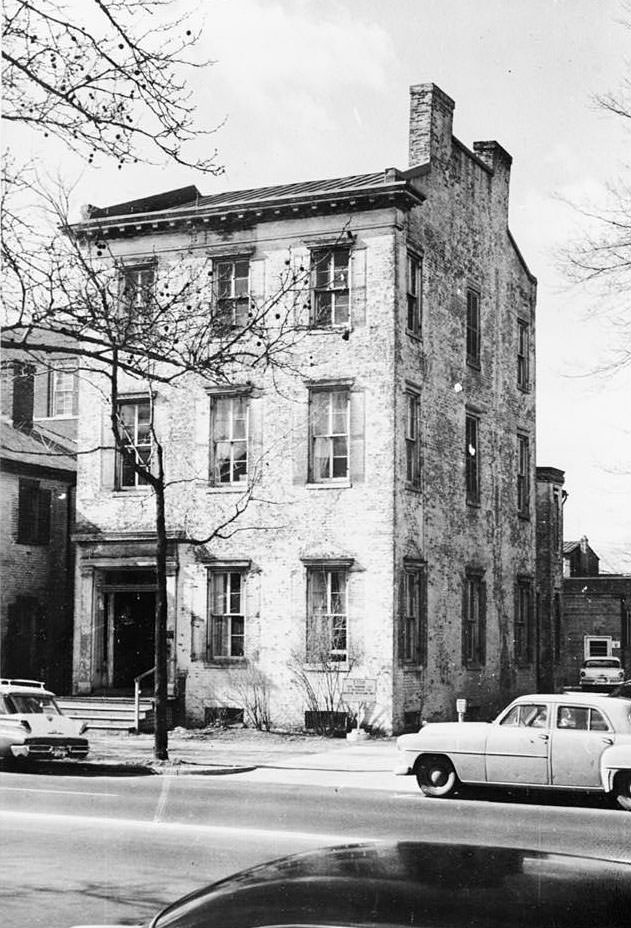
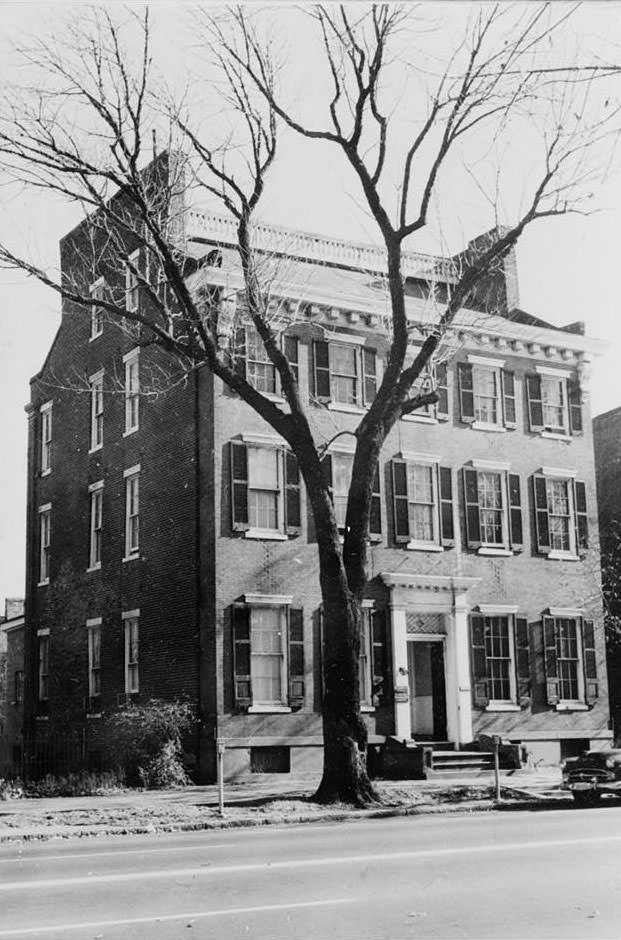
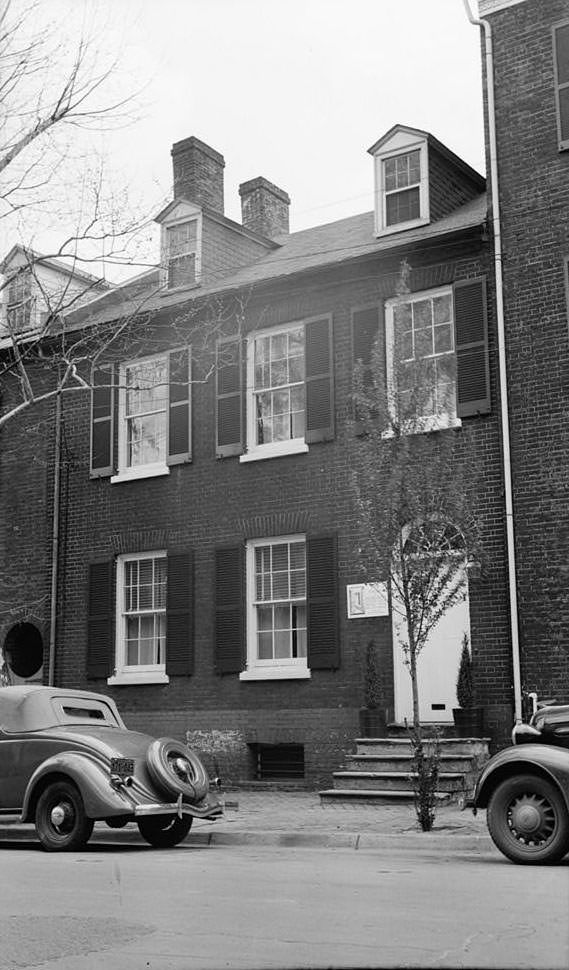
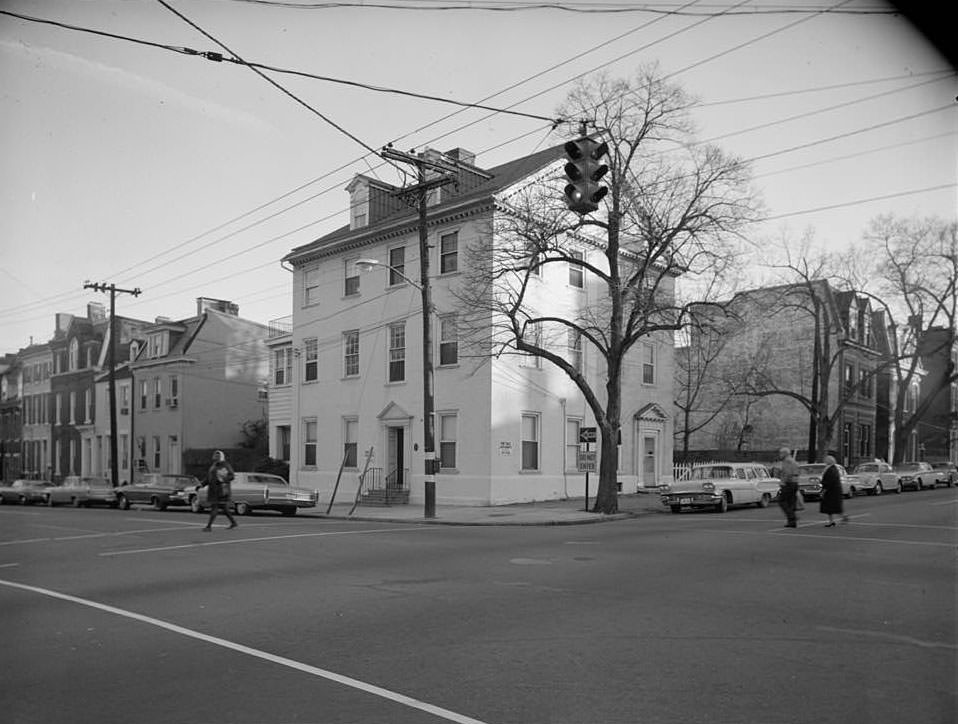
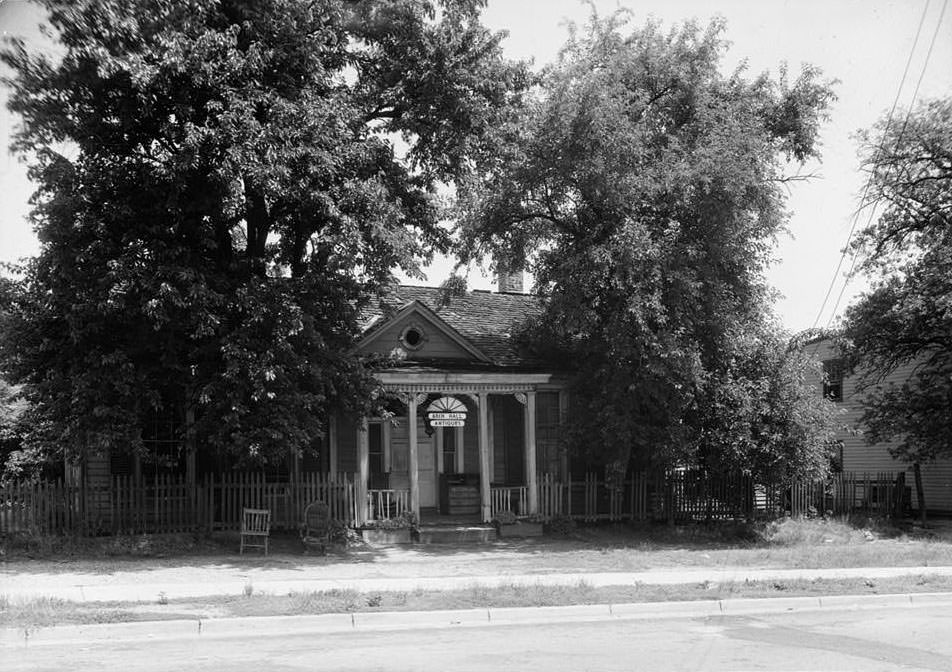
Duke Street was one of the city’s main arteries, running east to west through the historic core. The houses along its length ranged from modest brick structures to larger, more ornate homes. Many had been standing for well over a century by the time these photos were taken, their facades showing the particular worn elegance that comes from generations of use.
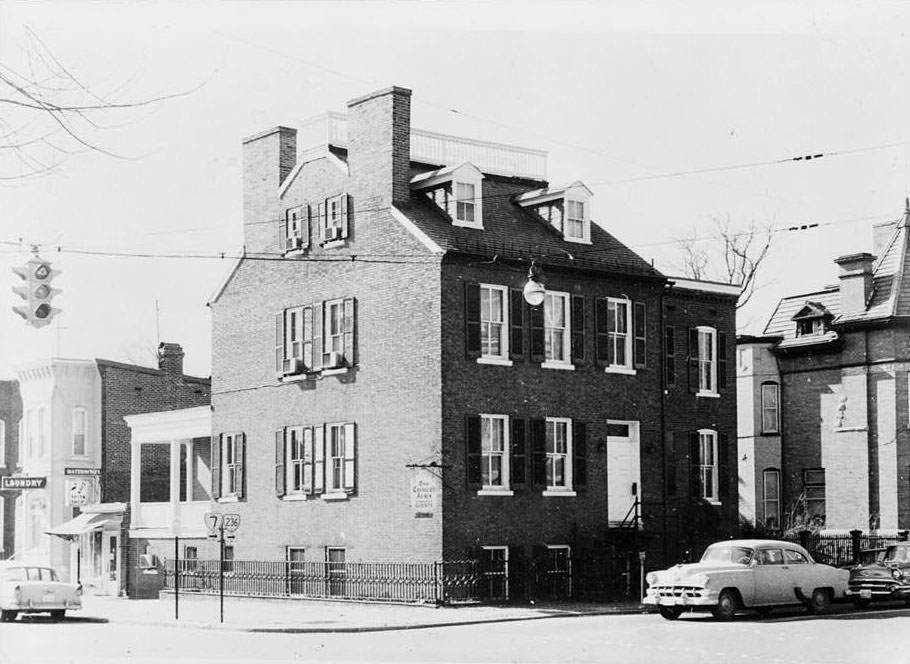
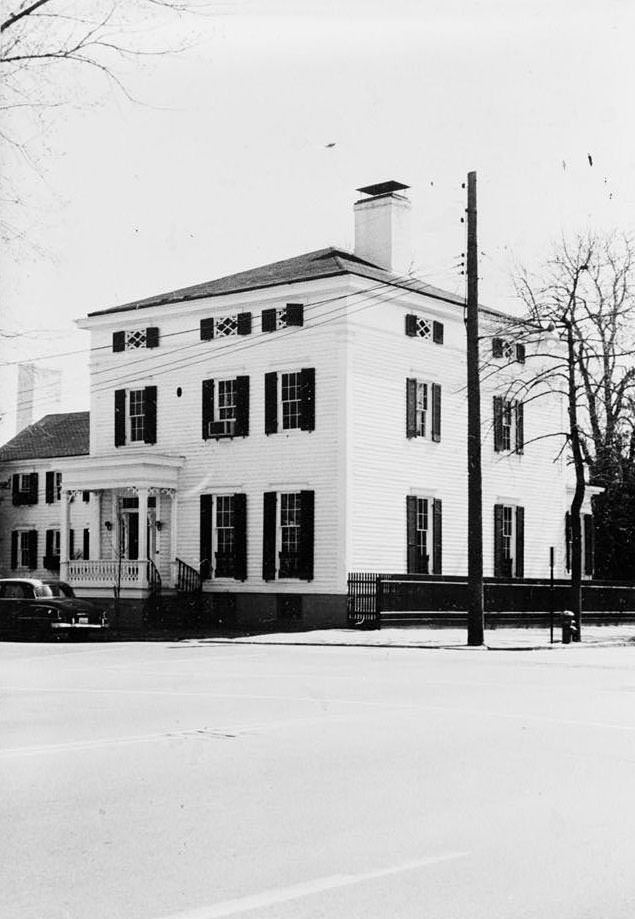
Duke Street Area Survey, 700 Duke Street (House), Alexandria, 1970s
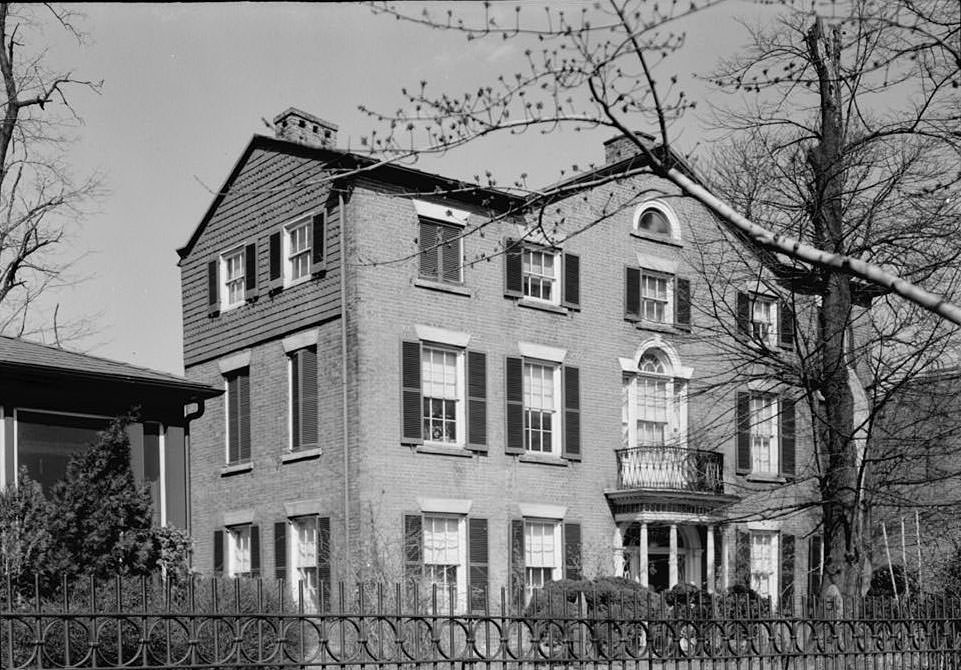
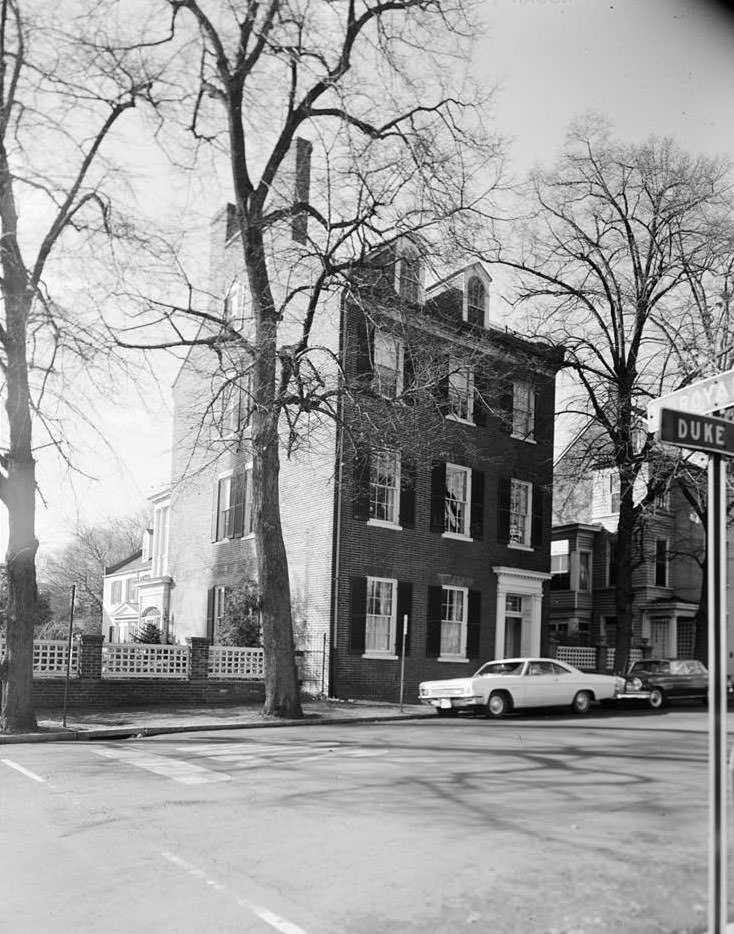
Fendall House, 611 Oronoco Street, Alexandria, 1970s

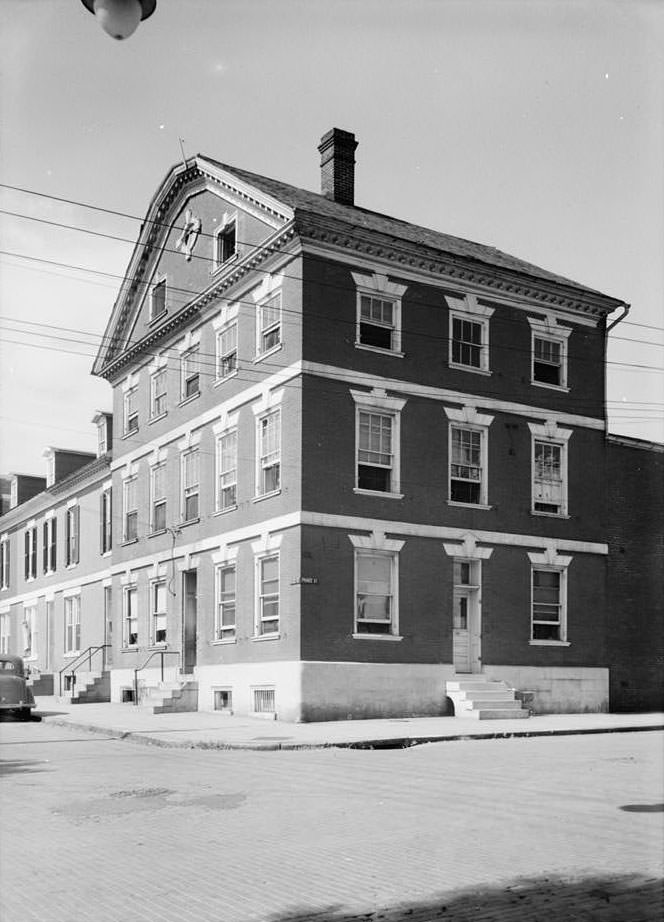
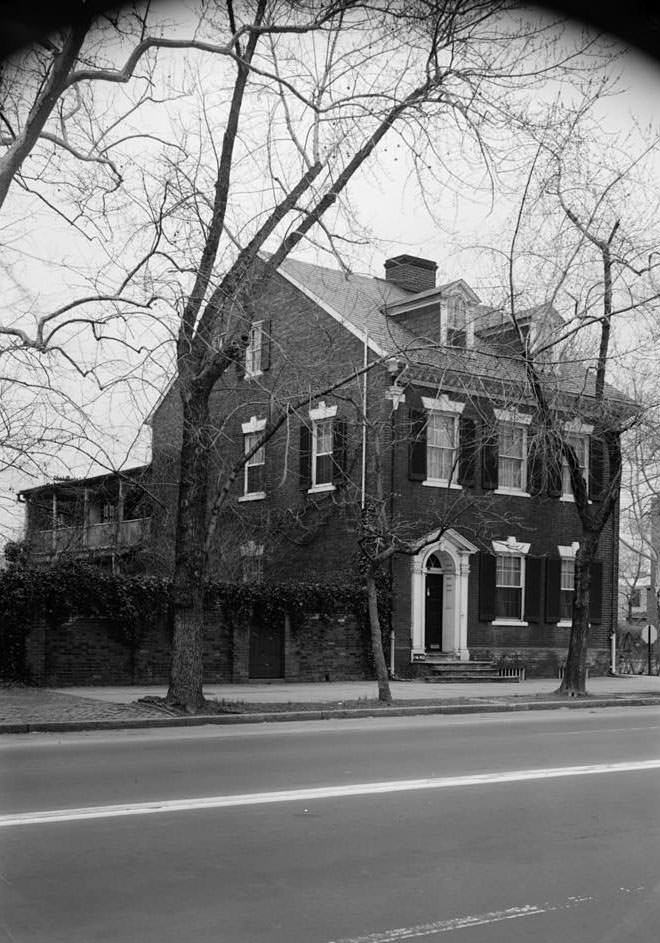
The Fendall House on Oronoco Street is one of Alexandria’s most notable surviving structures. Built in 1785 by Philip Richard Fendall, the house later became the home of Light-Horse Harry Lee and his family. It remained a private residence through much of Alexandria’s history before eventually opening to the public as a museum. In the 1970s, it still stood as a commanding presence on its street corner.
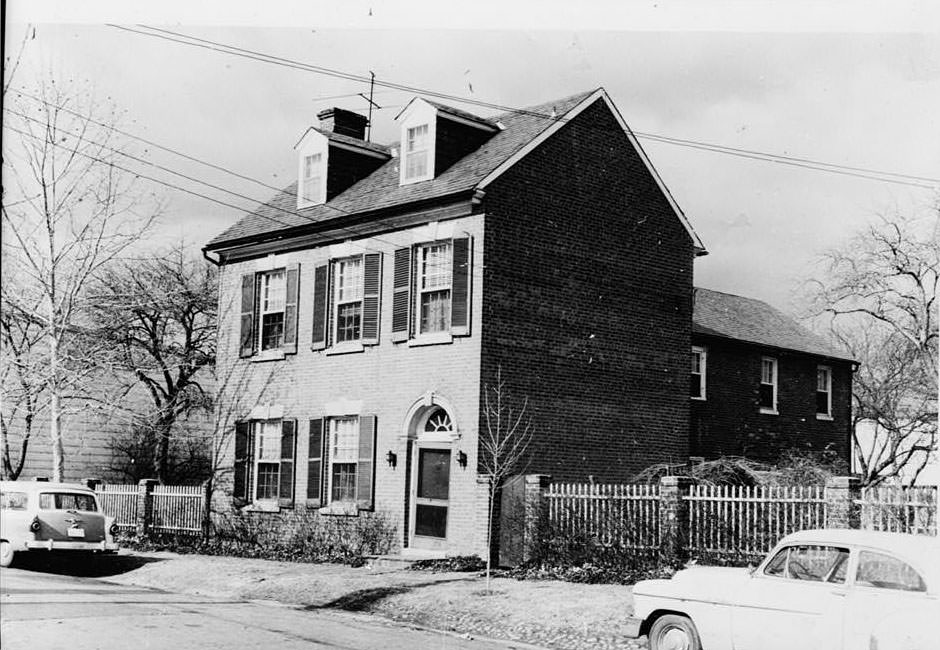
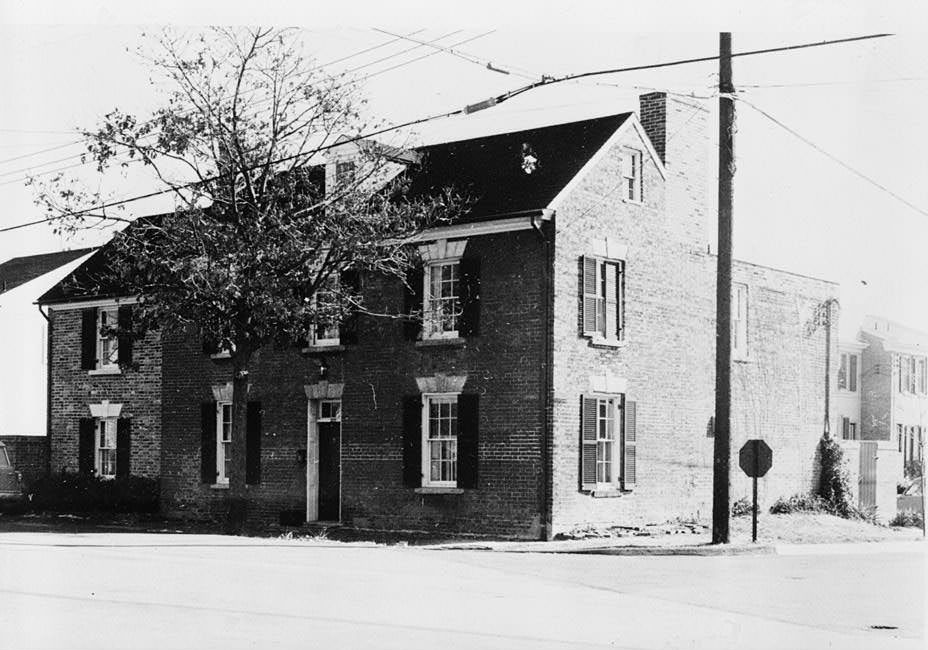
Jefferson Street Area Survey, 215 Jefferson Street (House), Alexandria, 1970s
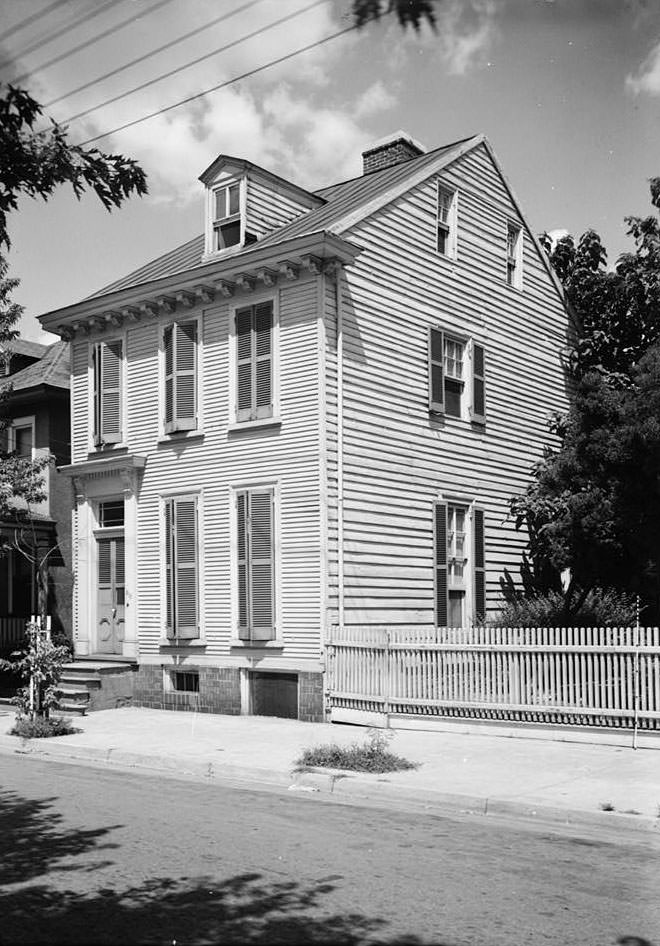
Jefferson Street Area Survey, 222 Jefferson Street (House), Alexandria, 1970s

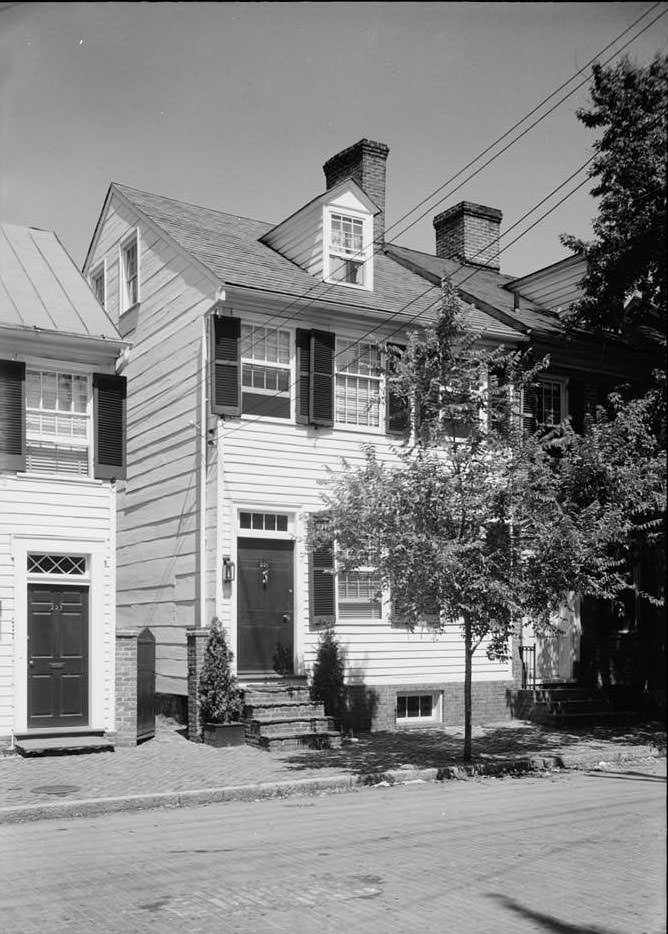
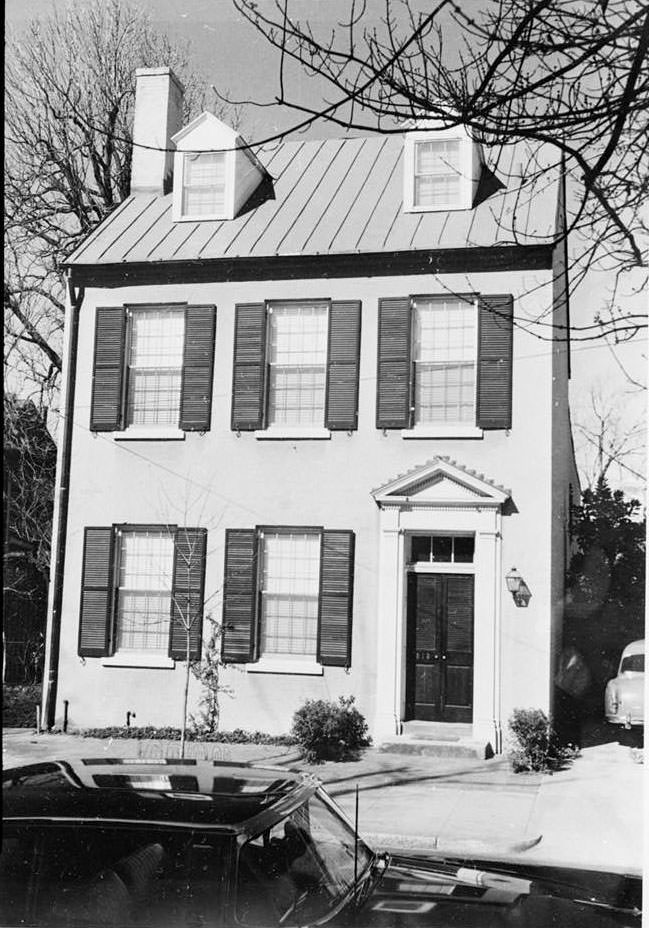
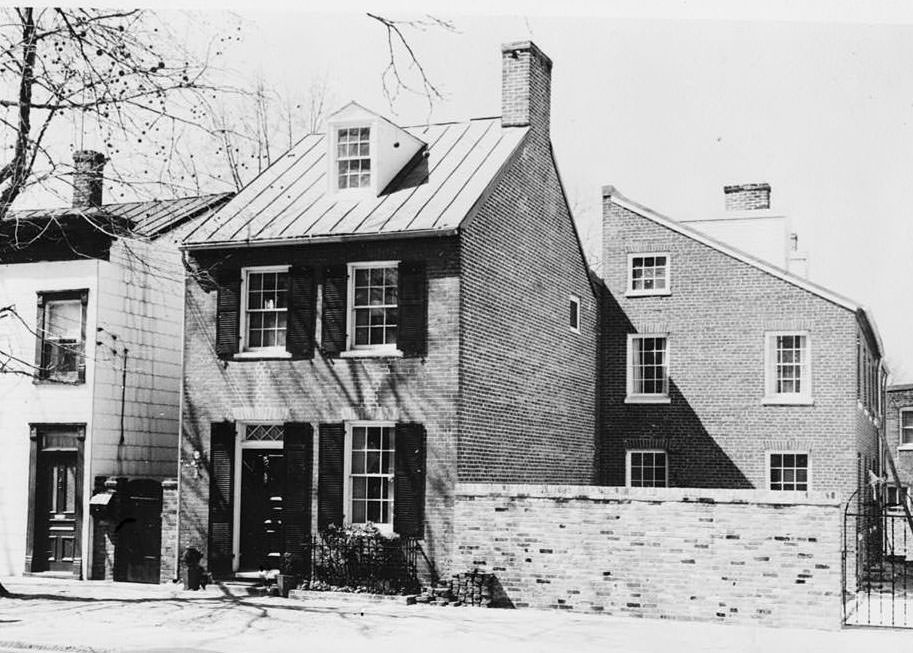
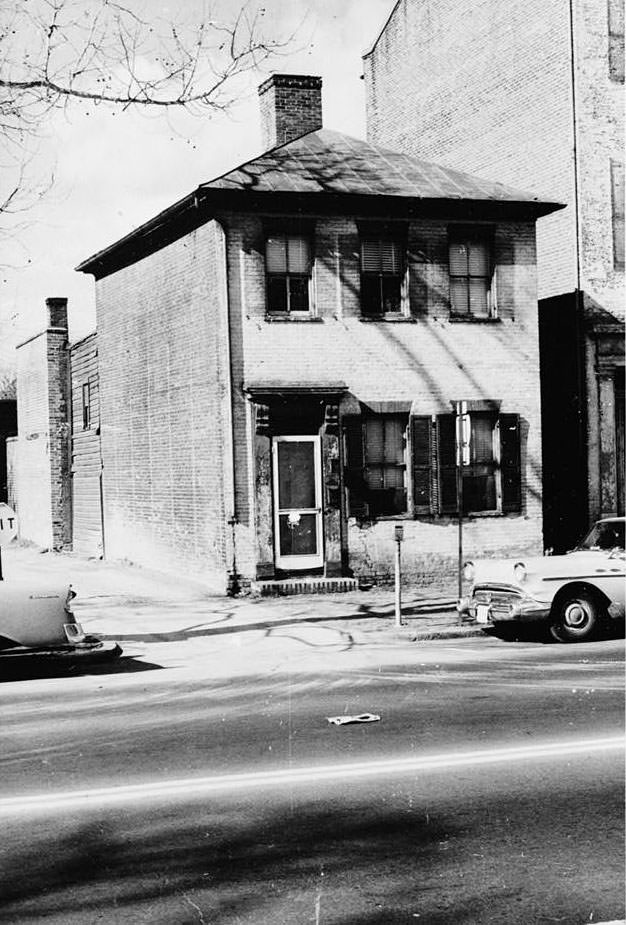
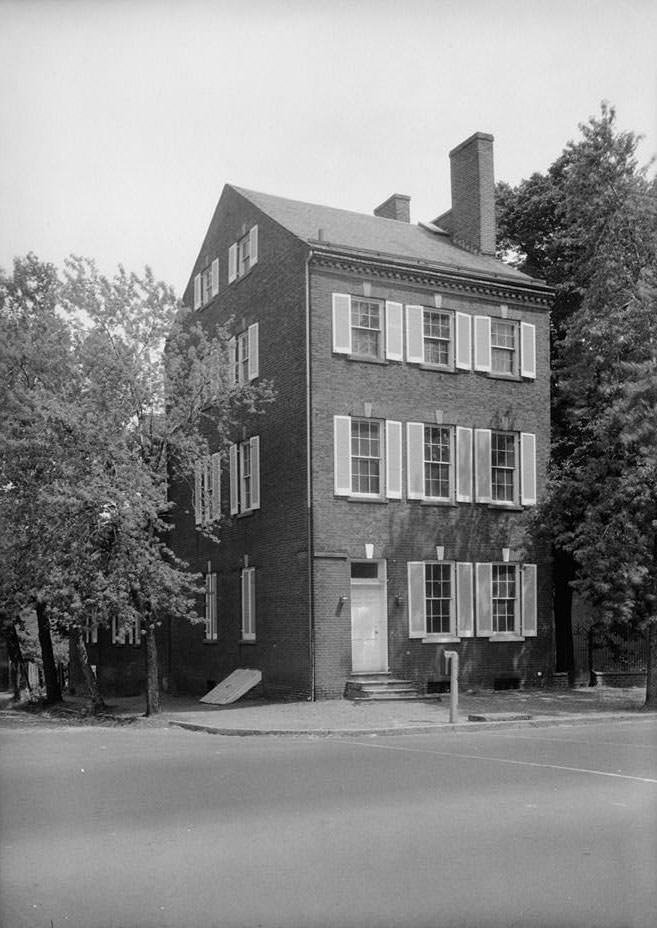
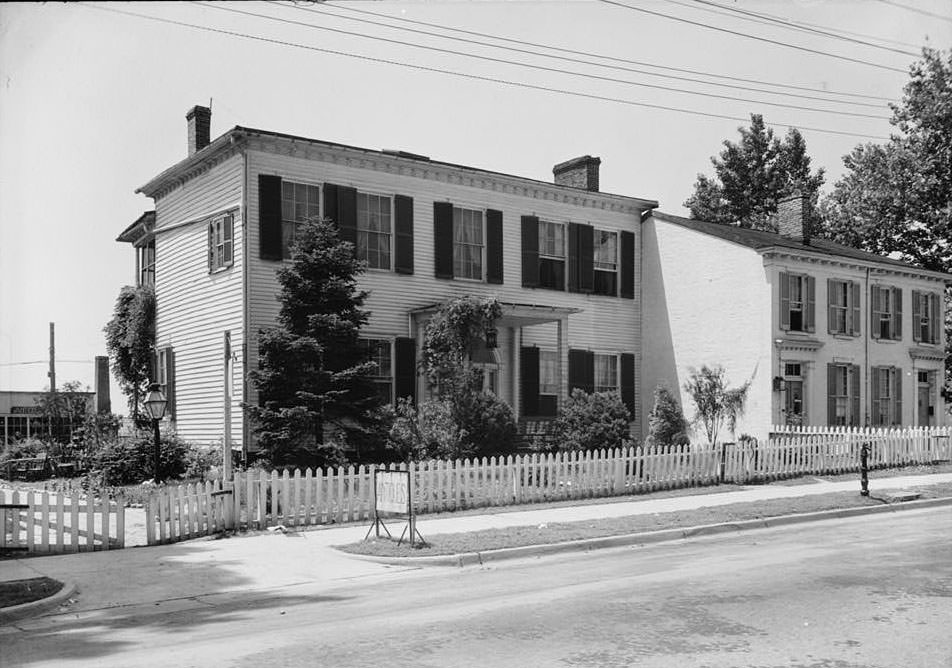
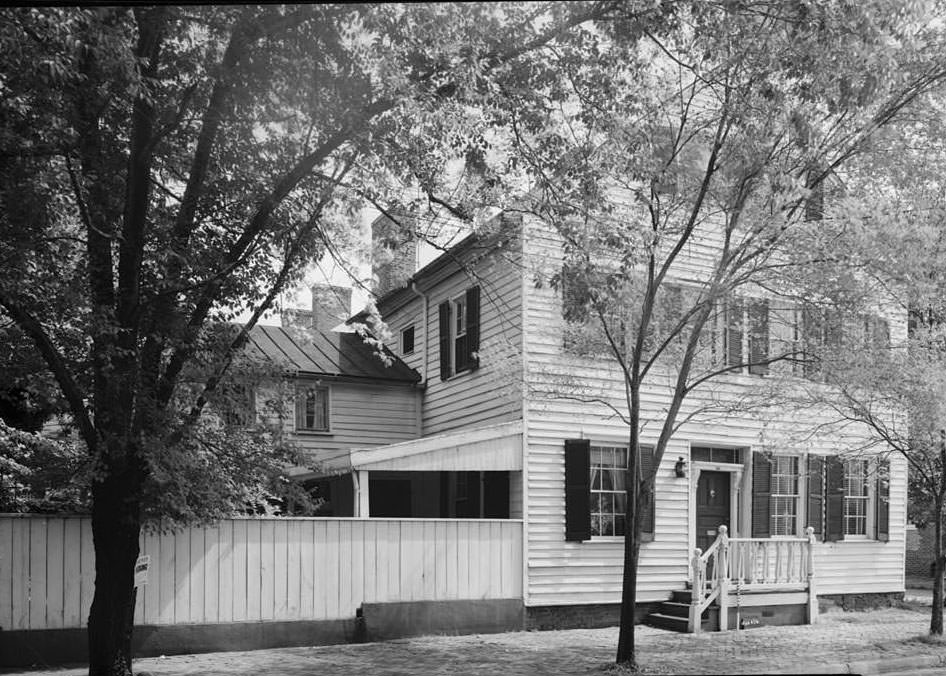
The residential streets of Old Town Alexandria told the story of the city through brickwork, shutters, and stoops. Jefferson Street, like so many others, was lined with houses that varied in size and style but shared a common language of Federal and Georgian architecture. Some homes had been updated over the decades; others looked nearly unchanged from their original construction.
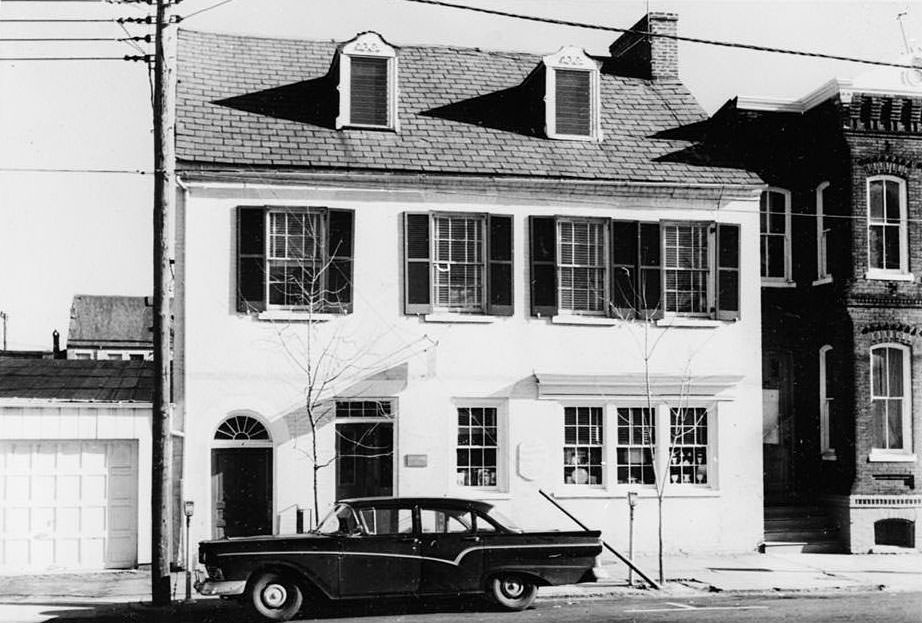
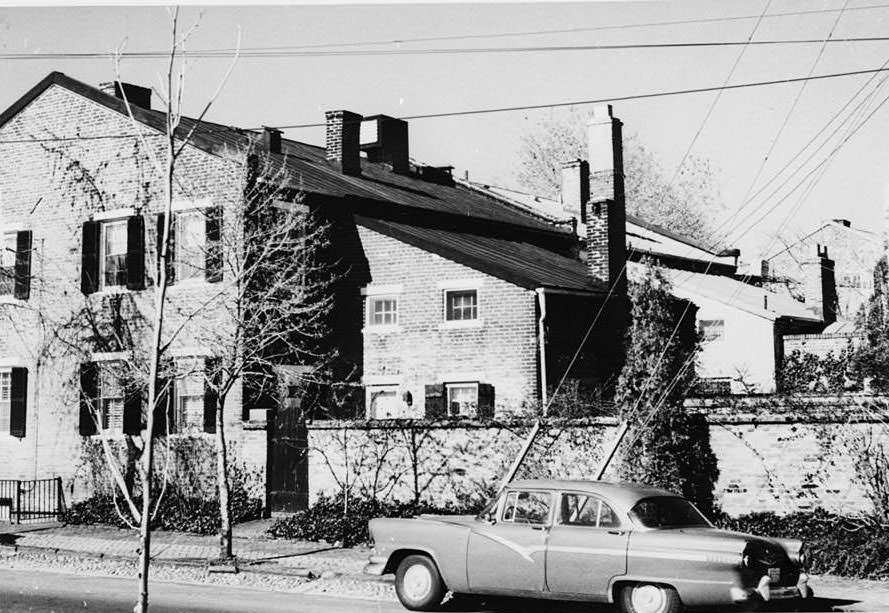
South Pitt Street Area Survey, 110 South Pitt Street (House), Alexandria, 1970s
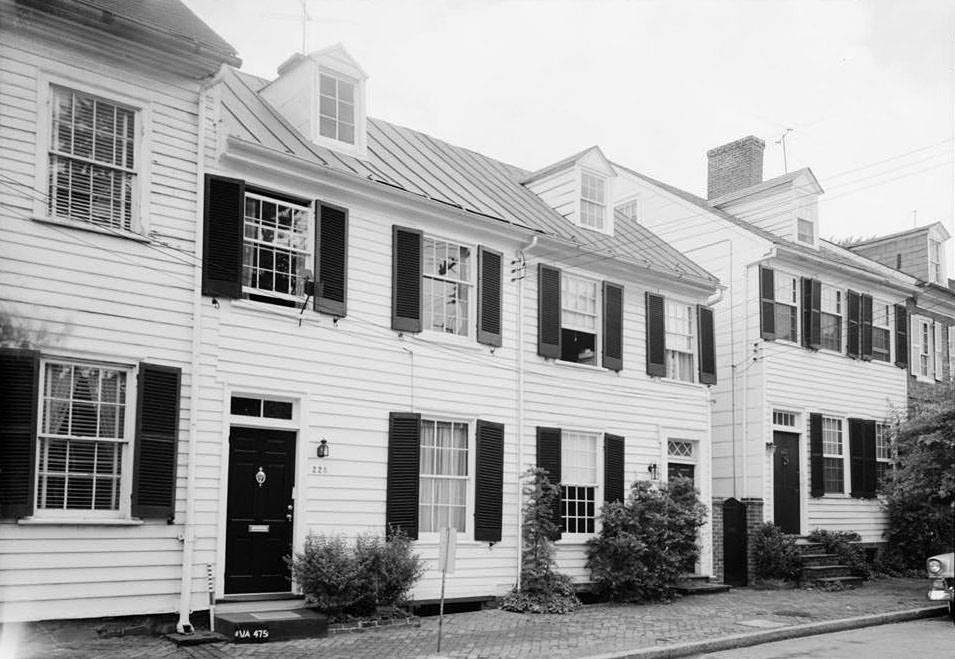
Queen Street Area Survey, 301-303 Queen Street (Row Houses), Alexandria, 1970s

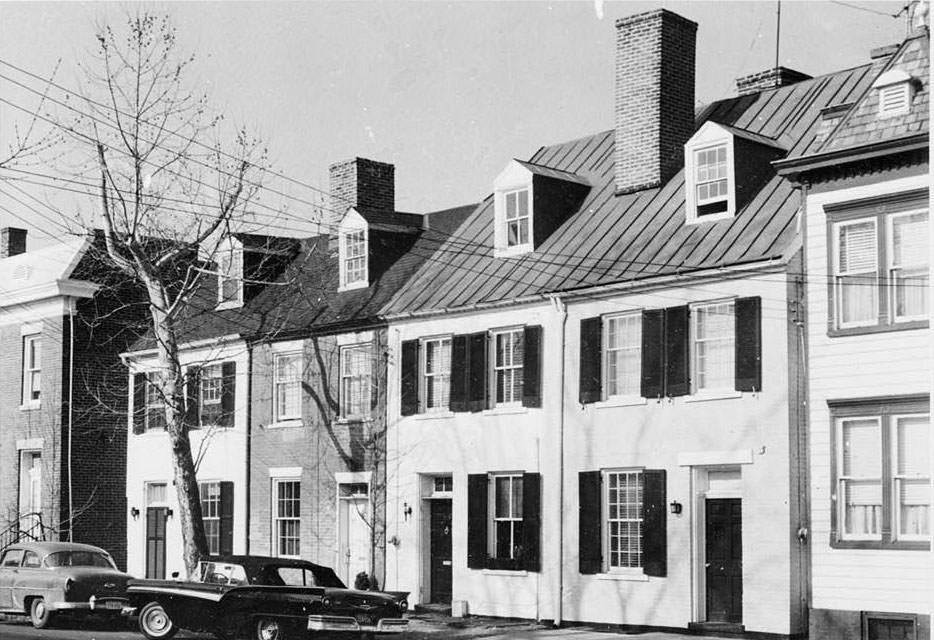
Queen Street offered some of the finest examples of row house architecture in the city. Row houses — attached dwellings that share side walls — were a common building form in 18th- and 19th-century Alexandria, where land was valuable and density was necessary. The houses along Queen Street sat close to the sidewalk, with uniform rooflines that gave each block a rhythmic, unified look.
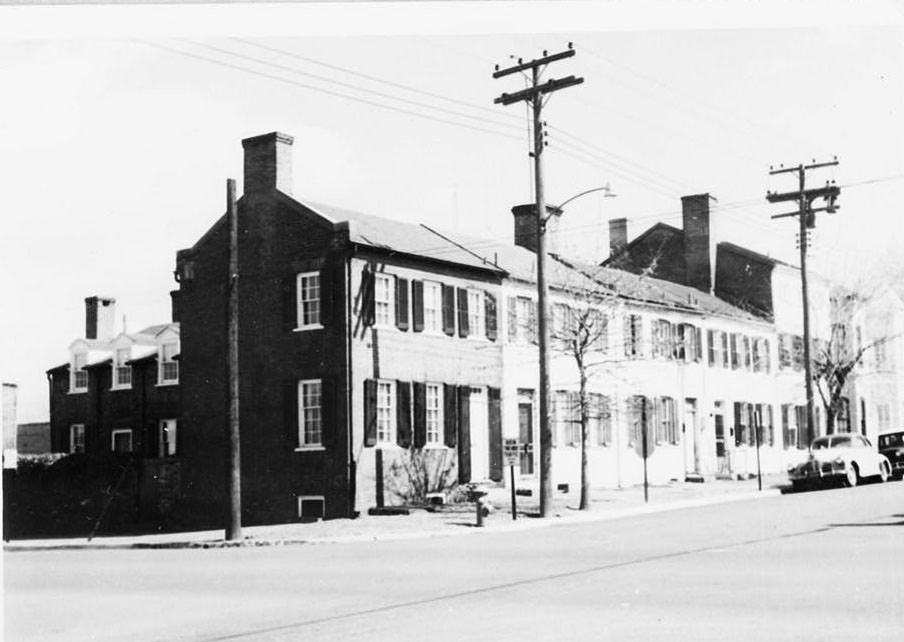
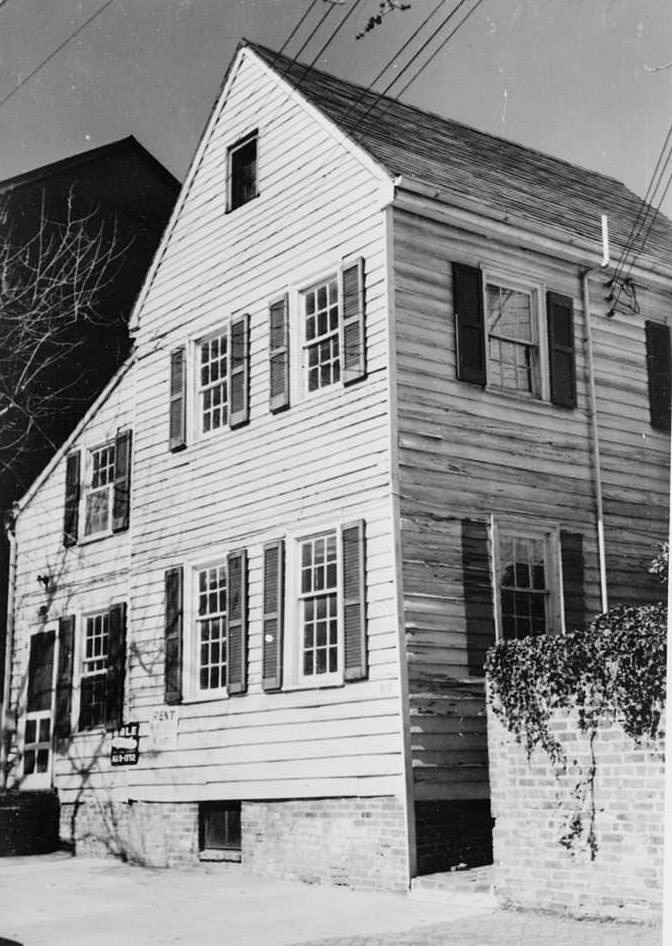
Queen Street Area Survey, 319-325 Queen Street (Row Houses), Alexandria, 1970s
Queen Street Area Survey, 513-515 Queen Street (Houses), Alexandria, 1970s
Queen Street Area Survey, 519 Queen Street (House), Alexandria, 1970s
Dennis Ramsay House, 221 South Lee Street, Alexandria, 1970s

The Dennis Ramsay House on South Lee Street is one of several homes in Alexandria named for prominent early residents. Dennis Ramsay served as mayor of Alexandria in the late 18th century and was a close friend of George Washington. Washington’s Mount Vernon estate was only nine miles away from the city, and his presence shaped much of Alexandria’s early commercial and social life. The neighborhoods along South Lee Street preserved some of the closest architectural ties to that founding era.
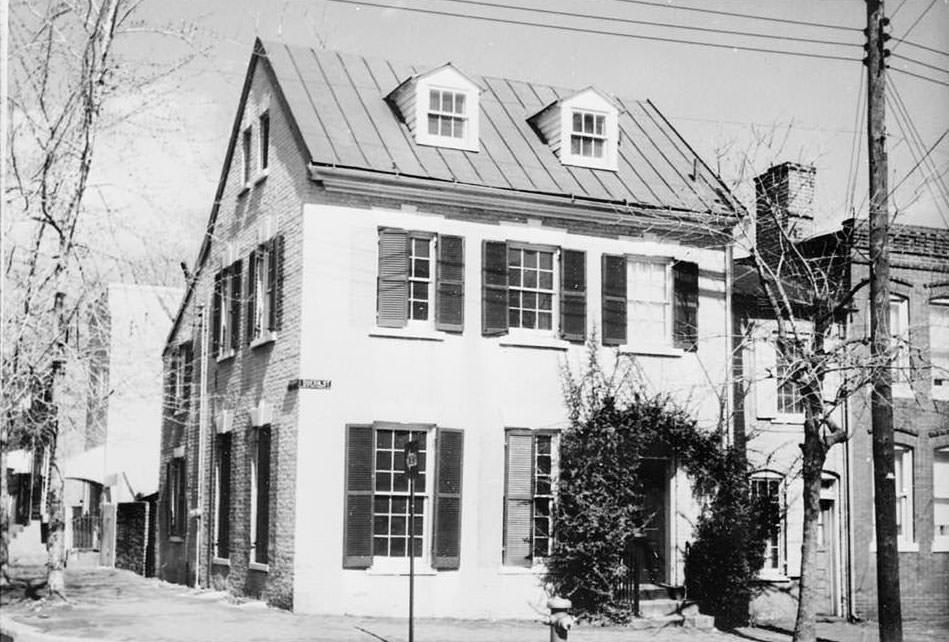
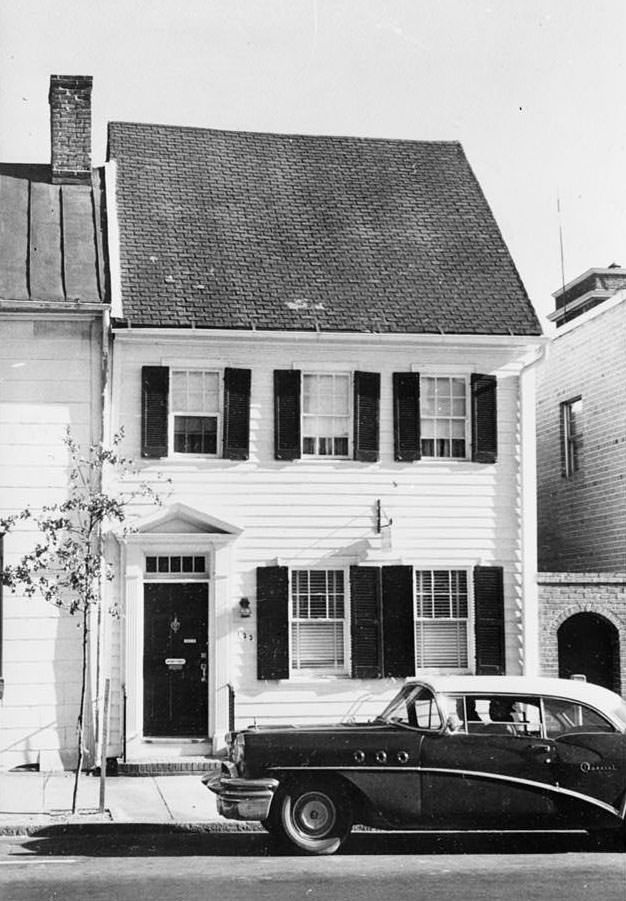
Queen Street Area Survey, 525 Queen Street (House), Alexandria, 1970s
Royal Street Area Survey, 122 South Royal Street (House), Alexandria, 1970s
Royal Street Area Survey, 207 North Royal Street (House), Alexandria, 1970s

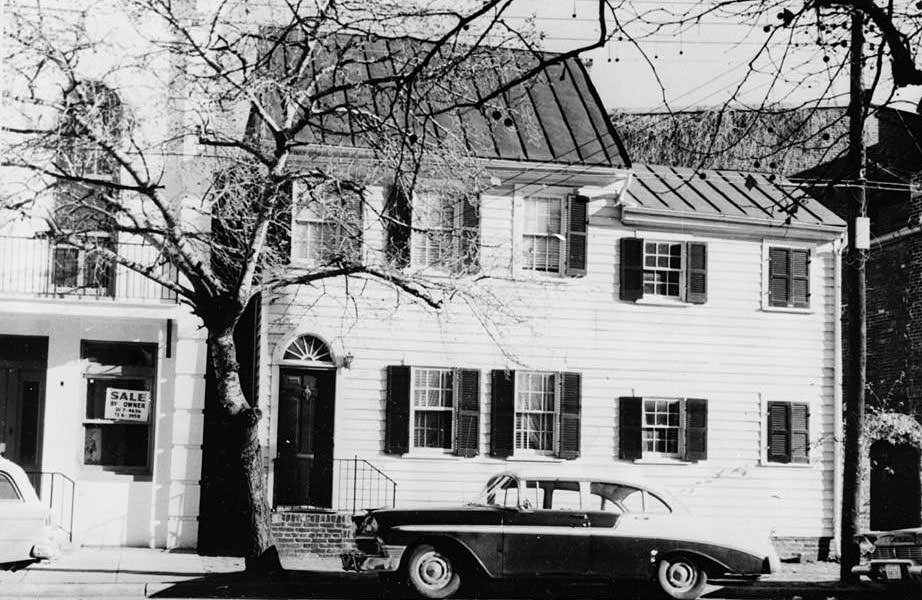
Royal Street ran north to south through Old Town and contained a dense concentration of historic homes on both its northern and southern ends. The architecture shifted subtly from block to block — some sections featured narrow brick townhouses with dormers; others had wider, more stately homes set slightly back from the street. The surveyors photographing these properties in the 1970s were capturing a resource that city planners and historians recognized as irreplaceable.
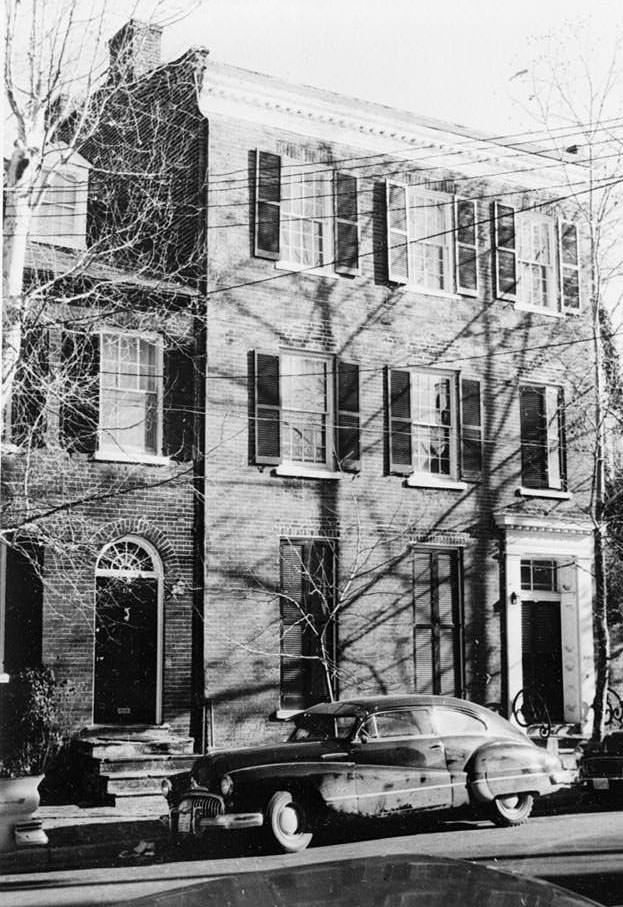
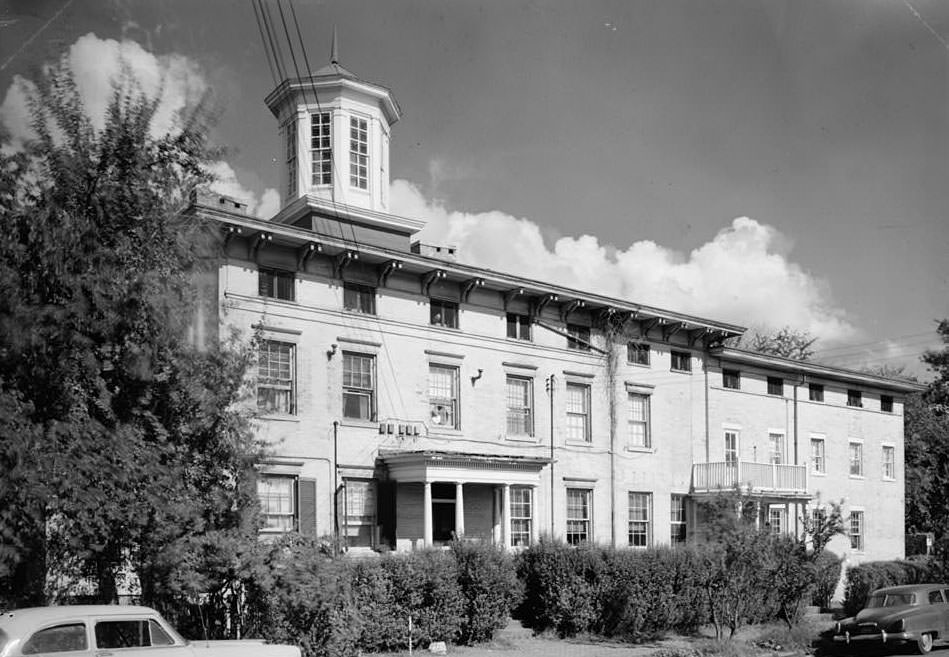
Royal Street Area Survey, 217 North Royal Street (House), 1970s
St. John's Academy, Duke & South Columbus Streets, Alexandria, 1970s
St. John’s Academy, Duke & South Columbus Streets, Alexandria, 1970s

St. John’s Academy, located at the corner of Duke and South Columbus Streets, was one of Alexandria’s older educational institutions. The building’s presence in the 1970s photographs reflected the city’s long tradition of private schooling alongside its public system. That tradition was undergoing significant change at the time — in 1971, Alexandria consolidated all of its high school students into T.C. Williams High School. The same year, Herman Boone was hired as head football coach. His team went on to win the state championship and finished second in the national championship. The story was later dramatized in the 2000 film *Remember the Titans*, in which Denzel Washington portrayed Boone.
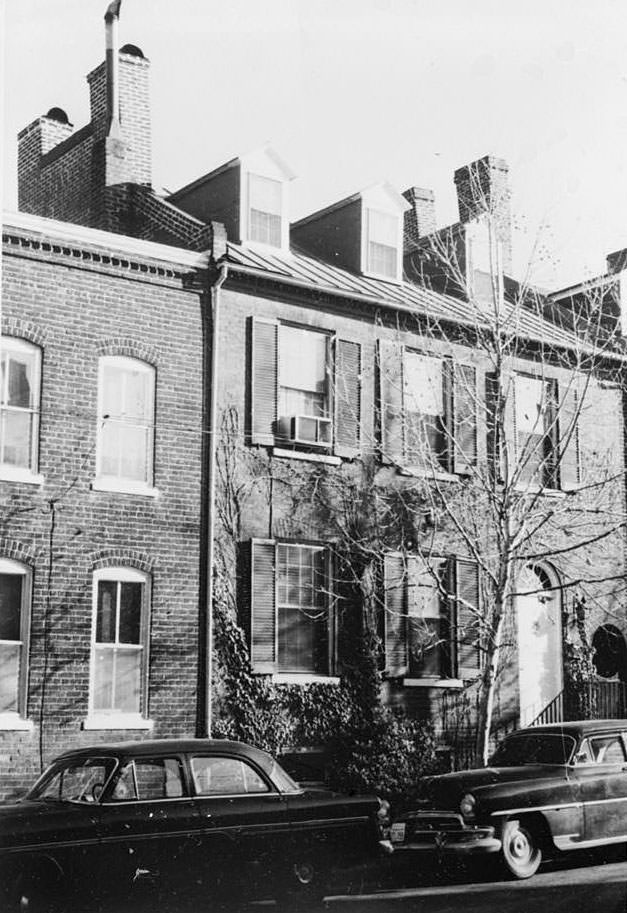
Royal Street Area Survey, 221 North Royal Street (House), Alexandria, 1970s
St. Paul's Episcopal Church, 216 South Pitt Street, Alexandria, 1970s
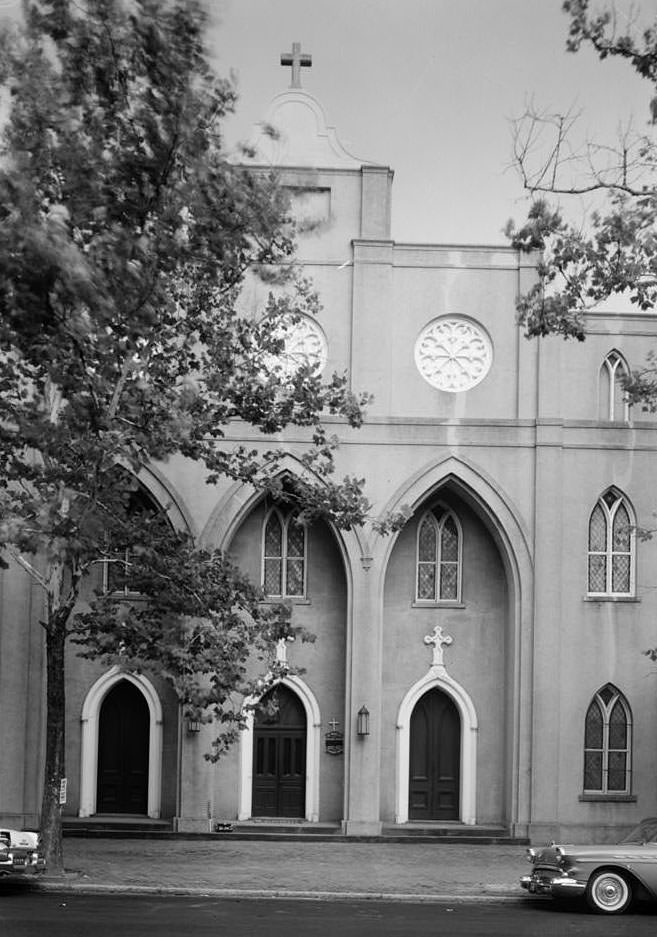
St. Paul’s Episcopal Church, 216 South Pitt Street, Alexandria, 1970s

St. Paul’s Episcopal Church on South Pitt Street was one of several historic churches that shaped the city’s skyline and its community life. Episcopal churches were deeply woven into Alexandria’s founding fabric — Christ Church on Cameron Street, for example, counted George Washington and Robert E. Lee among its congregation. St. Paul’s, while smaller, was no less a part of the city’s religious geography, and its rectory on Duke Street stood nearby as an architectural companion to the main building.
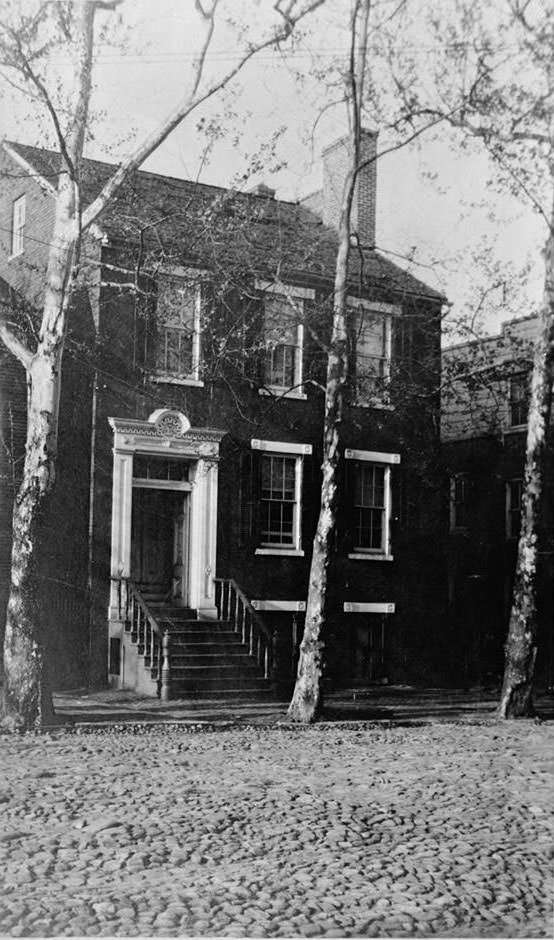
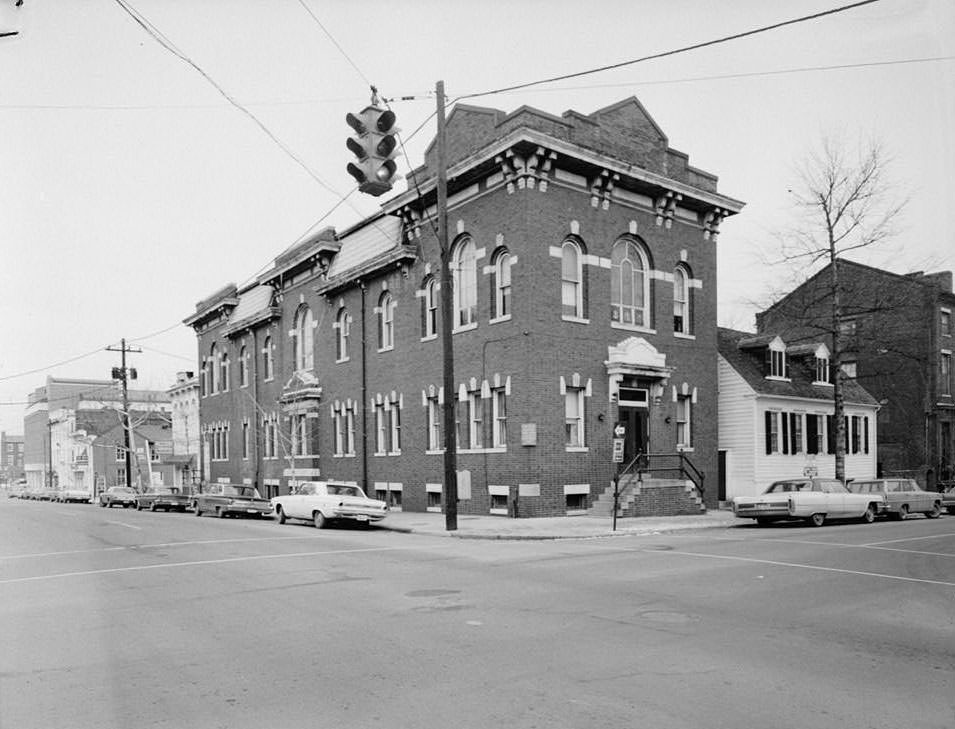
St. Paul's Episcopal Church, Rectory, 417 Duke Street, Alexandria, 1970s
St. Paul’s Episcopal Church, Rectory, 417 Duke Street, Alexandria, 1970s
Second Presbyterian Church, Westminster Building, 521-523 Prince Street, Alexandria, 1970s
Samuel Simmonds House, 109 South Royal Street, Alexandria, 1970s

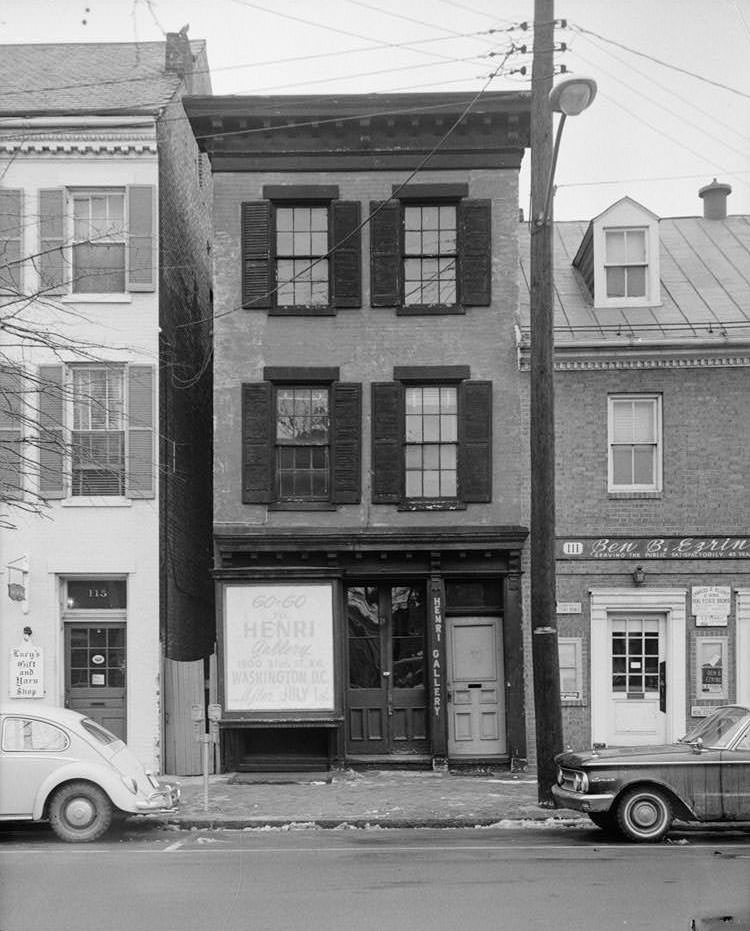
South Fairfax Street was among the most photographed corridors during the 1970s surveys, and for good reason. The 100 block alone contained a striking variety of buildings — private residences, commercial structures, and one of the city’s most famous landmarks. The Stabler-Leadbeater Apothecary Shop at 107 South Fairfax Street was in operation from 1792 until 1933, making it one of the oldest apothecaries in the country. George Washington and Robert E. Lee were both recorded customers. By the 1970s, the shop had been preserved as a museum, its original contents largely intact.
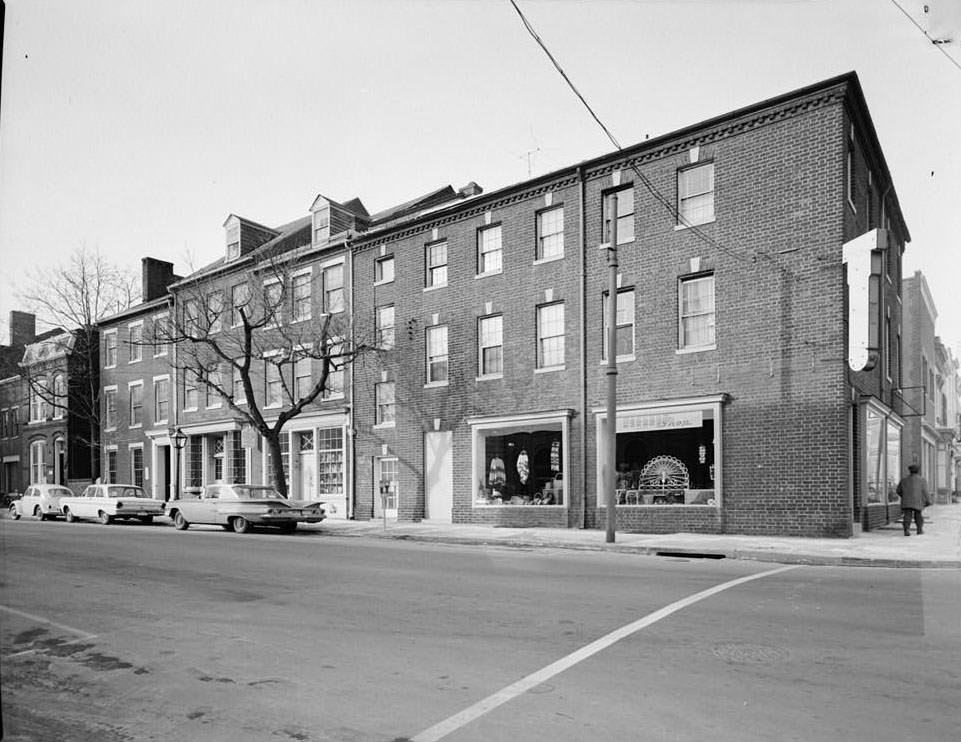
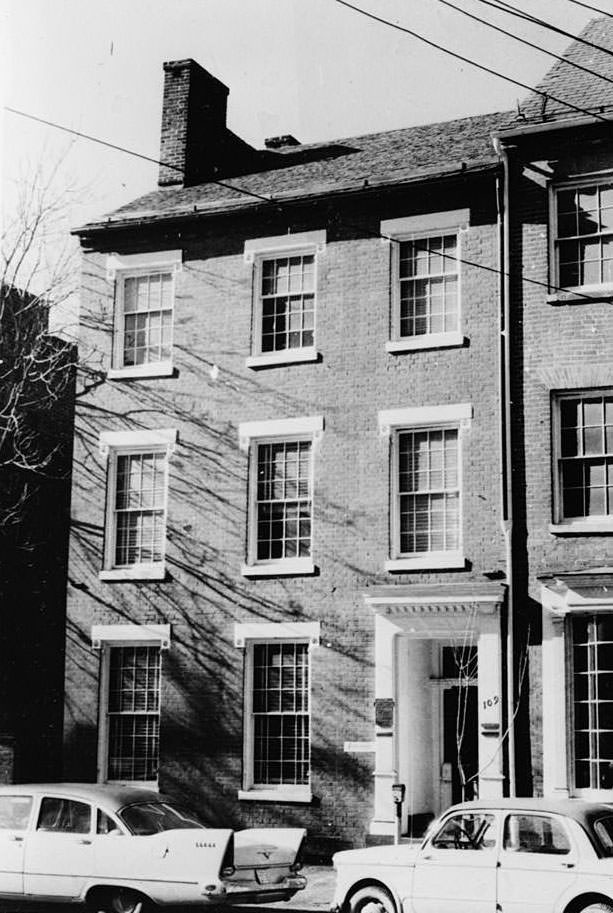
100 Block South Fairfax Street (General View), Alexandria, 1970s
South Fairfax Street Area Survey, 109 South Fairfax Street (House), Alexandria, 1970s
South Fairfax Street Area Survey, 207-209 South Fairfax Street (Double House), Alexandria, 1970s
South Fairfax Street Area Survey, 213 South Fairfax Street (House), Alexandria, 1970s
South Fairfax Street Area Survey, 405 South Fairfax Street (House), Alexandria, 1970s
South Fairfax Street Area Survey, 511-517 South Fairfax Street (Row Houses), Alexandria, 1970s
Stabler-Leadbeater Apothecary Shop, 107 South Fairfax Street, Alexandria, 1970s

Prince Street was home to a remarkable stretch of row houses, some of the most photographed in Alexandria. The 103–133 block of Prince Street, known as Gentry Row, contained some of the finest 18th-century Federal townhouses in the entire Mid-Atlantic region. Captains, merchants, and civic leaders built their homes along this stretch, and the buildings survived into the 1970s in exceptional condition. Other notable Prince Street addresses — including the Fairfax-Adam-Hodgson House, the Colonel Michael Swope House, and the Bank of Potomac — filled out a street that read like a catalog of Alexandria’s architectural past.
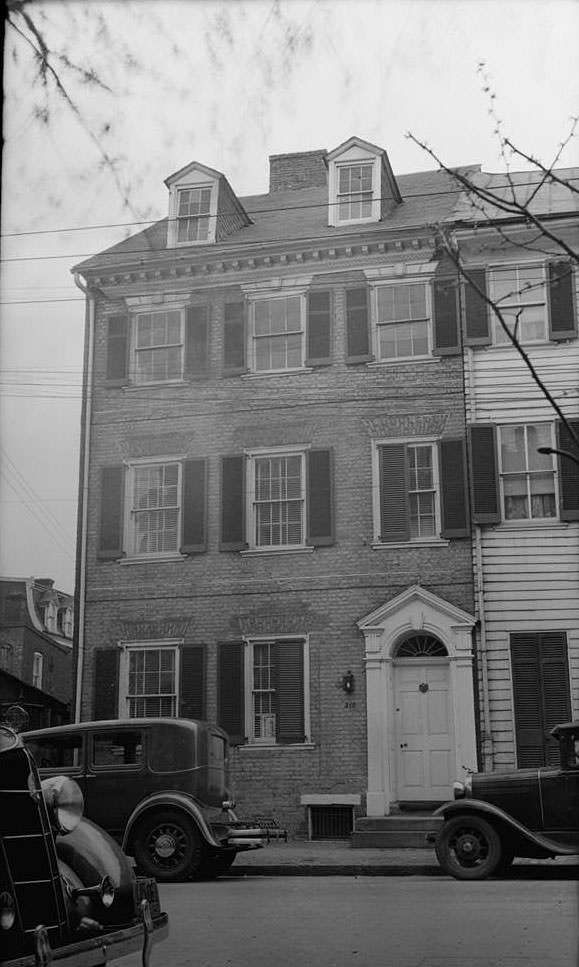
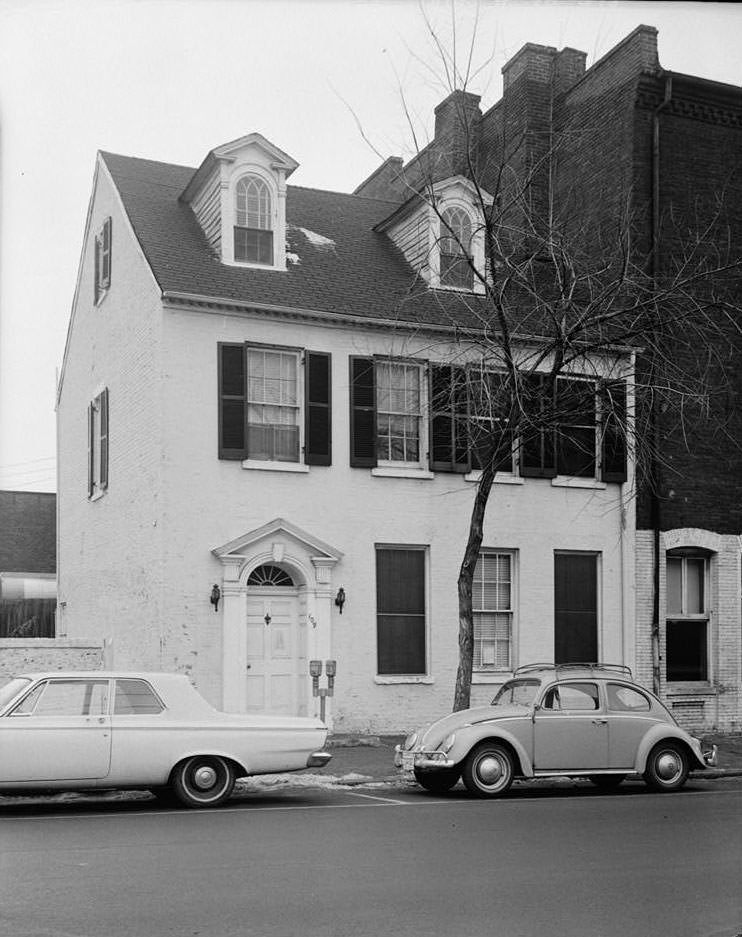
Colonel Michael Swope House, 210 Prince Street, Alexandria, 1970s
Taylor-Fraser House, 414 Franklin Street (moved from 109 South Pitt Street), Alexandria, 1970s
Jonah Thompson Houses, 211 North Fairfax Street, Alexandria, 1970s

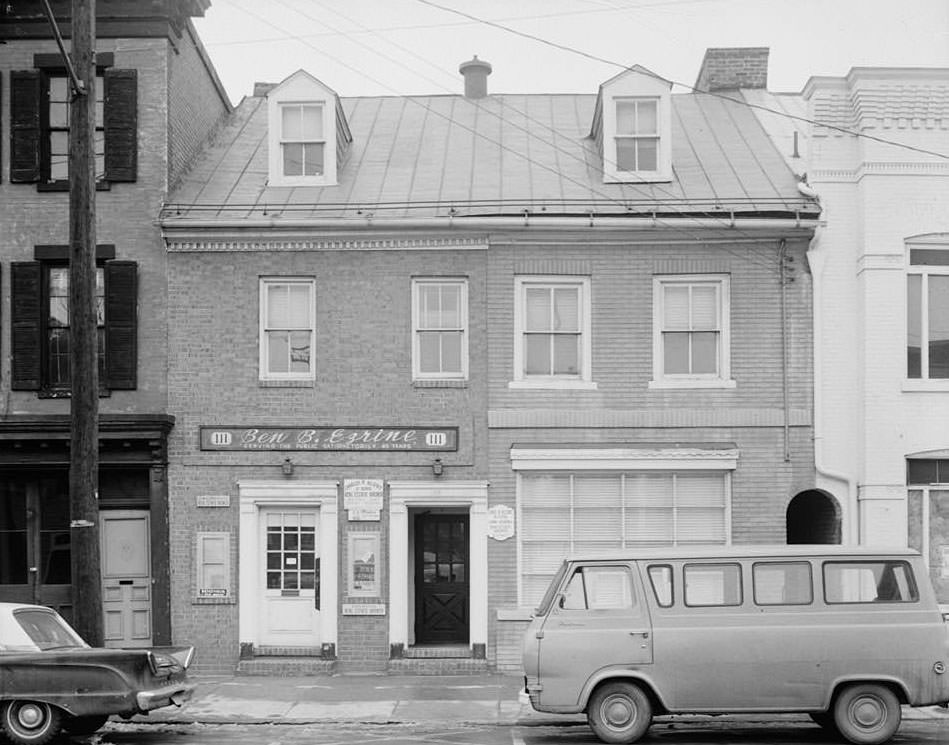
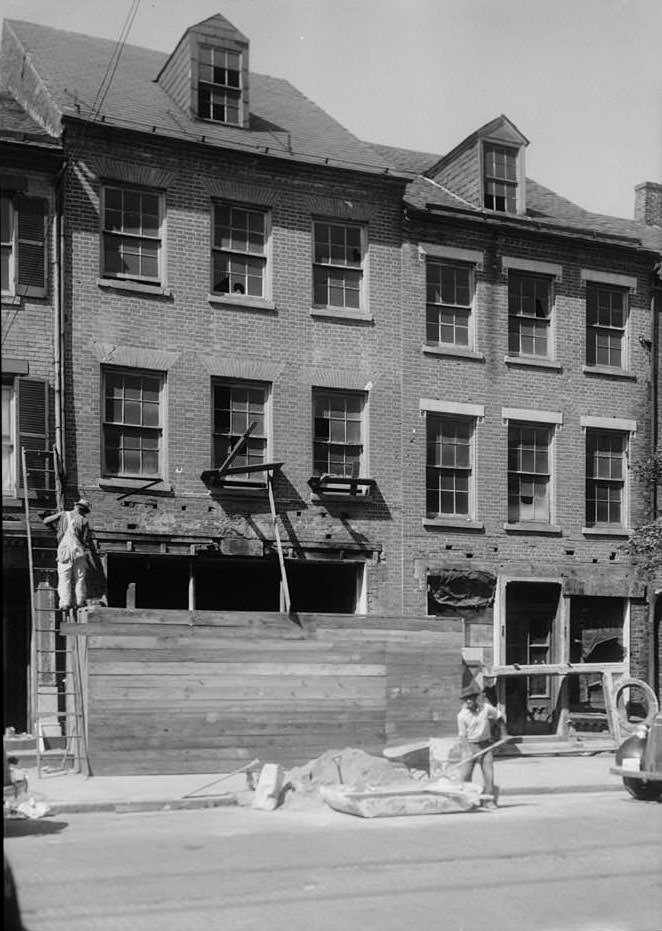
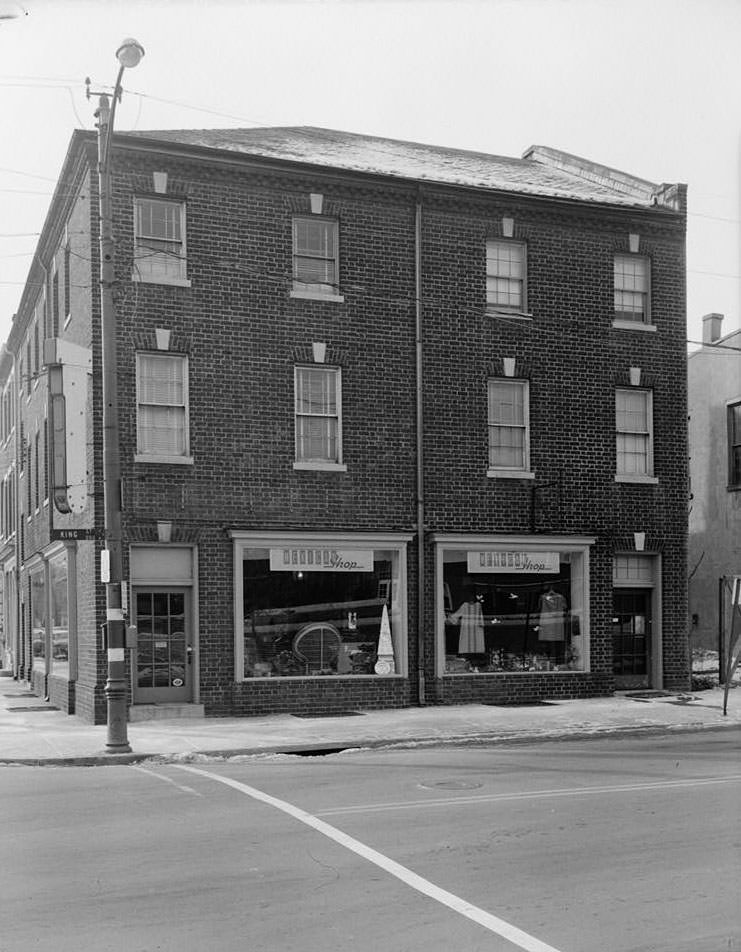
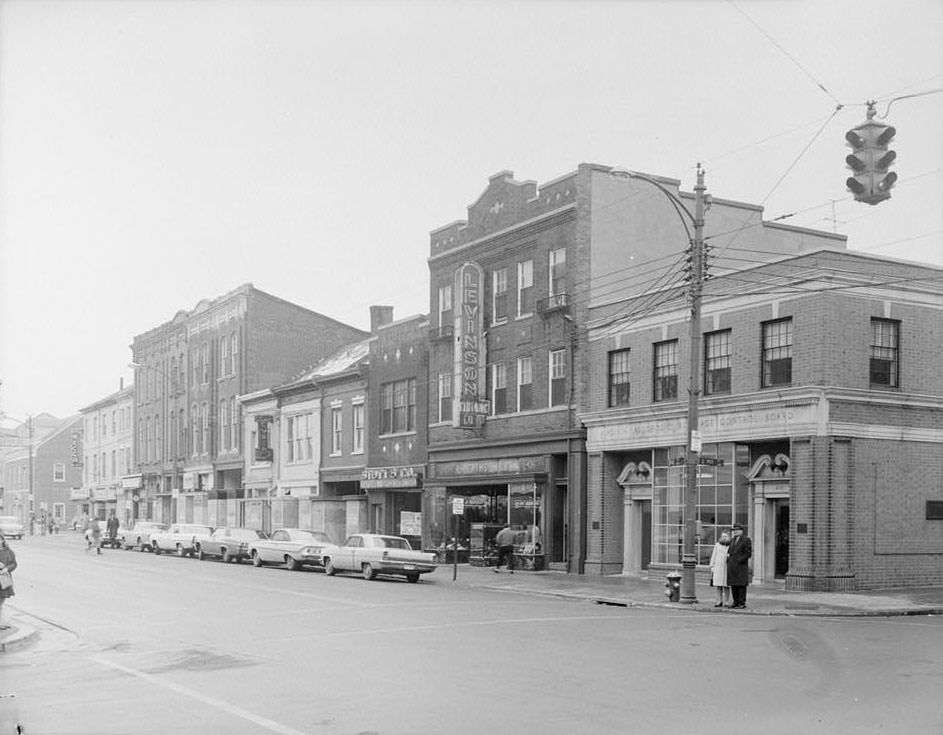
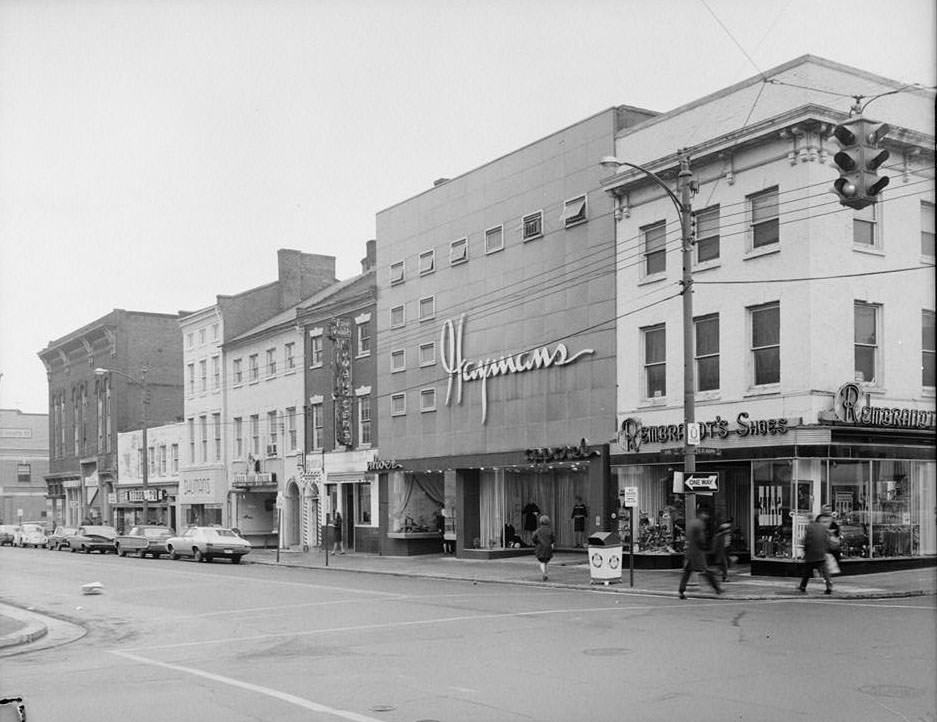
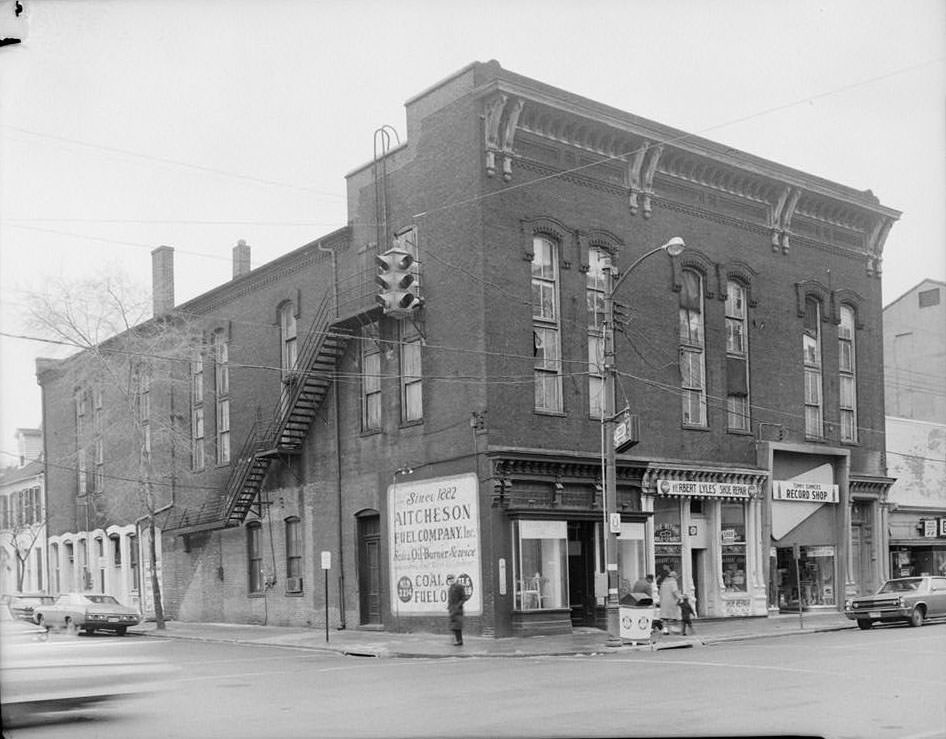
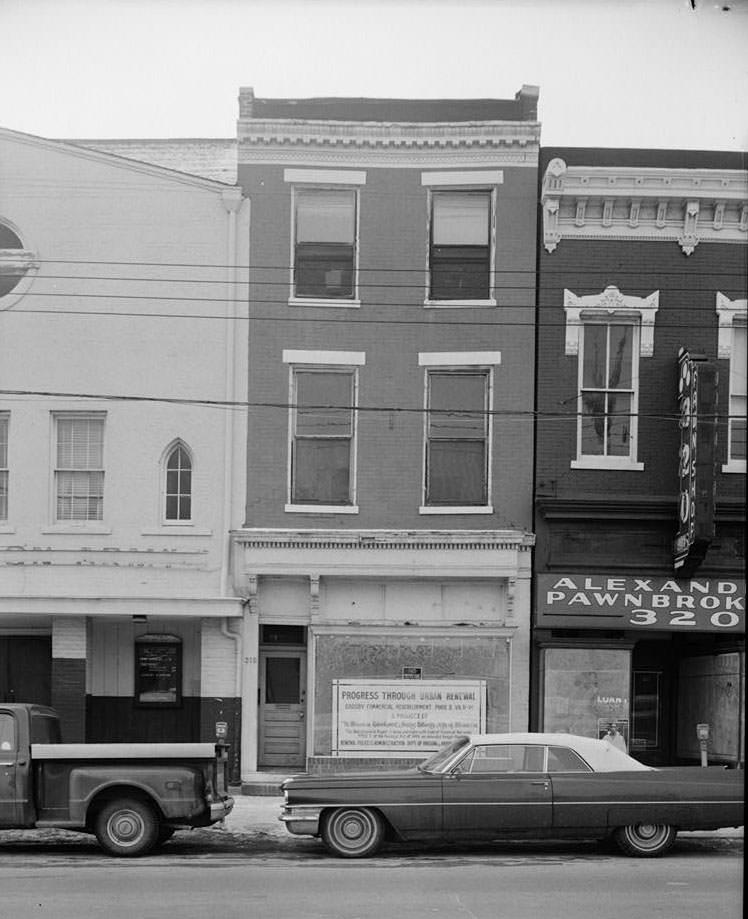
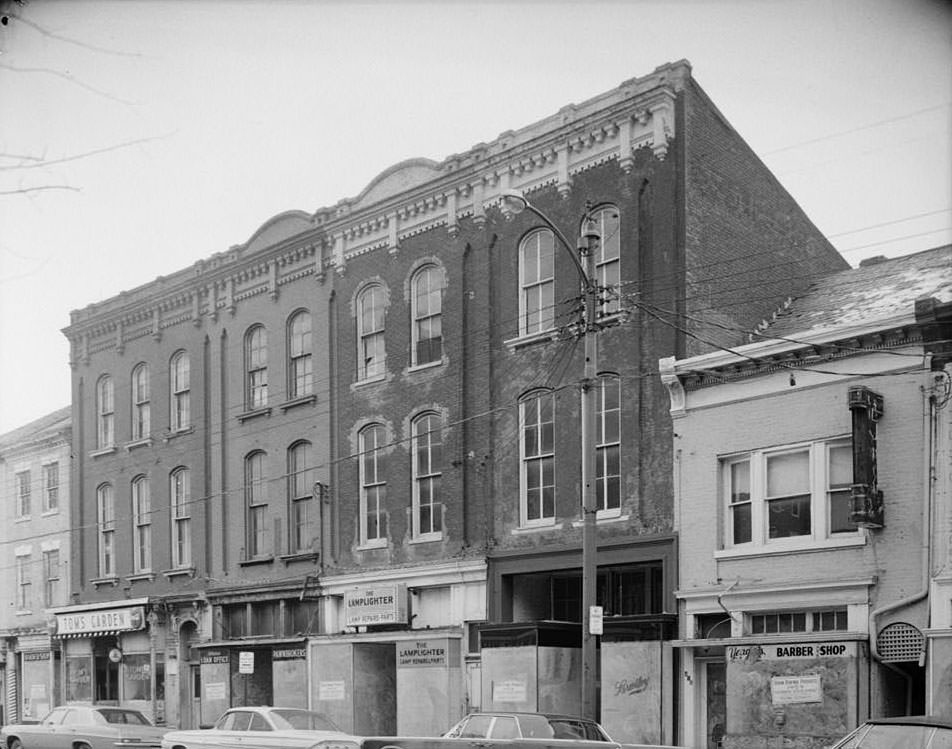
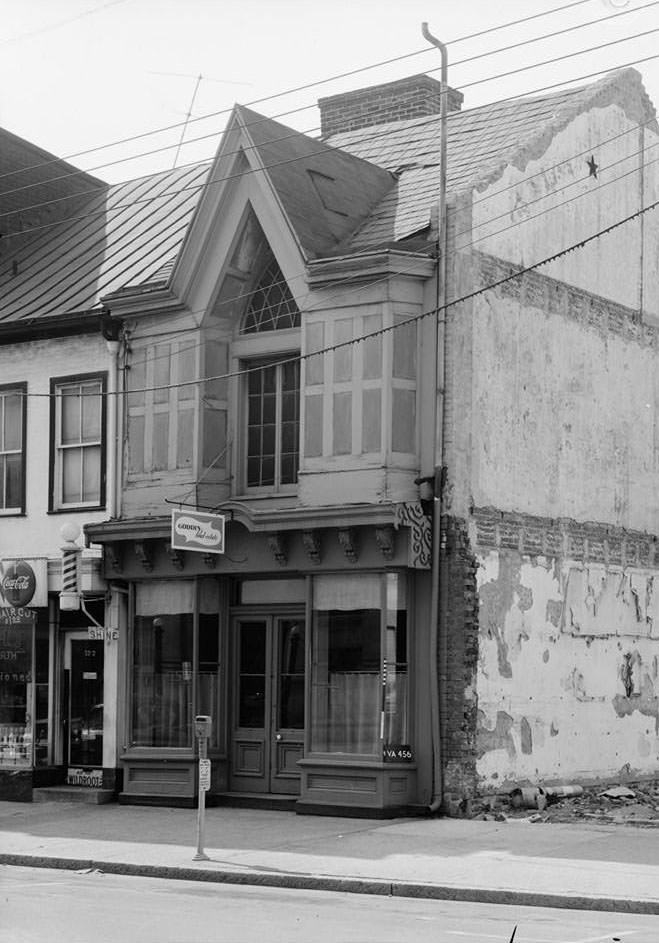
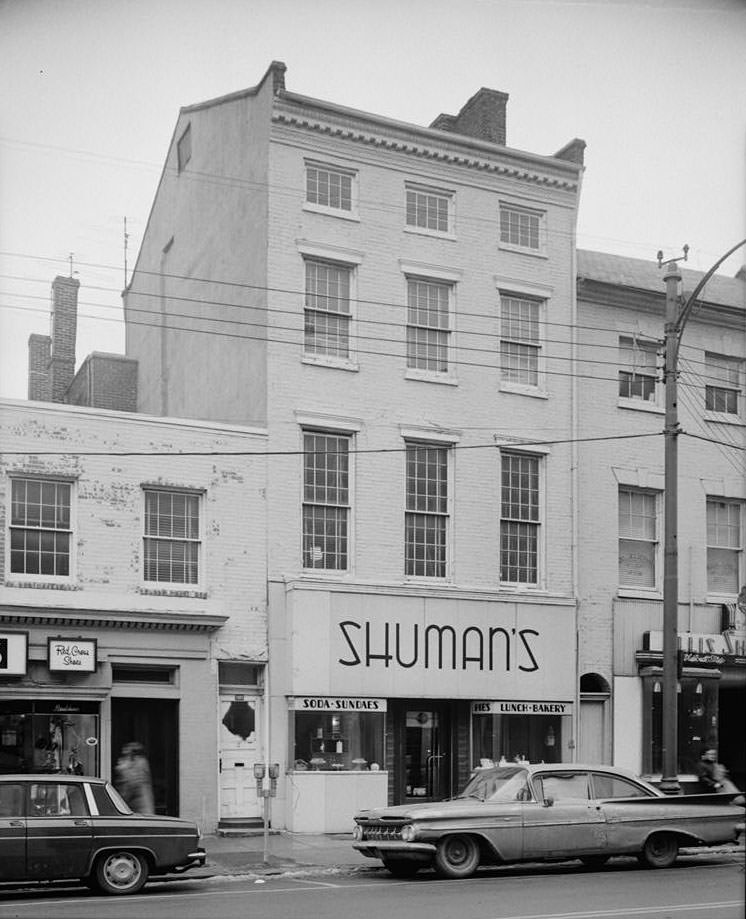
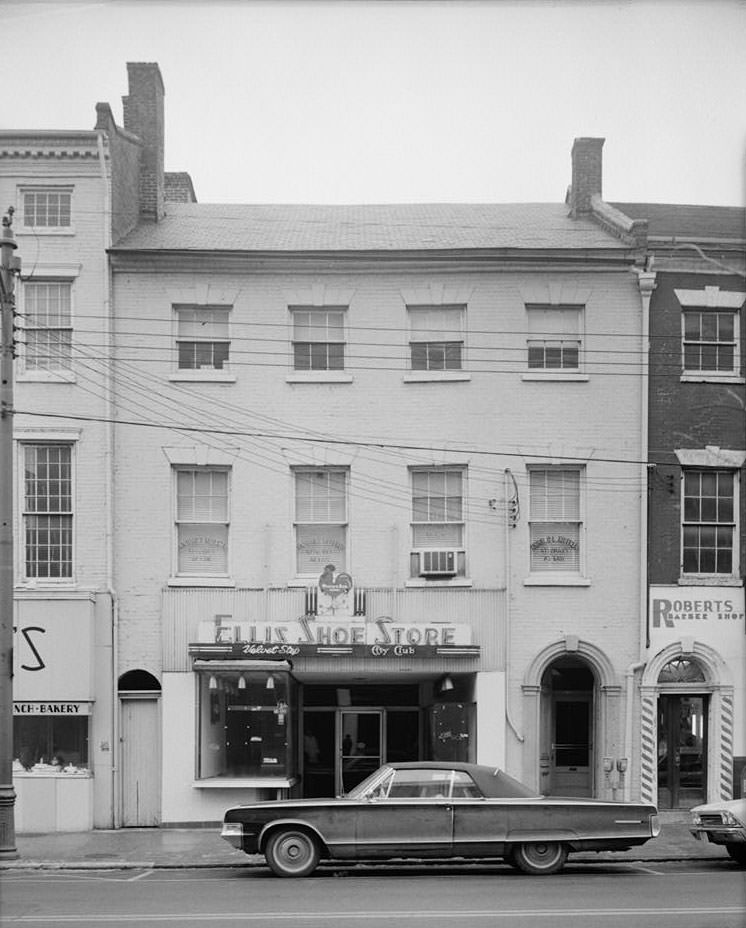
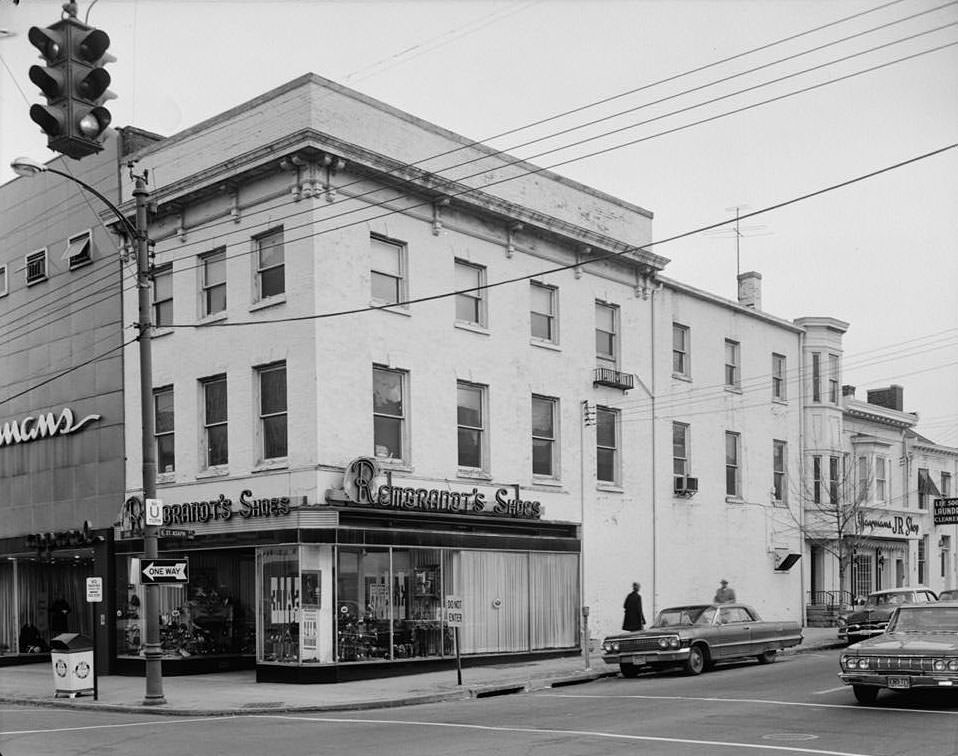
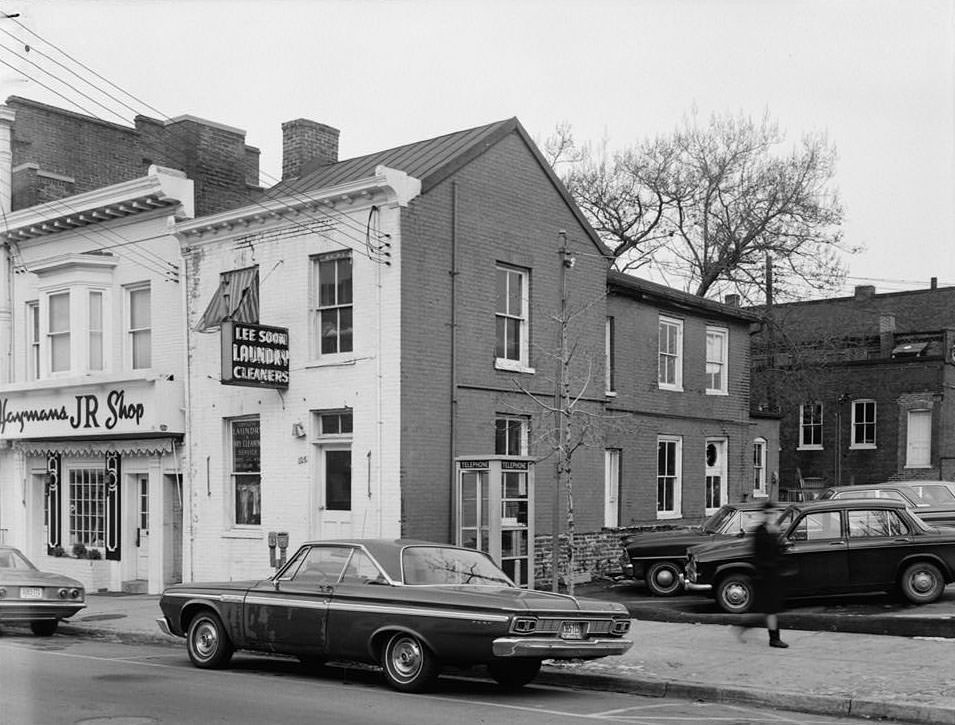
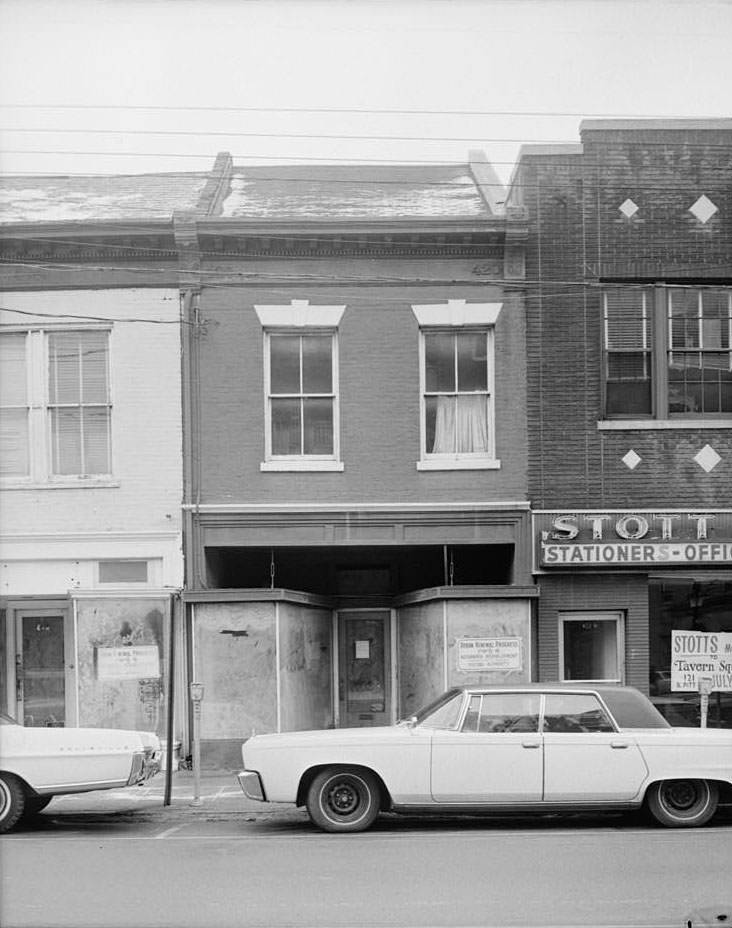
King Street served as Alexandria’s commercial main street, and the photographs from the 1970s show it as a working urban corridor rather than a tourist zone. Buildings like the Warfield Building at 501 King Street, the First National Bank at 503–507 King Street, and the various Gregory Buildings showed the commercial face of the city — brick storefronts, stone lintels, and awnings. Lannon’s Opera House occupied 500–508 King Street, a reminder that entertainment had always been part of the street’s identity.
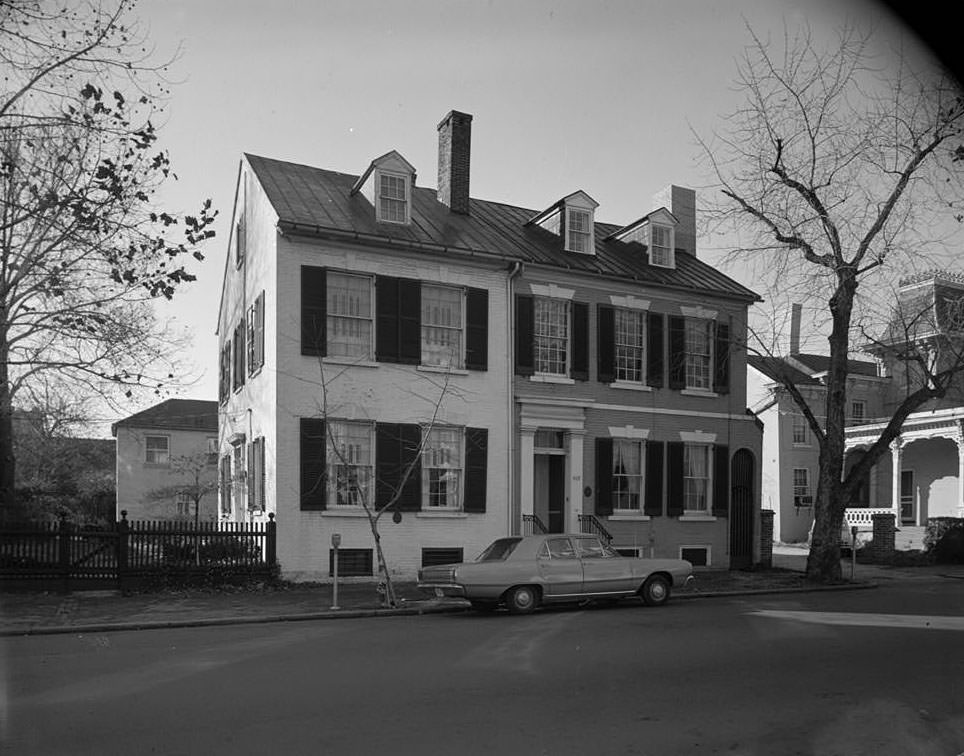
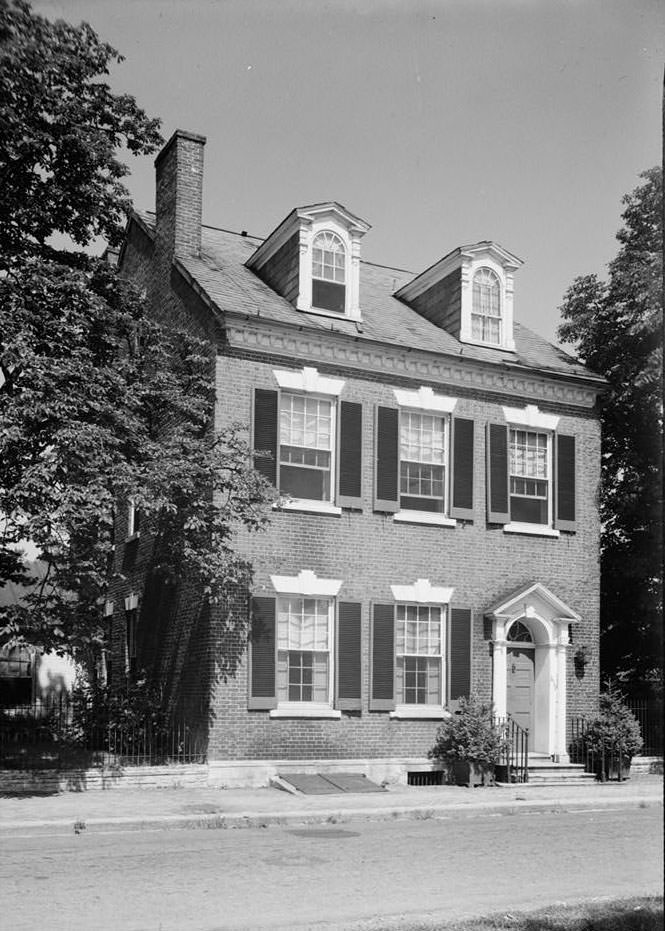
Van Havre-Daingerfield House, 608 Cameron Street, Alexandria, 1970s
Vowell-Snowden-Black House, 619 South Lee Street, Alexandria, 1970s
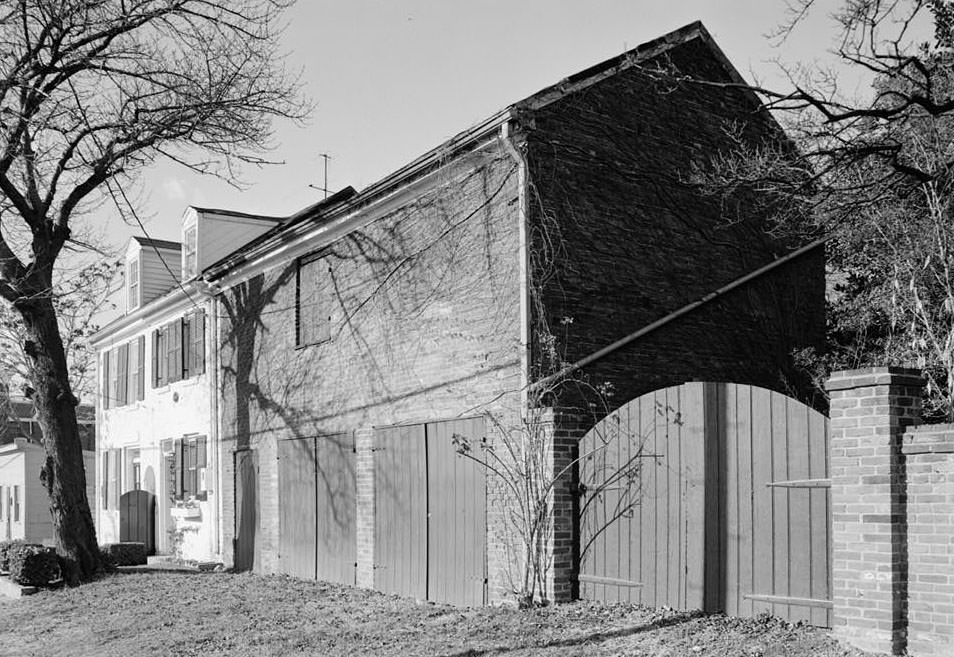
Vowell-Snowden-Black Stable, Franklin Street, Alexandria, 1970s
Washington Street Area Survey, 207 South Washington Street (House), Alexandria, 1970s

Washington Street ran the full length of the city’s historic district, and its buildings spanned centuries of construction. The houses at 207 and 411 South Washington Street and the double house at 415–417 were among the many properties documented in the survey. Some of these structures had witnessed the city’s entire existence — the street itself was laid out in the original 1749 town plan.
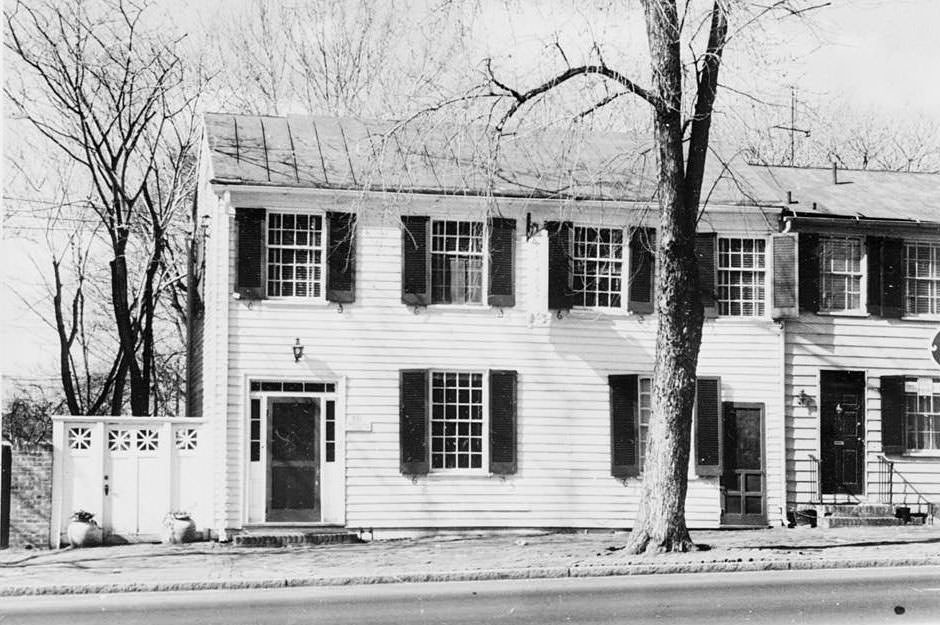
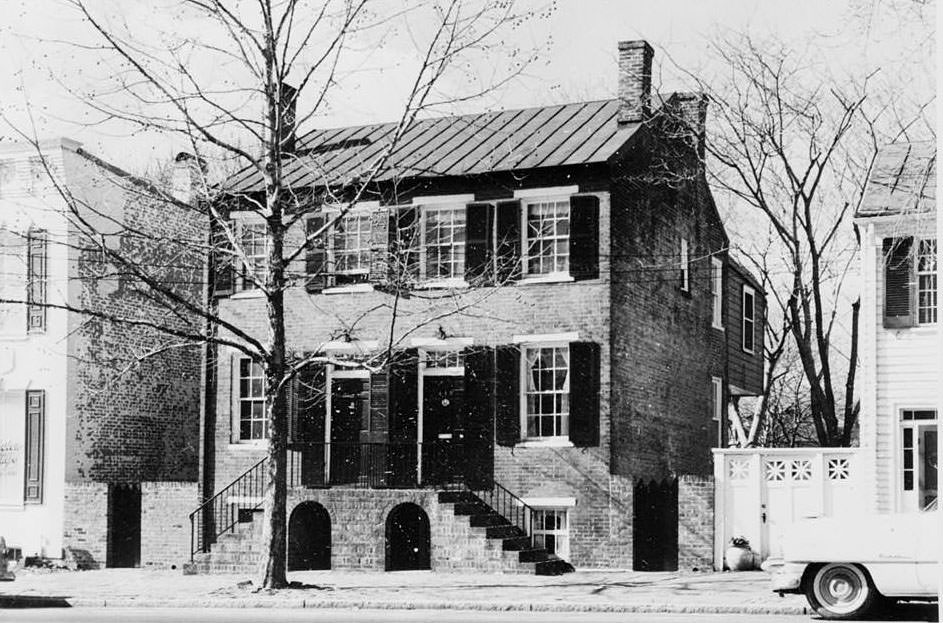
Washington Street Area Survey, 411 South Washington Street (Row House), Alexandria, 1970s
Washington Street Area Survey, 415-417 South Washington Street (Double House), Alexandria, 1970s
Flounder Tavern Building, Sharpskin & Market Square Alleys, Alexandria, 1970s

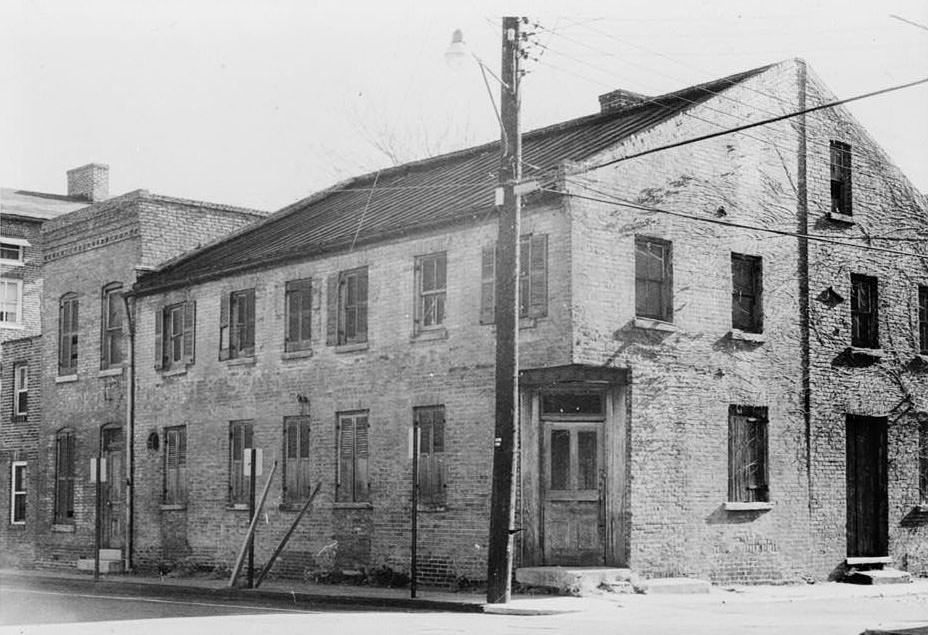
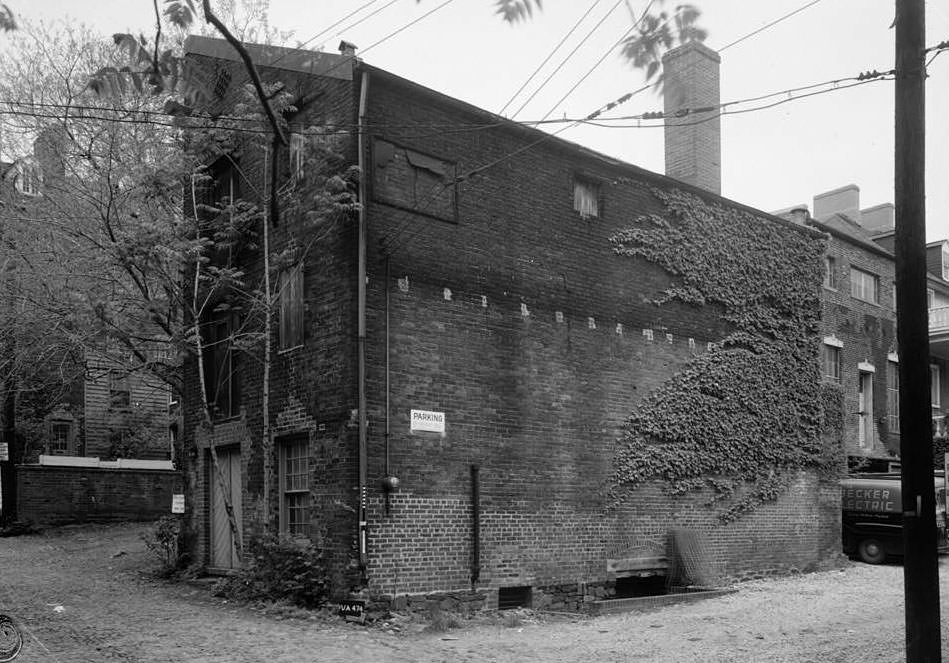
The “flounder” style of building was a distinctive architectural form found throughout Alexandria. A flounder house had one sloped roof that ran from a tall front wall down to a much shorter rear wall, giving it an asymmetrical, wedge-like profile when viewed from the side. The name came from the resemblance to a flat fish seen from above. Several flounder-style structures appeared in the 1970s surveys, including the Flounder Tavern Building near Market Square, the Flounder House on South Saint Asaph Street, and the Flounder Warehouse on Ramsay’s Alley. These buildings were largely unique to Alexandria and reflected a practical approach to building on narrow lots.
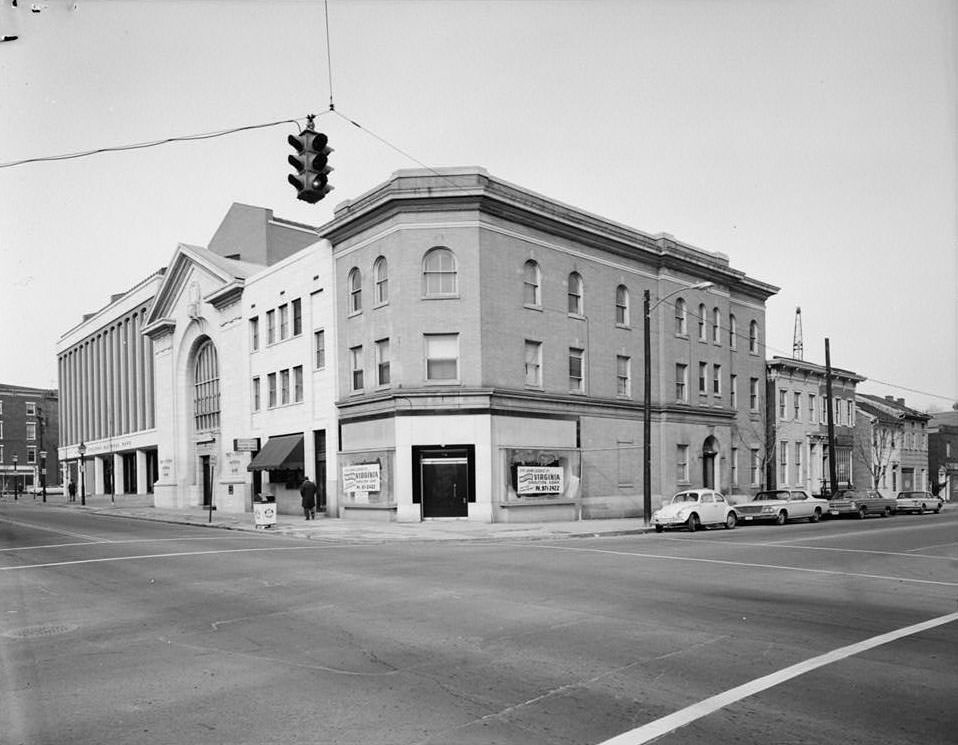
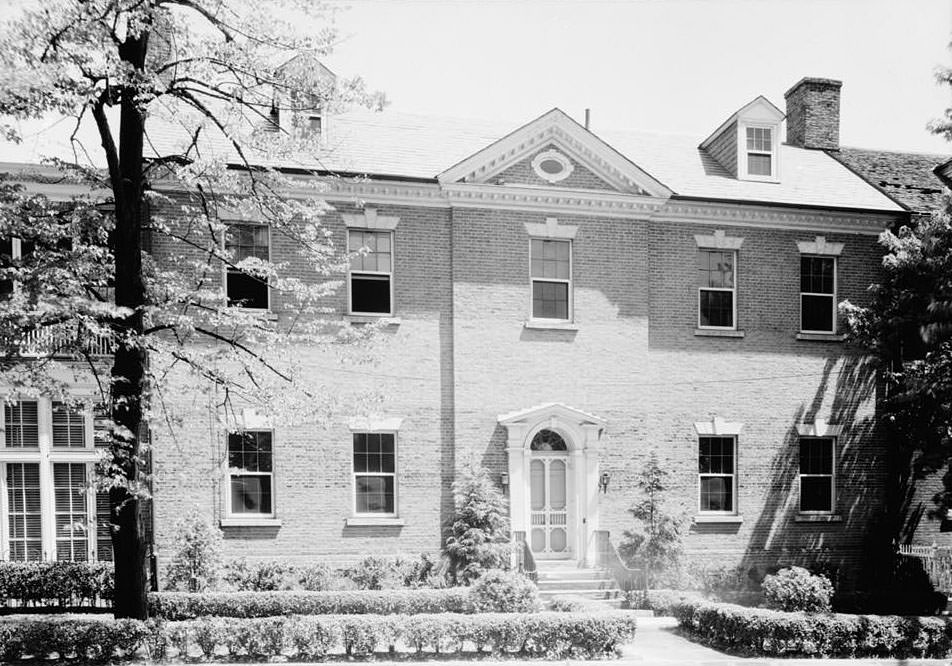
Warfield Building, 501 King Street, Alexandria, 1970s
Wilson-Hopkins House, 609 Oronoco Street, Alexandria, 1970s
Alexandria Market House & City Hall (Masonic Hall), 301 King Street, Alexandria, 1970s

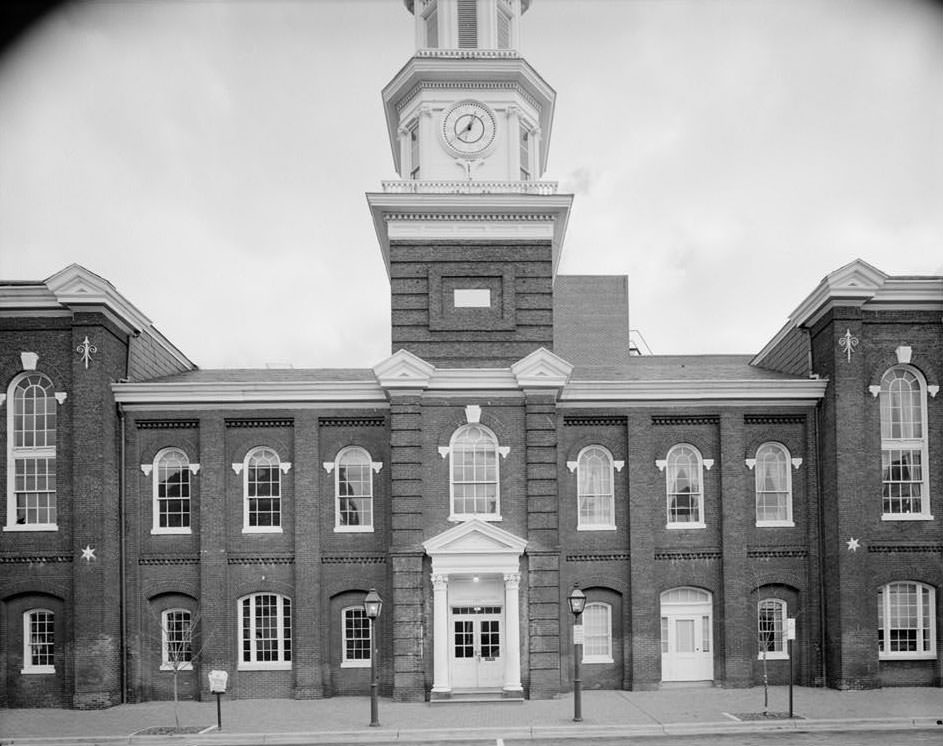
The Alexandria Market House and City Hall at 301 King Street was one of the most significant civic buildings in the city. The structure housed city government functions while also reflecting Alexandria’s long history as a commercial hub. The Lyceum at 201 South Washington Street served a different civic role — built in 1839 as a cultural and educational center, it was one of the earliest purpose-built civic spaces in Northern Virginia. By the 1970s, it had been restored and was functioning as a history museum. In 1973, two women were elected to the Alexandria City Council for the first time: Nora Lamborne and Beverly Beidler. Their election marked a tangible shift in who held a seat at the table in city governance.
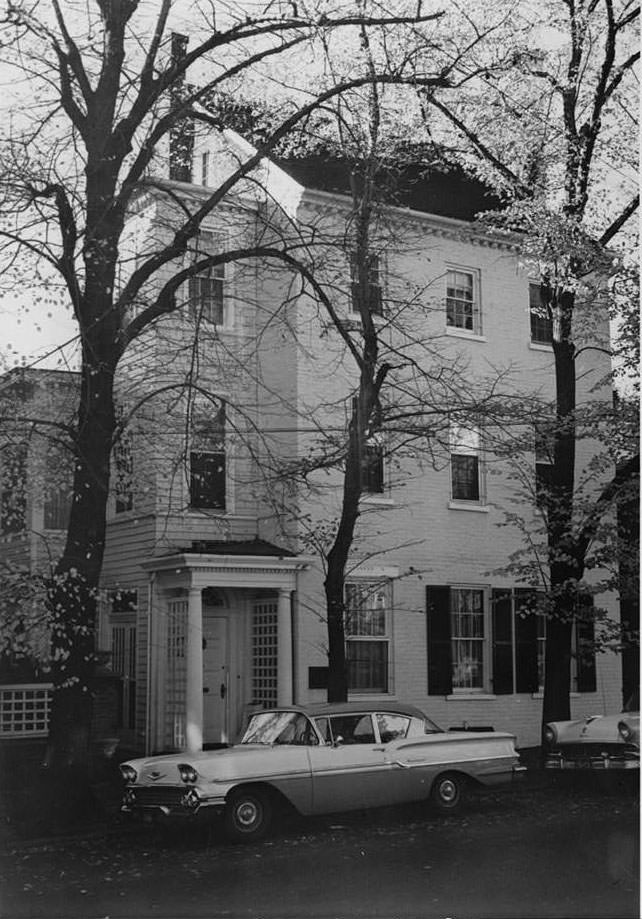
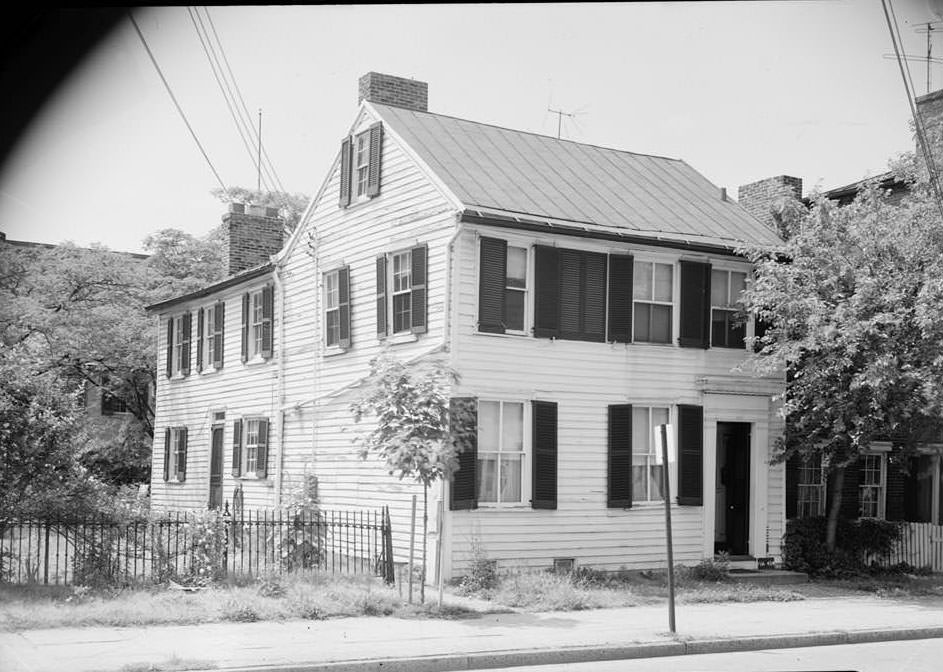
Dick-Janney House, 408 Duke Street, Alexandria, 1970s
Duffey House, 203 South Fairfax Street, Alexandria, 1970s
Benjamin Dulany Stable, 601 Duke Street, Alexandria, 1970s
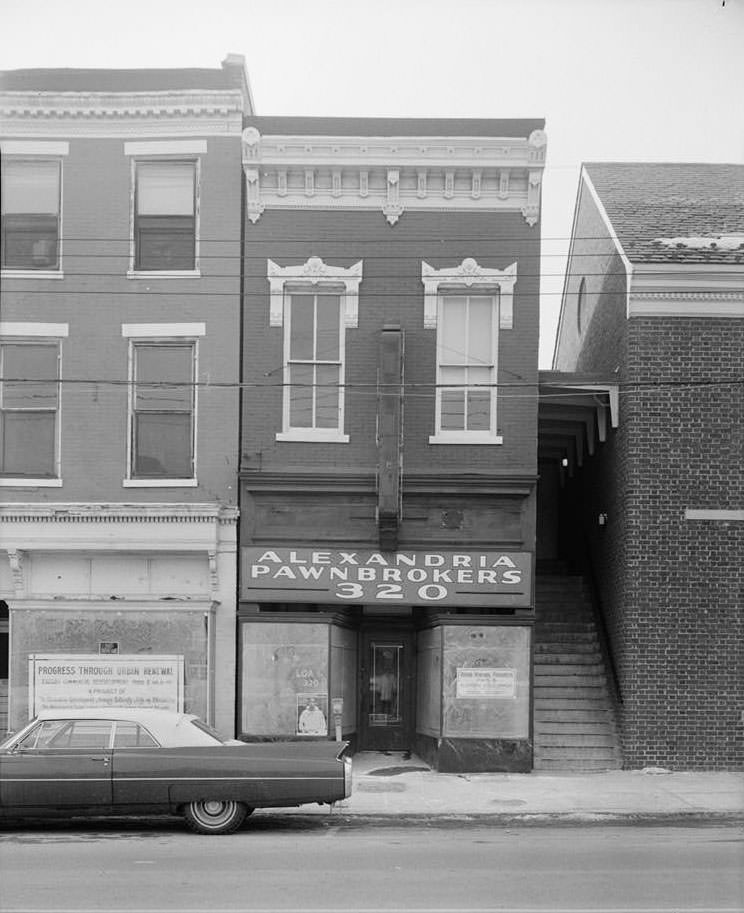
John T. Evans Building, 320 King Street, Alexandria, 1970s
Fairfax-Adam-Hodgson House, 207 Prince Street, Alexandria, 1970s
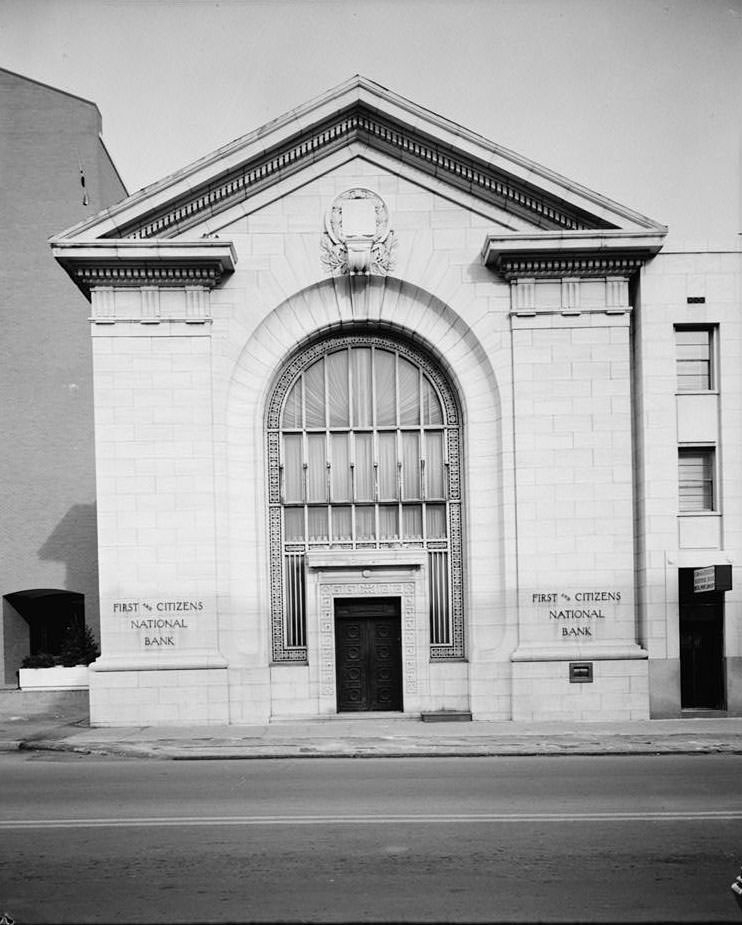
First National Bank, 503-507 King Street, Alexandria, 1970s
Flounder House, 317 South Saint Asaph Street, Alexandria, 1970s
Flounder Warehouse, 207 Ramsay's Alley, Alexandria, 1970s
Flounder Warehouse, 207 Ramsay’s Alley, Alexandria, 1970s
William Fowle House, 711 Prince Street, Alexandria, 1970s
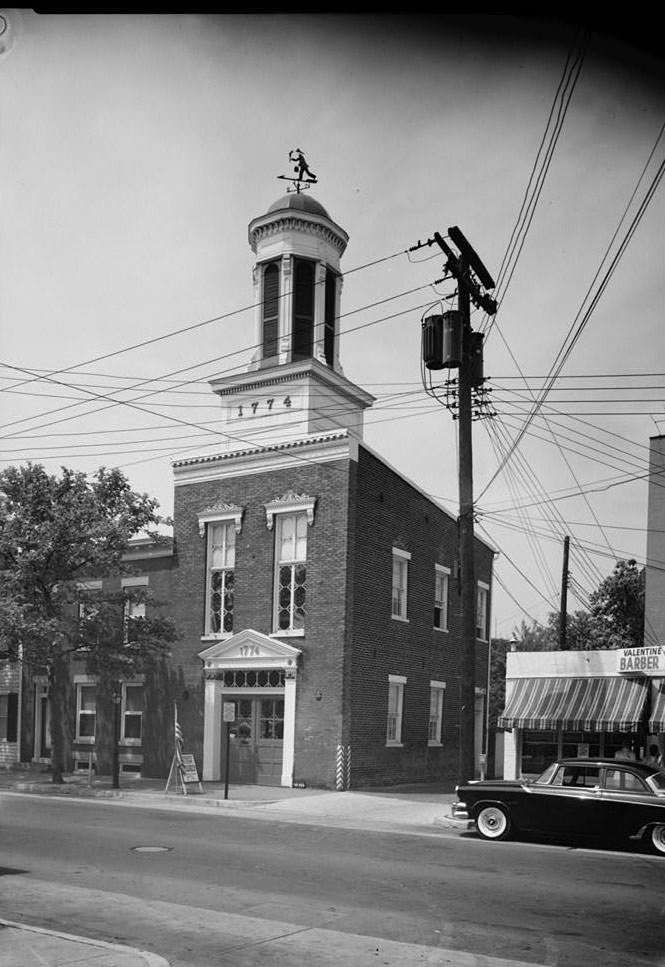
Friendship Fire Company, 107 South Alfred Street, Alexandria, 1970s

The Friendship Fire Company on South Alfred Street was one of Alexandria’s oldest civic institutions. Founded in 1774, it was one of the first volunteer fire companies in the country and counted George Washington among its members. By the 1970s, the building had become a museum housing antique fire equipment, including a hand-pumped fire engine that Washington reportedly purchased for the company. The building itself was a straightforward brick structure, but its history gave it outsized importance in the city’s memory.
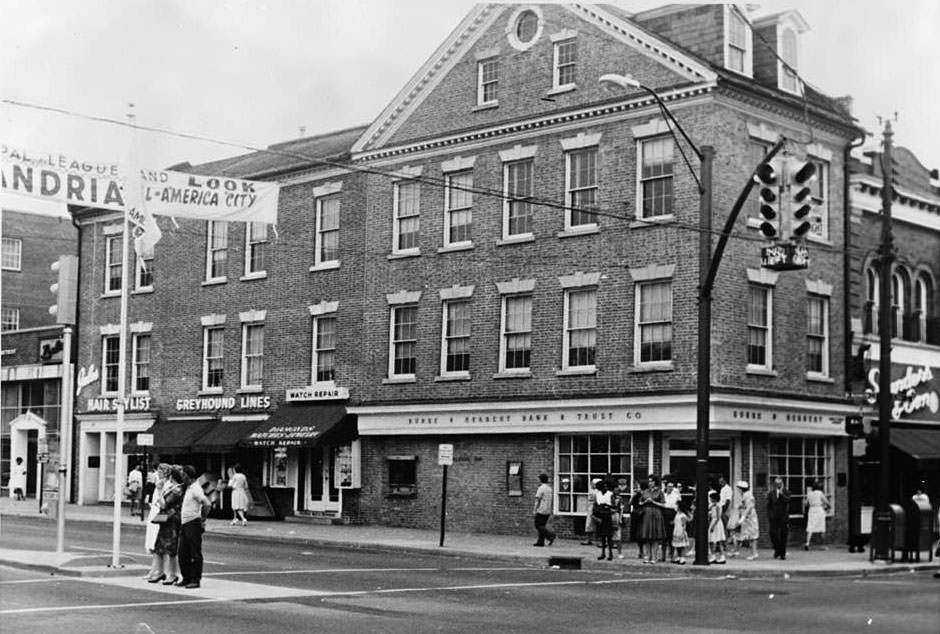
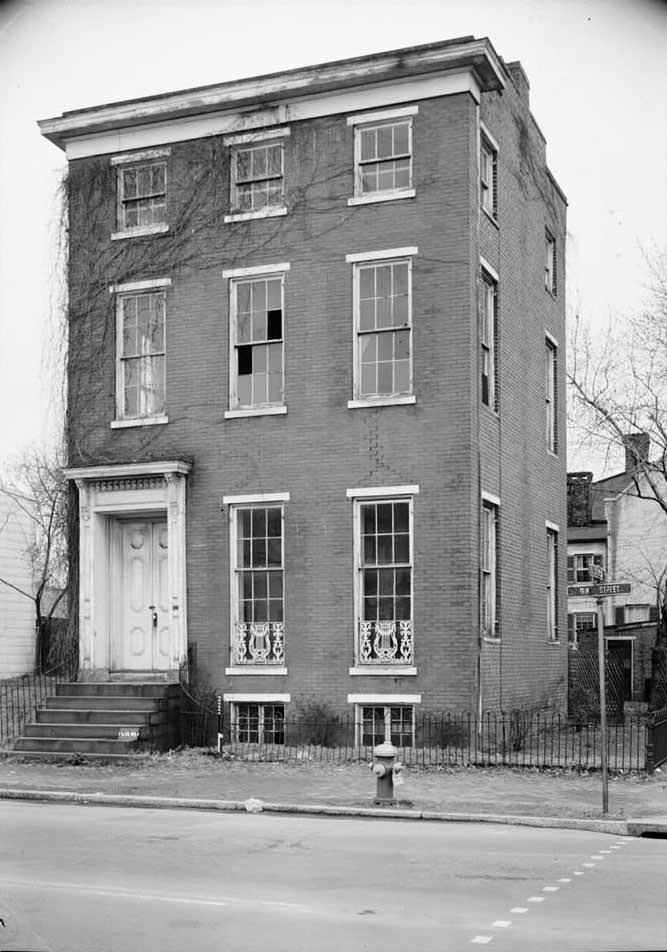
John Gordon House, 631 King Street, Alexandria, 1970s
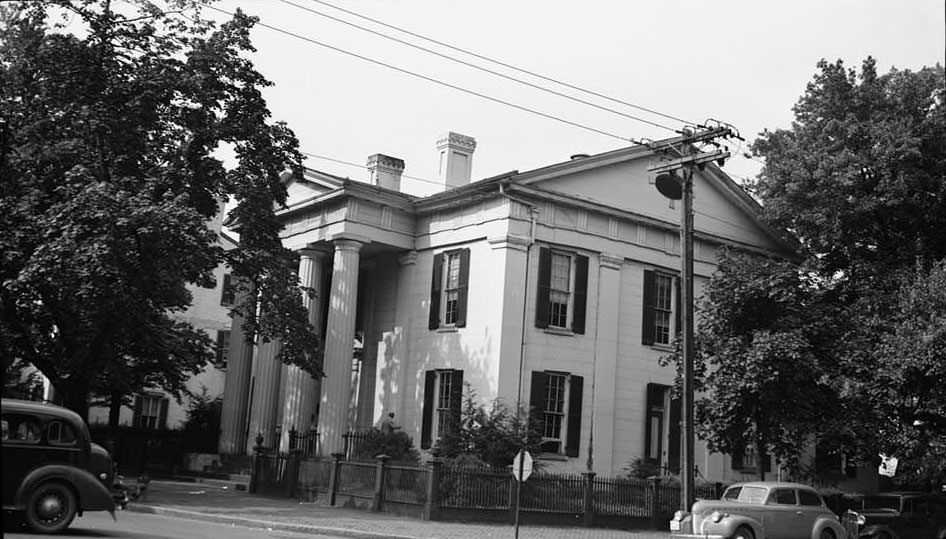
Greek Revival House, 801 Duke Street, Alexandria, 1970s

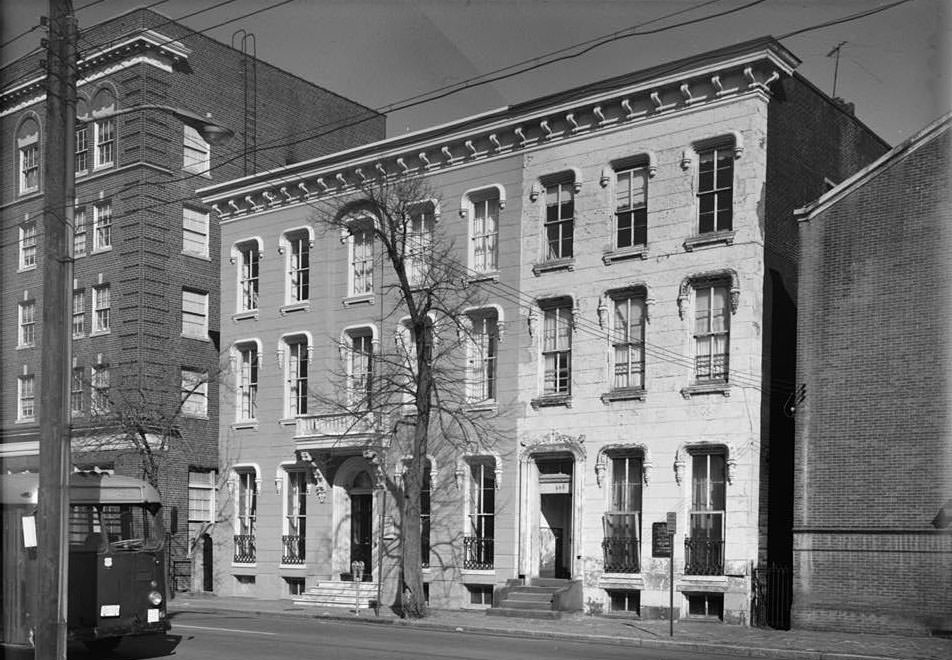
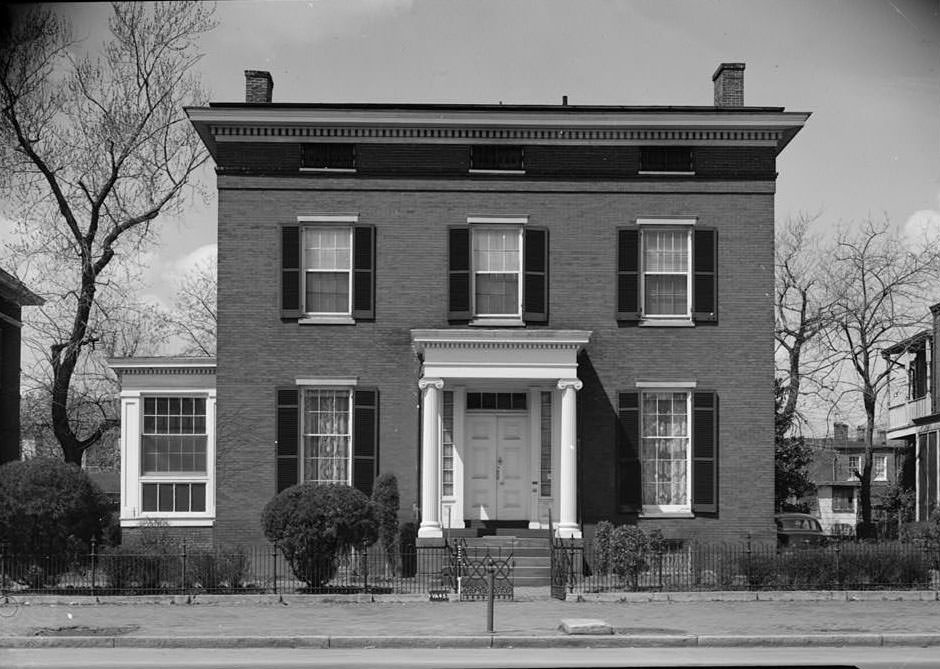
While Federal and Georgian styles dominated Alexandria’s architectural landscape, Greek Revival buildings also appeared throughout the city. The Greek Revival House at 801 Duke Street was one of the more visible examples — its columned facade and bold horizontal lines stood in contrast to the narrower, more vertical brick townhouses that made up most of the surrounding blocks. Greek Revival construction became popular in the United States in the early 19th century, and several Alexandria buildings from that period reflected that national trend.
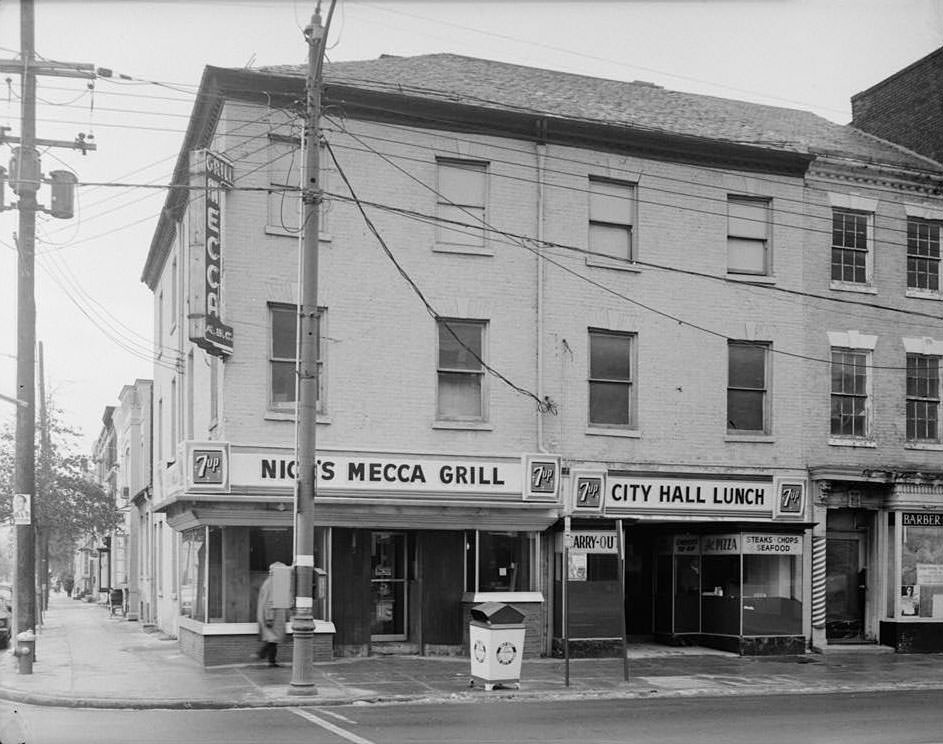
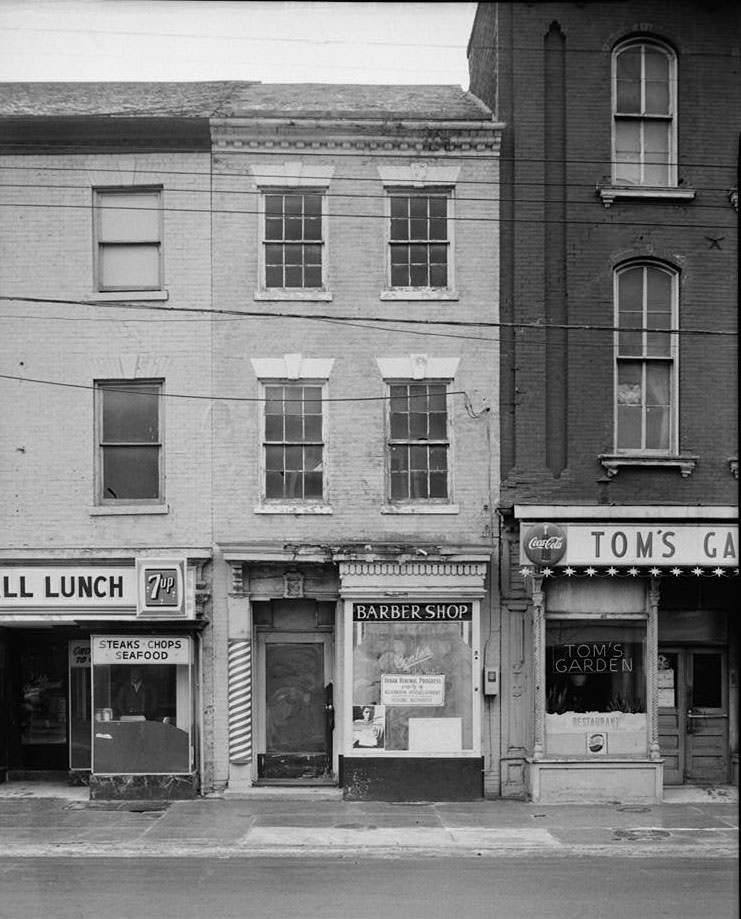
William Gregory Building (first), 400-402 King Street, Alexandria, 1970s
William Gregory Building (second), 404-406 King Street, Alexandria, 1970s
William Gregory House, 329 North Washington Street, Alexandria, 1970s
Bryan Hampson House, 120 South Fairfax Street, Alexandria, 1970s
Harper-Buckingham-Berry Building, 312 King Street, Alexandria, 1970s
213-215 North Fairfax Street (Houses), Alexandria, 1970s
110-112 North Pitt Street (Houses), Alexandria, 1970s
219 North Royal Street (House), Alexandria, 1970s
200 Prince & 201 South Lee Streets (House), Alexandria, 1970s
607 Prince Street (House), Alexandria, 1970s
106 South Lee Street (House), Alexandria, 1970s
221-225 South Lee Street (Houses), Alexandria, 1970s
310 South Lee Street (House), Alexandria, 1970s
Jacobs-Miner House, 113 South Royal Street, Alexandria, 1970s
Elisha Janney House, 404 Duke Street, Alexandria, 1970s
Jockey Club, 814 Franklin Street, Alexandria, 1970s

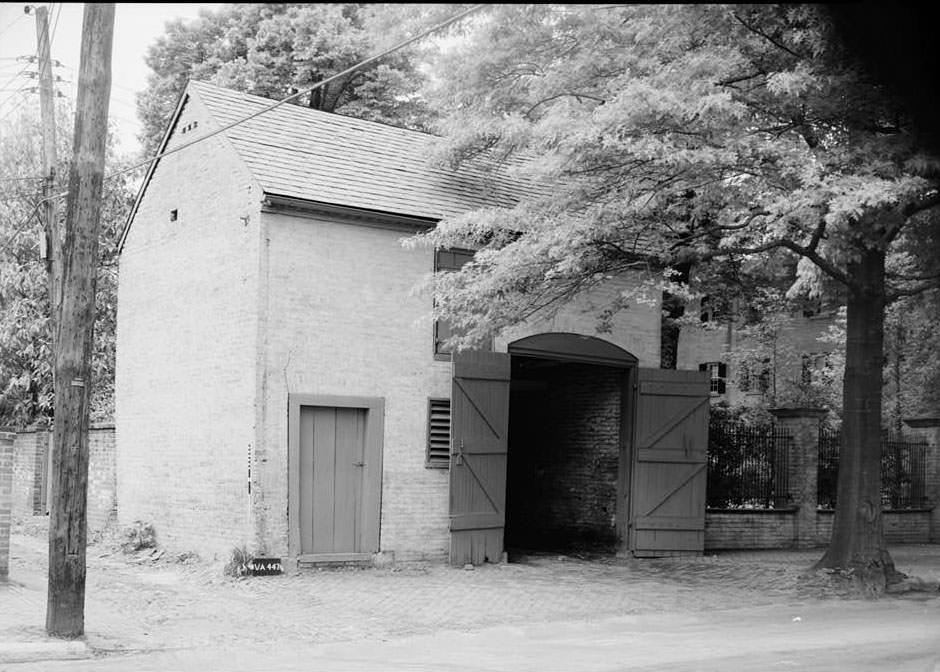
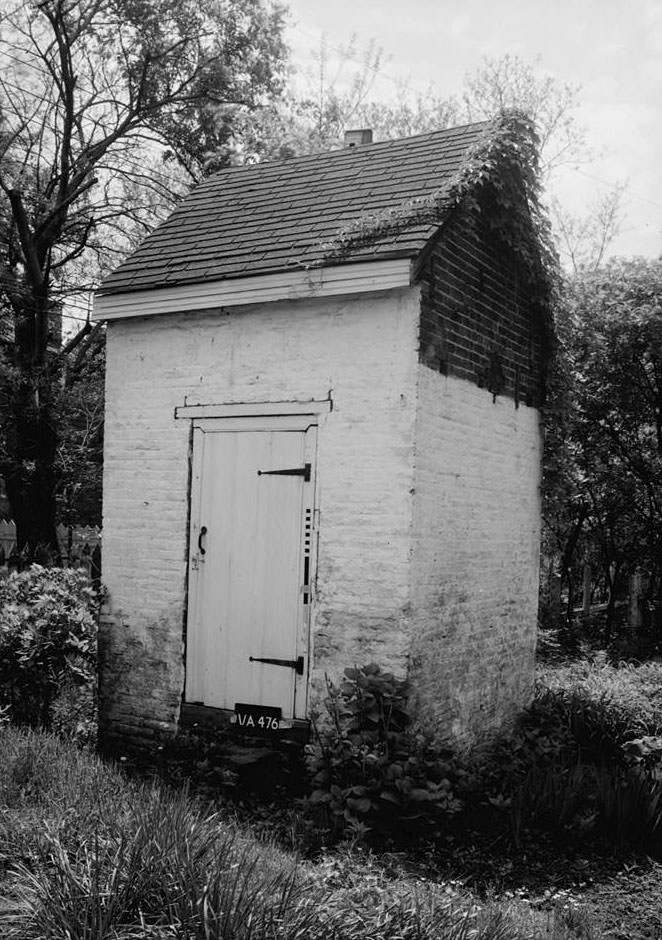
Franklin Street contained some of Alexandria’s more unusual surviving structures. The Jockey Club at 814 Franklin Street was a remnant of the city’s horse racing history — a pastime that drew wealthy residents and visitors throughout the 18th and early 19th centuries. On the same street, the Vowell-Snowden-Black Stable and the Lawrence Lewis House reflected the varied uses of Franklin Street’s lots over two centuries. The Lewis House had been relocated to Lorton by the time of the surveys, but its original Franklin Street address was still noted in the documentation.
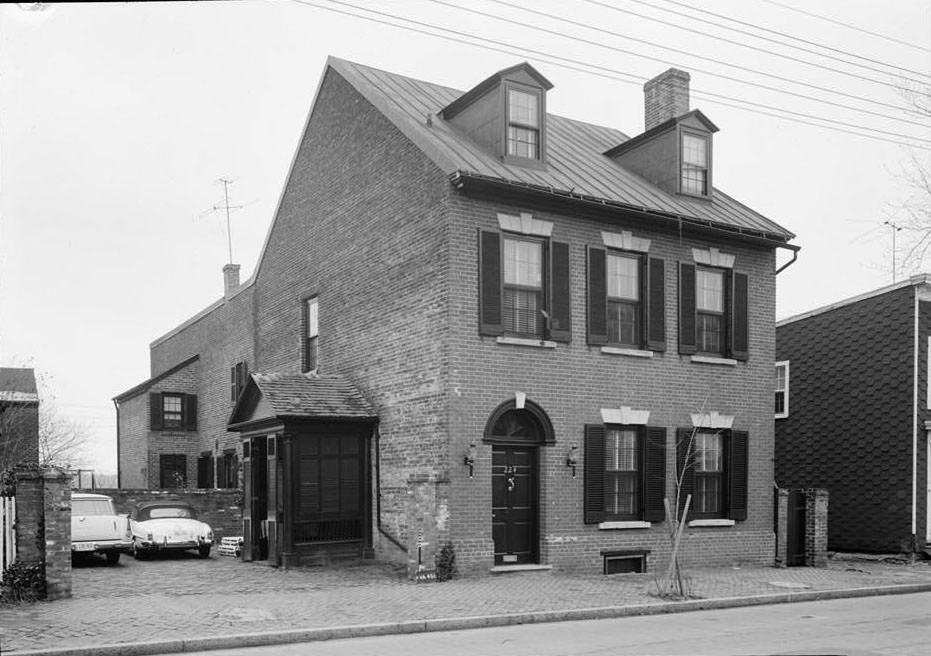
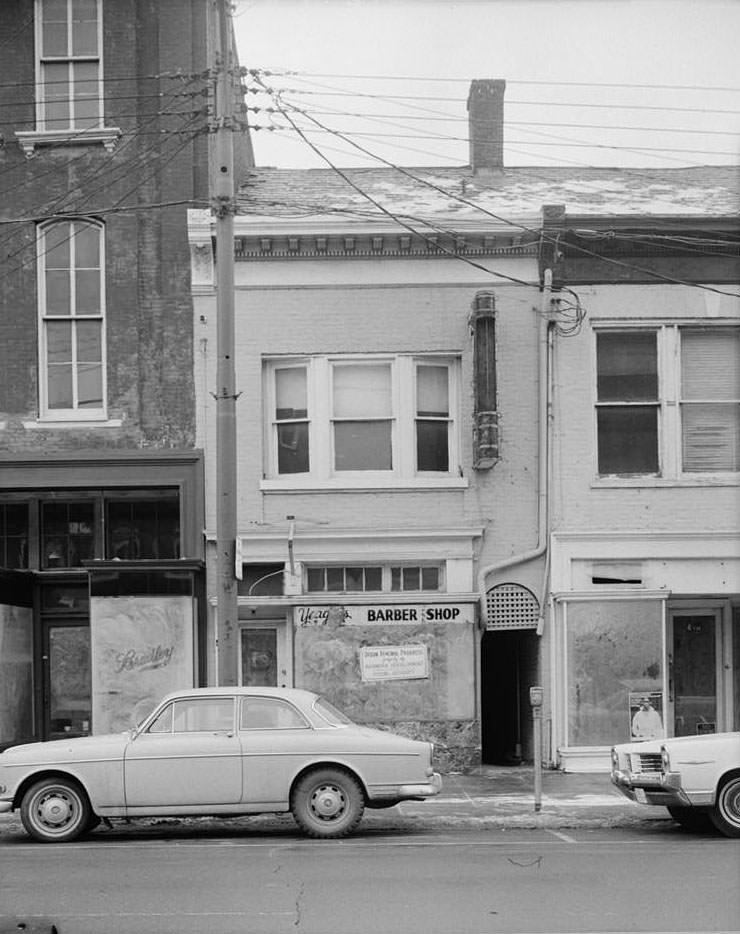
Johnston-Vowell House, 224 South Lee Street, Alexandria, 1970s
Kennedy Buildings, 416-418 King Street, Alexandria, 1970s
300-320 King Street (Buildings), Alexandria, 1970s
400-430 King Street (Buildings), Alexandria, 1970s
500-532 King Street (Buildings), Alexandria, 1970s
Korn & Wisemiller Building, 202 South Saint Asaph & 502 Prince Streets, Alexandria, 1970s
Lannon's Opera House, 500-508 King Street, Alexandria, 1970s
Lannon’s Opera House, 500-508 King Street, Alexandria, 1970s
Leadbeater House, 414 North Washington Street, Alexandria, 1970s
Edmund Jennings Lee House, 428 North Washington Street, Alexandria, 1970s

North Washington Street contained several properties tied to prominent Alexandria families. The Edmund Jennings Lee House at 428 North Washington Street was home to a cousin of Robert E. Lee. The Leadbeater House at 414 North Washington Street was connected to the same family that ran the famous apothecary shop on South Fairfax Street. These properties showed how tightly Alexandria’s leading families and institutions were intertwined — the same surnames appeared on homes, shops, and civic buildings throughout the city’s grid.
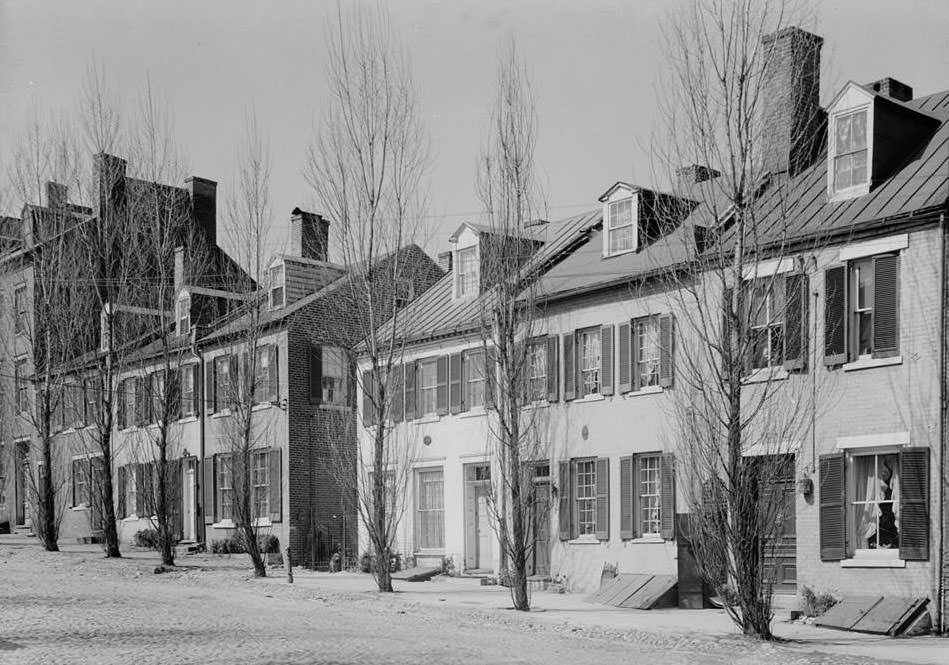
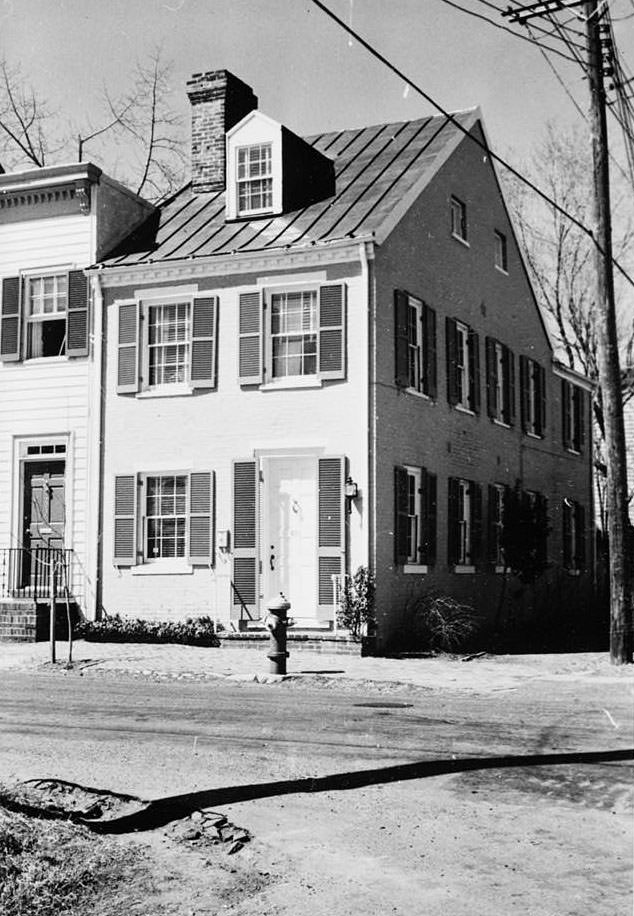
103-133 Prince Street (Row Houses), Alexandria, 1970s
Lee Street Area Survey, 601 South Lee Street (House), Alexandria, 1970s
Lawrence Lewis House, 815 Franklin Street (moved to 11701 River Drive, Lorton), Alexandria, 1970s
Adam Silver Shop, 318 King Street, Alexandria, 1970s
Appich Buildings, 408-414 King Street, Alexandria, 1970s
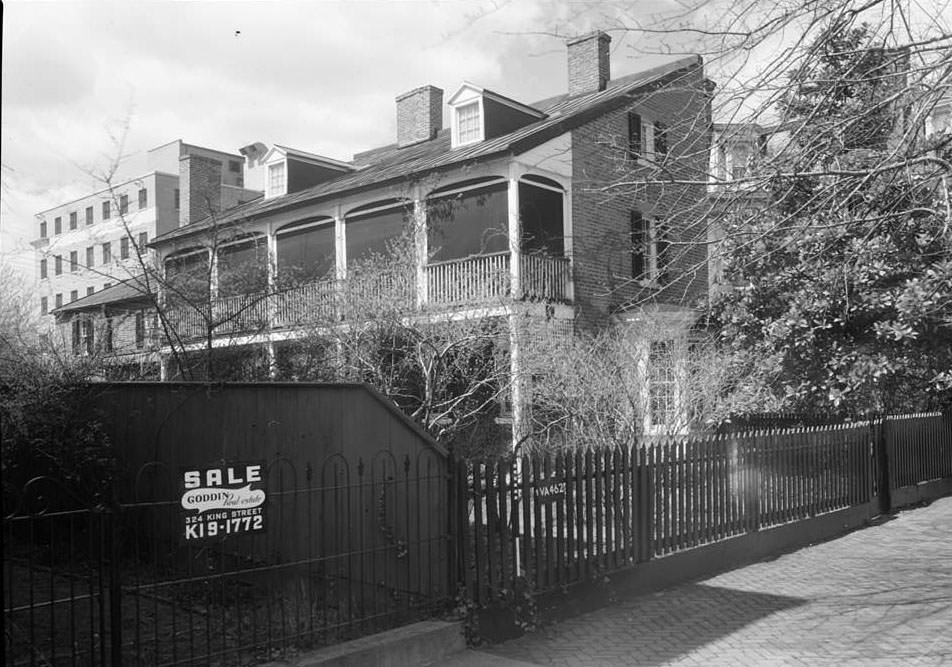
Ayres Gun Shop, 324 King Street, Alexandria, 1970s
Bank of Alexandria, 133 North Fairfax Street, Alexandria, 1970s

The Bank of Alexandria at 133 North Fairfax Street was chartered in 1792 and was the first bank in Virginia. Its building — a solid, Federal-style structure — still stood in the 1970s as one of the most historically significant commercial properties in the entire city. The Bank of Potomac on Prince Street represented another chapter in Alexandria’s banking history, operating in a similarly well-preserved building a few blocks away.
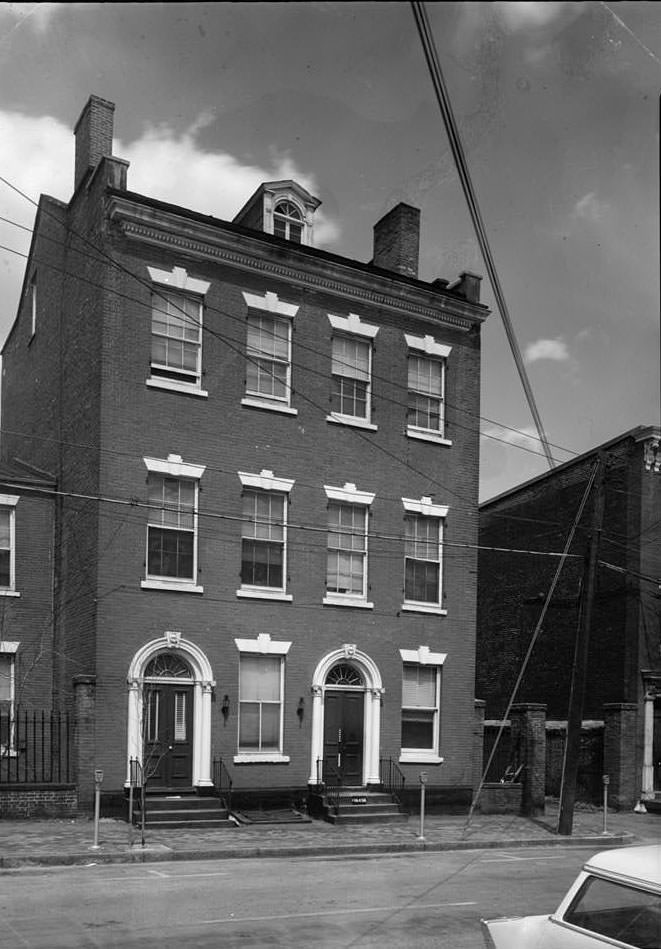
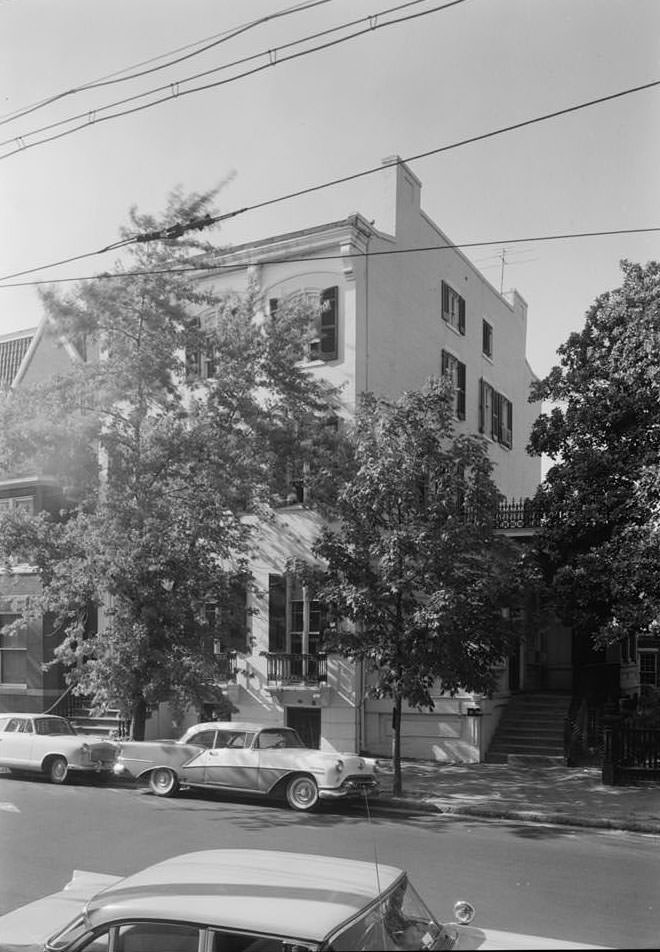
Bank of Potomac, 415 Prince Street, Alexandria, 1970s
Bayne-Moore-House, 811 Prince Street, Alexandria, 1970s
Bedford Brown Building, 113-115 South Fairfax Street, Alexandria, 1970s
Dr. William Brown House, 212 South Fairfax Street, Alexandria, 1970s

Dr. William Brown’s house on South Fairfax Street stood as a reminder of Alexandria’s role in early American medicine. Brown served as Physician General of the Continental Army during the Revolutionary War and published the first American pharmacopeia — a standardized drug reference — in 1778. His home, like many of the named houses in Alexandria, carried a specific historical weight that set it apart from the surrounding streetscape.
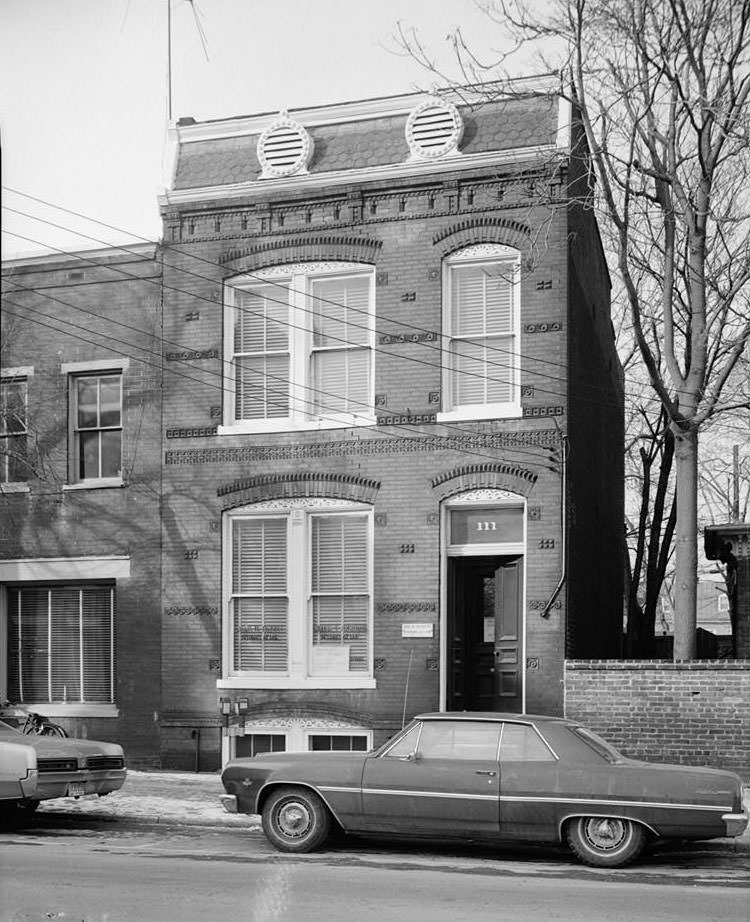
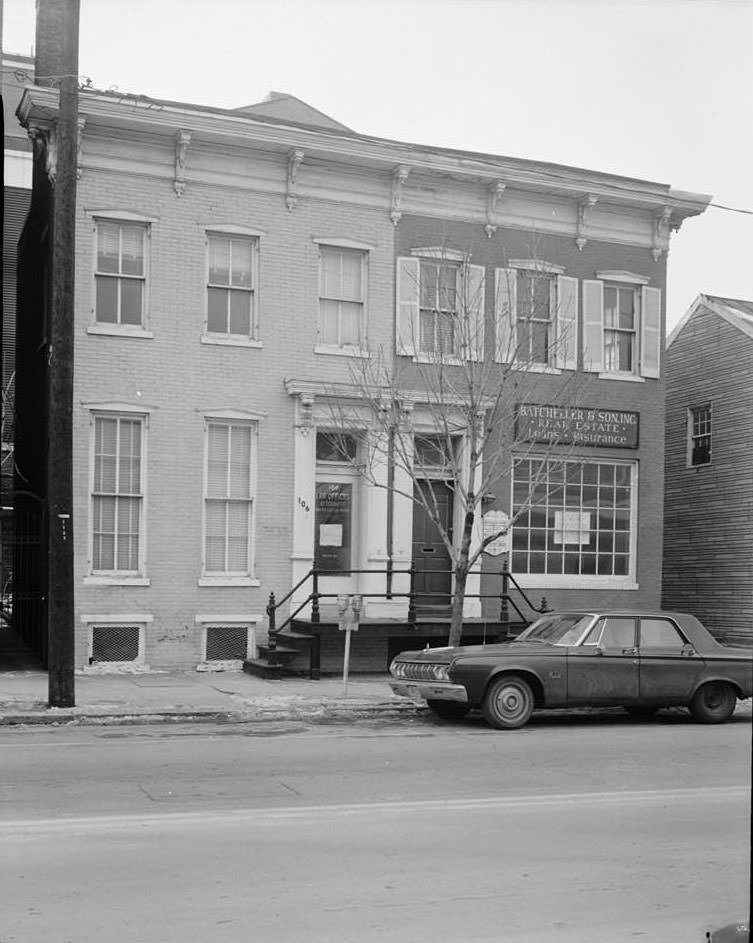
James R. Caton House, 111 South Fairfax Street, Alexandria, 1970s
Henry Chatham House, 106-108 Pitt Street, Alexandria, 1970s
Bernard Chequire House, 202 King Street, Alexandria, 1970s
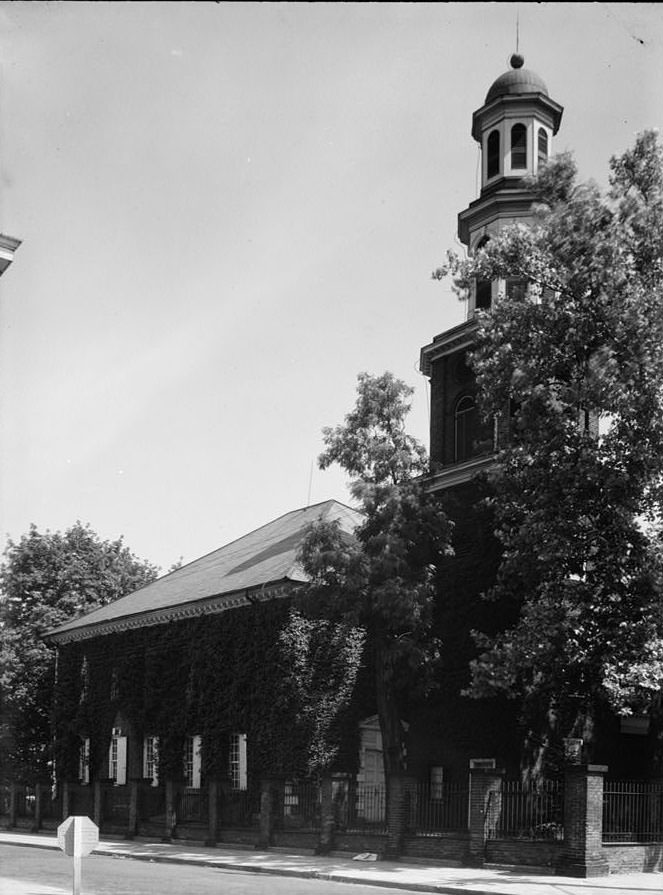
Christ Church (Episcopal), Columbus & Cameron Streets, Alexandria, 1970s

Christ Church at Columbus and Cameron Streets was built in 1773 and remained one of the most important historic sites in Alexandria throughout the 1970s. George Washington held pew 60, and Robert E. Lee was confirmed there. The church’s Georgian brick exterior and its interior box pews were preserved in their original form, giving visitors a direct visual connection to the colonial period. The church continued to hold regular services while also serving as a destination for those interested in American history.
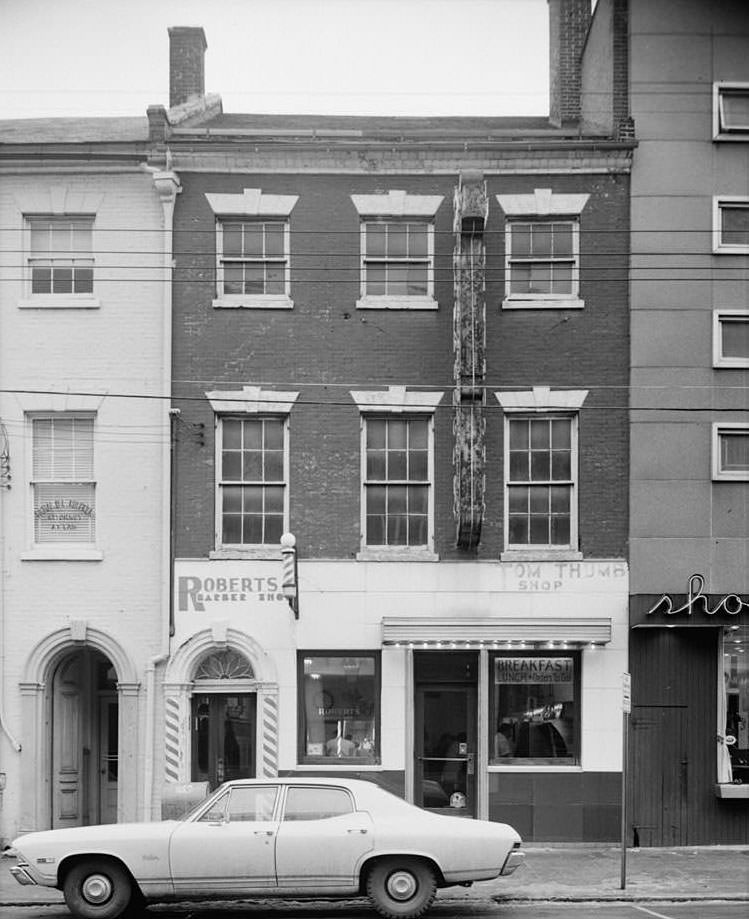
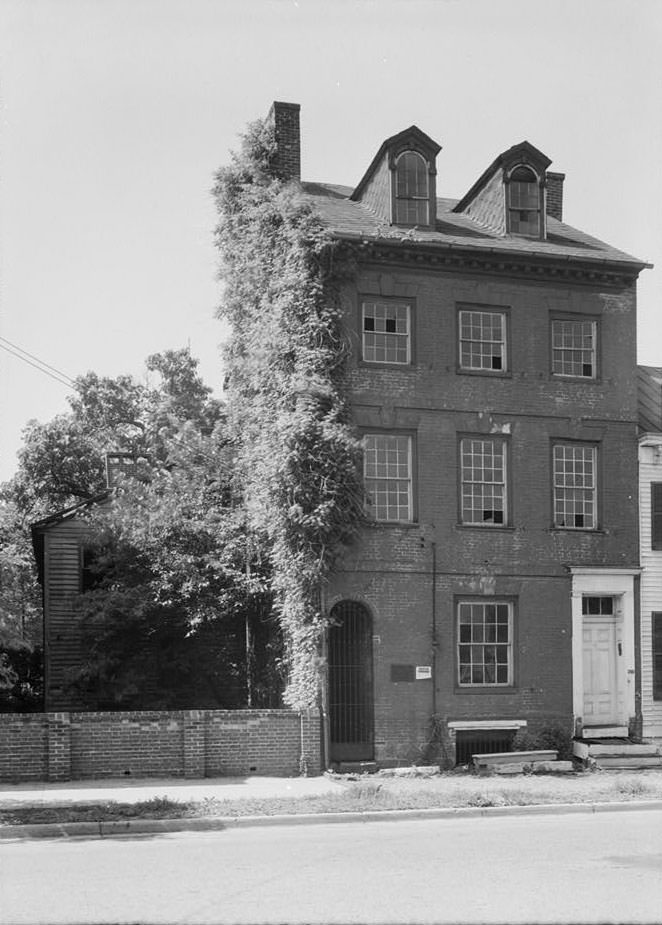
Catharine Coryton House, 522-524 King Street, Alexandria, 1970s
Dr. James Craik House, 210 Duke Street, Alexandria, 1970s

Dr. James Craik’s house on Duke Street was another property with a direct tie to George Washington. Craik was Washington’s personal physician and close friend, attending to him during the Revolutionary War and at his deathbed in 1799. His house on Duke Street reflected the prosperous life that Alexandria’s professional class built during the late 18th and early 19th centuries — wide brick facades, symmetrical window placement, and restrained Federal ornamentation.
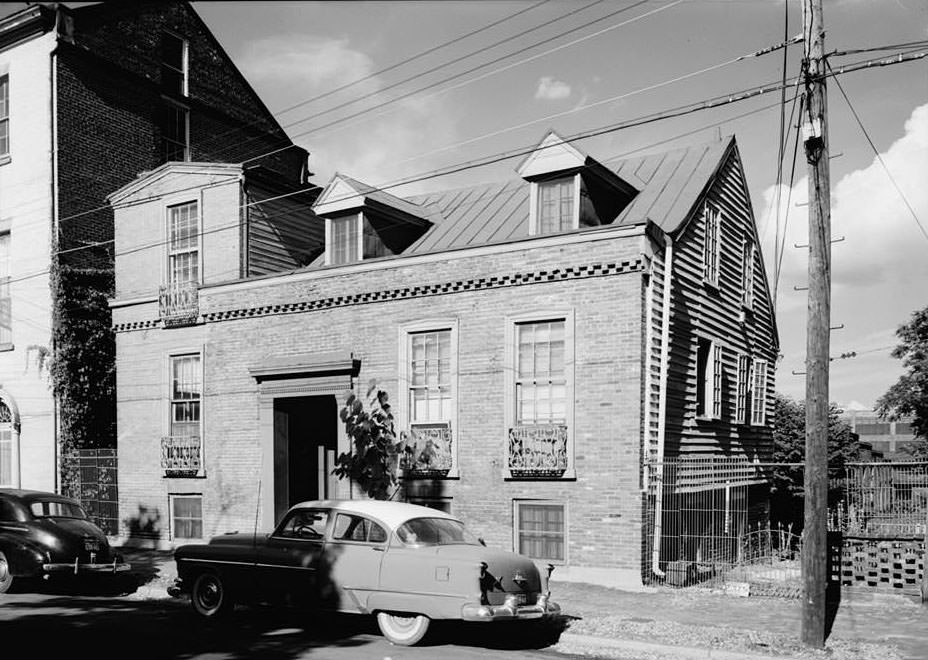
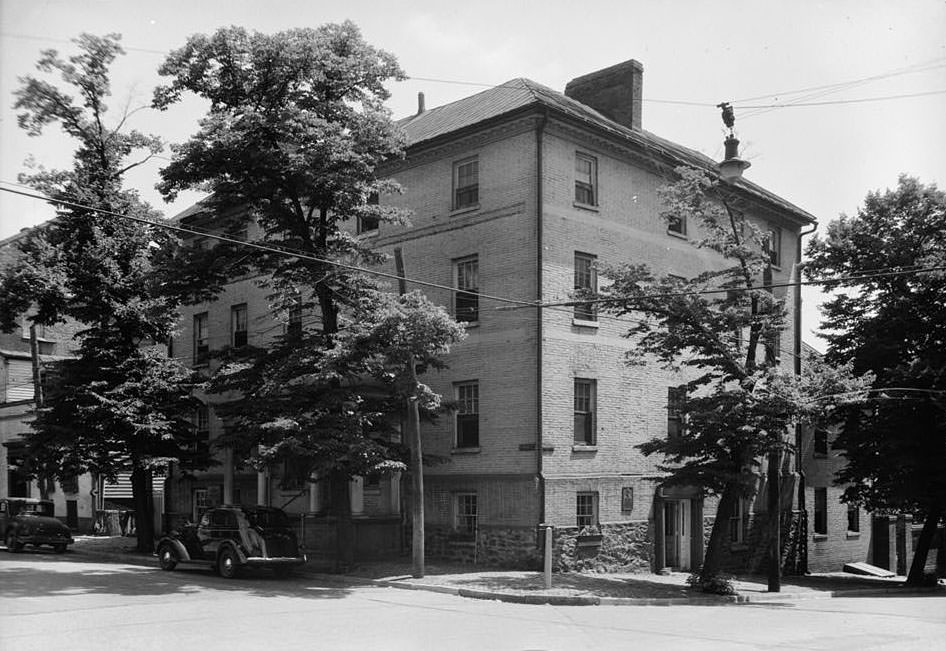
Dalton House, 209 North Fairfax Street, Alexandria, 1970s
Dalton-Herbert Houses, 201 North Fairfax Street, Alexandria, 1970s
James H. Devaughan House, 516 King Street, Alexandria, 1970s
Captain Lynch House, 708 Wolfe Street, Alexandria, 1970s
Adam Lynn House (first), 518-520 King Street, Alexandria, 1970s
Adam Lynn House (second), 532 King Street, Alexandria, 1970s
Adam Lynn House (third), 104 South Saint Asaph Street, Alexandria, 1970s
Alexander McConnell House, Alexandria, 1970s
Samuel Miller Building, 420 King Street, Alexandria, 1970s
Old Dominion Bank, 201 Prince Street, Alexandria, 1970s
Potts-Fitzhugh House, 607 Oronoco Street, Alexandria, 1970s

Oronoco Street, running parallel to the Potomac waterfront, held several of the city’s most distinguished private residences. The Potts-Fitzhugh House, the Fendall House, and the Wilson-Hopkins House were all located within a short stretch of the street, giving Oronoco a concentration of 18th-century domestic architecture that few blocks in any American city could match. These homes were built by merchants and lawyers who made their fortunes from Alexandria’s thriving port trade in the years before the Civil War.
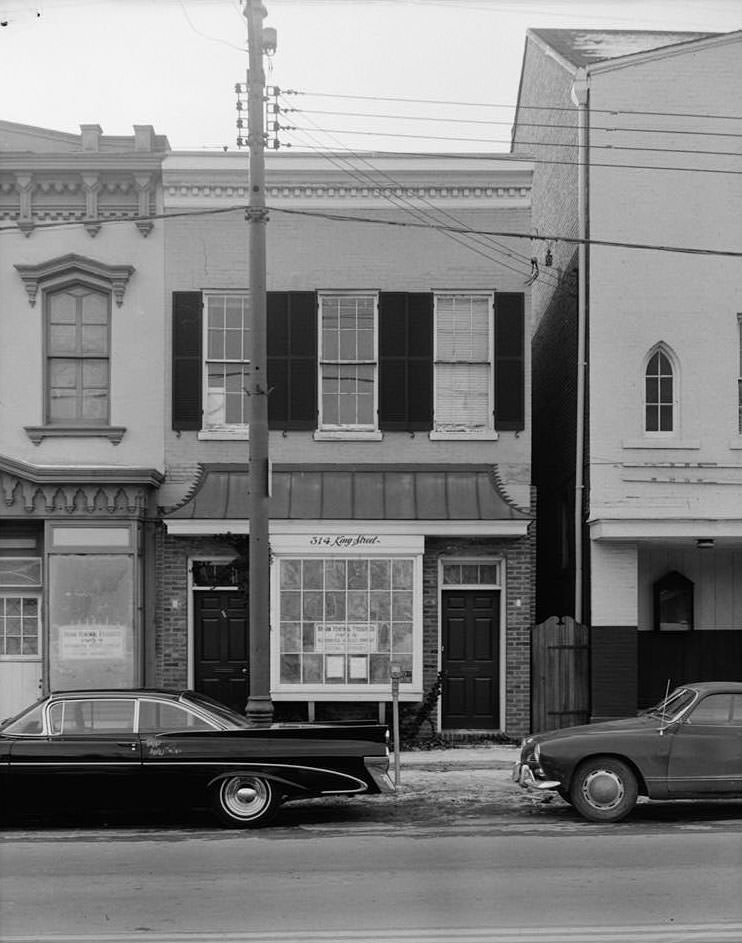
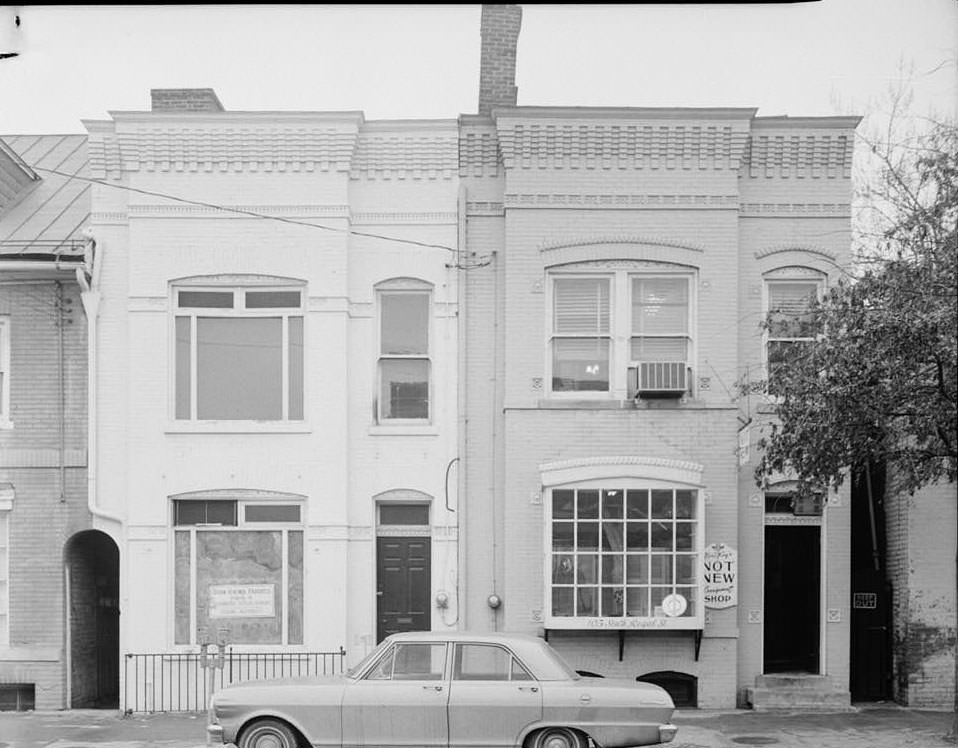
Lockwood-Cross Building, 314 King Street, Alexandria, 1970s
John Longden Houses, 105-107 South Royal Street, Alexandria, 1970s
Lyceum, 201 South Washington Street, Alexandria, 1970s
Enjoyed this post? Get new ones in your inbox.

Leave a Comment

Your email address will not be published. Required fields are marked *

25 Comments

Share this Post 🥺

Please take a moment to share this content. Your support is greatly appreciated! 🙌🙏

Share this Post 🥺

Please take a moment to share this content. Your support is greatly appreciated! 🙌🙏
Scroll to Top
 
Hey Friend, Before You Go.. Please like & follow for more interesting content