
Alexandria, Virginia in the 1910s was a town caught between its colonial past and a fast-moving modern era. Founded in 1749, the city had long been one of the most important ports on the East Coast. By the time the decade opened, it was connected to Washington, D.C. — just a few miles to the north — by rail lines and the Washington, Alexandria, and Mount Vernon Electric Railway. That streetcar line changed daily life for residents, making it easier to commute, do business, and travel to the capital without owning a horse or a car.
The Potomac River remained the backbone of Alexandria’s economy. Goods moved in and out of the city’s port constantly, and industries along the waterfront kept a large portion of the workforce employed. Manufacturing, retail, and shipbuilding all thrived in this period, and the city’s streets reflected that prosperity — freshly paved roads, new storefronts, and growing neighborhoods spreading outward from the historic downtown core. One of the businesses leaving a visible mark on the city’s streets was Allied Asphalt Products Co., whose work was literally underfoot.
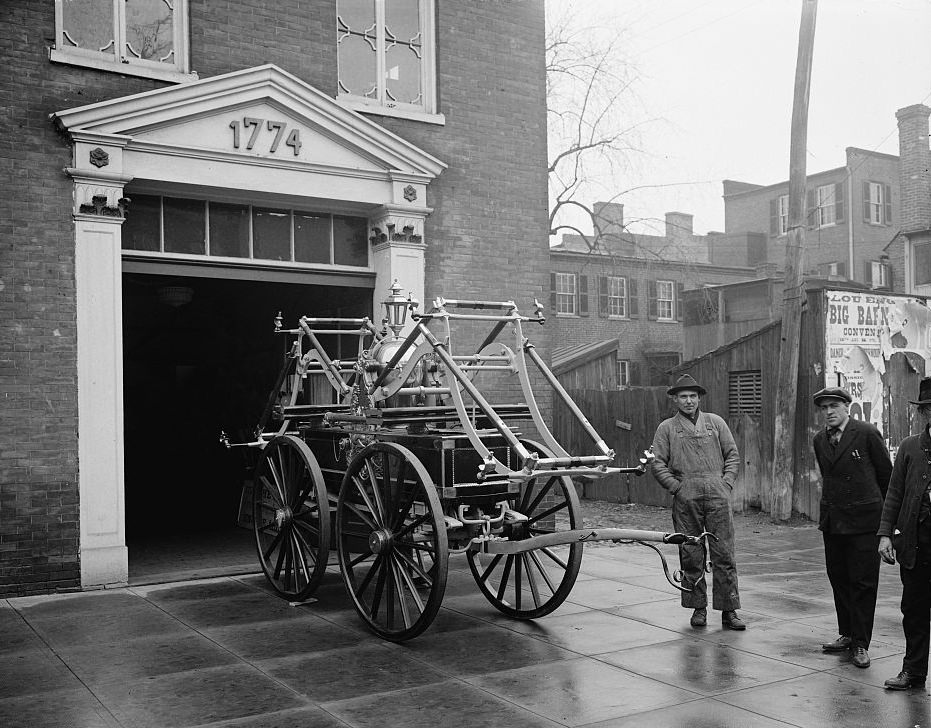
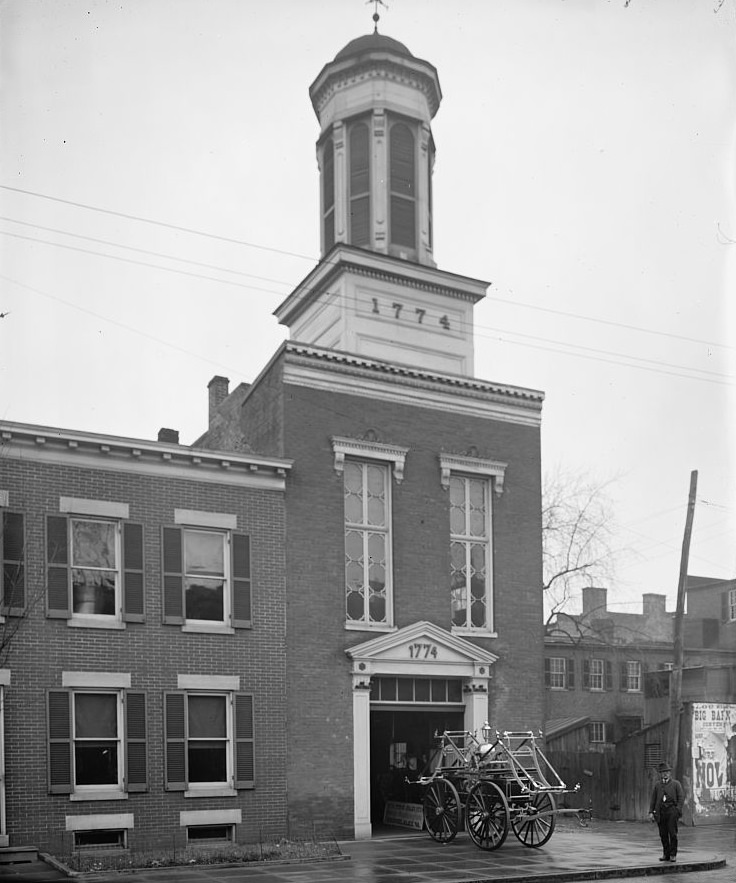
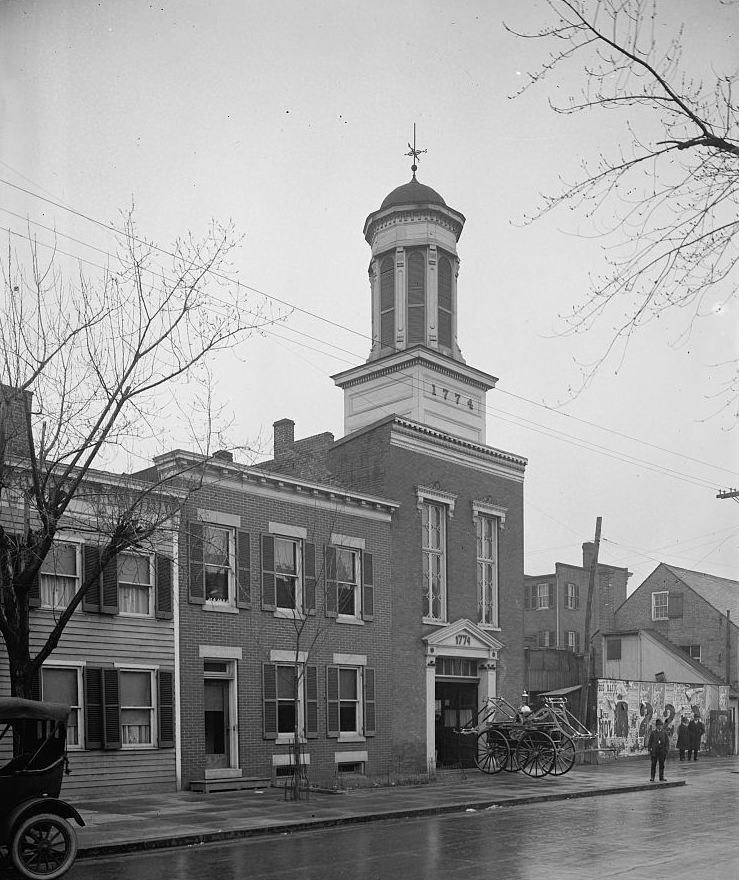
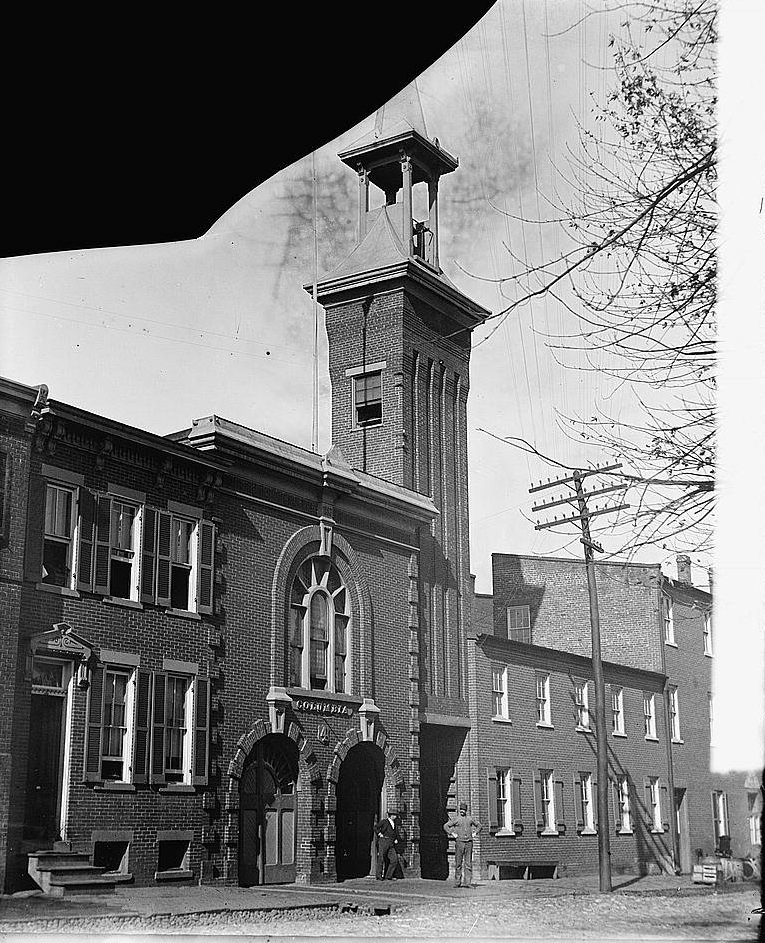
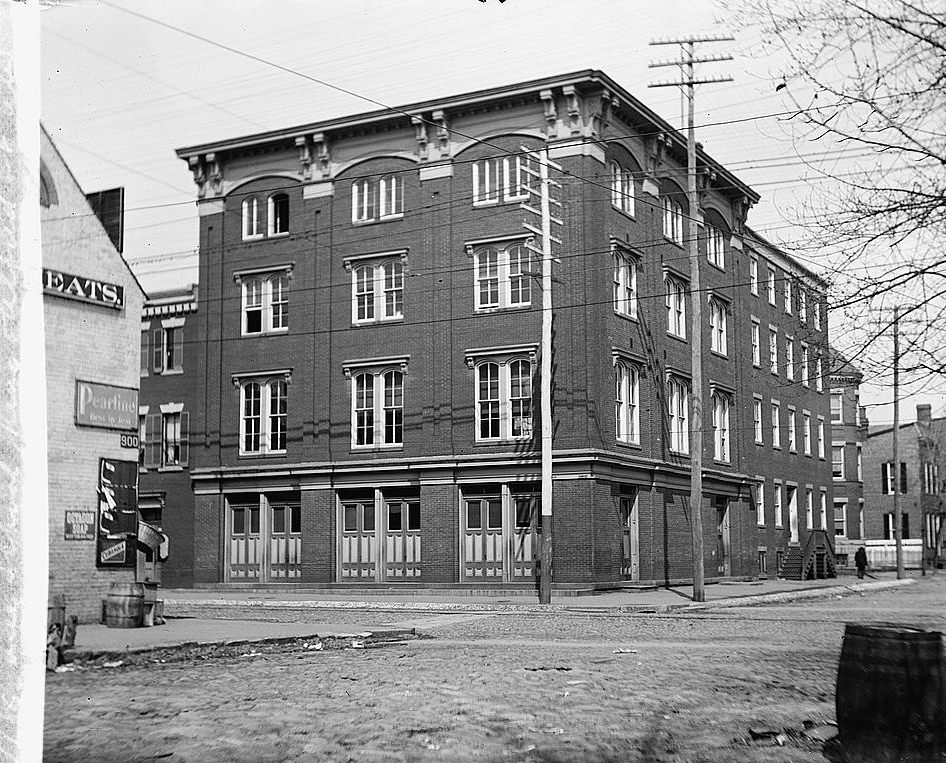
Fire protection was a serious matter for a growing city with densely packed wooden buildings. The Friendship Fire Department was one of Alexandria’s most storied institutions, with roots going back to the 18th century. By the 1910s, the department was modernizing alongside the rest of the city, balancing older equipment with newer technologies.
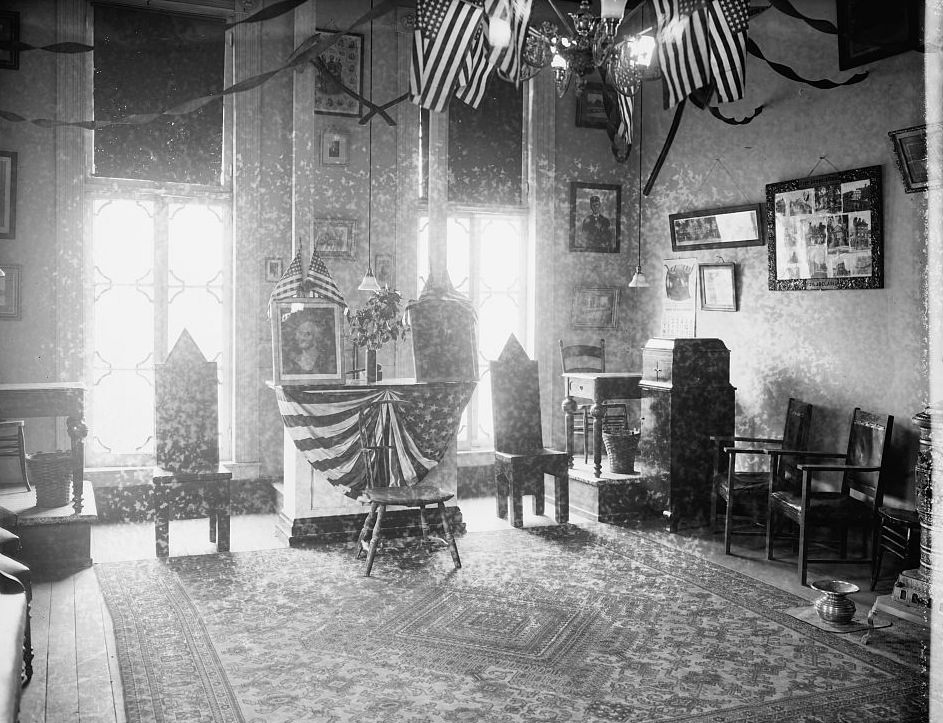
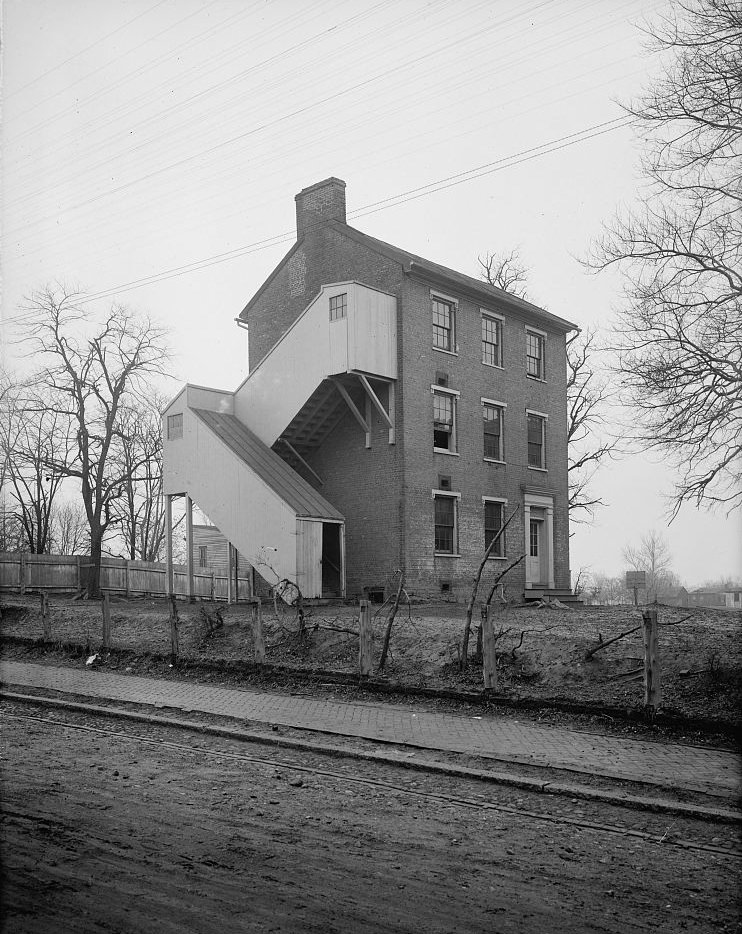
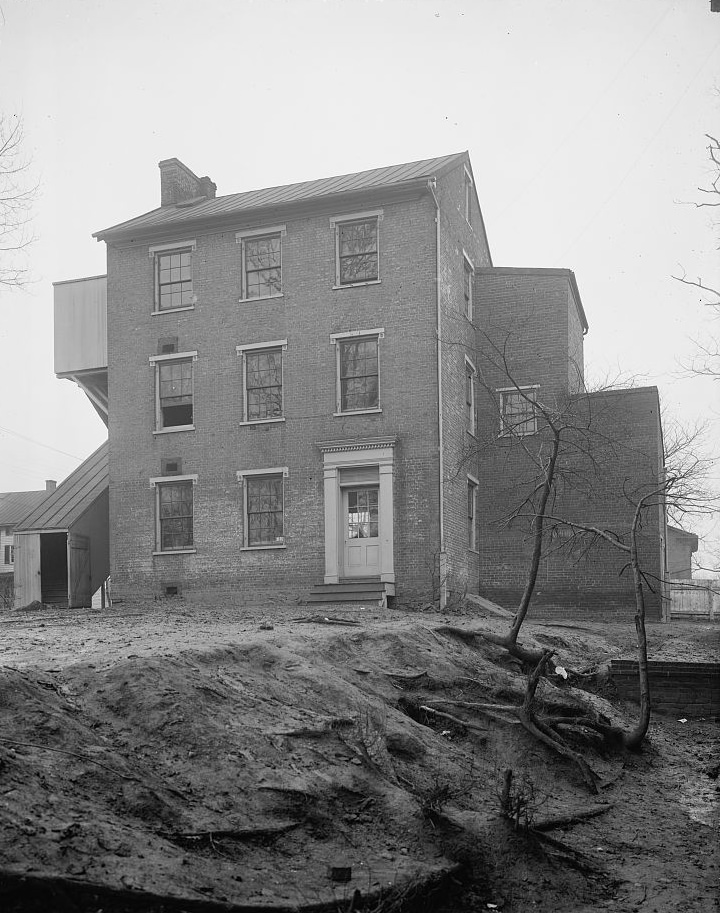
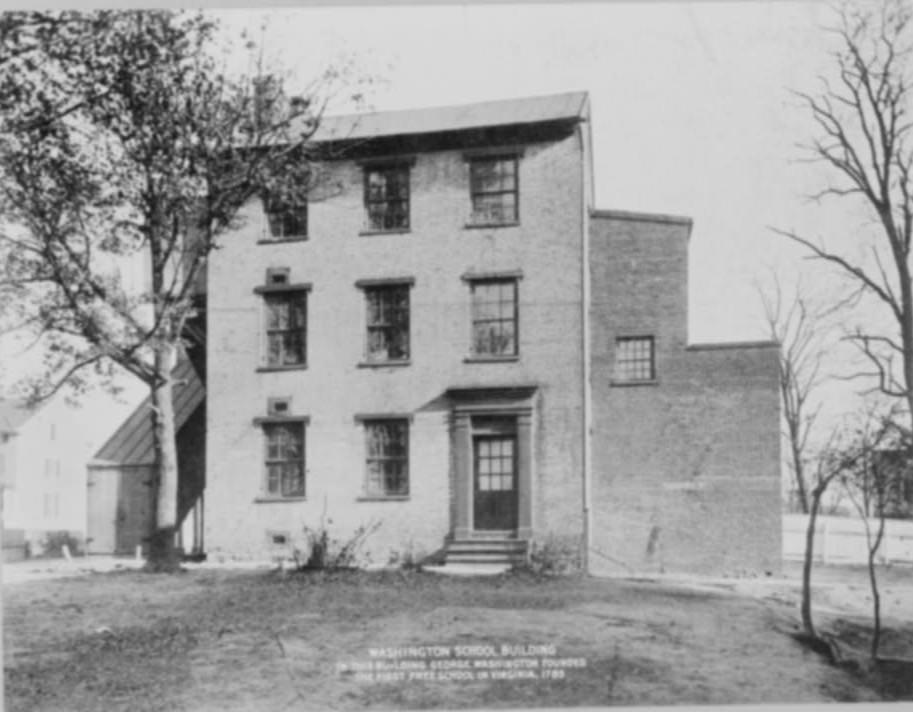
Education was central to Alexandria’s community identity in the 1910s. The city operated several schools, though they were strictly segregated by race, as was common across Virginia and the broader South during this era. Washington School was one of the prominent institutions serving students during the decade, and its building stood as a symbol of the community’s investment in the next generation.
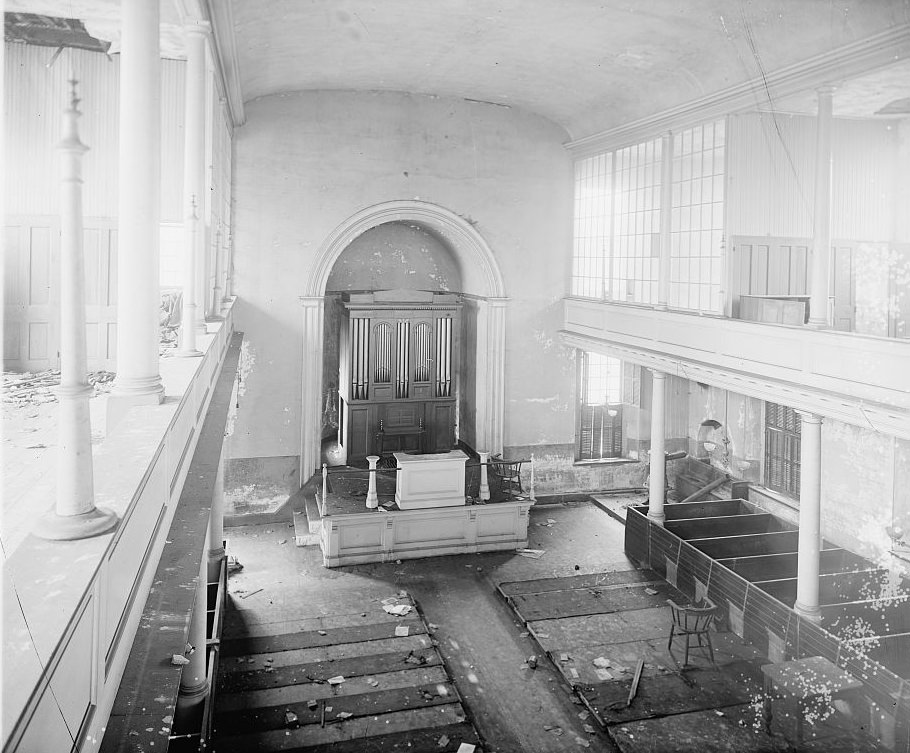
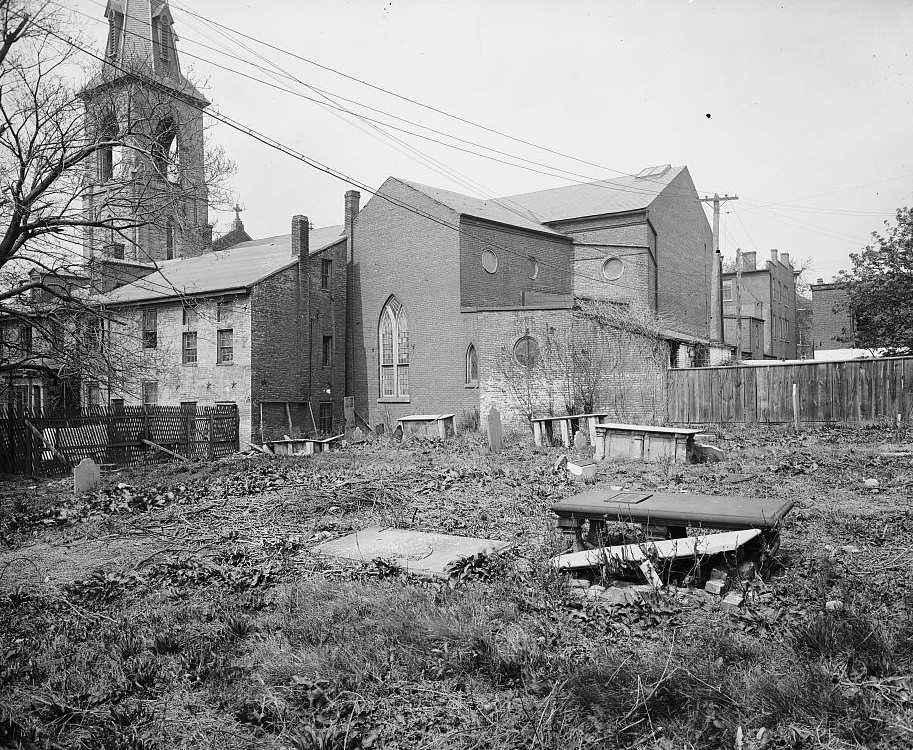
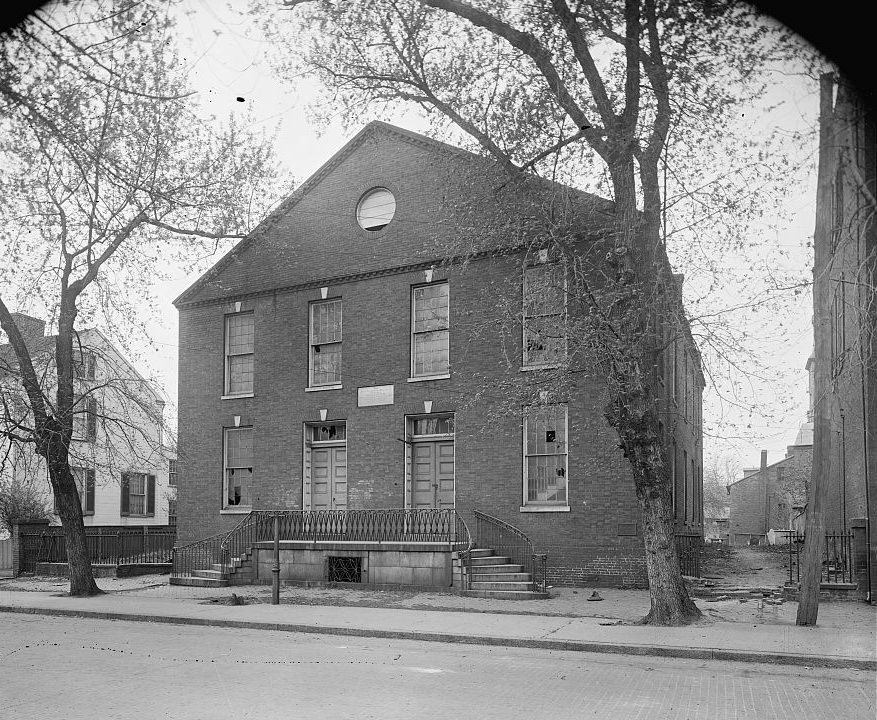
Churches were more than places of worship in Alexandria. They served as community anchors — hosting social gatherings, organizing charitable drives, and providing space for civic life. The First Presbyterian Church was one of the most prominent congregations in the city, and its building on the historic streetscape was a landmark that residents passed daily.
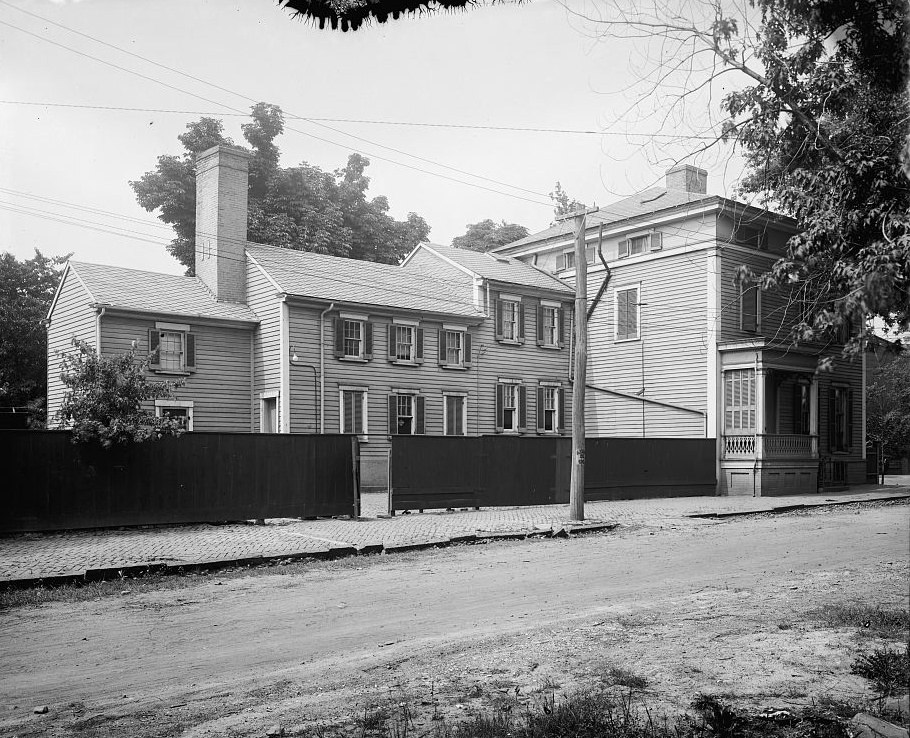
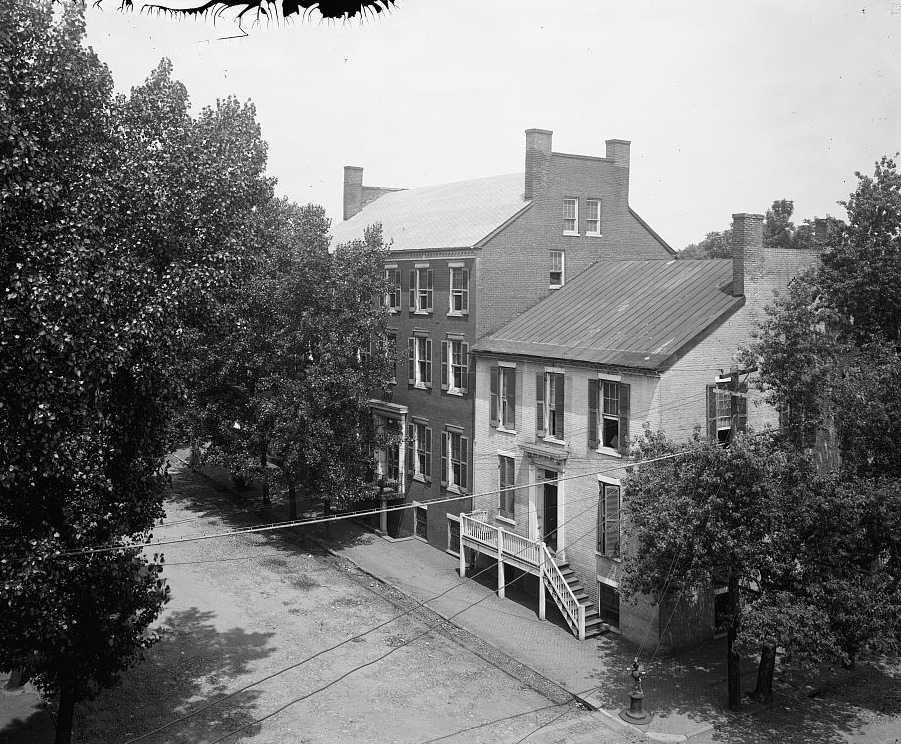
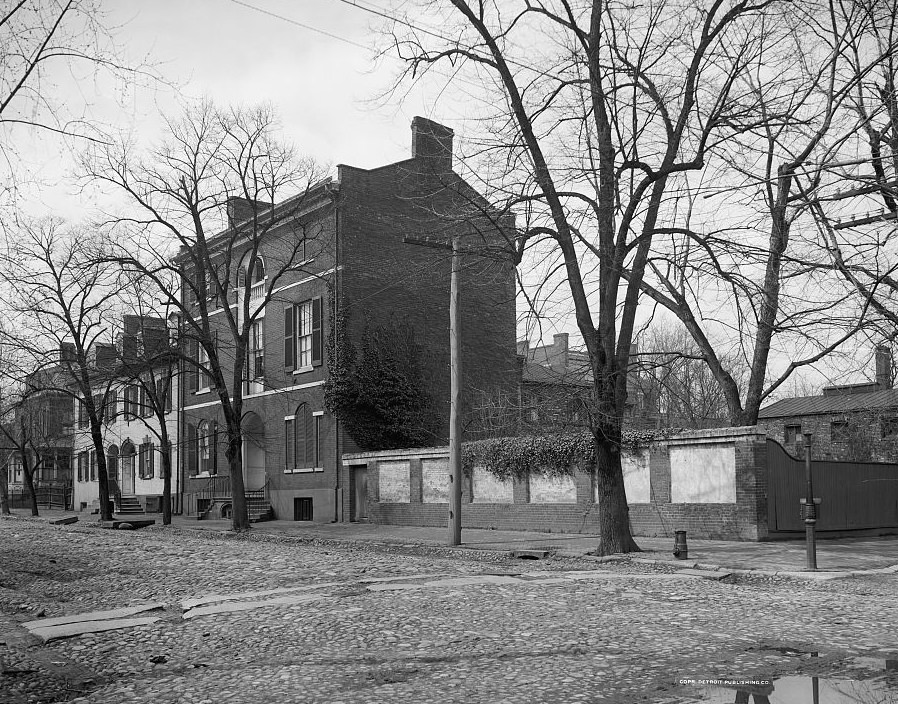
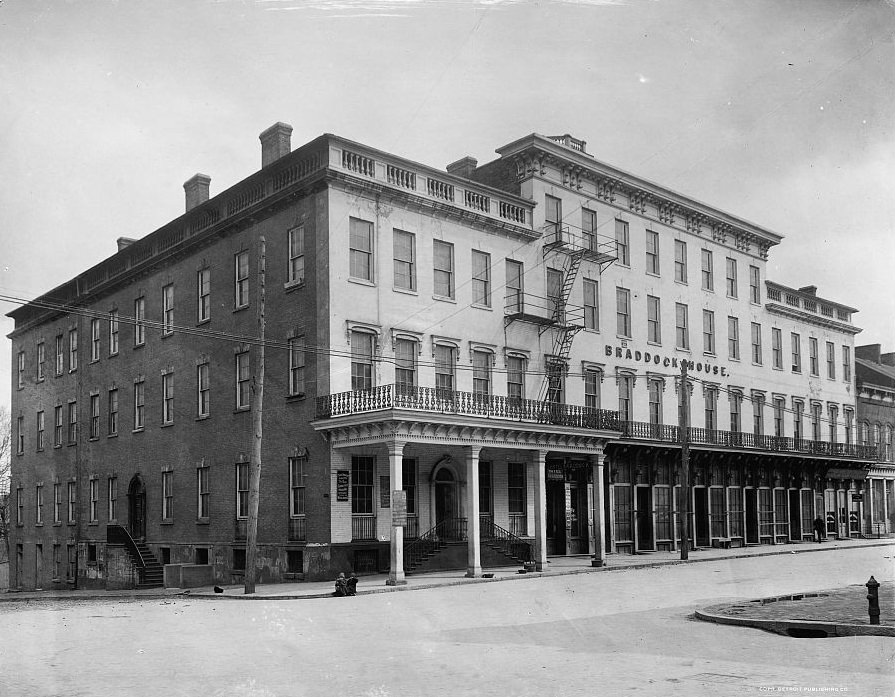
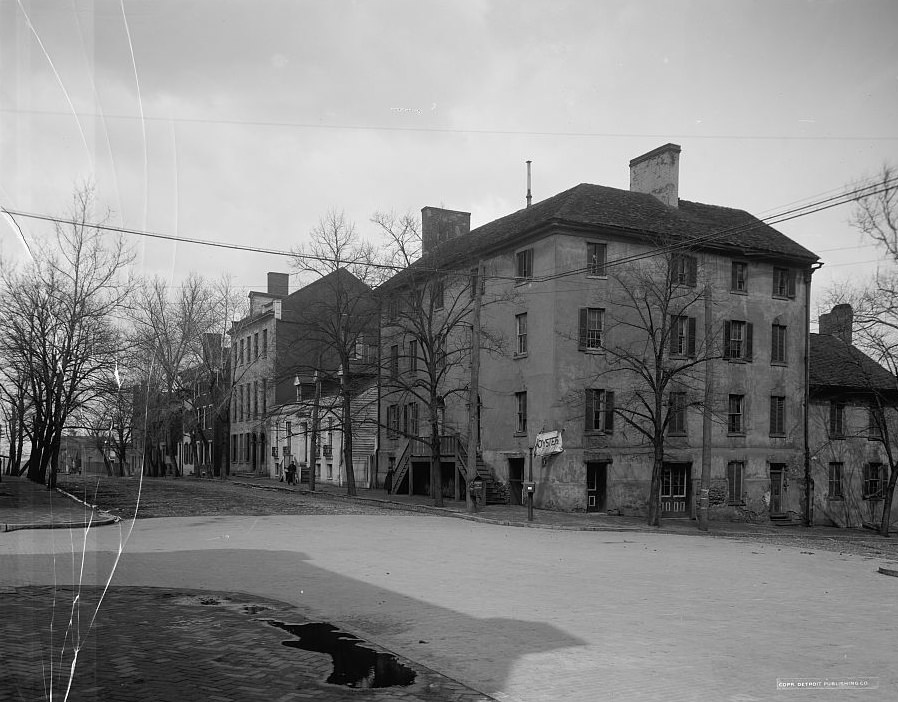
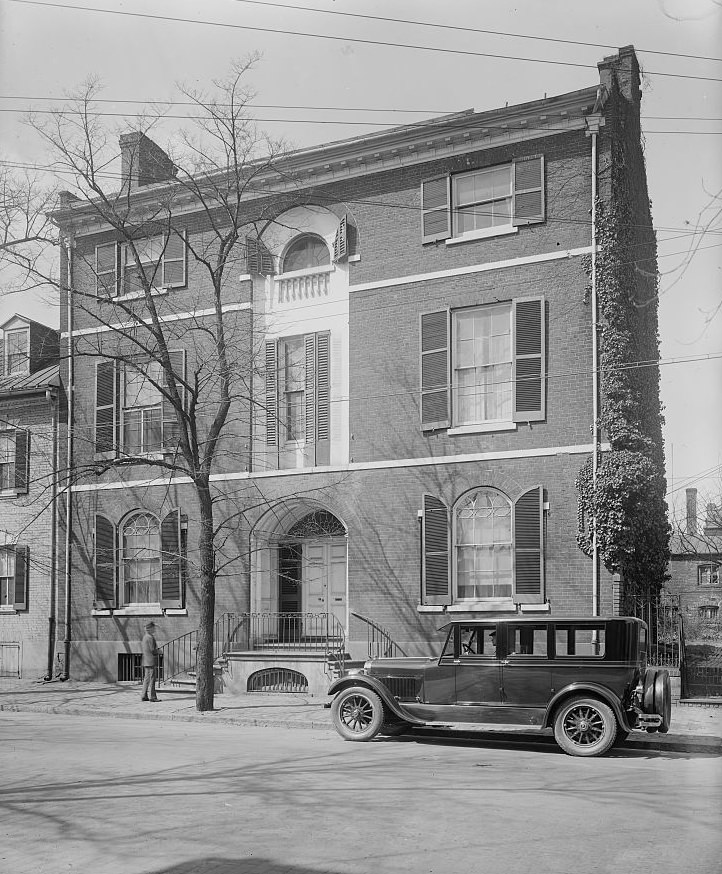
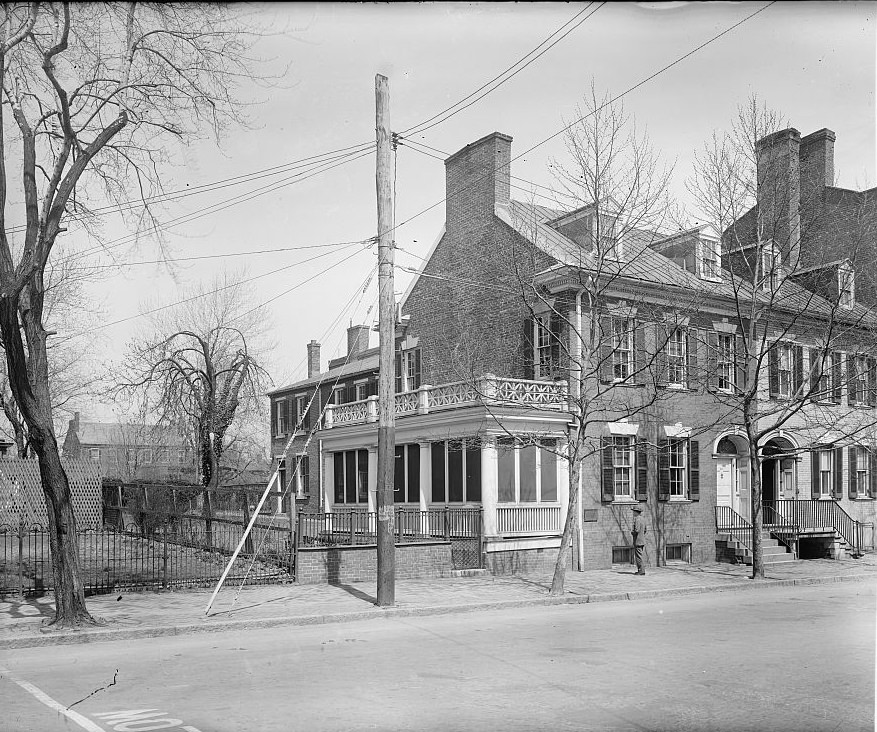
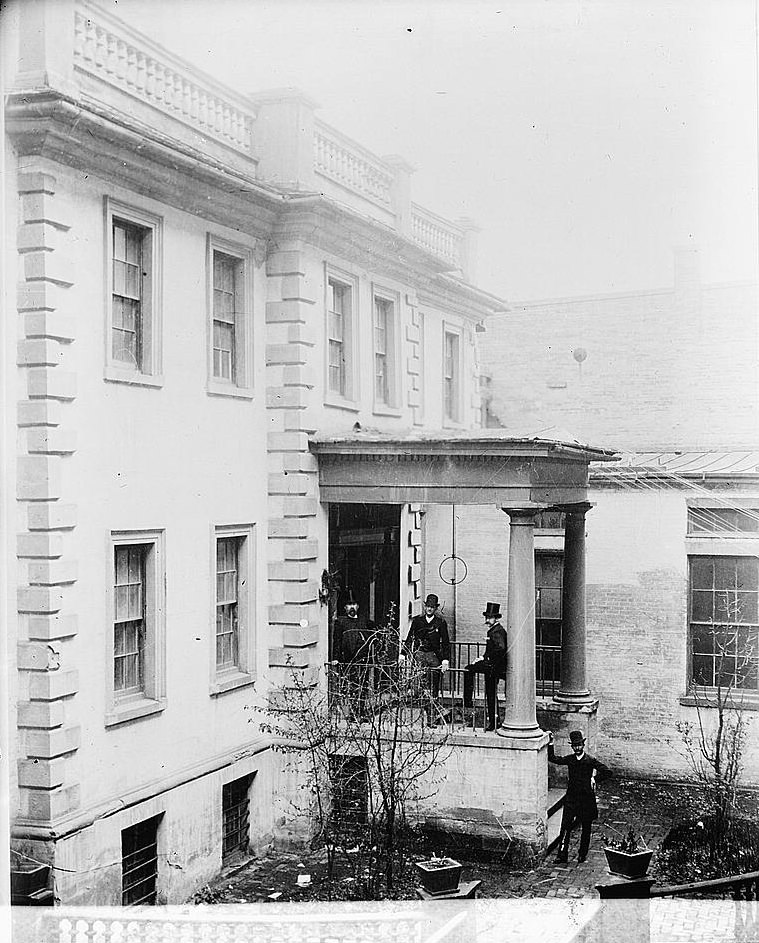
Alexandria’s historic architecture was on full display throughout the decade. Streets like Fairfax Street and King Street were lined with buildings that dated back generations, sitting alongside newer construction. Notable properties included the Old Fairfax House, the Braddock House, and the Carlyle House — structures that connected the city physically to its 18th-century origins. Dr. Fairfax’s home and the residence of Light Horse Harry Lee, the Revolutionary War general and father of Robert E. Lee, were also photographed and preserved during this period.
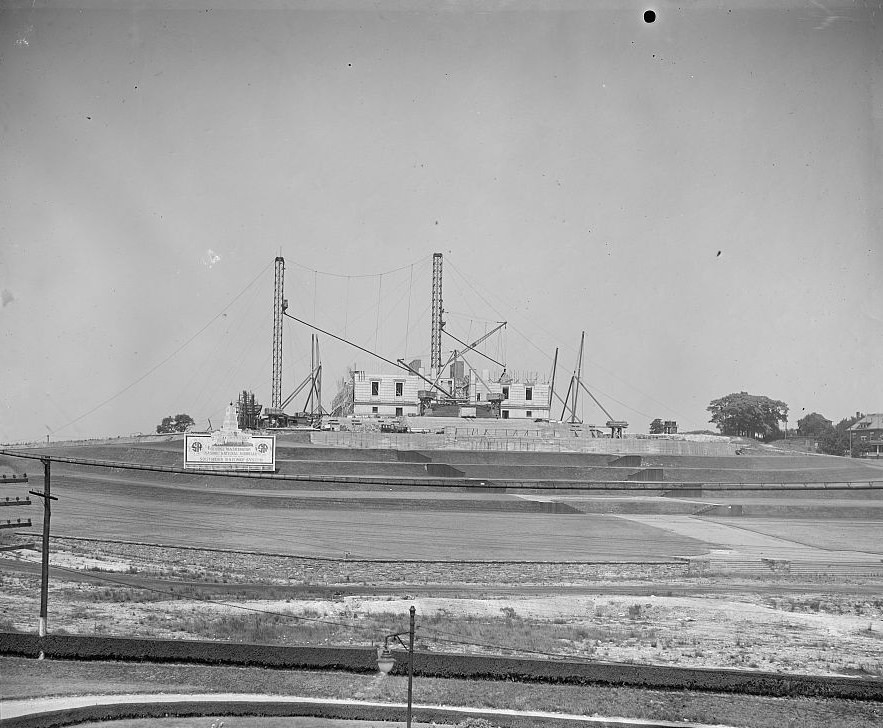
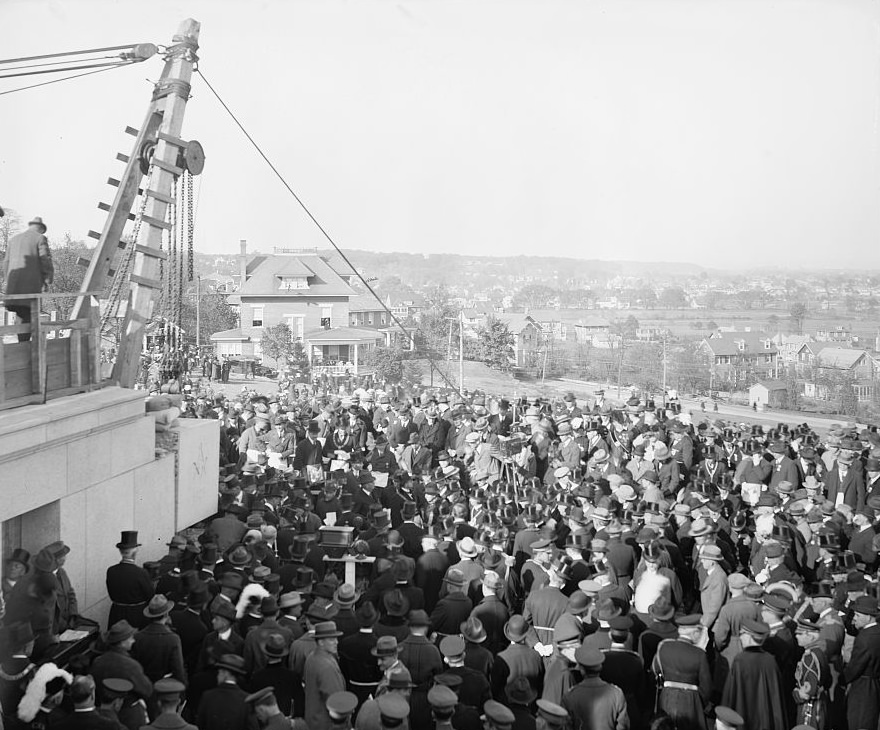
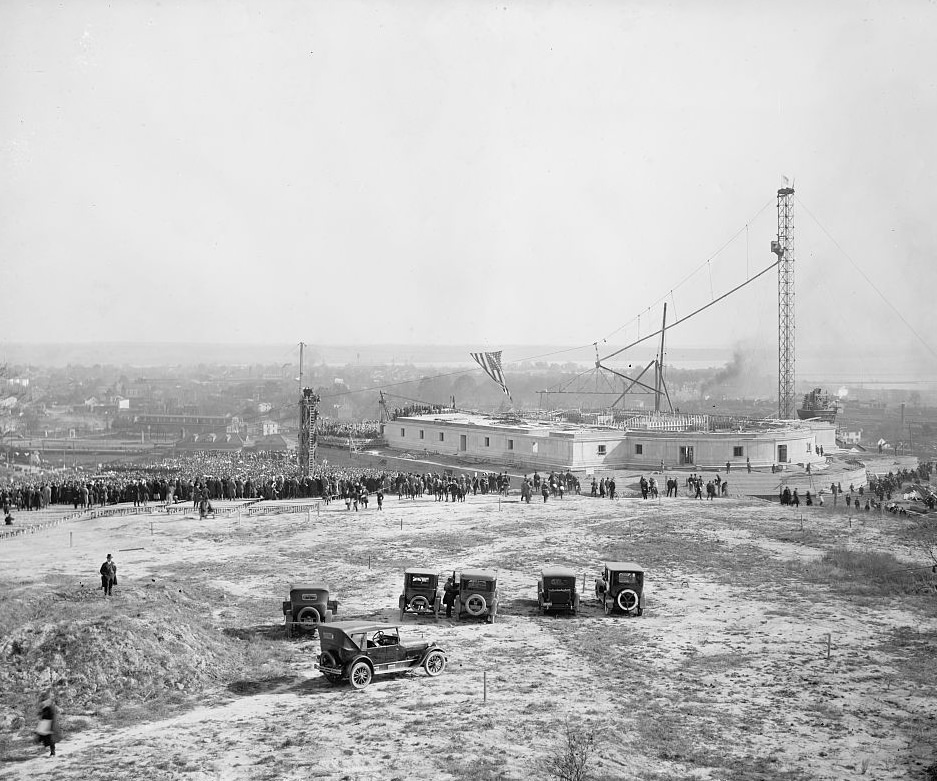
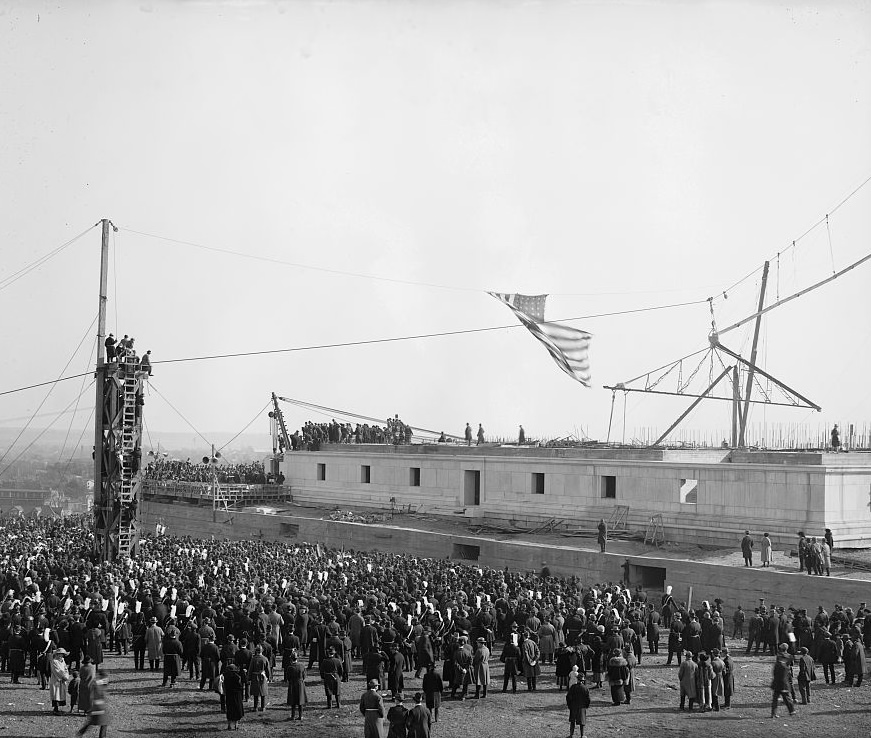
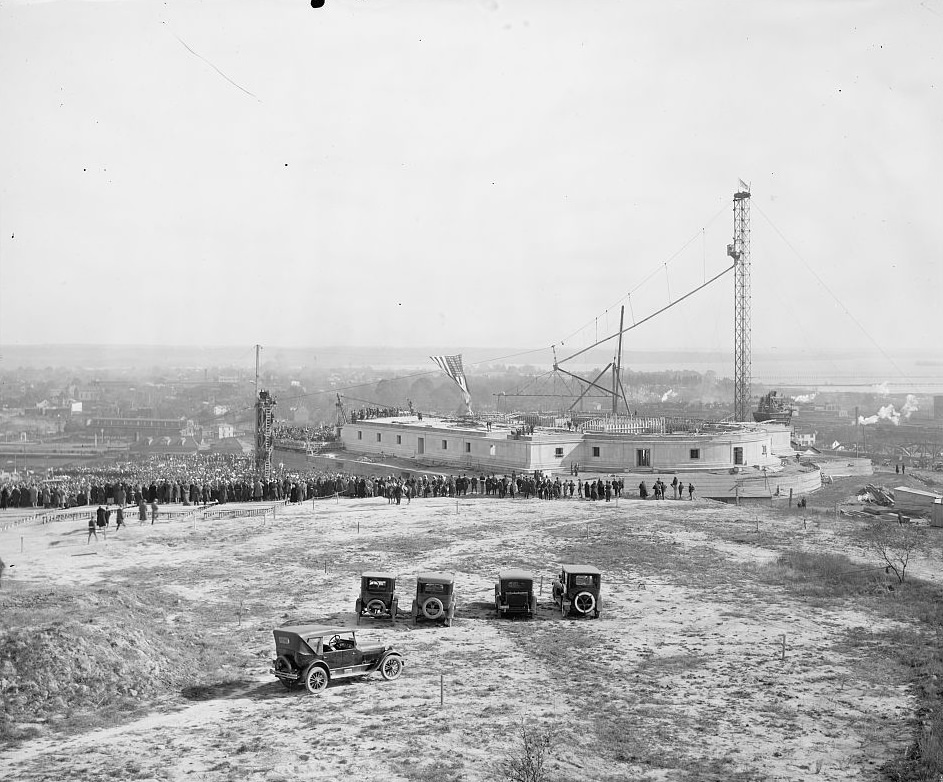
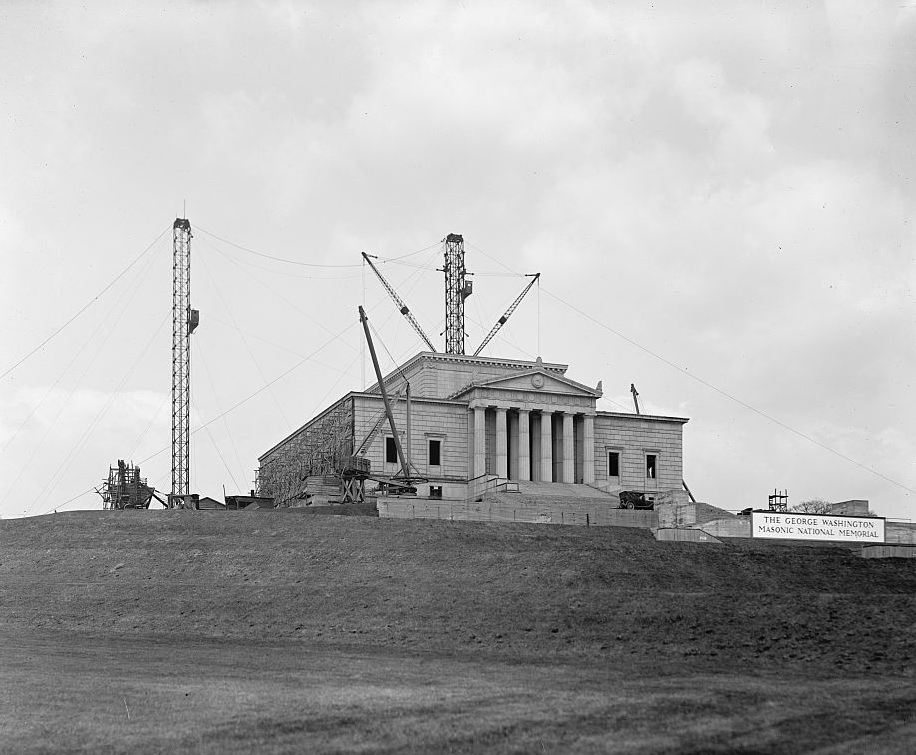
One of the decade’s major civic events was the dedication of the George Washington Memorial in Alexandria. As the city where Washington had been a prominent citizen and businessman, Alexandria took deep pride in honoring him. The dedication drew large crowds and was photographed extensively, capturing the patriotic spirit of a community deeply aware of its place in American history.
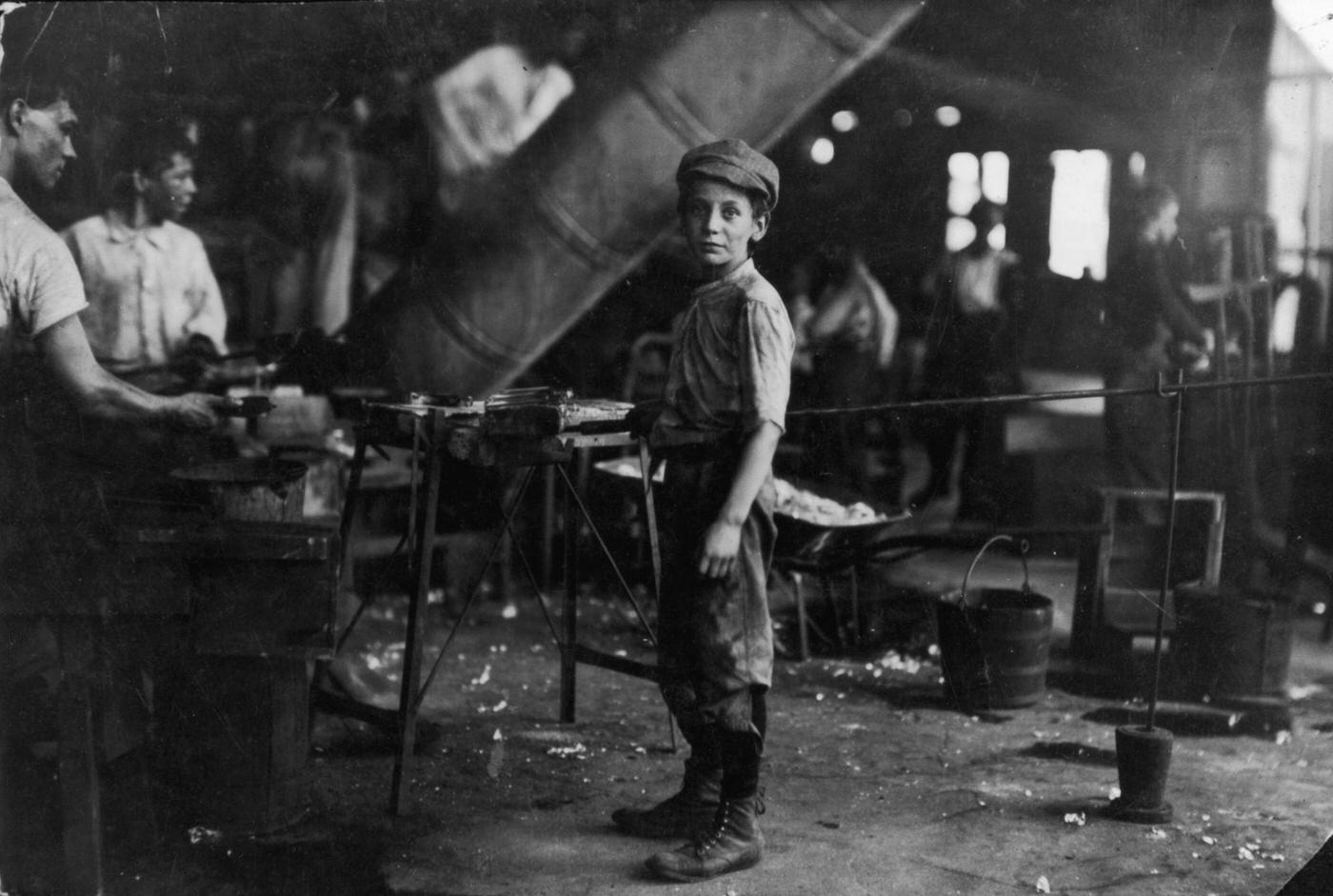
The city’s glass factories employed a significant number of workers — including children. Photographs taken by Lewis Hine in 1910 and 1911 for the National Child Labor Committee documented the reality of child labor in Alexandria’s industrial workplaces. Boys as young as ten or eleven worked night shifts, hauling hot glassware from furnaces in roles known as “carrying-in boys.” These images were taken specifically to expose the conditions and push for labor reform. They show young faces in factory settings that were loud, hot, and dangerous.
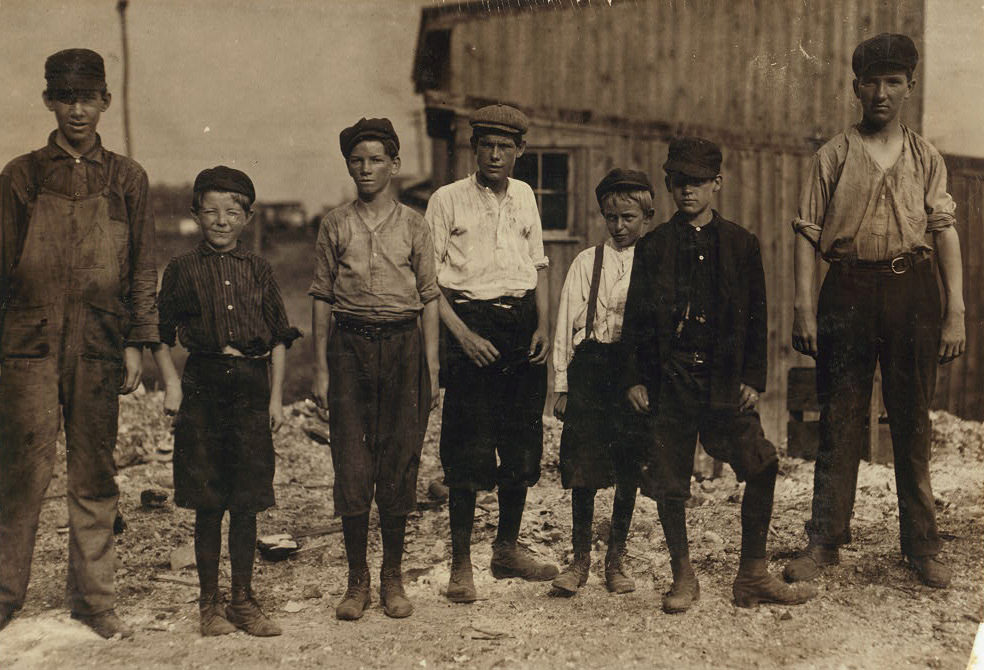
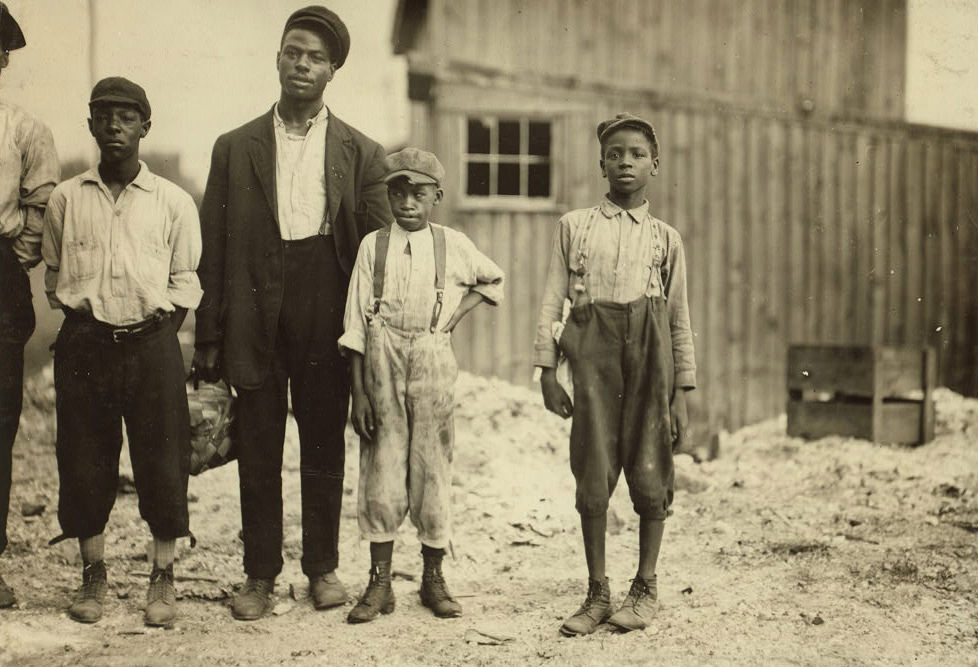
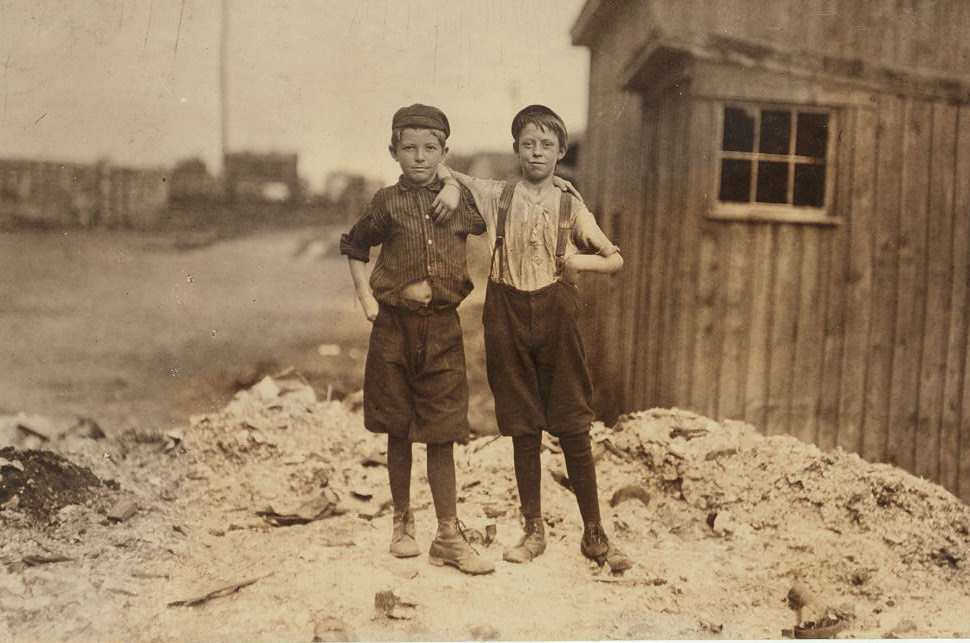
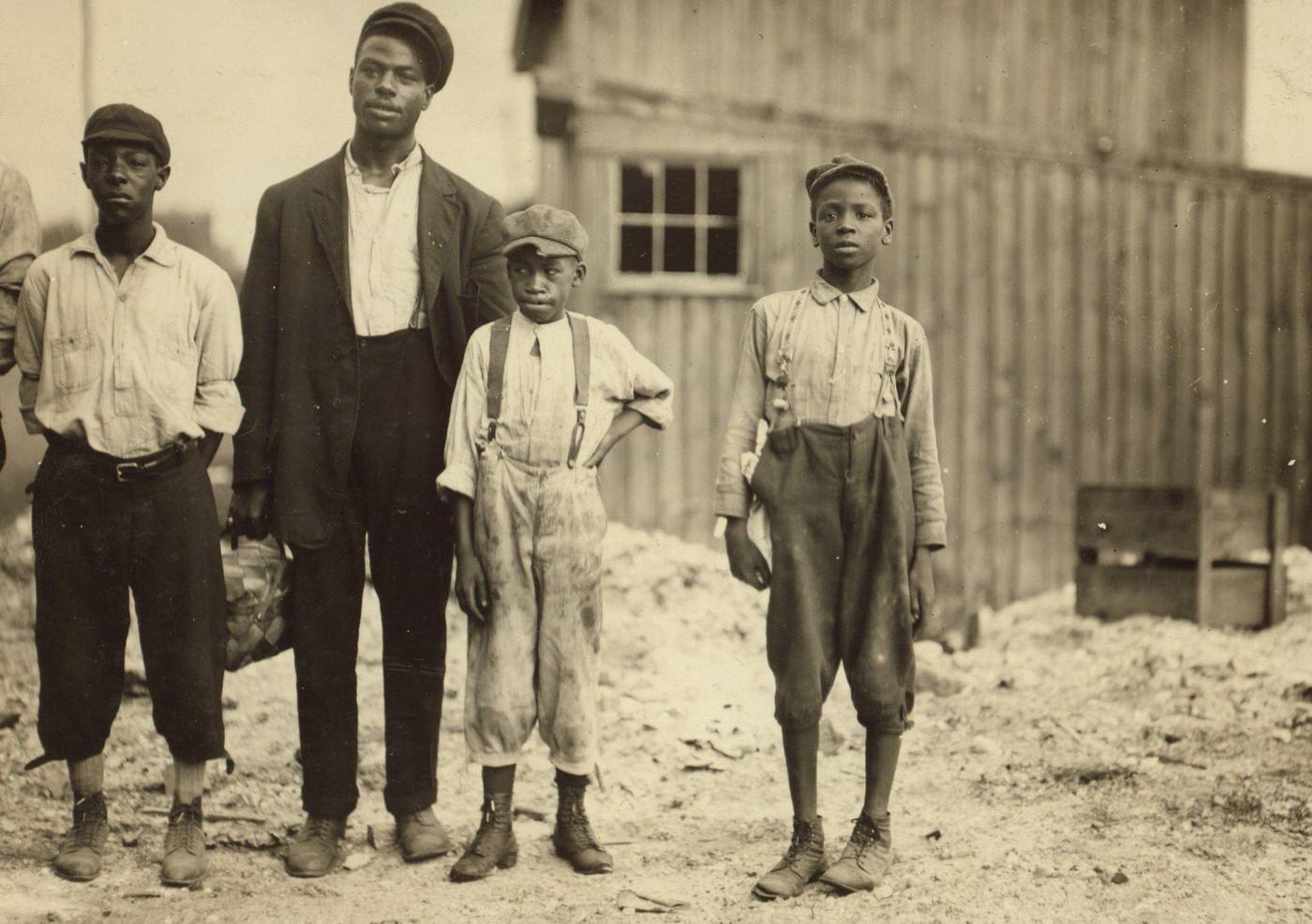
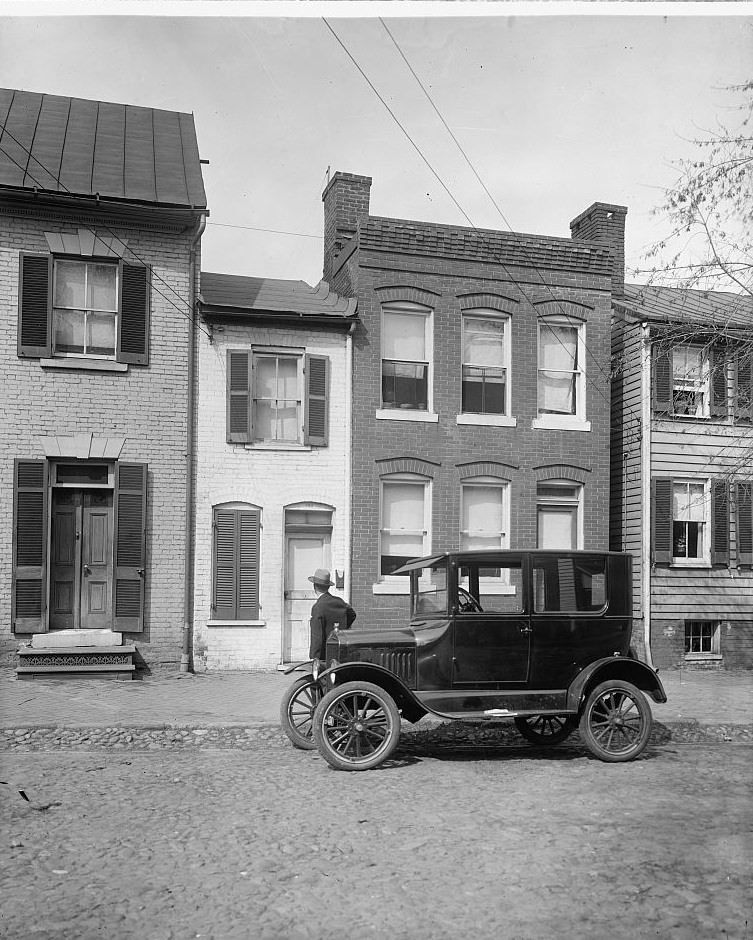
The automobile was beginning to make its presence felt on Alexandria’s streets by mid-decade. Ford Motor Company vehicles were a common sight, and the contrast between the city’s old brick architecture and these new machines was striking. Meanwhile, the city’s road network — partially funded through asphalt paving operations — was slowly catching up with the demands of motorized transport.
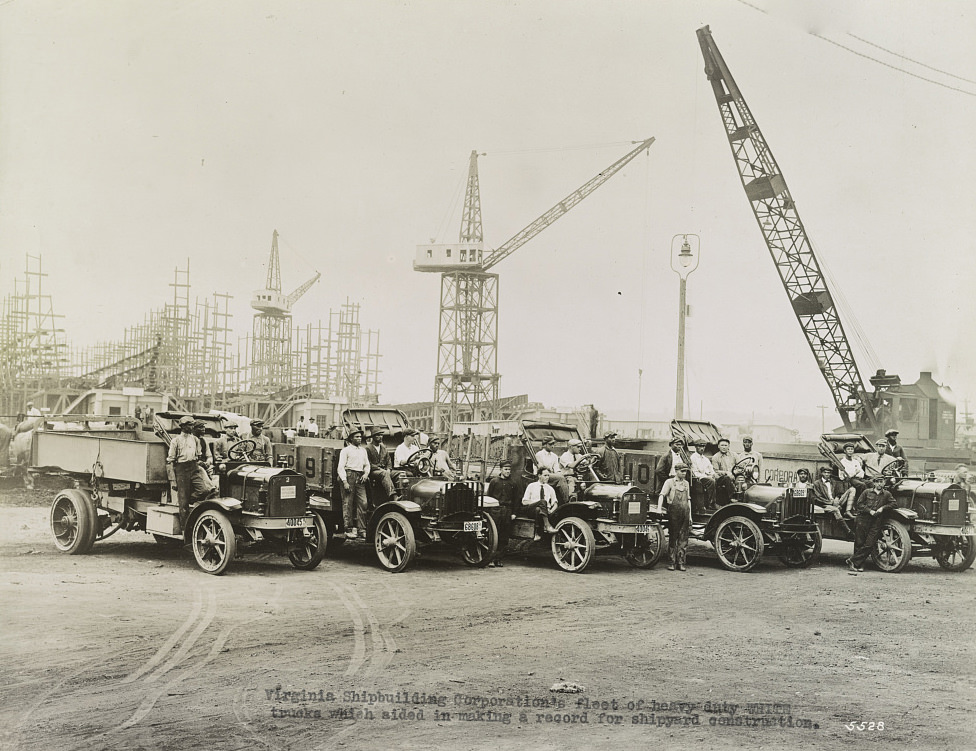
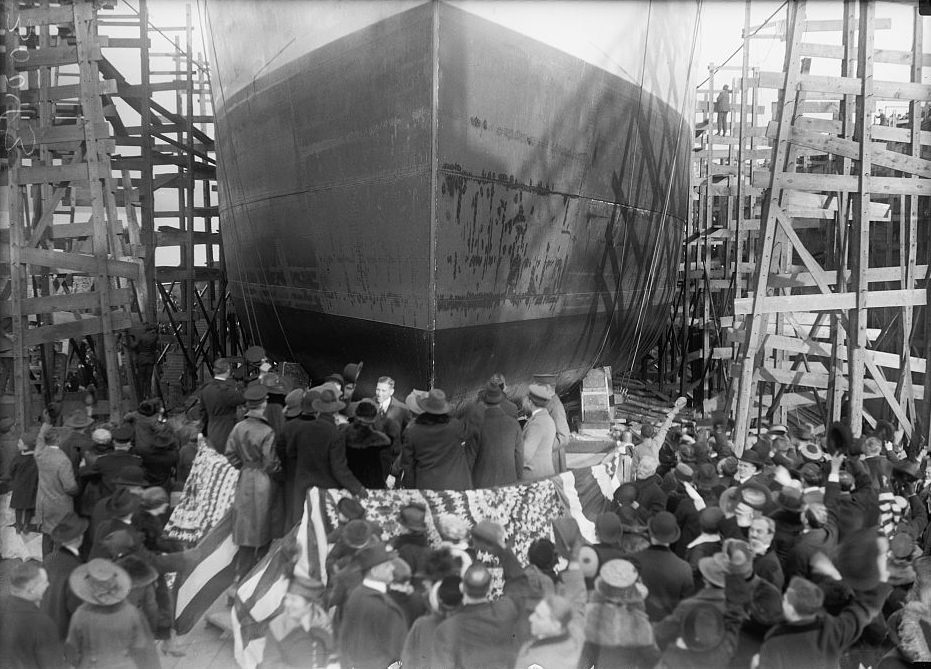
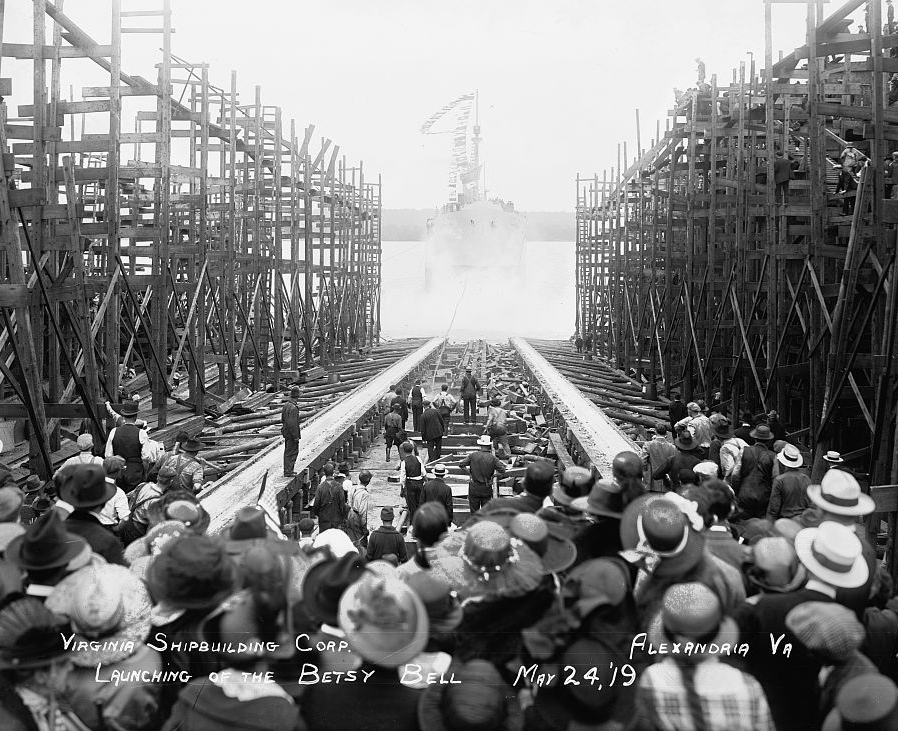
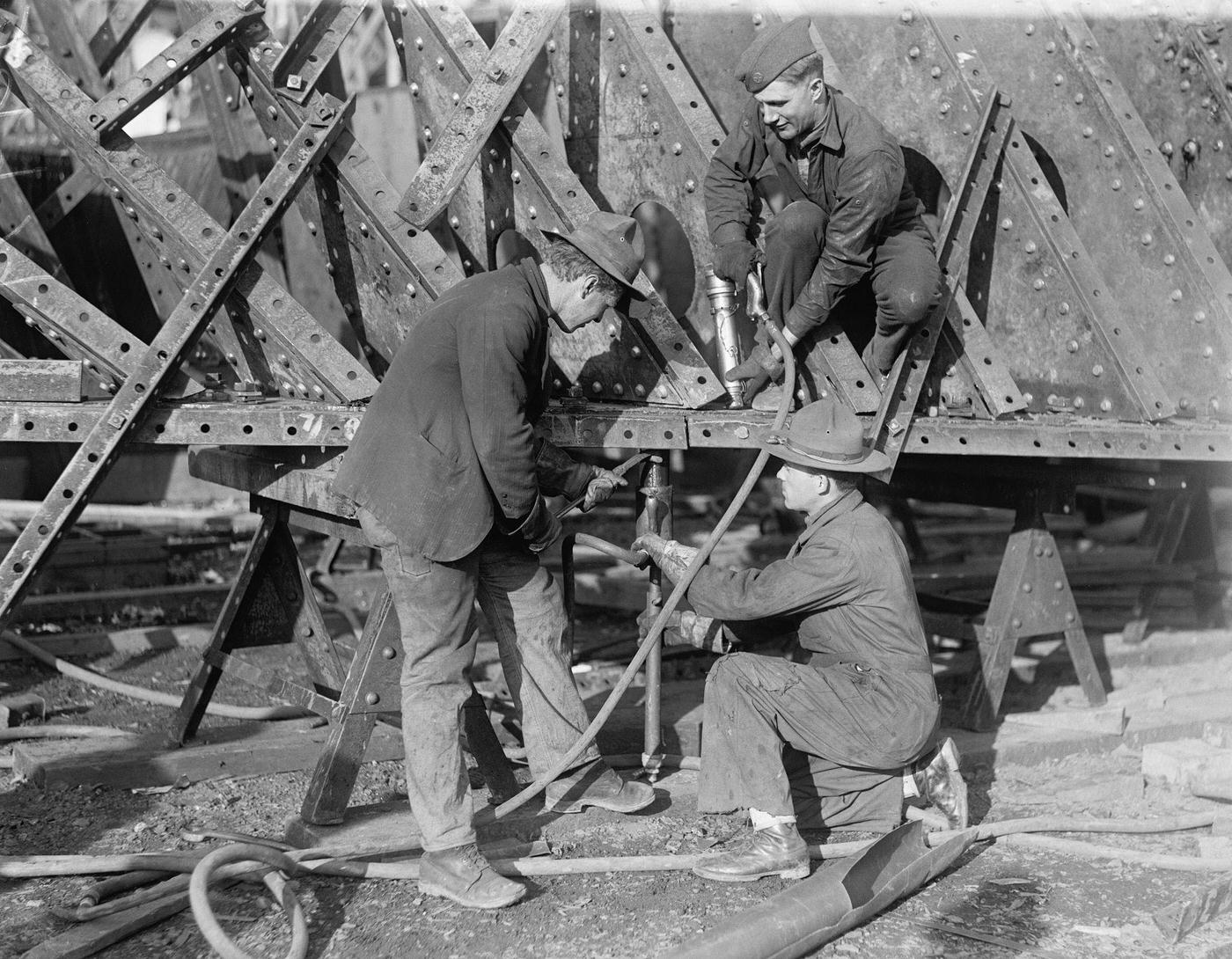
By the late 1910s, World War I had reshaped Alexandria in profound ways. Men from the city enlisted in large numbers. At home, industry pivoted sharply toward the war effort. The Virginia Shipbuilding Corporation ramped up production along the waterfront, using fleets of heavy-duty trucks to move materials and set records for shipyard construction speed. The Emergency Fleet Corporation launched ships from Alexandria’s yards, including the Gunston Hall in 1919. Across the river and just down the waterfront, the shipyard workforce grew rapidly.
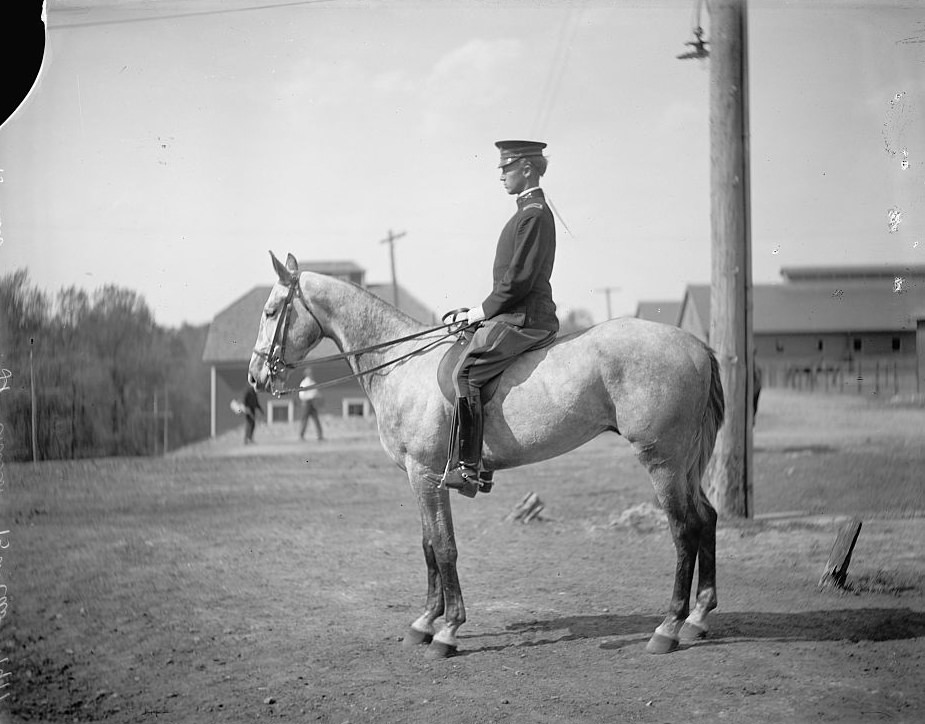
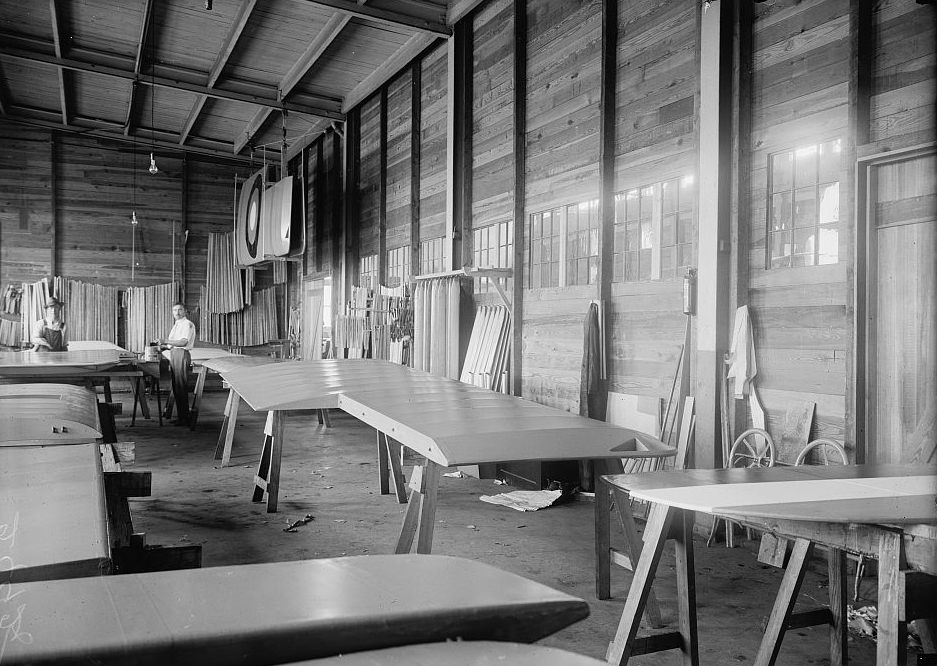
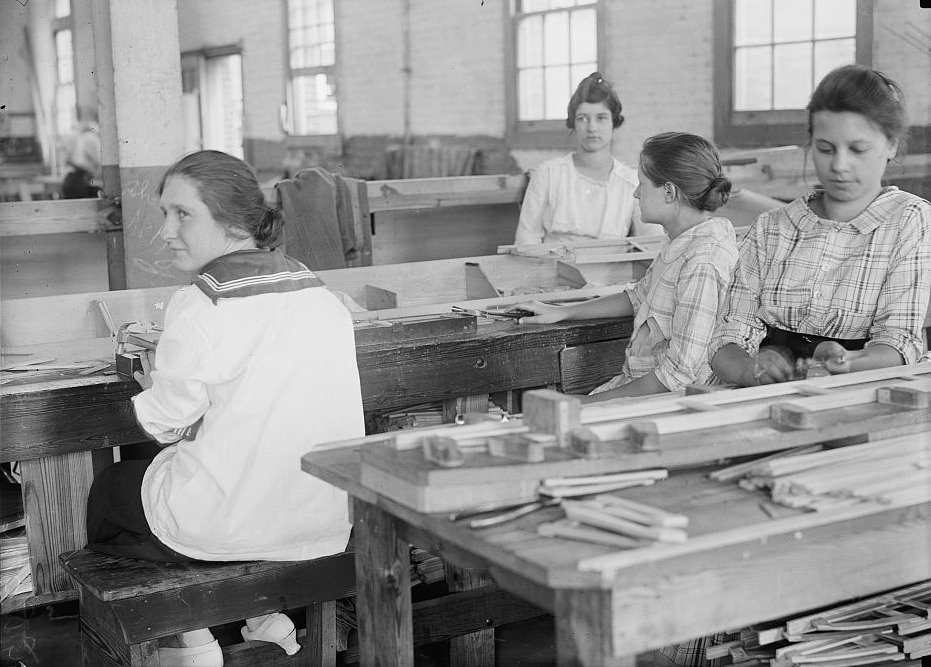
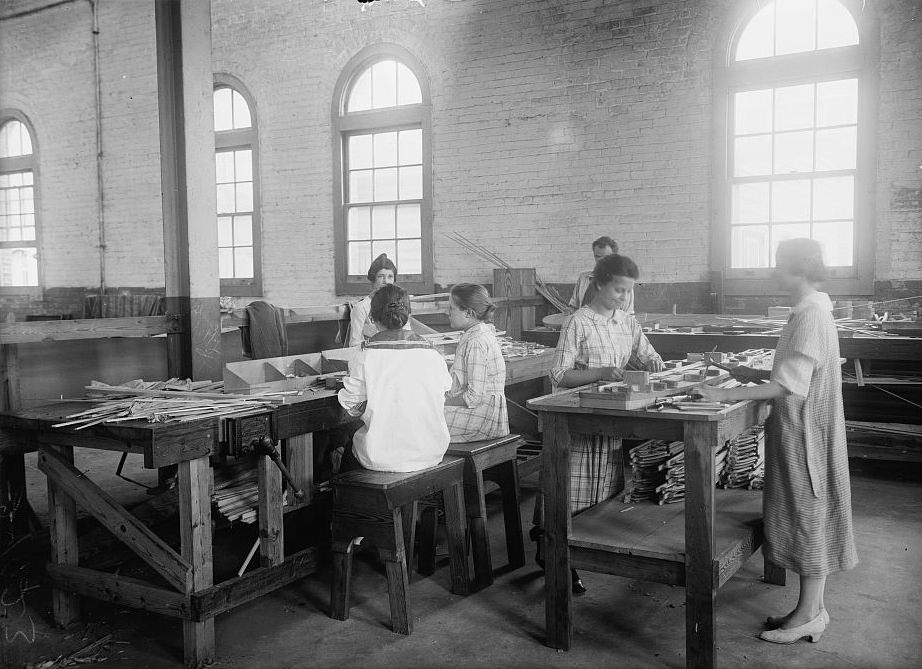
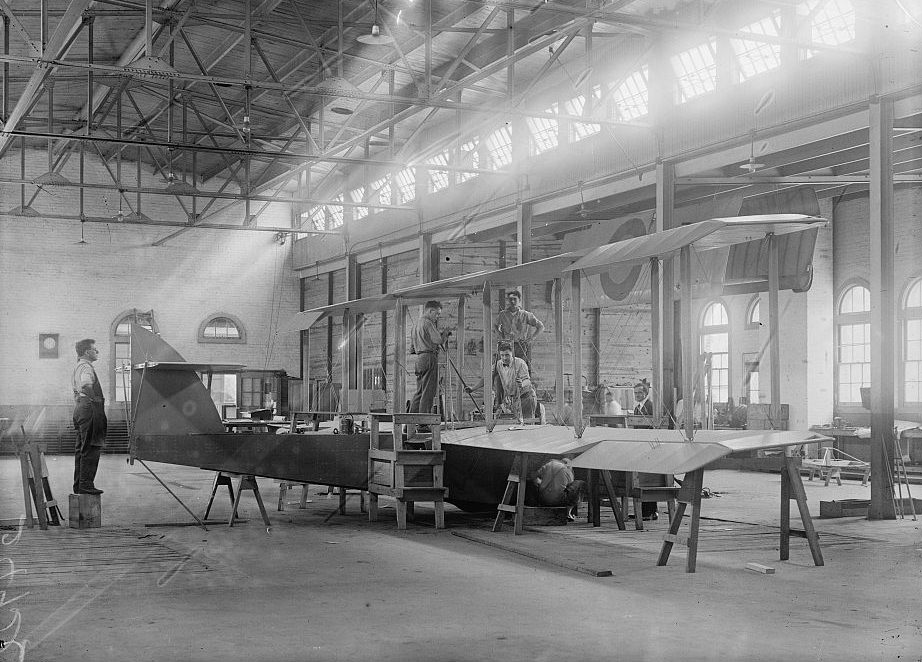
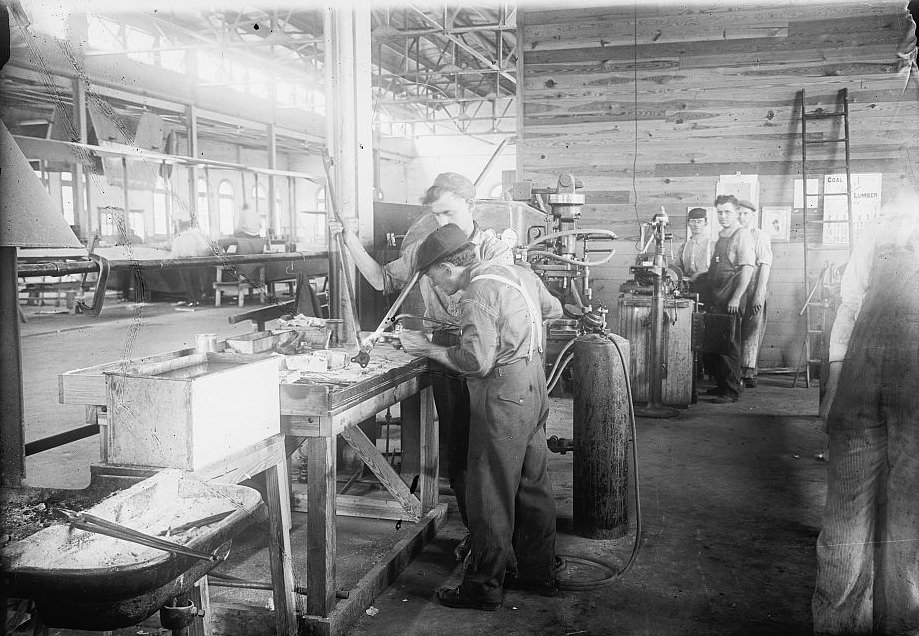
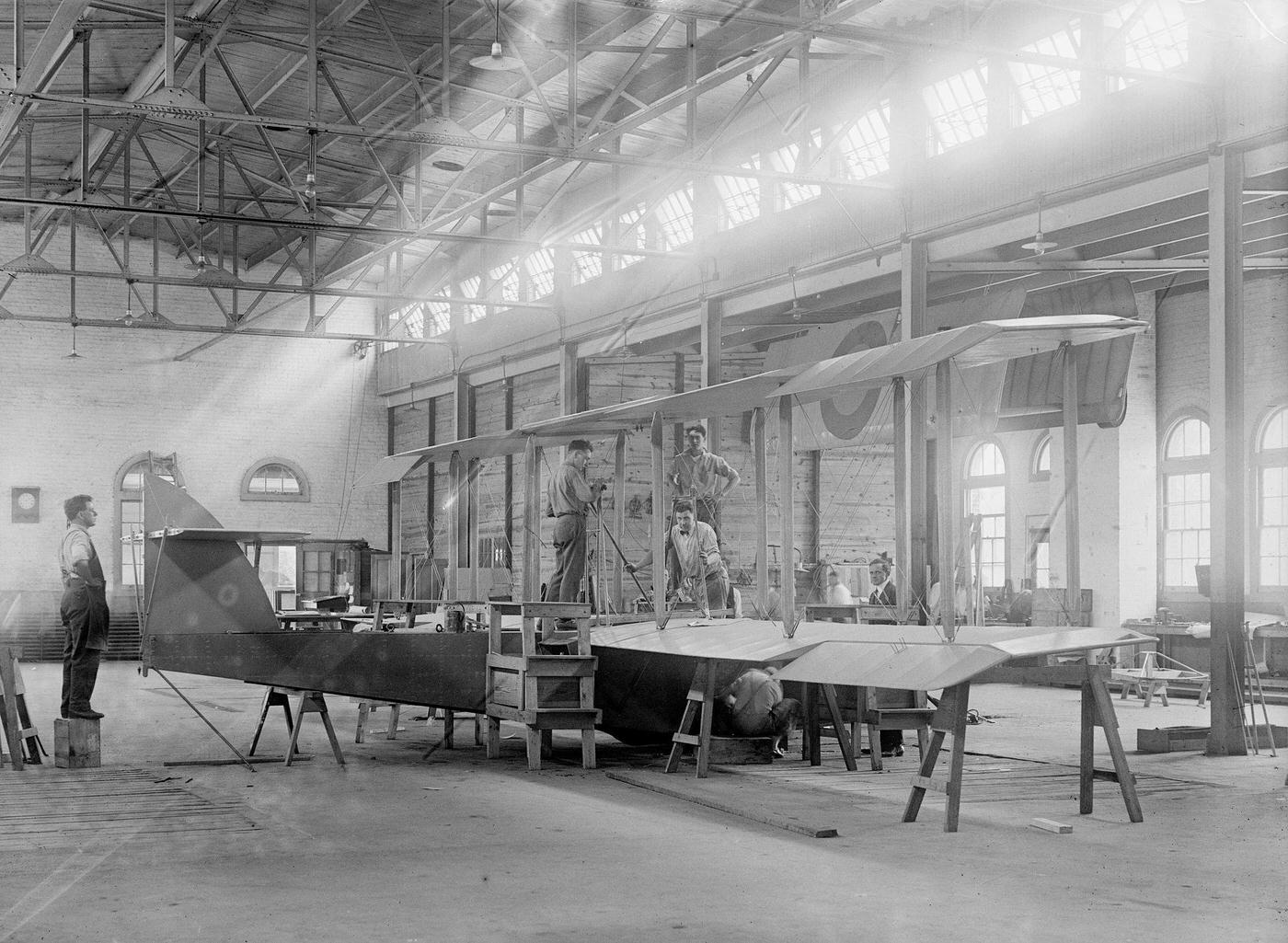
Alexandria also housed an airplane factory during the war years — a sign of just how quickly military technology was advancing. The facility produced aircraft as part of the national mobilization effort, and photographs from inside the factory show workers surrounded by early aircraft frames in various stages of assembly.
The Keefer collection of photographs offers some of the most comprehensive views of Alexandria’s built environment during the 1910s. These images capture the city’s schools, hotels, hospitals, residential neighborhoods, and key streets. Together, they document a city with a clear sense of civic pride — from the George Mason Hotel and the George Mason High School to Washington Street and the Potomac Yards rail facility, which handled enormous volumes of freight moving through the region.
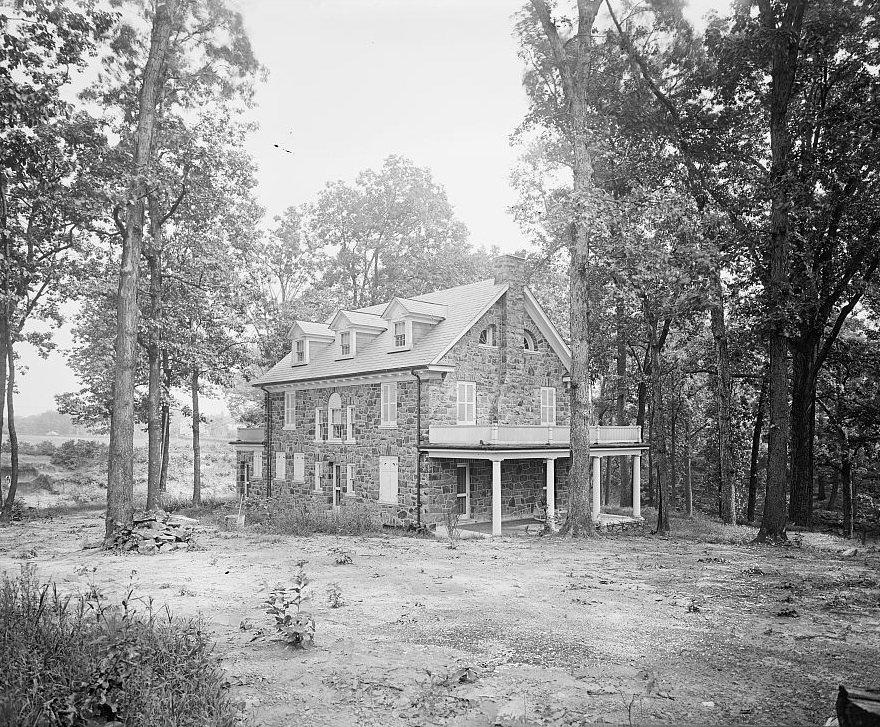
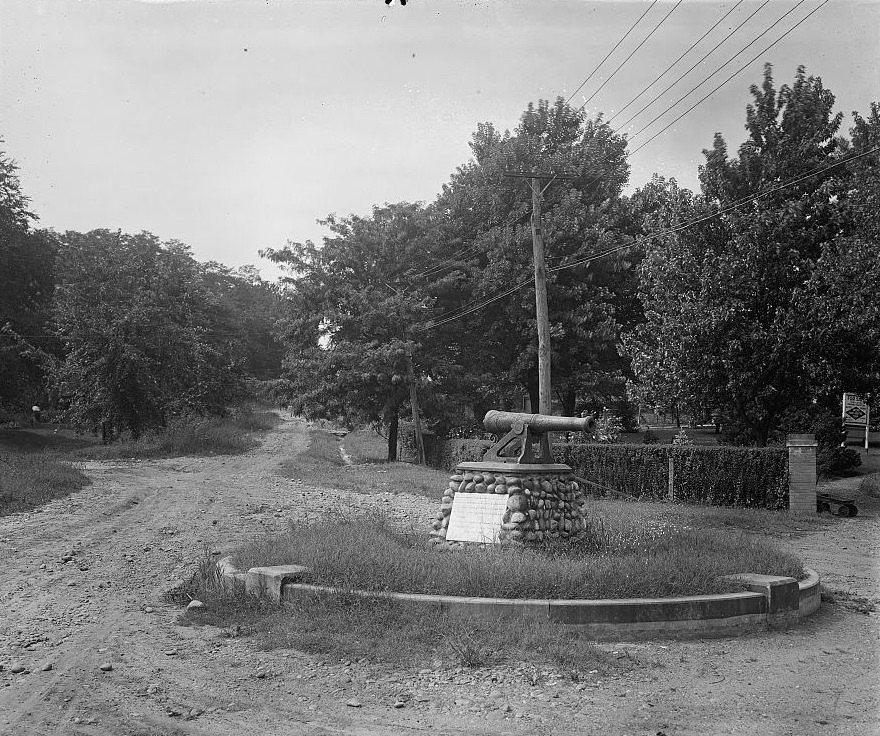
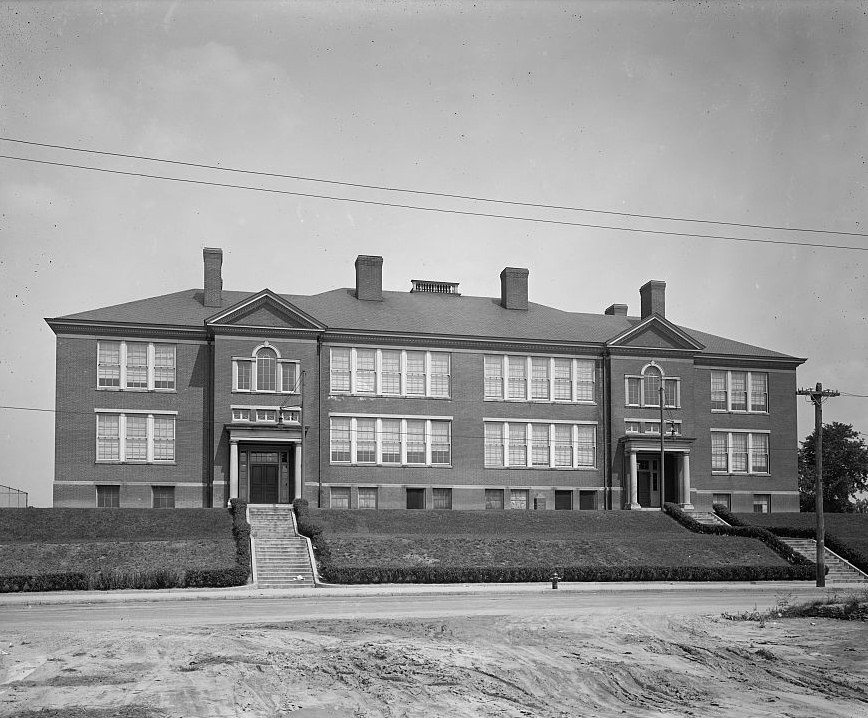
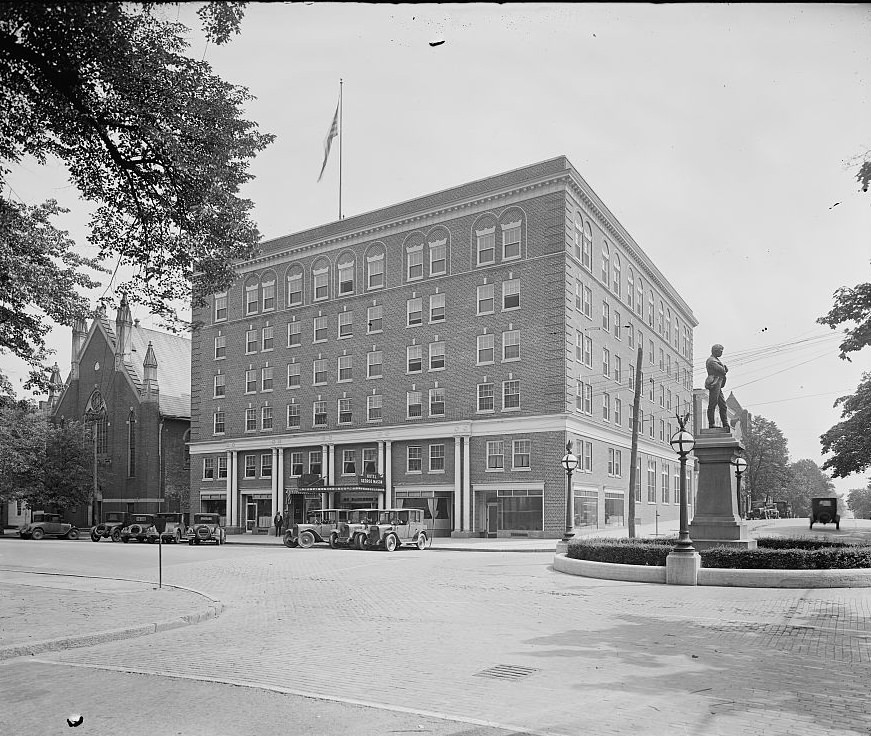
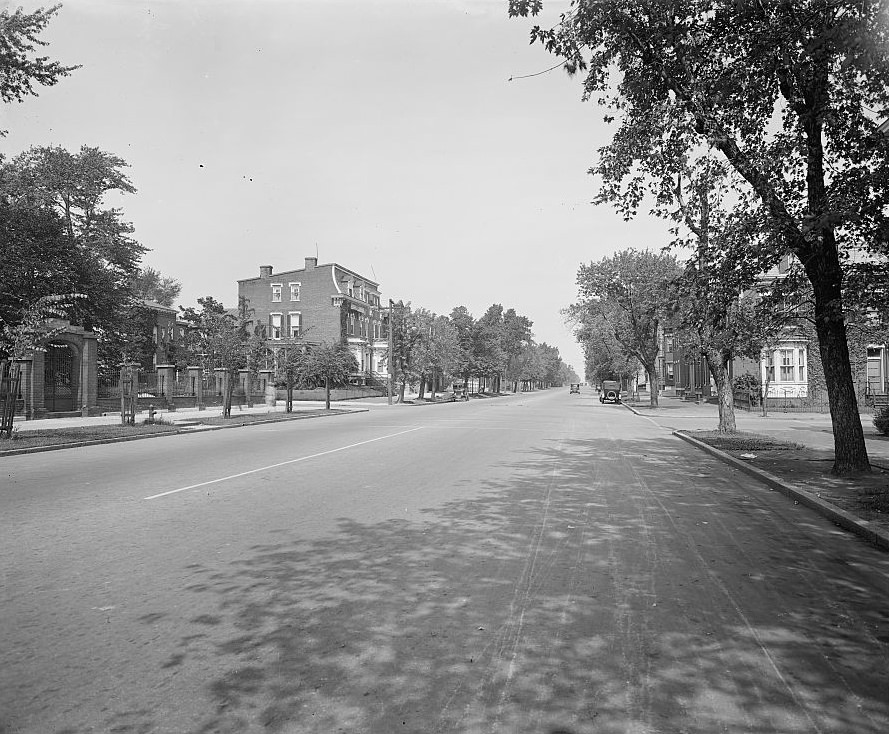
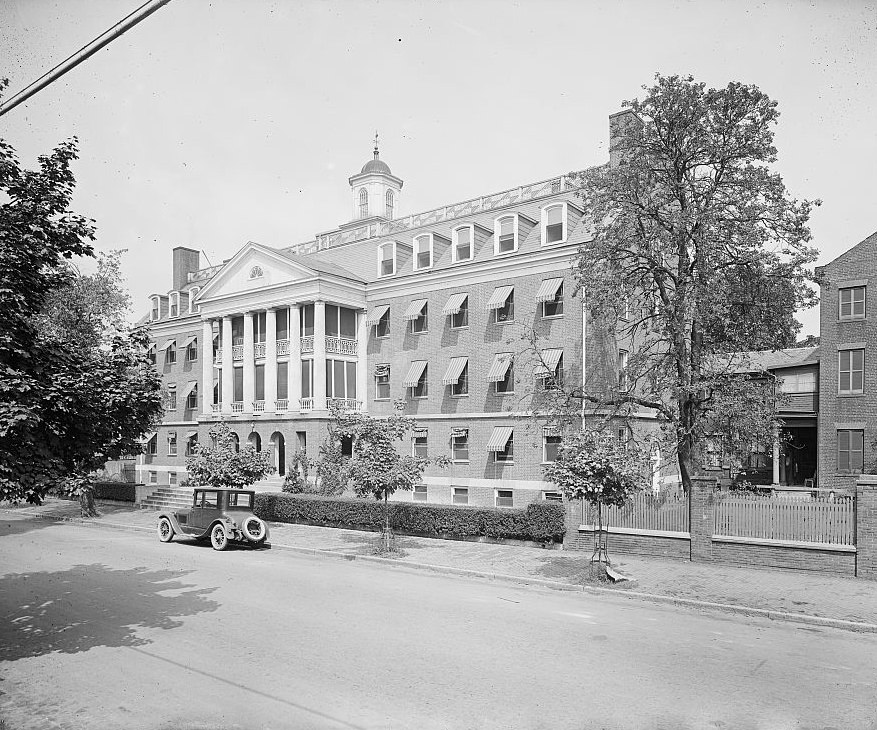
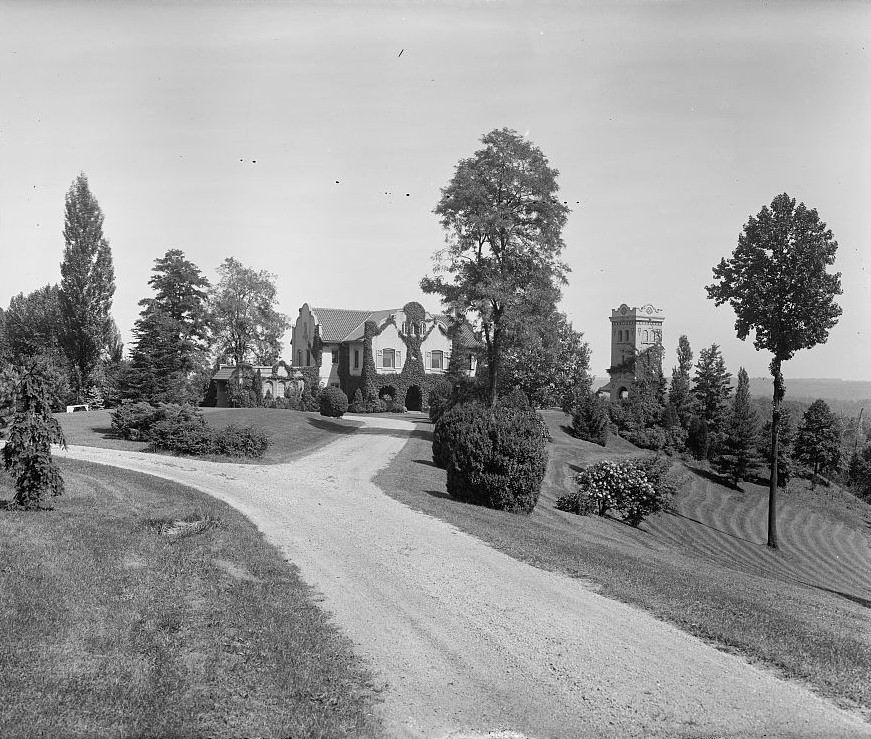
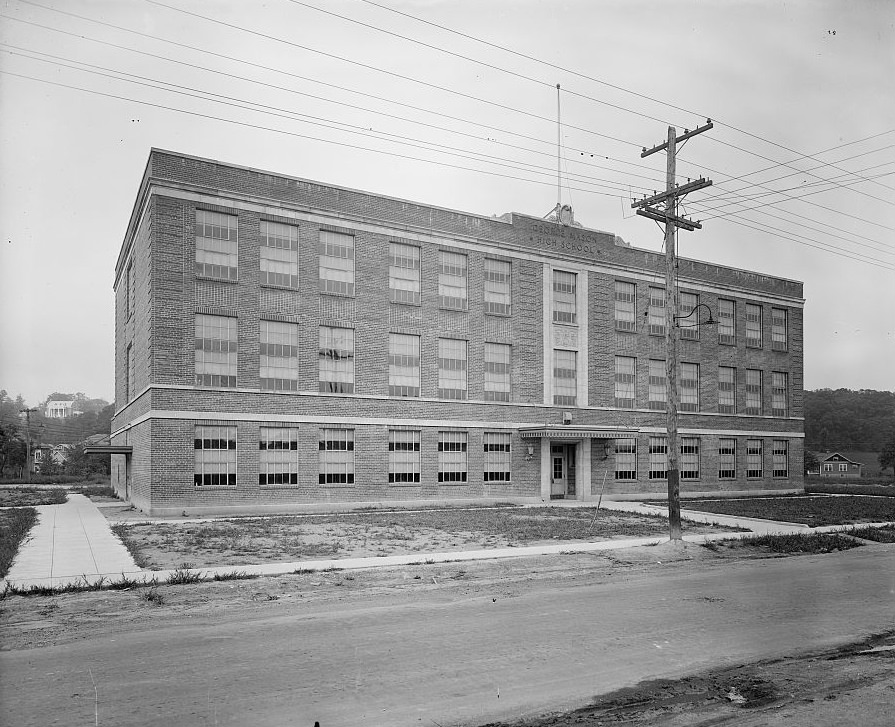
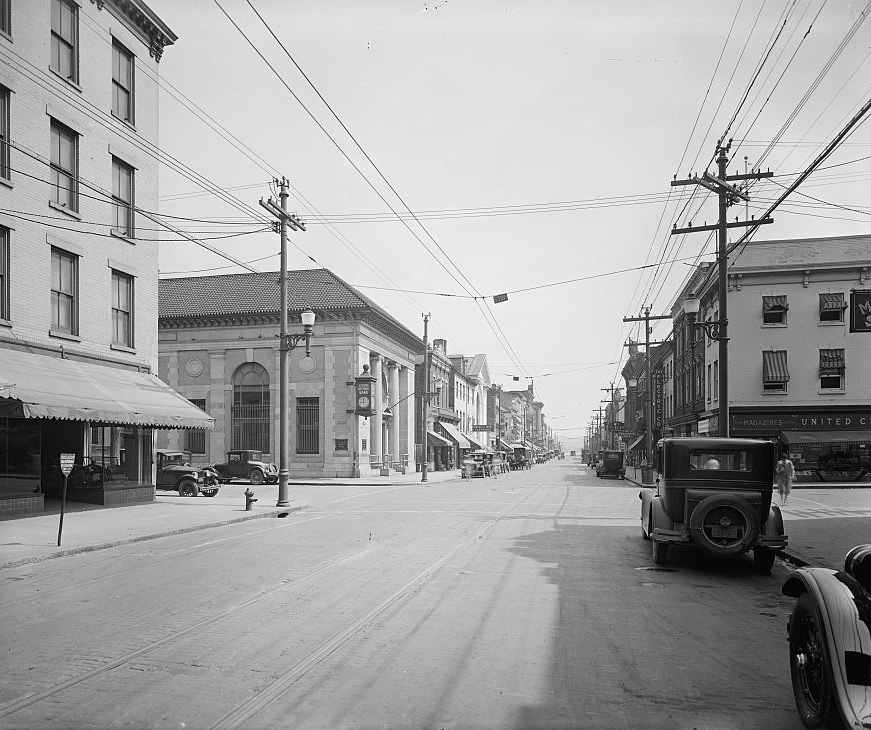
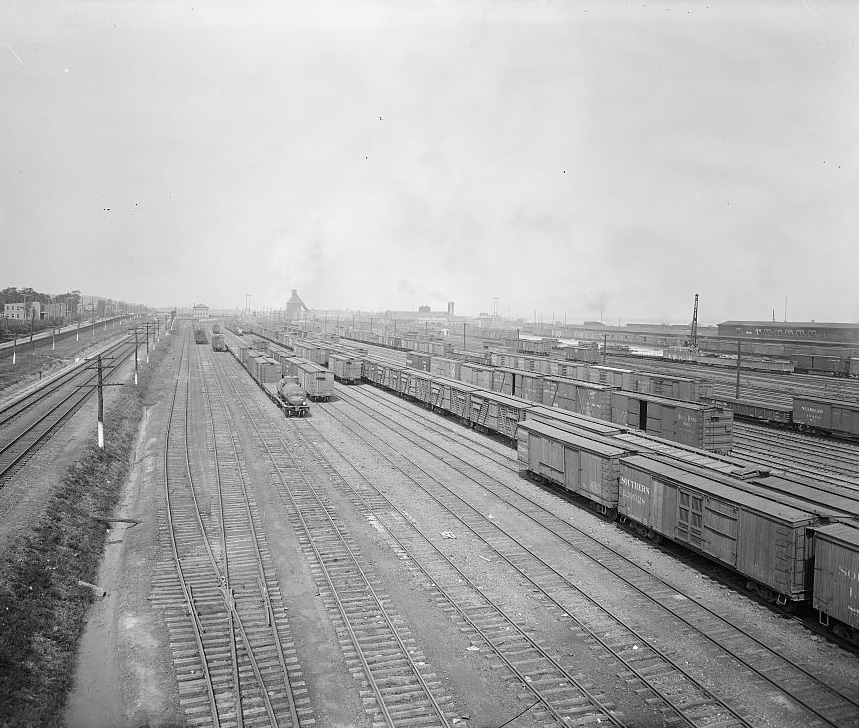
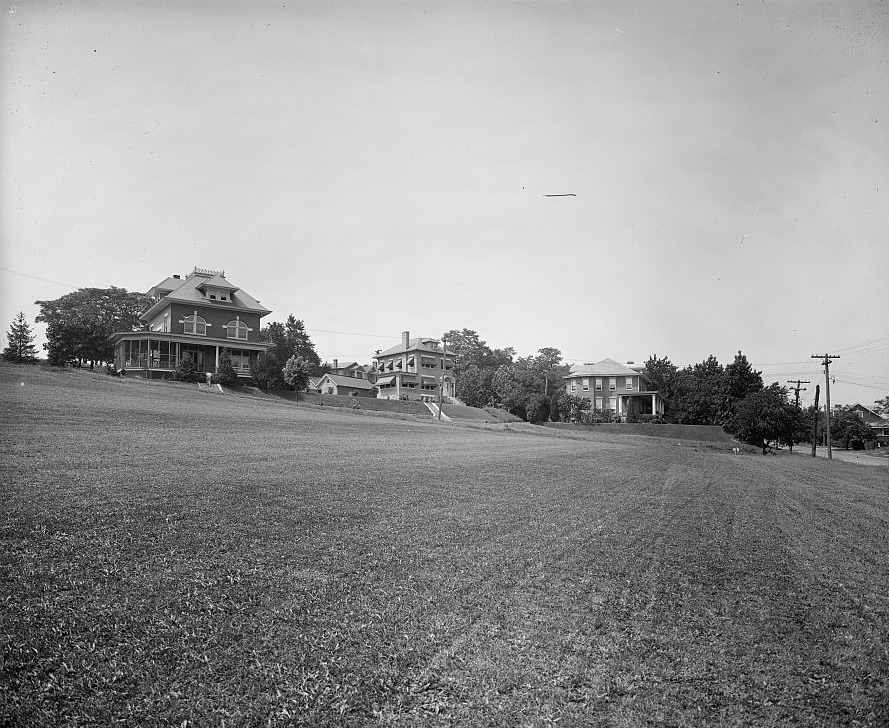
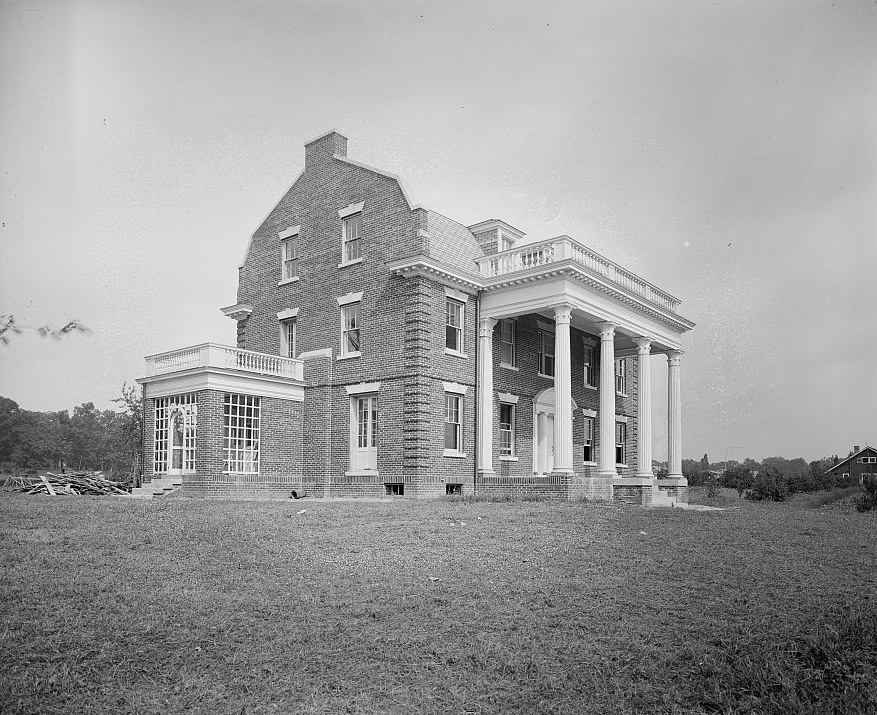
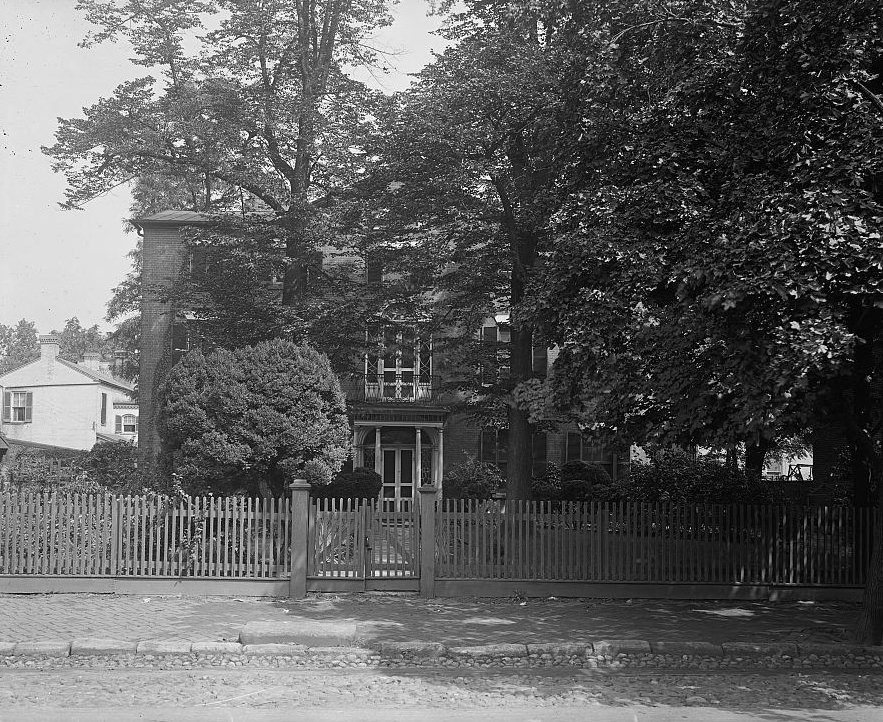
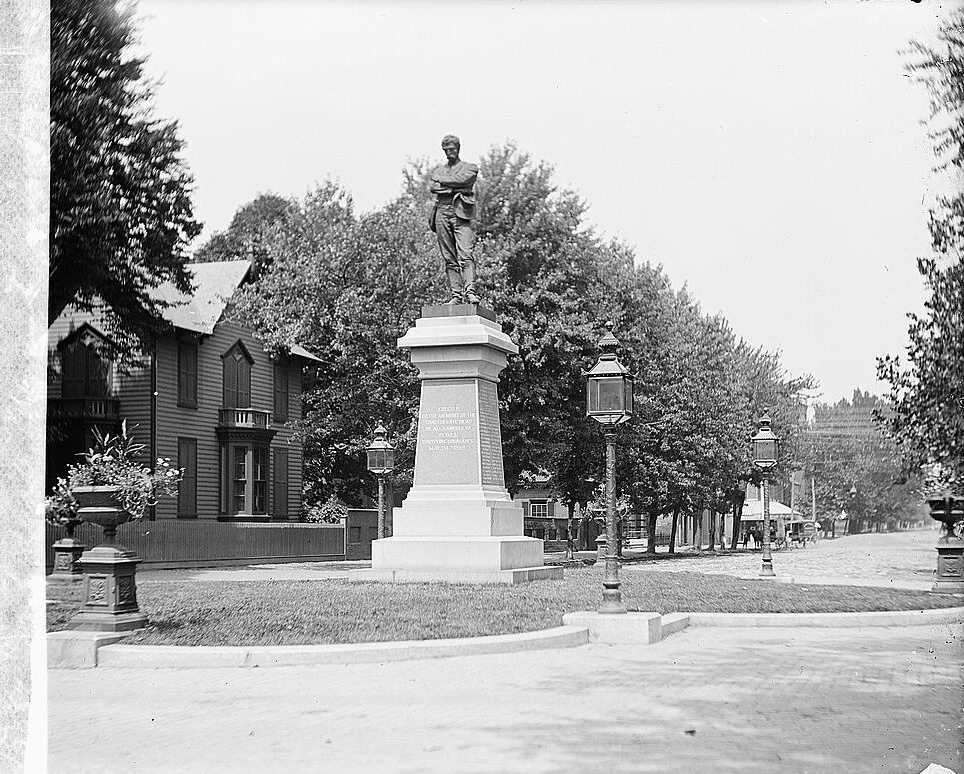
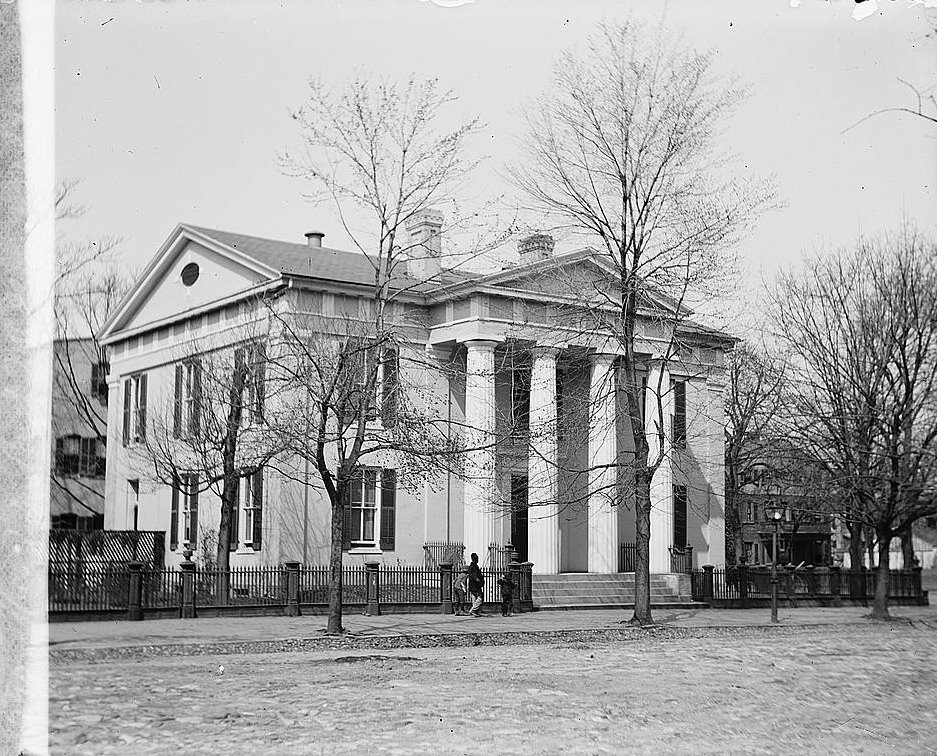
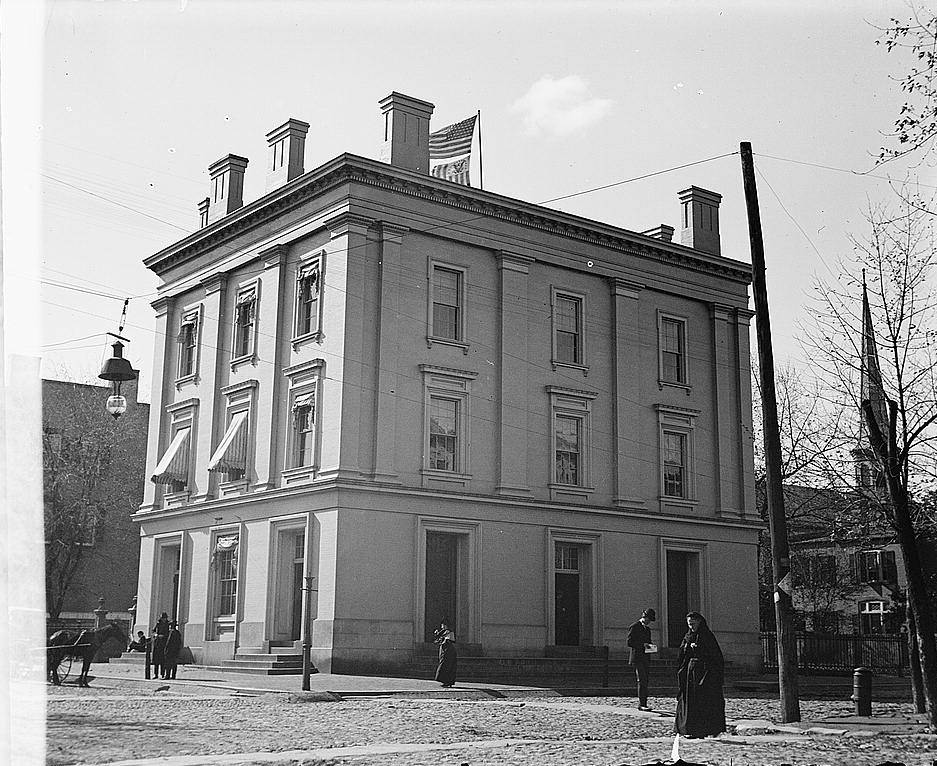
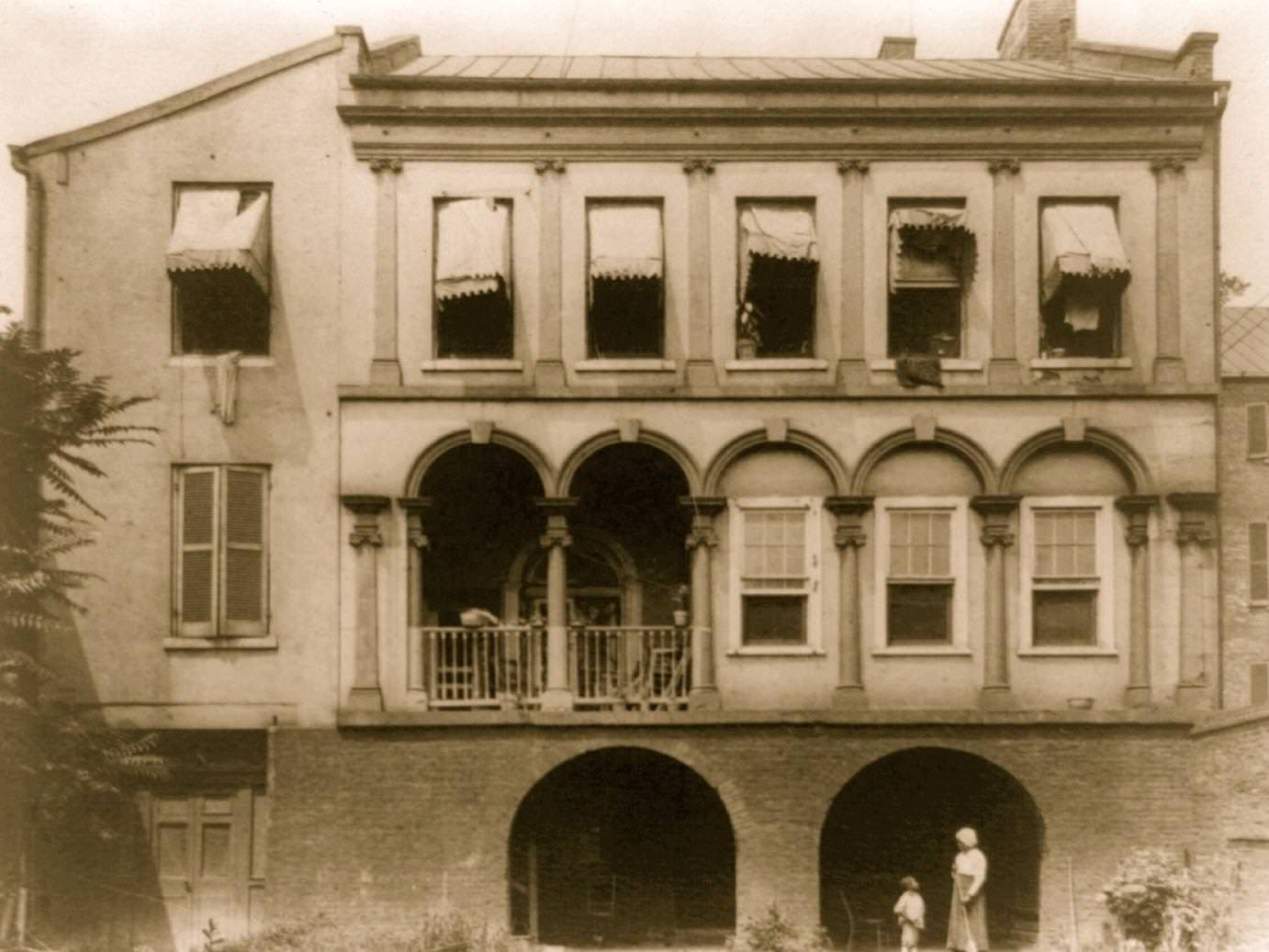
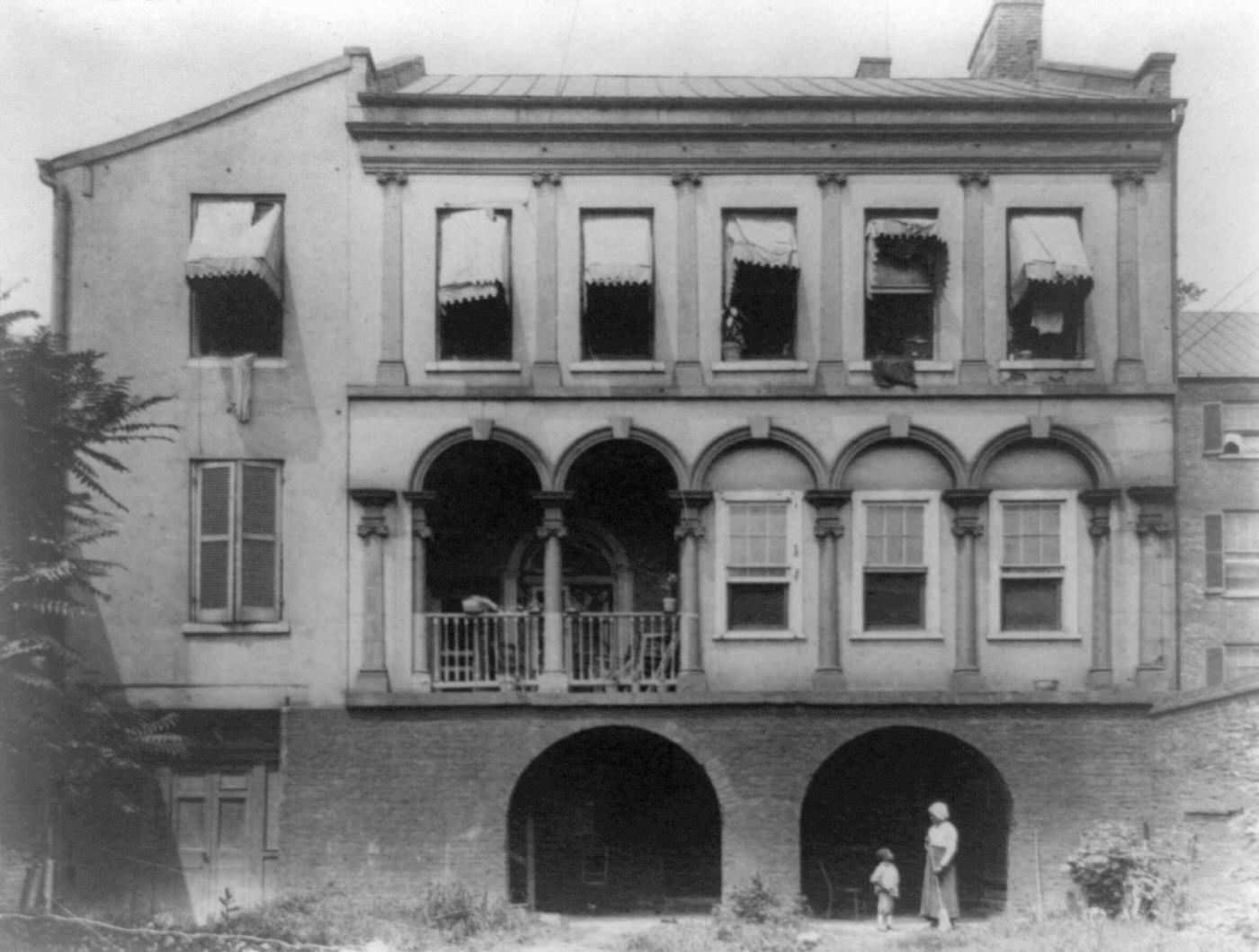
Public buildings and institutions rounded out the civic landscape. The City Post Office and Custom House on the waterfront handled a high volume of correspondence and trade documentation. The Columbia Fire Engine House served as another critical piece of the city’s fire protection network. The Lee School and the James Holloway Loggia School on Fairfax Street between Cameron and Queen Streets educated the next generation of Alexandrians, while the Confederate Monument — erected in 1889 but still a focal point of the city’s identity in the 1910s — stood at the intersection of Prince and South Washington Streets as a reminder of the Civil War’s grip on Southern memory.
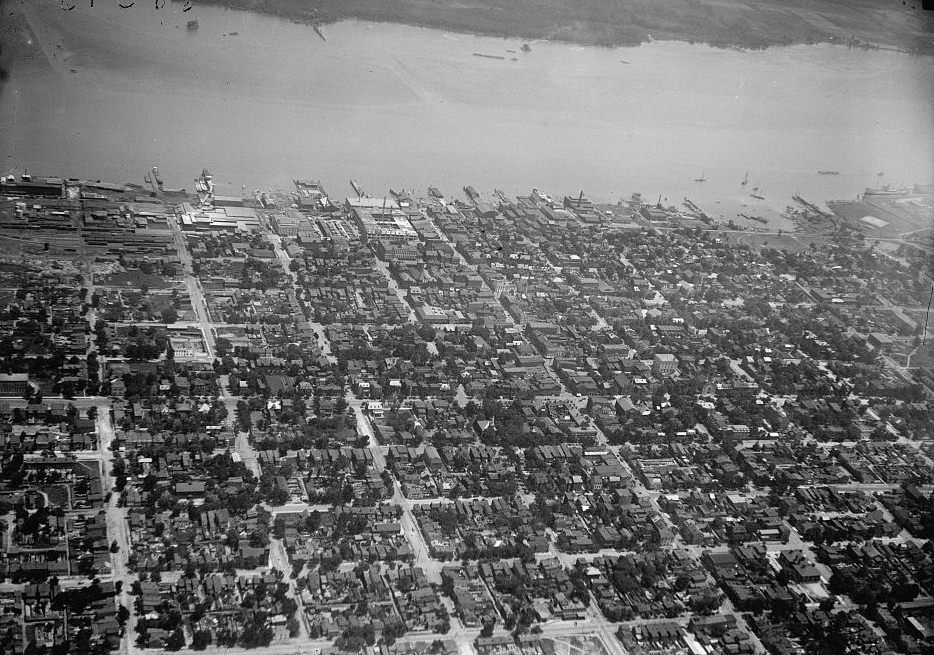
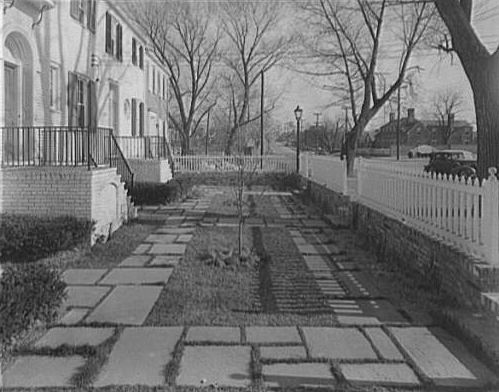
An aerial photograph taken in 1919 gives a rare bird’s-eye view of Alexandria’s central district and waterfront, showing how the city’s streets, buildings, and docks all connected. Yates Gardens, photographed the same year, offers a quieter side of the city — green space in the middle of an urban area that was rapidly industrializing. These final images from the decade capture a city that had changed enormously in just ten years, driven by war, industry, and a growing population pressing outward from its historic core.





LOVE this collection! Thank you so much for posting it.
1910s were cool sans the segregation.