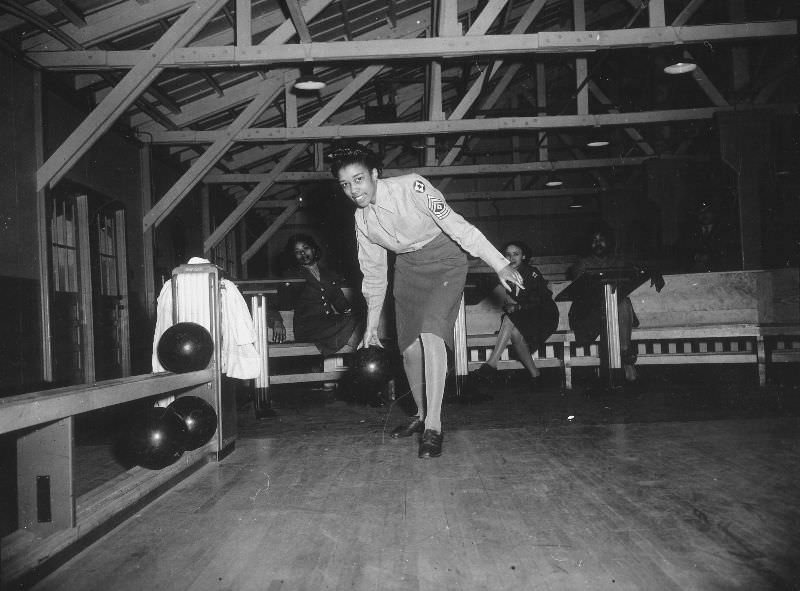
During World War II, African American women faced two separate battles at once. Overseas, the United States fought fascism. At home, Black women fought racial and gender discrimination — often at the same time, in the same workplace, on the same day.
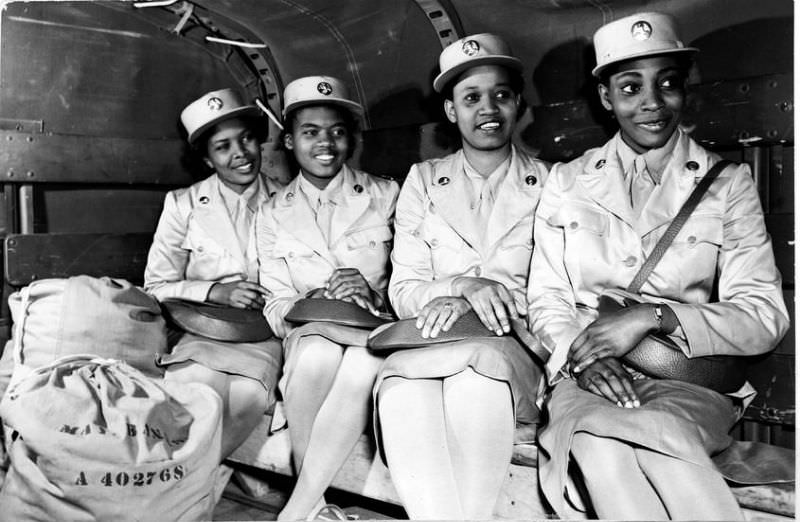
The war created serious labor shortages across the country. Millions of men left for military service, and defense factories needed workers fast. This opened doors that had long been shut to African American women. Driven by both patriotism and the need for economic opportunity, many Black women joined the Great Migration, leaving the rural South for industrial cities in the North and West.
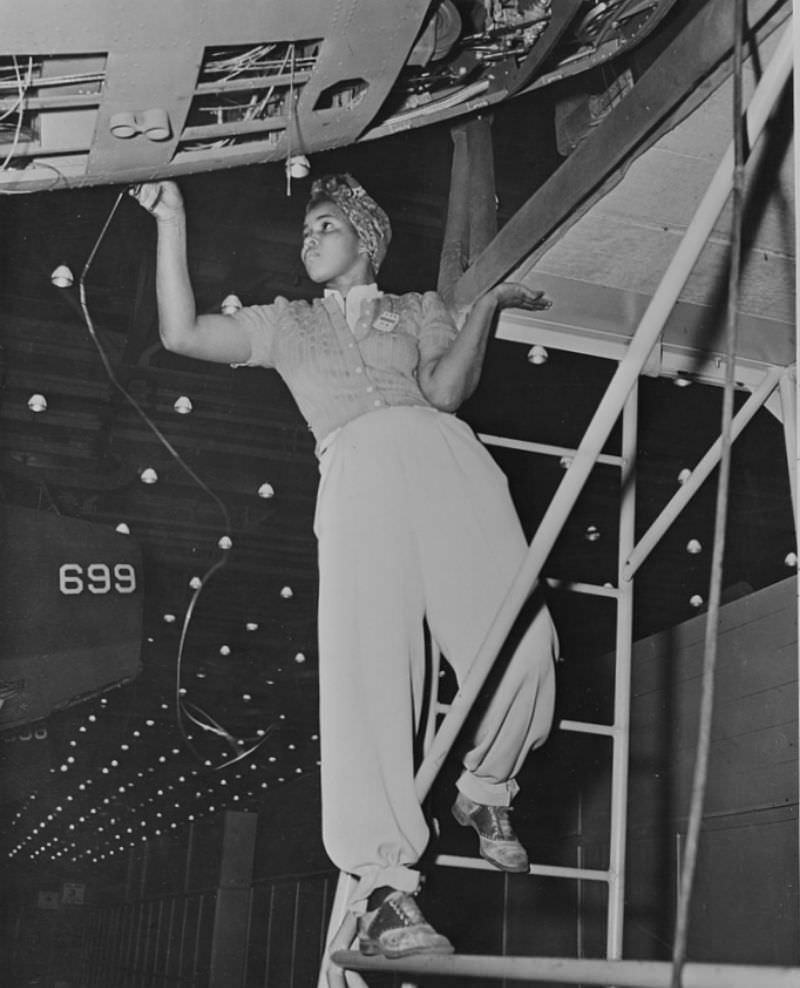
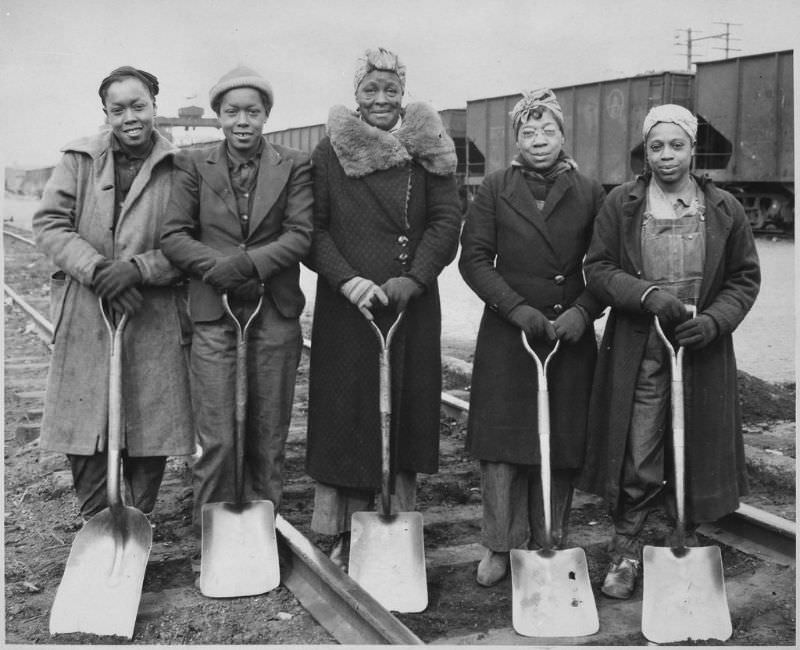
Getting hired, however, did not mean being treated fairly. In shipyards and factories, African American women were routinely given the dirtiest, hardest, and lowest-paying jobs — regardless of their skills. Segregation inside workplaces was common, and hostility from white coworkers was not rare. Promotion was often blocked simply because of race.
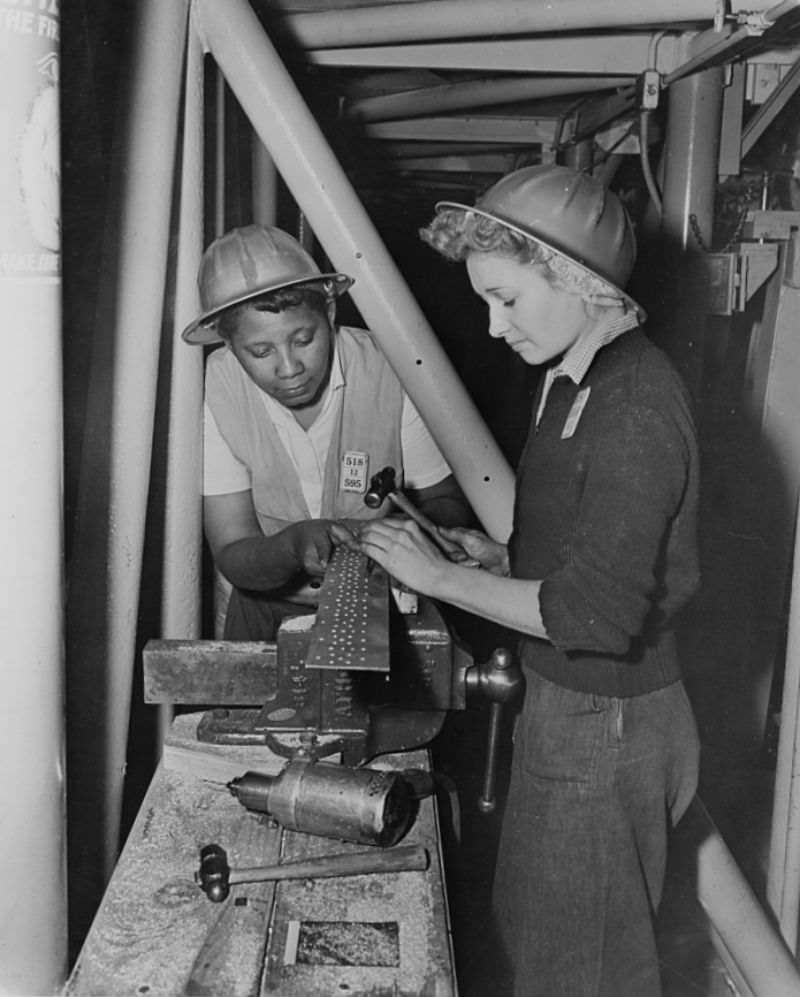
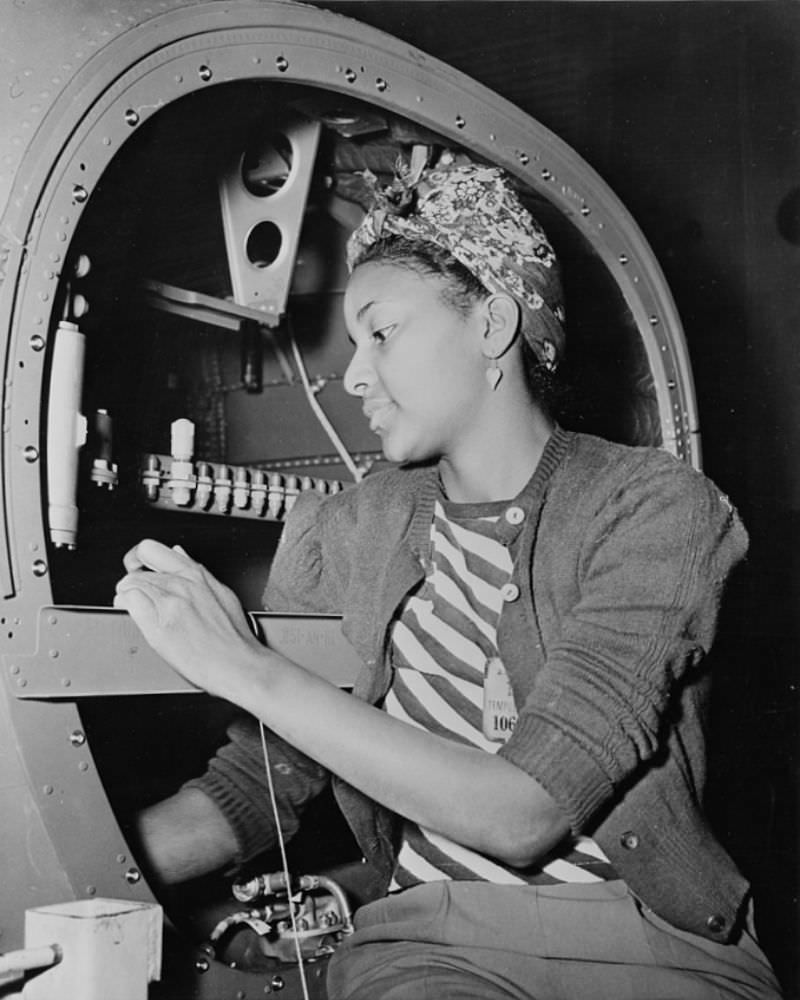
Civil rights organizations pushed back hard against this unfairness. They pointed out the contradiction of fighting for democracy abroad while denying it at home. The pressure worked. In June 1941, President Franklin D. Roosevelt signed Executive Order 8802, which banned discriminatory hiring by companies holding federal defense contracts. It also created the Committee on Fair Employment Practices (FEPC) to investigate complaints. First Lady Eleanor Roosevelt actively supported the order and publicly opposed discriminatory military policies.
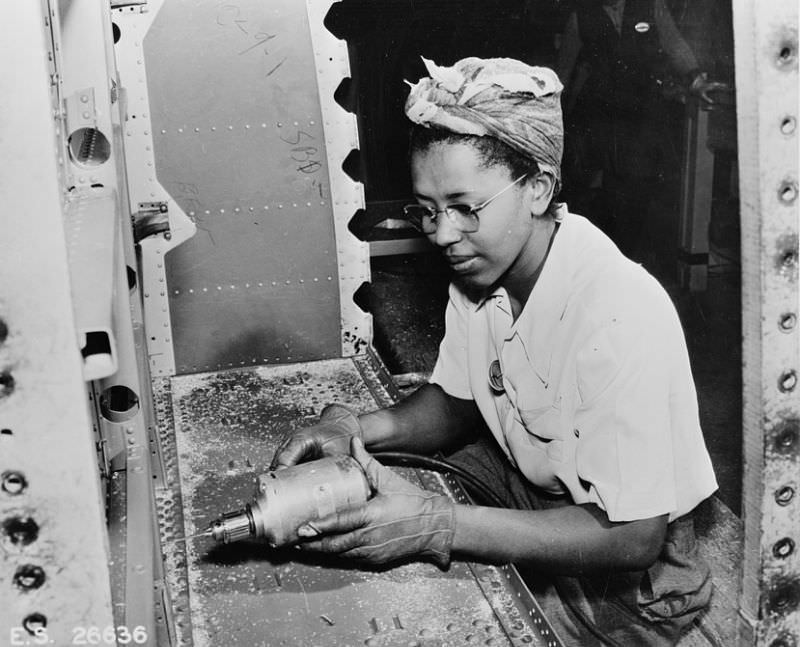
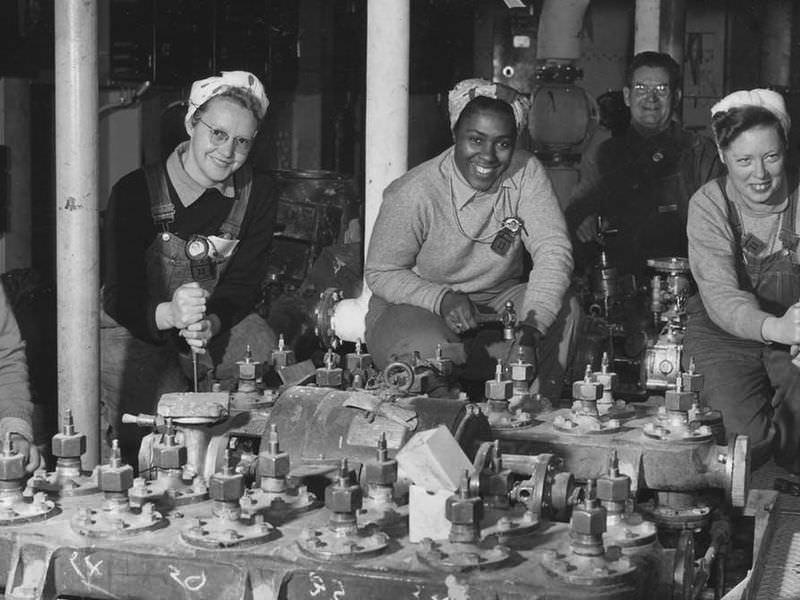
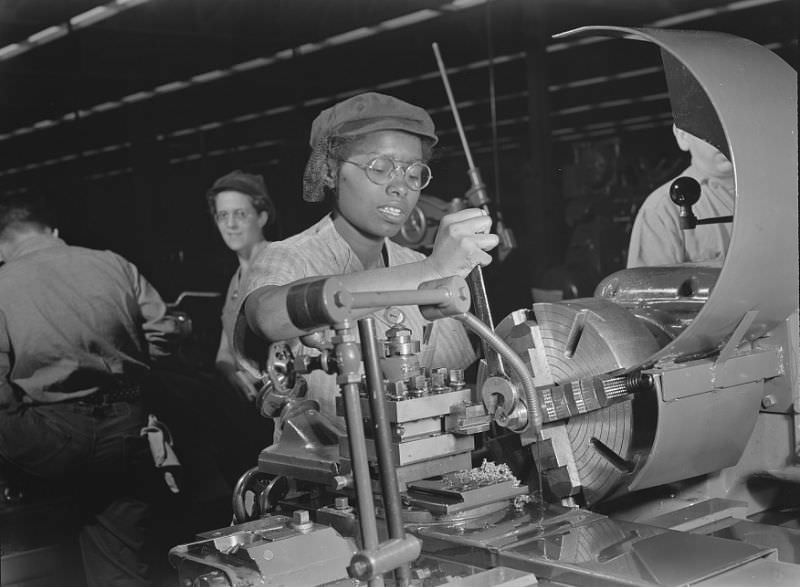
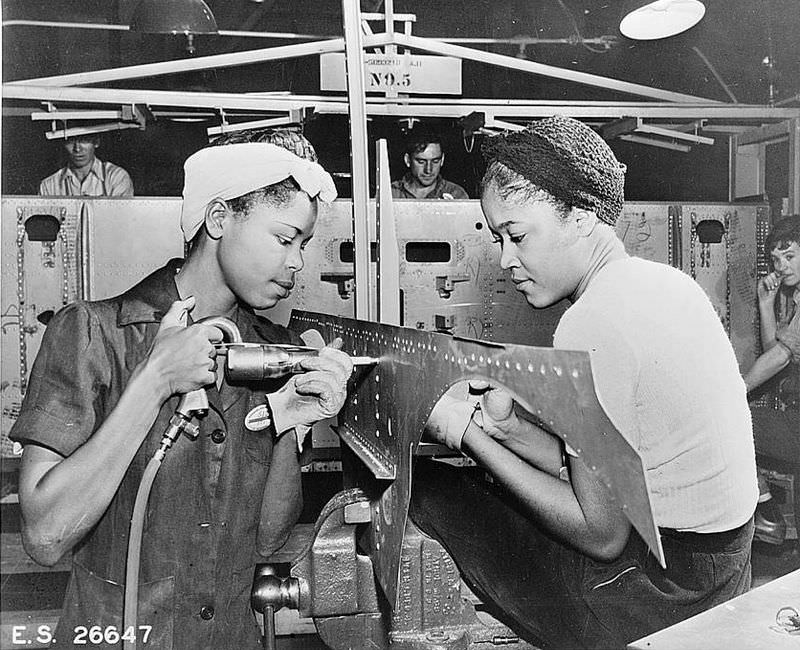
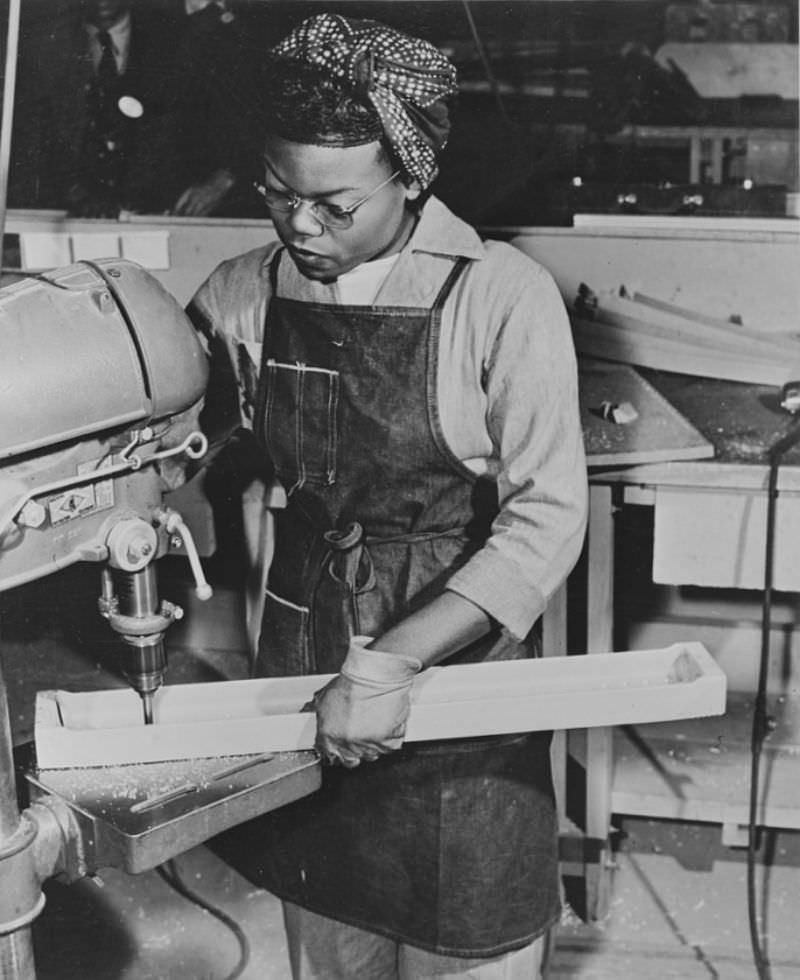
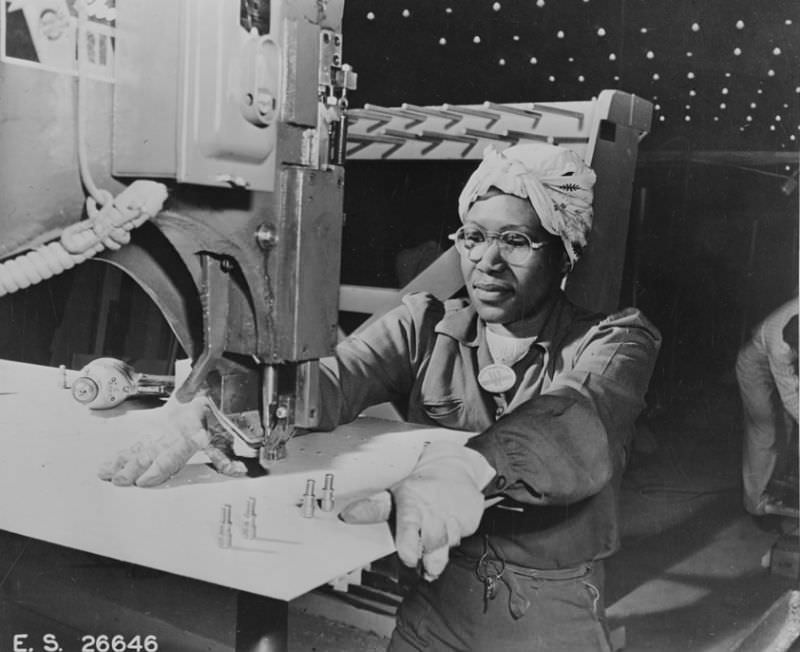
With more doors open, Black women entered war production in force. They welded and riveted in shipyards. They built bombers and fighter planes in aircraft factories. They manufactured bullets and artillery shells in munitions plants. They operated machinery, inspected parts, and ran assembly lines that kept the war machine running.
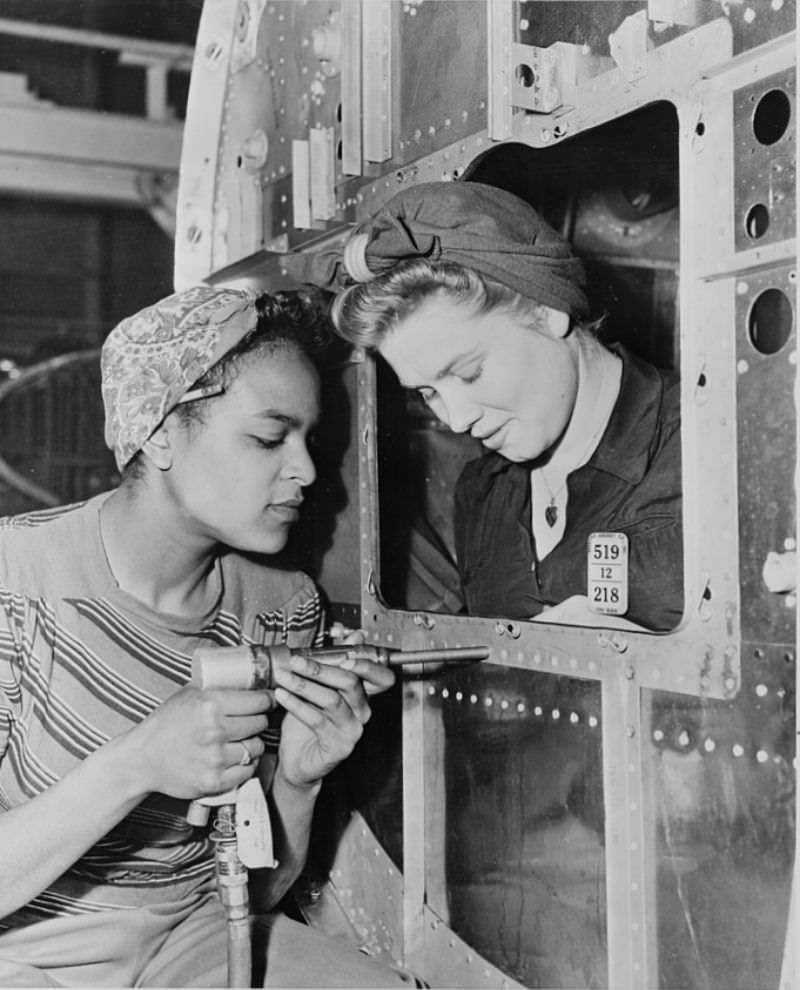
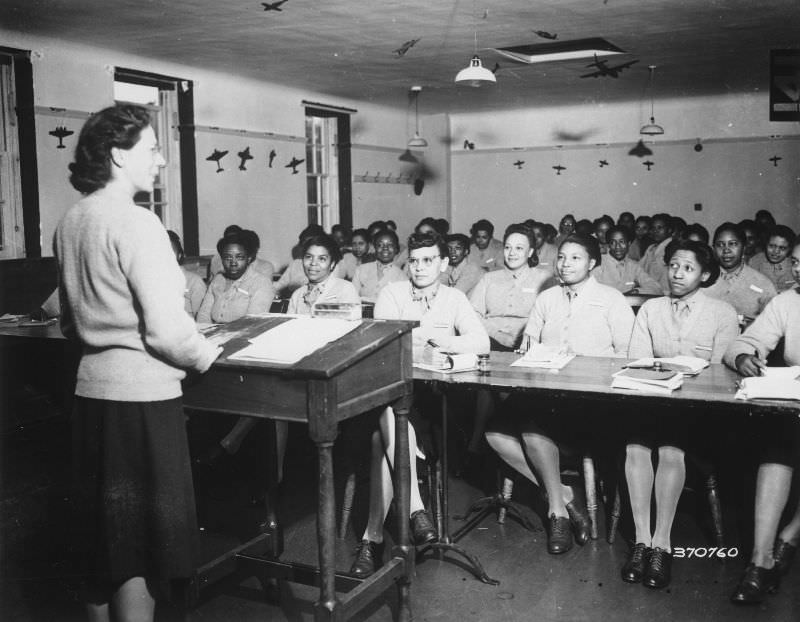
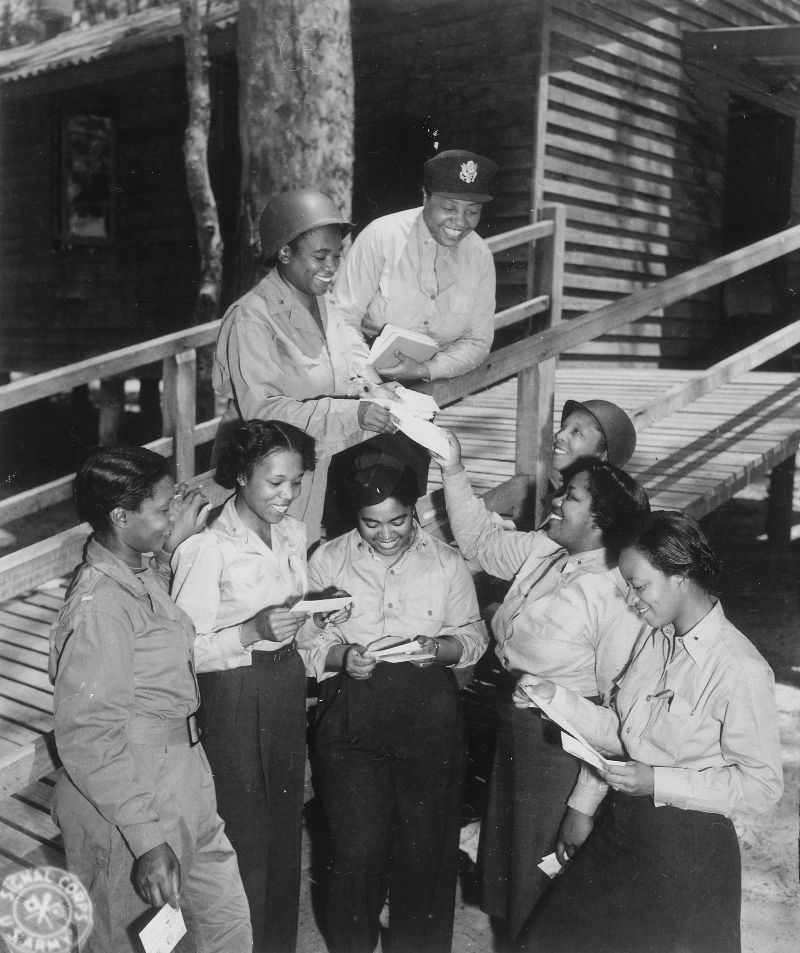
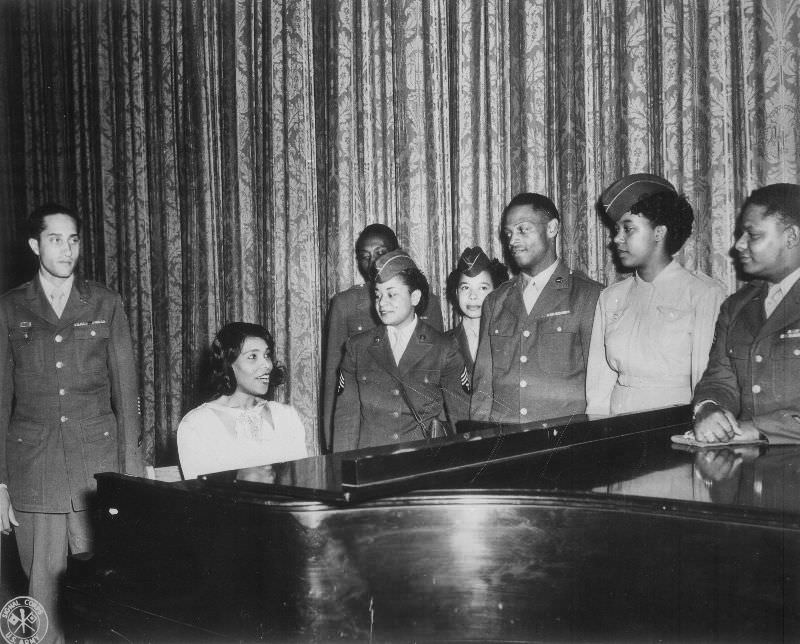
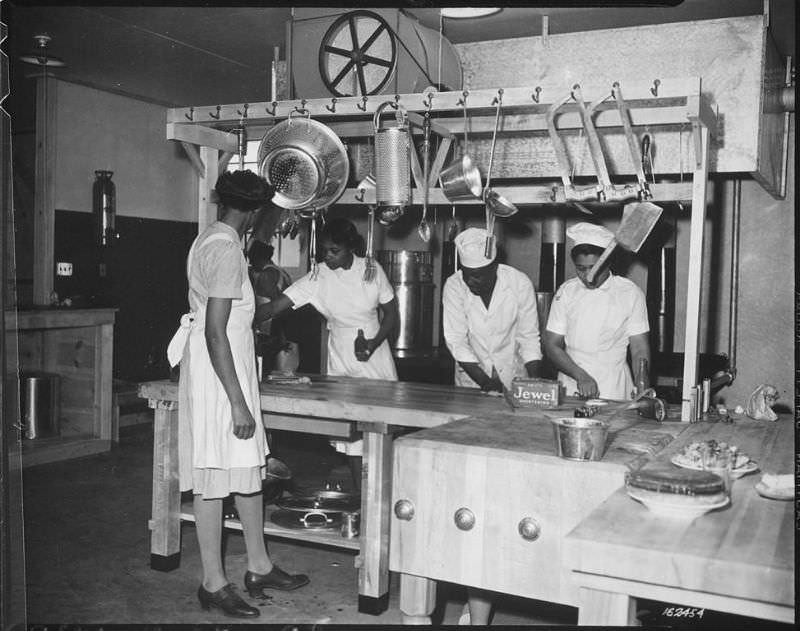
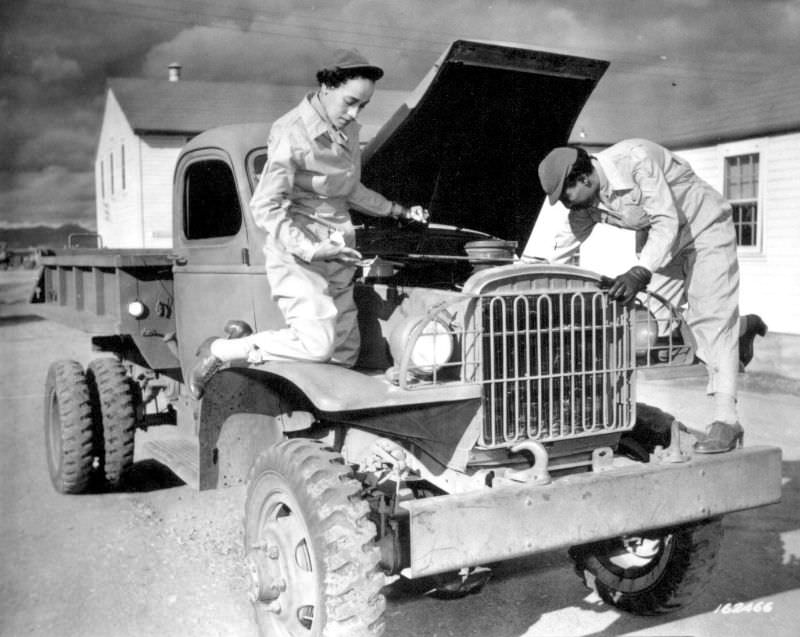
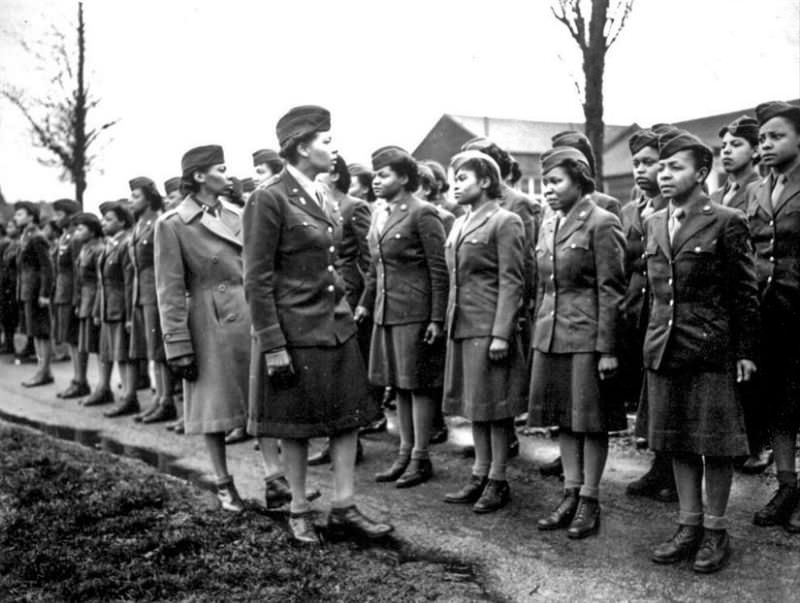
African American women also served in the military, though always within segregated units. In the Women’s Army Corps (WAC), Black women lived, ate, and trained separately from white WACs. They worked as clerks, drivers, mechanics, and postal workers.
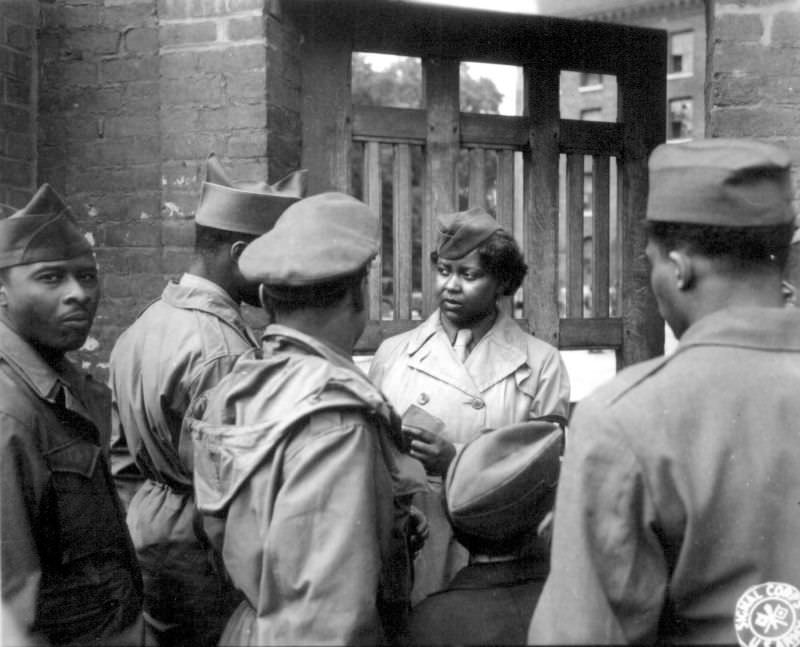
One of the most remarkable military units was the 6888th Central Postal Directory Battalion — an all-Black, all-female WAC unit sent to England and France. They tackled a massive backlog of undelivered mail meant for American soldiers and successfully sorted and redirected it under difficult conditions.
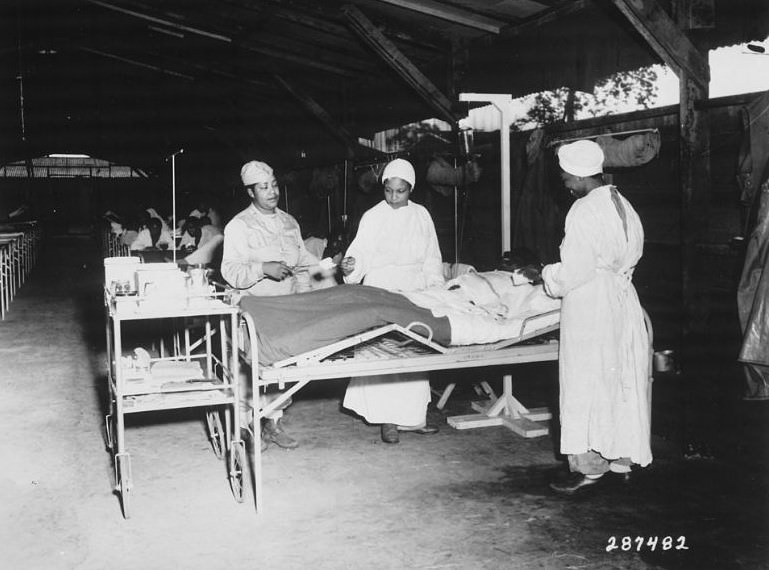
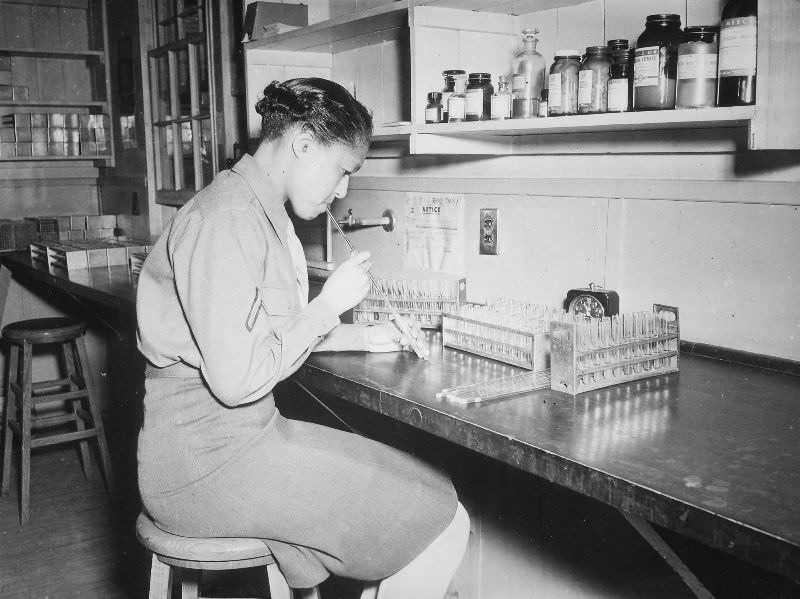
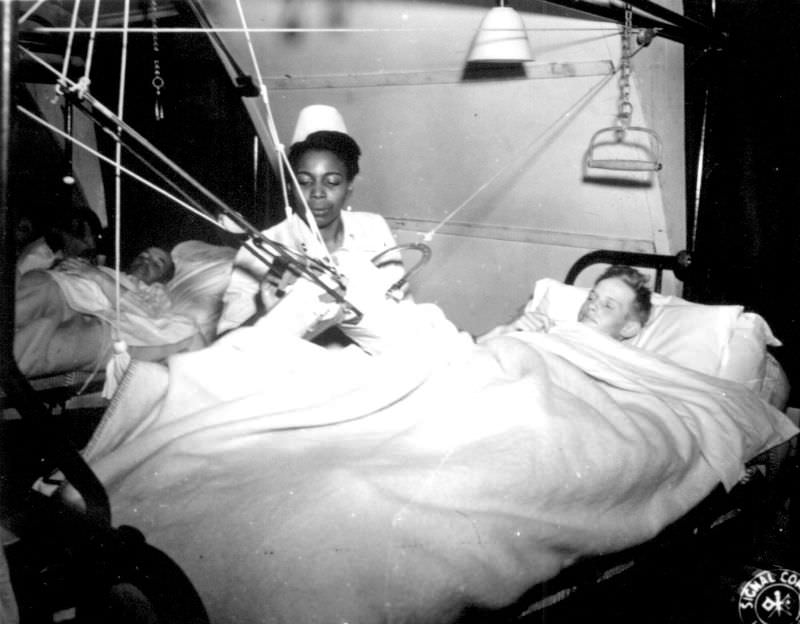
The Army Nurse Corps accepted Black nurses but kept their numbers low through strict quotas. They typically served in segregated wards or at prisoner-of-war hospitals. Nurse and activist Mabel K. Staupers led a sustained campaign for full inclusion and equal recognition of Black nurses in the military.
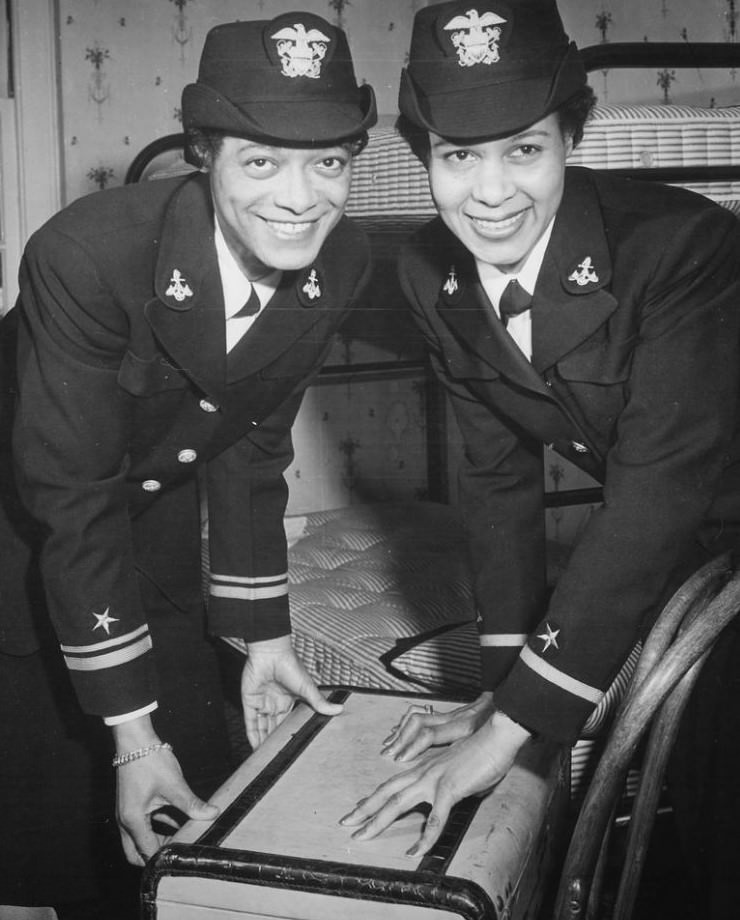
The Navy’s WAVES program began accepting Black women later in the war, mainly due to outside pressure. The Coast Guard’s SPARS admitted a small number near the war’s end. The U.S. Marine Corps Women’s Reserve did not accept Black women at all during World War II.
Beyond factories and military service, African American women found work in federal government agencies, particularly in Washington, D.C. These jobs were often in segregated office settings, but they represented a step into administrative and clerical roles previously out of reach.
In cities swelled by wartime migration — especially on the West Coast — Black women also built community structures from the ground up. They started businesses, organized political groups, and created social networks to support families navigating life in unfamiliar cities during a time of rapid, often turbulent change.