In 1970, British traveler and photographer Allan Hailstone set out from London on a journey that took him through four countries and six cities across Africa. His route ran from Cairo south through Nairobi, then into South Africa via Pretoria and Johannesburg, before swinging west to Cape Town and east to Salisbury in Rhodesia — the city now known as Harare, Zimbabwe. The photographs he brought back offer a rare street-level view of a continent in a particular moment in time.
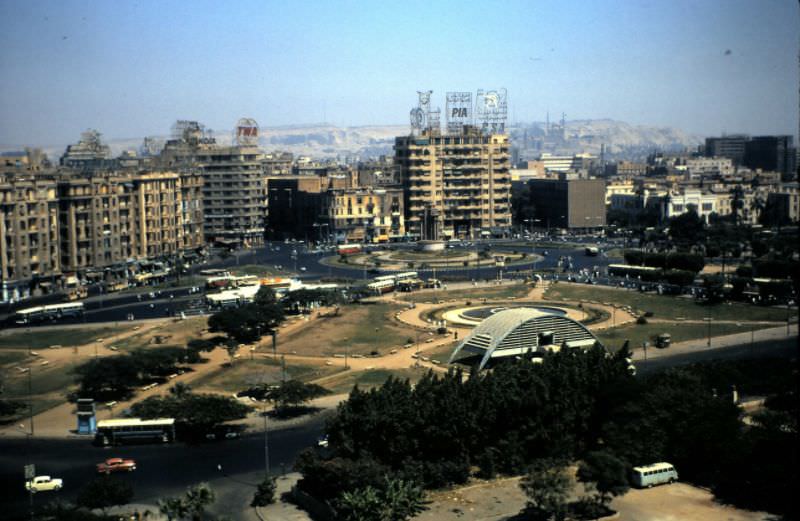
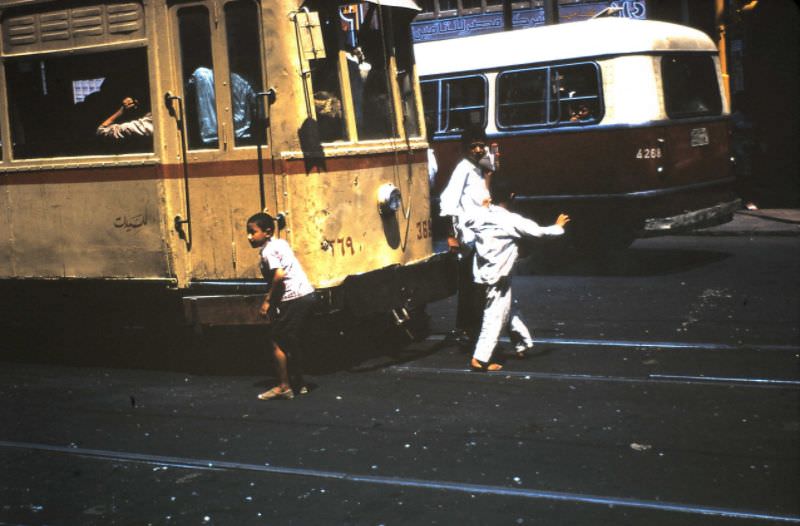
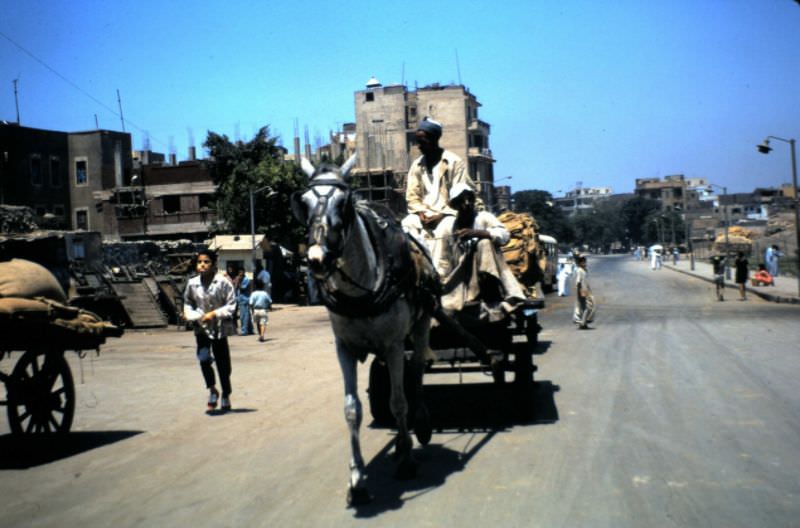
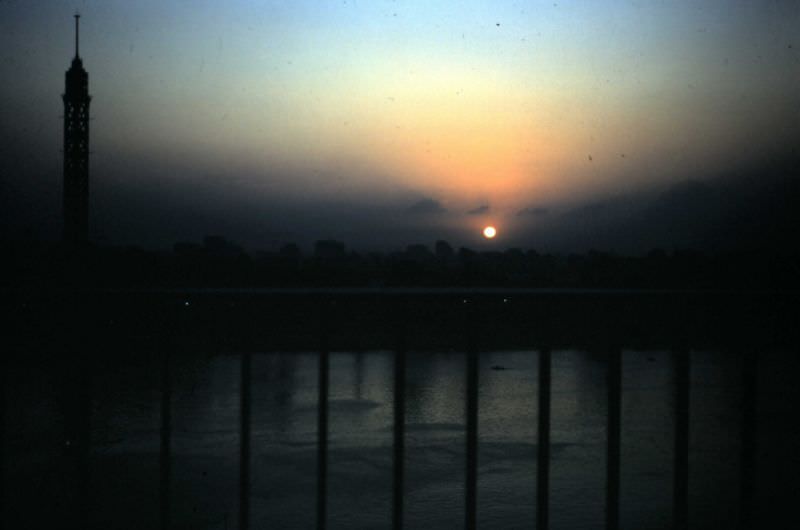
Cairo was Hailstone’s first stop, and the Egyptian capital presented a city of striking contrasts — ancient landmarks standing alongside mid-century modernist architecture, and the slow, wide stretch of the Nile cutting through it all. Midan Tahrir, known in English as Liberation Square, was already one of the city’s most recognizable public spaces.
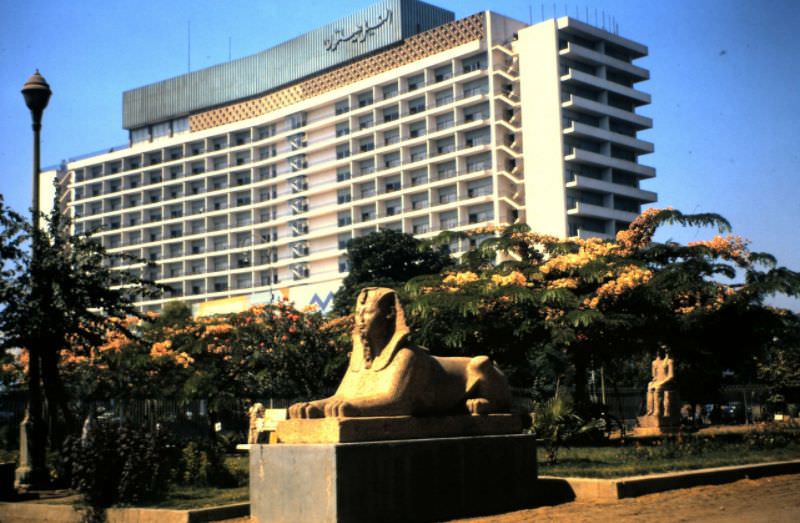
The Nile Hilton, which opened in 1959 as the first international Hilton hotel on the African continent, was one of Cairo’s most prominent landmarks at the time. It sat directly on the Nile’s eastern bank and became a hub for foreign travelers and dignitaries.
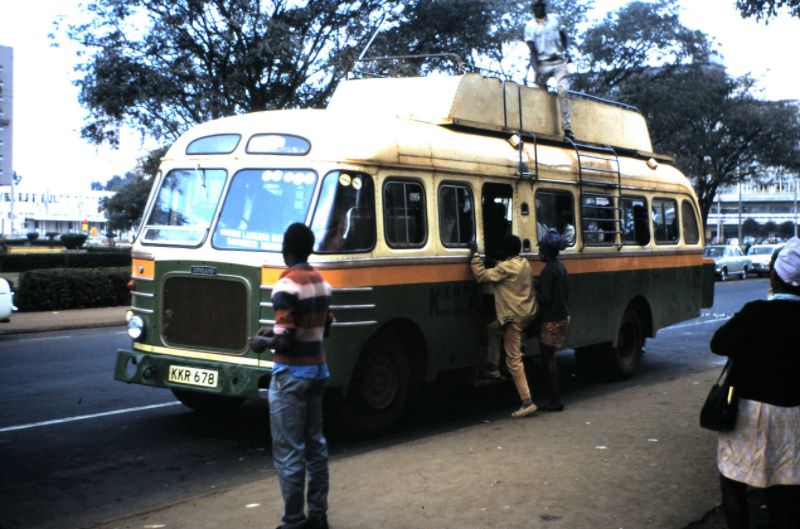
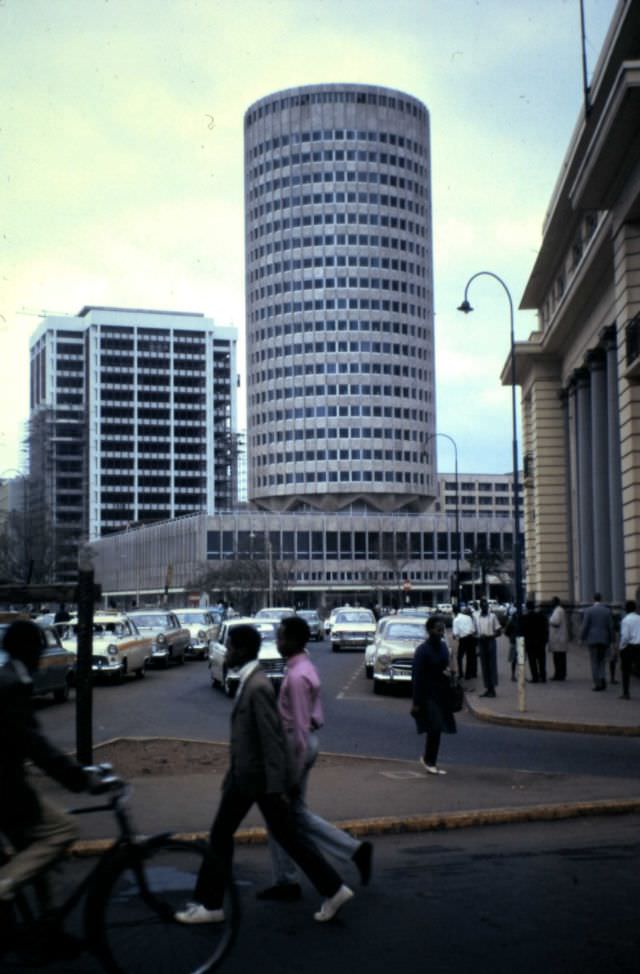
From Cairo, Hailstone flew south to Nairobi, Kenya. The Kenyan capital had been an independent nation since 1963, and by 1970 it was establishing itself as one of East Africa’s major commercial centers. The surrounding landscape — wide, open, and dotted with acacia trees — looked nothing like the European cities Hailstone called home.
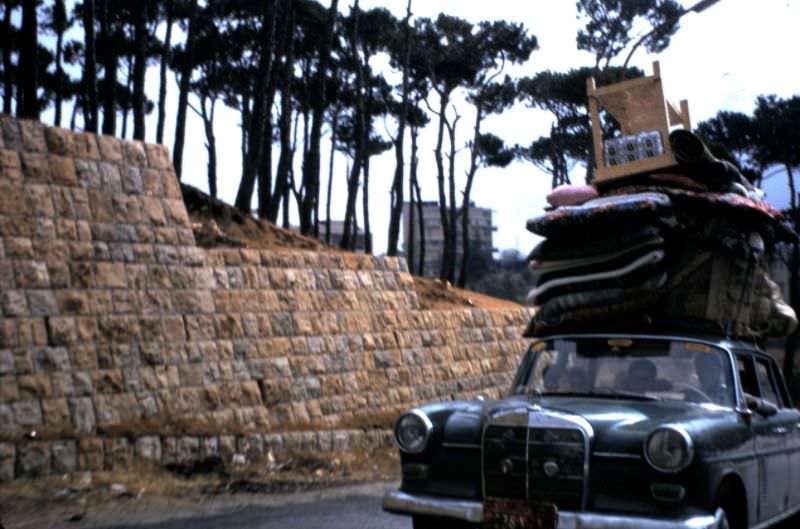
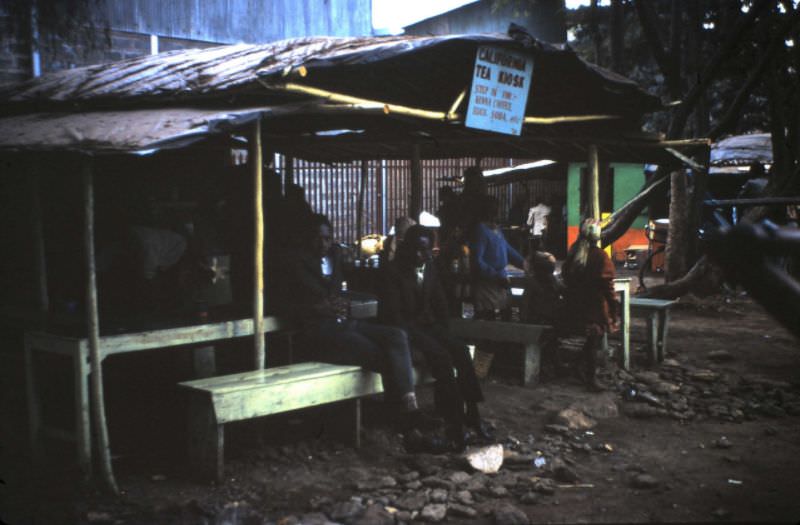
Hailstone then crossed into South Africa, a country operating under the apartheid system — a rigid set of laws that enforced racial segregation in every aspect of daily life. Pretoria served as the administrative capital, and its wide streets and formal architecture reflected the power structure of the white minority government that enforced apartheid.
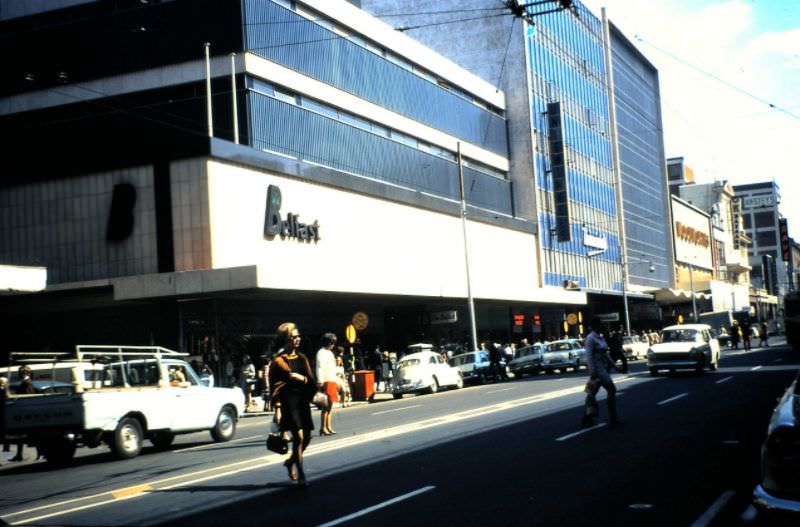
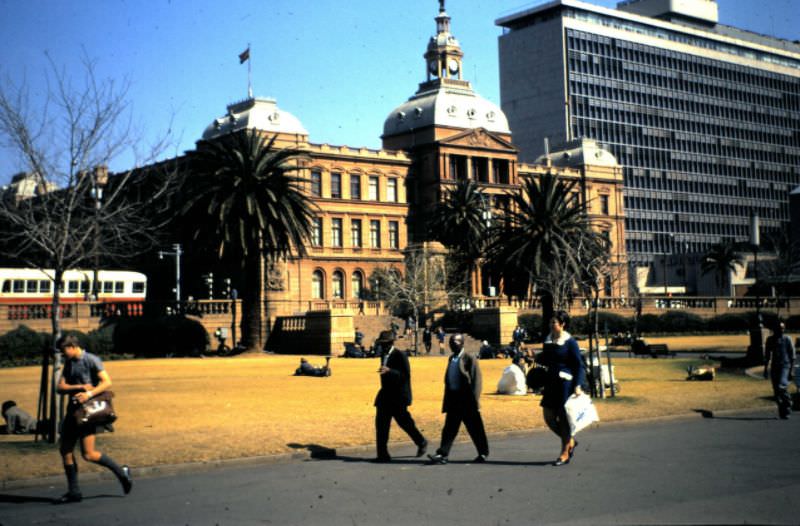
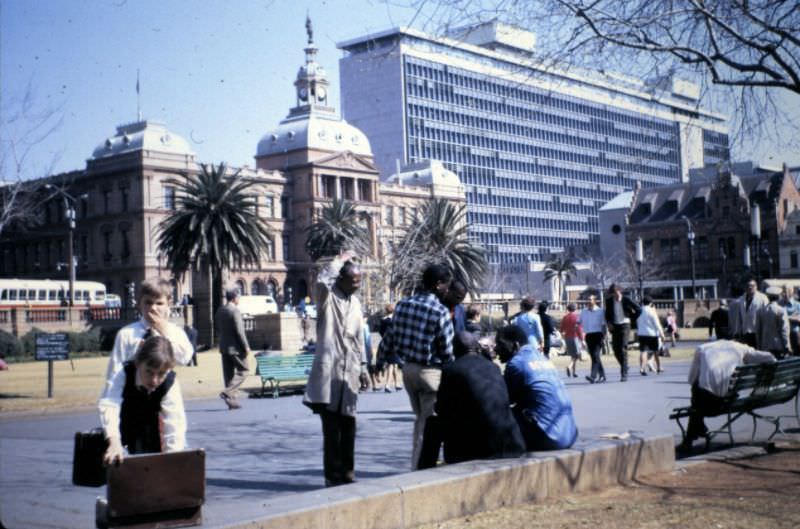
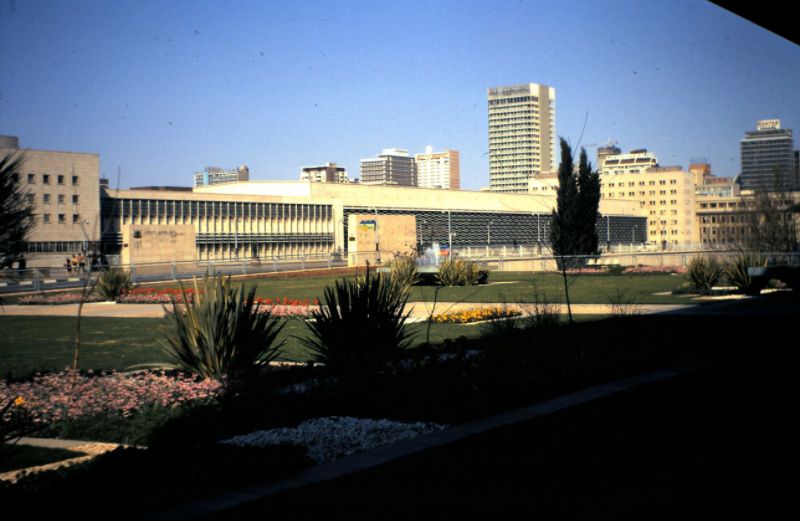
Cape Town was one of the most striking stops on the trip. Hailstone stayed at a luxury hotel where a suite of rooms cost just £5 per night — an amount he described as ridiculously cheap even by 1970 standards. The hotel featured a closed-circuit TV system in the lobby, which drew considerable curiosity from guests, since ordinary broadcast television had not yet arrived in South Africa. Men playing chess in the street was a common sight around the city.
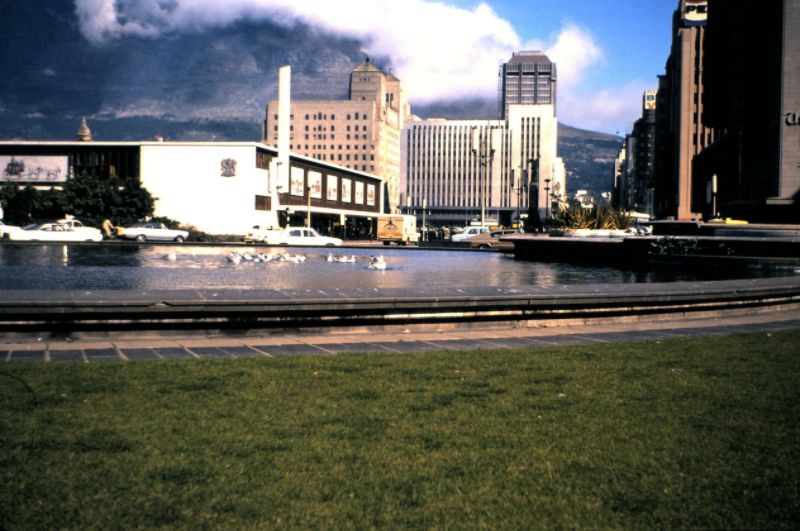
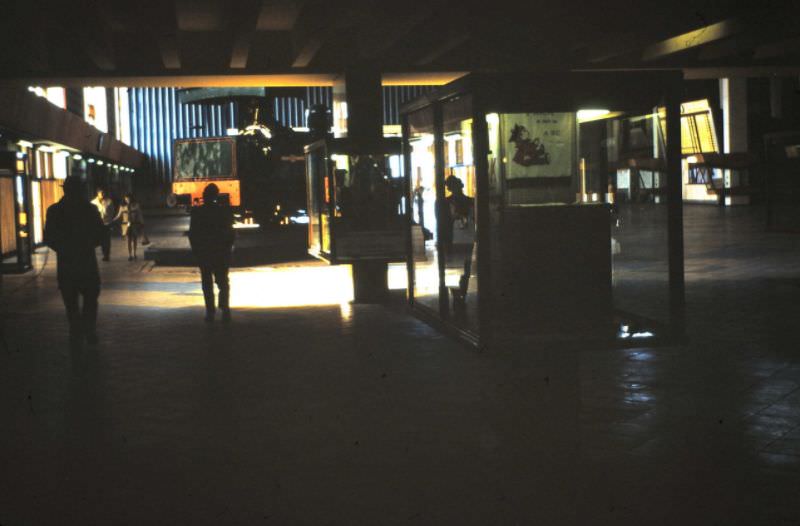
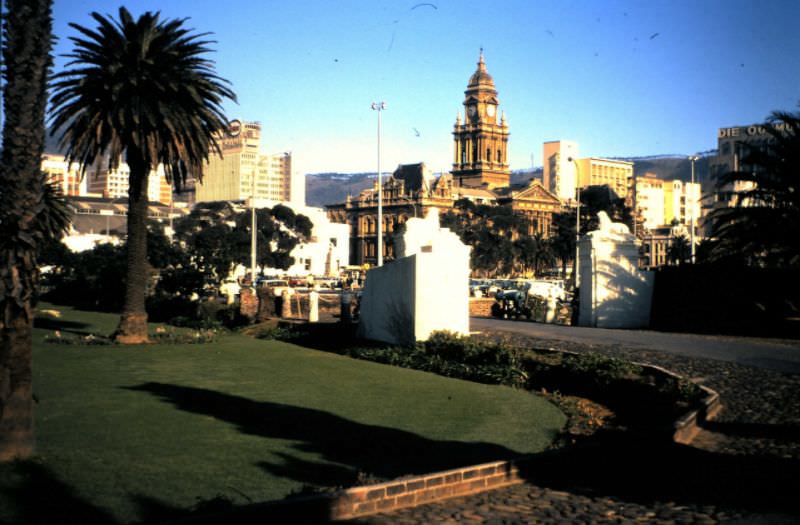
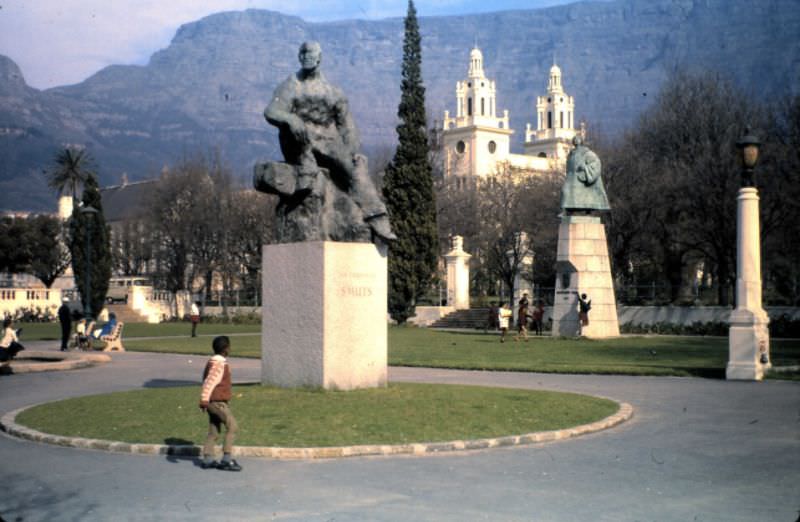
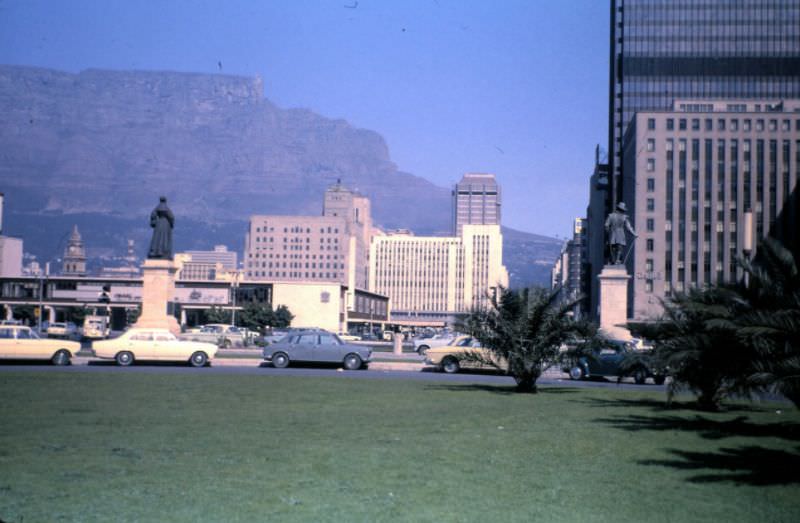
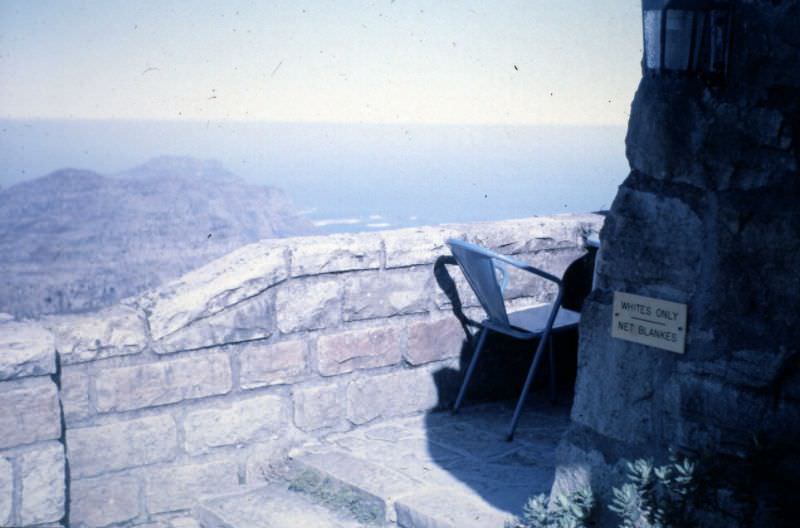
The statue of Jan Smuts — twice Prime Minister of South Africa and a major figure in the founding of the United Nations — stood prominently in Cape Town. Nearby, Table Mountain loomed over the city. On the mountain itself, apartheid-era signage was visible, a blunt reminder that racial segregation extended even into the country’s natural spaces.
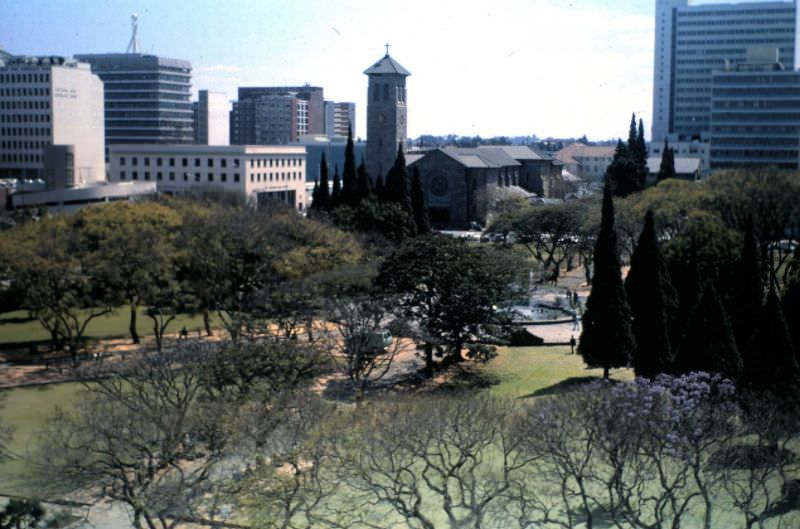
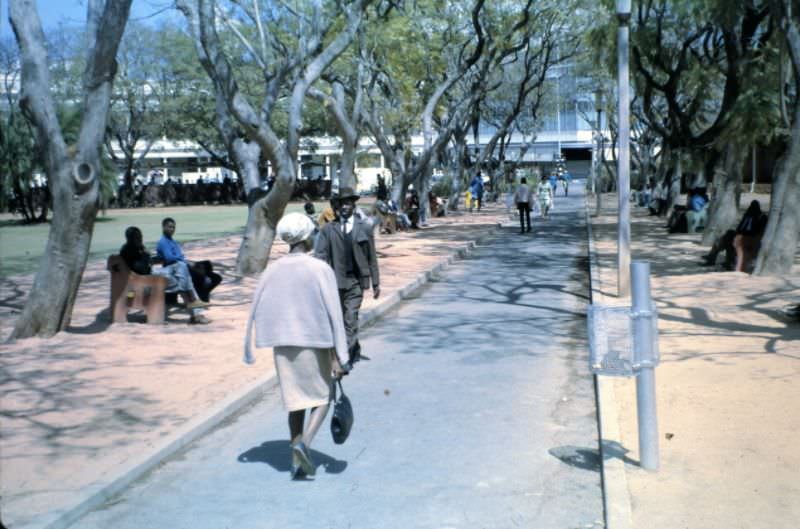
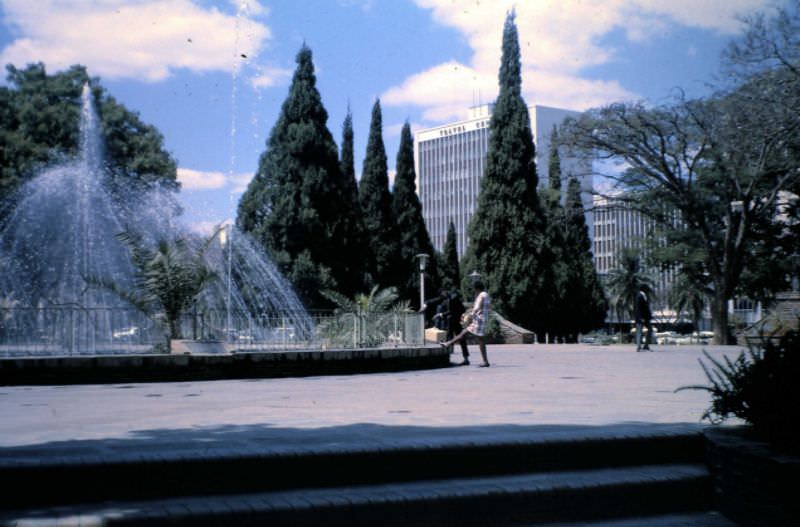
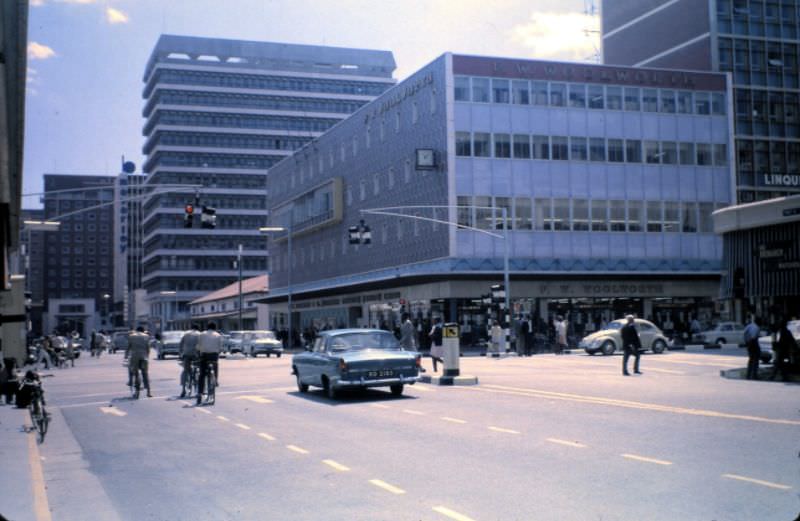
Hailstone’s final destination was Salisbury, the capital of Rhodesia — a country whose white minority government had unilaterally declared independence from Britain in 1965, a move no major government recognized as legitimate. By 1970, Rhodesia was an internationally isolated state. Despite this, its capital had the organized layout and commercial infrastructure of a colonial city, with wide main streets and formal squares at its center.
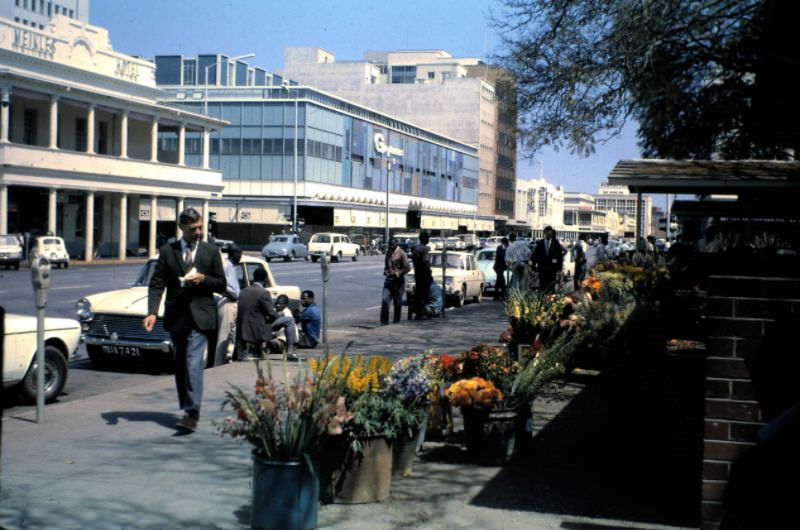
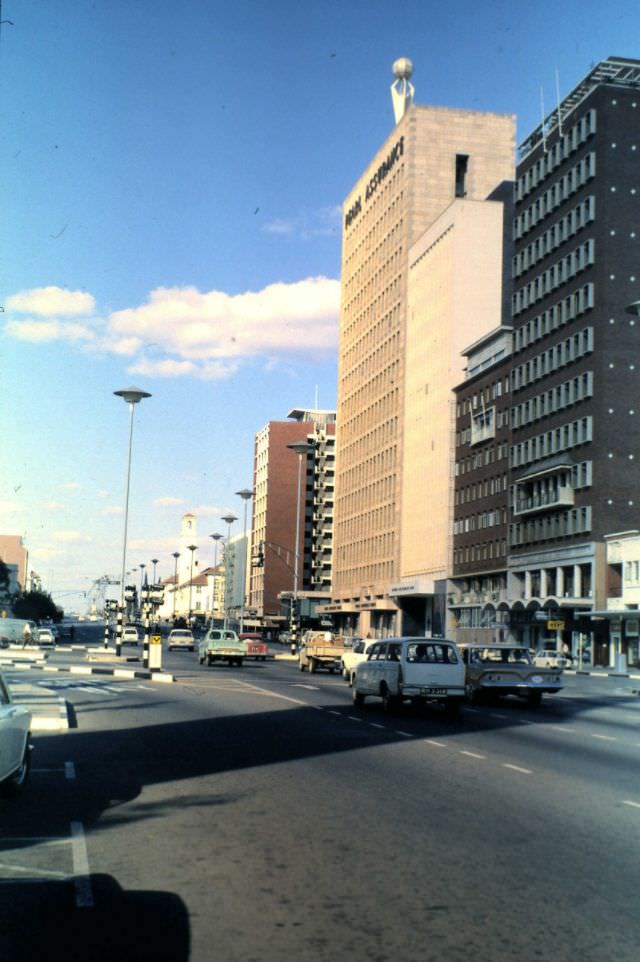
Cecil Square served as the heart of Salisbury’s city center. Named after British colonial figure Cecil Rhodes, the square was surrounded by hotels, government buildings, and shops. Meikles Hotel, one of the oldest and most prestigious hotels in southern Africa, sat at its edge and offered a commanding view across the square.