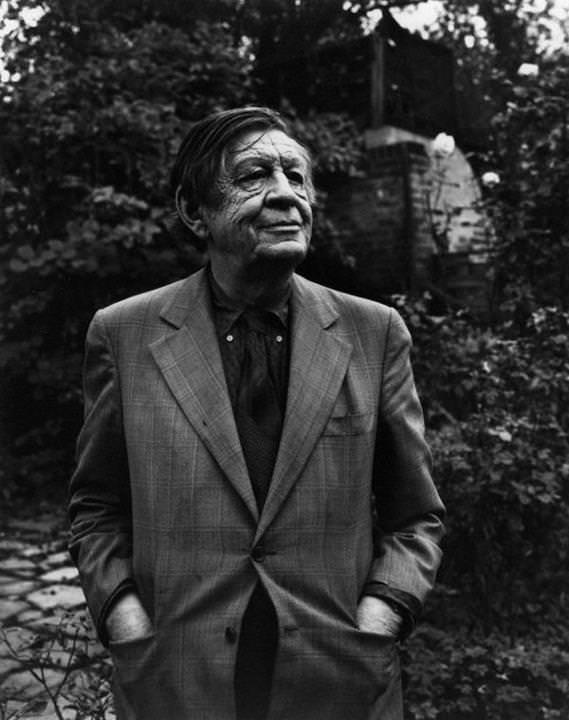
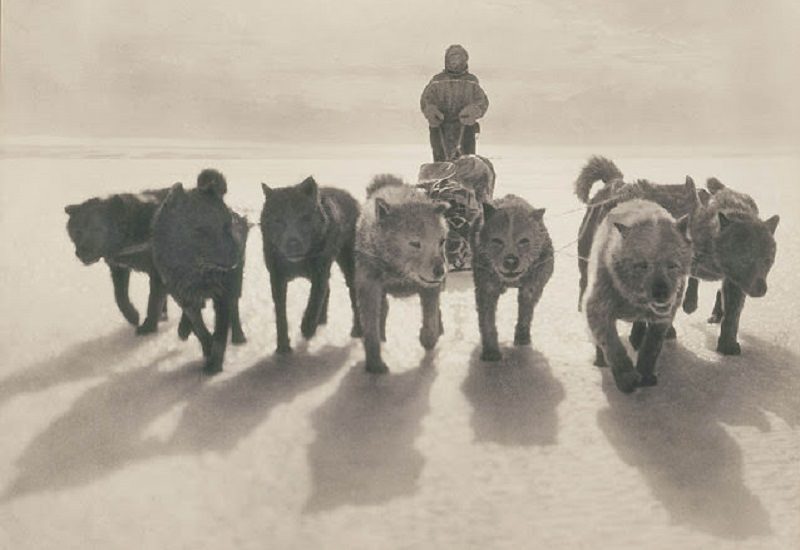
Yousuf Karsh was born in Armenia in 1908 and witnessed the Armenian Genocide firsthand before fleeing with his family to Syria. He eventually settled in Canada, carrying with him a deep understanding of human suffering and resilience. That lived experience became the invisible foundation of every photograph he took.
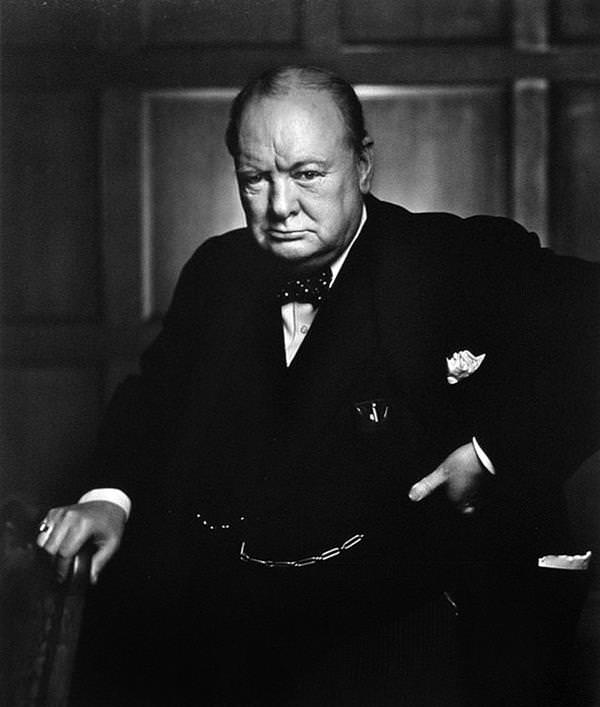
His most famous portrait was taken in 1941. Karsh photographed British Prime Minister Winston Churchill during World War II, and just before clicking the shutter, he snatched the cigar from Churchill’s hand. The resulting expression — stern, defiant, annoyed — became one of the most reproduced photographs in history. It ran on the cover of Life magazine and defined how the world saw Churchill as a wartime leader.
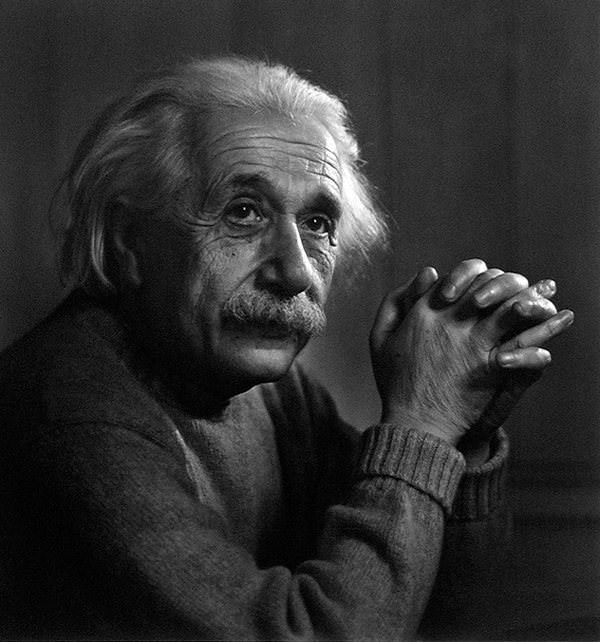
Karsh’s preparation for each session was thorough. He researched every subject in advance, planned his lighting carefully, and worked to build a genuine rapport in the studio. He believed the camera only captured what was truly there — so his job was to draw it out.
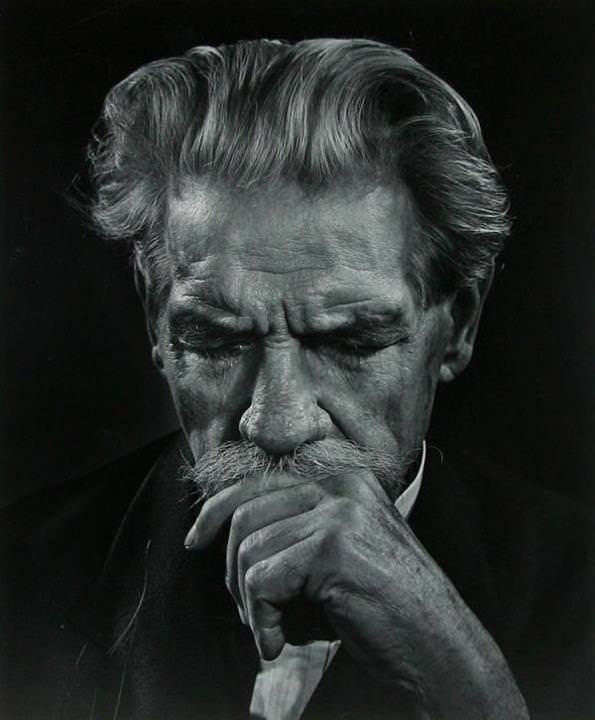
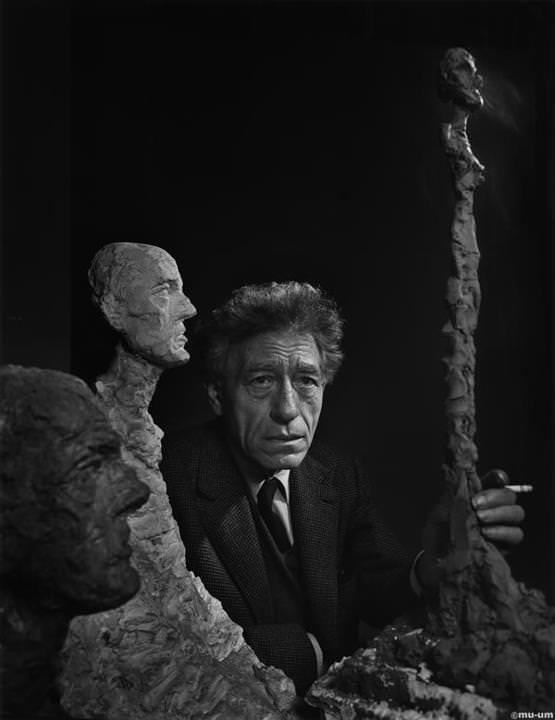
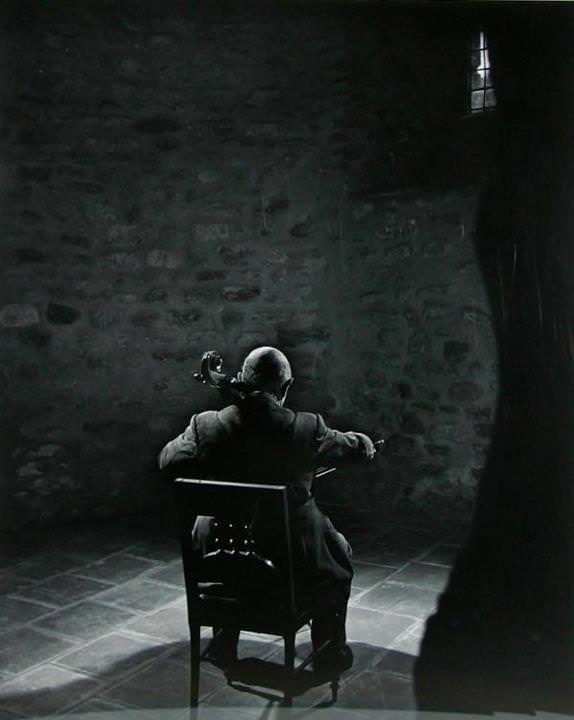
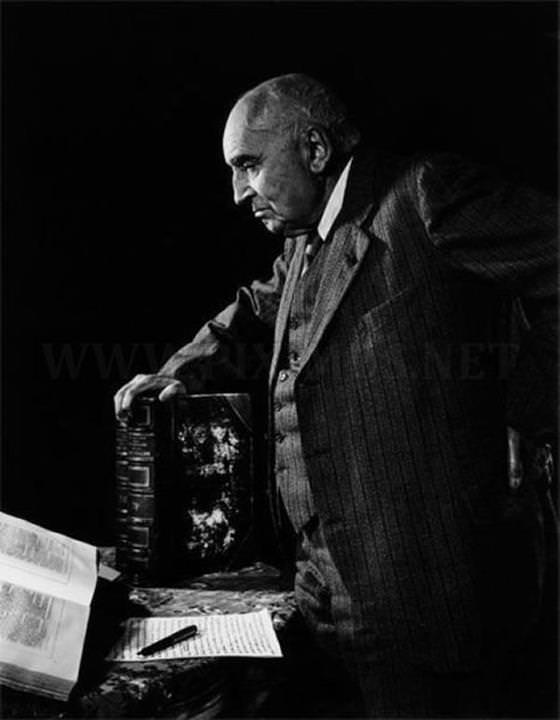
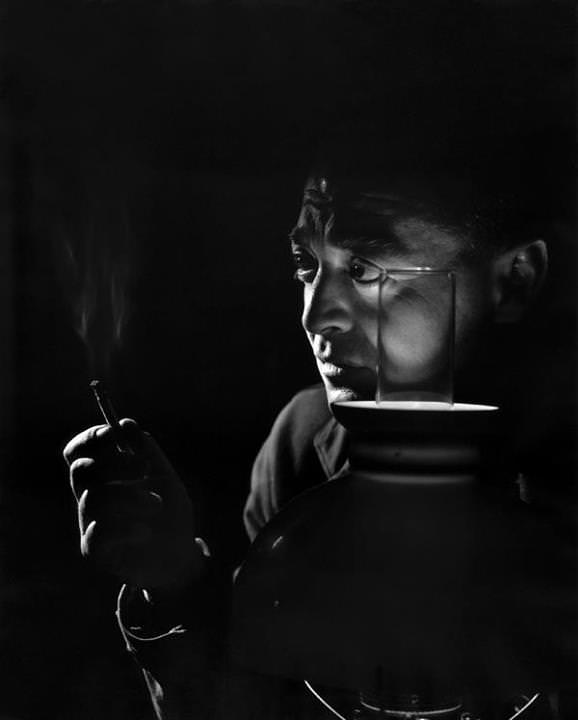
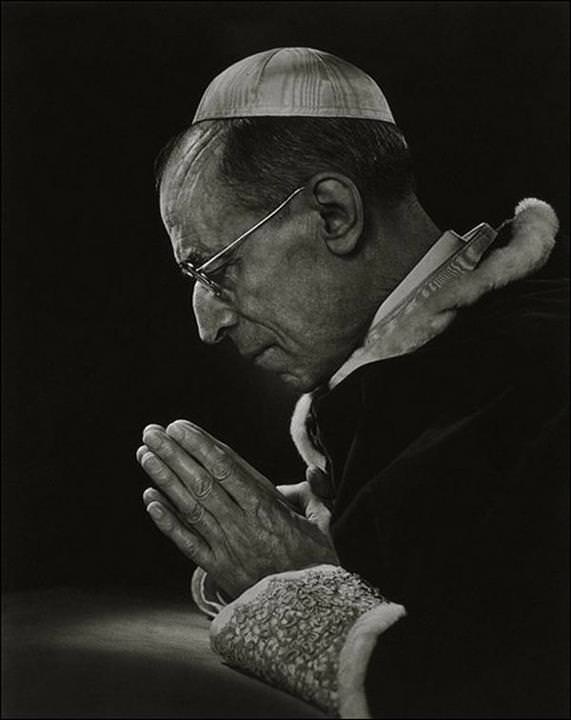
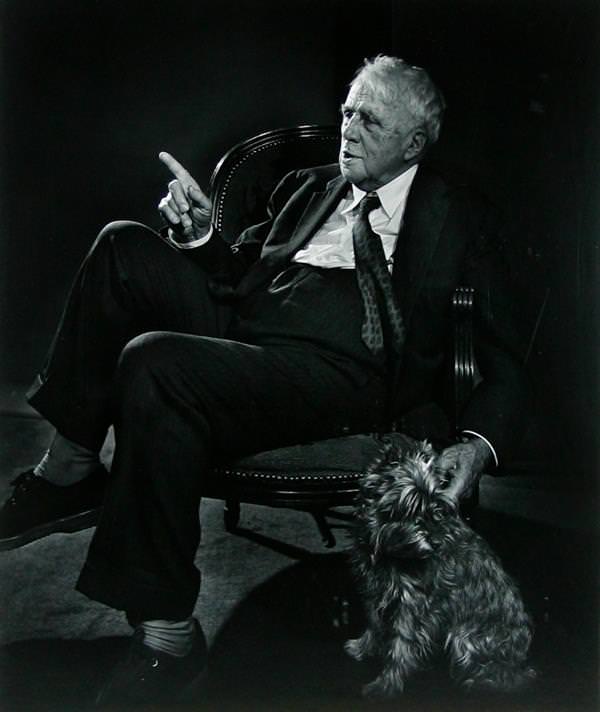
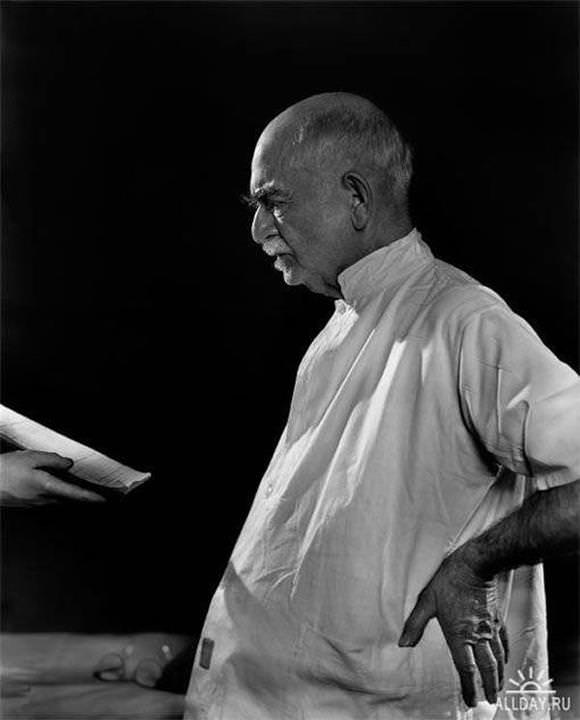
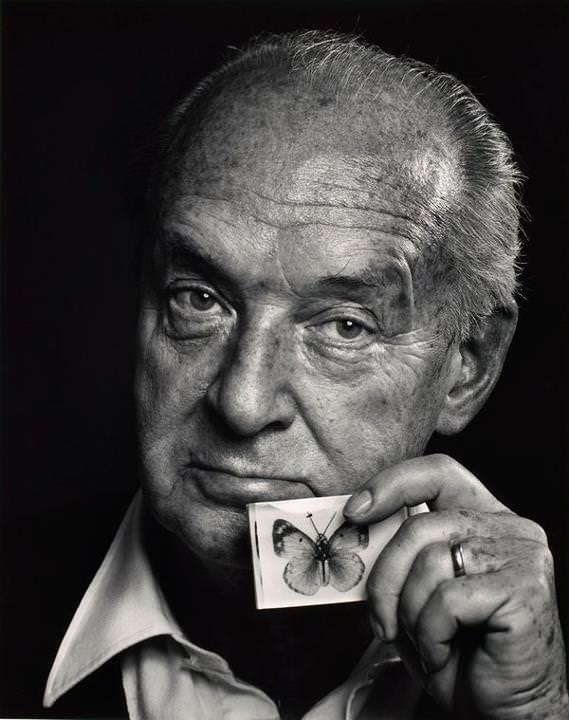
His subjects came from every corner of public life — politics, science, literature, film, music, and art. Each sitting produced something distinct.
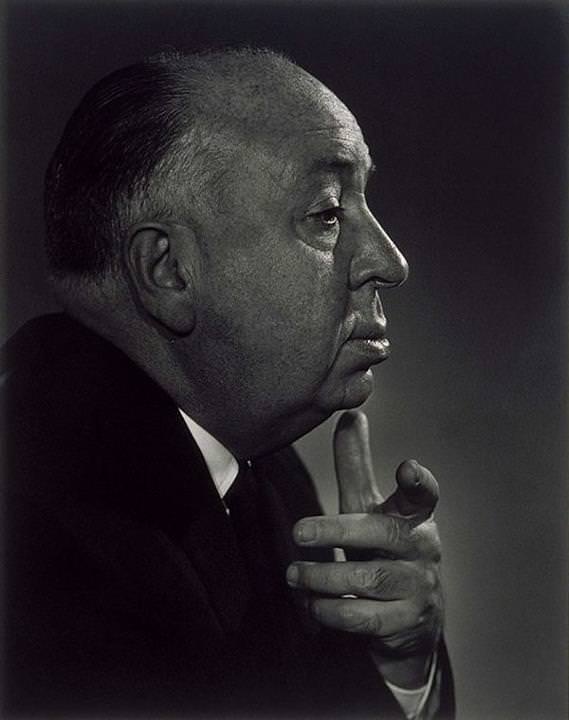
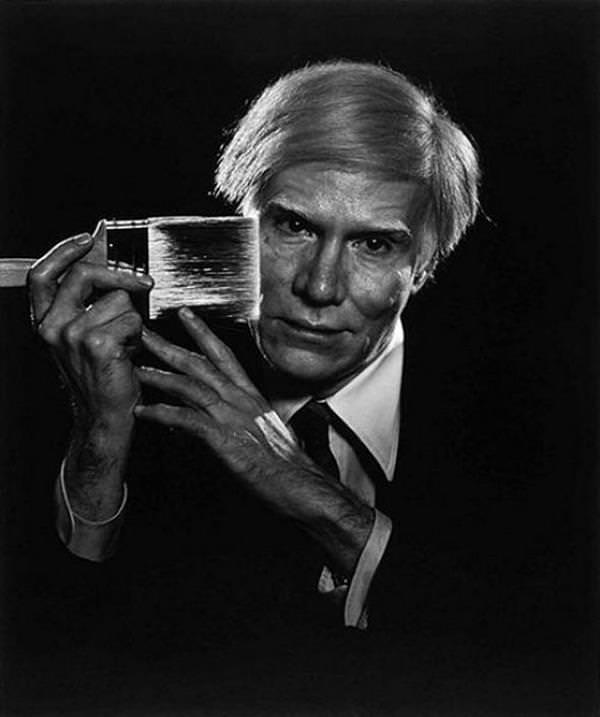
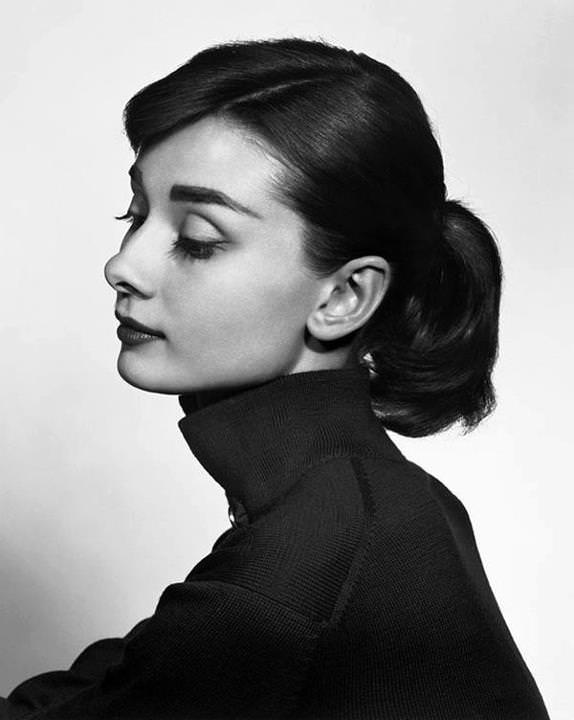
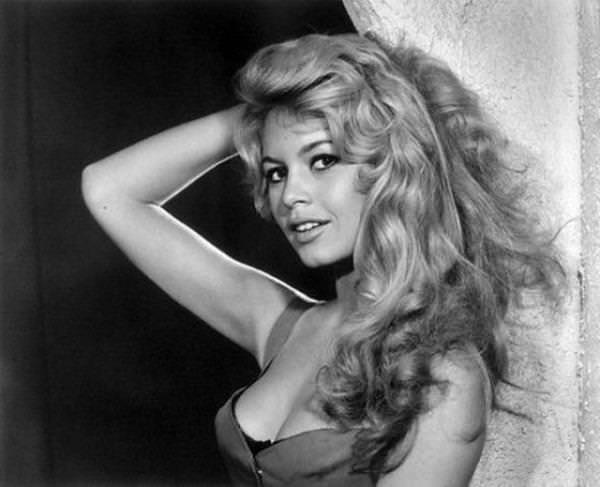
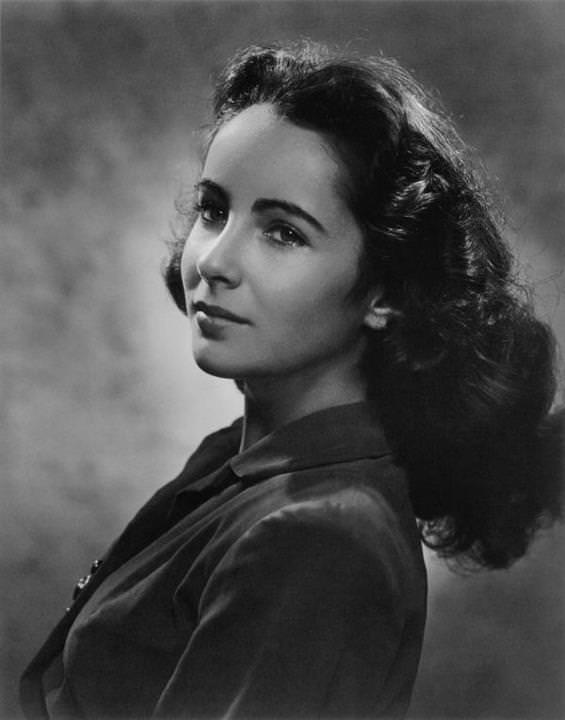
Writers, painters, and sculptors sat before his lens alongside heads of state and military generals. Karsh never treated one subject as more worthy than another. Every portrait received the same focused attention.
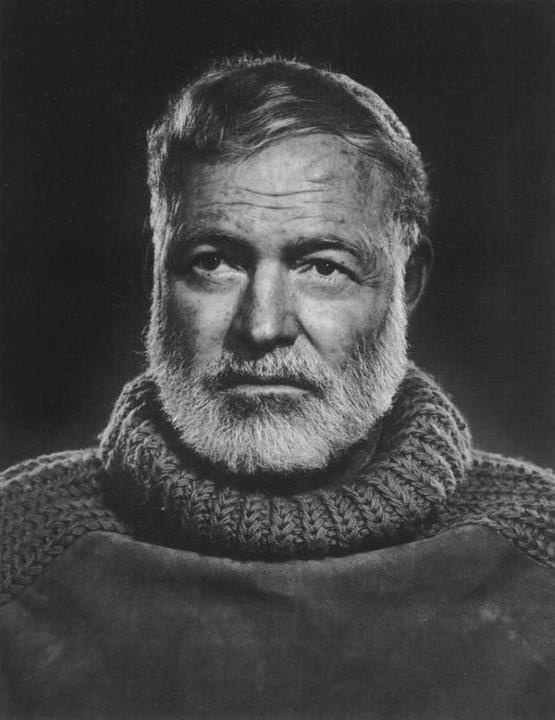
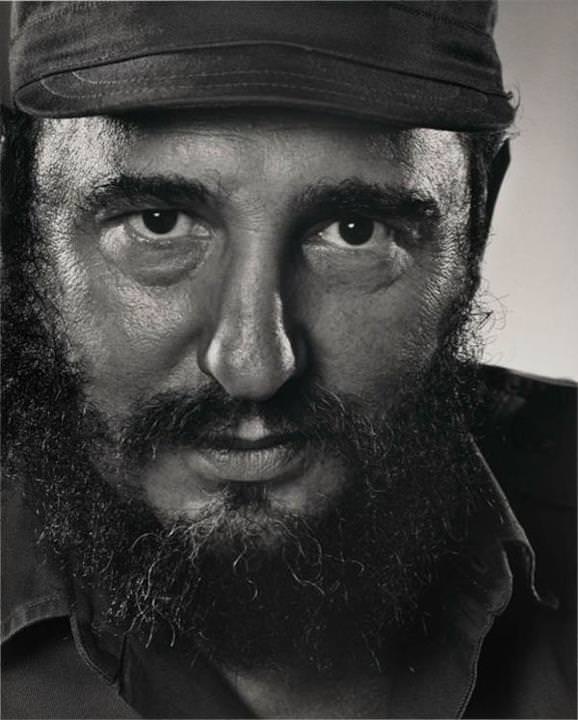
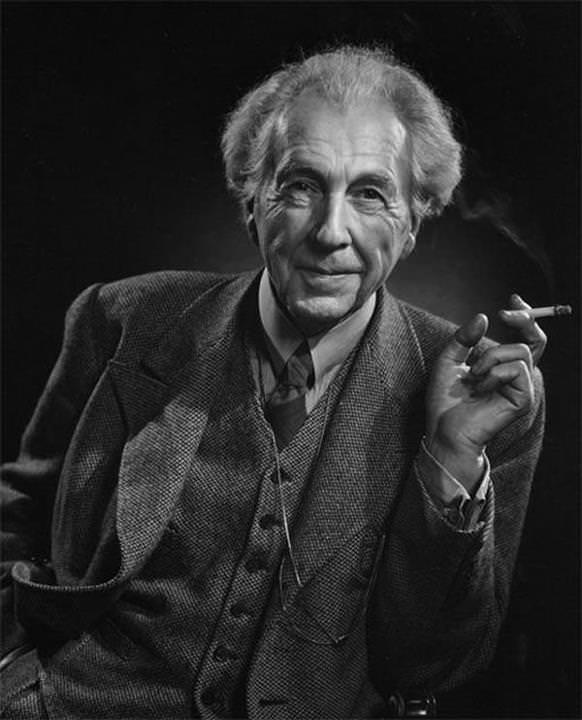
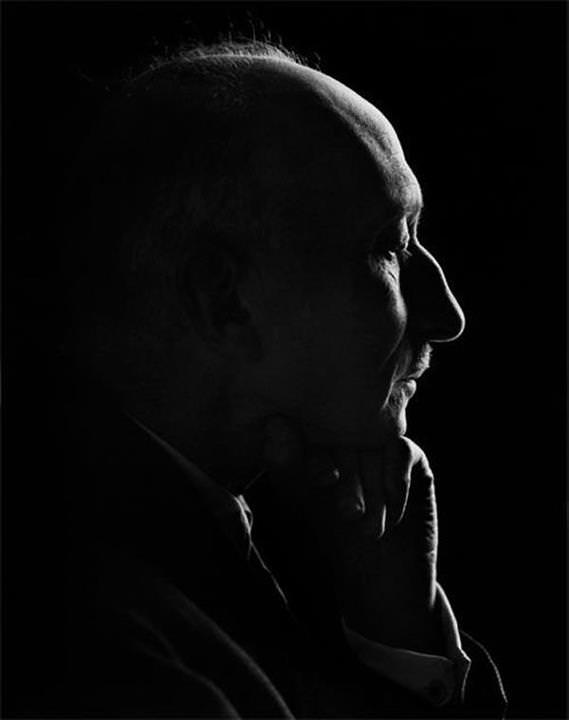
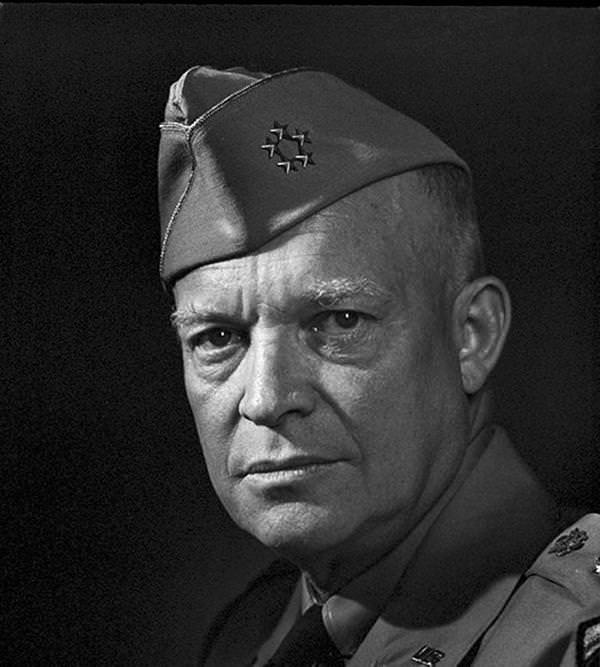
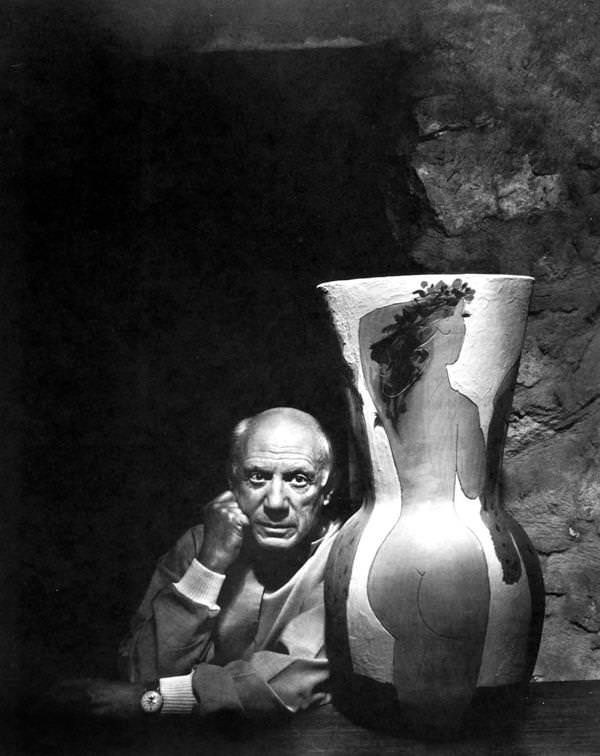
Karsh photographed George Bernard Shaw, Georgia O’Keeffe, and Pablo Picasso — each image anchored by the unique energy that person carried into the room.
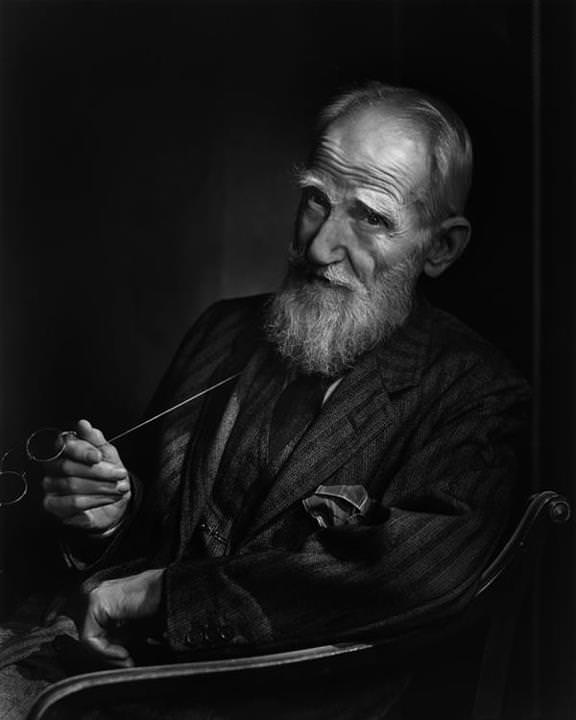
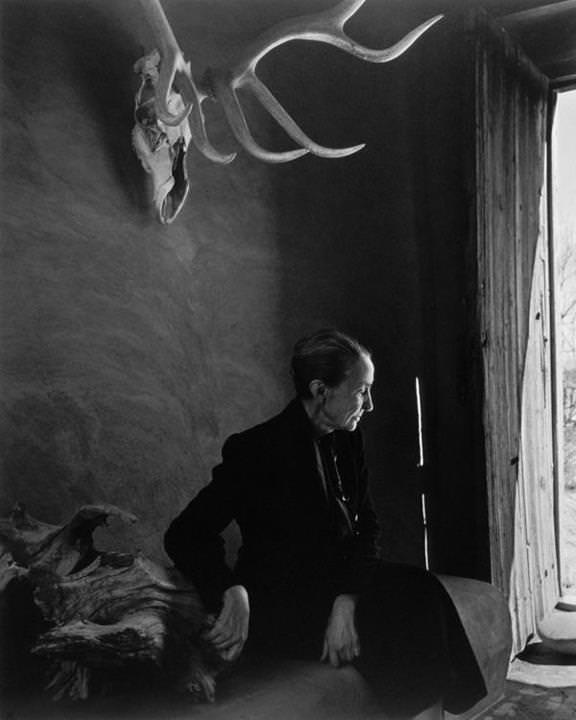
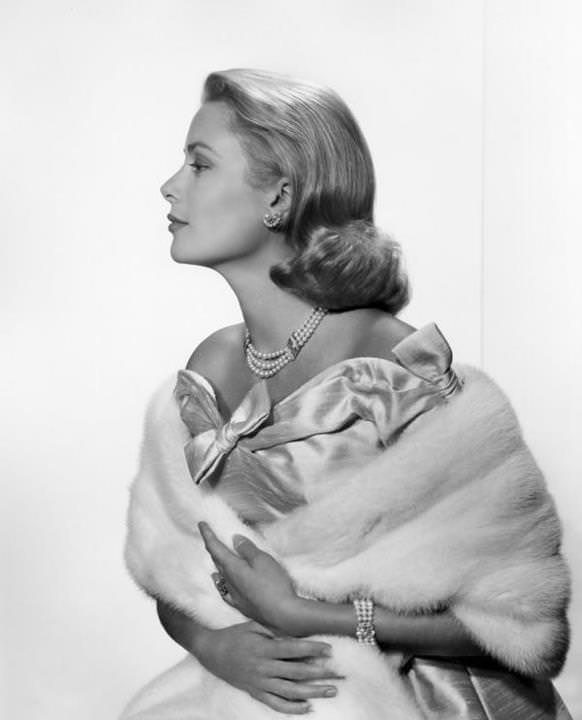
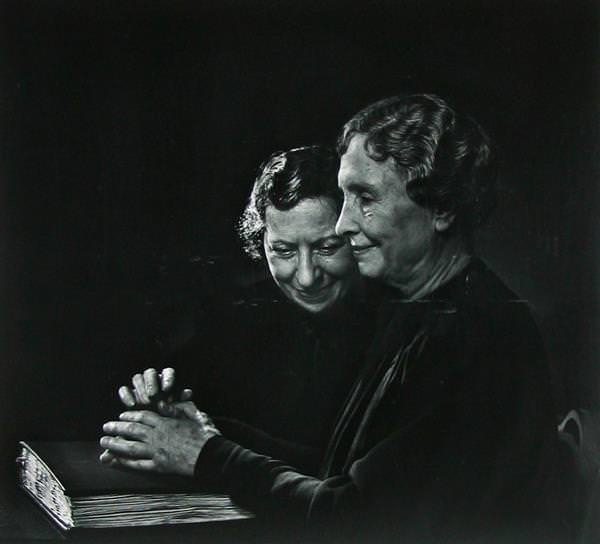
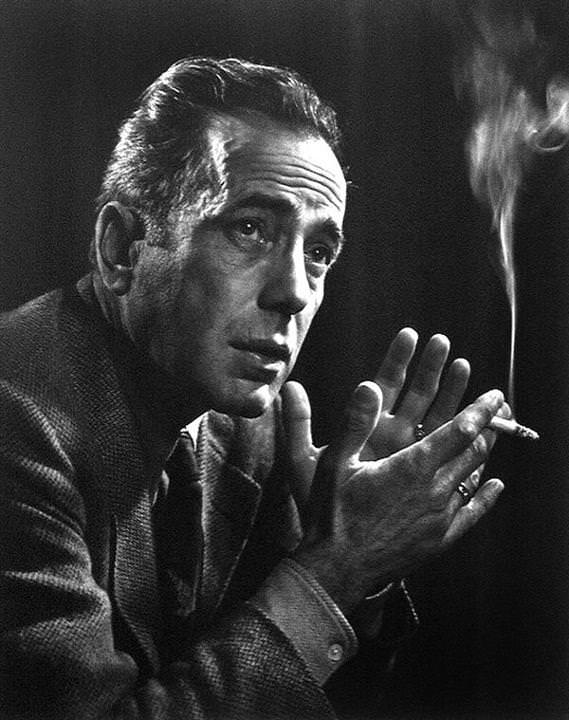
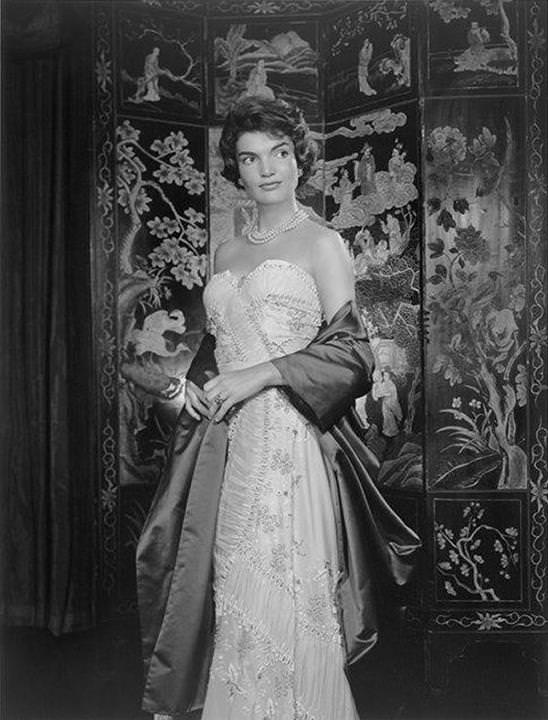
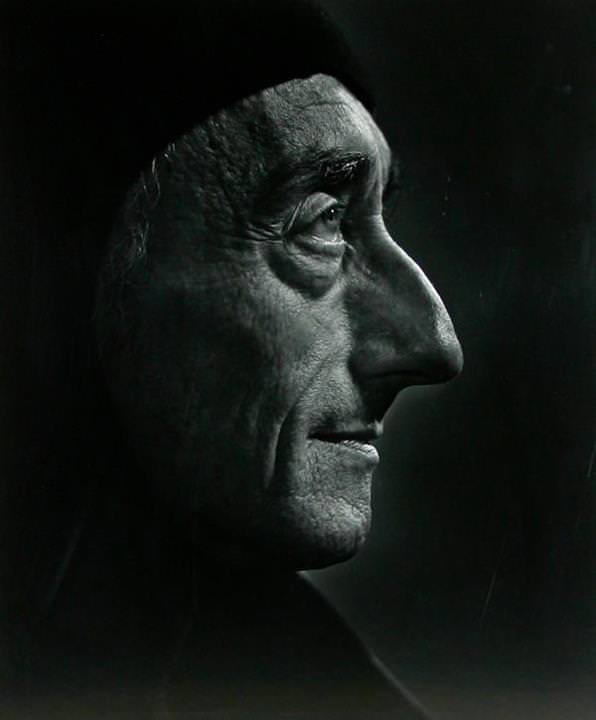
Musicians, activists, and explorers all passed through his studio. Martin Luther King Jr., Mother Teresa, and Muhammad Ali each sat for Karsh at pivotal moments in their public lives.
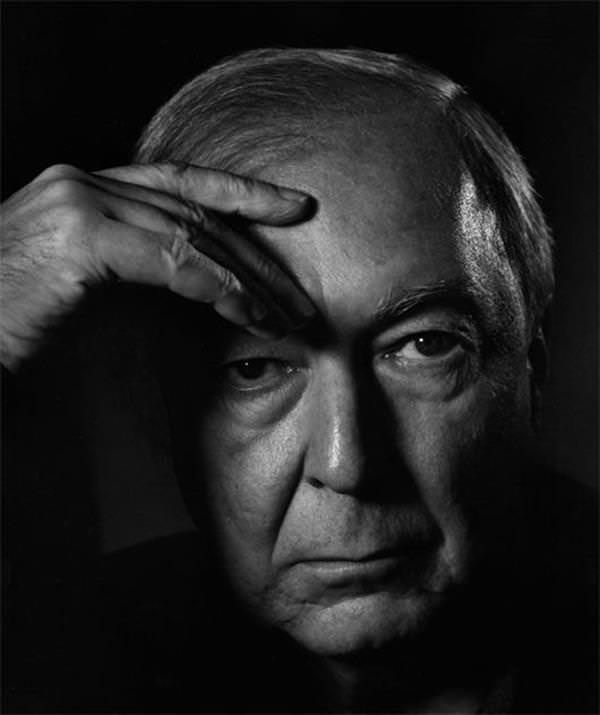
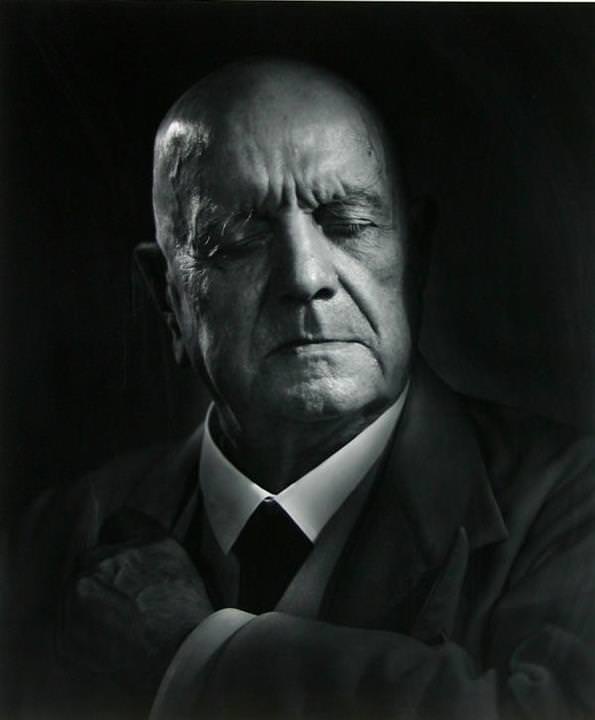
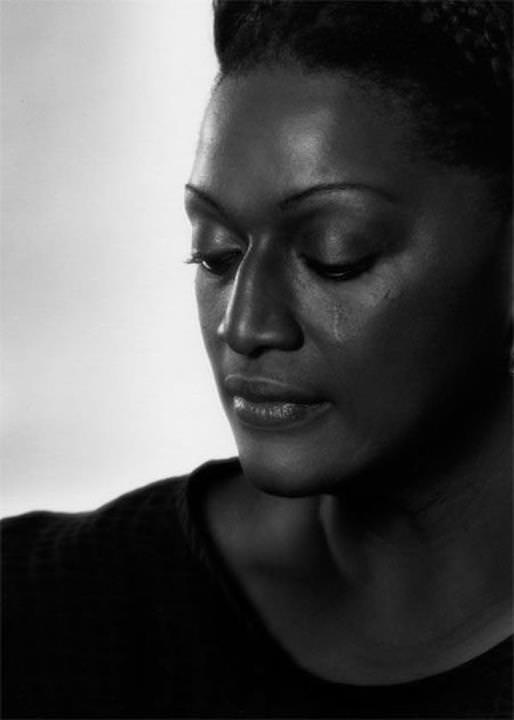
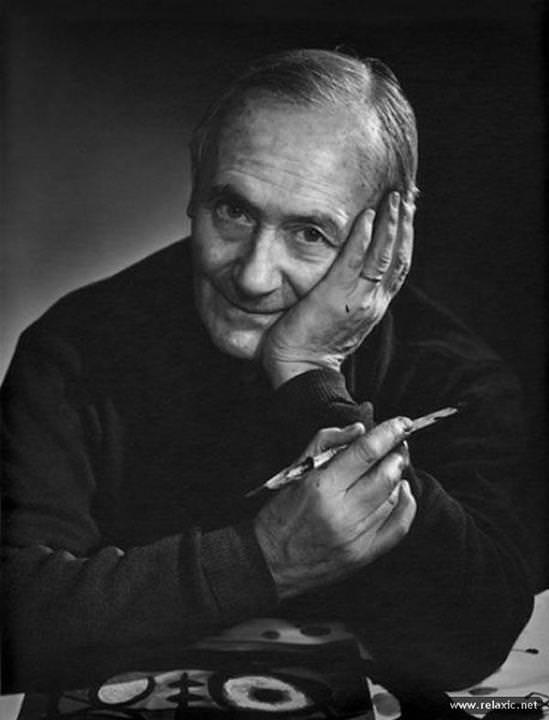
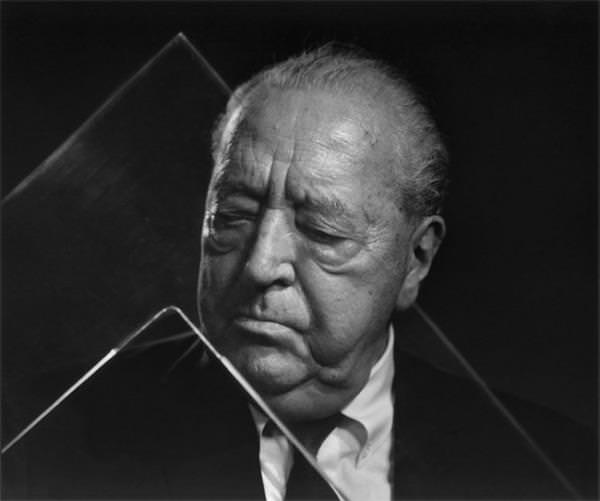
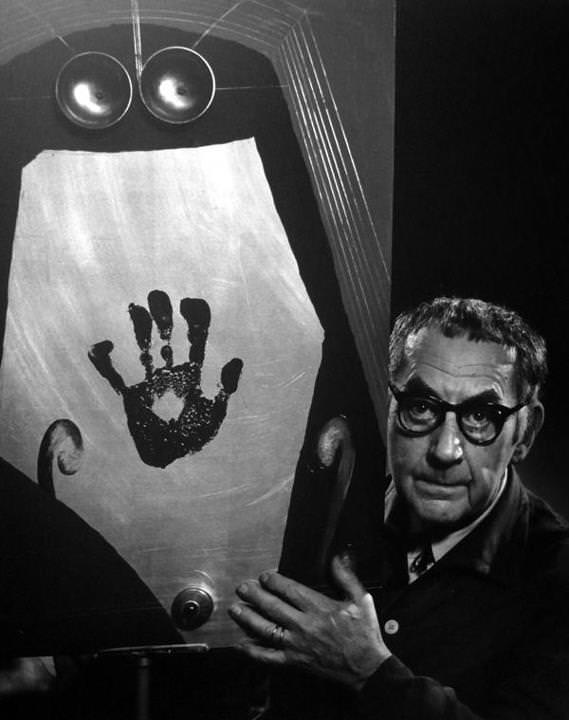
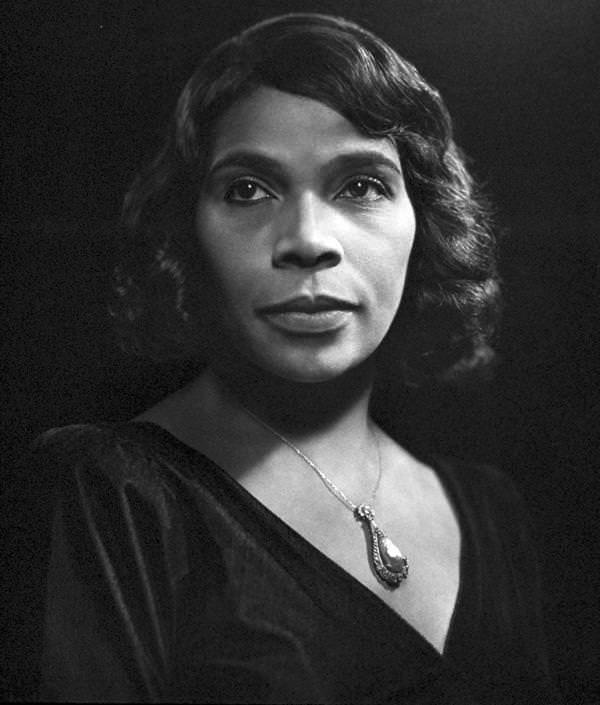
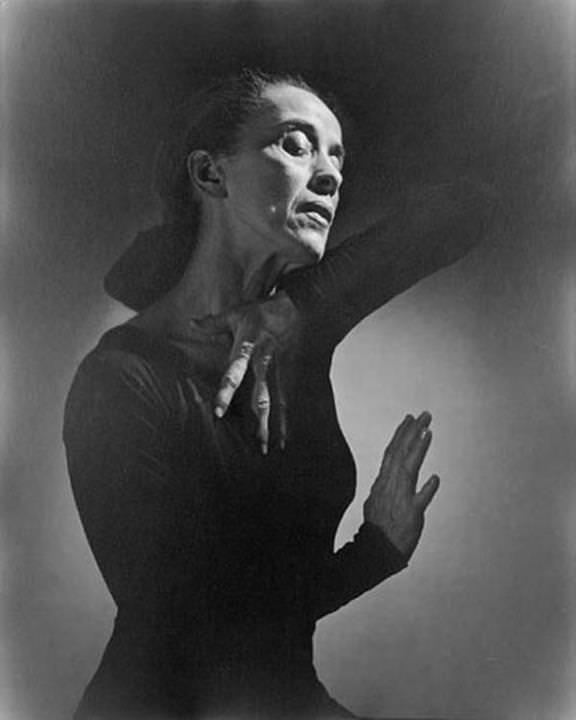
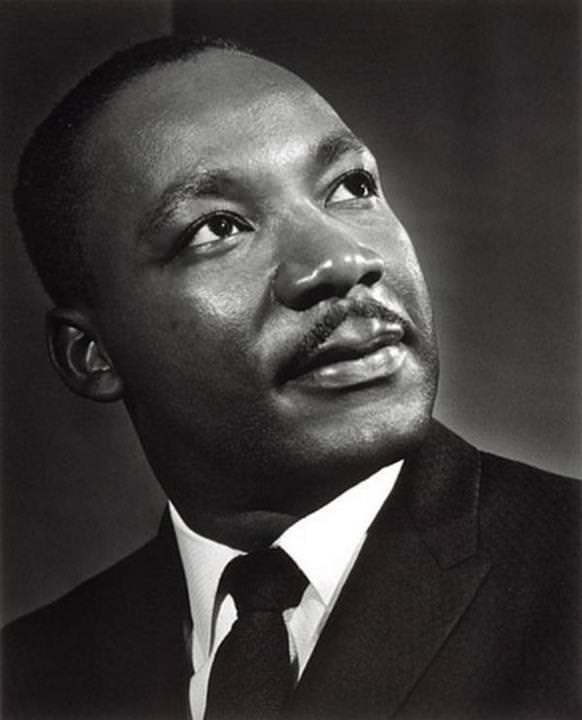
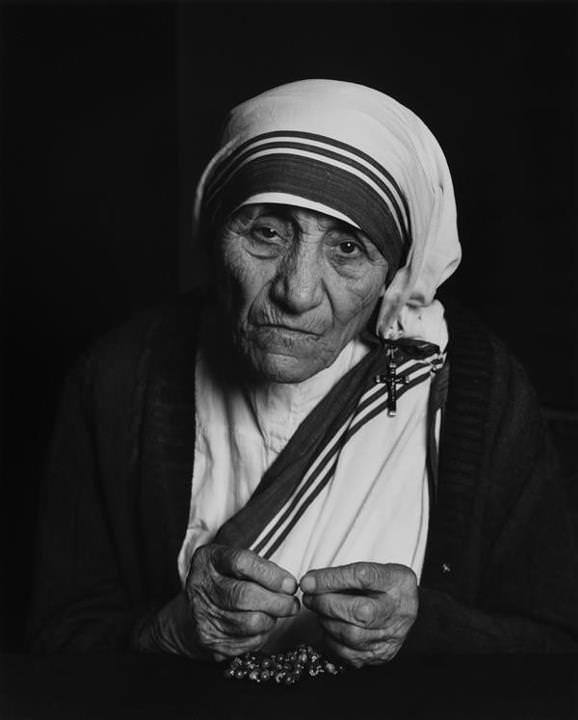
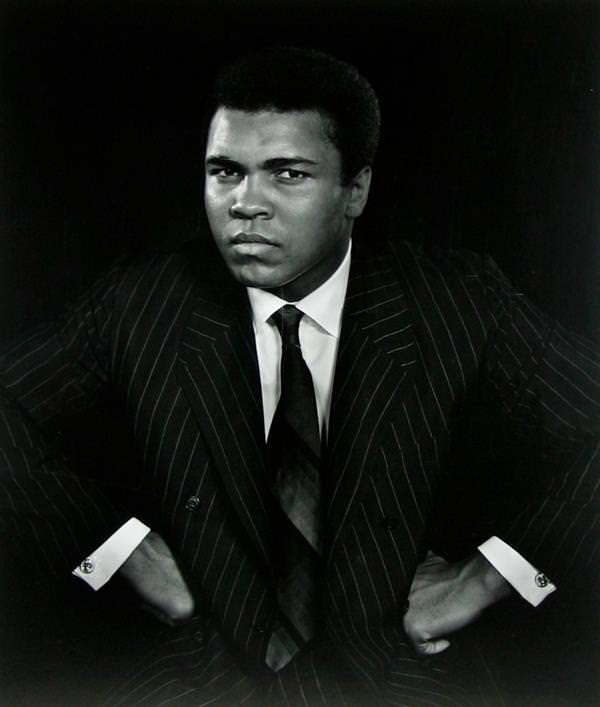
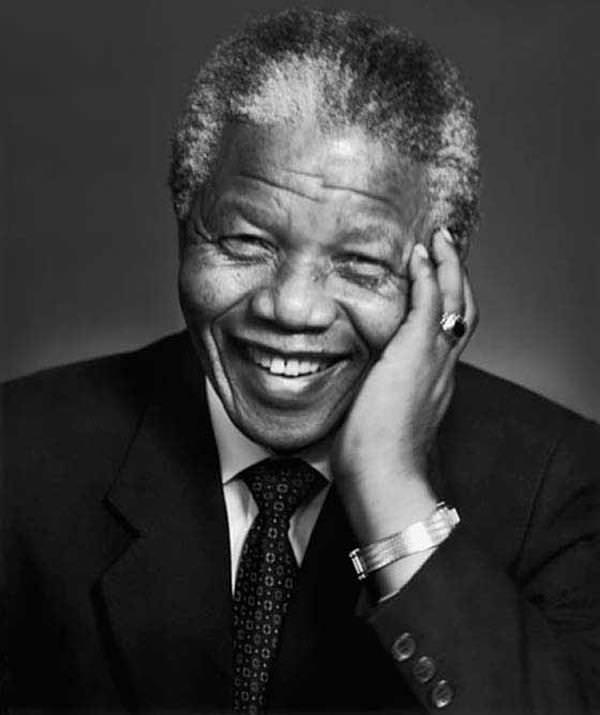
What set Karsh apart was his ability to strip away the public mask. His subjects — no matter how guarded or famous — revealed something real in front of his camera. These weren’t promotional images. They were honest, deliberate studies of human character.