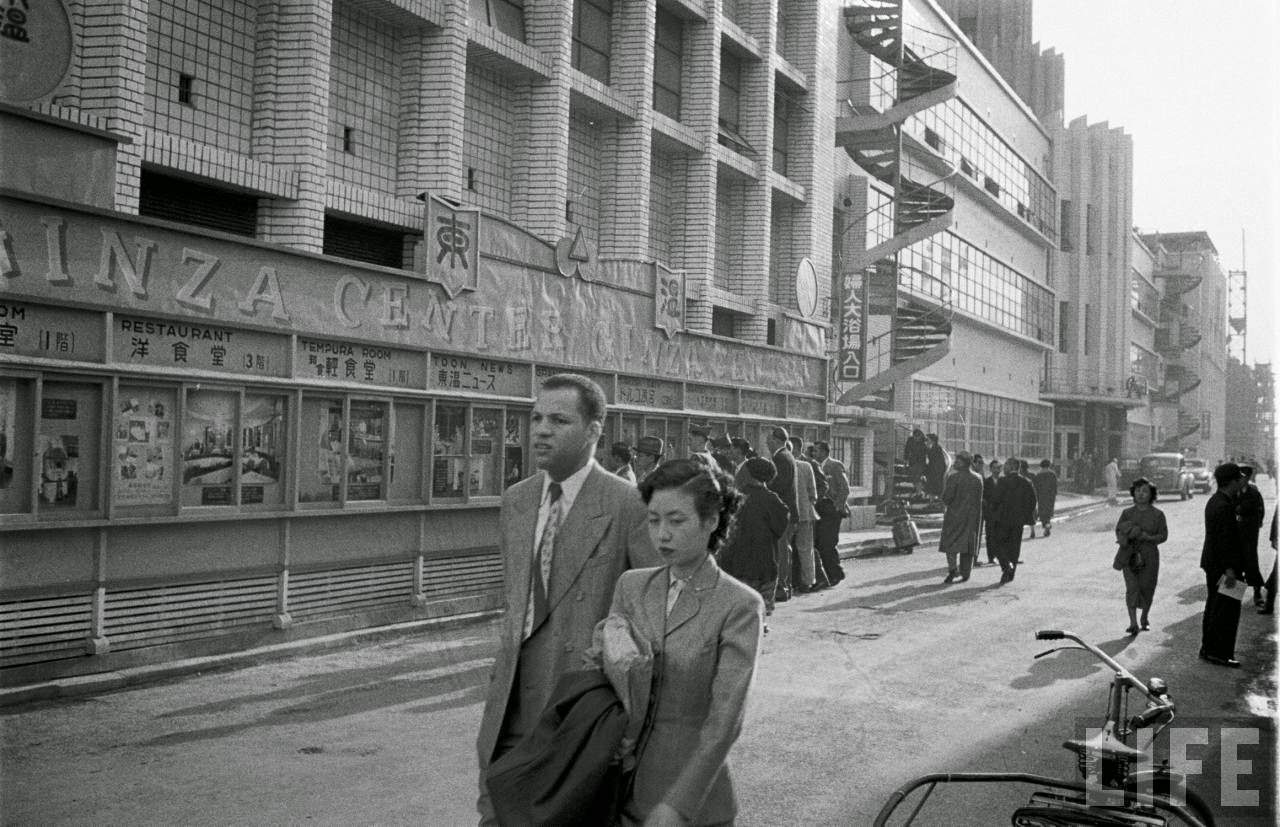
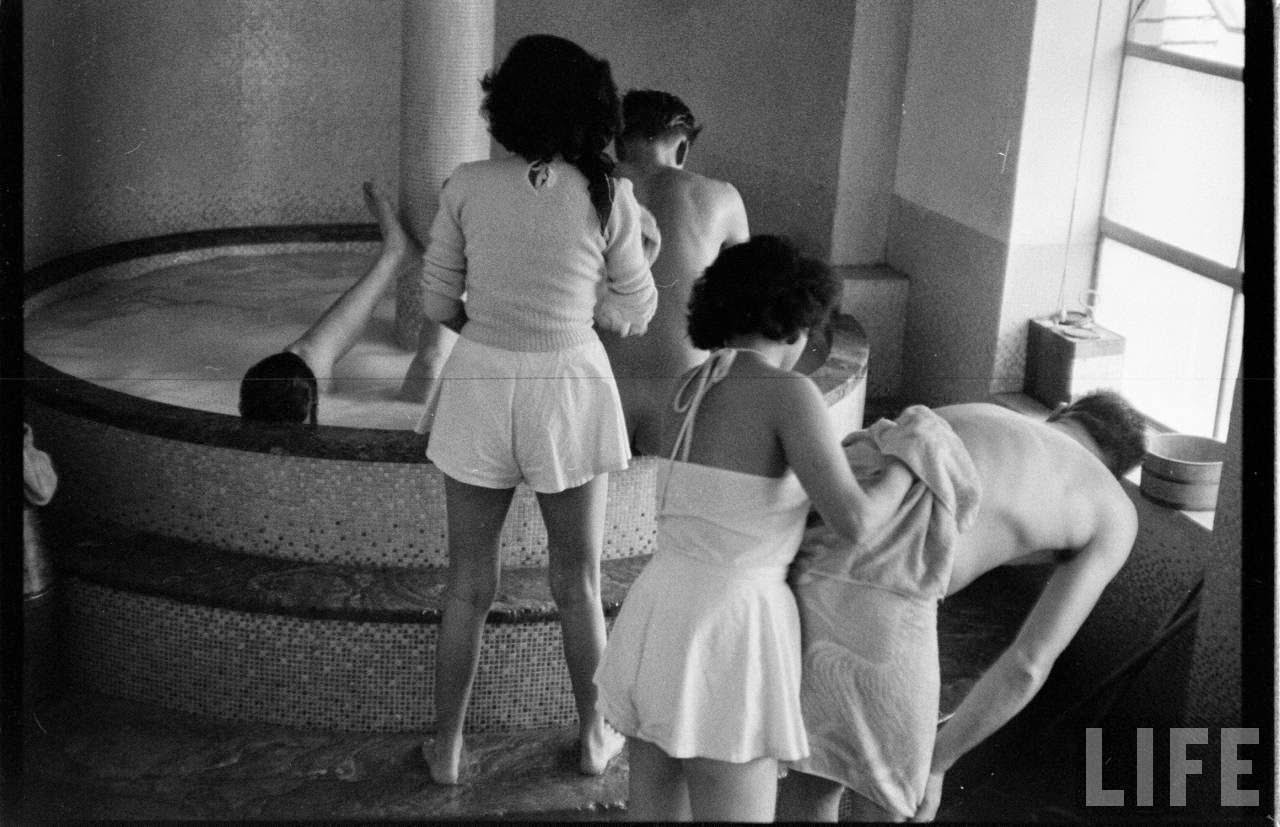
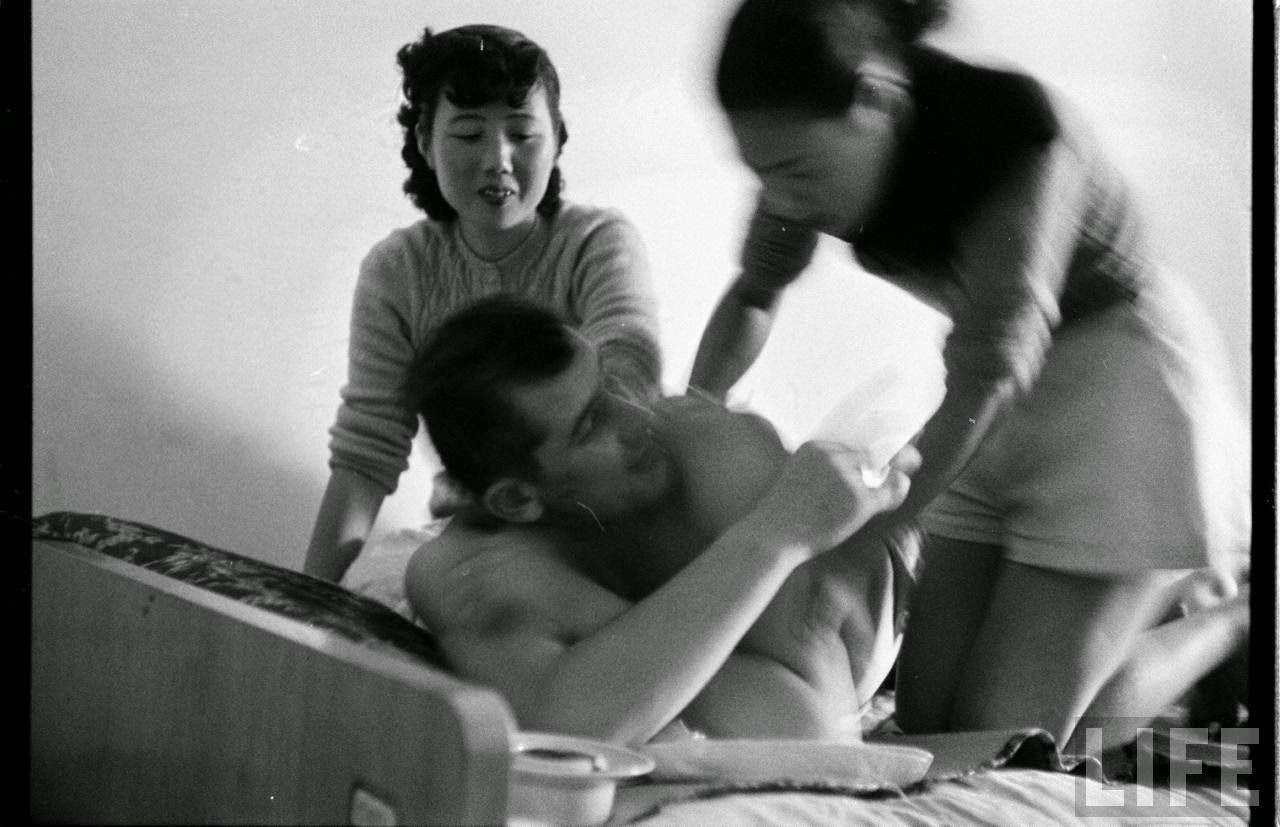
By 1951, Tokyo’s public bath houses — called sento — were a fixture of daily life. For millions of Japanese city dwellers, many of whom had no bathing facilities at home, a trip to the sento was a necessity. But these places were more than just somewhere to get clean. They were neighborhood gathering spots, places where people unwound, talked, and caught up with friends after a long day.
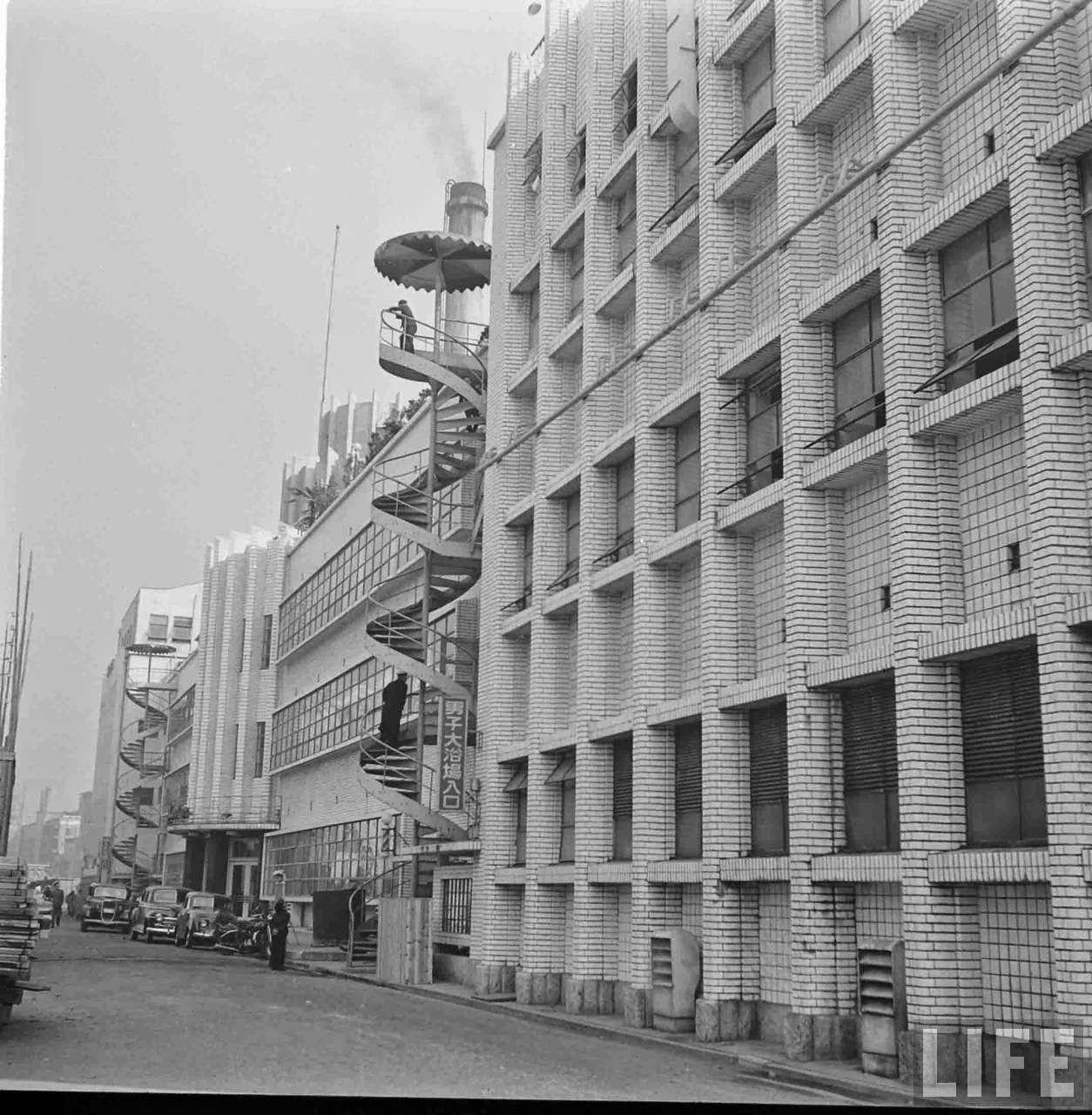
Walking into a sento followed a clear routine. Visitors removed their shoes at the entrance and stored them in small wooden lockers. Men and women entered through separate doors into their own sections. Inside, the architecture was distinctly traditional — warm wooden interiors, low ceilings, and soft light that gave the space a calm, unhurried feel.
Before anyone stepped into the communal bath, washing came first. Bathers sat on low wooden stools in front of individual faucets and basins, using small towels and soap to scrub down completely. This wasn’t just habit — it was a firm social rule. The communal bath was for soaking only, and entering it without washing first was considered deeply disrespectful to the other bathers.
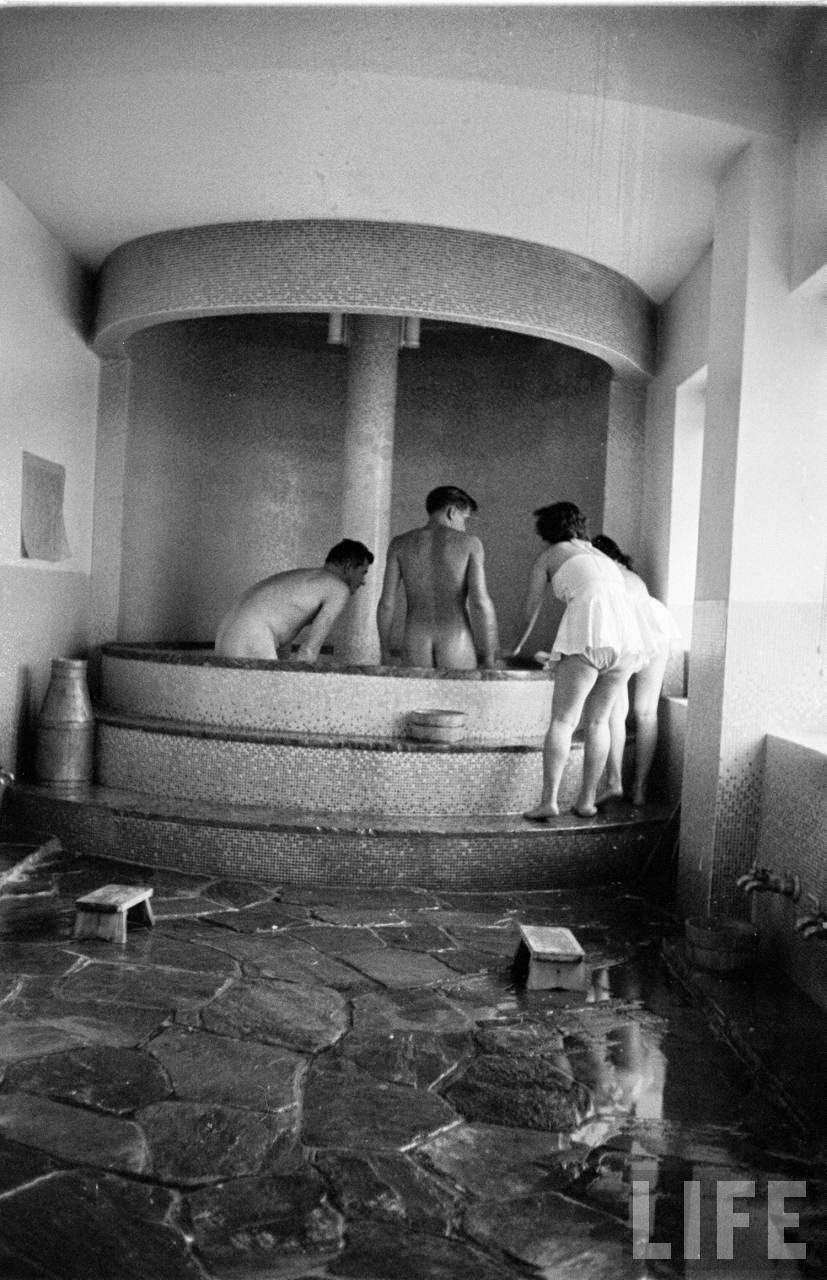
The main bath itself was a large, steaming pool. People eased in and let the hot water do its work. Conversations flowed naturally in this setting. Strangers became familiar, and regulars caught up on neighborhood news. The sento leveled social differences — a factory worker and a shopkeeper shared the same water, the same heat, the same ritual.
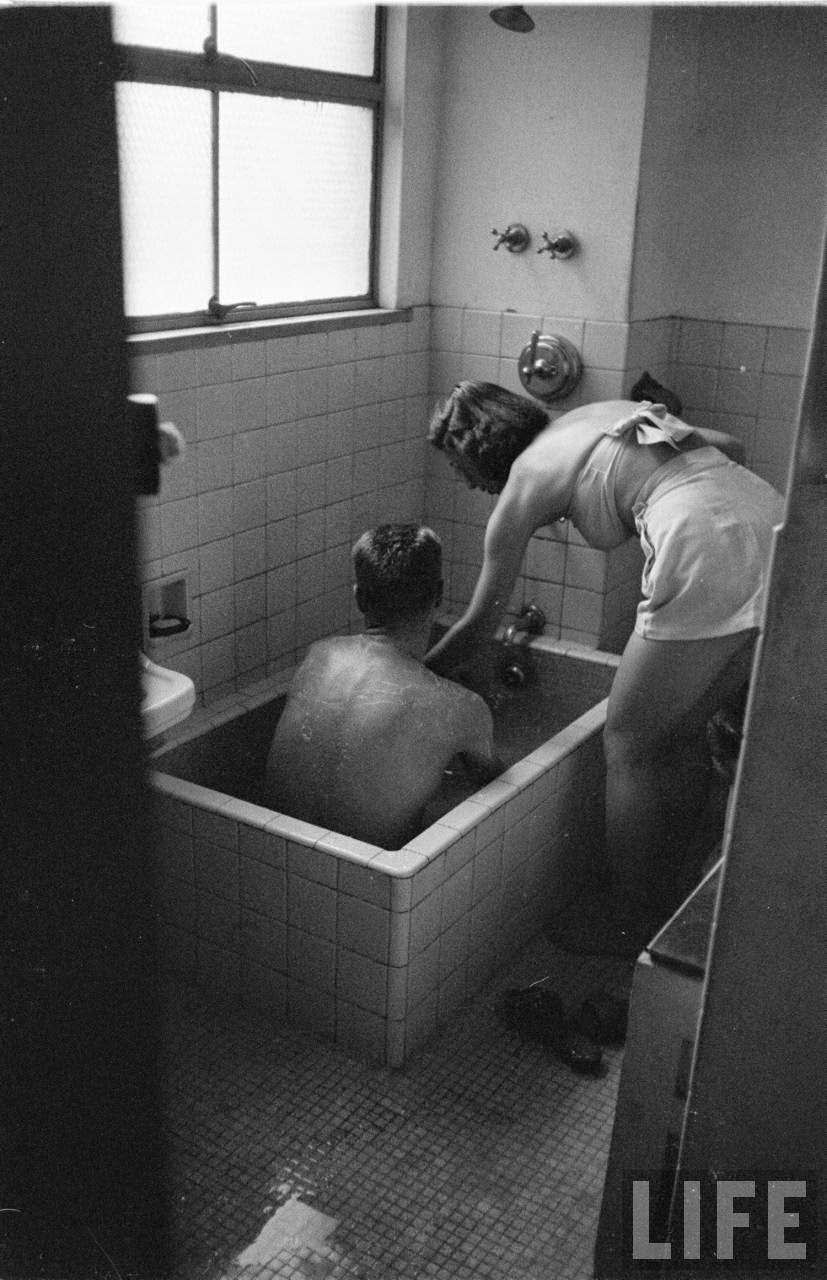
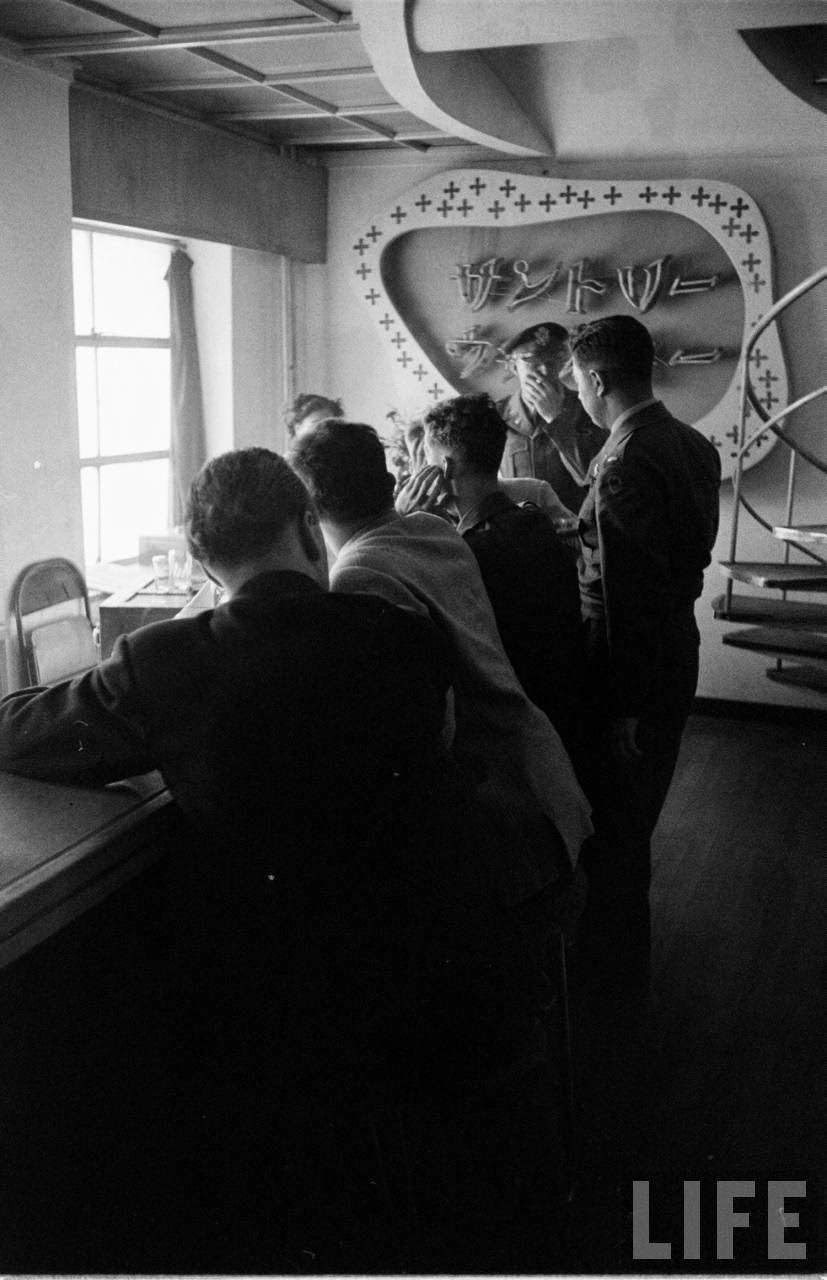
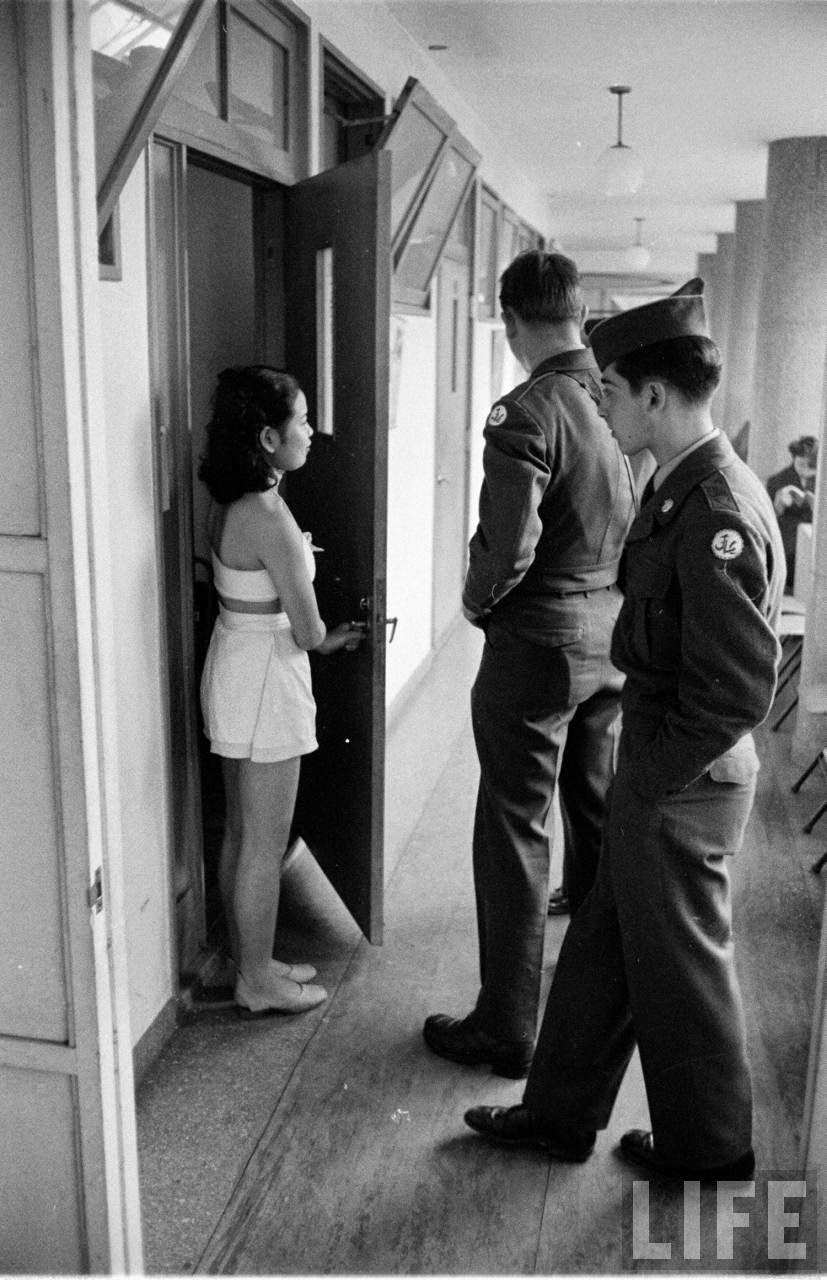
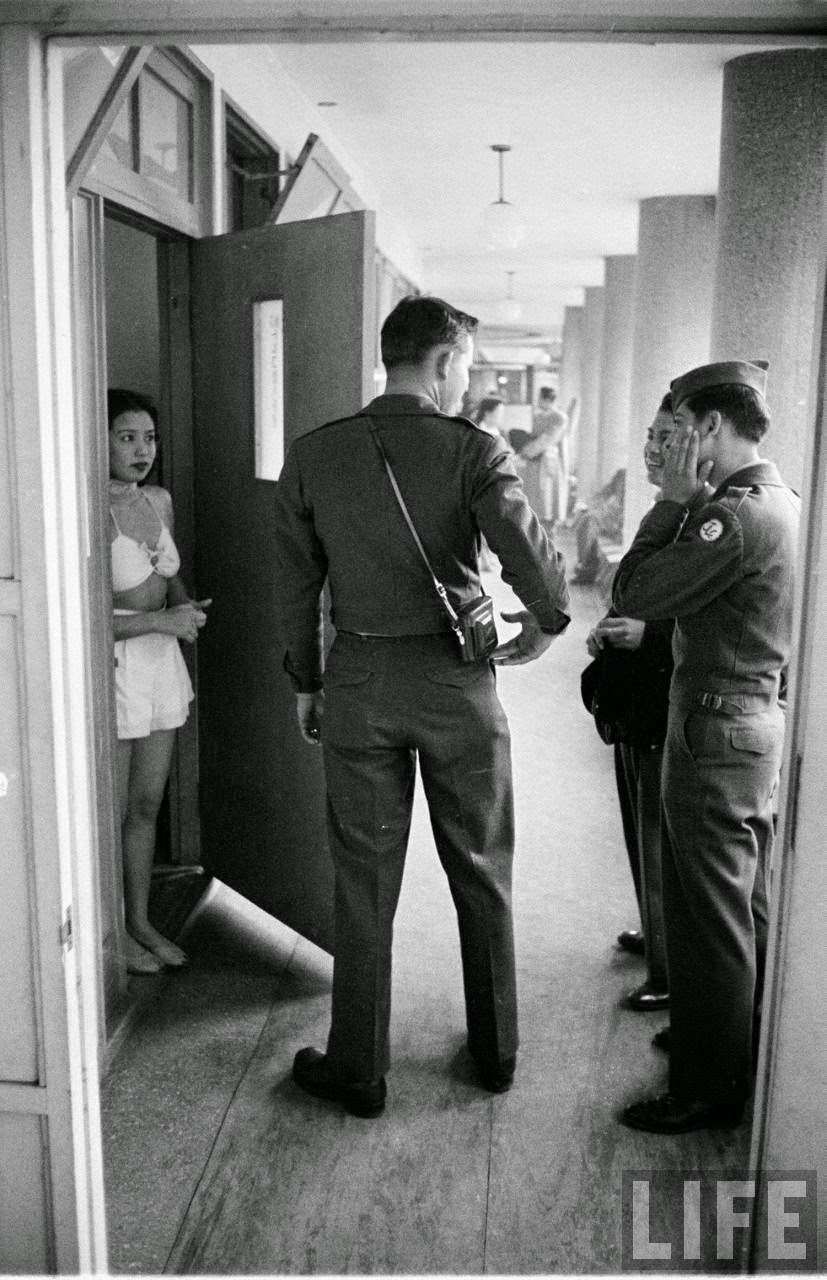
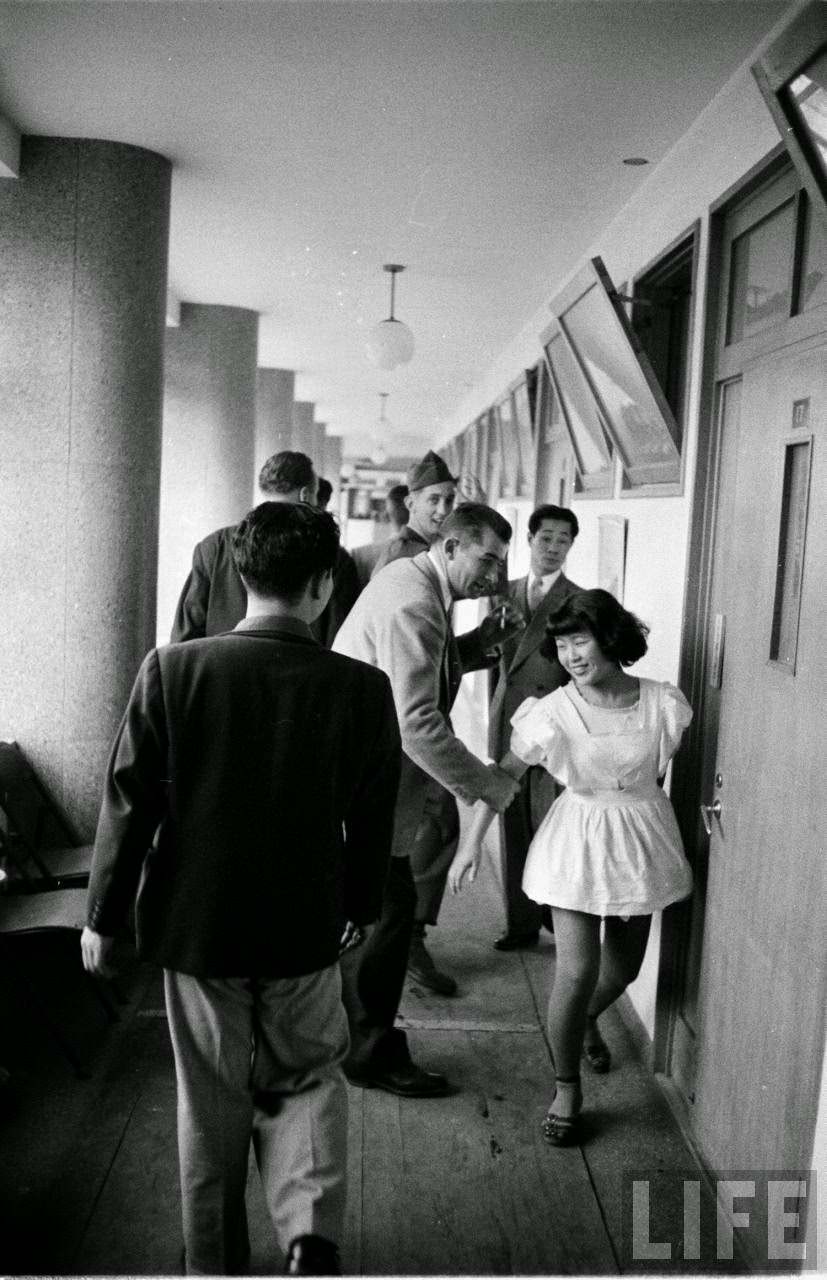
As Japan’s post-war Allied occupation was winding down, some Tokyo sento had begun catering to a new kind of customer: American military officers. These men were far from home and curious about Japanese life. The bath house offered an unusually direct window into it. Japanese patrons often guided the Americans through proper etiquette — when to wash, how to enter the bath, how to behave quietly in the water.
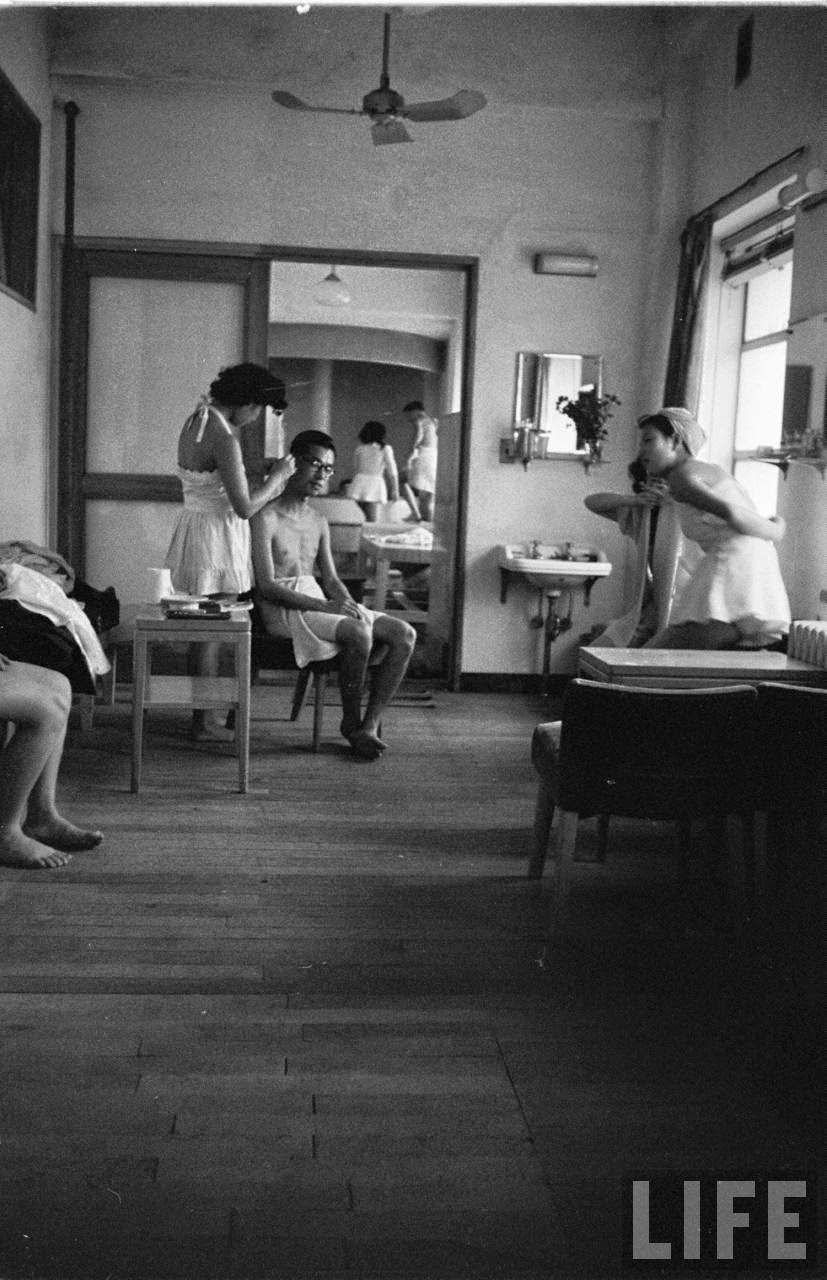
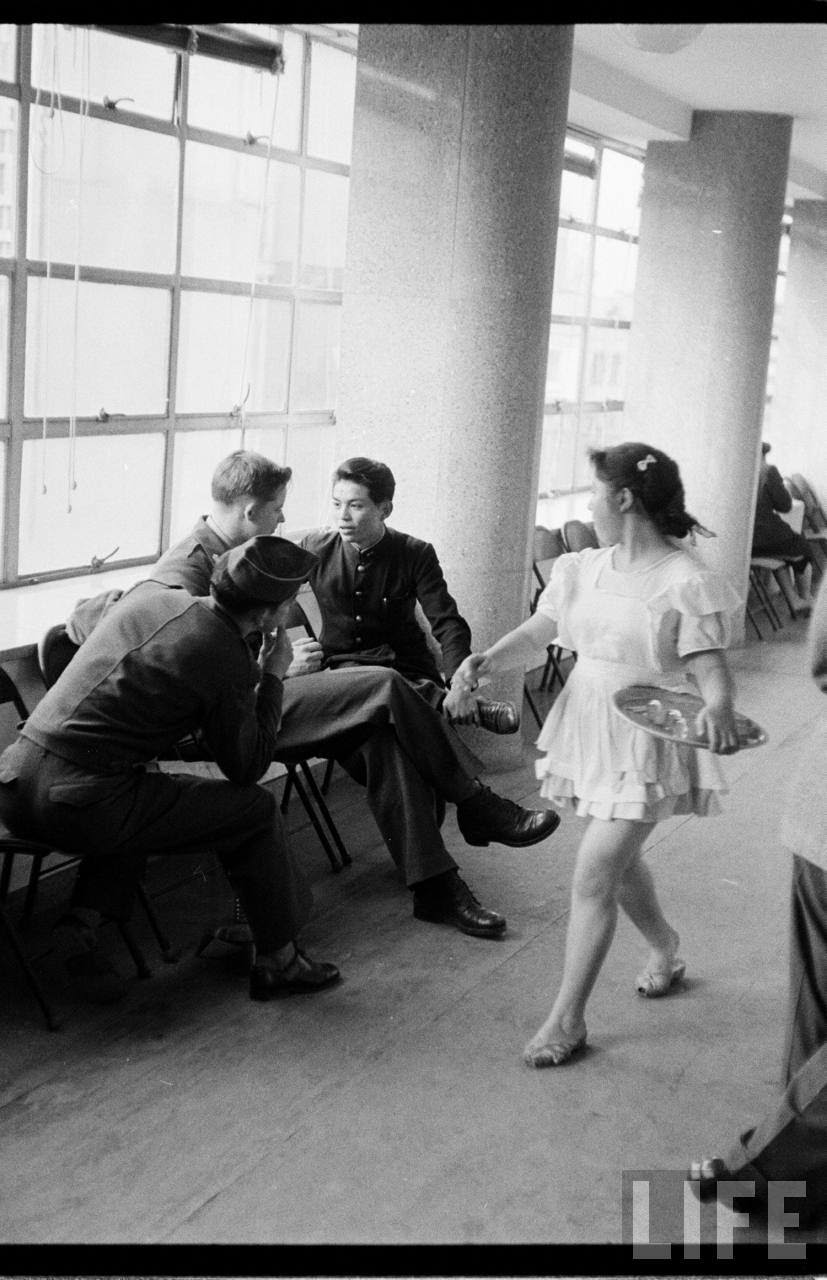
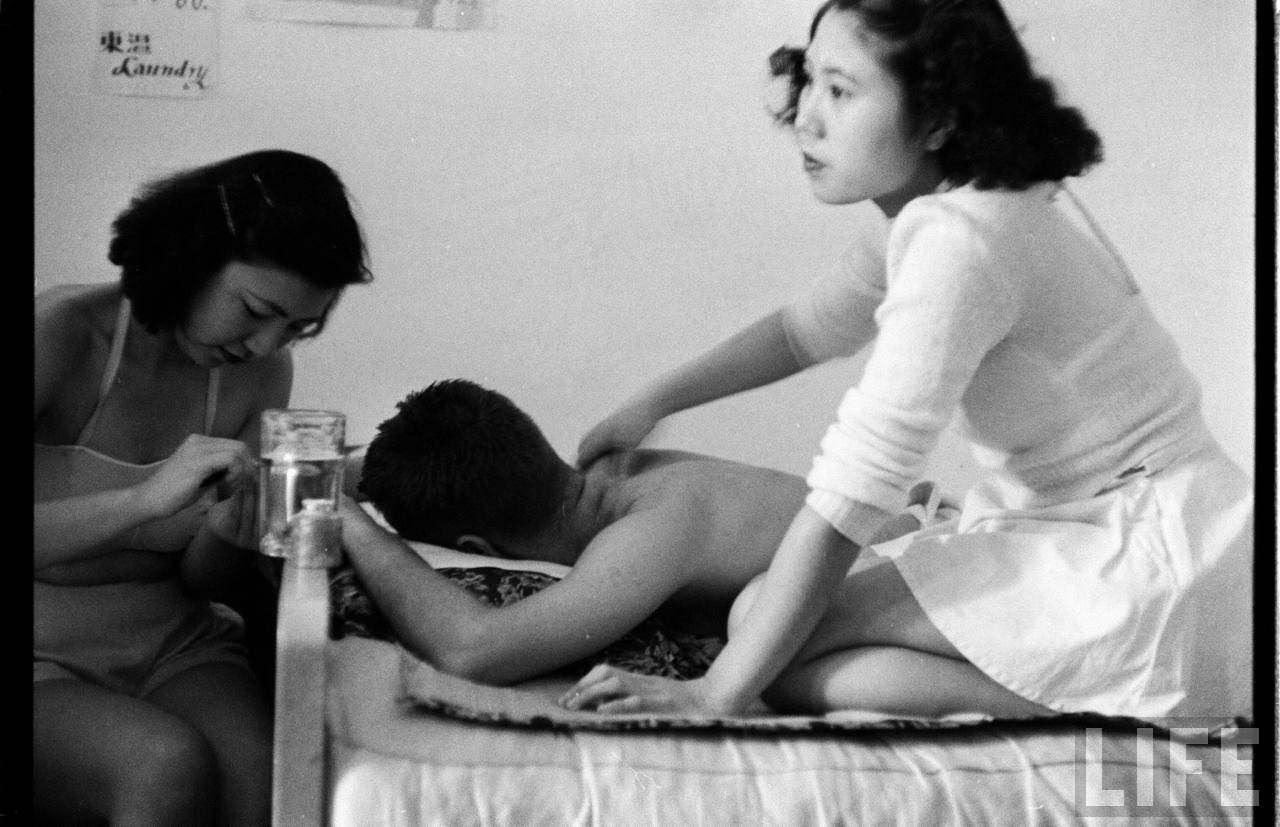
Photographer Pierre Rougier documented this world up close. His camera caught the daily rhythms of the sento in sharp detail — the tiled washing areas, the steaming communal pools, and the women who worked the floors. These bath house attendants wore traditional yukatas and moved between clients offering services that ranged from scrubbing backs to casual conversation. Their manner was a blend of professional care and easy familiarity with the regulars.
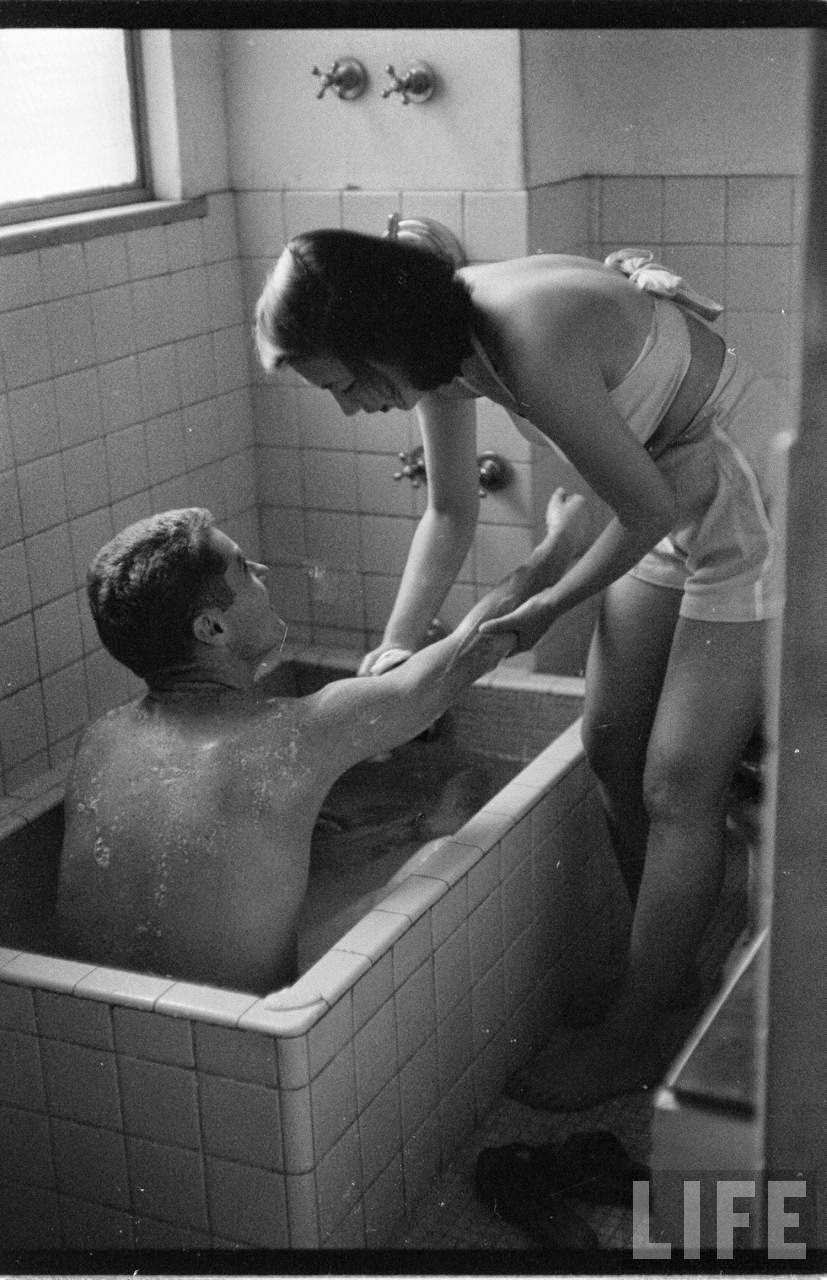
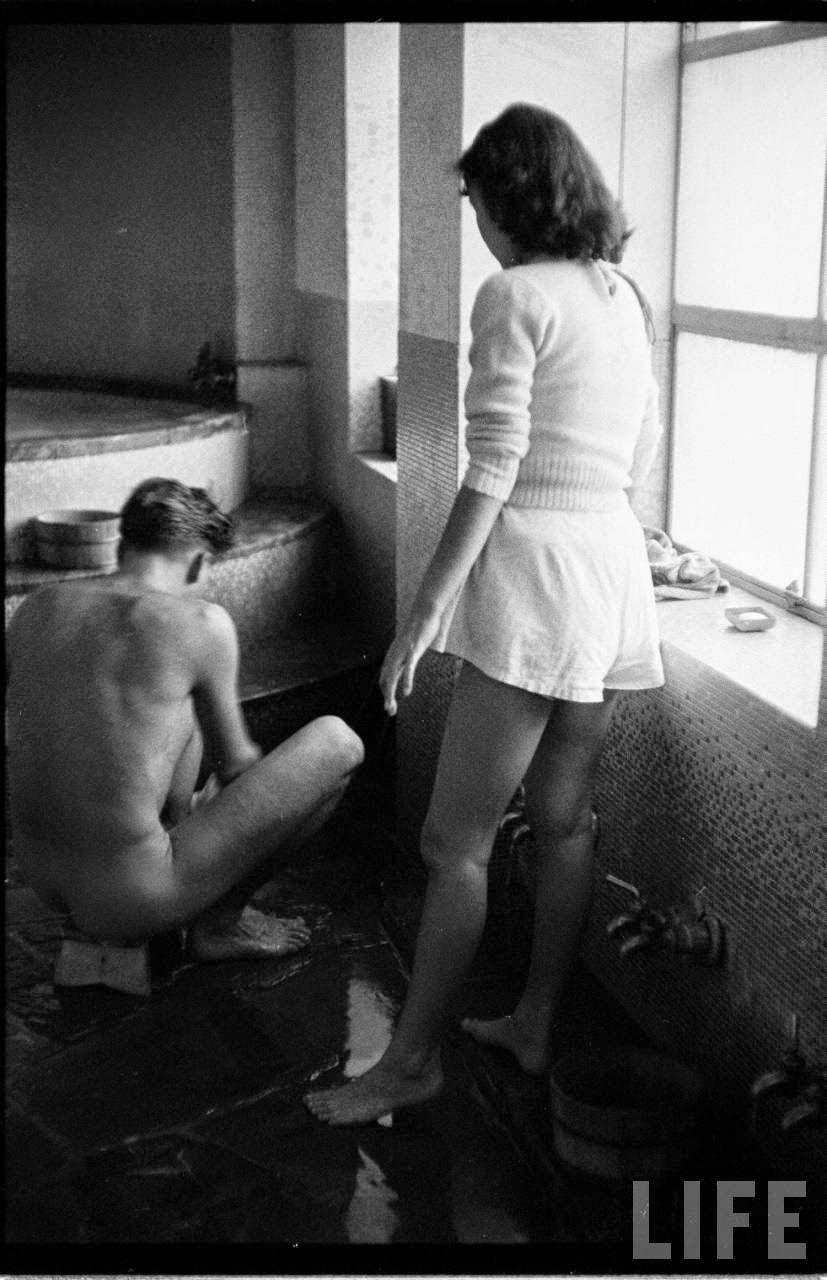
Rougier’s photos show American officers navigating a space that operated entirely on Japanese terms. There was no translation needed for most of it — the routine was physical and straightforward. Sit, wash, soak. The universal simplicity of the bath made it one of the few places in occupied Tokyo where cultural barriers were genuinely low.
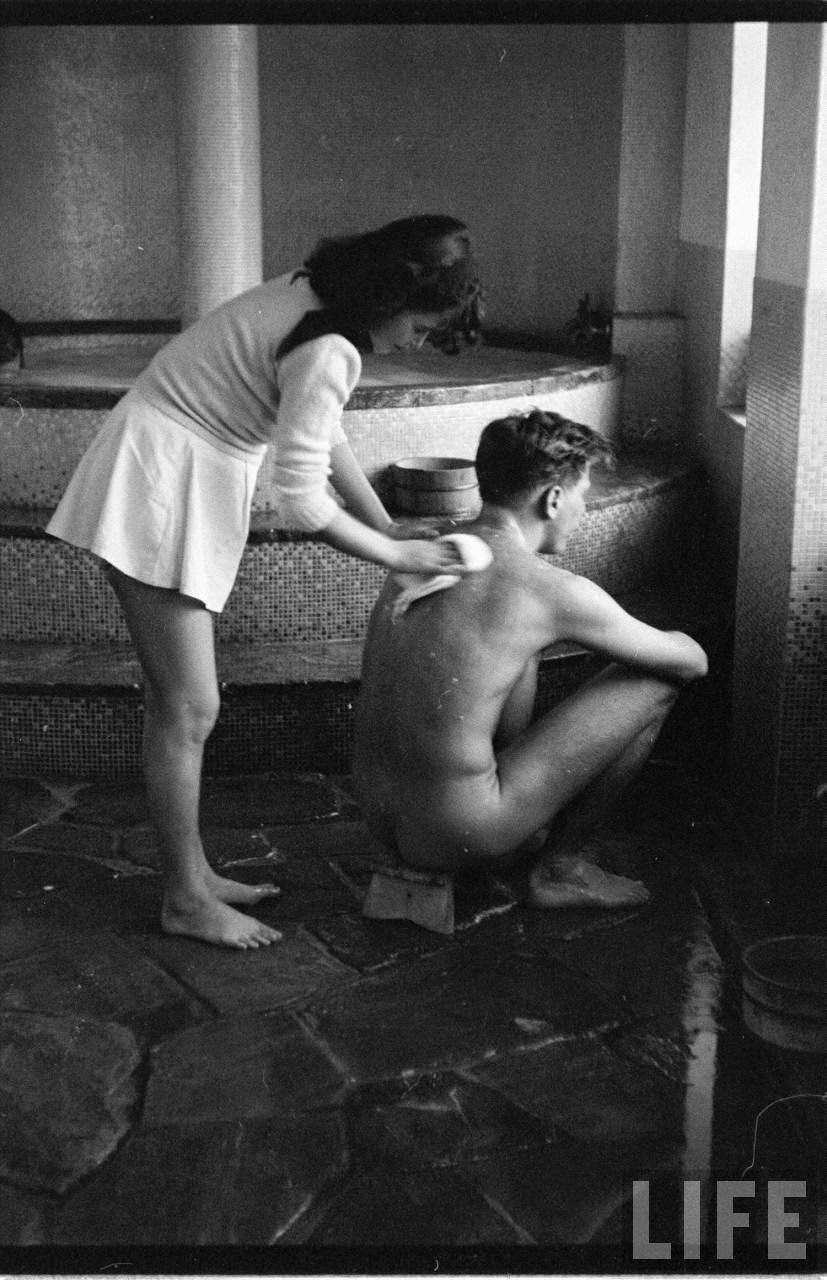
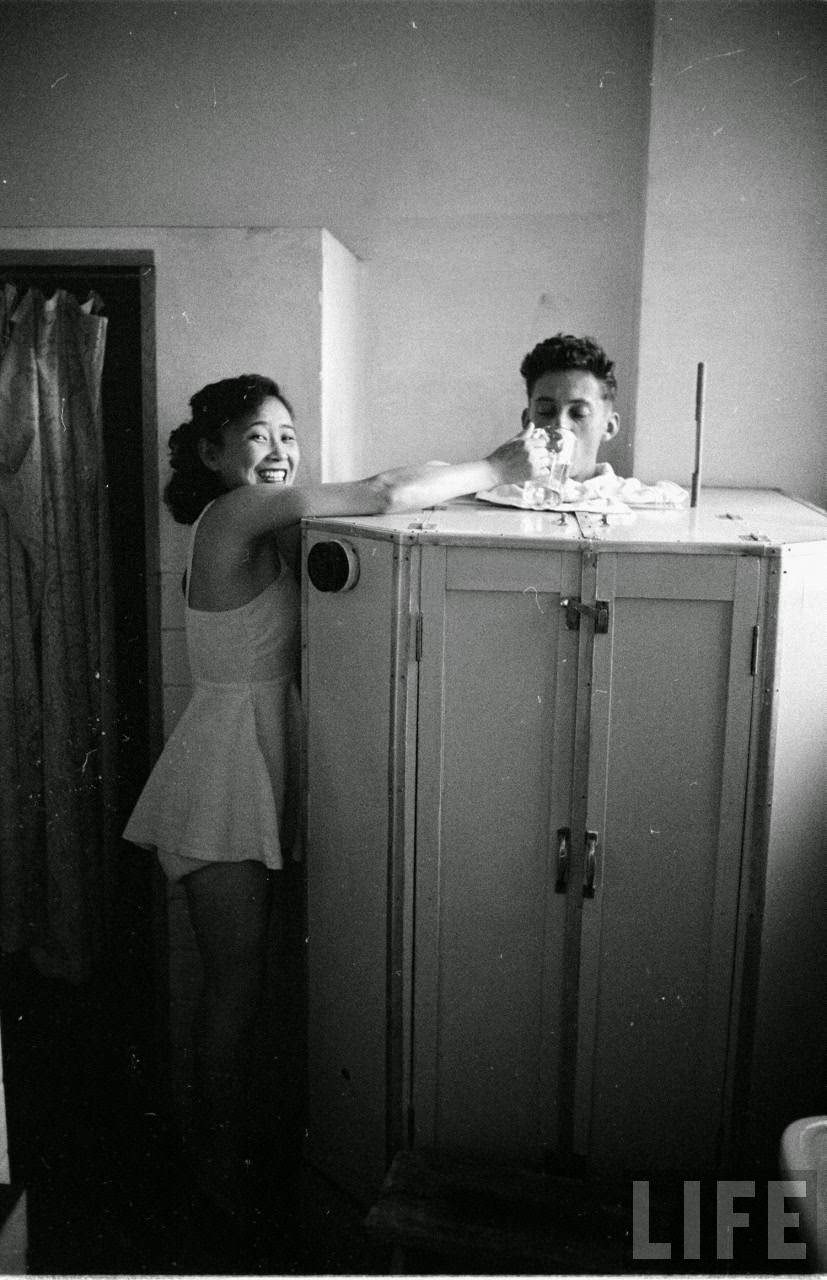
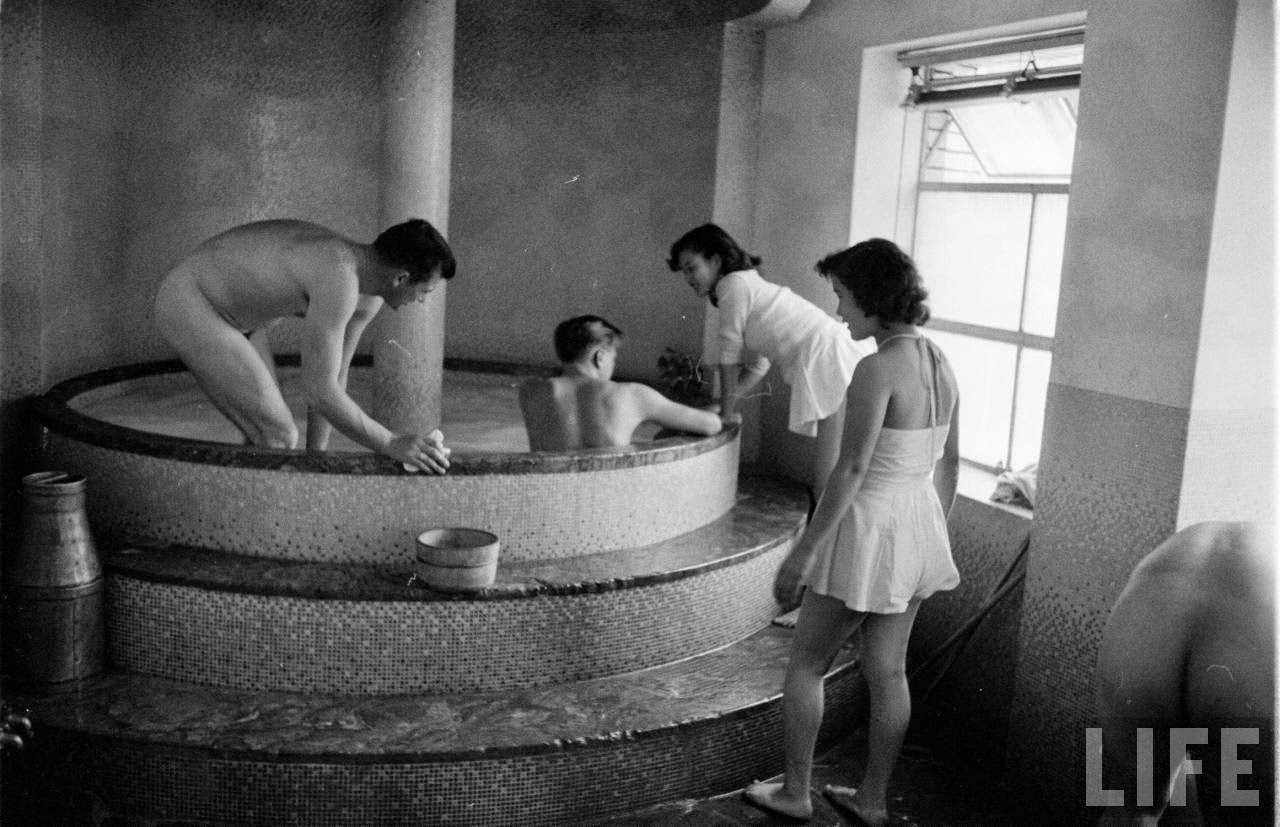
The sento operated on a strict but unspoken code. Noise was kept down. Space was shared without complaint. The attendants kept things running smoothly, refilling basins, handing out fresh towels, and keeping the mood light. For the American visitors, the experience was a sharp contrast to anything back home — communal bathing on this scale simply didn’t exist in postwar American culture.
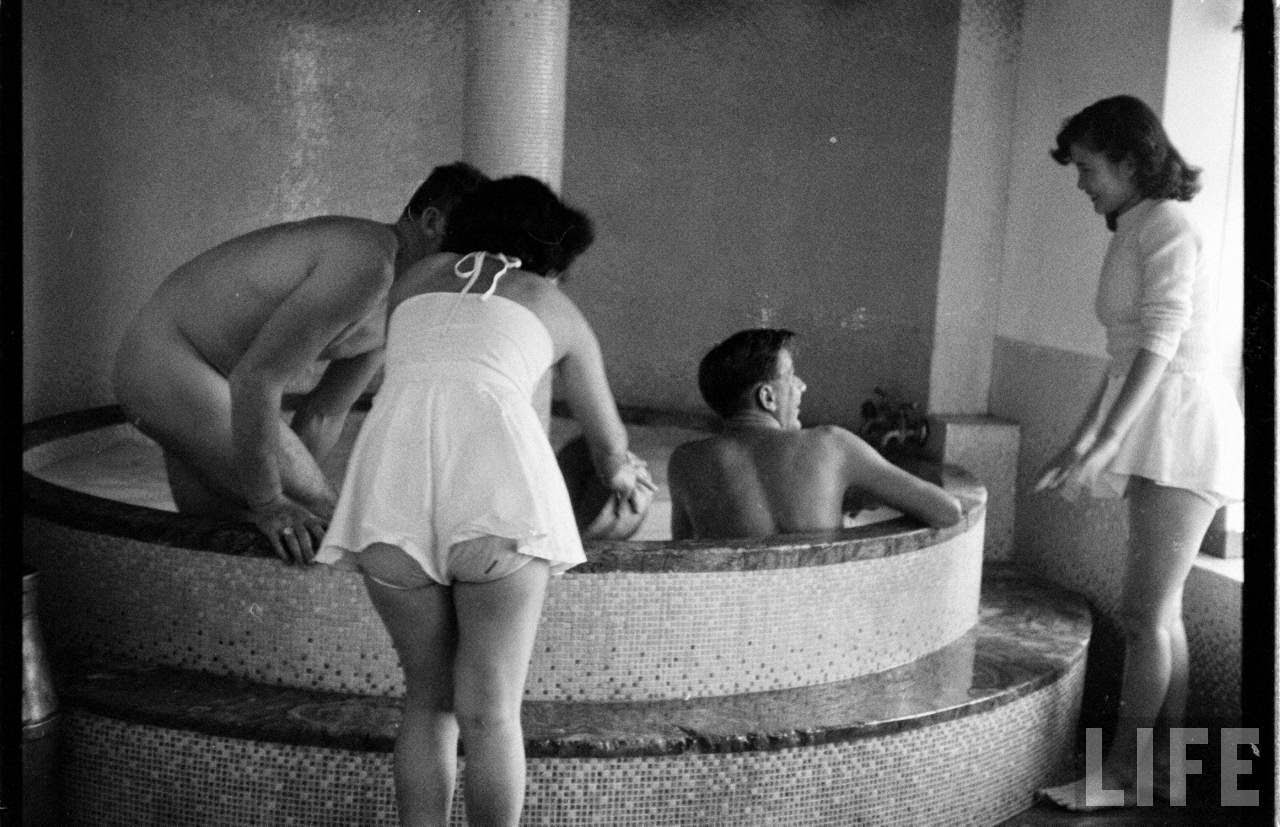
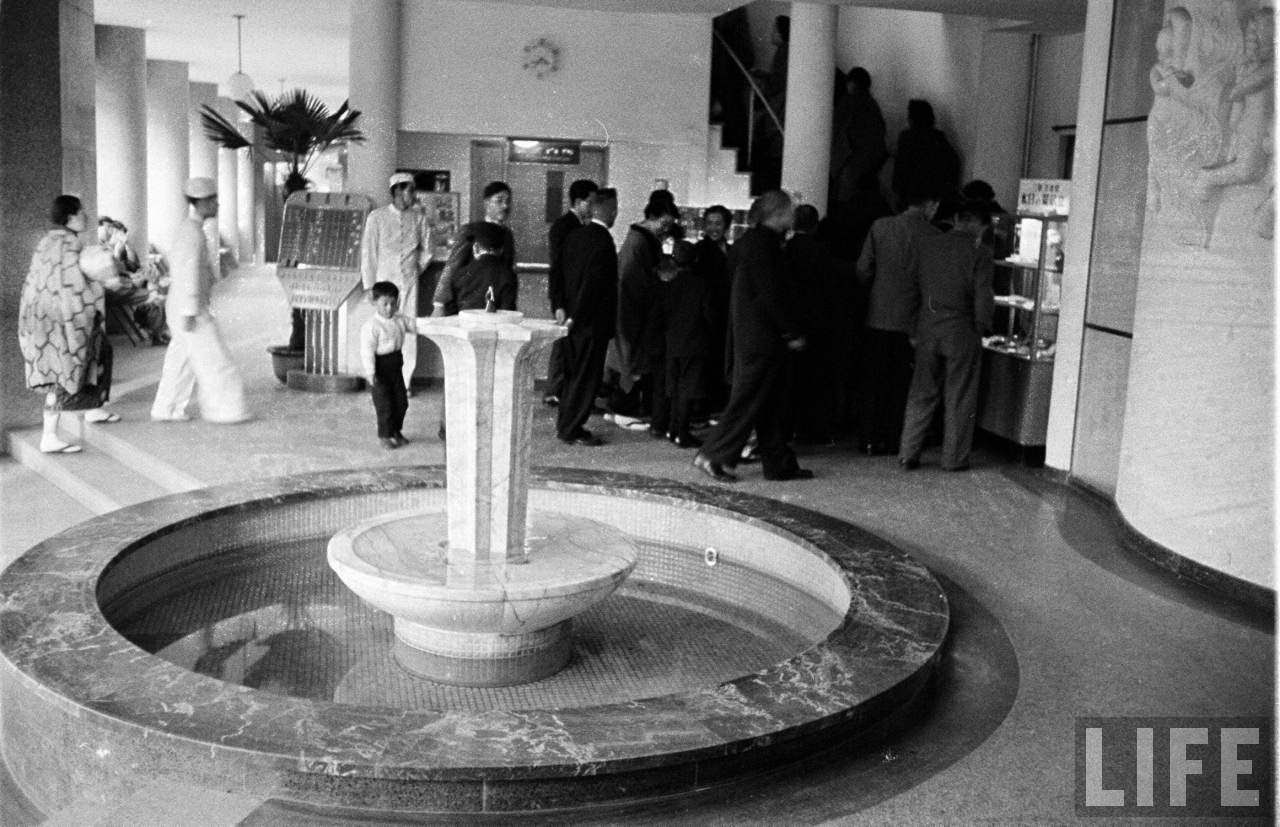
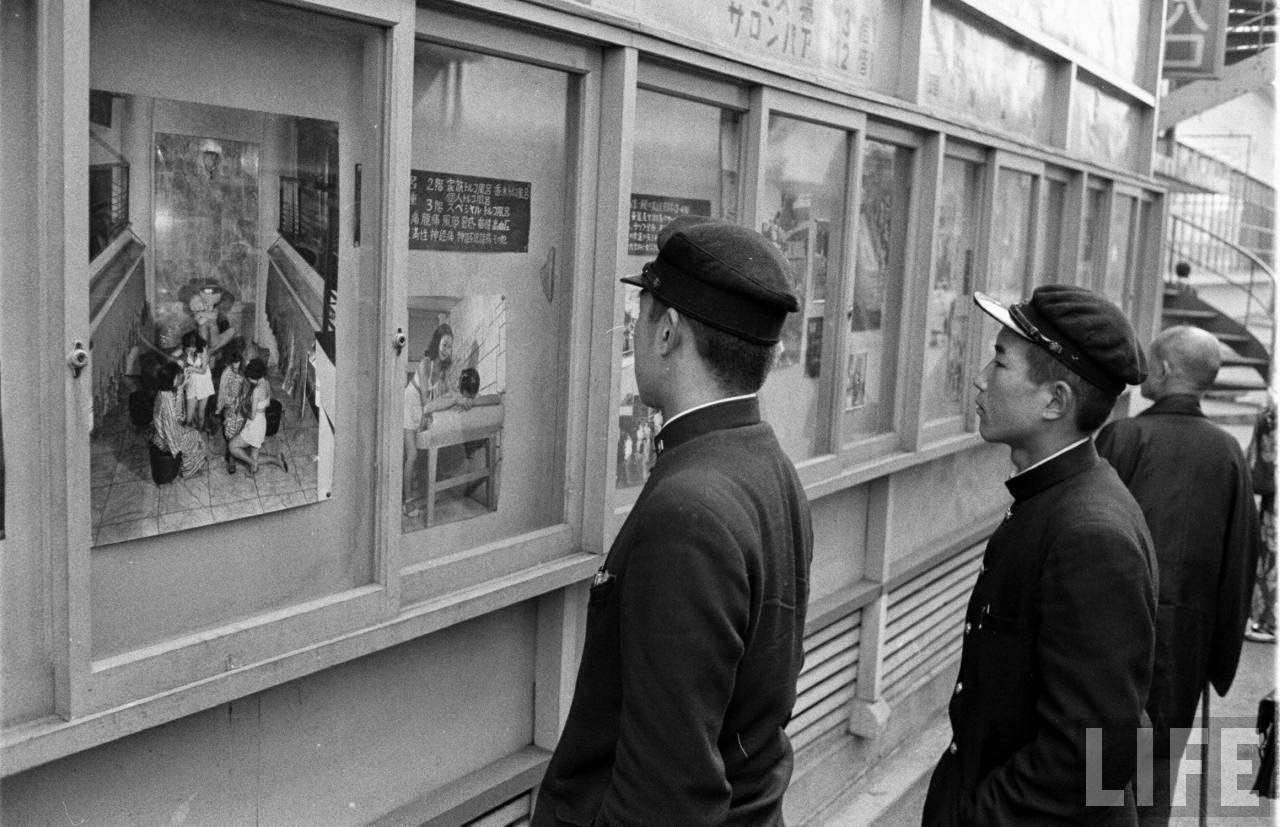
What Rougier captured was a slice of Tokyo at a very specific moment — a city still rebuilding from wartime destruction, carrying on its oldest routines while simultaneously hosting a foreign military presence. The sento was one of the places where both worlds briefly overlapped, not through politics or ceremony, but through the simple, shared act of getting clean.