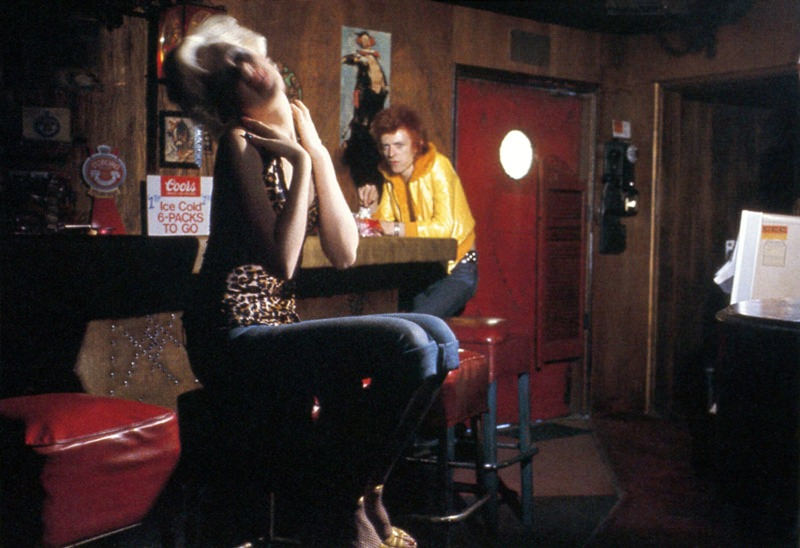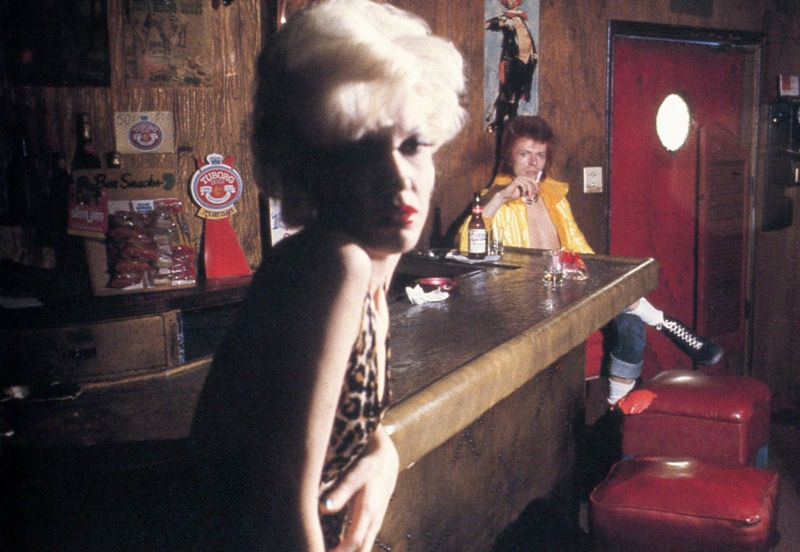
In October 1972, David Bowie was deep into his Ziggy Stardust era and riding a wave of creative momentum. “The Jean Genie” was the lead single from his upcoming 1973 album “Aladdin Sane,” and Bowie had a very specific vision for its music video. He wanted to portray Ziggy as a “Hollywood street-rat” — raw, restless, and magnetic. To pull that off, he needed the right person beside him on screen.
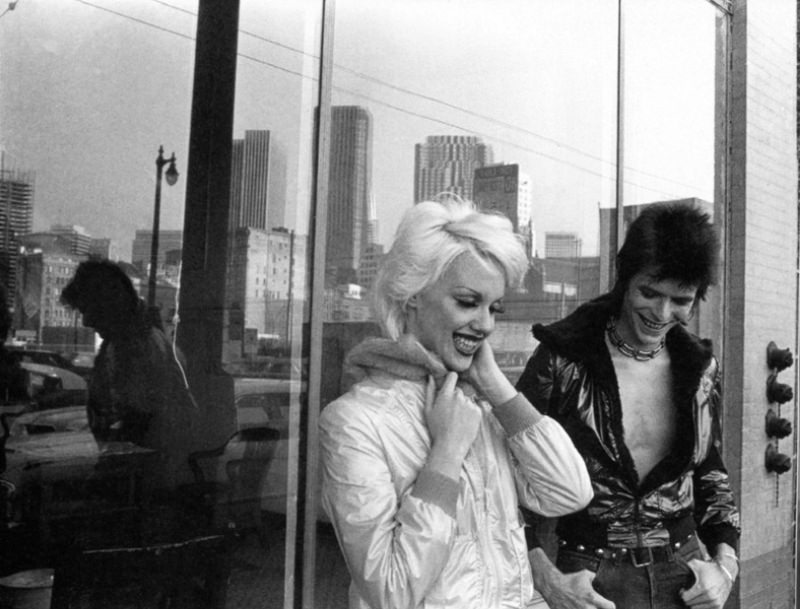
That person was Cyrinda Foxe. Blonde, glamorous, and effortlessly bold, Foxe was already embedded in Bowie’s world. She worked as a publicist for MainMan, Bowie’s management company, and had a personal relationship with Bowie as well as with James Williamson of The Stooges. When Bowie called asking her to appear in the video, she flew from New York to San Francisco without hesitation.
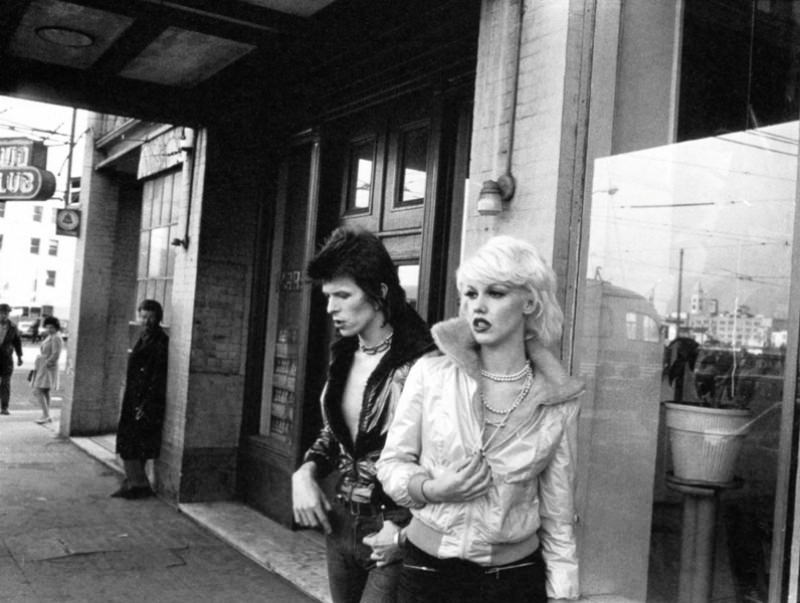
The shoot took place at the Mars Hotel in San Francisco. Bowie described the look he was after as “graphic, white, almost Vogue — big faces, big bits of faces, eyes against stark white backdrops.” The final video blended concert footage and studio shots with gritty street scenes, giving it a surreal, high-contrast feel that matched the energy of the song.
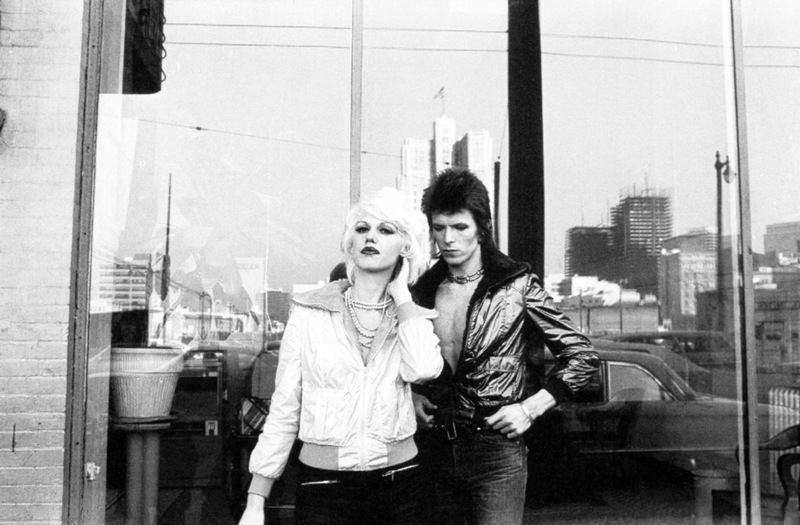
Foxe played the role of what Bowie called a “consort of the Marilyn brand” — a nod to Marilyn Monroe’s particular brand of glamour. Her look and presence fit the concept exactly. She brought a polished, old-Hollywood femininity that sharply contrasted with Bowie’s jagged, alien-like Ziggy persona.
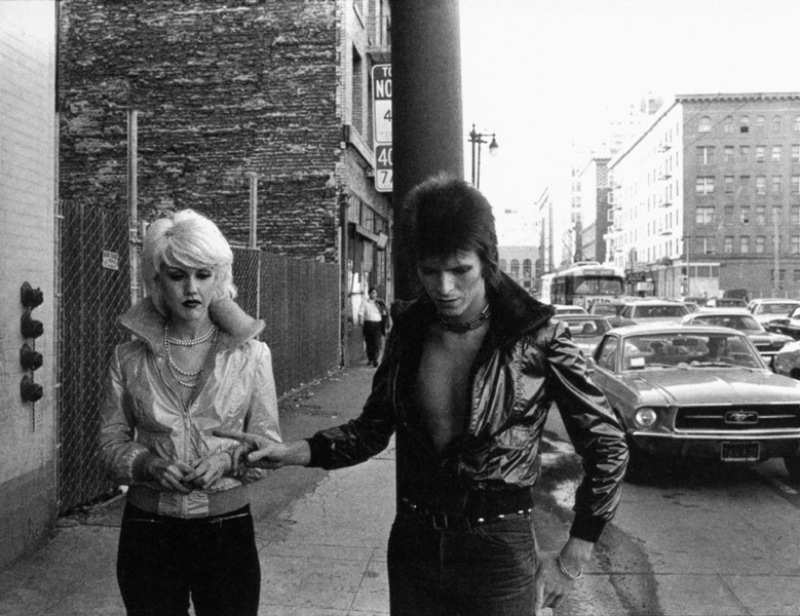
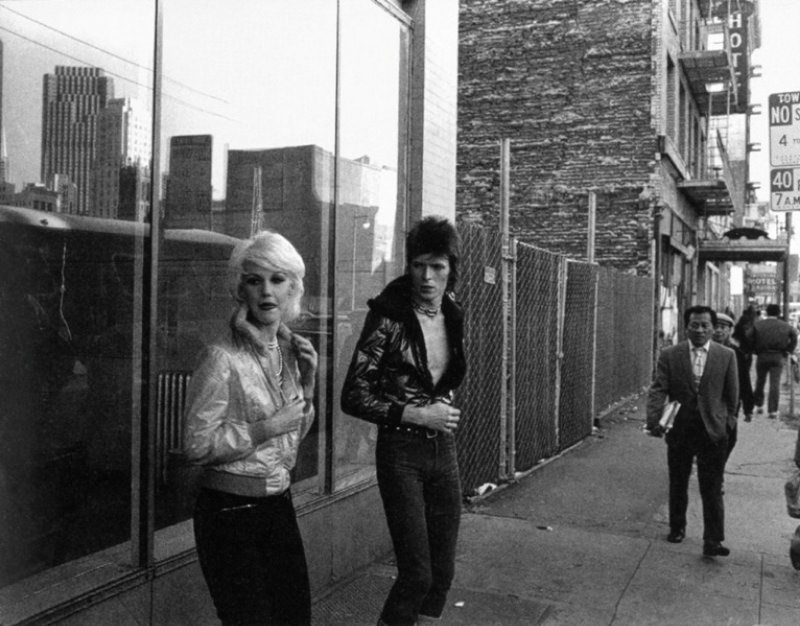
On screen, their chemistry was real. Foxe wasn’t performing a role from a distance — she and Bowie had a genuine connection, and it showed. The video captured something that felt unscripted and alive, even within its carefully constructed visual style.
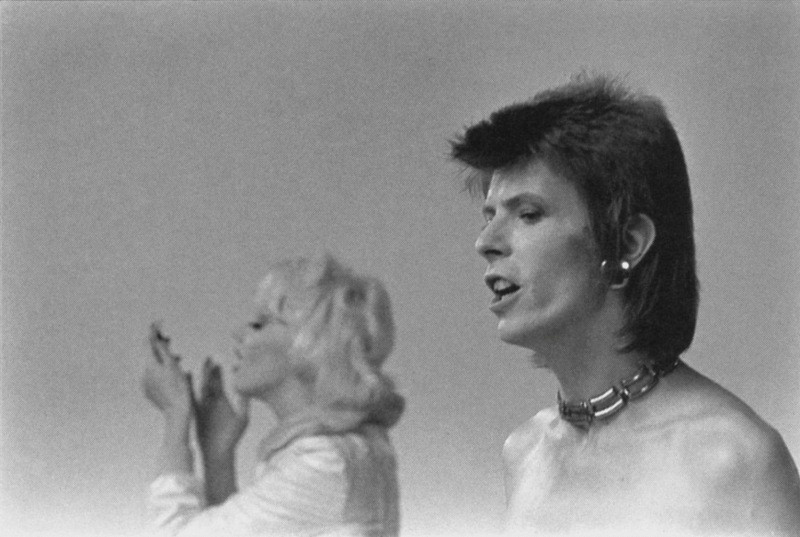
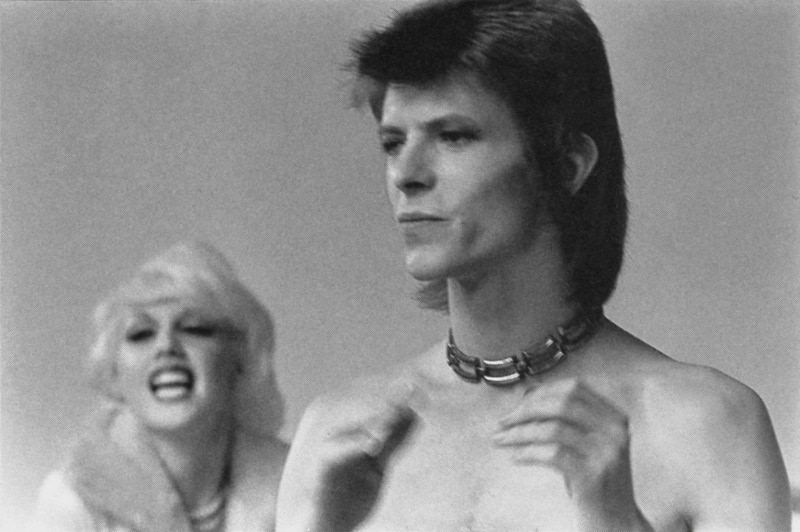
Foxe was more than a supporting presence in the video. She was a figure in her own right in the rock world of the early 1970s — connected to some of its most defining personalities and scenes. Her role in “The Jean Genie” was one of several moments where she appeared at the center of rock history, not on its edges.
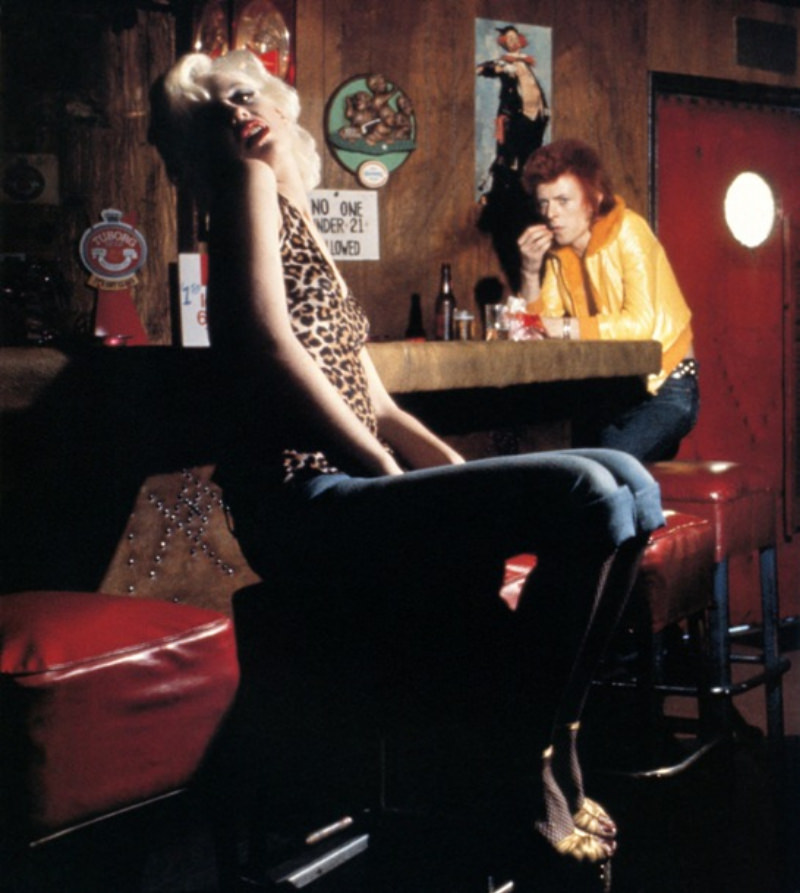
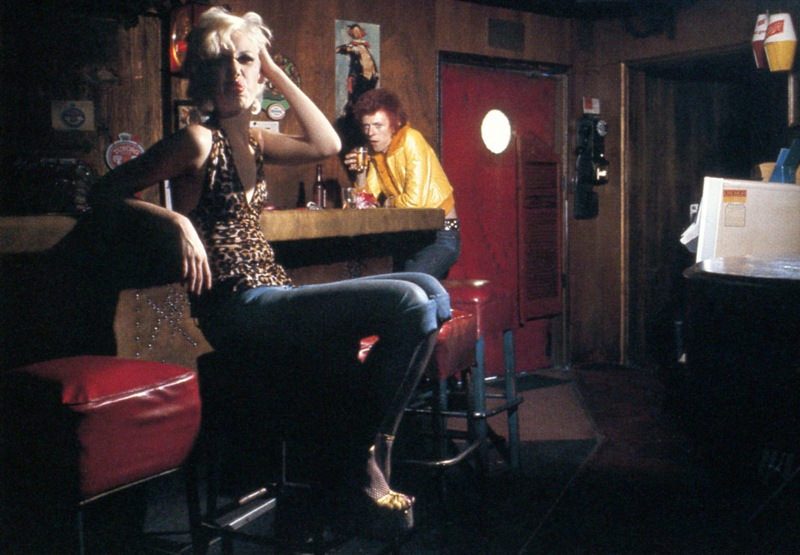
The Mars Hotel itself added to the atmosphere. Its worn, unglamorous hallways and rooms gave the video an edge that a polished studio never could have provided. The contrast between Foxe’s Marilyn-inspired style and the hotel’s rough surroundings reinforced exactly the tension Bowie was going for.
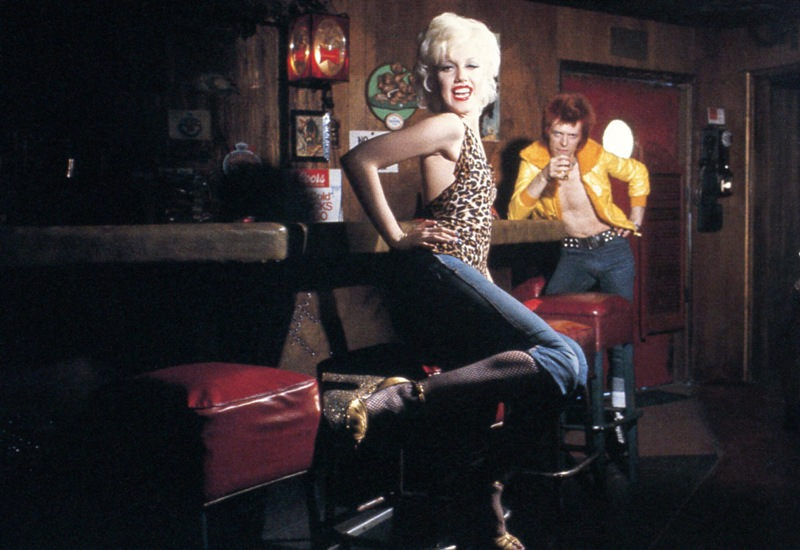
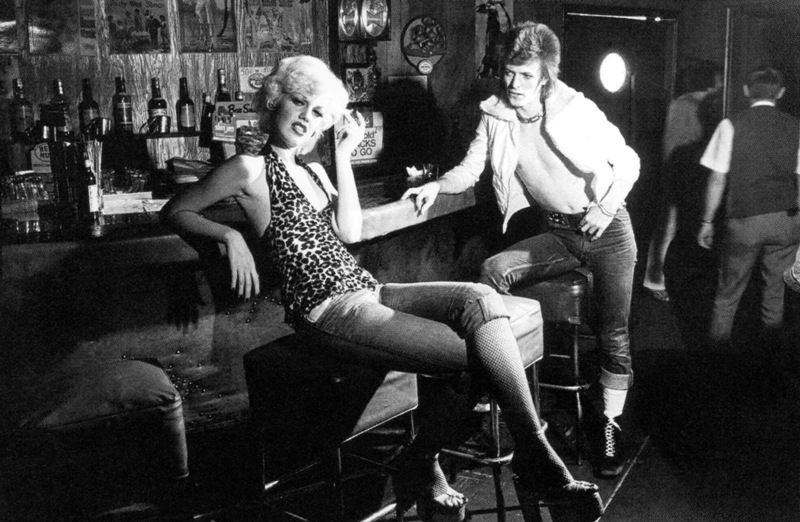
Years after the shoot, Foxe spoke warmly about her time with Bowie, calling him a “great lover” and saying she “really cherished” her time with him. The making of “The Jean Genie” was a concentrated moment — a few days in San Francisco that produced one of the most recognizable videos of Bowie’s entire career.
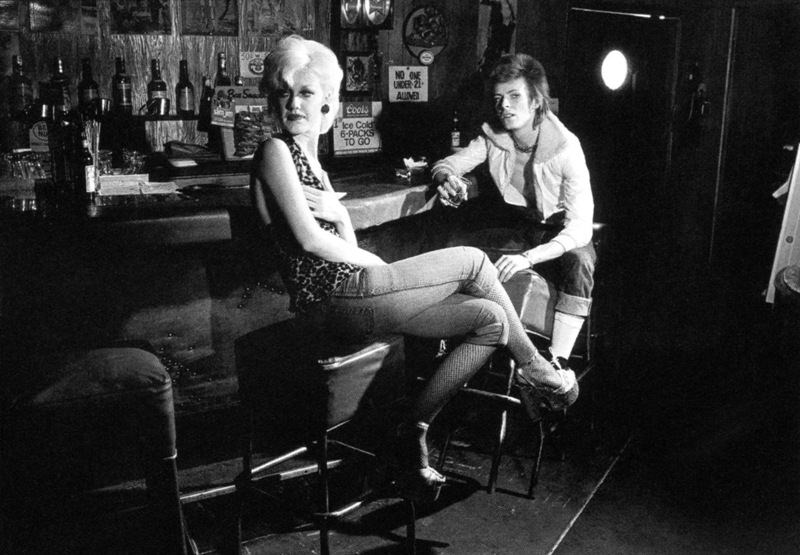
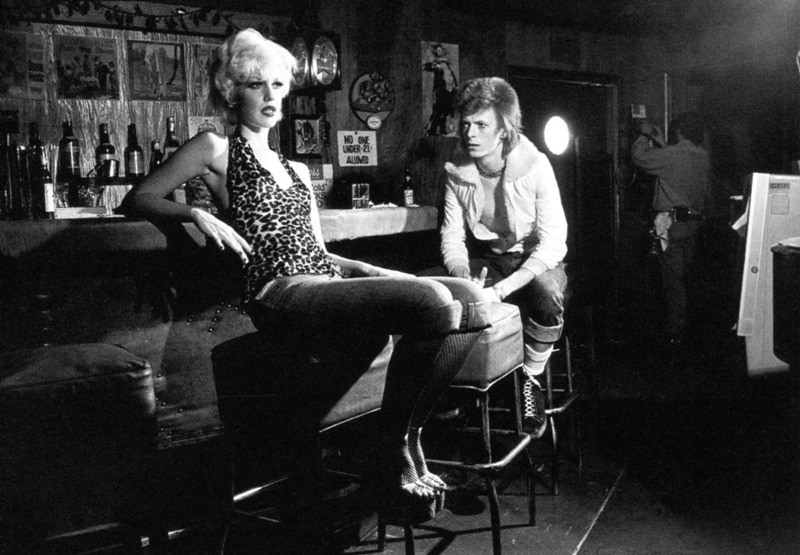
The video mixed high fashion sensibility with deliberate grit. Bowie’s artistic direction was precise — he knew the textures, tones, and contrasts he wanted, and Foxe delivered exactly what the concept demanded. Together, they turned a hotel location shoot into something that still holds its visual power decades later.