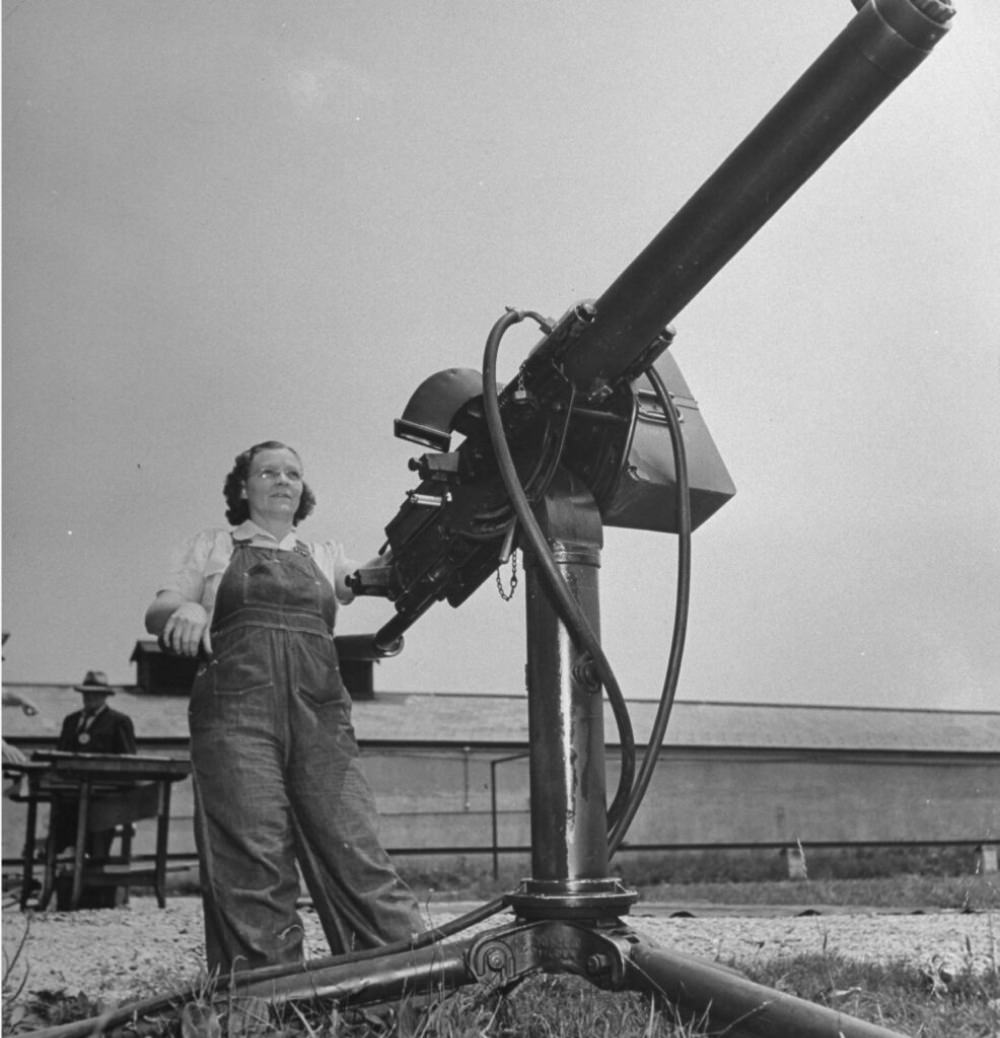
Aberdeen Proving Ground (APG) in Maryland opened in 1917 and remains the nation’s oldest active military testing facility. During World War II, it grew into one of the most critical weapons testing operations in the country, housing over 27,000 personnel at its peak.
For its first two decades, APG was almost entirely staffed by male soldiers. The war changed that fast. As soldiers deployed overseas, male civilians stepped in to fill their spots. Then the draft pulled those men away too, leaving a serious labor gap that threatened to slow weapons testing at the worst possible time.
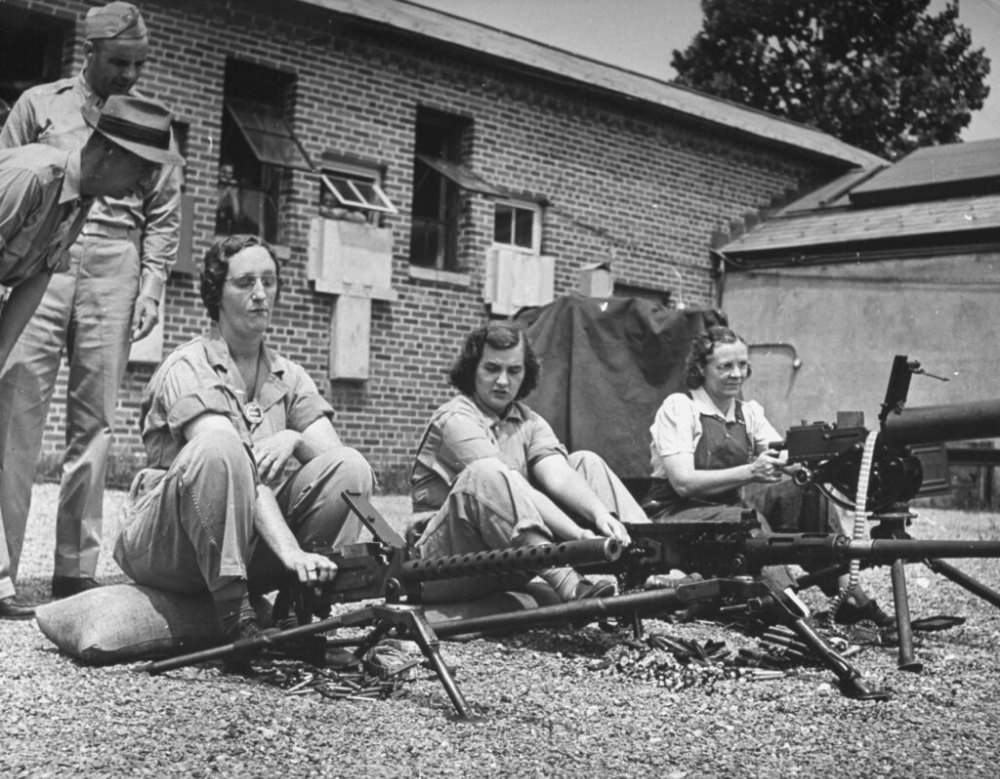
APG’s answer was to hire women — and in large numbers. These women came from all over the country and from varied backgrounds. Many were married to soldiers serving in the Army. Some had husbands who also worked at APG itself.
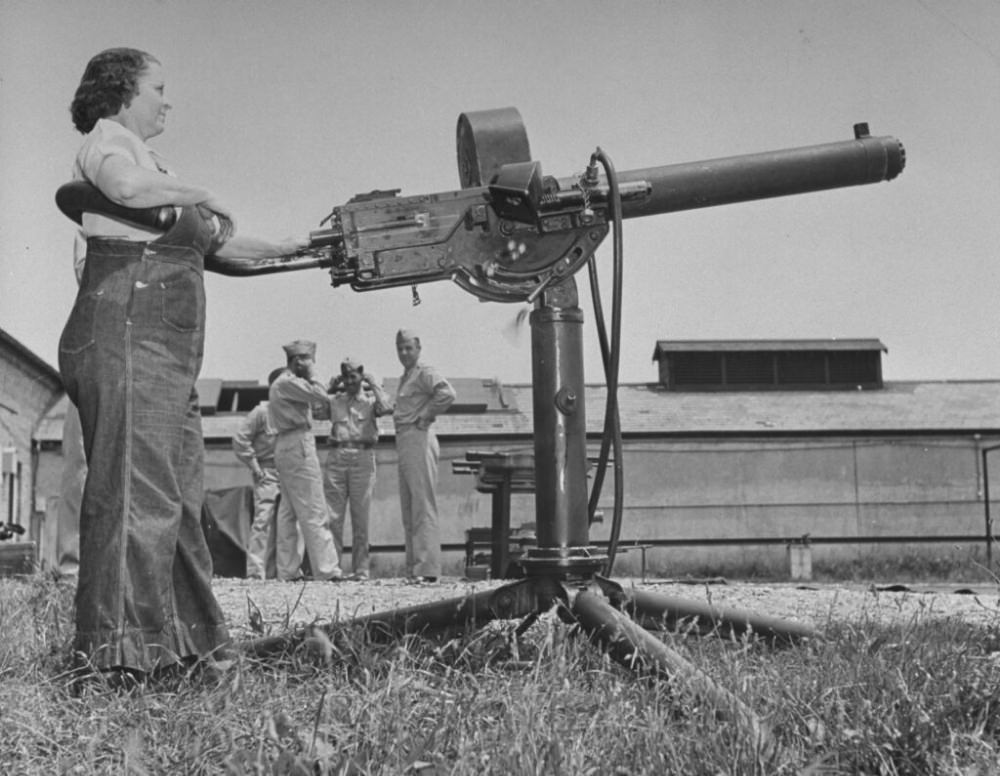
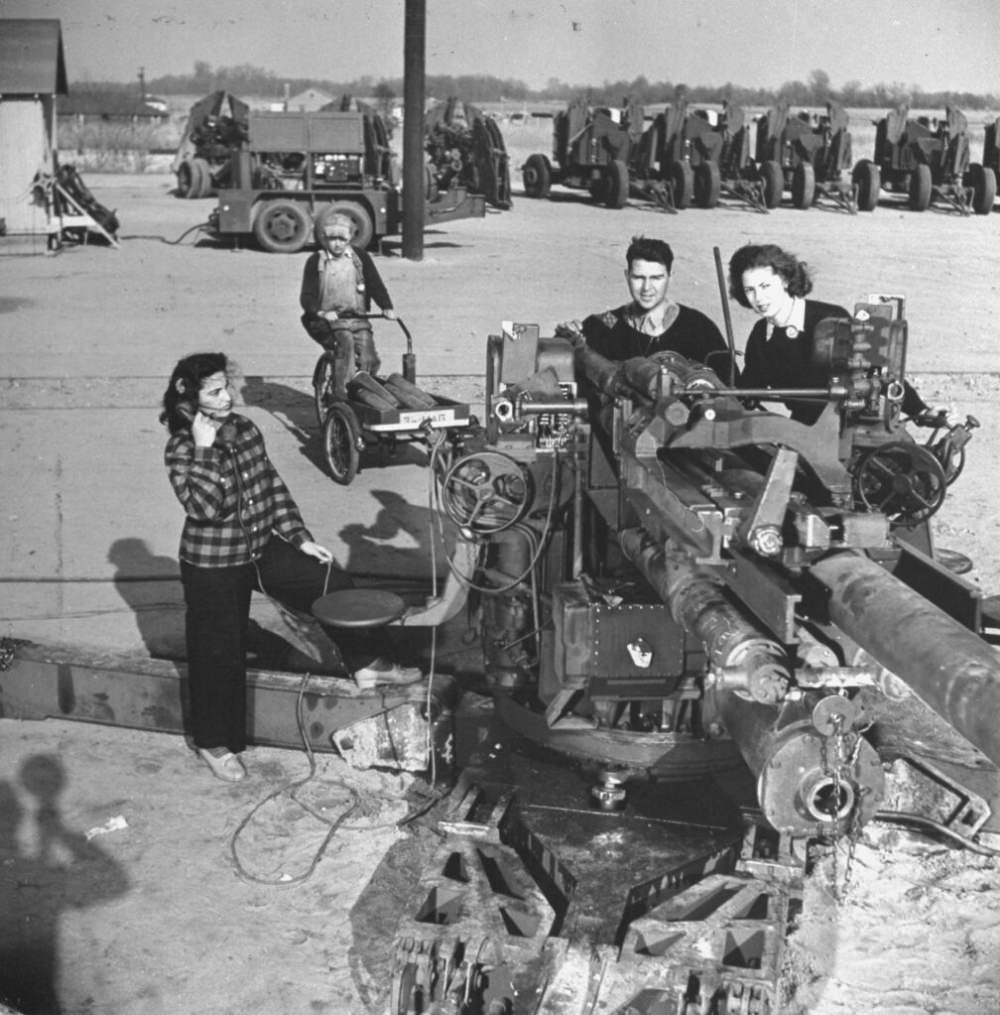
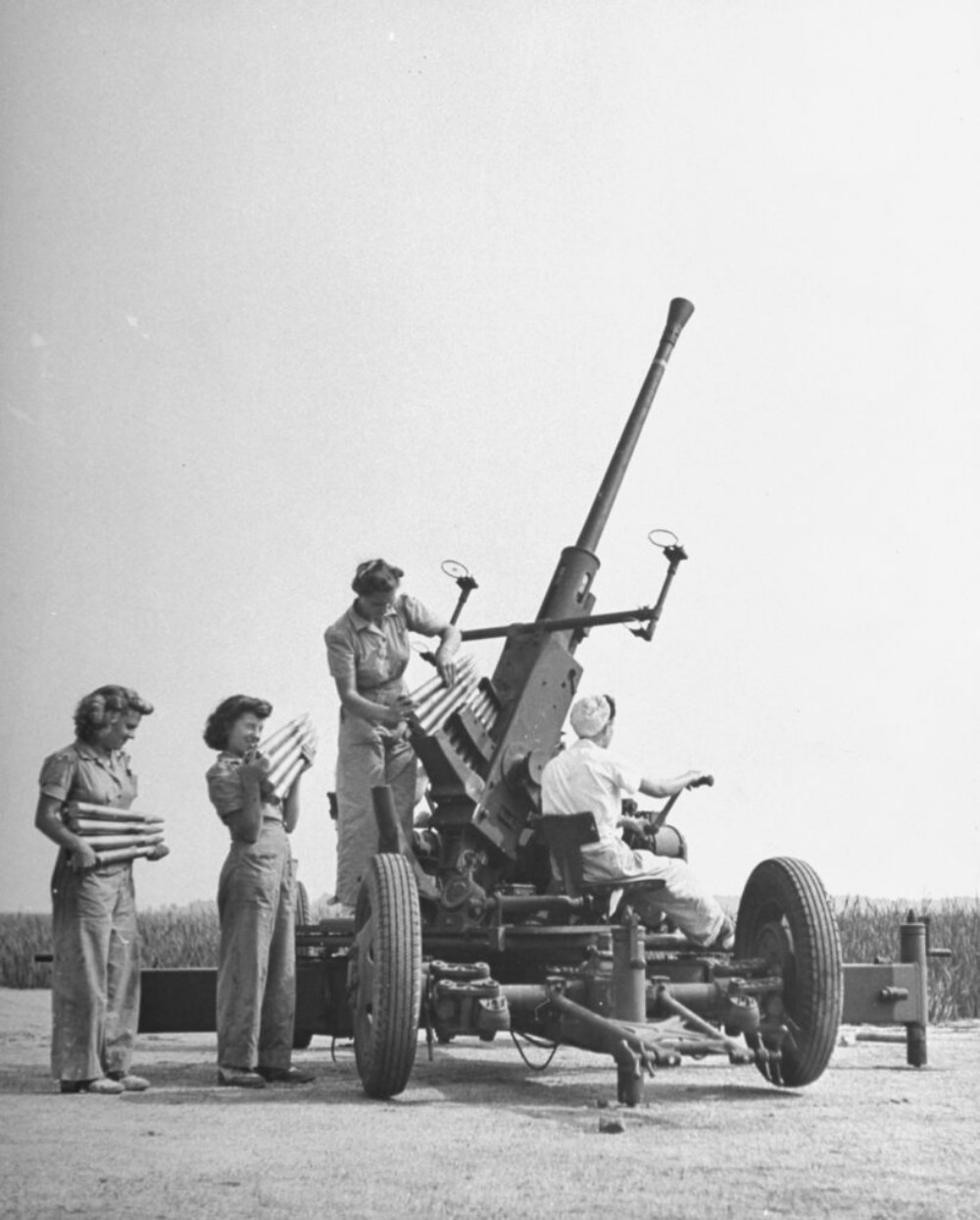
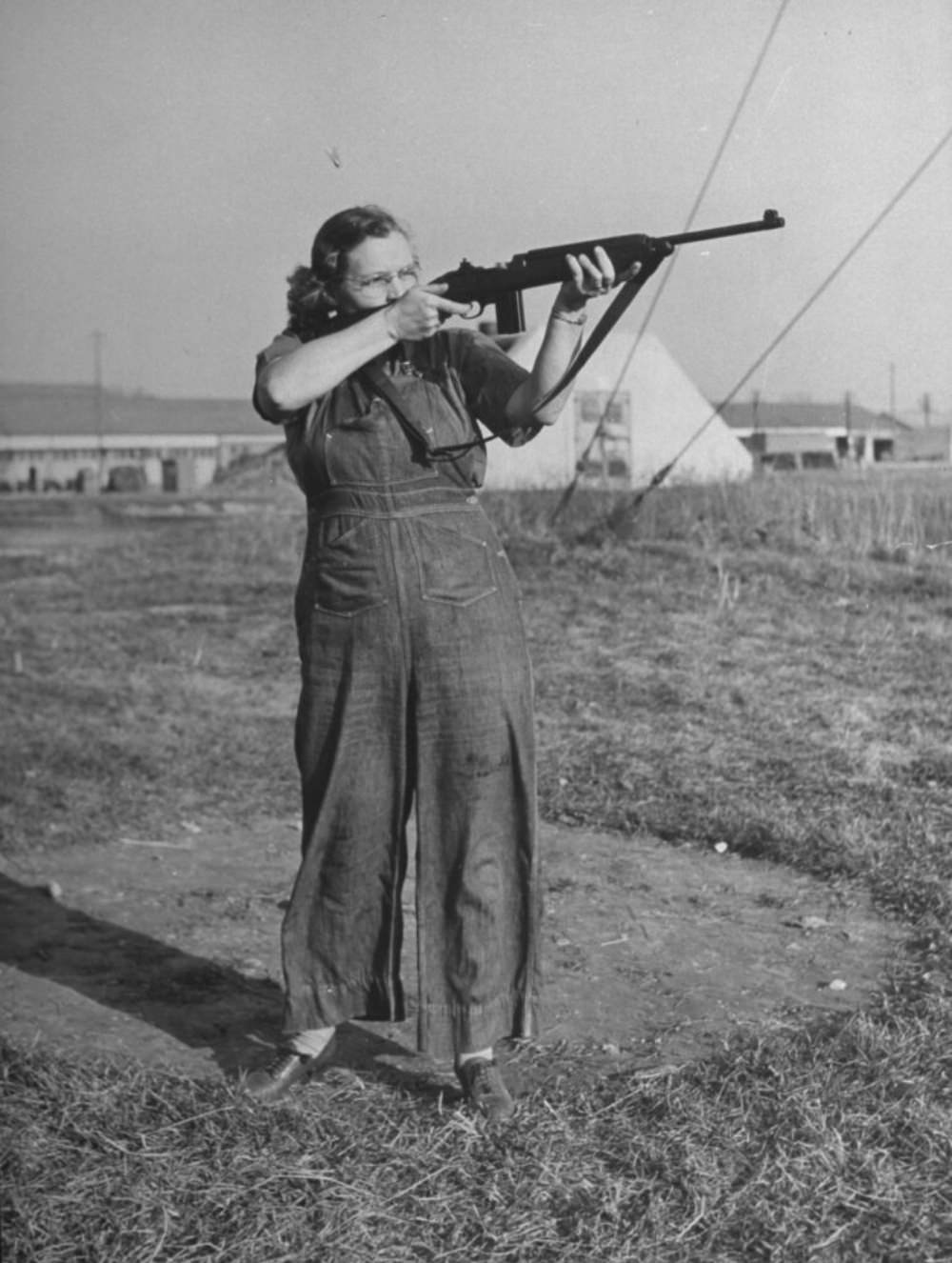
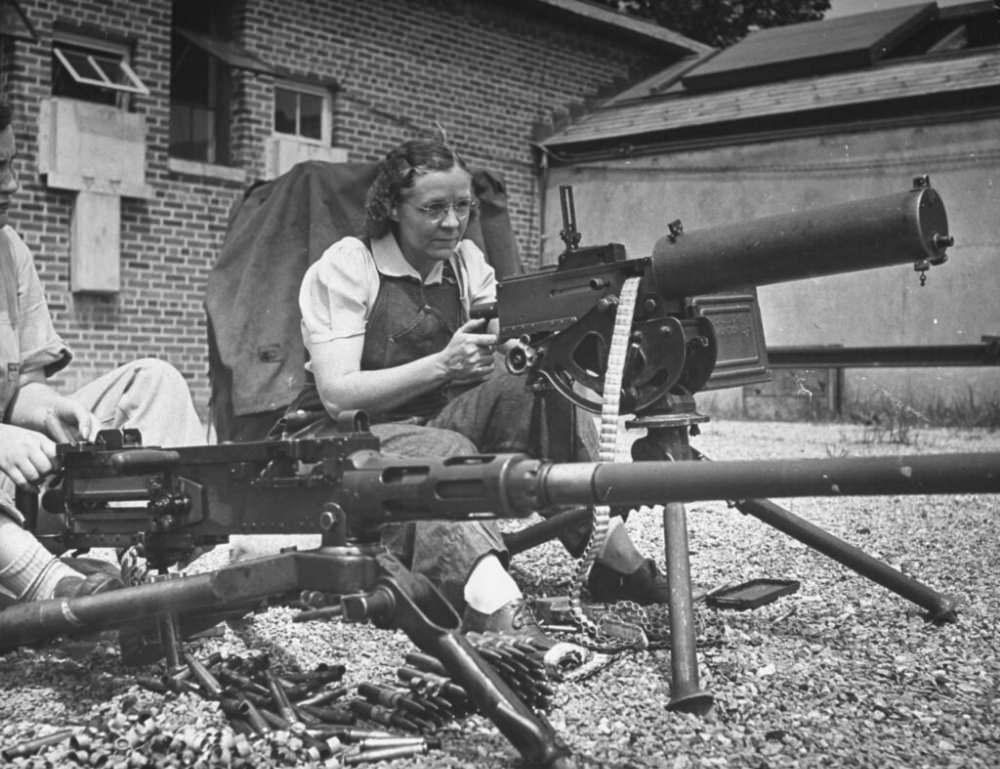
One of the most demanding jobs these women took on was direct weapons testing. They worked as crew members on systems that included 90-millimeter anti-aircraft guns. This wasn’t observation — it was hands-on operation during live firing tests.
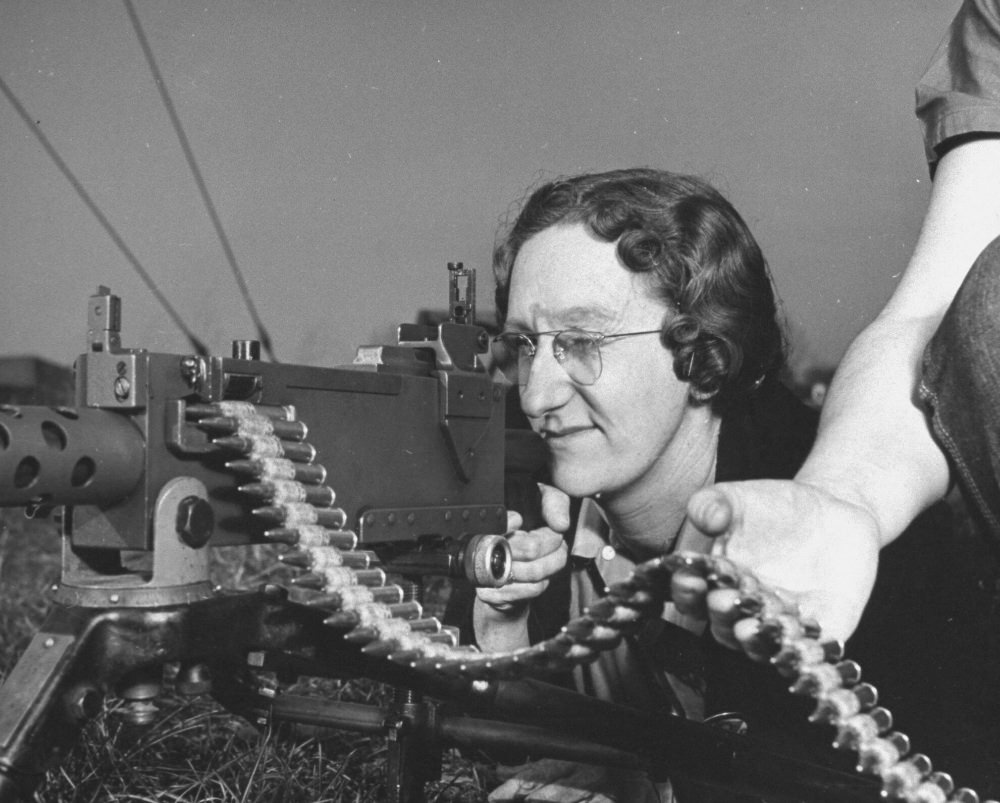
Beyond the guns themselves, women also operated highly technical instruments used to measure projectile velocity, accuracy, and overall weapon performance. Gathering reliable test data required precision and a sharp eye for detail.
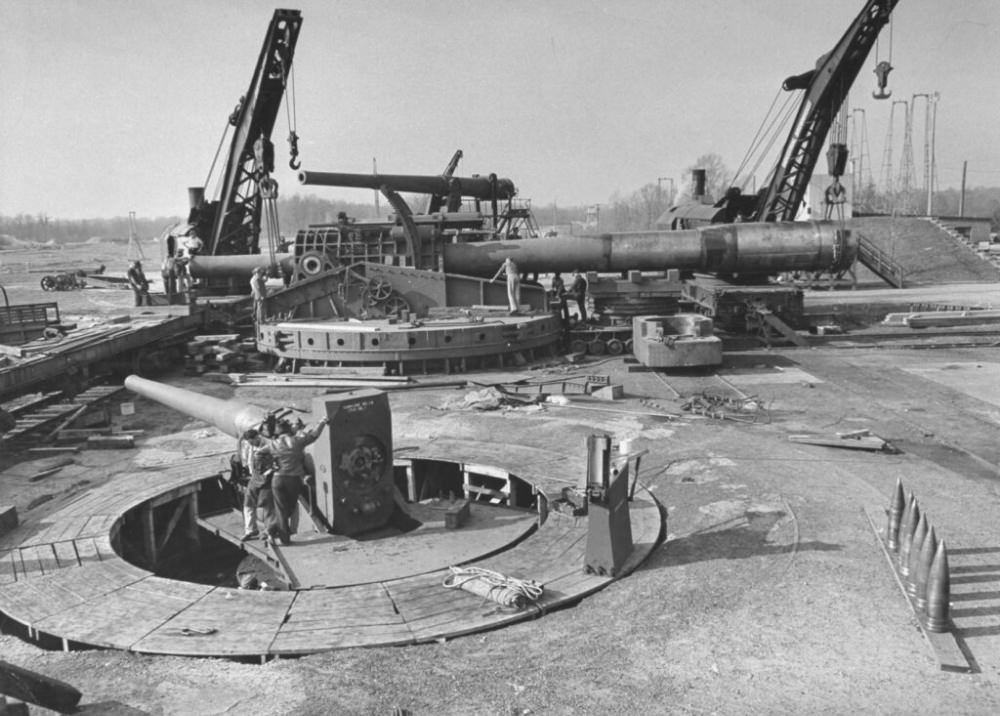
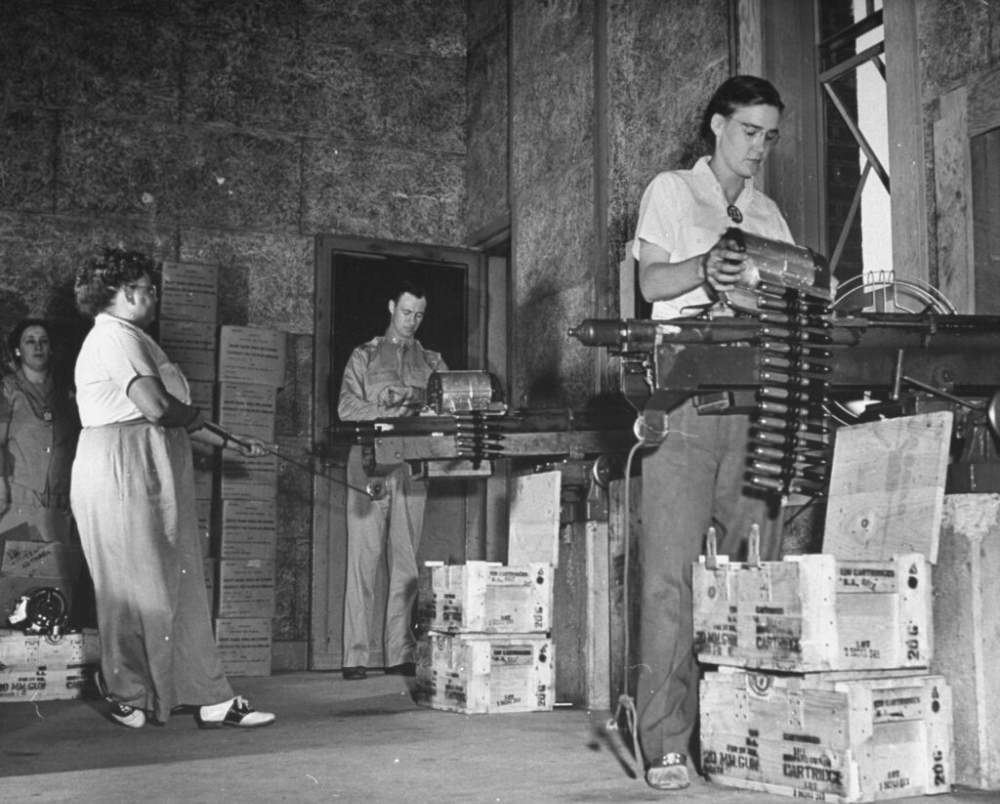
Their roles didn’t stop at the firing line. Women drove trucks hauling supplies and equipment across the sprawling grounds. Others worked as bicycle messengers, moving communications between sections of the facility quickly and reliably.
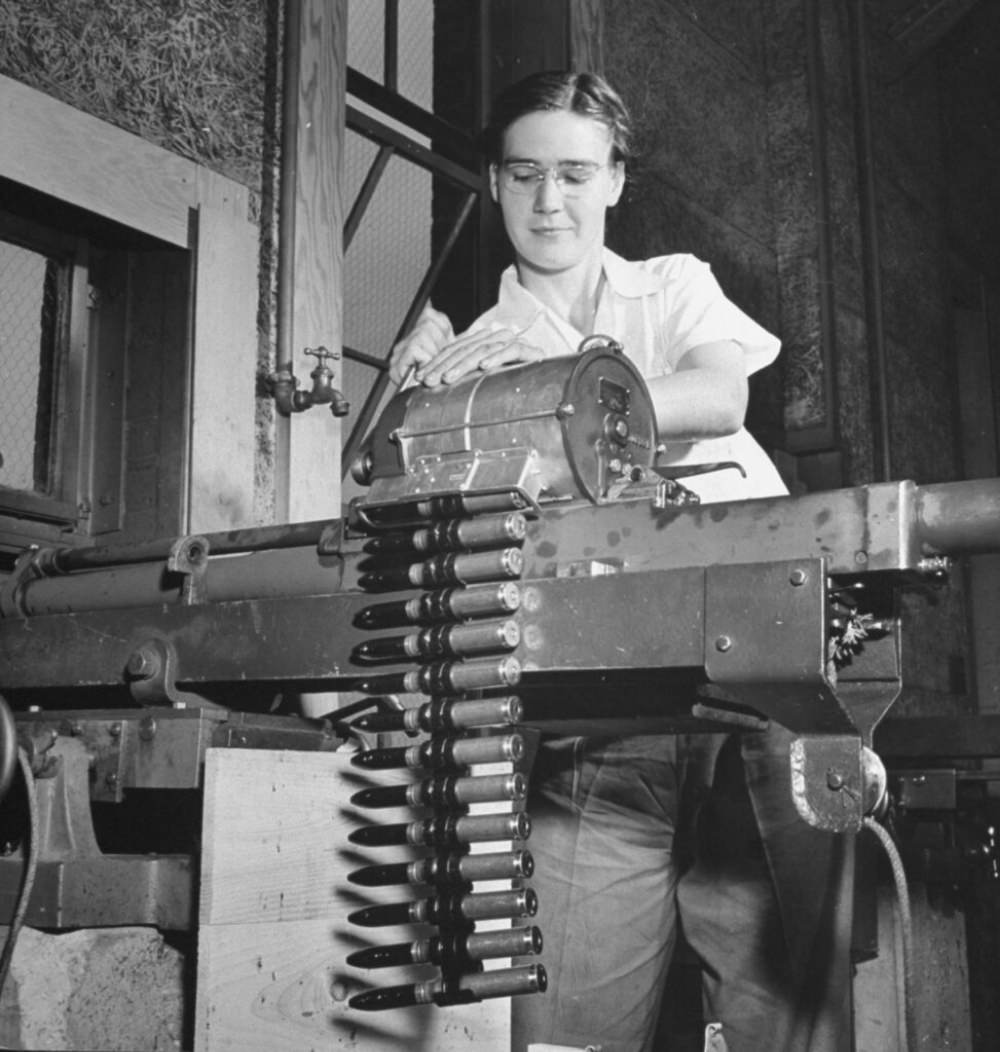
Maintenance was another key responsibility. Women swabbed and cleaned military vehicles, keeping equipment in working order for continued testing operations.
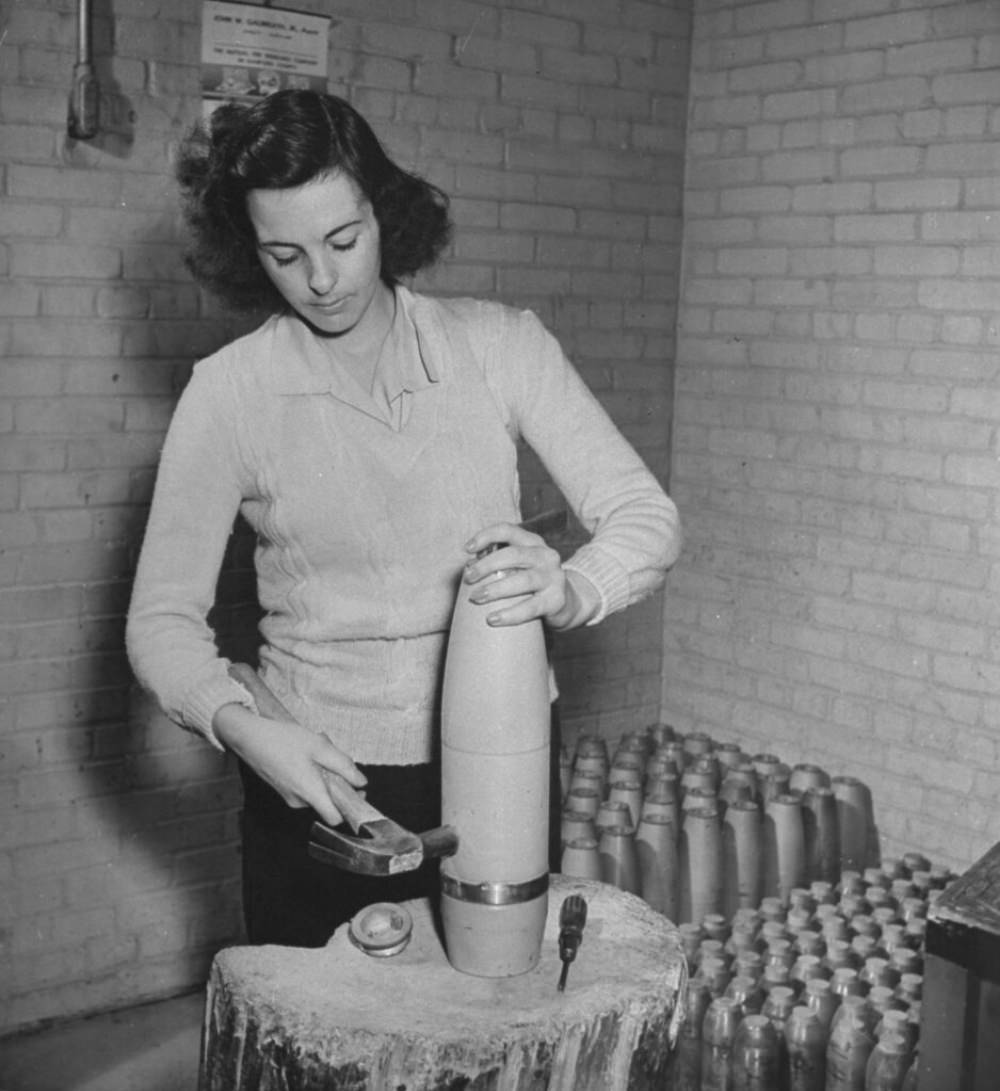
Practical clothing was a necessity in this environment. The women at APG wore slacks — often in bright colors — that allowed freedom of movement and were far safer around machinery than the skirts and dresses common at the time.
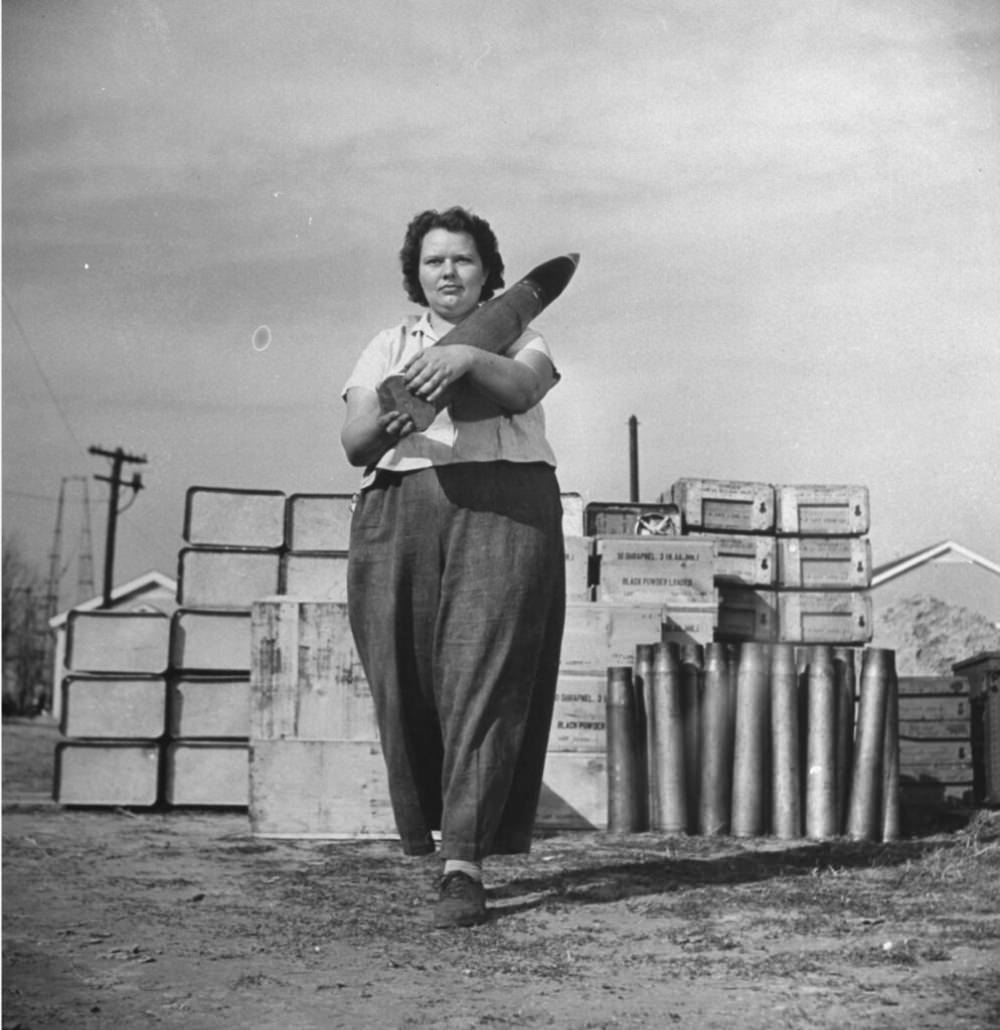
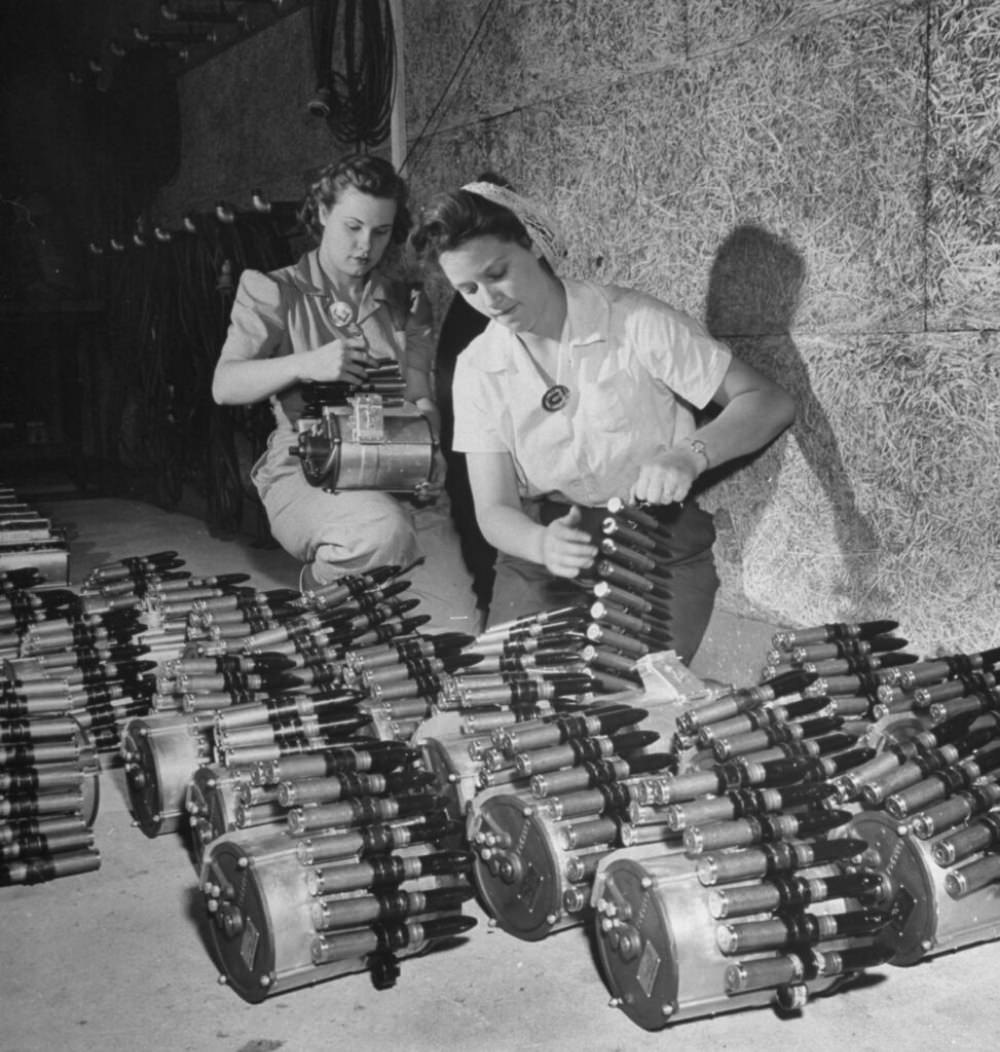
Contemporary accounts describe these women on the firing fronts, their colorful slacks coated in black and white powder residue left over from artillery firing. It was a vivid, telling detail of just how close to the action they truly were.