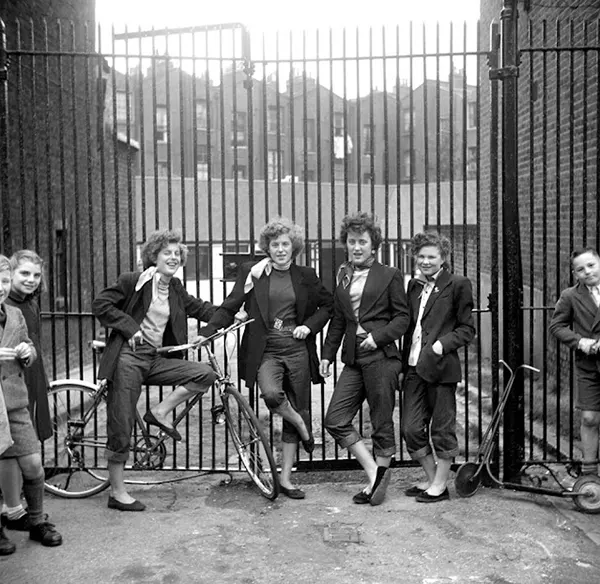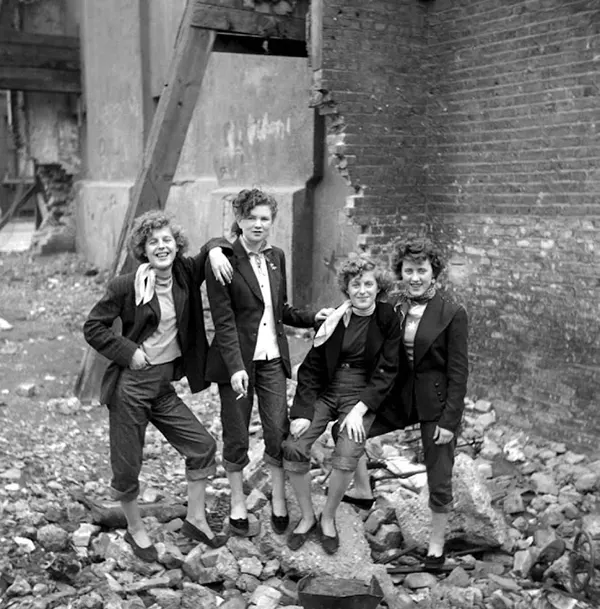
Postwar Britain was a country under strain. Rationing, bombed-out streets, and a sense of lost youth left many working-class teenagers restless and hungry for an identity. Out of that frustration came one of the most striking youth subcultures of the 20th century: the Teddy Boys and Girls. They didn’t riot with placards — they rebelled with their wardrobes.
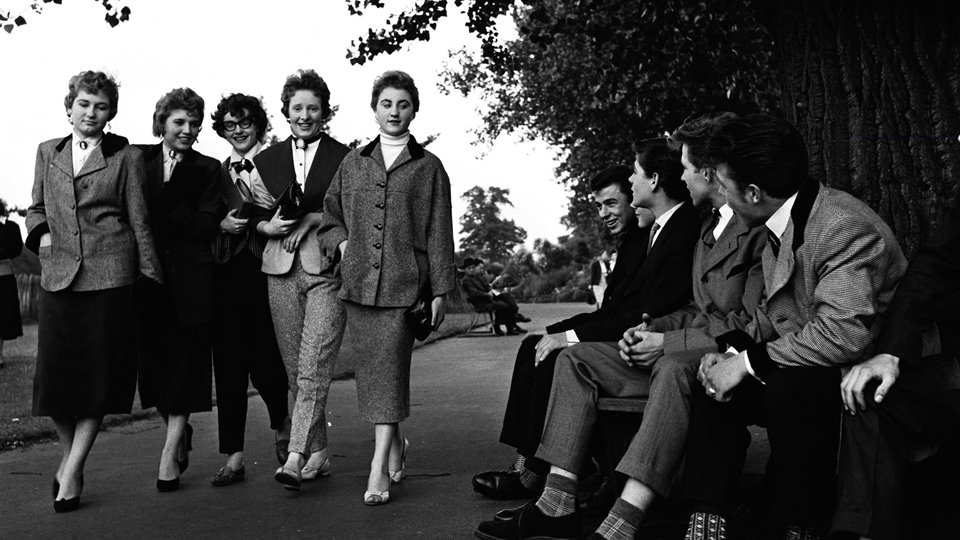
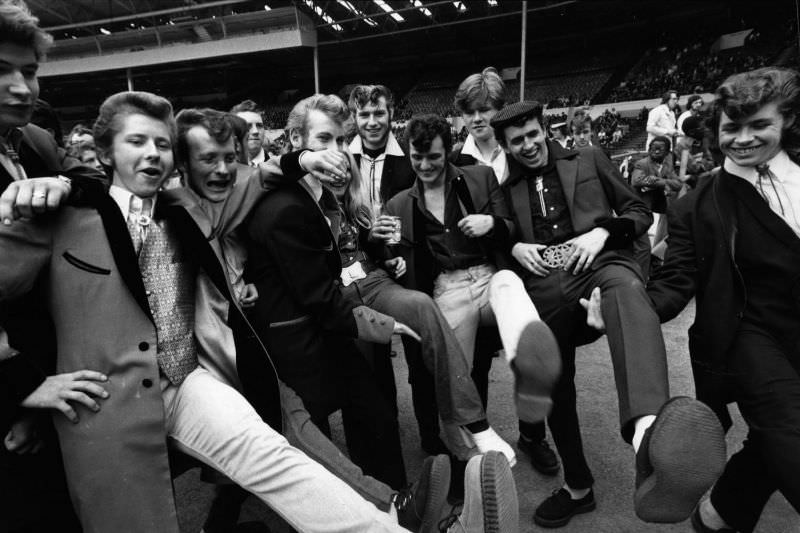
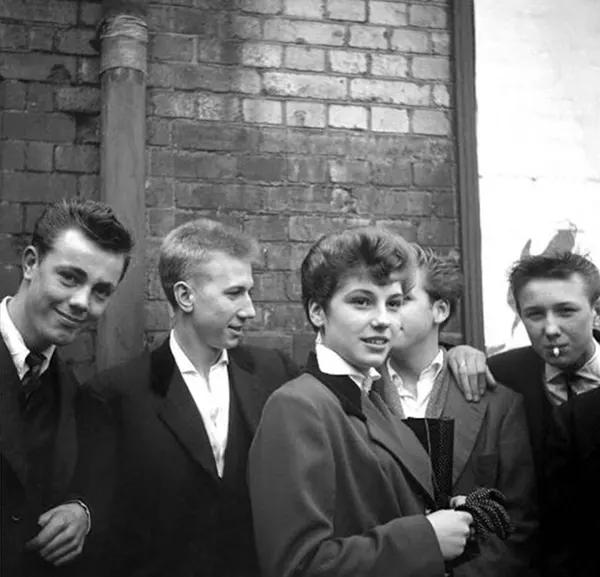
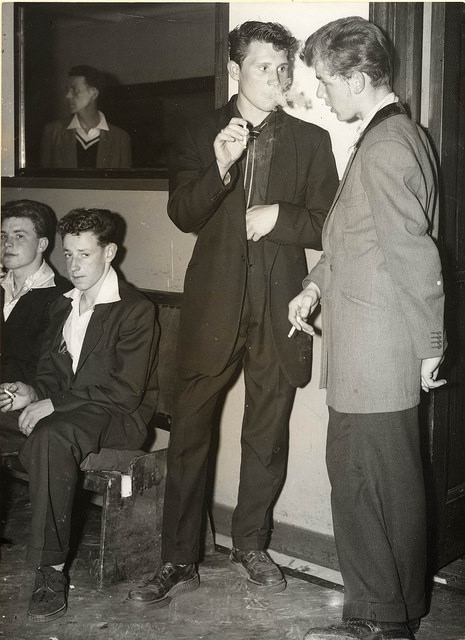
The Teddy Boy look drew from an unlikely source — Edwardian fashion. Tailors in London’s West End had already been reviving the style for upper-class men, but working-class youth seized it and made it their own. The result was sharp, deliberate, and unmistakable. Drape jackets with velvet collars, drainpipe trousers, and thick crepe-soled shoes called “Creepers” became the uniform of a generation.
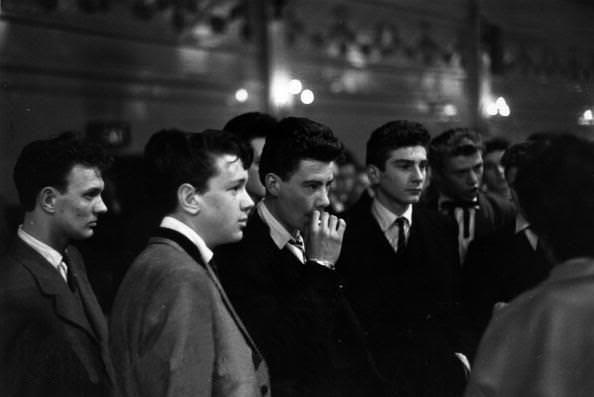
The quiff was the crown of the Ted’s image. Sculpted with grease and worn high, it was a deliberate act of self-expression at a time when conformity was expected. Getting the look right took time and money — some outfits cost upward of £50, a significant sum for a working-class young man in the mid-1950s.
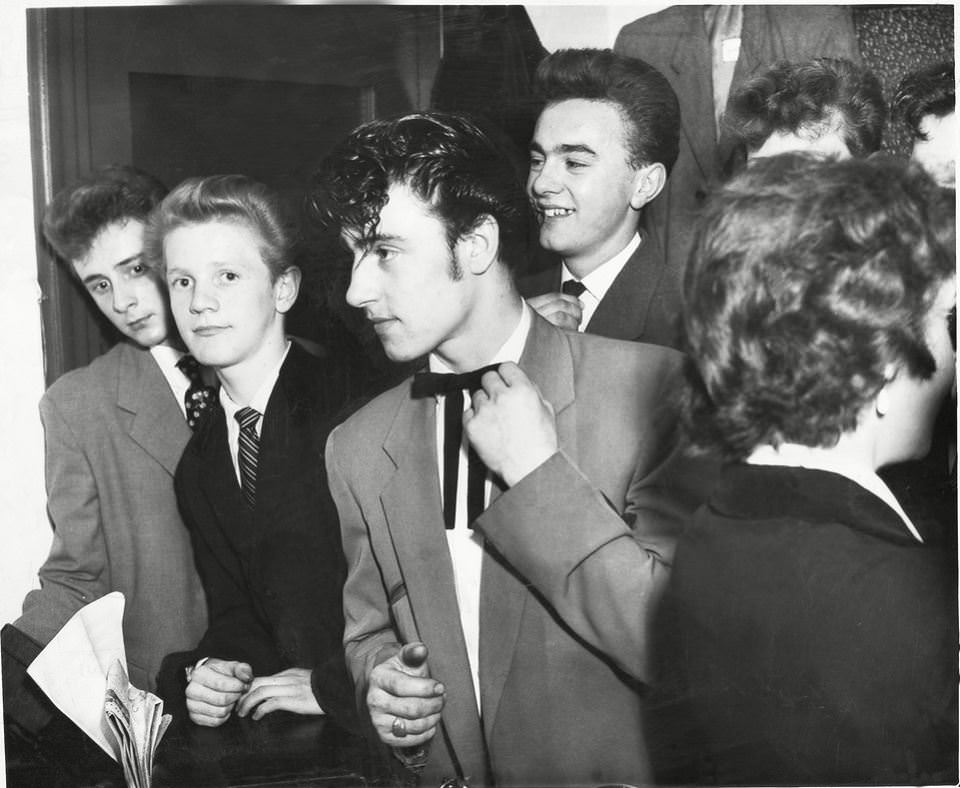
Competitions like the Best Dressed Teddy Boy event in Nottingham in 1956 showed how seriously Teds took their style. This wasn’t accidental fashion — it was a craft. Details mattered: the width of a lapel, the cut of a trouser bottom, the choice of a “Slim Jim” tie over a standard one.
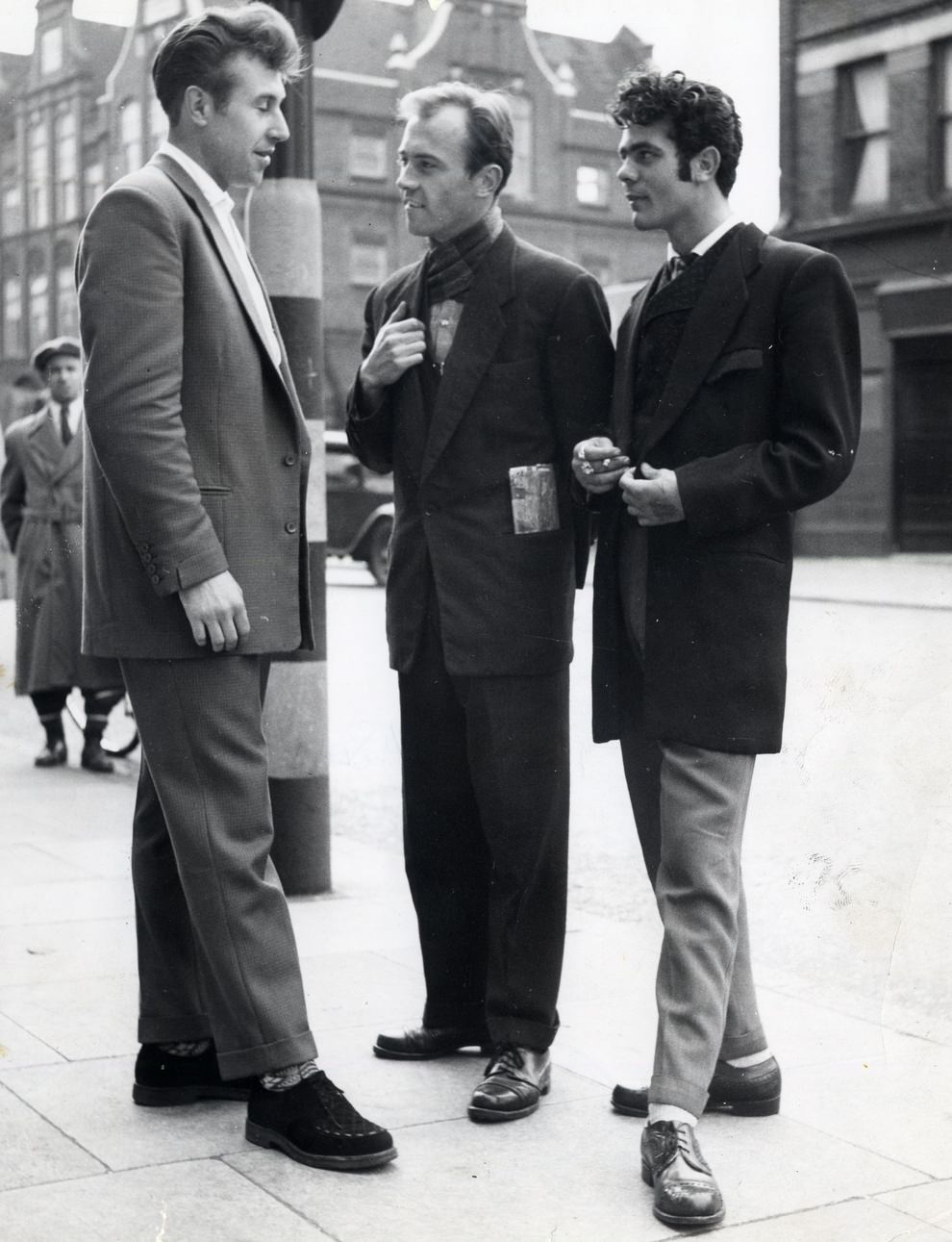
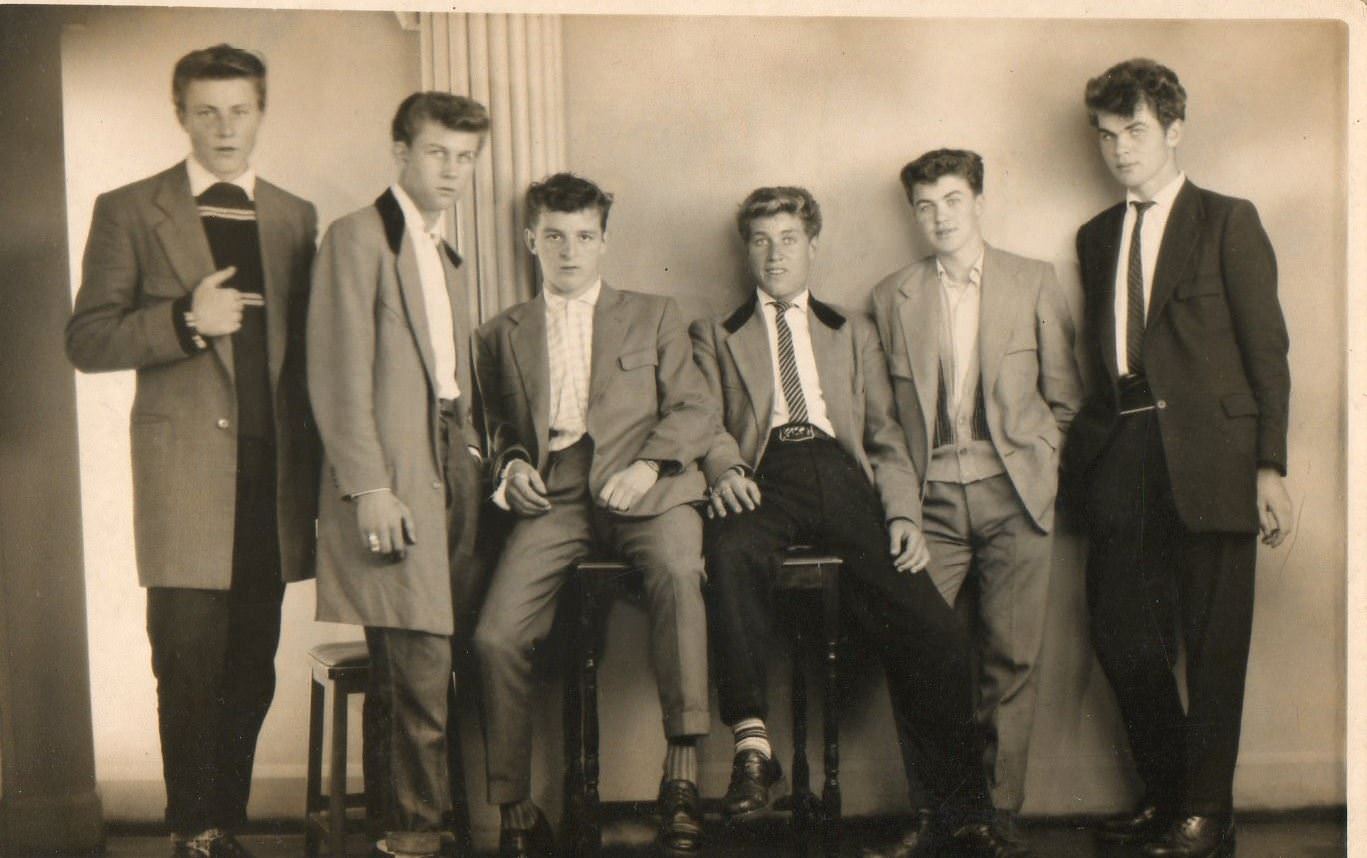
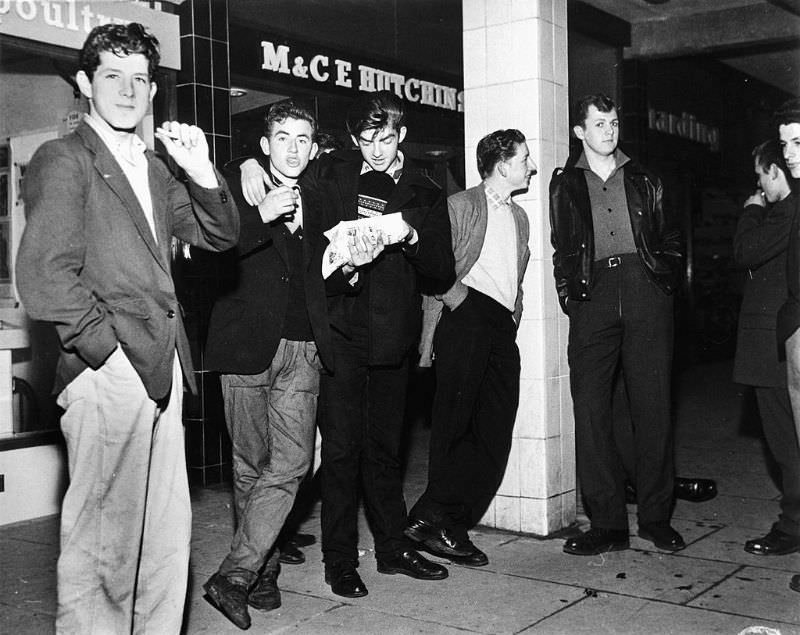
The subculture spread well beyond London. From Portsmouth to Liverpool to the new towns of the north, Teddy Boys claimed public spaces — dance halls, street corners, fish and chip shops — as their own social territories.
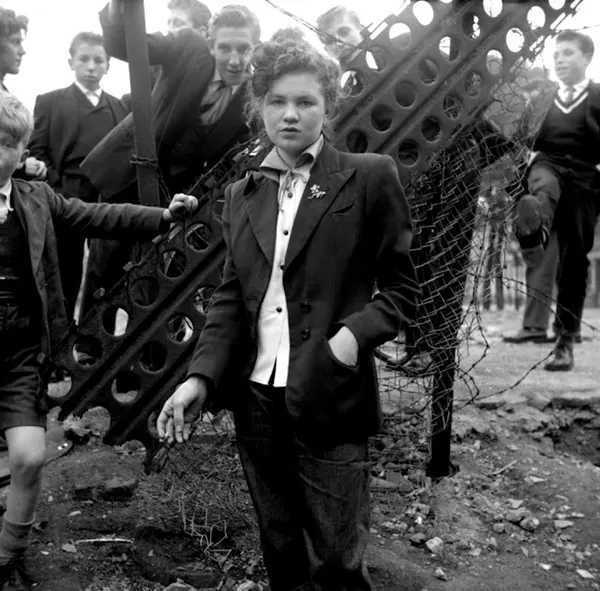
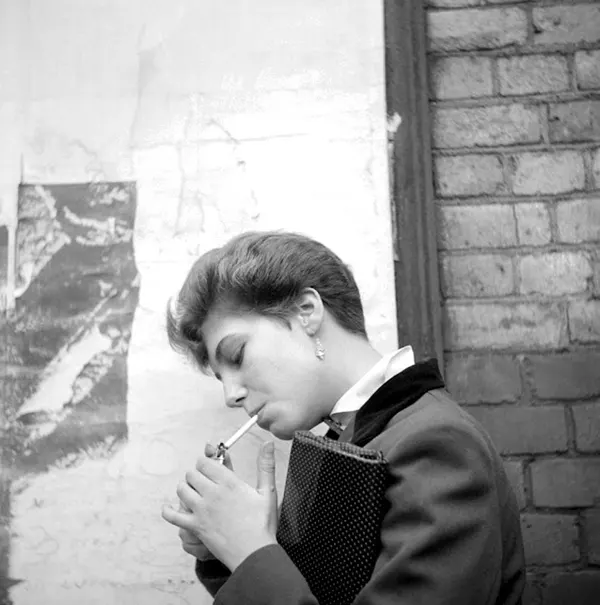
Teddy Girls, known as “Judies,” were just as deliberate in their look. They wore Capri pants, pedal pushers, and fitted jackets — a sharp contrast to the full skirts and modest styling expected of young women at the time. Bold makeup and confident attitudes completed the picture.
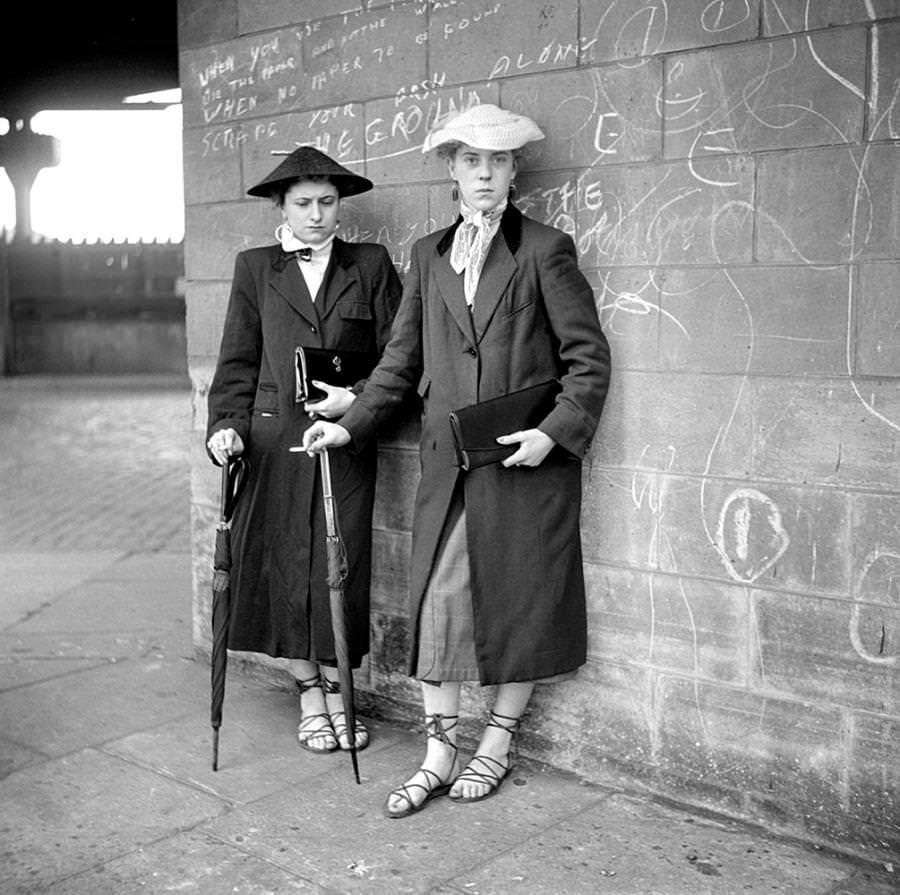
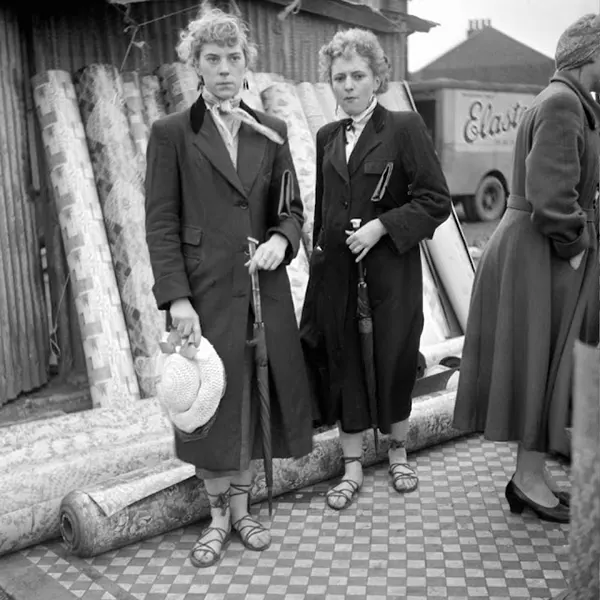
Photographer Ken Russell captured Teddy Girls Pat Wiles and Iris Thornton in January 1955, both aged 17 from Plaistow, East London. Their lace-up espadrilles and easy confidence in front of the camera said everything about the attitude Teddy Girls carried.
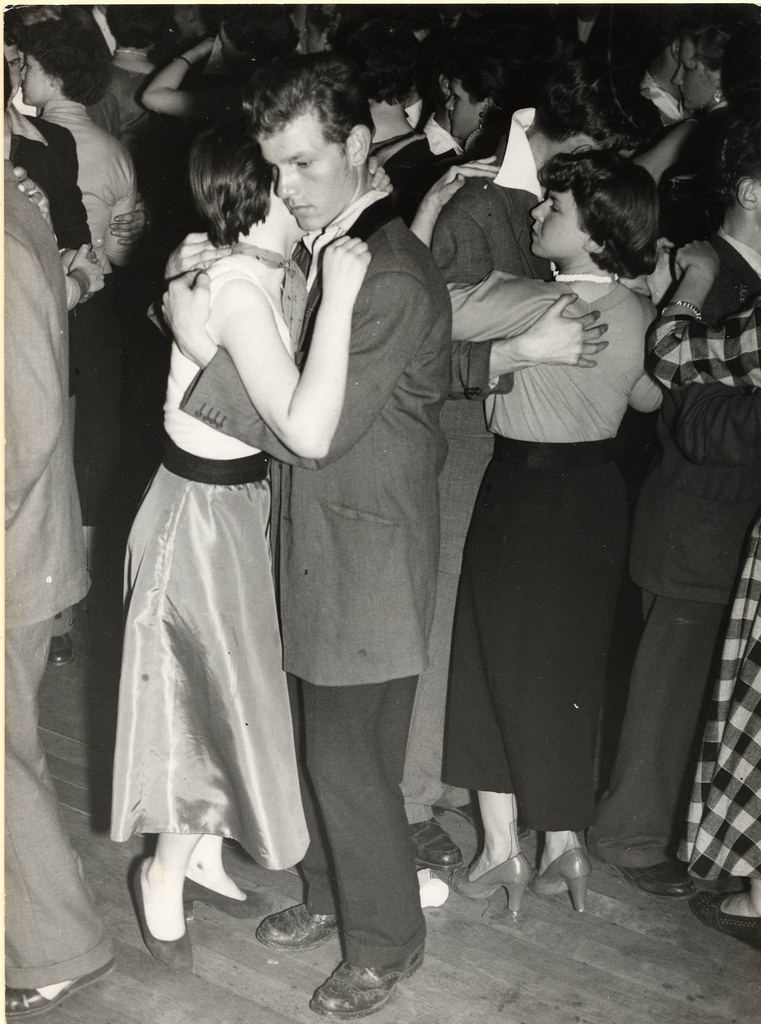
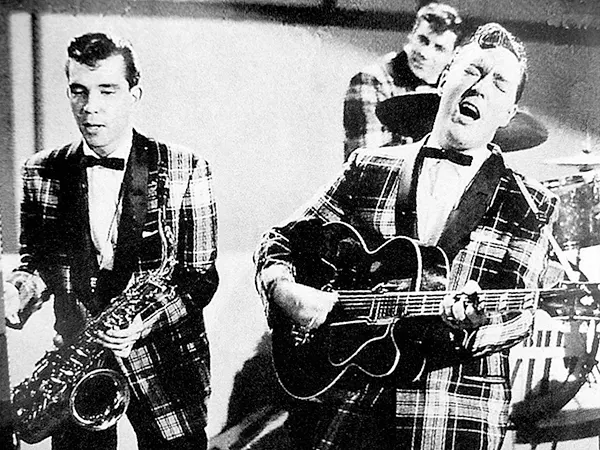
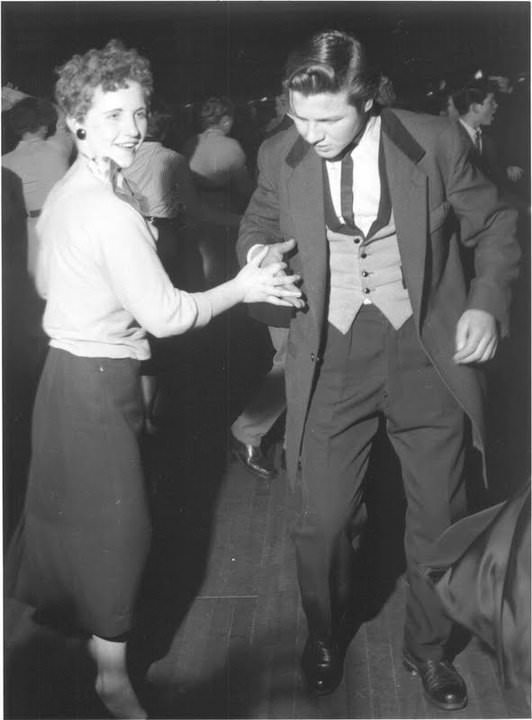
Dance halls were the heart of Ted culture. Rock and roll, arriving from America via artists like Elvis Presley and Bill Haley, gave Teds their soundtrack. The music matched their energy — loud, fast, and built for movement. When Bill Haley’s “Rock Around the Clock” hit British cinemas in 1956, some Teds danced in the aisles and tore up seats, landing the subculture on the front pages.
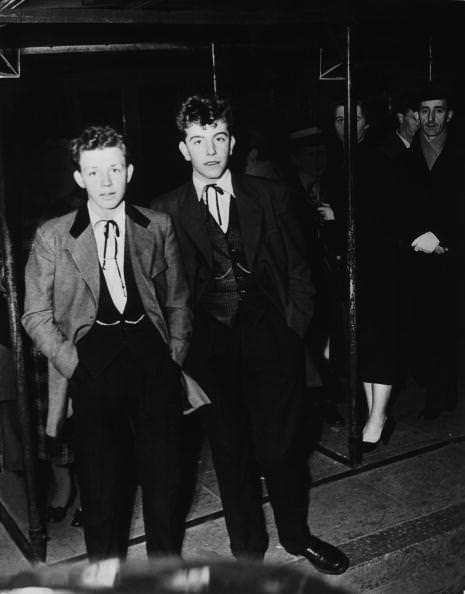
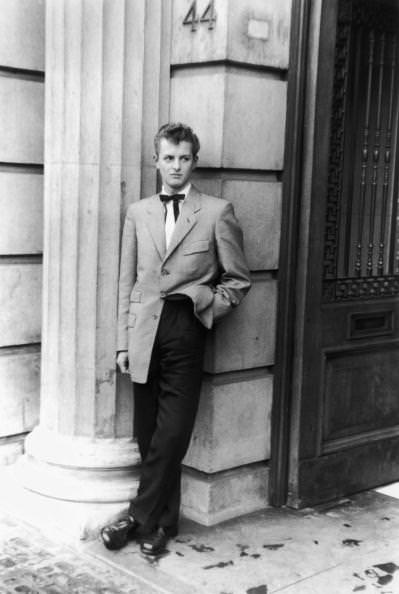
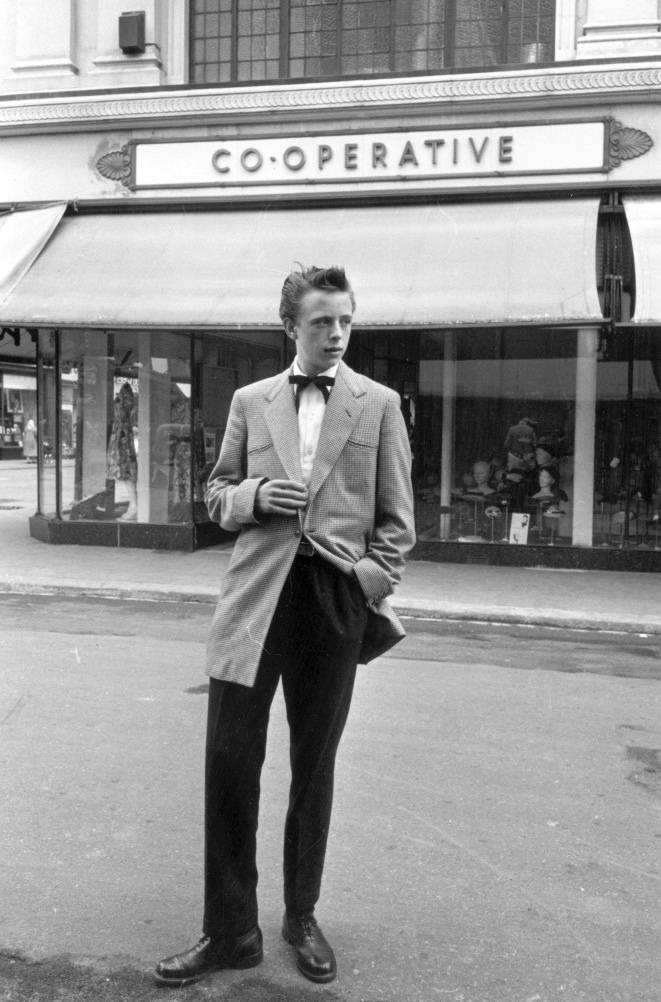
Not every Ted was unemployed or troubled. Alec Cruickshank, photographed outside the Mecca Dance Hall in Tottenham in 1954, worked as a clerk in a City of London shipping office. The Ted look crossed into many walks of working-class life — it was a style choice, not a sign of criminality.
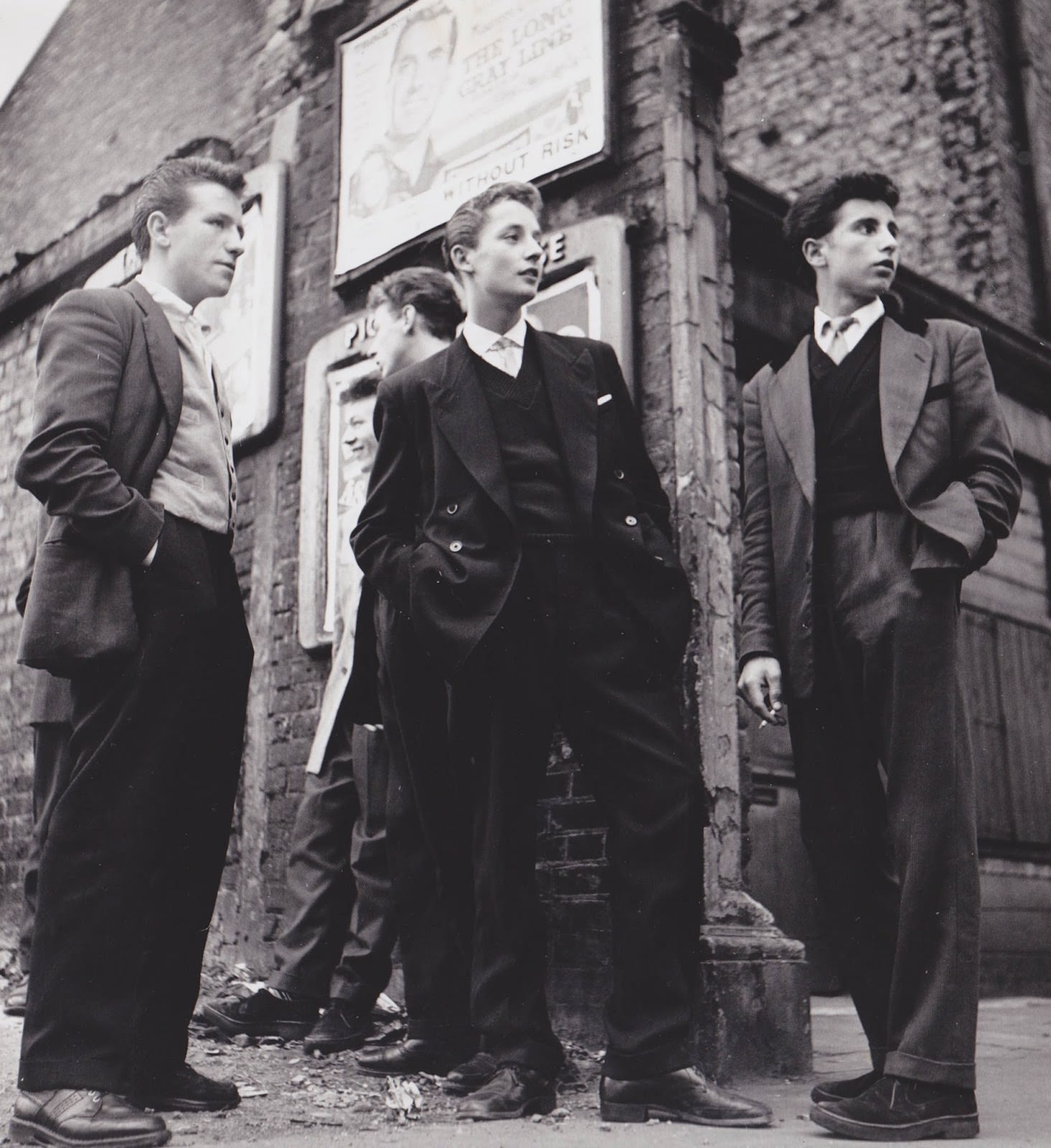
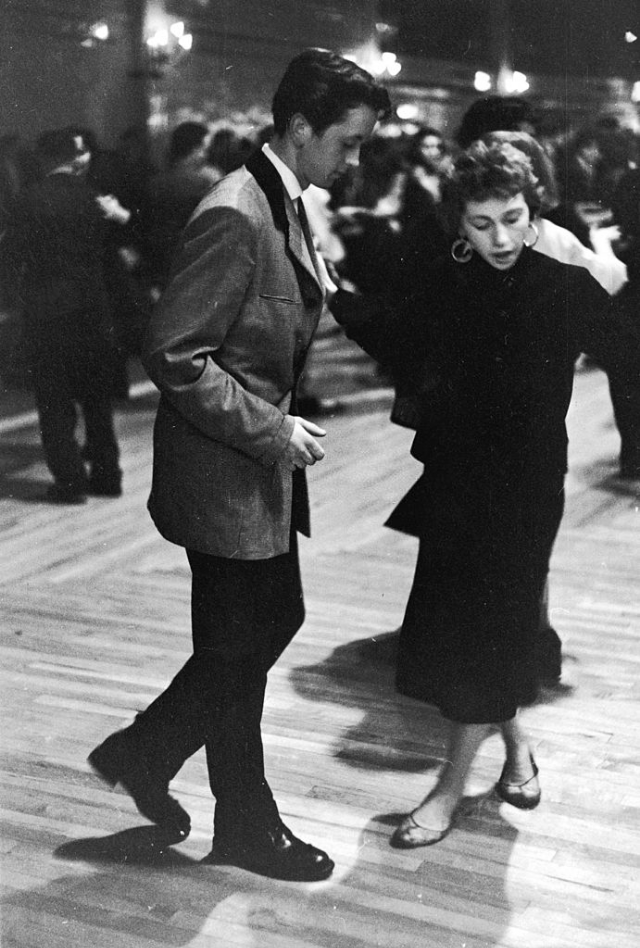
The British press consistently painted Teds as a threat. Newspapers linked them to gang violence and juvenile delinquency, often with little evidence. The reality for most Teds was far more ordinary — they gathered outside cinemas, lingered around jukeboxes, and danced at the local Mecca hall.
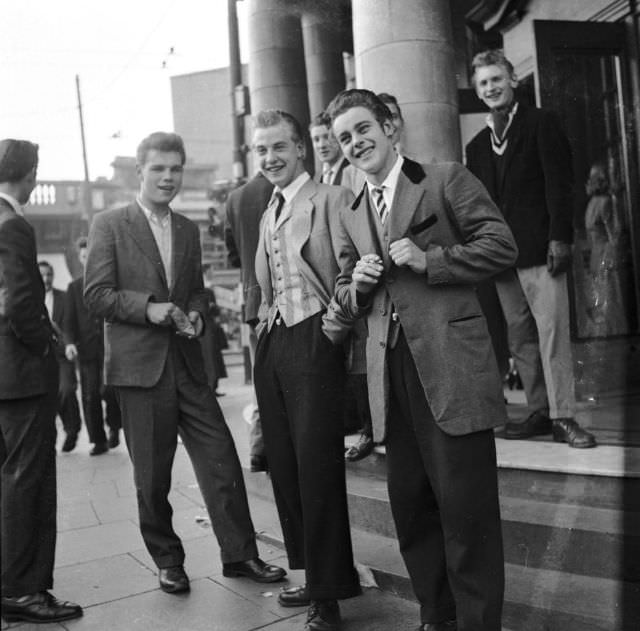
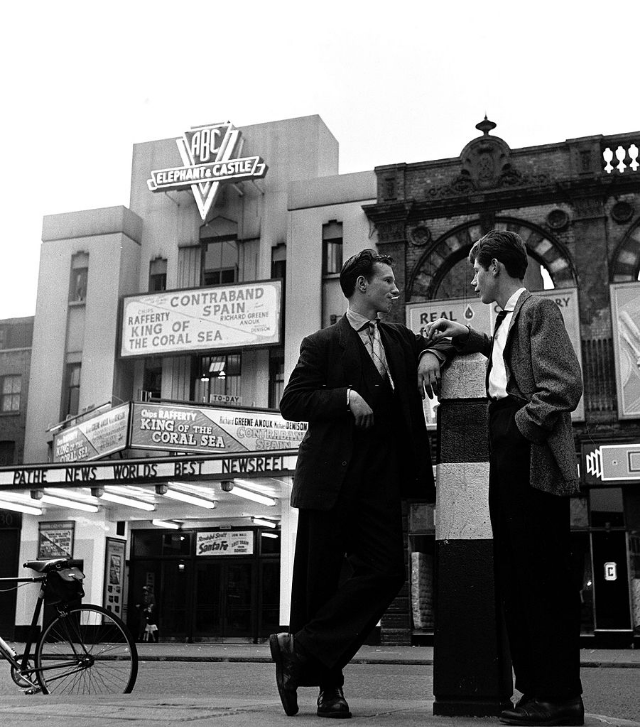
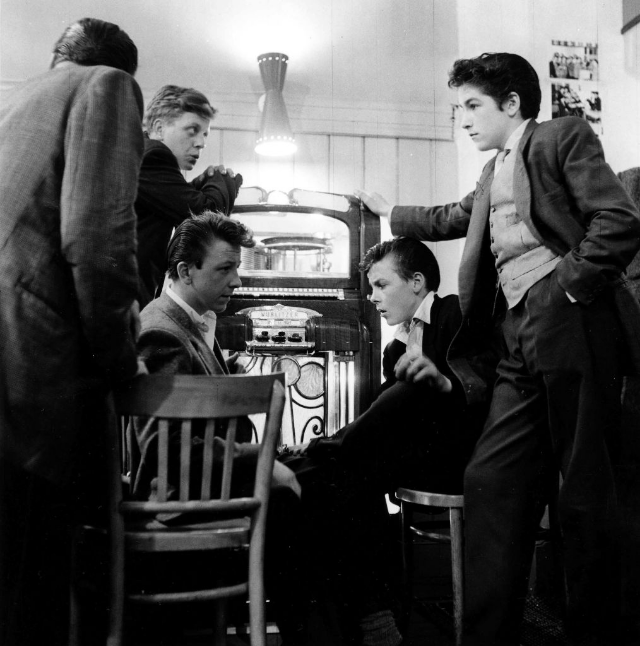
The jukebox was a fixture of Ted social life. Cafés and milk bars with jukeboxes became gathering points where Teds could listen to American rock and roll without paying for a full dance hall night. These spaces — small, informal, and cheap — were the everyday reality of the subculture.
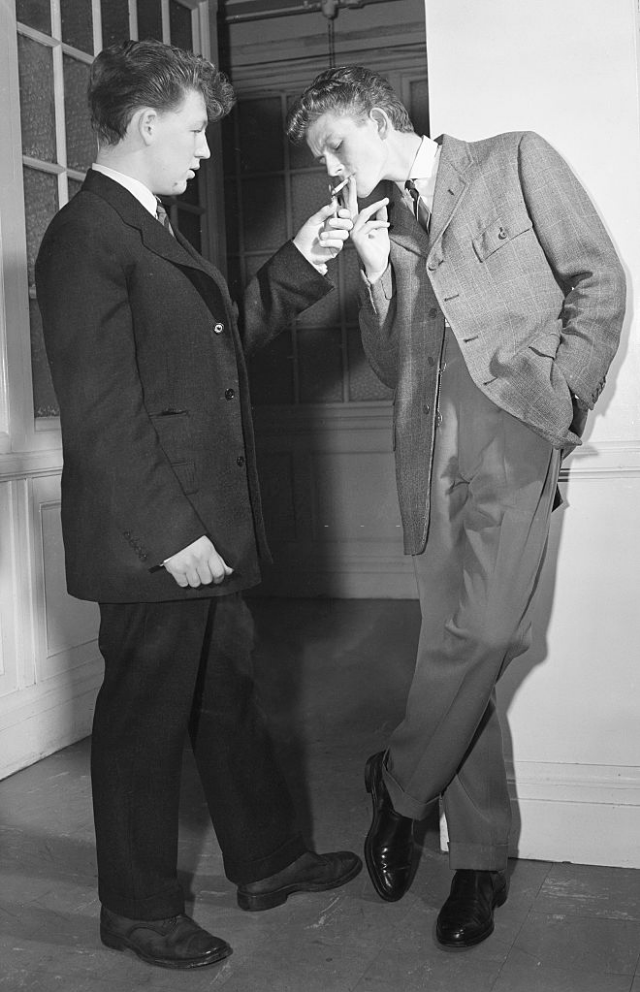
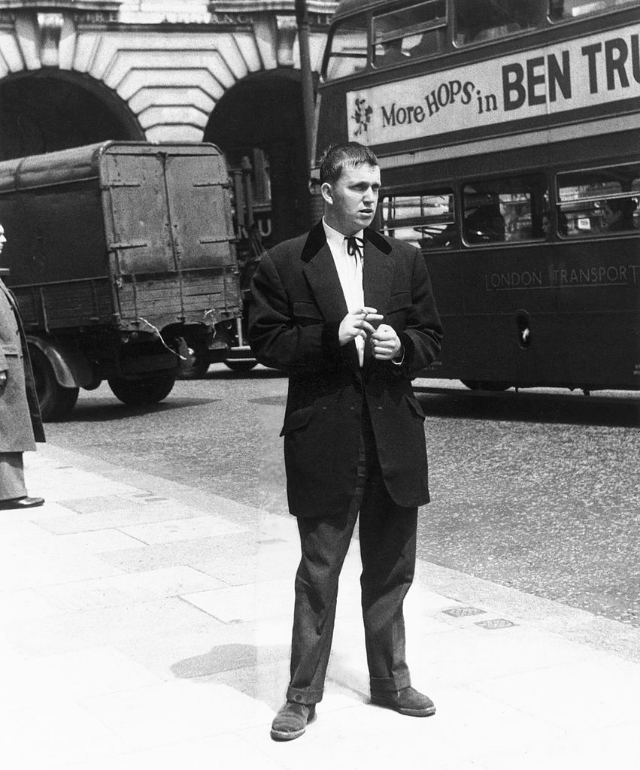
By 1956, the drape suit had become so recognizable that it needed no explanation. A single Ted standing on a street corner in his long jacket and narrow trousers communicated everything — which social group he belonged to, what music he listened to, and exactly how much he cared about the rules of respectable postwar Britain.
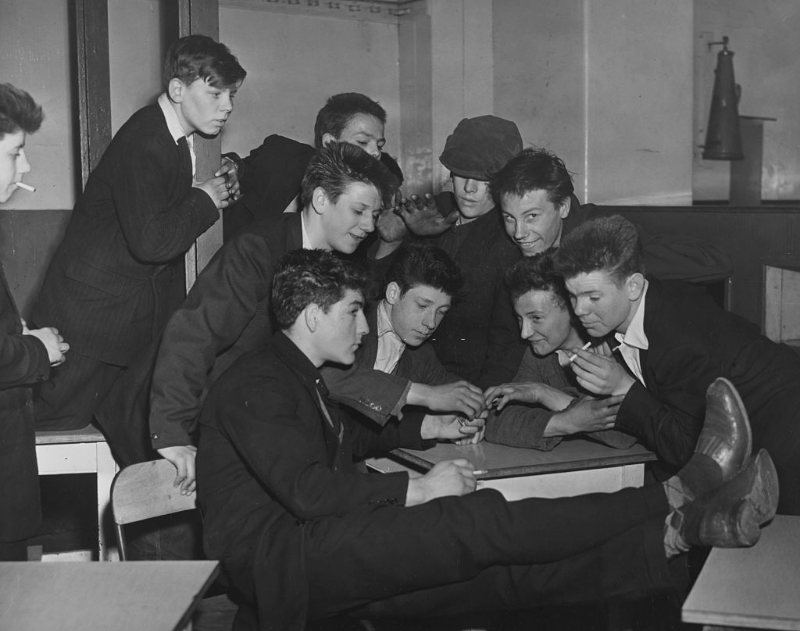
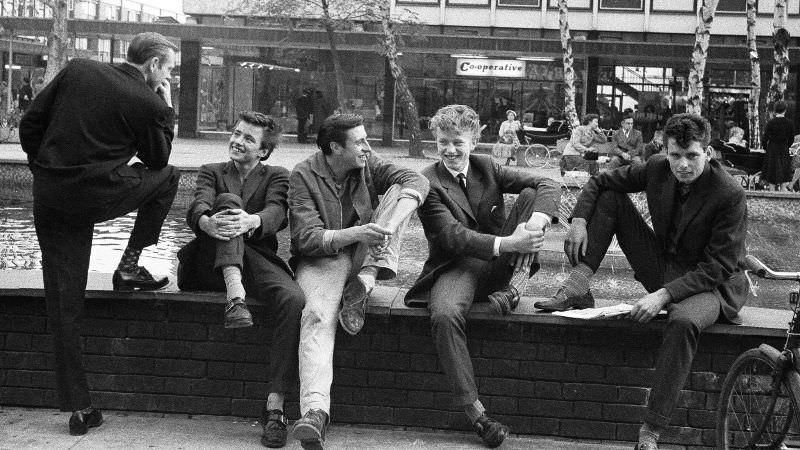
By the late 1950s, the movement had reached the new towns built to rehouse London’s bombed-out communities. In places like Stevenage and Newton Aycliffe, young people with little to do gathered in town squares and chip shops, still dressed in the Ted style, still defining themselves against the blandness around them.