Walk into any grocery store today and you’ll find self-checkout lanes, loyalty apps, and hundreds of brand-name products stacked floor to ceiling. But the supermarket as we know it was still being invented in the 1960s. That decade was a turning point — stores grew larger, shopping became more independent, and the weekly grocery run turned into a full-scale consumer experience.
Before the 1960s, most people shopped at small neighborhood grocery stores where a clerk would gather items from behind the counter based on a handwritten list. That model was fading fast. The new supermarkets were designed for customers to move through on their own — wide aisles, shopping carts, and goods within arm’s reach. It was a completely different rhythm of shopping.
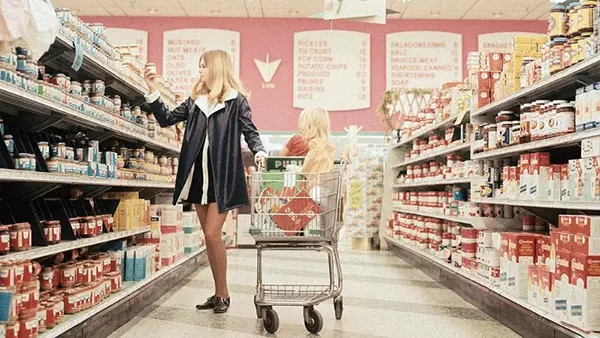
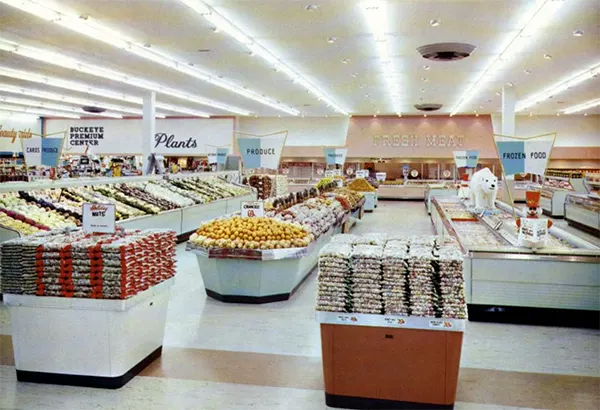
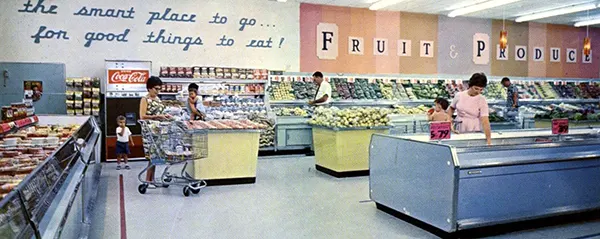
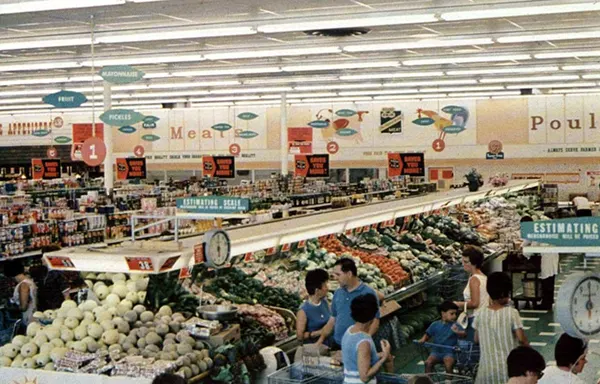
Store layouts were carefully planned. Fresh produce, dairy, and meat were typically placed along the back walls and outer edges. To reach them, shoppers had to pass through rows of canned goods, baking supplies, and packaged snacks — products they hadn’t necessarily planned to buy. It was deliberate, and it worked.
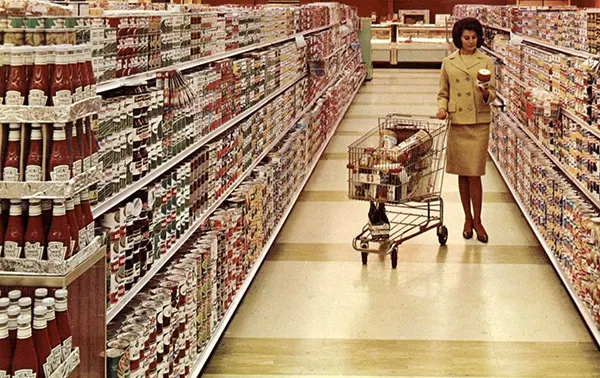
Beverage companies were quick to claim prime real estate inside these stores. Branded refrigerator displays became a common sight, giving companies like Pepsi a physical presence right on the shop floor rather than just on a shelf.
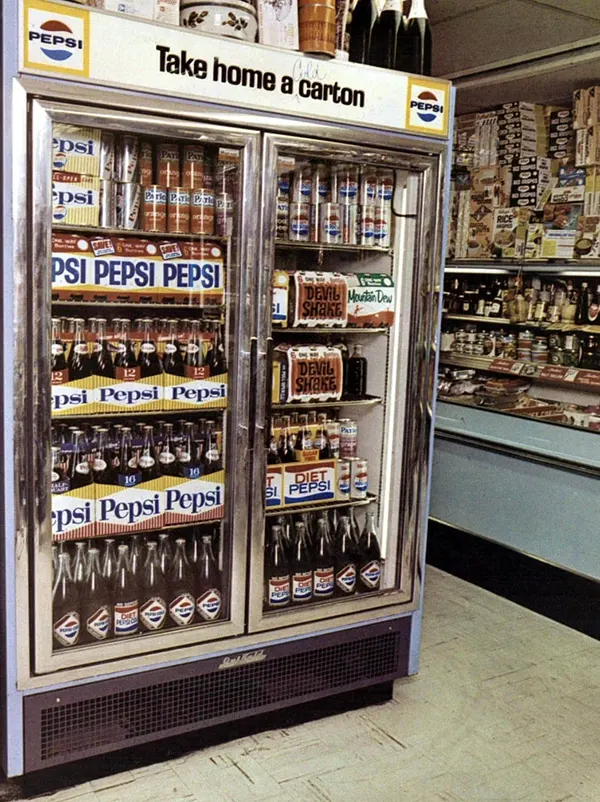
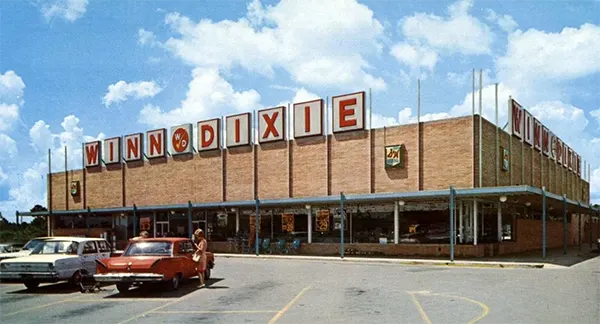
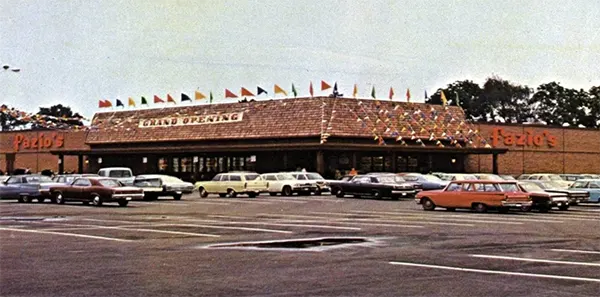
Major chain stores expanded aggressively during this period. A&P, Safeway, Kroger, and Winn-Dixie were opening new locations across the country, each competing for the same suburban customer base. The rise of car ownership made this possible — stores no longer had to sit in city centers. They moved to the suburbs, added large parking lots, and built bigger floor plans than ever before.
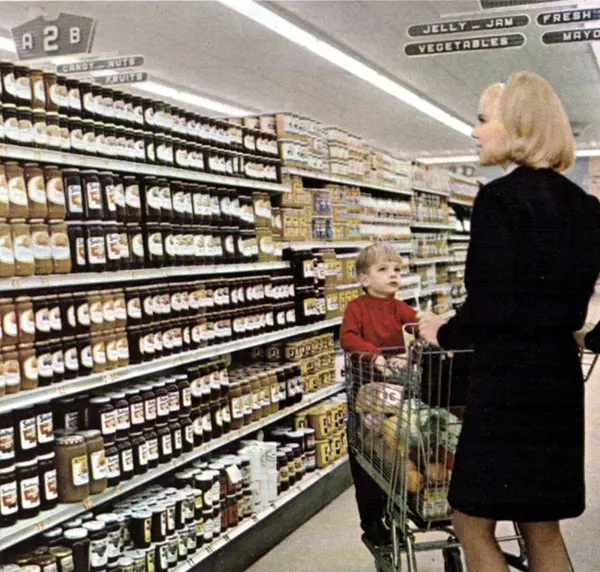
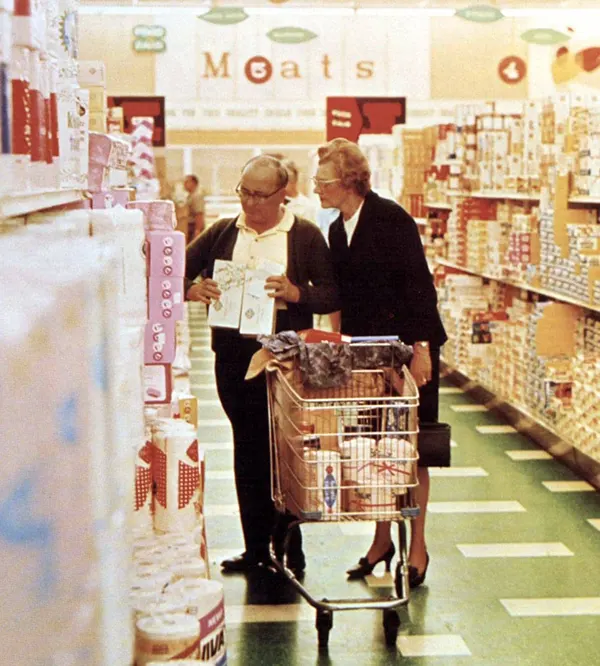
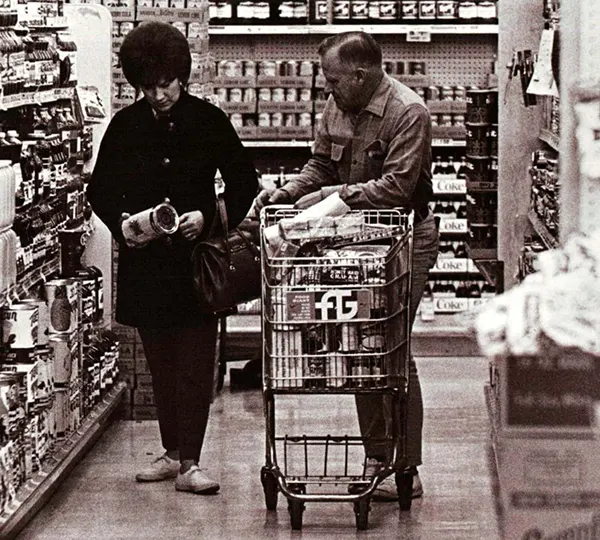
Discount pricing became a key weapon in the competition between chains. Larger stores could buy inventory in bulk and pass those savings to shoppers. For families stretching tight budgets, this made a real difference. Weekly newspaper inserts, radio spots, and early television ads all promoted these deals, driving customers through the doors on weekends.
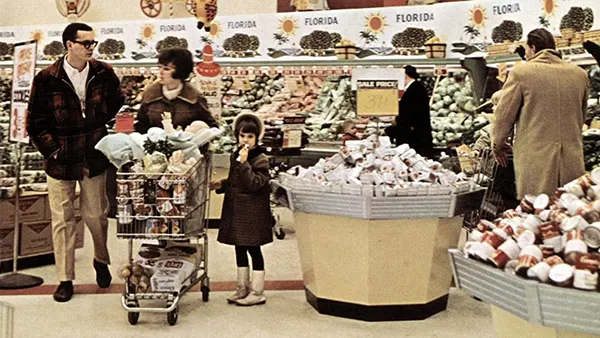
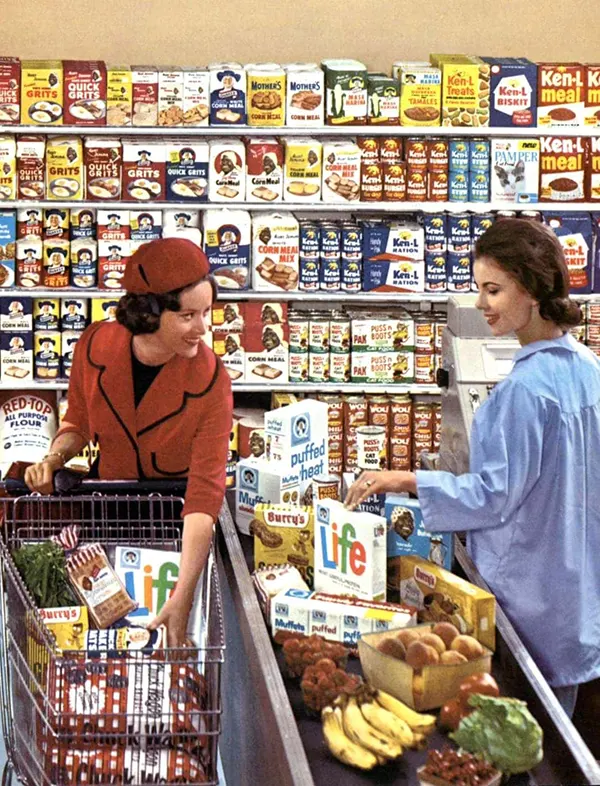
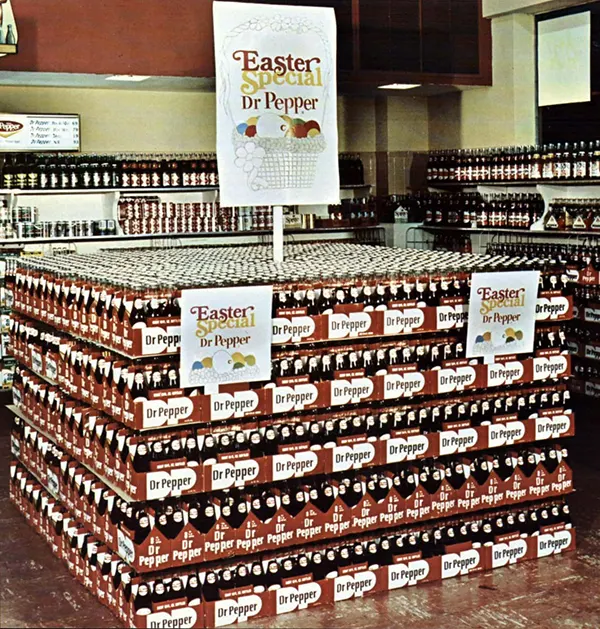
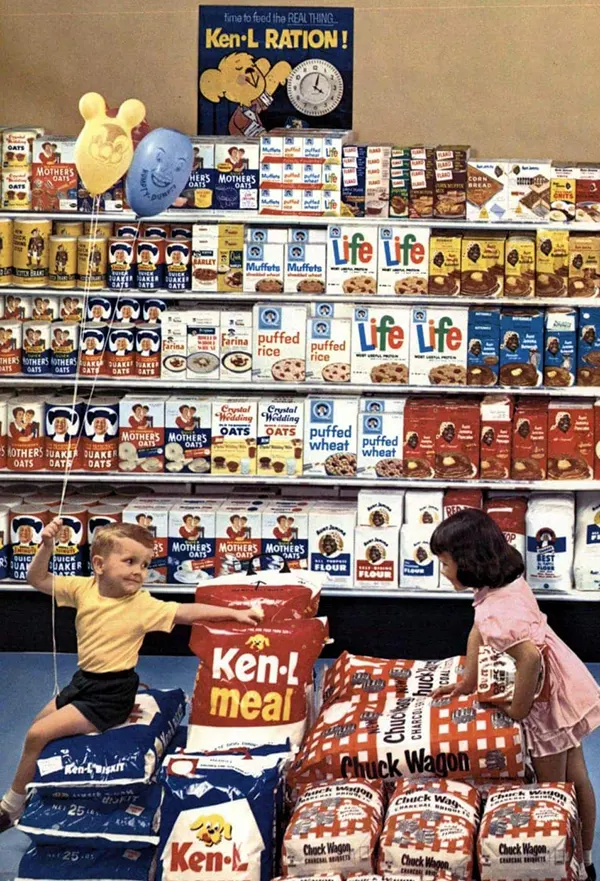
In-store displays from brands like Dr Pepper and Quaker became a battleground for attention. Food corporations invested heavily in advertising throughout the decade, and supermarkets responded by giving the most popular brands the most visible shelf space — typically at eye level, directly in a shopper’s line of sight.
Kroger was one of the most recognizable names on American storefronts by the late 1960s. Its stores reflected the decade’s design sensibility — clean signage, bright lighting, and a layout built for efficiency. Customers moving through a Kroger in 1968 would have found a noticeably larger selection than what their parents had access to just ten years earlier.
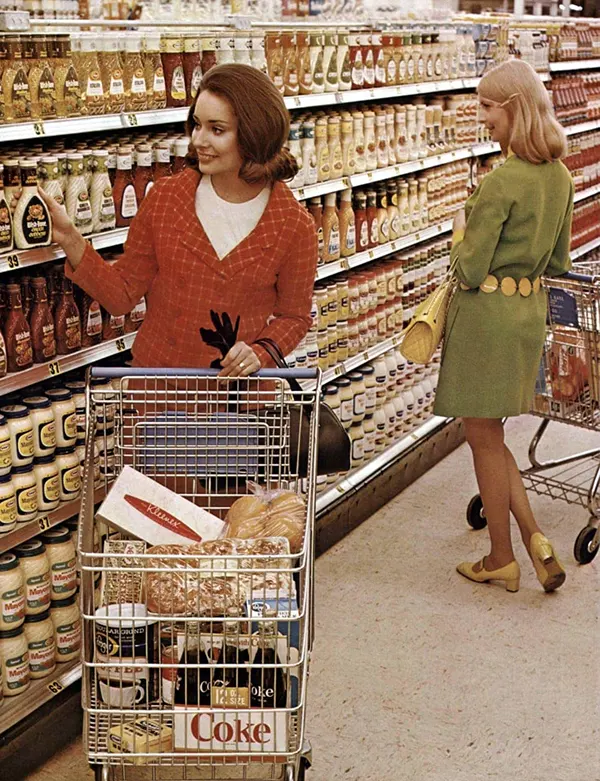
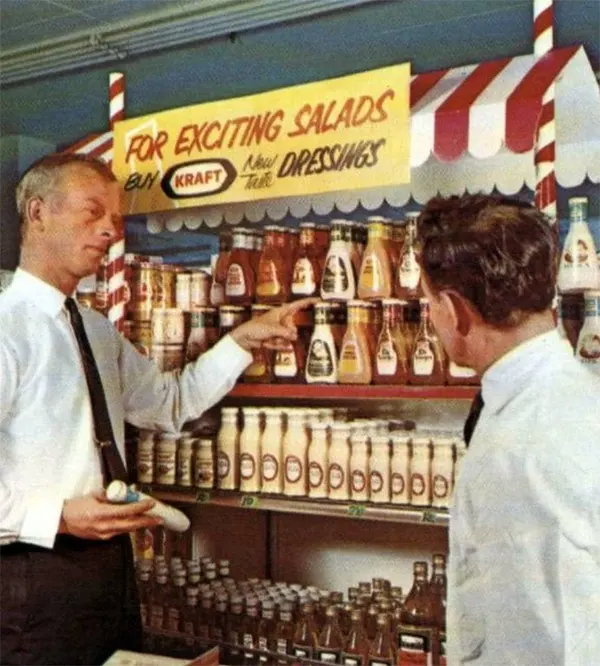
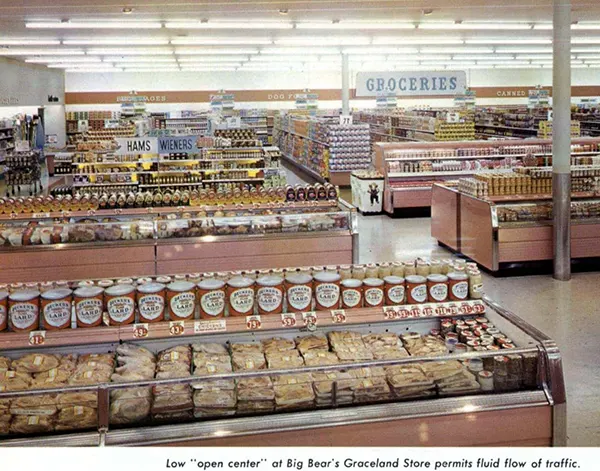
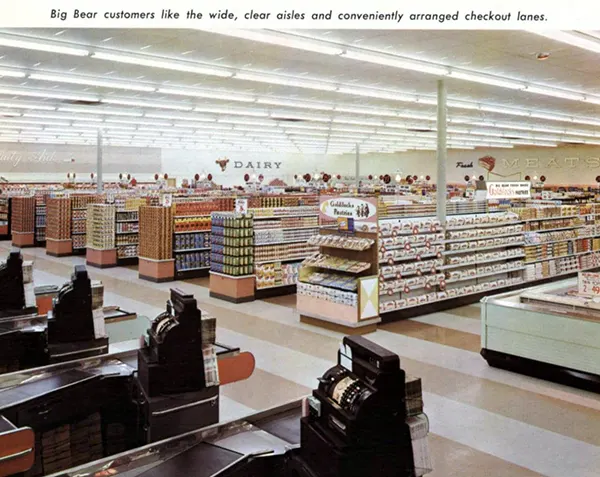
Independent chains also had a strong foothold in regional markets. Big Bear supermarkets, for example, operated in Ohio and other parts of the Midwest, giving local shoppers a home-grown alternative to the national giants.
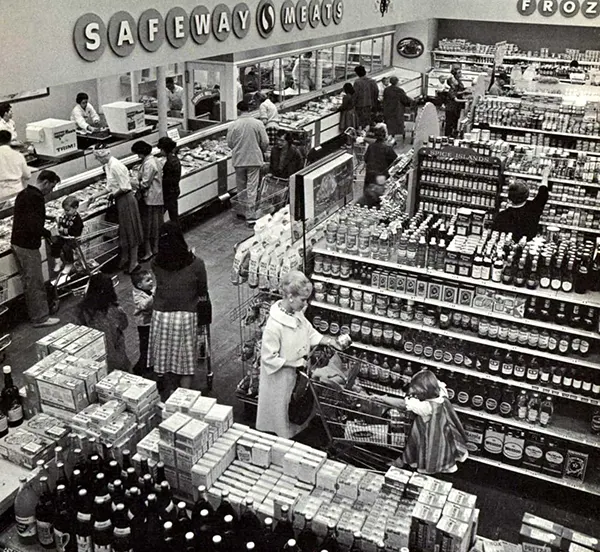
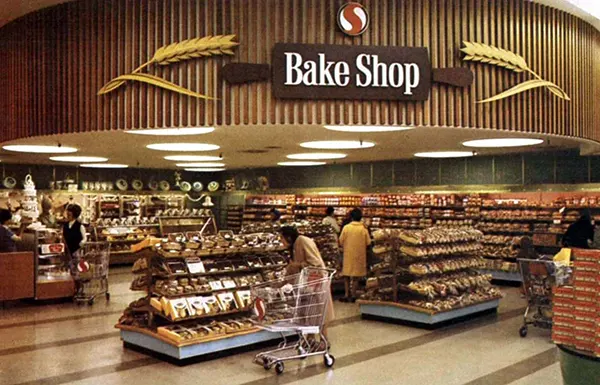
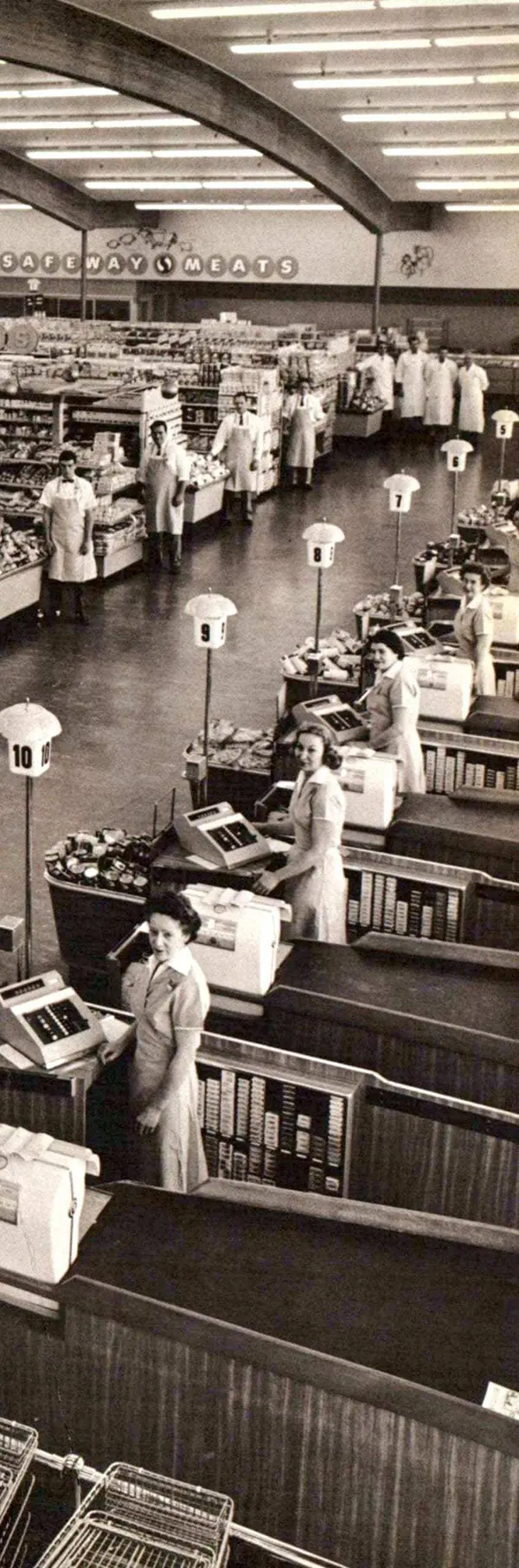
Safeway became one of the most prominent grocery chains of the era, with stores appearing across multiple regions of the United States. Its storefronts were a familiar sight from the early part of the decade onward, and its departments — produce, bakery, and more — were among the most photographed of the time.
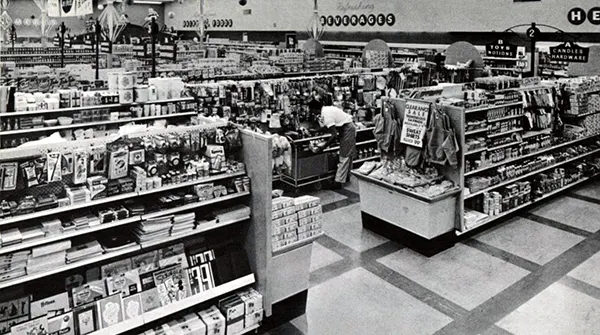
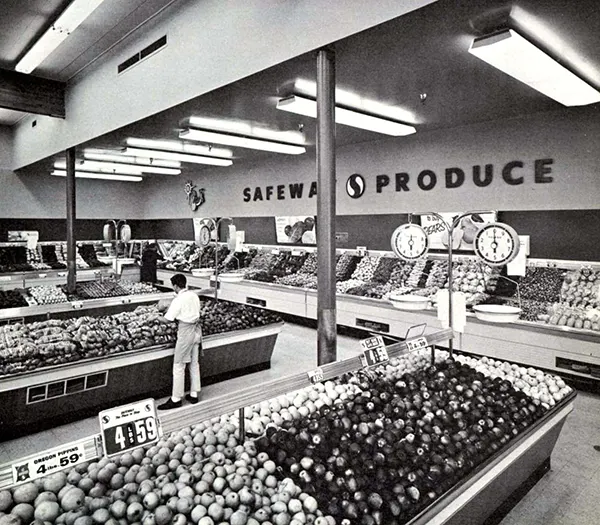
Winn-Dixie was another giant, especially across the American South. Its stores in the early 1960s captured the look of the era — fluorescent-lit interiors, hand-lettered price signs, and orderly rows of goods that shoppers could browse at their own pace.
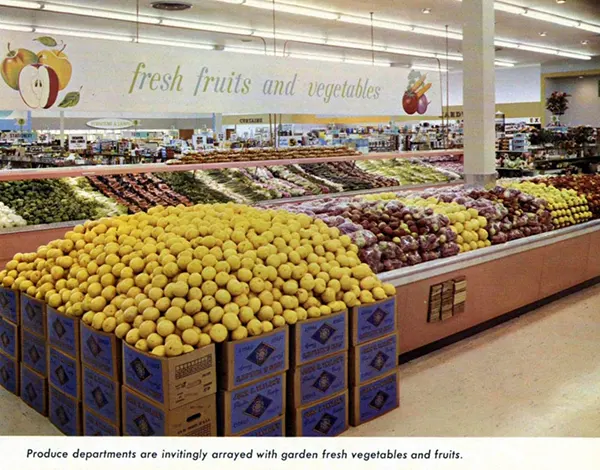
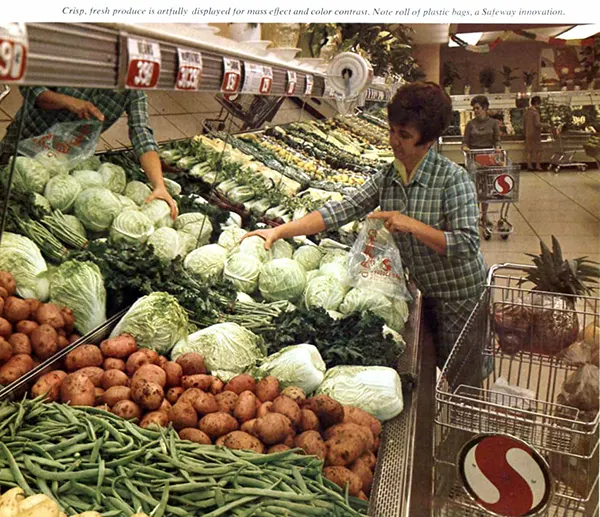
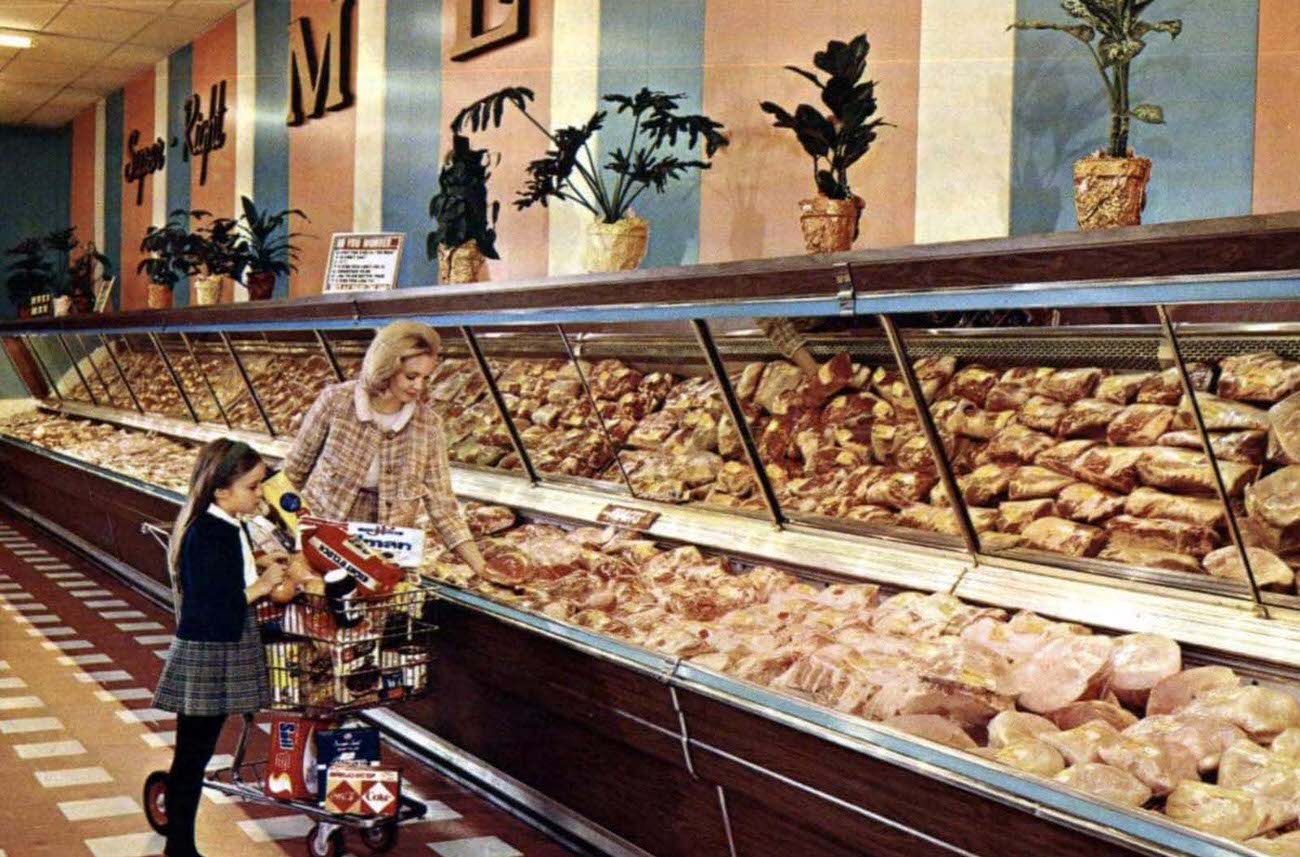
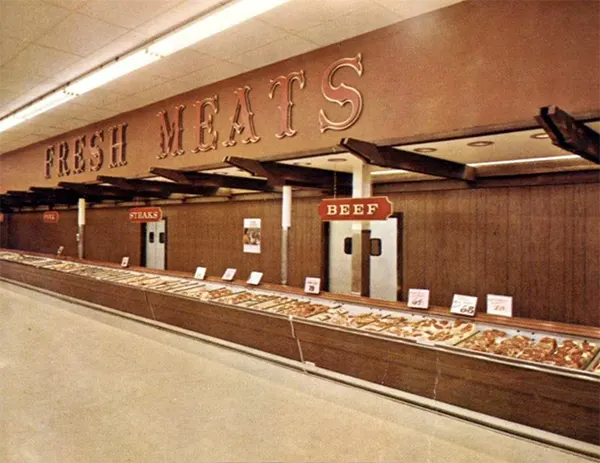
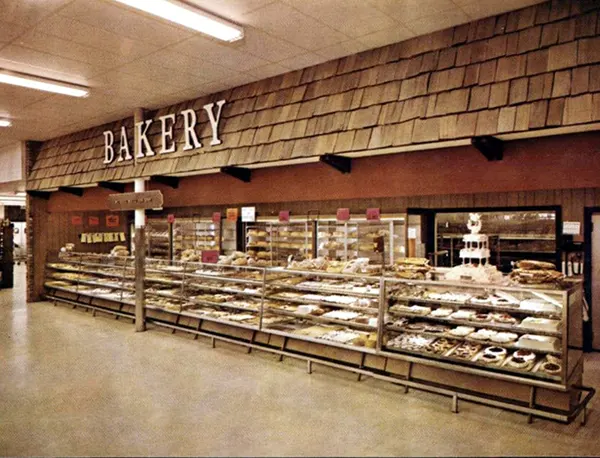
Specialty departments within supermarkets were a major selling point during this decade. Dedicated meat and bakery counters gave stores a sense of quality and variety that smaller shops couldn’t match. Fisher Foods in particular built a reputation around these departments, with staffed counters that kept the personal touch of an older shopping era while operating inside a modern supermarket setting.
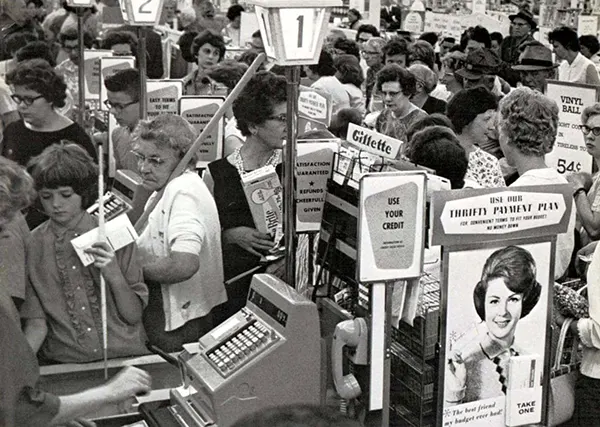
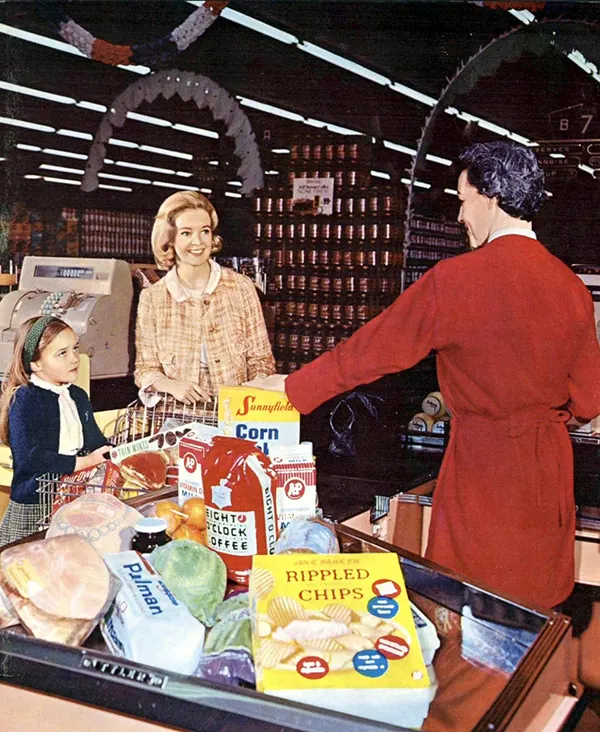
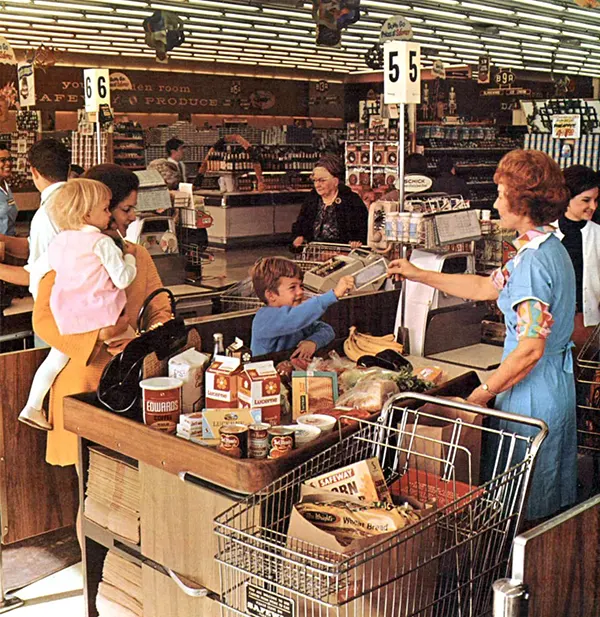
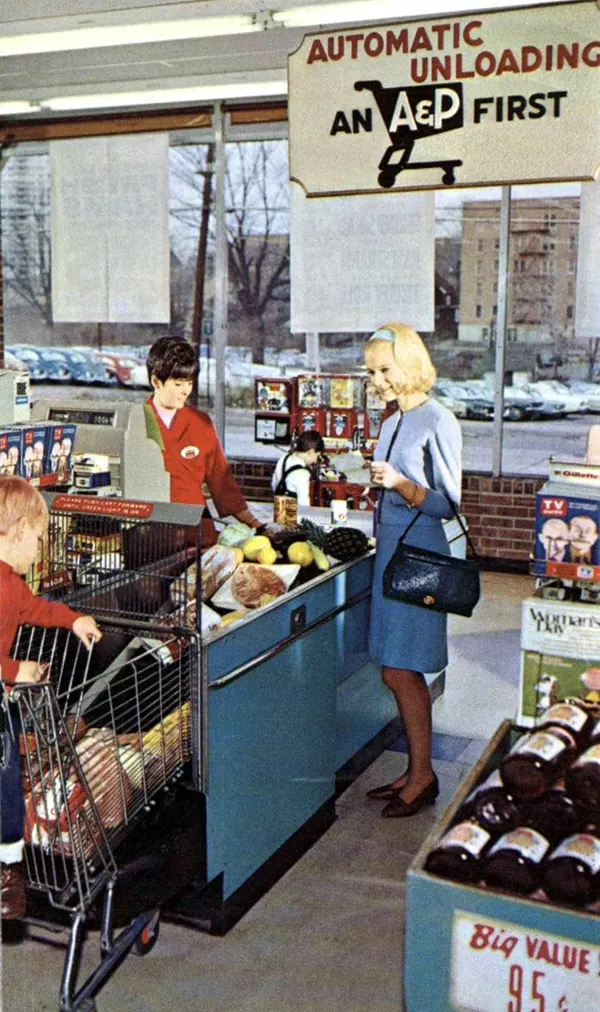
The checkout counter was where the shopping experience came to a close, and in the 1960s, it was entirely run by human cashiers. Each item was rung up by hand, bags were packed by store staff, and long lines were a regular part of holiday shopping. Some stores experimented with new systems — A&P trialed automatic cart unloading as early as 1967 — but the human cashier remained the standard throughout the decade.
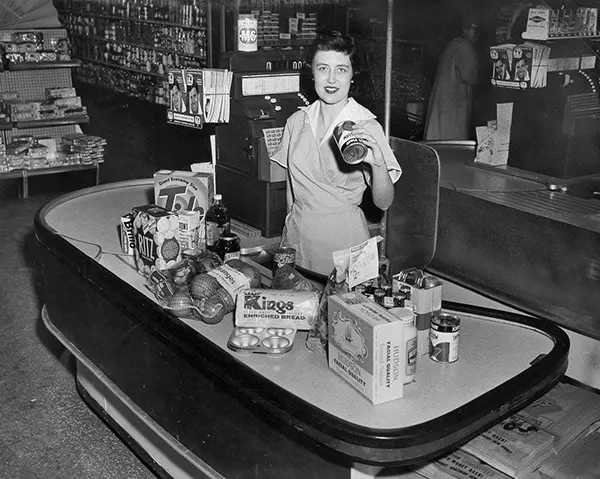
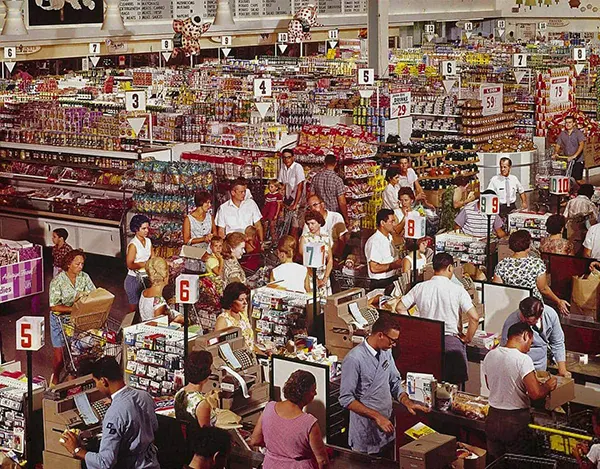
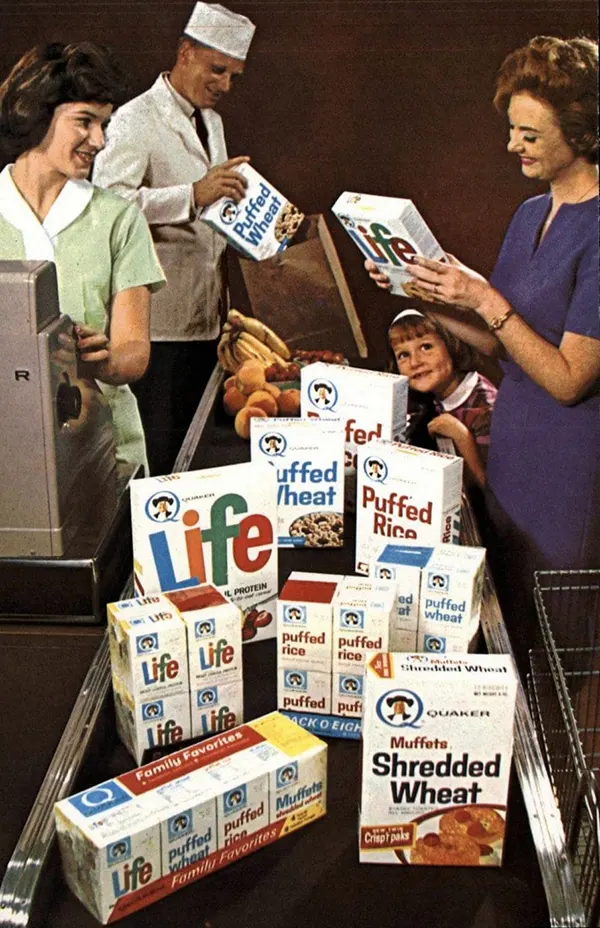
Brand placement at the checkout was not accidental. Companies like Quaker positioned products right at the point of purchase, counting on last-minute grabs from shoppers waiting in line. It was a tactic that complemented the broader shelf strategy happening throughout the rest of the store.