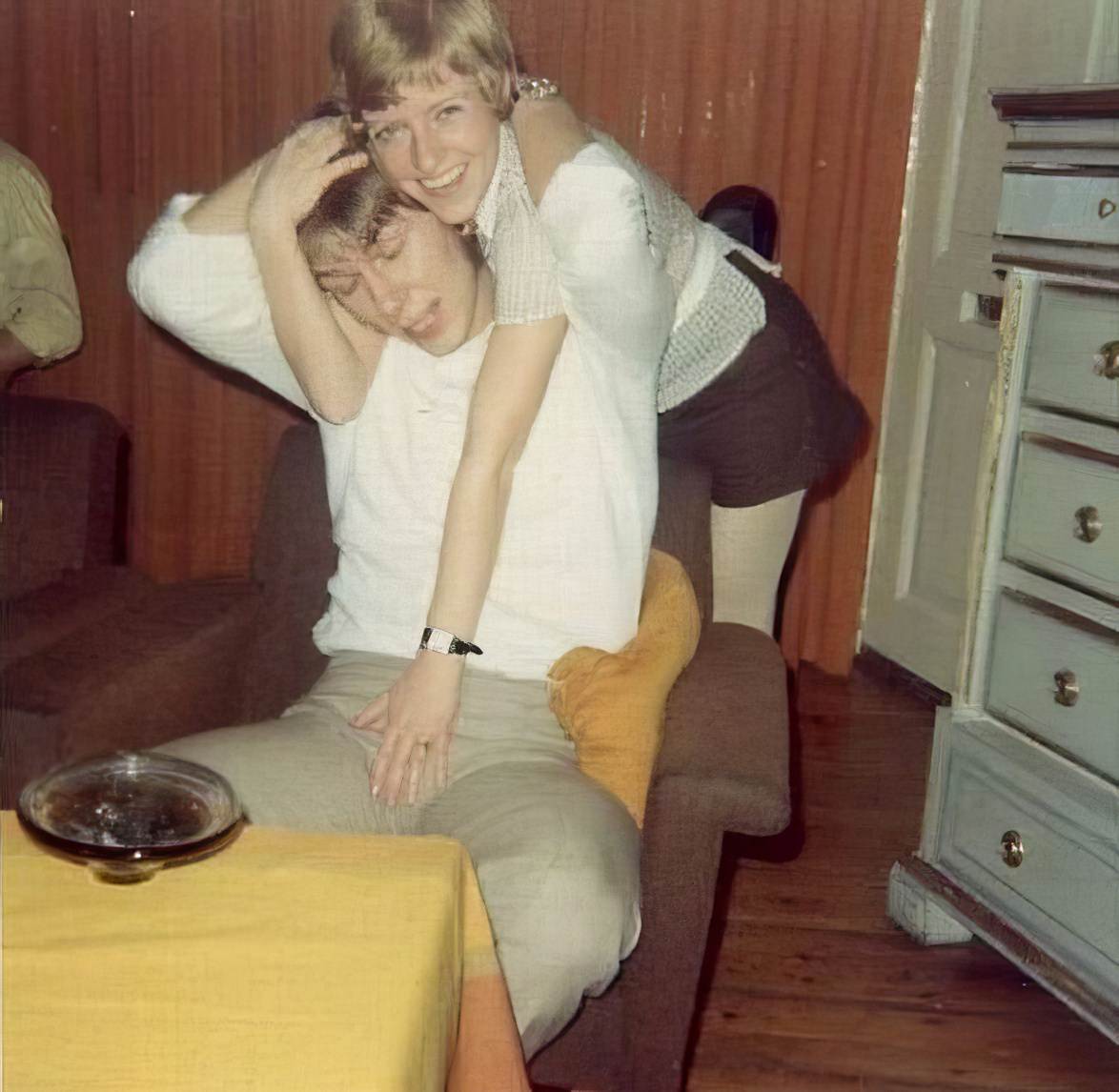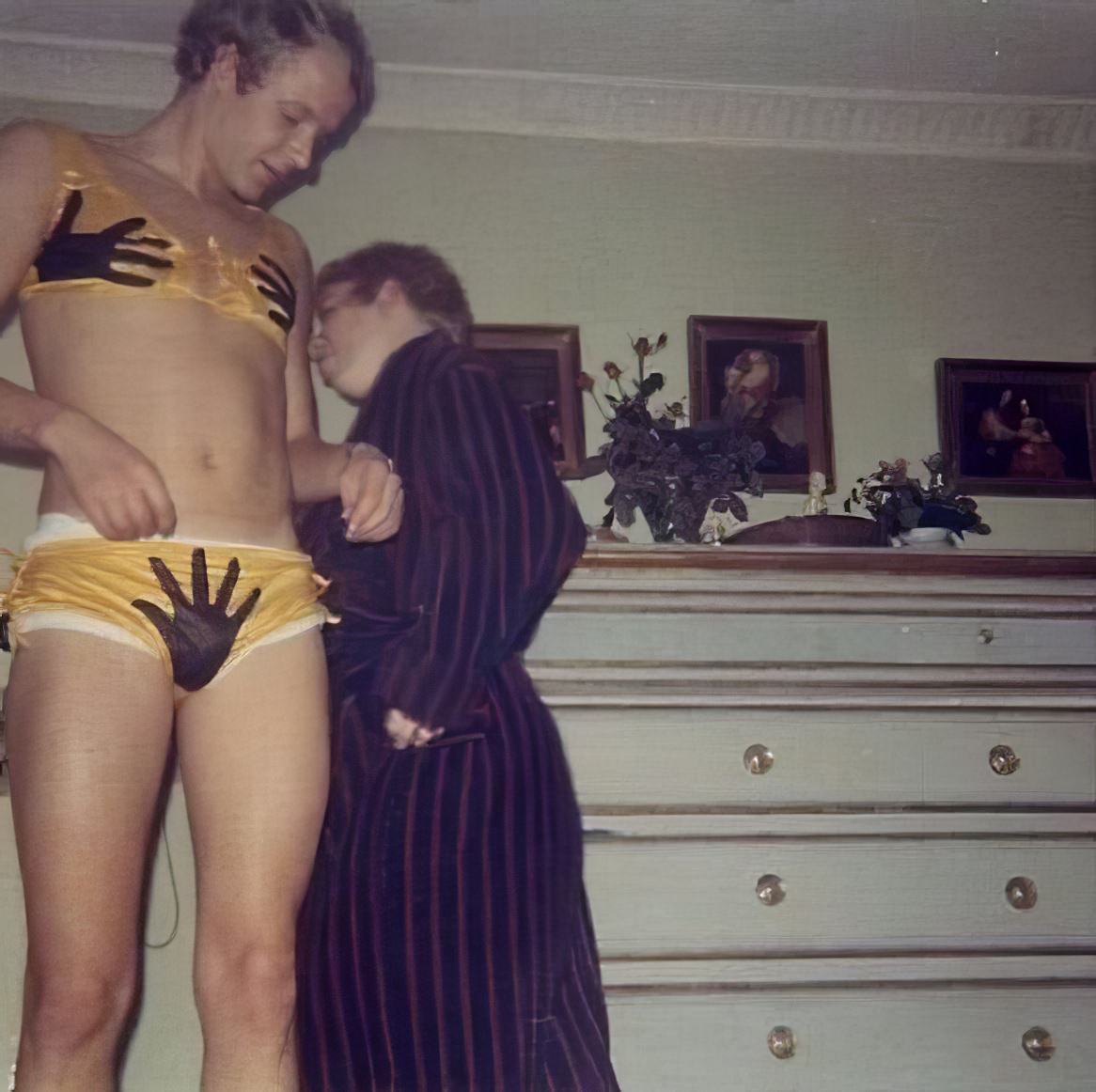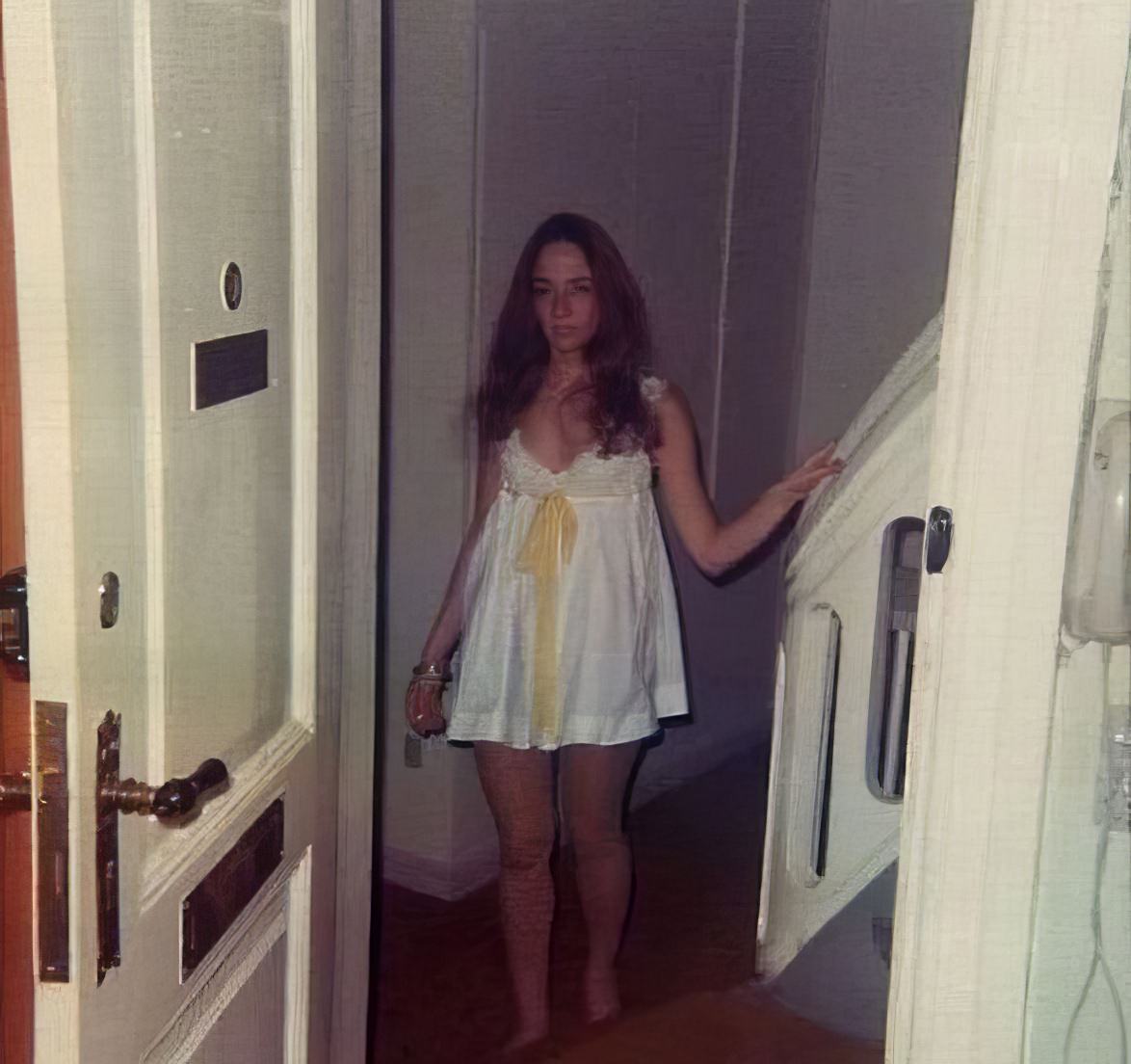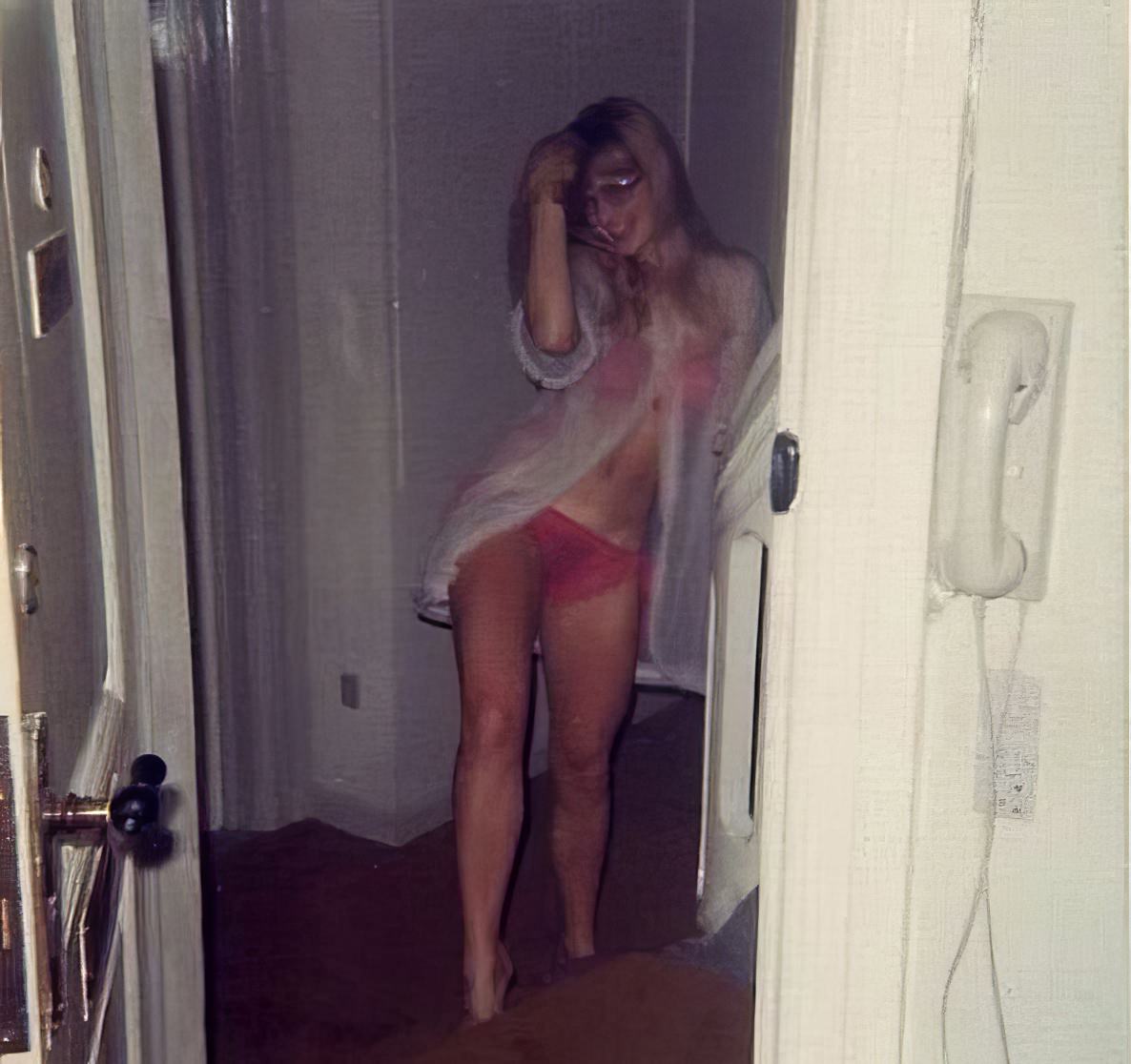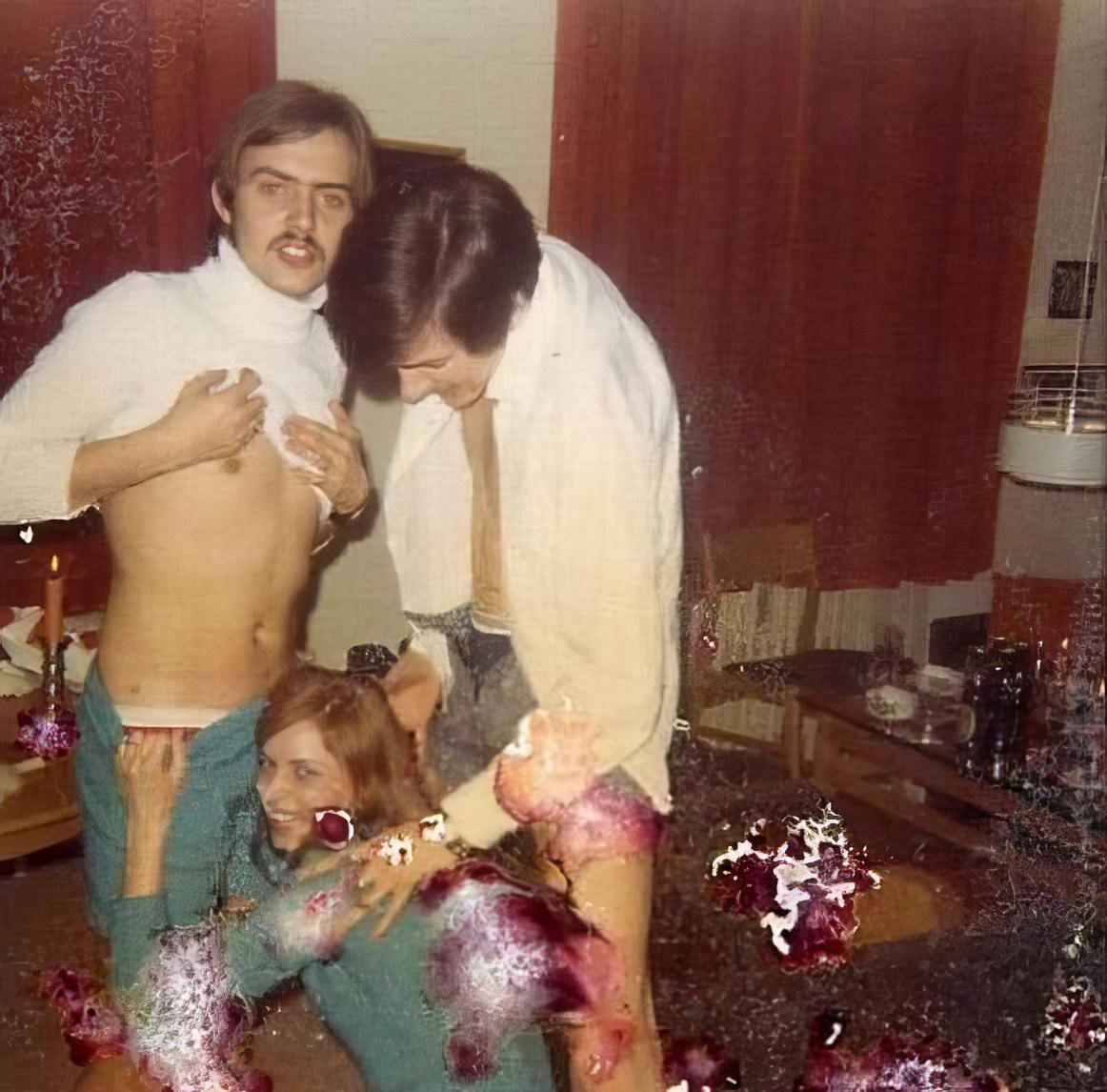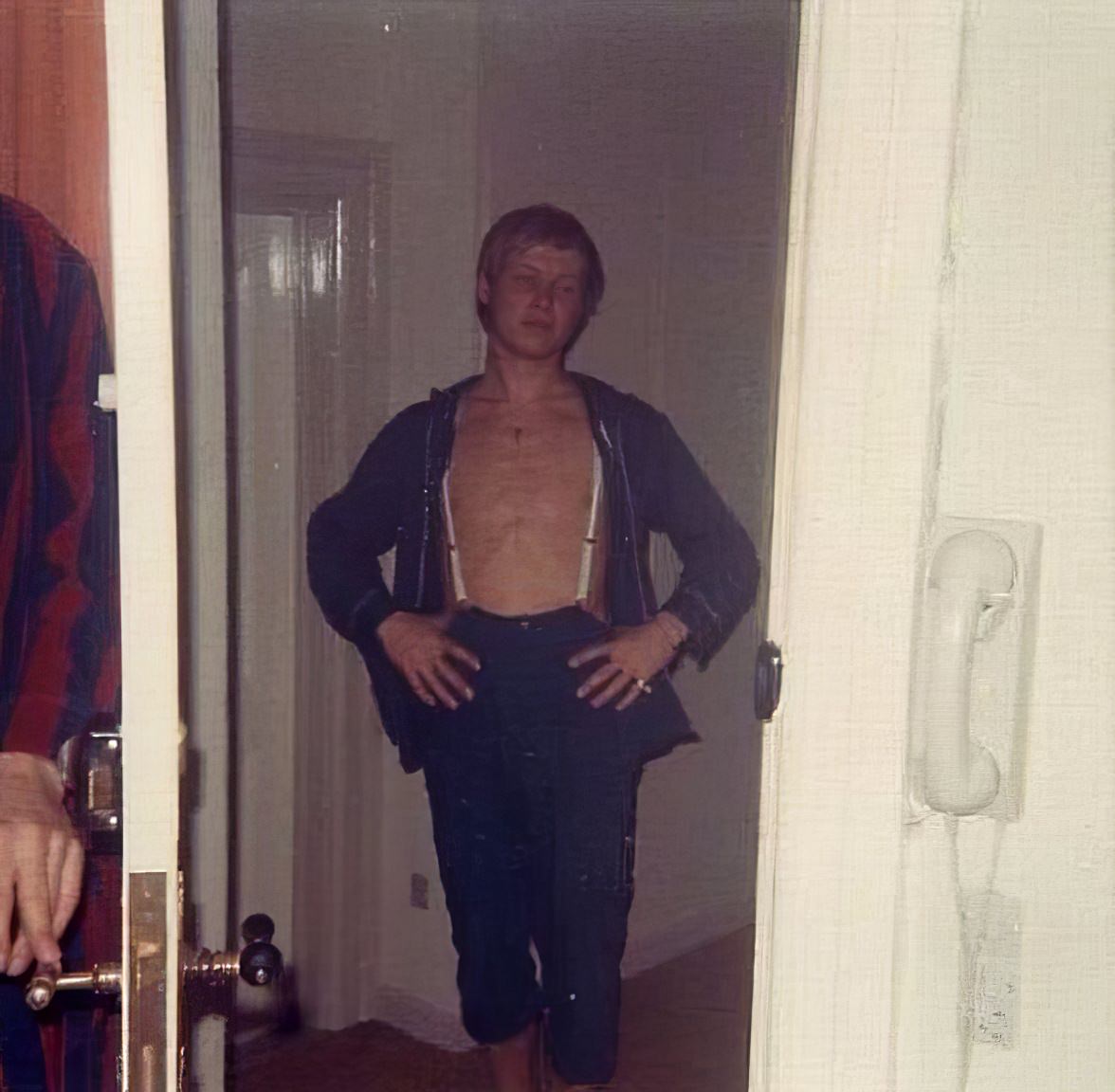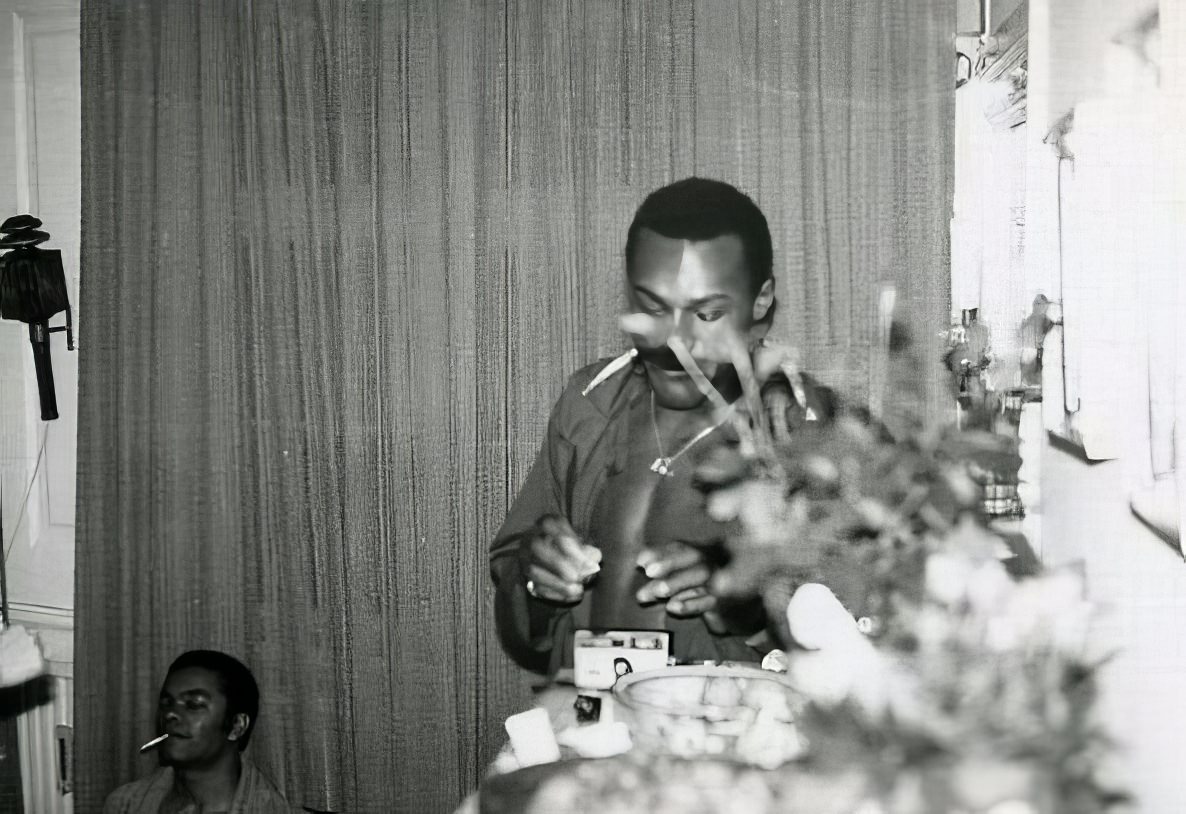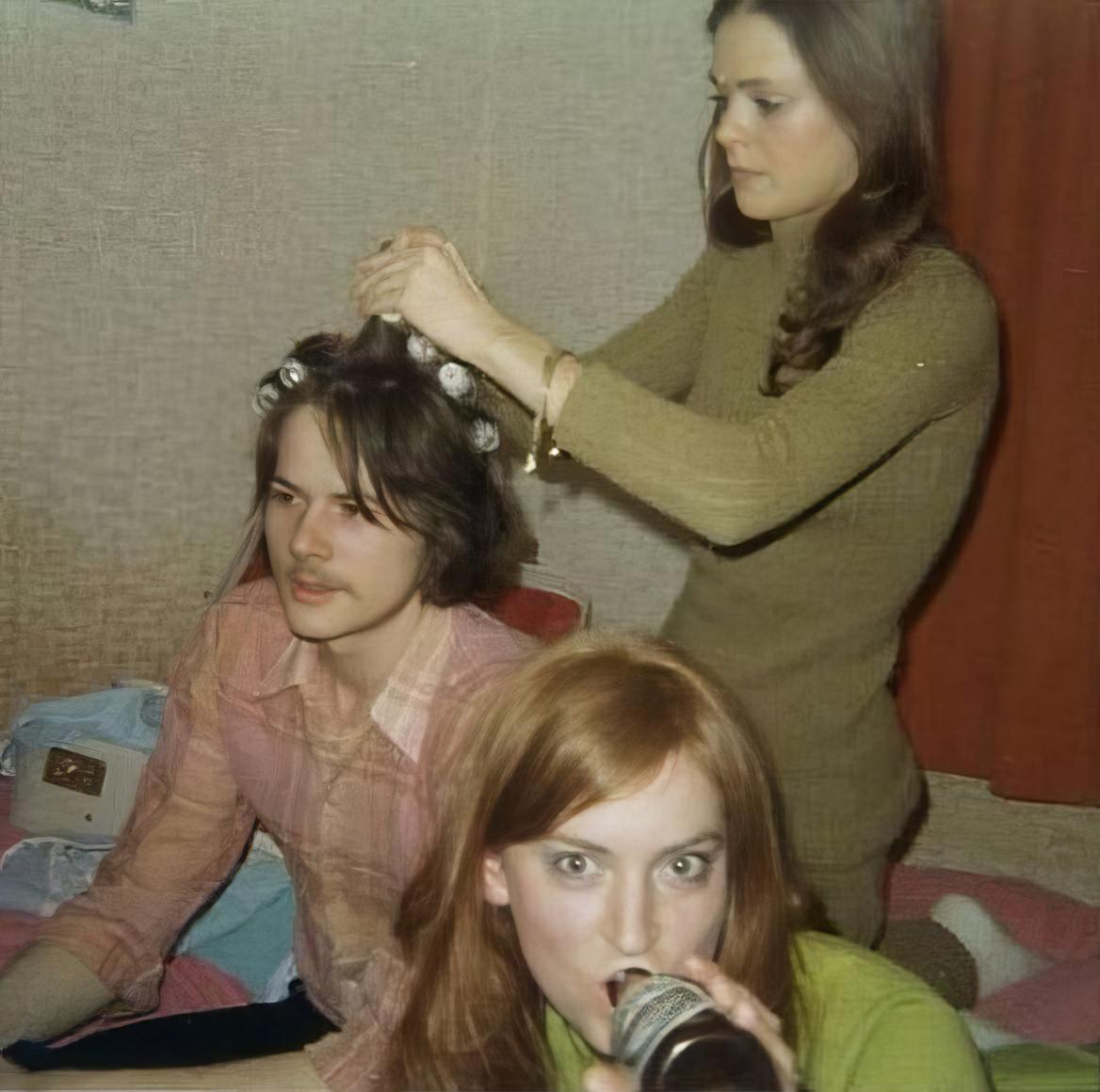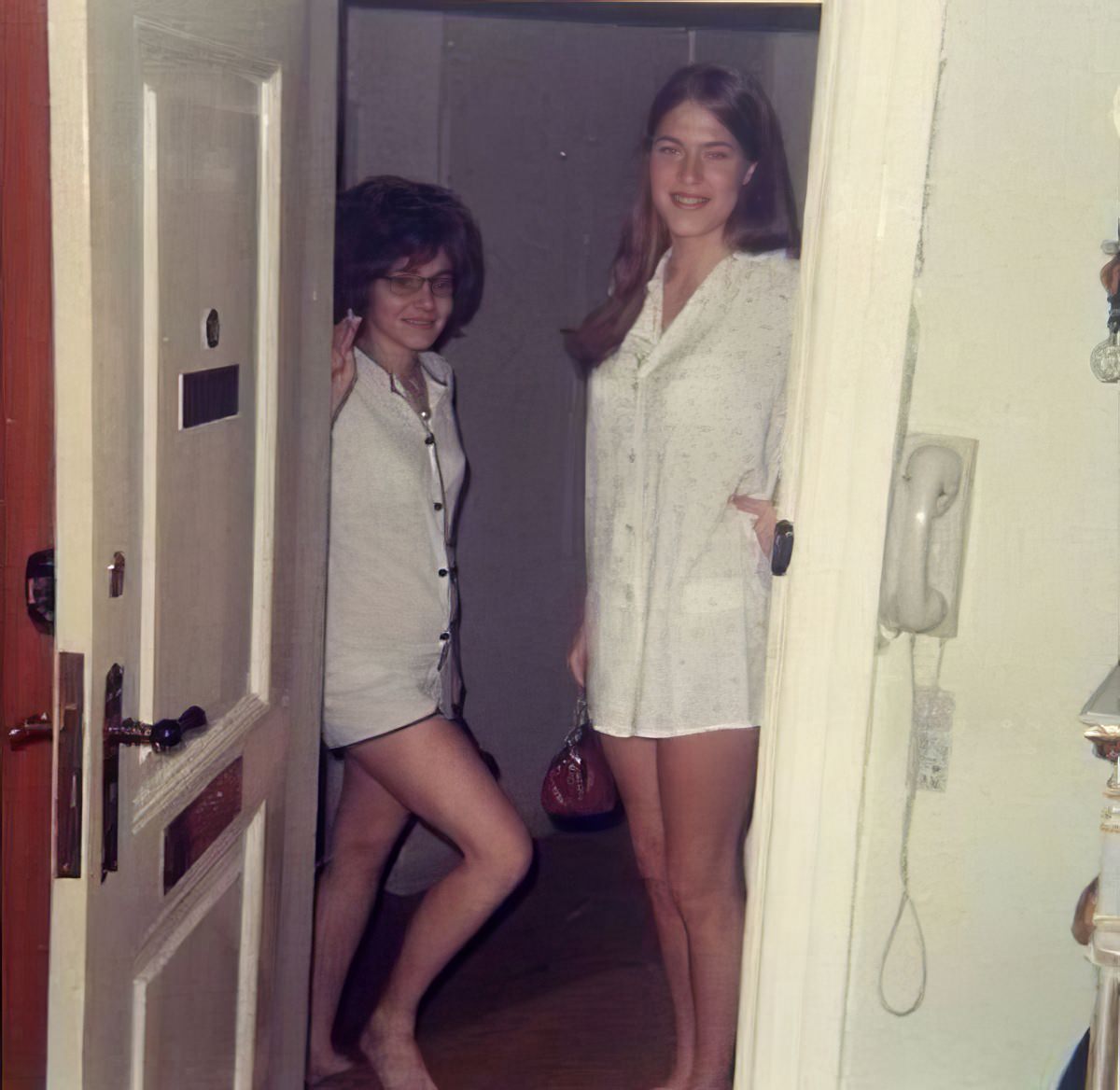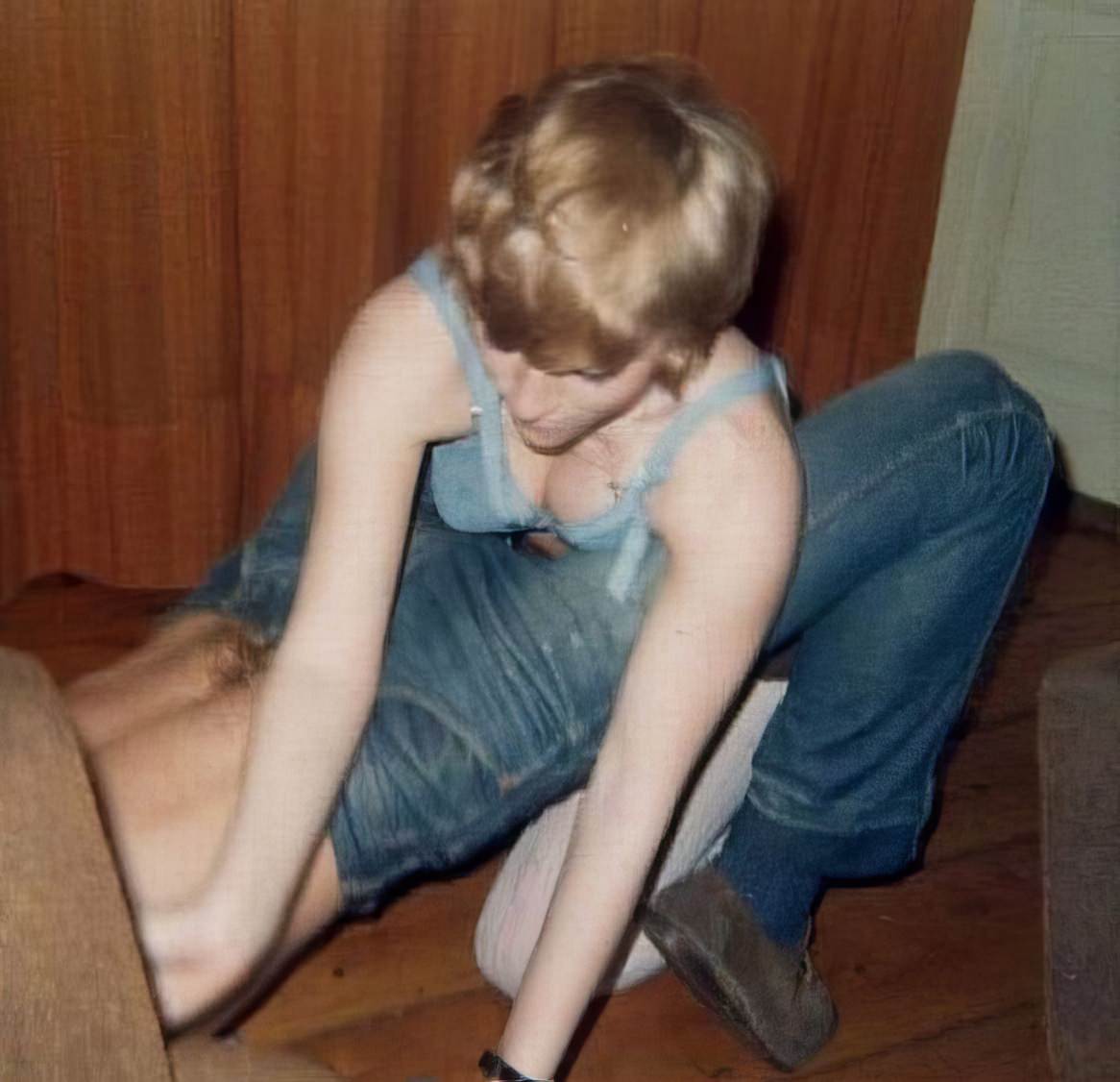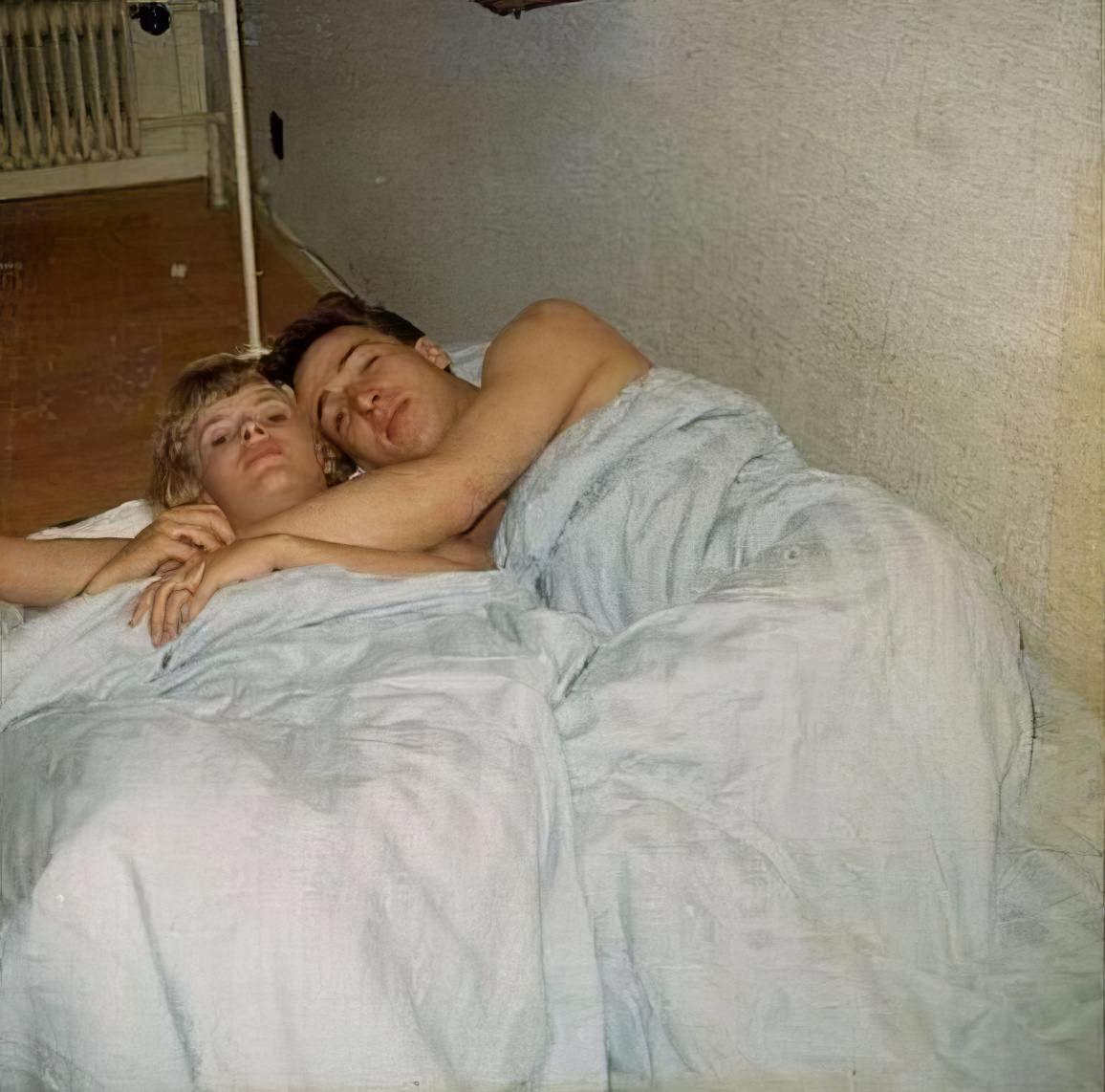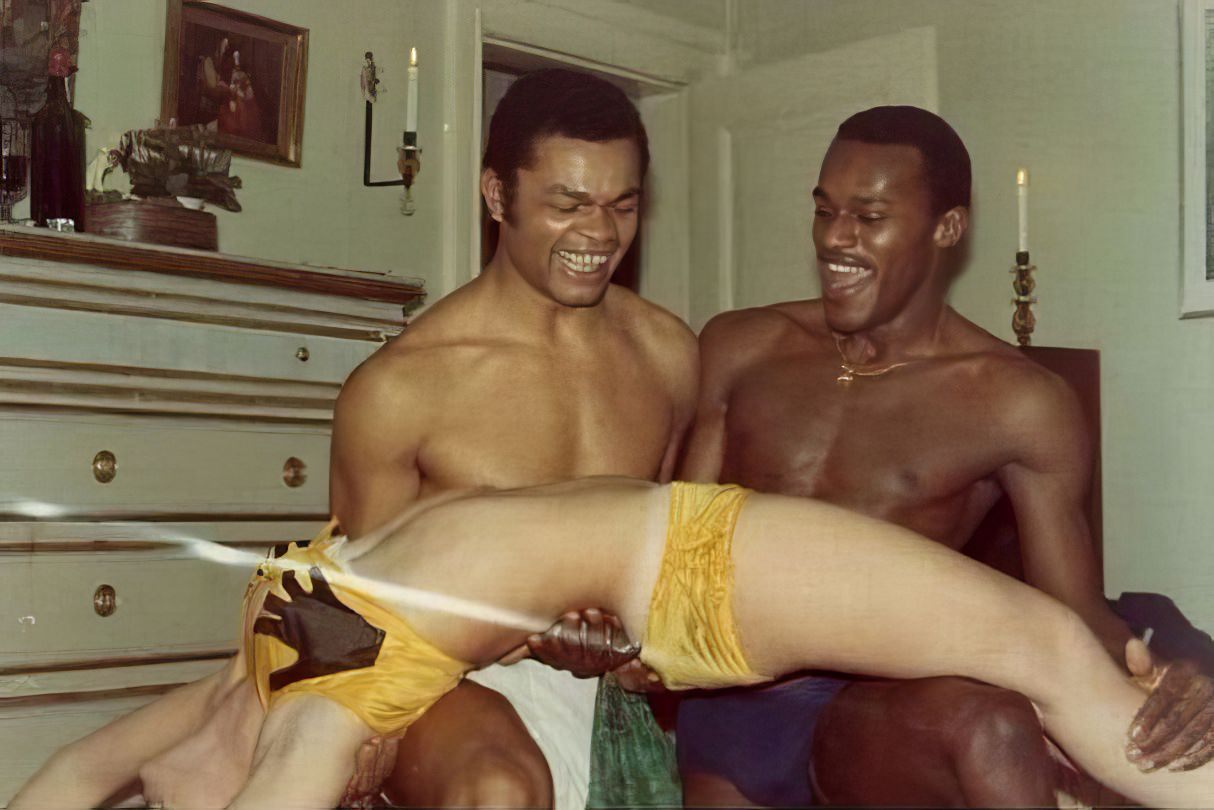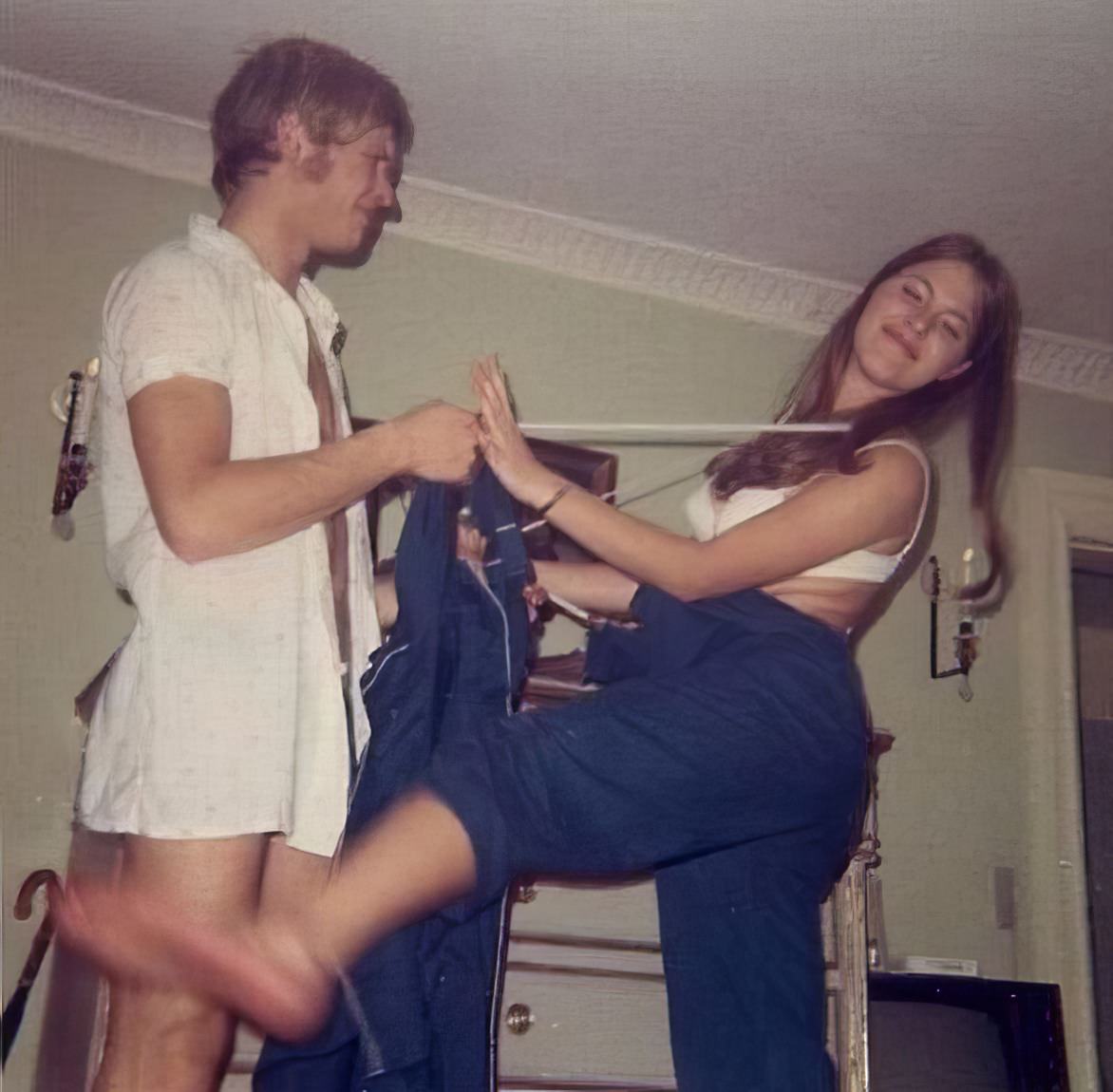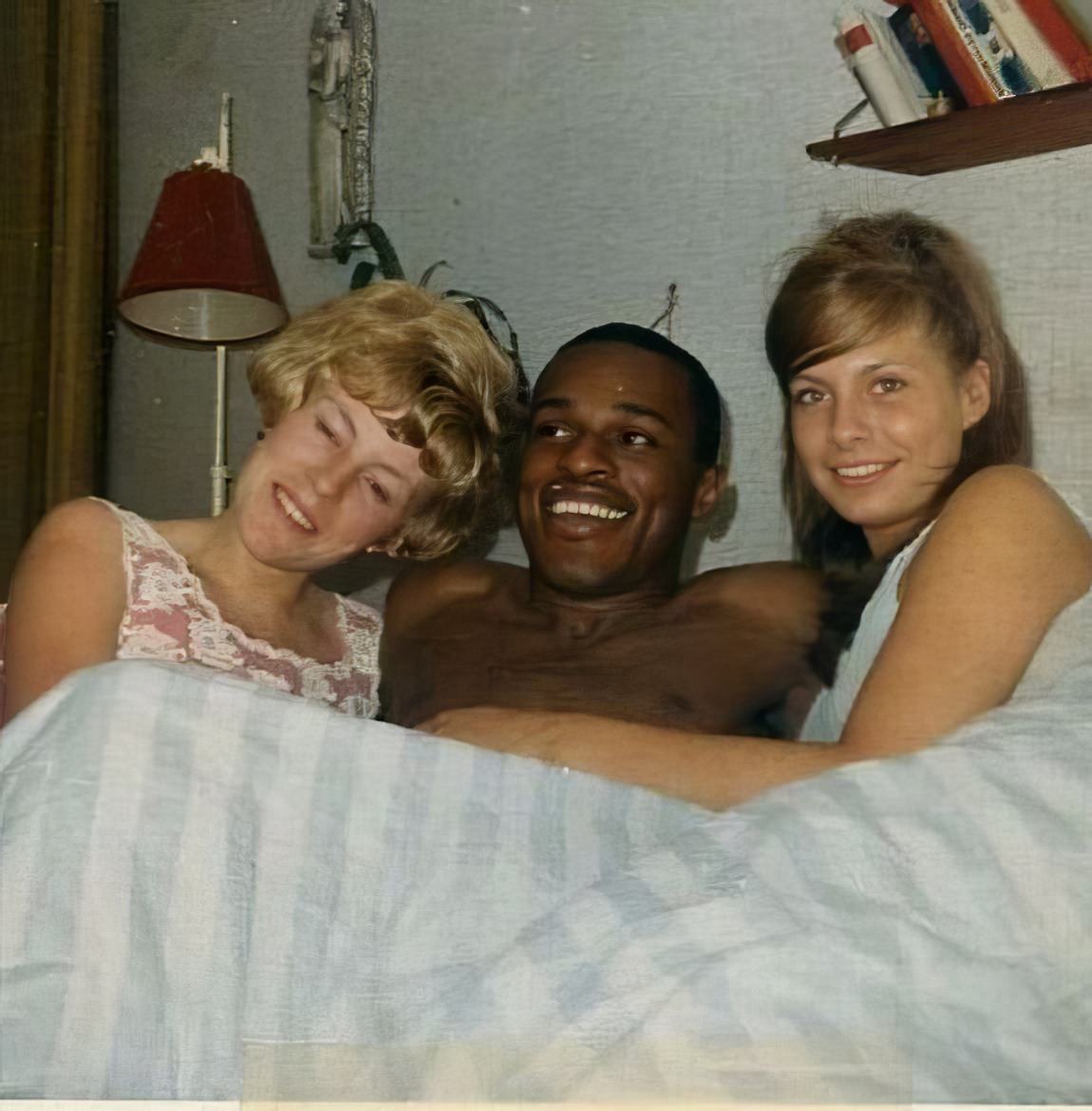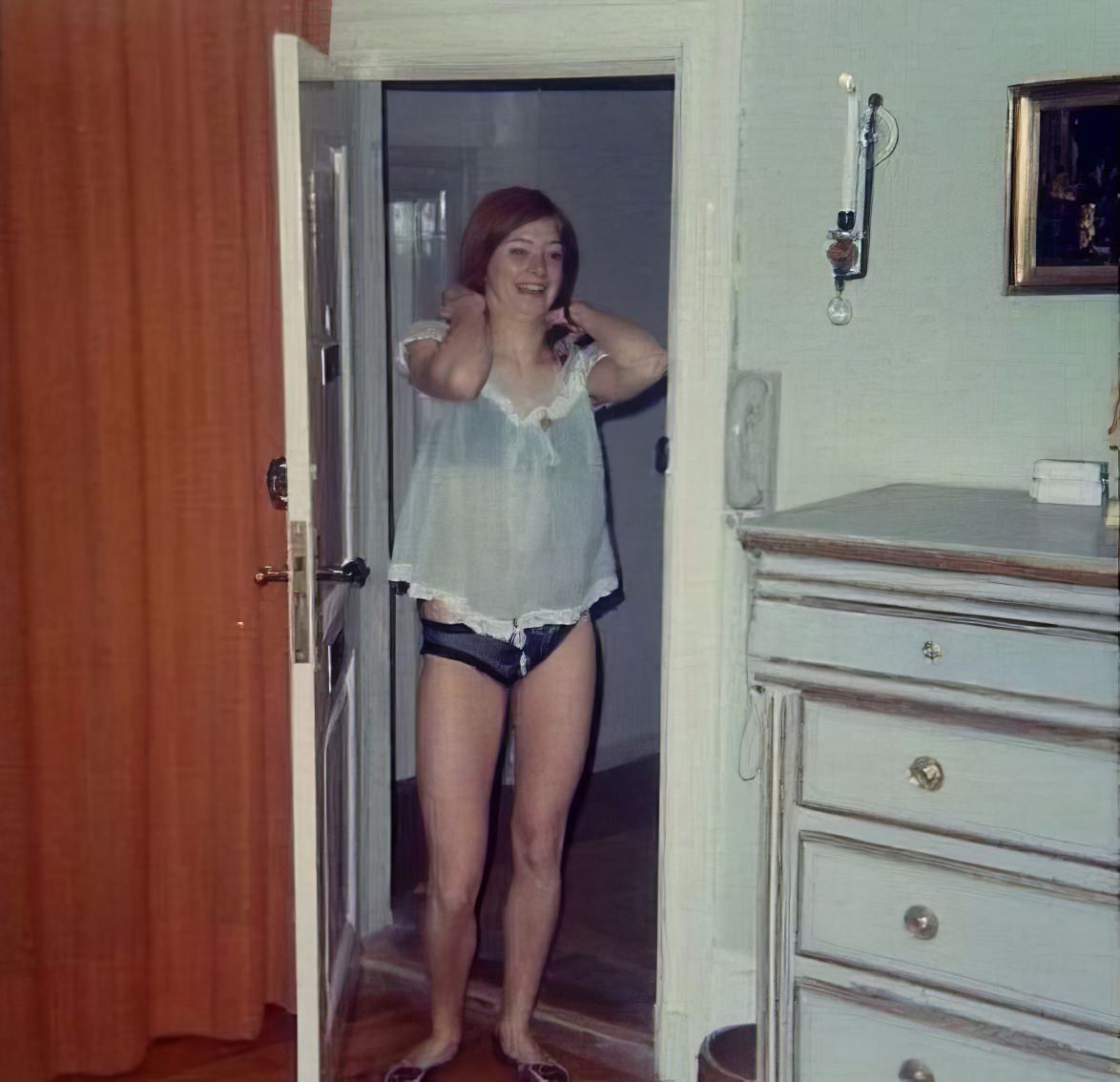
The student house party was one of the defining social scenes of the 1960s. These weren’t quiet get-togethers — they were loud, crowded, and full of energy. Young people packed into off-campus houses and dorm rooms, drawn together by shared music, shared frustrations, and a shared sense that the world was changing fast.
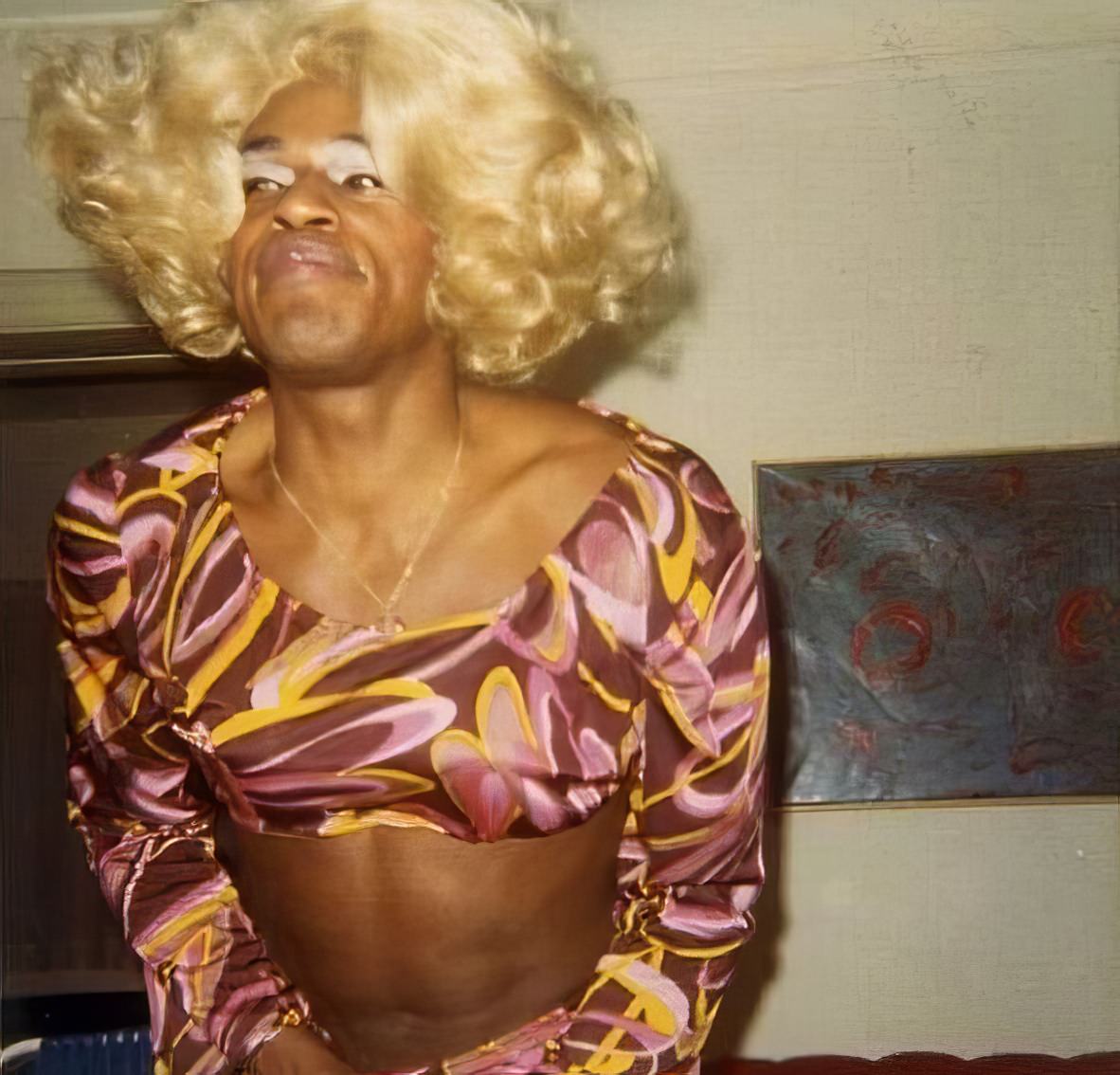
Music set the tone for everything. Records by The Beatles, The Rolling Stones, and Jimi Hendrix spun on turntables all night. Psychedelic rock, blues, and folk mixed together depending on who controlled the record player. Students danced in whatever space they could find — living rooms, hallways, even kitchen floors.
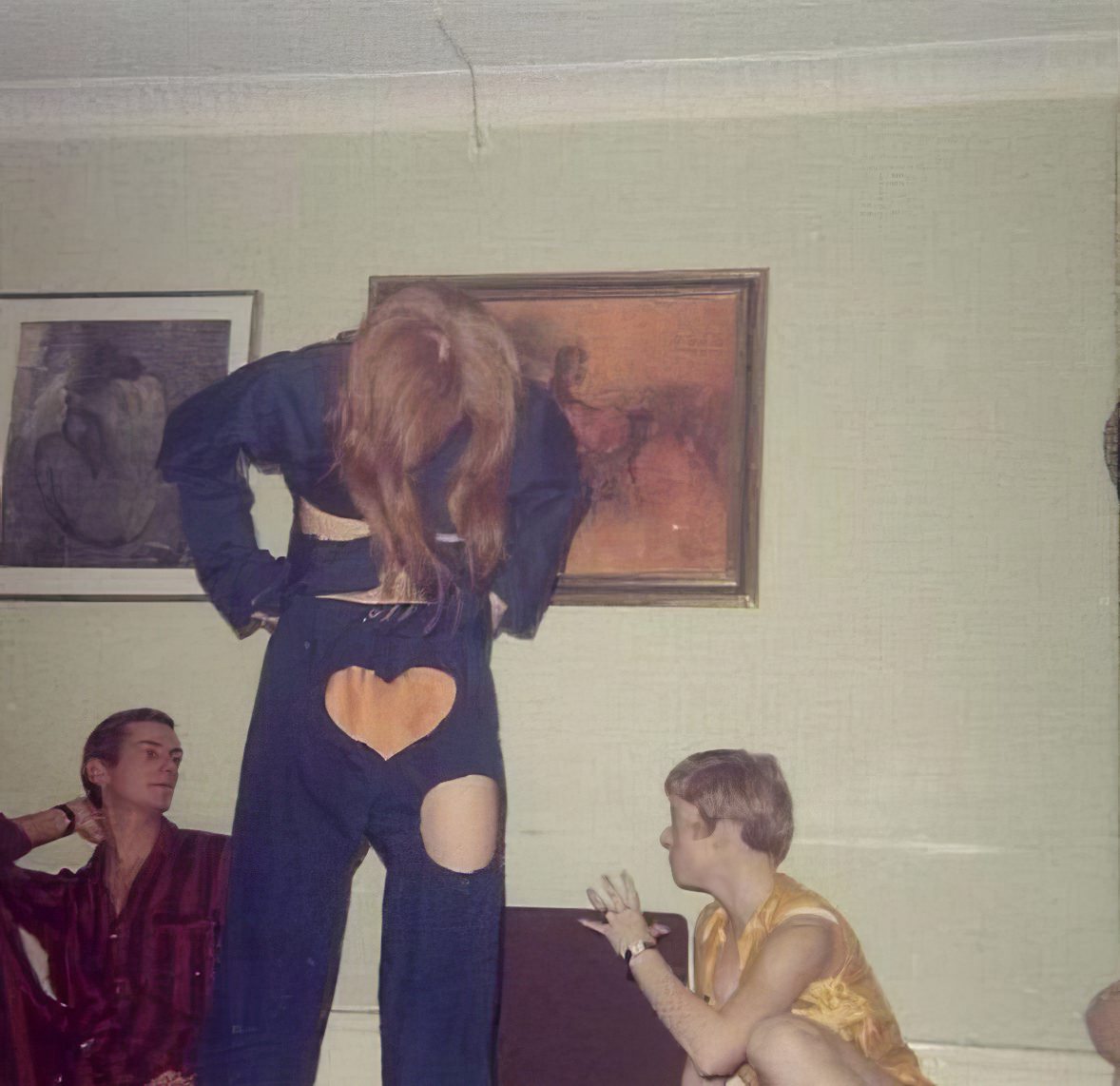
The fashion was just as expressive as the music. Tie-dye shirts, bell-bottom jeans, and long, unstyled hair were standard. Getting dressed for a party in 1966 meant making a statement — that you belonged to a generation that rejected the buttoned-up look of the decade before.
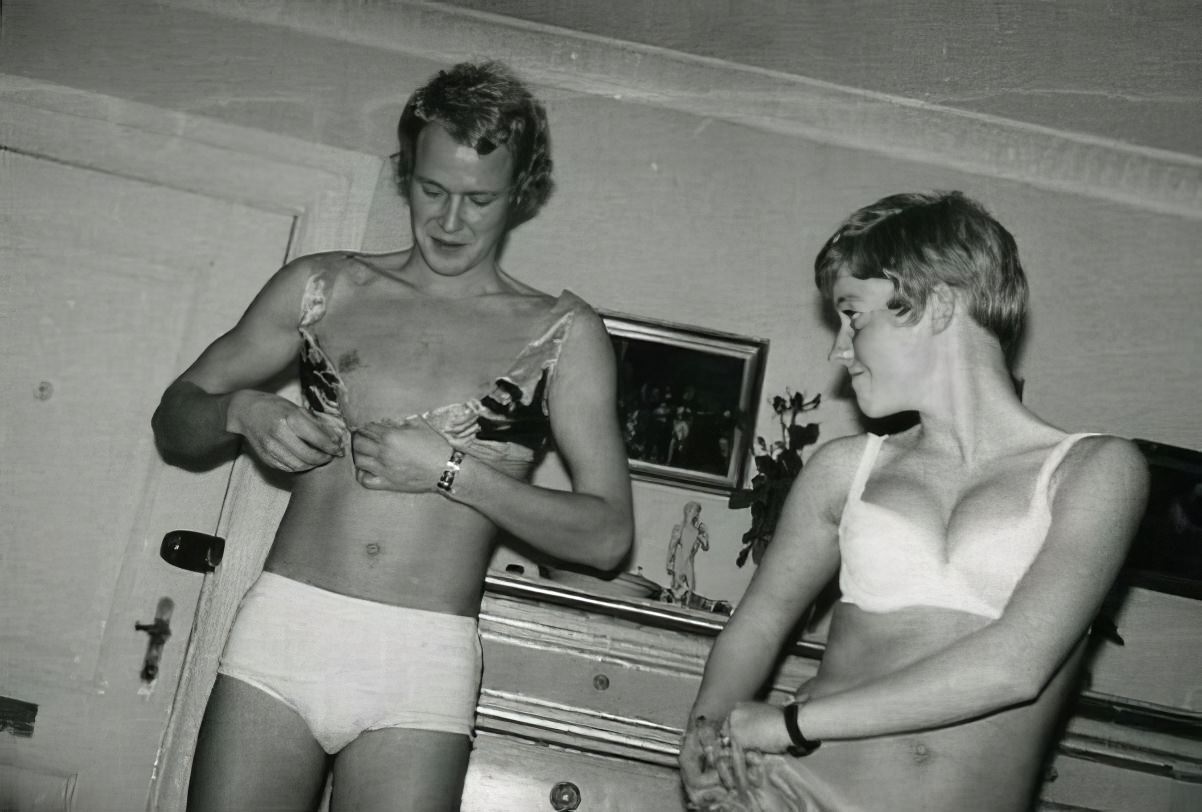
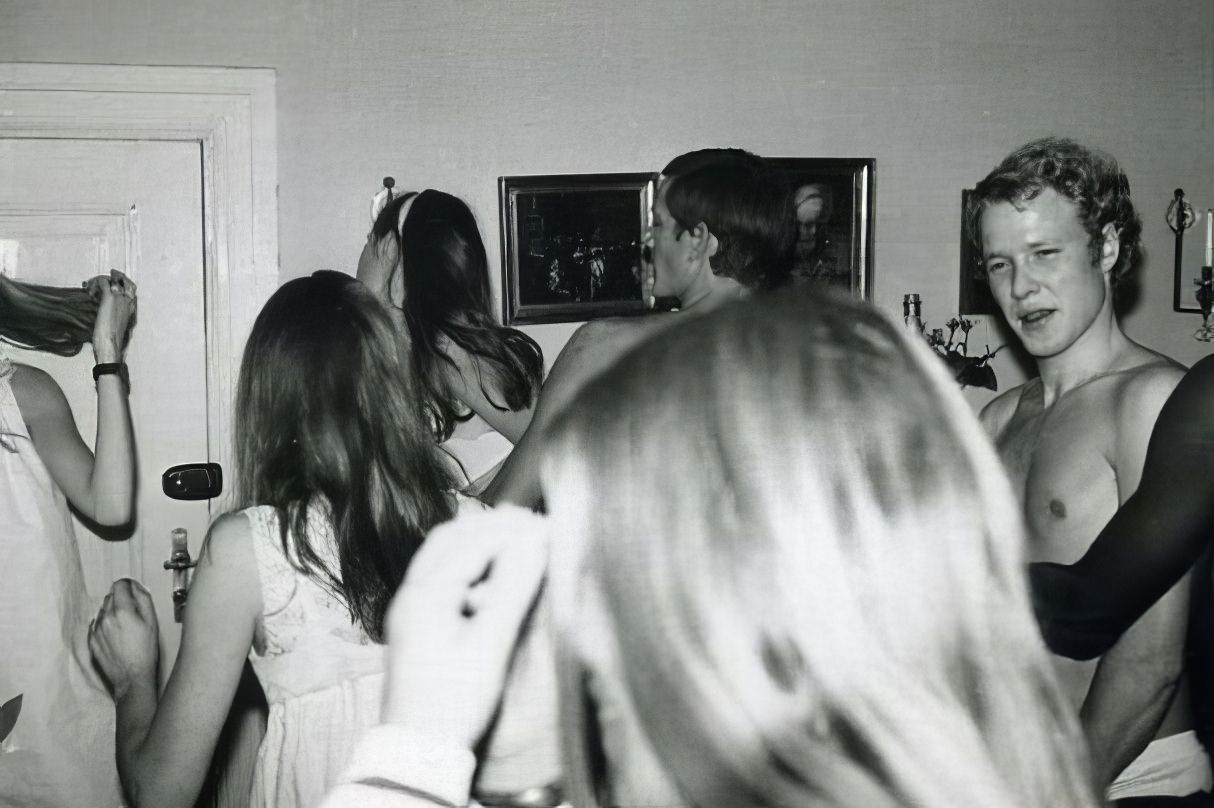
The walls of these houses told their own story. Posters of rock stars, peace signs, and swirling psychedelic art covered nearly every surface. Lava lamps glowed in corners, and strings of Christmas lights hung year-round, giving dim rooms a warm, low-lit atmosphere that felt almost electric.
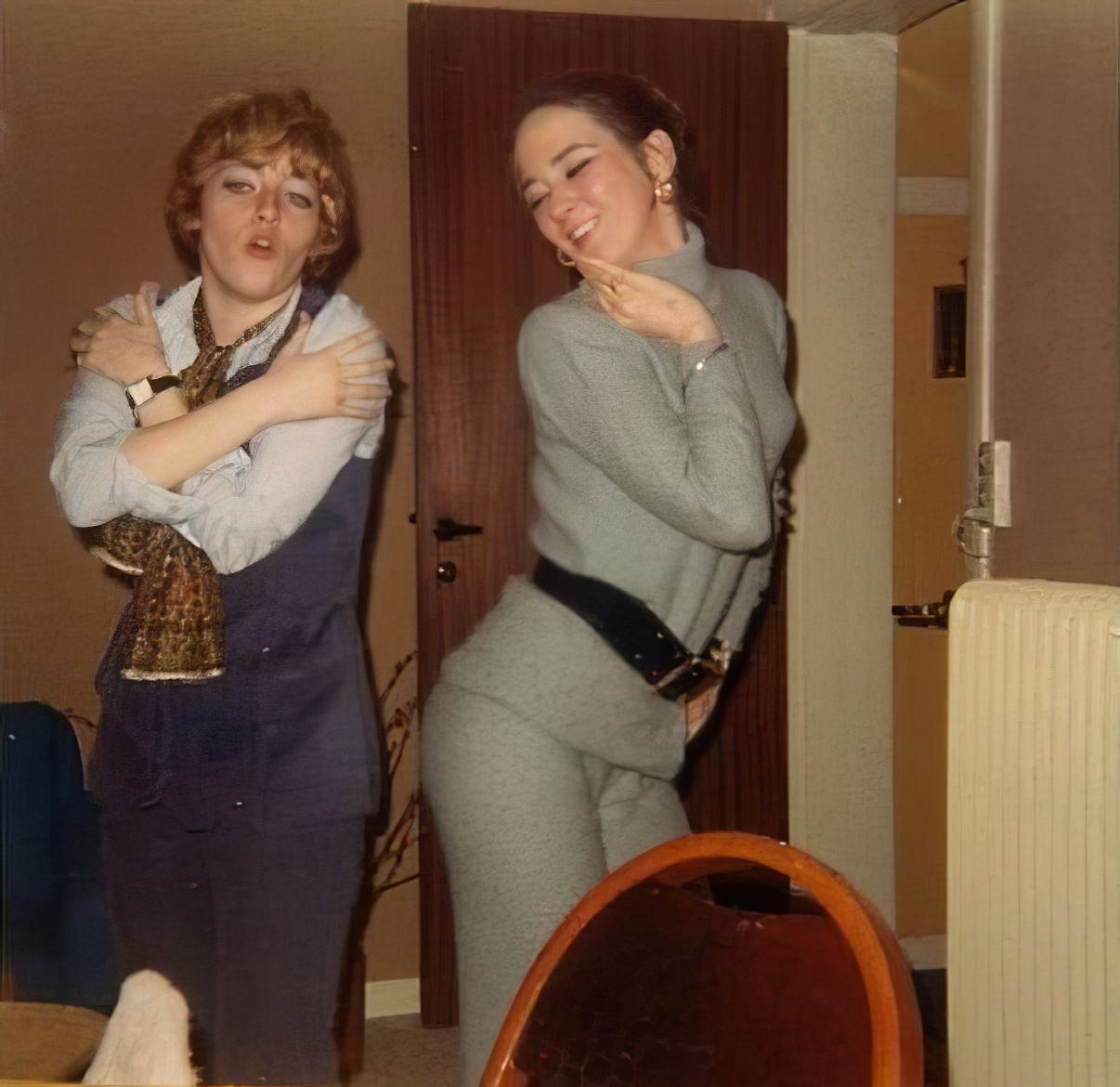
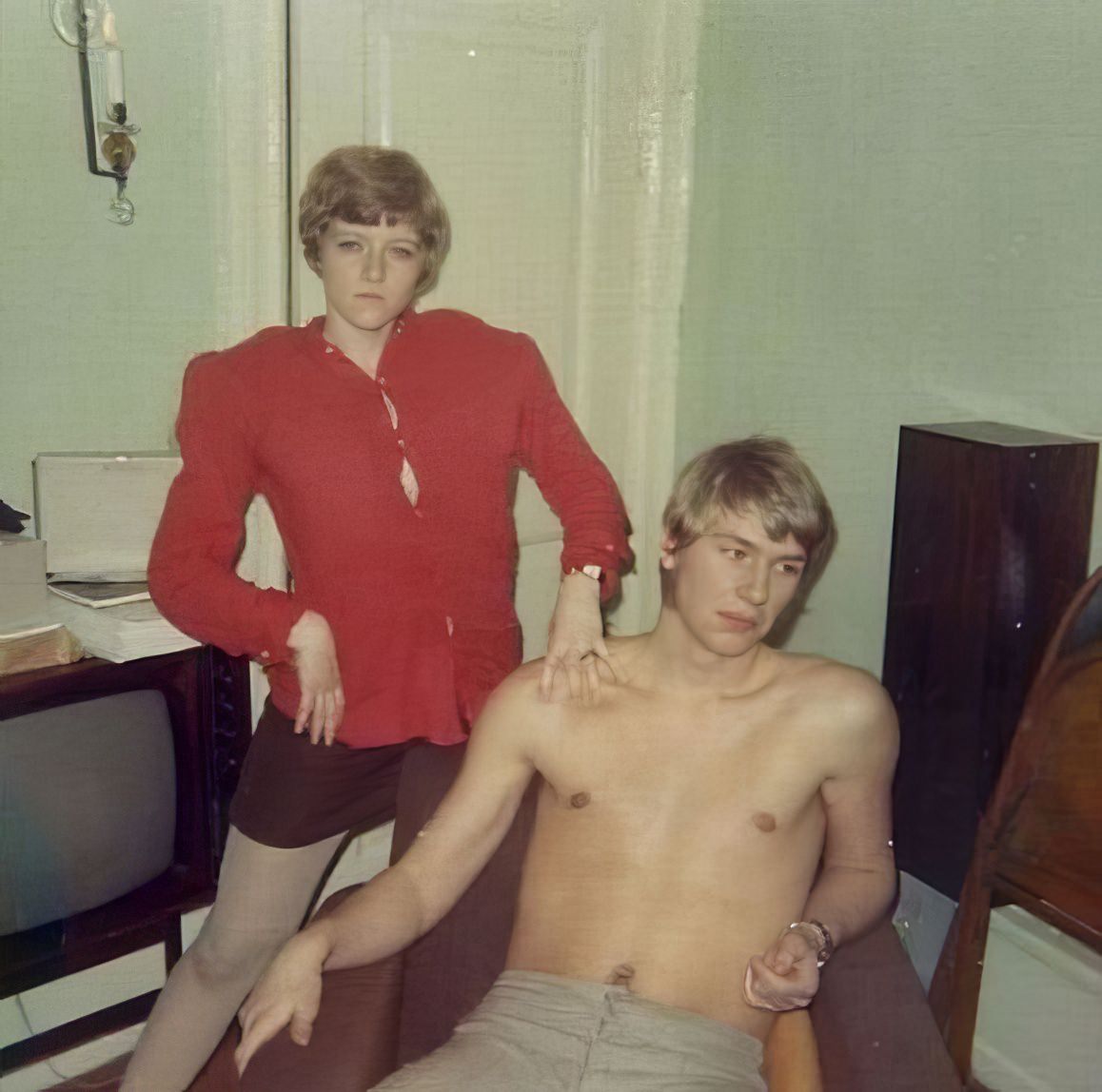
Between songs, the conversation was serious. Small clusters of students argued about the Vietnam War, debated civil rights, and threw around big philosophical questions. These weren’t abstract discussions — many of the young men in these rooms faced the draft. The stakes were real, and they talked like it.
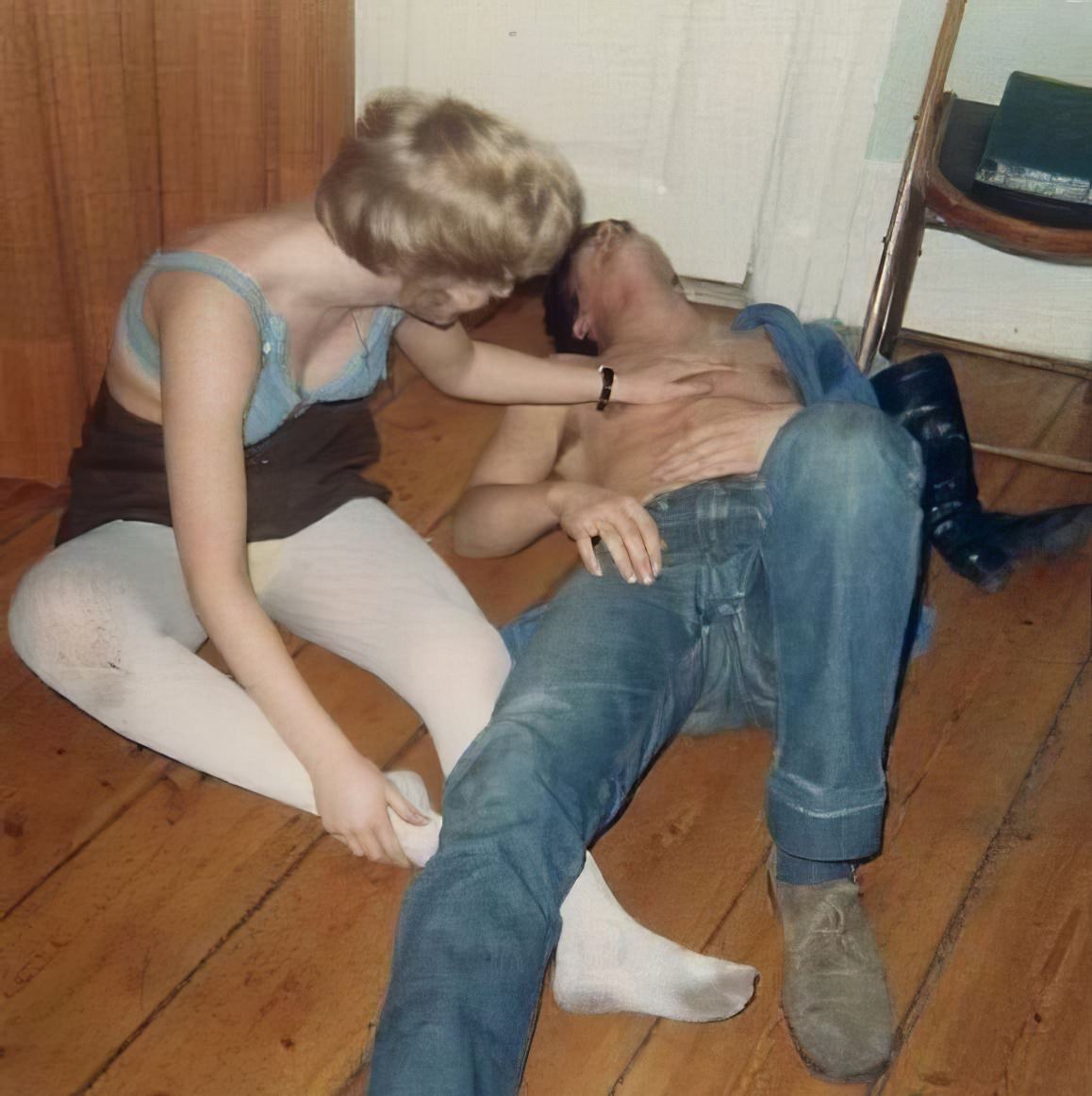
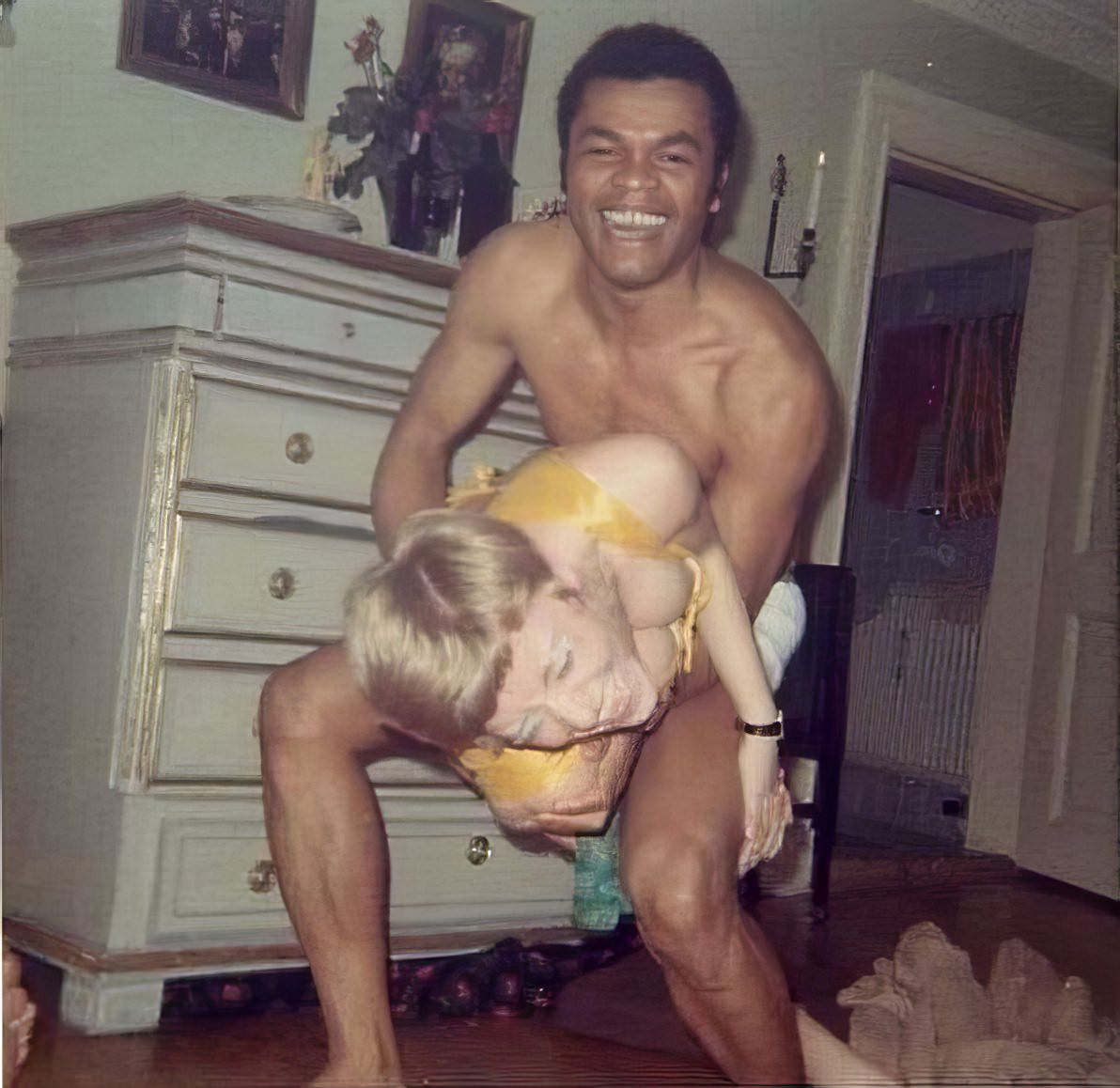
Food was always around, even if it was simple. Chips and dip, trays of brownies, and big pitchers of Kool-Aid kept people going through the night. When someone felt ambitious, they’d make a pot of chili or spaghetti and the whole crowd would eat together straight from the pot.
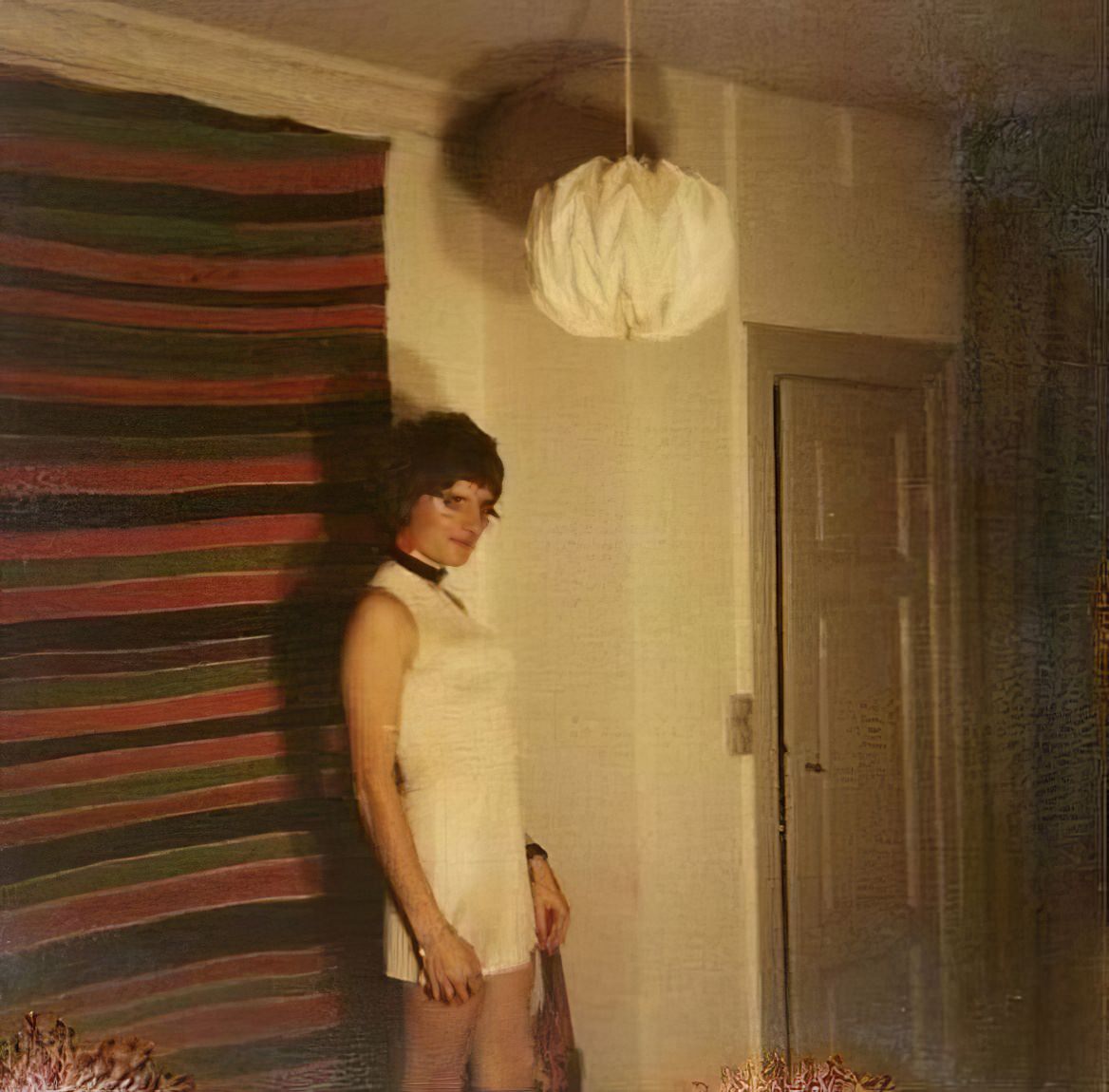
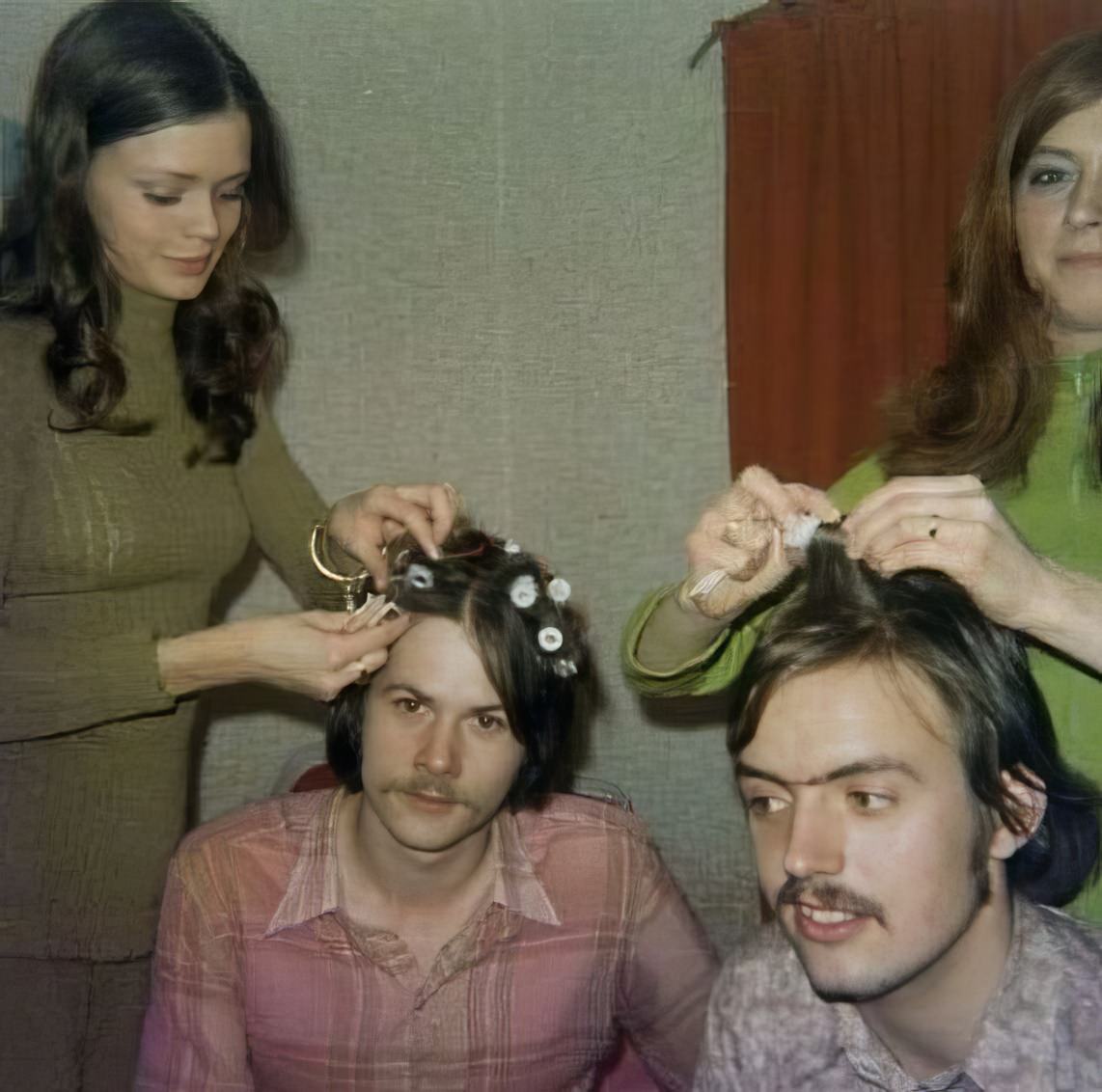
As the nights wore on, parties spilled outside. Students gathered on porches and front lawns, passing around stories and jokes. The laughter was loud. So was the occasional argument about politics or the meaning of something a professor had said that week.
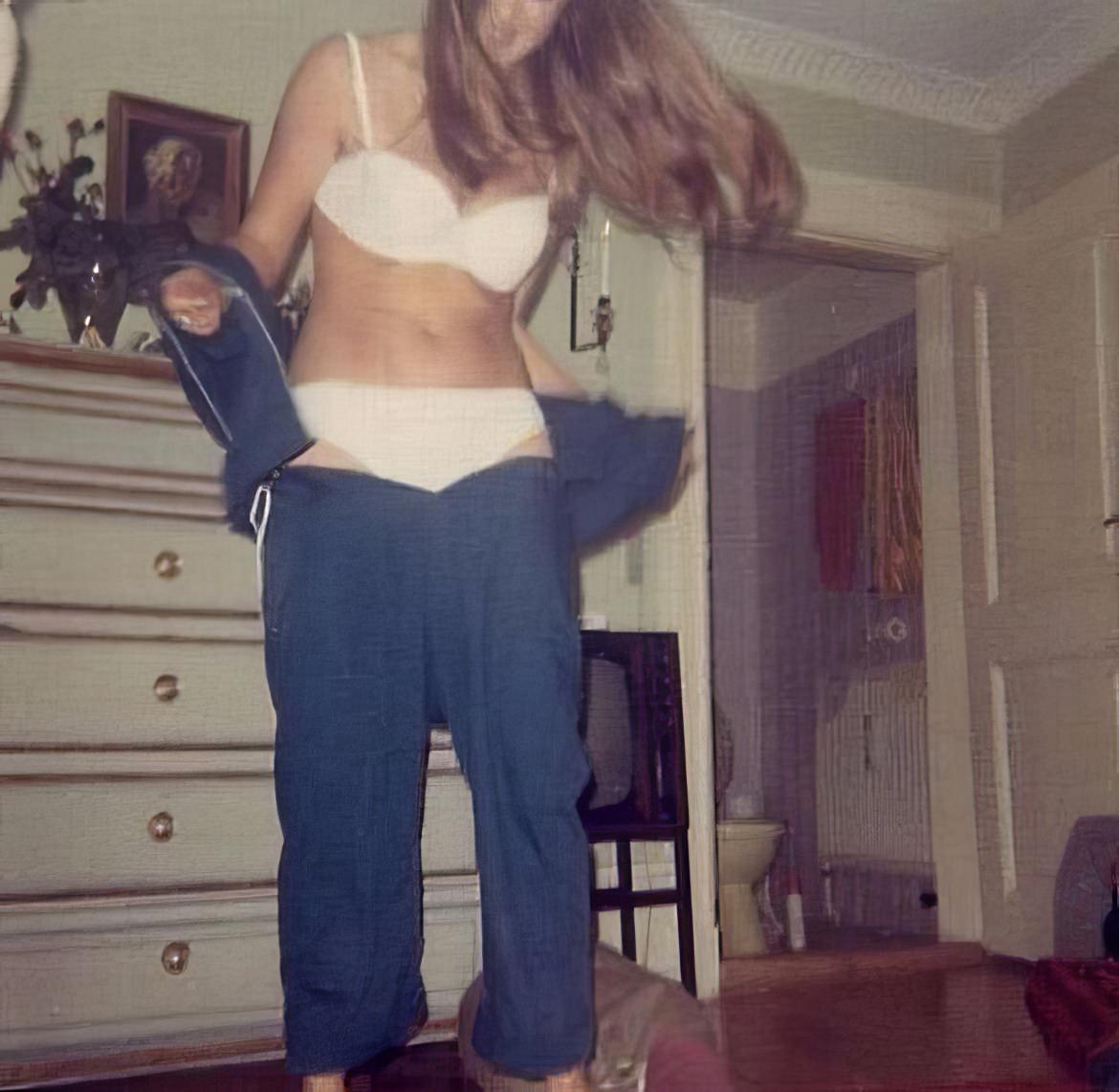
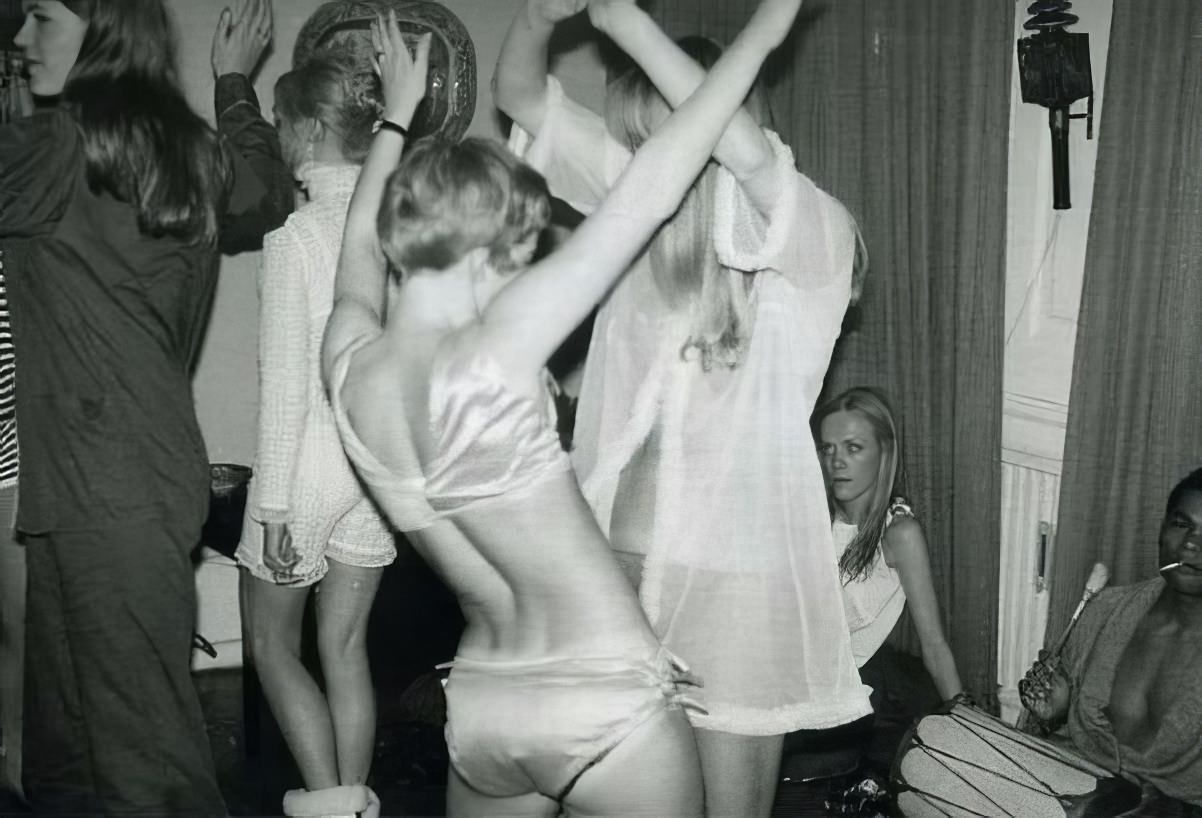
These gatherings weren’t just social events — they were where the culture of the decade got built in real time. The ideas, the styles, and the attitudes that defined the 1960s weren’t handed down from above. They were worked out in cramped living rooms and on crowded front steps, one party at a time.