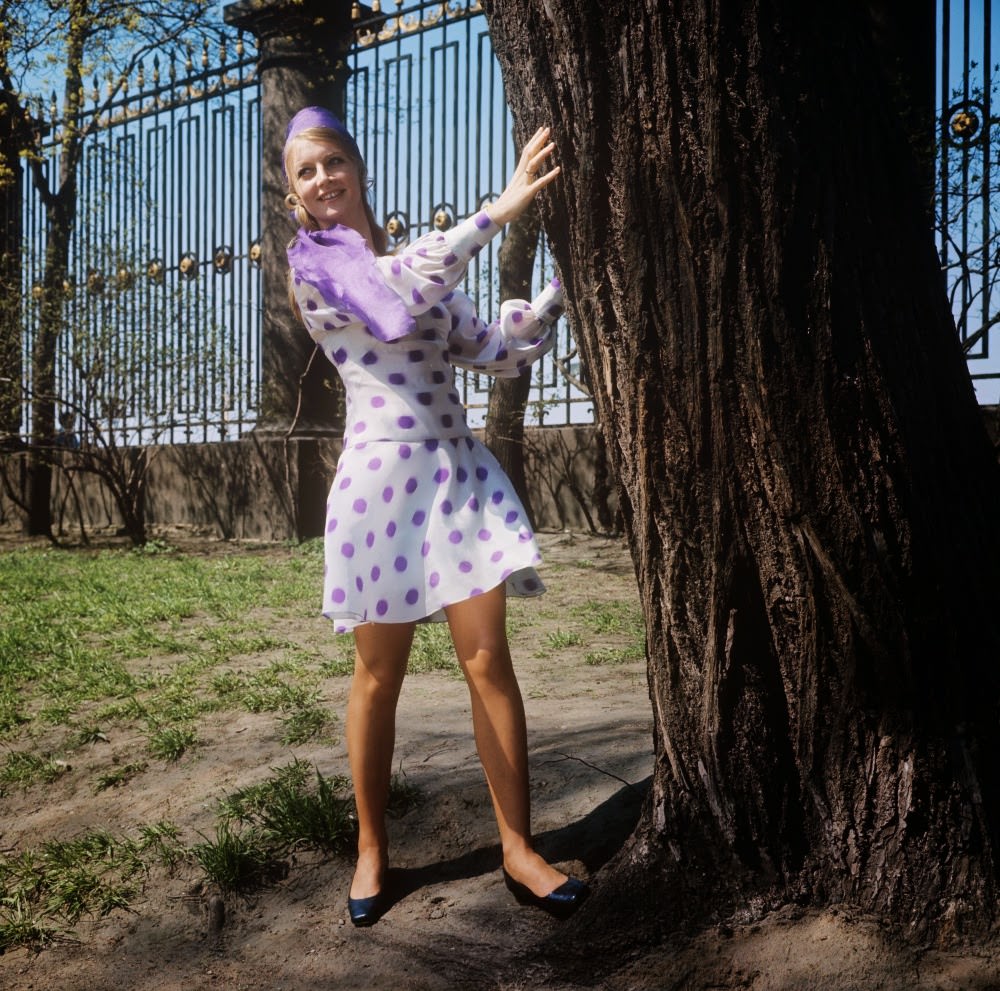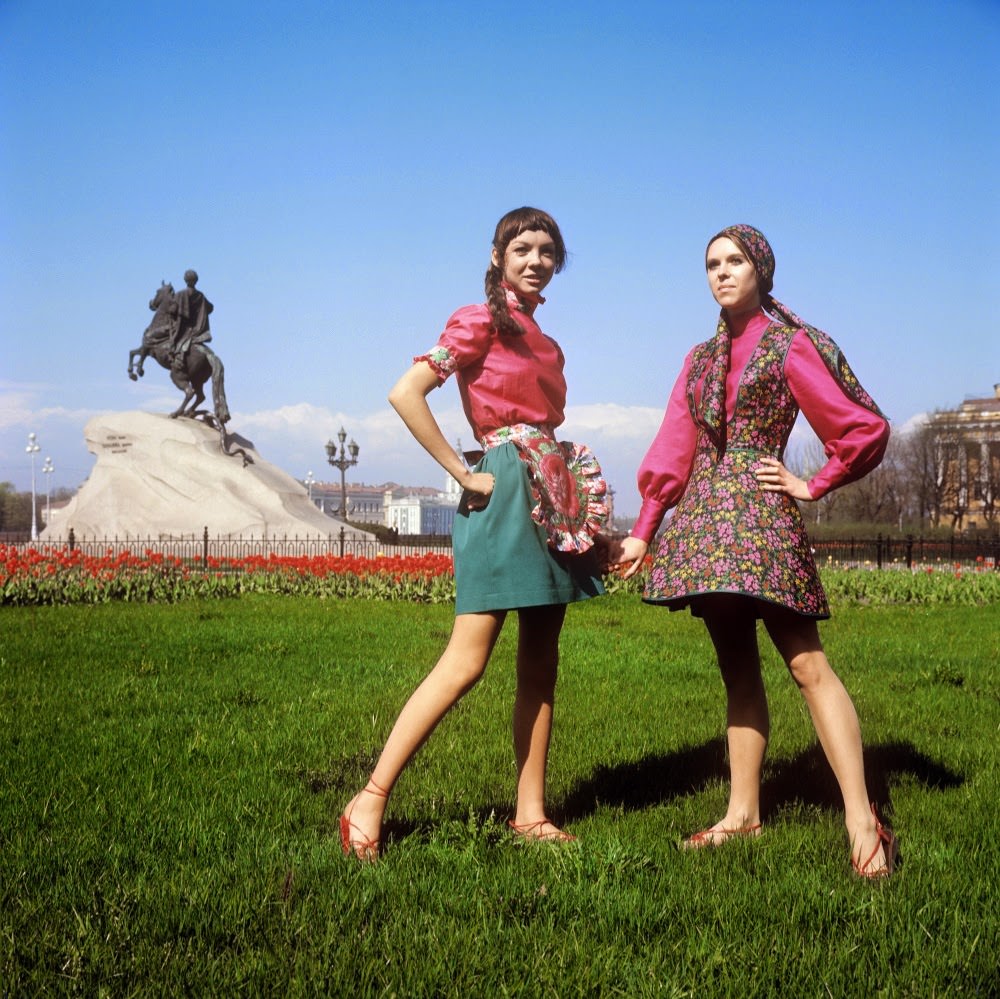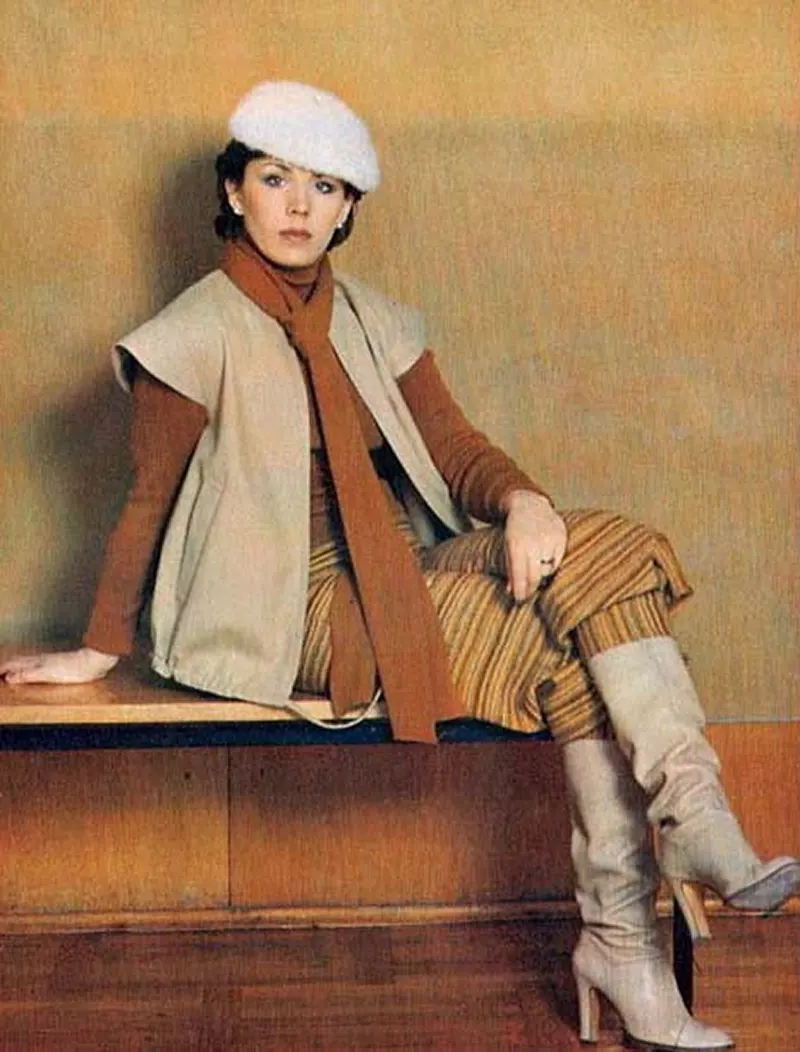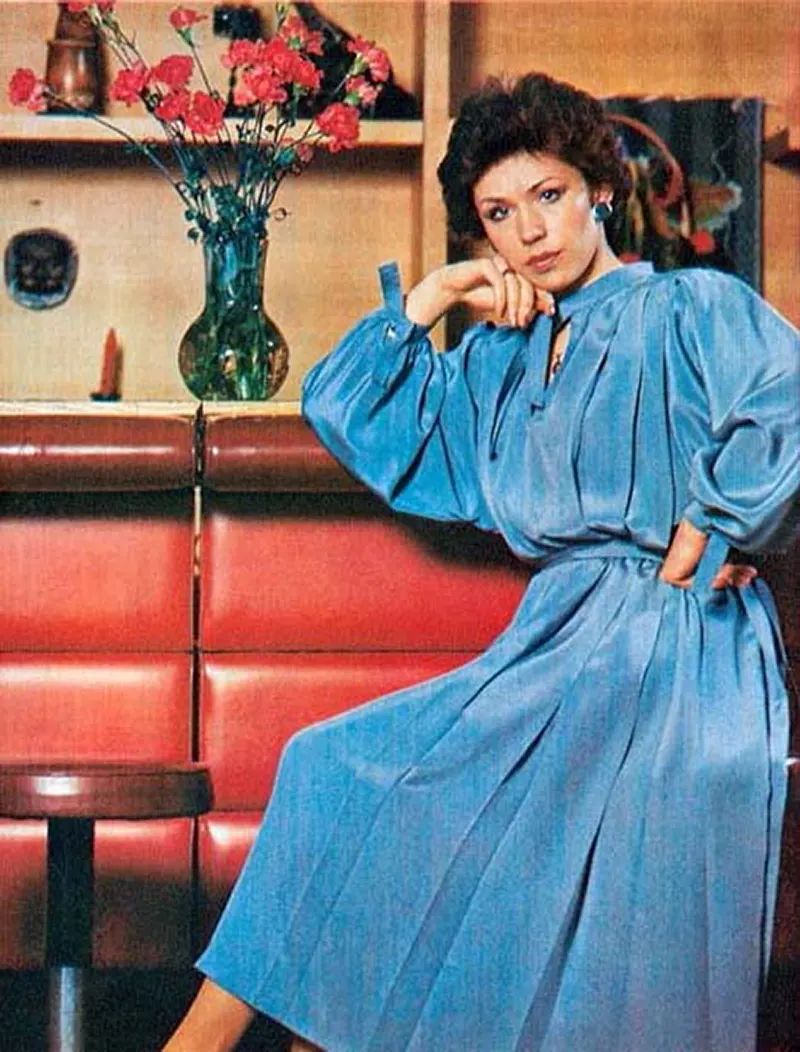
The Soviet Union of the 1960s and 1970s was not the place most people associate with bold fashion. Yet beneath the weight of a state-controlled society, Soviet women built a striking and distinctive style identity that was entirely their own.
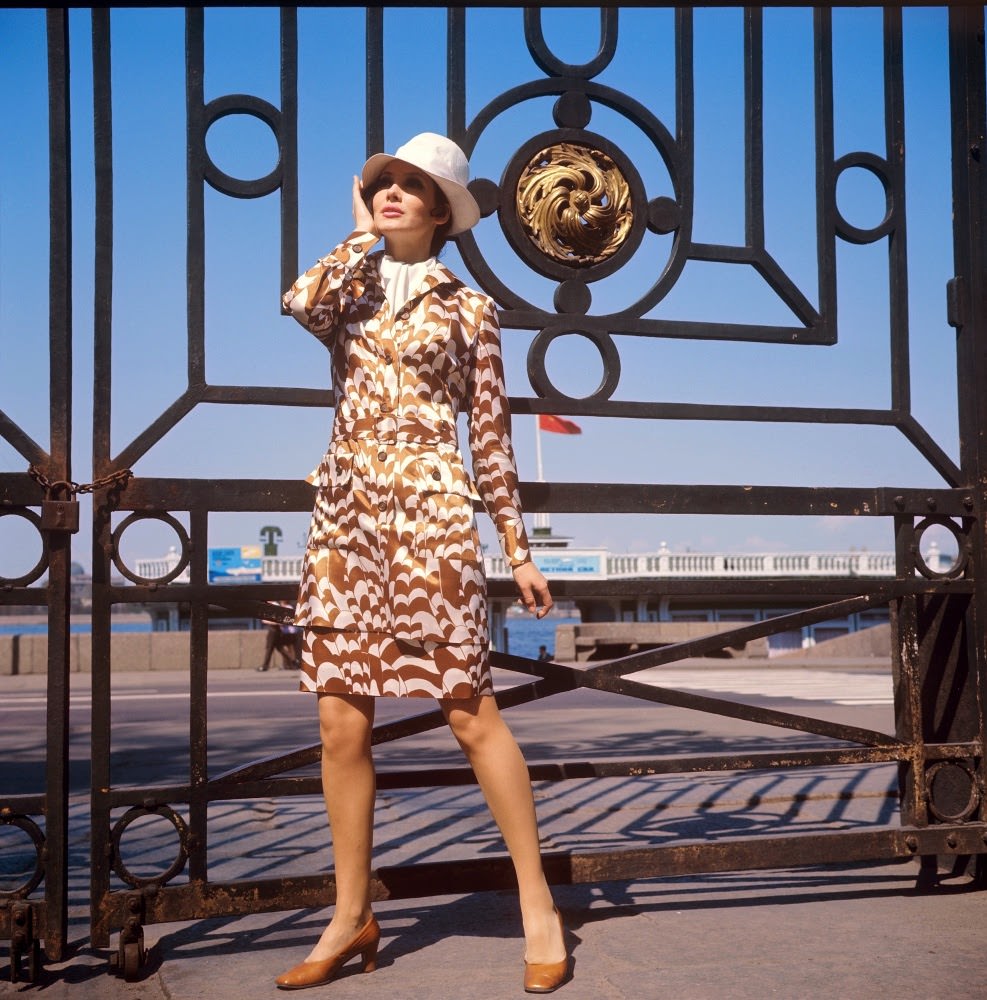
The turning point came with the Khrushchev Thaw — a period of political loosening that followed the death of Stalin. The Soviet government shifted its view of fashion from a capitalist indulgence to a useful social force. Authorities began to see stylish dressing as a way to rebuild national pride and promote the image of the “New Soviet People.” Fashion was no longer the enemy. It was a tool.
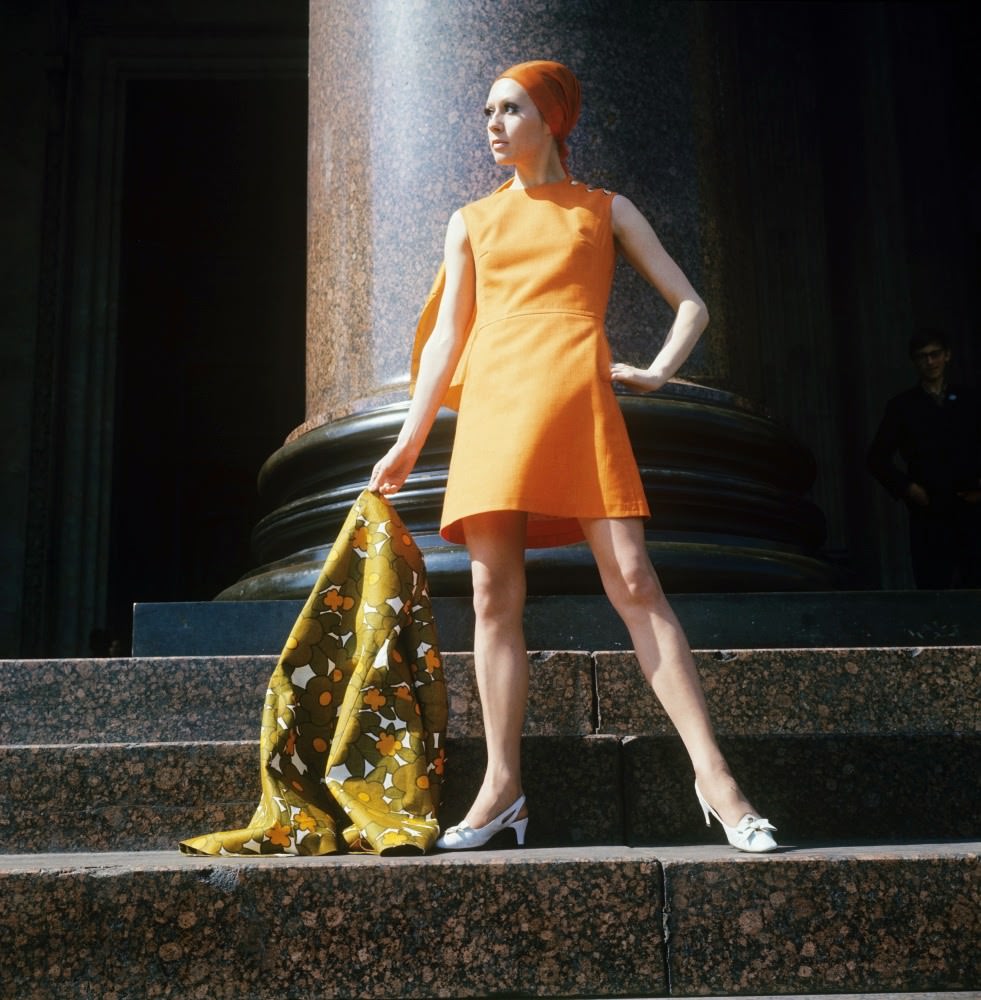
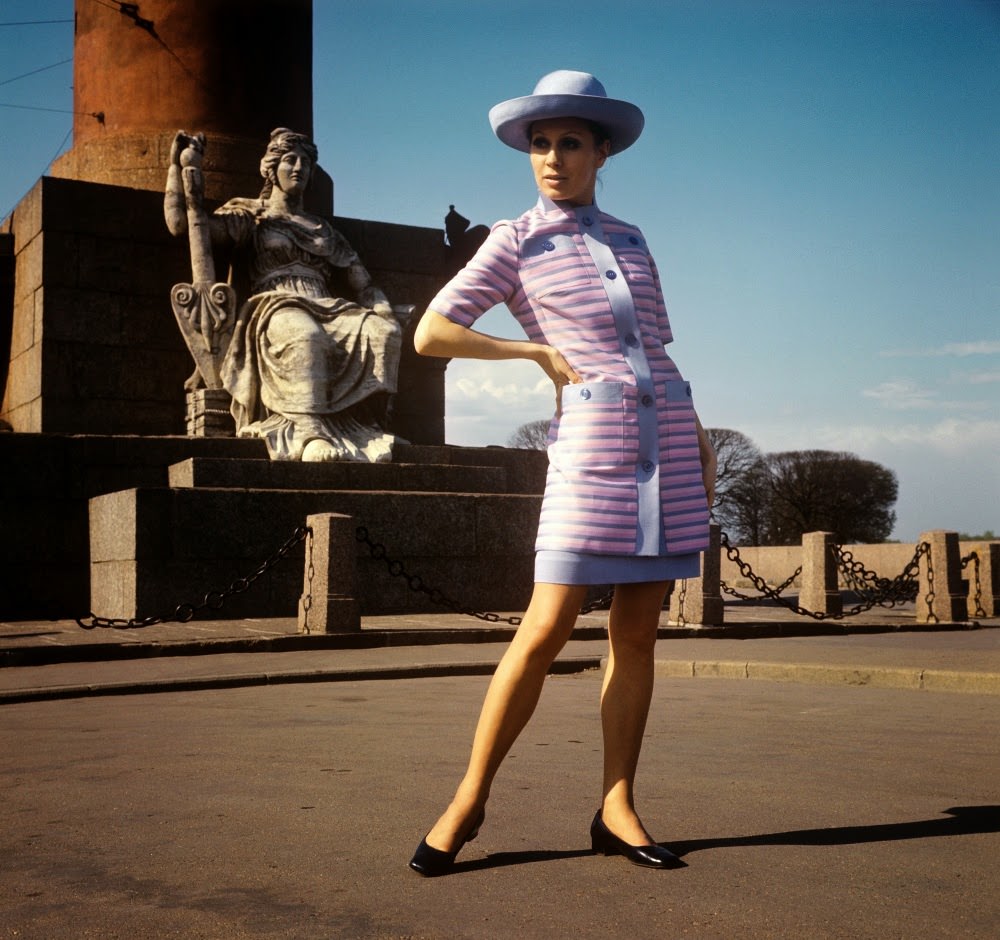
From the early 1960s, the USSR built the largest fashion design and marketing network in the entire Socialist World. It included 30 regional fashion houses and more than 2,800 designers spread across the country. The state’s strategy was deliberate — make fashion accessible and straightforward, so ordinary women could participate without the frustration that came with the unattainable luxury styles of the Stalin years.
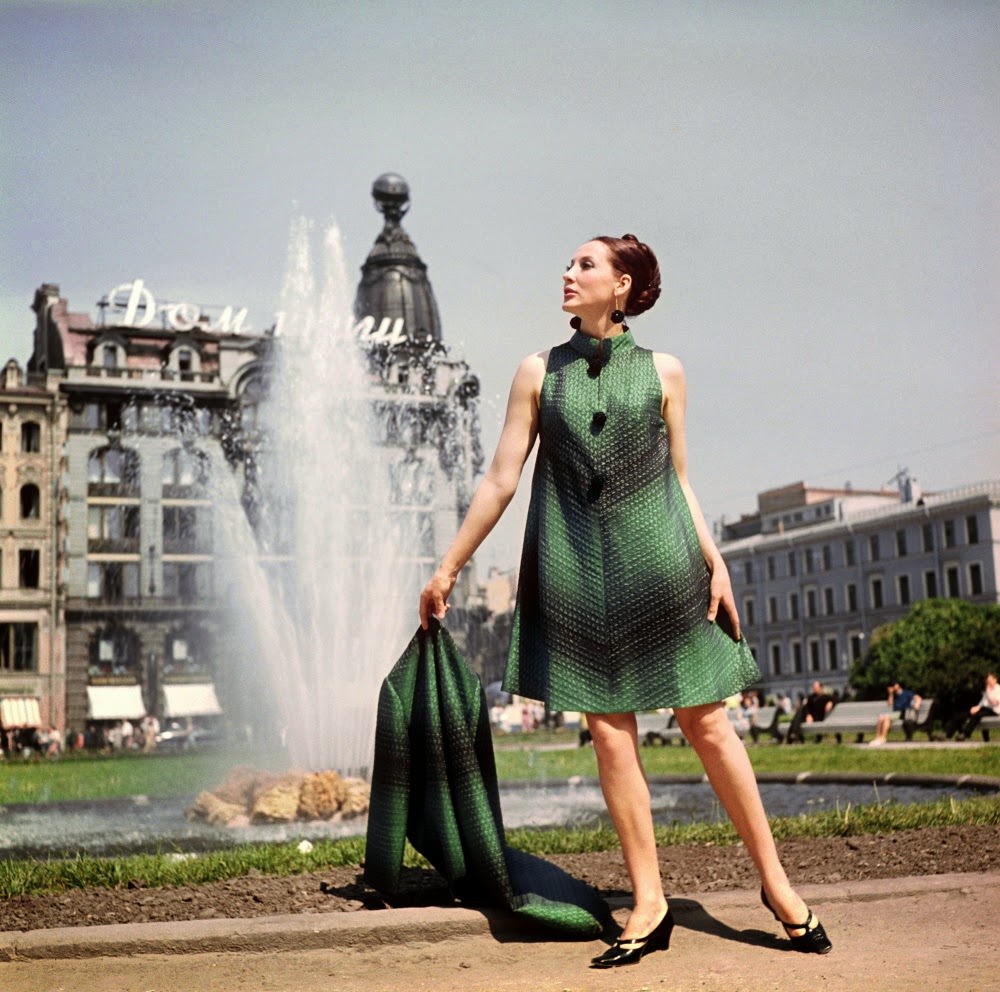
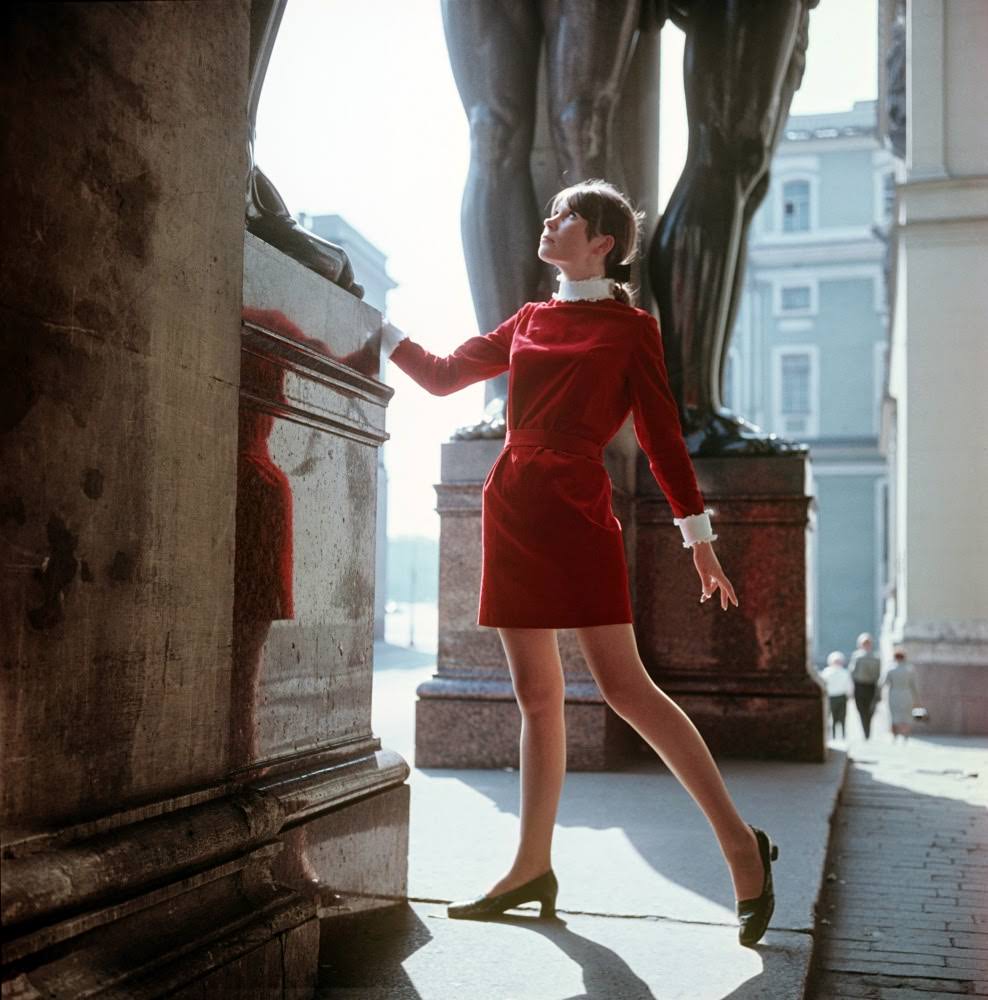
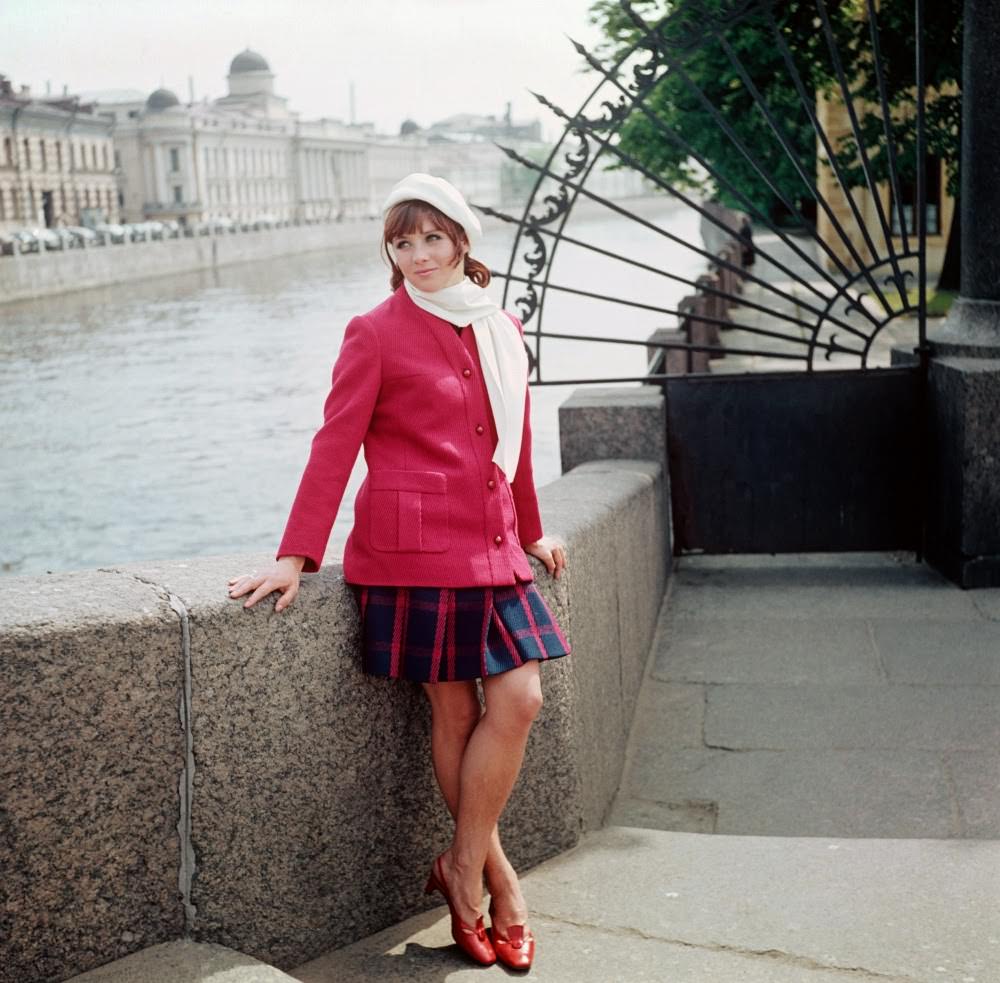
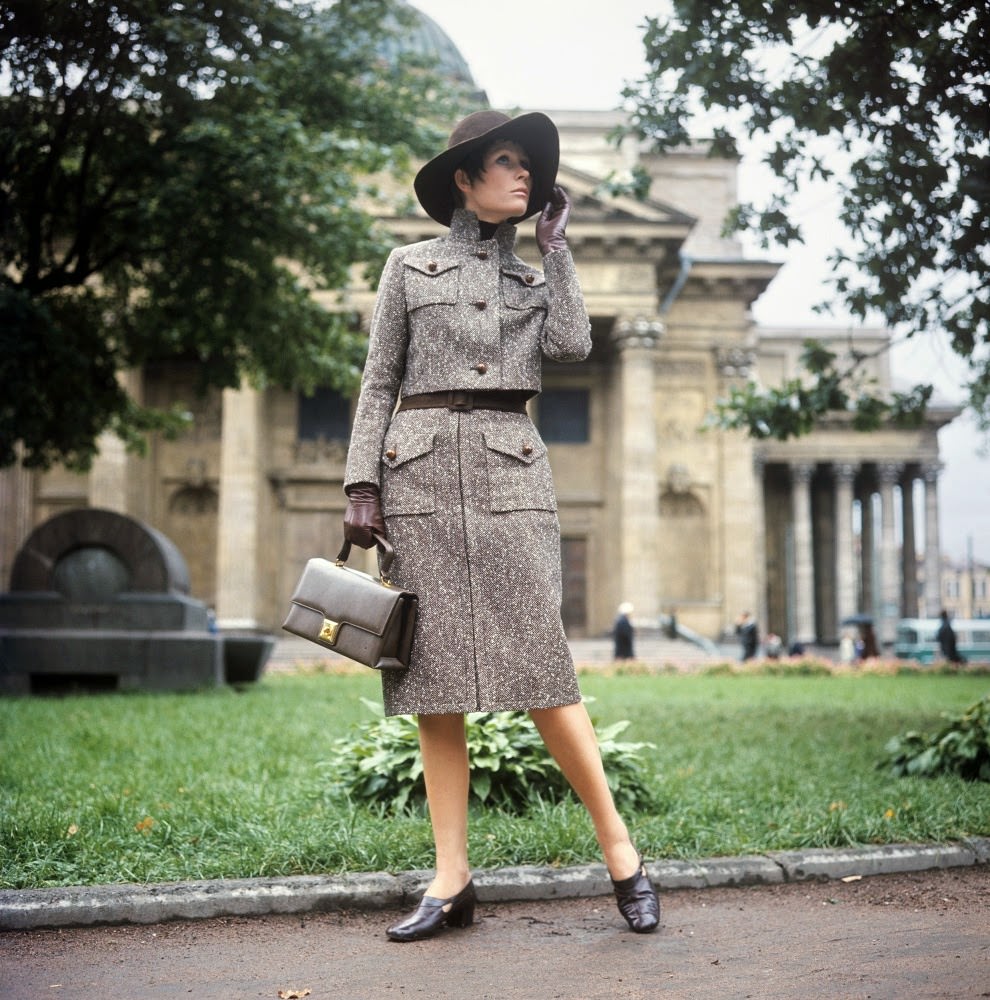
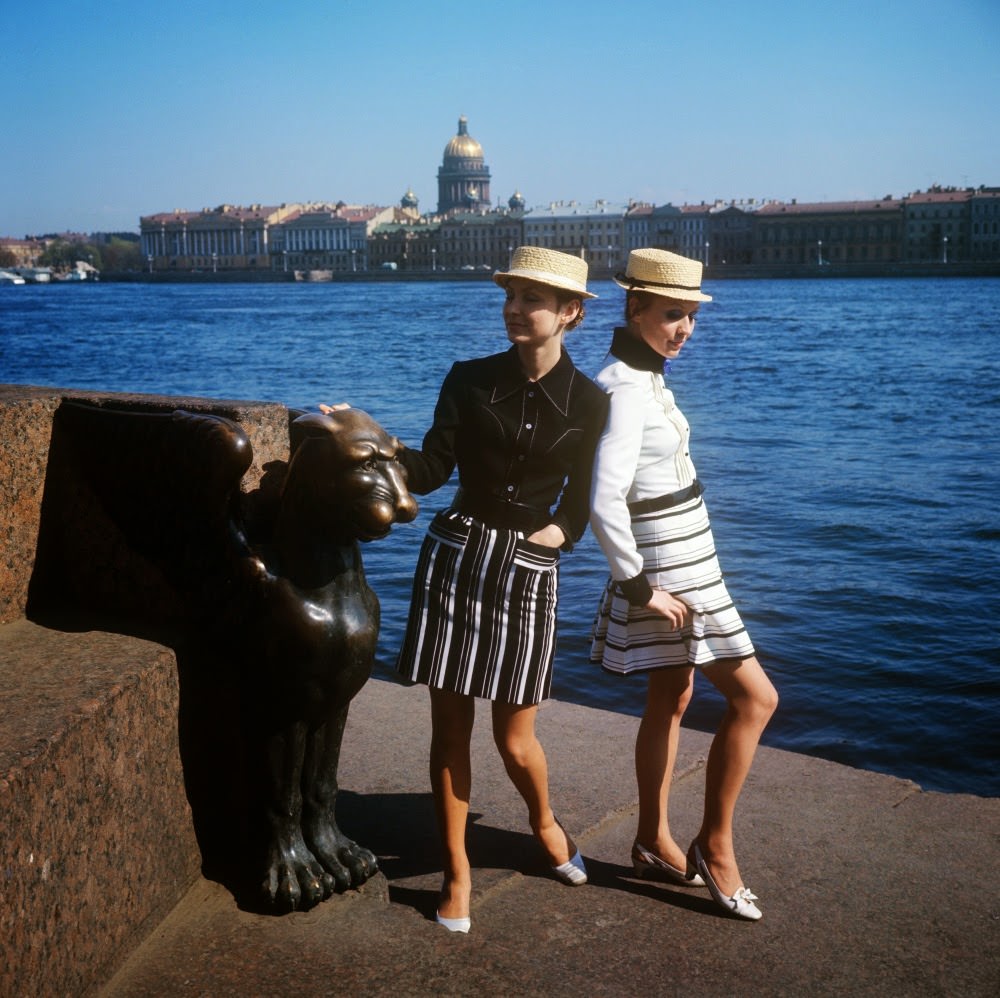
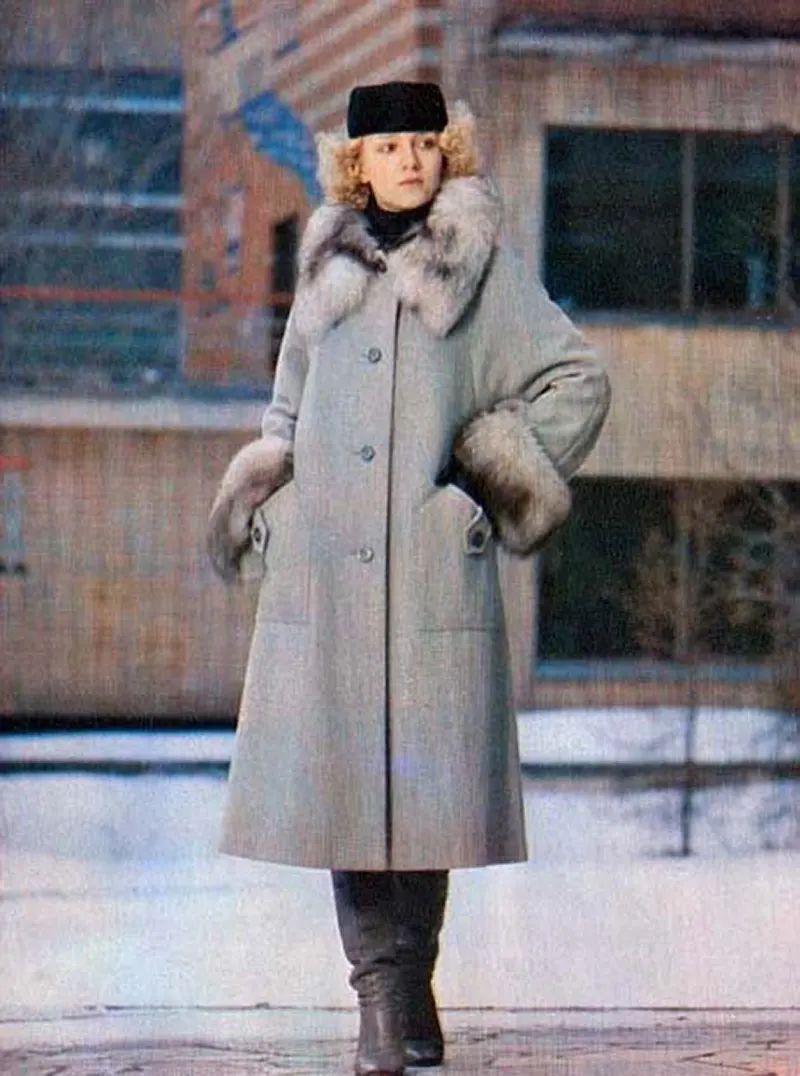
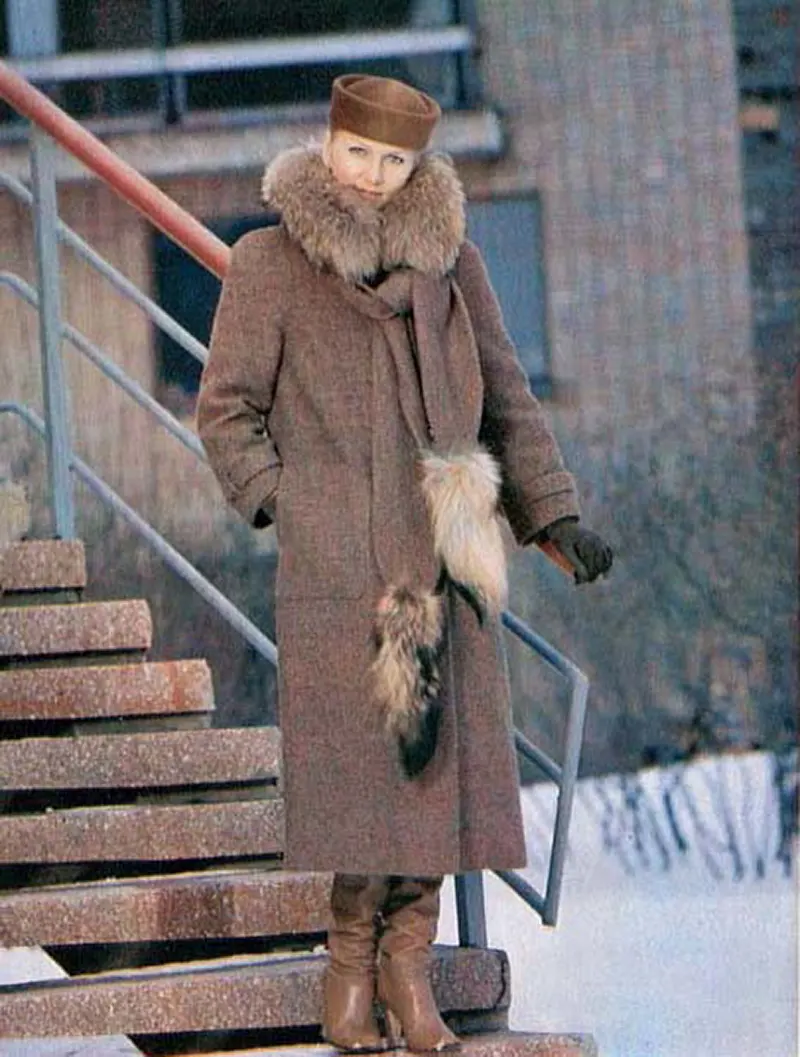
By the early 1960s, Moscow street fashion had risen sharply in quality and confidence. Women on Moscow’s streets were dressed in ways that closely mirrored what was being worn in Western European cities. To an outside observer, the difference was barely noticeable. This reflected a real hunger among Soviet women for modernity and sophistication.
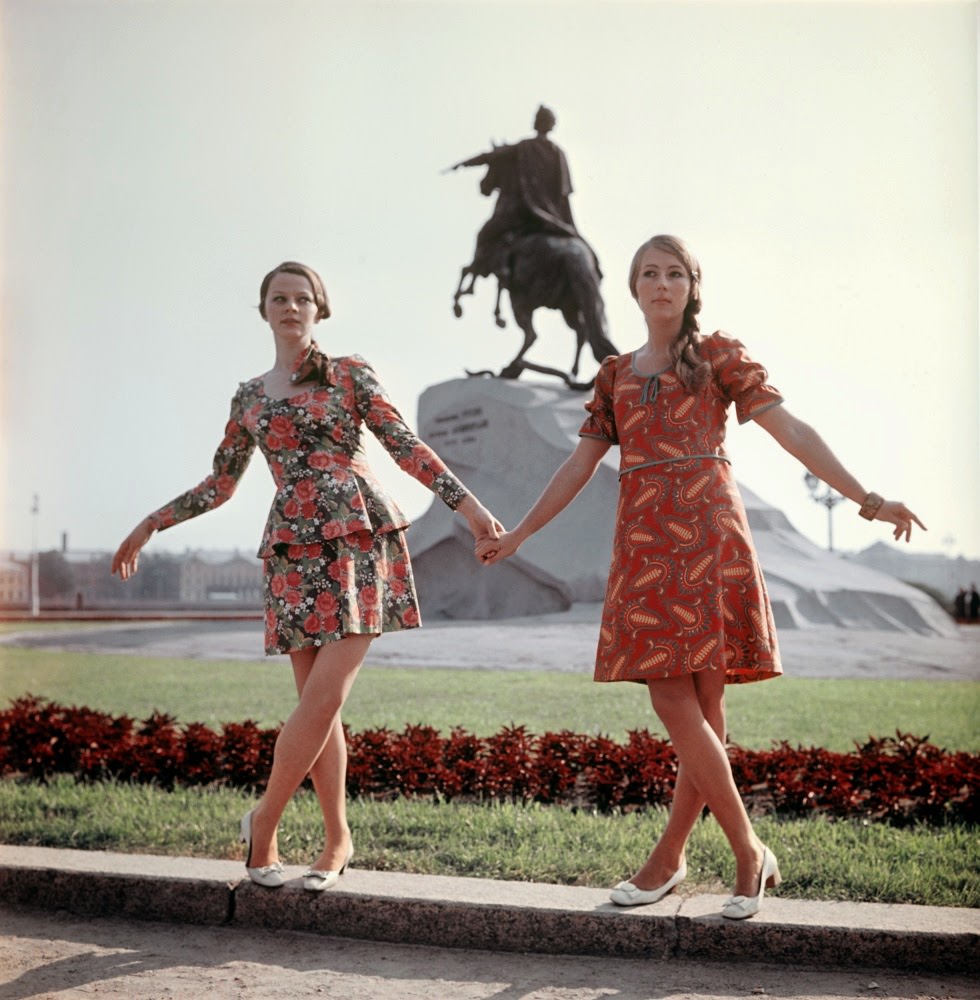
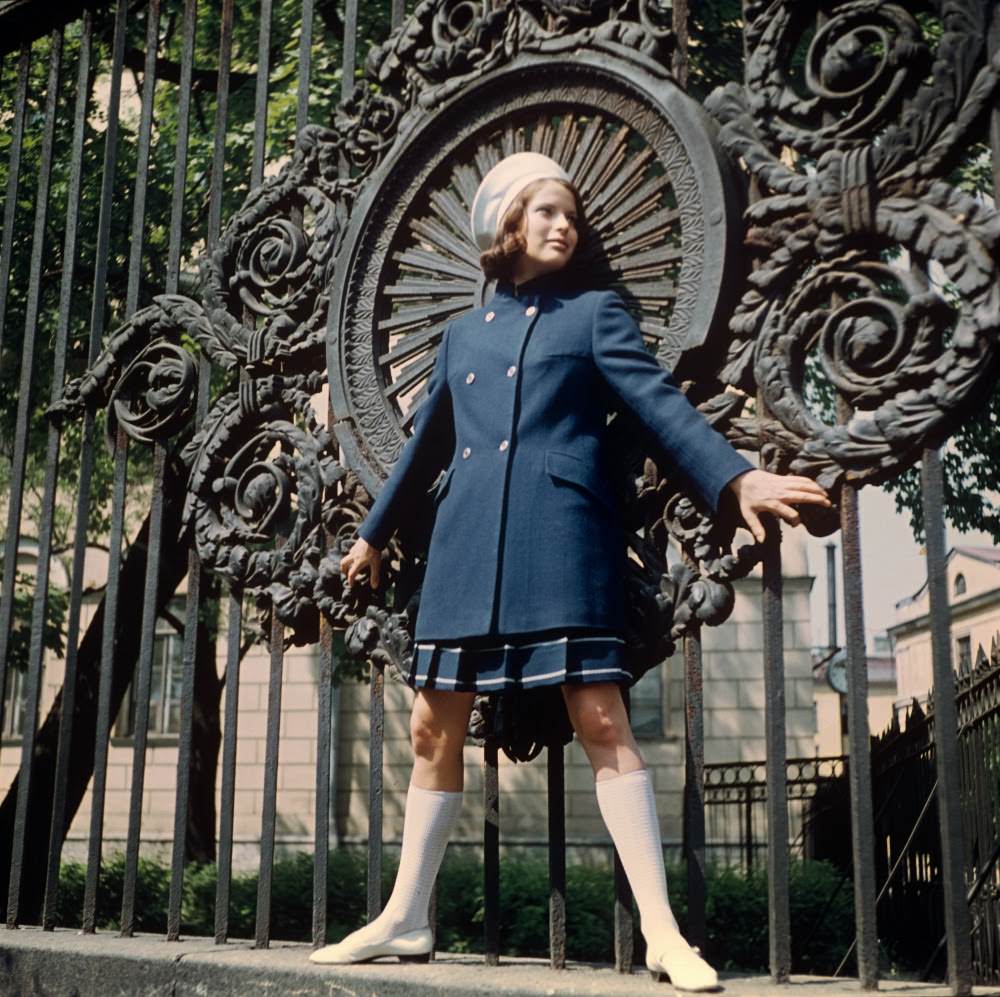
Not everyone worked within the system, though. A rebellious subculture called the stilyagi — which translates roughly to “style hunters” — emerged among young, elite Soviet youths. Inspired by Western films and magazines, they wore miniskirts, Hawaiian shirts, and other styles that mainstream Soviet society considered excessive and threatening.
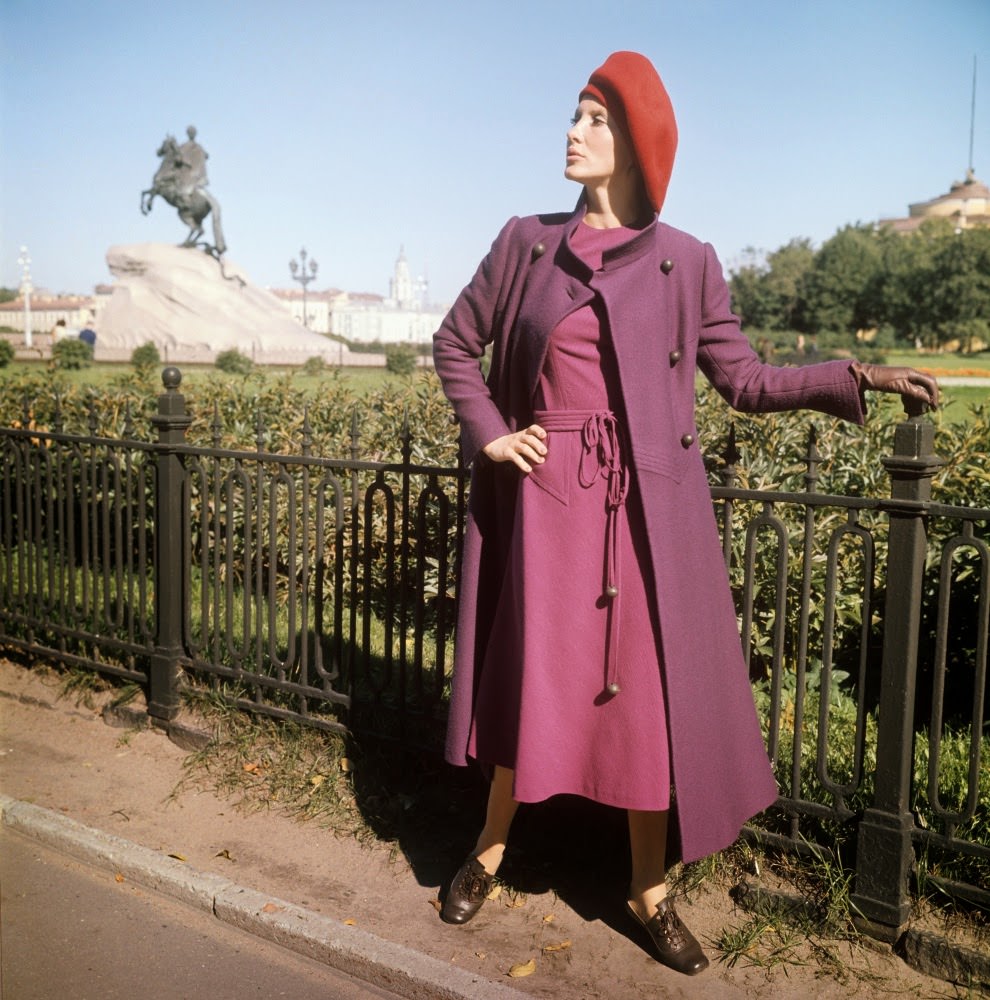
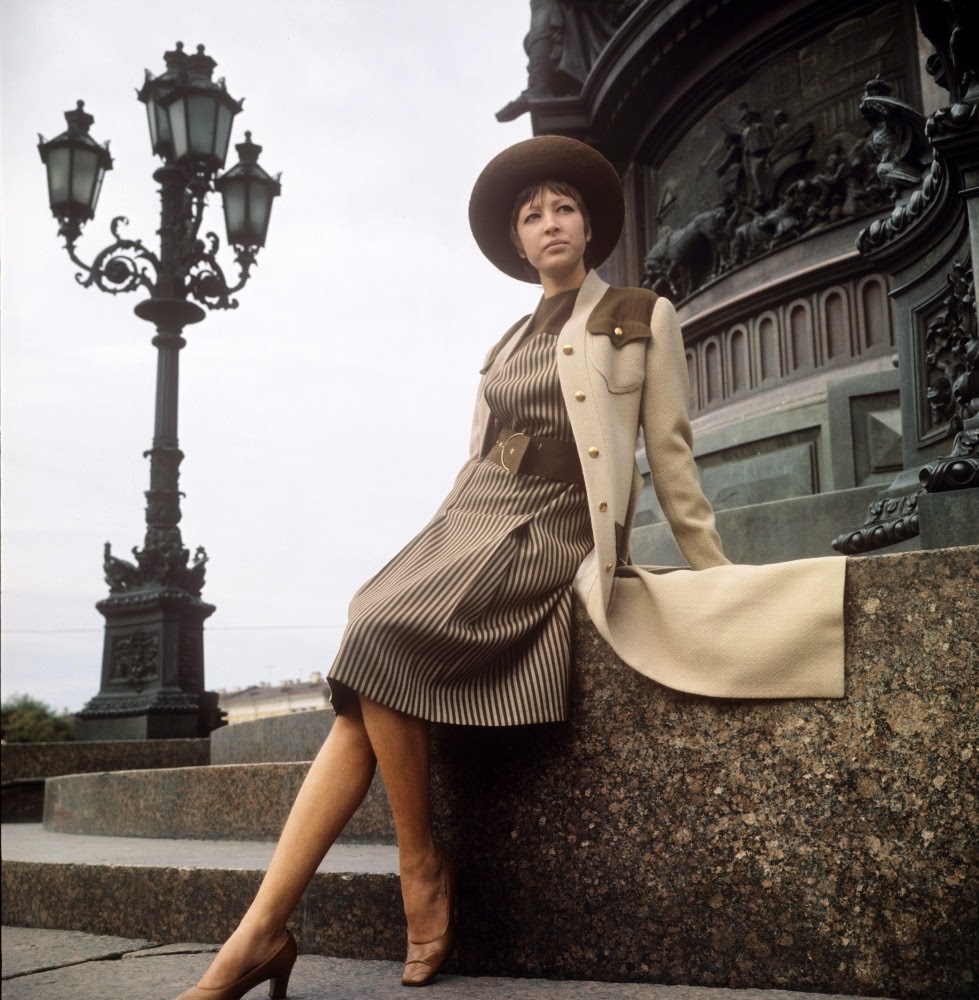
The stilyagi regularly clashed with Komsomol groups — youth organizations loyal to the Communist Party — who saw Western fashion as an attack on Soviet values. These confrontations were real and sometimes physical. Wearing the wrong skirt length or hairstyle was enough to draw unwanted attention from ideological enforcers.
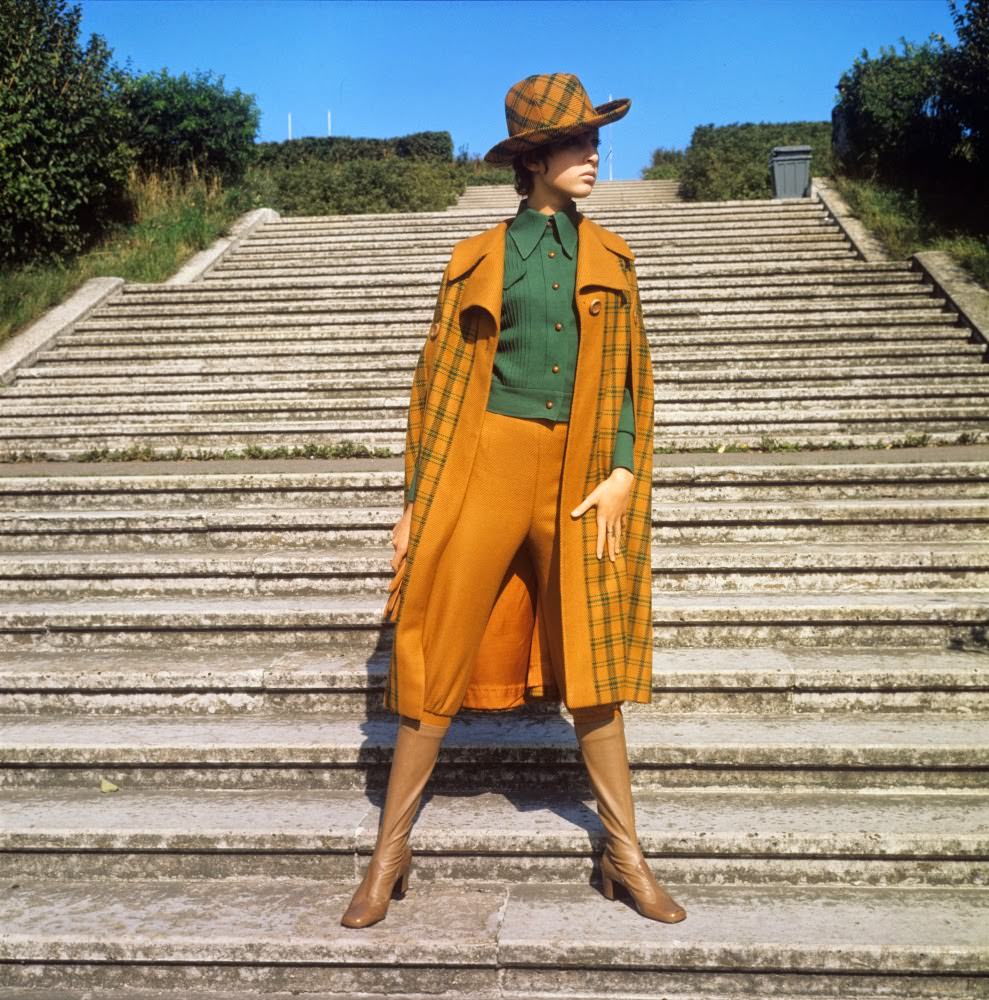
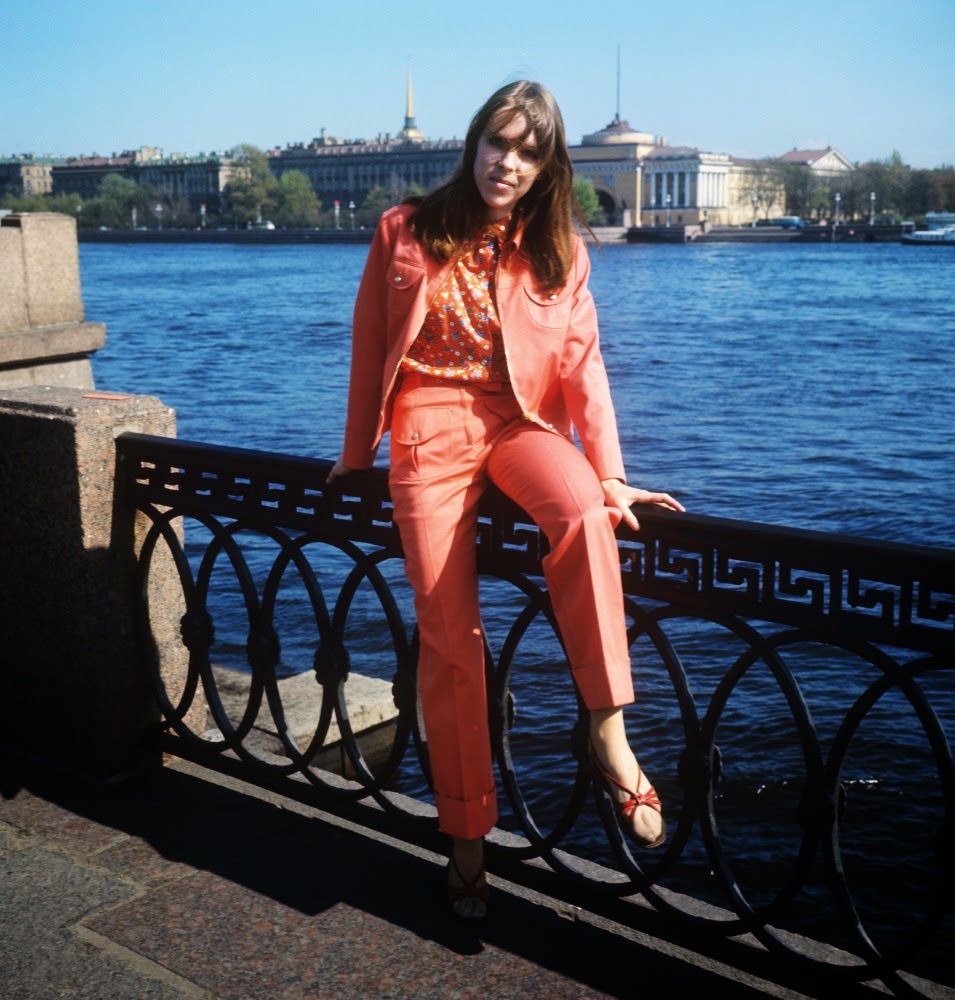
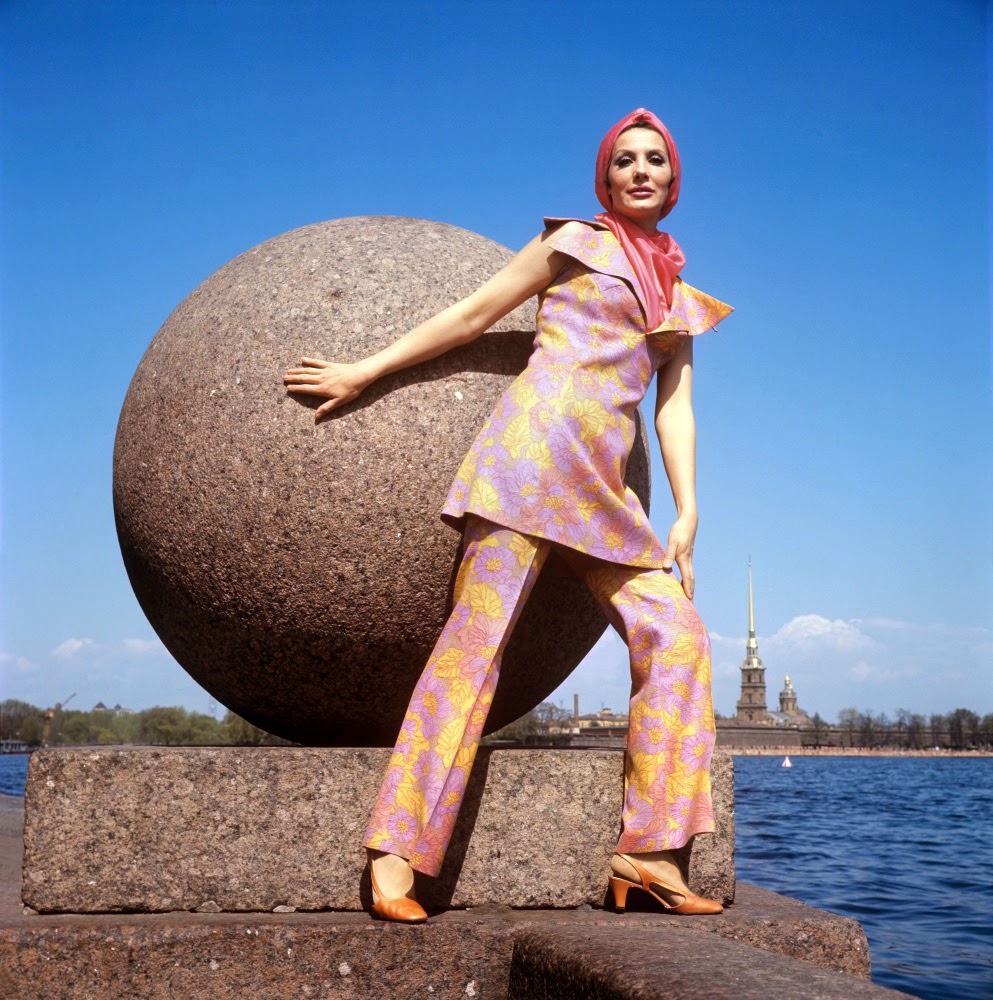
By the late 1960s, even the centralized state fashion bureau — known as ODMO, the All-Union House of Prototypes — began absorbing Western trends into its official designs. But there was always pressure to keep something distinctly Soviet in the mix.
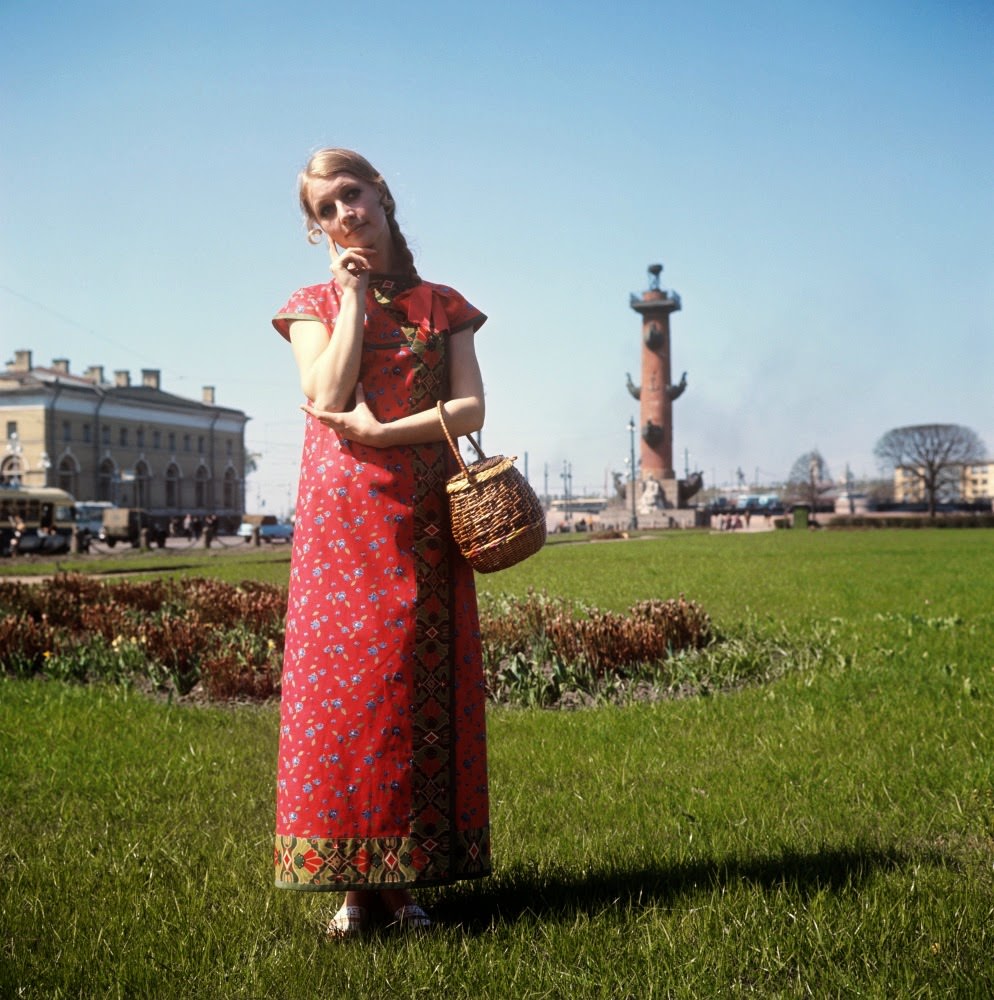
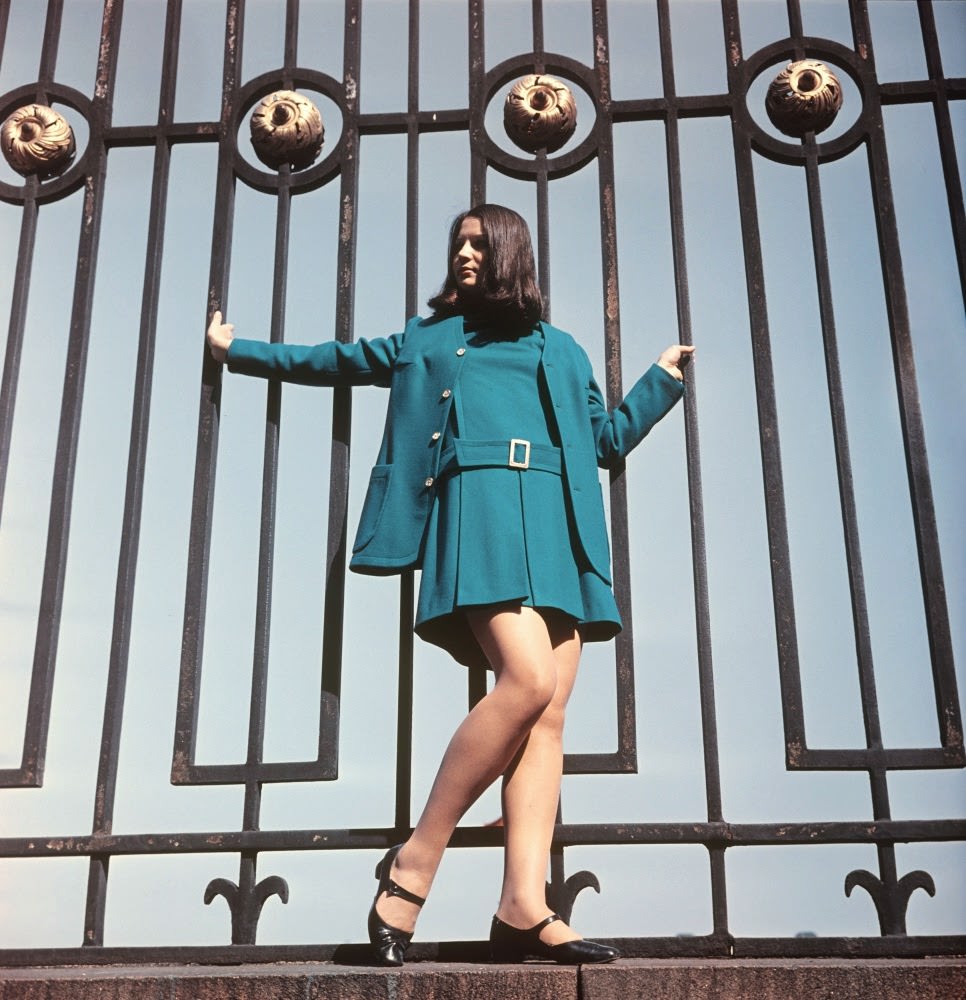
One result of that pressure was “Space Fashion” — a design movement that celebrated Soviet achievements in space exploration through futuristic silhouettes, geometric cuts, and metallic tones. It was fashion with a patriotic message, and it was genuinely striking.
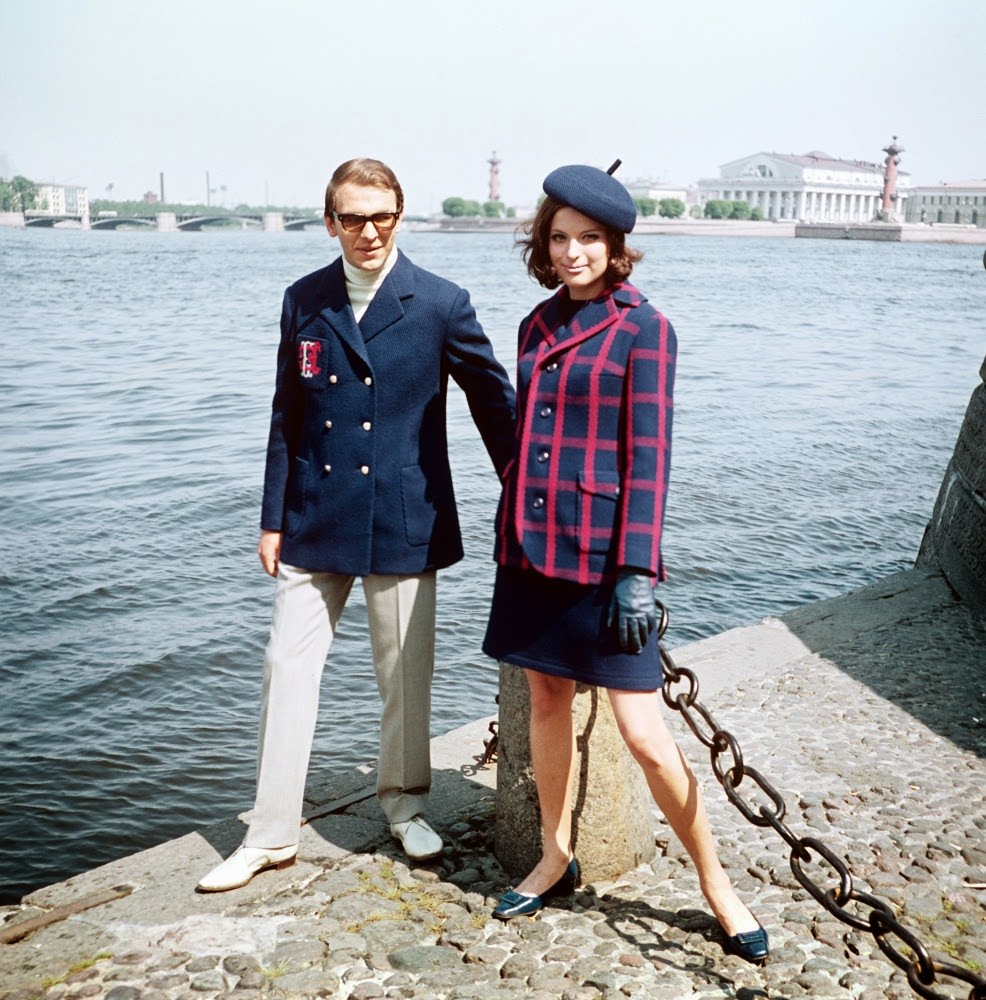
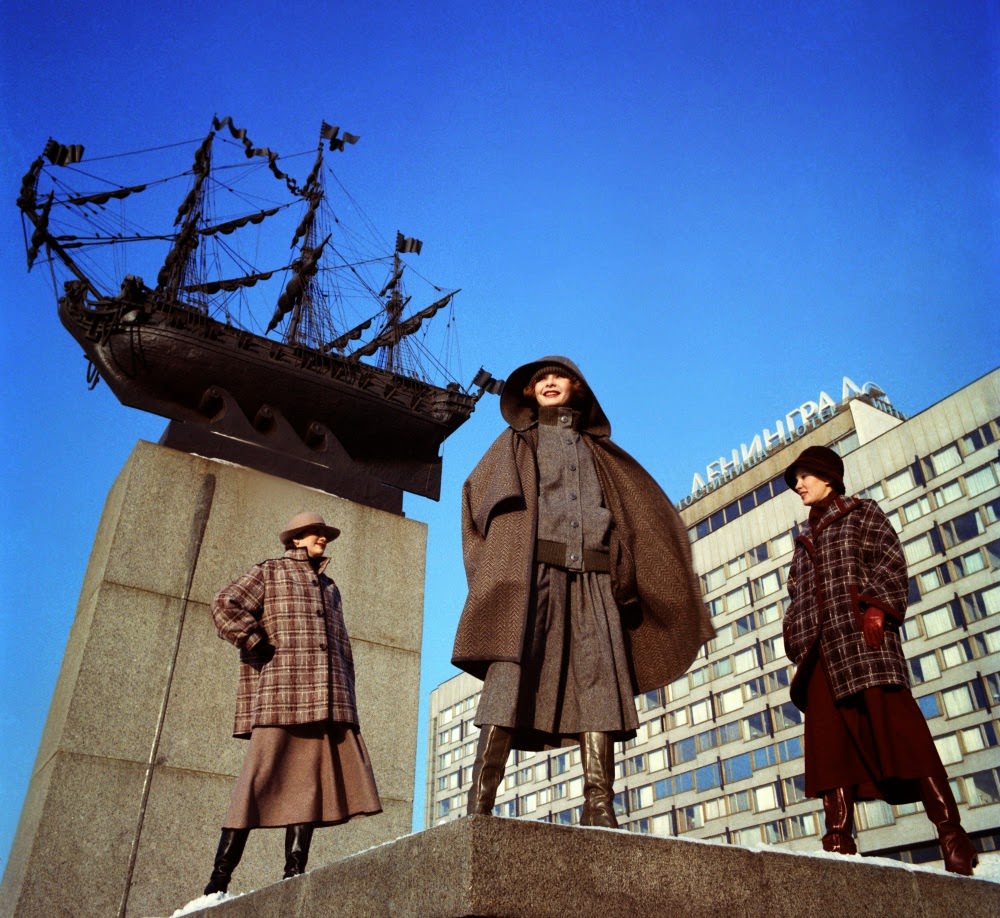
Throughout both decades, Soviet women navigated a constant tension — between what the state approved and what they personally desired. Many found creative ways to bridge that gap, tailoring state-issued patterns at home, sourcing foreign fabrics through informal networks, or simply wearing Western styles under the radar.
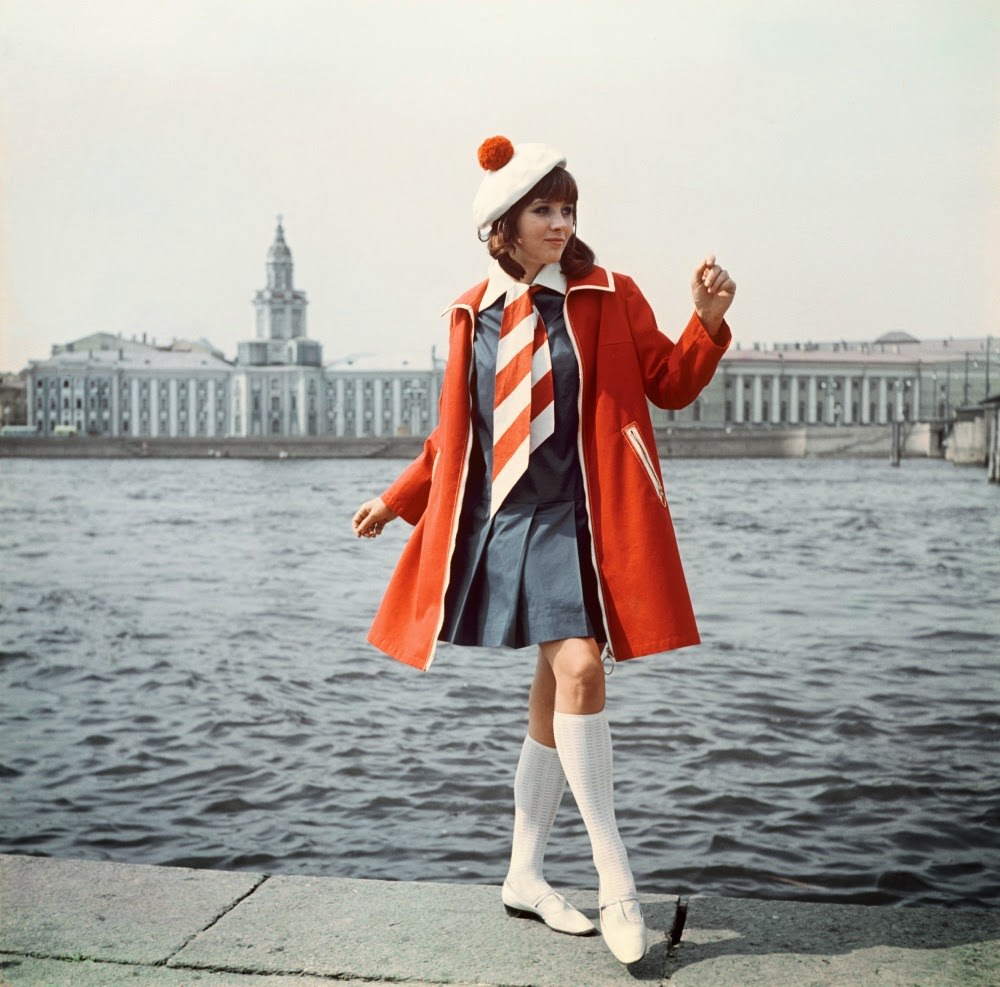
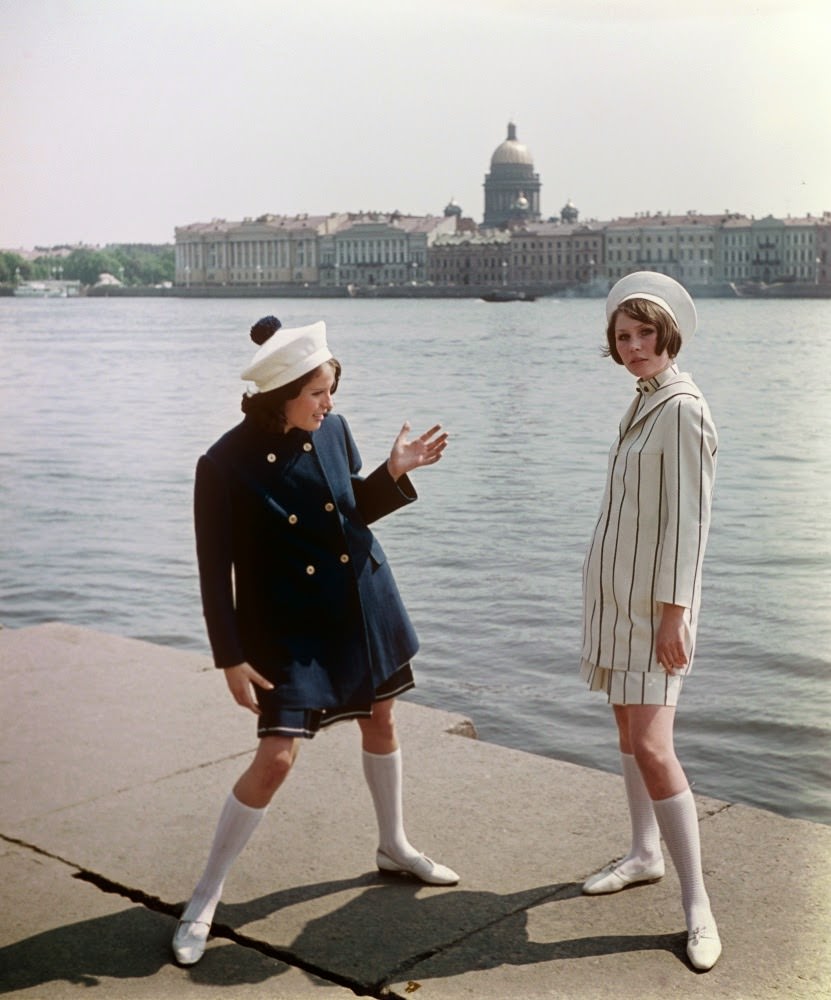
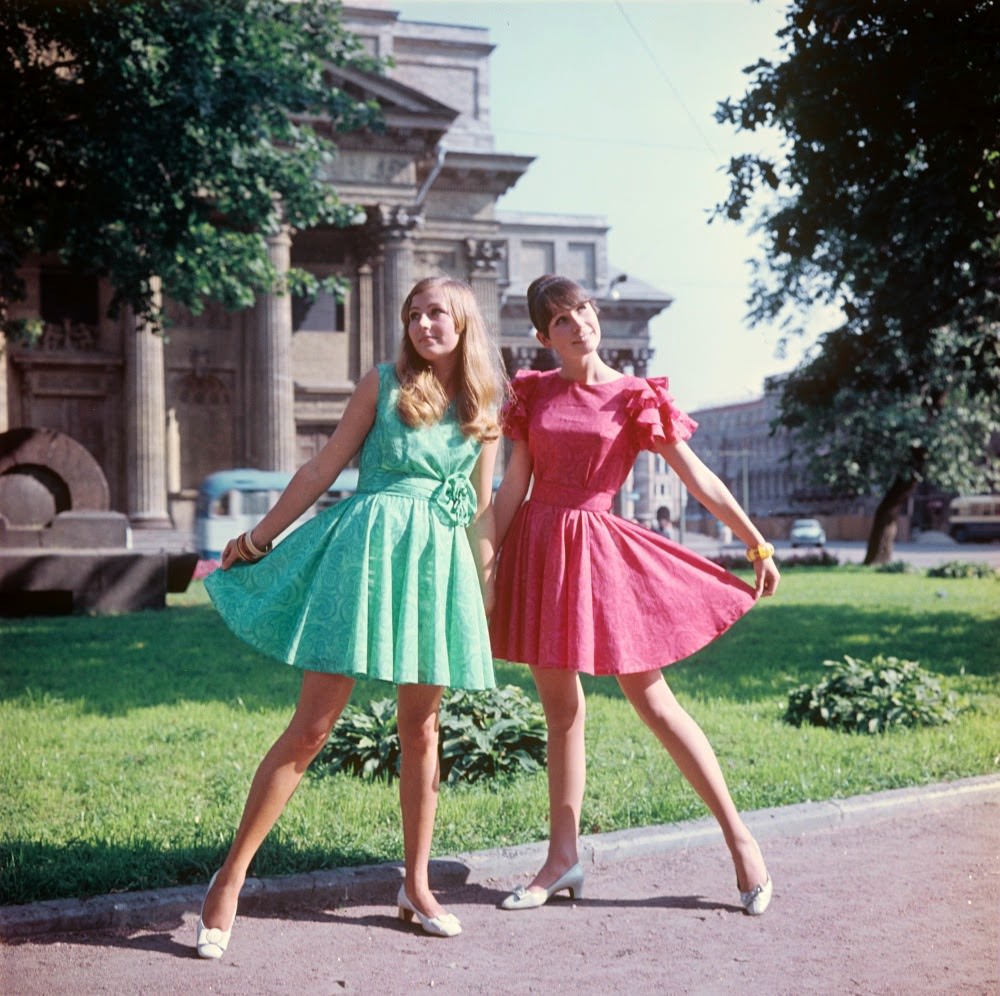
The result was a fashion culture that was neither purely Soviet nor purely Western. It was something in between — resourceful, expressive, and deeply personal.