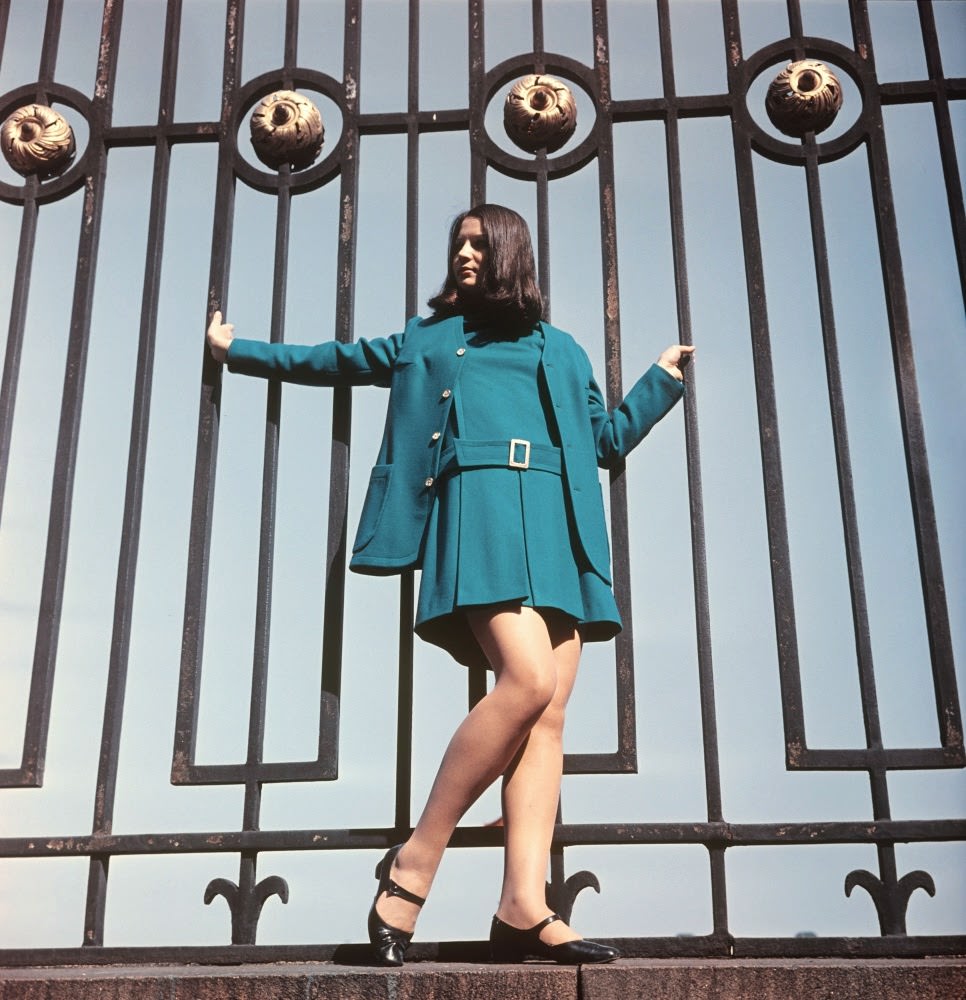
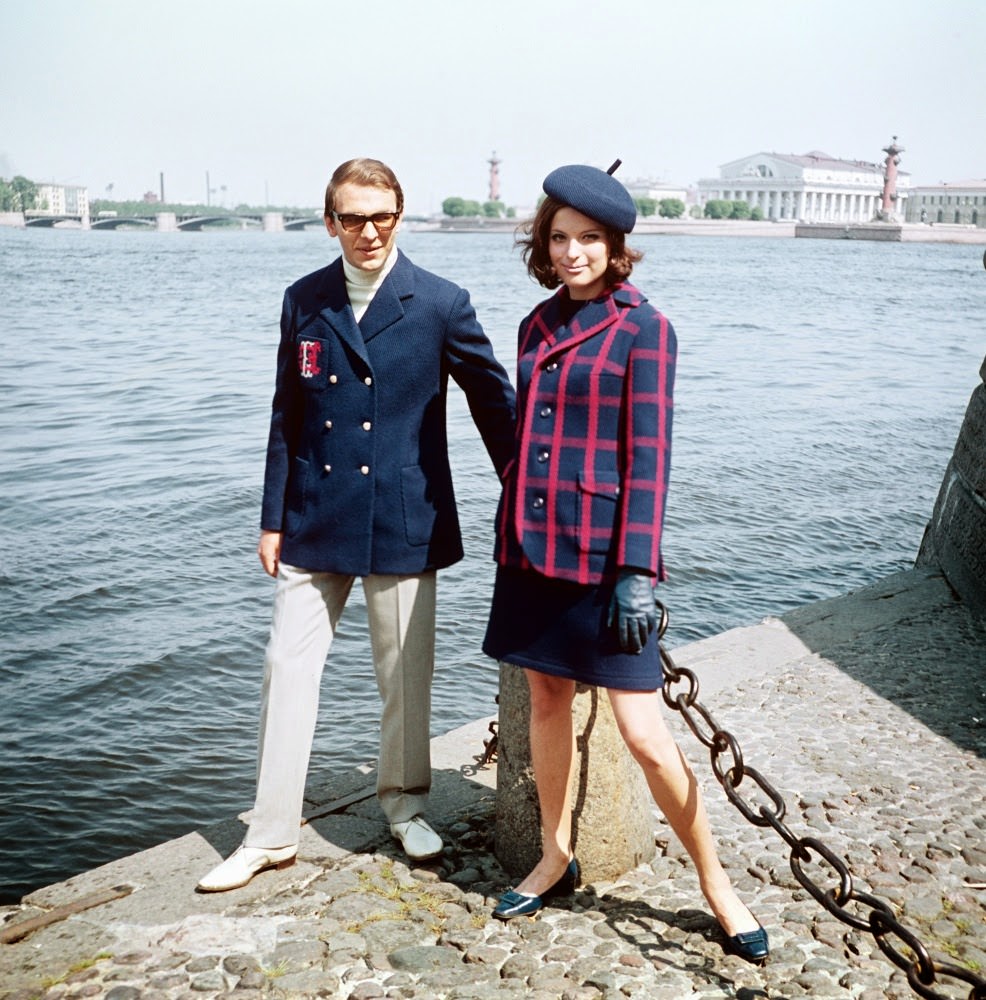
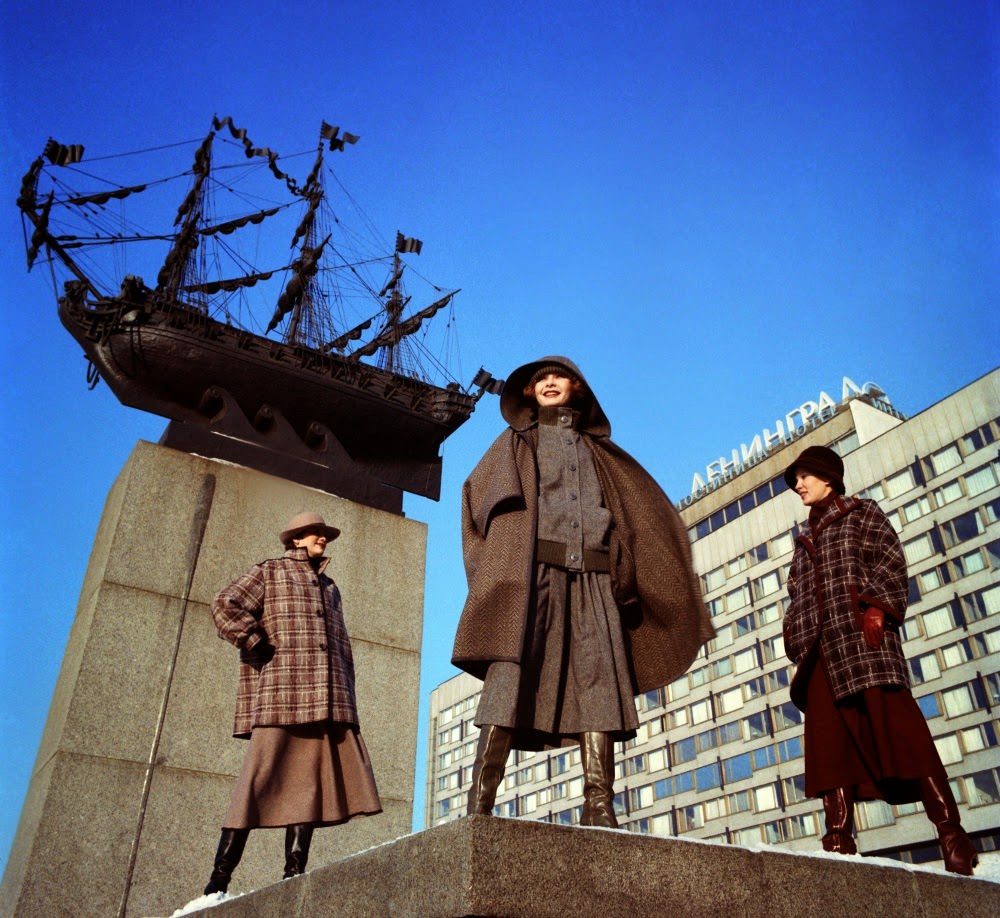
Fashion in the Soviet Union was never entirely homegrown. Western trends crossed the Iron Curtain and shaped what Soviet women wore, but the state made sure those trends arrived filtered and tamed. Socialist ideology sat at the center of everyday life, and clothing was no exception. What women wore was quietly — and sometimes not so quietly — steered by the government.
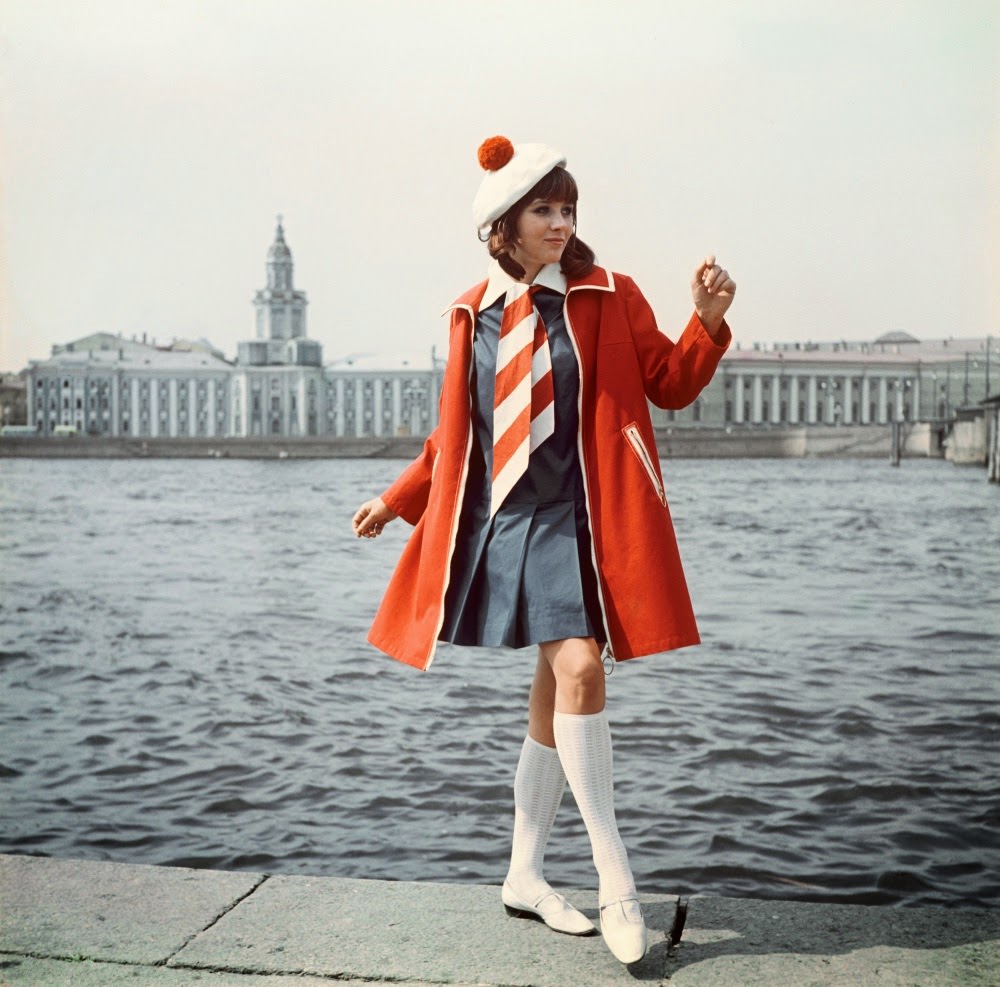
The Khrushchev Thaw, which ran from the mid-1950s to the mid-1960s, cracked open a window to the West. Soviet journalists were sent abroad specifically to report on foreign fashion trends. Domestic magazines began featuring more coverage of Western styles than ever before. But state-owned publications and fashion institutions still had the final say over what reached the public.
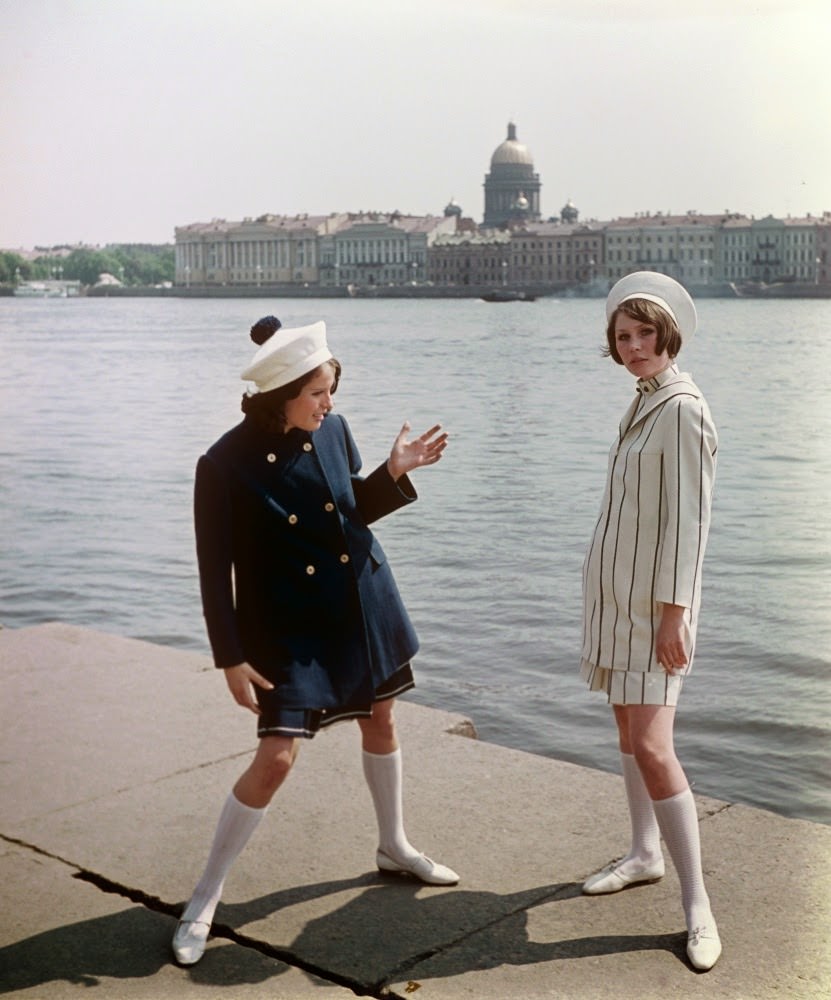
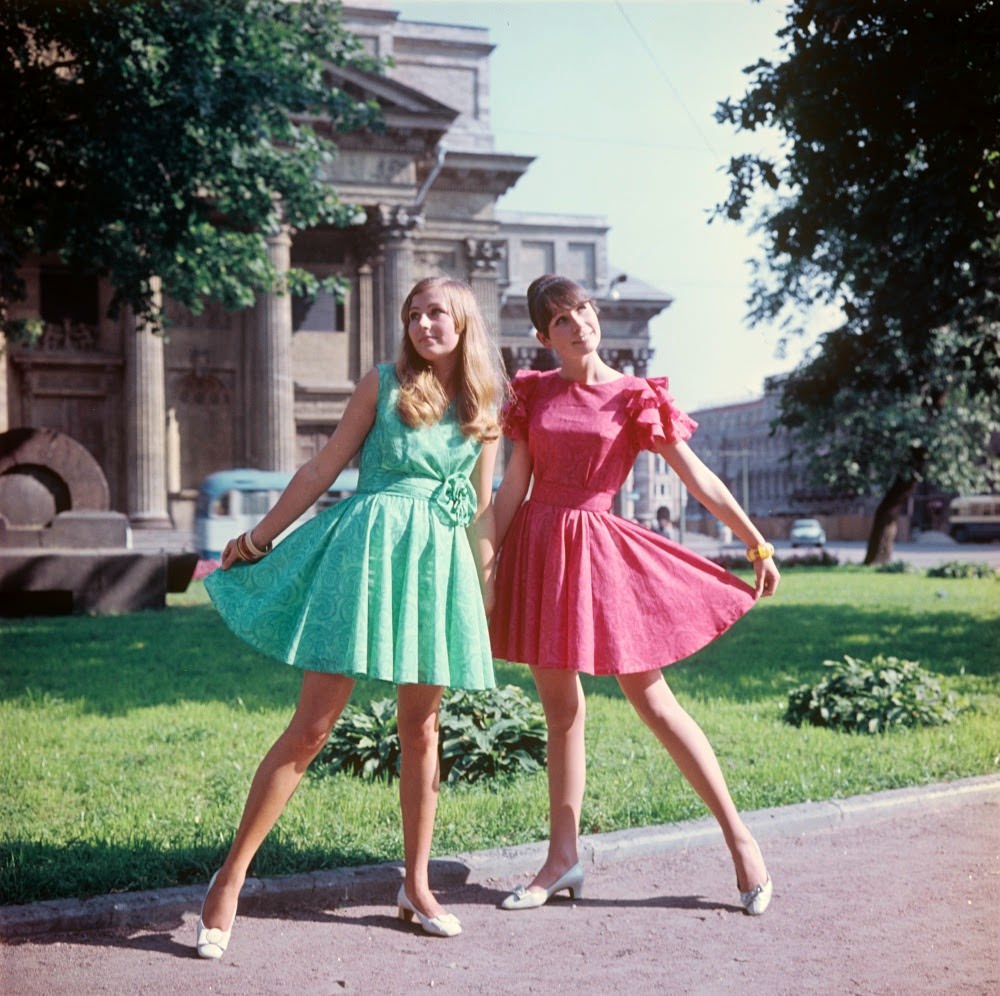
The guiding principle was modesty and moderation. Soviet fashion authorities preferred classic, long-lasting styles over passing fads. Coco Chanel’s designs, for example, were held up as a model — not because of any love for French luxury, but because her signature look was simple and timeless. Those qualities aligned neatly with socialist values.
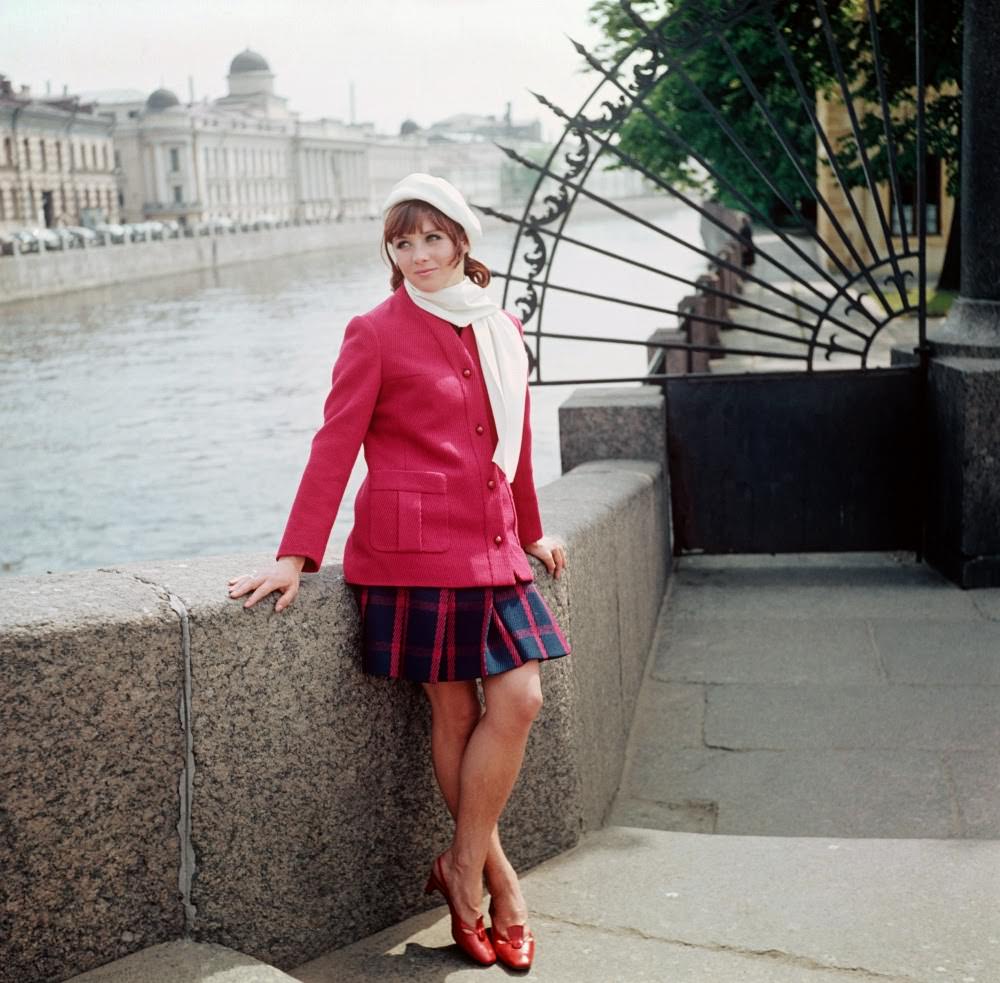
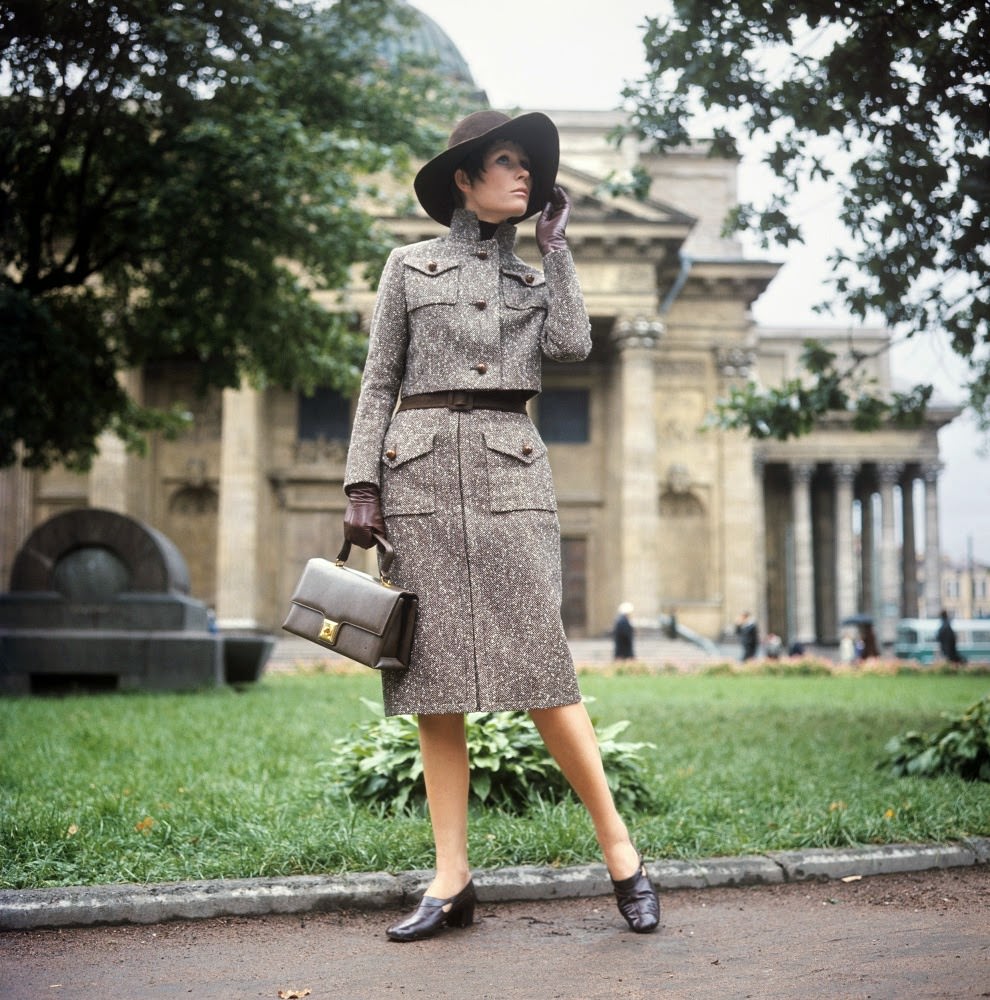
Access to fashionable clothing was a real challenge for ordinary Soviet citizens. A shortage of consumer goods meant ready-made fashion was hard to come by. A 1959 New York Times article described Soviet fashions as unremarkable, calling them clumsy copies of already-outdated Western styles. Still, availability was slowly improving. Shops like GUM — the massive state department store on Red Square — had reopened and began stocking new styles, though prices remained steep.
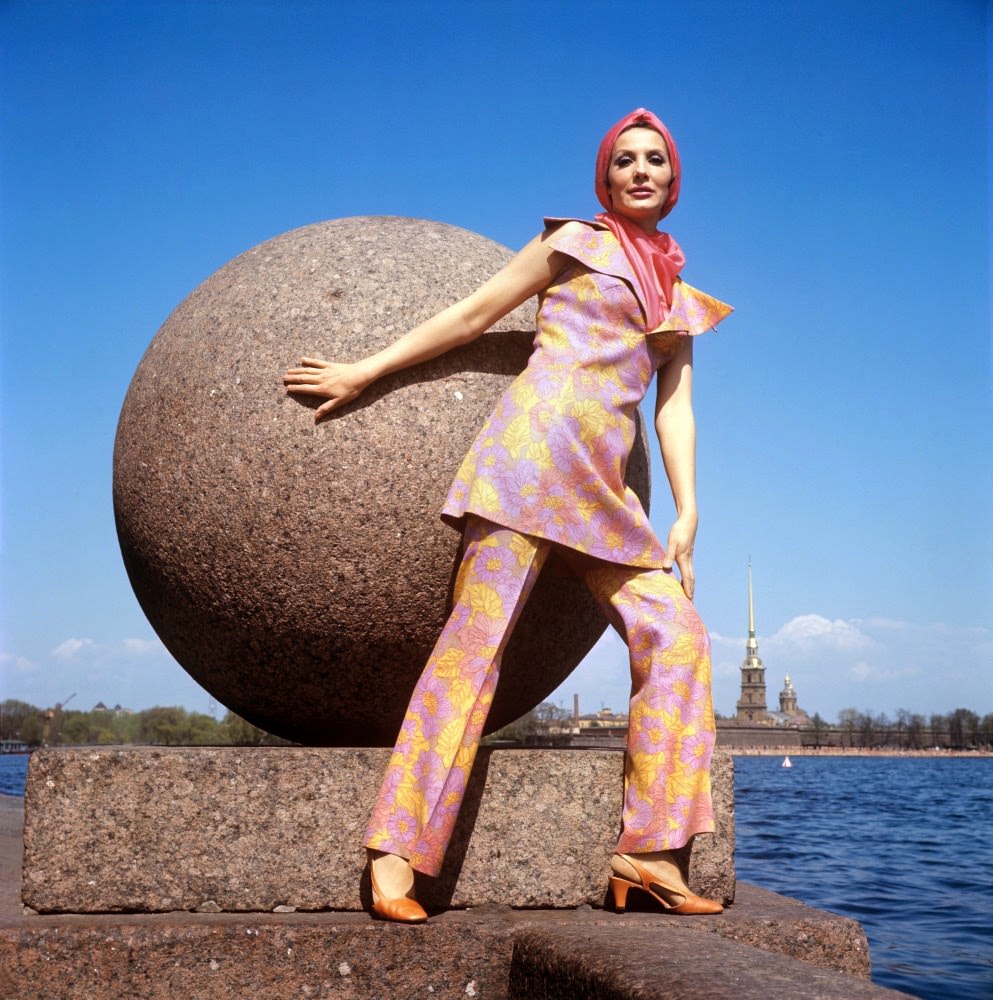
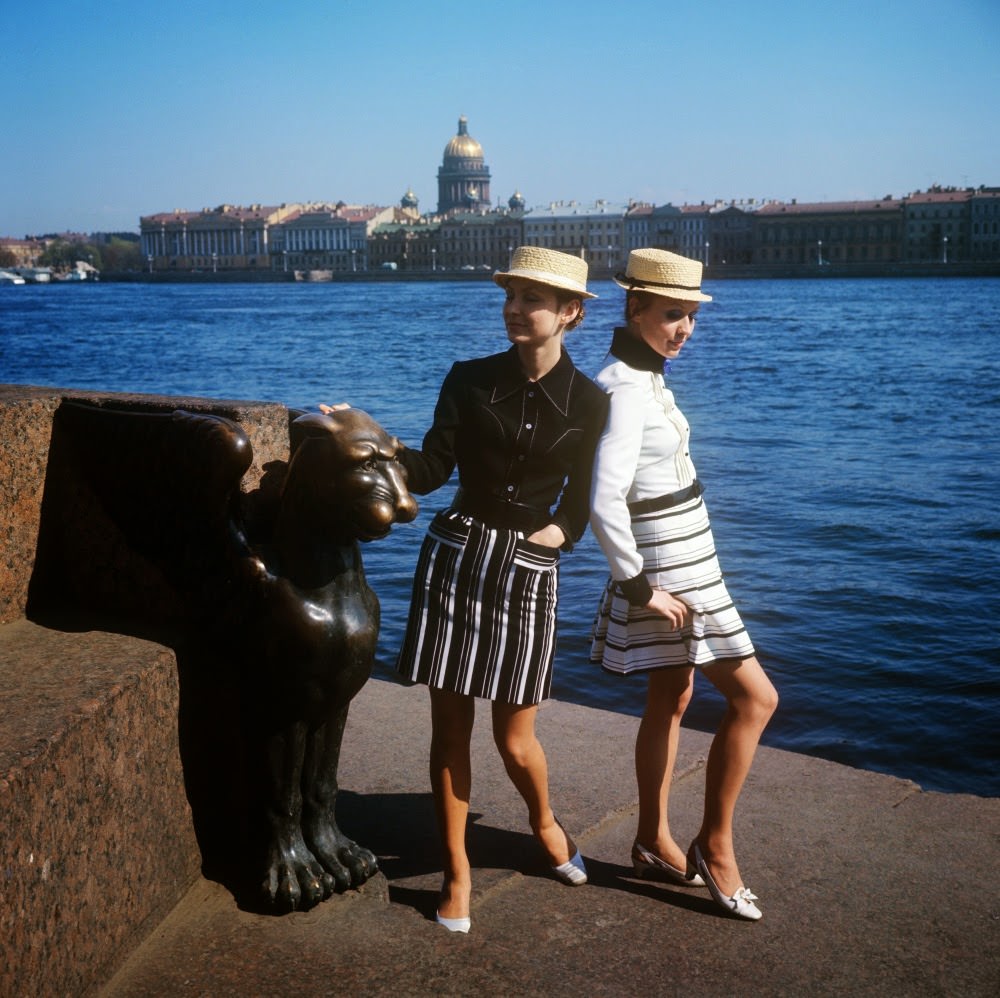
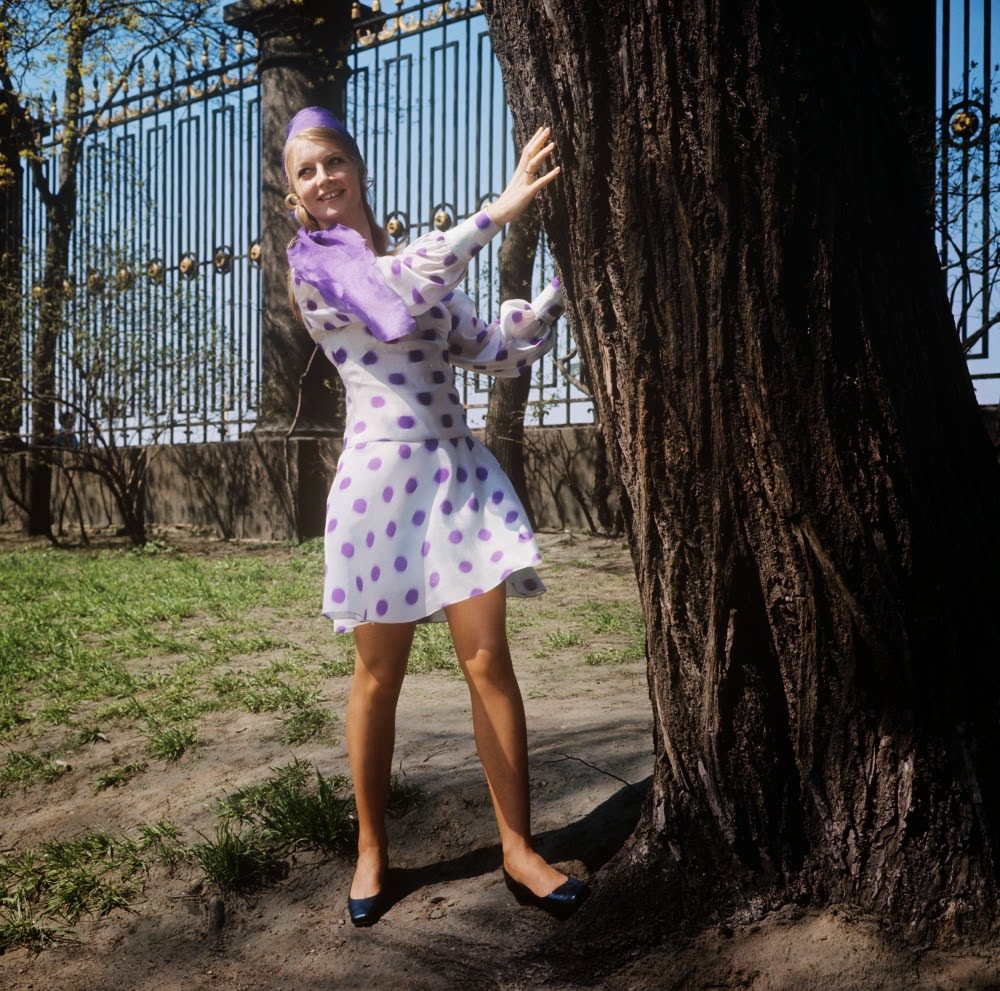
By the end of the 1960s, Soviet fashion institutions were moving faster to keep up with the West. ODMO — the All-Union House of Prototypes — took on an increasingly bold approach, adopting newer Western trends rather than waiting for them to go out of style before approving them. Even so, there was constant pressure to develop fashions that felt distinctly Soviet.
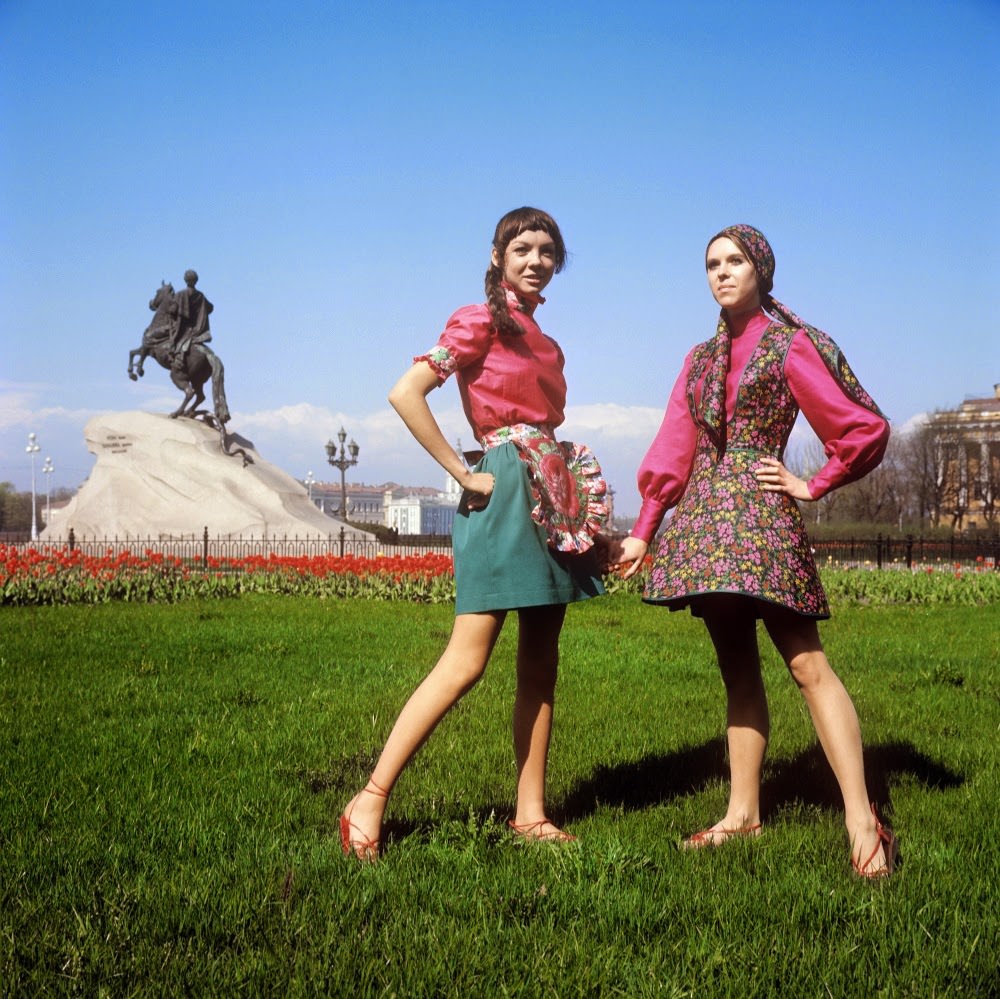
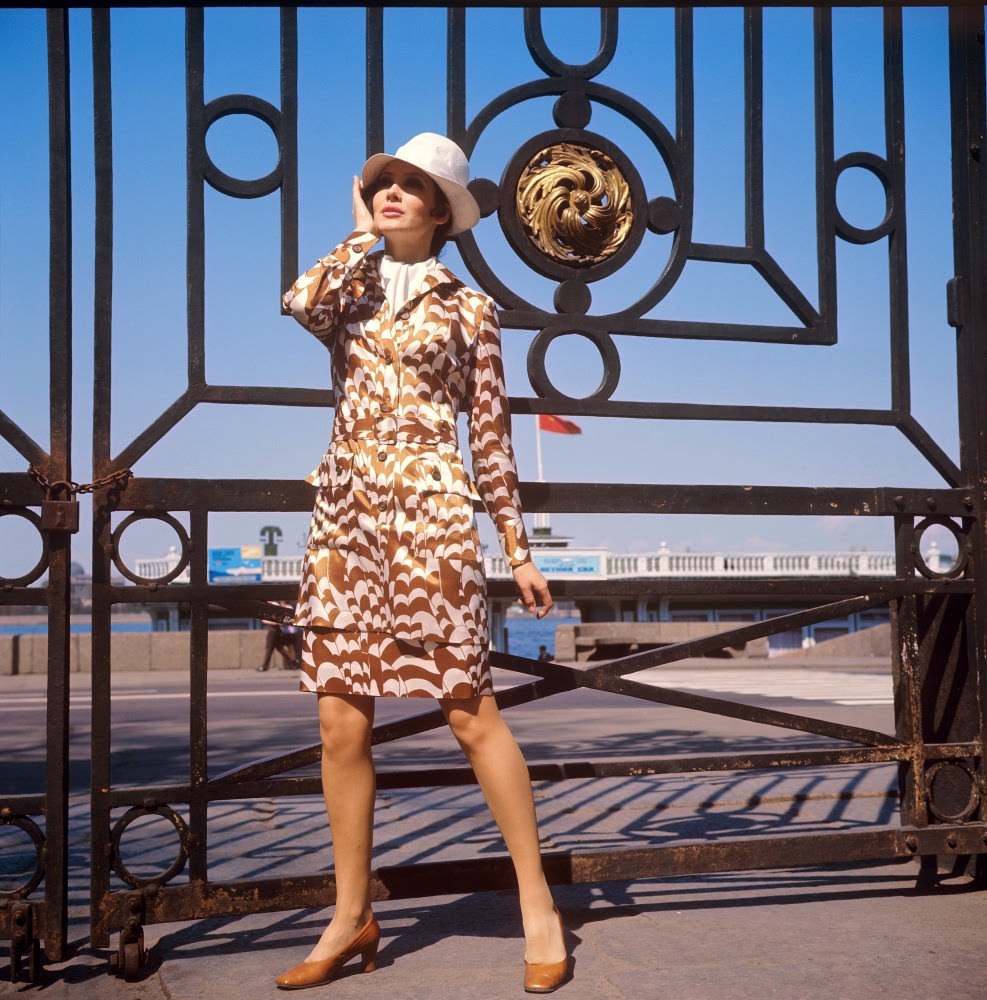
One of the most striking examples of this effort was “space fashion.” Futuristic, geometric designs tied directly to the Soviet space program gave fashion a patriotic purpose. The style proclaimed the triumph of Soviet science and technology, making it politically useful as well as visually bold. It was one of the clearest cases of state ideology shaping what women wore.
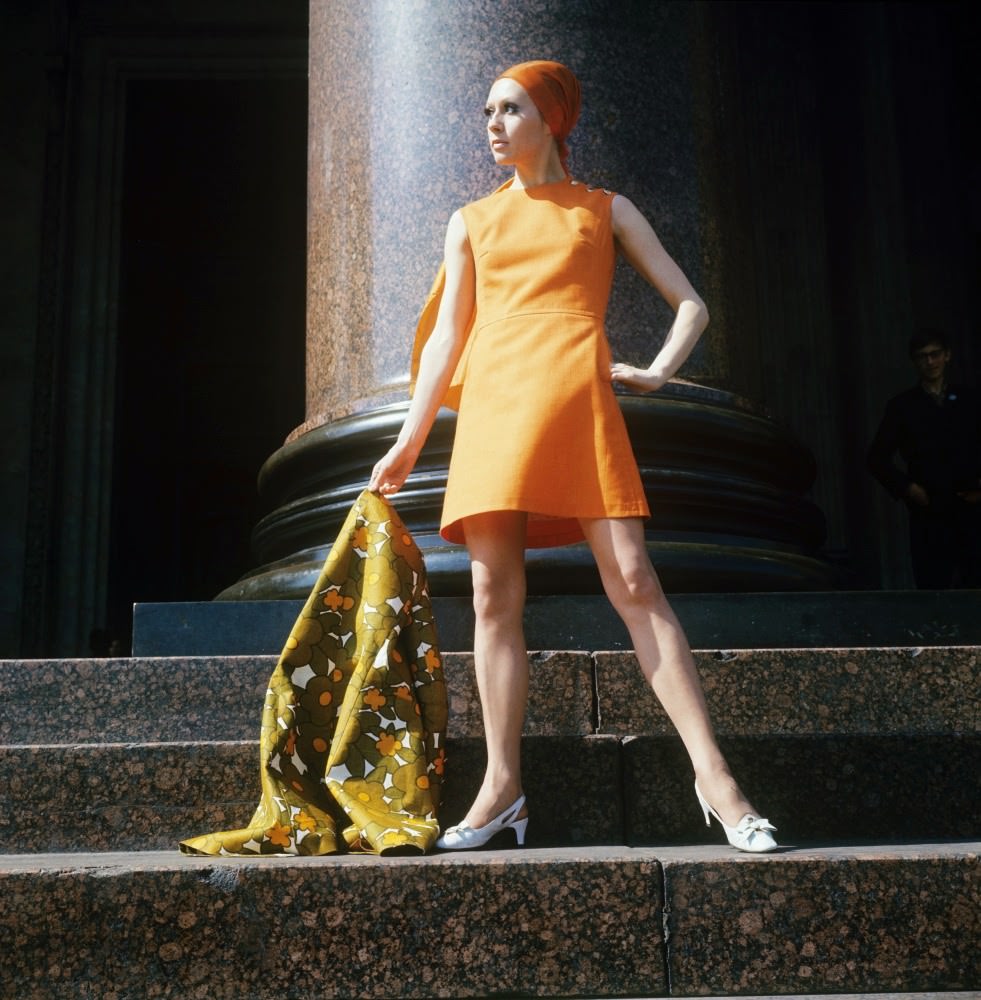
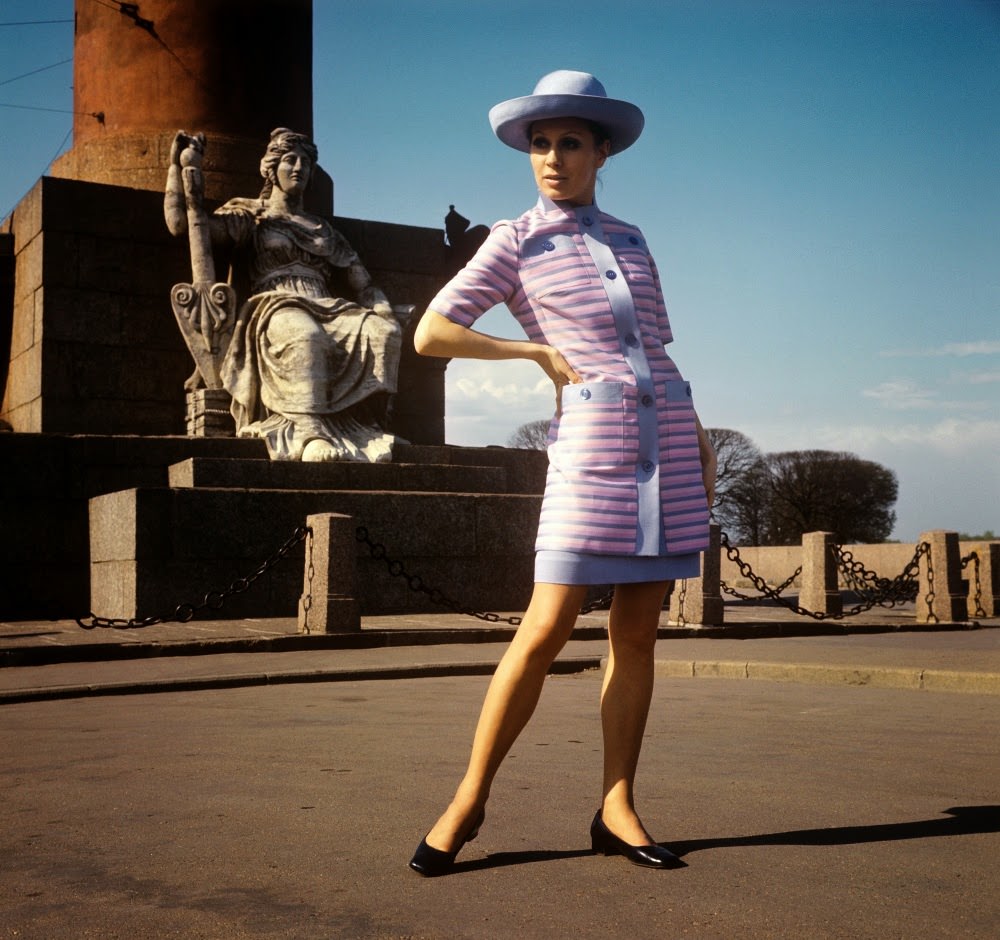
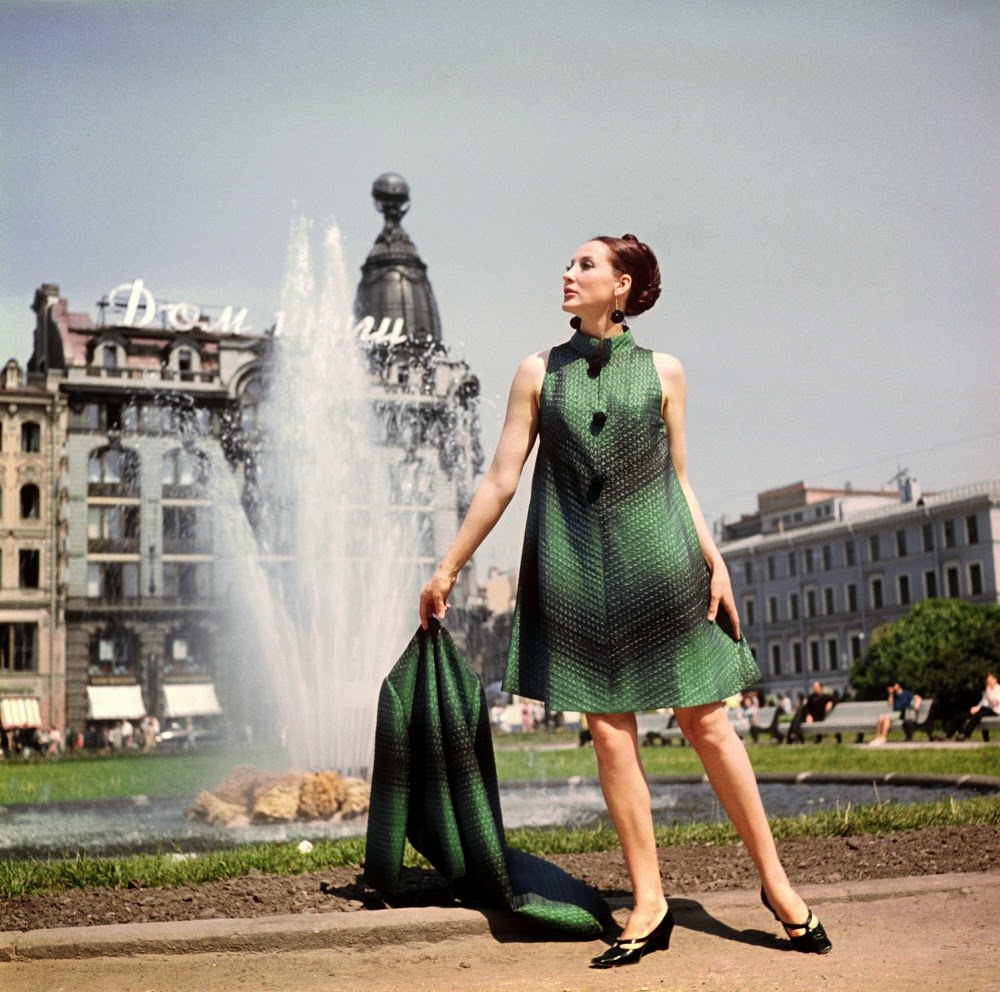
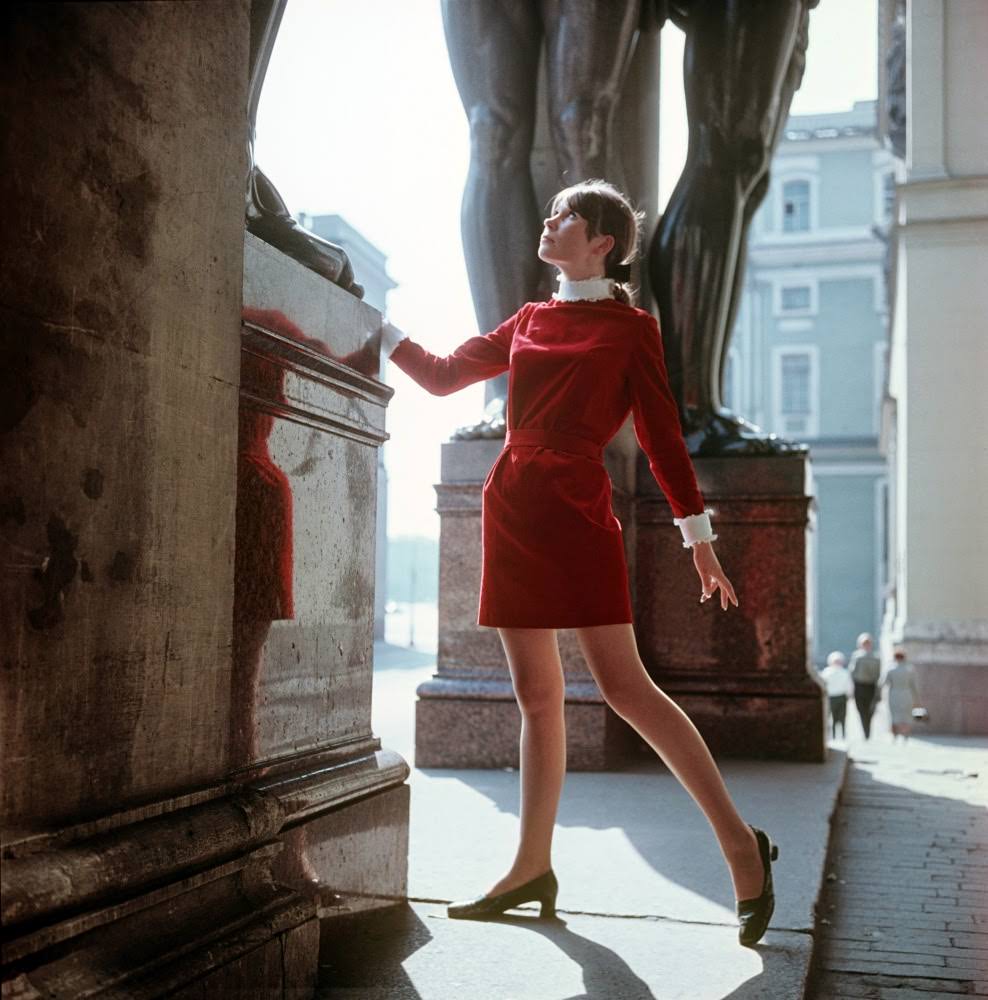
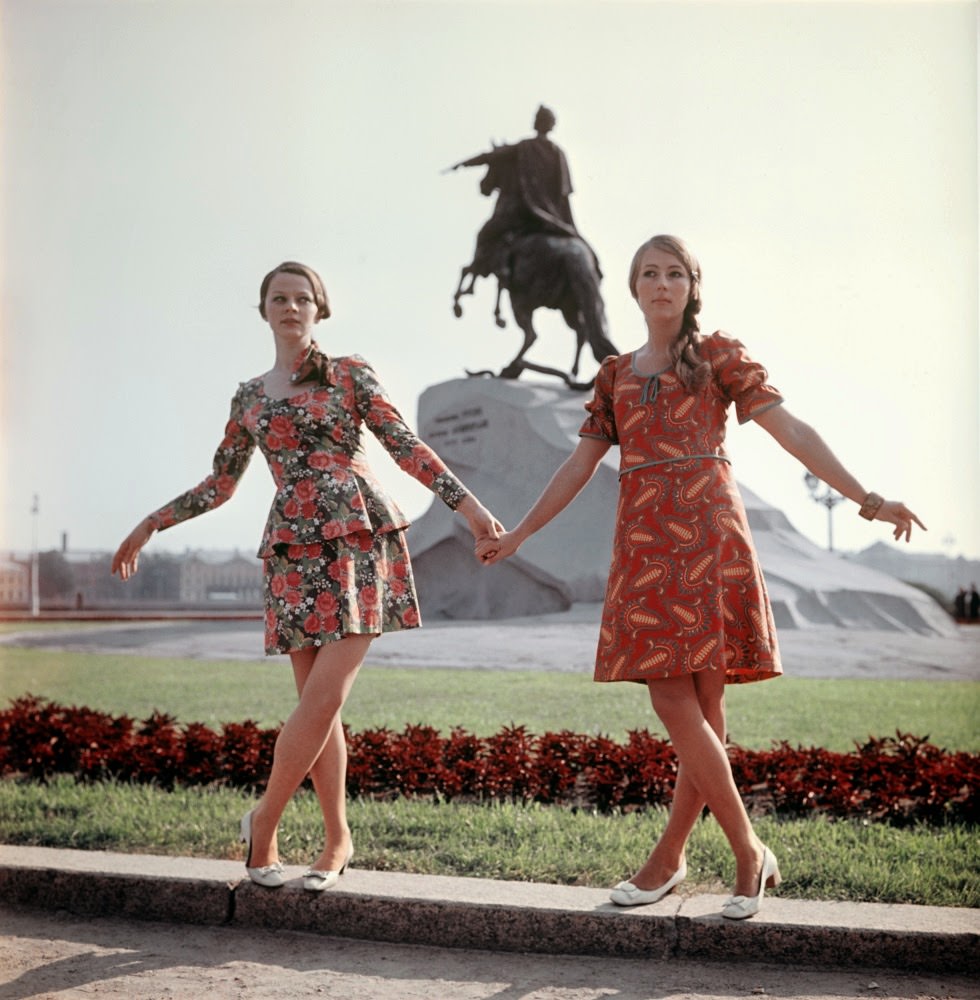
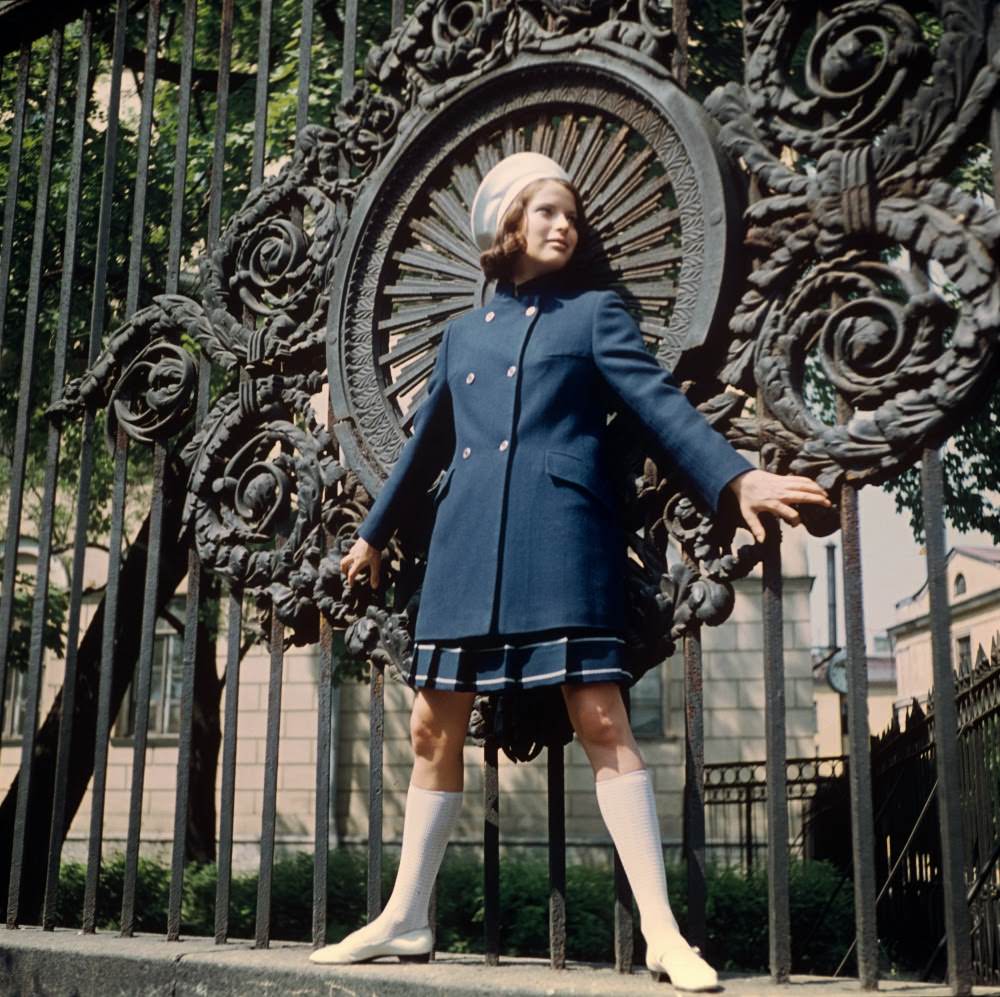
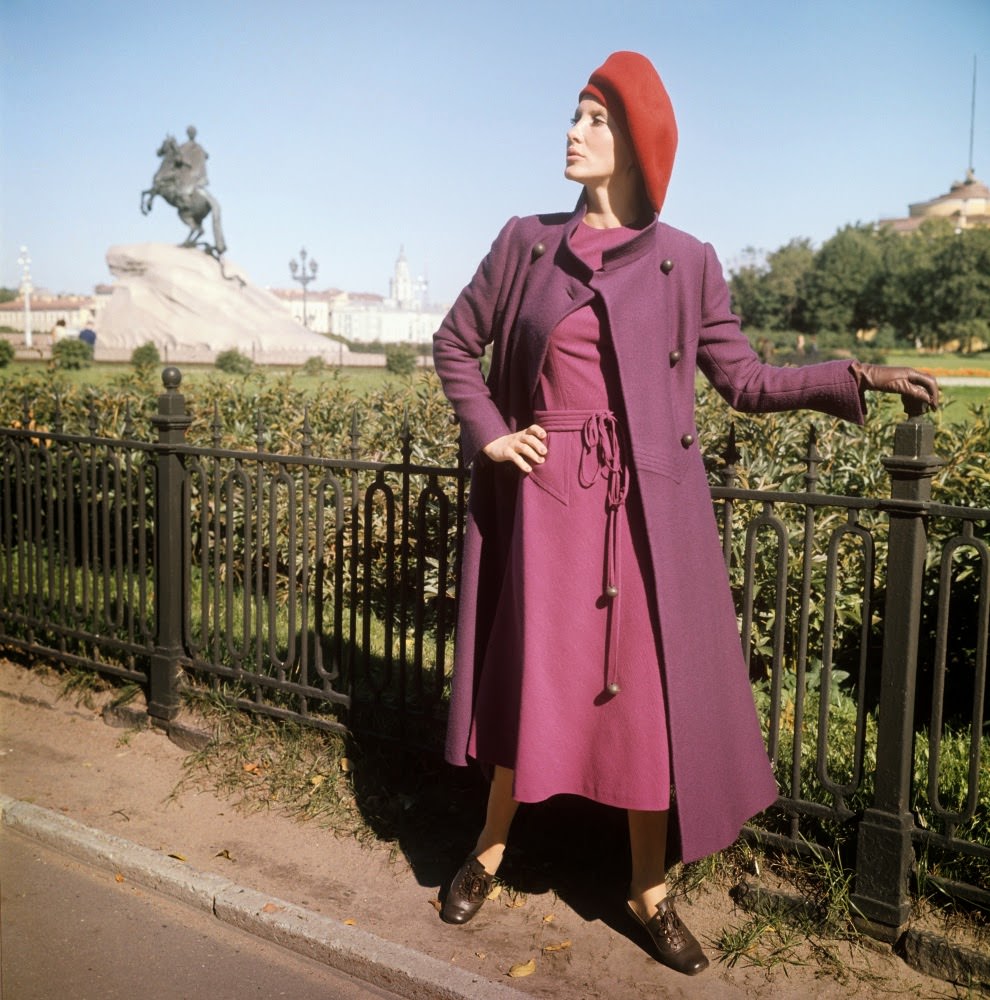
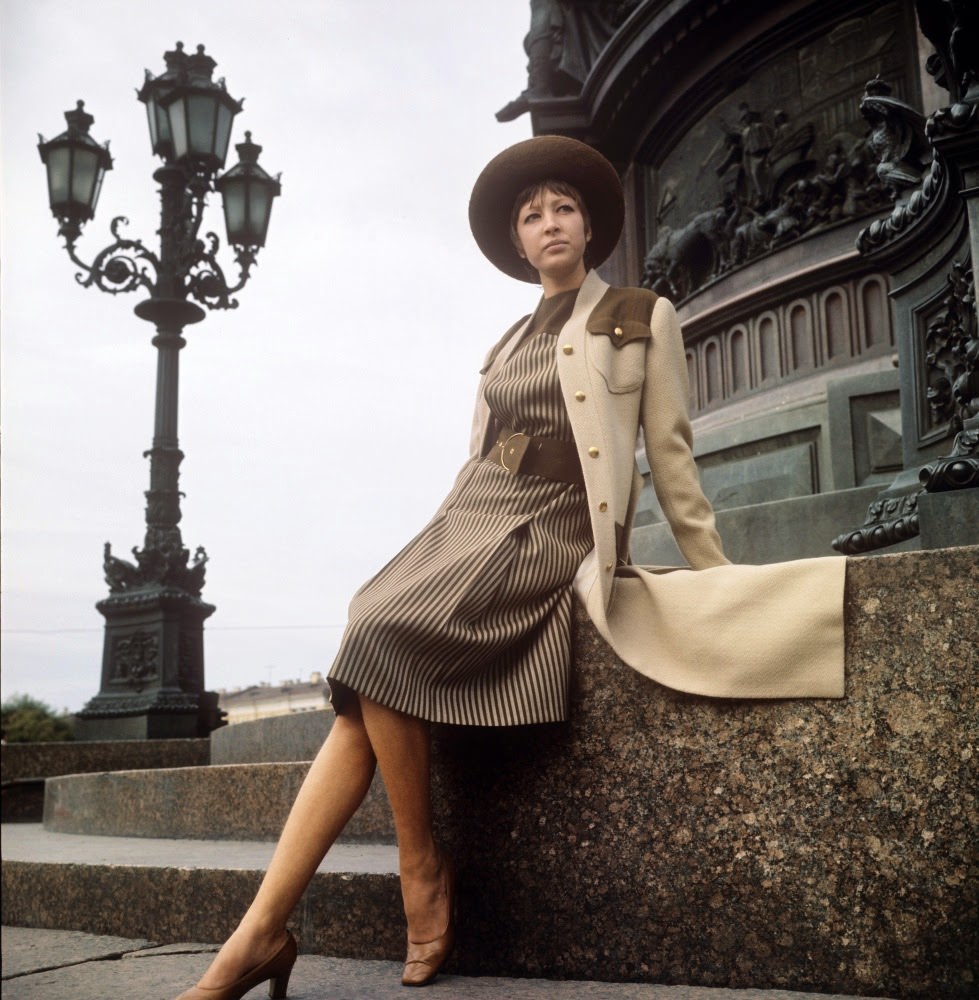
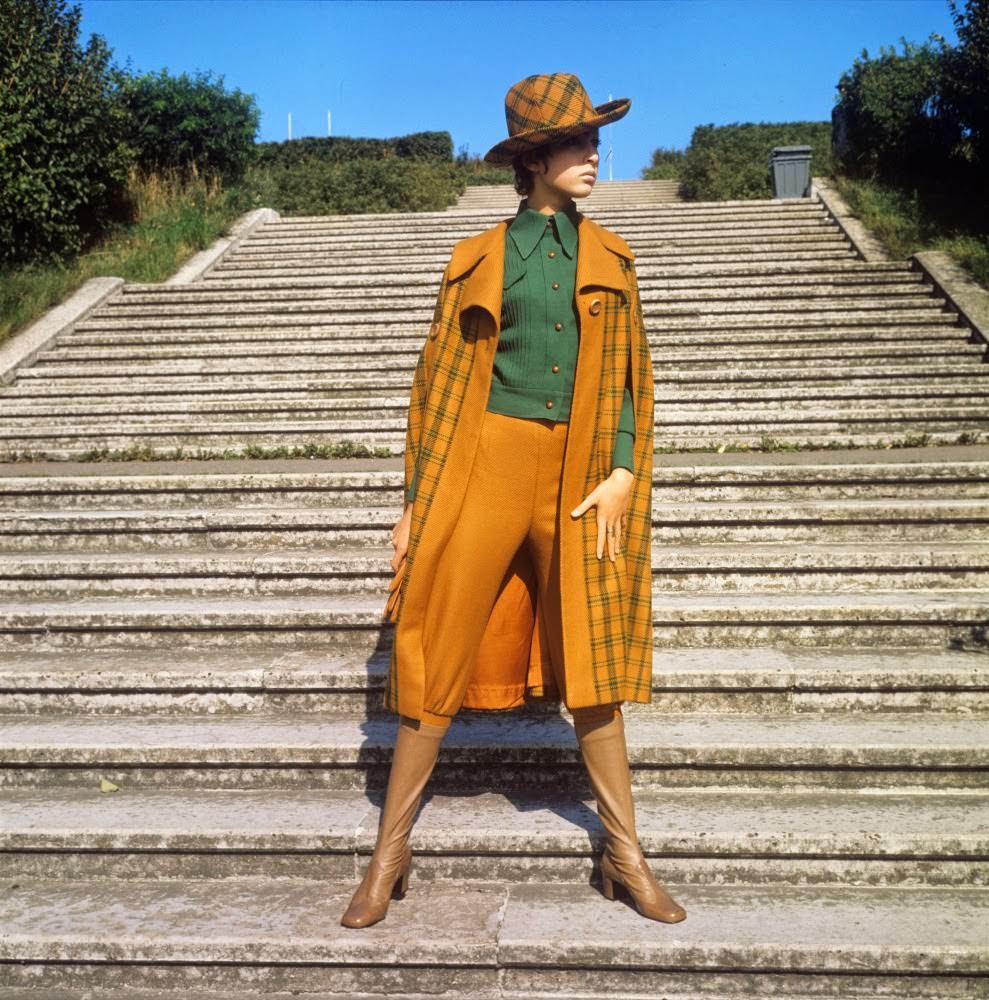
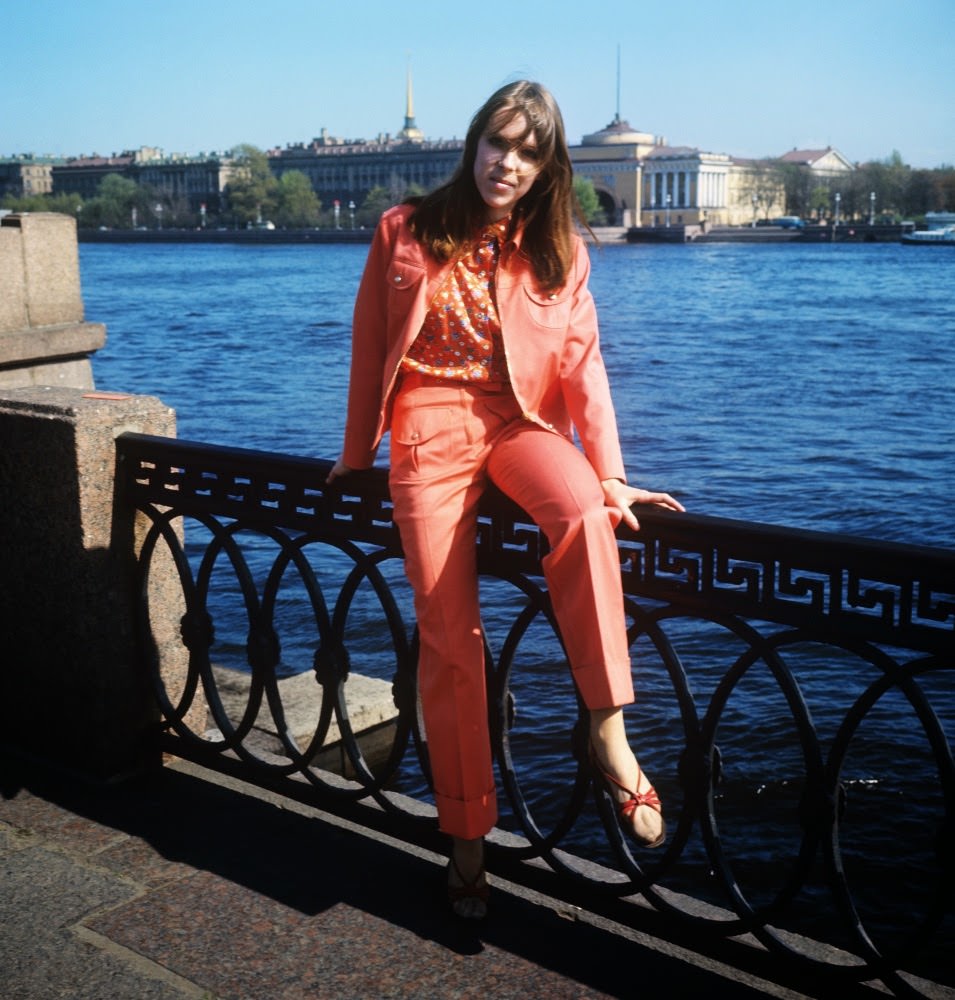
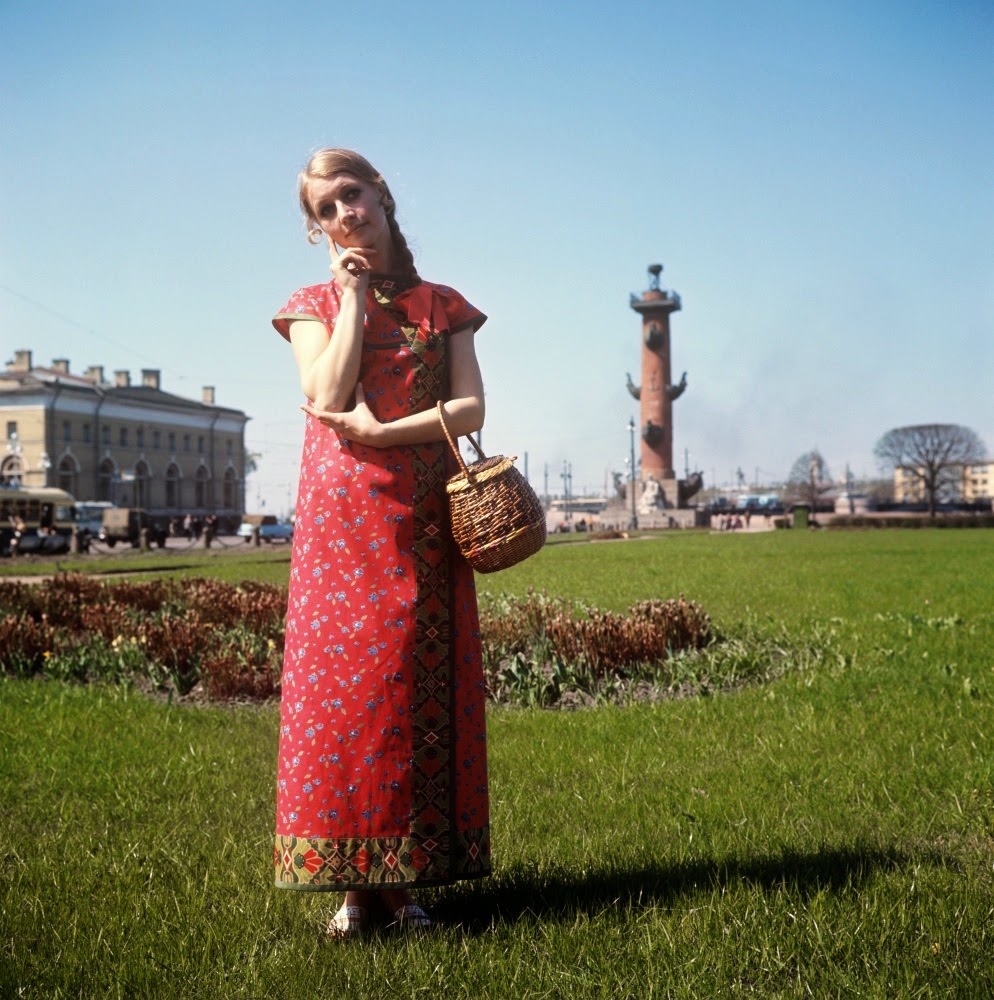
Throughout the 1960s and into the 1970s, Soviet women found ways to dress well within these constraints. The photos from this era capture a world where fashion was both personal expression and a reflection of the system around it.