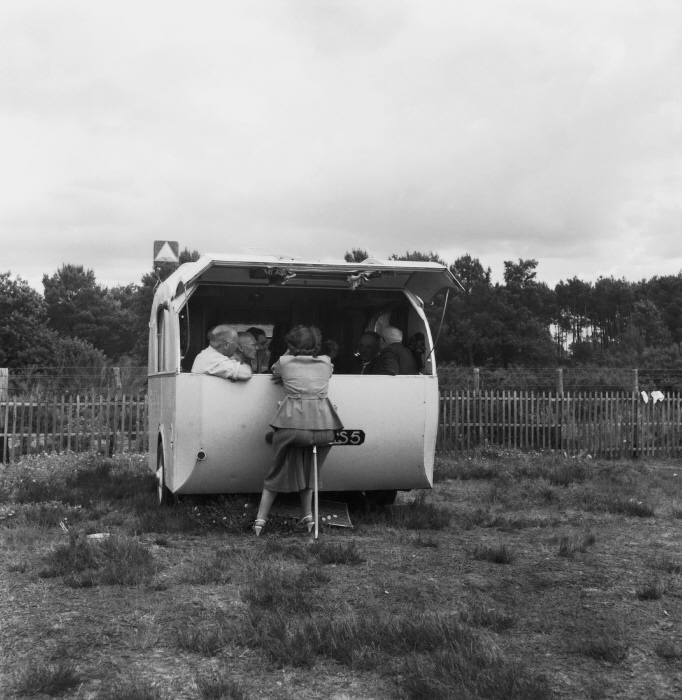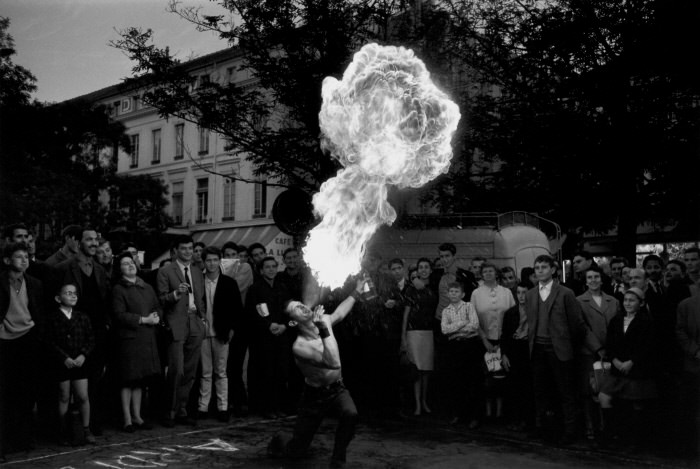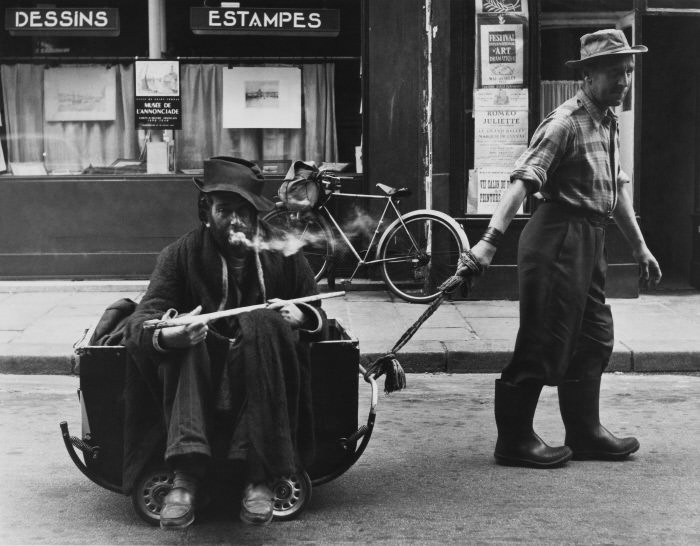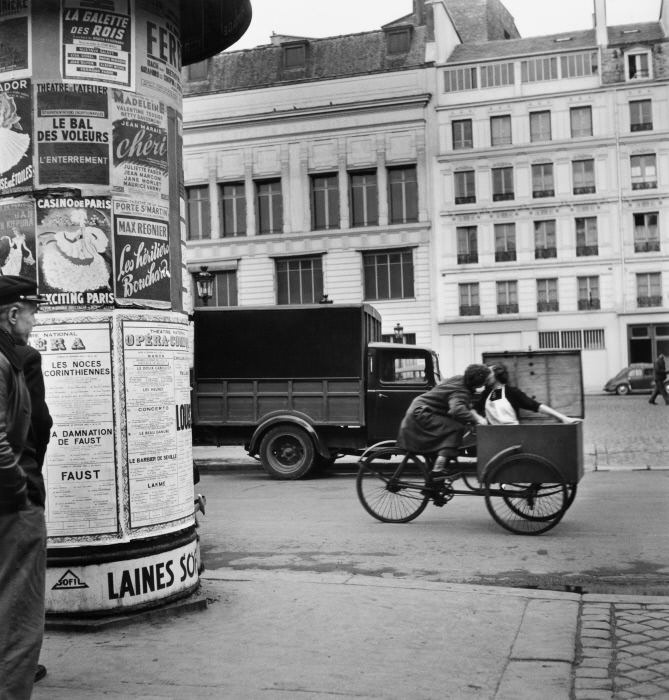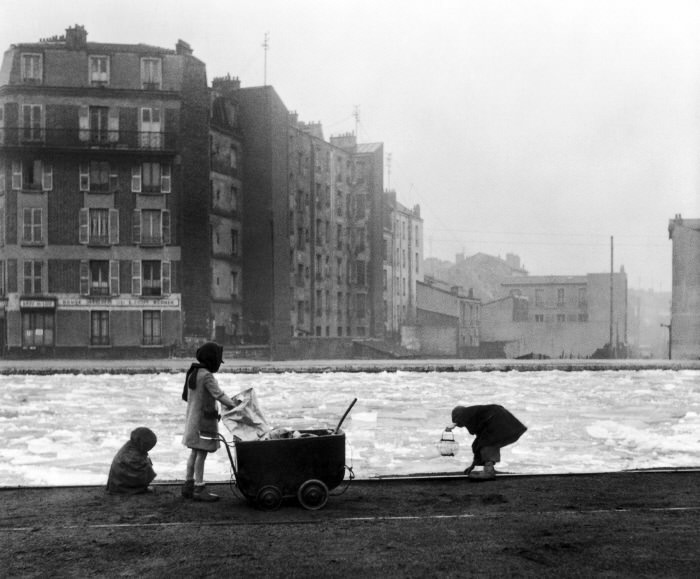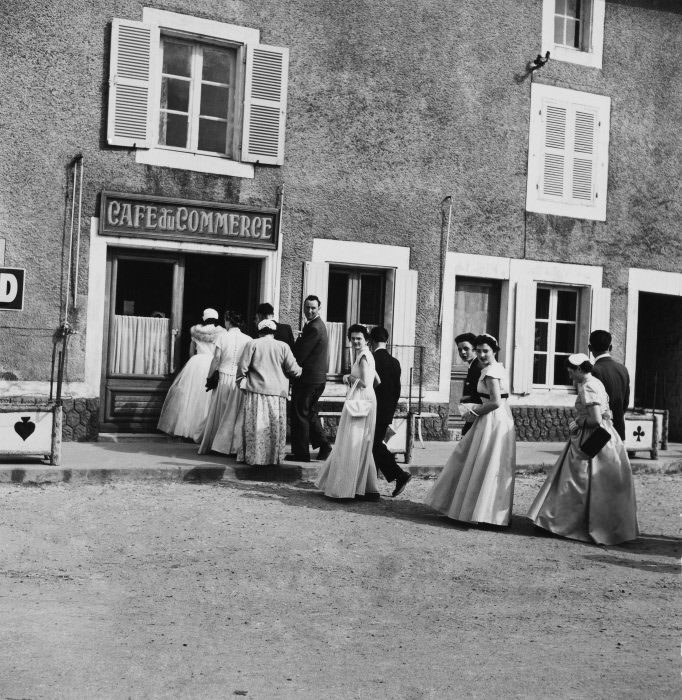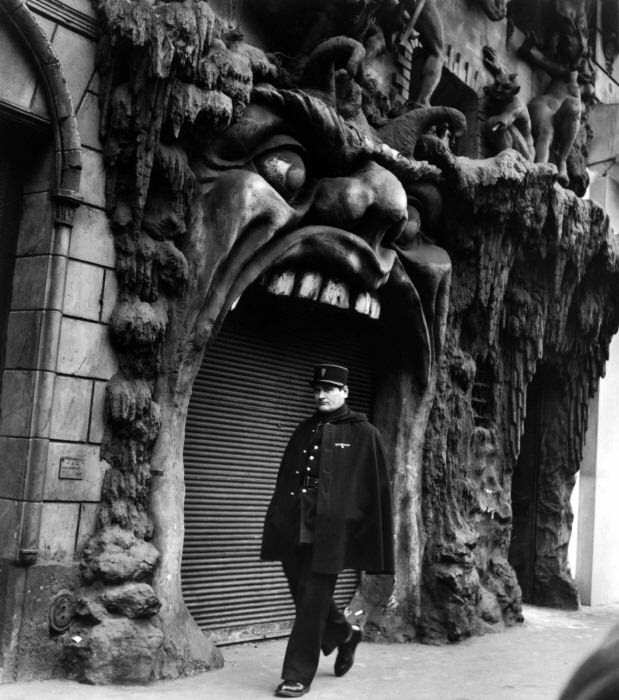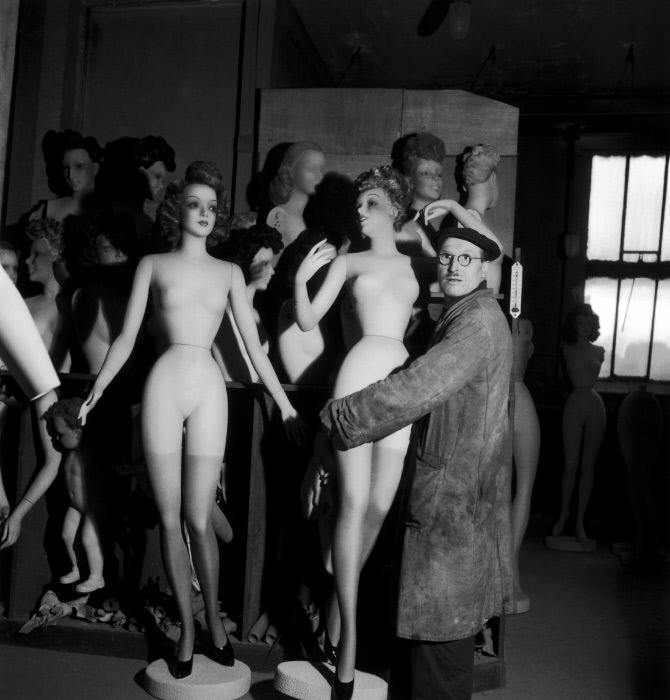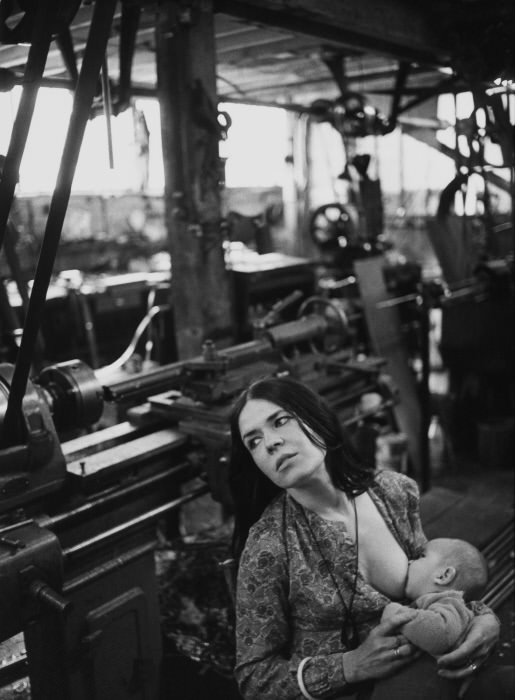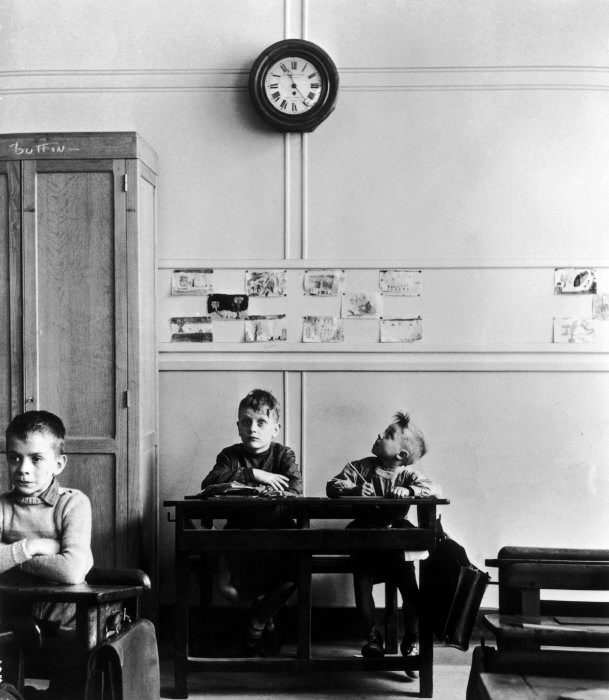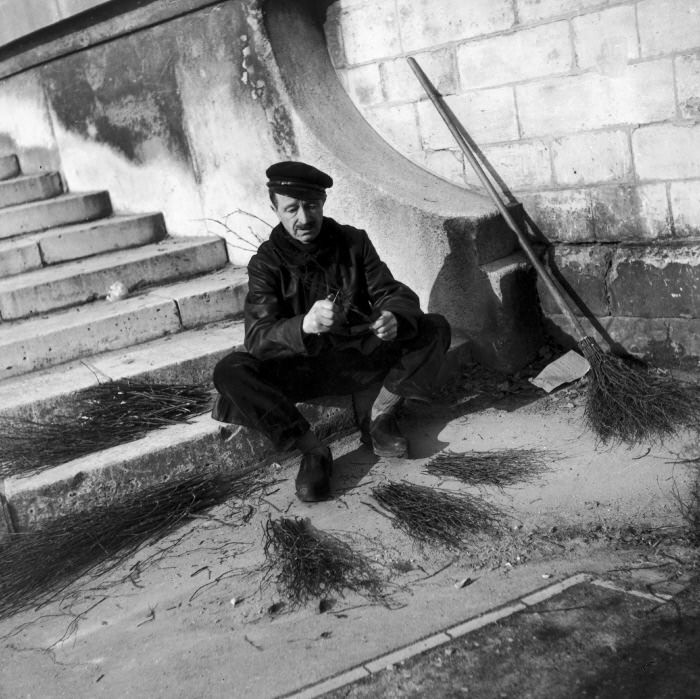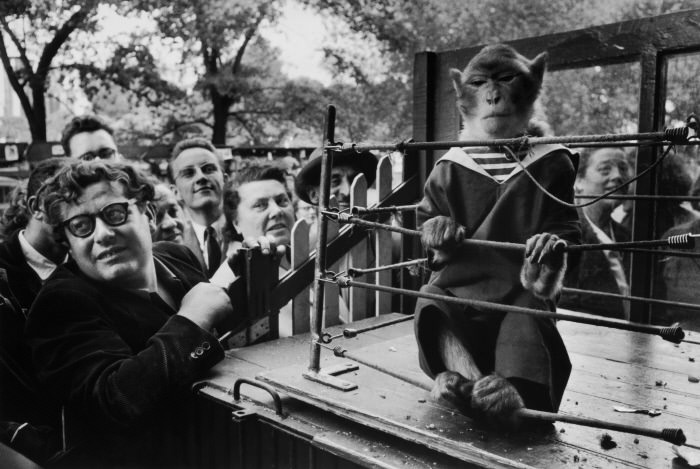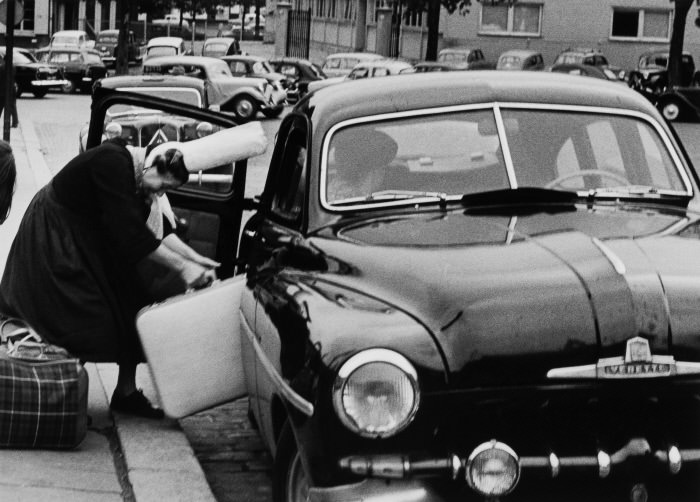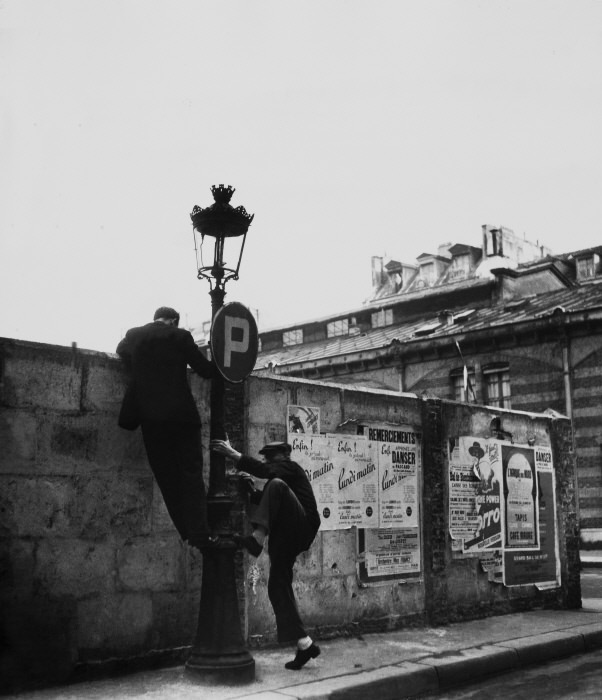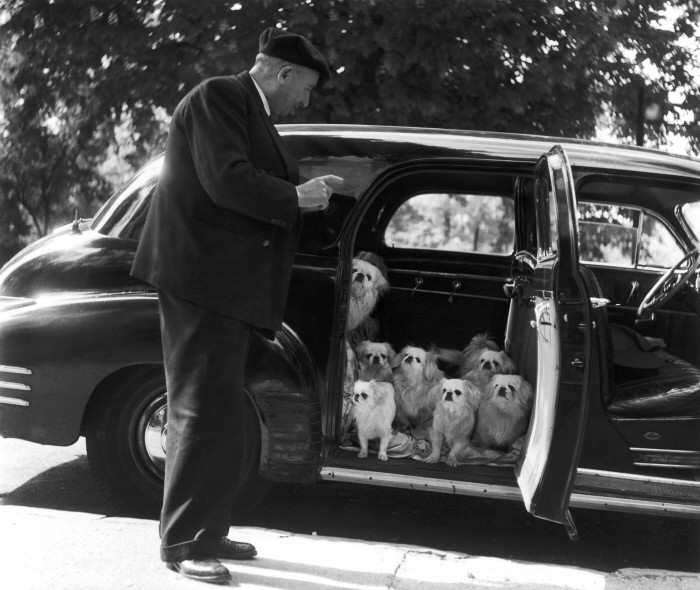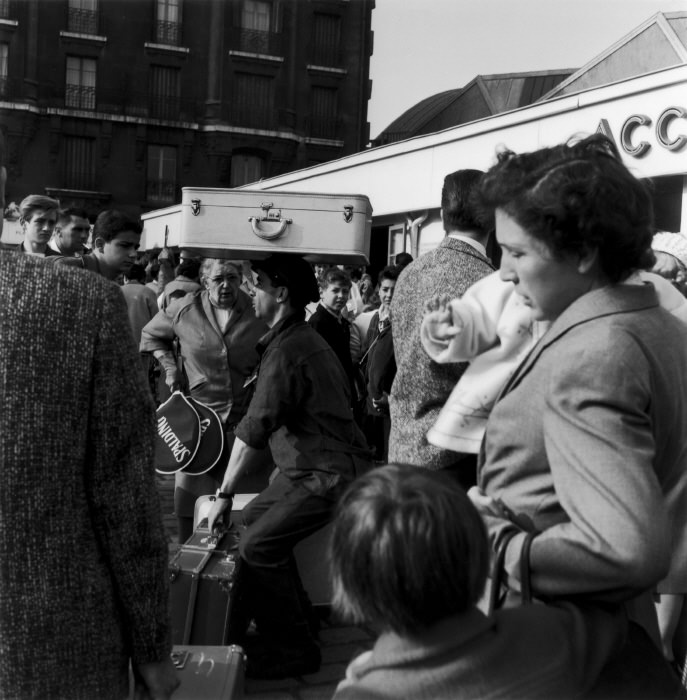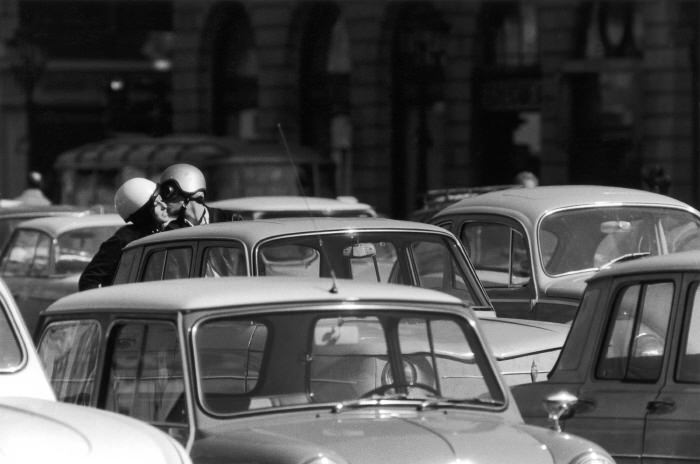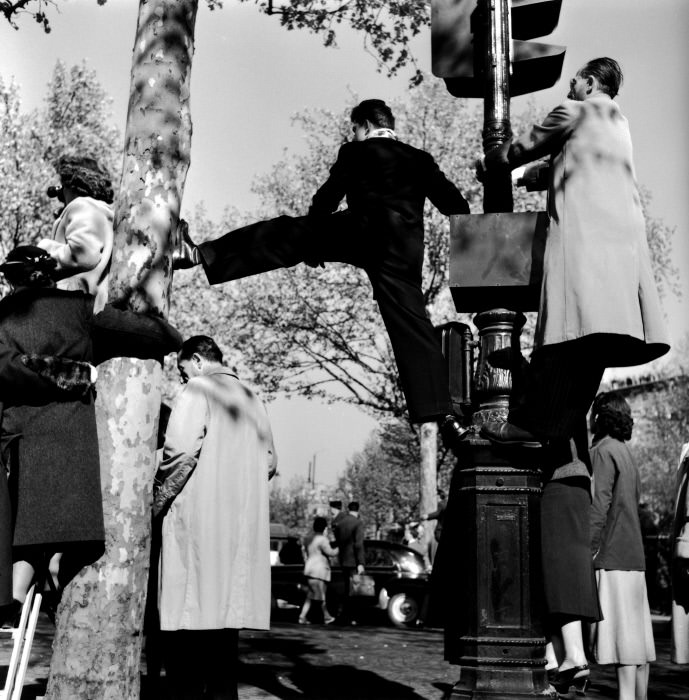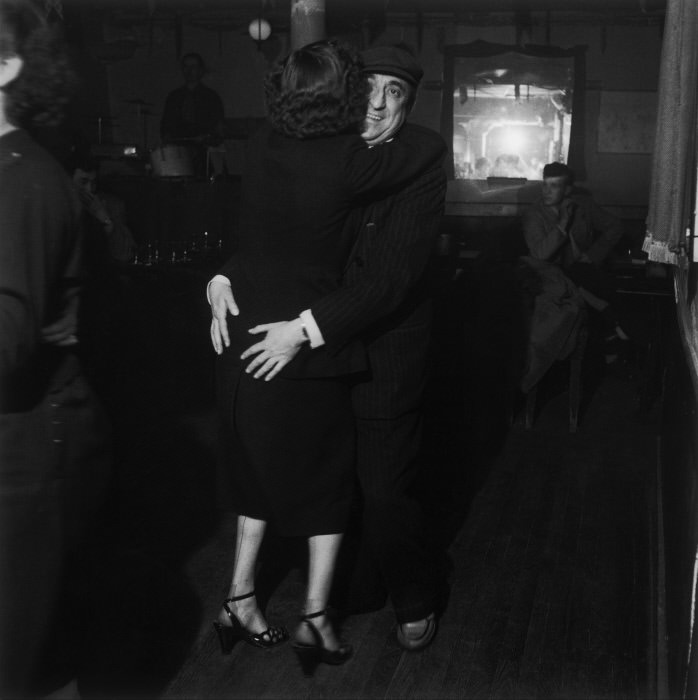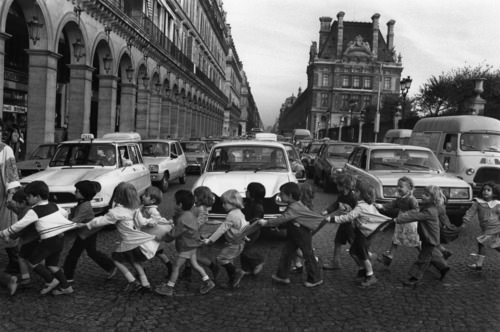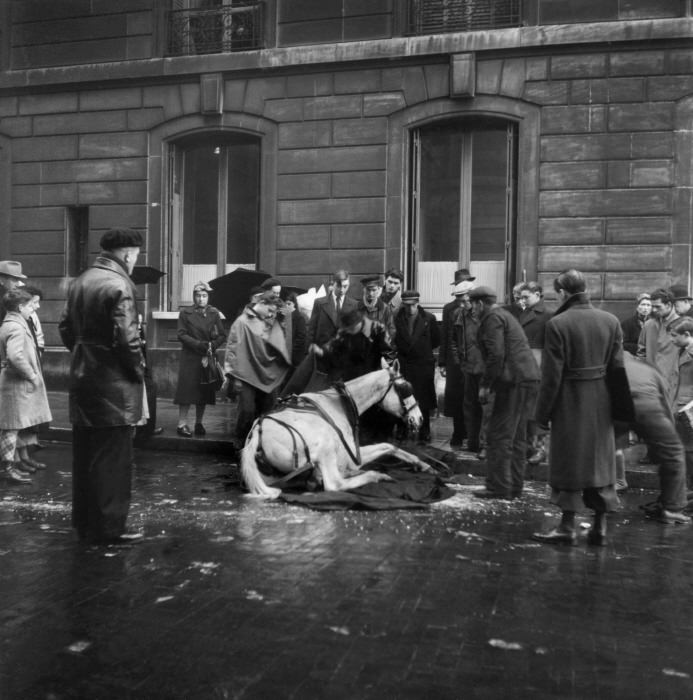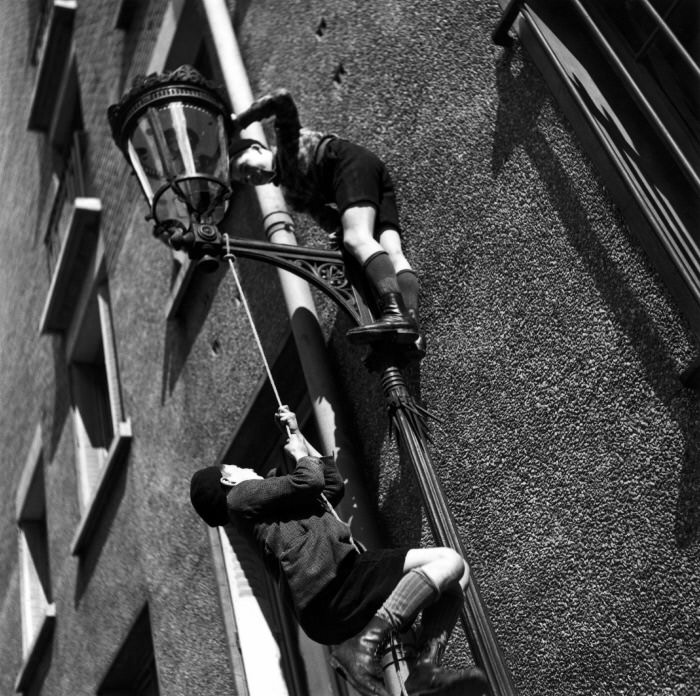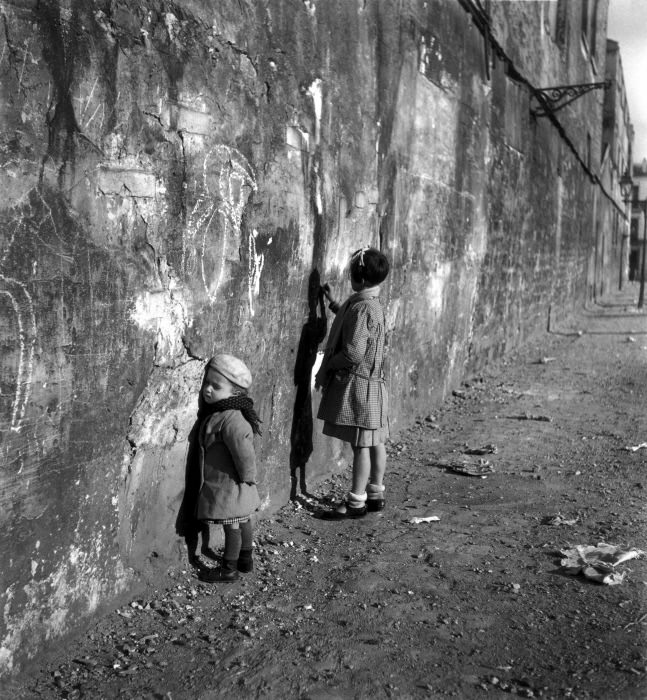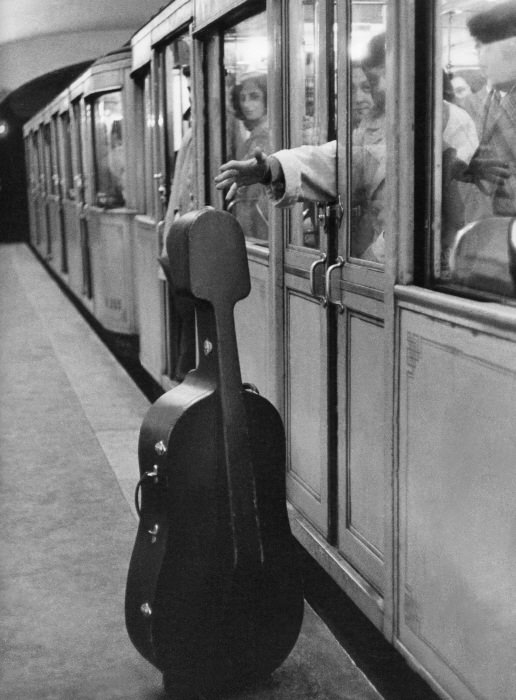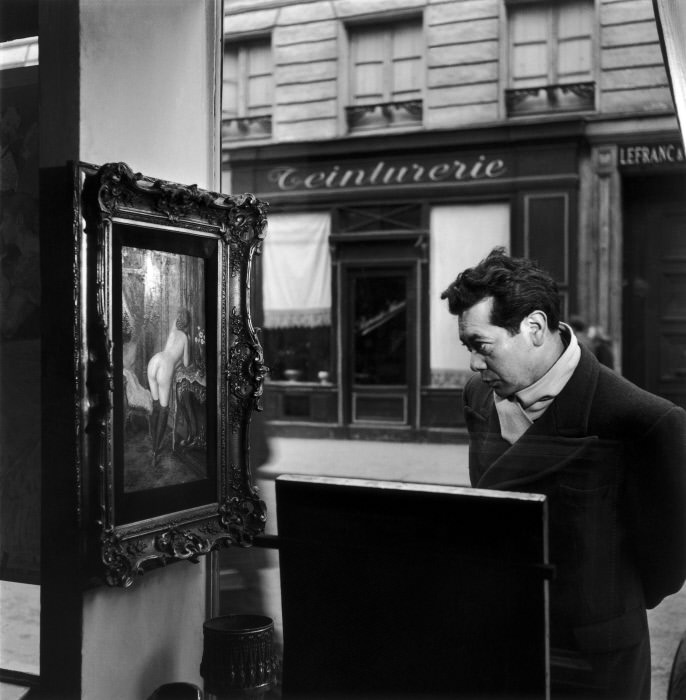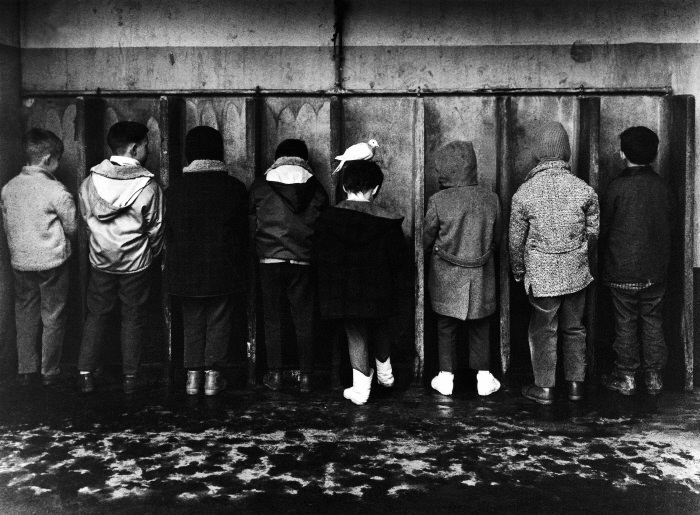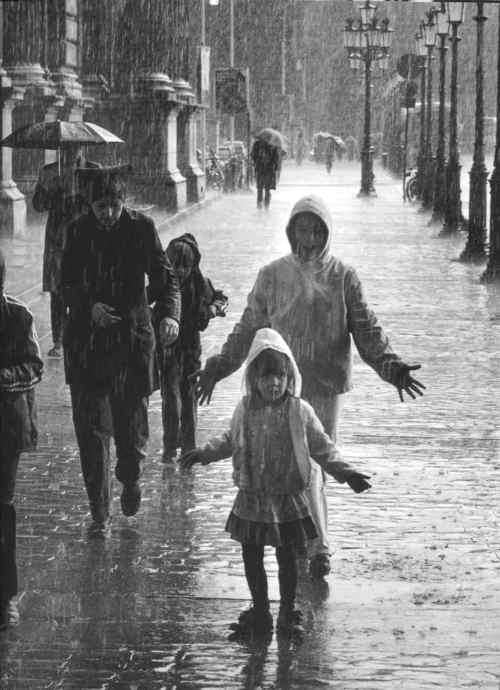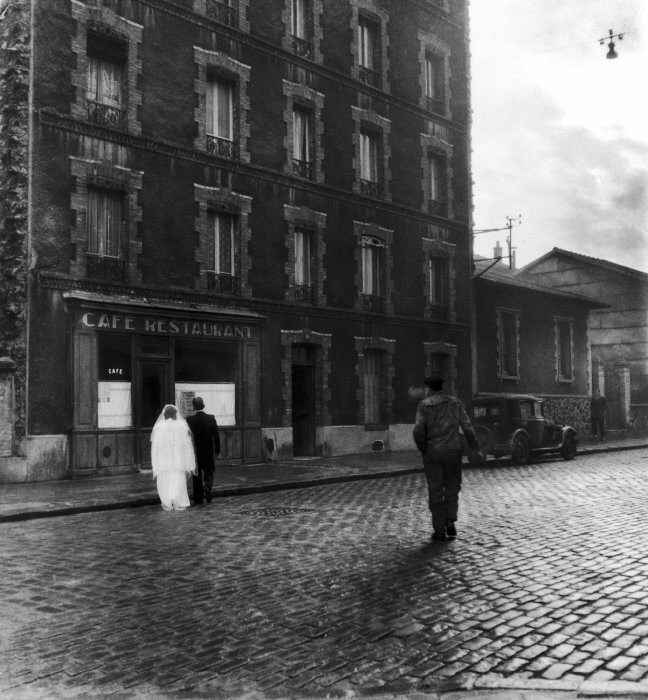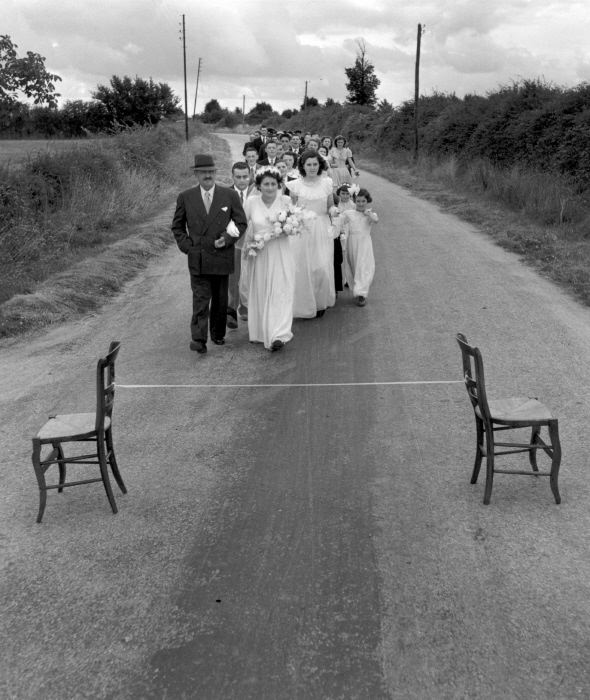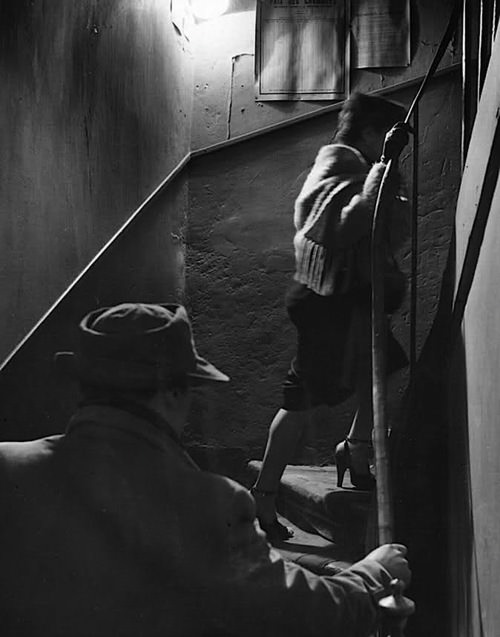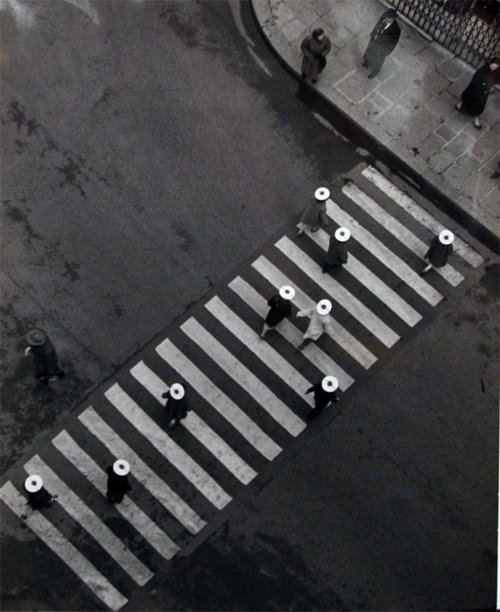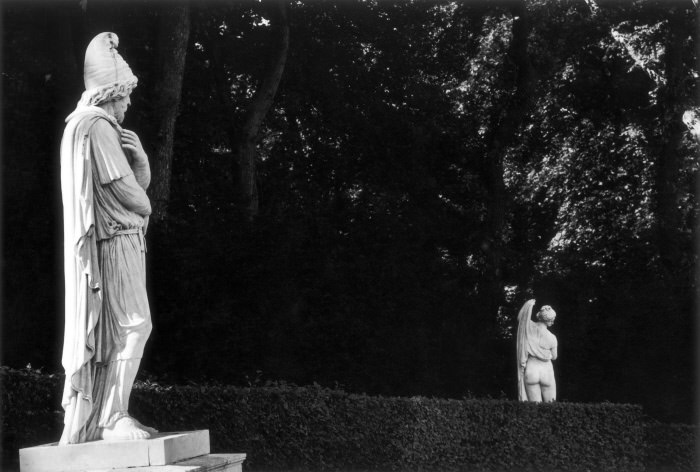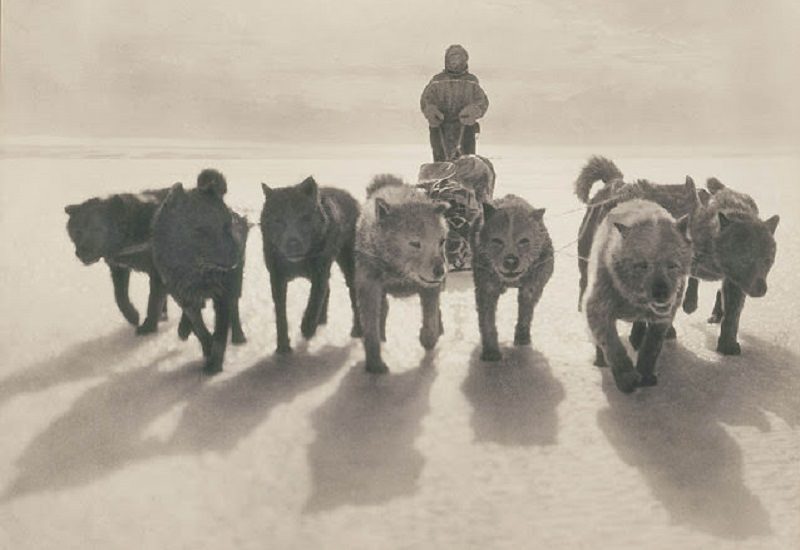
Robert Doisneau was born in France in 1912 and spent his career turning the streets of Paris into his studio. Armed with a compact Leica camera, he moved through the city quietly, blending into crowds and catching moments before people had time to pose.
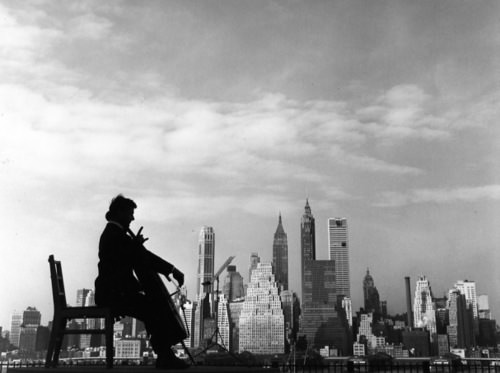
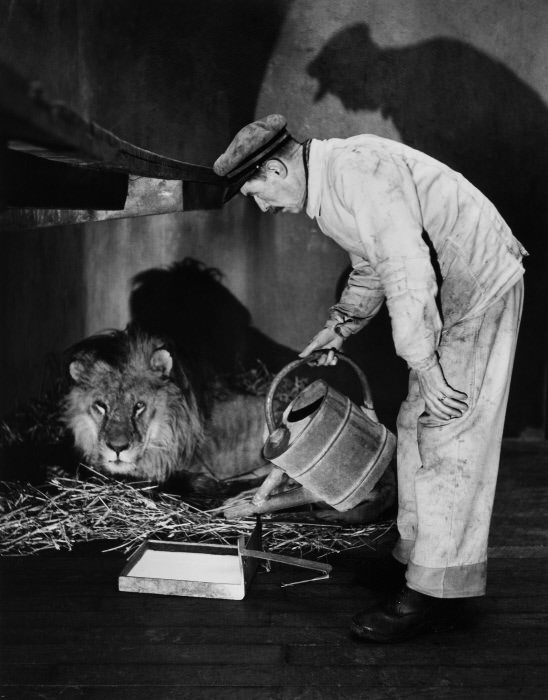
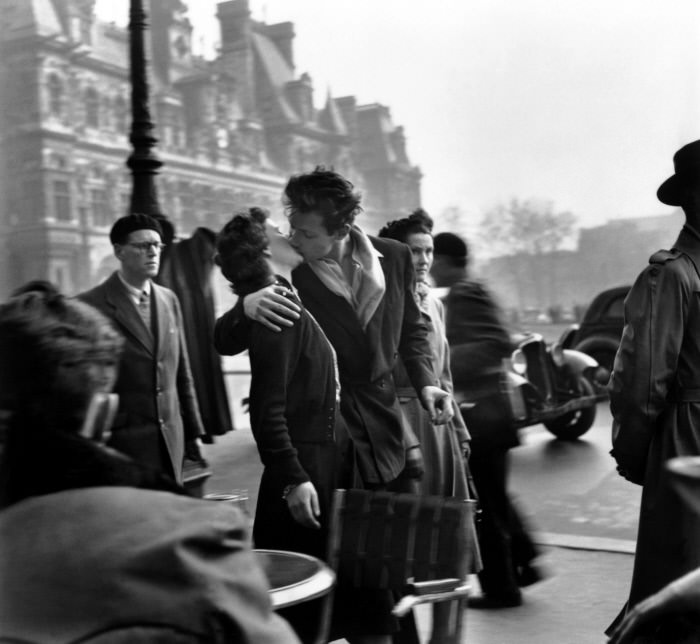
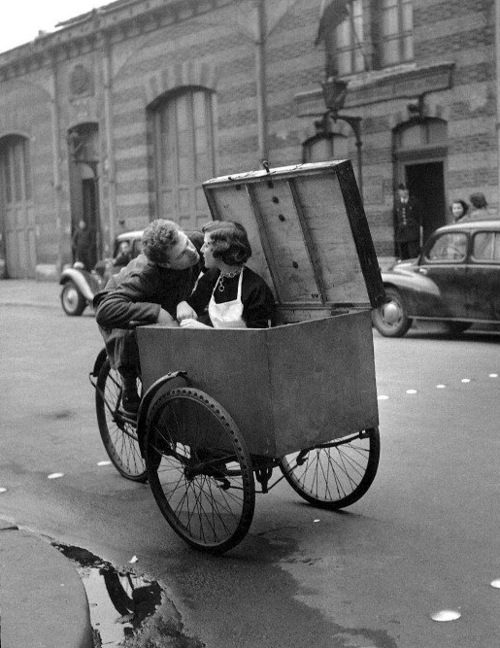
His most recognized photograph, “Le baiser de l’hôtel de ville” (Kiss by the Town Hall), shows a couple kissing amid the busy foot traffic of Paris. Shot in 1950, it became a symbol of postwar joy and spontaneous human connection.
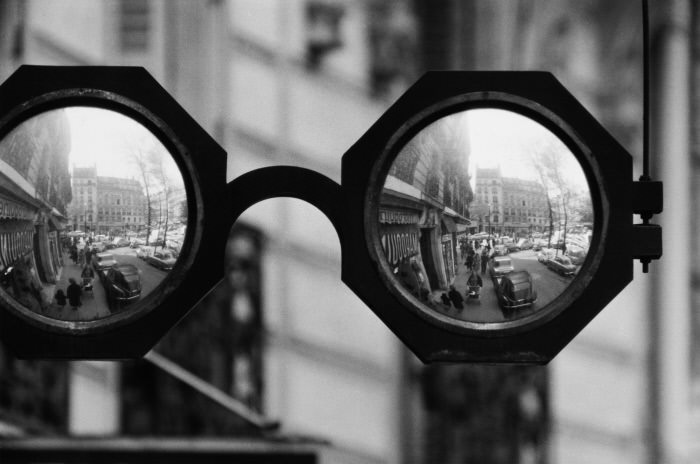
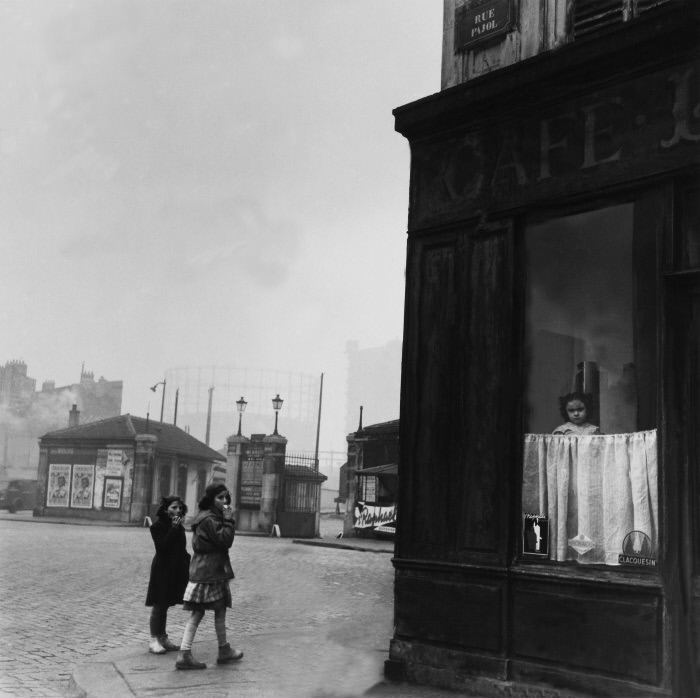
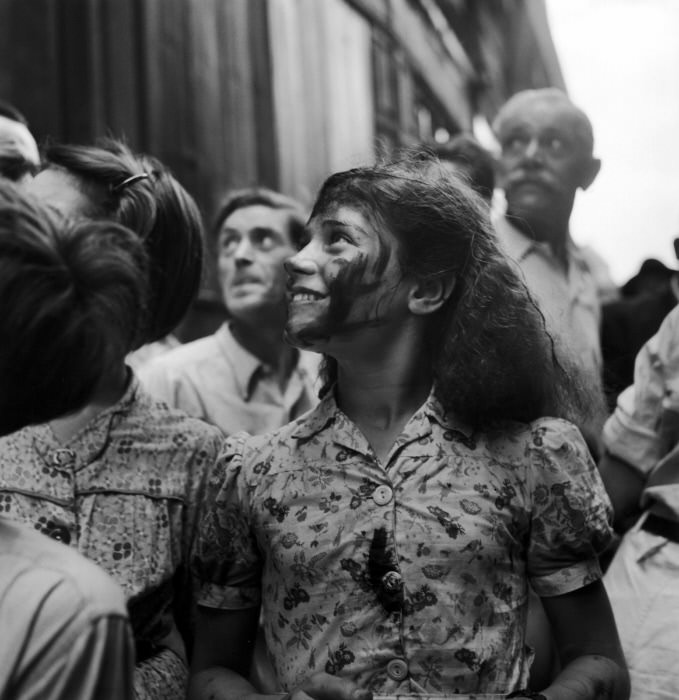
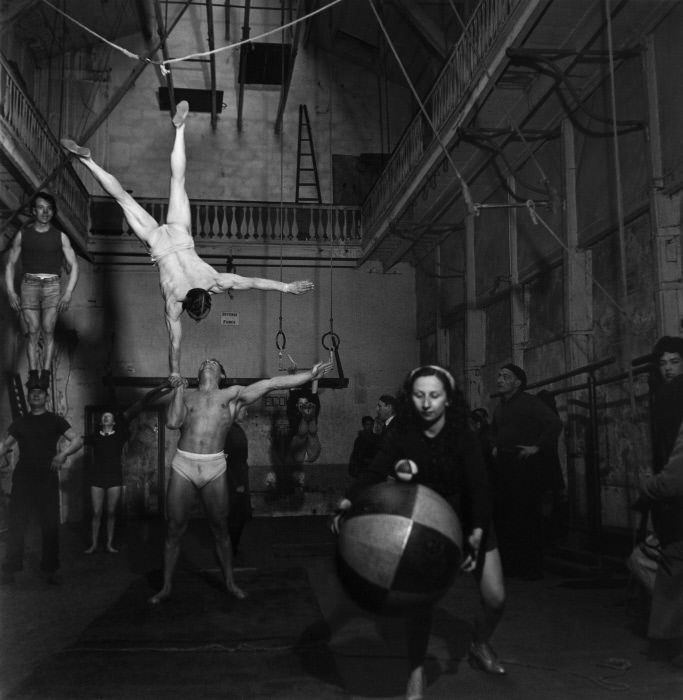
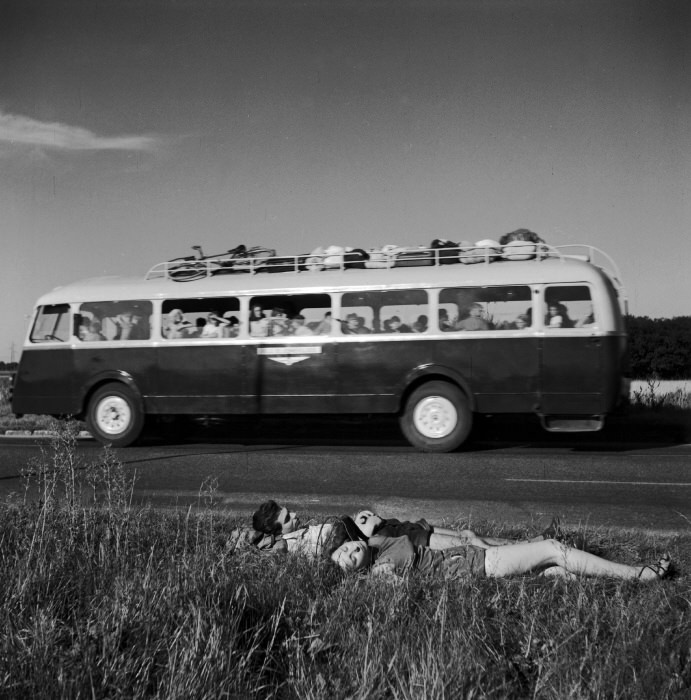
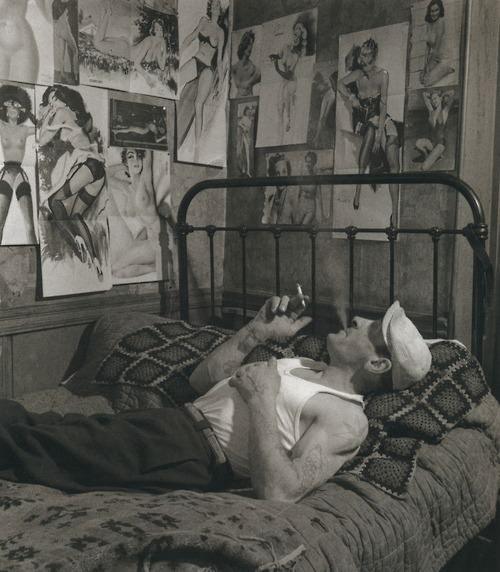
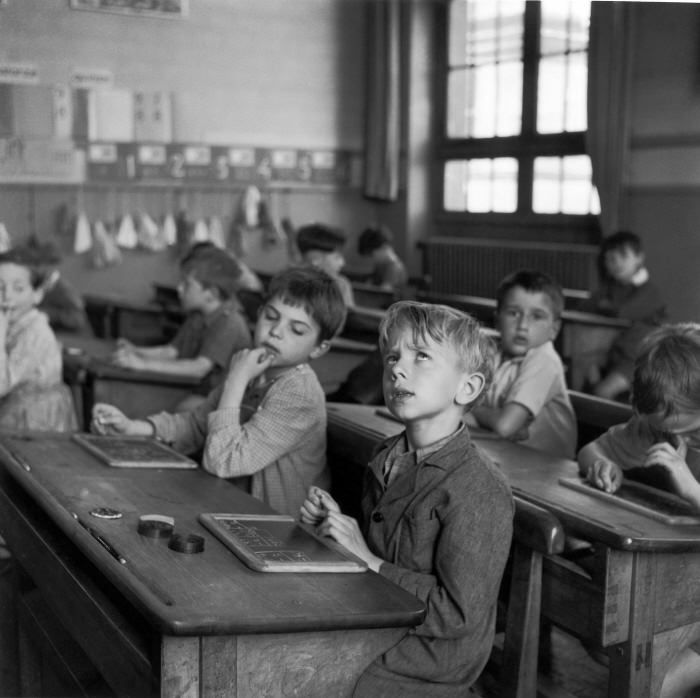
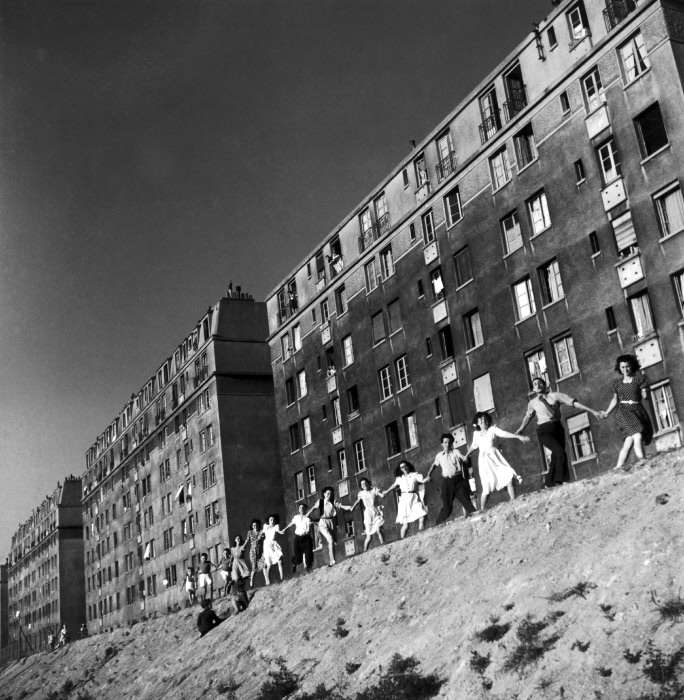
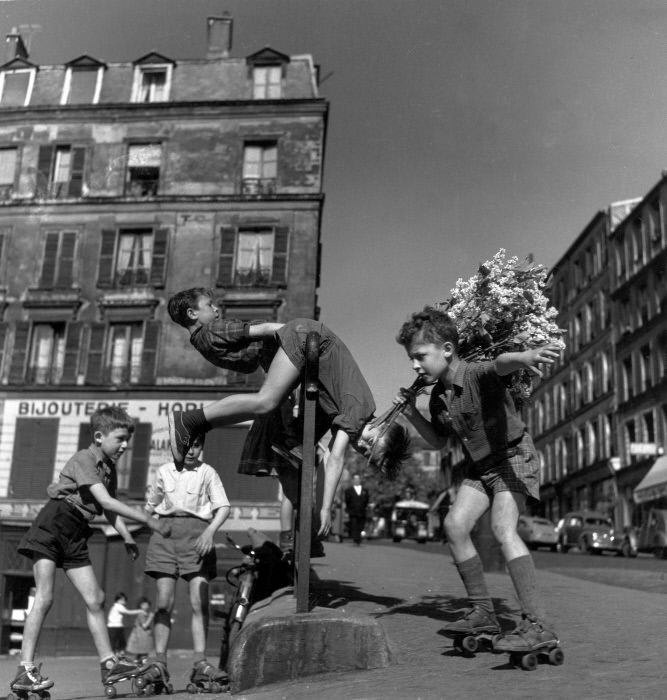
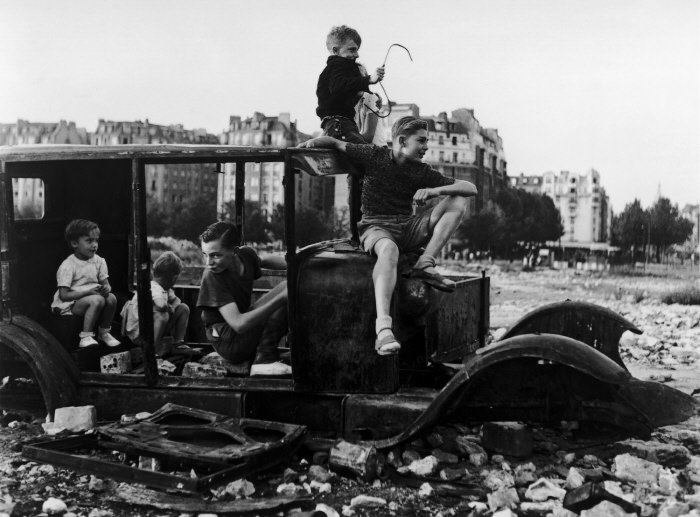
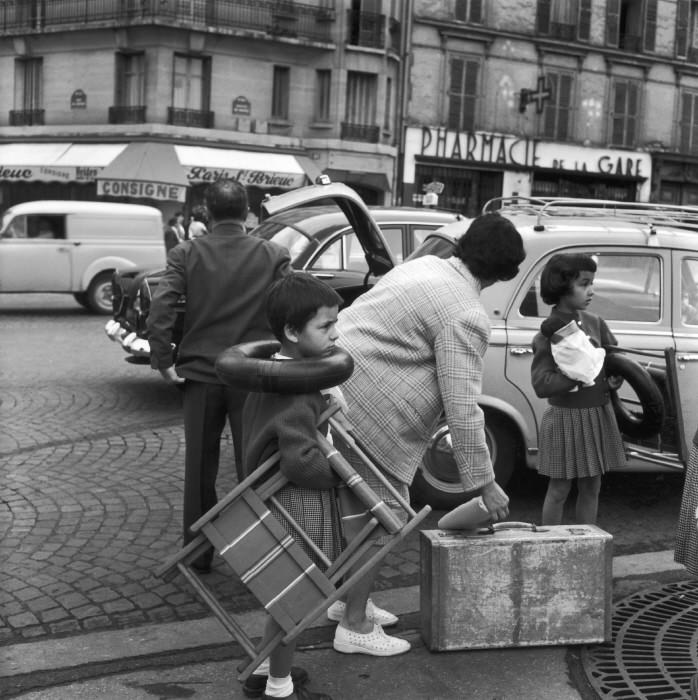
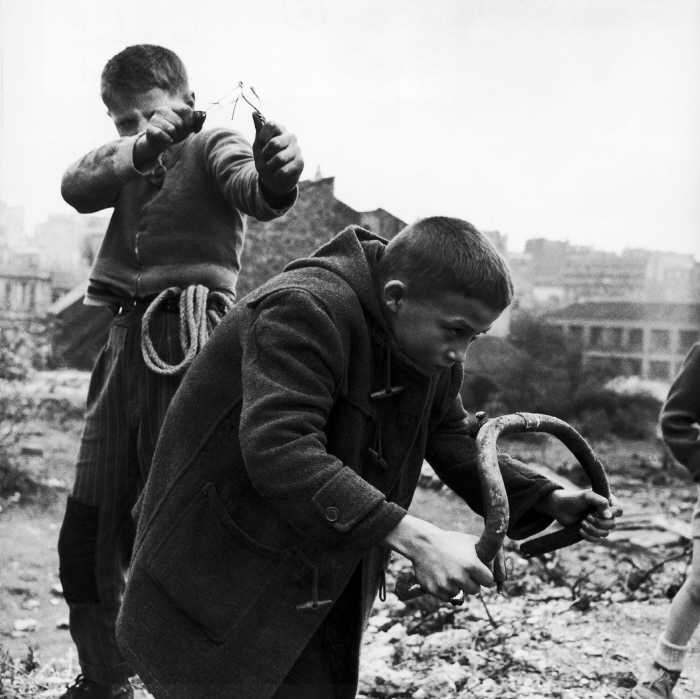
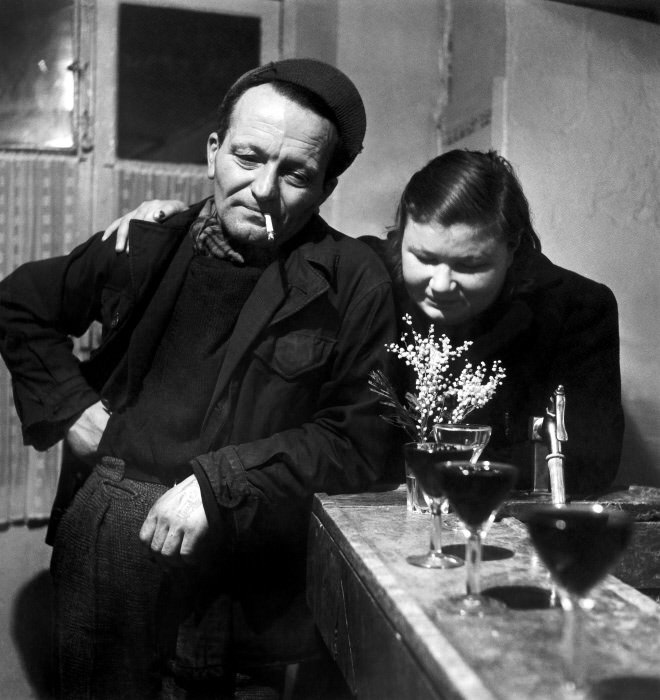
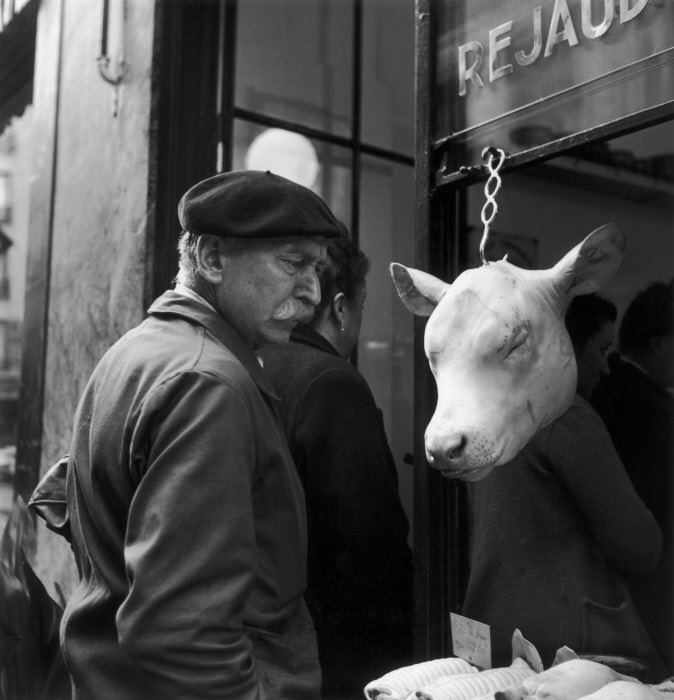
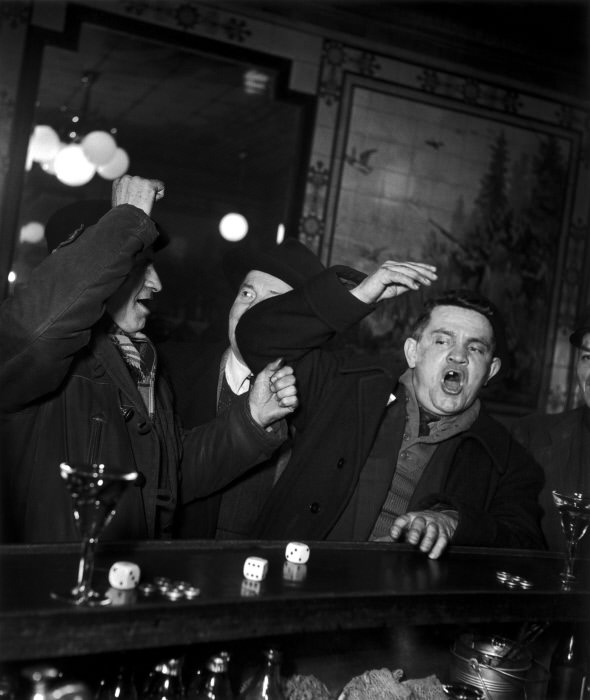
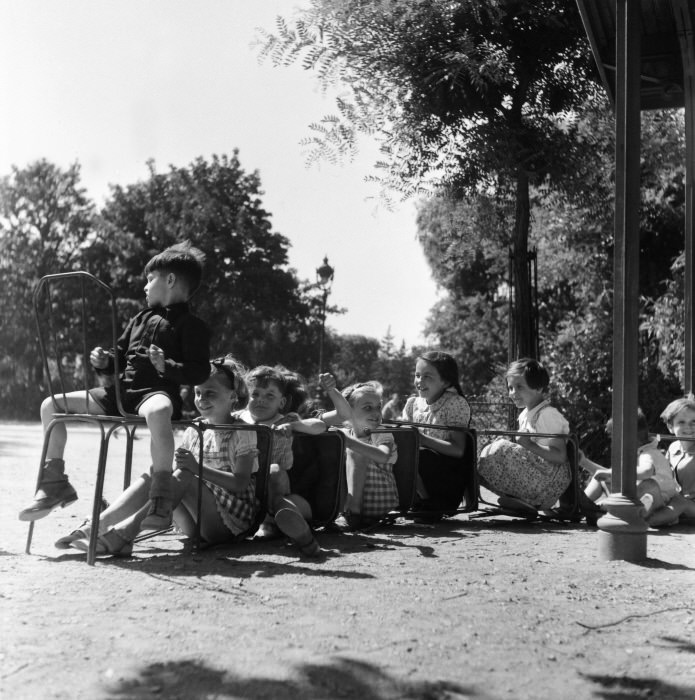
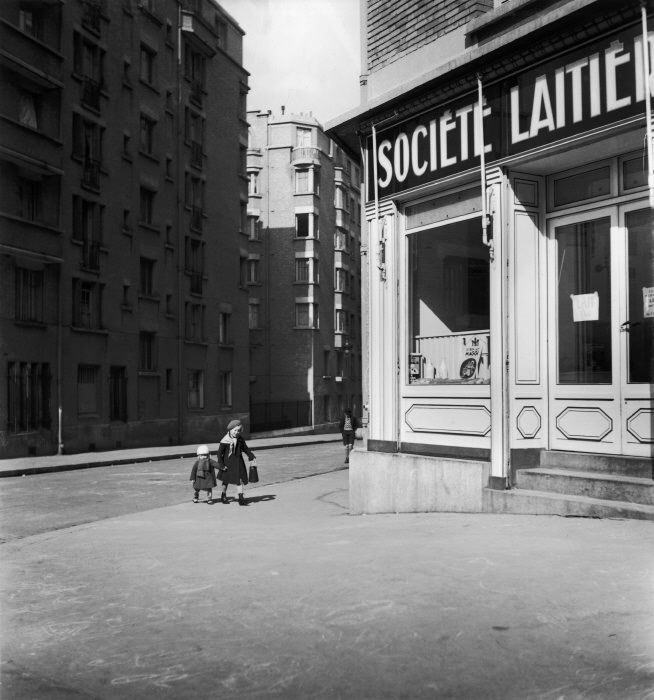
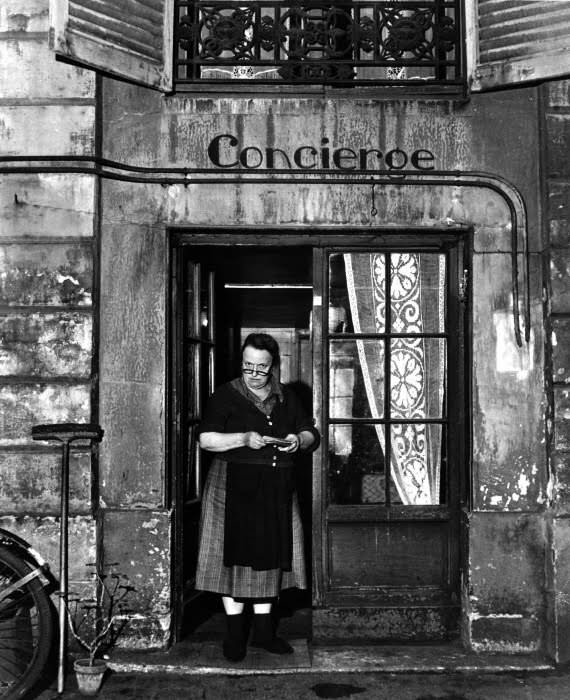
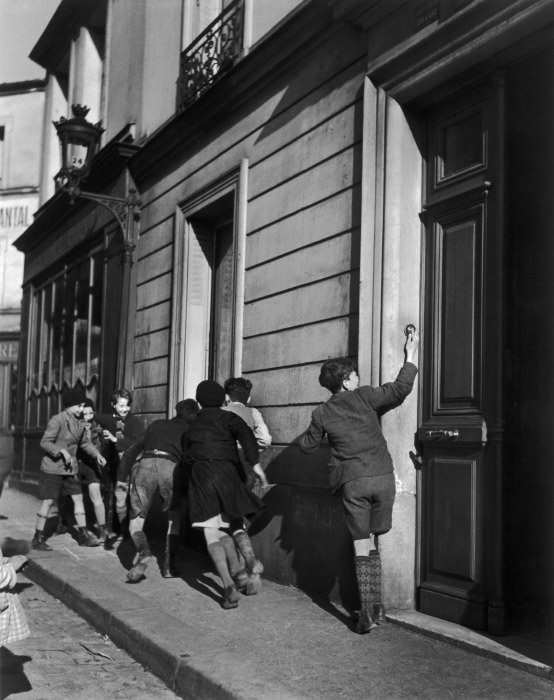
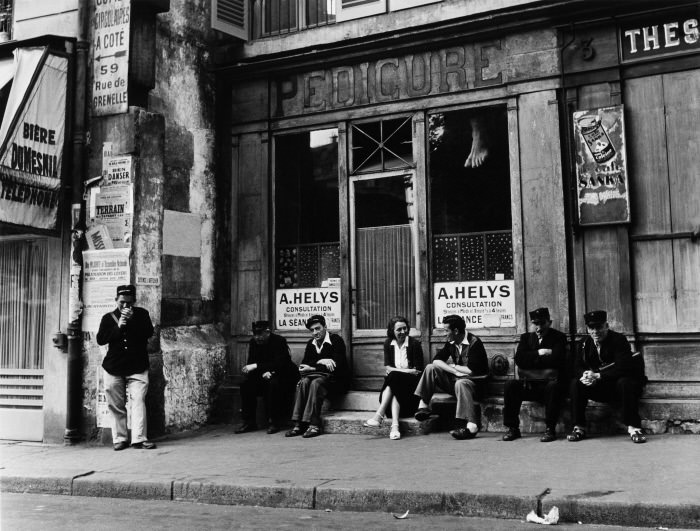
Doisneau’s lens frequently found children playing in cobblestone alleys, workers sharing a laugh, and couples lost in their own worlds. He treated ordinary people as worthy subjects — not because they were famous, but because they were human.
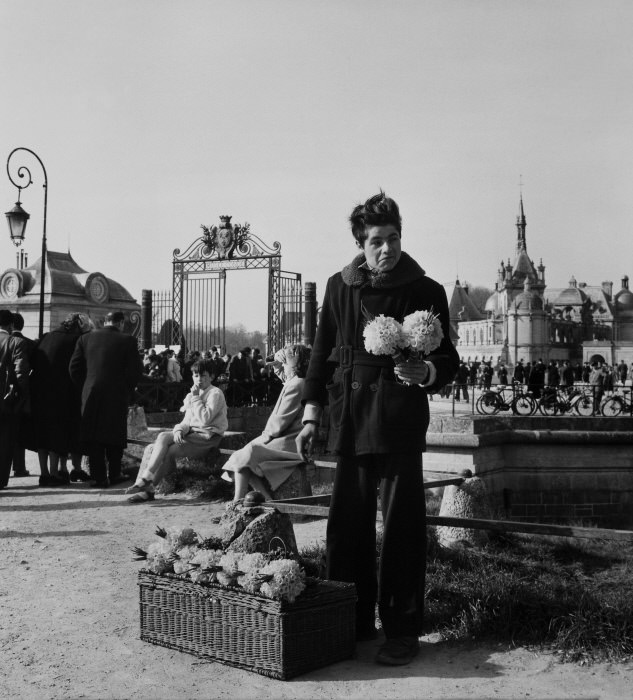
He began his professional photography career in the 1930s, working in advertising and industrial photography before fully committing to street work. The Leica was central to his method — small enough to raise without drawing attention, fast enough to freeze a split-second expression.
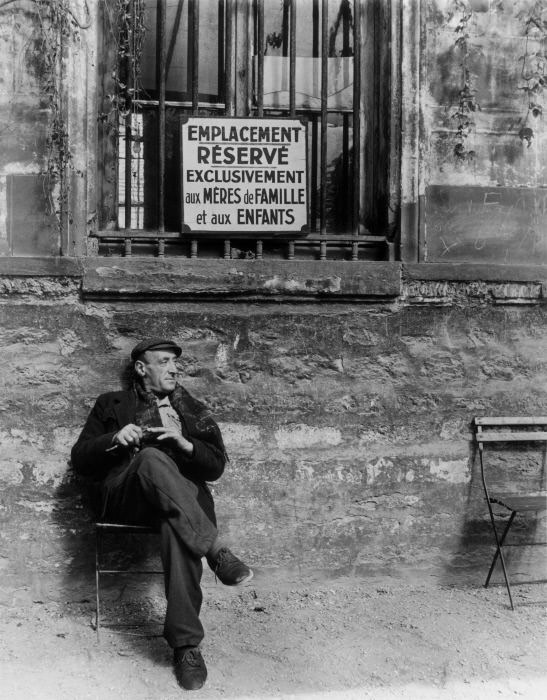
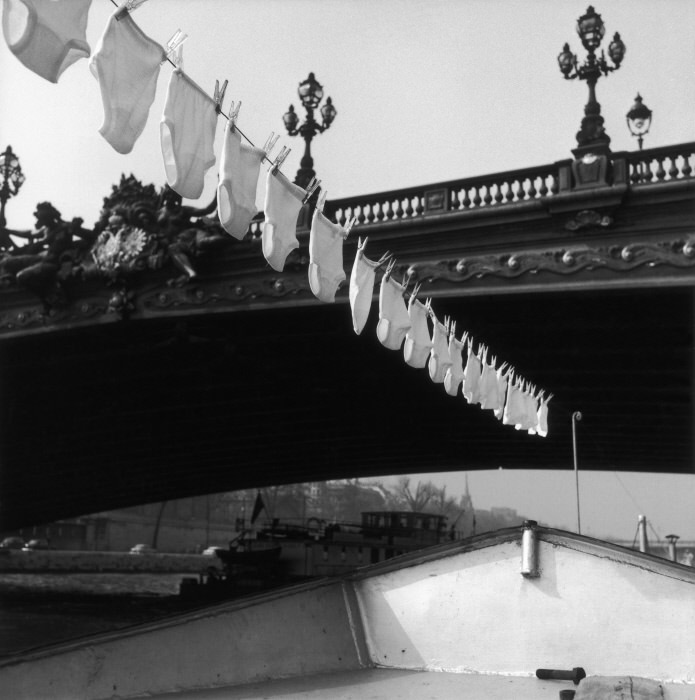
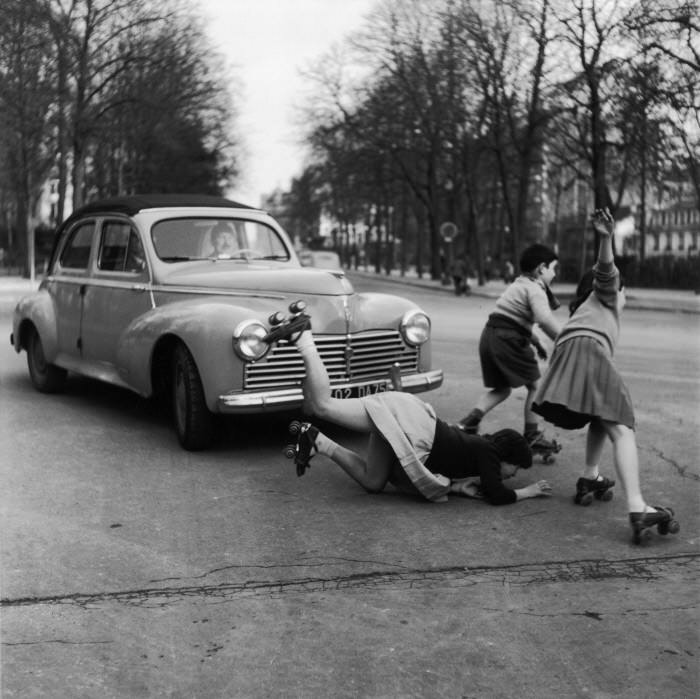
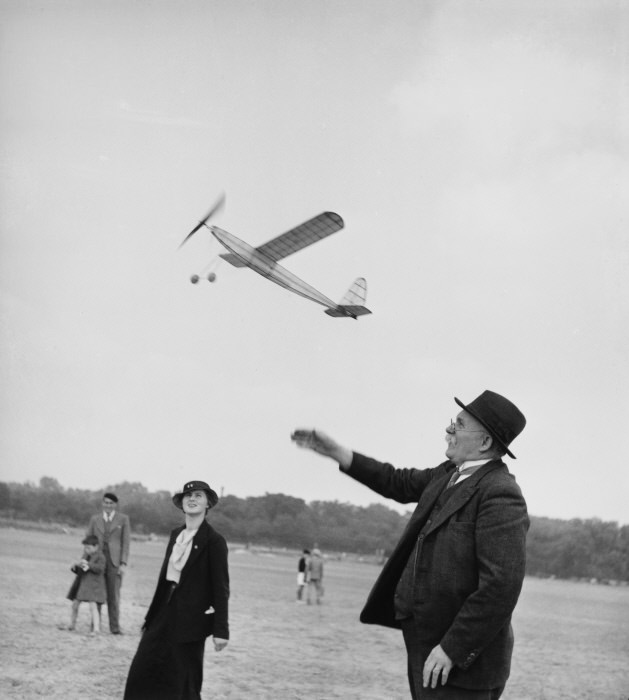
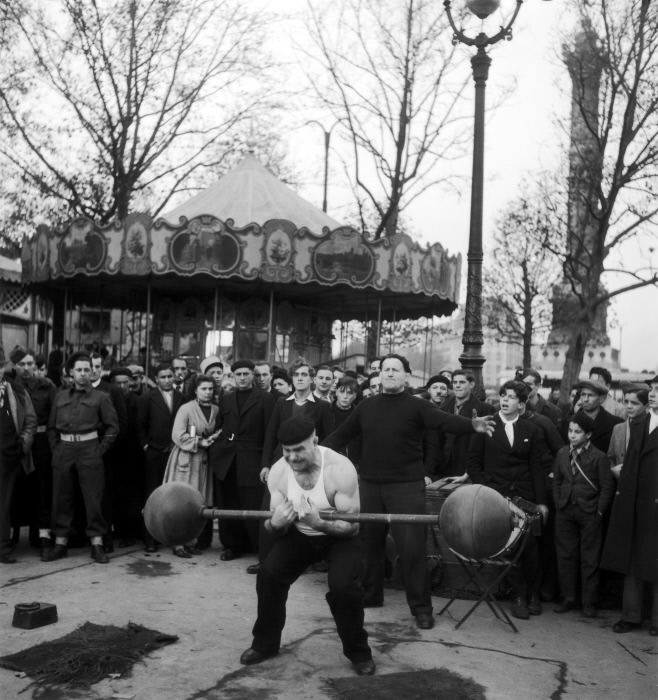
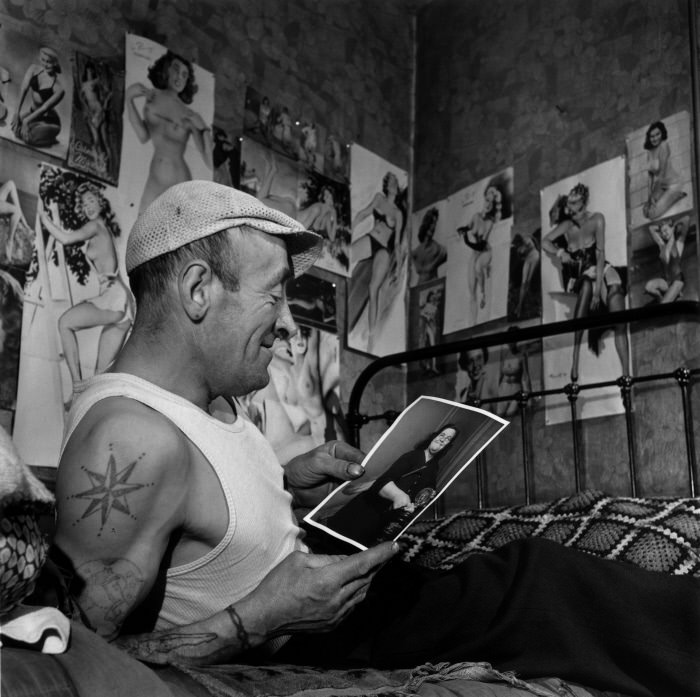
What set Doisneau apart was his humanistic approach. He documented life as it happened — laughter, struggle, tenderness, and play — without staging or idealizing his subjects.
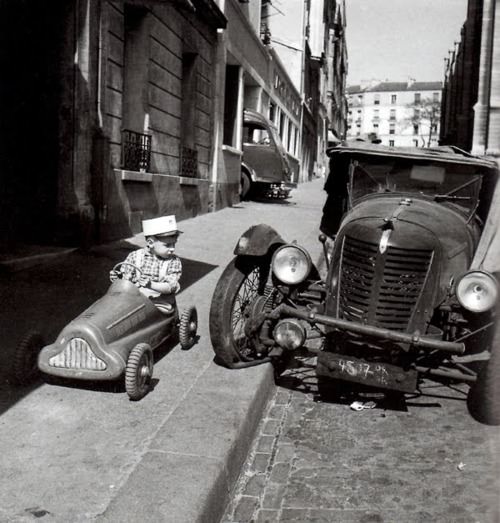
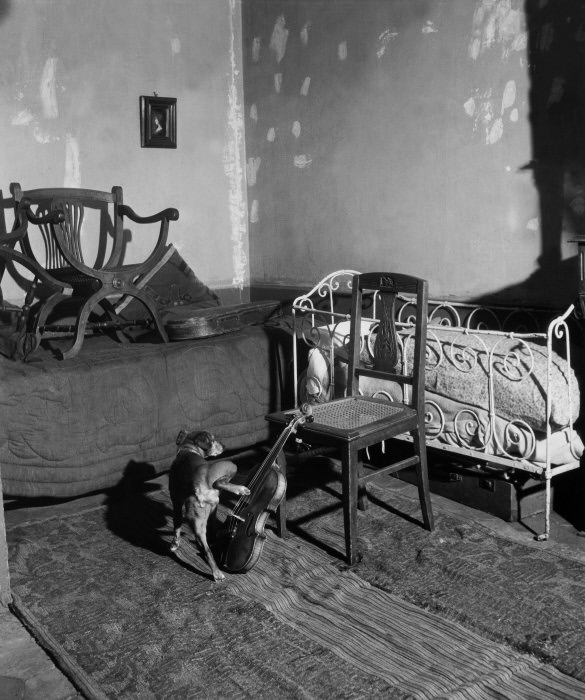
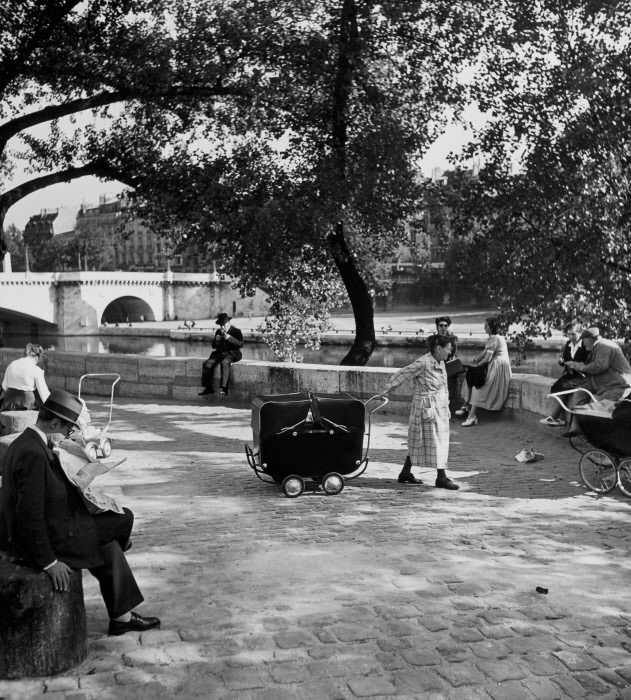
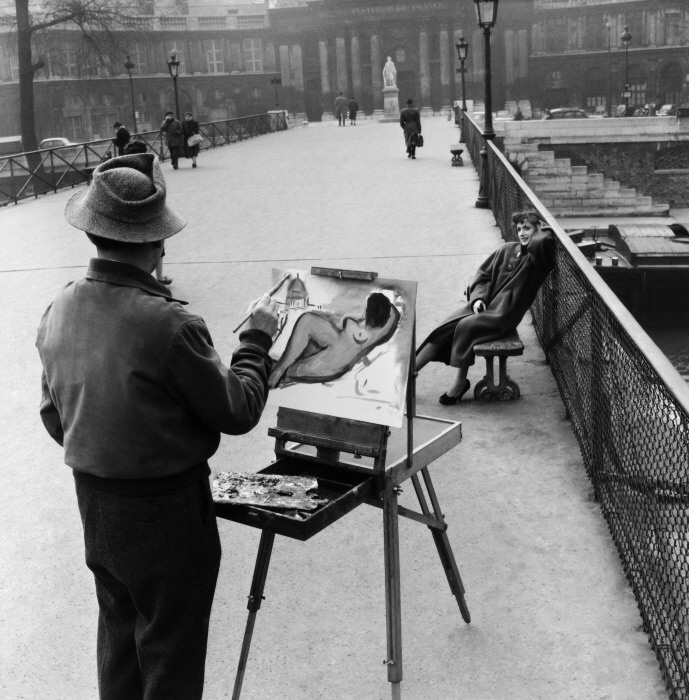
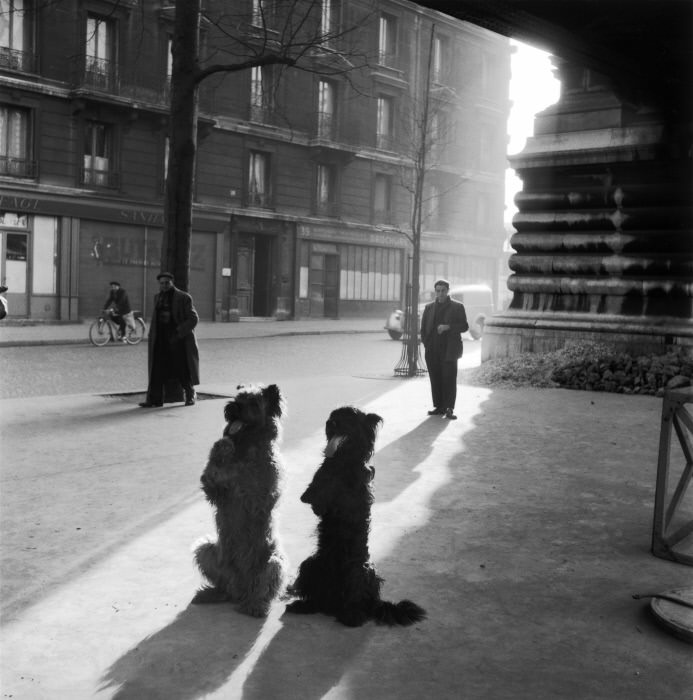
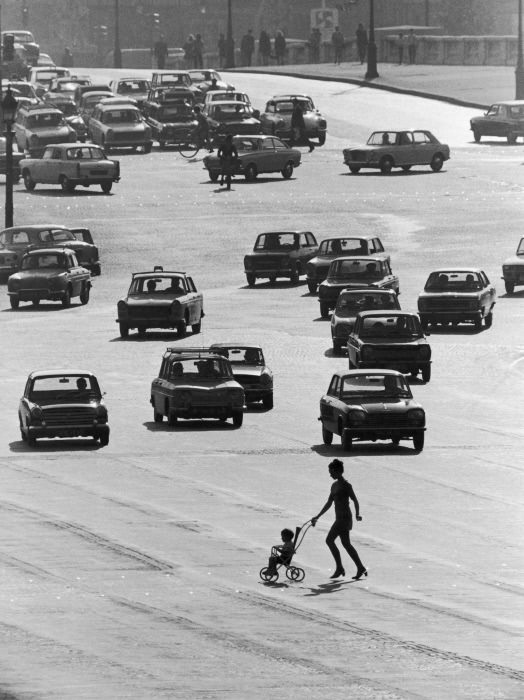
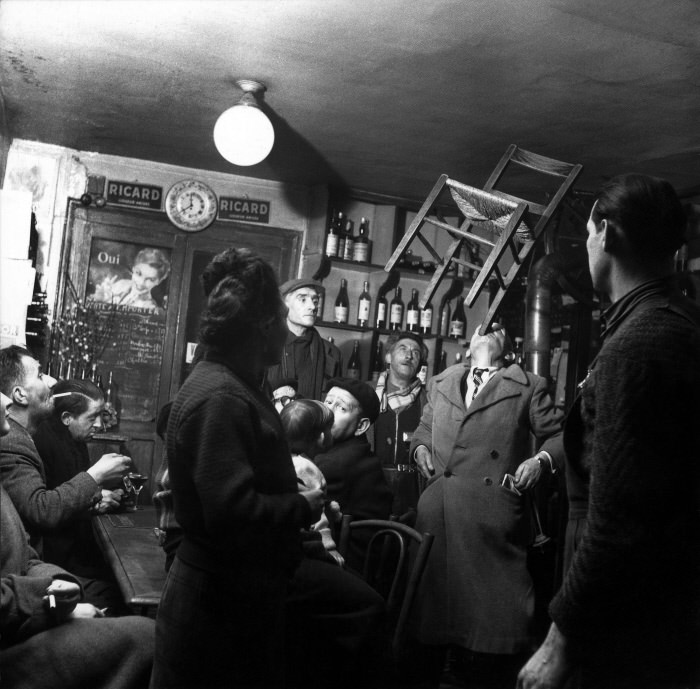
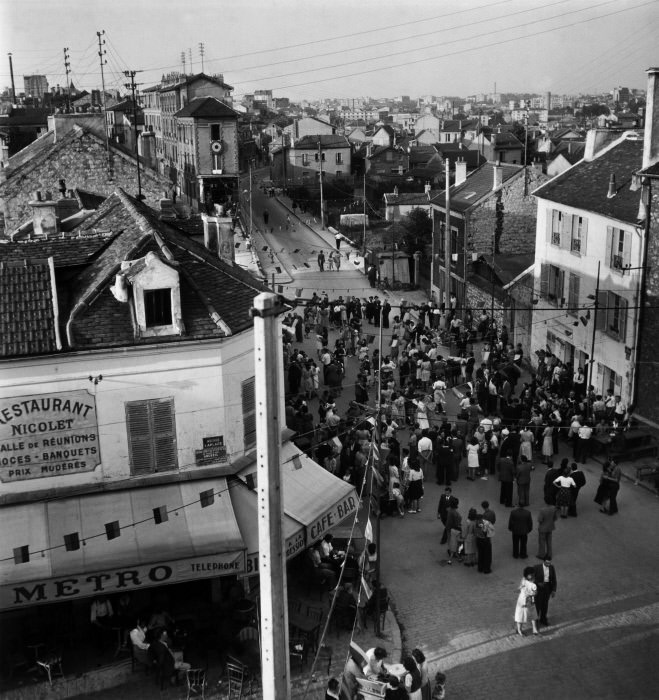
He roamed Paris for decades, from the working-class suburbs of the banlieues to the cafés of the Left Bank. Every neighborhood offered a new cast of characters.
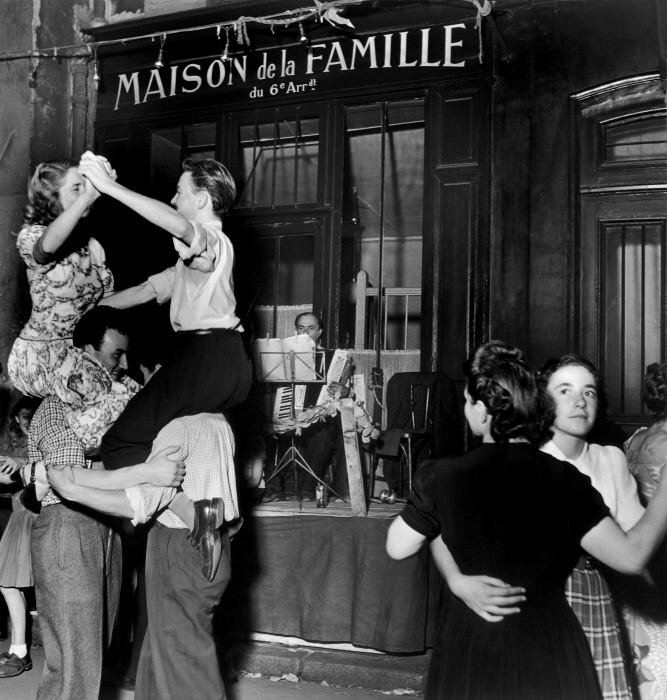
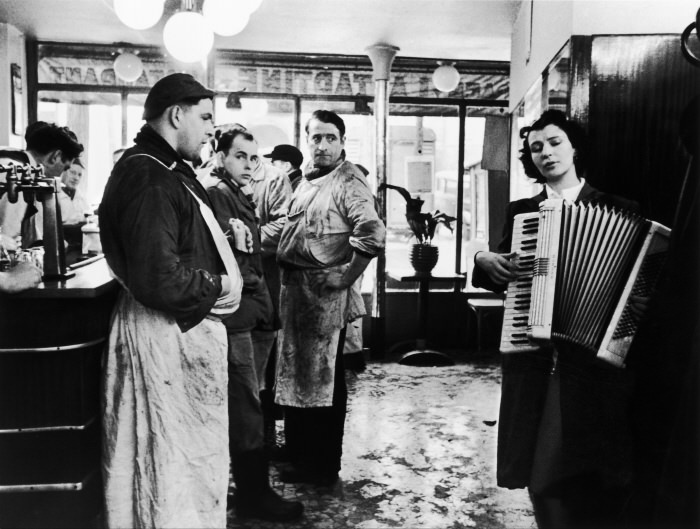
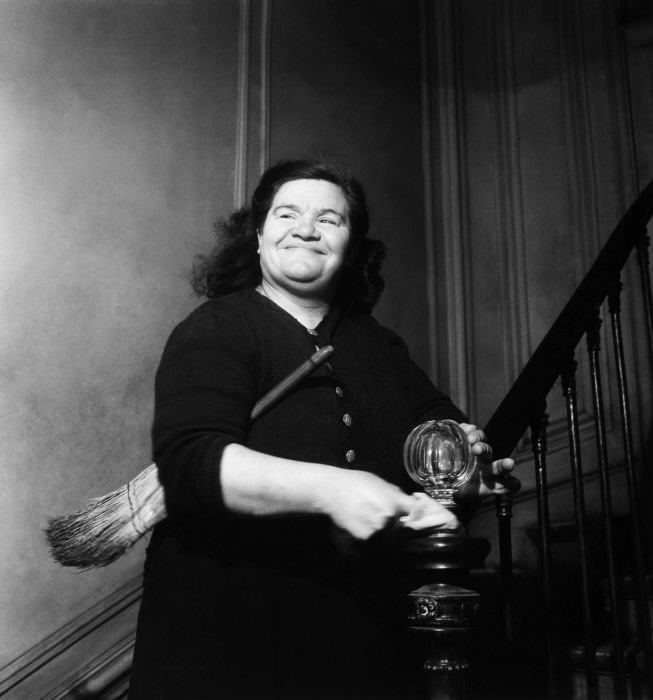
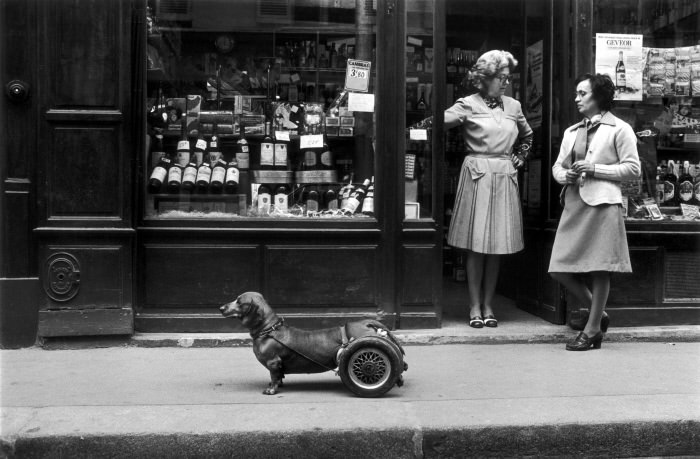
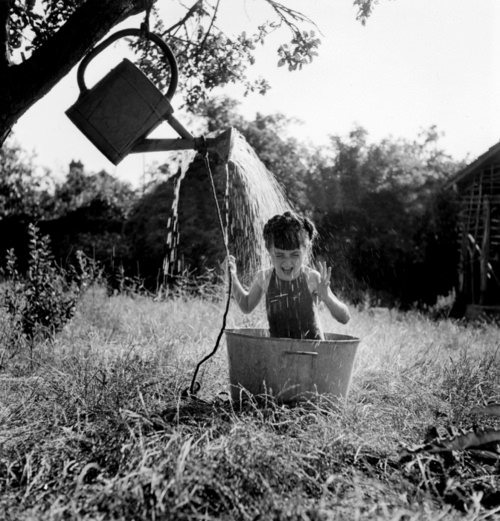
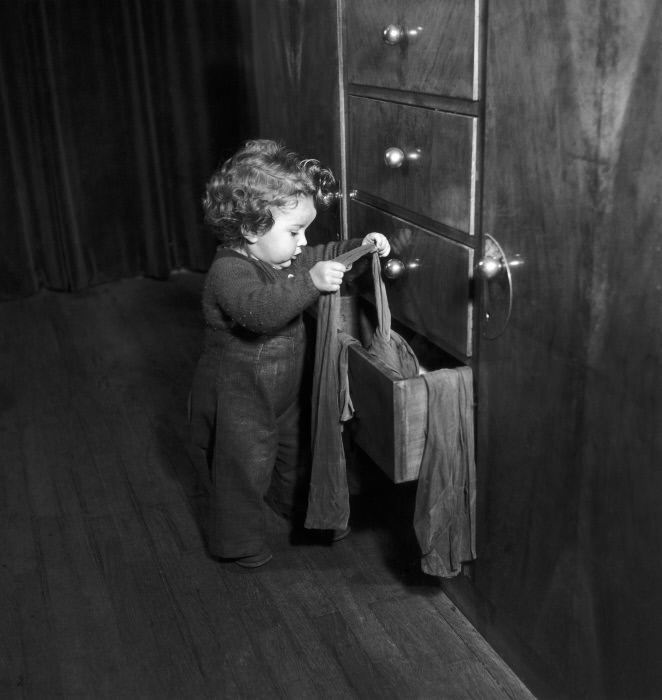
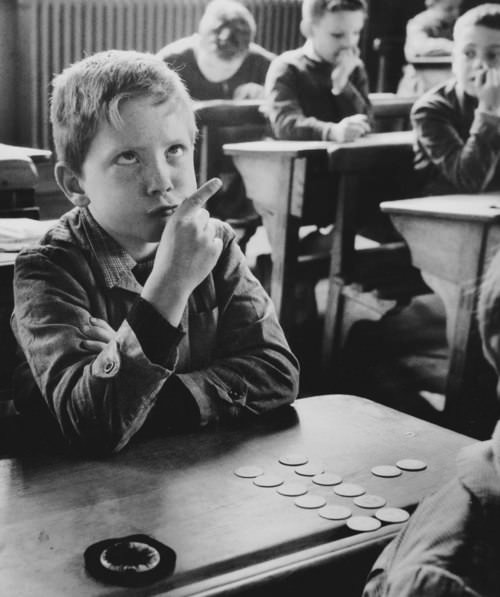
Doisneau’s photographs carry a quality that feels both immediate and timeless. A child’s grin, a stolen glance between strangers, a worker resting on a bench — each image holds a full story inside a single frame.