In 1939, Albert Einstein and physicist Leo Szilard sent a letter to President Franklin D. Roosevelt. The message was direct: Nazi Germany was actively pursuing nuclear fission as a weapon, and the United States needed to act. Roosevelt took the warning seriously. What followed became the most ambitious and secretive scientific program in American history — the Manhattan Project.
Scientists and engineers were recruited from universities and research labs across the country and brought to classified sites. The two most important were Los Alamos, New Mexico, and Oak Ridge, Tennessee. Los Alamos served as the central design laboratory, where the actual bomb work happened. Oak Ridge focused on enriching uranium and producing materials the bomb required.
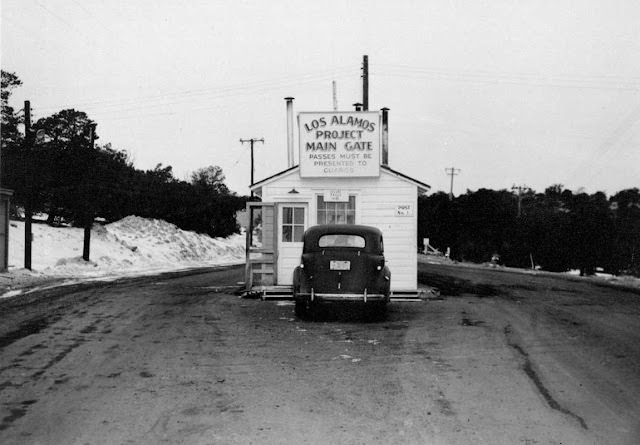
J. Robert Oppenheimer led the scientific team at Los Alamos. Alongside him worked some of the sharpest minds of the era — Richard Feynman, Enrico Fermi, and dozens of other physicists and engineers. The project employed over 130,000 people at its peak. Most workers at the various sites had no idea what the end product was. Security was absolute.
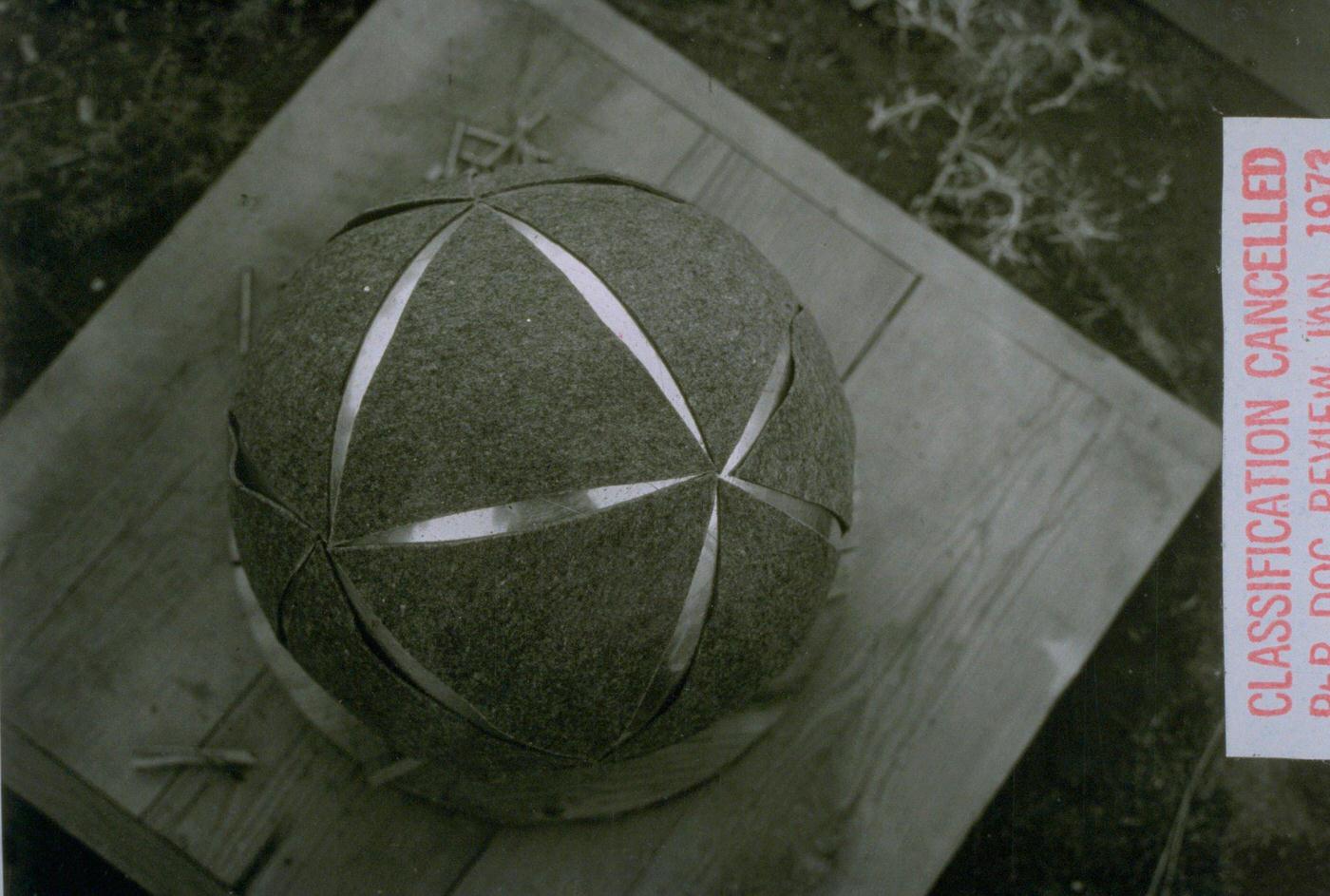
The technical obstacles were enormous. Scientists had to figure out how to isolate plutonium in usable quantities and then design a detonation mechanism that would actually work. Two bomb designs emerged: a uranium-based gun-type device and a more complex plutonium implosion device. The implosion design required an explosive lens system precise enough to compress a plutonium core uniformly from all sides simultaneously. That design became the subject of the Trinity Test.
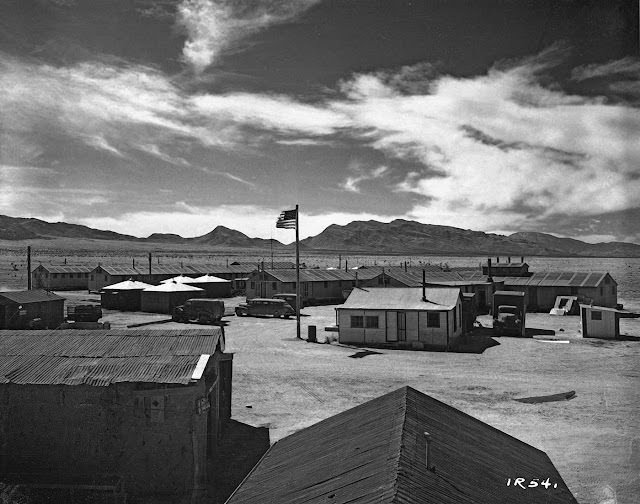
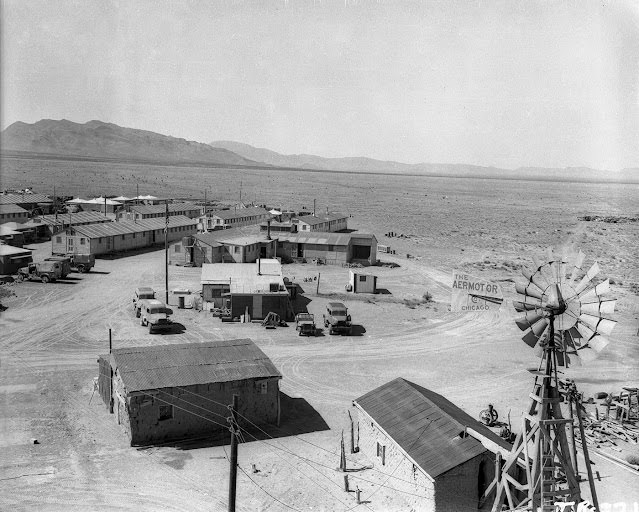
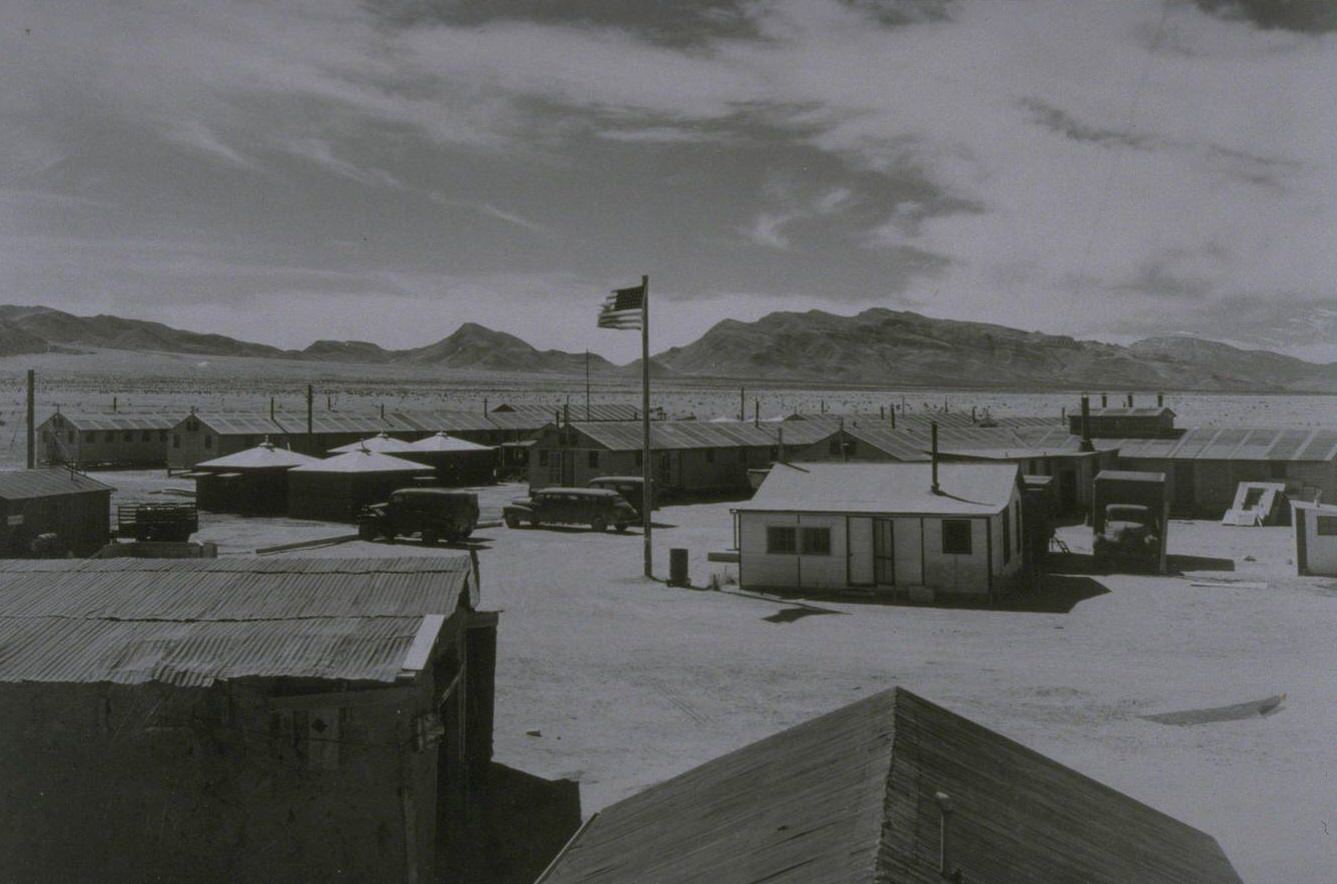
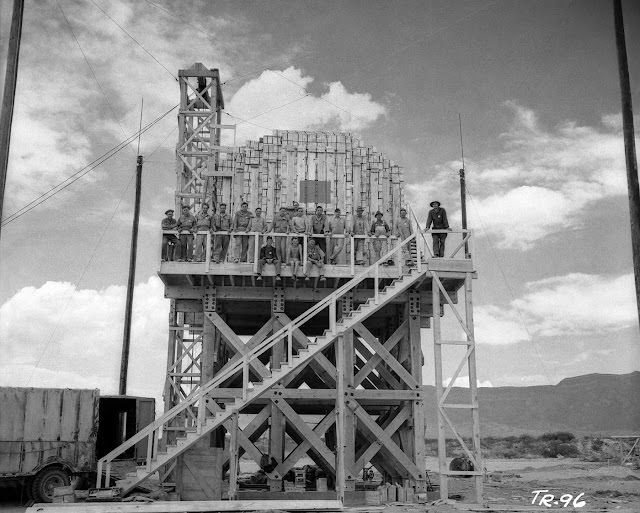
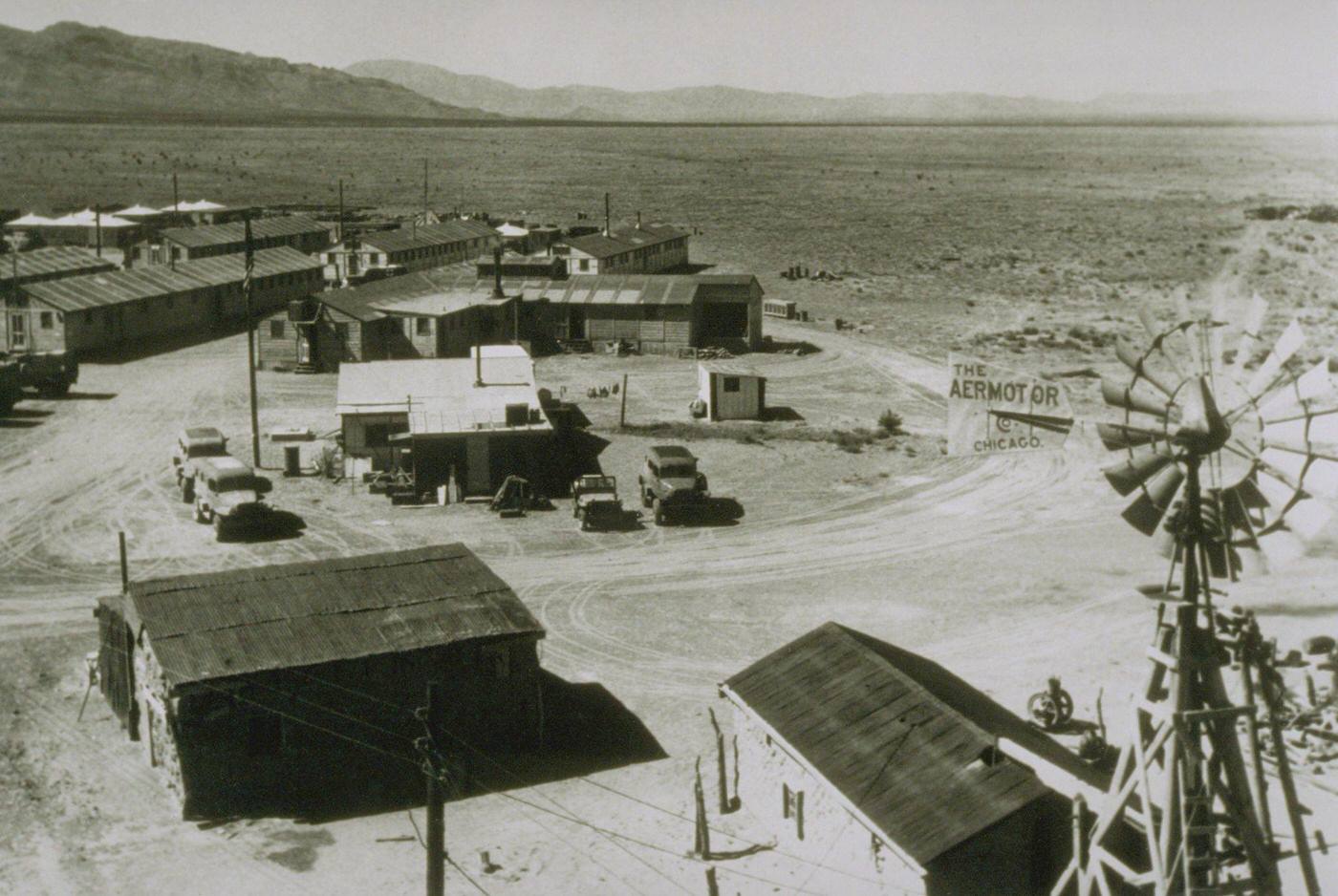
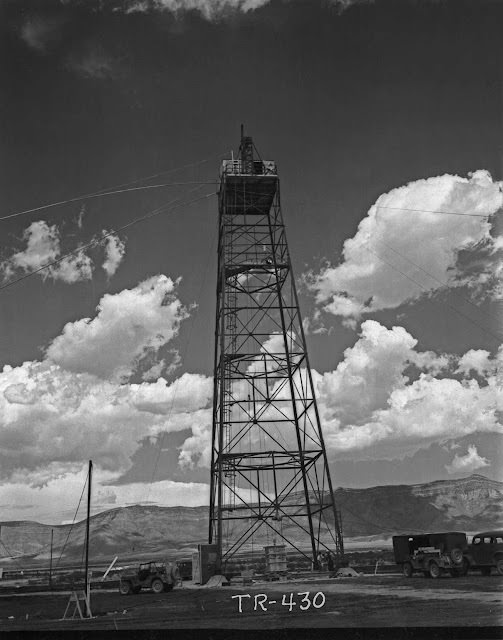
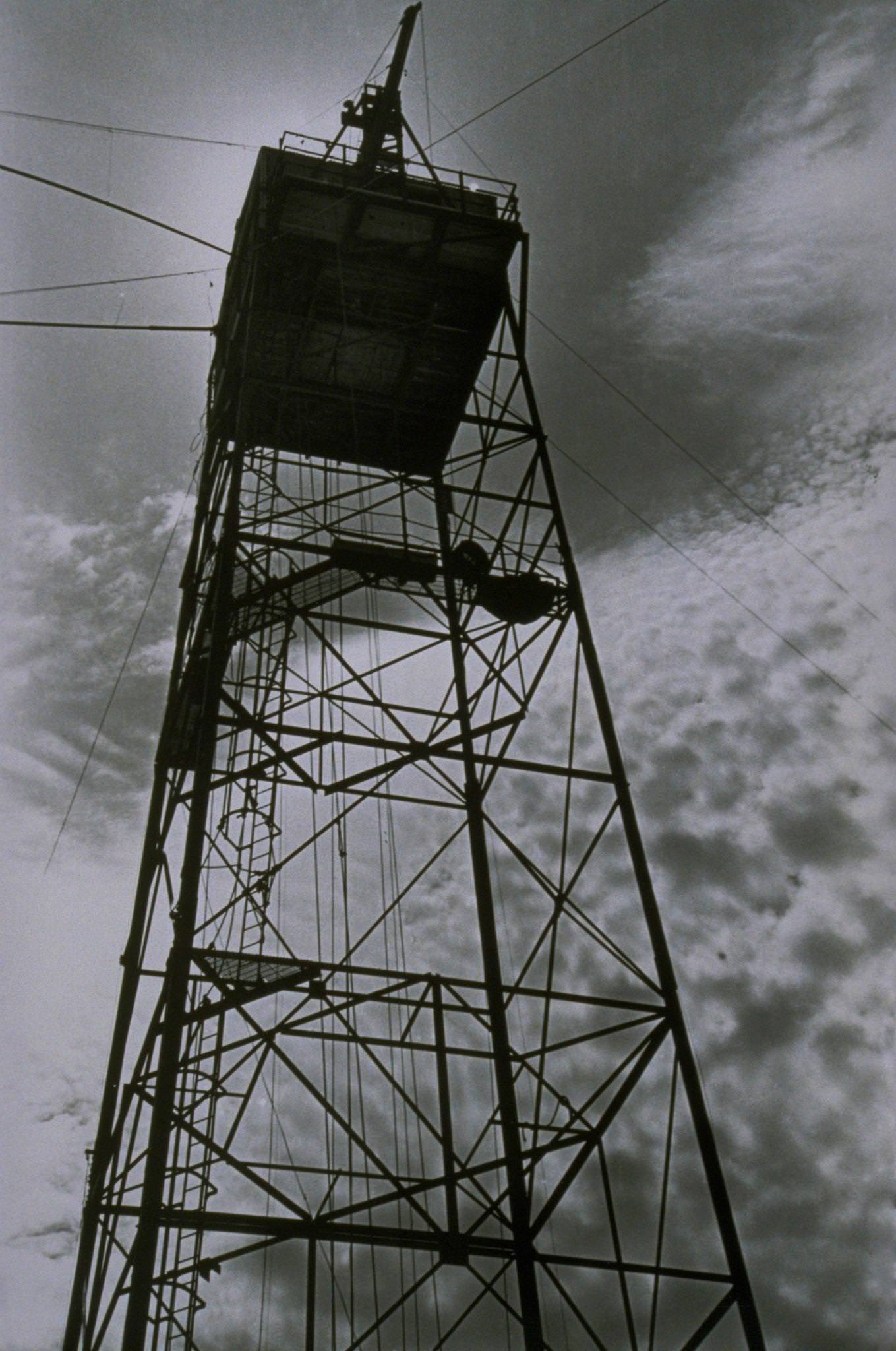
The test site chosen was a remote stretch of desert in the Jornada del Muerto basin, roughly 230 miles south of Los Alamos. The area was already part of the Alamogordo Bombing and Gunnery Range, which kept it restricted and far from civilian eyes. Workers set up a base camp and built a 100-foot steel tower at ground zero — the point where the device would be detonated.
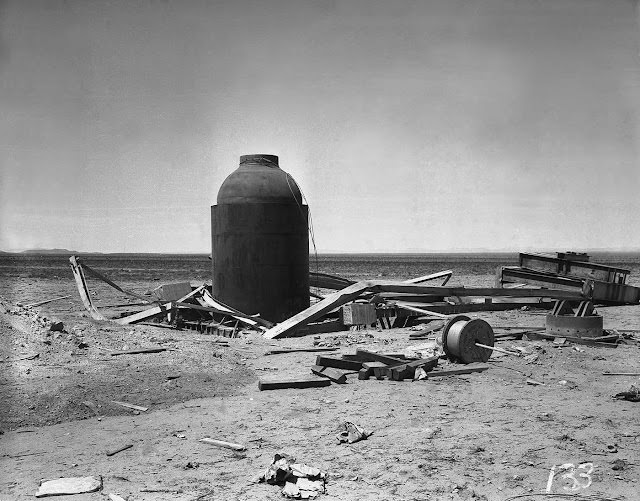
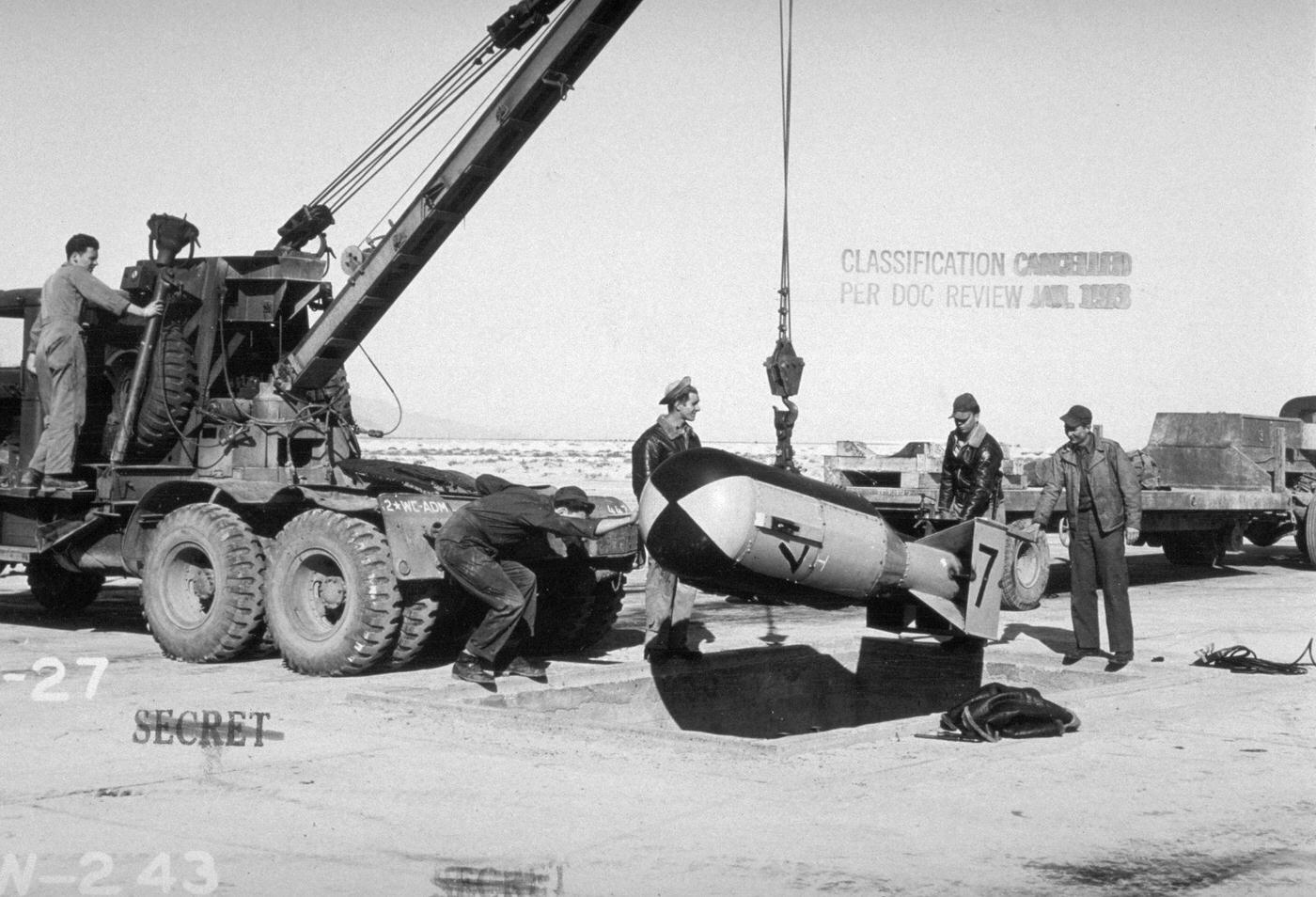
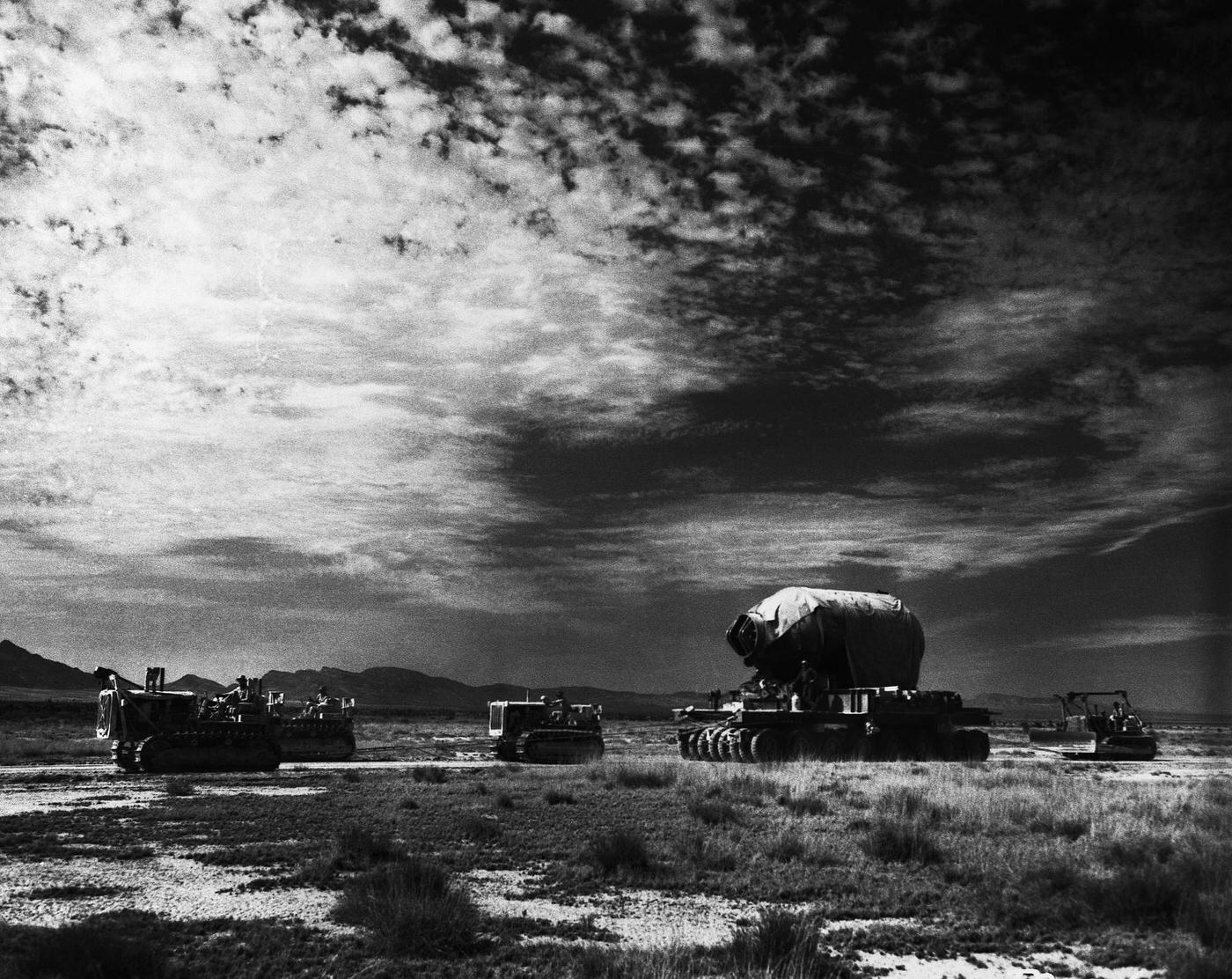
One of the strangest pieces of equipment involved in the Trinity Test was a massive steel container called “Jumbo.” It weighed 214 tons and was built to recover the plutonium core in case the conventional explosives detonated but the nuclear reaction failed to ignite. Engineers were not willing to waste the rare and costly plutonium. Jumbo was transported by rail and then hauled by truck to the test site.
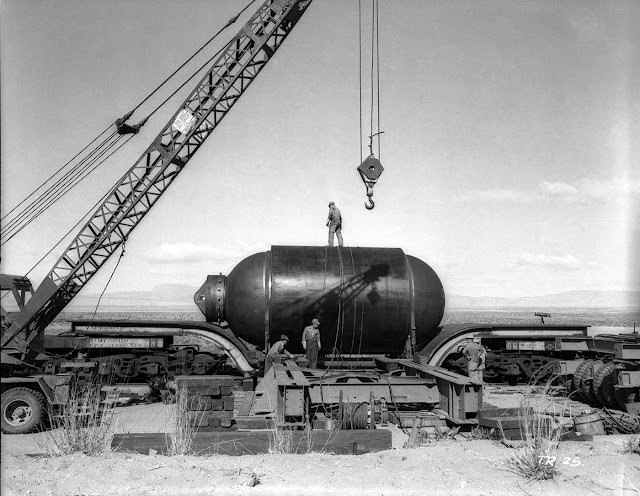
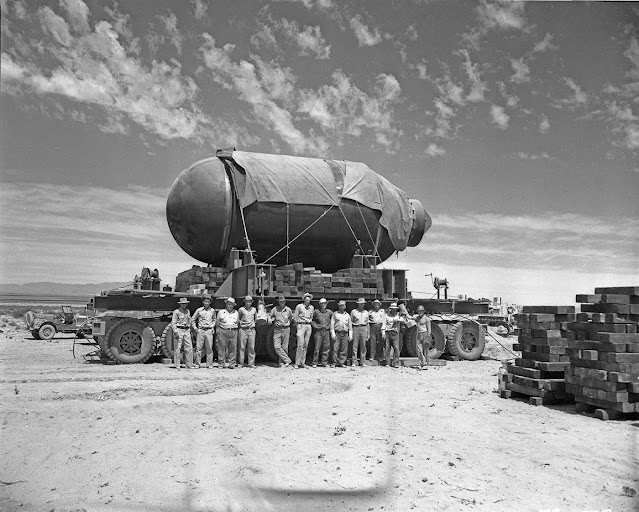
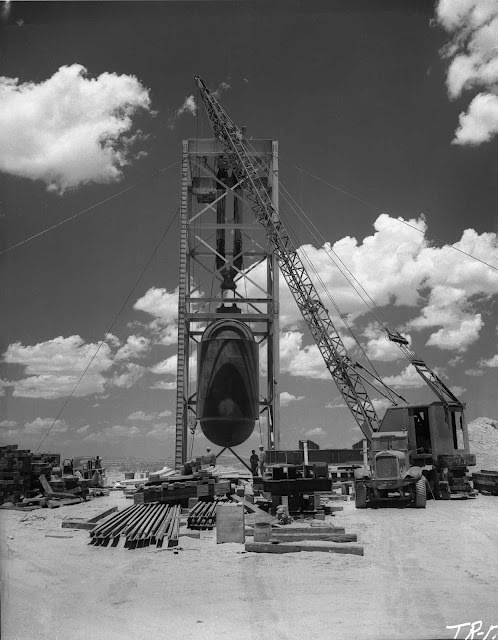
By the time preparations were complete, scientists had enough confidence in the design that Jumbo was not placed around the bomb after all. Instead, it was suspended from a steel tower about 800 yards from ground zero. When the bomb detonated, the blast wave buckled the tower, but Jumbo itself survived — a testament to how overbuilt it was.
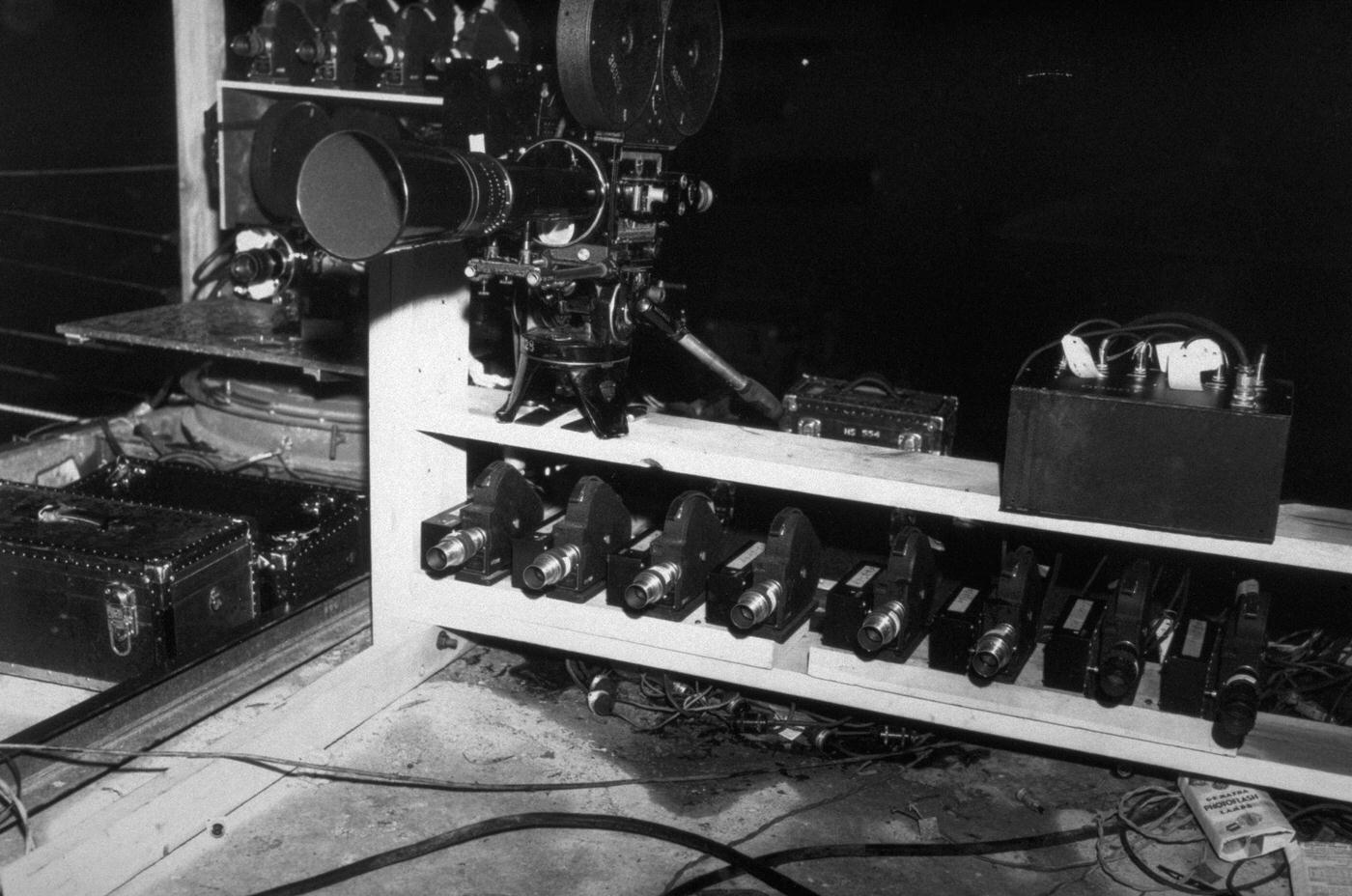
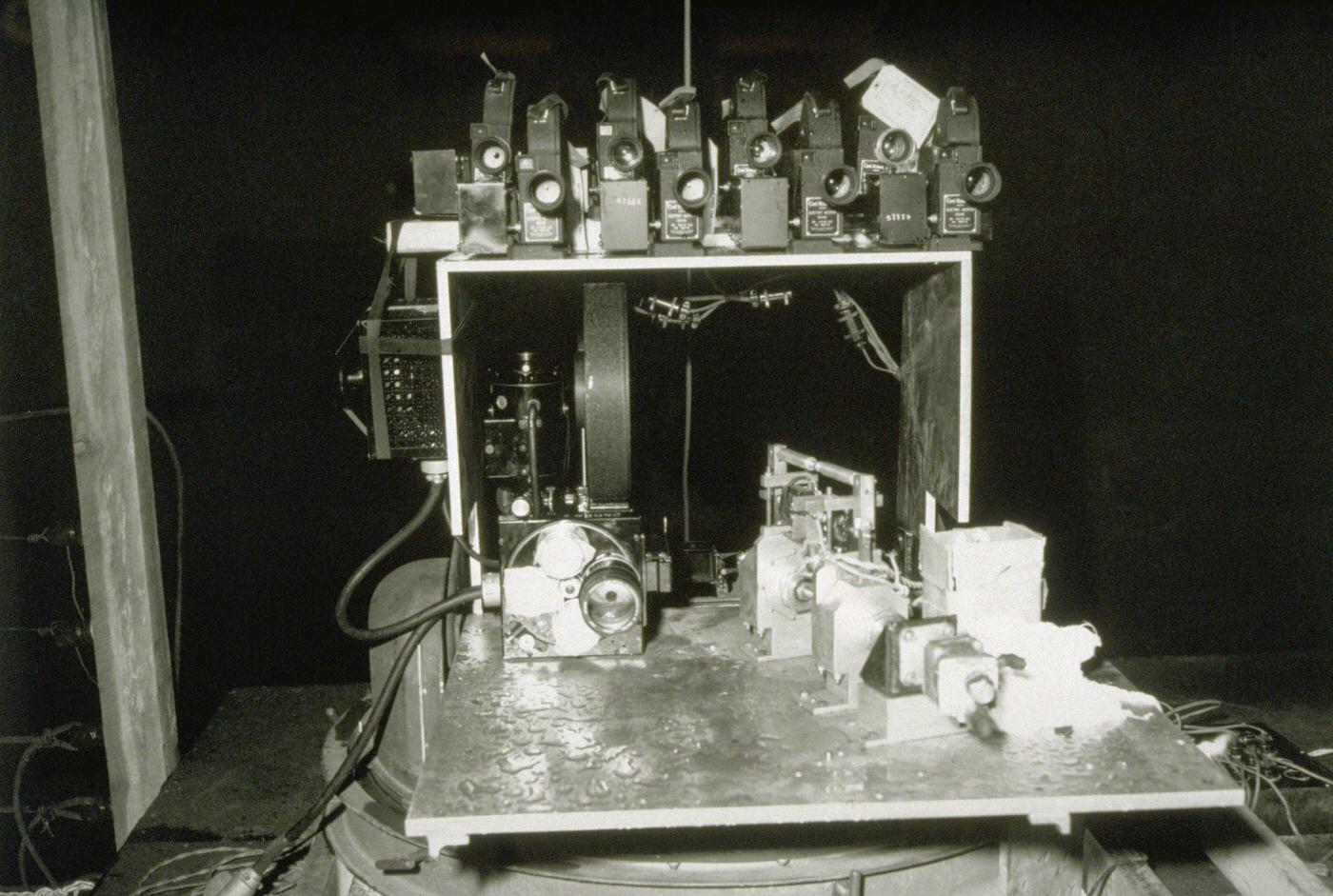
Before the main event, a rehearsal using 100 tons of conventional explosives laced with radioactive material was conducted in May 1945. This gave scientists data on blast behavior and helped calibrate instruments placed around the site. Everything from pressure gauges to high-speed cameras was positioned to capture as much data as possible from the actual detonation.
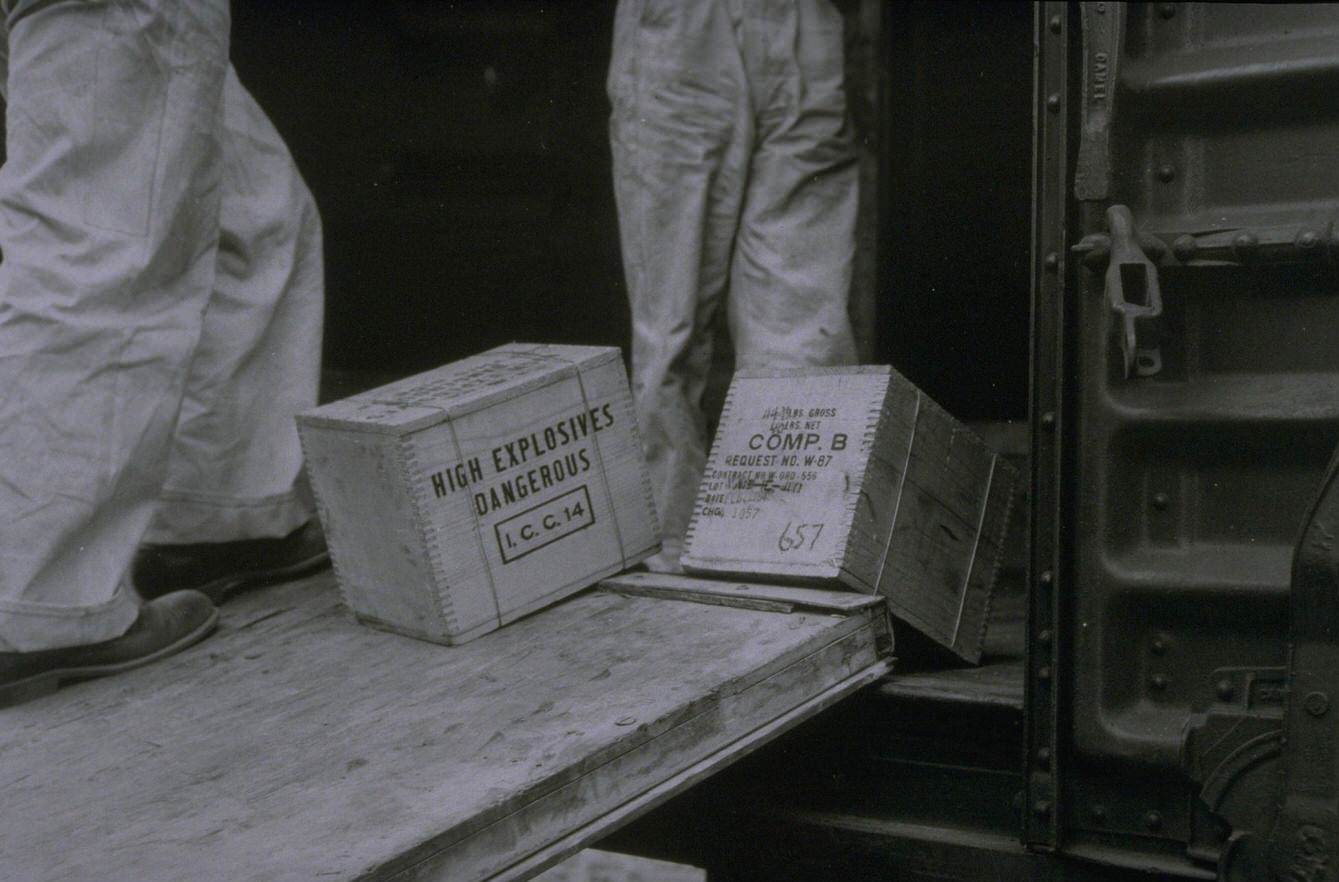
The plutonium core — officially designated Pu-239 — was transported from Los Alamos to the test site with extreme care. Sergeant Herbert Lehr was tasked with physically delivering it. The core arrived in the back seat of an Army sedan, nestled inside a special carrying case. It was small enough to hold in two hands, yet contained enough fissile material to level a city.
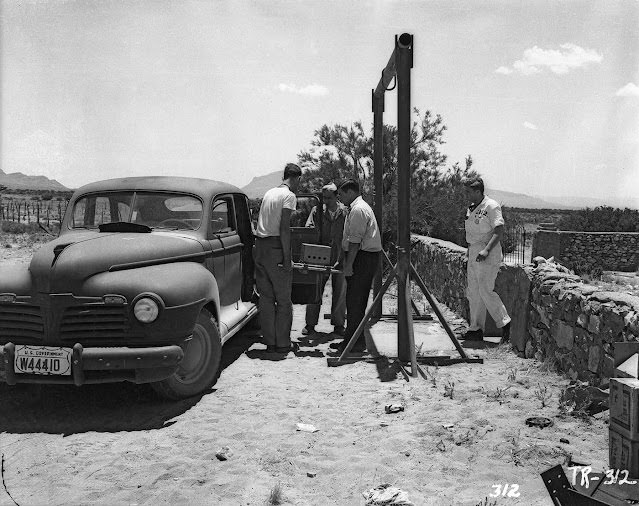
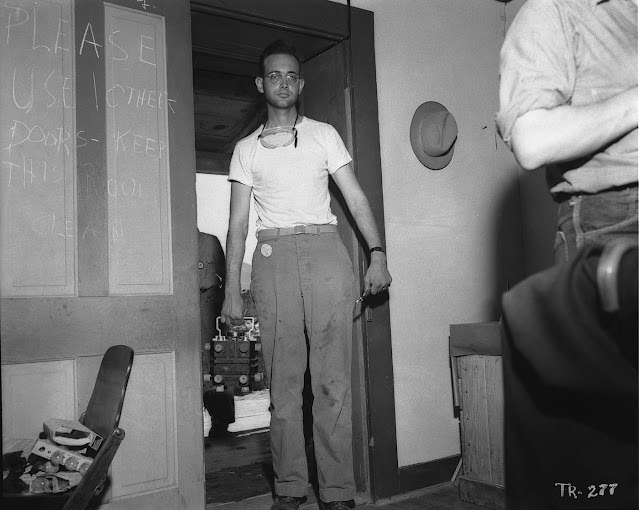
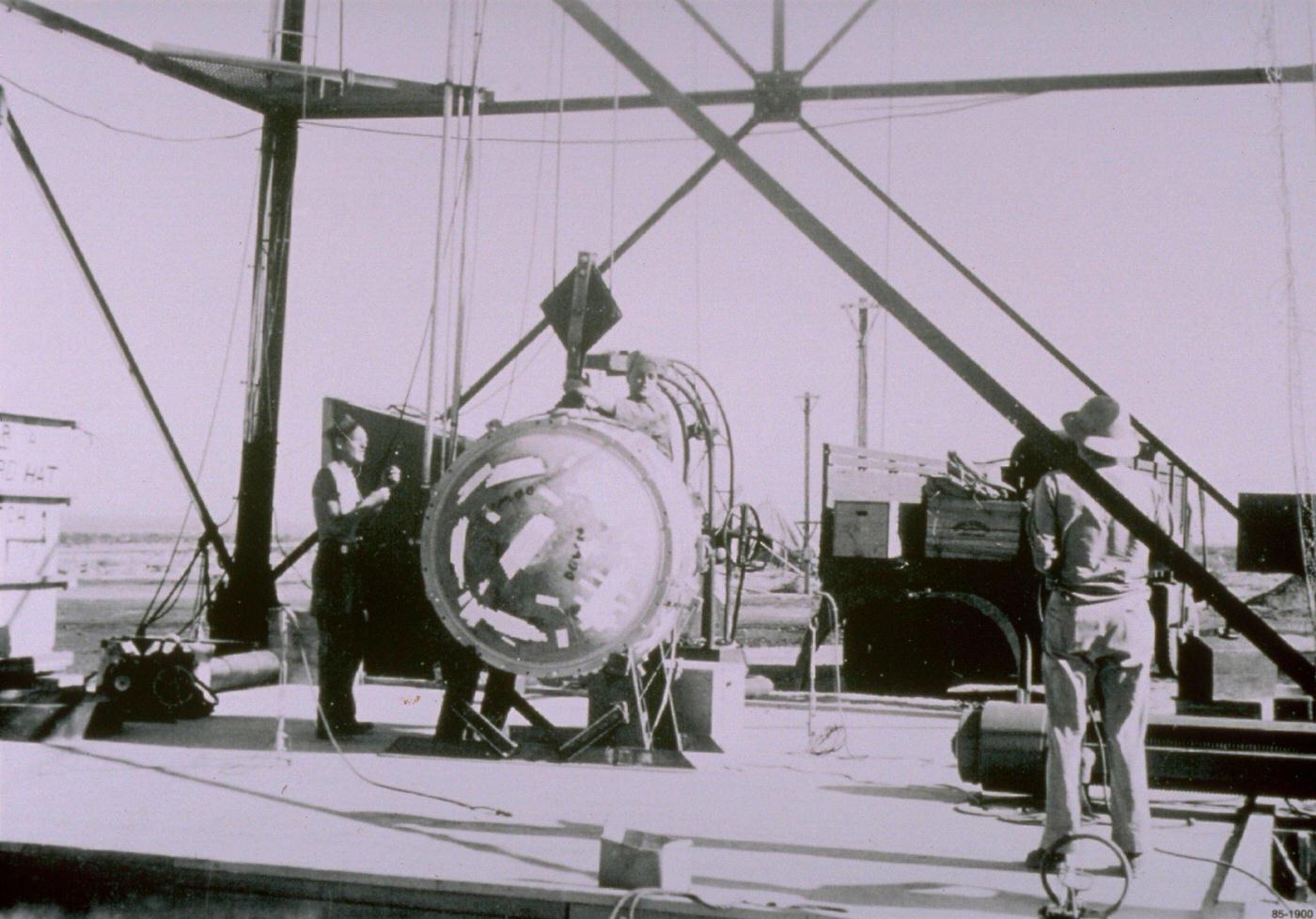
Once on site, the plutonium core was carefully assembled into the bomb device, which the team nicknamed “the Gadget.” Assembly took place in a farmhouse near the base of the tower. Scientists worked methodically, inserting the core into the surrounding explosive lenses that would compress it. The entire assembled device weighed around 10,000 pounds.
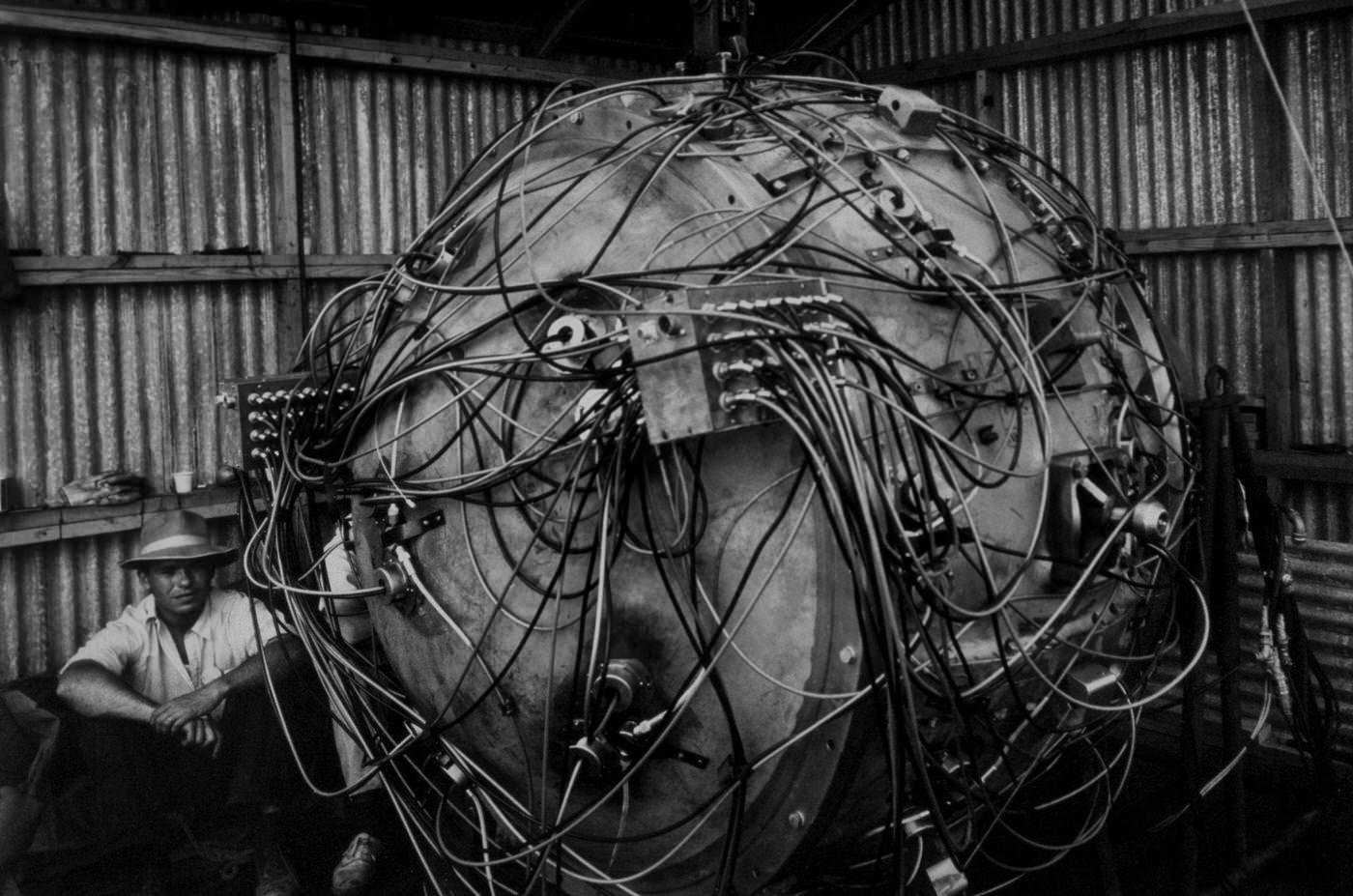
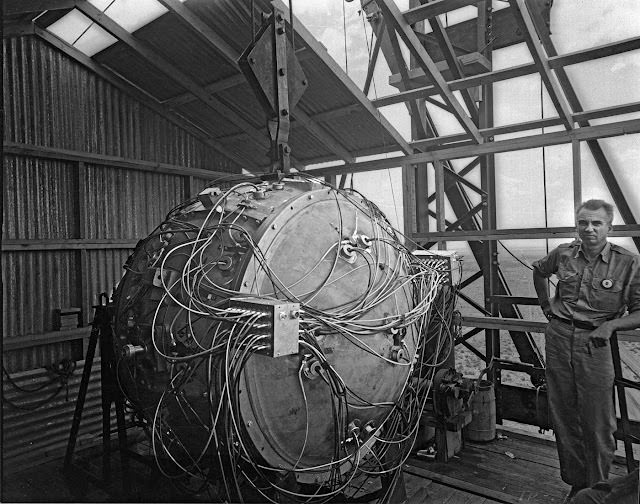
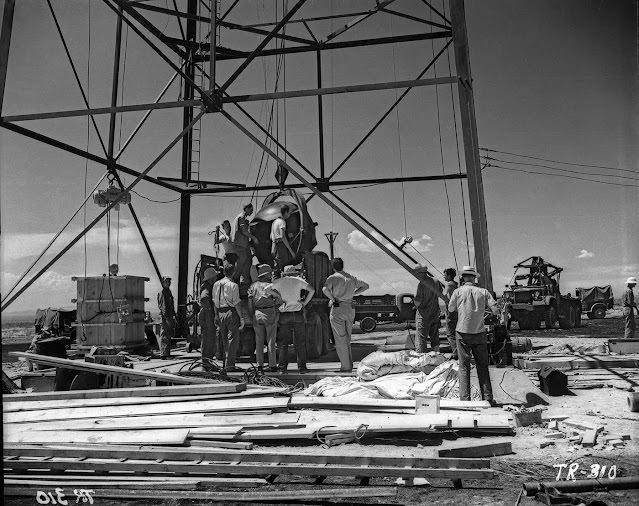
Raising the Gadget to the top of the 100-foot tower was one of the most nerve-racking operations of the entire project. Any accidental drop would have scattered radioactive material across the desert and destroyed the irreplaceable core. Workers used a specially rigged hoist to lift the device slowly and steadily. Norris Bradbury, a Los Alamos physicist, supervised the assembly and raising process.
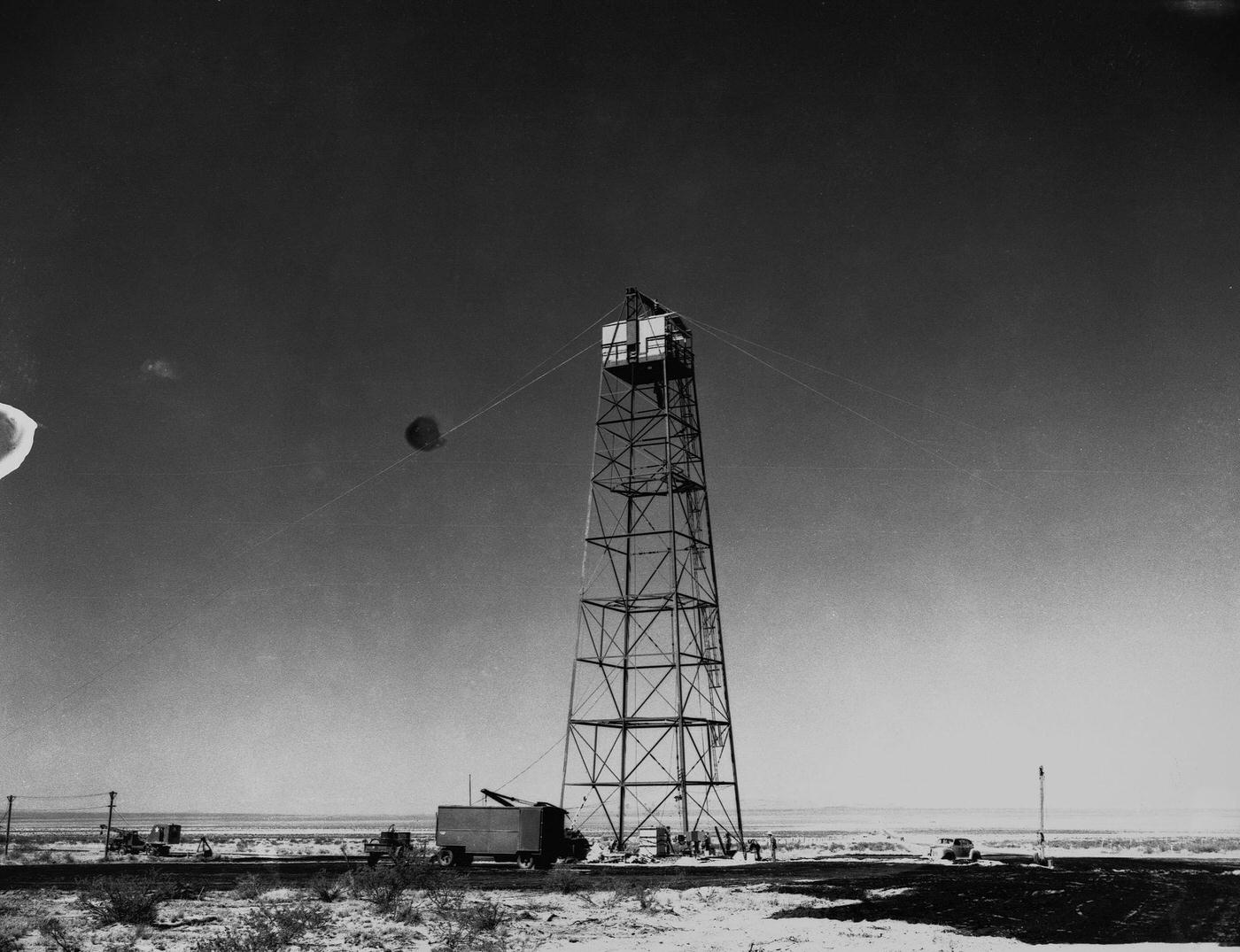
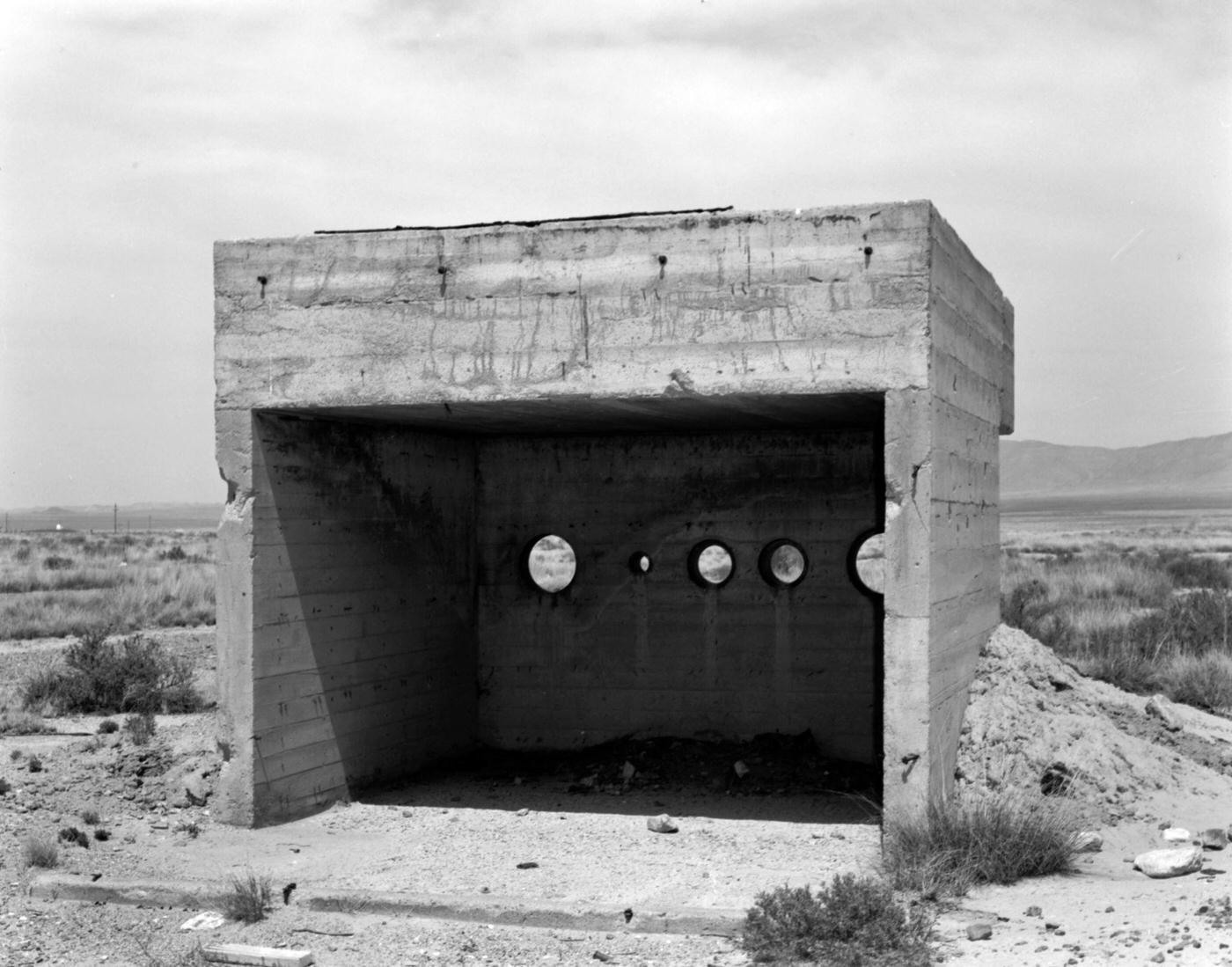
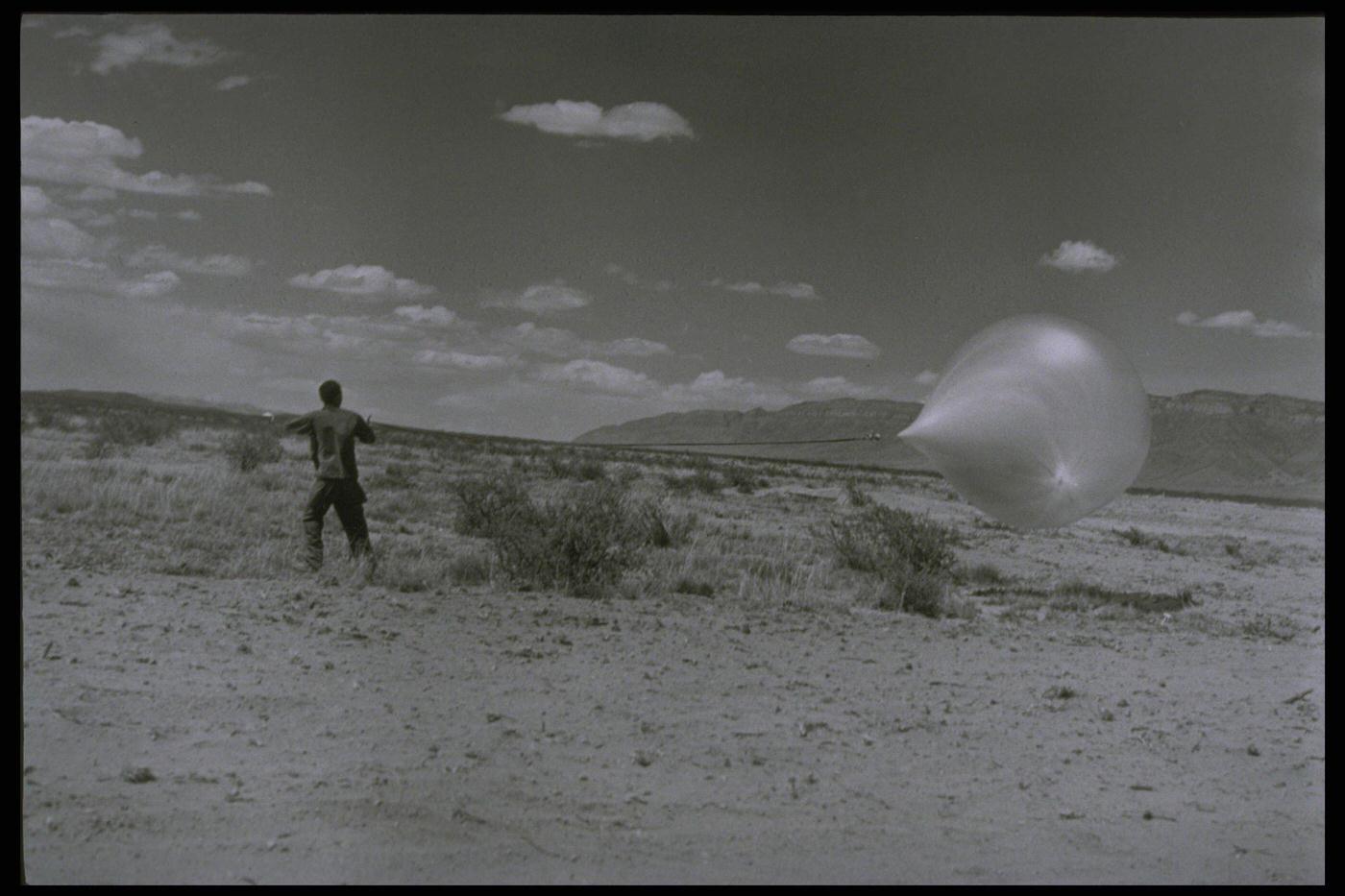
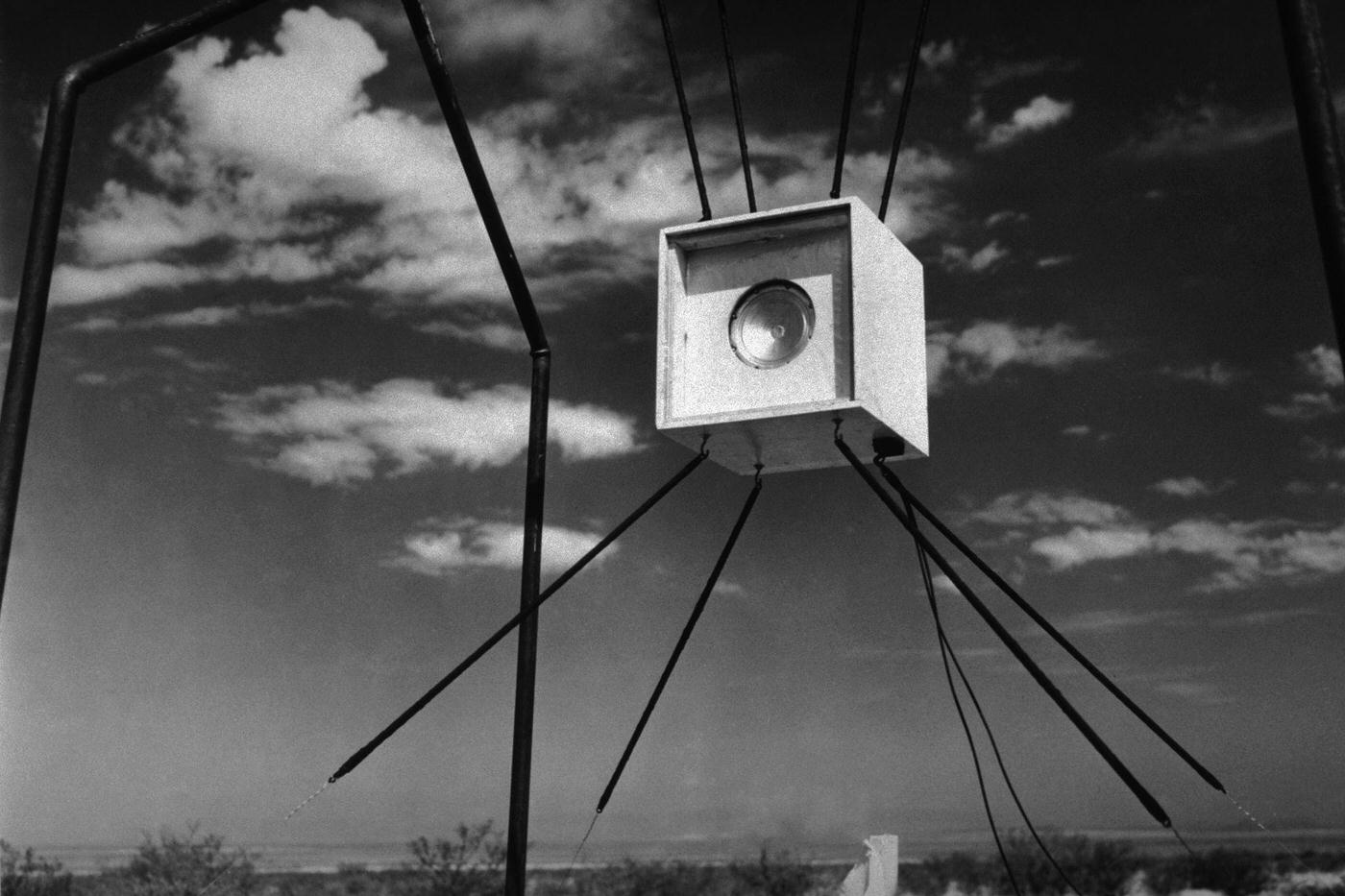
Dozens of instruments surrounded ground zero to record the explosion’s effects. High-speed cameras were arranged at measured distances, timed to capture the detonation sequence in fractions of a second. Pressure gauges, spectrometers, and radiation detectors filled the landscape. Research balloons were also used to carry instruments aloft for atmospheric measurements.
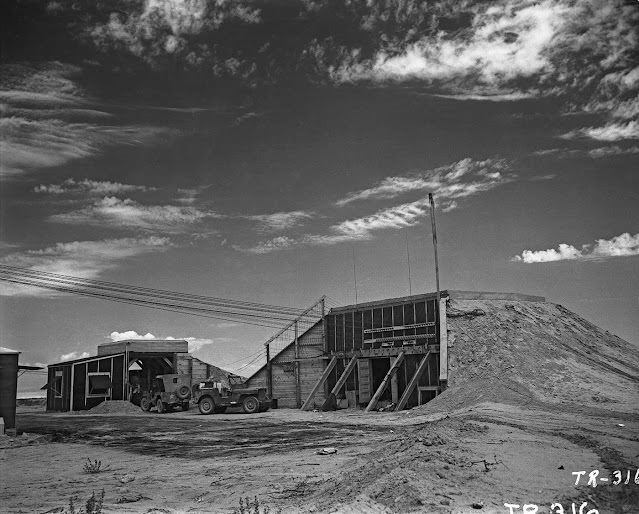
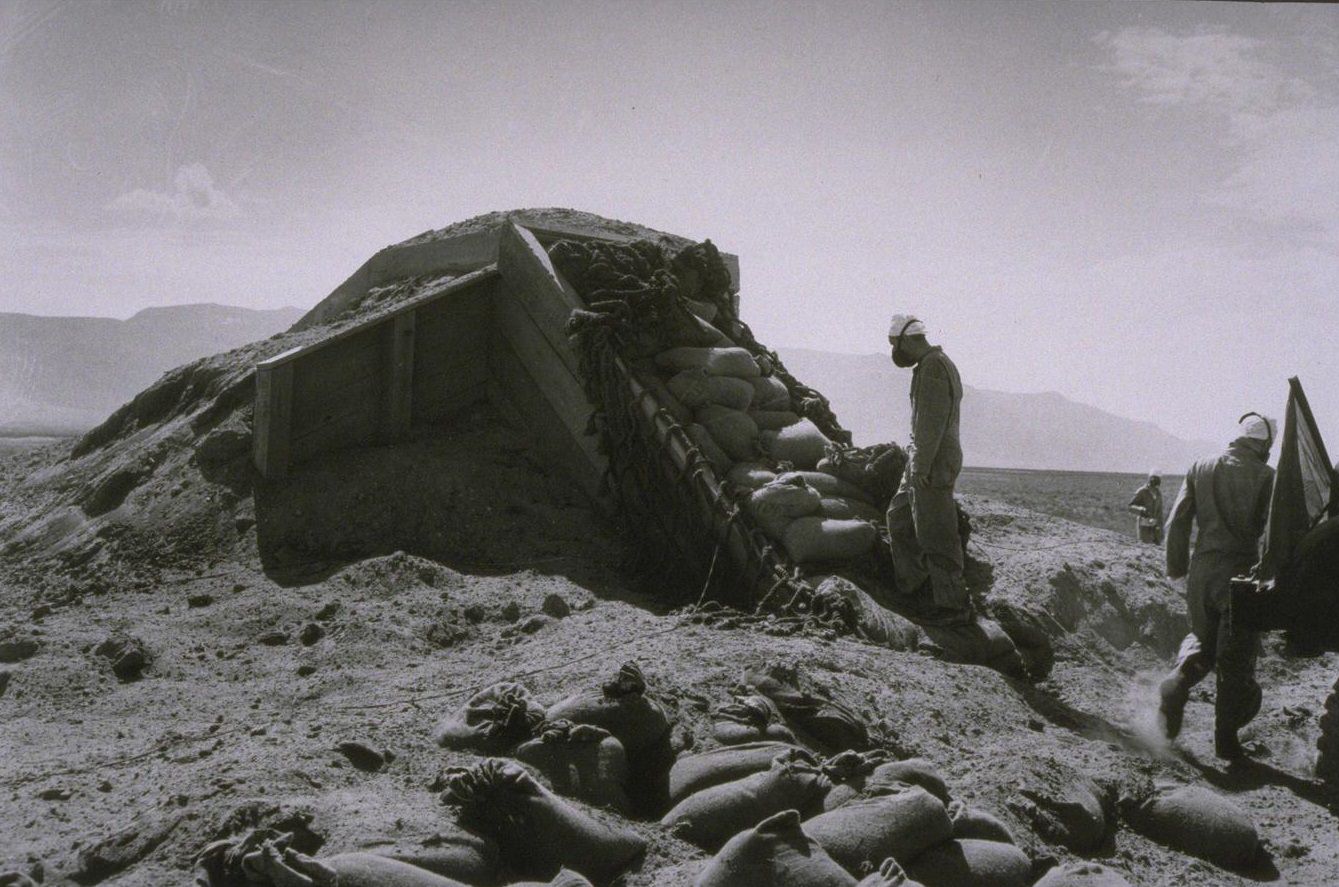
Observation bunkers were constructed at a distance of roughly 10,000 yards from the tower. Scientists and military observers gathered inside and outside these bunkers before dawn on July 16, 1945. Many wore welding goggles. Some lay face-down in the dirt, feet pointed toward ground zero. The mood was tense. No one knew exactly what to expect, and a few scientists were running informal side bets on whether the test would succeed at all.
At 5:29 a.m. local time, the Gadget detonated. The flash was visible for hundreds of miles. Observers several miles away felt the heat on their faces instantly, like opening an oven door. The blast wave arrived seconds later, knocking some people off their feet. The explosion released energy equivalent to approximately 21 kilotons of TNT — far exceeding the most optimistic estimates. A fireball rose into the sky and formed the now-iconic mushroom cloud.
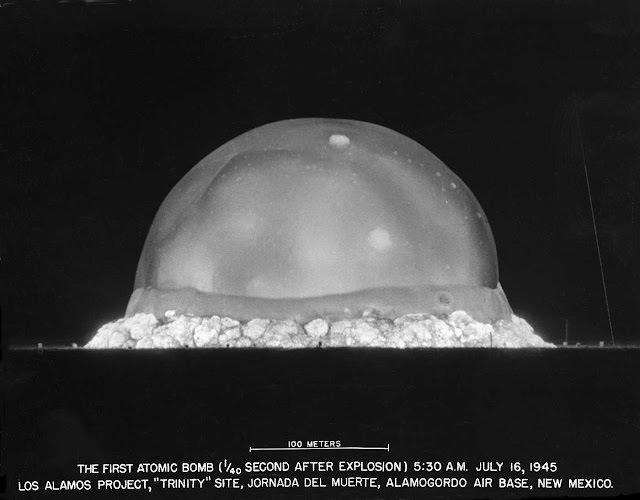
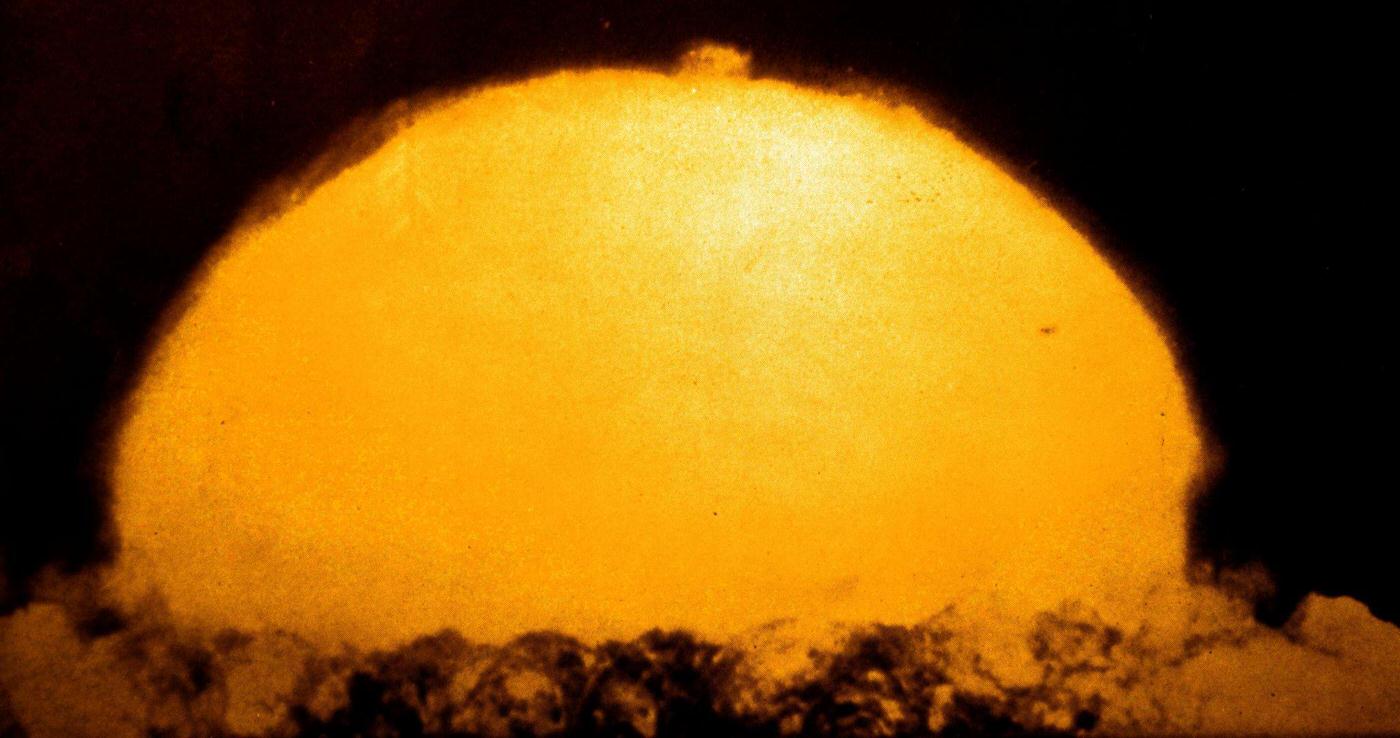
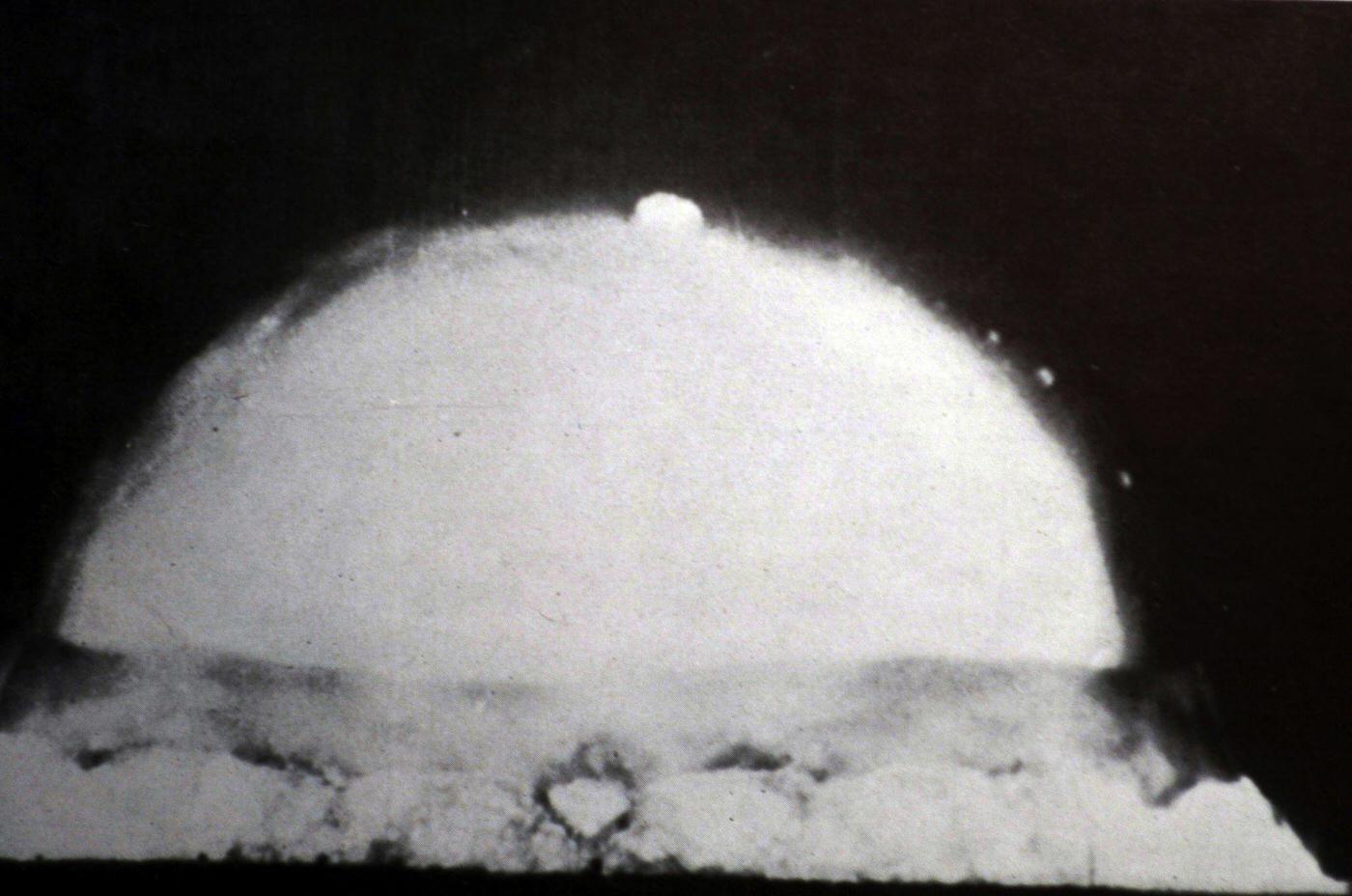
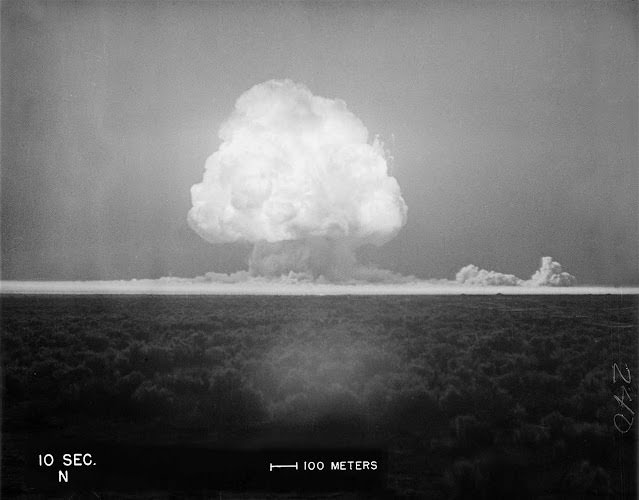
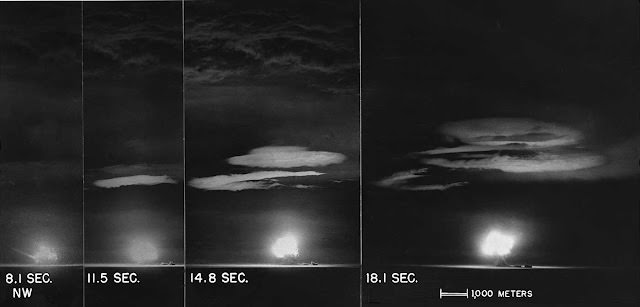
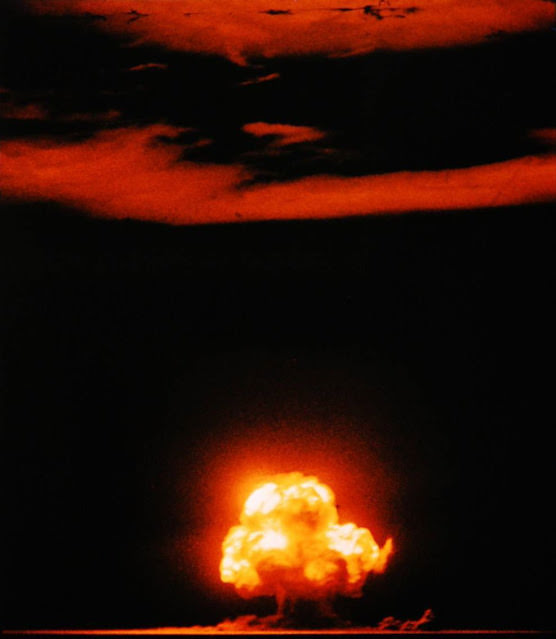
The steel tower at ground zero was entirely vaporized. The desert sand beneath it melted and fused into a glassy, greenish material that scientists later named trinitite. The crater left behind measured about five feet deep and 30 feet wide. Robert Oppenheimer, watching from the observation bunker, later recalled a line from Hindu scripture: “Now I am become Death, the destroyer of worlds.”
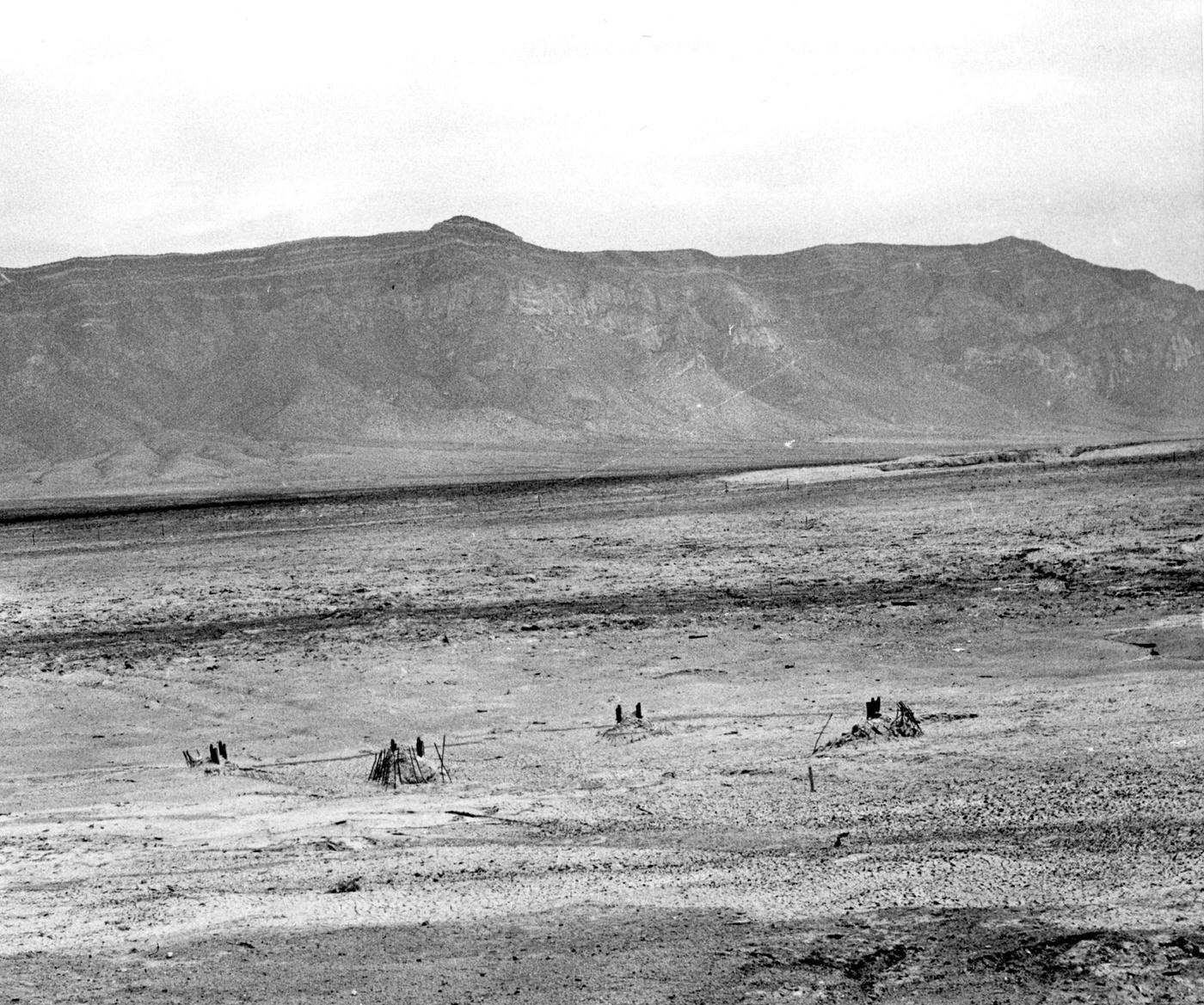
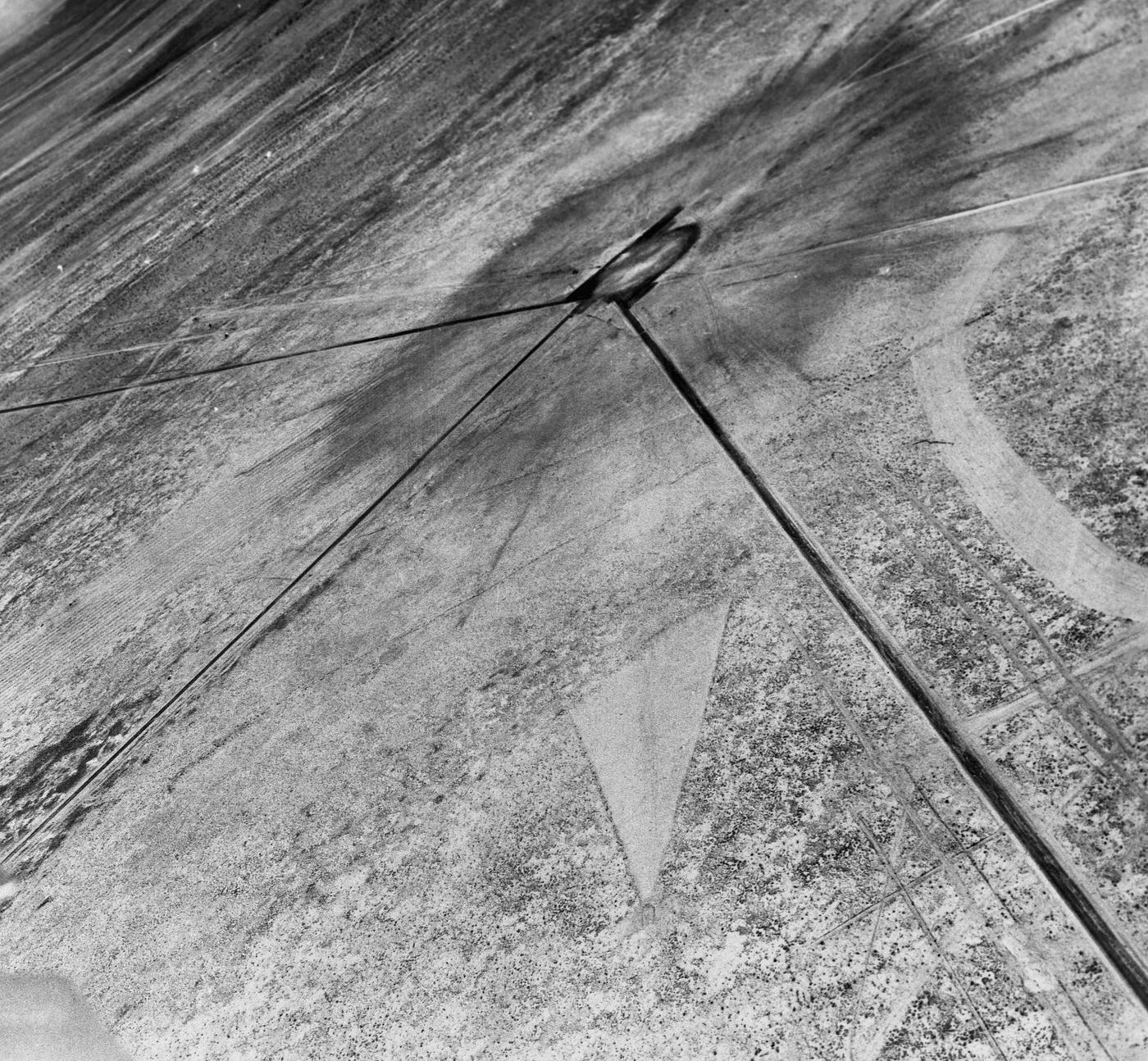
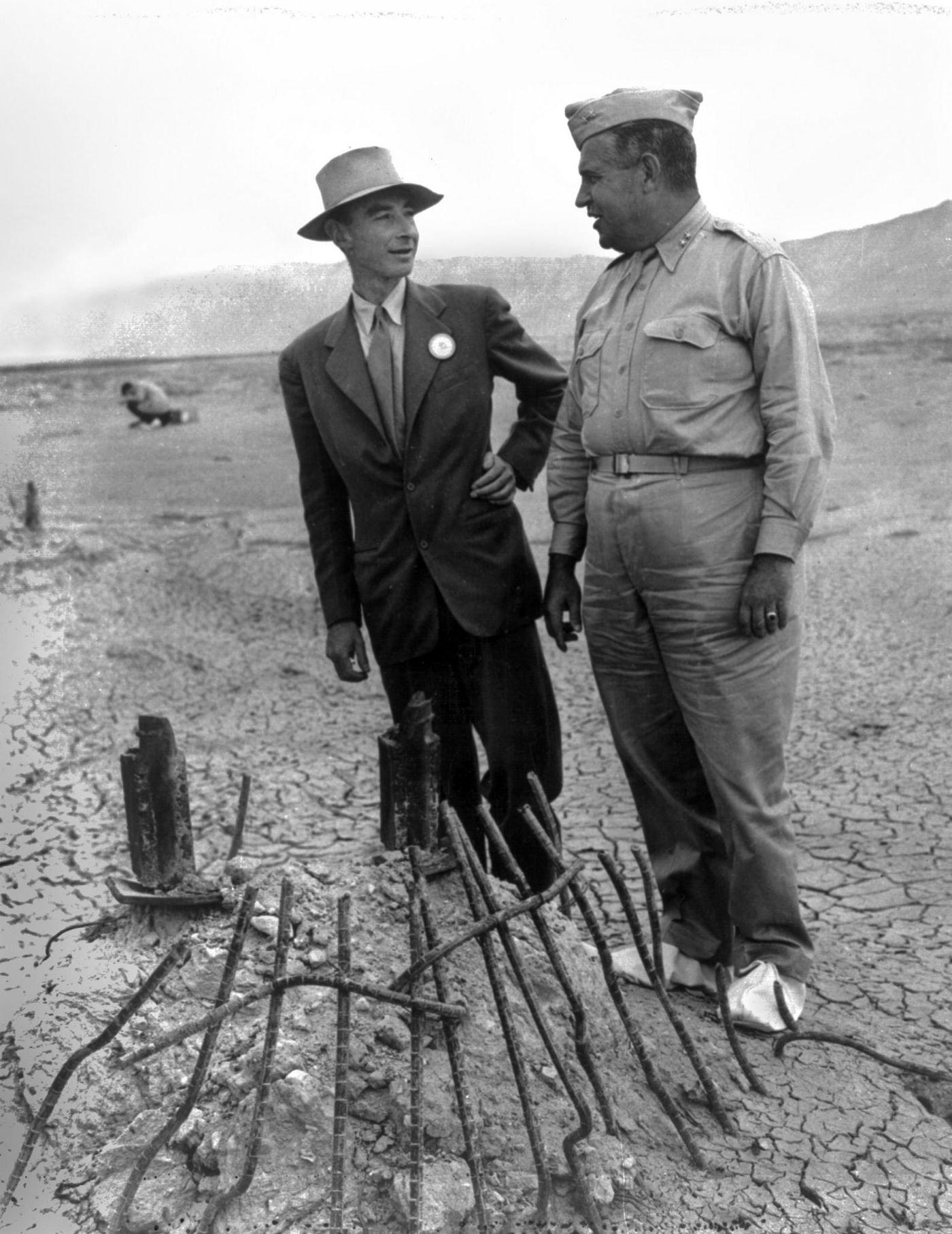
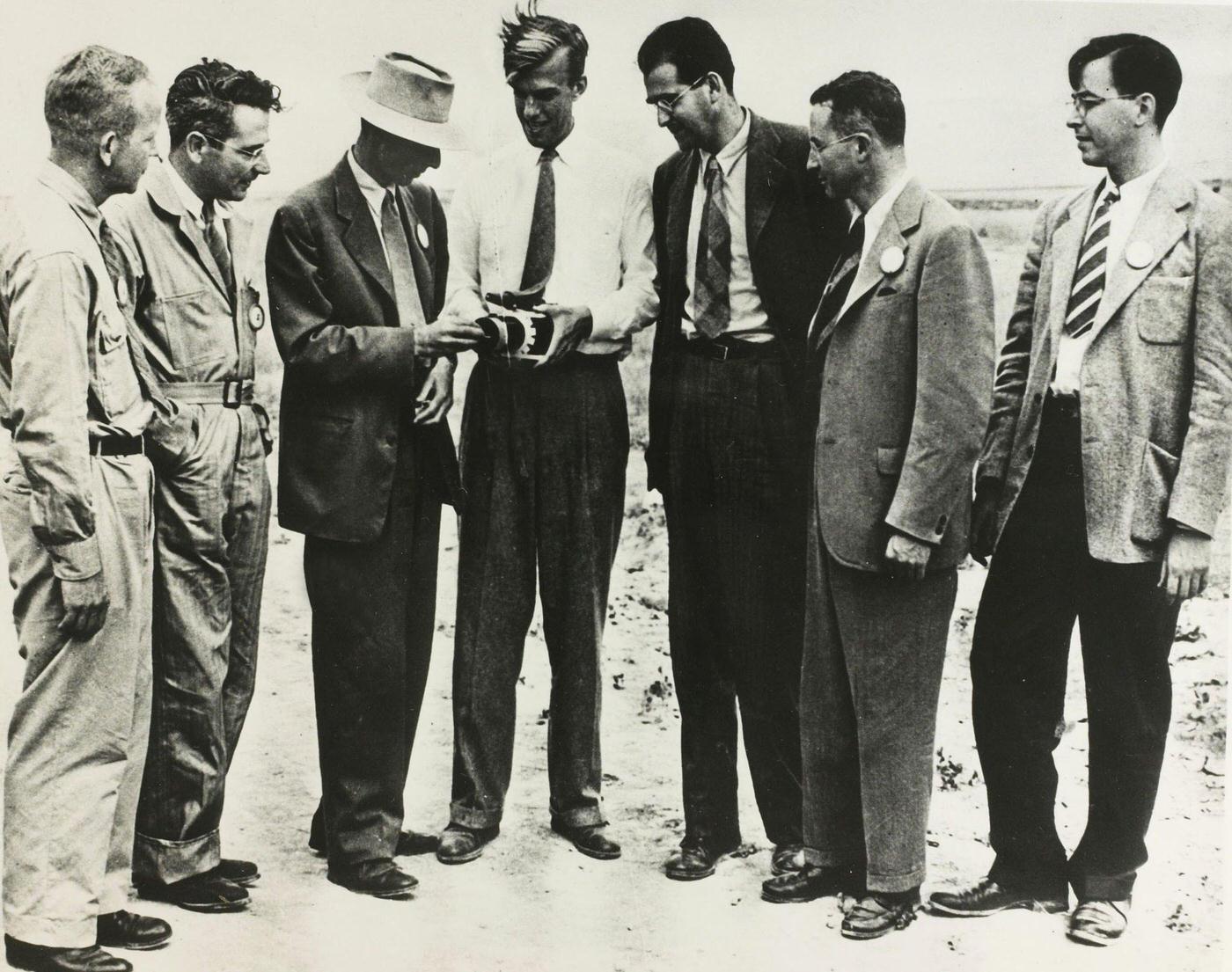
In the days and weeks after the test, teams returned to ground zero to collect data and samples. Signs were posted marking the restricted area. Military personnel managed access to the site and oversaw the transport of materials and equipment used in the test.
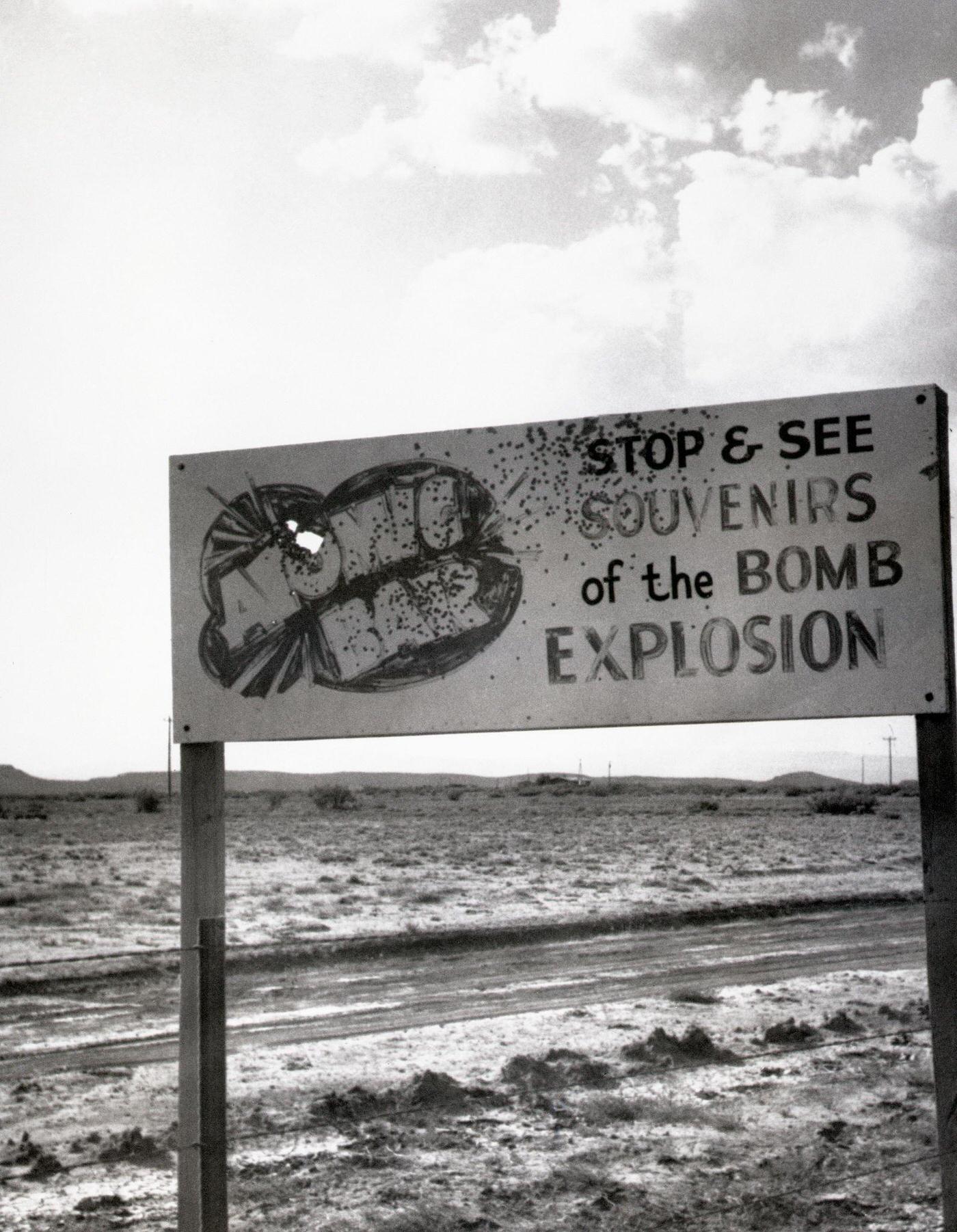
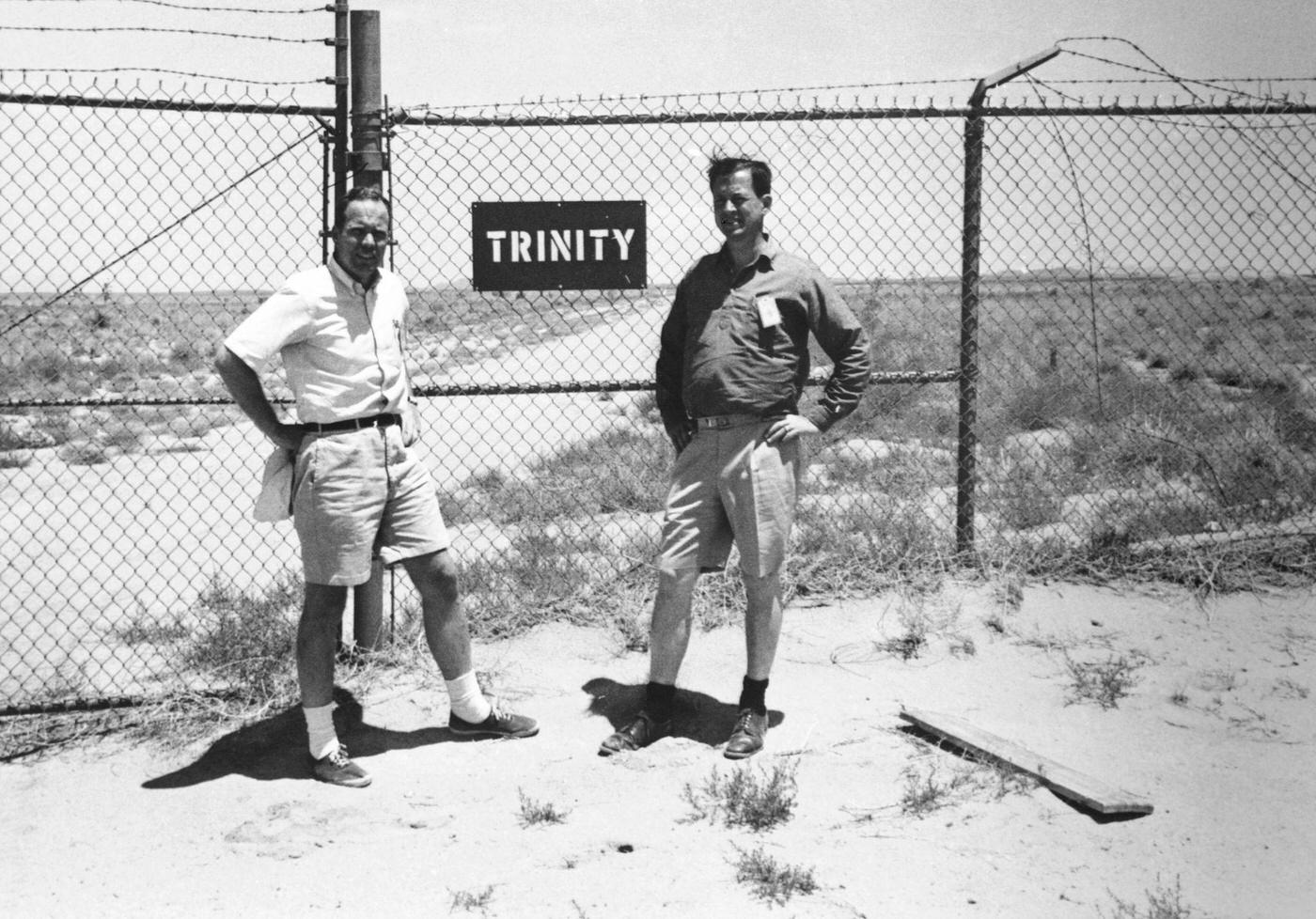
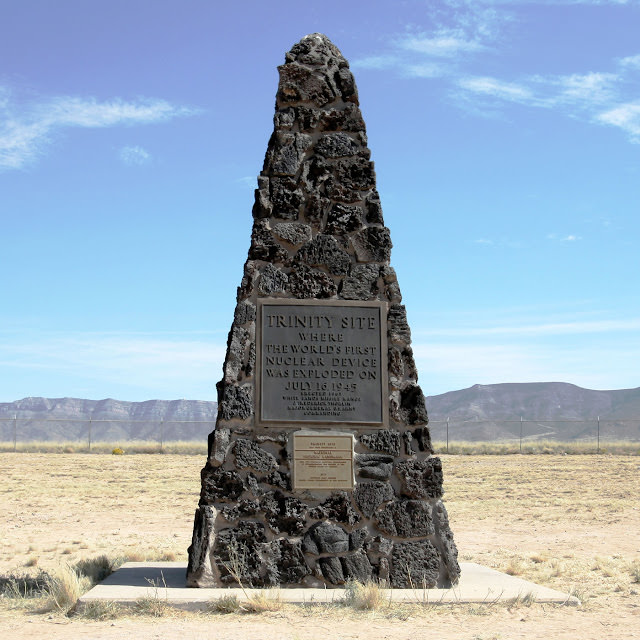
The Trinity site was later designated a National Historic Landmark. A simple stone monument now marks ground zero, and the White Sands Missile Range opens the site to the public twice a year. The camera bunkers, rebuilt structures, and scattered trinitite still draw visitors who want to stand where history was made on that July morning in 1945.