On July 13, 1996, a group called Reclaim the Streets turned a busy London motorway into a dance floor. The target was the M41 in West London — a road the group saw as a symbol of everything wrong with car-dominated city life. Anger over traffic pollution and the grip cars had on urban space had been building for years, and this was their answer.
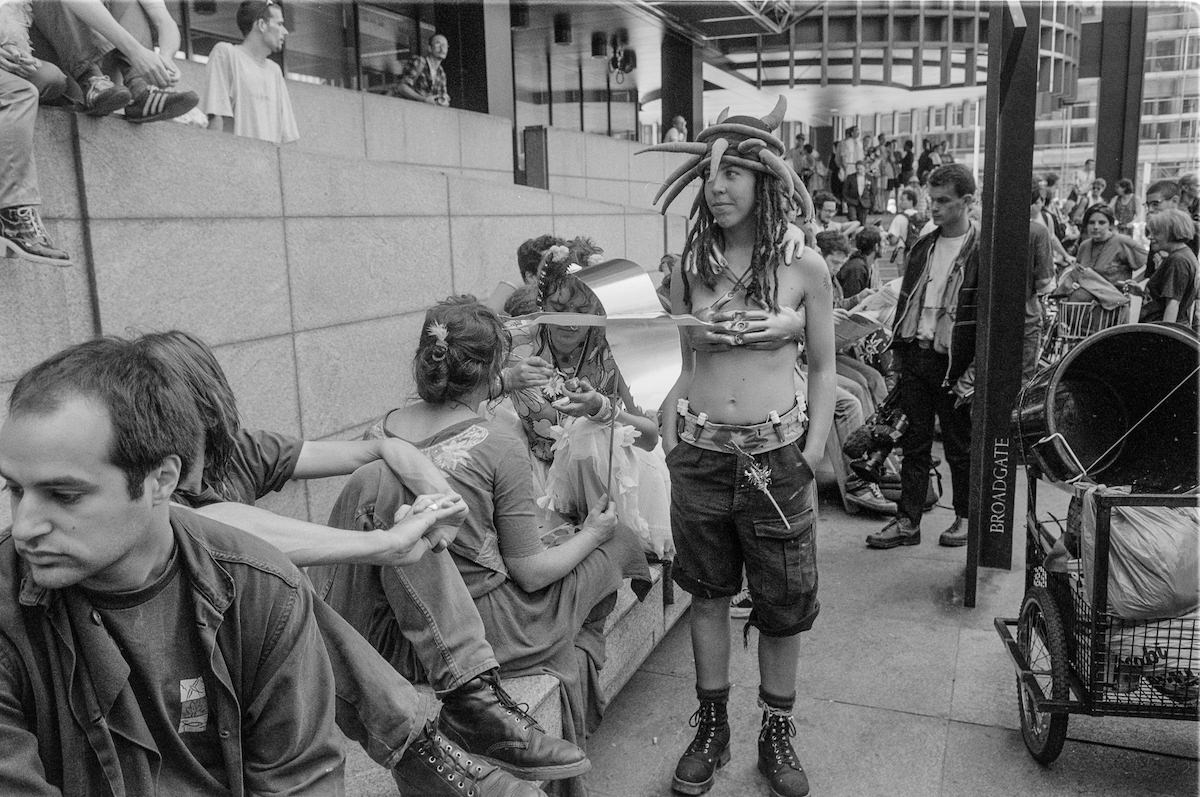
The day started near Liverpool Street Station, where supporters gathered before moving toward the motorway. Police knew a protest was planned and set up a roadblock to stop them. It didn’t work. At the north end of the M41, two cars staged a deliberate crash, blocking traffic and opening the road to a convoy of sound systems.
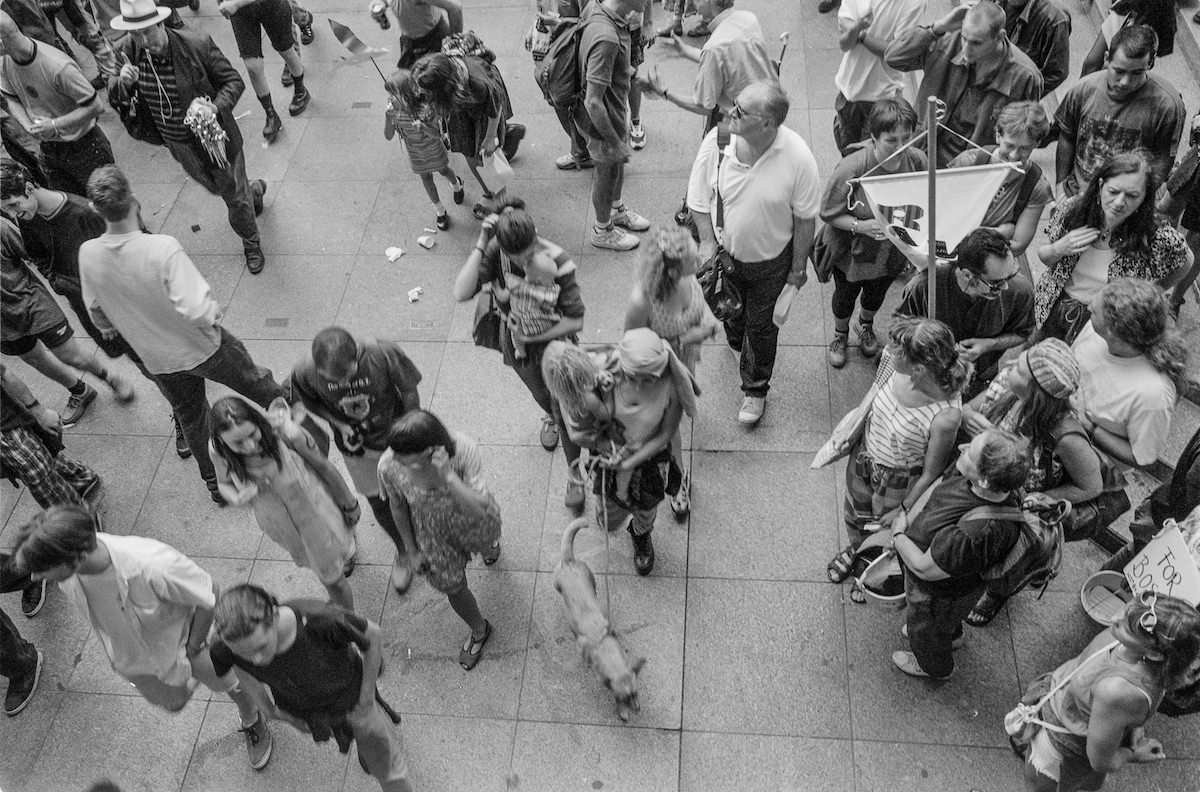
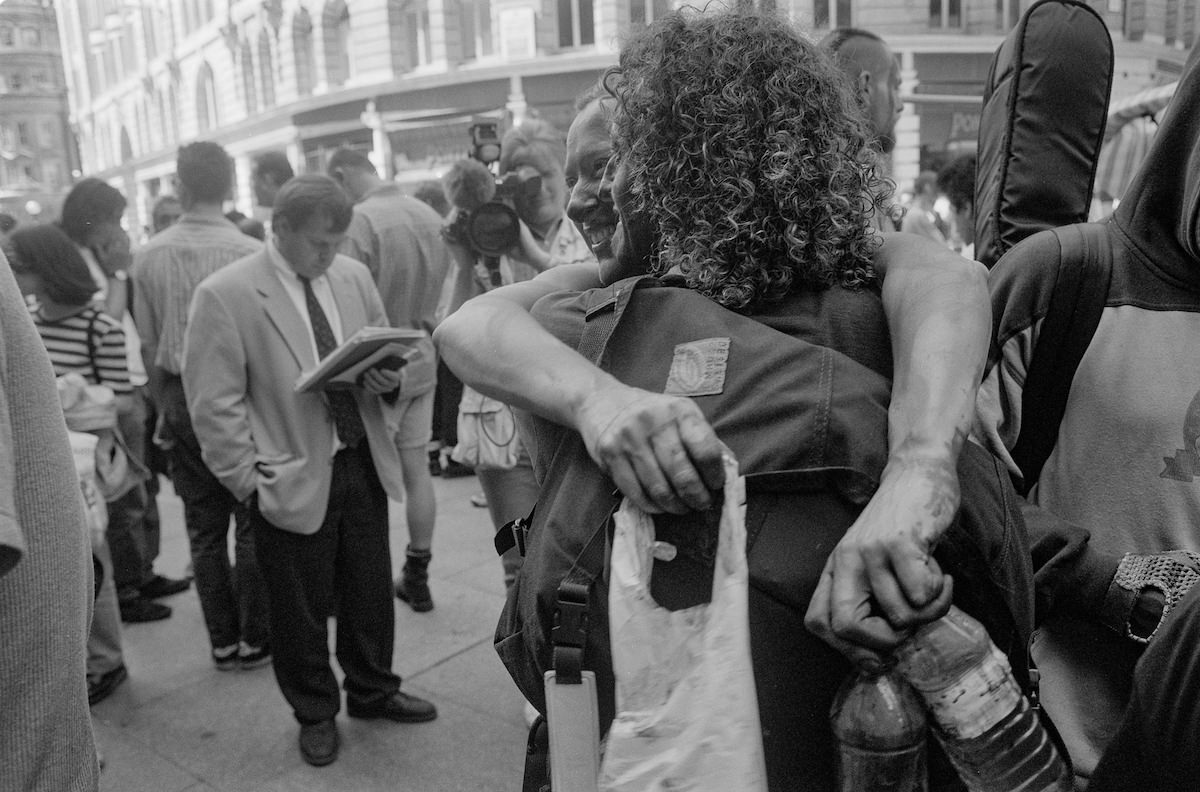
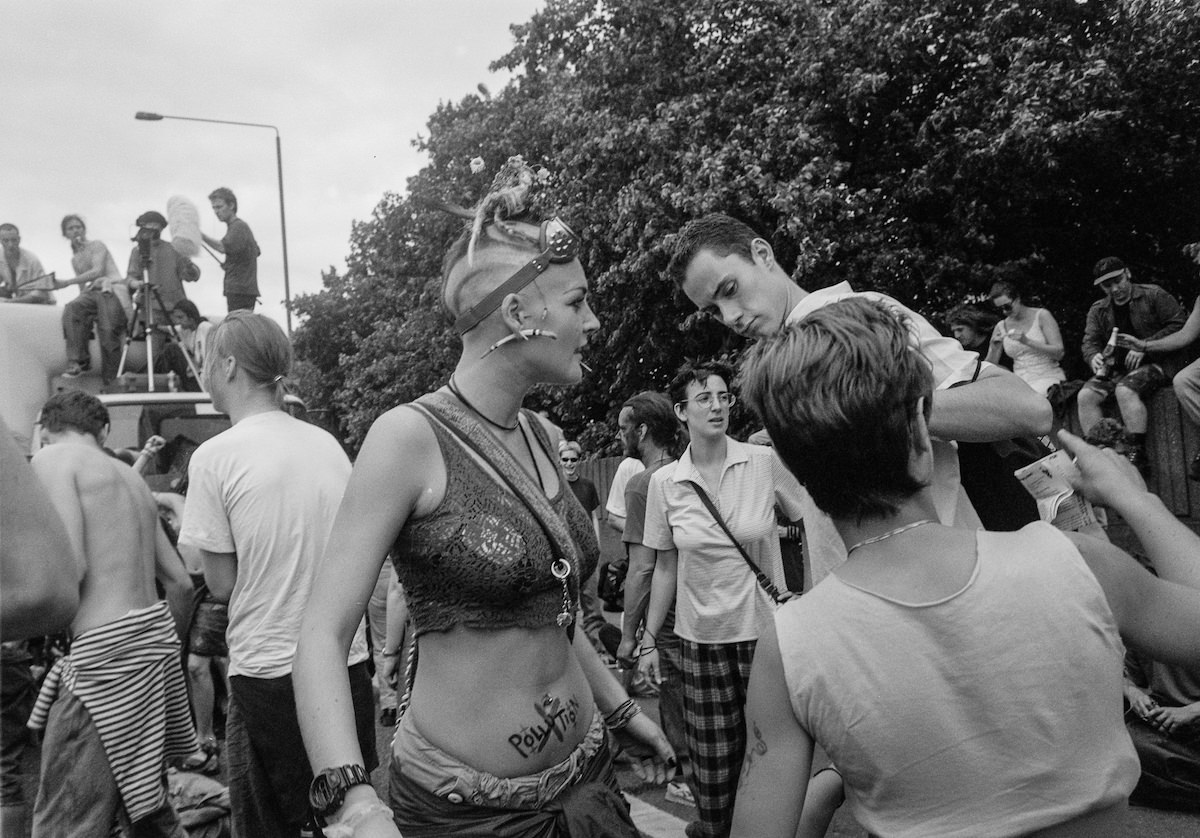
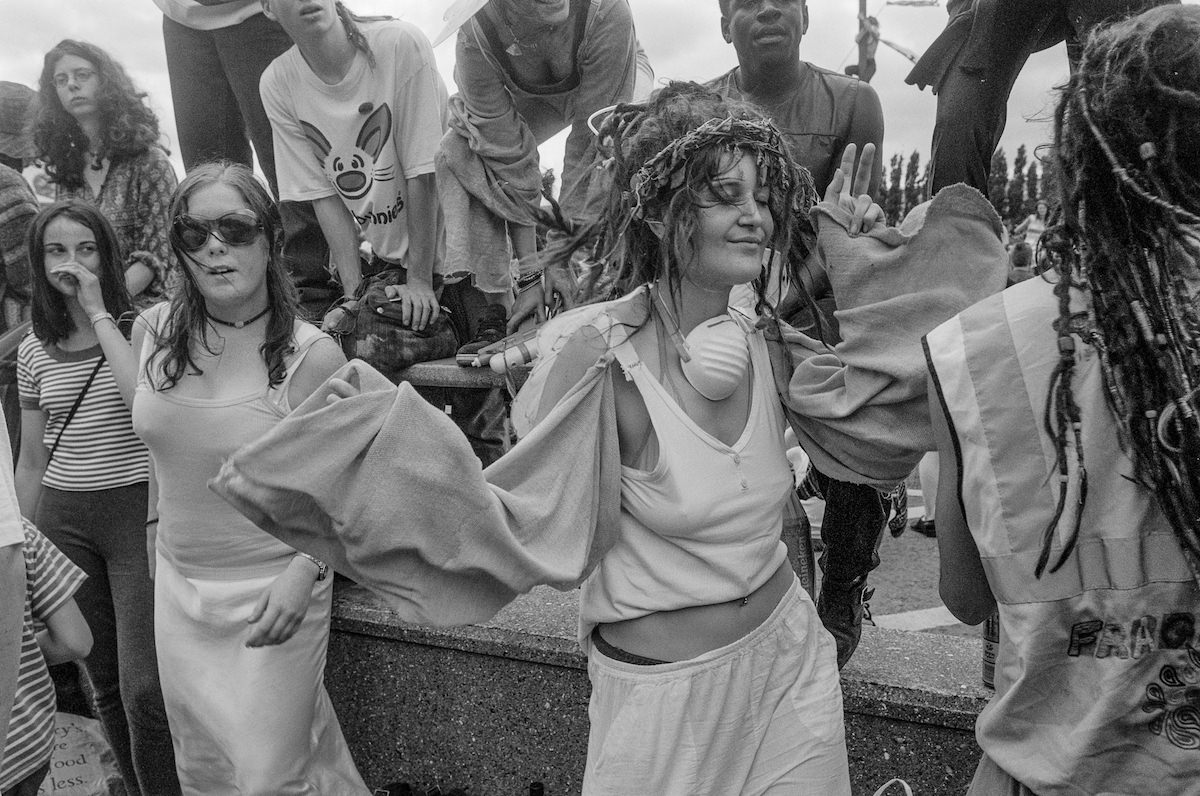
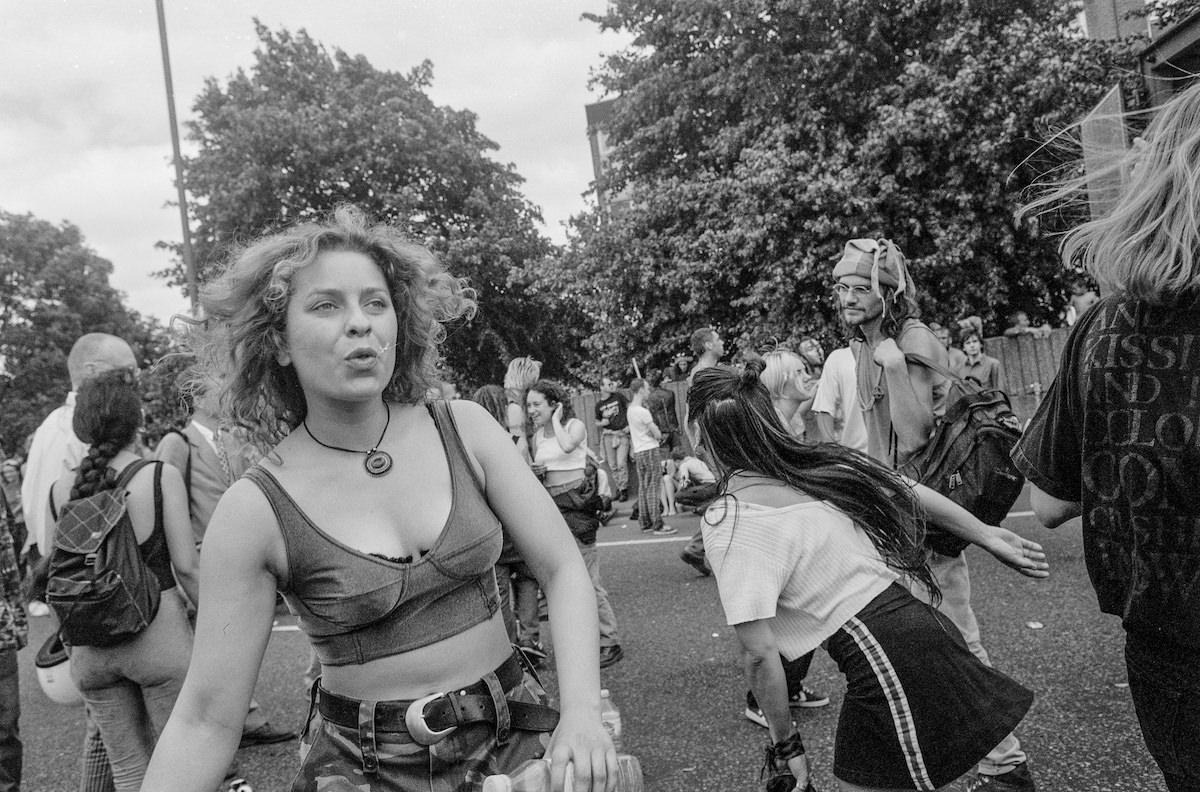
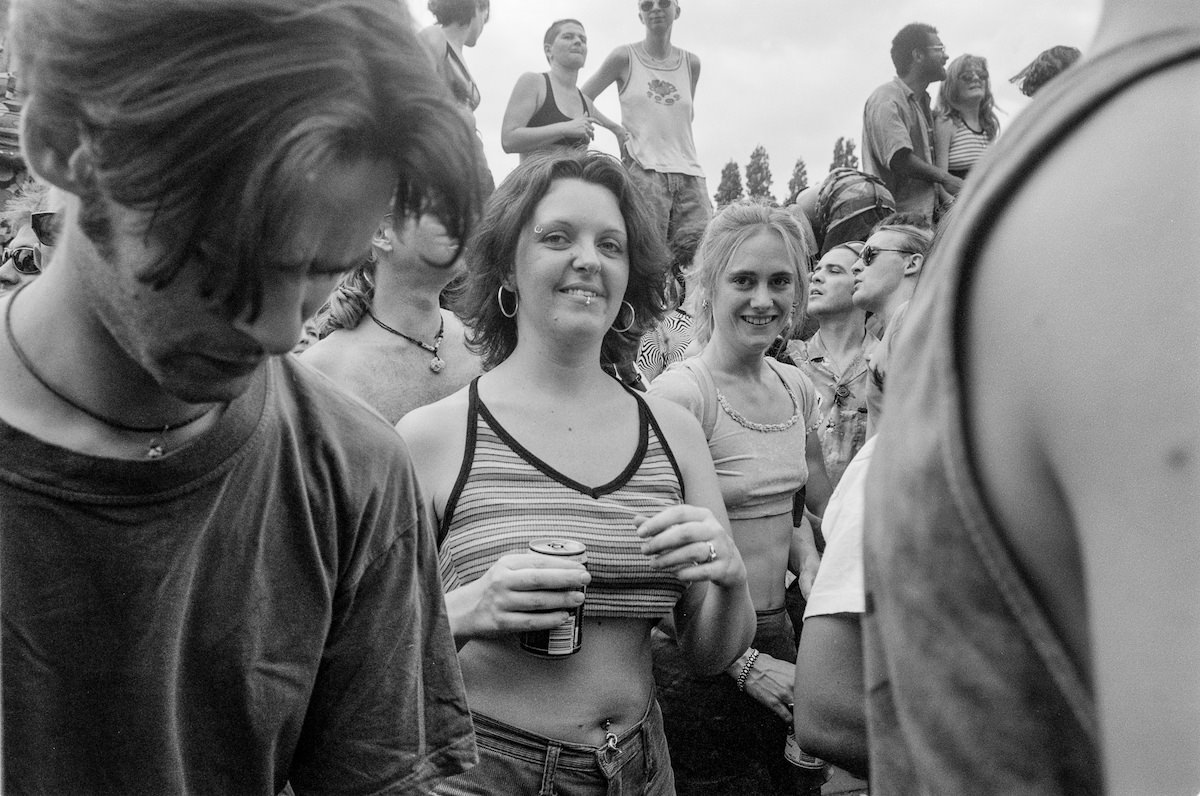
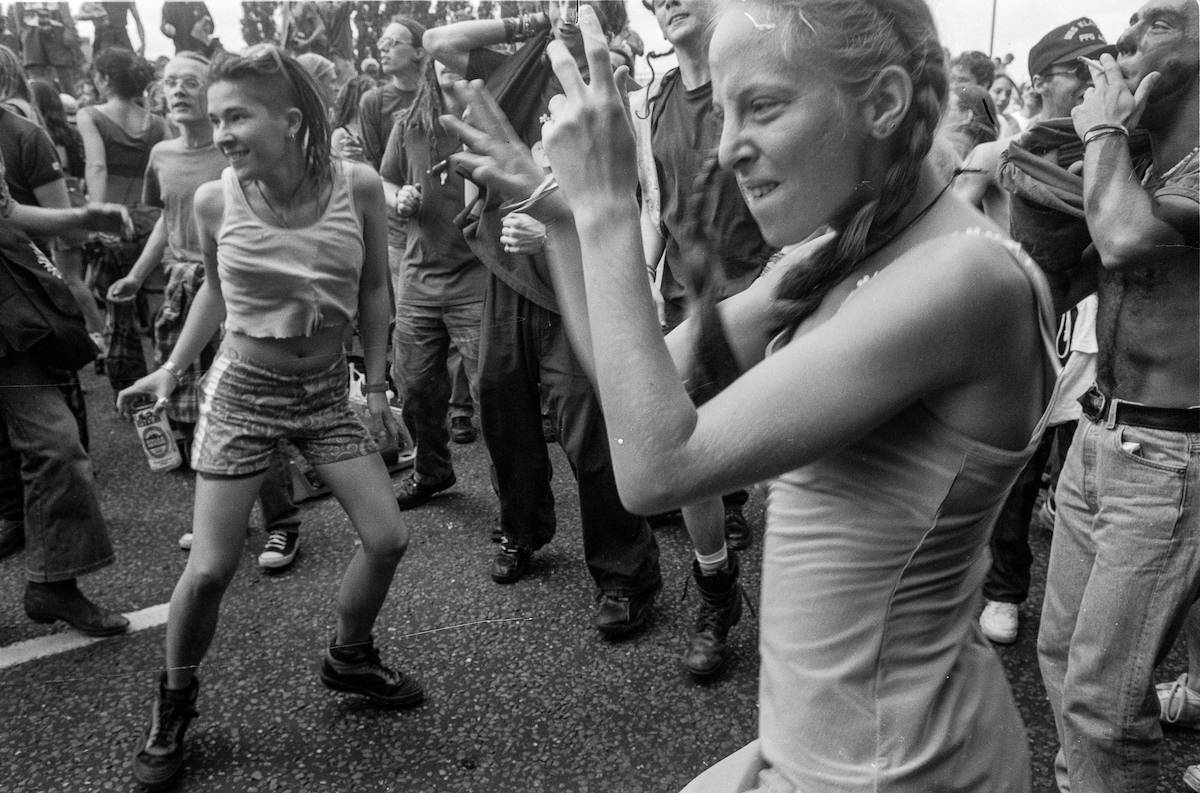
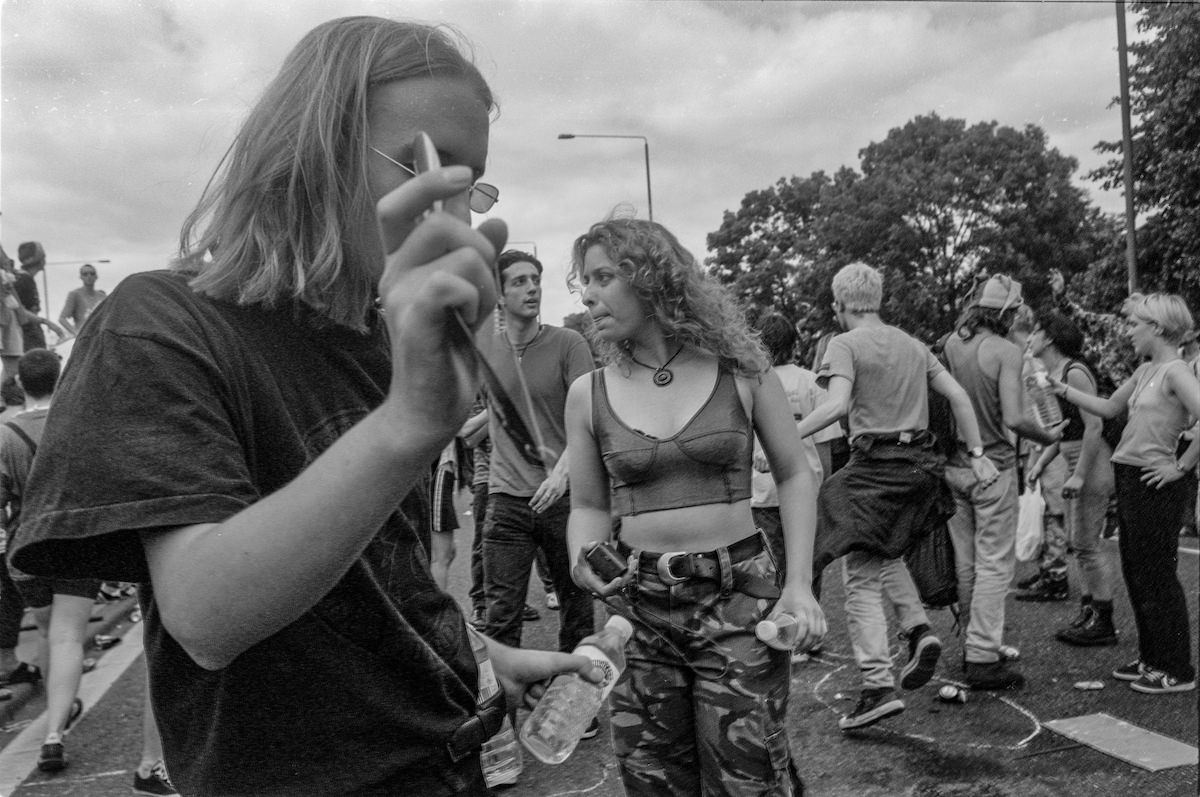
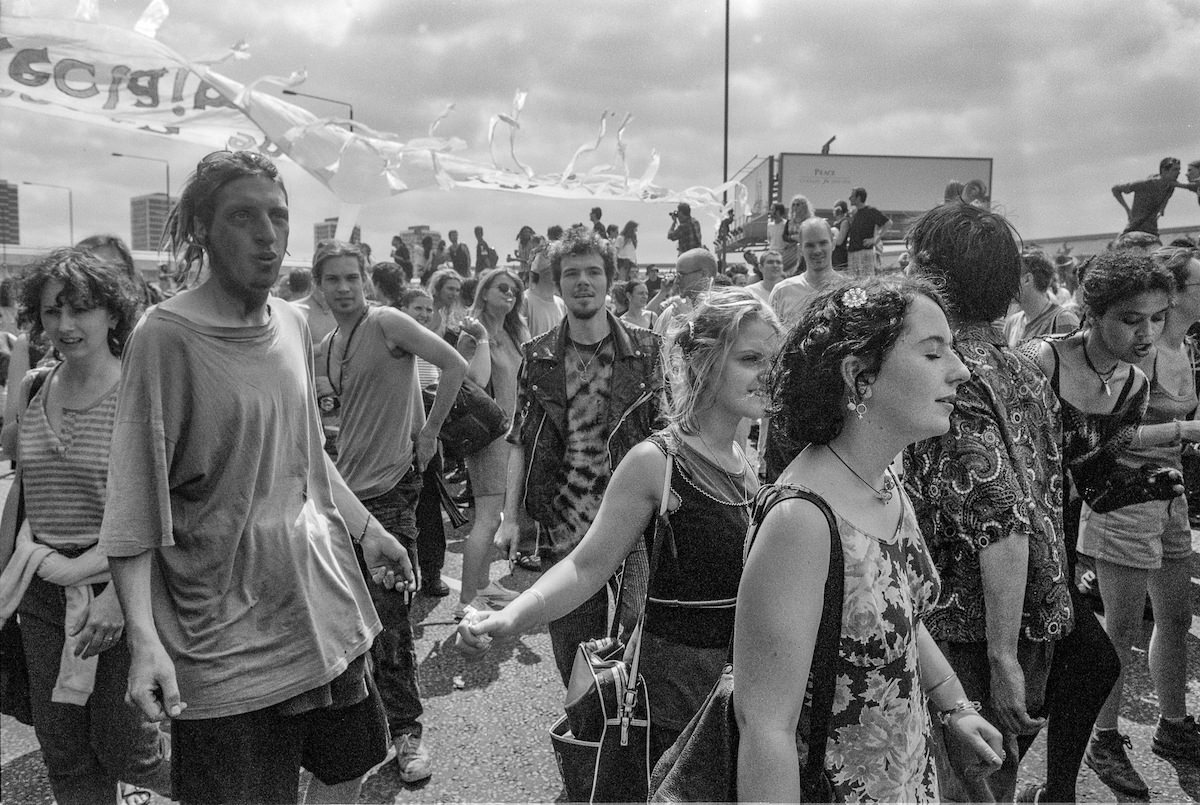
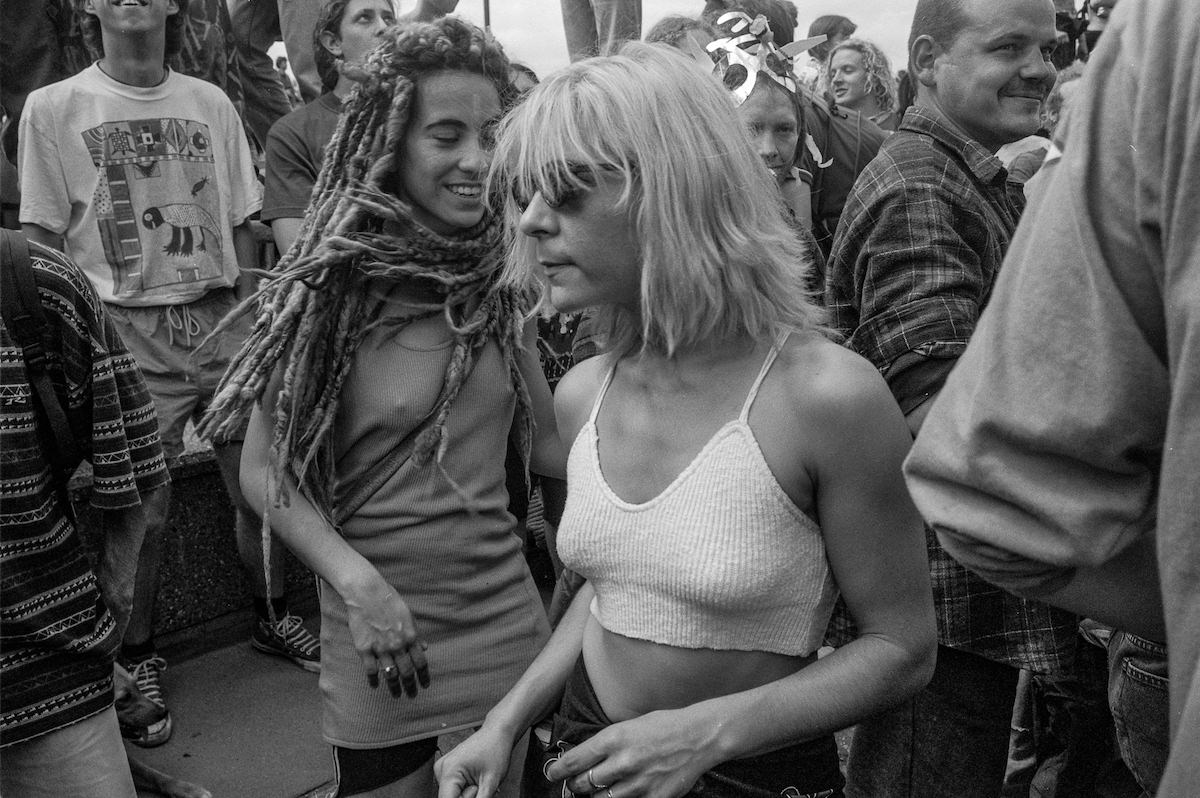
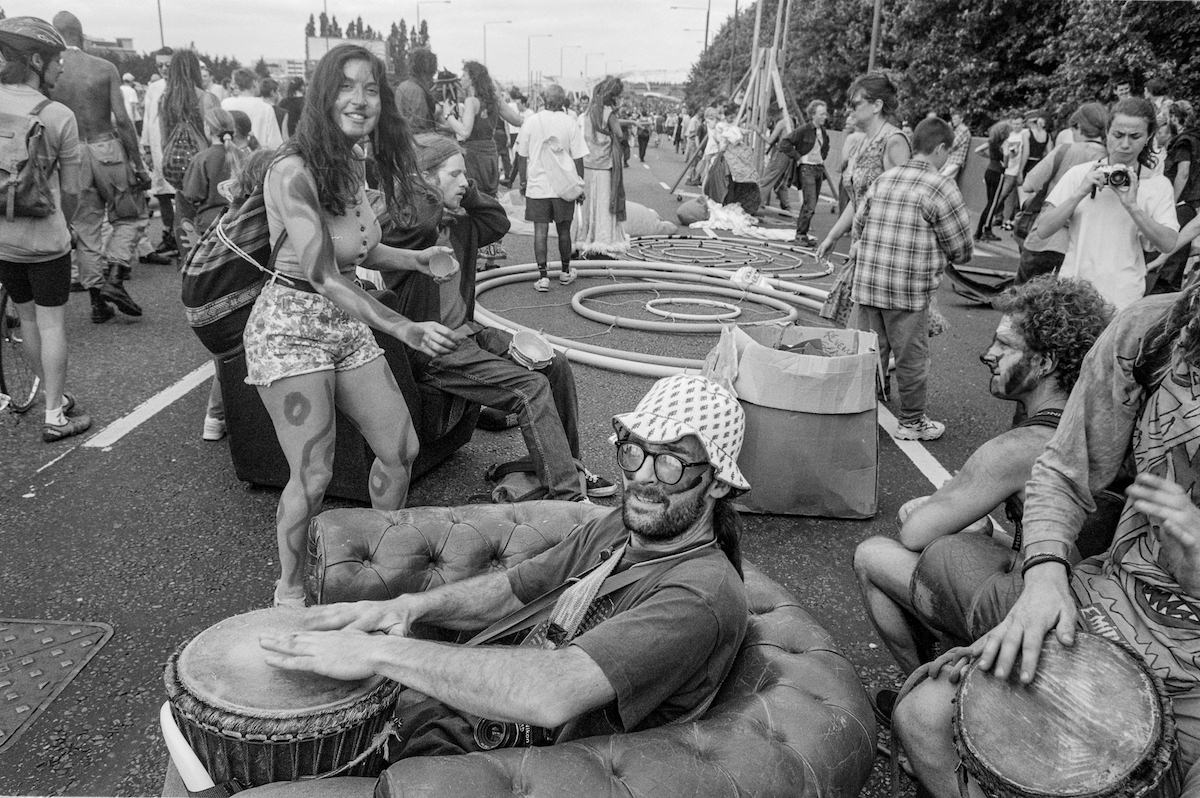
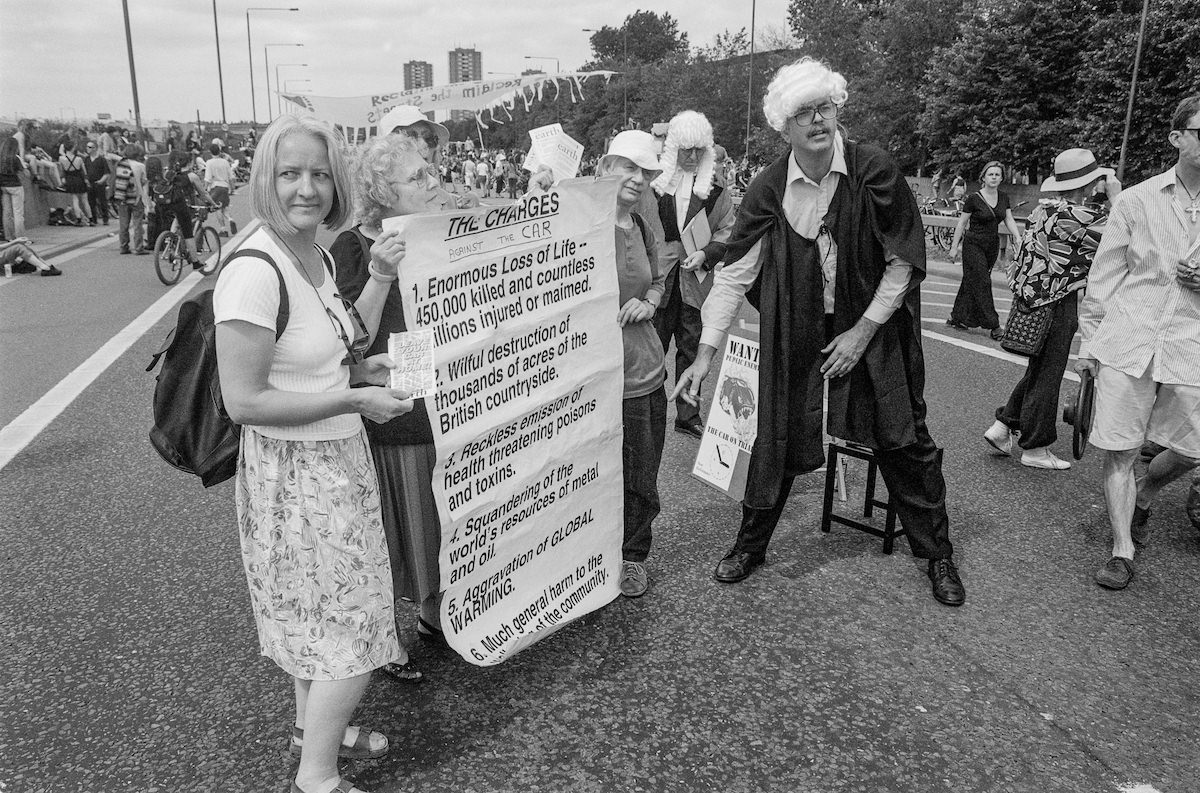
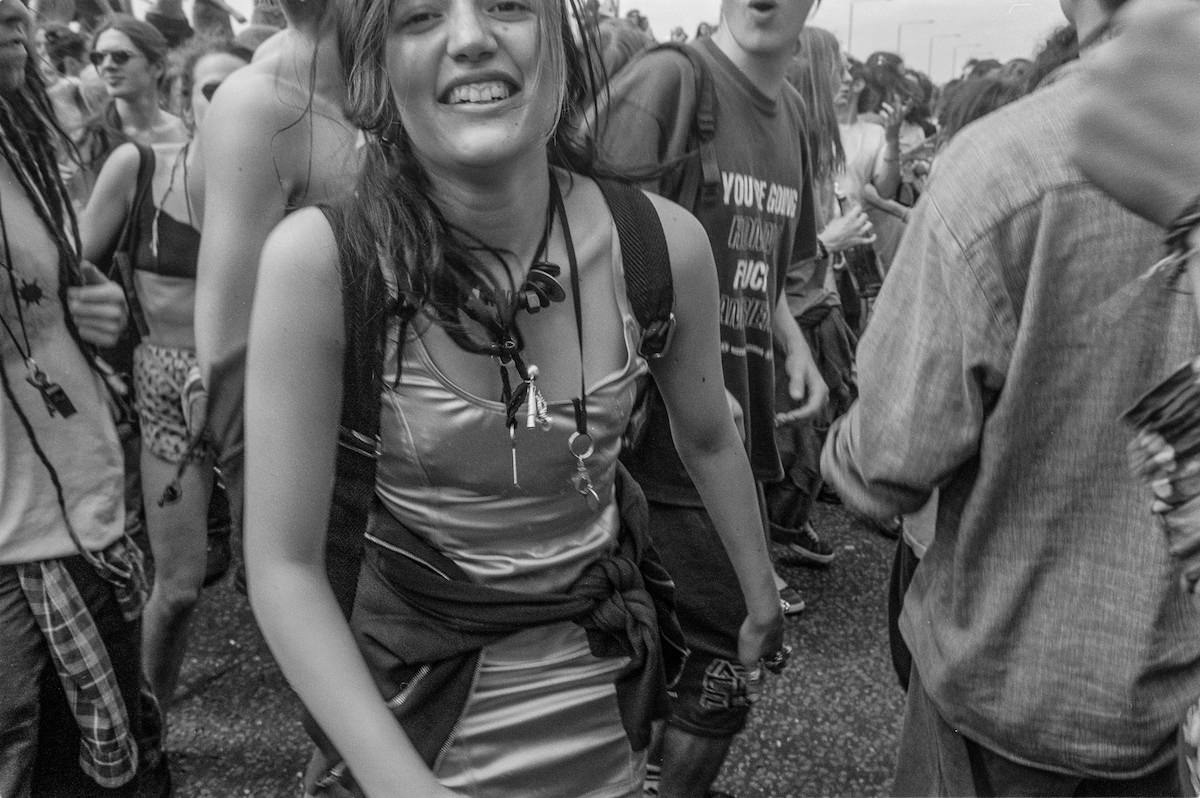
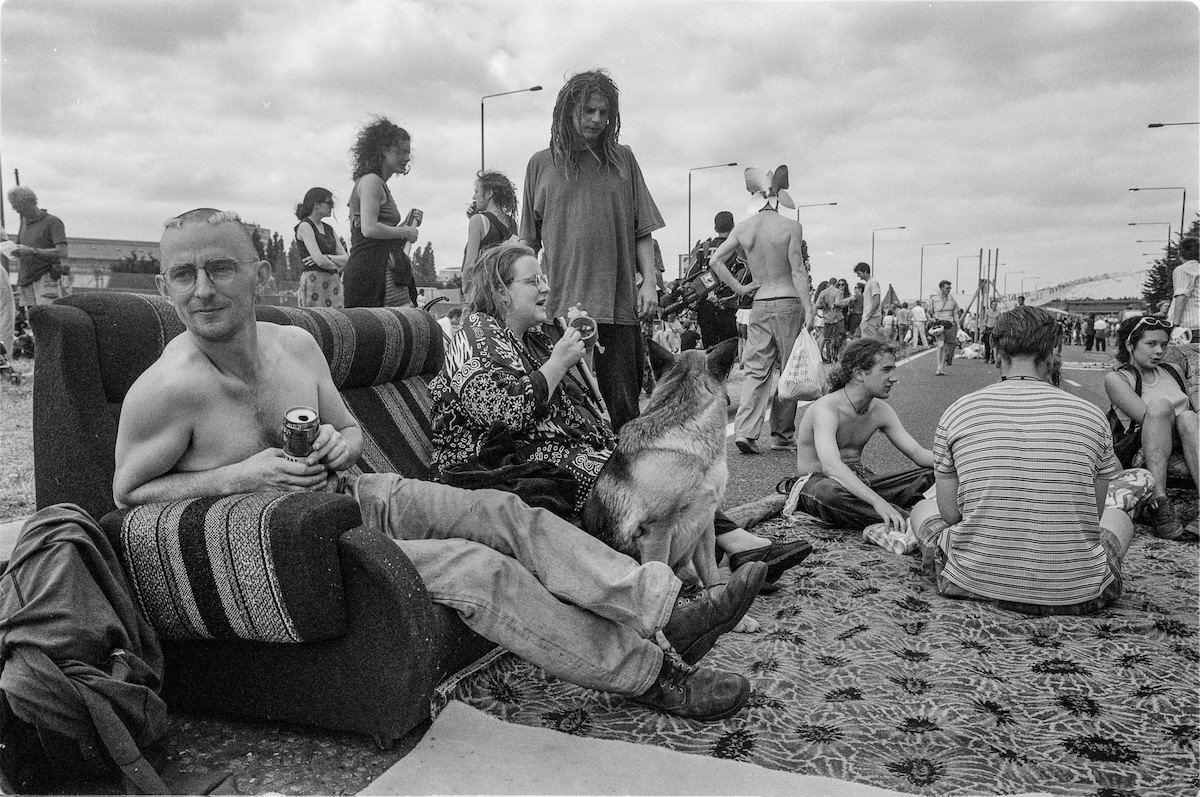
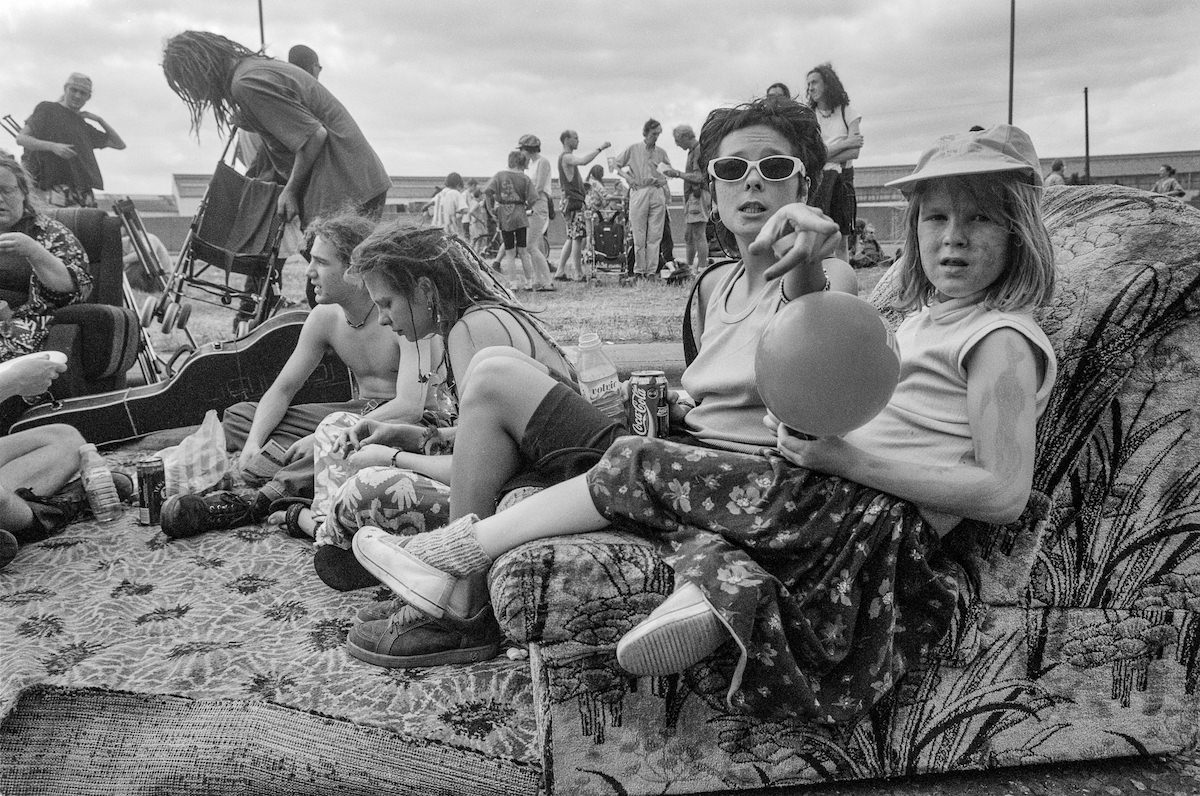
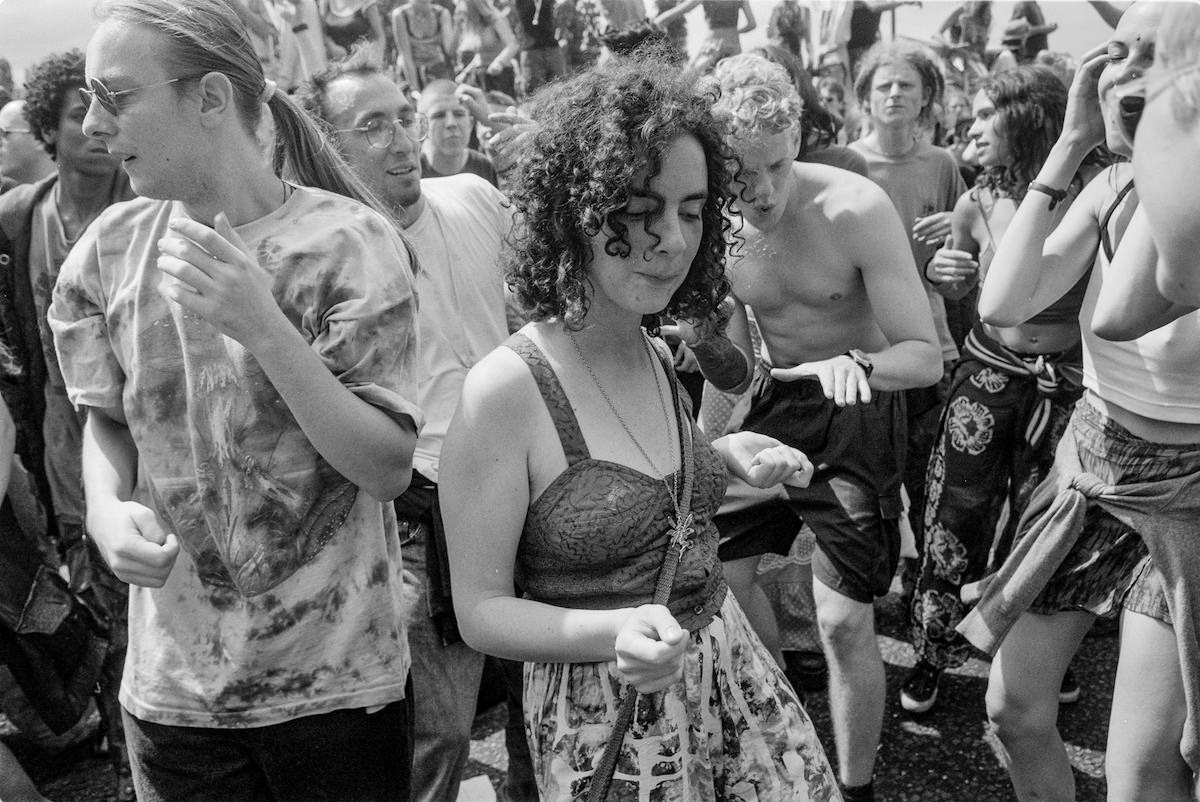
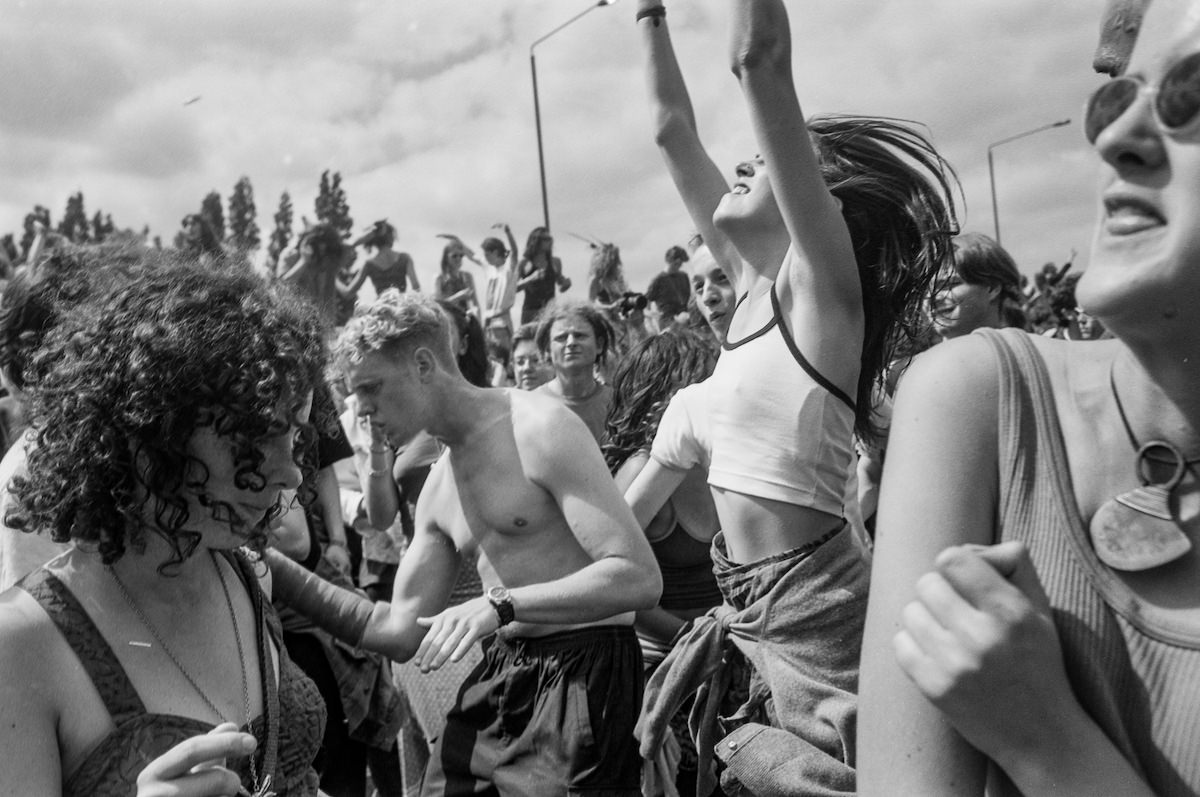
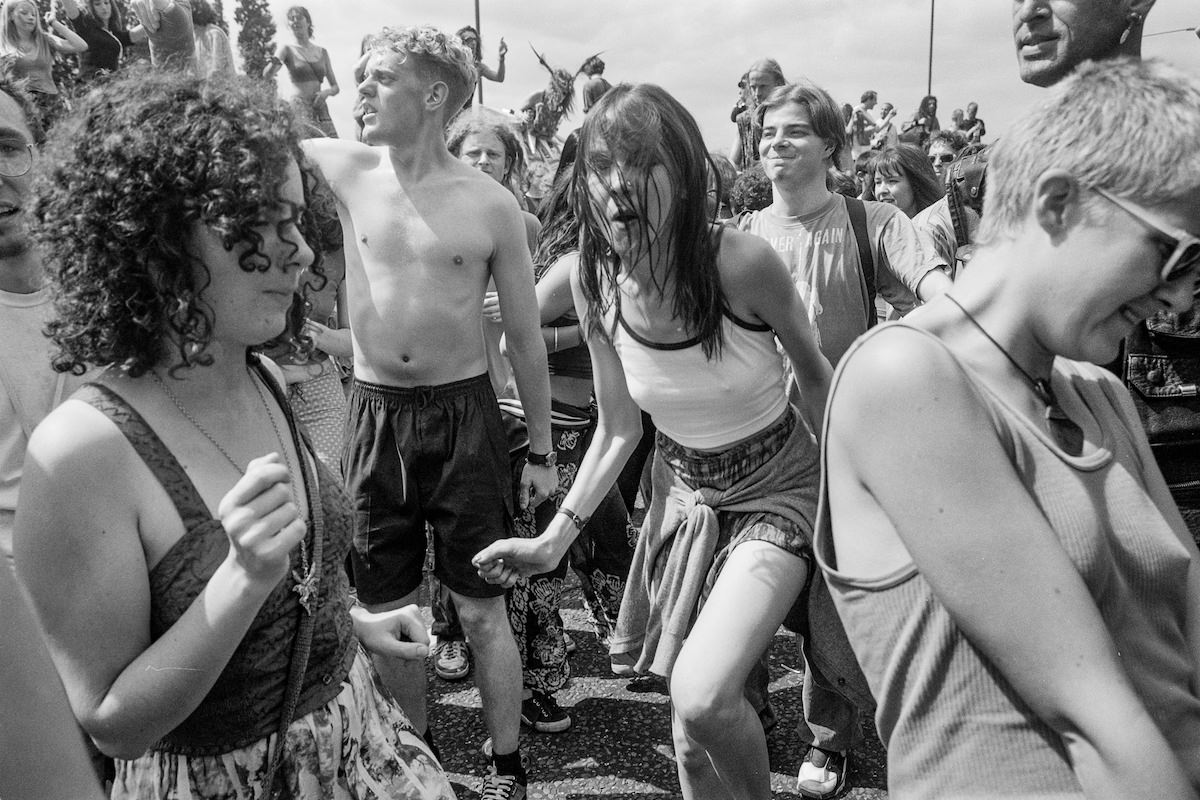
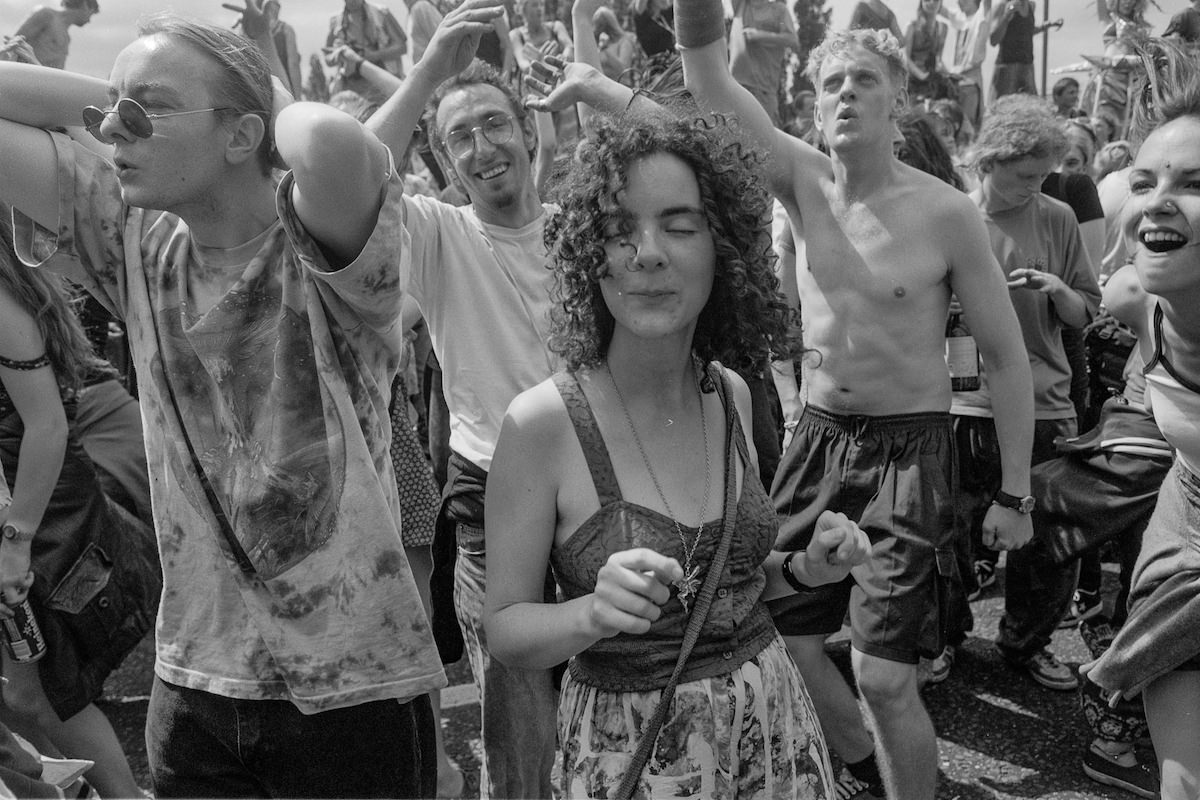
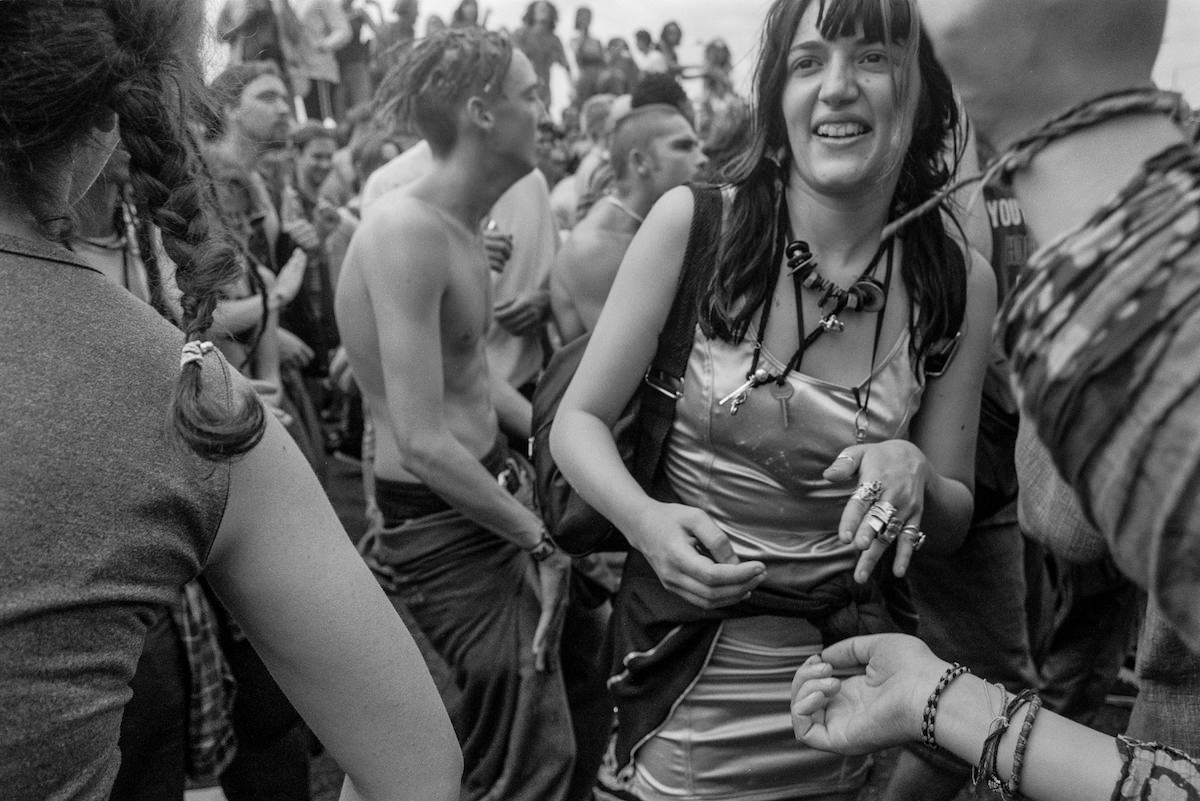
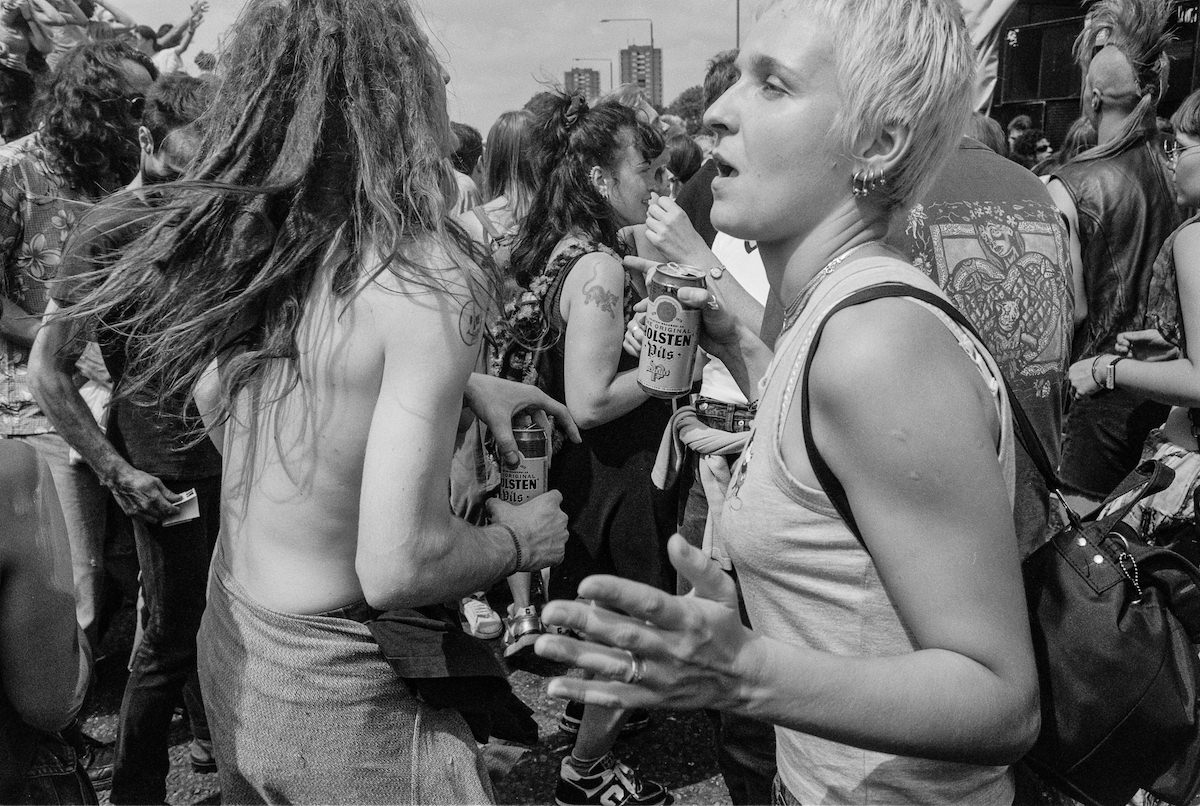
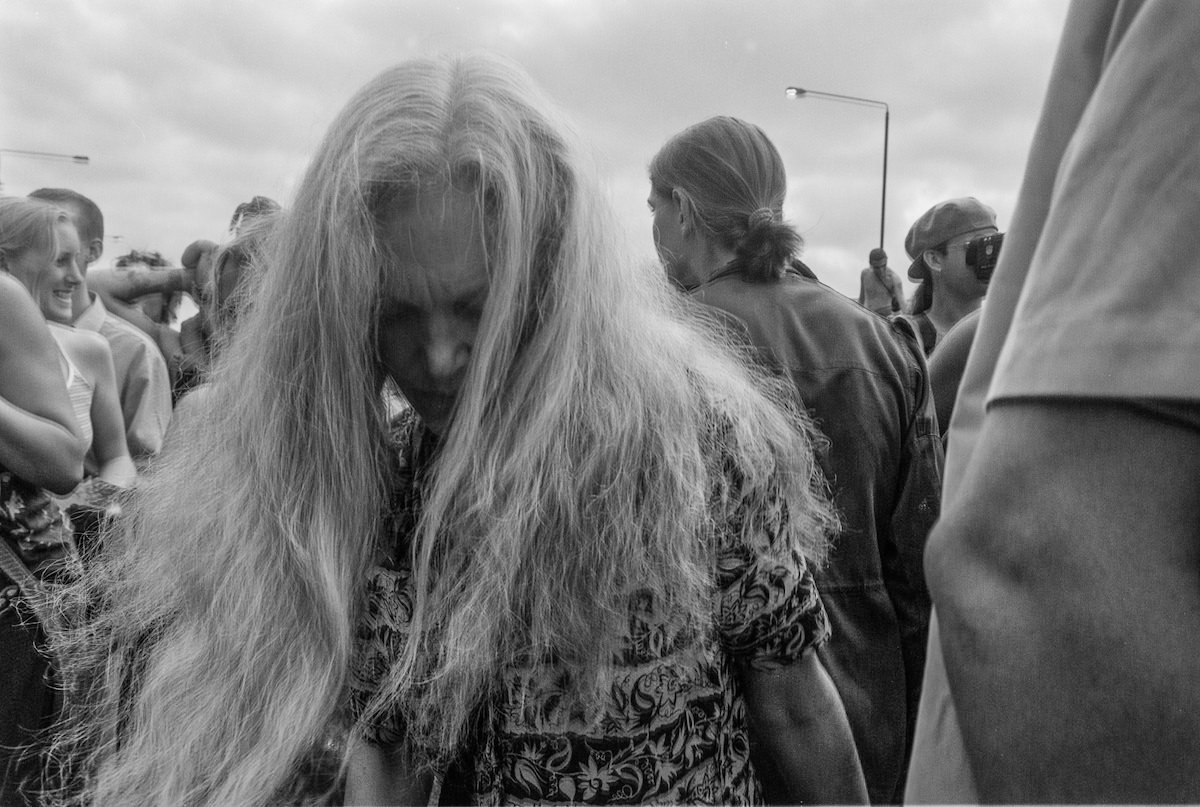
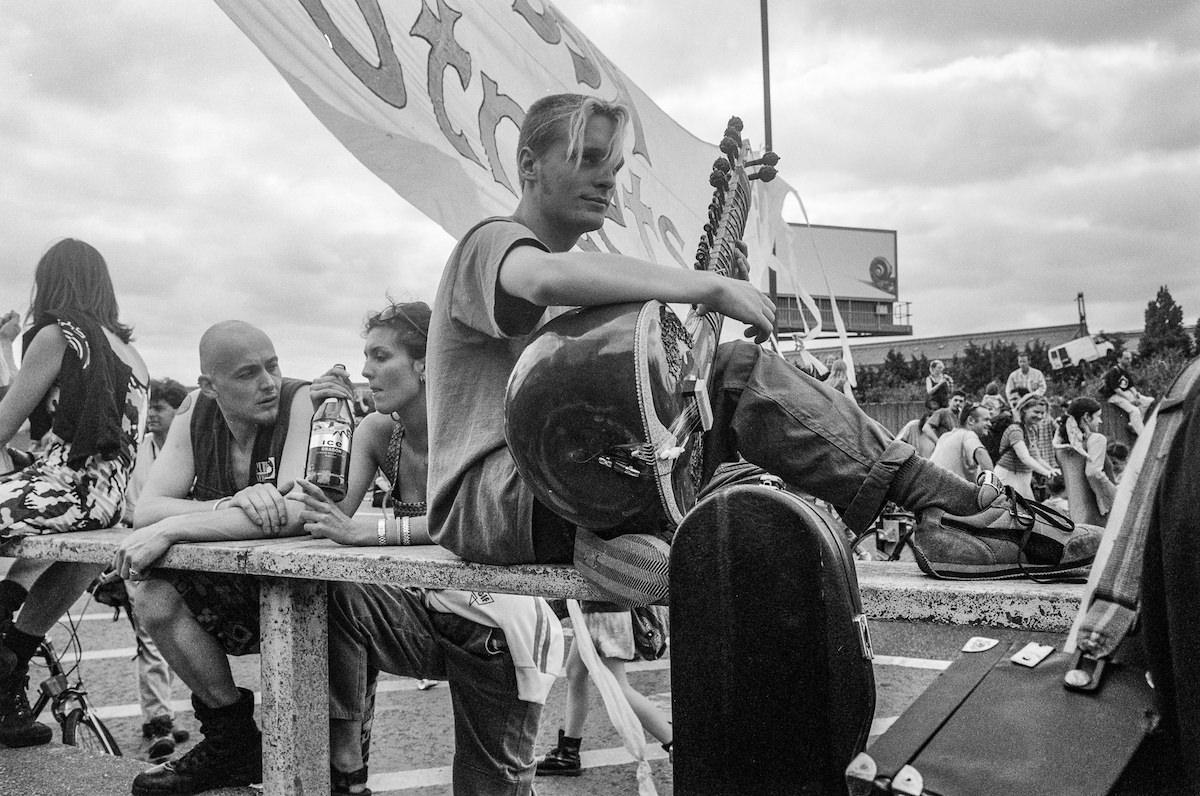
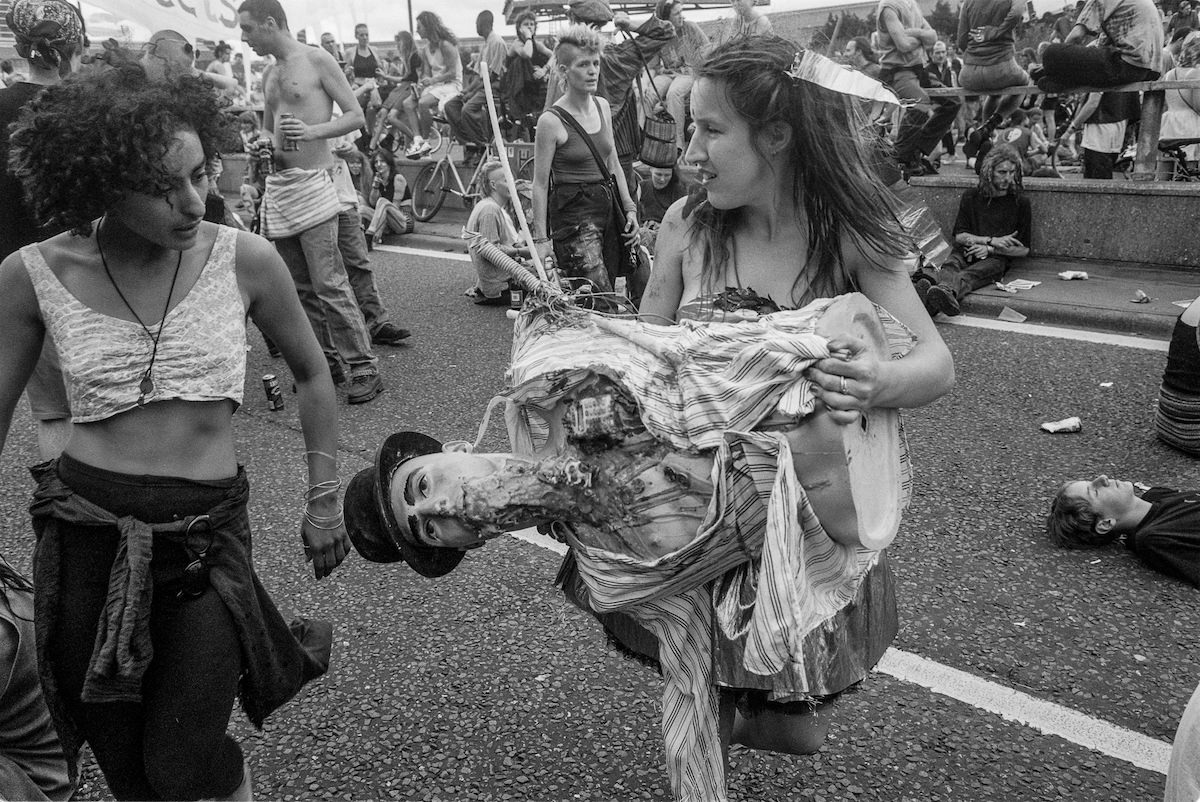
At the south end, protesters pushed through police lines and spilled onto the tarmac. Within hours, around 7,000 people filled a half-mile stretch of motorway — dancing, celebrating, and holding the space that cars normally ruled.
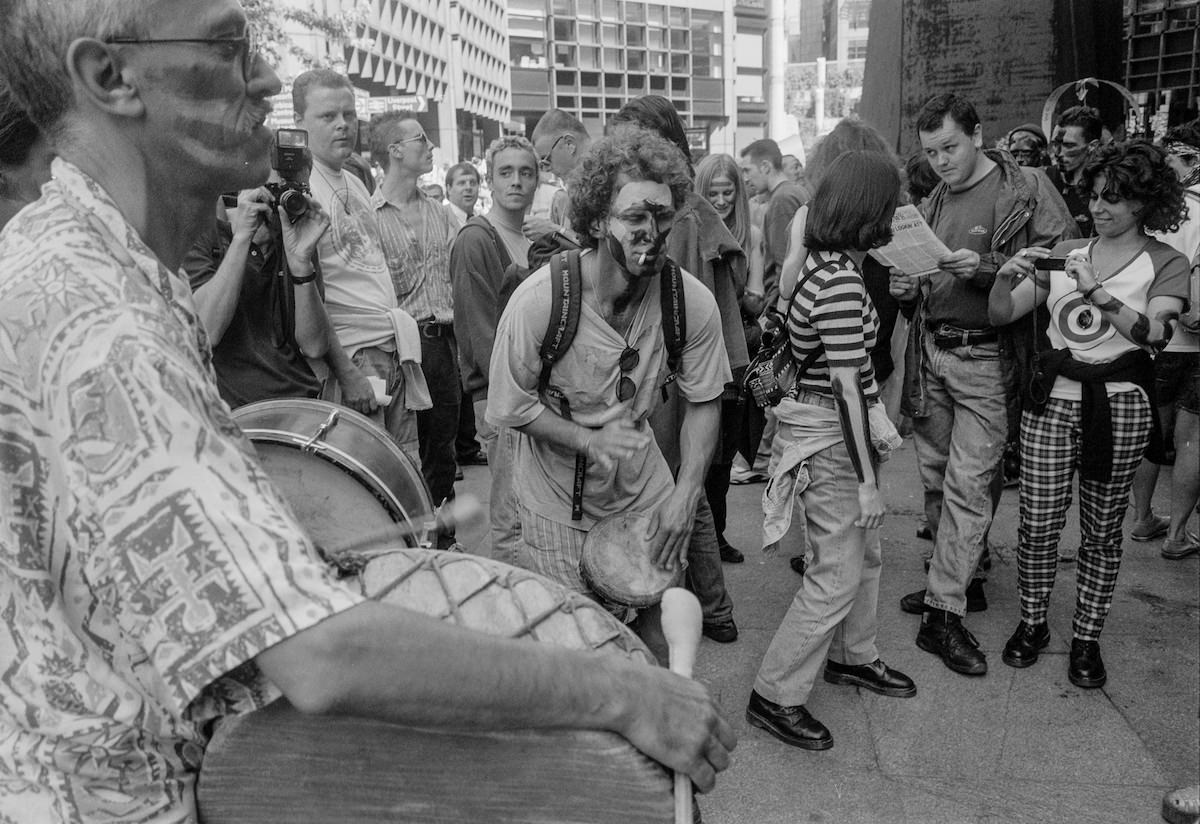
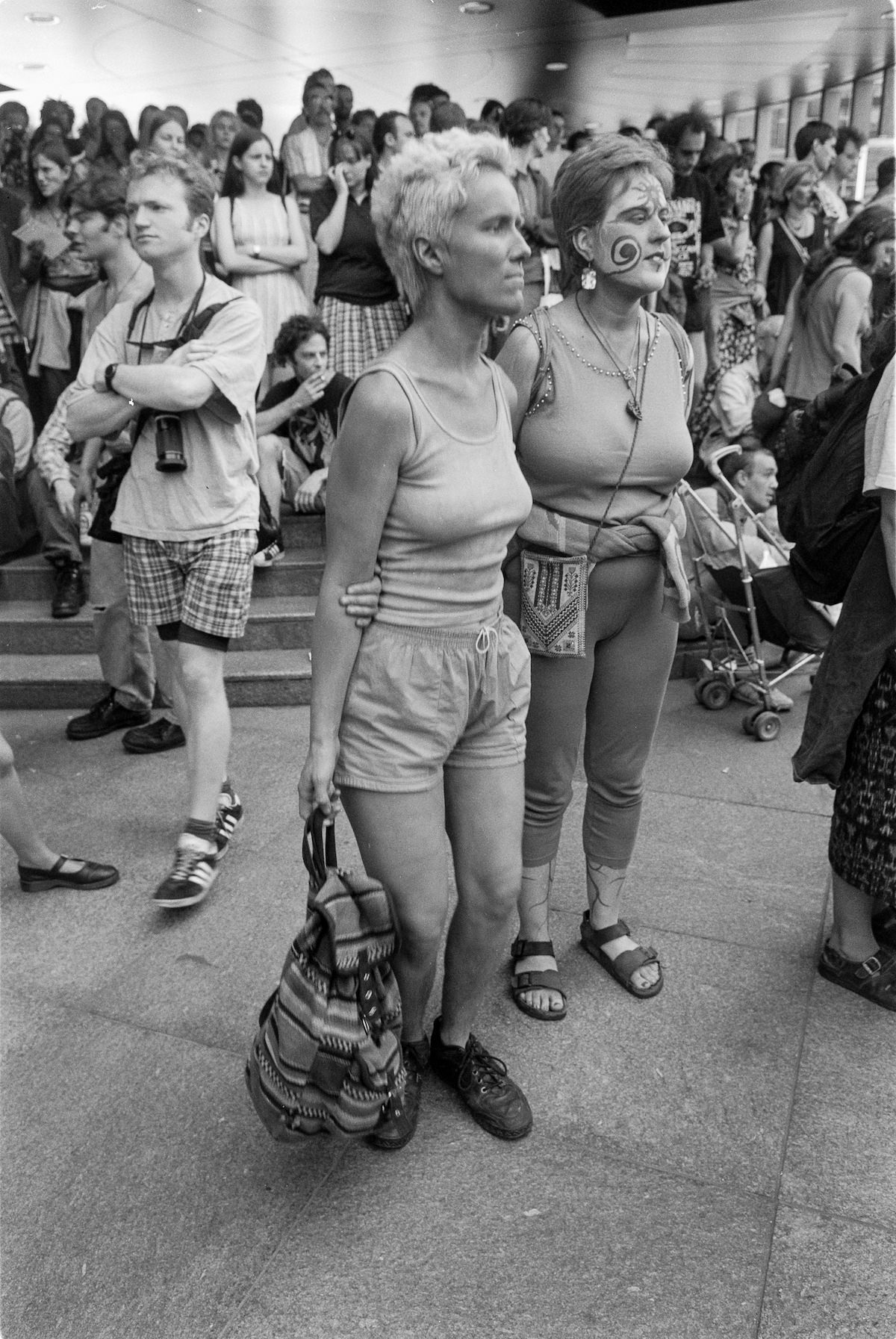
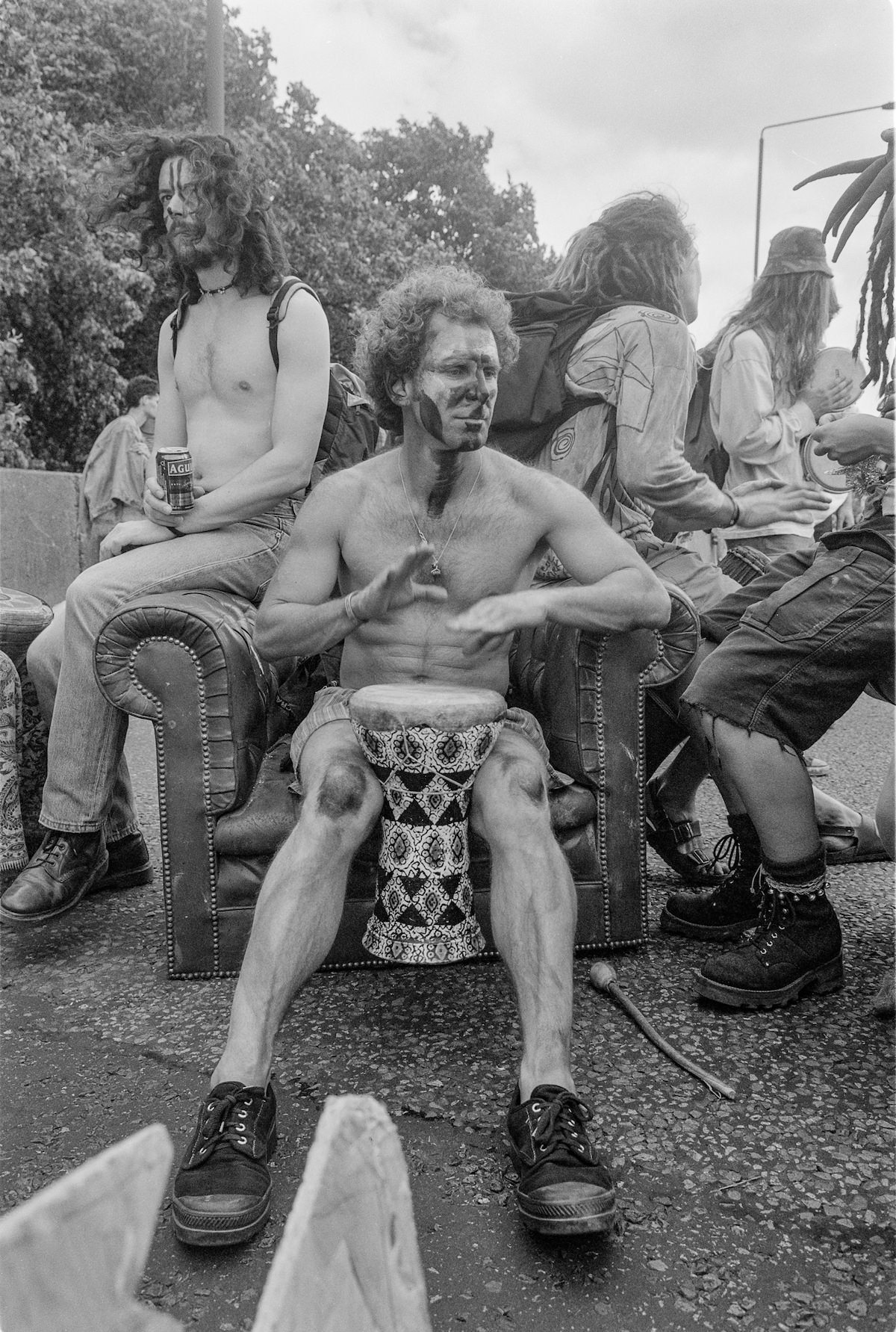
The protest was loud and deliberate. Sound systems blasted music across the asphalt while protesters dug holes directly into the road surface and planted trees — a pointed statement against concrete and car exhaust replacing green space.
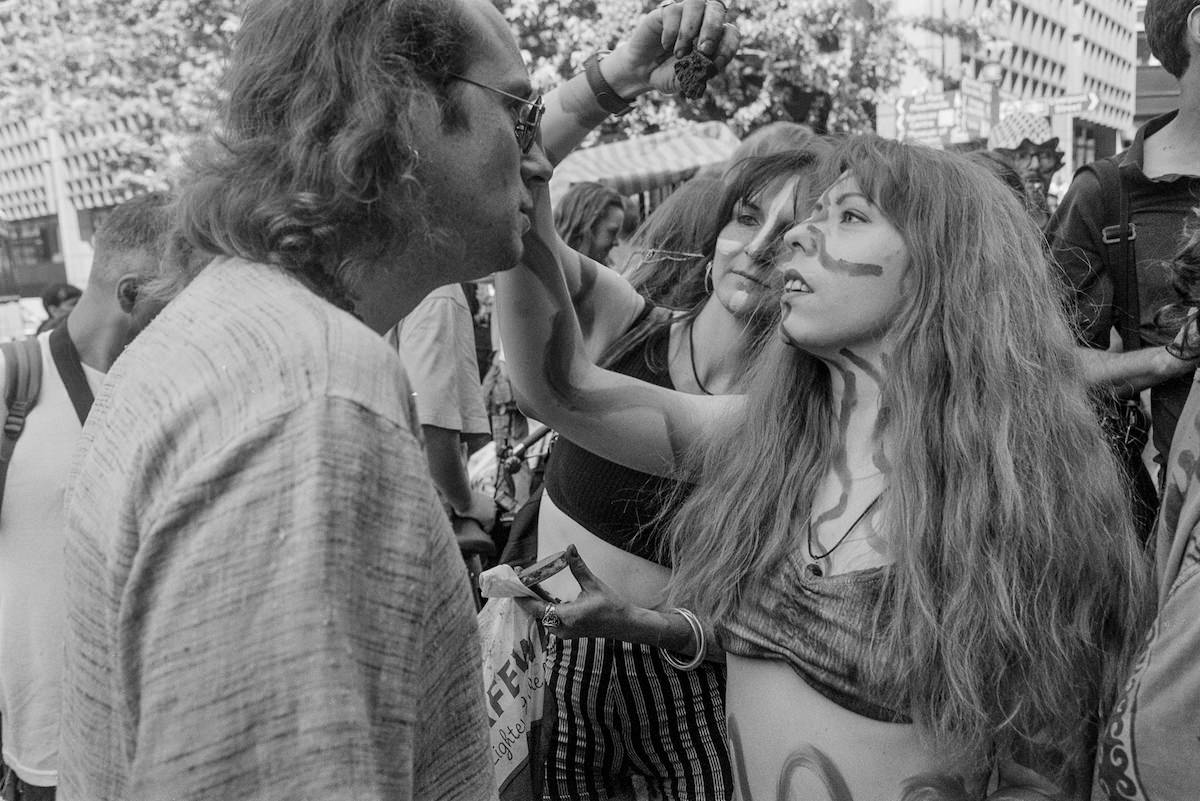
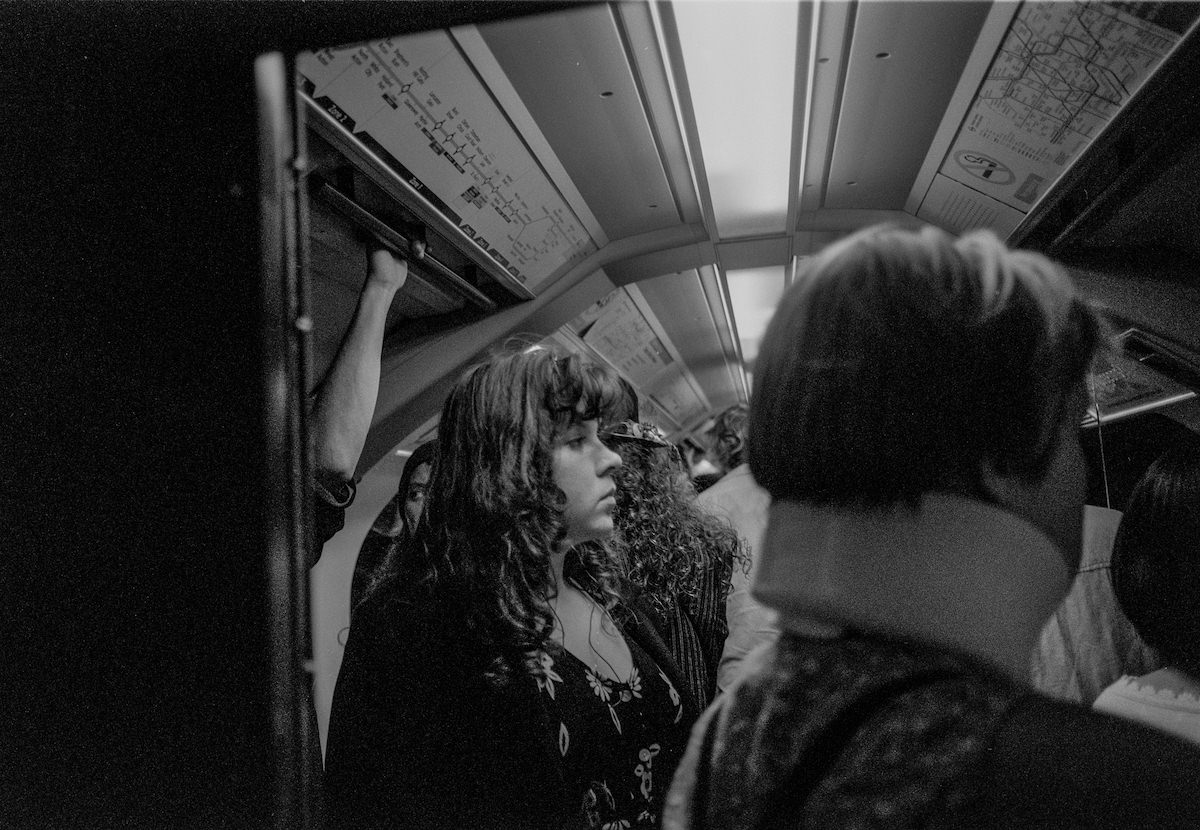
Tripods were erected on the motorway, and large figures rose above the crowd, making the scene impossible to ignore. The visual spectacle was part of the message — this road belonged to people, not vehicles.
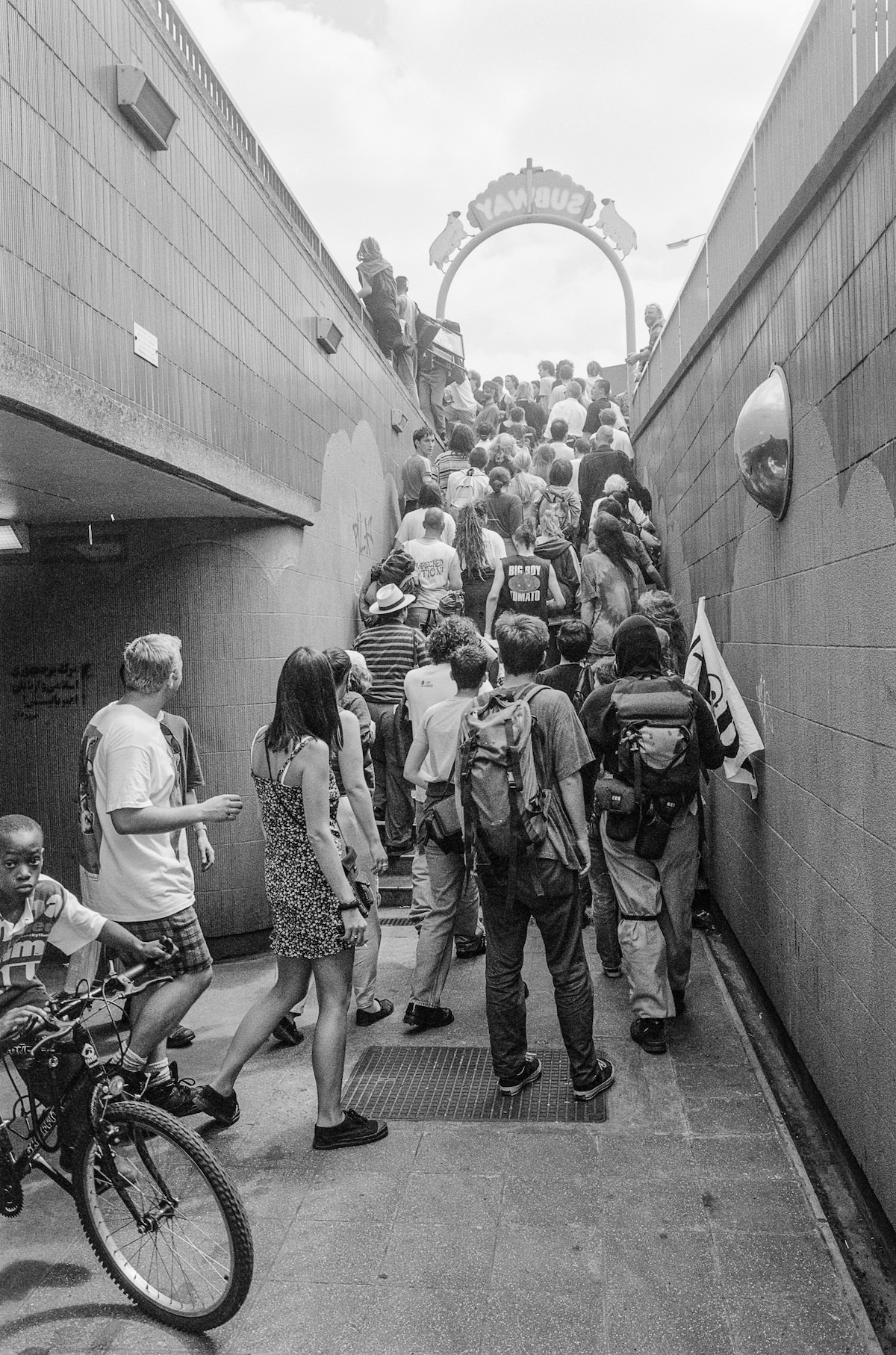
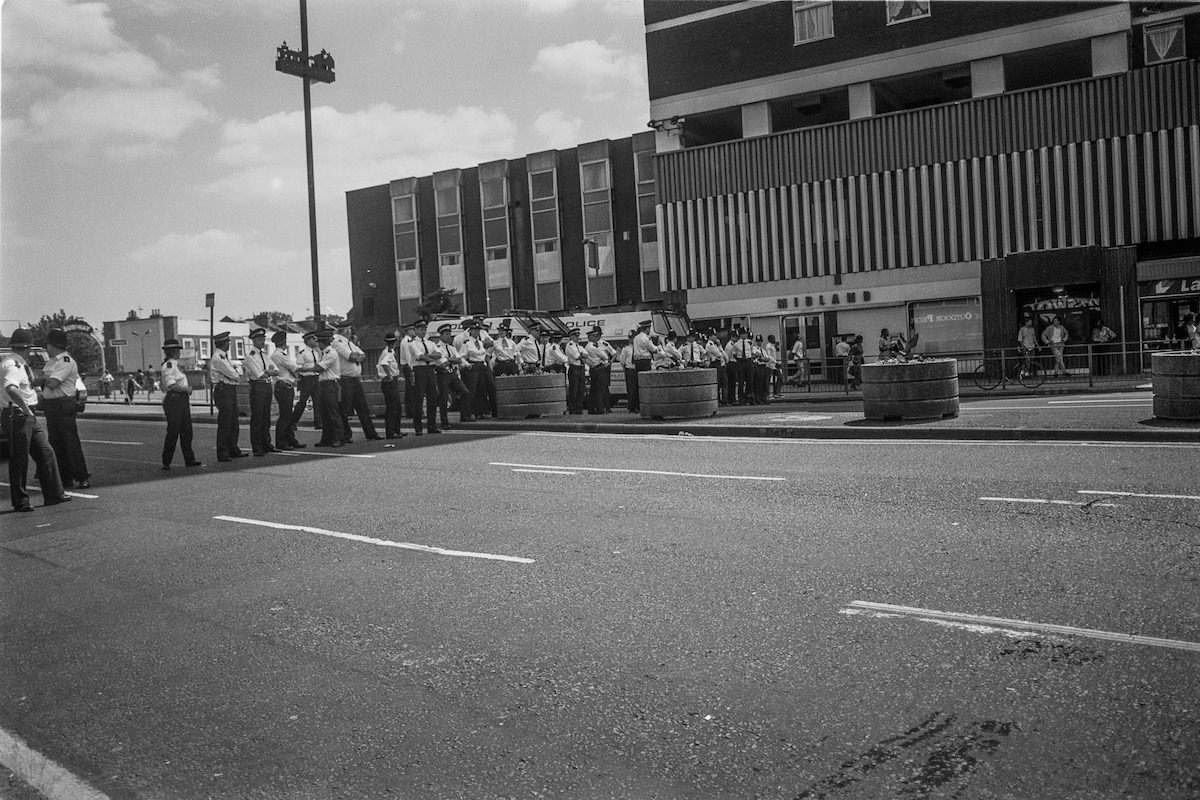
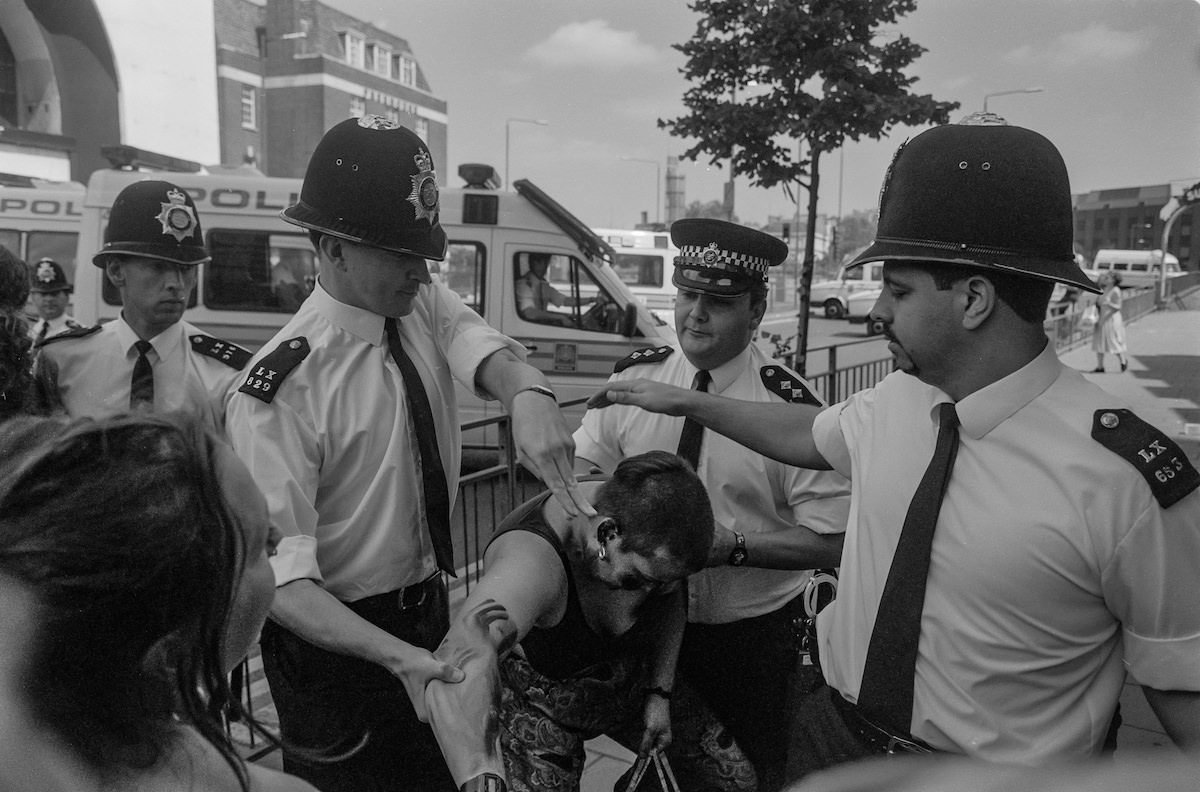
The M41 itself was part of a much larger plan called Ringway 1 — an ambitious and controversial network of urban motorways that, had it been fully built, would have carved through large sections of London. Reclaim the Streets chose this road deliberately.
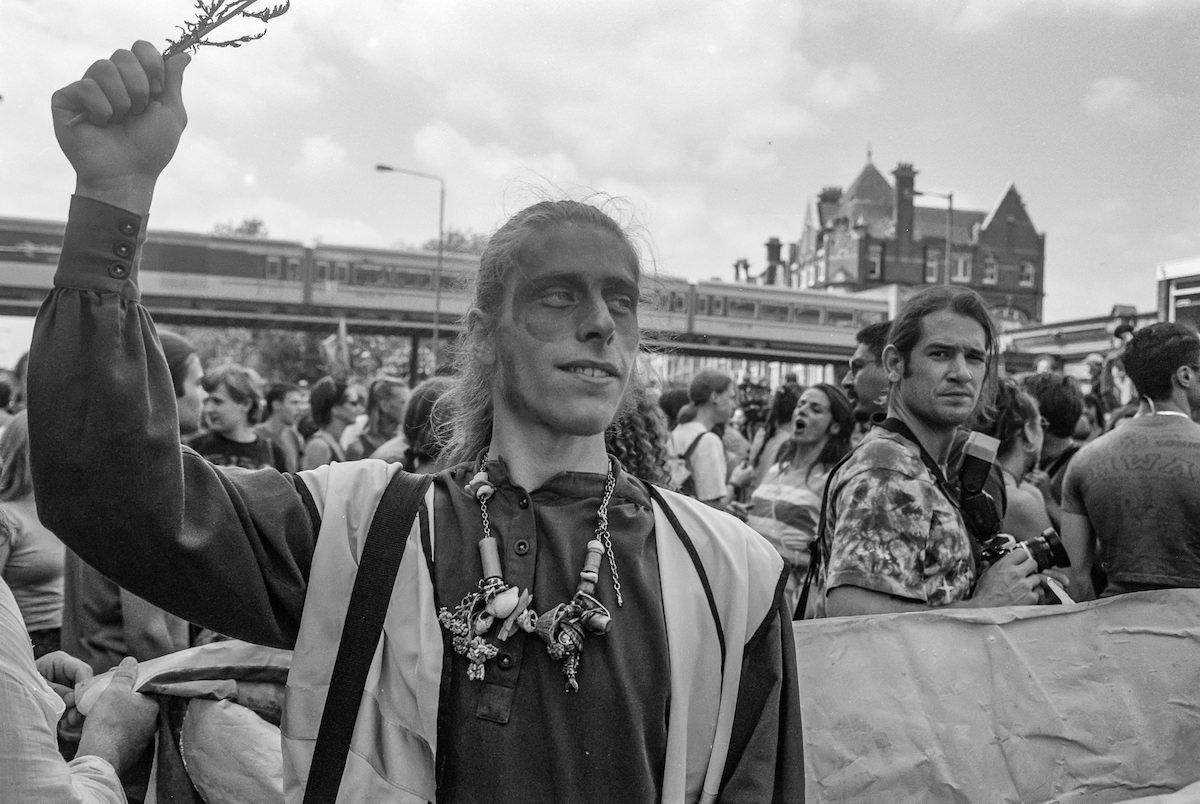
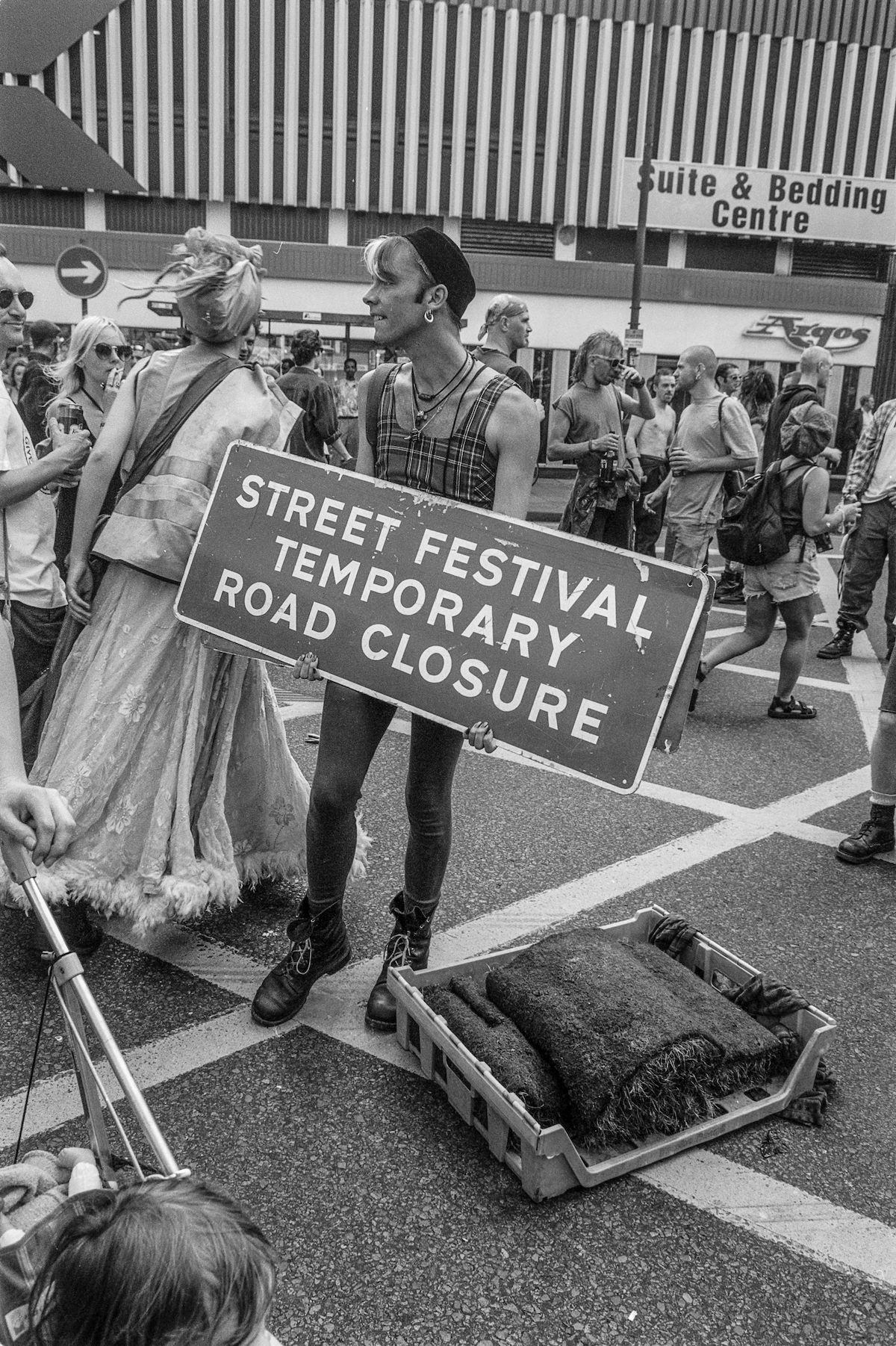
Thousands danced on a road that normally carried speeding traffic. The contrast was the point. Where exhaust fumes and engine noise usually dominated, music and crowds took over for an entire afternoon.
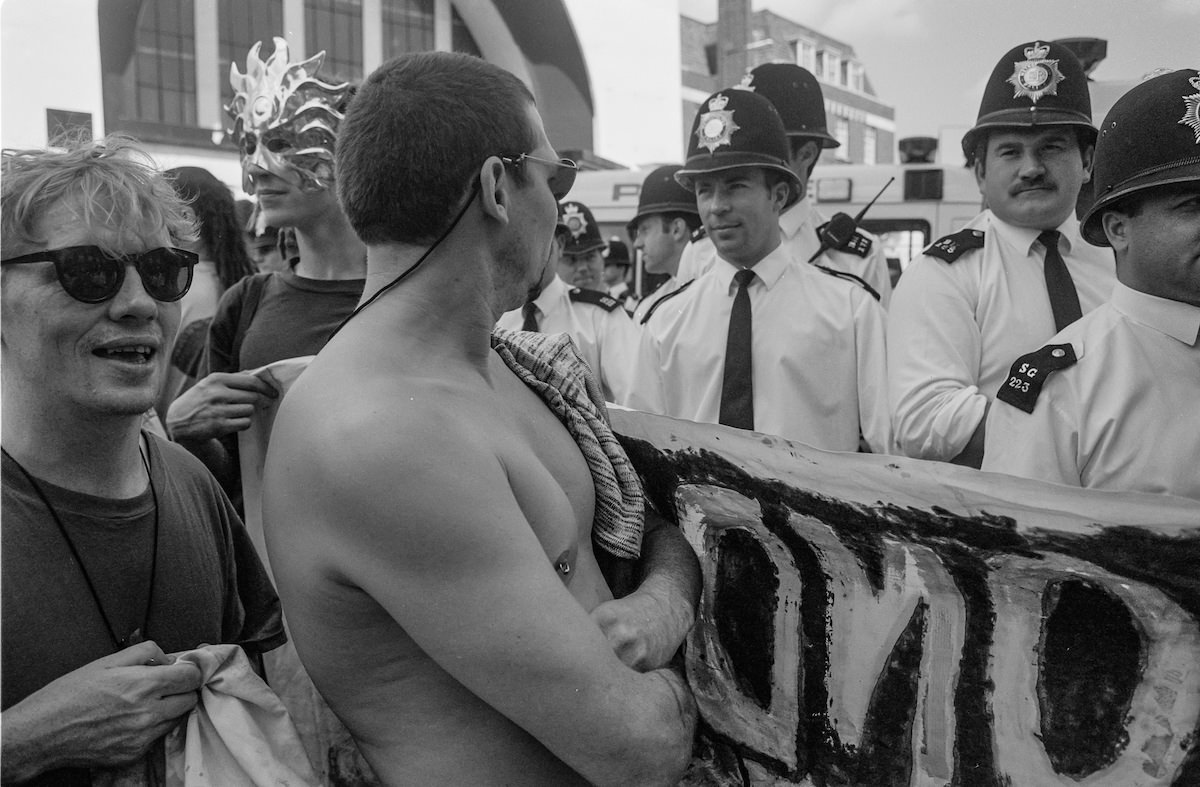
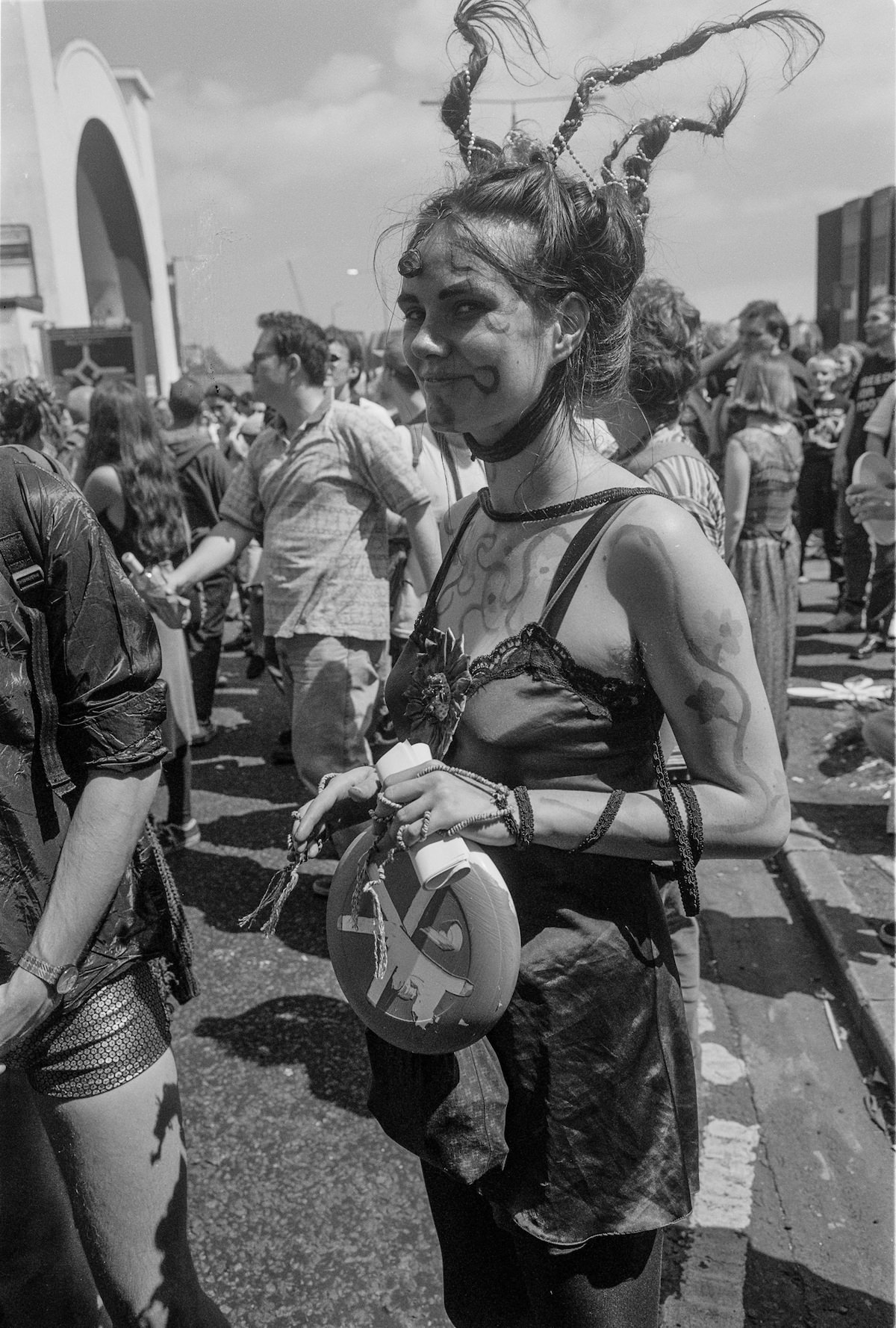
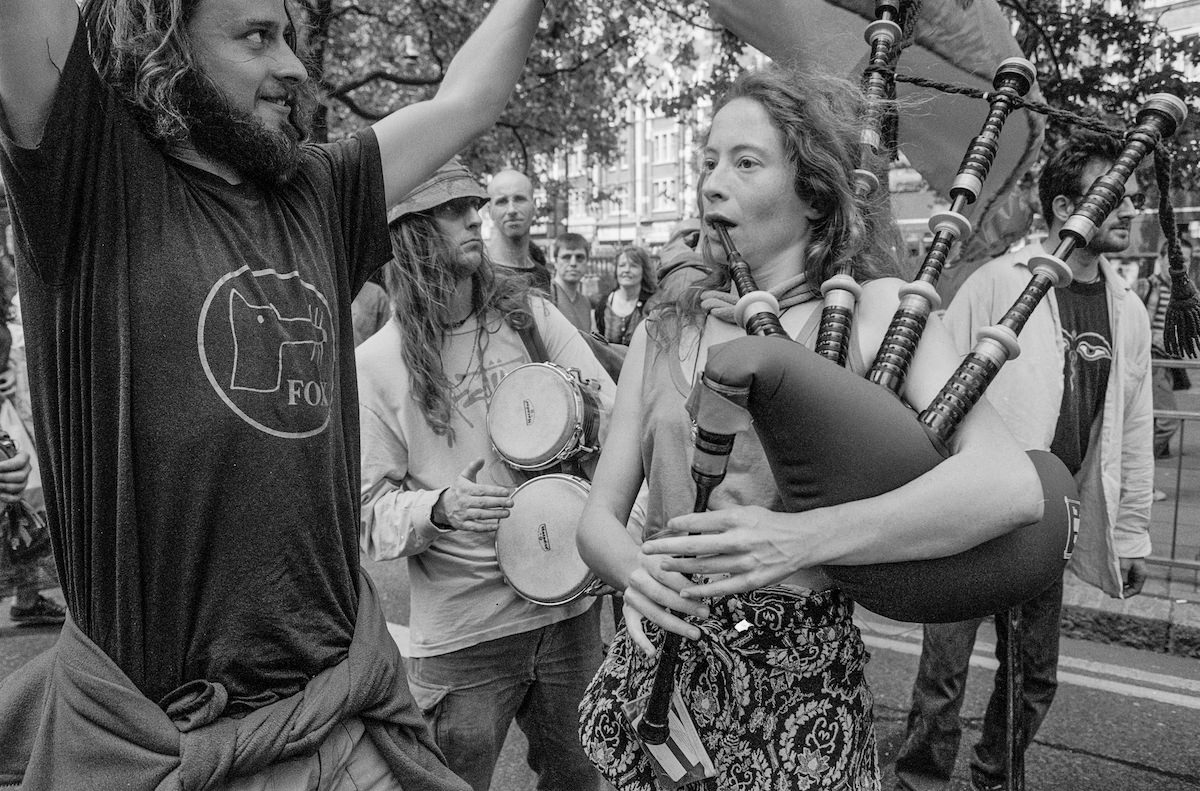
The event drew photographers and journalists who captured the surreal sight of a motorway filled with people instead of cars. The images told the story more clearly than any speech could.
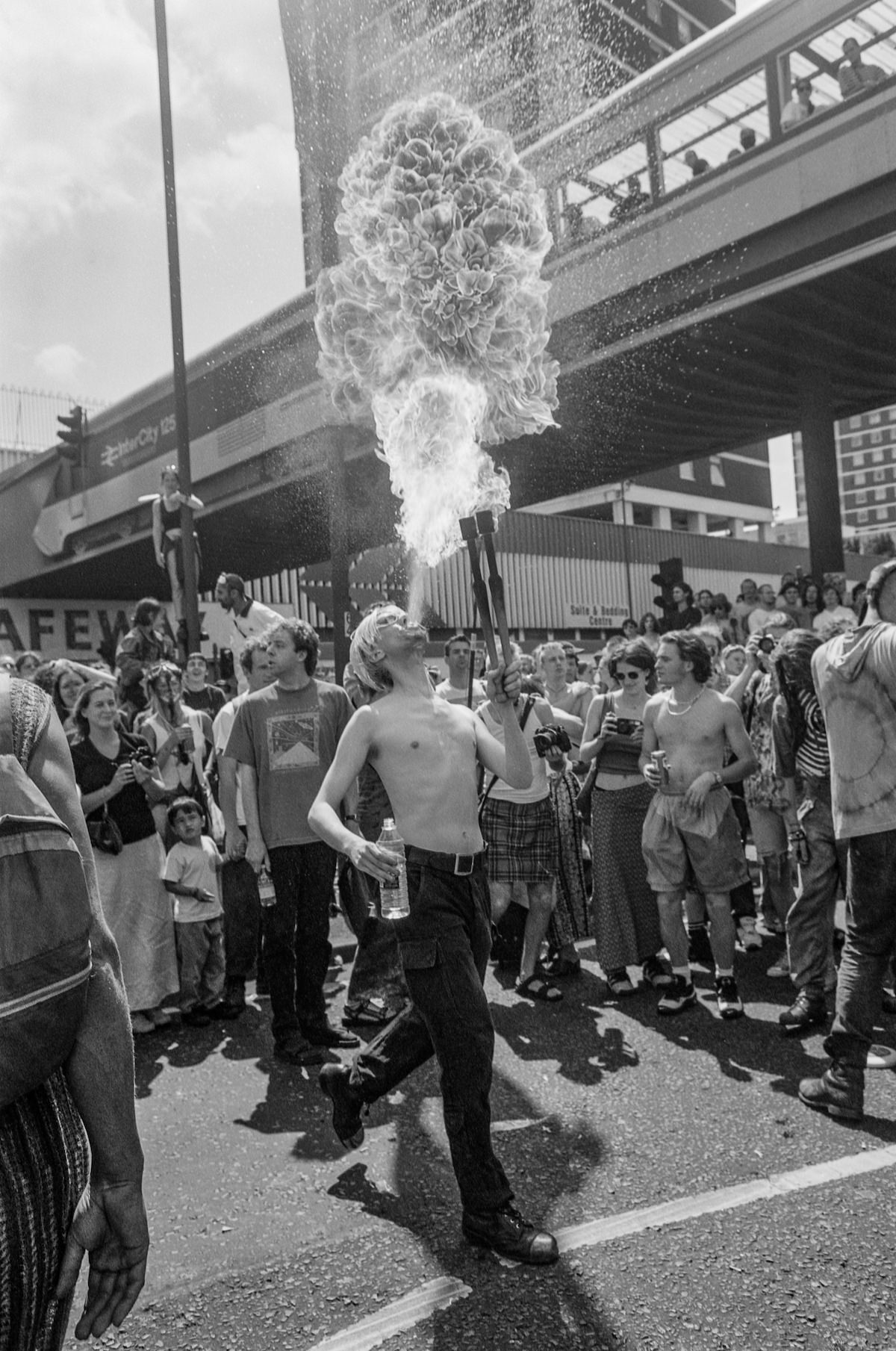
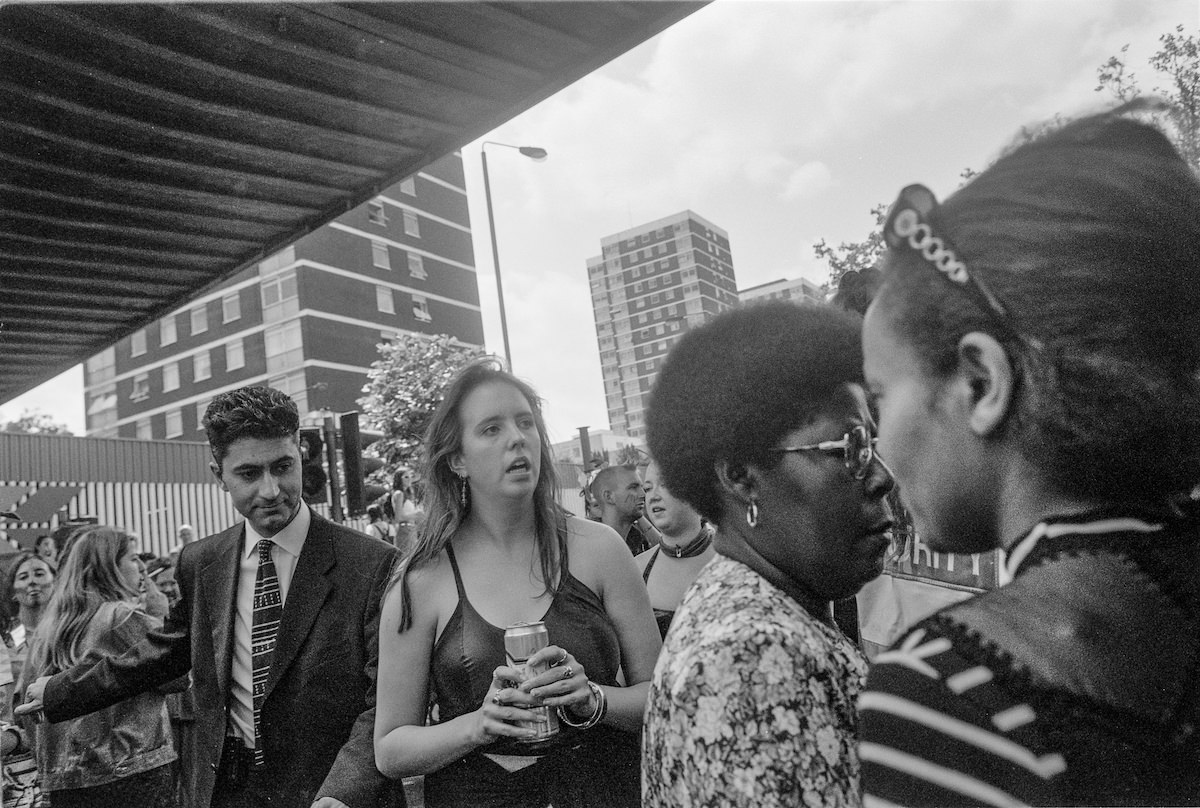
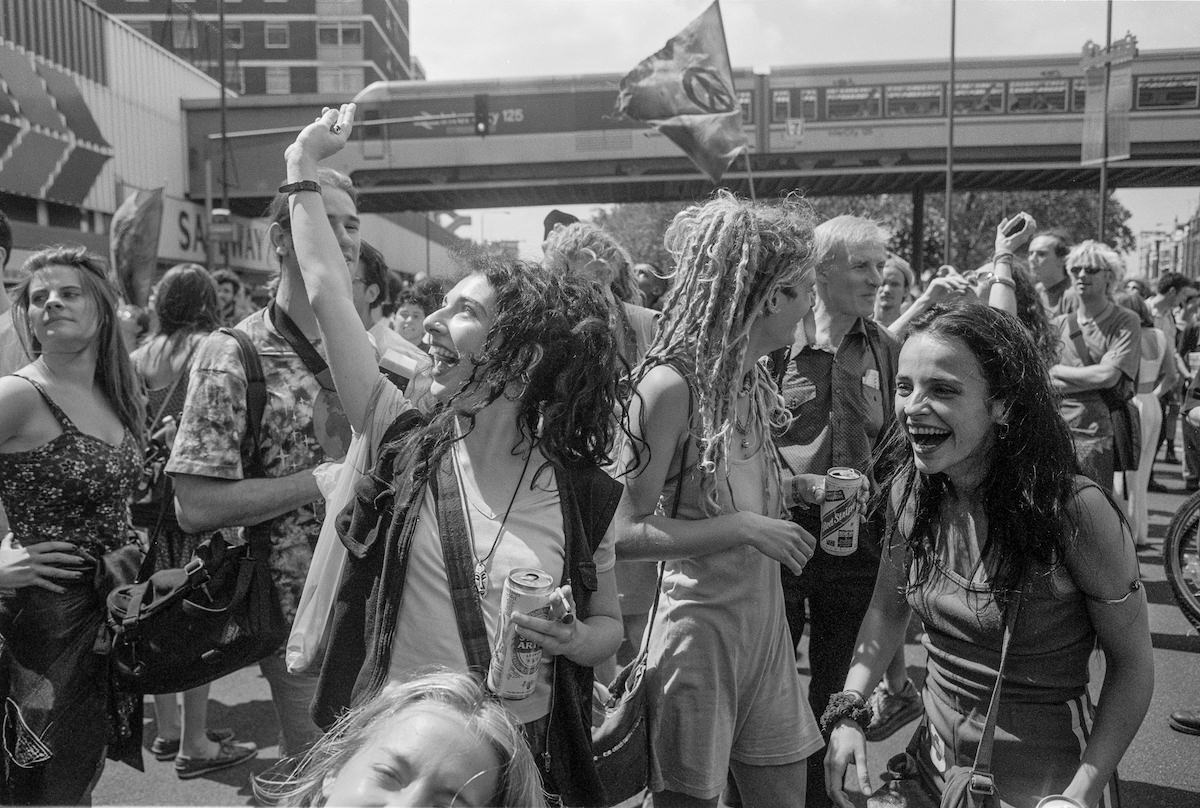
Reclaim the Streets organized the protest as both a party and a political act. The group argued that public streets had been handed over to cars at the expense of communities, air quality, and safe public space.
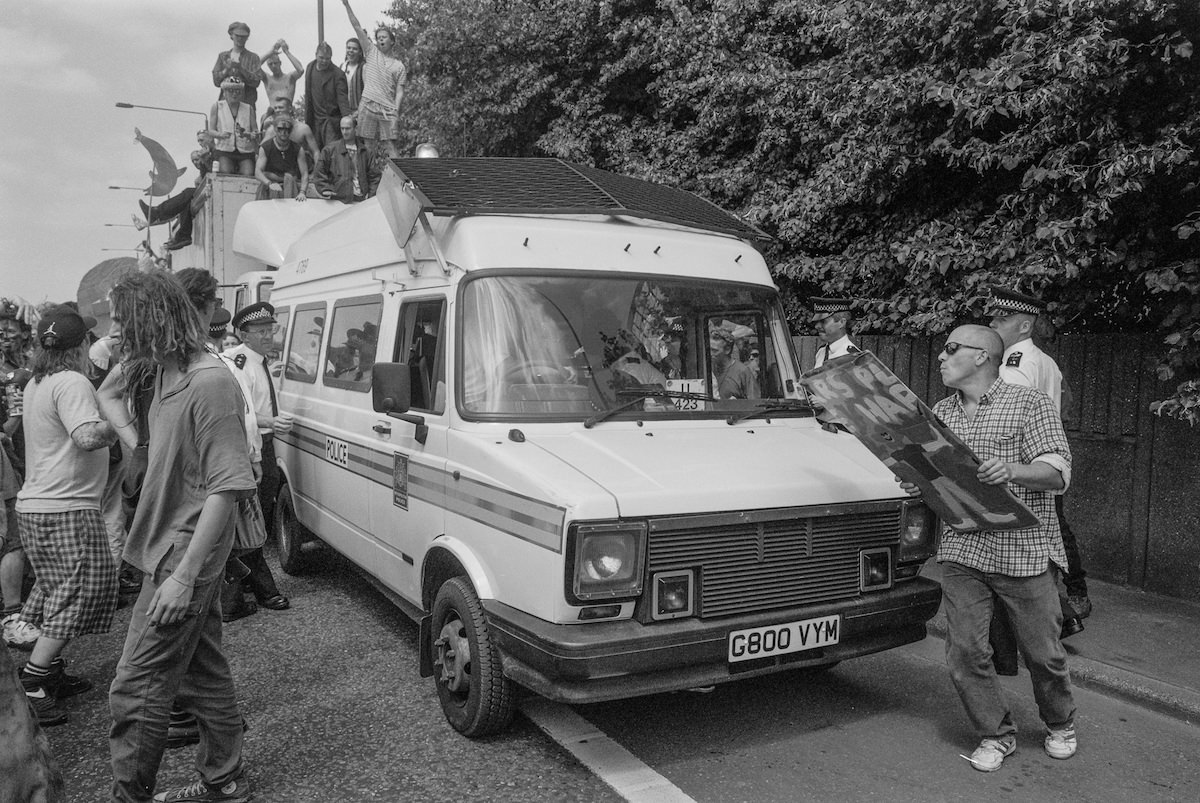
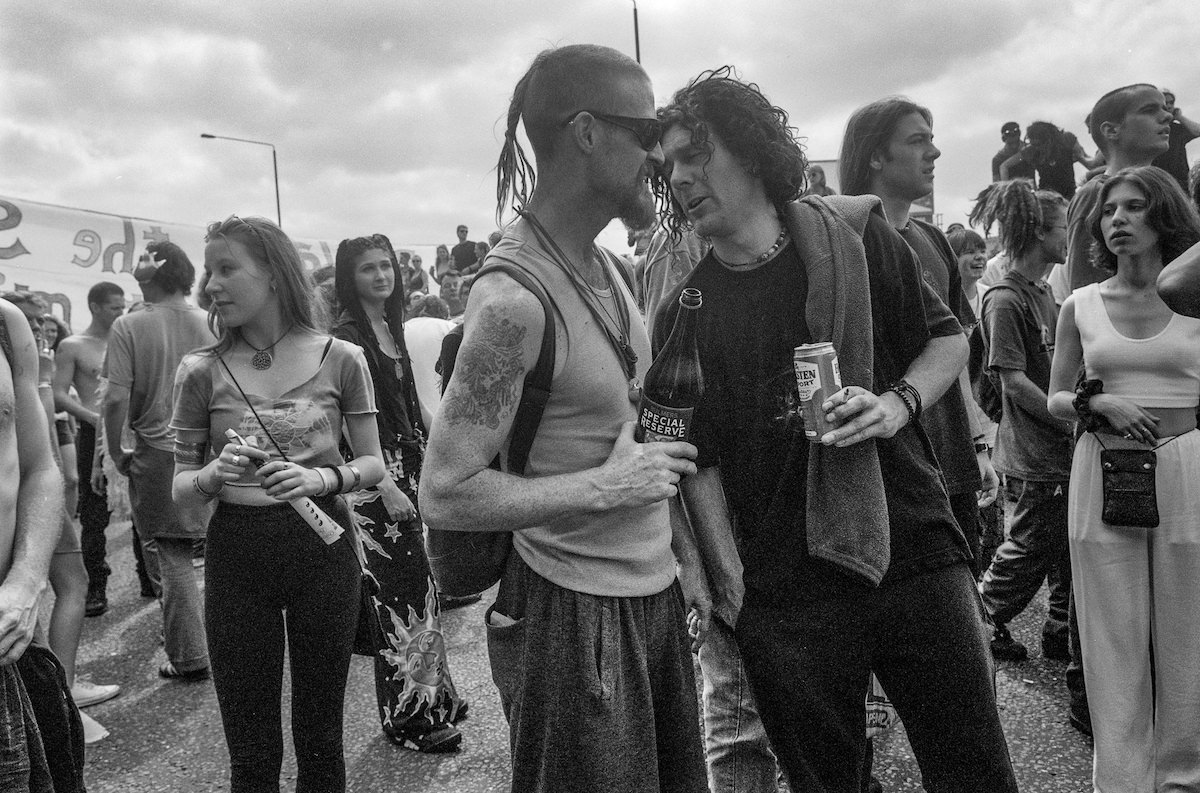
The planted trees were a direct challenge to the idea that roads were permanent, unchangeable features of the city. Digging into tarmac and dropping saplings into motorway lanes was as theatrical as it was defiant.
The staged car crash at the north end was the tactical move that made everything else possible. It stopped traffic, confused authorities, and bought the crowd enough time to take the road before police could regroup.
By the time authorities regained control, the protest had already run its course. The motorway had been occupied for hours, the imagery was everywhere, and the message had been delivered at full volume.