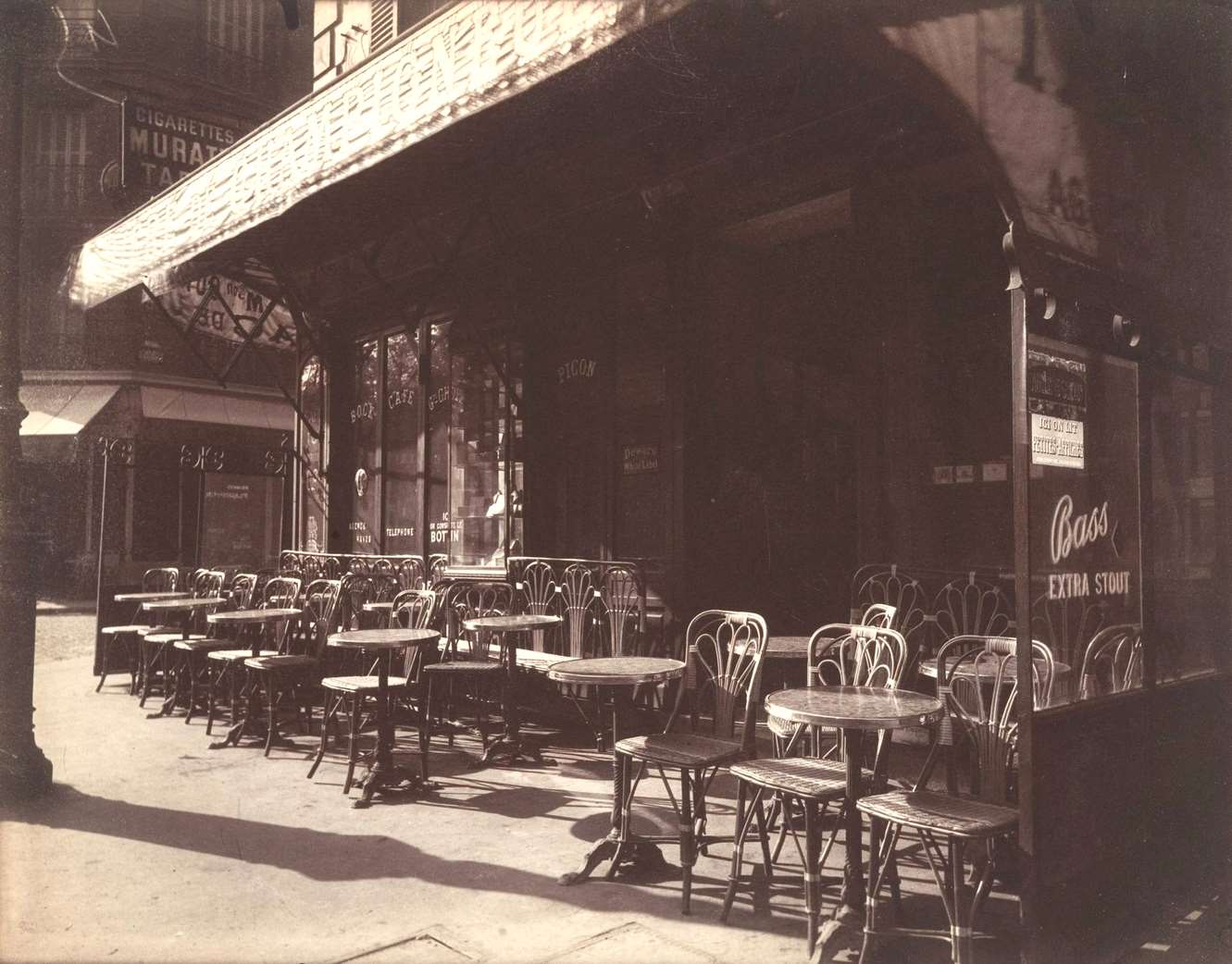
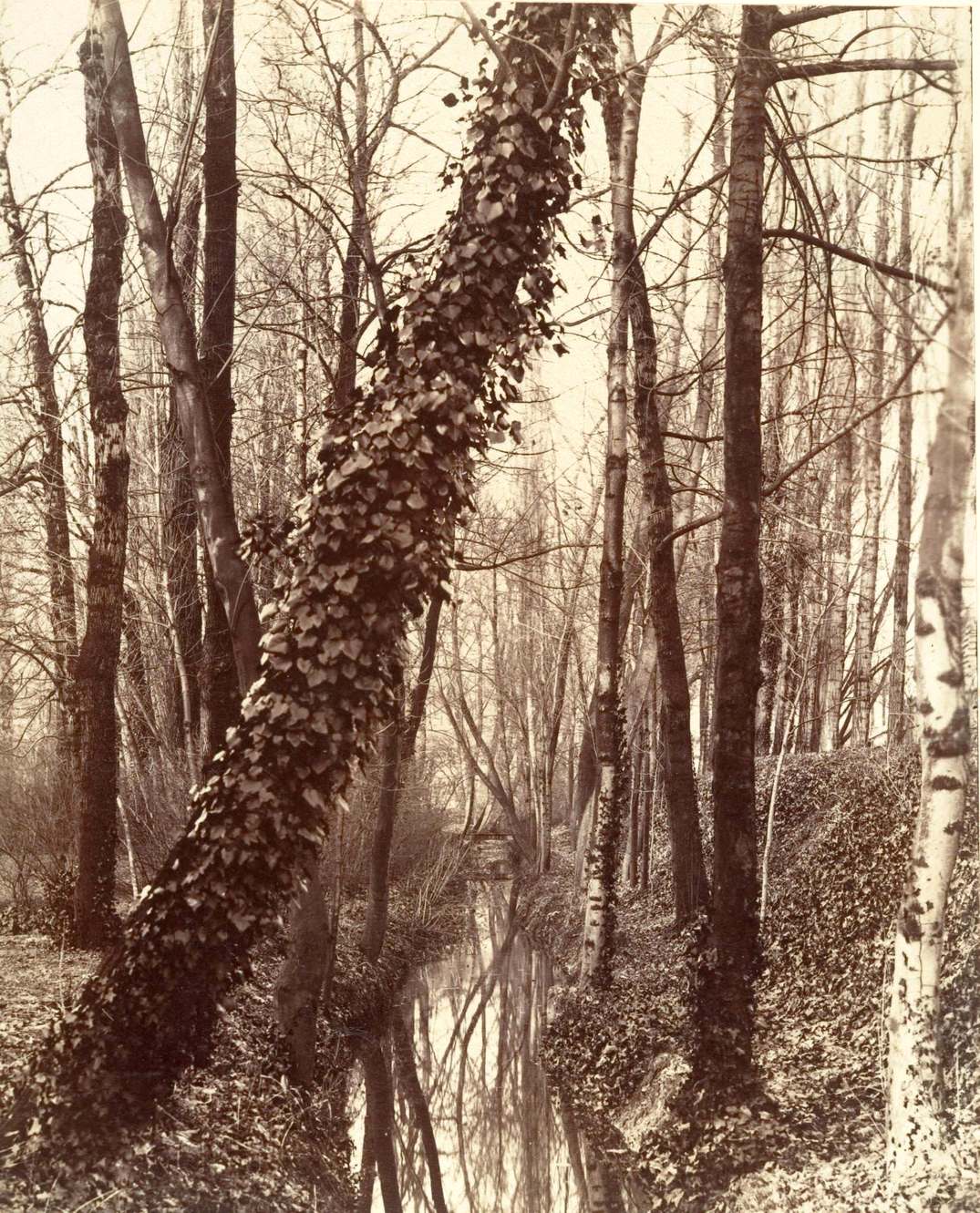
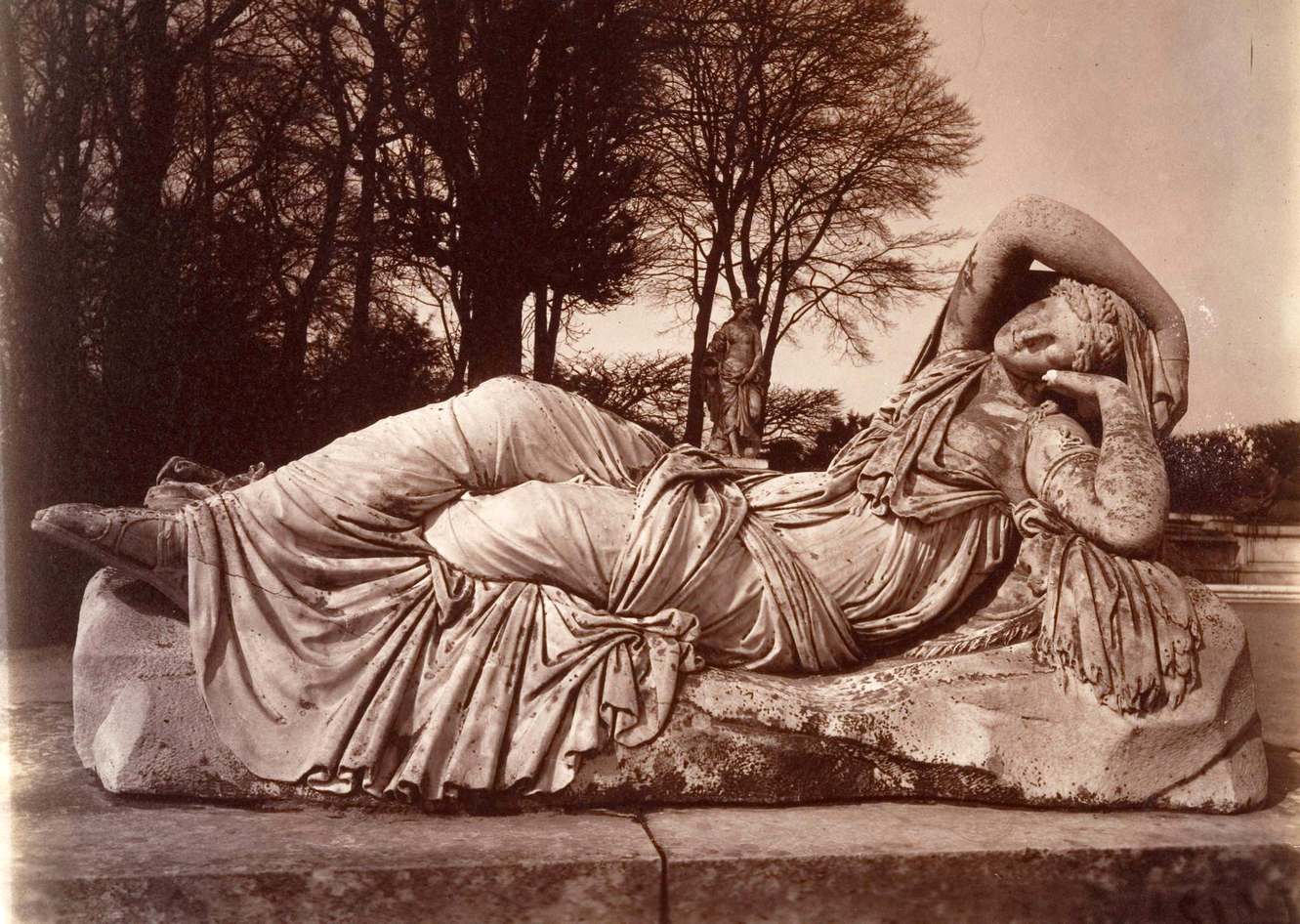
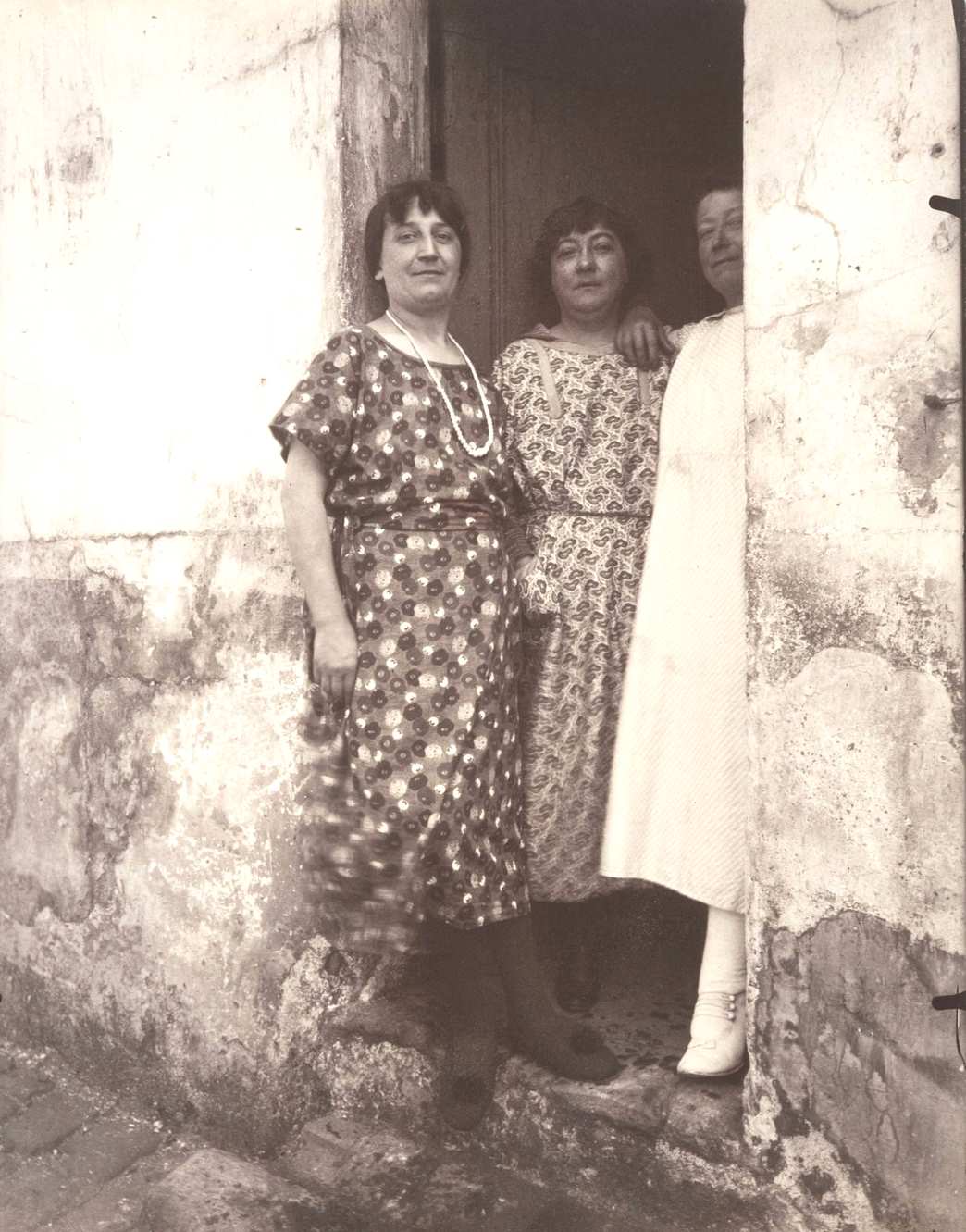
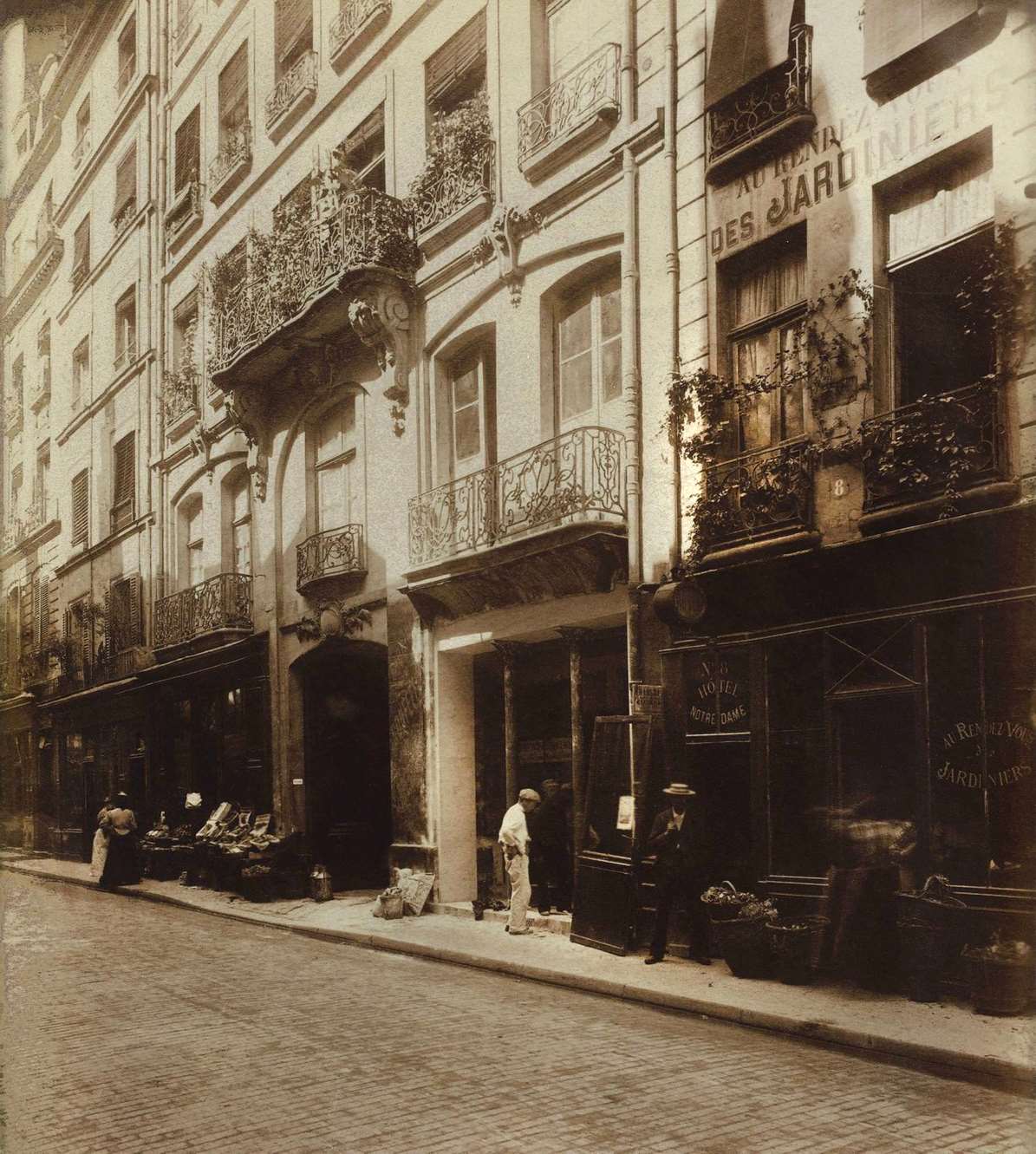
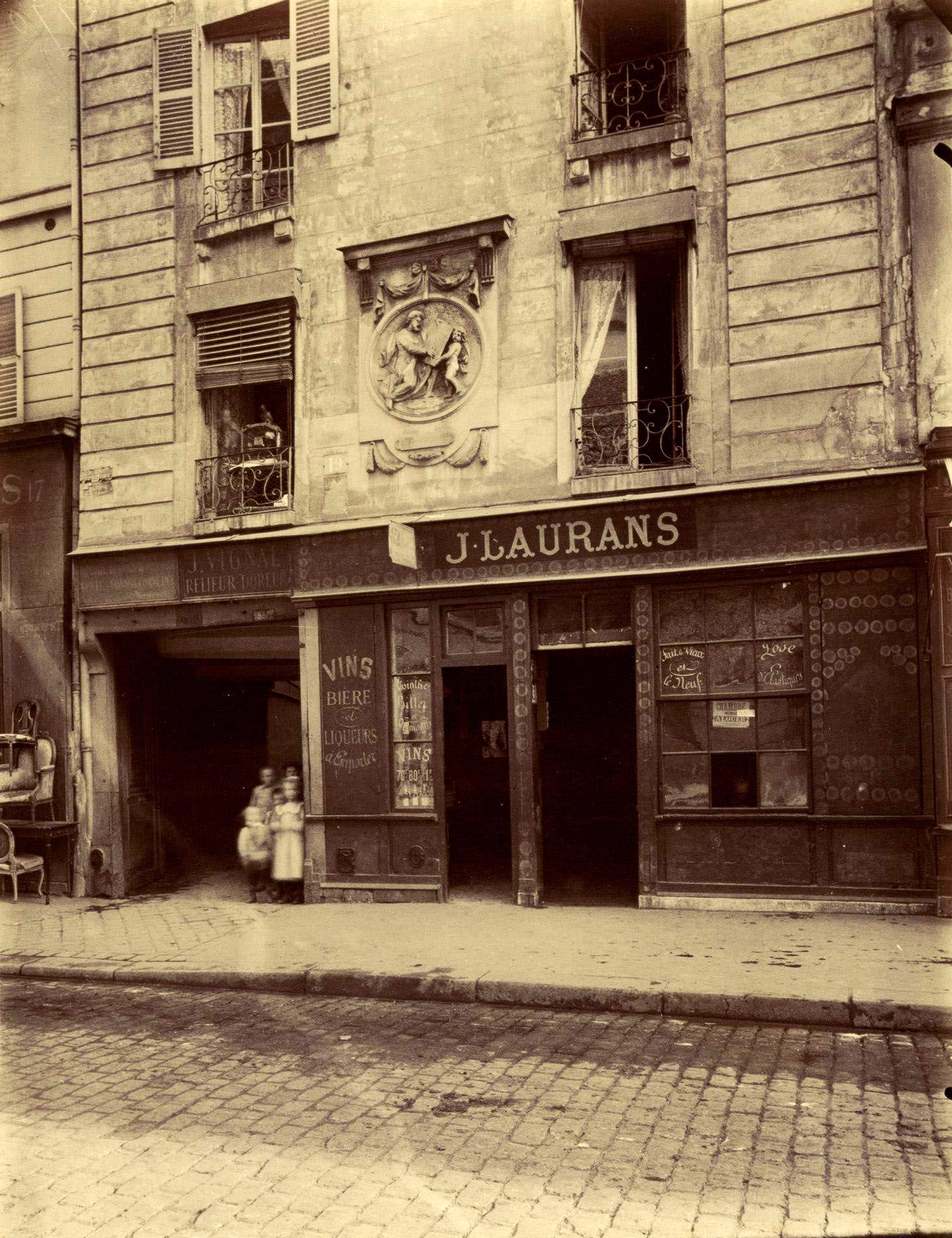
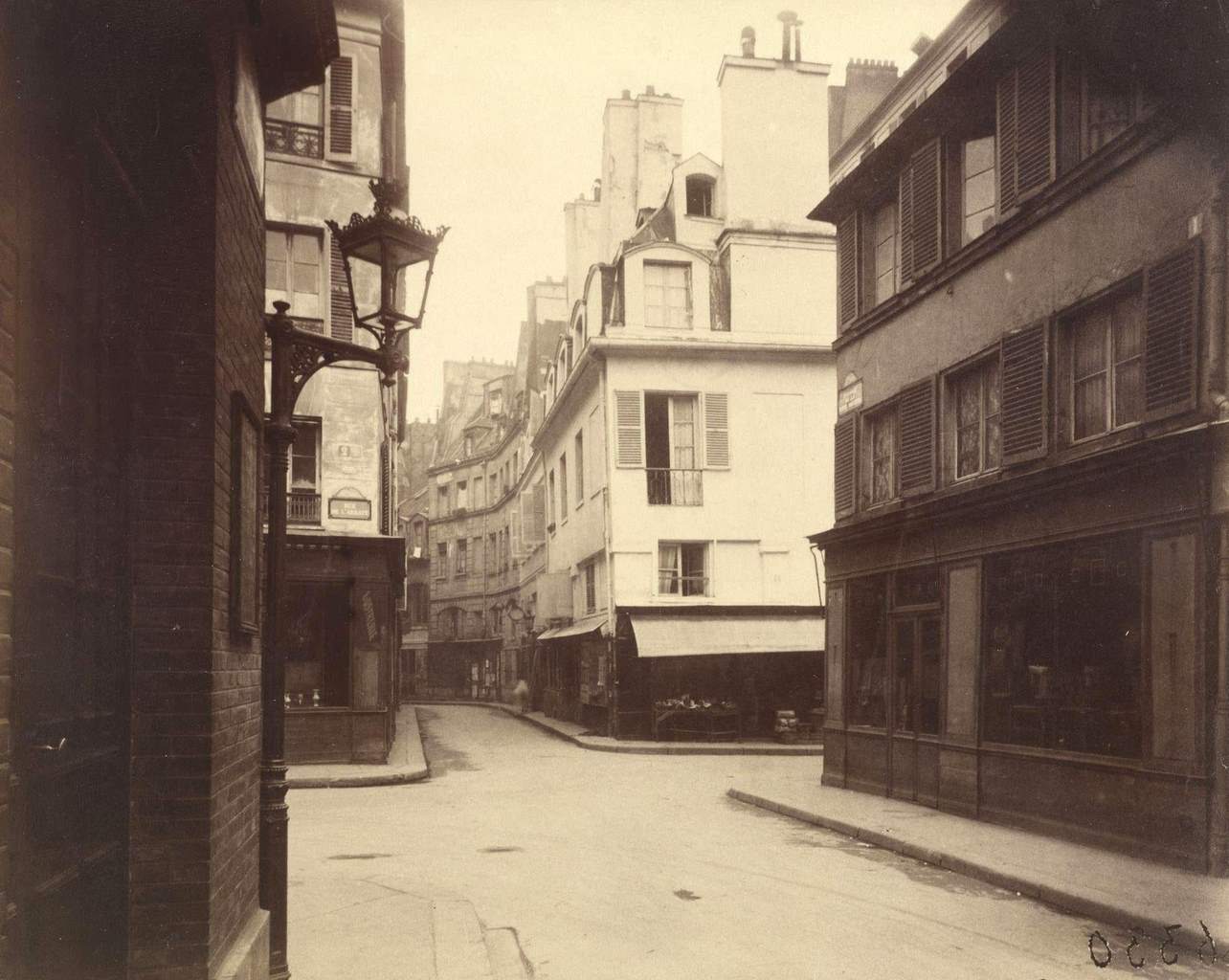
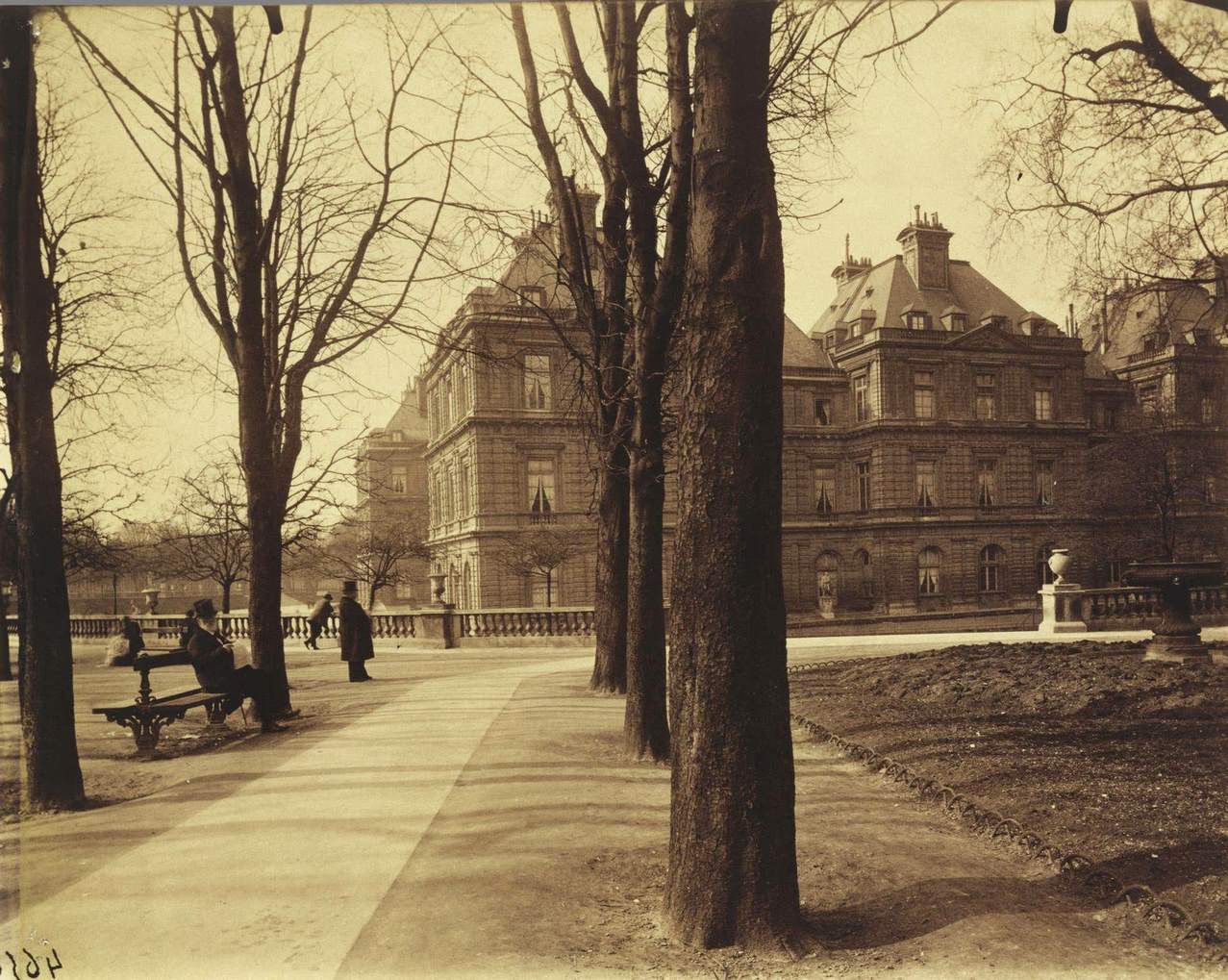
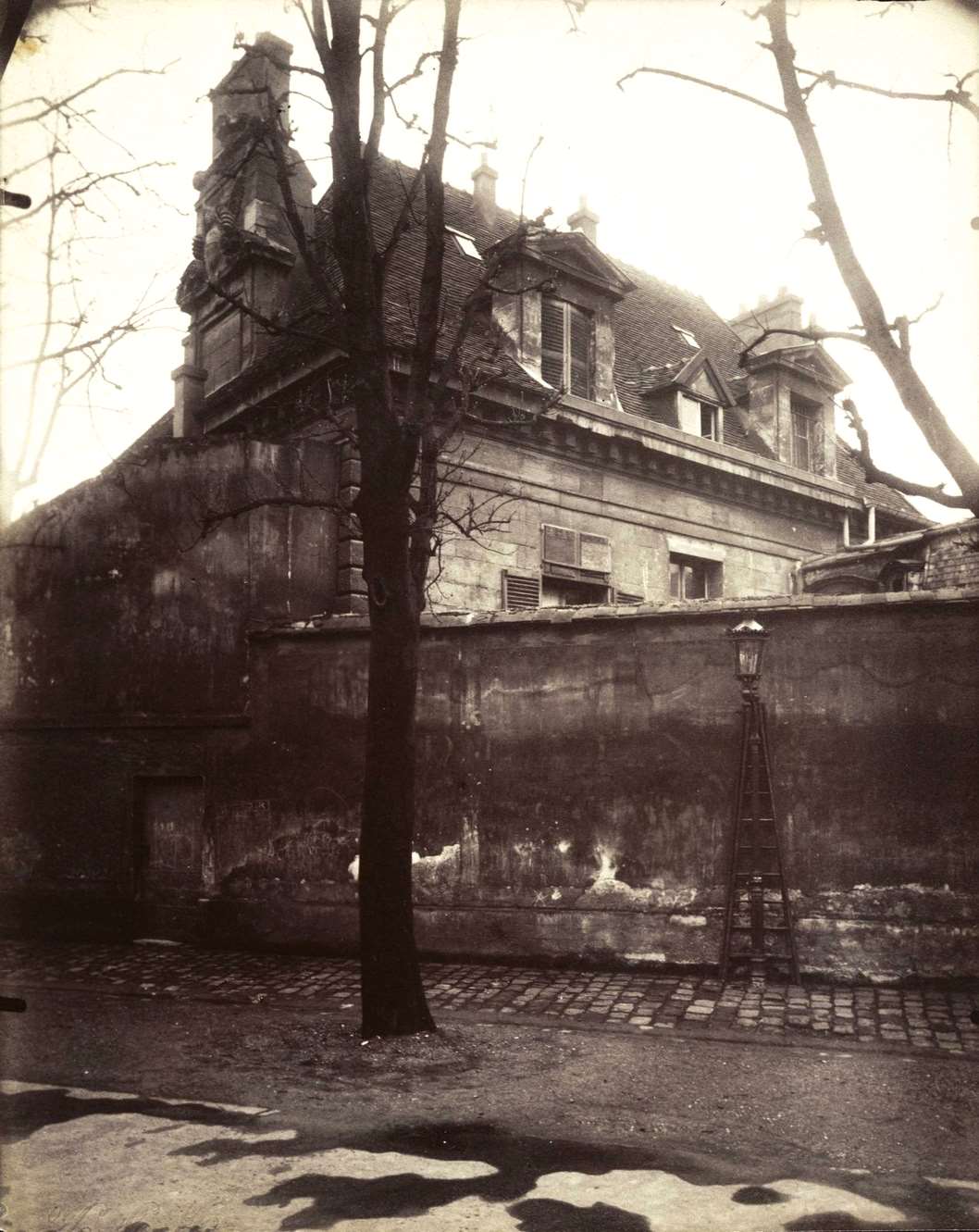
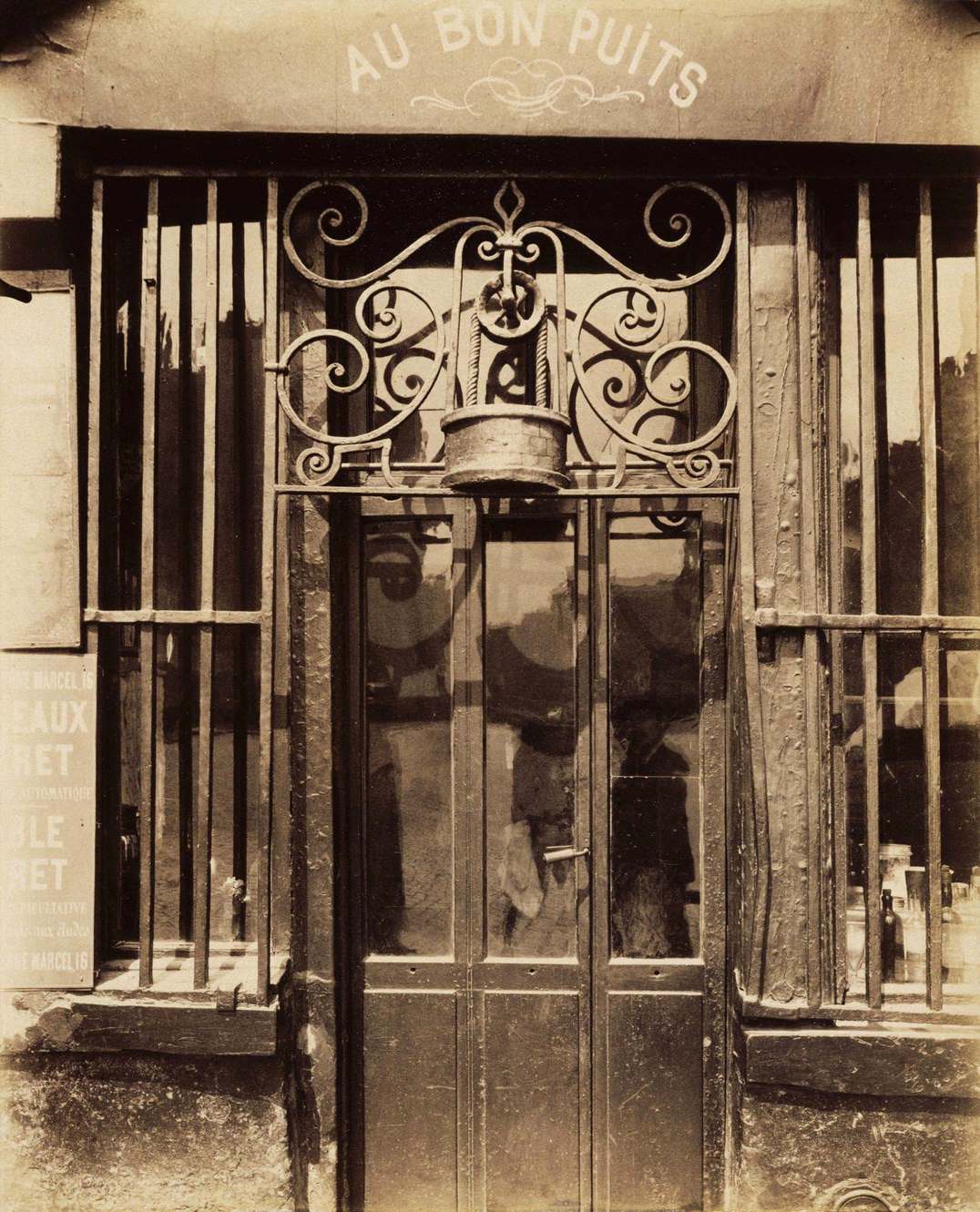
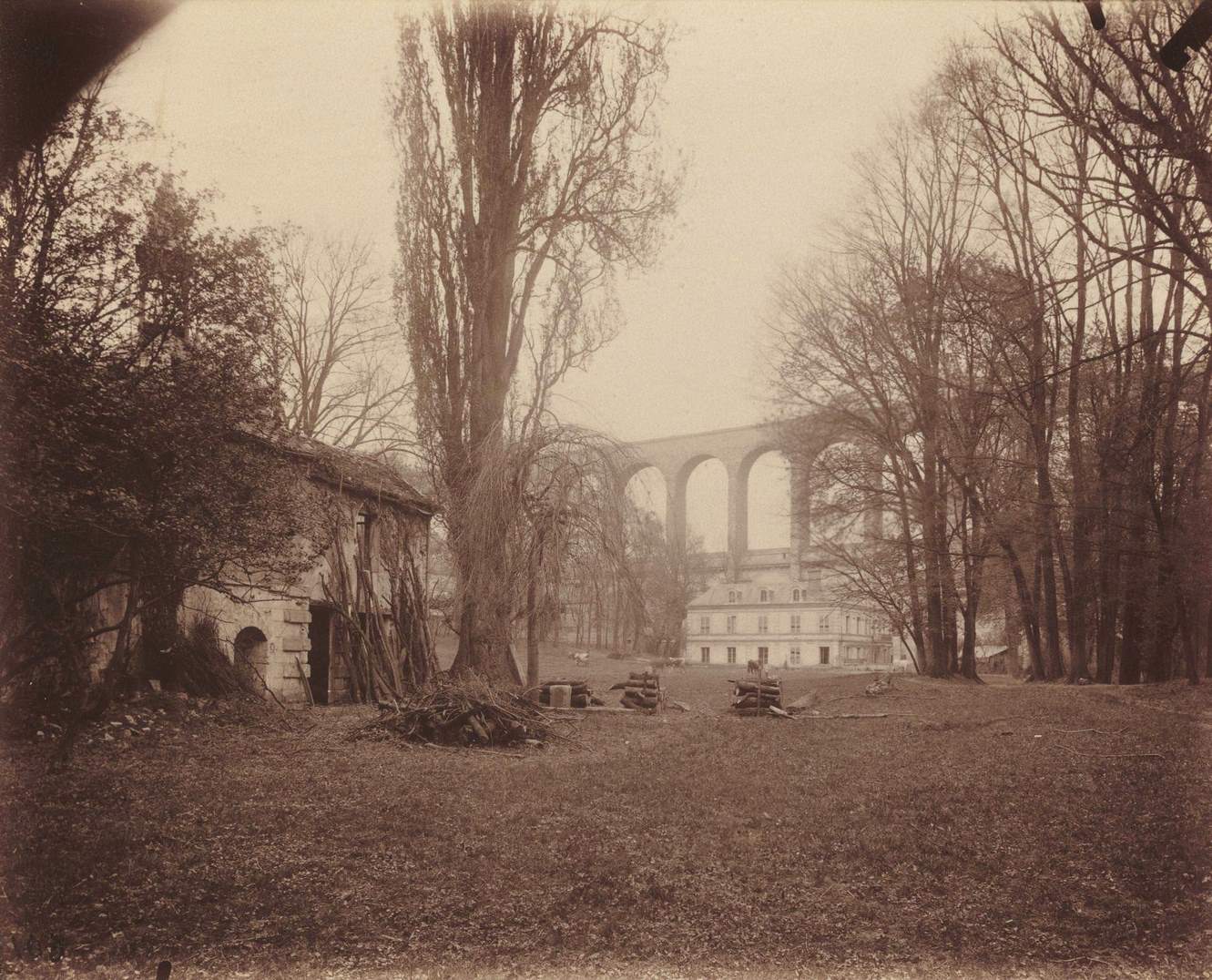
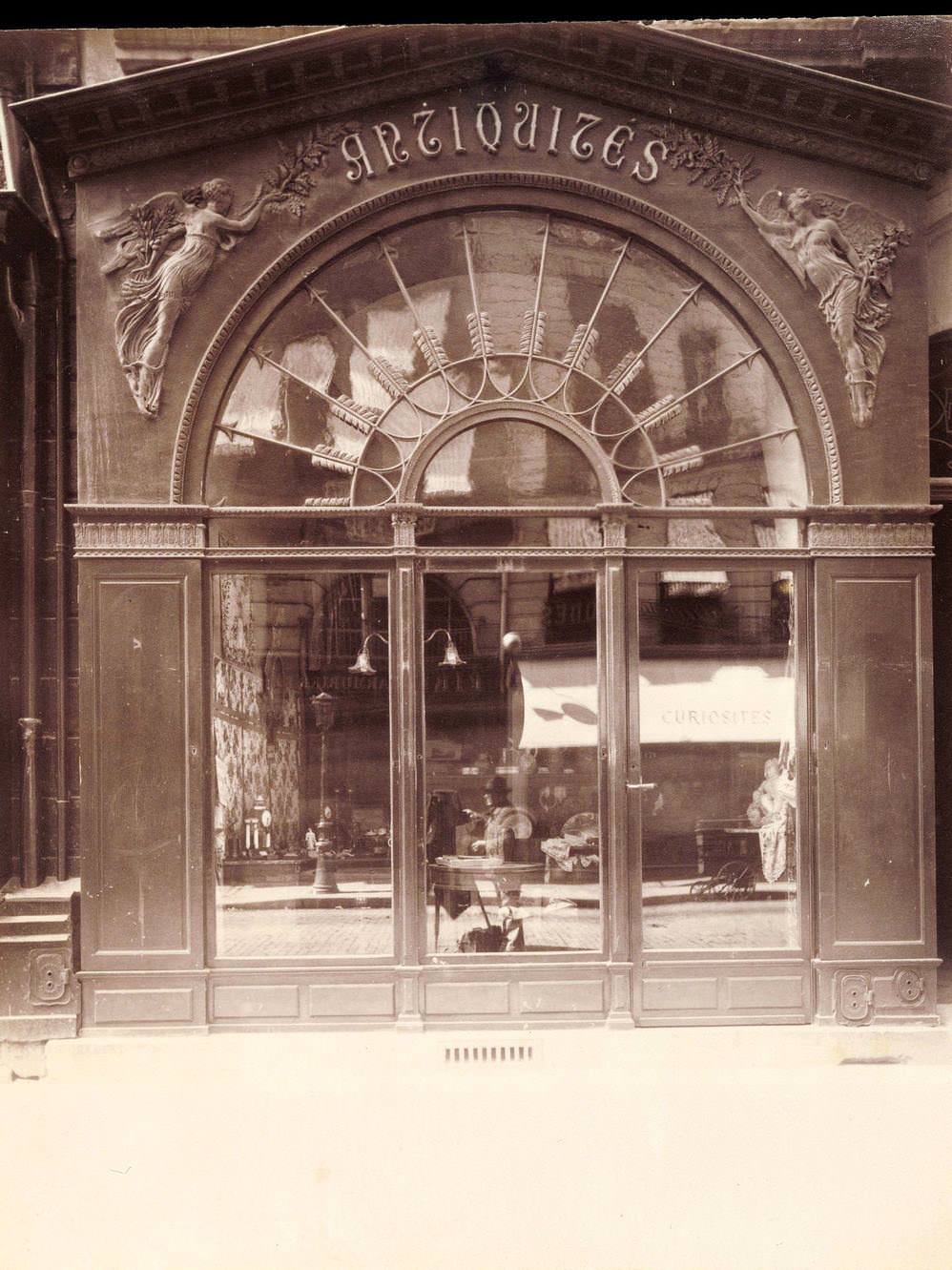
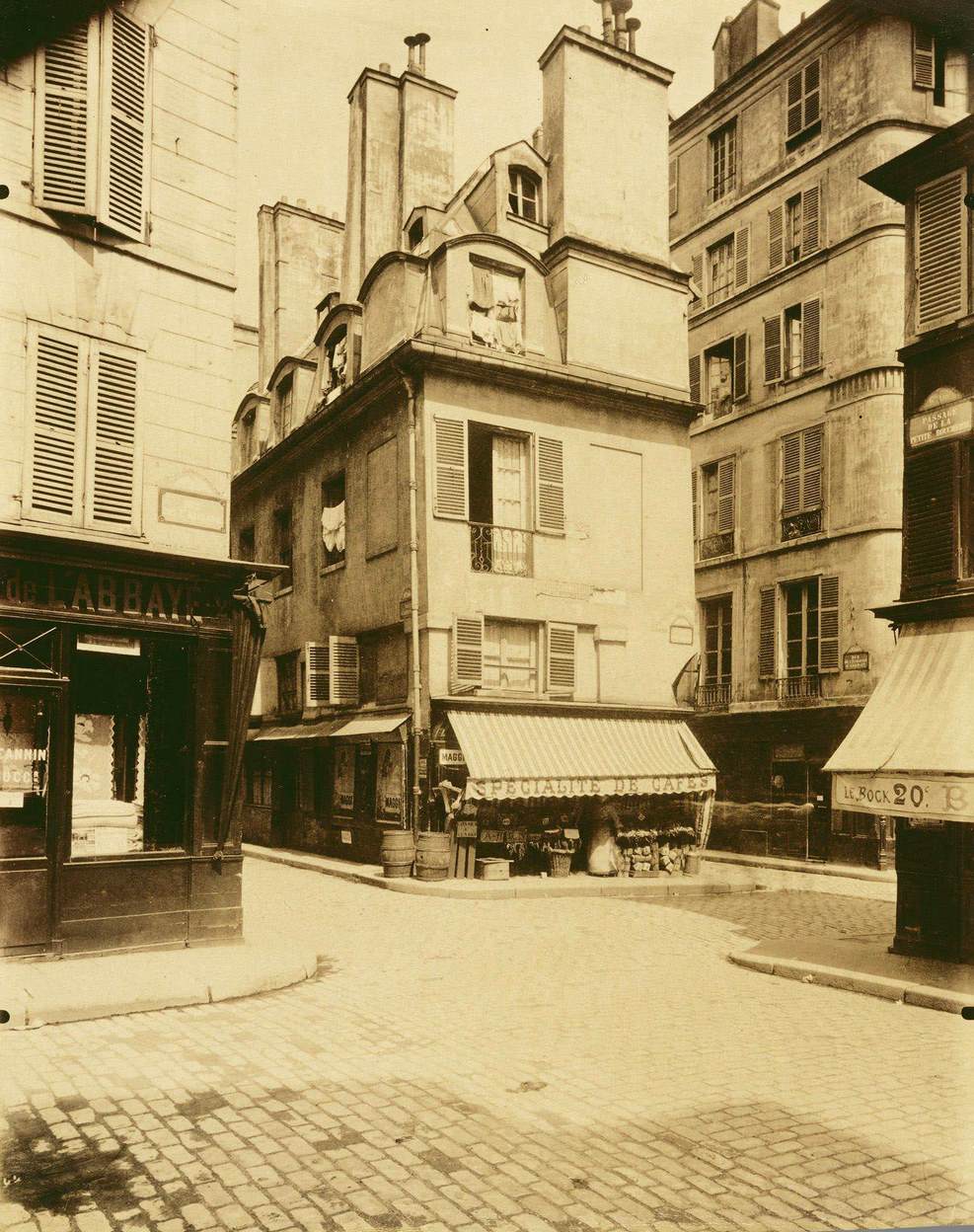
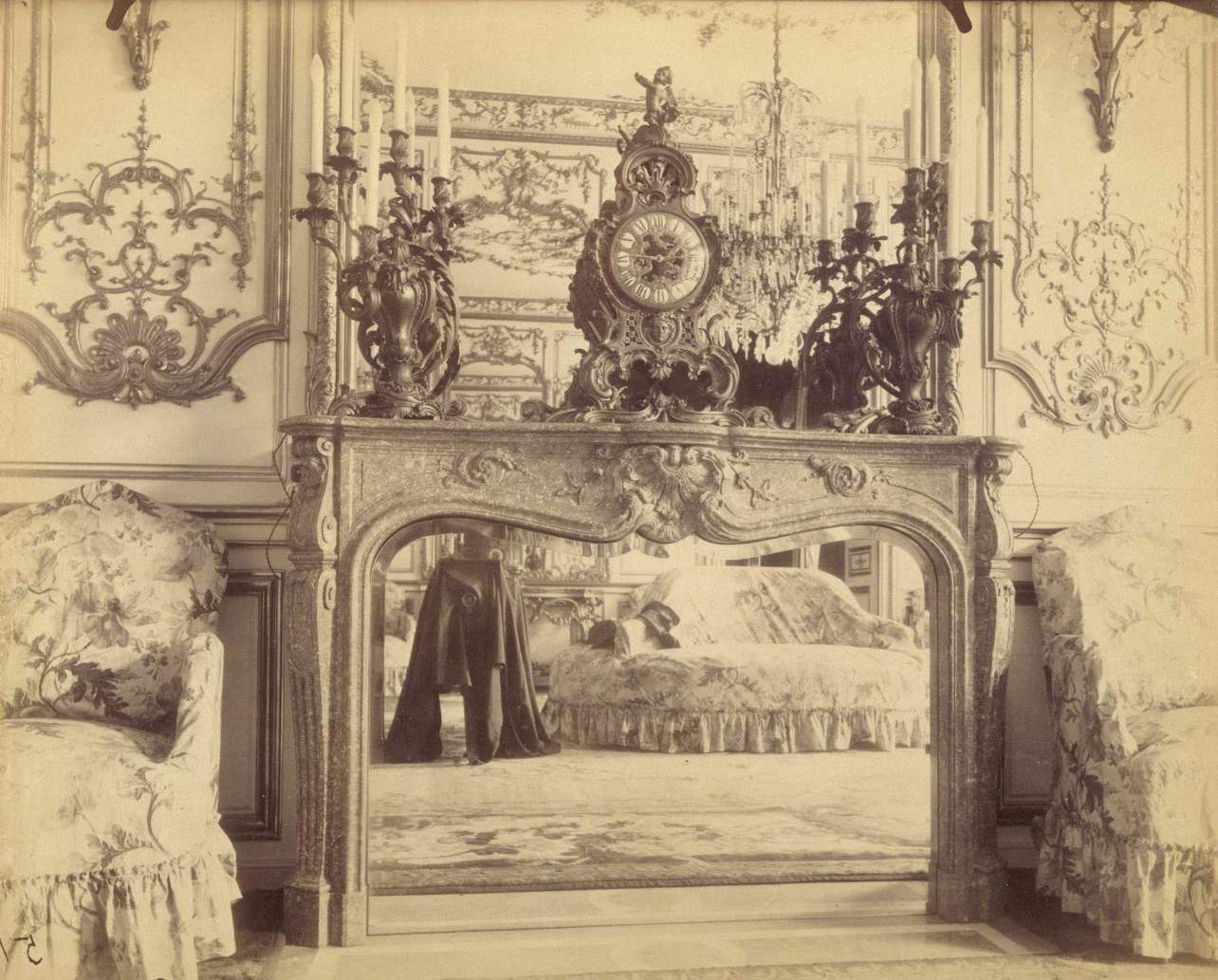
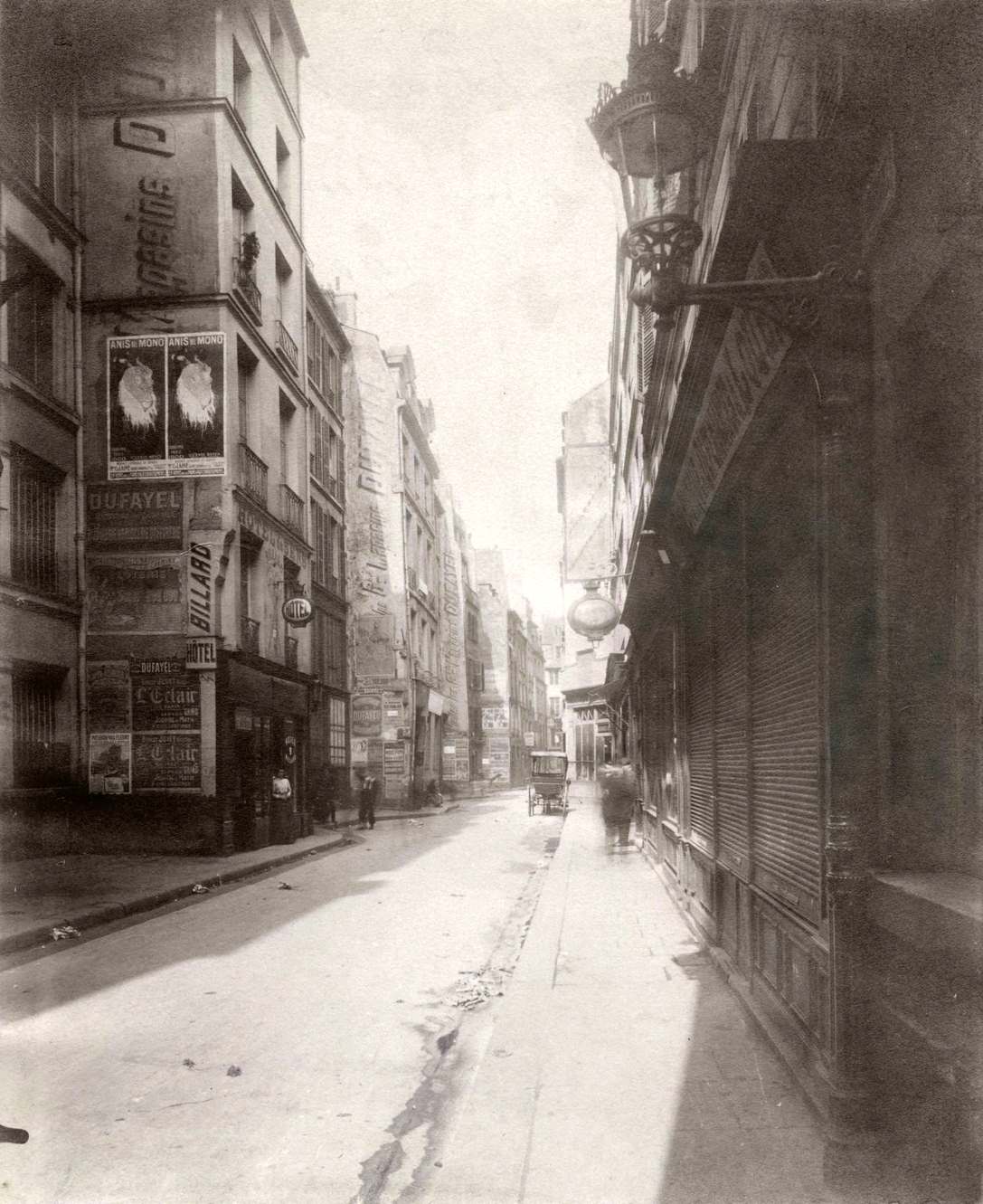
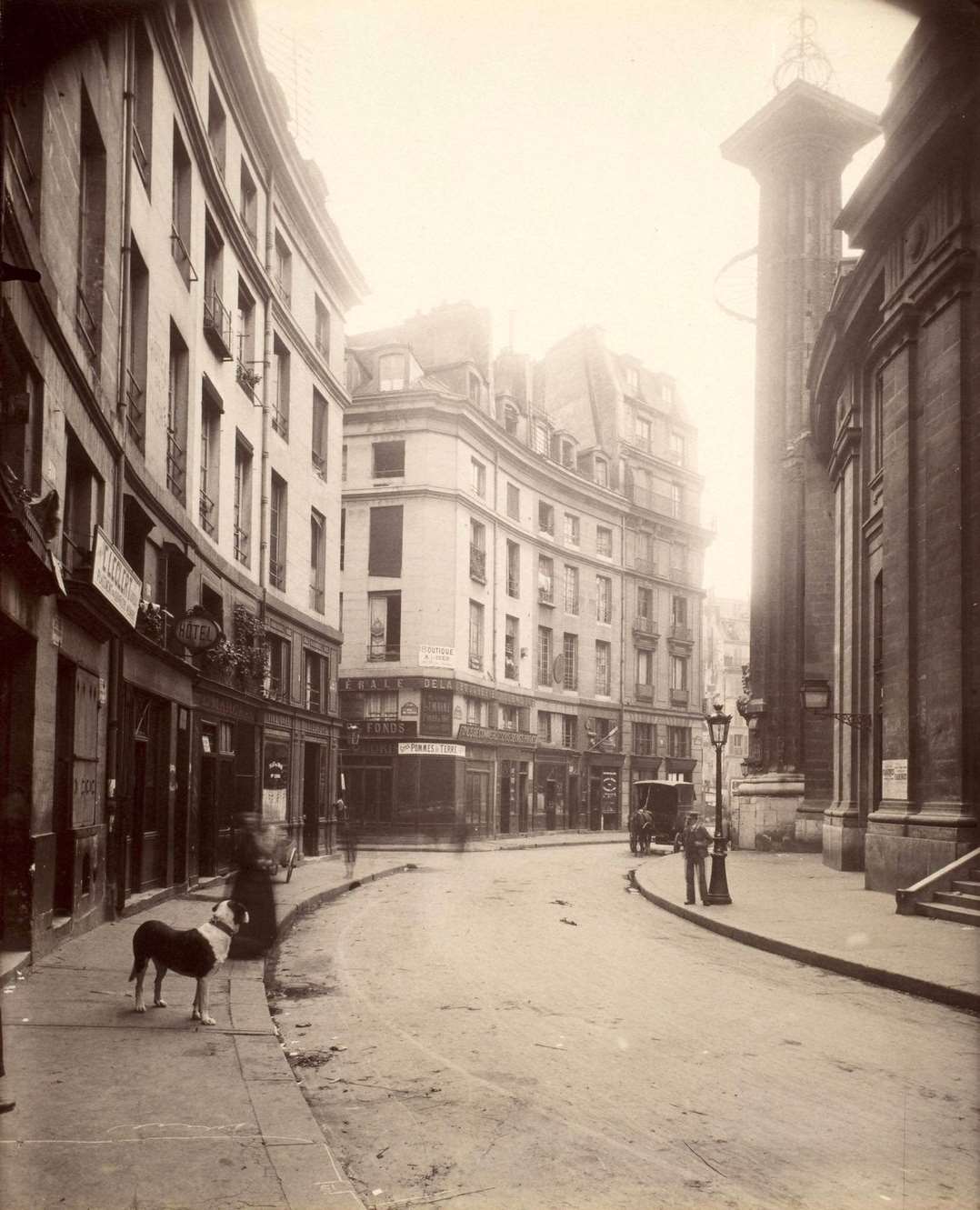
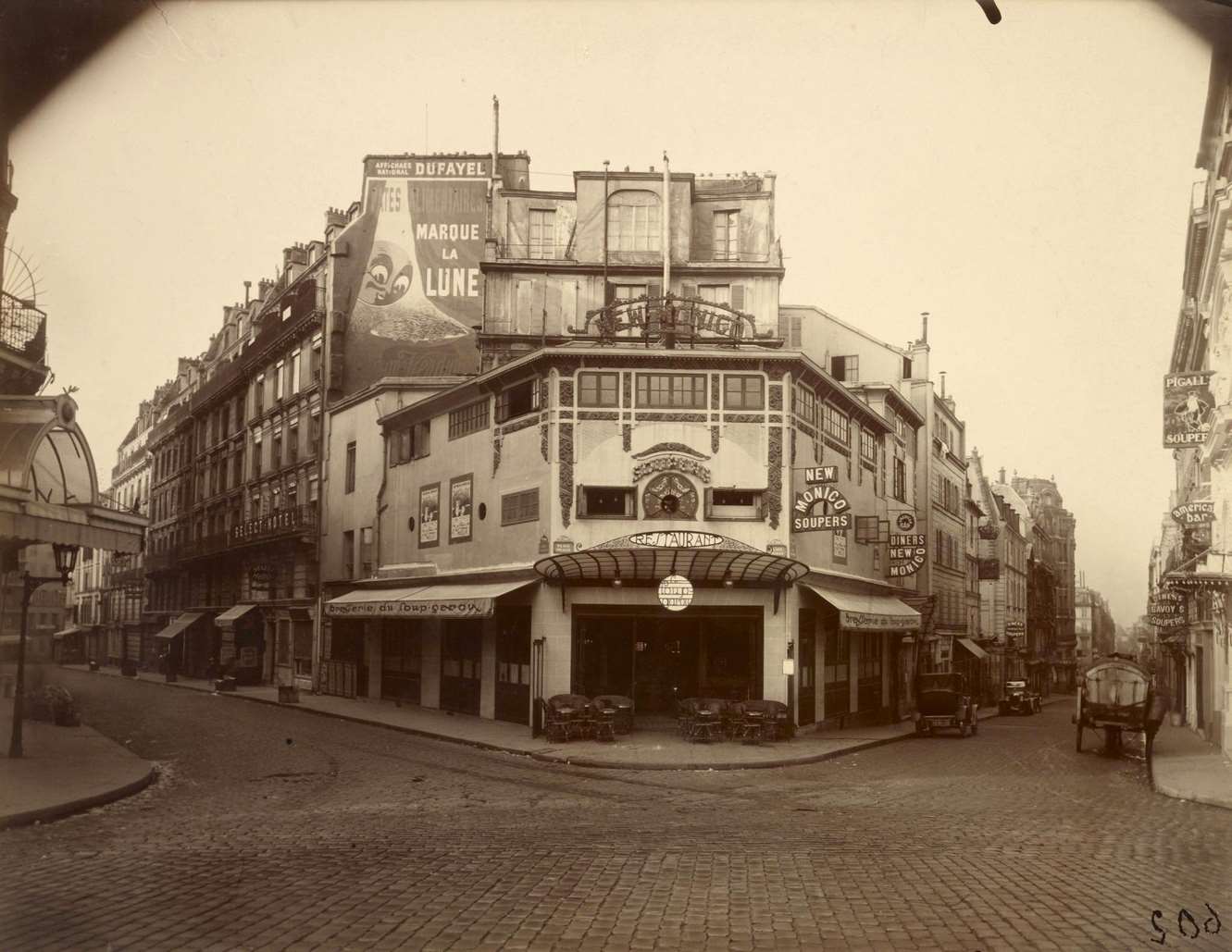
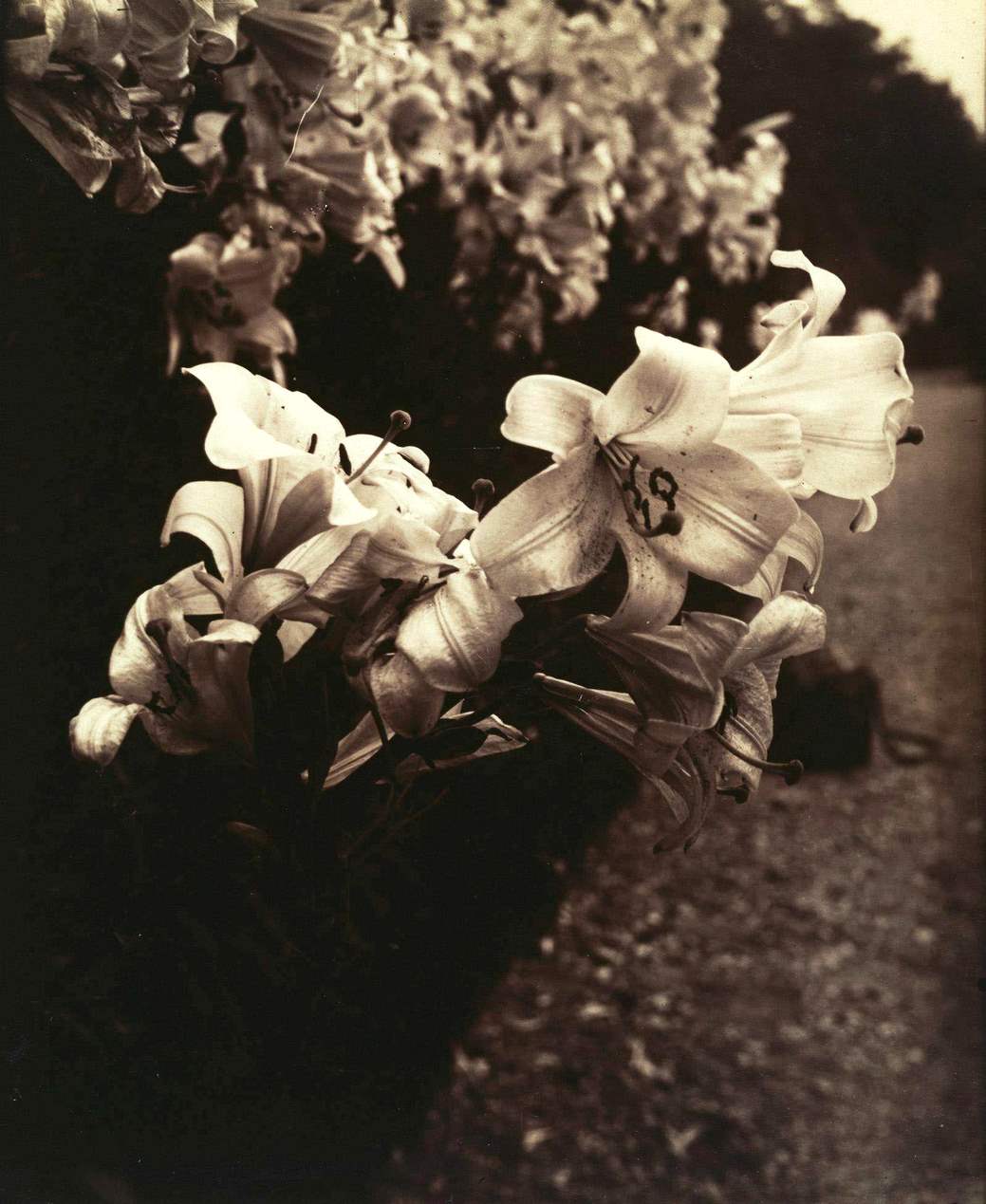
Eugène Atget spent nearly three decades walking the streets of Paris with a wooden camera strapped to his back, capturing a city in the middle of rapid, irreversible change. He began photographing Paris in 1898, and by the time of his death in 1927, he had built one of the most important documentary archives in the history of photography. His subjects were not the grand monuments that filled postcards and tourist guides. Instead, he turned his lens on courtyards, storefronts, park benches, street vendors, and quiet canal banks — the everyday fabric of a city that was quickly being torn apart and rebuilt.
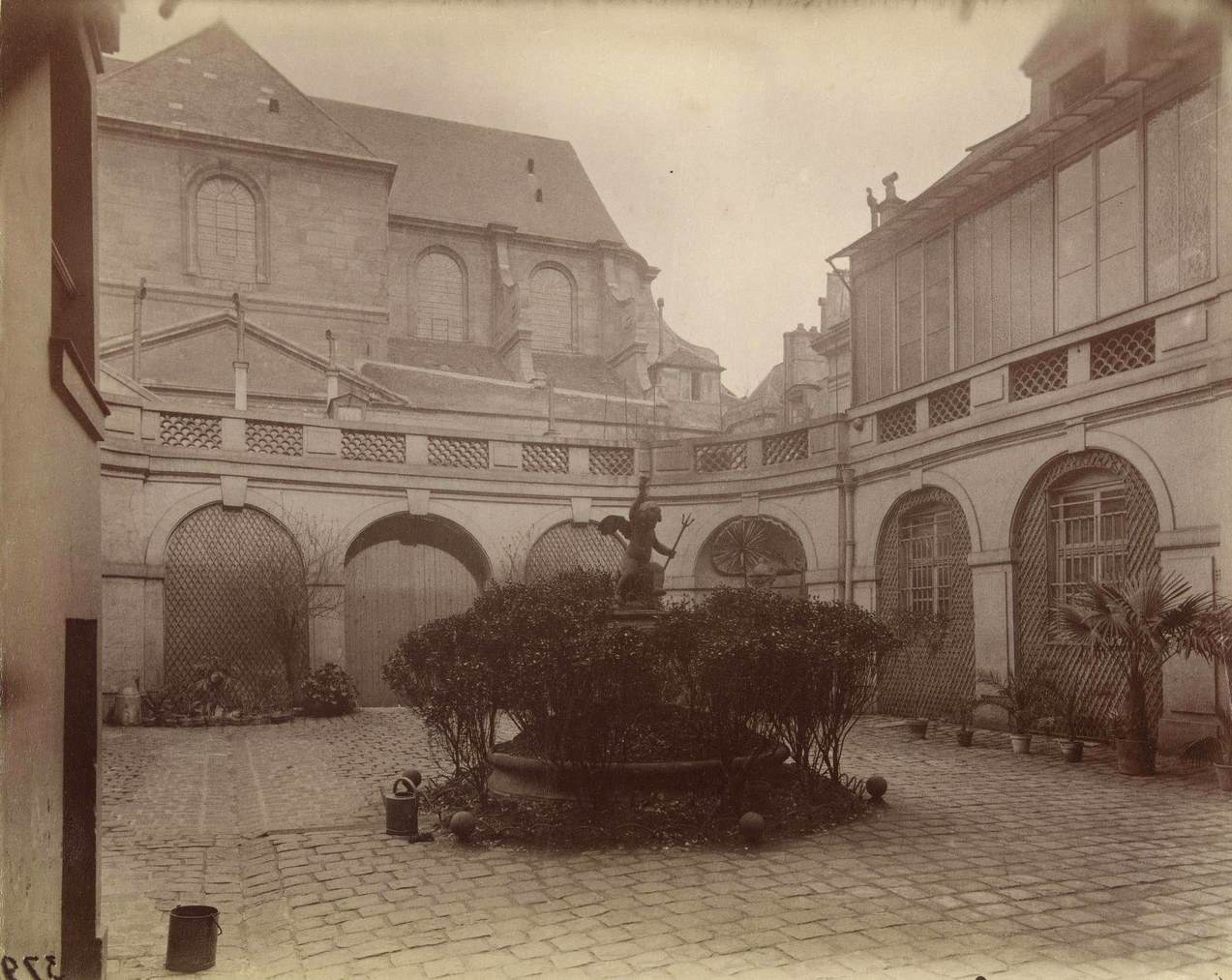
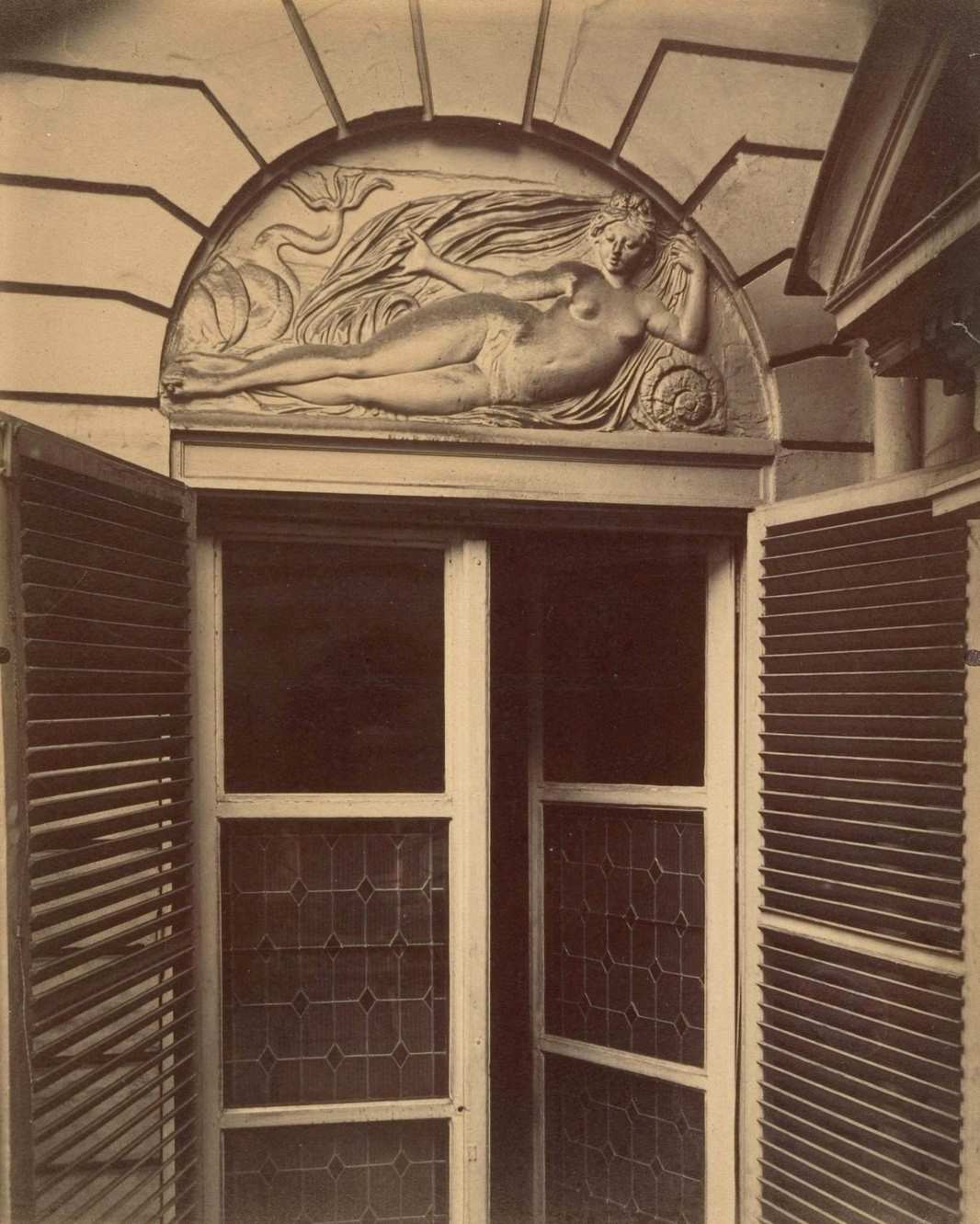
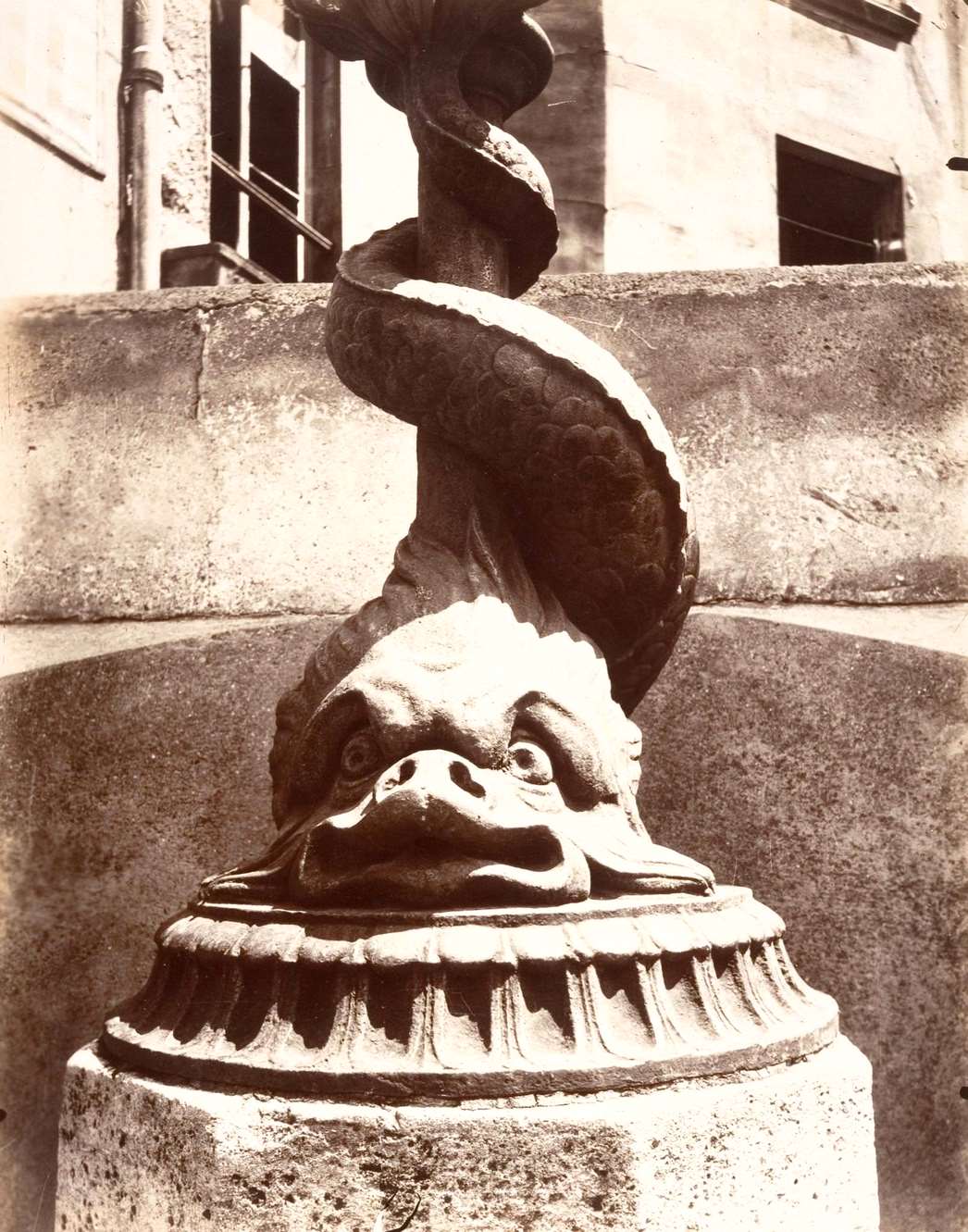
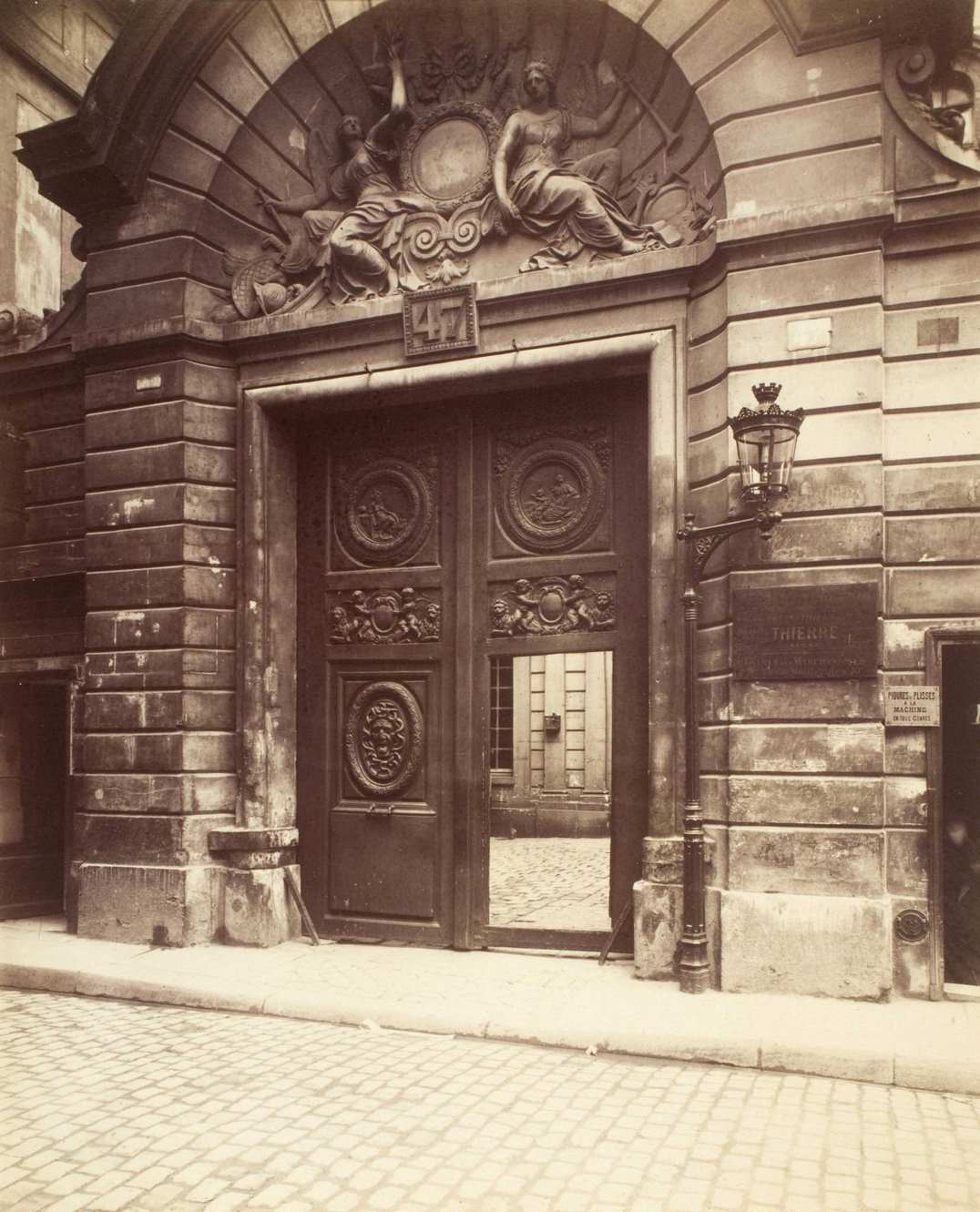
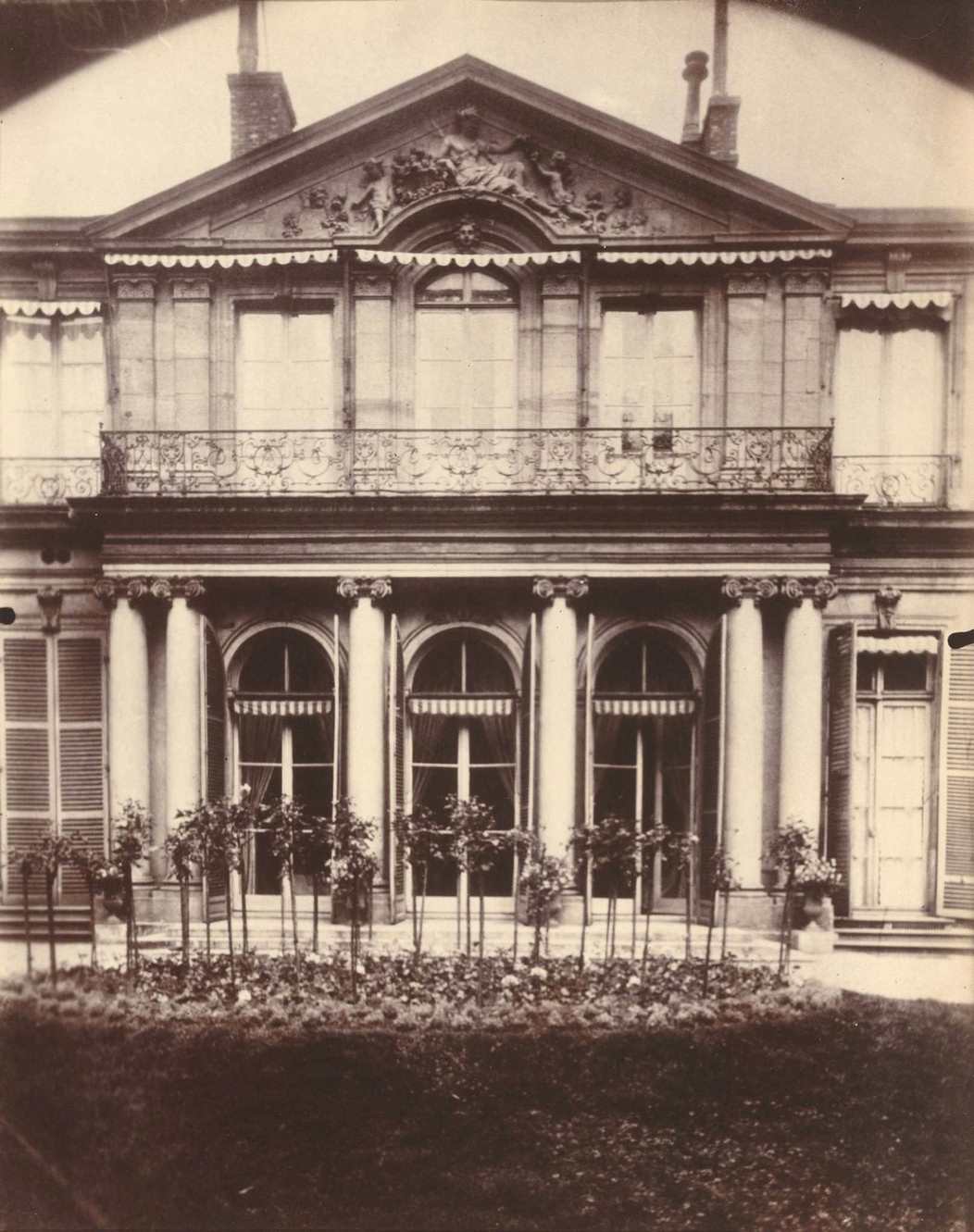
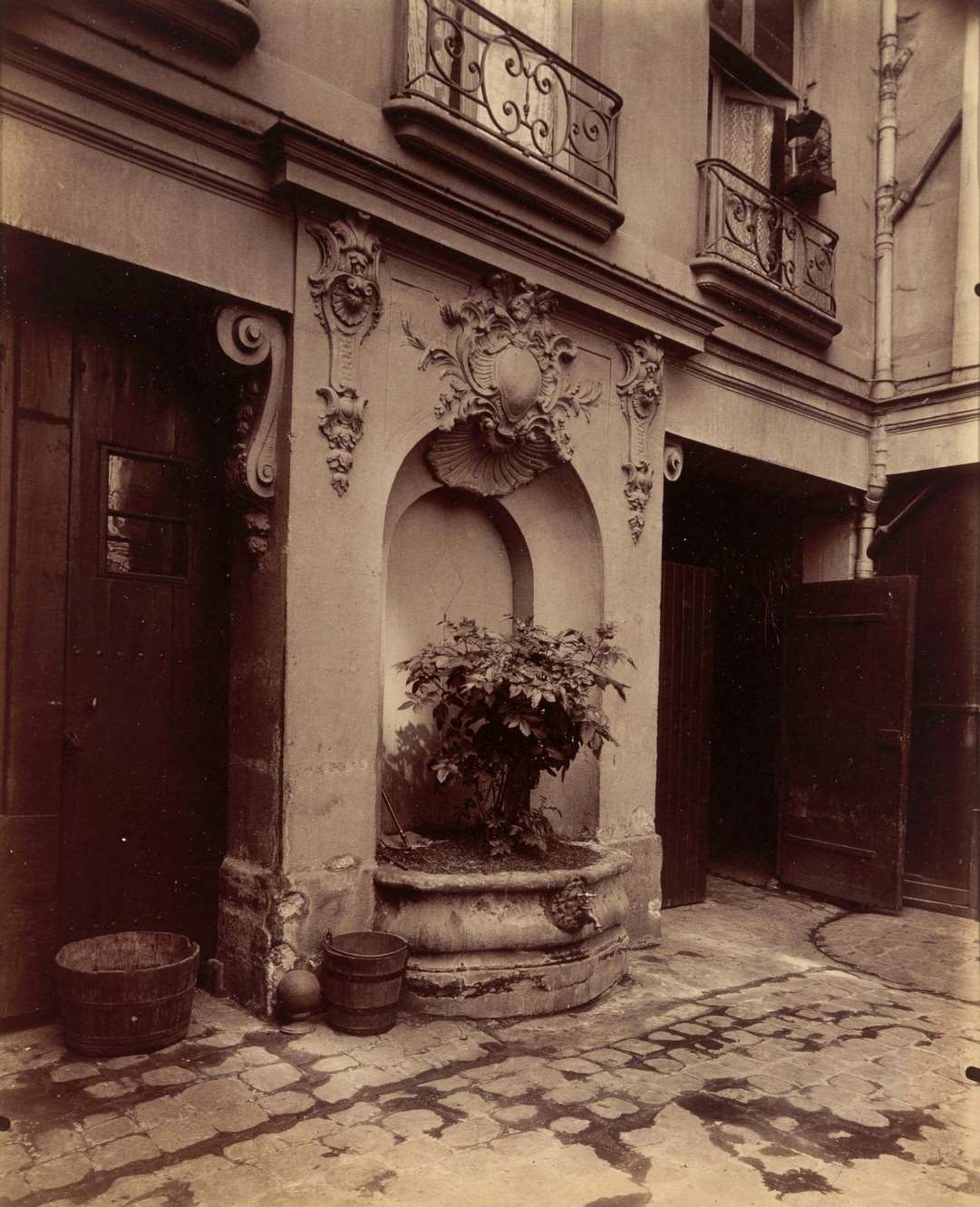
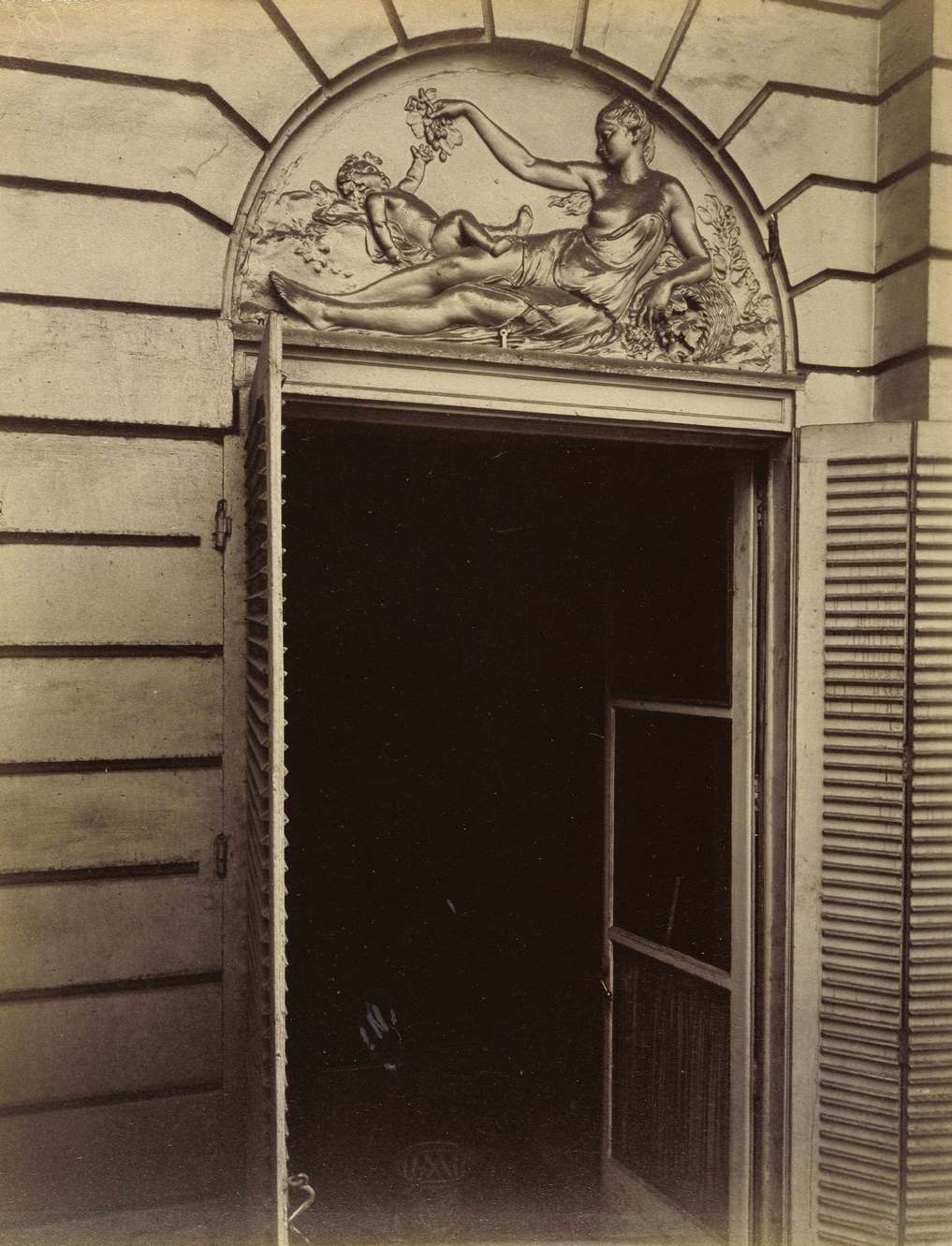
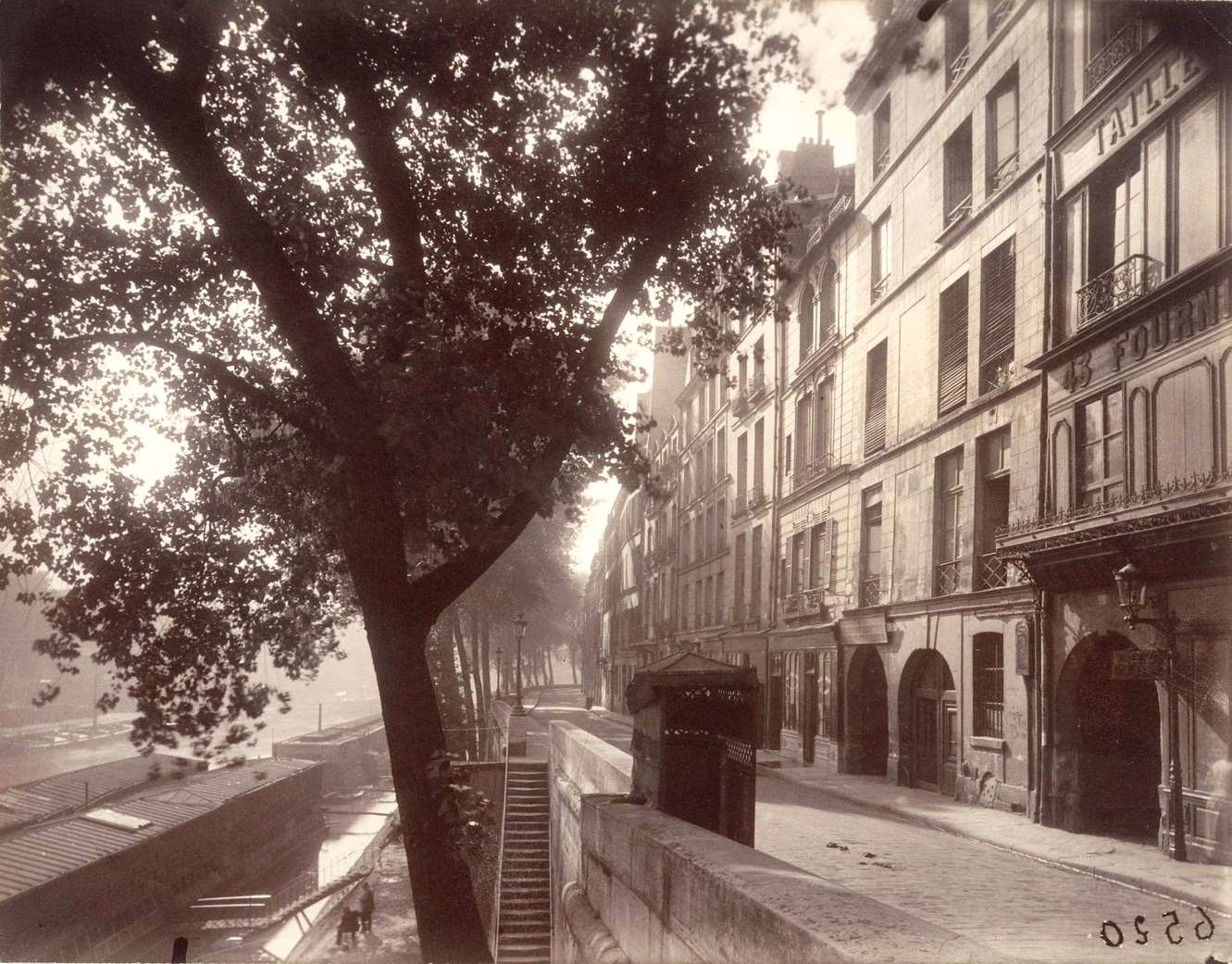
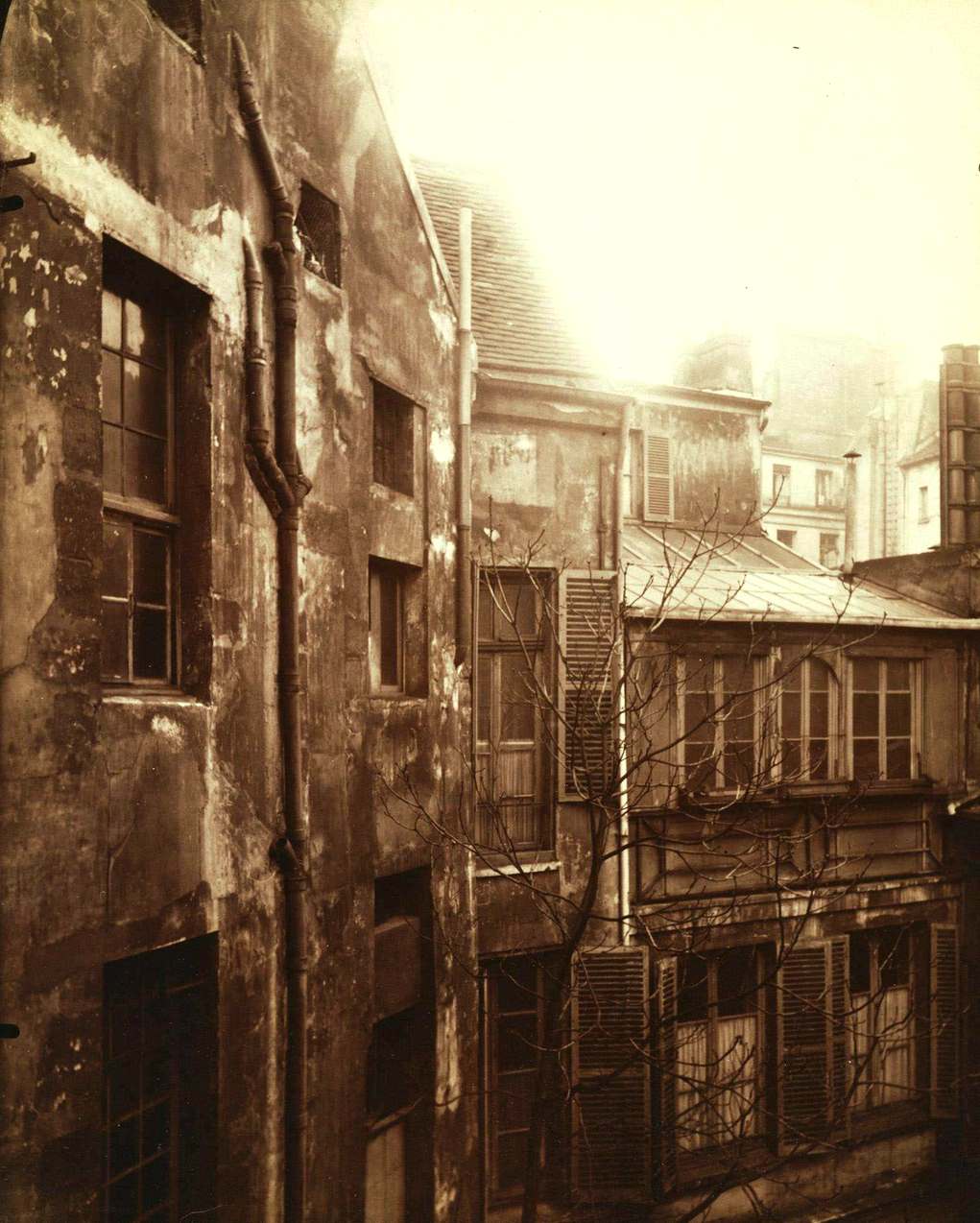
Courtyard of the Hotel d’Ambrun on the Quai de Bethune, Paris, 1890
Atget used an 18x24cm large-format view camera mounted on a wooden tripod, paired with a rapid rectilinear lens. The full setup, including glass plate negatives, weighed around 20 kilograms. He carried this load on foot through the streets of Paris, down metro staircases, and by train to the suburbs. The camera was already considered old-fashioned when he was using it, but that combination of outdated equipment and skilled eye produced a documentary aesthetic unlike anything being made at the time.
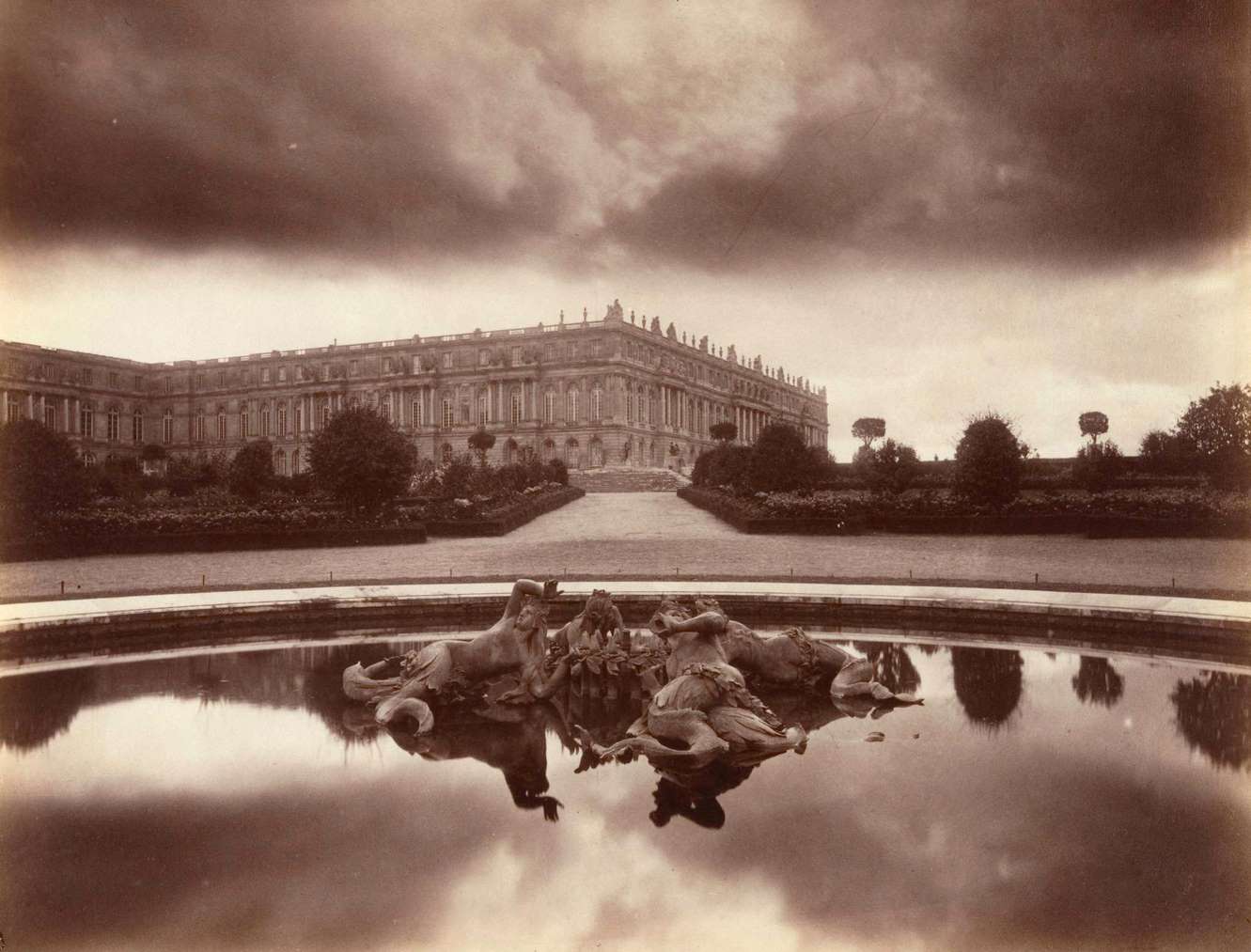
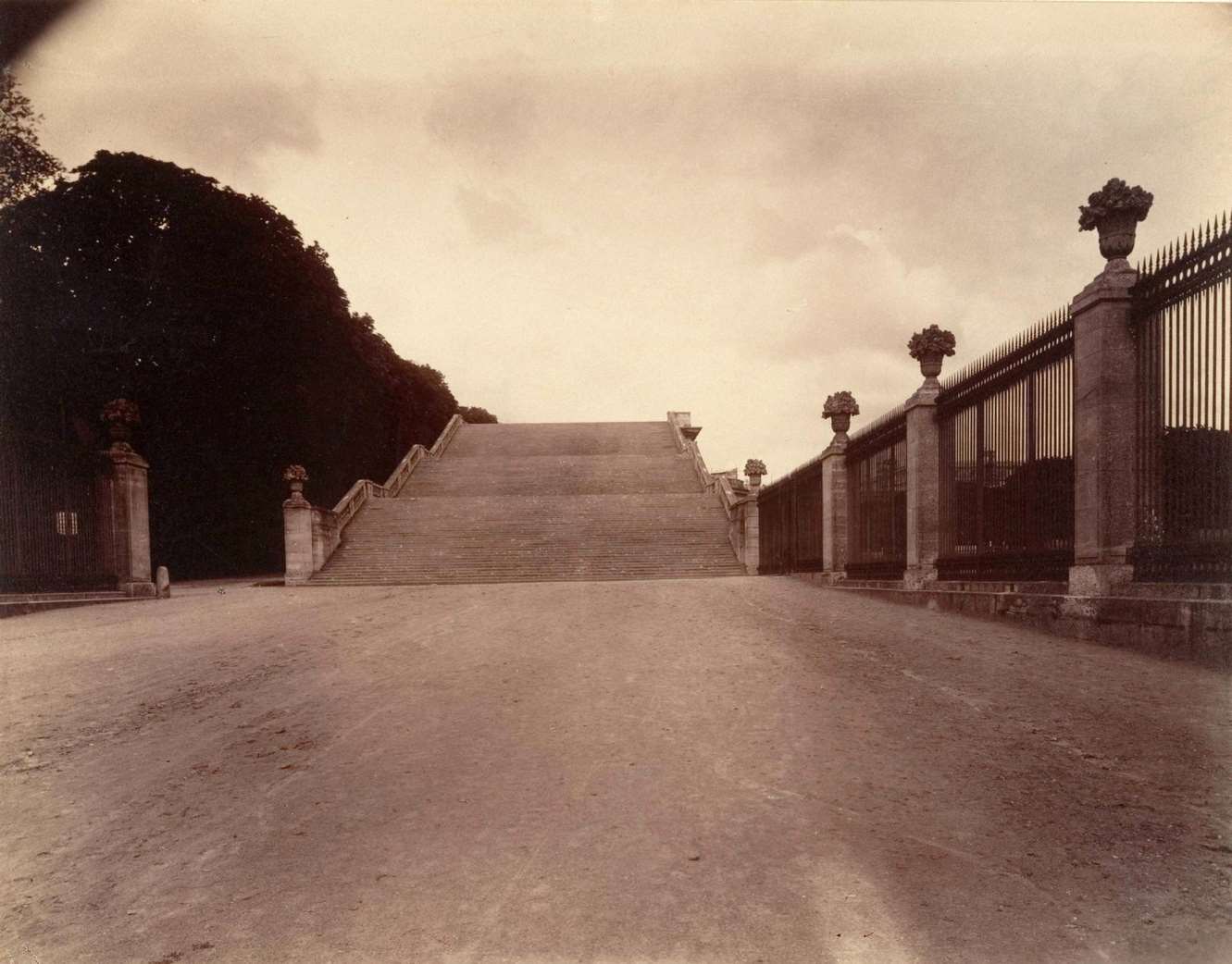
The Chateau, late October, evening, storm effect, view taken from the Parterre du Nord, 1903,Trianon, 1923
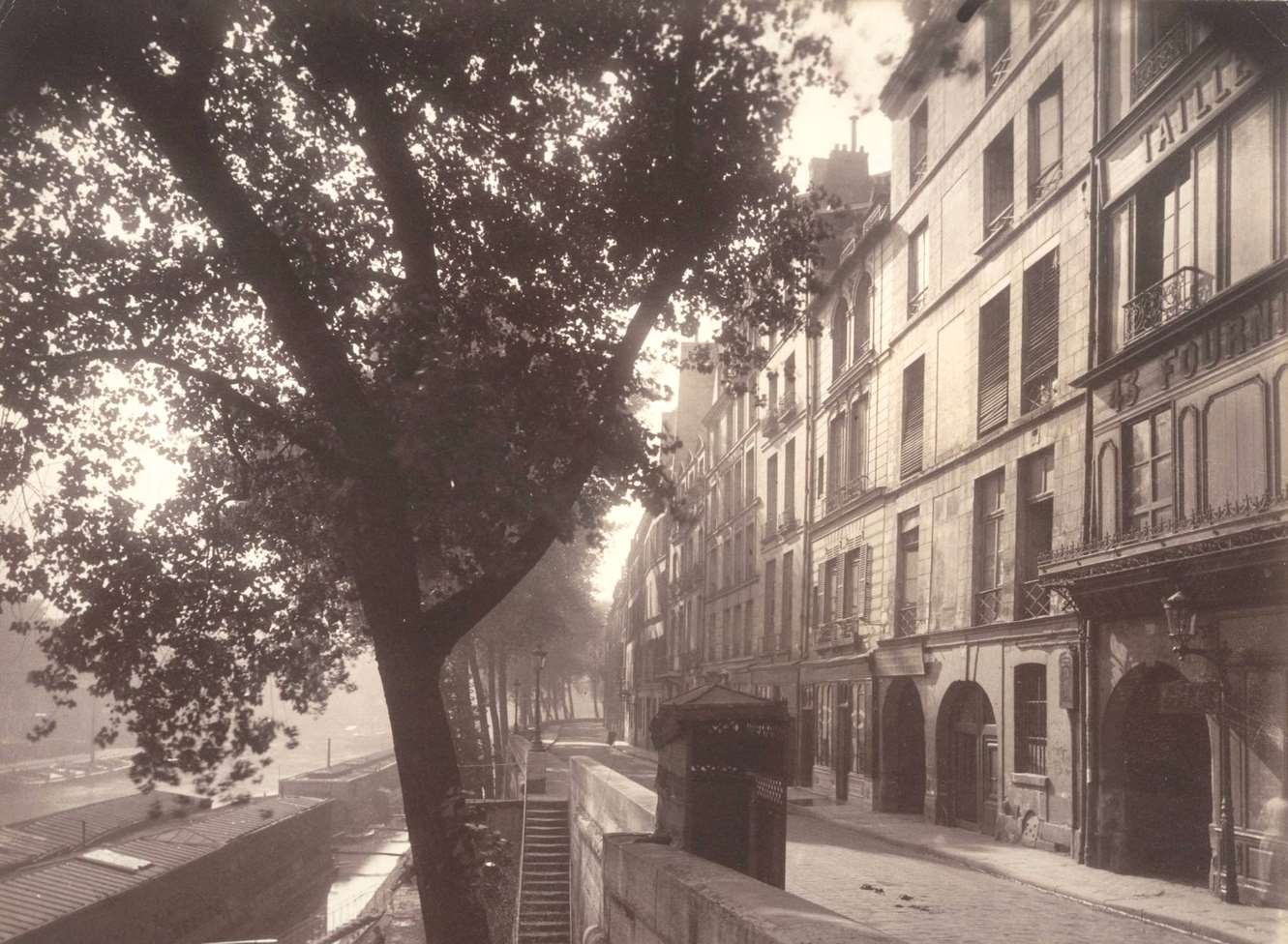
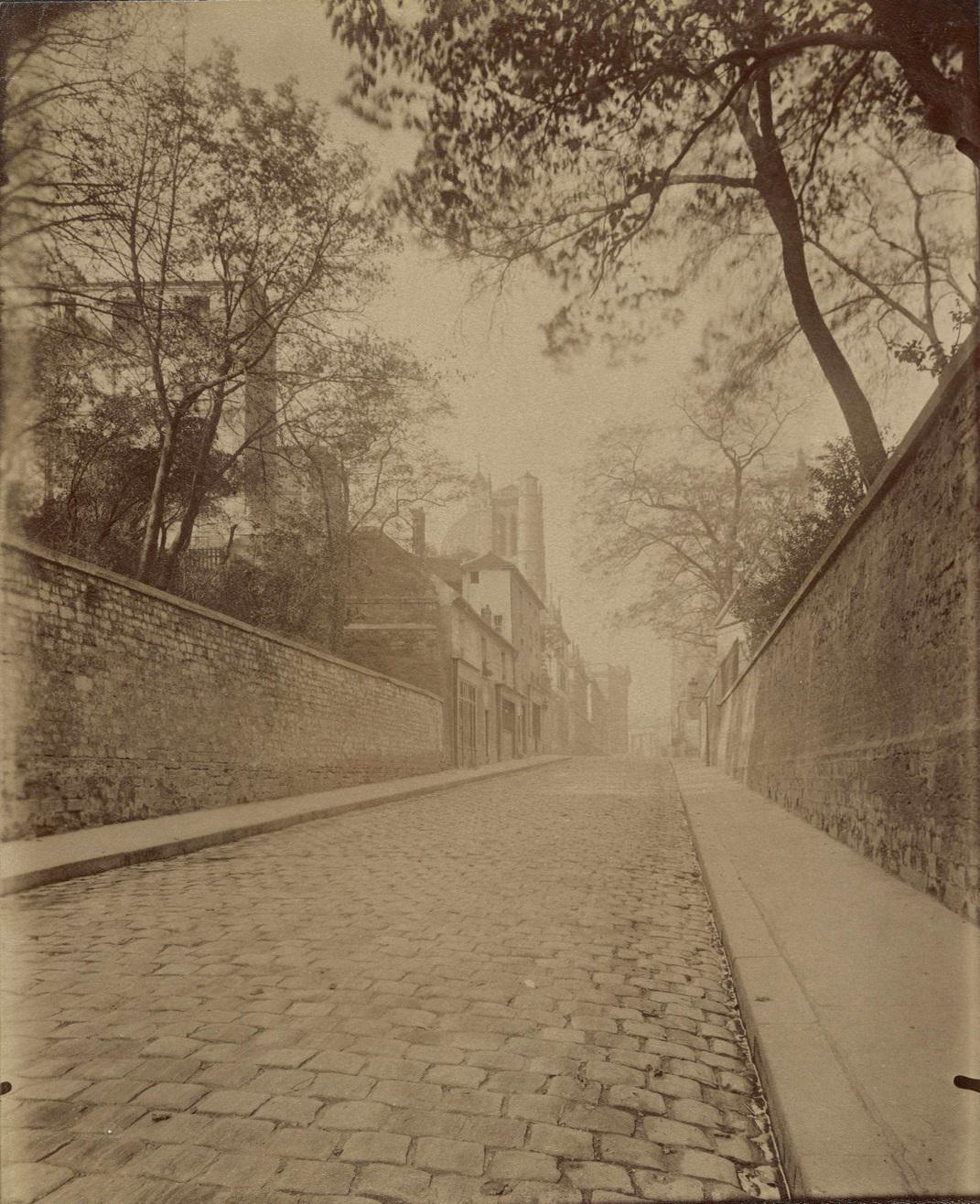
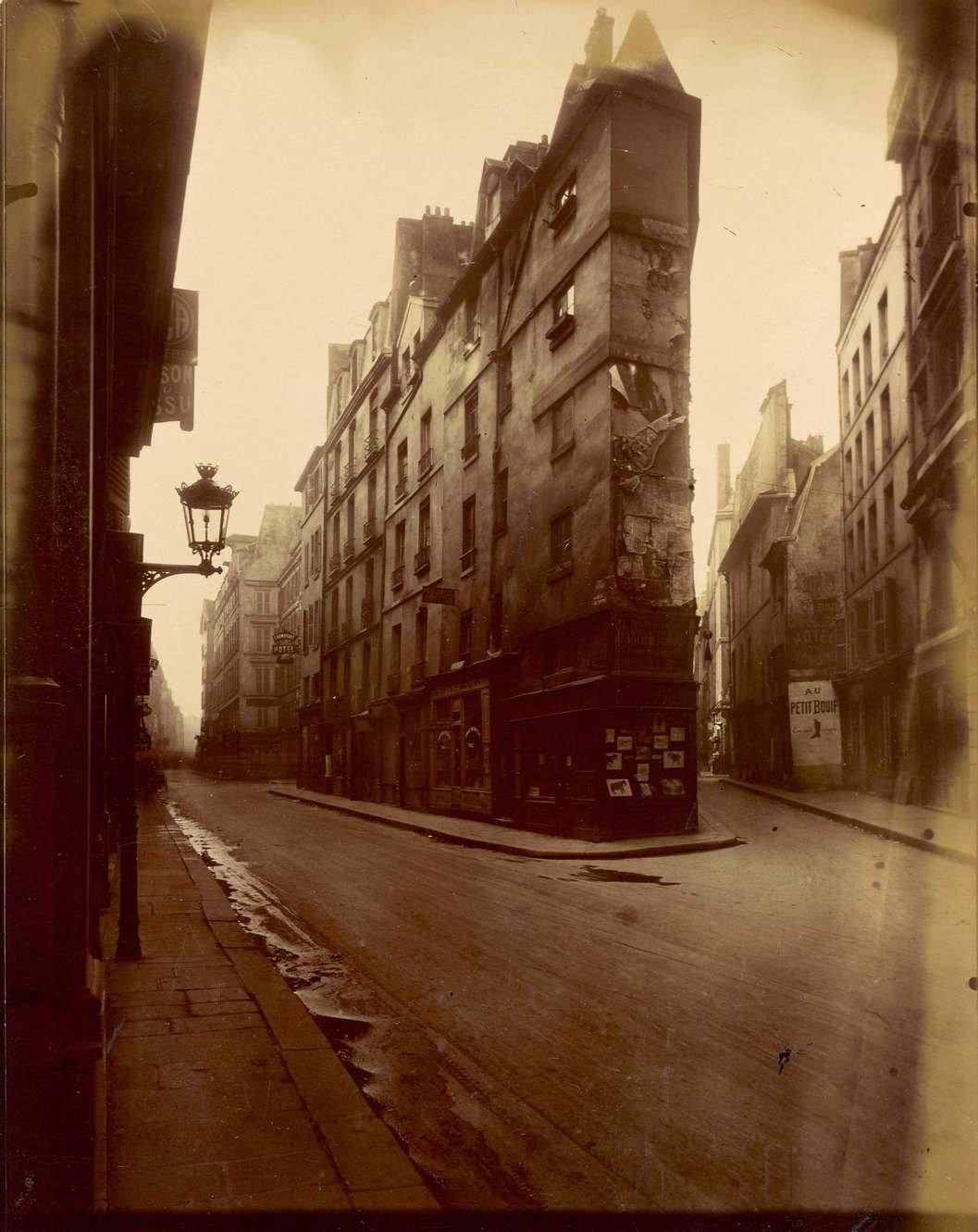
Many of his photographs were taken at dawn, before Paris filled with traffic and noise. The early morning light gave his images a hushed, almost suspended quality — wide, diffuse, and even. His frames rarely included famous landmarks. He preferred narrow side streets, worn stone facades, iron railings, and the kinds of corners that most photographers walked past without a second glance.
Vannier, 1910Cafe, Avenue de la Grande-Armee, 1924
Atget was meticulous about recording what was disappearing. Entire neighborhoods were being demolished under massive modernization projects throughout the late 19th and early 20th centuries. Streets that he photographed in the 1890s were gone within a decade. His archive functioned as visual evidence of what Paris had been — a record made before the bulldozers arrived.
La Bievre, Boulevard d’Italie 13th disappeared in 1891; today rue Edmond Gondinet,
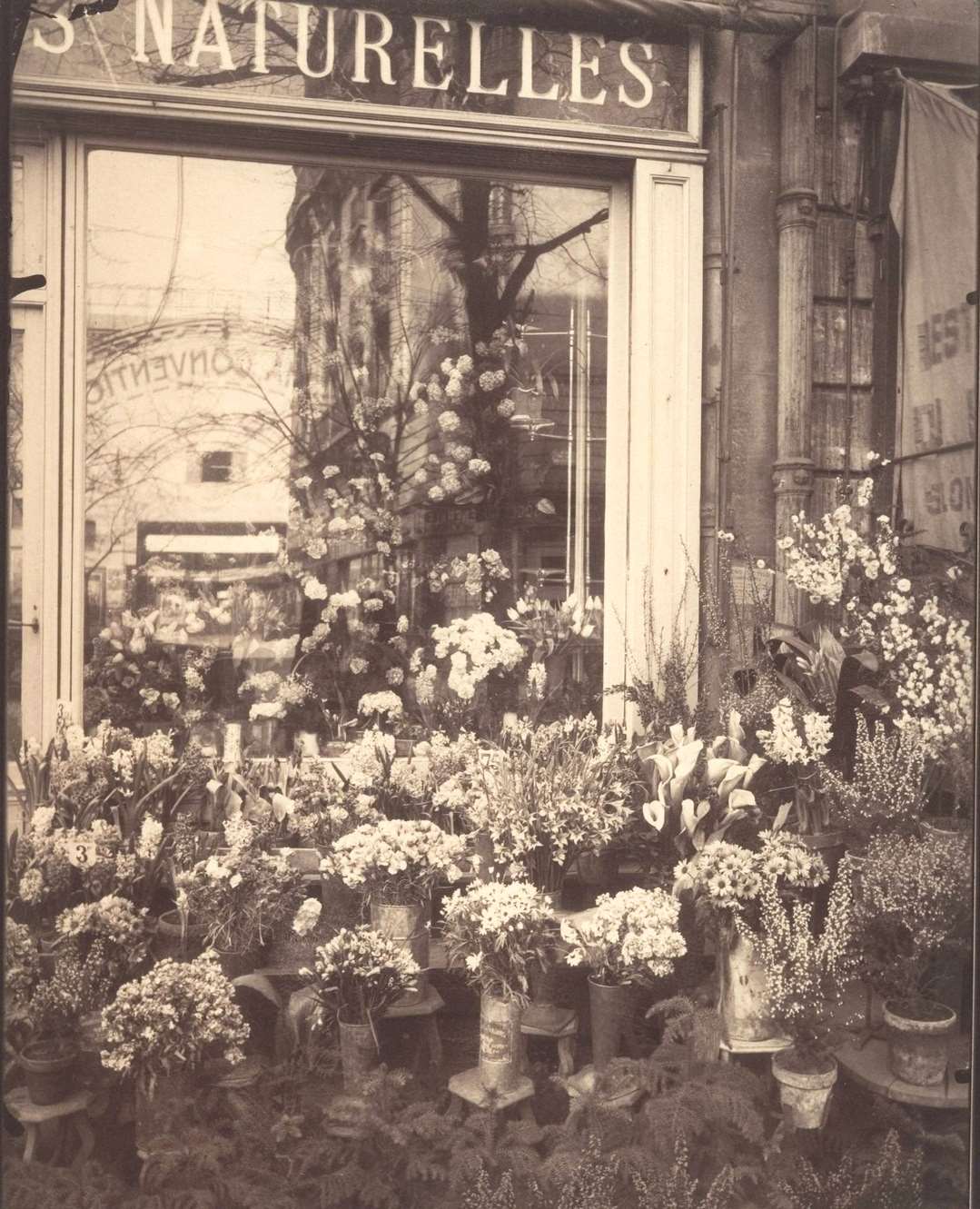
Boutique Fleurs, 1925
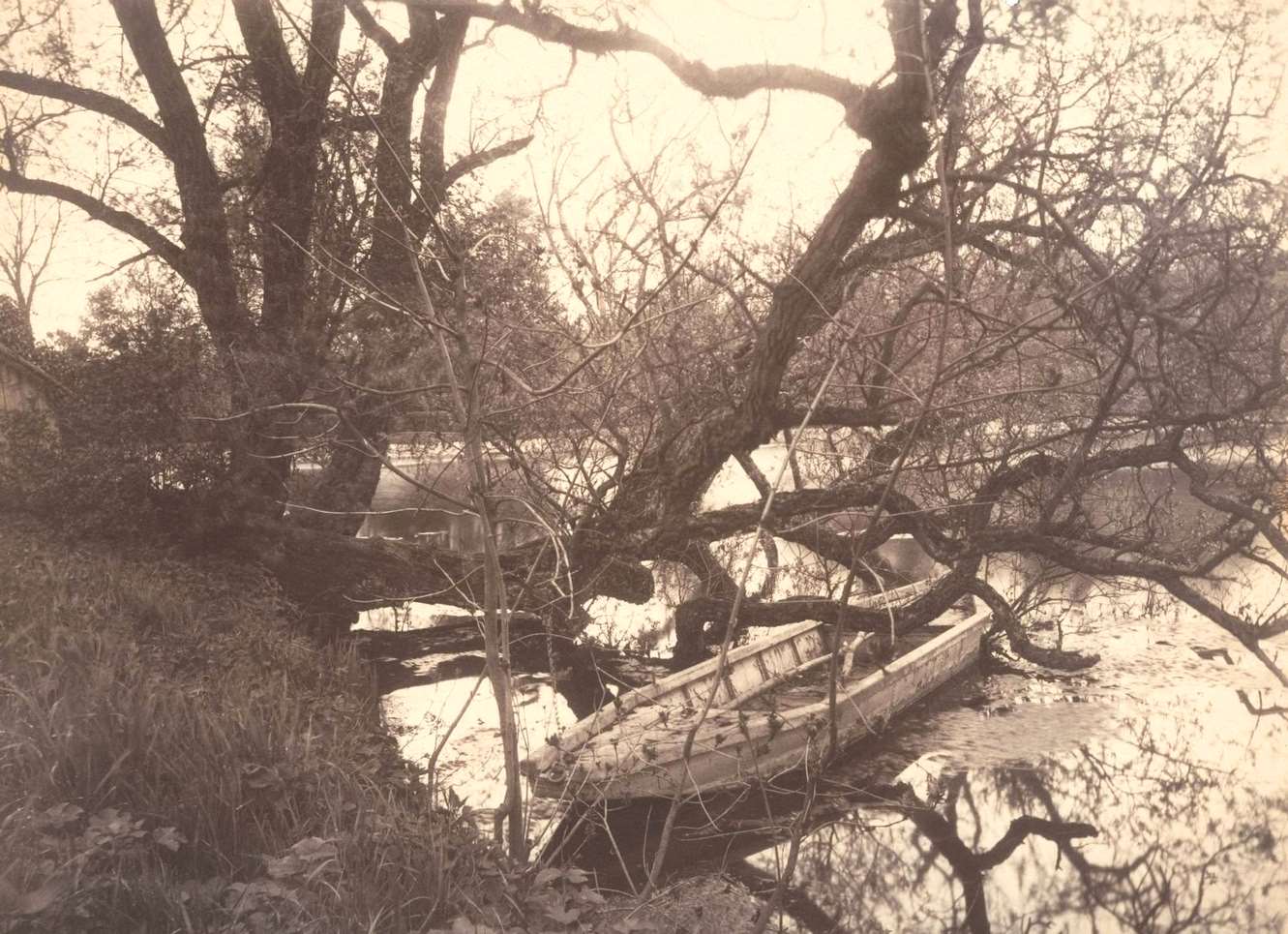
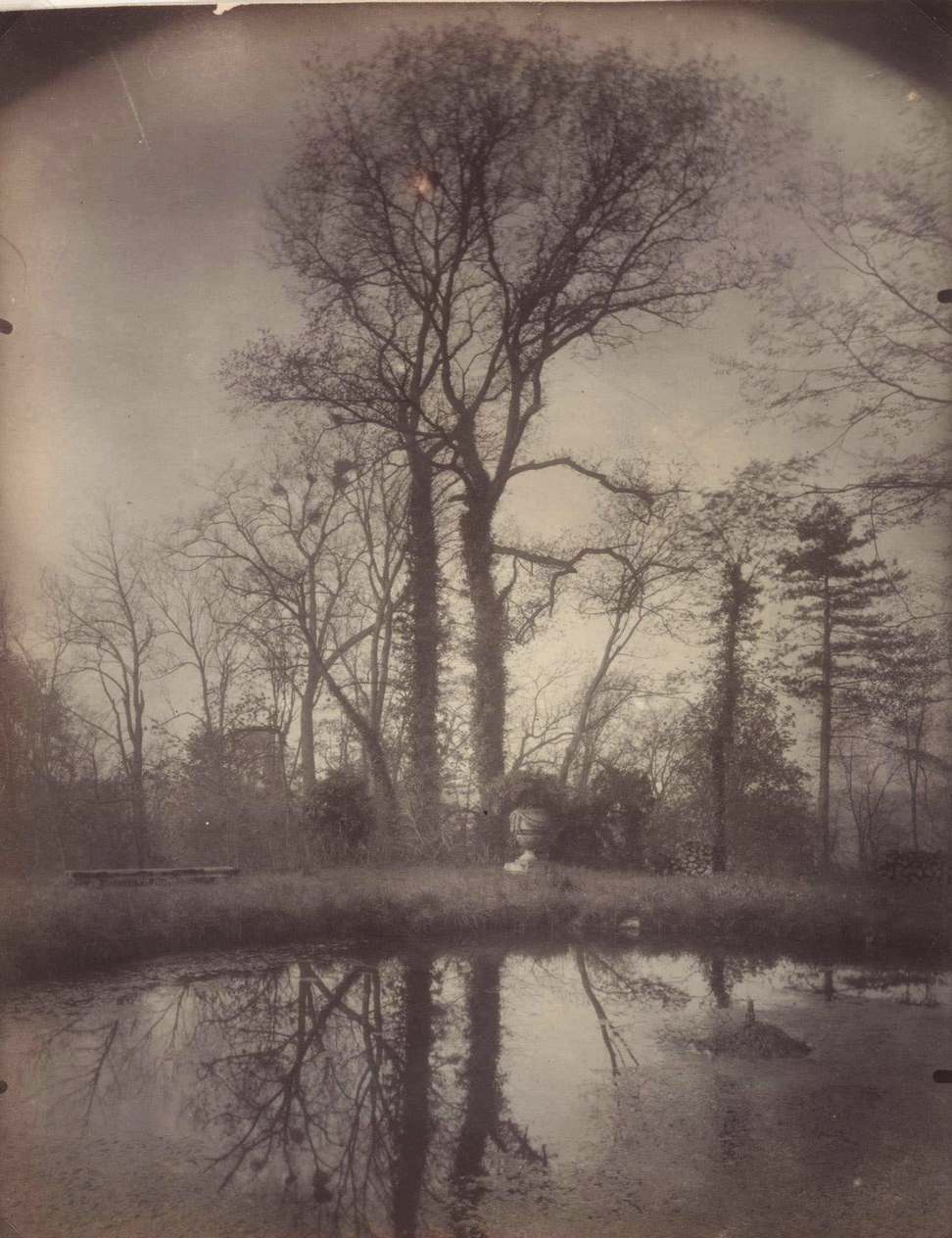
Etang, Ville-d’Avray, 1923
He sold prints to architects, painters, set designers, and libraries — anyone who needed detailed visual references of Parisian buildings and street life. Henri Matisse and Pablo Picasso were among the artists who purchased his work. His photographs were practical documents for them, reference material for compositions and designs. But Atget’s images carried something beyond utility. Their combination of precise detail and dreamlike stillness gave them a quality that sat uneasily between record-keeping and art.
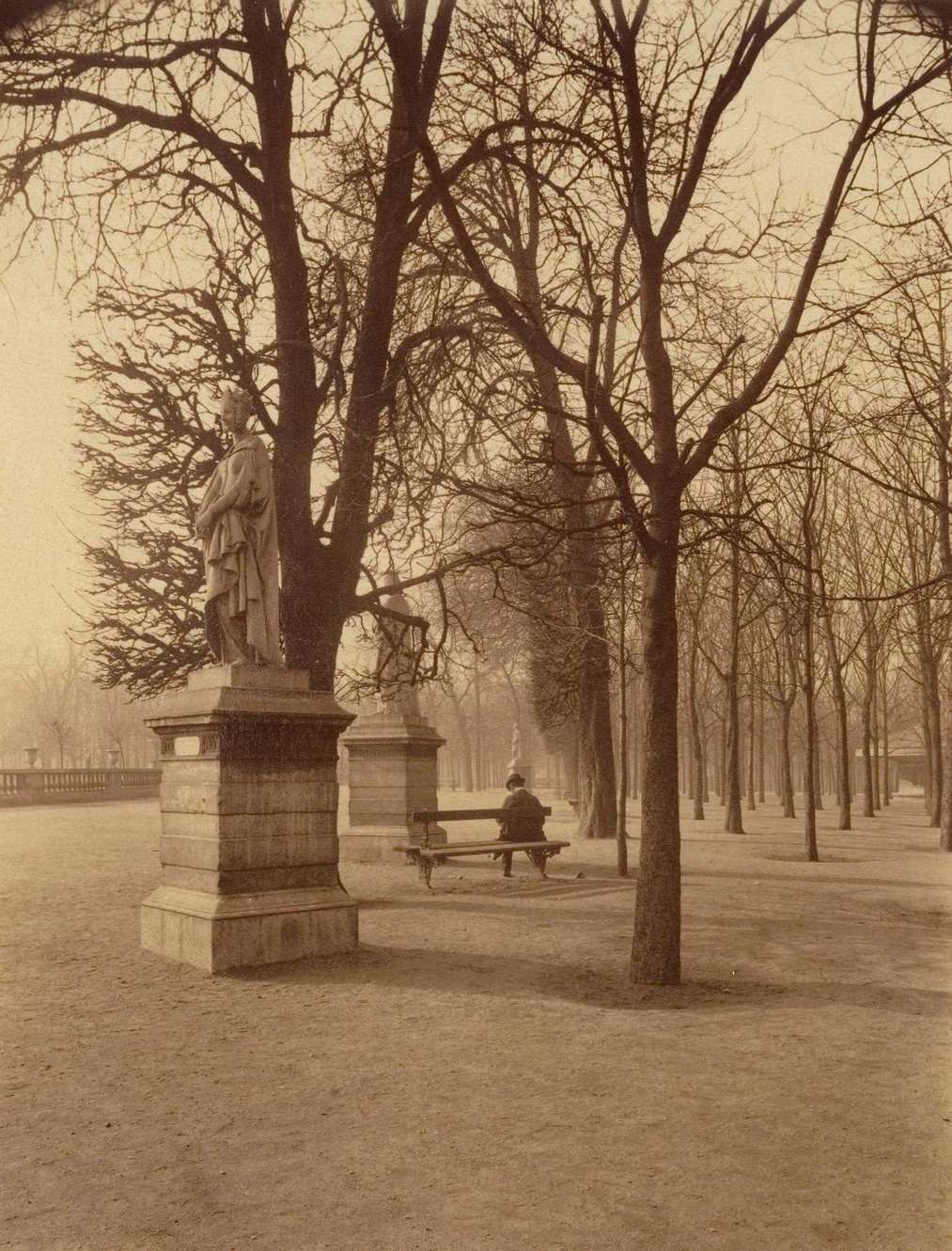
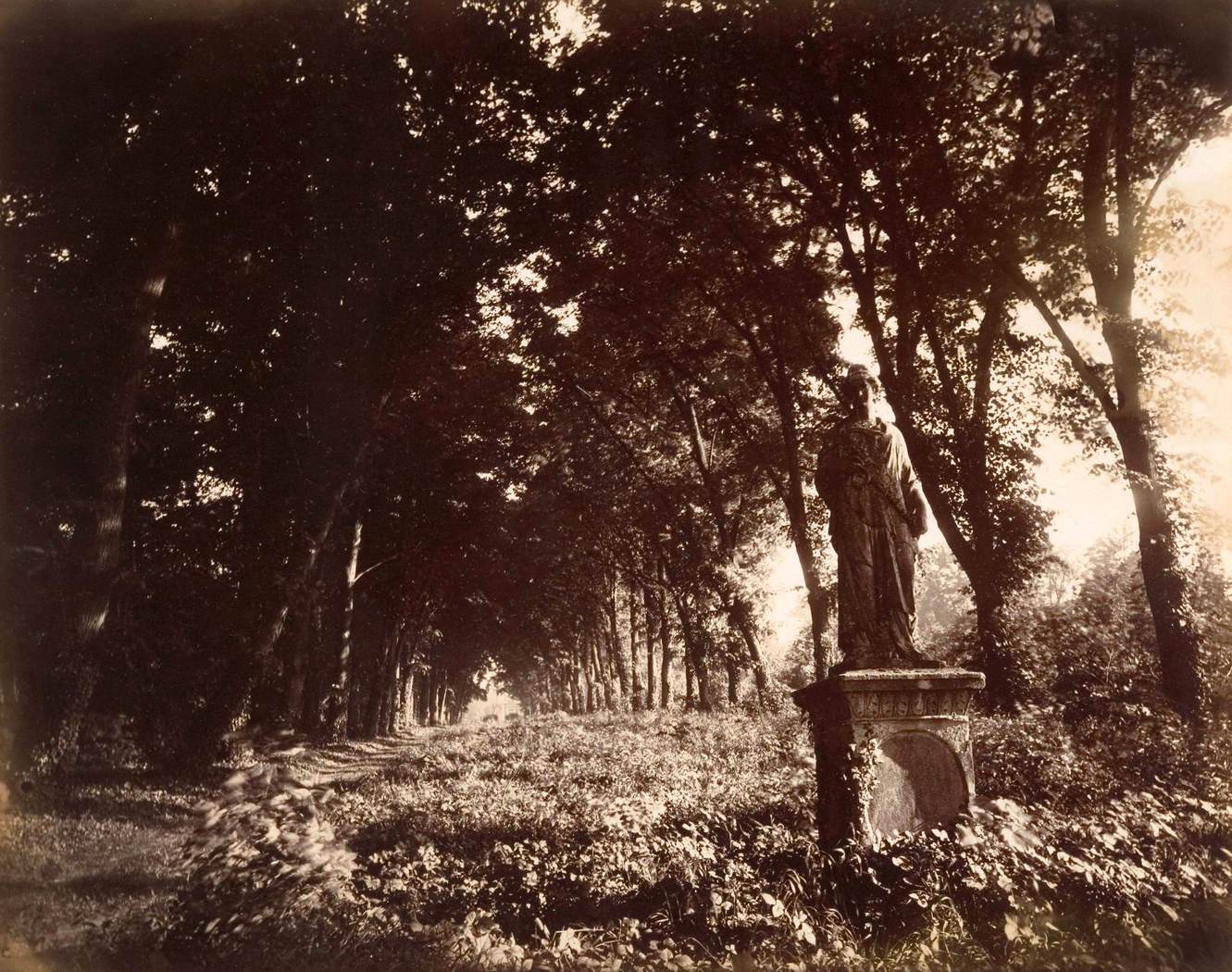
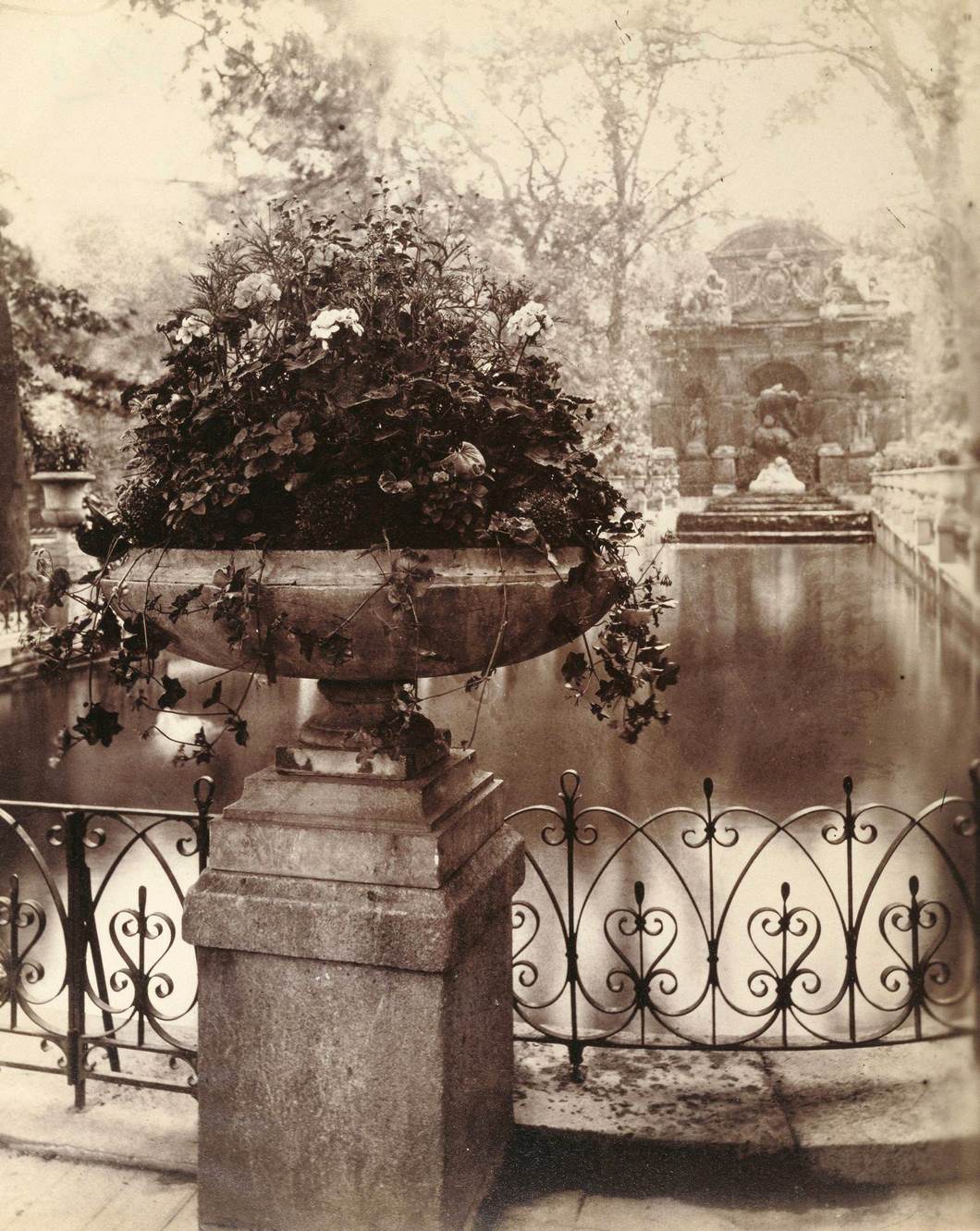
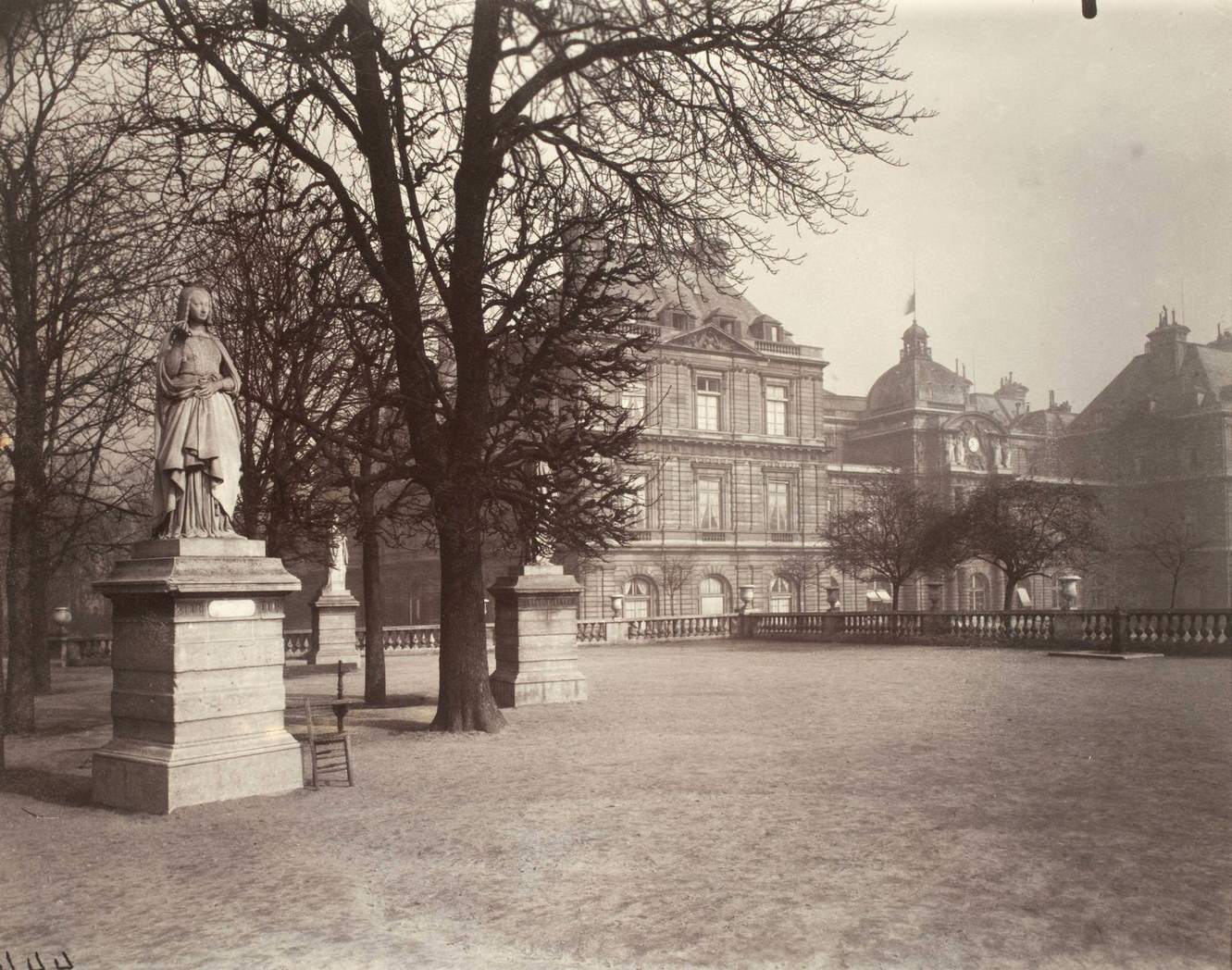
Jardin du Luxembourg, 1902,Parc de Sceaux, 1925Cour, 7 rue de Valence, 1922,
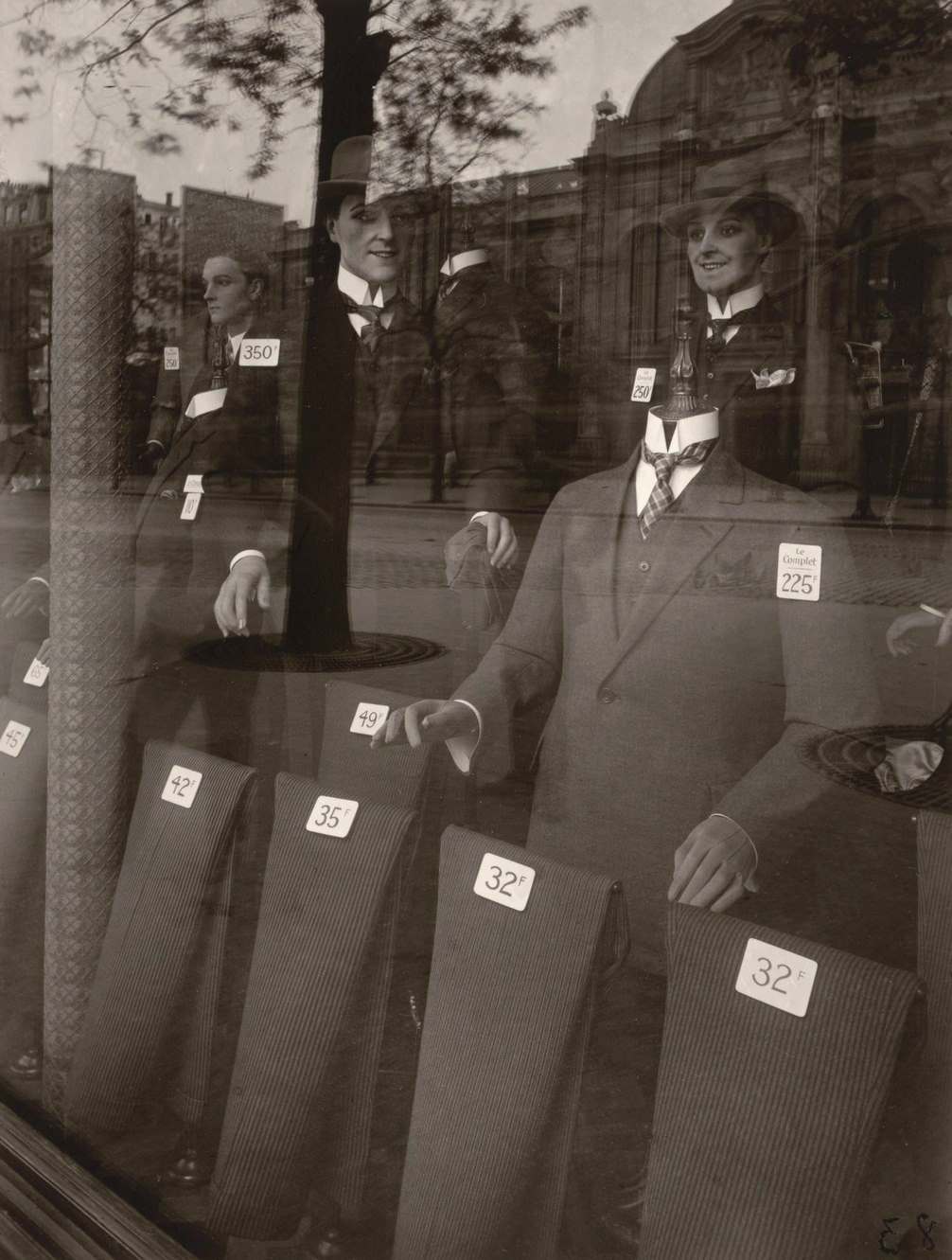
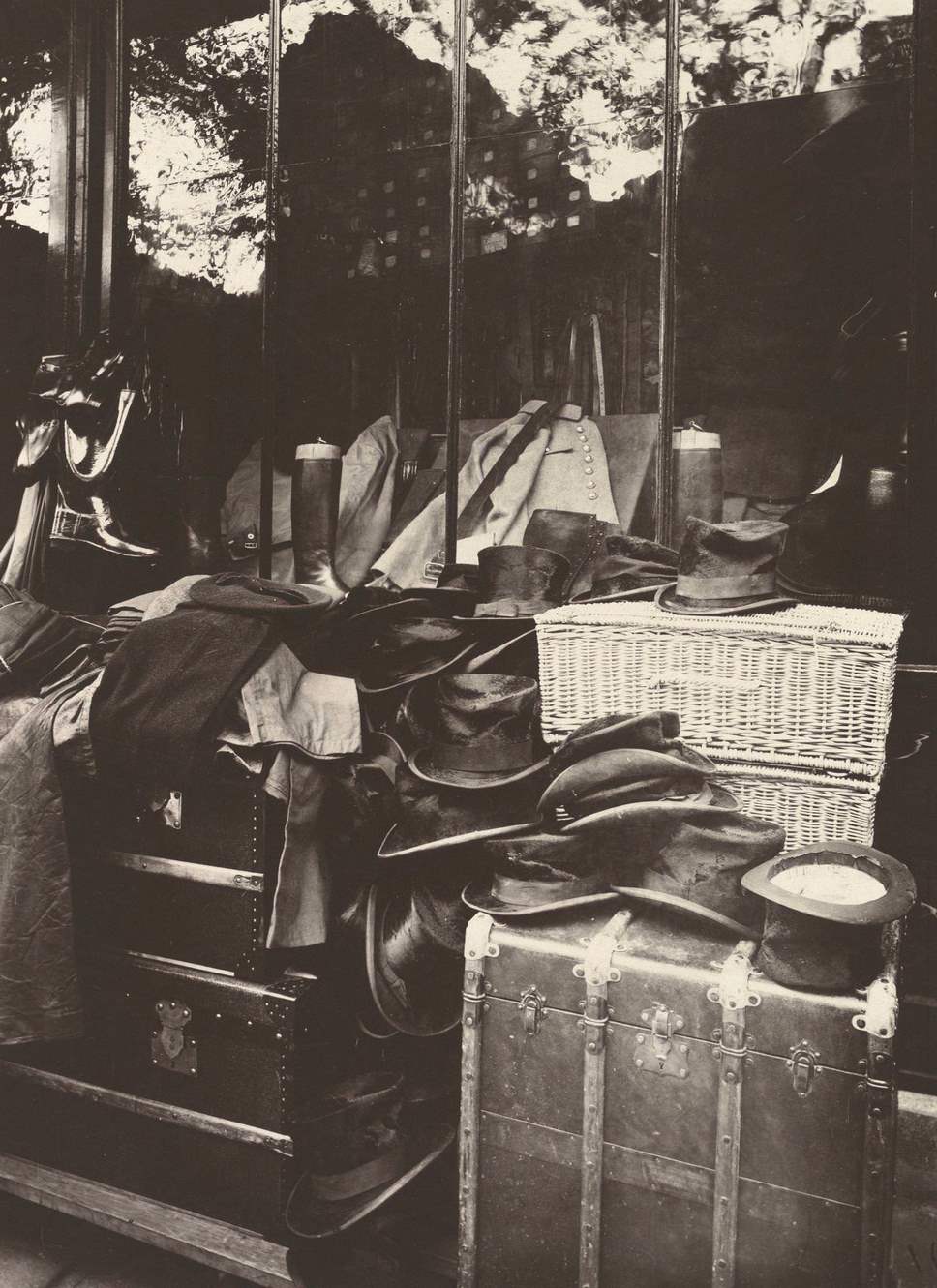
The Surrealists took notice. Man Ray, whose studio was near Atget’s apartment on the Rue Campagne-Première, admired his work deeply. Ray used one of Atget’s photographs on the cover of the Surrealist magazine La Révolution surréaliste. Atget reportedly said he wanted nothing to do with the Surrealists, but his images — empty streets at dawn, store windows reflecting ghostly doubles, parks without people — aligned perfectly with their interest in the uncanny and the unconscious.
Rouen, Place Eau-de-Robec, 1908
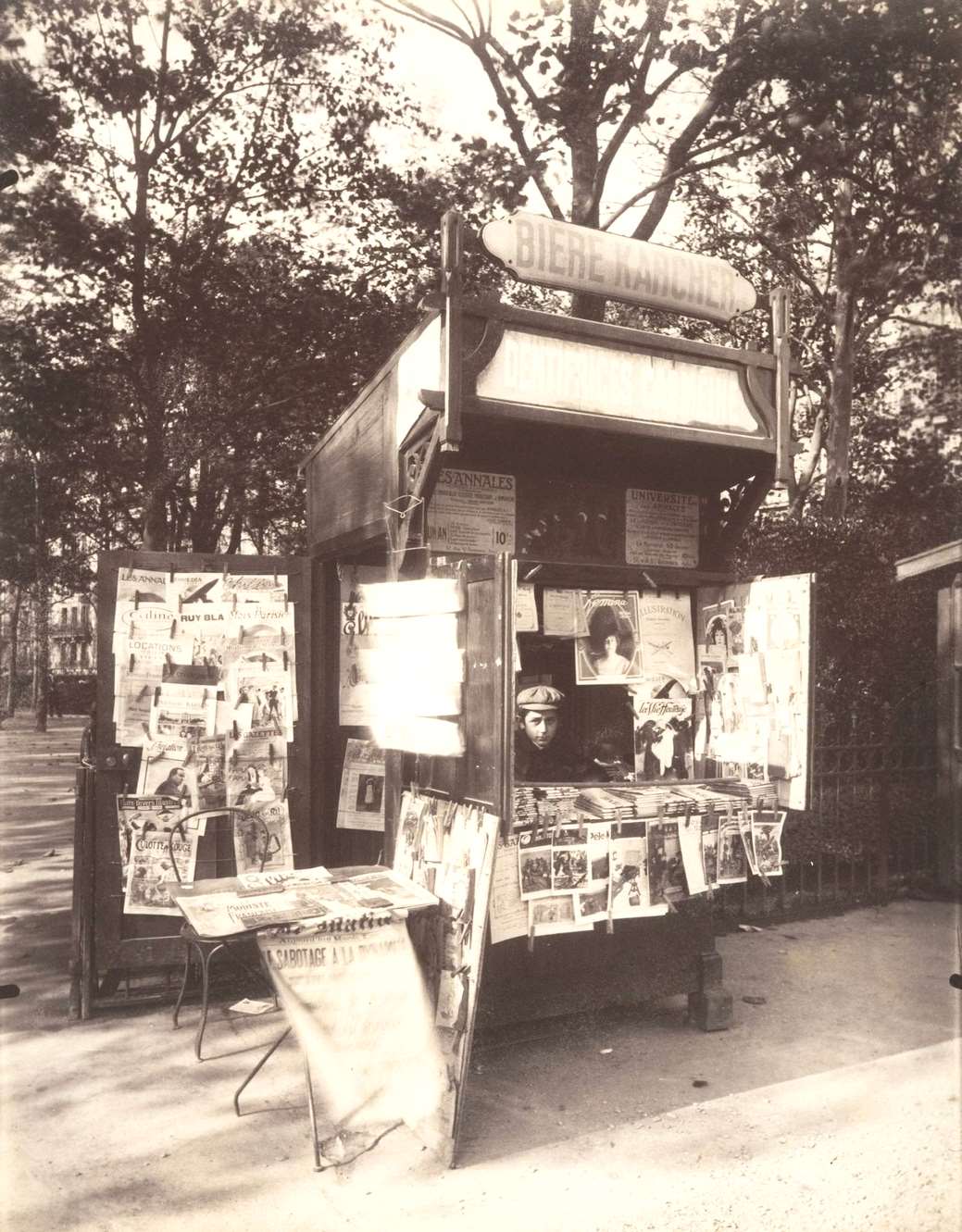
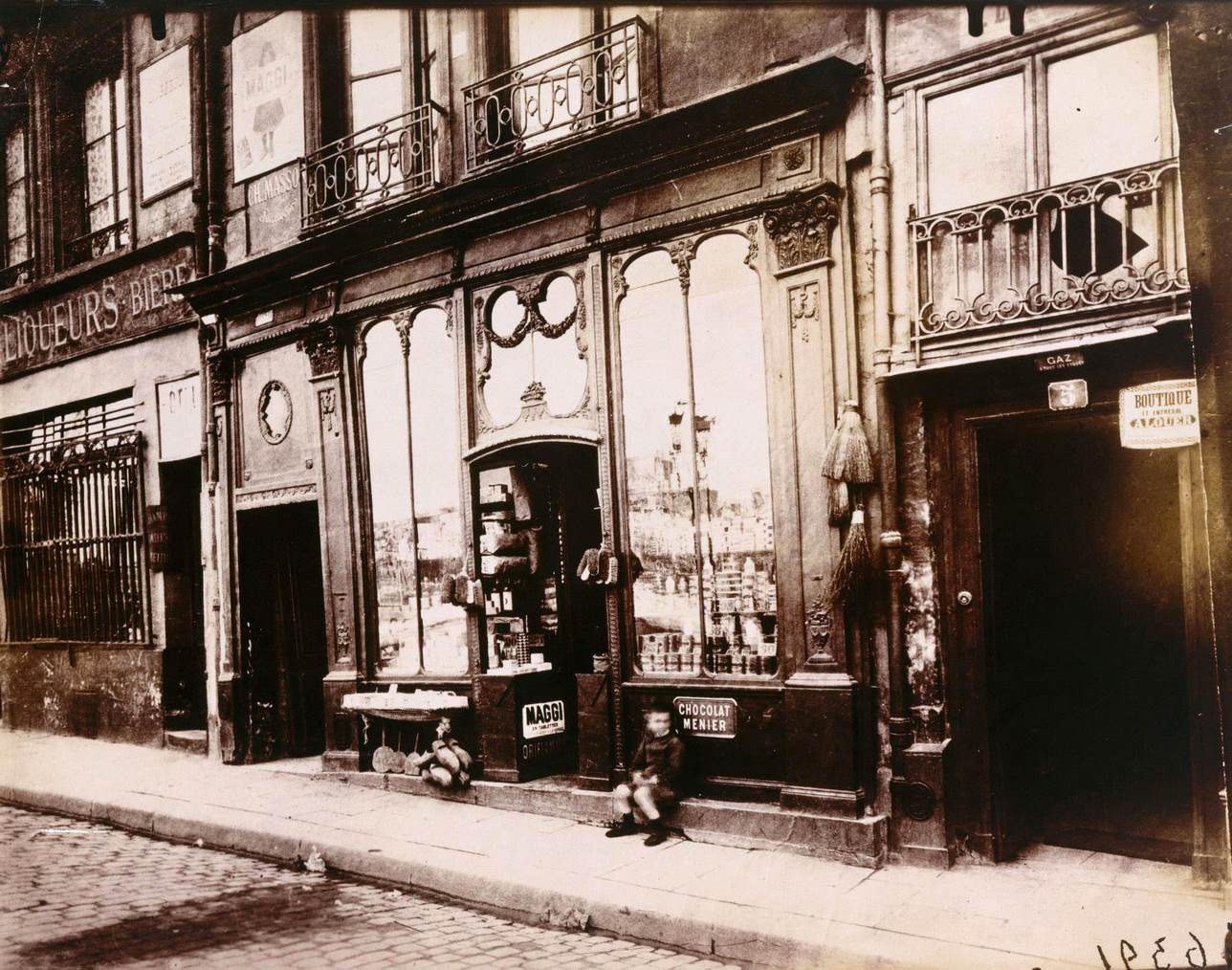
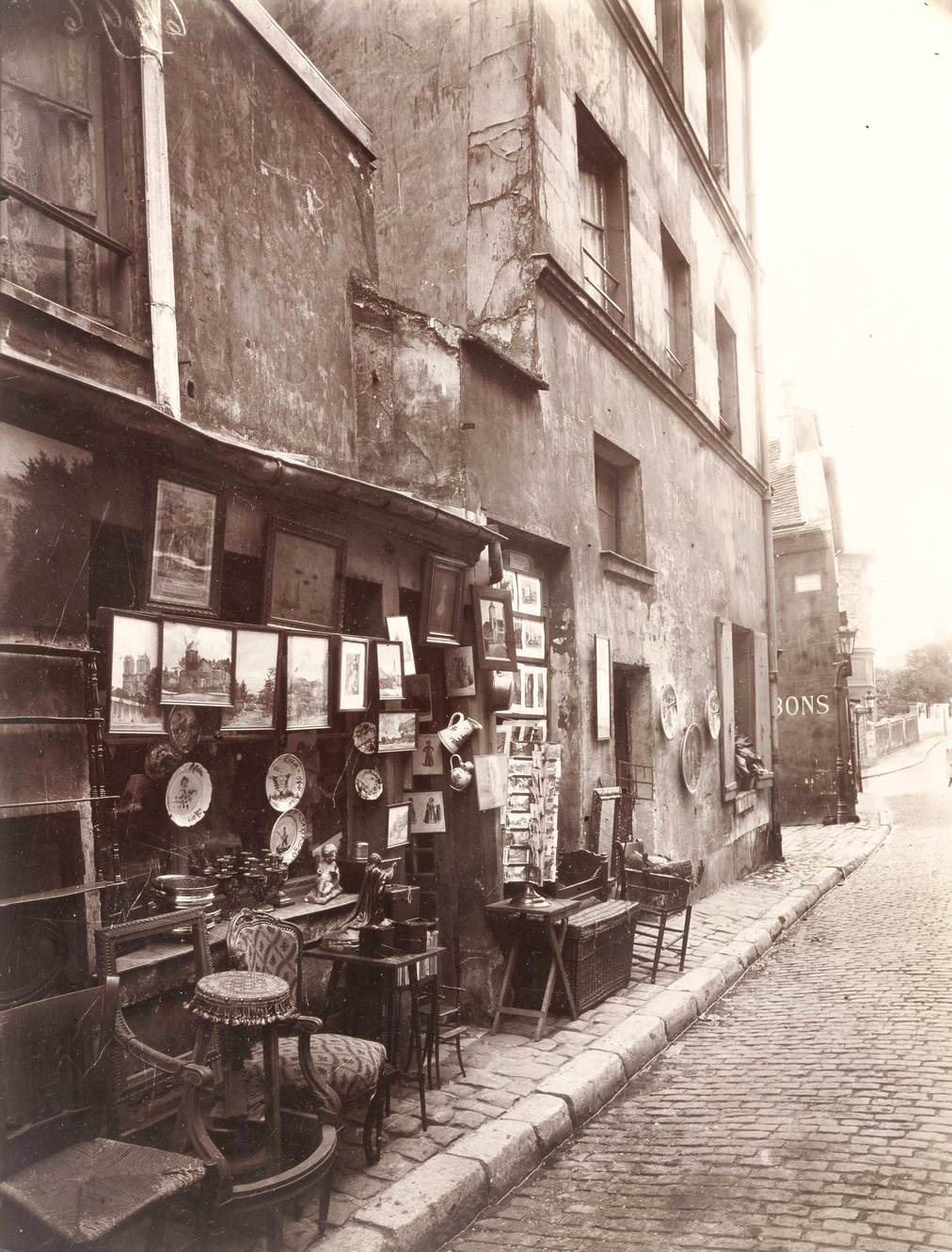
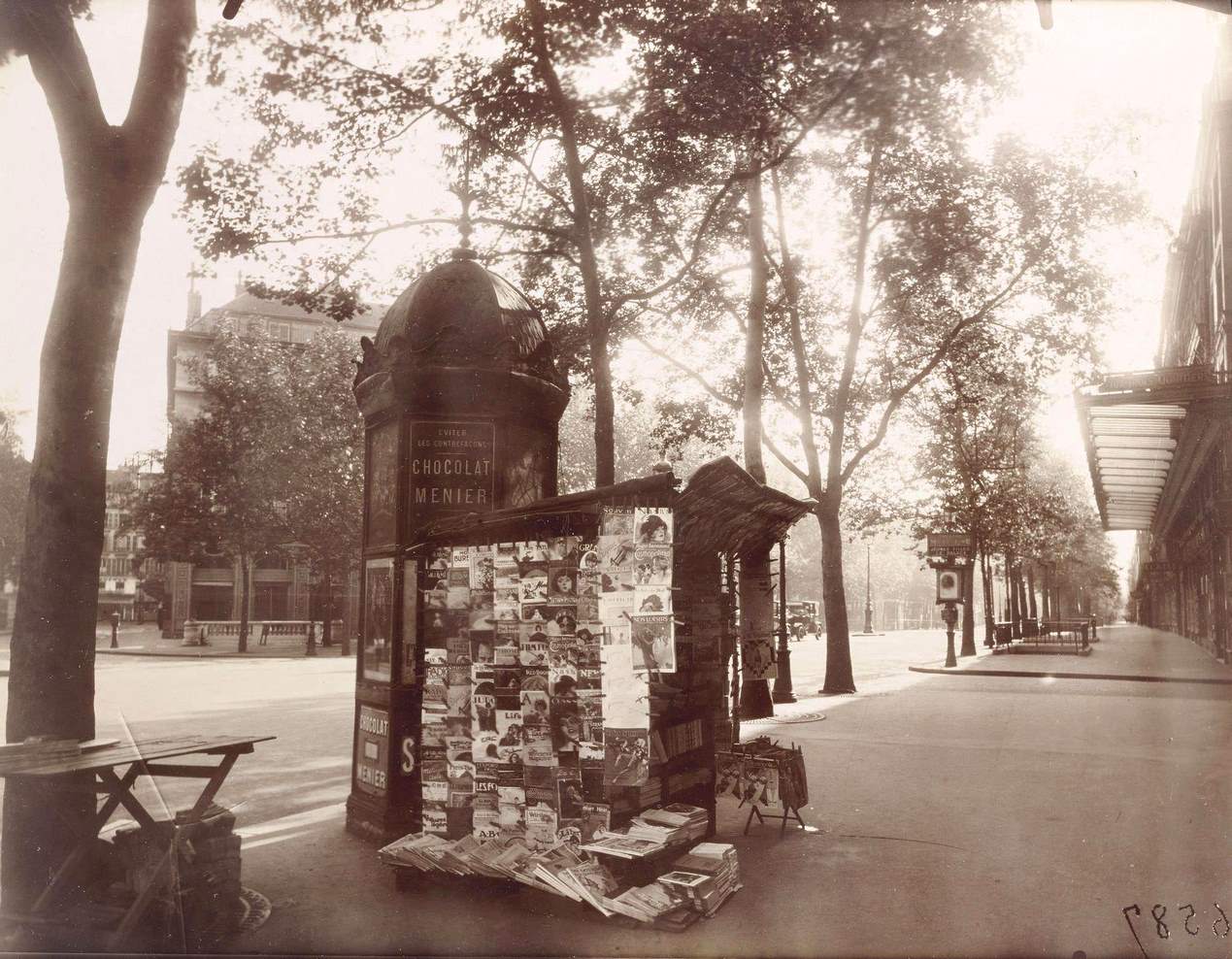
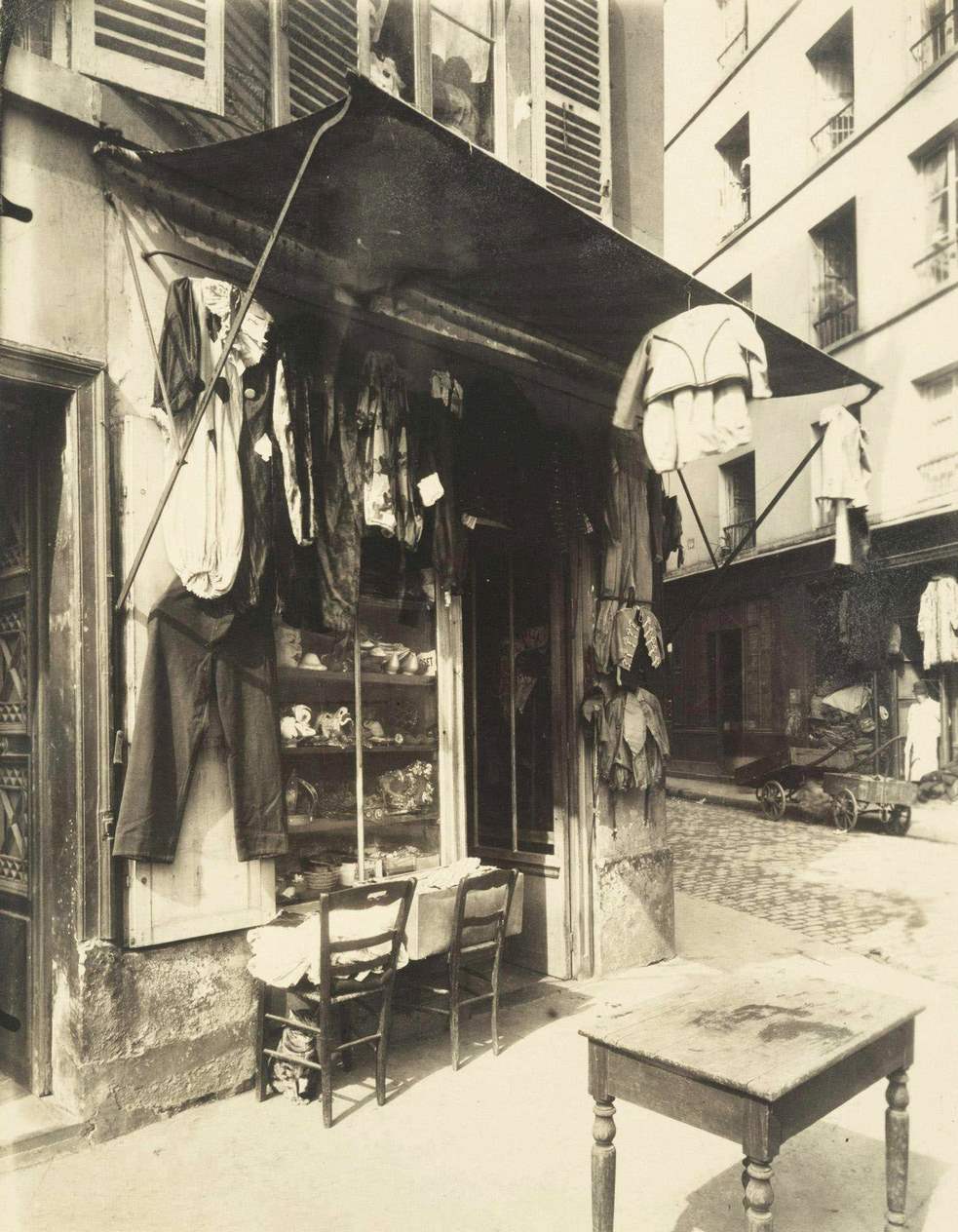
Boutique Journaux, Rue de Sevres, Paris, 1910
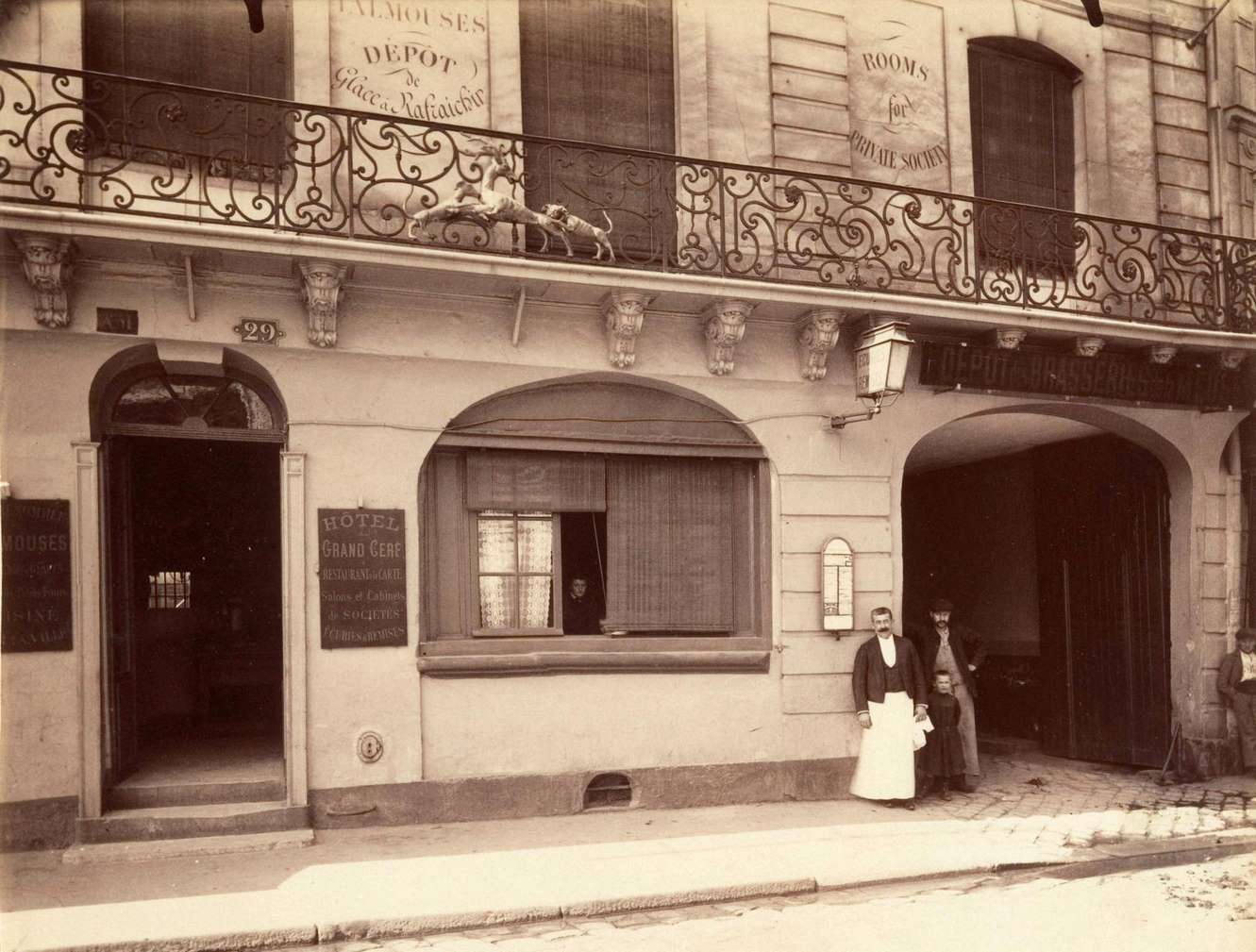
St. Denis, Ancien Relais de la Poste d’Ecouen, Hotel du Grand Cerf, 1900
American photographer Berenice Abbott met Atget in 1925 and immediately recognized the importance of his archive. She purchased a large number of his glass plate negatives after his death in 1927 and worked for decades to bring his photographs to international attention. It was largely through her efforts that Atget became widely recognized as a foundational figure in the history of photography.
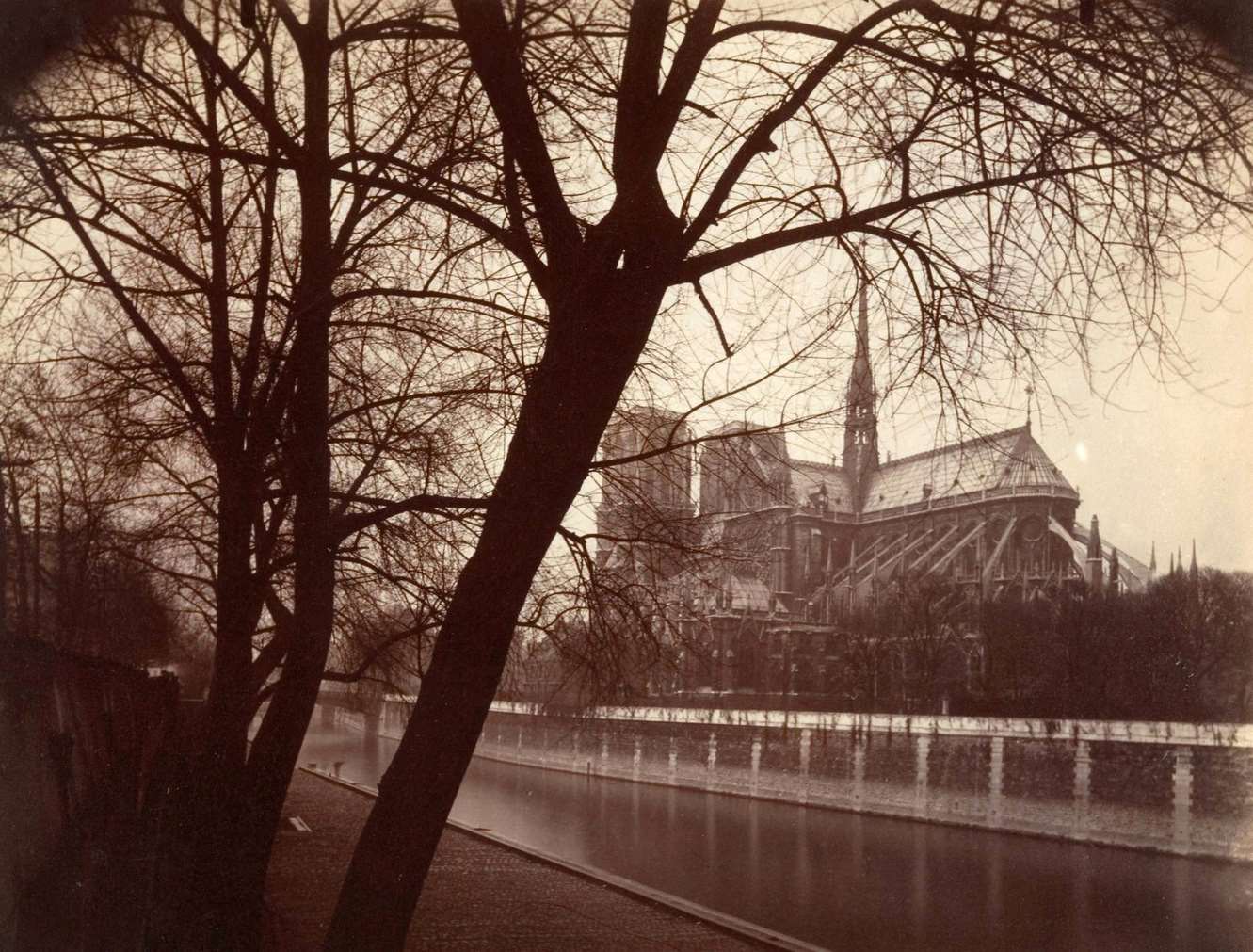
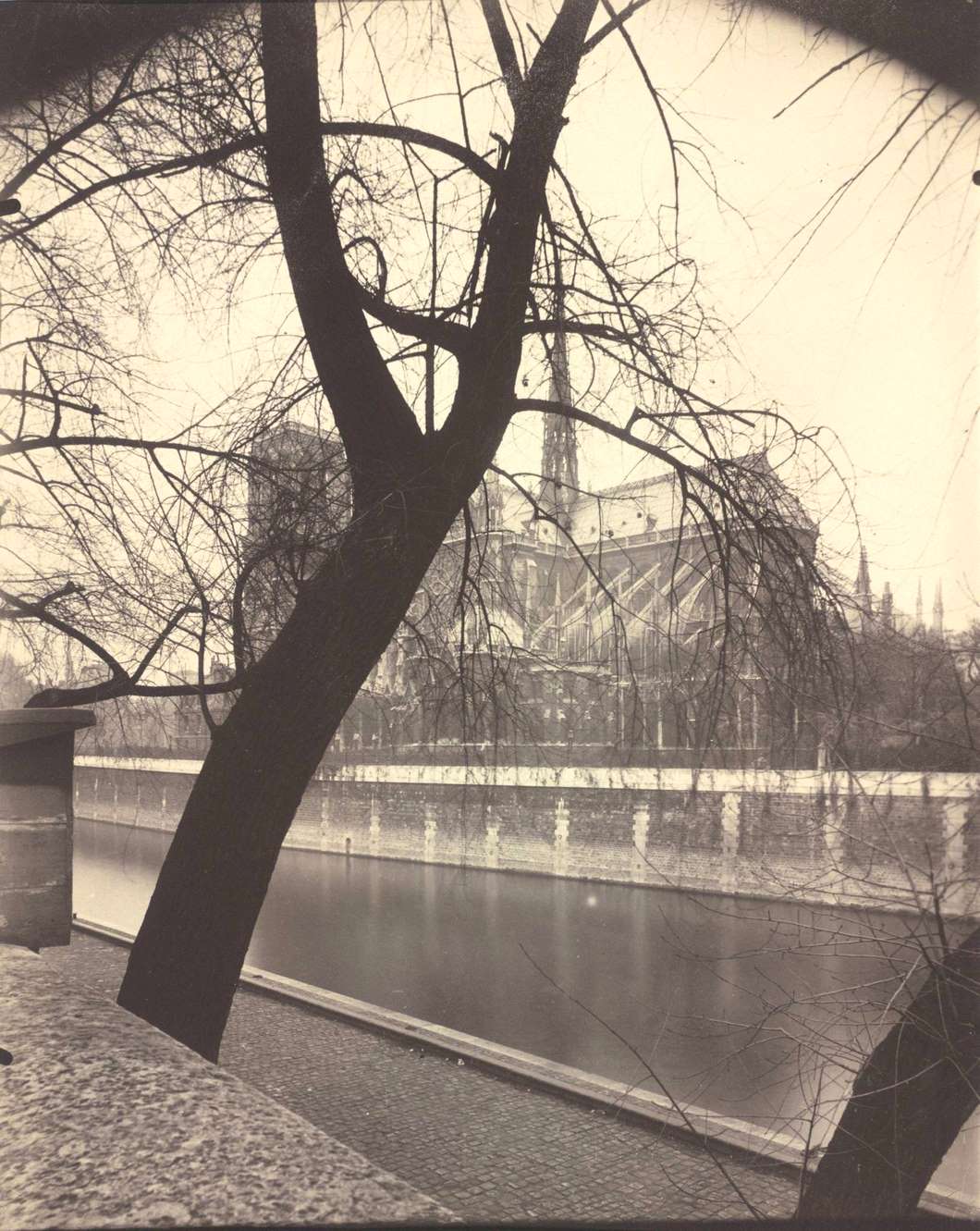
Fete, Avenue de Breteuil, 1913Notre-Dame depuis le quai de la Tournelle, 1923Versailles, 1924
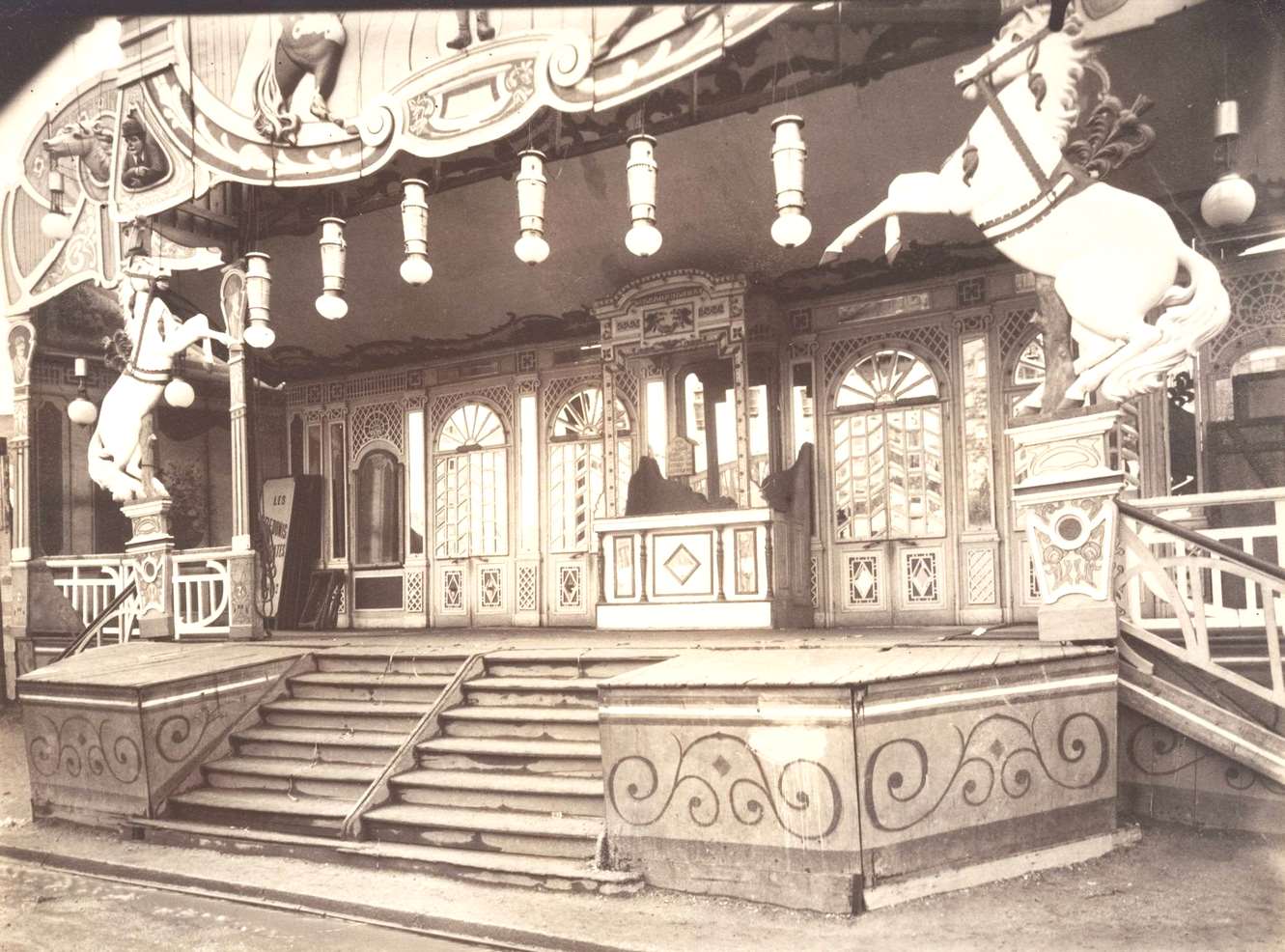
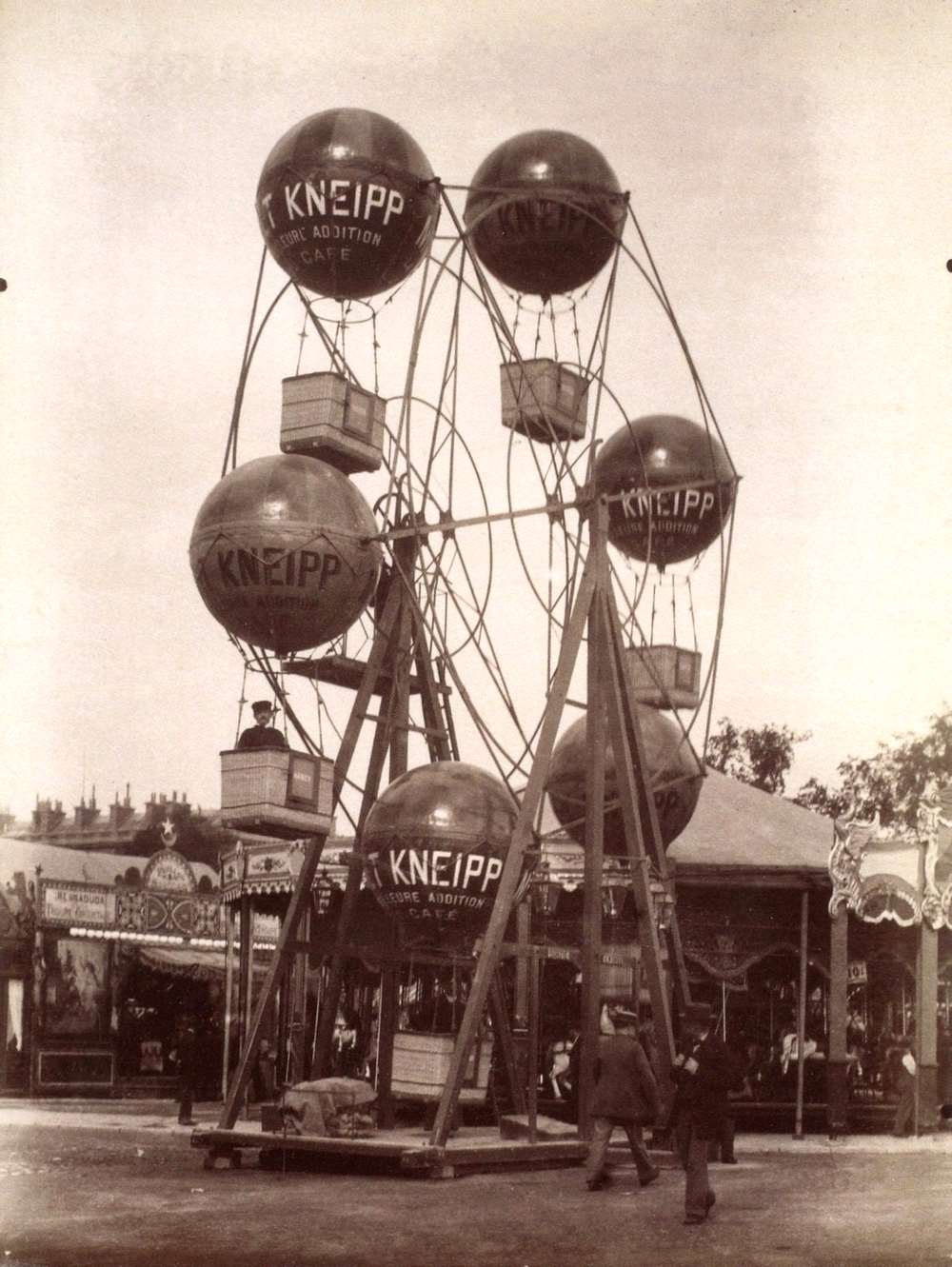
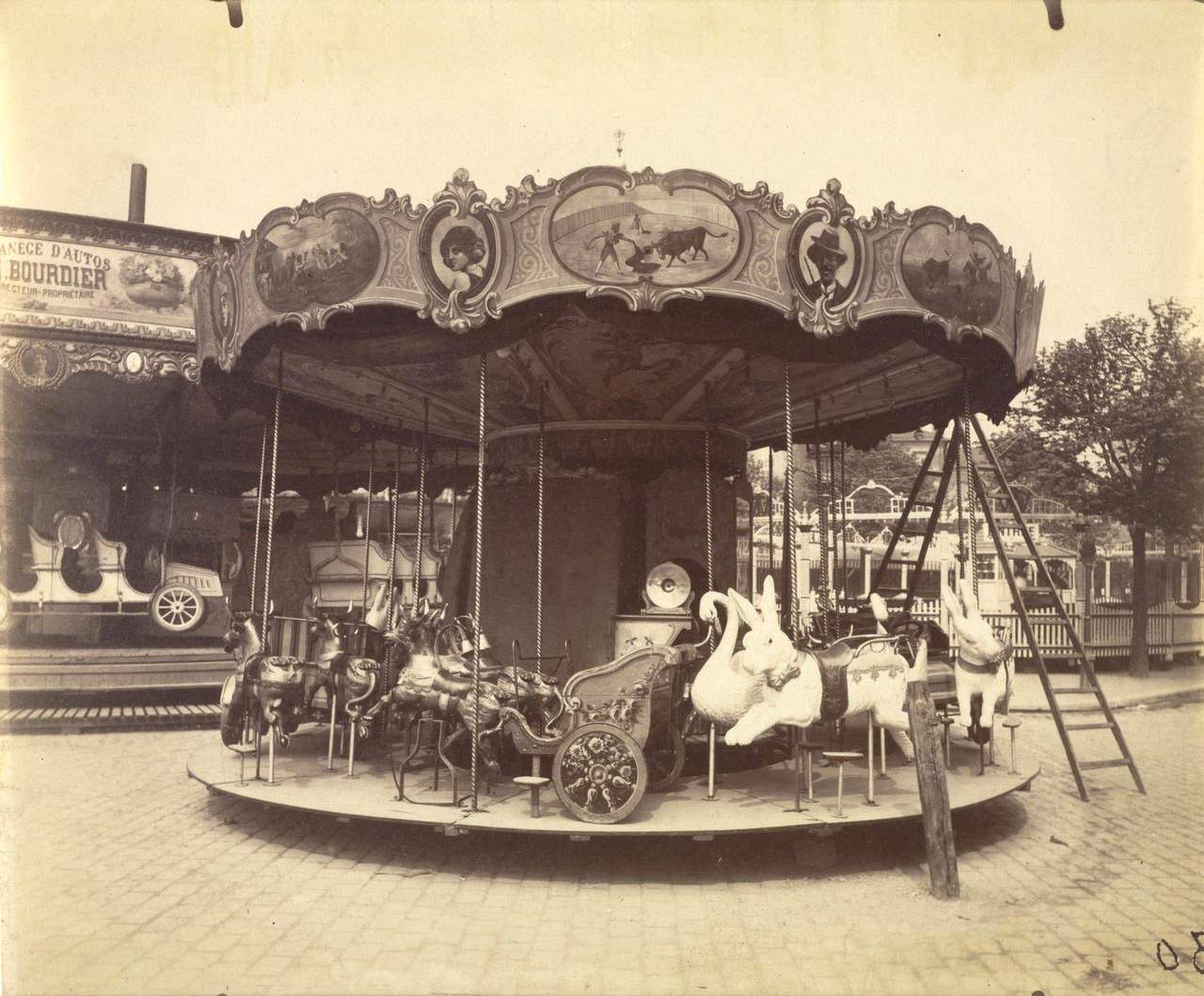
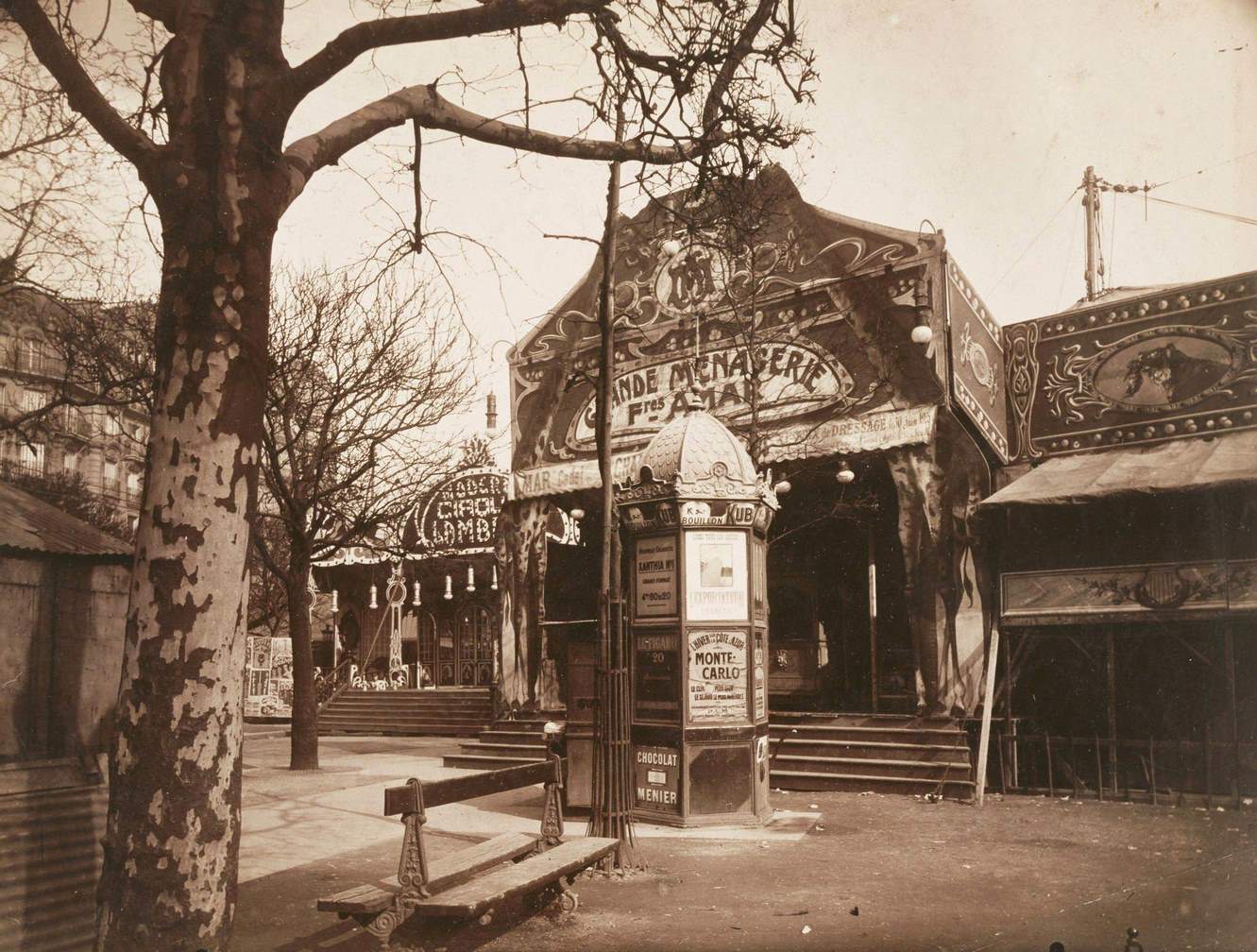
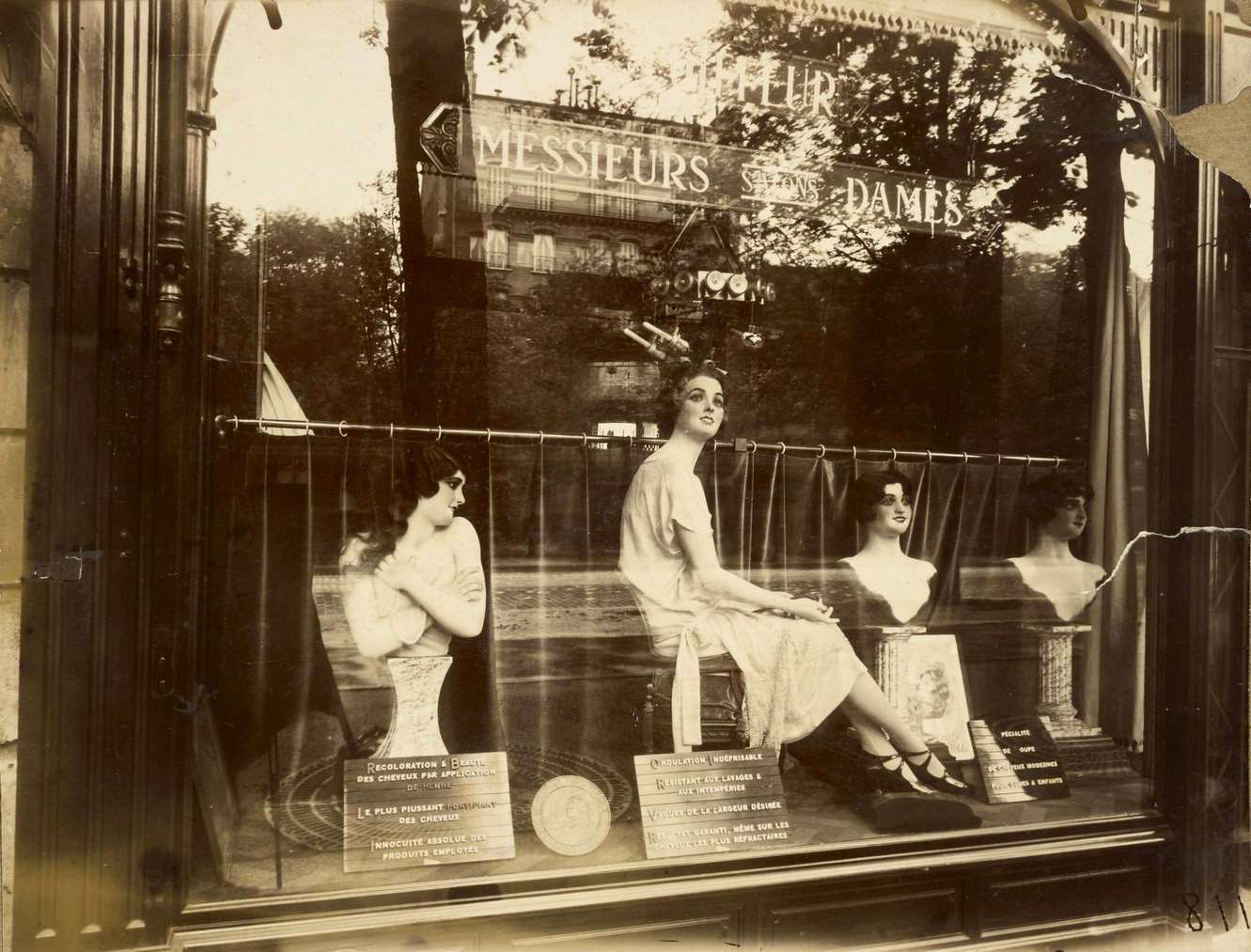
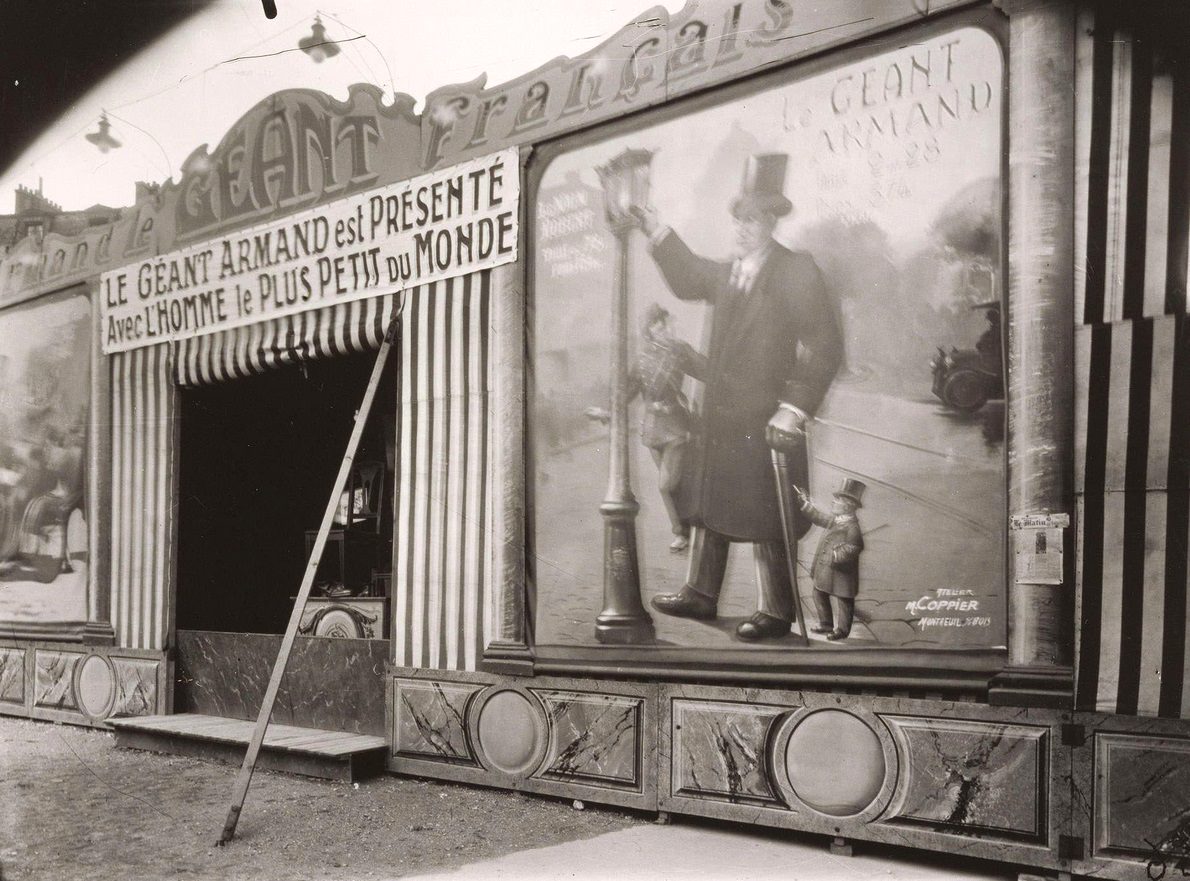
In his final years, despite his age and the physical demands of his work, Atget produced some of his strongest photographs. His series of shop windows used reflections to layer the street scene over the displayed goods inside, creating images that felt simultaneously real and disorienting. His photographs of street fairs captured the energy of carnival life — carousel horses, game stalls, and crowds pressed together along wide Parisian avenues.
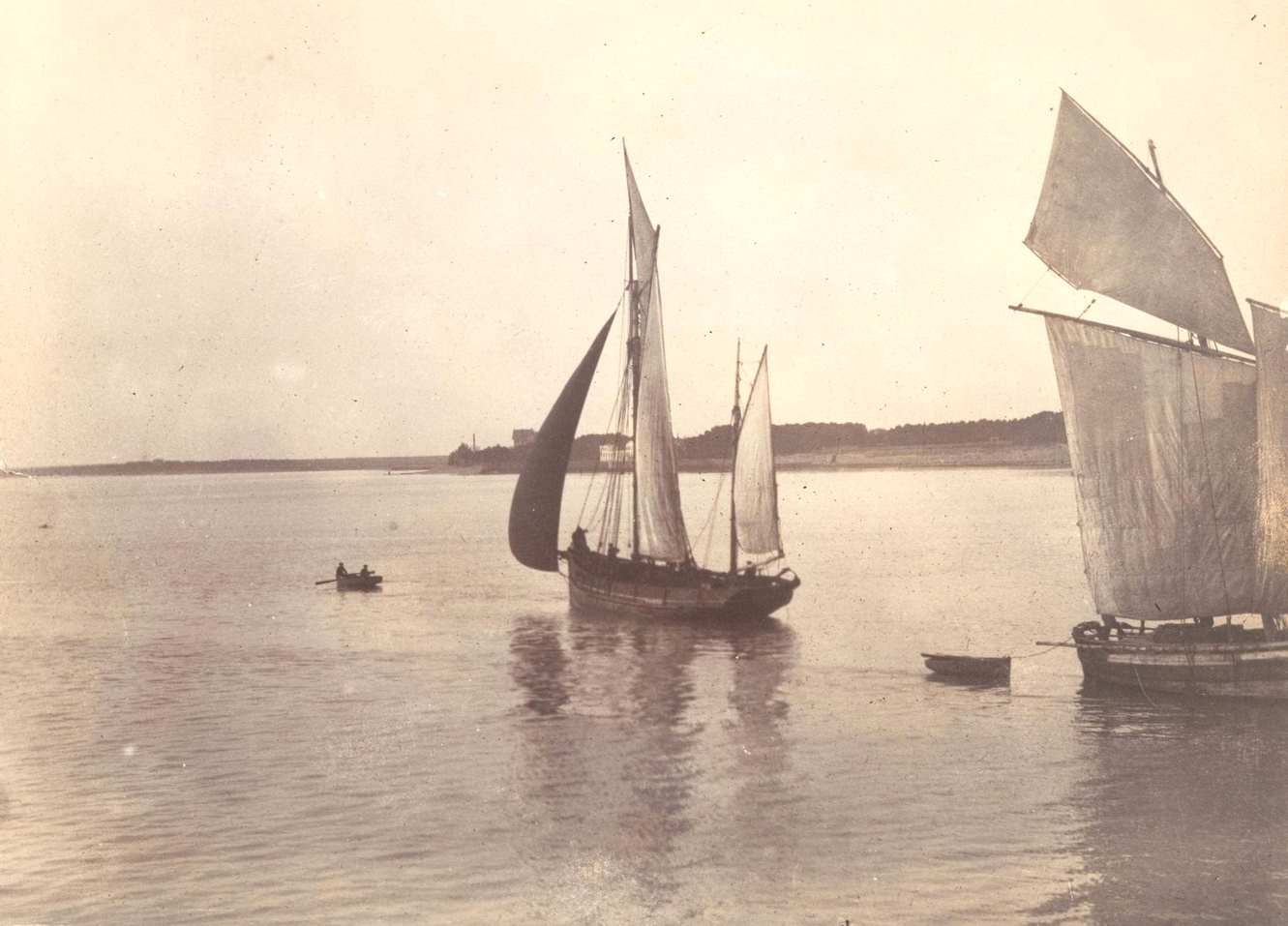
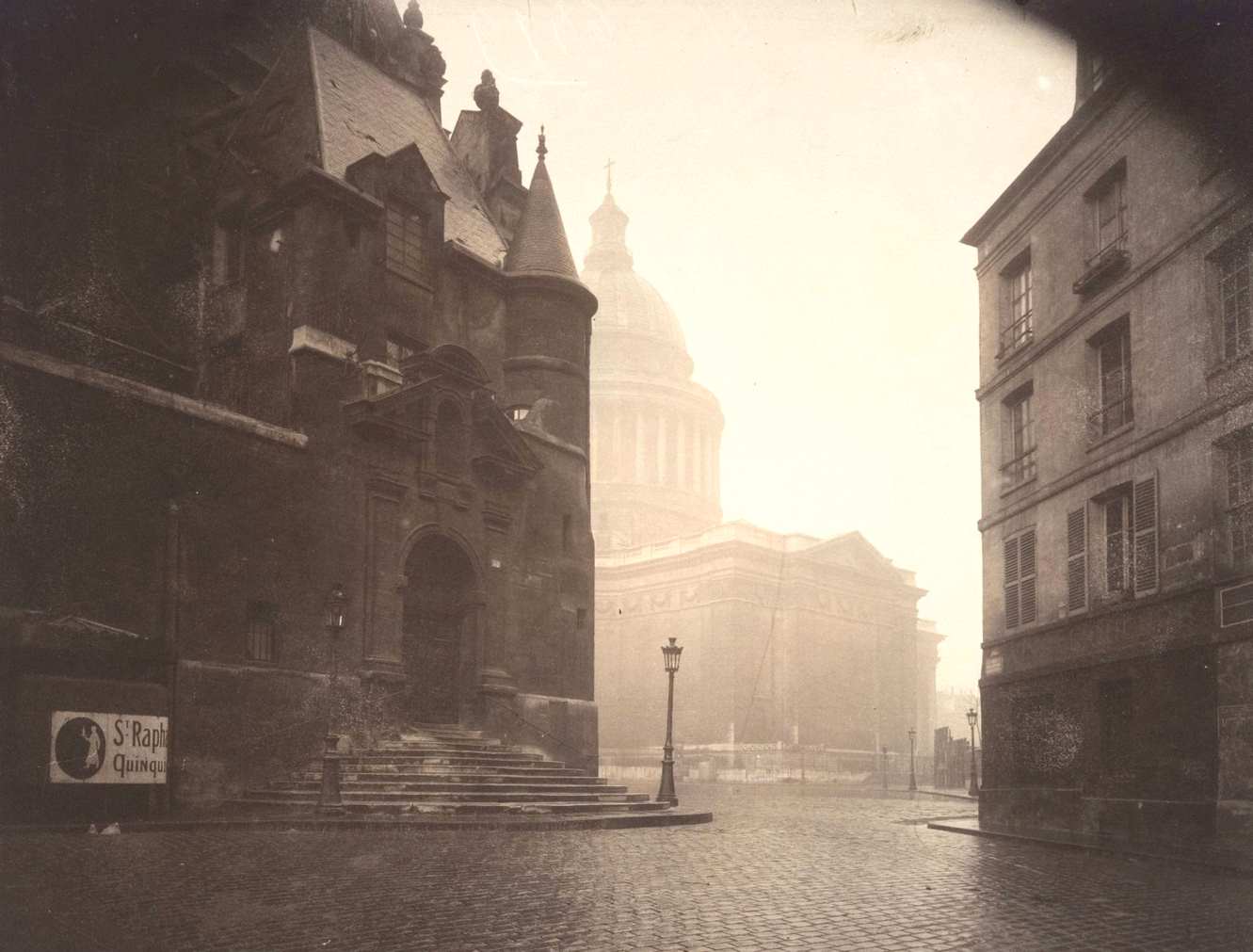
Boats at La Rochelle, 1896Parc de Saint-Cloud, Paris, 1915Rue de la Montagne-Sainte-Genevieve, 1924
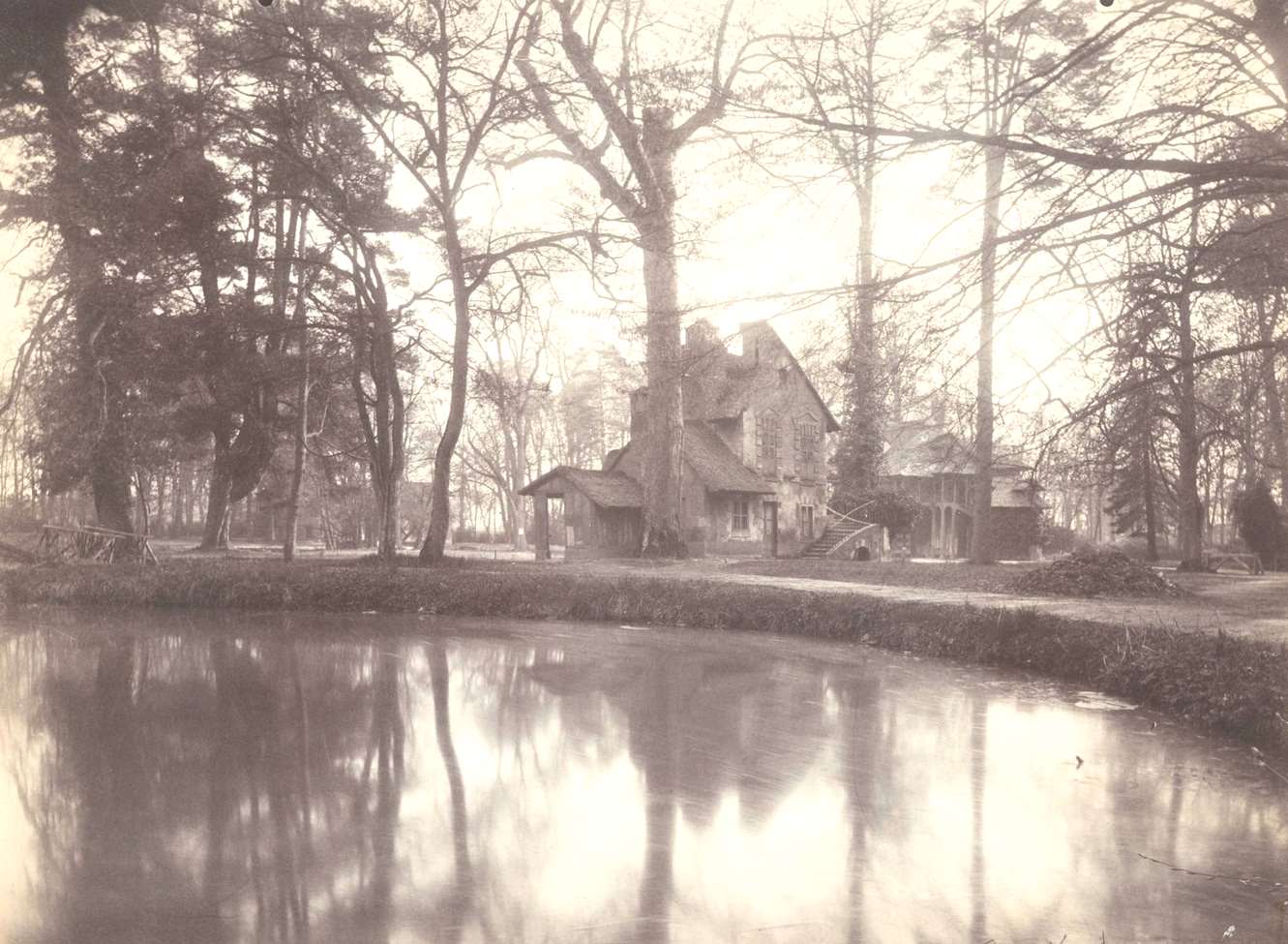
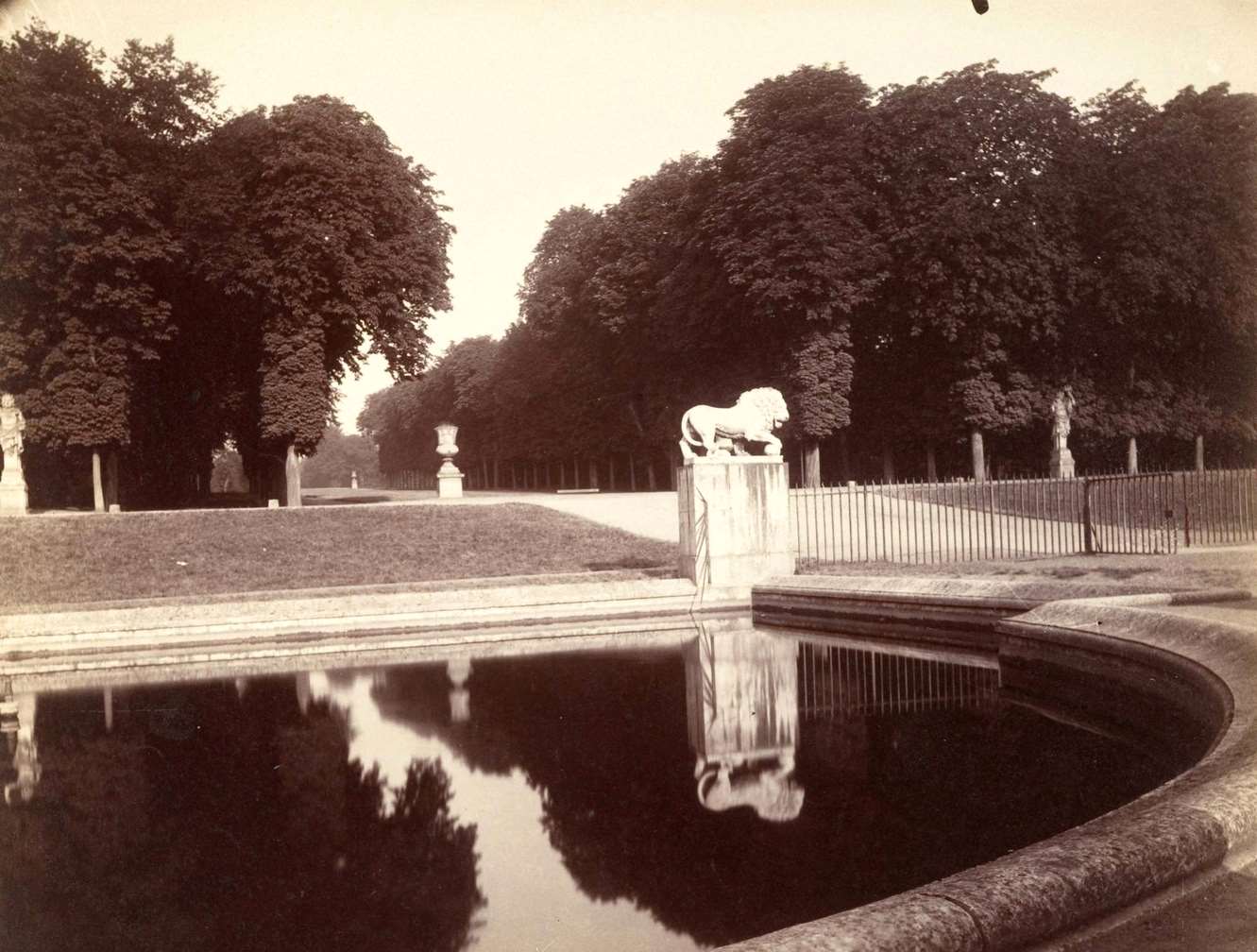
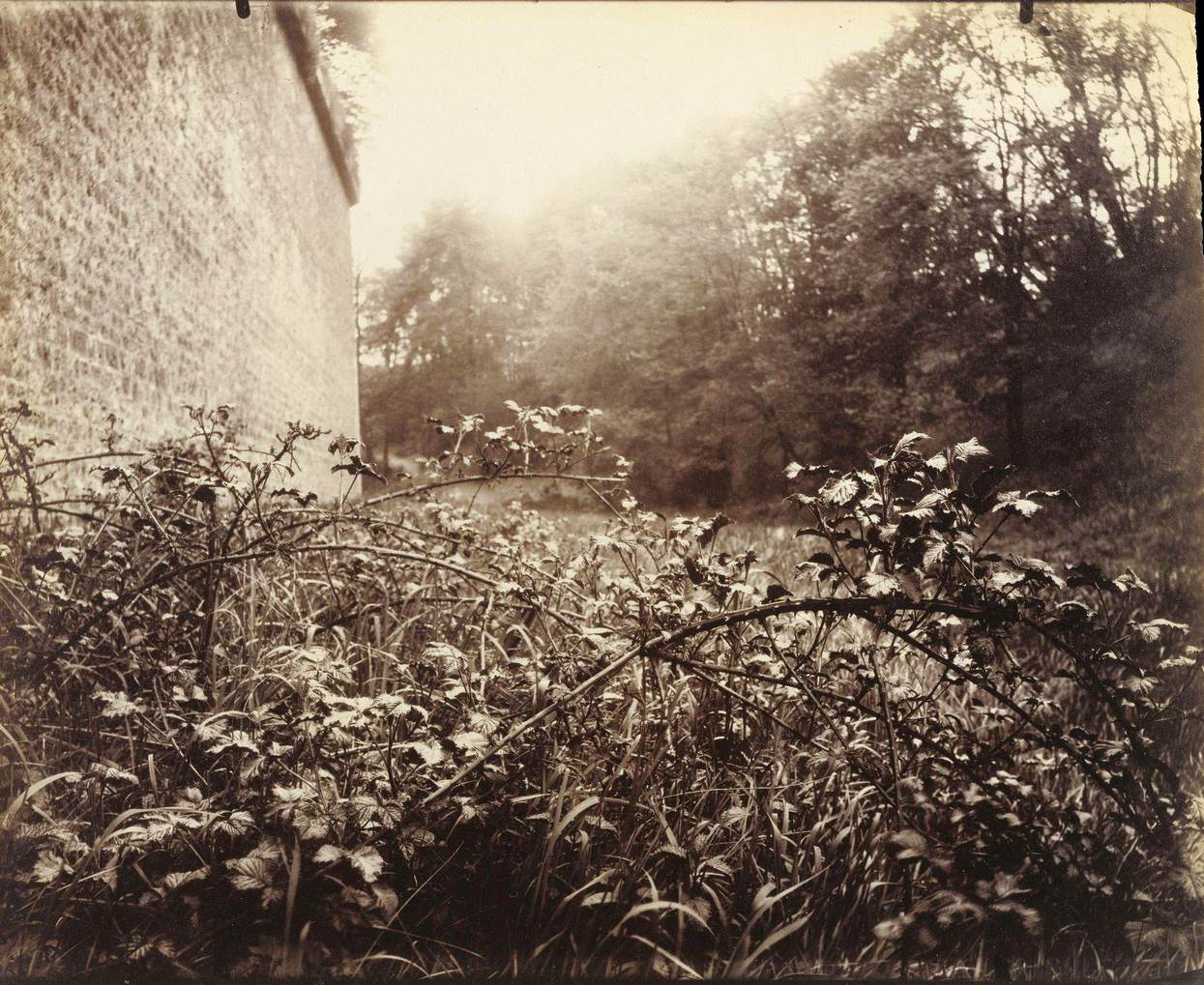
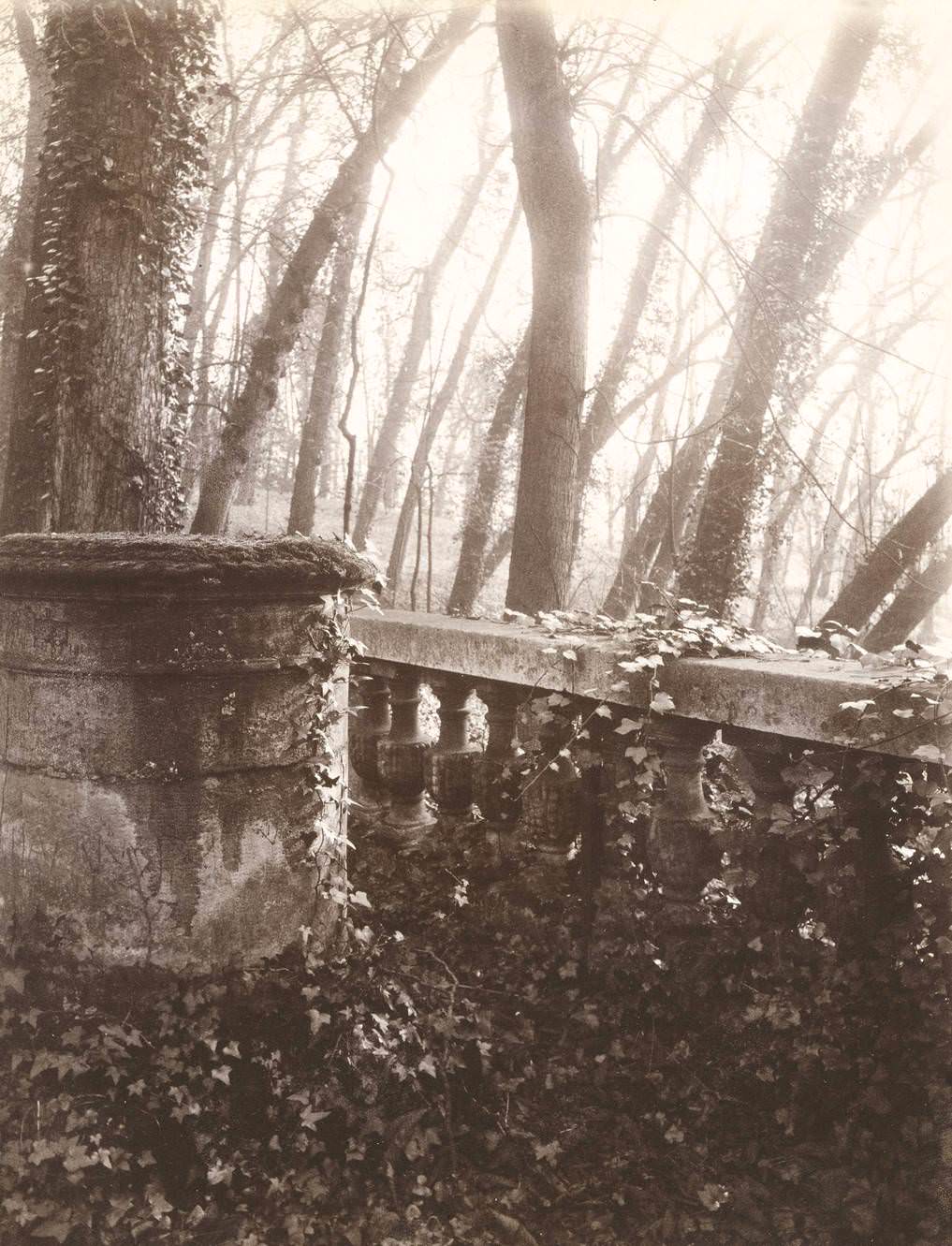
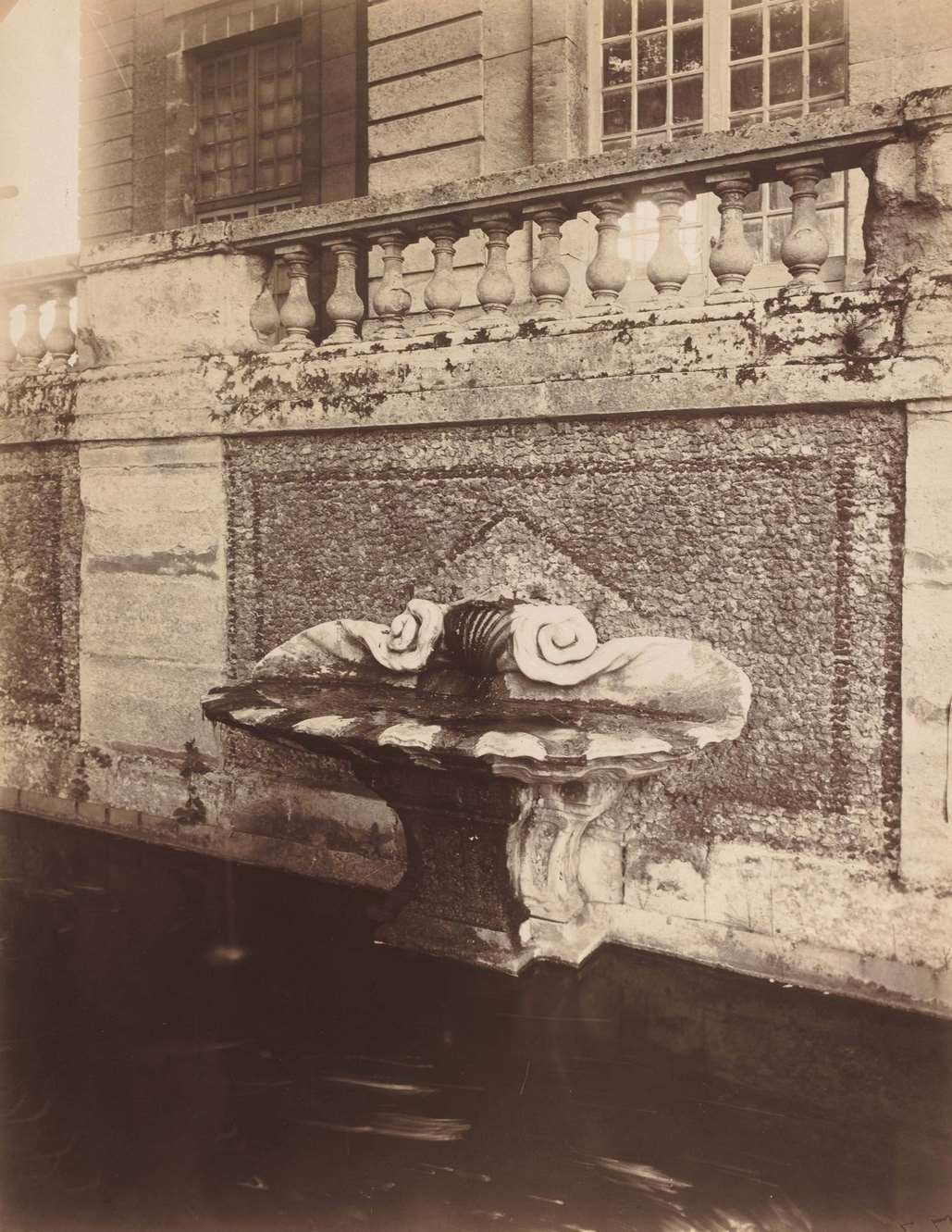
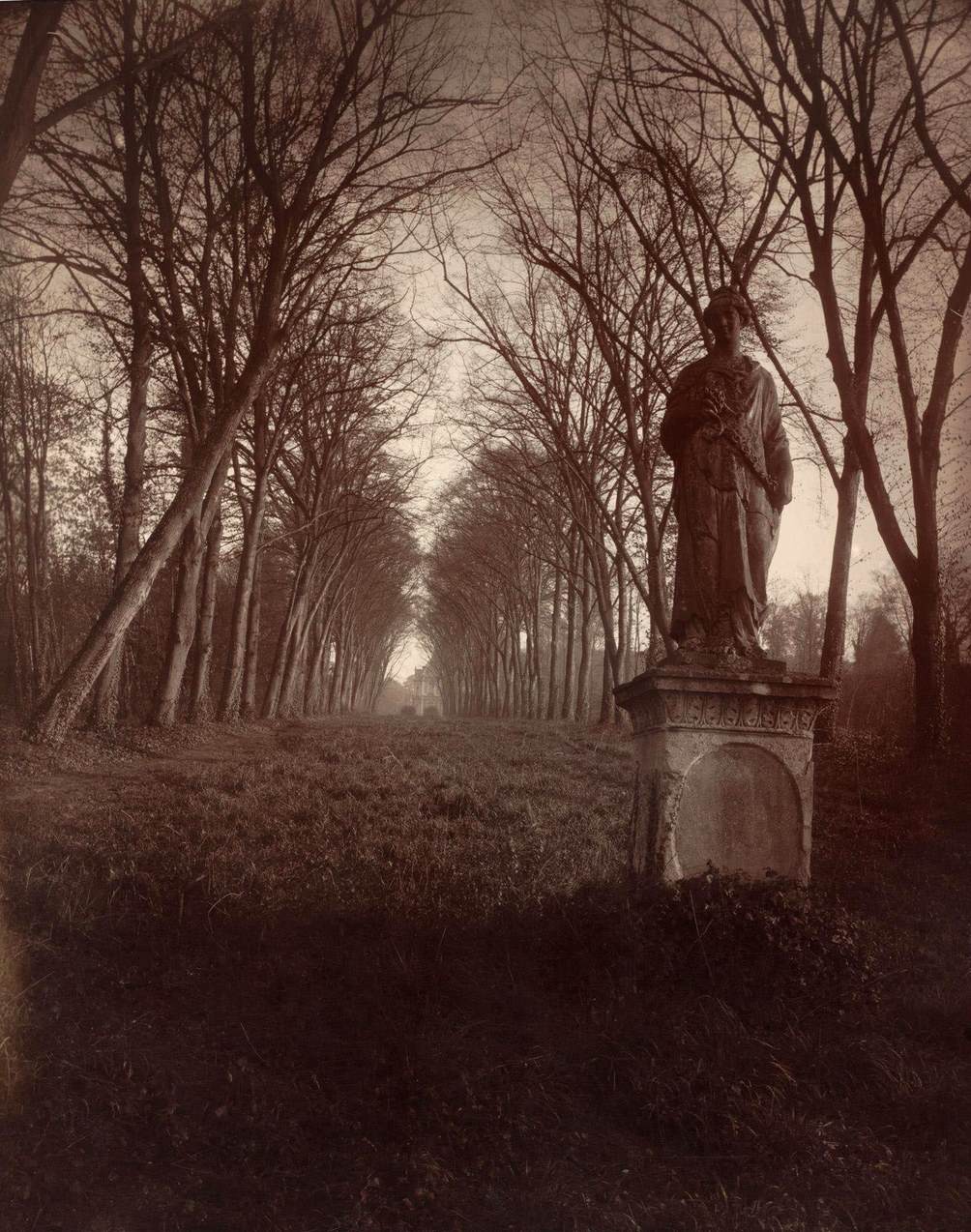
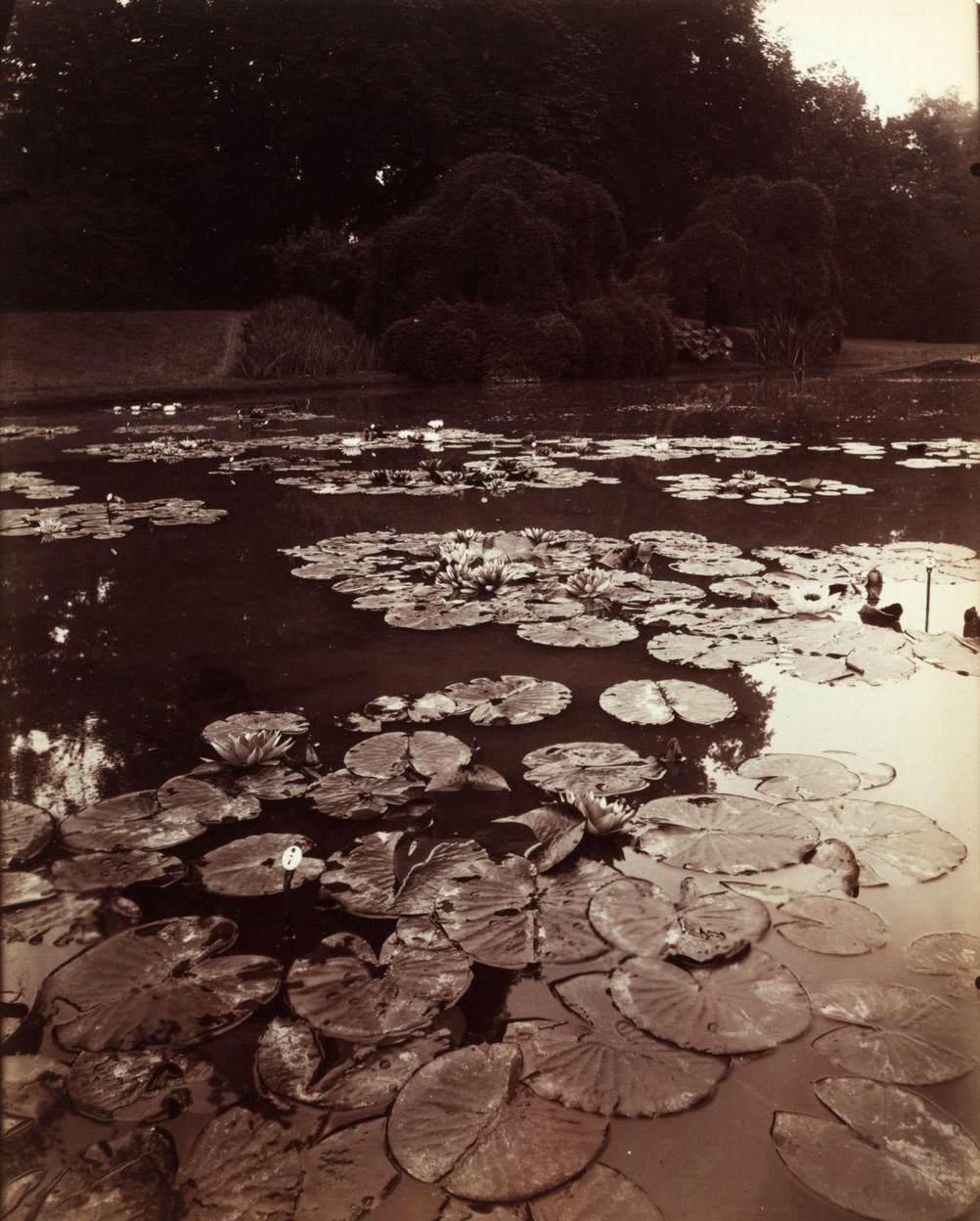
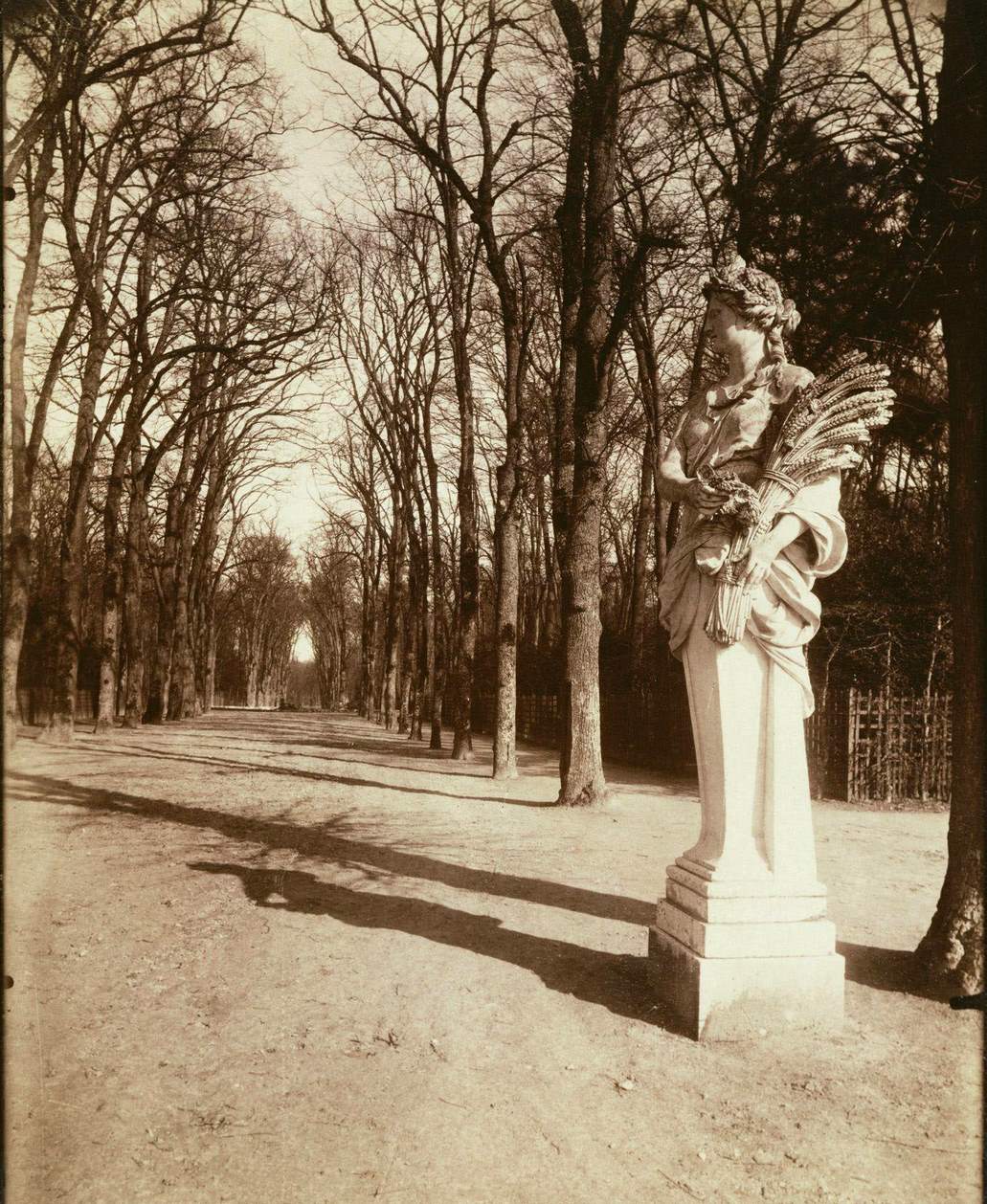
Outside Paris, Atget traveled by train to the surrounding towns and parks that still held a rural character. The Parc de Saint-Cloud, Versailles, Sceaux, and Ville-d’Avray appear again and again throughout his archive. He photographed still ponds, overgrown gardens, stone fountains, and tree-lined paths with the same attention he gave to Parisian storefronts. These suburban landscapes were changing too, slowly absorbed by the expanding city.
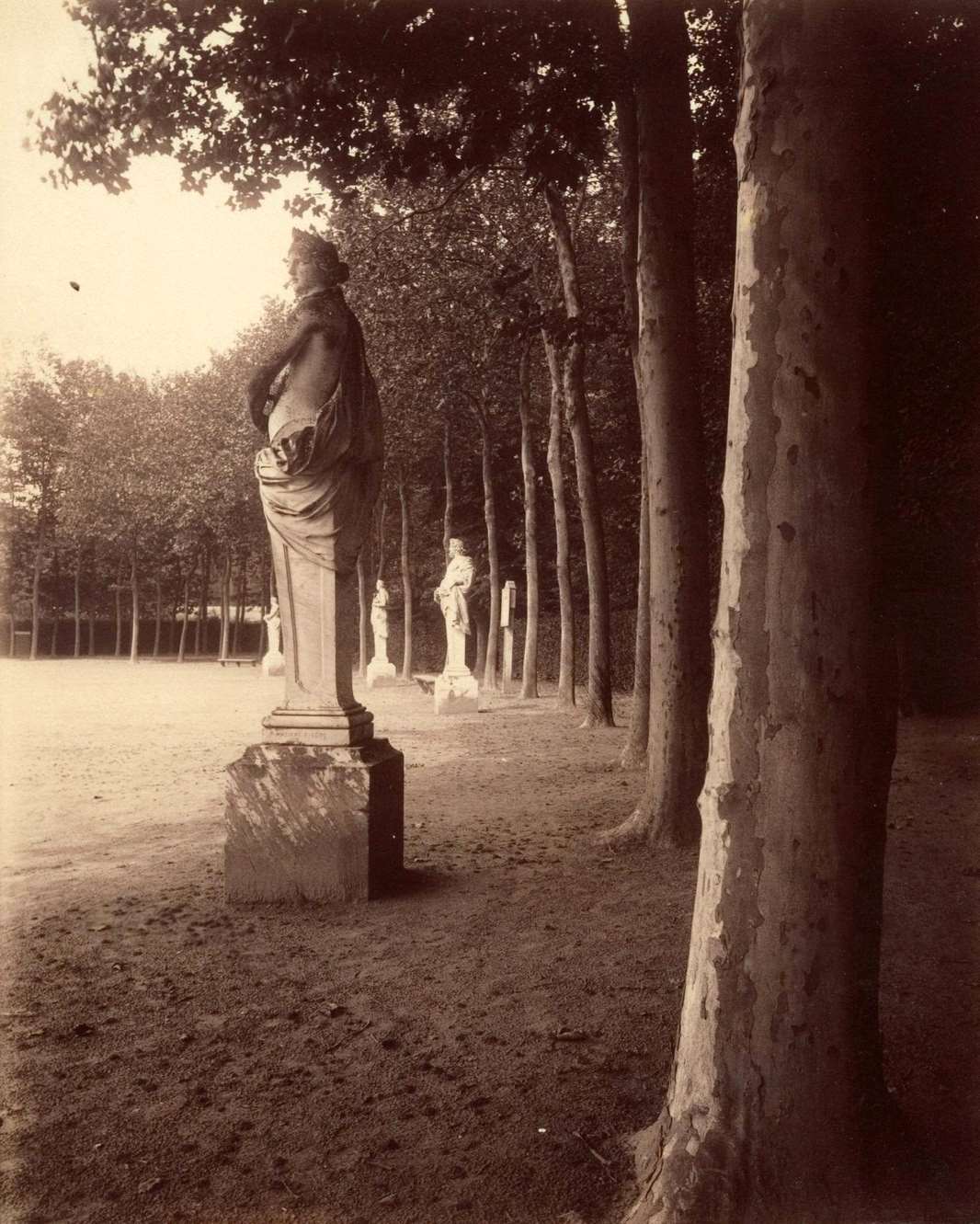
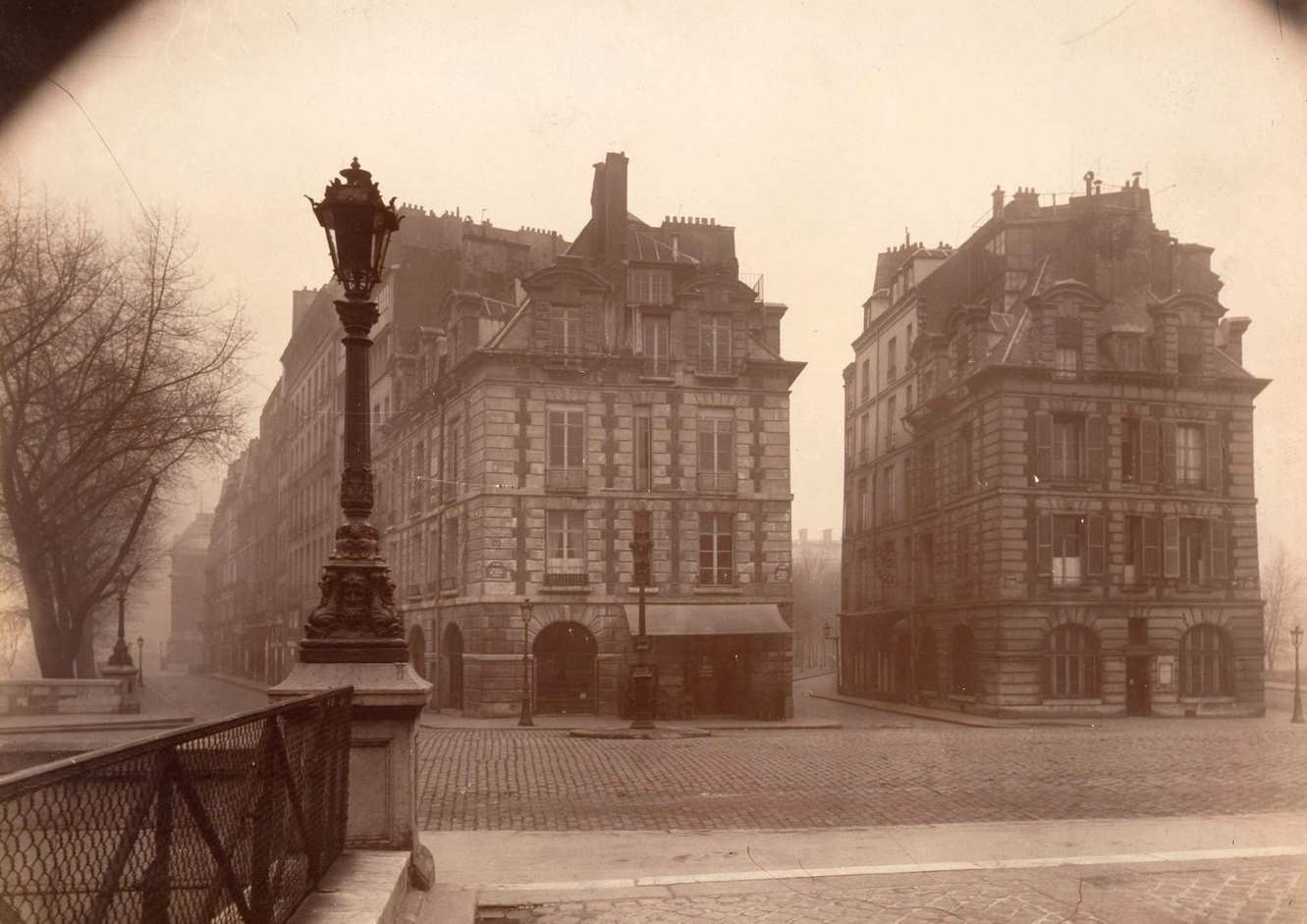
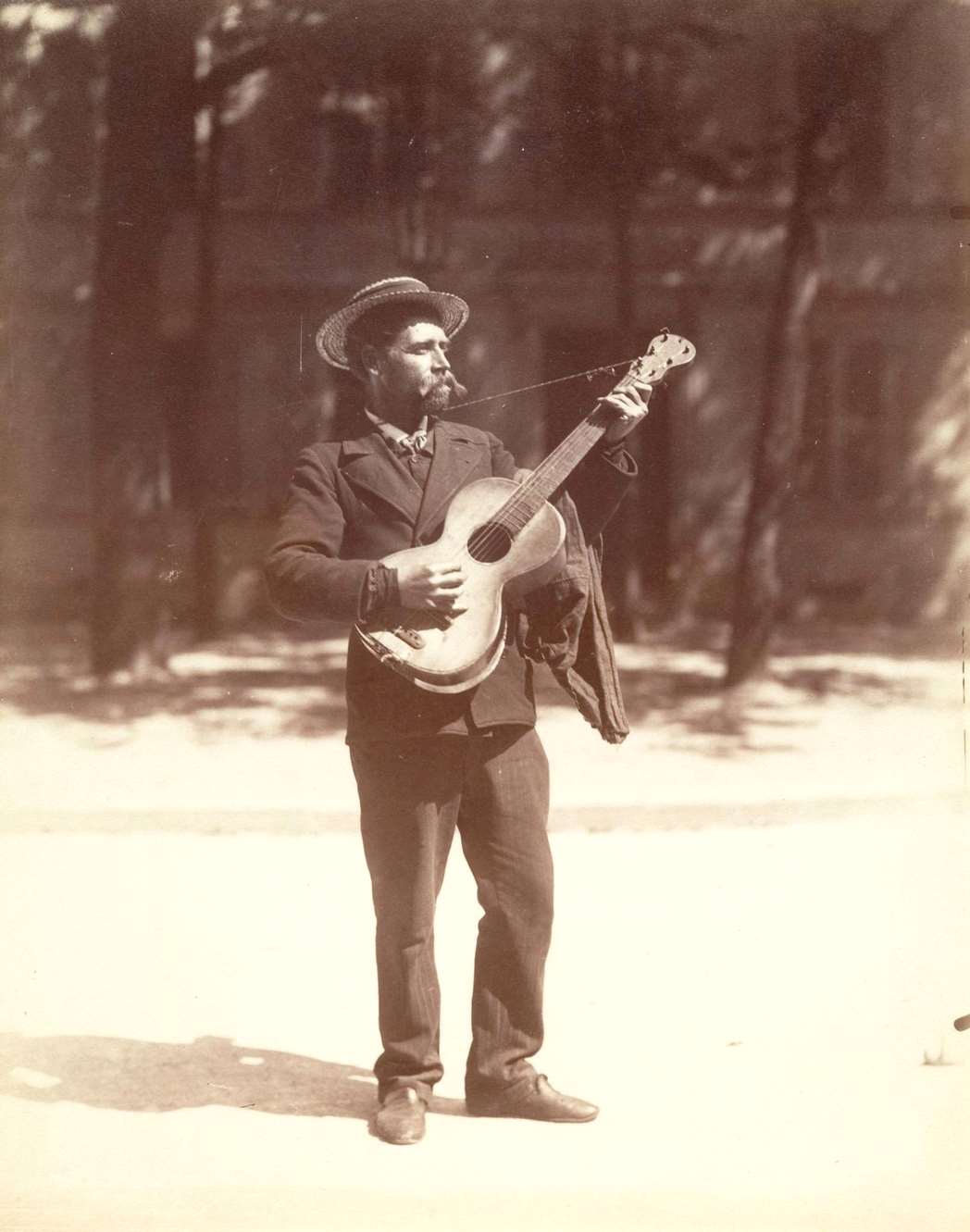
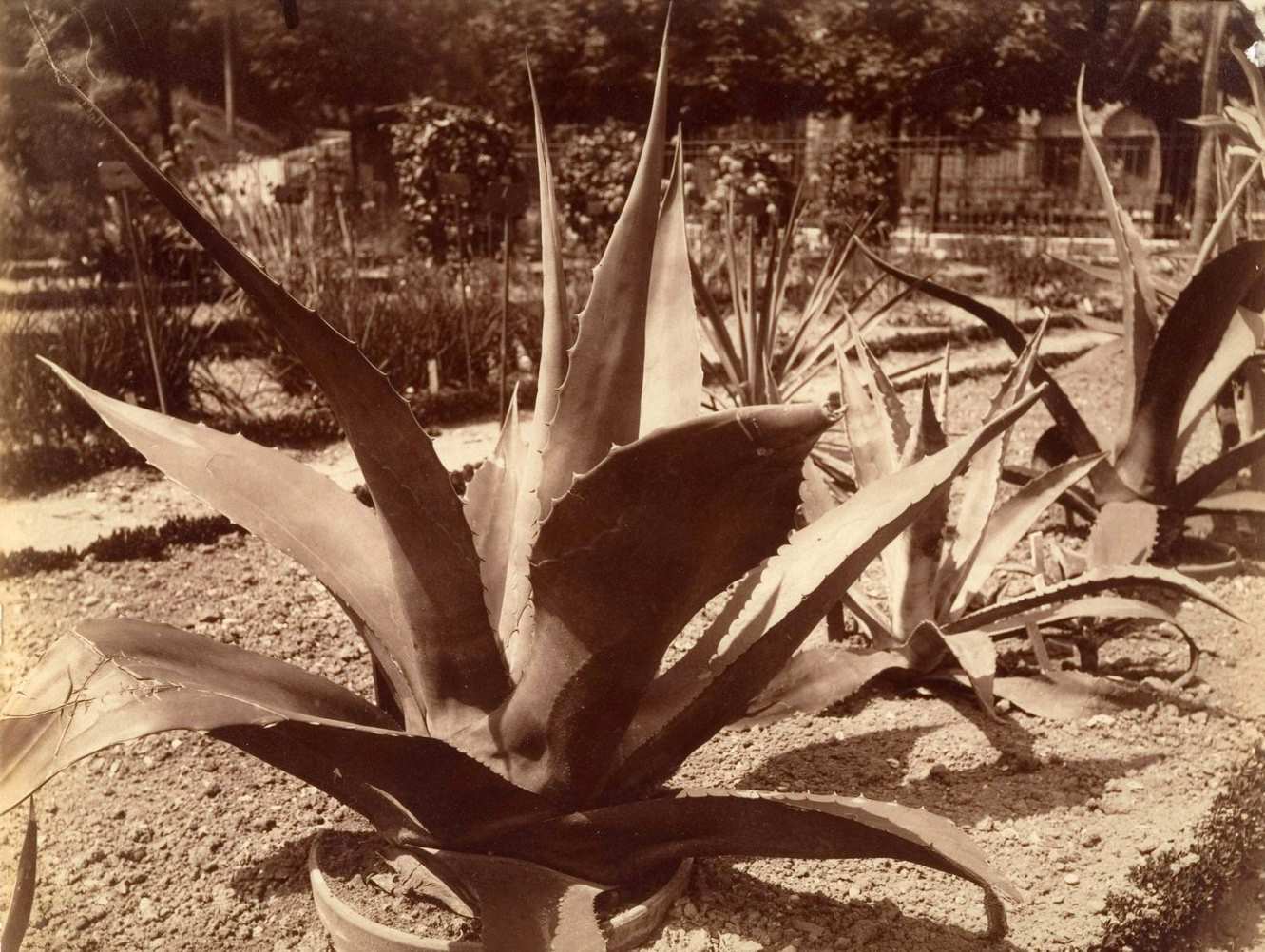
Versailles – Courtyard of the Park, 1902Terre-plein du Pont Neuf, Matinee d’Hiver, 1925Joueur de Guitare, 1900Agave du Mexique, 1920s
Window, 1913
St. Cloud, Fin mai, 7 h. soir, 1922
Jardin des Plantes, 1898
ys, before 1900
Rue Asselin, 1924
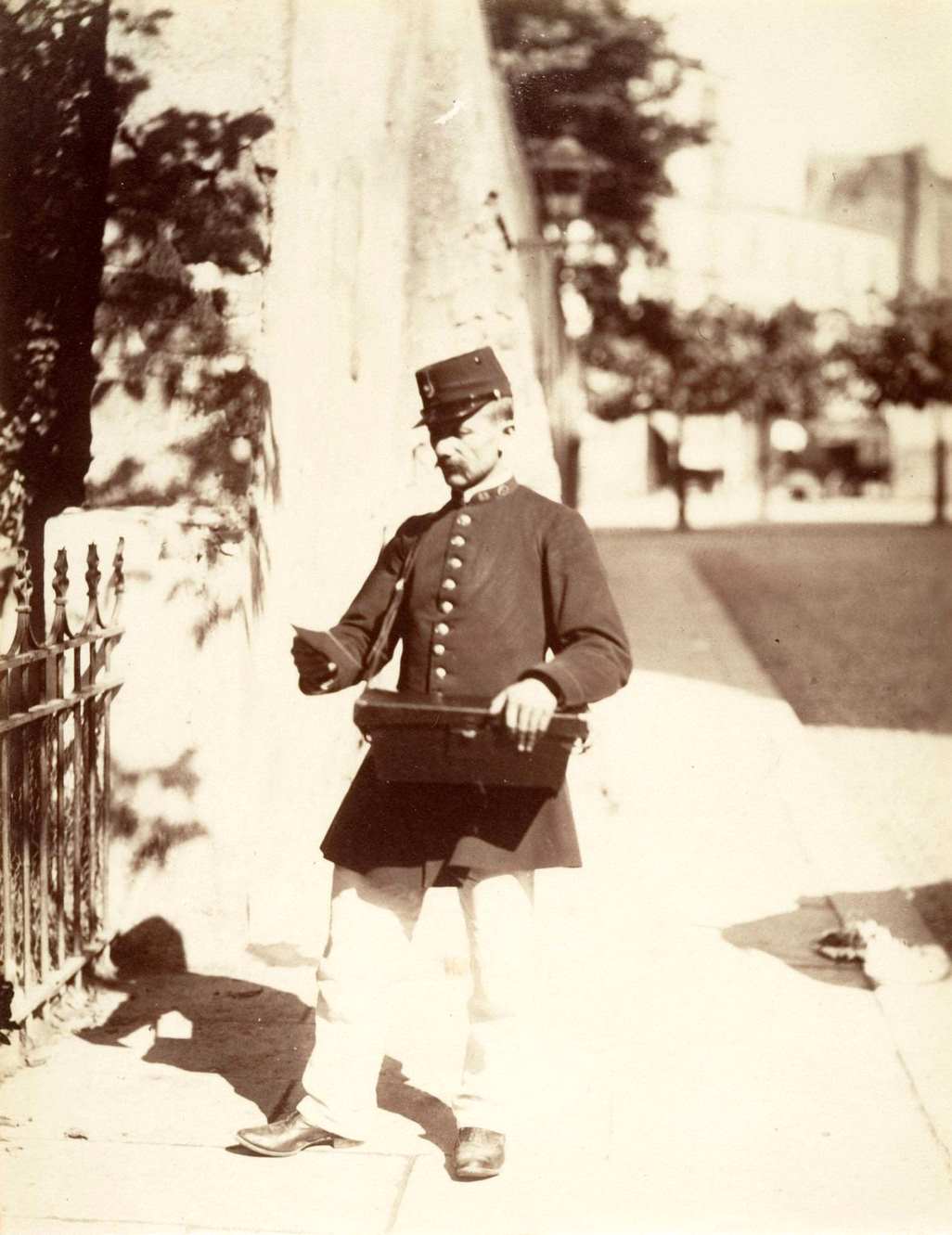
Facteur, 1900
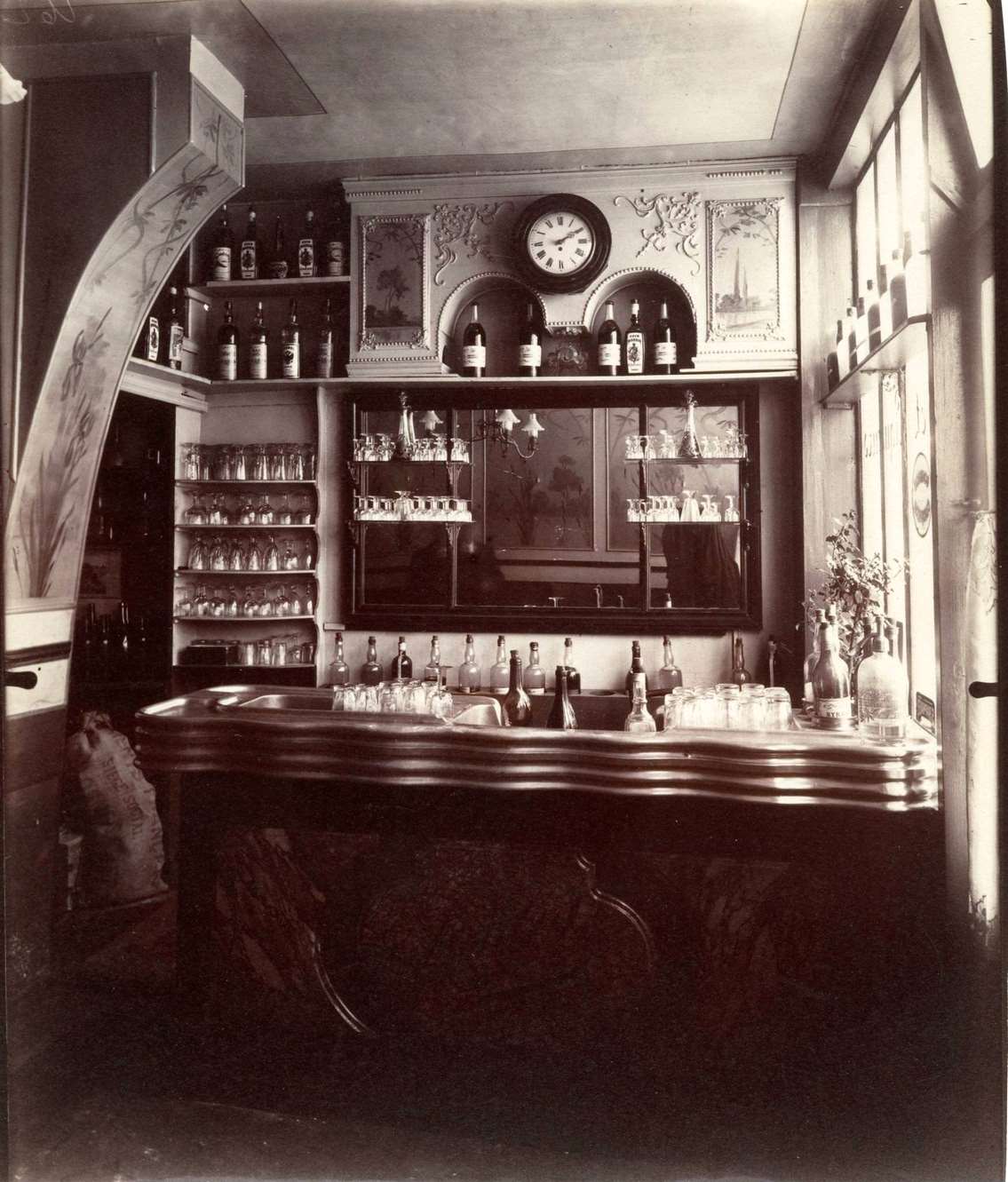
Marchand de Vin, Rue Boyer, Paris, 1910
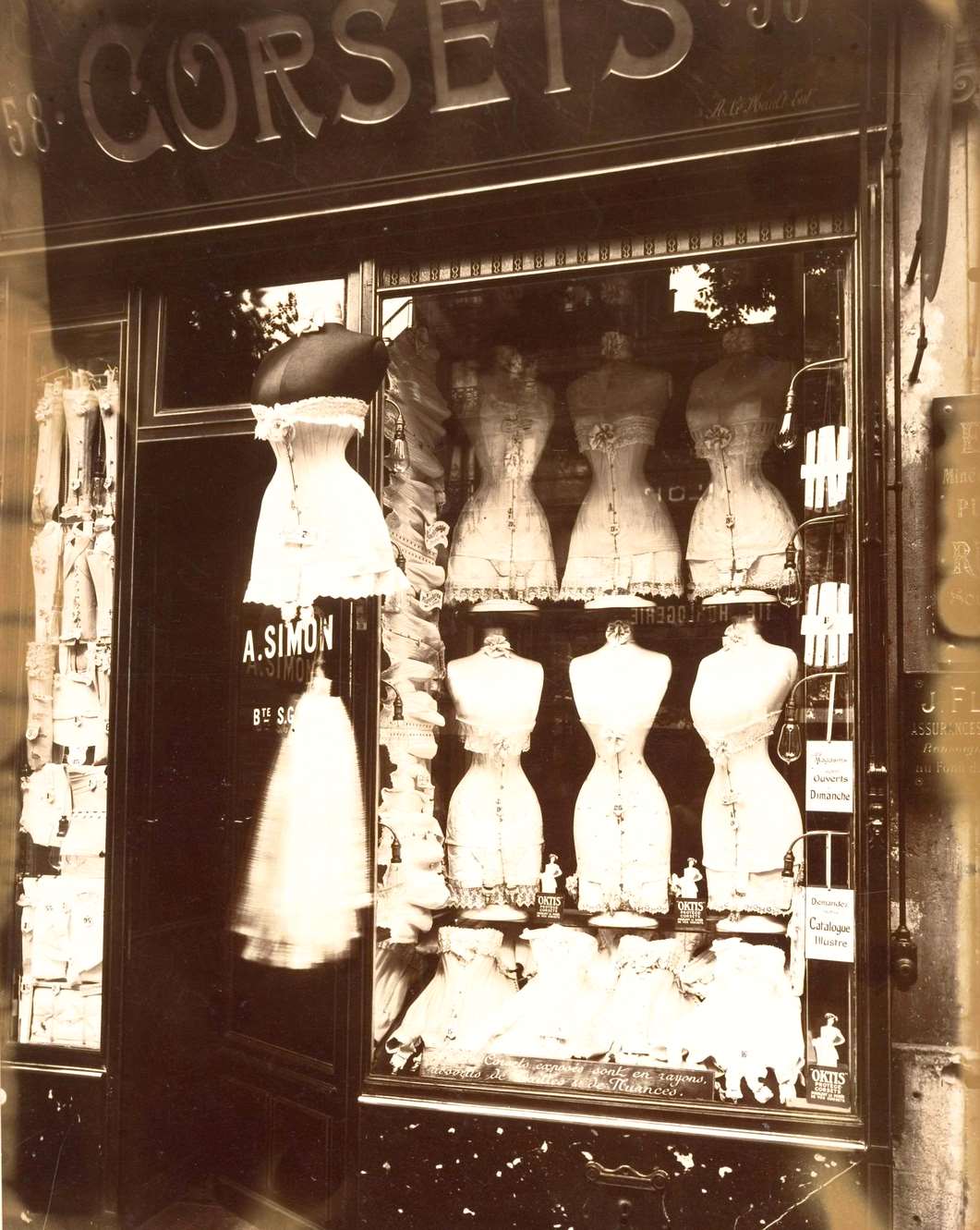
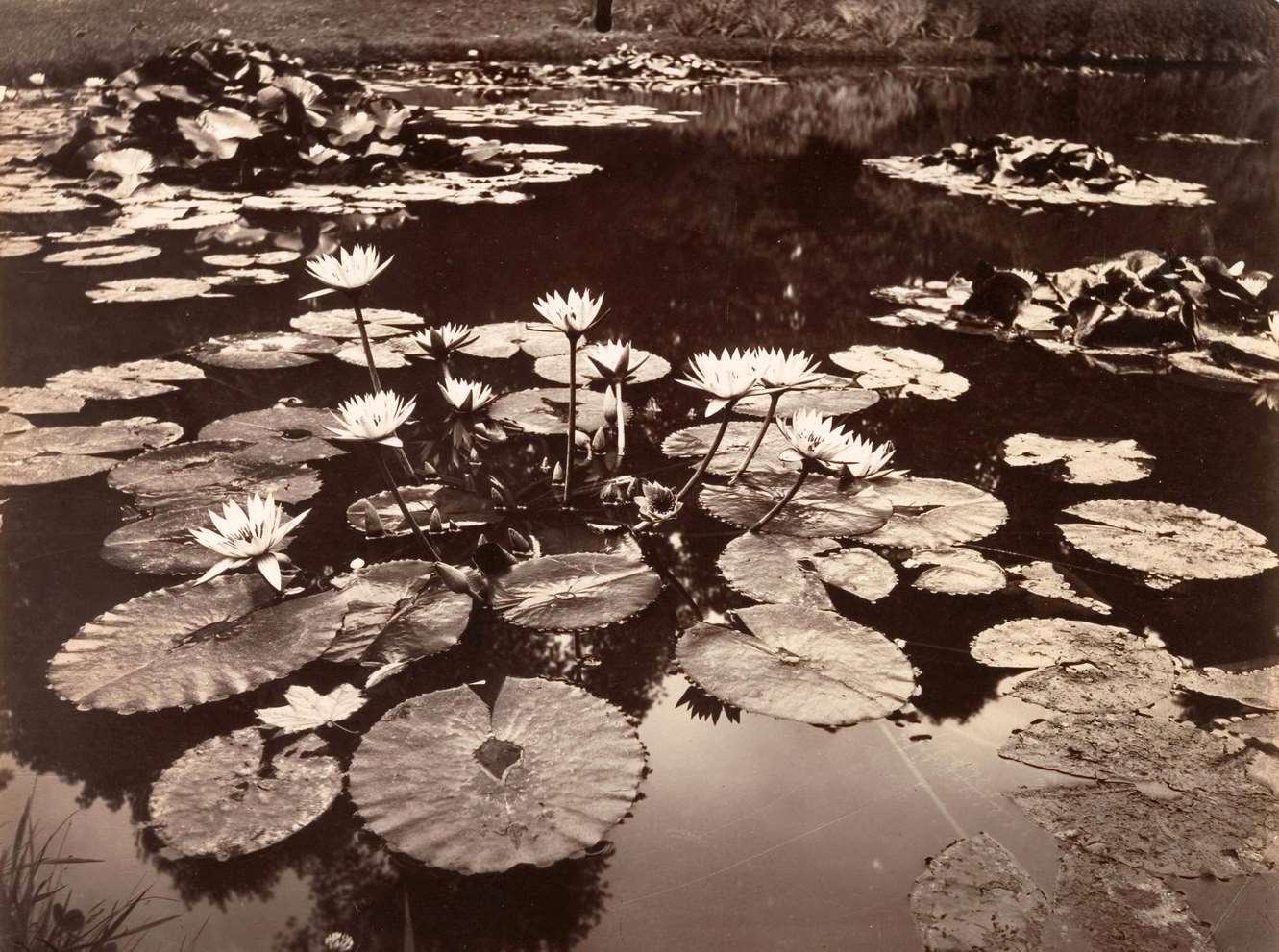
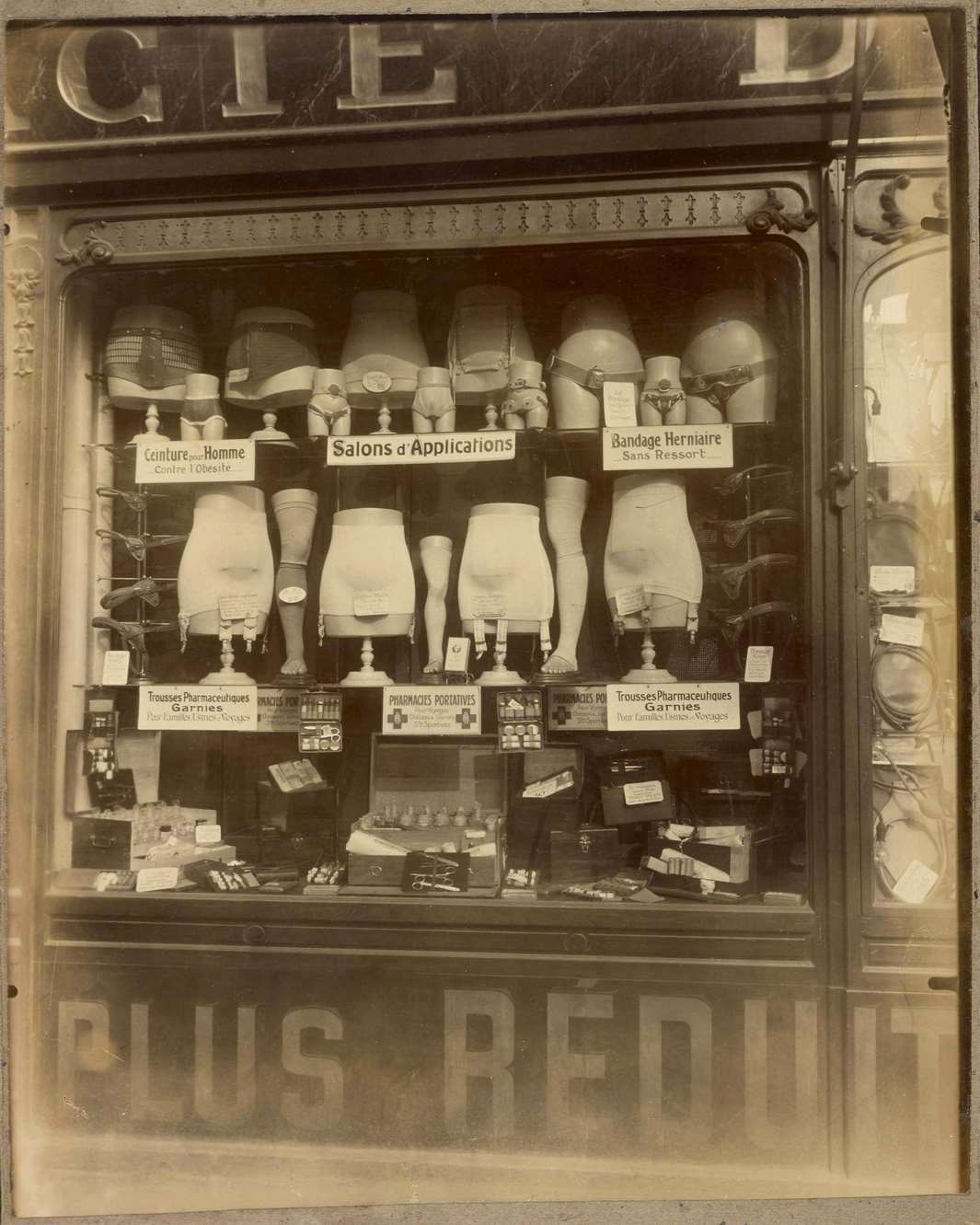
Boulevard de Strasbourg, Corsets, Paris, 1912uai d’Anjou, 6h du matin, 1924Saint-Cloud, July 1921Water Lilies, 1910
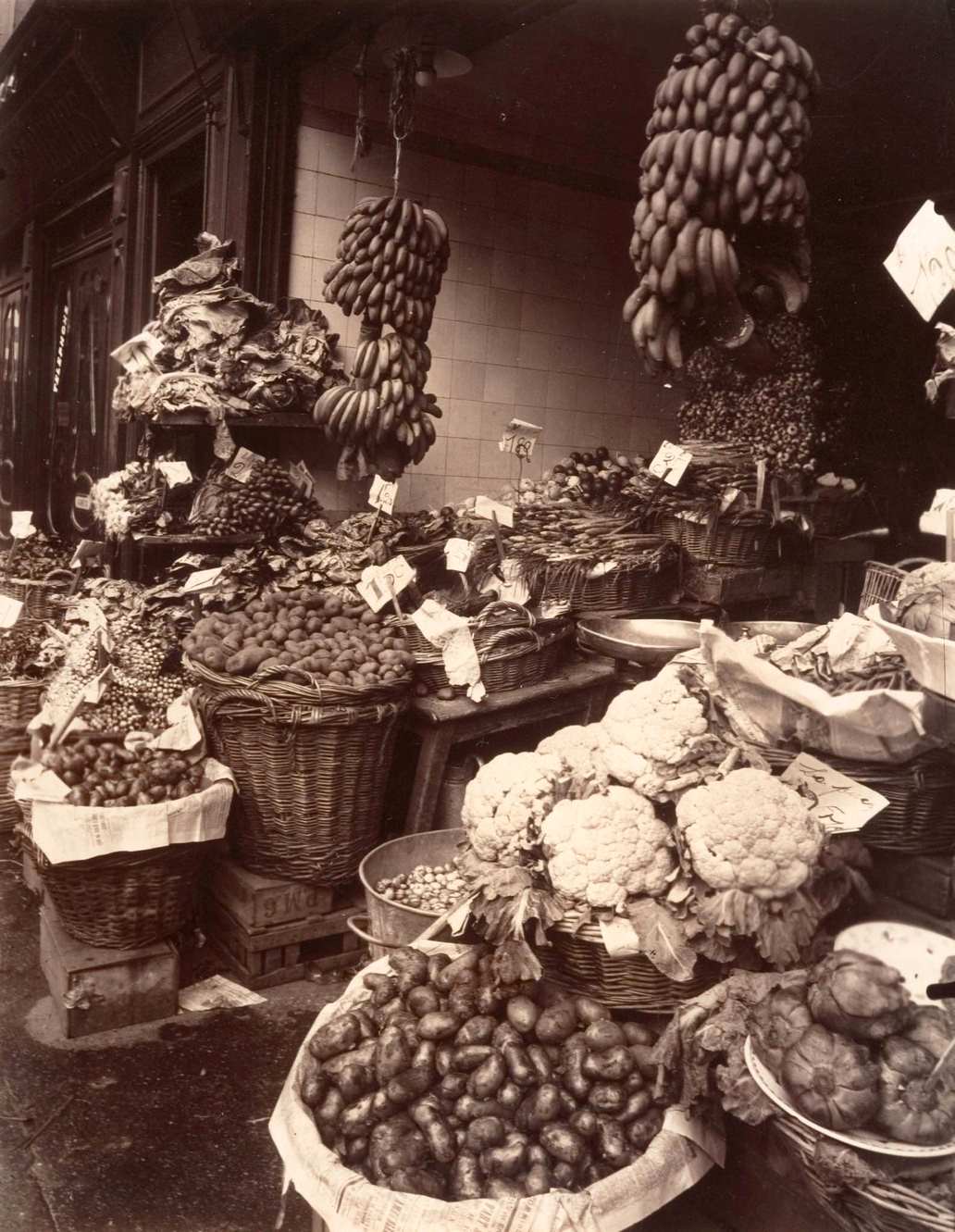
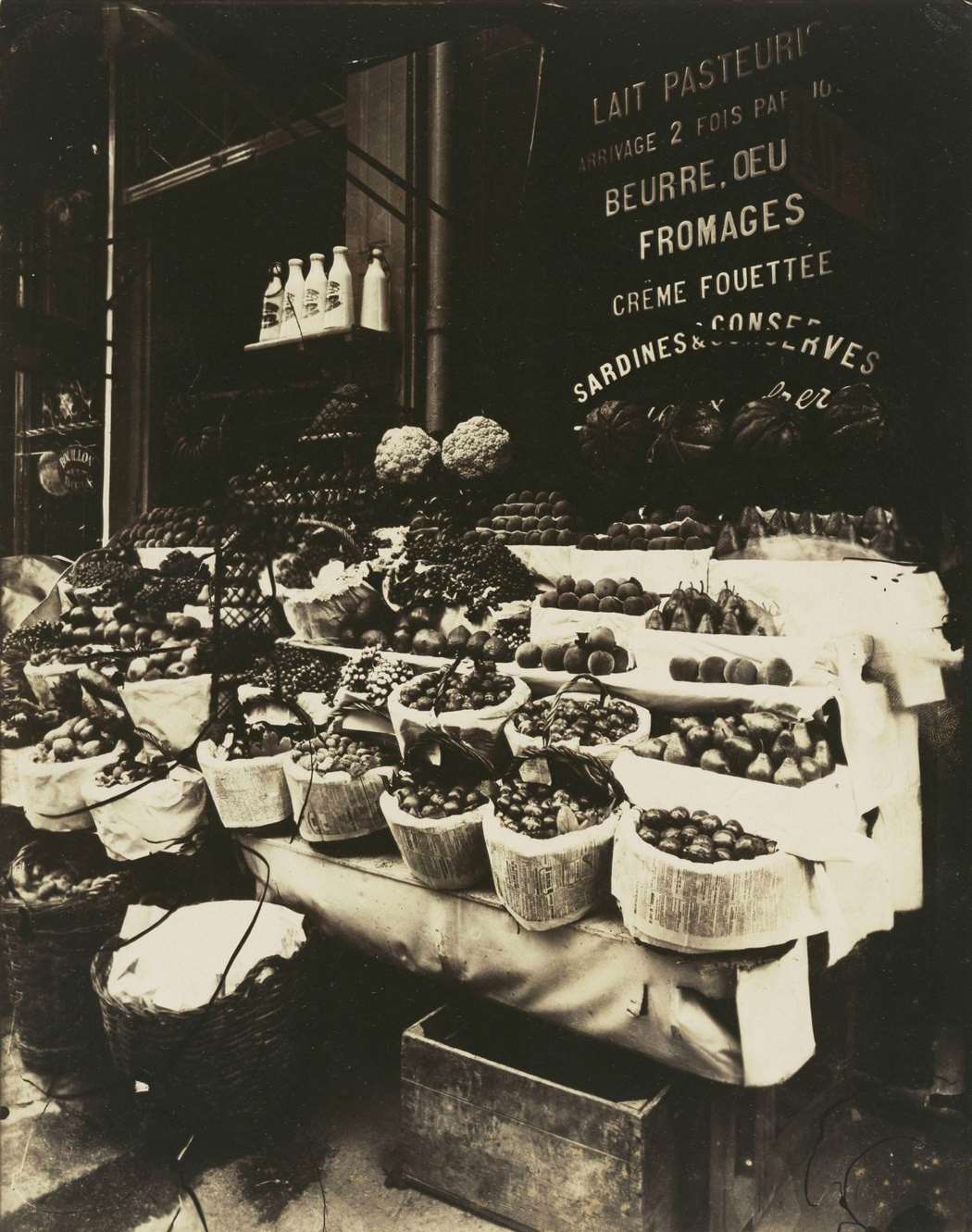
outique de fruits et legumes, Rue Mouffetard, 1925
Versailles, 1922
Fontaine, Sceaux, 1921
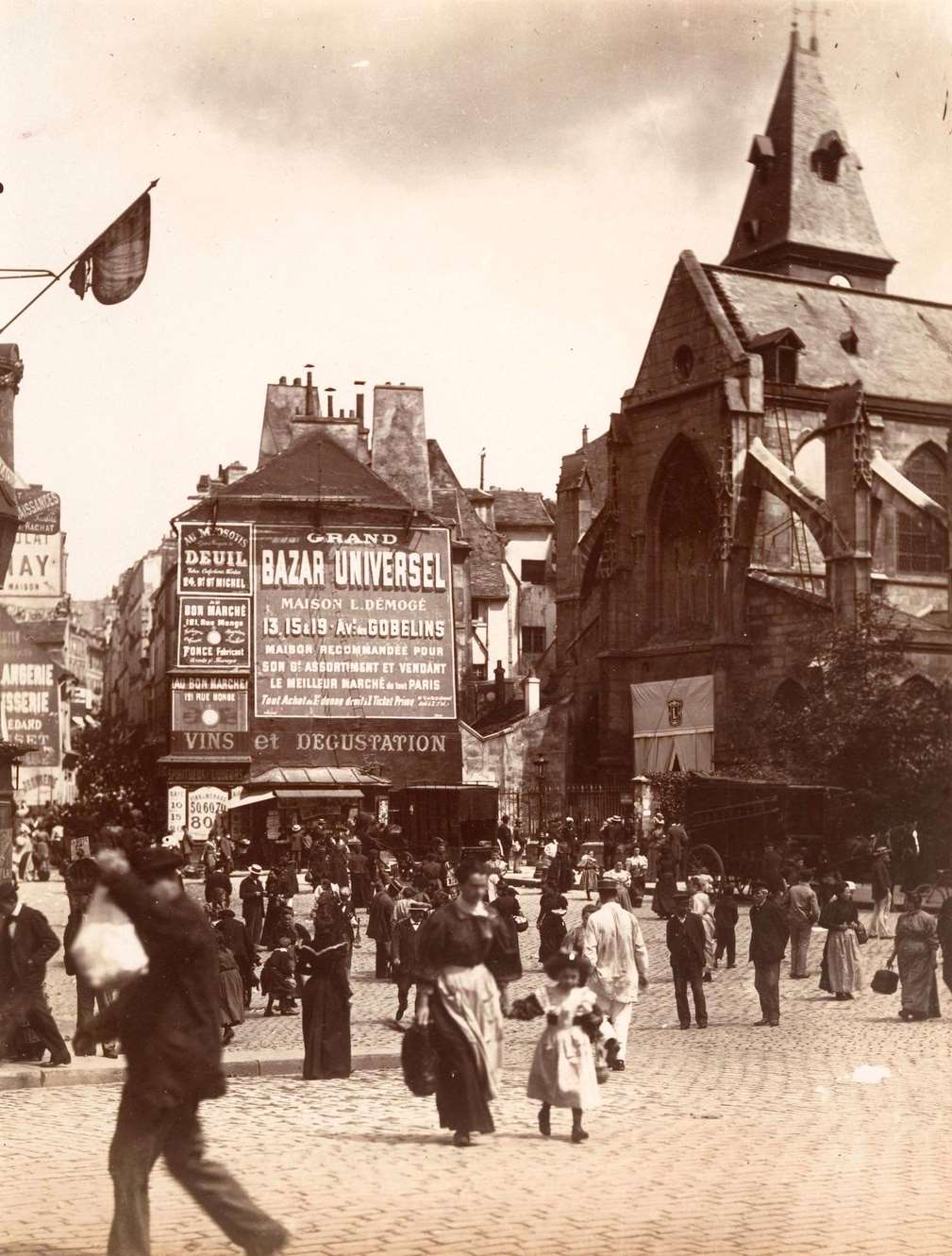
Small Market in Front of the Church in Place Saint-Medard, 1898
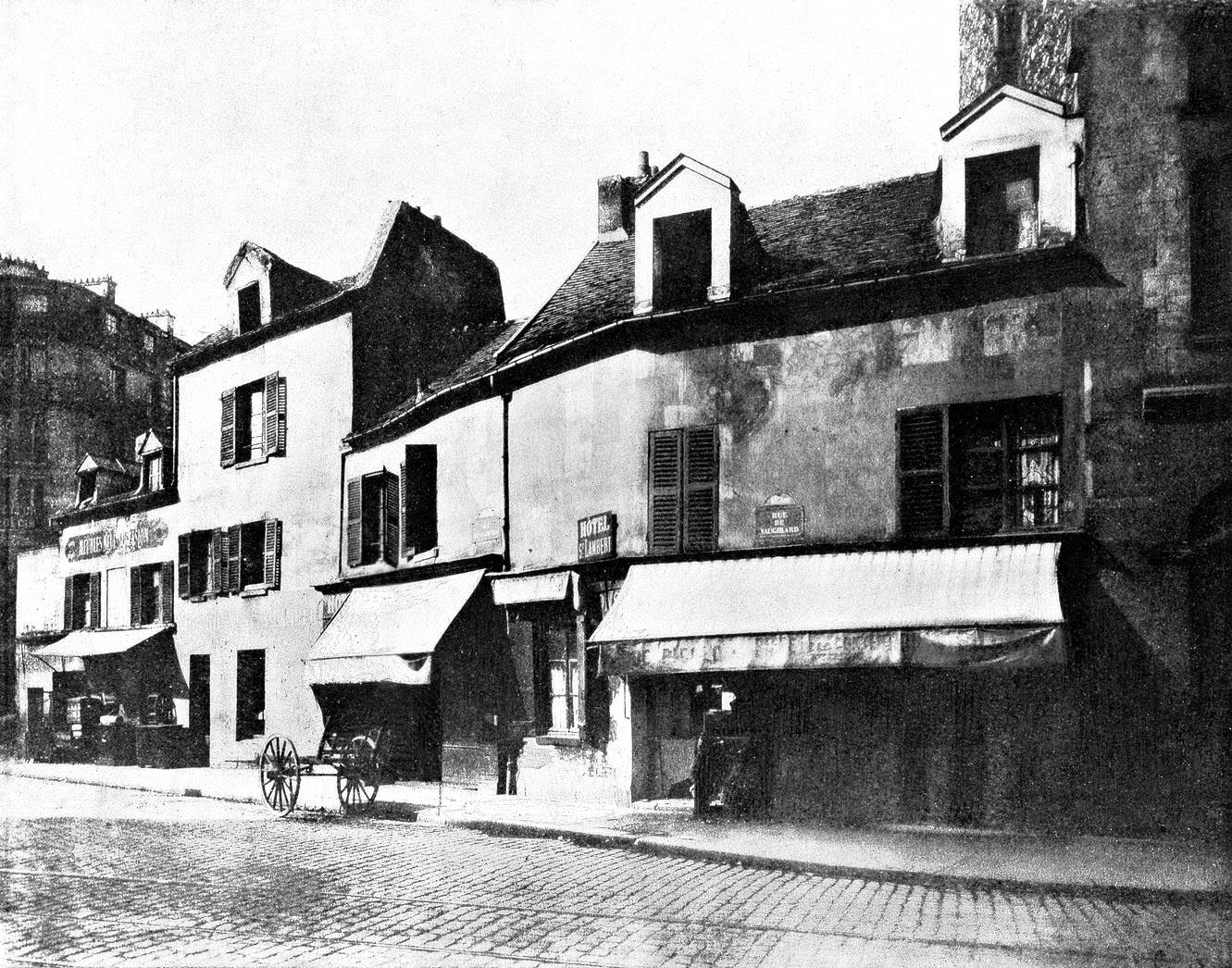
Versailles, 1901Buildings in the road ‘Rue de Vaugirard’, Hotel St. Lambert (centre), 1890s
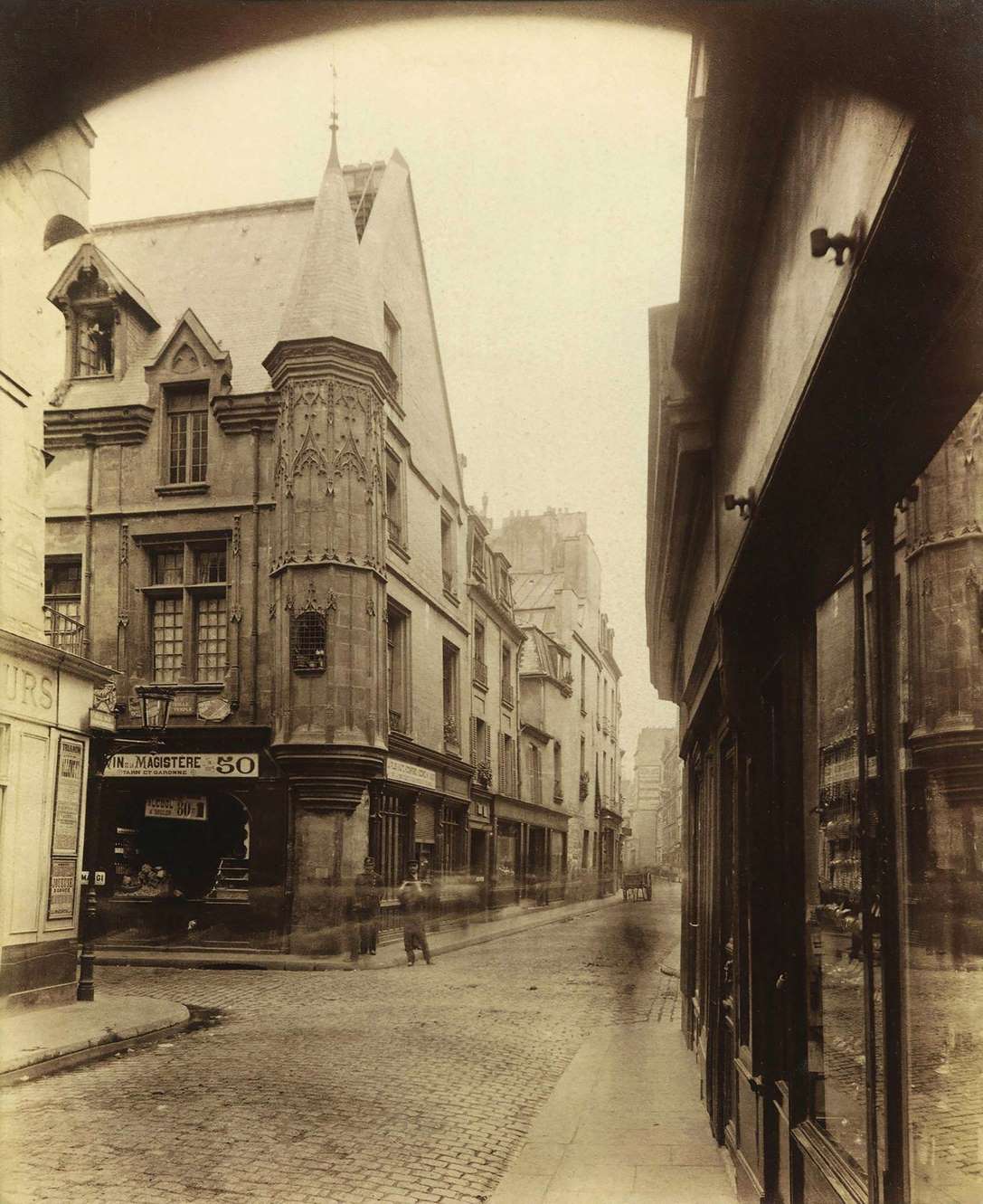
Hotel Simon Herouet (known as Barbette), rue des Francs Bourgeois in Paris, 1898.
Funfair at the Invalides in Paris, 1898
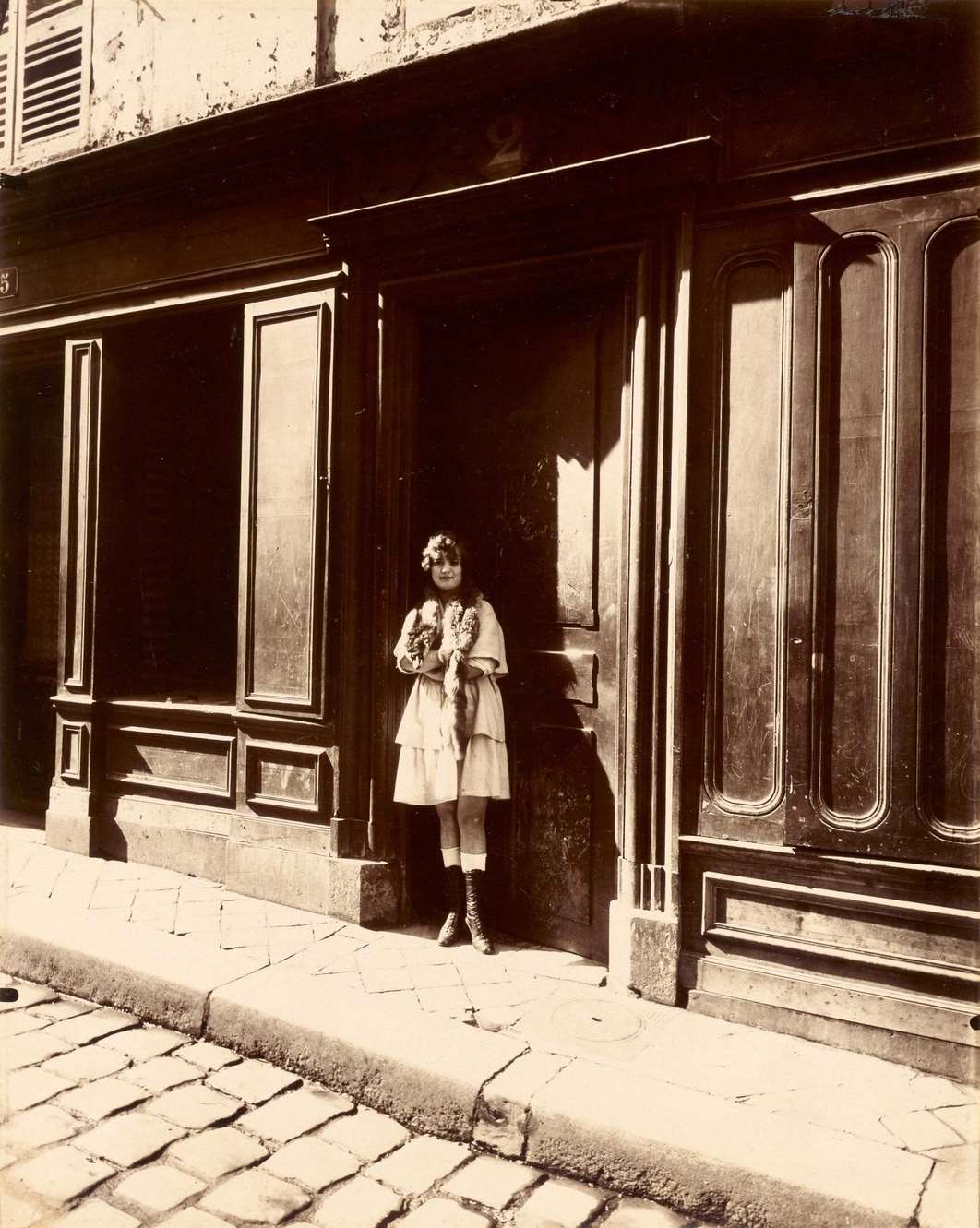
Versailles, Maison Close, Petit Place, 1921
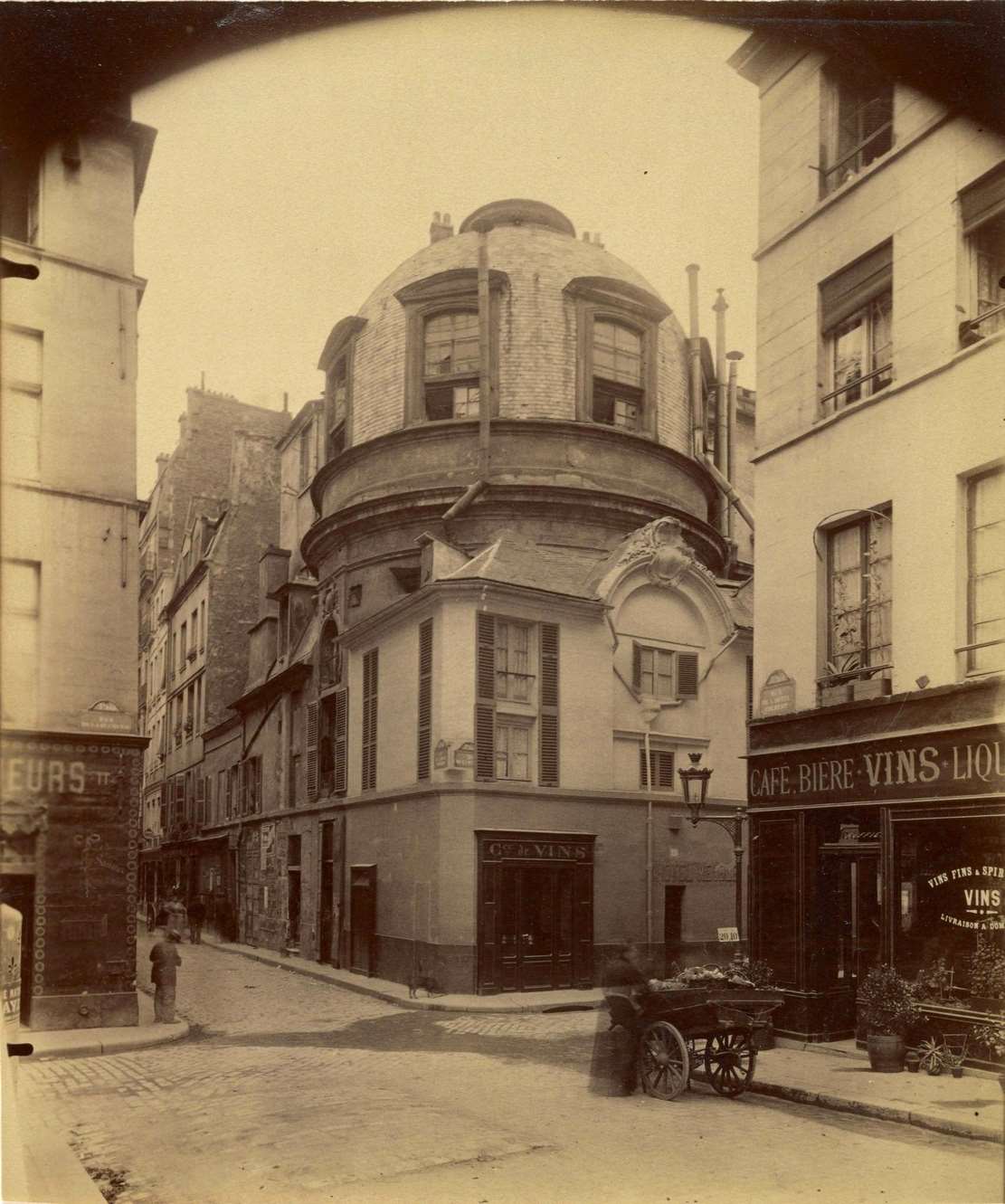
The Old School of Medicine, rue de la Bucherie, 1898
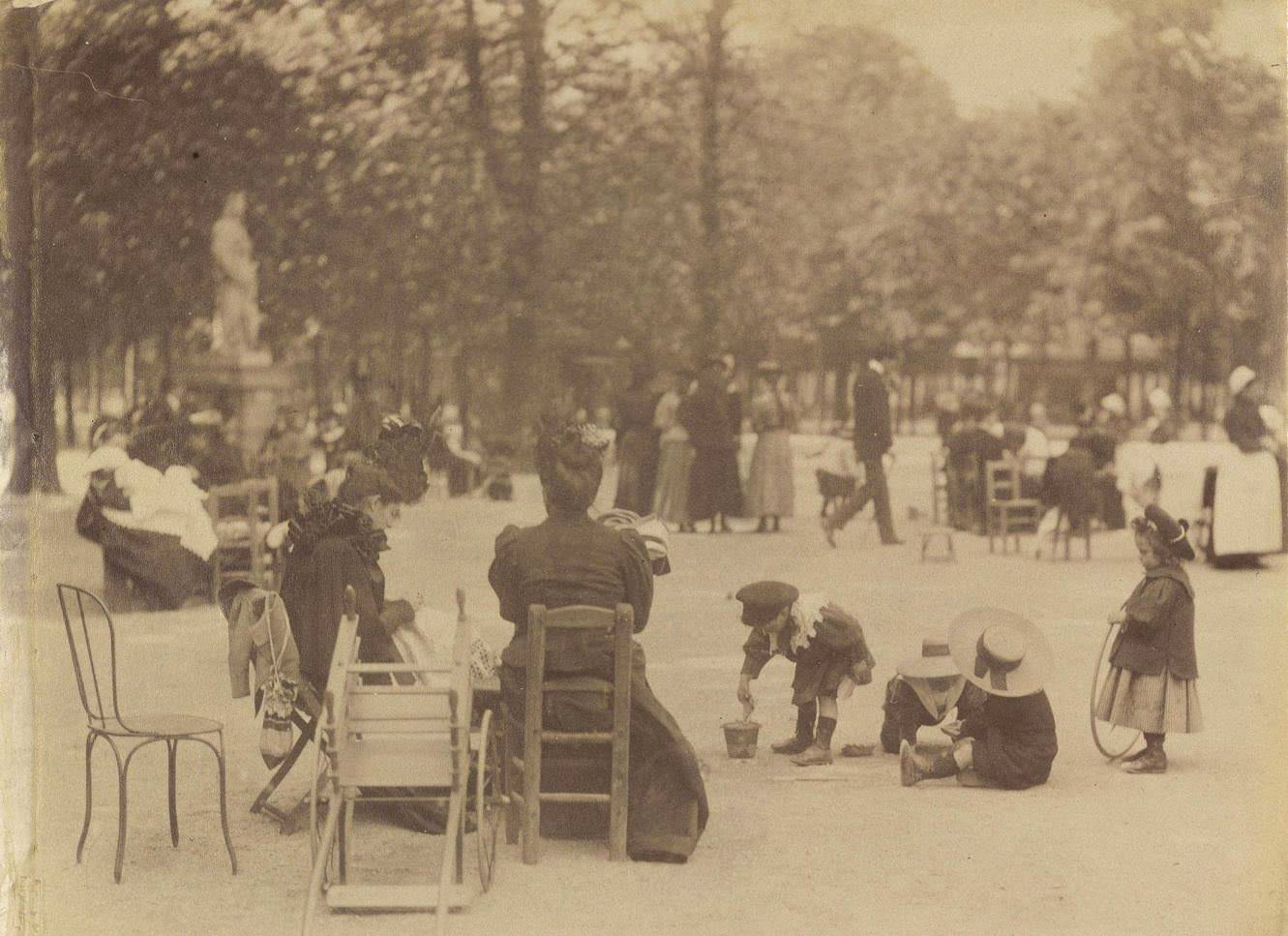
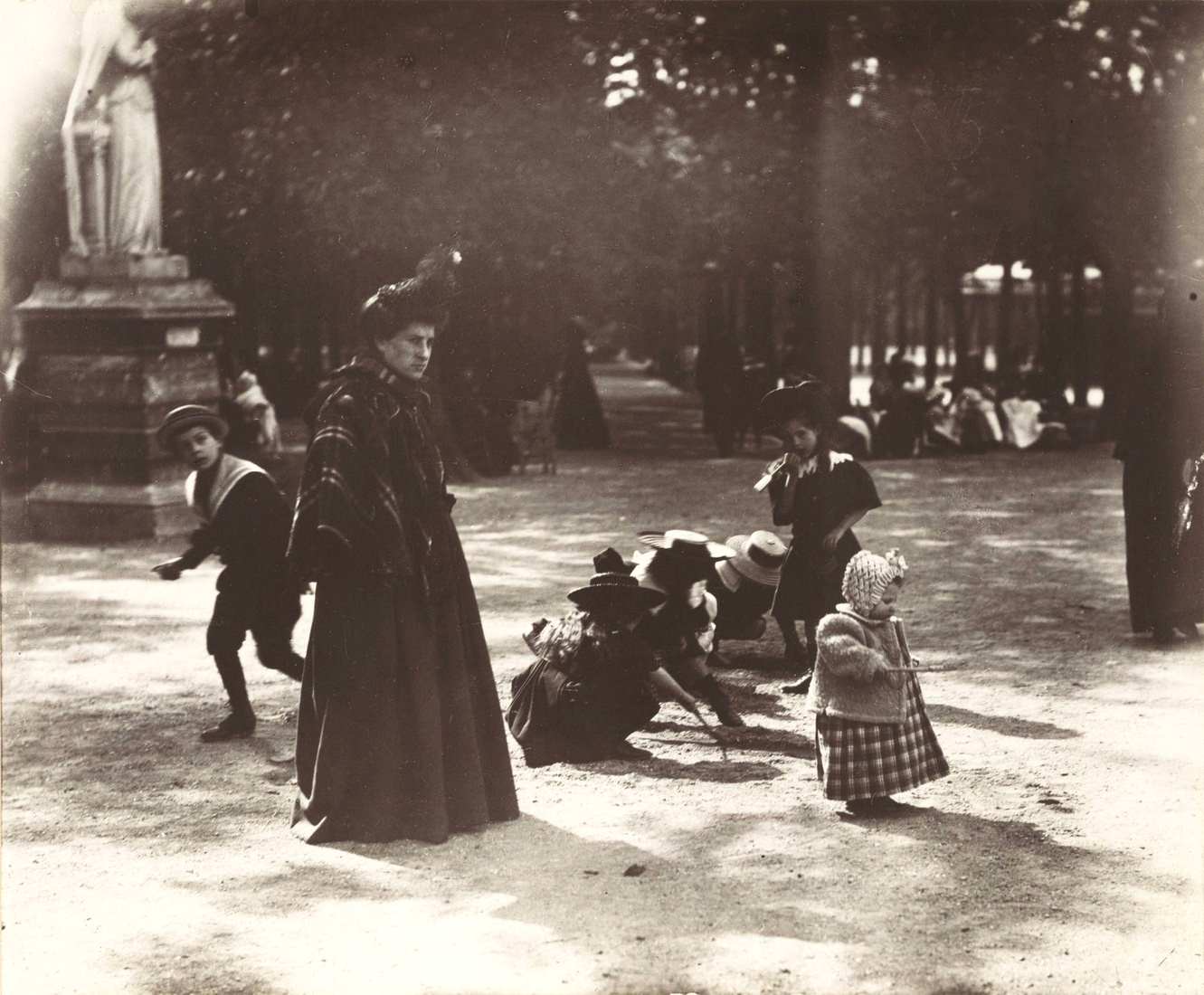
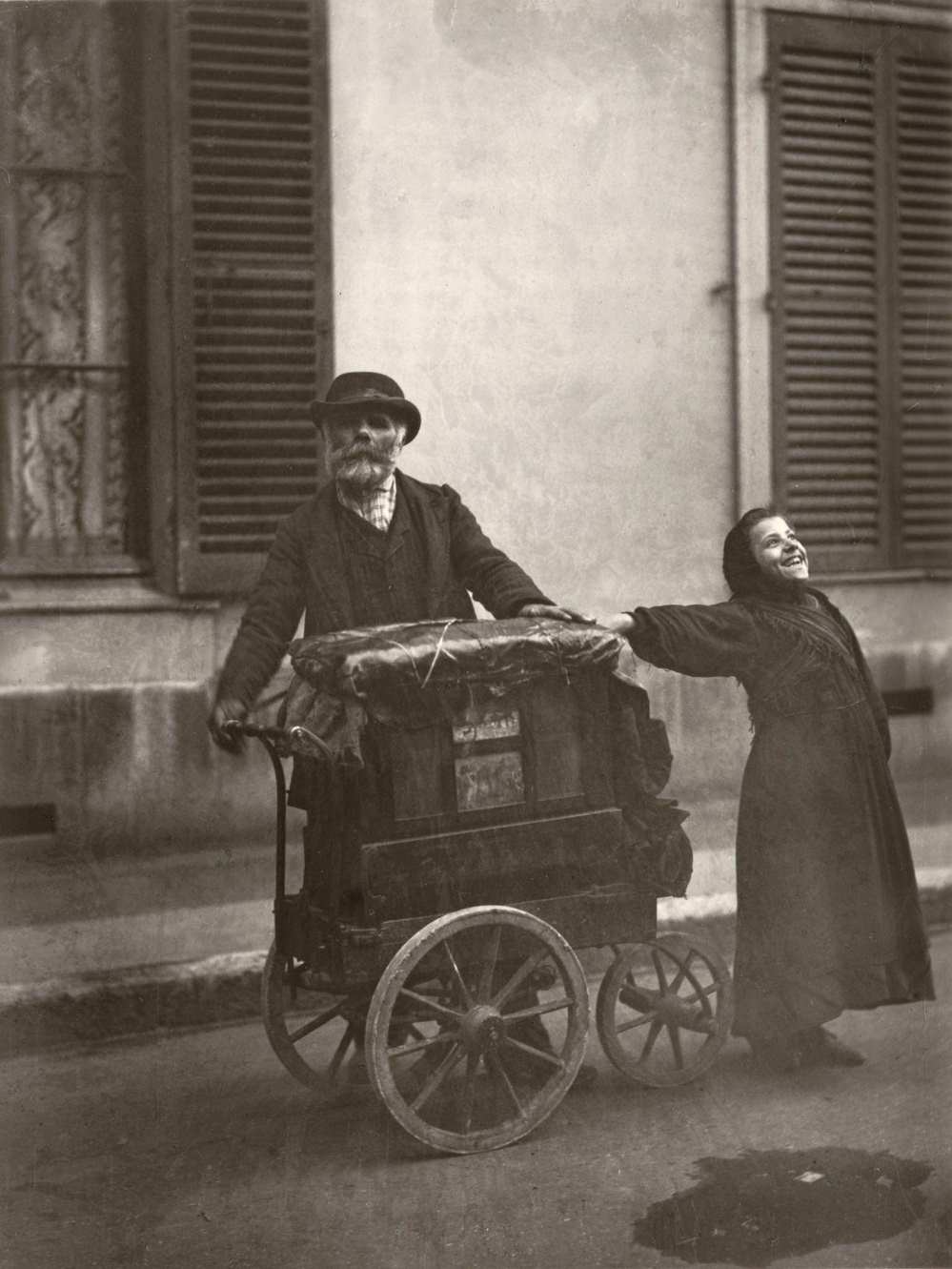
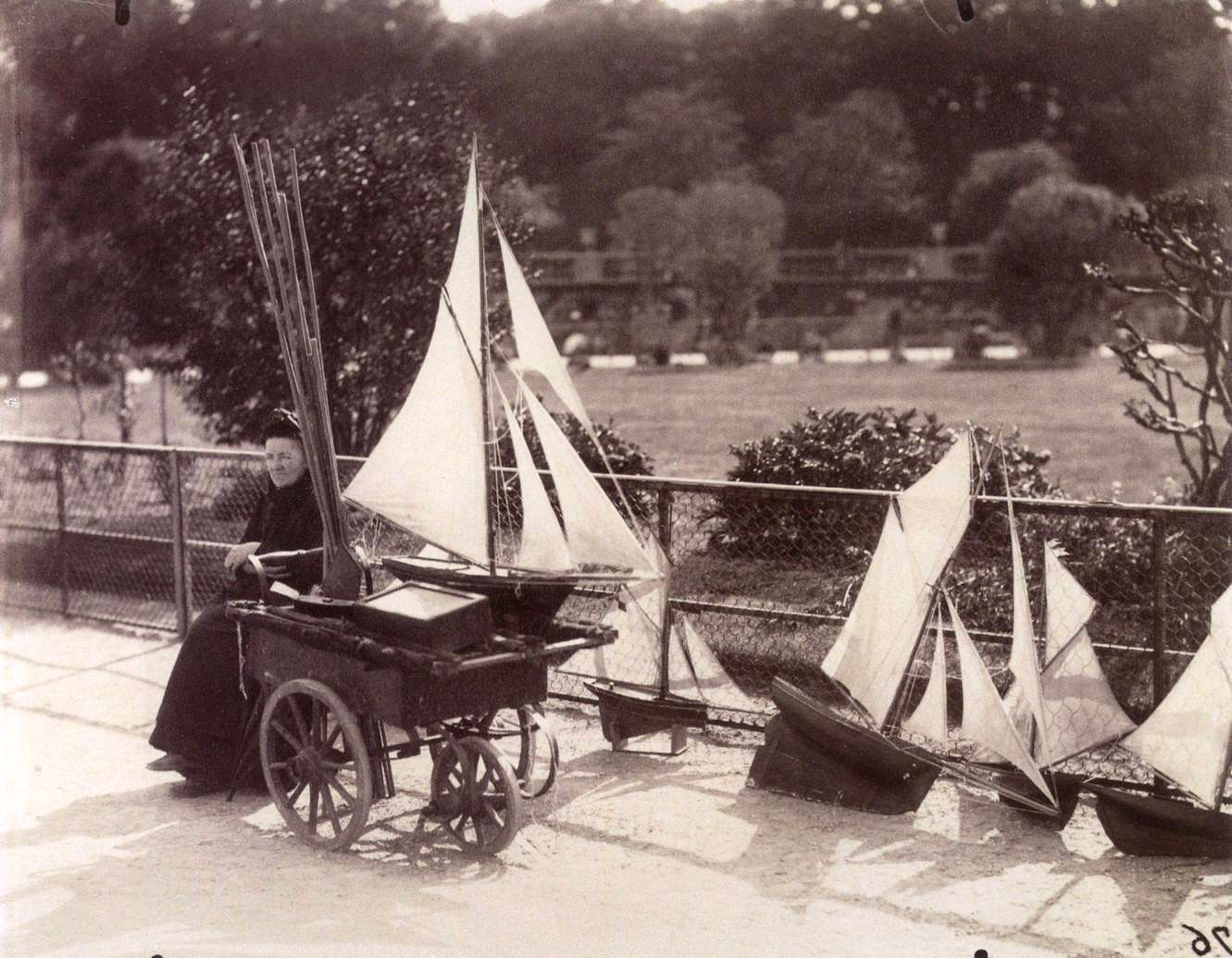
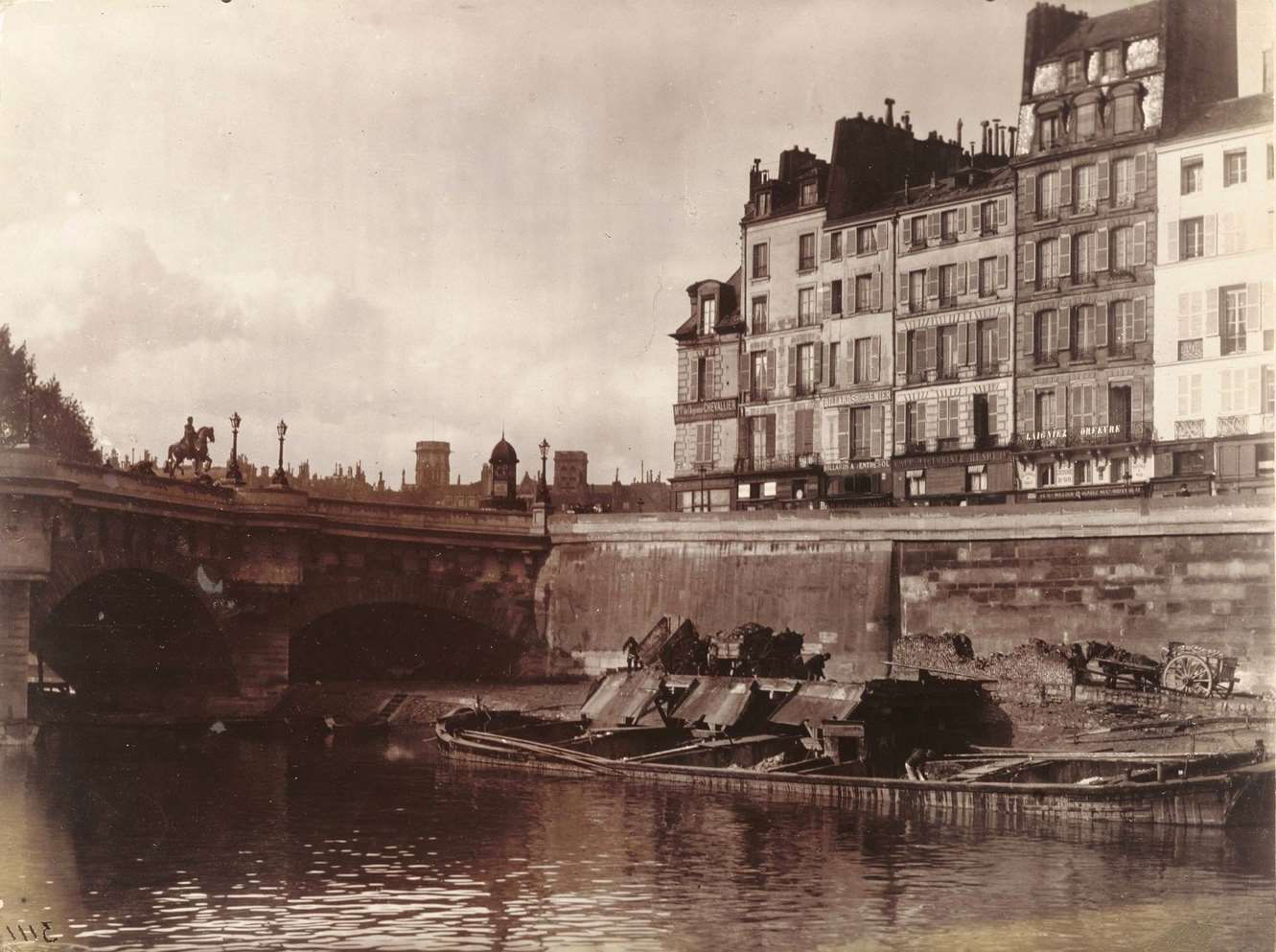
Women and Children in the Luxembourg Gardens, 1898Children Playing, Luxembourg Gardens, 1898Street Musicians, 1898Merchant of small boats in the Luxembourg gardens in Paris, 1899Coin du Pont Neuf, 1898Rue du Petit Pont in Paris, 1899
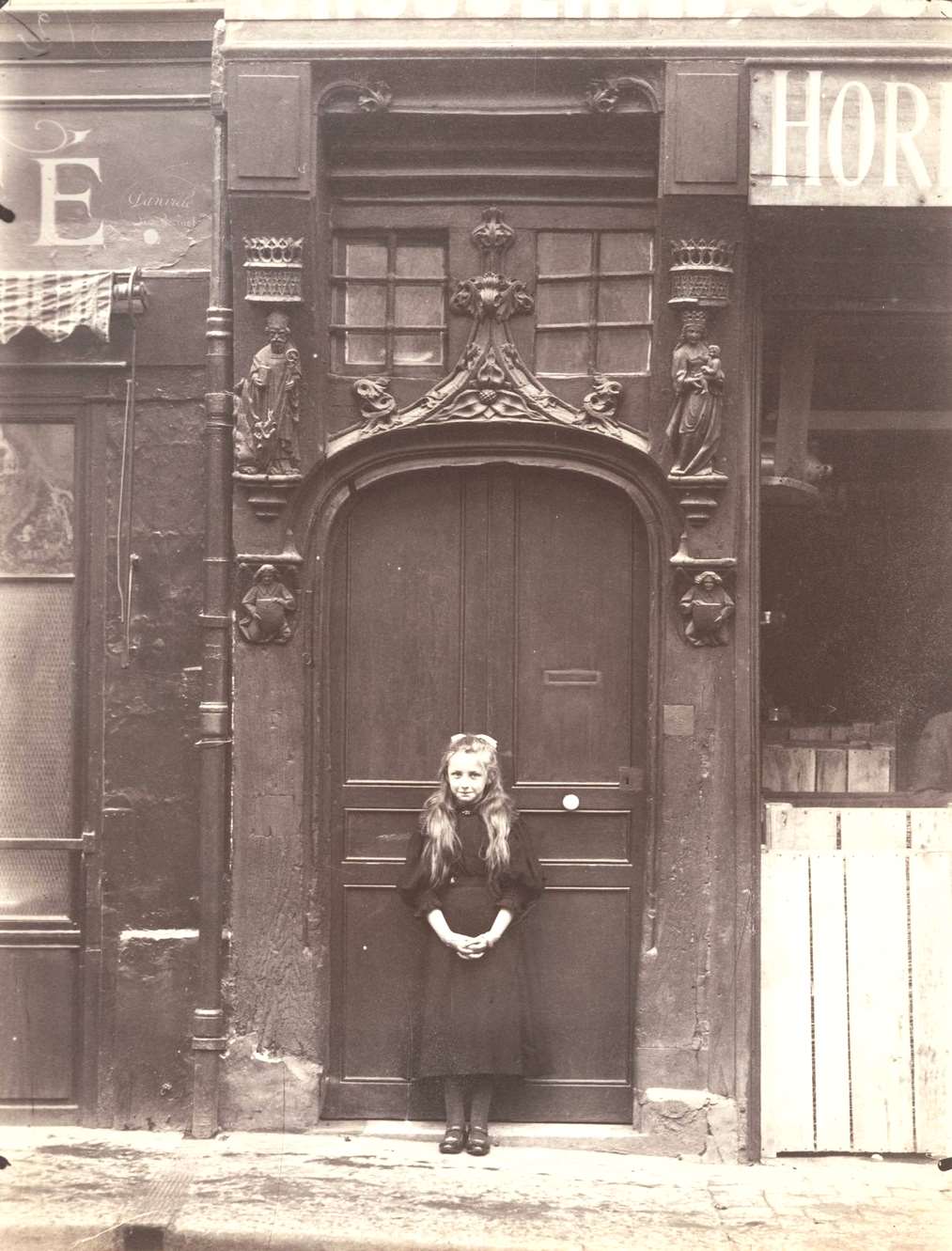
Old door, 38 rue des Saint-P res in Paris, 1911
The cabaret ‘Au petit Maure’ in Paris, 1911
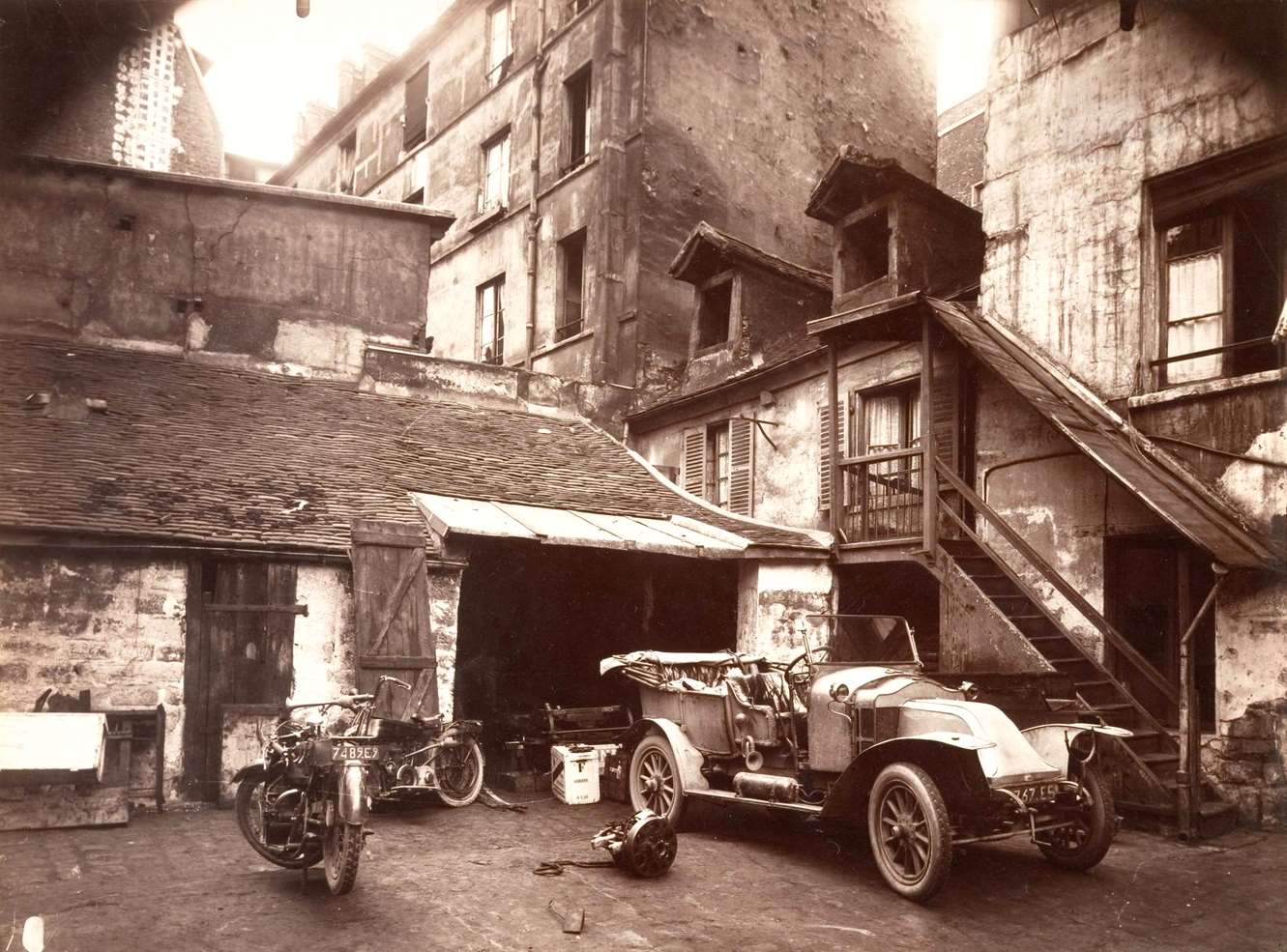
Entrance of the courtyard, 9 rue Thouin in Paris, 1910
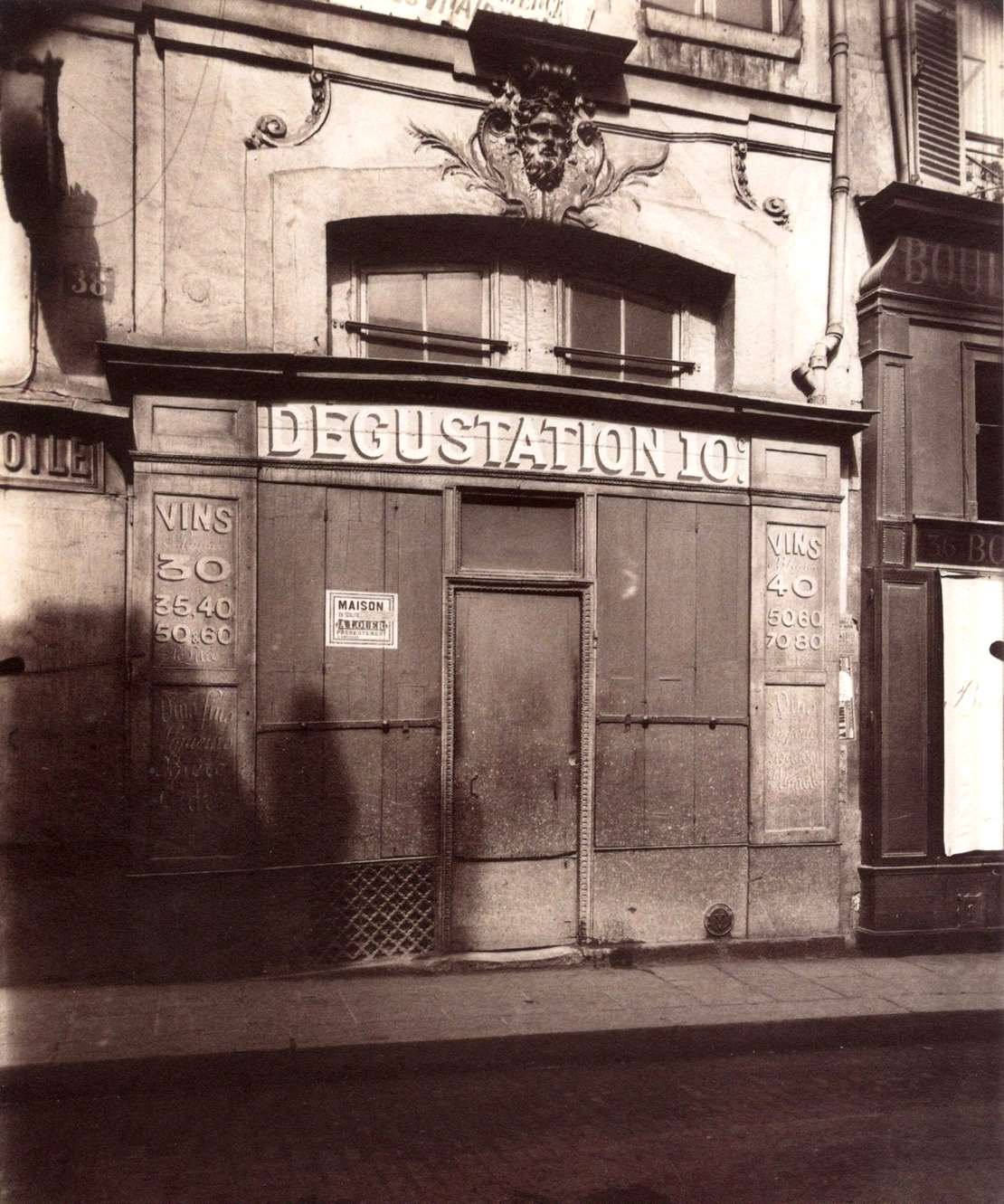
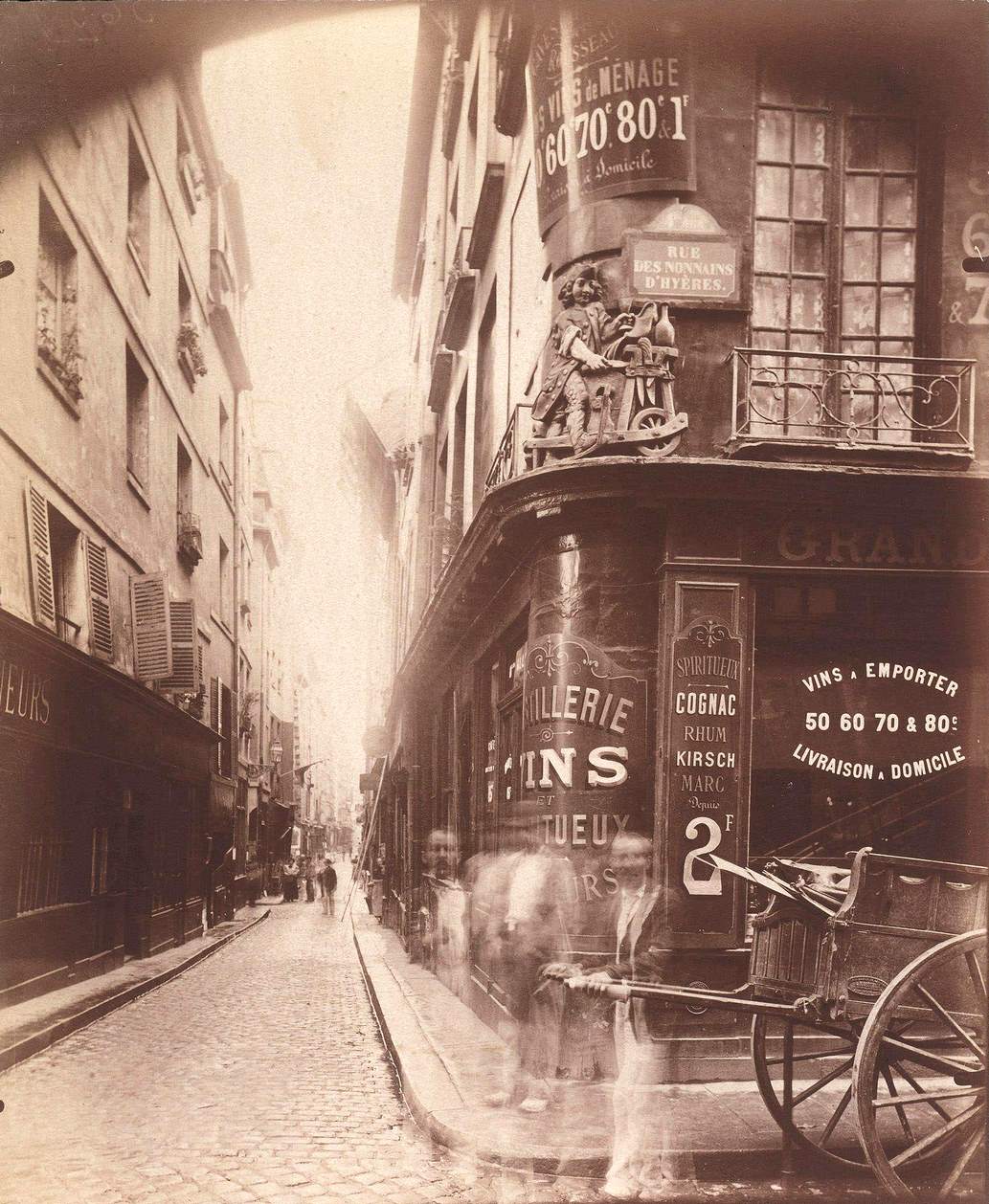
Rue des Nonnains d’Hyeres with a Wine Merchant, 1900
Quai Conti 3., 1900
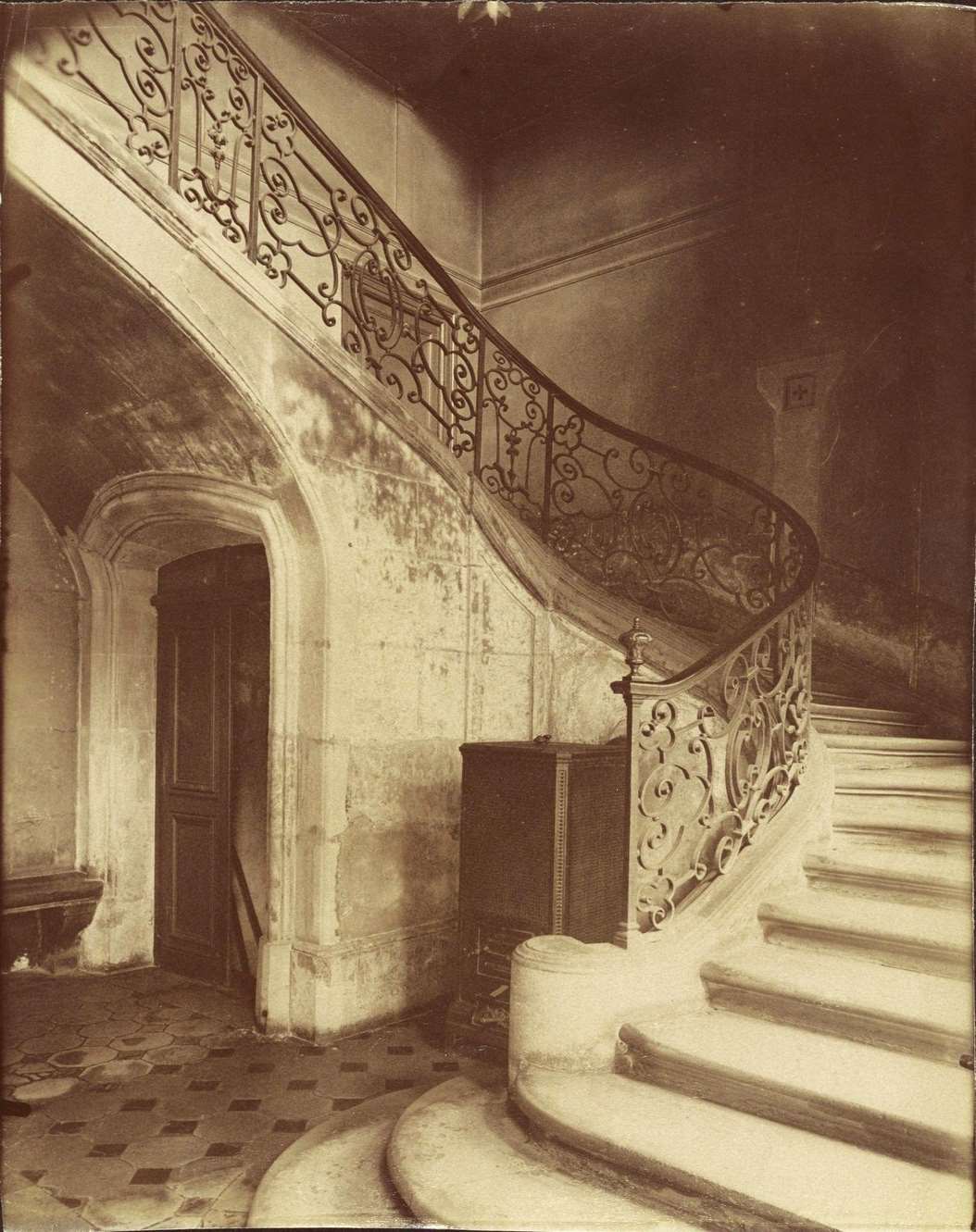
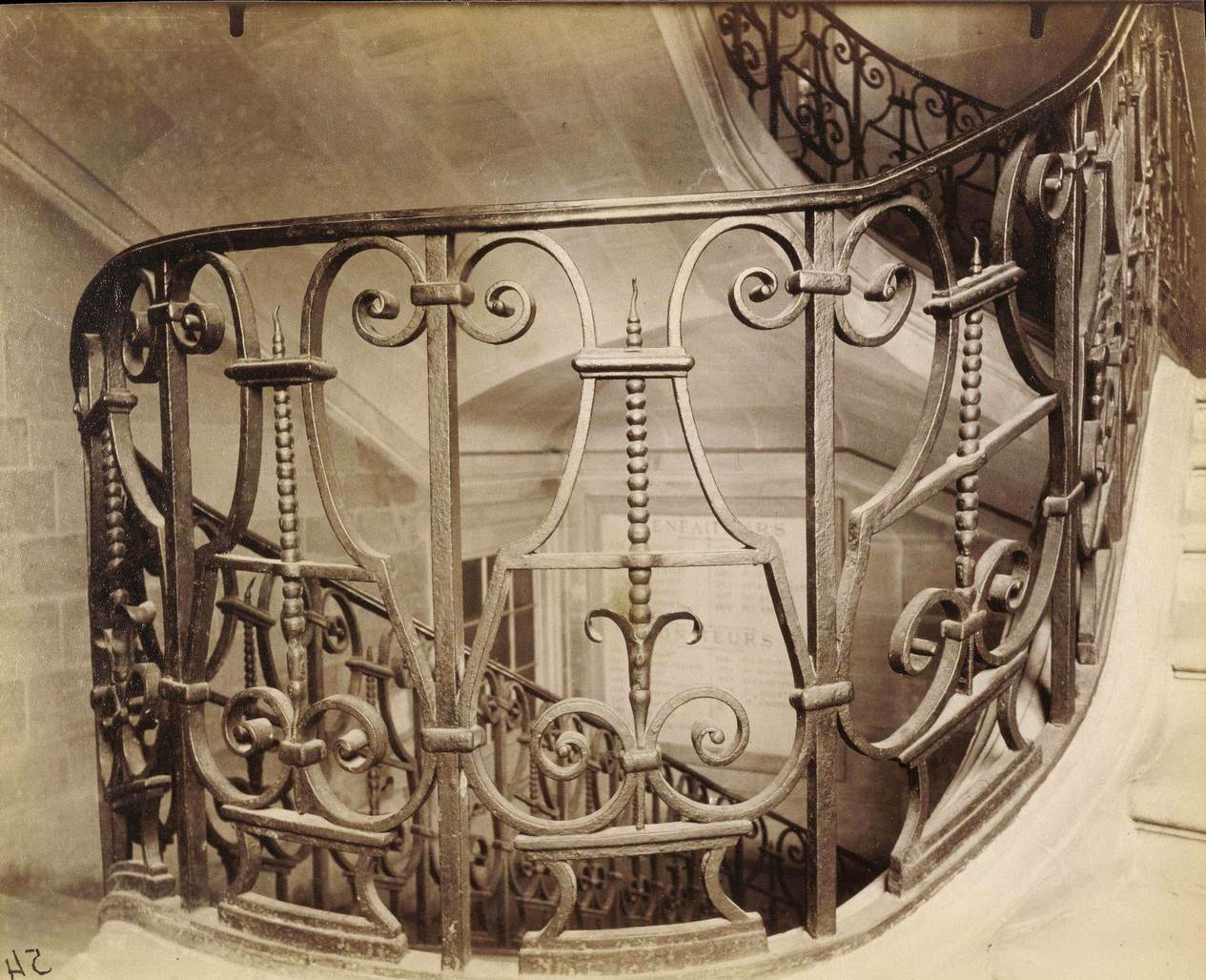
Staircase, Hotel de Brinvilliers, rue Charles V, 1900
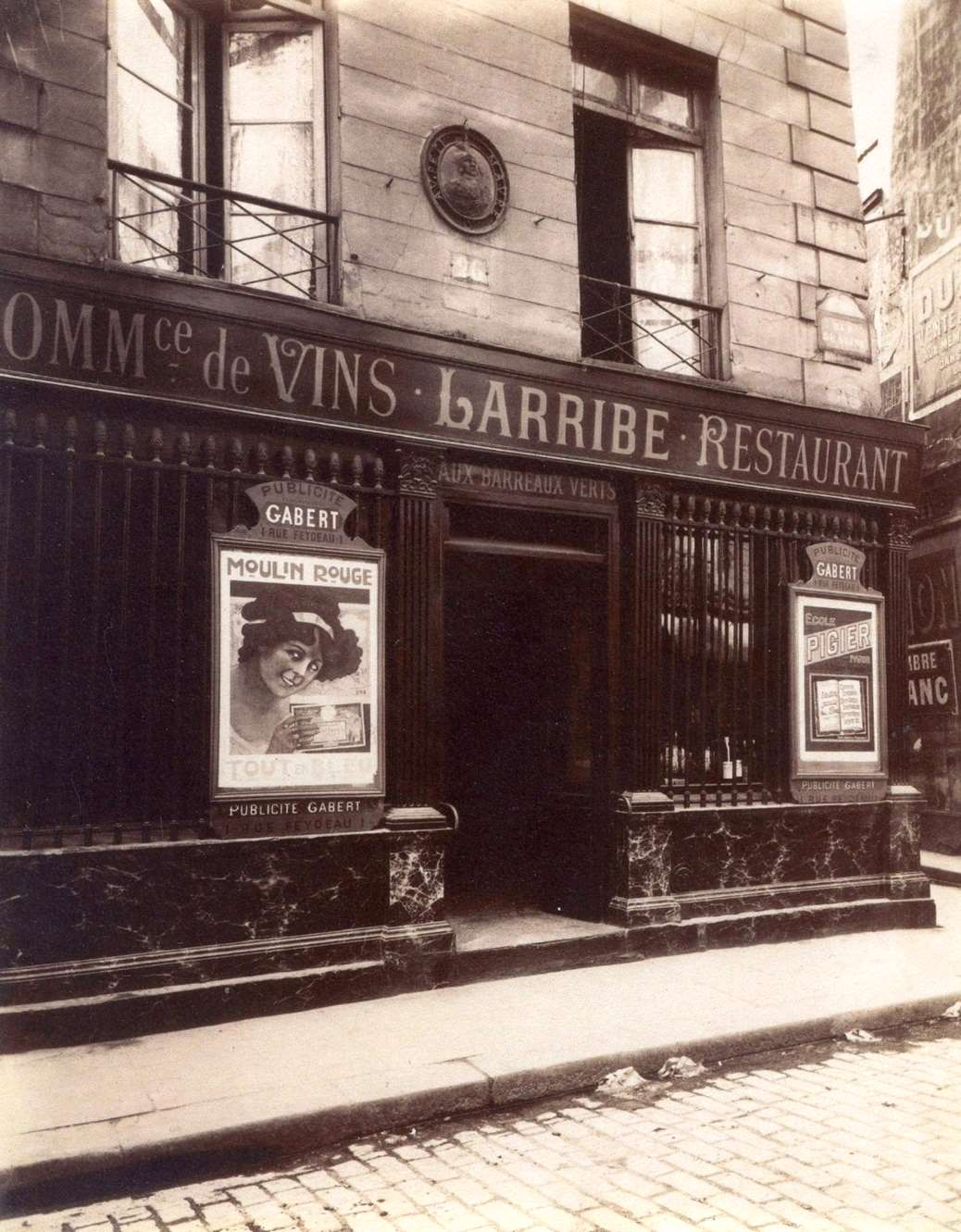
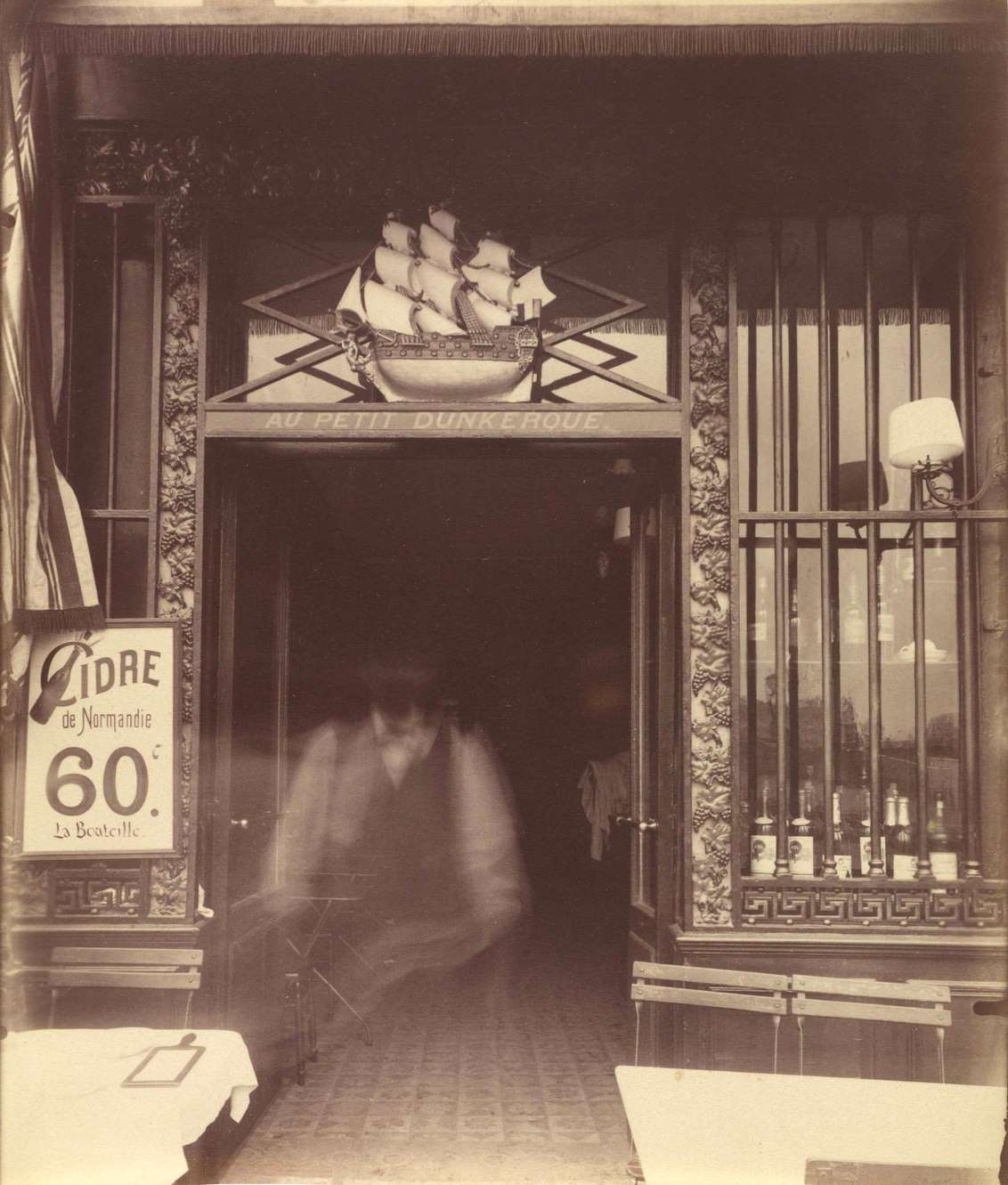
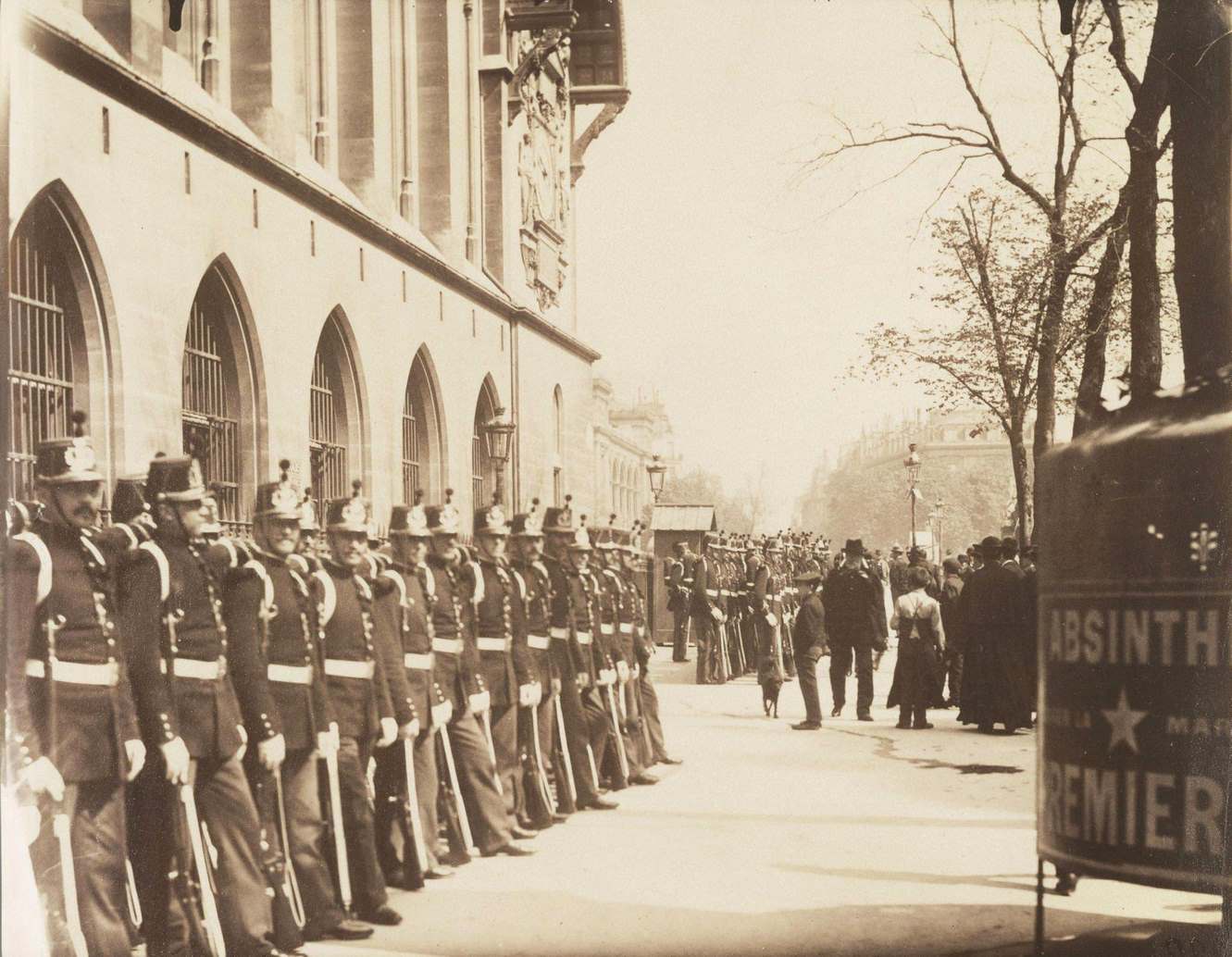
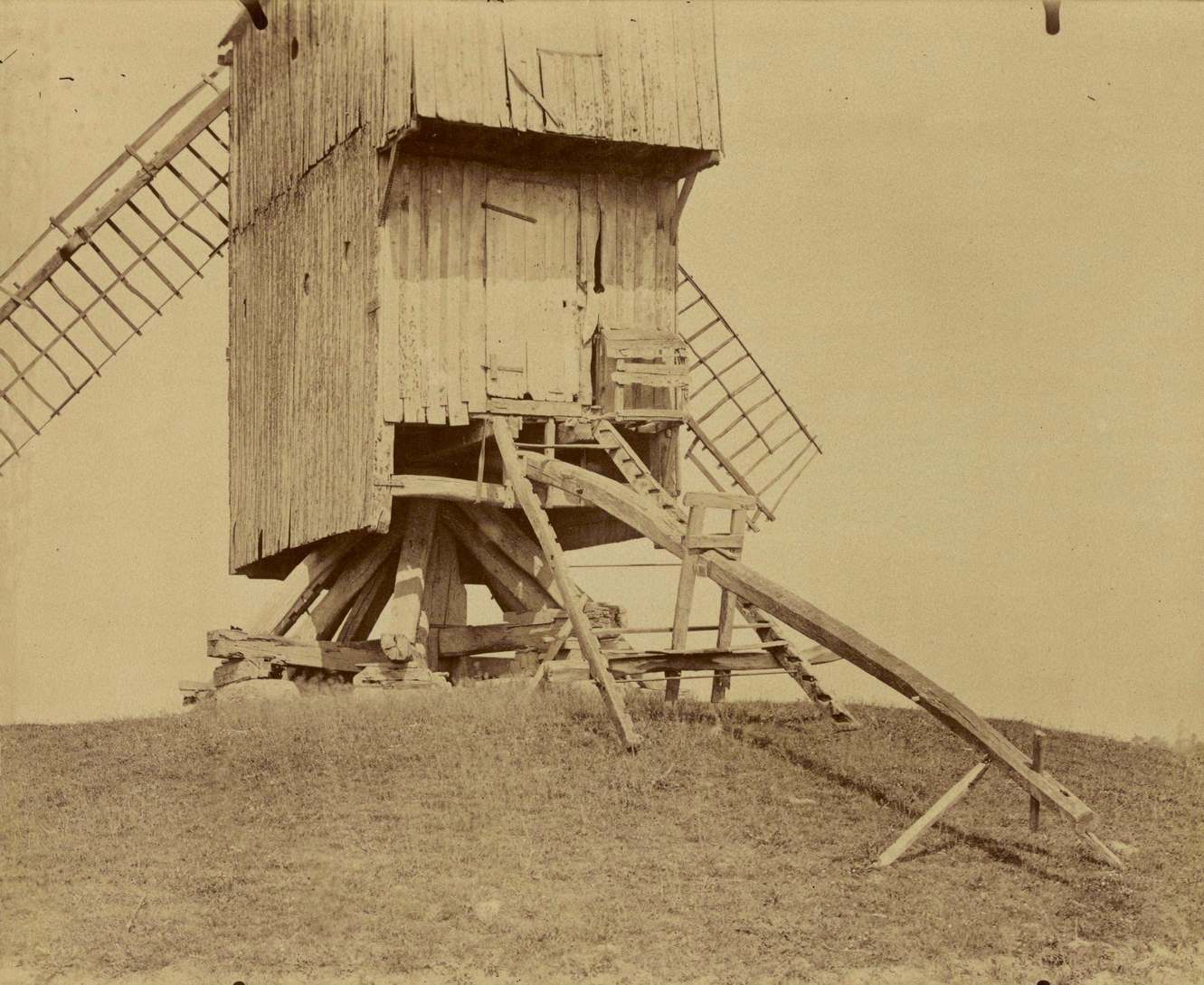
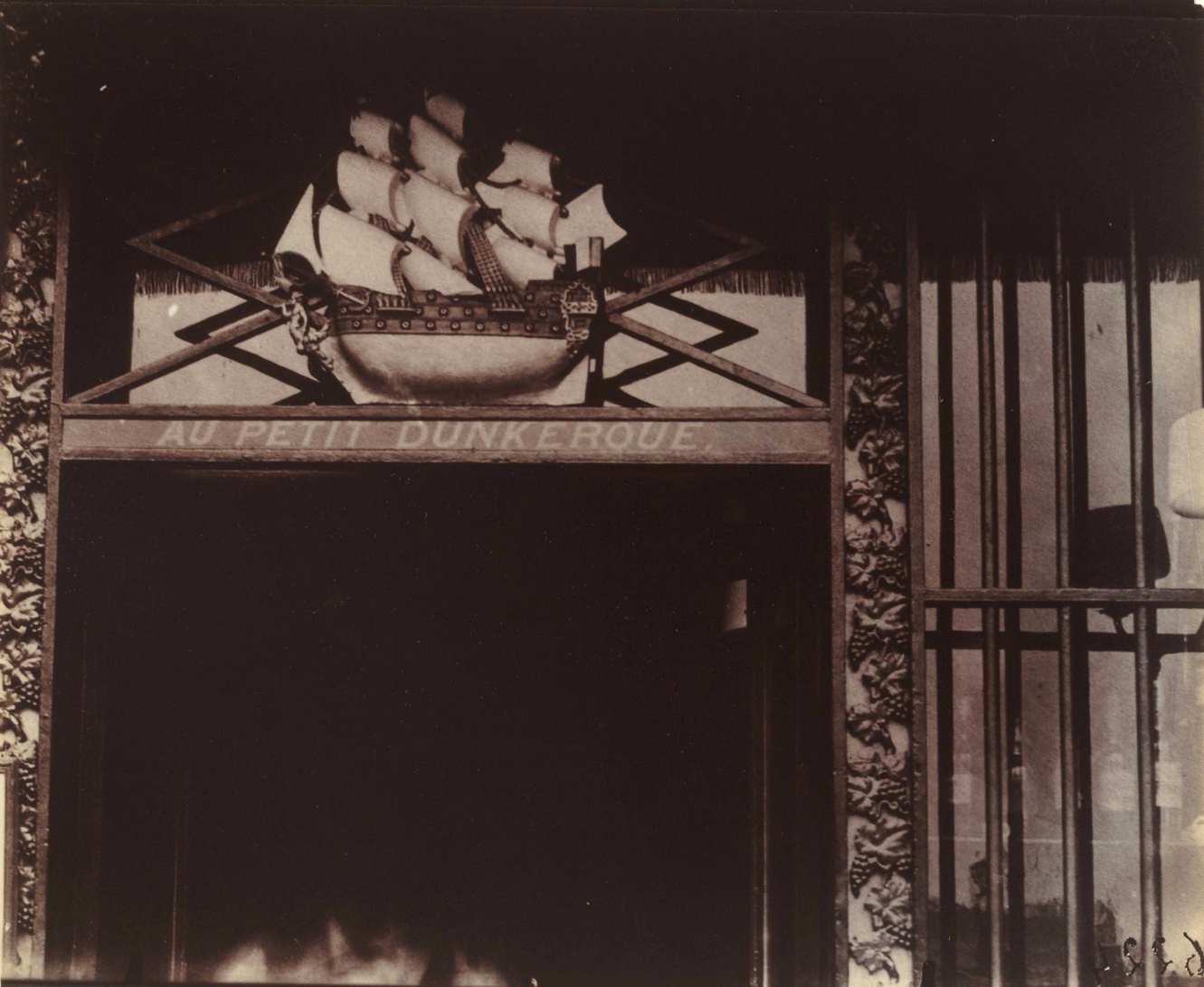
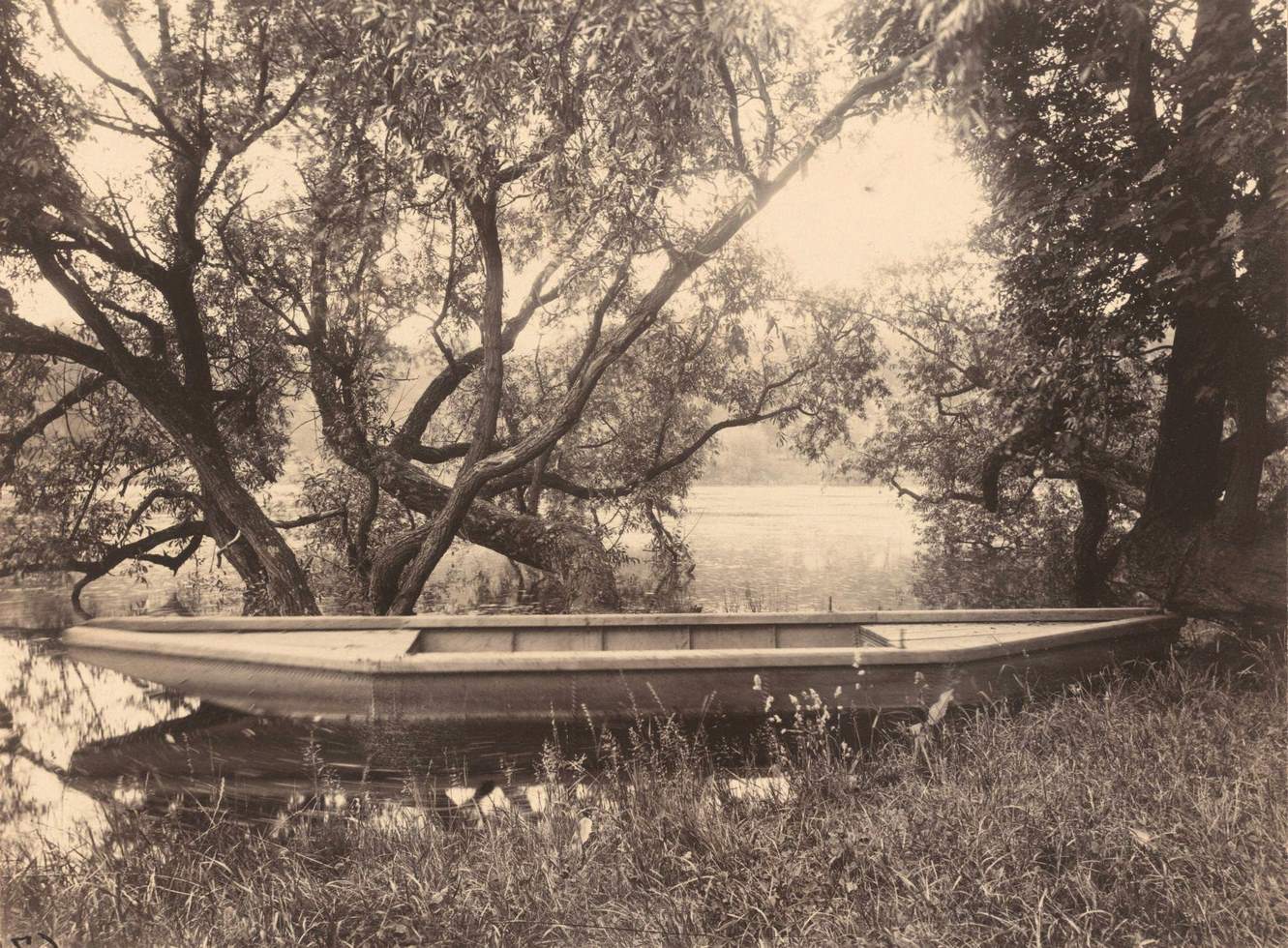
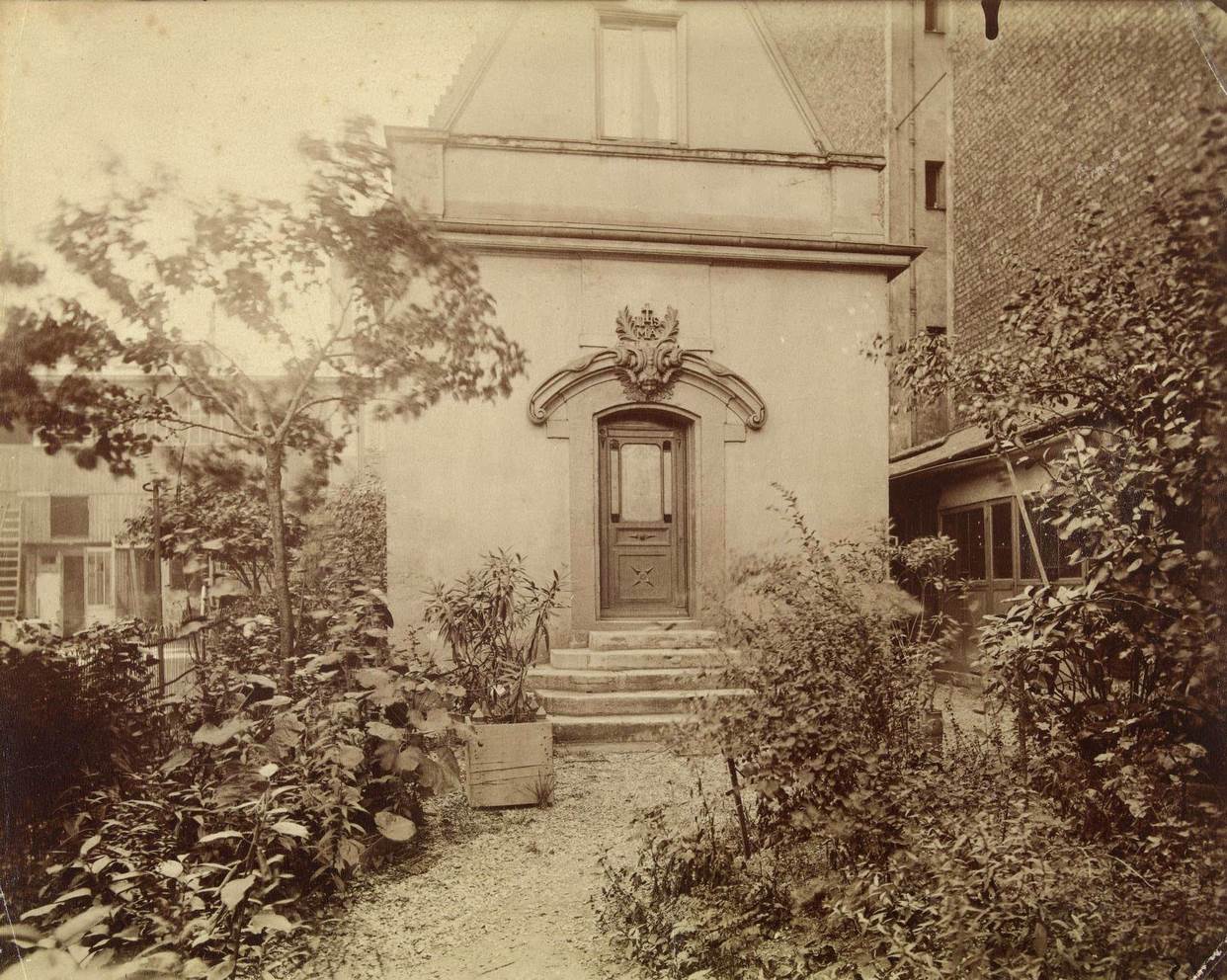
Republican Guards in Front of the Palais de Justice, 1900Restaurant, rue des Blancs Manteaux, 1900Moulin, 1900Hôtel Des Ambassadeurs De Hollande, 1900Au Petit Dunkerque, 3 quai Conti, 1900.Étang de Corot, Ville-d’Avray, 1910House chapel of Mlle Lavaliere, Rue Nicole, Paris, Oratoire de M.elle Lavaliere, 1890
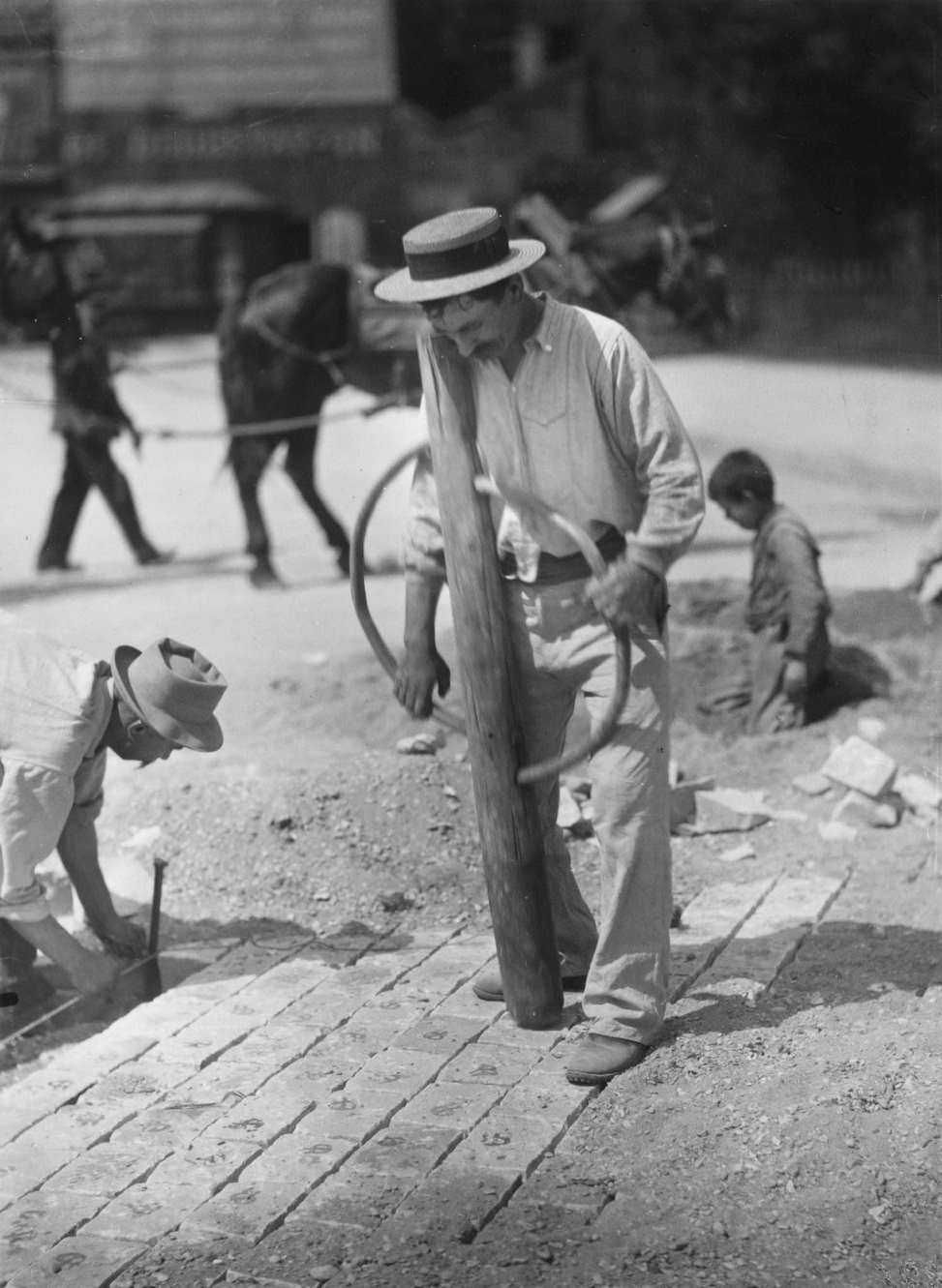
A man pounds paving stones on a street into an even surface, Paris, 1900
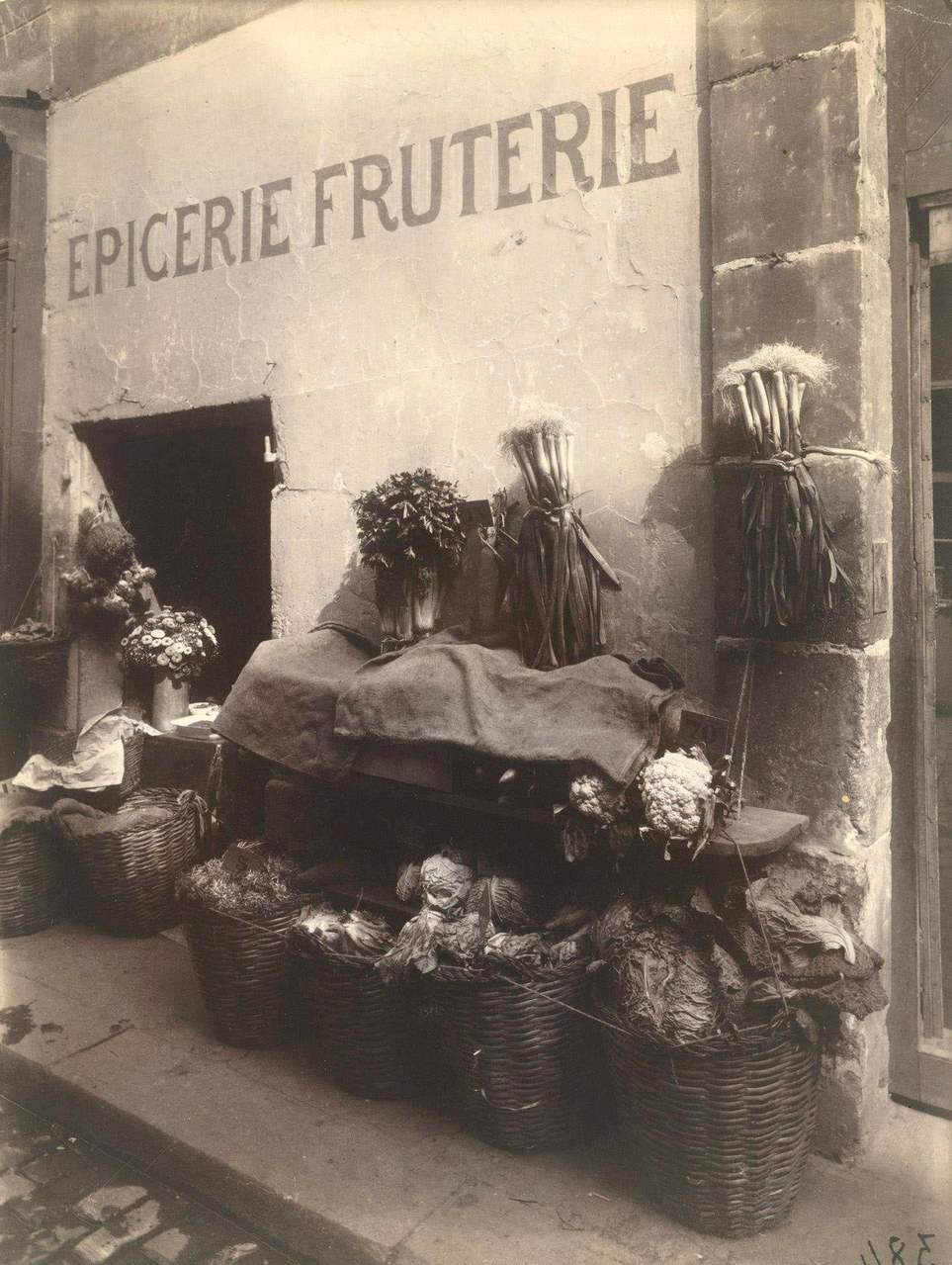
Epicerie, fruiterie, 15 rue Ma tre-Albert in Paris, 1912
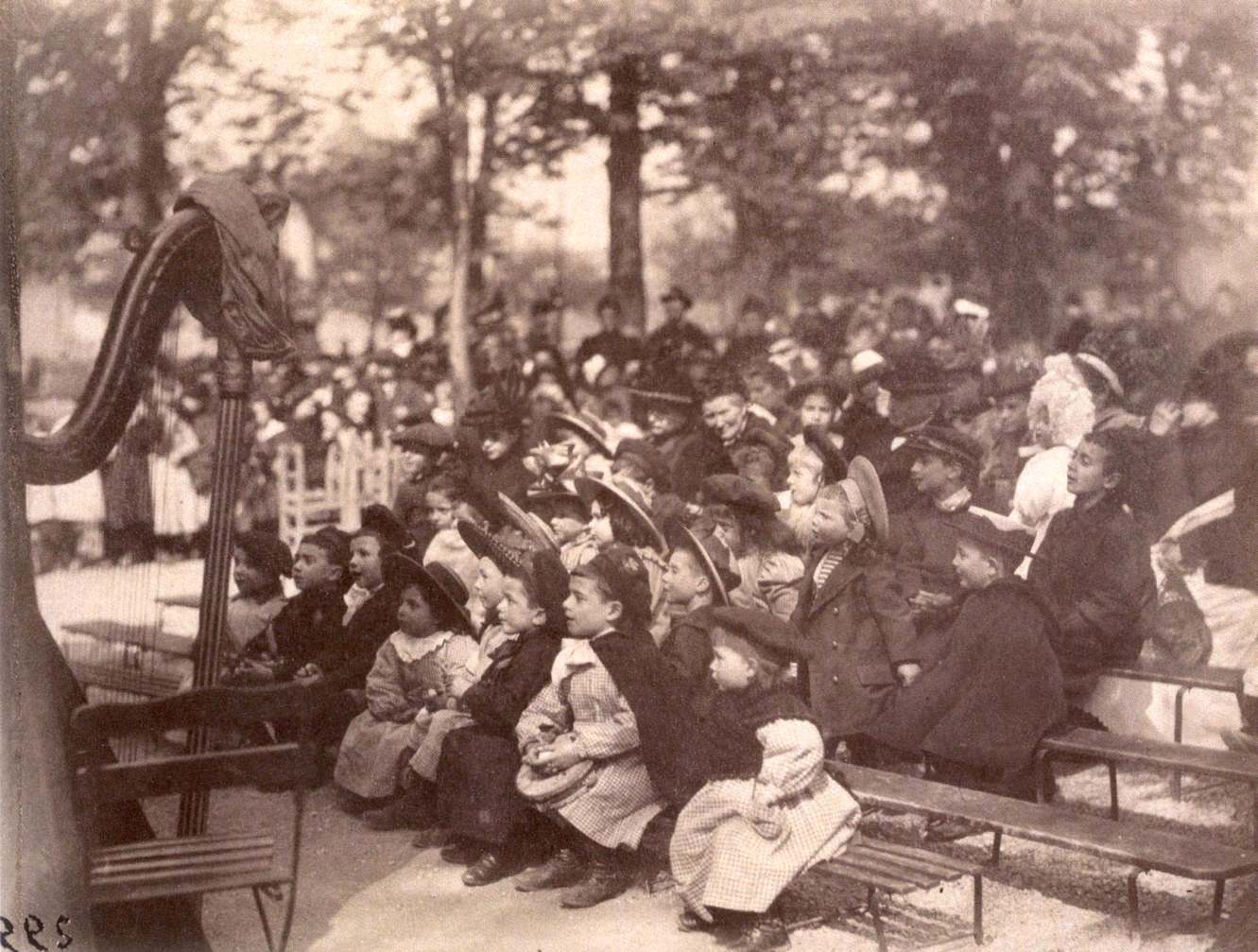
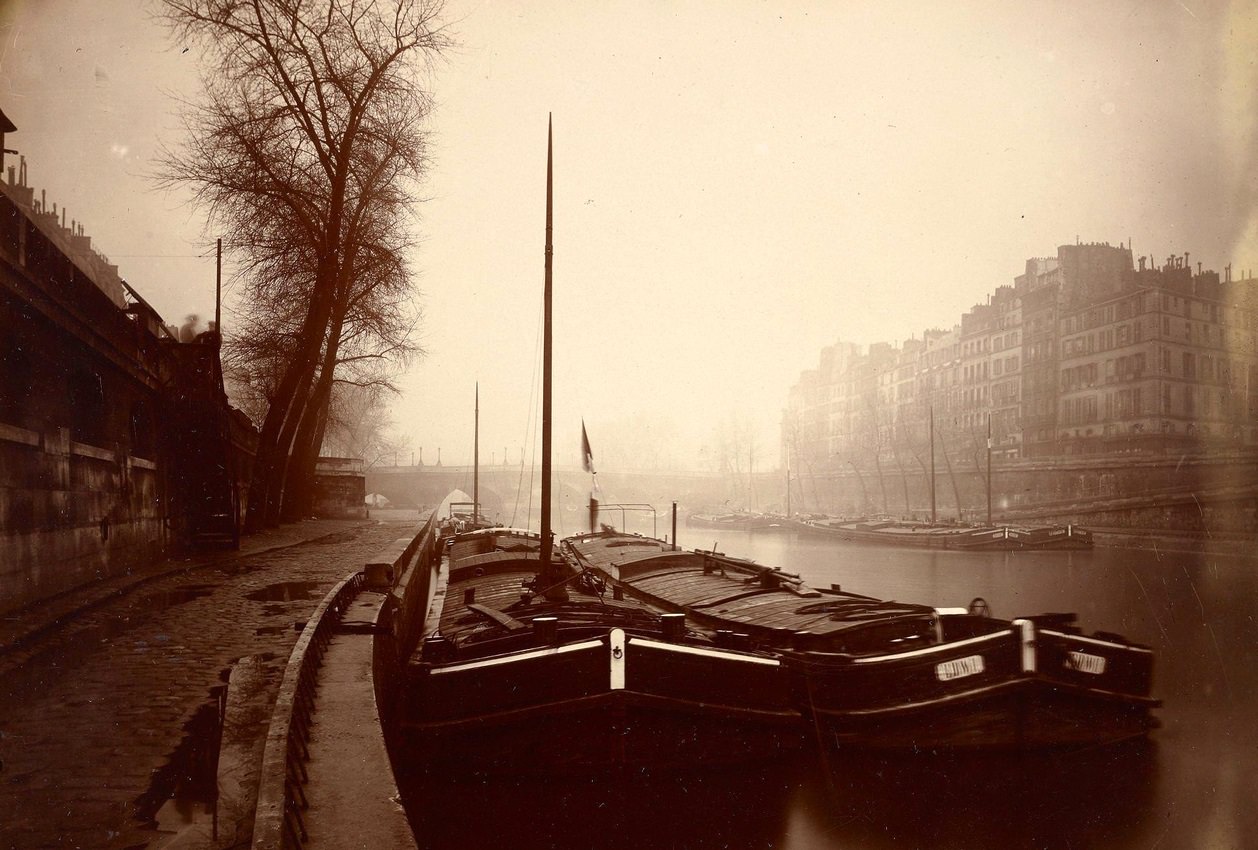
Children during a Guignol show in the Luxembourg gardens in Paris, 1899Pont Neuf, Paris, 1923
Produce Display, rue Sainte-Opportune, 1912
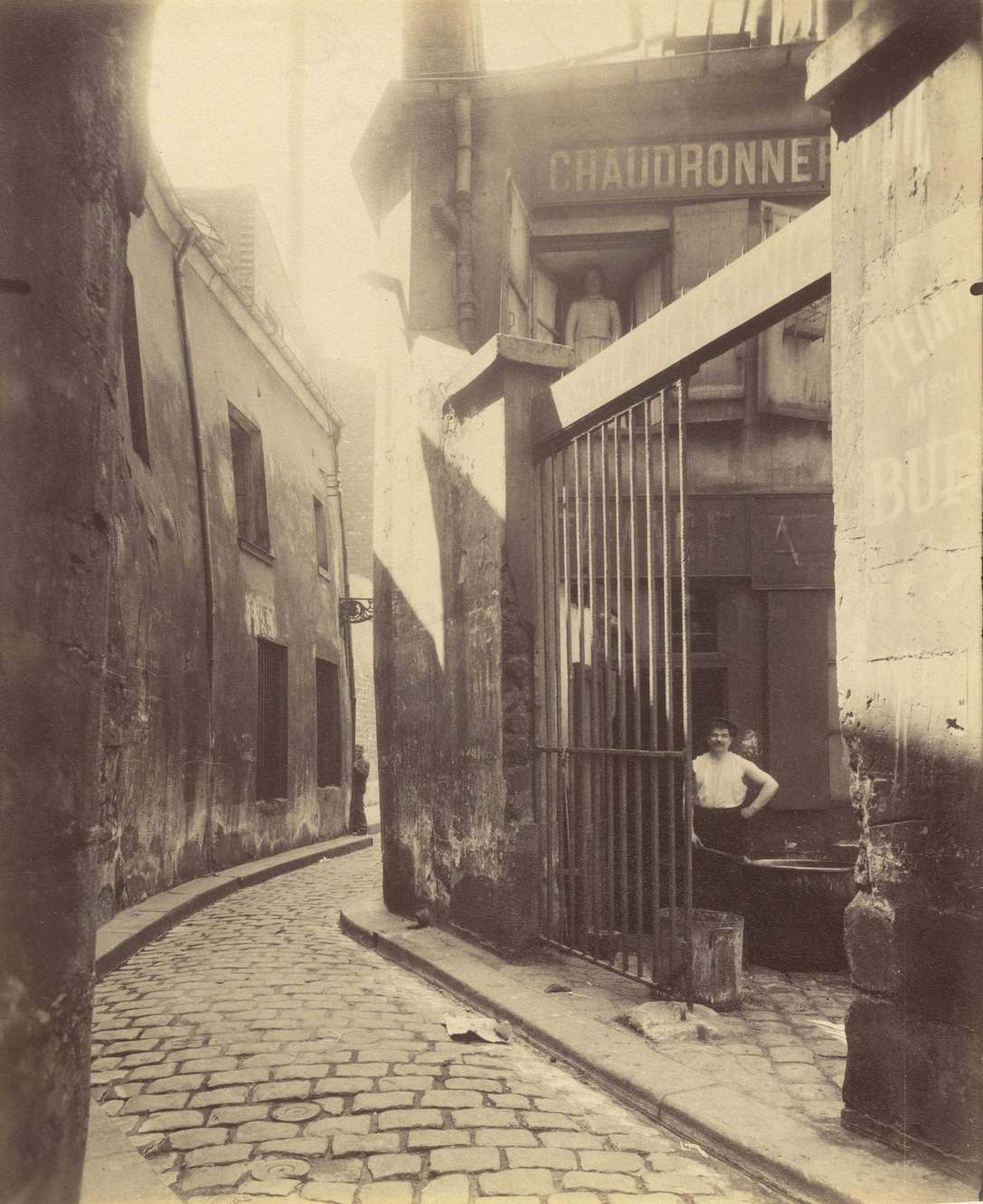
Metalworker’s Shop, passage de la Reunion, 1911
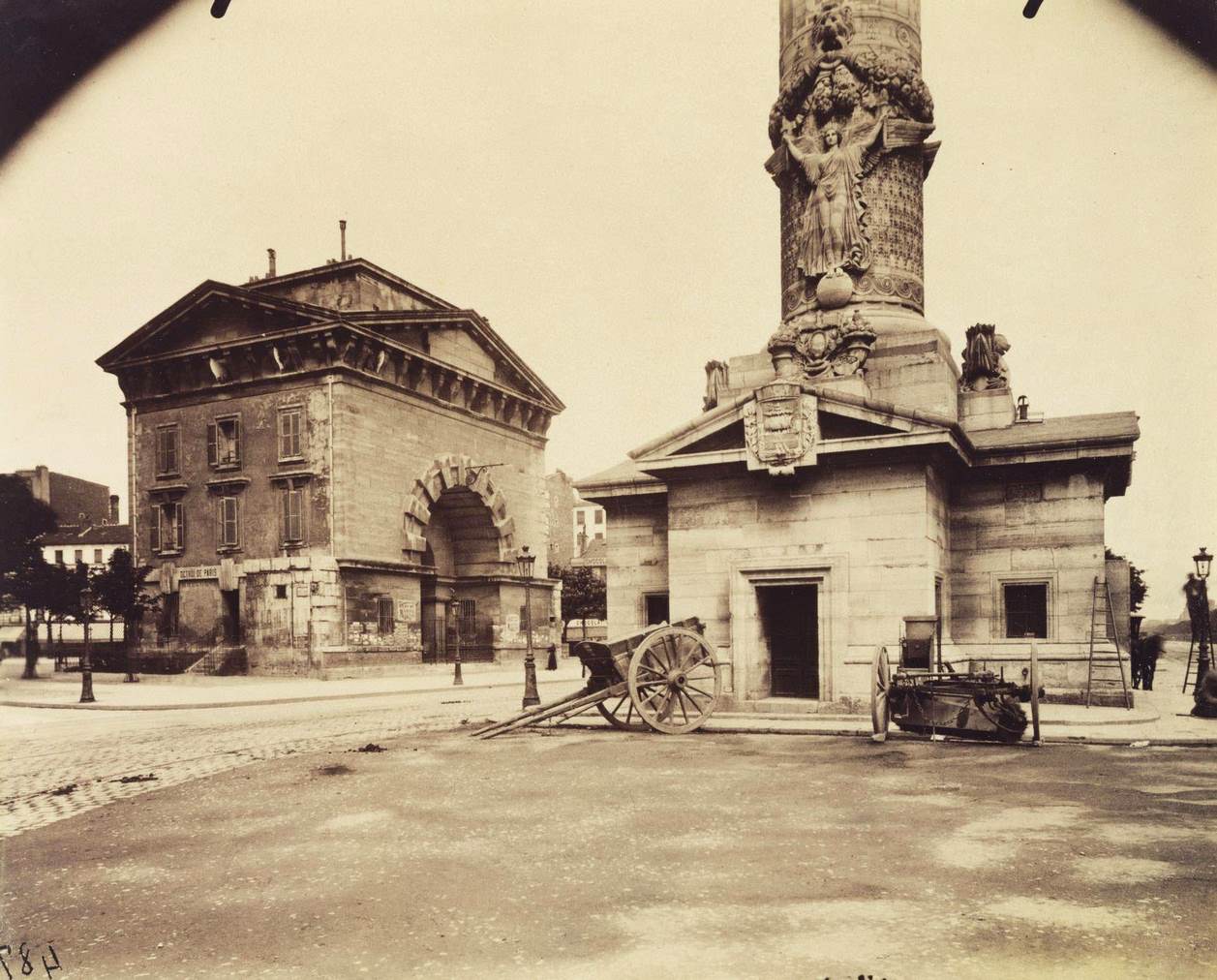
Rue Clovis, 1899Ancienne Barriere du Trone, 1903Au Cherche Midi, 1899Rue Cardinale, 1922Luxembourg Gardens, 1903
Old Convent, avenue de l’Observatoire, 1923
Place St. Sulpice, 1910
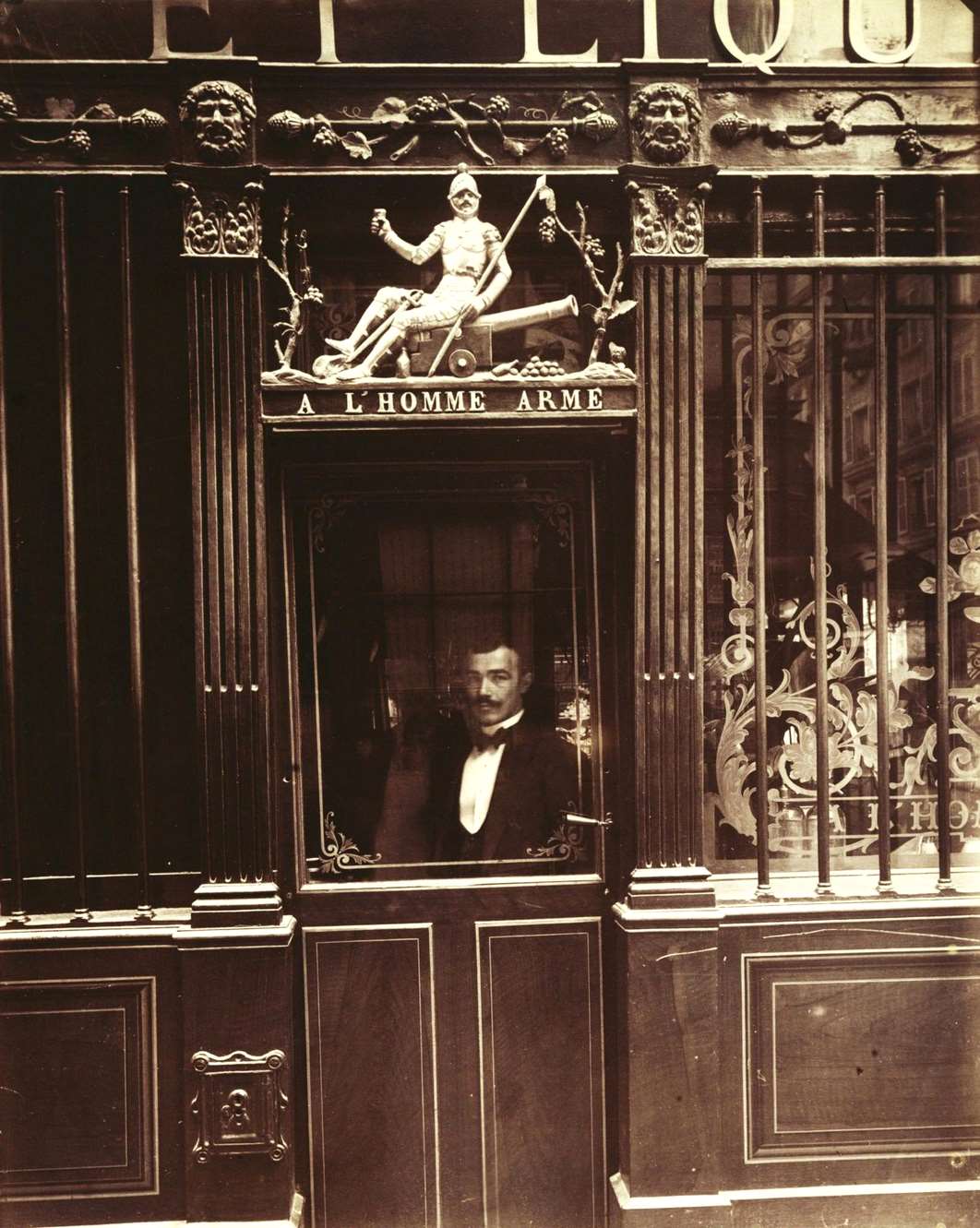
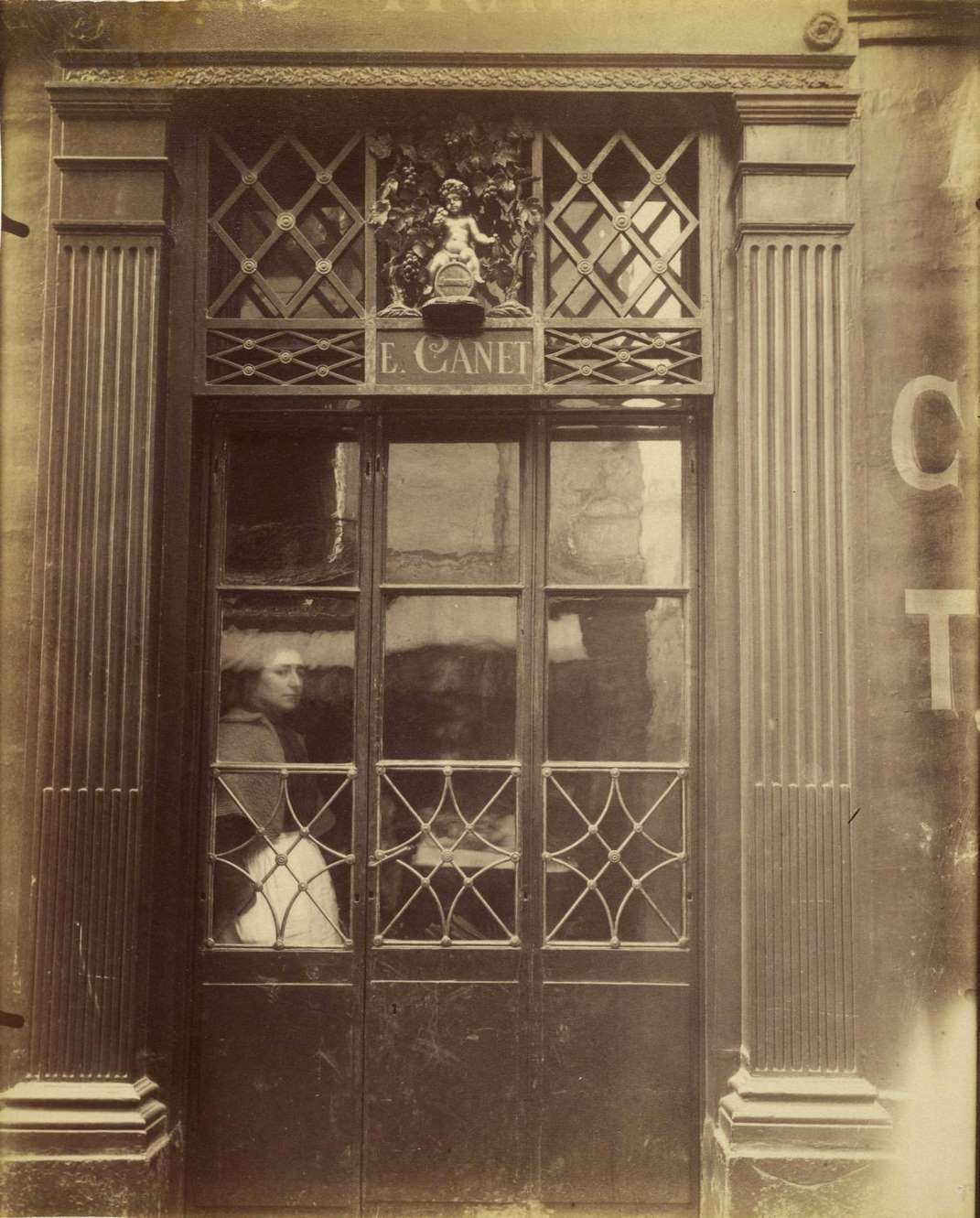
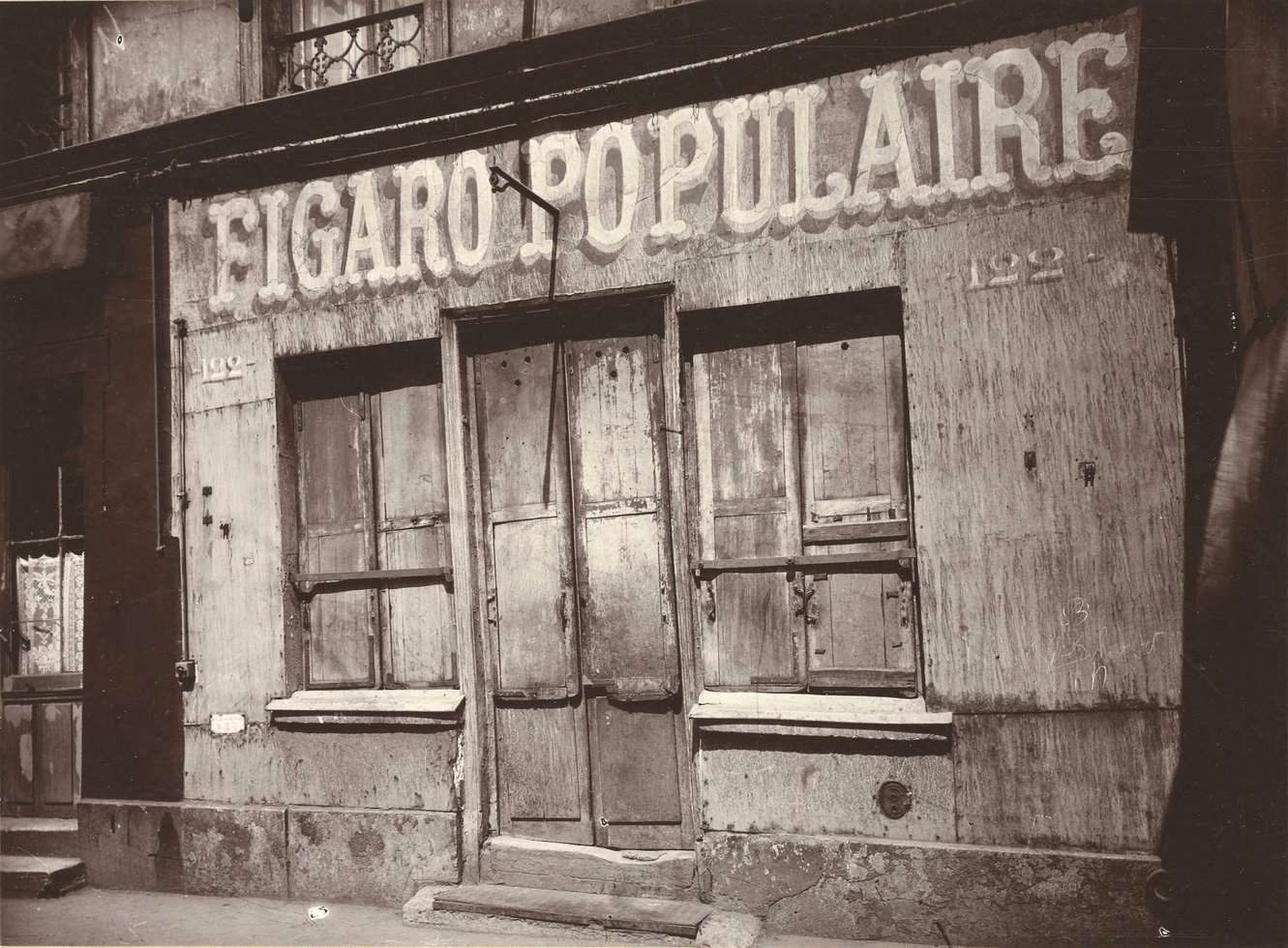
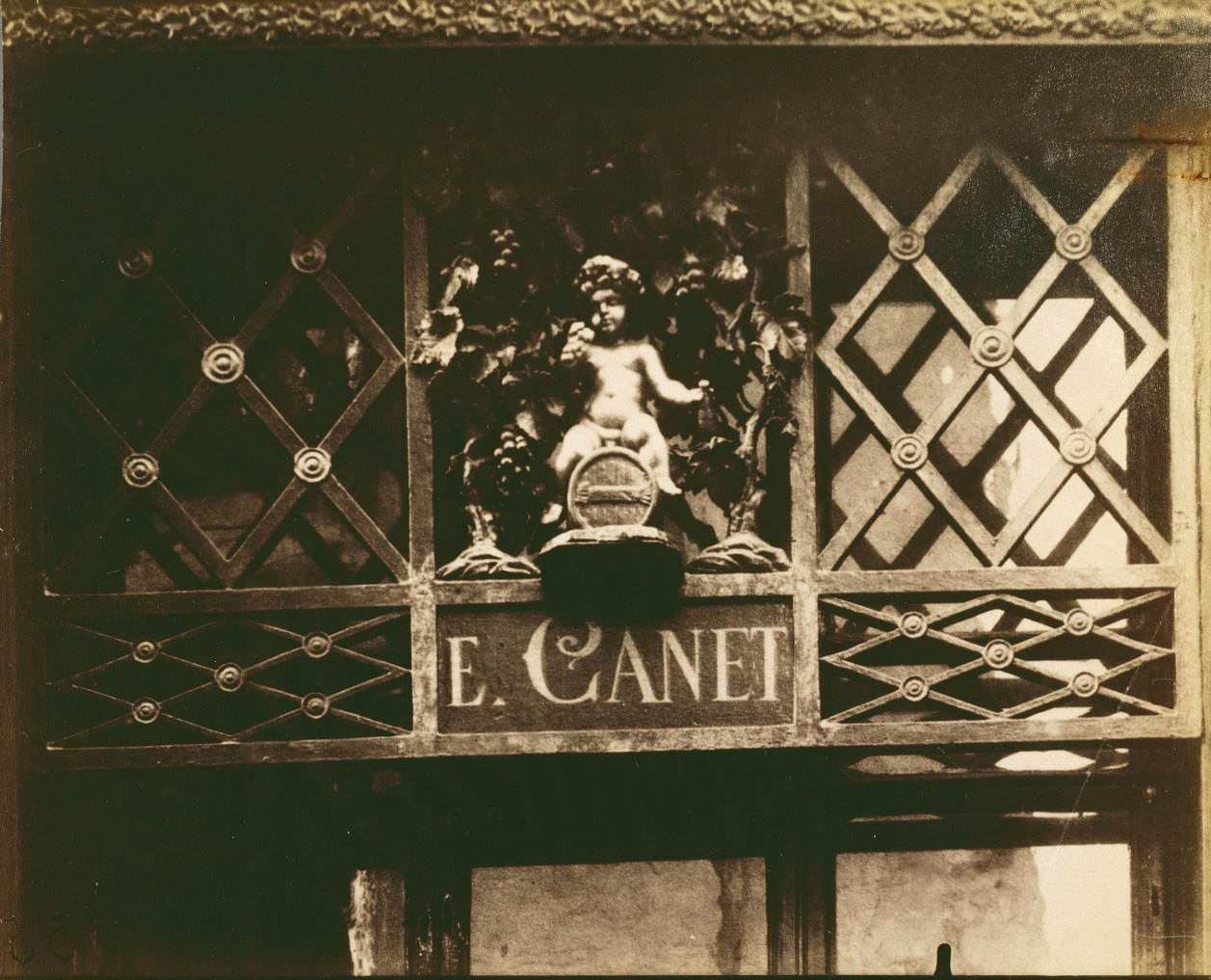
Storefront (Little Bacchus), rue Saint-Louis-en-I’Ile, 1902Le Figaro populaire, 122 Boulevard de la Villette (Barbershop Facade, 122 Boulevard de la Villette), 1924
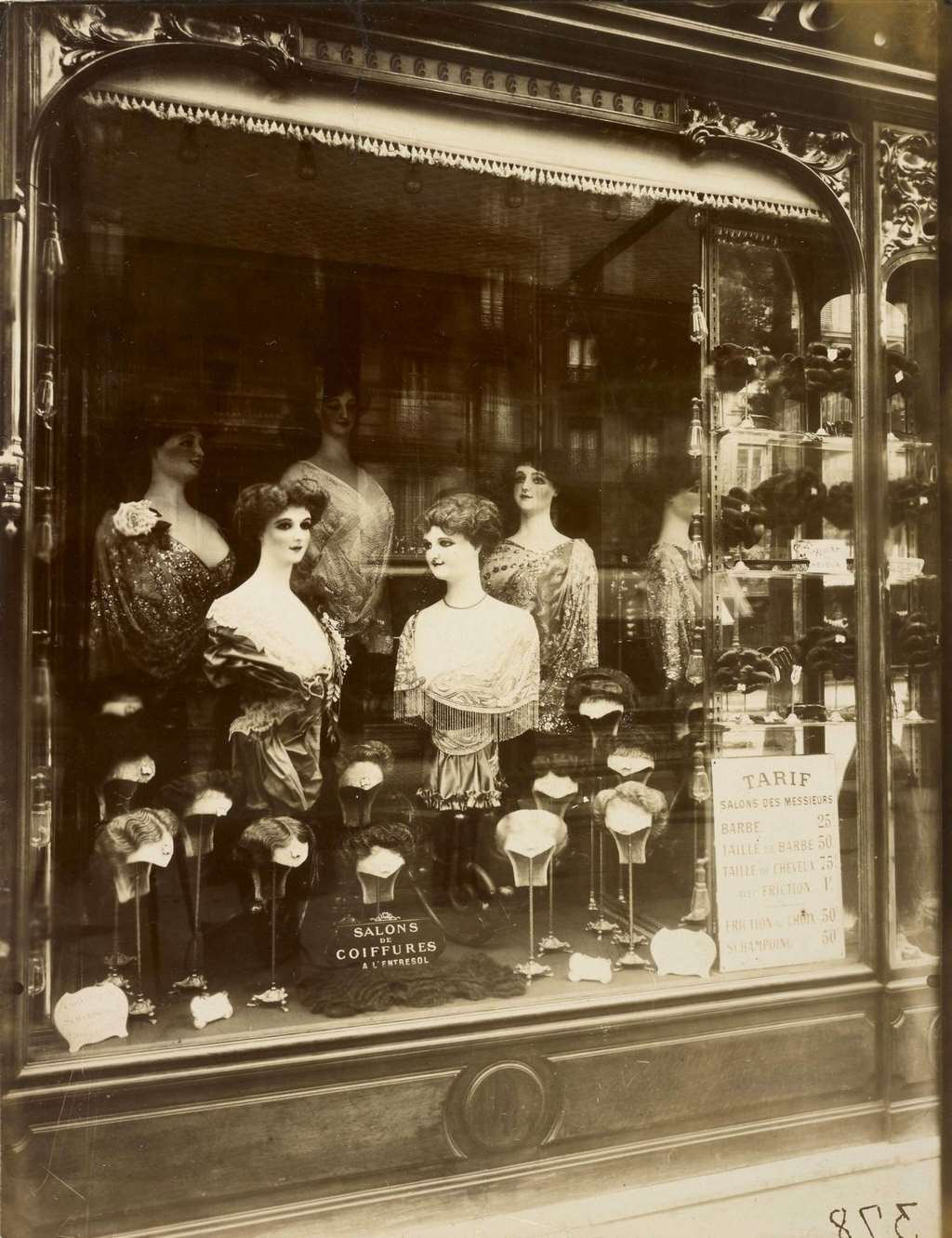
Hairdresser’s Shop Window, boulevard de Strasbourg, 1912
Shop Front, rue Michel-Le-Comte, 1901
Arcueil-Cachan, Parc de Madame de Provigny, 1901
Antique Store, 21 Faubourg St.-Honore, 1902
Maison Coin de Rue de l’Abbaye et Cardinale, 1903
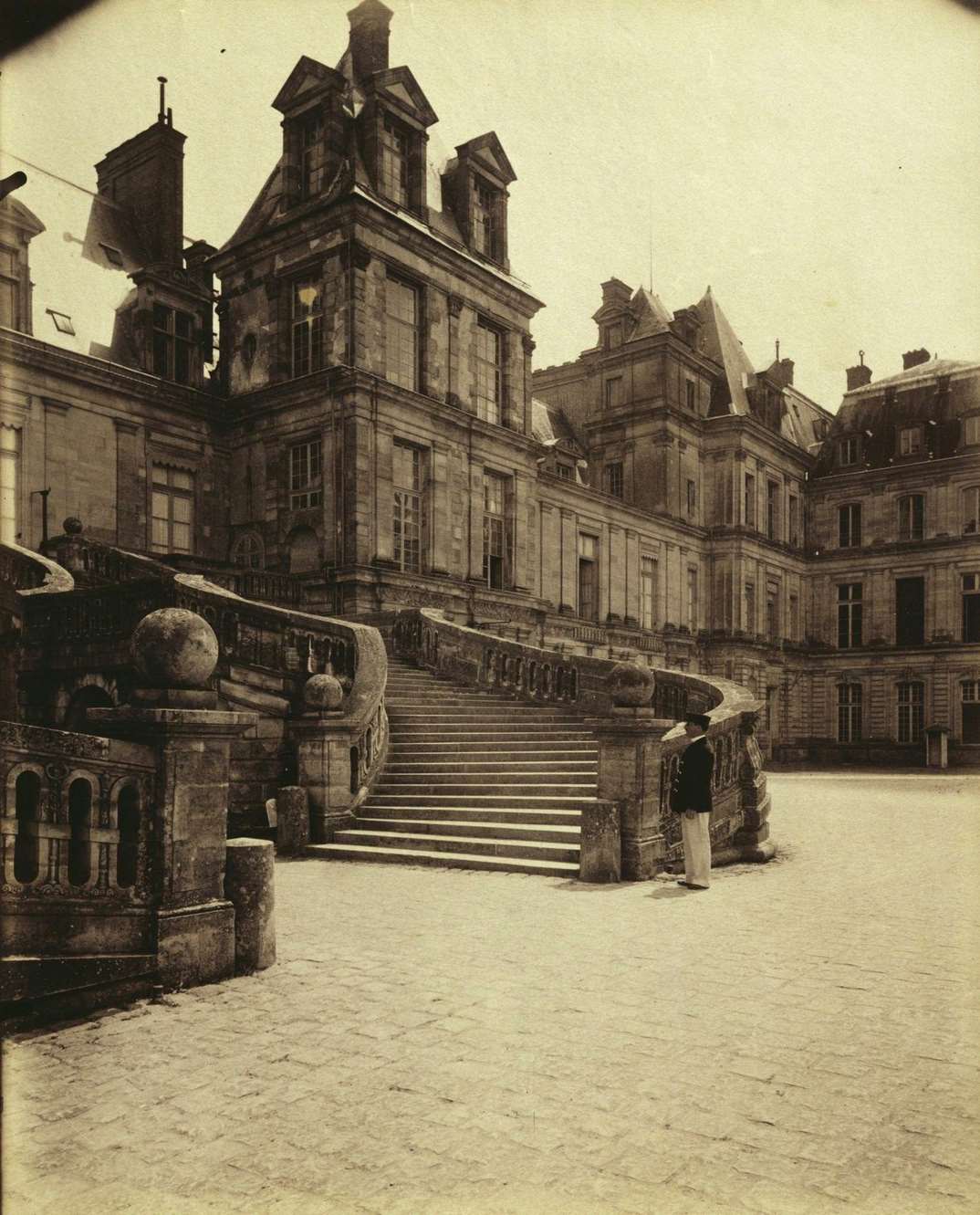
Courtyard, Fountainebleau, 1903
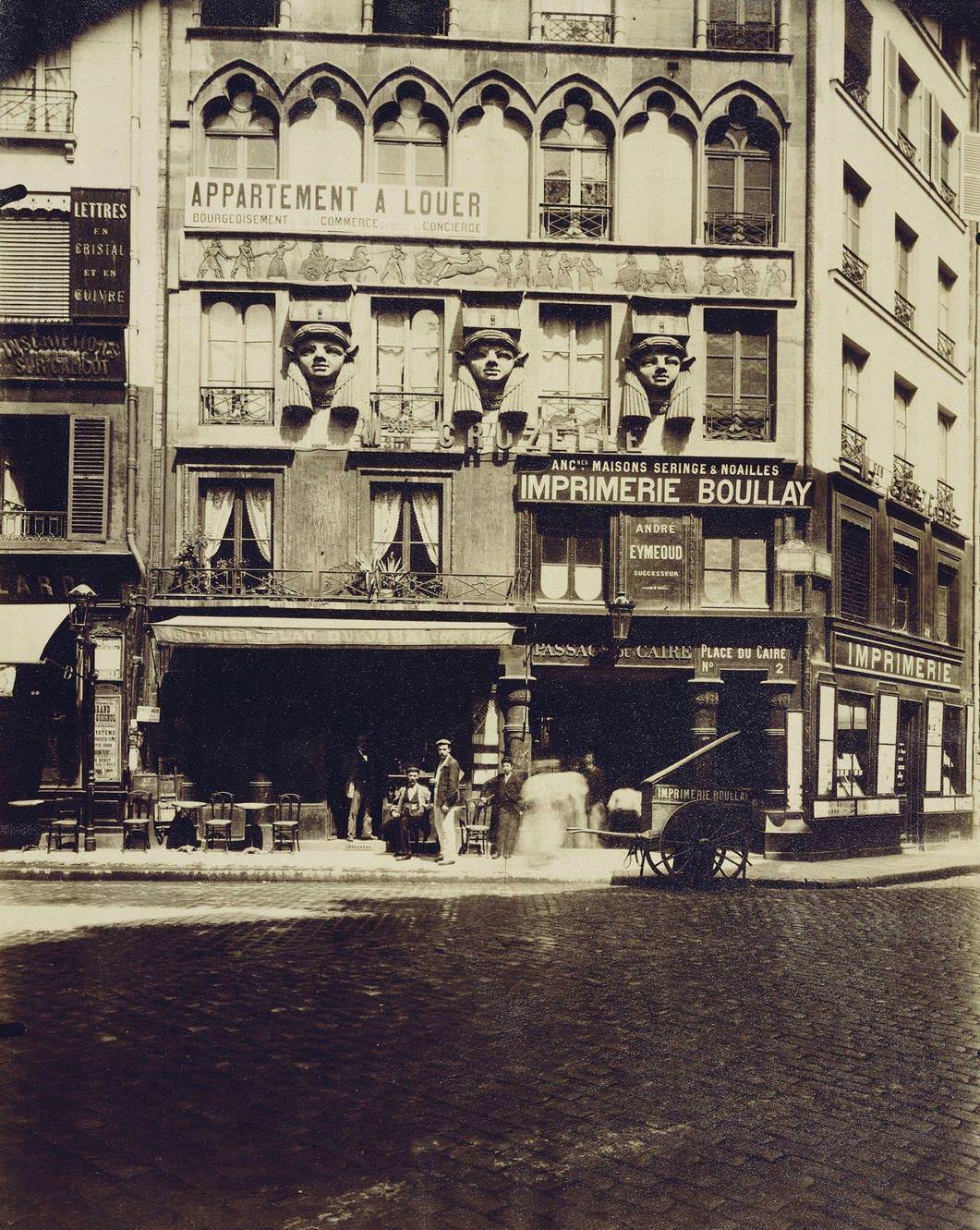
House on the Place du Caire, 1903
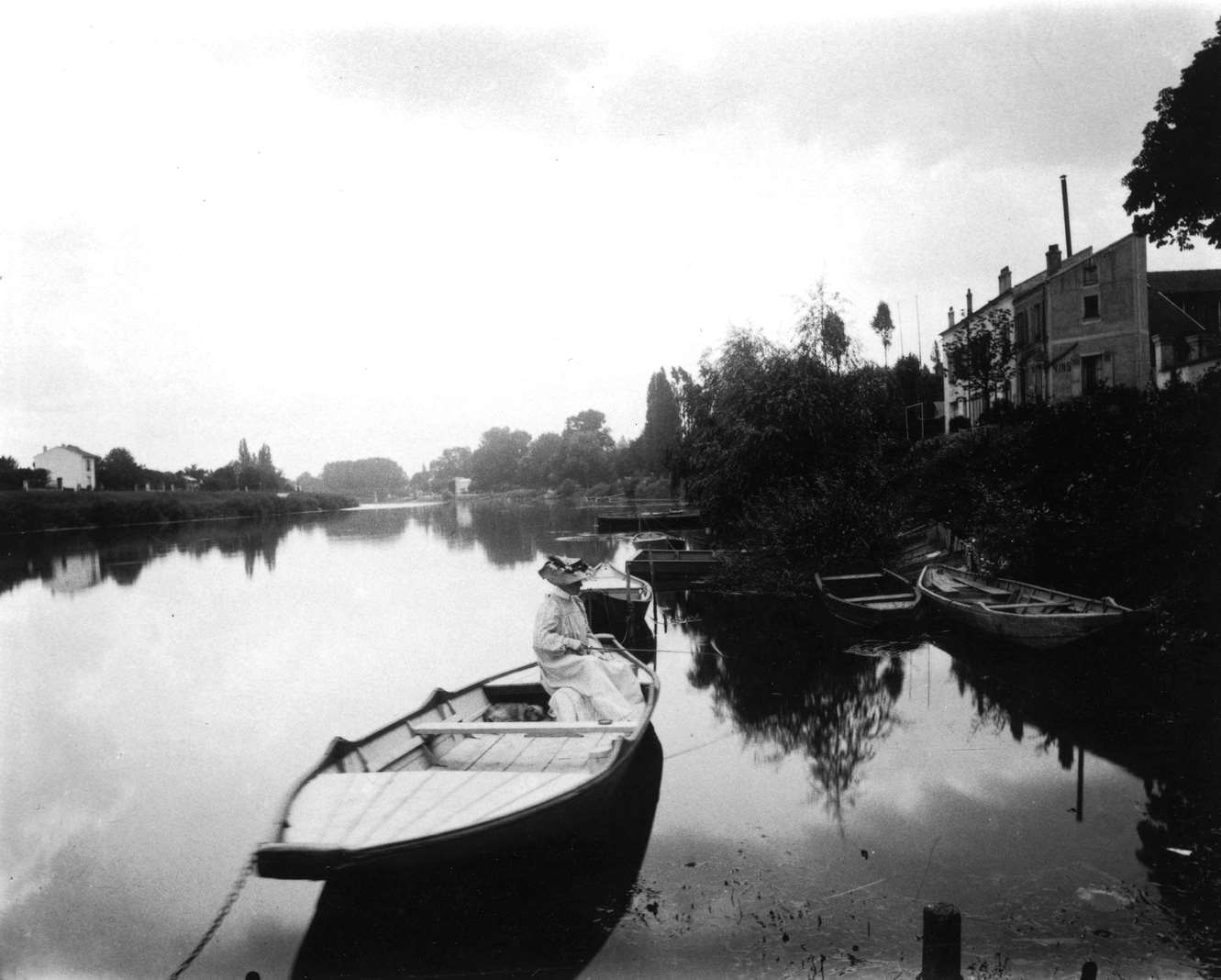
Les Bords du Marne. A woman fishing on a rowboat in the Marne River, 1912Hotel de Fleury, 28 Rue des Saints-Peres, 1905The Austrian Embassy, 57 Rue de Varenne, 1905
Luxembourg Gardens, 1906
Atget, Paris, Rue Quincampoix, between Rue Rambuteau and Rue aux Ours, 1907
Rue De Viarmes, 1907
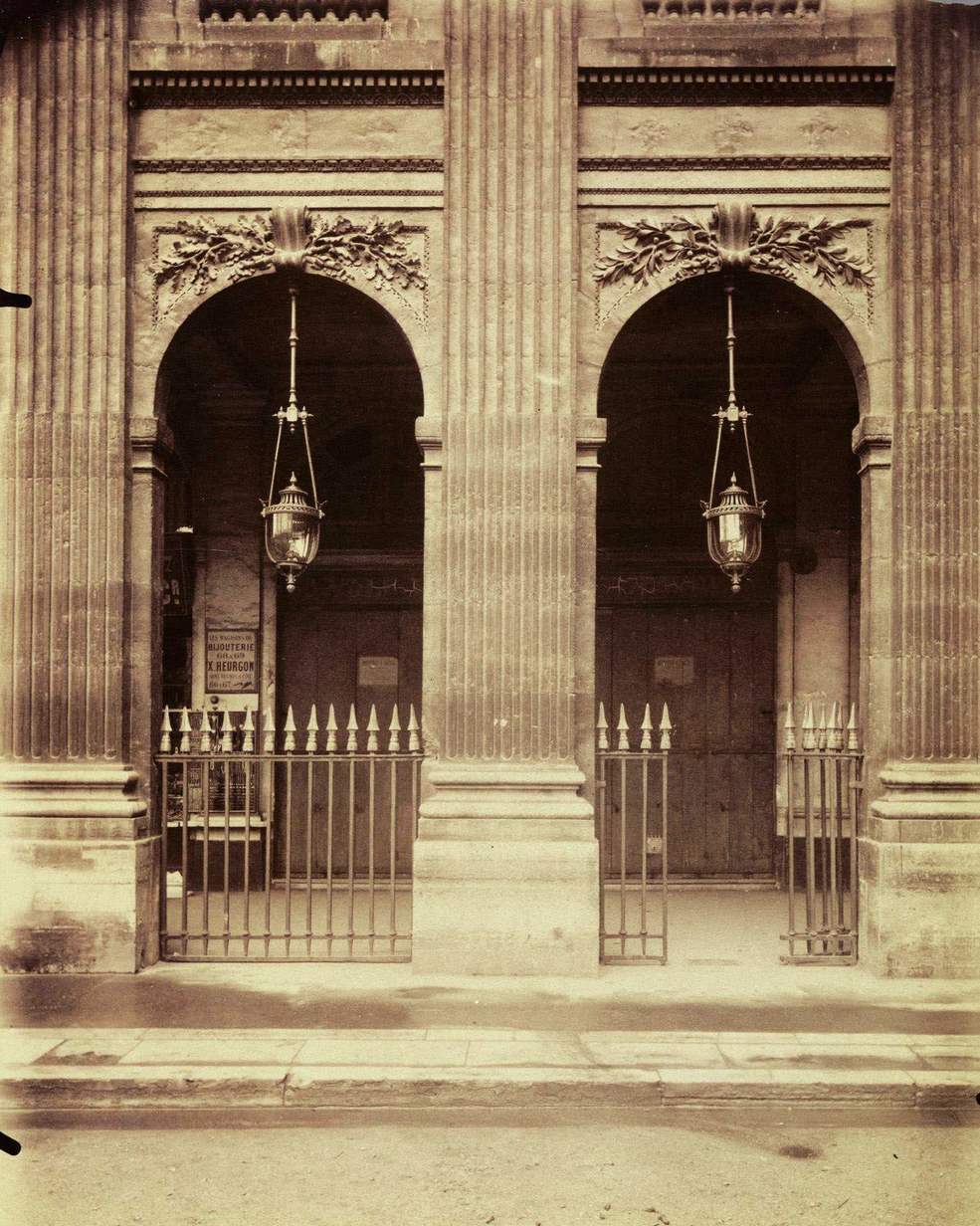
Hotel d’Argenson, rue de Grenelle 101, 1907
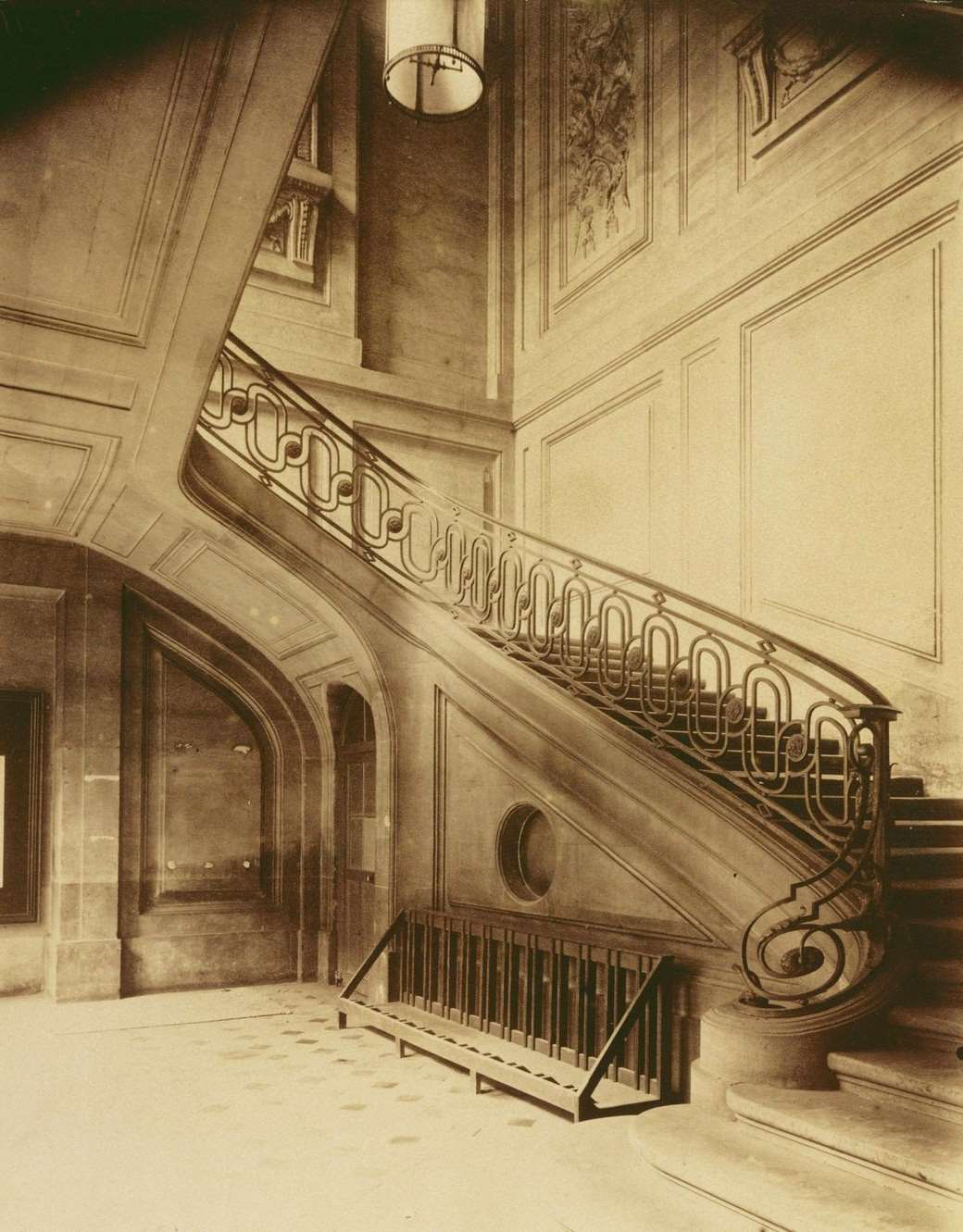
Shop Sign, rue Saint-Louis-en-I’Ile., 1908Staircase, rue Saint-Jacques 254, 1907
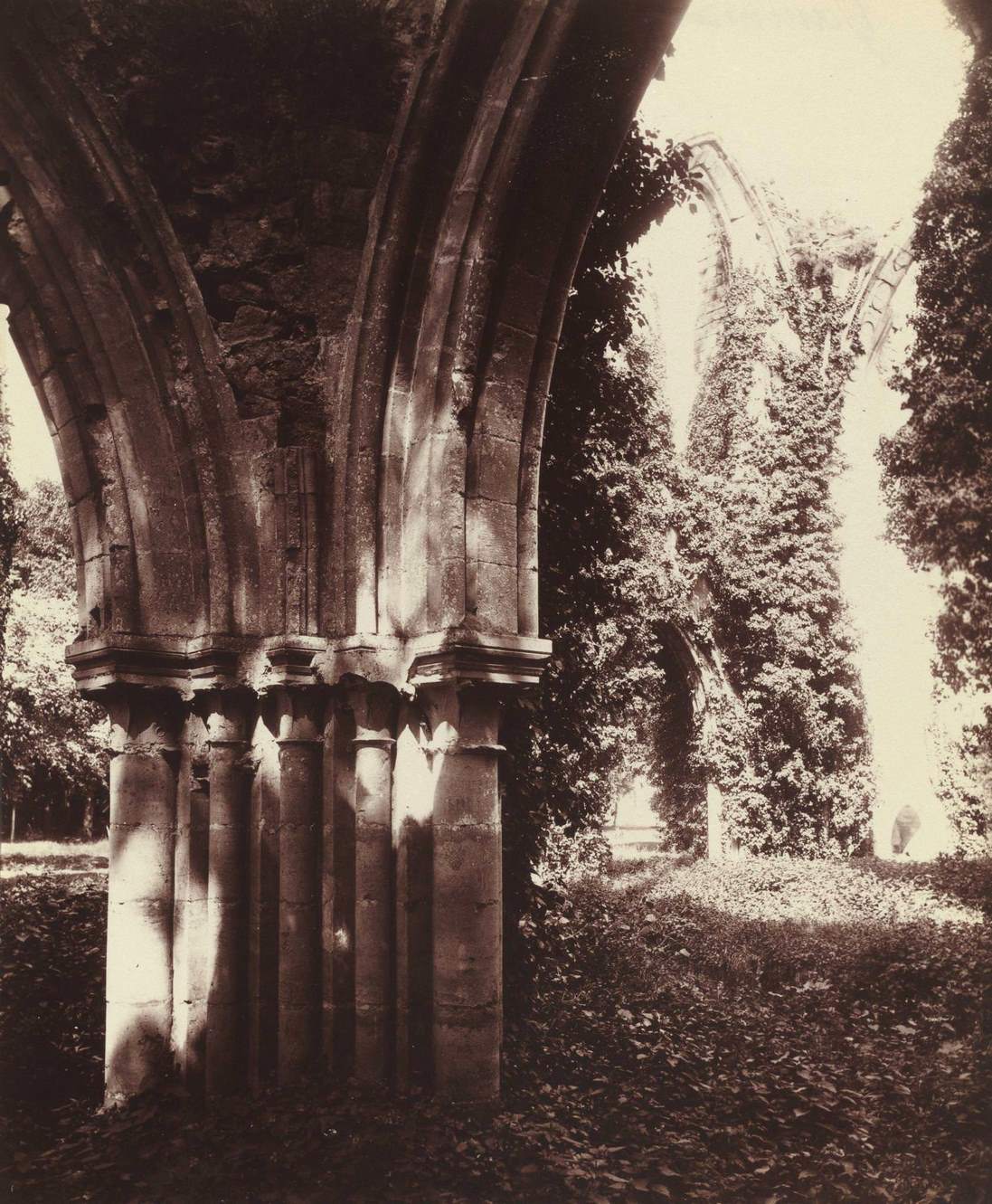
Dammarie-les-Lys, ruins, 1910
Ancien Hôtel Des Parlementaires, 1910
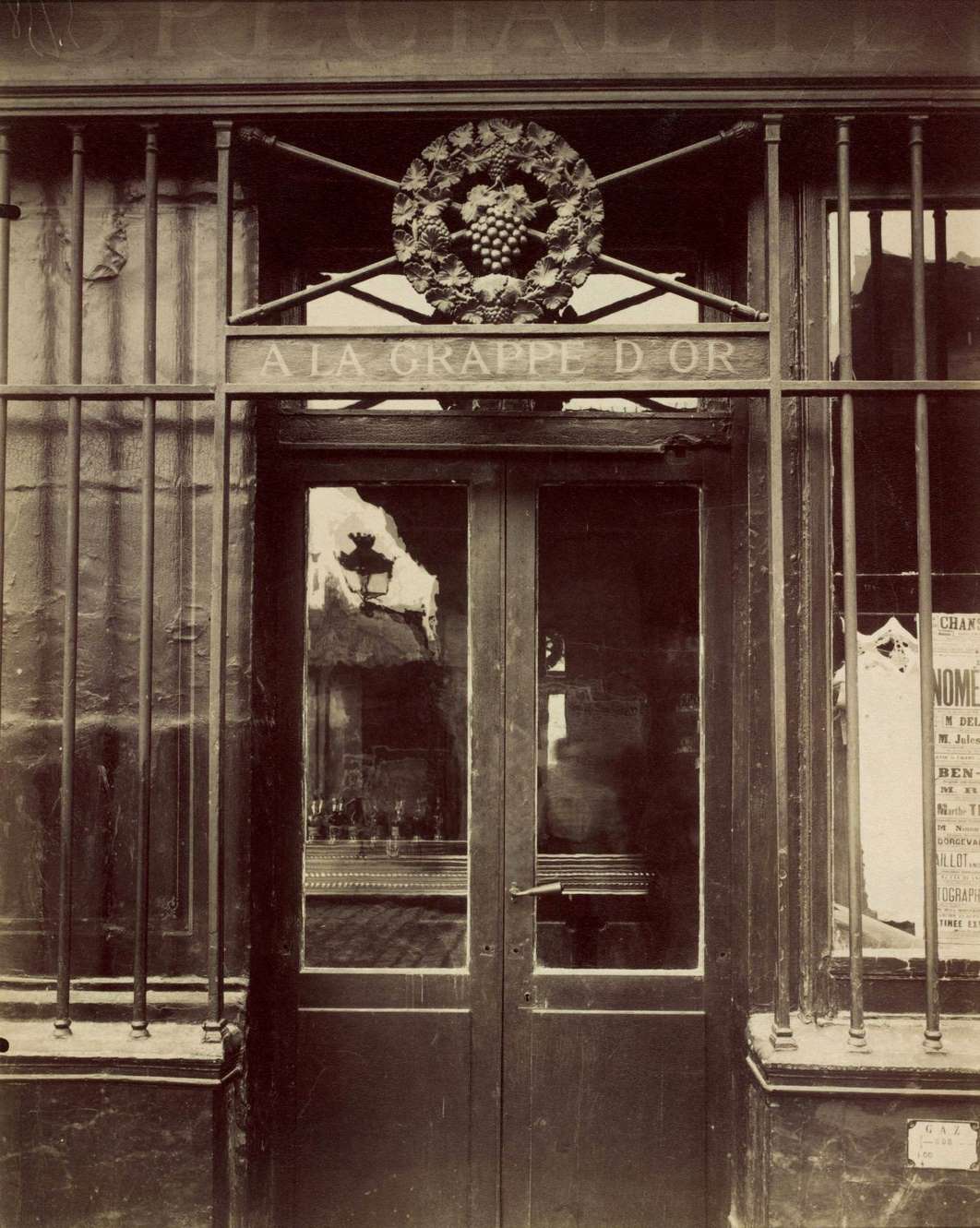
A la Grappe d’Or, 4 place d’Aligre, 1911.
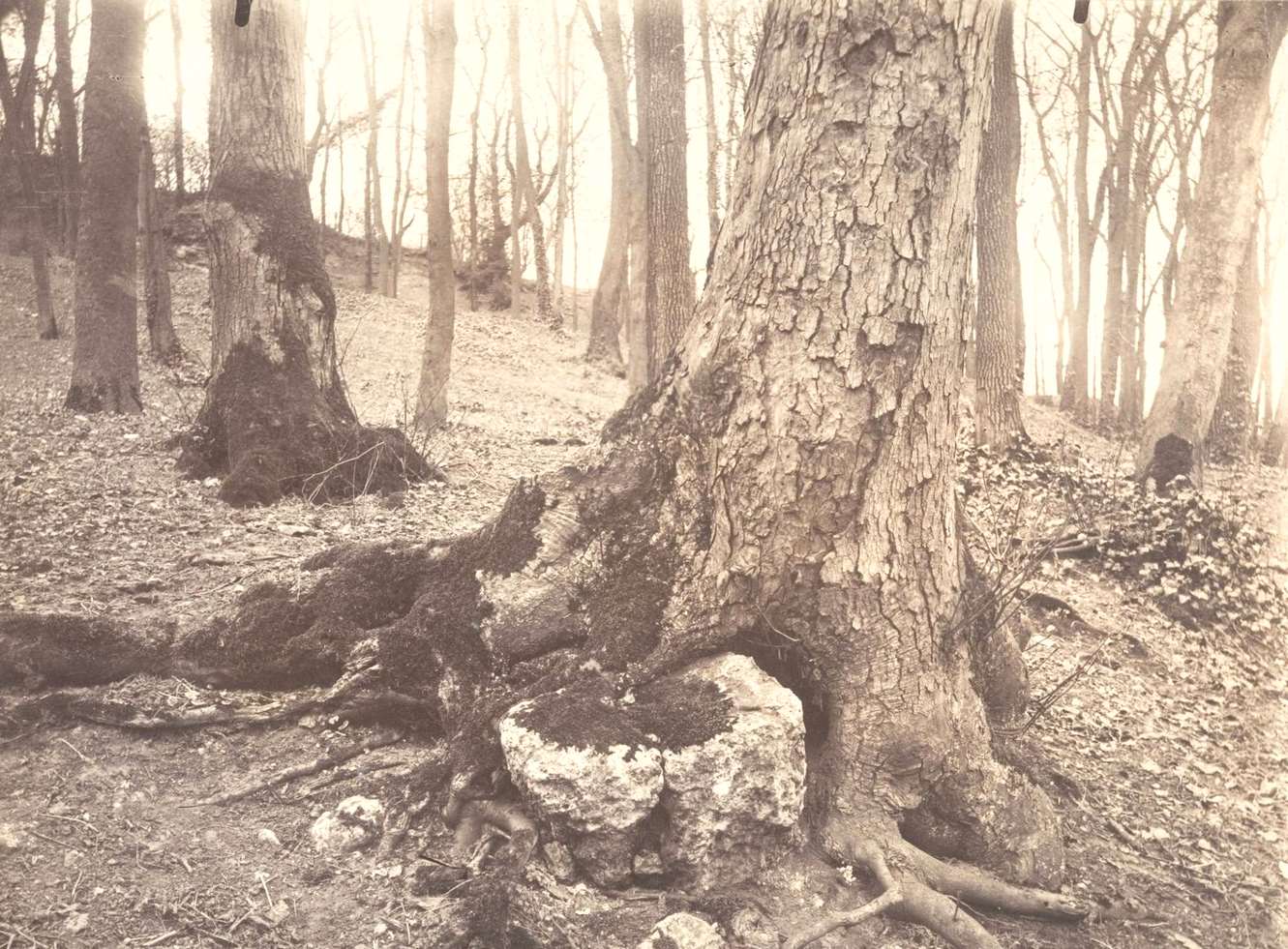
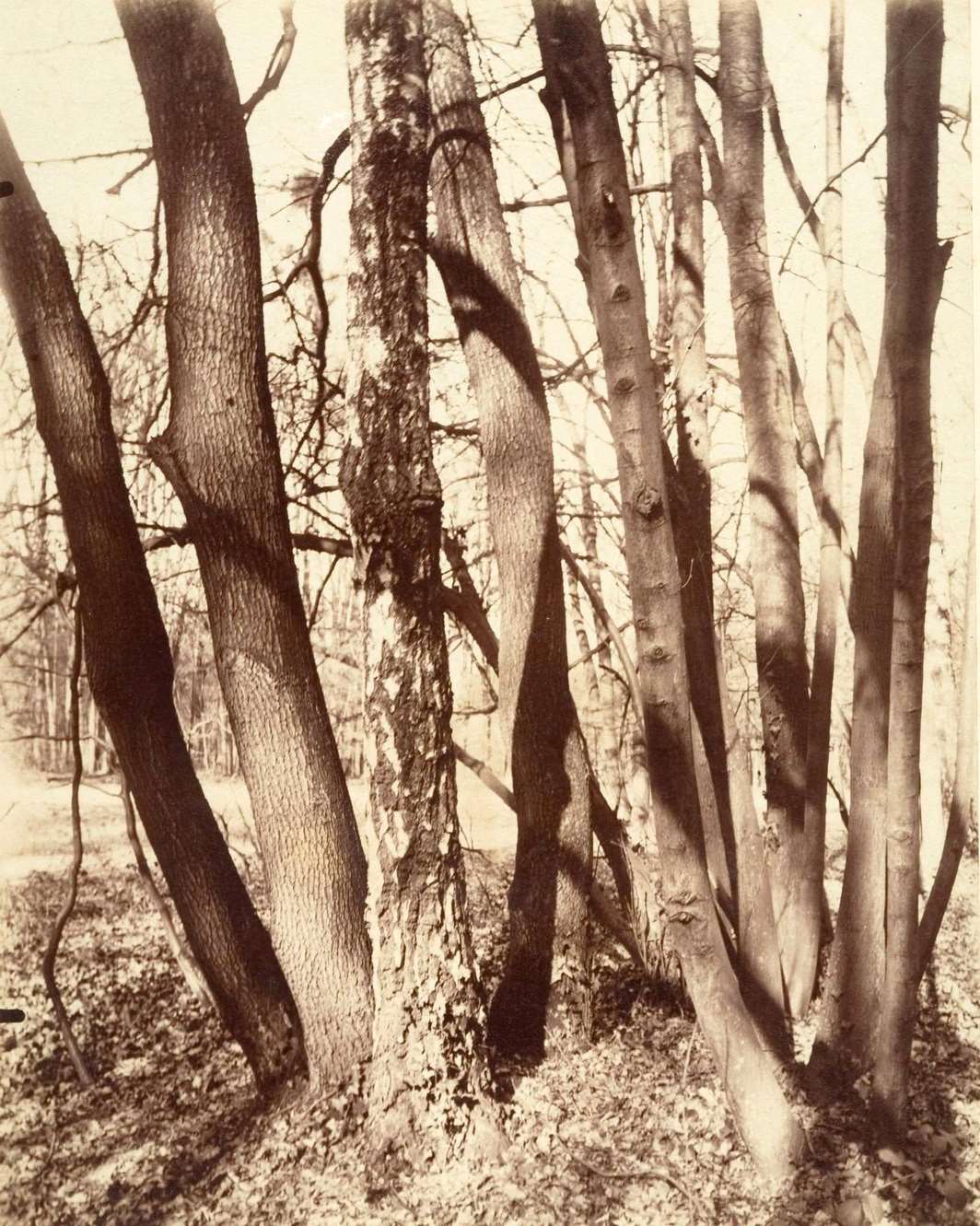
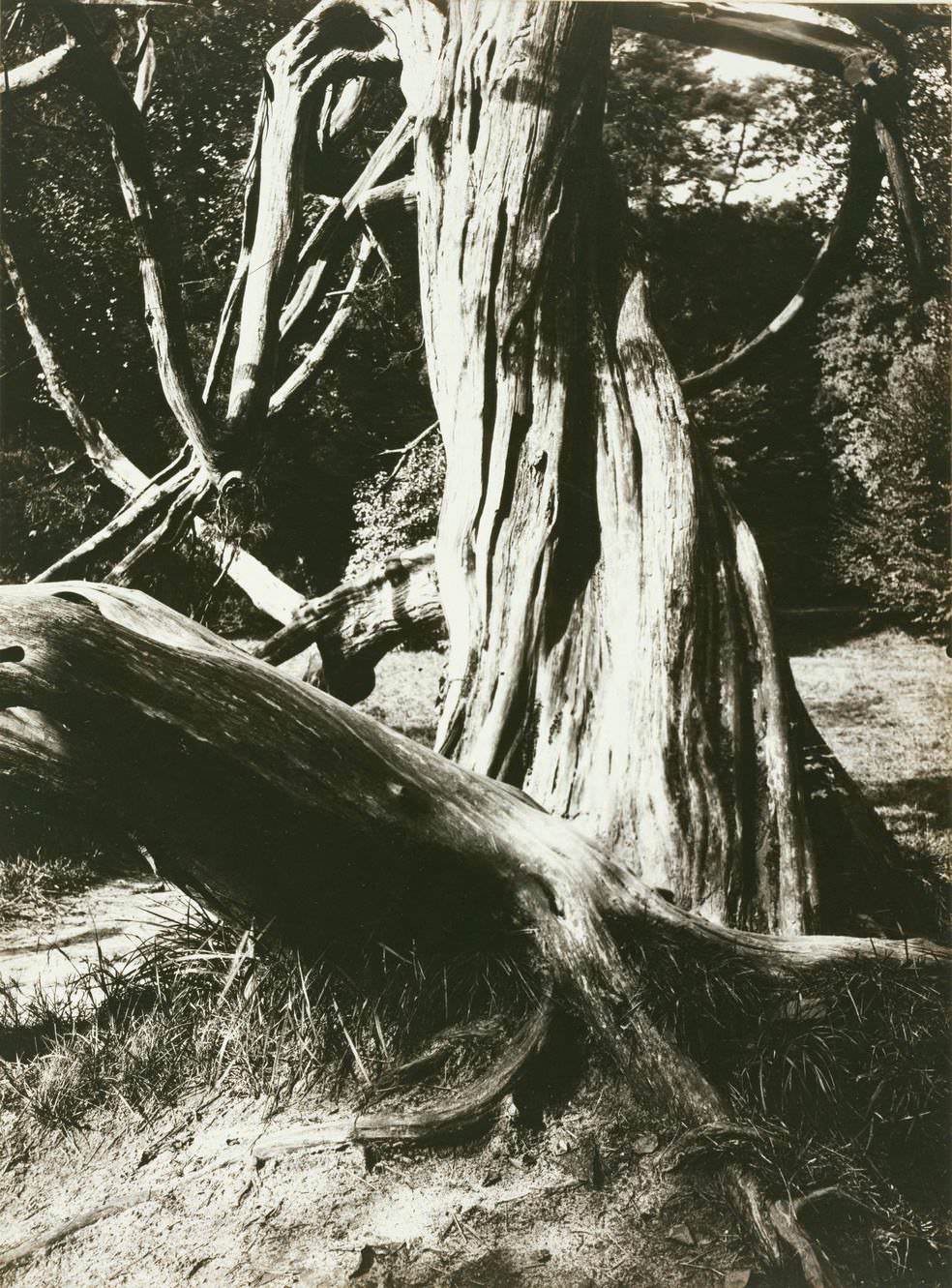
Sapin. Trianon (Pine Tree Trunks at the Trianon), 1915
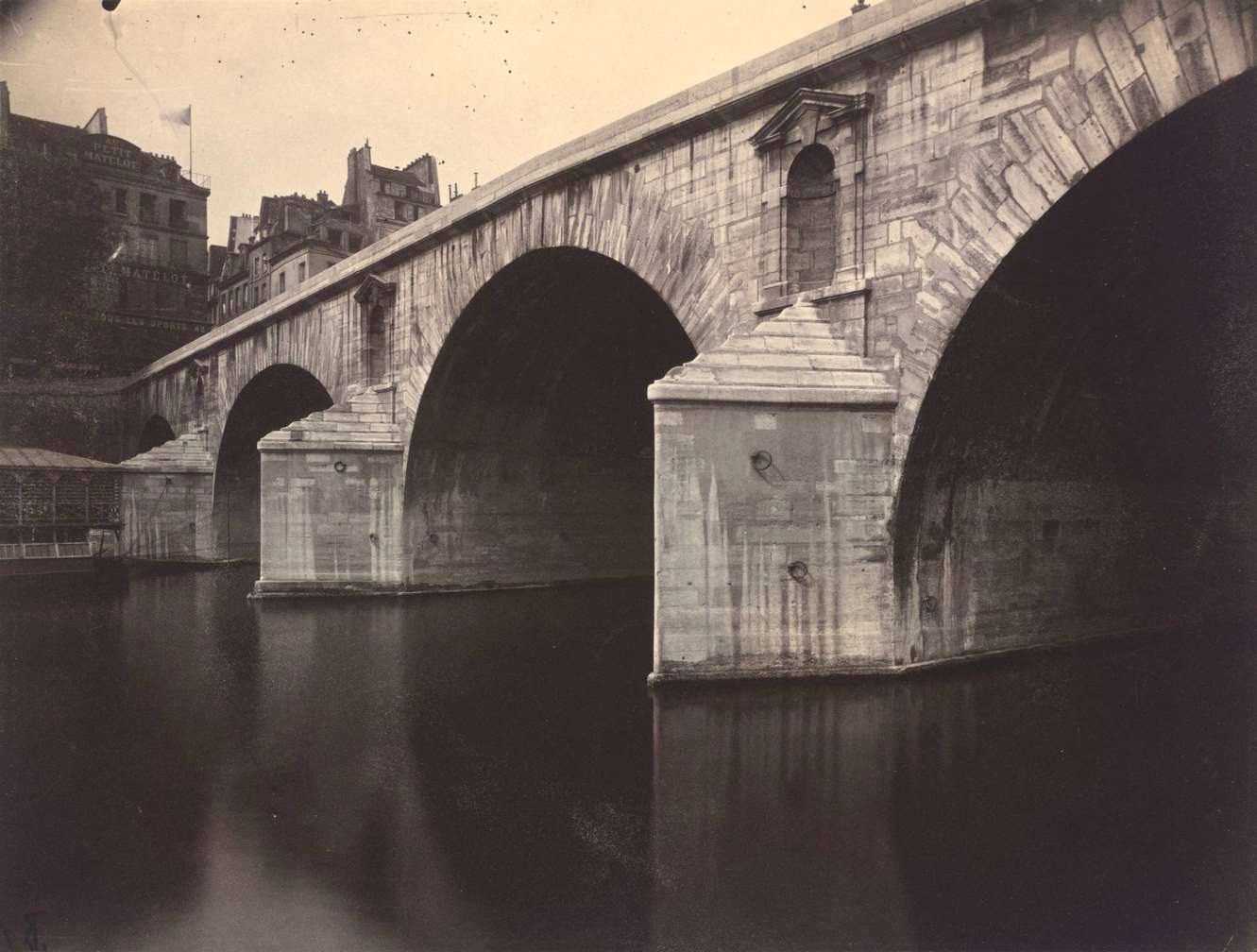
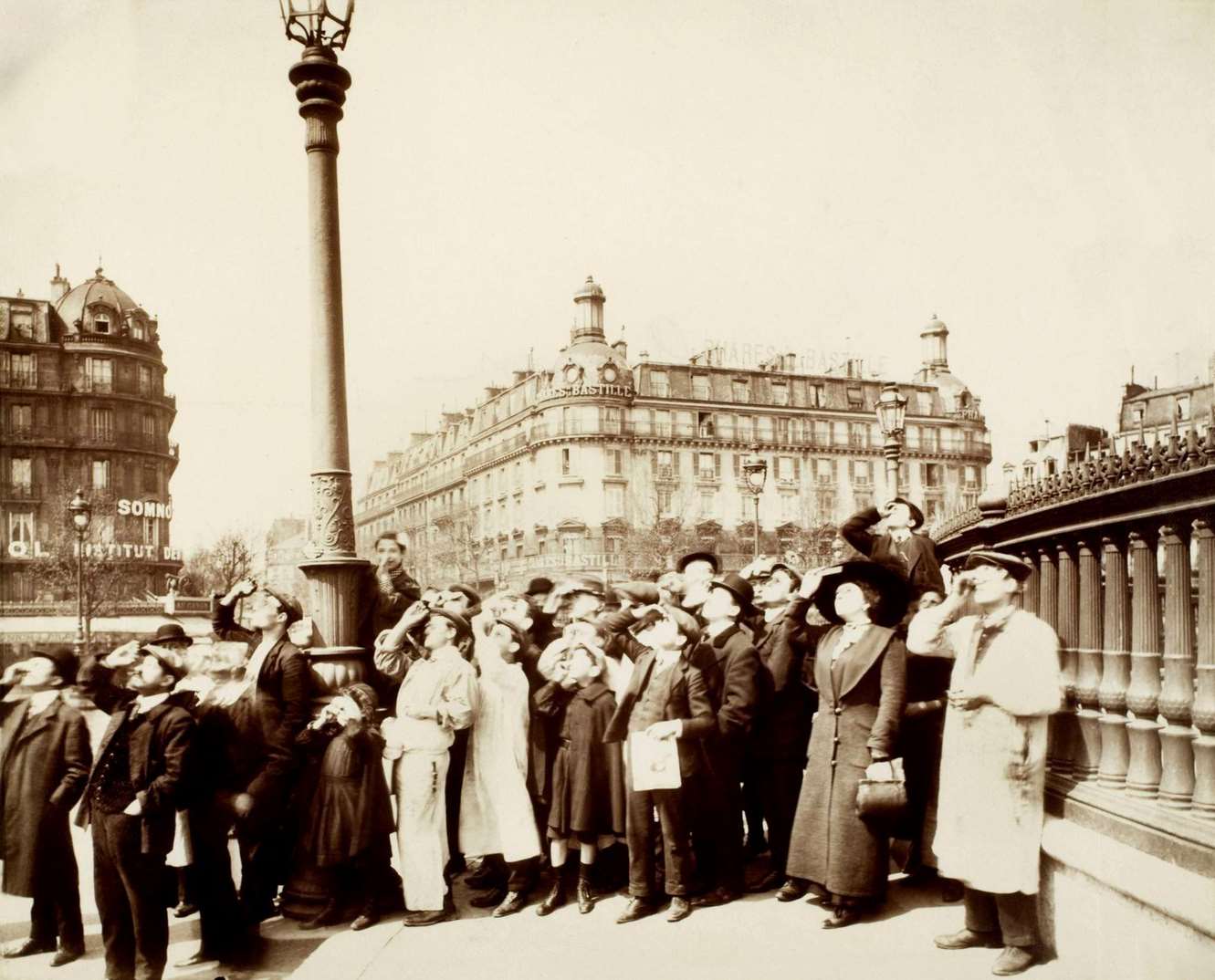
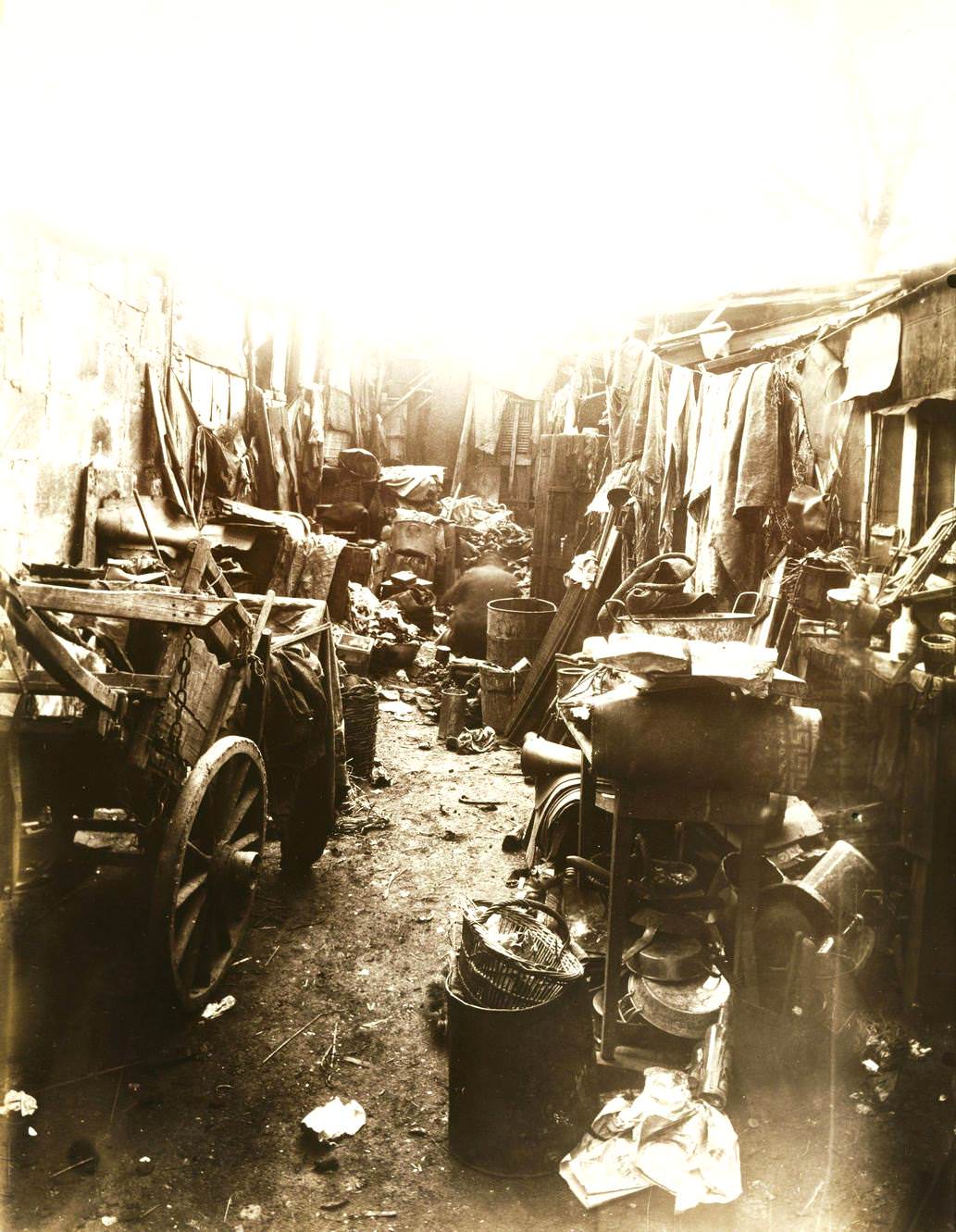
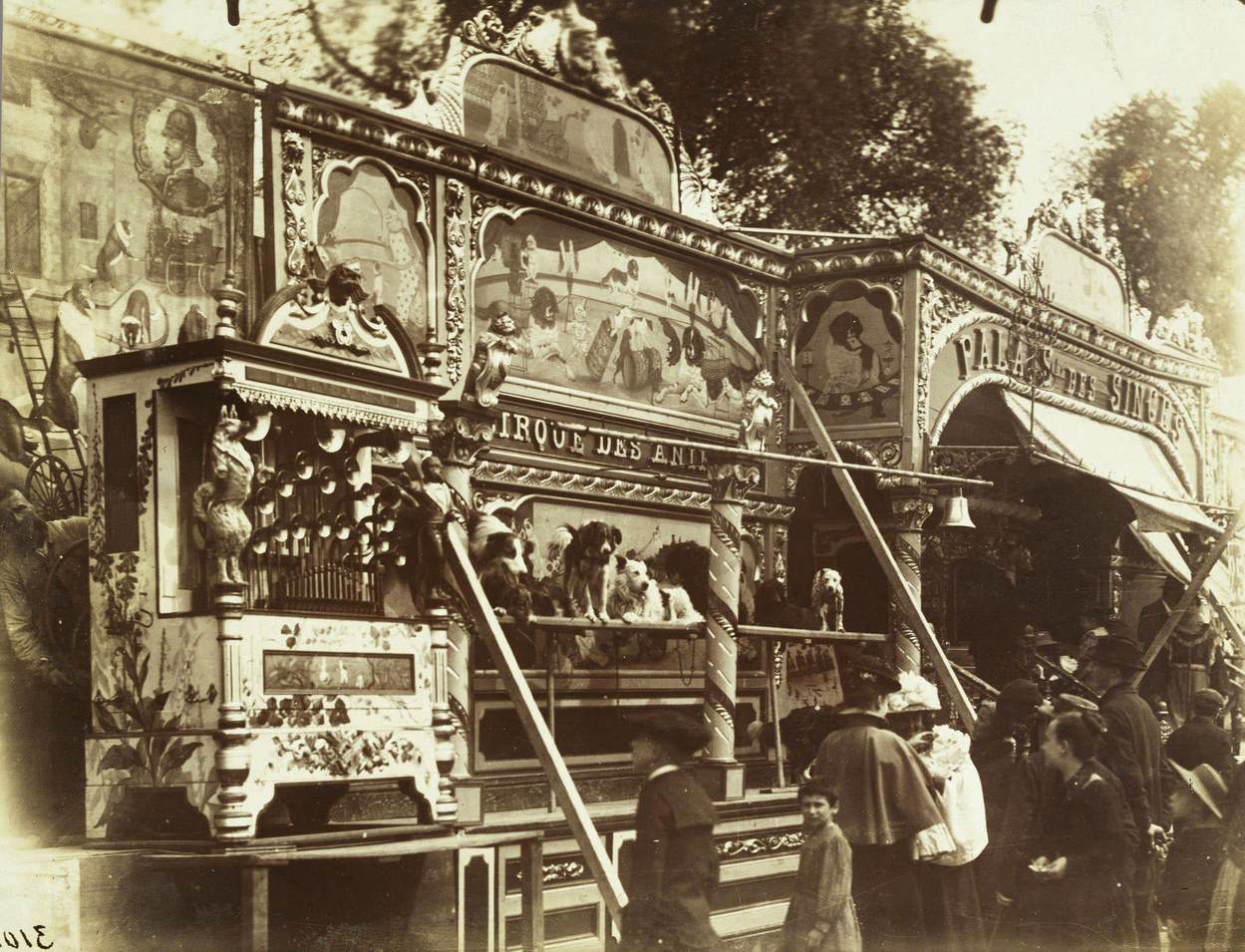
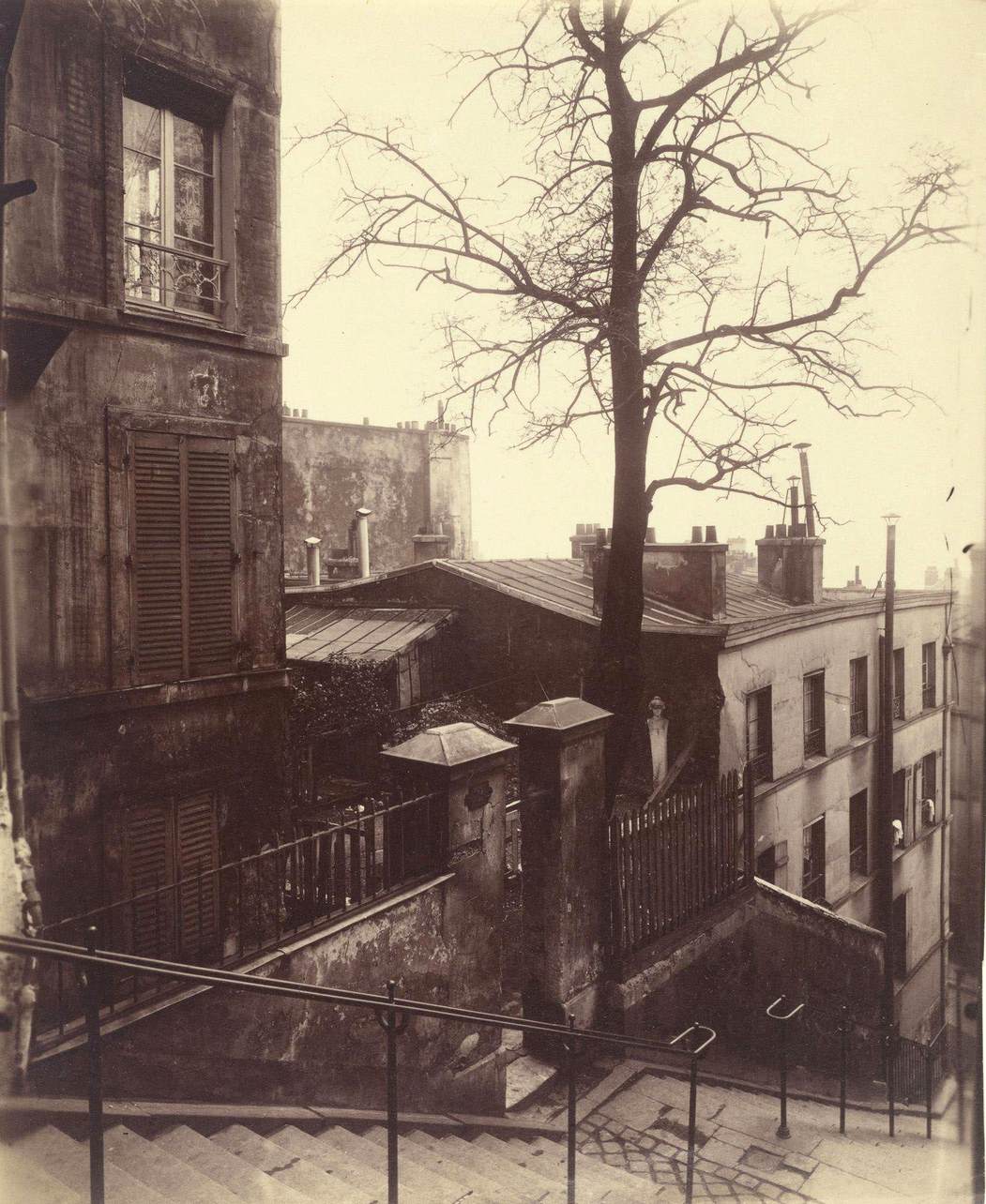
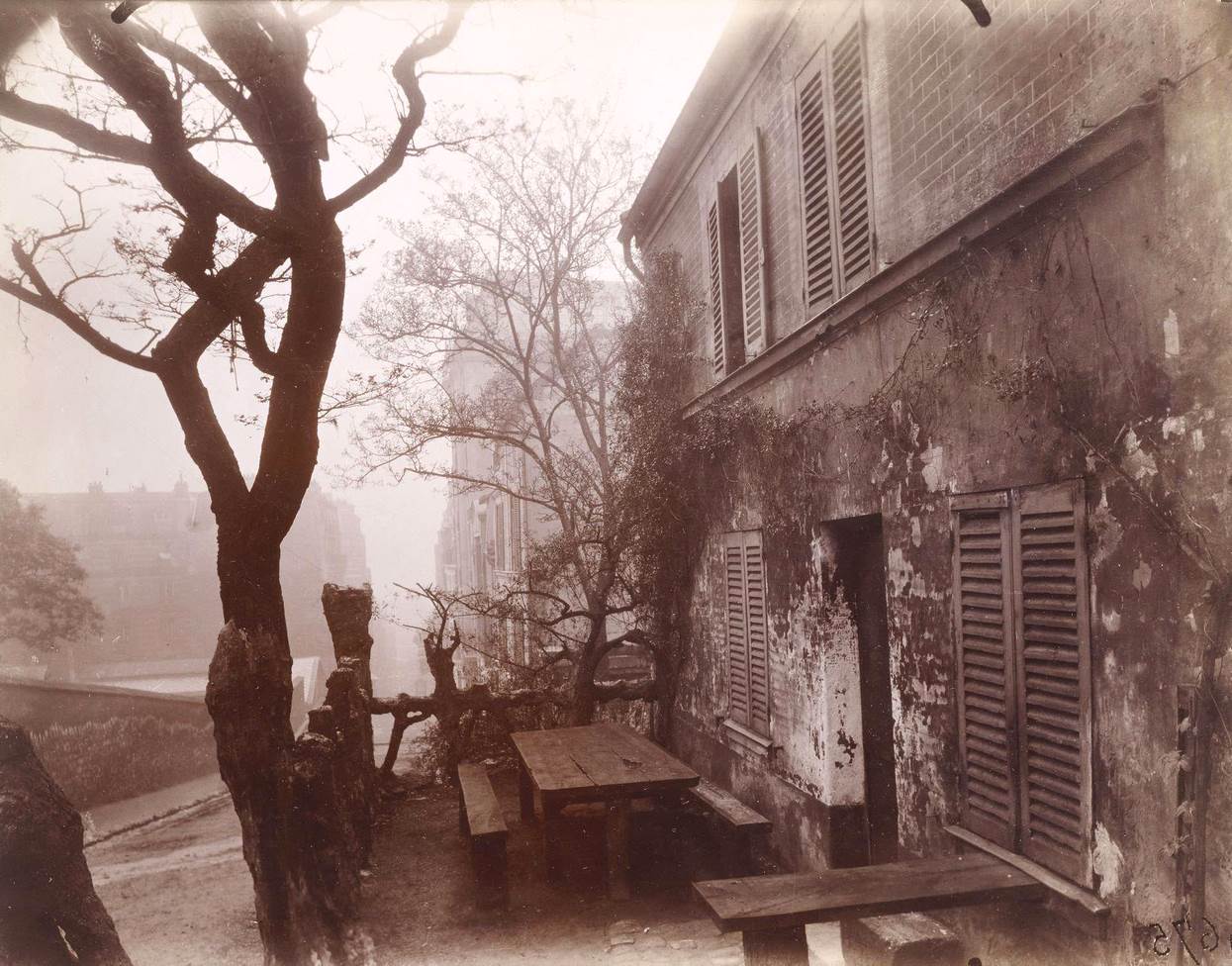
Eugene Atget Angle of Rue des Prouvaires and Rue Saint Honore in Paris (1st arrondissement), 1898Pont Marie, 1912Eugene Atget Solar eclipse of April 17, 1912. Parisians watching the phenomenon from the Place de la Bastille.Junkyard, 1913Porte Dauphine, 1913Overdoor Relief, Hôtel du Cardinal Dubois, 1913Animal Circus, Fete des Invalides, 1898Staircase, Montmartre, 1921Shop front of ‘Courone d’or,’ Quai Bourbon, 1922Notre-Dame, 1922Street Fair, 1923Mens Fashions, 1923Anne of Brittany, 1923The quay of Anjou on the morning in Paris, 1924
Saint-Cloud Park, Paris, 1924
Rue Norvins, 1924
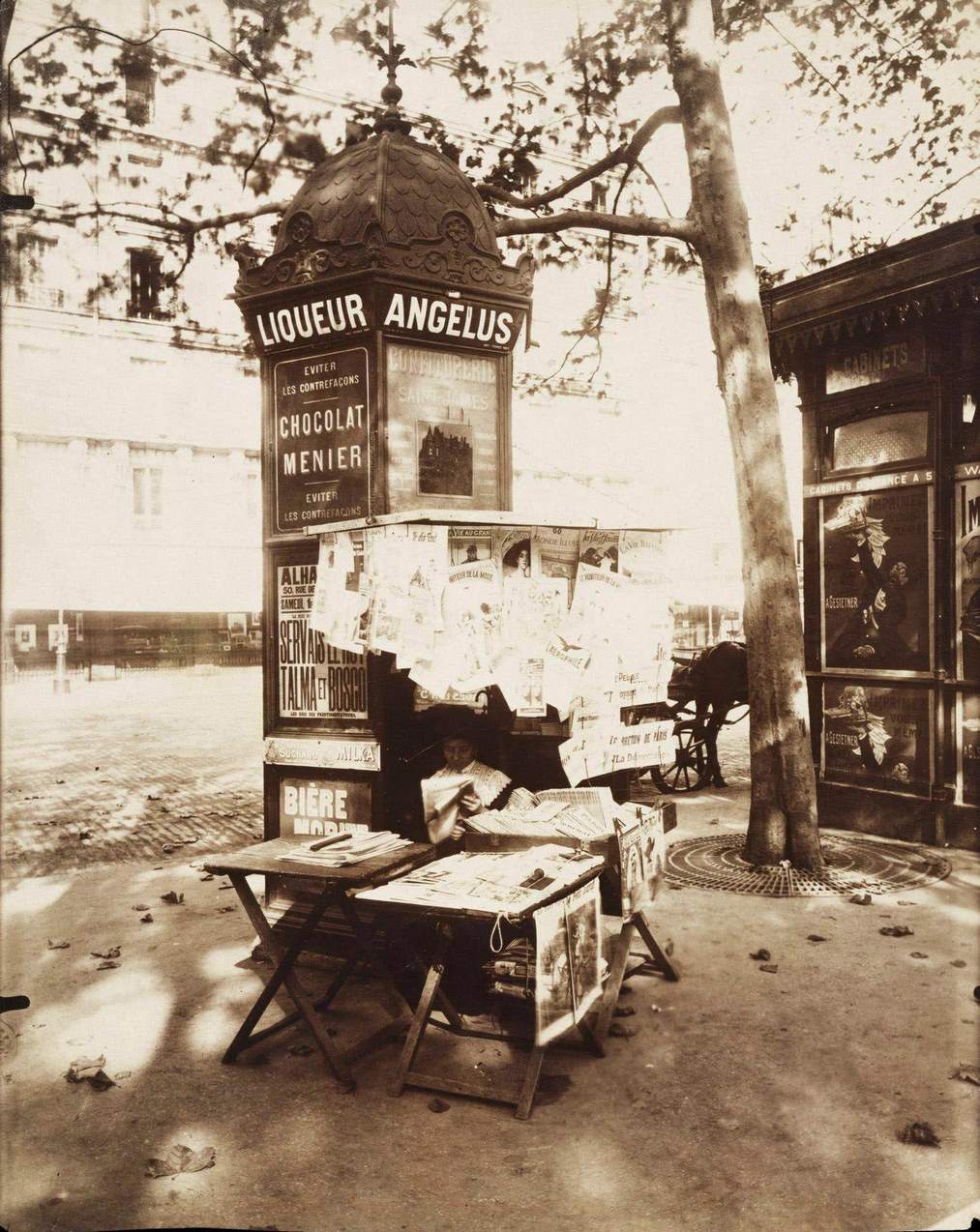
Kiosk and Street Fair, Fete du Vaugirard, 1925Place Pigalle, 1925
Parc De Sceaux, 1925
Parc De Sceaux, 1925
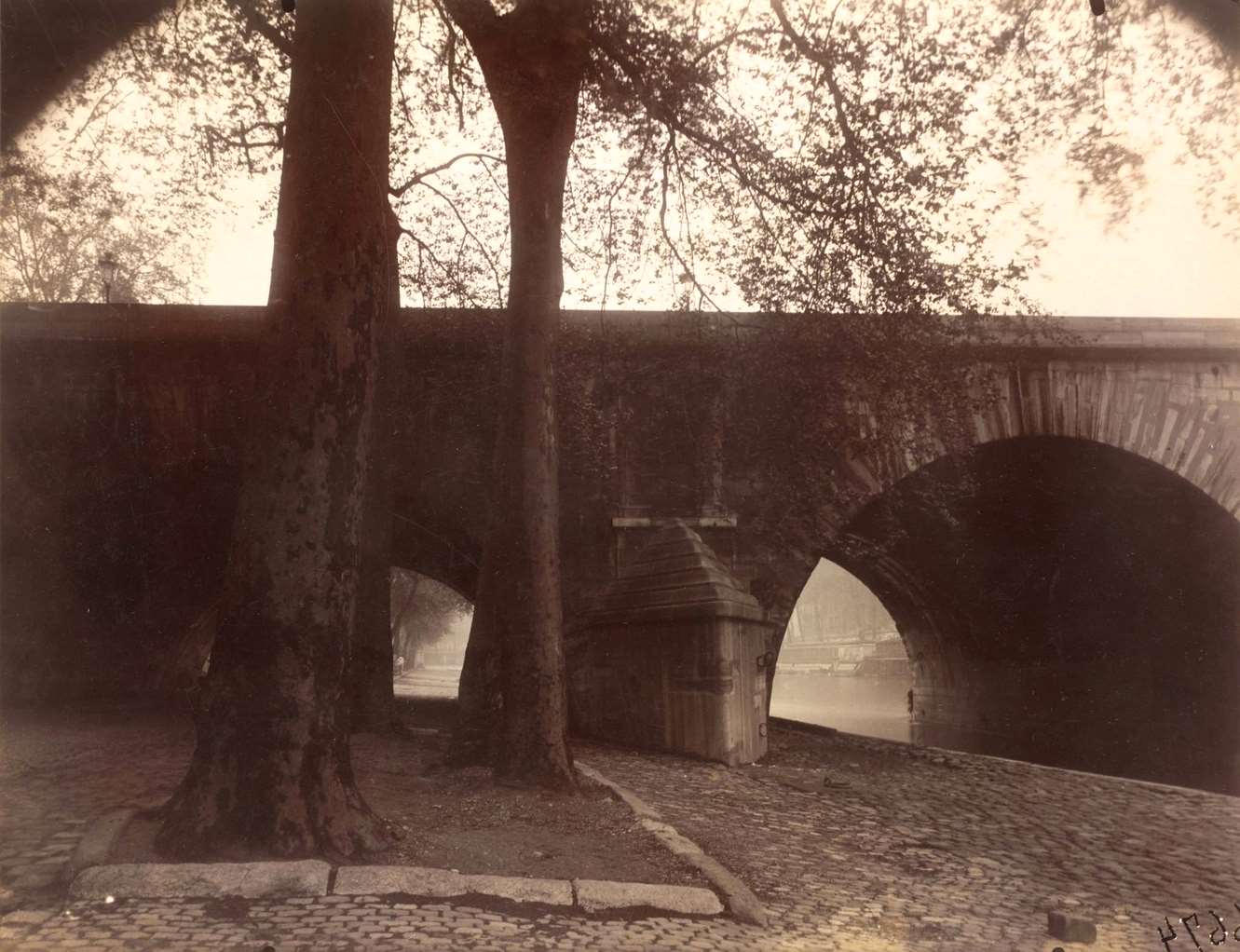
A Corner of the boulevard de la Madeleine, 1925Salon de Coiffure (Hairdresser’s Shop), 1926Pont Marie, 1926The Tavern the Lapin Agile, rue des Saules, 1926
Boutique de bandagiste, 1927
Boutique. Marche aux Halles, Paris, 1925
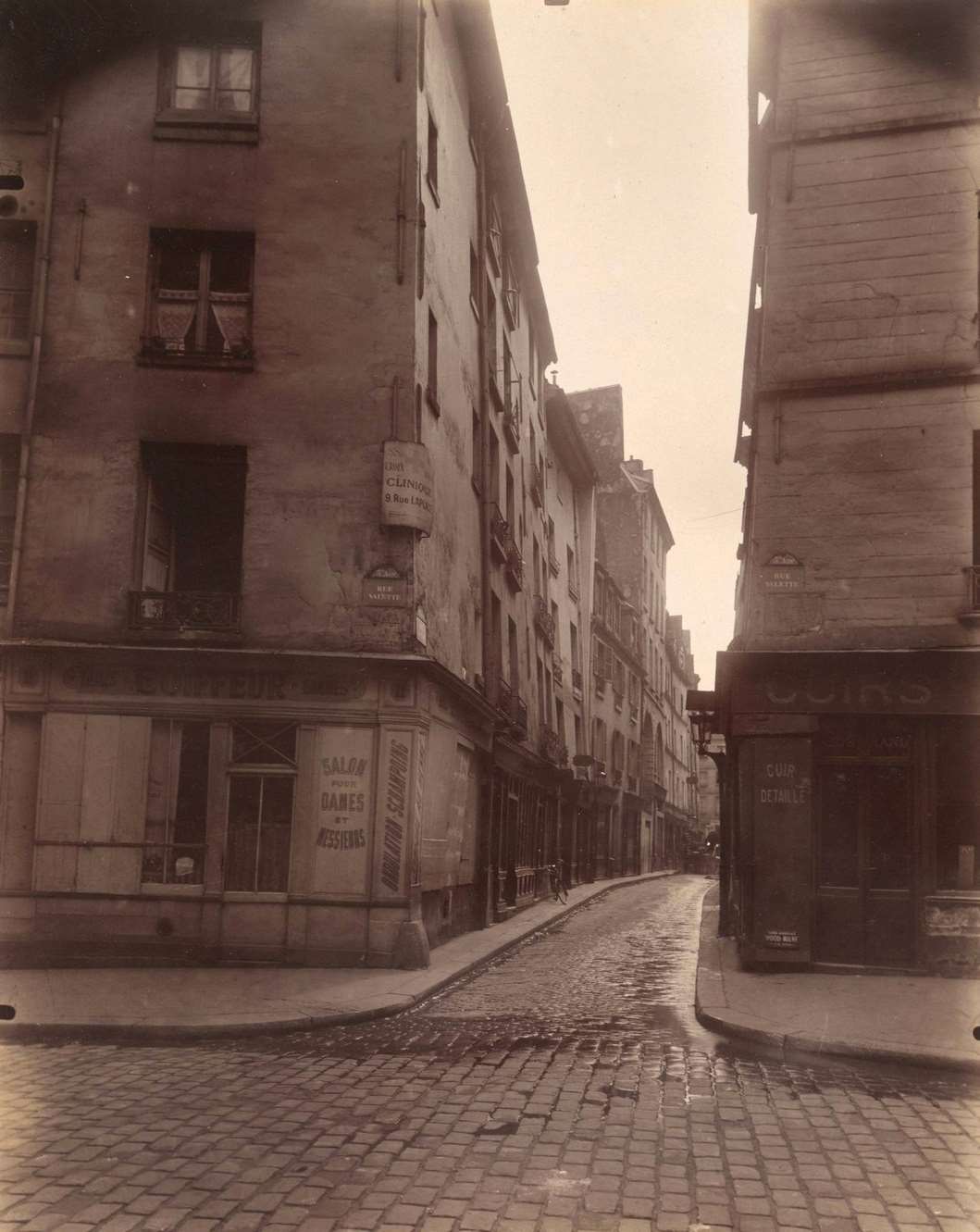
Rue Laplace and Rue Valette, Paris, 1926Street Fair (Fete du Trone), 1925Institut de France
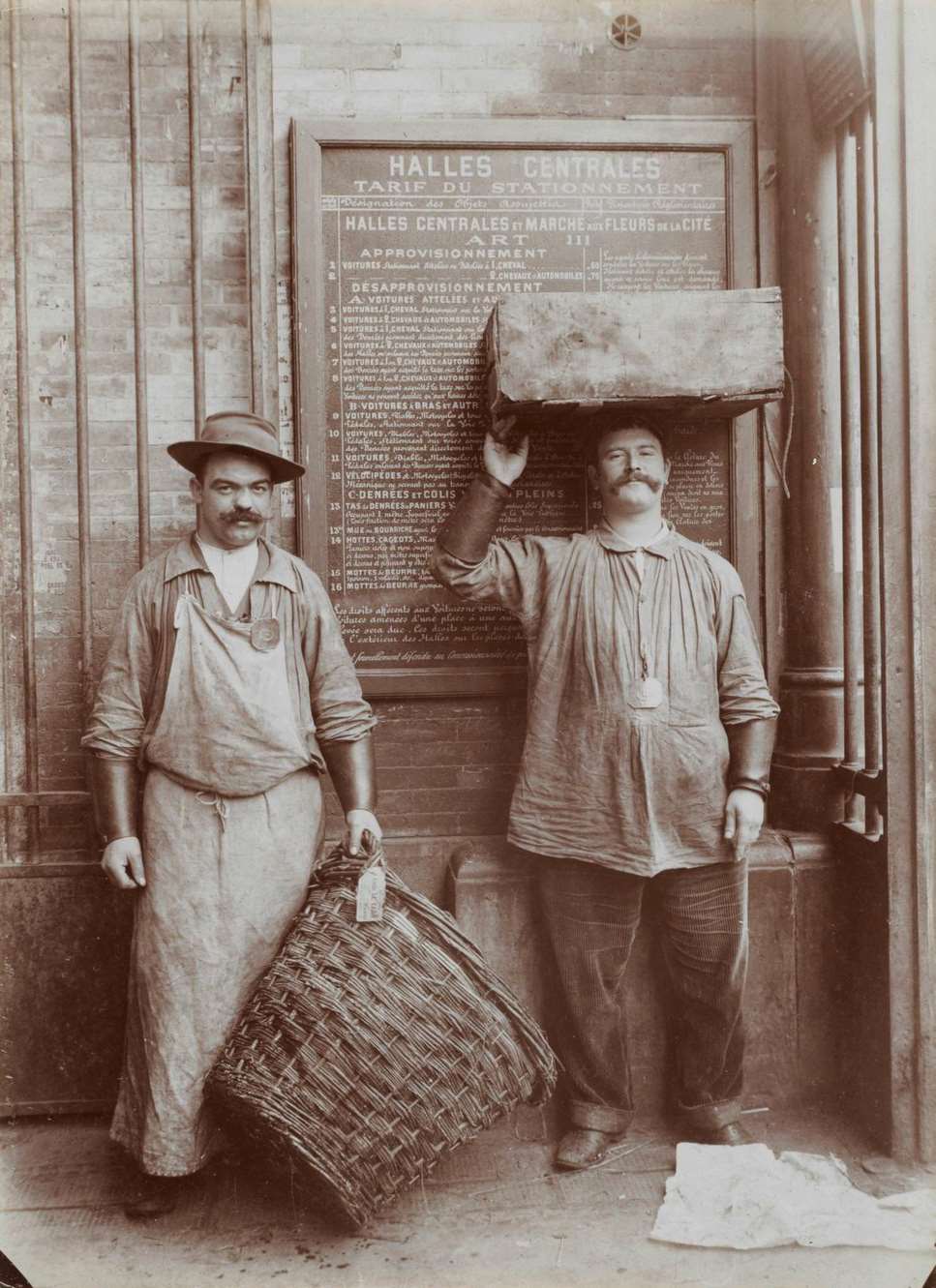
Fish Porters, 1890s
The Park At Sceaux, April 1925
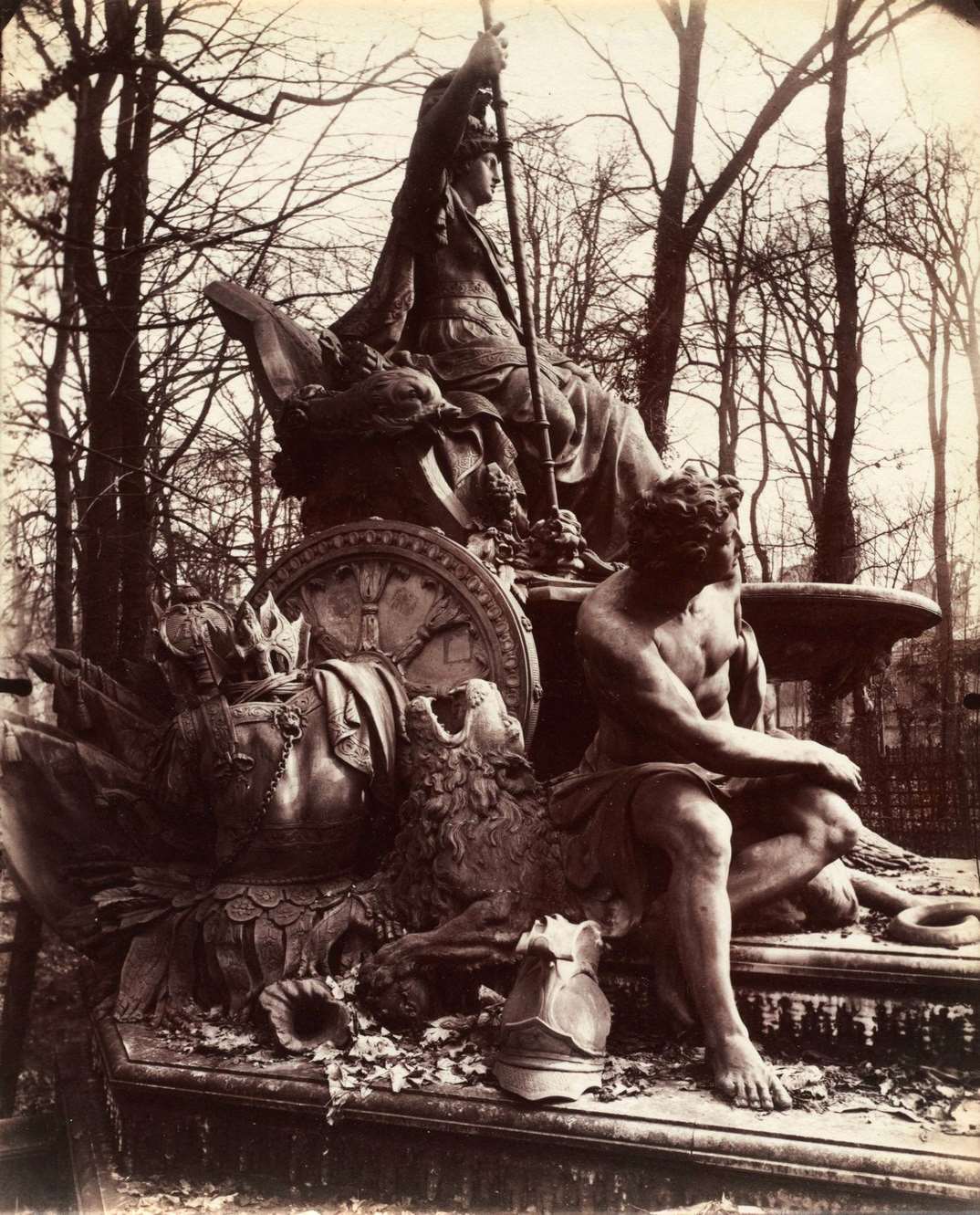
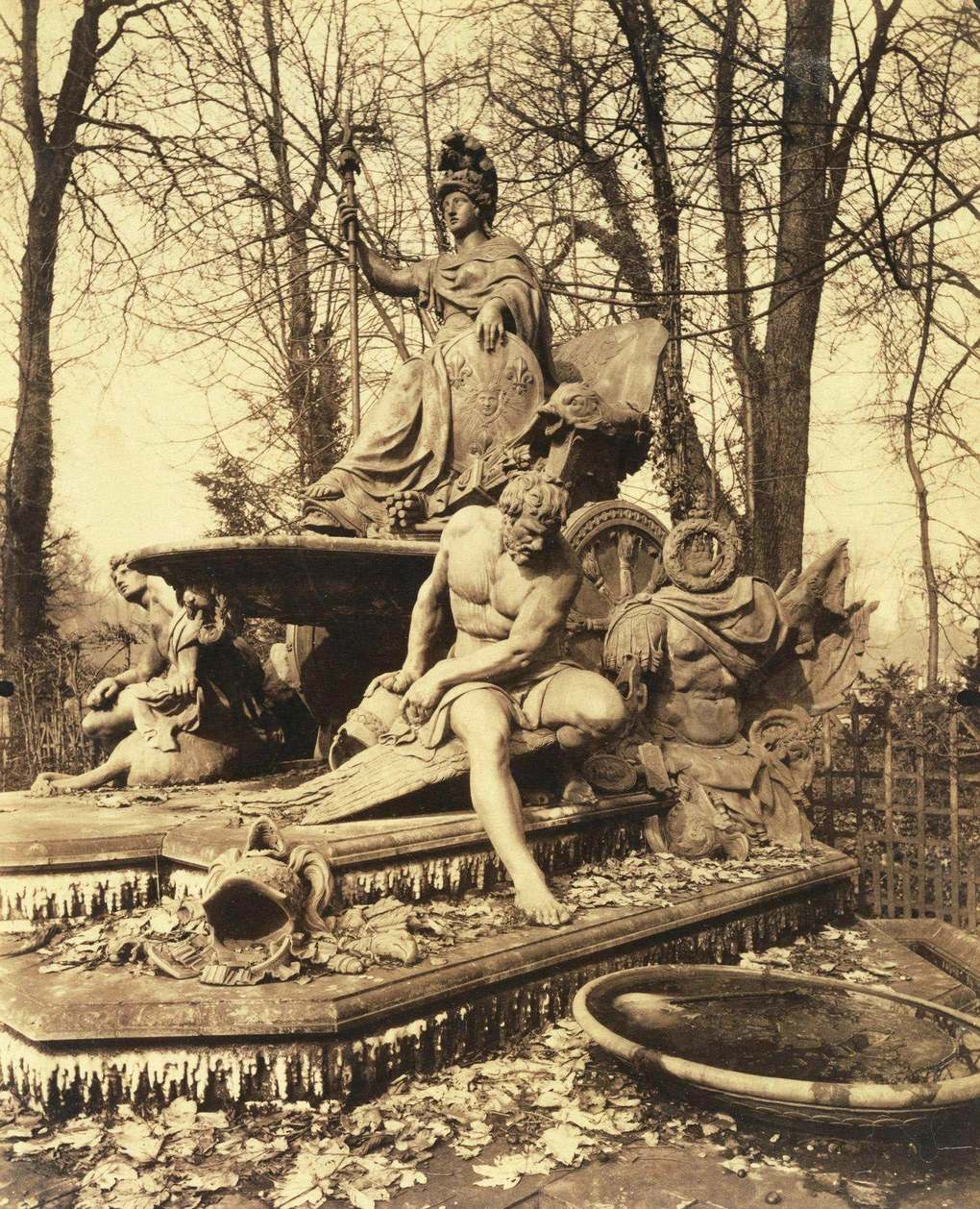
Versailles, Fountain of Triumphant France, 1904.
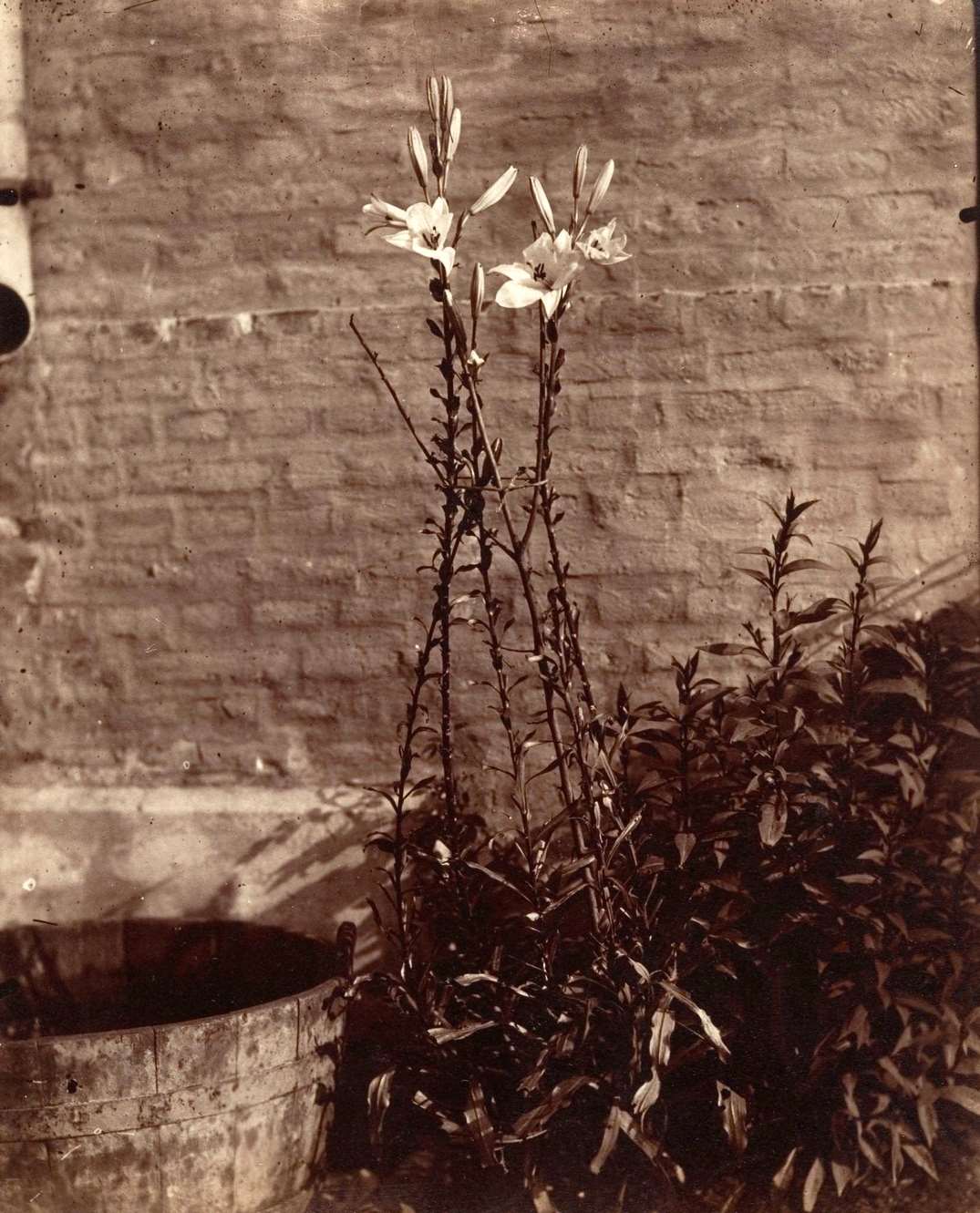
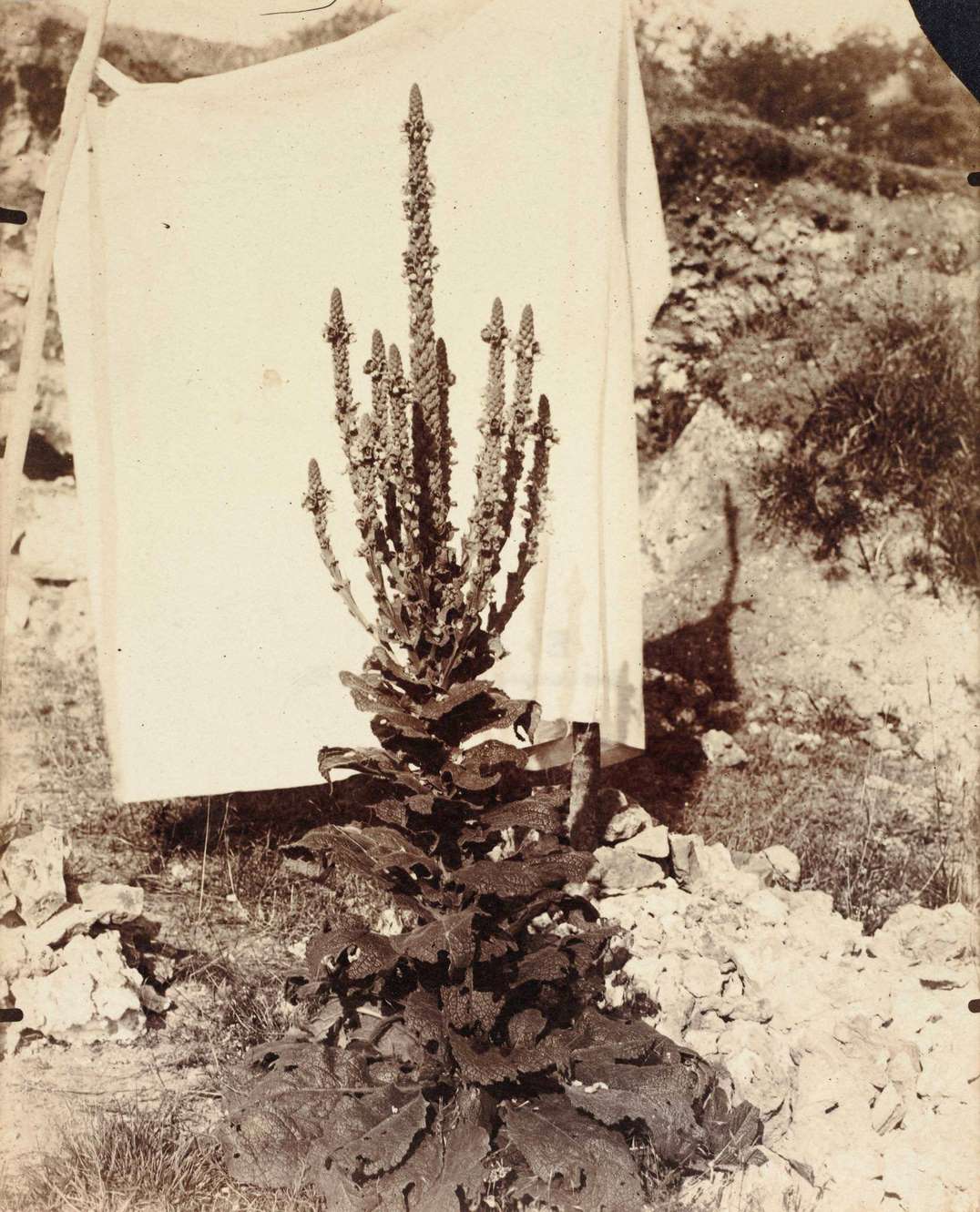
Mullein in Bloom, 1899
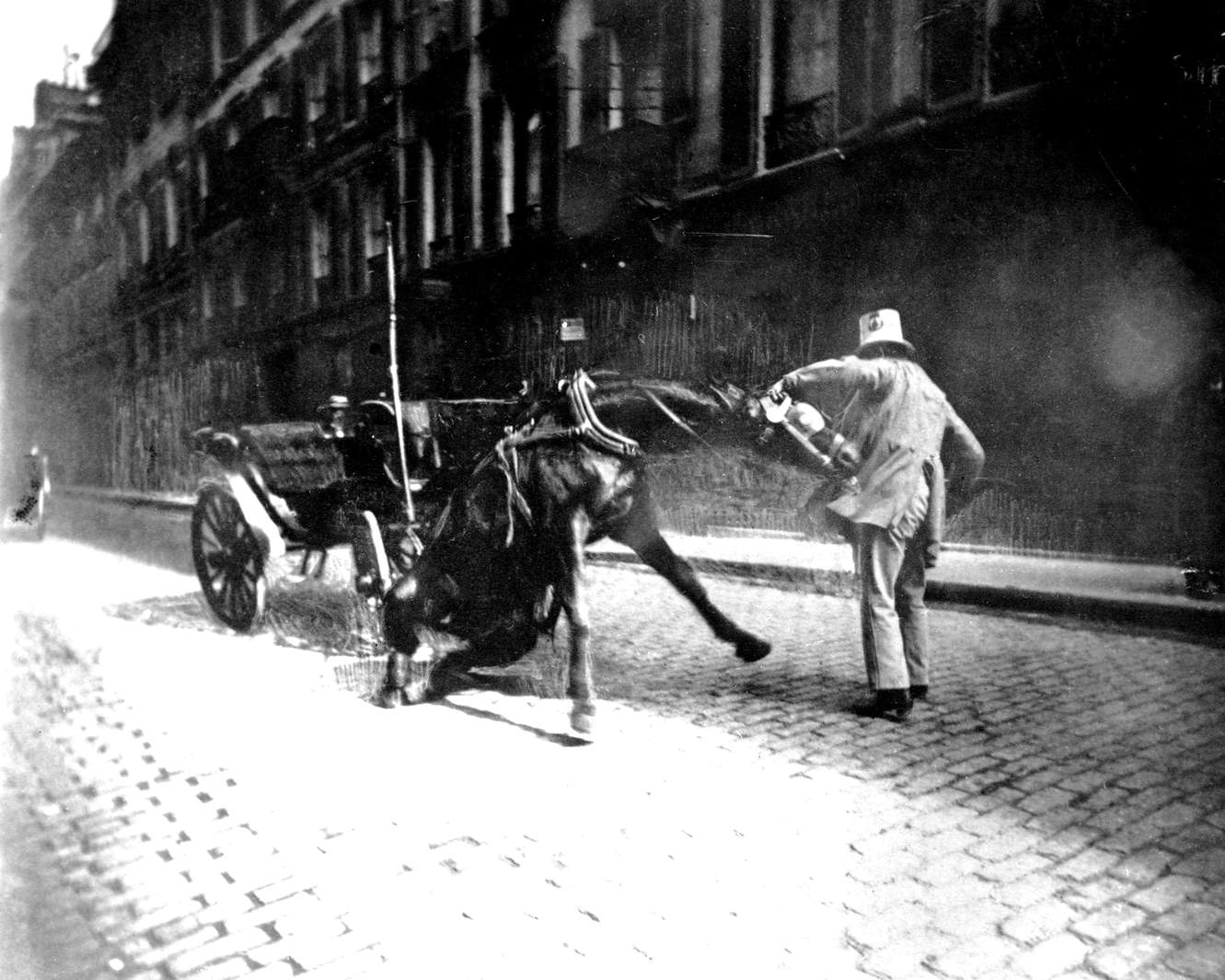
Nymphéa. This sparkling landscape of a mass of white water lily blossoms (Nymphéa) is among Atget’s best compositions, 1923Cheval récalcitrant, 1900s
Vieille Cour. 22 rue Quincampoix (Old Courtyard. 22 rue Quincampoix), 1912
The Park, Versailles, 1920
Cour de Rohan, 1922
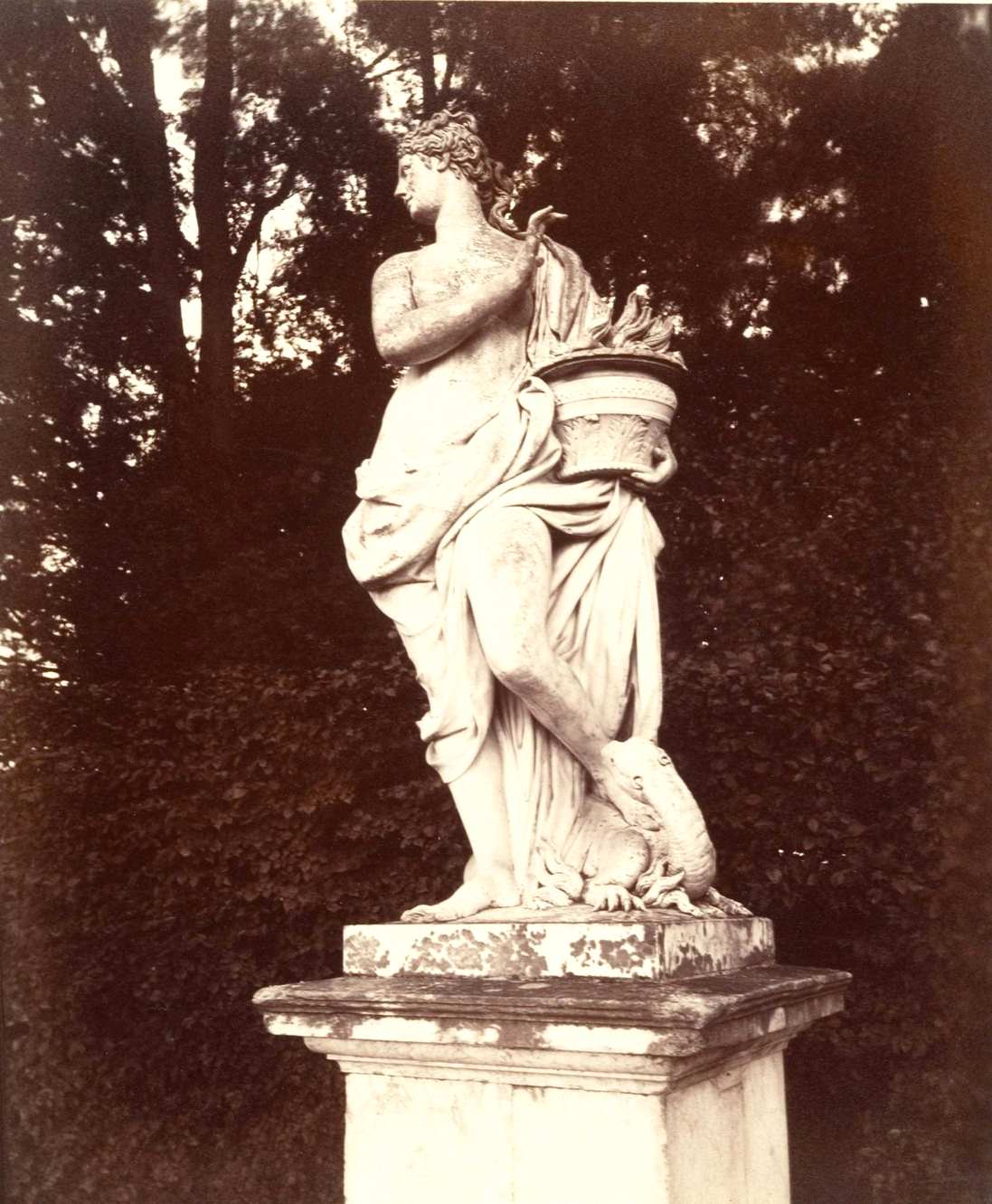
Versailles. Bosquet de l’Arc de Triomphe. Groupe par Tuby, 1904