Paradiso sits on the Leidseplein in Amsterdam, a converted church that became one of the city’s most important pop venues. Through the late 1960s and early 1970s, it was a hub for flower power and countercultural events. That all shifted in the second half of the 1970s, when a new wave of bands arrived and turned the venue into something far louder and more aggressive. Punk had found a home.
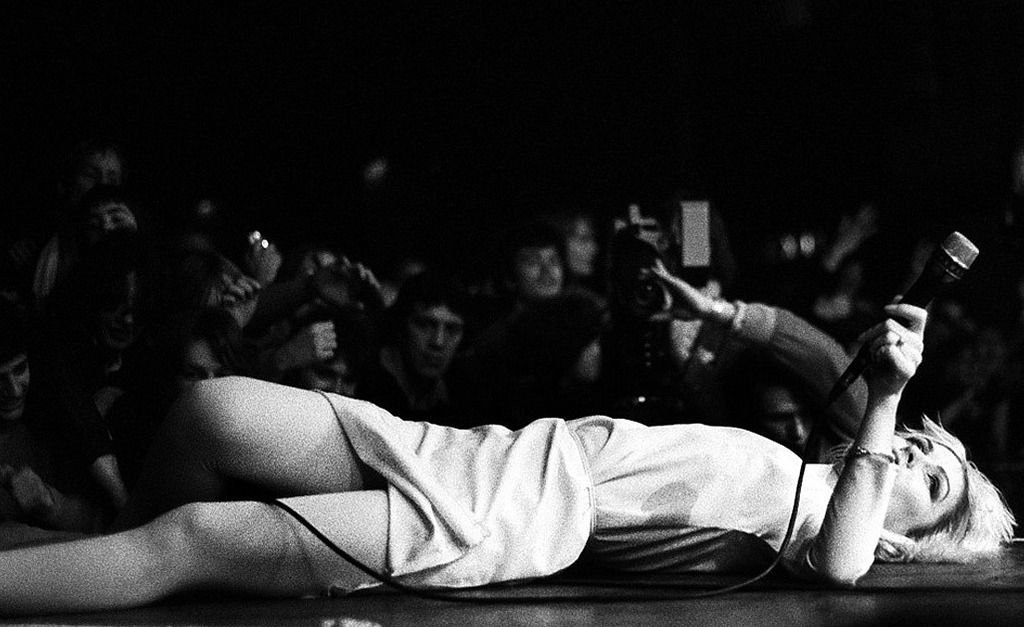
The punk shows at Paradiso were chaotic by design. The music was played at full speed, and the crowds matched that energy. A 1979 review in the Dutch fanzine KoeCrandt described a floor packed with people pogoing non-stop, with fans climbing onto the stage mid-set. The bands kept playing regardless. There was no barrier between performer and audience — both were part of the same eruption.
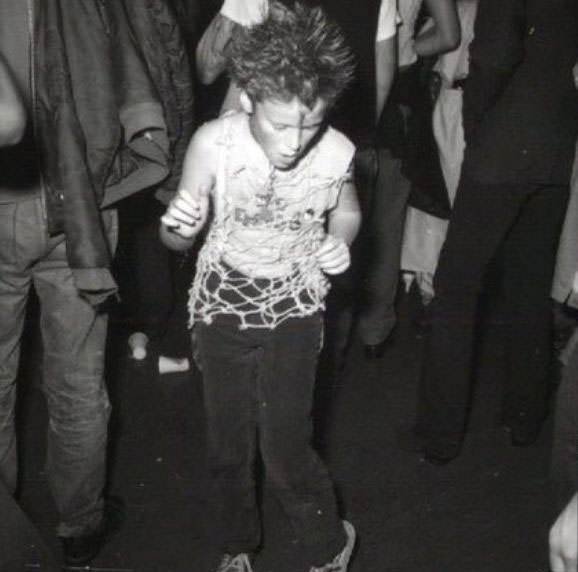
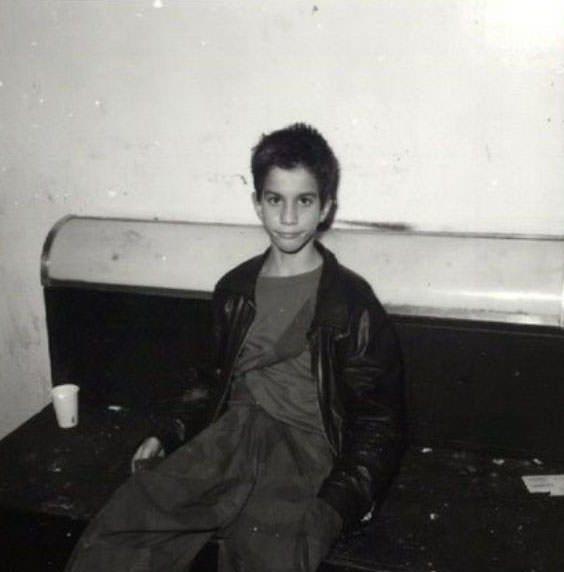
Max Natkiel was one of those fans. He was there for the gigs, the crowds, and the noise. At some point, he recognized that what was happening around him had a shelf life — that scenes shift, crowds grow up, and venues move on. So he started bringing a camera.
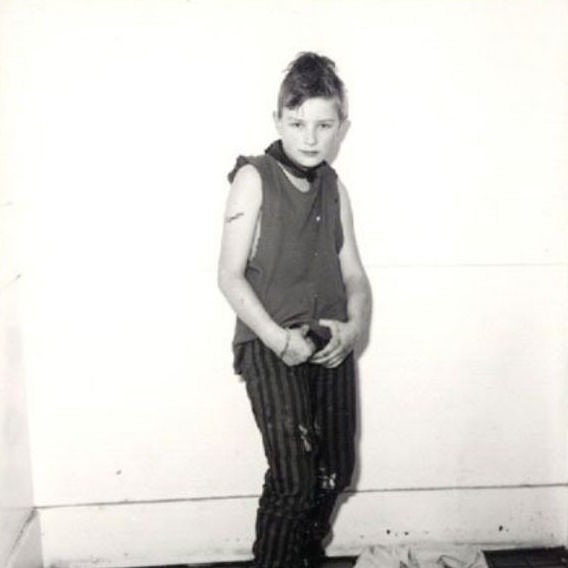
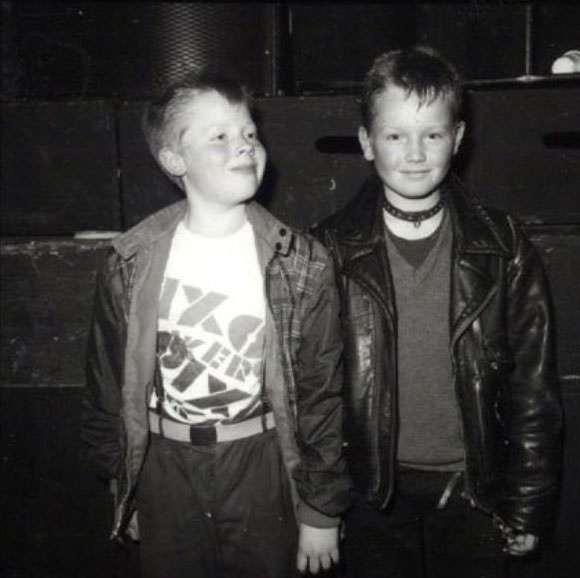
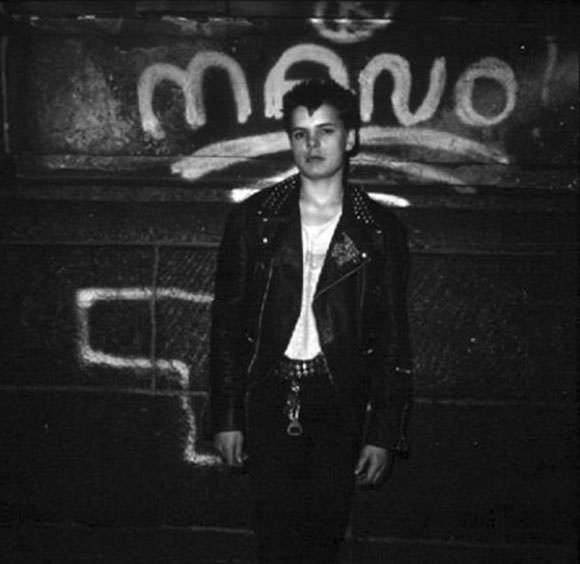
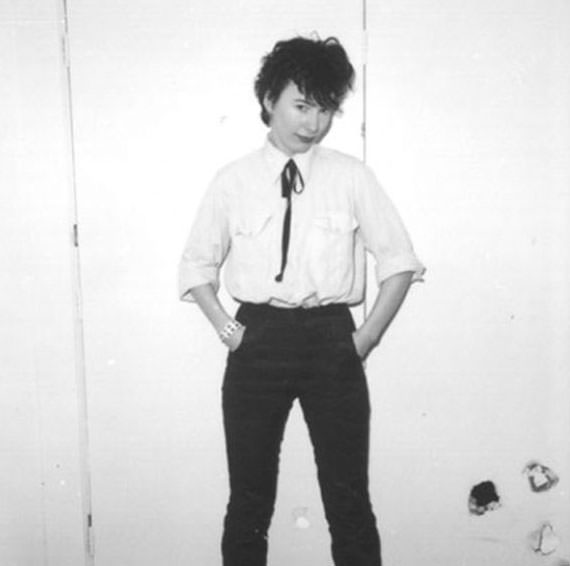
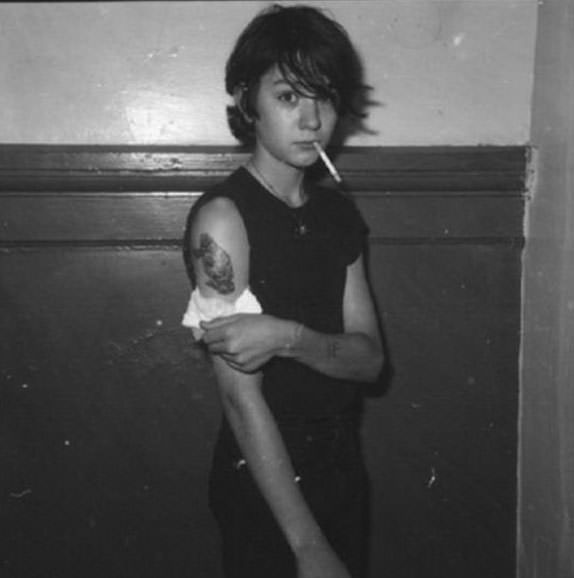
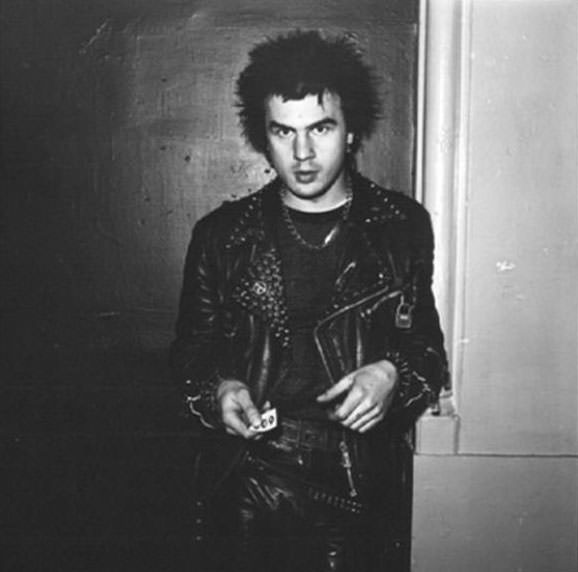
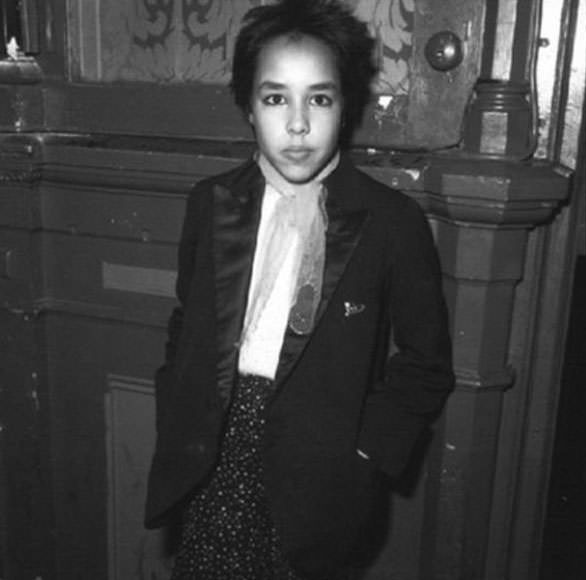
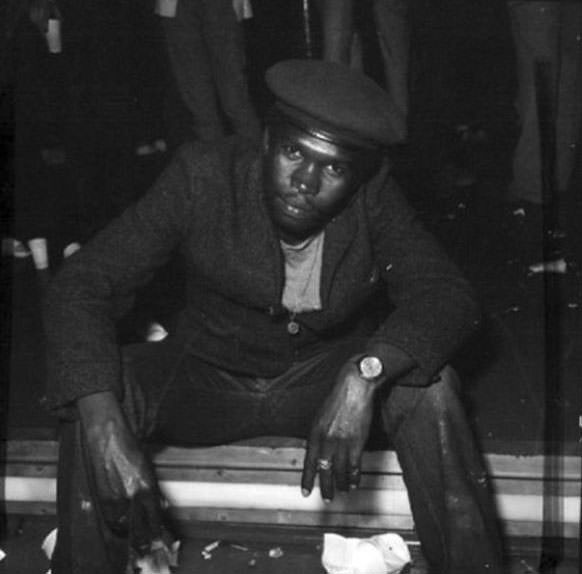
Natkiel’s timing was exact. He arrived with his camera just as the first wave of Dutch punk was cresting, and kept shooting as the early 1980s brought a wider range of subcultures through Paradiso’s doors. Skinheads, Rude Boys, Heavy Metal fans, and Hardrockers all shared the same space, sometimes on the same night. His photographs document that overlap — a moment when Amsterdam’s youth culture was genuinely plural.
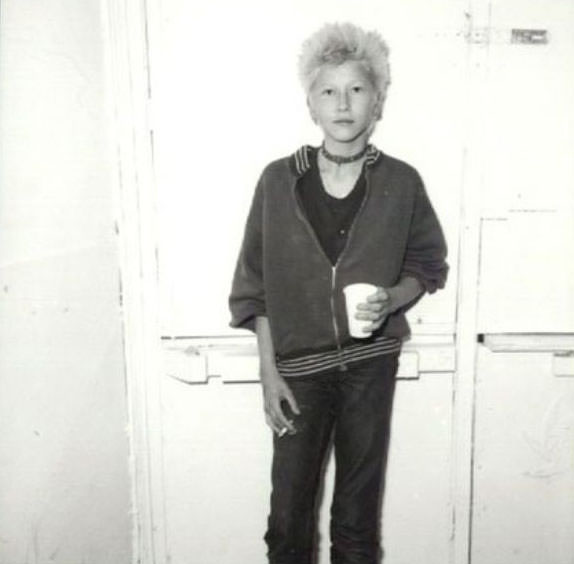
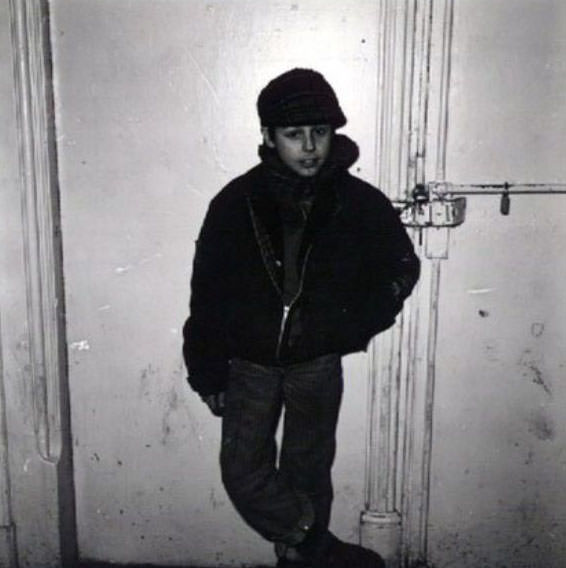
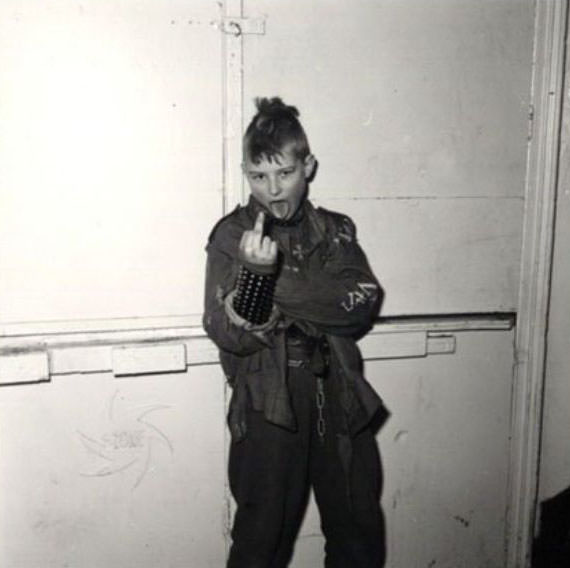
What makes Natkiel’s archive valuable isn’t just what it shows, but how it was made. These weren’t professional press shots arranged before or after a show. They were taken in the middle of it — in the crowd, at the stage barrier, in the corridors. The people in them weren’t posing for history. They were just there.
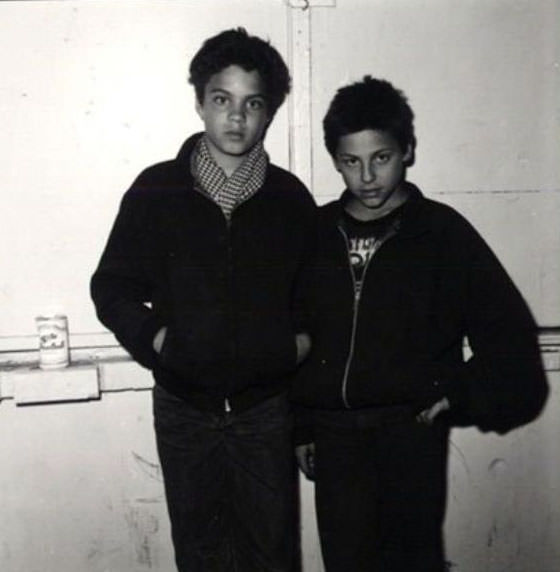
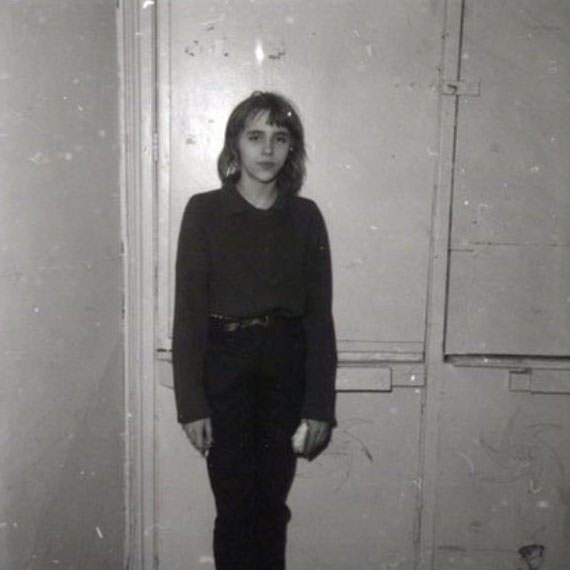
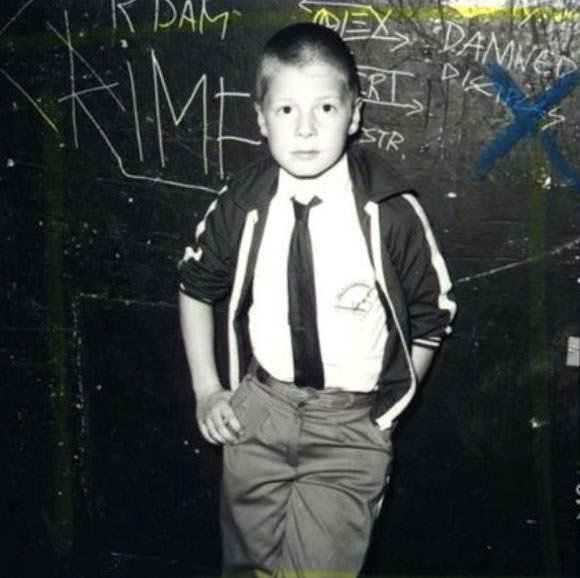
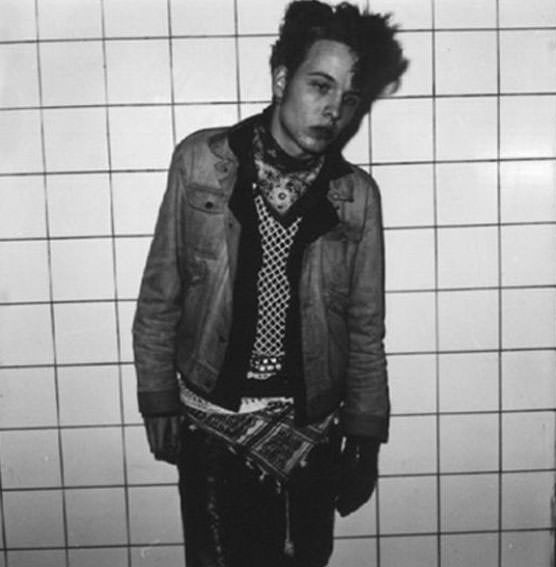
The clothes, the hairstyles, and the body language in these photographs tell the story of distinct tribes sharing common ground. A Rude Boy’s porkpie hat next to a punk’s leather jacket. A skinhead’s braces alongside a rocker’s denim. Paradiso held all of it.
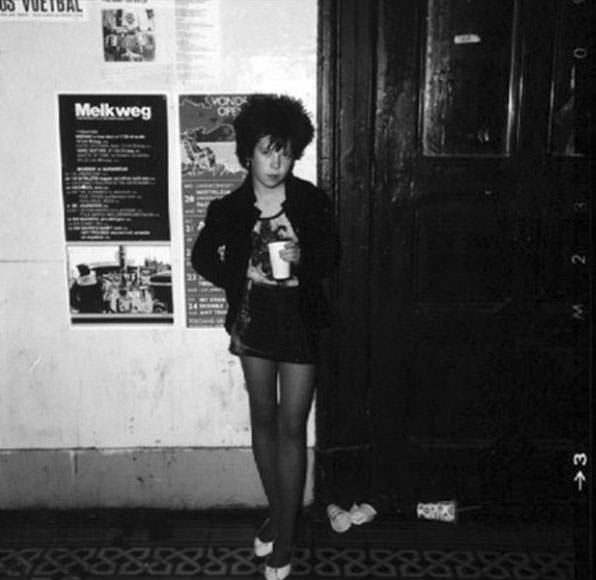
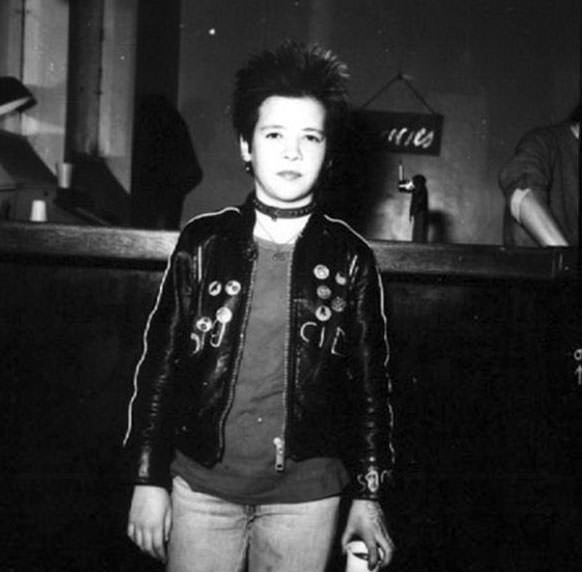
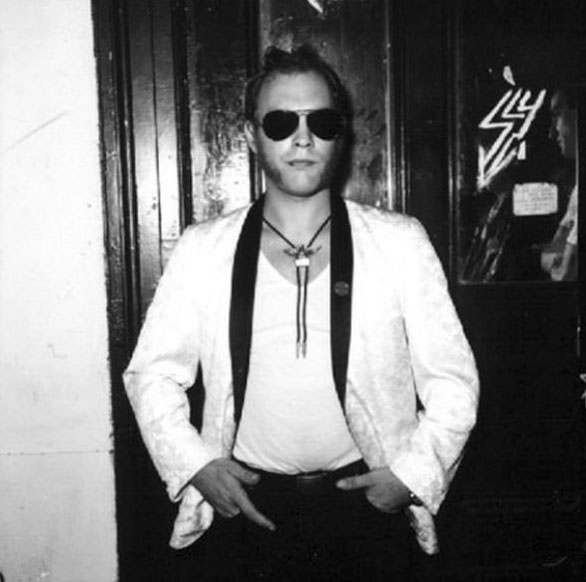
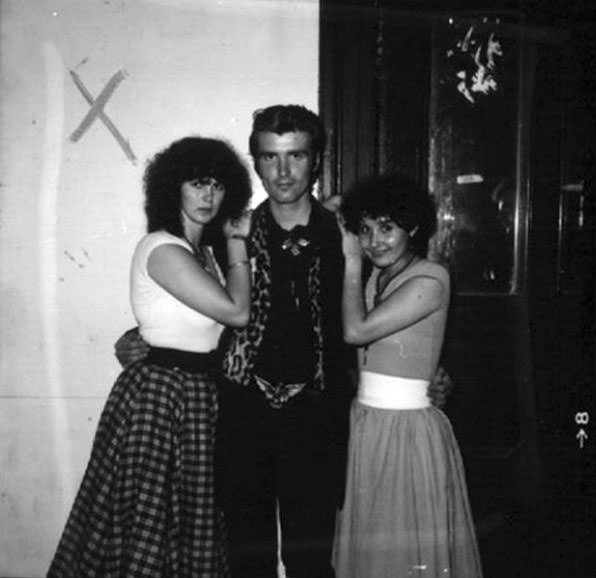
The early 1980s were a transitional period for youth culture across Western Europe. Punk’s initial fury had burned through its first phase, and what replaced it was more fragmented — multiple subcultures running in parallel rather than a single unified movement. Amsterdam reflected this clearly, and Paradiso was the place where it played out in real time.
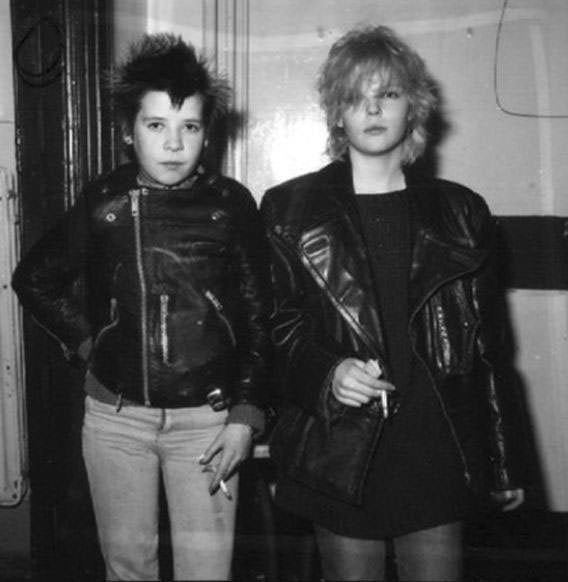
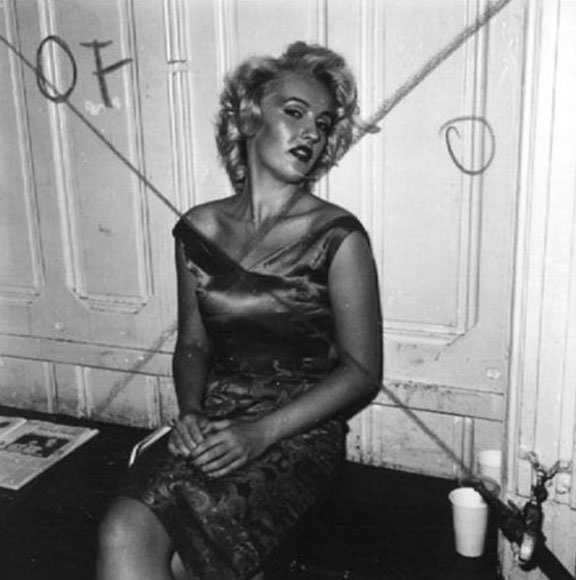
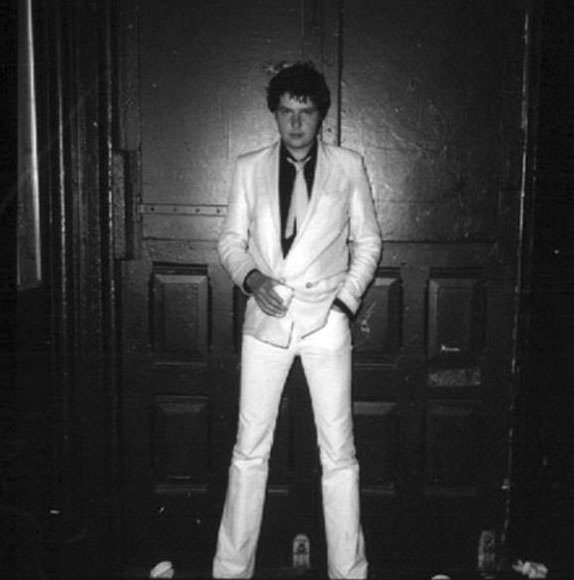
Natkiel photographed across this entire shift. His images move from the raw urgency of late-1970s punk gigs to the slightly more stylized looks of the early 1980s, charting how the scene aged and diversified without losing its edge.
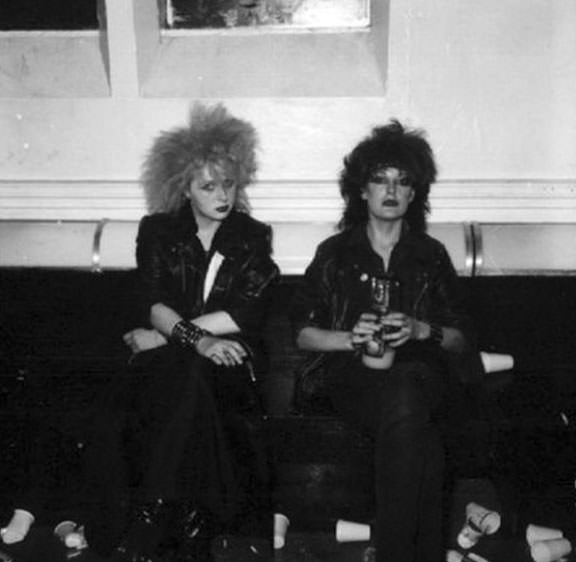
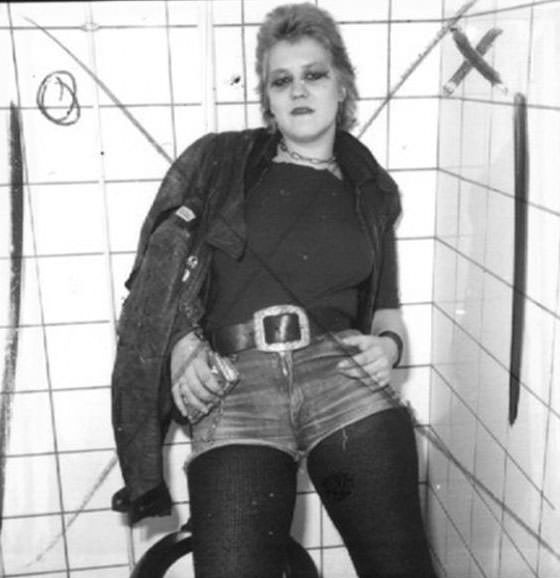
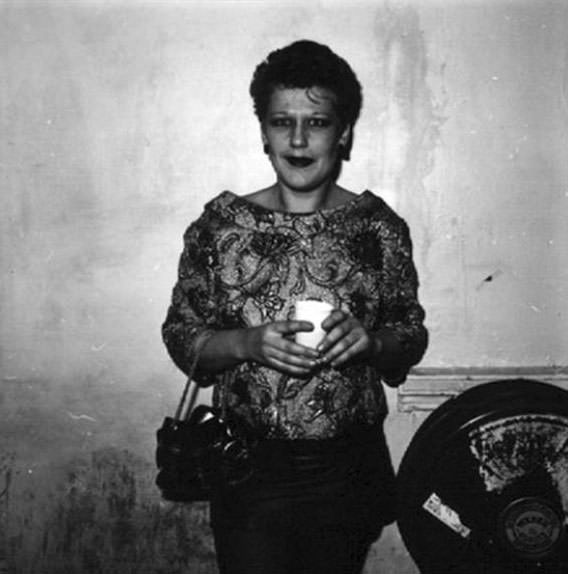
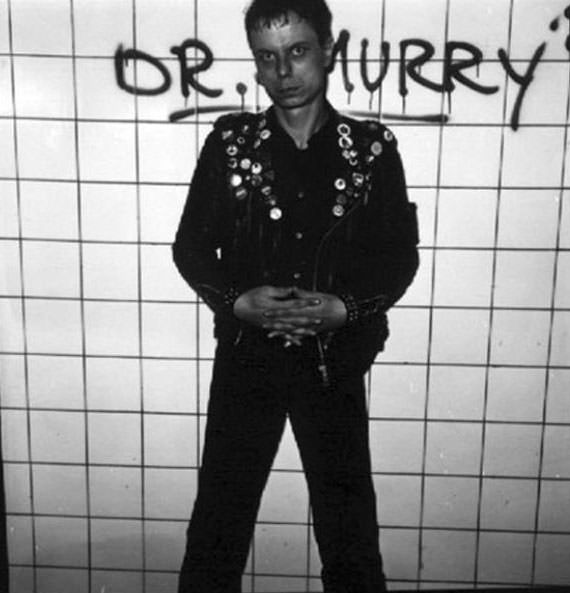
Taken together, this collection is a first-hand visual record of a specific place and time that no longer exists in that form. Paradiso still stands, but the culture Natkiel photographed was tied to that exact moment — those specific crowds, those bands, that version of the city.