In 1898, Omaha, Nebraska, hosted the Trans-Mississippi and International Exposition — a large fair designed to showcase the cultures and developments of the American West. One of its most remarkable features was the Indian Congress, a gathering that brought together hundreds of Native Americans from dozens of tribes across the United States. It was an extraordinarily rare assembly of people from so many different nations in a single location.
Frank A. Rinehart, a photographer based in Omaha, was appointed the official photographer for the entire Exposition. That role gave him direct access to the delegates of the Indian Congress. He set up a dedicated portrait studio on the Exposition grounds and, with his assistant Adolph Muhr — who later became a noted photographer in his own right — began systematically documenting the attendees.
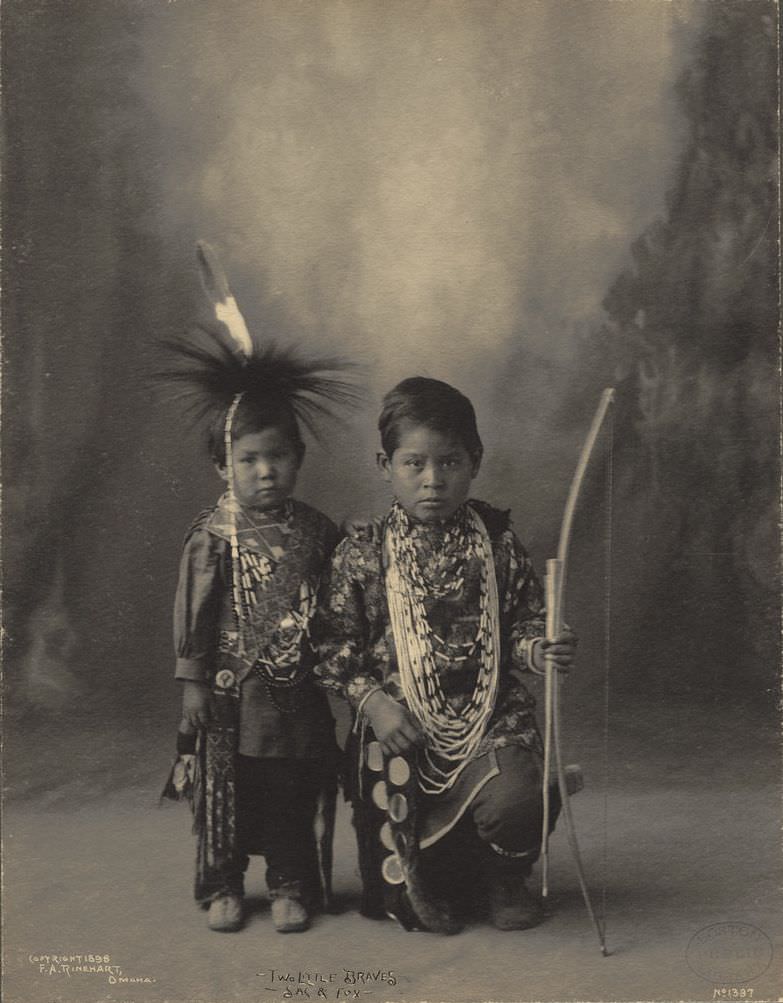
Two Little Braves, Sac and Fox.
Inside the studio, Rinehart and Muhr carefully posed each subject for their portrait. Most images focused on the head and shoulders. Subjects wore traditional clothing — feather headdresses, beaded garments, and jewelry that reflected their tribal identity and personal status. The photographs were made using large glass plate negatives, a technique that produced exceptionally detailed, high-quality images whose clarity remains striking today.
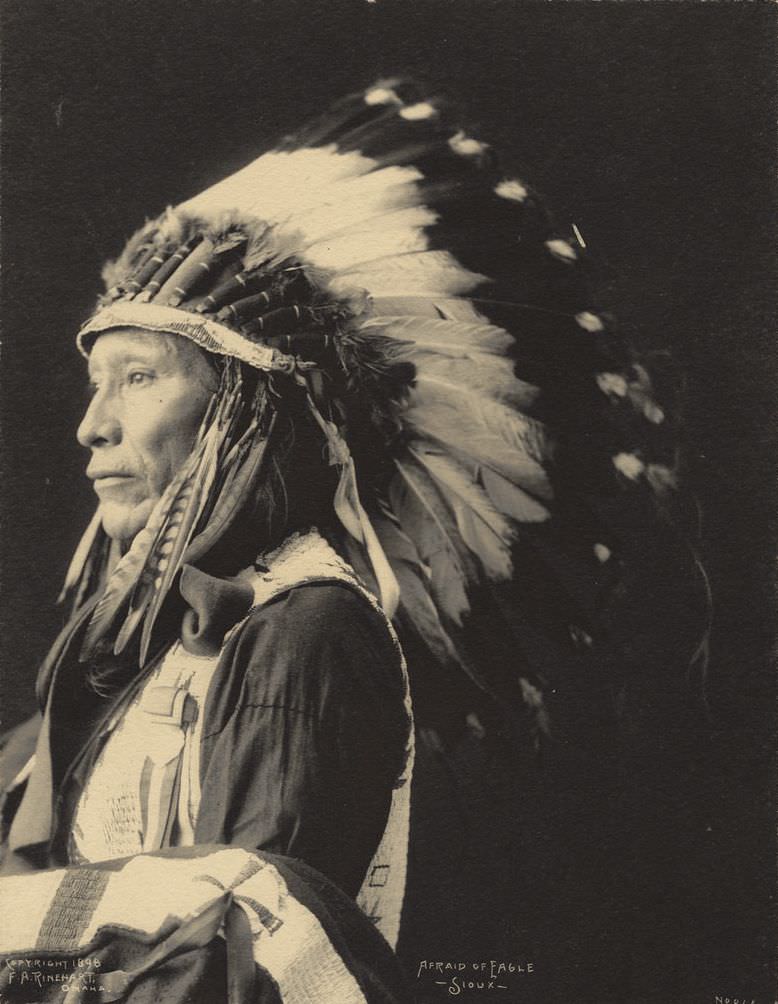
Afraid of Eagle, Sioux.
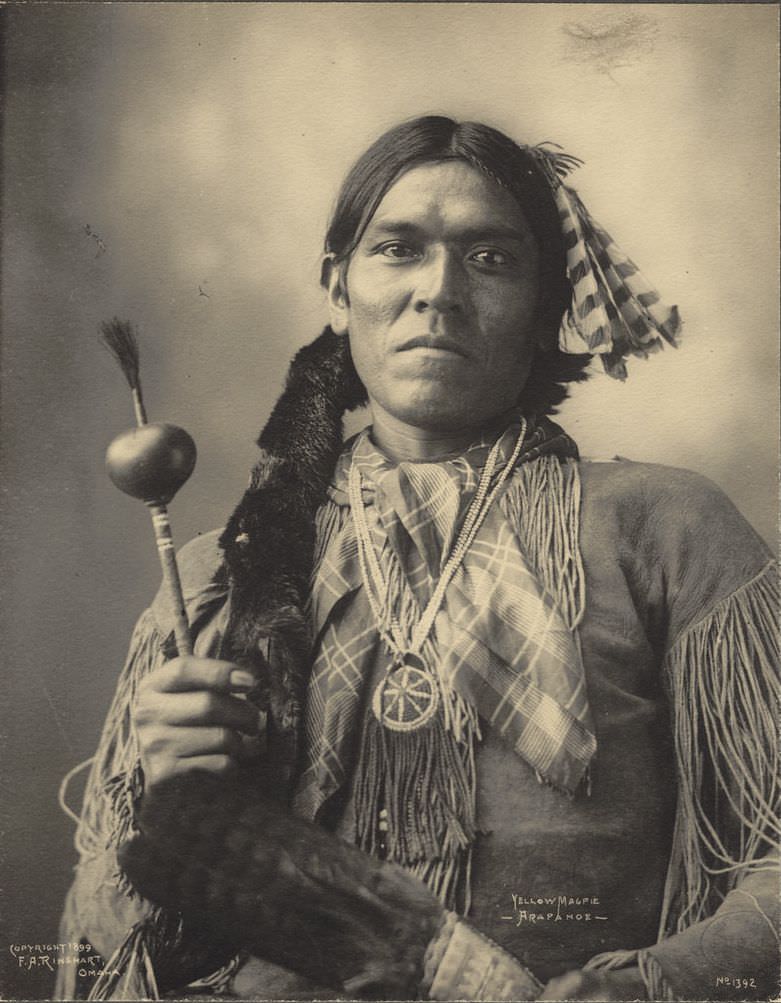
Yellow Magpie, Arapahoe.
Rinehart photographed members from around 35 different Native American nations, including the Sioux, Apache, Arapaho, Cheyenne, Crow, Flathead, Iowa, Kiowa, Omaha, Ponca, Pawnee, Sac and Fox, Wichita, and Zuni. The collection spans chiefs, warriors, women, and children — a wide cross-section of individuals who would rarely have been documented in such a formal, detailed way.
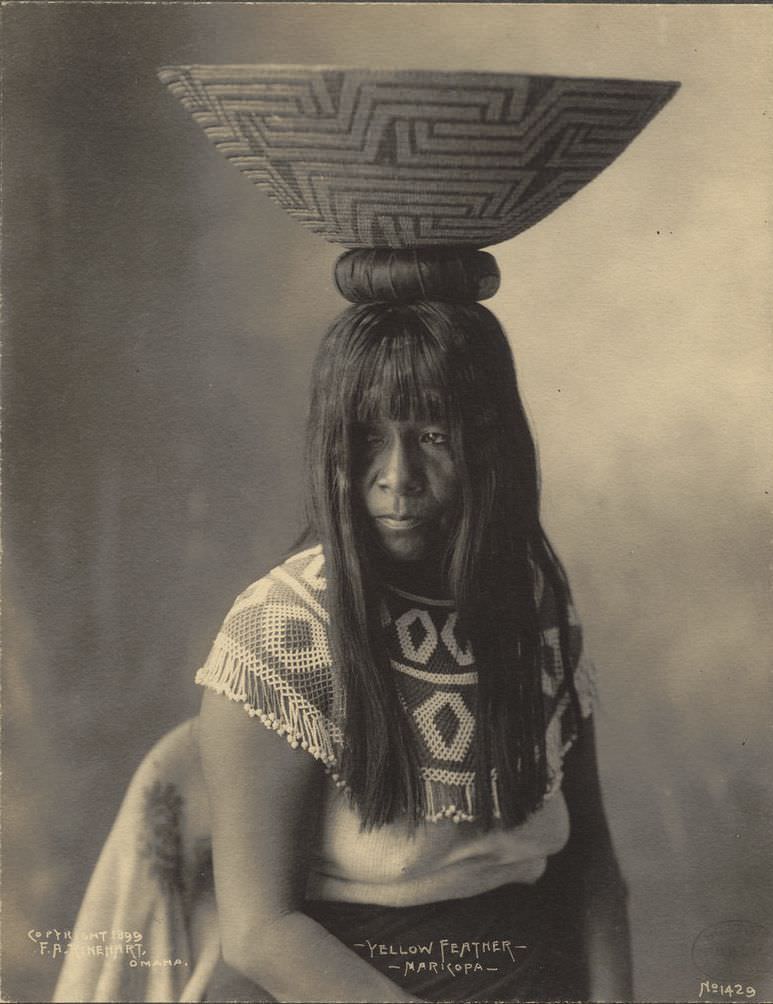
Yellow Feather, Maricopa.
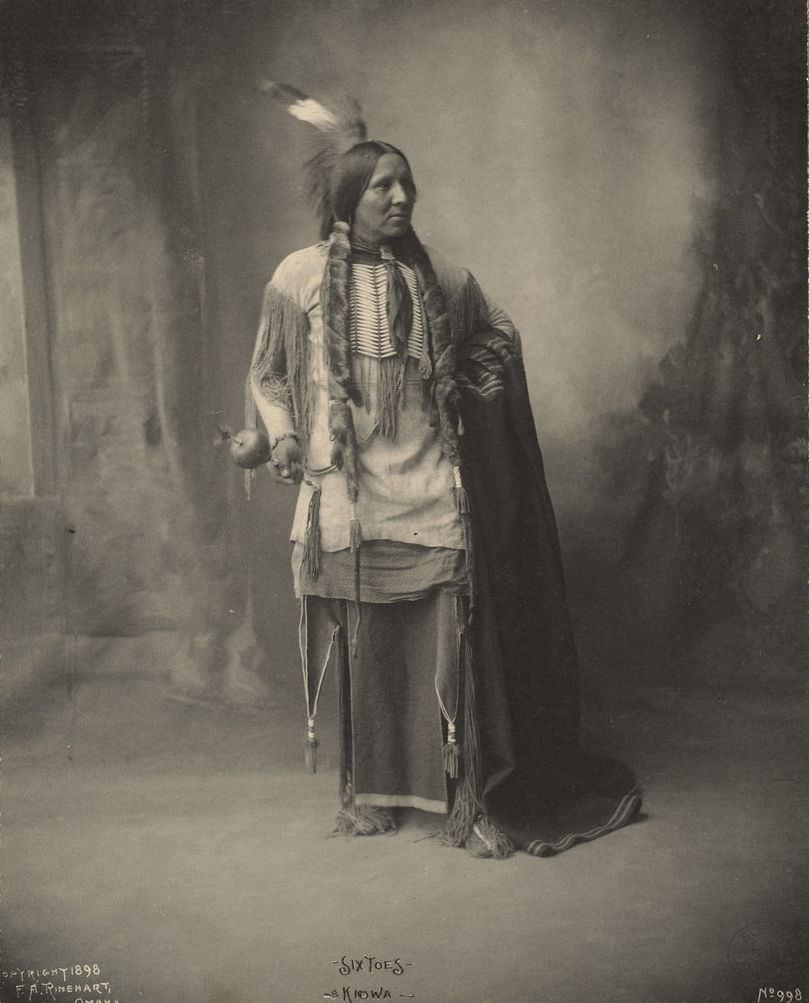
Six Toes, Kiowa.
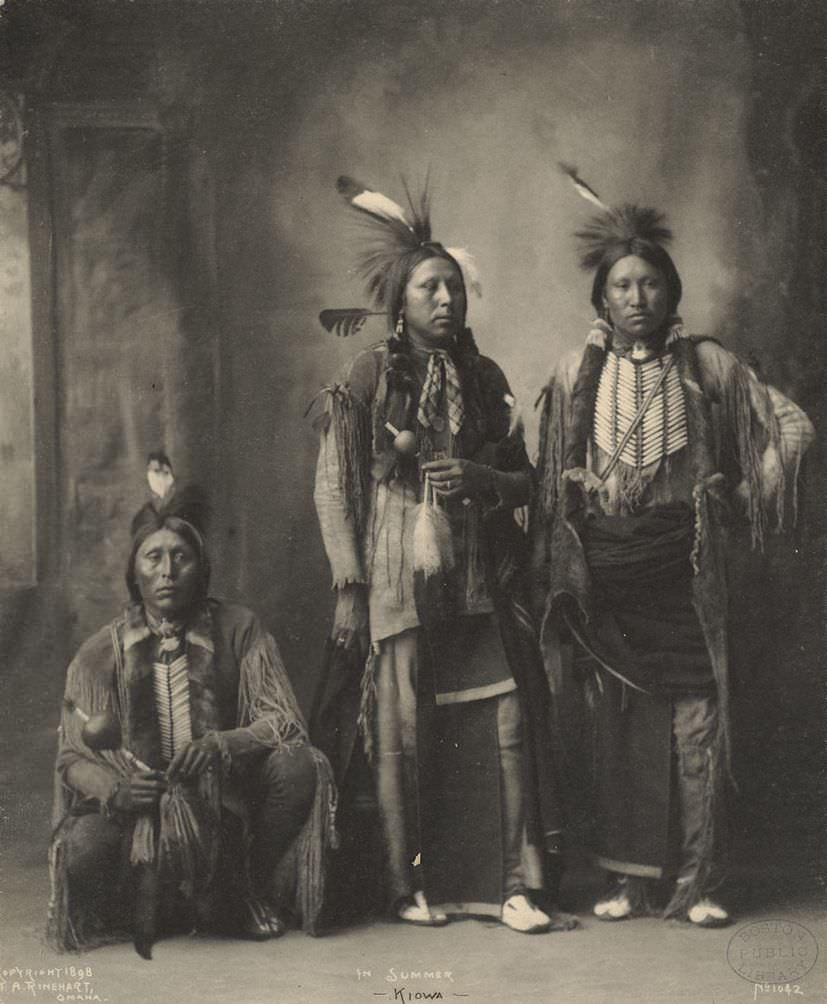
In Summer, Kiowa.
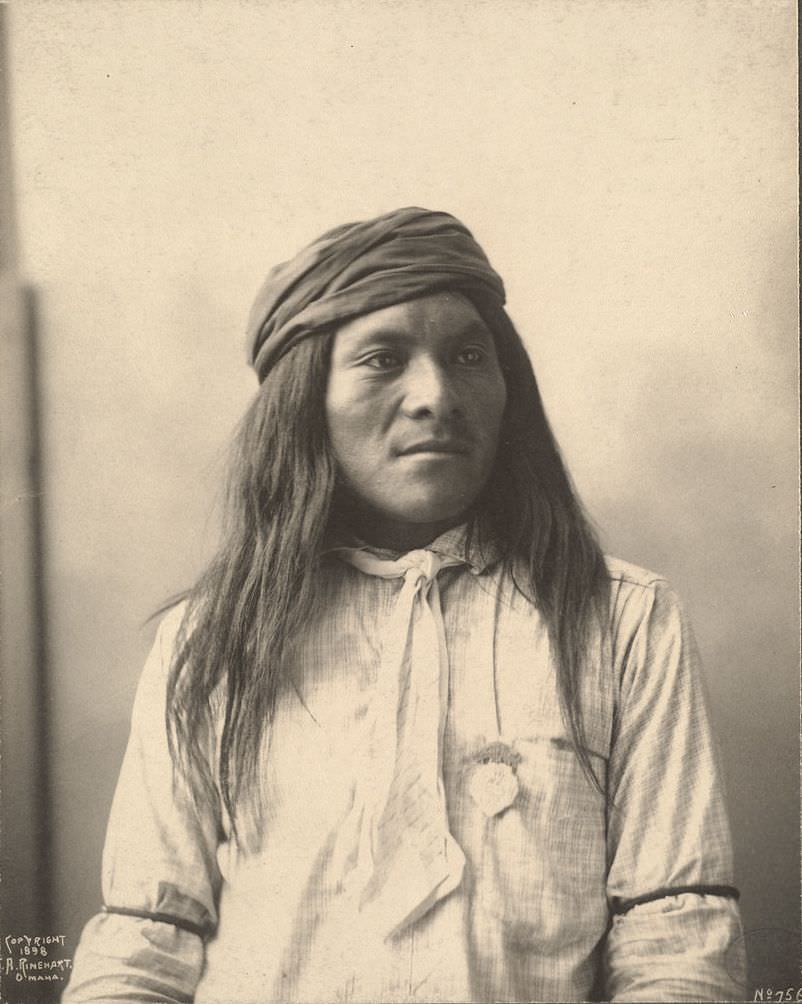
Each portrait is a direct record of a specific person at a specific moment in time. The images show precise details of attire, adornment, and personal appearance that written records alone could never fully capture. Below is the full collection of Rinehart’s portraits from the 1898 Indian Congress and the subsequent reservation visits that followed the close of the Exposition.
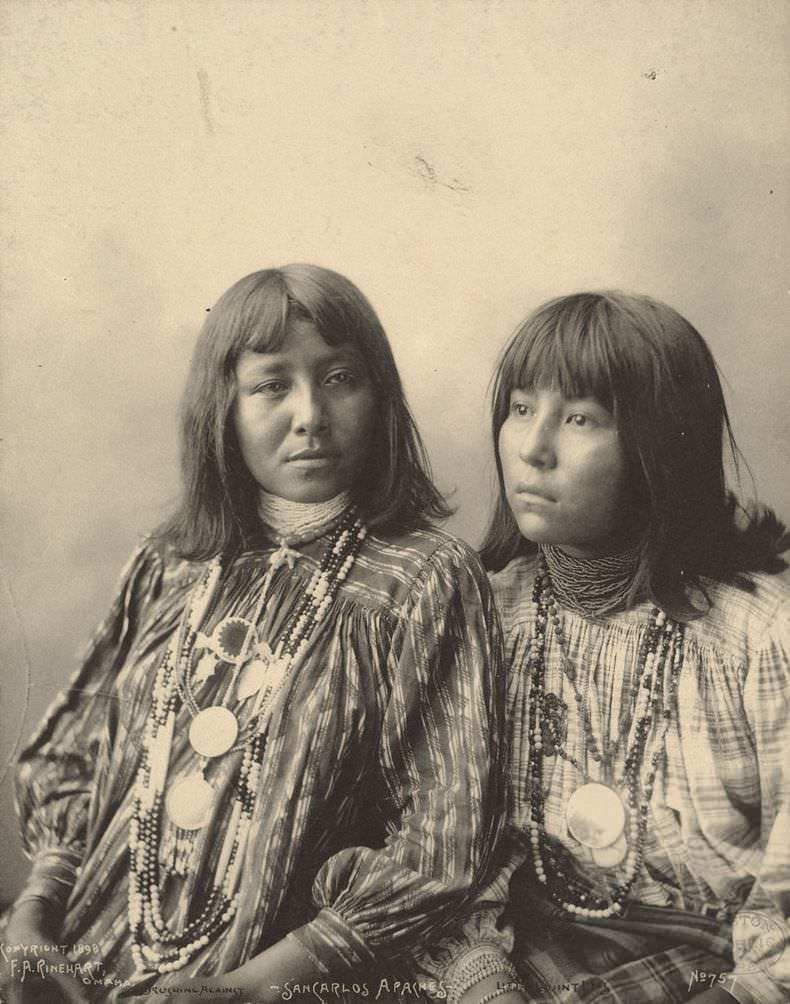
Brushing Against, Little Squint Eyes, San Carlos Apaches.
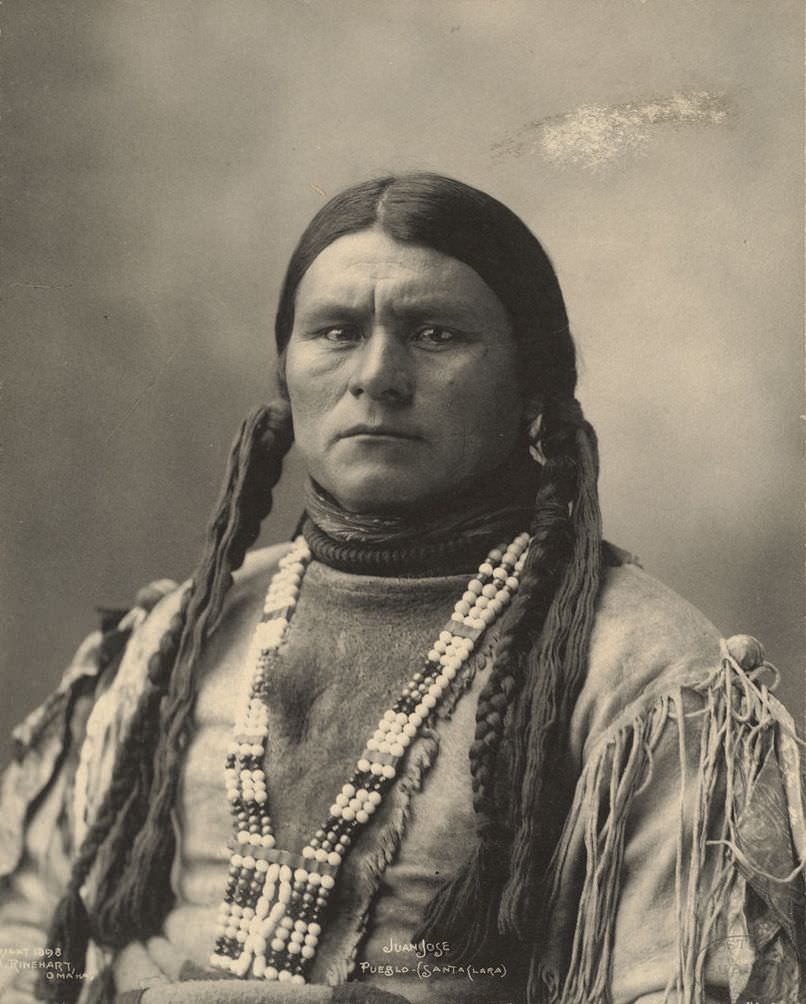
Juan Jose, Santa Clara Pueblo.
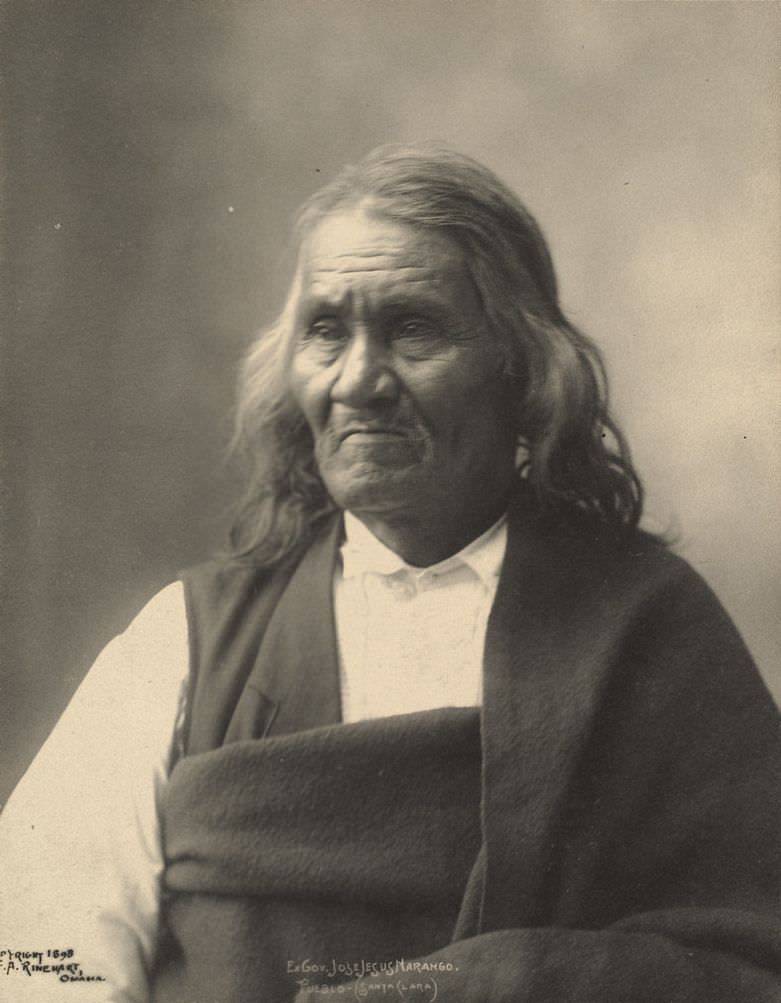
Ex-Governor Jose Jesus Narango, Santa Clara Pueblo.
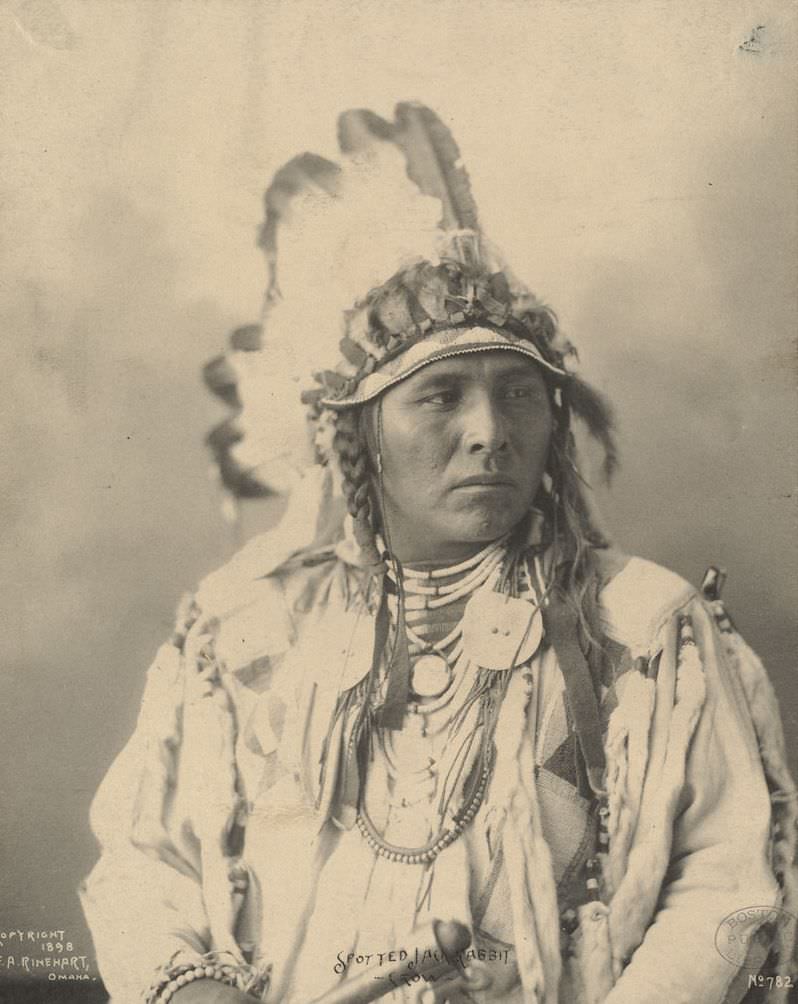
Spotted Jack Rabbit, Crow.
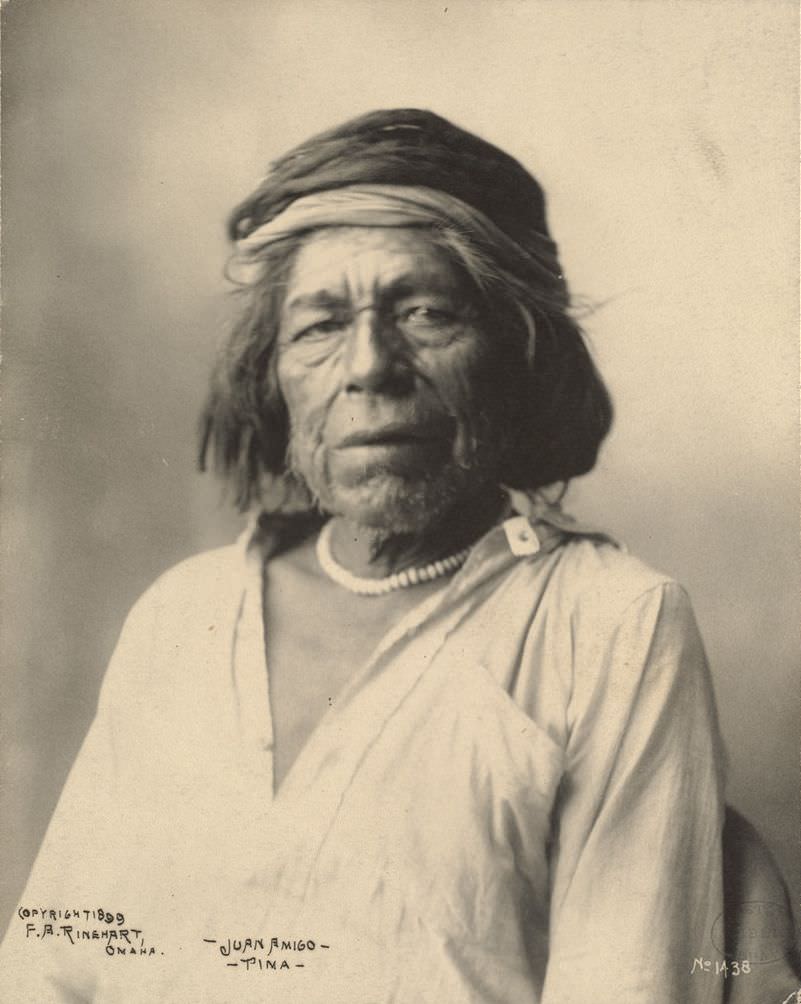
Juan Amigo, Pima.
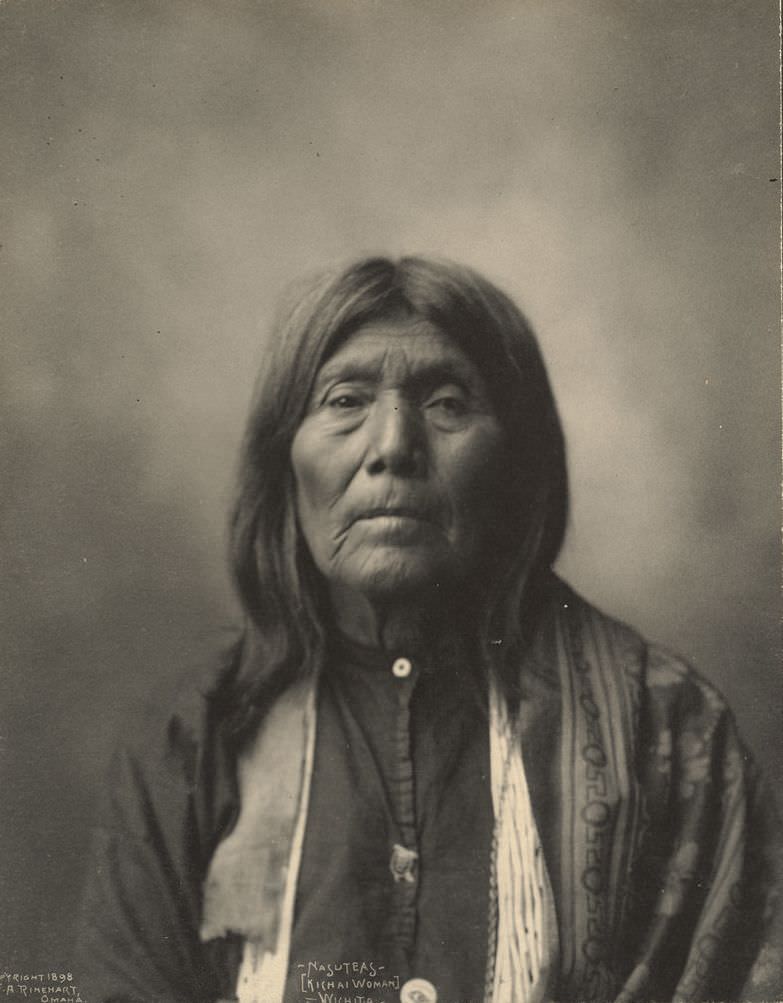
Nasuteas (Kichai Woman), Wichita.
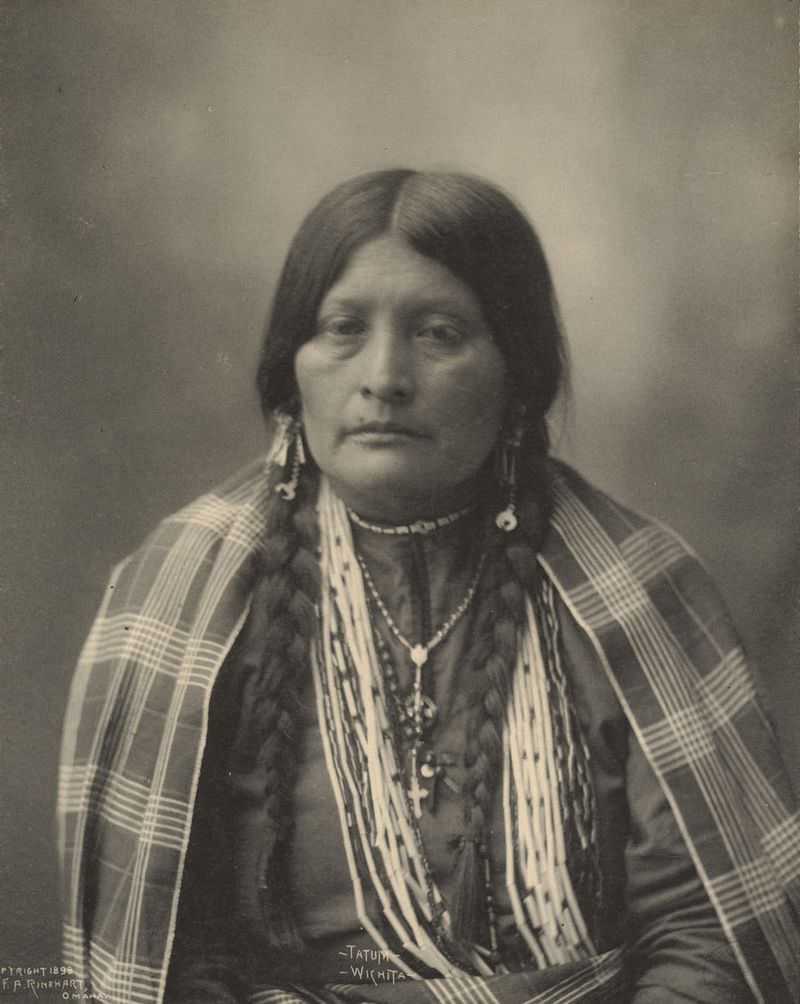
Tatum, Wichita.
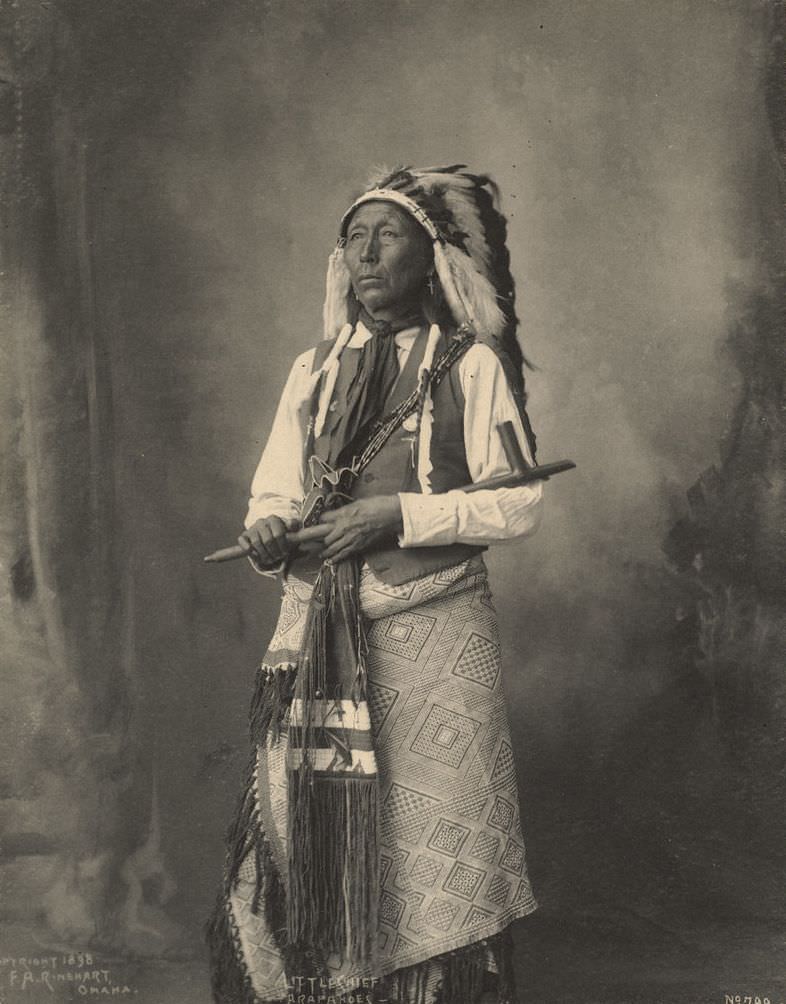
Little Chief, Arapahoe.
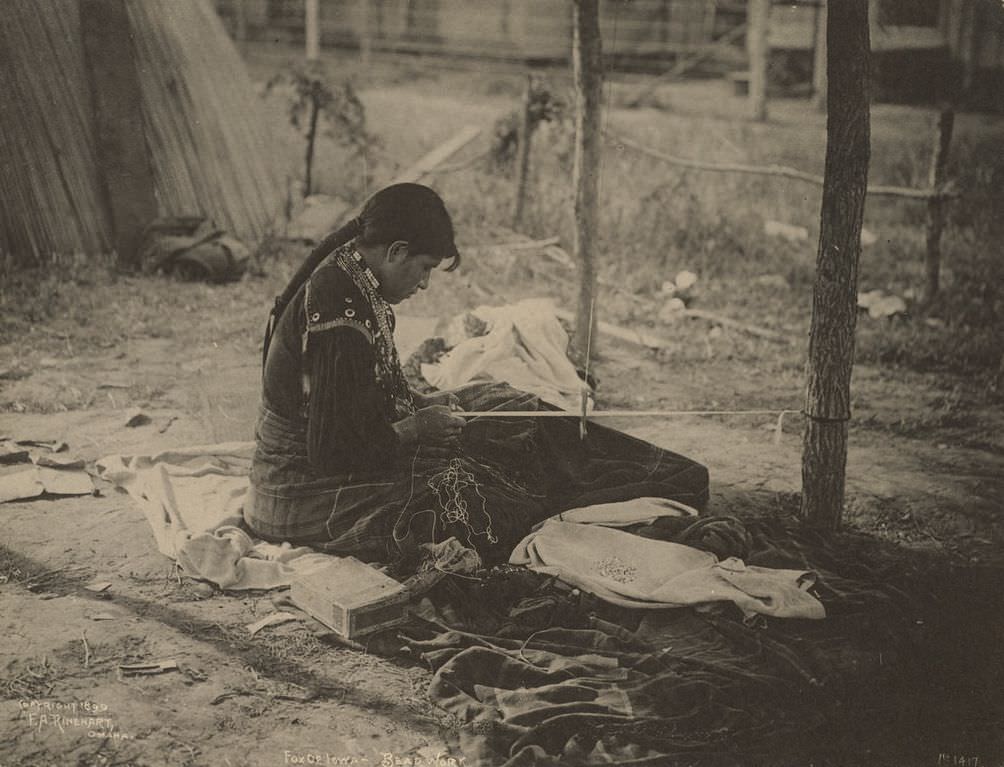
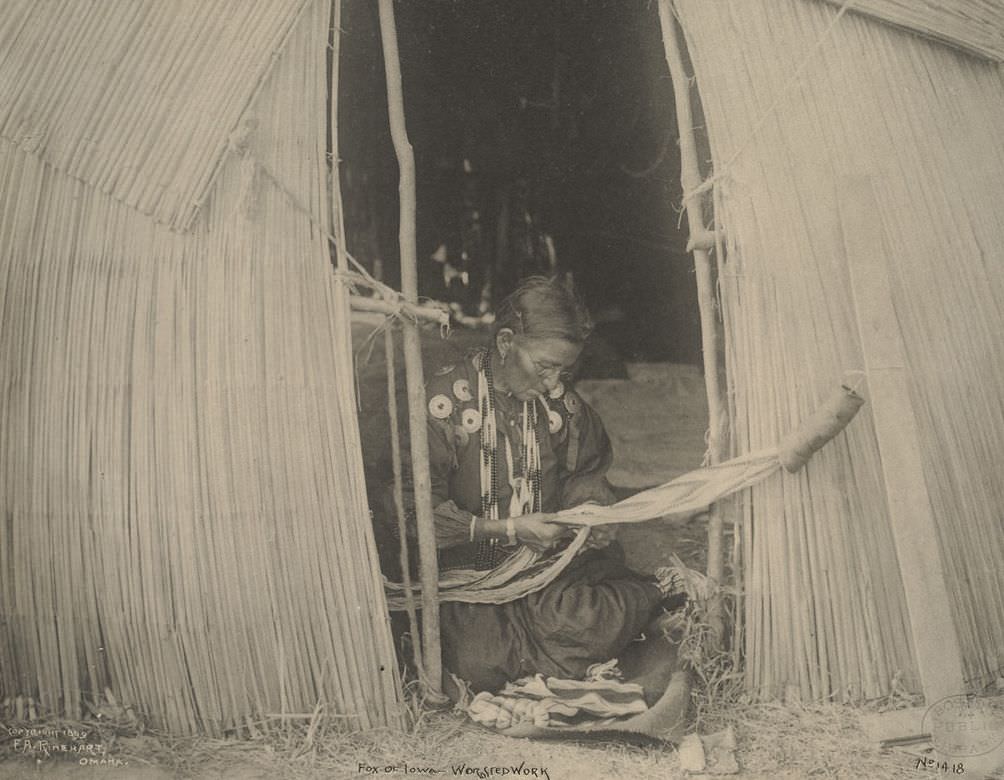
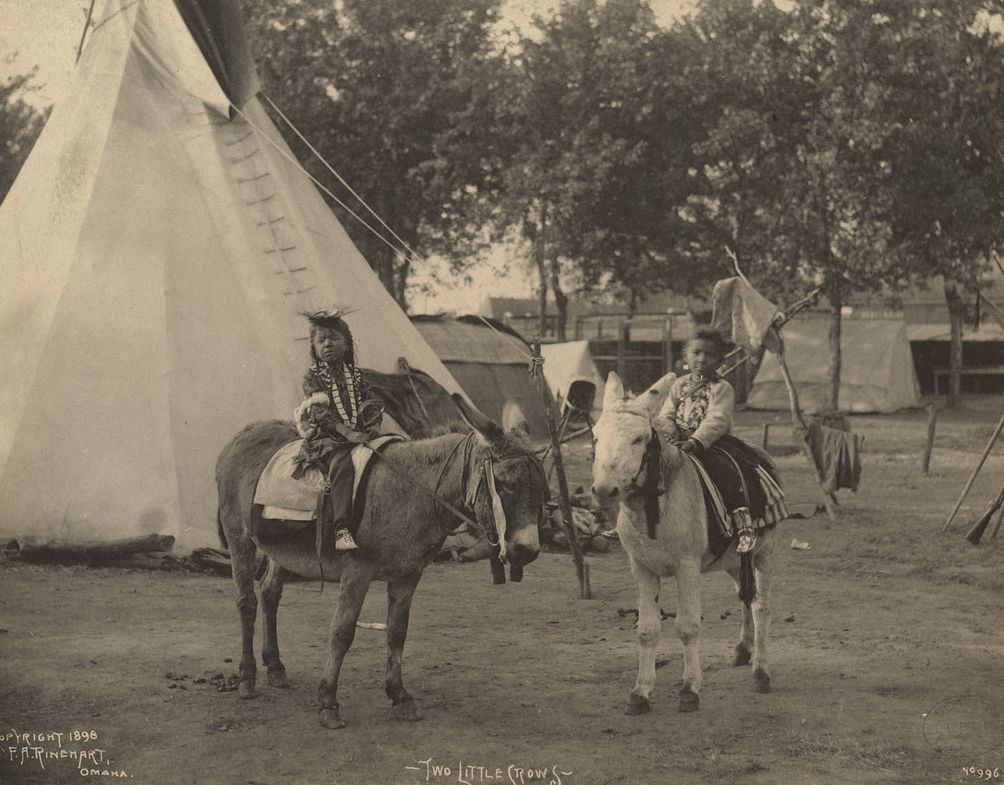
Fox of Iowa, with beadwork.Fox of Iowa, with worsted work.Two Little Crows.
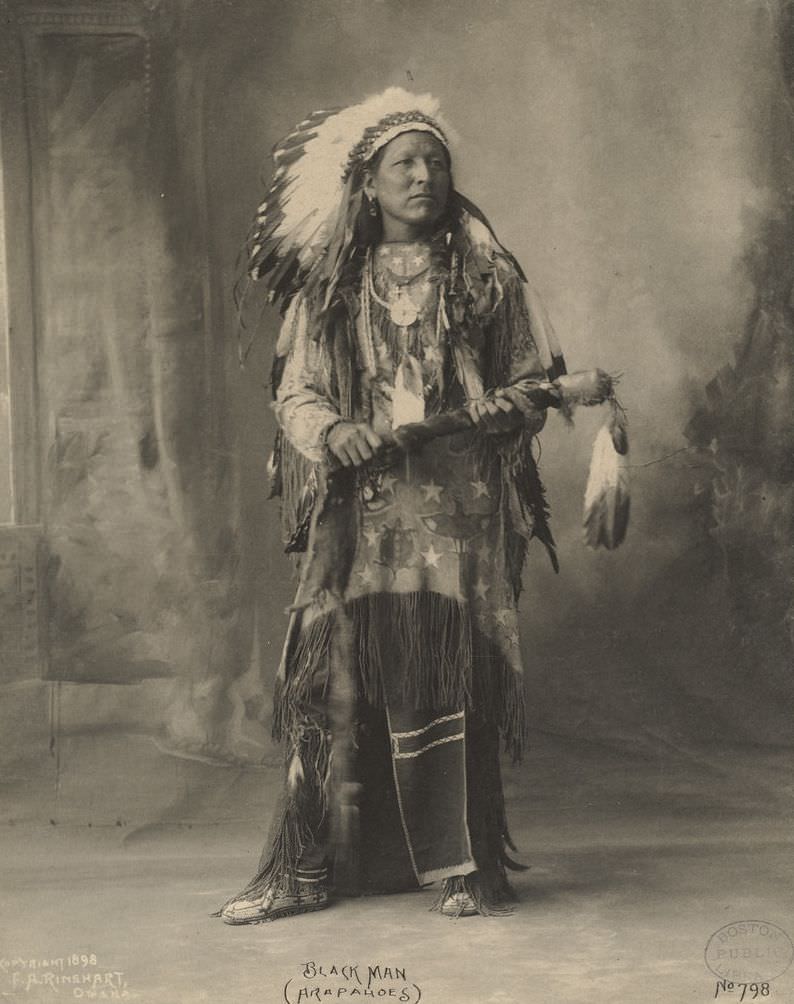
Black Man, Arapahoe.
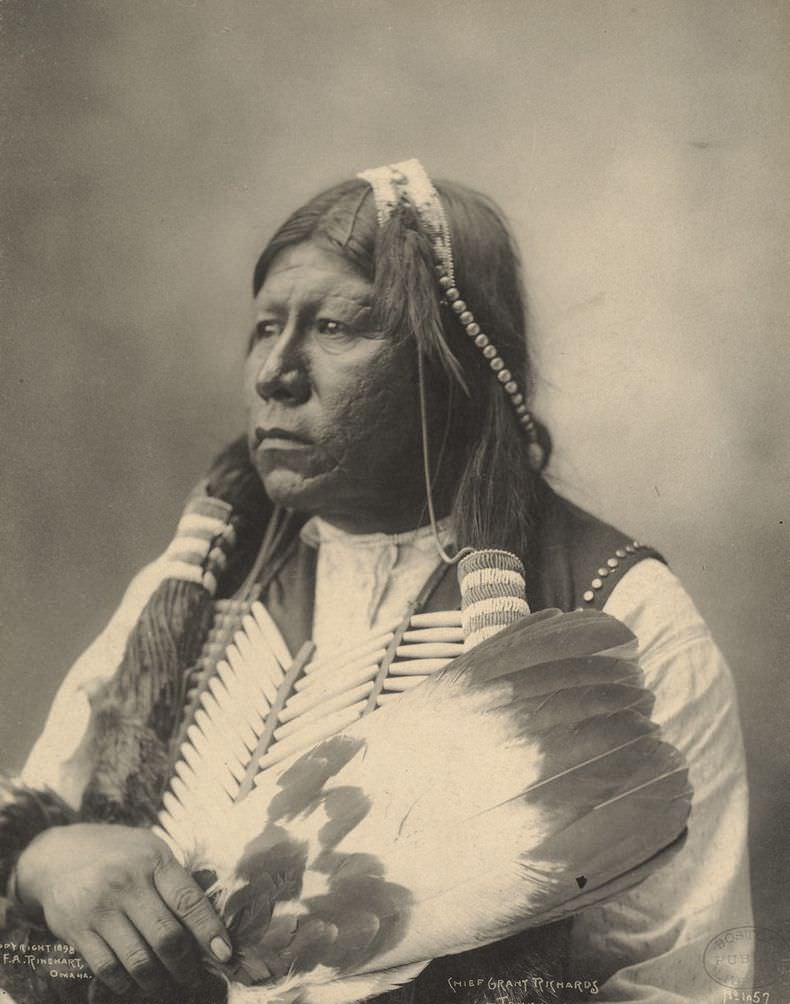
Chief Grant Richards, Tonkawa.
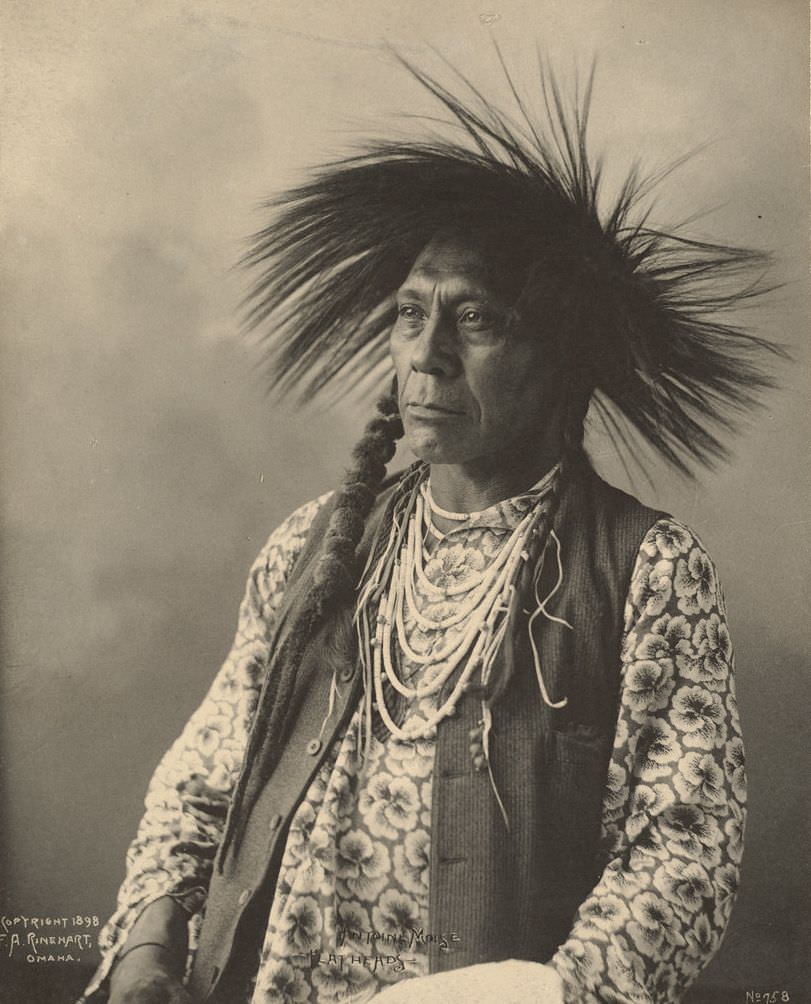
Antoine Moise, Flathead.
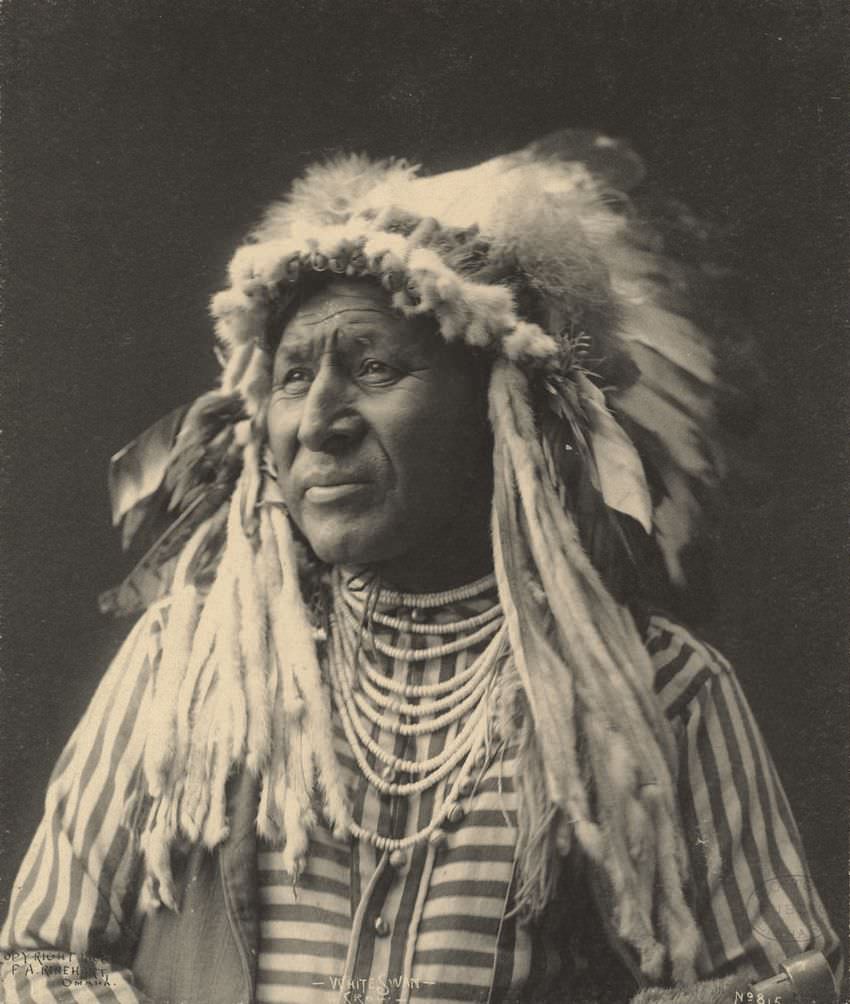
White Swan, Crow.
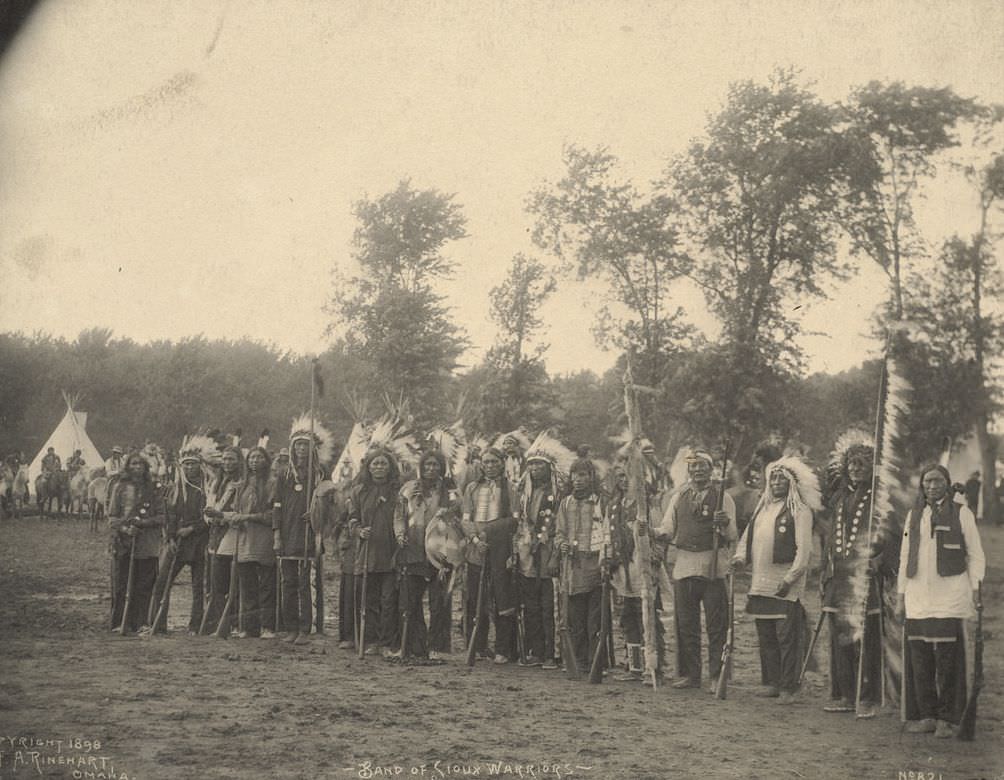
Band of Sioux Warriors.
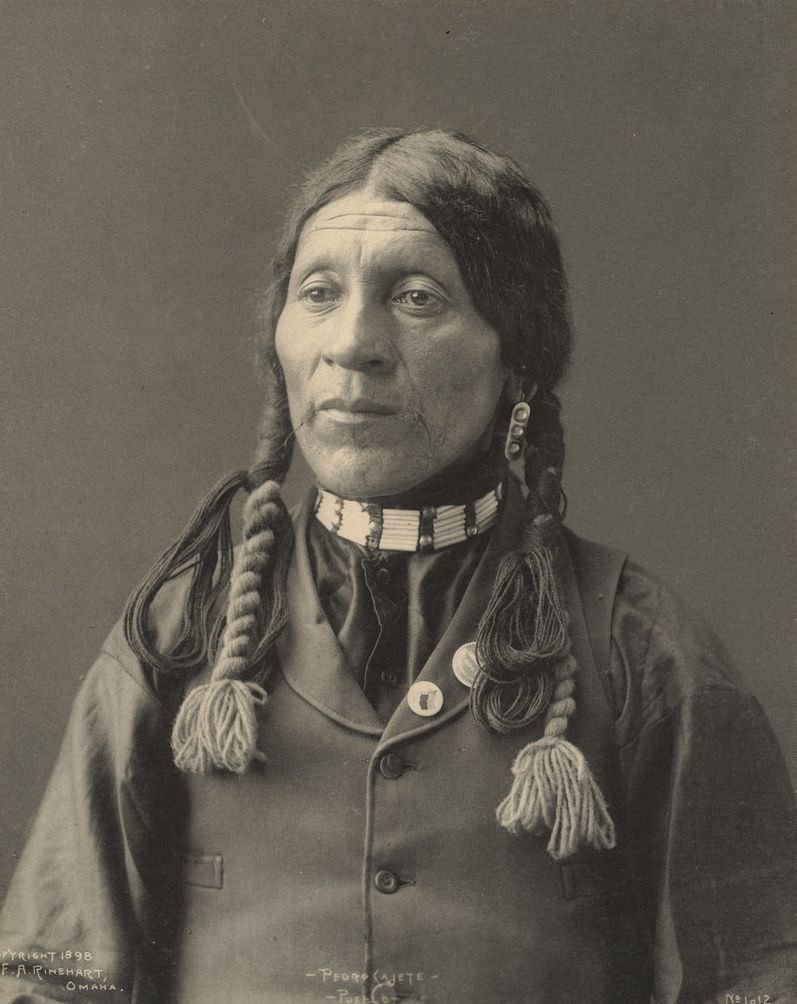
Pedro Cajete, Pueblo.
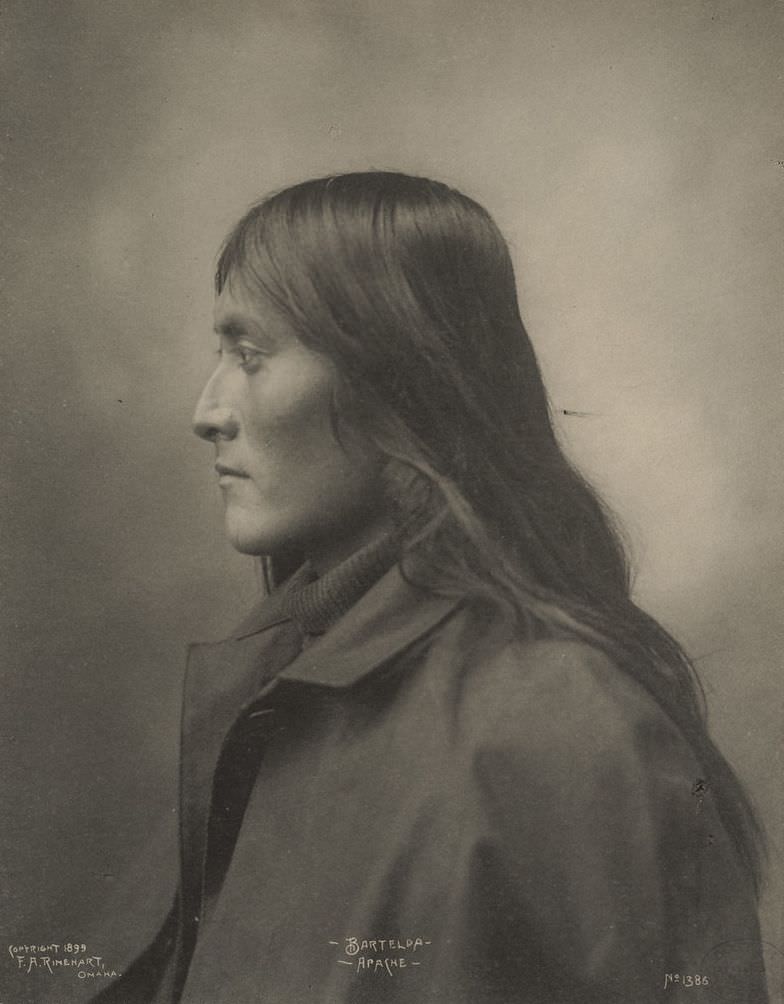
Bartelda, Apache.
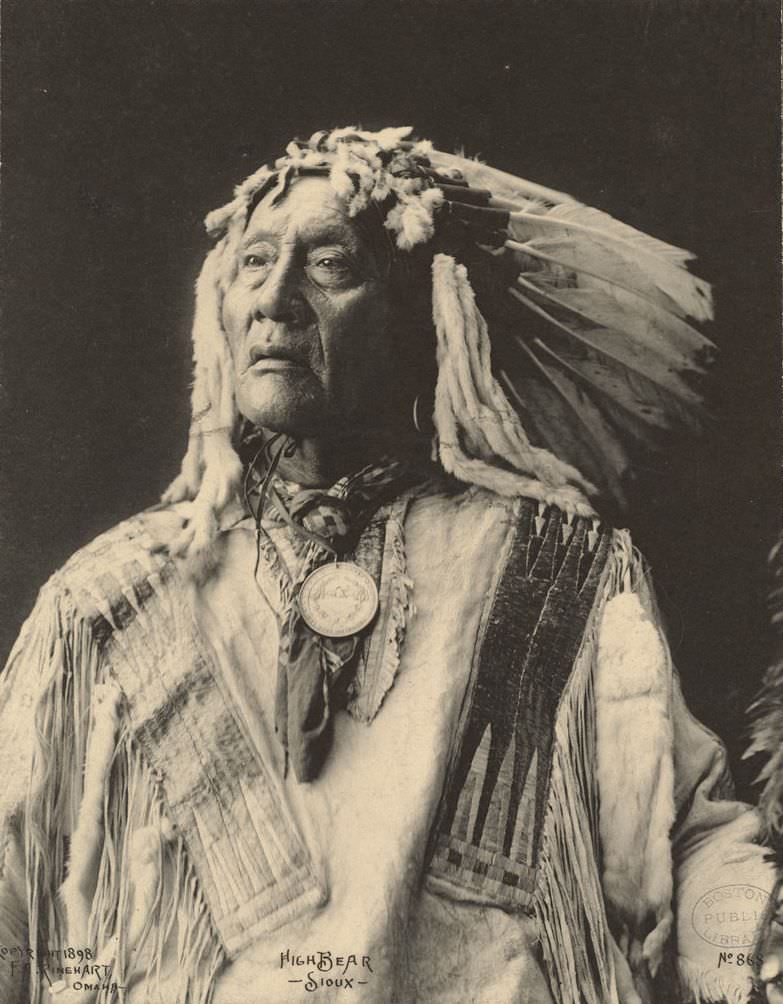
High Bear, Sioux.
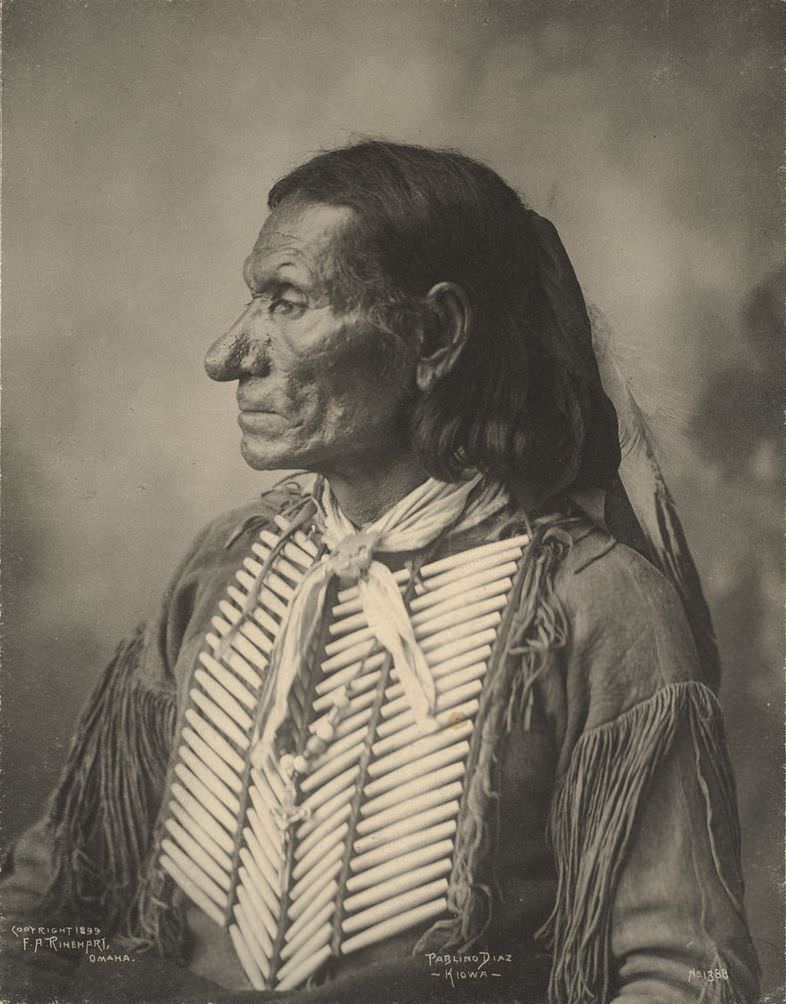
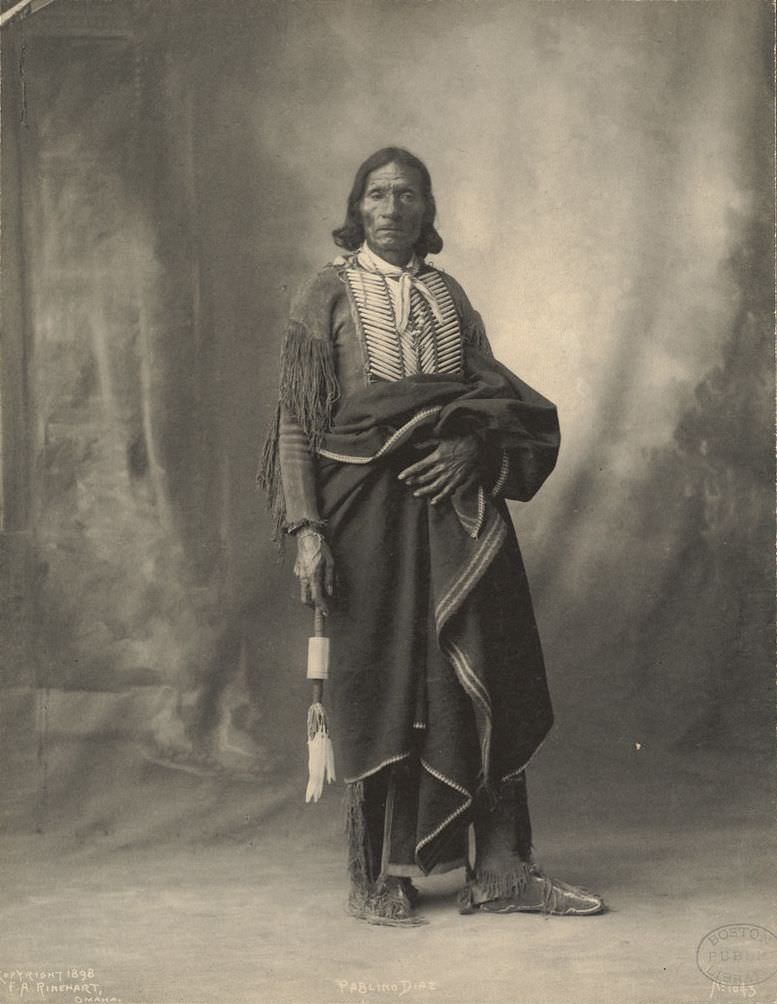
Pablino Diaz, Kiowa.
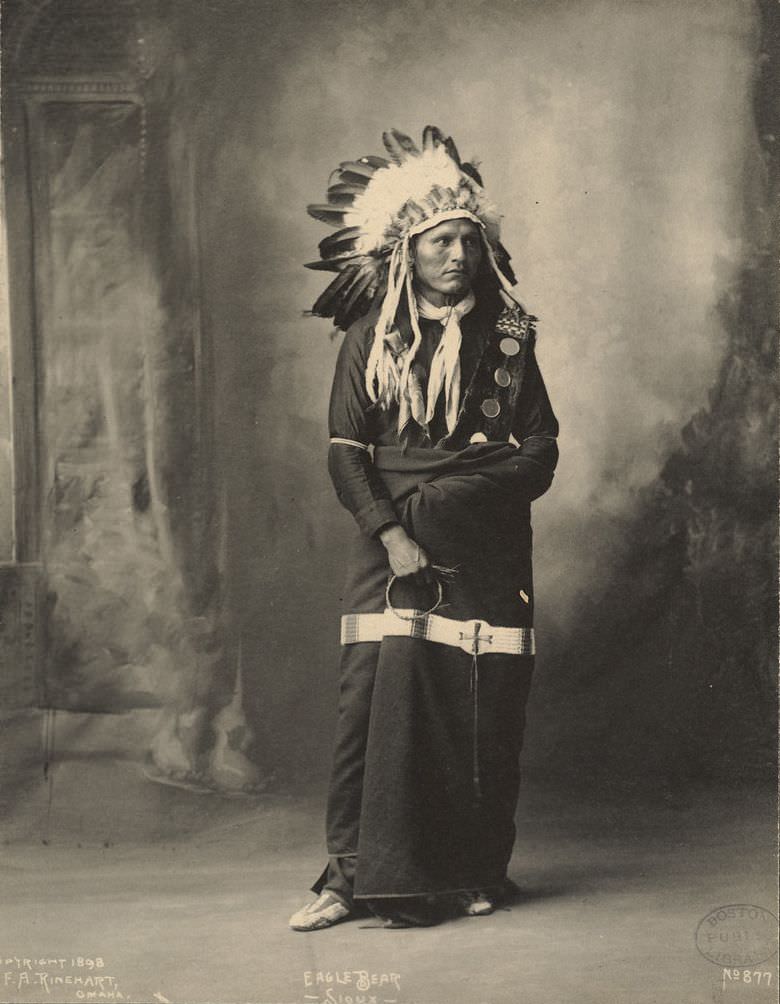
Eagle Bear, Sioux.
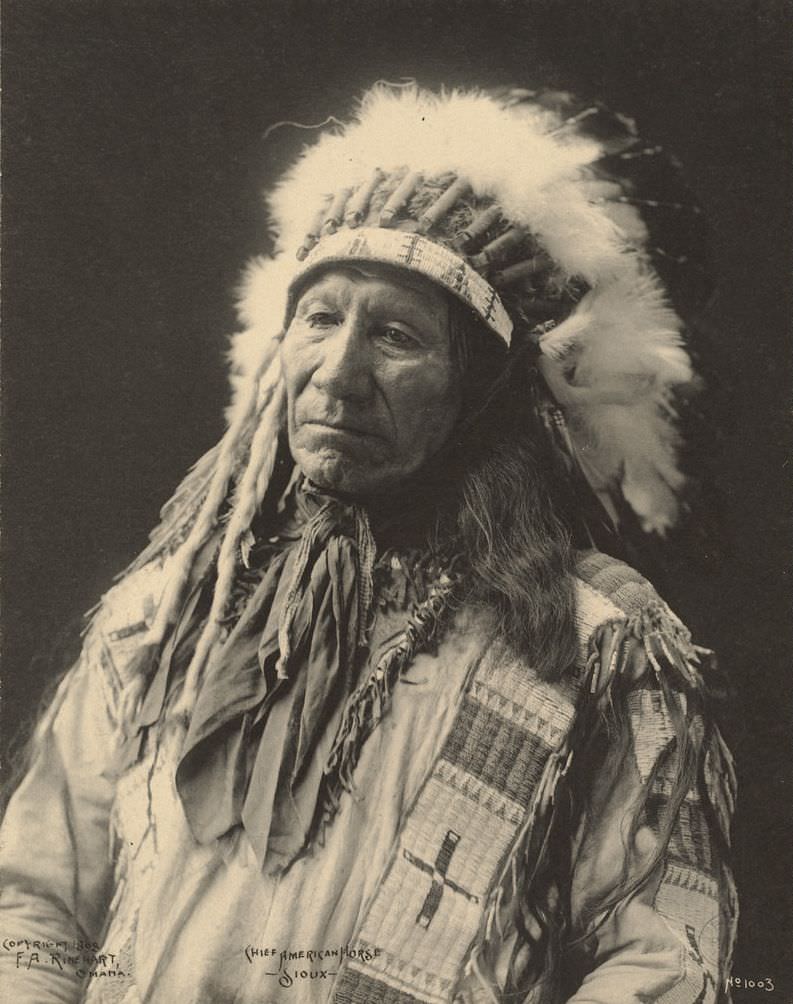
Chief American Horse, Sioux.
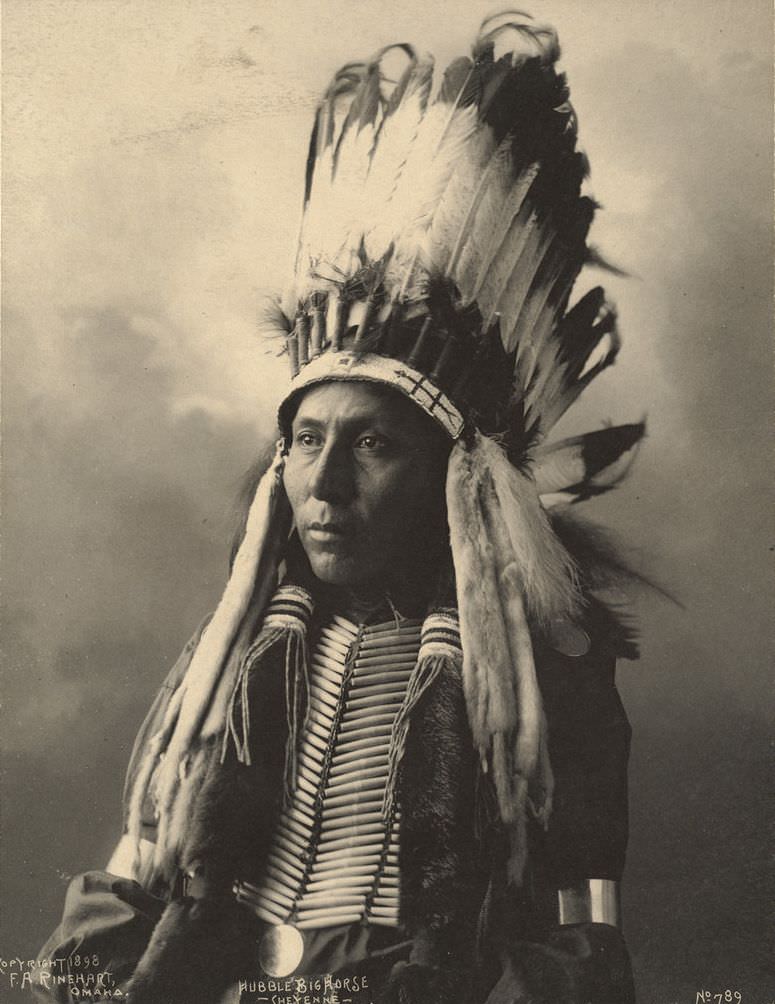
Hubble Big Horse, Cheyenne.
Pablino Diaz, Kiowa.
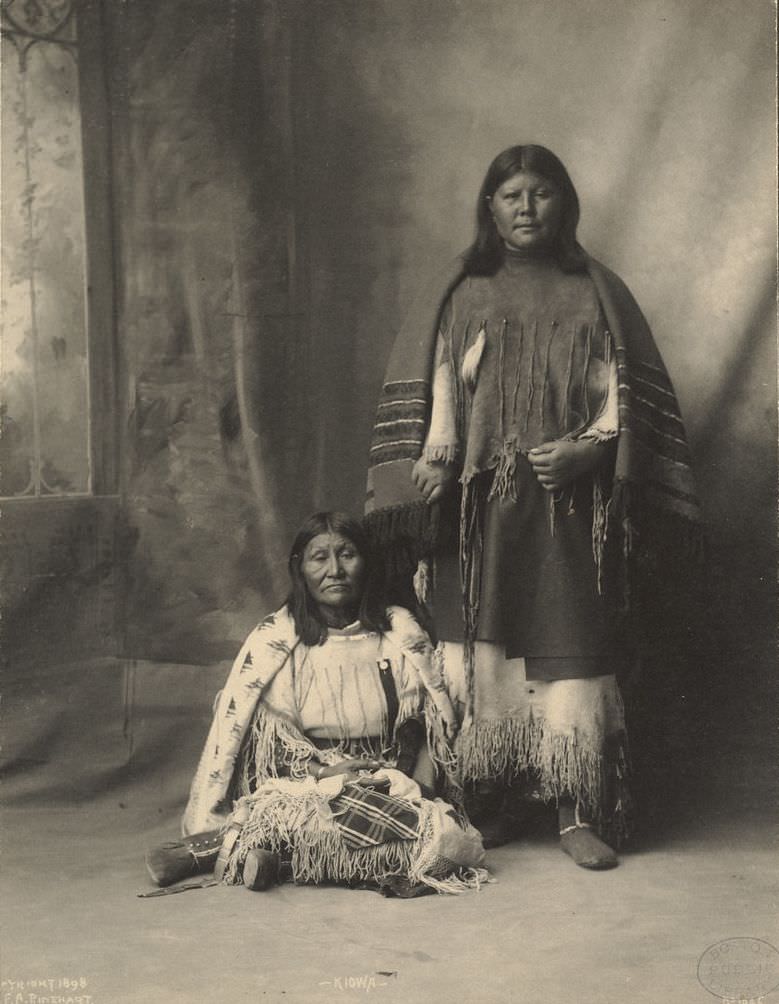
Kiowa.
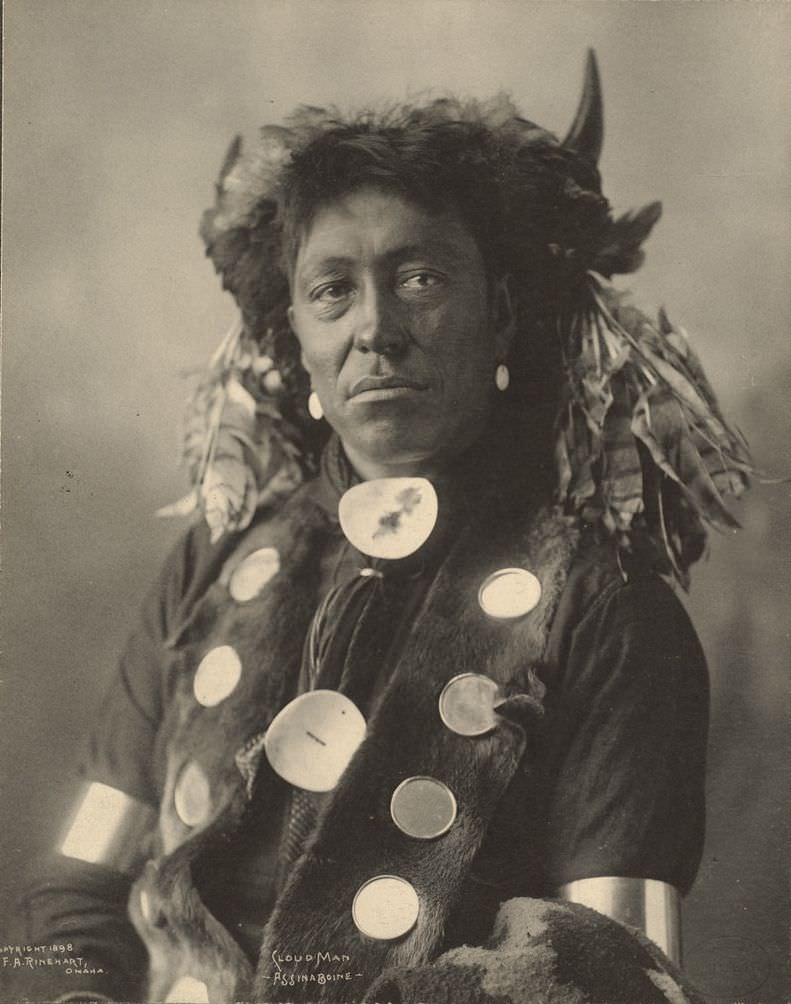
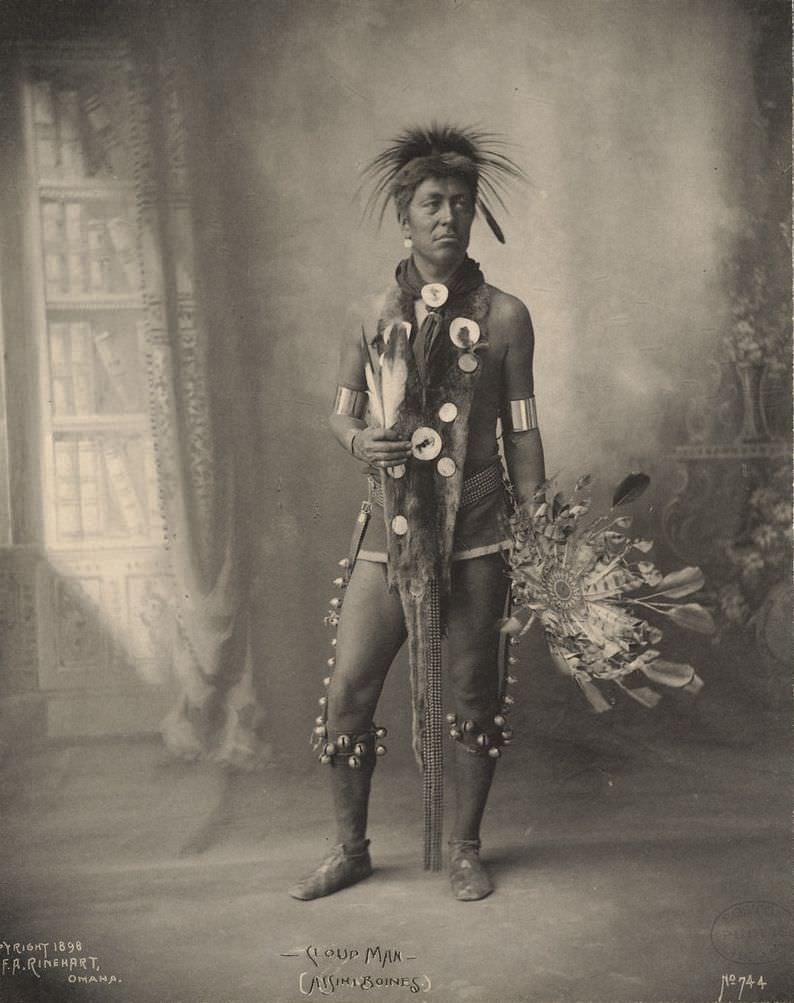
Cloud Man, Assiniboine.
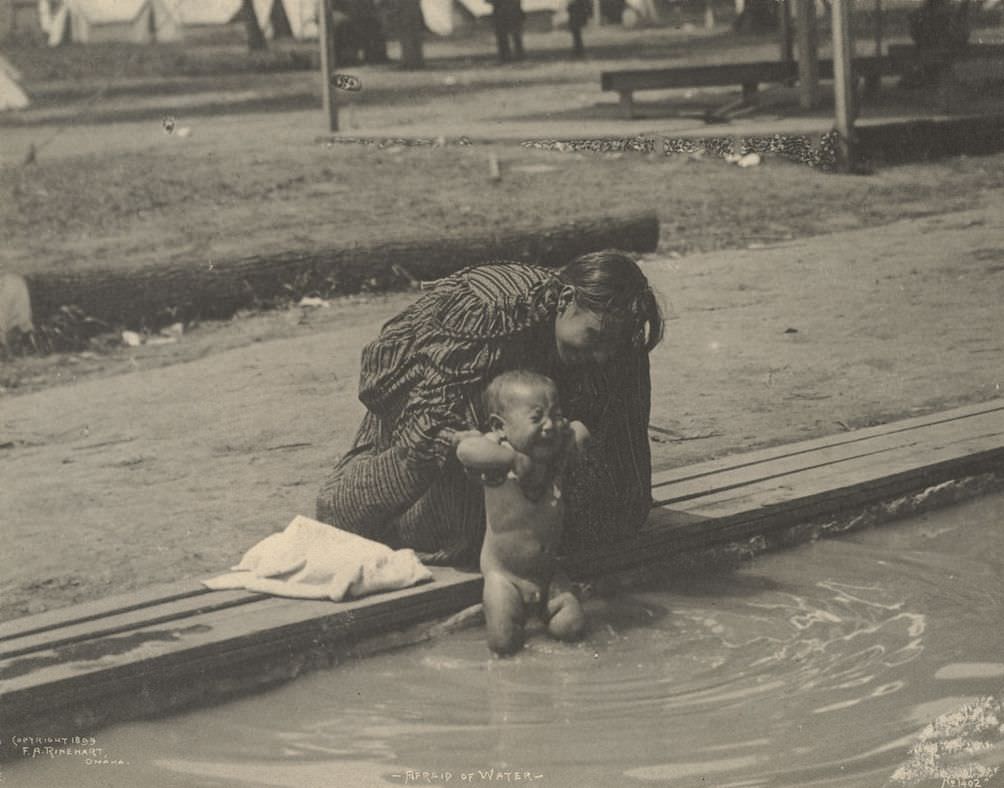
Afraid of Water.
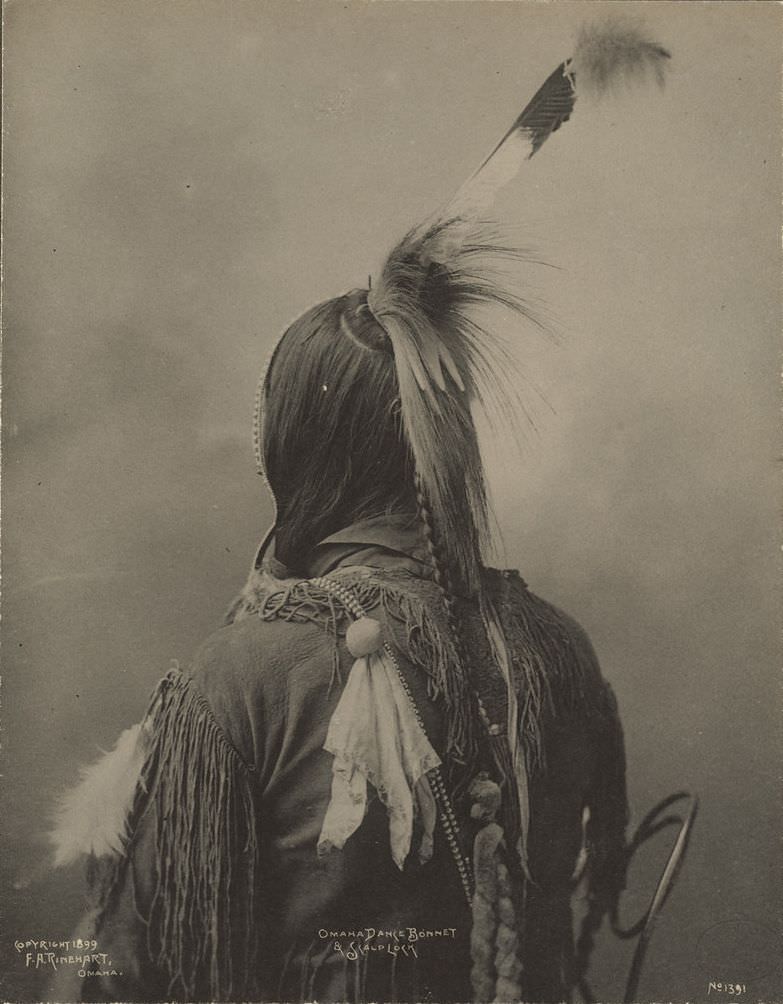
Omaha dance bonnet and scalp lock.
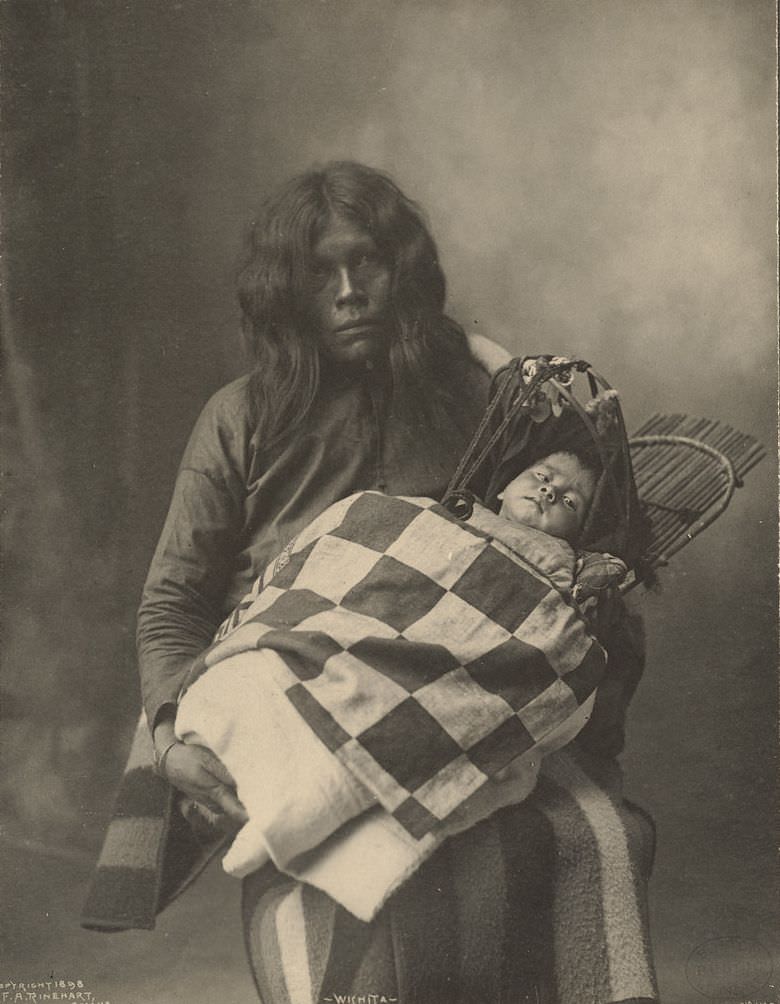
Wichita.
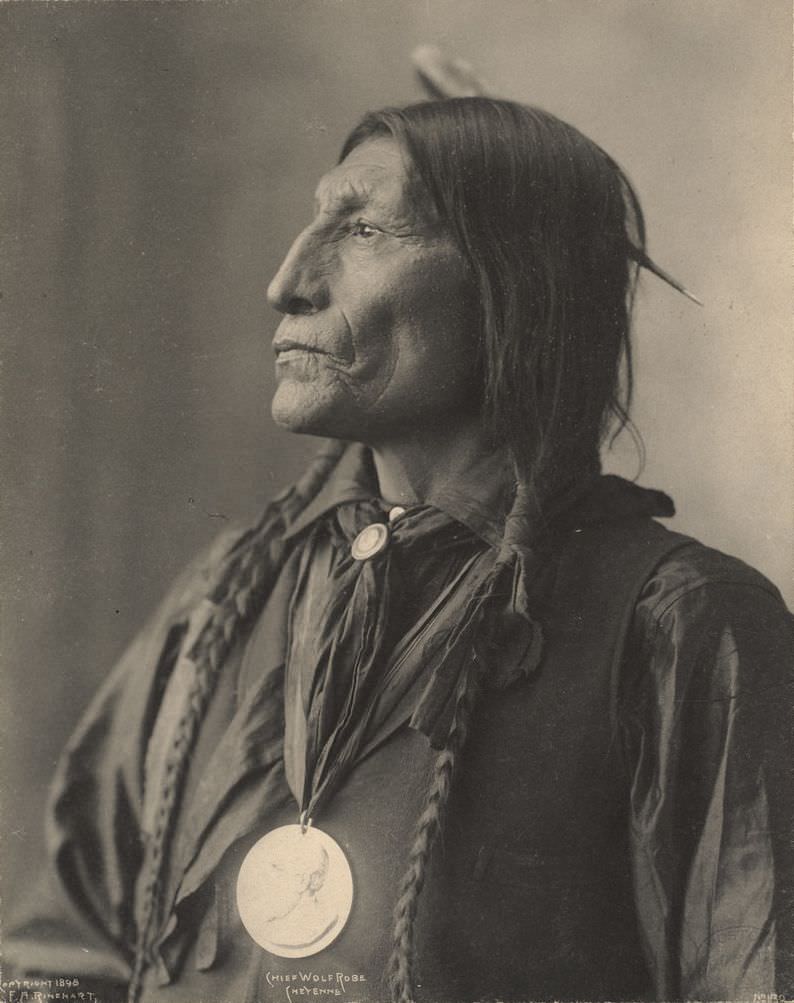
Chief Wolf Robe, Cheyenne.
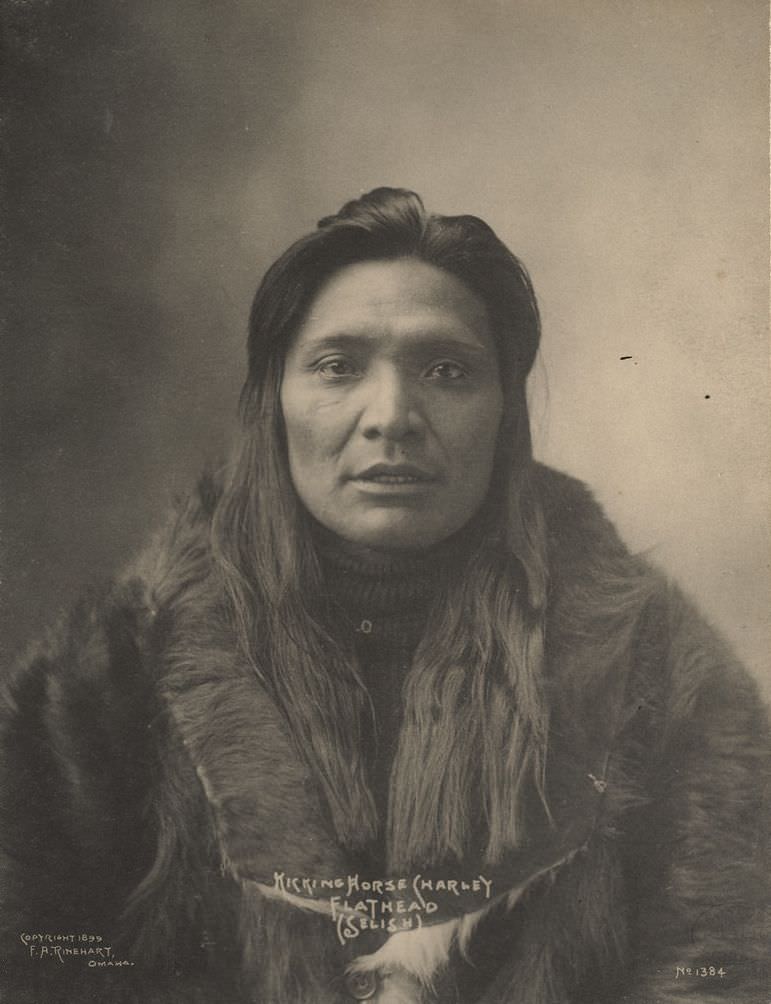
Kicking Horse Charley, Flathead.
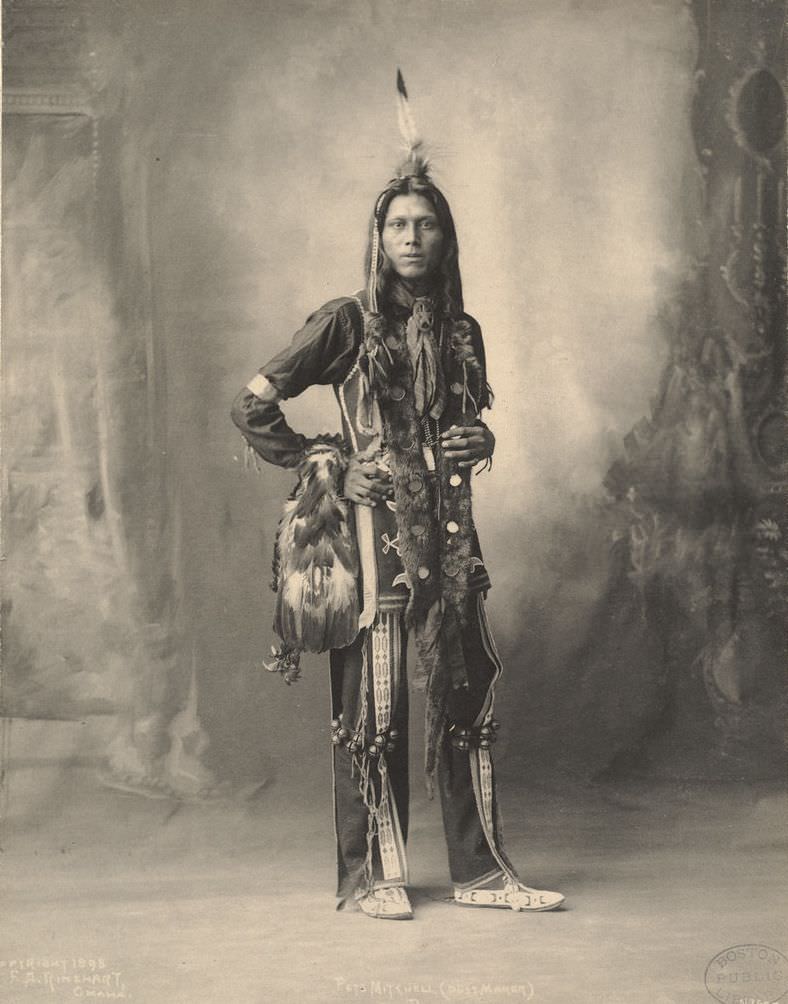
Pete Mitchell (Dust Maker), Ponca.
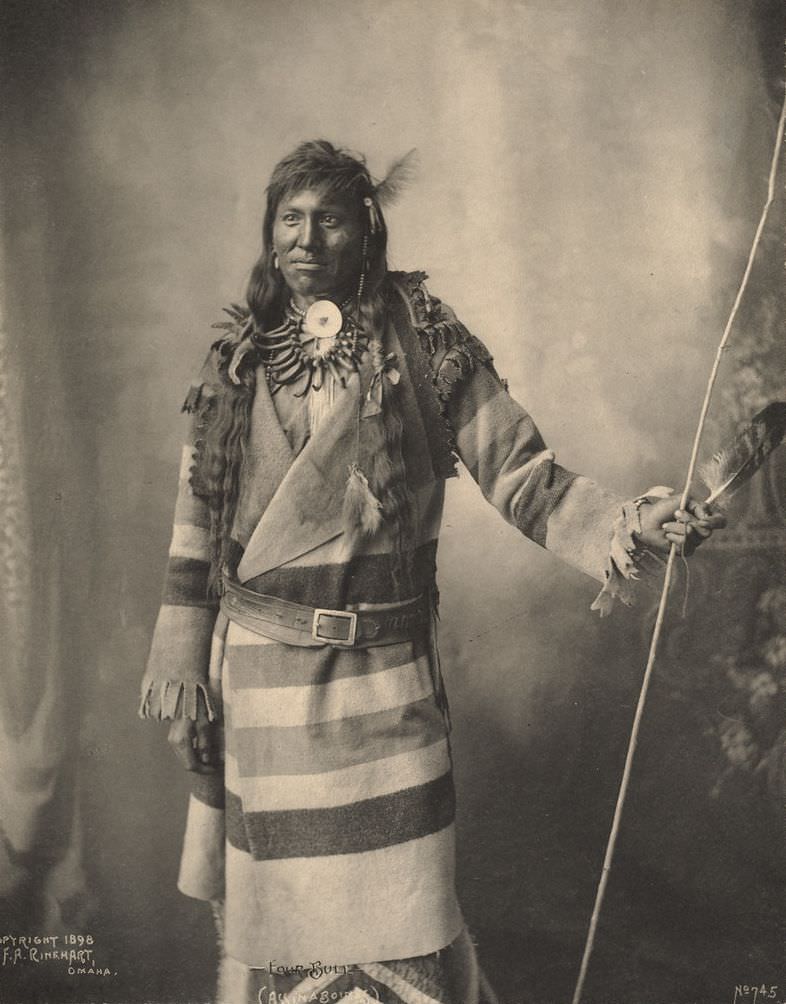
Four Bull, Assiniboine.
Cloud Man, Assiniboine.
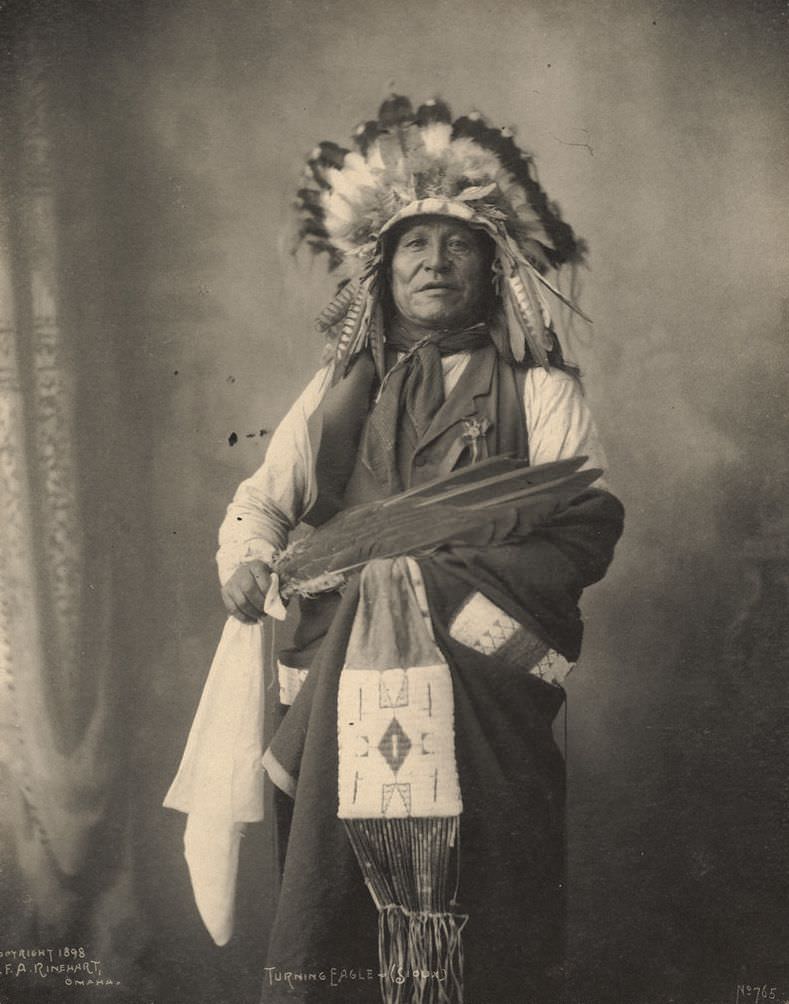
Turning Eagle, Sioux.
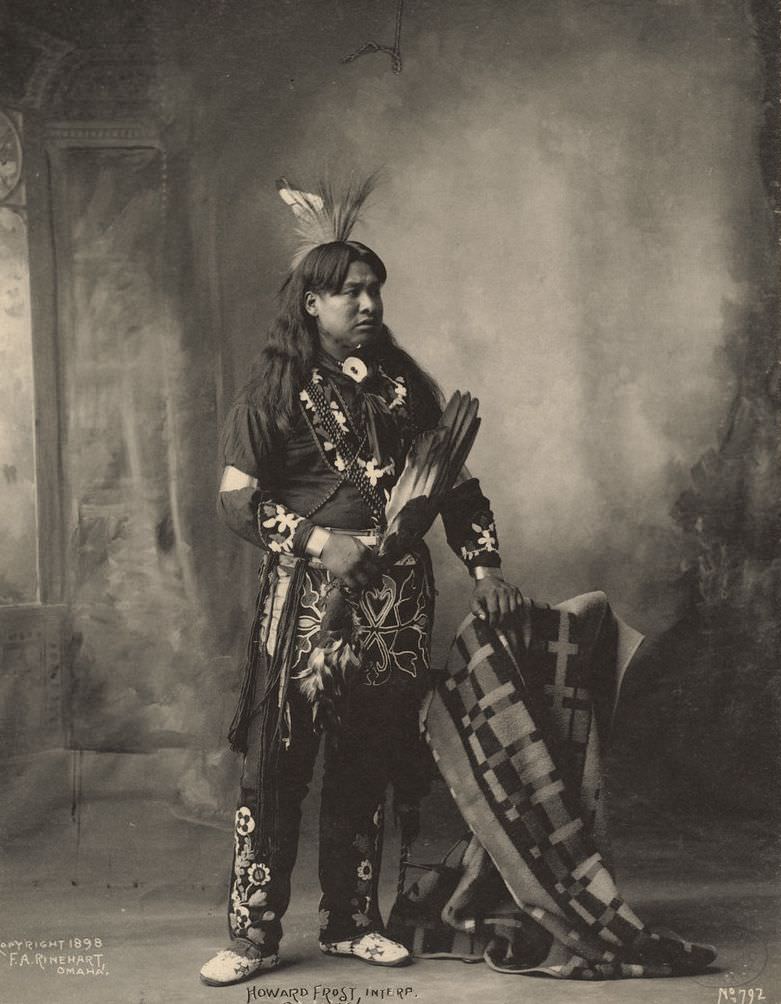
Howard Frost, Omaha interpreter.
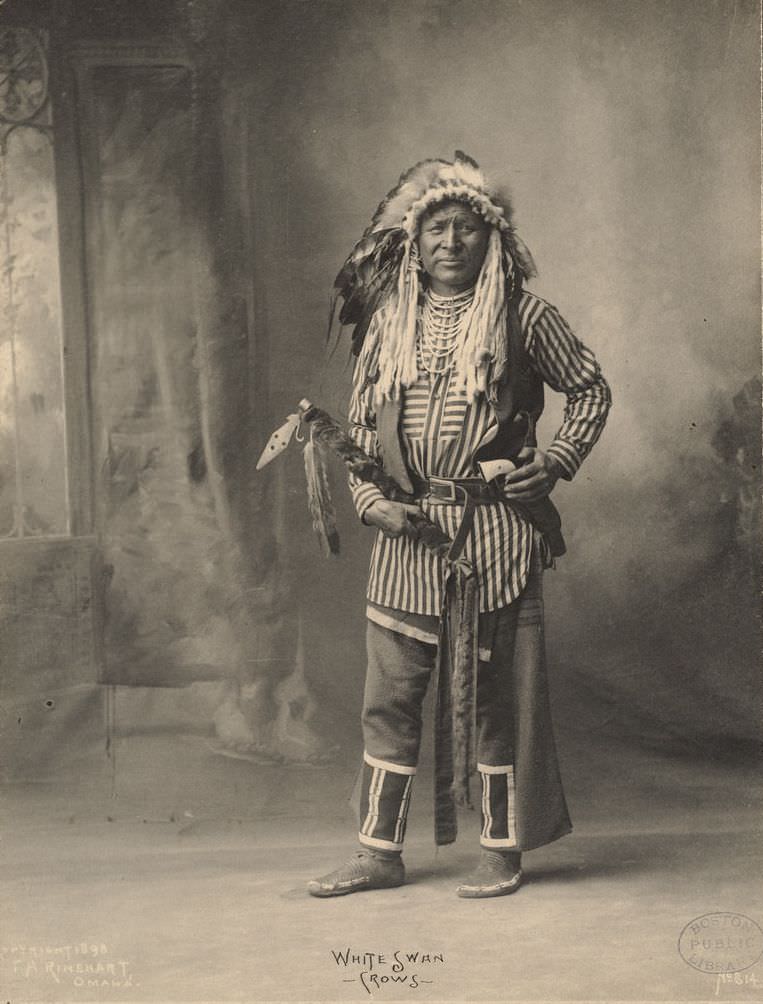
White Swan, Crow.
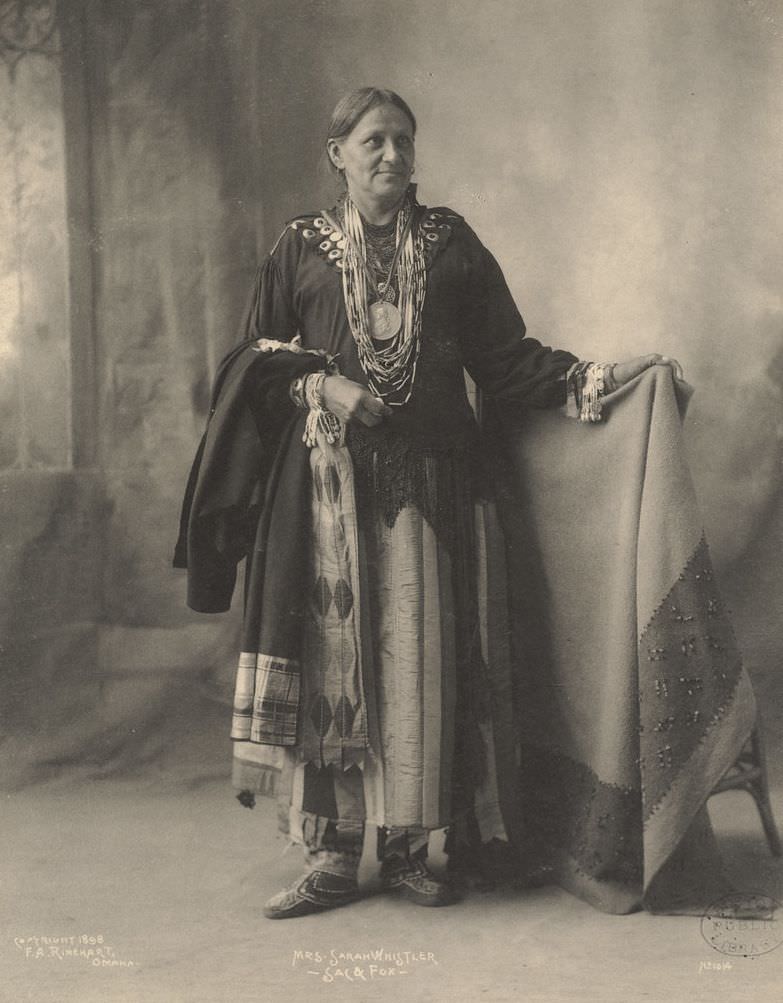
Mrs. Sarah Whistler, Sac and Fox.
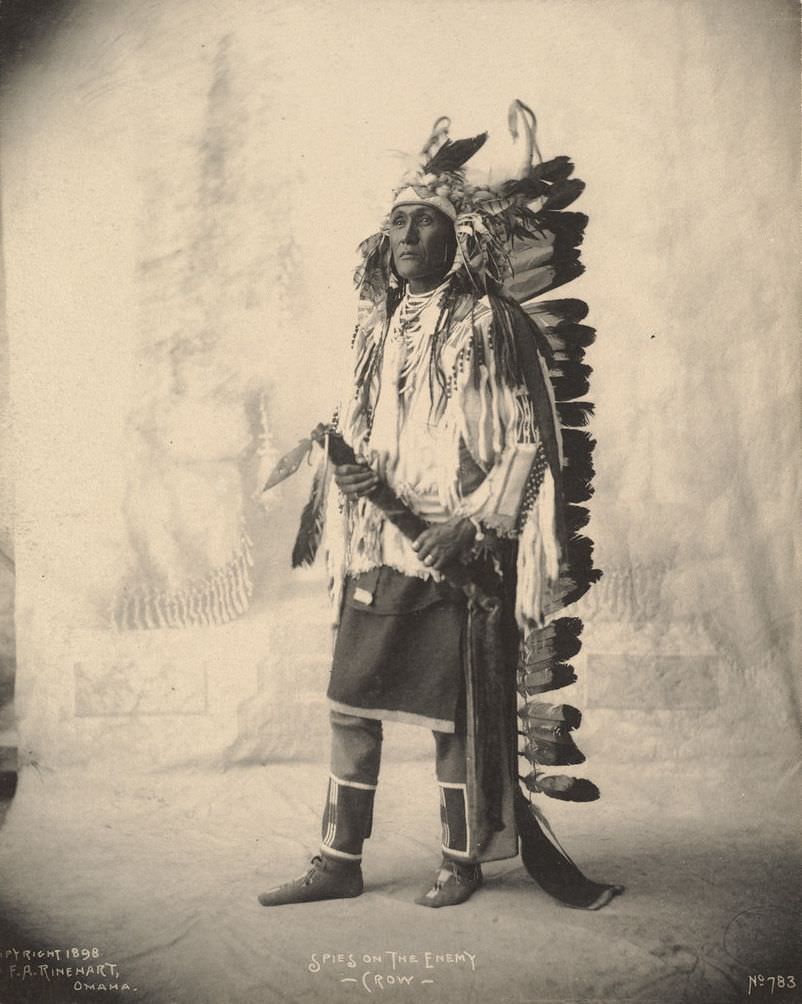
Spies On The Enemy, Crow.
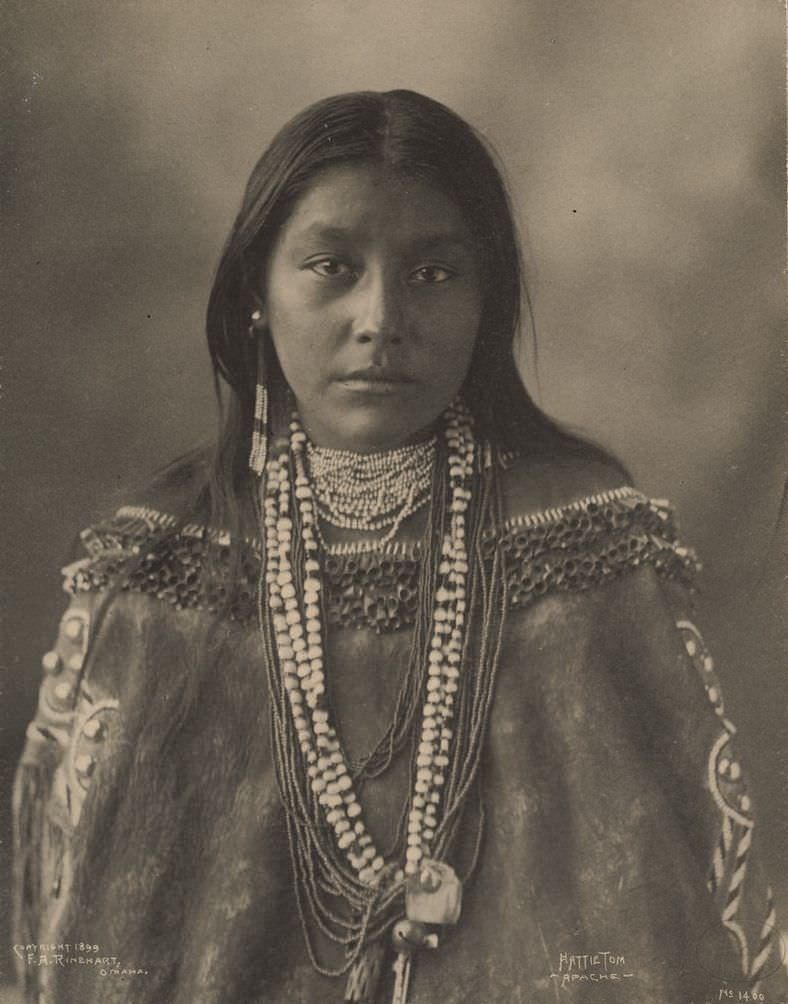
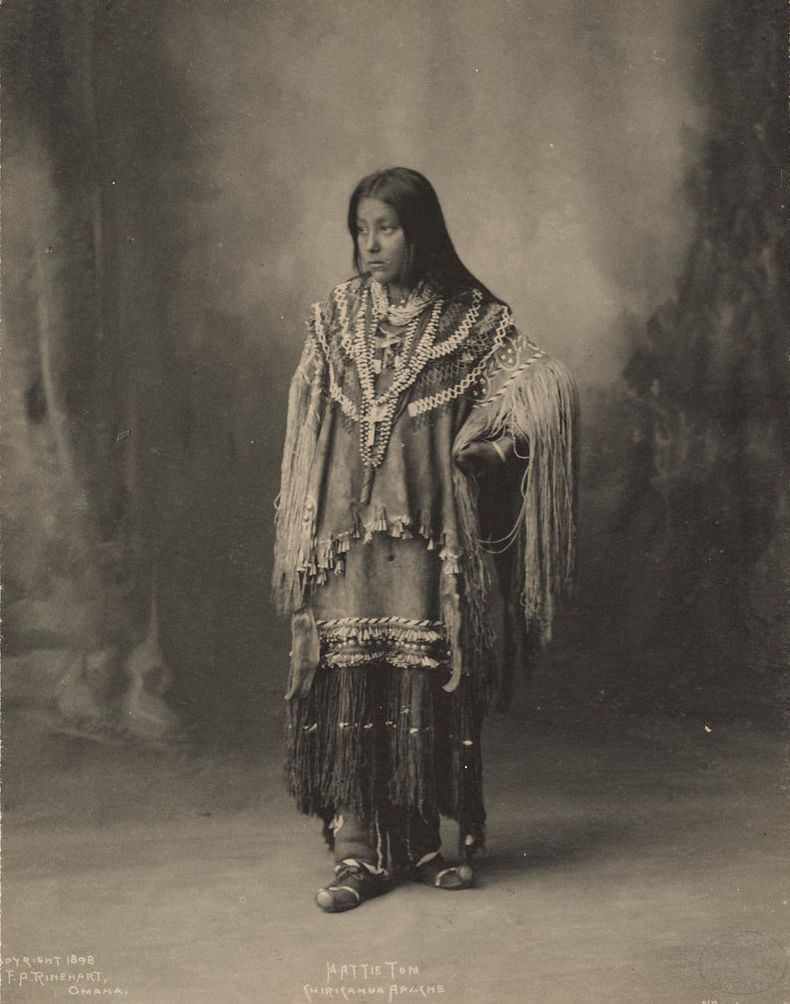
Hattie Tom, Apache.
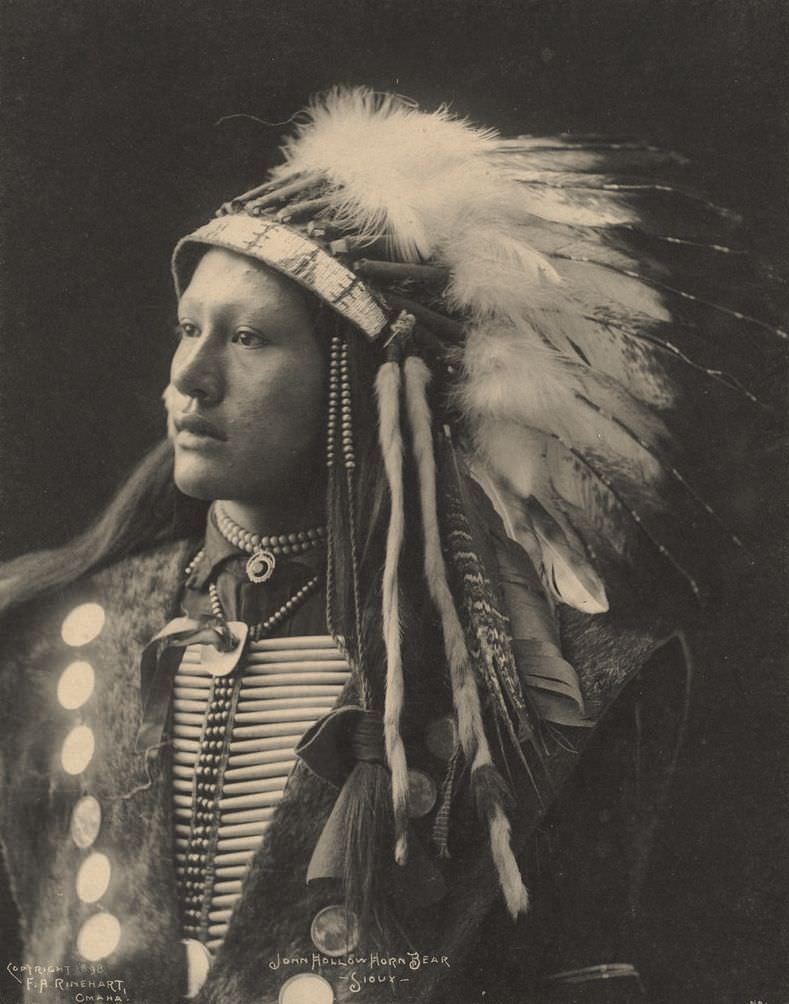
John Hollow Horn Bear, Sioux.
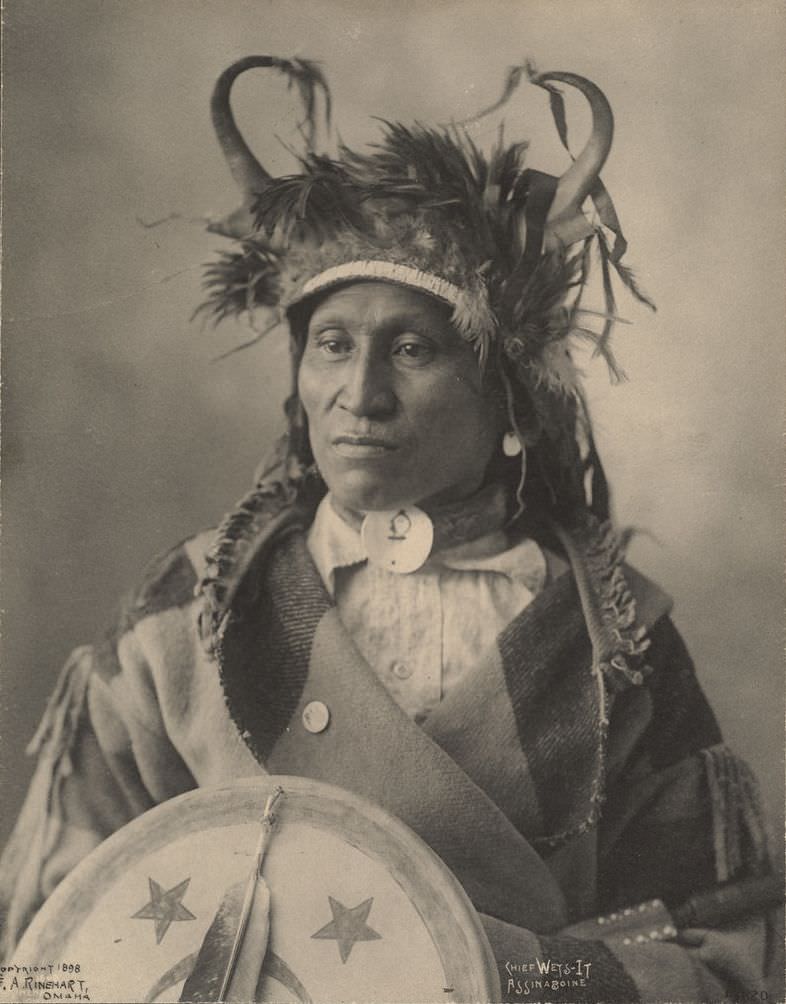
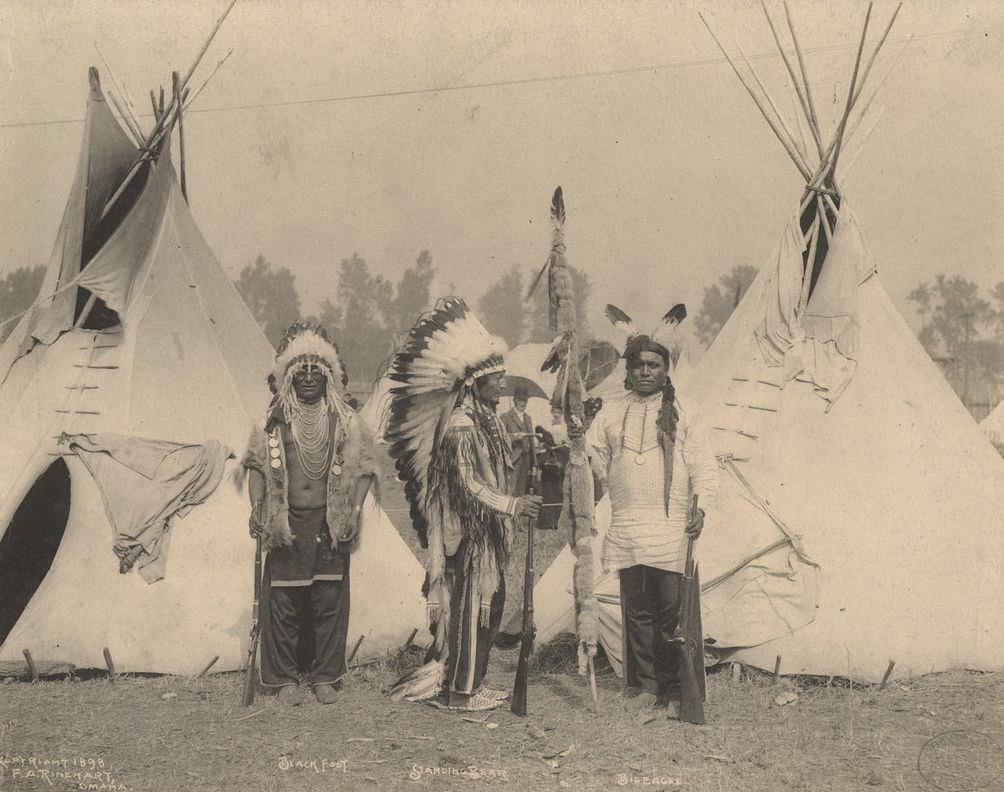
Chief Wets-It, Assiniboine.Black Foot, Standing Bear, Big Eagle, Sioux.
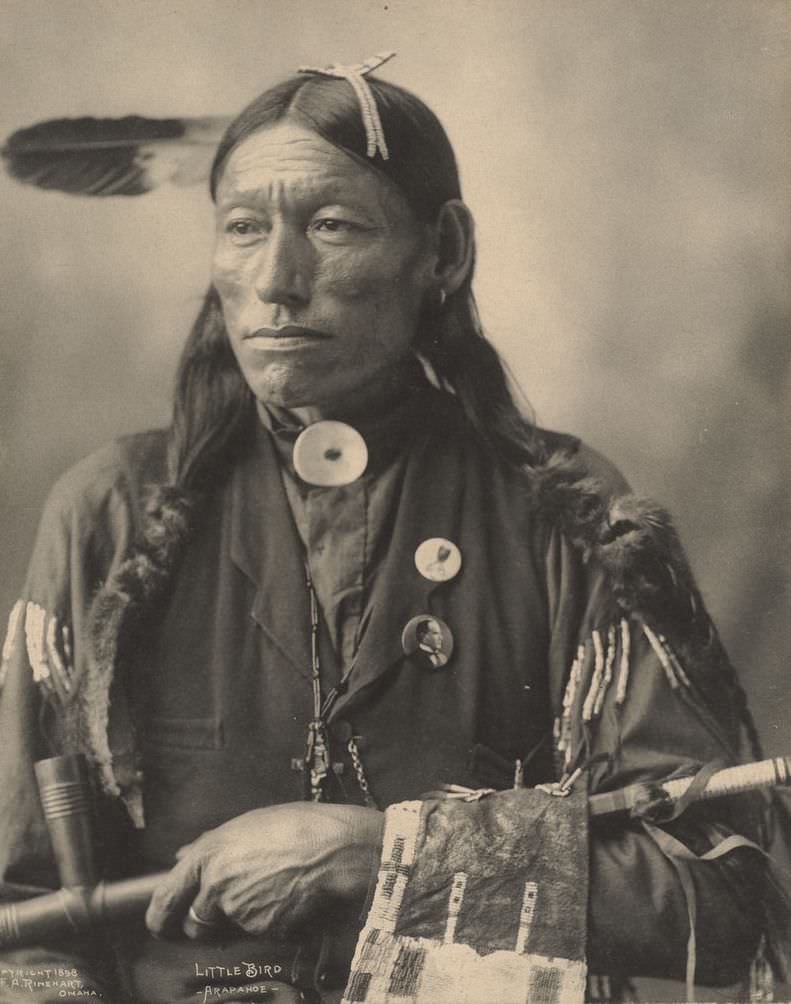
Little Bird, Arapahoe.
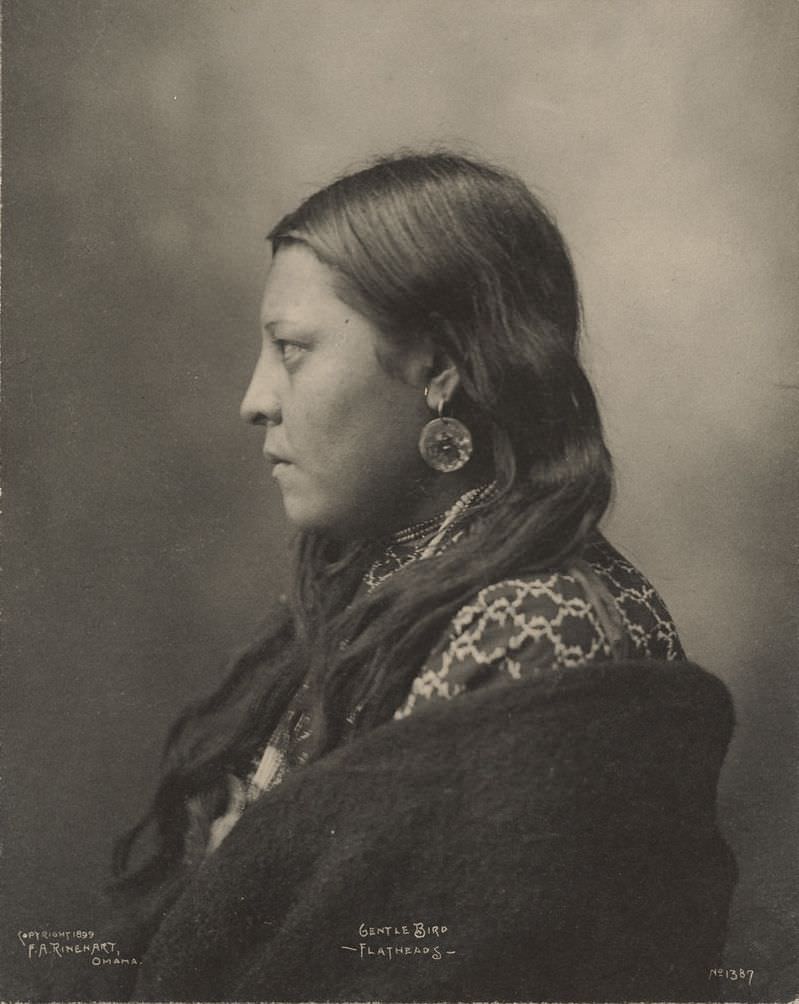
Gentle Bird, Flathead.
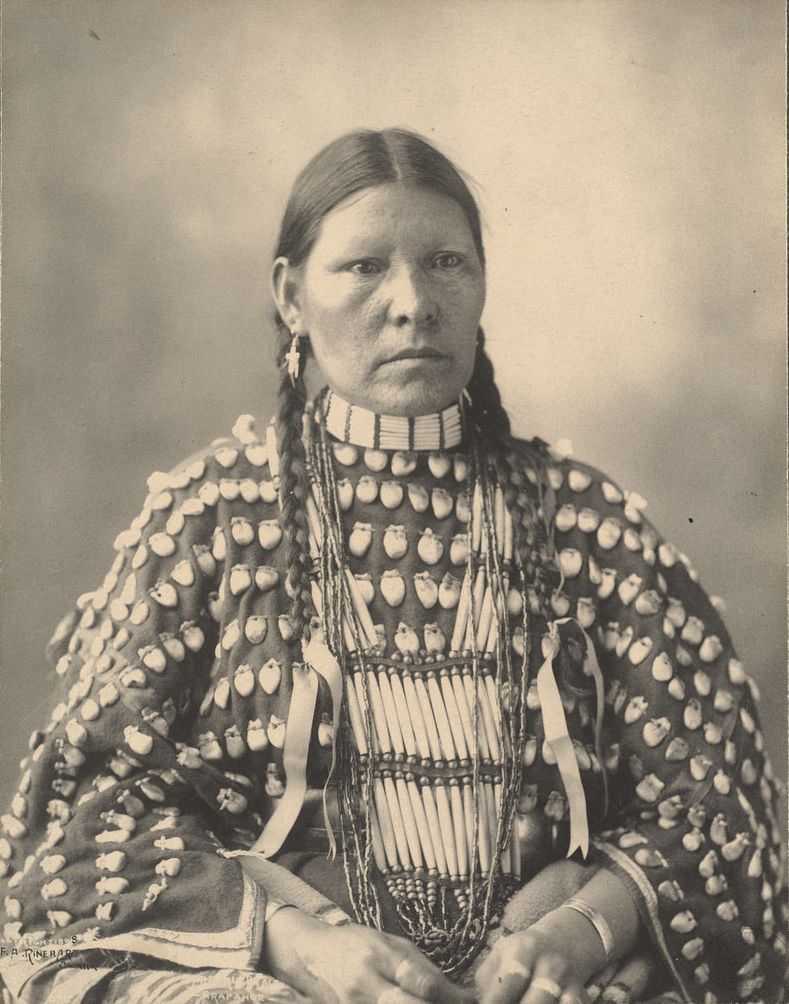
Freckled Face, Arapahoe.
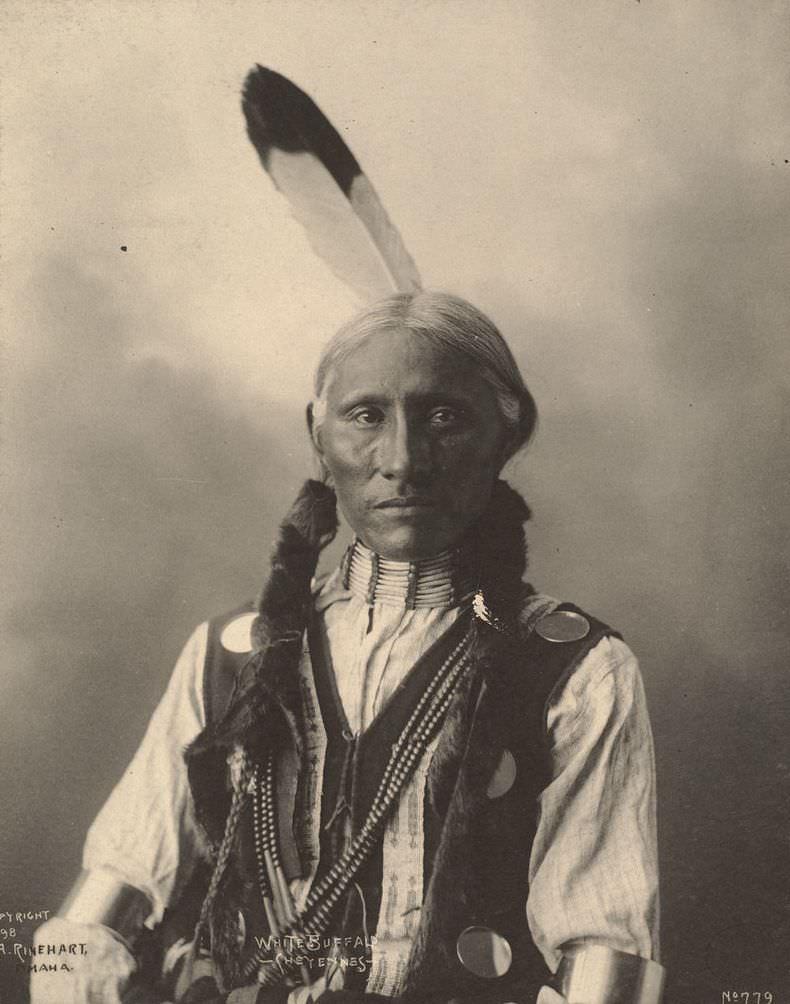
White Buffalo, Cheyenne.
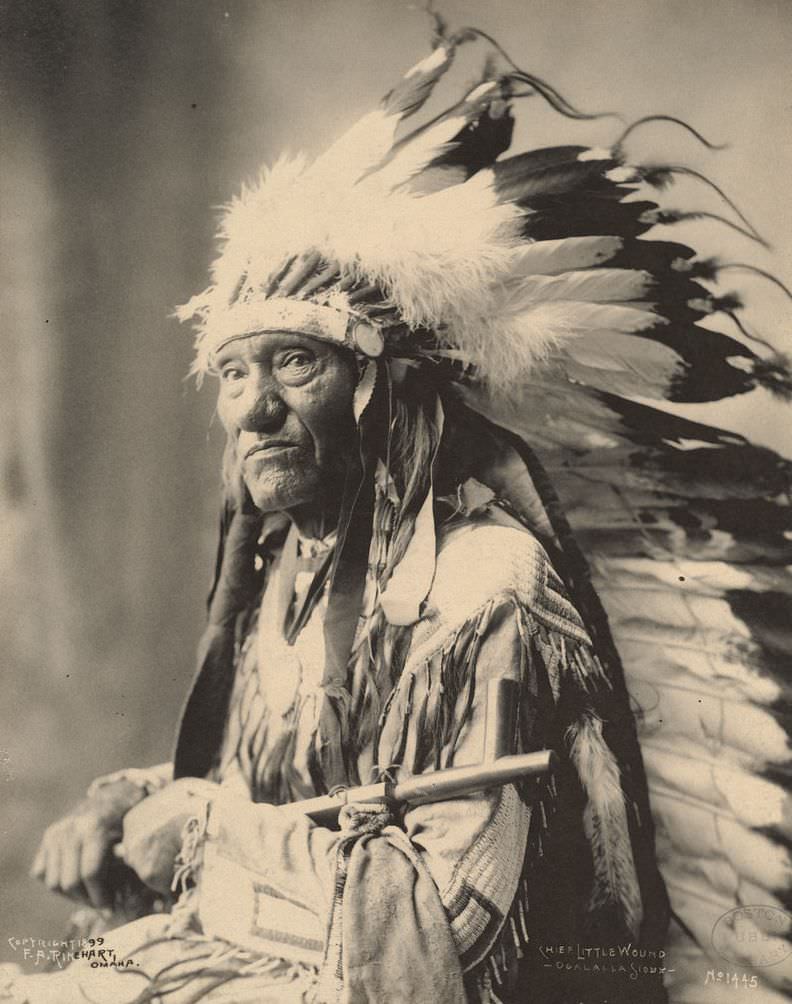
Chief Little Wound, Oglala Sioux.
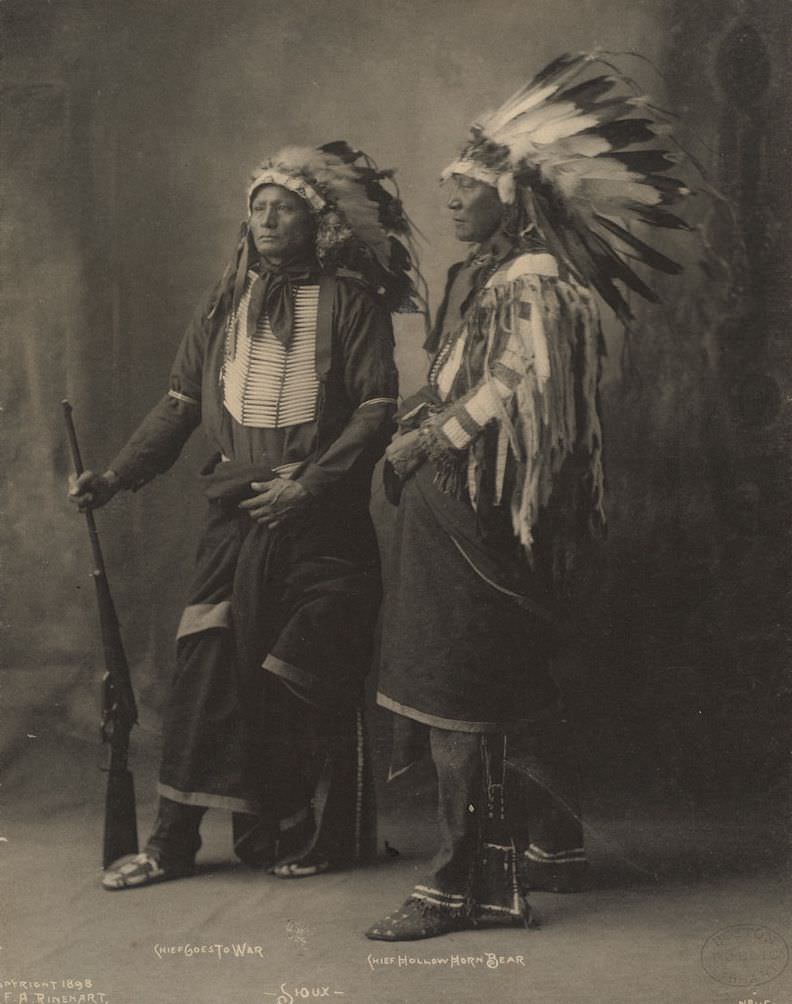
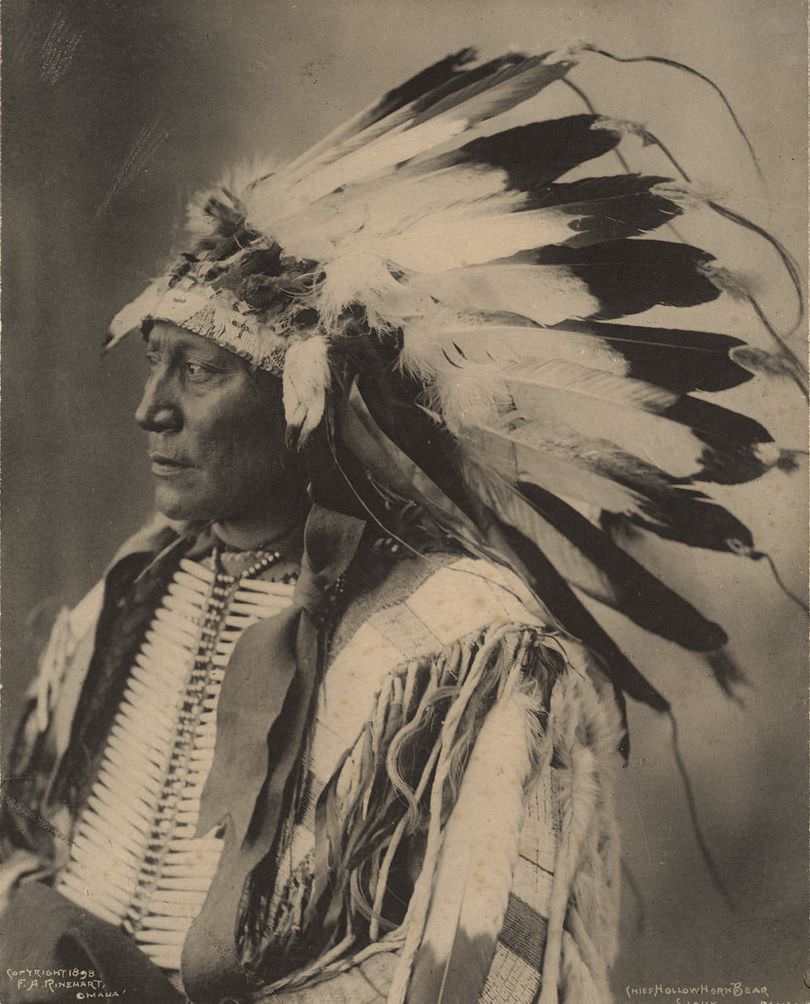
Chief Goes To War, Chief Hollow Horn Bear, Sioux.
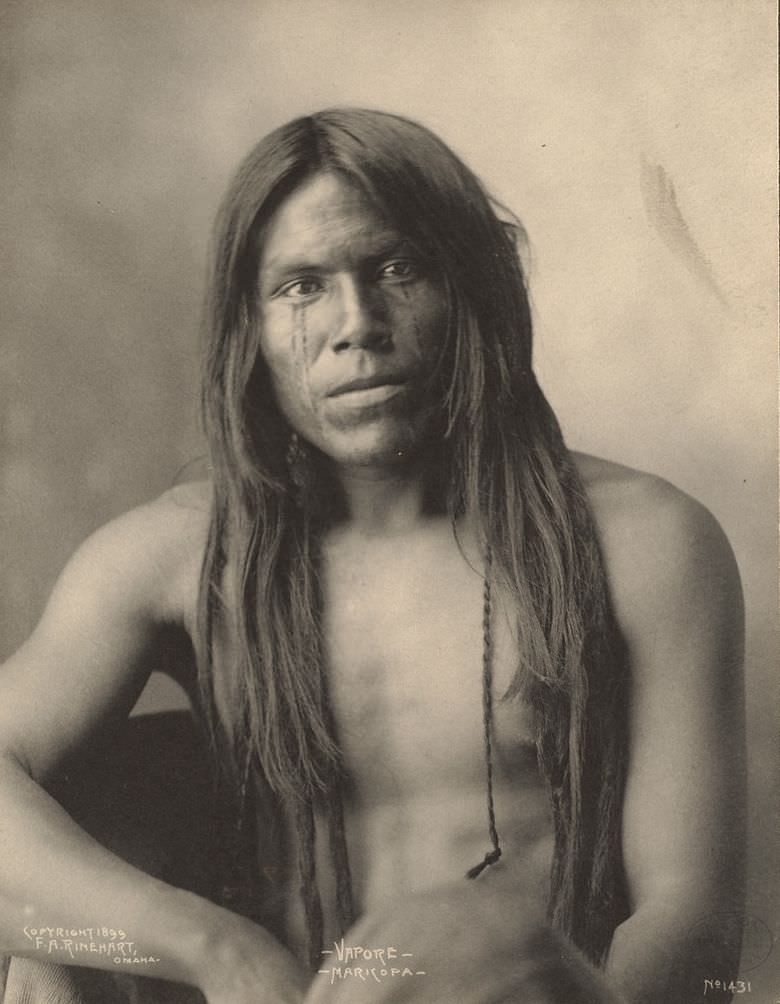
Vapore, Maricopa.
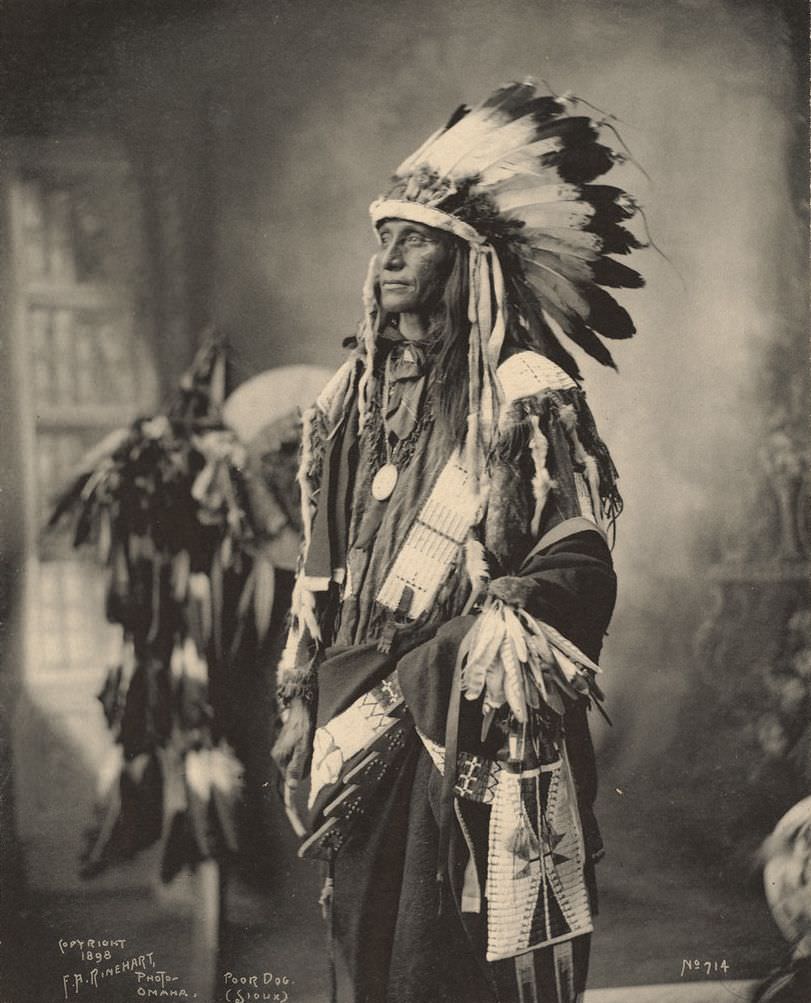
Poor Dog, Sioux.
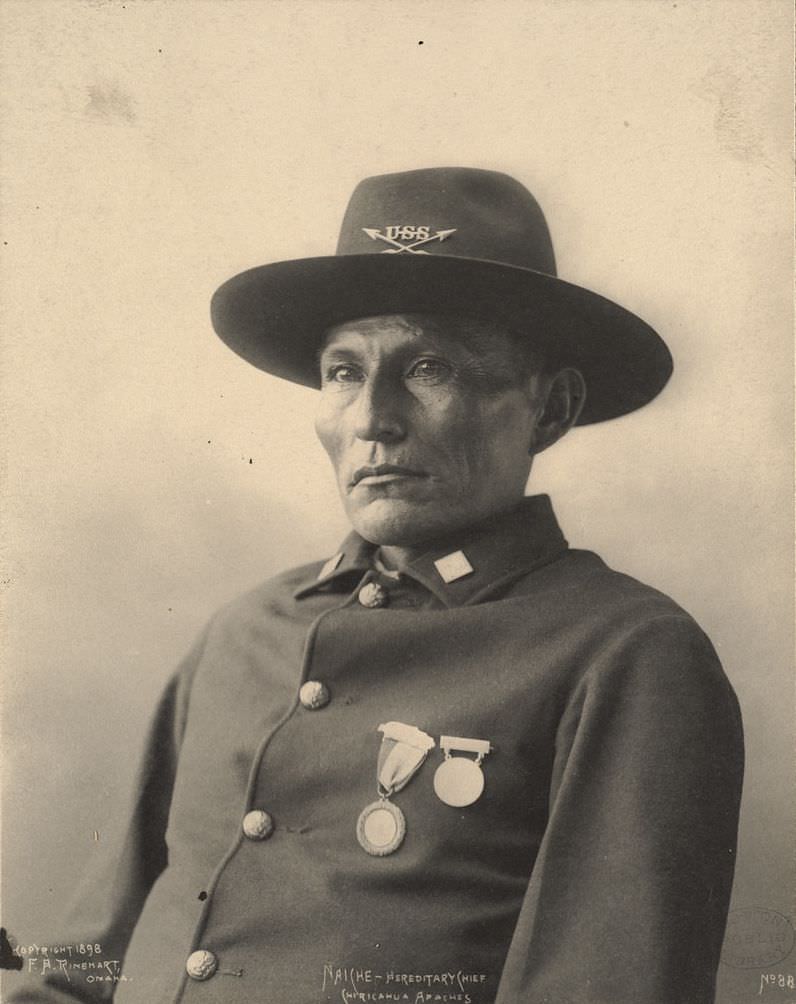
Naiche, hereditary chief, Chiricahua Apache.
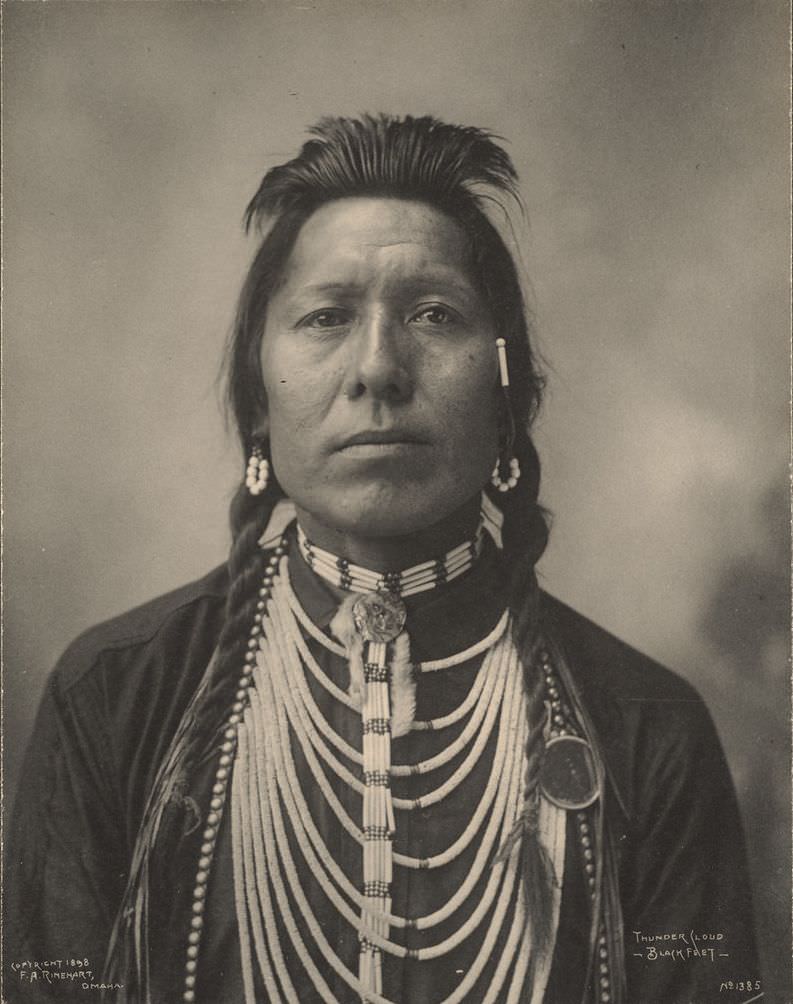
Thunder Cloud, Blackfeet.
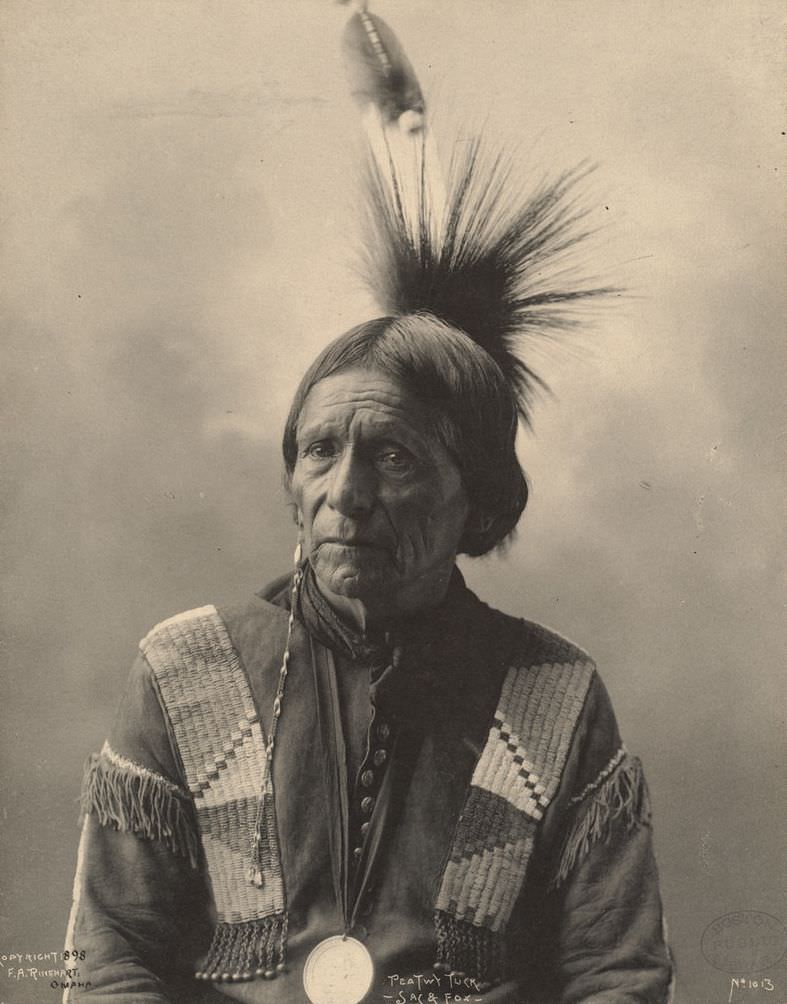
Peatwy Tuck, Sac and Fox.
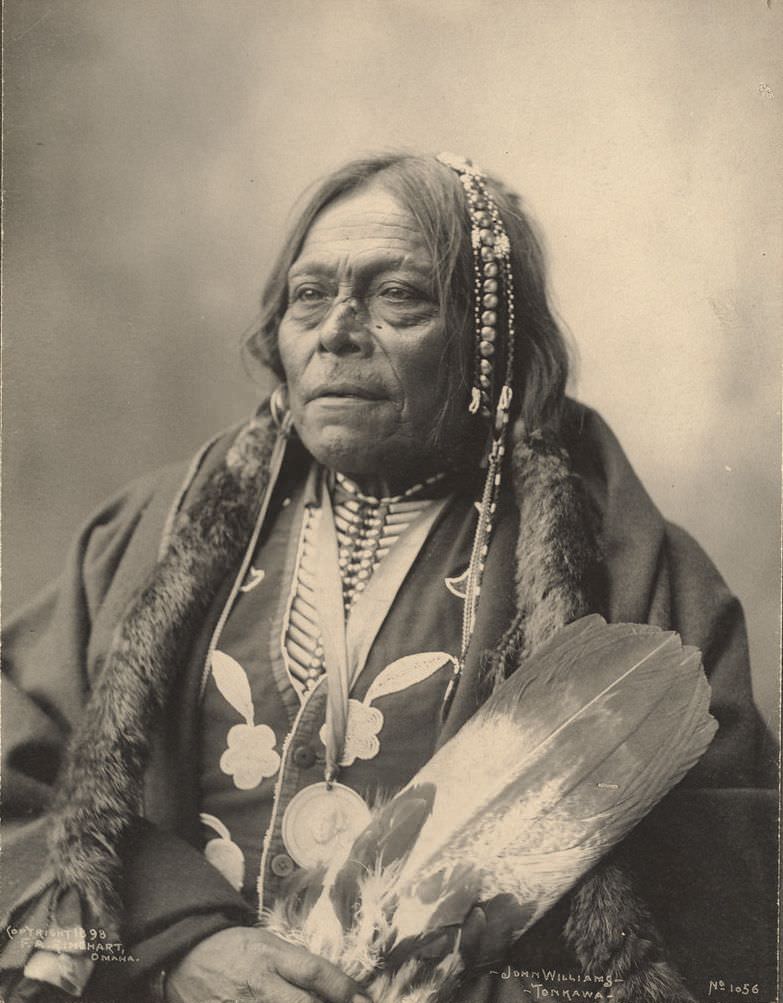
John Williams, Tonkawa.
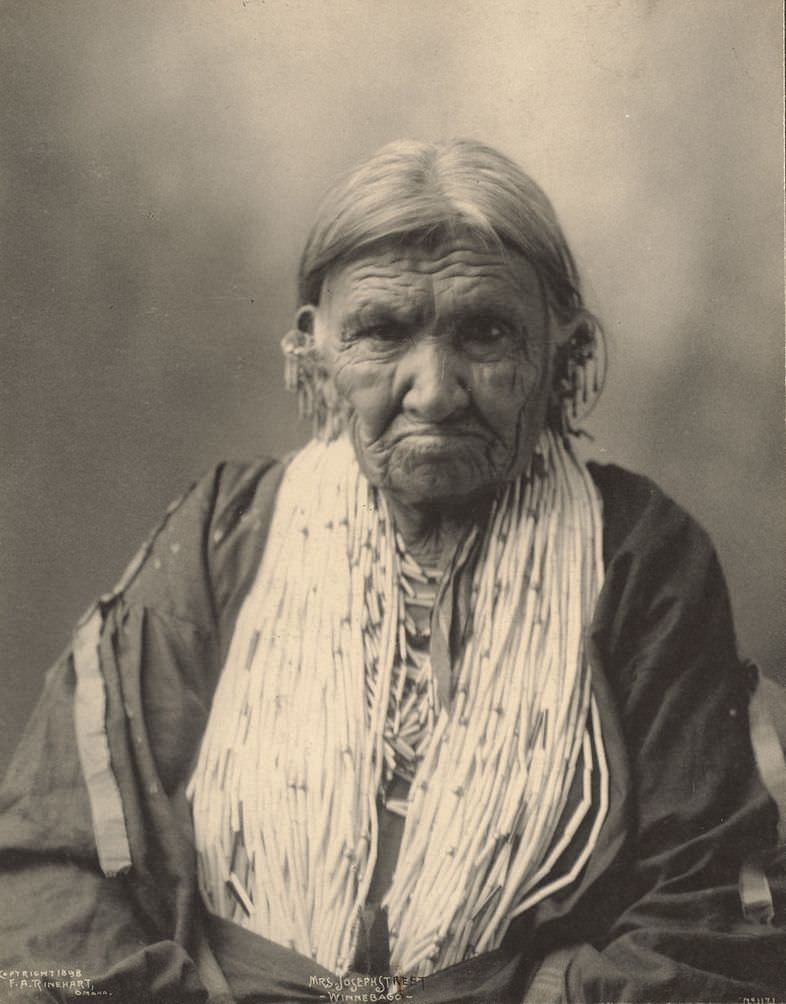
Mrs. Joseph Street, Winnebago.
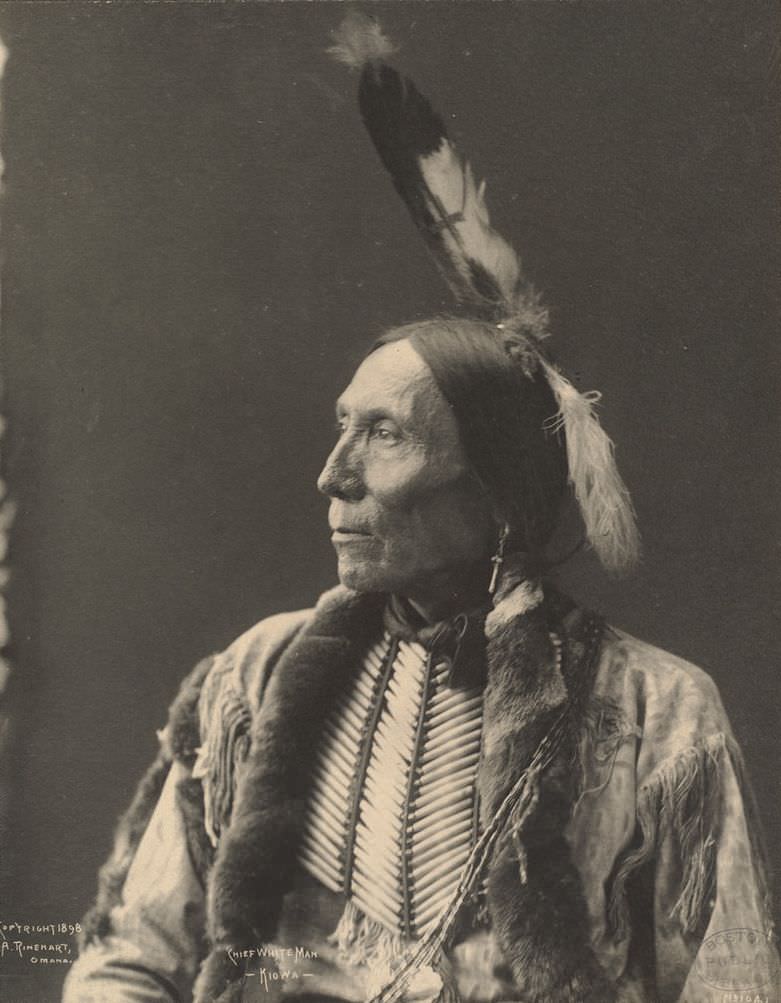
Chief White Man, Kiowa.
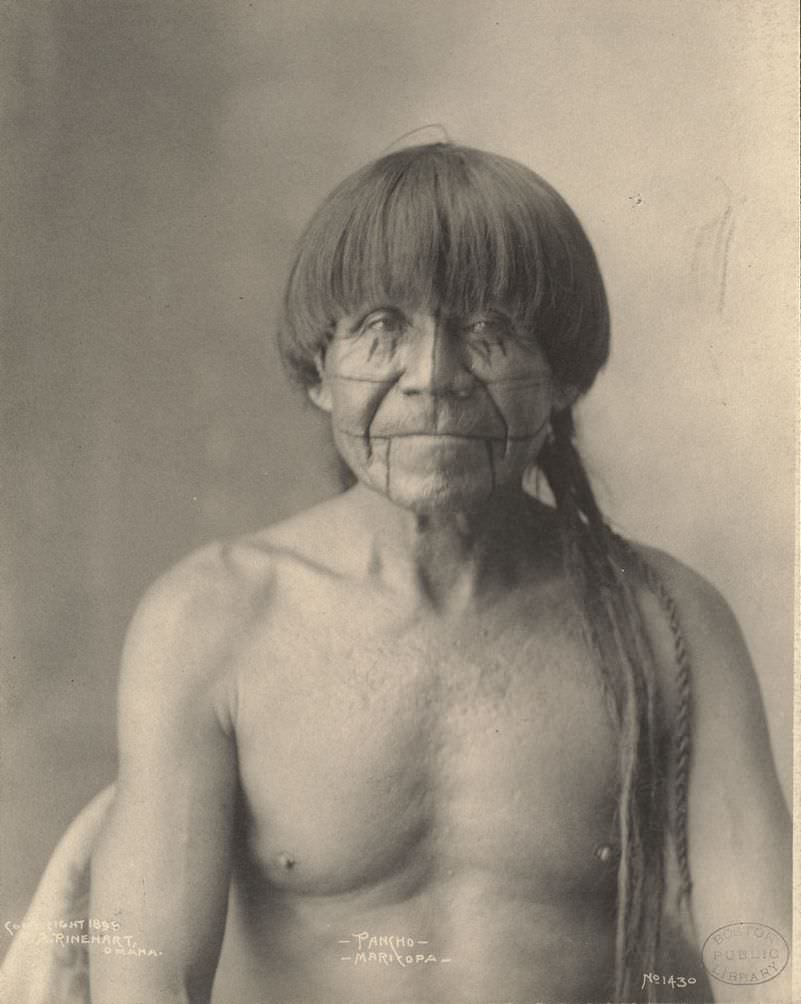
Pancho, Maricopa.
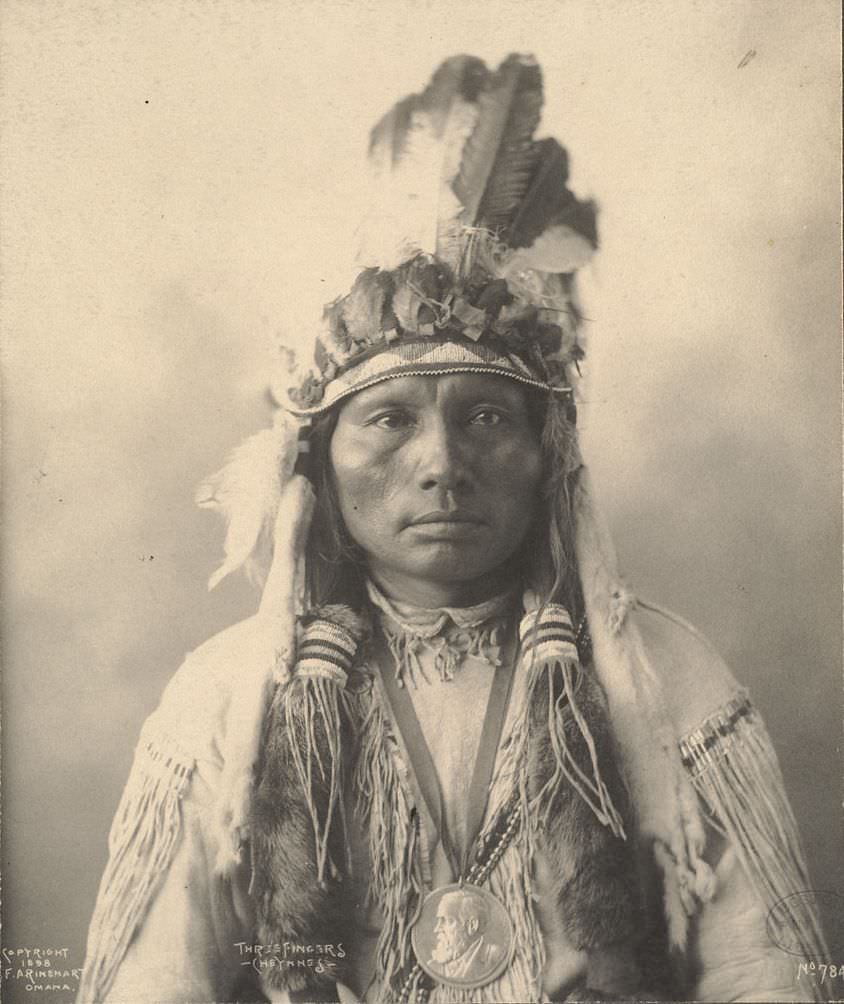
Three Fingers, Cheyenne.
Apache.
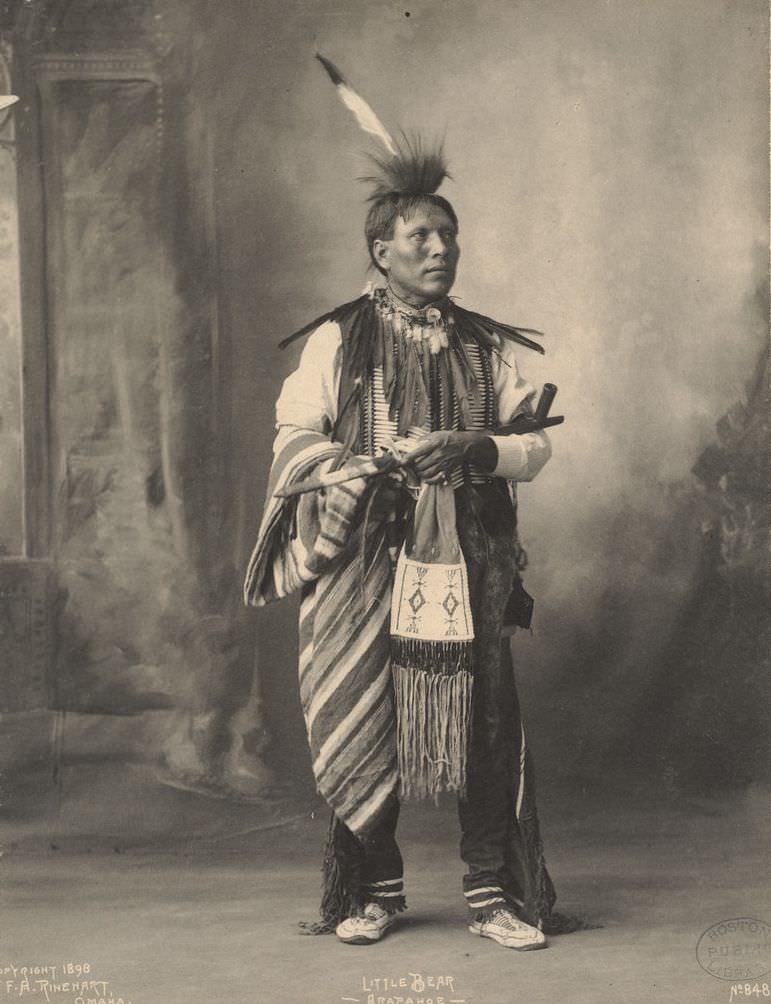
Little Bear, Arapahoe.
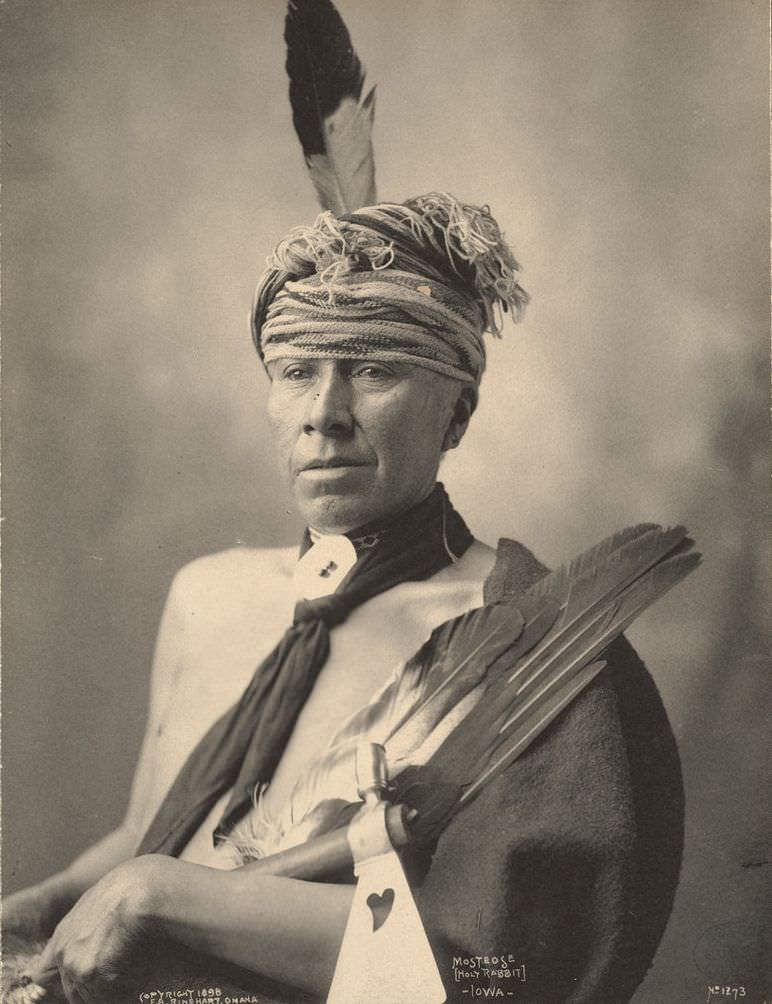
Mosteose (Holy Rabbit), Iowa.
Chief Hollow Horn Bear, Sioux.
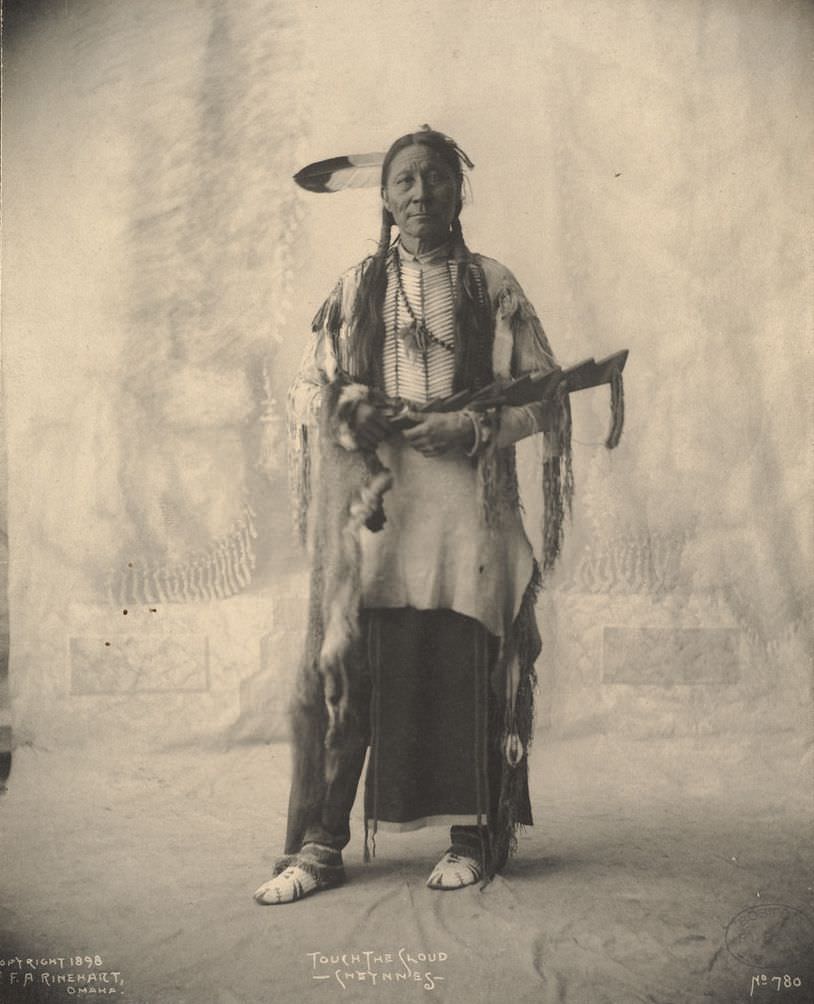
Touch The Cloud, Cheyenne.
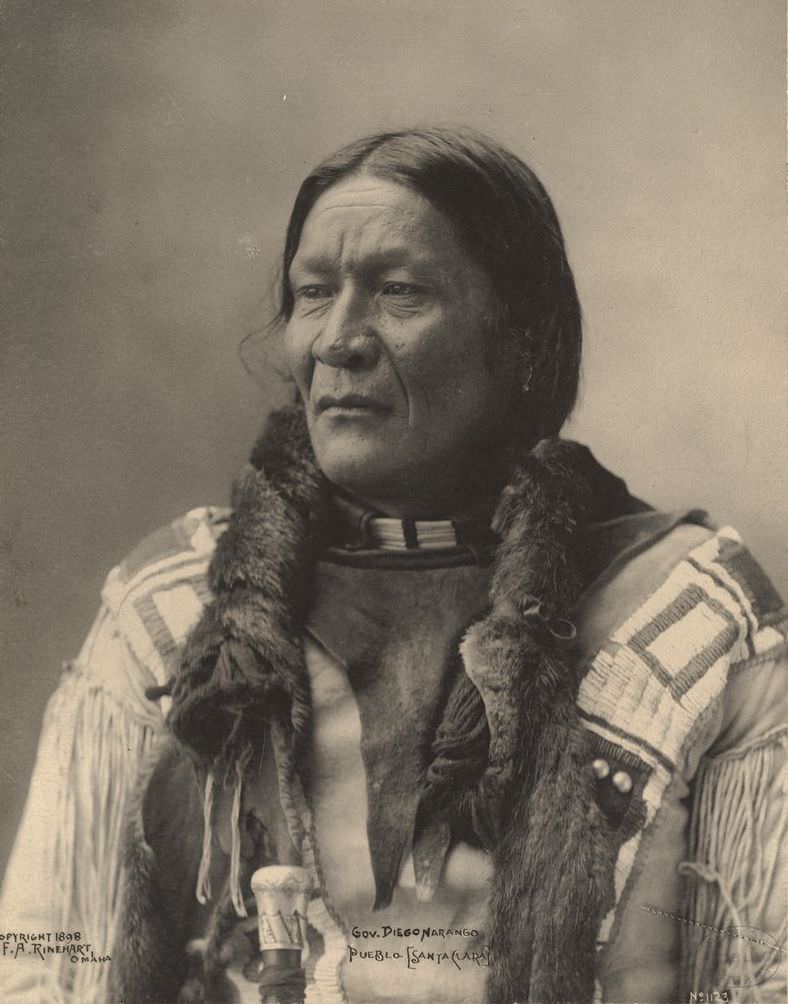
Governor Diego Narango, Santa Clara Pueblo.
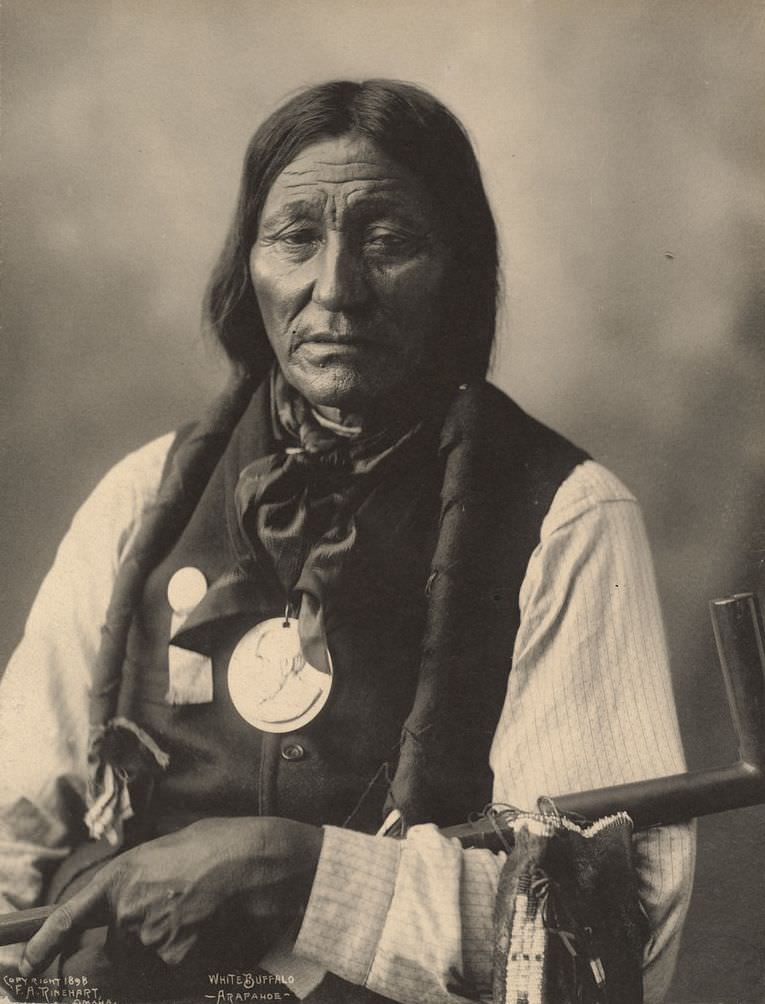
White Buffalo, Arapahoe.
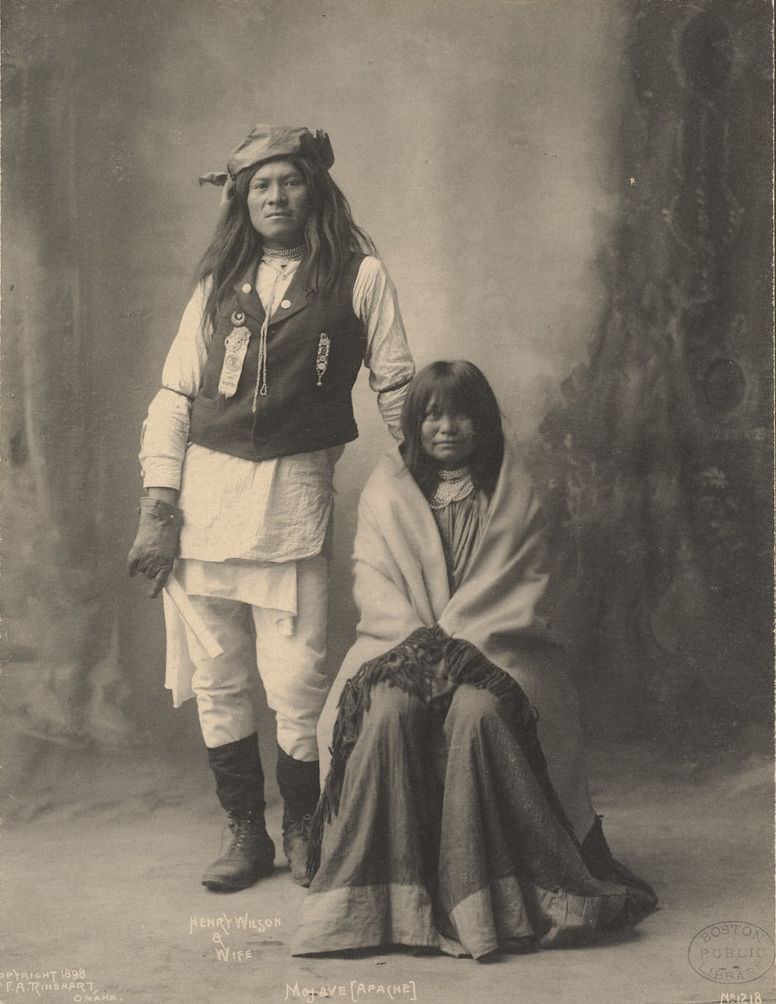
Henry Wilson & Wife, Mojave (Apache).
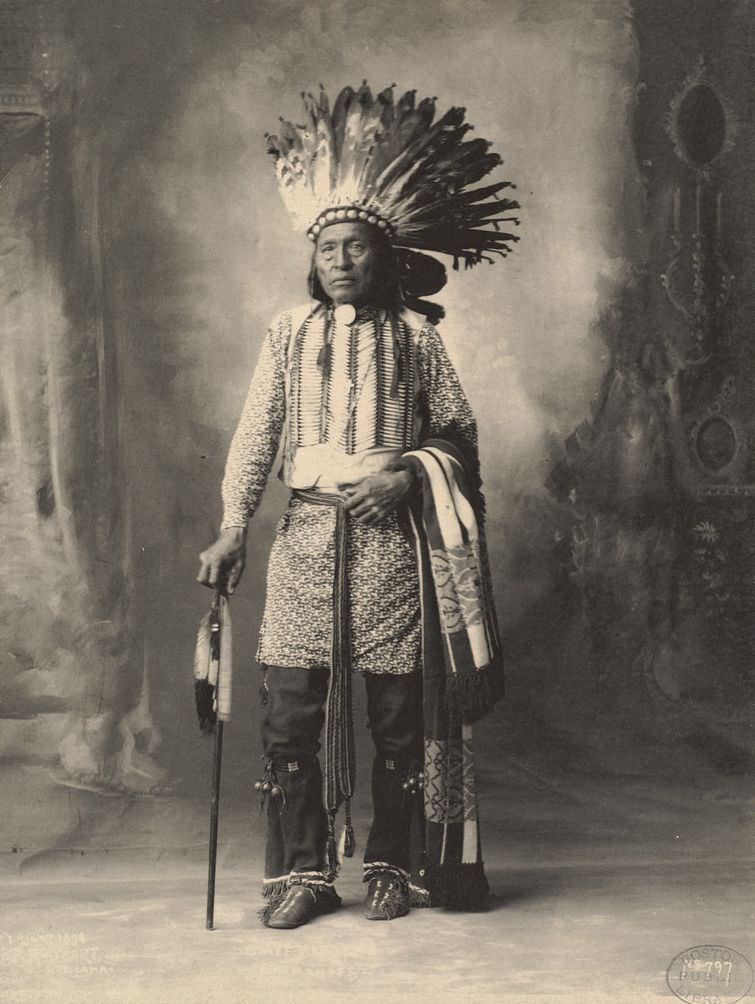
Arapahoe Chief.
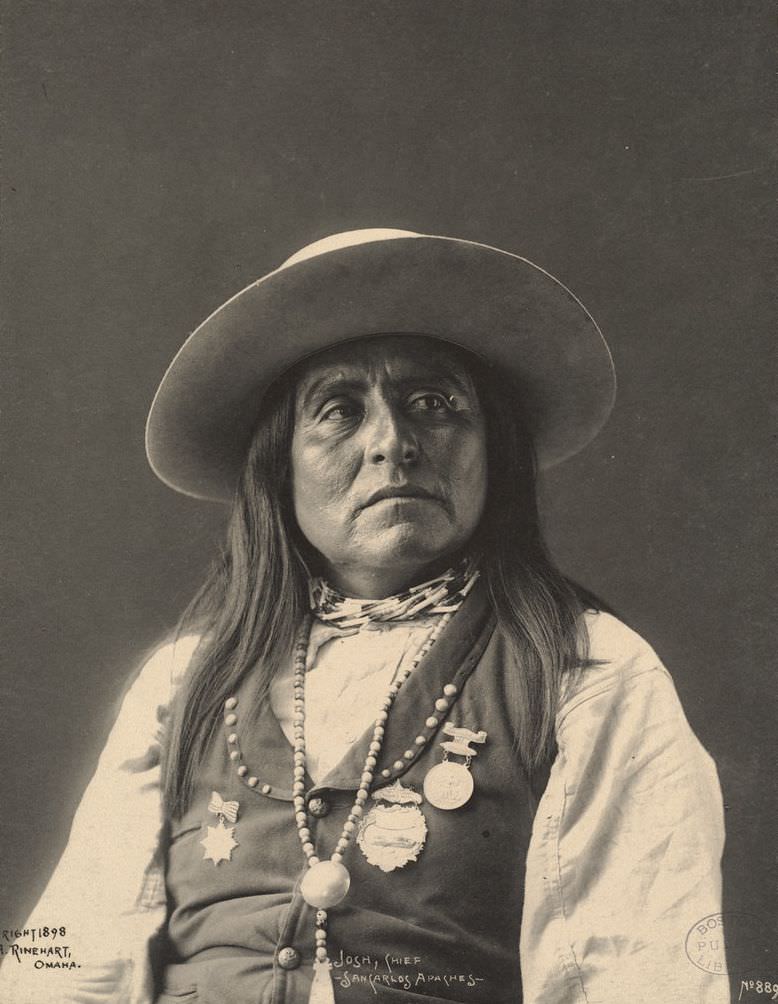
Josh, Chief, San Carlos Apache.
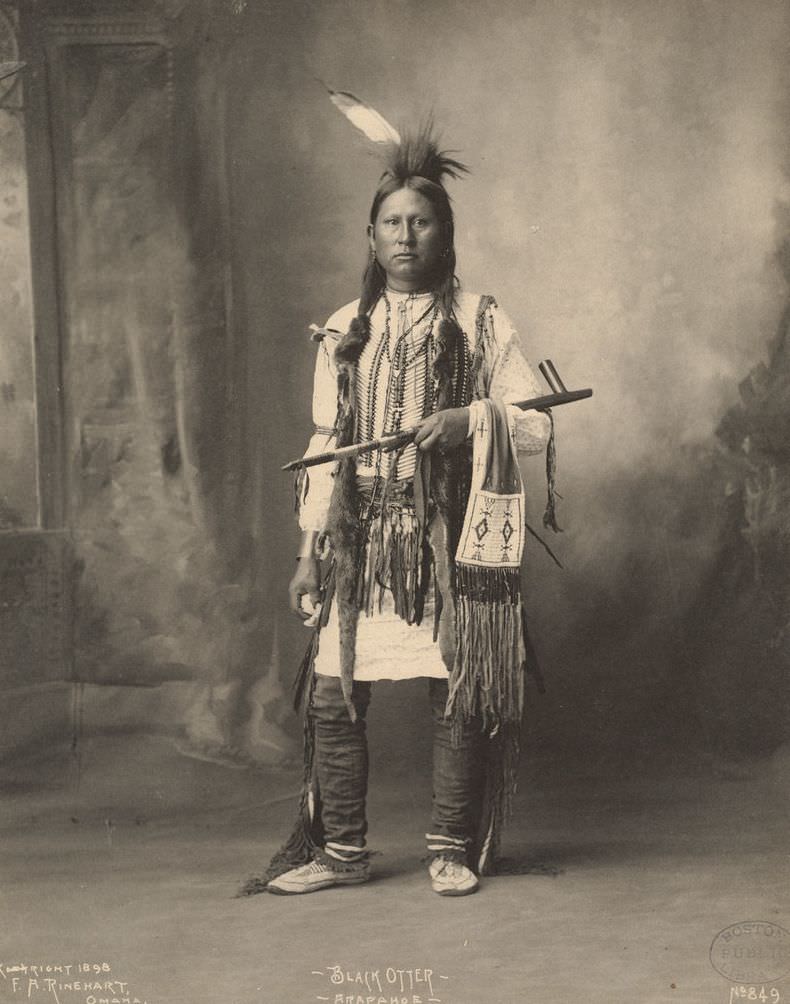
Black Otter, Arapahoe.
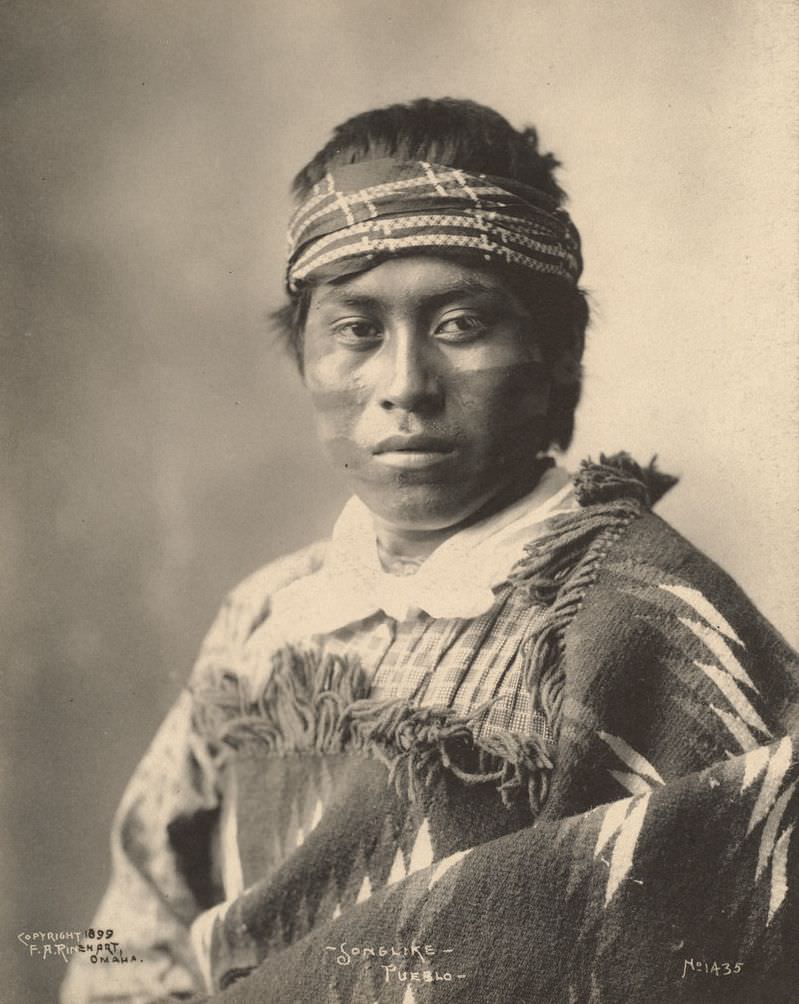
Songlike, Pueblo.
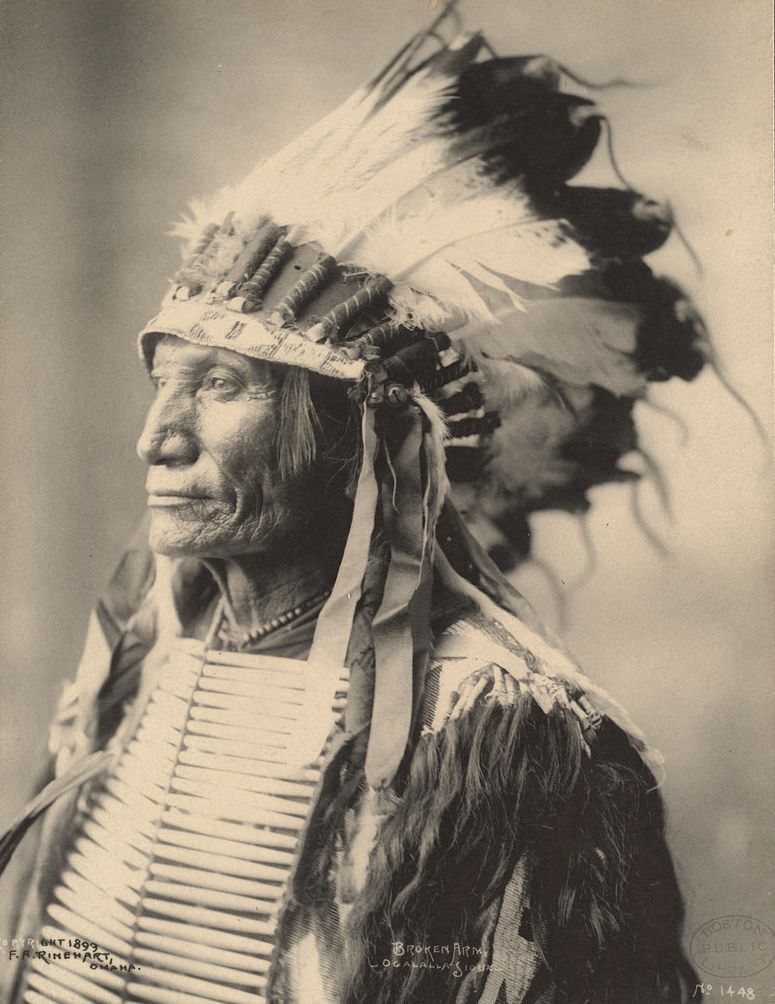
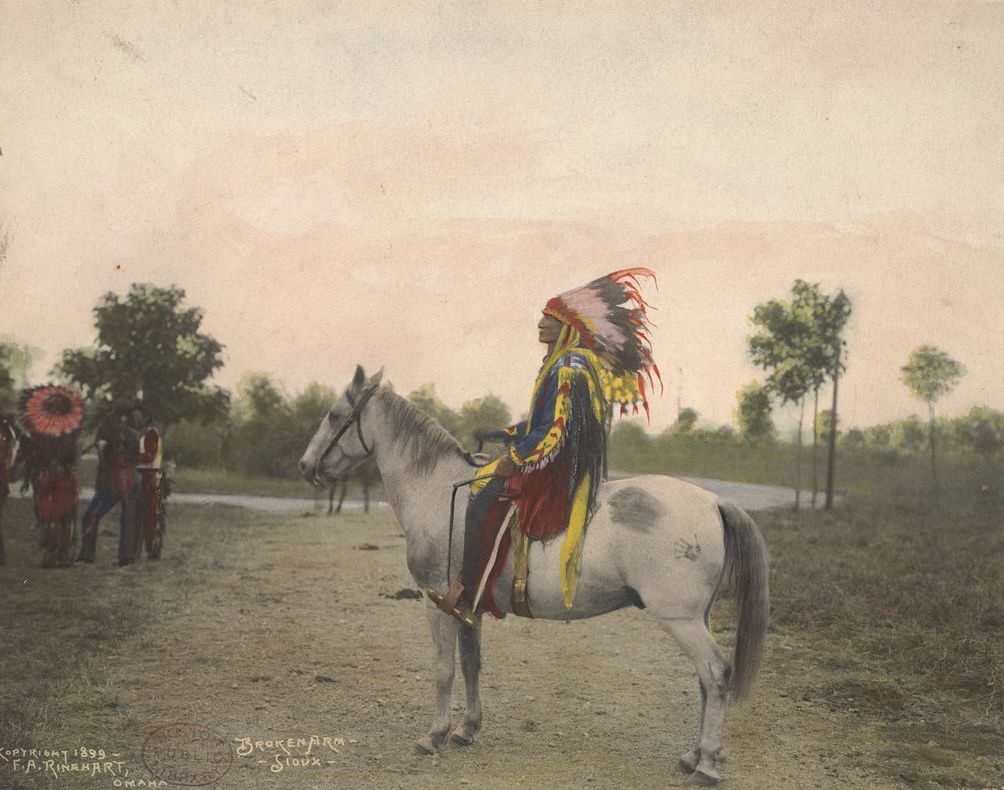
Broken Arm, Oglala Sioux.
Hattie Tom, Chiricahua Apache.
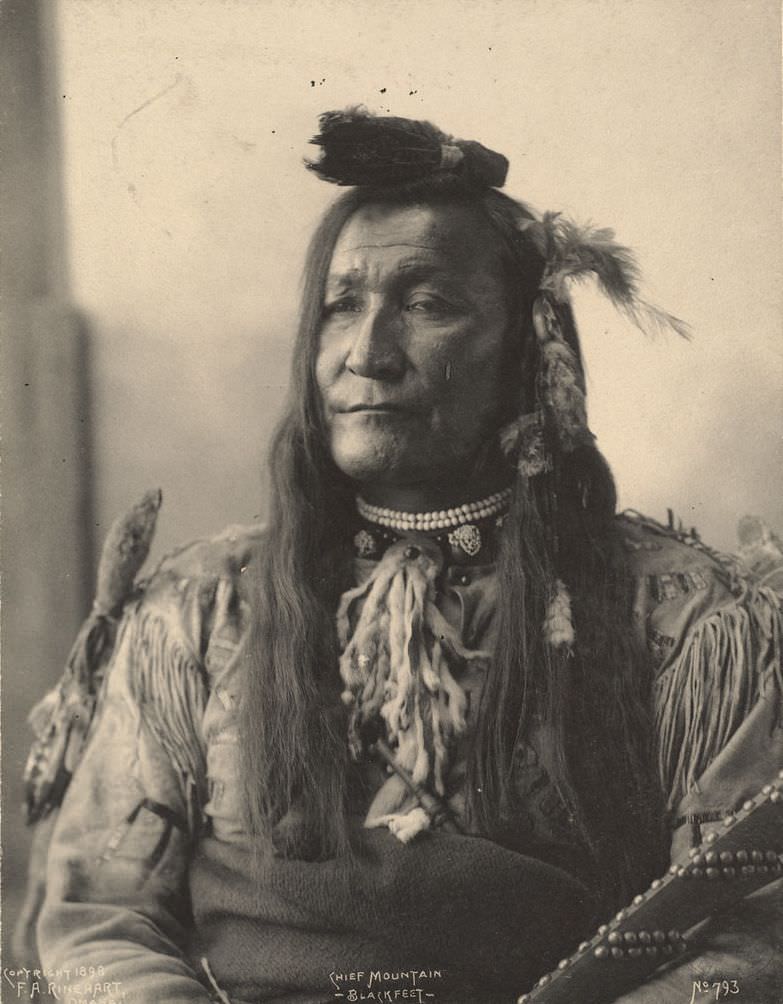
Chief Mountain, Blackfeet.
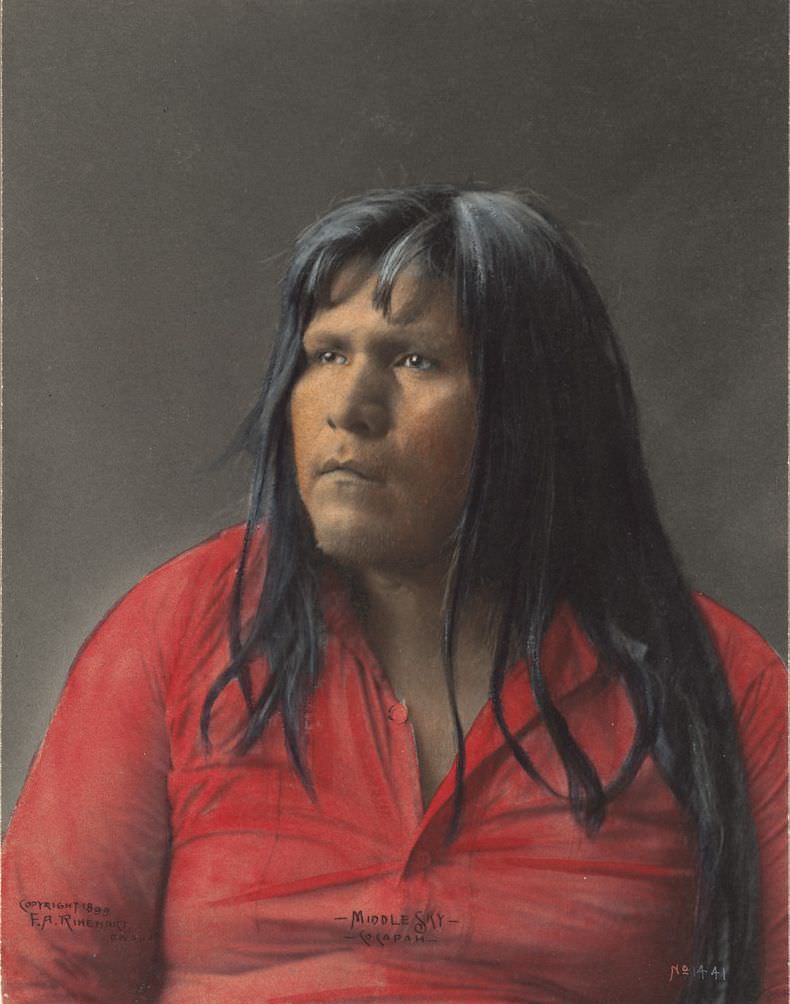
Middle Sky, Cocapah.
Broken Arm, Sioux.
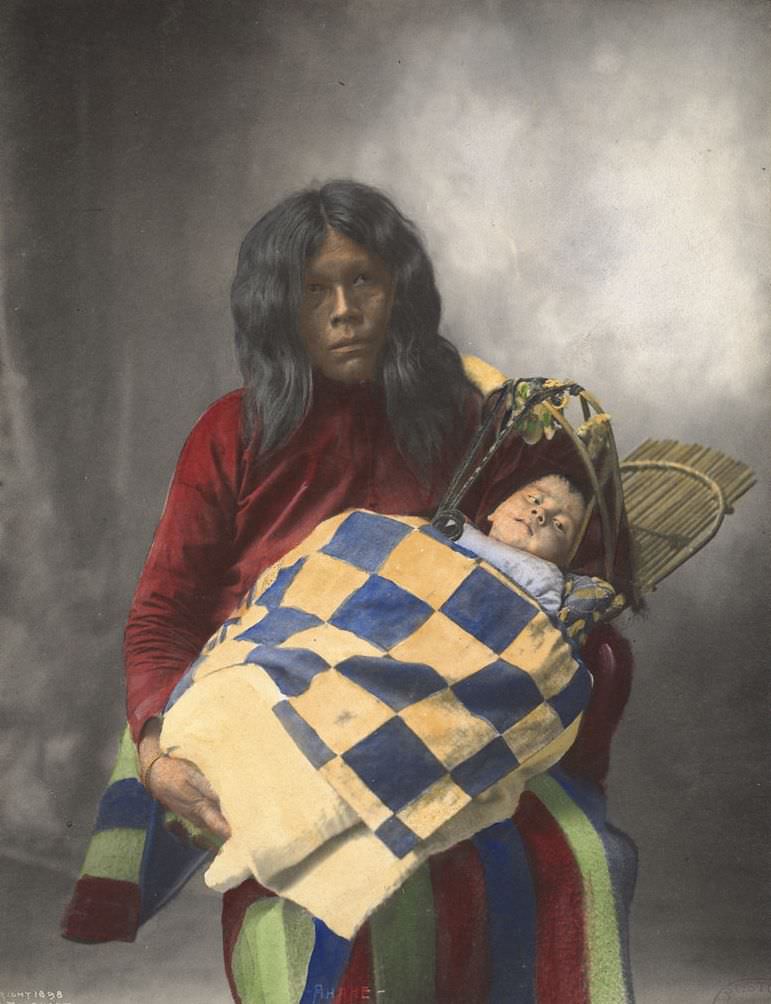
Ahahe & Child, Wichita.
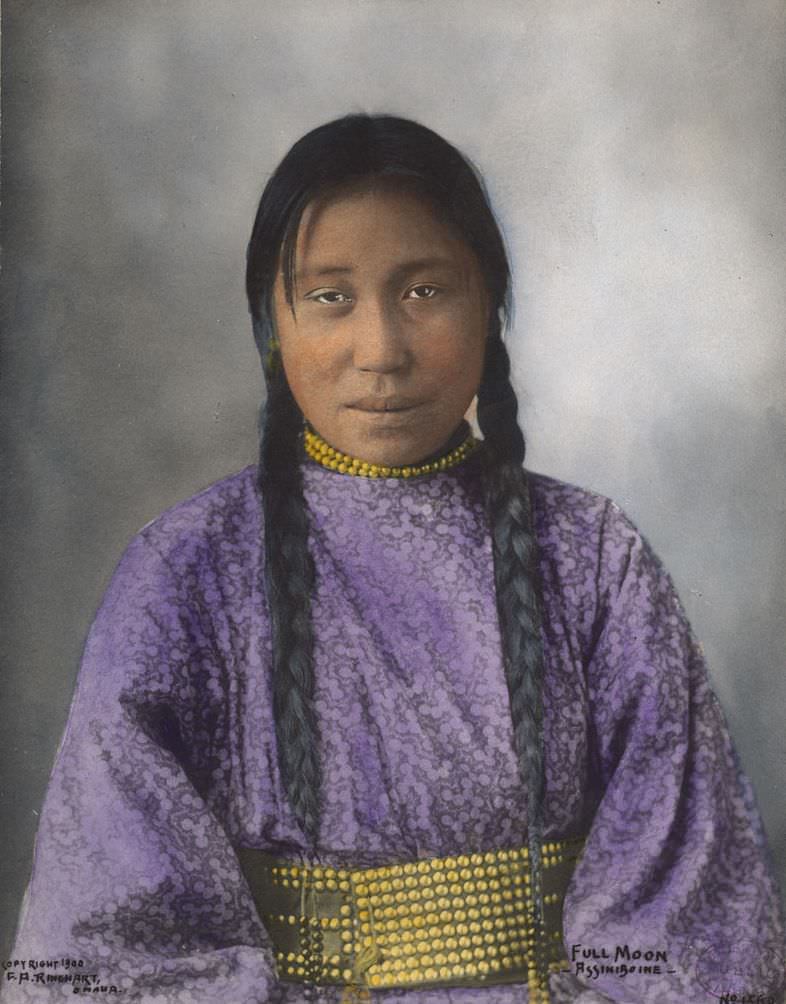
Full Moon, Assiniboine.
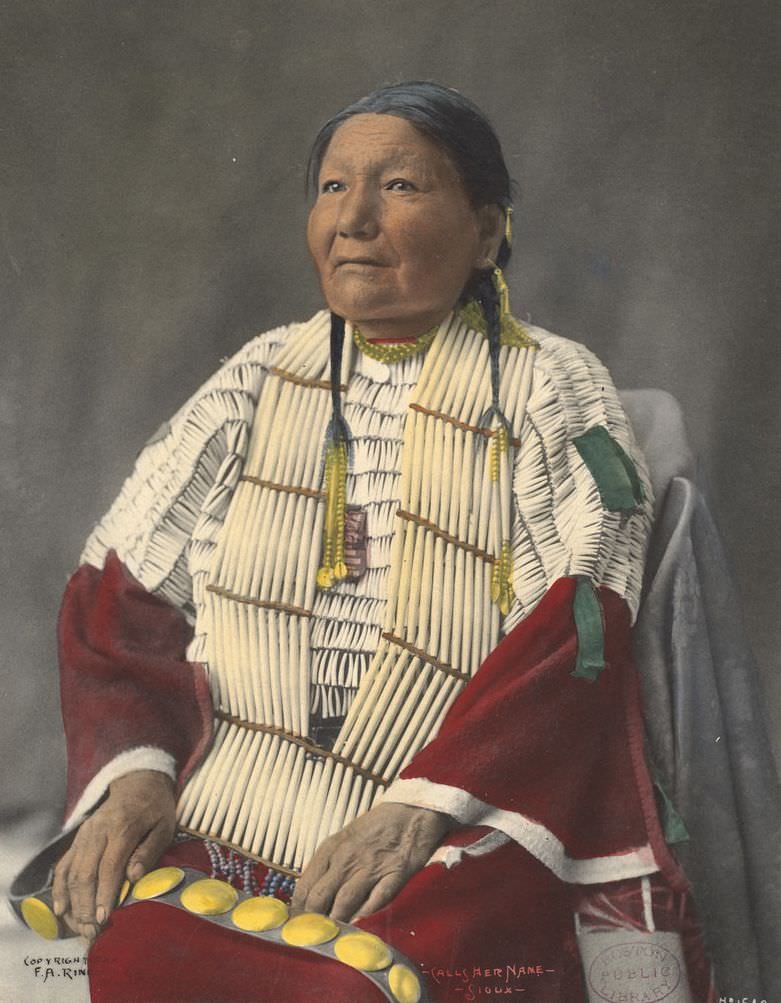
Calls Her Name, Sioux.
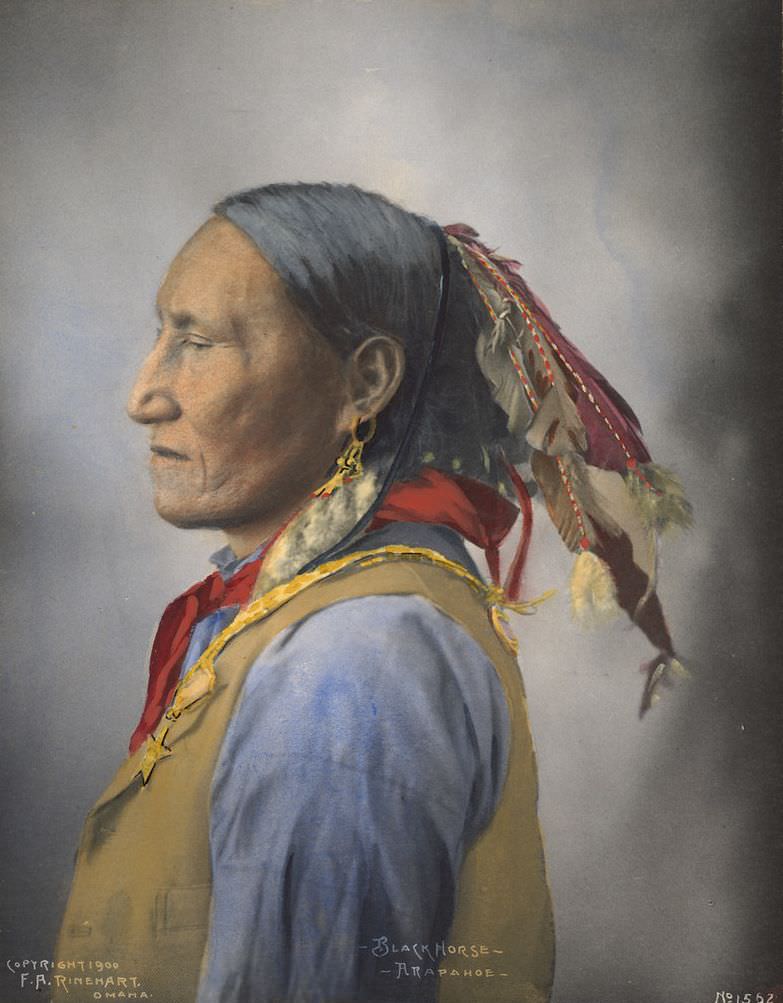
Black Horse, Arapahoe.
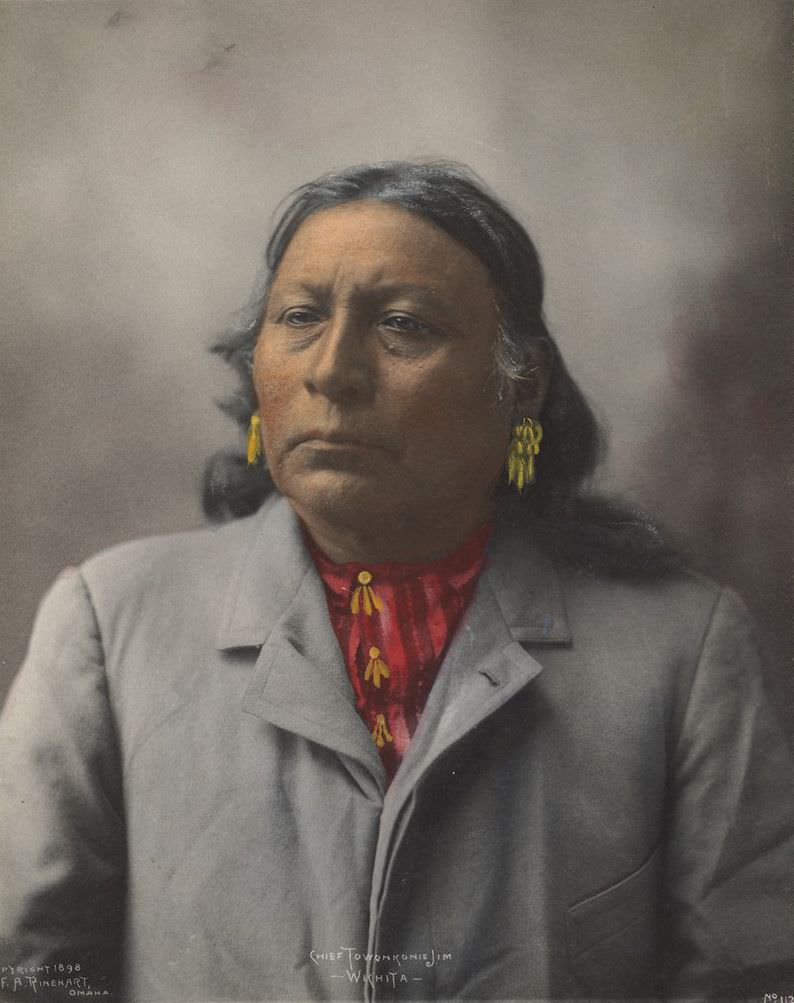
Chief Towonkonie Jim, Wichita.
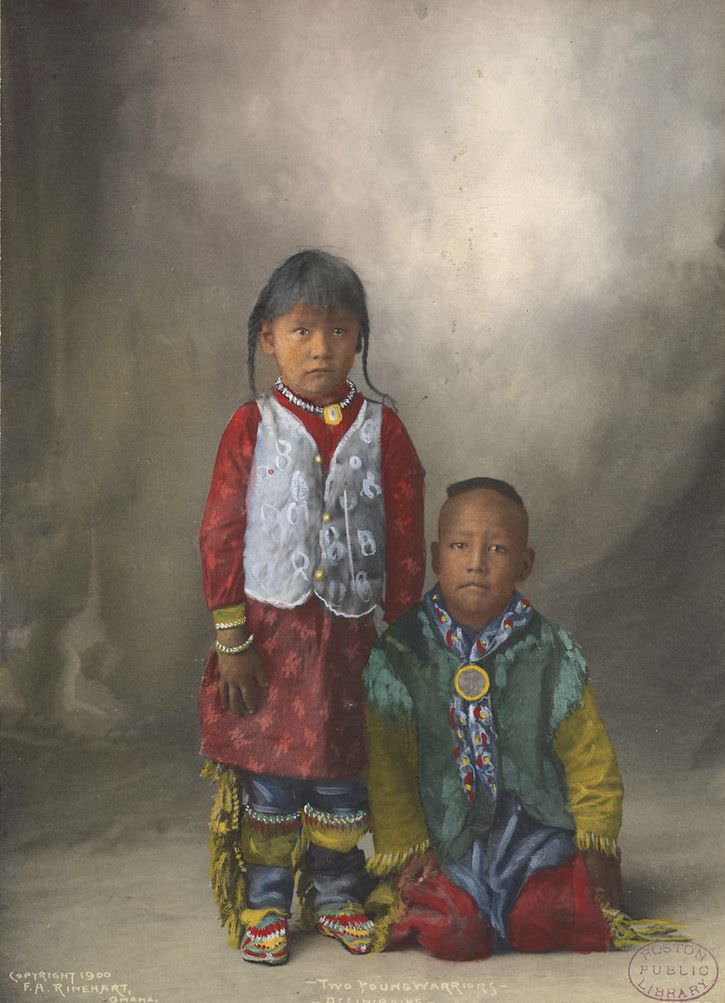
Two Young Warriors, Assiniboine.
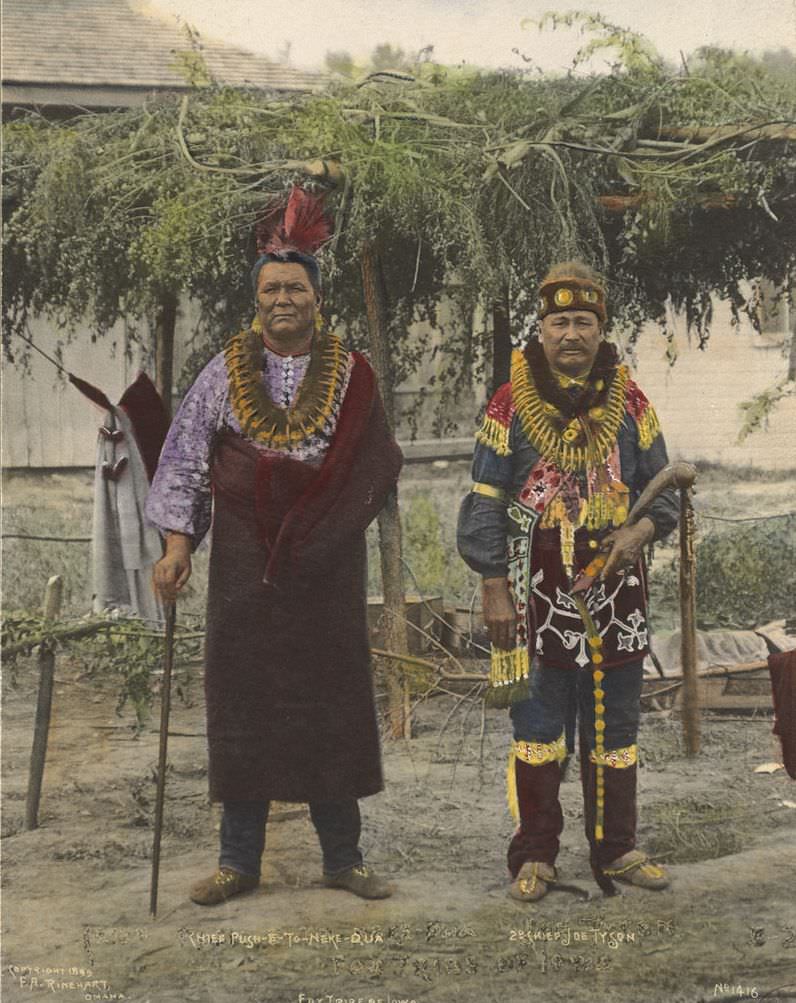
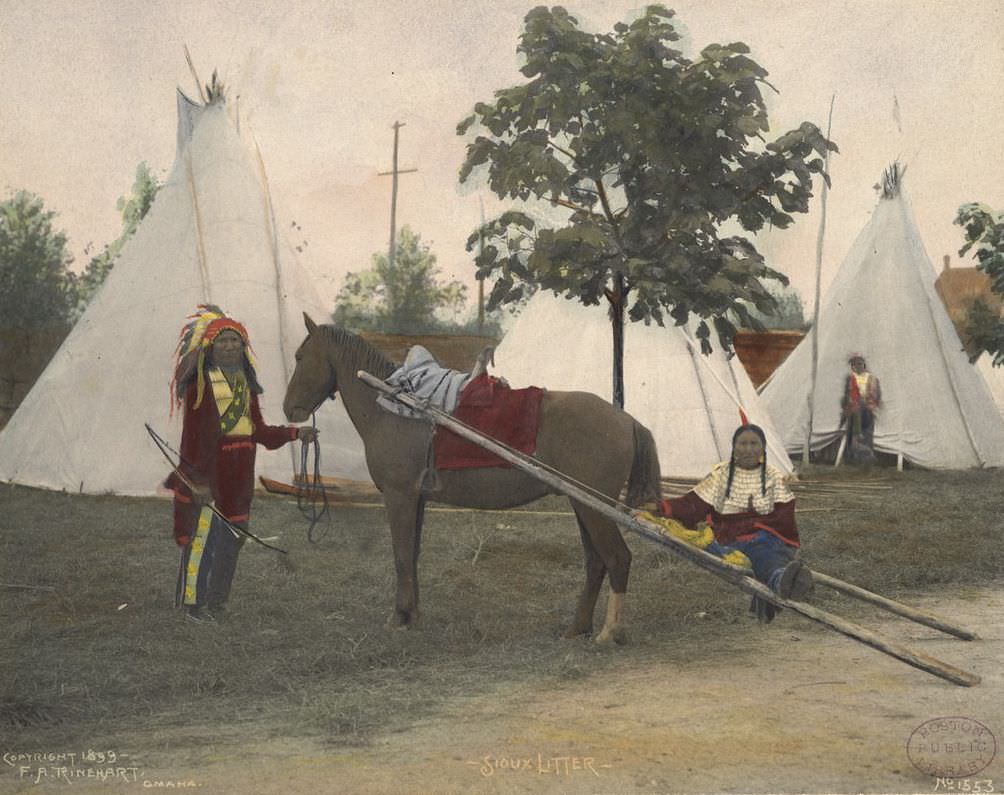
Chief Push-E-To-Neke-Qua, Chief Joe Tyson, Fox Tribe of Iowa.Sioux Litter.
Andrew's writing is grounded in research and provides unique insights into the cultural and historical contexts of vintage pieces. Through his work, he aims to foster a greater appreciation for the value and beauty of vintage items.






Natives dressed like everyone else in the late 19th century. It’s not much different than having a native pose in regalia in the present day.
Does anyone know how they did the porcupine almost scene hair style??
Love this post, thank you!