The Miss Europe pageant of the 1930s was more than a showcase of beauty. It was a window into a continent’s culture, fashion, and national pride at a time when Europe was still finding its footing between two world wars. The pageant’s roots stretch back to 1927, when Fanamet — Paramount Pictures’ European distributor — organized the first competition. The goal wasn’t to crown a beauty queen. It was to find a leading actress for a film directed by the legendary German filmmaker Friedrich Wilhelm Murnau. Yugoslavia’s Štefica Vidačić took that first crown, becoming the inaugural Miss Europe.
The pageant was then relaunched in 1928 by Maurice de Waleffe, a French journalist who had already built the Miss France competition from the ground up. Under his direction, the event moved to the prestigious Paris Opera and welcomed contestants from 18 countries. It was no longer a casting call — it was a full continental celebration. By 1930, the pageant had grown to 19 contestants, with Belgium sending its first-ever representative. Czechoslovakia and Turkey both returned after being absent since 1927, while Switzerland was forced to withdraw their contestant that year.
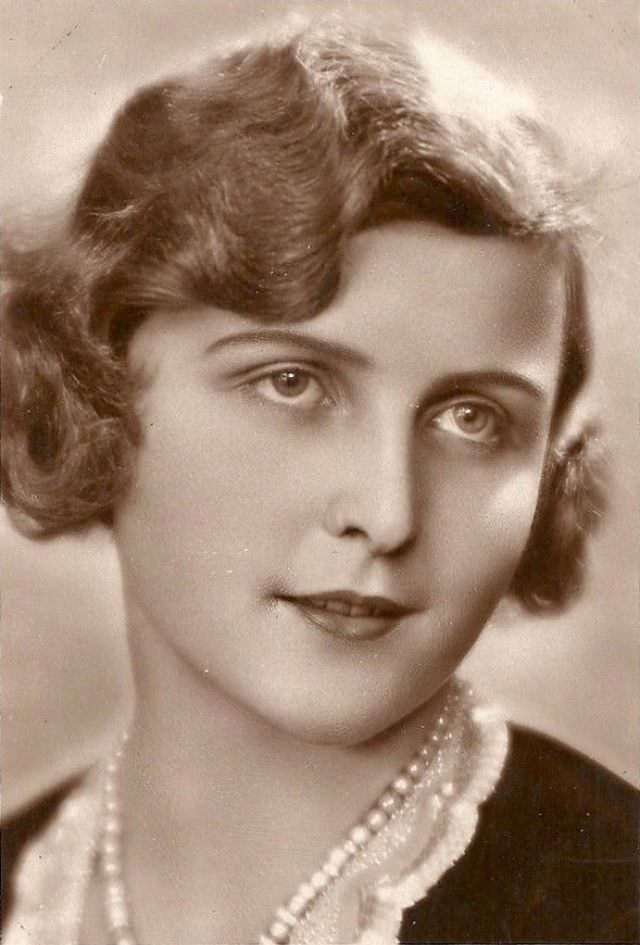

The 1930 Miss Europe competition drew women from across the continent, each representing her nation’s distinct sense of style and elegance. From Western Europe to the Balkans, the lineup was a remarkable cross-section of the era’s ideals of beauty. These were women photographed at a time when portrait photography itself was an art form, and every image carries the careful composition and soft lighting that defined the period.
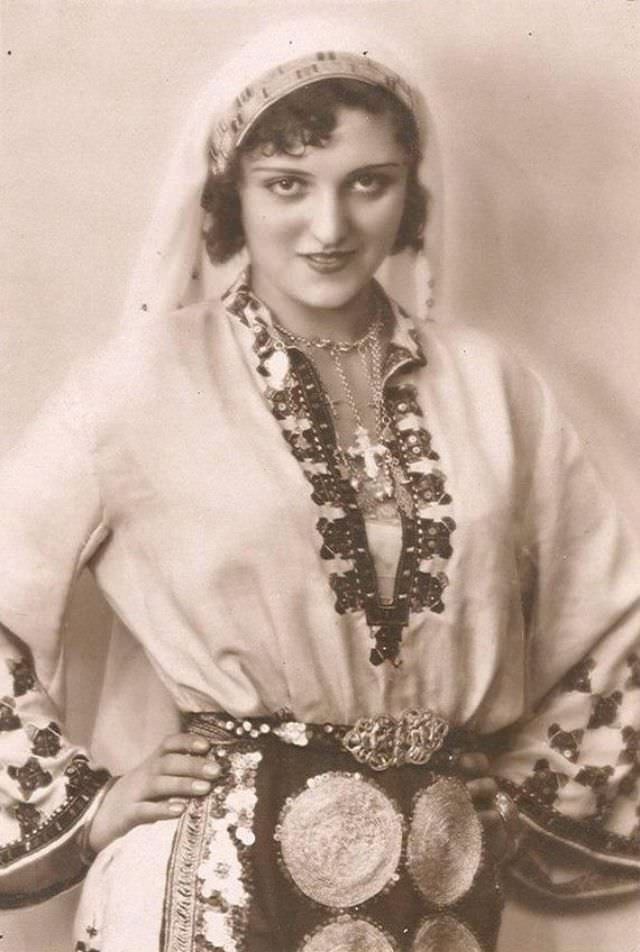
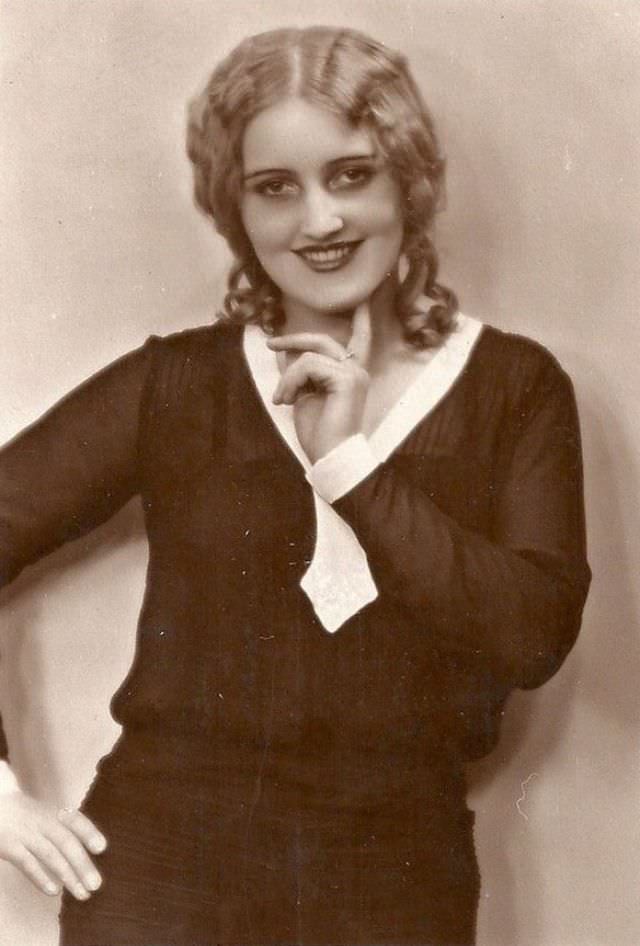
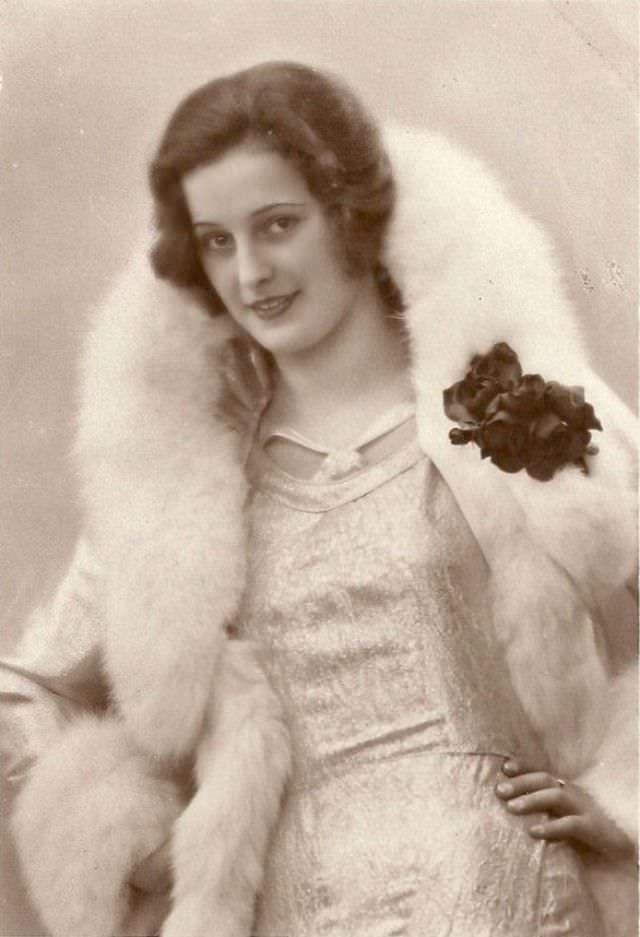
England, France, and Germany each sent strong representatives to the 1930 pageant. Their portraits reflect the distinct national fashions of the era — from the understated poise of the English contestant to the effortless chic associated with the French entry competing on home soil in Paris.
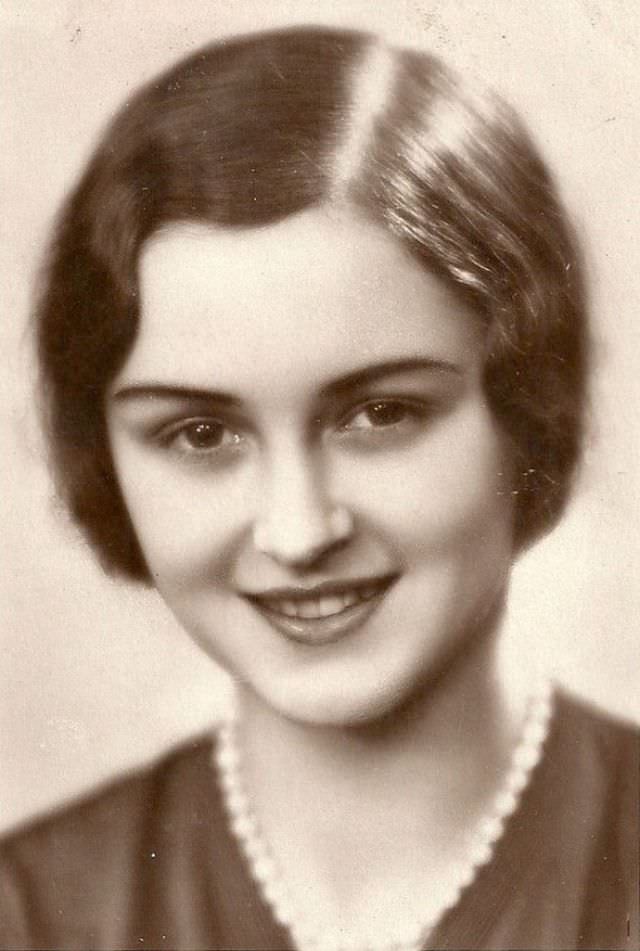
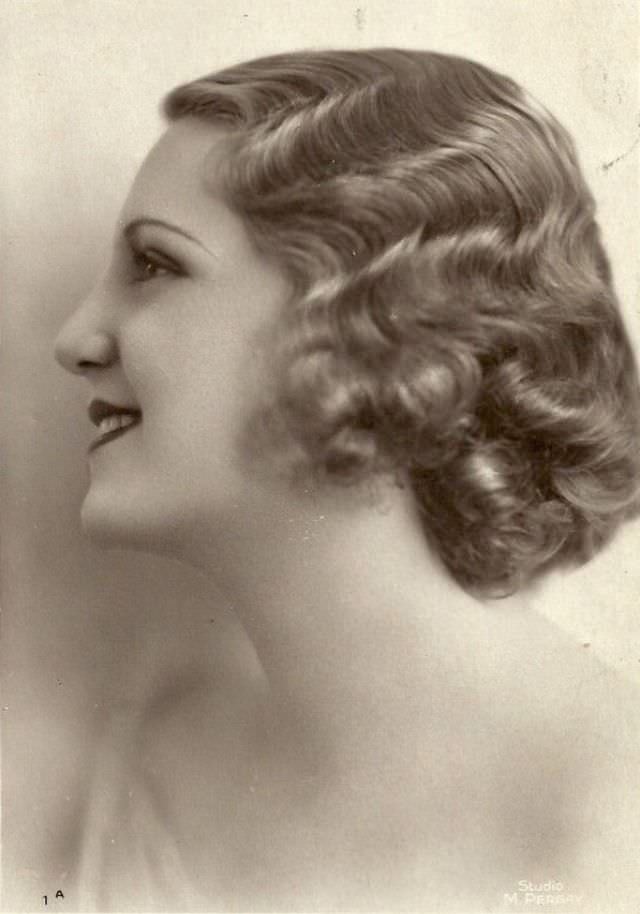
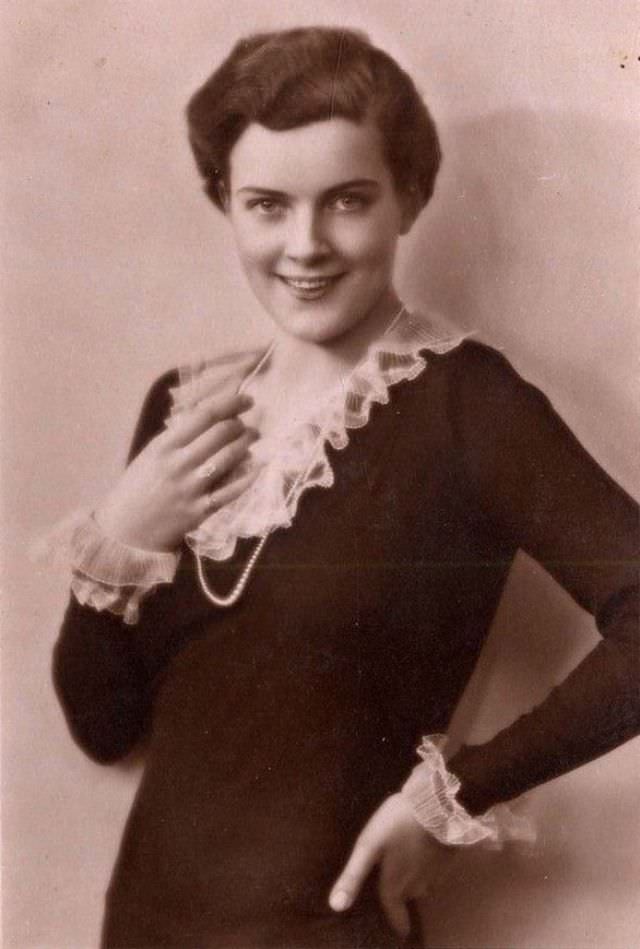
The pageant also featured contestants from Holland, Hungary, and Ireland — nations whose entries brought further diversity to the stage. These women were photographed in formal studio settings, their portraits treated with the same seriousness as those of politicians and artists of the day.
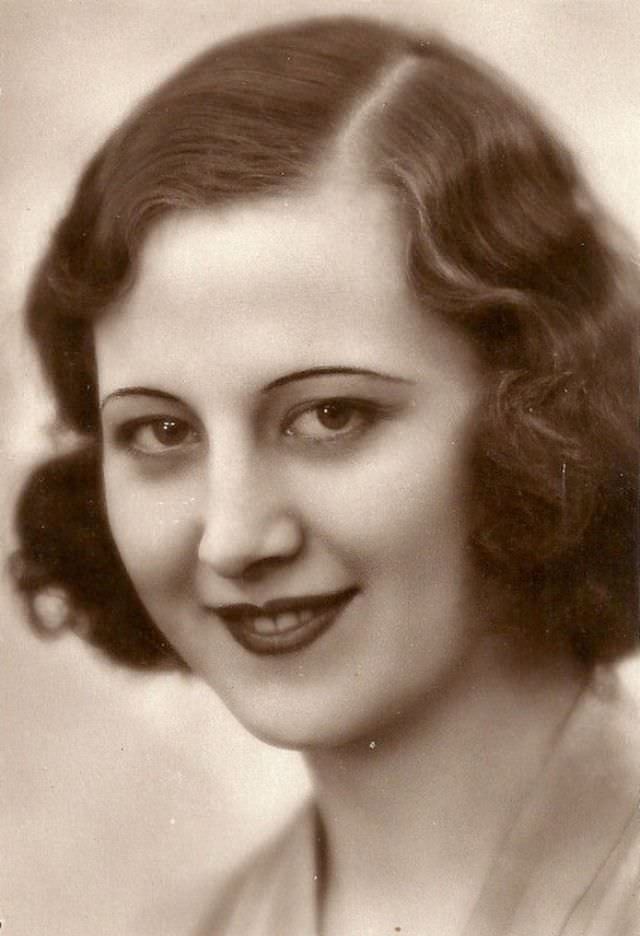
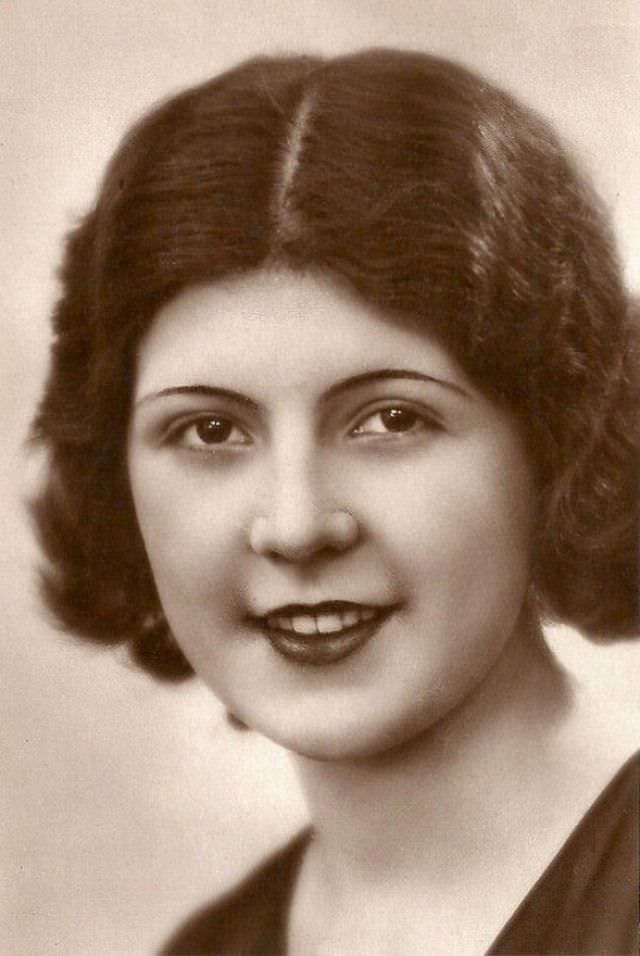
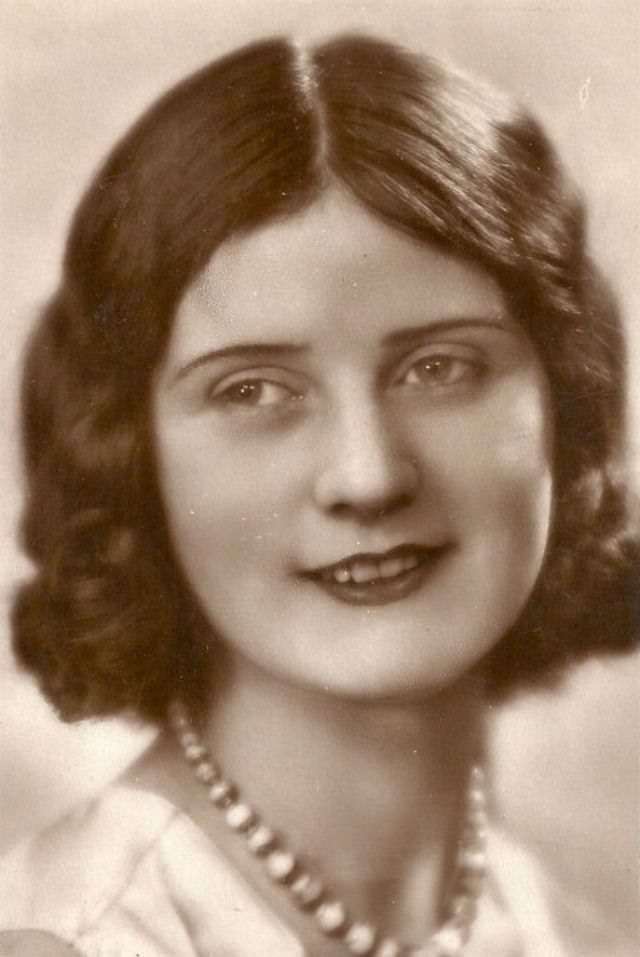
Italy, Poland, and Romania rounded out a significant portion of the Eastern and Southern European representation. Each contestant arrived in Paris carrying not just her own aspirations, but her country’s hopes for recognition on one of Europe’s most glamorous stages.
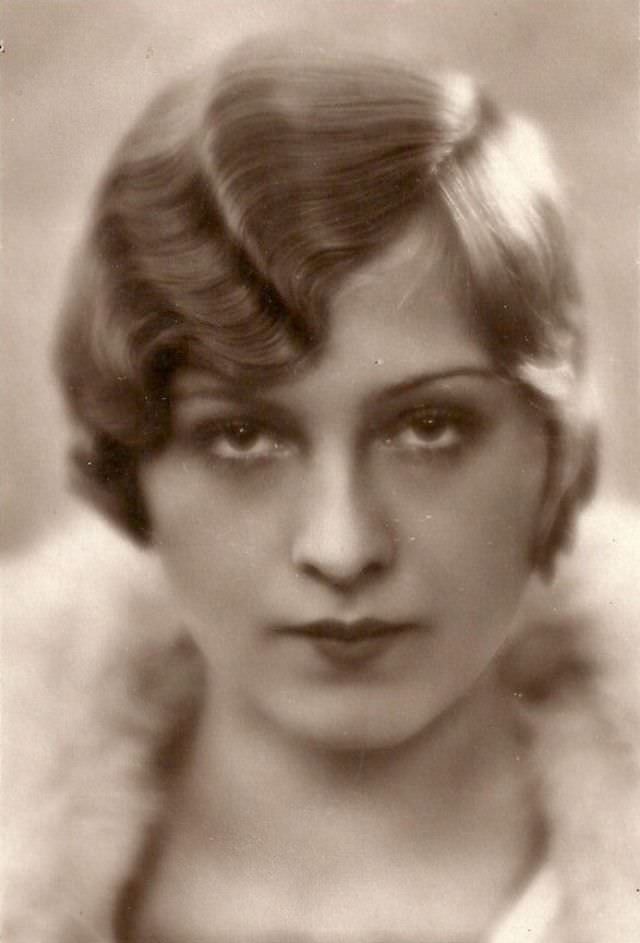
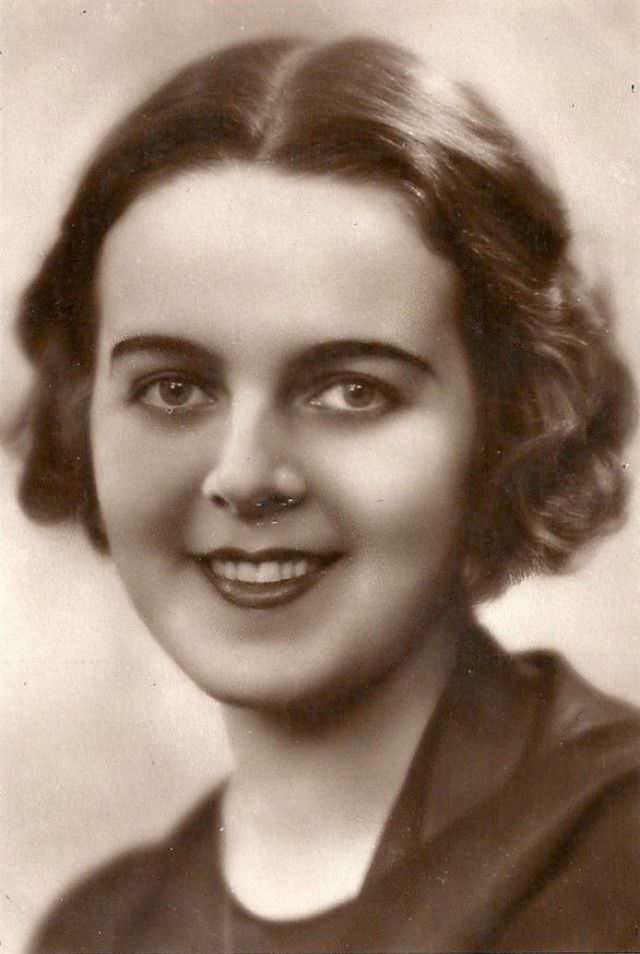
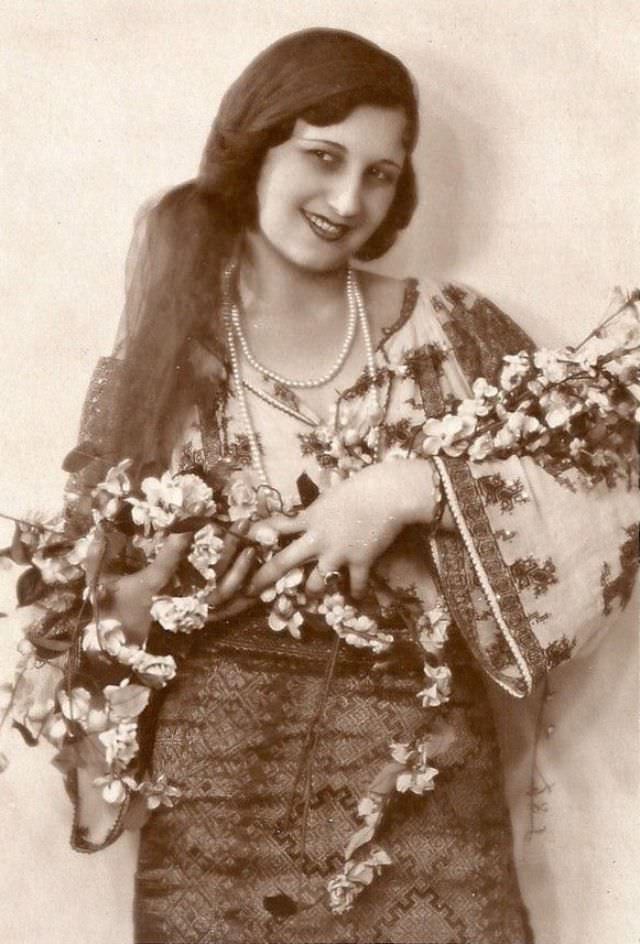
Russia, Spain, Turkey, and Yugoslavia each added their own character to the 1930 lineup. Turkey’s return to the competition after a three-year absence made their entry particularly notable, as did Yugoslavia’s, given the country had produced the very first Miss Europe just three years earlier in 1927.
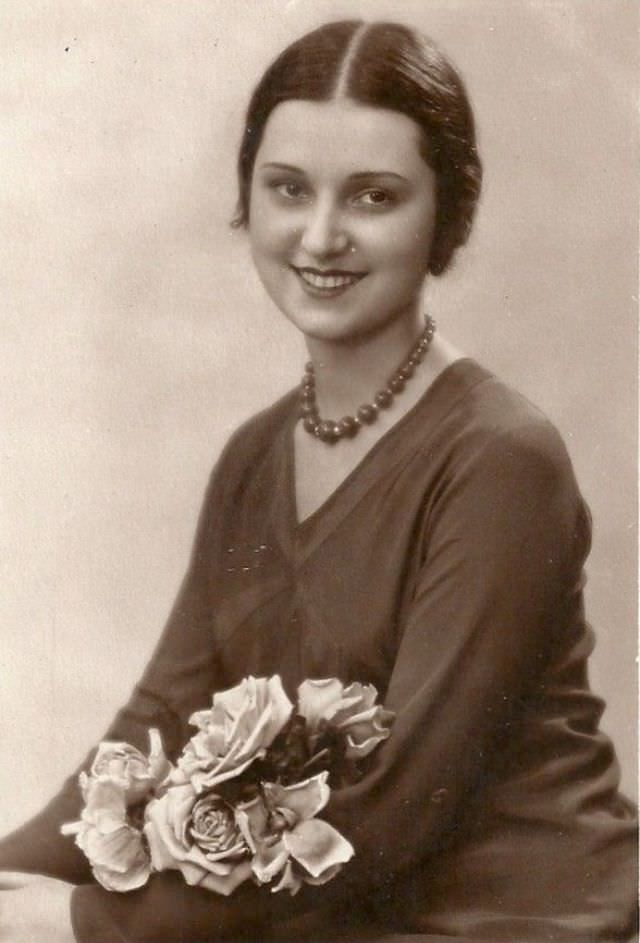
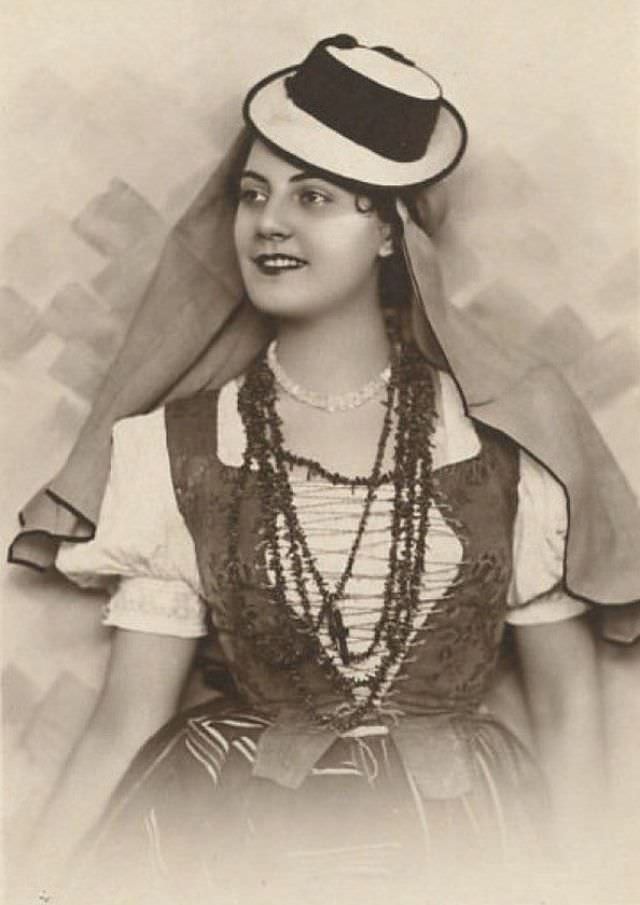
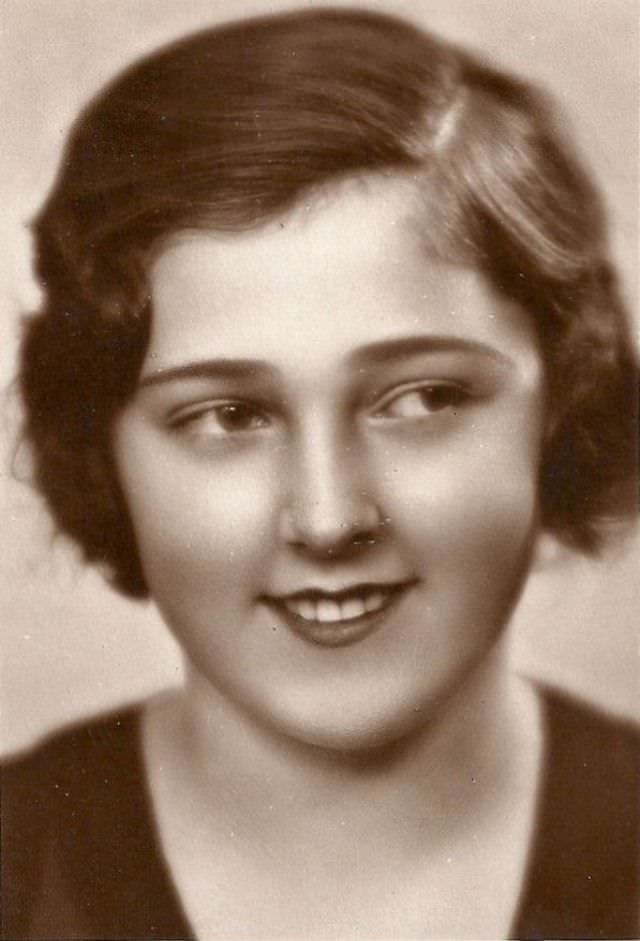
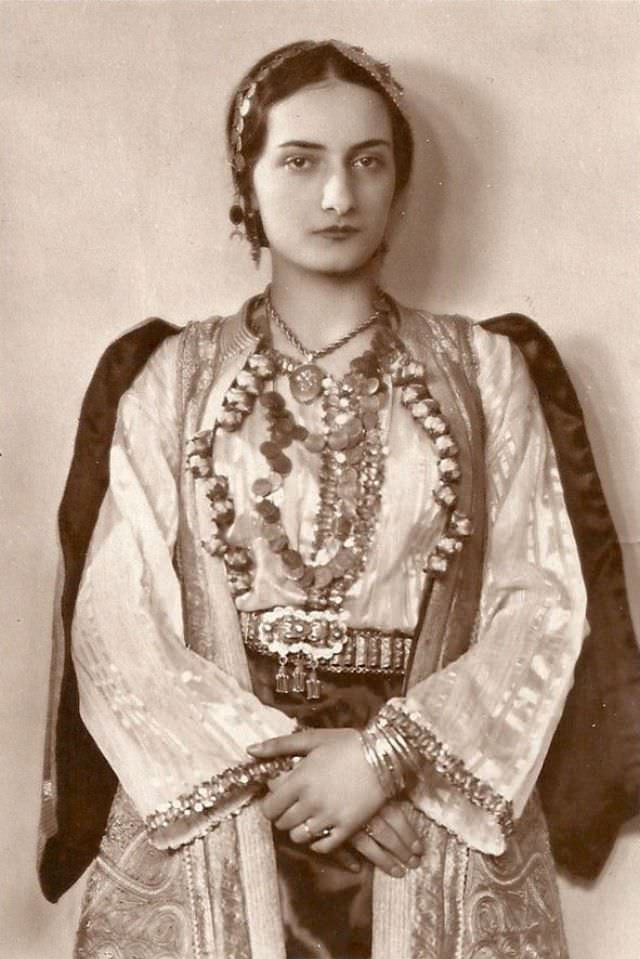
When the judges made their decision at the 1930 Miss Europe pageant, it was Greece’s representative who walked away with the crown. Aliki Diplaraku became Miss Europe 1930, cementing her place in the pageant’s history as one of its most celebrated winners. Her victory was the crowning moment of a competition that had, in just a few short years, grown into one of Europe’s premier cultural events.
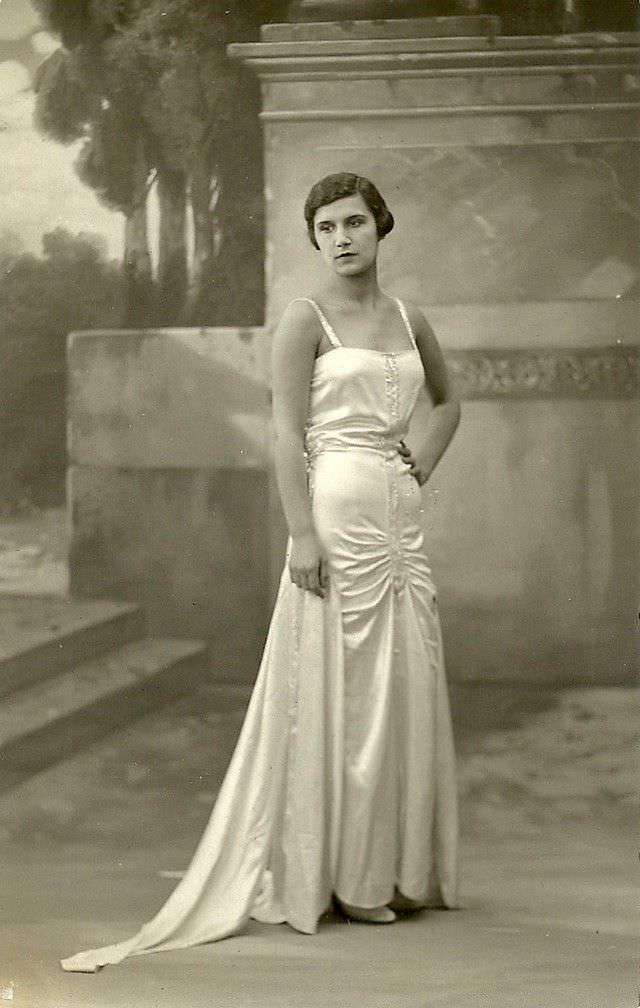
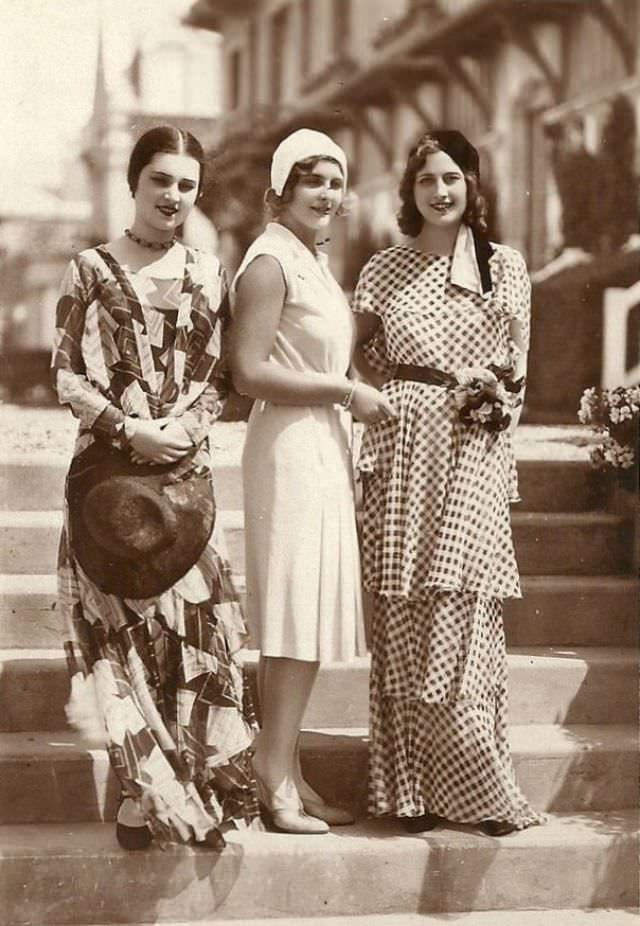
Beyond the formal portraits, some candid glimpses of the contestants together in Paris captured the spirit of the event. Women from countries with deeply different histories and languages found themselves side by side in the French capital, united by the pageant’s unique international stage.