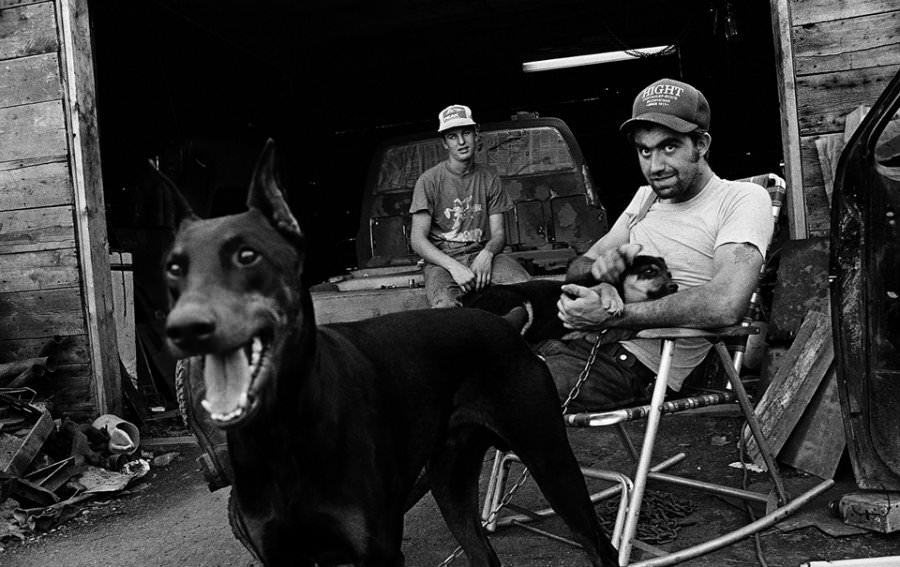
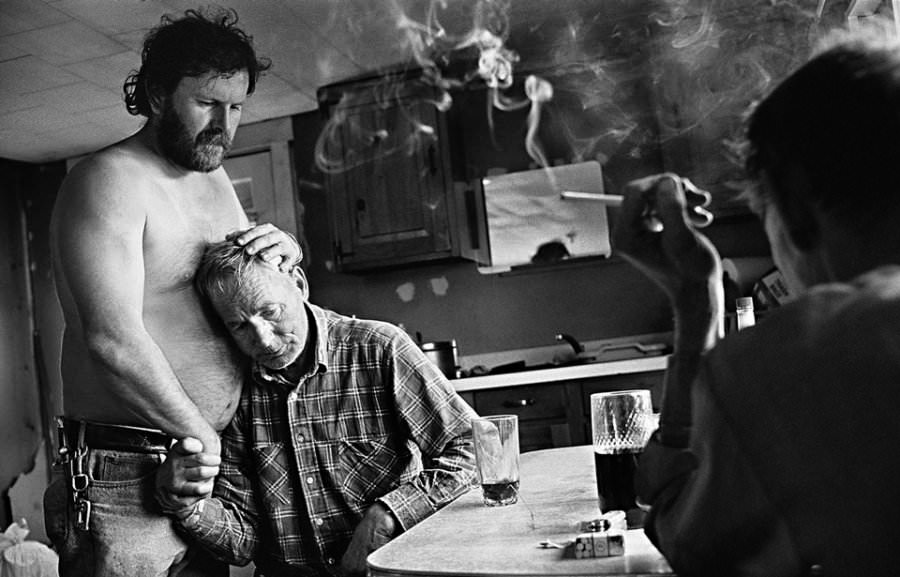
Maine in the 1980s sold itself on postcards — rocky coastlines, lobster shacks, and tidy seaside villages. Tourists arrived in steady streams for all of it. But drive inland, away from the scenic routes, and the picture changed completely. In those rural corners of the state, poverty was not a backdrop. It was daily life.
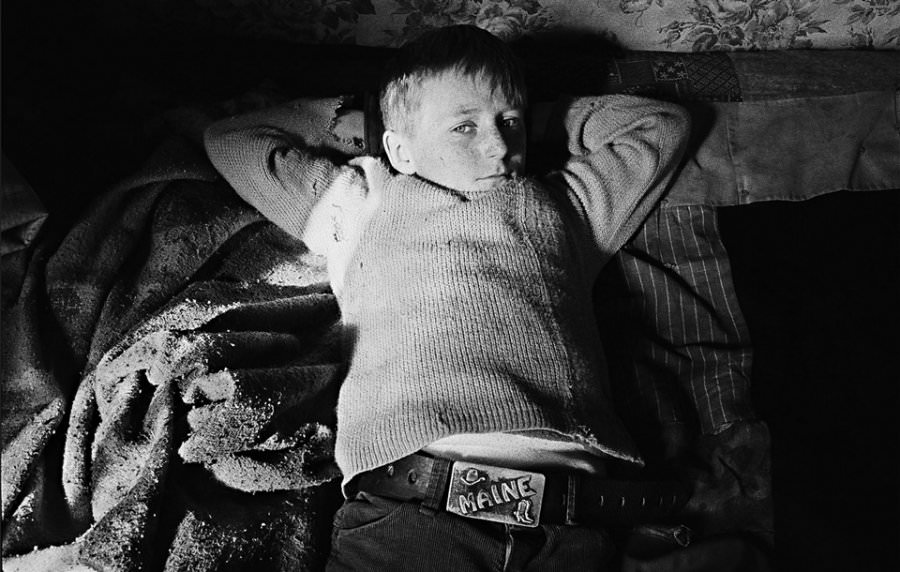
In 1982, photographer Steven Rubin hitchhiked into Maine with little money and no fixed plan. He moved away from the coast and into communities that rarely appeared in travel guides. What he found were families living through long-standing economic hardship — not a temporary rough patch, but a structural reality built over generations.
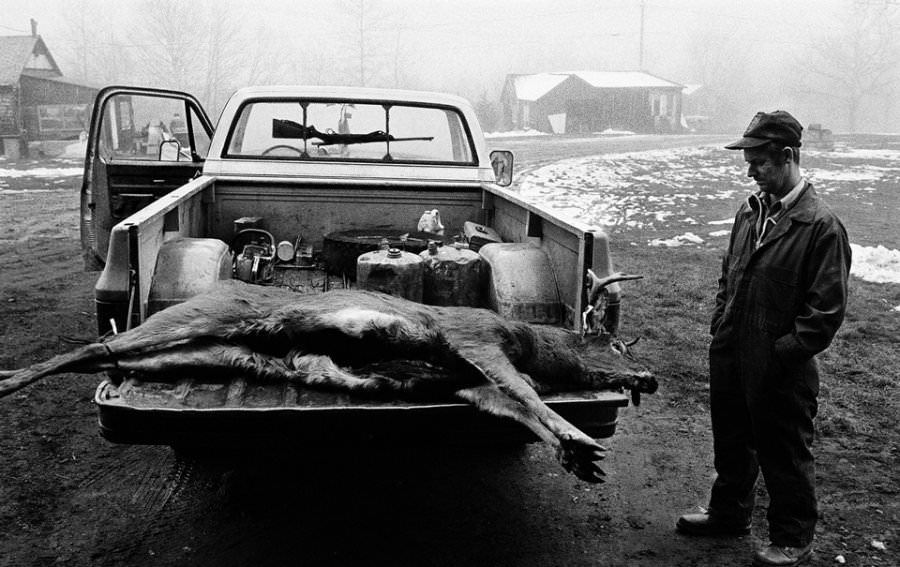
Rural Maine had long depended on logging, farming, and manufacturing. By the 1980s, those industries were collapsing. Mills closed. Stable factory jobs dried up. When a town’s single large employer shut down, the economic damage spread fast. Families lost income, and with it, the ability to cover rent, food, and heat.
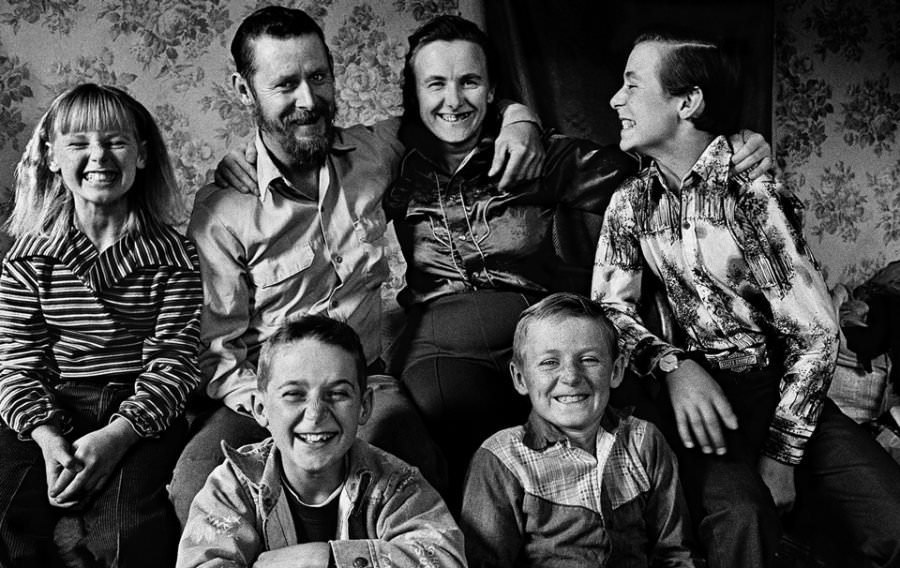
Maine winters are brutal under any circumstances. For families in poorly insulated homes — or in trailers with leaking roofs and broken windows — they were a crisis. Heating costs forced impossible choices. Some households chose warmth over groceries. Food stamps and government assistance helped, but rarely covered everything.
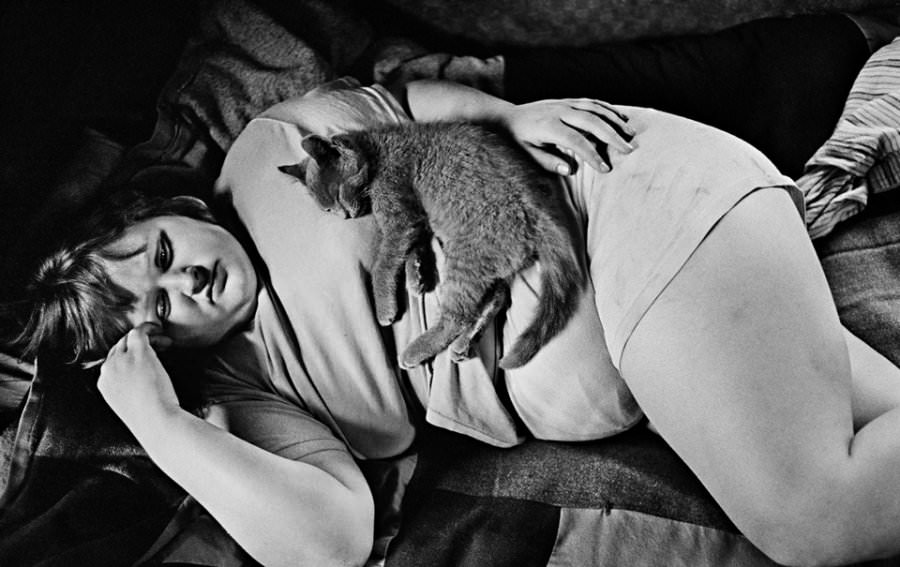
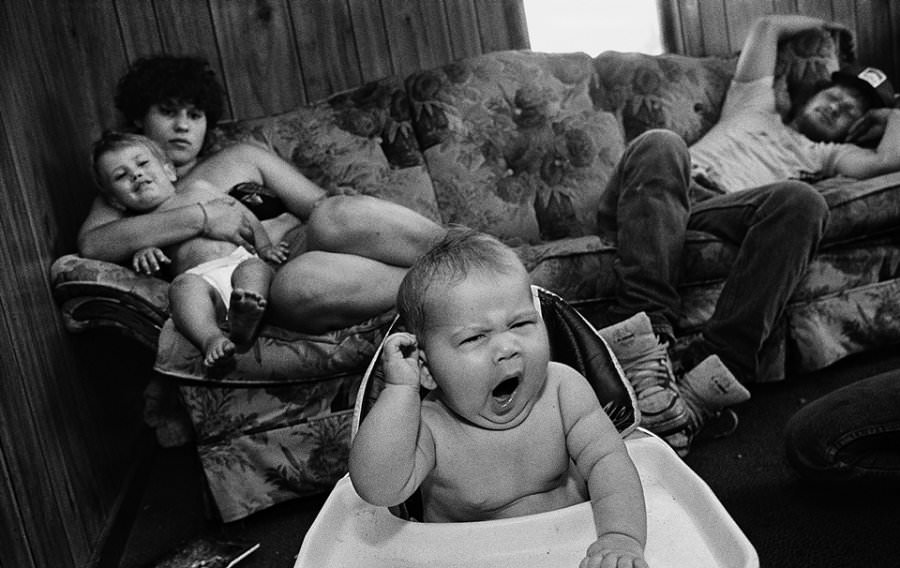
Healthcare was another gap. Hospitals and clinics were scarce in rural areas, and reaching one could mean hours of travel. Without reliable transportation, many people — especially older adults and those with chronic conditions — simply went without care. A doctor’s visit was both logistically difficult and financially out of reach for many.
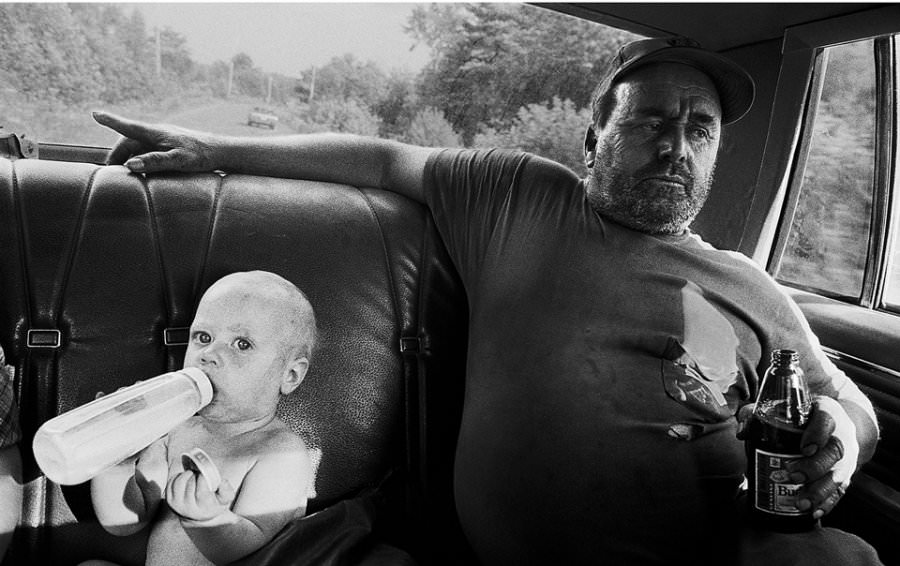
Rubin returned to Maine repeatedly over the following years, building real relationships with the people he photographed. His camera documented kitchens, living rooms, yards, and faces — the texture of everyday life in communities that most of Maine’s visitors never saw.
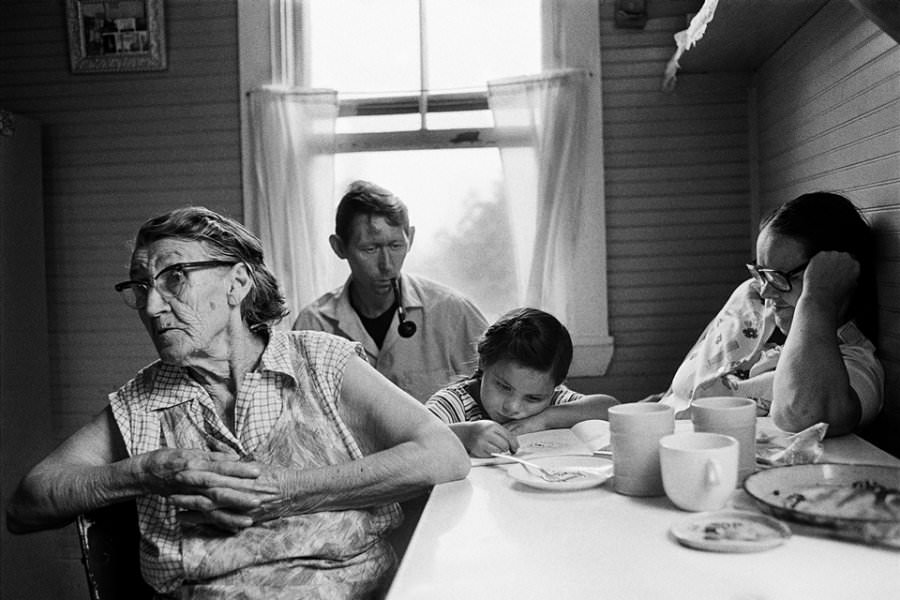

Schools in these areas operated with far fewer resources than those in wealthier parts of the state. Many students came from homes where parents worked multiple low-wage jobs or were unemployed. Dropping out before graduation was common, particularly for teenagers who needed to contribute to household income.
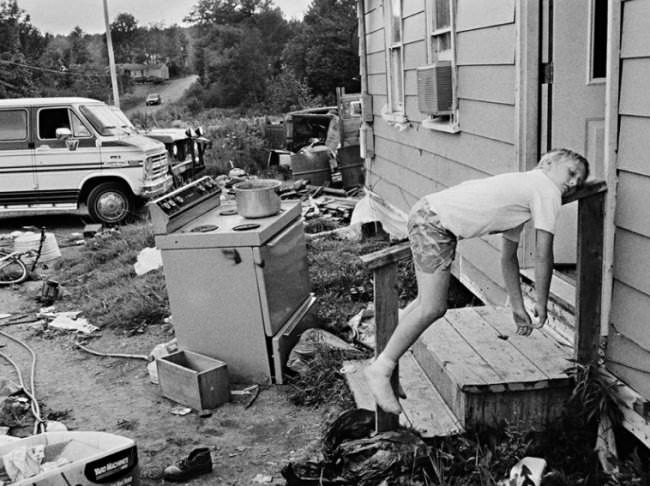
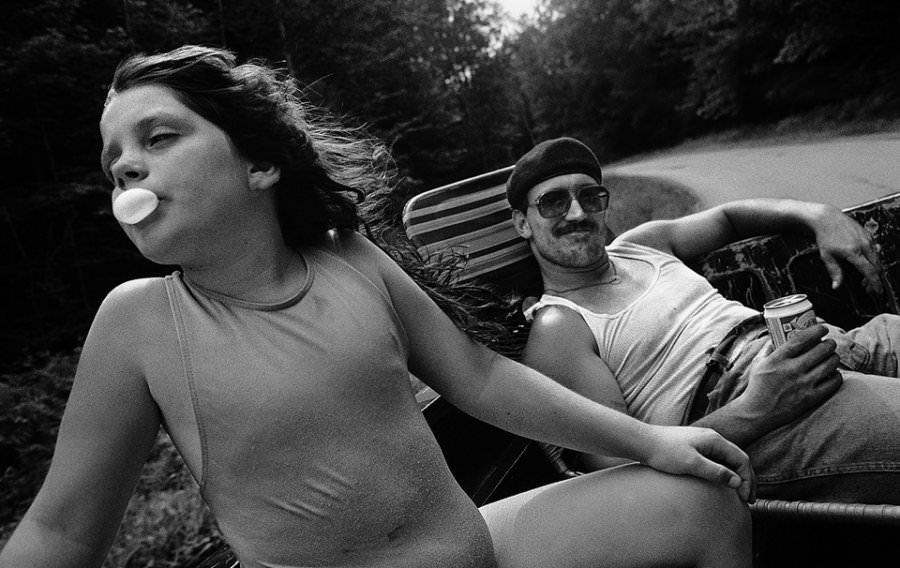
The poverty Rubin documented was invisible to most outsiders. It did not exist along the scenic coastal routes or in the well-kept towns that appeared in travel magazines. It existed in isolated communities with few services, few opportunities, and little outside attention.