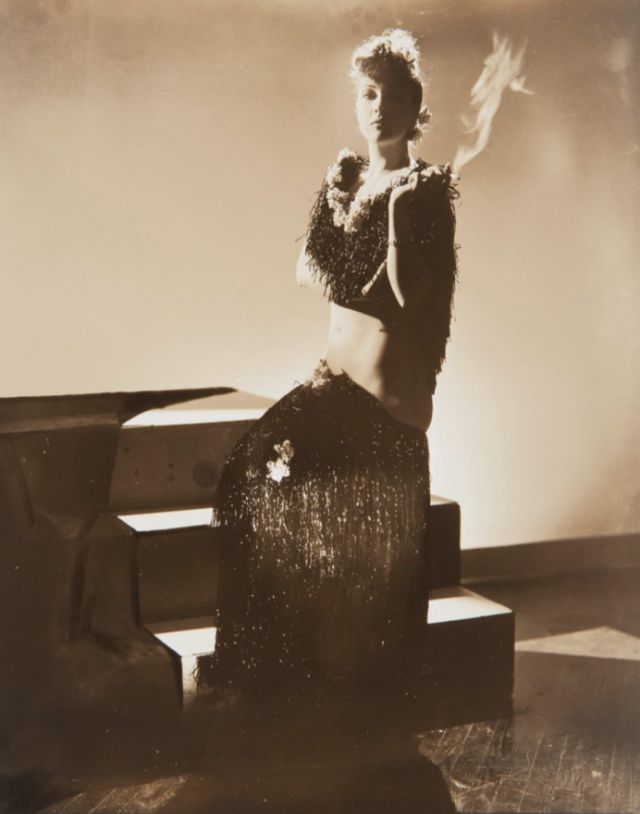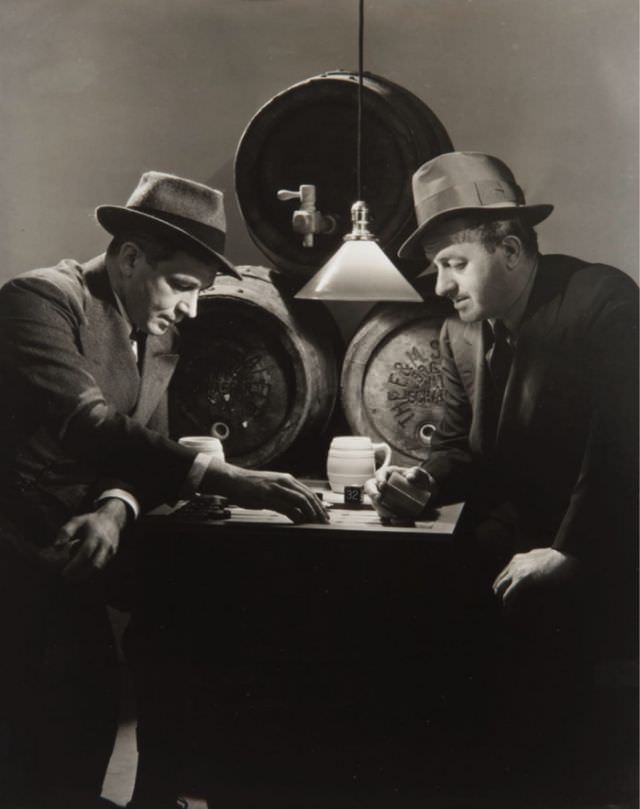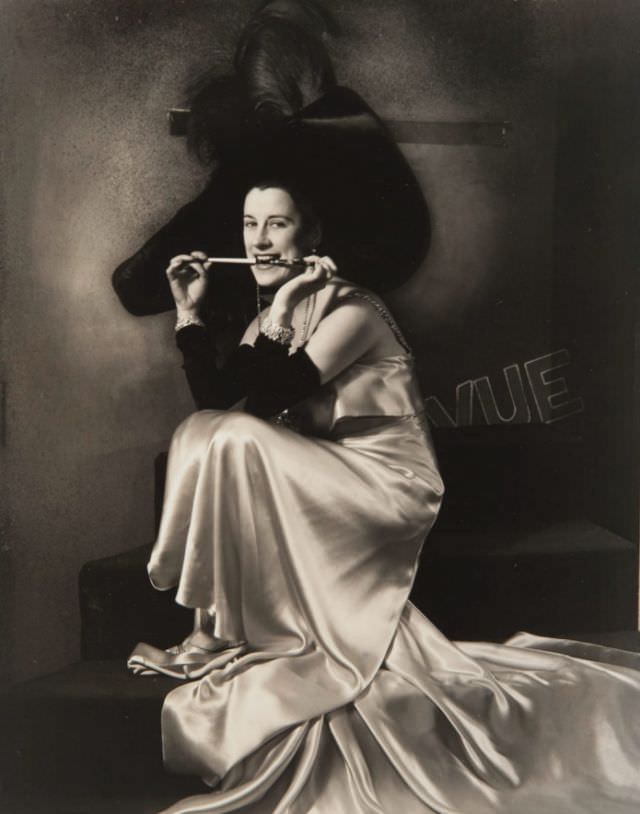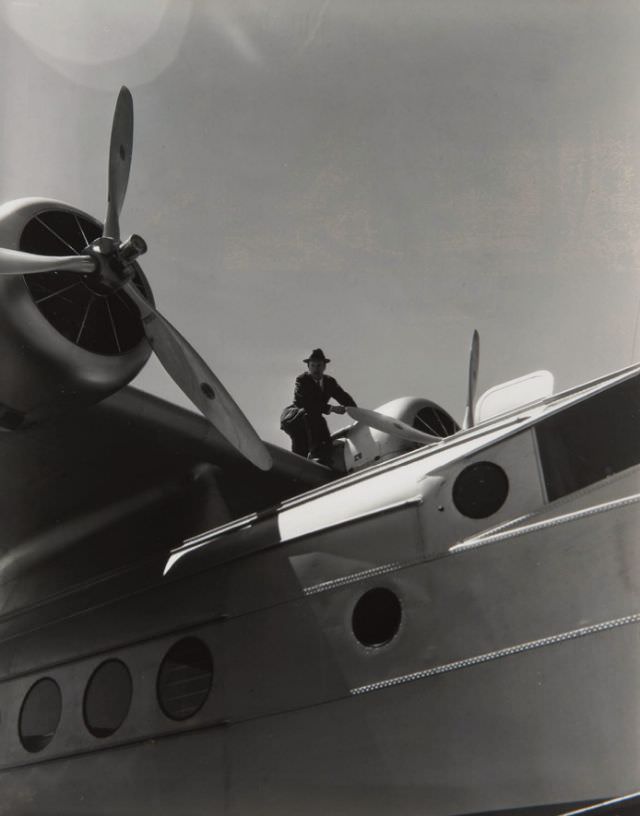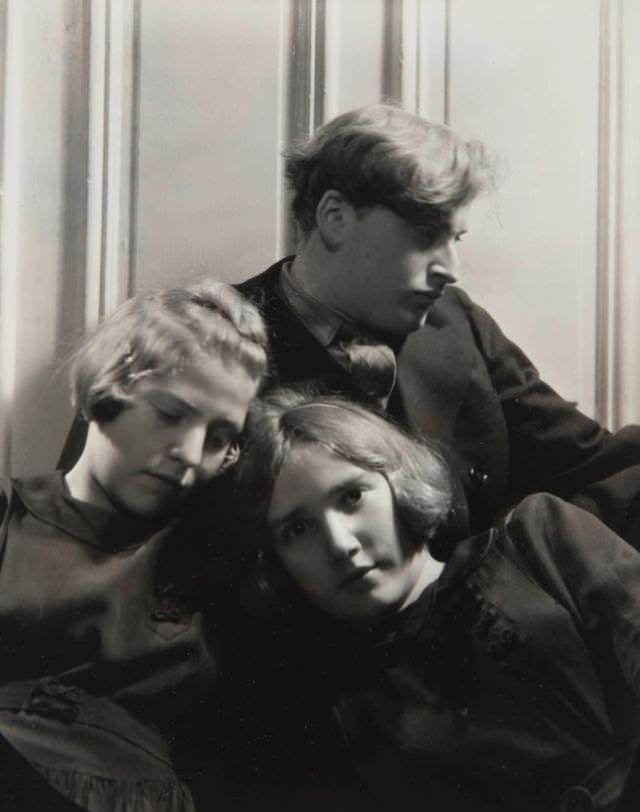
Lusha Nelson was born in Latvia and built one of the most promising photography careers of the 1920s in a remarkably short time. He trained under two giants of American photography — Edward Steichen and Alfred Stieglitz — and quickly earned a staff position at Condé Nast. His work appeared regularly in Vanity Fair and Vogue, placing him at the center of the most fashionable visual culture of his era.
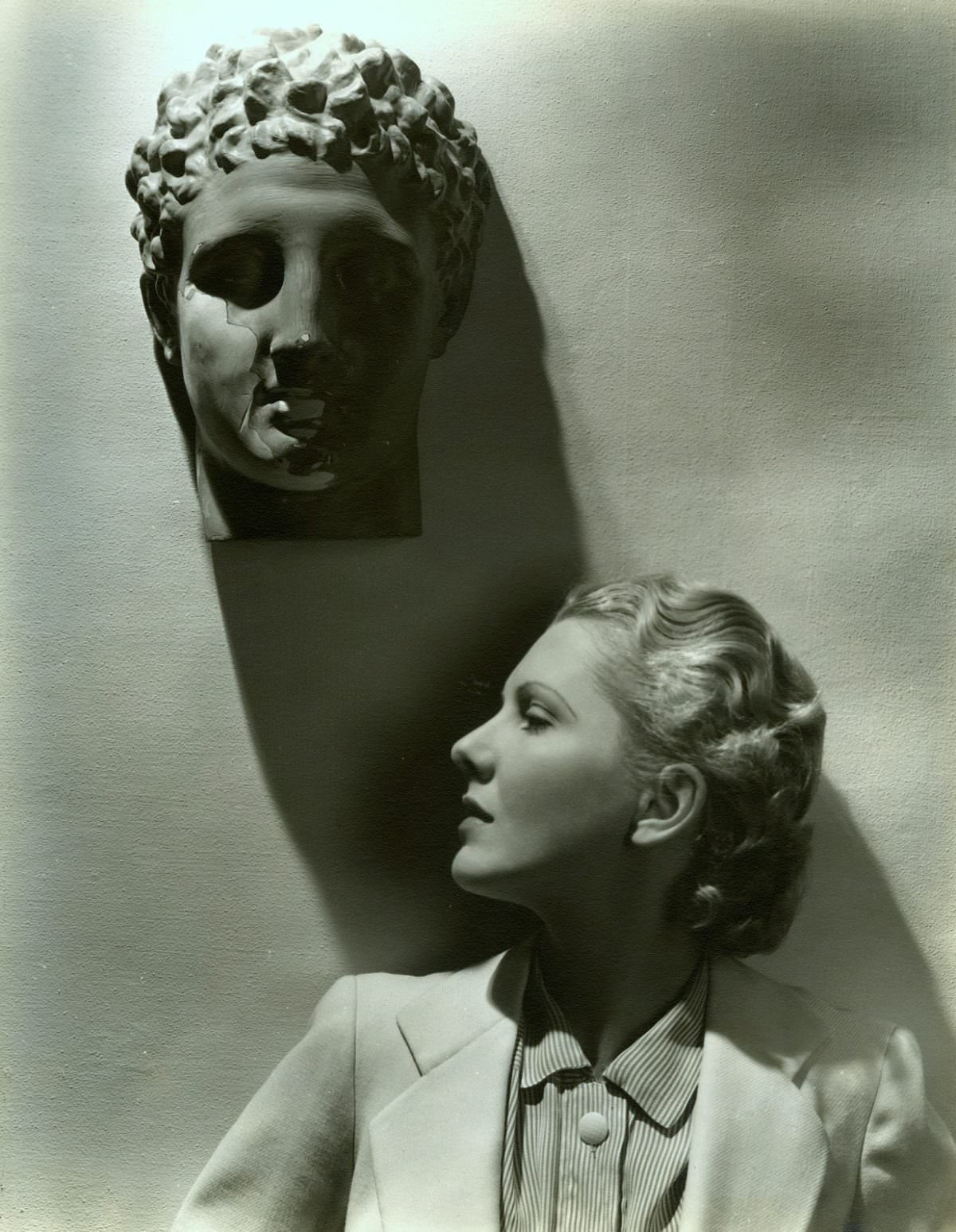
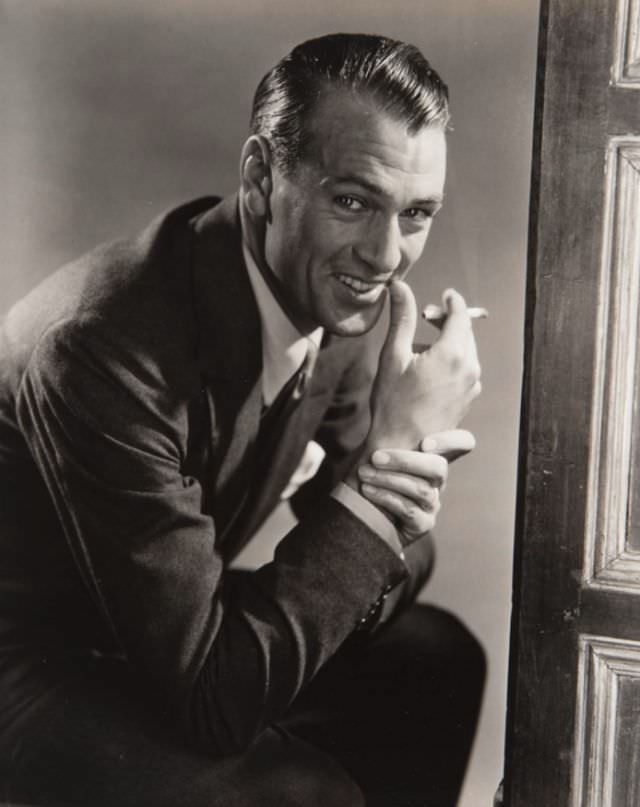
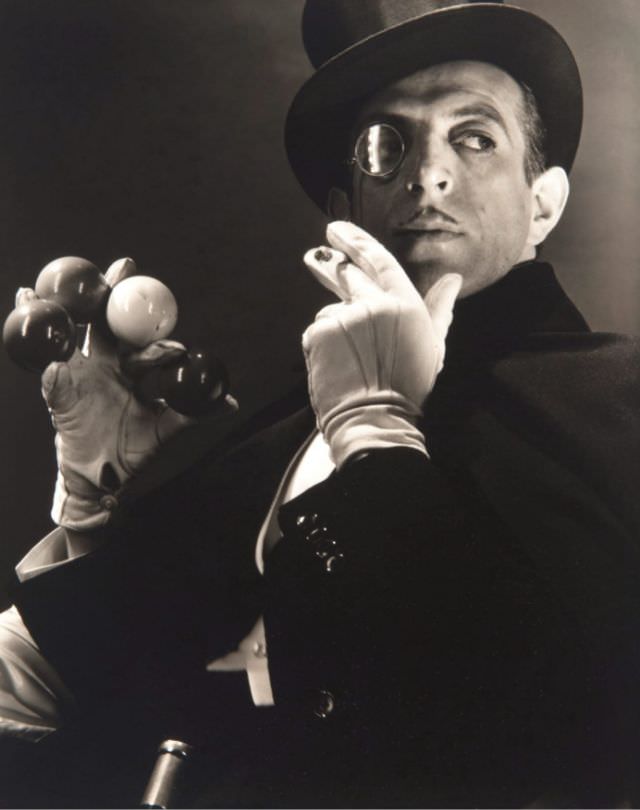
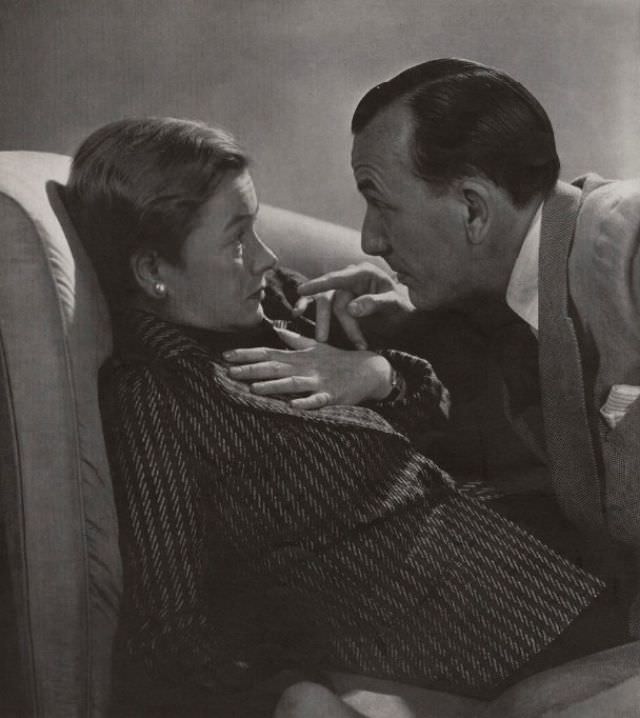
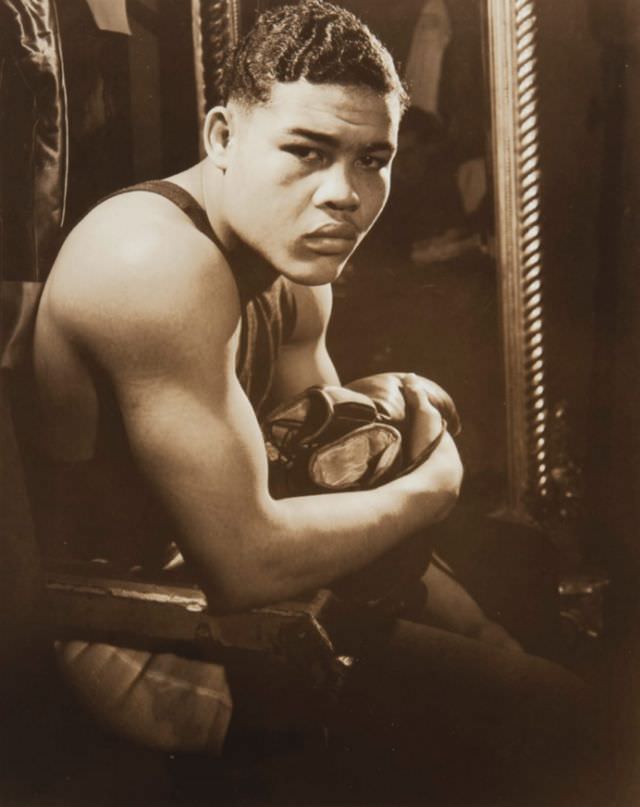
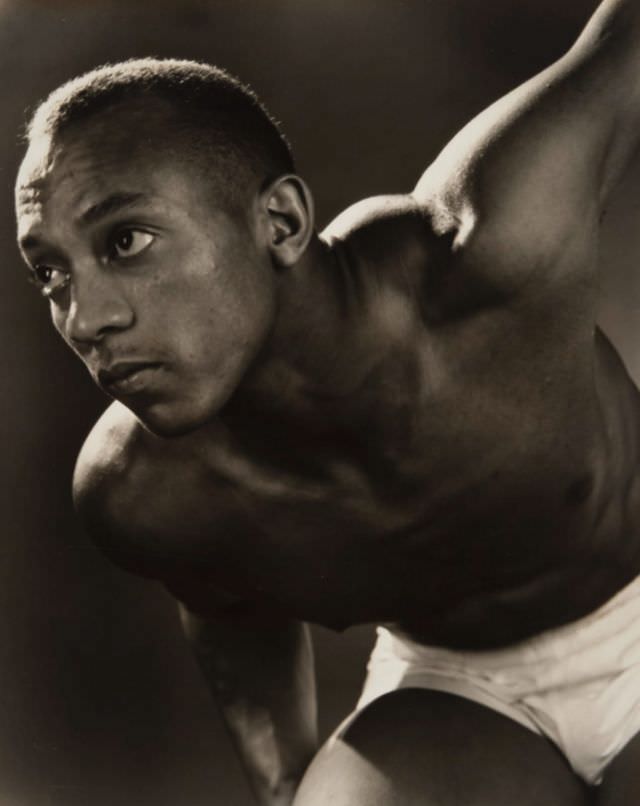
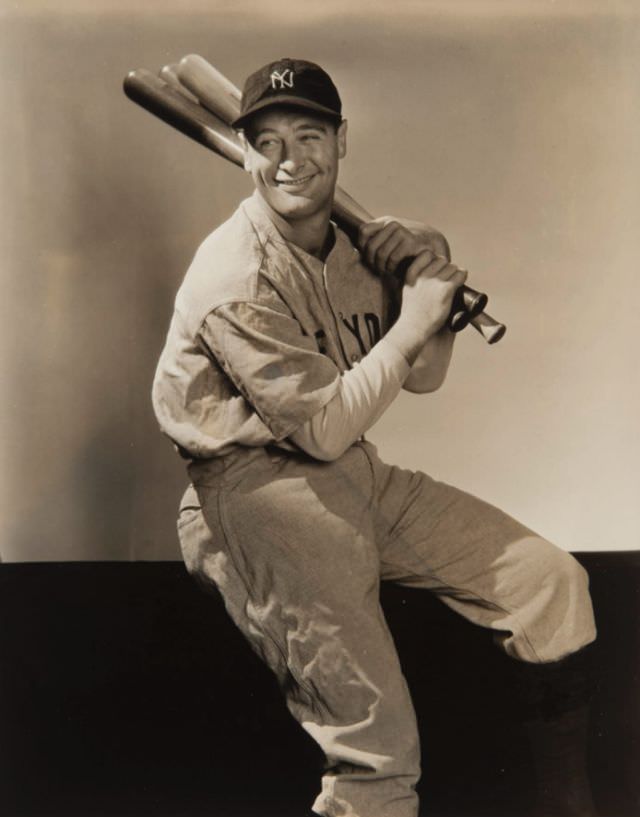
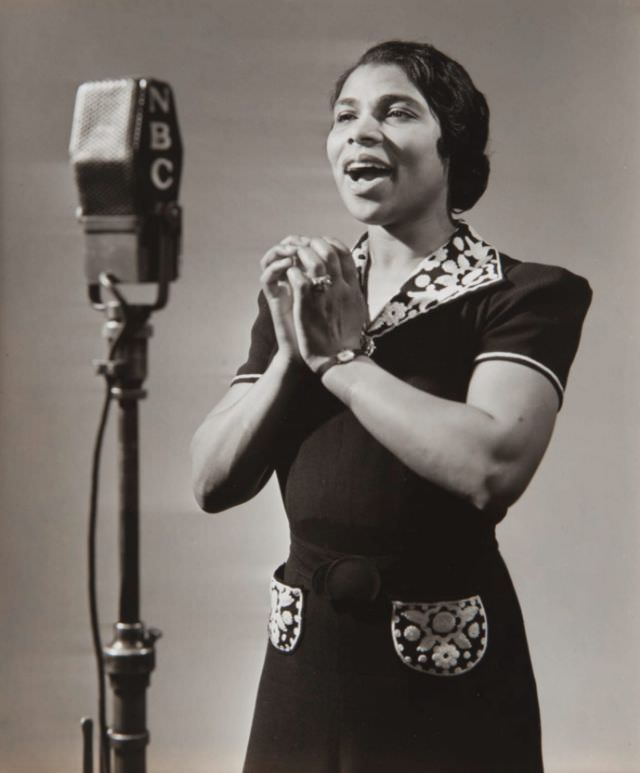
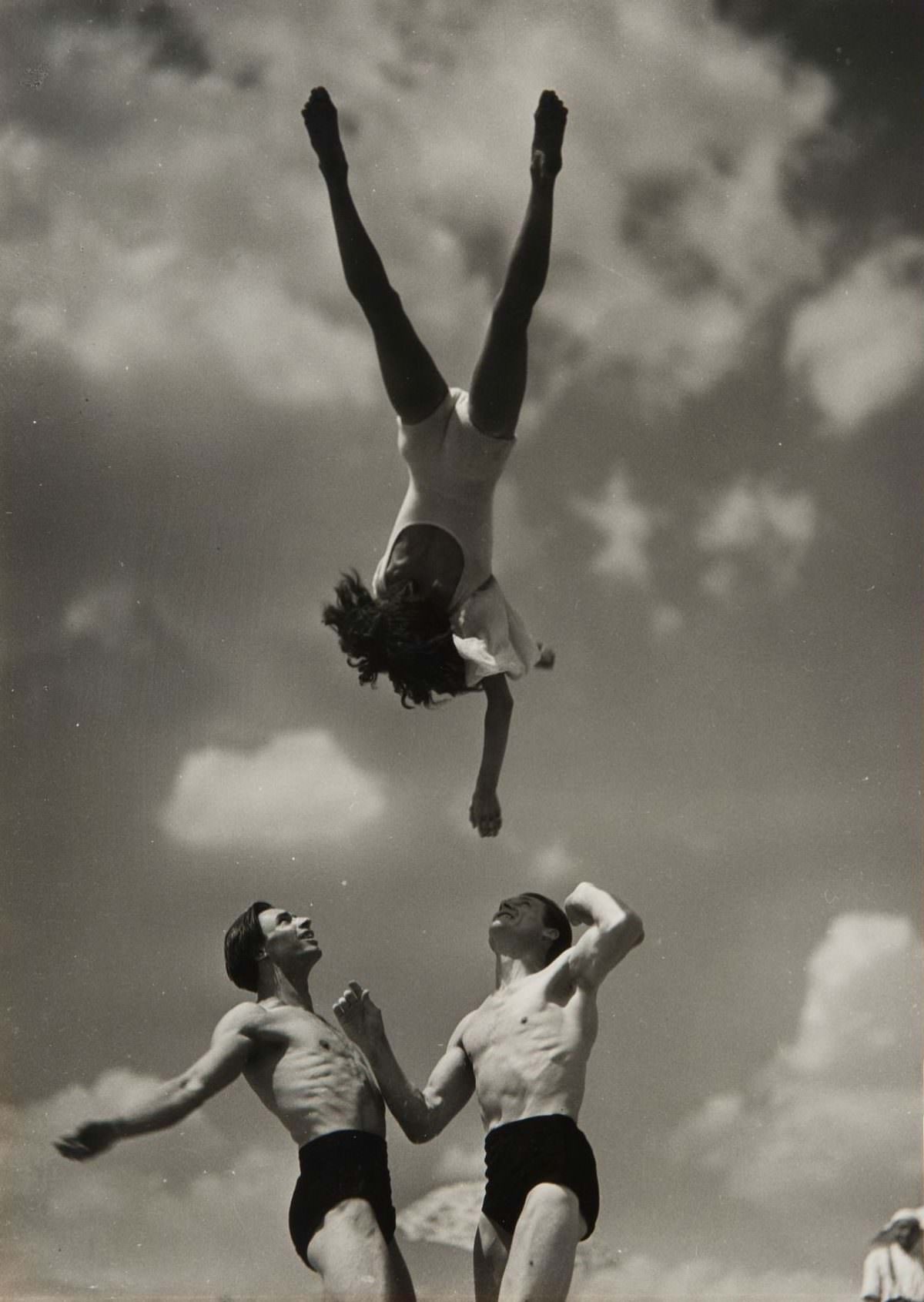
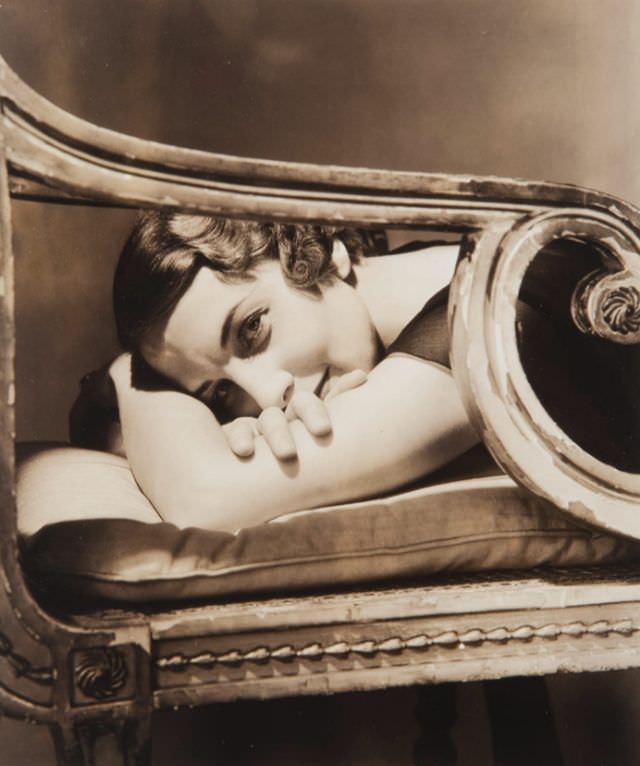
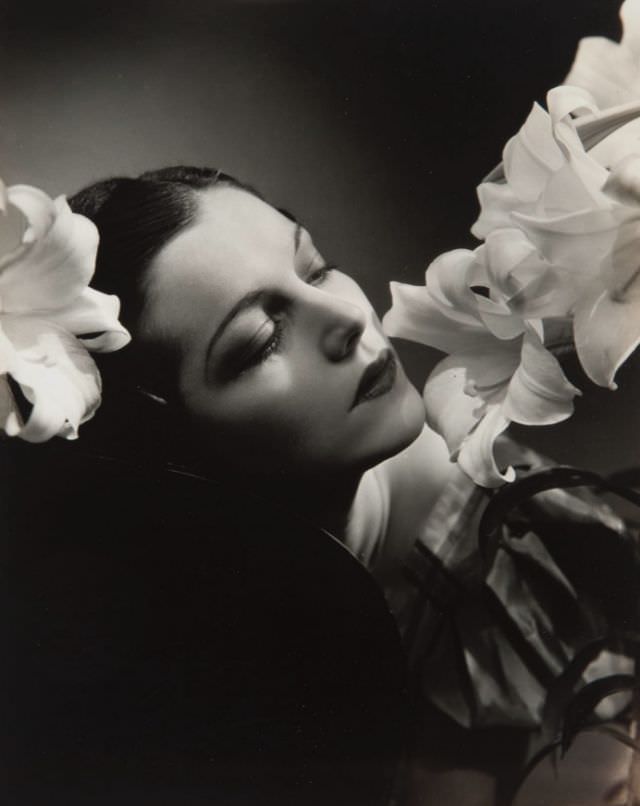
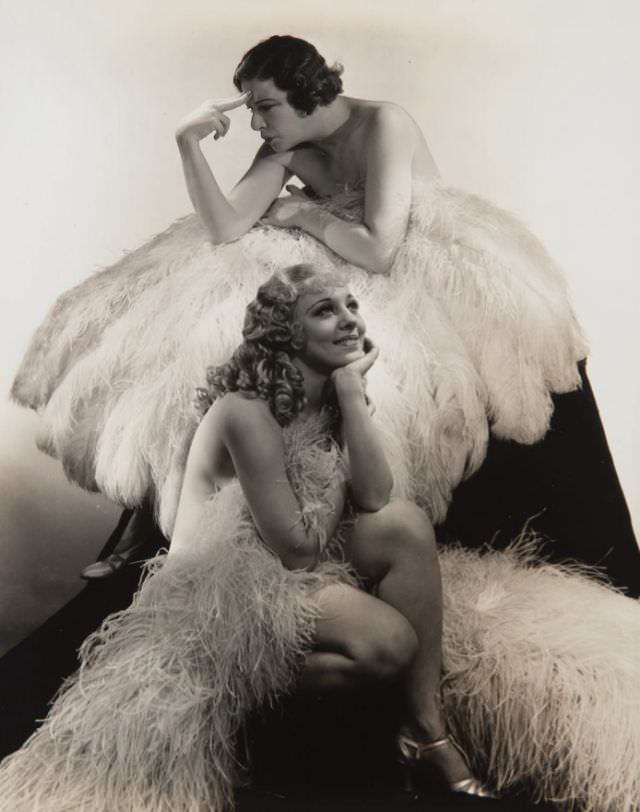
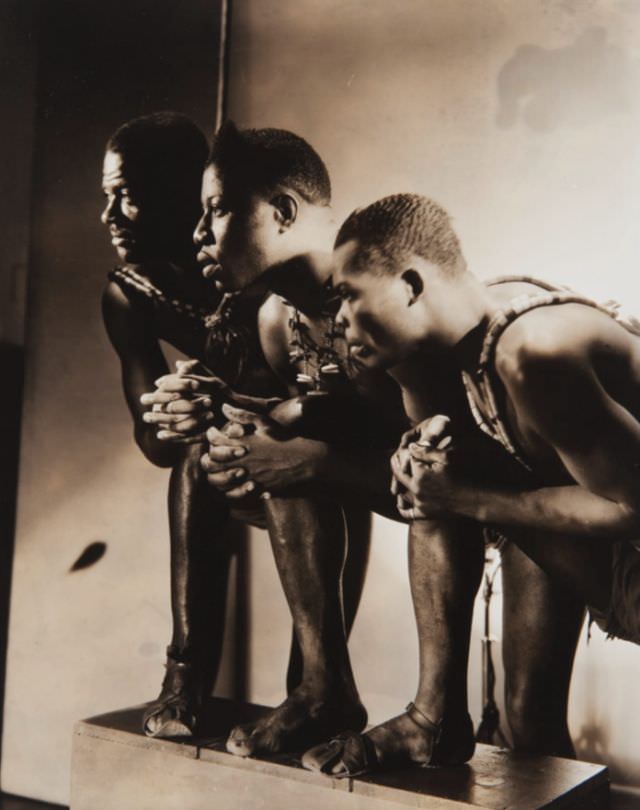
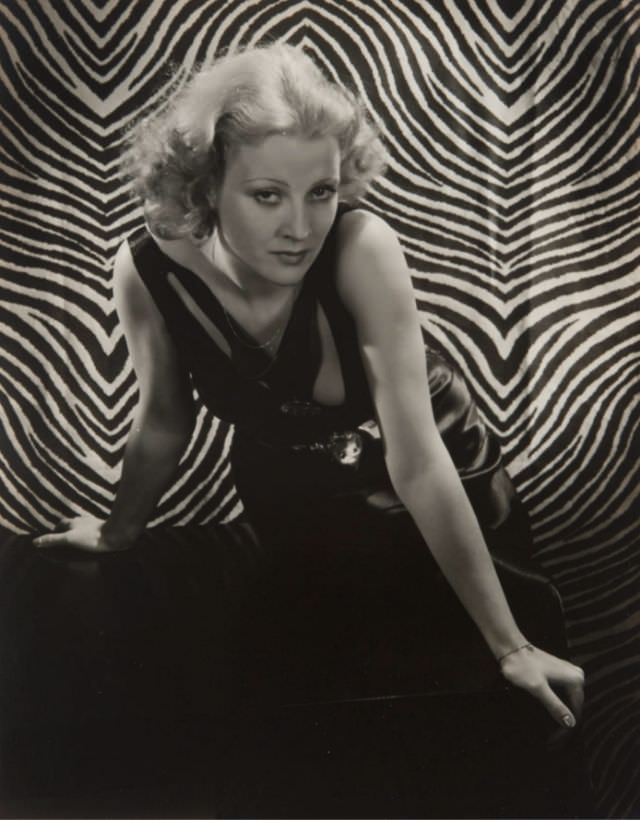
Nelson’s portfolio was unusually broad. He photographed Hollywood actors, sports champions, stage performers, and socialites with equal confidence. His subjects ranged from film stars like Jean Arthur and Fay Wray to athletes like Joe Louis, Jesse Owens, and Lou Gehrig. Each sitting showed a photographer who could adapt his style to his subject while keeping a sharp, modern eye.
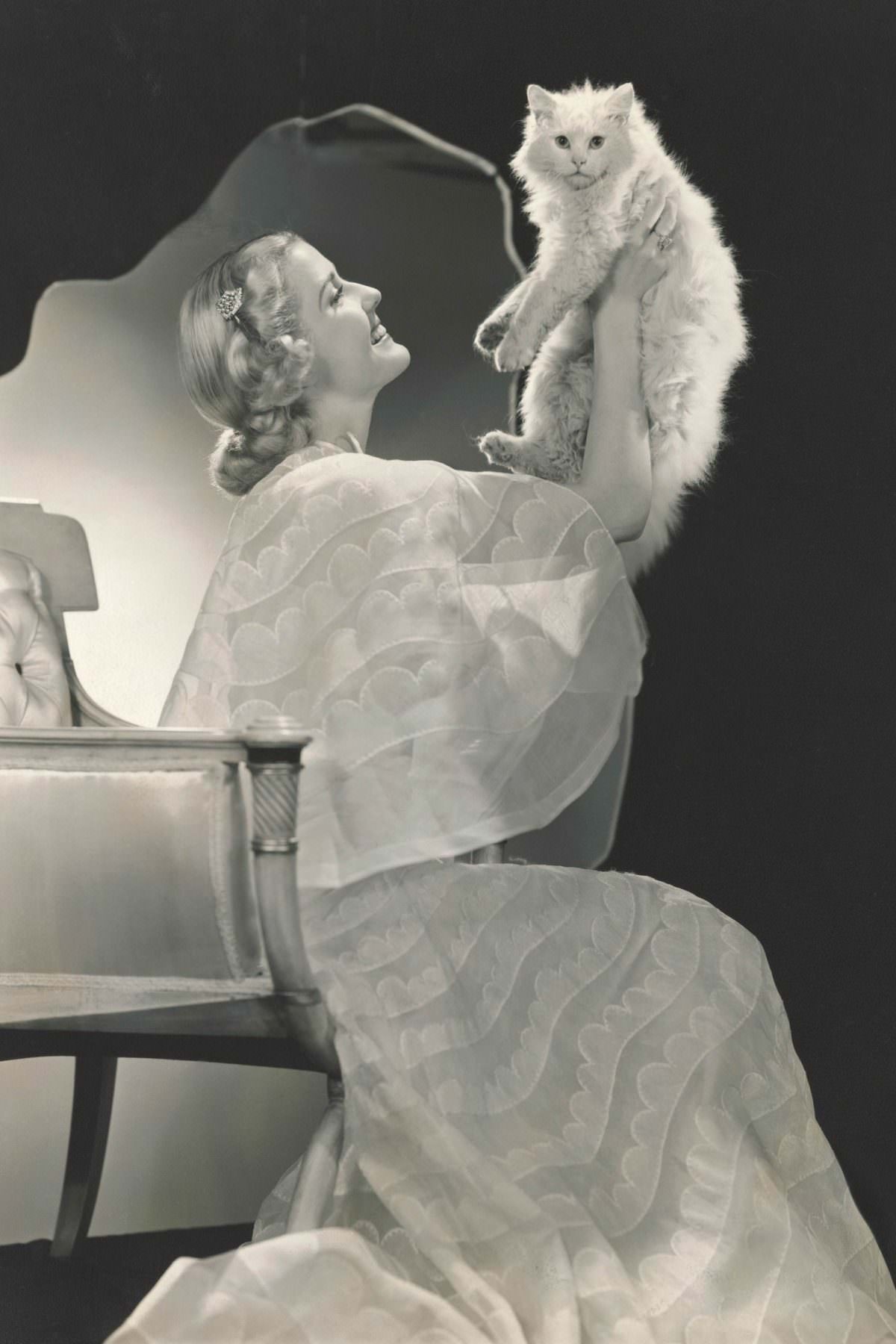
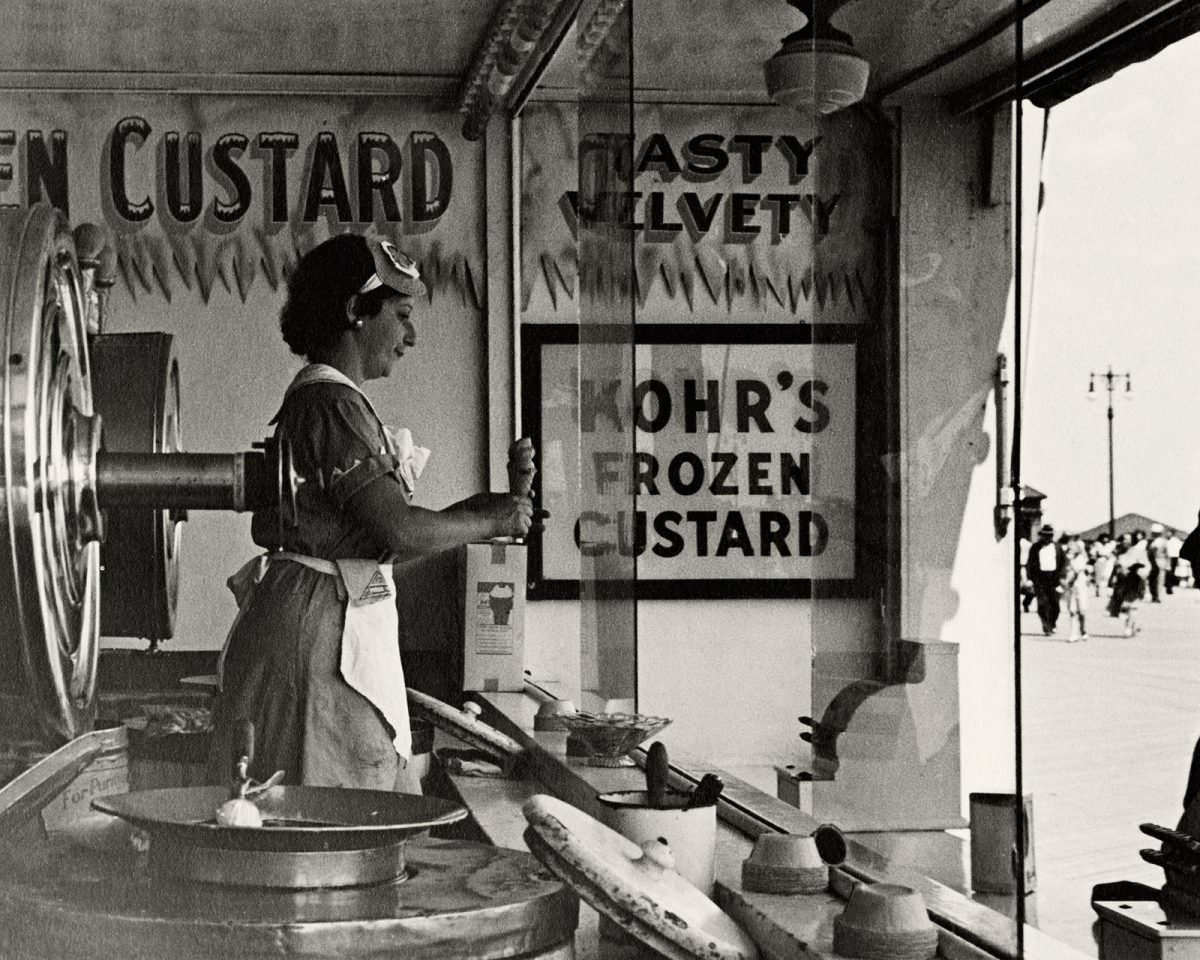
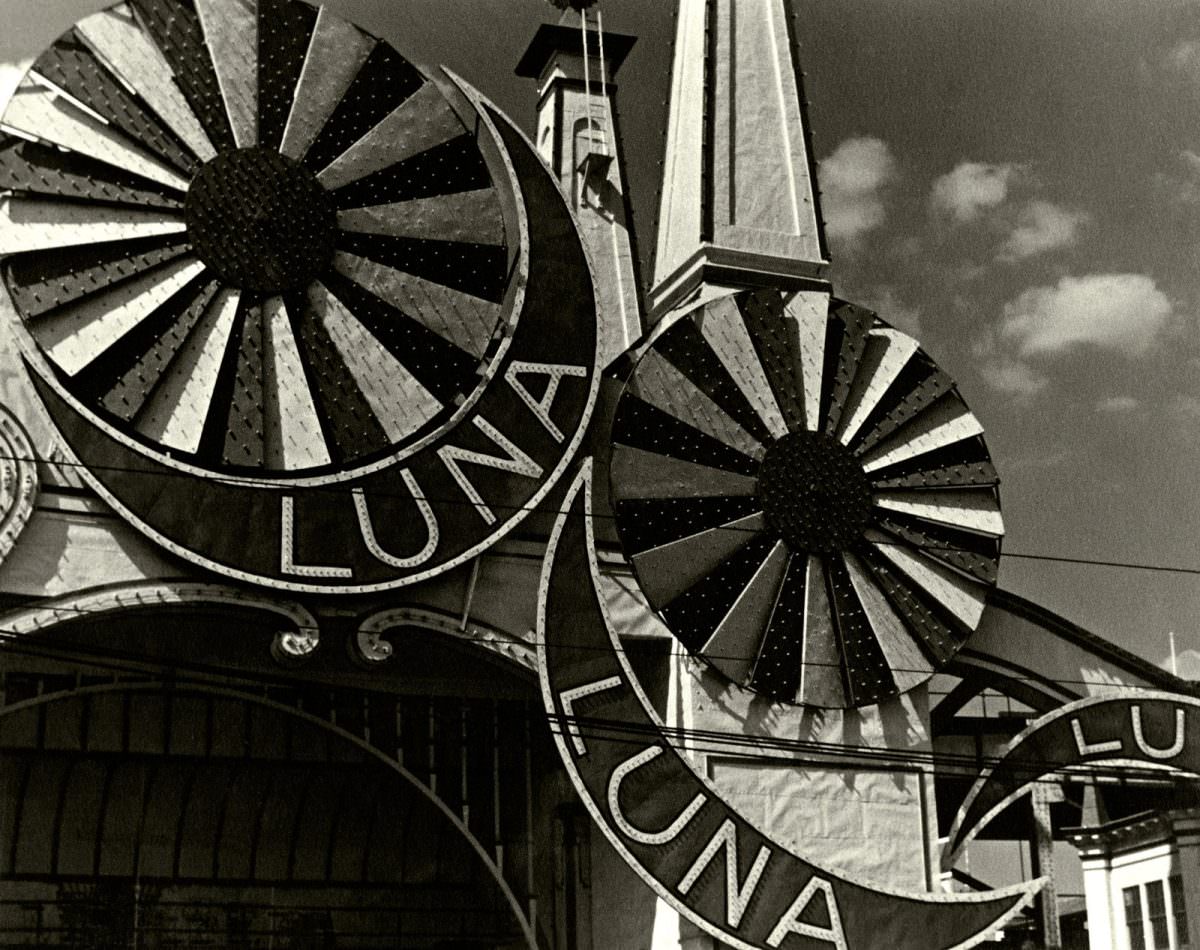
Nelson didn’t limit himself to the studio. His Coney Island photographs show him working in a completely different register — loose, observational, and street-level. A waitress at a custard stand, the electric chaos of Luna Park — these images reveal a photographer genuinely curious about everyday American life, not just celebrity glamour.
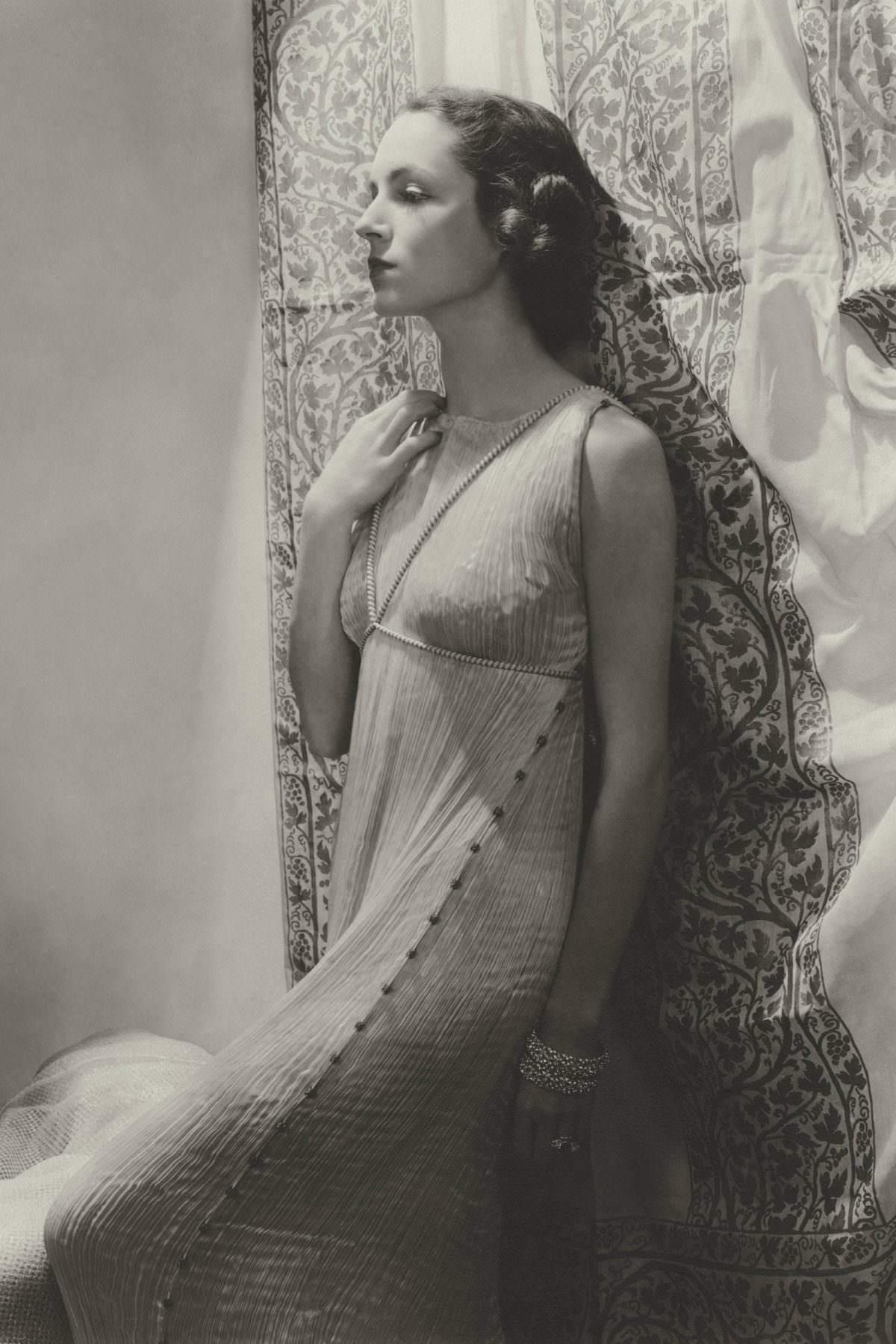
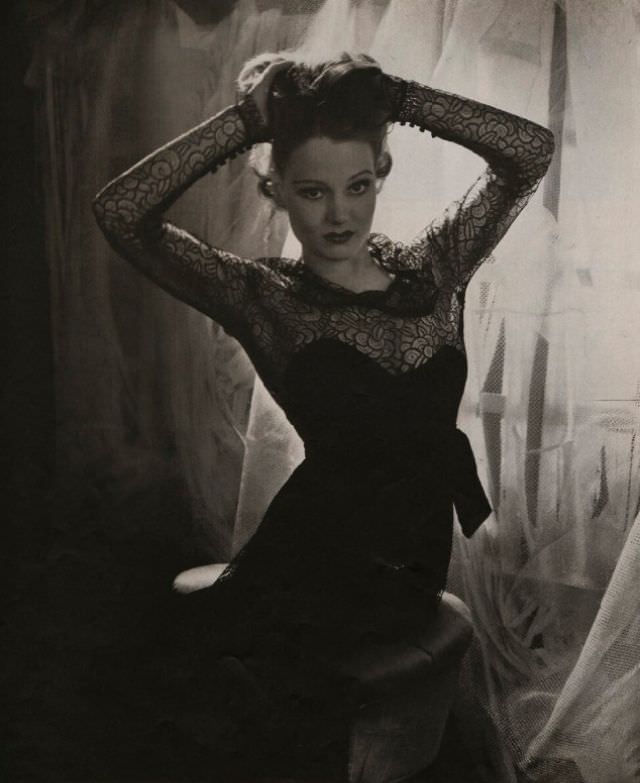
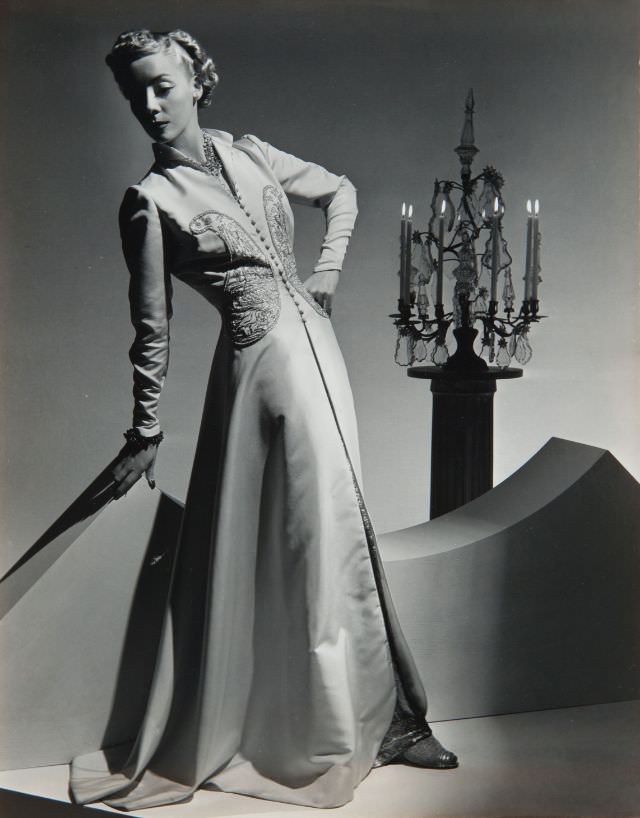
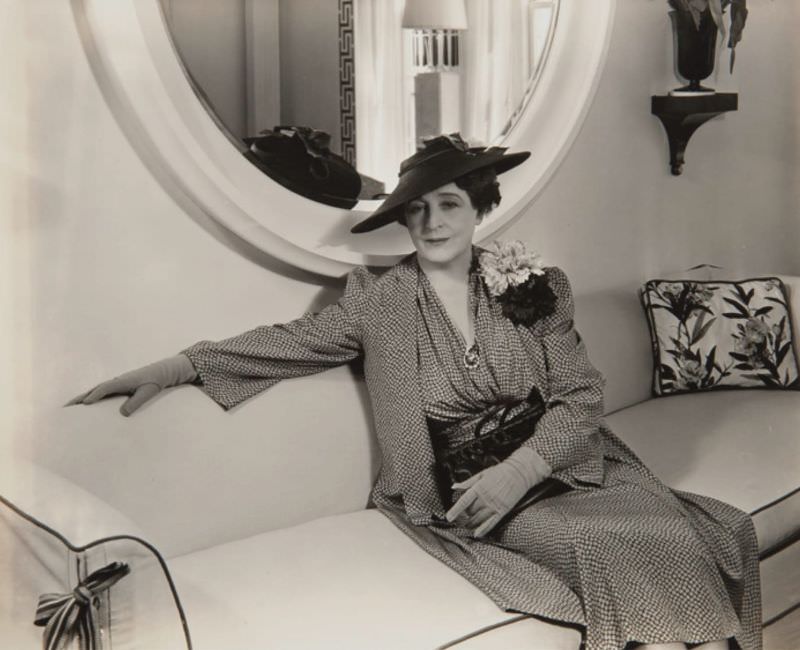
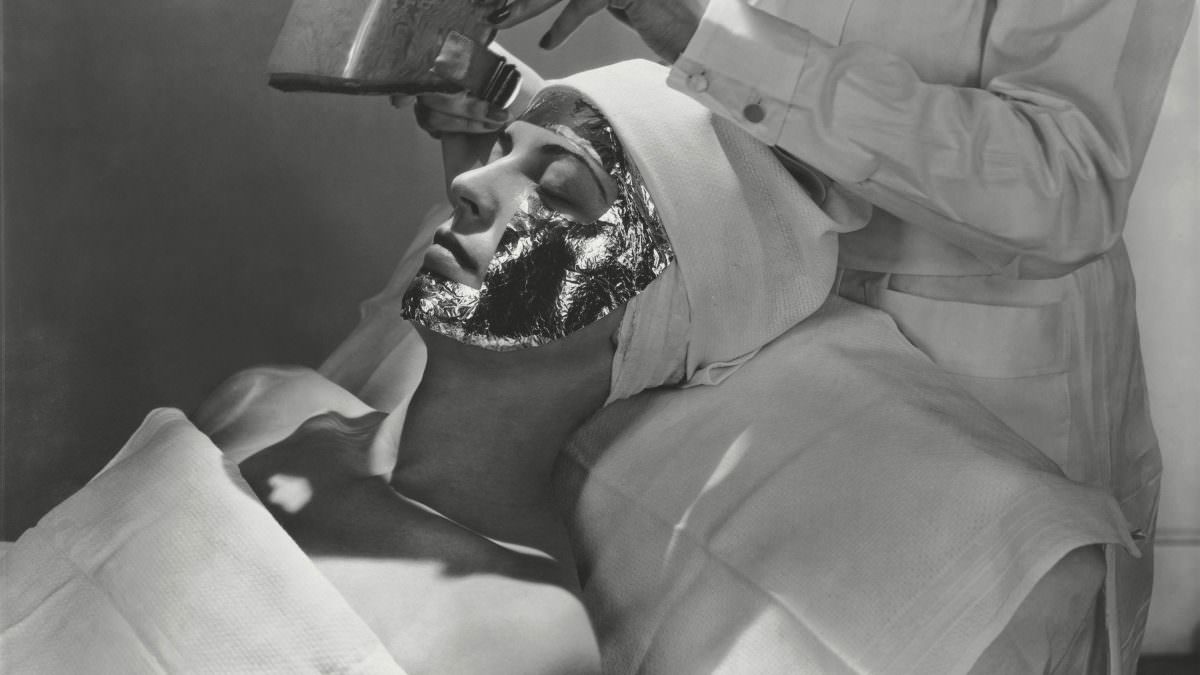
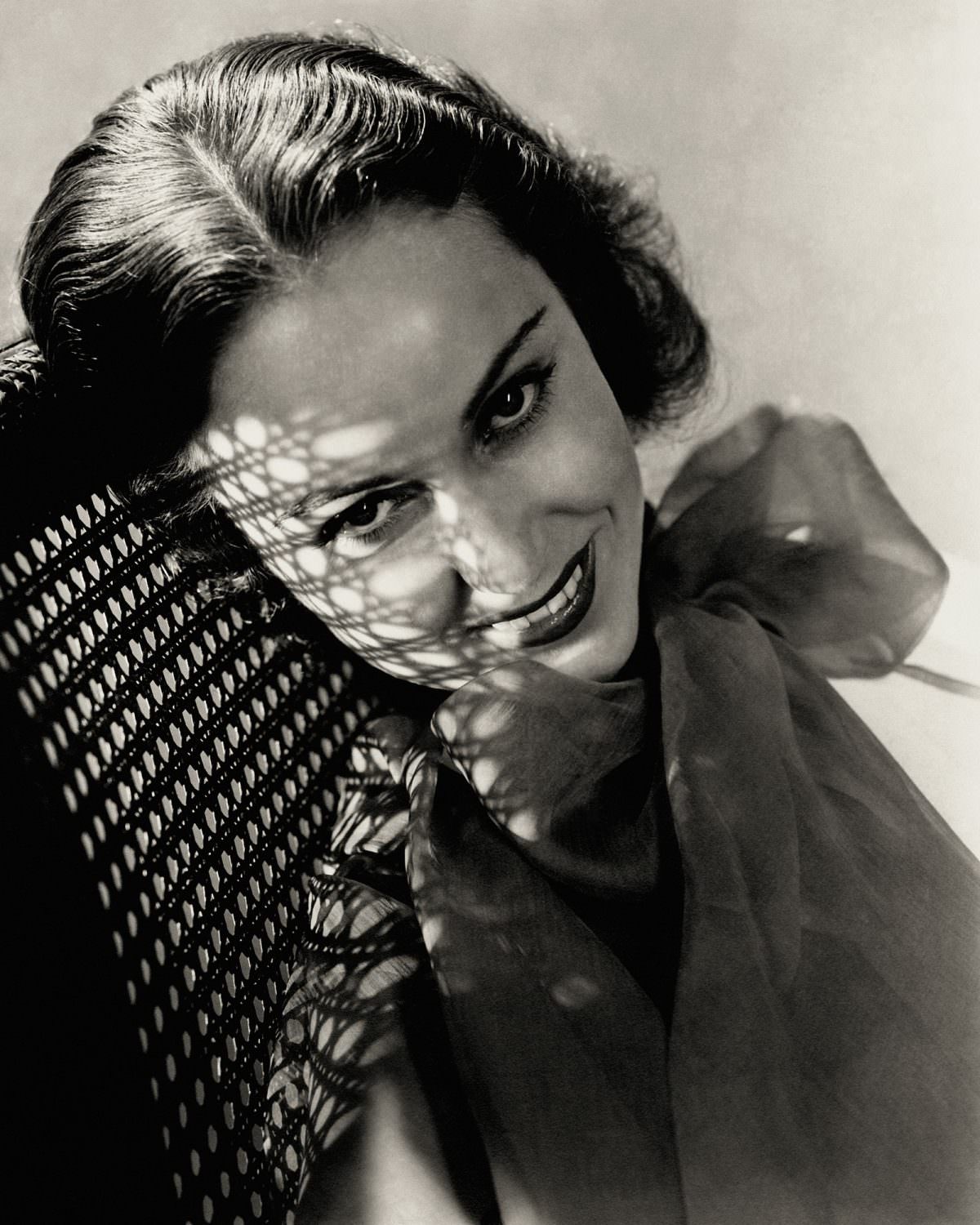
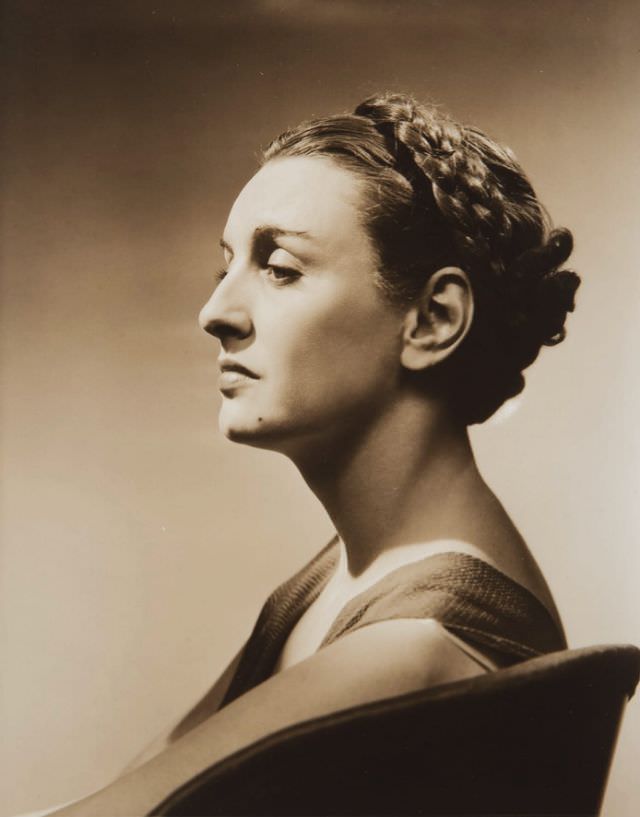
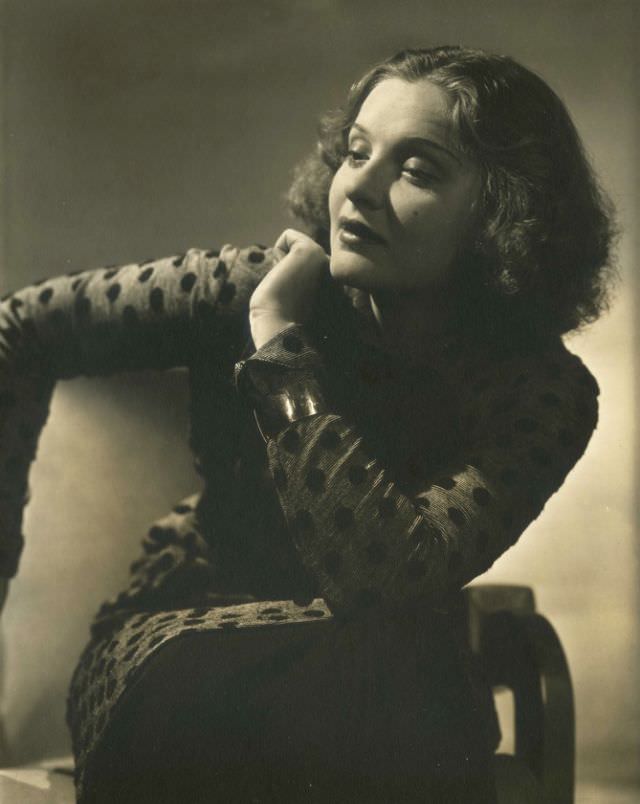
His fashion and portrait work for Vogue carried the clean geometric sensibility of modernism. Nelson used light and shadow with precision, and his compositions feel considered without being stiff. The 1935 portrait of Mrs. William Wetmore in a Mariano Fortuny gown, published in Vogue’s December issue, is a strong example of how he balanced elegance with structure.
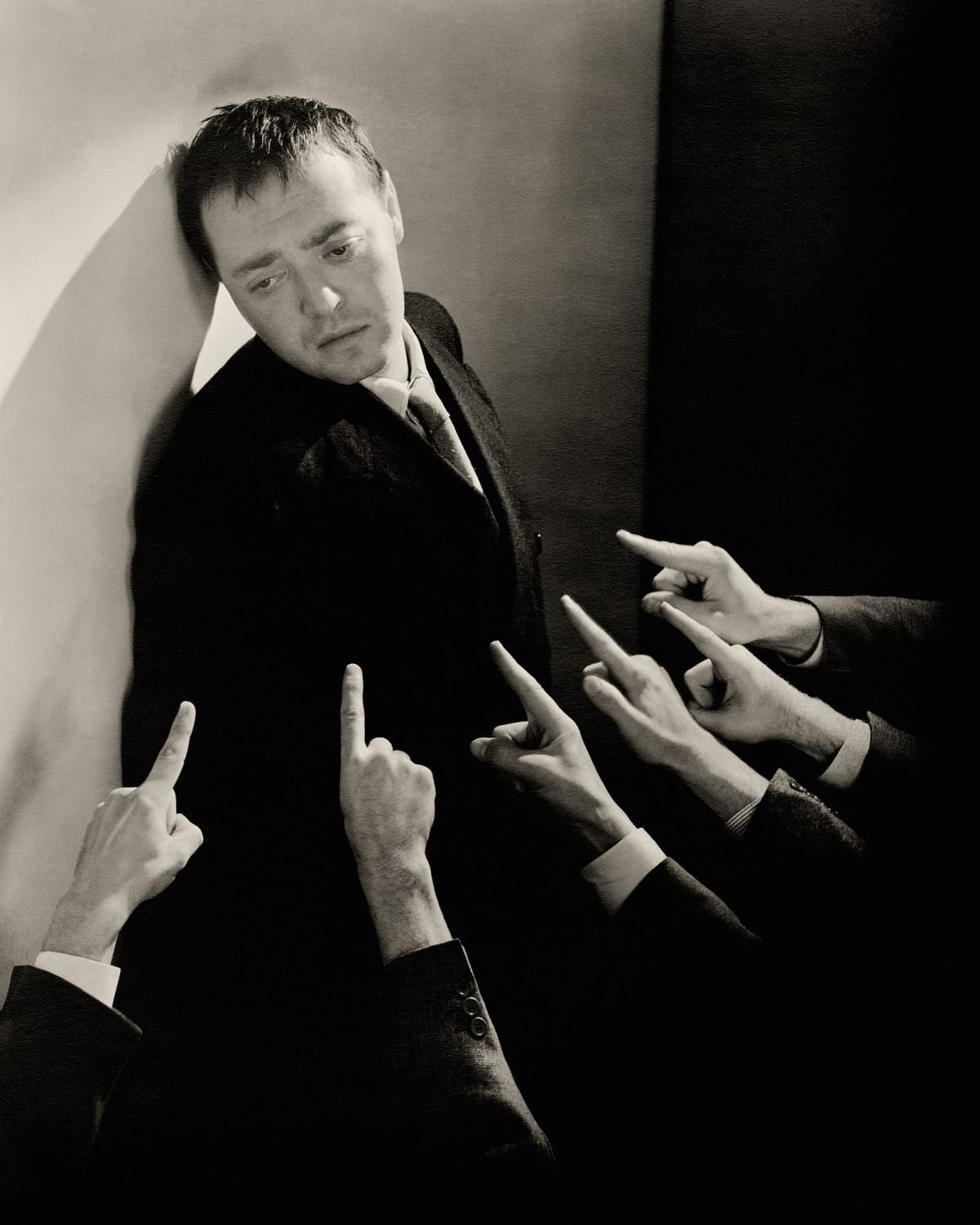
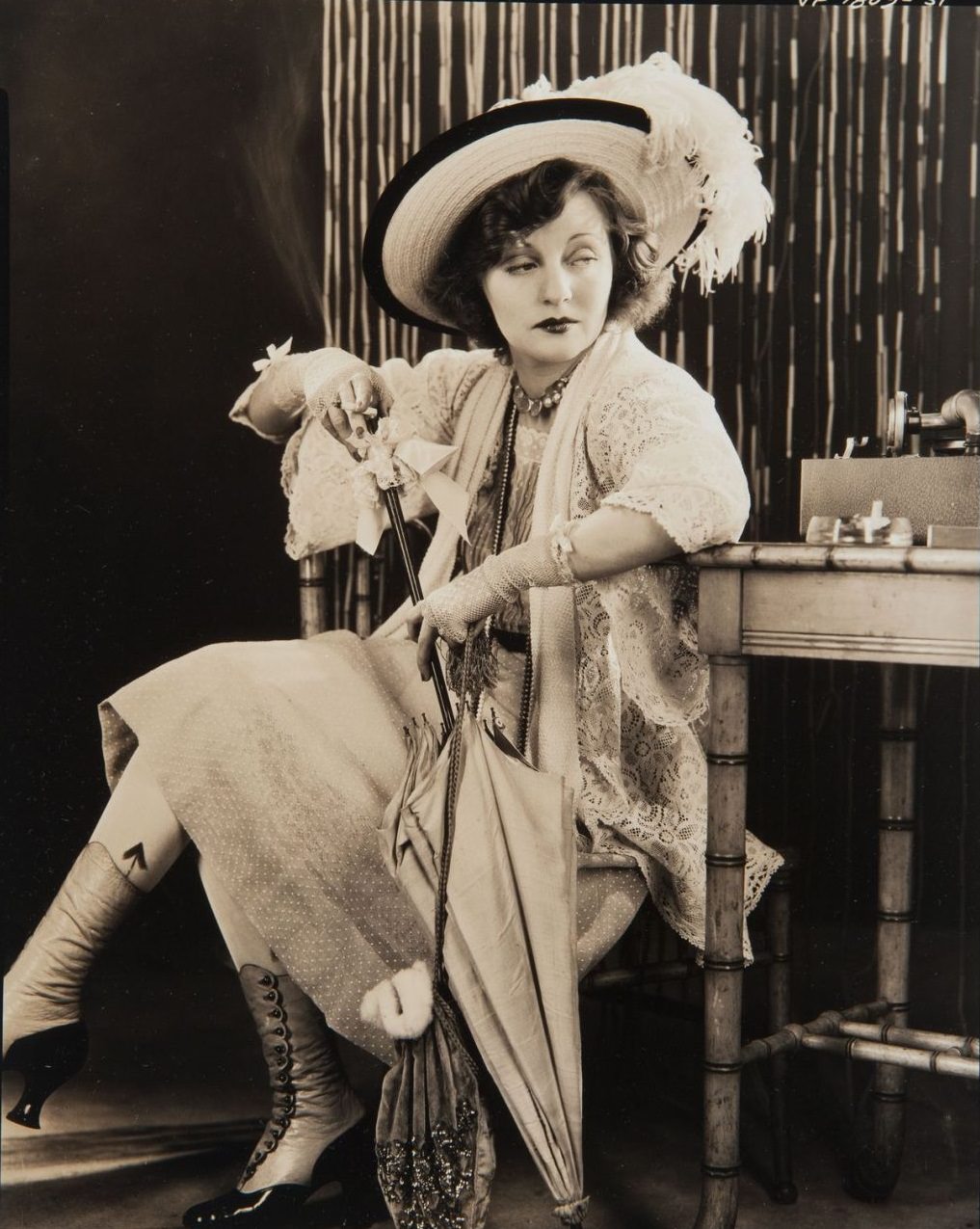
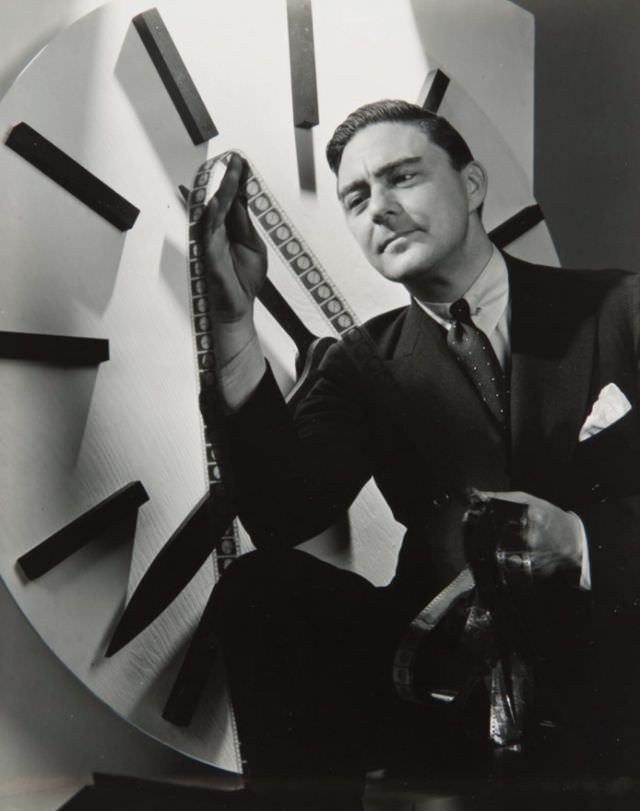
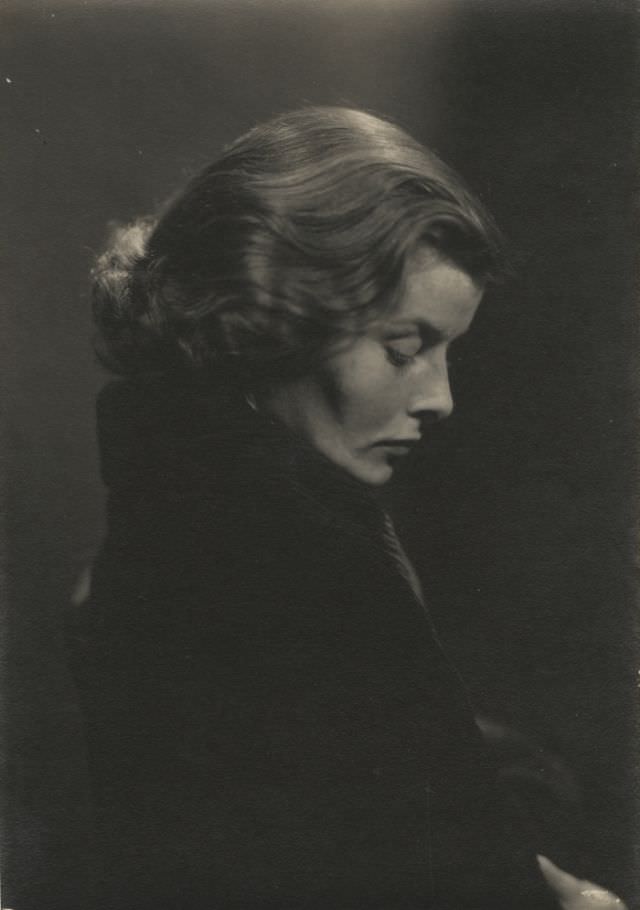
Among his most striking celebrity portraits are those of stage and screen personalities like Peter Lorre, Tallulah Bankhead, and Katharine Hepburn. These weren’t routine publicity shots. Nelson brought the same formal seriousness to a film actor’s face that Steichen brought to his own subjects — treating each portrait as a study in character as much as appearance.
Nelson photographed athletes at a time when sports photography was rarely treated as art. His 1934 portrait of tennis champion Helen Wills Moody and his 1935 sessions with Joe Louis and Jesse Owens produced images with genuine dignity and force. These weren’t action shots — they were formal portraits that took their subjects seriously.
Nelson died of Hodgkin’s lymphoma in 1930 at age 30. His death halted a career that had barely reached its peak. After he died, his prints and negatives passed into private hands, where they remained largely unseen for decades. Most of the wider public had no idea his work existed.
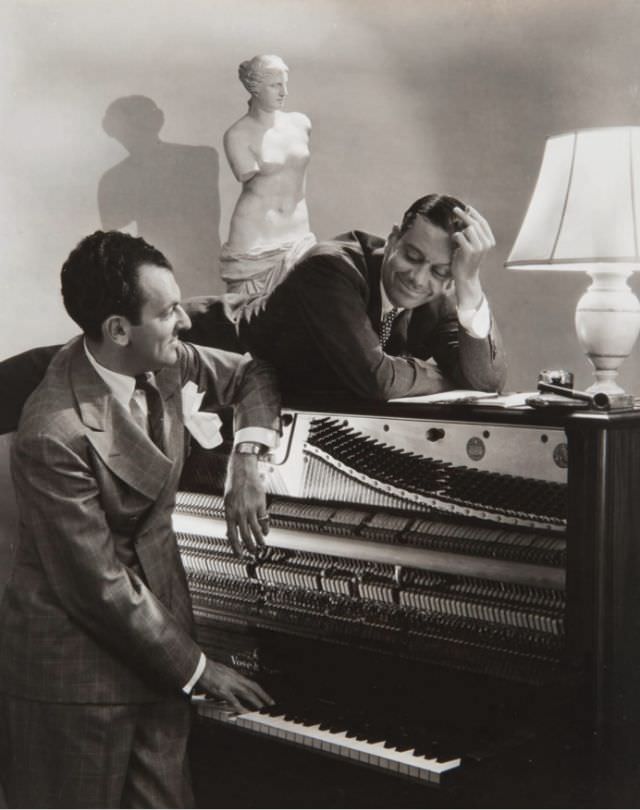
That changed in 2015, when the Philbrook Museum of Art in Tulsa, Oklahoma, acquired an extensive collection of his prints, negatives, and archive materials. The acquisition led to his first-ever retrospective. Curators described the work as significant both for its modernist style and for what it documents about American cultural life in the 1920s and 1930s. Vanity Fair called him a “Forgotten Modernist” — a label that stuck.