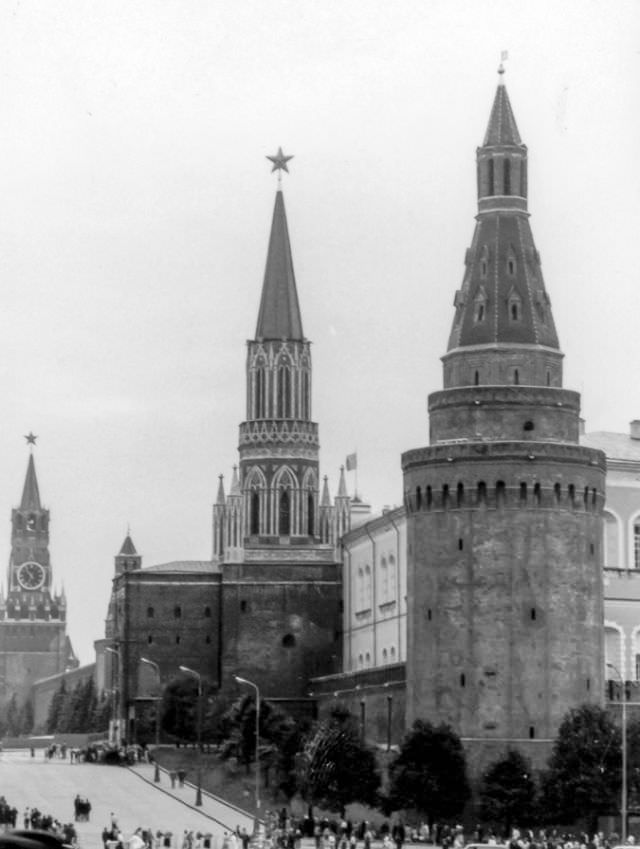
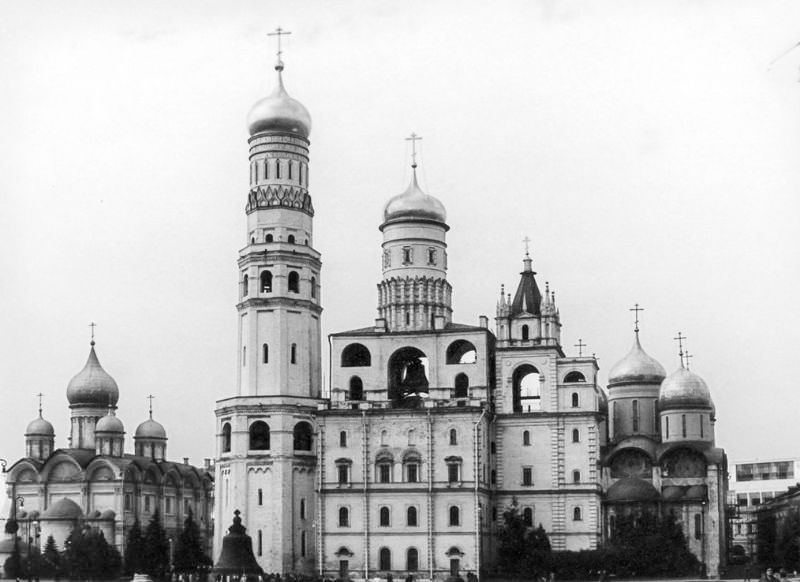
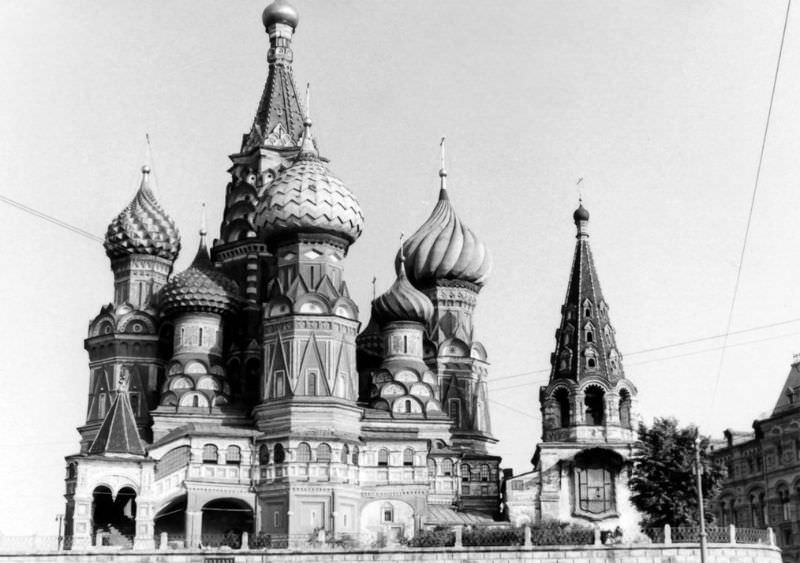
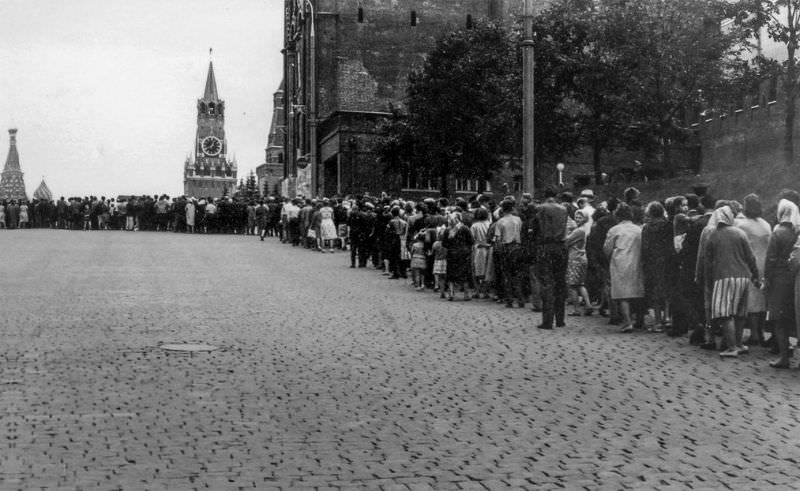
By 1965, Moscow was a city carrying the weight of recent history and the energy of rapid change. On May 8, 1965, the Soviet capital received the title of Hero City — an official recognition of the role Moscow played in World War II. The award came on the 20th anniversary of the victory over Nazi Germany, and it meant a great deal to a city that had faced a German advance at its very doorstep in 1941.
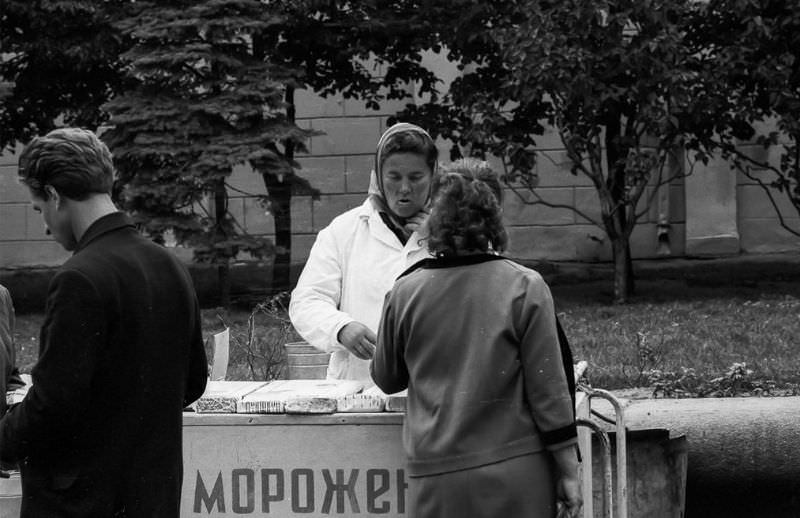
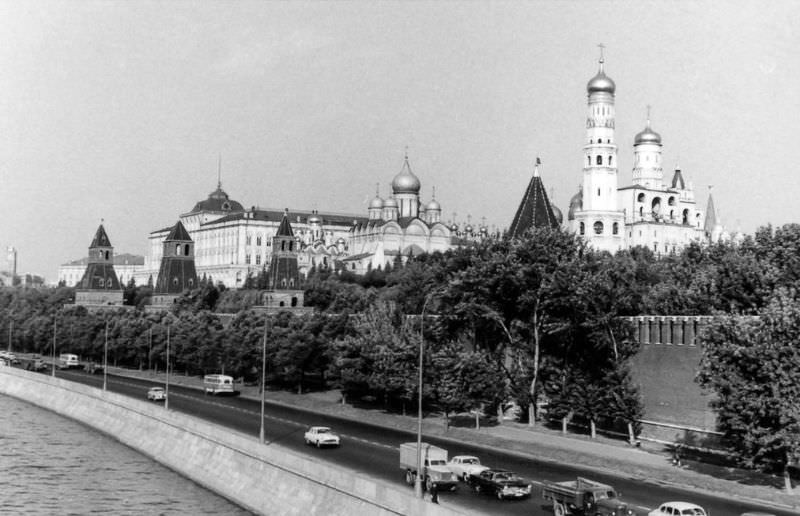
The streets of Moscow in 1965 reflected a society still rebuilding and reorganizing itself. Just four years earlier, in 1961, the city had opened the MKAD — a ring road stretching 109 kilometers (68 miles) along Moscow’s outer borders. It was a major infrastructure achievement, clearly marking where the city ended and the countryside began. The MKAD served as Moscow’s administrative boundary well into the 1980s, when the city finally expanded to include suburbs beyond the ring.
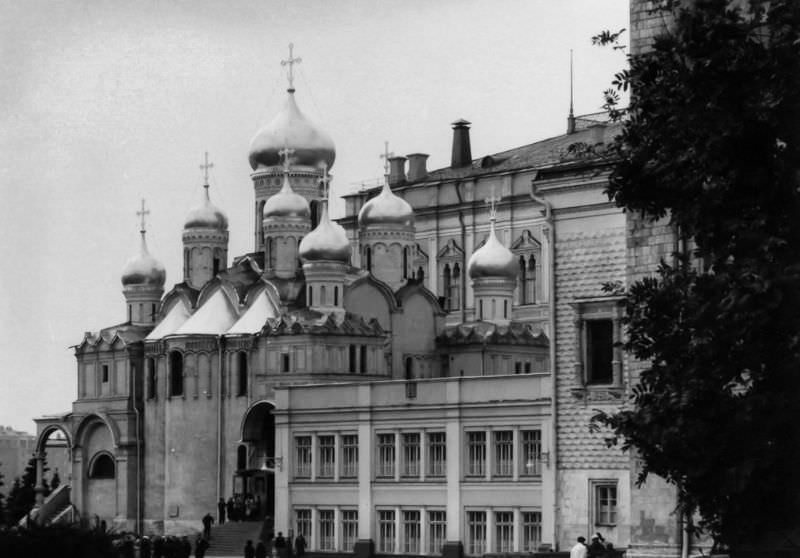
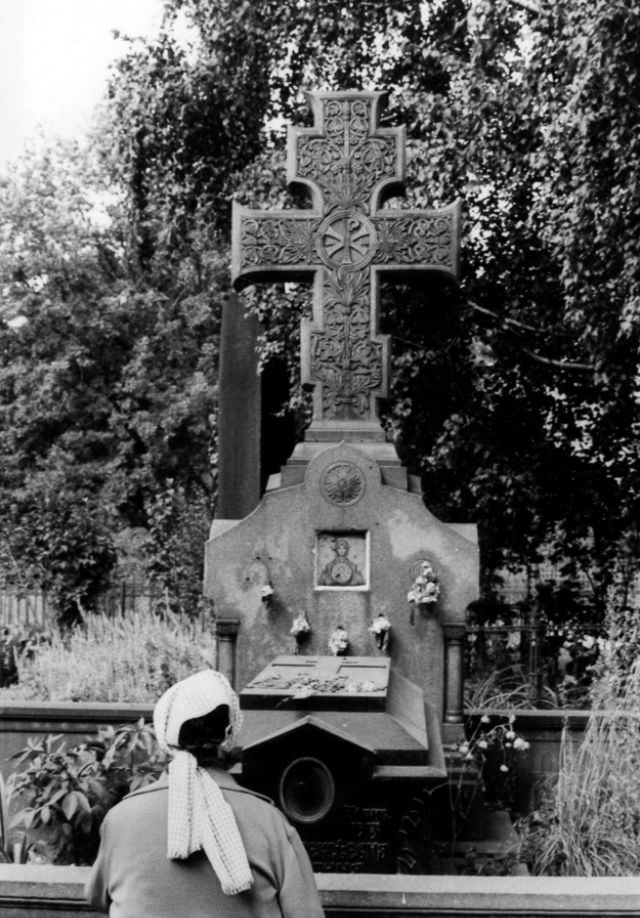
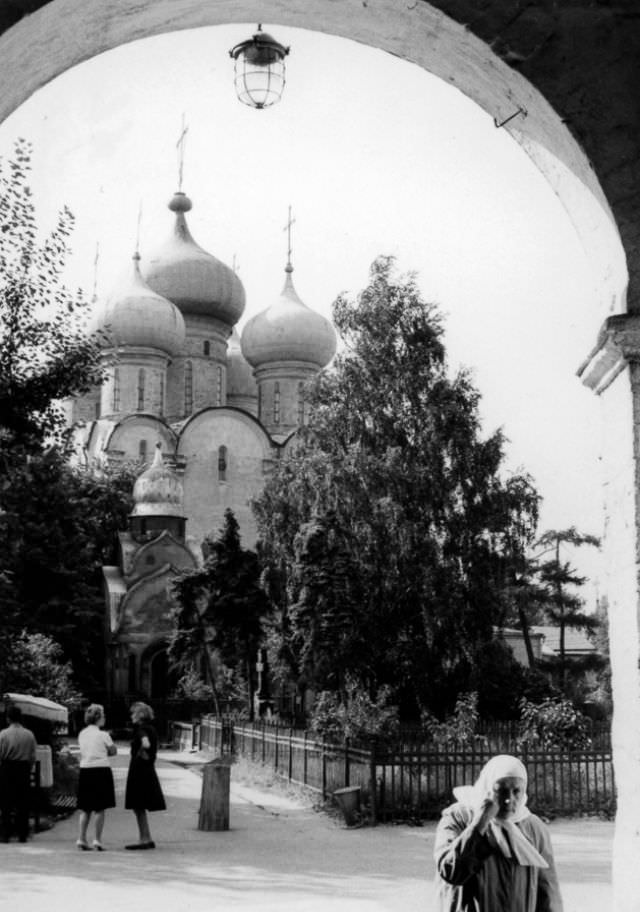
Religion had become a deeply complicated subject in Moscow by this time. Under Nikita Khrushchev, the Soviet government launched a sweeping anti-religious campaign across the country. Of roughly 20,000 churches that had existed in Russia, more than 10,000 were closed by 1964 — the majority in rural areas. Moscow itself was not spared. Of the fifty churches still operating in the city in 1959, thirty were shut down and six were demolished outright.
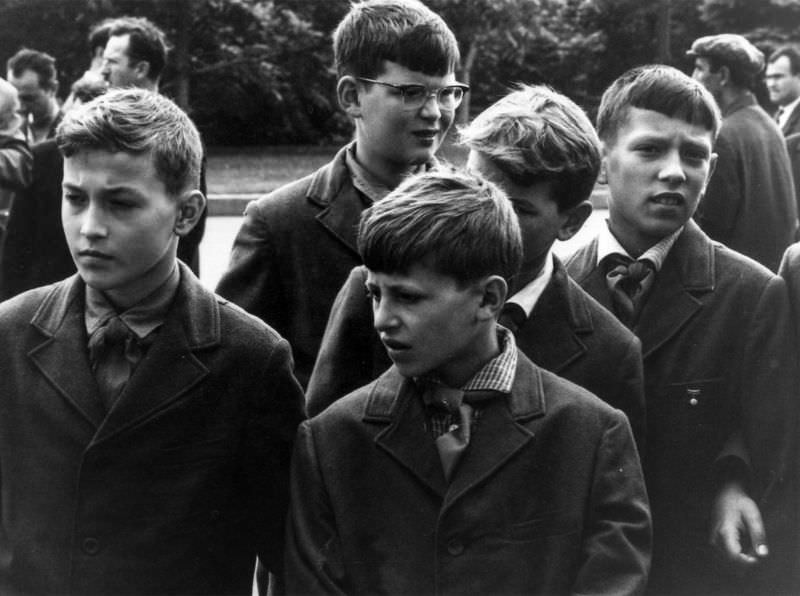
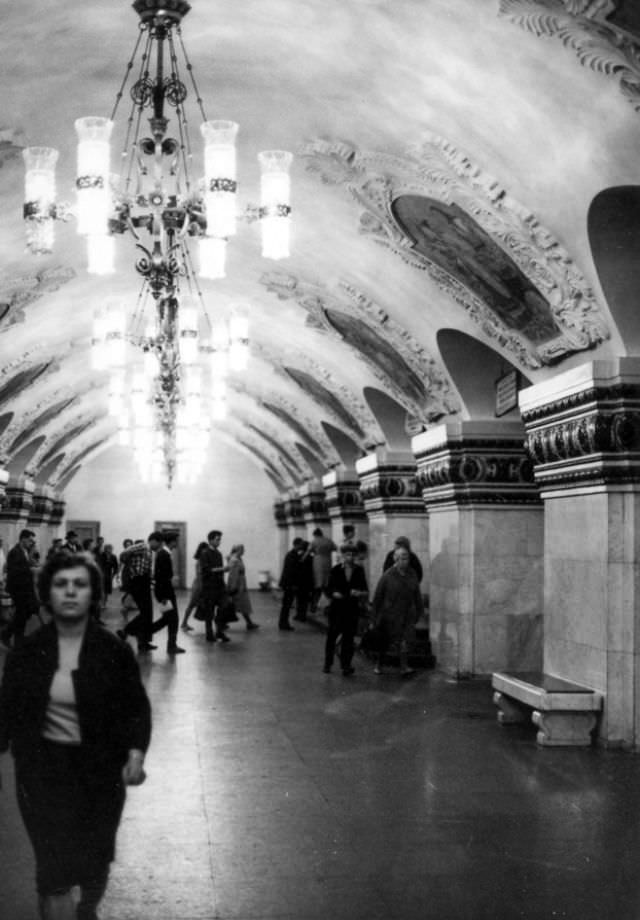
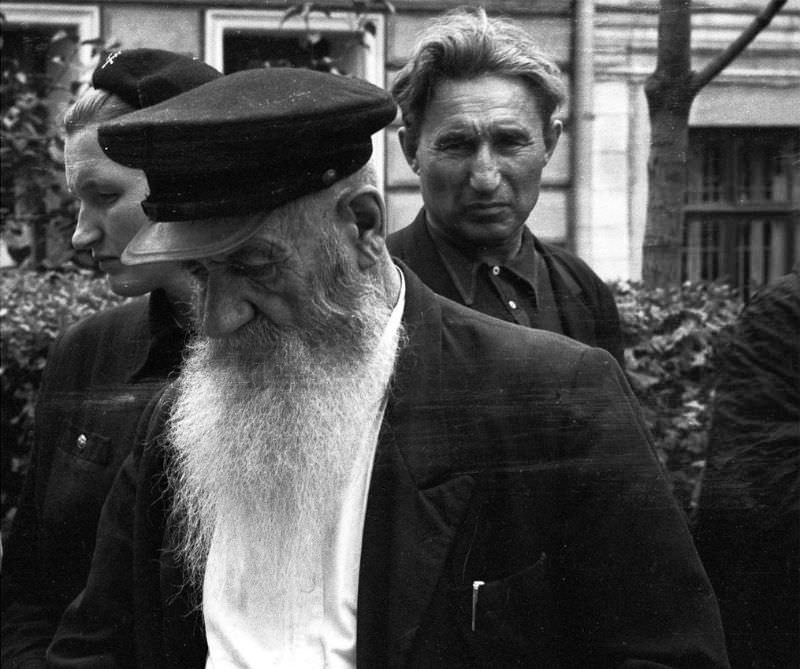
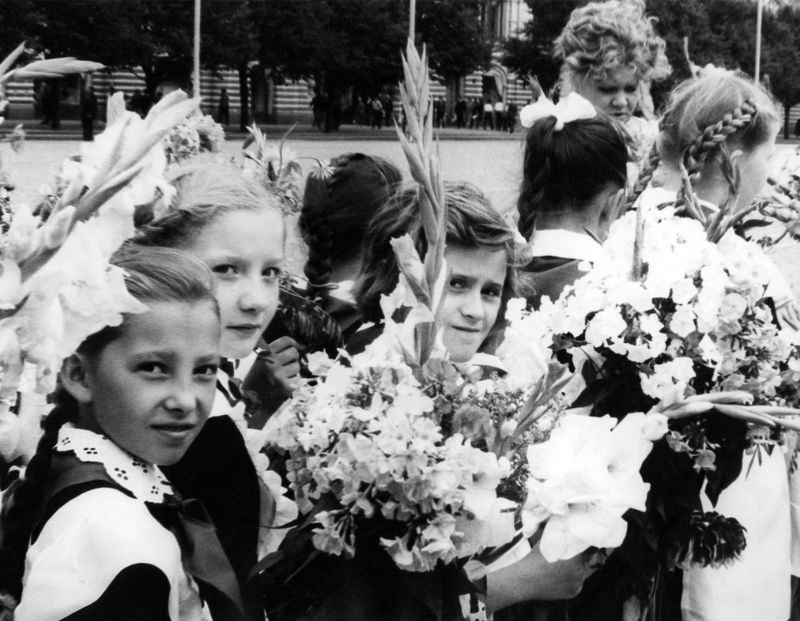
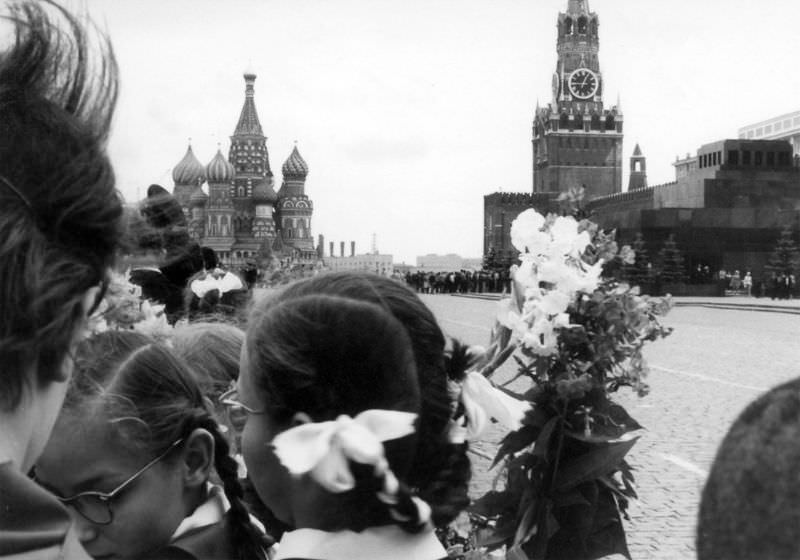
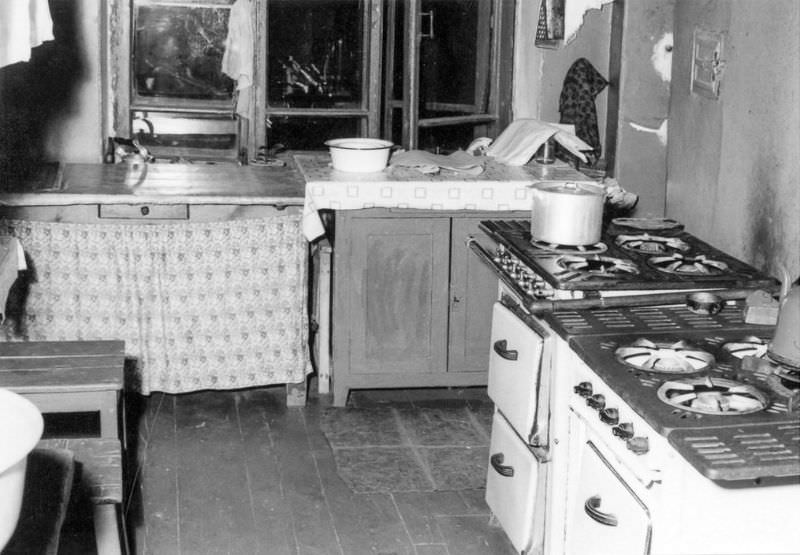
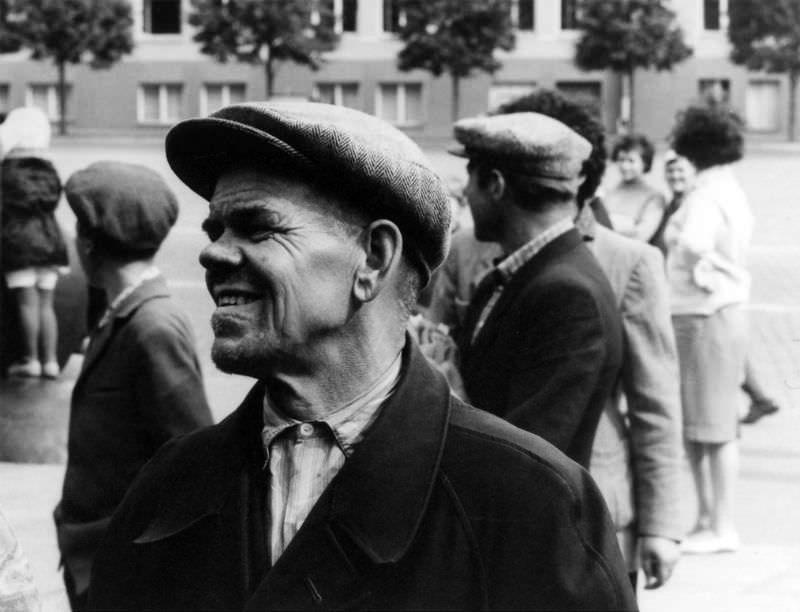
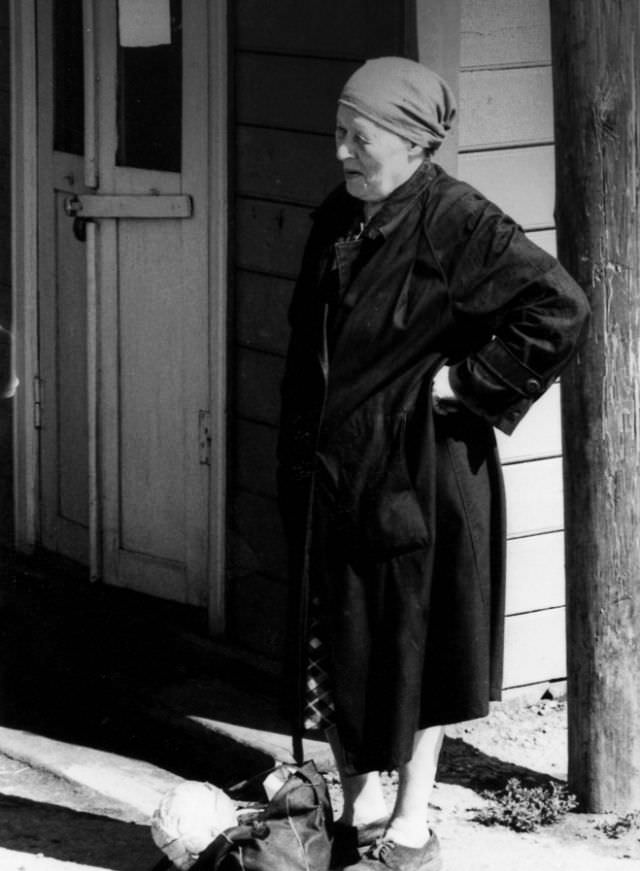
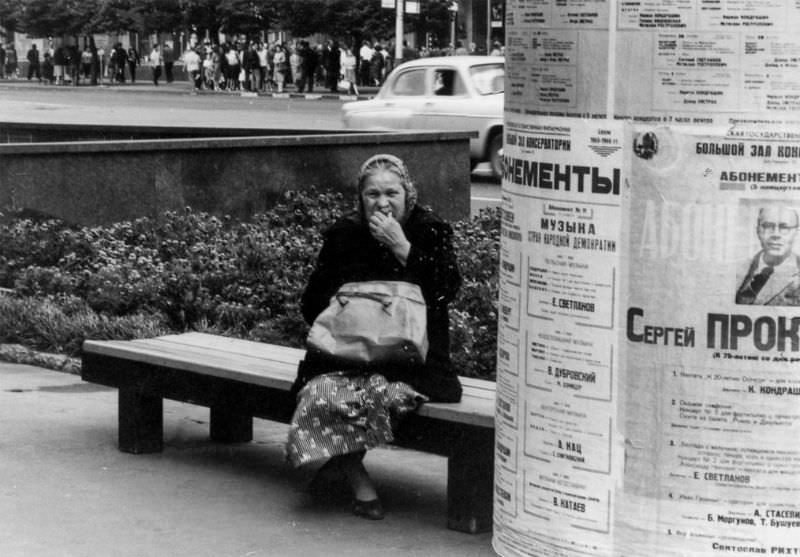
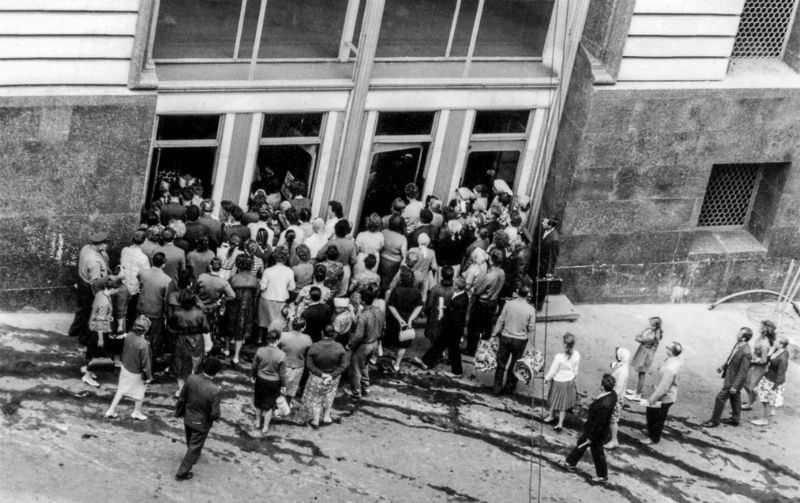
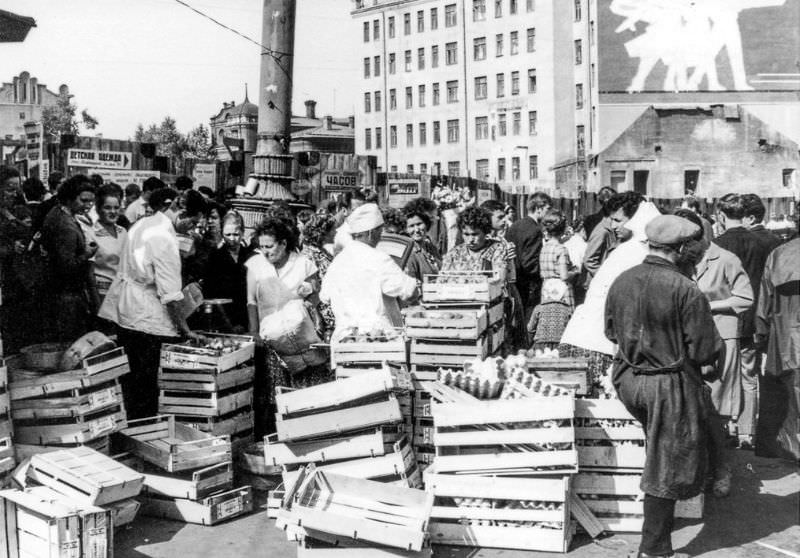
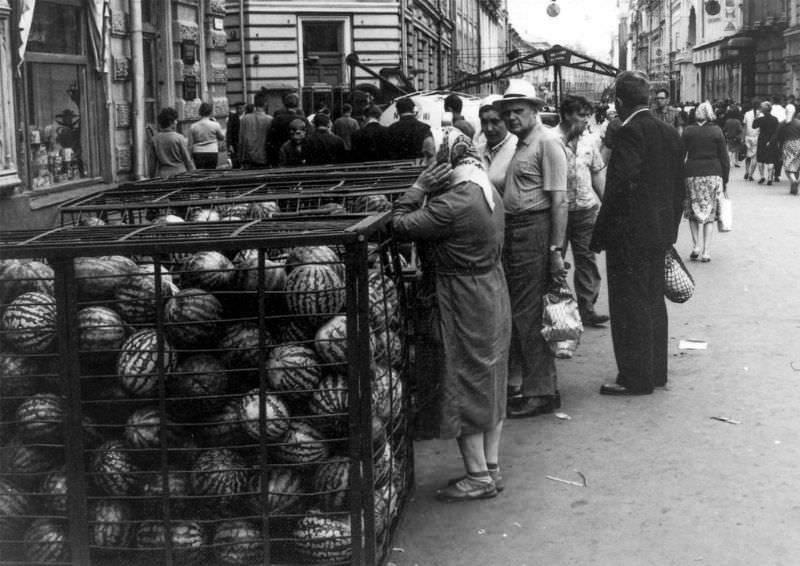
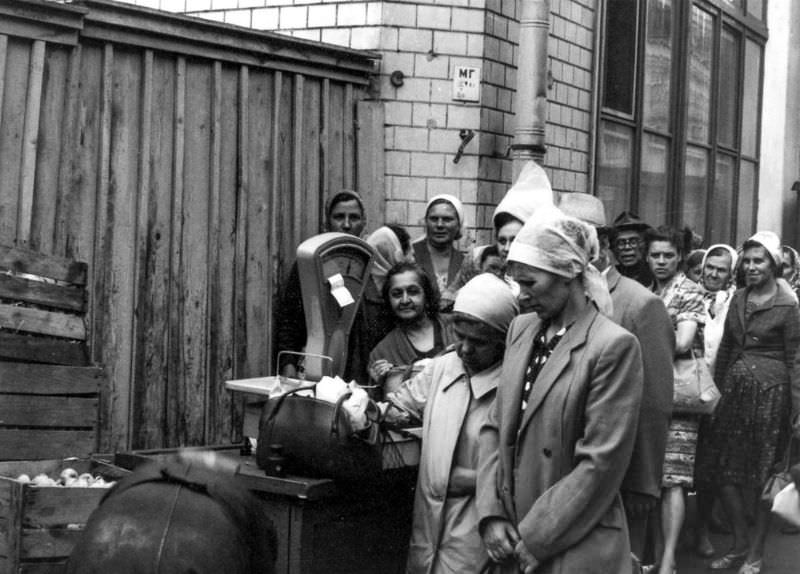
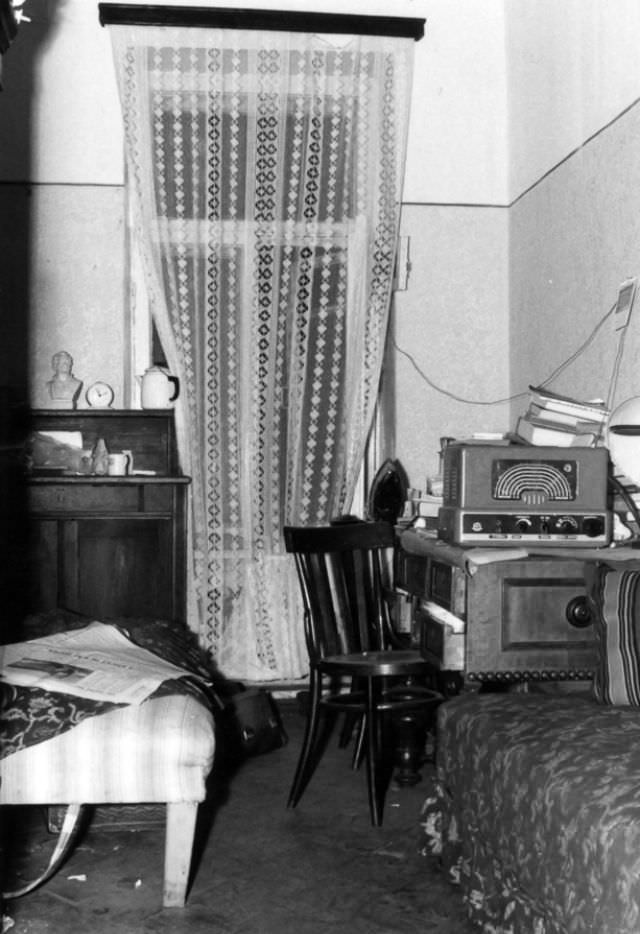
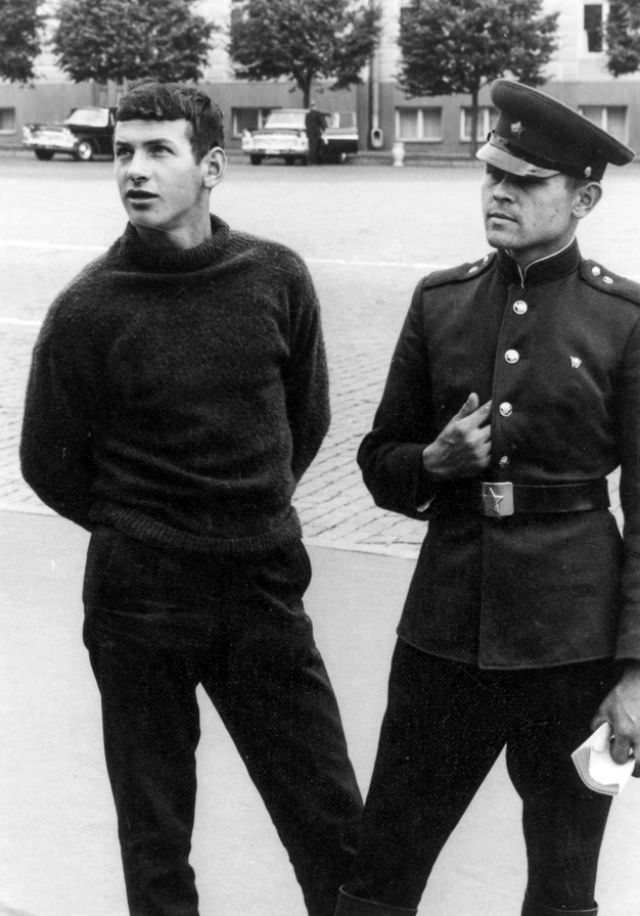
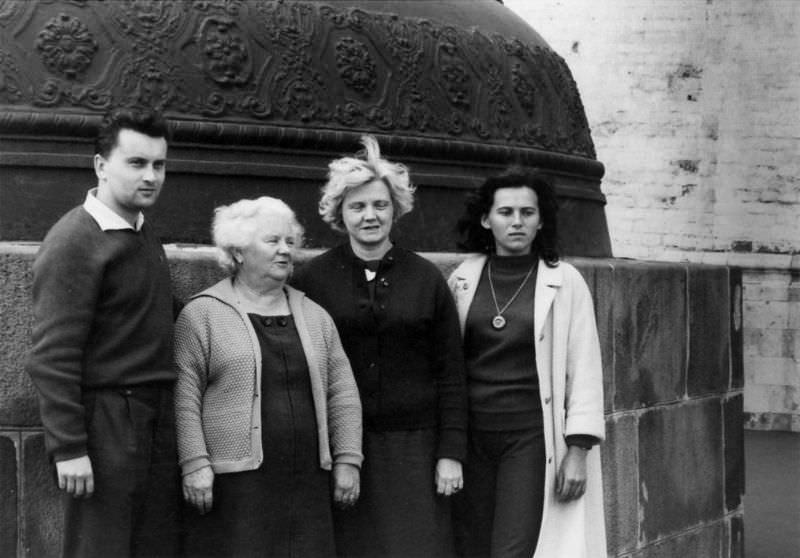
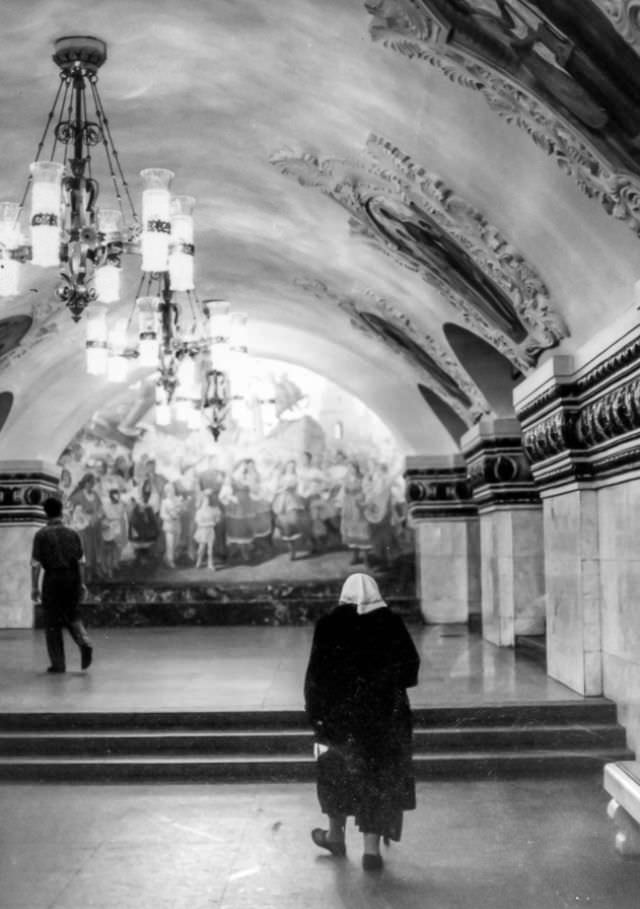
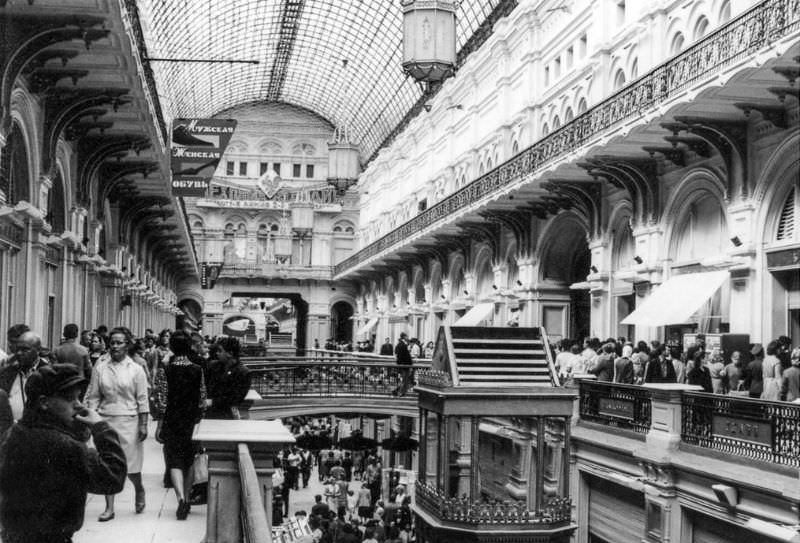
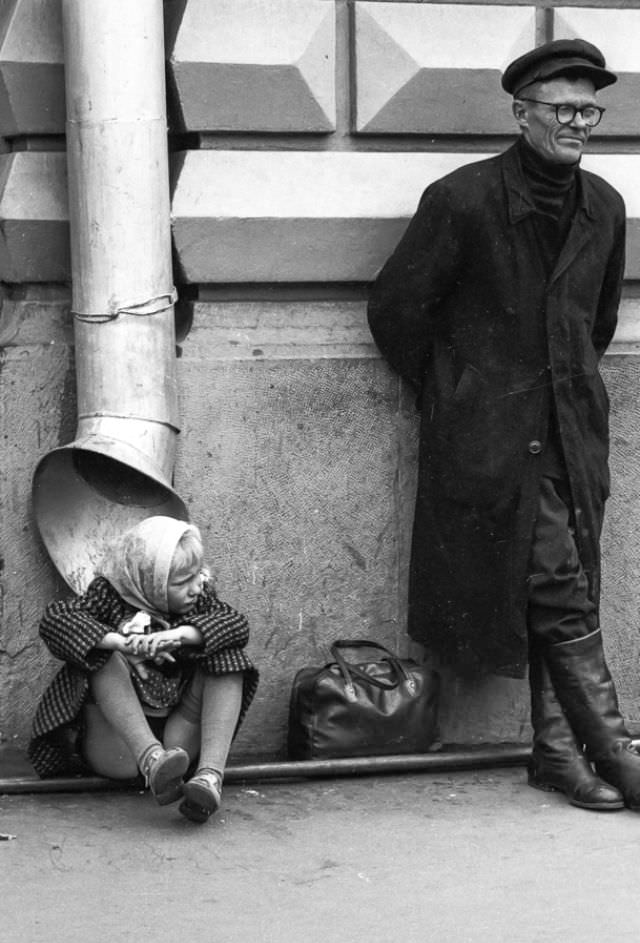
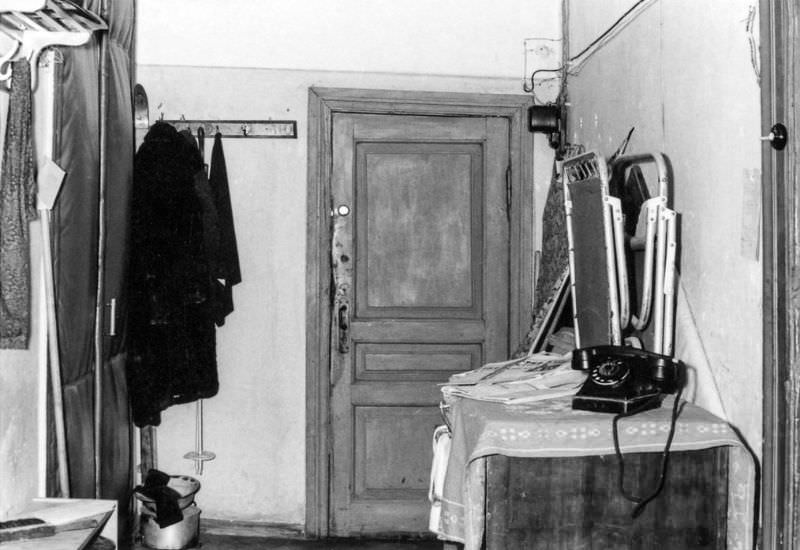
Daily life in the city carried on amid all of this political and social upheaval. Muscovites went to work, rode the metro, and filled the city’s wide boulevards. The photos from this year capture candid, unguarded moments — people shopping, children playing, workers going about their routines.
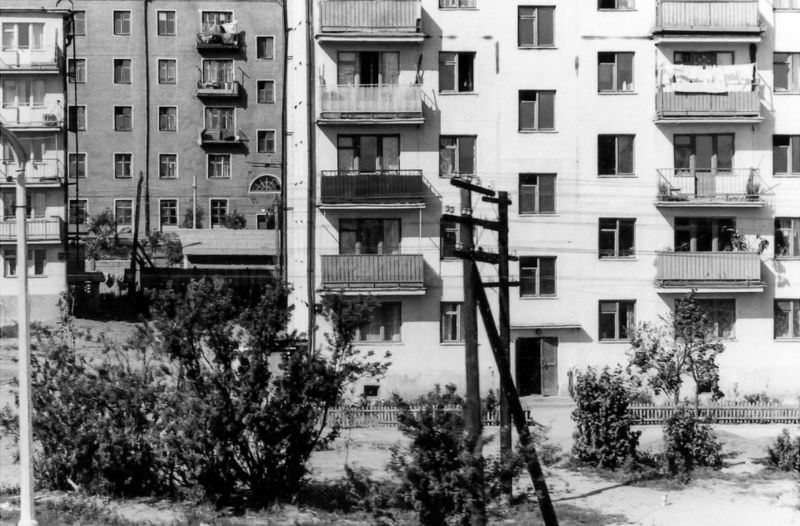
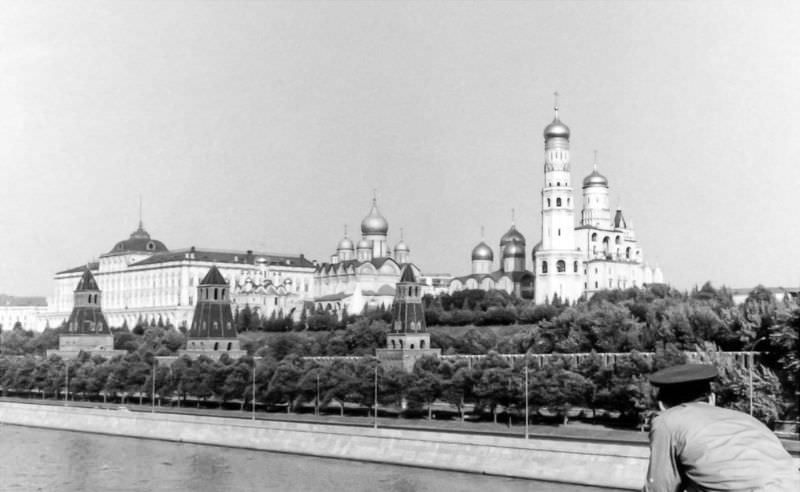
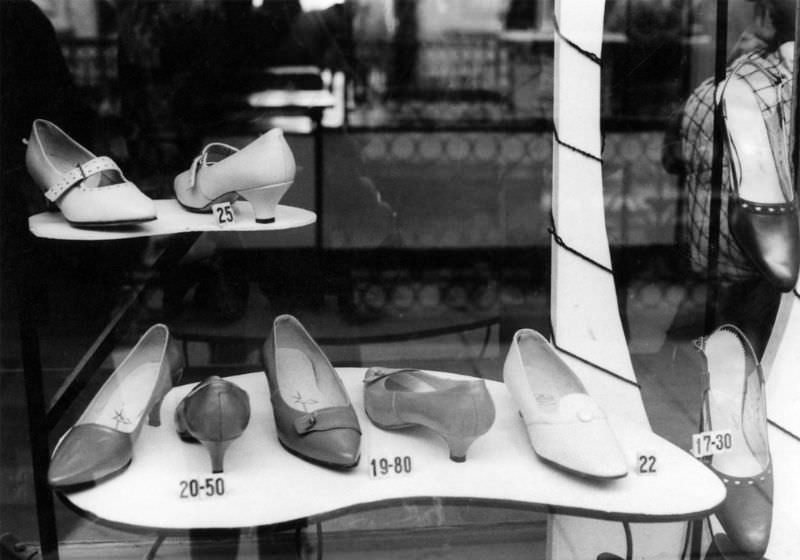
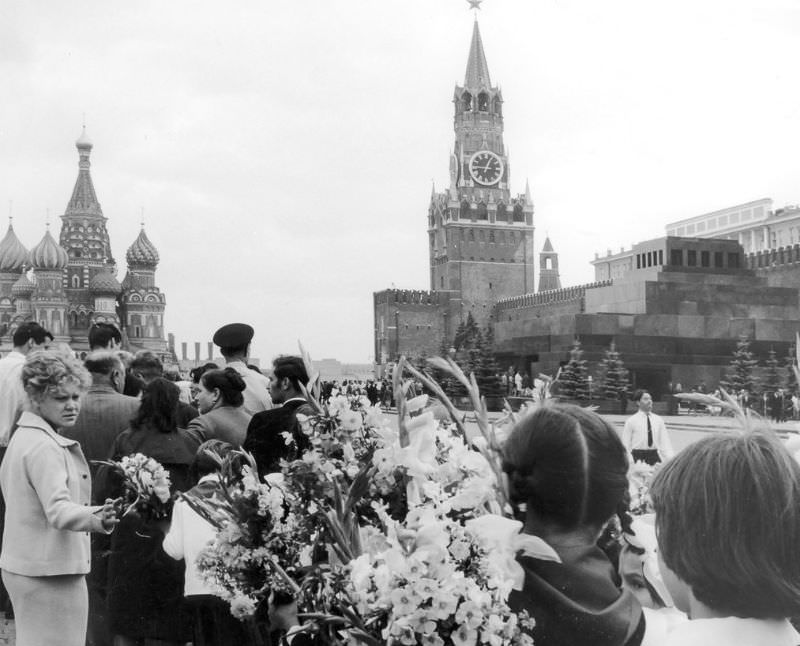
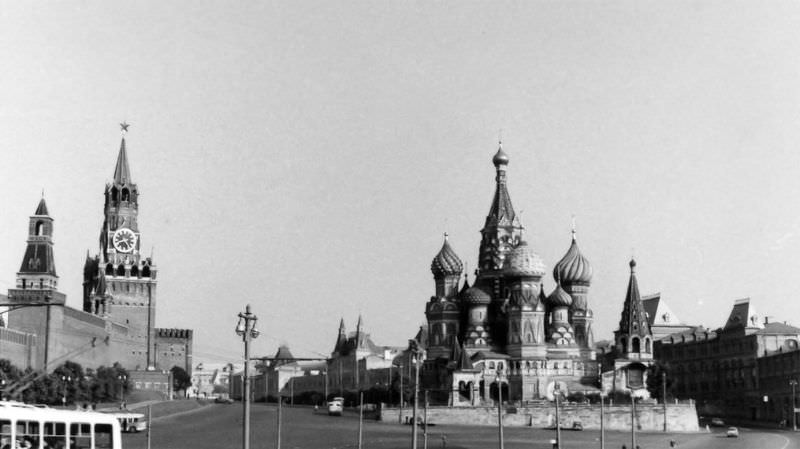
Moscow in 1965 was also a showcase for Soviet ambition. Grand public spaces, monumental architecture, and wide roads were all part of how the state projected power and modernity. The city’s layout — radiating outward from the Kremlin — was designed to impress as much as to function.
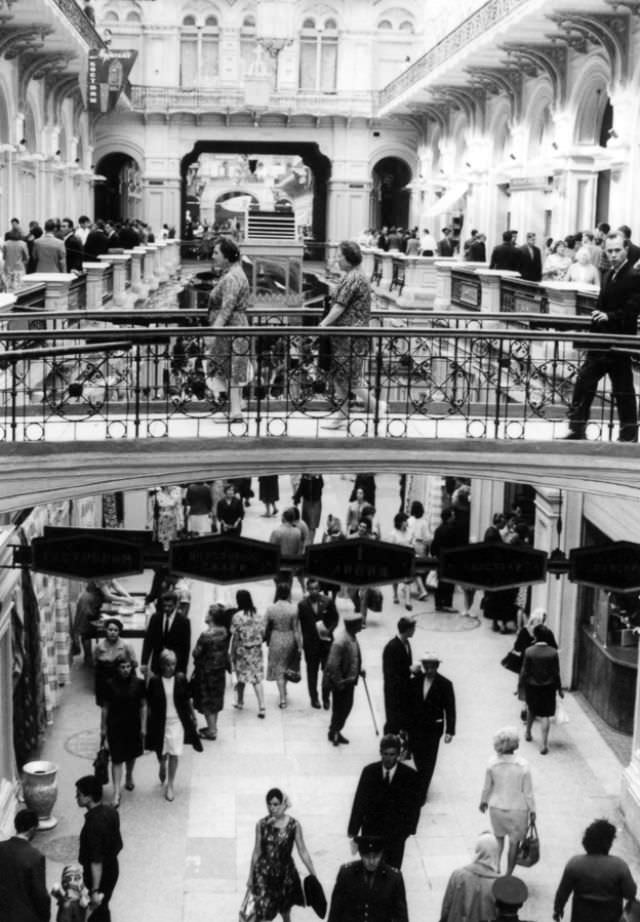
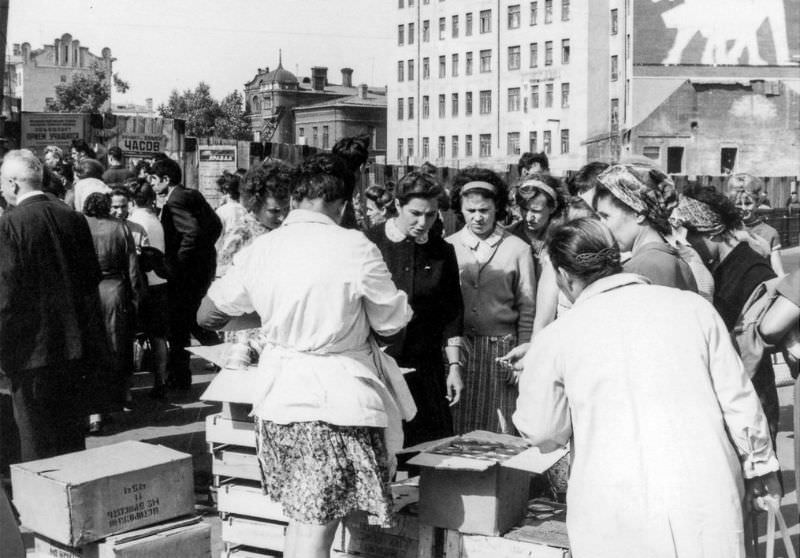
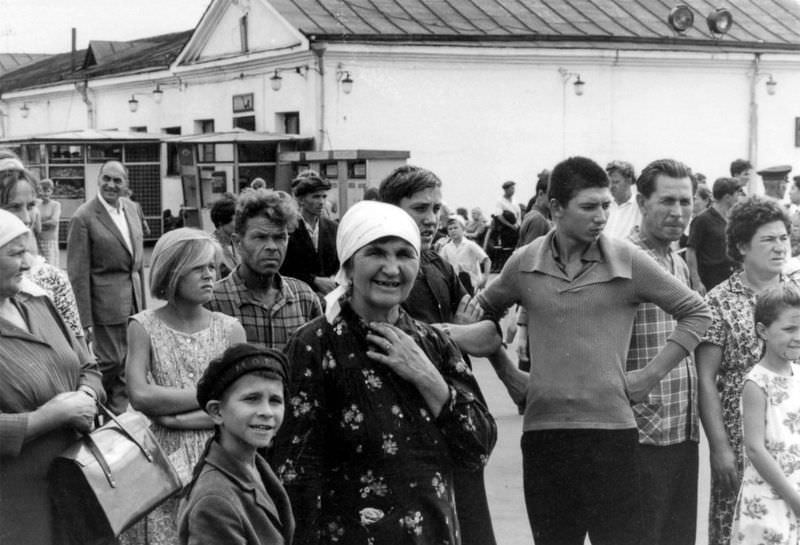
These photographs offer a rare, unfiltered look at a specific moment in Moscow’s story — a city proud of its wartime past, reshaped by Soviet policy, and moving steadily into the modern era.