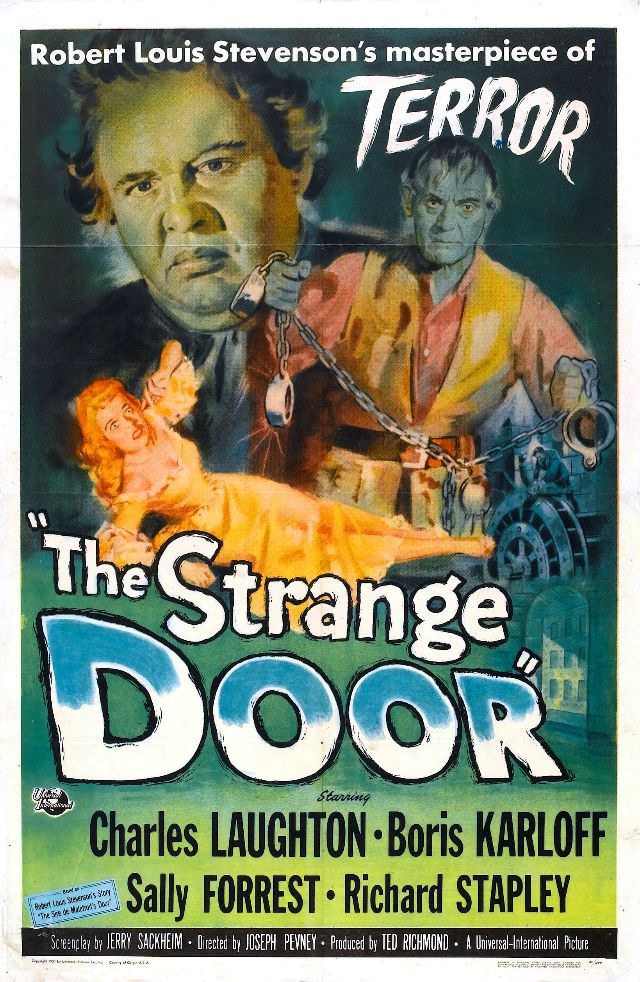
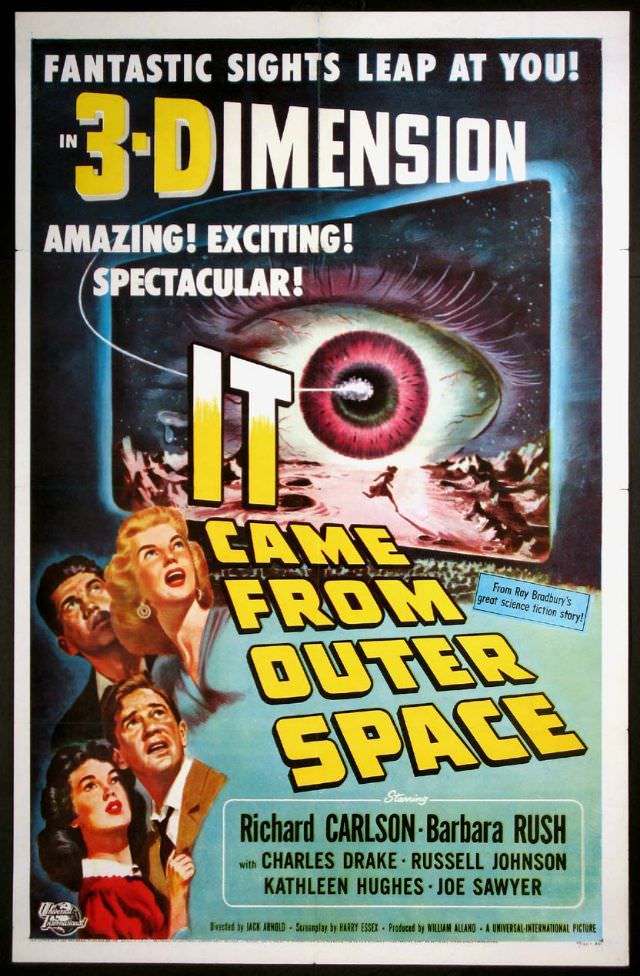
Joseph Smith was one of Hollywood’s most distinctive poster artists, working across nearly four decades and dozens of genres. His designs didn’t just advertise films — they told a story at a glance. Bold typography, dynamic illustrations, and a sharp sense of mood defined his style. Early works like his posters for Universal’s horror and sci-fi releases showed his range from the very start.
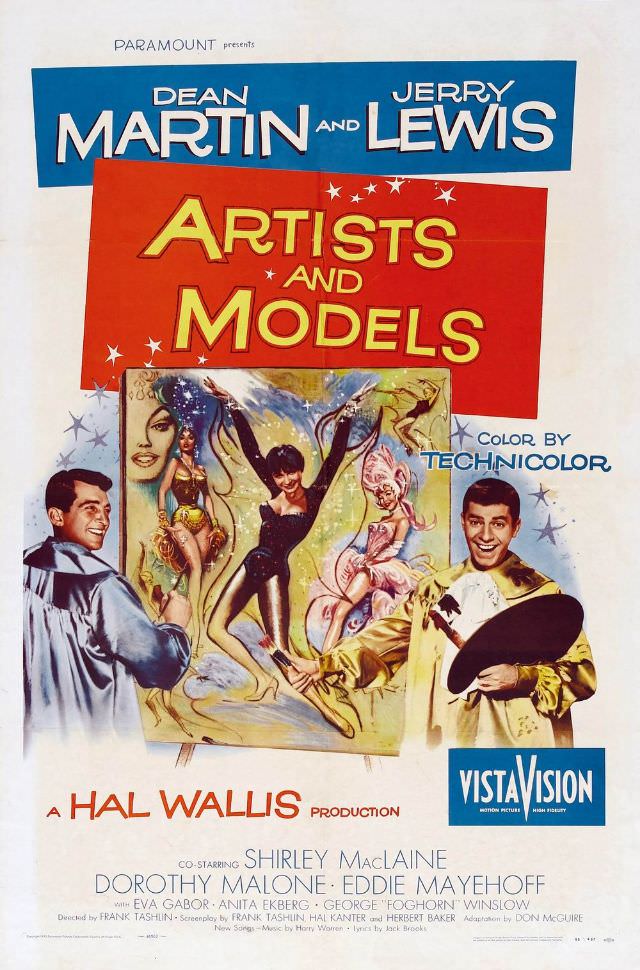
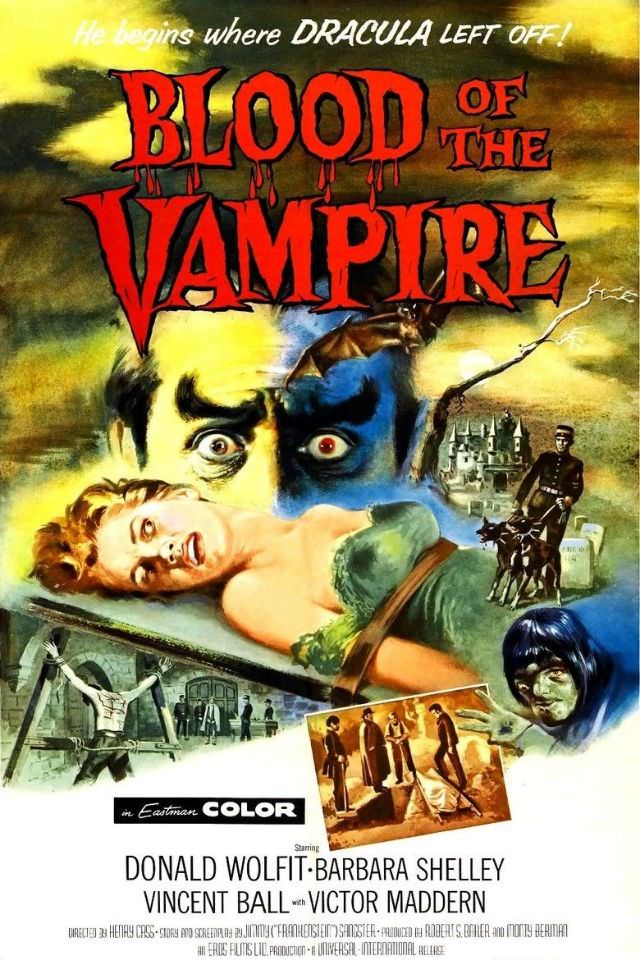
Through the mid-1950s, Smith worked across comedy and horror with equal confidence. His poster for the Dean Martin and Jerry Lewis vehicle *Artists and Models* leaned into bright energy and star power, while *Blood of the Vampire* demanded something darker and more threatening.
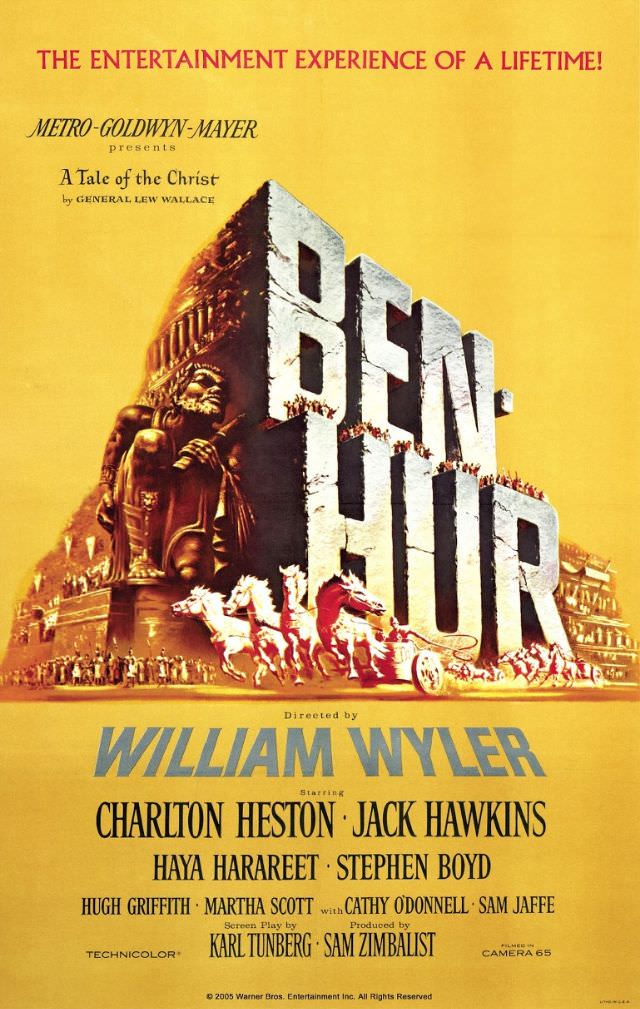
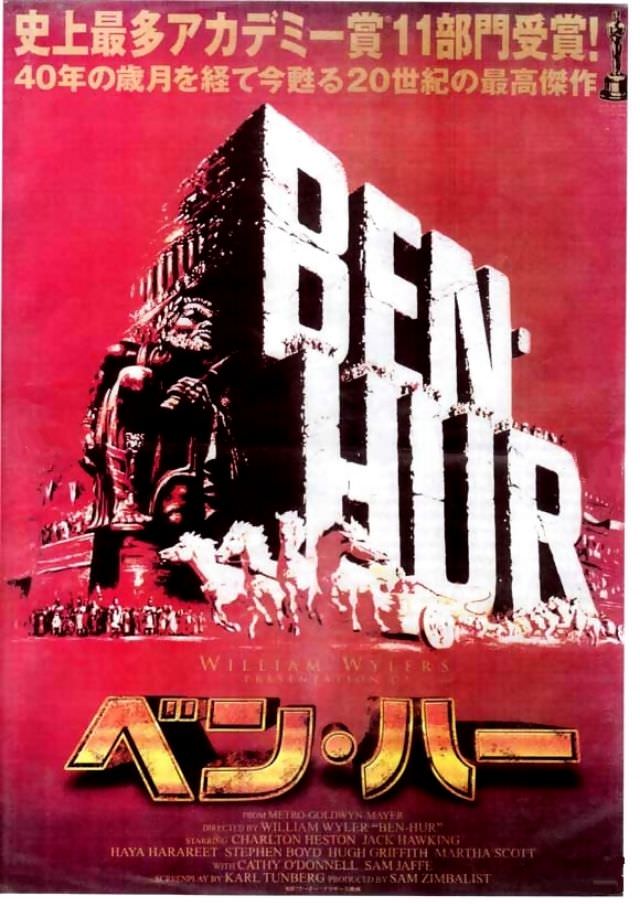
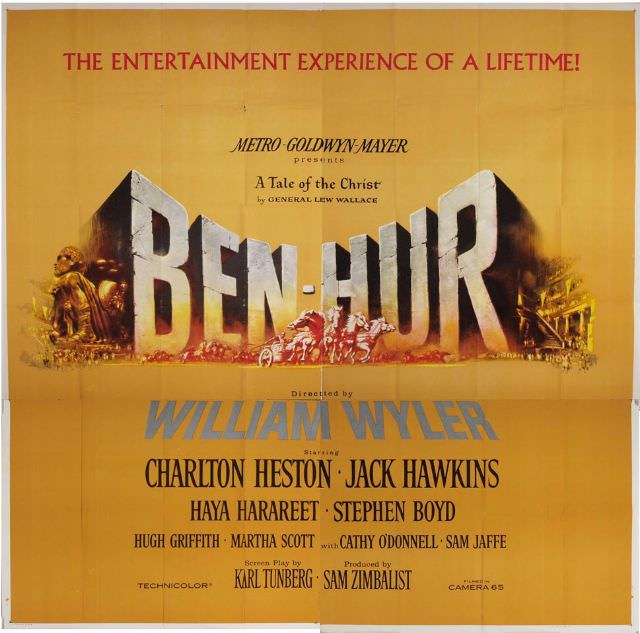
Smith’s most celebrated work arrived with the 1959 epic *Ben-Hur*. He produced multiple poster designs for the film, most famously featuring the title carved into massive stone letters with chariots racing around them. The imagery matched the film’s enormous scale and became one of the most recognized pieces of movie art ever made.
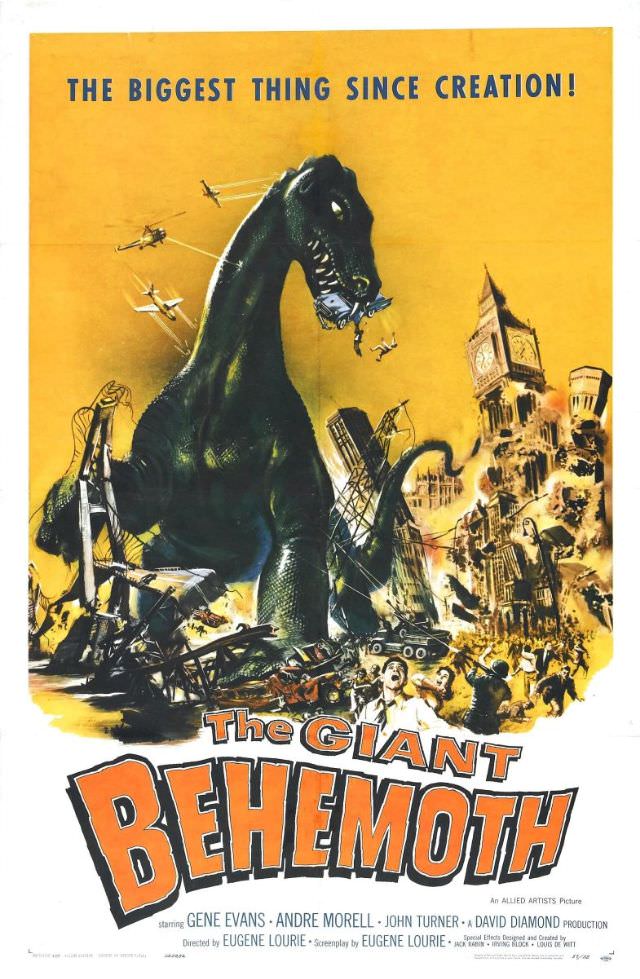
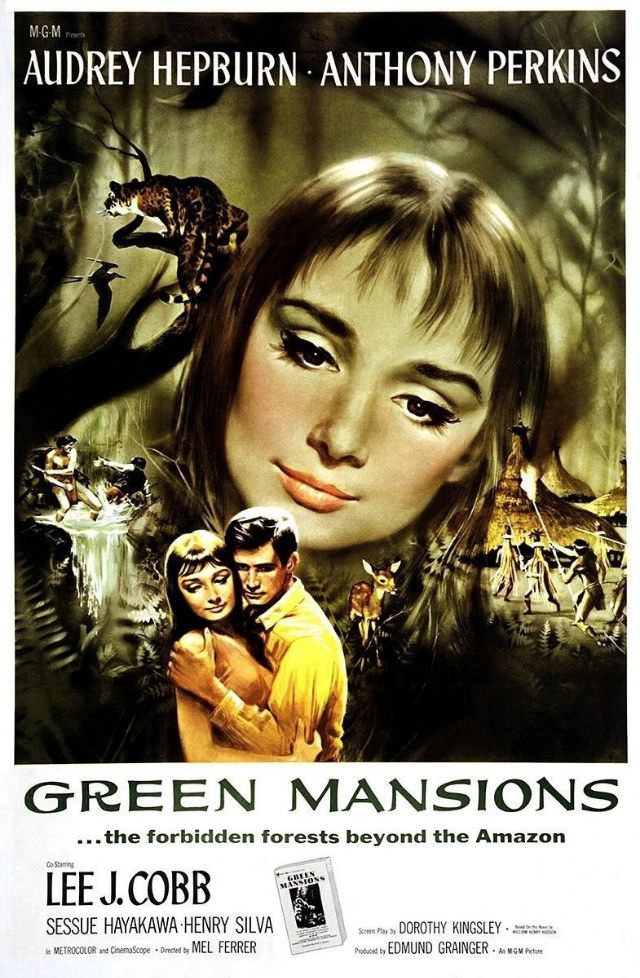
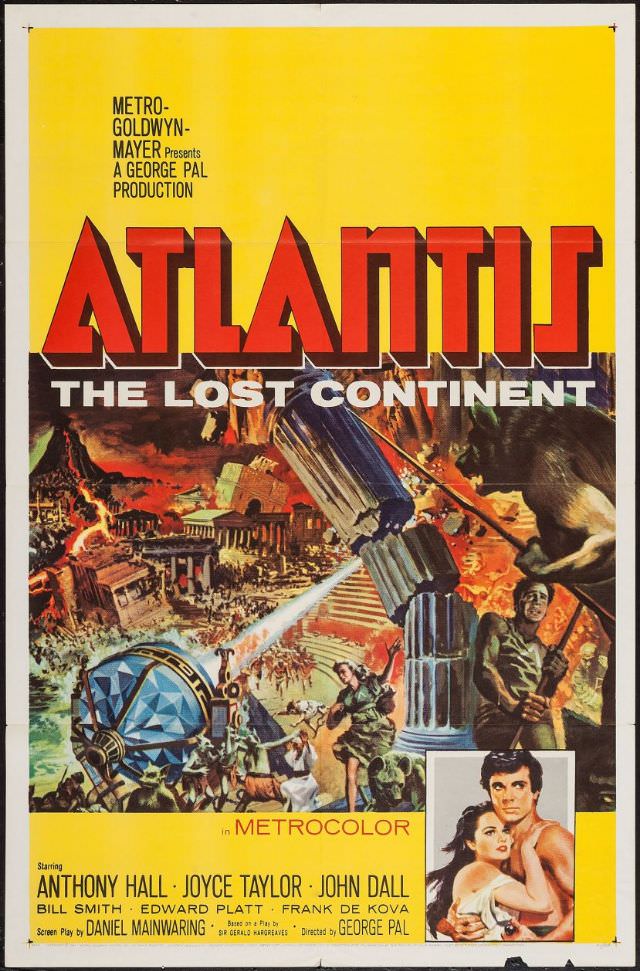
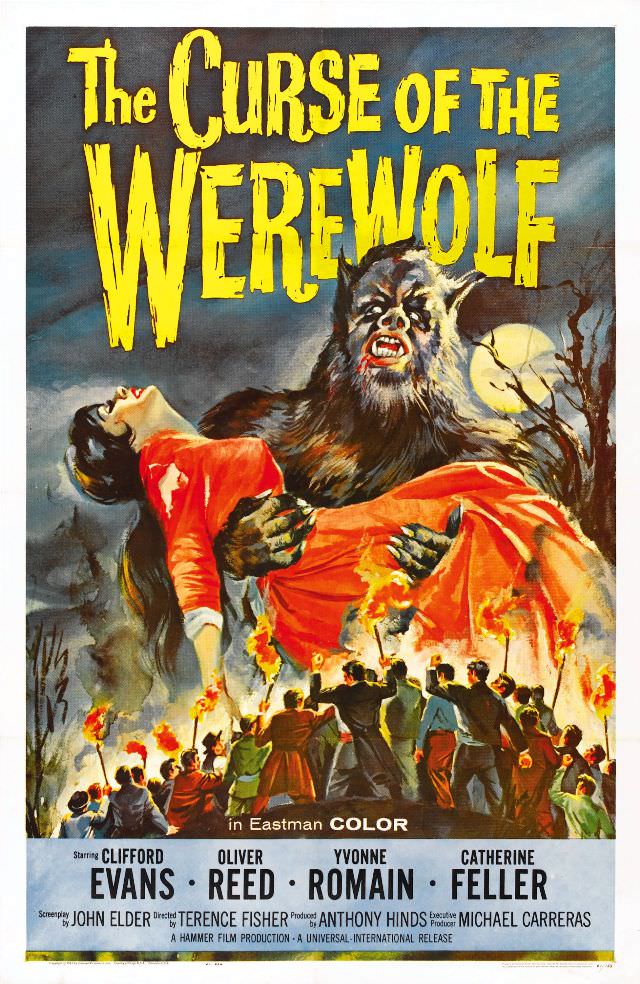
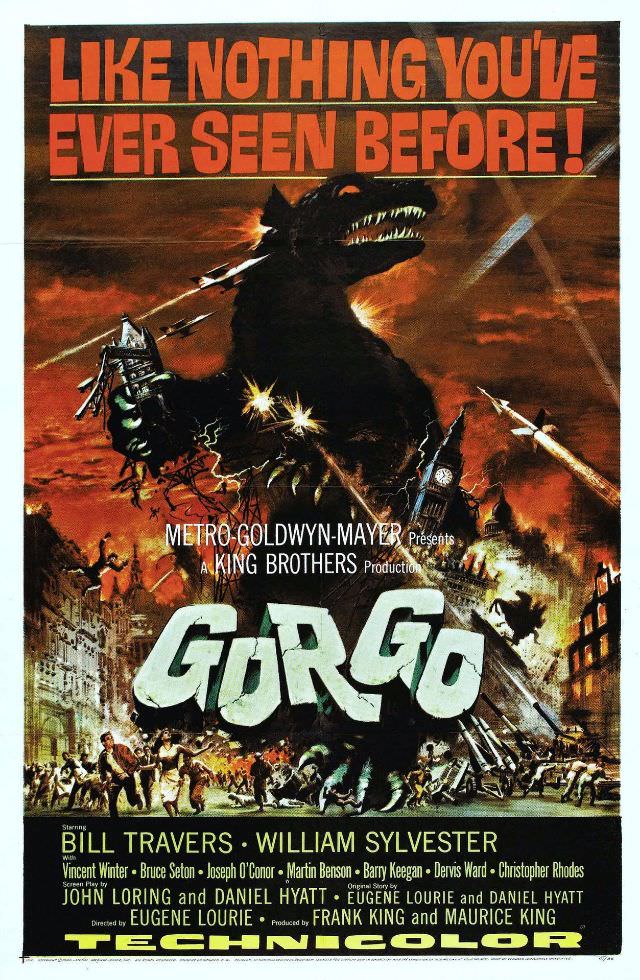
Into the early 1960s, Smith tackled monster films and mythological spectacles. Titles like *Gorgo*, *Atlantis, the Lost Continent*, and *The Curse of the Werewolf* gave him room to work with large, menacing imagery — creatures looming over cities, chaos spreading across frames.
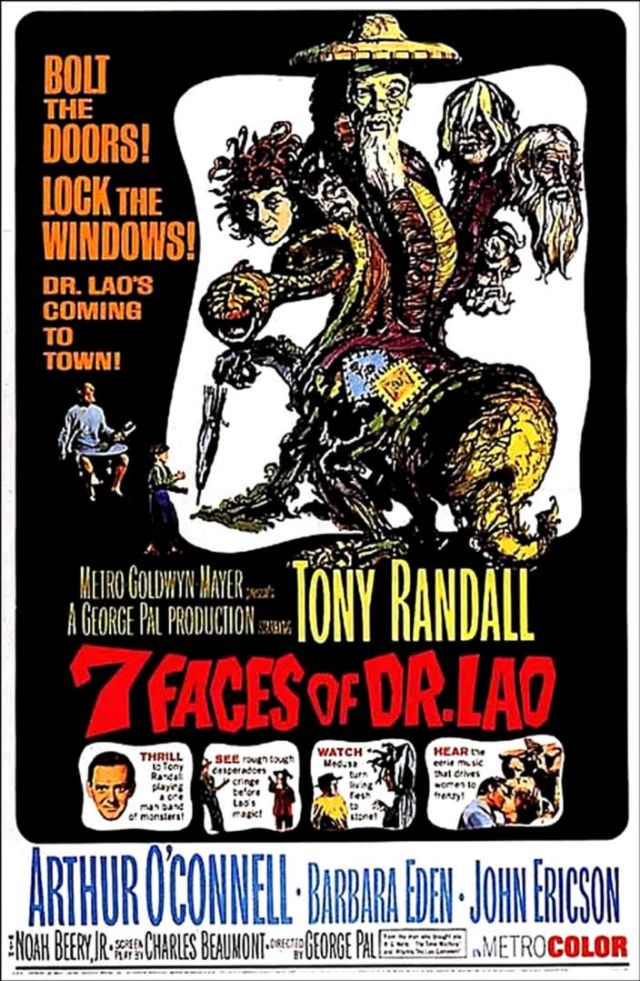
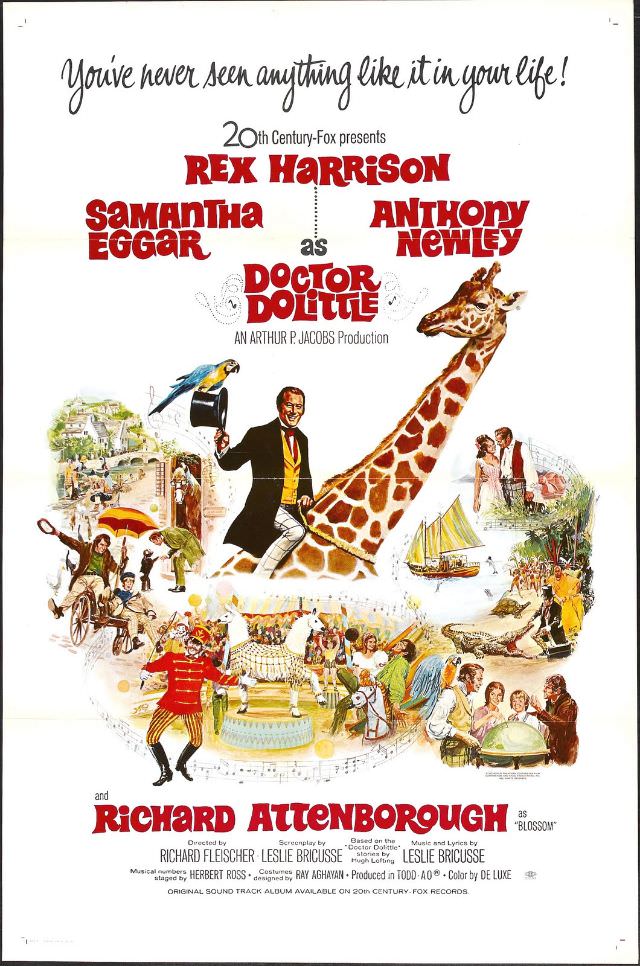
The mid-1960s brought a shift in tone. *7 Faces of Dr. Lao* called for whimsy and spectacle, while *Doctor Dolittle* in 1967 used vivid color and playful character arrangements to signal its family-friendly appeal. Smith adjusted his visual language to suit each film’s audience without losing his compositional control.
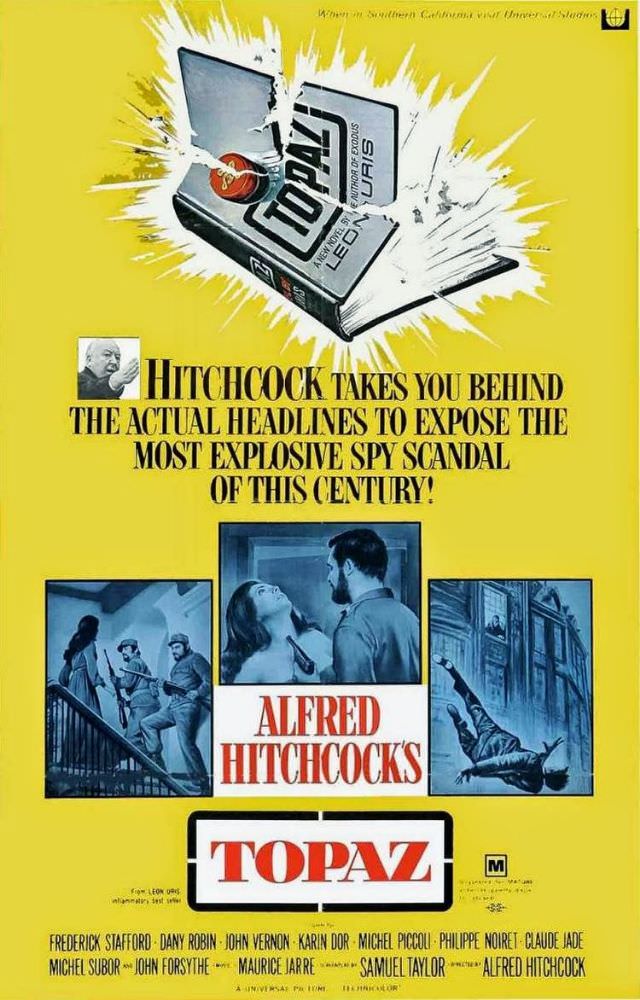
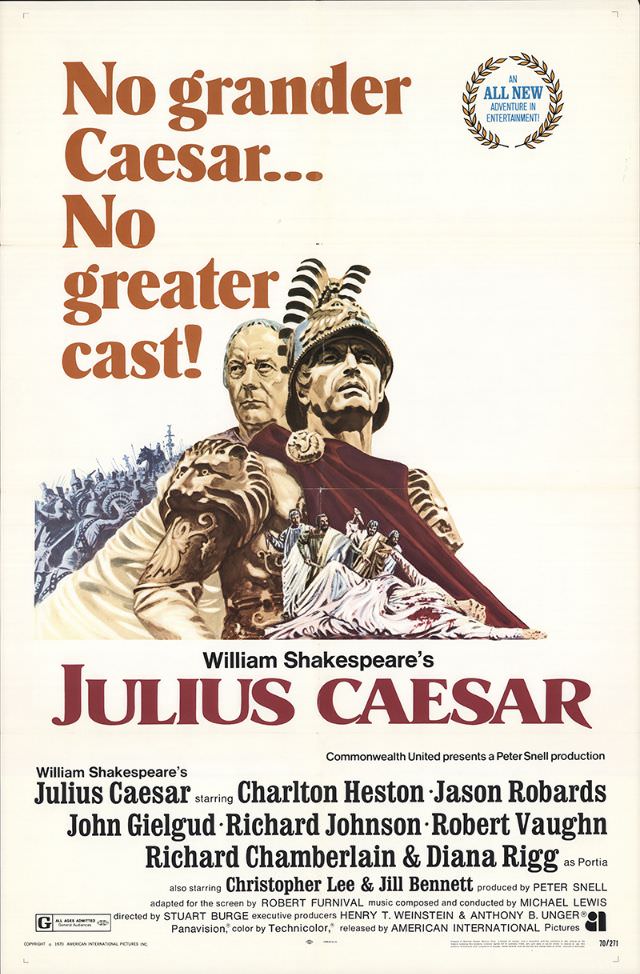
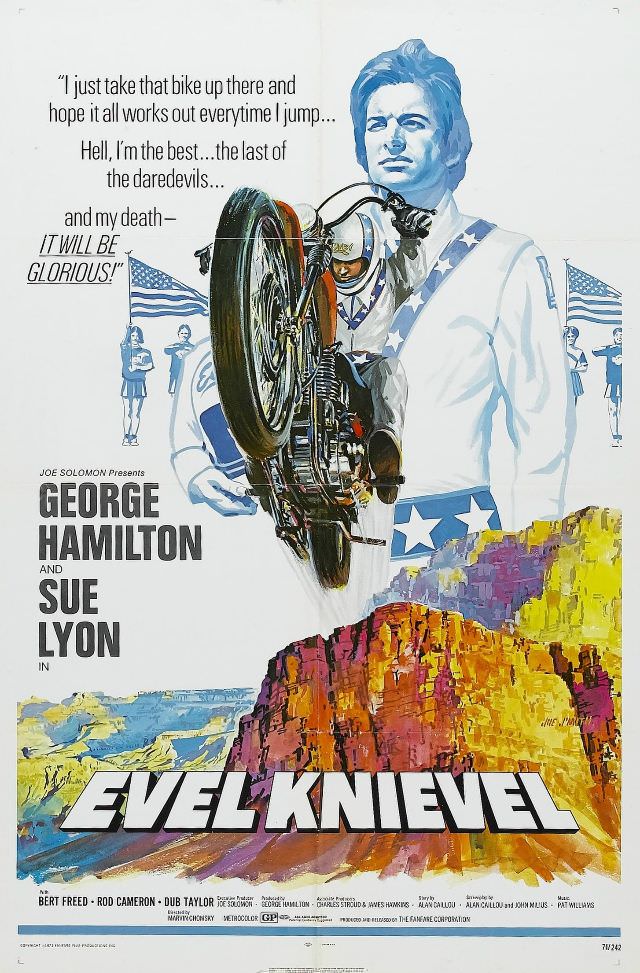
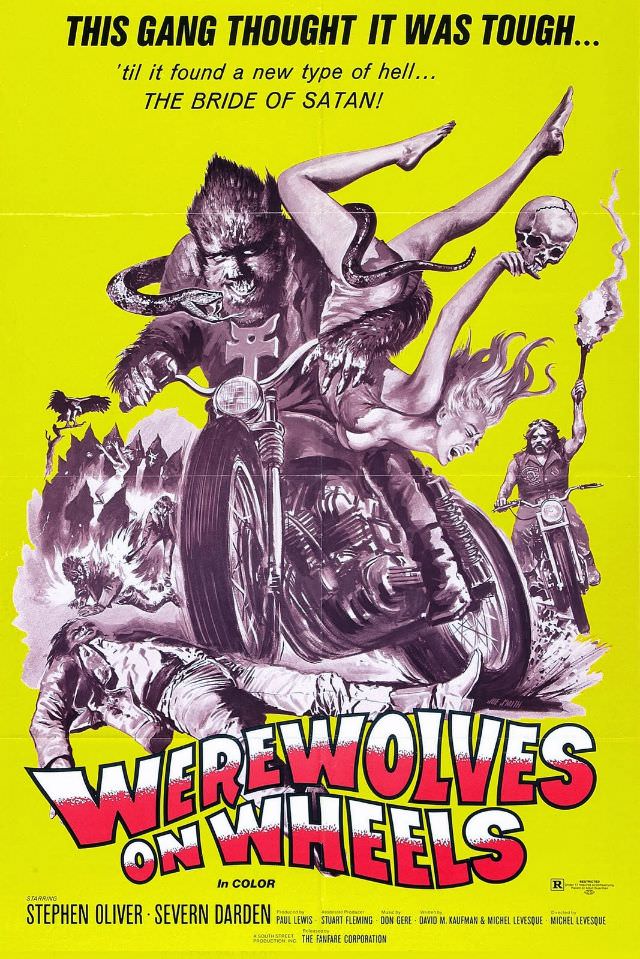
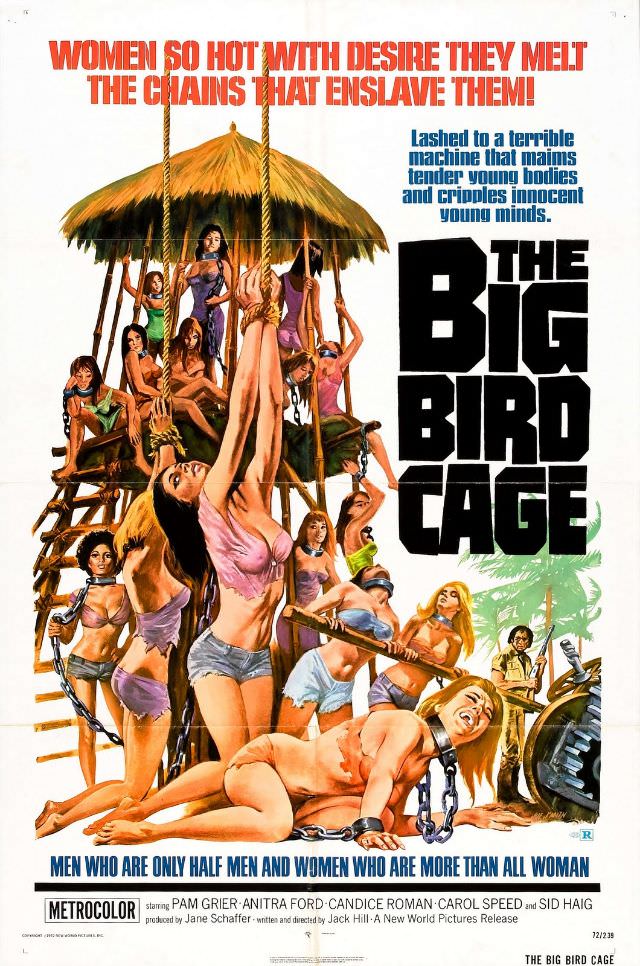
As the 1970s approached, Smith moved into spy thrillers, historical dramas, and exploitation films. Alfred Hitchcock’s *Topaz*, the Roman drama *Julius Caesar*, and grindhouse titles like *The Big Bird Cage* and *Werewolves on Wheels* all carried his hand.
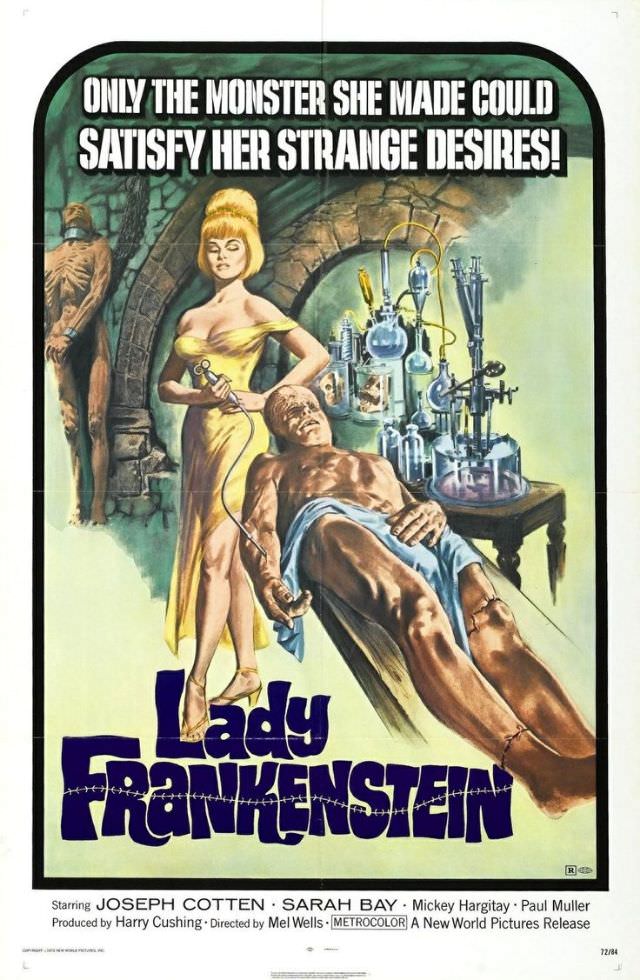
The early 1970s showcased Smith’s versatility at its peak. He moved from the real-life daredevil story of *Evel Knievel* to Italian horror with *La figlia di Frankenstein*, hitting entirely different registers with each assignment.
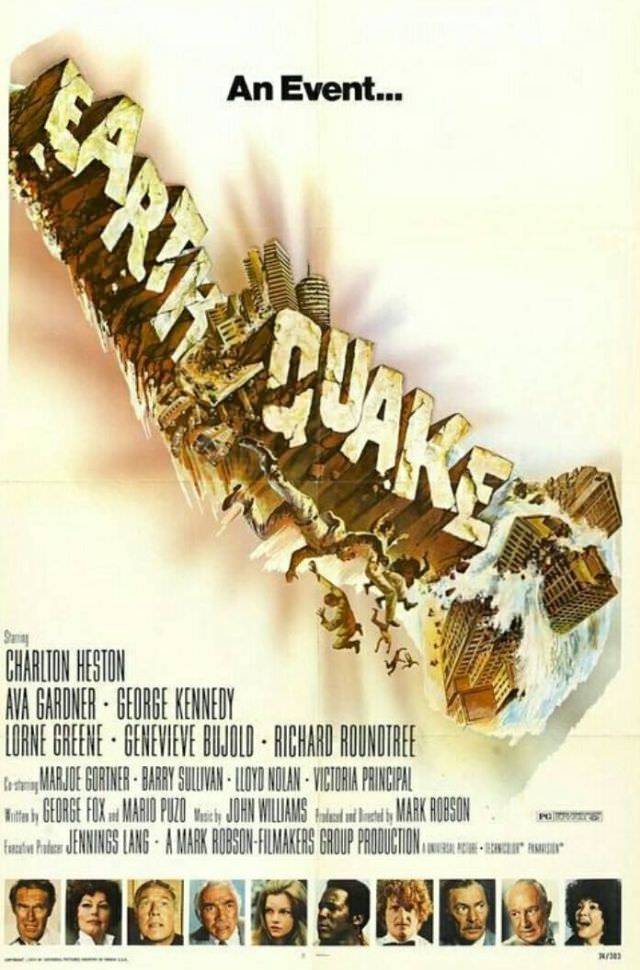
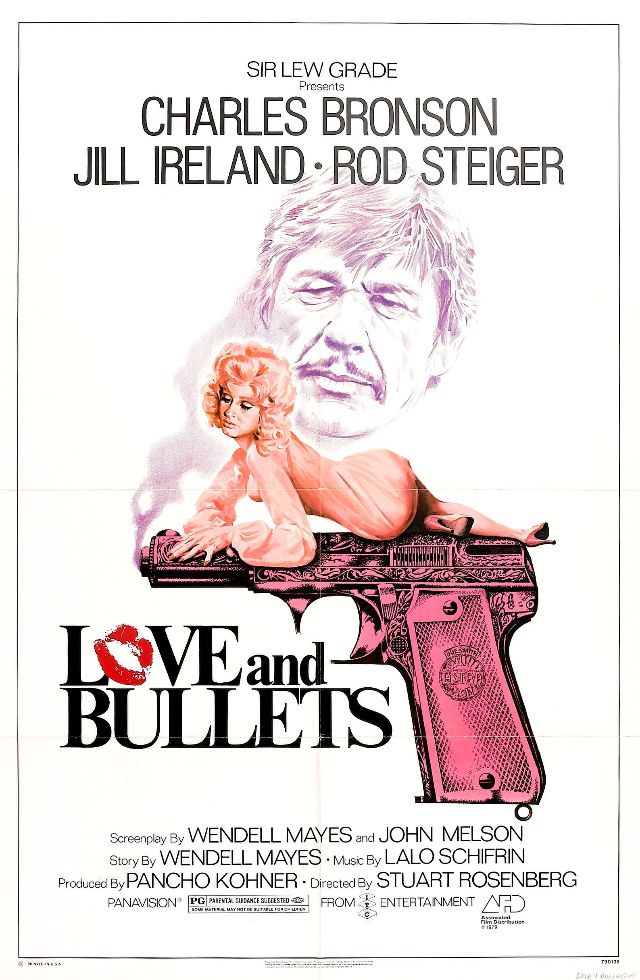
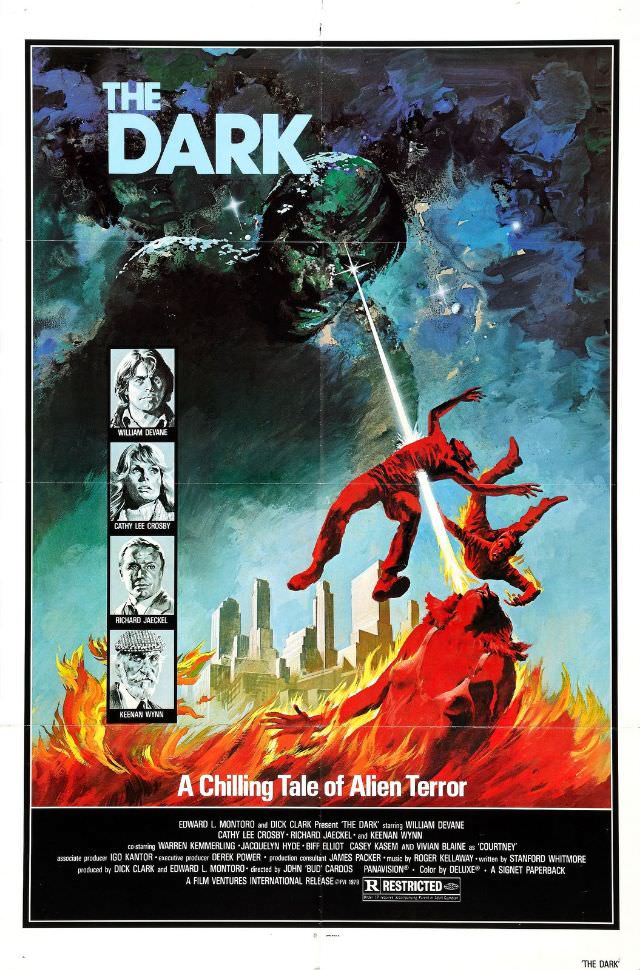
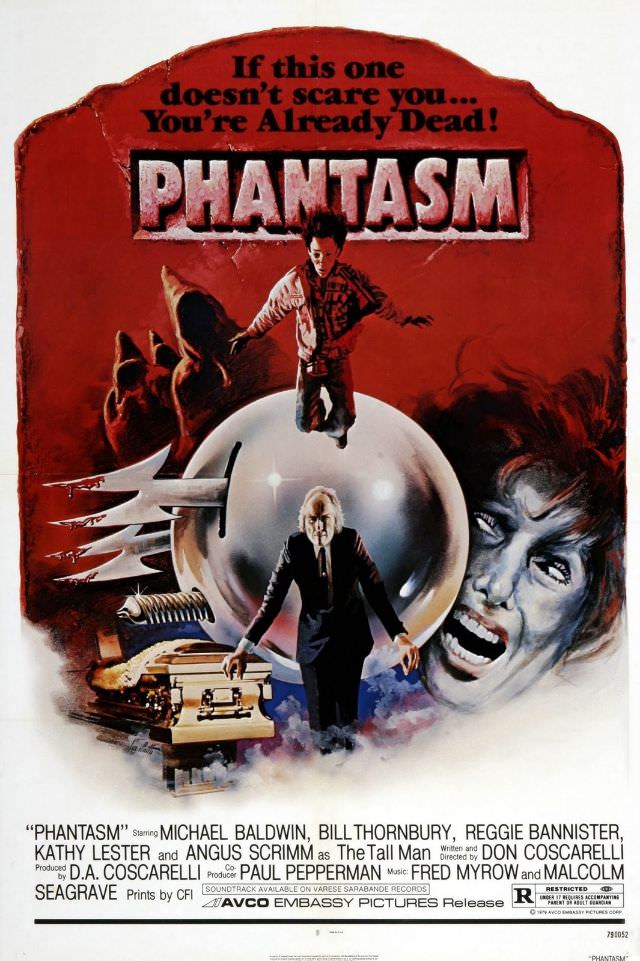
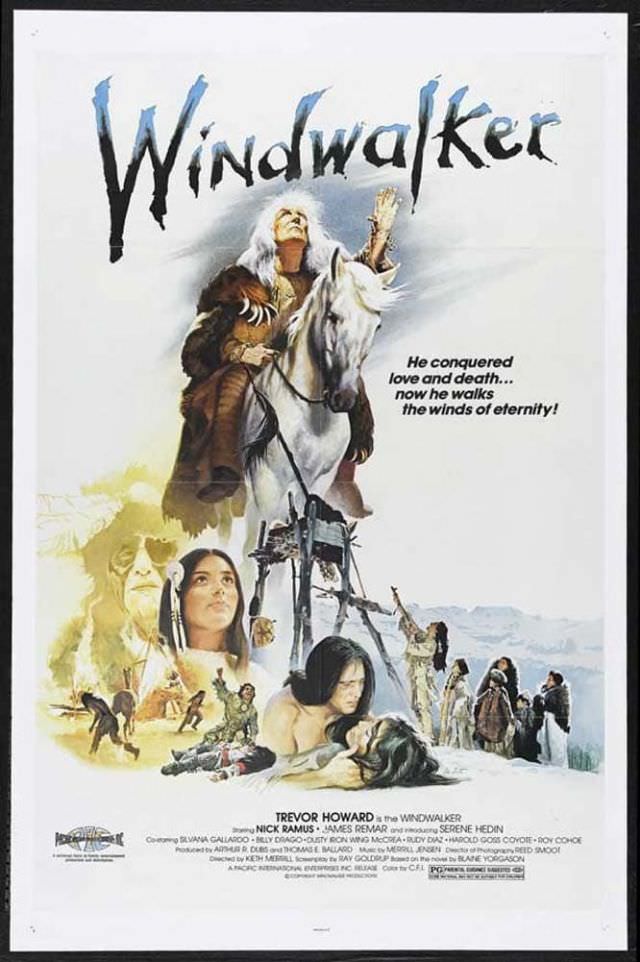
His disaster film work for *Earthquake* in 1974 required a different visual weight — one of destruction and scale. By the late 1970s, Smith was designing for horror and action films like *Phantasm*, *The Dark*, and *Love and Bullets*, proving his adaptability held firm through changing film trends. His final entry here, *Windwalker*, brought a quieter, more epic Western tone to close out the collection.