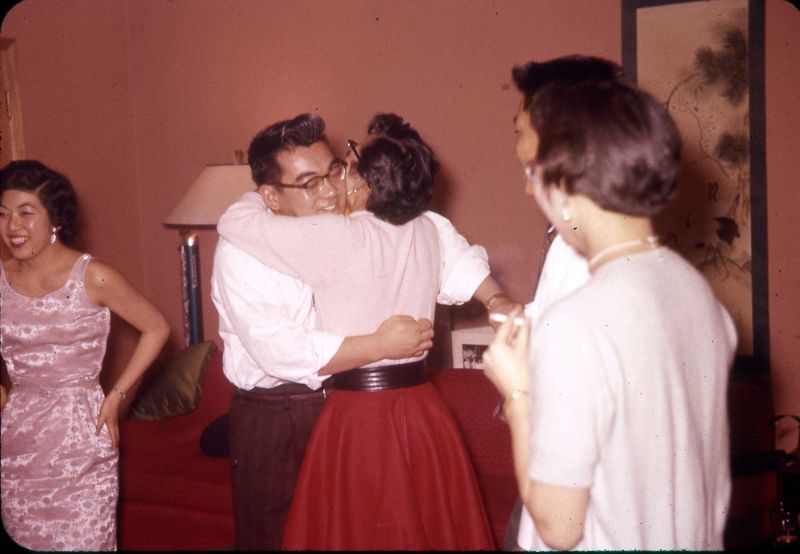
In the mid-1950s, Japanese-American families on the West Coast were rebuilding their lives after the upheaval of World War II and the forced internment camps that followed. States like California were home to some of the largest Japanese-American communities in the country. For many families, daily life in this era meant holding onto cultural roots while adapting to postwar American society.
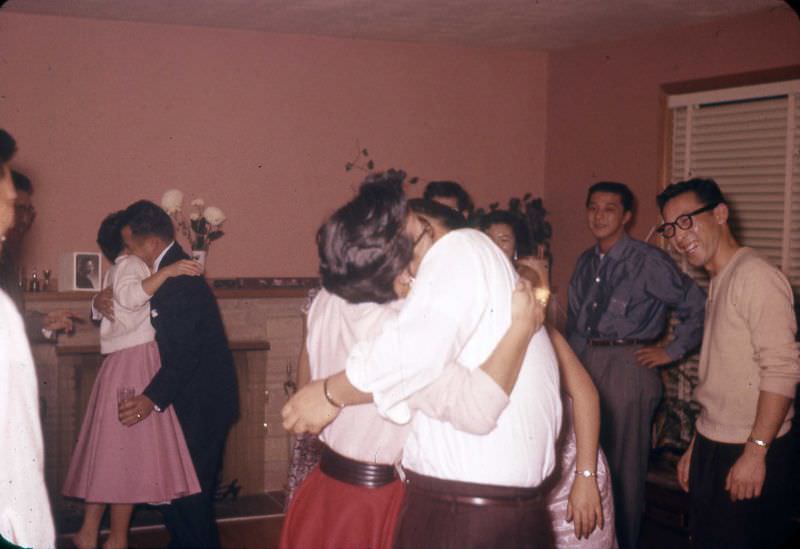
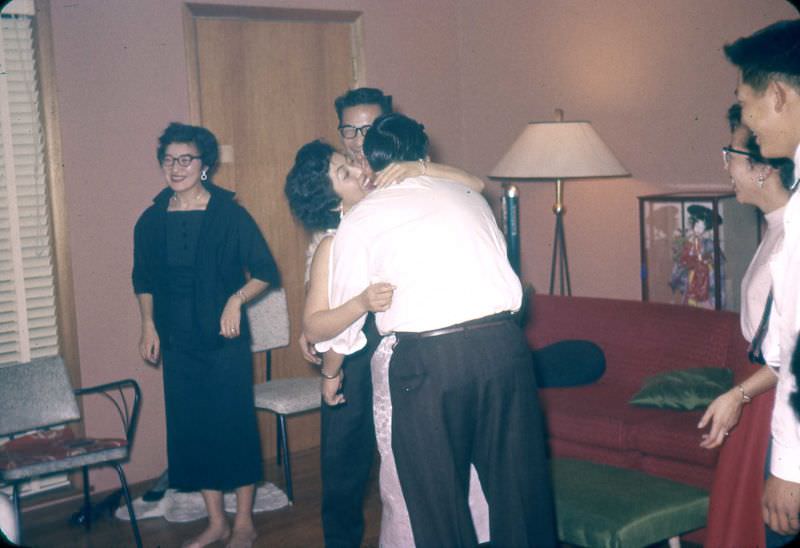
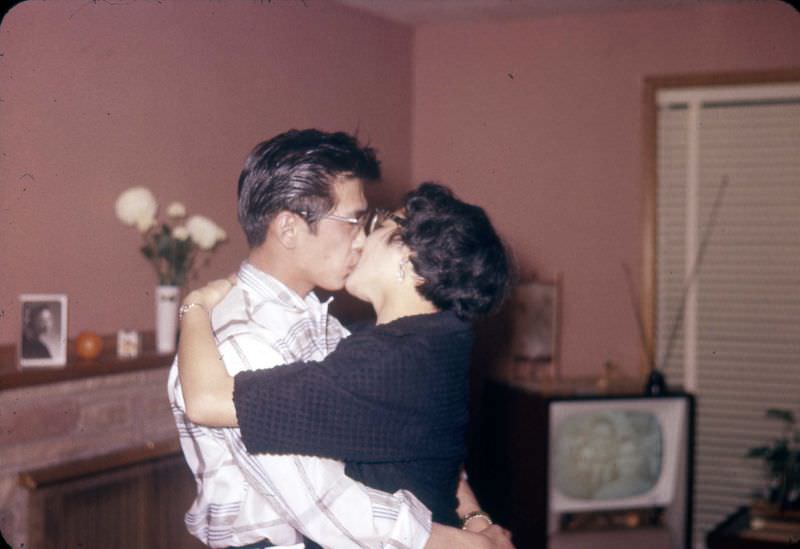
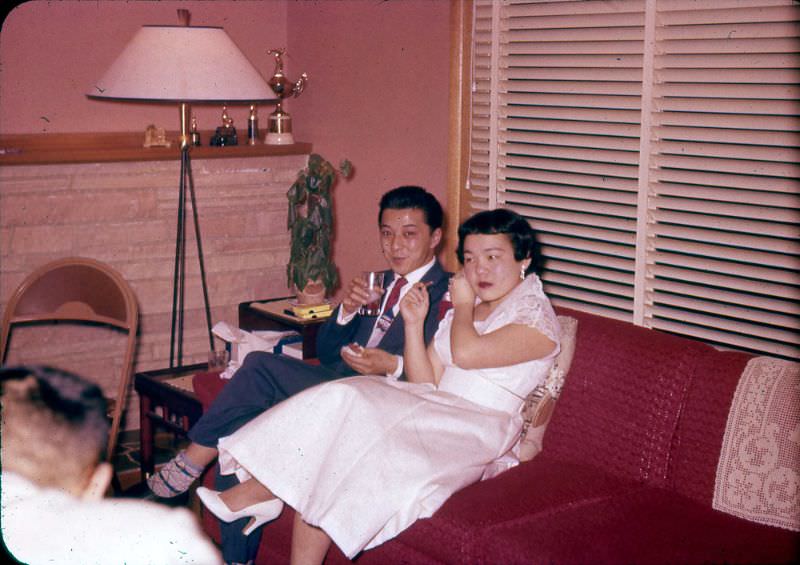
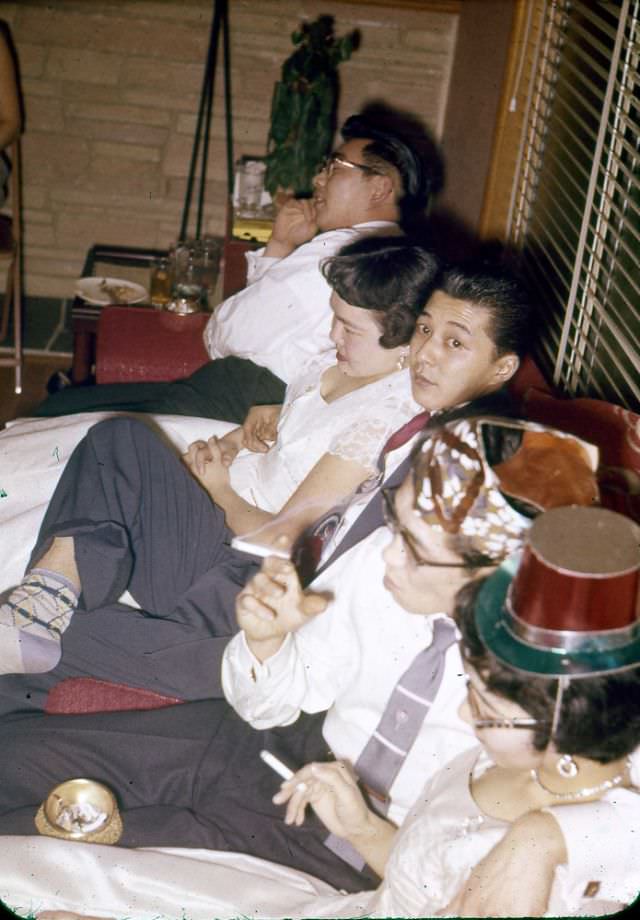
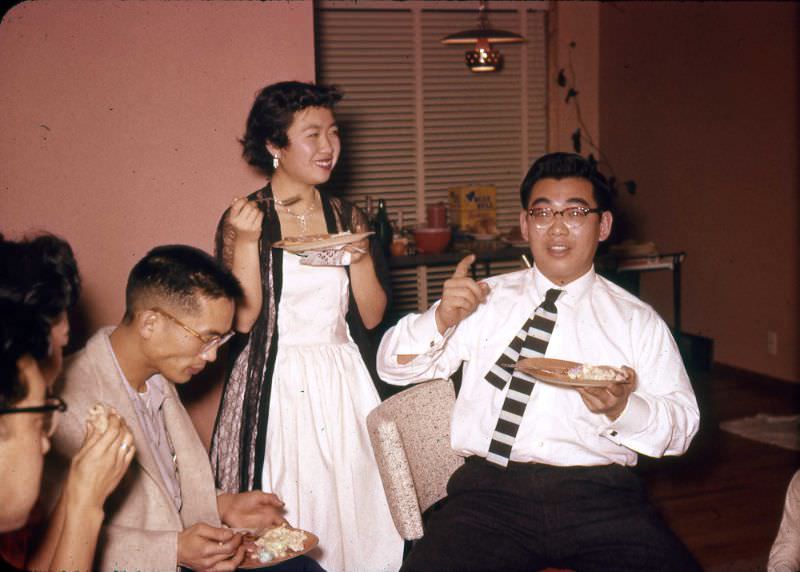
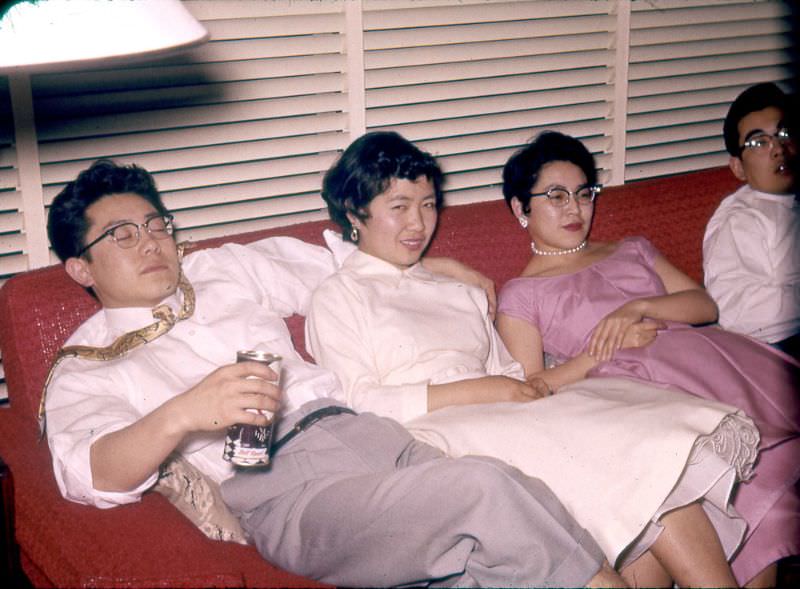
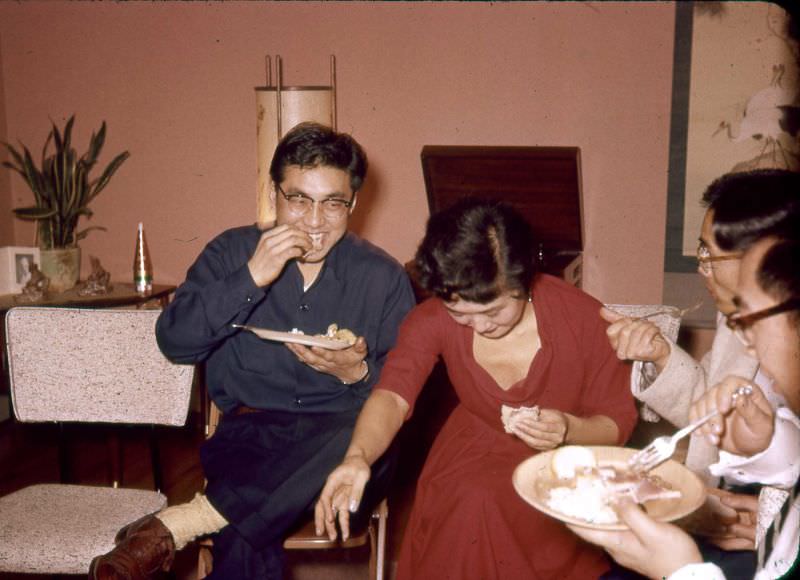
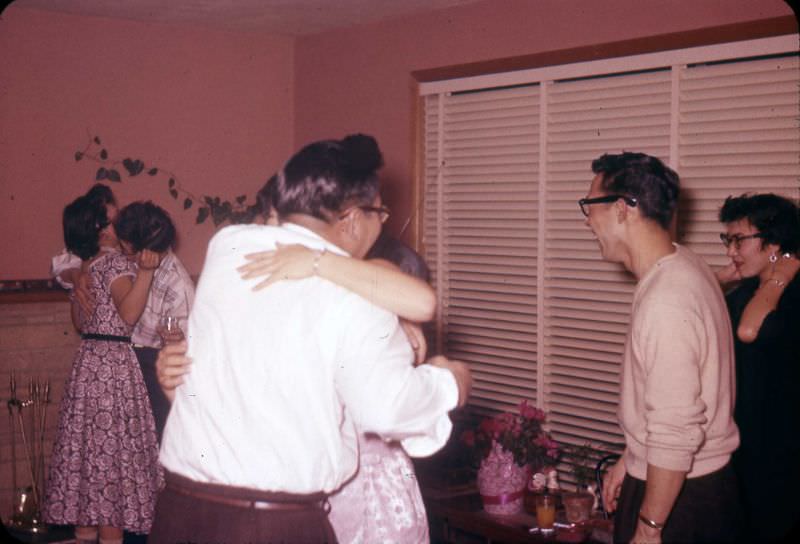
A set of photographs from around 1955 or 1956, sourced from EspressoBuzz, documents one such family gathering to celebrate New Year’s Eve. The setting is a private home — warm, close, and filled with family members across generations.
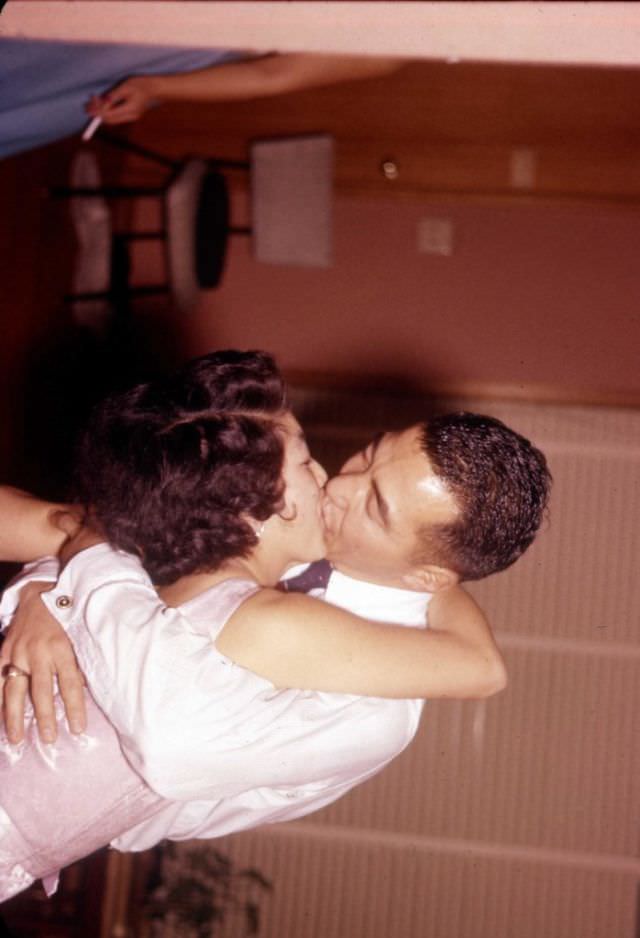
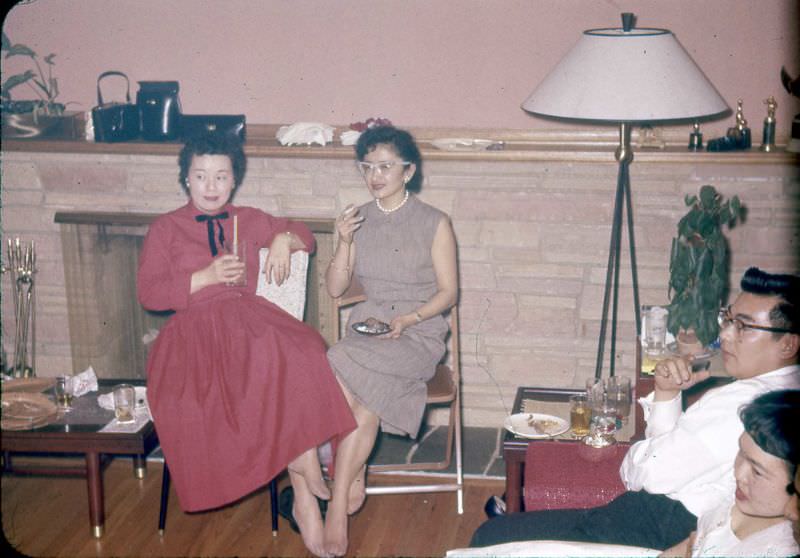
The photos show a blend of Japanese and American traditions woven naturally into a single celebration. This kind of cultural mixing was common among Japanese-American households of the era, particularly for second-generation families, known as Nisei.
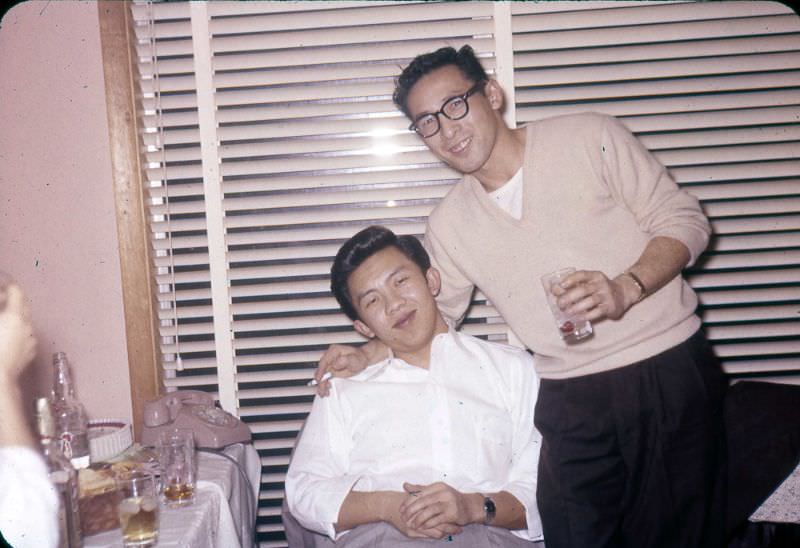
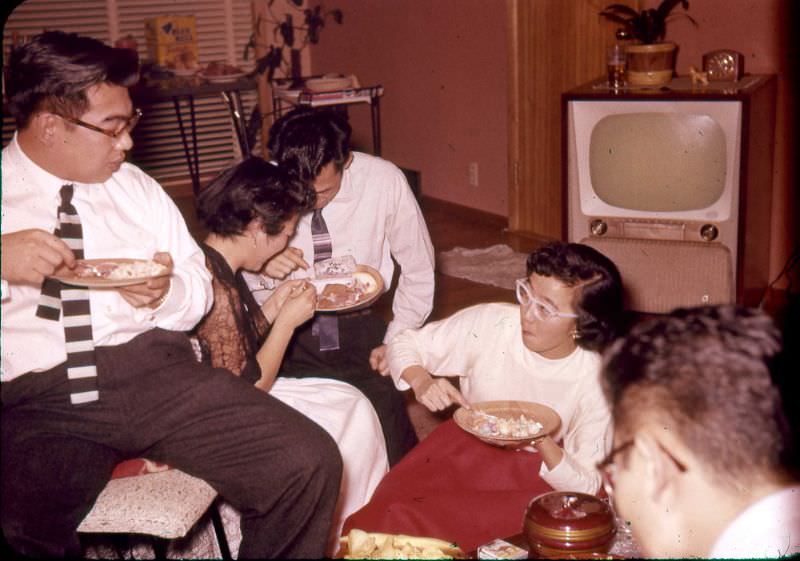
New Year’s, or Oshōgatsu, holds deep significance in Japanese culture. It is one of the most important holidays of the year, marked by family gatherings, special foods, and reflection on the year passed.
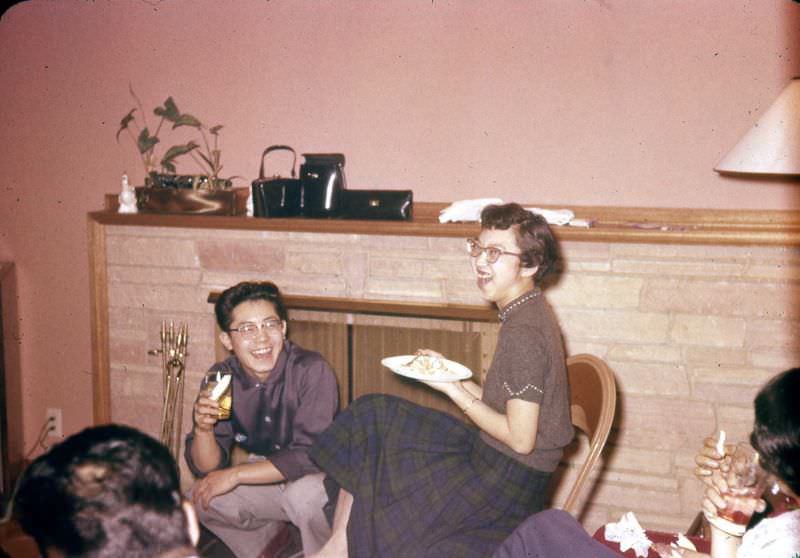
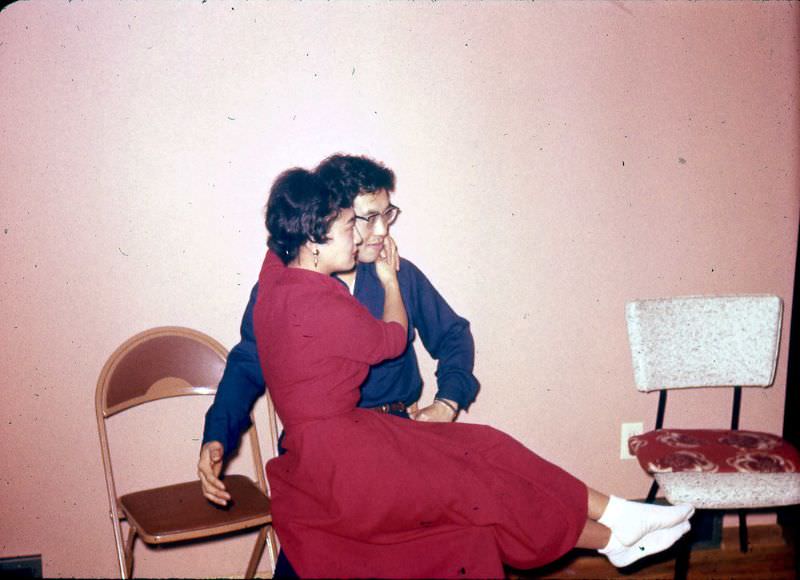
The atmosphere captured in these images is intimate. Multiple generations appear together, reflecting the tight-knit family structure common in Japanese-American households of that period.
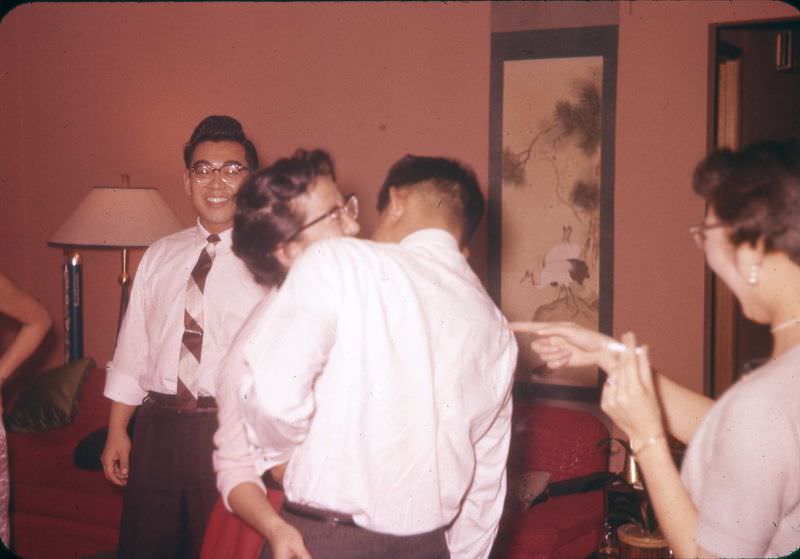
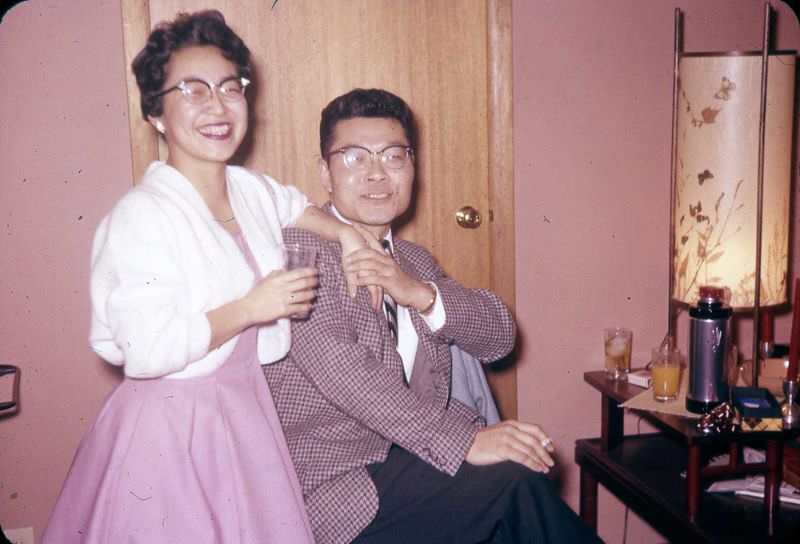
By the mid-1950s, many Japanese-American families had reestablished themselves economically and socially, though discrimination was still a reality in many communities. Gatherings like this one served as anchors — moments of normalcy and togetherness.
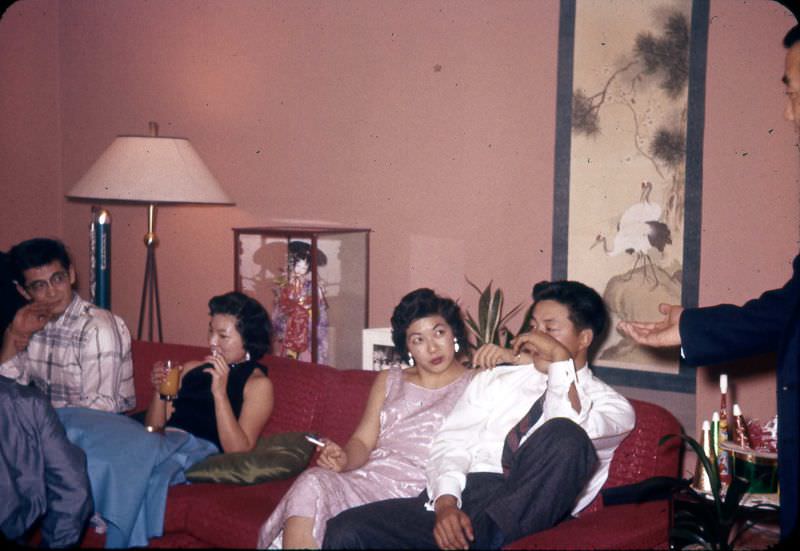
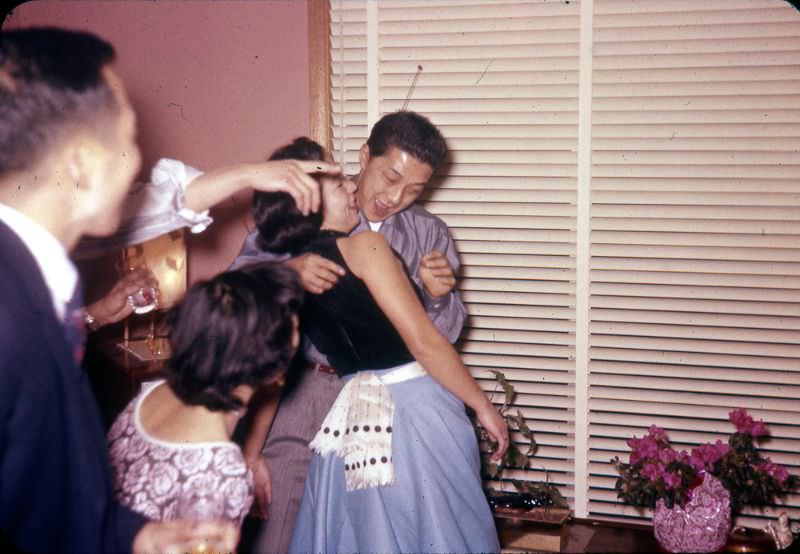
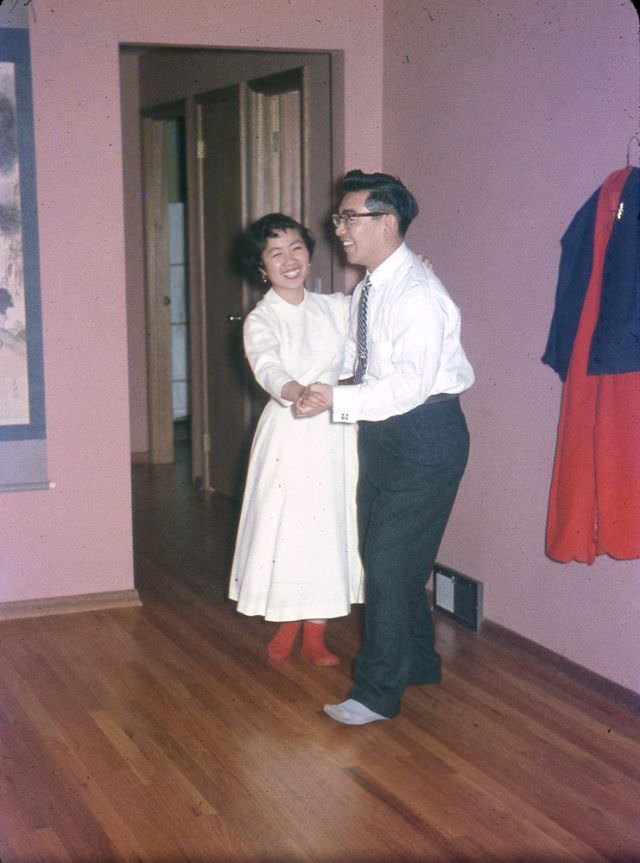
The clothing, furnishings, and décor visible in the photos are distinctly mid-century American, yet the occasion itself reflects a Japanese cultural tradition kept alive across generations.
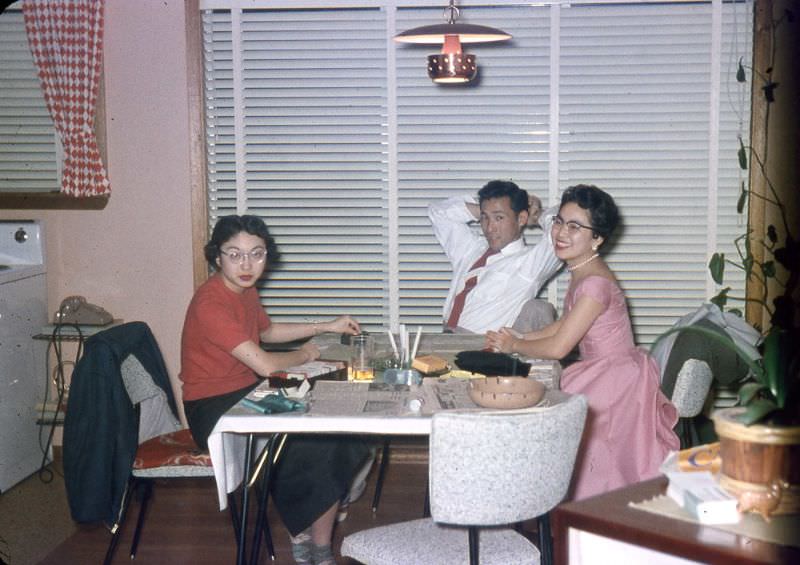
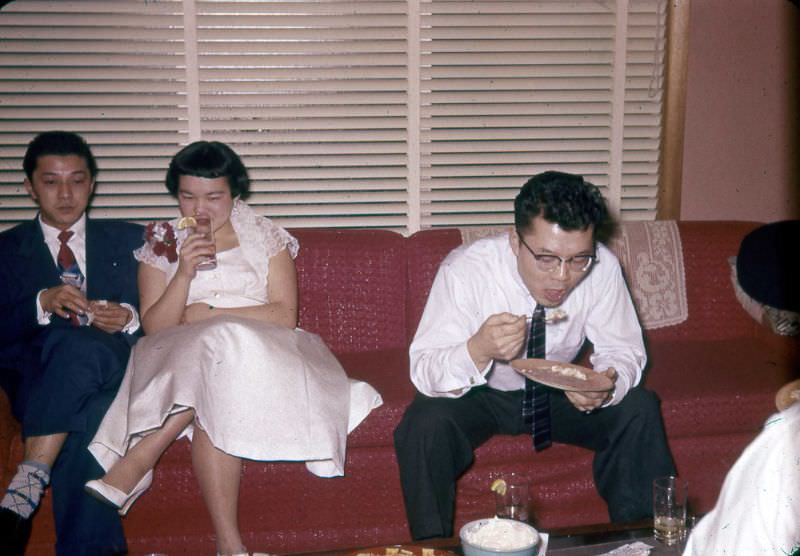
These photographs are a rare, personal record of everyday life for a Japanese-American family during a decade that is often only remembered through broader historical narratives.