On December 26, 1944, a young Japanese Imperial Army intelligence officer named Hiroo Onoda arrived on Lubang Island in the Philippines. His orders were precise: conduct guerrilla operations, disrupt enemy activity, and under no circumstances surrender or take his own life. He was to hold his post until officially relieved by a superior officer. Those orders would shape the next three decades of his life.
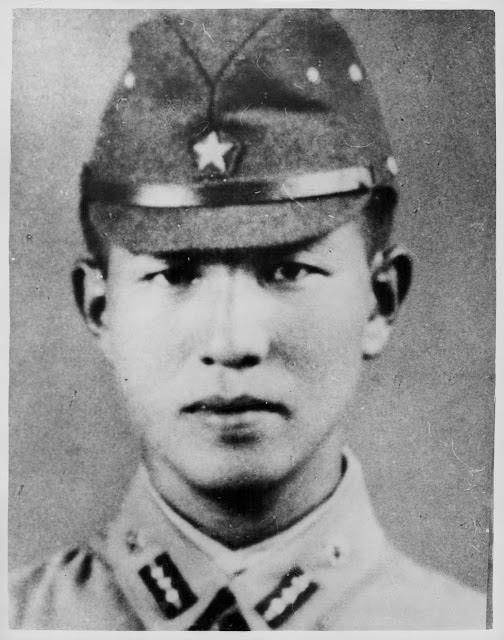
Onoda came from a family with deep roots in Japan’s samurai tradition. Loyalty and duty were not abstract ideals to him — they were the foundation of who he was. He had been trained in commando tactics and psychological warfare, and he took his mission with total seriousness. When Allied forces captured Lubang Island just months after his arrival, Onoda and three other soldiers retreated deeper into the jungle rather than give themselves up.
Japan officially surrendered on August 15, 1945. World War II was over. But inside the thick jungle on Lubang Island, Onoda and his small group of holdouts had no way to confirm that. In October 1945, they found a leaflet announcing Japan’s surrender. Rather than accept it as fact, they concluded it was enemy propaganda — a trick to flush them out of hiding. This interpretation locked them into a course that would define the rest of their years on the island.
One of Onoda’s group, Private First Class Yuichi Akatsu, slipped away in 1949 and surrendered to Philippine authorities. He later sent word back that he had been treated well. Onoda and the two remaining soldiers, Corporal Shoichi Shimada and Private First Class Kinshichi Kozuka, read this as further evidence of enemy manipulation. If anything, it deepened their suspicion. They kept fighting.
The Philippine government and Japanese officials made repeated attempts to reach Onoda over the years. Leaflets were dropped from aircraft. Newspapers and personal letters from his family were scattered through the jungle. Loudspeakers were set up broadcasting the news of Japan’s defeat. Former comrades even entered the jungle to appeal directly to Onoda and his men. None of it worked. Every message, every letter, every voice was dismissed as an elaborate deception.
The toll on his group was severe. Corporal Shimada was shot and killed during a skirmish with local villagers in 1954. Kozuka was killed by Philippine police in October 1972 during a raid on a rice stockpile. After nearly three decades of hiding together, Onoda was alone. He was in his early fifties, still dressed in the remnants of his wartime uniform, still carrying his service rifle, and still following orders from a war that had ended before most of the people on the island had been born.
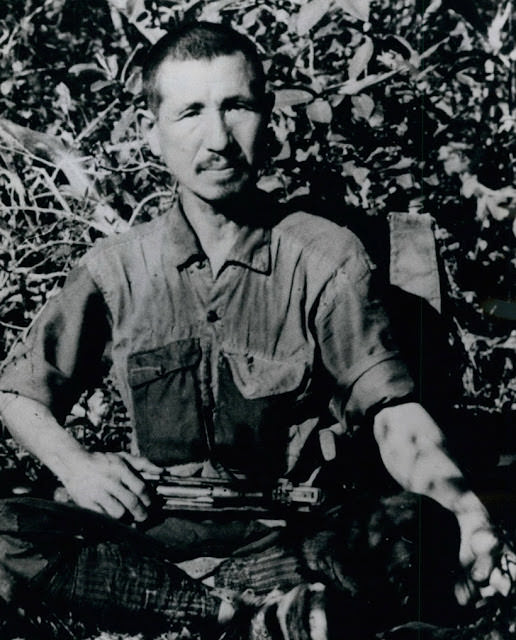
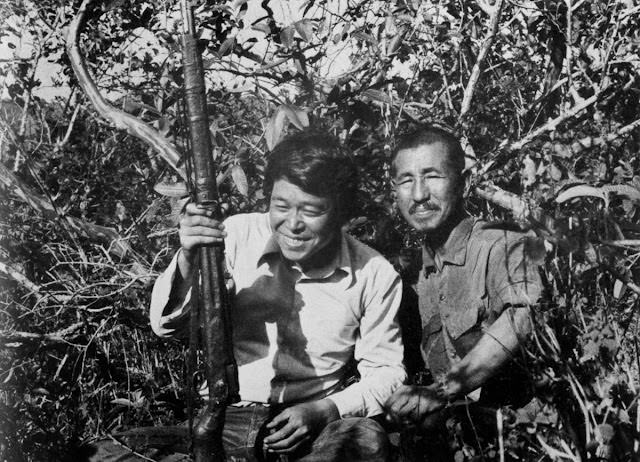
In early 1974, a 22-year-old Japanese adventurer named Norio Suzuki set out on a journey across Asia, and one of his goals was to find Hiroo Onoda. Suzuki located him in the Lubang jungle in February 1974. The two men spoke at length. Suzuki explained that Japan had not only lost the war decades ago but had rebuilt itself into a prosperous, modern nation. Onoda listened. He did not doubt Suzuki’s sincerity. But his answer was firm: he would only lay down his arms if ordered to do so by a commanding officer.
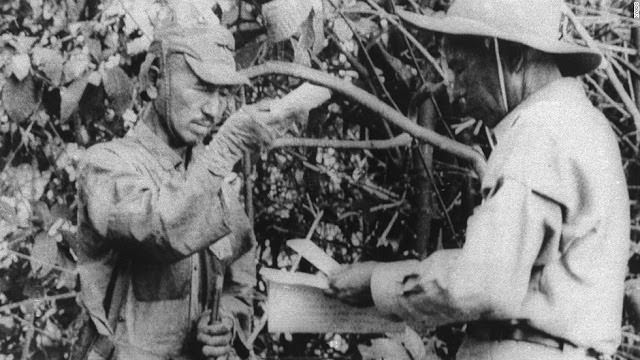
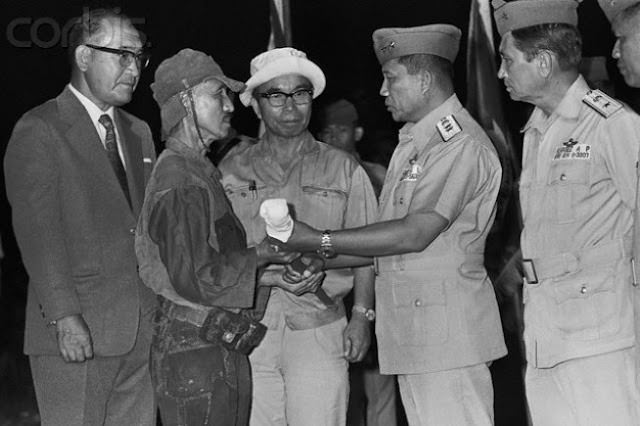
Suzuki returned to Japan and worked with the government to find Onoda’s former commanding officer, Major Yoshimi Taniguchi, who had long since left the military and was working as a bookstore owner. Taniguchi agreed to travel to Lubang Island. On March 9, 1974, he stood before Onoda in the jungle and read the official order: all combat activity was to cease. The mission was over. Onoda’s war, which had lasted 29 years, ended in that moment.
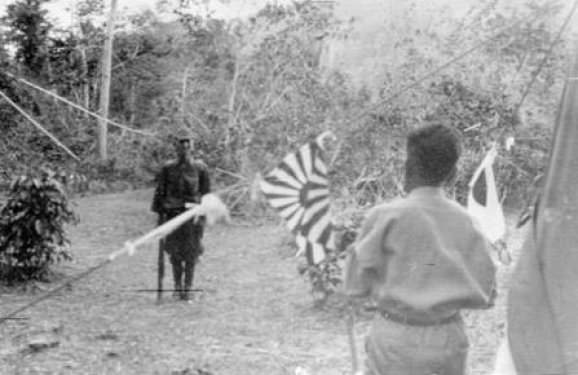
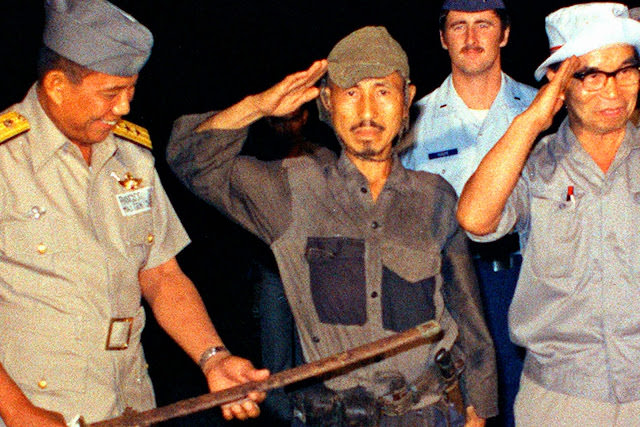
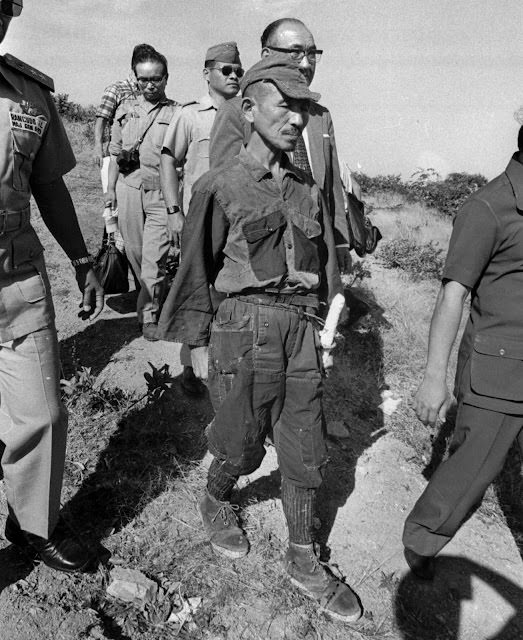
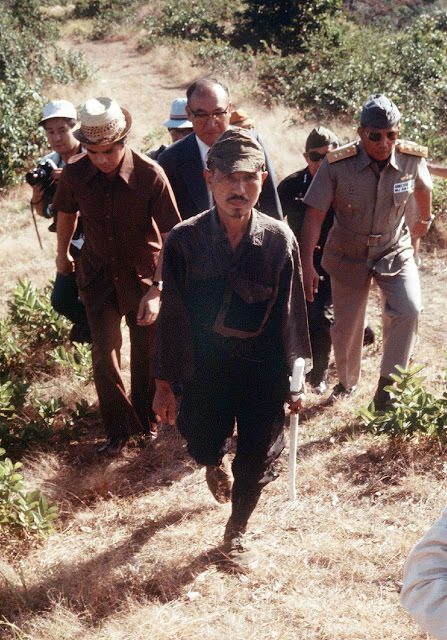
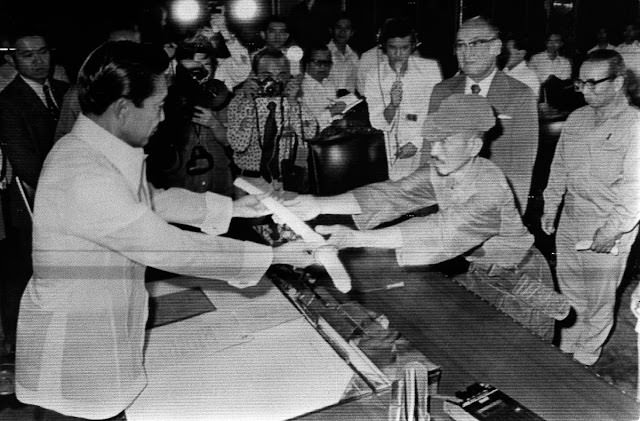
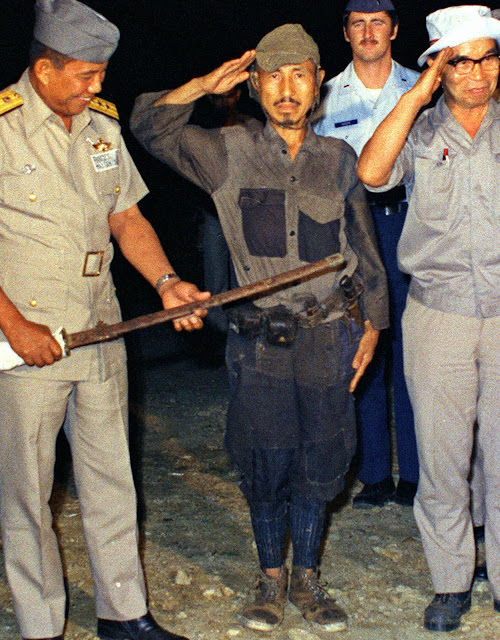
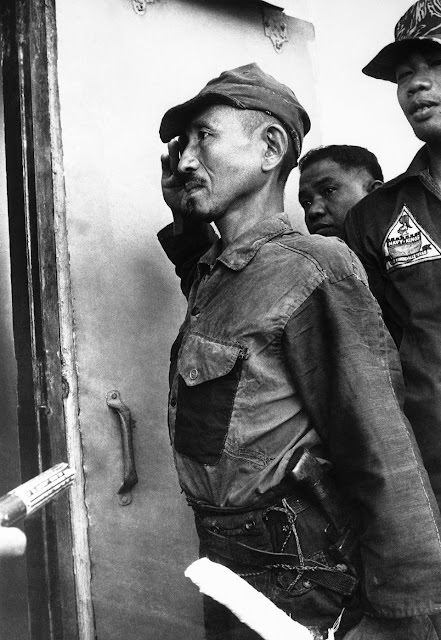
Onoda emerged from the jungle on March 10 and 11, 1974, wearing his decades-old uniform, carrying his working rifle, and holding his sword. He was 52 years old. He formally surrendered the rifle and sword to Philippine officials, and then to President Ferdinand Marcos at the Malacañan Palace in Manila. Marcos pardoned him for the killings and violent acts carried out during his years of guerrilla warfare on the island.
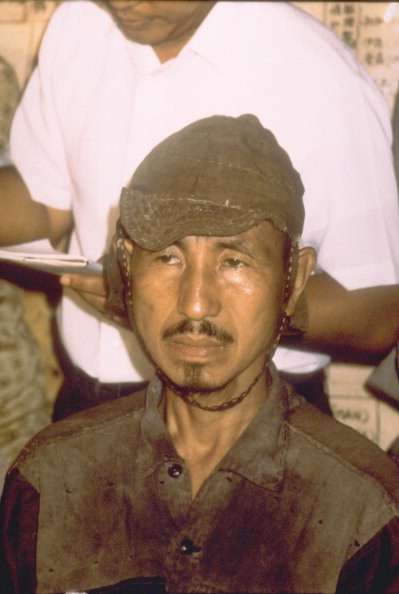
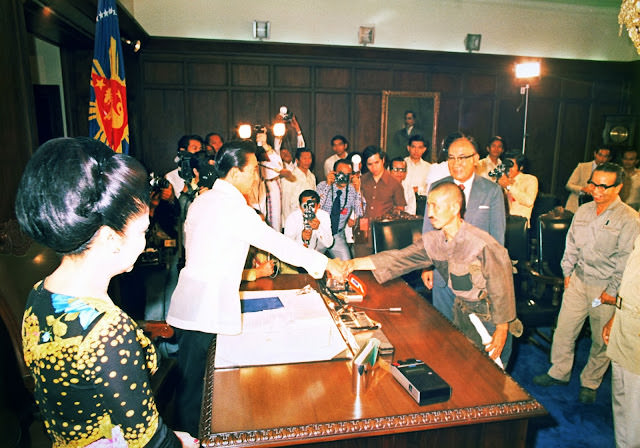
When Onoda returned to Japan later in March 1974, he was met by enormous crowds at Tokyo Airport. He was treated as a hero and a curiosity in equal measure. Japan had changed beyond recognition. The country he left in 1944 had been rebuilt from rubble into an economic powerhouse. The culture had shifted dramatically, shaped by Western influence and rapid modernization. Onoda found the changes troubling. He was particularly disturbed by what he saw as the loss of traditional Japanese values among the country’s youth.
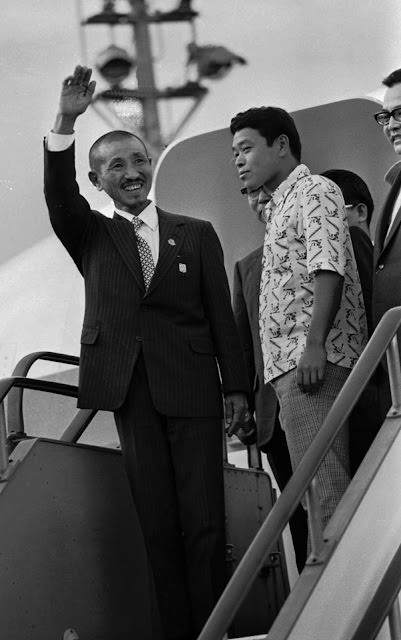
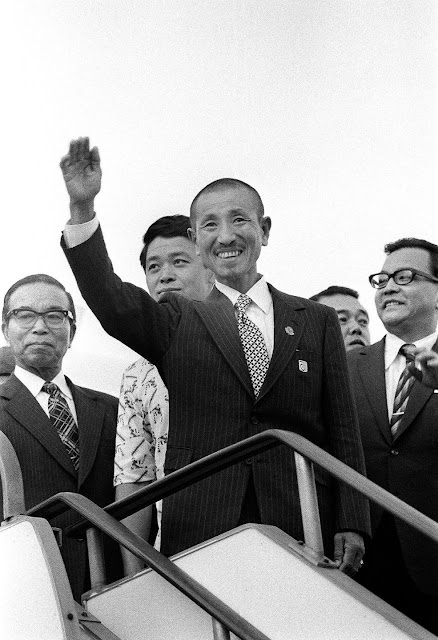
In April 1975, just a year after his return, Onoda moved to Brazil to raise cattle. The interest in cattle ranching had developed during his years in hiding, when he listened to Australian cattle programs on a small transistor radio he had acquired. Brazil offered a fresh start, away from a Japan that felt foreign to him.
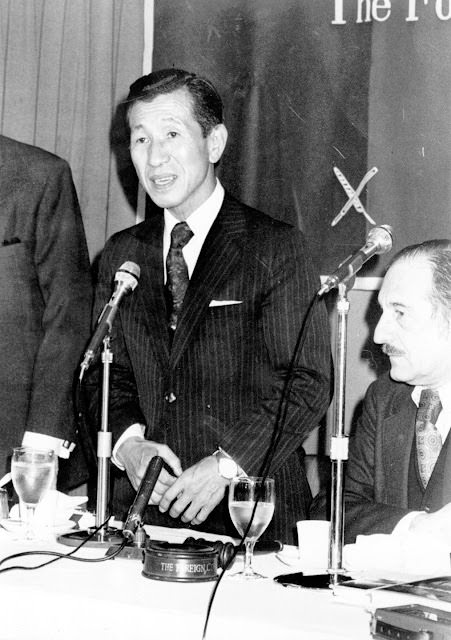
He returned to Japan in 1984, driven by concern for the country’s young people. A specific event had shaken him — a Japanese teenager who killed his parents in 1980. Onoda established an outdoor educational camp designed to teach young people discipline, self-reliance, and respect for nature, drawing directly on the survival skills he had developed over his three decades in the jungle.
In 1996, Onoda made one final return to Lubang Island — the place where he had spent 29 years of his life as a ghost of a finished war. He donated $10,000 to local schools. Philippine officials received him warmly, and many residents of Lubang had long since incorporated his story into their own local history.
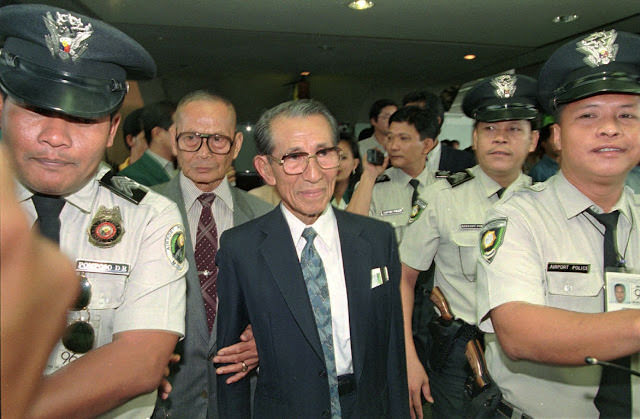
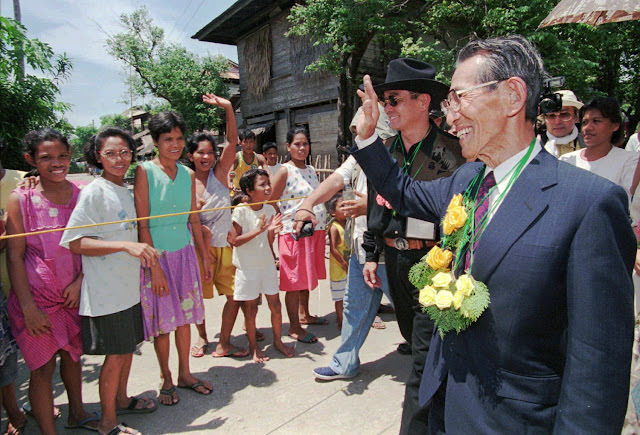
Hiroo Onoda died on January 16, 2014, in Tokyo, from heart failure. He was 91. Philippine officials issued formal condolences. He had lived three separate lives: a soldier in the jungle, a rancher in South America, and a teacher in Japan. All three were shaped by the same unwavering commitment to duty that had kept him fighting in a dense Philippine jungle long after the rest of the world had moved on.