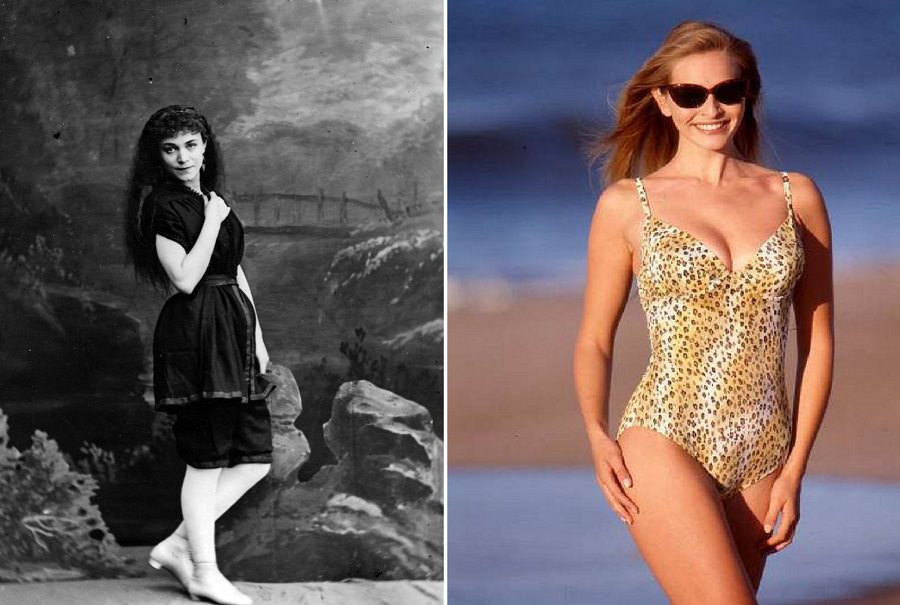
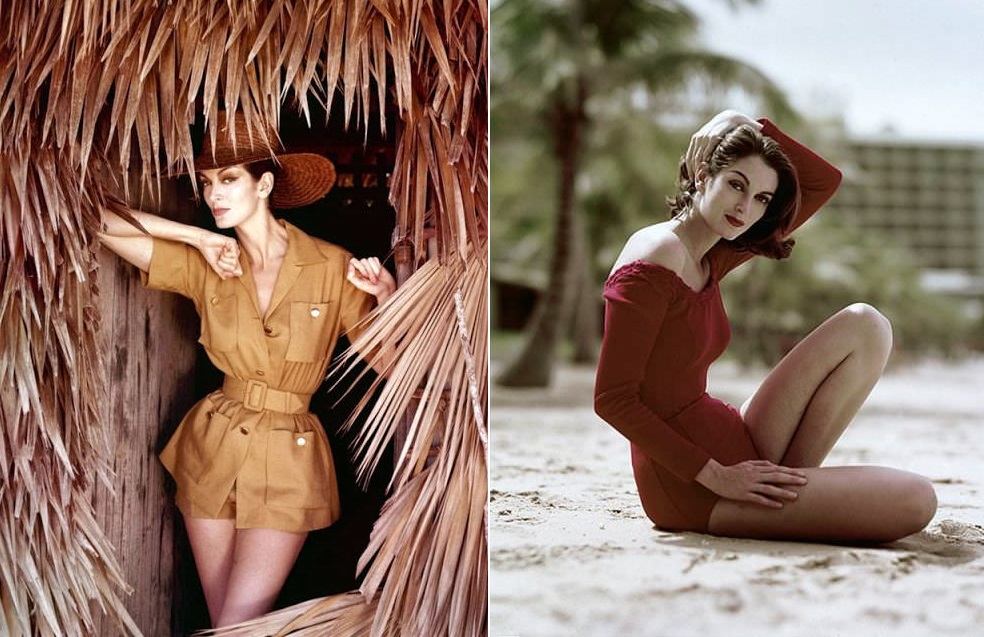
Francesco Scavullo was born in 1921 in Staten Island, New York City, and by the time the 1950s arrived, he was already carving out a name in fashion photography. He got his start working for a studio that produced fashion catalogs, which gave him a practical, hands-on understanding of how commercial photography worked. The real turning point came when he became an assistant to Horst P. Horst, one of the most respected photographers of the era. Working under Horst, Scavullo absorbed precise lighting techniques and learned what it took to produce images that were both elegant and visually striking.
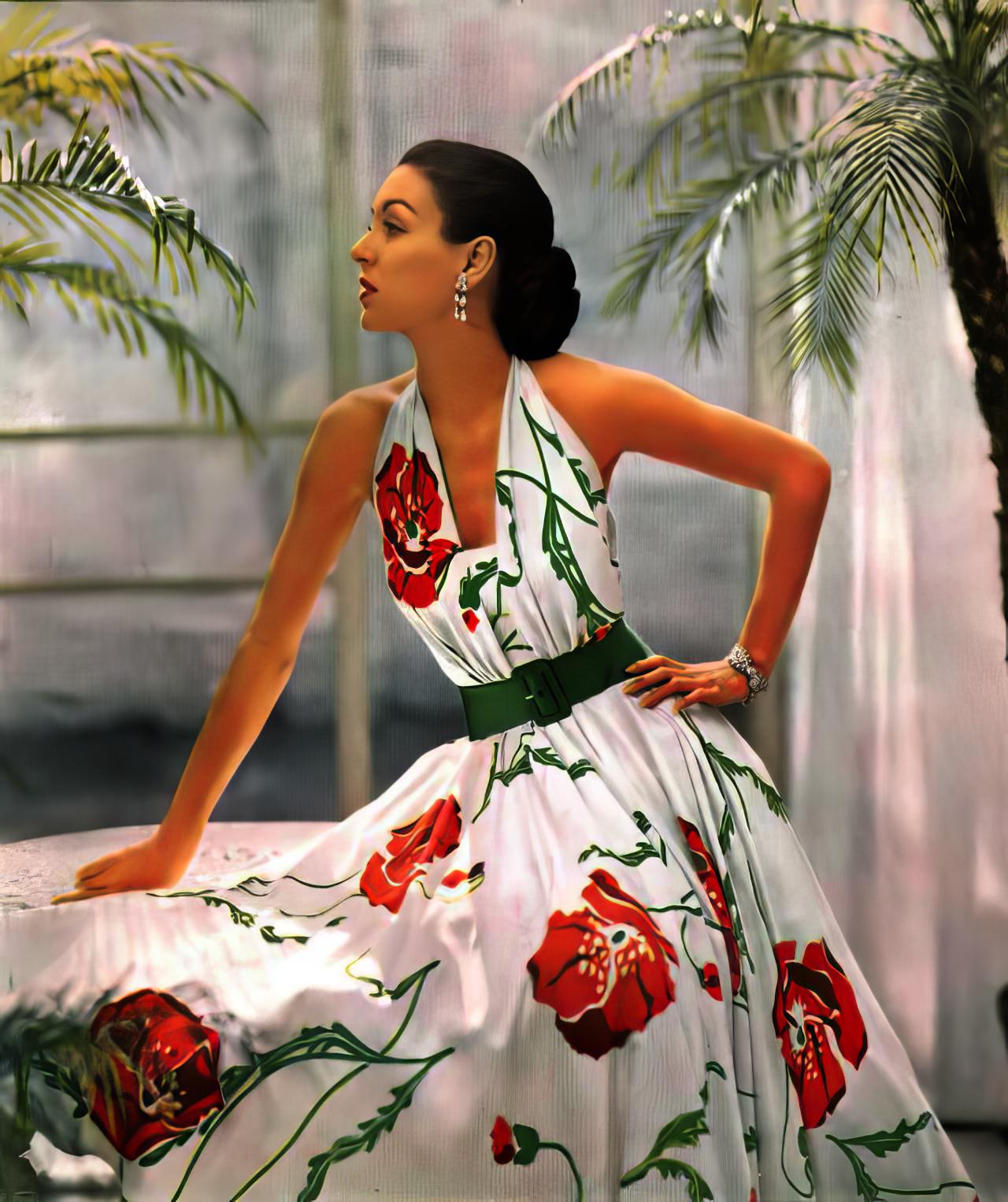
In the early 1950s, Scavullo opened his own photography studio in Manhattan. This gave him the creative freedom to develop a signature style — one built around clean composition, careful lighting, and a sharp eye for the details that made 1950s fashion so distinctive. His studio became the place where structured silhouettes, luxurious fabrics, and polished femininity came alive on film.
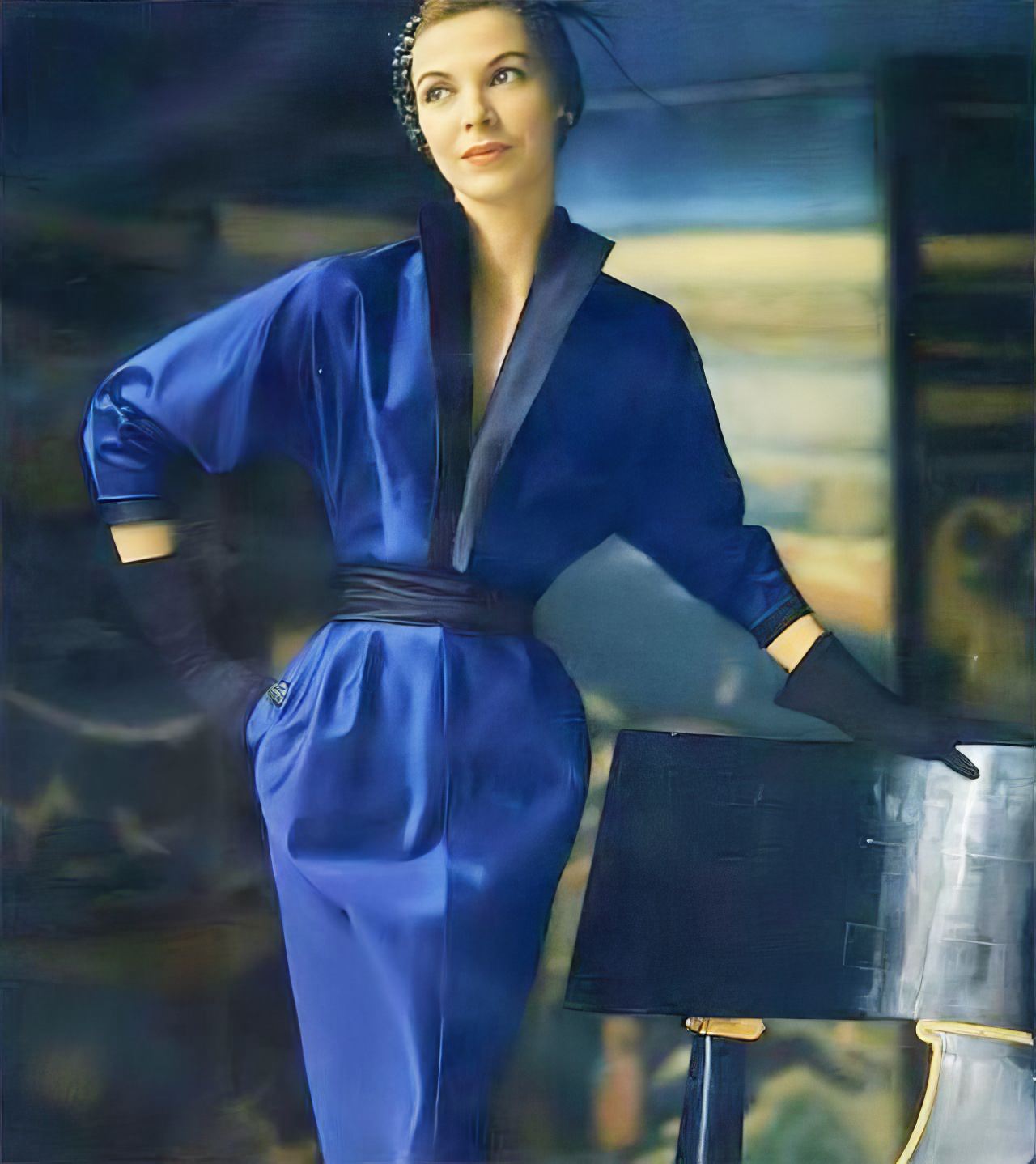
Some of his earliest published work appeared in both Vogue and Harper’s Bazaar. By 1950 and 1951, his photographs were already gracing the pages of both magazines, featuring top models of the day draped in gowns, dinner dresses, and structured suits by leading American designers.
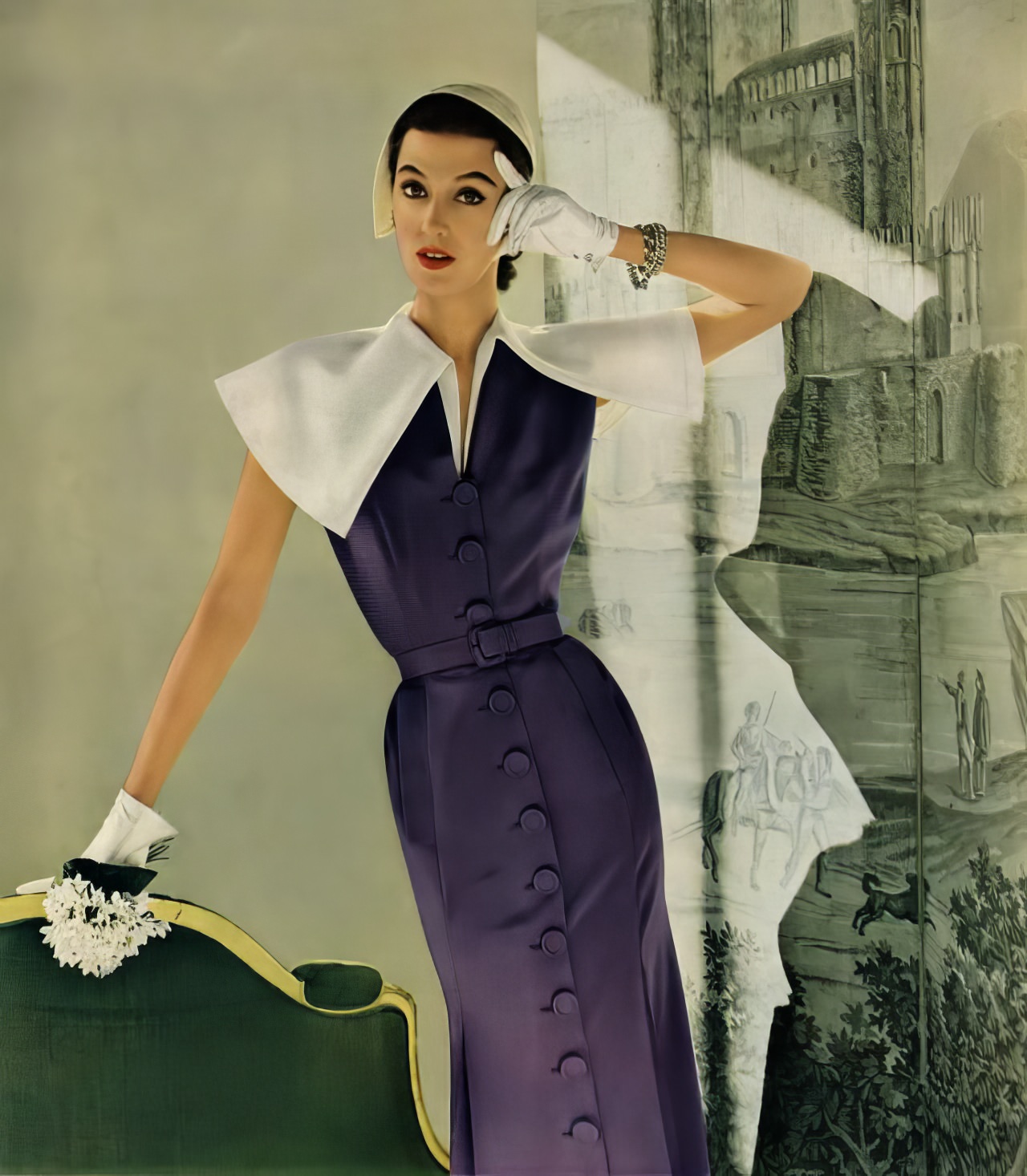
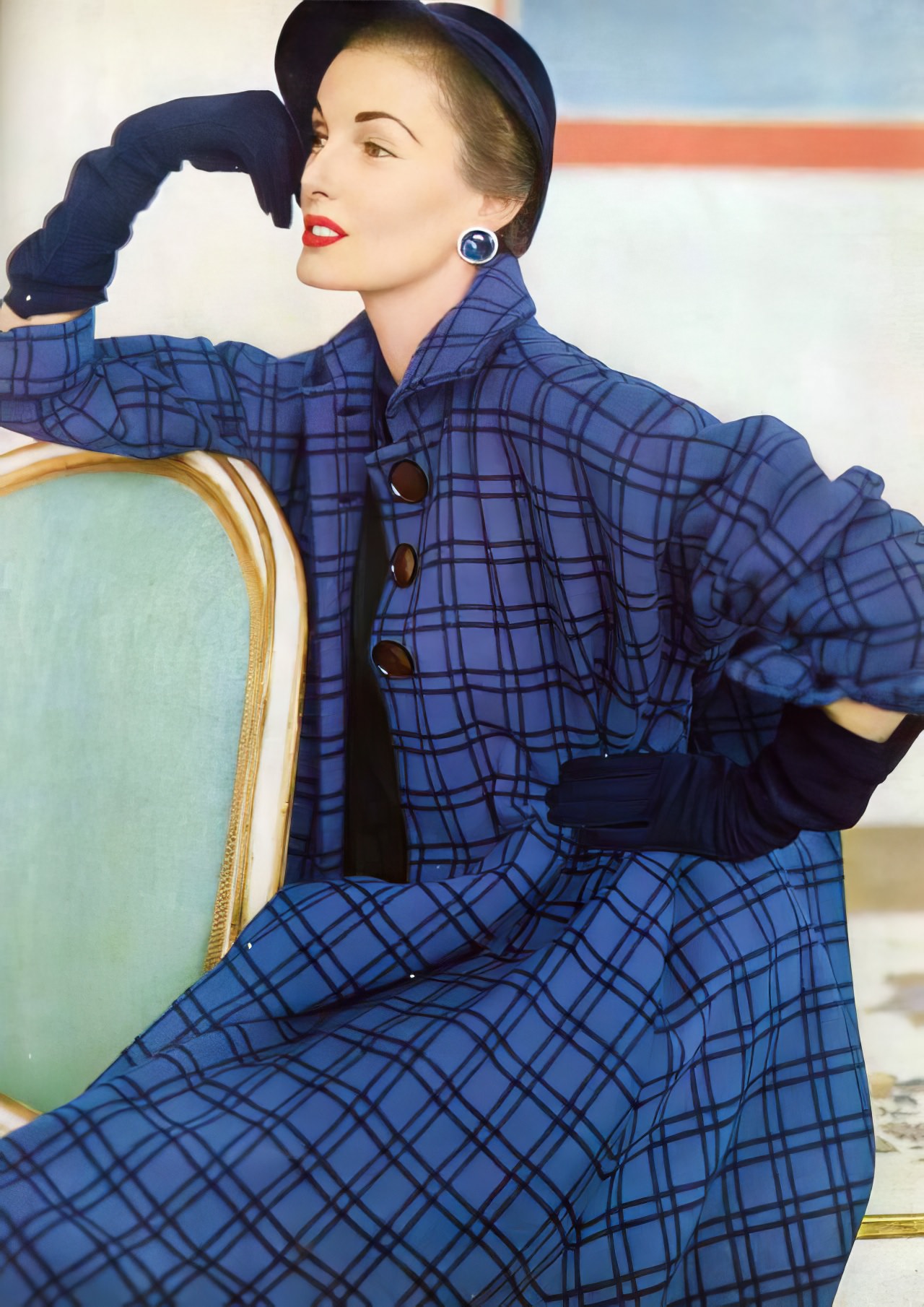
Elise Daniels appeared frequently in his early 1950s work, modelling everything from flared coats to after-dark gowns. Her presence in his photographs for Vogue helped establish the kind of refined, confident femininity that defined the decade’s fashion identity.
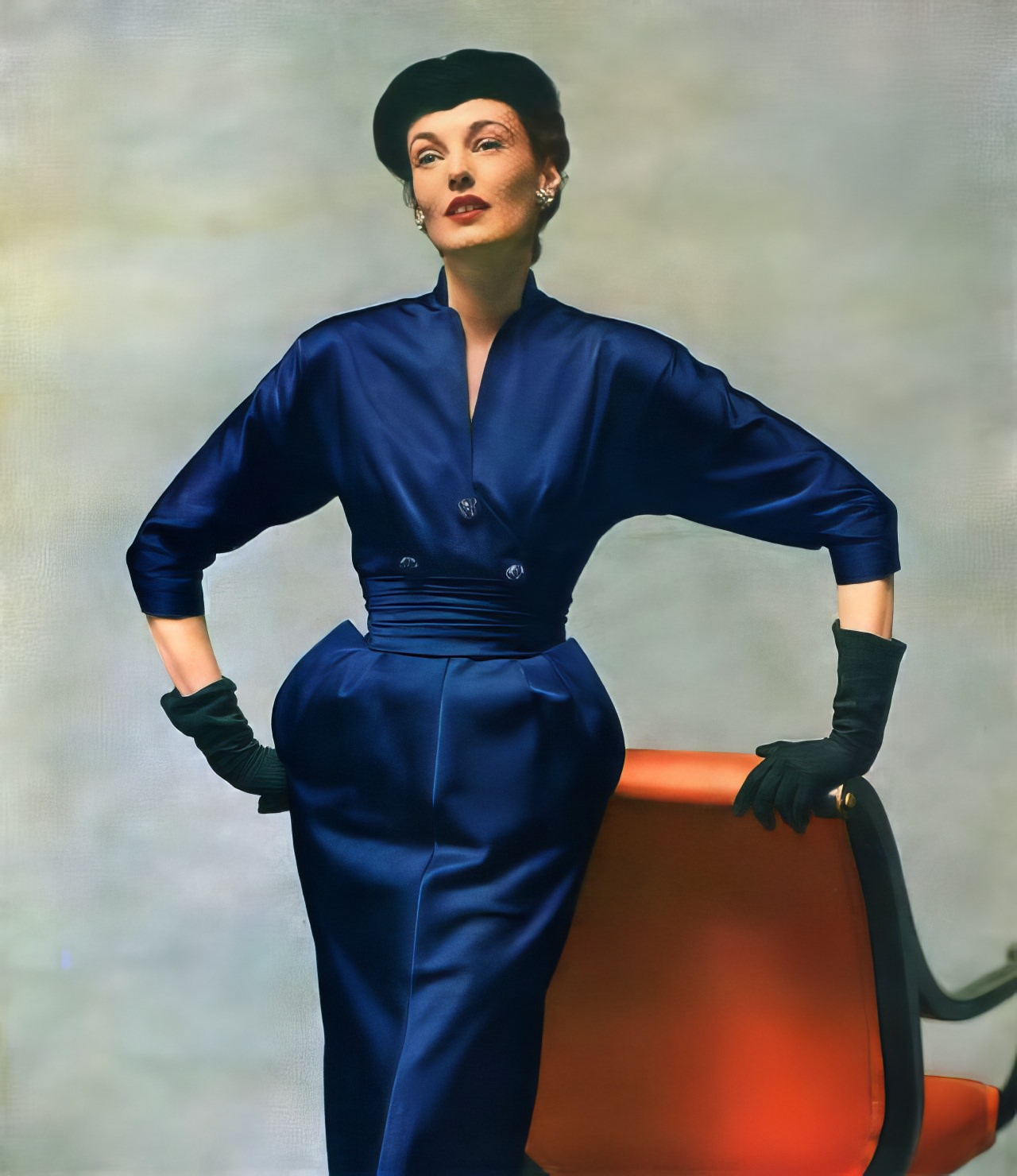
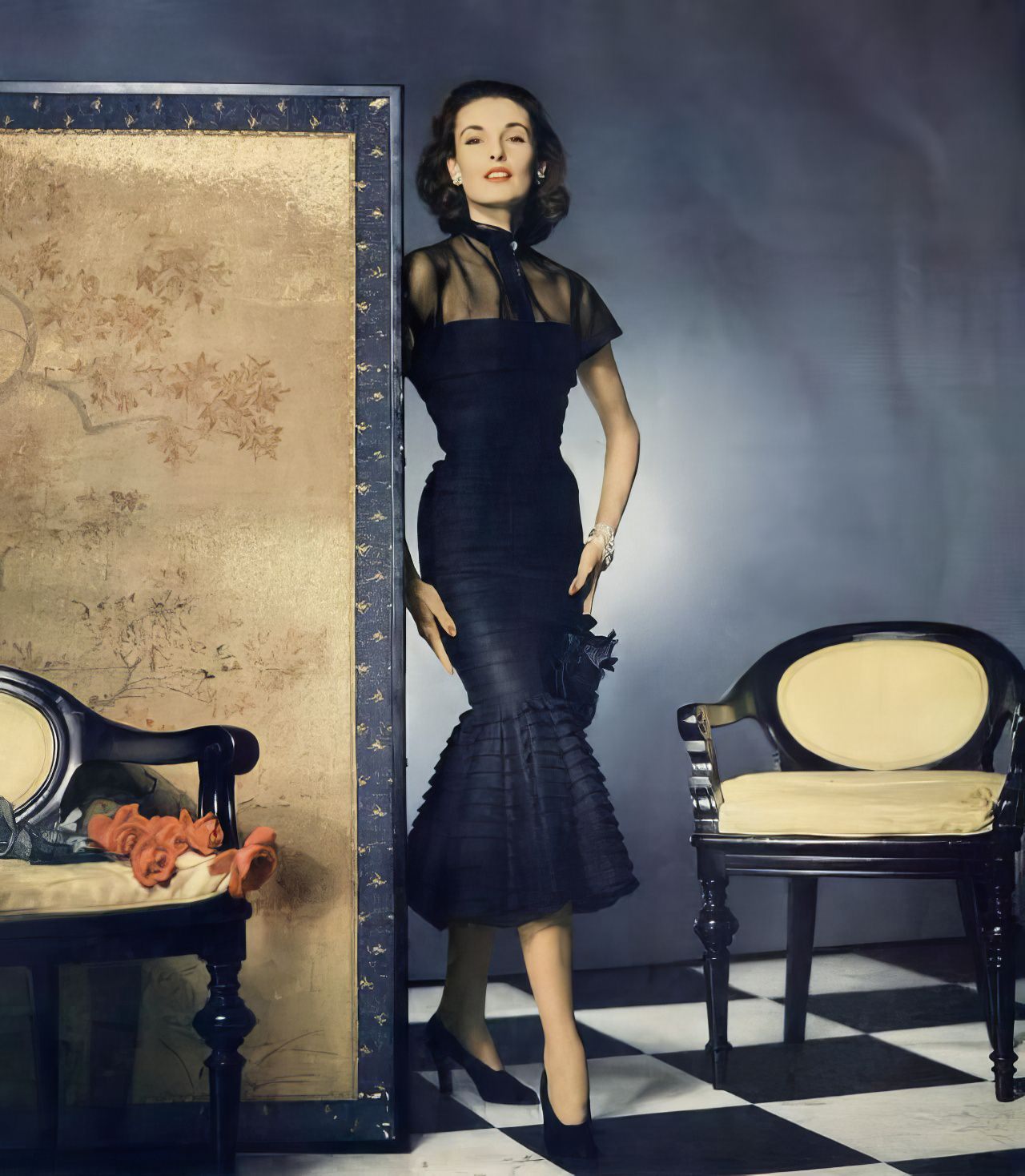
Harper’s Bazaar gave him equal opportunity to showcase his range. Models like Lisa Fonssagrives, Ricki VanDusen, Sunny Harnett, and Suzy Parker all appeared in front of his camera during this period, each shoot producing images that balanced editorial sharpness with genuine beauty.
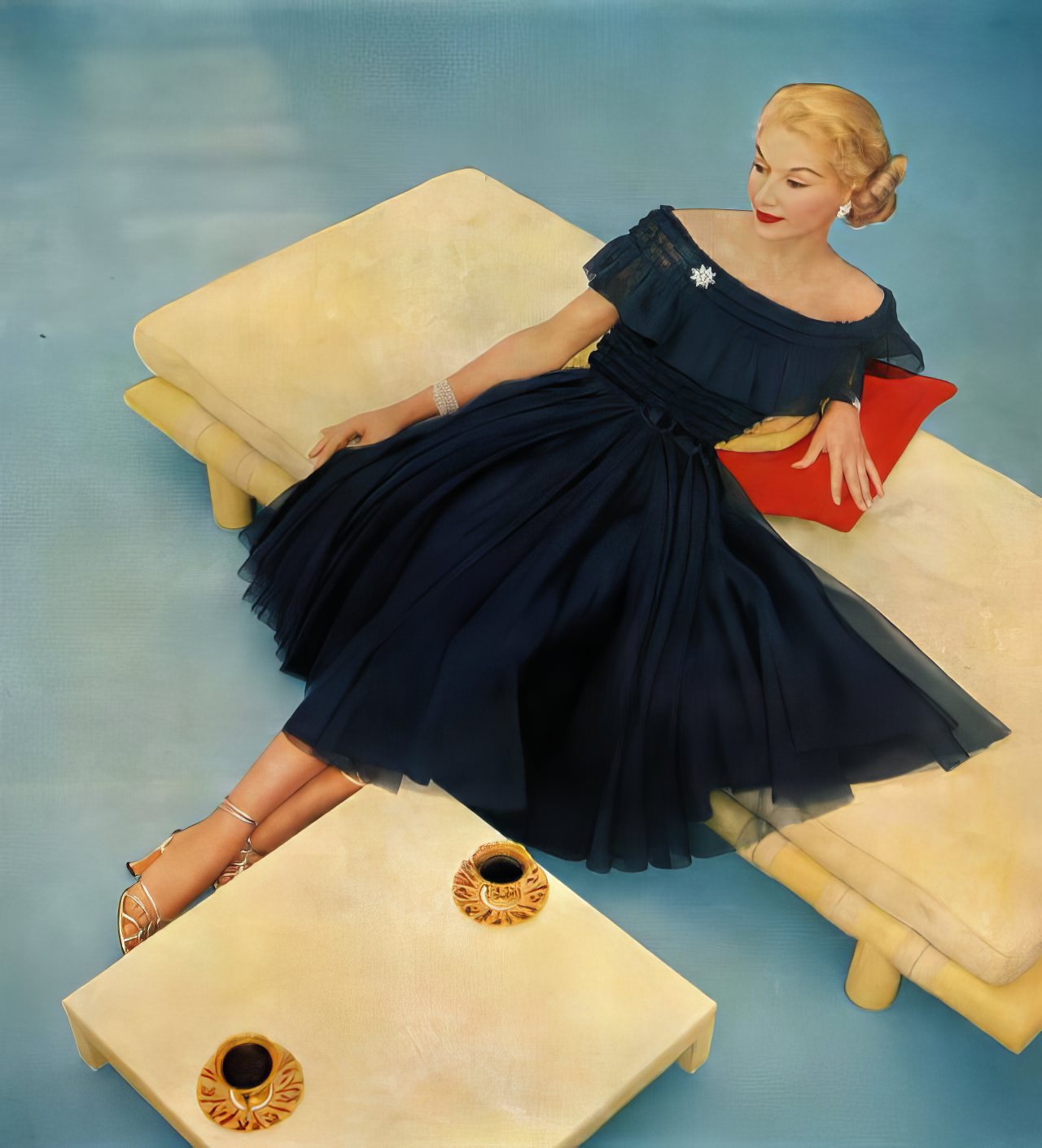
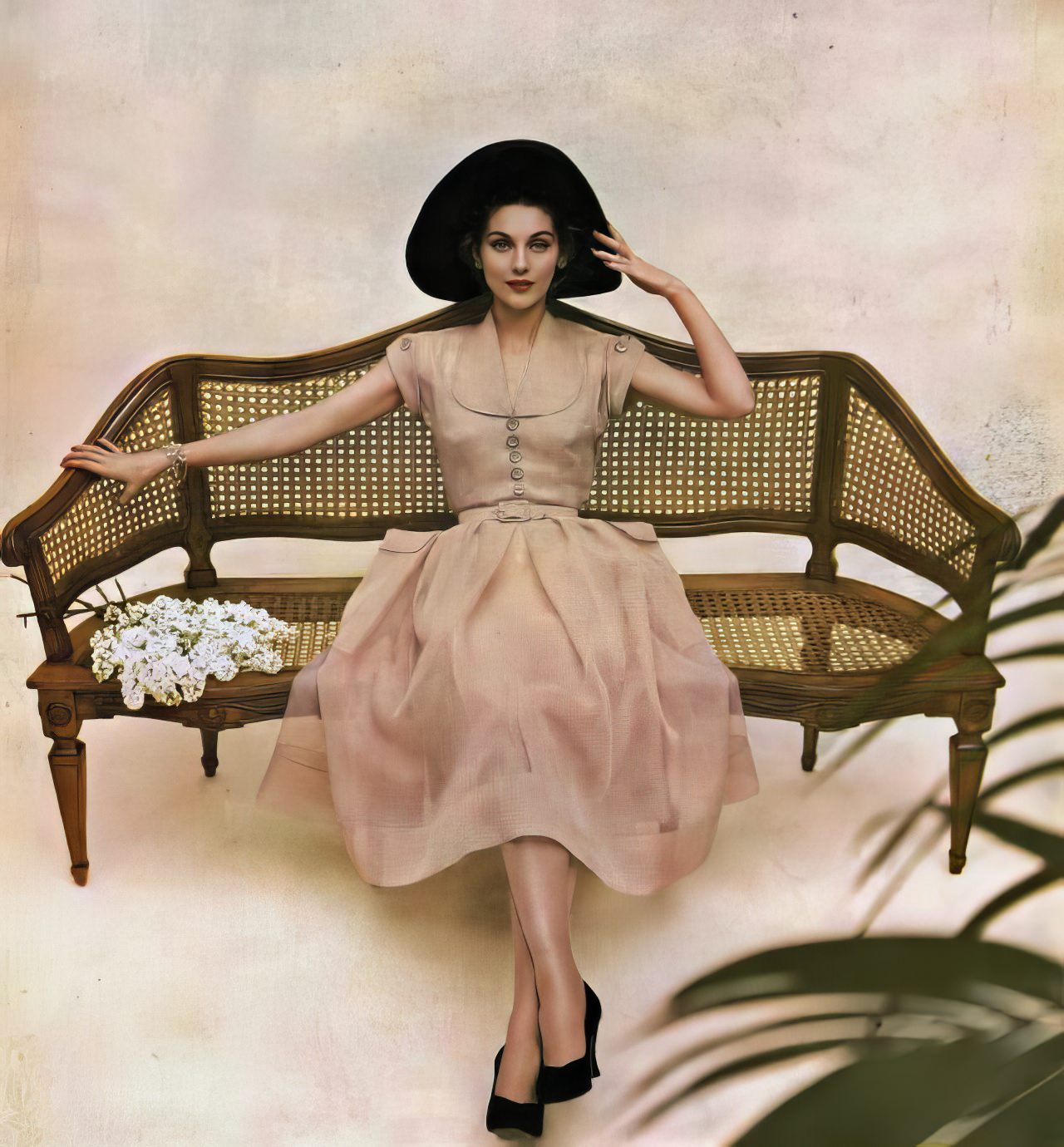
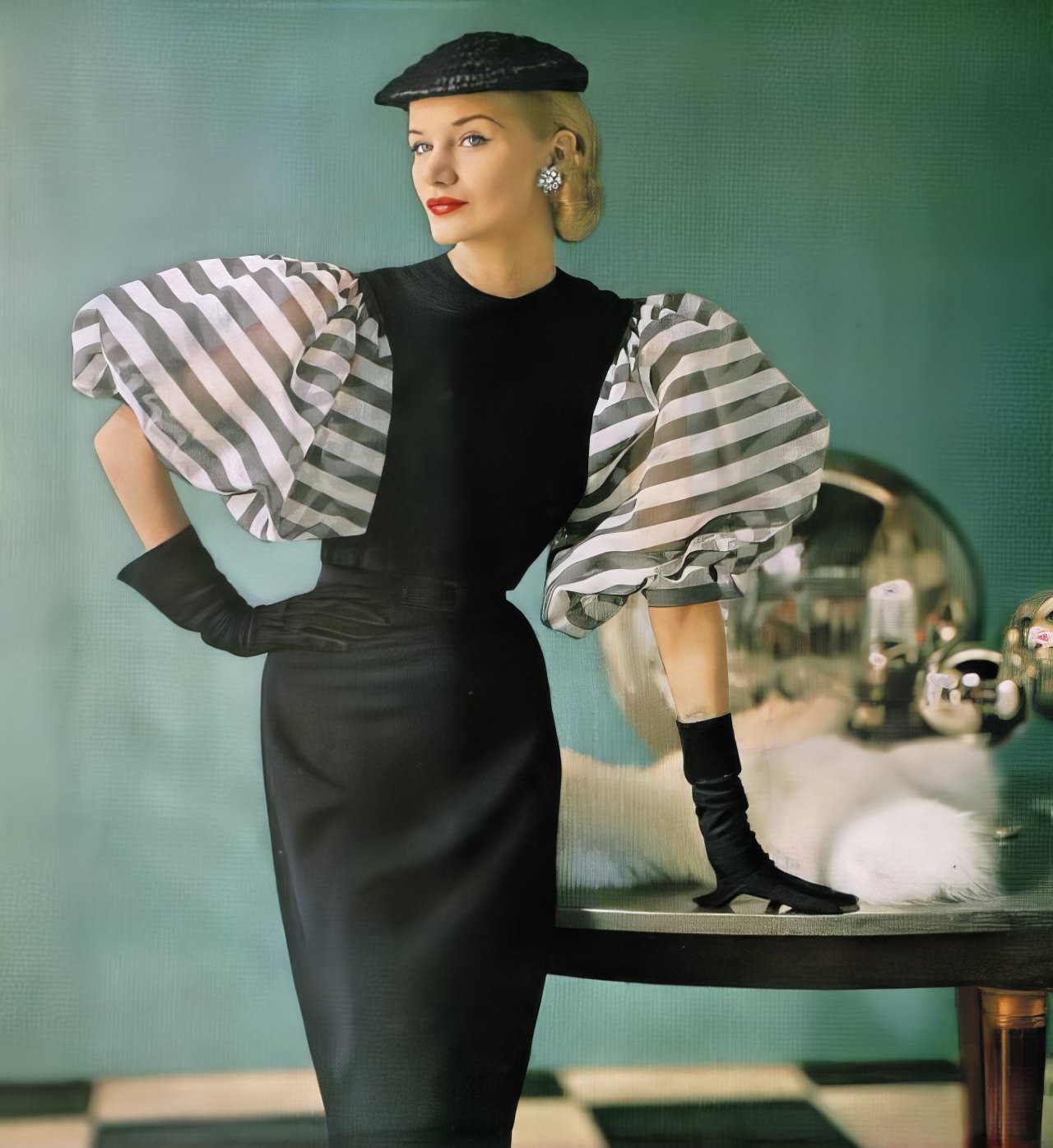
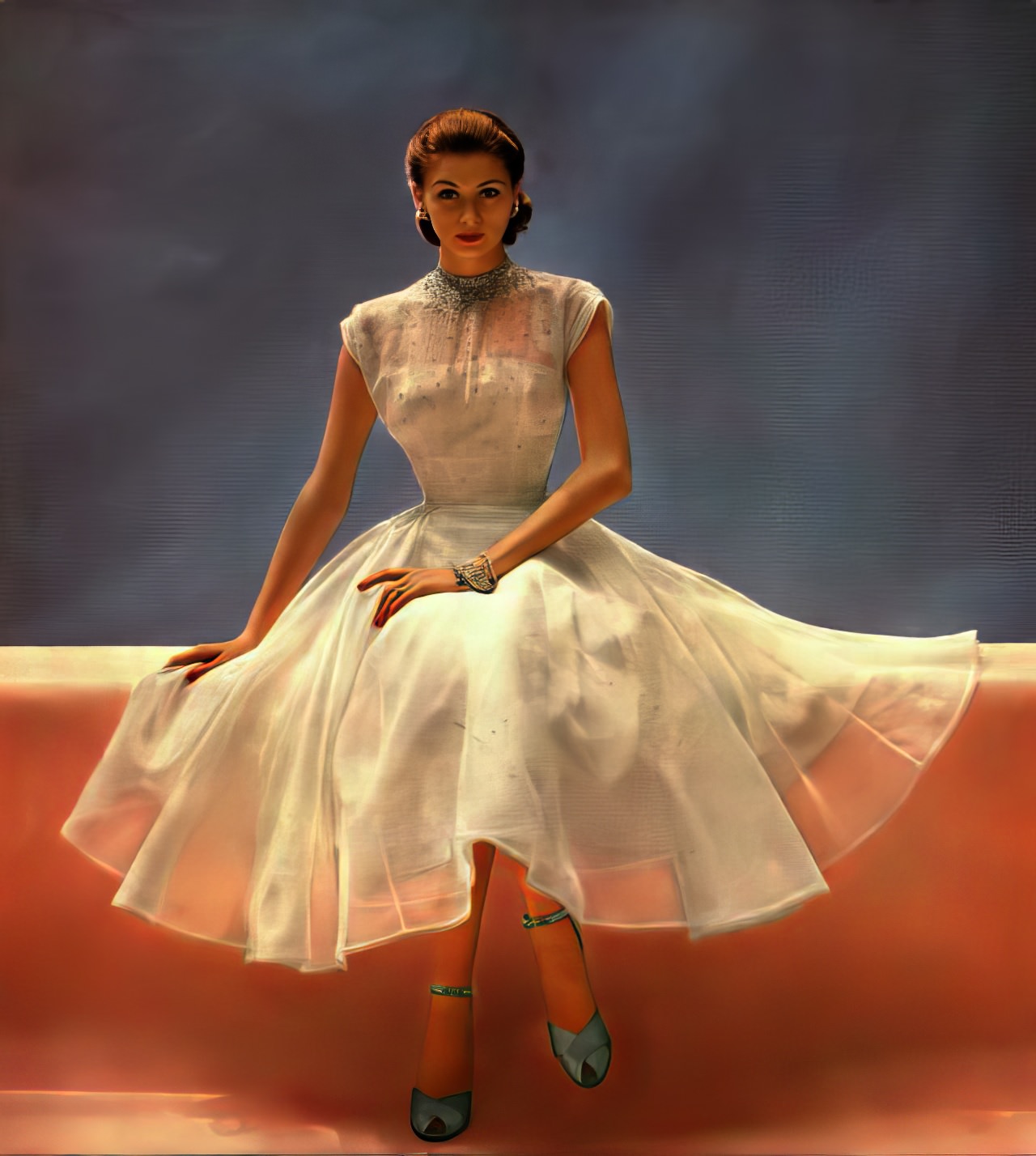
From 1952 to 1955, Scavullo was married to model Carol McCallson. She became one of his most photographed subjects during this period, appearing in spreads for publications like Glamour. McCallson’s natural poise in front of the camera gave Scavullo’s work an intimacy that was less common in the more formal fashion photography of the time.
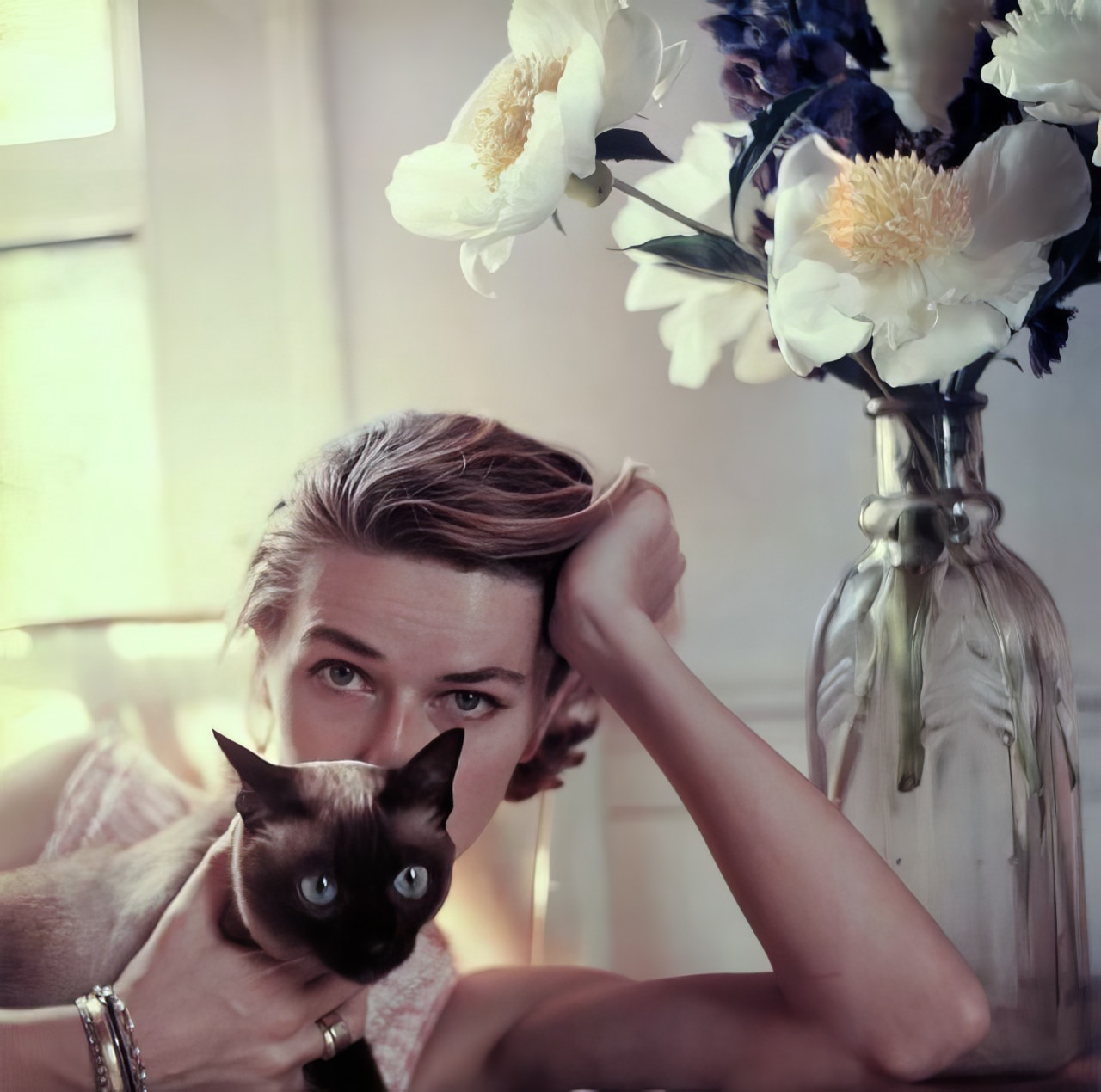
Scavullo continued to photograph the decade’s most prominent models through 1952, including Jean Patchett and Suzy Parker, both of whom were fixtures in the fashion world. His eye for capturing fabric in motion — swirling marquisette, draped faille, sheer organza — made his editorial spreads stand out on the page.
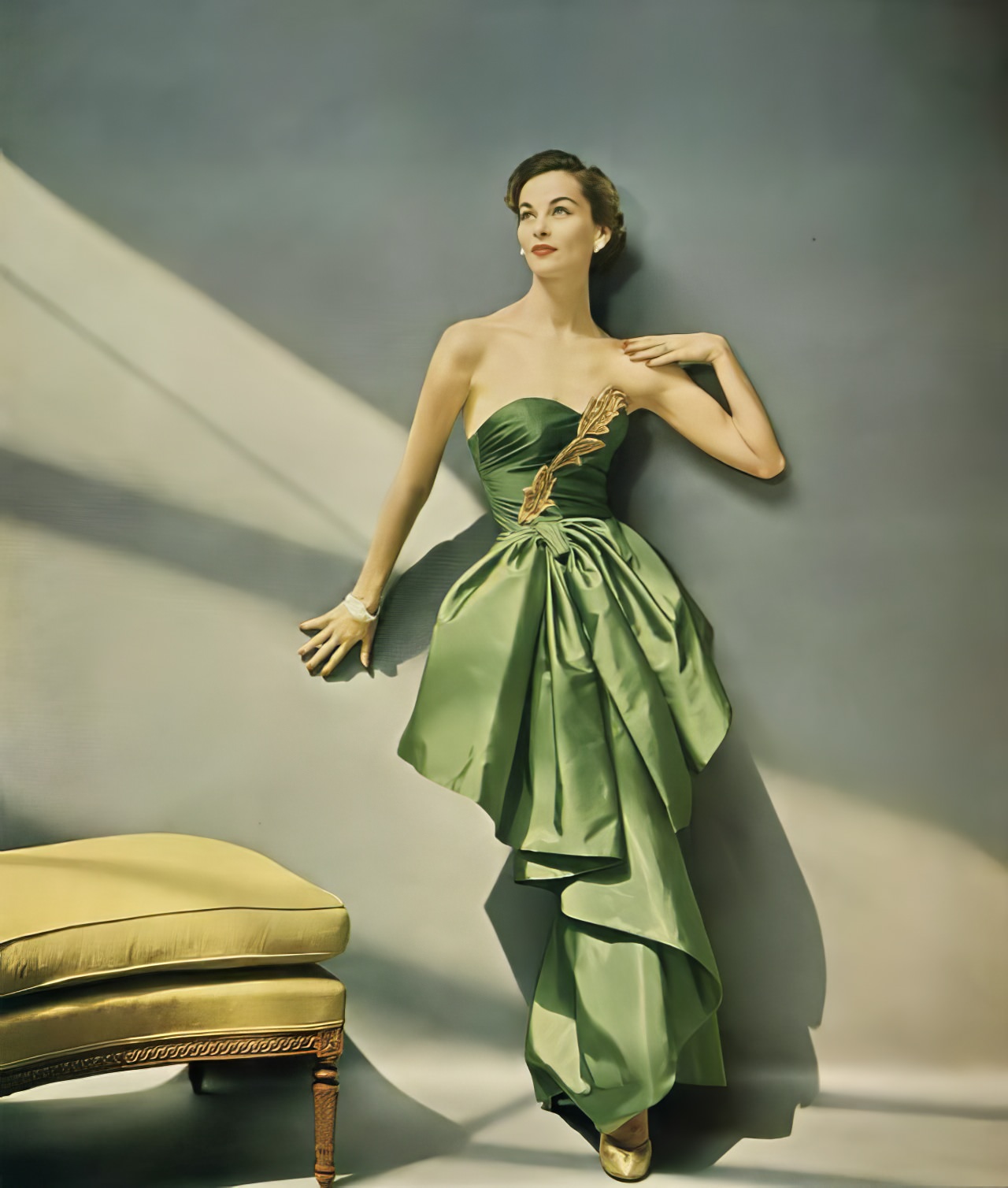
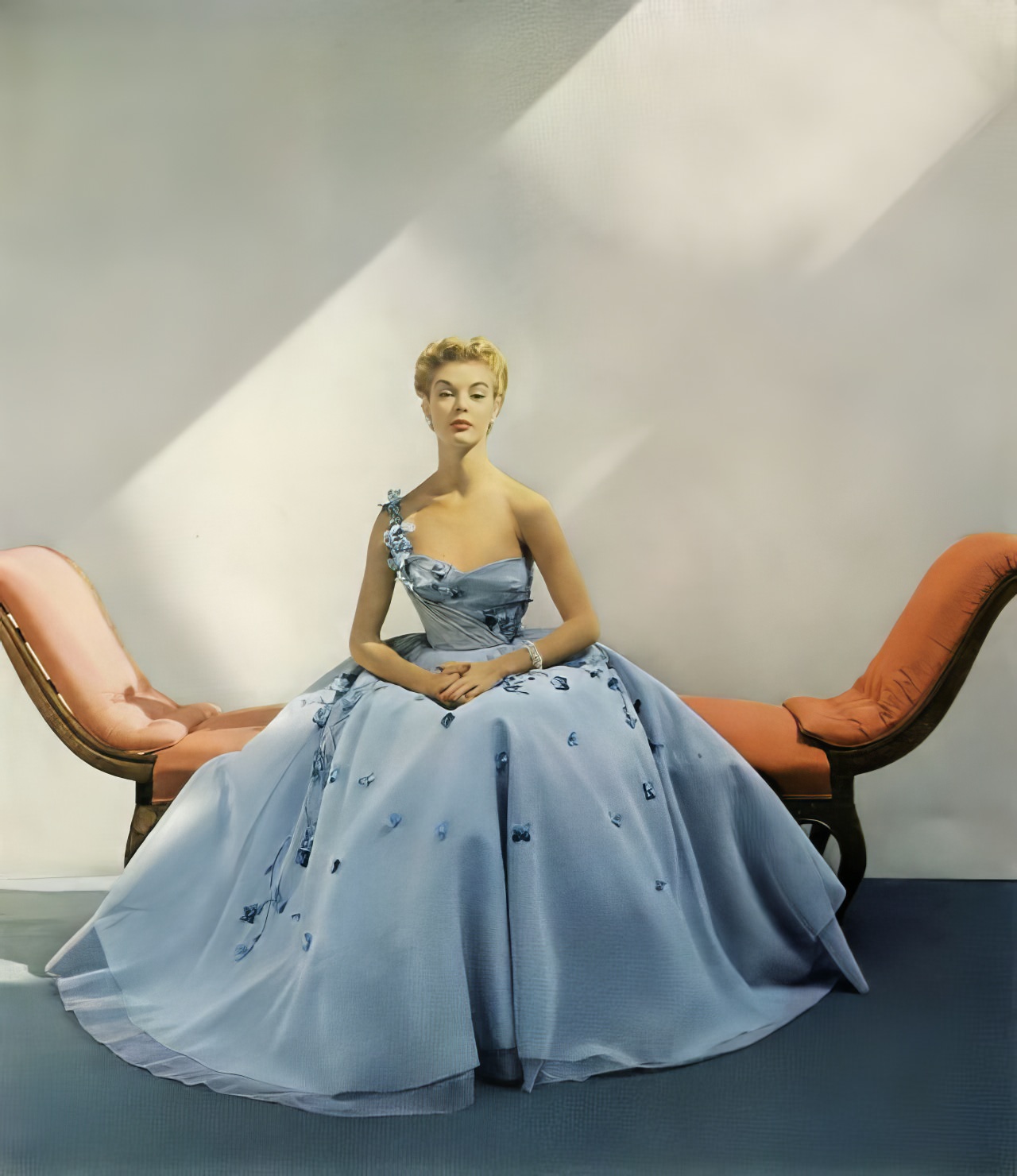
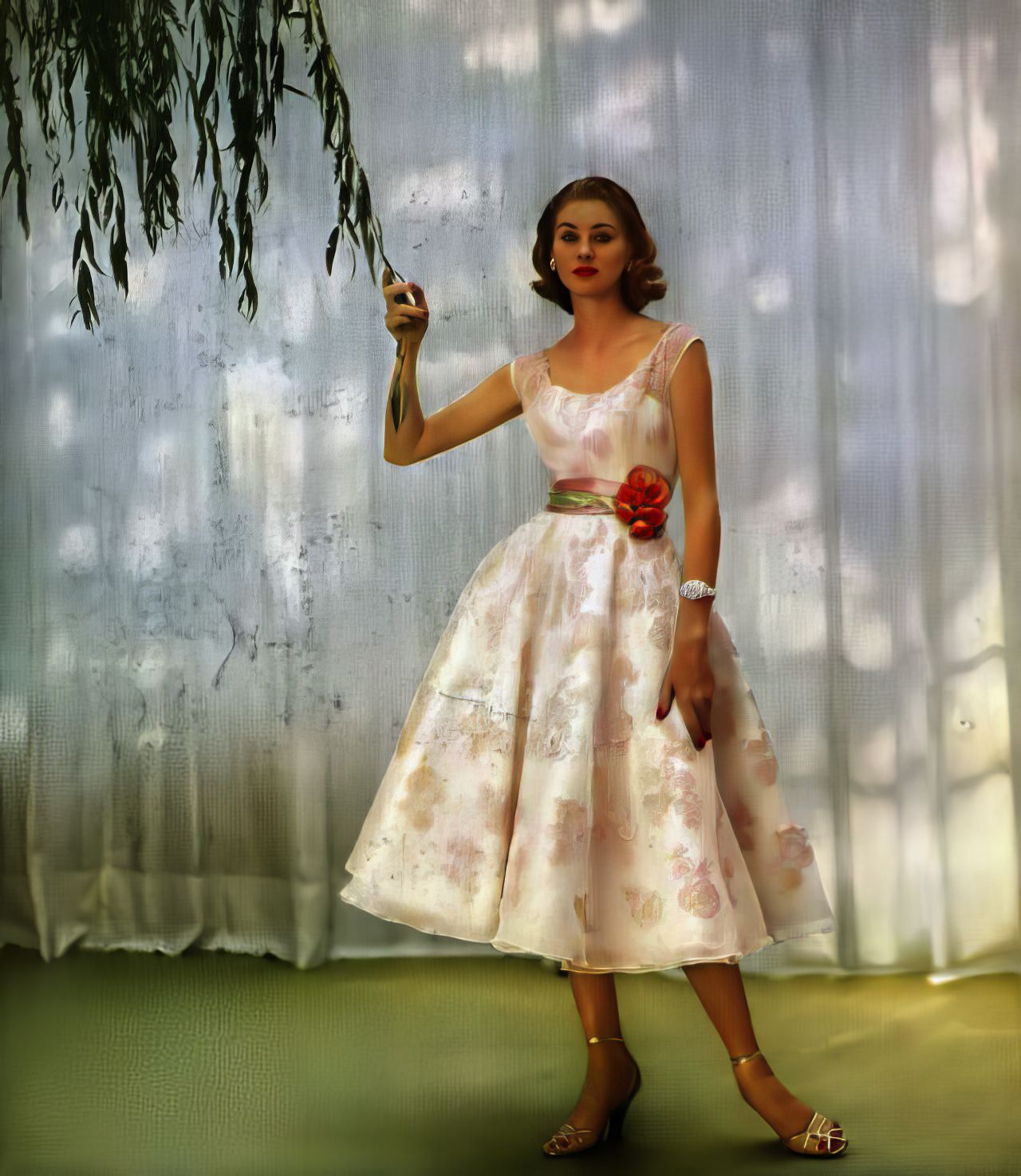
By 1953, McCallson appeared in multiple Glamour spreads, modelling everything from tailored suits to vibrant sportswear by Brigance. These images captured the shift in 1950s fashion toward American sportswear — relaxed but still polished.
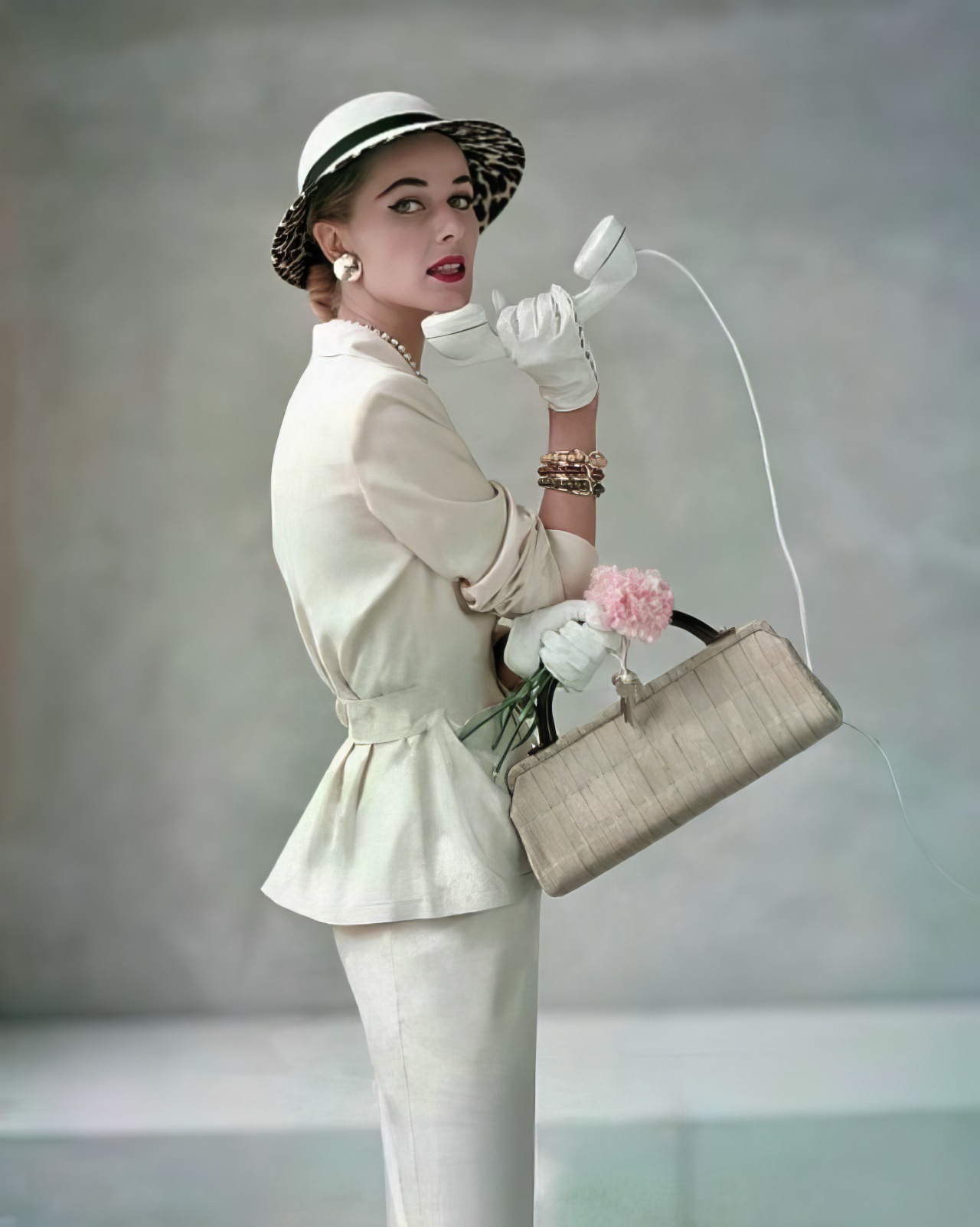
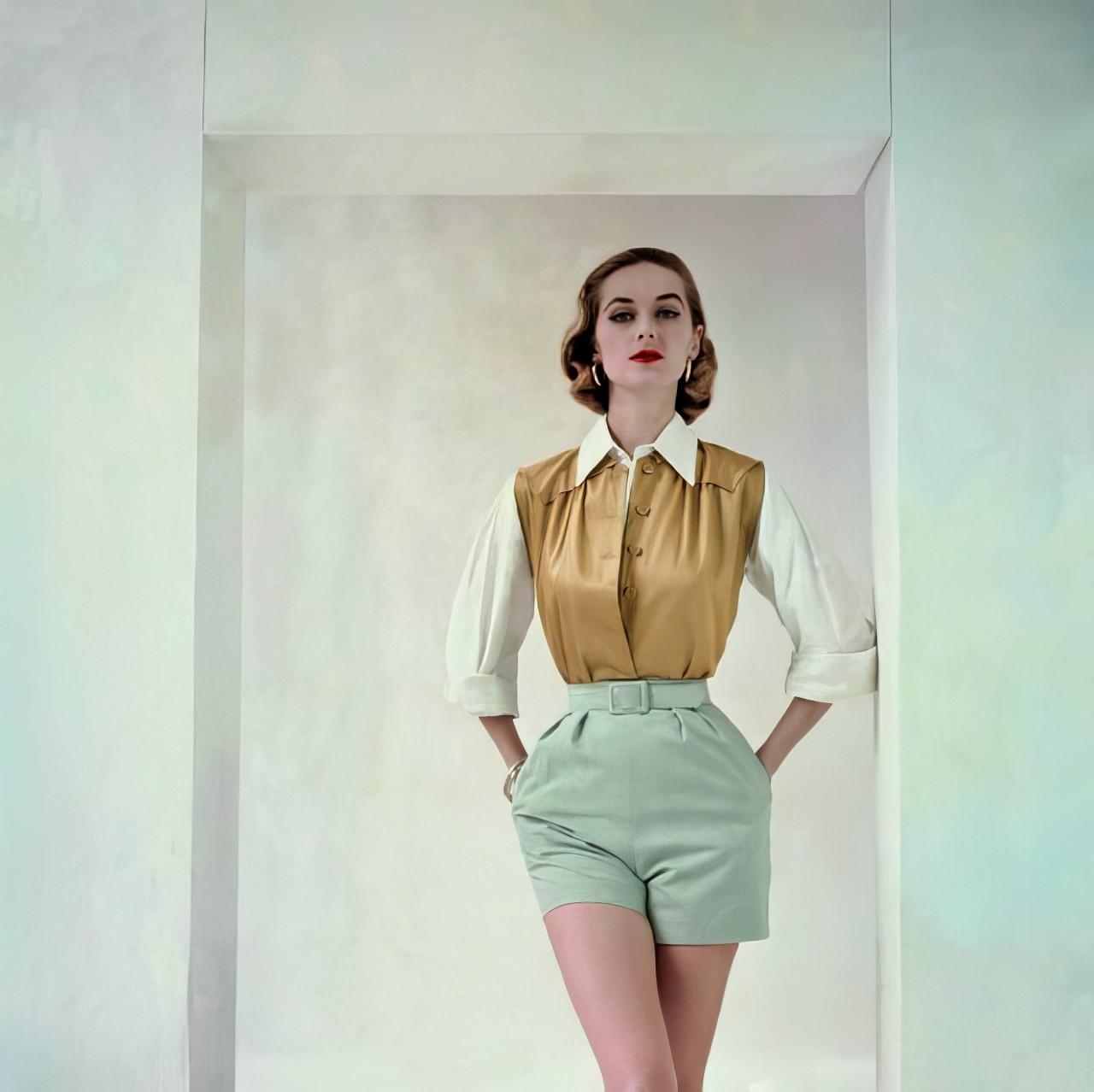
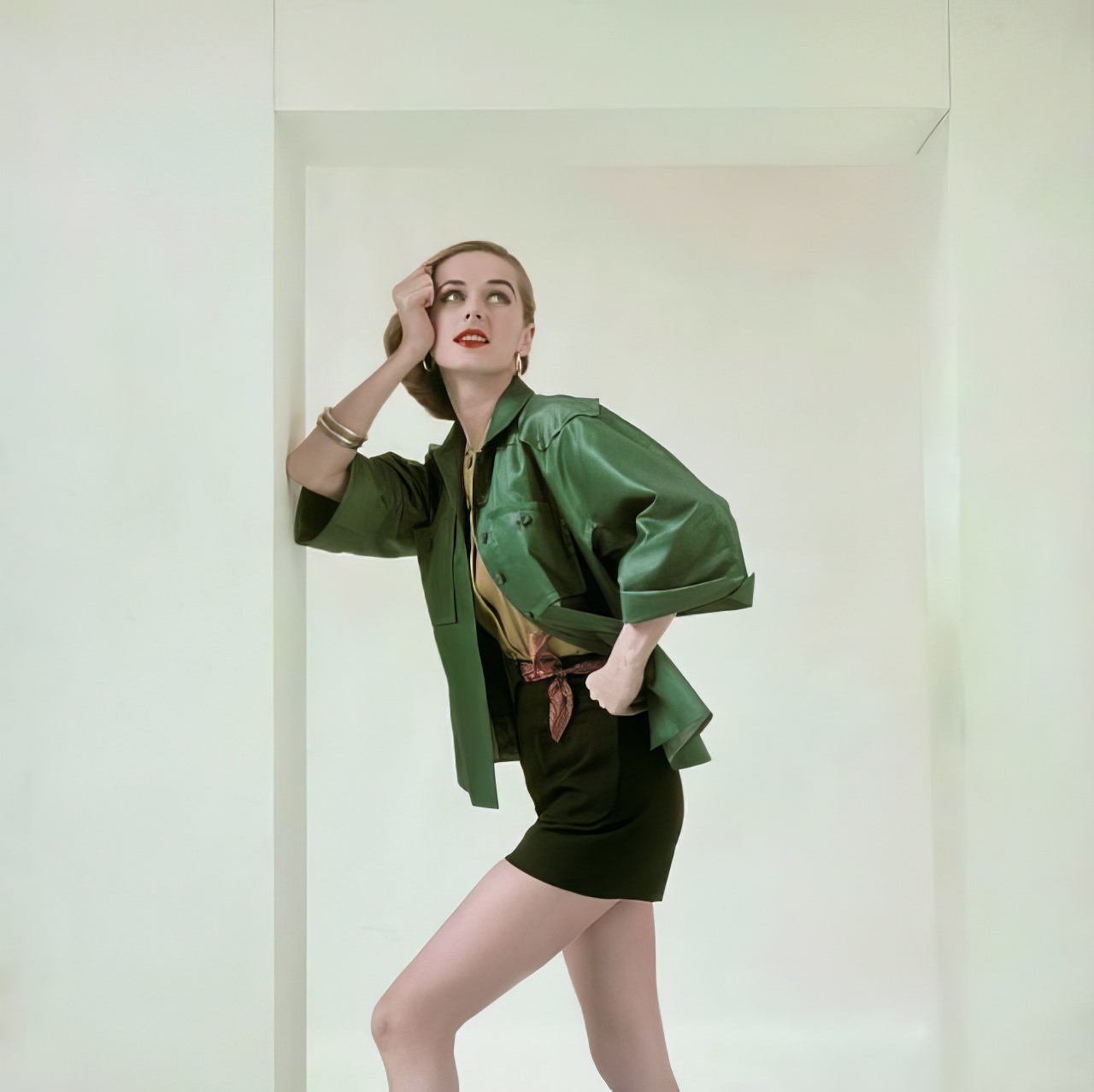
The mid-to-late 1950s saw Scavullo working with a new roster of models, including Ann Klem and Dolores Hawkins. His 1956 work ranged from bold striped sheaths to crisp summer whites, reflecting the decade’s growing enthusiasm for color and warm-weather dressing.
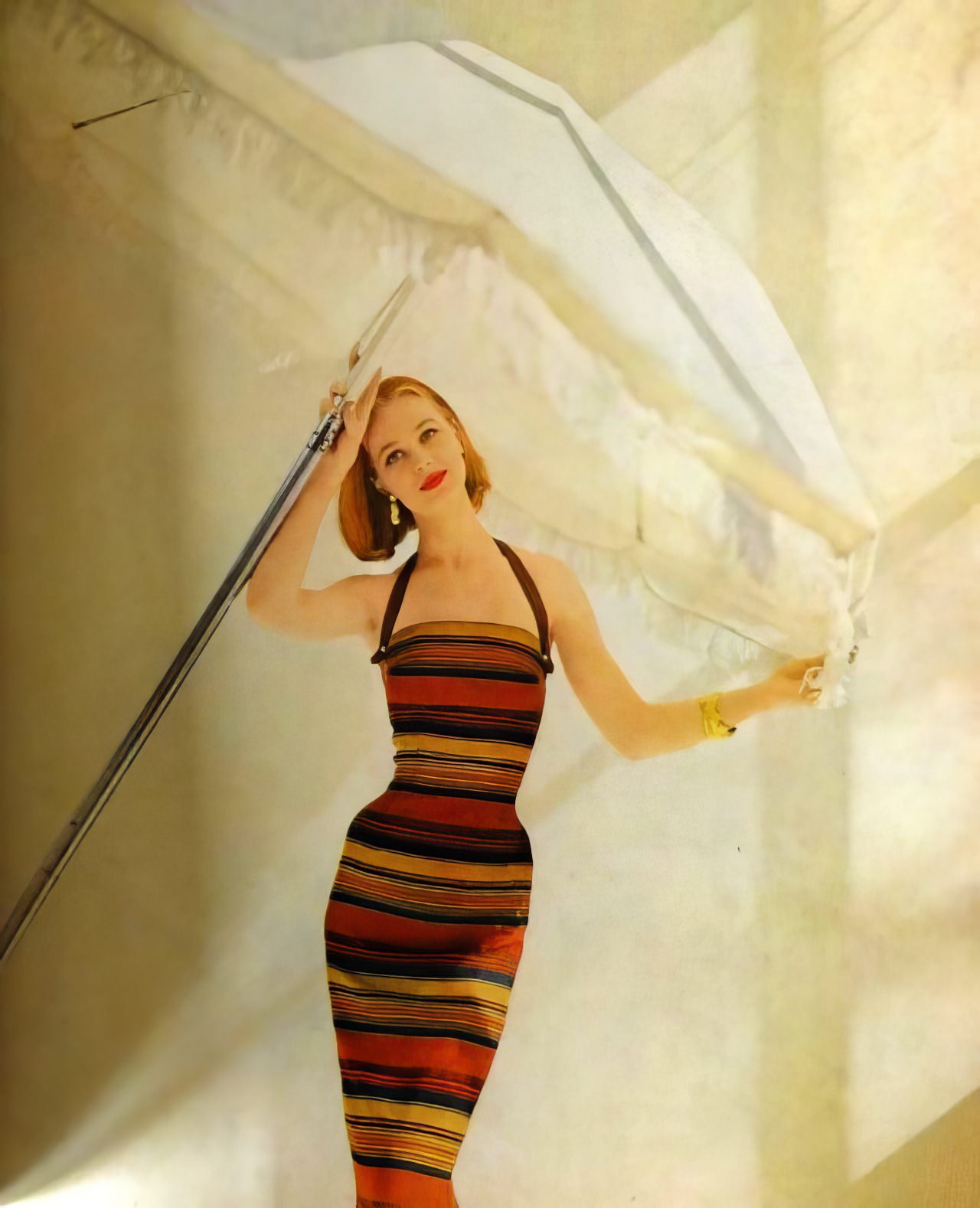
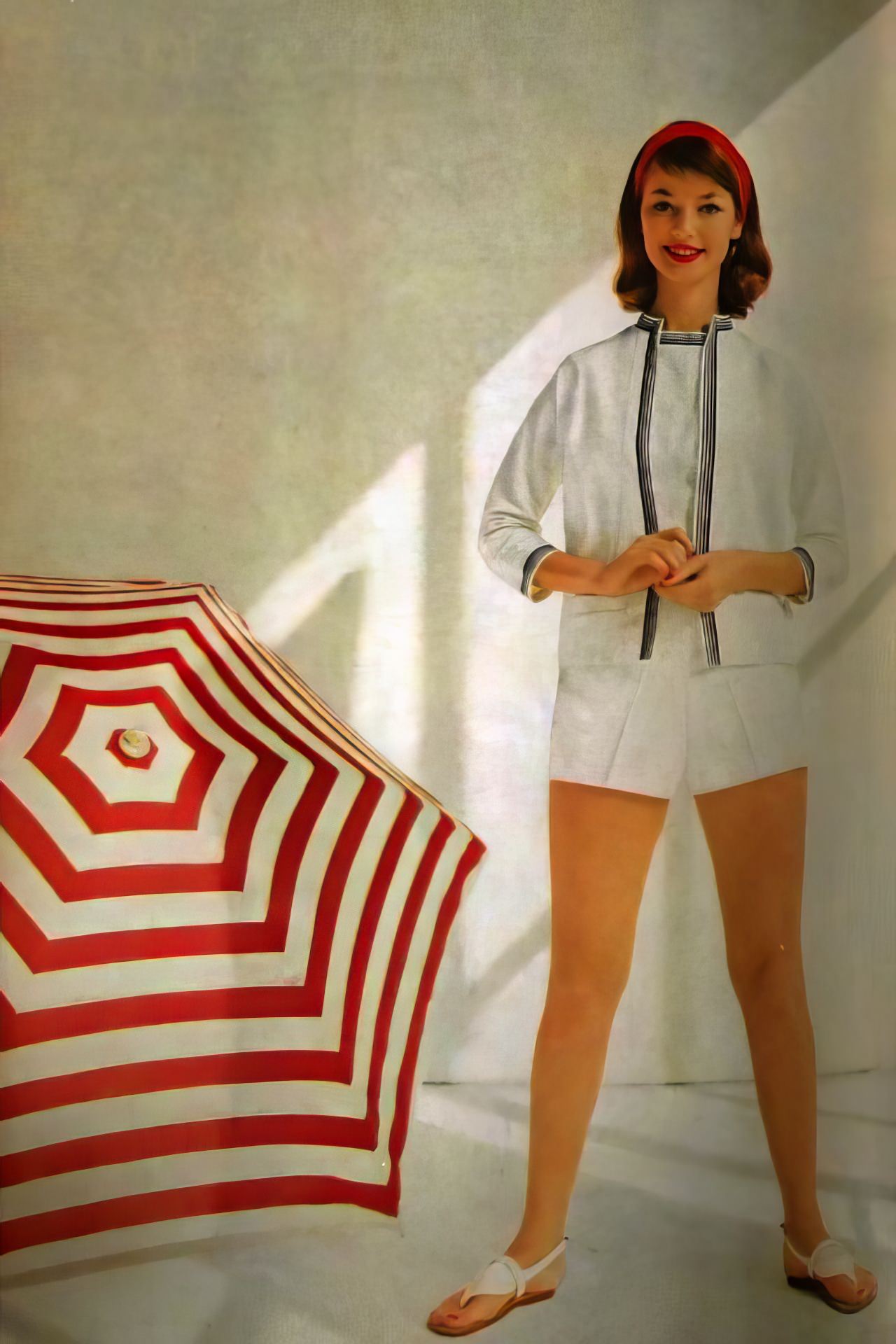
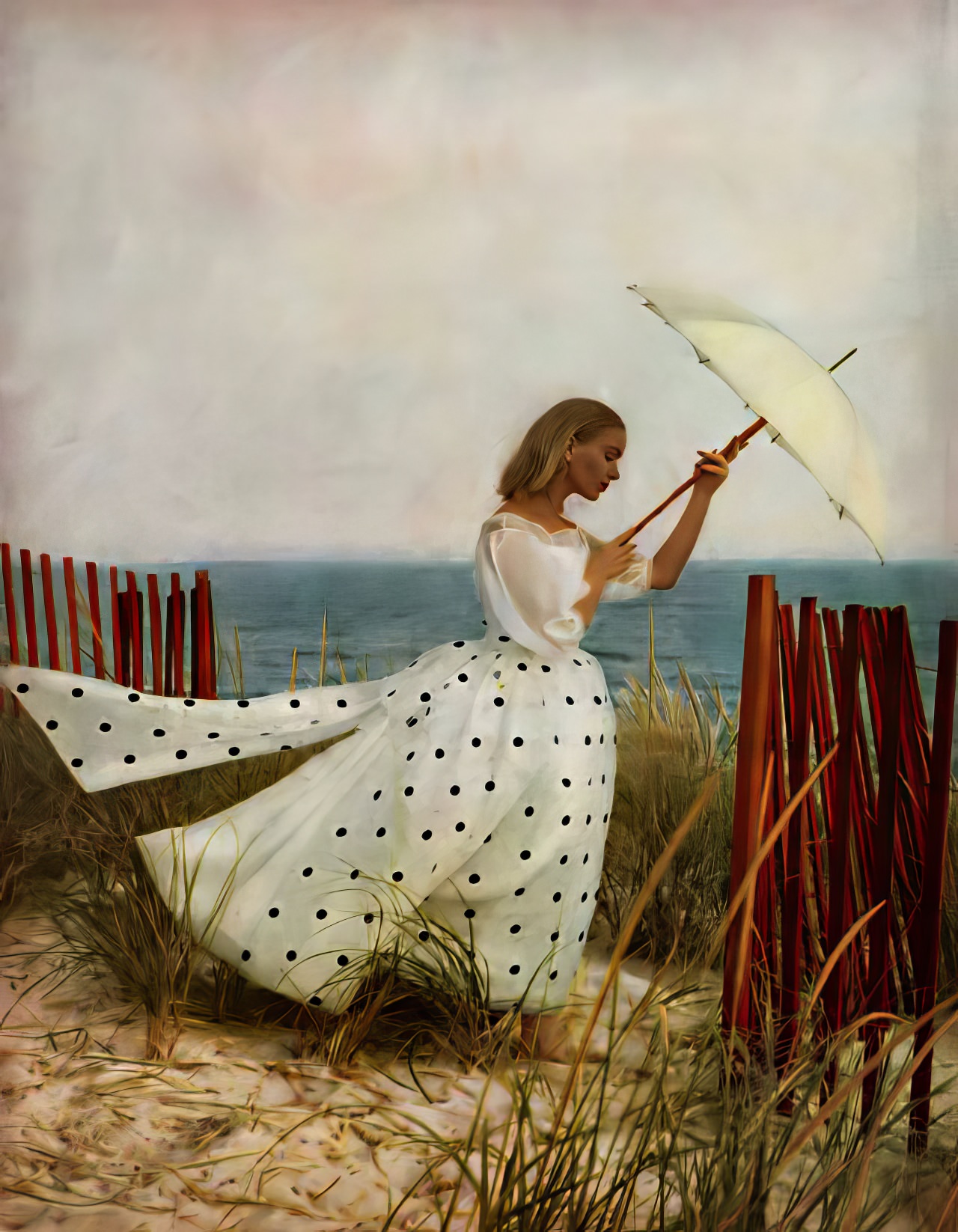
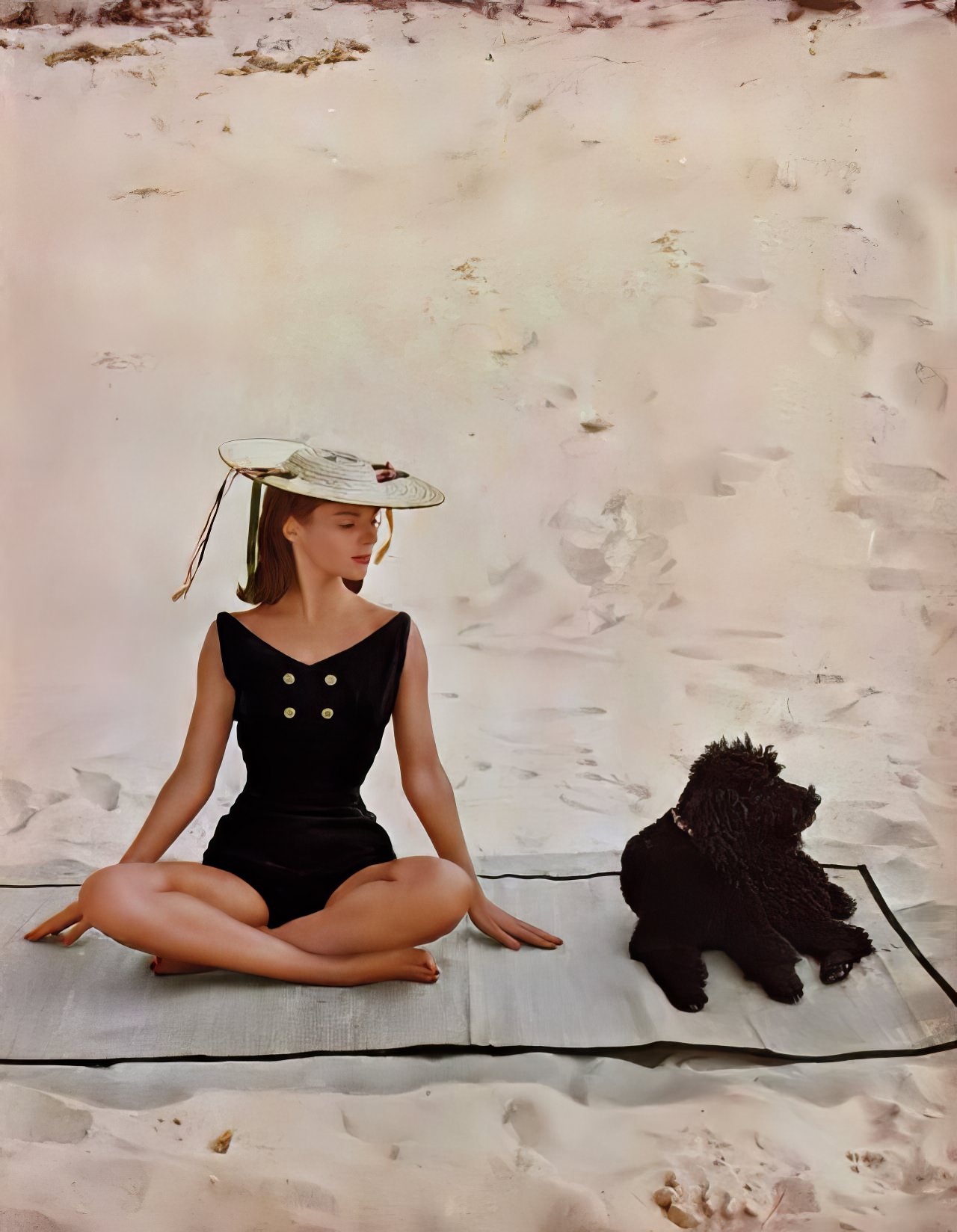
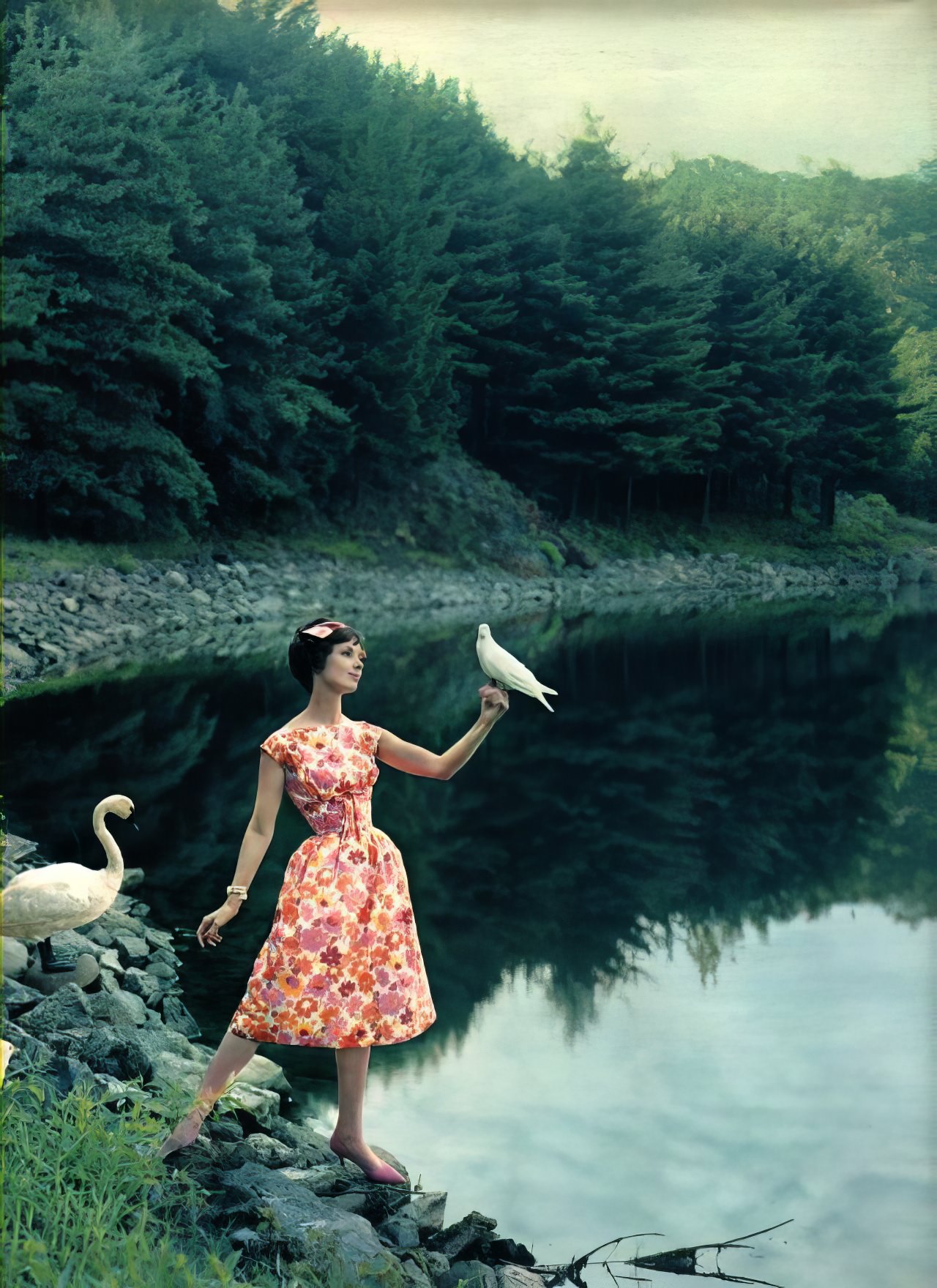
By 1957, his Harper’s Bazaar work included swimwear and floral fashions, demonstrating his range across categories. Scavullo treated a jersey swimsuit with the same compositional care he gave to a formal ballgown.
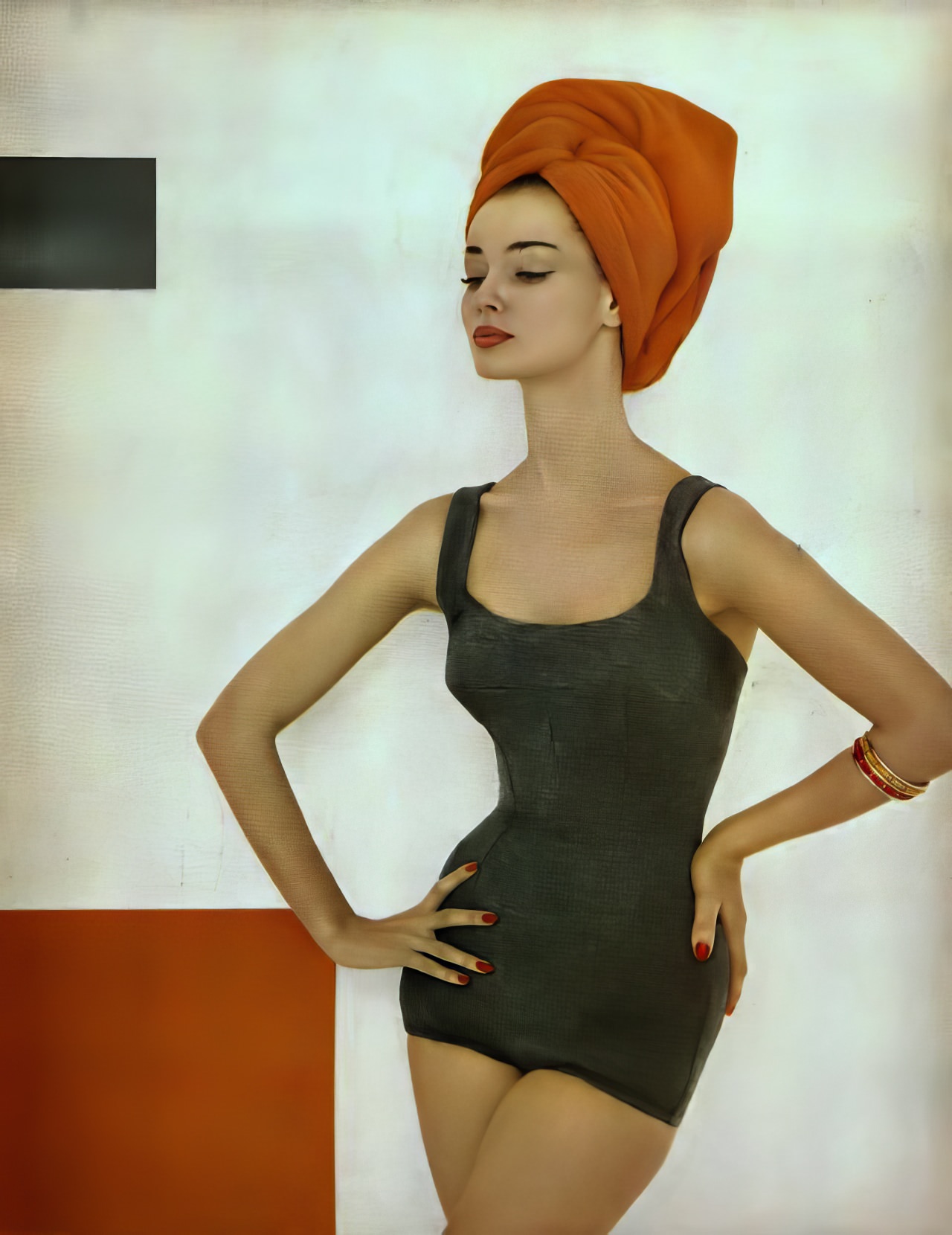
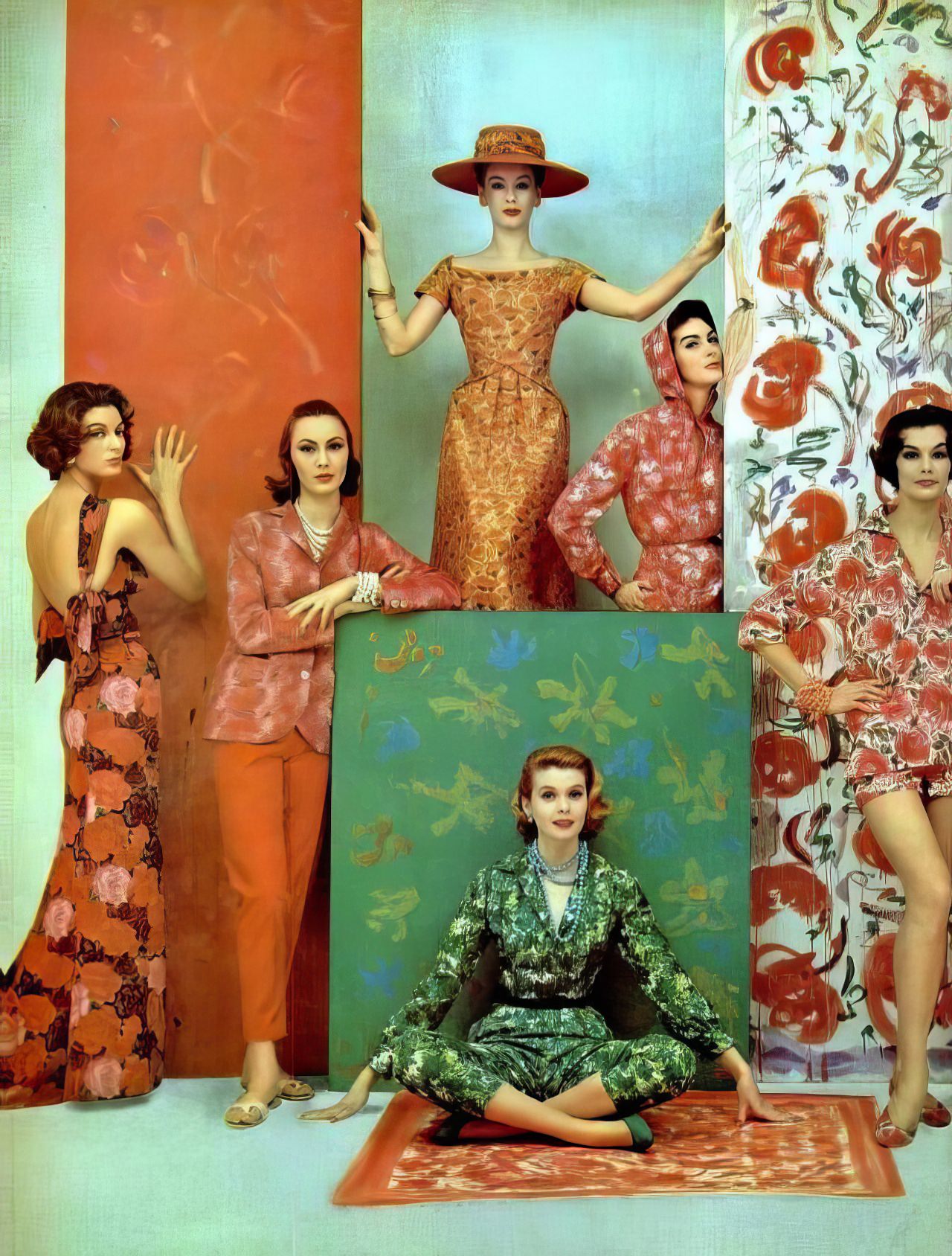
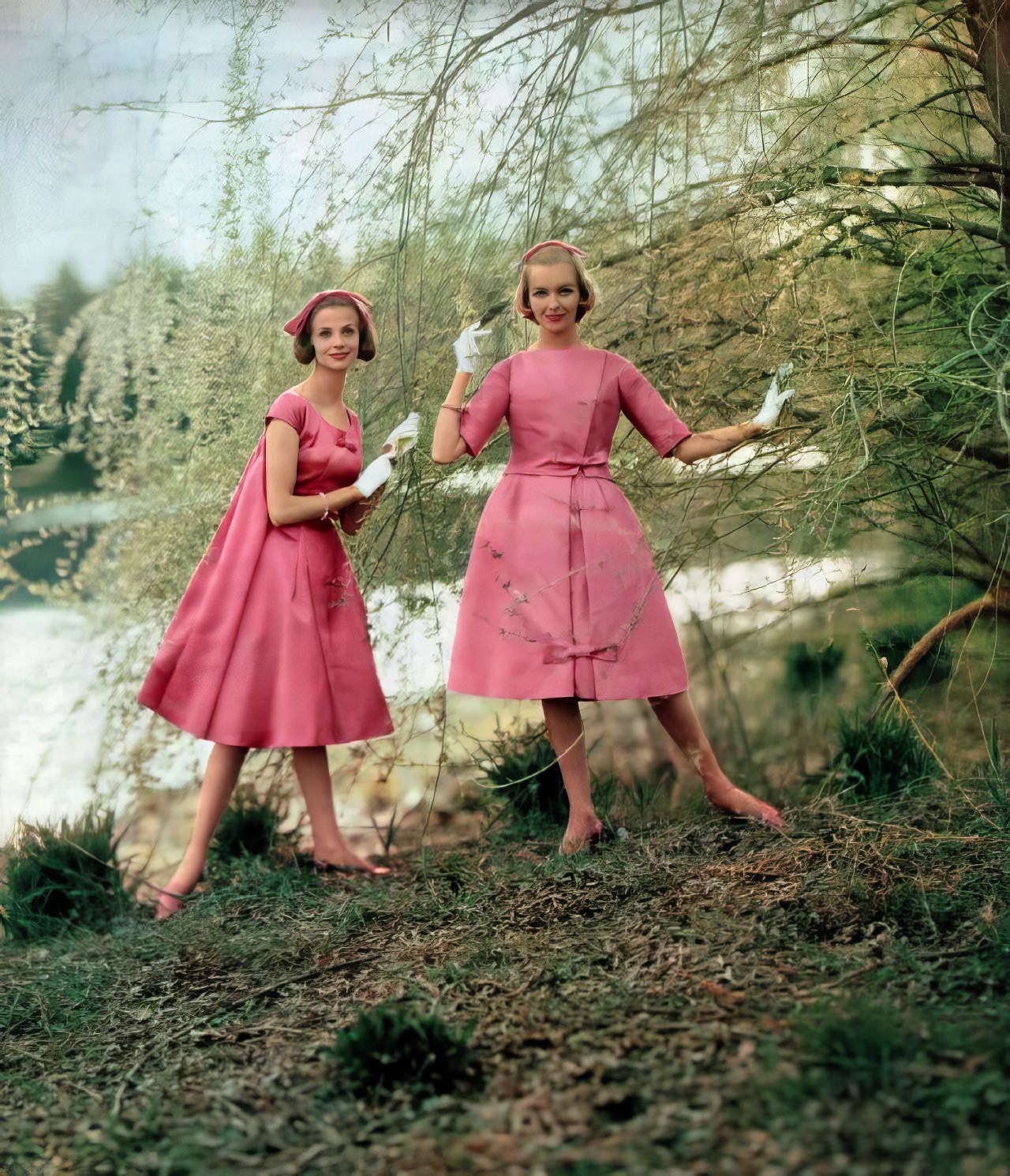
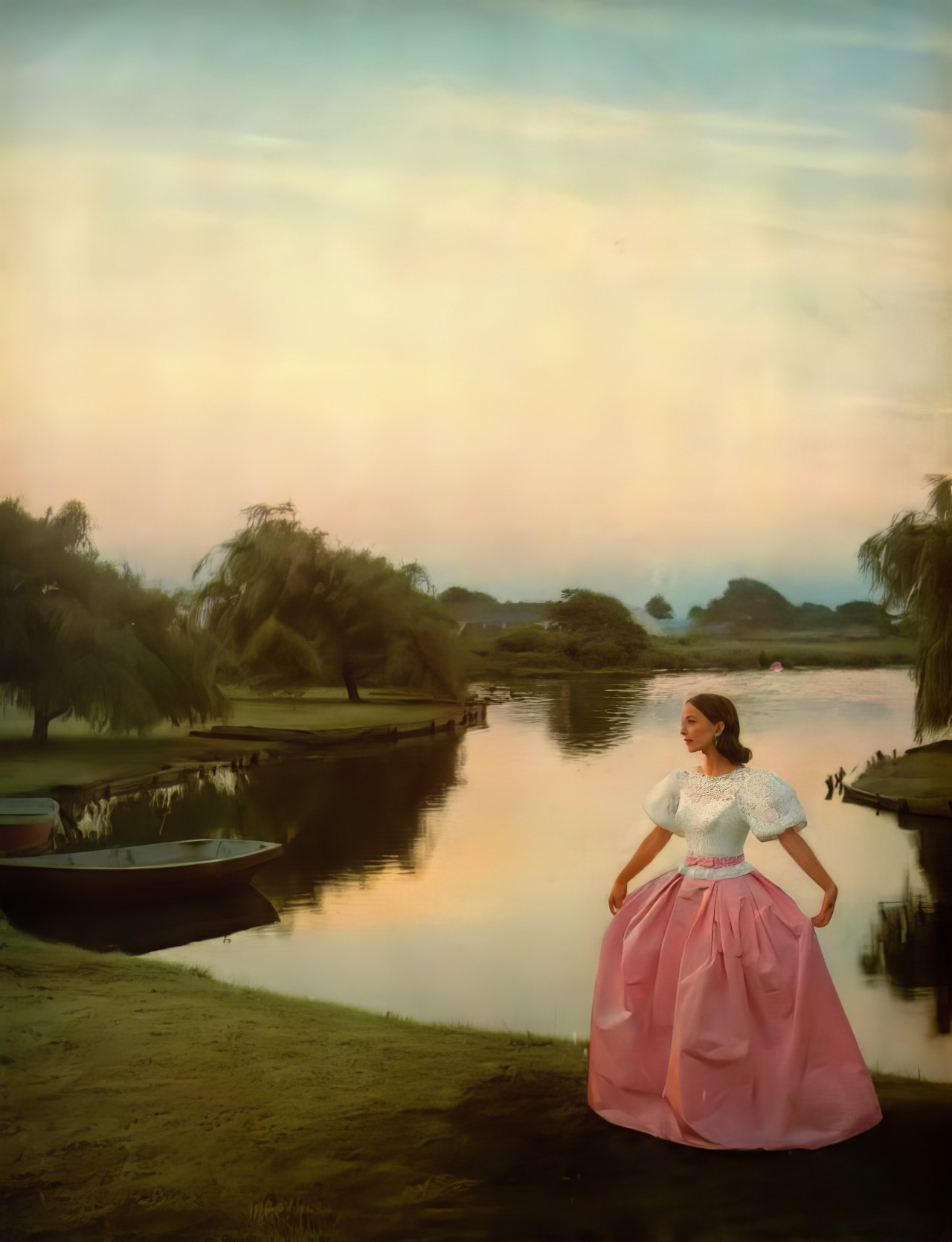
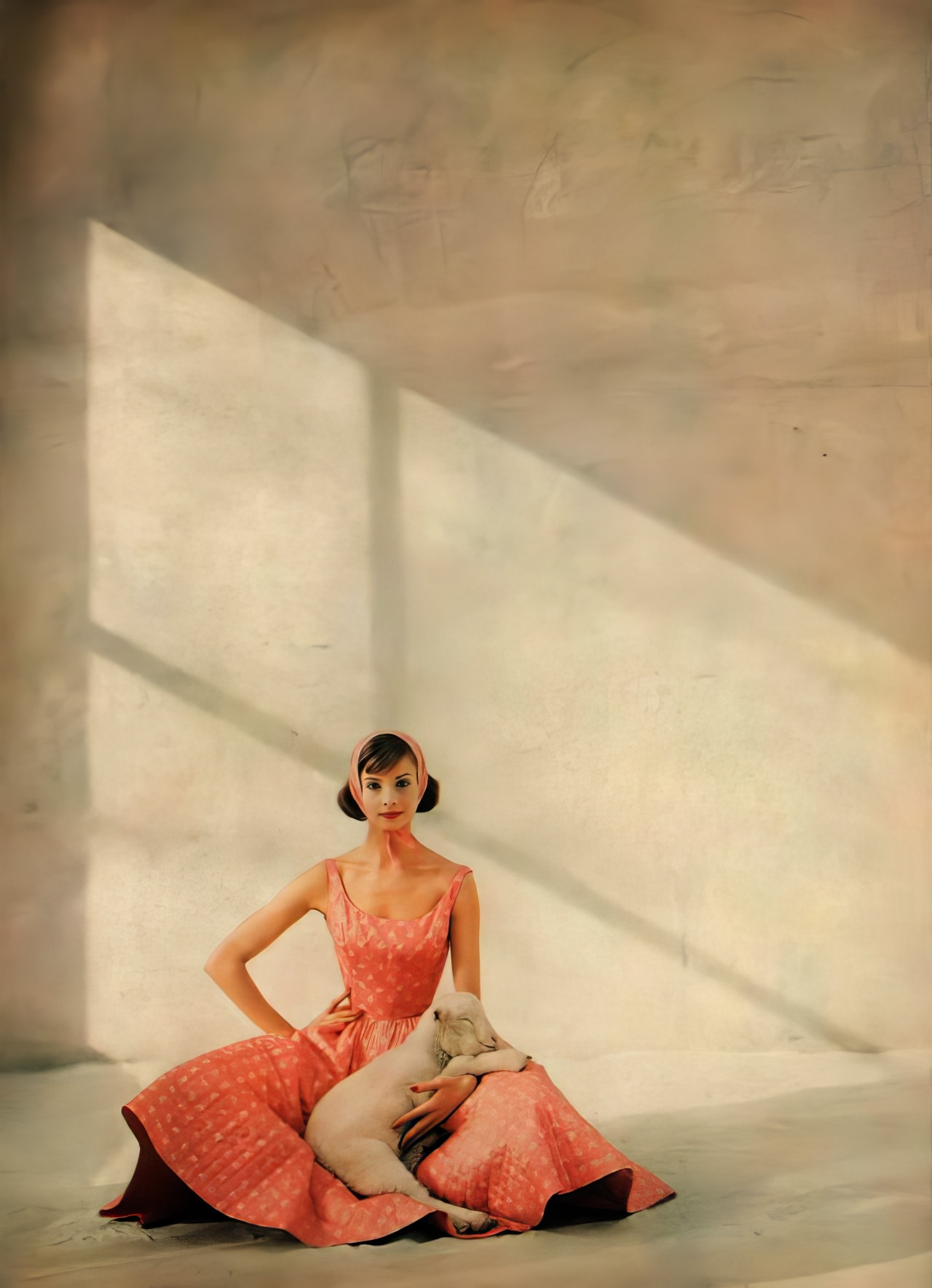
As the decade moved toward its close, Scavullo’s work grew even more varied. He photographed models in pink satin party dresses and youthful summer looks for Seventeen magazine, as well as sweeping ballgowns and resort wear for Harper’s Bazaar. Each image remained tightly composed and precisely lit — hallmarks of his approach throughout the entire decade.