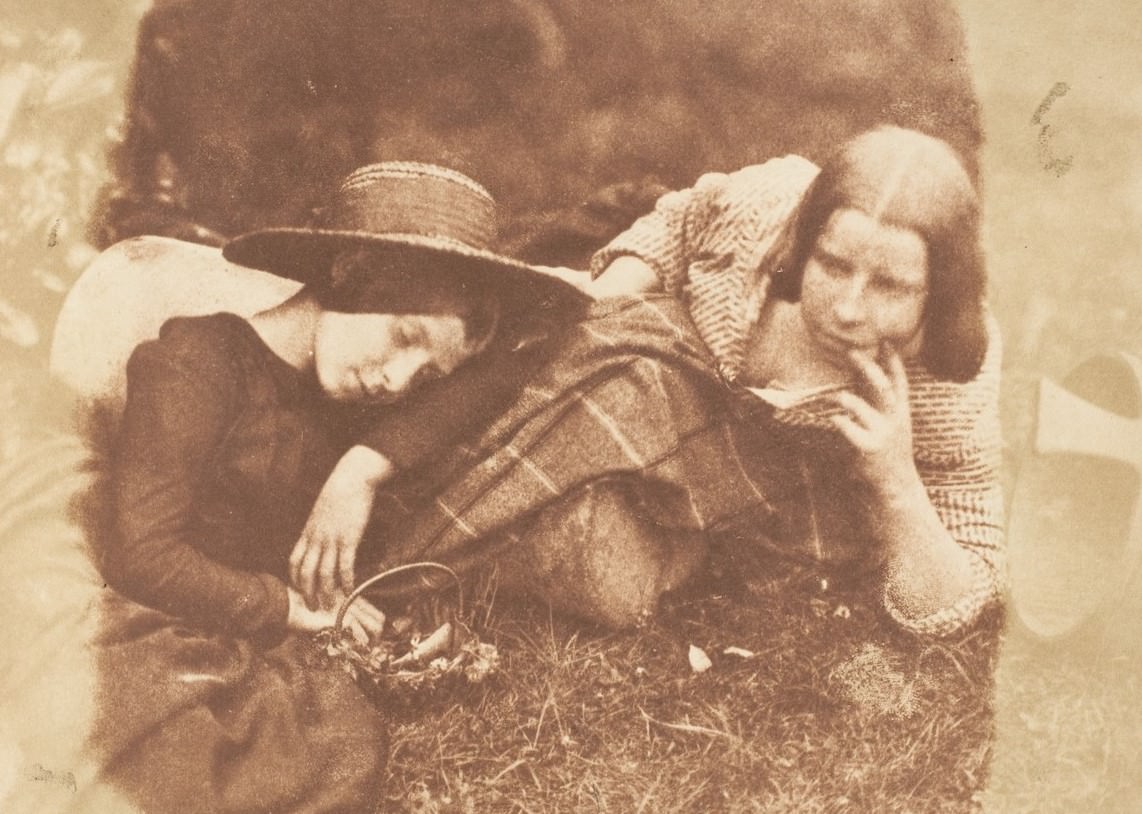
In 1843, just four years after photography was invented, a chemist and a painter joined forces in Edinburgh and changed what the camera could do. Robert Adamson, born April 26, 1821, brought deep knowledge of chemistry. David Octavius Hill, born May 20, 1802, was already a respected painter with a sharp eye for composition. Together, they opened a studio called Hill & Adamson at the foot of Calton Hill — and set about documenting a world that had never been photographed before.
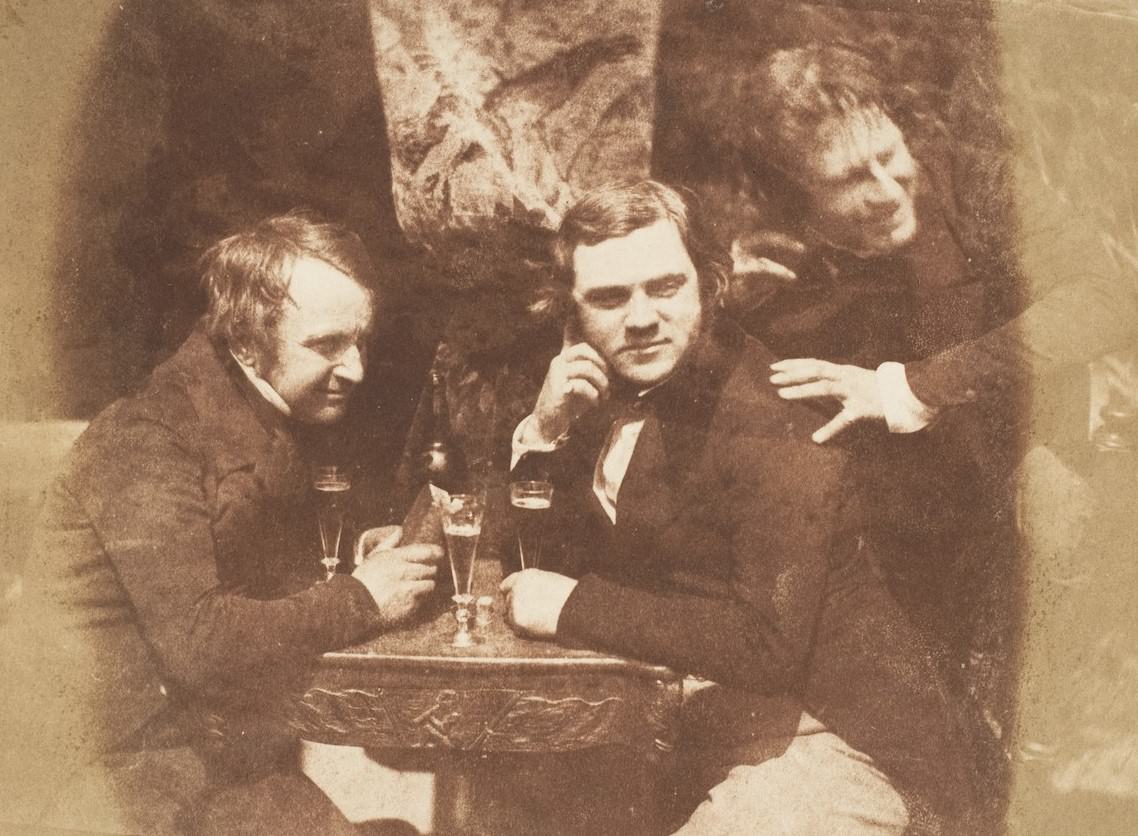
Their most striking achievement from that year was a simple, candid scene: a group of men gathered around a table in an Edinburgh pub, drinks in hand. It is the first known photograph of people enjoying a drink together in a pub. There are no posed expressions or formal arrangements. The men lean toward one another, caught in the middle of a moment. That single image stands as a 181-year-old window into ordinary Scottish social life.
The technique behind this photograph was the calotype process, developed by William Henry Fox Talbot. It worked by coating high-quality paper with silver nitrate, then dipping it in potassium iodide to form silver iodide. The paper was then sensitized with a mixture of silver nitrate and gallic acid, making it reactive to light. Once placed inside the camera, the exposure could last anywhere from a few seconds to several minutes depending on available light. After exposure, the paper was developed in a gallic acid and silver nitrate solution, then fixed permanently using sodium thiosulfate. The result was a paper negative from which multiple positive prints could be made — a major advantage over the daguerreotype, which produced only a single image on a silvered copper plate.
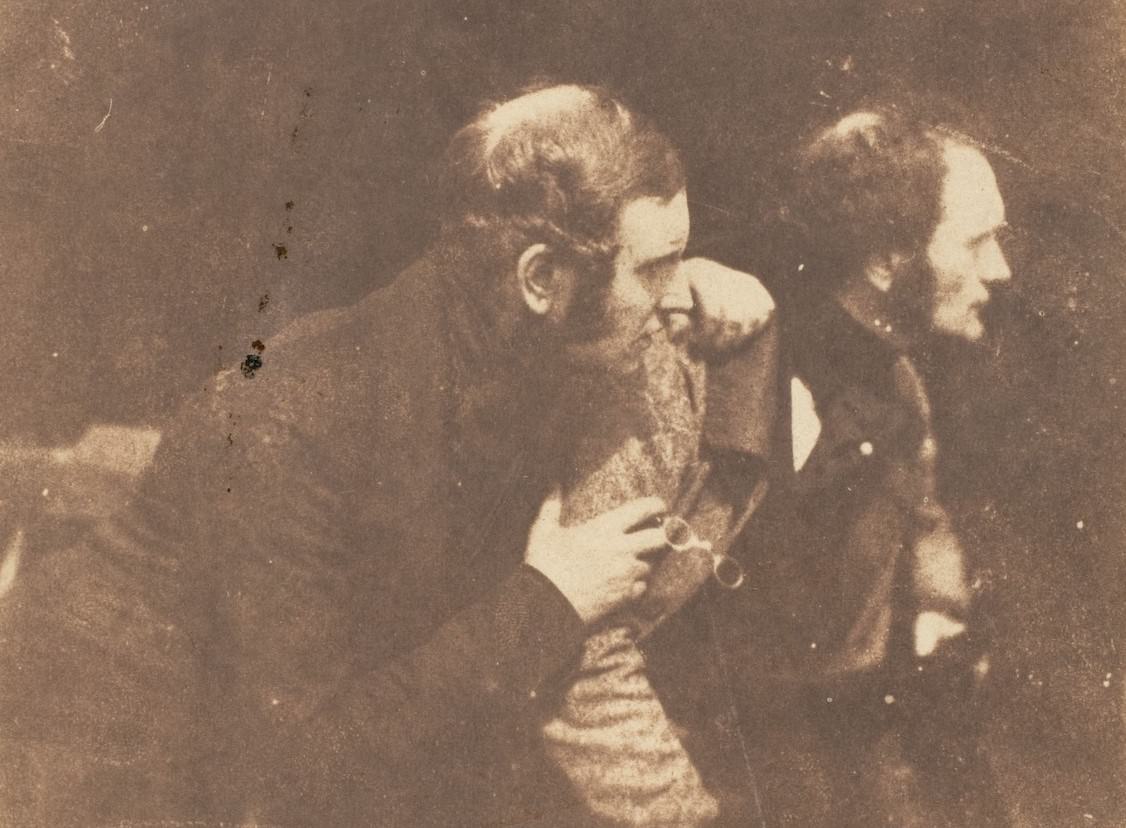
Because the calotype process required strong sunlight, most of Hill & Adamson’s photographs were taken outside. To photograph subjects who were meant to appear indoors, Hill designed their garden to look like an interior space, filling it with furniture and props. The natural light did the work that studio lighting could not yet provide.
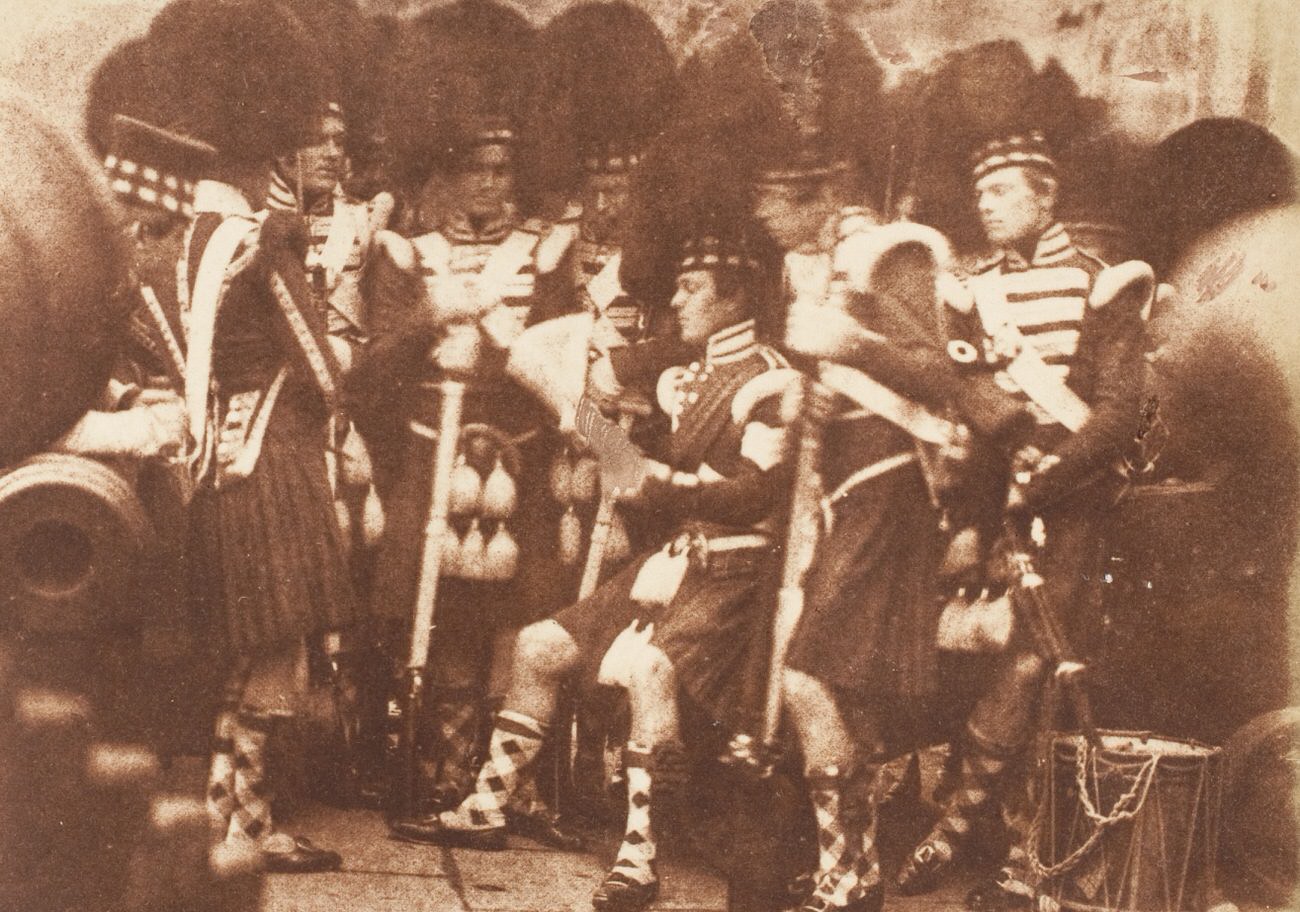
Hill’s background as a painter shaped every image the pair produced. He carefully arranged his subjects, controlled the balance of light and shadow, and built a mood into each frame. Adamson’s chemistry expertise ensured the exposures were clean and the negatives properly developed. Their portraits stood out from the flat, stiff images common in early photography — they had depth, texture, and character.
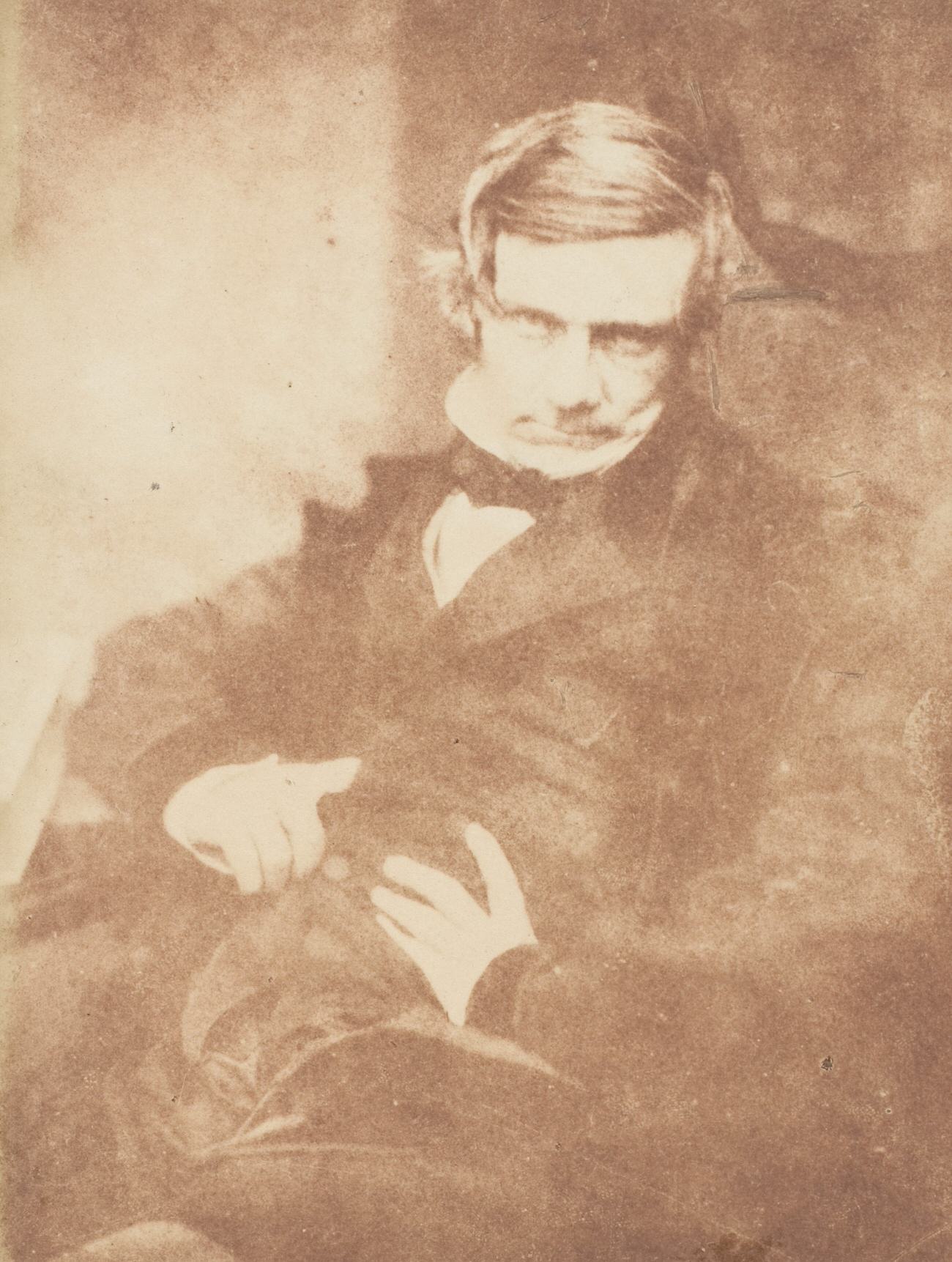
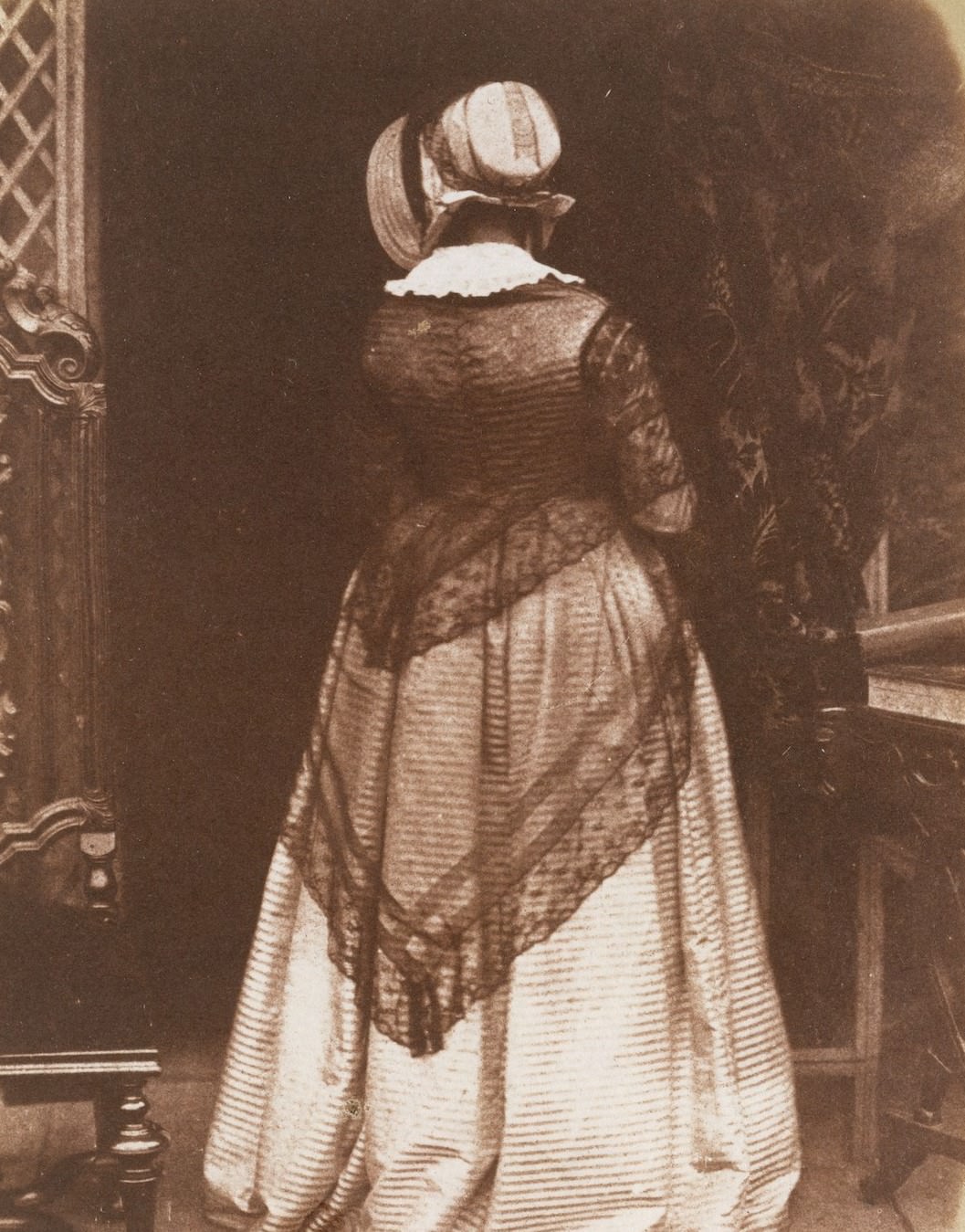
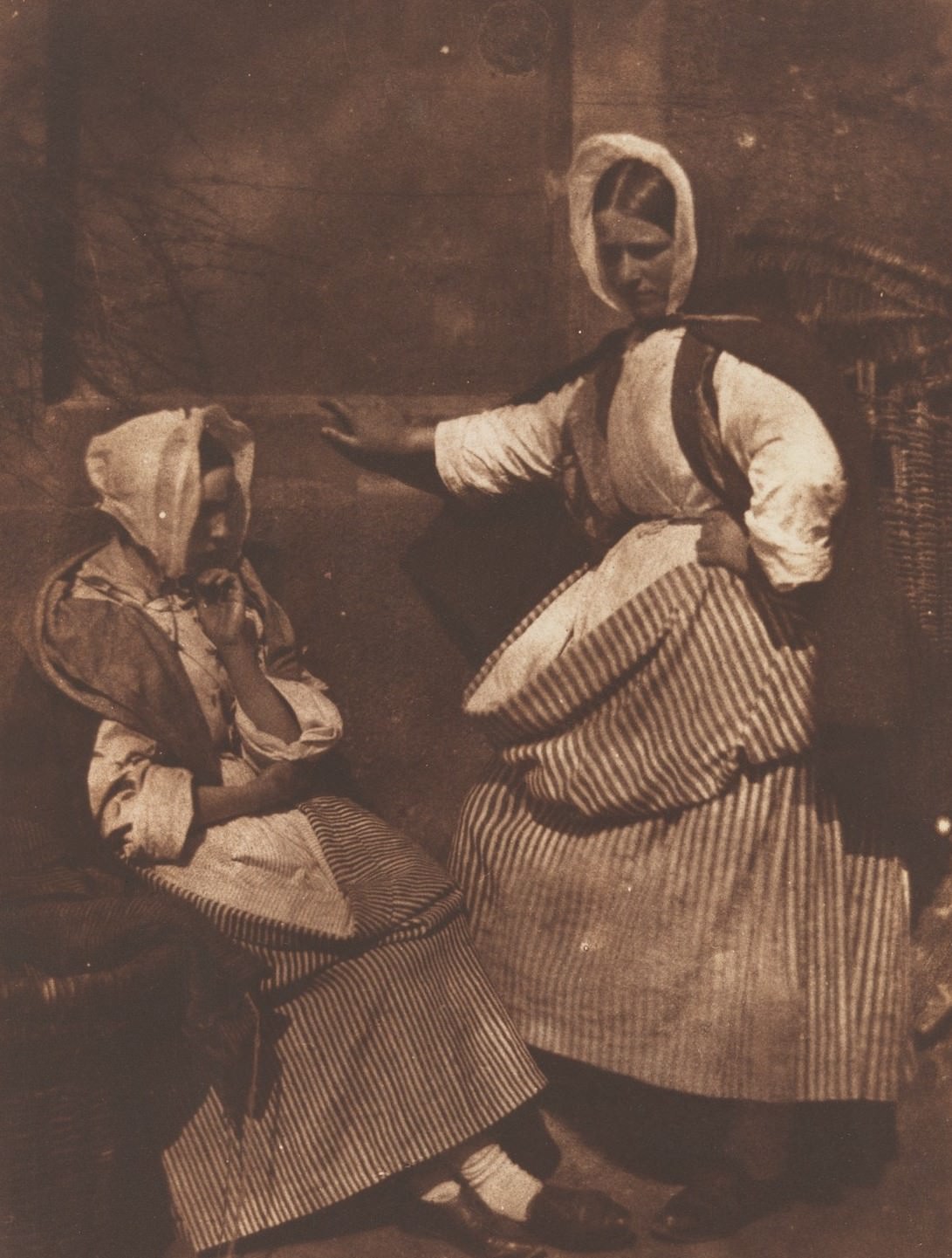
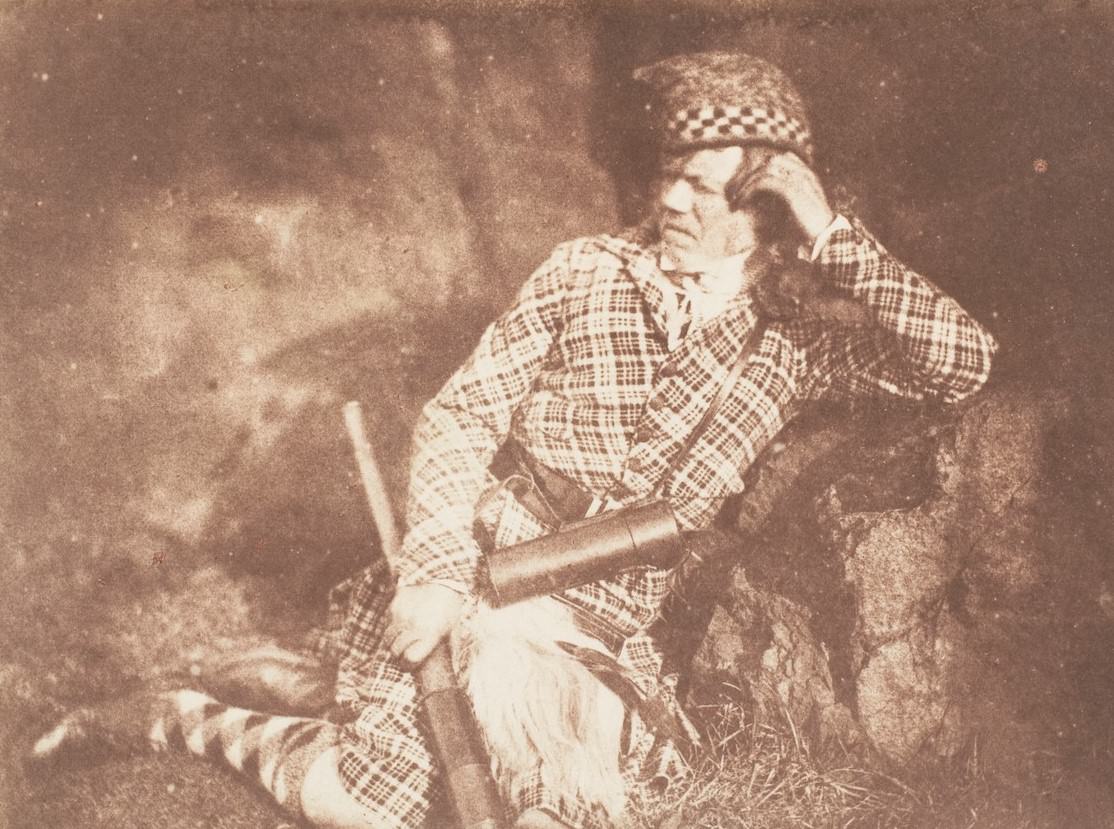
Hill & Adamson photographed a wide range of subjects. Their sitters included prominent figures of the day as well as ordinary working people — fishwives from Newhaven, Highland soldiers, and local tradespeople. They also turned their cameras on the Scottish landscape and its architecture, including a notable image of the Scott Monument in Edinburgh, capturing its Gothic stonework and tall spires in careful detail.
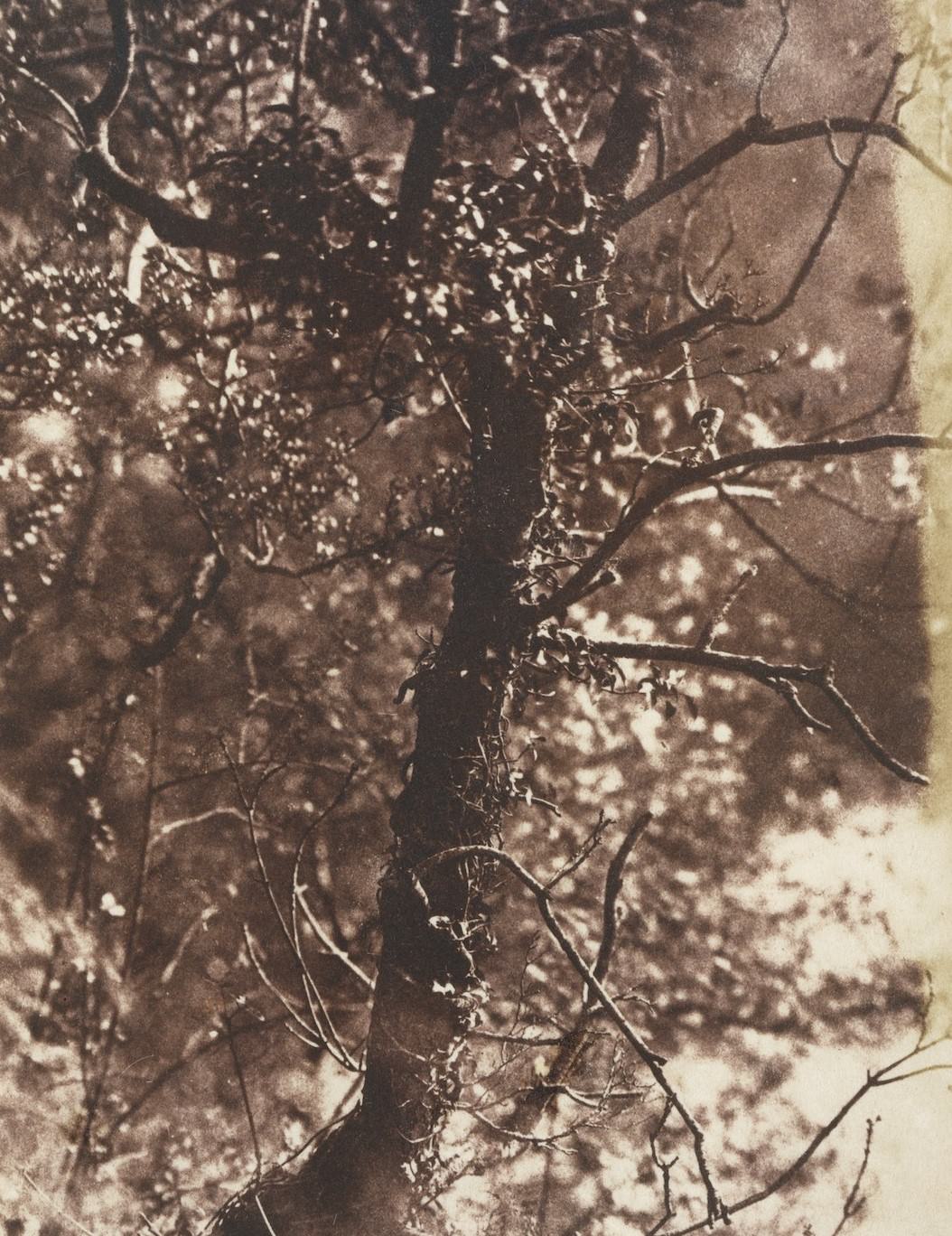
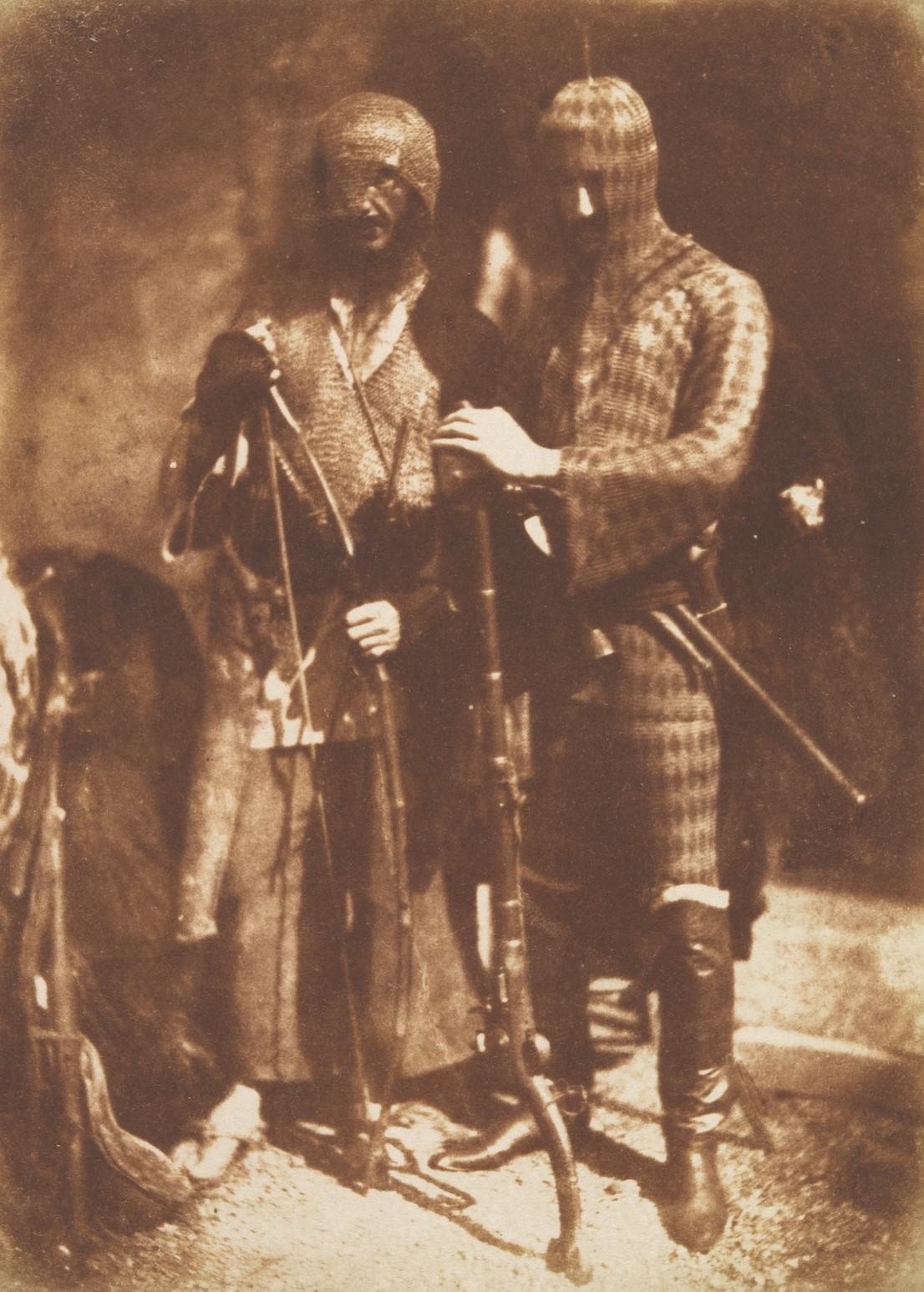
The range of their subjects was remarkable for the period. From armored Afghans to Newhaven fishwives to deer stalkers, Hill & Adamson treated every subject with the same compositional care — proving the camera was a tool for social documentation as much as formal portraiture.
Robert Adamson died in January 1848, just five years into the partnership. He was only 26 years old. Despite the short span of his career, the body of work he and Hill produced together numbered in the hundreds. Hill returned to painting after Adamson’s death, but their collaboration remained the most historically significant chapter of his life. The photographs they made survive today as some of the earliest examples of photography used not just to record, but to interpret the world.