Eva Braun is remembered primarily as Adolf Hitler’s long-time companion and, in the final hours of her life, his wife. Yet her story extends well beyond that single identity. She was a woman of complex character, living a life that was at once deeply private and tied to one of the most destructive regimes in history. The facts below reveal a more complete picture of who Eva Braun was — her passions, her fears, her relationships, and her role in shaping Hitler’s public image.
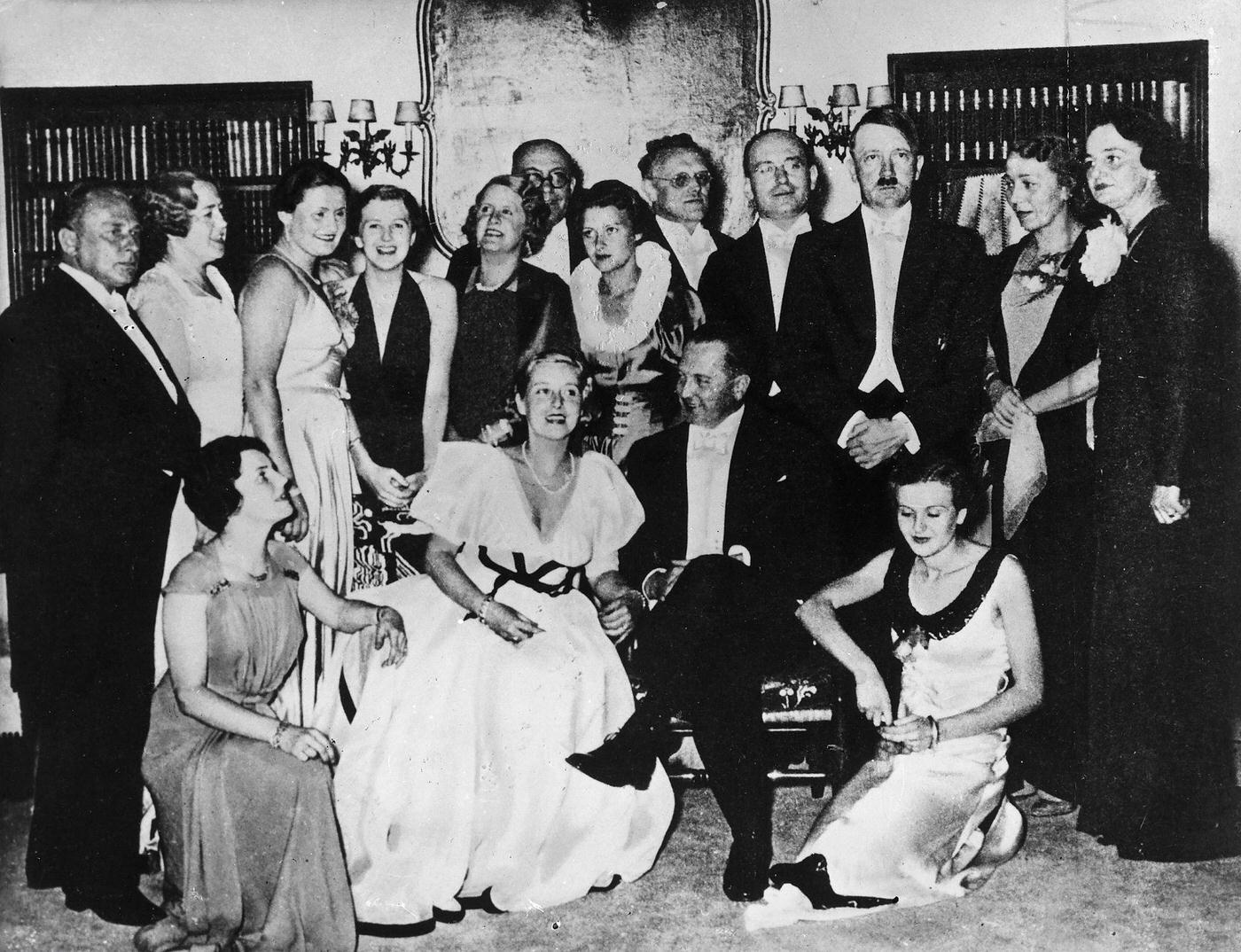
Eva Braun was born on 6 February 1912 in Munich, Germany, and was the middle child in her family. Her father, Friedrich “Fritz” Braun, was a schoolteacher, while her mother, Franziska “Fanny” Kronberger, had been a seamstress before marriage. They were traditional Bavarians and strict disciplinarians. Although her parents initially disapproved of her relationship with Hitler due to the large age difference and his political views, they later accepted it, partly due to Hitler’s persistence and his rising power.
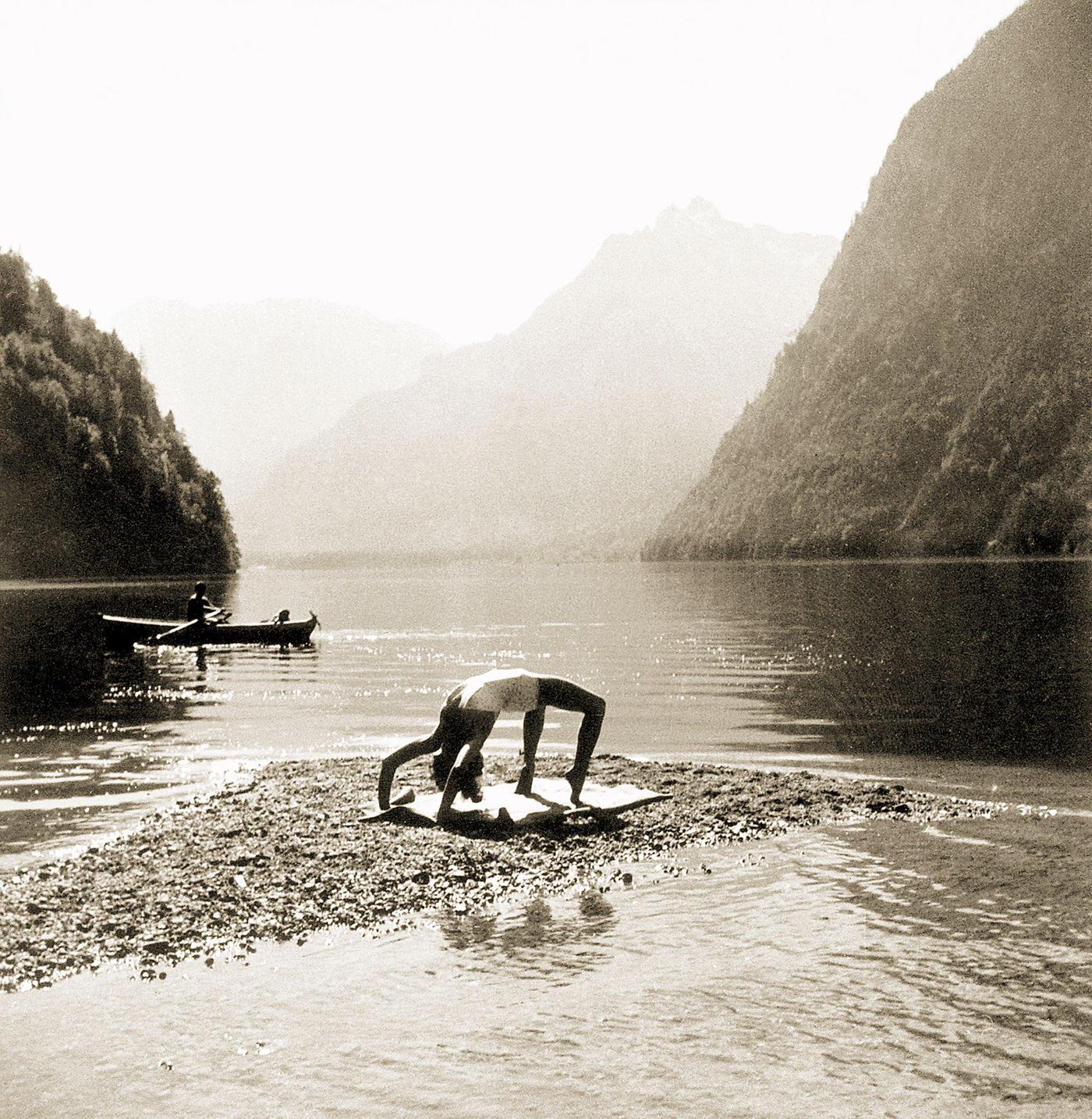
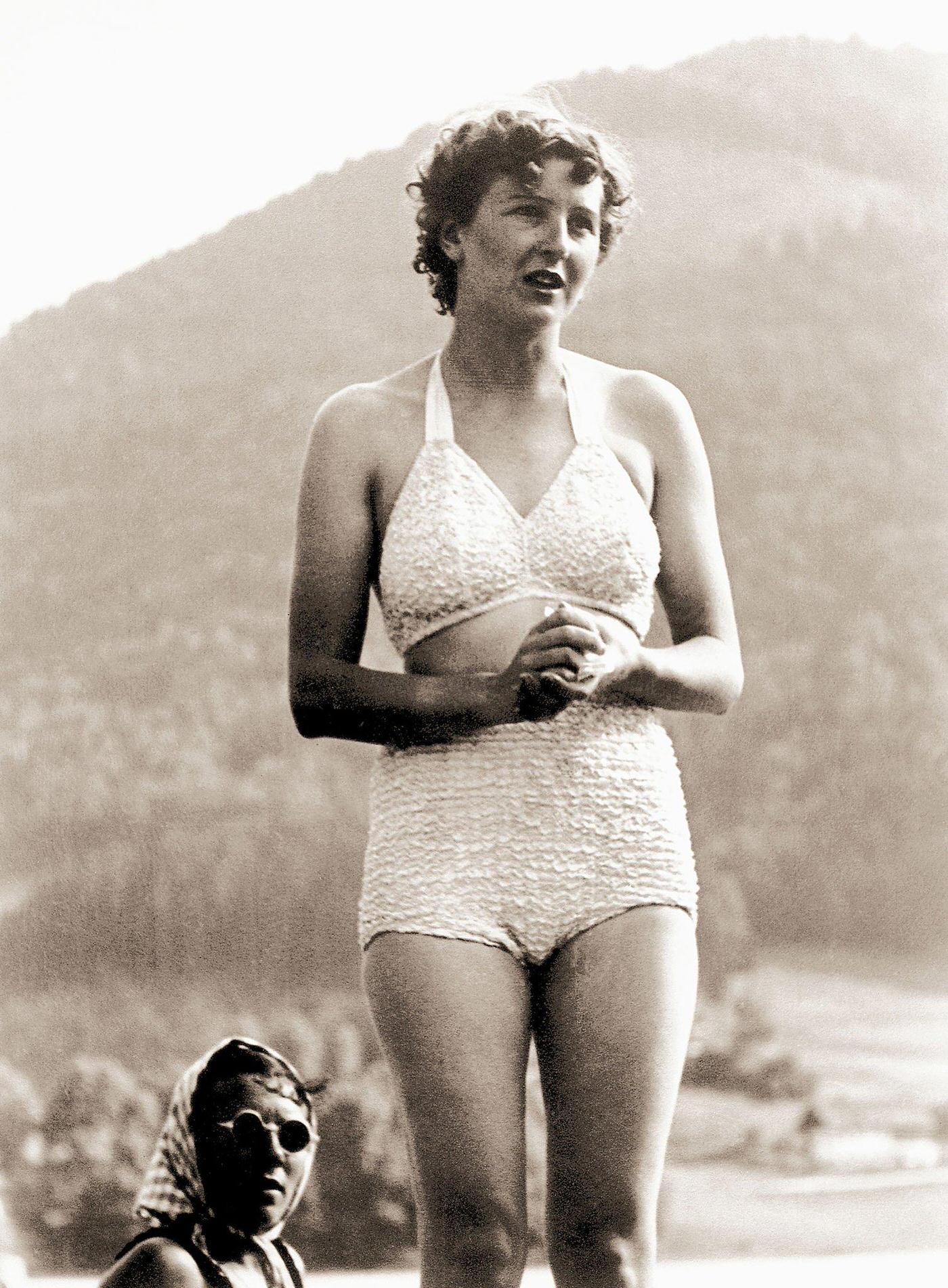
She was an excellent swimmer, a gymnast, and an avid skier, and was often photographed while engaging in these activities. She had a strong physicality that was part of her charm and appeal. These hobbies gave her a refreshing break from her secretive and highly controlled life, and also allowed her to maintain her health and fitness — qualities that Hitler appreciated in her.
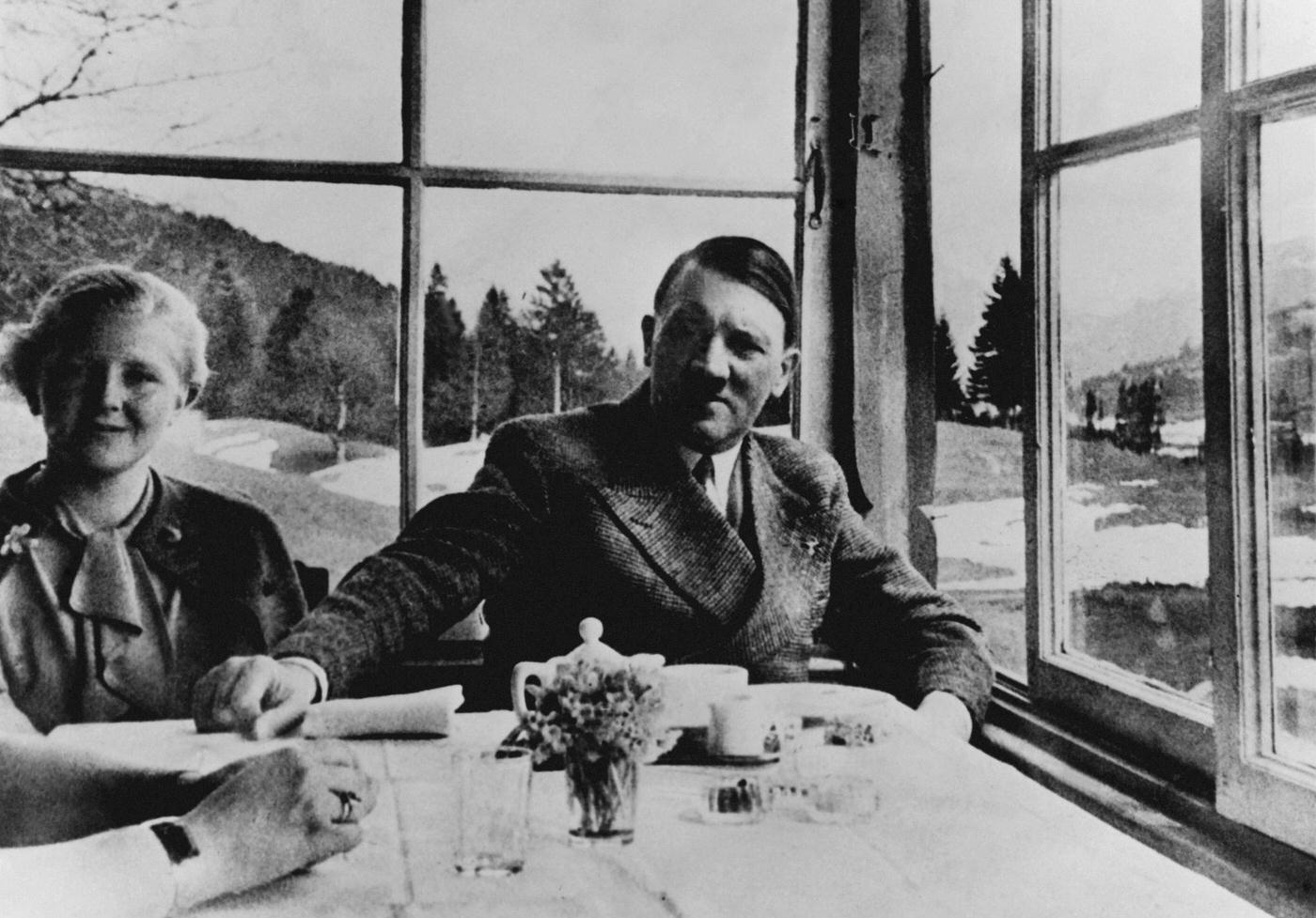
Unaware of Adolf Hitler’s true identity, Eva Braun encountered him for the first time in October 1929, when she was 17 years old and had recently joined the photography shop owned by Hitler’s personal photographer, Heinrich Hoffmann. She was introduced to Hitler under the pseudonym “Mr. Wolf” and referred to him by this name in her diary entries. In a letter to her sister, she described her initial encounter with her new crush, who was 23 years her senior. Despite eventually learning his real name and being told about his involvement in politics, Eva remained uninterested and stated that she had no interest in following political affairs. The flirtation between them continued to grow, setting the stage for a relationship that would endure and have far-reaching consequences.
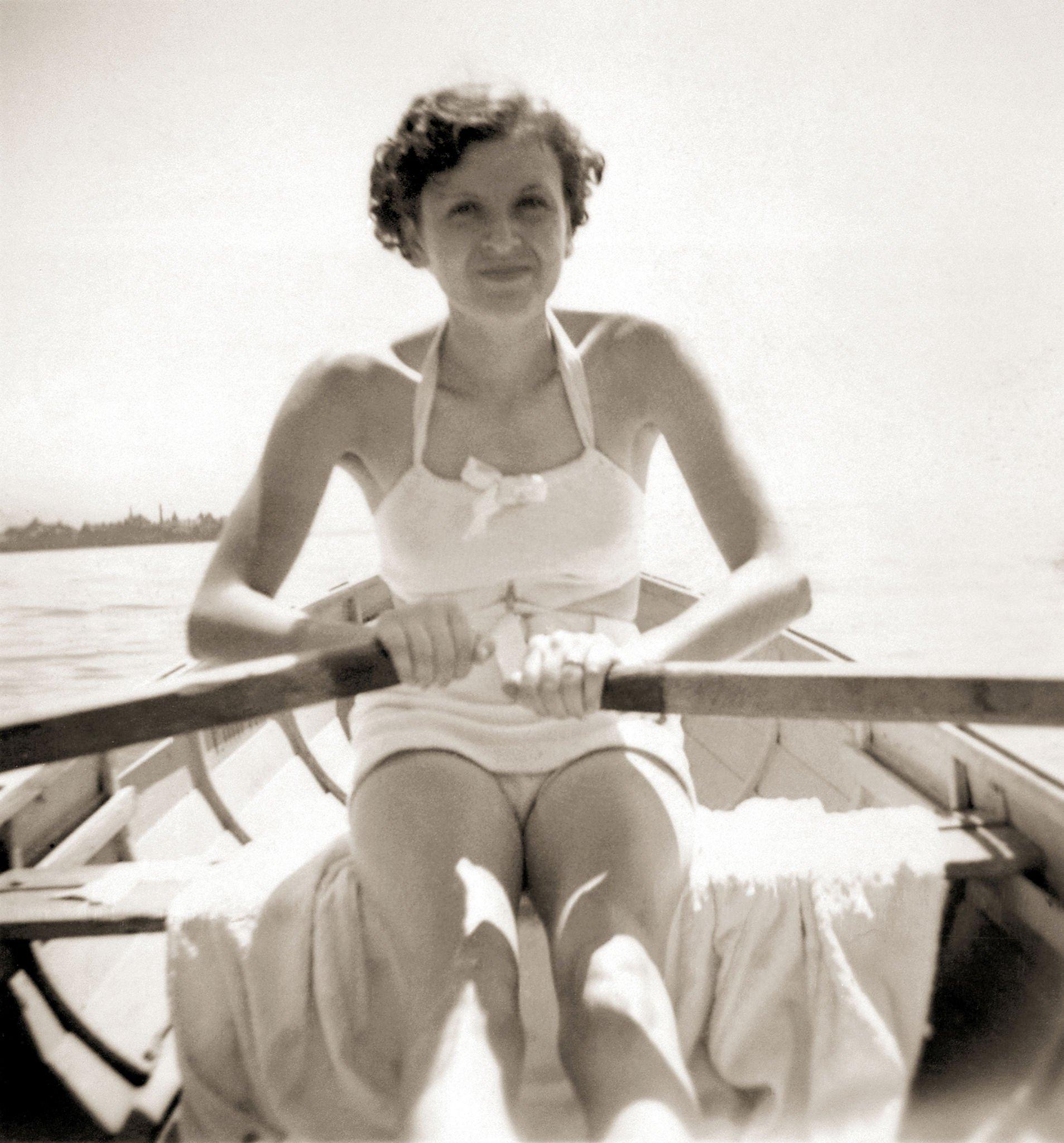
She often posed for fashion photographs and other photos for Heinrich Hoffmann, Hitler’s official photographer. It was through these modeling assignments that she first encountered Hitler. Her beauty and lively nature immediately caught Hitler’s attention. This part-time modeling job not only marked the beginning of her relationship with Hitler but also, without her knowing it at the time, significantly shaped the course of her life.
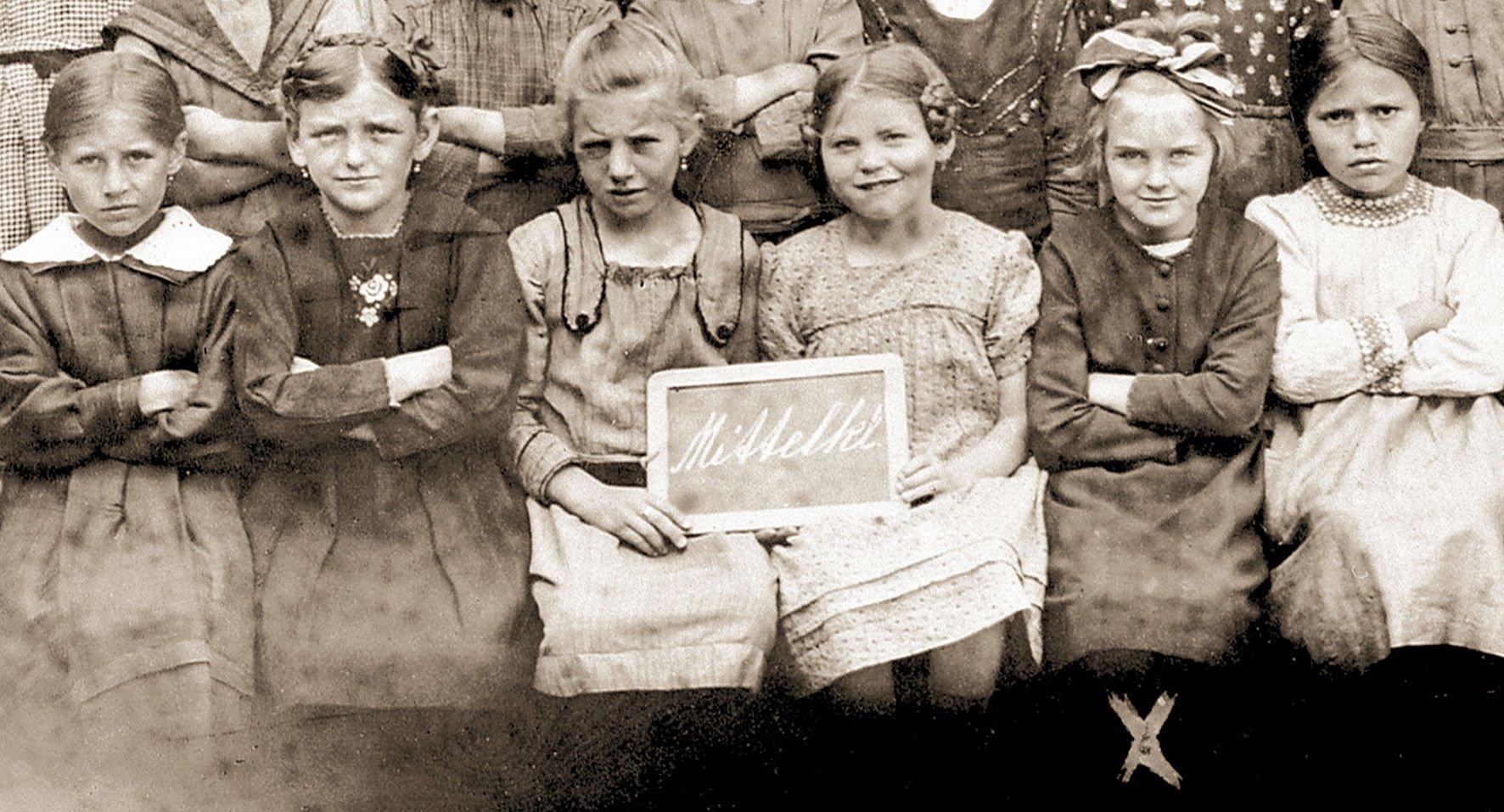
Born in Munich in February 1912, Eva Braun’s teenage years were marked by a fascination with clothes, makeup, and boys. Despite receiving lessons alongside her sisters, Eva’s academic performance remained average, with sports being her only standout skill. Concerned about her interest in boys, her parents sent her to a convent school. However, Eva found the environment unsuitable and sought financial independence by applying for a job at a photography studio. This decision proved to be life-changing, as it introduced her to the world of visual arts and sparked her passion for photography. Through her work, she would eventually meet Adolf Hitler, a frequent visitor to the studio, setting the stage for a significant relationship that would affect the course of her life.
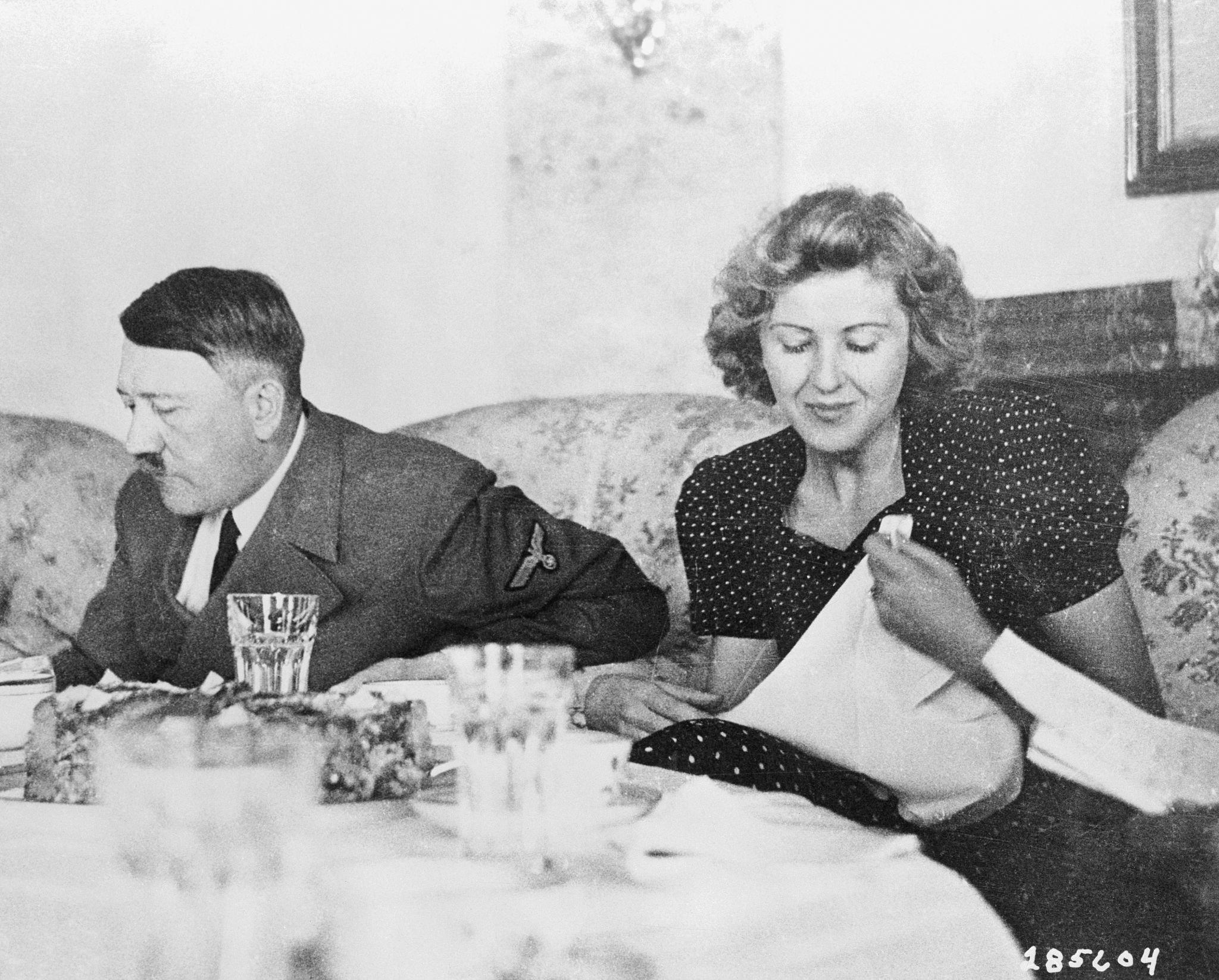
Despite her general lack of interest in politics, Eva tried to use her influence in more personal areas of Hitler’s life, including his eating habits. She was concerned about his heavy meat consumption and tried to persuade him to reduce it, although her efforts had little effect on his diet. This is one example of Eva’s concern for Hitler’s well-being, despite his controversial status and actions.
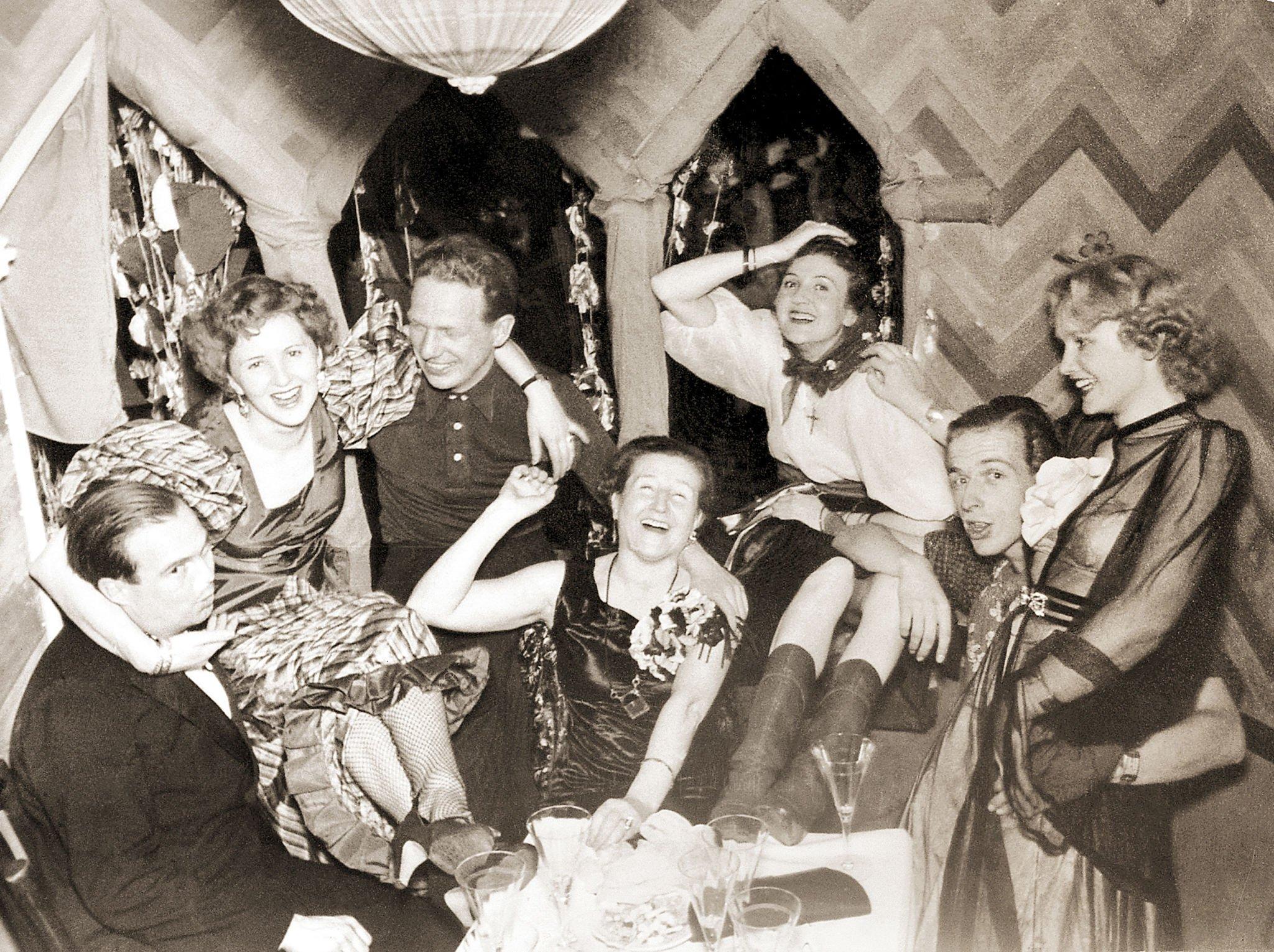
Despite Hitler’s more reserved nature, Eva Braun loved to dance, socialize, and party. Her lively spirit and carefree personality stood in sharp contrast to the serious atmosphere that usually surrounded Hitler. Her energetic nature was one of the traits that attracted Hitler to her, as it brought a sense of lightness and joy into his otherwise intense life.
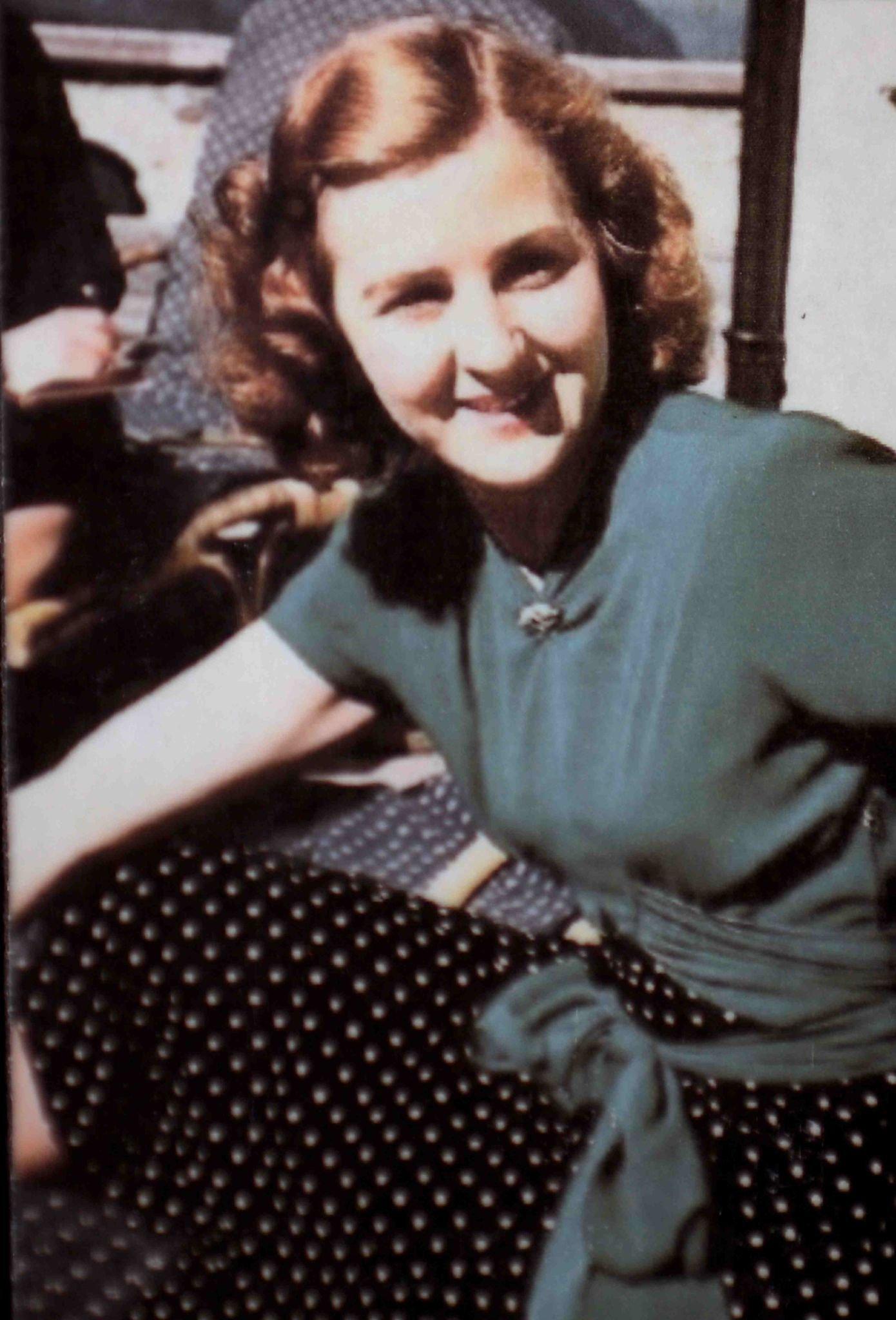
Eva had a deep admiration for cinema and was an avid fan of Swedish-American actress Greta Garbo. She was known to visit the cinema frequently and took great interest in the film industry. Her love of films and the glamorous world of cinema had a significant influence on her lifestyle and clothing choices.
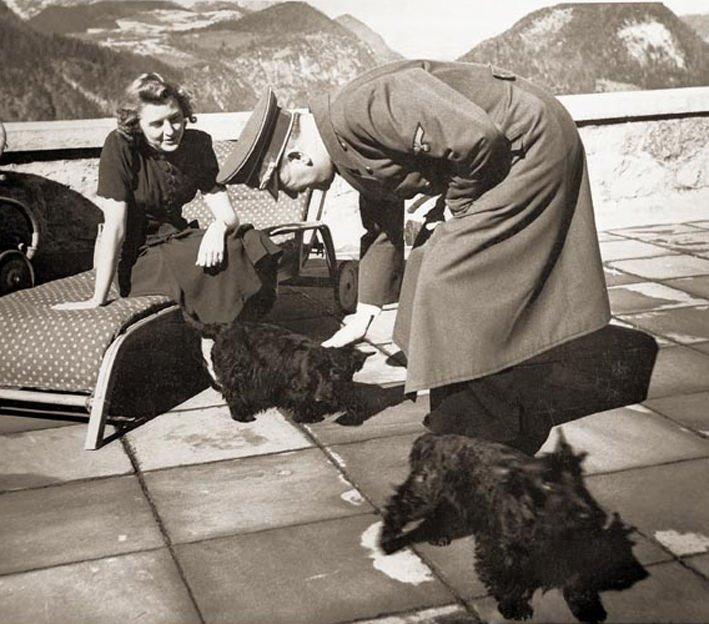
Eva was a great lover of animals. She had two Scottish Terrier dogs, Negus and Stasi, whom she loved dearly. Her pets were another part of her life that provided a sense of normalcy in the midst of the chaos and secrecy that surrounded her relationship with Hitler.
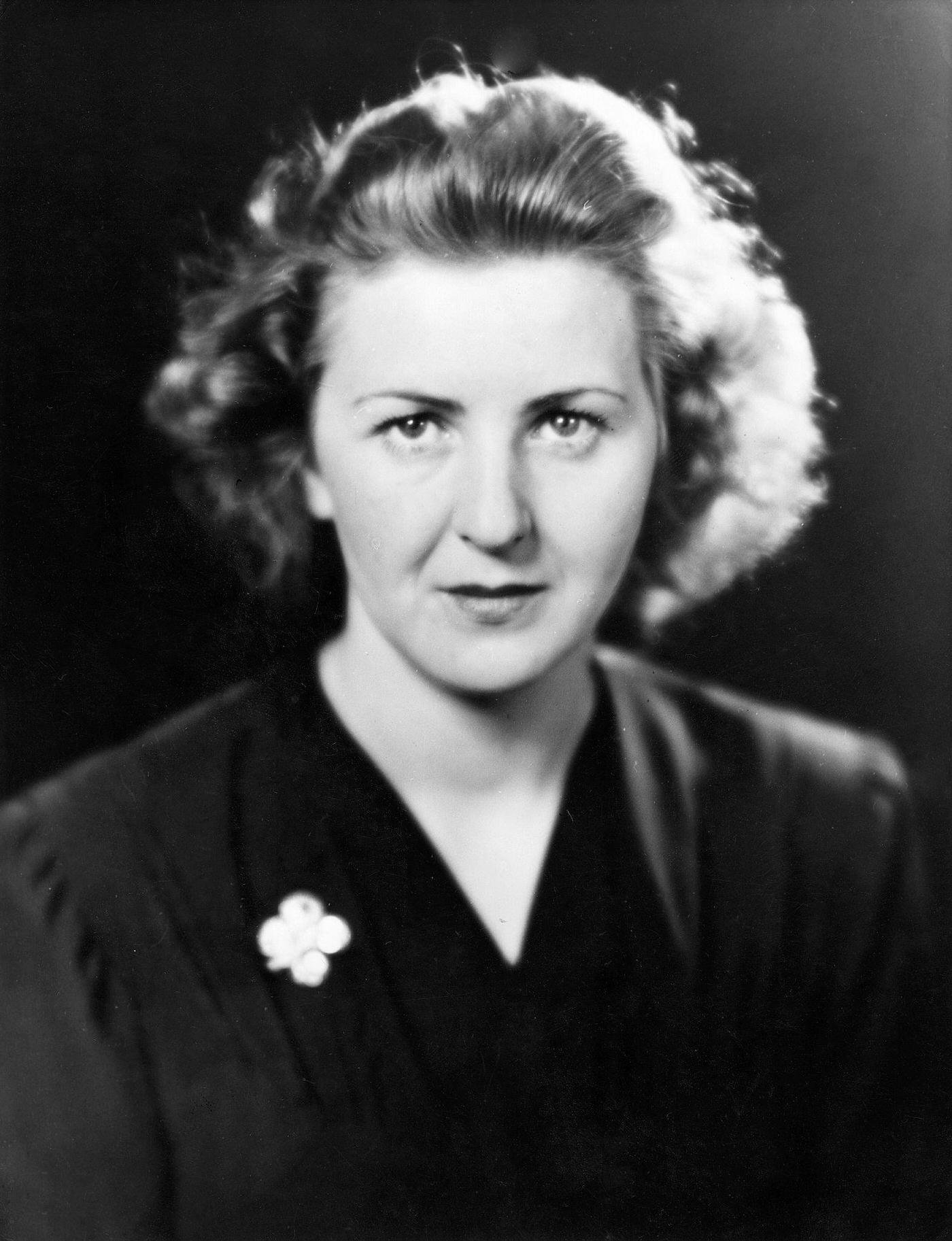
Although Eva was generally adventurous, she had a fear of flying. She was often anxious during air travel with Hitler. Her fear of flying shows the human side of Eva, demonstrating that she, like many people, had fears and anxieties despite her unusual lifestyle.
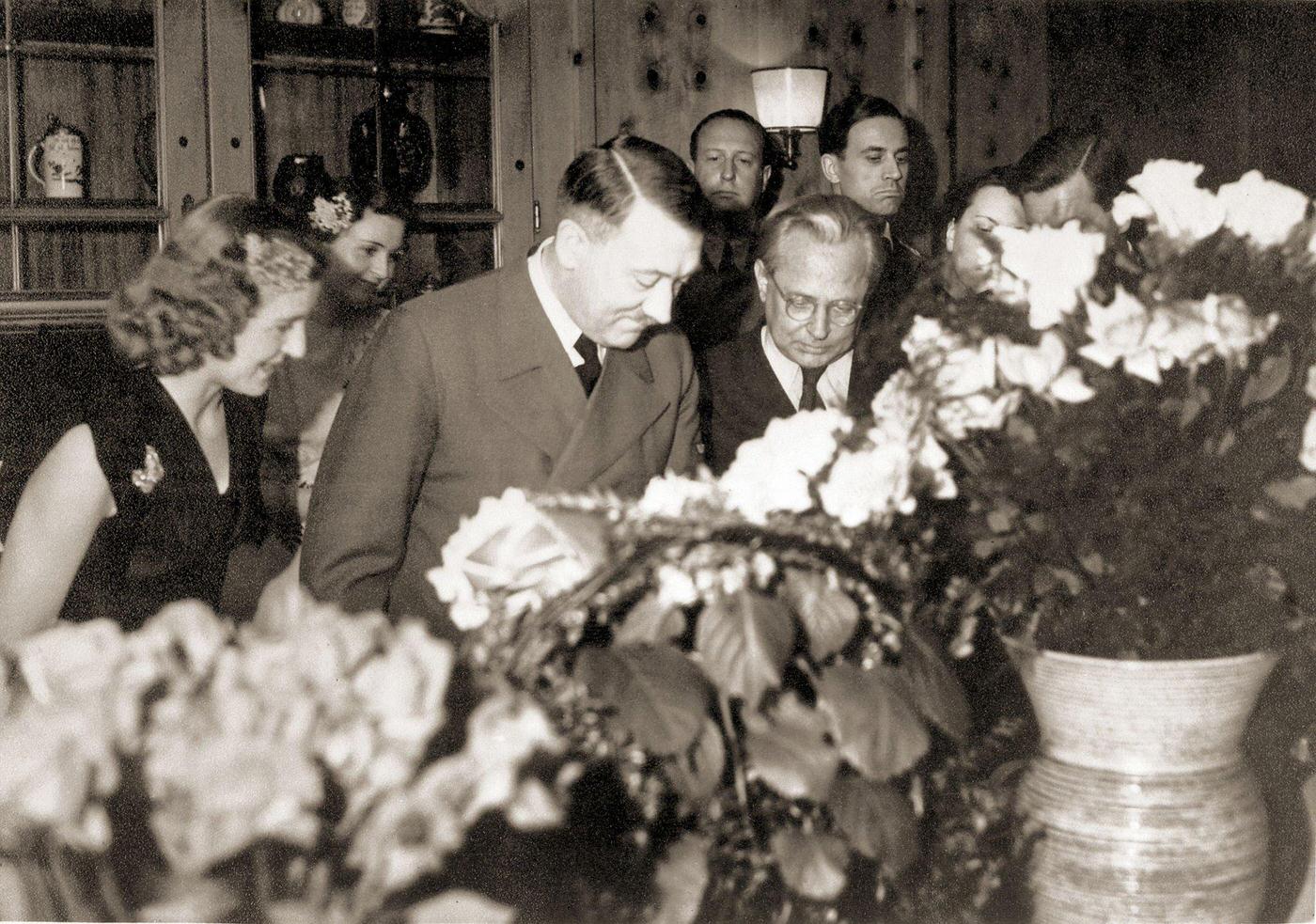
Eva Braun found many of Hitler’s associates boring, and she often had disagreements with them. Despite the influence she held as Hitler’s companion, Eva was not universally accepted or liked by everyone in Hitler’s inner circle.
Eva had a taste for designer clothes and owned numerous outfits from top fashion houses of her time. Her preference for high-end fashion added to her image as a glamorous woman living a luxurious lifestyle. Despite the war and its restrictions, Eva maintained her sense of style, using it as a way to assert her identity and individuality.
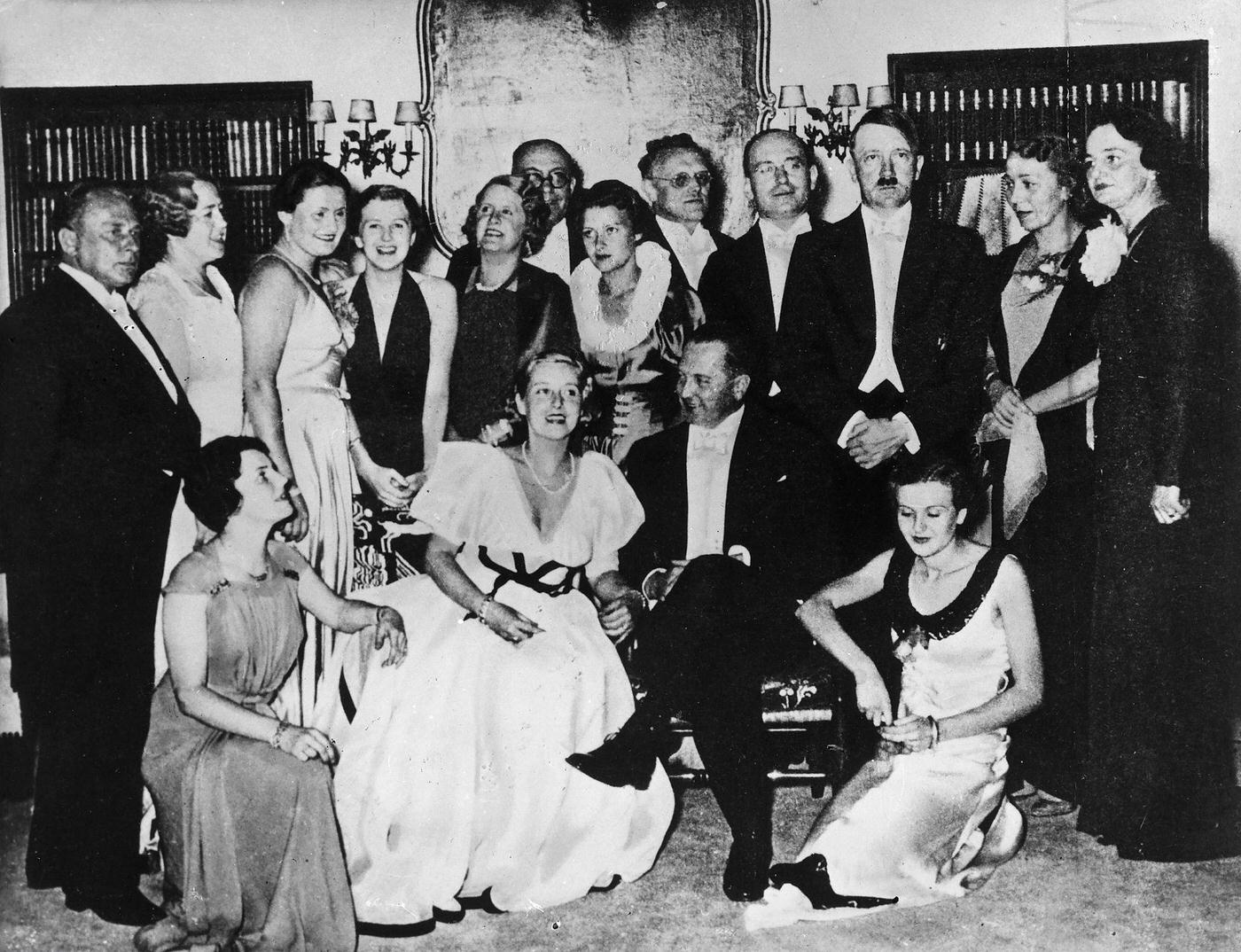
Despite being deeply involved with Eva, Hitler refused to allow her parents to visit her at the Berghof. This was part of Hitler’s effort to keep Eva’s existence hidden from the German public and to maintain the image of complete dedication to the nation, free of personal relationships.
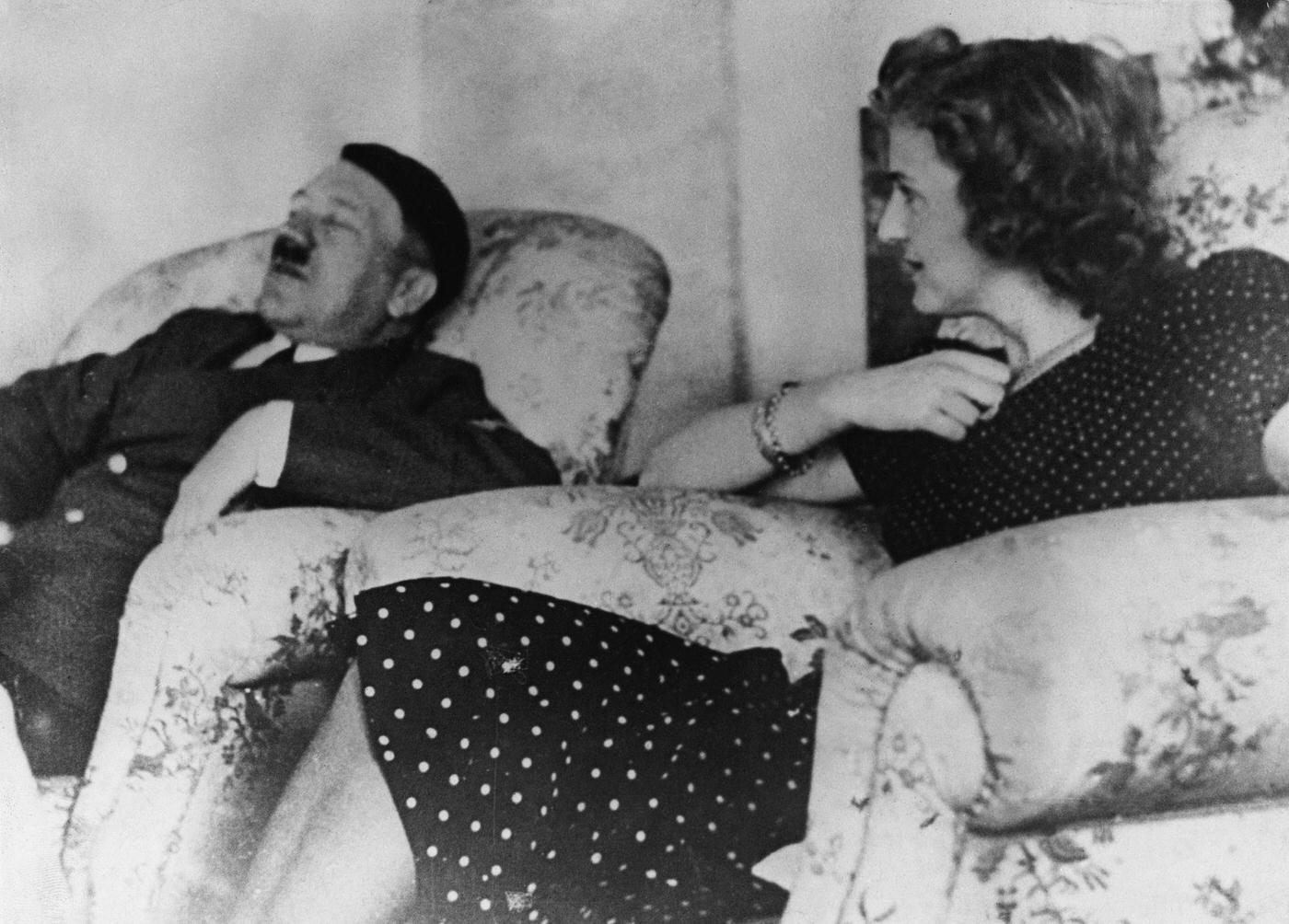
Hitler went to great lengths to keep Braun’s existence a secret from the German public for as long as possible. He believed that his image as the dedicated Führer would be damaged if the public learned about his relationship with Eva. This secrecy often left Braun feeling isolated and marginalized, contributing to her emotional struggles.
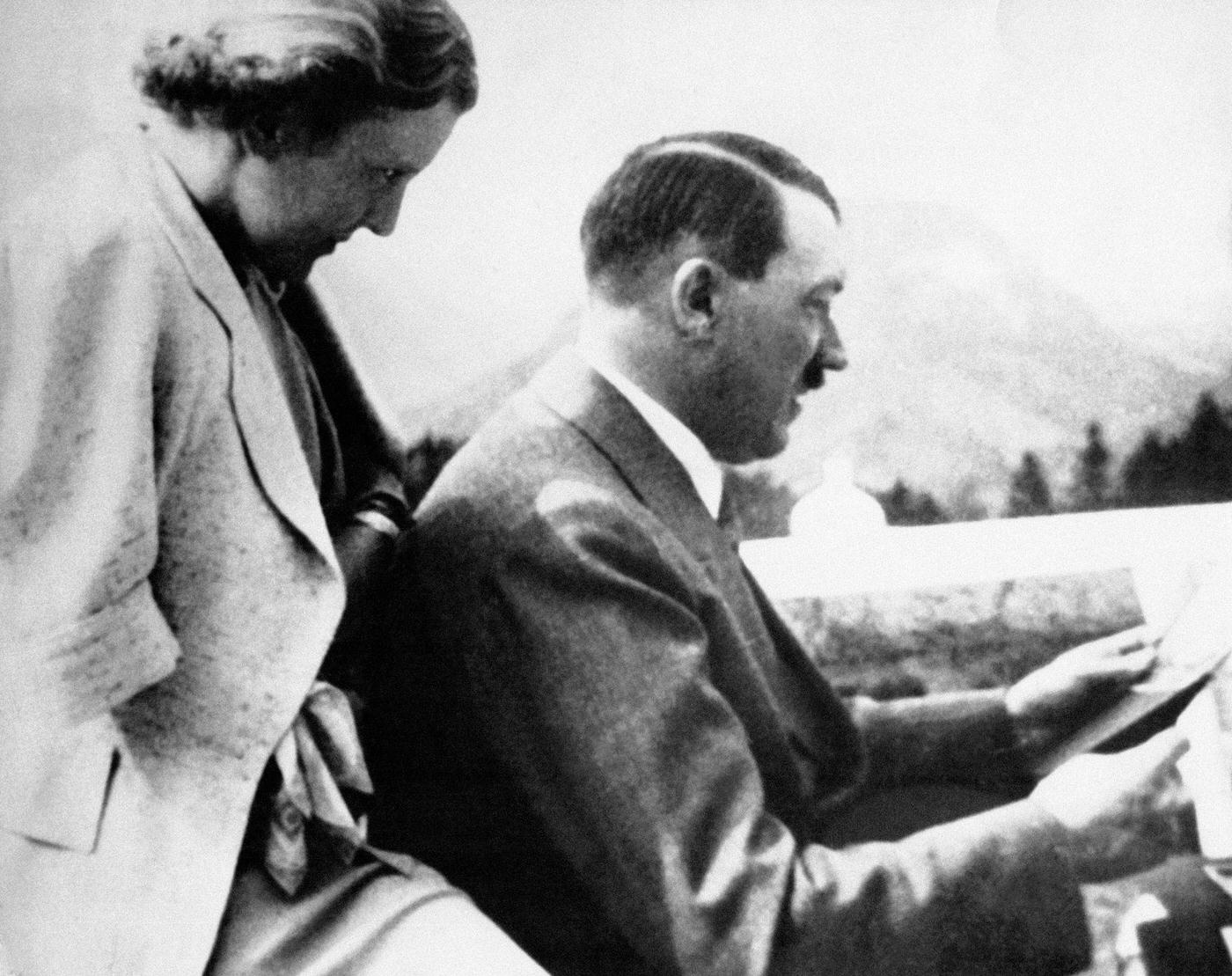
Hitler showed his affection for Eva through extravagant gifts, including a Mercedes car, a luxurious villa, and designer clothes. These gifts served both as tokens of his love and as a means of keeping her appeased within the secrecy and isolation that defined their relationship.
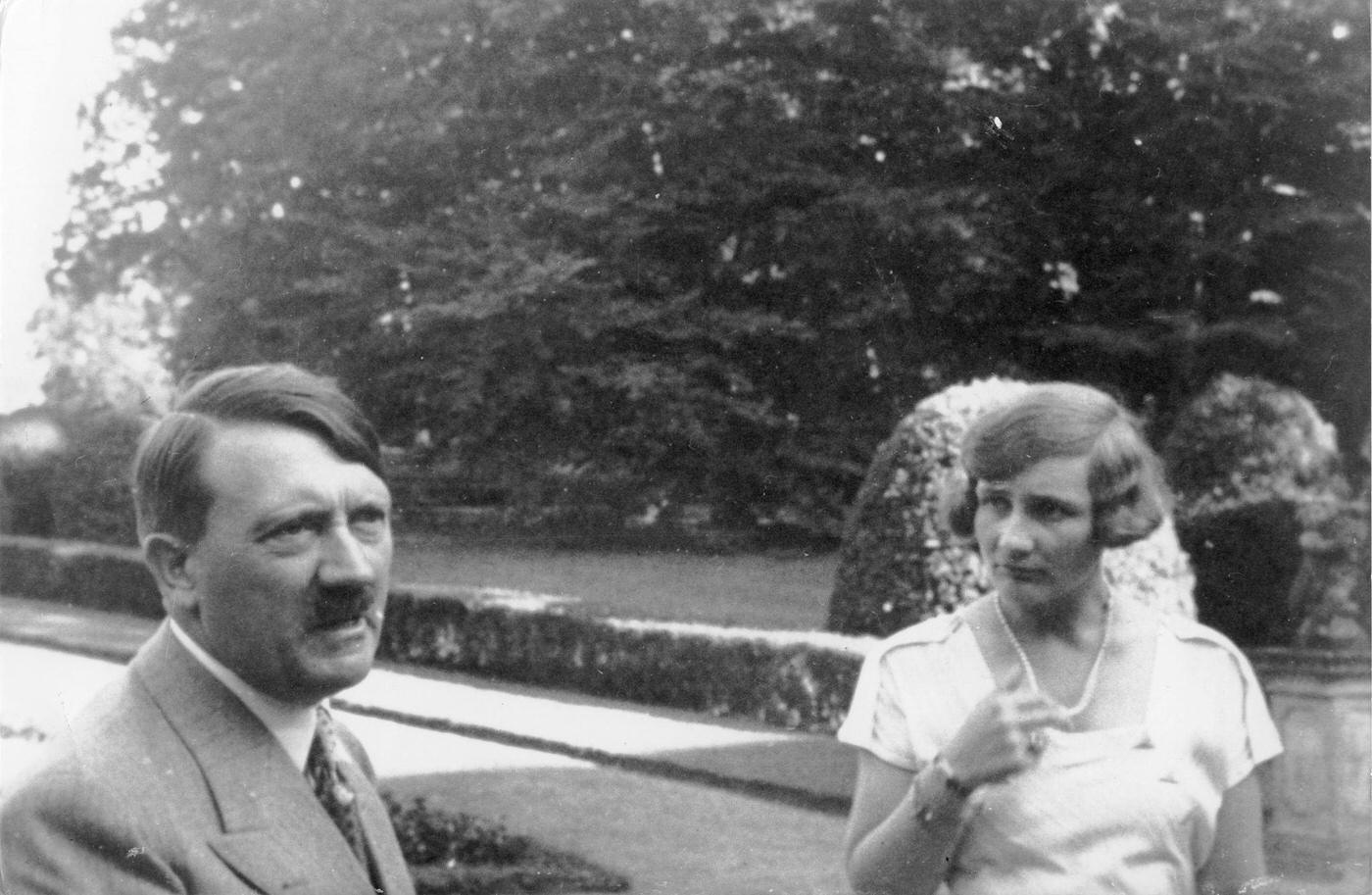
Despite Hitler’s evident affection for her, Eva lived with a constant fear of being replaced by a younger woman. Her insecurity about her place in Hitler’s life can be traced back to the secrecy and isolation that surrounded their relationship. She was aware of the power dynamics at play and feared being cast aside by Hitler, a man she had grown deeply attached to.
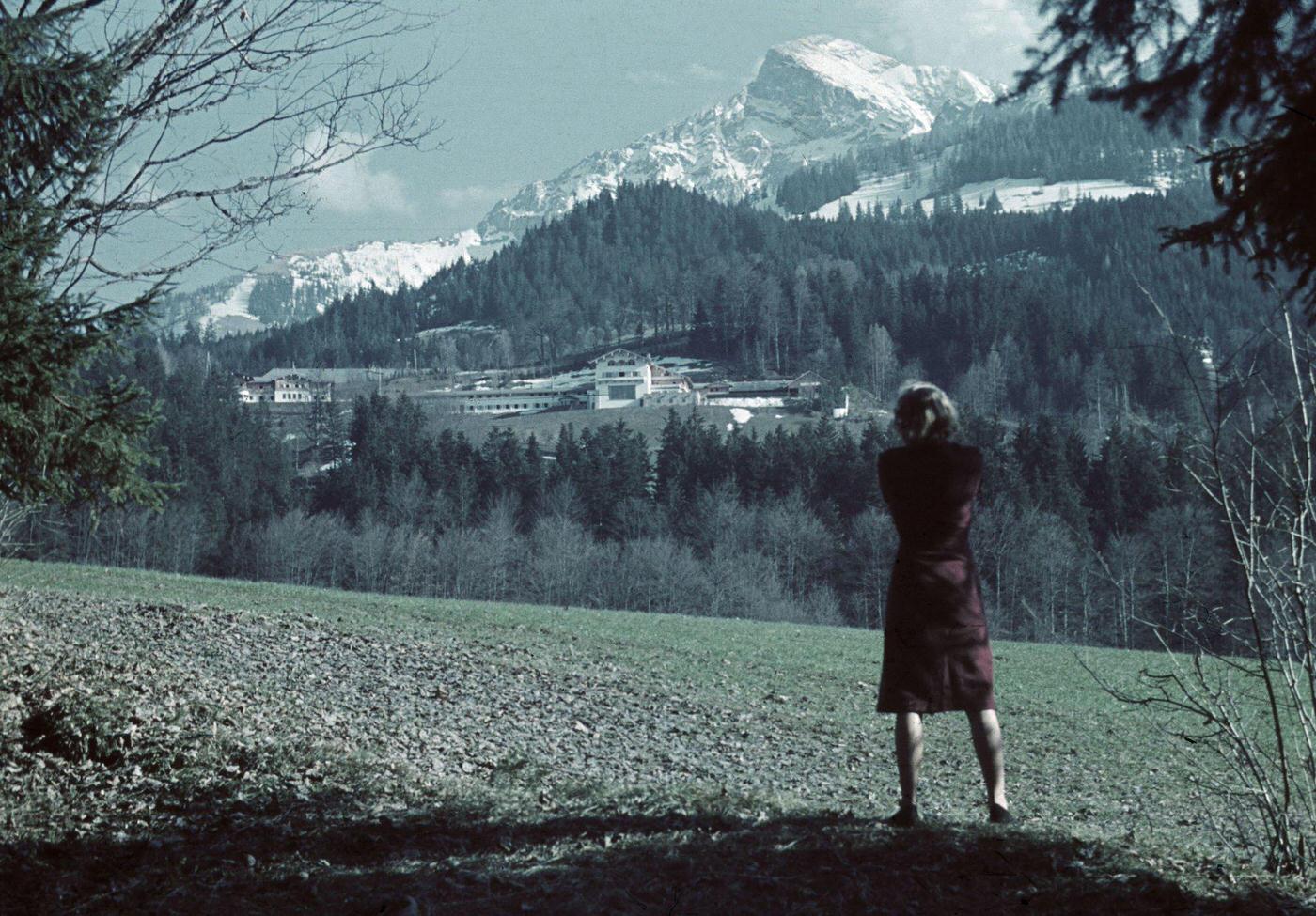
Despite the secretive and controlled nature of her life, Braun often found an escape in vacations. She particularly loved Italy and made frequent trips to the country. These vacations gave her a brief break from her life in Germany and provided a chance to enjoy a degree of normalcy and freedom.
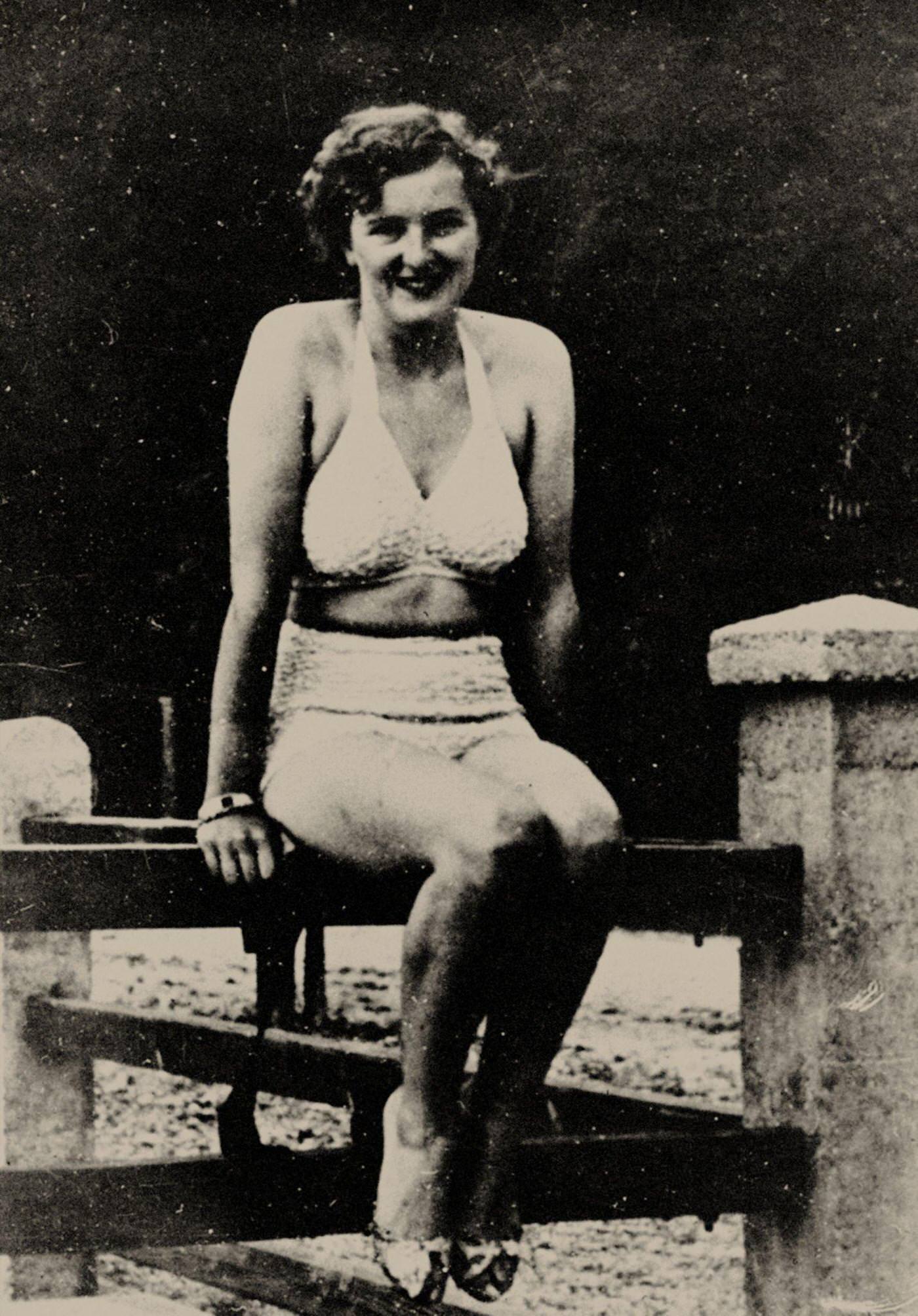
Eva Braun was very conscious of her figure and appearance. She followed a strict fitness routine to maintain her physical health and looks. Her dedication to her physical well-being reflects her desire to look her best at all times, driven by her awareness of the scrutiny she faced as Hitler’s companion.
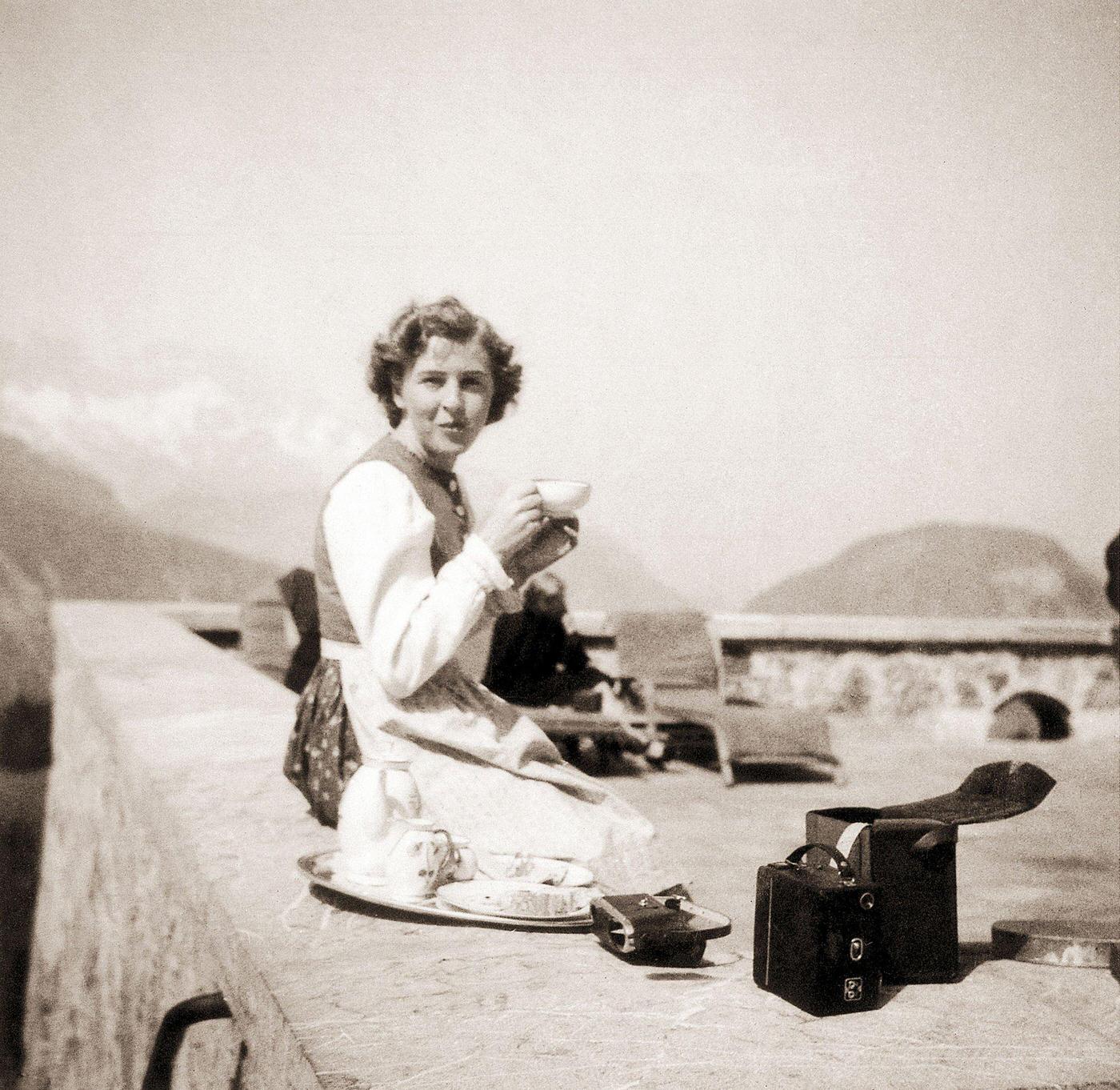
Braun lived a life of luxury, largely due to Hitler’s gifts and financial support. Despite the austere and restrictive environment of the Third Reich, Eva maintained a lifestyle filled with designer clothes, luxury cars, and vacations, which reflected the power and privilege that came with being Hitler’s partner.
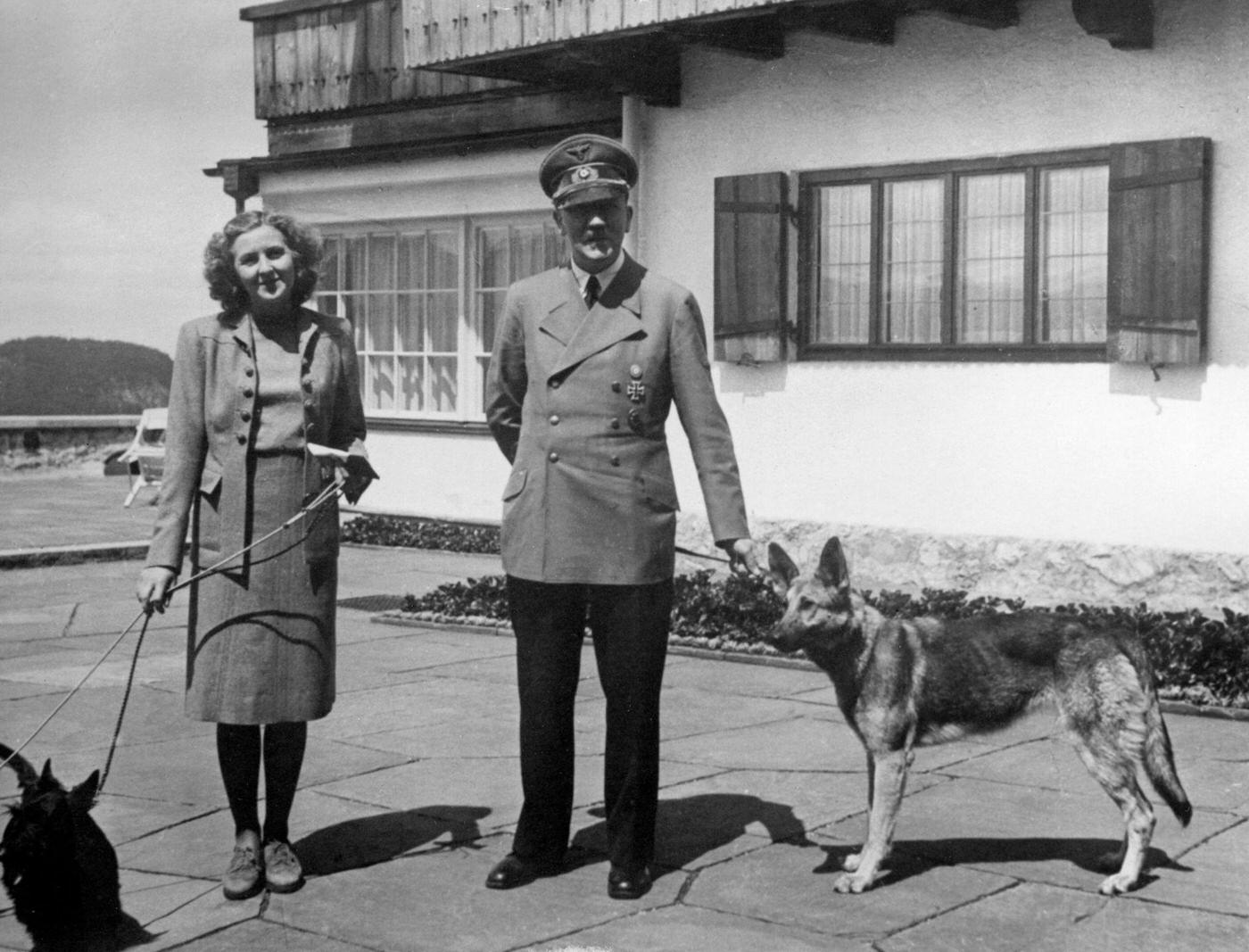
Eva Braun’s passion for photography allowed her to build a carefully curated image of Adolf Hitler, presenting him as a calm and caring individual. Using her skills as a photographer, Eva assembled a significant collection of photos and films capturing Hitler in various settings. These visual records depicted him in a way that concealed the true nature of his character.
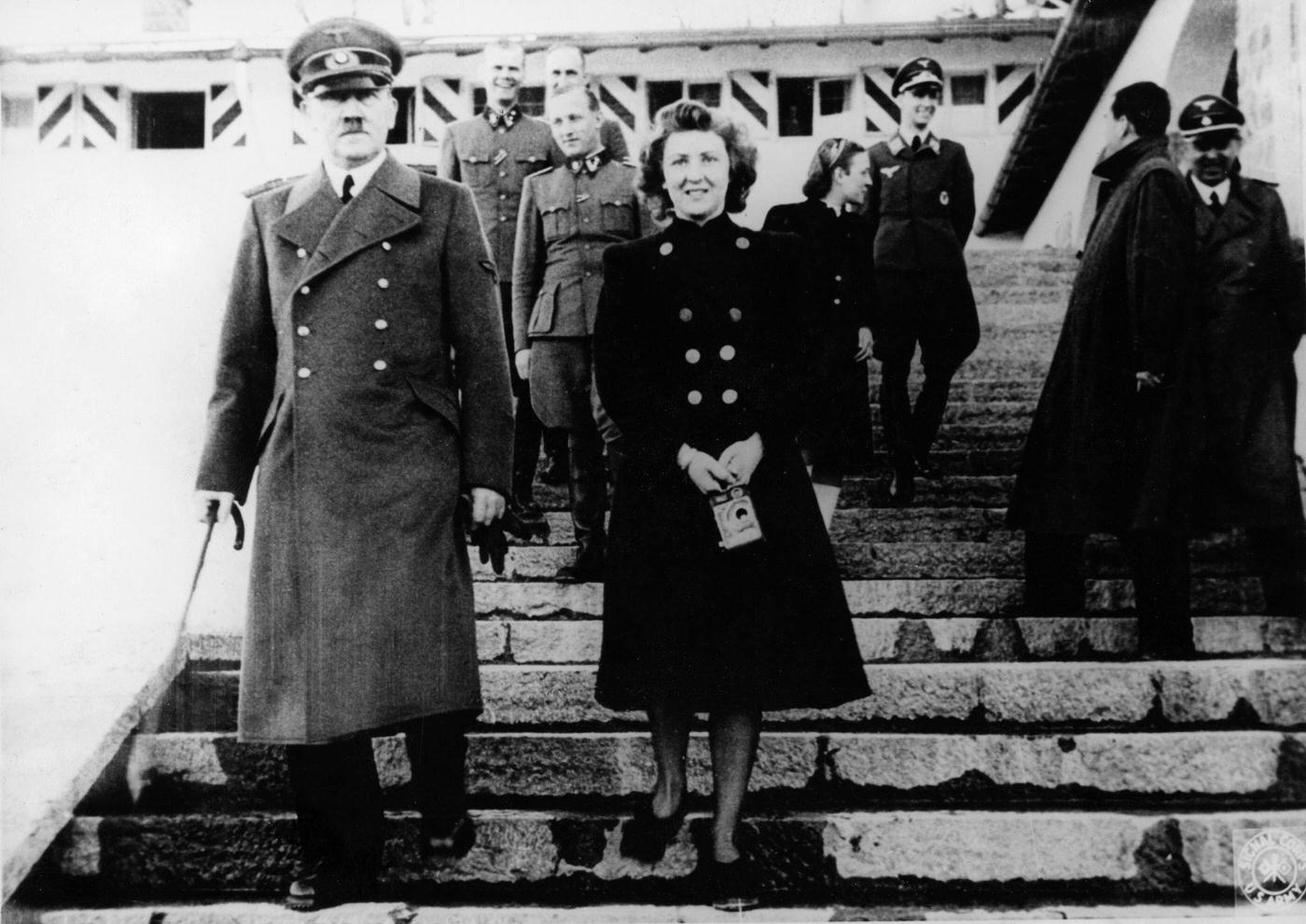
Eva Braun, beyond her personal relationship with Adolf Hitler, played a significant artistic role in Nazi propaganda and gained substantial financial benefits from it. She sold her photographs capturing Hitler’s intimate life to Heinrich Hoffmann, the official Nazi photographer. Many of Hoffmann’s famous picture books showing Hitler’s supposedly private moments were actually shot by Eva herself. Through these photographs, Eva contributed to the creation of a carefully crafted image of Hitler designed to shape public opinion. Her involvement in propaganda also proved financially rewarding — her photographs earned her considerable sums of money, with a single home movie alone reportedly netting her 20,000 marks.
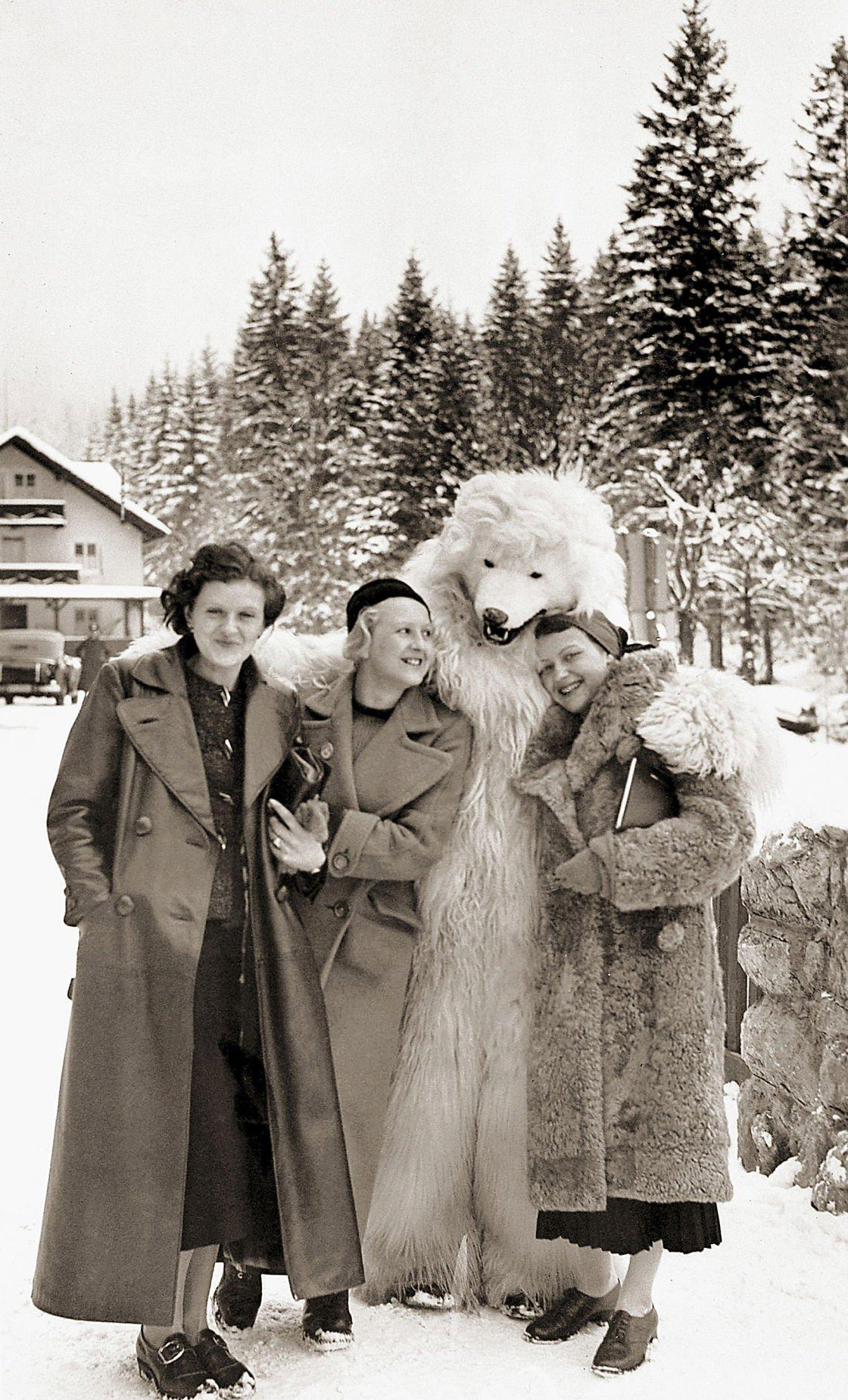
After the war, Braun’s surviving family members were arrested by the Allies. They were interrogated and tried but were not found guilty of any war crimes. This outcome reflects the fact that, despite their connection to Hitler through Eva, her family was not directly involved in the atrocities committed by the Nazi regime.
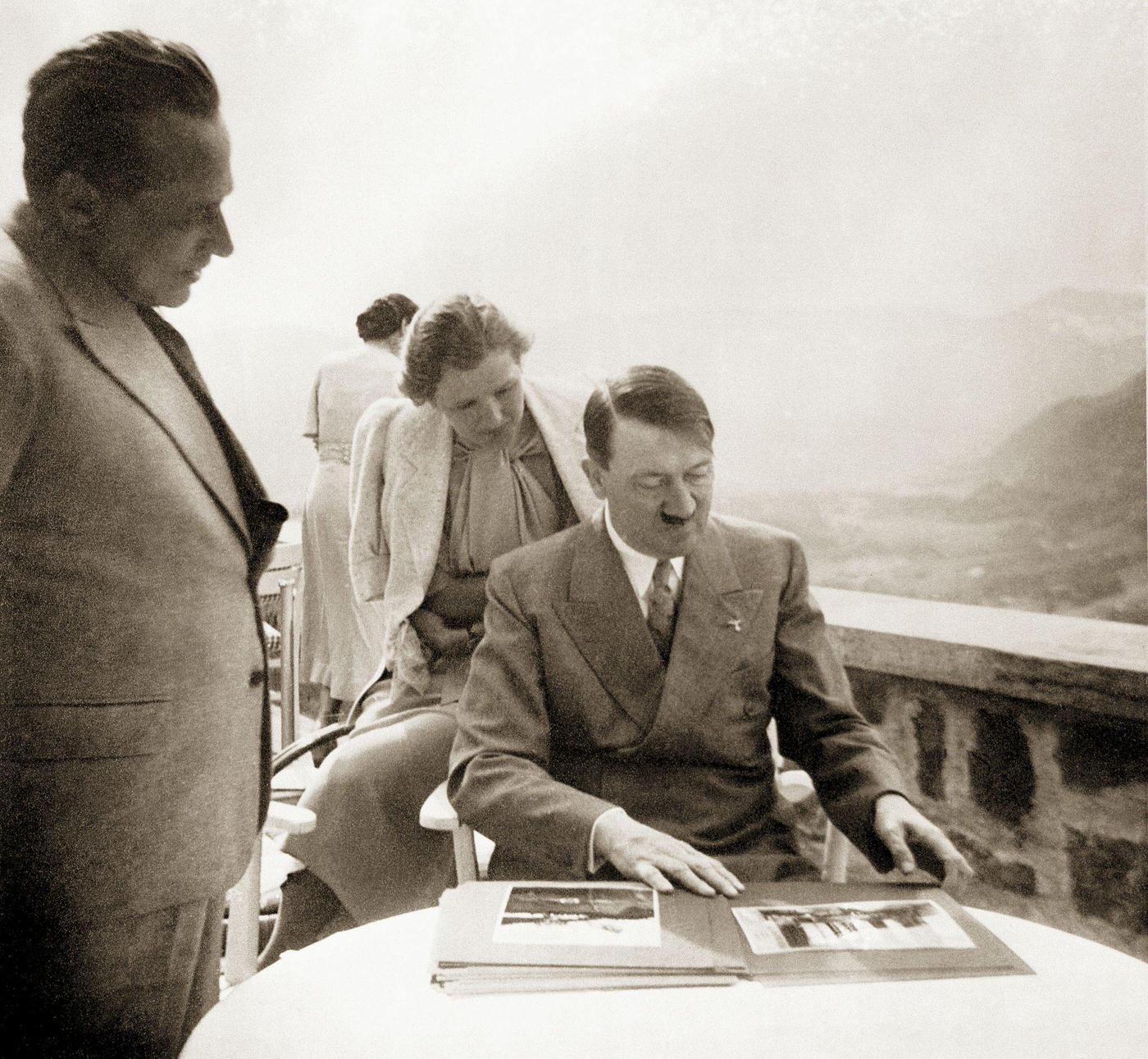
Braun kept a diary throughout her relationship with Hitler, providing an intimate look into their private life. The entries reveal Braun’s deep love and devotion for Hitler, her anxieties, her dreams, and her perspective on the events unfolding around her. This diary, though not fully available to the public, serves as a key source for understanding Eva Braun as an individual, separate from her identity as Hitler’s partner.
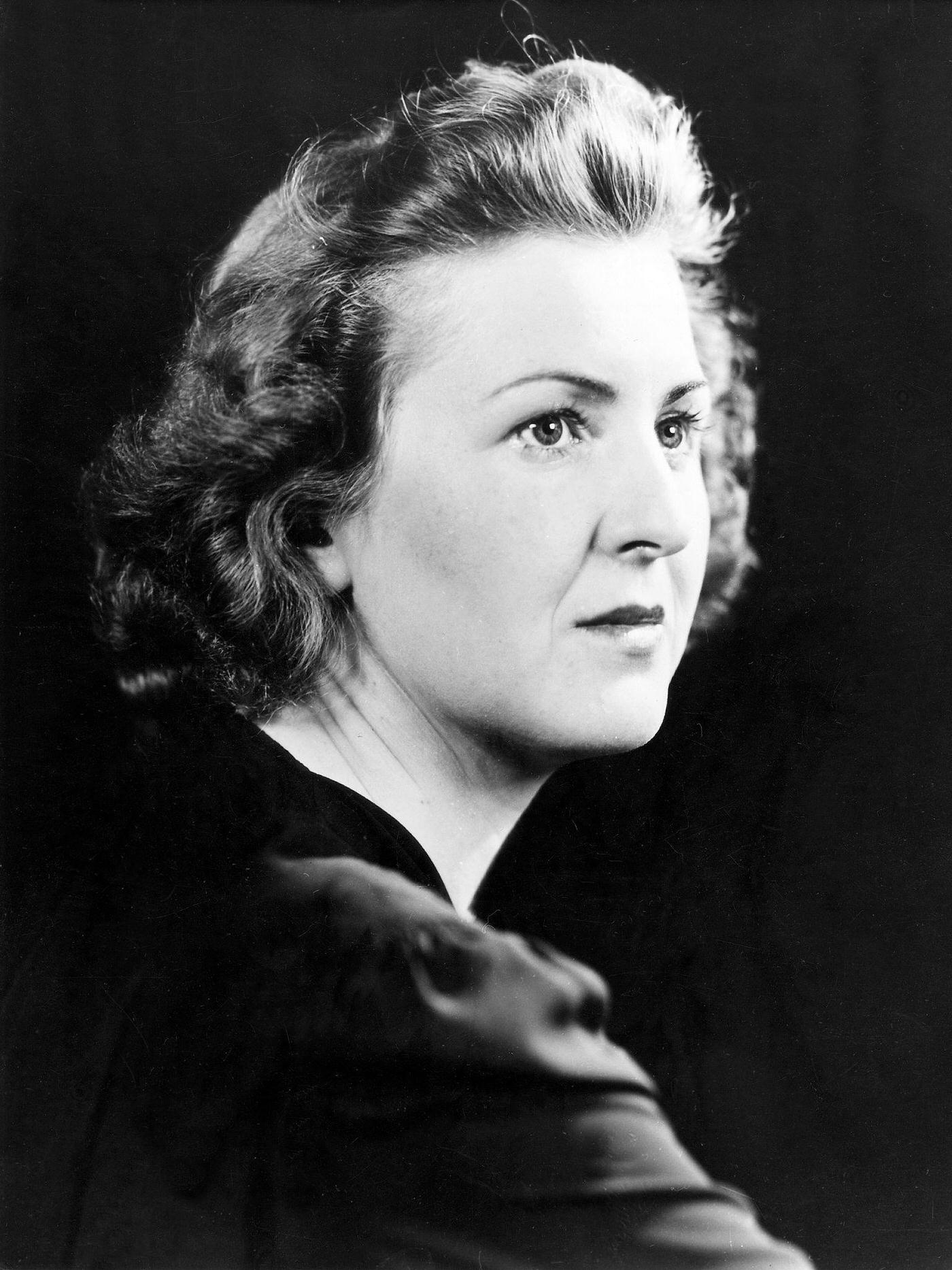
Near the end of 1932, Eva Braun attempted to take her own life. Using one of her father’s pistols, she aimed for her chest and pulled the trigger. The bullet missed her heart, and she survived. When discovered, she insisted on receiving medical treatment from Hitler’s personal doctor — a choice that led many to believe her suicide attempt was driven by a desire for attention and sympathy from Hitler. The move proved effective: Hitler rushed to her side with gifts, apologies, and promises. This incident strengthened the bond between Eva and Hitler and cemented her place in his inner circle.
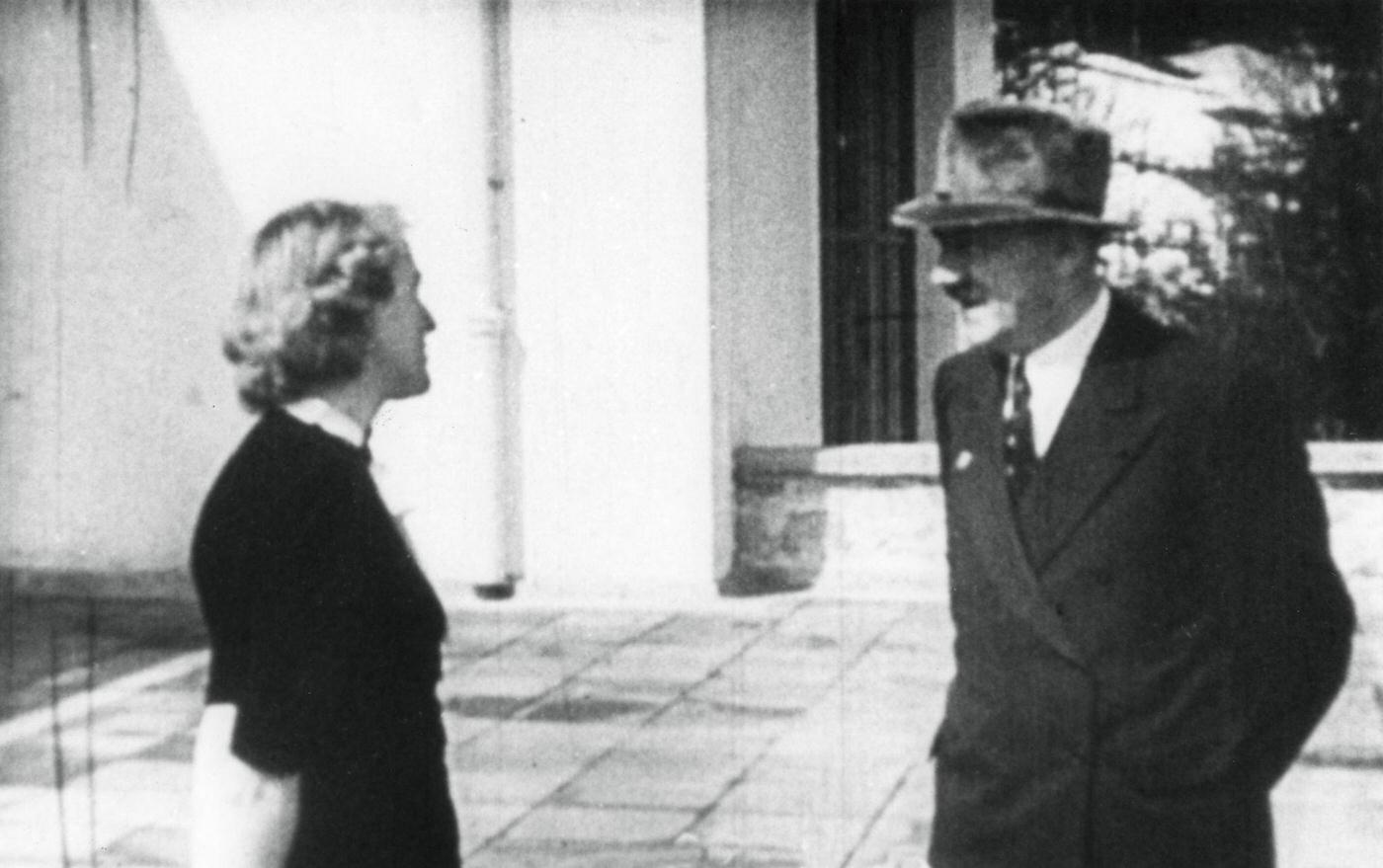
In May 1935, overwhelmed by her longing for Hitler’s attention, Eva Braun made another suicide attempt. She took a large number of sleeping pills in an effort to escape her emotional distress. A diary entry found afterward revealed her fear that Hitler would not contact her that day. She wrote: “God, I’m afraid he won’t answer today. I’ve decided on 35 pills this time, and it’s going to really be a ‘dead certain’ business. If only he would have somebody call.”
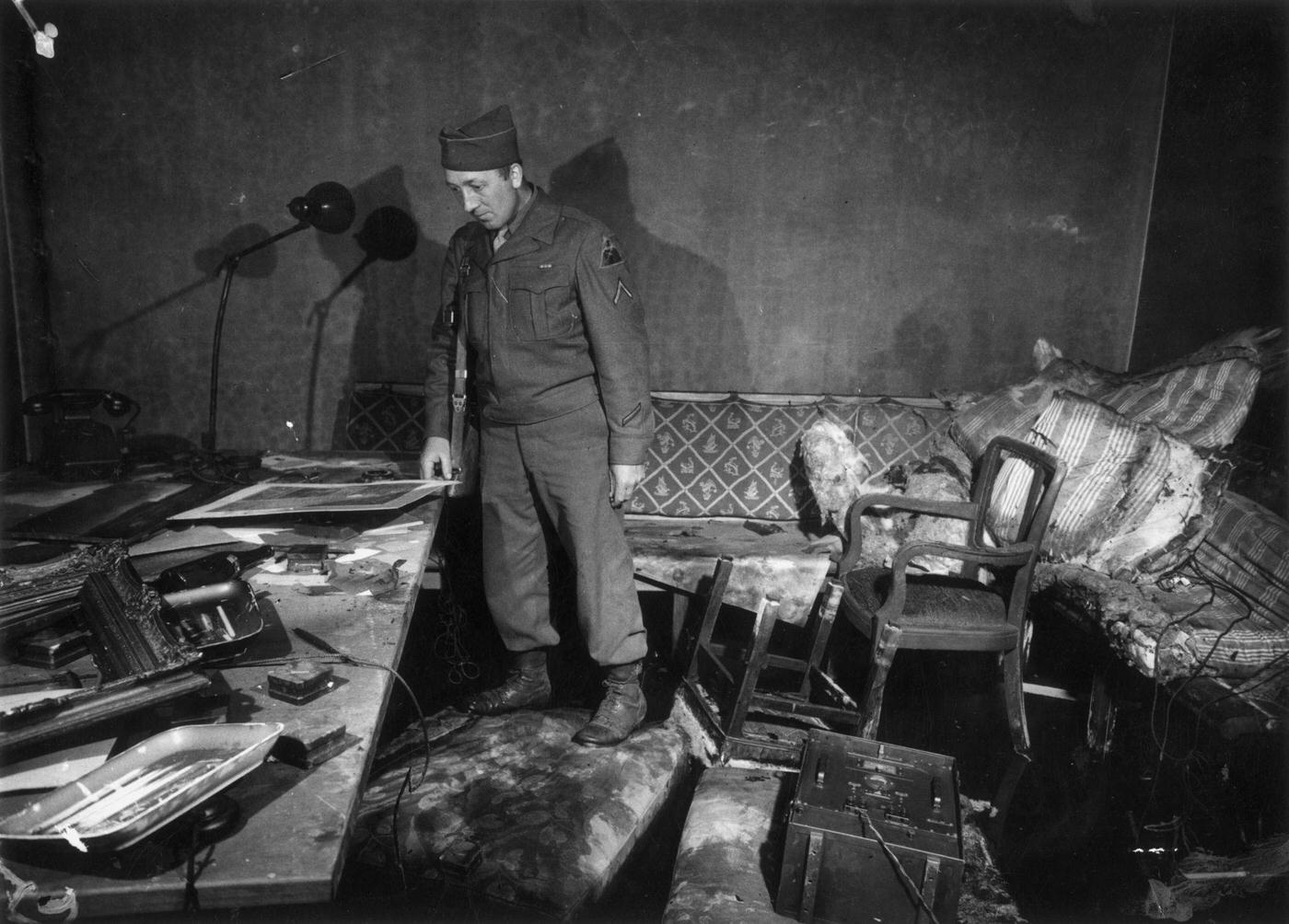
Following Hitler’s instructions, Braun and Hitler’s bodies were reportedly burned after their suicide in the bunker. This act reflects their desire to leave no physical trace after death, likely to prevent their bodies from being displayed or desecrated by their enemies.
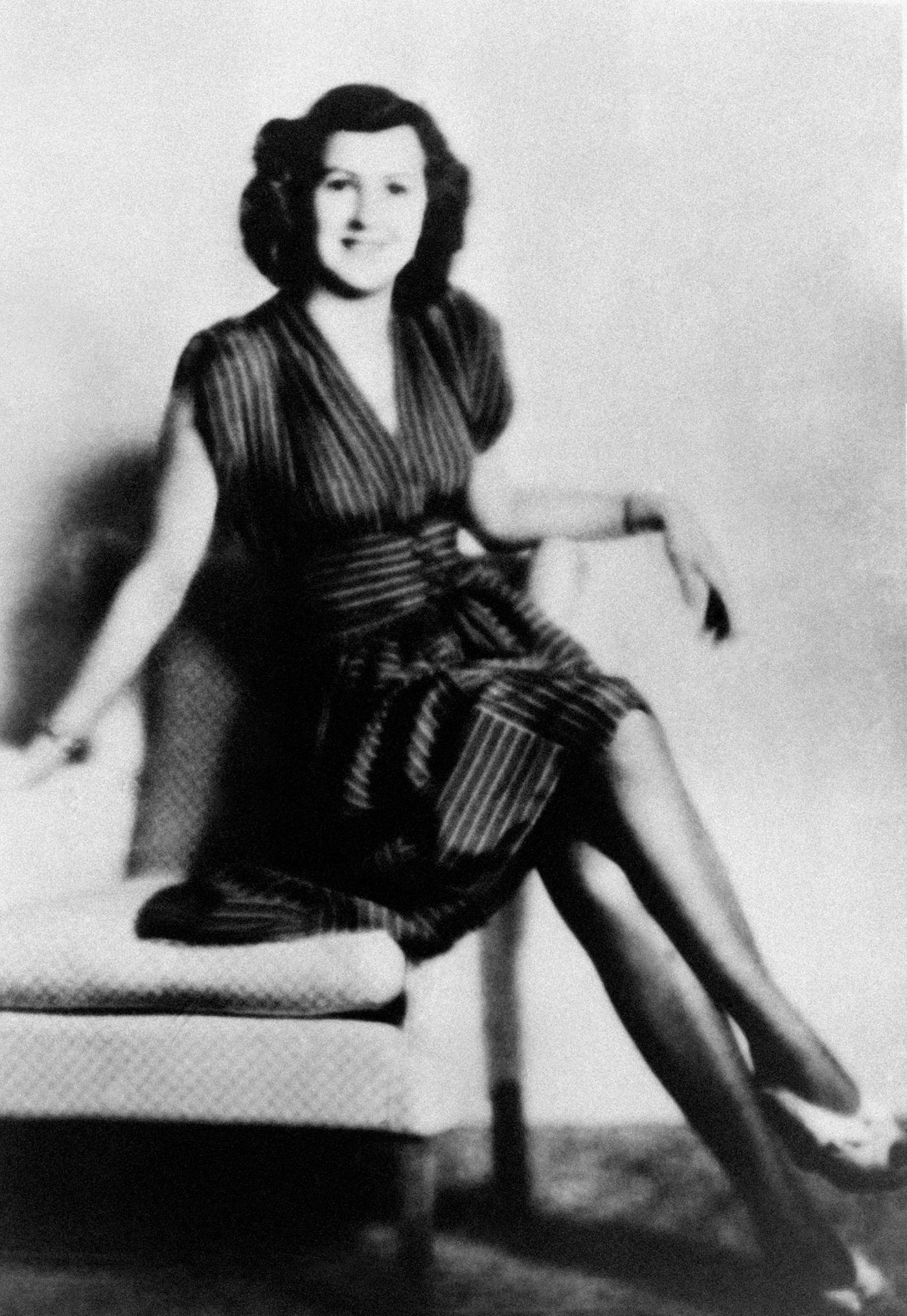
Eva had a fondness for perfumes and kept a collection of fragrances from top brands. This detail highlights Braun’s taste for luxury and her desire to maintain her femininity amid the challenging and unusual circumstances of her life.
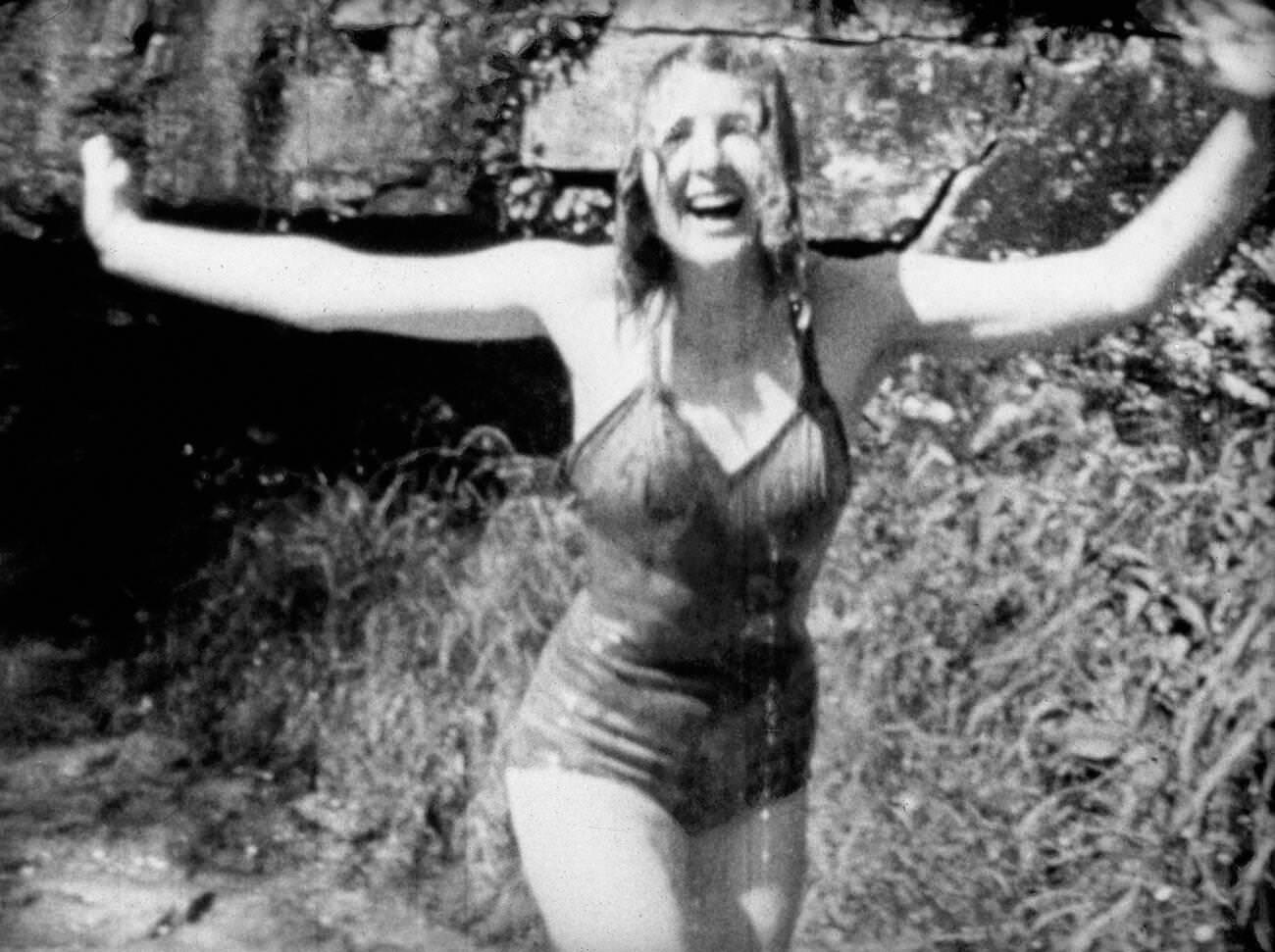
Despite his global image as a brutal dictator, Braun consistently viewed Hitler as a charming, caring, and somewhat misunderstood figure. Her perception of Hitler highlights her deep personal attachment to him and her ability to separate the man she knew privately from the political figure he was to the outside world.
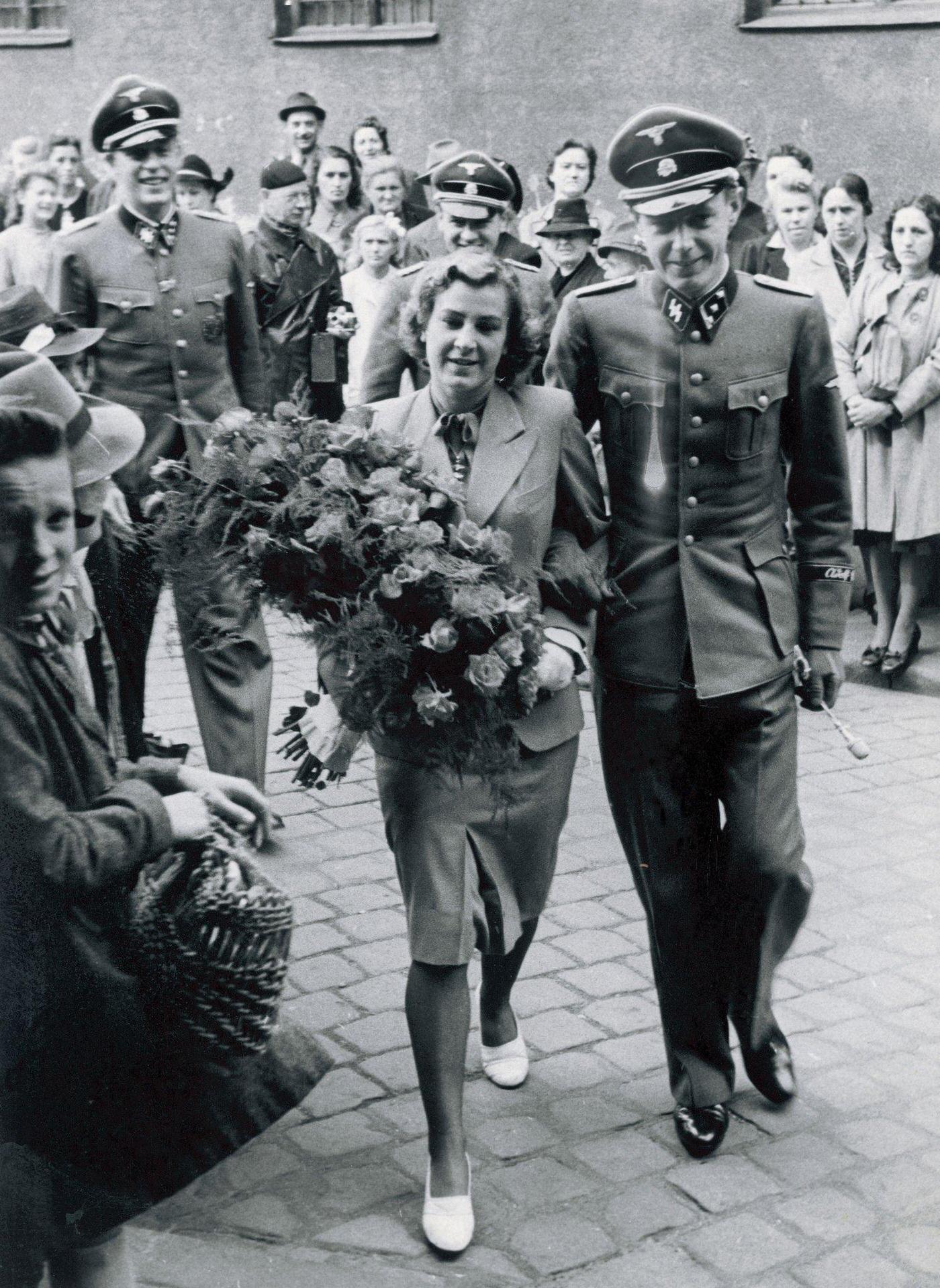
Eva had a turbulent relationship with Hitler’s secretary, Traudl Junge. While they maintained a professional working relationship, there were instances of jealousy and disagreement between the two, revealing the complicated personal dynamics within Hitler’s inner circle.
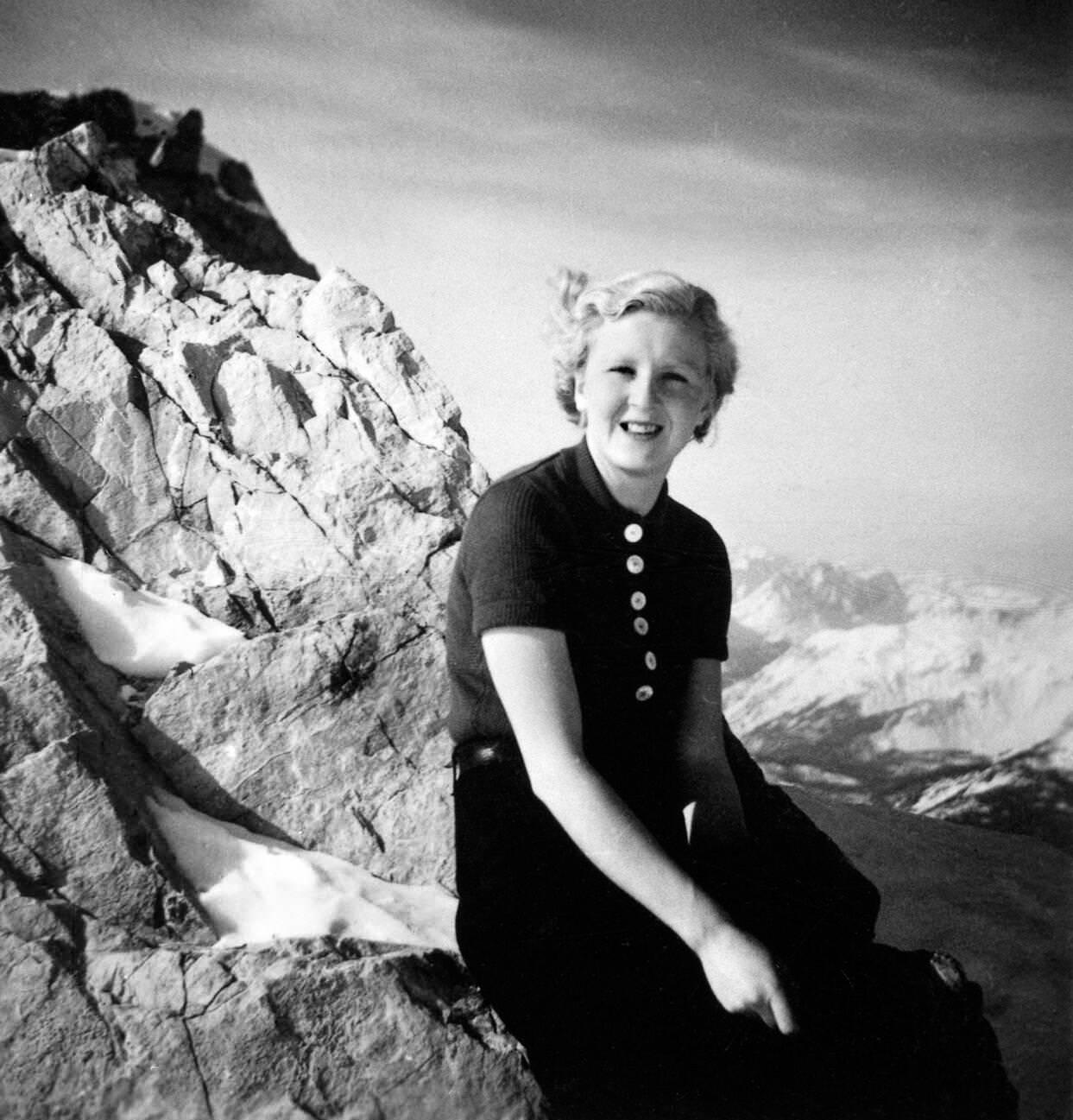
It is widely believed that Braun had little to no knowledge about the Holocaust and the scale of atrocities committed by the Nazi regime. This lack of knowledge, whether deliberate or enforced, reflects the degree of secrecy and control that existed within the Third Reich, even among those close to Hitler.
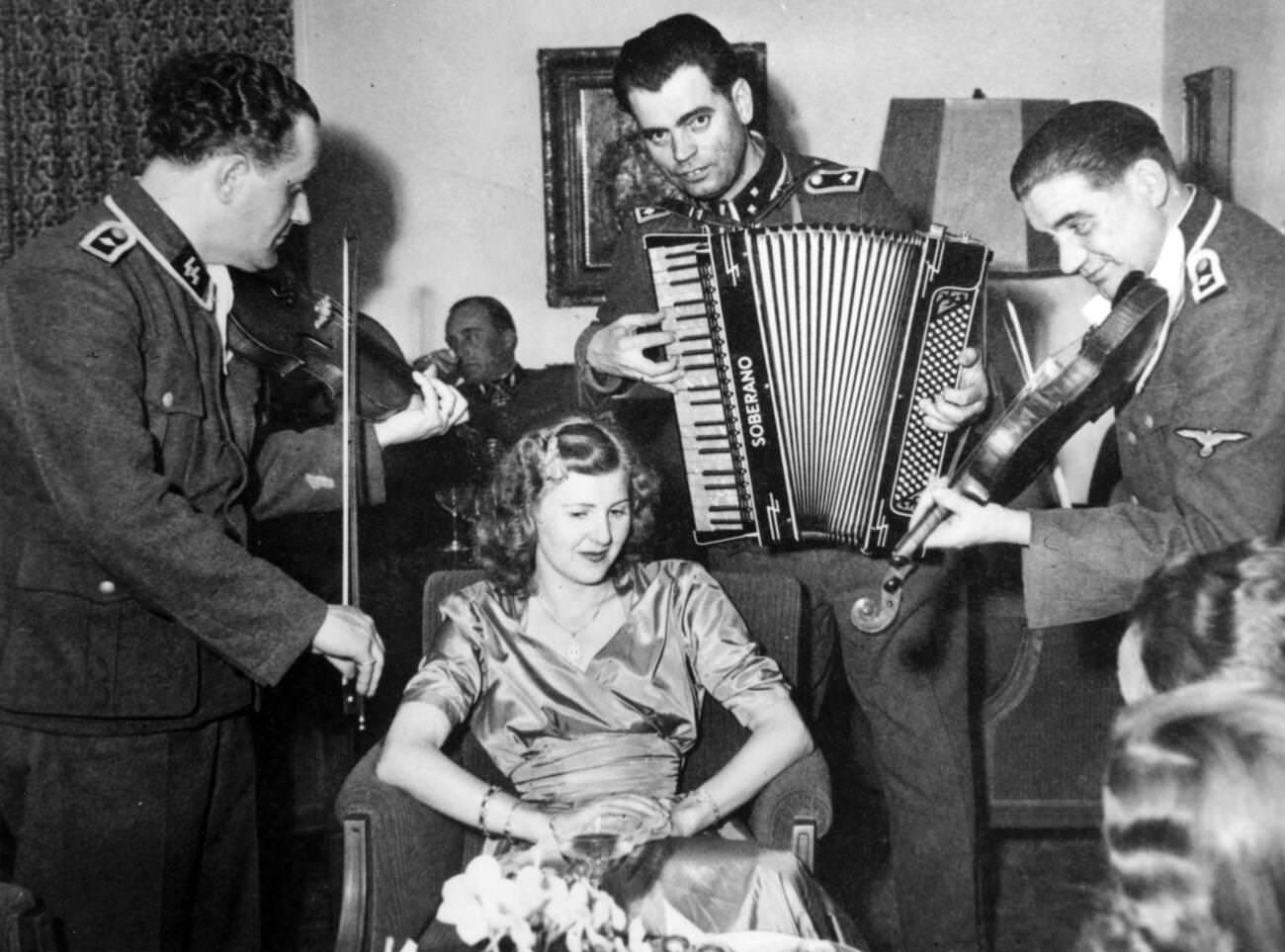
Braun’s wedding to Hitler was a simple and quiet event, with none of the grandeur typically associated with such occasions. This reflects the grim and tense circumstances surrounding their union, as well as their shared awareness of the impending end.
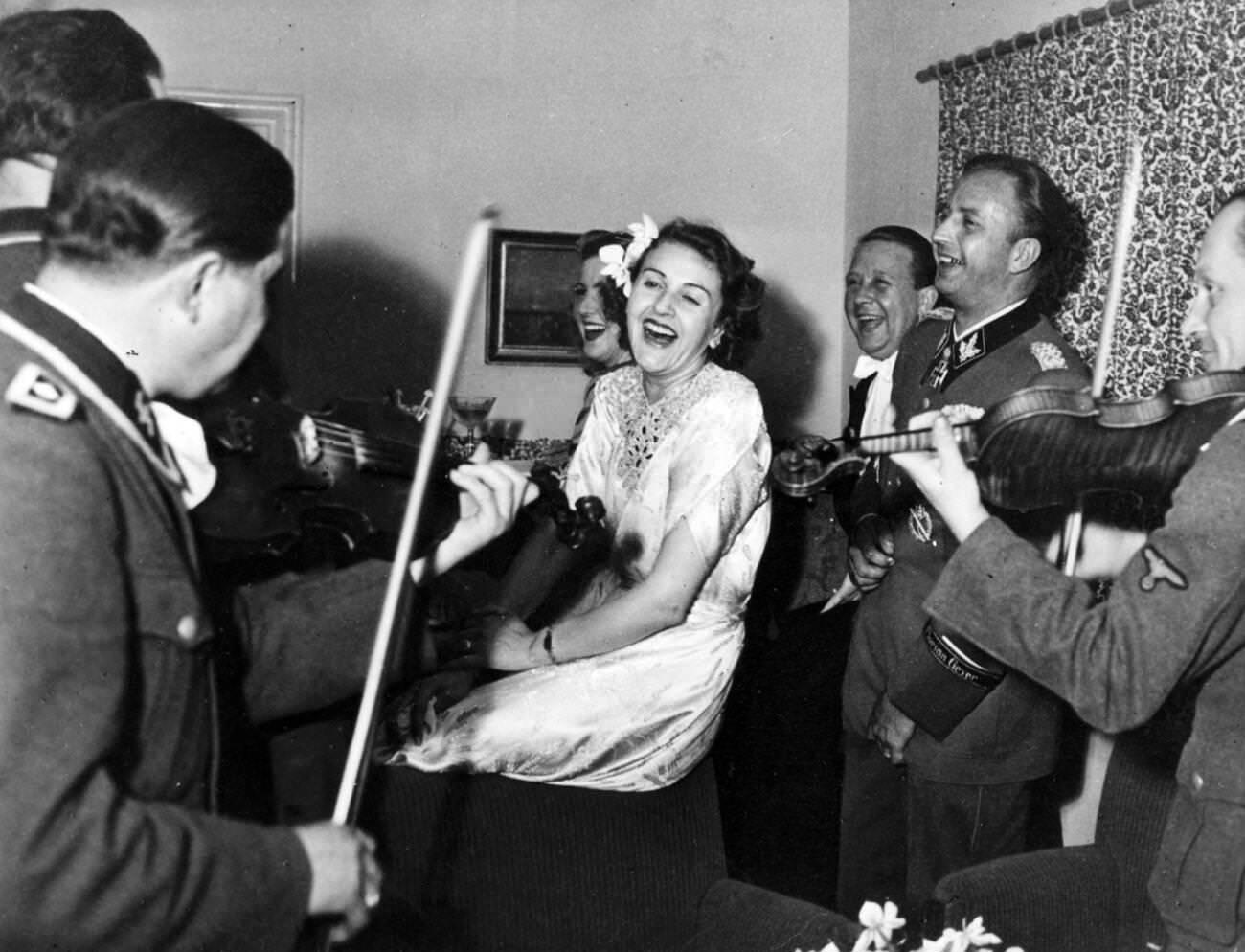
For her wedding to Hitler, Braun wore a simple black silk dress. This choice, far removed from traditional bridal wear, underscores the unusual and grim circumstances of the ceremony, which took place in a bunker while Berlin was under siege.
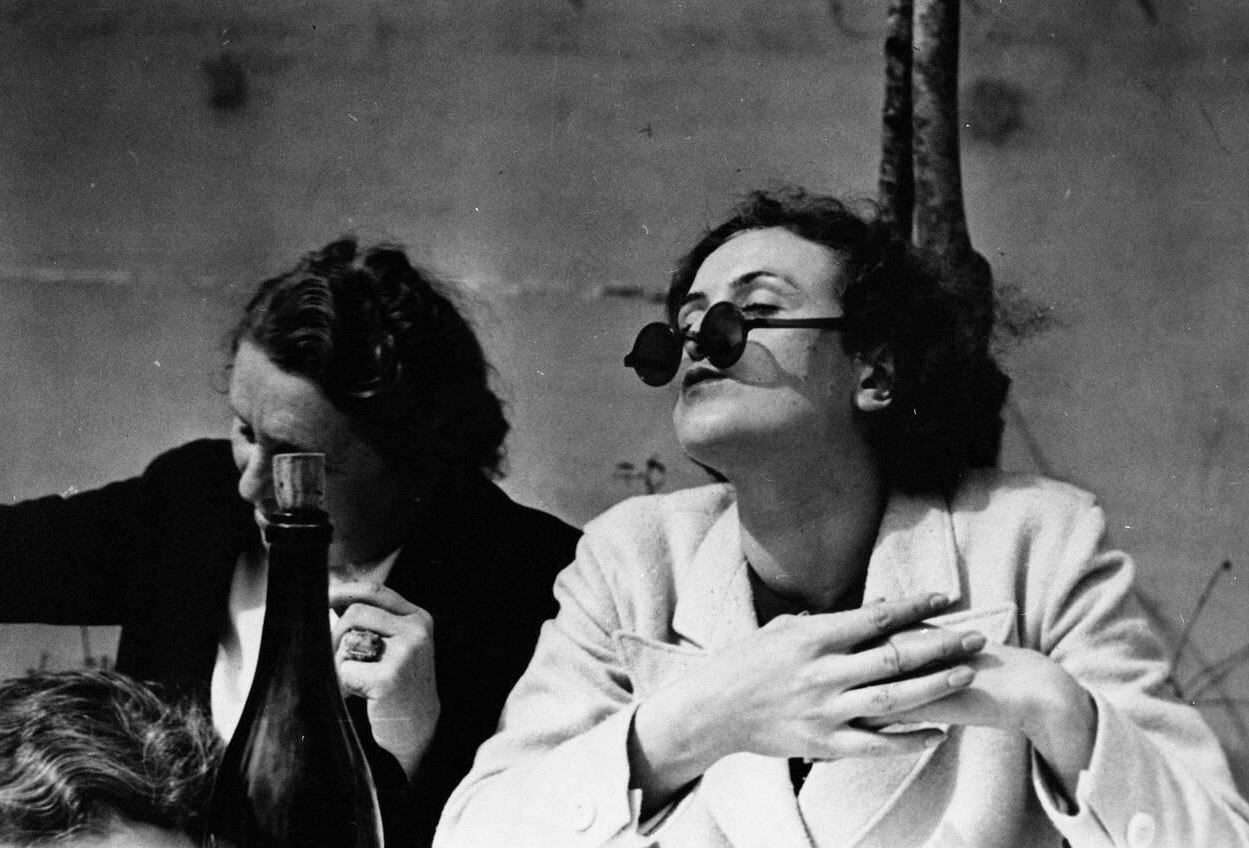
Braun made very few public appearances alongside Hitler. Hitler’s desire to maintain the image of a celibate leader fully dedicated to the German people required keeping Braun out of public view, which further isolated her and limited her social life.
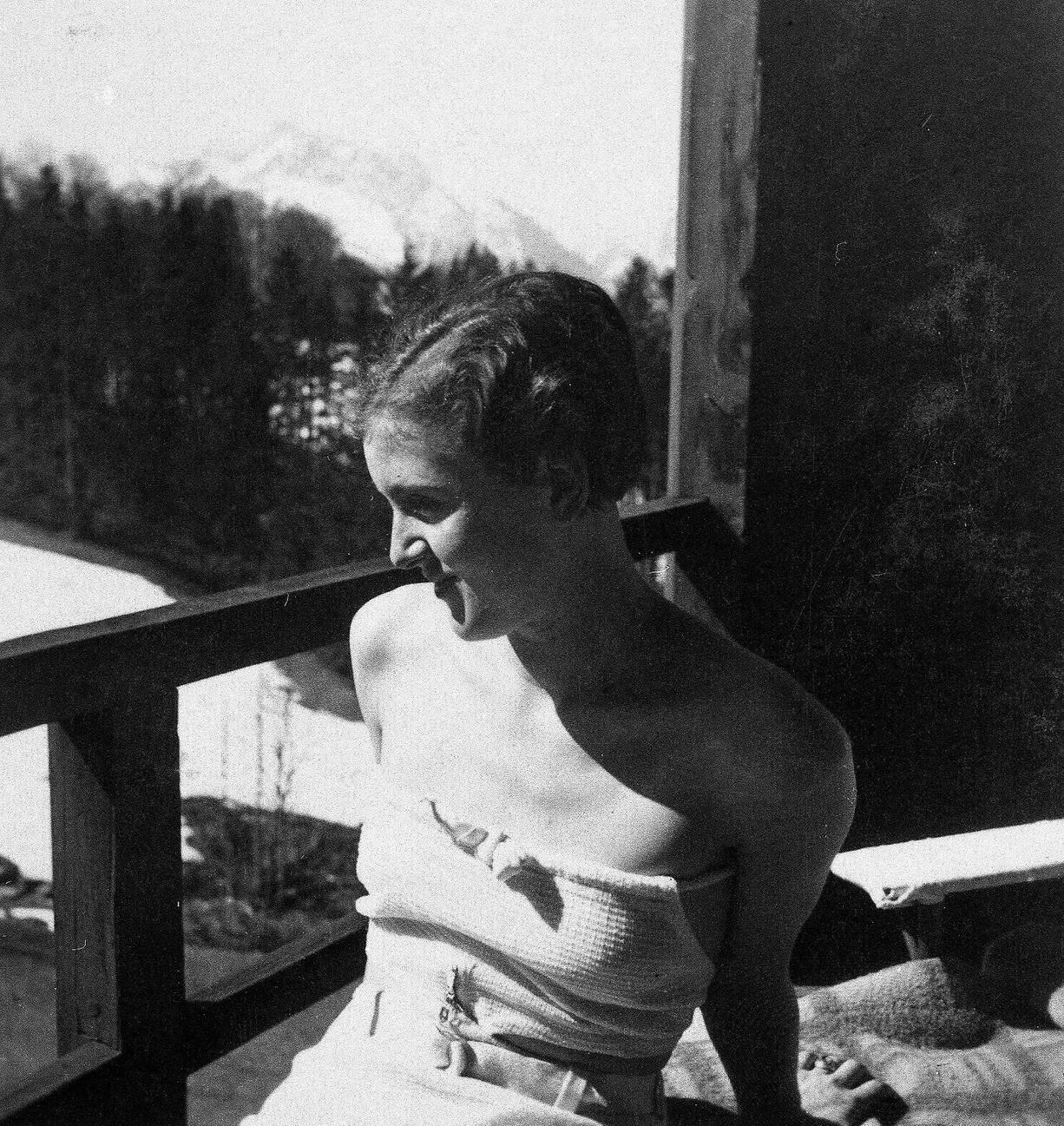
As the war drew to a close, Eva Braun found herself in the situation she had long desired — at the side of Adolf Hitler. Despite the impending collapse of the Nazi regime, Eva remained committed to Hitler and had shown her loyalty to him many times. Hitler rewarded her loyalty, and the couple exchanged marital vows. During these final days of the war, Eva embraced a carefree existence, appearing largely unaffected by the harsh realities closing in around them. With her new status as Hitler’s wife, she enjoyed a sense of security and companionship.
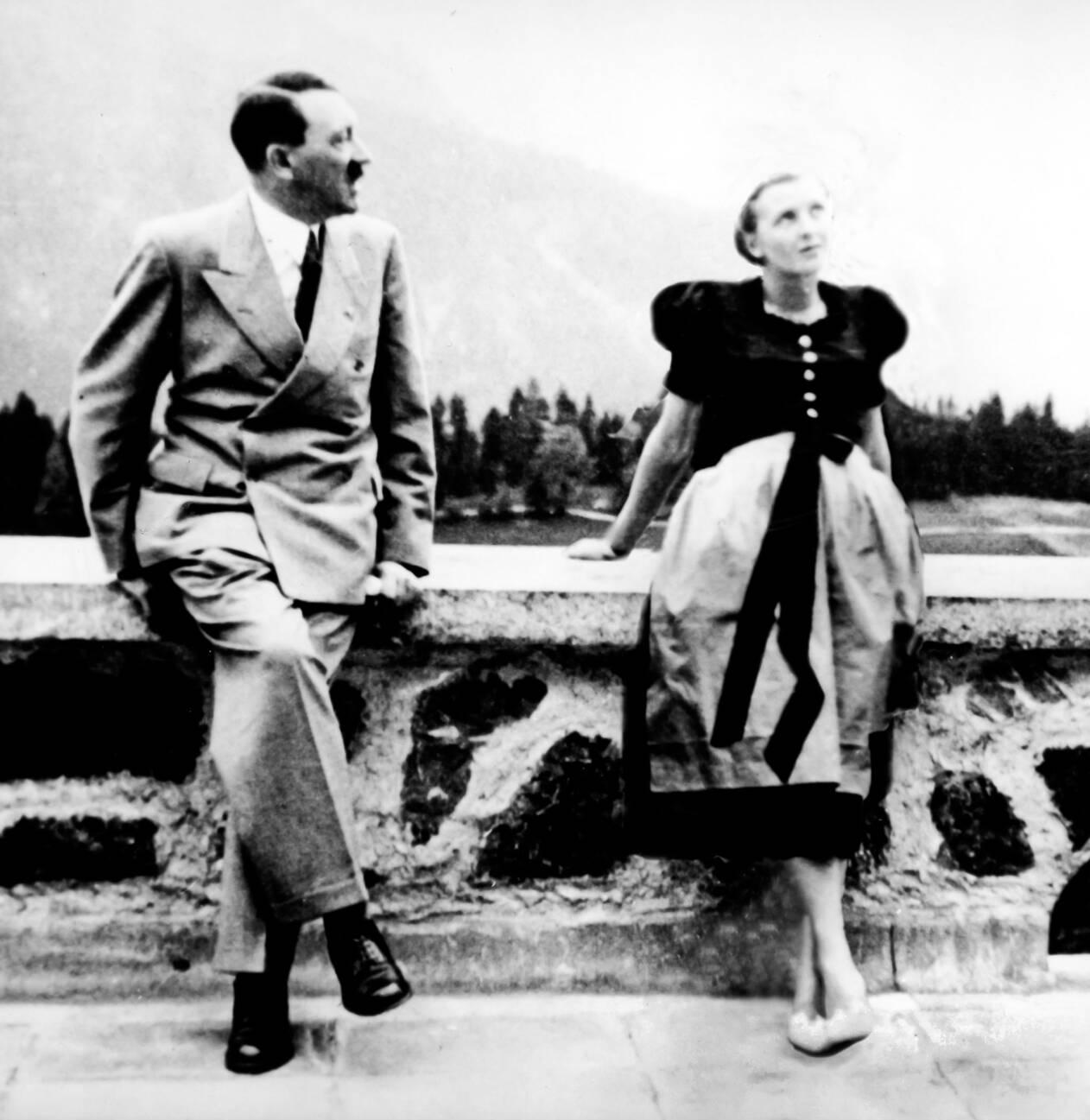
Eva Braun played a role in reinforcing Hitler’s growing paranoia. She fully embraced his belief that he was surrounded by traitors, adding fuel to his suspicions and insecurities. Eva became a strong supporter of the idea that Hitler should meet a “hero’s death” rather than face capture and humiliation at the hands of his enemies. Her support for this position deepened Hitler’s conviction and strengthened his resolve to die on his own terms. In those final days, Eva’s determination to remain at Hitler’s side and die with him in the bunker caused alarm among prominent figures including Albert Speer and Martin Bormann.
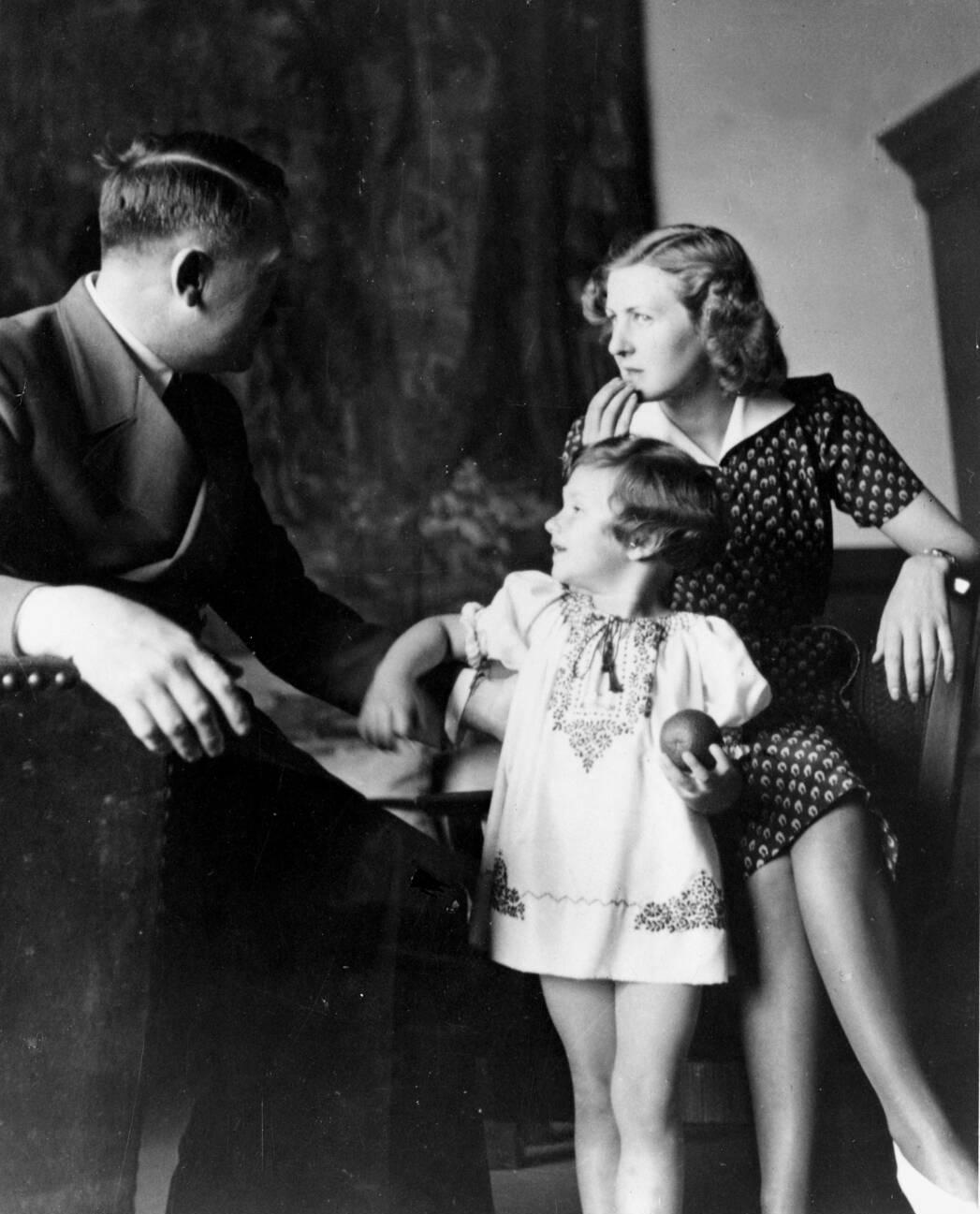
In the final days of April 1945, a series of disturbing events unfolded for Eva Braun. Hitler ordered the execution of her brother-in-law, Hermann Fegelein. Fegelein had been found drunk and attempting to flee Germany, and was discovered in possession of stolen goods from Berlin. He had also been accompanied by a woman who escaped when the Nazis arrived to arrest him. Hitler, suspecting the woman was a spy, concluded that Fegelein had been involved in treachery. Fegelein was taken from the scene and shot. Just a few hours after this event, Hitler and Eva Braun married. Their union took place under a cloud of violence and tragedy.
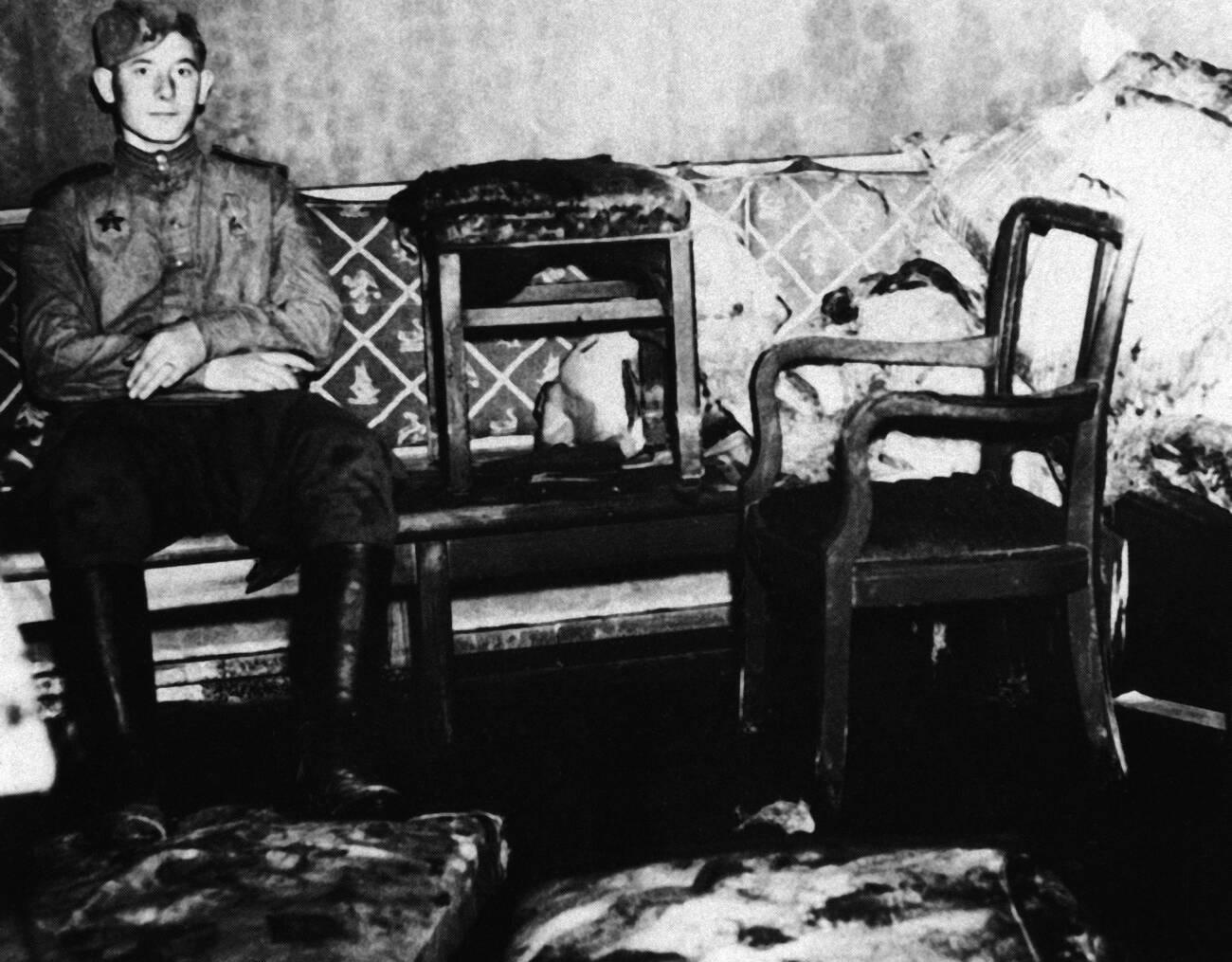
Braun was fully aware of Hitler’s plans to commit suicide and chose to join him in death. Her decision to die with Hitler rather than live without him reflects her deep devotion to him and her refusal to face a future in his absence.
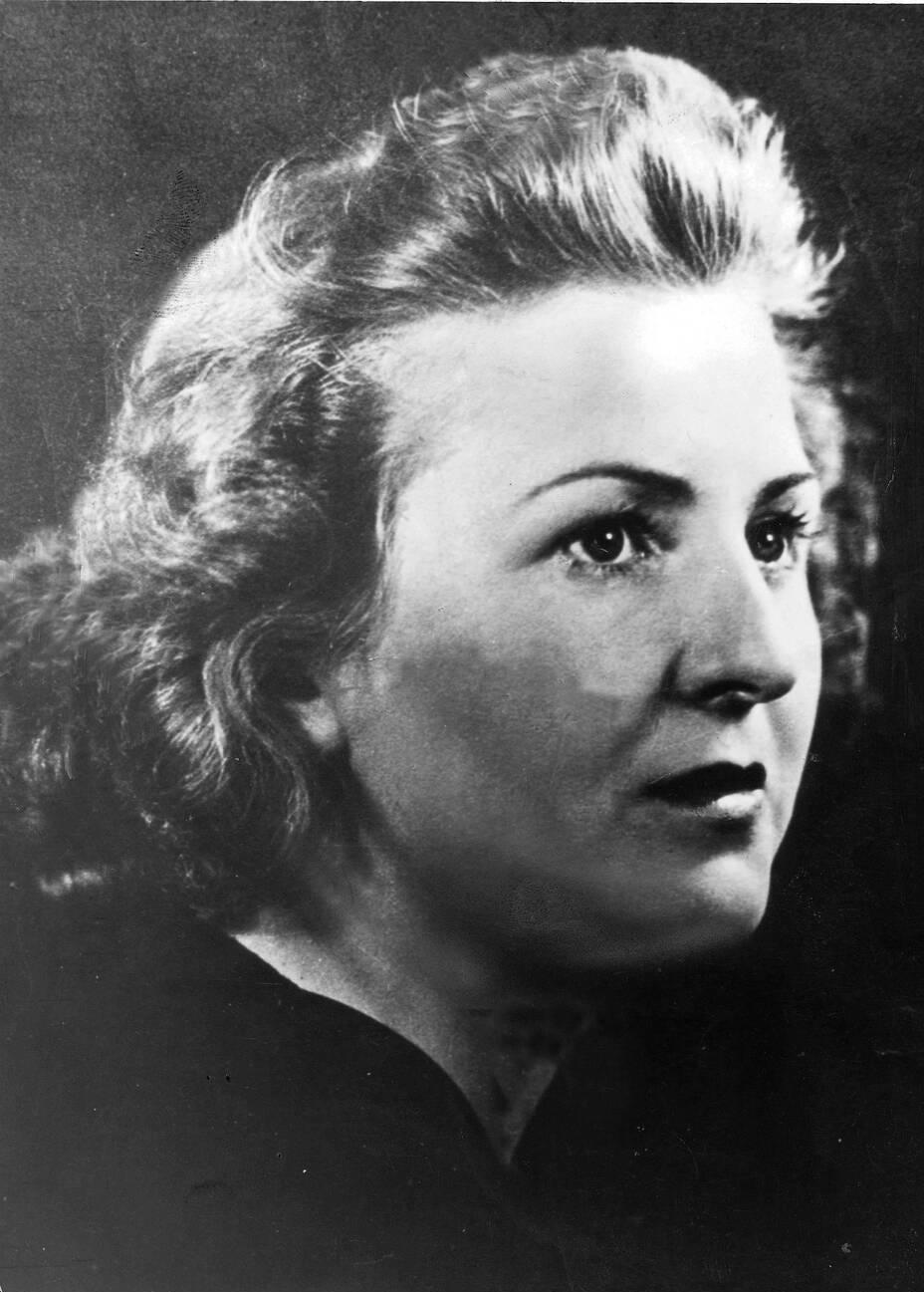
Eva Braun’s significance in history goes beyond what historians have often acknowledged. While she did not play a direct role in the decision-making behind the Nazi party’s crimes, she held an important position within Hitler’s inner circle. Despite her disinterest in politics, her unwavering loyalty to Hitler gave her a degree of influence within the hierarchy. Figures such as Albert Speer and Joseph Goebbels actively sought her favor and worked to build closer connections with Hitler through her. It was said that if Eva Braun did not approve of a person, that person would not receive an invitation to the Berghof, Hitler’s Alpine residence.
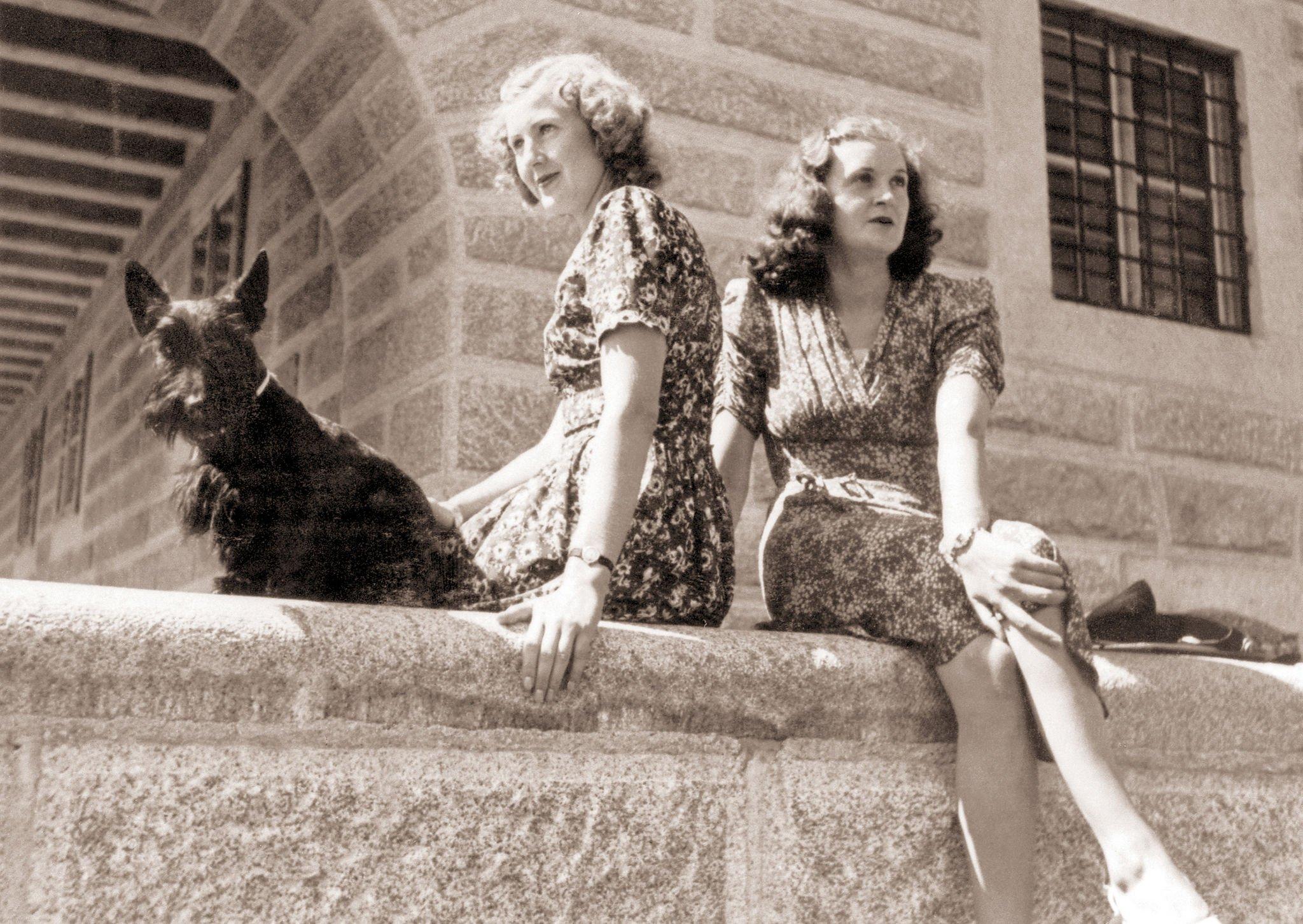
Eva Braun’s cousin Gertraud Weisker is reportedly Hitler’s last living relative. She spent summers at the Berghof during her youth. This connection to Braun gives Weisker a unique personal perspective on Braun’s life and her relationship with Hitler, making her an important source of firsthand accounts and insights about Braun.