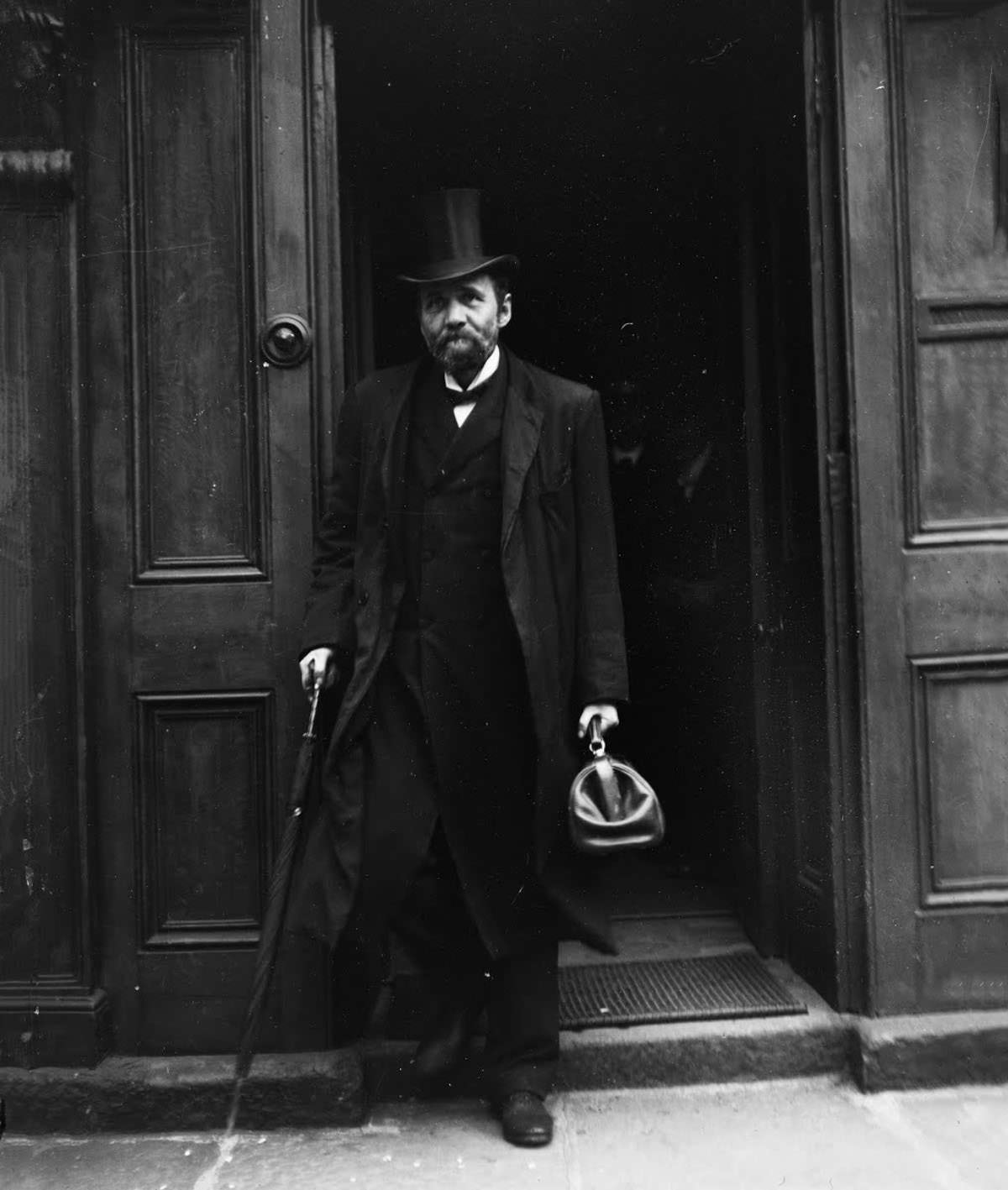
Between 1897 and 1904, a young medical student named JJ Clarke walked the streets of Dublin with a camera. He was not a professional photographer. He was a student — observant, curious, and drawn to the world moving around him. What he left behind is one of the most valuable visual records of Irish city life at the turn of the 20th century.
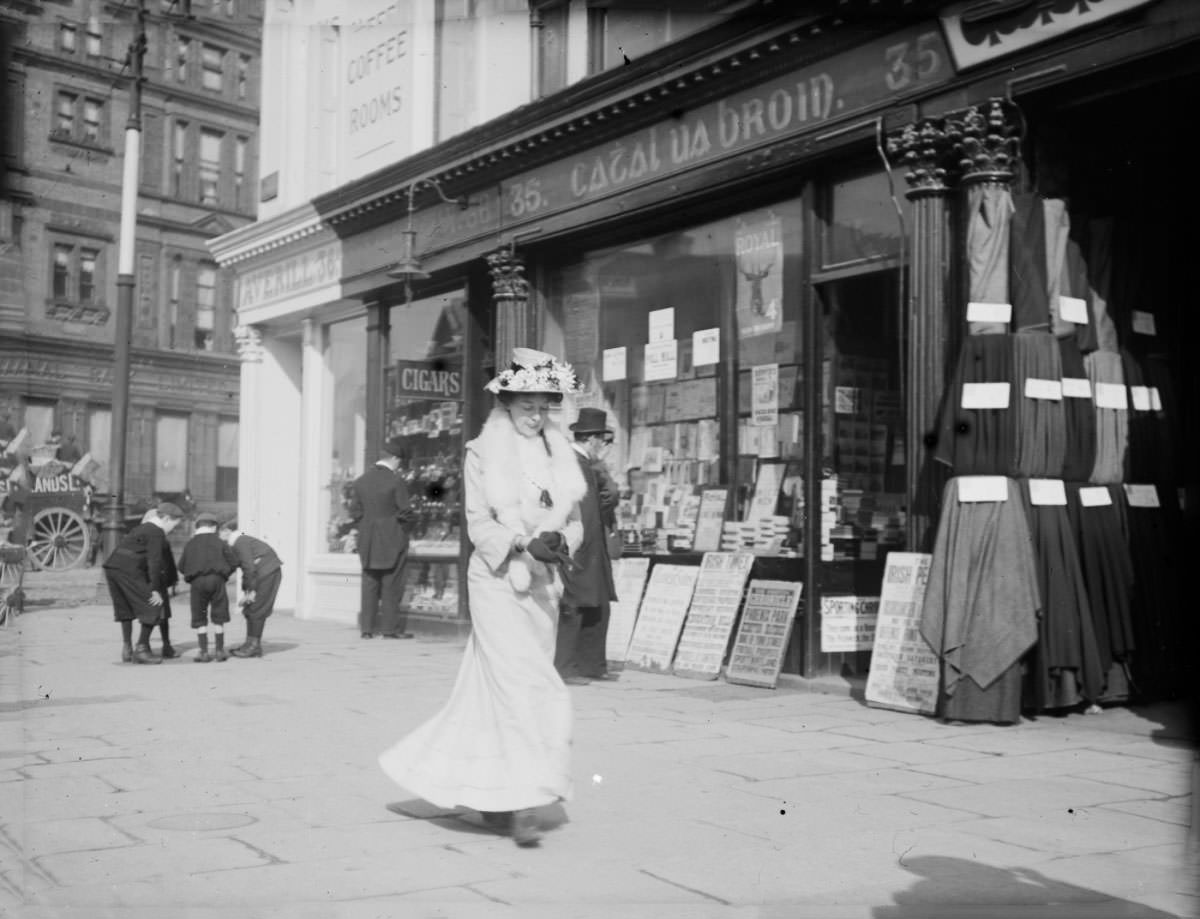
Clarke’s photos stand apart from most images taken during that era. Victorian and Edwardian photography was often stiff and posed. Subjects stood still for the camera, dressed in their best clothes, presenting a carefully arranged version of themselves. Clarke did something different. He photographed Dubliners as they actually were — resting on steps, walking along the street, going about their day without much concern for the lens pointed at them.
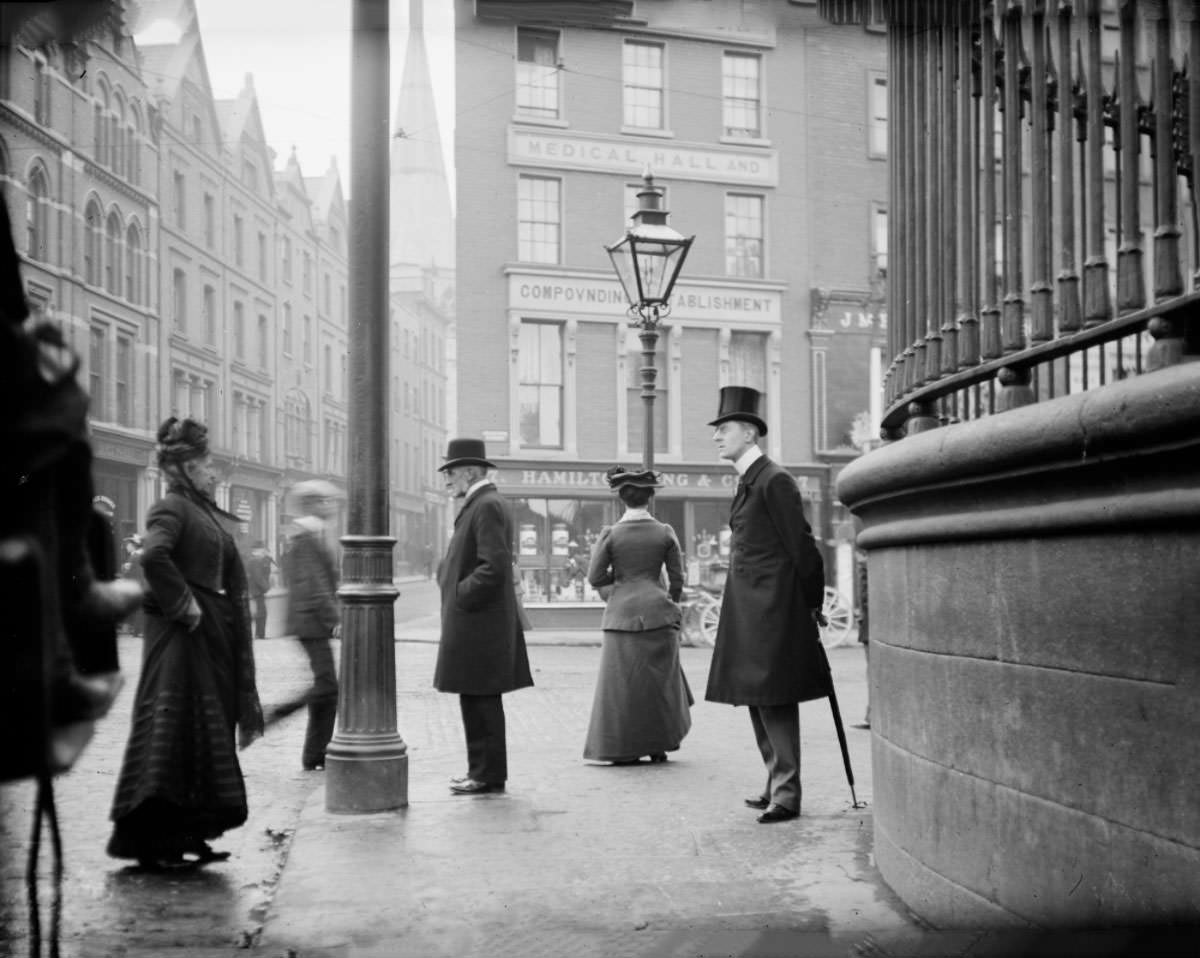
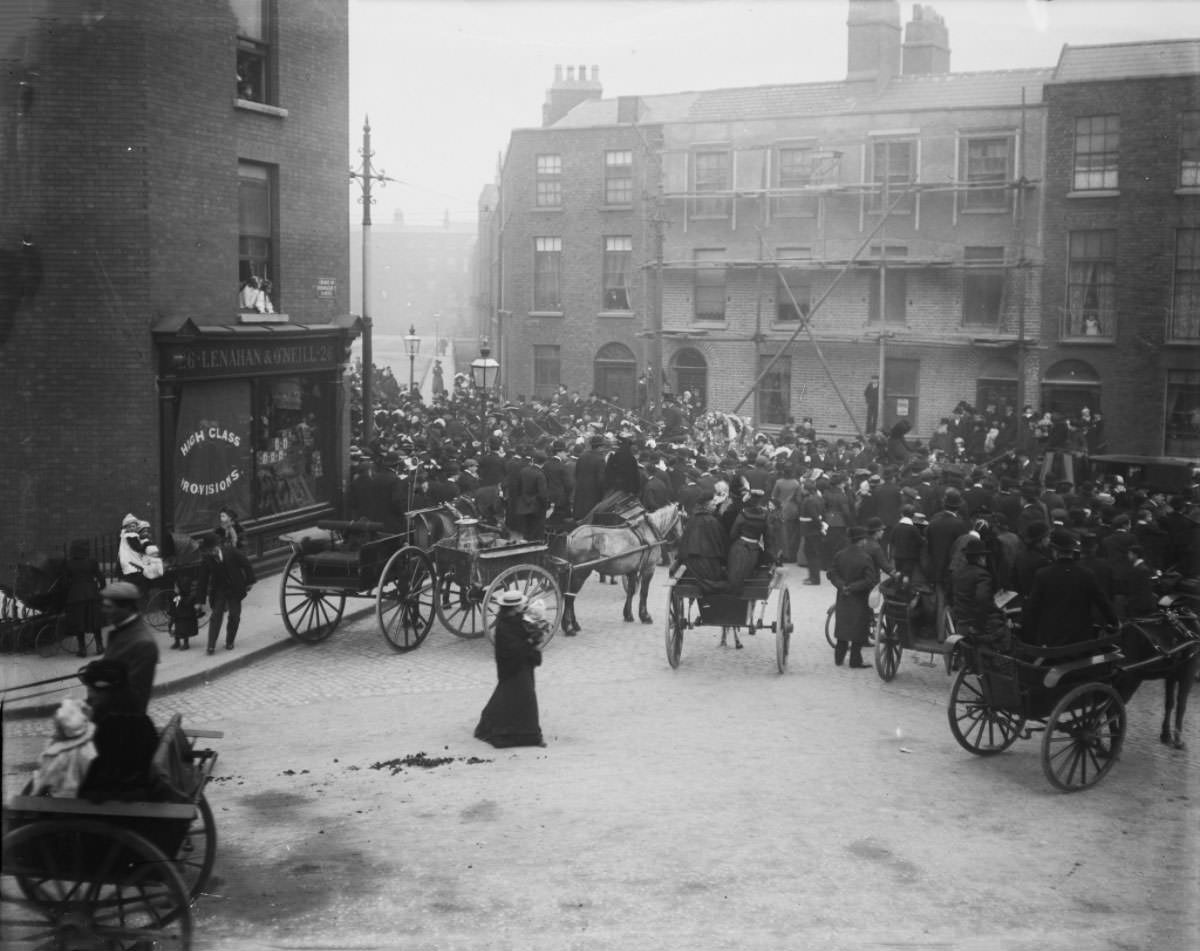
That spontaneous, snapshot quality is what makes his work feel so alive today. A woman pauses at a corner. A group of children gather near a wall. A man leans against a building with no particular urgency. These are not performances for the camera — they are moments caught mid-breath.
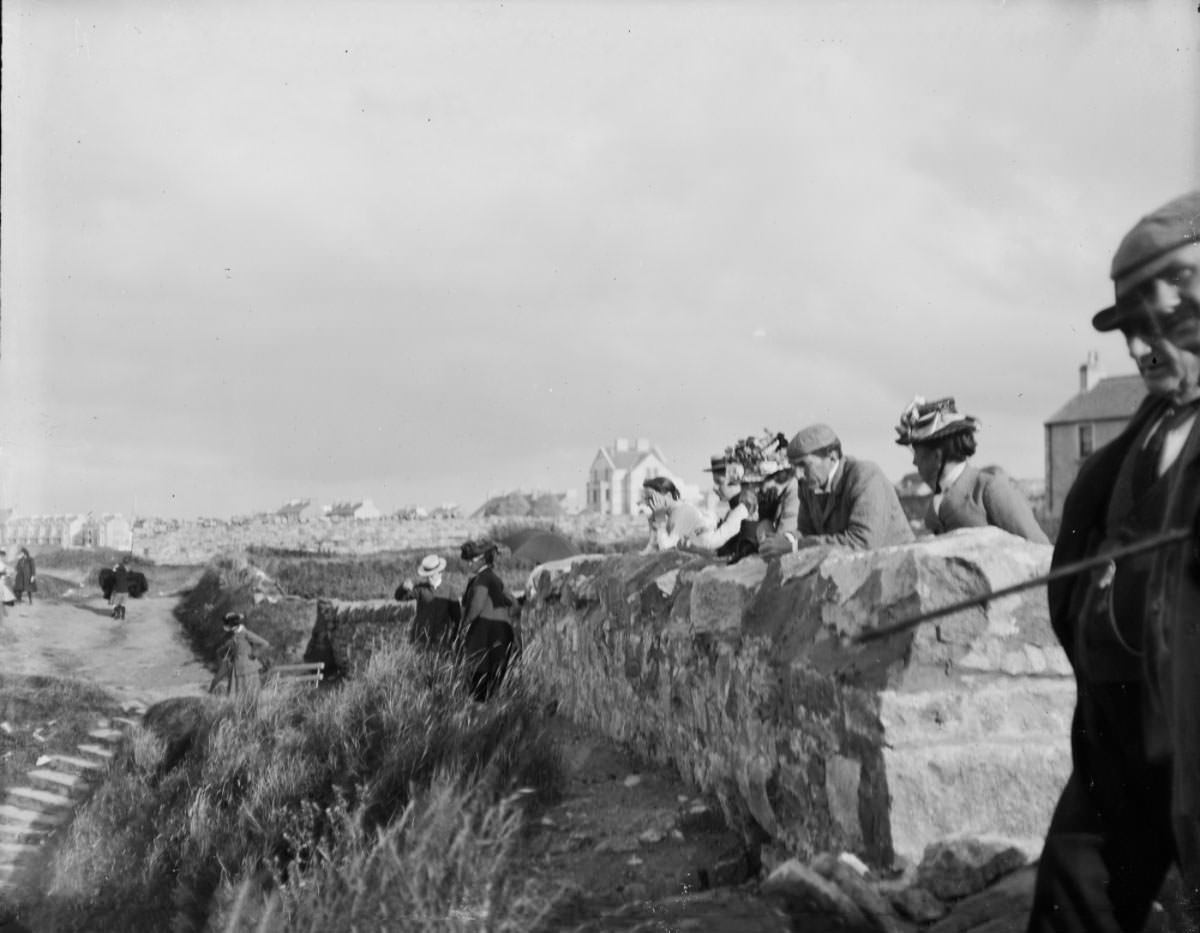
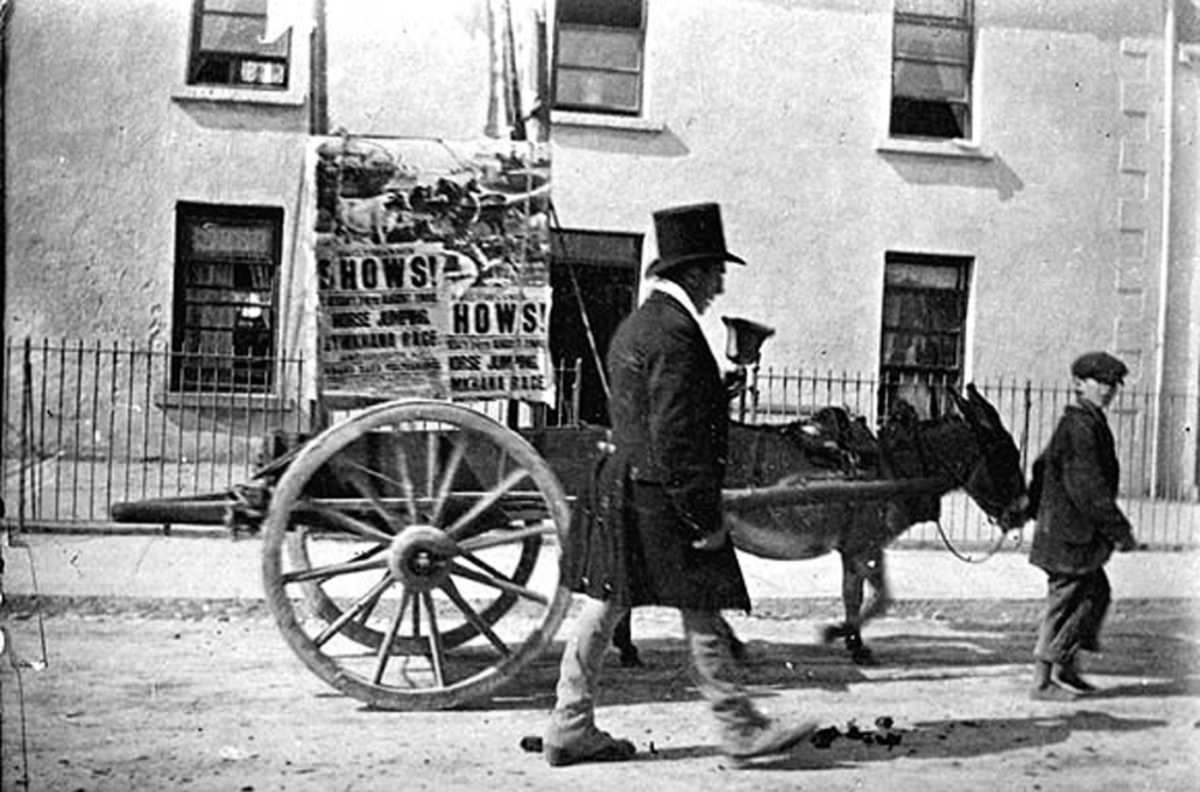
Clarke photographed Dublin’s men, women, and children across all kinds of settings. The city’s streets, its doorways, its open spaces — all of it appears in his work. His subjects came from different walks of life, and he documented them without filtering out the rougher edges of urban poverty.
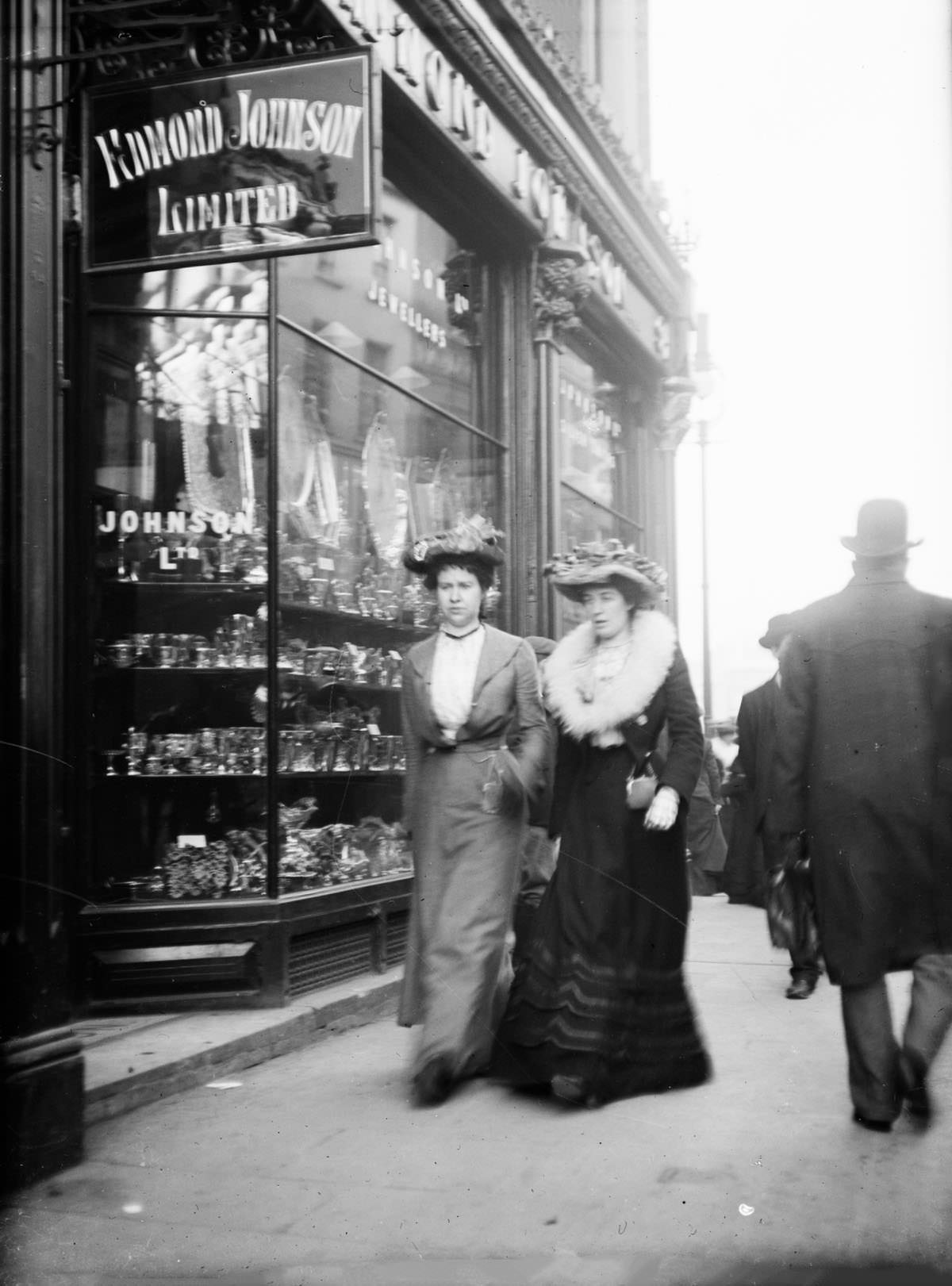
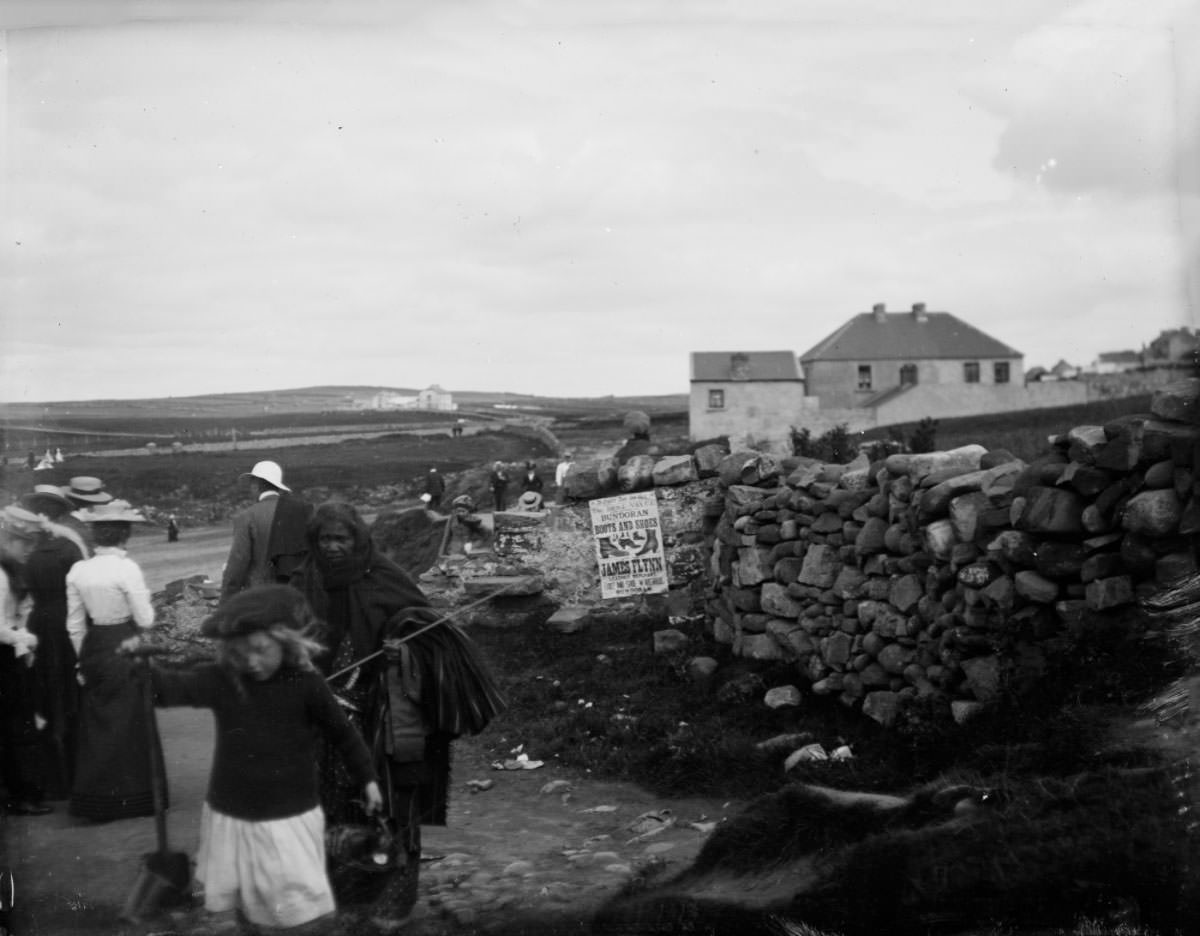
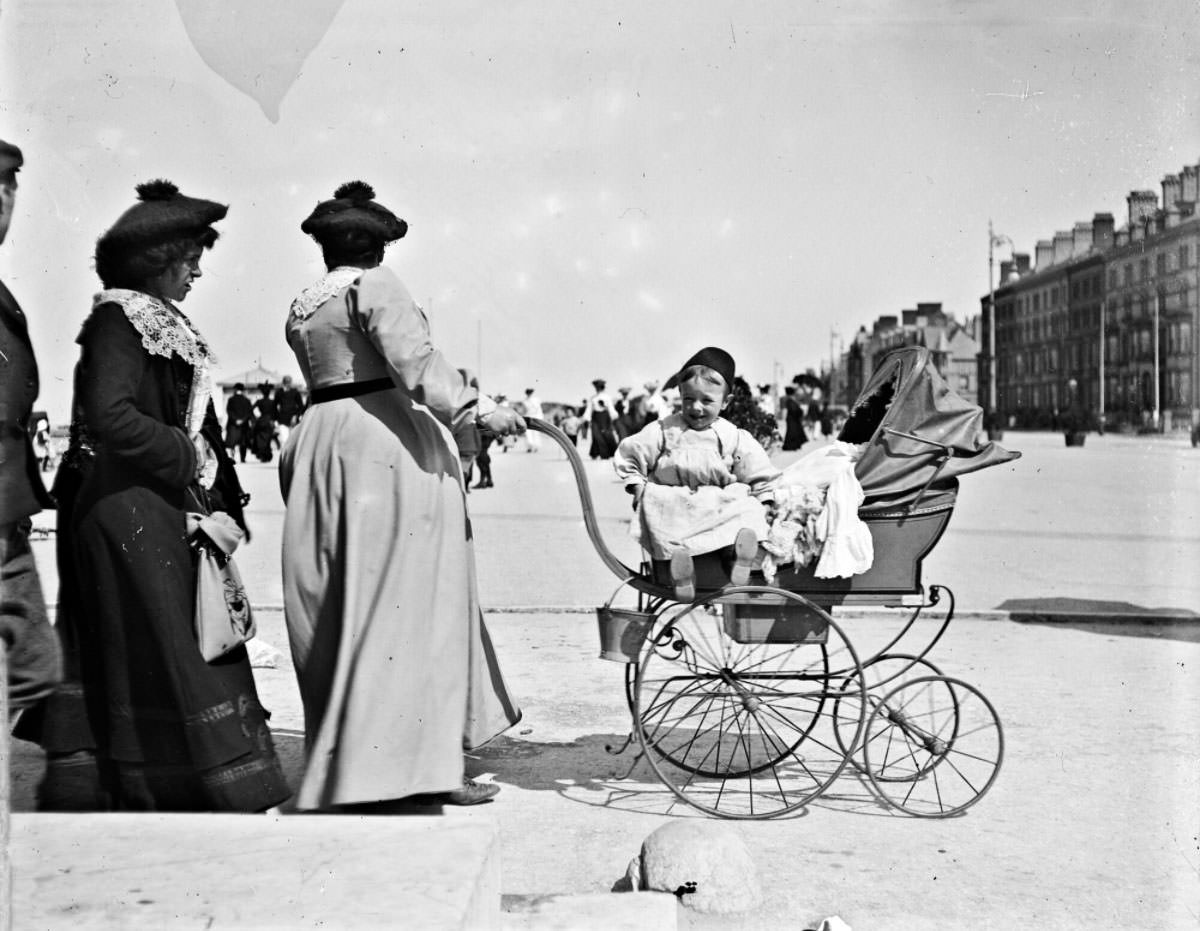
There is another dimension to these photographs that makes them historically significant beyond their visual quality. James Joyce was also a young student in Dublin during this exact period. His three most celebrated works — Dubliners, A Portrait of the Artist as a Young Man, and Ulysses — are all set in this same city, at this same time. The streets Clarke photographed are the streets Joyce wrote about.
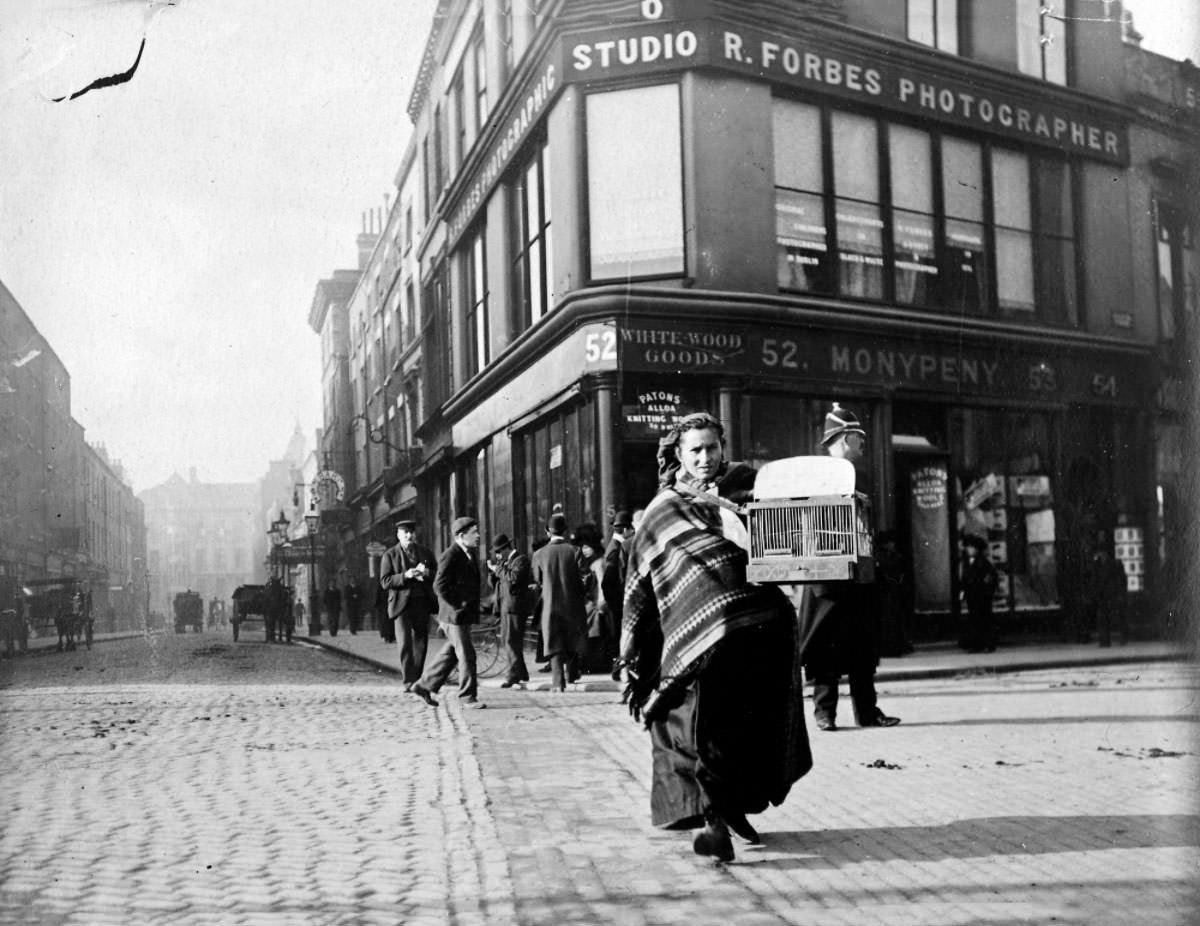
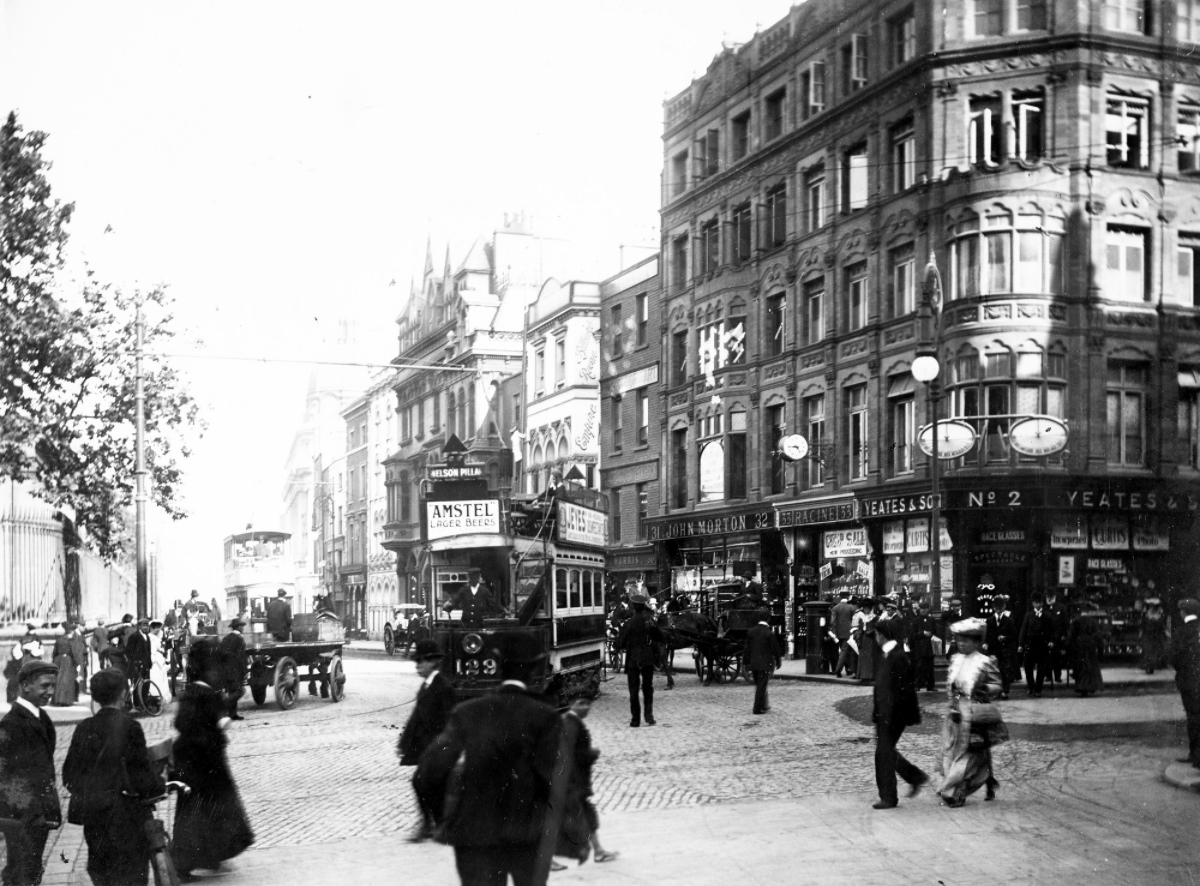
Looking at Clarke’s images is, in a real sense, looking at the Dublin that shaped Joyce’s imagination. The faces, the architecture, the way people occupied public space — all of it fed into some of the most widely read literature in the English language.
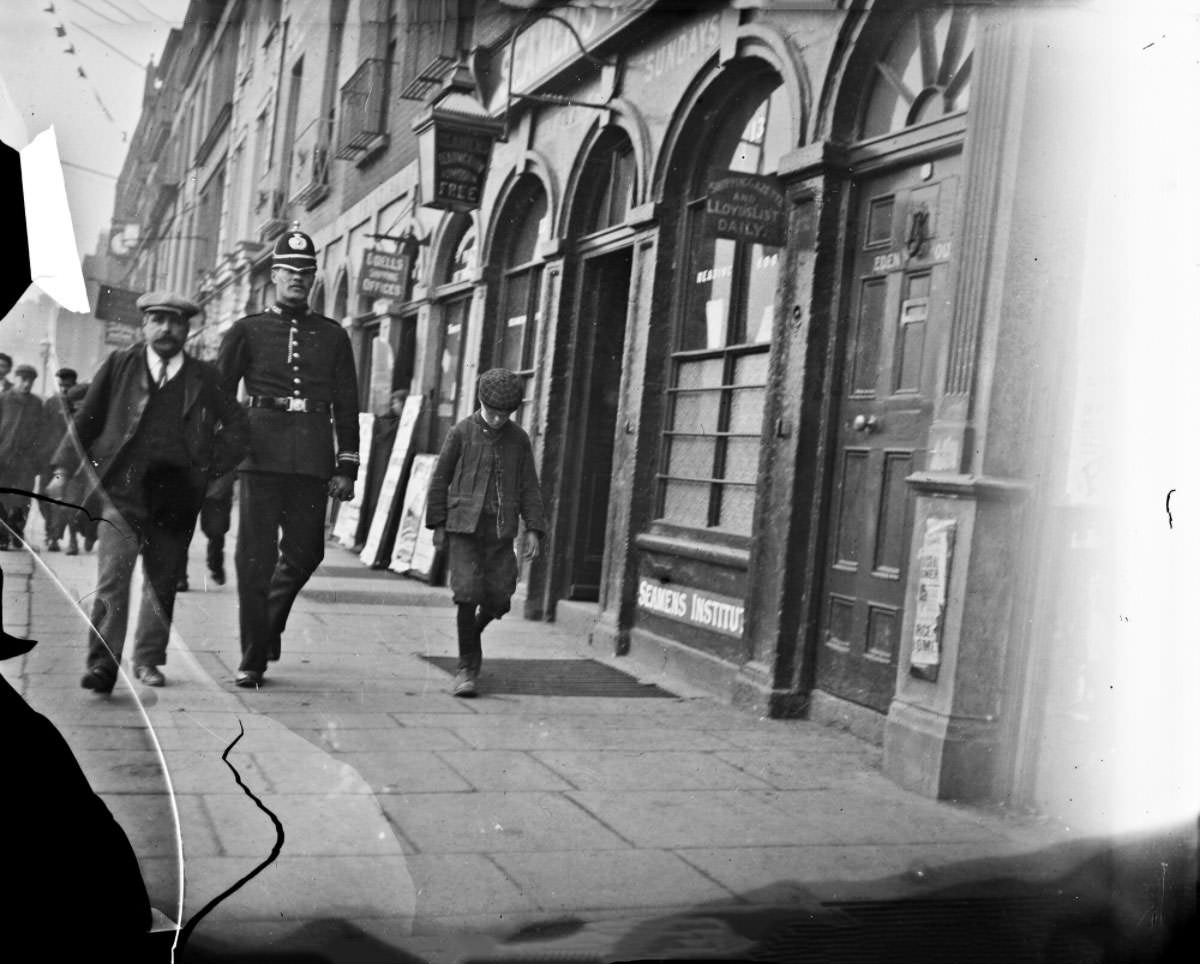
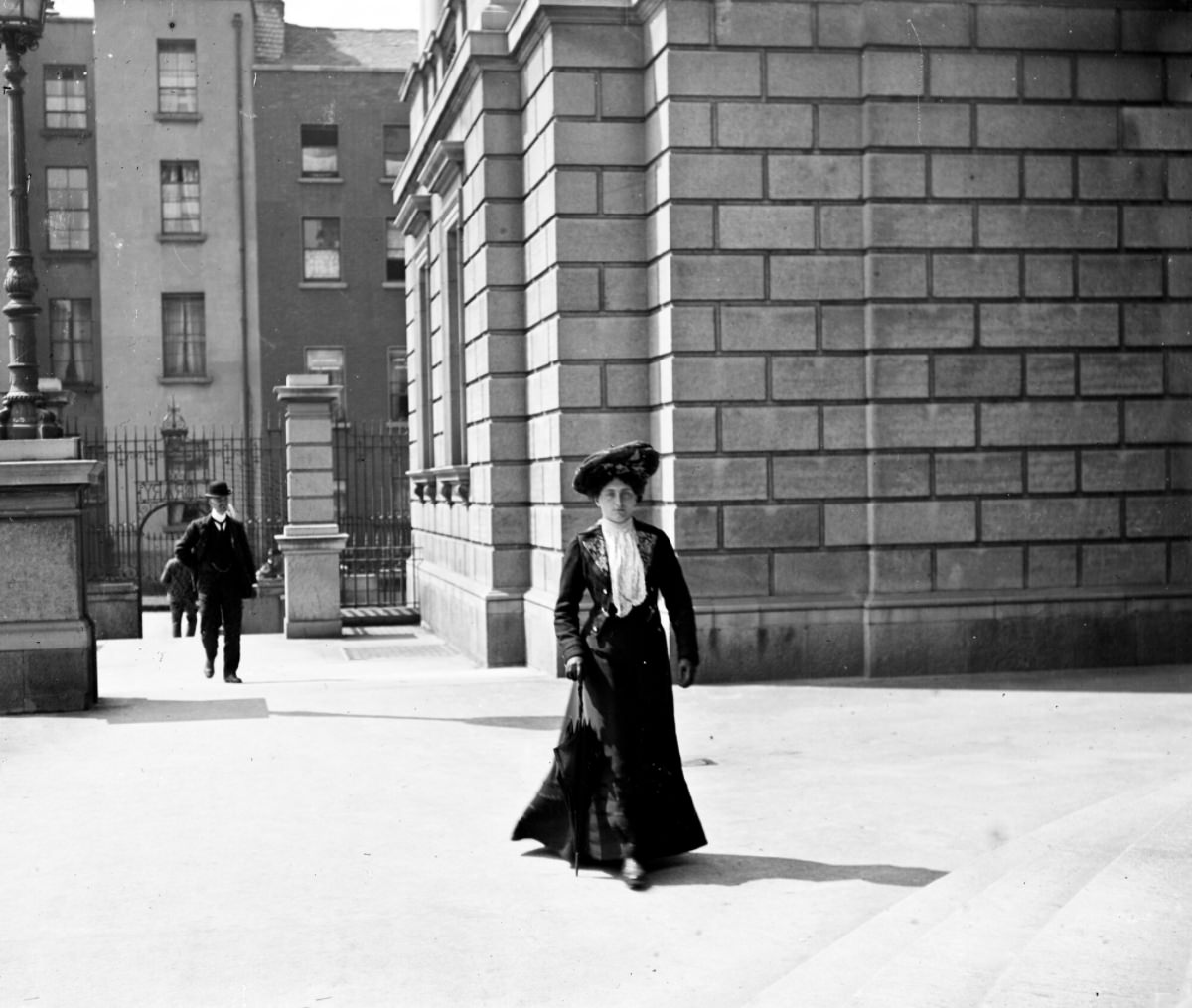
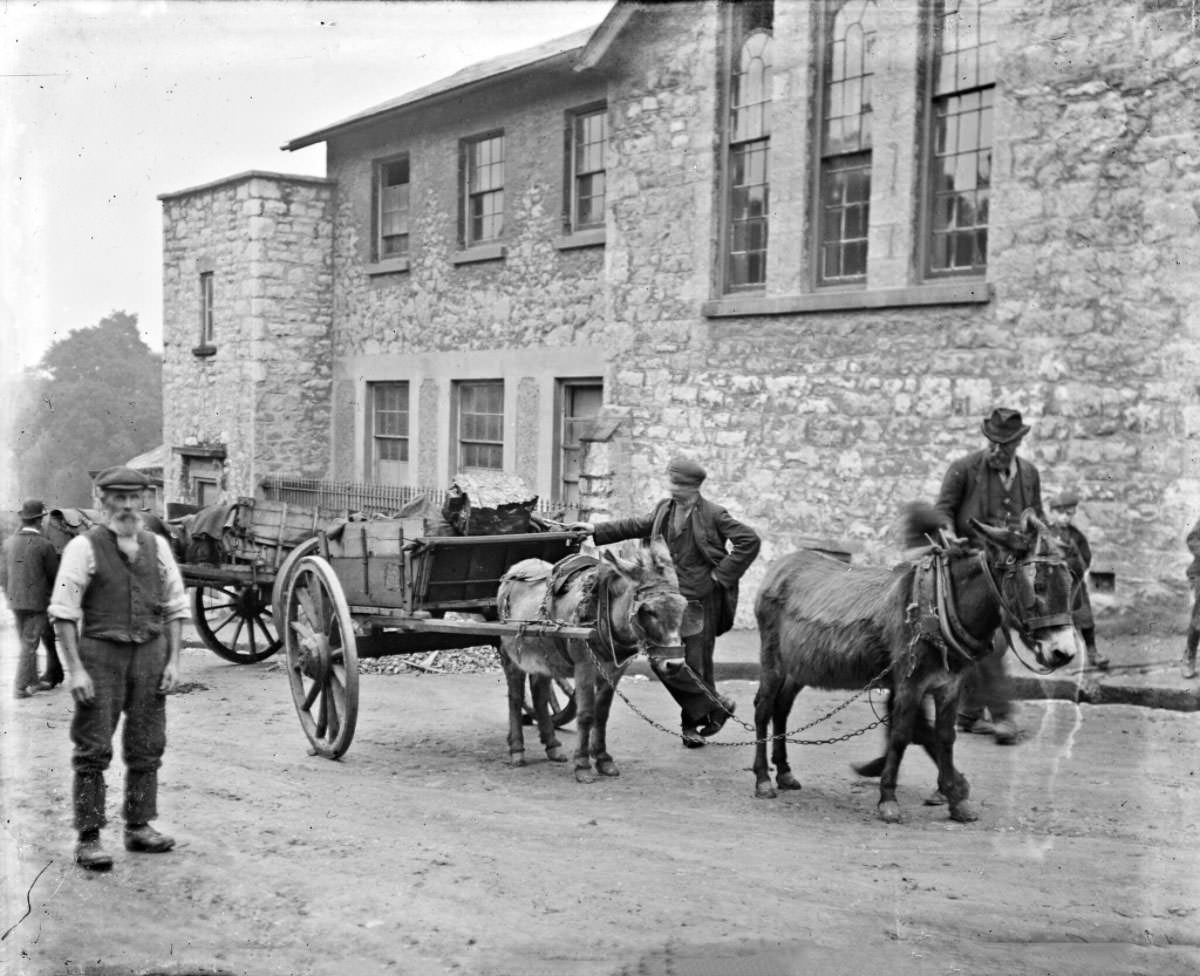
Dublin at the turn of the century was a city of sharp contrasts. It was part of the British Empire but deeply Irish in character. Poverty was widespread, particularly in the tenement districts where families shared cramped quarters with little sanitation. At the same time, the city had a rich cultural and intellectual life, with theaters, newspapers, and universities drawing in educated and ambitious young people like Clarke and Joyce alike.
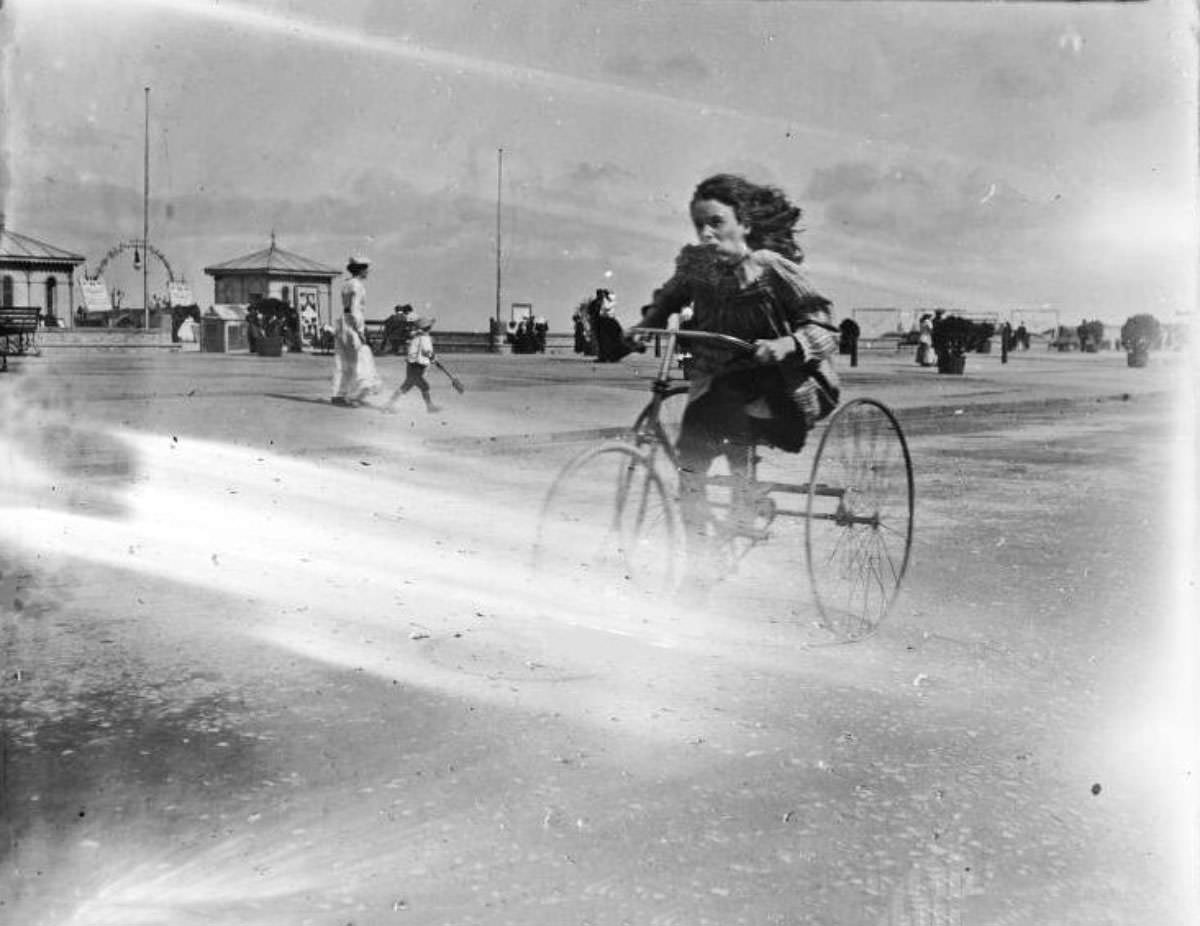
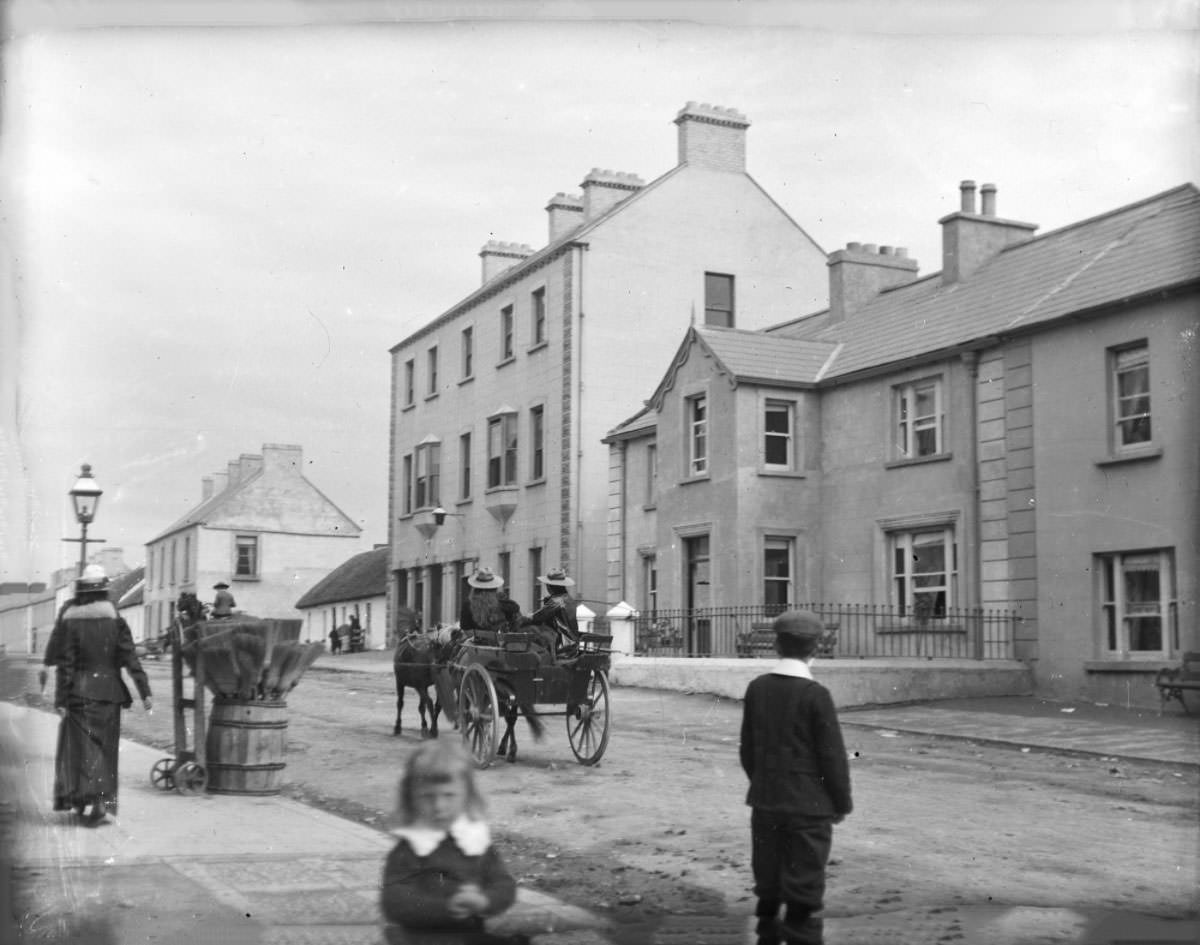
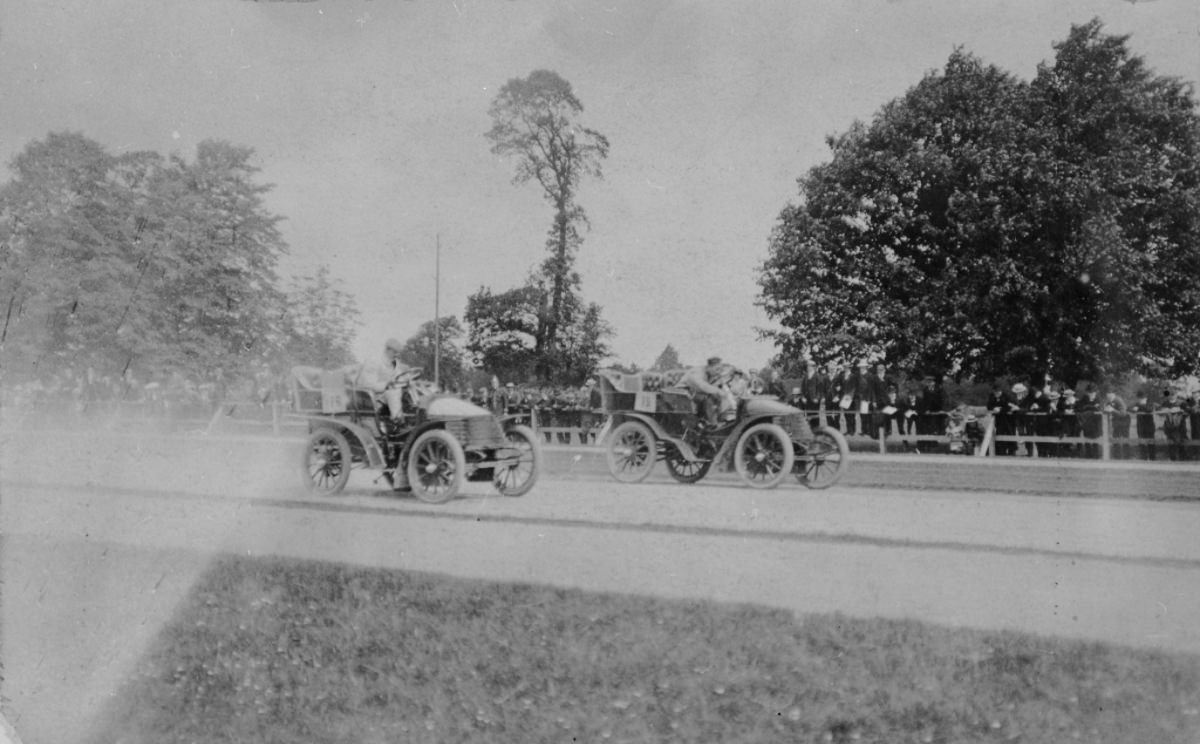
Clarke’s photojournalistic eye caught all of this. He did not limit himself to Dublin’s prettier corners or its more respectable citizens. His frame included the working poor, children in worn clothing, and the unglamorous textures of daily street life.
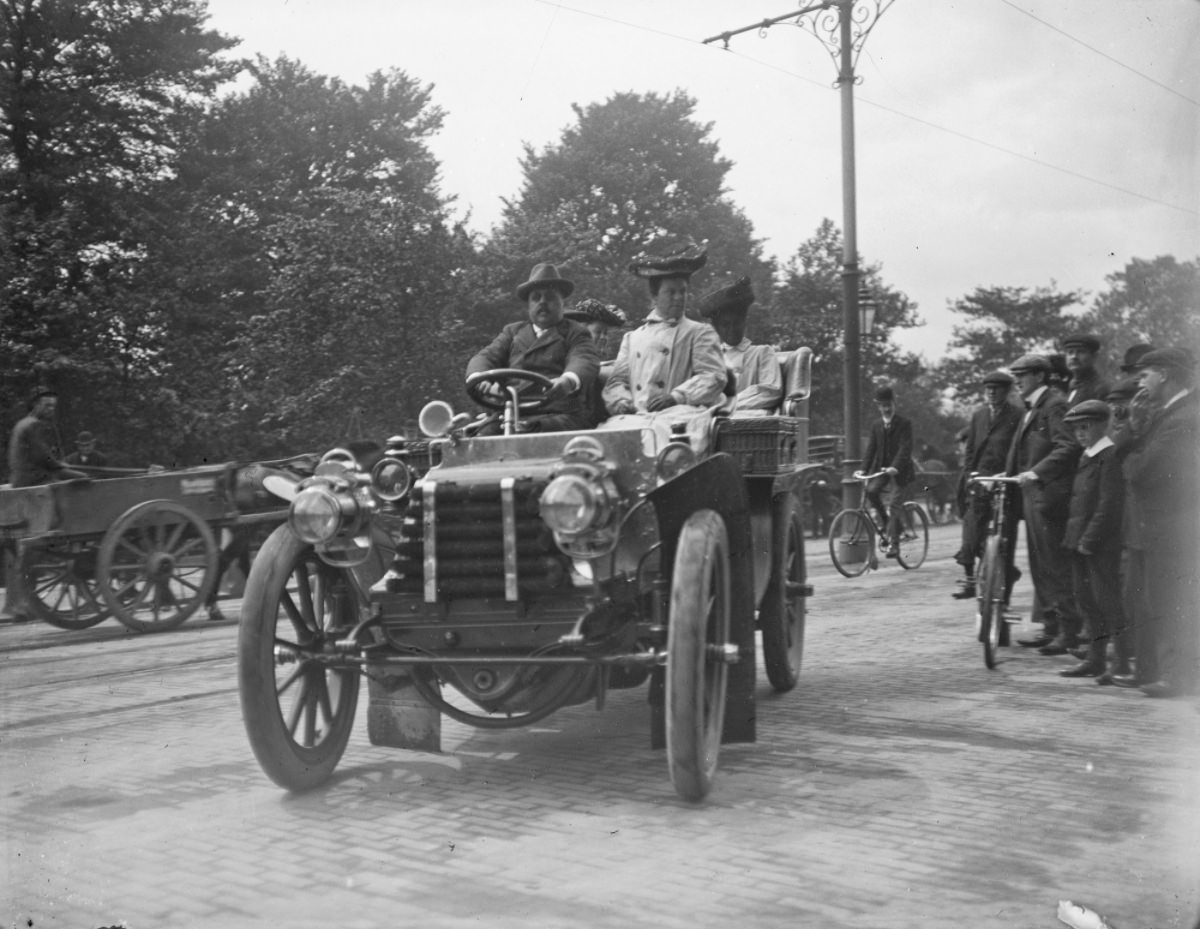
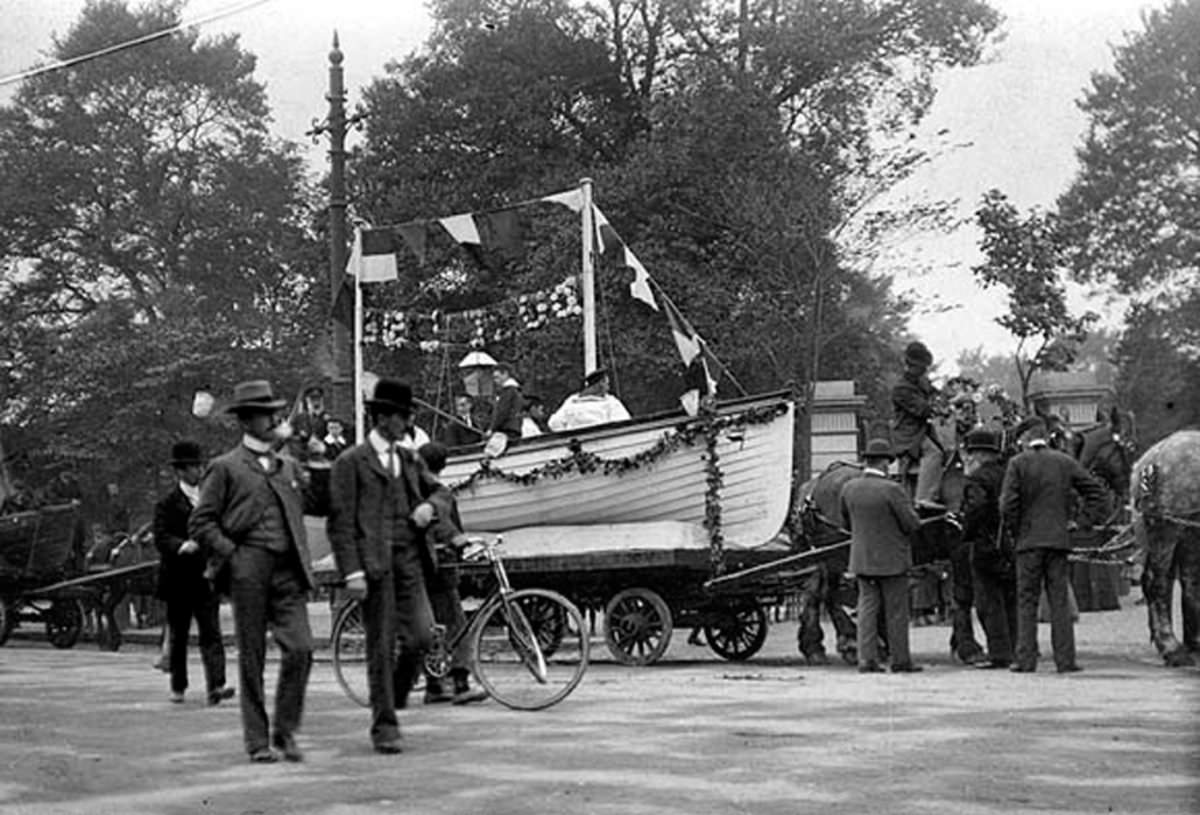
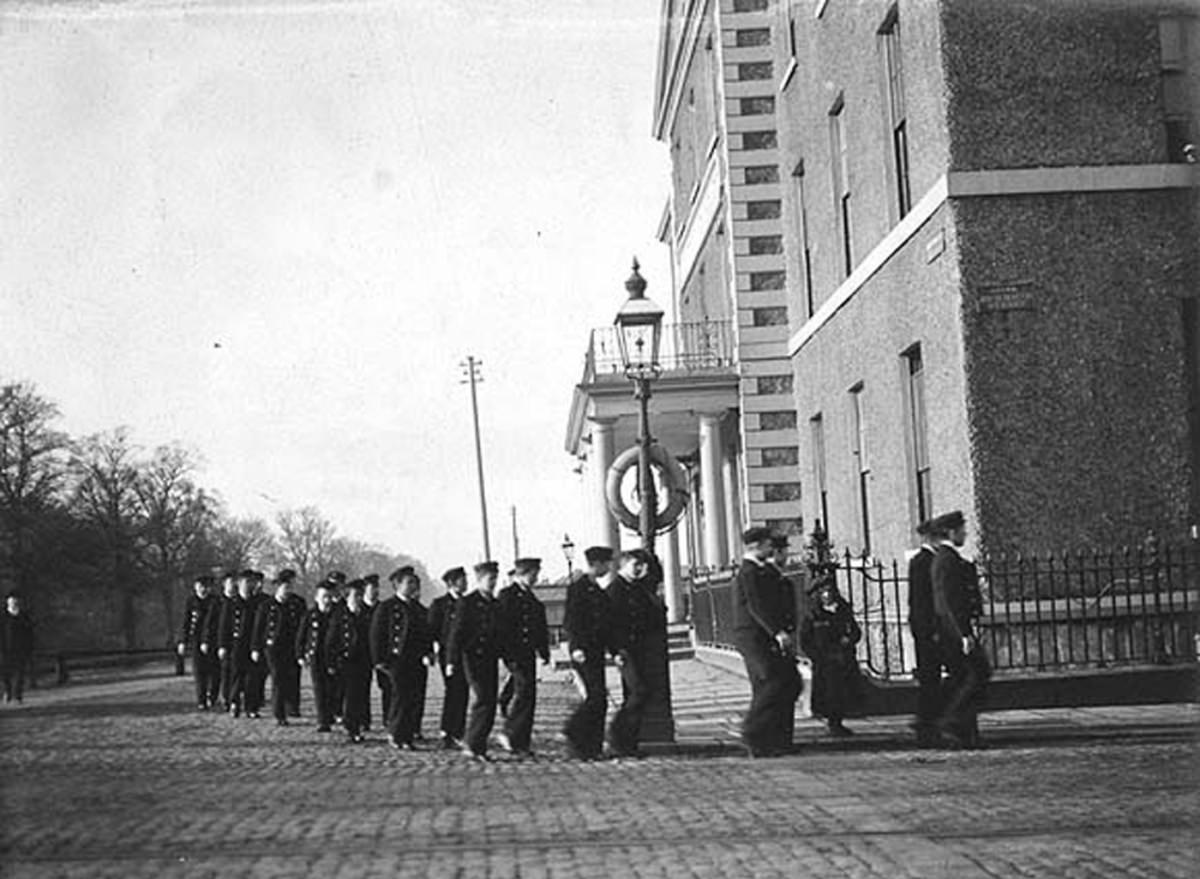
After completing his studies, Clarke went on to practice medicine, and his photographs were largely set aside. They survived, however, and eventually found their way into archives where historians and researchers recognized their importance. The collection now serves as a primary visual source for understanding what Dublin actually looked like during those years.
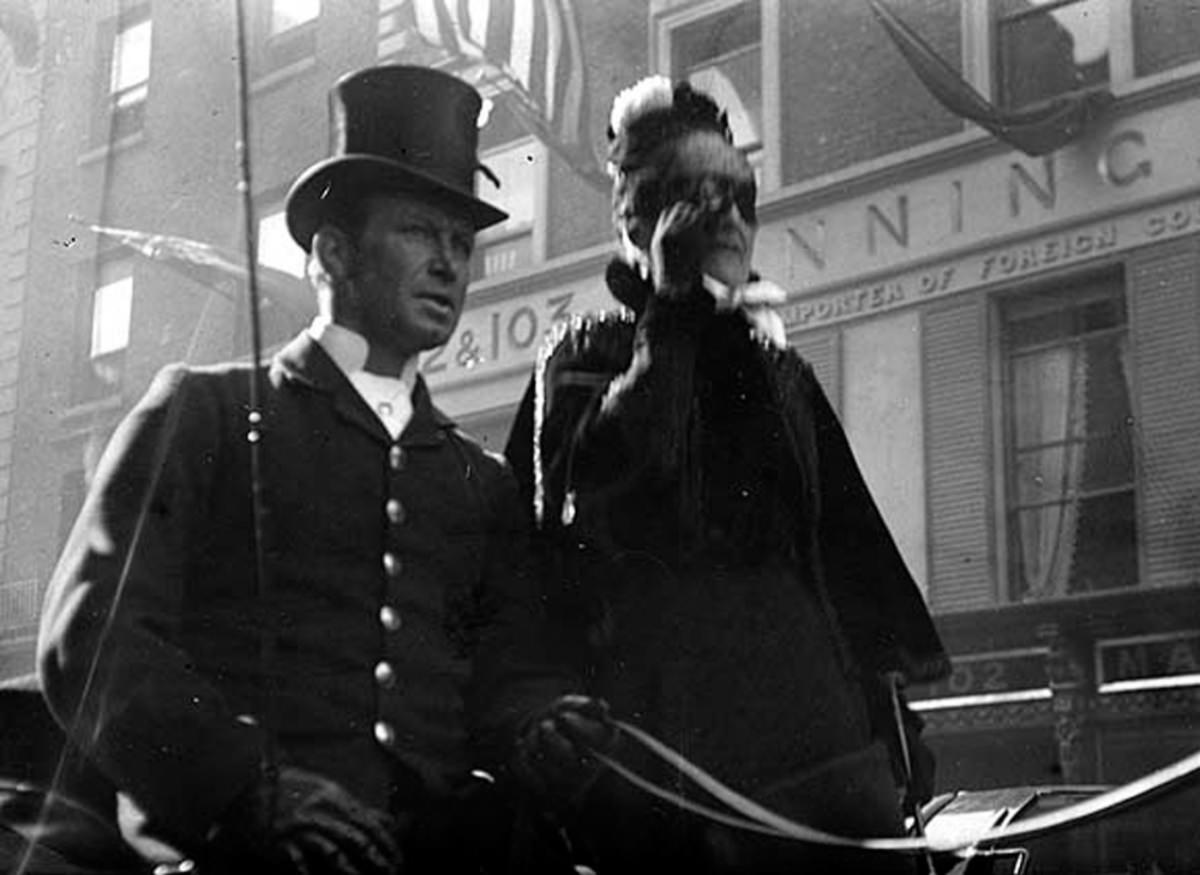
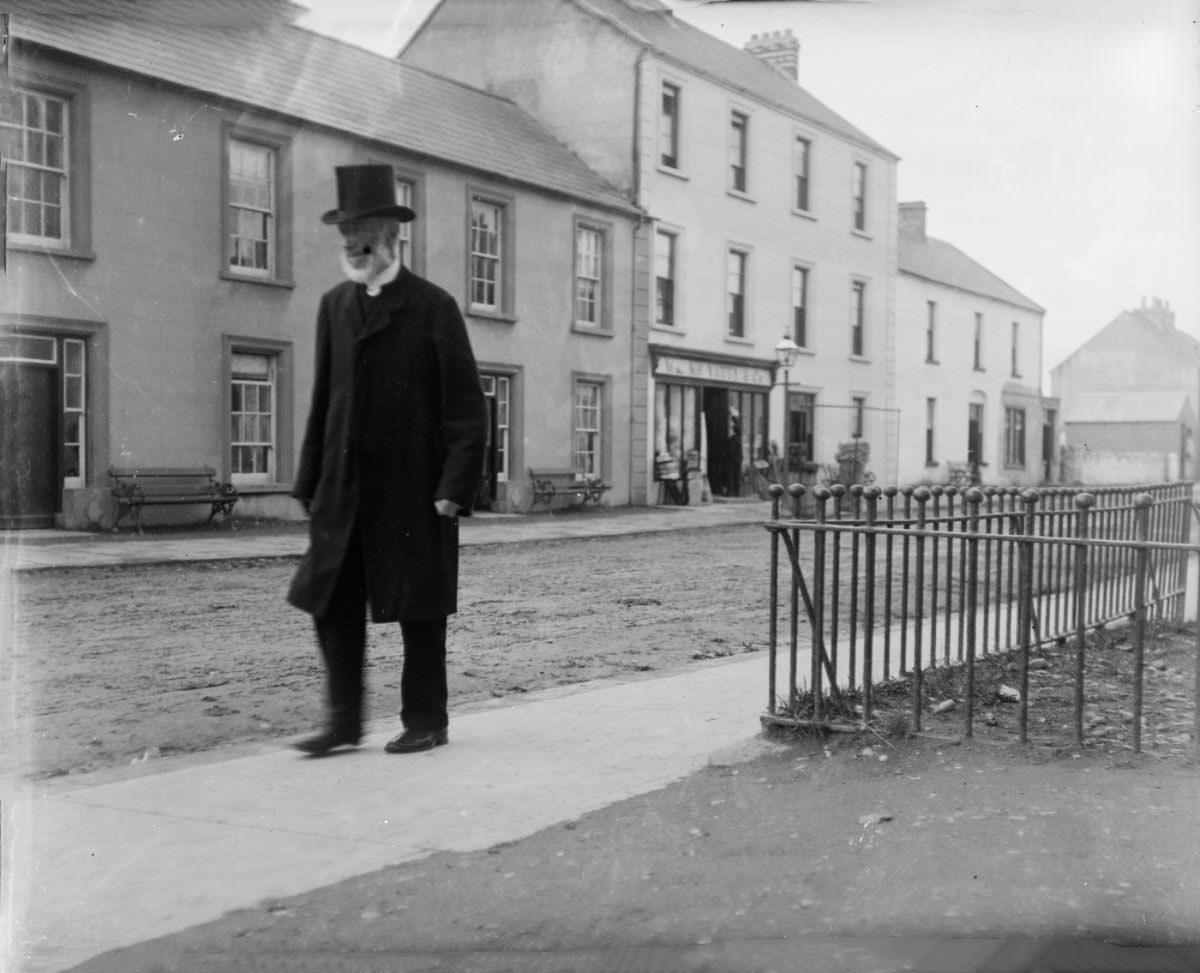
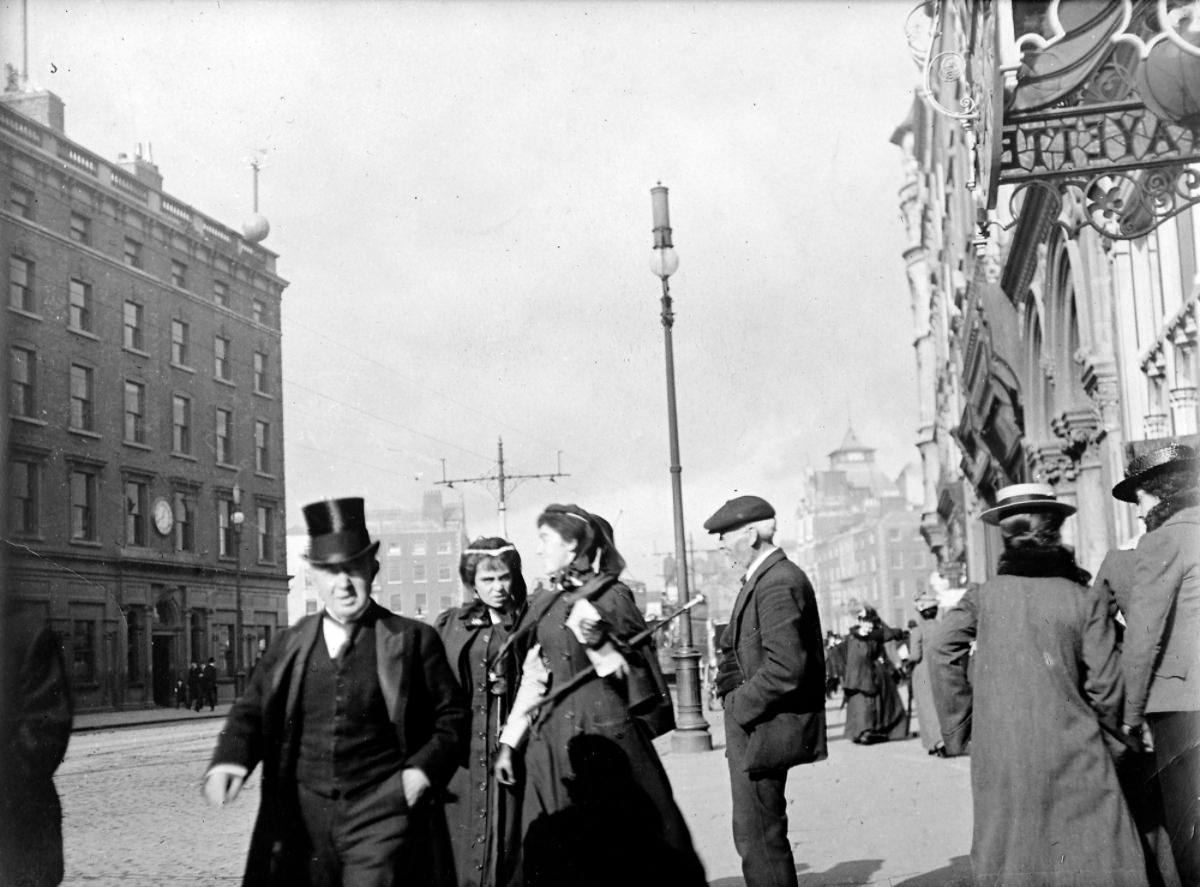
What Clarke managed — almost accidentally — was a form of social documentation. He recorded how people dressed, how they carried themselves, how they used public space, and how the city was physically arranged. Each photograph is a data point about a world that no longer exists.
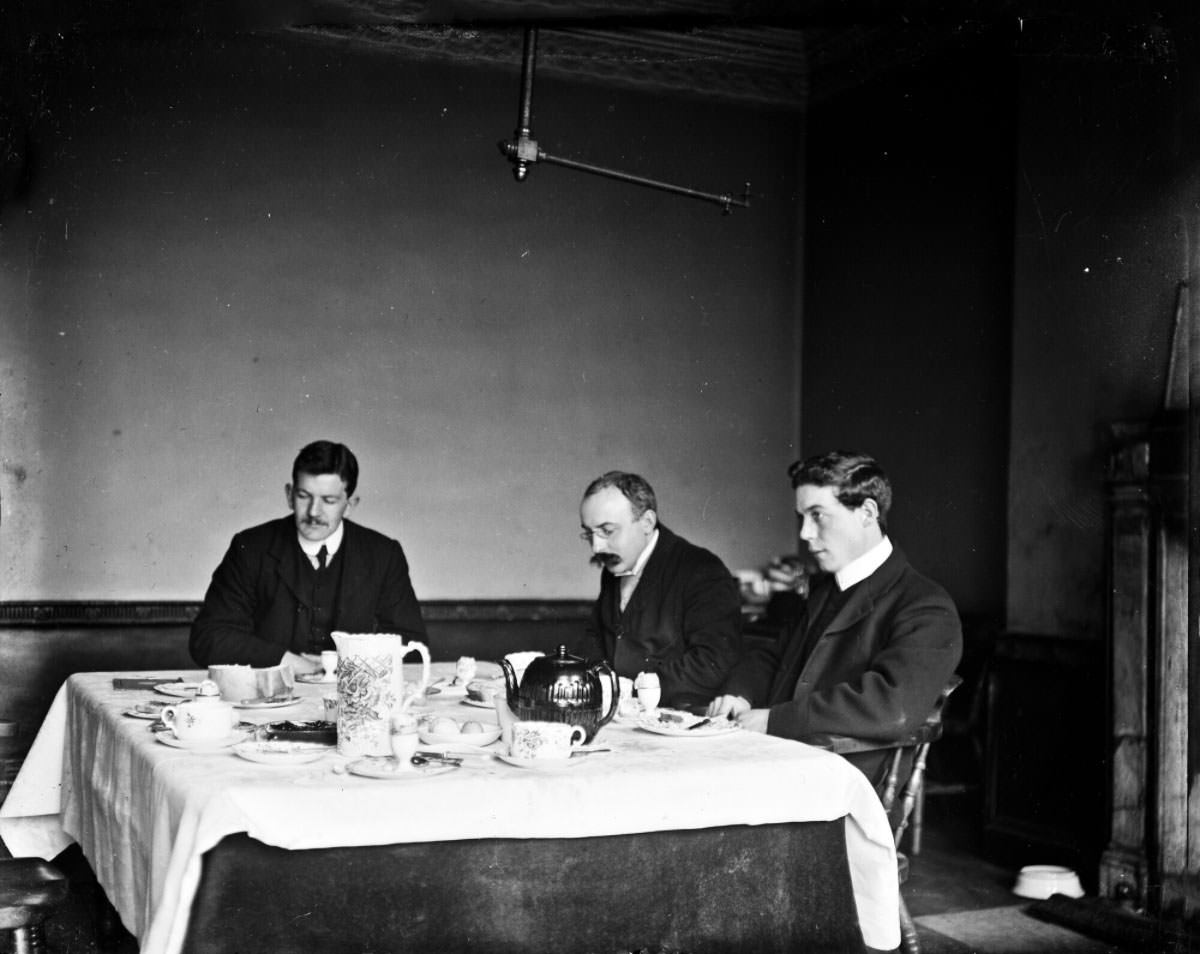
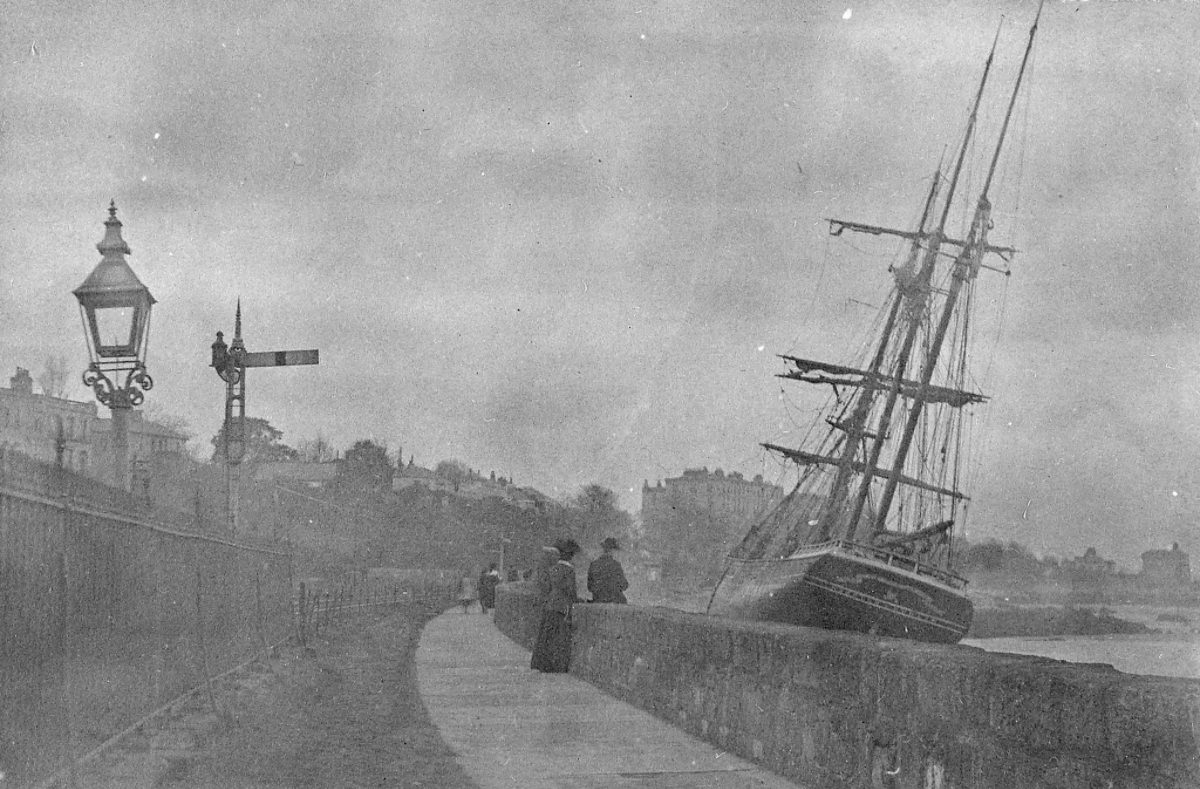
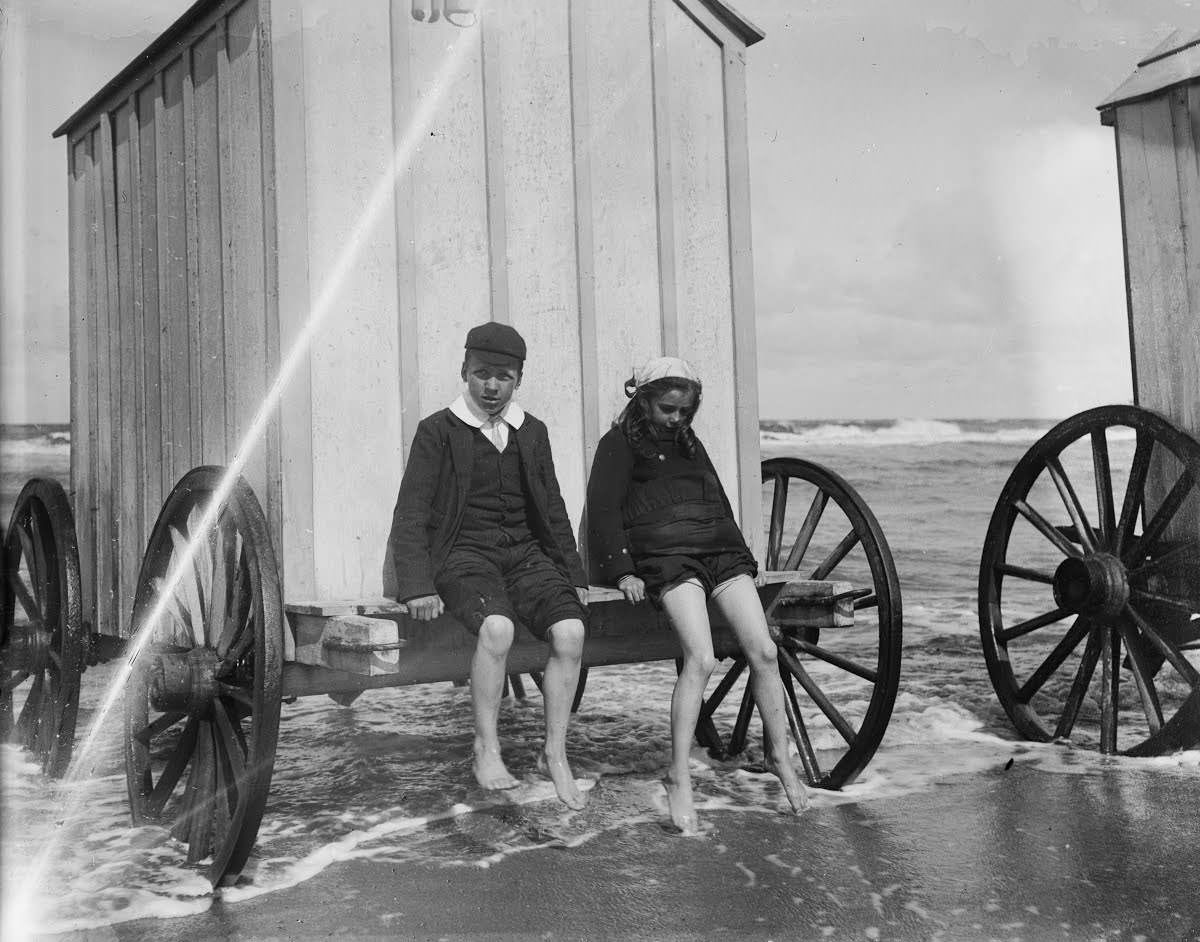
The clothing alone tells a story. Men in flat caps and dark coats. Women in long skirts and shawls. Children, often barefoot, gathered in groups on the pavement. These details place the viewer firmly in a specific moment in history — one that Dublin’s own great novelist spent his entire career trying to capture in words.
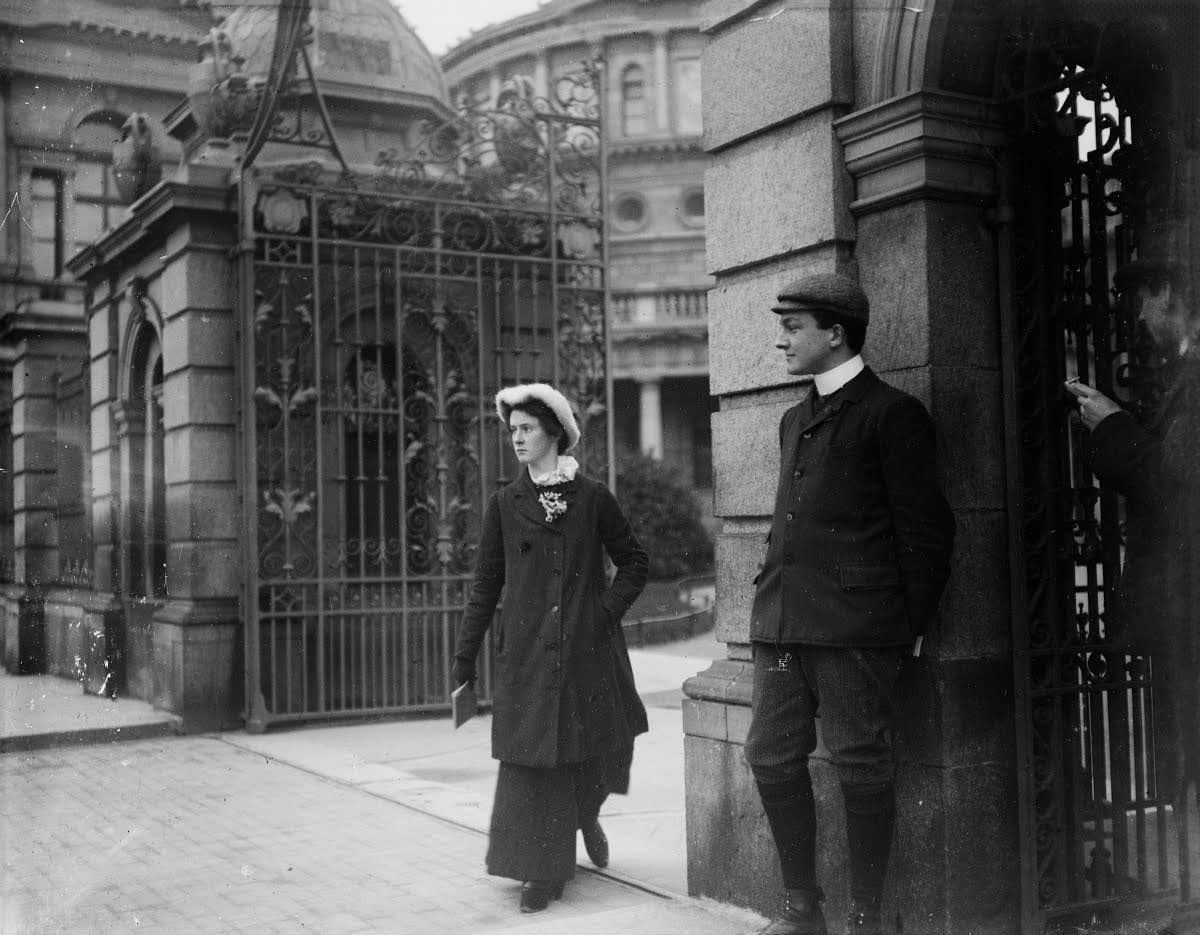
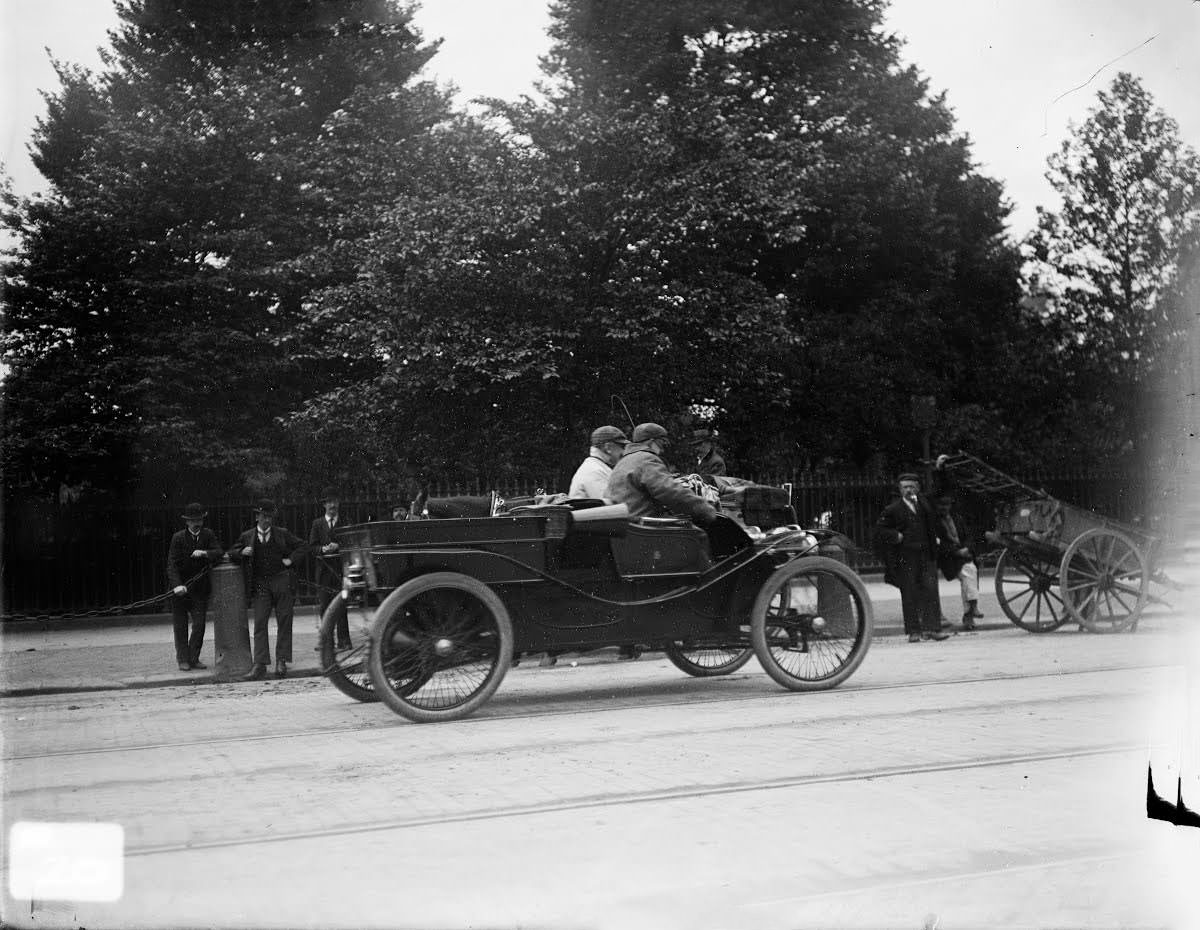
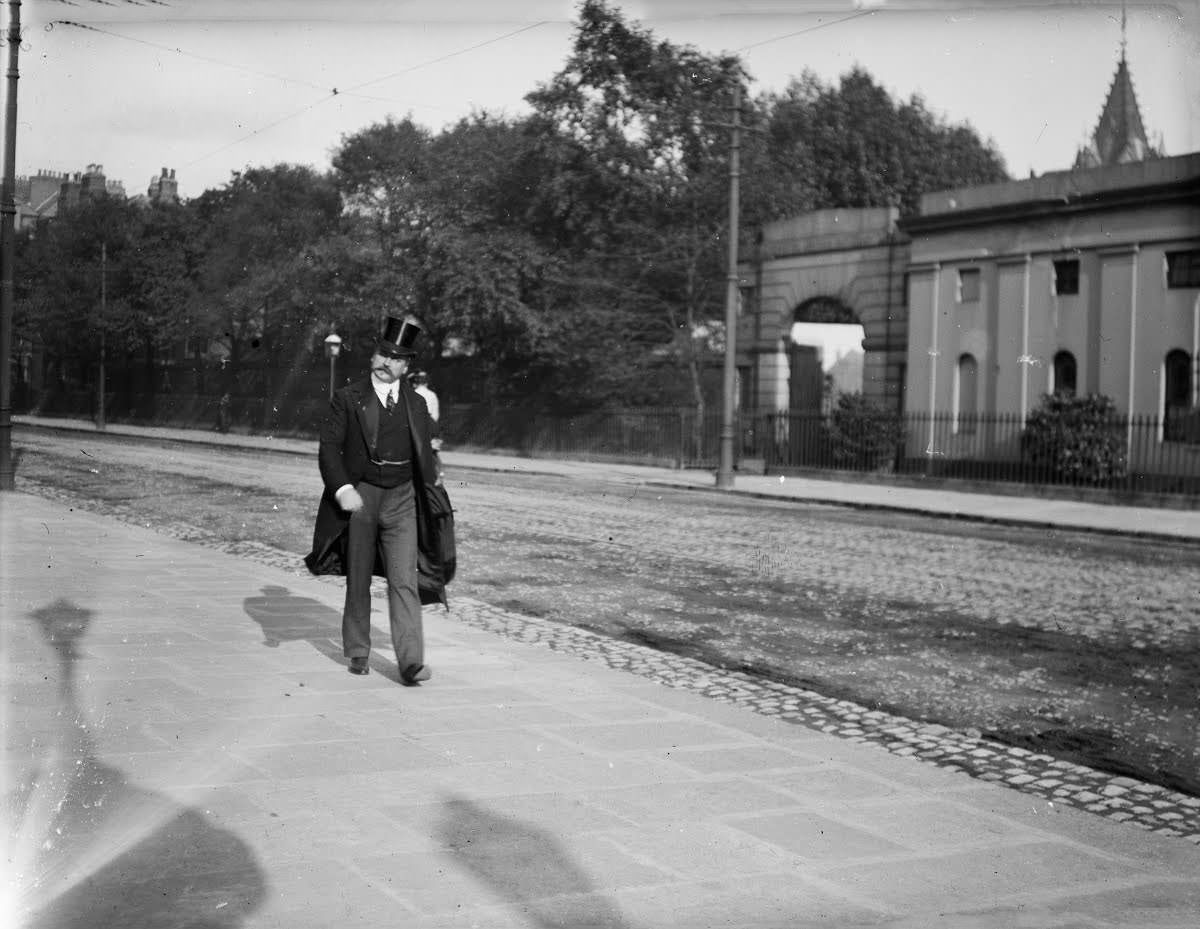
Clarke photographed the city during a period of political tension as well. Ireland was still under British rule, and the question of Irish independence was becoming louder by the year. The Easter Rising was still a decade away, but the mood on the streets — the sense of a city aware of its own identity — comes through in these images even without a single political sign or banner in sight.
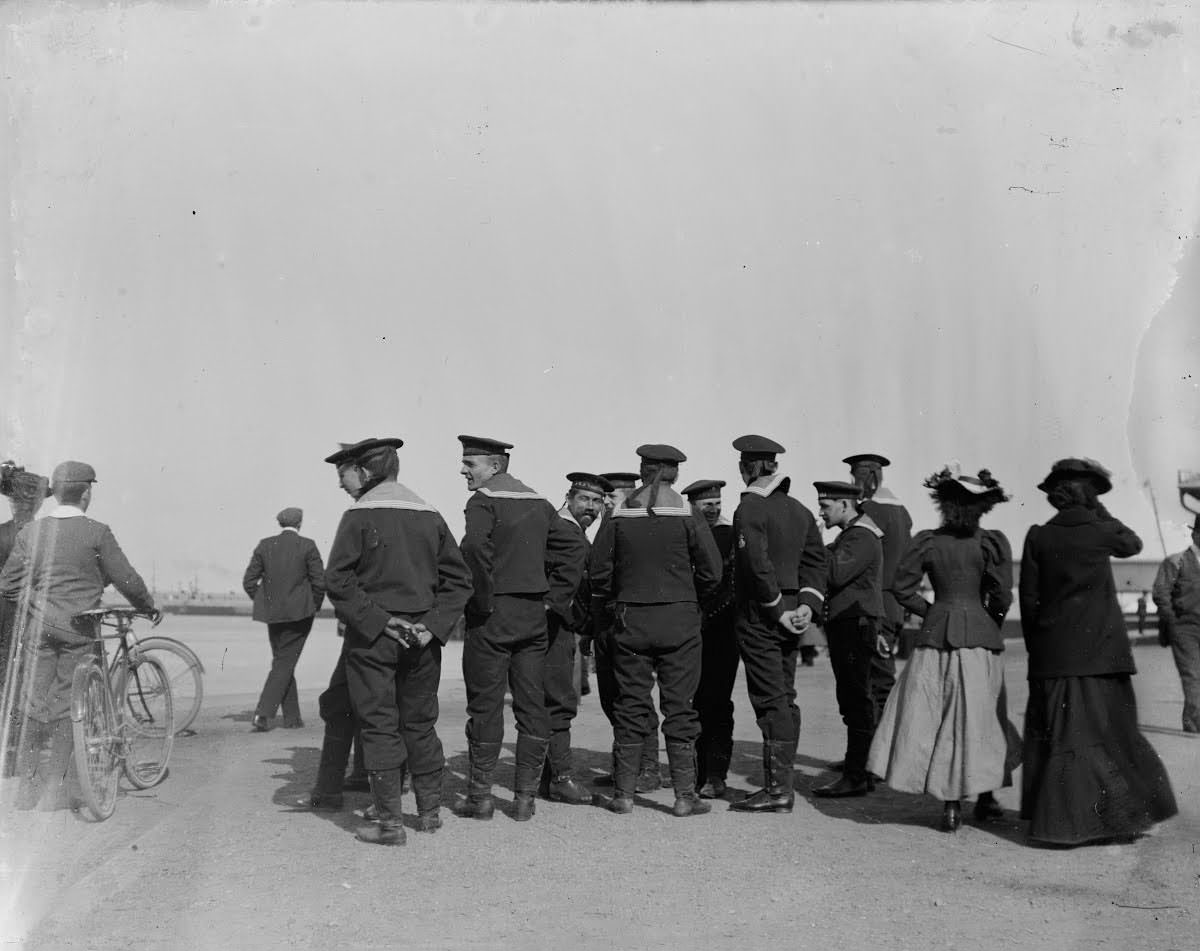
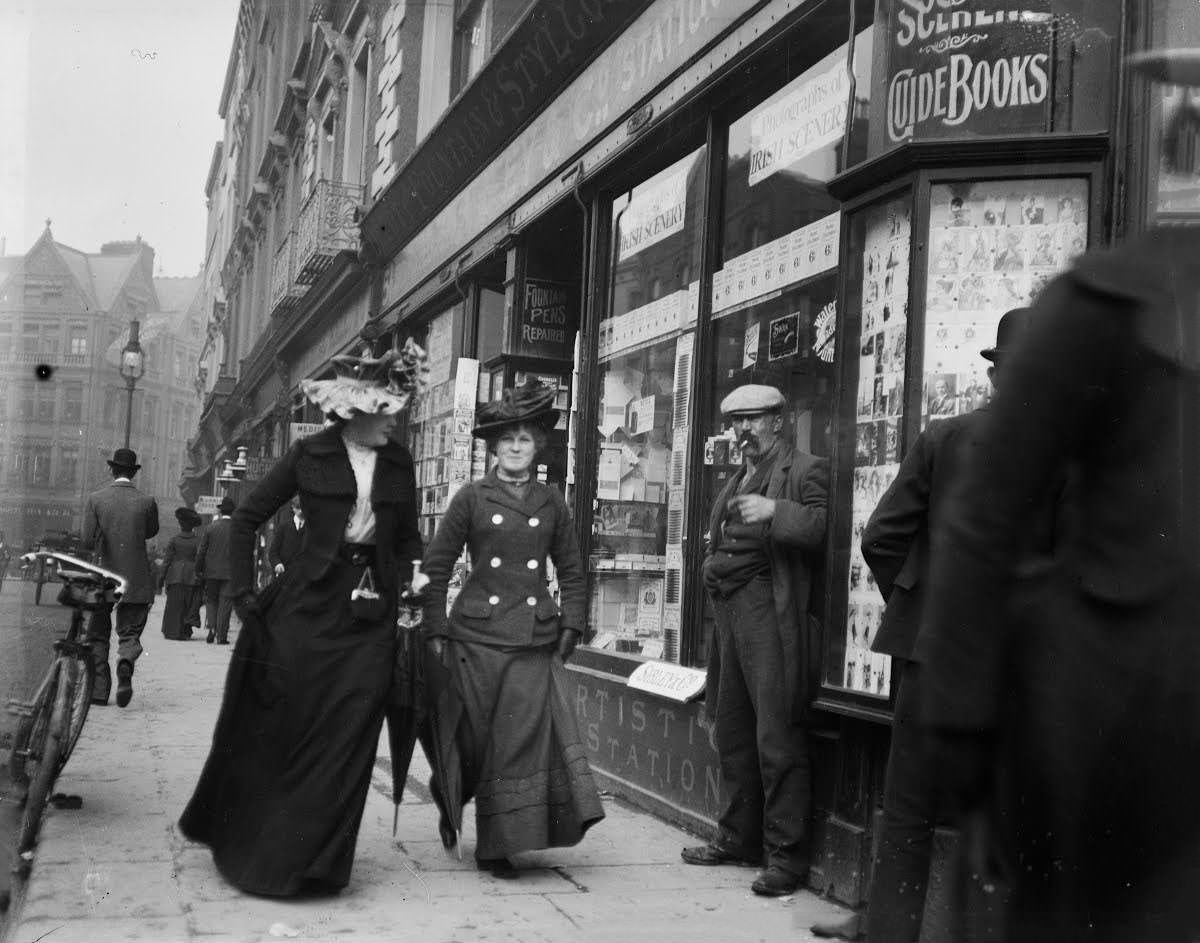
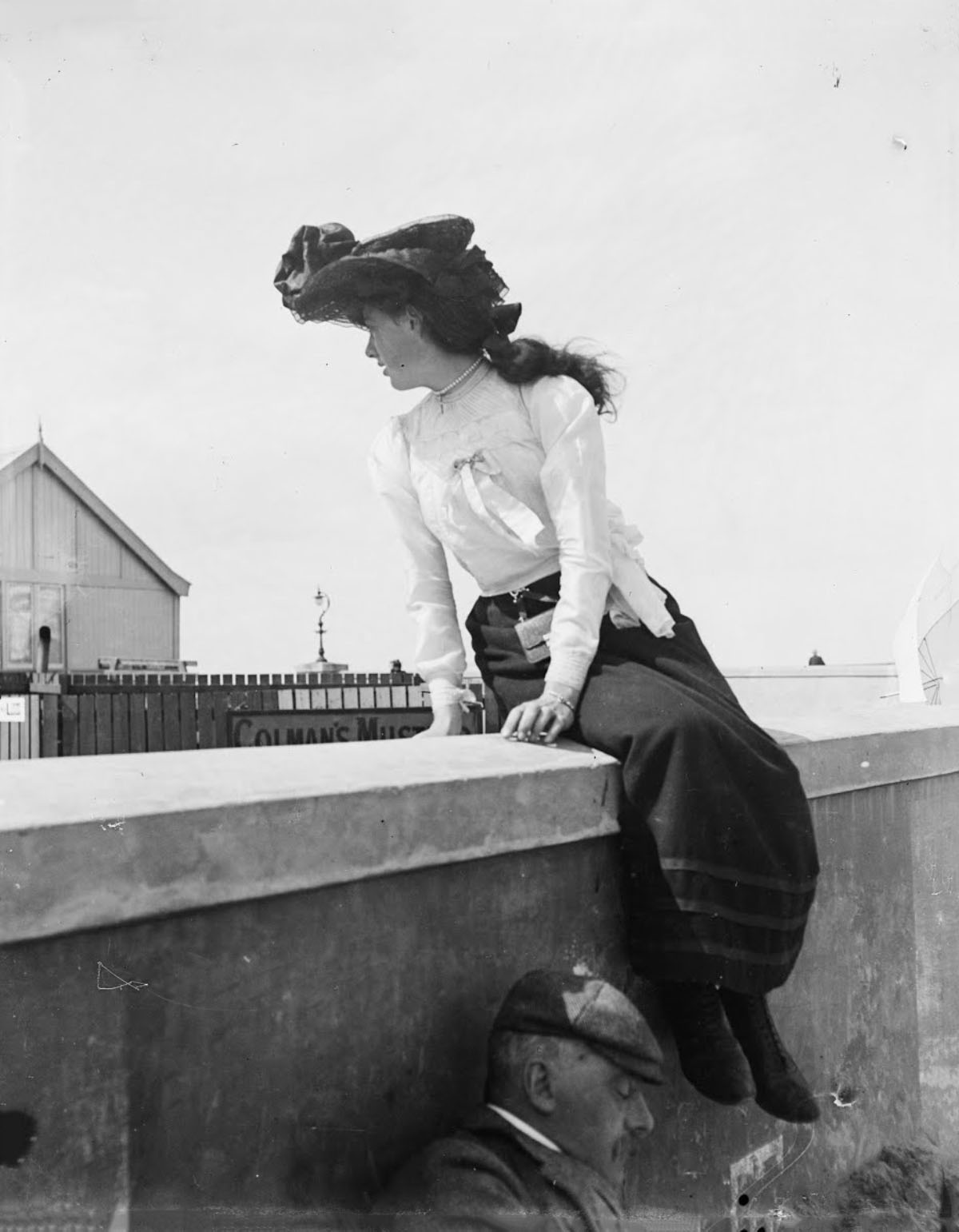
The seven-year span of Clarke’s photography — 1897 to 1904 — covers a remarkably compact and important window in Dublin’s history. The city was changing, but slowly. Horse-drawn vehicles still dominated the streets. Gas lamps lit the evenings. The pace of life was walking pace.
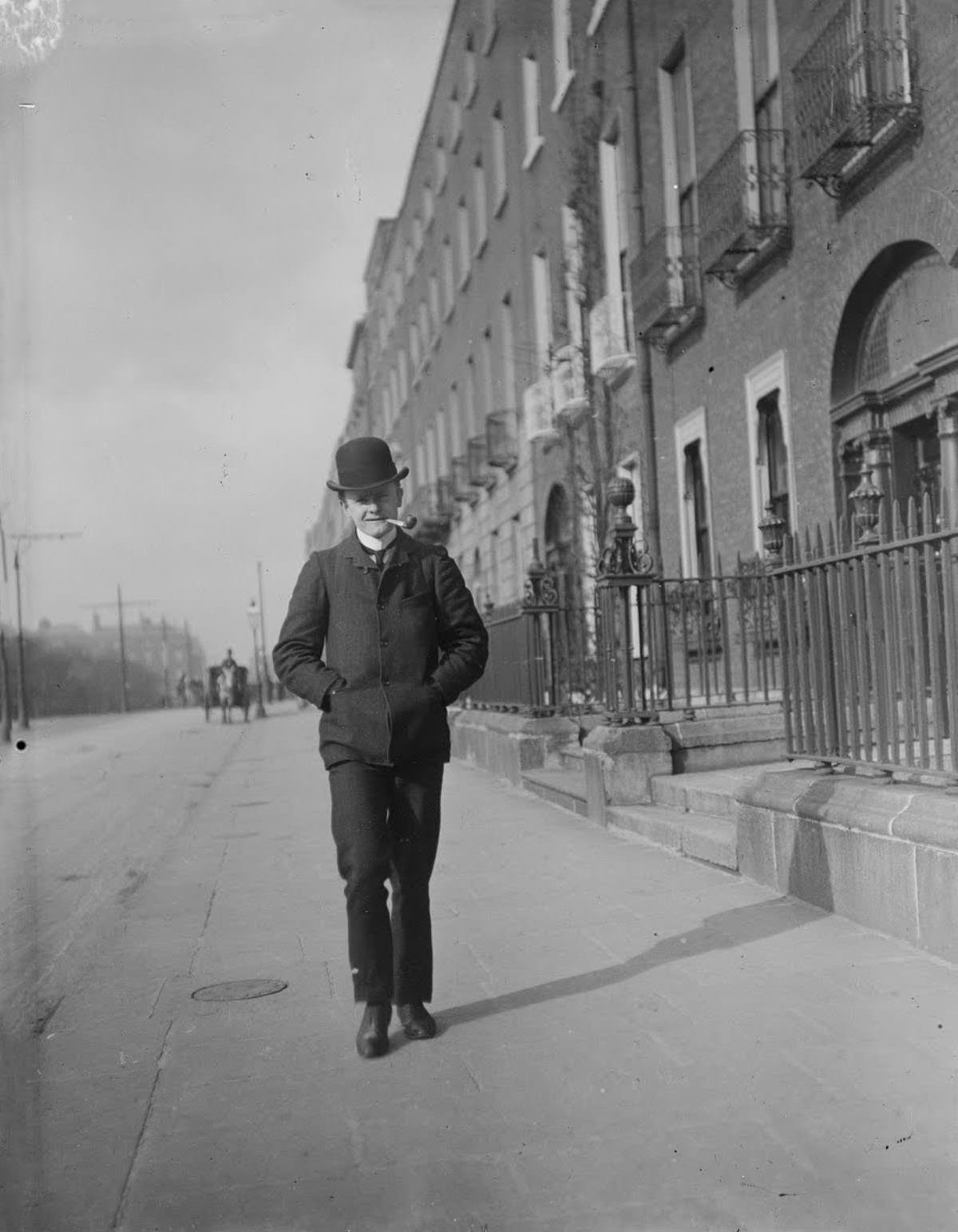
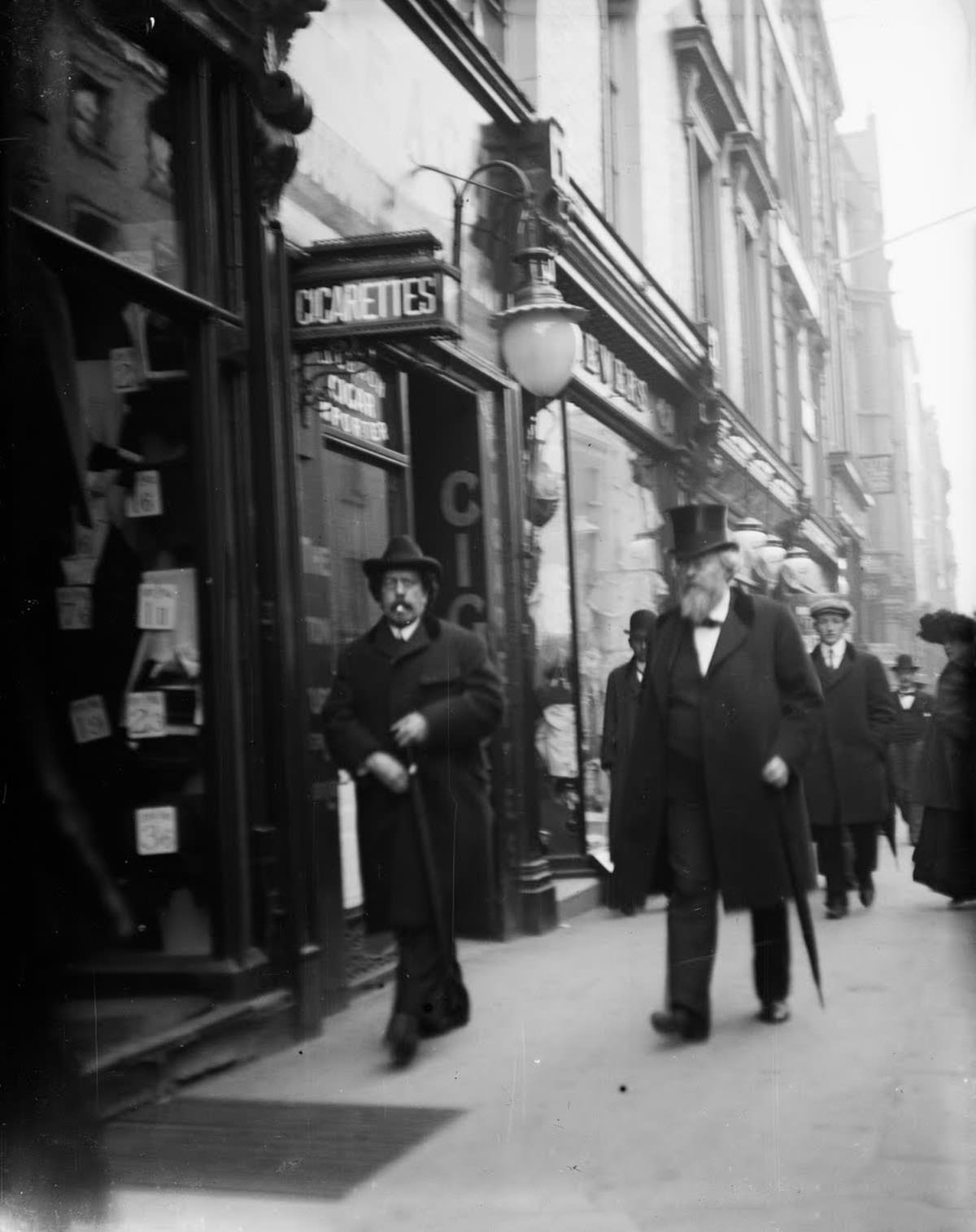
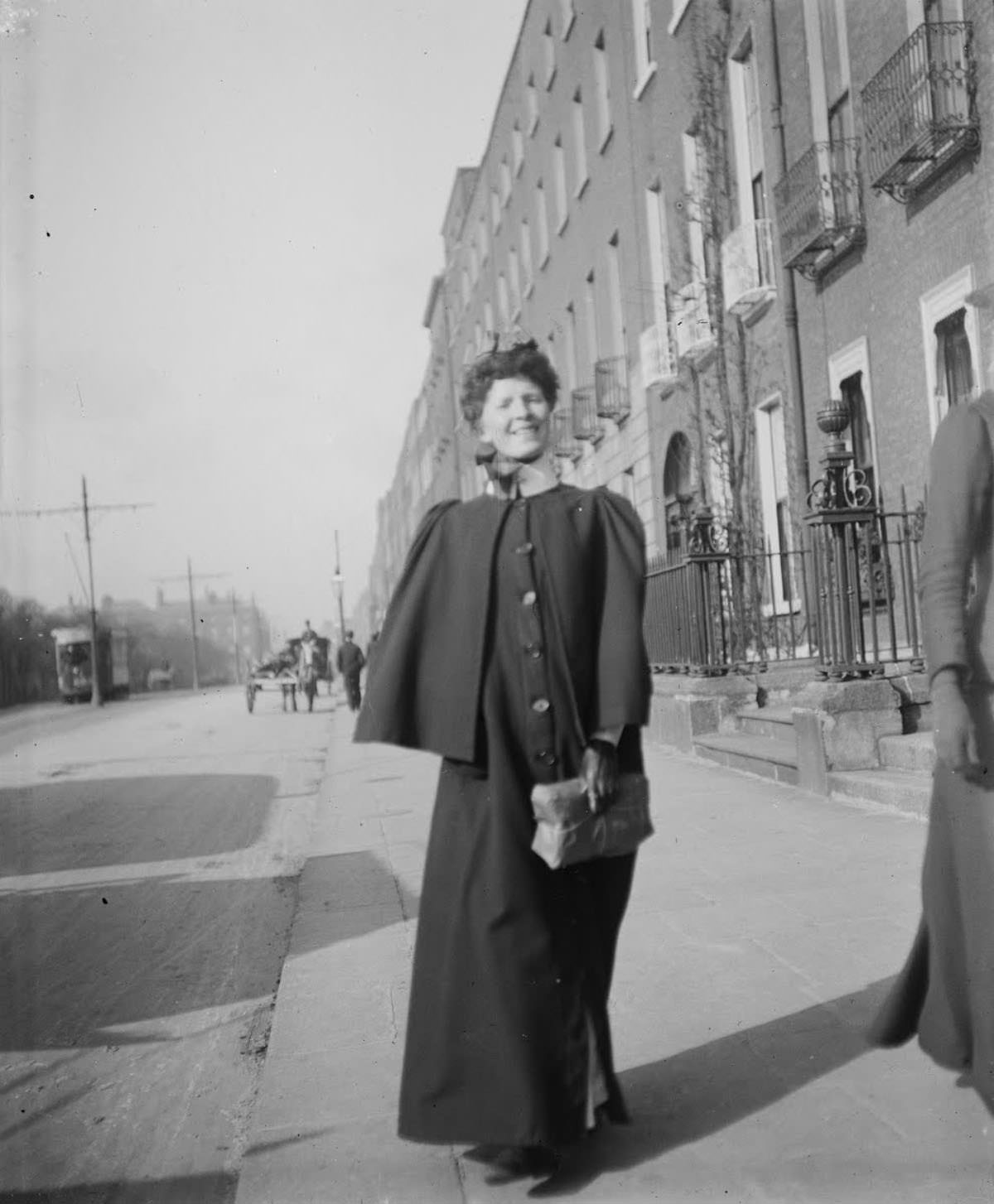
Taken together, Clarke’s photographs form a portrait of a city that was fully alive — complicated, layered, and deeply human. He was a medical student with a camera, paying attention to the world around him. The result is a collection that no posed studio portrait of the era could ever match.