
Before World War II, Dresden was one of the most admired cities in all of Europe. Germans called it the “Florence of the Elbe.” The city was filled with baroque and rococo palaces, grand cathedrals, world-class art galleries, and centuries-old streets that had survived wars and plagues. It was a cultural center, not a military one. Its contribution to Germany’s war production was small compared to cities like Hamburg, Cologne, or Berlin. None of that spared it from what was coming.
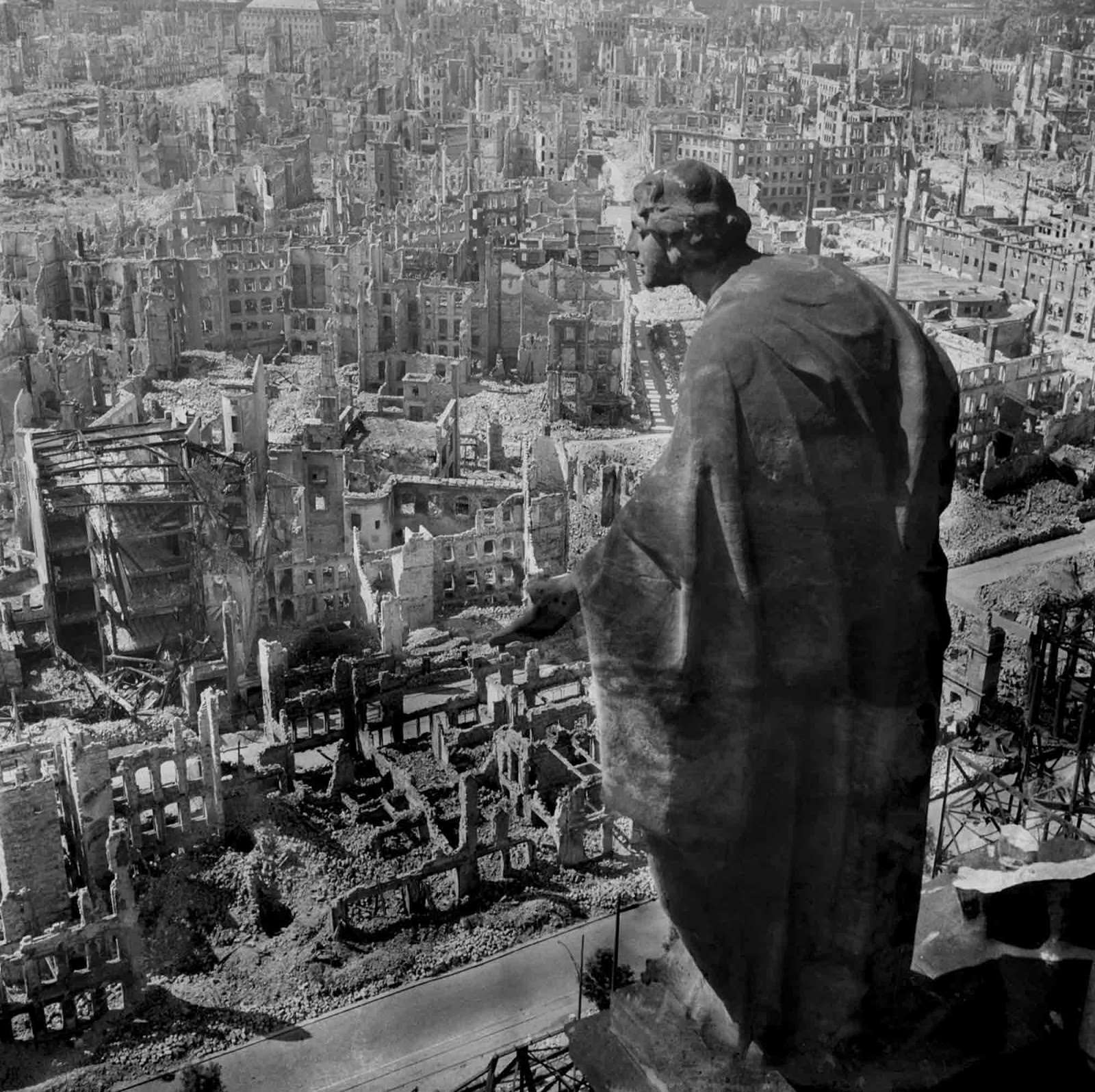
By early 1945, the war in Europe was entering its final phase. The Soviet Red Army was pushing hard from the east, capturing German city after city with little resistance. Hitler concentrated his forces around Berlin, leaving many other cities poorly defended. Dresden fell into that category. Its anti-aircraft defenses were thin, and its population had swelled with refugees fleeing the Soviet advance. Estimates suggest the city held anywhere from 300,000 to over a million people in those final weeks, far more than its usual population.
Allied strategic planners had adopted a bombing doctrine known as saturation bombing. The idea was to destroy not just military targets but entire urban areas — factories, rail lines, roads, and civilian neighborhoods alike. Allied command believed this approach would break Germany’s economy and shatter the morale of its people, forcing an earlier surrender. Dresden, as a rail hub connecting the Eastern and Western fronts, was placed on the target list.
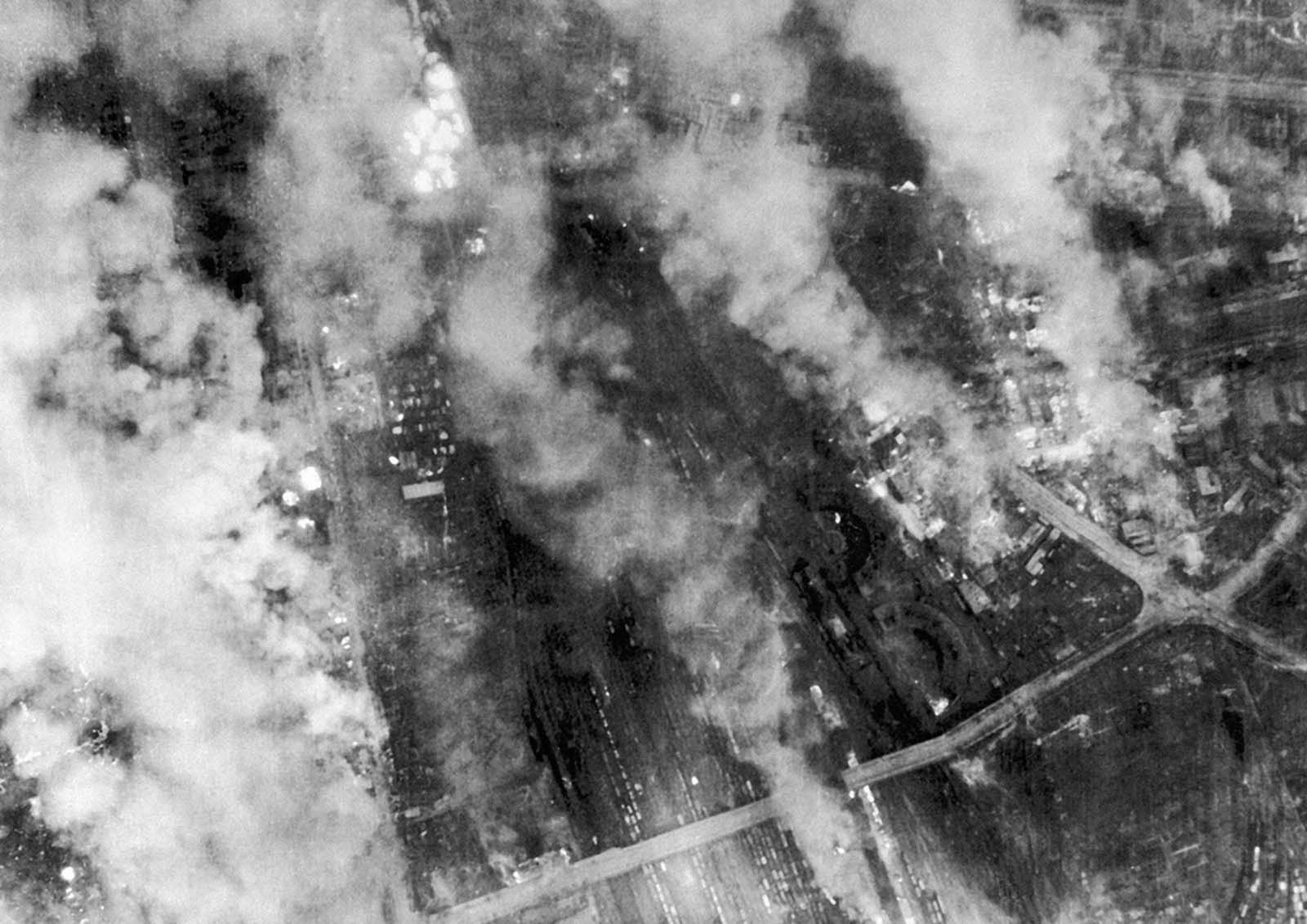
The attack began on the night of February 13, 1945. Royal Air Force Lancasters arrived over the city in two waves. Dresden’s defenses were so weak that only six Lancaster bombers were shot down across the entire operation. By morning, the RAF had dropped more than 1,400 tons of high-explosive bombs and over 1,100 tons of incendiary bombs on the city. The bombing method was deliberate in its design: high-explosive bombs first blew apart the outer walls of buildings, exposing their wooden frames. Incendiary bombs then ignited the exposed timber. A final round of explosives was dropped to hamper firefighting crews and keep the fires burning.
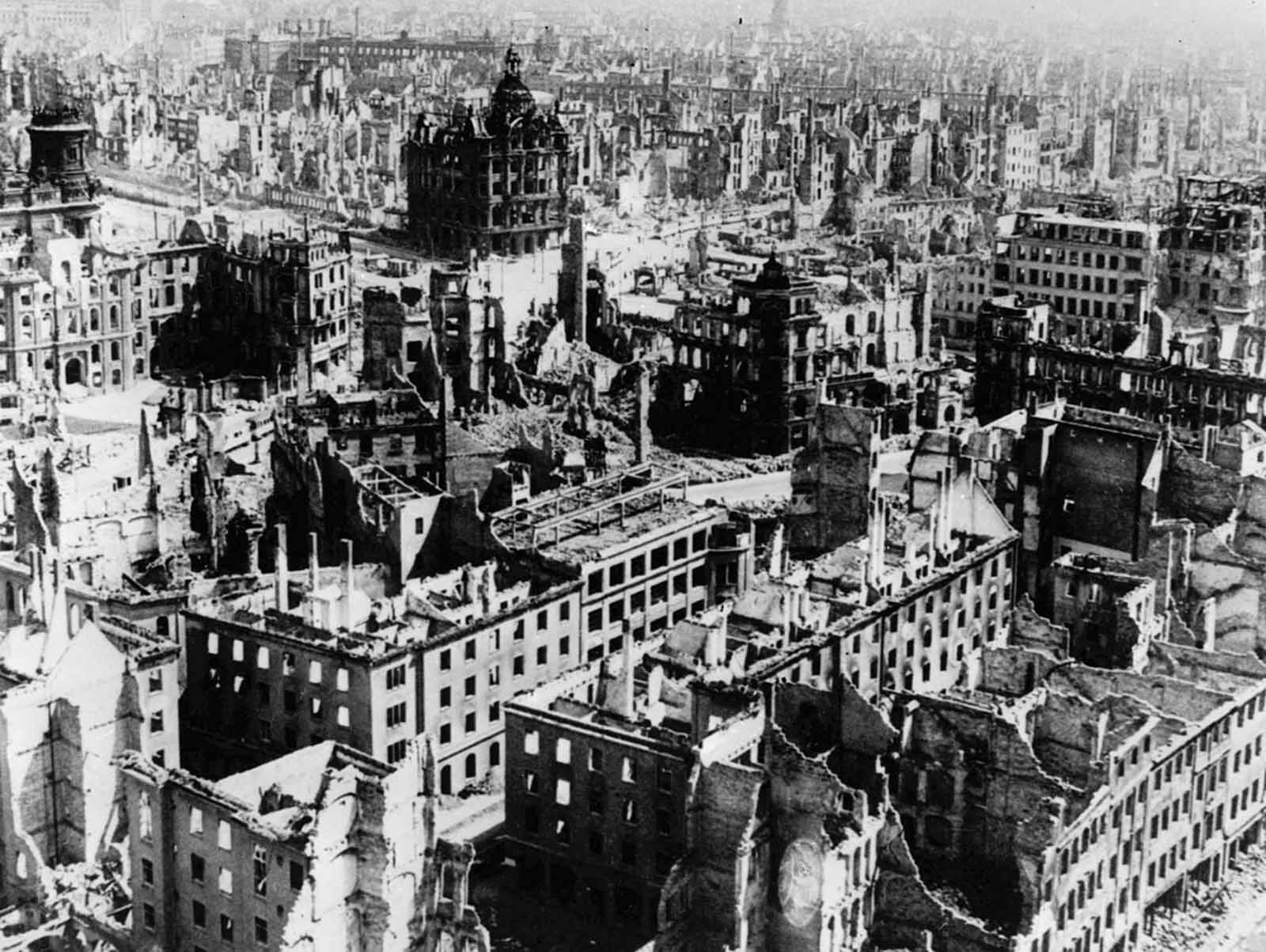
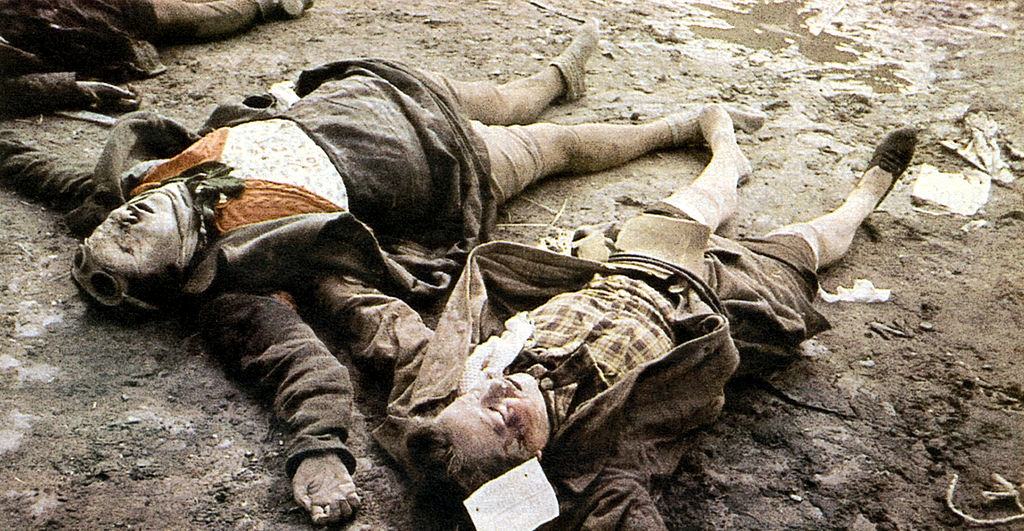
The fires merged into a single massive firestorm. Temperatures inside the burning city reached above 3,000 degrees Fahrenheit. The firestorm created its own wind system, pulling oxygen toward the center and feeding the flames with enormous force. People in shelters suffocated as the fire consumed the available oxygen. Others who ran into the streets were overtaken by walls of flame or collapsed from the heat.
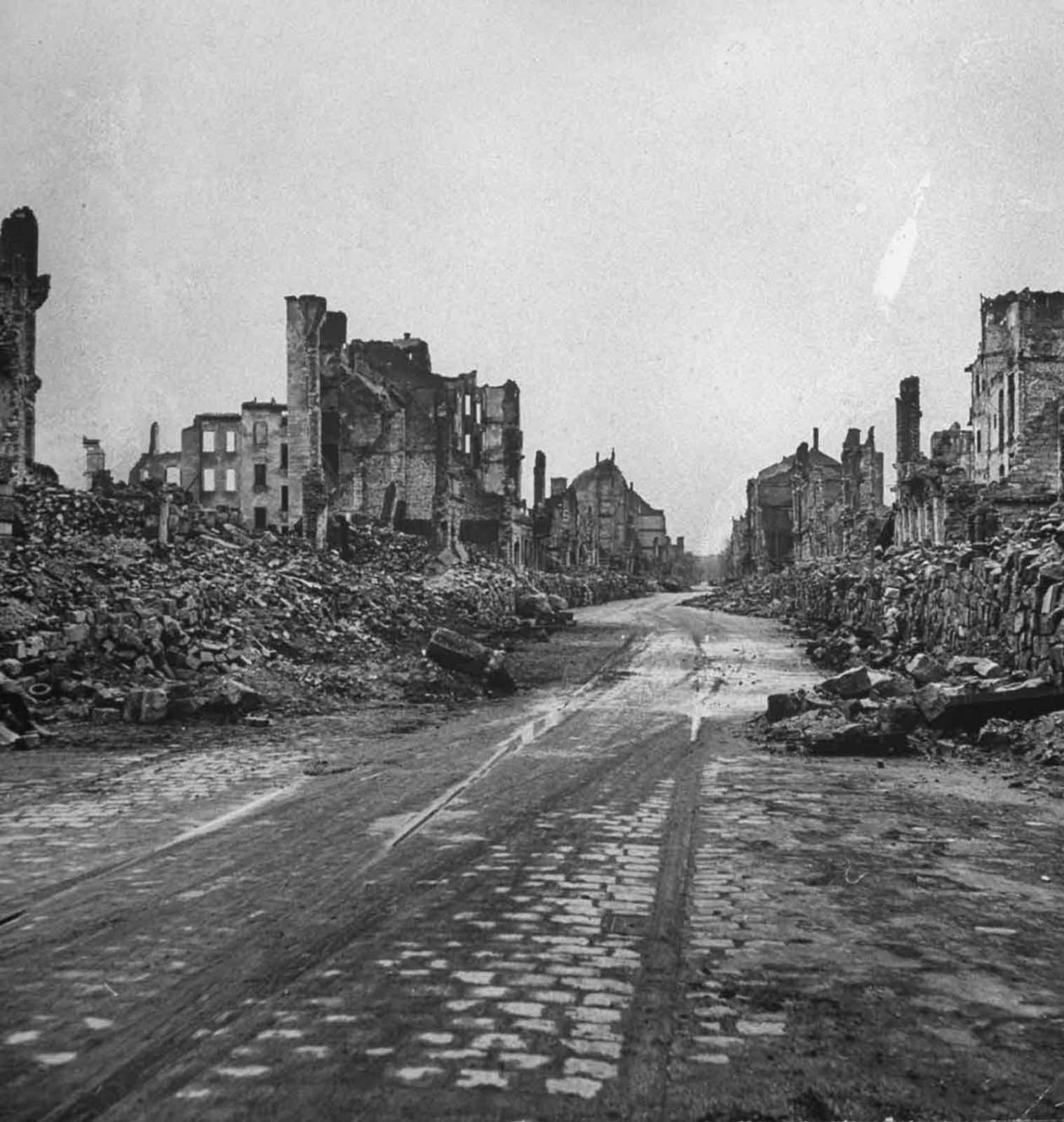
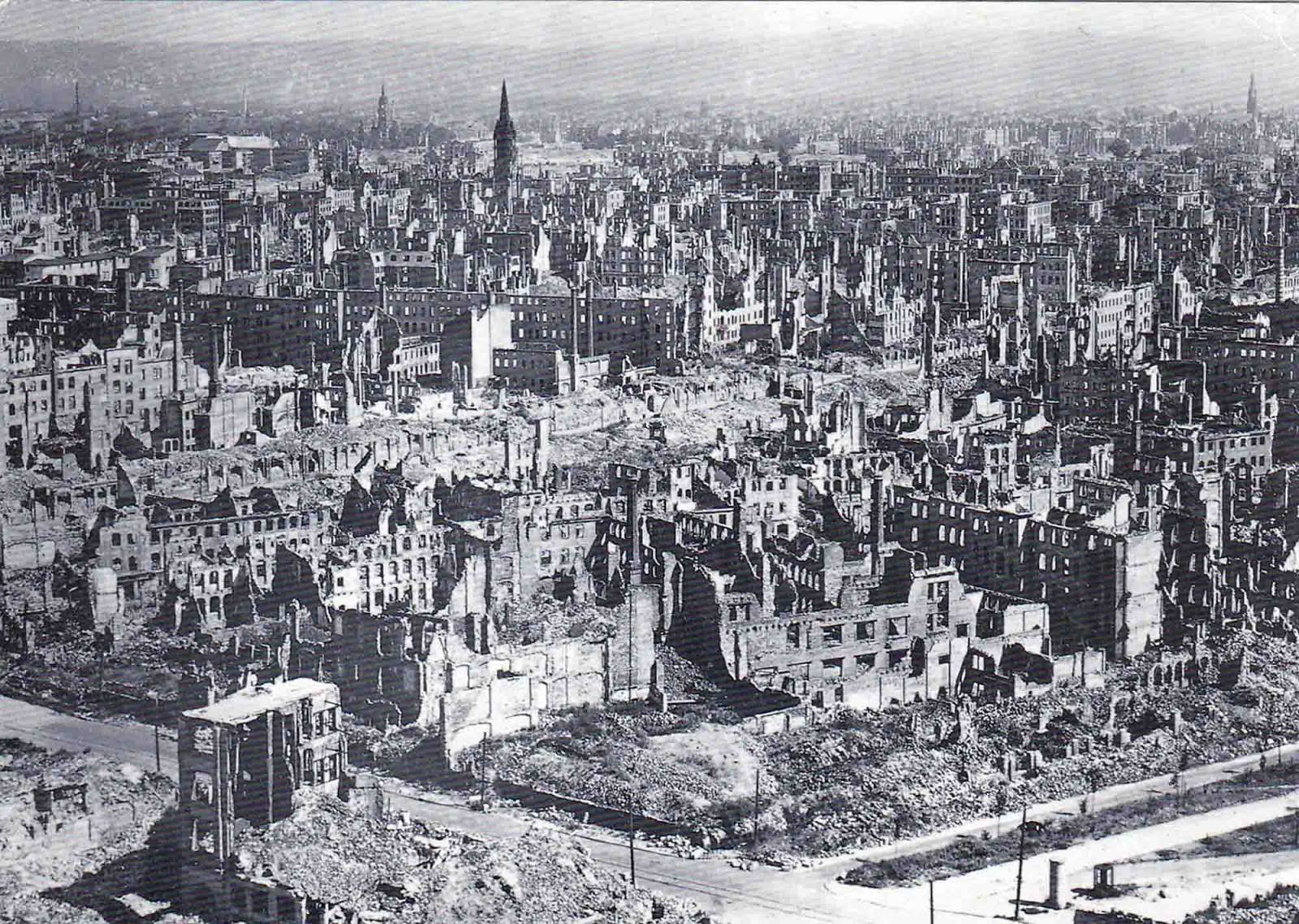
When daylight came on February 14, survivors began to emerge from cellars and shelters into a smoldering wasteland. That same afternoon, the United States Eighth Air Force arrived over Dresden. American bombers targeted roads, bridges, railways, and residential areas, killing thousands more. On February 15, another 200 U.S. bombers continued the assault, dropping 950 tons of high-explosive bombs and more than 290 tons of incendiaries. The Eighth Air Force returned to Dresden in three additional raids before the war ended, dropping a further 2,800 tons of bombs on the already devastated city.
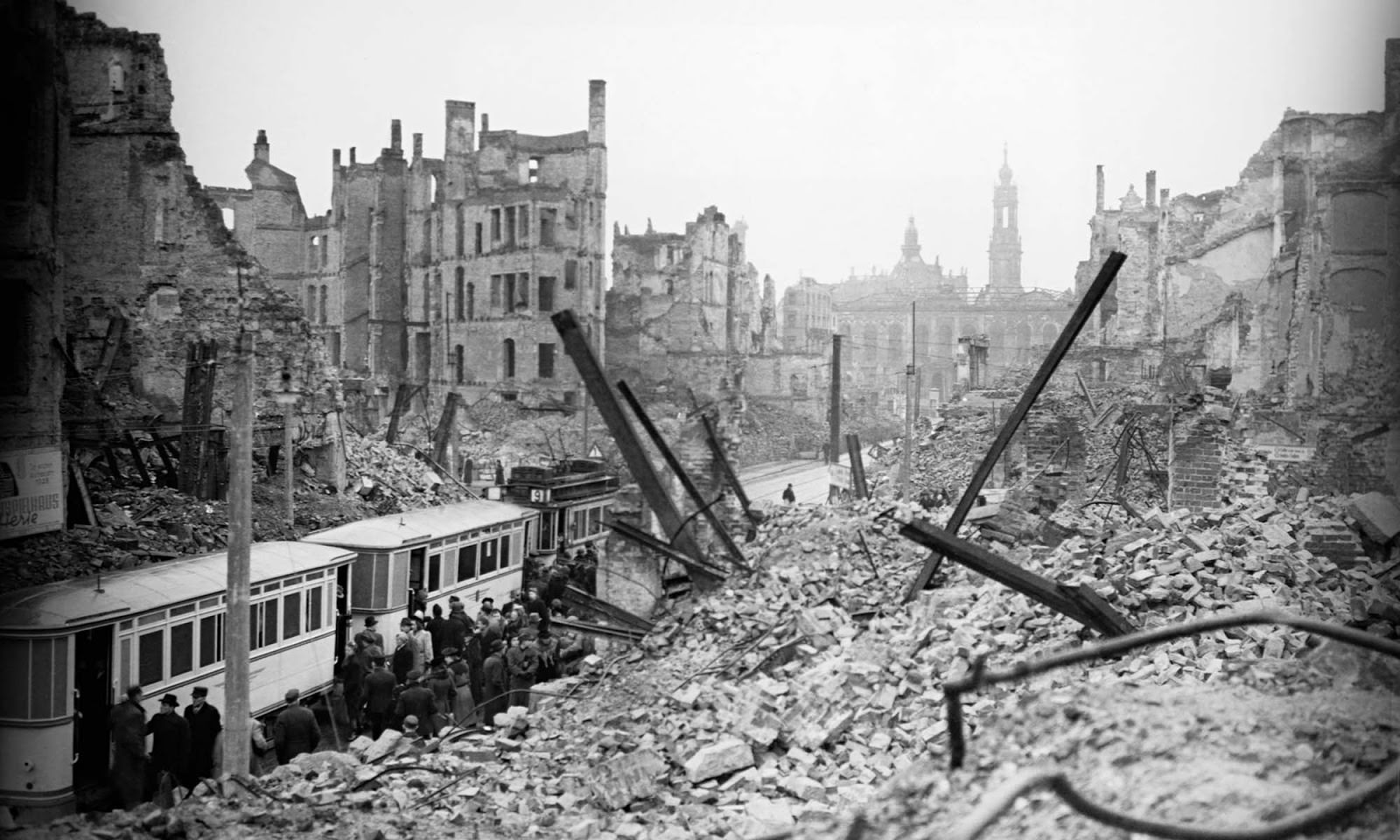
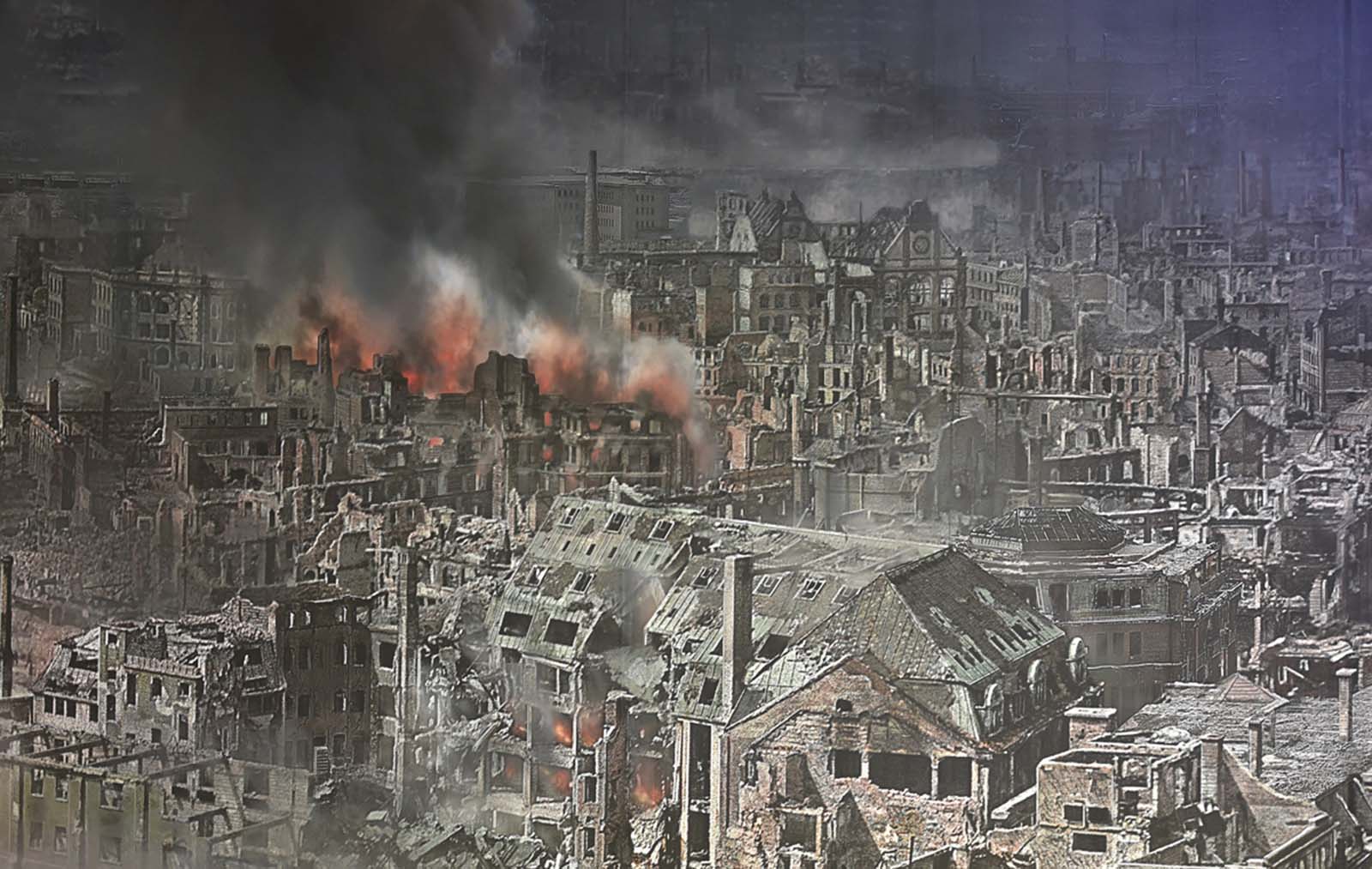
The human cost was staggering, and the exact death toll remains a point of historical debate. Post-war investigators and journalists estimated casualties ranging from 10,000 to as high as 200,000. More recent historical research, including a 2010 study commissioned by the city of Dresden, settled on a figure of approximately 22,700 to 25,000 dead — though the chaos of the final months of war, the vast number of unregistered refugees in the city, and the sheer scale of the destruction make a precise count impossible.
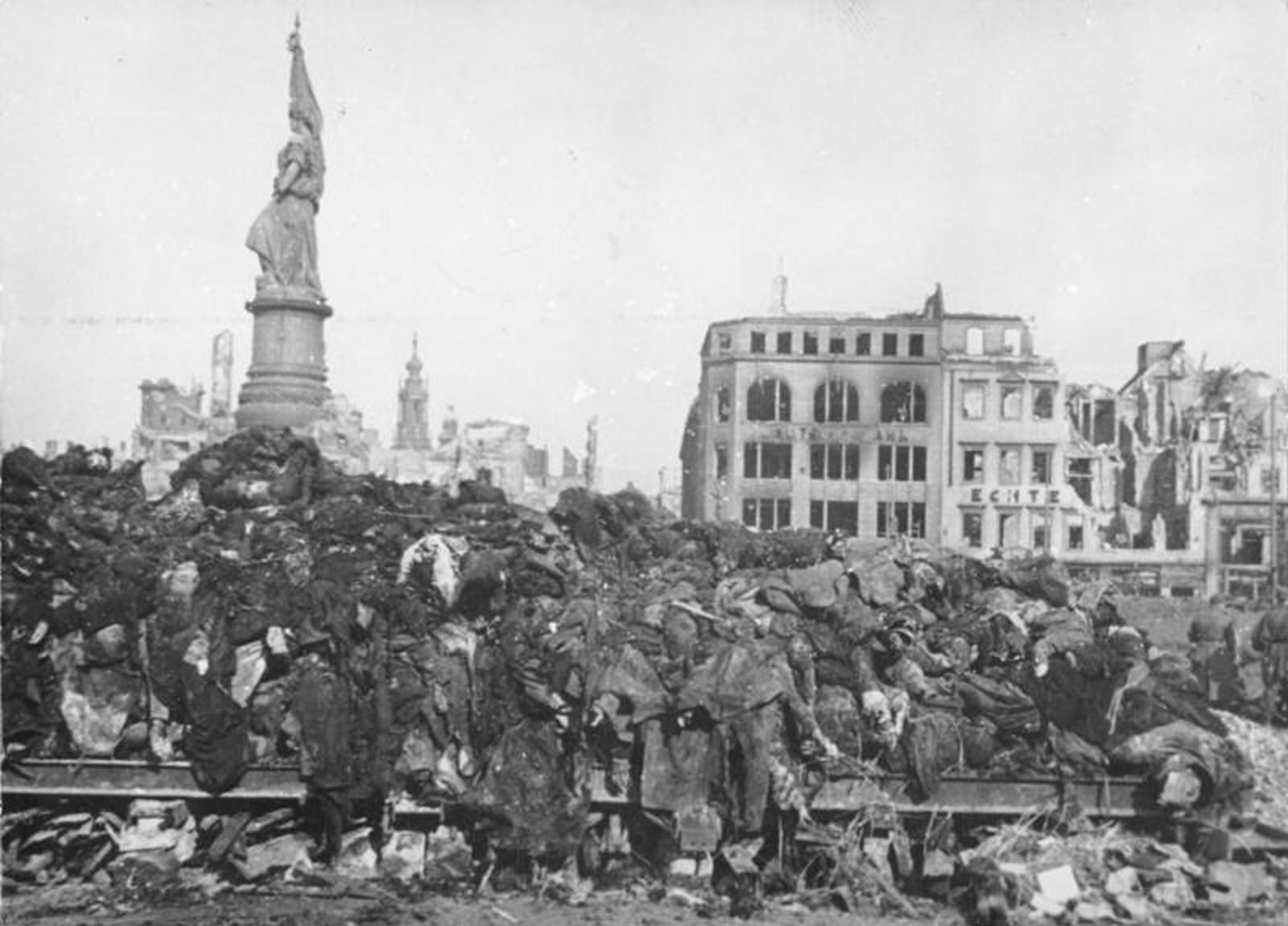
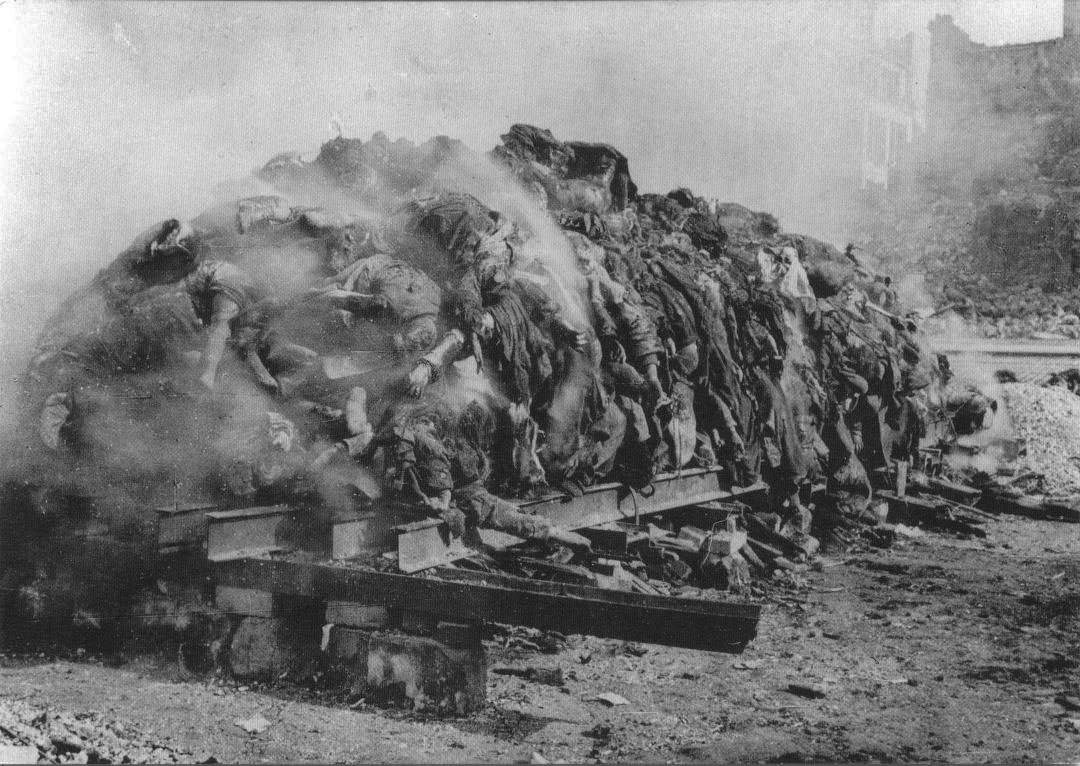
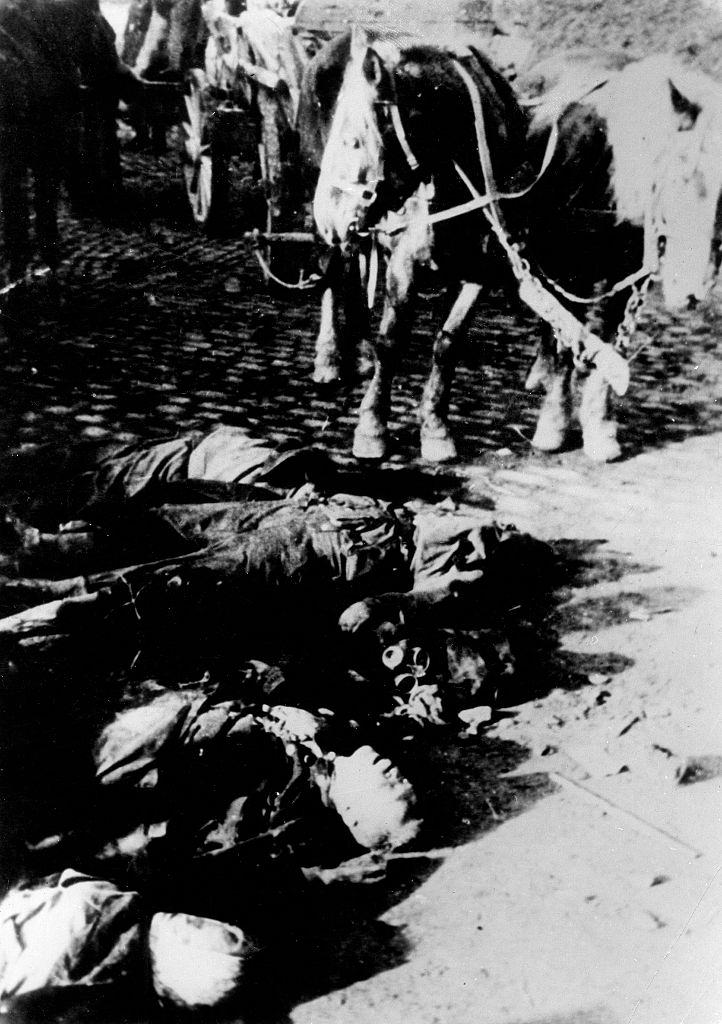
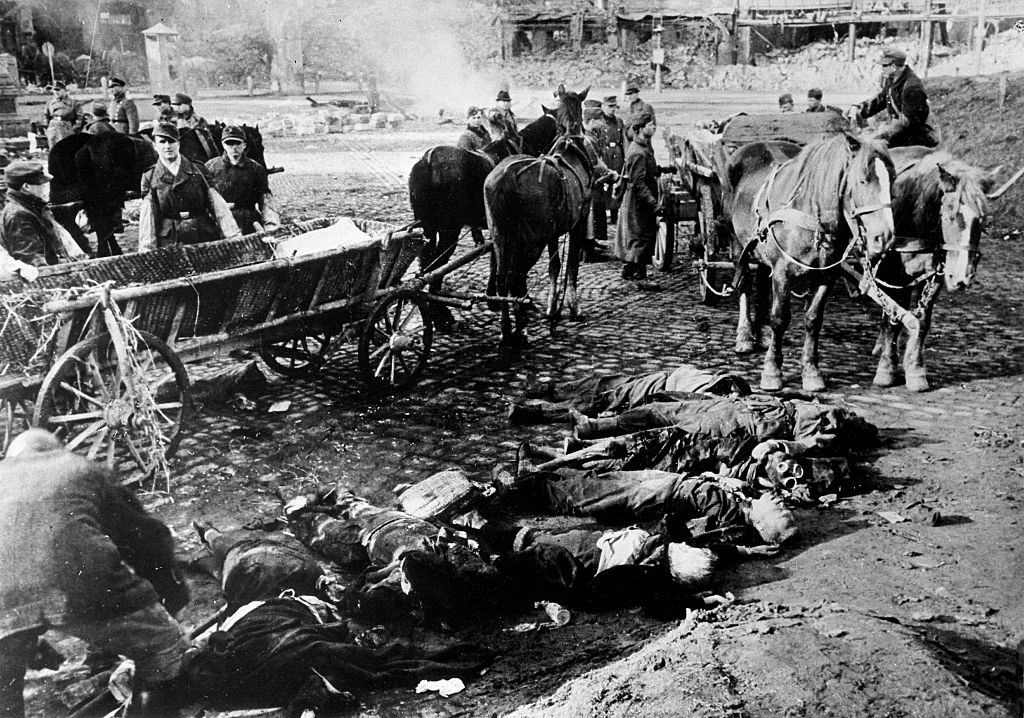
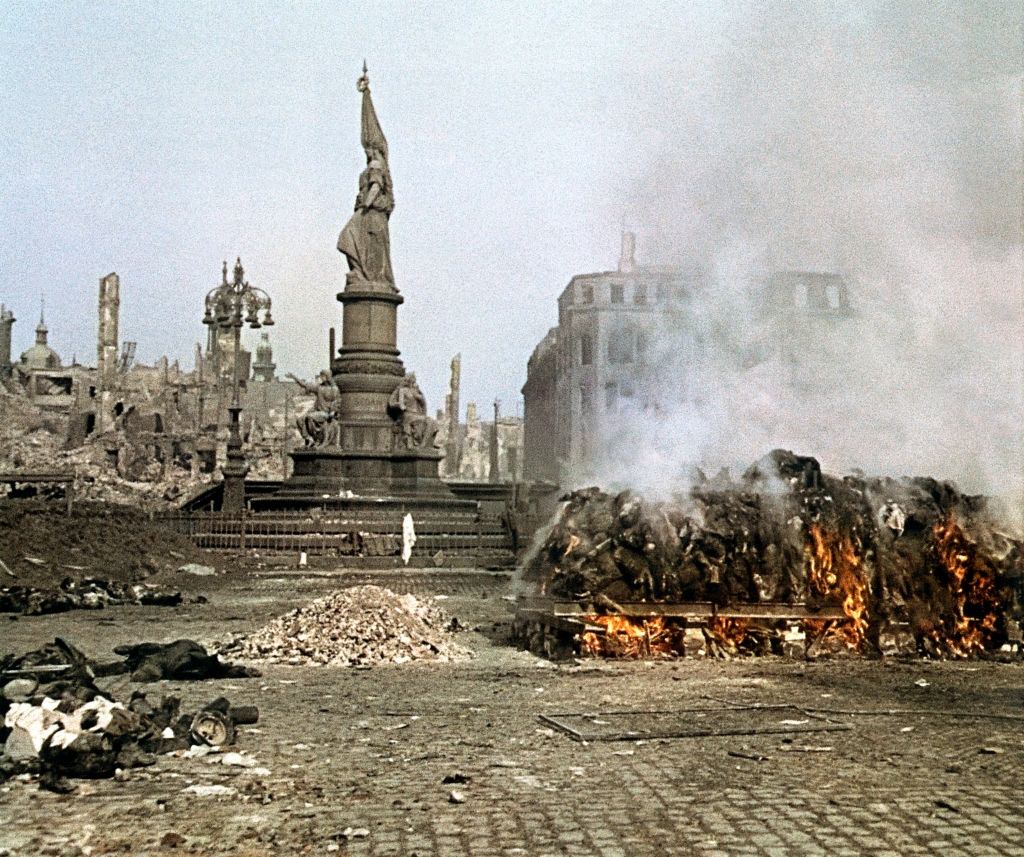
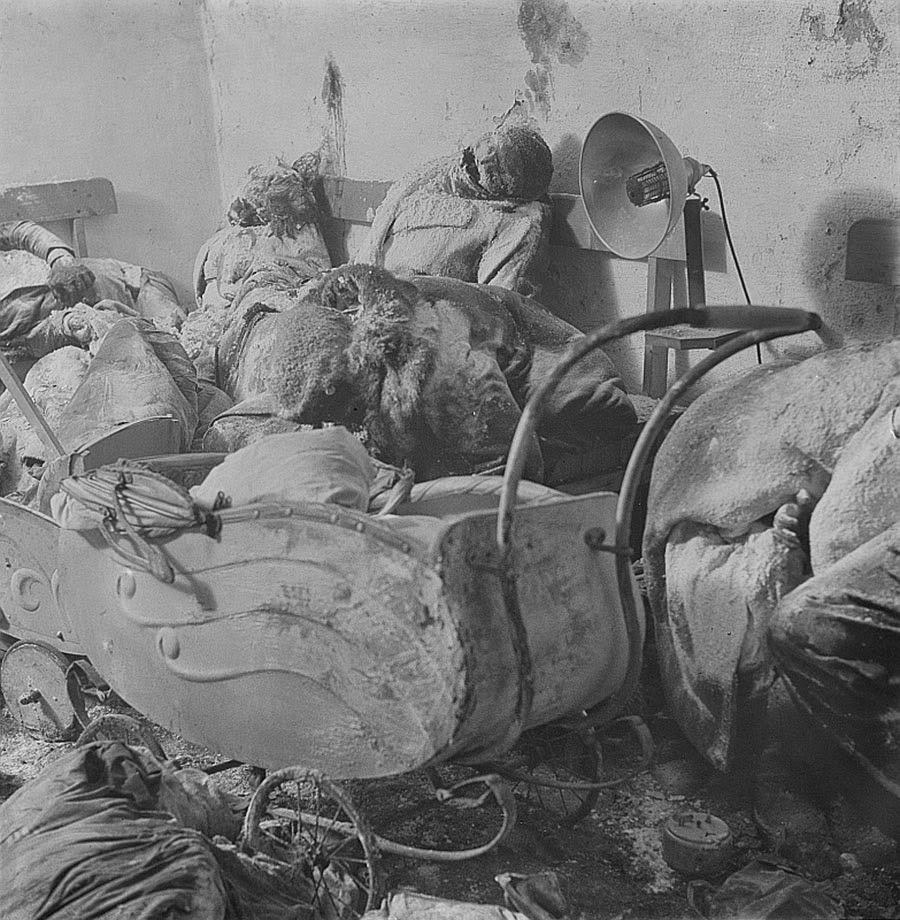
Mass cremations were carried out in the open streets and public squares. Bodies were stacked on iron grates and burned at sites across the city center, including the Altmarkt. German authorities feared that the sheer number of corpses posed a serious disease risk as temperatures began to rise. Soldiers and civilian workers moved through the rubble for weeks, pulling the dead from collapsed shelters and bombed-out cellars.
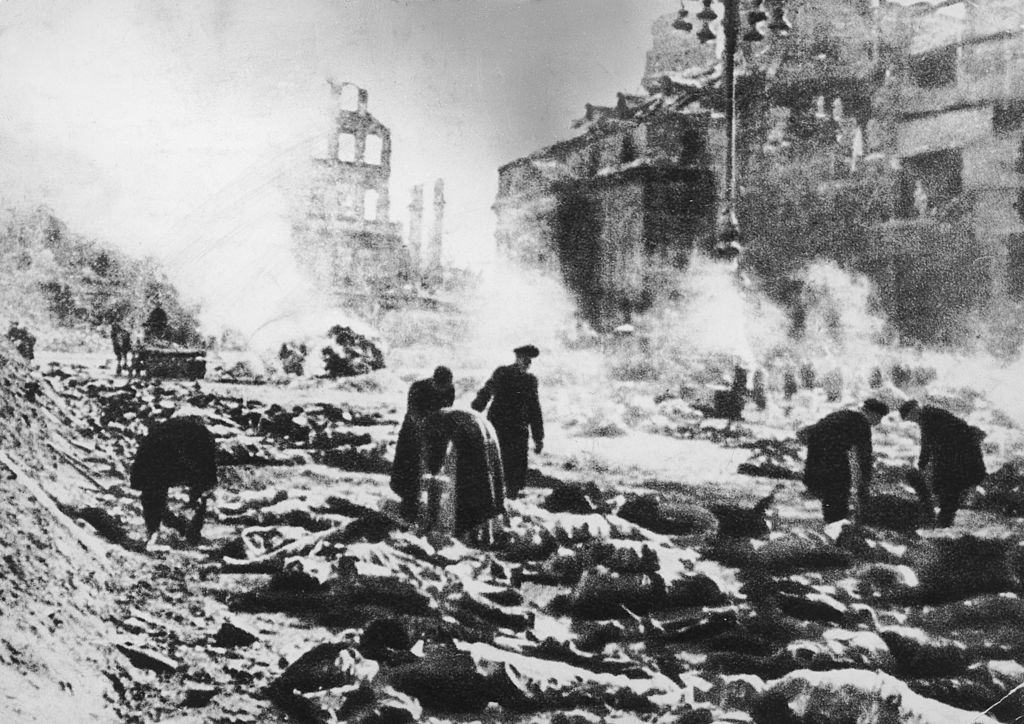
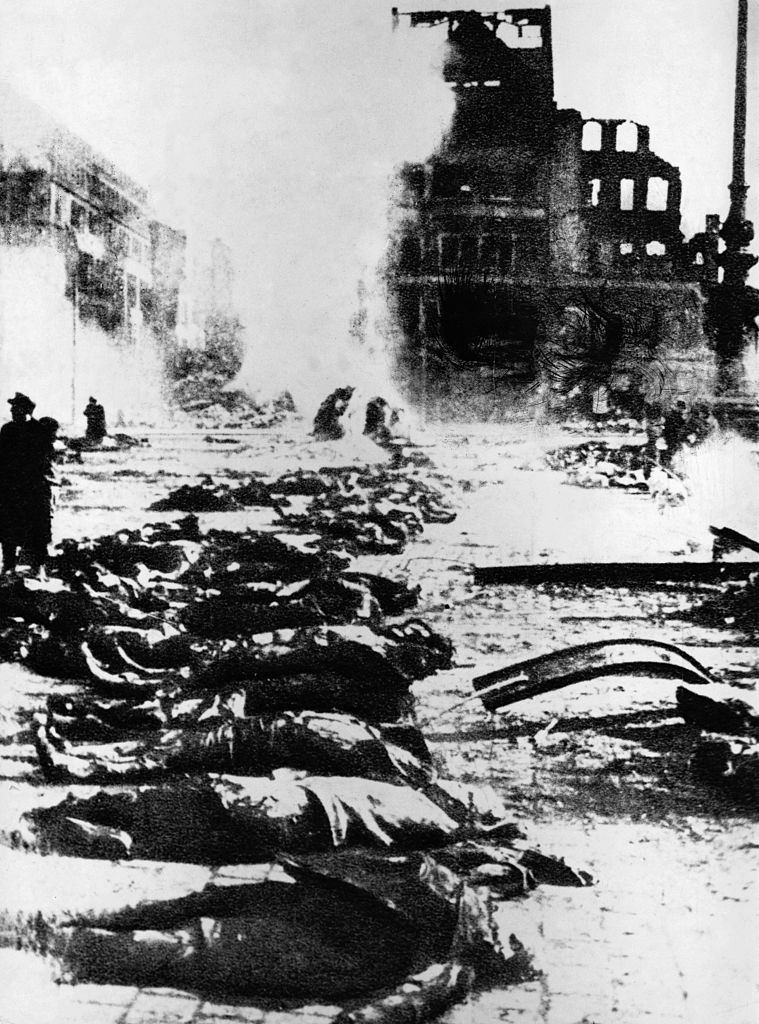
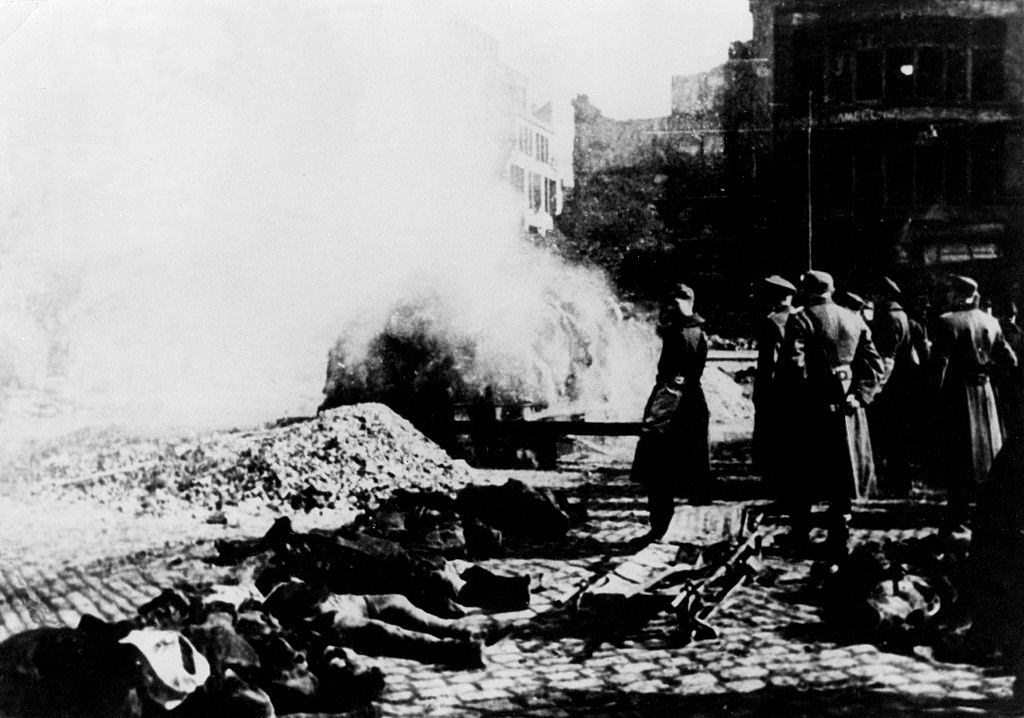
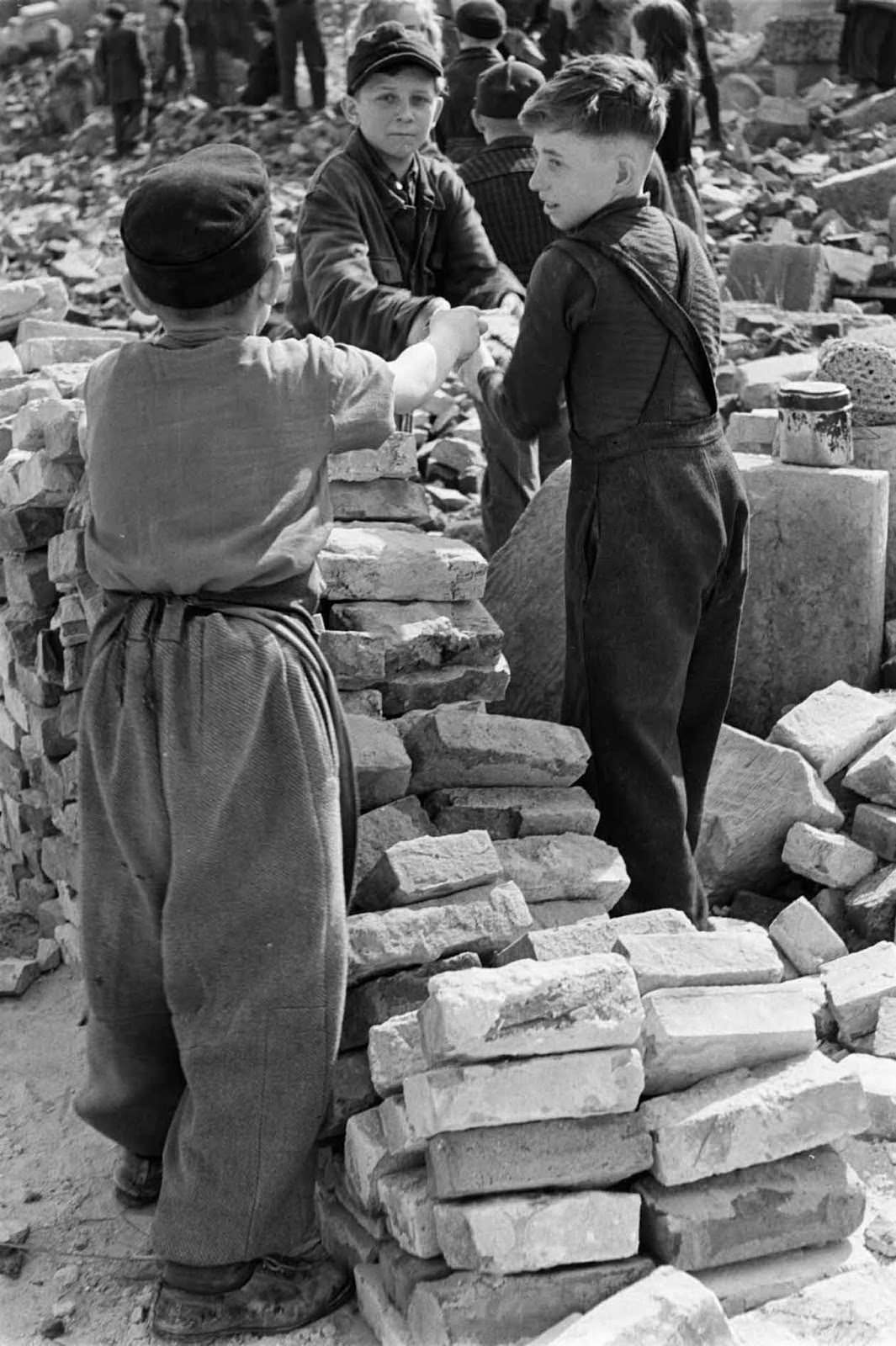
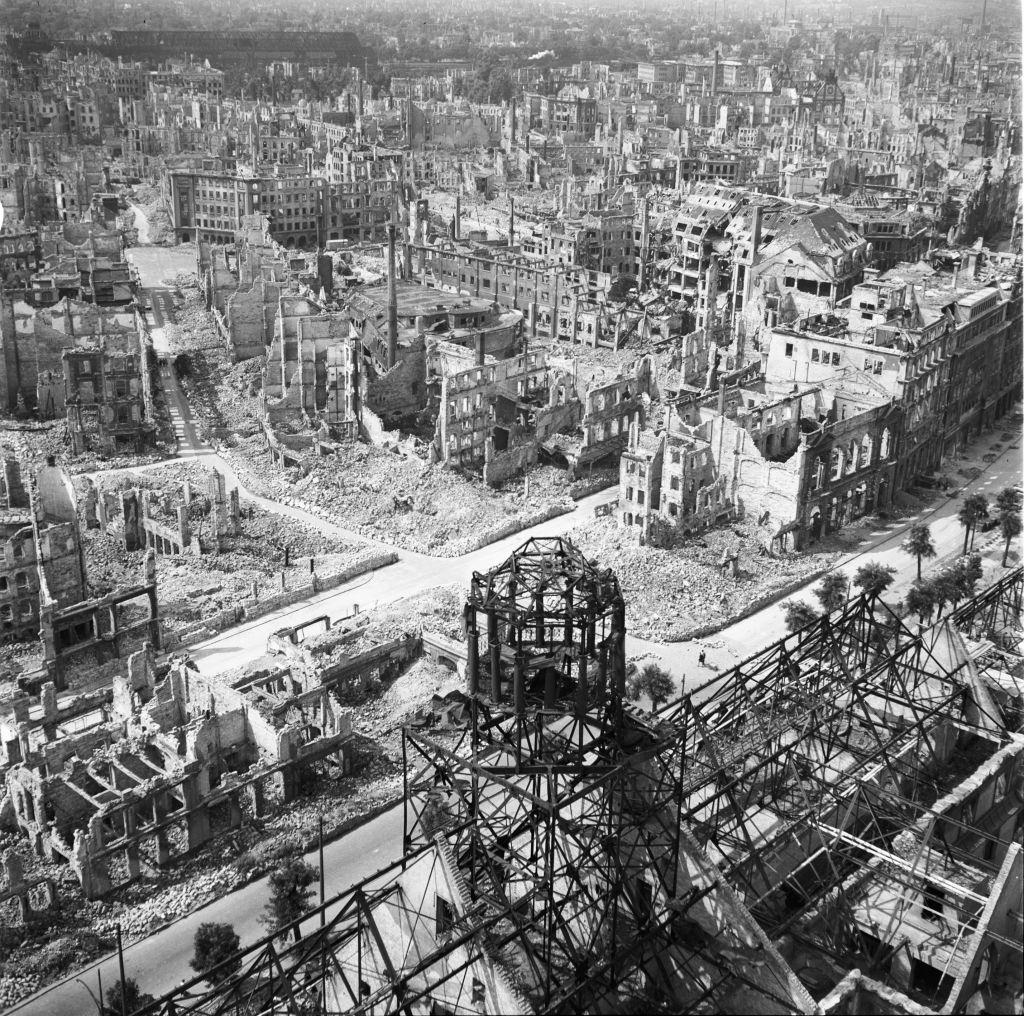
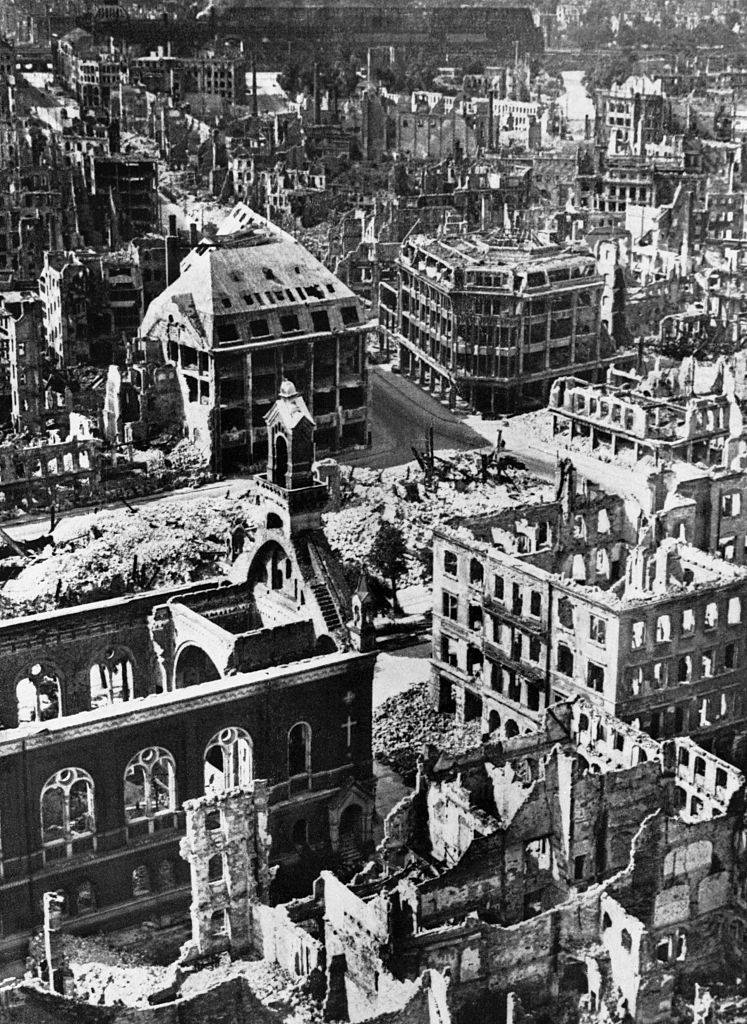
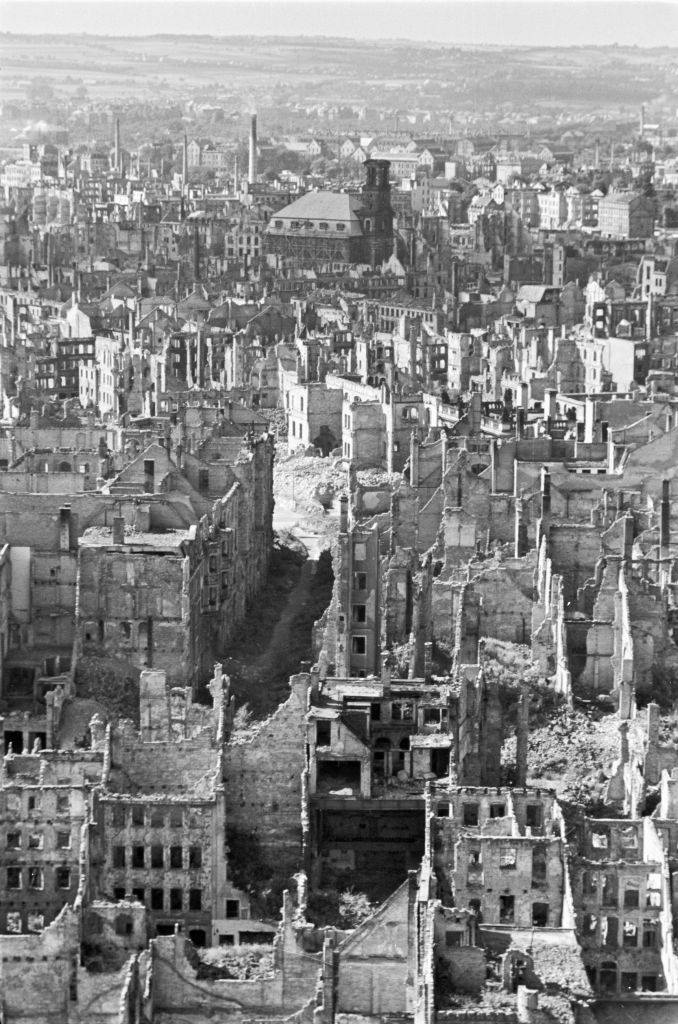
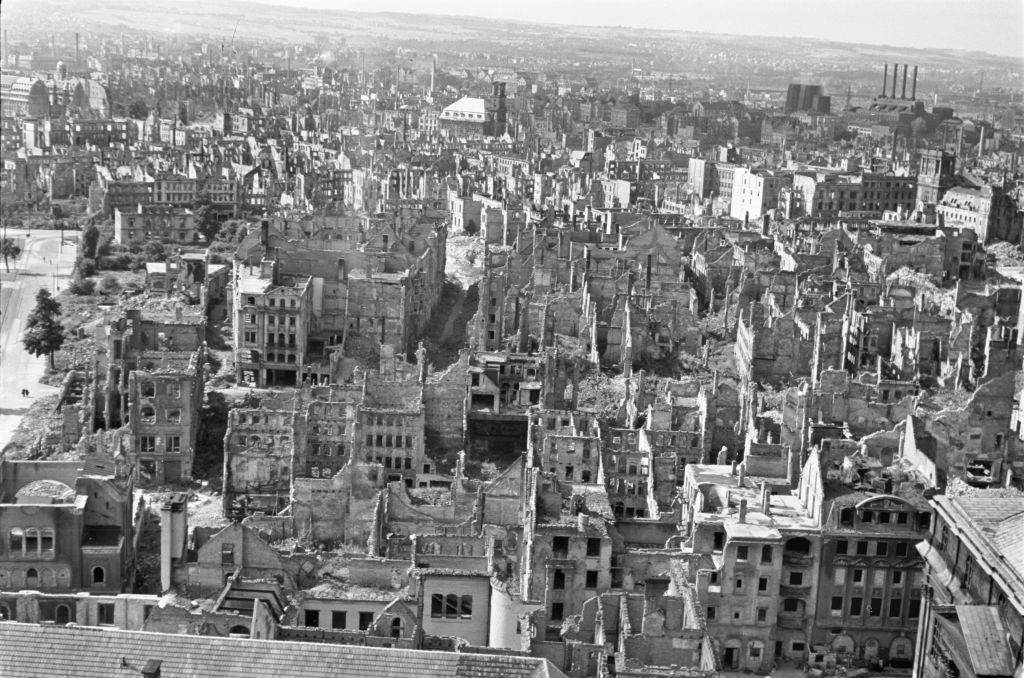
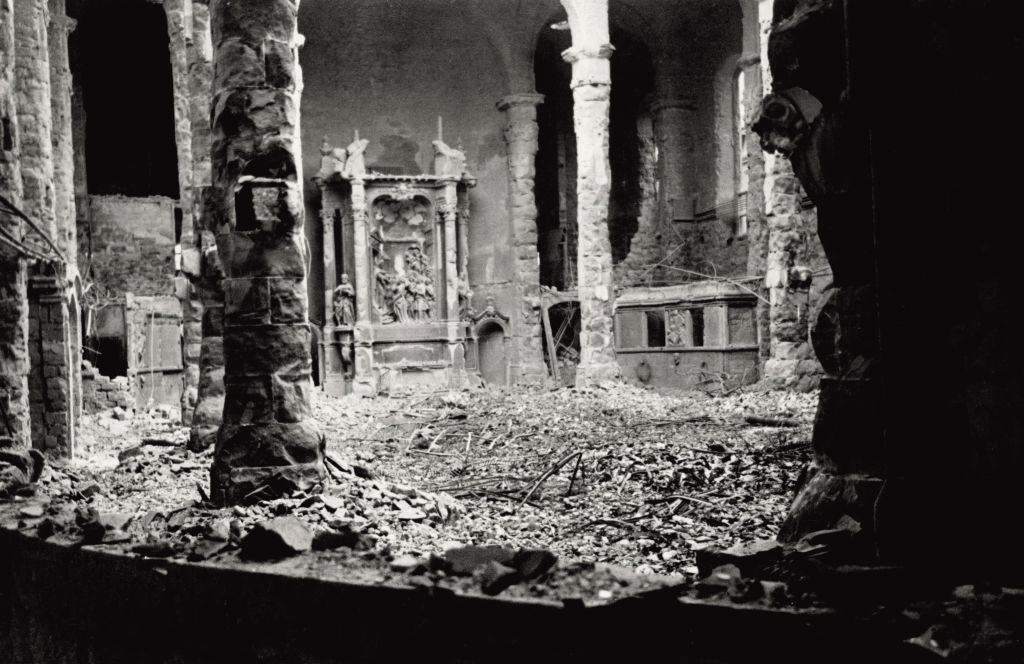
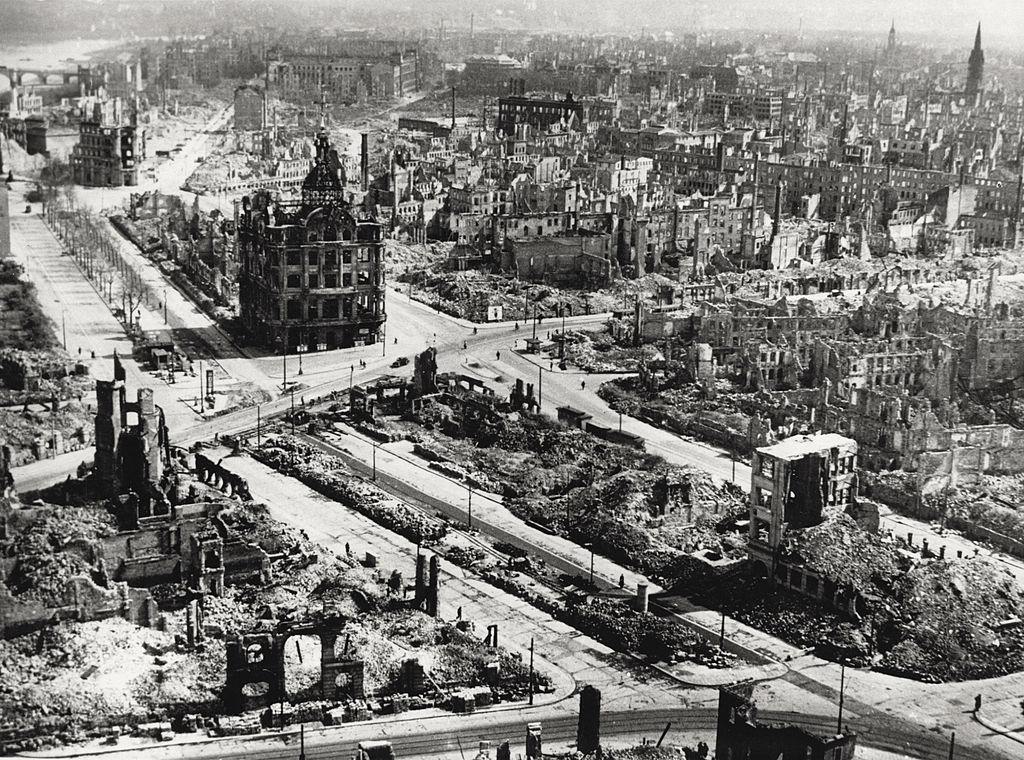
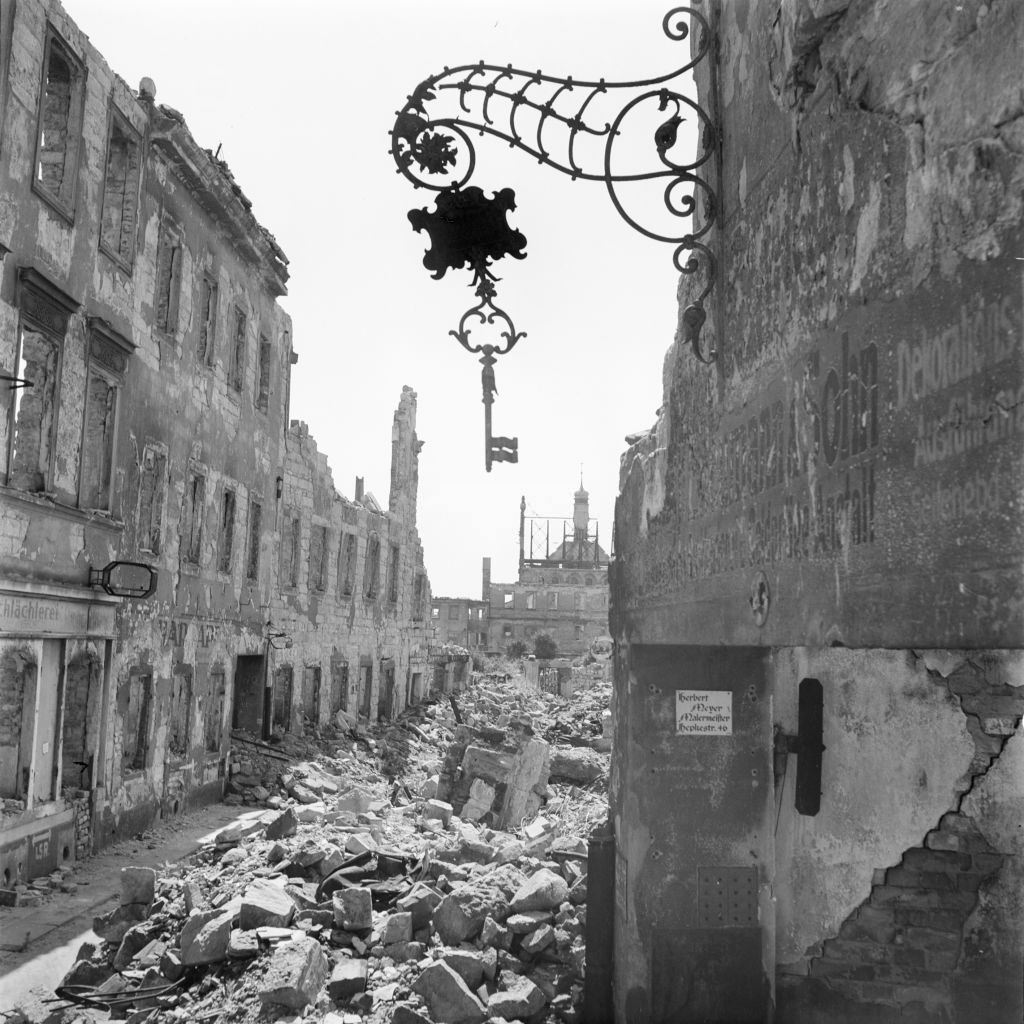
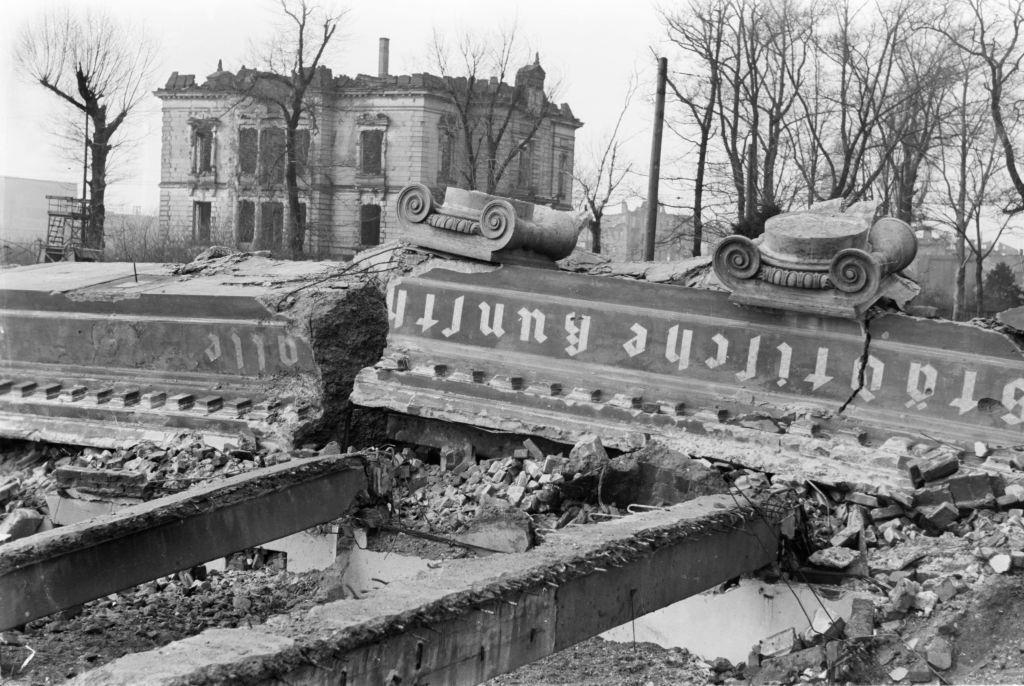
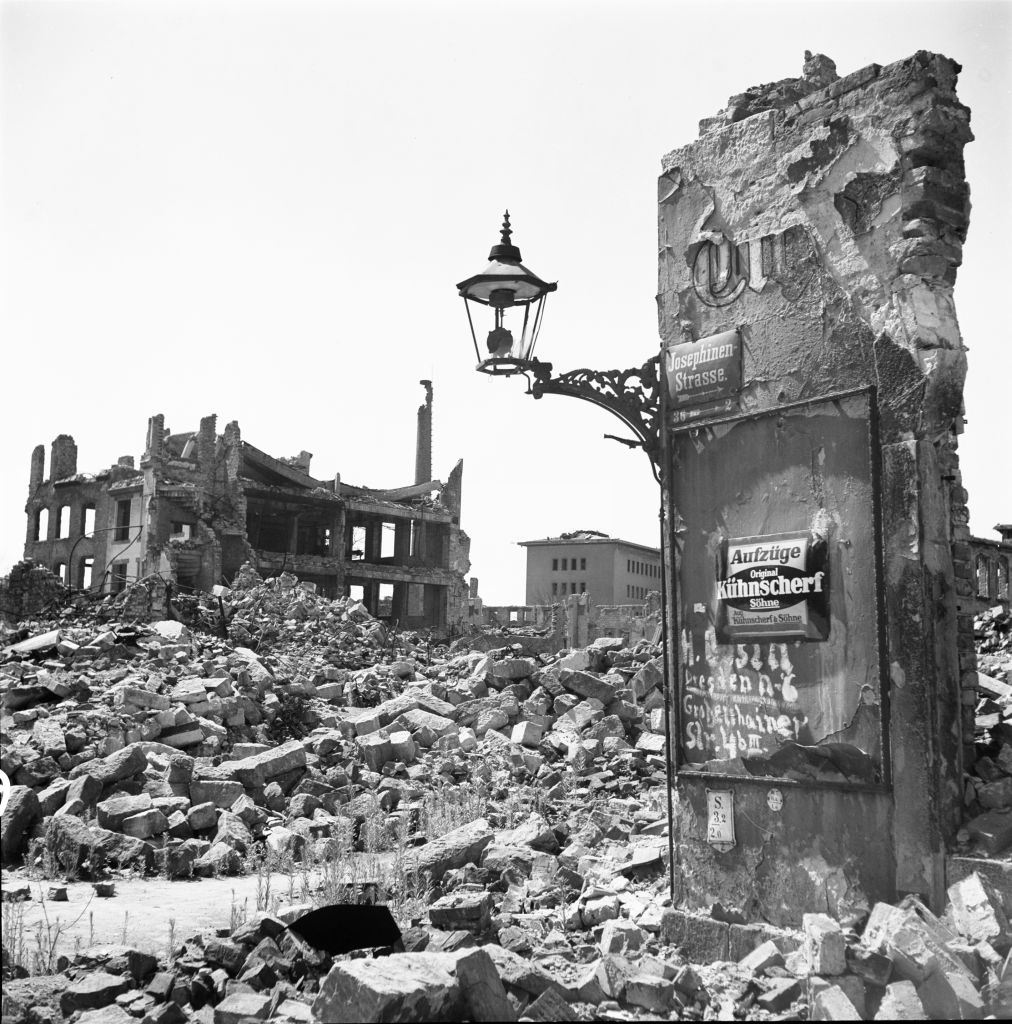
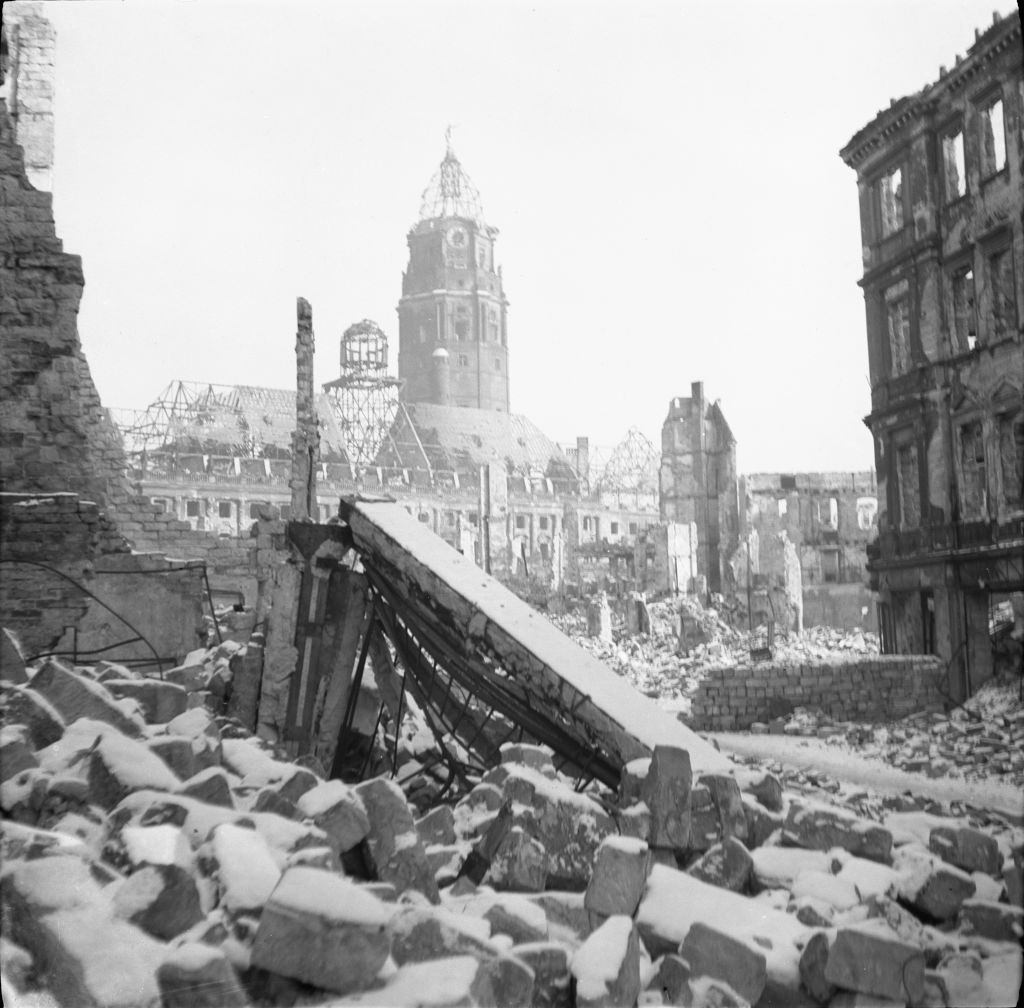
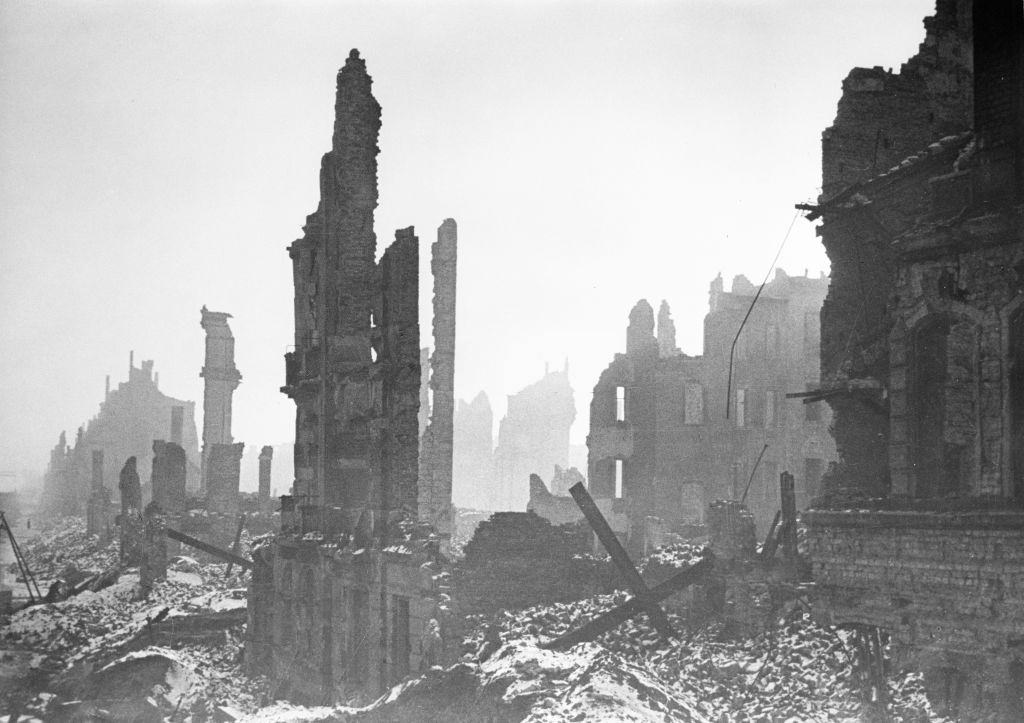
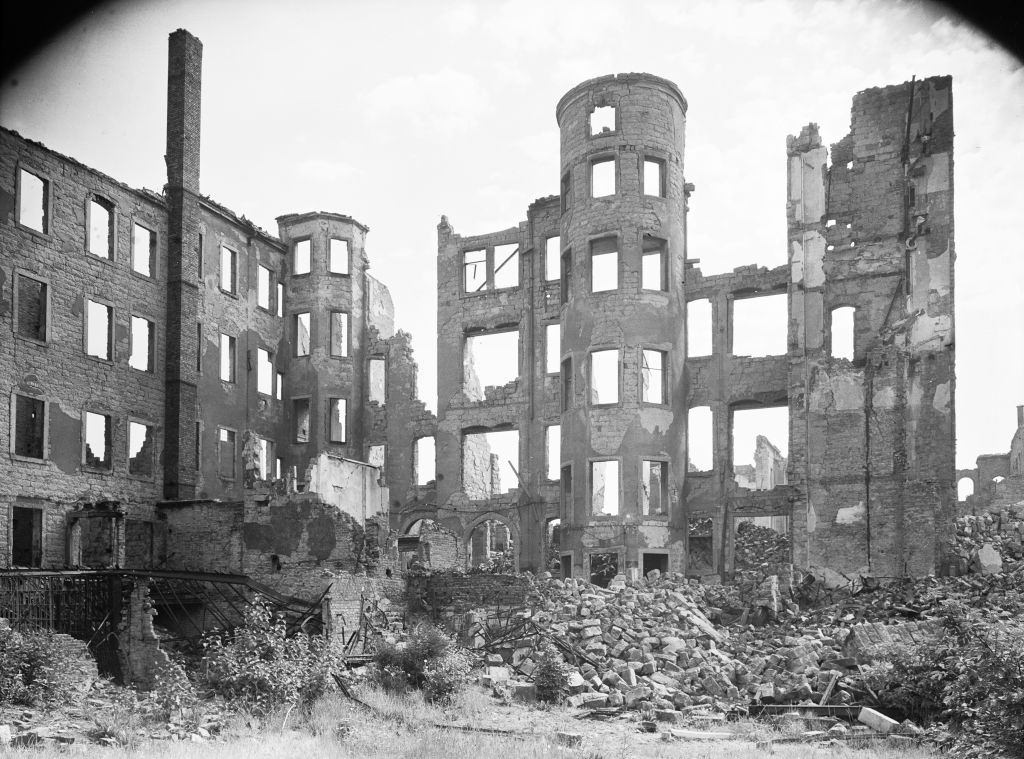
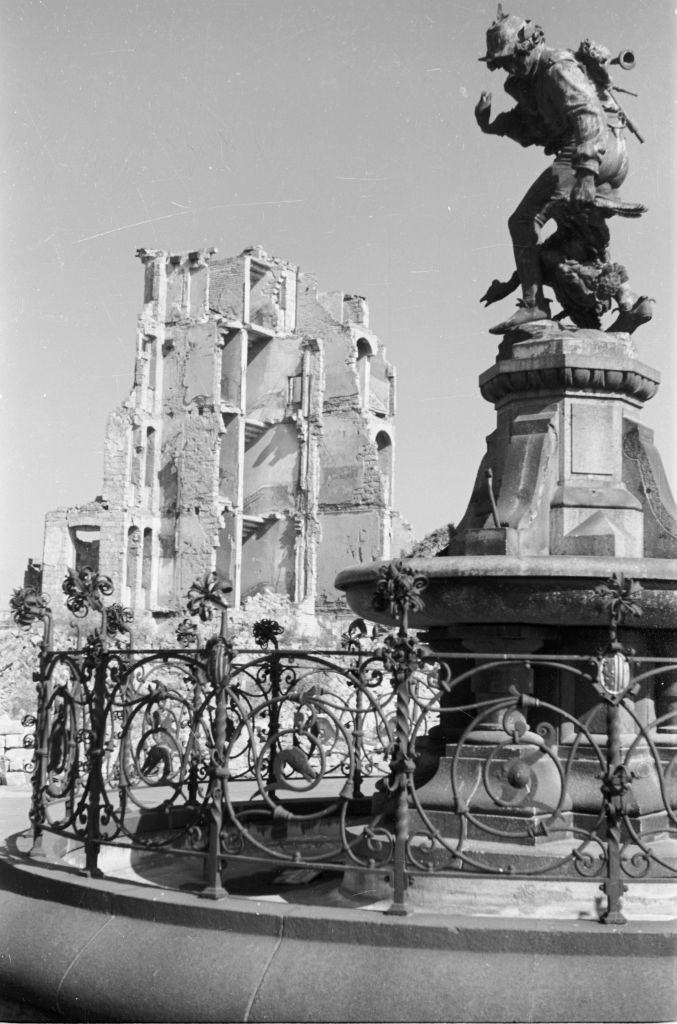
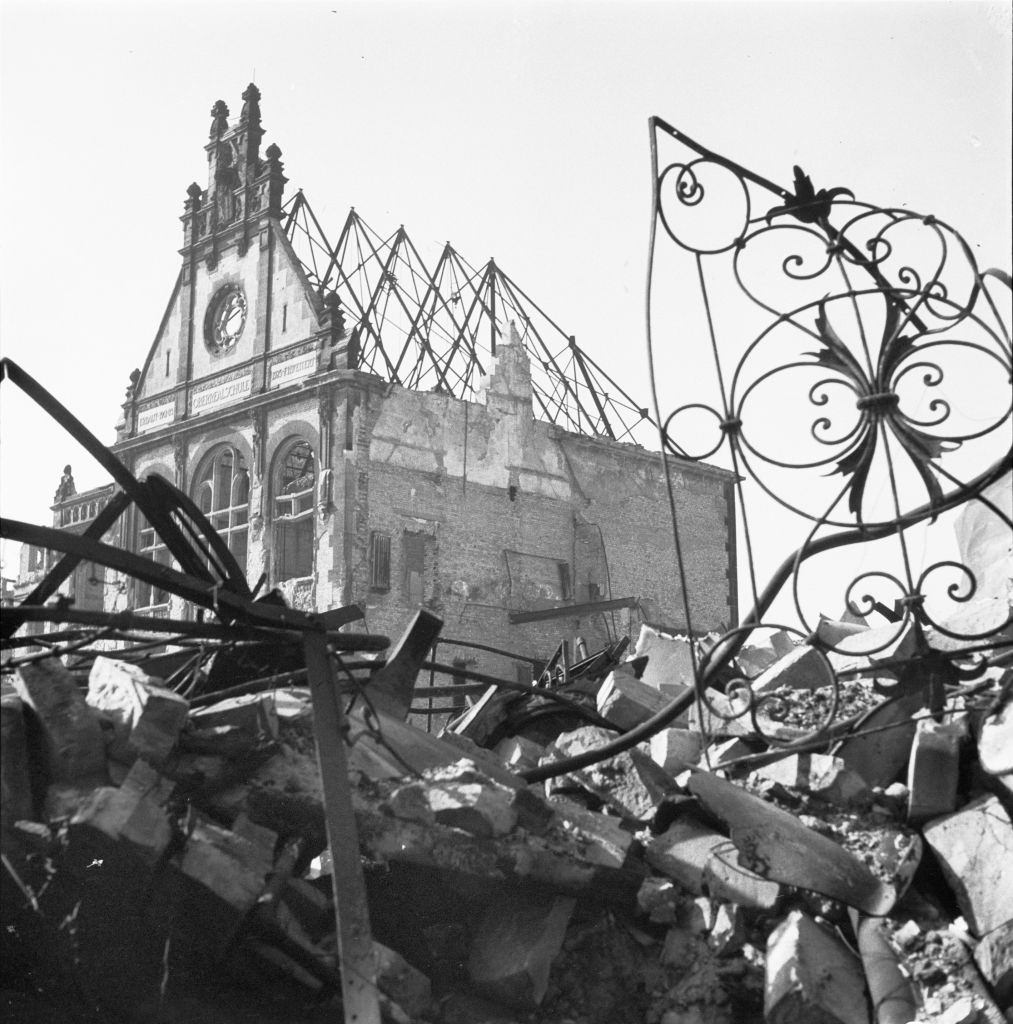
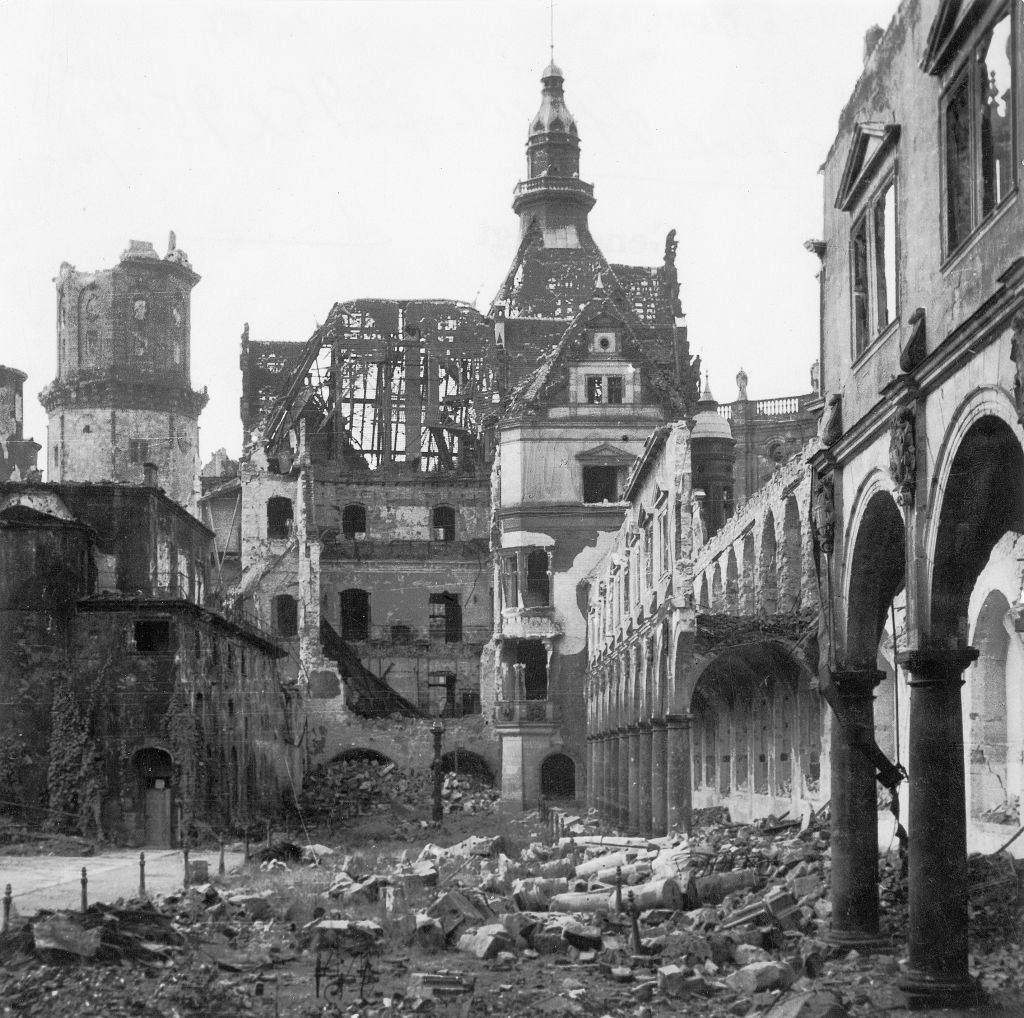
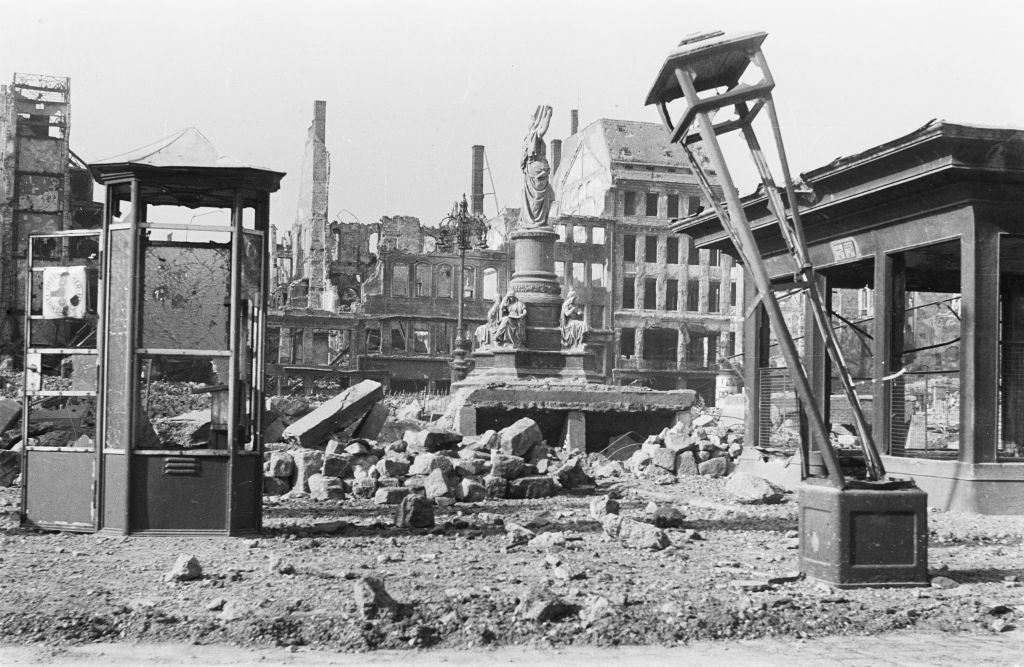
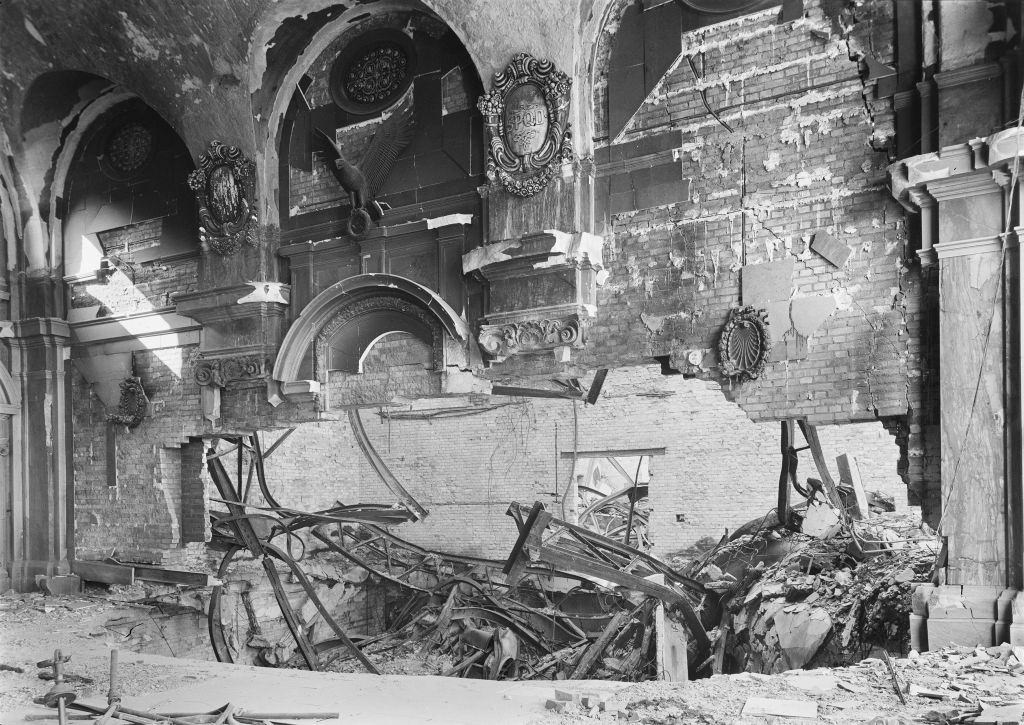
Among those who survived were thousands of civilians — refugees, women, children, and elderly residents who had no role in the war. They emerged into a city that barely existed anymore. Entire neighborhoods were gone. Churches, palaces, schools, and hospitals lay in ruins. Over ninety percent of the city center had been destroyed.
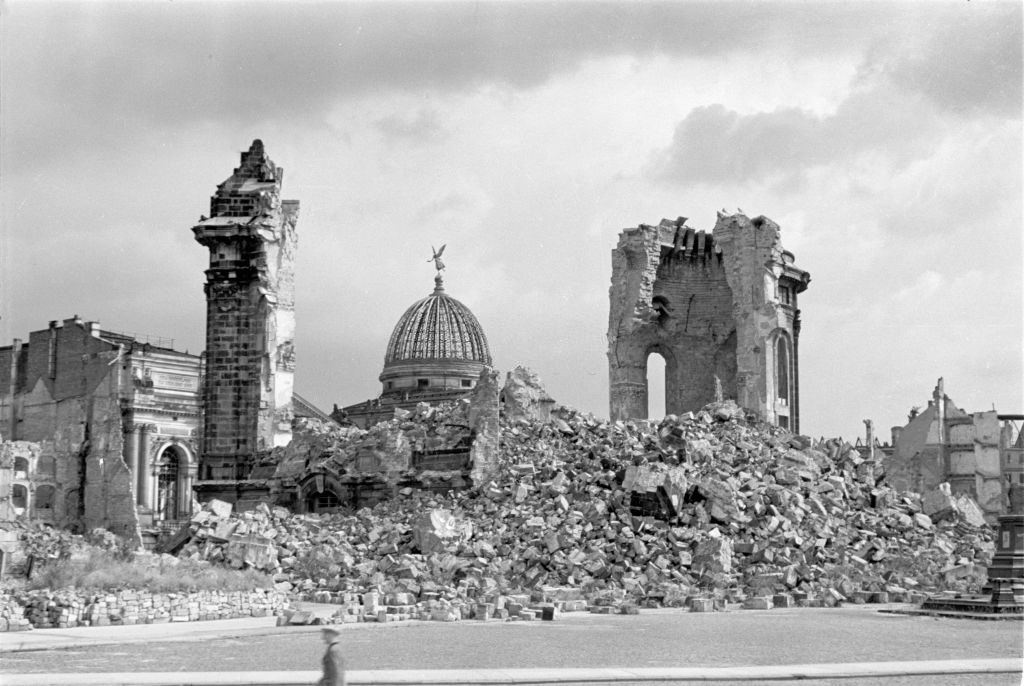
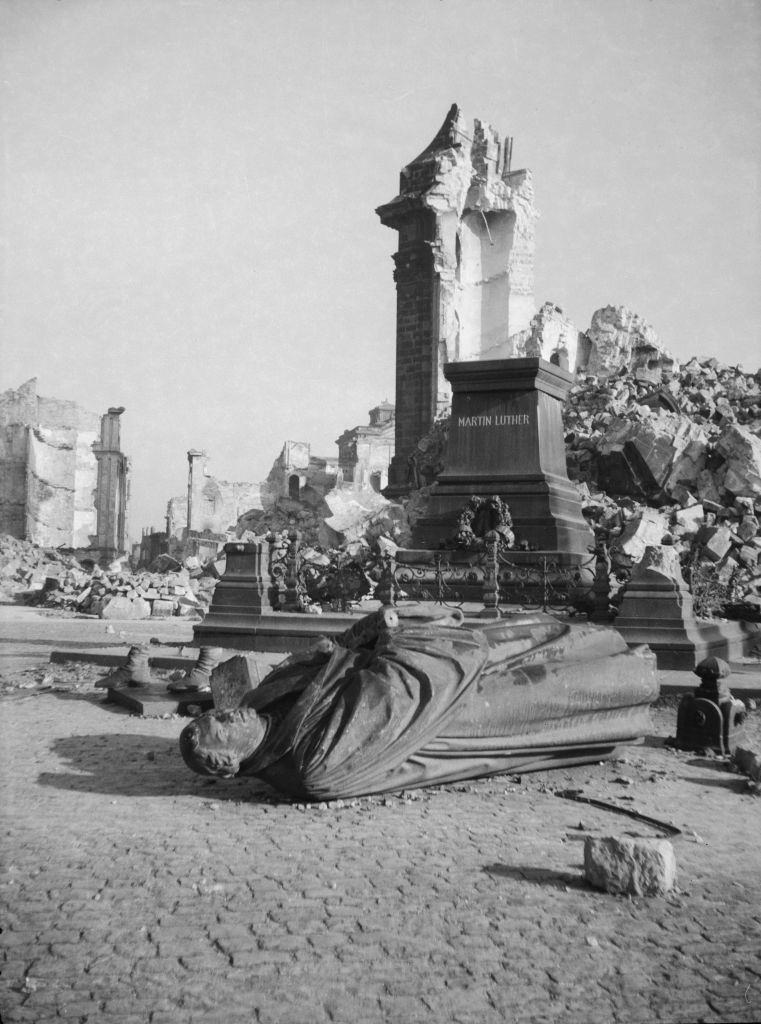
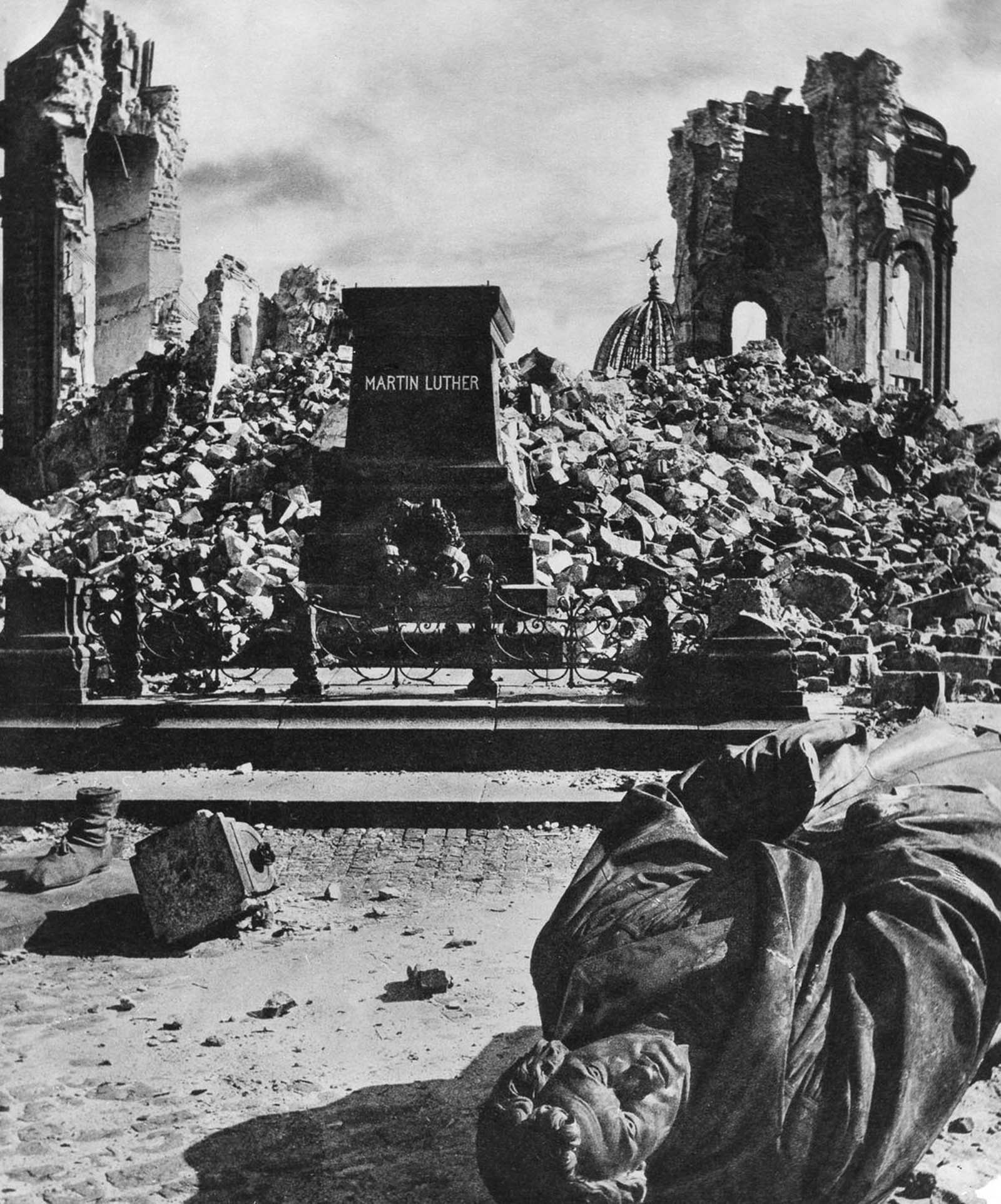
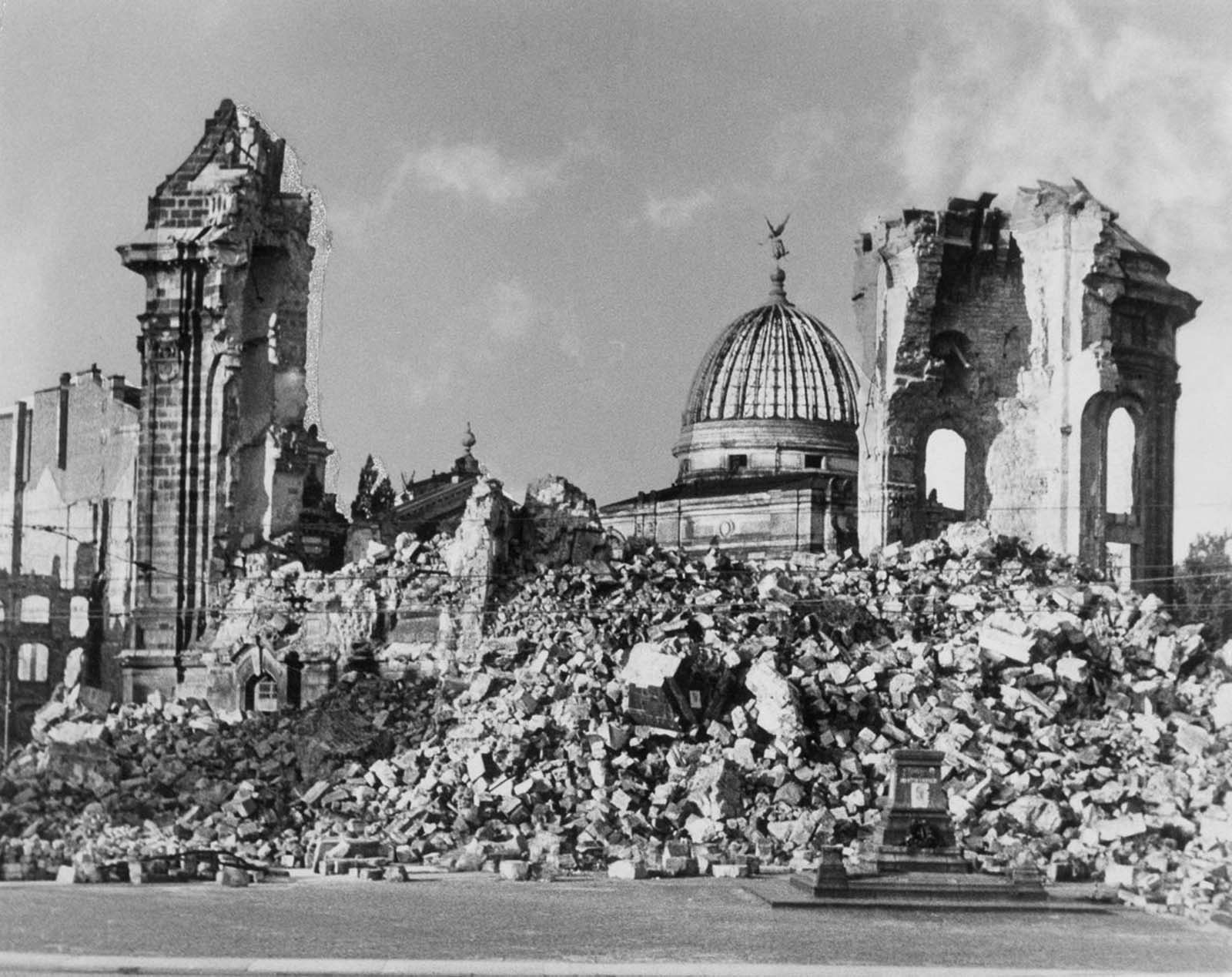
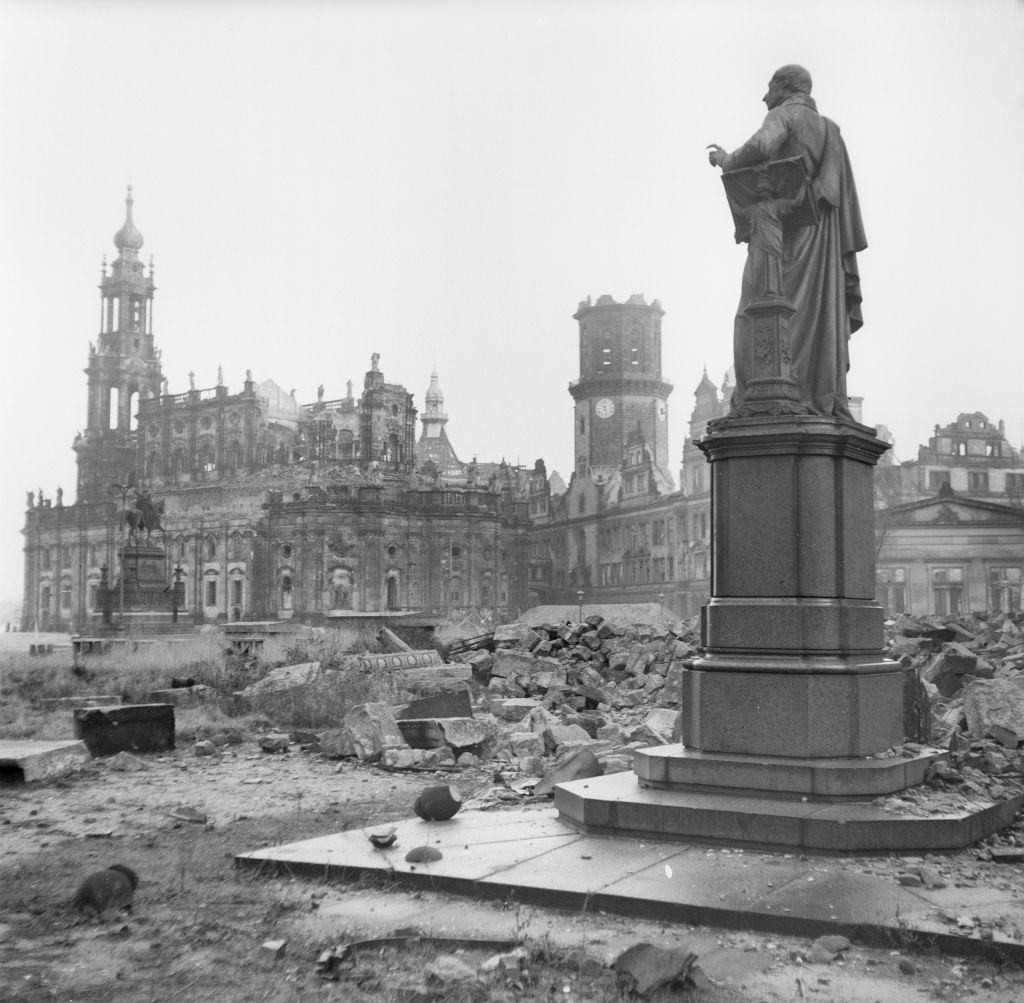
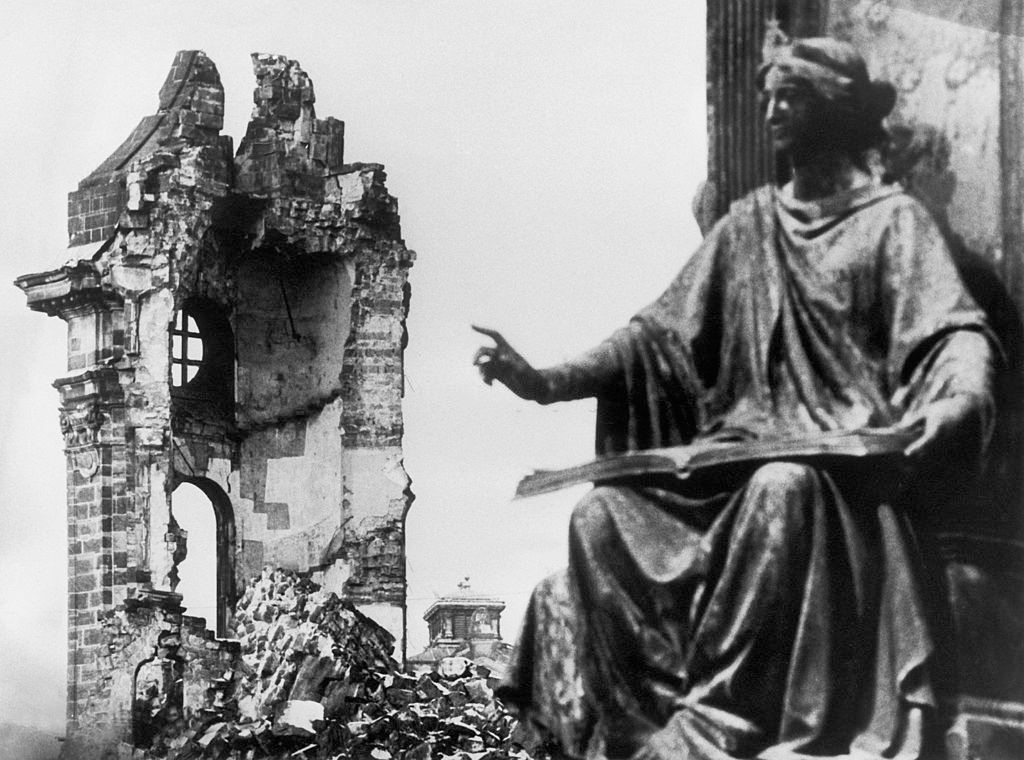
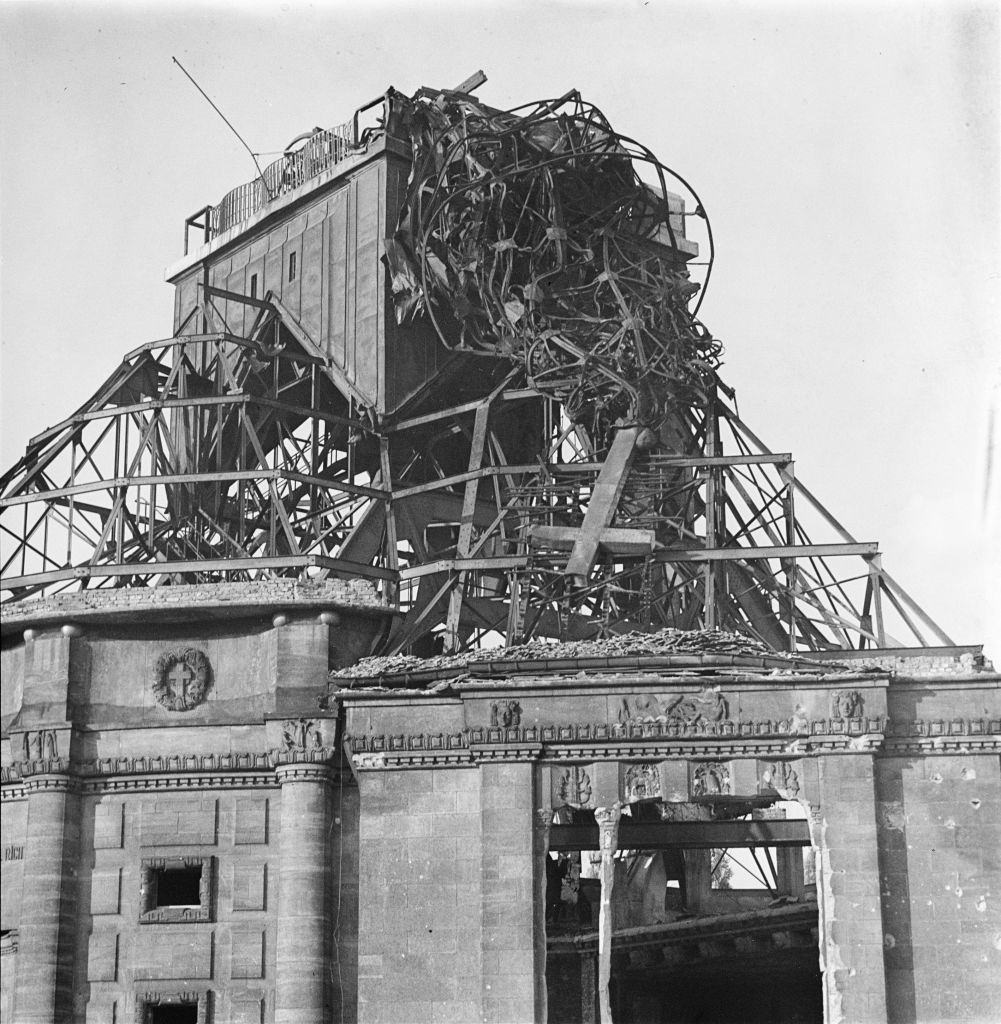
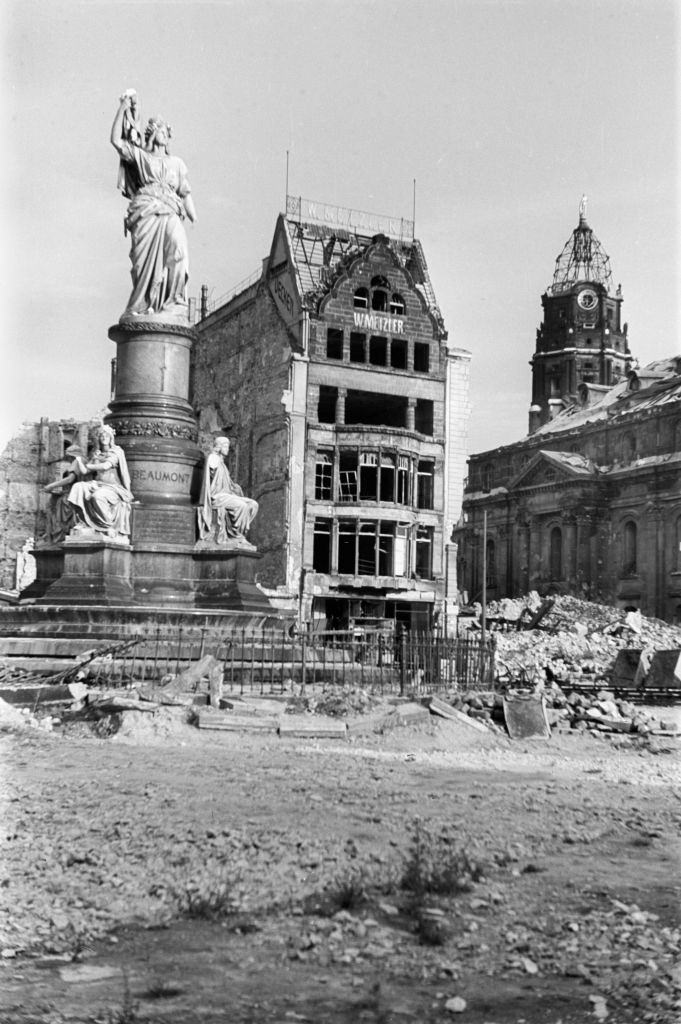
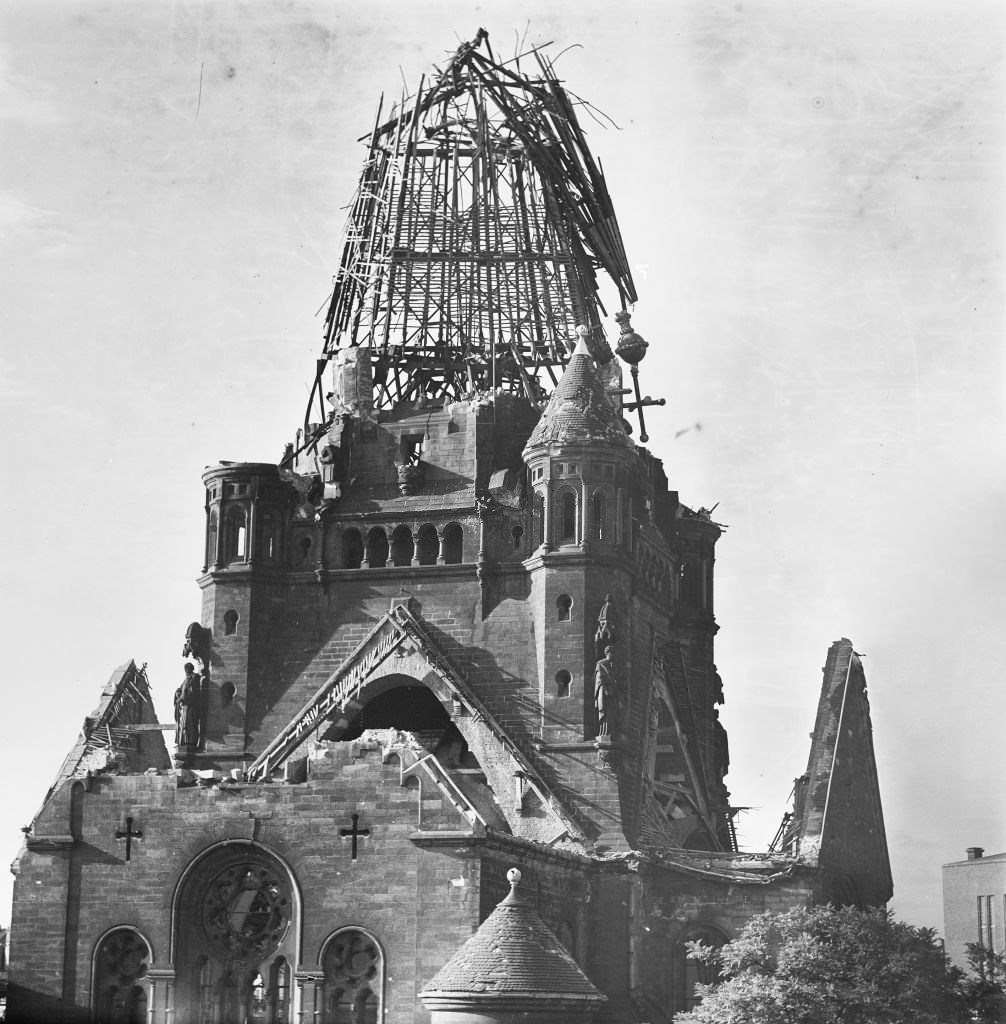
The physical destruction extended across nearly every landmark Dresden had ever been known for. The Frauenkirche, one of Germany’s most celebrated Protestant churches, was reduced to a mound of stone. The Luther memorial in front of it toppled. The Dresden Castle, the Hofkirche cathedral, the Zwinger palace complex, the City Art Gallery, and dozens of other historic structures were gutted or collapsed entirely.
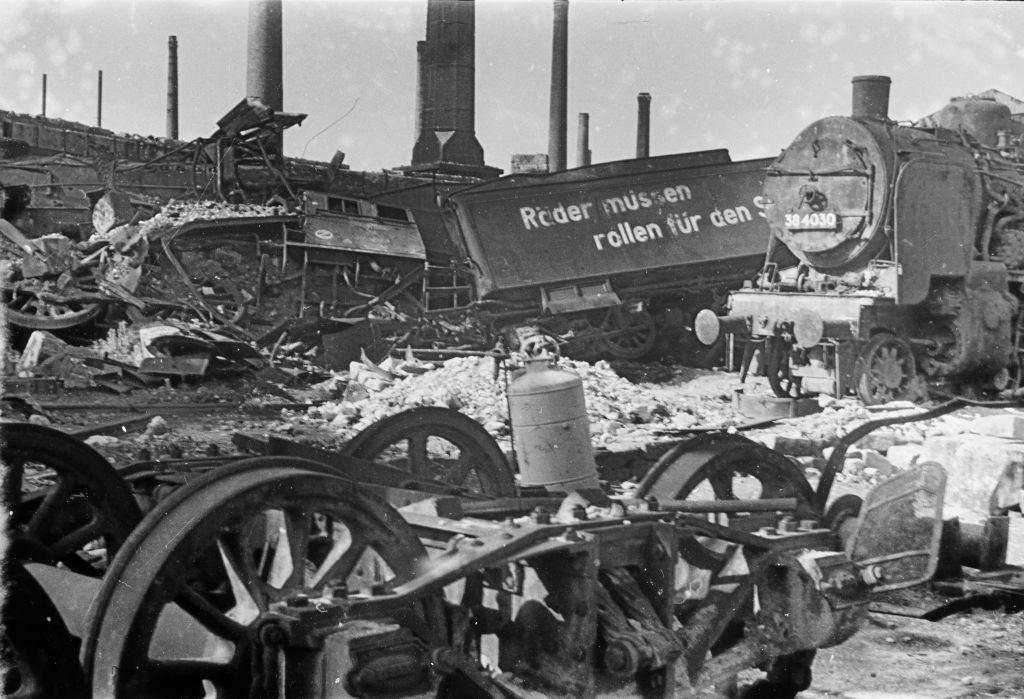
The city’s rail infrastructure, one of the primary justifications for targeting Dresden, was also destroyed. The Deutsche Reichsbahn yards were left with wrecked locomotives and torn-up tracks. Roads and bridges were impassable. The same transport network that Allied planners cited as a military necessity now lay in complete ruin alongside everything else.
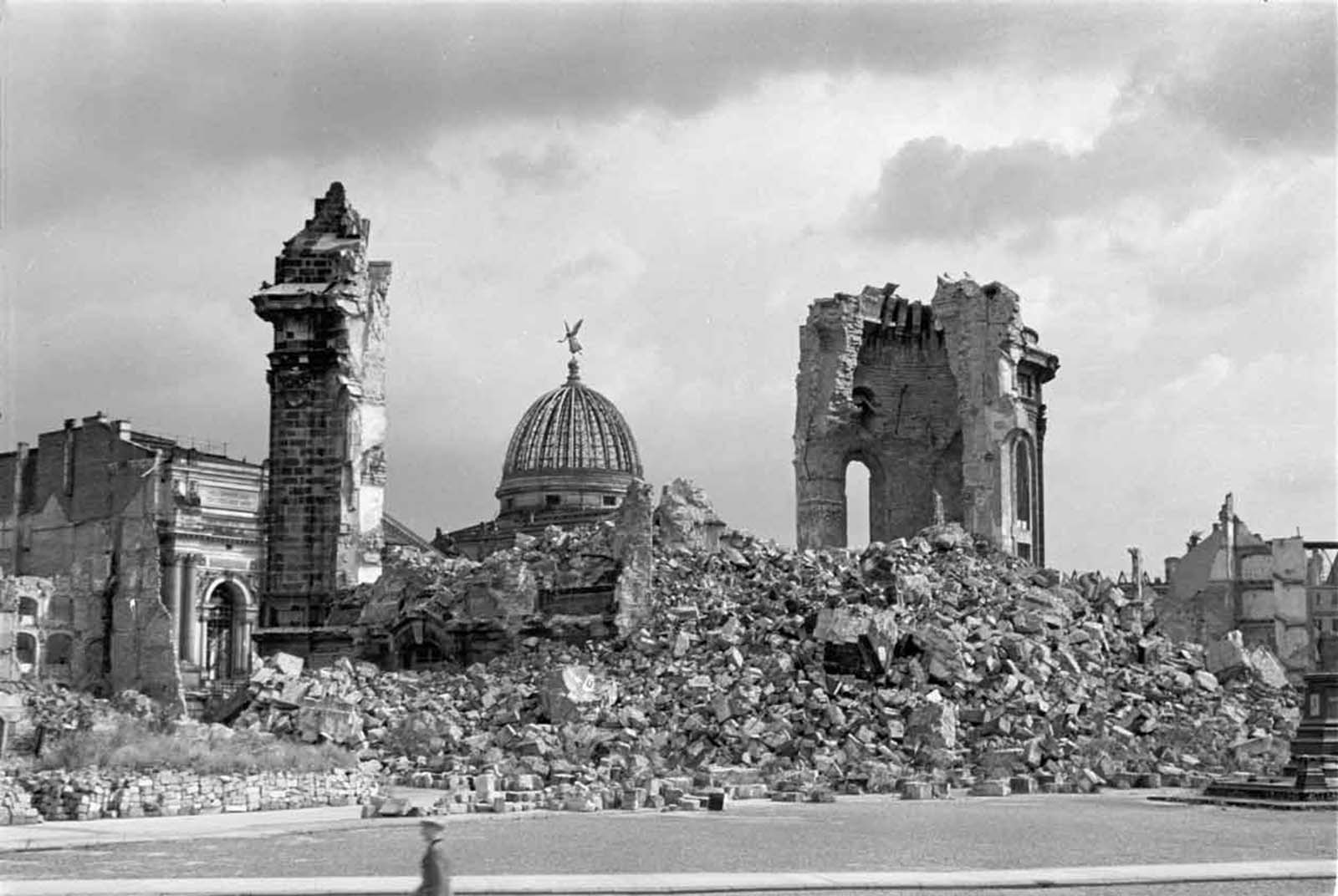
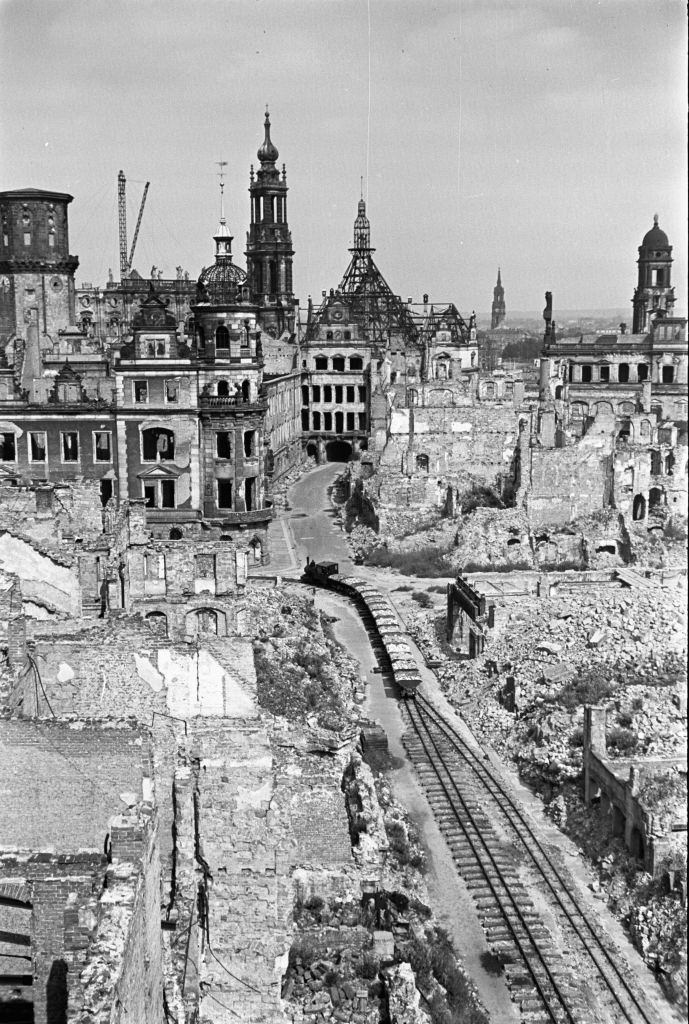
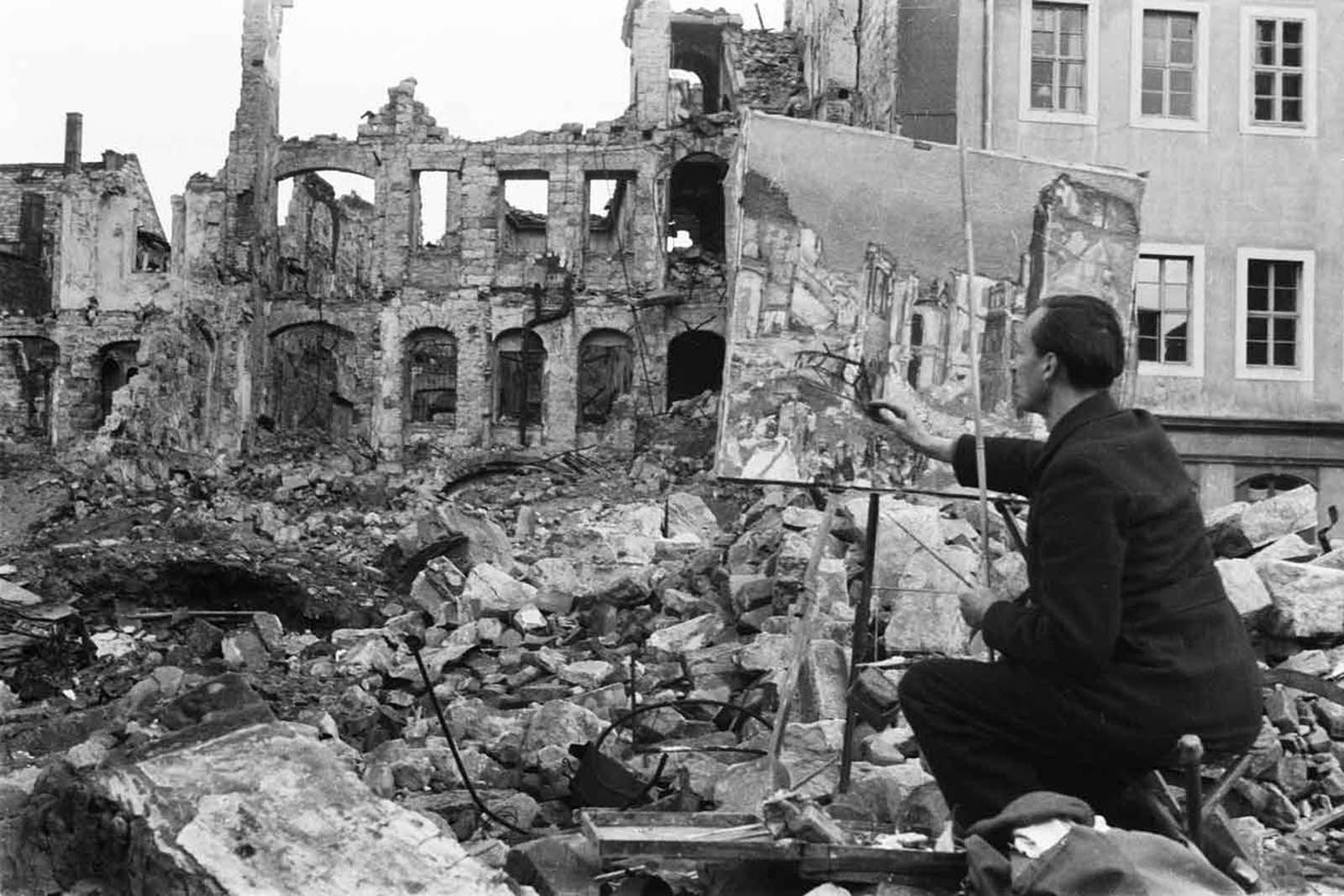
Photographs taken in the weeks and months after the bombing captured the full scale of the devastation. Views from the Town Hall tower showed an unbroken horizon of rubble stretching in every direction. Churches, schools, and courtyard buildings stood as hollow shells. In one photograph, artist Theodor Rosenhauer is seen painting amid the ruins, documenting the destroyed Japanese Palace on canvas while surrounded by its wreckage.
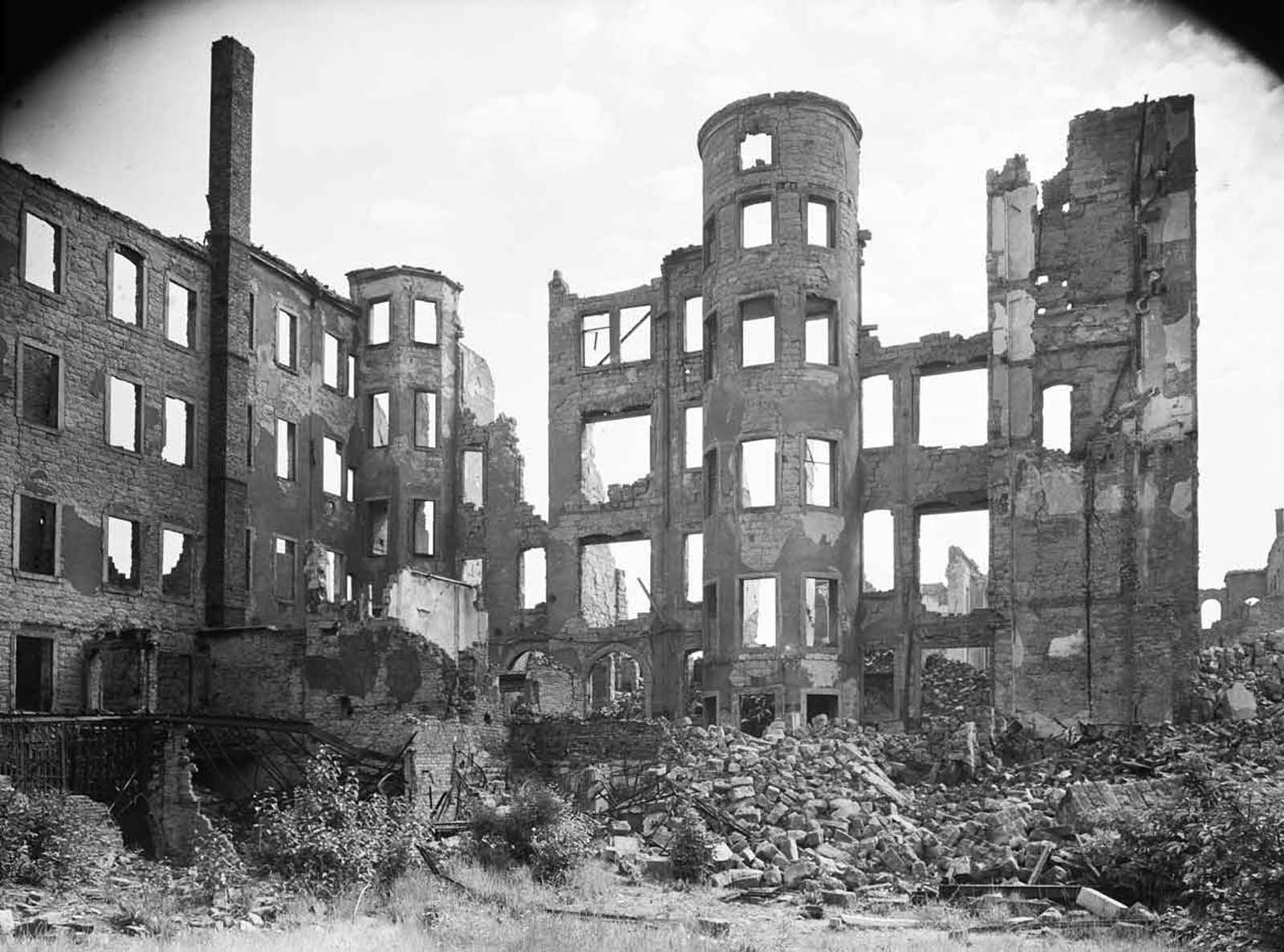
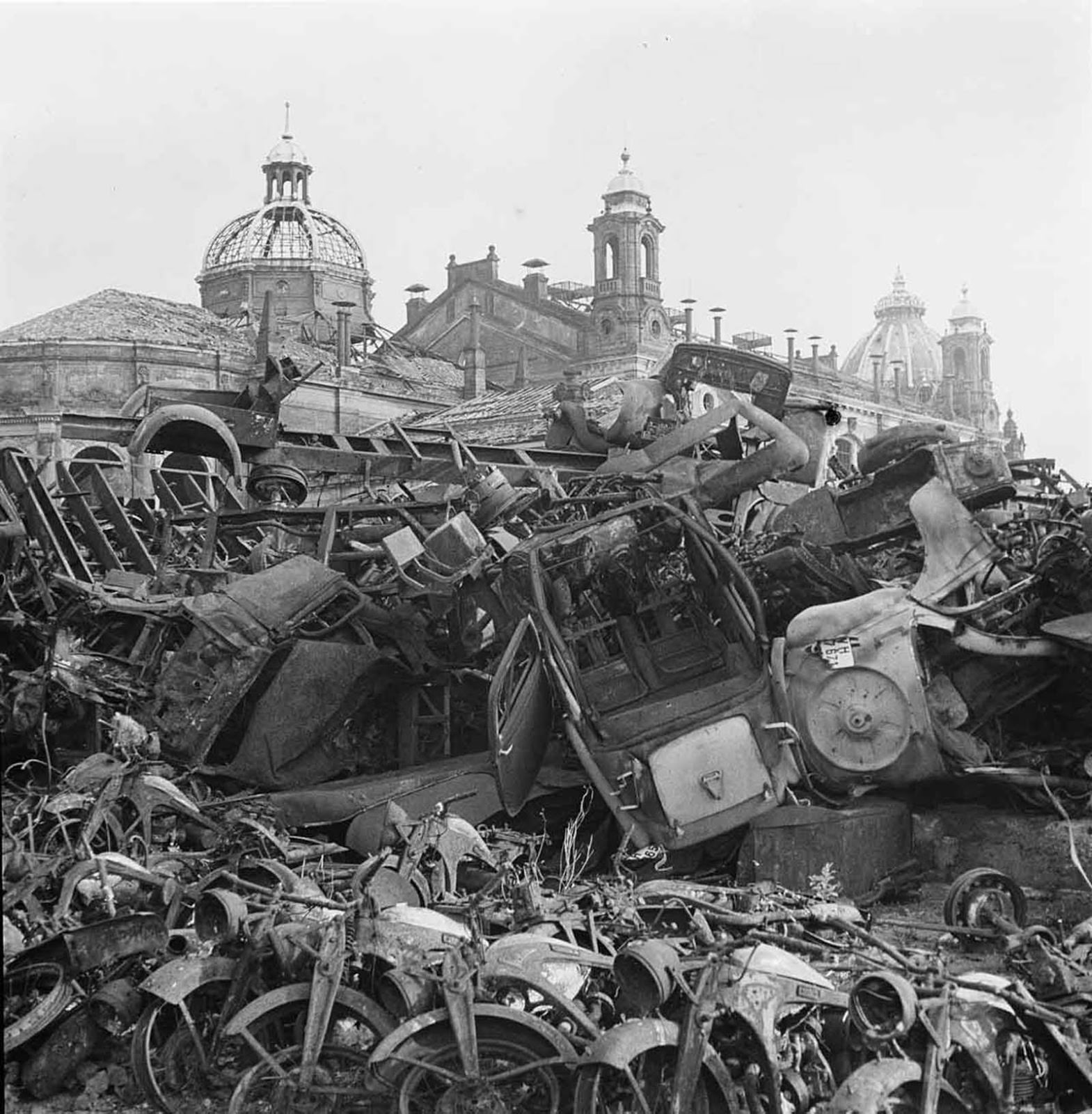
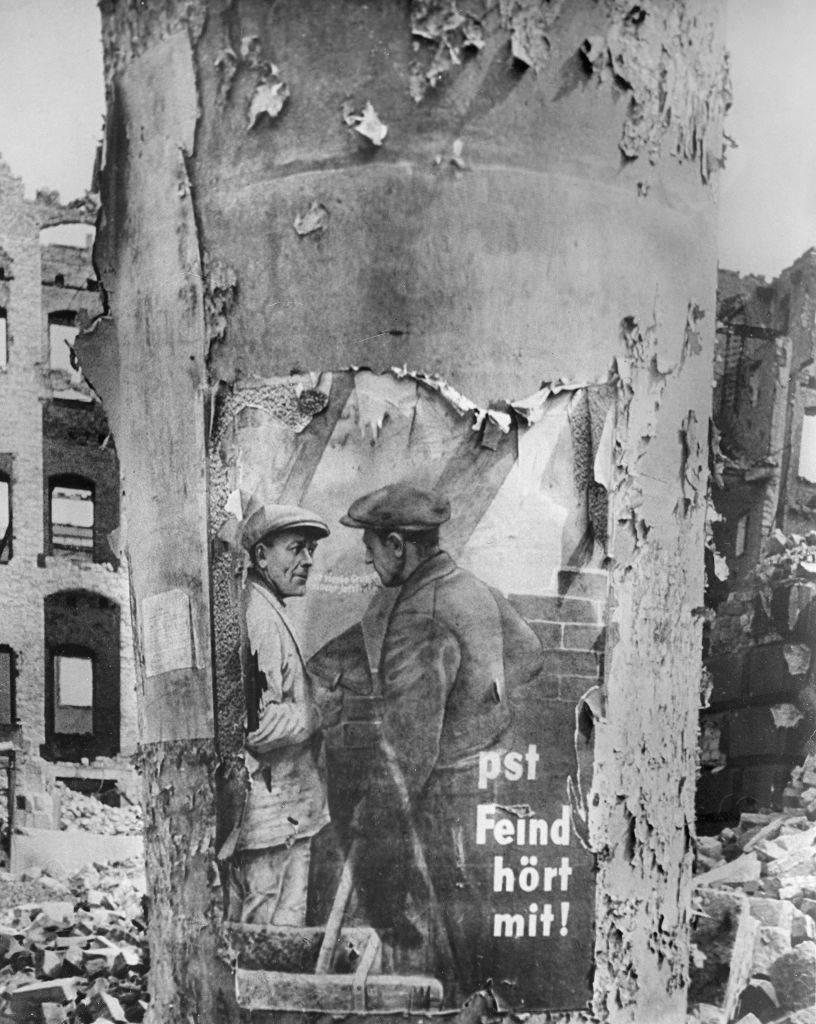
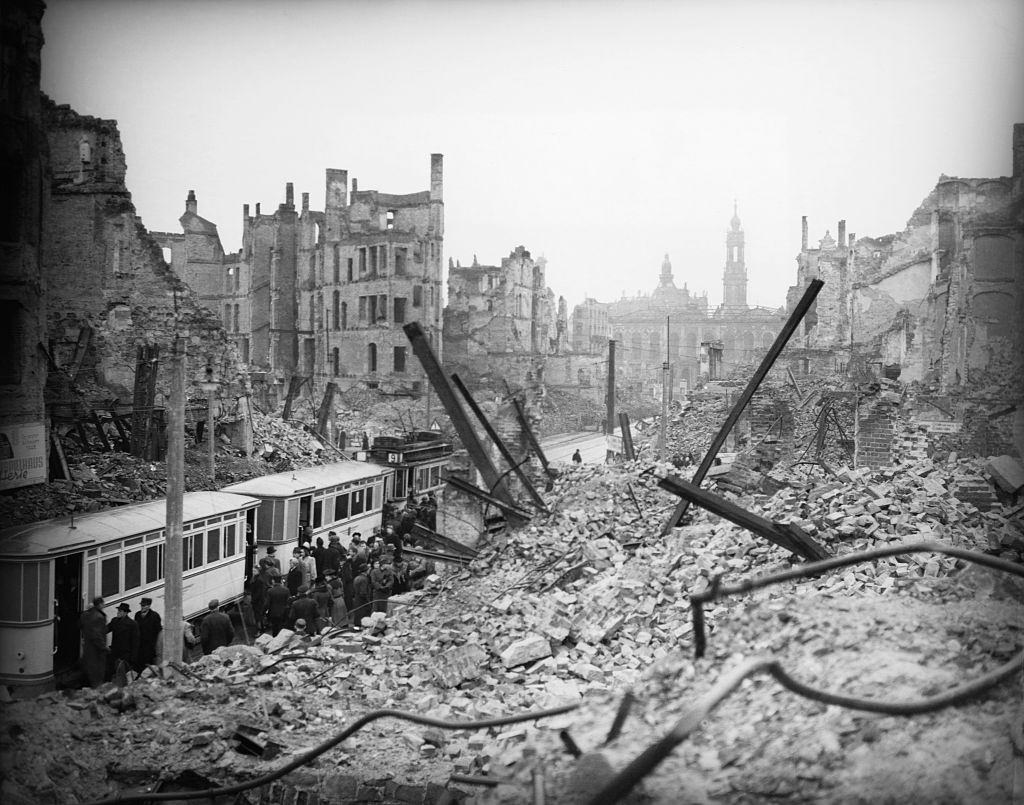
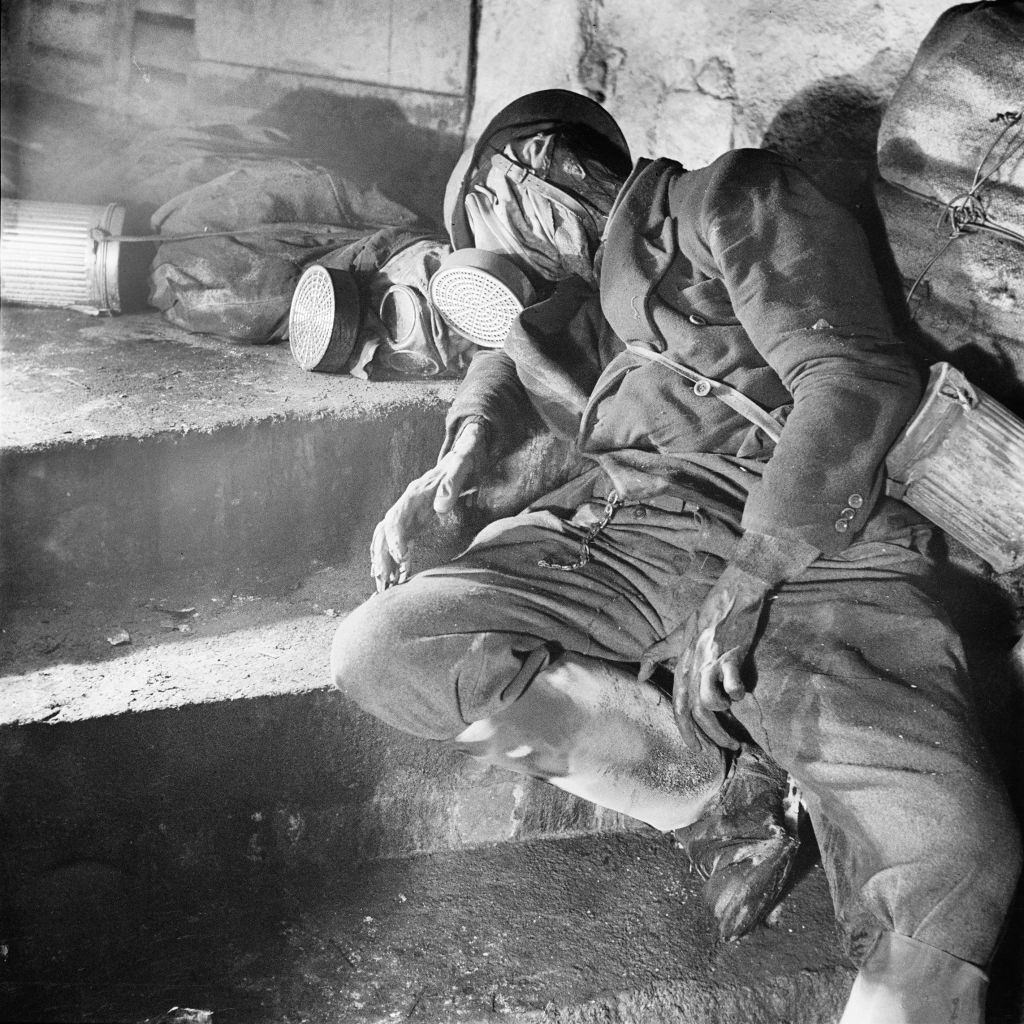
Life in the ruined city resumed in a basic, almost incomprehensible way. Residents lined up for streetcars that ran through avenues flanked by burned-out shells of buildings. Workers cleared rubble by hand, and makeshift scrap yards collected the twisted metal of destroyed vehicles. Some who had sheltered in air-raid bunkers never made it out — their bodies were found still seated, with gas masks on, dead from smoke and oxygen deprivation.



As long as an army targets civilians, I automatically label them as barbarians, regardless of which side they come from. In my opinion, this monstrosity is the fault of the axis and the allies. Soldiers should fight only soldiers!
There are times when total war is the only way to end the fighting. In the end, it saves more lives.
This victim myth will never go away either
Behave, or this is gone.
What does the article have to do with anything in Dresden?
Well, just don’t start a fucking war.