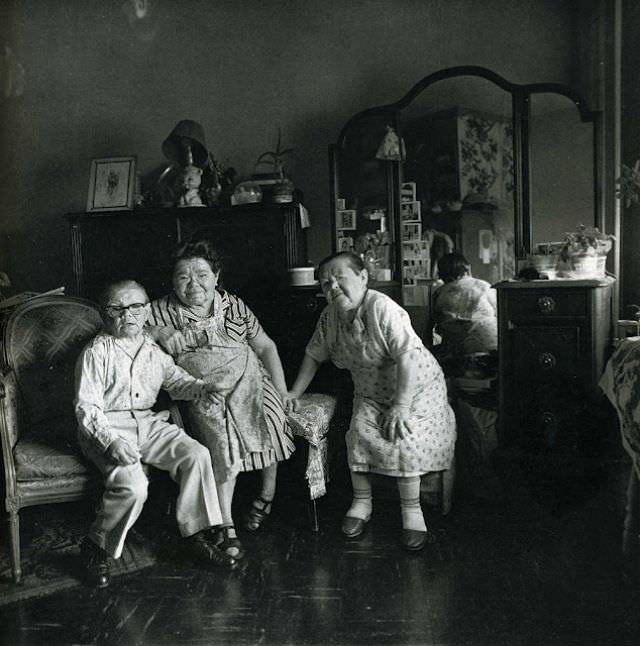
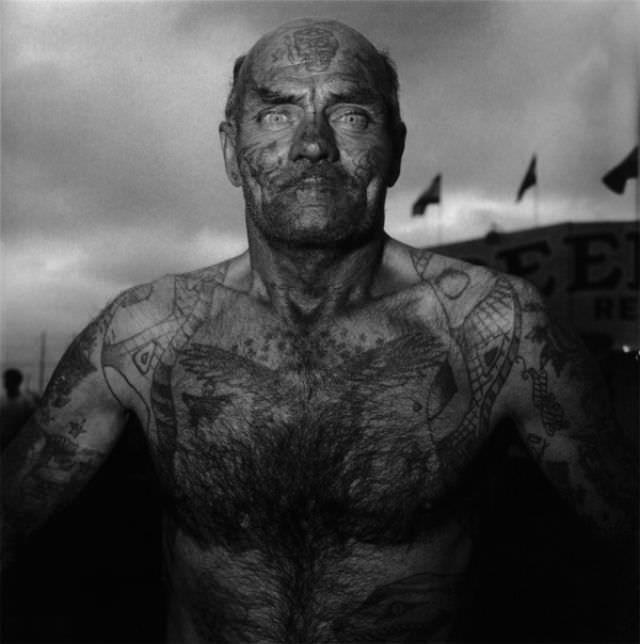
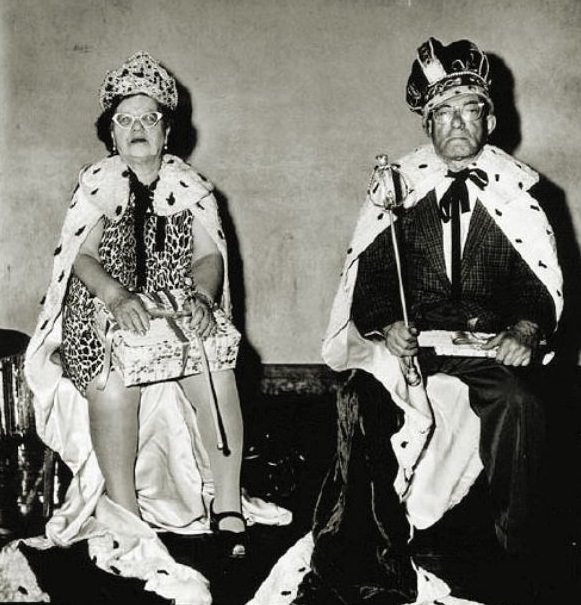
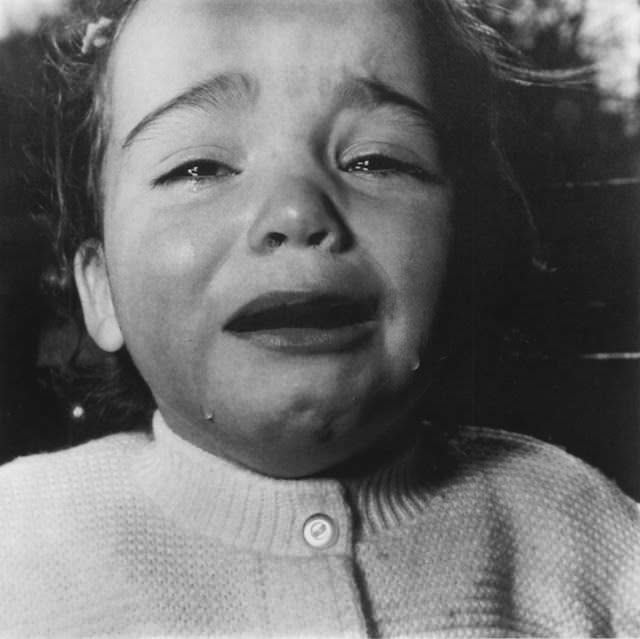
Diane Arbus spent her career photographing the people that mainstream society chose to ignore. Circus performers, people with dwarfism, giants, transgender individuals, nudists, and self-described eccentrics — these were her subjects. She worked almost exclusively in black and white, using a square-format camera that gave her portraits an immediate, head-on intensity.
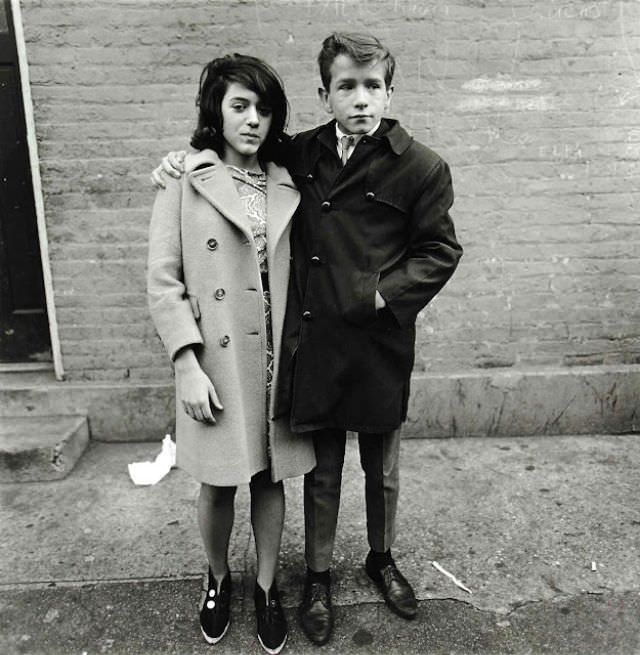
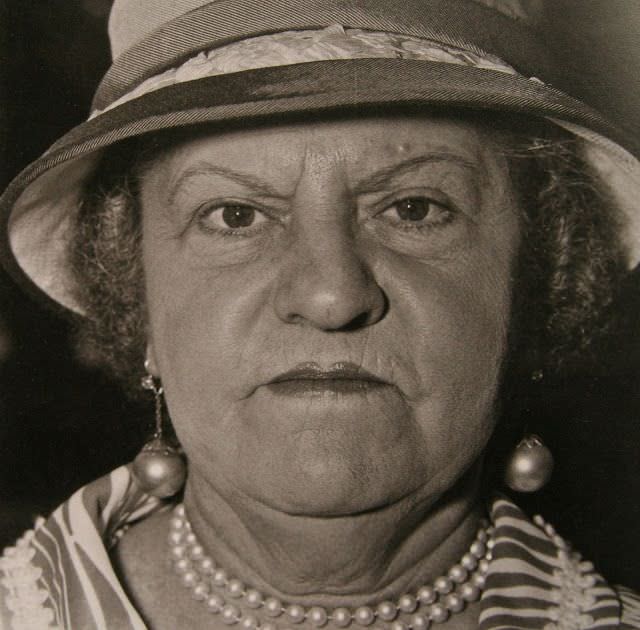
Arbus was not interested in flattery. She wanted the truth of a person on film, however uncomfortable that truth might be. Her compositions were tight and close. Subjects stared directly into the lens, which forced viewers into an uncomfortable intimacy they couldn’t easily dismiss.
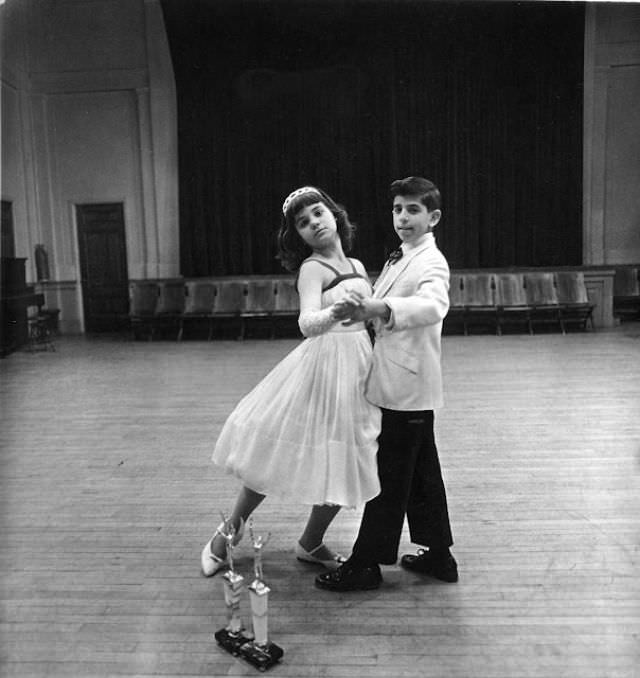
One of her most recognized images shows a child holding a toy hand grenade in Central Park. The boy’s body is tense, his expression a strange mix of innocence and agitation. In a single frame, Arbus captured the unsettling complexity that lives just beneath the surface of ordinary life.
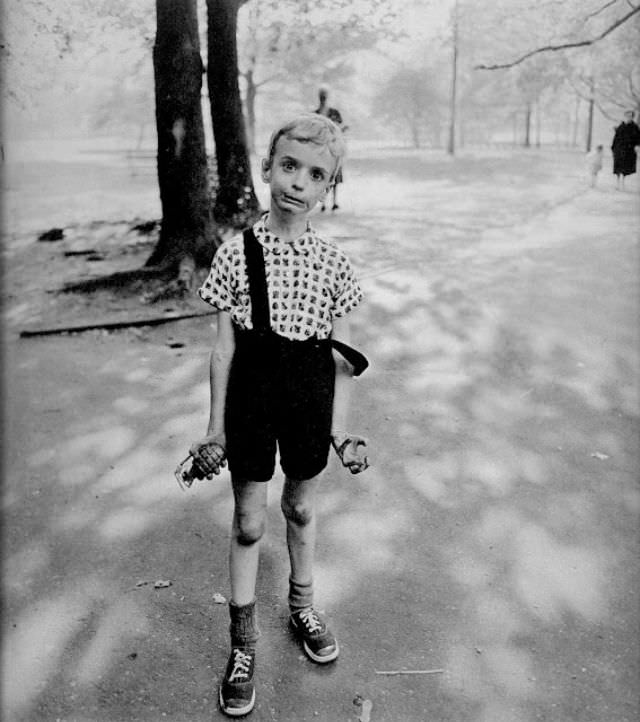
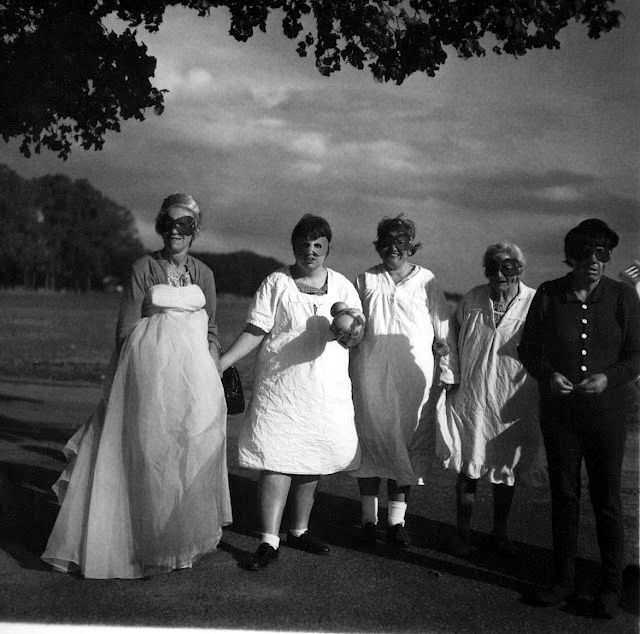
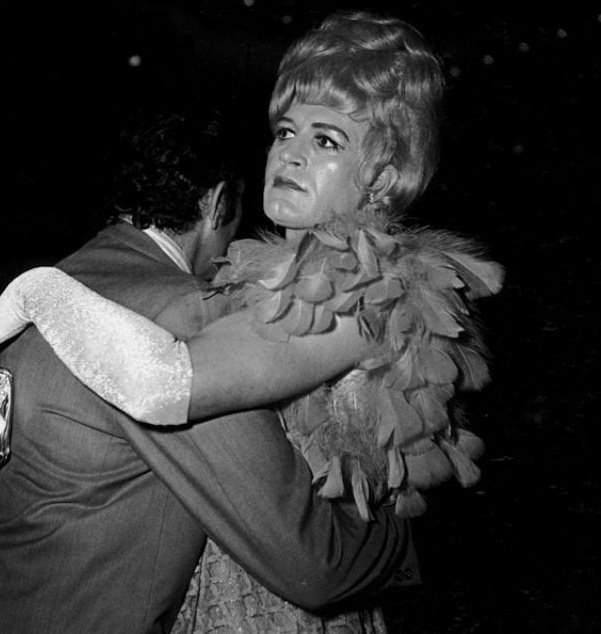
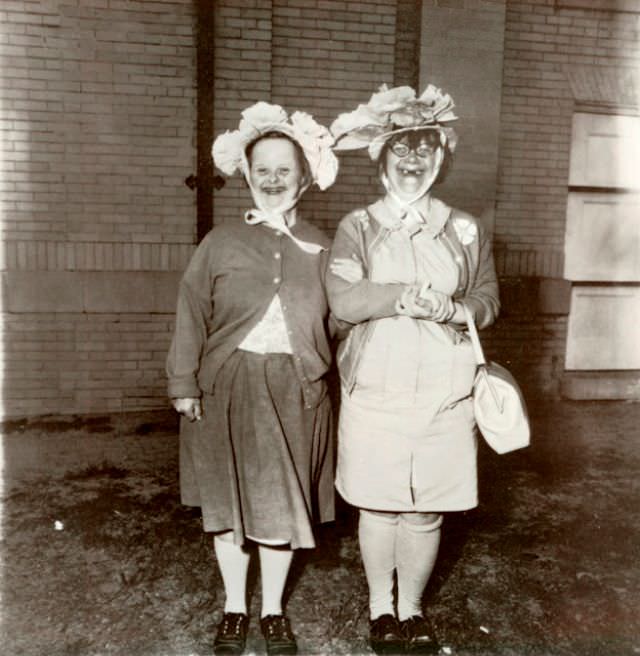
She photographed a young man with Down syndrome mid-celebration, his face open with genuine joy. She photographed a woman in an elaborate feathered hat whose gaze is both proud and exposed. Each image pushed back against the idea that these people were somehow less worthy of a serious portrait.
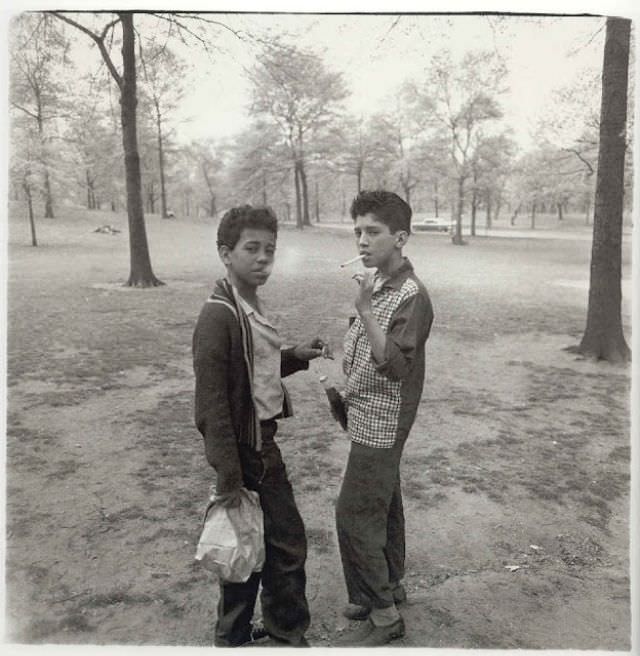
Arbus believed the camera revealed what people tried to hide — not just from others, but from themselves. She described her subjects as having already passed through their fears, as people who had lived with being “freaks” long enough to own it. In her view, that gave them a kind of freedom most people never reach.
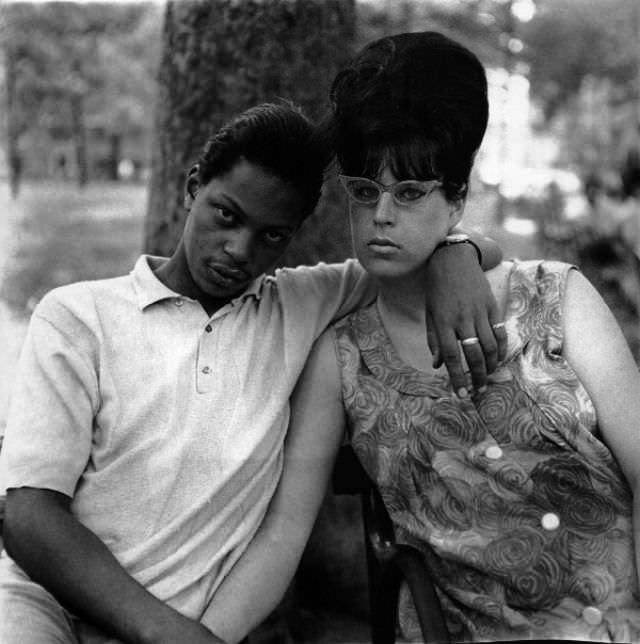
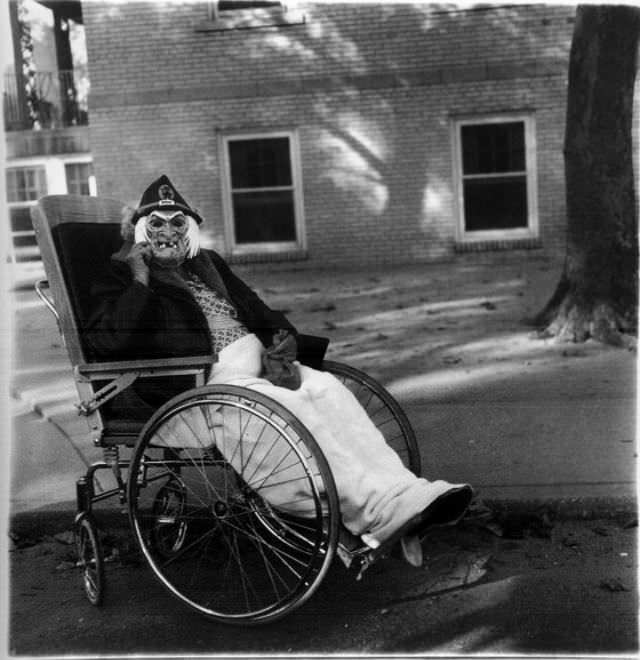
Not everyone agreed with her methods. Critics accused her of exploiting vulnerable people — of turning private suffering into public spectacle for artistic gain. Arbus herself was aware of the tension. She worried openly about being reduced to “the photographer of freaks,” a label she felt missed the deeper humanity she was reaching for.
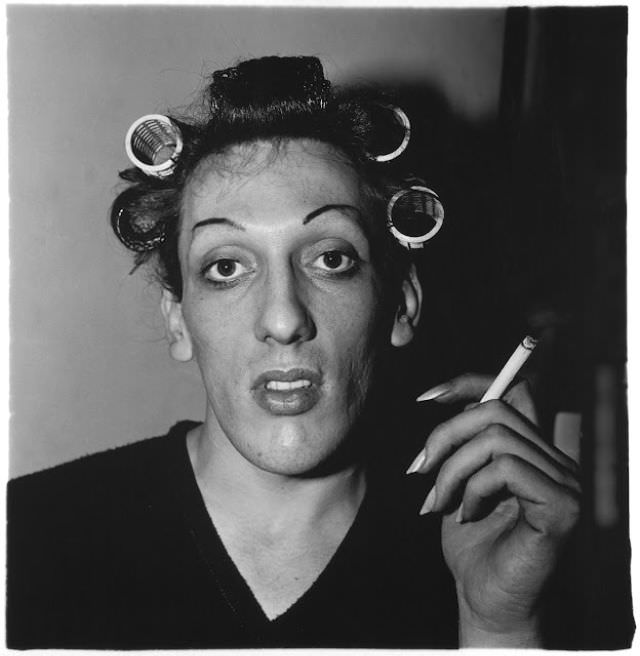
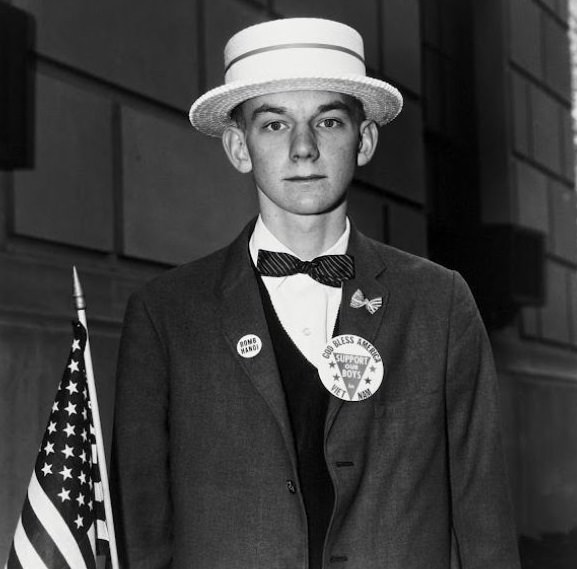
Her access to these worlds was not accidental. Arbus built real relationships with her subjects over time. She returned to the same people repeatedly, sometimes over years. That persistence showed in the photographs — the subjects were not guarded or performing. They were simply present.
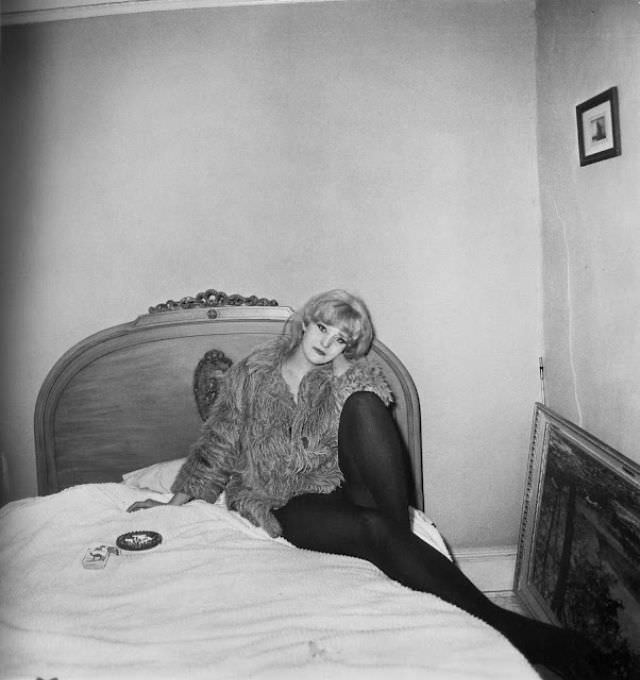
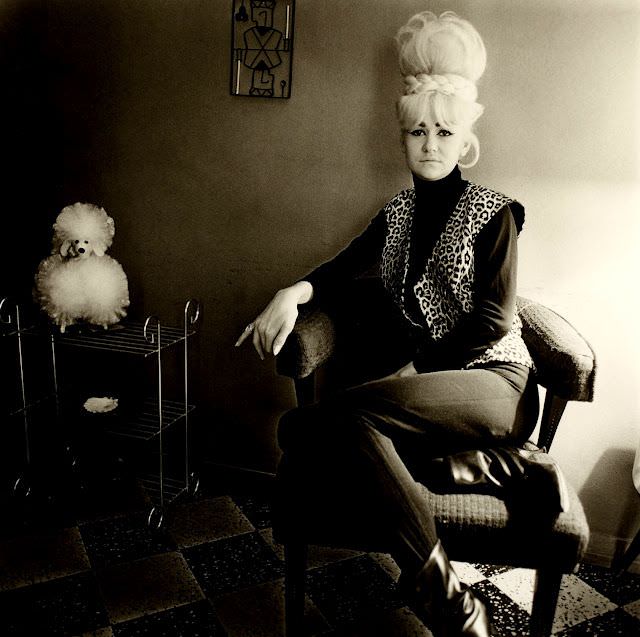
Arbus frequented New York’s underground circuits — burlesque halls, sideshow tents, nudist camps in New Jersey, and residential hotels populated by aging performers. These were places most photographers never entered. She moved through them with ease and without judgment.
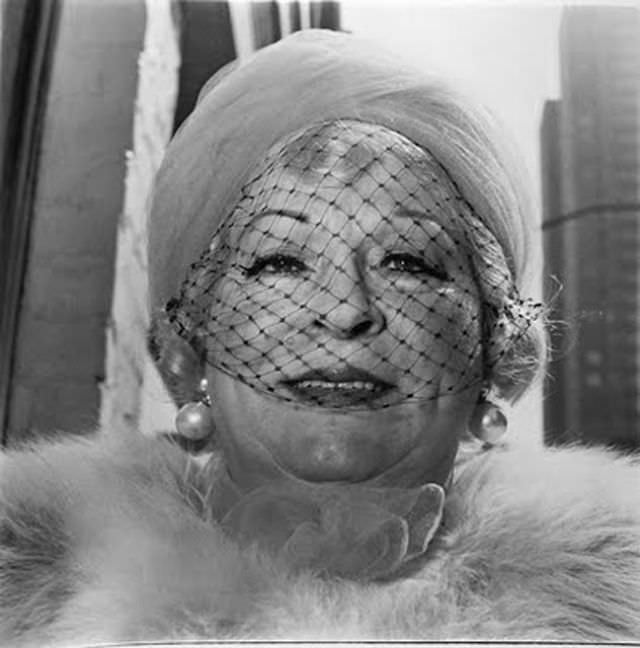
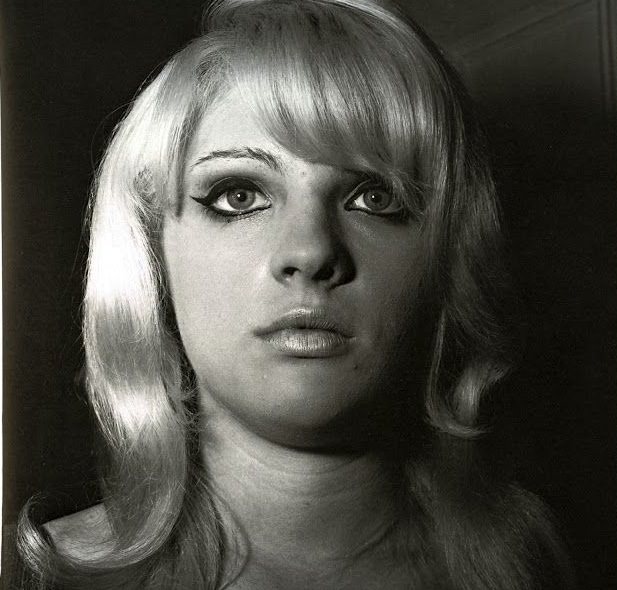
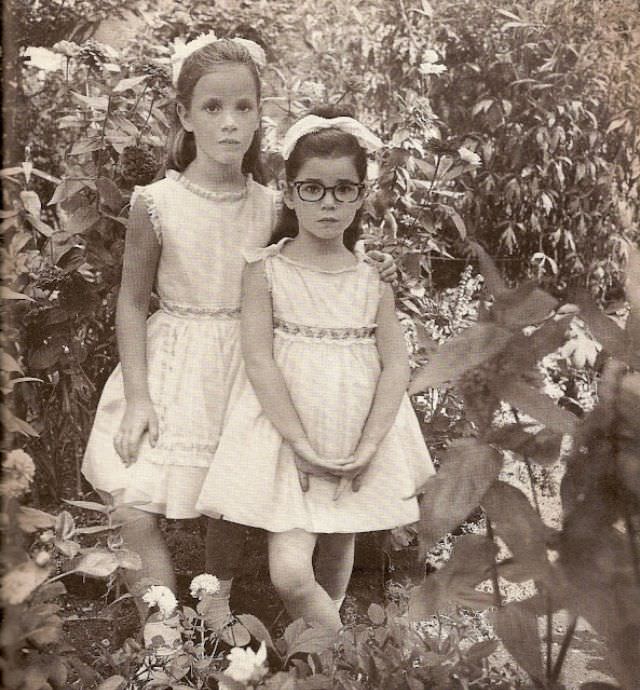
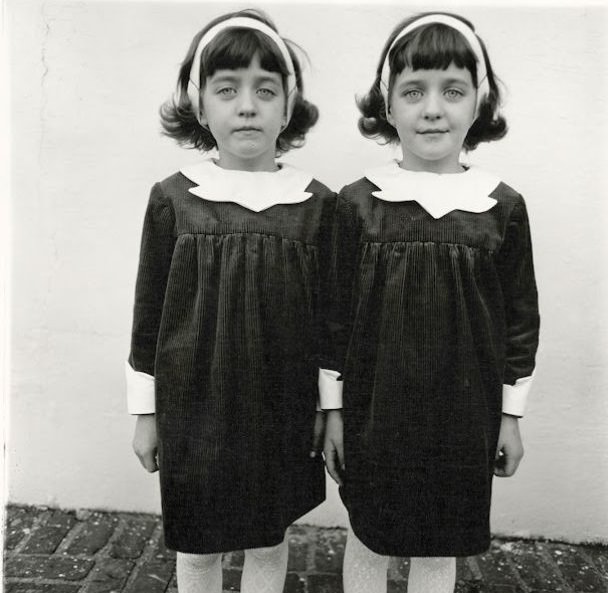
Her portraits of twins and triplets are among her most studied work. Identical in appearance yet subtly distinct in posture and expression, her twin subjects seem to raise questions about identity and individuality without a single word of text.
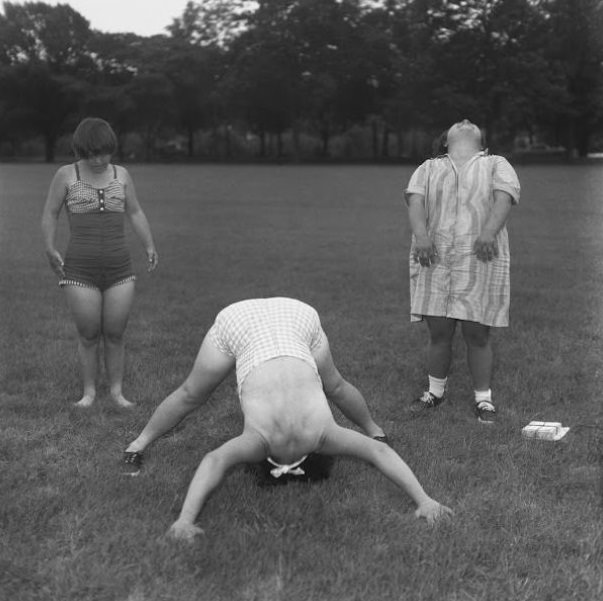
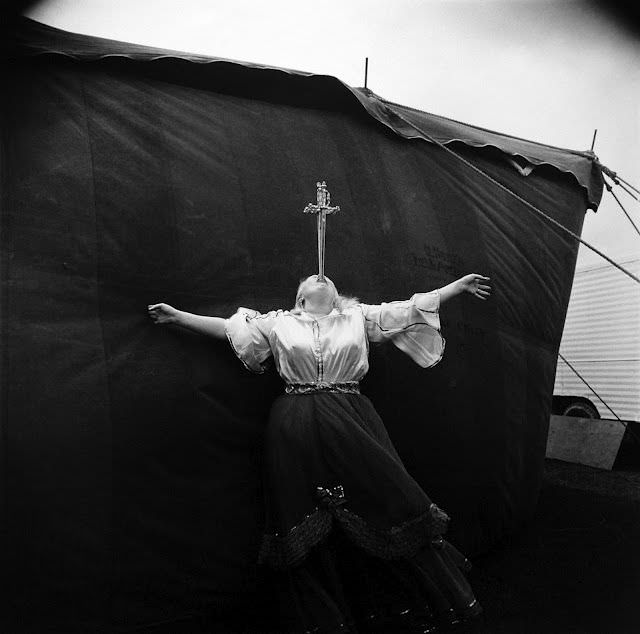
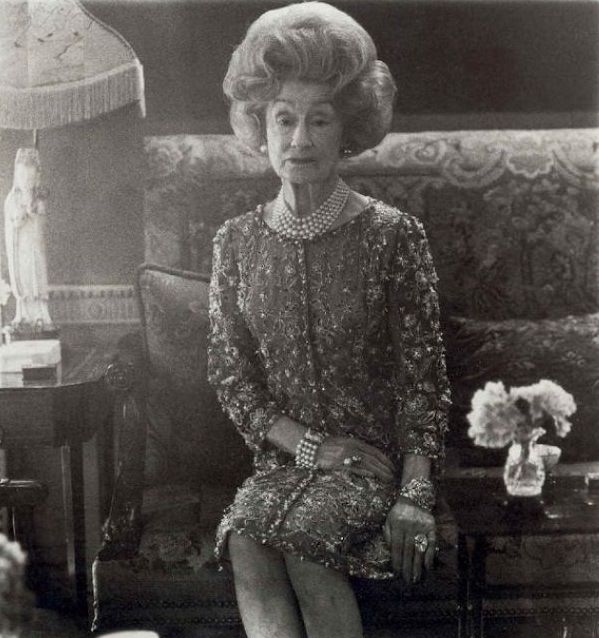
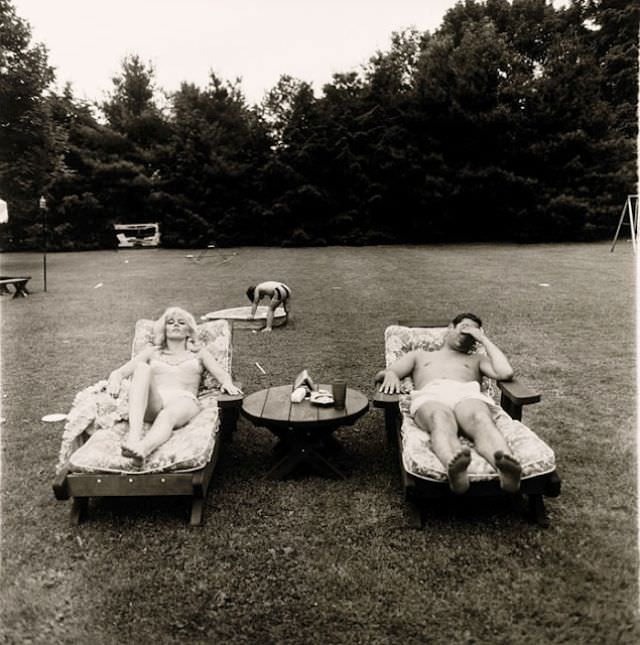
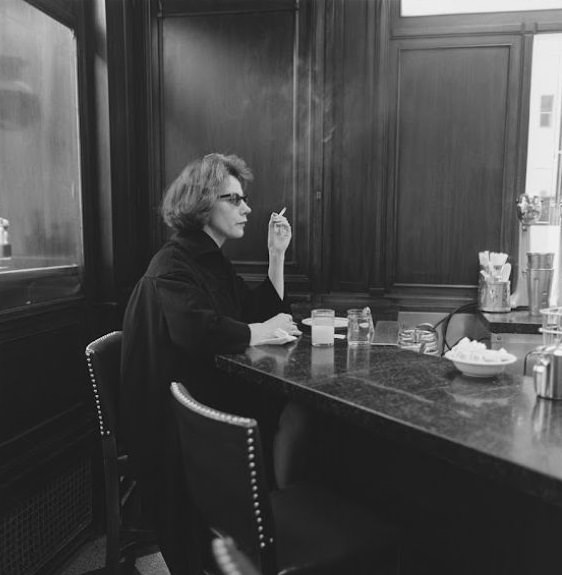
She also photographed well within the boundaries of conventional society — debutantes, socialites, and suburban families. Placed alongside her portraits of sideshow performers, these images suggested that the line between “normal” and “strange” was far thinner than most people assumed.
Arbus struggled with depression throughout her adult life. On July 26, 1971, she took her own life at the age of 48. She had been dead for nearly a year when her work was selected for the Venice Biennale in 1972 — making her the first American photographer ever shown there.
Her photographs remain as direct and uncomfortable as the day they were taken. They do not allow distance. A viewer standing in front of an Arbus portrait is put face to face with someone they might otherwise never see — and asked, without ceremony, to look.