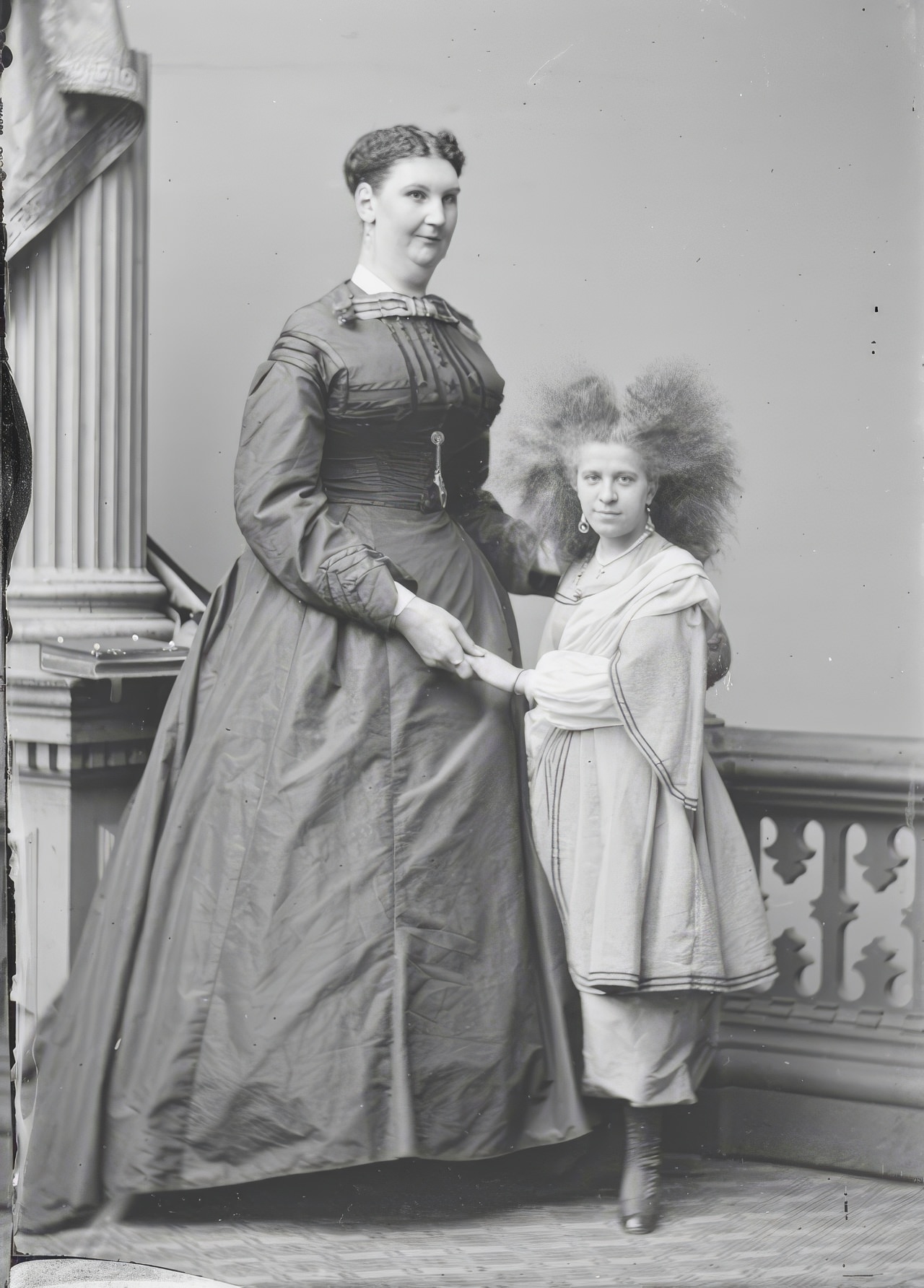
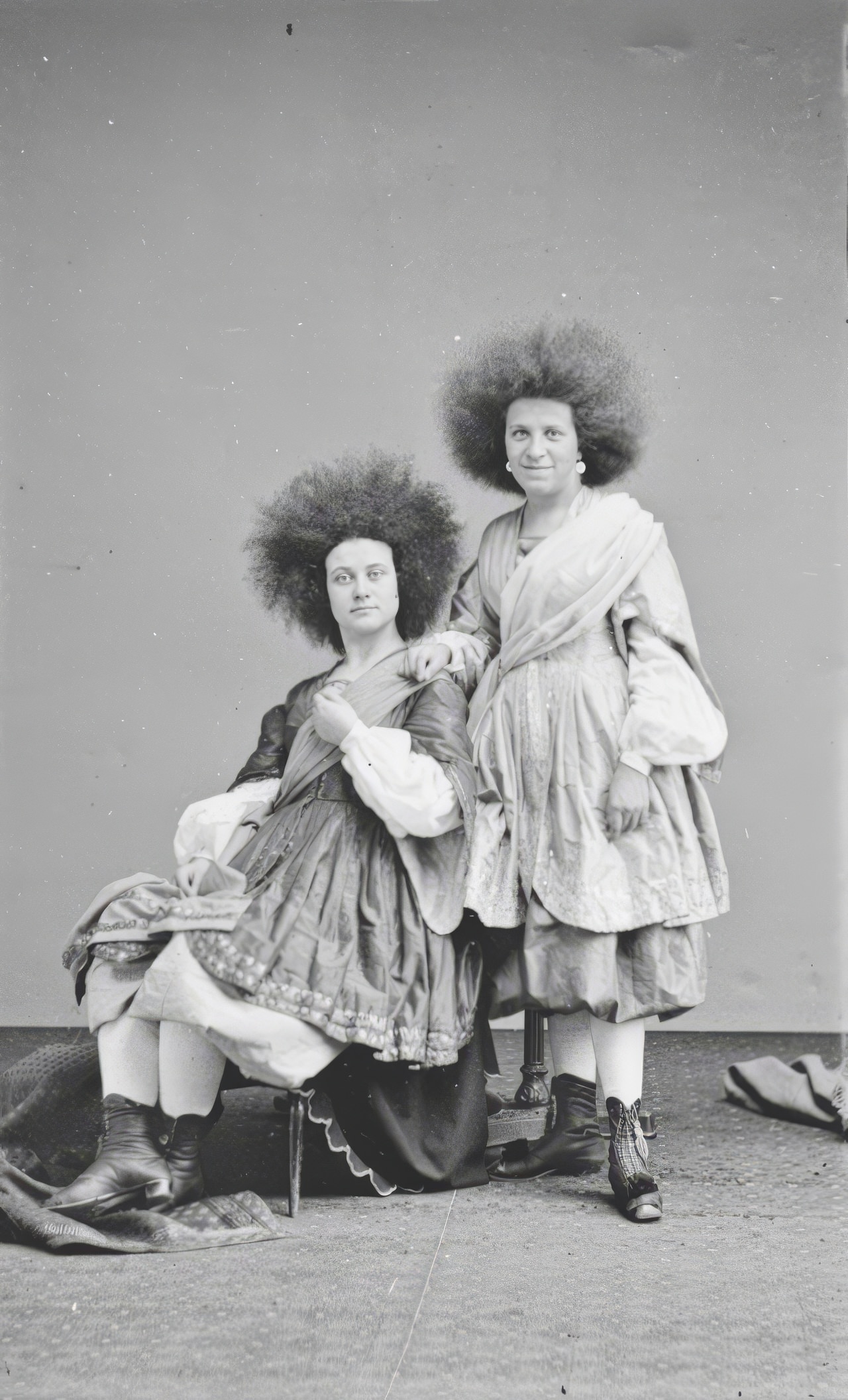
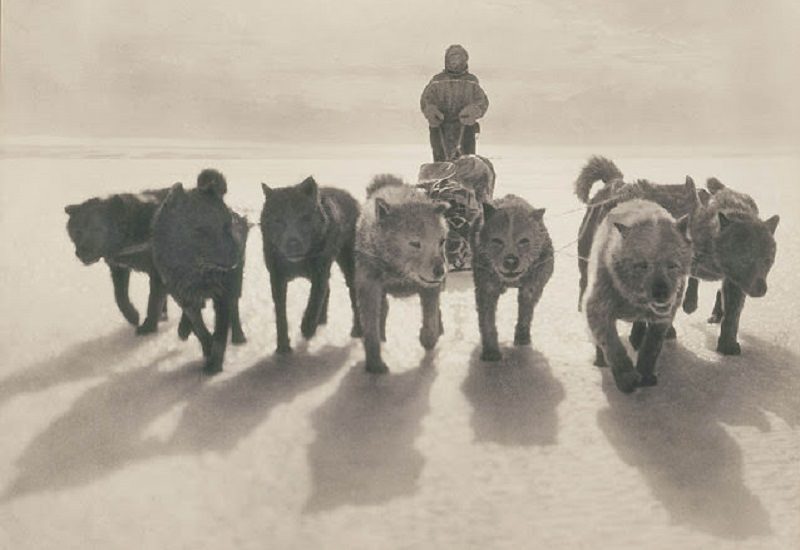
In 19th-century New York City, the Mathew Brady photography studio stood as one of the most respected portrait studios in the country. Best known for its sweeping documentation of the Civil War, the studio photographed generals, politicians, diplomats, and artists by the thousands. But tucked within that massive body of work was a stranger, darker chapter — the portraits of the Circassian Beauties.
P. T. Barnum introduced the Circassian Beauties to the American public through his famous American Museum in New York City. He marketed these women as escapees from an Ottoman harem, presenting them as the ultimate symbol of white beauty fused with exotic Eastern mystery. Their large, teased hair became a visual trademark, and their backstories — largely fabricated — fueled public fascination.
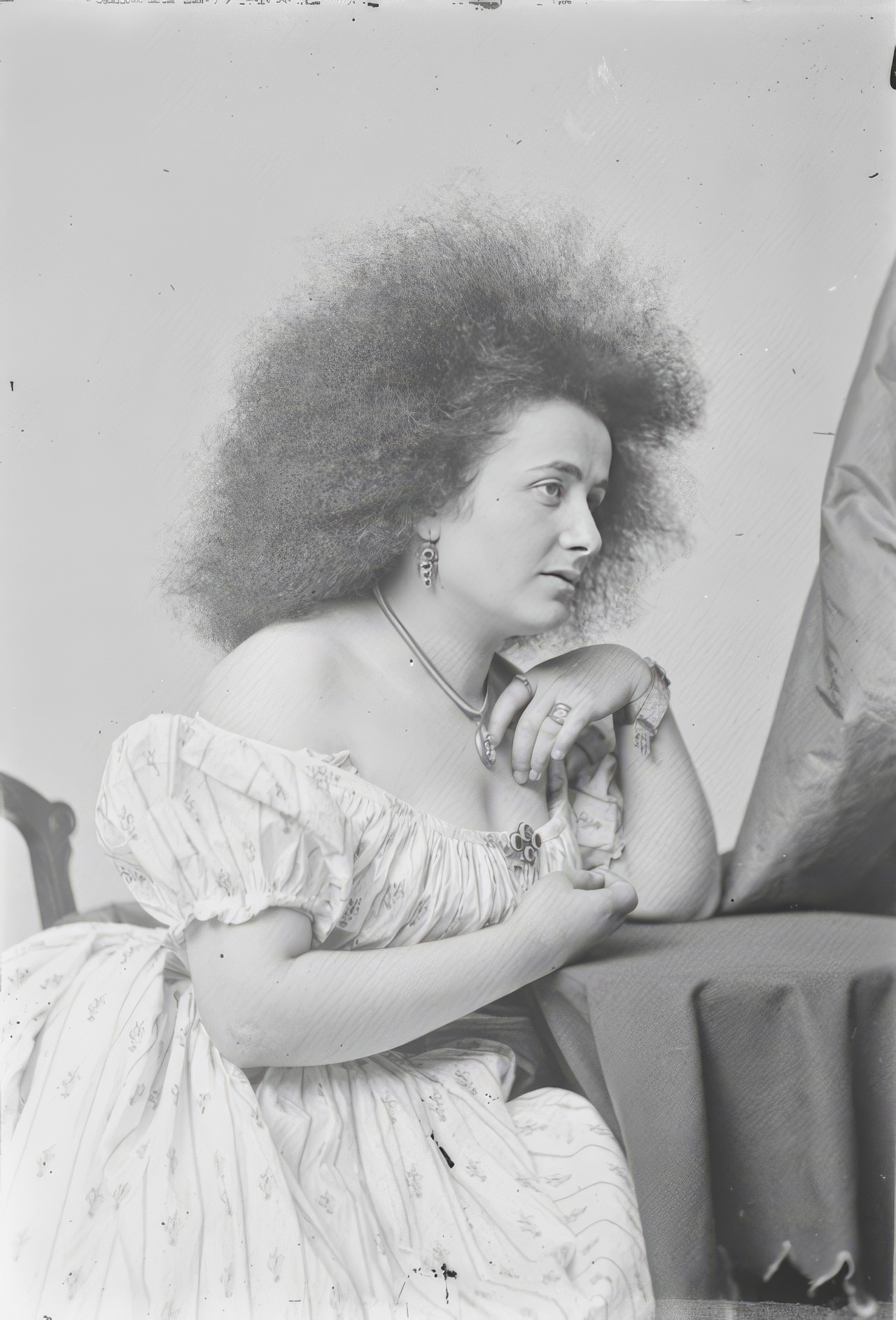
Barnum was skilled at reading public appetite. By framing these women as both racially pure and dangerously foreign, he tapped into two powerful cultural currents at once. The Circassian Beauties became one of the museum’s most popular attractions, drawing crowds who were eager to see what Barnum told them was the most beautiful “race” on earth.
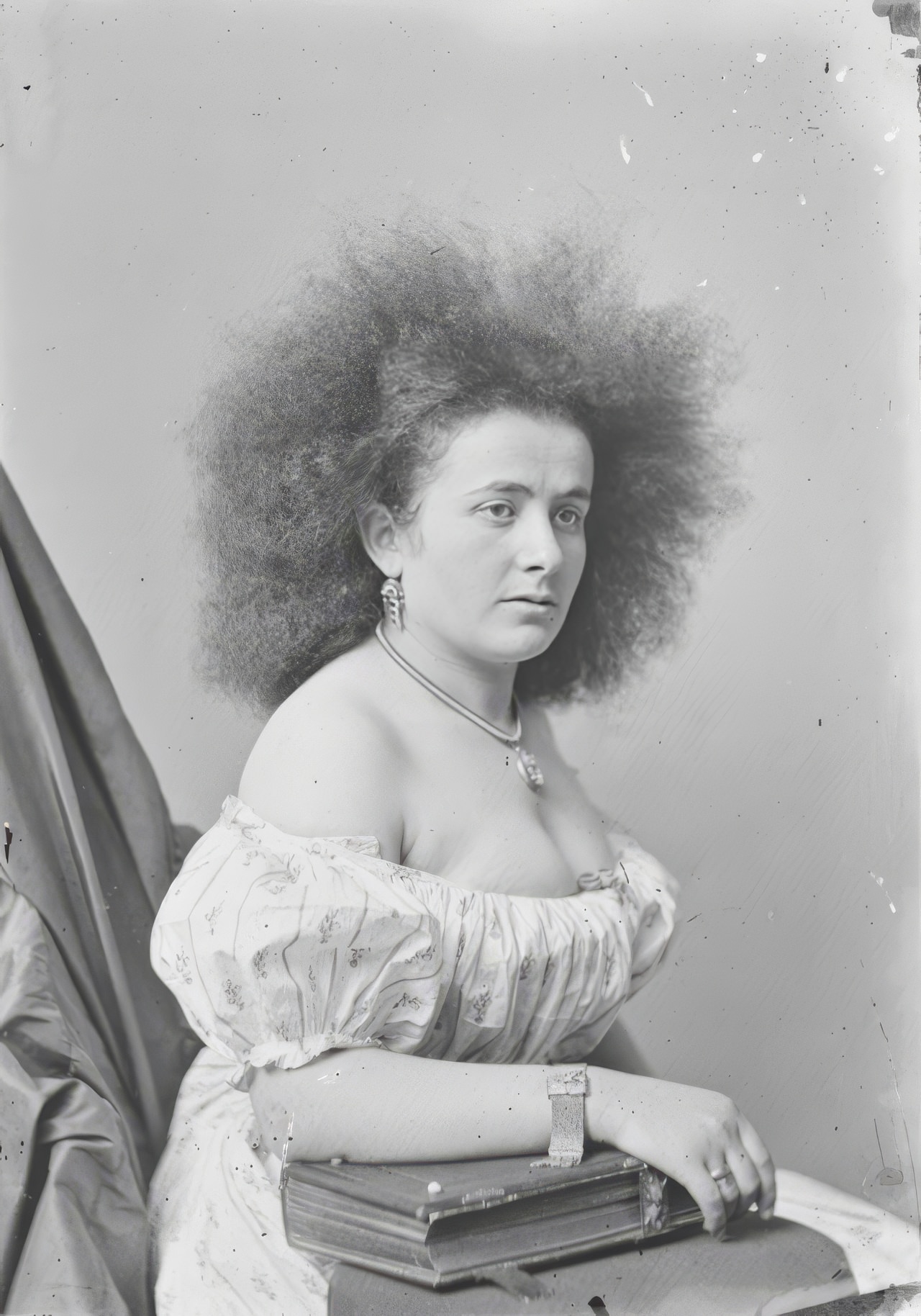
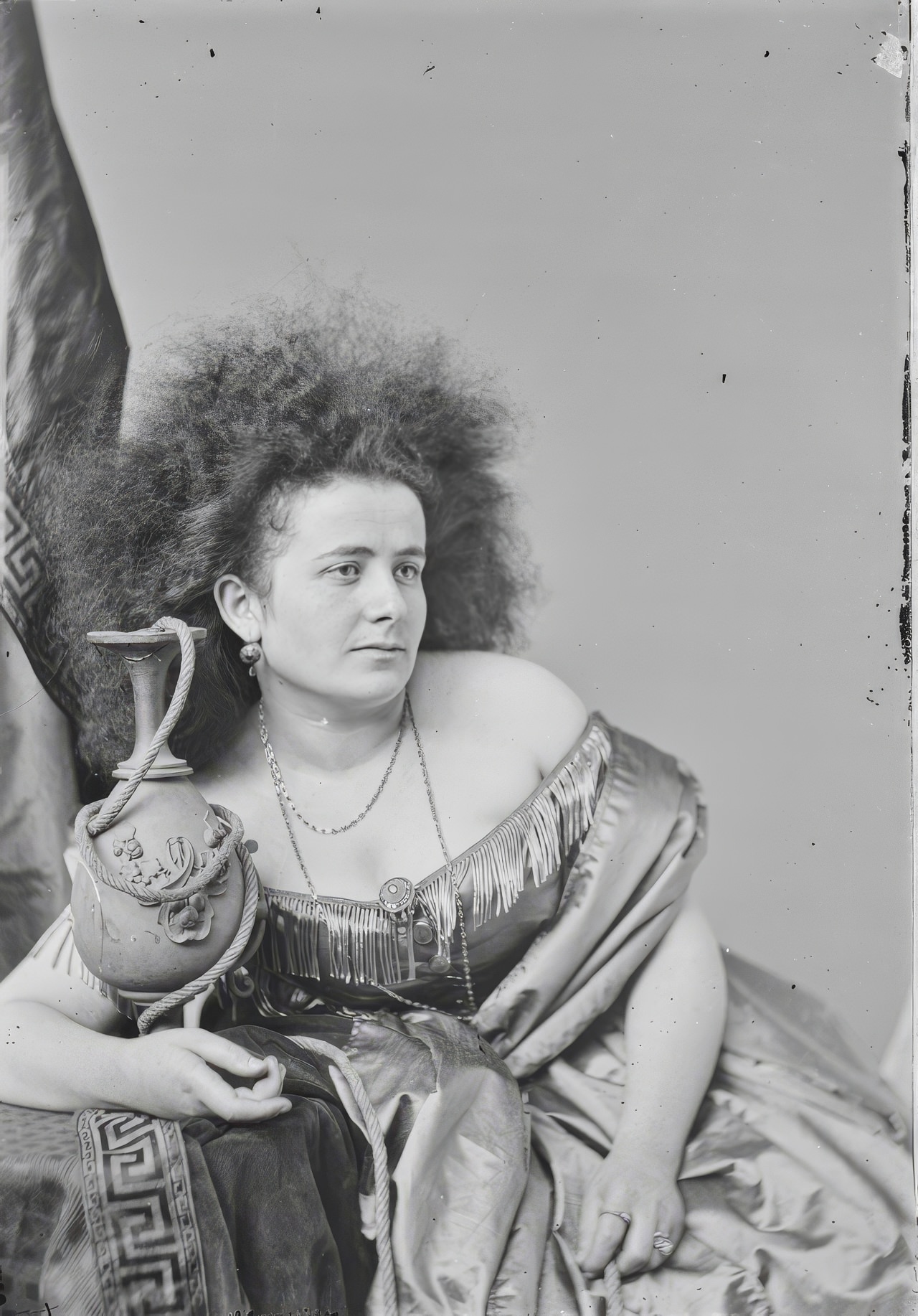
The Brady studio’s portraits gave these women a permanent visual presence. The photographs formalized the performance — turning a sideshow act into a documented, almost respectable image. Brady’s studio was not simply recording history; it was actively shaping how Americans saw and understood the world around them.
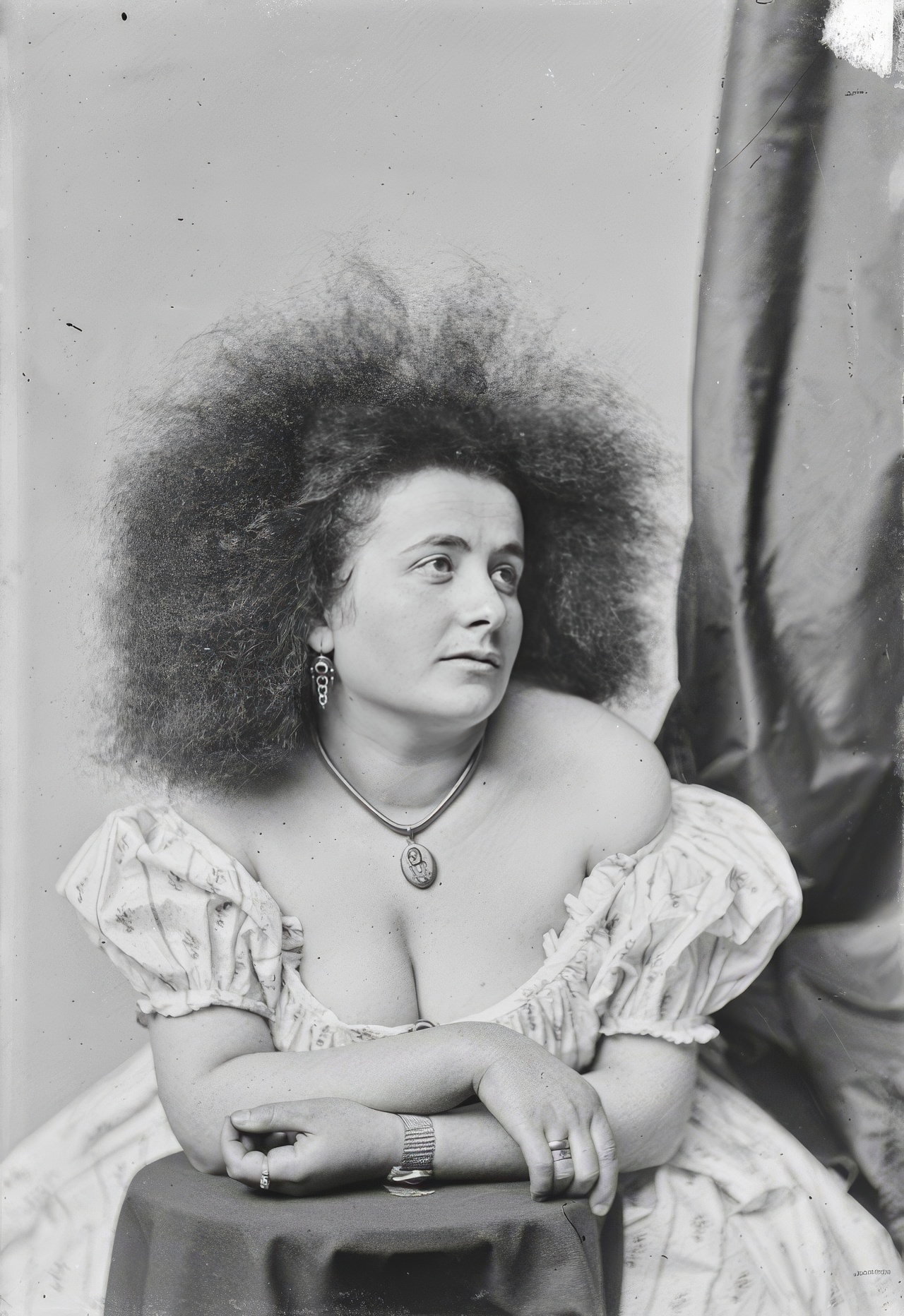
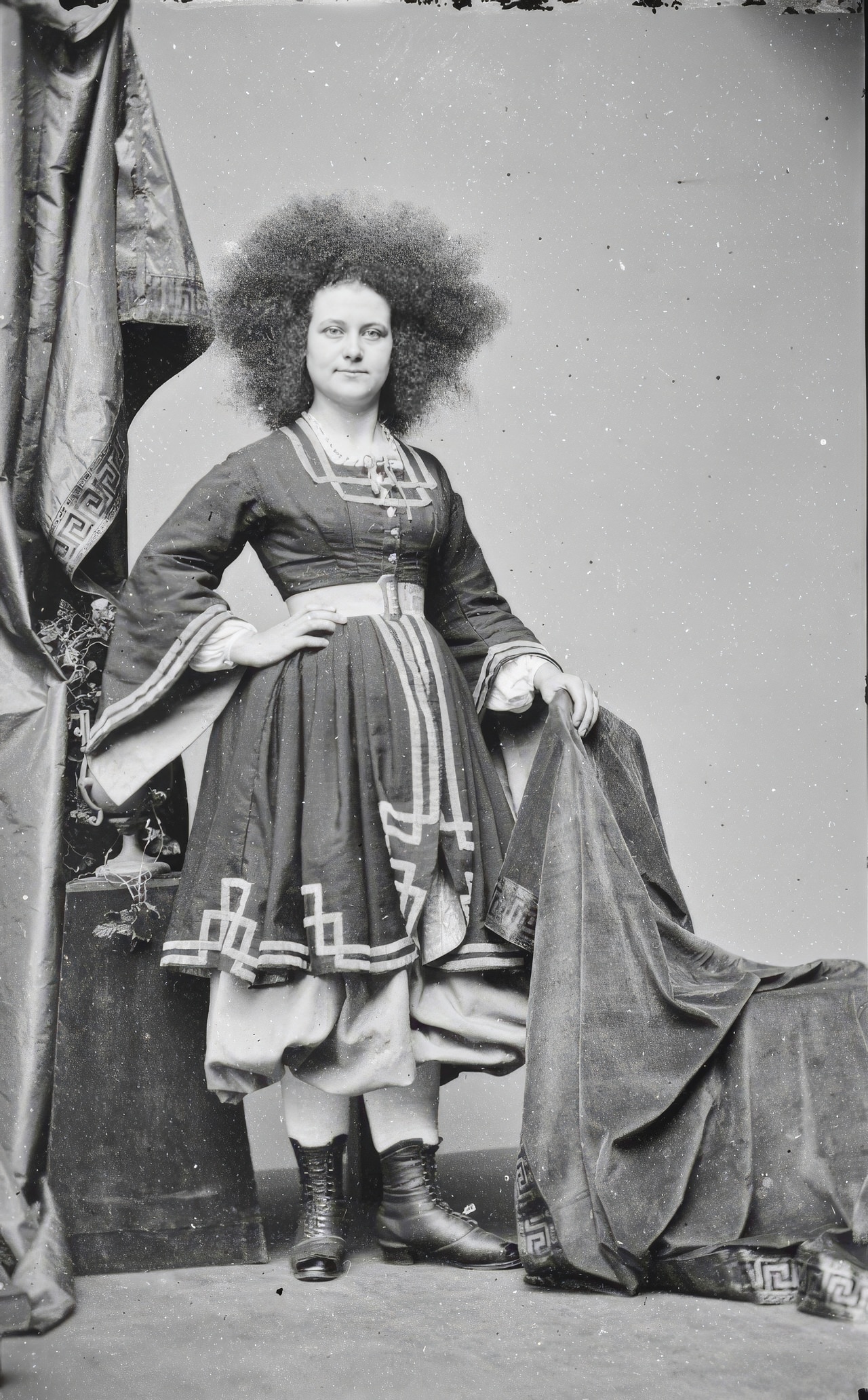
These portraits eventually became part of the Frederick Hill Meserve Collection, a body of over five thousand portrait negatives from the Civil War era. In 1981, the National Portrait Gallery acquired the collection, preserving it as a primary source for understanding 19th-century American visual culture.
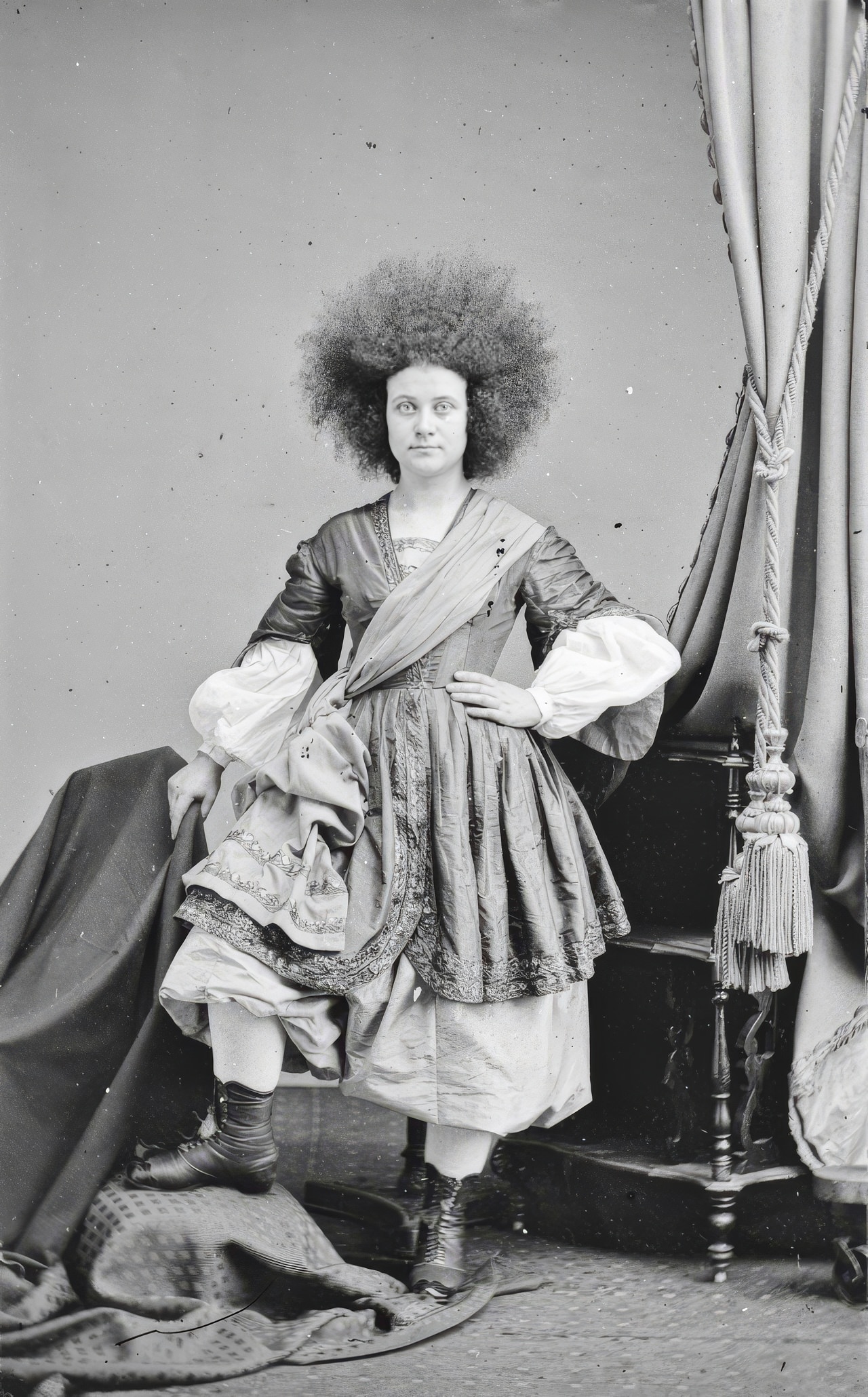
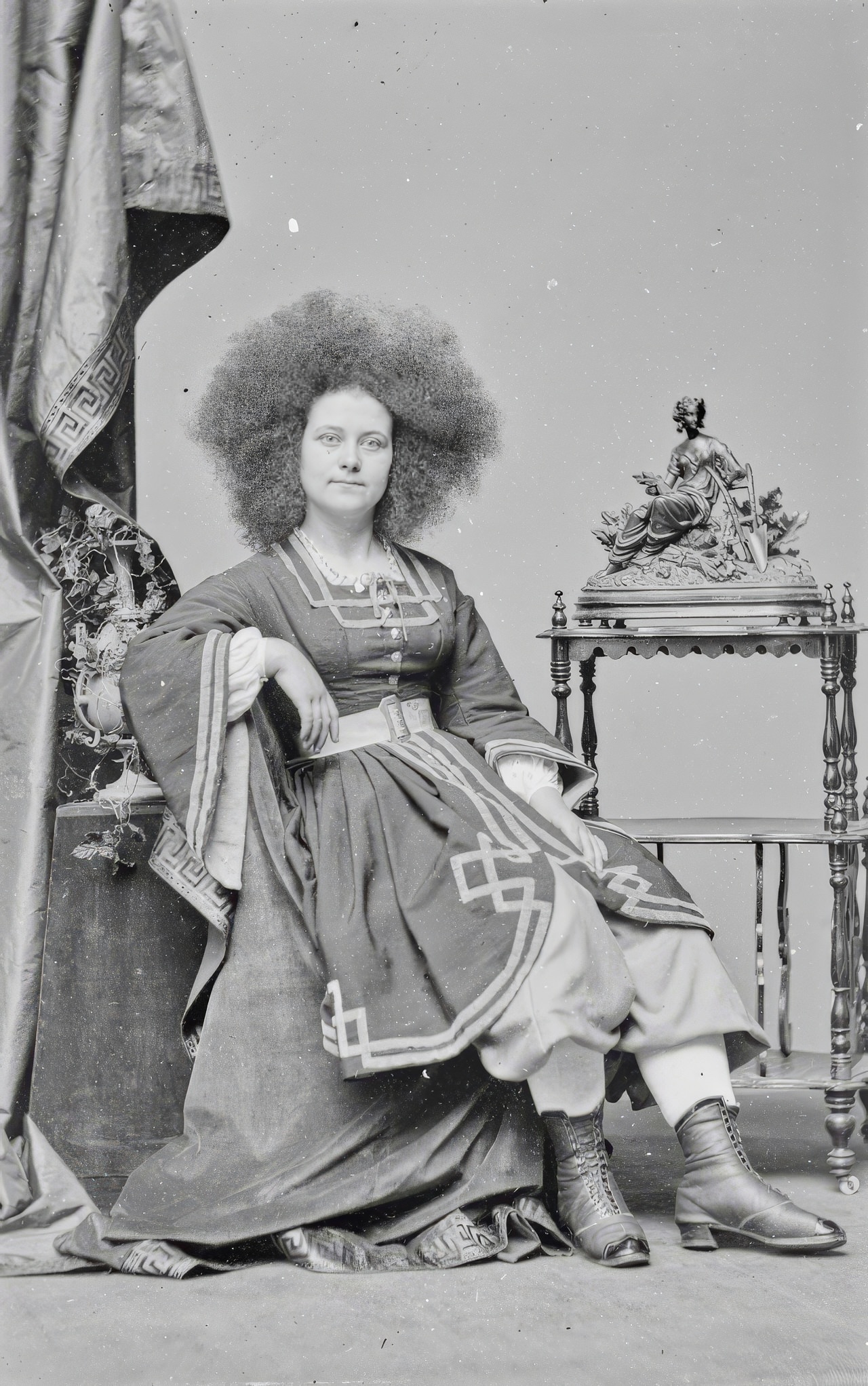
The Meserve Collection is wide-ranging. It holds portraits of Civil War figures alongside a category labeled “Human Curiosities” — a term Barnum and his era used without apology. The Circassian Beauties fall squarely within that grouping, sitting alongside other performers from Barnum’s museum.
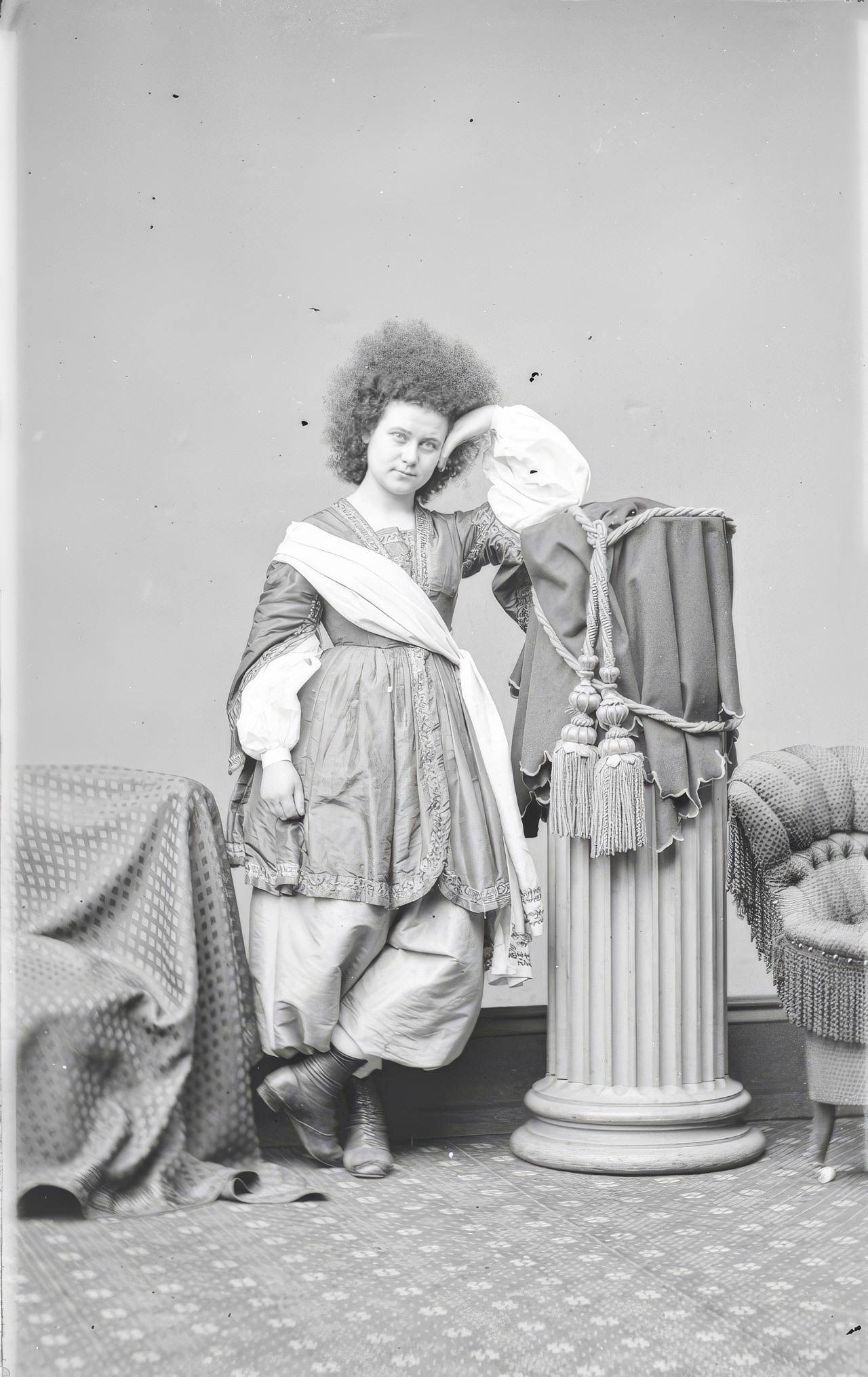
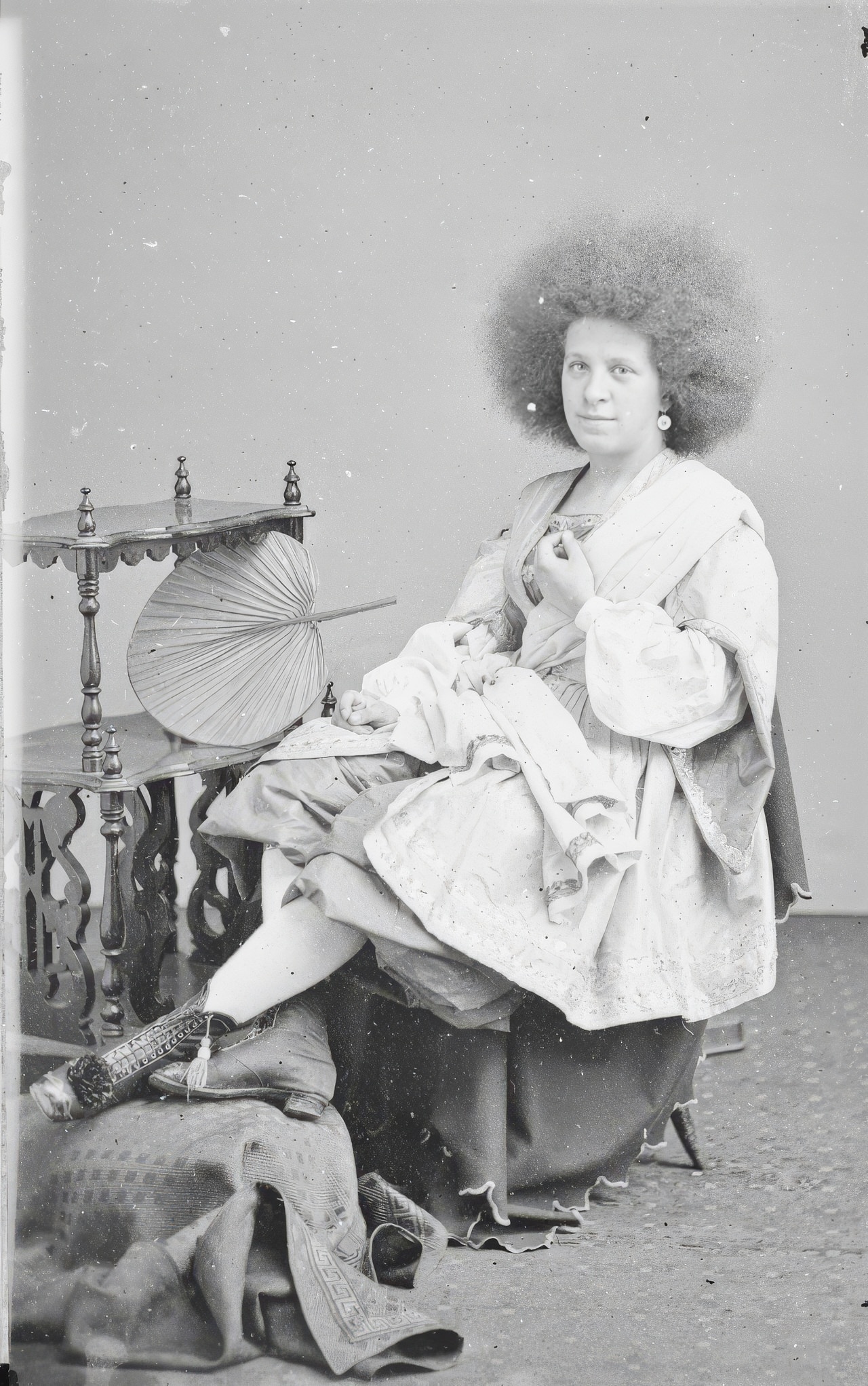
The racial logic behind the Circassian Beauty display was deliberate. Barnum positioned these women at the top of a racial hierarchy, using their supposed origins in the Caucasus region to reinforce 19th-century pseudoscientific ideas about race. The word “Caucasian” itself, used broadly to mean white, had roots in this same geography — a connection Barnum leaned into heavily.
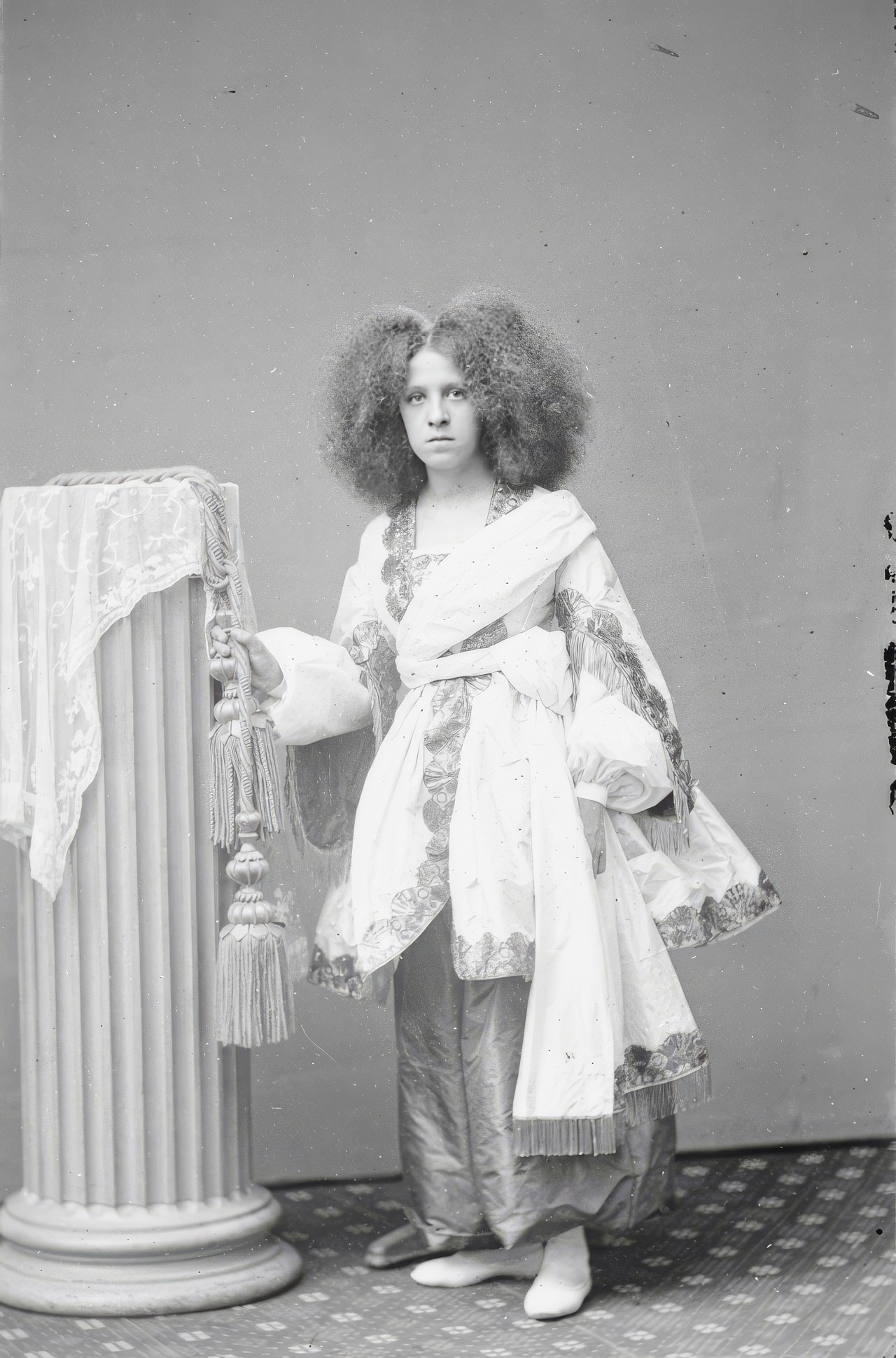
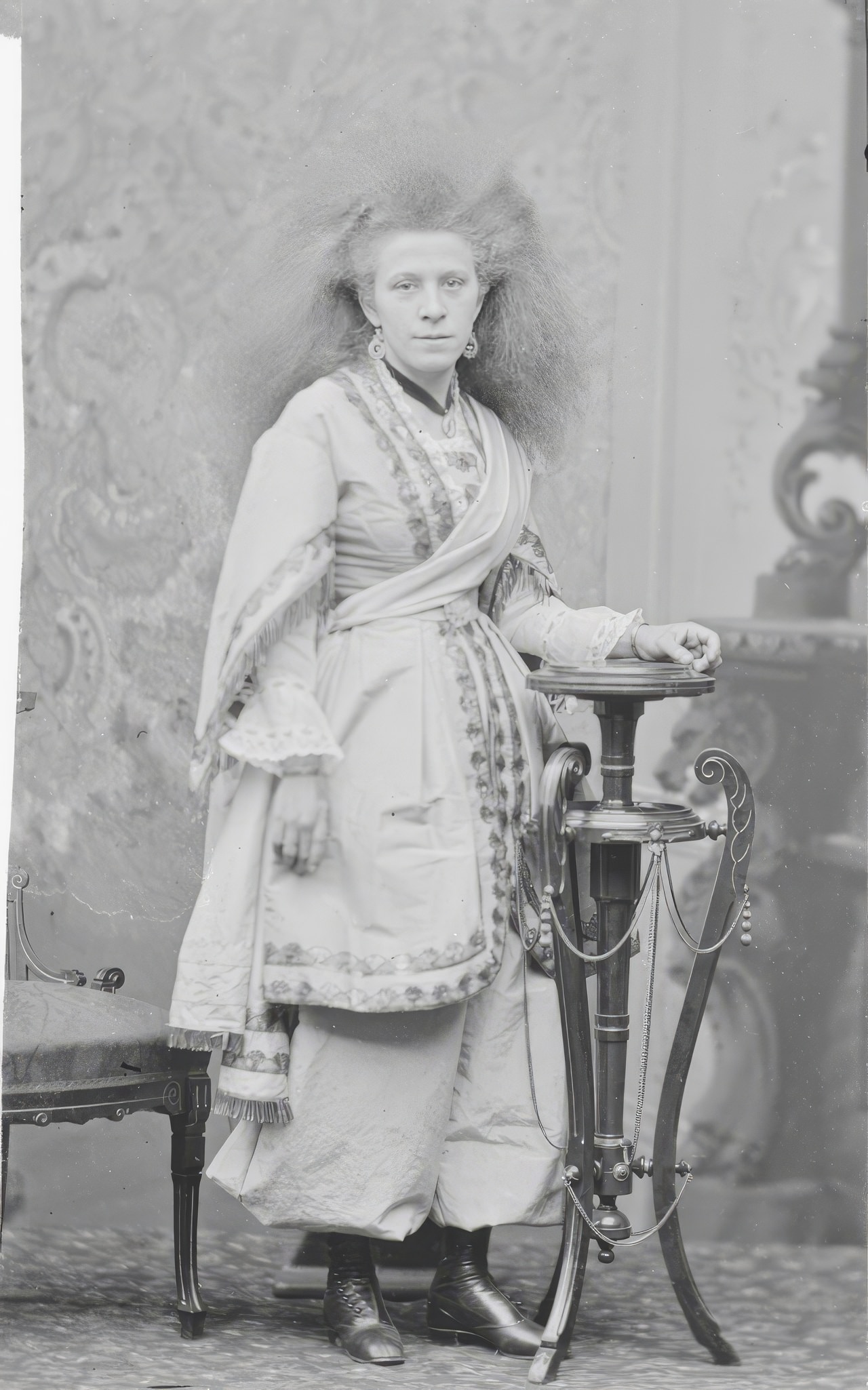
The women were also presented as victims — enslaved in harems, rescued, and now on display for the civilized West to admire. This narrative served a purpose. It made attendance feel morally acceptable, even noble, while delivering the voyeuristic spectacle audiences came for.
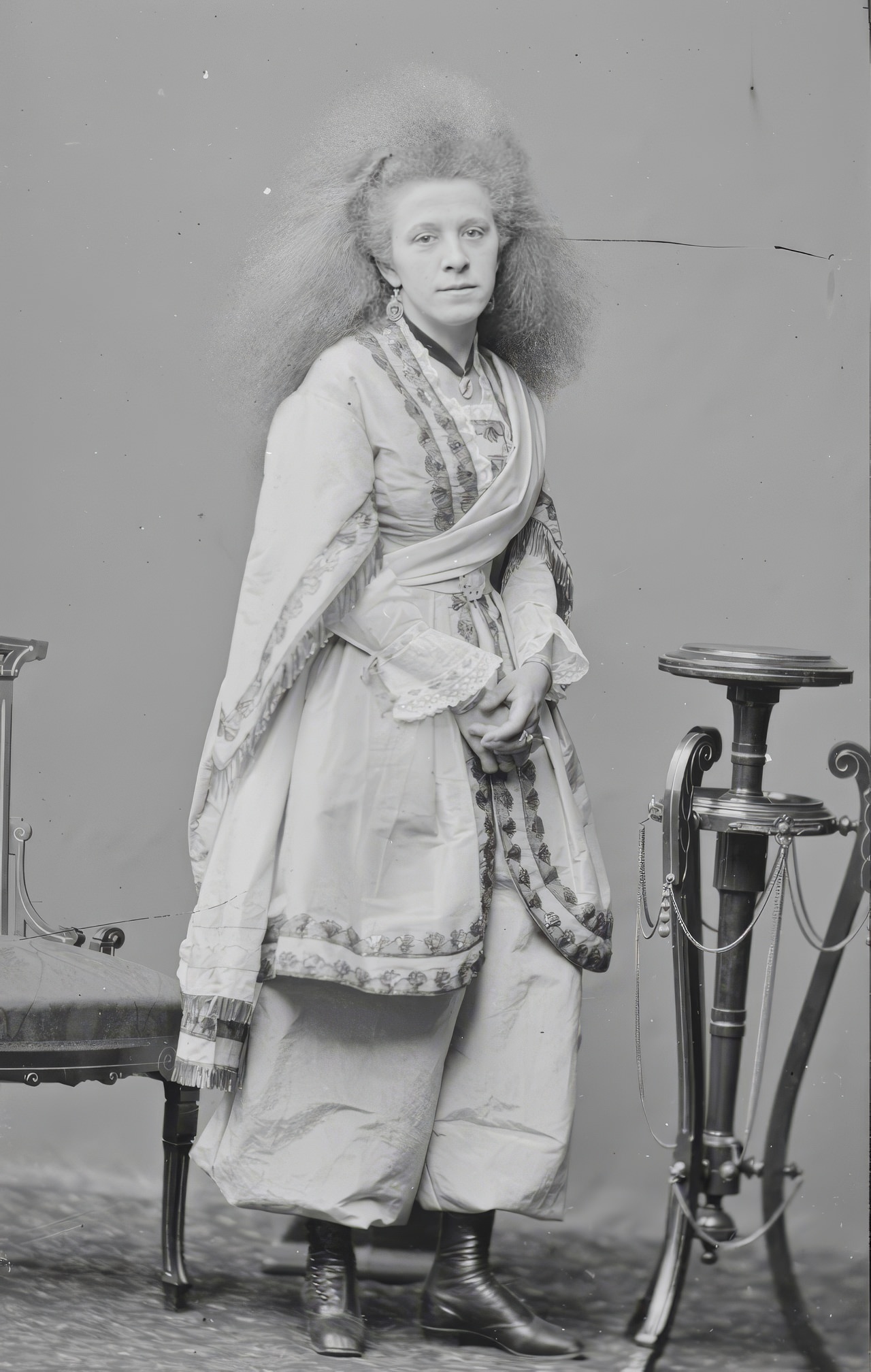
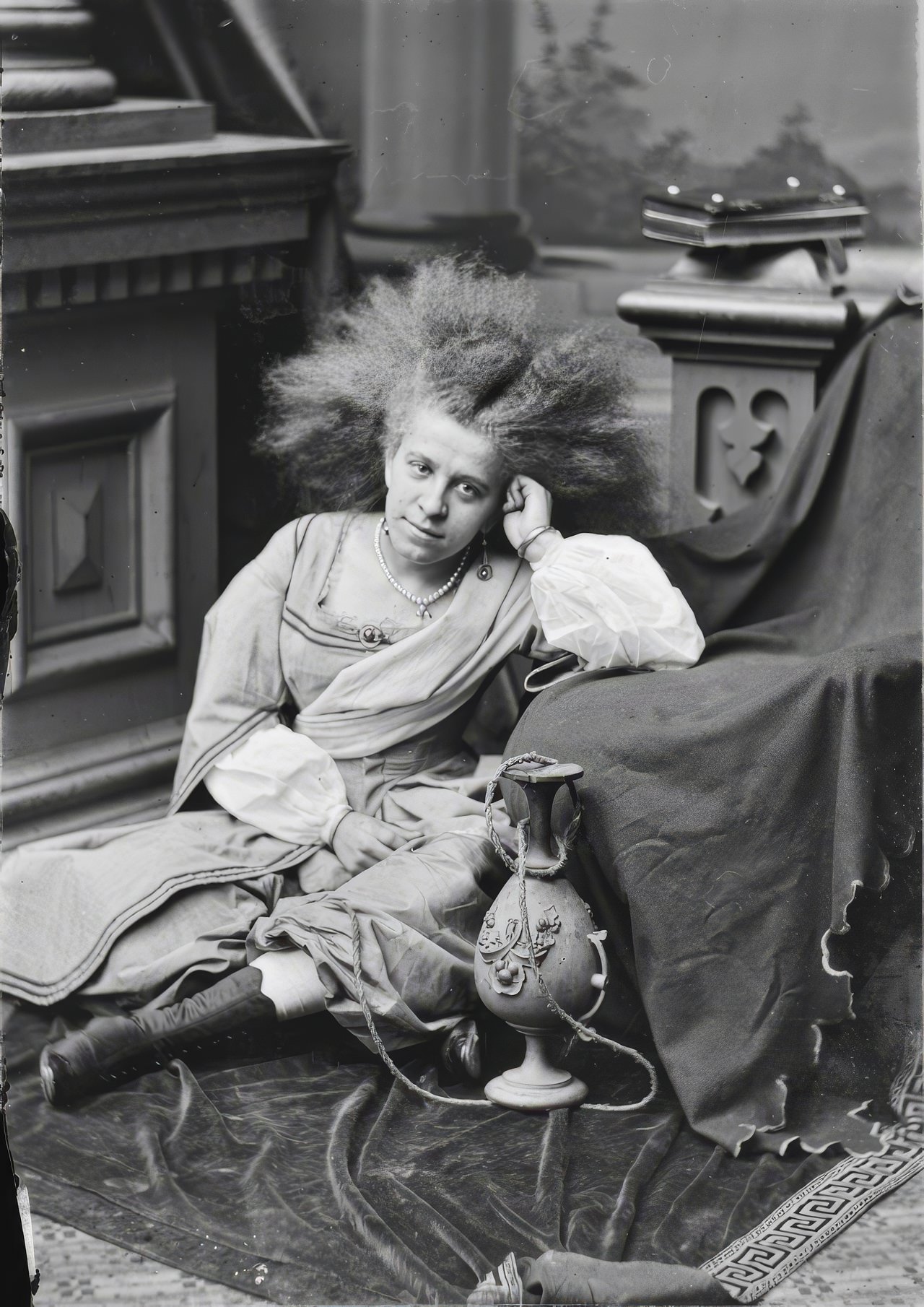
Brady’s studio brought technical precision to these portraits. The women were posed carefully, their distinctive hair styled and lit to maximize visual impact. The resulting images carried the same formal quality as Brady’s portraits of Abraham Lincoln or Ulysses S. Grant — lending the Circassian Beauties an air of legitimacy they would not have had in a hand-drawn poster.
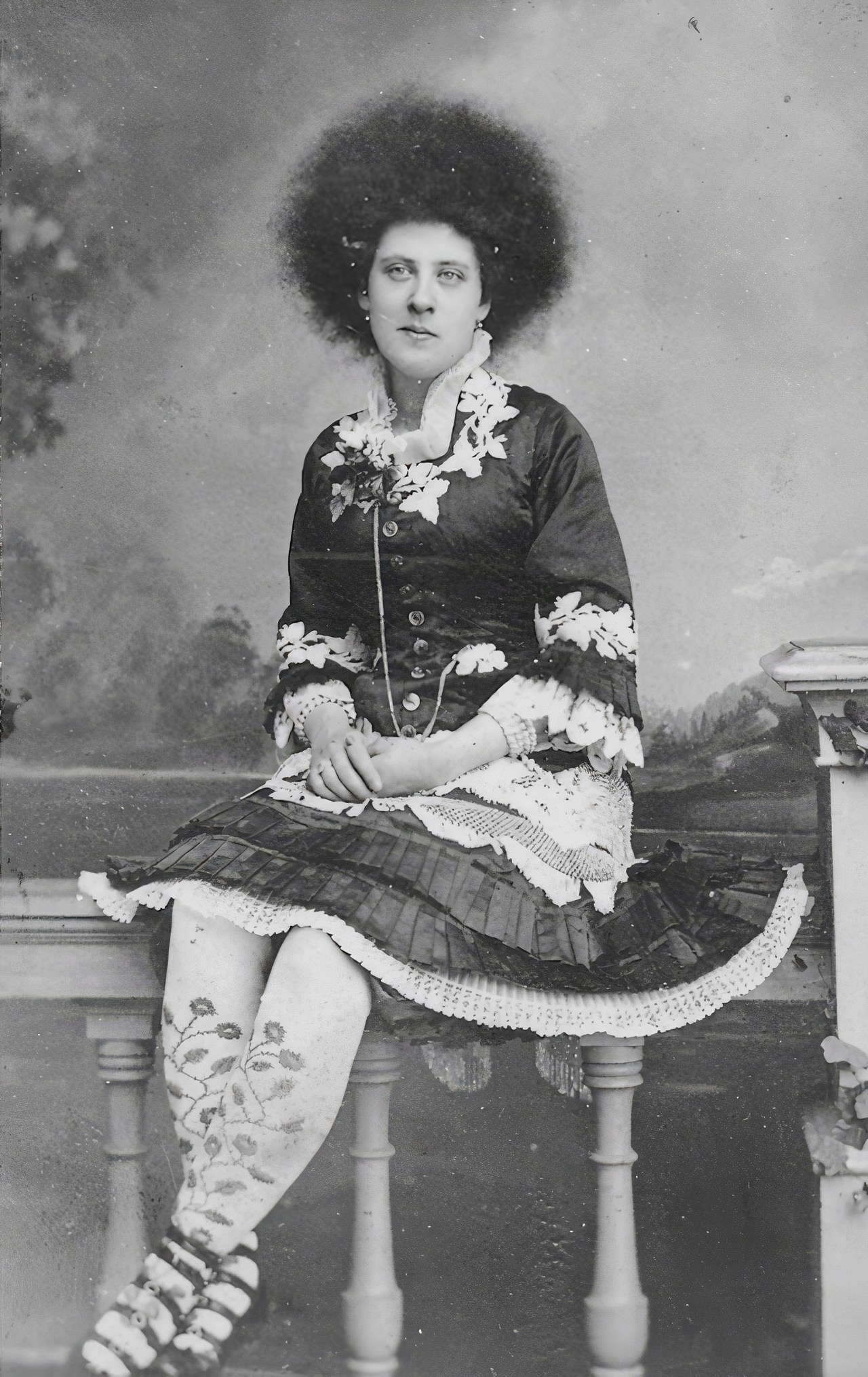
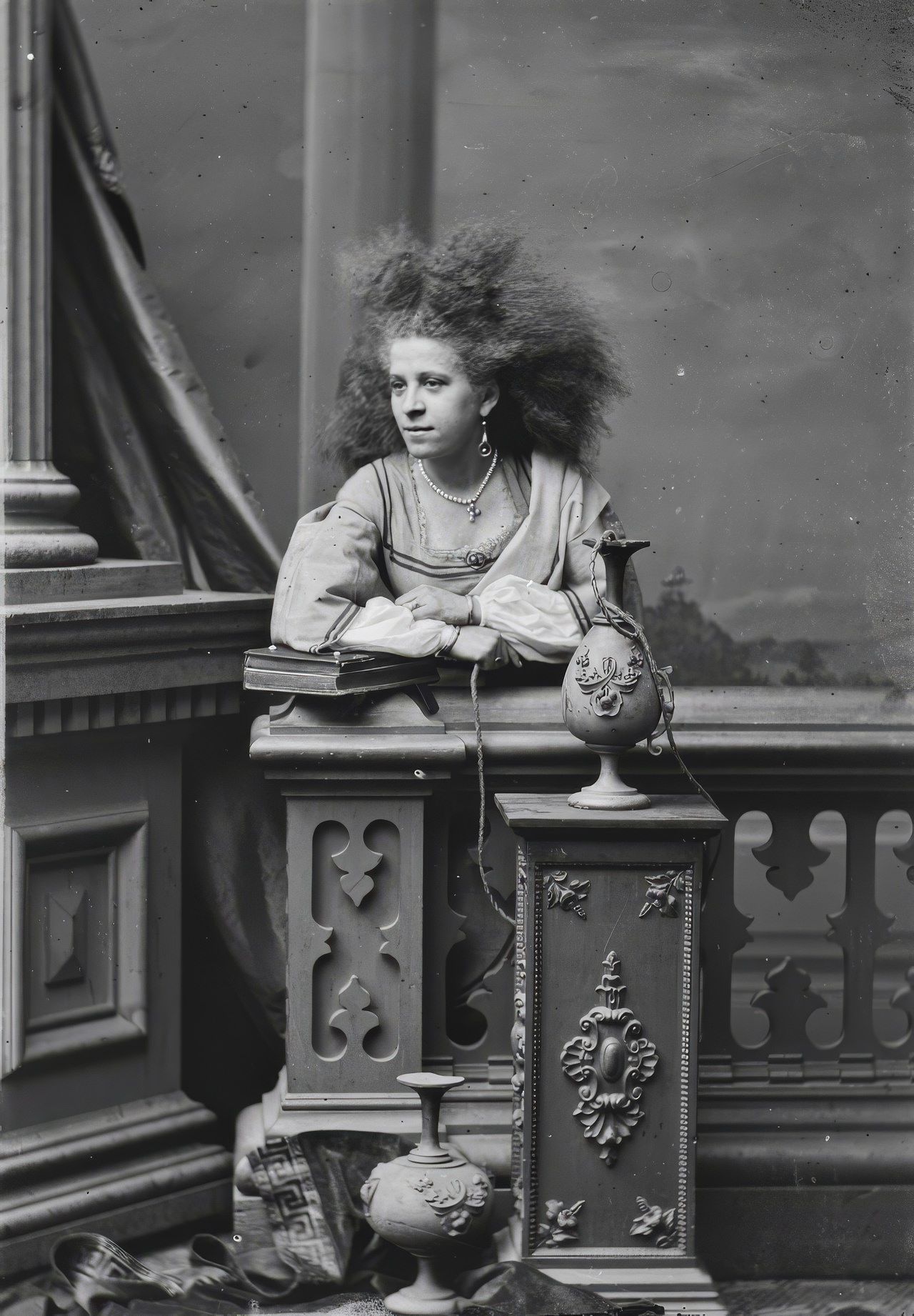
Today, these photographs remain as primary documents of how entertainment, race, and beauty intersected in 19th-century America. The Brady studio captured them with its full professional weight, and the Meserve Collection preserved them — making them available for historians to study as direct evidence of the era’s cultural machinery.