Between 1976 and 1980, photographer Mikkel Aaland traveled the county fair circuit across California and the American West with a portable photo studio mounted inside a carnival setup. He worked for a carnival concessionaire, moving from fairground to fairground each summer, setting up shop wherever the crowds gathered. The operation was lean but efficient — it took exactly three people to run it: one shooter, one front person to handle customers, and one person in the darkroom developing and printing 4×5 inch negatives.
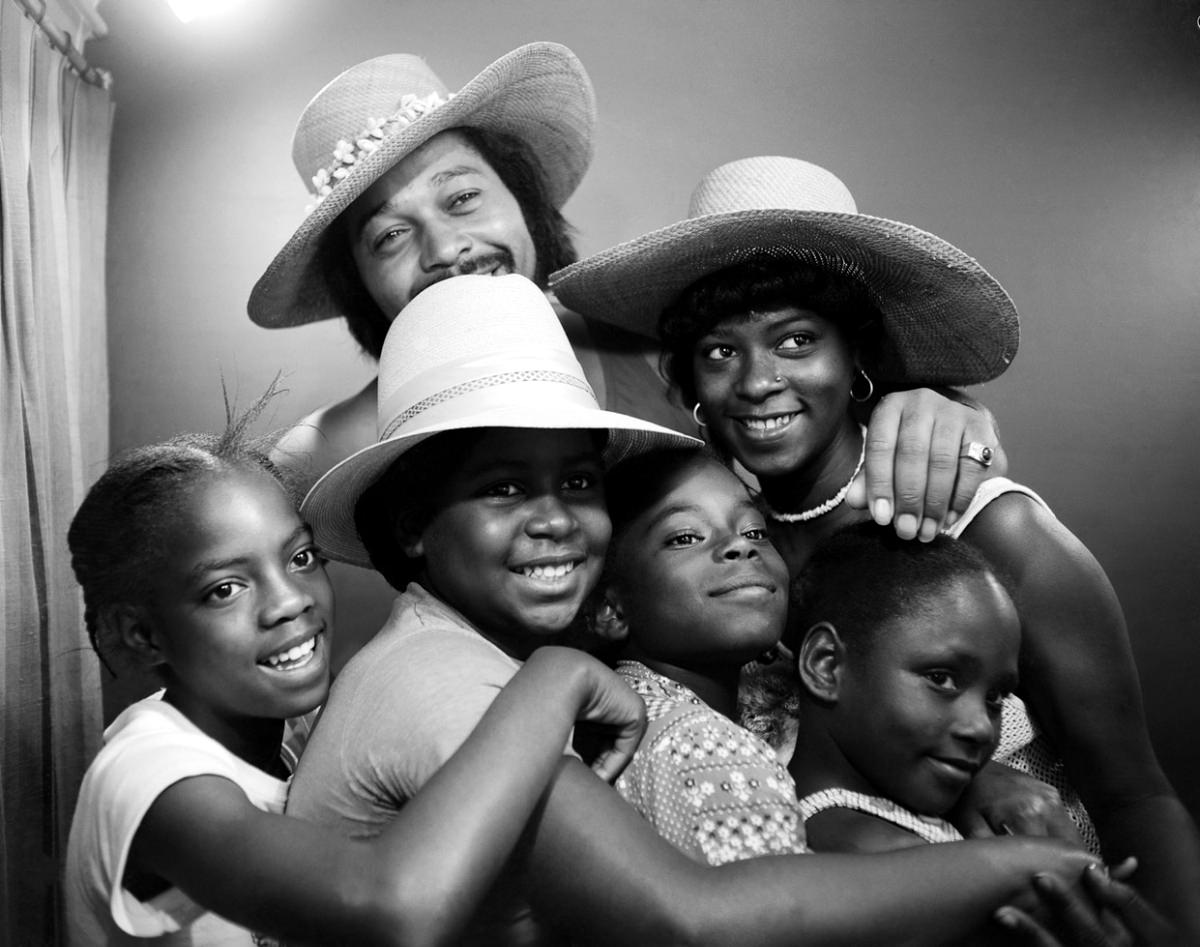
The studio produced finished portrait-sized prints in just a few minutes at prices low enough to draw long lines. In the pre-digital era, a professional-looking portrait was not easy to come by cheaply. Aaland’s setup filled that gap. On a busy day at the Pleasanton fair, he shot over 450 portraits. With an average of three people per print, that meant roughly 1,350 faces captured in a single day — from ten in the morning straight through to midnight.
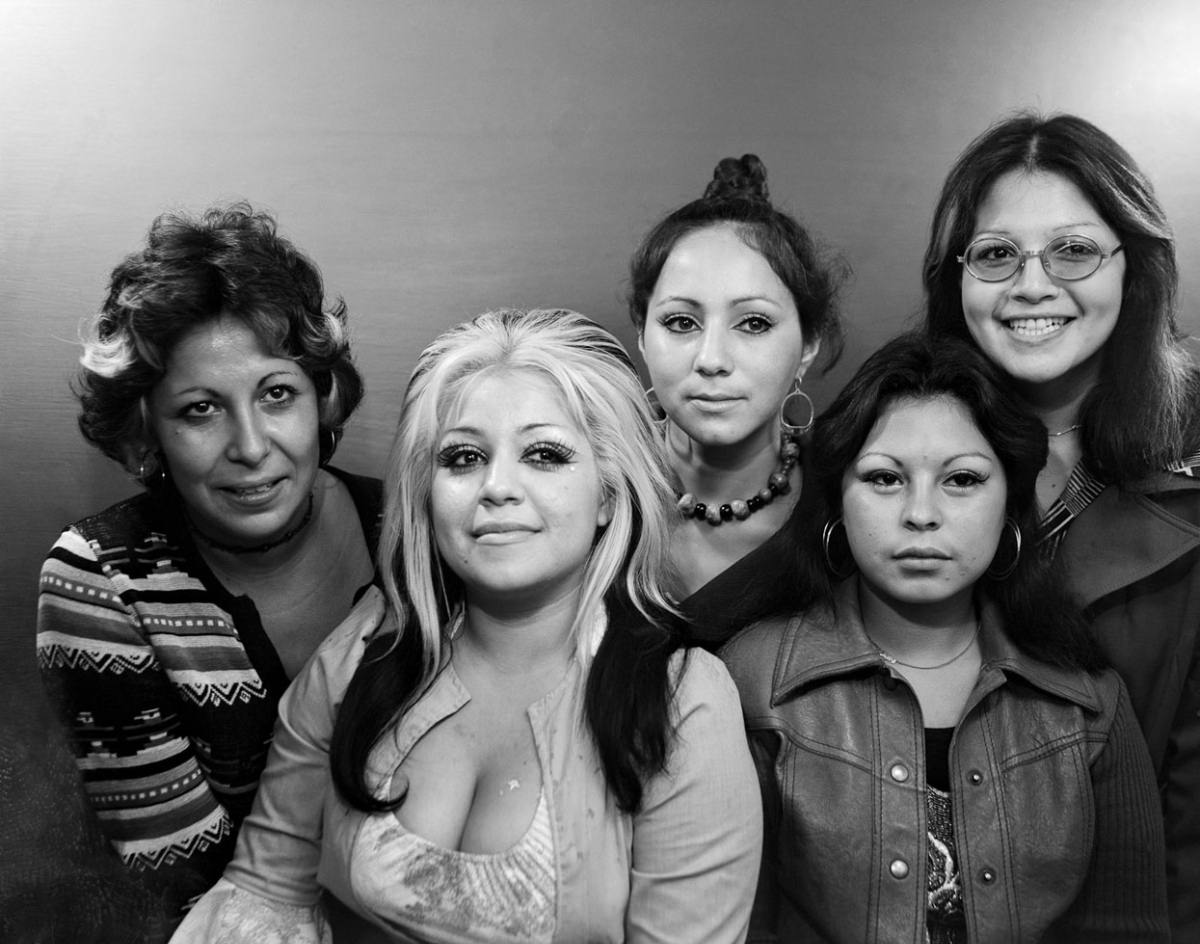
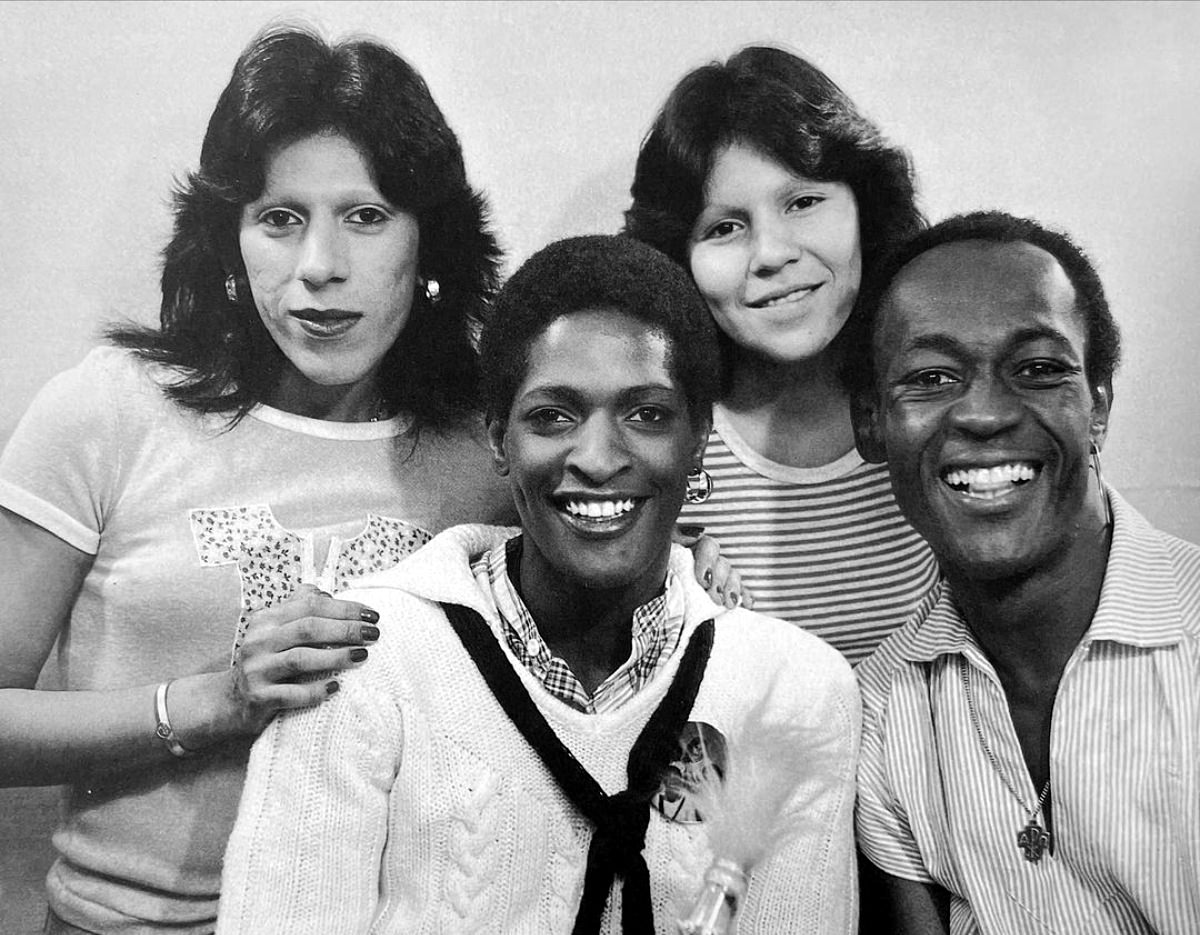
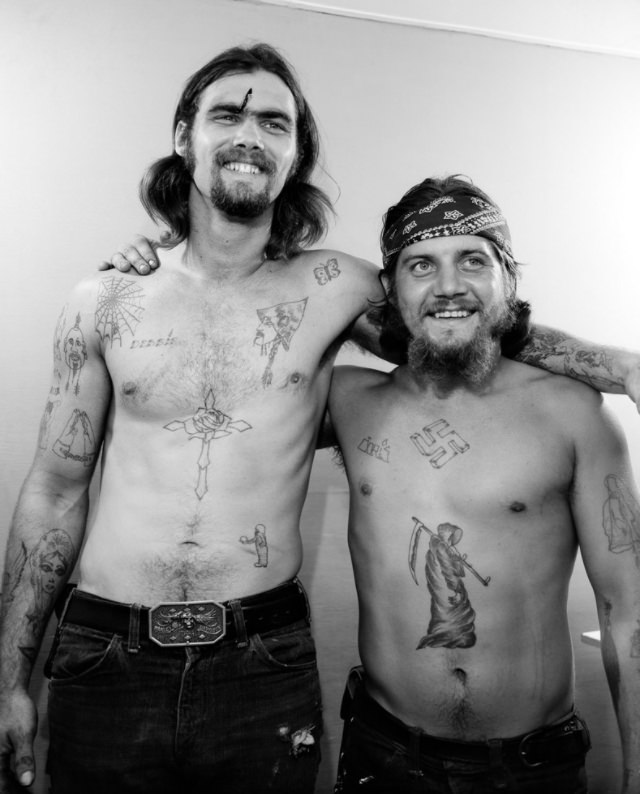
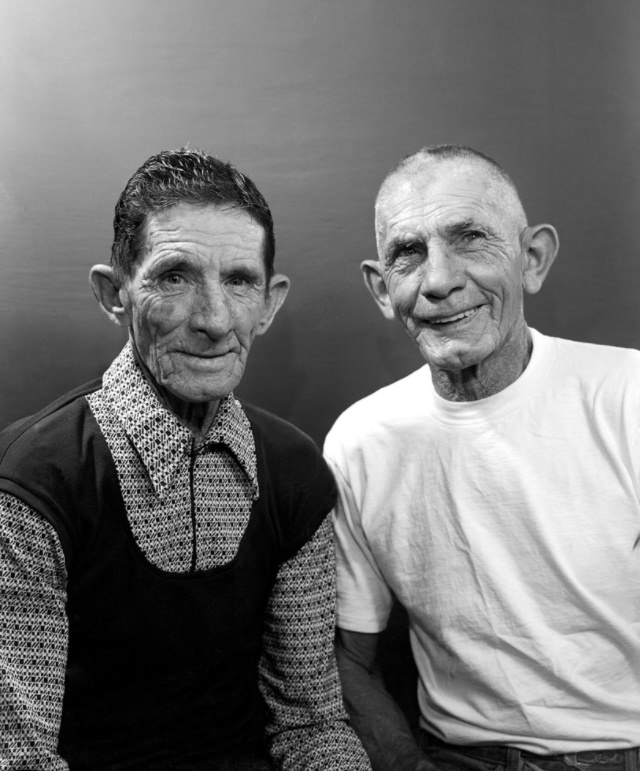
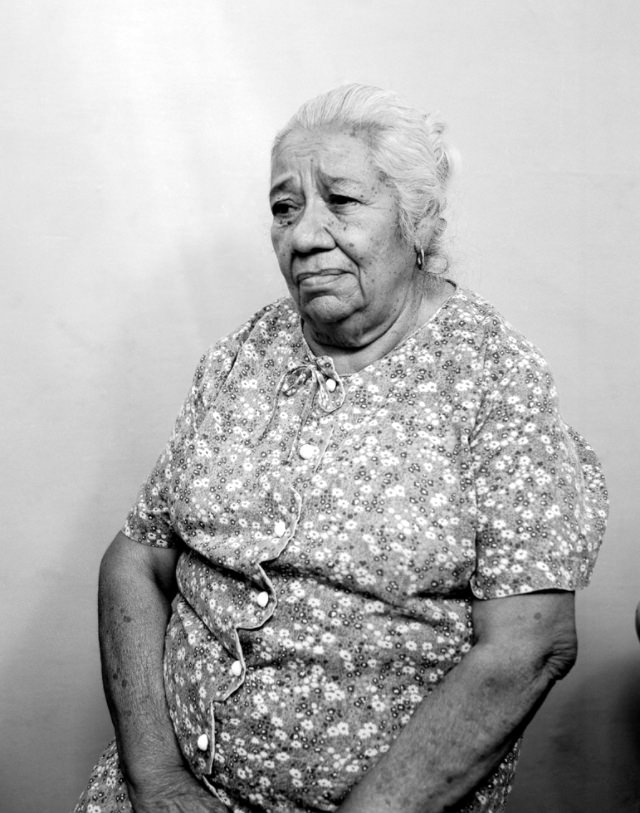
The county fair drew a specific kind of crowd. These were not wealthy families with professional photographers on speed dial. They were working-class people, young couples, tight friend groups, and gang members — people living on the margins whose daily lives showed plainly on their faces. For many of them, stepping in front of Aaland’s camera was a rare chance to define themselves on their own terms, to say: this is who I am, and I want it recorded.
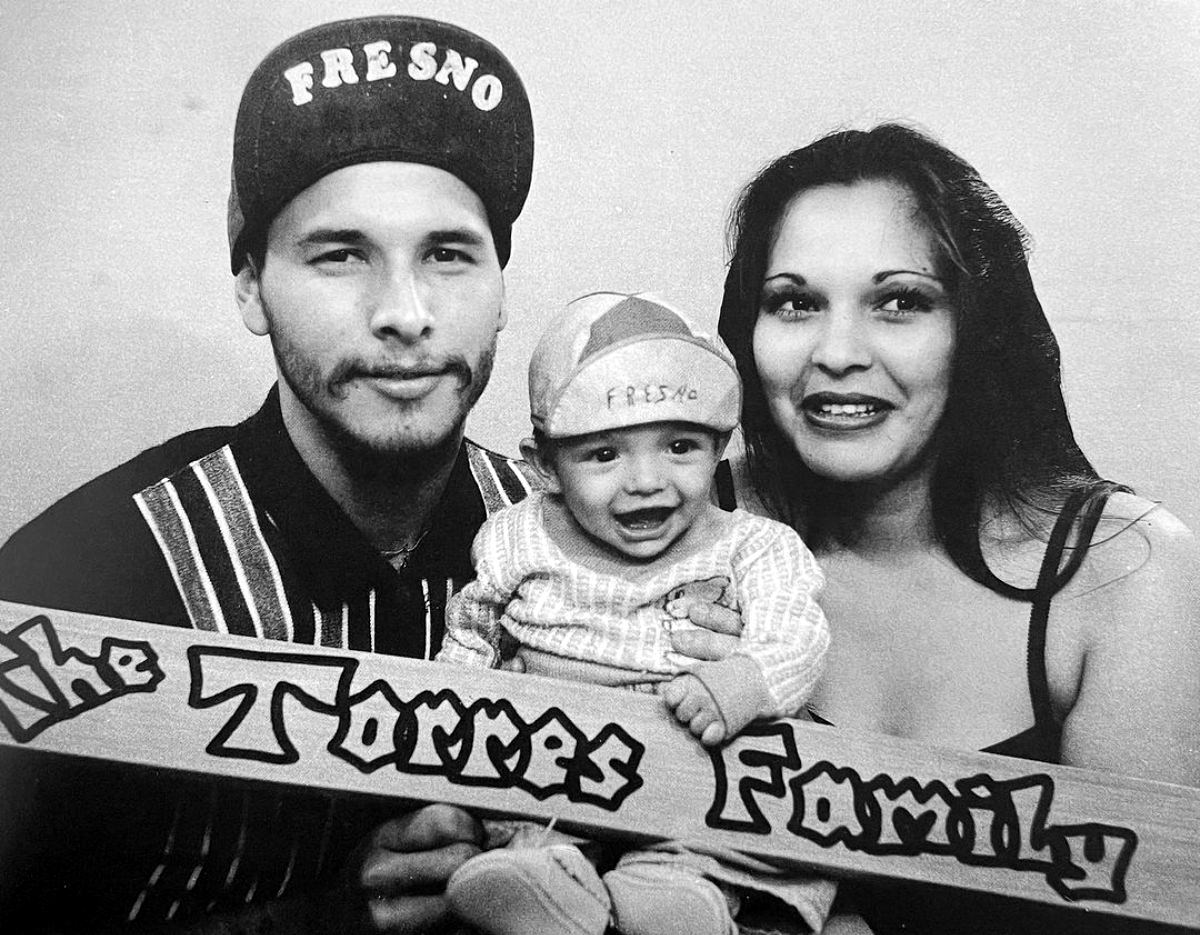
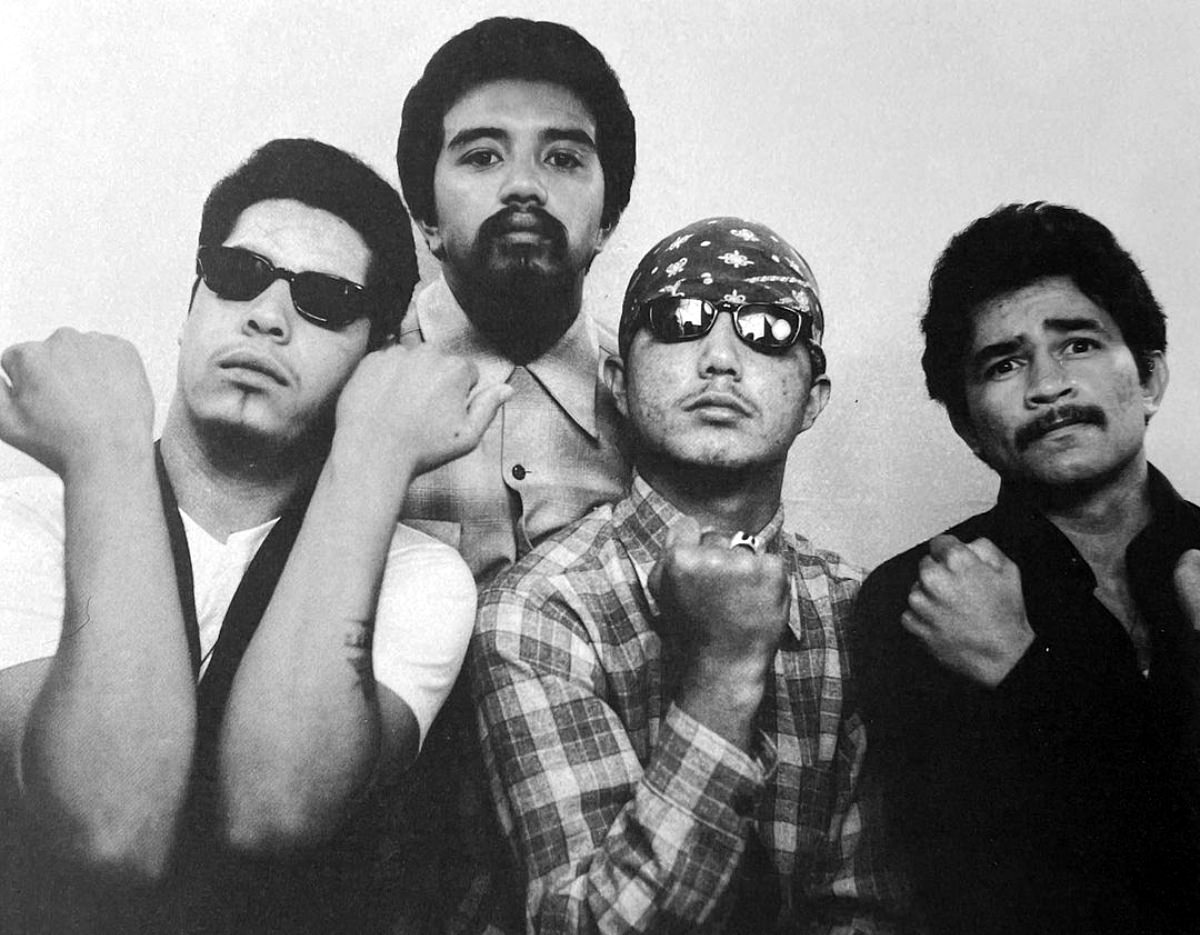
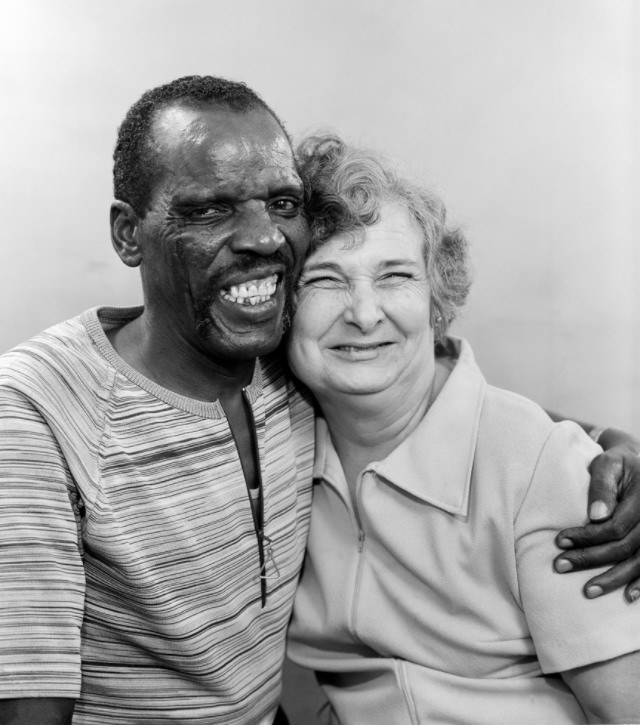
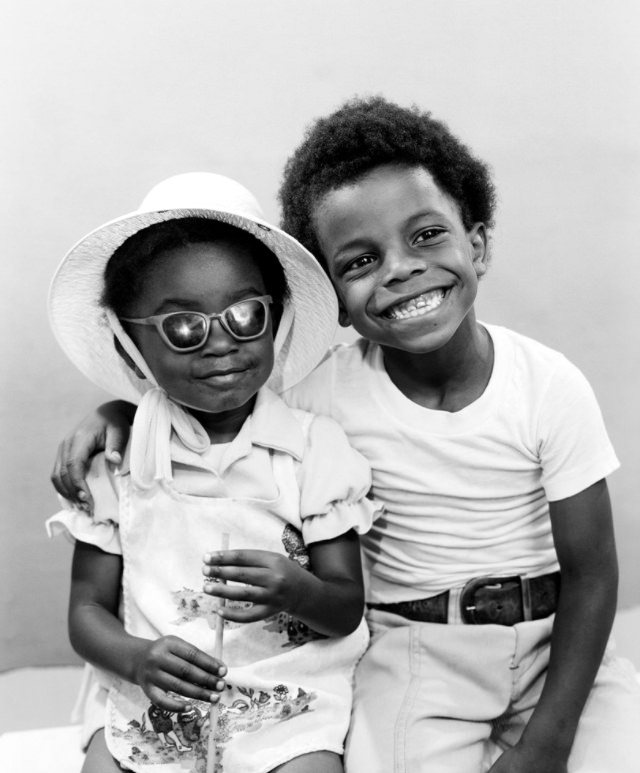
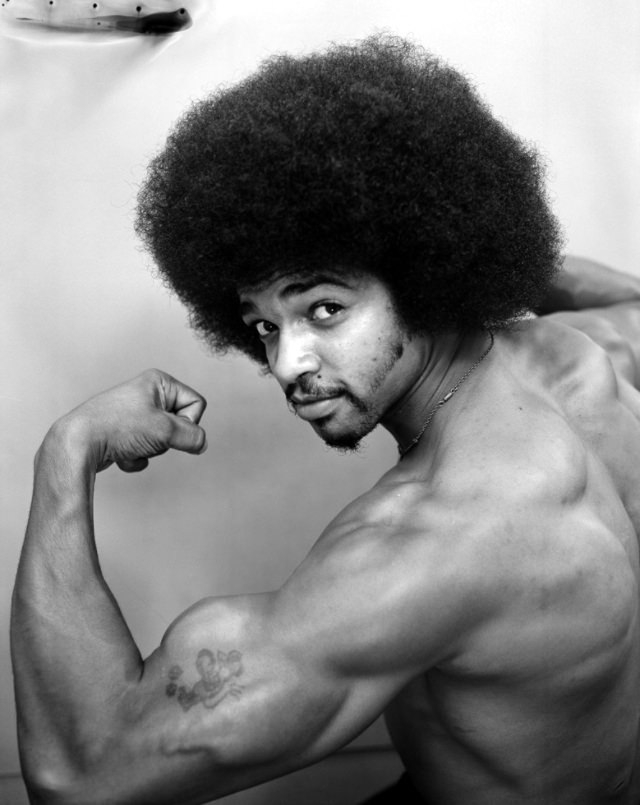
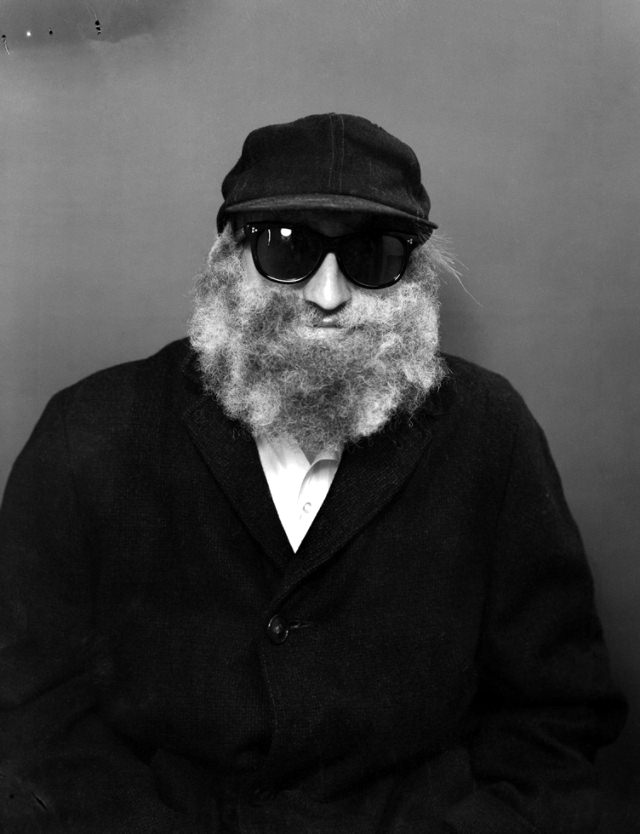
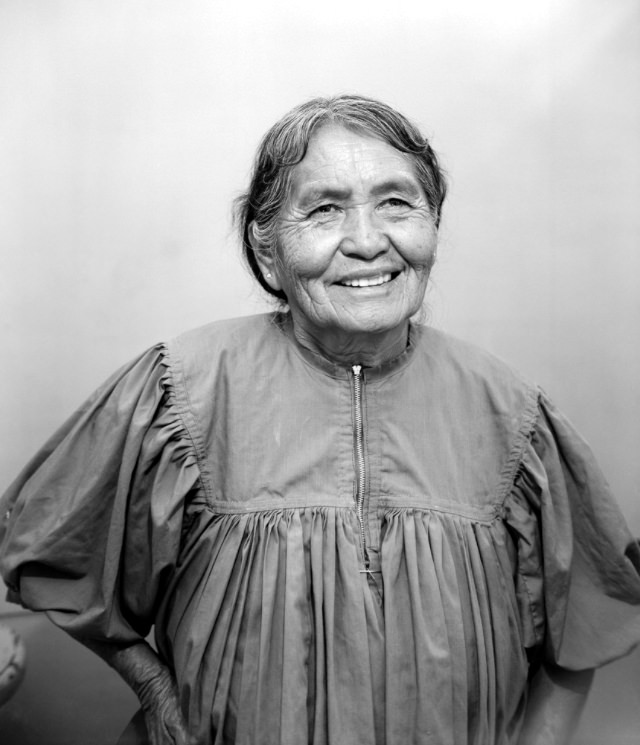
The portraits show gangs standing shoulder to shoulder, their expressions deliberate and unflinching. Couples lean into each other, holding still for just long enough. Children stare wide-eyed into the lens. Friends crowd the frame, grinning or serious depending on the mood they wanted to project. Every image carries the weight of a specific moment — a summer evening at a California fairground, loud with the sounds of rides and vendors.
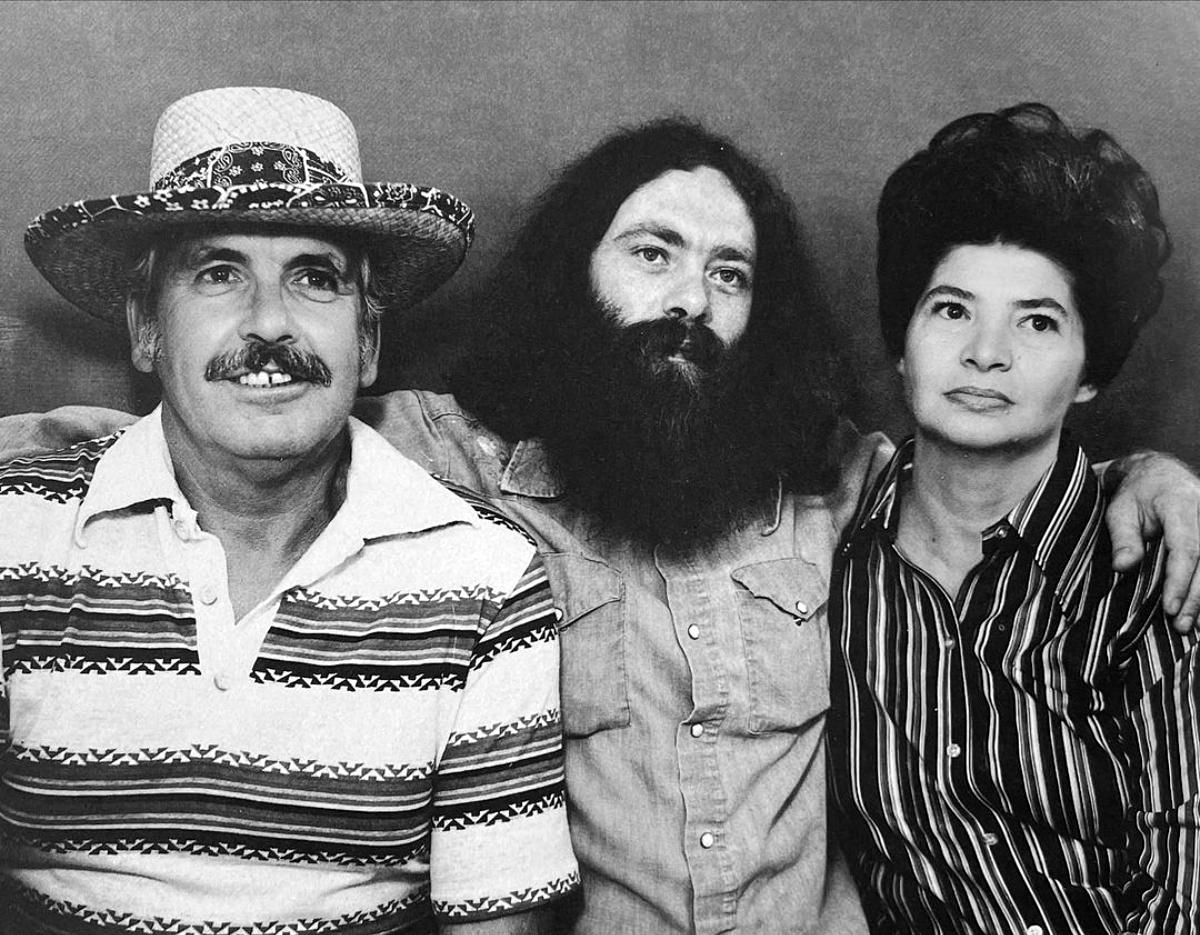
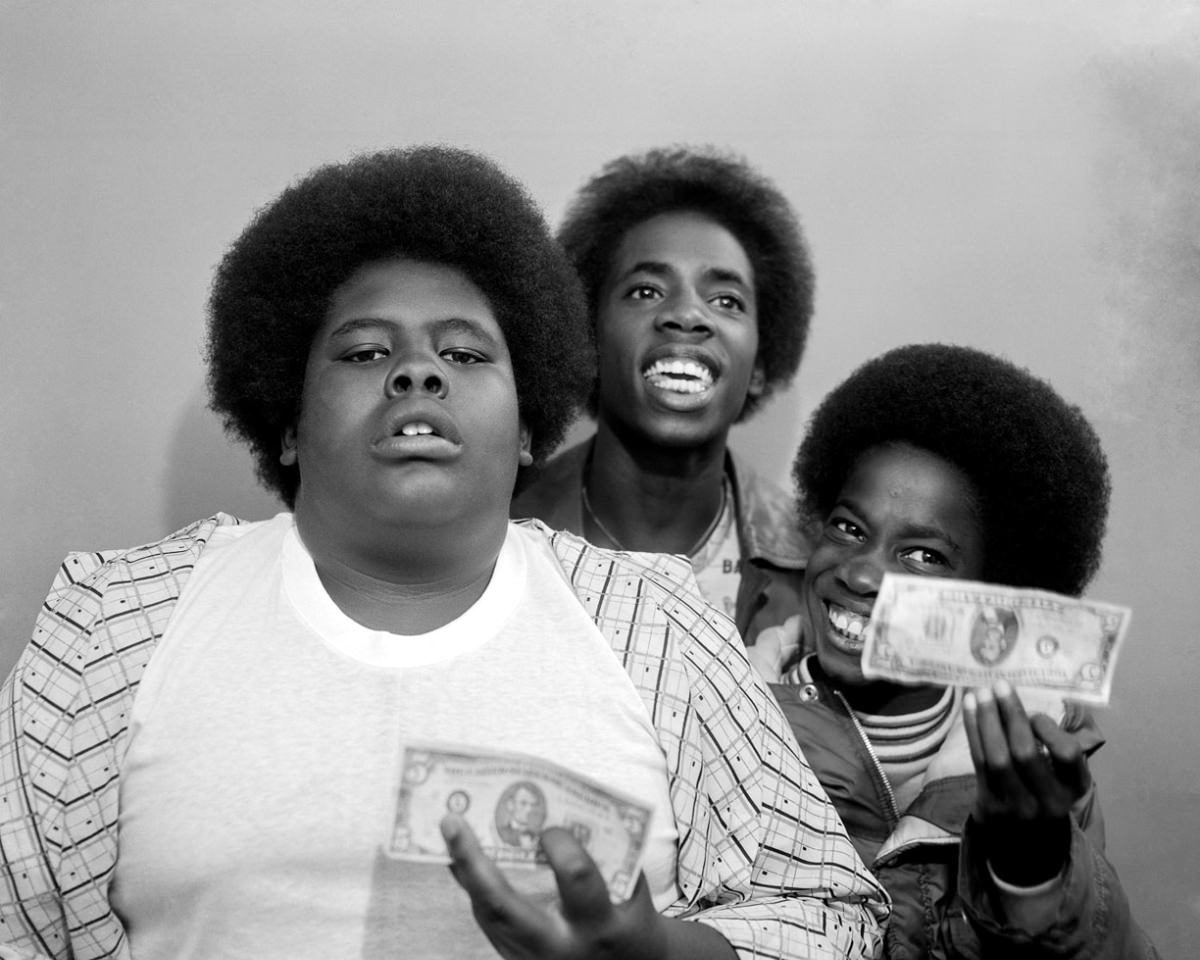
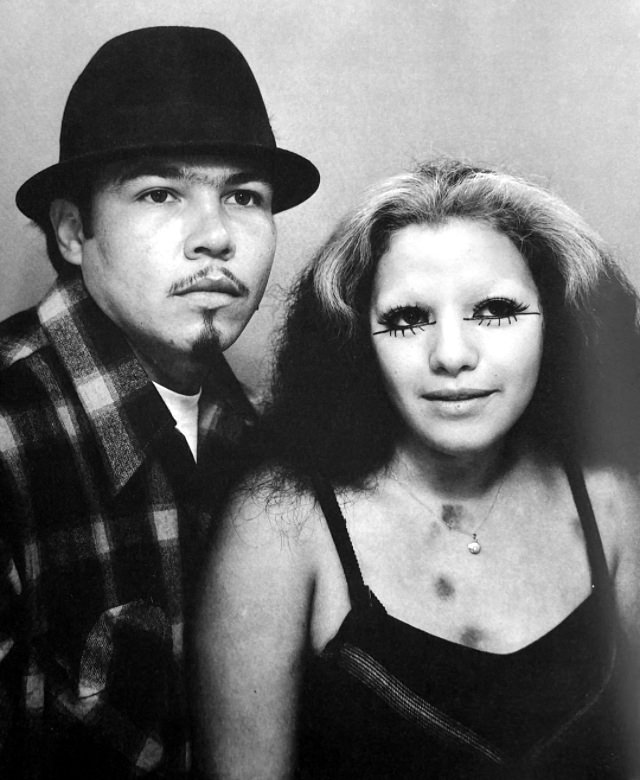
What Aaland built, fair by fair, was an unplanned archive of late-1970s California street life. No appointment needed, no studio in a nice part of town. Just a portable darkroom, a shooting stage, and a steady stream of people who wanted something permanent to hold onto.
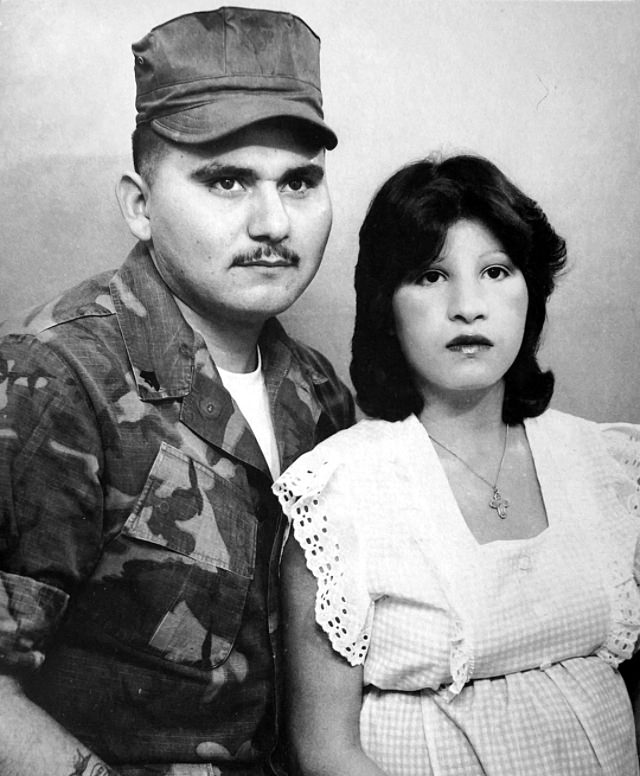
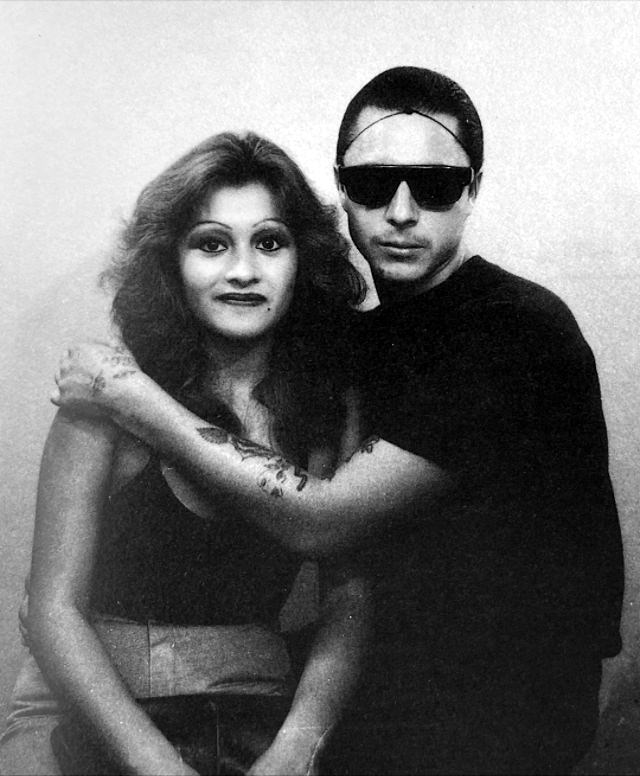
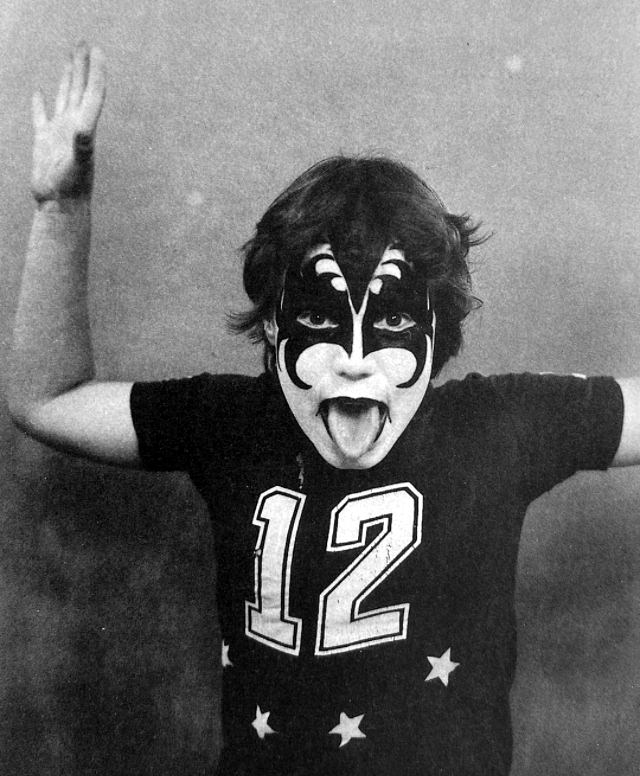
The subjects came as they were — in their fair-day clothes, with their fair-day companions. Some posed stiffly, aware of the camera. Others looked completely at ease. The variety across thousands of sittings over four summers tells a story about who was actually moving through these fairgrounds, in a California far removed from Hollywood or Silicon Valley.
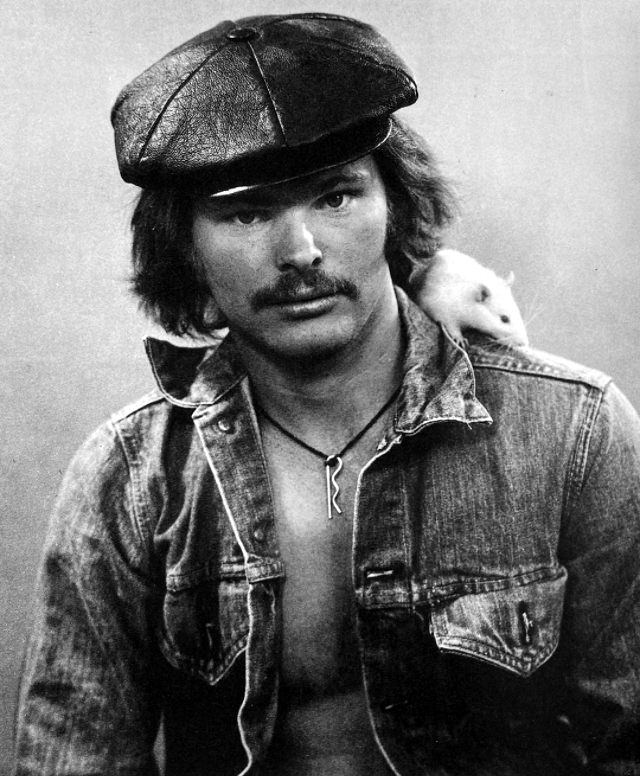
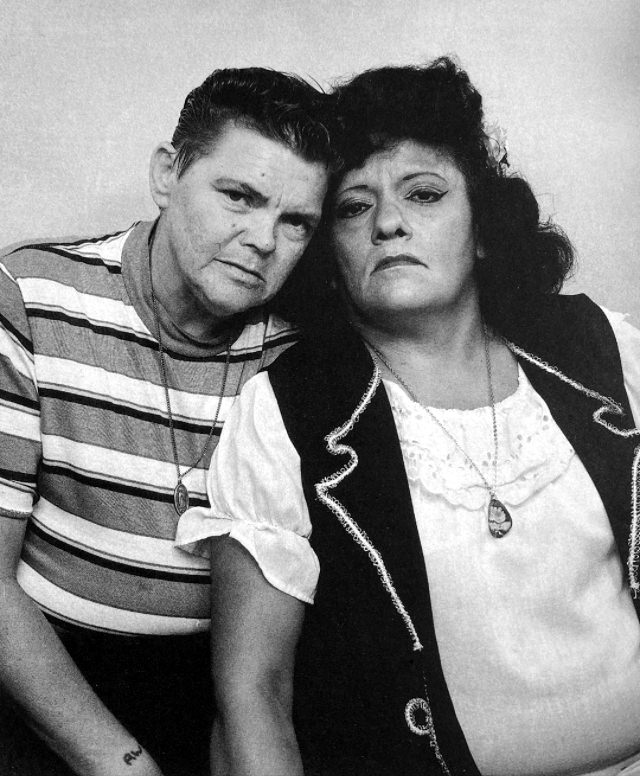
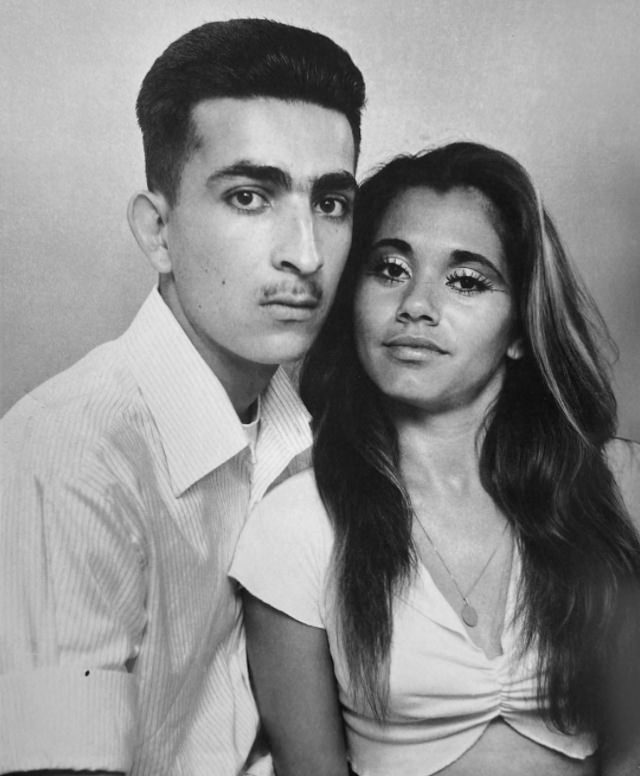
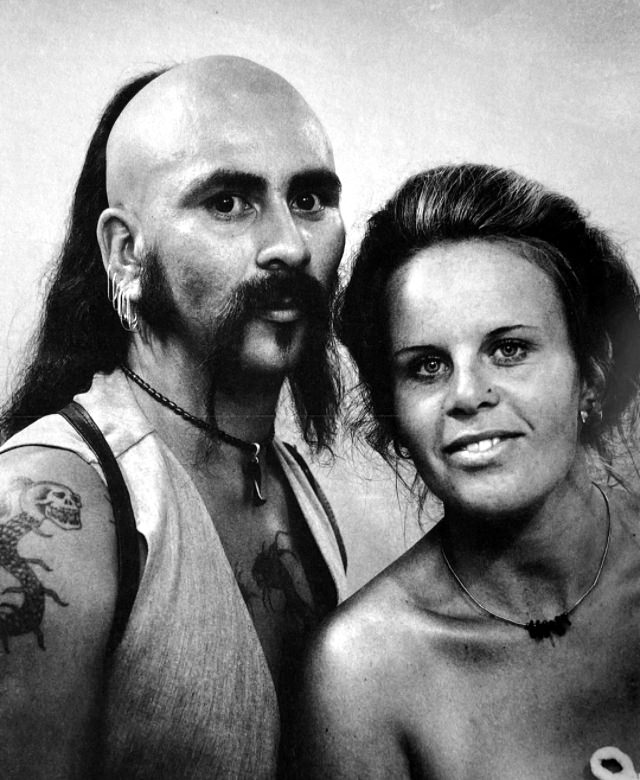
Aaland’s process was fast by necessity. Long lines meant no time was wasted between shots. The darkroom operator worked continuously, pulling prints while the next group was already stepping onto the stage. The affordable price point kept the line moving and kept the clientele honest — these were people who counted their dollars and chose to spend a few of them on a portrait because it mattered to them.
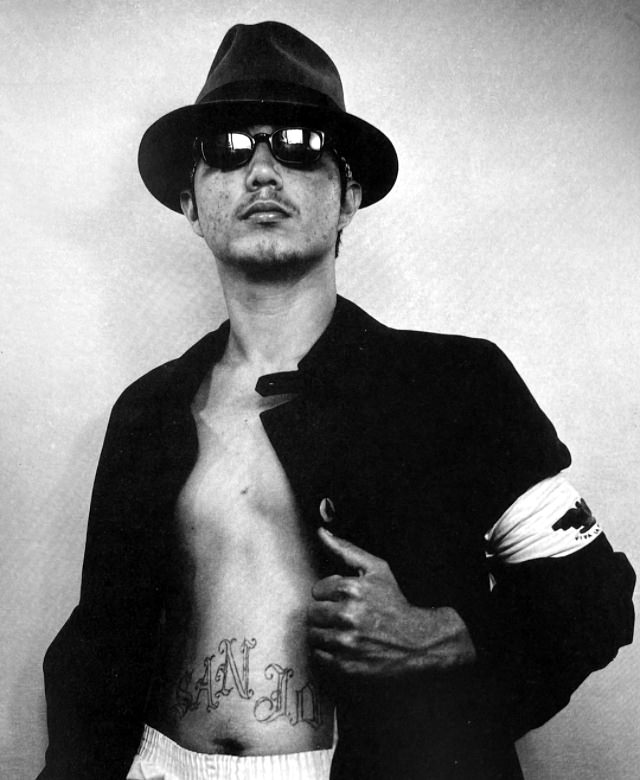
Gang portraits are among the most striking in the collection. Groups of young men — some flashing signs, some simply standing firm — used the studio the same way anyone else did: to document themselves. These images are not posed in a police context or framed through an outsider’s lens. They are self-presentations, chosen and controlled by the subjects themselves.
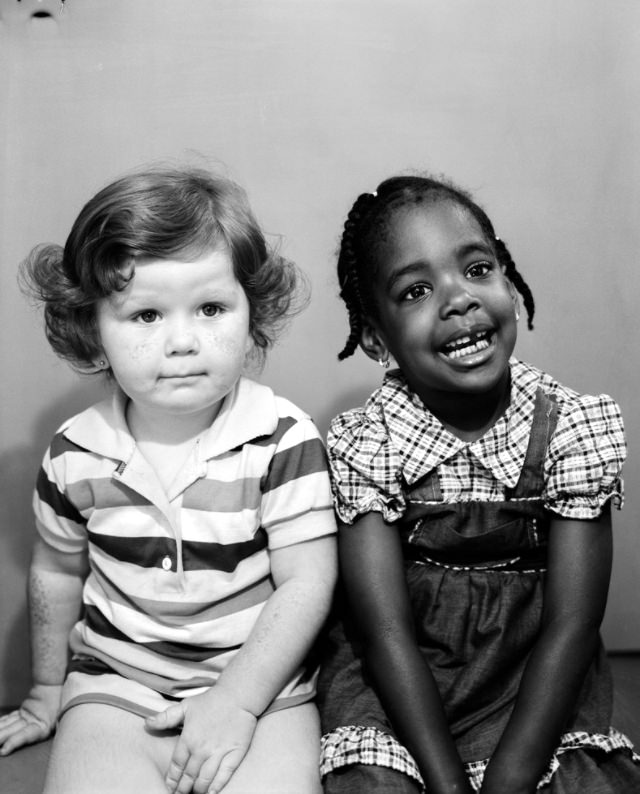
The children in the collection offer a sharp contrast. Wide smiles, prize ribbons, stuffed animals won at midway games — the fair was a big deal for them, and the portrait captured it. Parents brought kids to the studio the way they brought them to have their school photos taken. The resulting images have the same formal energy of school portraits but with the noise and color of the fairground just outside the frame.
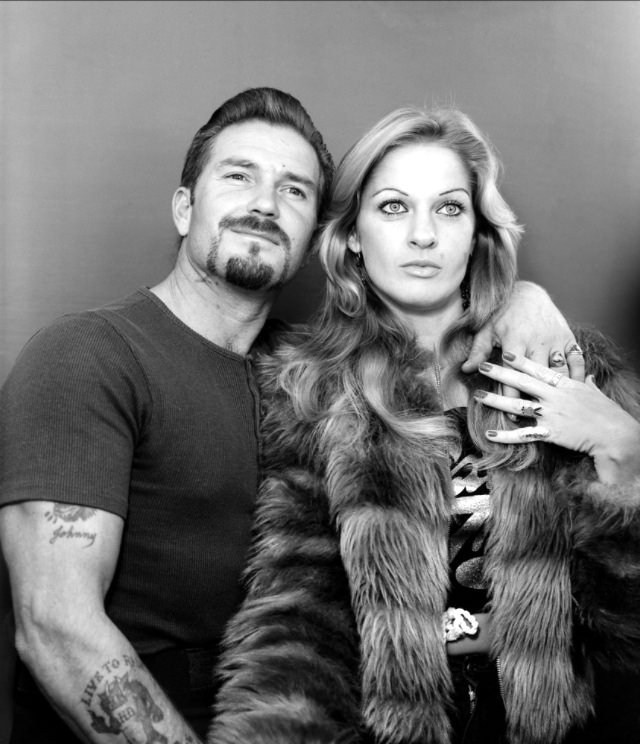
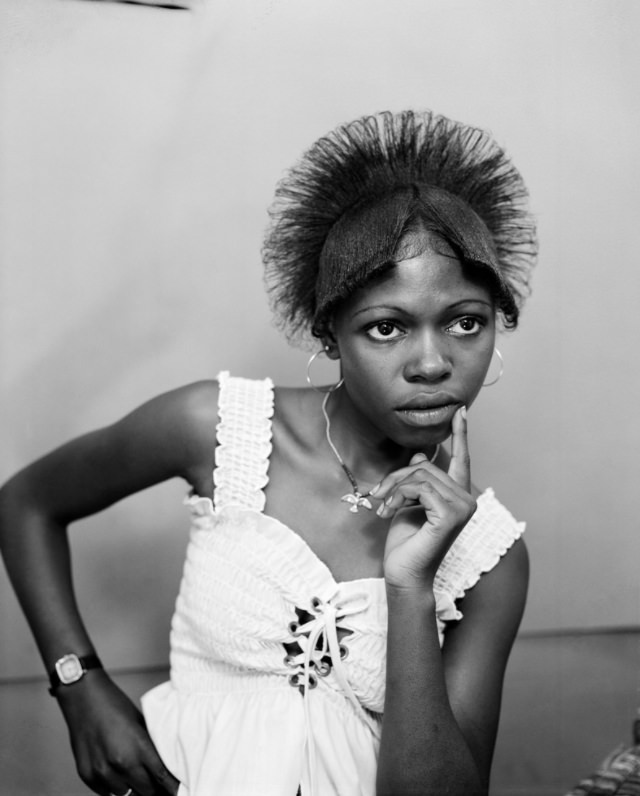
Couples portraits fill a significant portion of the archive as well. Young men and women pressed close together, holding still against the studio backdrop. Some look directly into the camera. Others look at each other. The 4×5 inch negative captured fine detail — the texture of clothing, the style of hair, the small objects people carried or wore that placed them precisely in a time and place.