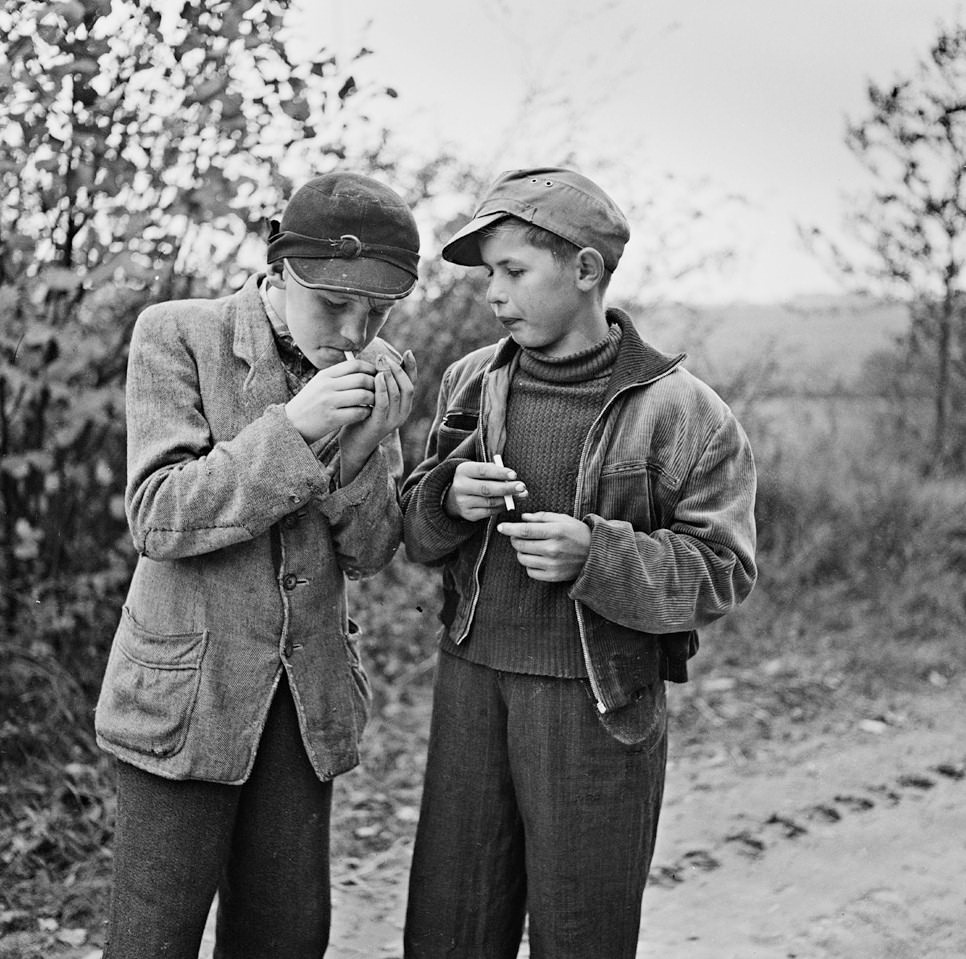
In December 1954, a 22-year-old American soldier named Bill Perlmutter boarded a troopship headed for Europe. He carried a Rolleiflex camera and no prior experience of the continent beyond books and films. What followed was a years-long photographic record of post-war Europe — its streets, its people, and its quiet, ordinary moments.
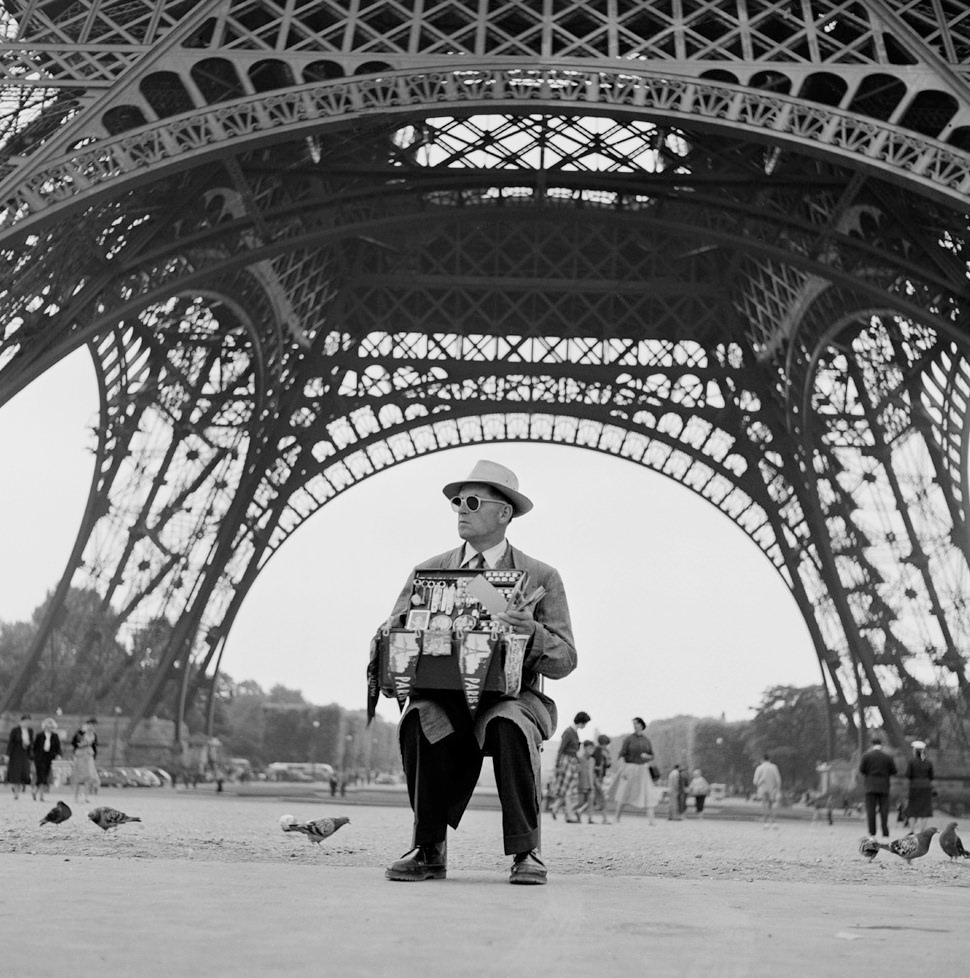
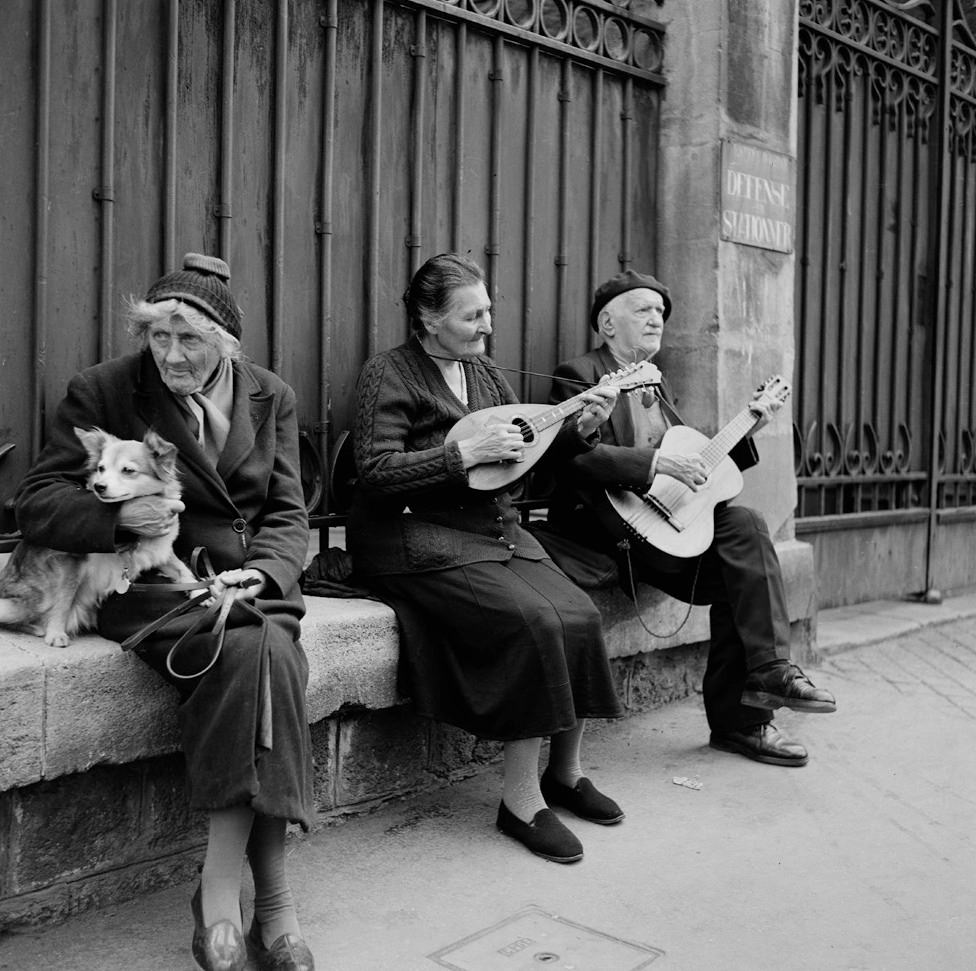
Paris was his first stop. Perlmutter found a city still bearing the marks of war, yet fully alive. He photographed Parisians beneath the Eiffel Tower, street musicians performing for passersby, and couples in city parks. The grandeur of the architecture contrasted sharply with the simplicity of daily life playing out beneath it.
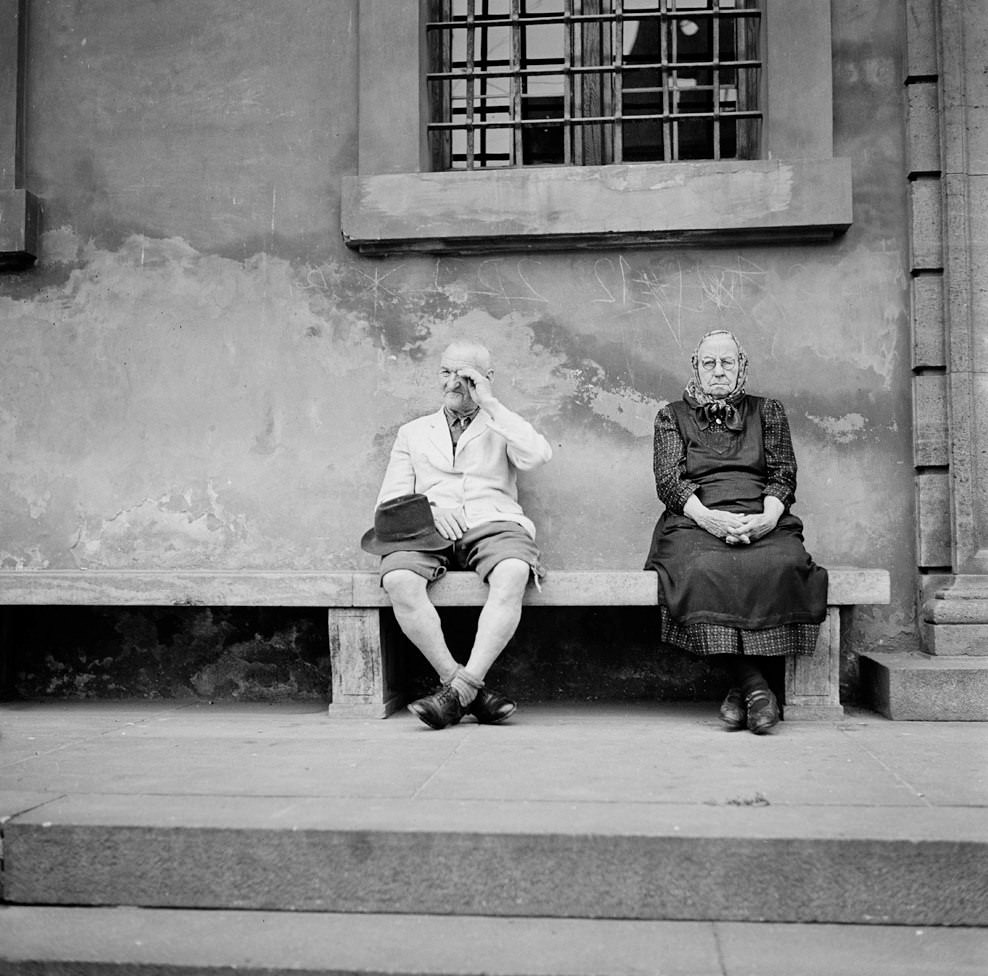
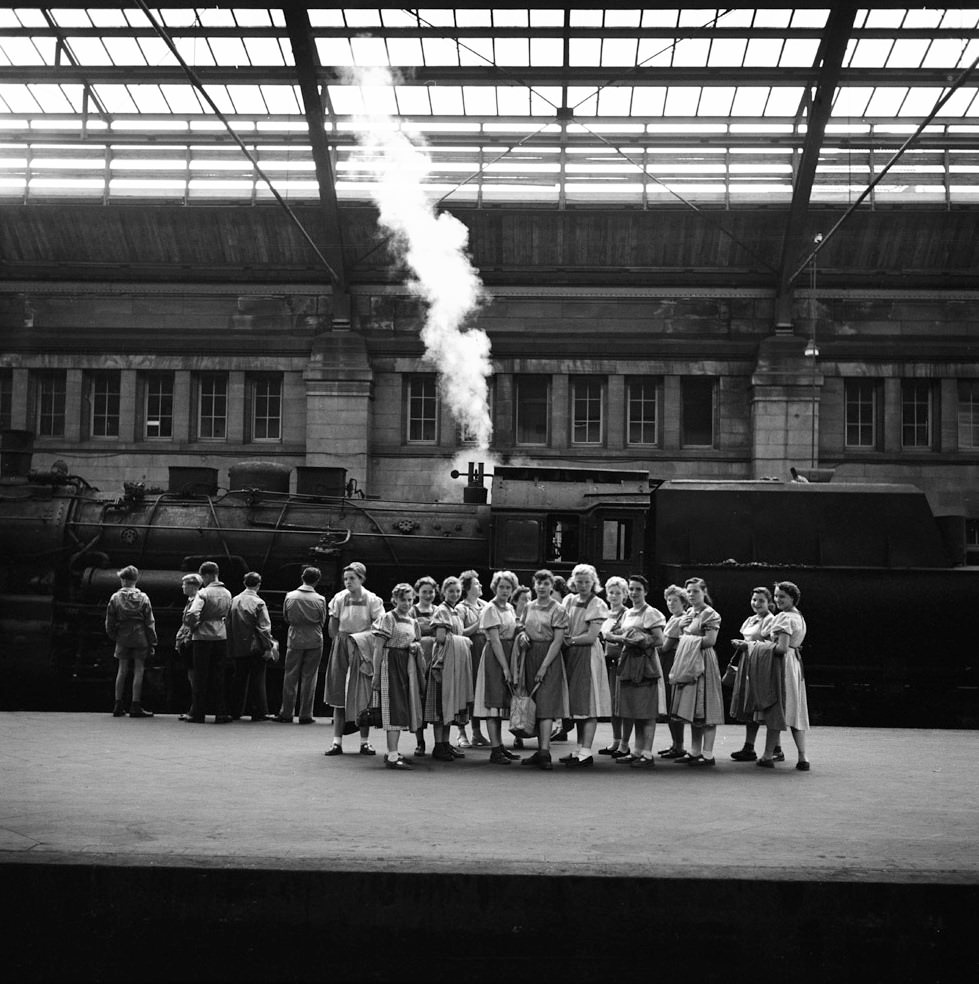
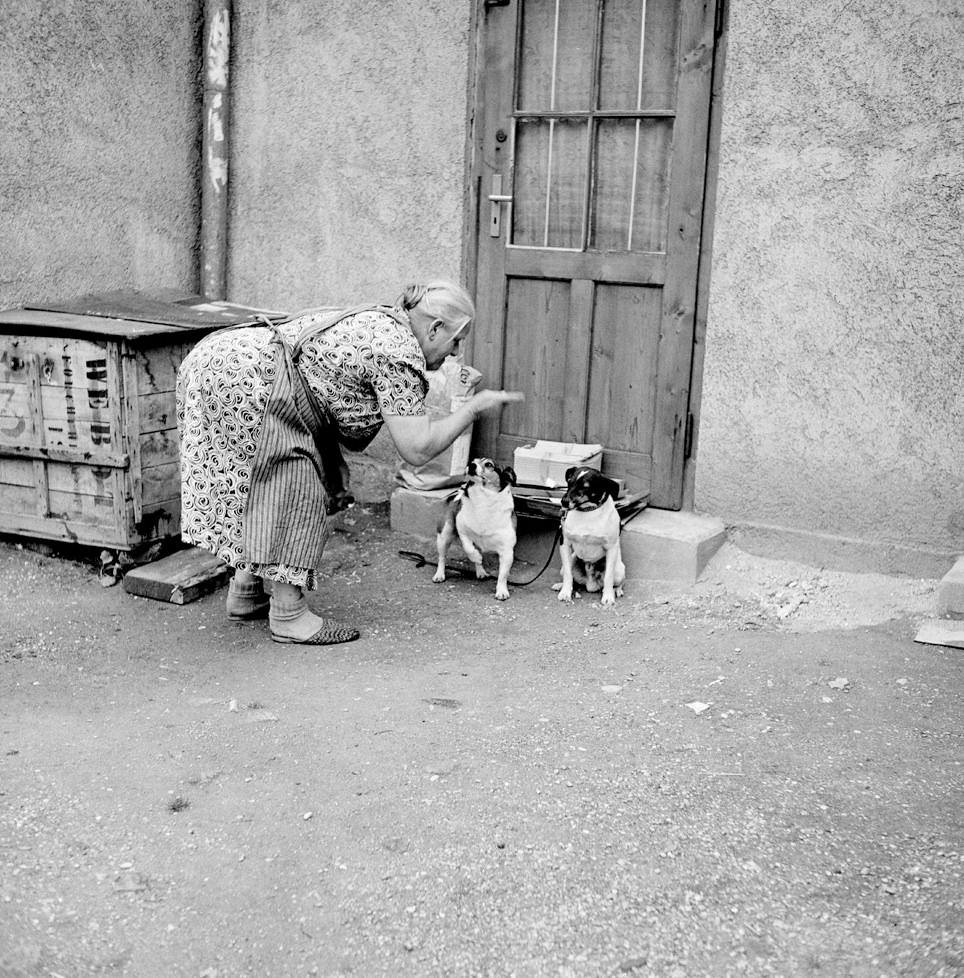
Perlmutter’s time in Germany produced some of his most intimate work. He photographed families along the banks of the Main River, children at a dental exam, and elderly couples navigating the routines of peacetime life. These images show a country rebuilding itself from the ground up.
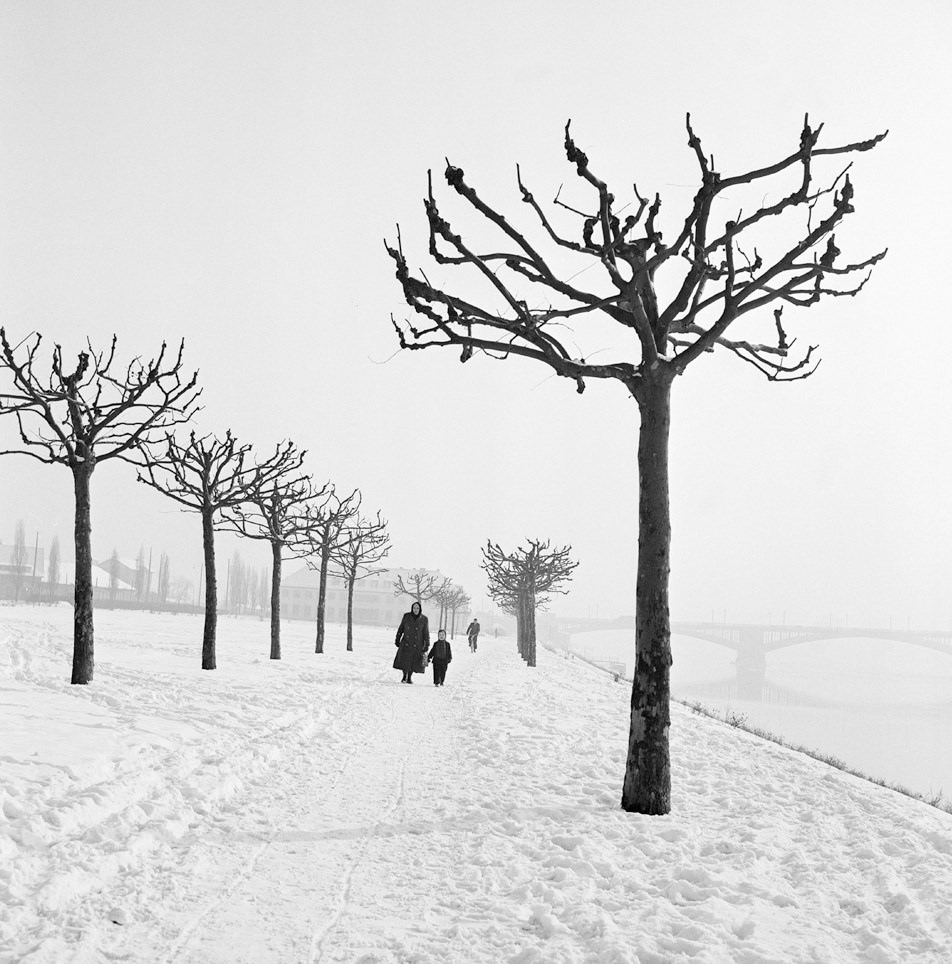
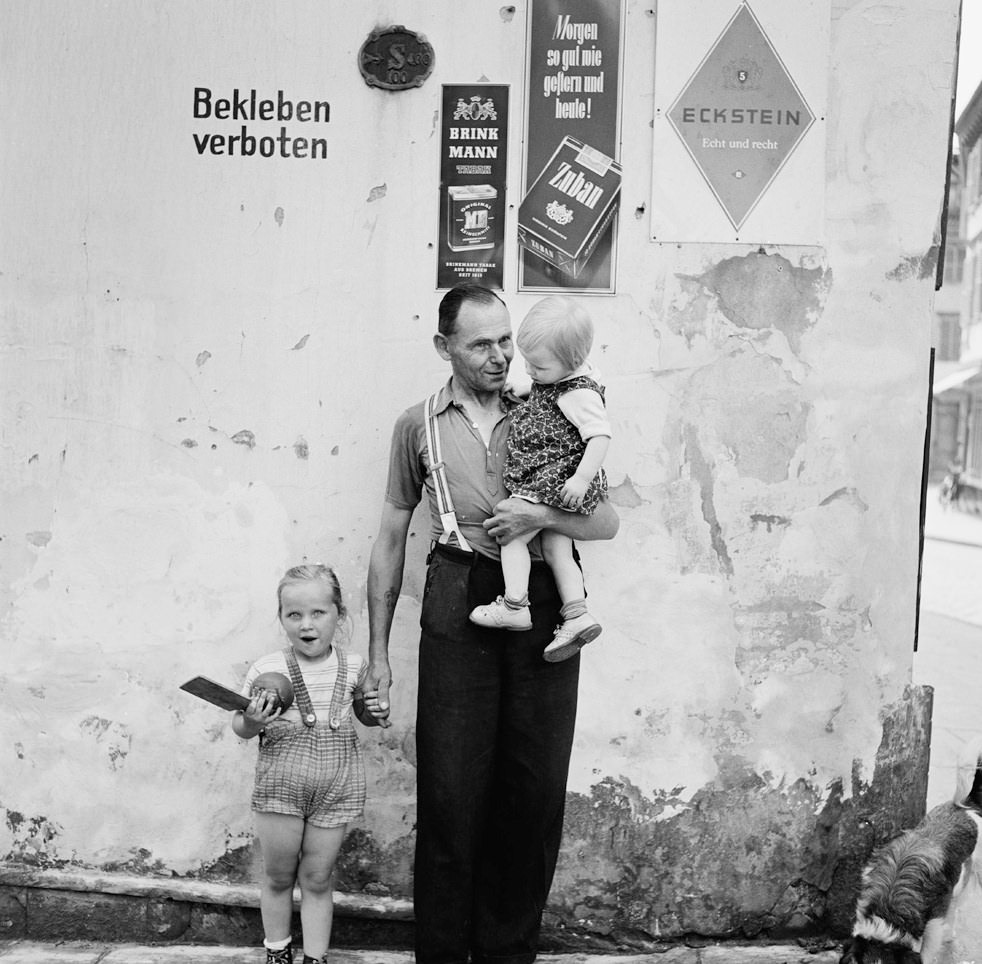
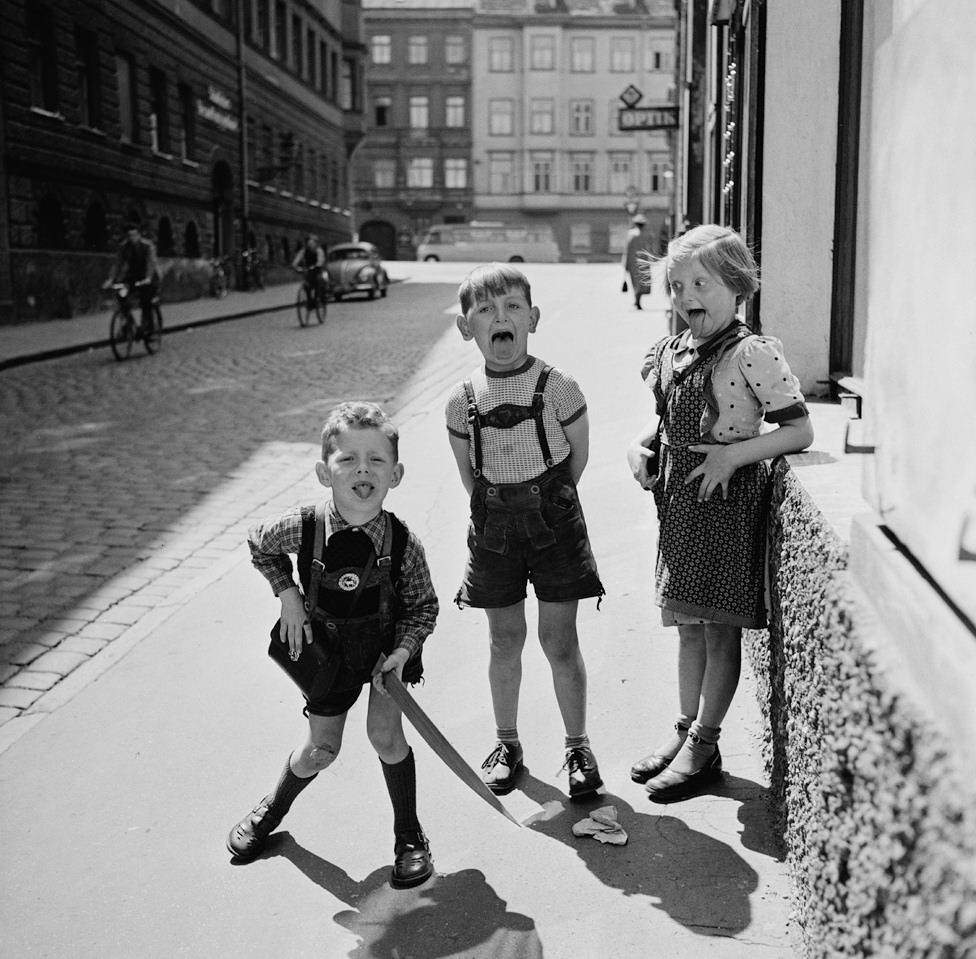
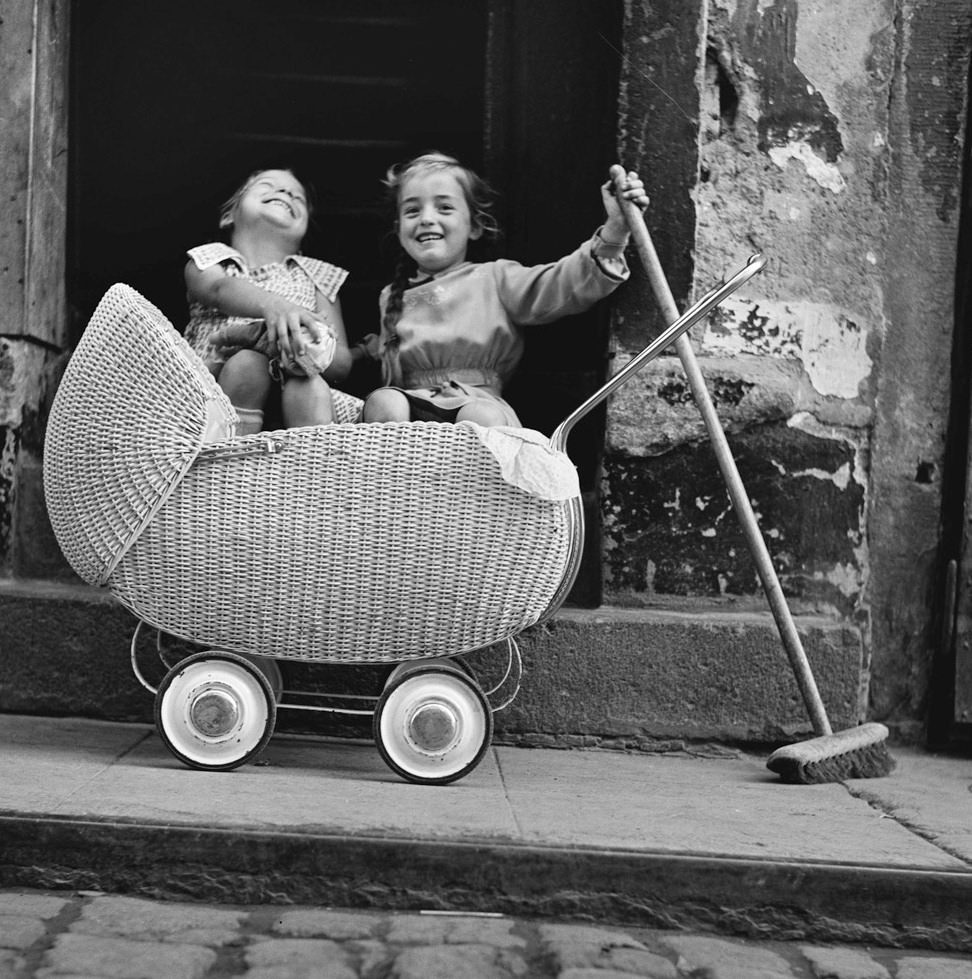
Perlmutter had seen post-war Italy through the lens of cinema — particularly Vittorio De Sica’s bleak 1948 film “The Bicycle Thief.” Italy in person was more layered than that. His camera caught hardship alongside warmth. On the cobblestones of Rome and along the canals of Venice, people were animated and engaged with life.
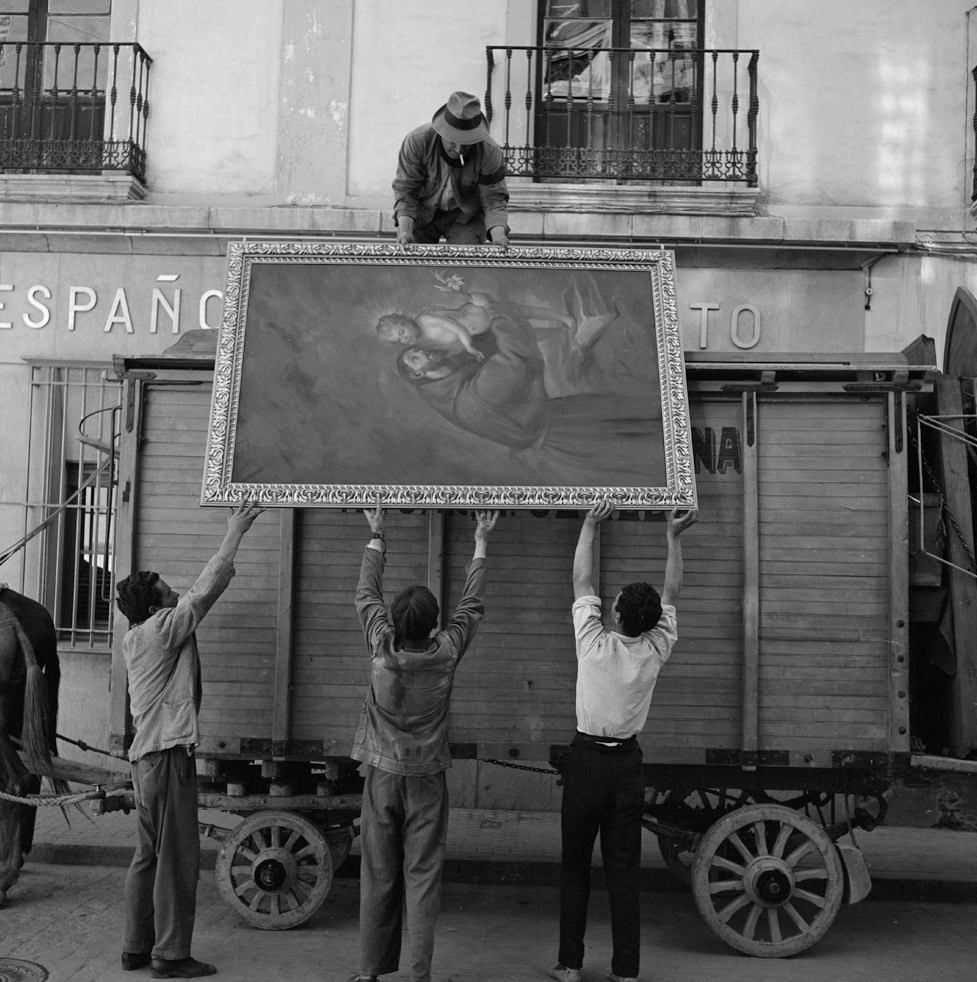
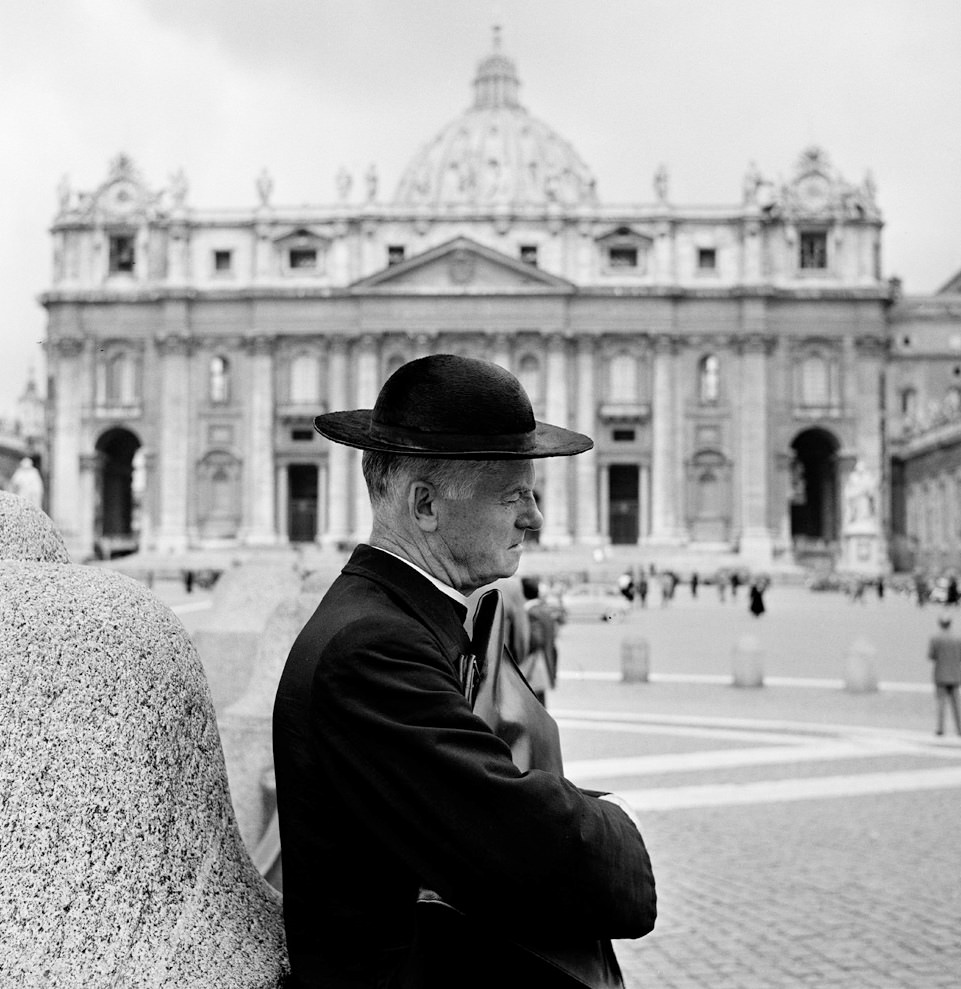
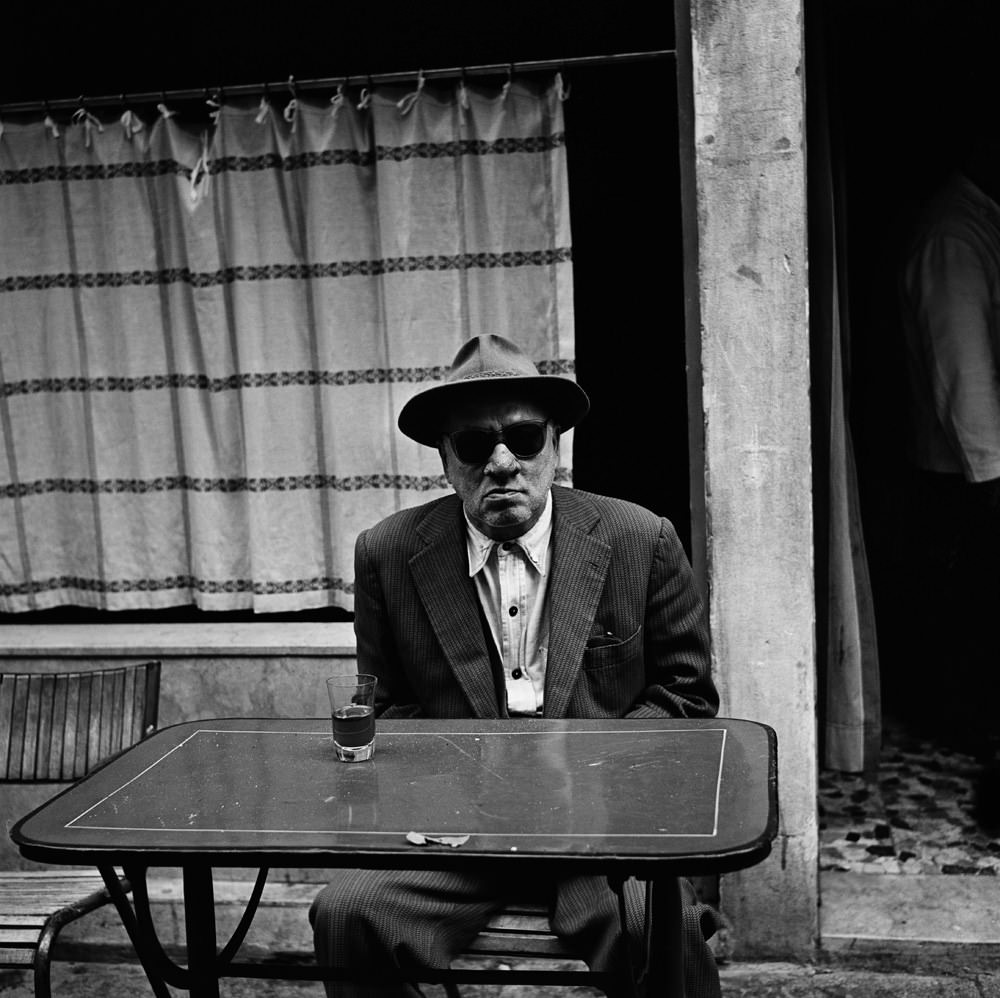
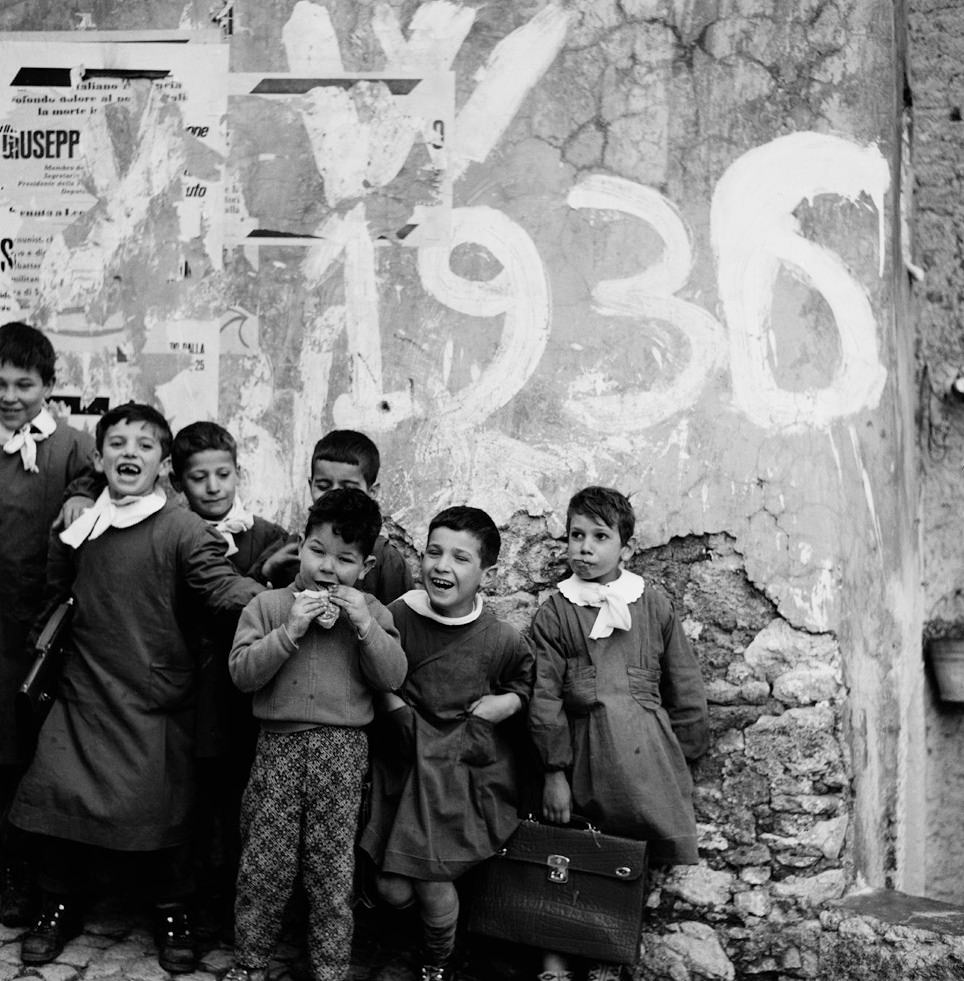
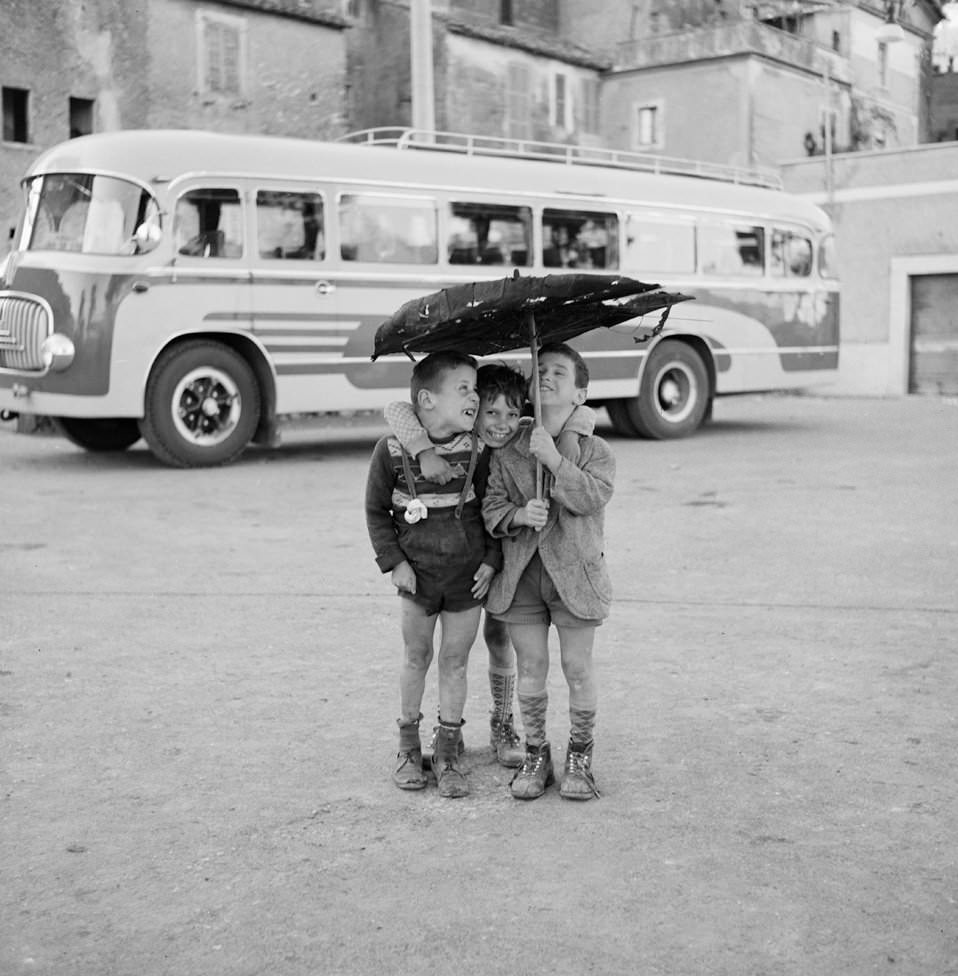
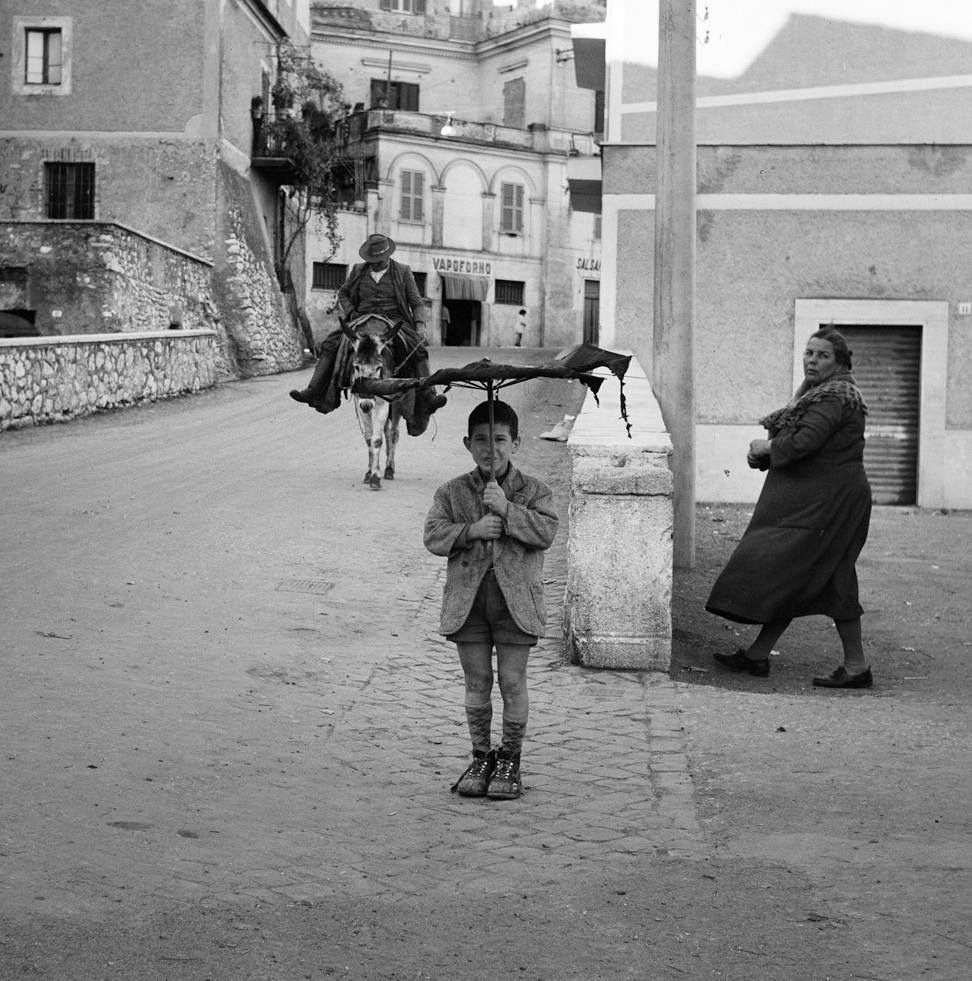
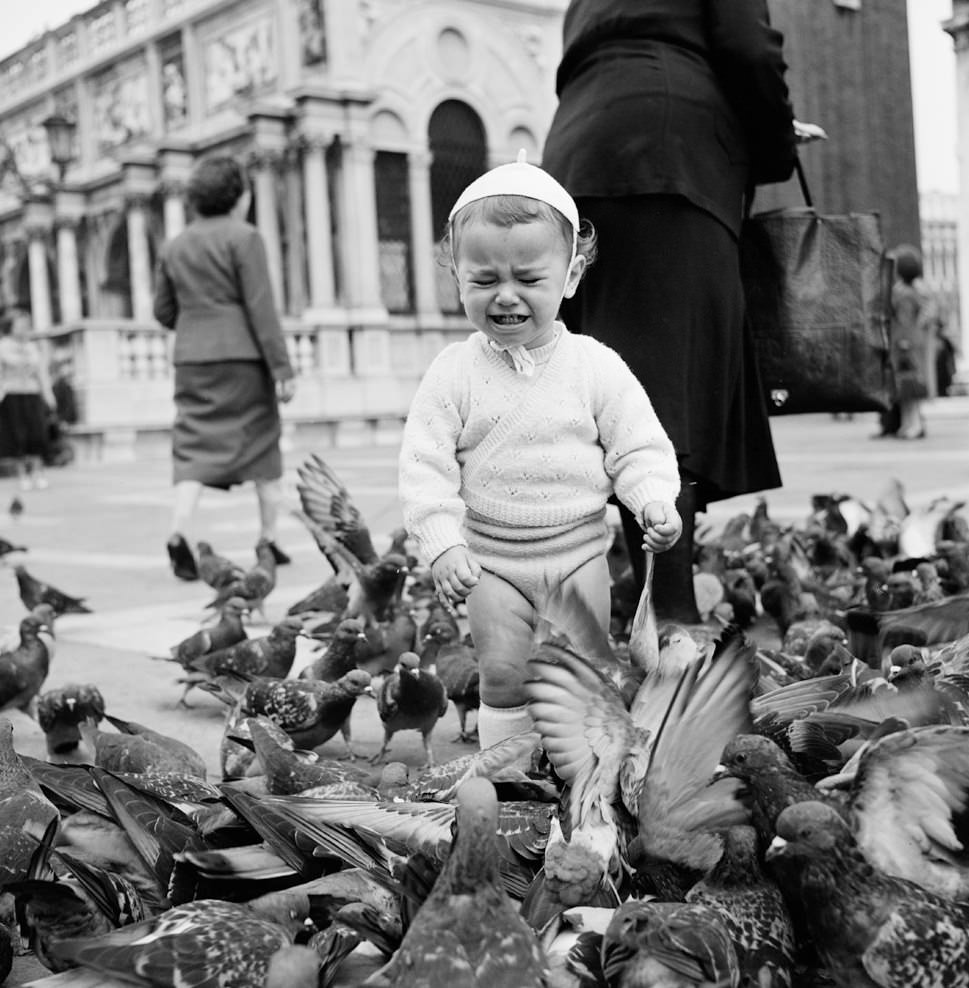
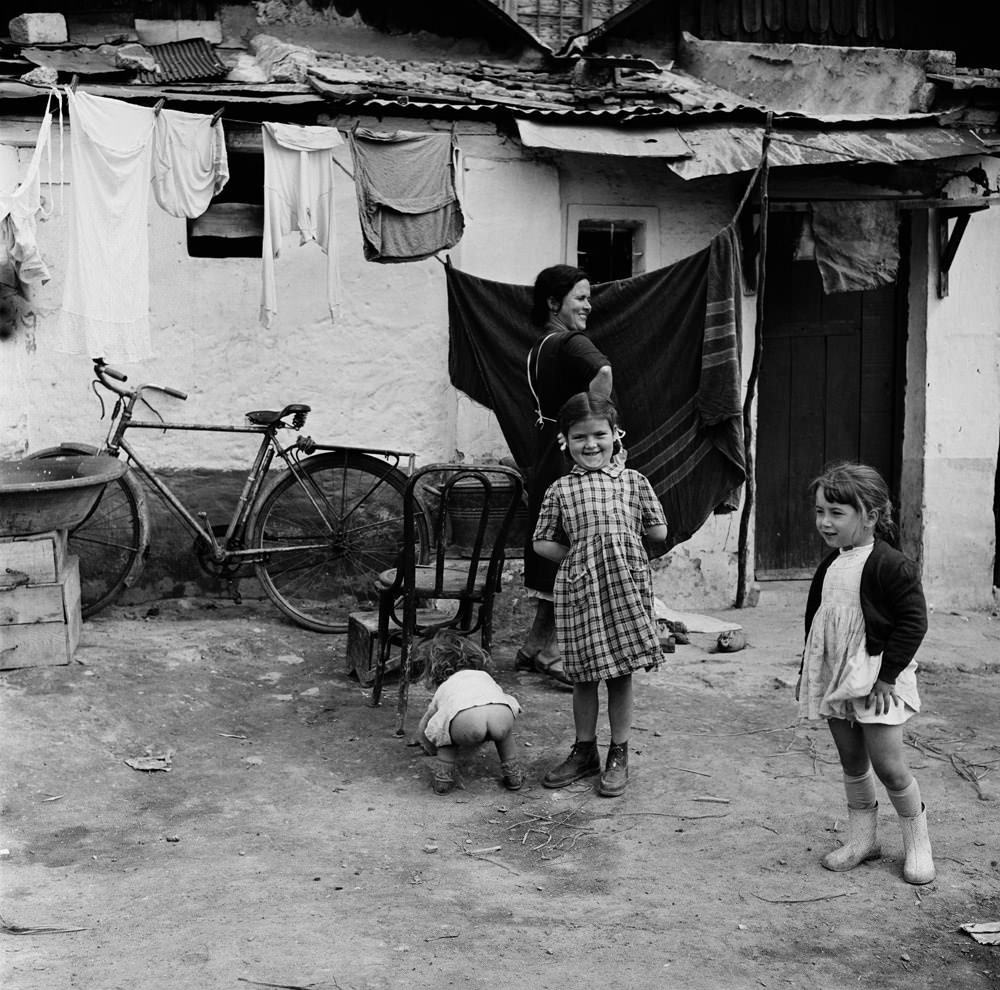
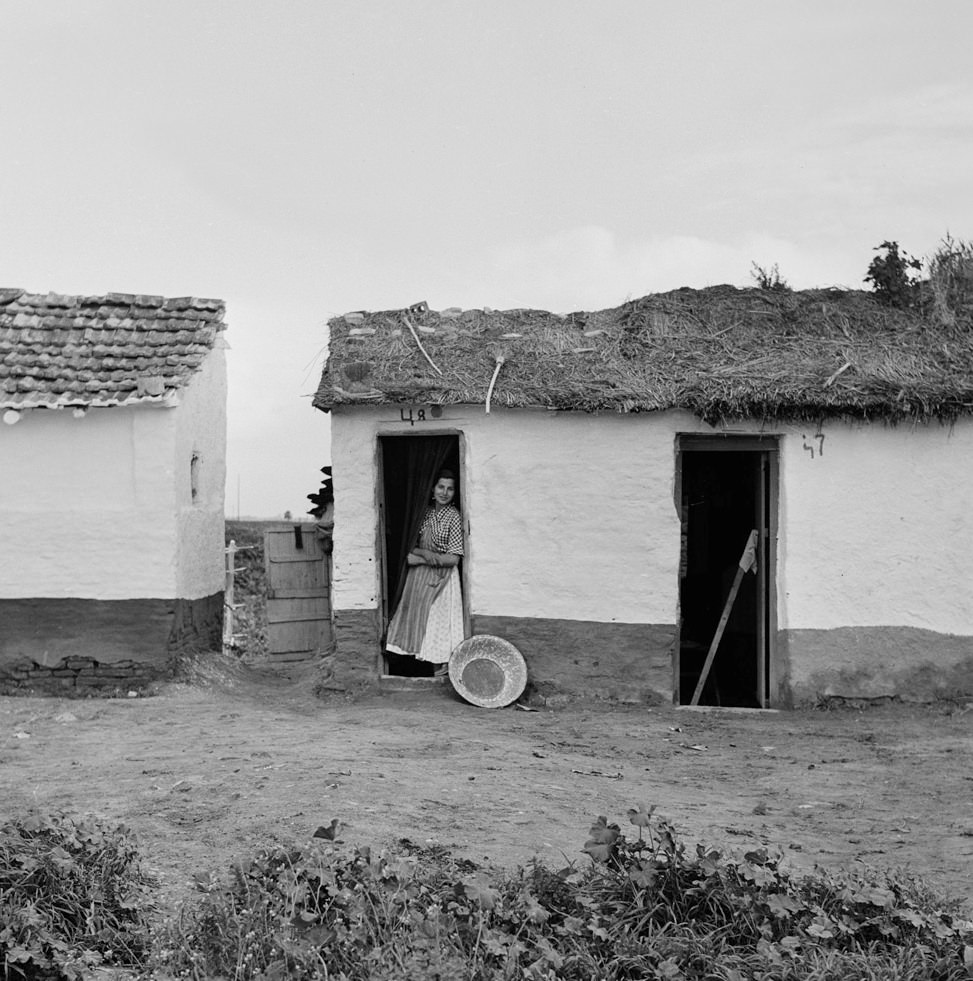
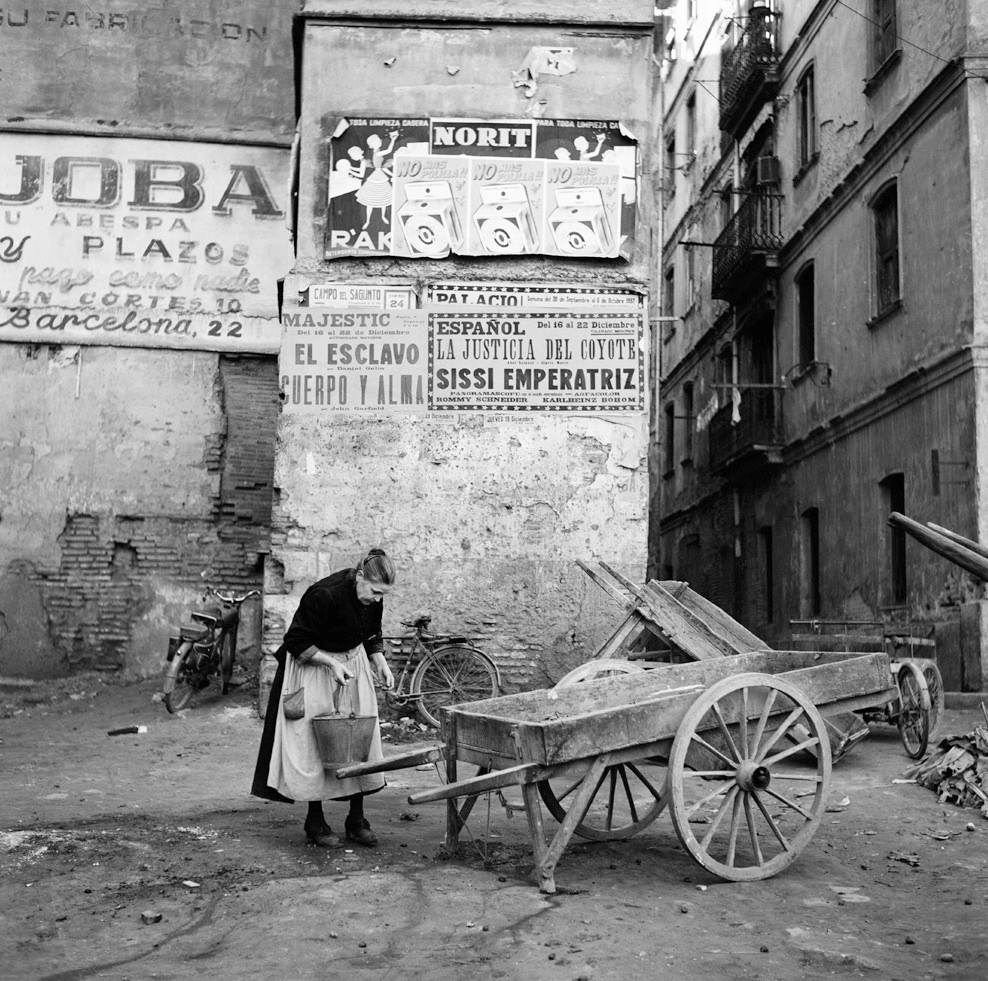
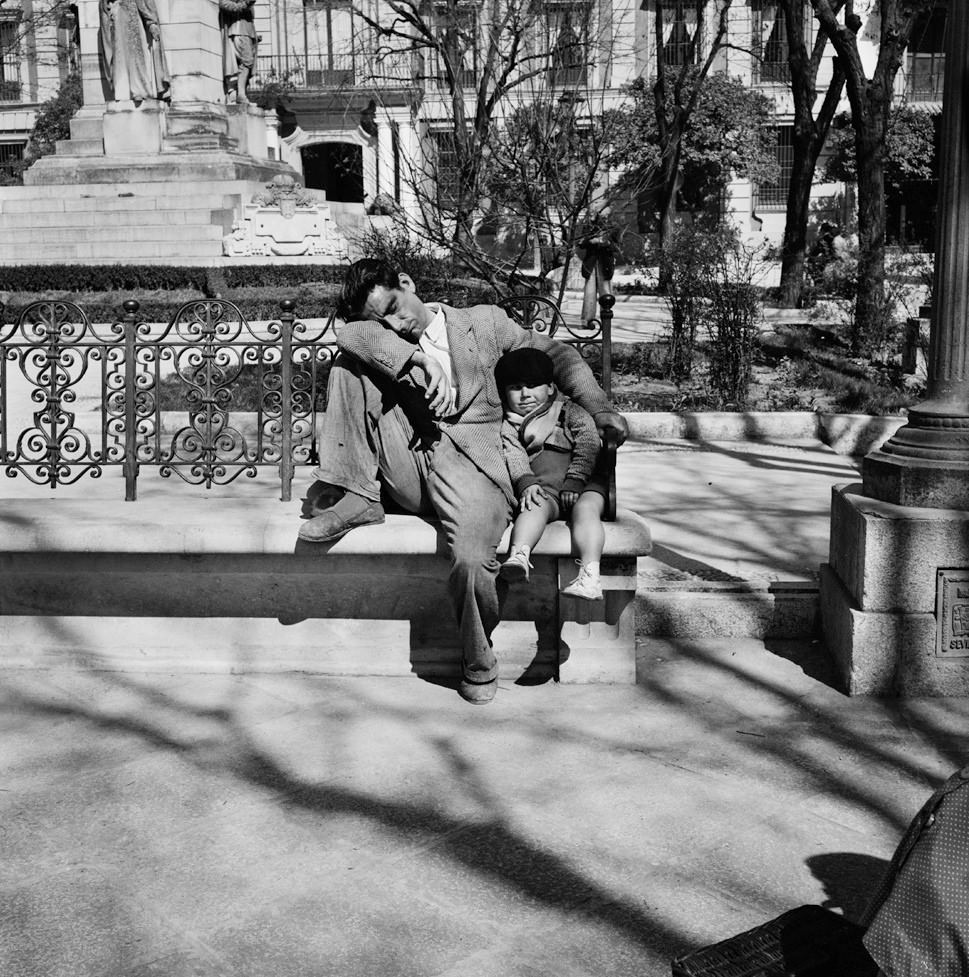
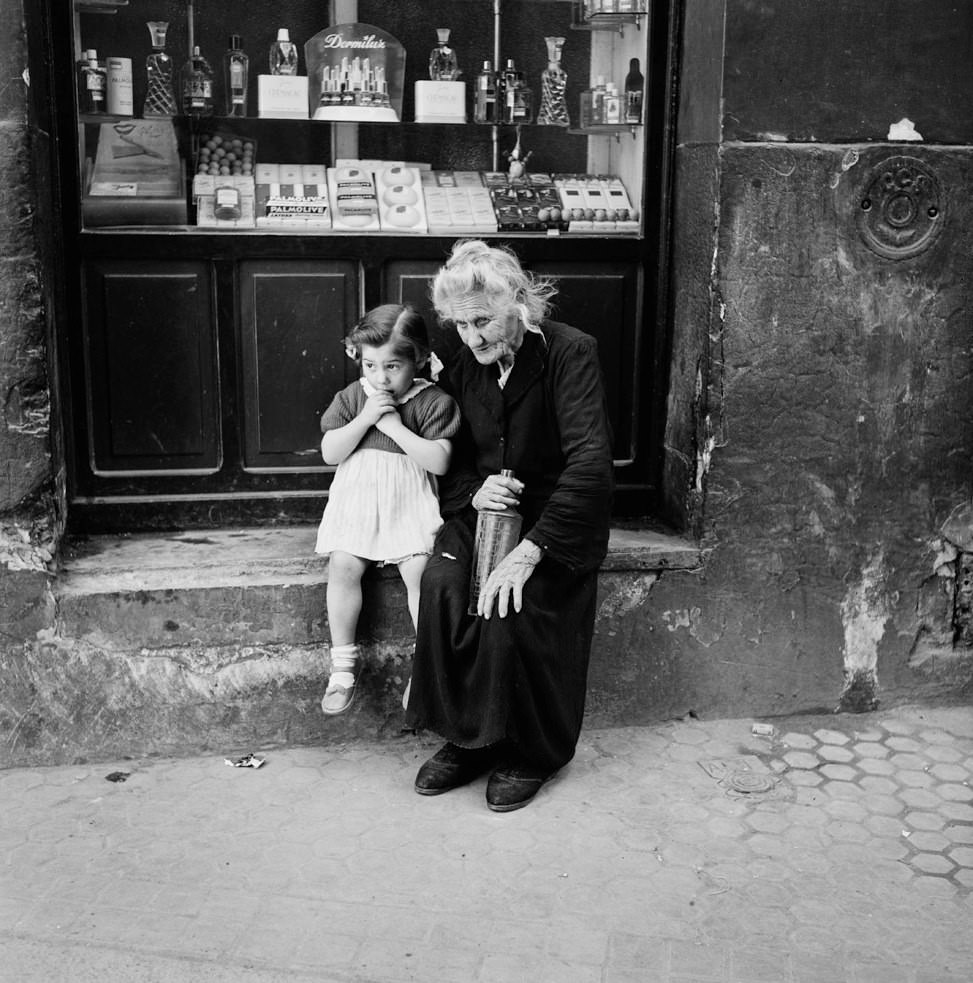
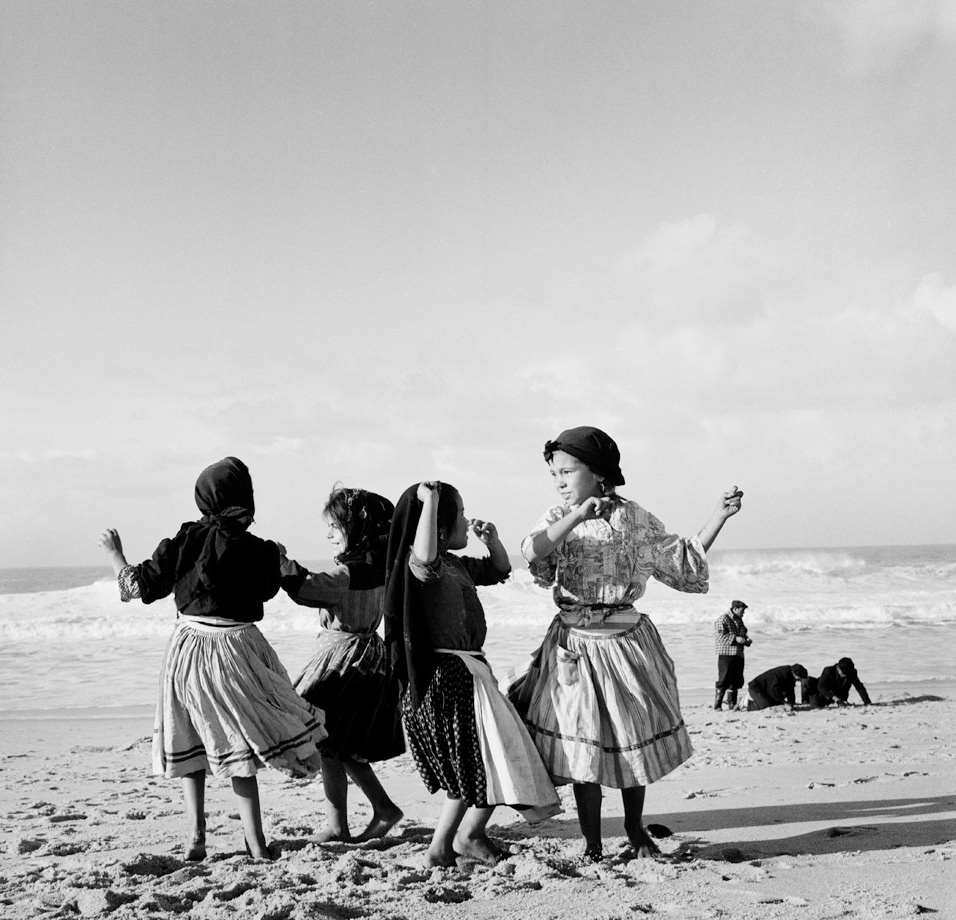
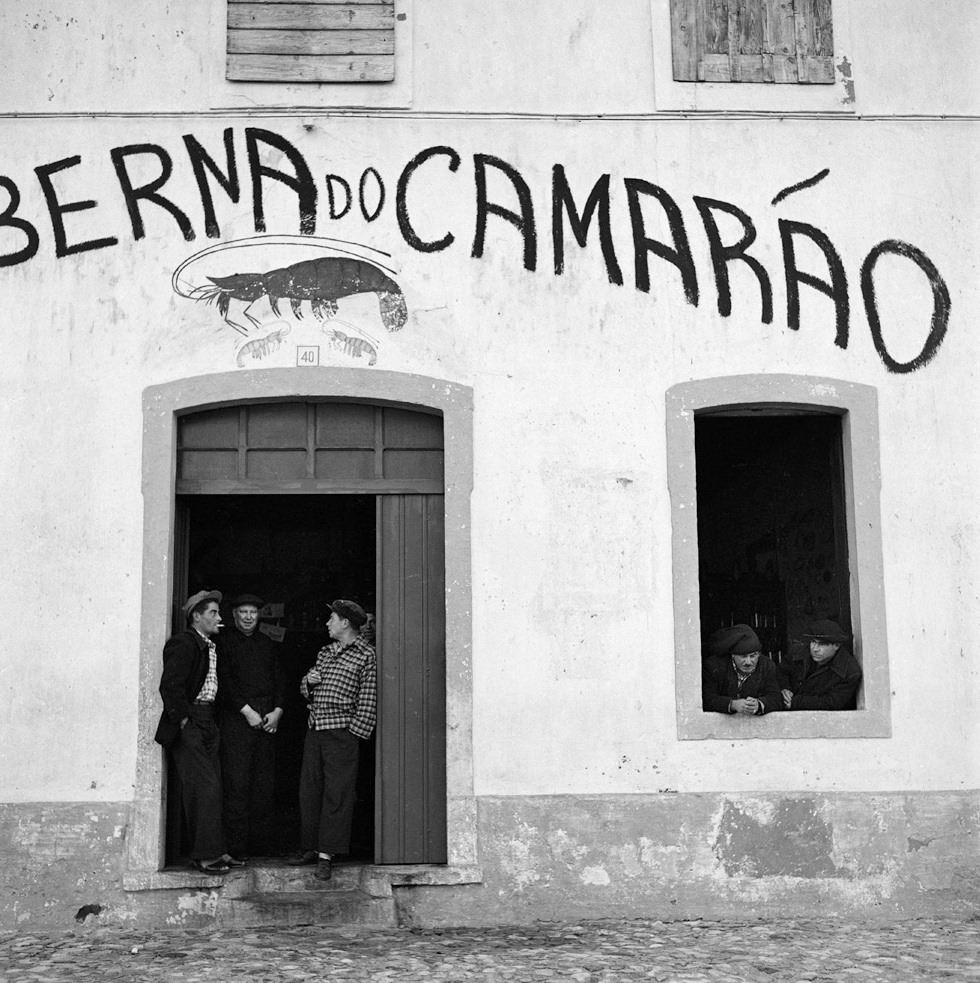
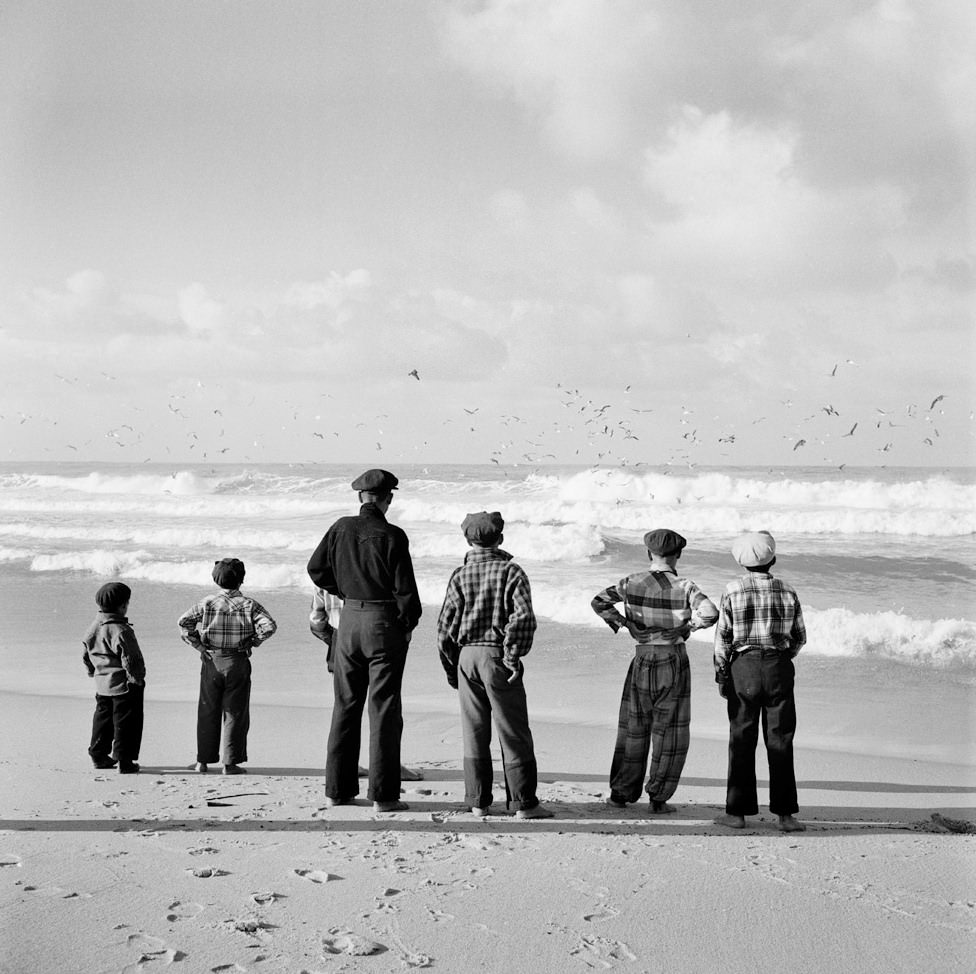
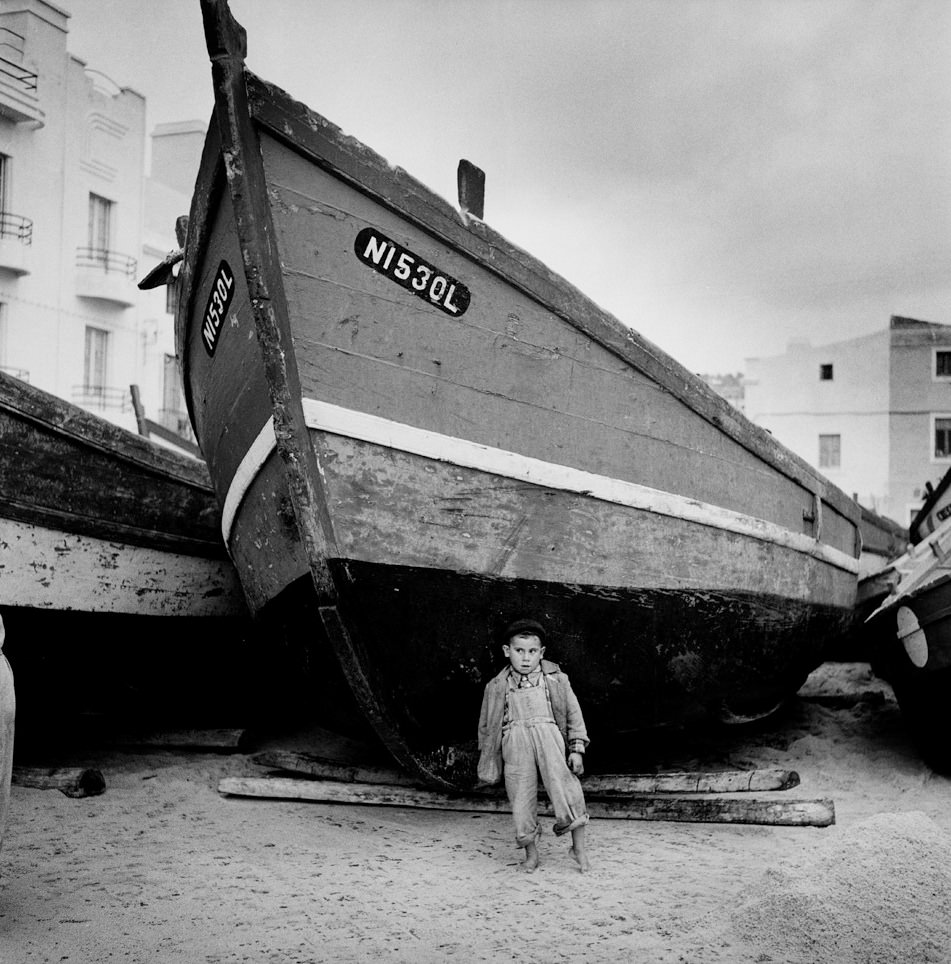
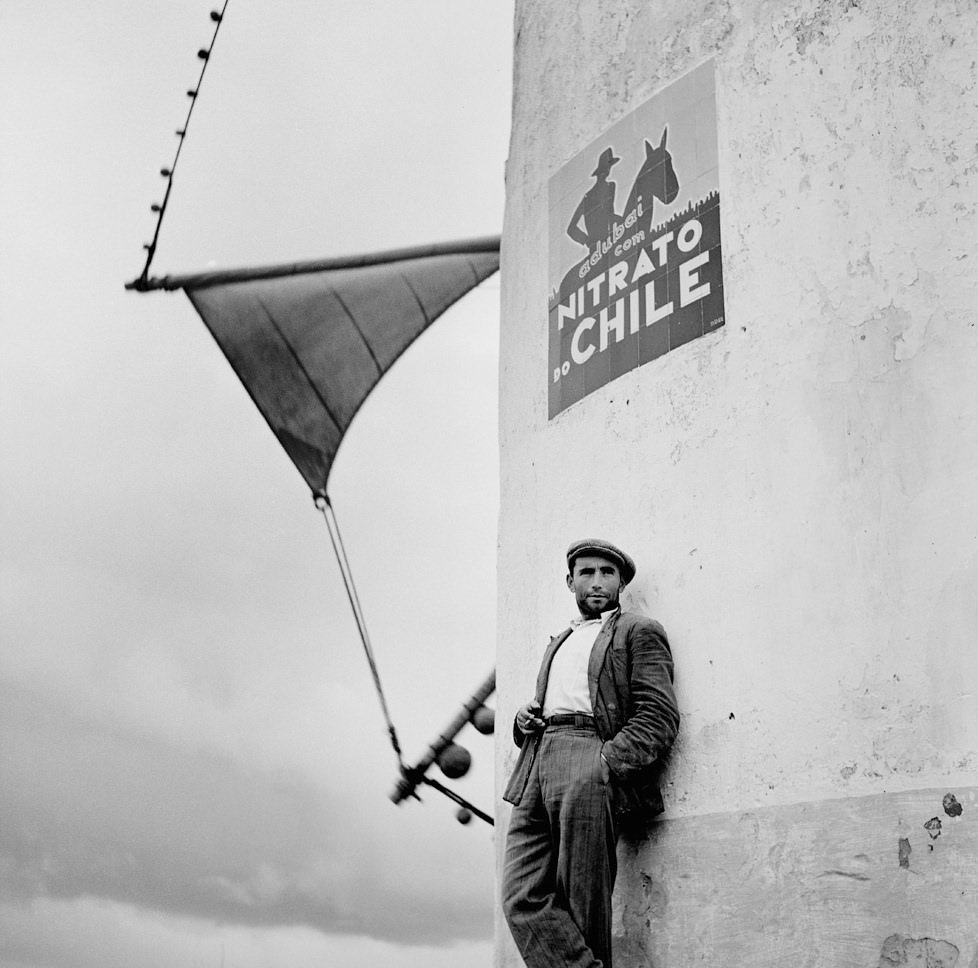
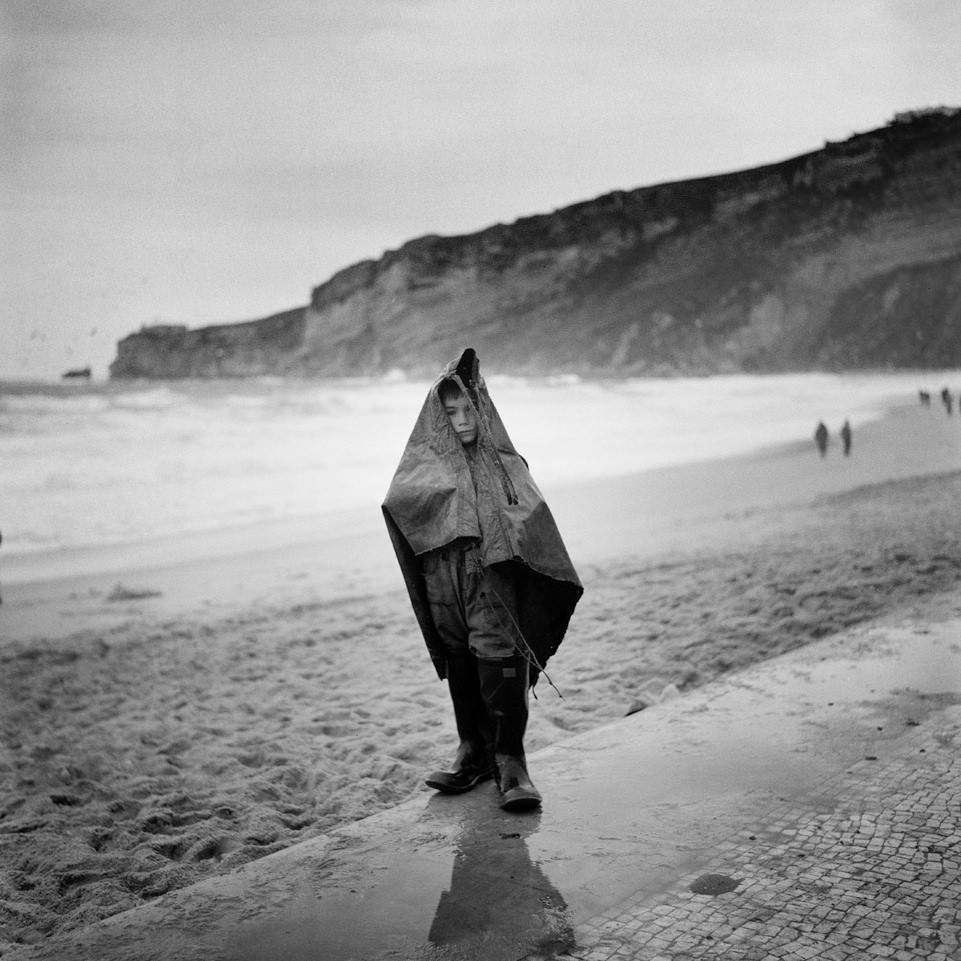
In Spain and Portugal, Perlmutter’s photographs took on a documentary quality. He focused on local customs, rural scenes, and the faces of people whose lives had changed little despite the decades of conflict that had swept the continent. His images from the Iberian Peninsula are some of his most anthropological.
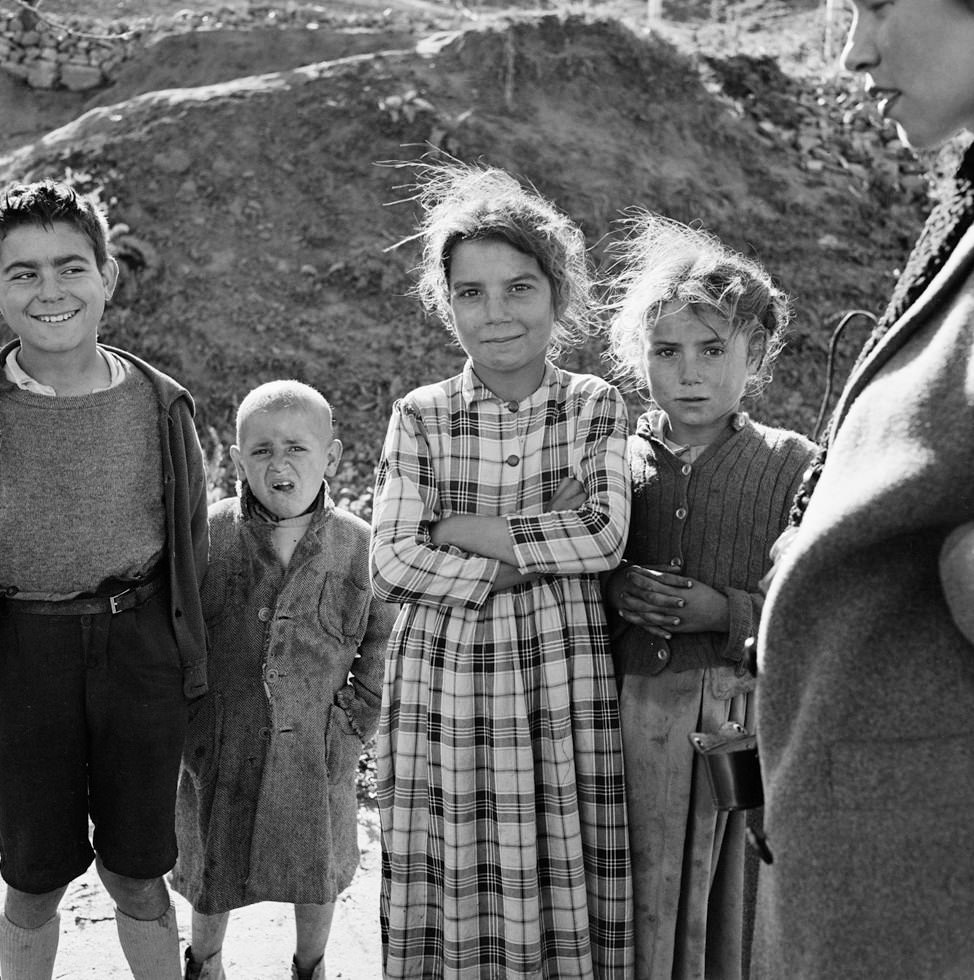
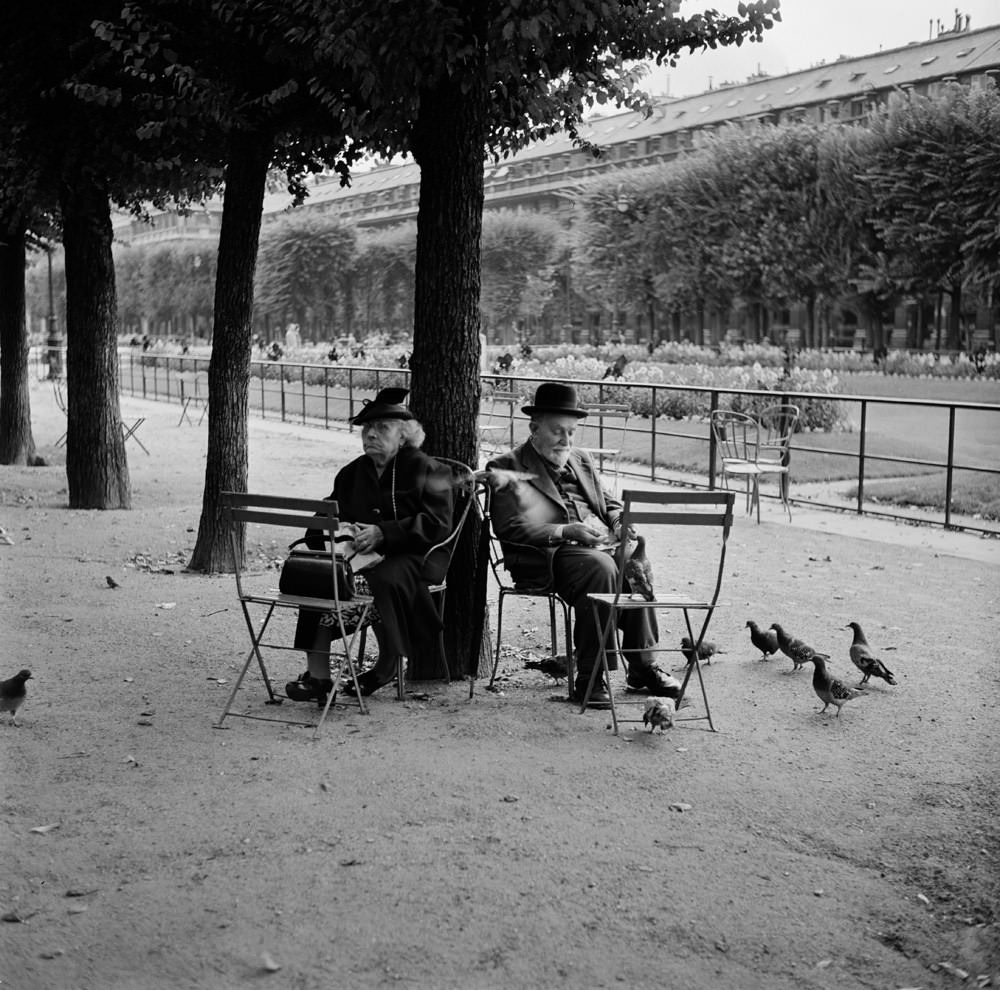
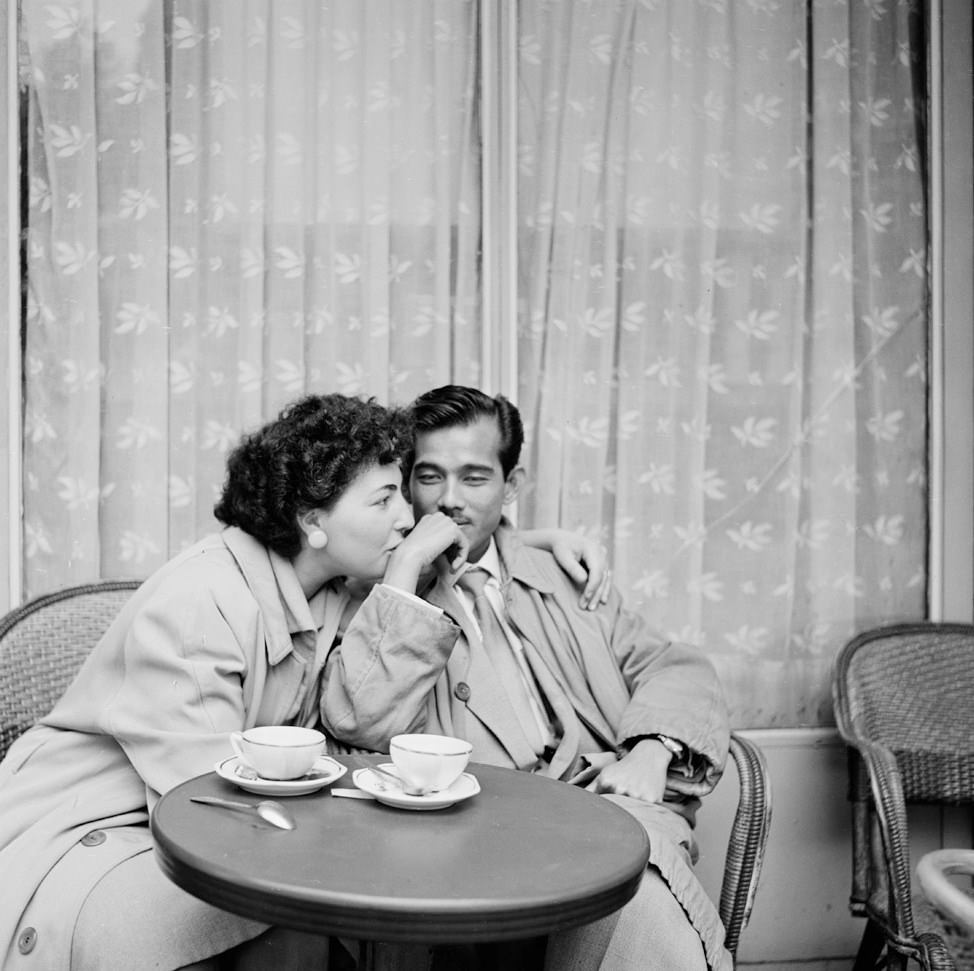
Back in Paris, Perlmutter captured the quieter side of French life — an elderly couple resting in a park, a gentleman kissing a woman’s hand on the street. These small, unguarded moments defined his approach. He wasn’t documenting monuments or major events. He was recording the texture of everyday life as Europe found its footing again.