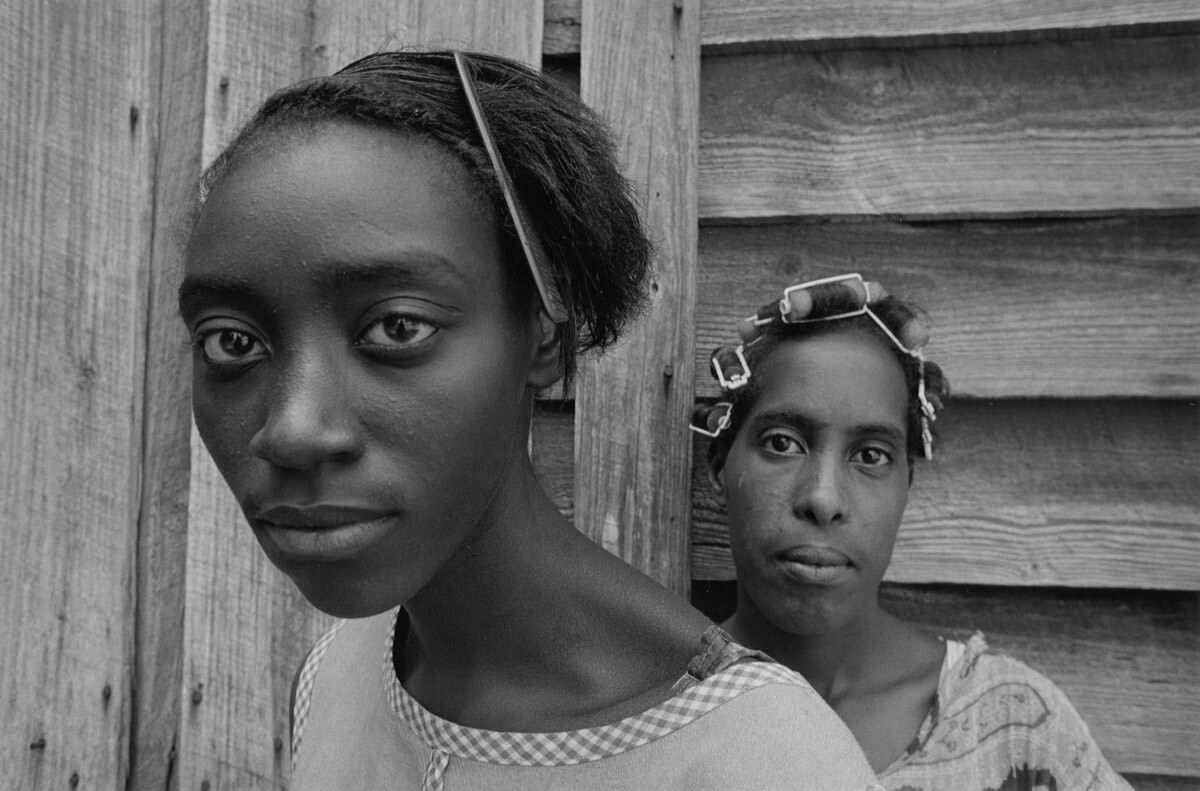
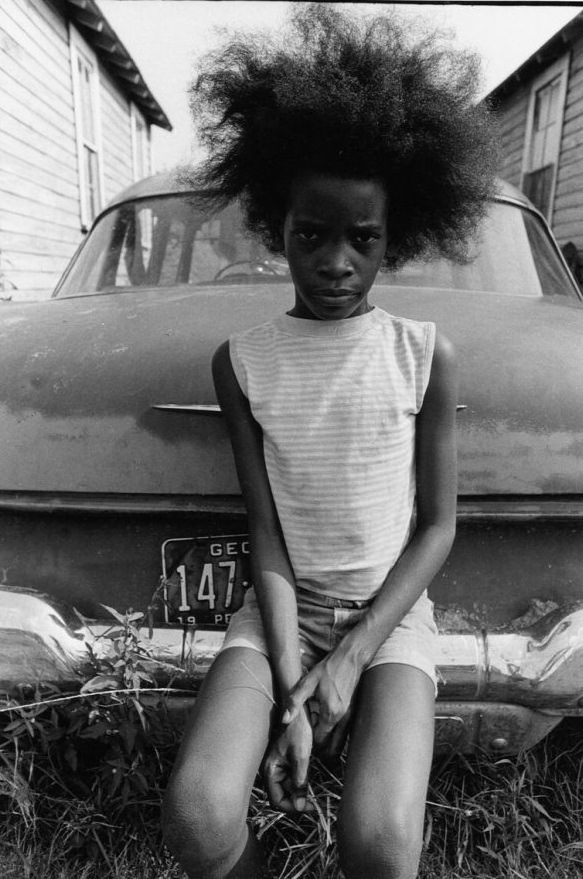
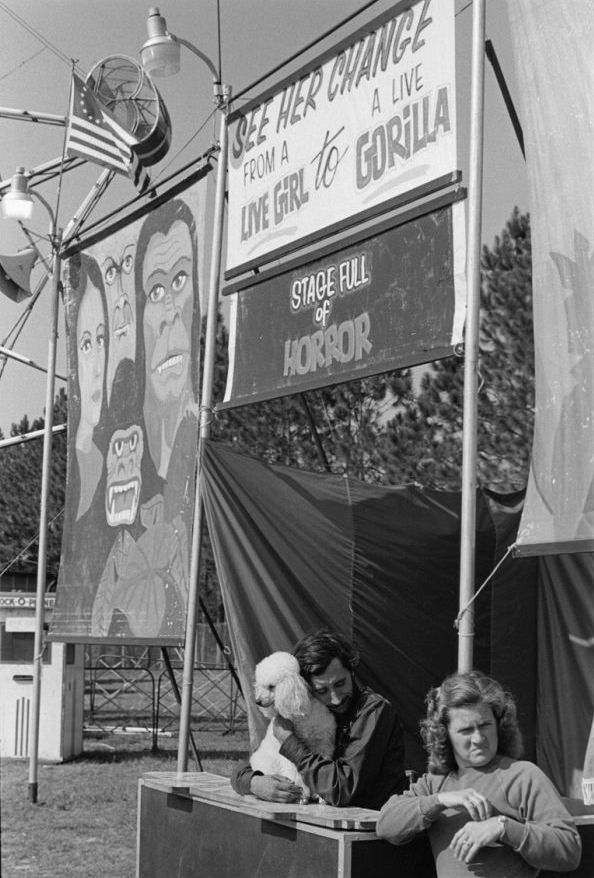
Between 1961 and 1981, the small city of Bainbridge, Georgia, was quietly being documented in extraordinary detail. The man behind the camera was Paul Kwilecki, a self-taught photographer who spent decades pointing his lens at the everyday rhythms of Bainbridge and the surrounding rural areas of Decatur County. He photographed tobacco workers in the field, shop owners standing in their doorways, families waiting in courtrooms, and strangers passing time at bus stations. His archive is one of the most complete visual records of small-town Southern life from that era.
Kwilecki was not chasing beauty for its own sake. “I’m not trying to make aesthetic images. I’m not in it as an artist… I’m interested in what is going on here,” he said. That commitment to honest observation is what makes his photographs so powerful. Every frame shows real people in real moments — not posed, not polished, just life as it actually was in Decatur County.
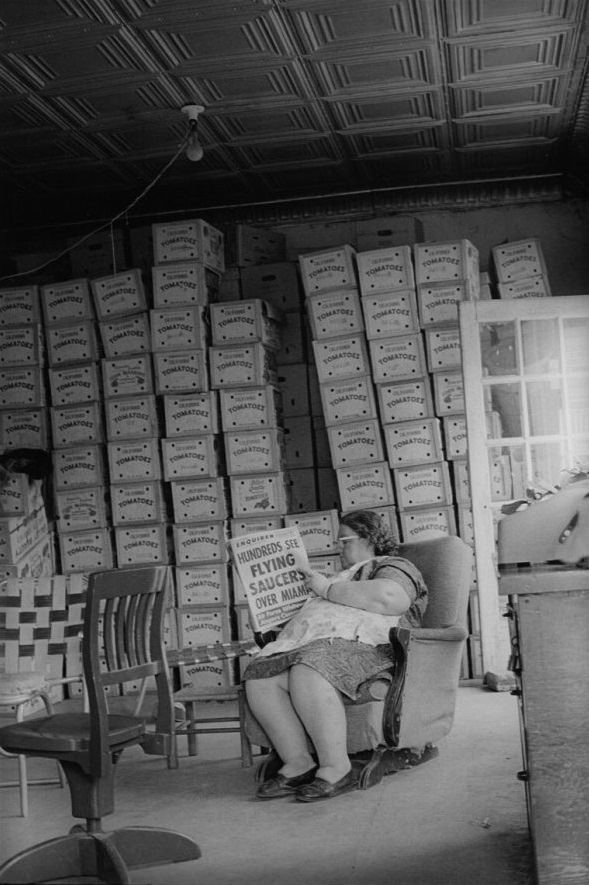
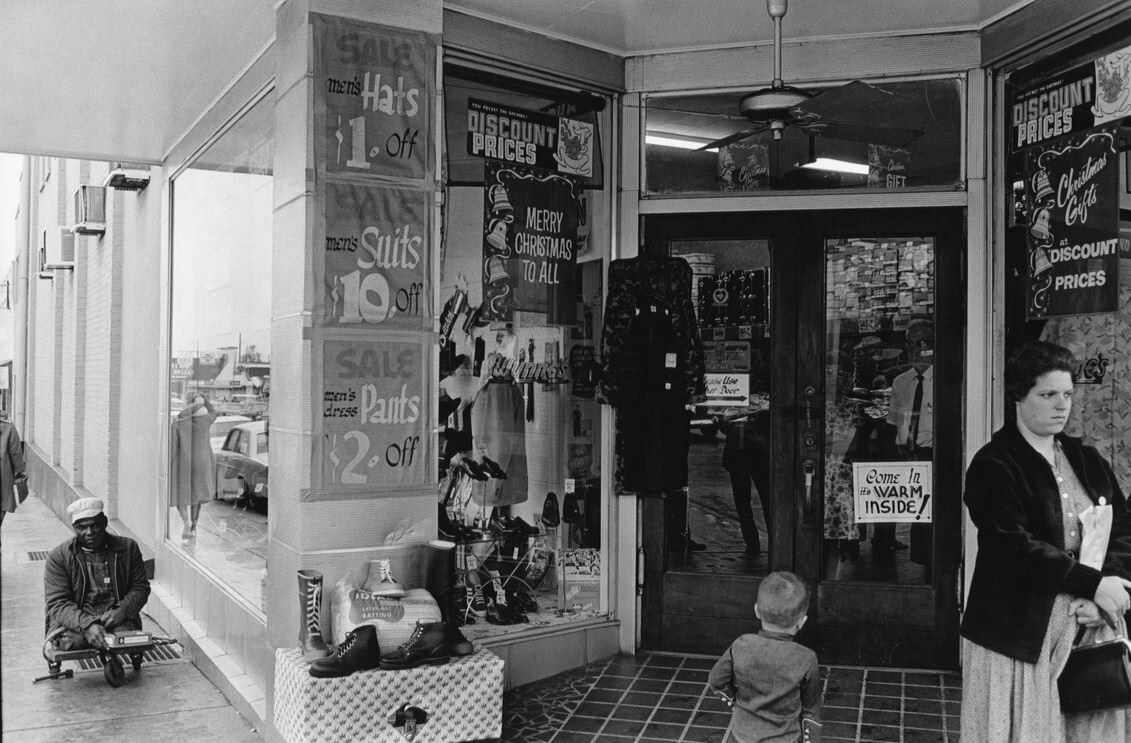
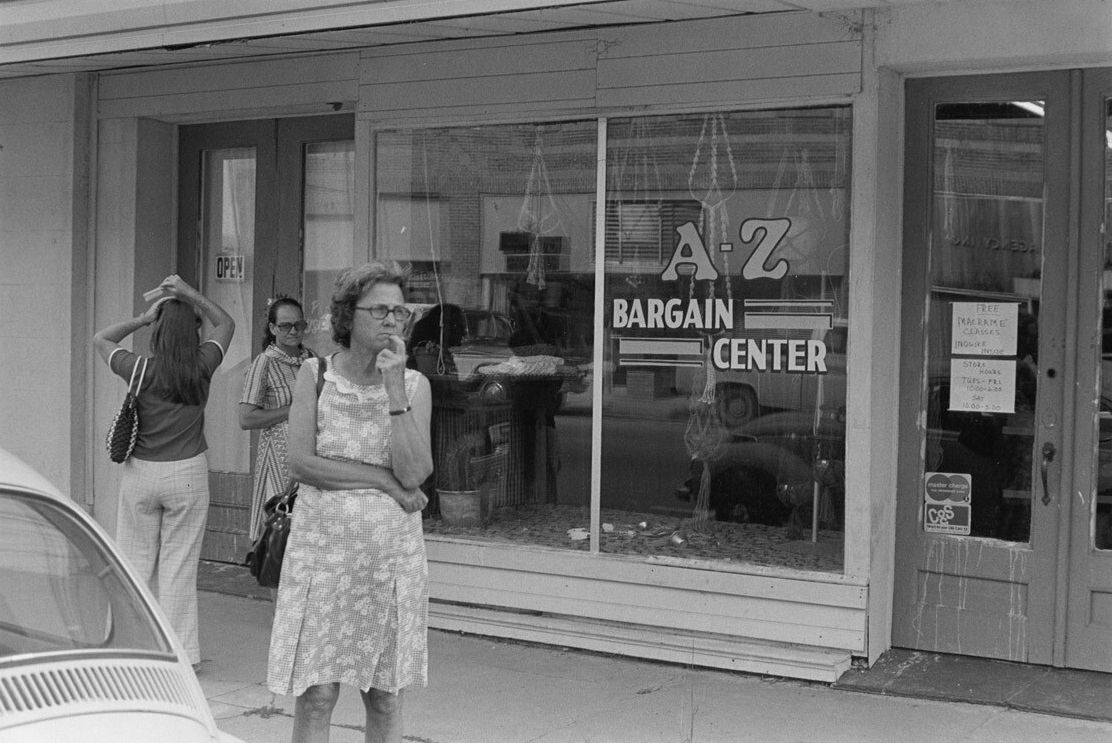
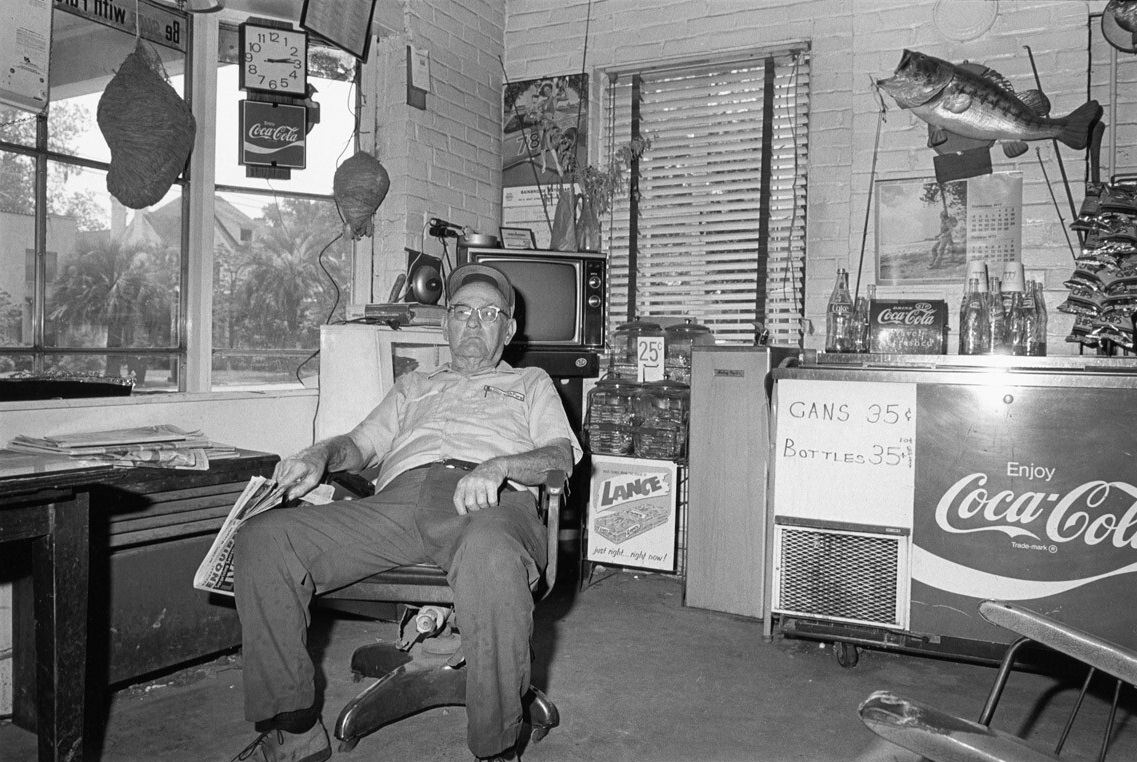
Kwilecki’s eye moved freely through every corner of Bainbridge. He documented the commercial heart of the city — the shops, stores, and service stations that locals depended on every day. Water Street, West Street, and the surrounding blocks appear again and again in his work, filled with small businesses run by people who knew their customers by name.
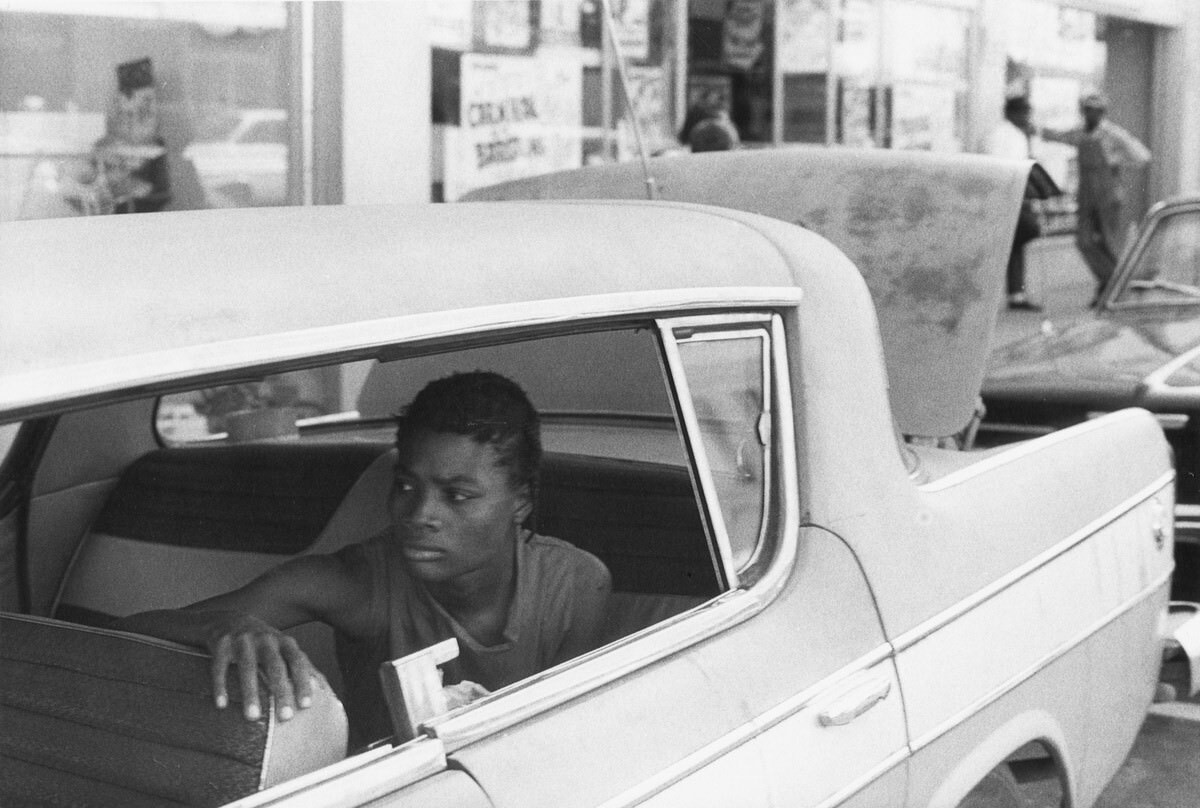
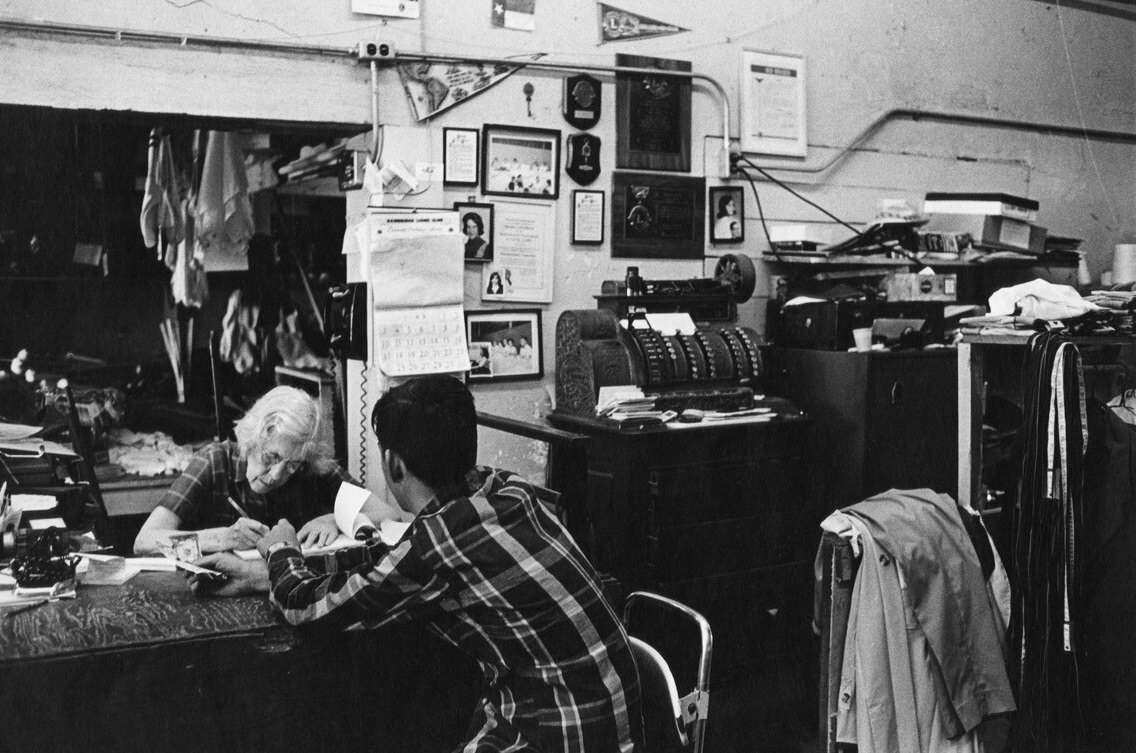
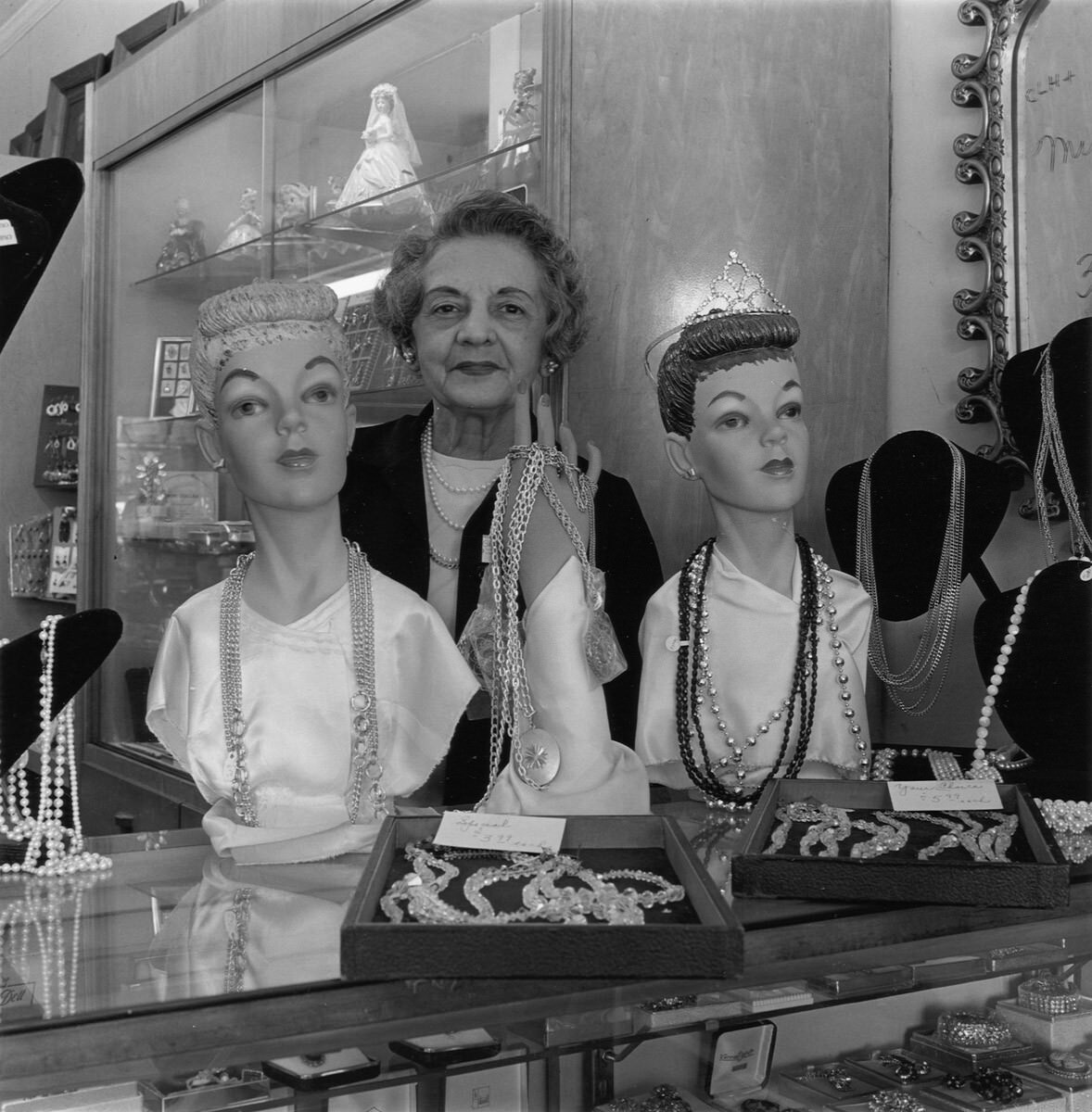
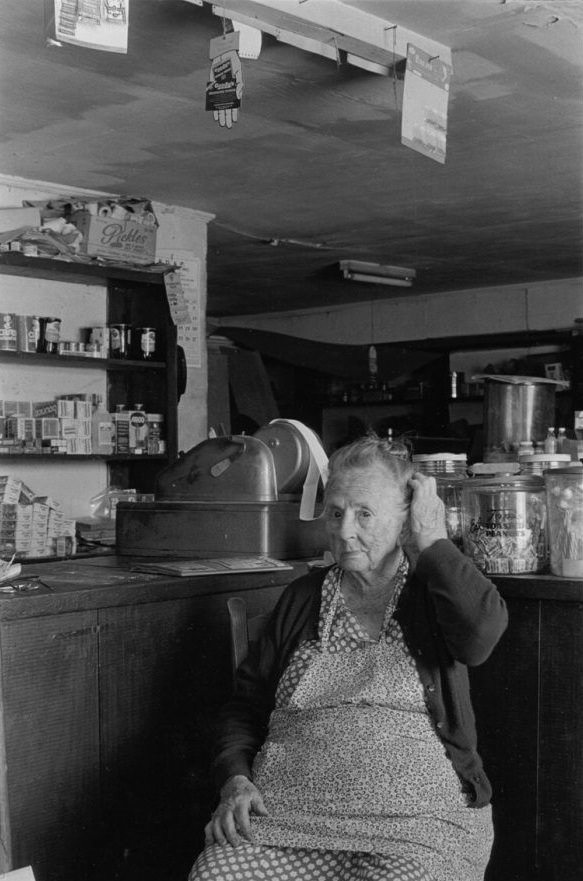
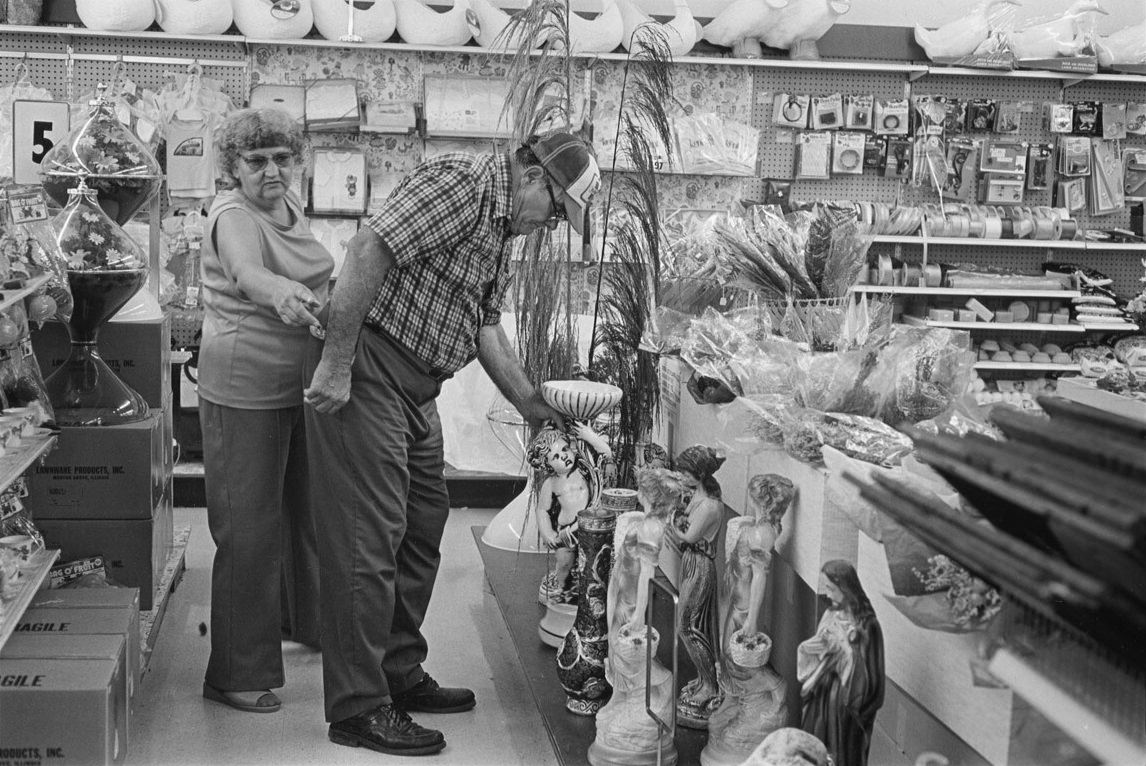
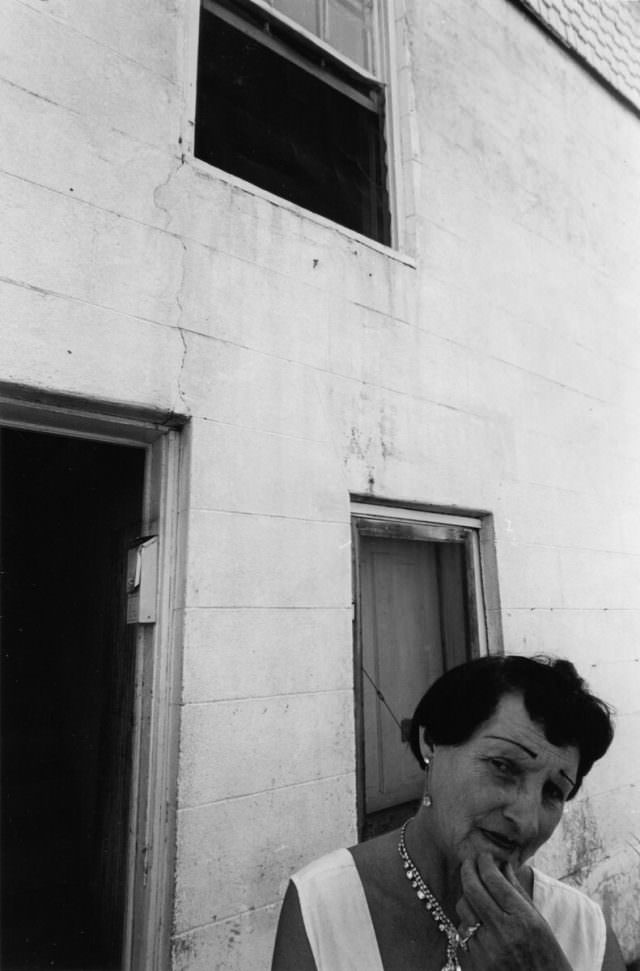
Hardware stores, pawn shops, department stores, and jewelry stores all made their way into Kwilecki’s collection. These weren’t glamorous establishments — they were working businesses, worn at the edges and full of character. The people who ran them are captured with the same straightforward honesty as everyone else in his photographs.
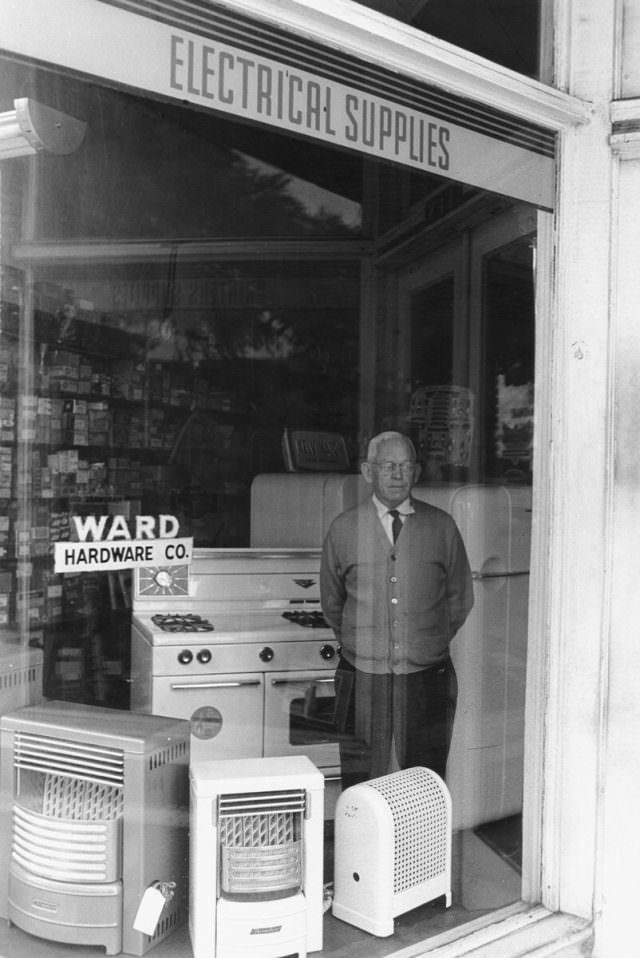

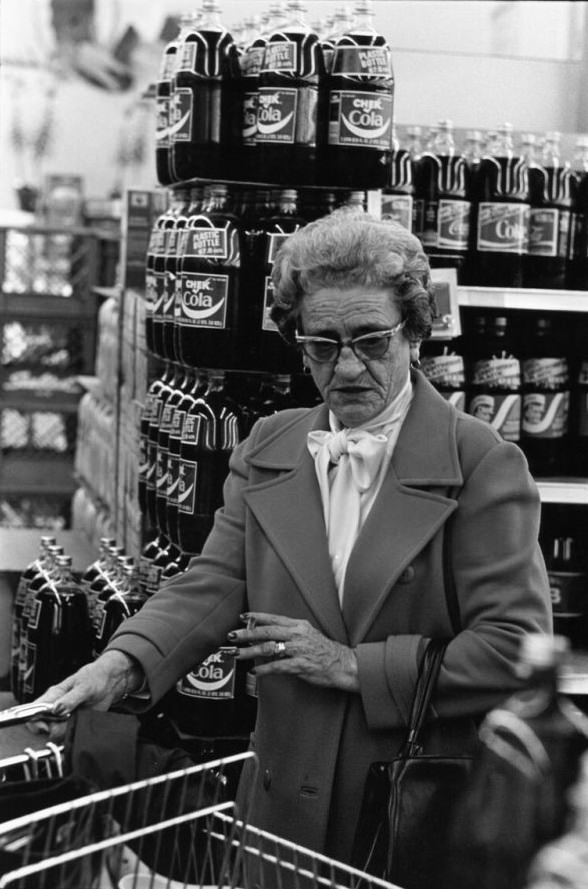
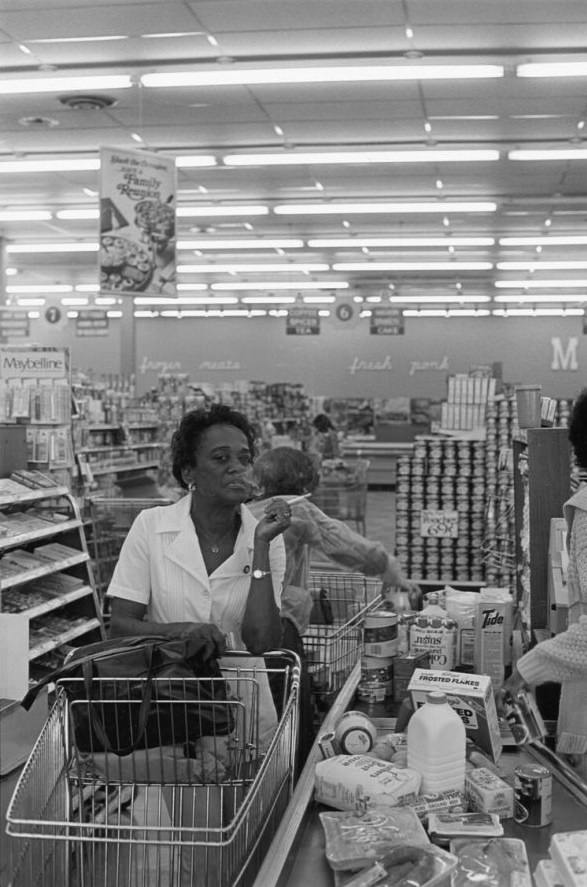
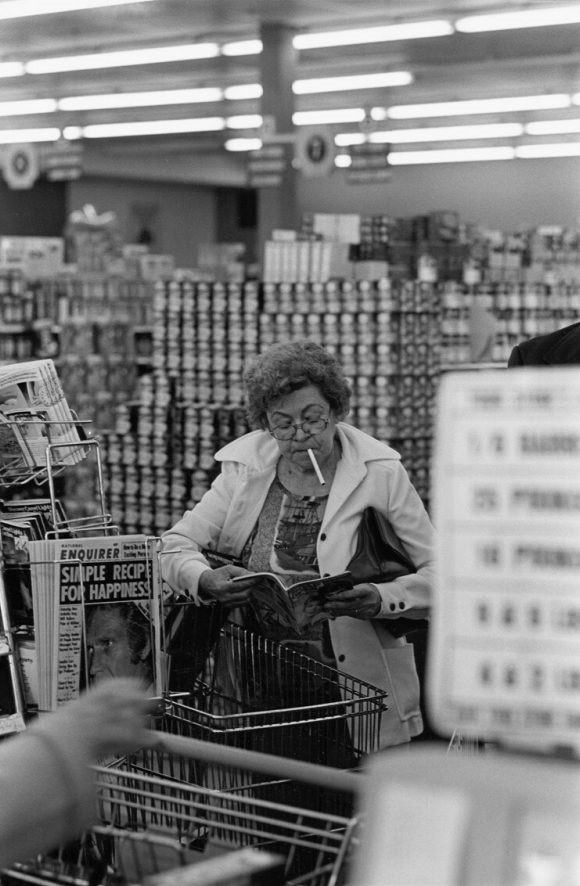
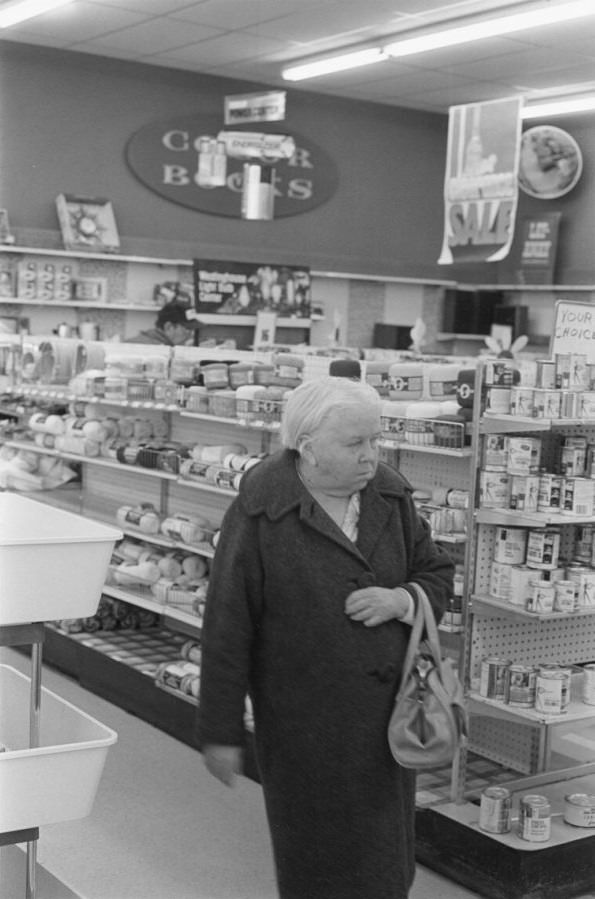
Grocery stores were another recurring subject. Kwilecki photographed shoppers selecting bacon, pushing carts, waiting in checkout lines, and browsing the aisles of local stores. These scenes from the late 1970s and early 1980s offer a detailed look at how Bainbridge residents shopped for food — a routine activity that rarely gets documented but tells a great deal about how people lived.

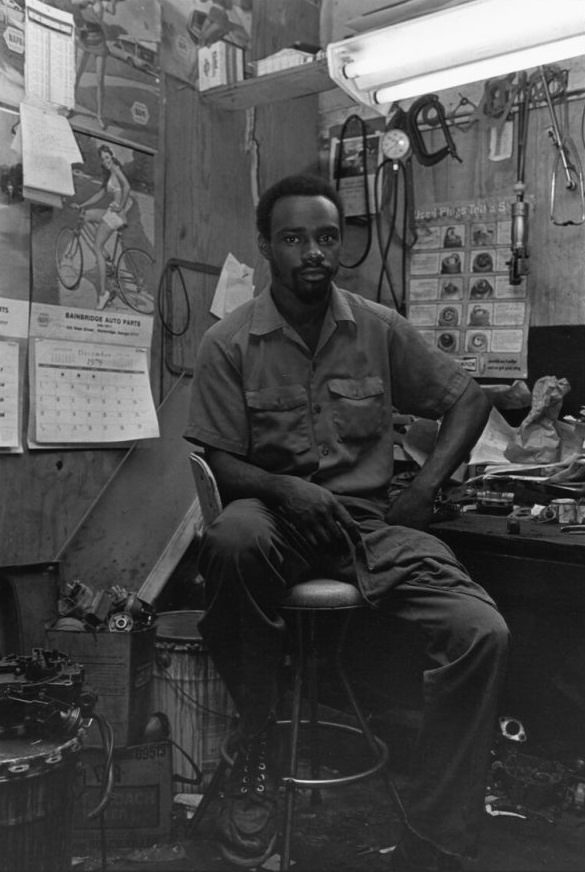
Service stations and garages were just as much a part of Bainbridge’s working life. Mr. Gause’s Pure Oil Station and Watt Baldwin Jr.’s garage both appear in the collection, representing the mechanical trades that kept the county moving. These images, shot in 1980, show the tools, the grease, and the quiet pride of men at work in their own spaces.
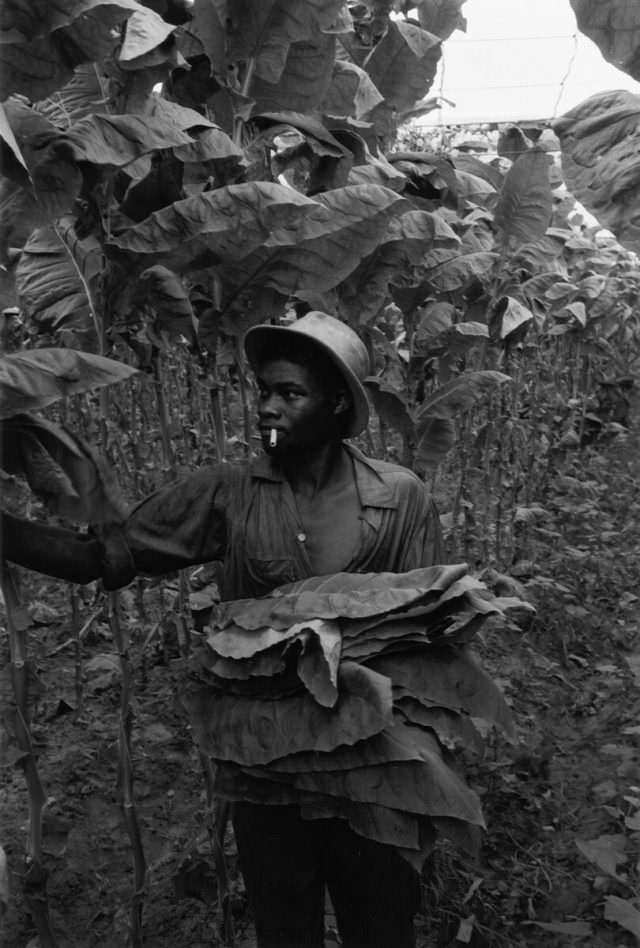
Outside the city limits, Kwilecki documented the agricultural world that shaped Decatur County’s economy. Tobacco farming was central to rural life, and his photographs from the mid-1960s show workers up close — picking leaves, standing in front of barns, and going about the slow, physical labor of the harvest. A man with a cigarette dangling from his lips picks leaves in one frame; two women stand before a tobacco barn in another. These images are blunt and direct, exactly as Kwilecki intended them to be.
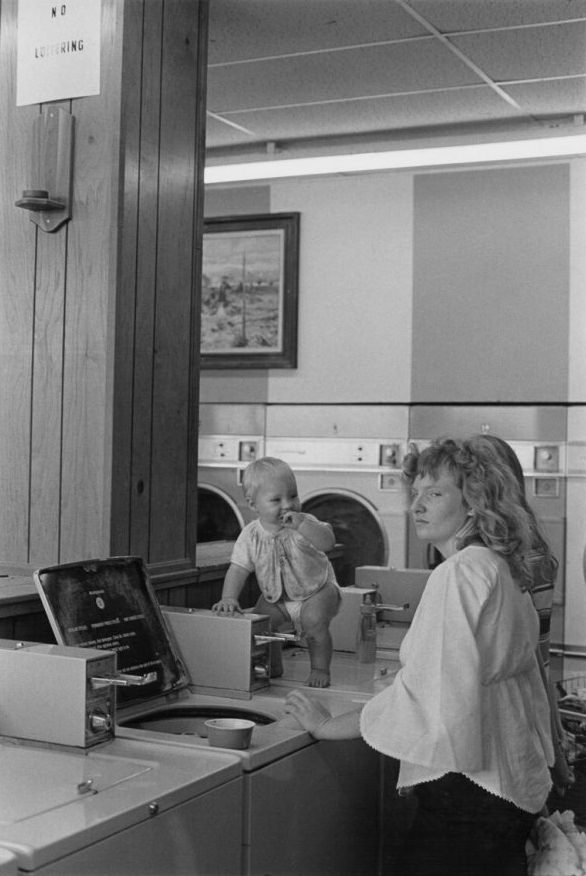
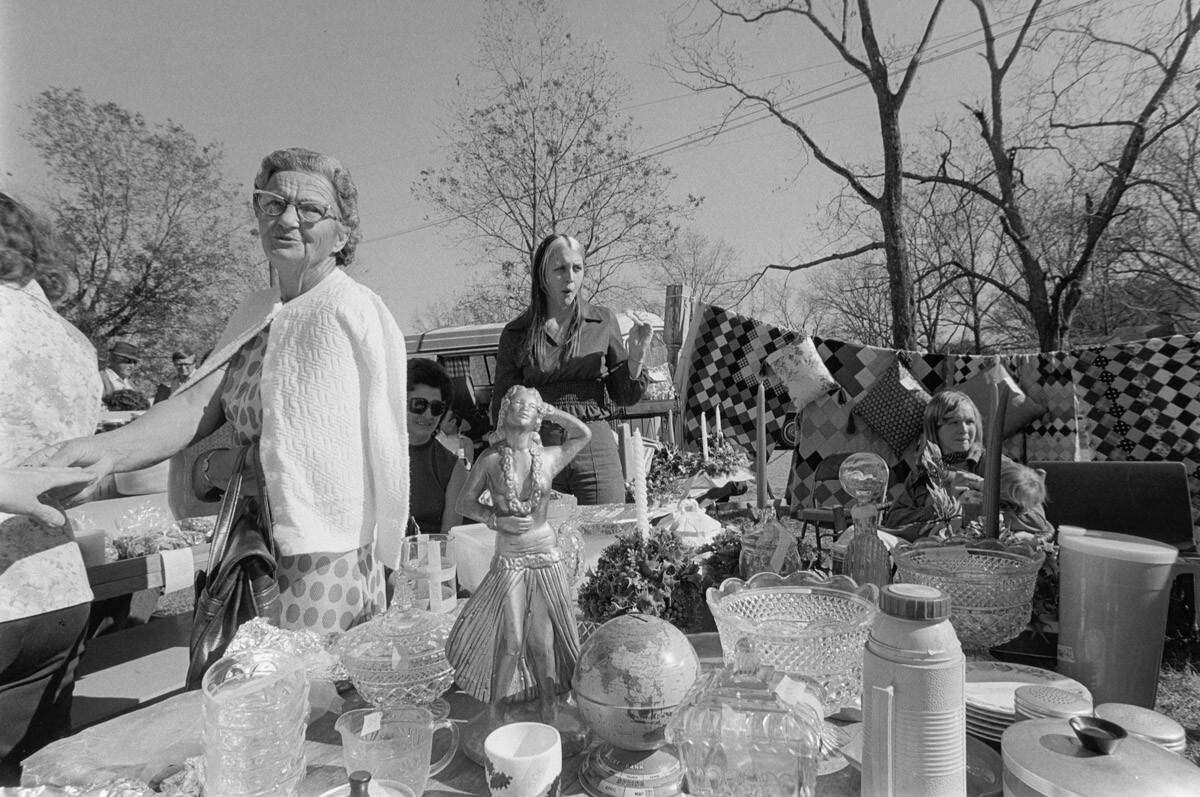
Domestic and community life also filled Kwilecki’s frames. A woman and her baby pass time in a laundromat at the Bainbridge Mall. Women browse a junk table at what appears to be a local sale. These quieter moments — unscheduled, unscripted — form the backbone of his project. They show the texture of daily life that larger historical accounts tend to skip over entirely.
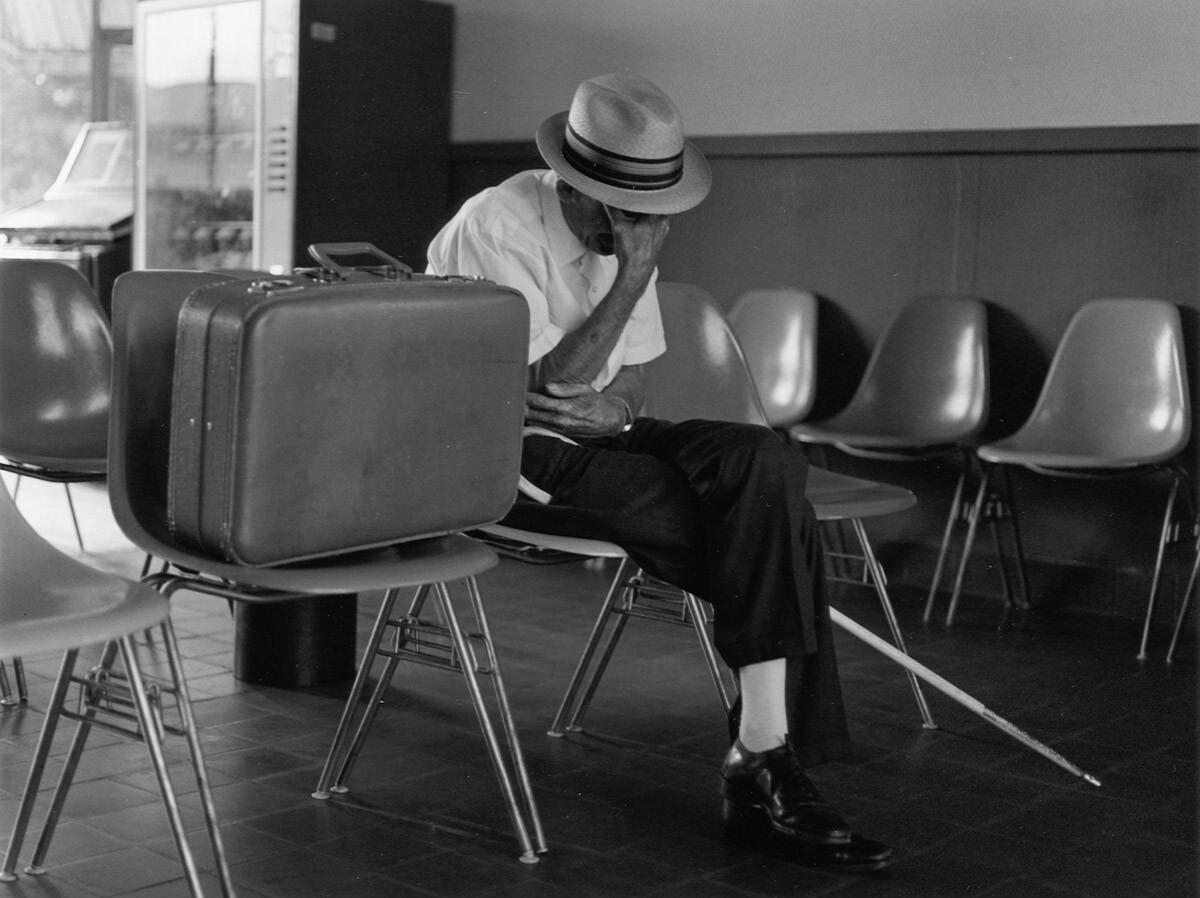
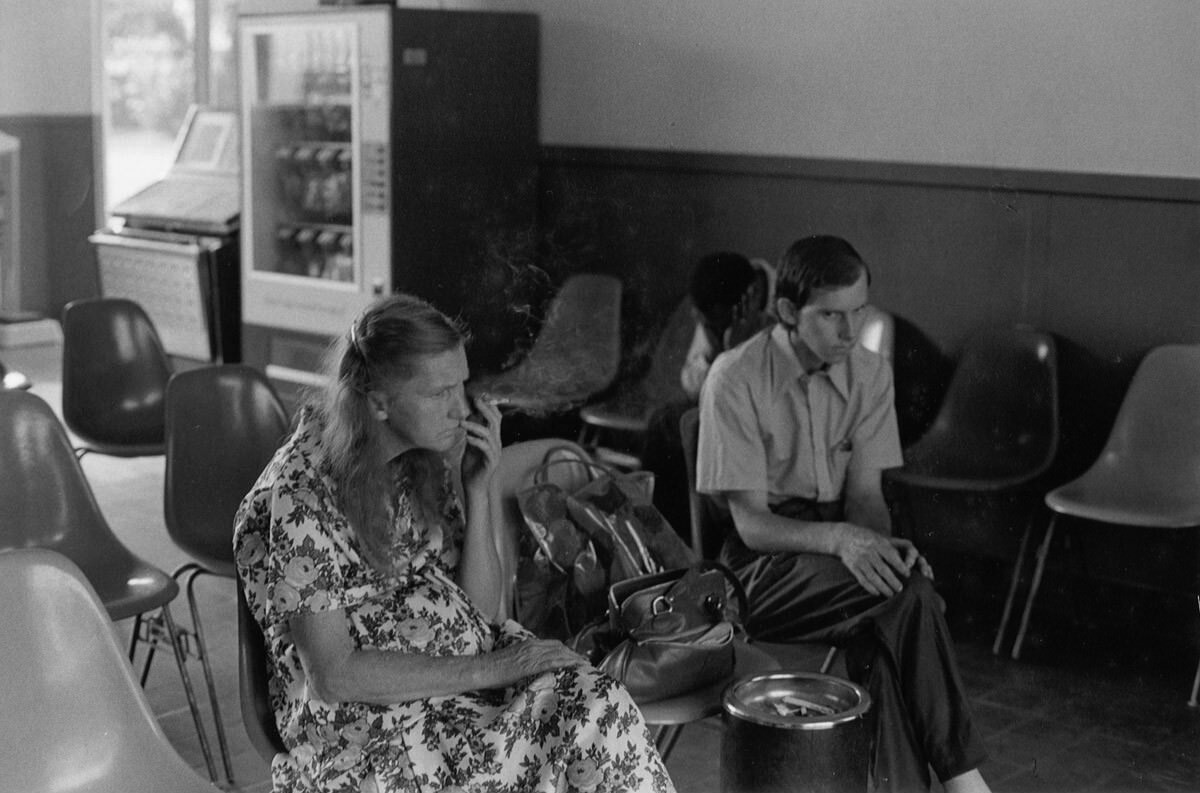
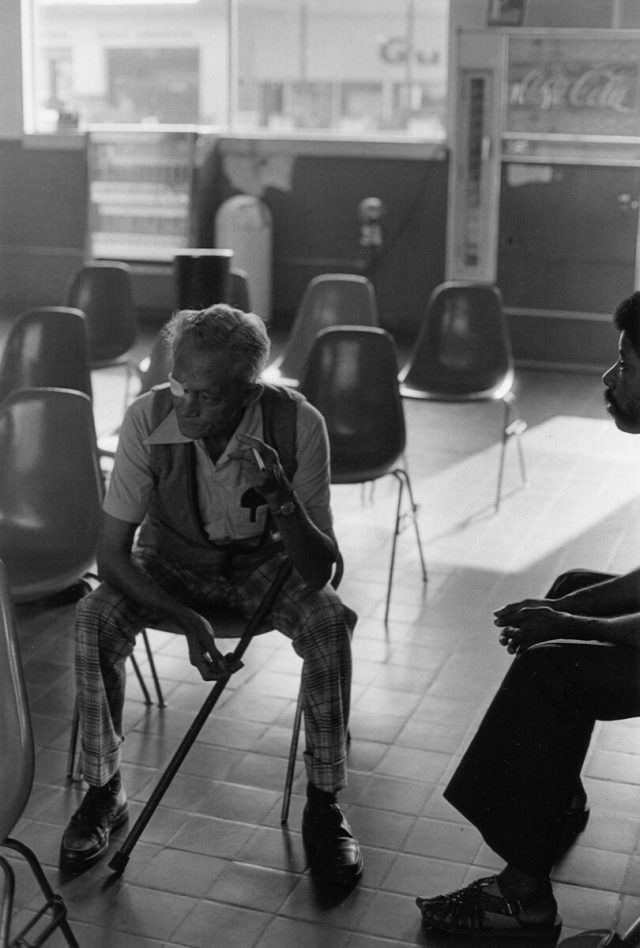
The Trailways Bus Station in Bainbridge appears in three separate photographs from 1978, each one capturing a different mood among the people waiting there. Passengers sit, stand, and move through the terminal during the summer and early fall months. Bus stations in the late 1970s were busy crossroads for working-class travelers, and Kwilecki’s photographs treat them with the same seriousness he gave every other location in the county.
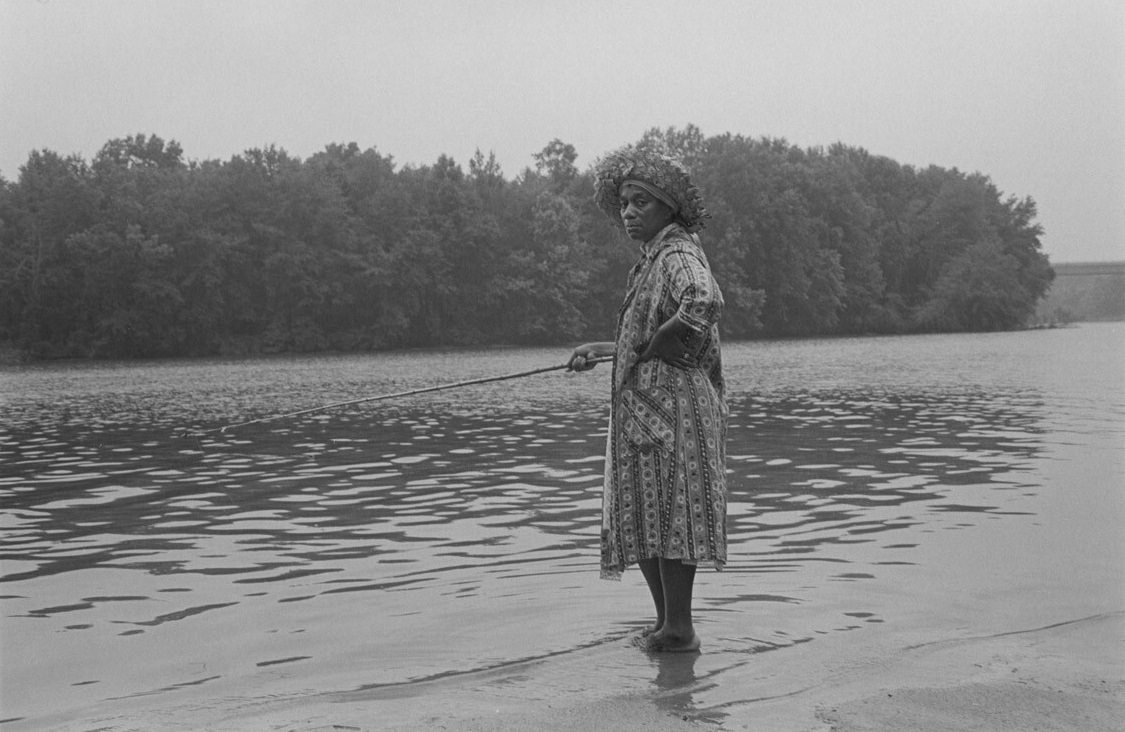
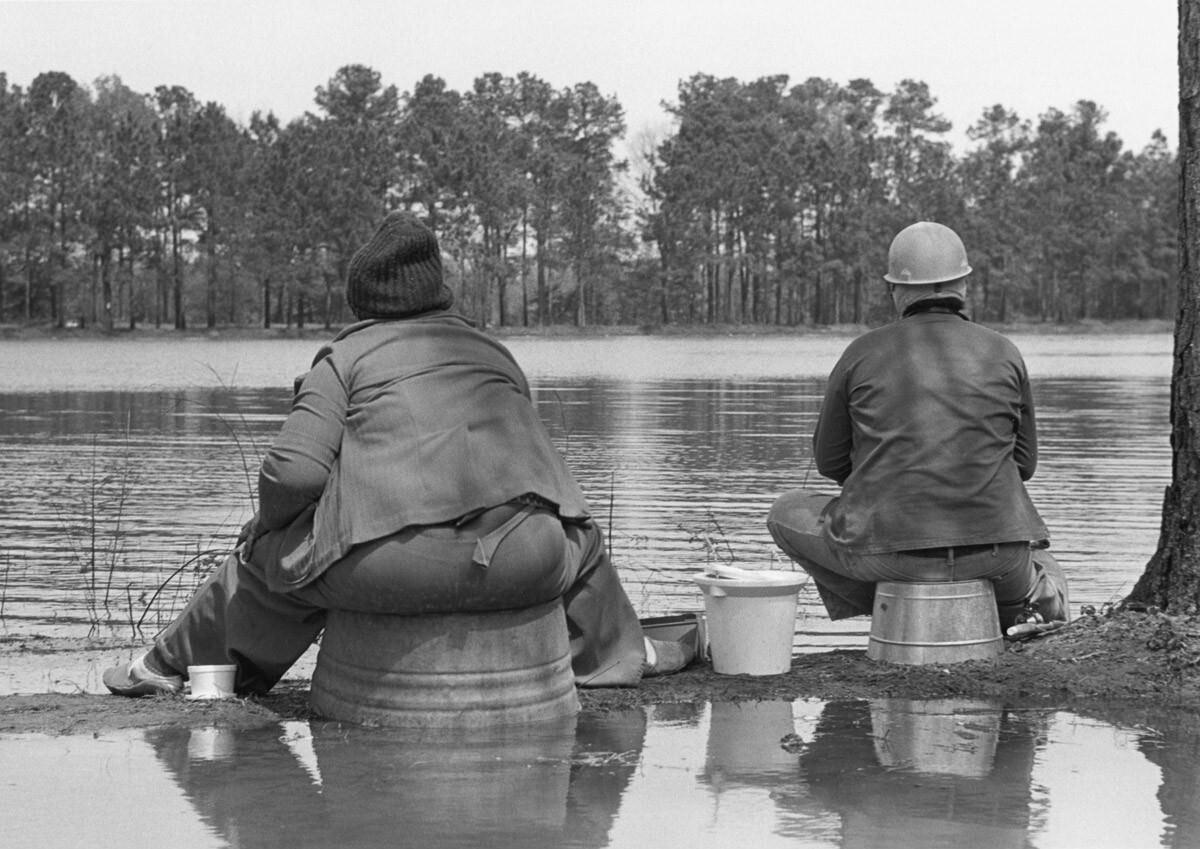
The Flint River also drew Kwilecki’s attention. In June 1979, he photographed a woman in a housecoat fishing along its banks. The following April, he captured a couple fishing from tubs on the river. These scenes sit far from any commercial district — just people and water and time moving at its own pace.
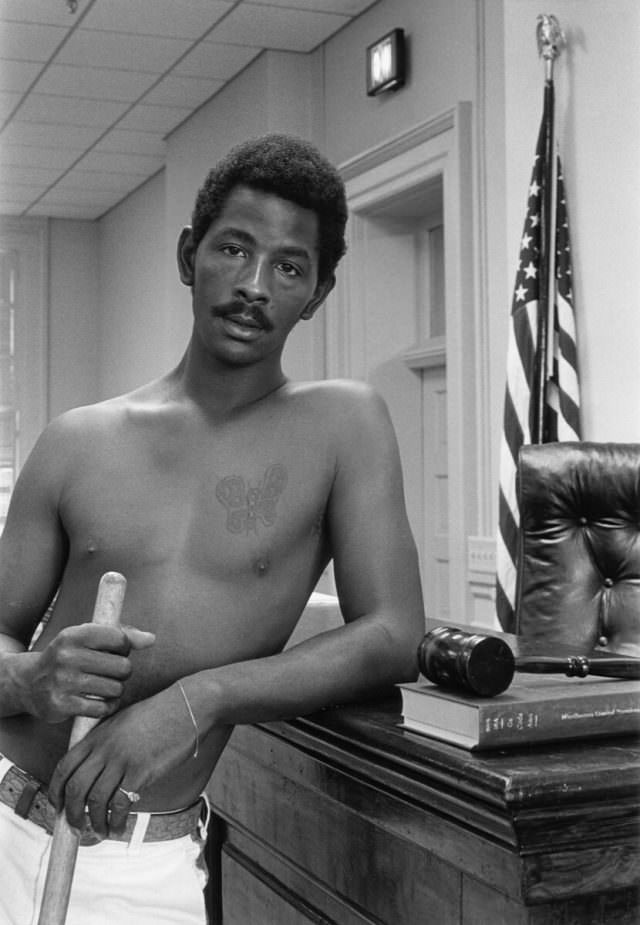
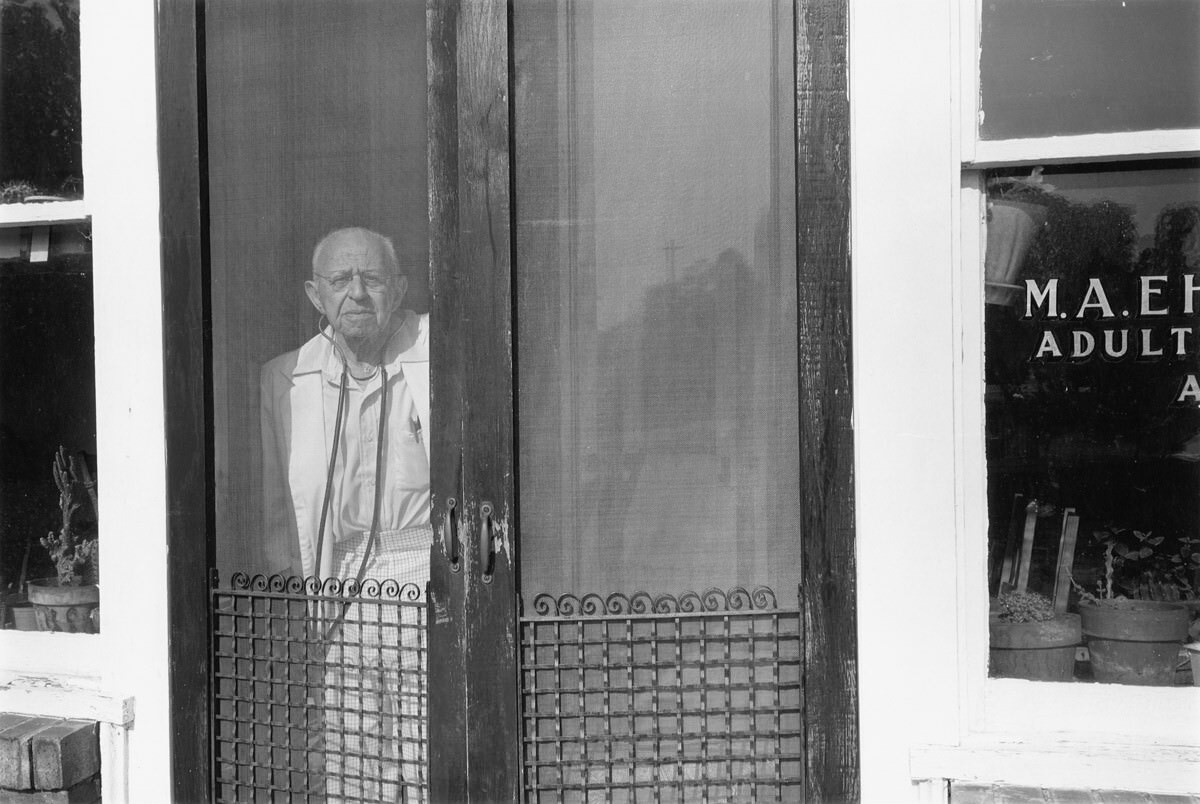
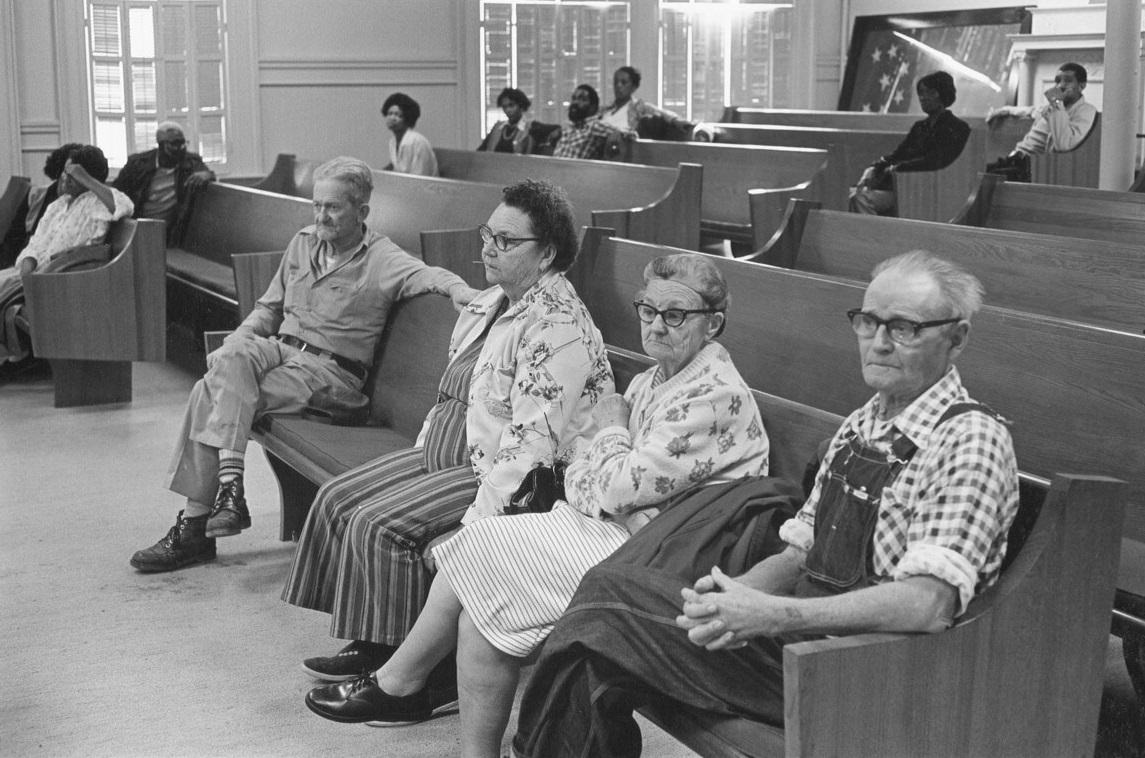
Professionals and institutions round out the collection. Dr. M. A. Ehrlich stands in the doorway of his office in August 1980. A session of superior court at the Decatur County Courthouse in February 1981 fills an entire room with spectators — families and onlookers gathered to witness the legal process. Kwilecki documented these scenes of civic life with the same eye he brought to every tobacco field and checkout lane.