Albert Einstein is one of the most recognized faces in human history. The wild hair, the distant gaze, the chalkboard covered in equations — that’s the version most people know. But there was another side to Einstein that rarely makes it into textbooks. He was funny, relaxed, and genuinely unbothered by the weight of his own fame.
Einstein developed the theory of relativity and reshaped how we understand space, time, and gravity. His contributions to physics were enormous. Yet he carried all of that without any real sense of self-importance. When asked about his celebrity status, he once said, “What does a fish know about the water in which it swims?” He saw the world’s fascination with him clearly, and he found it more amusing than flattering.
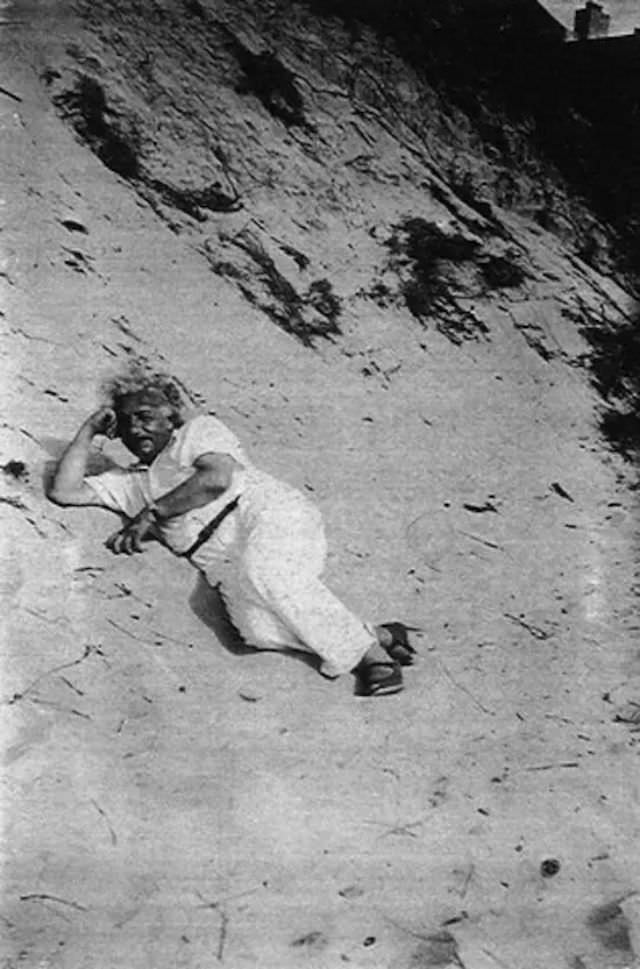
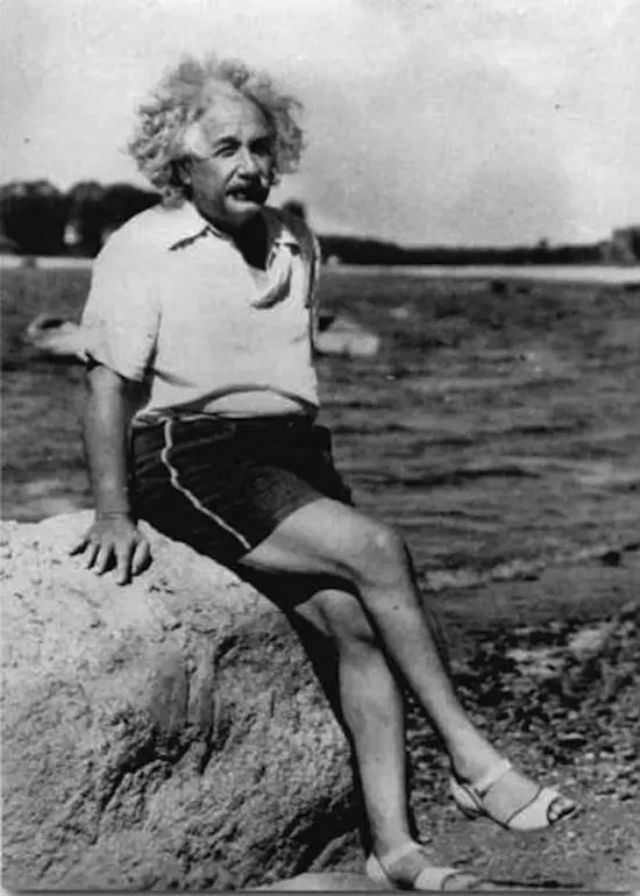
He made jokes about himself regularly, and his appearance was a favorite target. His hair — famously untamed — became a signature look not because he cultivated it, but because he simply didn’t care. He stopped wearing socks at some point because he found them uncomfortable. That’s it. No deeper reason. He just decided socks weren’t worth the trouble and moved on.
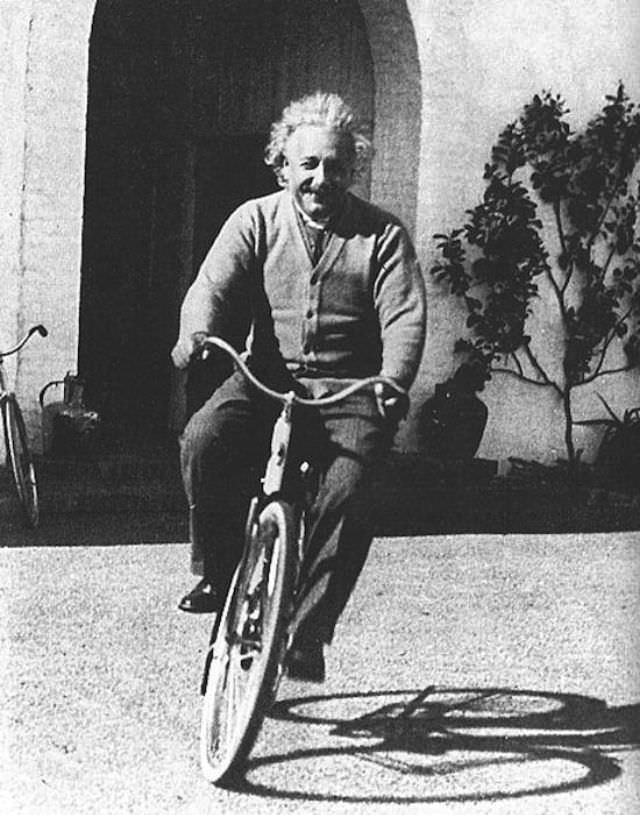
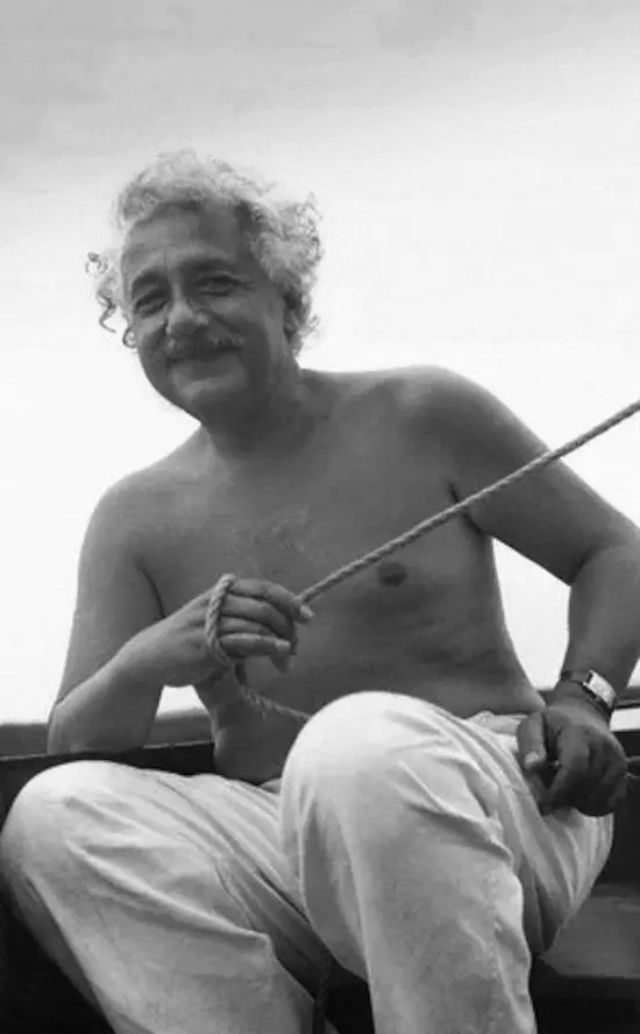
Comfort and practicality guided most of Einstein’s personal choices. He wasn’t chasing trends or managing a public image. He wore what he wanted, went where he pleased, and spent a lot of his free time outdoors — sailing in particular was a genuine passion, not a photo opportunity.
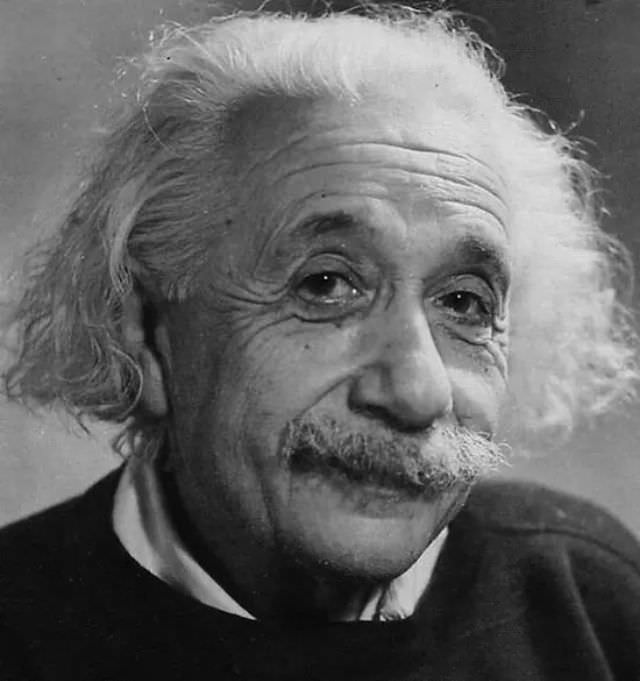
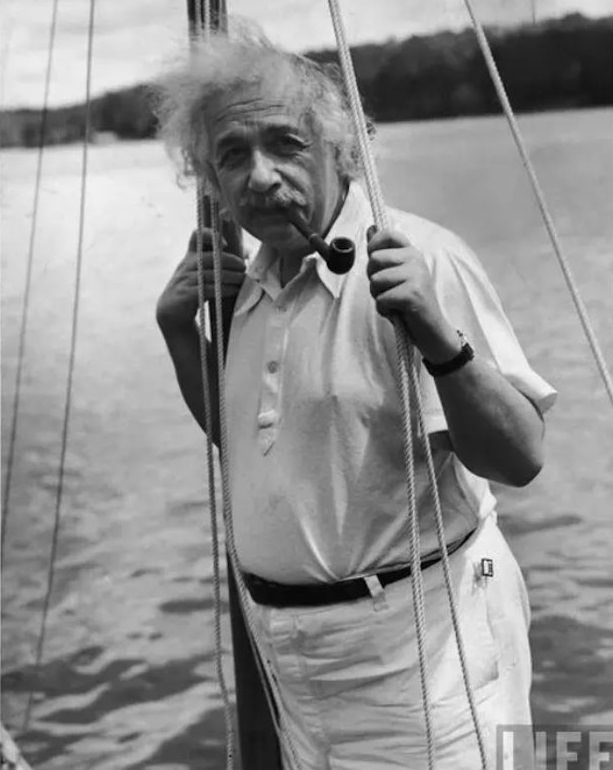
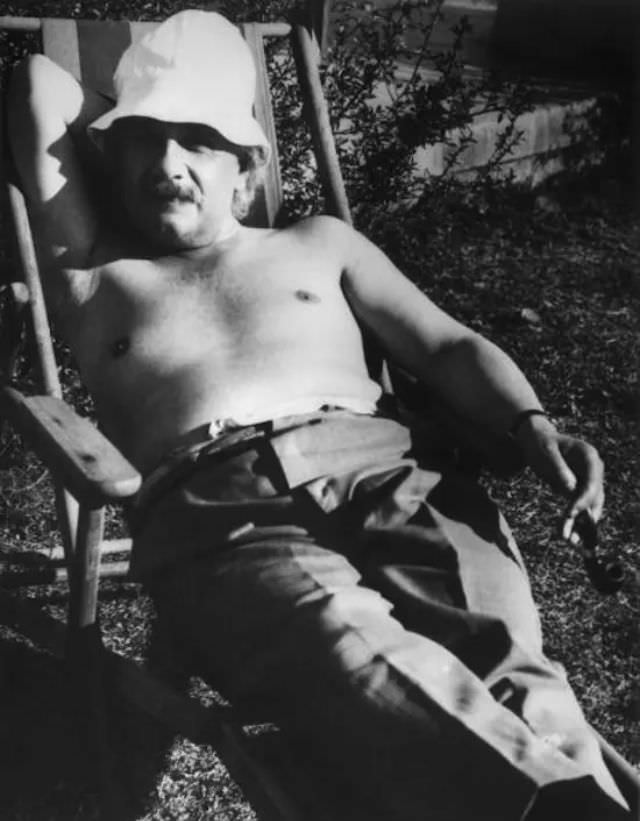
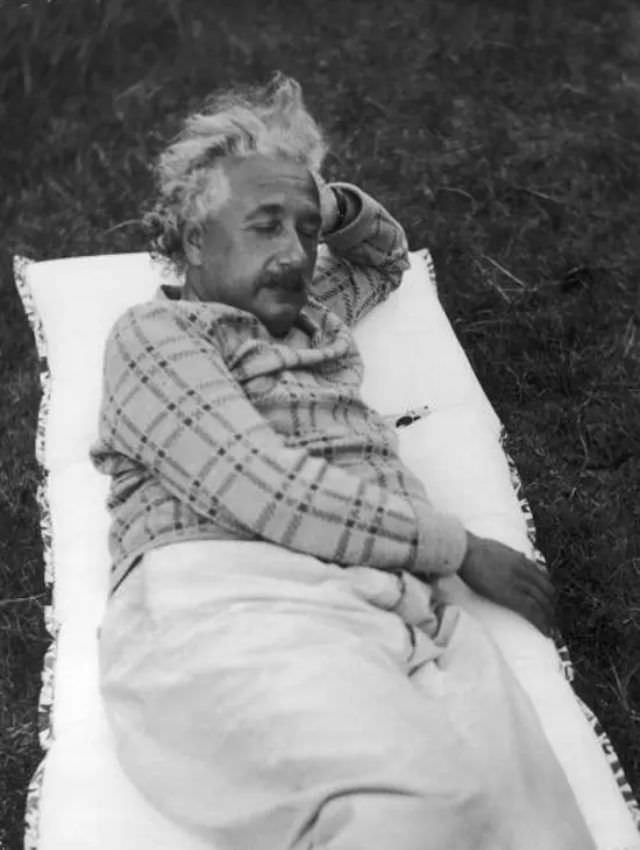
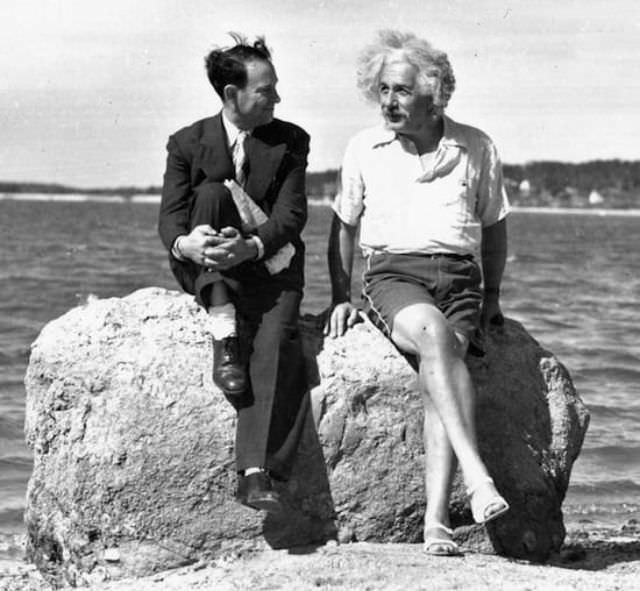
Photos from throughout his life capture moments that feel completely at odds with the idea of a towering intellectual. He’s wading in water, lounging in the sun, paddling a canoe. There’s an ease in these images that feels deliberate — this was a man who knew how to stop working and actually rest.
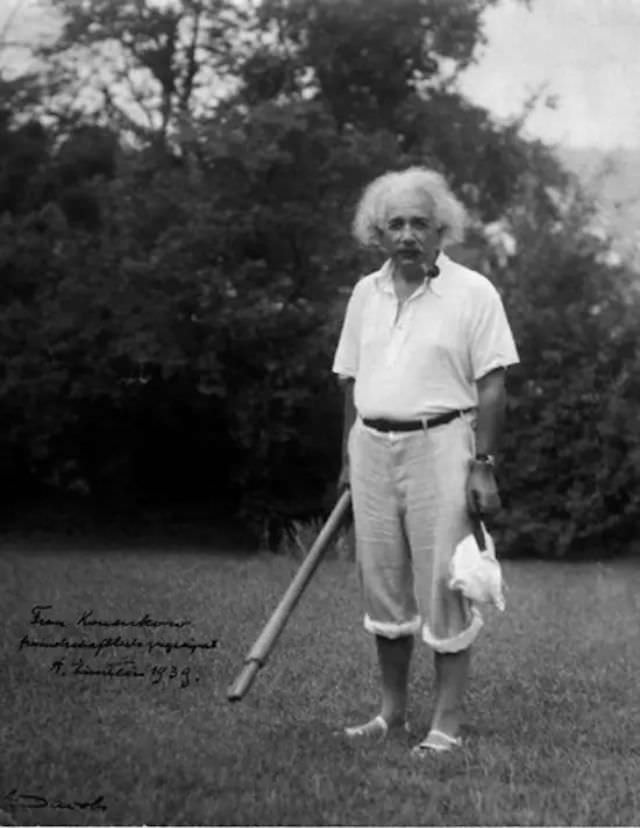
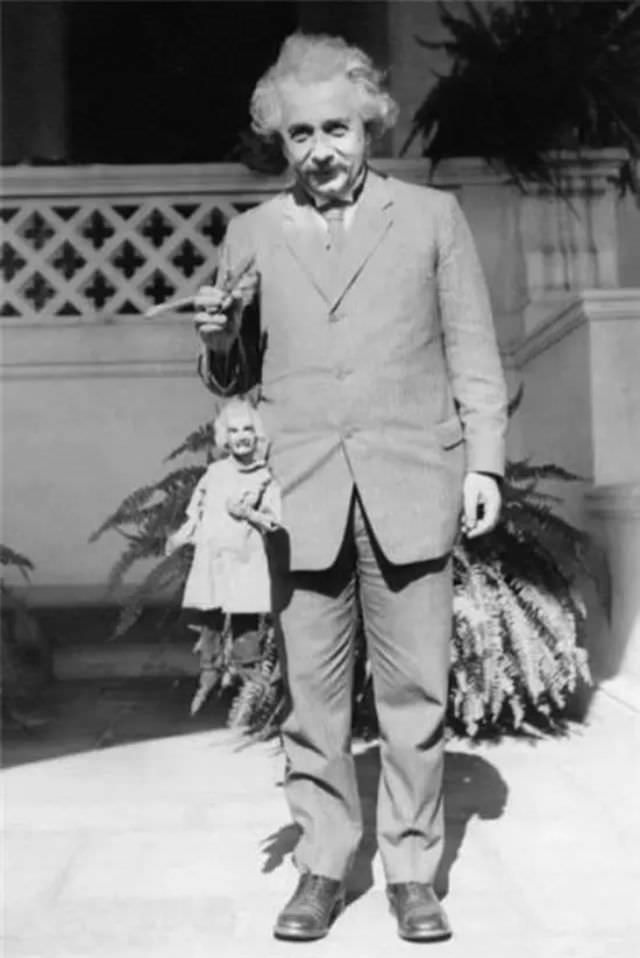
One photo shows him standing next to a doll made in his own likeness. He’s not posing stiffly or looking uncomfortable. He’s in on the joke. That sums up a lot about how Einstein handled his own legend — he treated it as something slightly absurd, and he was right.
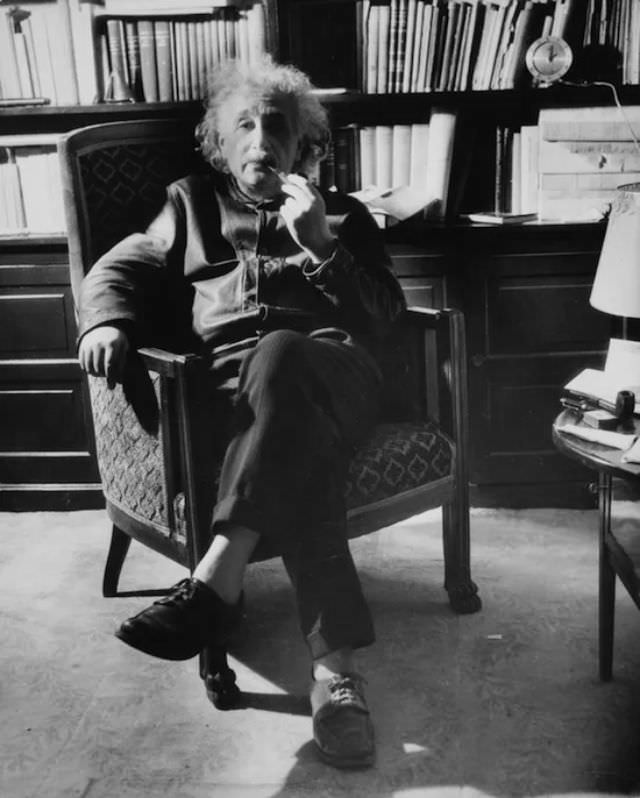
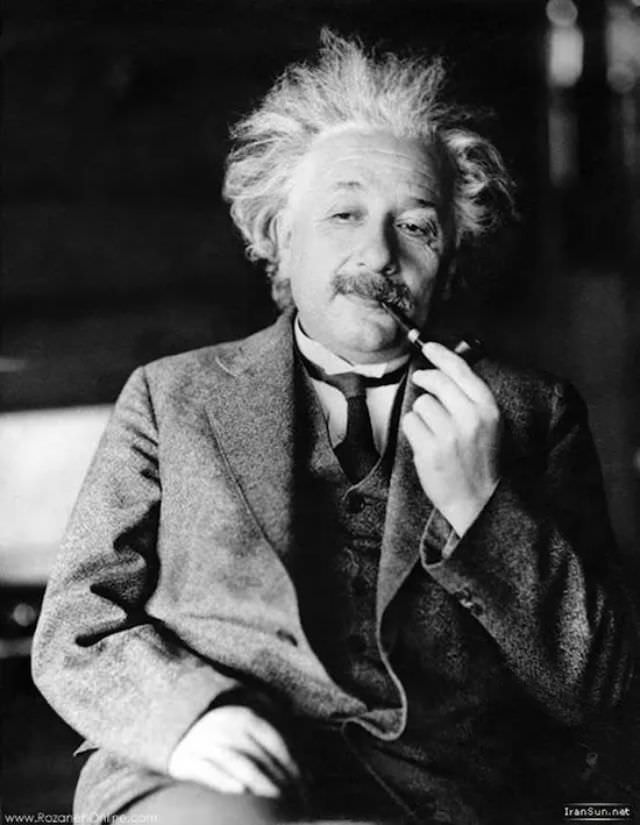
Einstein was a pipe smoker for much of his adult life and made no secret of it. He once said that pipe smoking contributed to a calm and objective judgment in all human affairs — which, coming from him, sounds less like an excuse and more like a theorem.
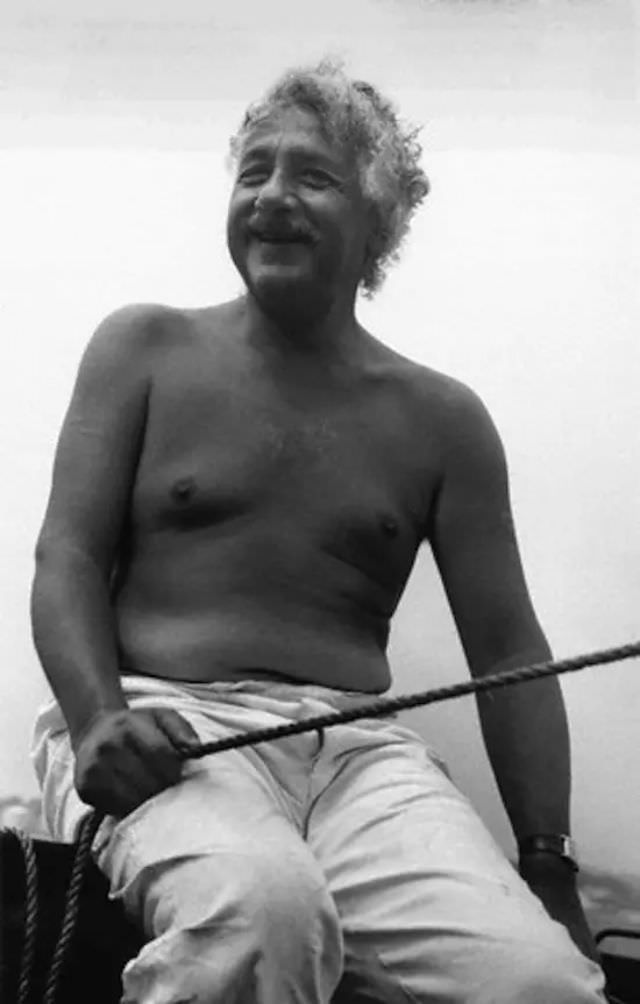
His laugh was genuine and frequent. People who spent time with him described him as warm and quick with a joke. He had a sharp wit but never used it to punch down. His humor tended to be self-directed or aimed at the absurdities of fame and modern life.
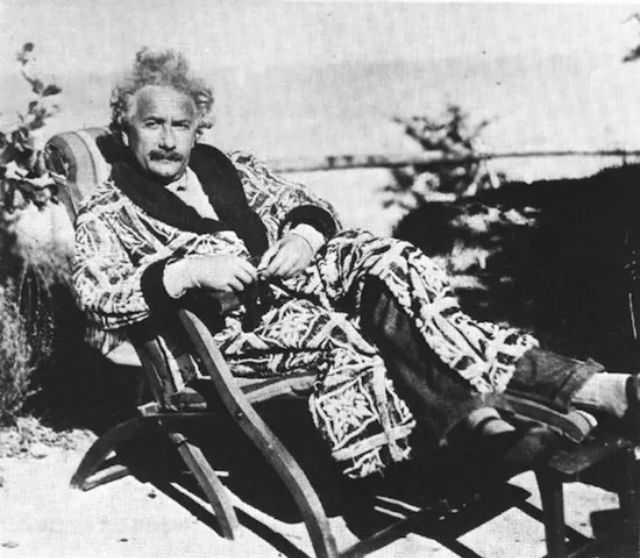
Sitting still, thinking quietly, watching the world — Einstein spent a lot of time doing exactly that. He believed that imagination was more important than knowledge, a view that shaped not just his science but his entire approach to daily life. He wasn’t always racing toward the next discovery. Sometimes he was just sitting somewhere, thinking about nothing in particular.
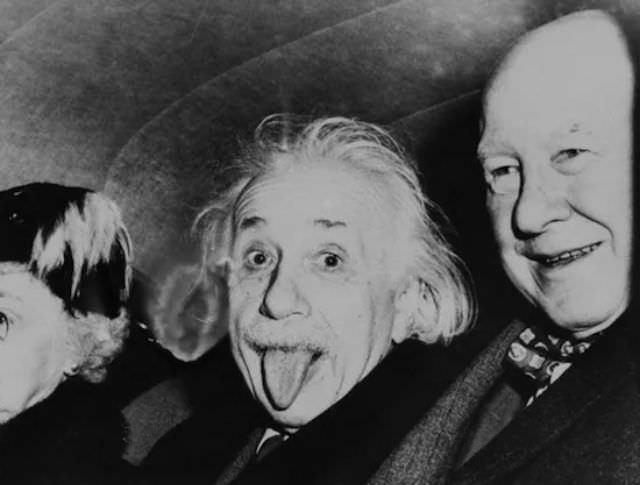
He loved to tease people — friends, colleagues, photographers. He had a gift for timing. The most famous example is the photo taken on his 72nd birthday in 1951, when he stuck his tongue out at the camera. It became one of the most reproduced images in history. He reportedly asked the photographer for copies to send to friends instead of the standard formal portrait.
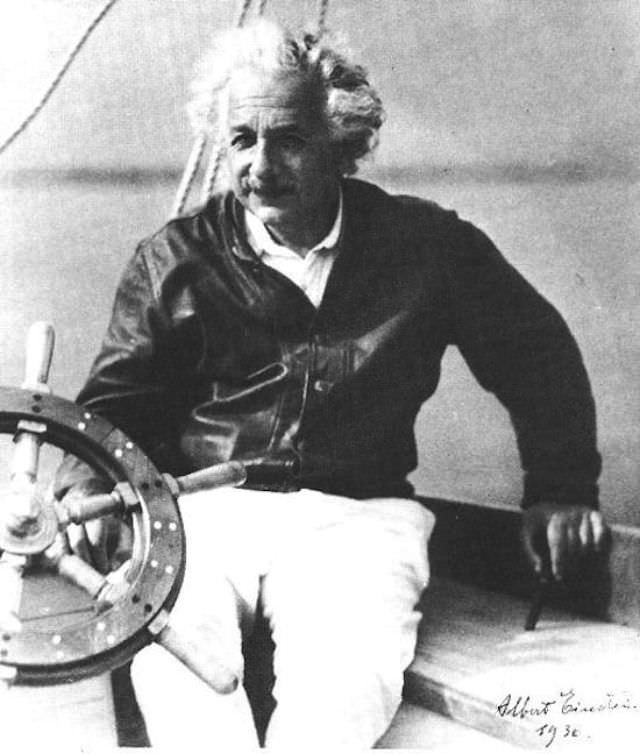
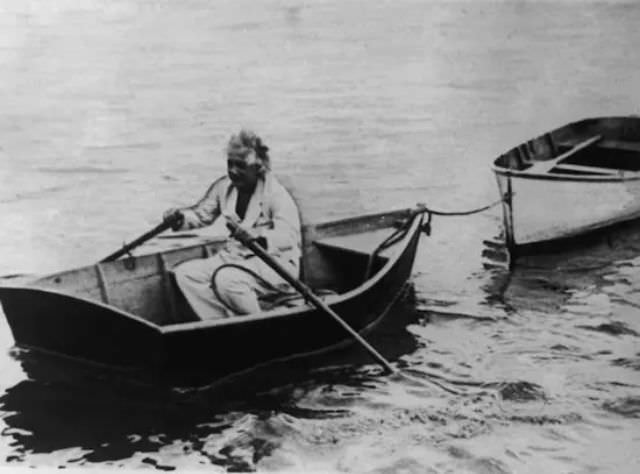
Whether he was steering a boat, paddling across a lake, or simply soaking up the sun, Einstein moved through his leisure time with the same curiosity he brought to physics. He wasn’t performing relaxation. He was genuinely good at it.